


DiamondCentric
-
Posts
2,631 -
Joined
-
Last visited
Never
Content Type
Profiles
Forums
Events
News
Tutorials & Help
Major League Baseball Videos
Guides & Resources
Store
Downloads
Gallery
Everything posted by DiamondCentric
-
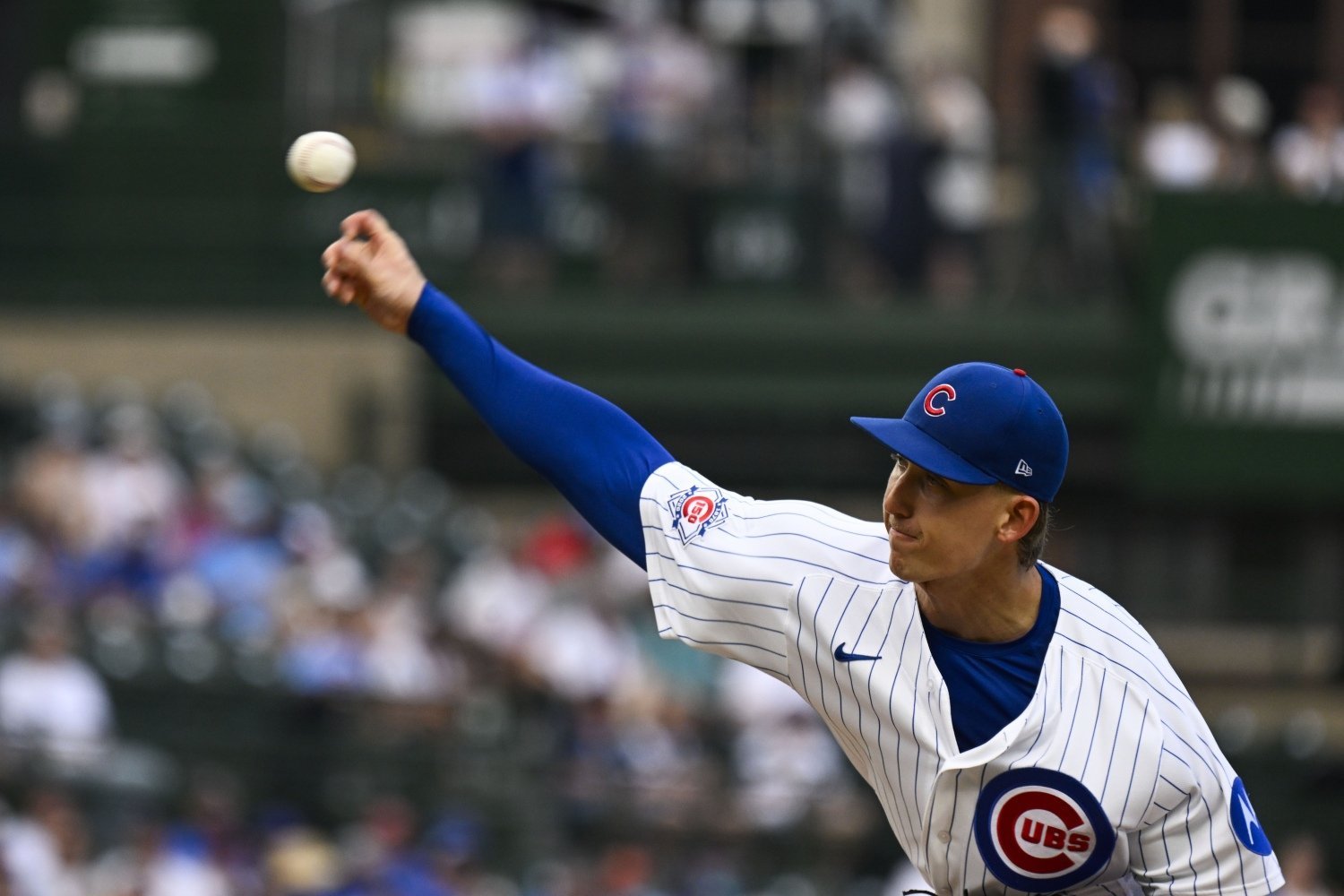 Hitting is hard, unless a pitcher makes it easy for you. That's a fundamental truth of baseball; it's why batters who hit .300 make All-Star teams. The pitcher has all kinds of advantages in their showdown with the batter, up to and including the literal high ground. They also have a defense working as a team behind them. Most of the time, to produce a valuable result, a batter has to hit the ball squarely and get at least a little lucky. They have to make an almost superhuman ballistic assessment of the pitch coming their way, adjust well and connect cleanly. They have to hit the right spot on the barrel of the bat, without hitting the top or bottom of the ball instead of the center, and they have to be on time to hit it in a good direction. All a pitcher has to do is disrupt one of those three aspects to win most of their battles. Pitchers get paid incredibly well, though, so if pitching were as easy as all that, everyone would do it. In practice, the above often proves hard to do. Pitchers have to aim for a relatively small space from a relatively significant distance, and throwing the ball past the best hitters in the world while working in and near that square-shaped strike zone isn't as easy as it sounds. To produce enough speed to make a hitter's adjustments difficult, most pitchers must sacrifice some movement or command. To produce enough movement to fool them, most must give up some speed or command. To demonstrate sufficient command... look, you get it. Each side has to make tradeoffs. Last season, Ben Brown mostly made the wrong tradeoffs. In fairness to him, though, he spent much of the season in a role to which he was not well-suited. Fifteen of Brown's 25 appearances for the 2025 Cubs came as a starter, but at the time, he was a two-pitch pitcher with little wiggle on his fastball. He needed to consistently wreck hitters' timing to succeed, either by overpowering them with his heater or by catching them hunting that pitch and throwing them his sharp curveball instead. At times, that did work, and his strikeout rate was a robust 25.6%. He didn't put batters on base for free very often, either, with a very good 6.8% walk rate. However, pacing himself for full outings meant he didn't throw as hard as he needed to to beat hitters with the fastball most of the time, because his four-seam fastball doesn't have an especially good shape and is more reliant on speed than that of most starters. In just over 106 innings, he gave up 18 home runs. His ERA was 5.92, which is almost impossibly bad for a pitcher with such good strikeout and walk numbers. Batters simply found the barrel on him too often. Even when the ball wasn't clearing the fence, it zipped off the bat. He yielded a 91.2-MPH average exit velocity, and a lot of that contact was line drives. What's changed this year? Well, you know about his new sinker, and his slightly increased faith in a changeup. If you hang out around here, you also know that he's lowered his arm slot this season, with delightfully beneficial effects. His strikeout and walk rates haven't improved at all. Can those small changes really explain the drop from an opponents' batting line of .279/.333/.467 last year to .170/.236/.205, and Brown's sparkling 1.74 ERA? Thanks to new data from Statcast, the answer to that is 'yes'. What Brown is doing differently this year is responsible for much of the improvement in his numbers, even if some positive regression was inevitable, and even if he's been a bit lucky this spring. Here's what we're talking about. Last season, righties were able to put up surprisingly competitive at-bats against Brown. A guy with a high-90s fastball and such a hard curve usually does very well against same-handed batters, but right-handed hitters had a .728 OPS off Brown in 2025. This year, that figure is .369. To understand why, first, look at these visuals from the new swing timing and miss distance leaderboard at Baseball Savant. This is Brown's profile against righties last year. As you would guess, Brown's curveball (in blue) often got hitters out to (or beyond) the end of their bat, as seen in the left-hand image. It often forced them to be early (center image), and they often swung over the top of it (right-hand image). Those are all related, of course. A hitter sees the pitch, thinks it's the fastball they're trying to time their swing for, and attacks it. They're wrong, so their swing leaves the hitting zone too early, with the ball still out beyond the end of their flailing lumber. Usually, they've also misjudged where the pitch will end up, because they thought fastball and got the biting breaker. However, notice how well hitters usually stayed on the sweet spot of their bat against his fastball (in red). The distribution in the left-hand image shows that Brown got to the handle or to the end of opponents' bats much less than some pitchers do with that four-seamer last year. He did sometimes force the batter to be late and to swing beneath the ball, but he wasn't exceptionally good at either thing. Plenty of times, righties were getting off a swing that made them on time, caught the good part of the bat and did it in the center of the baseball. That's why Brown got hit so hard. Here's the same set of images for 2026, again against righties. The introduction of the sinker (in orange) and the small change in his arm angle has changed everything. In the left-hand image, you can see that the sinker is producing more batted balls on which the hitter is tied up or jammed, where Brown got in on their hands. The four-seamer, both because batters are now trying to cover that sinker more and because adding the sinker has allowed him to focus on attacking the outer edge with the four-seamer, is getting to the ends of bats a bit more often. In the center image, look how much more often batters are late on his heater this year, as they try to discern between the sinker and the four-seamer and still get to whichever it is on time. The four-seamer is above bats more often, for the same reason. The sinker has gotten below them consistently, yielding some whiffs but even more help in the ground-ball department. Hitters have, perhaps out of self-preservation, looked for the curve a bit more often this year. They're not early on it or swinging over it as much as they were in 2025. That's why the whiff rate on that pitch hasn't climbed at all. However, they're getting it off the end of the bat, when they do hit it, so the quality of contact is lower. Again, having the sinker to keep hitters honest on the inner third is helping a pitch that's usually going to the outer third. Many of the same trends show up for lefties. He's throwing the curve more against them this year, and they've adjusted to that, so they're on time for that pitch as much as ever. It's not enough to make them effective against it, though. On the contrary, his whiff rate is still just under 50% on the curve to lefties. As he's thrown it more and they've tried to be ready for it, they've also been late and off the barrel on the four-seamer much more often. Brown won't carry a sub-2.00 ERA all season. The changes he made this winter and spring, however, have turned him into a legitimate front-of-the-rotation starter. If he can continue to locate the sinker and work from an arm slot that gives his whole arsenal a bit more adaptability, he'll continue to dominate opponents—not just with whiffs, but by limiting hard contact better than he has in the past. View the full article
 -

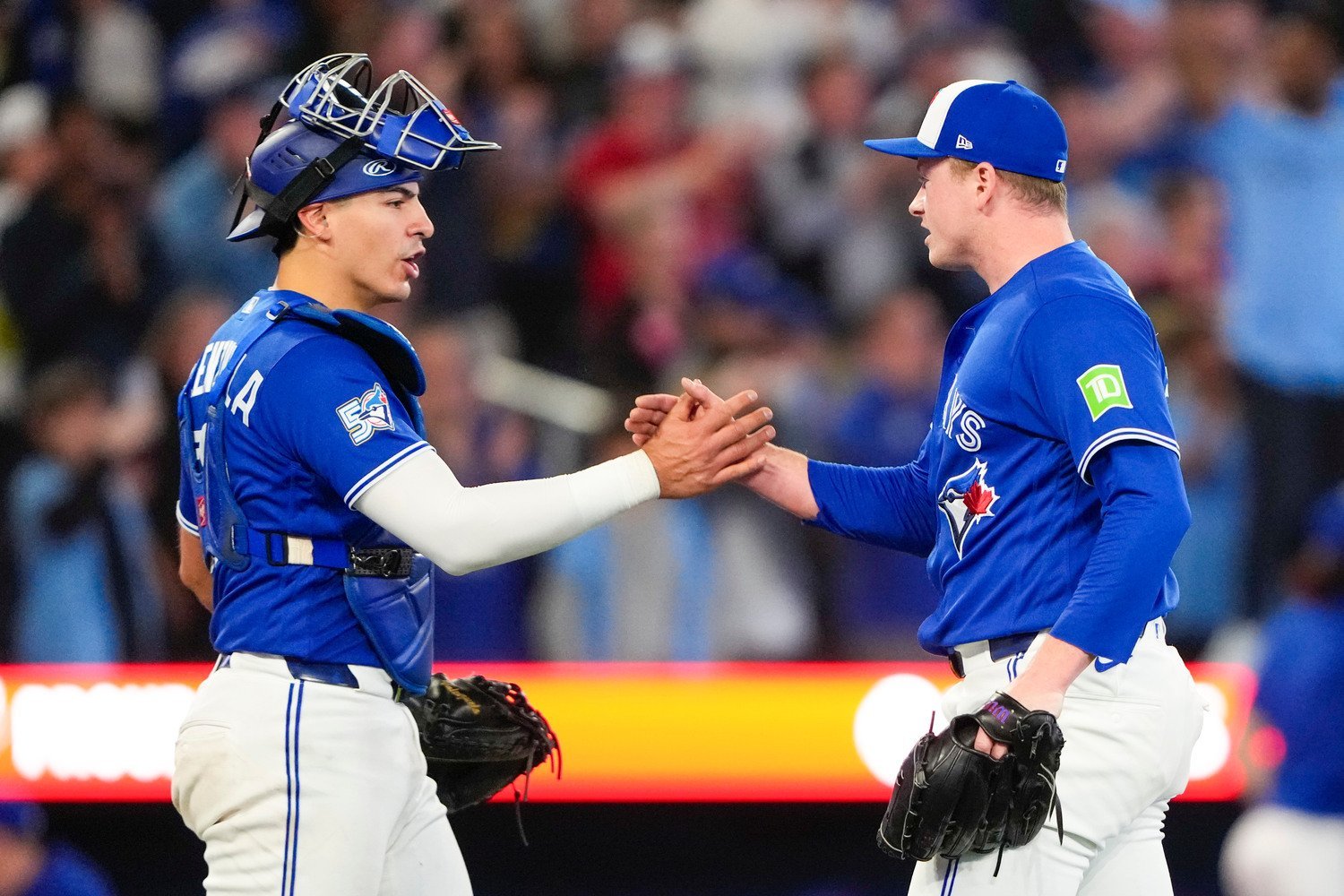 The Toronto Blue Jays are seeing massive success from two of their trade acquisitions at last season's deadline. Louis Varland was acquired from the Minnesota Twins along with Ty France in exchange for Alan Roden and prospect Kendry Rojas. In a smaller-scale trade, the Blue Jays acquired Brandon Valenzuela from the San Diego Padres for Will Wagner. Although it's early in the season, Toronto looks like the clear winner of both deals, given how its acquisitions are performing. Varland has been one of the best relievers, if not the best, in the American League throughout the first 10 weeks of the season. Through 34 2/3 innings (as of June 8), he has an out-of-this-world 0.28 ERA, a 34.1 percent strikeout rate, and a 1.29 FIP. All three statistics would be career-best numbers if this were the end of the season. Due to his success, he has been called upon to replace Jeff Hoffman to close out games, and Varland has been exceptional. He's converted all 11 of his save opportunities. What's even more impressive is that the righty has pitched in 18 straight outings without allowing an earned run. His Baseball Savant profile is entirely red, with him ranking in the 90th percentile or higher across 10 statistics. Varland doesn't become a free agent until the 2031 season, which makes him a valuable long-term asset, and he is quickly making a case as one of the Blue Jays' greatest trade deadline acquisitions in team history. Obviously, some regression will come; he can't be this perfect all season long. Or can he? When Valenzuela was acquired last season, he was thought to be a defensive-minded catcher. In 2023, he had an .828 OPS after 156 High-A plate appearances. That was the last time he had an OPS above .715 at any professional level, and he's never had an ISO above .180 until this year. This season, he's slashing .252/.338/.471 with seven home runs, 17 runs, 16 runs driven in, a .809 OPS, and a .218 ISO. When Alejandro Kirk went on the injured list in early April, Valenzuela was called up to back up Tyler Heineman. However, Heineman's struggles at the plate led the Blue Jays to split the backstop role between Heineman and Valenzuela. Lately, though, Valenzuela has gotten the majority of starts each week due to his offensive success. With Kirk starting a rehab assignment, the Blue Jays will have to make a difficult choice about who to send down if all goes well. Do you keep Valenzuela, a rookie who is performing better offensively, or Heineman, a veteran who is just as strong defensively? Both catchers rank in the top four among MLB catchers in Fielding Run Value. Valenzuela ranks third with a +7 value, and Heineman ranks fourth with a +6 value. The tough decision about who to keep on the 26-man roster stems from Heineman no longer having any options available. So, he would have to be designated for assignment, and with his strong defensive skills, he's nearly guaranteed to be selected off waivers. It might be smart to keep Heineman on the 26-man roster, while Valenzuela gets regular at-bats in Triple-A rather than making a start or two each week in the big leagues. Keeping Heineman also strengthens the team's catching depth in case of an injury towards the end of the season. Kirk isn't expected to need many at-bats during his rehab stint, so a return could come this weekend in a series against the division rival New York Yankees. I would expect Heineman to stay and back up Kirk, but luckily, I'm not the one who makes these tough decisions. Stats updated prior to games on June 9. View the full article
 -
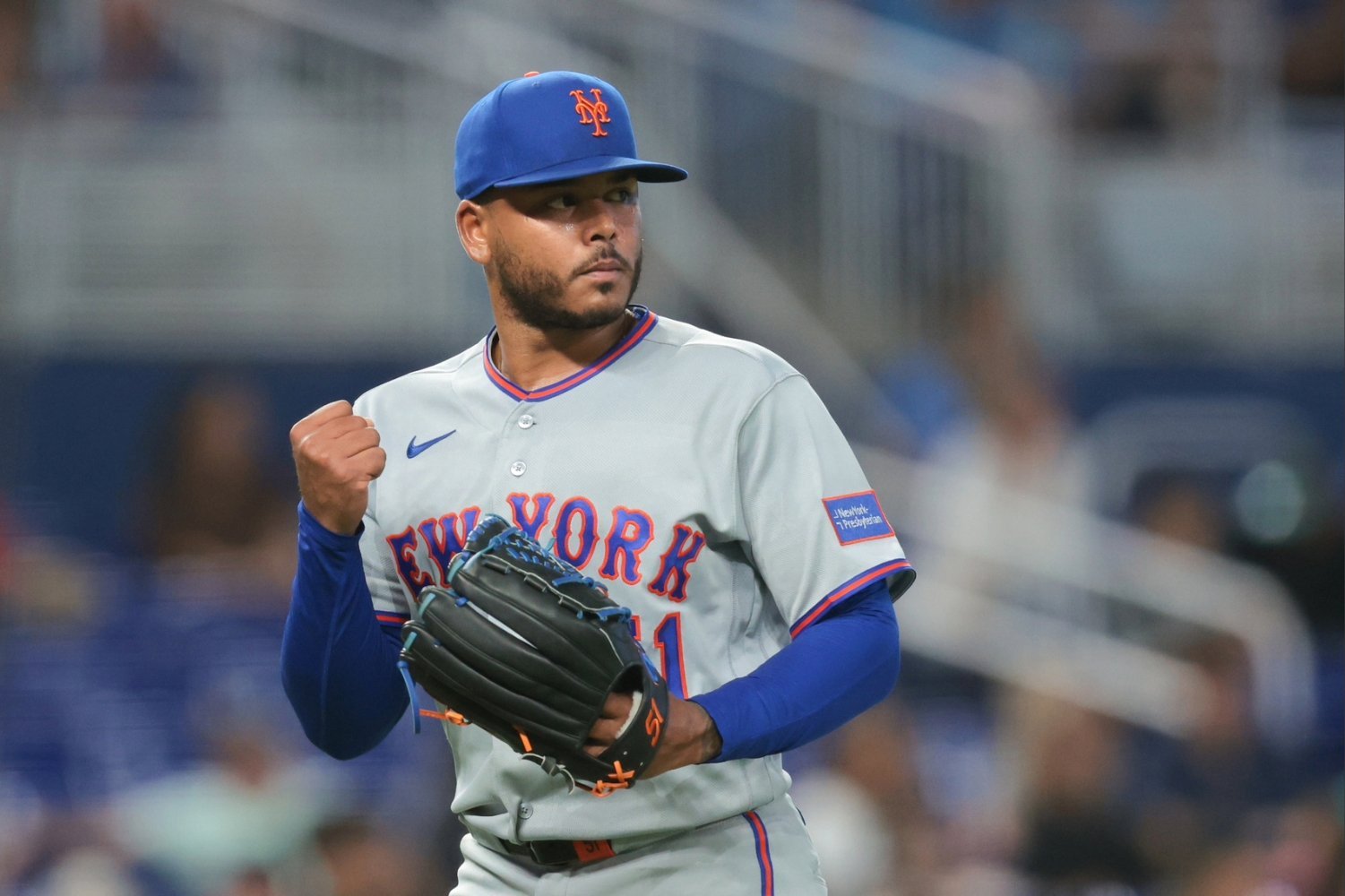 Freddy Peralta’s New York Mets tenure has been tenuous. Yes, he has been a steadying force atop their rotation, but he hasn’t been the “capital-A” ace fans hoped he’d be. He hasn’t been the problem in a season that has gone sideways, but he also hasn’t been the solution. The best way to describe his Mets’ exploits is excellently mediocre, but that’s clearly not how Peralta views things. Per Bob Nightengale, Freddy Peralta expects a contract “similar to Max Fried’s eight-year, $218 million deal,” when he reaches free agency this fall. As a point of reference, Fried’s contract is the largest ever handed out to a left-handed pitcher, although Tarik Skubal should blow by that, and is the fourth-largest ever for a pitcher. While it’s not really noteworthy when a report surfaces that a free agent-to-be would like a comically large sum of money, it could change the way the Mets view the trade deadline. Mets Are Teetering on the Edge of Buyer and Seller As of the week of June 8, at 29-36, the Mets are five games back of the final wild card spot, and 15.5 games back of the Braves for the NL East divisional crown. According to FanGraphs' playoff odds, the Mets have a 22.7% chance of making the postseason, the ninth-best figure in the National League. Considering six teams from each league make the playoffs, the Mets’ playoff dreams aren’t dashed, but they’re certainly tenuous. If the Mets make a run and fortify their playoff positioning, Peralta will finish the season in Queens. Teams in the playoff picture always need more pitching, and Peralta, while a mild disappointment thus far, would be integral in any Mets playoff scenario. However, if the team falls out of the running before the trade deadline, Peralta’s name will become a hot topic of discussion, and his looming contract expectations will certainly be a factor for any team pursuing him and the Mets’ desire to retain him beyond 2026. As a quick note: The looming collective bargaining negotiations throw a tremendous amount of uncertainty over all of this. Since no one knows how those will play out, I’m going to assume that the status quo largely wins out. That is potentially naïve, but for the purposes of this analysis, it’s the only way to operate with any certainty. Why the Mets Would Trade Peralta To land Peralta over the winter, the New York Mets traded Brandon Sproat and Jett Williams to the Milwaukee Brewers for Peralta and Tobias Myers. At the time, Williams was the 69th-ranked prospect, according to Fangraphs prospect rankings, while Sproat was 51st. The pair held 50 overall grades, which indicates average or better MLB players over their team control years. Sproat and Williams are very good prospects, and while the Mets probably won’t get commensurate value back, landing one top-100 prospect isn’t out of the question in a Peralta trade. They could also opt to cast a wider net and land a few players with tantalizing upside, but who are much farther from the majors. However, I doubt recouping prospects would be the primary reason the Mets would trade Peralta. They own the league’s second-highest payroll and have been aggressive every offseason to bolster their roster through free agency. Moving Peralta would likely be a means to clear as much future cash to pursue Tarik Skubal. If the Mets have no interest in keeping Peralta long term, then they have every reason to trade him before the deadline because extending him a qualifying offer doesn’t move the needle much. Due to the Mets paying the competitive balance tax, they’d receive their compensatory pick after the fourth round of the MLB draft, as opposed to after the first round. The disparity in bonus slot allotment and projected value between a player drafted after the first and fourth rounds is substantial enough that the overall player return for Peralta via trade would dwarf letting him walk after extending him a qualifying offer. On top of that, the qualifying offer will be for around $22 million, and if the Mets really do want to splash the type of money they’d need to land Skubal, then the potential of Peralta accepting the qualifying offer would be a serious risk because his salary expectations and reality don’t seem to align. Forecasting a Freddy Peralta Contract Since the season is not over, any salary projection for Peralta has to make two assumptions. The first is that he will finish the season mostly healthy, and the second is that he’ll maintain his current level of production. To properly gauge Peralta’s market, we need to first properly analyze the actual market. Over the past three offseasons, there have been 11 free agent pitchers around the age of 30 (28-32) who entered free agency coming off a 3.0 fWAR season or better. Since Peralta has only just turned 30 and has averaged about 3.0 fWAR over the past three seasons, these pitchers can reasonably be called his peers. Player Info Actual Contract Name FA Period Pos Bats Thr Prev Team Age Service Time QO Signing Team Years Total Salary AAV Ranger Suarez 2026 SP L L PHI 30 6.112 ✕$22.0M BOS 5 $130.00M $26.00M Framber Valdez 2026 SP R L HOU 32 6.163 ✕$22.0M DET 3 $115.00M $36.52M Dylan Cease 2026 SP R R SDP 30 6.089 ✕$22.0M TOR 7 $210.00M $27.02M Corbin Burnes 2025 SP R R BAL 30 6.049 ✕$21.1M ARI 6 $210.00M $33.04M Max Fried 2025 SP L L ATL 31 6.148 ✕$21.1M NYY 8 $218.00M $27.25M Jack Flaherty 2025 SP R R LAD 29 7.006 DET 2 $35.00M $27.50M Blake Snell 2025 SP L L SFG 32 8.072 LAD 5 $182.00M $31.36M Jordan Montgomery 2024 SP L L TEX 31 6.153 ARI 2 $47.50M $23.75M Blake Snell 2024 SP L L SDP 31 7.072 ✕$20.3M SFG 2 $62.00M $29.70M Aaron Nola 2024 SP R R PHI 31 8.076 ✕$20.3M PHI 7 $172.00M $24.57M Eduardo Rodriguez 2024 SP L L DET 31 8.07 ARI 4 $80.00M $20.00M On average, these pitchers signed contracts for 4.6 years, for a total of $127.95 million, and at an average annual value (AAV) of $27.54 million. It should be noted that longer deals for larger total money will generally have lower AAVs, while shorter deals usually get a slight AAV bump. To quickly and rudimentarily get an idea of what Peralta should expect in free agency, I found the correlation between contract length, contract size, and AAV and six-season bWAR total, ERA, FIP, strikeout to walk ratio, innings per 162 games, and available start percentage. [As a note, the pandemic 2020 season makes all of this a little trickier.] Name Service Time Walk Season fWAR bWAR ERA FIP SO/BB Inns per 162 Starts Available Start % Years Total Salary AAV Ranger Suarez 6.112 4 17.6 3.35 3.48 2.94 170 116 67.44% 5 $130.00 $26.00 Framber Valdez 6.163 4 18.4 3.23 3.36 2.96 215.5 153 88.95% 3 $115.00 $36.52 Dylan Cease 6.089 3.4 16.8 3.73 3.55 2.91 184.1 174 101.16% 7 $210.00 $27.02 Corbin Burnes 6.049 3.8 19.1 2.88 3.01 4.24 204.8 137 97.86% 6 $210.00 $33.04 Max Fried 6.148 3.4 22.1 3.06 3.23 3.72 195.3 142 82.56% 8 $218.00 $27.25 Jack Flaherty 7.006 3.3 10.2 3.61 3.87 3.32 182.4 125 72.67% 2 $35.00 $27.50 Blake Snell 7.072 4.1 14.7 3.33 3.29 2.9 173 137 79.65% 5 $182.00M $31.36M Blake Snell 7.072 4.1 19.6 3.02 3.32 2.95 177.8 148 86.05% 2 $62.00 $29.70 Jordan Montgomery 6.153 4.2 9.7 3.63 3.67 3.6 182.7 112 65.12% 2 $47.50 $23.75 Aaron Nola 8.076 3.8 20.2 3.89 3.56 4.44 204.4 175 101.74% 7 $172.00 $24.57 Eduardo Rodriguez 8.07 3.1 14.9 3.98 3.77 3.04 187.5 161 83.85% 4 $80.00 $20.00 Average 6.73 3.75 16.66 3.43 3.46 3.37 188.86 143.64 83.51% 4.6 $127.95 $27.54 Correlation to AAV -0.54 0.39 0.35 -0.73 -0.65 -0.02 0.54 -0.02 0.29 Correlation to Salary -0.31 -0.18 0.71 -0.26 -0.63 0.40 0.41 0.43 0.65 Correlation to Years -0.08 -0.30 0.64 -0.03 -0.41 0.40 0.24 0.46 0.56 Unsurprisingly, the bWAR over the six seasons prior to free agency had the strongest correlation to contract size and length, while ERA over that same span was the best at predicting AAV. From there, I threw Peralta’s figures into a linear forecast model, with a little boost to his on-pace bWAR total from this season, to give us a rough estimation of what he should expect to see in free agency. Based on this, Peralta should expect a contract of 4.8 years, for a total of $132.1 million, and at an AAV of $28.5 million. These numbers don’t all add up, but the general outline is that Peralta’s market should be for around five years at $28 million a year. For every additional year, you’d expect the AAV to decline and vice versa. Obviously, that’s not particularly close to Max Fried’s eight-year, $218 million deal, but perhaps Fried simply beat his projection. Well, about that. Fried’s projected contract length was for 6.56 years, for a total of $192.38 million, with an AAV of $30.9 million, which aligns pretty well with what he got. However, there was one little thing bugging me from that data set: Blake Snell. Snell features twice in this exercise, and his whole presence kind of ruins everything. The linear correlation between six-season bWAR and salary craters from 0.86 without him to 0.71 with him. The reason for this is that Snell basically has two elite seasons where he won Cy Youngs and a bunch of mediocre to poor seasons in between. And since I used six seasons as my cutoff, his first free-agent foray, where he only got two years and $62 million, he had 19.6 bWAR, but his second trip through free agency lopped off his 7.1 bWAR season, and he then landed a five-year, $182 million contract on only a bWAR of 14.7. It’s not the most rigorous exercise, but I wanted to see what Peralta and Fried’s contract forecasts would be if I simply removed Snell from the equation. Yes, it shrinks the sample, but I’d rather kill two outliers with one Snell. In the Snell-less projections, Peralta would expect a contract of 5.2 years, for a total of $144.5 million, and an AAV of $28.8 million, while Fried landed a 7.35-year deal, for a total of $215.04 million, and an AAV of $31.37 million. Fried projecting so accurately makes sense because his figures are part of the sample, but they continuously reinforce the notion that if Peralta starts with Fried’s contract in negotiations, it’s only going to go down from there. What Peralta’s Demands Mean for the Mets Personally, if I were running a team, Peralta’s expectations wouldn’t scare me off from trading for him, or keeping him if I’m the Mets. Unless he rips off a truly transcendent final 20 starts, Peralta looks in line to land a six-year deal worth a total of $160 million, which is right in line with what Ranger Suarez got this offseason. Now, whether or not the Mets want to hang onto him long term at $160 million is another thing, but his seeking Max Fried money shouldn’t be a hang-up. At the end of the day, it’s highly unlikely any team will go anywhere near $200 million for him on a contract. The difference between his perceived value and true market value does make it more likely that he’ll accept a qualifying offer or seek a short-term deal with opt-outs, but most teams have had few qualms about handing out those types of deals. At the end of the day, Peralta’s contract expectations should change the Mets' line of thinking. Either they need him for a playoff push, or they decide they’d rather commit long-term money to a higher-end pitcher and trade him. Outside of a CC Sabathia-like run to close the season, Peralta is going to land a contract that pays him like the number two starter that he is. View the full article
 -
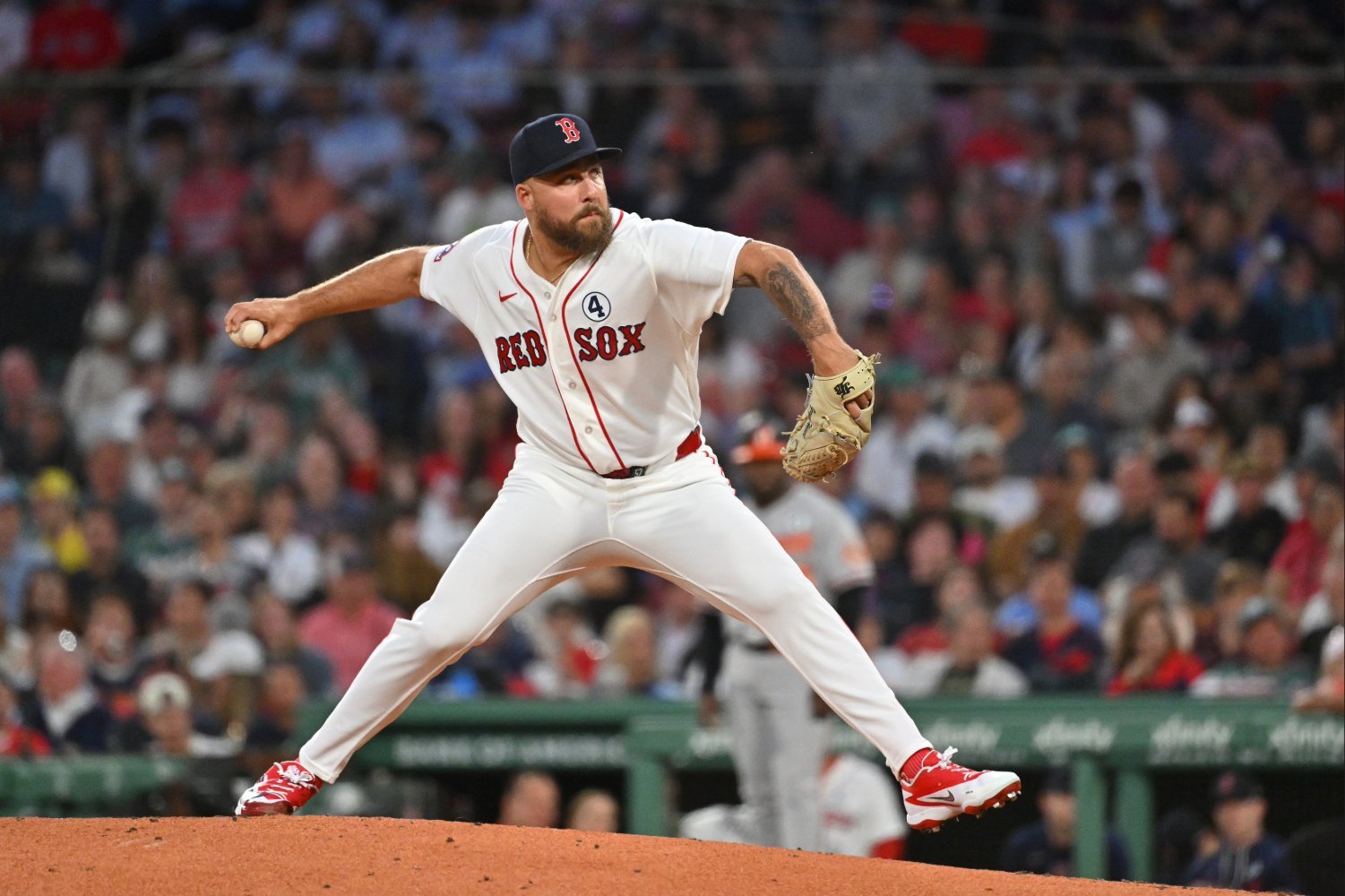 In a move that was somehow both a long time coming and shocking at the same time, Brayan Bello was sent to Triple-A Worcester after his miserable start on June 4. He allowed six first-inning runs, appeared to tell his catcher to not come out to the mound during the inning, and then doubled down on the fact that he was a starter and was going to work through his issues at the big-league level. Just a few hours after those comments, he was sent down to begin a stint with the WooSox where he will be looking to move past the emotional outbursts and meltdown innings that have plagued his 2026 season. After that shocking demotion, I wanted to take a look and see what other 26-man roster members may be next in line for a demotion in the coming weeks. I didn’t include names like Nate Eaton or Anthony Seigler on this list, as they are unlikely to see much time with the big-league club; rather, let's focus on a trio of players who have garnered more playing time than they've deserved this year. 3 Demotion Candidates for Red Sox #3: C Carlos Narvaez Using one of Narváez’s minor-league options right now would be shocking, arguably more so than Bello’s demotion, but offensively he’s been a shell of himself this season. Narvaez broke out in a big way during his 2025 rookie campaign but was hindered by a knee injury over the second half of the season. After a procedure to fix the knee and a full offseason to rest and get healthy, big things were expected of Narváez as the 2026 season got underway. So far, he’s yet to fully get going though. Narváez was benched during the first Astros series of the season for arriving late to the stadium and, while his defense behind the dish is still incredible, his bat has yet to come around. He’s currently slashing .209/.283/.304 (64 wRC+) on the season and has seen his playing time decrease significantly as Mickey Gasper, and even Connor Wong, have been outperforming him offensively. Jen McCaffrey from The Athletic spoke to Narváez where he said that the dip in playing time, “wasn’t expected…and it’s not easy.” The young backstop is likely the catcher of the future in Boston, but without regular playing time, Craig Breslow and Chad Tracy may decide to give him more reps in Triple-A until he’s needed on the big-league roster again. #2: SS/2B Marcelo Mayer Although Mayer is a highly touted prospect with excellent defensive abilities, he’s yet to prove that he can stick at the major-league level from an offensive standpoint. He began the season at second base, where he flashed a ton of great defensive ability, but the injury to Trevor Story has allowed Mayer to slide over to his natural position, shortstop. The fan expectation is that Mayer will remain the starting shortstop for the Red Sox even once Story returns from his sports hernia surgery in late July, but there’s a chance that he may not even be on the big-league roster at that point if his offensive production doesn’t catch up to his defensive value. He’s currently slashing .222/.281/.311 (63 wRC+) but is underperforming even those numbers in the last 25 days, where he’s only hitting .167 with a single extra-base hit. He currently has a massive hole in his swing against off-speed pitch at the bottom of the plate and pitchers are taking full advantage of that. The flip side of that is he’s only going to learn to hit big league off-speed pitches with the Red Sox; the team will have to balance his confidence with his development the rest of the season. #1: RHP Greg Weissert Maybe the only person more deserving to be sent to Worcester than Brayan Bello is the closer for Team Italy himself, Greg Weissert. The right-hander has been brutally awful this season, being an almost automatic loss when he enters a game with ducks on the pond. That’s the sole reason his ERA is, miraculously, just 3.96 on the season. He’s second to Ryan Watson in reliever innings pitched at 25.1, but you rarely feel good when you see him warming up in the bullpen. Often, Weissert will be getting warm next to someone like Justin Slaten and you have to wonder, once runners get on base, if Weissert begins to hope that Tracy will call for someone else when he takes that walk to the mound. The most frustrating part about the veteran set-up man is that his slider is arguably the most lethal pitch in the game. When he’s feeling it, that pitch is almost unhittable for a right-handed hitter. He lets it leak over the plate though, and when it doesn’t have the snap that it needs to, it gets crushed. Weissert could likely use some time without the pressure that pitching for the Red Sox brings to reset after Team Italy’s Cinderella run in the World Baseball Classic that gave all of us hope while we watched him pitch. Burning his last option keeps him in the organization and allows for the team to keep working with him to get him back on track. View the full article
 -
 Transactions: Milwaukee Brewers sent RHP Brandon Woodruff on a rehab assignment to ACL Brewers. Biloxi Shuckers placed LHP Sam Garcia on the 7-day injured list retroactive to June 7, 2026. RHP Travis Smith assigned to Biloxi Shuckers from Wisconsin Timber Rattlers. RHP Jack Seppings assigned to Biloxi Shuckers from Wisconsin Timber Rattlers. RHP Peyton Niksch assigned to Wisconsin Timber Rattlers from Wilson Warbirds. RHP Jayden Dubanewicz assigned to Wisconsin Timber Rattlers from Wilson Warbirds. Wisconsin Timber Rattlers placed LHP Bjorn Johnson on the 7-day injured list retroactive to June 8, 2026. Wisconsin Timber Rattlers activated SS Daniel Guilarte from the 7-day injured list. RHP Bryce Schaum assigned to Wilson Warbirds from ACL Brewers. LHP Joey Broughton assigned to Wilson Warbirds from ACL Brewers. Of course the big transaction news of the day was Luis Lara signing a long-term deal with the Brewers, which you can see here, courtesy of the Nashville X account: Game Action: Nashville 8, Durham (Rays) 2 Box Score As always, you are encouraged to read the official round-up from the team’s site: Tyson Hardin Sets Career High in Strikeouts For a Nashville pitching staff has dominated International League all season, Tyson Hardin might have turned in their best performance yet on Tuesday night. Hardin struck out a career-high 11 in six innings of one-run ball to lead the Nashville staff that struck out 16 on the night. The only blemish of the night for Hardin was a solo blast in his final inning of work, but Hardin then rallied for two more strikeouts to complete his masterful outing. Since being promoted to Nashville, Hardin has a 1.59 ERA with 31 strikeouts in 28.1IP. Spencer Michaelis captured all 11 strikeouts for your viewing pleasure here: The Sounds’ offense staked Hardin to an early lead, with a two-run home run from Akil Baddoo, courtesy of the Nashville X account: Baddoo walked twice and drove in three on the night. Cooper Pratt hit his first home run since May 20: Pratt was on base three times, adding a single and walk as well. In his last 20 games, Pratt has a .943 OPS. Eddys Leonard chipped in an RBI triple. Leonard is second among Nashville regulars with a .896 OPS. With all the talk of promotions for Pratt, Luis Lara and Jett Williams to the big-league club, Leonard has quietly waited his turn and been rock solid all season. Nashville and Durham will play game two on Wednesday. With no probable starting pitcher announced, we could see Johnny Wholestaff deployed for the Sounds. Biloxi pre-game media notes Biloxi 9, Birmingham (White Sox) 7 Box Score Team Effort Leads Shuckers to Series-Opening Win over Barons Biloxi rode a massive sixth-inning offensive explosion to outlast Birmingham in a thrilling 9-7 victory on Tuesday night at Regions Field. Biloxi set the tone early with an RBI single by Eduardo Garcia. Birmingham immediately responded in their half of the first inning to tie the game off starter Manuel Rodriguez (6IP 5H 4R 4ER 0BB 8K). You can see his last strikeout here, courtesy of the Shuckers X account: Biloxi found themselves trailing 4-2 heading into the game's middle frames. That’s when the Shuckers offense flipped the script entirely in the top of the sixth, stringing together a rally that ultimately plated five runs to recapture a lead they would not relinquish. First, Darrien Miller smacked a two-run double. Next, Mike Boeve plated a run on a fielder’s choice. Finally, the centerpiece of the game-defining frame belonged to outfielder Mark Coley II, who blasted a clutch, two-out, three-run home run to break the inning wide open: It was a total team effort for the Shuckers’ offense. Jesus Made scored three times and stole his 20th base of the season. Blake Burke score twice and also stole a base, his 14th of the year. Garcia had three hits, while Boeve had two hits and two RBI. Flame-throwing closer Cameron Wagoner dominated the ninth, striking out two of the three batters he faced to secure his third save of the year and lock down a hard-fought victory for the Shuckers. Biloxi and Birmingham will play two on Wednesday, with RHP Tanner Gillis (1-2, 3.86) taking the mound in game one. Wisconsin pre-game media notes Wisconsin 10, Great Lakes (Dodgers) 9, F/11 Box Score Rattlers Best Loons in Wild Marathon Talk about a rollercoaster of an evening at the ballpark! In a game that saw a combined 19 runs, 23 hits, 22 walks, and a rare triple play, Wisconsin showed incredible resilience, fighting back multiple times to secure a thrilling 10-9 walk-off victory over Great Lakes in 11 innings. You can check out all the highlights from the 4+ hour epic here, courtesy of the Rattlers' YouTube page: The Loons jumped out to an early 2-0 lead in the first inning courtesy of a two-run homer off starter Braylon Owens. Those would be the only two earned runs of the night against Owens (5.1IP 5H 5R 2ER 3BB 5K), who was also victimized by some shaky defense. Josh Adamczewski got the Rattlers on the board with an RBI double in the second, the first of three hits and two RBI for the hot-hitting leftfielder. After Wisconsin fell in a 5-1 hole, Adamczewski again knocked in a run on a single to make 5-2. The deficit would remain three runs at 6-3 heading into the bottom of the 8th, when Wisconsin’s patience at the plate paid off. The Rattlers took advantage of a shaky Great Lakes bullpen, drawing three walks in the frame and eventually tying the game on a Blayberg Diaz single. After Great Lakes reclaimed the lead in the top of the 9th, the Rattlers answered right back. Once again, it was Adamczewski who delivered with the clutch hit after walks to Andrew Fischer and Marco Dinges. The drama only intensified in extras. Great Lakes put up two runs in the top of the 10th, but Wisconsin refused to blink. Another clutch RBI single from Diaz brought in the Manfred Man from second base. Then Braylon Payne smashed a ball off the wall, just missing a walk-off home run. Payne was staring the ball down and had to motor into second. After a fielder’s choice and another walk to Fischer, Juan Baez tied the game with a deep sac fly. After a scoreless top of the 11th from reliever Chandler Welch—who earned the win with yeoman’s work in his four innings of relief—the stage was set for heroics. With two outs in the bottom of the 11th, the Loons’ pitcher fired a wild pitch high over the catcher to the backstop. Eric Bitonti trotted home as Payne flung his bat into the air and the home crowd went wild. It was not all good news for Wisconsin. Luis Pena pulled up lame after running out a strikeout in the 6th inning. It was a tough night for Pena, who also grounded into a triple play and was thrown out at home trying to advance on a ball in the dirt. Fischer also had his 10-game hit streak snapped, as Great Lakes worked around the slugger much of the night. Fischer went 0 for 2 with four walks. Wisconsin is also set to play a twin bill on Wednesday with Josh Knoth (0-0, 3.12) slated for game one. We will see if either team has anything left in the tank after their epic battle Tuesday night. Wilson pre-game media notes Hill City (Guardians) 12, Wilson 6 Box Score Warbirds Doubled Up in Series Opening Loss Wilson was thoroughly beaten from the get-go on Tuesday night in their loss to Hill City. Starter Enderson Mercardo ate most of the damage, allowing nine runs on nine hits in 2.2 innings of work. After Mercado exited, tacked on three more runs versus bulk reliver Andrew Healy (4IP 5H 3R 3ER 2BB 3K) in the 4th inning to make it 12-0 before the game was half over. The Warbirds showed some perseverance by chipping away for rallies in the next three innings but never made it a game. Slugger Jose Anderson provided the highlight of the night for the Wilson offense with this blast into the night over the leftfield wall. Anderson has homered in four consecutive games and now leads the Carolina league with 14 home runs on the season. As a team, Wilson had six hits and drew nine walks. Filippo di Turri got the Warbirds on the board with an RBI double, the only extra base hit for Wilson besides Anderson’s bomb. Brady Ebel and Juan Ortuno were each on base twice with a walk and a single. Ebel’s single was a chopper that bounced off the pitcher to plate two. Frederi Montero walked three times and scored two runs. Healy was listed as Wednesday’s starter in the game notes, so we will see who Wilson turns to in game two of the series. ACL Guardians 4, ACL Brewers 2 Box Score Brandon Woodruff made his return to the mound on Tuesday night in Complex League play. In the first inning, Woodruff allowed a leadoff walk, double, and single to fall behind 2-0. Catcher CJ Hughes picked up his battery mate with a caught stealing to end the inning. In the second inning, Woodruff struck out the first two, before a walk, single and ground rule double plated another run to make it 3-0. Overall. Woodruff tossed 47 of 68 pitches for strikes, with five strikeouts in 3.2 innings of work. We’ll have to wait on word of what the velocity looked like, but it’s good news to see Woodruff back on the mound, even if the results weren’t there. Joan Pena (3.1IP 1H 1R 0ER 3BB 6K) relieved Woodruff and kept the game in check. However, the Brewers’ offense didn’t muster much support for their pitching staff. Juan Martinez hit his second home run of the season and now sports a .957 OPS. Malachai Halterman had a single and a walk. Yu-Lin Liao added a double, the only other extra base hit besides Martinez’s home run. DSL Cubs Blue 12, DSL Brewers Gold 6 Box Score It was a rough outing for the DSL Brewers Gold Tuesday morning as they fell 12-6 to the DSL Cubs Blue. The pitching staff struggled to contain the Cubs' bats from the start, digging an early hole that proved too deep to climb out of. Starter Marcos Veras took the loss after a difficult outing, surrendering five earned runs over three innings, and set a tough tone for the day. Offensively, the Brewers Gold managed 10 hits on the day, but just one for extras bases, a triple from Carlos Done. Done also walked twice and scored two runs. 16-year-old catcher Francisco De Marchena led the offense with three hits and three runs driven in. Angeni Fernandez collected two more singles and now has a .986 OPS. Moises Salazar also had two singles and a walk for the Brewers. Reliever Paul Hoff provided a solid bridge with four innings of two-run ball with five strikeouts, but the bullpen combined for a rough afternoon, notably plagued by four wild pitches from closer Christopher Peralta in a three-run 9th inning that sealed the Brewers' fate. Ultimately, defensive miscues and missed opportunities with runners in scoring position halted any chance of a late-game comeback. The Brewers committed two errors on the day and left 12 runners stranded on base, going just 3-for-14 with RISP. DSL Brewers Blue 10, DSL Rays 7 Box Score The DSL Brewers Blue squad rode an explosive first inning and some late-game insurance to lock down a back-and-forth 10-7 victory over the DSL Rays on Tuesday. The offense didn’t waste any time making a statement. In the top of the first inning, Sebastian Franeites delivered the definitive blow of the afternoon, a three-run blast to cap the five-run frame. That was the only extra base hit for the Brewers, who had eight hits and drew eight walks as well. In the middle frames, the Brewers and Rays swapped rallies in five consecutive half innings, with the Rays closing the lead down to 8-5 after five innings. The Rays managed to pull within one with a two-run rally in the 8th, but the Brewers rallied for two insurance runs in the top of the 9th to put the game away. Second baseman Leonard Rijo kept his blistering season going, turning in a two-hit performance with two RBI to push his OPS to a stellar 1.227. Jose Rodríguez also chipped in a multi-hit game, driving in two runs and scoring twice. While the bats did their job, the Brewers’ pitching staff had to navigate through a self-inflicted tightrope. Brewers’ pitchers struggled with their command all afternoon, combining for a staggering 11 walks and four wild pitches. Wilmer Duarte got the start, striking out four, but battled through five walks across three innings. Justin Lugo earned the win out of the bullpen, steadying the ship by racking up 5 strikeouts over 2.2 innings despite giving up two late runs. Jean Rodriguez shut the door in the 9th striking out the side in order to secure his first save of the season. Organizational Scoreboard including starting pitcher info, game times, MiLB TV links, and box scores Current Milwaukee Brewers Organization Batting Stats and Depth Current Milwaukee Brewers Organization Pitching Stats and Depth View the full article
 -
 San Diego Padres affiliates went 1-3 Tuesday as the Triple-A El Paso Chihuahuas held on for a 5-3 win over Round Rock, the Double-A San Antonio Missions dropped a 10-4 decision to Frisco, the High-A Fort Wayne TinCaps were pounded 11-2 and the Low-A Lake Elsinore Storm lost to Ontario 5-4. Padres Minor-League Transactions San Diego Padres recalled IF Will Wagner from El Paso Chihuahuas. El Paso Chihuahuas activated RHP Triston McKenzie from the Development List. Lake Elsinore Storm transferred C Ty Harvey from the 7-day injured list to the 60-day injured list. Carlos Rodriguez Extends Streak To 15 With 3 Hits In Chihuahuas' Win Carlos Rodriguez went 3-for-5 to extend his career-high hitting streak to 15 games and left-hander Marco Gonzales turned in a nice start as the Triple-A El Paso Chihuahuas turned back the host Round Rock Express. The Chihuahuas scored single runs in five innings. Pablo Reyes, Nick Schnell and Mason McCoy each had two of the Chihuahuas' 12 hits, with Schnell homering. Clay Dungan walked three times and had a single in his four plate appearances and has reached base seven times in two games. Gonzales, who entered the game with a 9.16 ERA, has had four of his best starts this season in his last five outings. Against the Express, he went five innings and allowed two runs on five hits with two walks and one strikeout as his ERA dropped to 8.52. Right-hander Evan Fitterer came on and pitched 3⅓ innings before running into trouble in the ninth. He gave up four hits and walked four while striking out a pair, giving up a ninth-inning run. Left-hander Kyle Hart finished off the final two-thirds of an inning for his first career save. Reyes led off the game with a double, went to third on a flyout and scored one batter later on Marcos Castanon's groundout. In the second, Dungan drew a one-out walk and Anthony Vilar doubled him home with two outs for a 2-0 lead. After Round Rock scored once in the third, Schnell led off the top of the fourth with his 11th homer to restore a two-run lead at 3-1. The Express trimmed it to 3-2 in the fifth, but the Chihuahuas added a run in the eighth when McCoy, as part of a double steal, scored on a throwing error by the catcher, then added the final run in the ninth as Castanon walked with two outs followed by singles by Schnell and McCoy. EP_0609.mp4 Player AB R H RBI BB K Pablo Reyes 5 1 2 0 0 0 Carlos Rodríguez 5 0 3 0 0 0 Nick Solak 3 0 0 0 0 0 Marcos Castañon 4 1 1 1 1 1 Nick Schnell 5 1 2 1 0 1 Mason McCoy 5 1 2 1 0 2 Clay Dungan 1 1 1 0 3 0 Nate Mondou 4 0 0 0 1 3 Anthony Vilar 4 0 1 1 0 1 Player IP H R ER BB K HR Marco Gonzales 5 5 2 2 2 1 0 Evan Fitterer 3 1/3 3 1 1 4 2 0 Kyle Hart 2/3 0 0 0 0 0 0 Missions Watch Early Lead Evaporate Against RoughRiders Despite jumping out to a 4-0 lead, the host Double-A San Antonio Missions gave up five late runs and suffered a 10-4 loss to the Frisco RoughRiders. Kai Murphy had two of the six hits for the Missions, who only had one RBI with the four runs they scored. The Missions scored three runs in the bottom of the fourth. With the bases loaded, Ethan Salas drove in a run on a fielder's choice and an error. One out later, a wild pitch scored a run and then a passed ball brought in another for a 3-0 lead. In the fourth, two singles put runners on the corners, with Luis Verdugo scoring on a wild pitch. Missions right-handed starter Victor Lizarraga took a four-hit shutout into the sixth inning, but then gave up five runs on five hits and a walk while getting just one out in the sixth as the RoughRiders grabbed a 5-4 lead. After adding one run in the eight, the RoughRiders scored four in the ninth to put this one out of reach. SA_0609.mp4 Player AB R H RBI BB K Ethan Salas 4 0 0 1 1 1 Ryan Jackson 5 0 0 0 0 2 Romeo Sanabria 4 0 0 0 0 2 Tirso Ornelas 4 0 1 0 0 1 Luis Verdugo 4 1 1 0 0 2 Albert Fabian 3 0 1 0 1 0 Francisco Acuna 3 1 1 0 1 2 Kai Murphy 4 1 2 0 0 0 Kai Roberts 2 1 0 0 2 2 Player IP H R ER BB K HR Victor Lizarraga 5 1/3 9 5 5 1 3 0 Harry Gustin 1 2/3 1 0 0 0 3 0 Clark Candiotti 1 1 4 4 4 1 0 Francis Peña 1 2 1 1 0 2 0 TinCaps Throttled By Early Dragons Onslaught The High-A Fort Wayne TinCaps were hit hard early, giving up 12 runs in the first four innings en route to a 12-2 loss to the host Dayton Dragons. The TinCaps have won just three of their past 13 games. Zach Evans went 2-for-4, both doubles, as the TinCaps had six hits. Evans has hits in nine of his last 11 games. TinCaps right-handed starter Matthew Watson was tagged for nine runs in three-plus innings on nine hits and a walk with four strikeouts. Dayton hit four homers off Watson. FW_0609.mp4 Player AB R H RBI BB K Justin DeCriscio 4 0 0 0 1 2 Rosman Verdugo 4 0 0 0 1 1 Lamar King Jr. 4 0 1 0 0 1 Alex McCoy 4 1 0 0 0 0 Jake Cunningham 2 0 1 0 2 1 Carlos Rodriguez 4 0 1 1 0 1 Jack Costello 2 0 0 0 2 1 Zach Evans 4 1 2 0 0 0 Kasen Wells 4 0 1 0 0 1 Player IP H R ER BB K HR Matthew Watson 3 9 9 9 1 4 4 Kleiber Olmedo 2 2 2 2 2 1 1 Ryan Och 2 0 0 0 0 2 0 C.J. Widger 1 2 1 1 0 2 0 Winyer Chourio Fans 9, but Storm Can't Hold Off Tower Buzzers Right-hander Winyer Chourio struck out nine and tossed six quality innings, but a three-run eighth inning proved to be the downfall for the Low-A Lake Elsinore Storm, who fell 5-4 to the Ontario Tower Buzzers. Luke Cantwell went 3-for-4, including a ninth-inning triple, with three RBIs and a run scored to lead the Storm offensively. Chourio gave up two runs on four hits with a walk and those nine punchouts over six innings, which tied his career high set in 2024 in the Dominican Summer League. Chourio, who struck out a career-high 10 on May 12 and followed that up with a nine-K game May 19, has fanned 69 in 45⅔ innings this year. Ontario scored twice in the first inning before Cantwell was hit by a pitch with the bases loaded in the fourth to make it 2-1. In the sixth, Cantwell singled home a pair of runs to put the Storm up 3-2. Ontario countered with three runs in the eighth to take a 5-3 advantage. Cantwell led off the bottom of the ninth with his first triple of the season and scored on Kerrington Cross' groundout to second. But that would be it for the Storm. LE_0609.mp4 Player AB R H RBI BB K Luke Cantwell 4 1 3 3 0 1 Kerrington Cross 5 0 1 1 0 3 Jose Verdugo 5 0 1 0 0 2 Yoiber Ocopio 5 0 0 0 0 2 Truitt Madonna 3 1 0 0 1 0 Bradley Frye 4 0 0 0 0 0 Jorge Quintana 3 1 1 0 1 1 Qrey Lott 3 1 1 0 0 1 Conner Westenburg 3 0 1 0 1 1 Player IP H R ER BB K HR Winyer Chourio 6 4 2 2 1 9 0 Joseph Herrera 1 2 2 2 1 0 0 Rordy Mejia 2 1 1 1 1 0 0 Top-20 Prospect Performance Ethan Salas: 0-for-4, RBI, BB, K Kash Mayfield: DNP Miguel Mendez: DNP Kruz Schoolcraft: DNP Ryan Wideman: DNP Jorge Quintana: 1-for-3, BB Ty Harvey: On injured list Kale Fountain: Injured, out for season Braedon Karpathios: DNP Lamar King Jr.: 1-for-4, K Jagger Haynes: DNP Alex McCoy: 0-for-4 Truitt Madonna: 0-for-3, BB Tucker Musgrove: DNP Garrett Hawkins: DNP Michael Salina: DNP Eric Yost: DNP Rosman Verdugo: 0-for-4, BB, K Bryan Balzer: DNP Deivid Coronil: DNP View the full article
 -
Tigers 10, Twins 4: Detroit Rocks Taj Bradley in Series Opener
DiamondCentric posted an article in Twins Daily
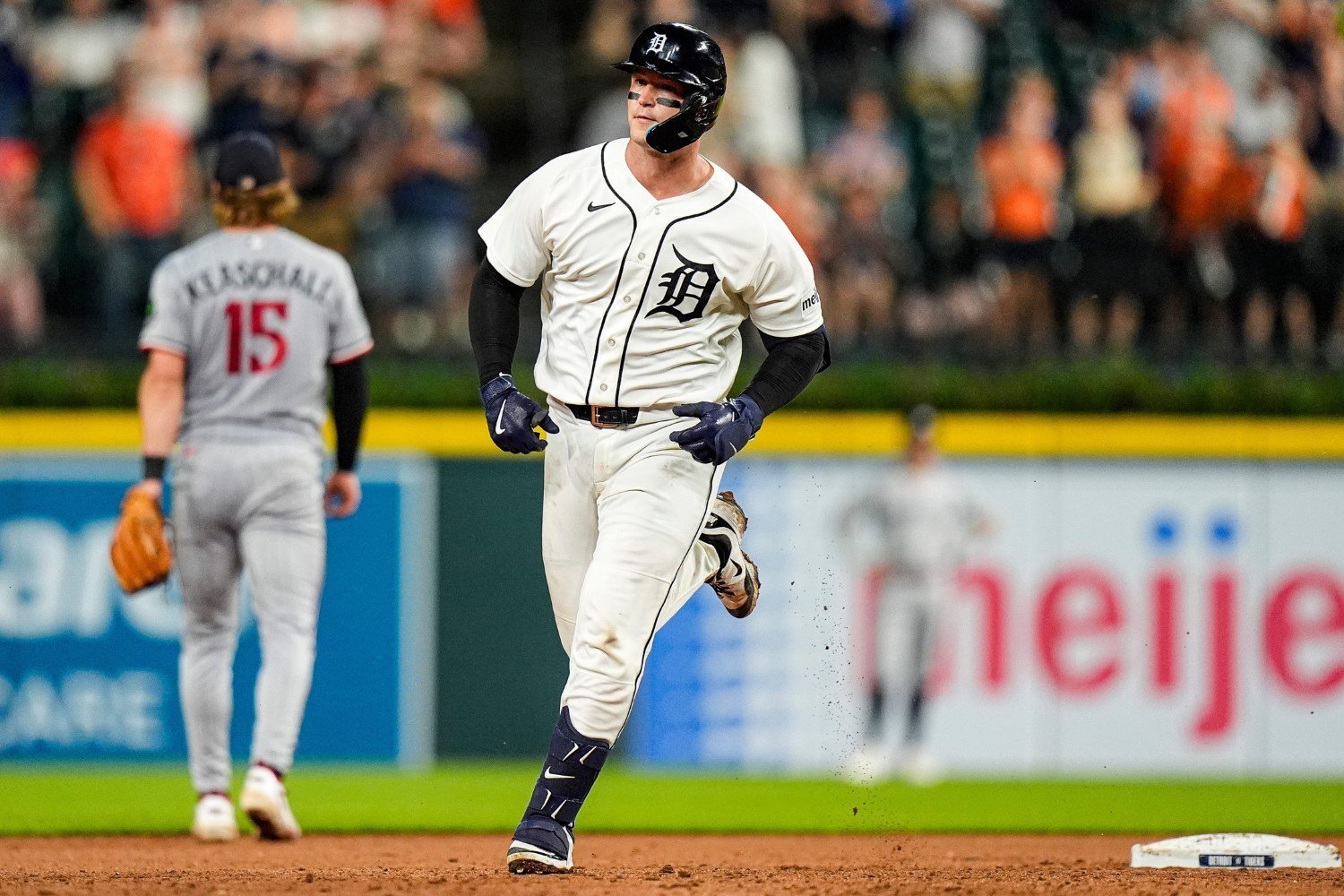 Box Score SP: Taj Bradley - 4.1 IP, 7 H, 5 ER, 3 BB, 3 K (89 pitches, 52 strikes (58%)) Home Runs: Byron Buxton (19), Josh Bell (7), Brooks Lee (10), Kody Clemens (9) Bottom 3 WPA: Bradley (-0.42), Tristan Gray (-0.19), Victor Caratini (-0.16) Win Probability Chart (via FanGraphs) The Twins limped out of their 17-game string between off days by dropping three out of four to the hapless Royals. Nothing says "day off" like traveling to Detroit, only to experience a tornado warning and a two-hour rain delay. With a couple of 25-year-old righties on the mound in Taj Bradley and Troy Melton on Tuesday night in the Motor City, who would come out victorious in the battle of American League Central disappointments? Free Solos Against the Youngsters When the game finally got started, Byron Buxton wasted no time celebrating his return to center field and into the leadoff spot. One pitch, one 428-foot bomb. 1-0 Twins. The Twins' good vibes were short-lived and often stifled throughout tonight's contest, though, as the Tigers responded with solo homers of their own in the first (Dillon Dingler) and second (Riley Greene) to reestablish the lead at 2-1. Greene's home run to start the bottom of the second inning was especially frustrating, given that the Twins had loaded the bases in the top of the frame with only one out, only to see Tristan Gray and Buxton strike out to leave them that way. Josh Bell hit a solo shot of his own in the top of the third to knot things back up, and this one had some historical significance. It was No. 200 for Bell, and put the Twins right back into the game. Bradley's Control Didn't Make the Trip Bradley struggled early and often to find the strike zone, walking the leadoff man in the third and fourth innings to put the pressure immediately back on himself and the Twins' defense. He somehow escaped with only surrendering one run after those walks, but as his pitch count climbed, it became apparent that the Twins bullpen was immediately going to need to use their rested arms in order to find victory. Brooks Lee and Kody Clemens went back-to-back in the top of the fifth to put the Twins back on top, 4-3. Normally, this awesome occurrence would warrant video highlights. In this case, before I could enter them into the recap, Bradley had surrendered a double to start the bottom of the fifth, and then surrendered the lead immediately back by serving up Kerry Carpenter for a two-run jack. In each of those at-bats, Bradley started with a non-competitive pitch for ball one. In each of those at-bats, Bradley served up a center-cut off-speed pitch in hopes of not walking more humans. That was the end of Bradley's night, and the start of this evening's bullpen implosion. No Relief in Sight The bullpen rest didn't do a darn thing. Eric Orze got the Twins out of the bottom of the fifth still within a run, but after Gray and Buxton repeated their "striking out with a chance to knock a run in" vibe in the top of the sixth, Orze got chased with runners on the corners and only one out in the bottom of the sixth. Twins hero Taylor Rogers came in, and unfortunately, memories are all that appear to be left of Rogers's game. After getting Kevin McGonigle to strike out on a high sweeper, Rogers went one-too-many sweepers into the well on Dingler, and by the time the Tiger catcher trotted around the bases, it was 8-4 Detroit. The Twins loaded the bases yet again in the top of the seventh with only one out. Again, the clutch hits with runners on did not pack their bags for Detroit. Victor Caratini struck out, and Royce Lewis got Twins Territory to its feet—only to see his Grand Slam moment drop into Greene's glove on the warning track. Like we've seen so often this season, a Twins failed rally was immediately followed by an opponent's padding of the lead. This time, it was the Justin Lawrence experience who drew the sacrificial lamb role after Rogers stayed in the game and walked the leadoff man. Lawrence followed the night's theme and walked the first man he faced. It looked like the newest Twins would escape the jam after he got the next two outs, but he walked the bases loaded with two outs and then Gray booted a "single" to allow two more runs to score. What’s Next? That's a tough question to answer after a night like this. In theory, the Twins look to rebound and even up the series on Wednesday evening, but they have yet to name their starting pitcher. While the Twins faithful pray for a Marco Raya sighting, the threat of a bullpen game looms larger. The Tigers will send lefty Framber Valdez (3-4, 4.21 ERA) out to win the series. First pitch is scheduled for 5:40 pm CDT. Postgame Interviews Bullpen Usage Spreadsheet FRI SAT SUN MON TUE TOT Laweryson 0 0 36 0 12 48 Morris 0 0 41 0 0 41 Orze 0 17 0 0 23 40 Lawrence 0 0 12 0 26 38 Rogers 0 15 0 0 17 32 Adams 16 0 0 0 0 16 Gómez 0 14 0 0 0 14 Banda 14 0 0 0 0 14 Paredes 0 0 0 0 0 0 View the full article
 -
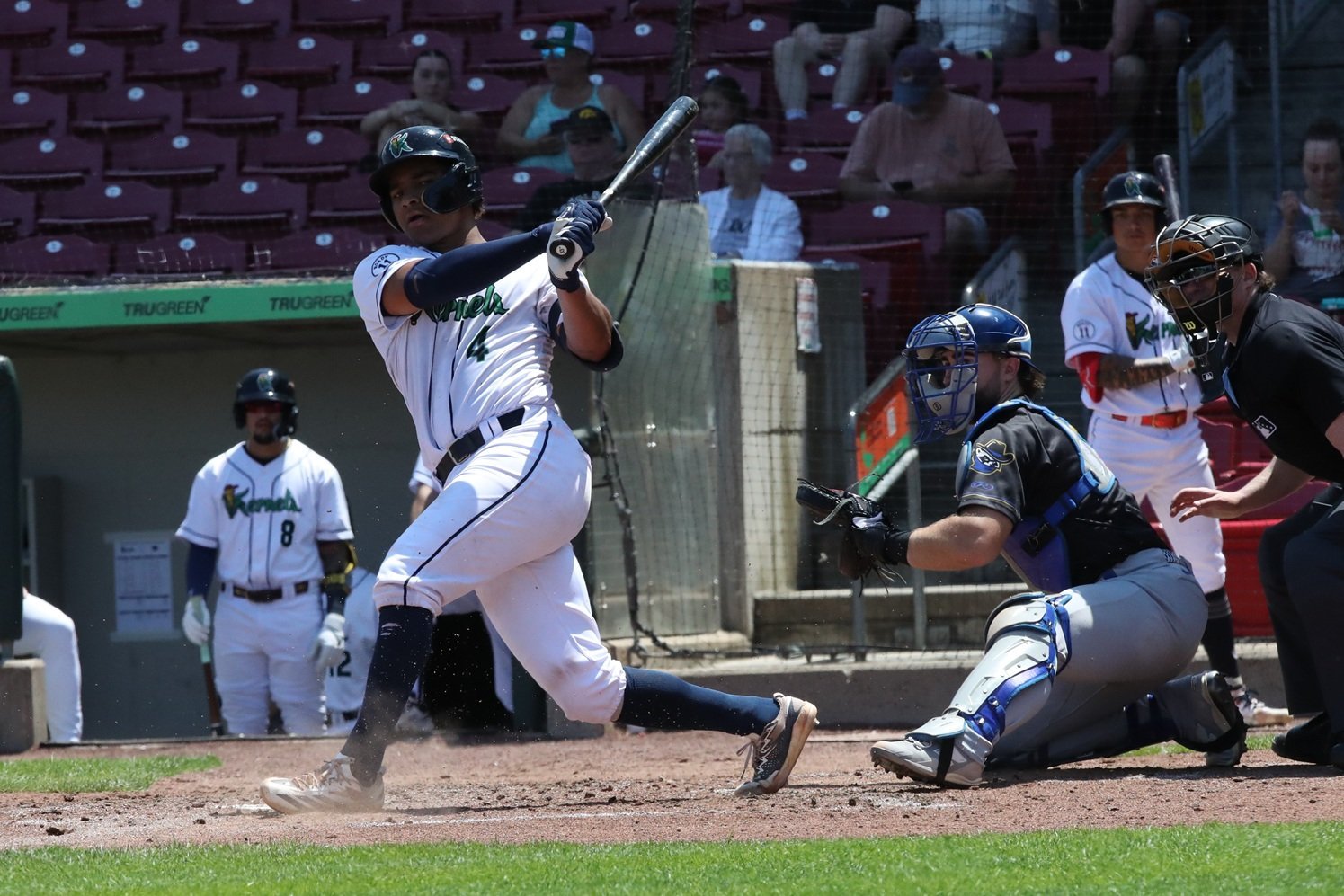 TRANSACTIONS OF Alan Roden is close to returning to Triple-A, as the St. Paul Saints sent him on a rehab assignment with the Fort Myers Mighty Mussels. The Wichita Turbo Tubs…ahem…Wind Surge were assigned SS Cody Morissette and placed IF Jose Salas on the 7-day injured list. Morissette had played 14 games with the Jacksonville Jumbo Shrimp in 2026, the Triple-A affiliate of the Miami Marlins, hitting .216/.293/.360. Down in the Dominican Republic, the DSL Twins were assigned IF Nolwer Barboza. SAINTS SENTINEL St. Paul 4, Toledo 12 Box Score In his last two turns right-hander Ryan Gallagher picked up two wins by putting zeros up in every inning, finishing five frames in each. He was not as fortunate in this one. His first five pitches were called balls, then in his next four he allowed a single and a three-run homer to allow the Mud Hens to jump out to a 3-0 lead. He did recover to retire the next nine hitters in a row, but Toledo got to him again in the fourth. A single, pair of doubles, and another home run put the Mud Hens in front 7-2 and they never looked back. Gallagher did again finish five innings, but was charged with seven earned runs on eight hits and a walk. He struck out three. The Saints closed the Mud Hens early lead to one run after a bases loaded groundout off the bat of Kyler Fedko scored one in the third, and Aaron Sabato delivered a sac fly in the top of the fourth. They added two more in the seventh thanks to Tanner Schobel’s second home run of the season with the Saints, but the Mud Hens immediately answered again in the bottom half to extend their leads. Relievers Andrew Bash (1 IP, 2 H, ER, 2 BB), Alejandro Hidalgo (2/3 IP, 3 H, 4 ER, 2 BB, K), and Jake Higginbotham (1 1/3 IP, H, K) finished off the rest of the game for St. Paul’s bullpen. The Saints were outhit 14-4 on the night, with Kaelen Culpepper (2-for-4, 2B) and Schobel (2-for-4, 2 R, HR, 2 RBI) the only batters to collect a hit. Gabriel Gonzalez and Ben Ross each scored a run thanks to drawing walks. Tigers top prospect Max Clark led off for the Mud Hens and finished 0-for-3 with a run scored, a pair of walks, and a strikeout. WIND SURGE WISDOM Wichita 0, Tulsa 5 Box Score Wichita’s lineup was unable to buy any hits on Tuesday, and their tubs took a drilling from Tulsa as a result in their series opener. Preston Johnson made his second start for the Wind Surge and was solid over his four frames. He scattered five hits and a walk, allowing only one earned run while striking out six. 42 of his 67 pitches went for strikes (63%), including 11 swinging. Darren Bowen was the first arm summoned from the bullpen to start the fifth, and he delivered a one-two-three inning to keep the game within one. In the bottom of the sixth however, a single, walk, and three-run homer put Tulsa in control at 4-0. Jarret Whorff (1 IP, H) and Hunter Gregory (1 IP, 2 H, ER, K) pitched an inning apiece to finish the game for the Wichita pitching staff. The Wind Surge lineup was never able to put anything together, advancing a runner to third base only one time, and that was thanks to an errant pickoff throw from the catcher trying to back-pick a runner at first base. They went just 0-for-4 with runners in scoring position, leaving seven men on base. Andrew Cossetti led the way by going 2-for-3 with a walk. Kyle DeBarge and Jaime Ferrer collected the other two hits. In statistical oddities that annoy me, the Wind Surge lead the Texas League in home runs with 80 on the season in 56 games, but rank last in batting average at an abysmal .208. KERNELS NUGGETS Cedar Rapids 4, Lansing 5 Box Score Top lefty pitching prospect Dasan Hill was on the mound for the Kernels, looking to turn around his recent fortunes. After a three-start run in early May where he allowed no earned runs in 10 2/3 innings, his last two turns had gone the other way. He allowed four earned runs on six walks on May 28th, then two earned runs on four hits and three walks on June 3rd. He went a bit further in this start finishing three innings, but similar inconsistency reared its head along the way. His six strikeouts were a nice notch in the pitching line, but they came with five runs (four earned on six hits and three walks. Of Hill’s 77 pitches, just 46 went for strikes (60%). In the top of the first the first three hitters loaded the bases, but he was able to recover and strike out the next three for a scoreless inning. The Lugnuts erupted for four runs in the second, and another in the third to end his outing. Before that Cedar Rapids had taken a 2-0 lead thanks to a home run from Khadim Diaw in the top of the first. His blast drove in Brandon Winokur who had drawn a two-out walk in front of him. The Kernels didn’t score again until the sixth, but again it came off the bat of Diaw. His second home run of the game was of the solo variety, and later in the inning Jay Thomason clubbed one of his own to close the score to 5-4 Lansing. In relief of Hill right-hander Cole Peschl kept the Lugnuts off the board for his two innings. He allowed two hits and a walk while striking out four. Nolan Santos got the next two frames, setting the opposition down in order in each, striking out two. Nick Trabacchi struck out one in a one-two-three bottom of the eighth. The Kernels threatened in the top of the eighth after Yasser Mercedes reached base on a fielder’s choice, stole second, and advanced to third on an errant throw. But he wasn’t able to make it the final 90 feet. Rayne Doncon led off the top of the ninth with a single to put the tying run on base, but Danny De Andrade popped out and Marek Houston grounded into a doubleplay to end the game. Diaw (3-for-4, 2 R, 2 HR, 3 RBI) and Thomason (2-for-3, R, 2B, HR, RBI, BB, K) provided most of the hits, as the rest of the Kernels offense combined to go 2-for-25. The team went hitless in their four at-bats with runners in scoring position, and left only six men on base. MUSSEL MATTERS Dunedin 6, Fort Myers 5 (10 innings) Box Score Dunedin scored first against Fort Myers starter Jason Reitz in the top of the second inning. A leadoff walk, stolen base, and two-out RBI single made it 1-0. But that was all Reitz would allow. He finished 3 1/3 innings, reaching his pitch count in the fourth. He allowed just one hit and one walk, while striking out two. In the bottom of the fourth the Mighty Mussels lineup finally figured out the Blue Jays starter. Ryan Sprock led off with a single, Graham Brown followed with one of his own, and after a pair of strikeouts Merphy Hernandez tied the game at one with an RBI double. Dameury Pena followed with a two-run single to give them the lead, and an error let another run score to make it 4-1 for the home team. They extended their lead to four in the bottom of the sixth thanks to a sac fly from Pena. Matthew Dalquist relieved Reitz in the middle of the fourth and finished 2 2/3 innings of his own. But back out for the seventh frame he wasn’t able to record another out. Three consecutive singles and a passed ball brought the Blue Jays within two. After a pitching change to Jake Murray an error, double, and single led to a tie game. When the dust settled Dalquist was charged with three earned runs on six hits and a walk, striking out three. Murray completed the seventh allowing two hits, an unearned run, and struck out two. The score remained tied in regulation thanks to two scoreless innings out of Michael Hilker, who walked three and struck out two, so to extra innings this one went. Fort Myers went to right-hander Mike McKenna for the top of the tenth and after a leadoff single put runners on the corners, he struck out the next three hitters to complete the inning. Unfortunately, on the first of those the Blue Jays also executed a double-steal to take a one run lead. In the bottom half Ryan Sprock drew a leadoff walk, but instead of moving the runners up a base the Mighty Mussels opted to let their lineup swing away. Graham Brown and Quentin Young went down swinging before Luis Fragoza broke his bat on a groundout to end the game. Each team had 10 hits on the night, but Dunedin finished 6-for-18 with runners in scoring position while Fort Myers went 2-for-12. Sprock led the way for the offense, reaching base in all five of his plate appearances. He finished 4-for-4 with a run scored and a walk. Brown was 2-for-5 with a run scored. Alan Roden was 2-for-5 with a double in his first rehab game with the Mighty Mussels. COMPLEX CHRONICLES FCL Pirates 6, FCL Twins 10 (7 innings) Box Score The Twins and Pirates got the scoring started early, with each team putting up a crooked number in the first inning, but the Twins came out of it with a two-run lead. Righty Callan Fang got the start and went the first 1 2/3 innings. He allowed two earned runs on two hits and two walks, while striking out two. Cristian Hernandez did the bulk work to pick up the win, finishing the next 4 1/3 innings. He was charged with three runs (one earned) on five hits and a walk, striking out six. Jack Walker took the final frame, giving up one earned run on one hit and two walks. He struck out one. The Twins lineup scored four runs in the first and then again in the fifth to take control of the game. Yovanny Duran (3-for-4, 3 R, 3B, 3 RBI, SB) and Darwin Almanzar (2-for-4, 2 R, 2B, 3B, 2 RBI) led the way with multiple knocks. Almanzar’s triple in the first scored two, and Duran’s in the fifth did the same. DOMINICAN DAILY DSL NYY Yankees 10, DSL Twins 14 Box Score While you might think this one was a slugfest based on the score, there were actually no home runs and most of the scoring was because of the number of walks. The Yankees had just five hits but drew thirteen walks in the game. The Twins had 13 hits and nine walks. In a strange disparity that is attributed to all those walks, the Yankees went just 1-for-8 with runners in scoring position, while the Twins finished 10-for-27. The Yankees scored first against Twins starter Yosangel Braffit, hitting him for four earned runs in 2 1/3 innings. He allowed three hits, walked five, and struck out two. The Twins offense scored at least one run in six of their eight at-bats, including five in the bottom of the sixth that made the score 11-7 at the time. Right-hander Failin Placencio finished off the third inning, striking out one. Other relievers Emmanuel Mena (2 IP, H, ER, BB, K), Jeremy Jimenez (W, BS, 3IP, H, 5 R (4 ER), 5 BB, 3 K), and Juan Germosen (1 IP, 2 BB, 2 K) finished off the rest of the game for the pitching staff. Six of the nine Twins hitters had multiple knocks, led by leadoff man Jendy Martinez who finished 2-for-4 with two runs scored, a walk, a pair of doubles, four runs batted in, and a stolen base. Enmanuel Merlo (3-for-6, 3 R, 2 RBI, K) and Luis Duarte (3-for-5, R, 2 RBI) each hit three hits. Fabian Ulloa drew three walks, two singles, two runs scored, two RBI, and two stolen bases. TWINS DAILY MINOR LEAGUE PLAYERS OF THE DAY Pitcher of the Day – Preston Johnson, Wichita Wind Surge (4 IP, 5 H, ER, BB, 6 K) Hitter of the Day – Khadim Diaw, Cedar Rapids Kernels (3-for-4, 2 R, 2 HR, 3 RBI) PROSPECT SUMMARY Check out the Prospect Tracker for much more on our Twins Top 20 prospects after seeing how they did today. #2 - IF Kaelen Culpepper (St. Paul): 2-for-4, 2B #5 - C Eduardo Tait (Cedar Rapids): 0-for-4, K #6 - LHP Dasan Hill (Cedar Rapids): 3 IP, 6 H 5 R (4 ER), 3 BB, 6 K #7 - SS Marek Houston (Cedar Rapids): 0-for-3, BB #10 - OF Gabriel Gonzalez (St. Paul): 0-for-3, R, BB, 2 K #13 - OF Hendry Mendez (St. Paul): 0-for-3, BB, K #14 - 3B/SS Quentin Young (Fort Myers): 0-for-5, 3 K #15 - 3B/CF Brandon Winokur (Cedar Rapids): 0-for-3, R, BB, K #16 - RHP Ryan Gallagher (St. Paul): L, 5 IP, 8 H, 7 ER, BB, 3 K #19 - C/OF Khadim Diaw (Cedar Rapids): 3-for-4, 2 R, 2 HR (4), 3 RBI #20 - 2B/OF Kyle DeBarge (Wichita): 1-for-4 WEDNESDAY’S PROBABLE STARTERS St. Paul @ Toledo (6:05 PM CDT) - RHP Mick Abel (0-0, -.--, rehab assignment. Will face the also rehabbing Justin Verlander) Wichita @ Tulsa (12:05 PM CDT) - RHP Jose Olivares (0-4, 5.88 ERA) Cedar Rapids @ Lansing (6:05 PM CDT) - RHP Michael Ross (4-3, 6.97 ERA) Dunedin @ Fort Myers (6:05 PM CDT) - RHP Charlee Soto (0-0, 27.00 ERA, rehab assignment) Please feel free to ask questions and discuss Tuesday’s games! View the full article
 -
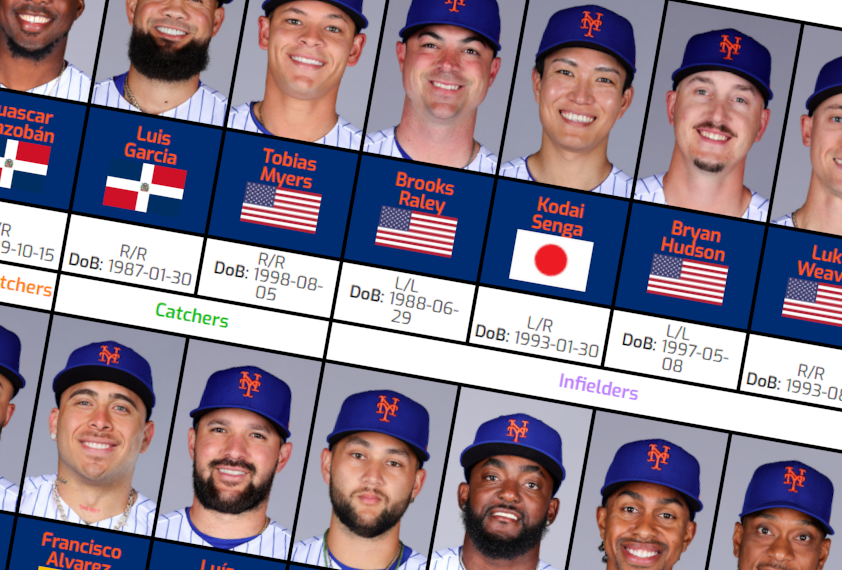 After splitting six games on what feels like their 75th West Coast swing of the season, the Mets come home to news of their hardy starting catcher being reactivated. With rehabilitating players starting to filter back in, no further games to play out of the Eastern and Central Time Zones, and a bunch of games up ahead against teams they are chasing, things have to be looking up, right? Right? Transactions, 6/6/2026 GOING Released Relief Pitchers Anderson Severino L/L DoB: 1994-09-17 High Level: MLB (2022) As Anderson Severino put up a 1.31 ERA in Syracuse, only to see the Mets, looking to add another lefty reliever to their staff, add Cionel Perez instead, and take away his 40-Player roster spot to do it (ouch!), he could clearly see the writing on the wall. His release comes at his request as his agent has been fielding interest from NPB teams. I don't know if I'd rather be an Orix Buffalo than a Syracuse Met, but the pay is surely better. Should a Japanese contract be in the offing, it will be the sixth country in which a team has employed Anderson. Transactions, 6/9/2026 GOING COMING COMING Demoted to Syracuse Ended Rehab Assignment and Activated from Injured List Signed away from New York (Frontier League) and Assigned to St. Lucie Catchers Hayden Senger Francisco Alvarez Jack Scanlon R/R DoB: 1997-04-03 High Level: MLB (2026) R/R DoB: 2001-11-01 High Level: MLB (2026) L/R DoB: 2001-05-17 High Level: Frontier League (2026) A special congratulations to Hayden Senger who returns from his latest emergency stint at backup catcher with his first MLB homer under his belt. As the big fly was one of only two hits for Hayden in 15 at-bats, he is still proving to be far from a serviceable bat at the top level. But, hey! He pulled off two sacrifice bunts. The real news in the Catcher Carousel, of course, is the return of Francisco Alvarez, far ahead of schedule, as is his modus operandi. More power to him, with the hope that he continues the other half of that MO, which is returning from absences with a hot bat and a head screwed on straight. He's got MVP ability but as long as he swings from his heels every time, he's barely keeping his head above the liability level — and the Mets already have their share of those. It's probably just a coincidence that the day the Mets swapped out one catcher for another, they additionally signed a backstop out of The Frontier League. Jack Scanlon has been tearing it up (.333 / .423 / .656 // 1.079) for The New York Boulders this season, which says a lot about the benefits of home cooking, as the Boulderinos play in Pomona, NY, only 10 miles or so from Suffern, the Rockland County burg in which Jack went to high school. Jack initially reports to St. Lucie, but after a five-year college career (in both The Pac 12 and The ACC), along with two partial seasons of Indy Ball, the Mets probably have him ticketed for a higher level. Your 2026 New York Mets Starting Pitchers Sean Manaea Nolan McLean Freddy Peralta David Peterson Christian Scott R/L DoB: 1992-02-01 R/R DoB: 2001-07-24 R/R DoB: 2996-06-04 L/L DoB: 1995-09-03 R/R DoB: 1999-06-15 Relief Pitchers Huascar Brazobán Joey Gerber A.J. Minter Cionel Pérez Brooks Raley Austin Warren Luke Weaver R/R DoB: 1989-10-15 R/R DoB: 1997-05-03 L/L DoB: 1993-09-02 R/L DoB: 35176 L/L DoB: 1988-06-29 R/R DoB: 1996-02-05 R/R DoB: 1993-08-21 Relief Pitchers Catchers Infielders Devin Williams Francisco Alvarez Luís Torrens Bo Bichette Brett Baty Vidal Brujan Marcus Semien R/R DoB: 1994-09-21 R/R DoB: 2001-11-01 R/R DoB: 1996-05-02 R/R DoB: 1998-03-05 L/R DoB: 1999-11-13 S/R DoB: 1998-02-09 R/R DoB: 1990-09-17 Infielders Outfielders Mark Vientos Eric Wagaman Carson Benge A.J. Ewing MJ Melendez Juan Soto Jared Young R/R DoB: 1993-12-11 R/R DoB: 1997-08-14 L/R DoB: 2003-01-20 L/R DoB: 2004-08-10 L/R DoB: 1993-11-29 L/L DoB: 1998-10-25 L/R DoB: 1995-07-09 Also on 40-Player Roster Starting Pitchers Relief Pitchers Clay Holmes Tylor Megill Kodai Senga Zach Thornton Jonah Tong Alex Carrillo Daniel Duarte R/R DoB: 1993-03-27 R/R DoB: 1995-07-28 L/R DoB: 1993-01-30 L/L DoB: 2002-01-17 R/R DoB: 2003-06-19 R/R DoB: 1997-06-06 R/R DoB: 1996-12-04 Relief Pitchers Catchers Reed Garrett Justin Hagenman Tobias Myers Dedniel Núñez Jonathan Pintaro Dylan Ross Hayden Senger R/R DoB: 1993-01-02 R/R DoB: 1996-10-07 R/R DoB: 1998-08-05 R/R DoB: 1996-06-05 R/R DoB: 1997-11-07 R/R DoB: 2000-09-01 R/R DoB: 1997-04-03 Infielders Outfielders Francisco Lindor Ronny Mauricio Jorge Polanco Nick Morabito Luis Robert, Jr. Tyrone Taylor S/R DoB: 1993-11-14 S/R DoB: 2001-04-04 S/R DoB: 1999-11-13 R/R DoB: 2003-05-07 R/R DoB: 1997-08-03 R/R DoB: 1994-01-22 Your Mets Coaching Staff Manager Bench Coach Pitching Coach Hitting Coordinator Third Base Coach First Base Coach Bullpen Coach Ass't Pitching Coach Carlos Mendoza Kai Correa Justin Willard Jeff Albert Tim Leiper Gilbert Gomez José Rosado Dan McKinney DoB: 1979-11-27 DoB: 1989-07-14 DoB: 1990-09-09 DoB: 1992-08-16 DoB: 1996-07-19 DoB: 1992-03-08 DoB: 1974-11-09 DoB: 1989-06-06 Hitting Coach Strategy Coach Catching Coach Coaching Assistant Bat'g Practice Pitcher Equipment Manager Bullpen Catchers Bullpen Catchers Troy Snitker Danny Barnes J.P. Arencibia Rafael Fernandez Kevin Mahoney Kevin Kierst Eric Langill Dave Racaniello DoB: 1988-12-05 DoB: 1989-10021 DoB: 1986-01-05 DoB: 1988-08-03 DoB: 1987-05-11 DoB: 1964-07-09 DoB: 1979-04-09 DoB: 1978-06-03 Your Mets Training Staff Director of Player Health Head Athletic Trainer Assistant Athletic Trainer Reconditioning Coordinator Reconditioning Therapist Head Performance Coach Assistant Performance Coach Performance Coordinator Soft Tissue Specialist Brian Chicklo Joseph Golia Bryan Baca Sean Bardanett Josh Bickel Dustin Clarke Tanner Miracle Jeremy Chiang Hiroto Kawamura DoB: 1972-07-17 DoB: 1978-??-?? DoB: Circa 1980 DoB: 1988-06-23 DoB: 1996-??-?? DoB: 1987-??-?? DoB: 1991-??-?? DoB: ????-??-?? DoB: 1962-07-19 View the full article
 -
Otto Lopez continues to strengthen All-Star case in Marlins win
DiamondCentric posted an article in Fish On First
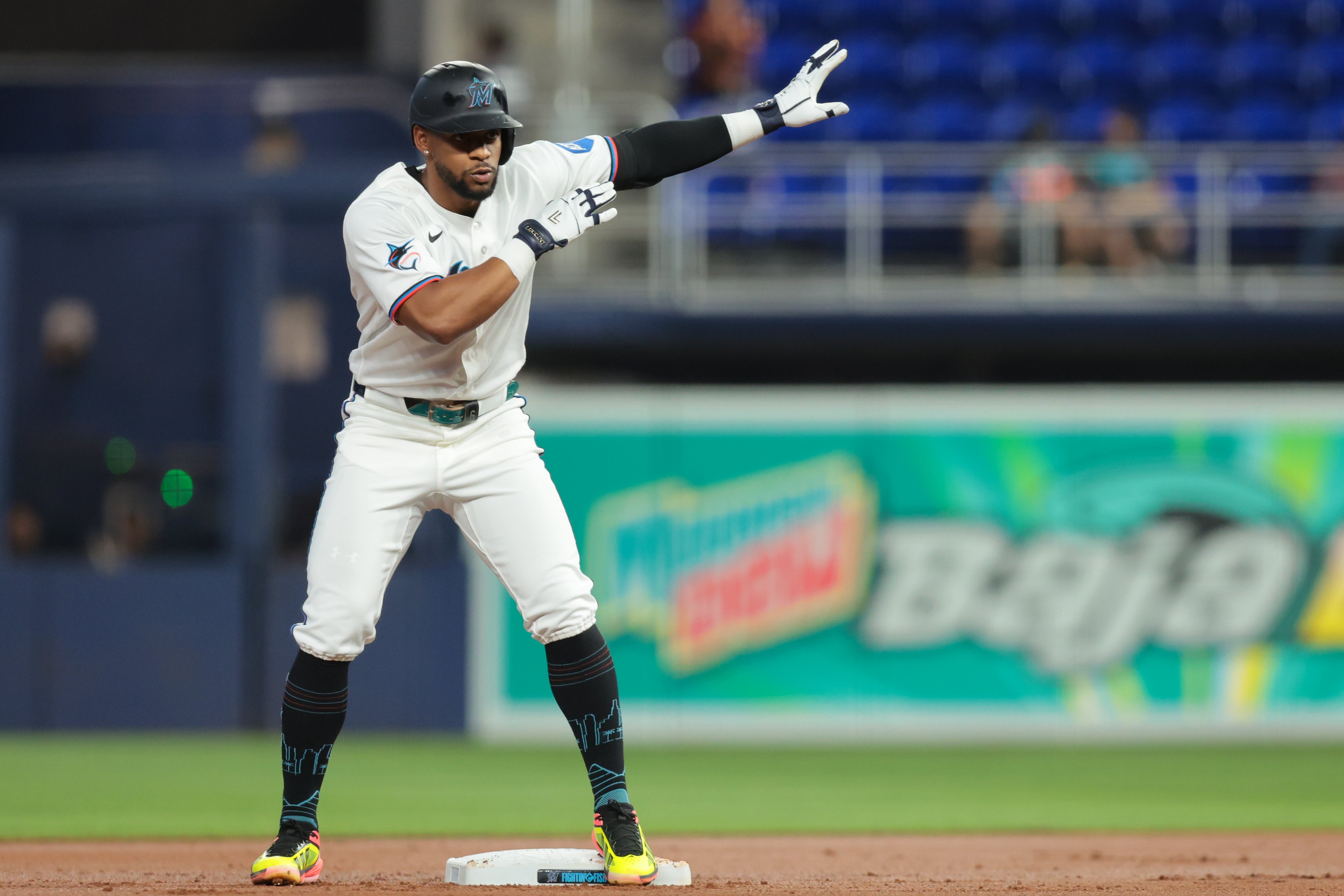 MIAMI, FL - Otto Lopez is an All-Star. It's as simple as that. The Marlins shortstop tallied his 27th multi-hit performance and ninth three-hit game of the season. He hit the go-ahead RBI single in the bottom of the eighth inning to give the Miami Marlins what ended up being a 10-6 win over the Arizona Diamondbacks, the sixth victory in their last seven games. Lopez, who the Marlins acquired off waivers from the San Francisco Giants in 2024, has turned into one of, if not the best acquisition of the Peter Bendix era. Going into Tuesday's game, he has accumulated 9.3 bWAR in 325 games as a member of the organization. Lopez leads all major league shortstops in batting average (.341), hits (89), is second in total bases (128), OPS (.859) and third in on-base percentage (.369). With Cincinnati's Elly De La Cruz currently injured, the only National League shortstop with a similar All-Star case is CJ Abrams of the Washington Nationals. "This has been a hitting machine since day one of the season and he's played a high-level defense," McCullough said when making a case for Lopez to represent the organization in the Midsummer Classic. "There's hard to find someone at that position in our league that's having a better year offensively than he is with the average, the clutch hits and the extra base hits. He's really doing it on both sides of the ball, and he's making a very strong case for himself each and every day." In the top of the eighth inning, with the Marlins leading, 6-3, they summoned Tyler Zuber out of the bullpen. He surrendered a walk, hit by pitch and after recording the first out of the inning, he loaded the bases on another walk. He was taken out in place of Calvin Faucher, who allowed a two-run RBI double from Ketel Marte followed by an RBI groundout from Corbin Carroll. That tied the game, 6-6. The Diamondbacks went with Brandyn Garcia in the bottom of the eighth and Joe Mack knocked in his fourth hit of the ballgame, followed by Connor Norby getting hit by a pitch. After a questionable bunt attempt from the Marlins RBI leader Liam Hicks, Otto Lopez hit a 105.3 mph RBI single up the middle, scoring Mack from second to take a 7-6 lead. That would be the first of four runs in the bottom of the eighth. Javier Sanoja smacked a two-run RBI single and Esteury Ruiz capped the inning off with an RBI double, giving the Marlins a comfortable 10-6 lead which Pete Fairbanks was able to hold. Both Sanoja and Ruiz continue to be strong assets off the bench. Ruiz improved his overall slash line to .212/.311/.500/.811 with three home runs, seven RBI, 11 stolen bases and a 121 wRC+. Sanoja, is now hitting .266/.315/.381/.696 with two home runs, 24 RBI and a 95 wRC+. Joe Mack, who became the youngest catcher in Marlins history (23 years and 164 days) to record four hits in a game, is now slashing .391/.417/.565/.982 with one home run and seven RBI in the month of June. He also threw out his 10th runner on the season. "Some of the takes, getting himself into better counts and just seeing him really slow things down in the batter's box," McCullough said. "He is a talented offensive player, and I think once he got it himself 20-25 plate appearances under his belt, just seeing some of the aggression toned down." Max Meyer got the start for the Marlins and set the franchise record for most starts without a loss to begin a season (14). He went 5 1/3 innings, allowing two runs on seven hits, two walks and struck out five. With the win, the Marlins are now 32-35, three games under .500 and three games out of the third and final National League Wild Card spot. Ryan Gusto is slated to start for the Marlins on Tuesday at 6:40 pm. Ryne Nelson will take the mound for the D-backs. View the full article
 -
Twins Add Another Bullpen Lottery Ticket in Taylor Rashi Trade
DiamondCentric posted an article in Twins Daily
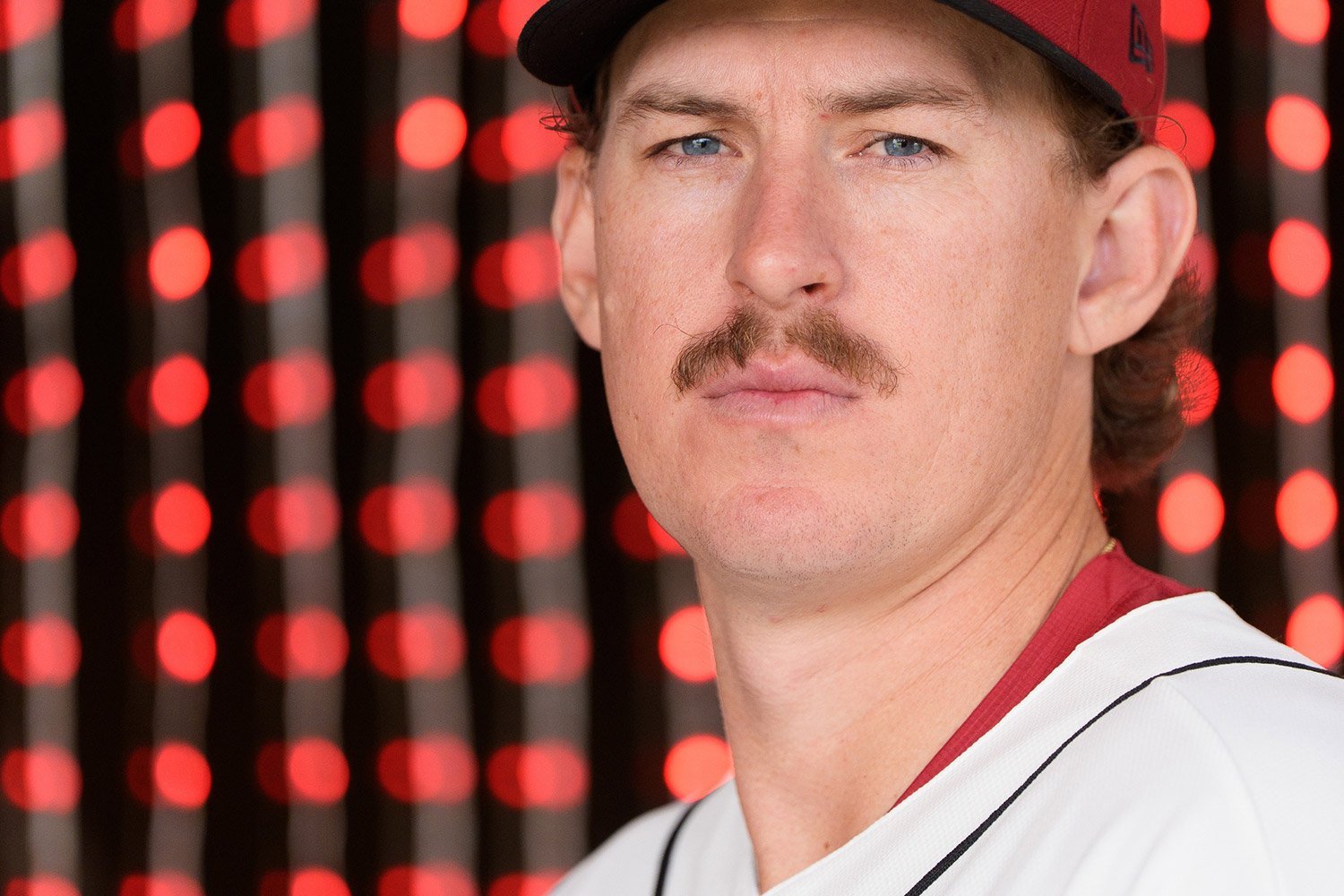 The Twins have spent much of the 2026 season searching for answers in the bullpen. On Monday, they added another intriguing arm to the mix, acquiring right-handed reliever Taylor Rashi from the Arizona Diamondbacks in exchange for cash considerations. Minnesota had room on its 40-man roster after designating outfielder James Outman for assignment over the weekend, making the move relatively simple from a roster-management standpoint. Rashi also has minor league options remaining, giving the Twins flexibility to stash him at Triple-A St. Paul while evaluating whether he can become a contributor at the major league level. The move fits a familiar pattern. Rather than investing heavily in relief pitching, the Twins have spent the season collecting arms with intriguing traits and hoping one or two emerge as reliable options. Earlier additions such as Yoendrys Gómez and Justin Lawrence followed a similar blueprint. Minnesota's front office has taken a quantity-over-certainty approach after dismantling much of its bullpen depth at last year's trade deadline. Rashi is the latest name to join that list. At 30 years old, he isn't a traditional prospect, but he has shown enough flashes to warrant attention. Over parts of the last two seasons, Rashi has appeared in 13 major league games, posting a 5.40 ERA while striking out nearly 30% of opposing hitters across 20 innings. The results have been uneven, but the ability to miss bats has remained consistent. His work at Triple-A Reno this season has been far more impressive. Rashi owns a sparkling 1.03 ERA in 26 1/3 innings while holding opposing hitters in check throughout the year. He has paired that success with a solid 25.5% strikeout rate, though his tendency to issue walks remains a concern after posting a walk rate near 12%. Those command issues, combined with a lack of overpowering velocity, likely explain why Arizona was willing to part ways with him despite dealing with its own bullpen challenges. Rashi's fastball typically sits around 91 mph, well below the league average for modern relievers. Instead of relying on velocity, he attacks hitters with a deep secondary mix that includes a slider, curveball, and splitter. For the Twins, the appeal is easy to understand. Minnesota's bullpen has struggled for much of the season and currently ranks among baseball's least effective groups in ERA. While the relief corps has shown improvement during the past month, the underlying numbers still reveal concerns. The Twins continue to battle one of the highest walk rates in the league, creating frequent traffic on the bases and placing additional stress on the pitching staff. Recent success stories such as Gómez and Anthony Banda have demonstrated that imperfect relievers can still provide value when deployed correctly. The Twins have leaned heavily into matchup-based bullpen management, searching for favorable situations rather than relying on established late-inning options. Rashi now becomes the newest candidate in that experiment. The acquisition is unlikely to generate headlines, and there is no guarantee he ever throws a meaningful inning at Target Field. However, teams rarely build bullpens through blockbuster moves alone. Sometimes a successful relief unit is assembled through a series of small transactions that uncover unexpected contributors. The Twins are hoping Rashi becomes the next name on that list. View the full article
 -
Marek Houston, Kaelen Culpepper, Brooks Lee, & The 2028 Infield
DiamondCentric posted an article in Twins Daily
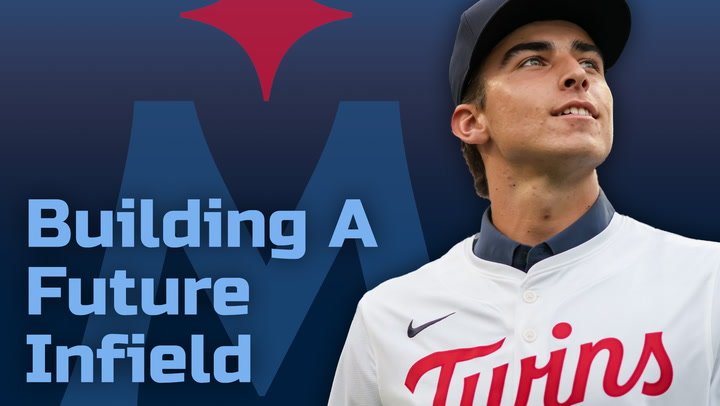 The Twins have enough organizational depth right now to build a strong infield in 2028, potentially containing Kaelen Culpepper at third, Marek Houston at shortstop, and Brooks Lee at second. But how likely is that a reality or more wishcasting based on who the Twins have now within the system? View the full article
 -
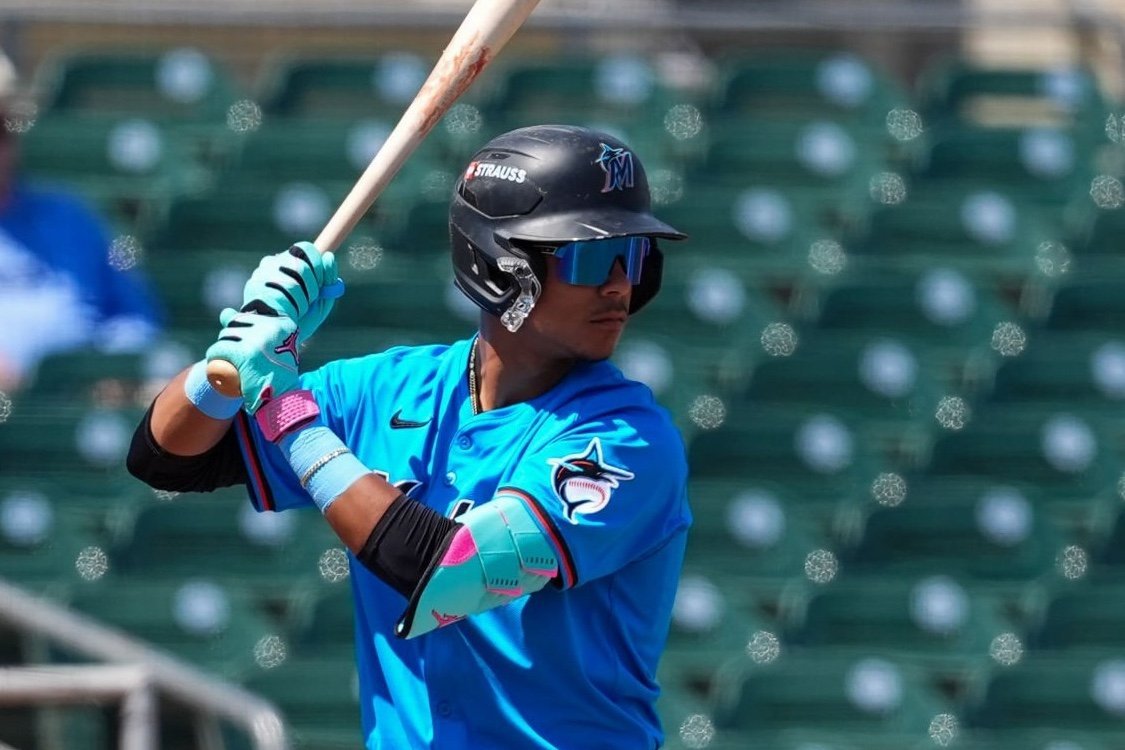 For the 2026 season, Fish On First will provide weekly reports on the Miami Marlins farm system, covering all levels. Here's the second June edition of our Fish On First Prospects Report, which includes a full week of Dominican Summer League observations. This report covers the games played from June 2-8. Triple-A Jacksonville You couldn't have asked for a better start to Gage Miller's Triple-A stint. Through his first seven games, Miller is hitting .409/.536/.636/1.172 with one home run, eight RBI and a 215 wRC+. Between Double-A and Triple-A, Miller is slashing .301/.403/.478/.881 with five home runs, 30 RBI and a 140 wRC+. Miller, a third-round pick in the 2024 MLB Draft, got off to a slow start to his professional career, but has really turned it around this season. Never say never, but if he keeps hitting the way he is and the Marlins cannot solve their short-term issue at third base, maybe he can be a late-season call-up. The Jacksonville Jumbo Shrimp held a bobblehead night for Jacob Berry. So far in 49 games, he is slashing .278/.400/.385/.785 with two home runs, 21 RBI, 16 stolen bases and a 119 wRC+. Defensively, it has been an adventure, but has primarily split time between third base and right field. The Marlins promoted right-handed pitcher and Fish On First No. 10 prospect Karson Milbrandt to Triple-A Jacksonville. His first start with the Jumbo Shrimp came on Saturday, where he tossed six shutout innings, allowing two hits and walking three. His lone strikeout of the night came in the top of the third inning when he got Brock Wilken with a called strike three. Milbrandt's fastball topped out at 96.5 mph and averaged 95.2 mph. He also threw his slider, sweeper and curveball. Where he did struggle was landing first-pitch strikes, only having a 55% success rate. Opposing hitters averaged an exit velocity of 83.0 mph. On the injury front, we now have clearly timelines for the returns of three FOF Top 30 talents Kemp Alderman (left elbow sprain) should be back by the end of June. Maximo Acosta (right thumb UCL sprain) underwent surgery on May 19. He's due to return shortly after the All-Star break. Finally, FOF #1 prospect Thomas White suffered a left shoulder capsular sprain on May 17. The team announced a recovery timeline of 12-16 weeks, but the expectation internally is that he will likely miss the remainder of the regular season. If that is the case, White will finish his 2026 season posting a 4.34 ERA, 4.70 FIP, 12.05 K/9 and 4.34 BB/9 in five AAA starts. Double-A Pensacola Following a good ending to May, the Wahoos got off a sluggish start in June dropping four of six to Chattanooga and squandering an opportunity take over their division lead. The team’s bats were particularly asleep: Pensacola scored just 13 runs in the entire series. In many cases, the initial promotion and significant leap from the lower minors to the upper minors is a rude wake-up call for prospects. That was no such thing this past week for Eliazar Dishmey. The 21-year-old righty came out of the gates firing on all cylinders in his new Blue Wahoos threads, completely shutting down the Lookouts for five innings, disallowing a hit. Ultimately, he worked a quality start, going six innings and allowing one run on just one hit while walking one and striking out nine. Dishmey topped out at 94 and dipped to 74 mph. He recorded strikeouts with three different pitches. The Southern League acknowledged his excellence by honoring him as their Pitcher of the Week. The opportunity to play every day in the FCL appears to be helping his confidence. If he continues performing like this, a return to Jupiter could come sooner rather than later. Edgardo De Leon has become a weekly fixture in these recaps, and for good reason. So far in June, he is hitting .538 (7-for-13) with two home runs. He has also drawn four walks compared to just two strikeouts. On the bases, he has stolen six bags, including a three-steal game. For the season, De Leon is slashing .351 with five doubles and four home runs. Of his 20 hits, nine have gone for extra bases. He has more walks than strikeouts, is 7-for-8 in stolen base attempts, and owns a .649 slugging percentage, the third-highest mark in the FCL. His time in the FCL fittingly has come to an end. He earned a promotion to Jupiter on Tuesday. Through the first week of June, Breyias Dean is hitting .364 (4-for-11) with a pair of home runs. On the season, he owns a .362 batting average with nine extra-base hits, including four doubles, one triple, and four home runs. His .672 slugging percentage ranks second in the FCL. Perhaps most impressively, he has already surpassed his walk total from all of last season. While his .425 BABIP suggests some regression is likely coming, his improved plate discipline gives reason to believe much of the breakout is legitimate. The numbers may come down slightly, but Dean appears to have made real adjustments at the plate. DSL Marlins & DSL Miami Santiago Solarte, Fish On First's No. 18 prospect, wasted little time making an impact, recording two multi-hit games during his first week of professional baseball. The Marlins were thrilled to sign him for $1 million. While the power has yet to show up, Solarte has already stolen five bases. His ability to get on base has been impressive, drawing two walks and getting hit by four pitches. Through his first week, he is hitting .263 with a .440 OBP and .316 SLG. He has struck out nine times in 19 at-bats, but as he continues to acclimate to professional baseball, those numbers should improve. Listed at 6-foot-1 and just 142 pounds, Justin Batista has not let his frame hold him back. Through seven innings, he owns a 1.29 ERA with 11 strikeouts, a 0.71 WHIP, and only two hits allowed. On Monday afternoon, Batista threw four hitless innings while striking out seven and walking two, giving the bullpen plenty of room to finish off the organization's first no-hitter of the season. While the DSL is often considered pitcher-friendly because of inconsistent command and limited offensive environments, Daniel Pire has been one of the league's better hitters early on. Through 20 at-bats, he is hitting .350 with a double and a triple while striking out just once and drawing two walks. One area to monitor is his 2.0 GO/AO ratio, which suggests he is putting the ball on the ground more often than ideal. Like many young hitters, the numbers will likely level out as the sample size grows, but the early plate discipline has been encouraging. This week's schedule Triple-A Jacksonville vs. Gwinnett Double-A Pensacola at Columbus High-A Beloit vs. Quad Cities Low-A Jupiter at Daytona FCL Marlins, DSL Marlins and DSL Miami vs. various opponents View the full article
 -
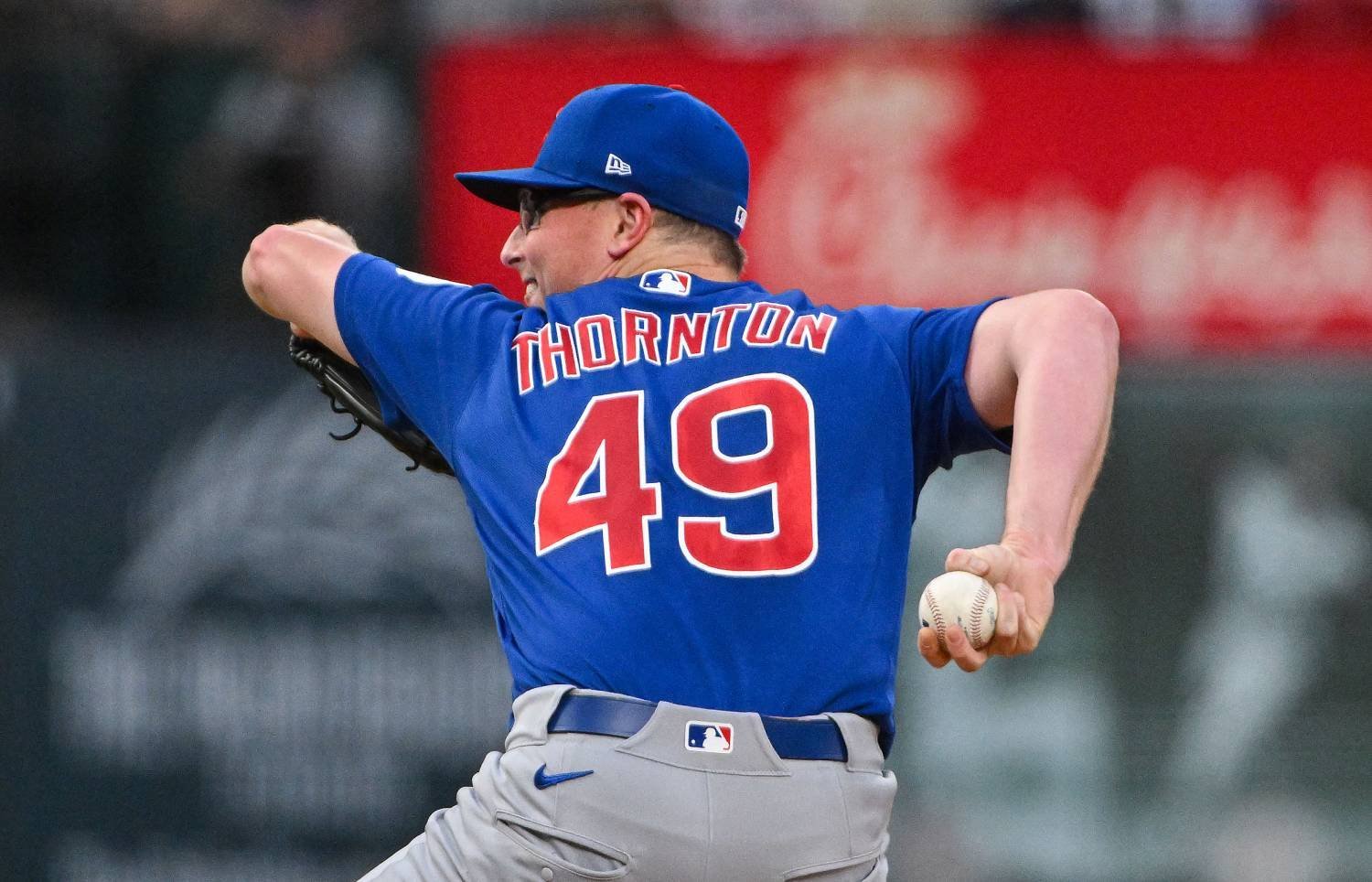 After making a handful of moves before Tuesday's series opener against the Colorado Rockies, the Chicago Cubs tacked on another in what has been a revolving door in the bullpen. The Cubs placed Trent Thornton on the paternity list and called up fellow right-handed reliever Tyler Ferguson from Triple-A Iowa. Thornton can be away from the club for up to three days for the birth of his child. Thornton has a 5.30 FIP (1.69 ERA) in 12 appearances and 16 innings. He has a rather high 11.3% walk rate and a very below average 9.7% strikeout rate. Ferguson is up for the second time this season with Chicago, but has yet to make his Cubs debut. He was acquired from the A's on May 7 after he had been designated for assignment after giving up four runs in 1⅓ innings against the Philadelphia Phillies. He had been called up last week, but didn't pitch and was optioned back to Iowa. View the full article
 -
 It may seem like wishful thinking for the Chicago Cubs to be buyers at this point, but a lot can change between now and the trade deadline on August 3. Pete Crow-Armstrong's bat is starting to heat up since he’s been moved to the leadoff spot. Ian Happ is barreling toward his first 30 home run campaign of his career. Edward Cabrera and Matthew Boyd are (or nearly are) back. Though they have had their struggles this year, they were some of the team’s better projected options coming into the season. Plus, this is a team that made the playoffs a season ago with many of the same key players intact. They’re still over .500, and until they fall well below that mark, you can bet that the front office will not punt on the season. Though the Brewers have once again proved to be the class of the NL Central, the rest of the division is imperfect and could conceivably be steamrolled by this Cubs team... albeit when everything is clicking. The Cubs need to target pitching, some more pitching, and probably an extra pitcher or two just to be safe. Even with the return of Cabrera and Boyd, and the emergence of Ben Brown, they will likely need two dependable starting pitchers. Every contender shops for relievers at the deadline, but the Cubs need about half a bullpen’s worth of them. Southpaws Hoby Milner and Ryan Rolison have been serviceable, but they, combined with the 39-year-old Caleb Thielbar (who has spent time on the IL already), cannot be the top lefty options in the postseason. Daniel Palencia looks great when he pitches, but he has dealt with injuries this year and it looks like Counsell is hesitant to use him too much. Ethan Roberts and Jacob Webb have pitched well from an ERA standpoint, but they aren’t high-leverage guys. The “big” free-agent addition, Phil Maton, has an ERA over seven. If the Cubs intend to make a deep run in the postseason, they probably need another two or even three relievers, with at least one being a bankable high leverage option. On the offensive side, they need to improve internally because there isn’t anywhere to play a new bat unless they want to get really creative. You may see a utility player or a bench bat join the squad, but the Cubs won’t be in on any of the big-name bats on the market. Here are some of the names being mentioned in rumors you won’t see on the list below: Gleyber Torres, Mike Trout, Luis Arraez, C.J. Abrams, Jarren Duran, Byron Buxton, Ryan Jeffers, or any of the Astros’ bats. Chicago Cubs Top Trade Deadline Targets Without further ado, let's get into the players the front office is most likely to (or should be planning to) target this trade season. The Grand Prize: Tarik Skubal Skubal’s return from his loose bodies procedure is seemingly going to happen sooner rather than later, but the Tigers have been one of baseball’s worst teams and are sitting in the cellar of the AL Central. Even the two-time reigning AL Cy Young winner is not going to help this team unless he starts every other game. Skubal is also an impending free agent, and he will certainly test the market to attempt to earn the largest contract for a free-agent pitcher in MLB history. Other teams can easily strong-arm the Tigers into moving him, since they aren’t contending and don’t seem to have much of a shot at re-signing him. It would be in the best interest of the team to move him, but they won’t get anything close to the return they could have gotten if he was moved before the season. If we see the Cubs revert to their April ways on offense, there are no excuses as to why they shouldn’t be right in the middle of the Skubal conversations. The Tigers might ask for Shaw or Ballesteros as the headliner, but that’s just the price of doing business. Again, Skubal is only a feasible target if the Cubs start hitting like one of the best in baseball again and have a clear path to the playoffs. The Big Fish: Starters & Relievers Freddy Peralta While it’s not out of the realm of possibilities for the Mets to gain ground in the wild-card race, they are currently at the bottom of the division and a whopping 15 games behind the Braves. Should Peralta, who is another impending free agent, become available, he would be the number two option on the market after Skubal. The 30-year-old has been more good than great this season with a 3.80 xERA, accumulating 1.0 fWAR over 13 starts. The Cubs should be able to acquire Peralta without moving anyone off their major-league roster, but Jefferson Rojas, or last year’s first-round pick Ethan Conrad, could be on the table. Reid Detmers The Angels have been one of the worst teams in baseball, but they never want to embrace a full rebuild. Their M.O. for the past decade and a half has been to get Mike Trout to the playoffs, but that goal seems as far away as it’s ever been. Detmers is currently in his second year of arbitration while making a modest $2.6 million (and, as a Super Two player, he has two more years of team control remaining). He is now back in the rotation after spending all of last season in the bullpen. His xERA is 2.92 and he’s accumulated 2.2 fWAR. He ranks fifth in the AL in strikeouts with 88 across 74 innings. If the Cubs continue to meddle in mediocrity this season, Detmers is a great addition for the future. If they bounce back, he is a great addition for right now. The Angels should be listening on Detmers, but his contract status gives them a ton of leverage in negotiations. Joe Ryan The Cubs have been a logical landing spot for Ryan for some time now, but Minnesota did not want to waive the white flag yet. After a hot start to 2026, the Twins have faded as anticipated, and should be open for business. Byron Buxton and Ryan are their biggest trade chips, and should both be in high demand this summer. Ryan is having an excellent year where he has firmly taken over the best pitcher in the Twin Cities title with Pablo Lopez out for the year; he has a 3.06 xERA and 84 strikeouts. Eight of his 14 starts have been quality starts, and he has already reached 2.1 fWAR. Ryan would be the right-handed starter the Cubs desperately need, but if the Twins view Ballesteros as a catcher long term, that might be their non-negotiable ask, because their current starting catcher Ryan Jeffers could also be out the door. Antonio Senzatela Senzatela was one of the more consistent Rockies starters since he broke into the league in 2017, but dealt with injuries after signing a five-year extension, completely breaking down last season with a 6.97 xERA in 30 games (23 starts). He’s made the transition to the bullpen this year and is finding success with a 3.05 xERA over 36.1 innings. The right-hander is posting the highest K/9 of his career at 7.43, and will certainly be one of the most available relievers this July. He comes with a club option for next season too, which is an added bonus. Senzatela isn’t going to single-handedly fix the Cubs' bullpen, but would be a perfect secondary move if they take a bigger swing on one of these next names. Aroldis Chapman This would be a real fun move. Ten years after the Cubs acquired Chapman from the Yankees, he once again fits their needs almost perfectly. With the American League in shambles as a whole, it is far from certain that Boston is going to sell, but if they do, Chapman would be their most in-demand trade chip. The 38-year-old is showing no signs of slowing down, and has cemented himself back in the best reliever in baseball conversation. He has a 0.46 ERA in 19.2 innings while striking out 26. Should he reach 40 innings pitched, a mutual option worth $13 million would kick in for 2027. Who knows if a reunion is on the table all these years later, but it would make for a fun storyline to follow. Josh Hader Houston may decide to sell at the deadline, which, like Boston, is far from a certainty; it would be marking their first deadline as sellers since the 2016 season. The hot names on the market are SS Jeremy Pena, 1B Christian Walker, and 3B Isaac Parades (with some light mentioning of MVP candidate Yordan Alvarez). The reason why Hader hasn’t been mentioned as much as those other guys is because he just started the season earlier this month. Left bicep tendinitis caused him to miss April and May, and upon returning, he has thrown two scoreless frames so far. Hader is currently in the third year of a five year, $95 million contract that represents the largest present-day value for a reliever ever. The Cubs will have some money coming off the books after this season with Jameson Taillon, Shota Imanaga, Seiya Suzuki and Ian Happ all entering free agency. It's likely they try to bring back either or both of Suzuki and Happ, but the pitchers should be gone. Using some of that money to reunite Hader with his first big-league skipper would be a move for both the present and future. Sandy Alcantara In my opinion, the Cubs should stay far away from Alcantara negotiations unless the Marlins would give him away for a few ballpark hot dogs, but he has been one of the more talked about trade candidates of the last few seasons, so I wouldn’t be doing my job if he didn’t get a mention. The 2022 NL Cy Young winner is on the last season of a five-year extension, but there is a club option for next season worth $21 million. Alcantara has made 14 starts this season and has allowed two or less earned runs in eight of them. He also has four starts where he has given up six or more runs. His xERA on the season is 4.05 and he has been worth 1.3 fWAR, but the Marlins have been reluctant to trade him to this point, and it might not make sense for the Cubs to meet a high asking price for a guy who blows up this frequently. The Role Players: Lesser Pitchers Robbie Ray Buster POBO-sey and the Giants seem to be punting on this season already after they fell flat on their face early on. Starting catcher Patrick Bailey was already moved to Cleveland in a rare May trade. They’ve also announced a willingness to move SS Willy Adames, 3B Matt Chapman and OF Jung-Hoo Lee. Don't doubt that they would be happy to move the 34-year-old Ray as well, as he is in his last year of the five-year deal he signed with the Mariners after the 2021 season. The 2021 AL Cy Young winner is not having a great campaign, but at least he is healthy and making his starts. The 4.12 ERA and 1.40 WHIP is not going to scare teams in the playoffs, but this move would make sense for a team like the Cubs, who have been losing starting pitchers to the IL all season. Michael Wacha The Royals and Tigers were supposed to be right up there with the Guardians in the fight for the AL Central. Baseball is a weird sport, so naturally the White Sox are in second place behind the Guardians, while the Royals and Tigers are hanging out in the cellar. The 34-year-old is having another productive season with a 4.19 xERA and 1.2 fWAR. This is another arm that isn’t going to propel the Cubs to the playoffs, but he should provide quality innings at the back of the rotation. If they add a Joe Ryan, Freddy Peralta, or even a Tarik Skubal, Wacha would be a great secondary move. Pete Fairbanks The Cubs might be wary of taking on another struggling arm, especially with the performance of Phil Maton, who was supposed to be one of their dependable, late-inning options. Fairbanks has a 7.41 ERA, but a 3.59 xERA. He has the highest BB/9 of his career so far, and has the second-highest homer rate trailing only his rookie season. He is on a one-year deal and it shouldn’t take much for the Marlins to move him. This addition would not solve the bullpen crisis, but it would give them another major-league arm to play with. A Mets Reliever or Two If the Mets sell, they could accumulate a real asset or two for some of their relievers. Lefties David Peterson, Brooks Raley, and A.J. Minter should all be available. Righties Huascar Brazoban and Luke Weaver could also find themselves on the trade block. To maximize value, David Stearns likely won’t bundle these pitchers together or package one with Peralta, but there is plenty of value here for the Mets to cash in on. Gus Varland Tier: Gus Varland The Cubs can bring Varland home to Chicago and give him a pretty easy red-line commute to Wrigley Field. After missing the entire 2025 season, Varland is quietly putting together a solid season in the Nationals' pen. His 25 appearances lead the team, and his 3.27 FIP show he is a bit better of a pitcher than his 5.14 xERA indicates. Though the Nationals are flirting with a .500 record, they will certainly be selling off some pieces. After joining the Nats as a waiver claim, he has given them enough value to become an under-the-radar trade chip. Plus, some less knowledgeable fans may think they acquired his brother. View the full article
 -
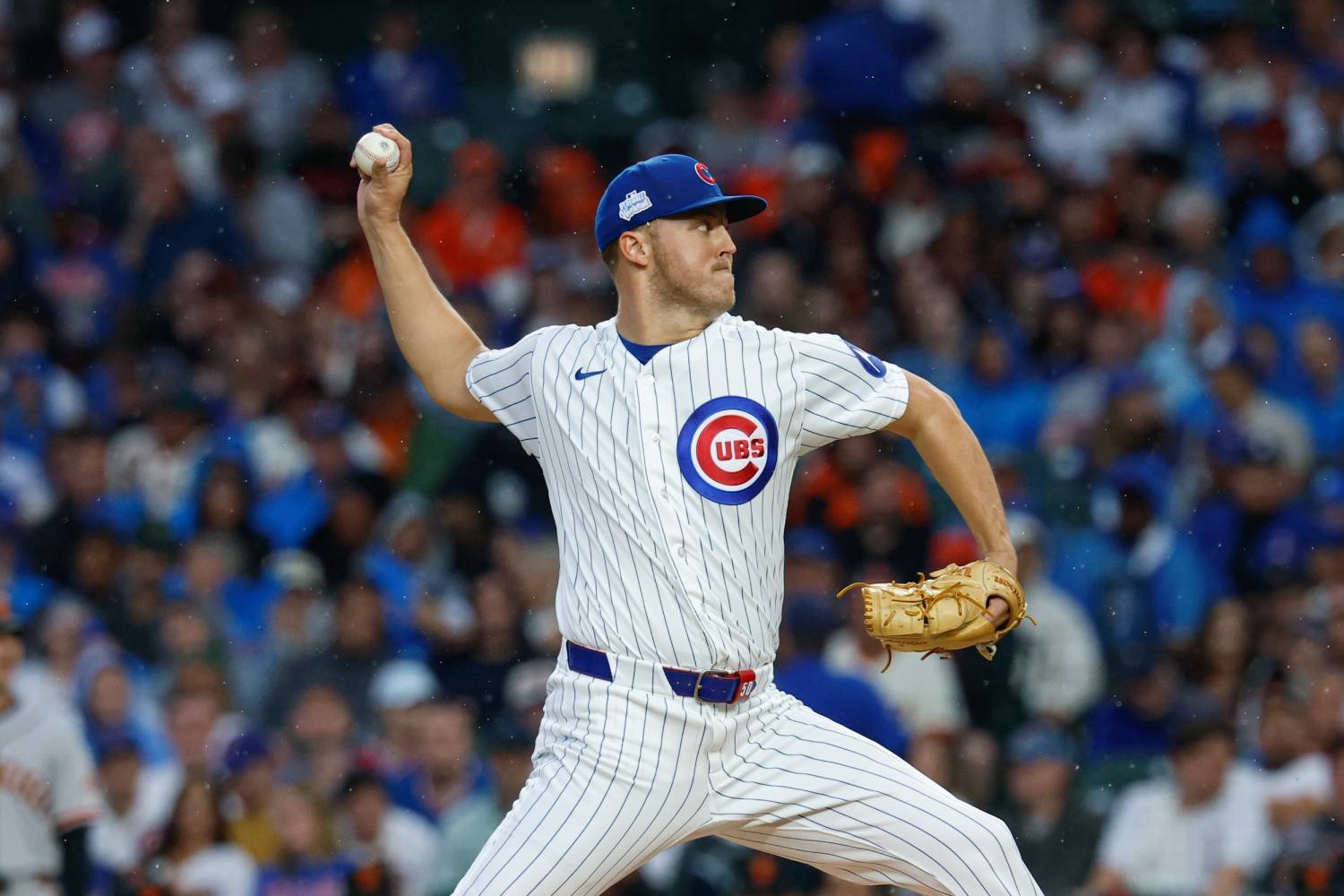 Just when you think the Chicago Cubs' pitching staff is getting healthier, another injury strikes. Right-handed starter Jameson Taillon was put on the 15-day injured list Tuesday by the Cubs due to a strained left hamstring. In good news, utilityman Matt Shaw was activated from the 10-day IL after battling midback tightness. Right-handed reliever Ethan Roberts was recalled from Triple-A Iowa, while outfielder Kevin Alcantara was optioned to Triple-A. Taillon was injured in his start Sunday in a 2-1 loss to the San Francisco Giants in 10 innings. He threw a pitch for ball four to Matt Chapman in the second inning and immediately waved to the dugout for medical attention. The Cubs currently have seven pitchers in the IL, with five on the 60-day IL. One of those, left-hander Matthew Boyd, could be on the verge of returning to the rotation. Through 13 starts this season, Taillon had struggled his way to a 6.31 FIP (5.19 ERA) in 67⅔ innings. He has given up an MLB-worst 20 homers while posting an 8% walk rate and 20.6% strikeout rate. Shaw returns to the roster after being placed on the IL May 22. In 42 games before then, Shaw was slashing .242/.291/.400, hitting three homers and driving in 12 while bouncing around the diamond defensively. Roberts came off the 15-day IL himself May 8 following a right middle finger laceration that sidelined him for about three weeks. In 14 appearances and 18⅓ innings, Roberts has a 3.76 FIP (1.96 ERA), with a 9.7% walk rate and 19.4% strikeout rate. Alcantara produced a .111/.200/.111 slash line in just 12 games (10 plate appearances) since coming up May 23. View the full article
 -
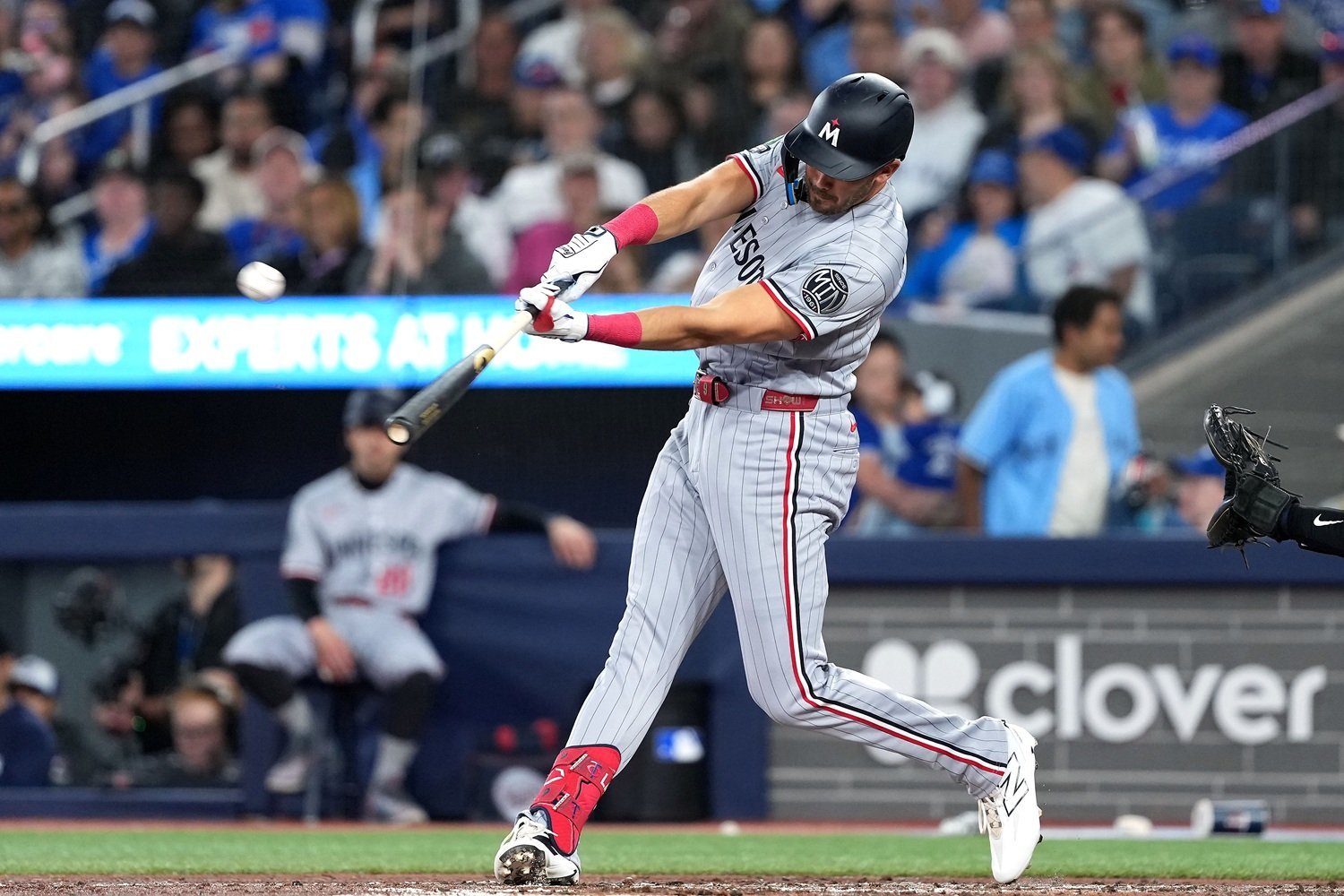 Throughout the offseason, Trevor Larnach worked to refine his approach at the plate, focusing on making more consistent contact and becoming a more complete offensive contributor. While that adjustment has shown some positive results, it has also coincided with a noticeable shift in his power profile. Manager Derek Shelton pointed to several hard-hit balls during the Twins' recent road trip as evidence that better results could be on the horizon. However, Larnach's underlying metrics suggest a more significant change may be taking place. Since early May, he has increased his contact rate, but it appears to have come at the expense of the impact that made him one of Minnesota's most dangerous left-handed hitters. Beginning with the road series against Washington and Cleveland, Larnach posted a .241/.320/.368 slash line, while averaging just 85.2 mph in exit velocity. His contact point has also moved significantly farther out in front of the plate compared to 2025. Ordinarily, hitting the ball out in front gives a player more power, but that hasn't happened for Larnach. Instead, he's become much less likely to drive the ball. That trend is particularly noteworthy considering the adjustments he has already made to his swing. Twins Daily reported in 2025 that Larnach had flattened his bat path, reducing his swing angle from 40 degrees to 34°. This season, that figure has dipped again, to 33°. The flatter swing has his contact point sliding forward, as you'd expect given that change in bat path. Now, he has to be early to do any damage—and he's managed to be early even on fastballs, at times. The clearest example came during his home run against Pittsburgh. Larnach turned on a 98-mph fastball and made contact approximately 40.5 inches in front of his body—an unusually aggressive contact point against that velocity. The result was a home run, but the swing also raised an important question: Is Larnach intentionally moving his contact point forward, even more than the swing change would predict? And if so, how does that square with his apparent efforts to sacrifice power for contact? The data suggests this may be less about timing and more about approach. In short, Larnach is selling out for the fastball. He's significantly increased the frequency with which he's on time against heaters this year (from 76% in 2025 to 81%), according to new data from Statcast, but because he's working hard to be there, he's also been early more often than ever against both offspeed (67% vs. 53%) and breaking (70% vs. 51%) offerings. His plan gives him a chance to hit fastballs hard, but he hasn't been accurate enough with his barrel to actually produce that result as often as in the past. Here are three images for his 2025 season, showing how often he was horizontally (left) and vertically (right) on or off the barrel for each pitch group type, along with (center) how often he was on time, early or late. Now, here's the same set of images for 2026. You can see that he's more on time against fastballs, but he's less likely to have centered the ball well on his barrel, horizontally. That's led to weaker contact against heaters, even though he's actually hit the ball more often. Despite the decline in power production, there are encouraging signs. Larnach has become considerably more selective at the plate, increasing his walk rate to a career-best 13.7%. He lost that patience for a bit, but has regained it of late. He's also hitting the ball in the air (and, specifically, both more line drives and more balls in the air to the pull field) more than ever. In many ways, Larnach's evolution reflects a hitter continuing to make adjustments. While the power numbers have suffered, the improved discipline has counterbalanced it, and he's staying afloat so far. Whether this shift is the result of an organizational emphasis or simply a hitter searching for a more sustainable approach remains unclear. What is evident, however, is that the version of Larnach the Twins are seeing today looks different from the one who generated much of his power a season ago. Larnach has been open about his struggles, as well as his growth. At the beginning of the season, it was obvious that he was confident in his process and that his commitment to the game was a priority. As he's found out the hard way, that's not enough. Baseball is still gut-wrenchingly hard, and hitting is the hardest part of the game. He's made an adjustment that has sort of worked, but the cost of it has been high. To be a viable, valuable corner outfielder for a team trying to claw its way back into contention in the American League Central, he might need to make another adjustment—another plan, another tweak of the approach that has yielded the results he's achieved so far. View the full article
 -
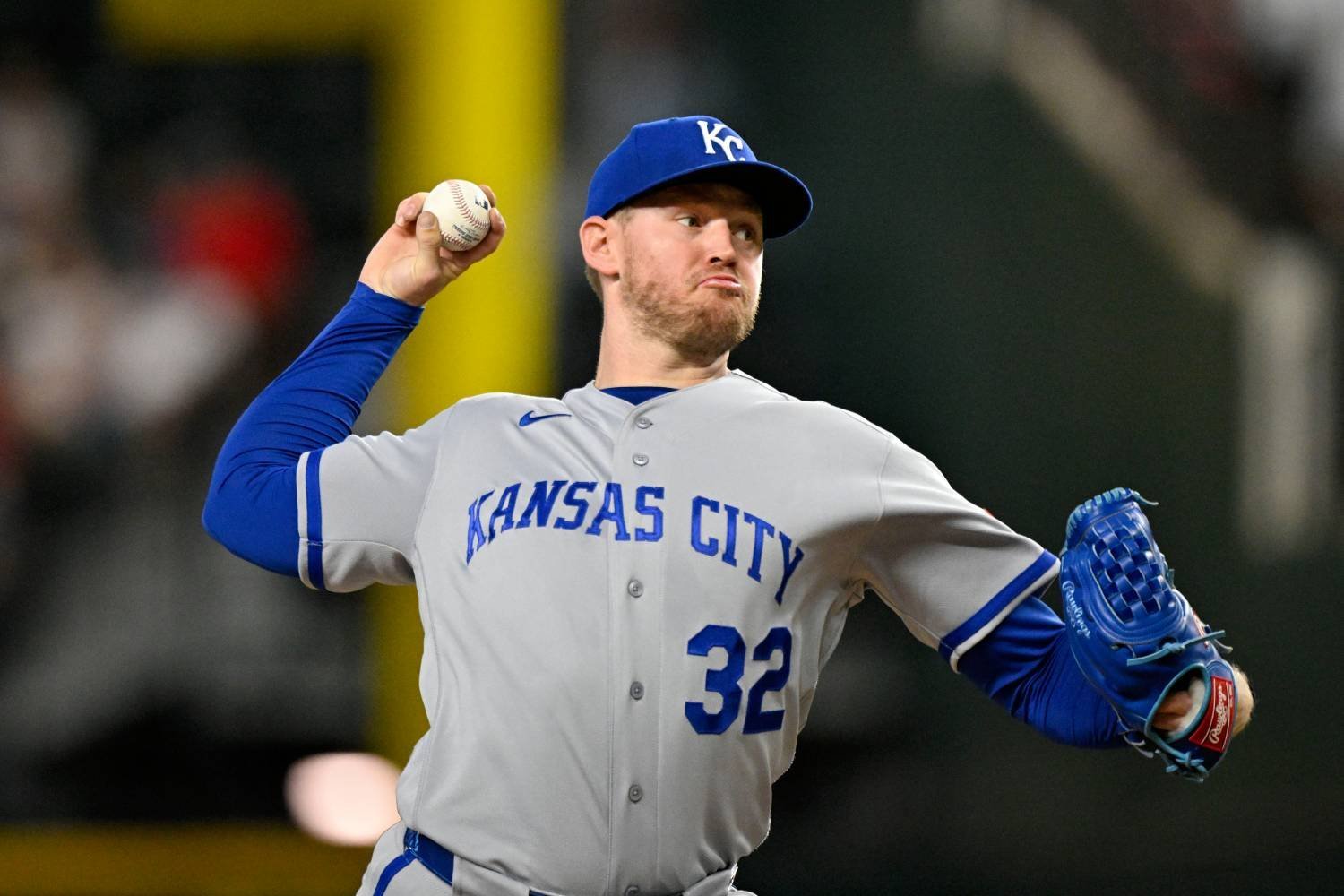 The Kansas City Royals have gotten back a member of their starting rotation. Right-hander Stephen Kolek was activated from the family medical emergency leave list and will start Tuesday's game against the Texas Rangers. Infielder Josh Rojas was optioned to Triple-A Omaha. Details behind Kolek's placement on the list, which happened Thursday, have not been disclosed. That could be cleared up following the game when the media has a chance to interview Kolek. In six starts covering 38 innings this year, Kolek has a 4.11 FIP (3.32 ERA) to go along with an excellent 5.4% walk rate and subpar 18.1% strikeout rate. He has had an issue giving up homers, with five so far this season. He does have a shutout, blanking the Seattle Mariners 3-0 on May 23. Rojas came up to replace Kolek on Thursday and appeared in two games, going 1-for-5 with two RBIs. View the full article
 -
Blue Jays Activate Dylan Cease To Start Against Phillies
DiamondCentric posted an article in Jays Centre
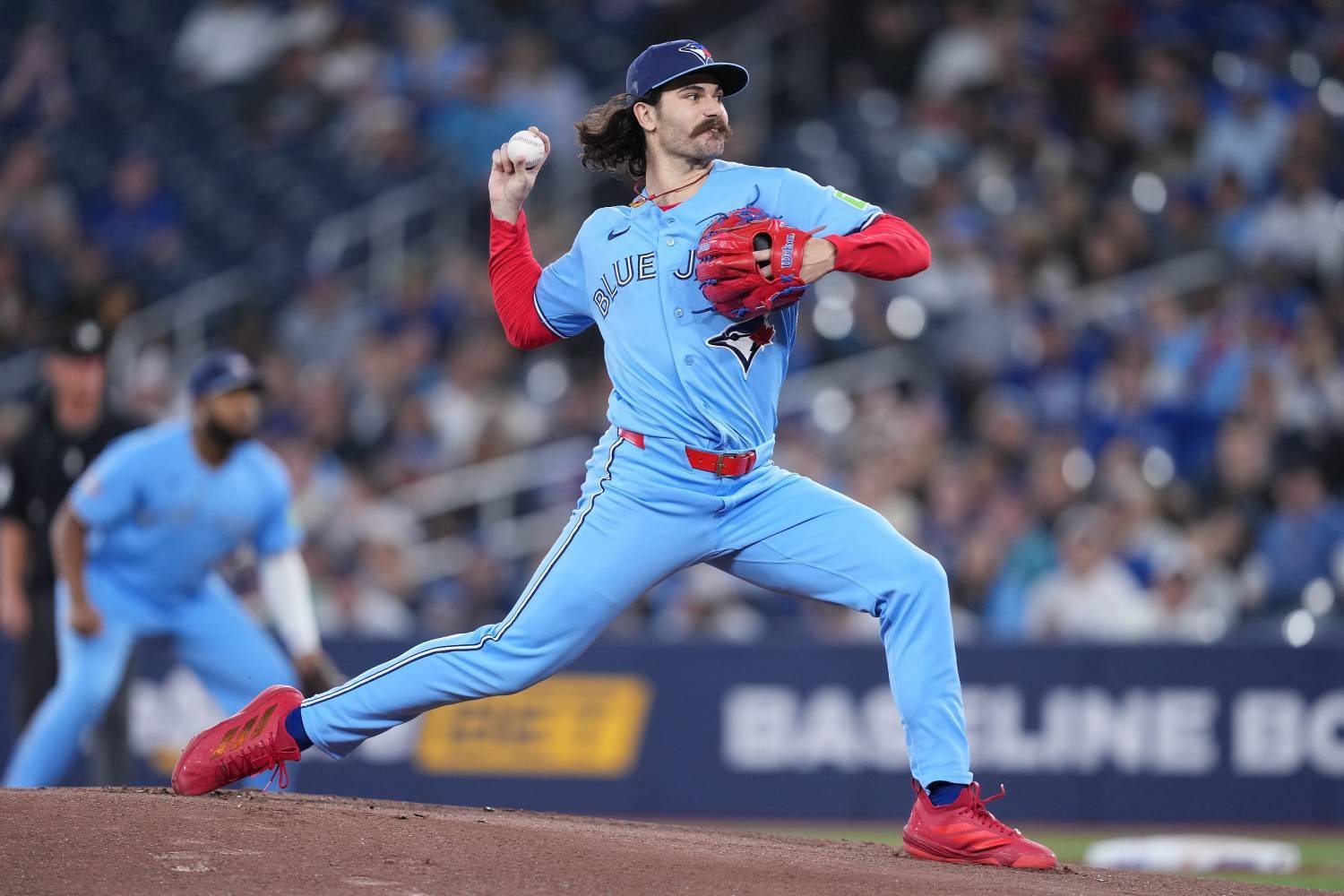 The return of Dylan Cease is official. The right-handed starter was activated from the 15-day injured list Tuesday by the Toronto Blue Jays, who optioned left-handed reliever Adam Macko to Triple-A Buffalo. Cease, who has been out since March 25 with a strained right hamstring, is scheduled to start Tuesday against the Philadelphia Phillies. Cease, who signed a seven-year, $210 million contract as a free agent this offseason, has a 2.59 FIP (3.05 ERA) in 11 starts over 62 innings, with a 10.1% walk rate and a career-best 35.7% strikeout rate before being injured. Macko has made 12 appearances, including his MLB debut, over 12 innings, with a 2.94 FIP (1.50 ERA), posting an excellent 4.2% walk rate to go along with an above-average 25% strikeout rate. His demotion leaves Mason Fluharty as the only left-hander in the bullpen and just one of two lefties on the staff (starter Patrick Corbin is the other). View the full article
 -
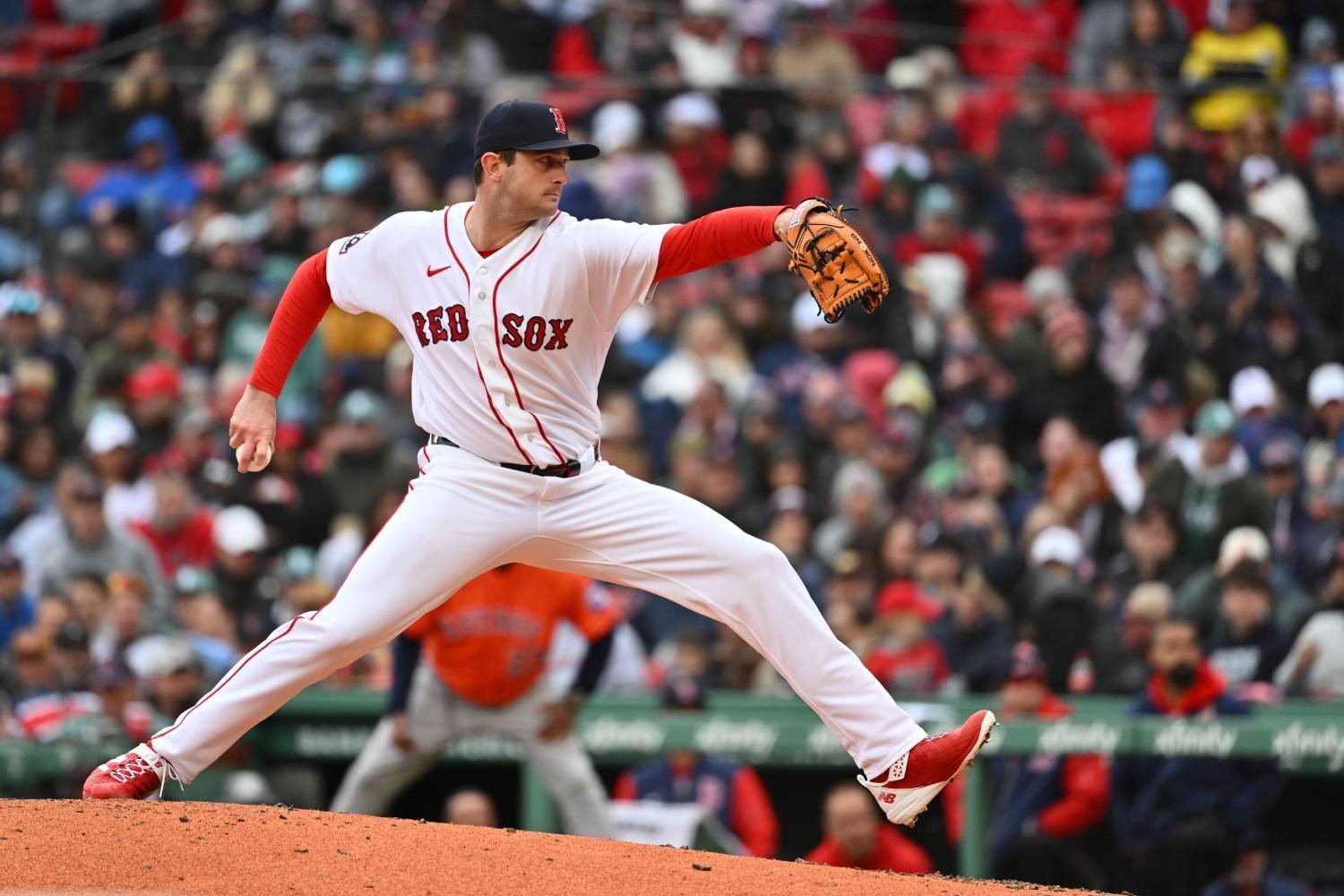 A big piece of the Boston Red Sox's bullpen is back. Right-handed reliever Garrett Whitlock was activated off the 15-day injured list Tuesday by the Red Sox, who optioned infielder Anthony Seigler back to Triple-A Worcester. Whitlock had been out since May 28 (retroactive to May 25) with inflammation in his right knee, meaning this was a minimum IL stint. Whitlock, one of the top setup men in MLB, has a 2.80 FIP (3.20 ERA) over 20 appearances and 19⅔ innings with a 7.4% walk rate and 30.9% strikeout rate. Seigler was called up Wednesday and played in two goings, going 1-for-3 with a double, a walk and a strikeout. At Triple-A, Seigler is slashing .298/.425/.471. View the full article
 -
 Blue Jays Affiliate Overview (June 6-8) Triple-A Buffalo Bisons Series vs Worcester Red Sox (Boston Red Sox): 1-5 Season Record: 28-35 Double-A New Hampshire Fisher Cats Series vs Altoona Curve (Pittsburgh Pirates): 3-3 Season Record: 29-25 High-A Vancouver Canadians Series vs Tri-City Dust Devils (Los Angeles Angels): 3-3 Season Record: 23-34 Single-A Dunedin Blue Jays Series vs Daytona Tortugas (Cincinnati Reds): 5-1 Season Record: 25-32 FCL Blue Jays Week Record: 3-2 Season Record: 20-7 DSL Blue Jays Blue Week Record: 3-2 Season Record: 3-3 DSL Blue Jays Red Week Record: 1-4 Season Record: 1-5 Triple-A Buffalo Bisons Season Record: 28-35 Series vs Worcester Red Sox (Boston Red Sox) June 6: Saturday's game against Worcester would feature the third straight major league arm pitching on a rehab assignment for Buffalo. While optimism was high for Buffalo, the results were not as encouraging. Shane Bieber was touched up almost immediately, as he gave up runs in the first and second innings. In the first, back-to-back RBI doubles would give the early lead to Worcester. Bieber left a changeup and fastball over the middle of the plate, and both pitches were hit hard (over 100 mph on the exit velocities). It was another fastball that Bieber left middle-in to Tyler McDonough that he crushed 409 feet to right field for a solo home run in the second inning. For the game, Bieber pitched 2.2 innings, gave up six hits and three runs, while striking out three. He didn't walk anyone, which was the bright spot, but he couldn't locate his 92 mph fastball at all. With the Bisons down three, Jonatan Clase knocked in a run in the fourth, with an RBI double, scoring William Simoneit. In the fifth, Davis Schneider finally got a hit, an RBI single. Clase would again be in the middle of the action in the sixth, scoring the game-tying run on a throwing error. Conor Larkin took over on the mound for Buffalo in the bottom of the sixth, and he was off the mark to say the least. An error by Sean Keys helped Worcester out, but Larkin gave up a two-RBI double, a sacrifice fly, and an RBI single. Buffalo attempted a miracle comeback in the top of the ninth, they loaded the bases up, and Simoneit drew a bases-loaded walk to cut the deficit to three. Unfortunately for Buffalo, Clase flew out to end the game, as the Bisons fell 7-4. June 7: Grant Rogers took the mound on Sunday with one goal in mind: to help end Buffalo's losing streak. The bottom of the first inning was not the start he wanted. He gave up three hits and a walk to open the frame, which would put Buffalo down 1-0. Later in the inning, Matt Lloyd added two more runs to Worcester's lead with a two-RBI single. Willie MacIver cut into the Red Sox's lead in the top of the second inning. He crushed a ball 407 feet for a solo home run. Carlos Mendoza added an RBI single in the inning as well, further decreasing Worcester's lead. Worcester was just too much for Rogers and his pitch-to-contact style; they added a run from a sacrifice fly and an RBI double before he was removed from the game in the fifth. Josh Rivera hit his eighth home run of the season, a solo shot in the seventh to cut the lead to two. It would be the closest Buffalo would get, as Worcester won again, this time 5-3. Double-A New Hampshire Season Record: 29-25 Series vs Altoona Curve (Pittsburgh Pirates) June 6: It was a back-and-forth game on Saturday for the New Hampshire Fisher Cats and the Altoona Curve. In the first inning, Altoona took a one-run lead when Callan Moss doubled in a run. The Fisher Cats answered in the third inning, aided by some wildness from Altoona. Three walks loaded the bases to begin the inning, and then Carter Cunningham cleared them with a three-run double. The top of the fourth saw the reverse, though, with Altoona getting on base via a few walks and a hit-by-pitch. In the inning, they had two RBI singles and an RBI double to bring in six runs total. They added another RBI in the sixth inning before New Hampshire started their comeback. In the bottom of the inning, Jorge Burgos doubled in a run, followed by Nick Goodwin doubling in two more. A wild pitch scored their seventh run, and Aaron Parker doubled in the tying run in the eighth inning. In extras, Eddie Micheletti Jr. came to the plate in the bottom of the 11th inning and walked off the game with another RBI double for New Hampshire, who won 9-8. June 7: The Sunday game between New Hampshire and Altoona was a tough one all around for the Fisher Cats. Gage Stanifer was on the mound facing the Curve for the second time in the week, and his command wasn't there with the fastball or split. In the first, Stanifer walked the first batter and fell behind 3-0 to Titus Dumitru, who hit a fastball over the plate for a home run. After that, he pitched mainly with his slider, which was his best pitch of the day. He got eight straight outs with six of them coming on the ground. In the fourth, though, he hung a split over the middle of the plate again for a home run. He would rebound and finish the inning. On the offensive side, New Hampshire managed just one hit in the game, a double from Jay Harry. New Hampshire lost this one 4-0. High-A Vancouver Season Record: 23-34 Series vs Tri-City Dust Devils (Los Angeles Angels) June 6: Holden Wilkerson had his first start of the season, as previously he’s been piggybacking after Johnny King throughout the season. He tied his season high in innings pitched, but the righty struggled, giving up nine hits, six runs, and two walks, raising his season ERA to 5.14. The offense similarly struggled as well, as although J.R. Freethy got an early run in with a double in the second, the Canadians had a scoring drought until the eighth inning, with Dub Gleed hitting a two-run homer to make it 7-3. Jonathan Todd pitched three solid innings in relief, but Ryan Nicholson hit his second homer of the night in the eighth inning to put the Canadians away for good, as they lost 8-3. June 7: Landen Maroudis seems to have taken a step back after his first few strong starts in Vancouver, as he’s now earned his fifth loss and his fifth start in a row with three or more runs given up. Jacob Sharp hit his sixth homer of the season in the first for the only run of the game for Vancouver, but the rest of the game was all Tri-City. They scored four runs off of Maroudis, and although there were 2.2 innings of reprieve when Jack Eshleman allowed zero runs, Gilberto Batista gave up a two-run homer in the seventh as he also continued to struggle this season, to make it 6-1 for the Dust Devils. Single-A Dunedin Season Record: 25-32 Series vs Daytona Tortugas (Cincinnati Reds) June 6: It took Alejandro Kirk rehabbing with the D-Jays and a series against the worst team in the Florida State League, but the D-Jays are on a winning streak. After losing the first game of the series, they have now rattled off four straight wins, thanks to a great pitching performance from Blake Purnell, who earned his first professional win, pitching five innings with six strikeouts, allowing only one run in the second inning. The Jays didn’t score a run until the fourth inning, where Raimundo De Los Santos had his first homer as a D-Jay to even it up. Eric Snow hit an RBI single in the fifth inning on a night he was DHing, to give the Jays the lead, and in the sixth inning, the Tortugas committed two errors, which led to a run scoring, then Yorman Licourt cleared the bases with a three-run homer for a four-run inning, taking advantage of some shoddy defense. The Jays' bullpen pitched well, allowing only a single run, and the D-Jays won 6-2. June 7: The Jays looked to take their win streak to five, and Silvano Hechavarria finally had himself a good start since getting back in Dunedin, going a season-high five innings. He gave up a couple of doubles in the third for the first run of the game, but that was the only run that he let up, striking out five batters on the night. The Jays got that run right back as well, with Jake Cook hitting his first triple of the season before getting driven in by Blaine Bullard. Adam Hackenberg crossed home plate after hitting a single, moving to third after a double from Raimundo De Los Santos, then going home on a wild pitch. Juan Sanchez hit a big double in the fifth inning for an extra insurance run, and Cook had his second extra-base hit of the night in the sixth inning to make it a 4-1 lead. Yimi García had another scoreless inning, and although Bradley Wilson allowed a run, he got his first hold, and Angel Obando pitched a scoreless ninth for the save, allowing the Jays to win their fifth straight. FCL Blue Jays Season Record: 20-7 June 6: Giacomo Taschin was on the mound for the FCL Blue Jays and set the tone against the FCL Phillies team. He went four innings and only allowed one hit. He didn't give up a run or a walk and struck out seven. The offense for the Blue Jays squad was destroying the baseball again. They hit four home runs in the game, one each from Giaconino Lasaracina, Jean Joseph, Hedbert Perez, Owen Gregg, and Renyel Campos. Gregg was 4-for-5 on the day, with three runs and three RBI. The Blue Jays team had 15 hits and 16 runs on their way to a big 16-3 win. June 8: On Monday against the FCL Tigers, the FCL Blue Jays didn't fare as well with the bats. Angel Guzman continued his hot stretch, hitting his fourth home run in a week in the fifth inning. The second run of the game for the Blue Jays came from a double by Franklin Rojas in the third inning. Those two runs were enough, though, as the Tigers team scored six in the first inning, with the big hit coming from Steven Madero on a grand slam. The FCL Blue Jays lost this one 8-2. DSL Blue Jays Blue Season Record: 3-3 June 8: Roberto Castellanos made his second appearance in a game for BJB this season, and he was dialed in. He pitched five innings, only gave up one hit, didn't allow a run to score, and struck out four. For the offense, they were keen to be thieves on the basepaths, swiping five bags, which included two double steals of second and home. BJV scored six runs in the game, two off the steals, two from sacrifice flies (one by Samuel Orellana and the other by Michael Mesa), a run from a wild pitch, and the last when the opposing catcher threw the ball away on a pickoff attempt. BJB won this one 6-0. DSL Blue Jays Red Season Record: 1-5 June 6: BJR was a hot mess on the field Saturday down on the island. They committed three errors, their pitchers walked 11 batters, and their bats only managed six hits in the game. Aneudi Severino was one of the bright spots for BJR; he had a sacrifice fly in the bottom of the first inning, a single in the third, and walked in the fifth. Another standout was Luis Nunez, who had a double, a walk, and a run scored for the game. There wasn't much else worthy to note, as BJR was burdened by bad pitching and fielding, losing 9-3. June 8: On Monday, BJR was again inundated with error after error, four in total. The errors led to six unearned runs for the opposing team. Just like on Saturday, Aneudi Severino was the standout player of the game for BJR, and it might have been one of the better days for any player on either Blue Jays team down on the island this year. Severino smacked his second home run of the early season, as well as walked once and stole two bases. The team has shown a propensity to not strike out, only two times on Saturday and just four times on Monday. The pitching just hasn't been able to overcome the errors, with BJR losing again, this time 6-3. View the full article
 -
Francisco Alvarez Activated Off Mets' Injured List
DiamondCentric posted an article in Grand Central Mets
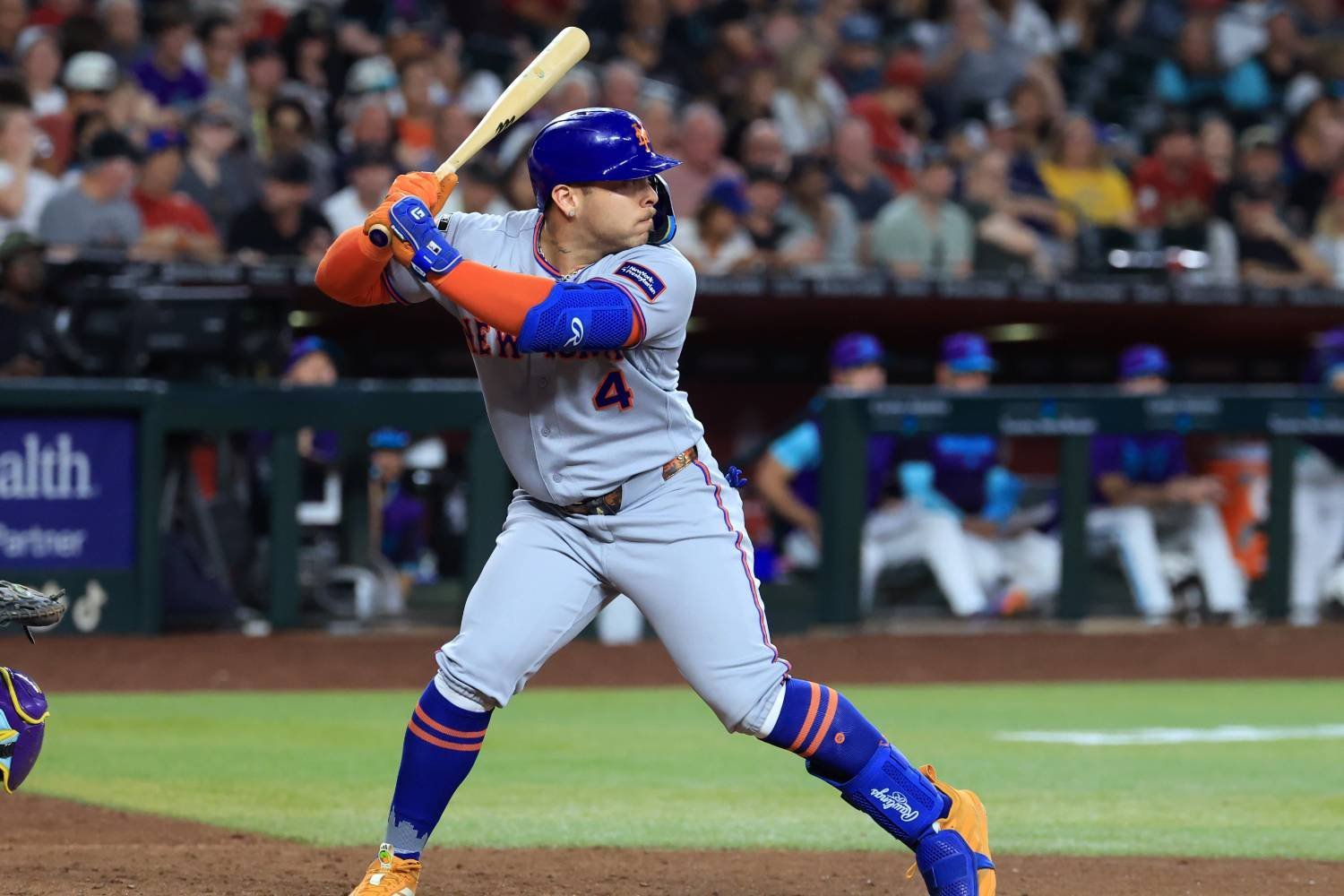 In a much quicker timeline than anticipated, Francisco Alvarez is back. The New York Mets on Tuesday activated the catcher from the 10-day injured list. He tore his right meniscus May 12. Just less than a month later, he has returned to the active roster. Catcher Hayden Senger was sent back to Triple-A Syracuse. Alvarez, who was expected to be out until the end of the month, had a brief rehab assignment, catching four games last week at Syracuse to make sure his knee was good to go. Before hitting the IL, Alvarez was slashing .241/.317/.393 with four homers and 10 RBIs. Senger saw action in seven games, going 2-for-15 (.133) with a homer and two RBIs. View the full article
 -
 The Milwaukee Brewers have locked up another one of their top prospects. Center fielder Luis Lara, Brewer Fanatic's No. 5 prospect, has agreed to an eight-year, $30 million contract, according to Brewer Fanatic's Spencer Michaelis. The deal, which includes two team options as well as incentives, is not official. Once signed, the 21-year-old Lara must be added to the 40-man roster due to the deal being a major-league contract. This also does not mean Lara will be immediately promoted, although that could happen. Brewer Fanatic's own Spencer Michaelis was first to report the news. Lara is the second prospect to receive an extension since the beginning of the season. Shortstop Cooper Pratt, Brewer Fanatic's No. 4 prospect, also signed for eight years, but is receiving $50 million. Lara has taken a big step offensively this season. In his first season at Triple-A Nashville, Lara is slashing .338/.447/.500 with seven homers and 27 RBIs to go along with 18 steals in 22 attempts. Lara is also a standout defender in center field, even at 5-foot-7. His previous best season came in 2023, when he had a slash line of .286/.373/.359 between Low-A Carolina and High-A Wisconsin. His seven home runs this season are already a career high, beating the four he had in a full season at Wisconsin in 2024. View the full article
 -
 The San Diego Padres will be without their starting shortstop for the next few days. Xander Bogaerts was placed on the paternity list Tuesday, with the Padres calling up infielder Will Wagner from Triple-A El Paso. The paternity list allows a player to miss up to three days due to the birth of their child. The Padres continue their series against the Cincinnati Reds on Tuesday and Wednesday, then are off Thursday before beginning a road trip Friday against the Baltimore Orioles. It is likely Bogaerts will rejoin the team Friday. In 63 games, Bogaerts has a slash line of .231/.303/.356 with eight homers, 27 RBIs and nine stolen bases. Wagner, acquired from the Toronto Blue Jays at last year's trade deadline, has slashed .255/.381/.382 for El Paso with three homers and 12 RBIs in 30 games. The start of his season was delayed due to an oblique injury. In 79 MLB games with the Jays and Padres the last two seasons, the son of Hall of Famer Billy Wagner has a .256/.329/.346 slash line with no homers and seven RBIs. Sung-Mun Song is likely to start at shortstop with Bogaerts out. View the full article
 -
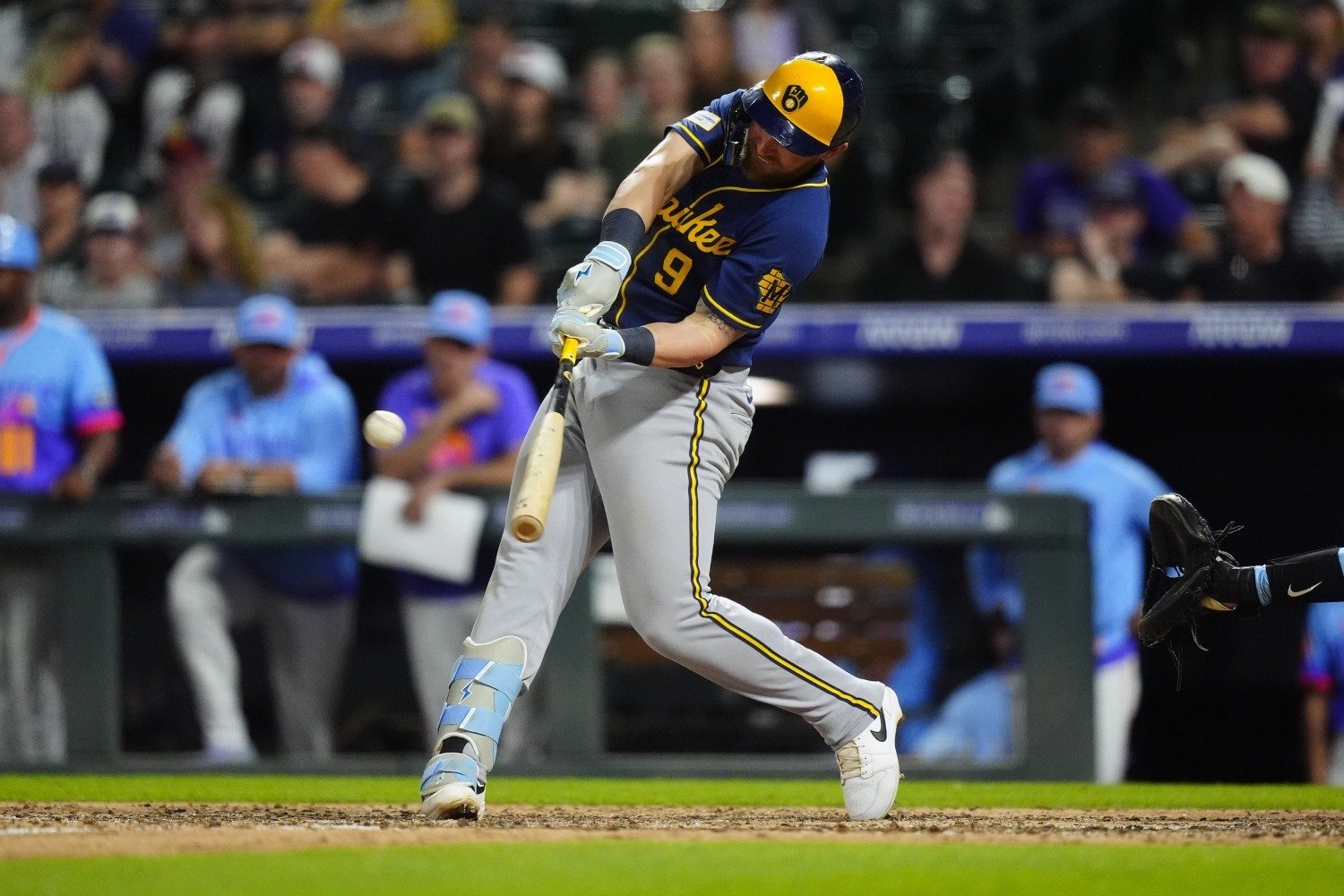 Honorable Mentions Brice Turang 111 PA, .231/.355/.363, 21 H, 3 2B, 3 HR, 11 RBI, 18 BB, 2 SB, 107 wRC+ Turang slowed down a bit in the month of May, especially when it came to hitting for power, but his walk rate remained exceptional. His walk rate of 17.0% is exceptional and has helped keep his offensive production afloat even when the power has slipped. Luckily, things began turning around toward the end of the month, and June is off to a great start. He has slugged an impressive .778 in 27 at-bats so far and is doing plenty of damage once again, as noted by our very own Matt Trueblood. Statistical Nugget: Turang’s average exit velocity this season is 91.3 mph, the highest mark in his career so far. His average exit velocity as a rookie was 85.5 mph. William Contreras 106 PA, .302/.358/.365, 29 H, 3 2B, 1 HR, 14 RBI, 8 BB, 1 SB, 106 wRC+ Turang isn’t the only person who suffered from an apparent power outage last month. Contreras has been on a steady decline when it comes to his pop, which isn’t unexpected for a catcher who slugged .506 in his final season with his old team. The silver lining is that he has been hitting for a higher average and striking out far less. This has spurred some questions as to whether his power production and bat speed have declined as a result of the physical toll of playing as frequently as he does, given the grueling mental and physical demands of being a big-league catcher. While he hasn’t been able to do it consistently, he has shown occasional glimpses of being able to punish baseballs just as much as he did in his slightly younger days. Statistical Nugget: This season, Contreras is averaging .462 and slugging .731 against cutters. Andrew Vaughn 65 PA, .351/.431/.526, 20 H, 7 2B, 1 HR, 7 RBI, 6 BB, 173 wRC+ Although he started the year on the injured list due to surgery on his left hamate bone, Vaughn wasted no time getting to work after returning to the team. He has been on an absolute tear and was one of the few truly standout bats in the lineup last month. Milwaukee’s ability to hit the ball into the stands is worse than one might assume. The Brewers’ combined 54 home runs are 28th in MLB. They haven’t really needed it, as shown by them being third in MLB for runs scored (344), but having a bat with real power potential like Vaughn will (if nothing else) give fans a few more long balls to admire than they would’ve had otherwise. Statistical Nugget: This season, Vaughn has a .692 OPS with runners in scoring position and a 1.016 OPS with the bases empty. Hitter of the Month – Jake Bauers 85 PA, .307/.388/.533, 23 H, 5 2B, 4 HR, 14 RBI, 8 BB, 1 SB, 160 wRC+ When Bauers first joined the team, it was assumed that he would be the latest in a long line of disappointing talent at first base, and there wasn’t much of a reason to believe otherwise. Prior to 2024, he had accumulated -1.4 fWAR and had never posted a wRC+ of 100 or higher. His first year as a Brewer was more of the same, but 2025 seemed to be an inflection point in his career. Now, at 30 years old in his seventh big-league season, Bauers has arguably been the best hitter on the team, and his numbers are in elite territory. In baseball, regression to the norm is always one freezing-cold month away, but the same was said about Vaughn after he was acquired from the White Sox. Vaughn has remained productive ever since. Milwaukee has become known for reviving the careers of pitchers, but they may have cracked the hitter puzzle, too. Bauers is a prime example of what’s now possible. Statistical Nugget: Jake Bauers’s 148 wRC+ this year is fifth among qualified first basemen and is higher than Bryce Harper (141) and Matt Olson (140). View the full article
