


DiamondCentric
-
Posts
2,631 -
Joined
-
Last visited
Never
Content Type
Profiles
Forums
Events
News
Tutorials & Help
Major League Baseball Videos
Guides & Resources
Store
Downloads
Gallery
Everything posted by DiamondCentric
-

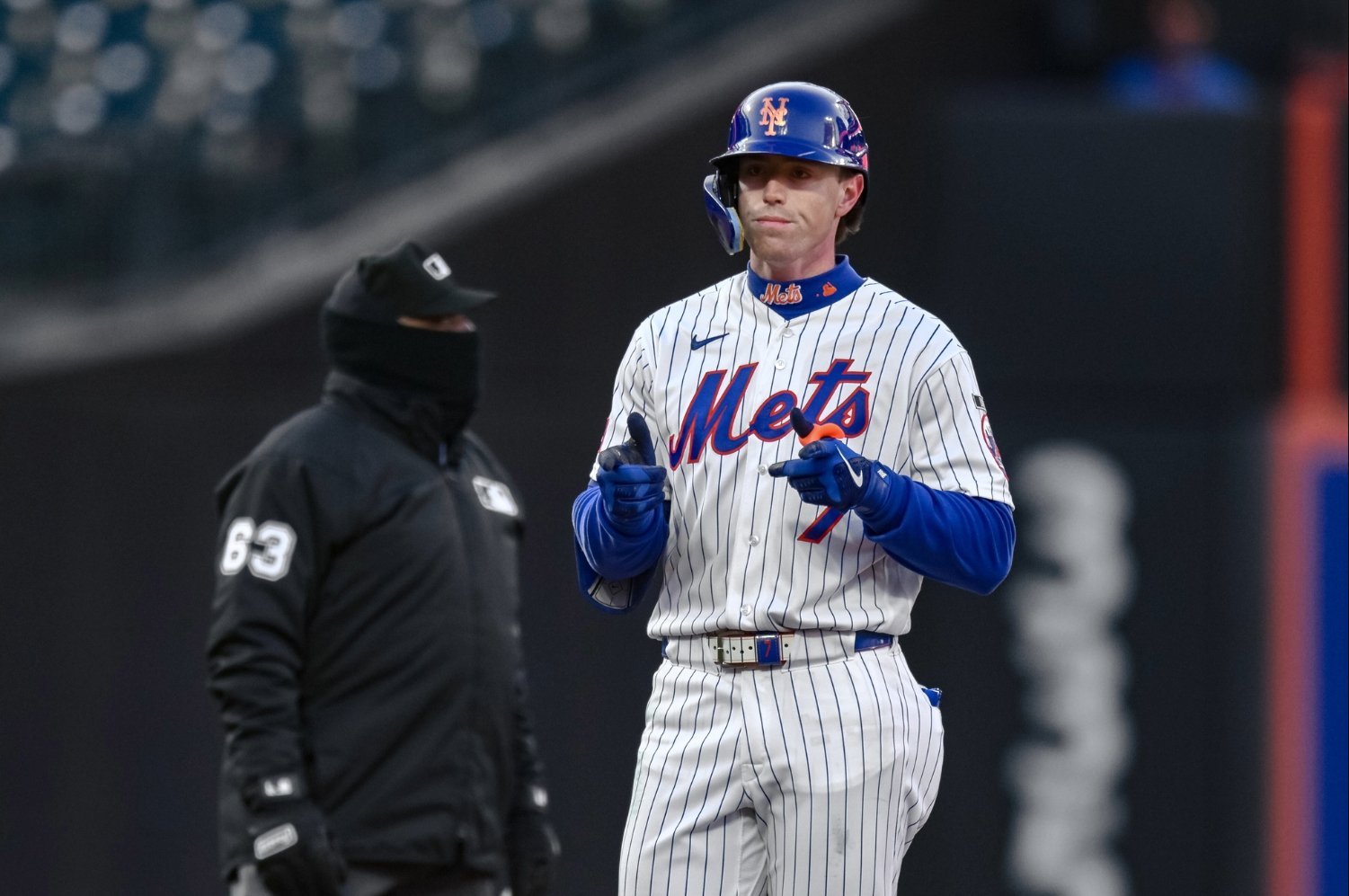 If you're a New York Mets fan, you probably don’t need us to tell you how long it took infielder/outfielder Brett Baty to become a reliable, above-average hitter in the major leagues. From 2022 to 2024, he racked up 602 plate appearances, in which he posted a rough 71 wRC+. Just when the Mets were about to give up, though, Baty put up incredible numbers in the 2025 spring training, earning an everyday role. After he yielded a 66 wRC+ in his first 58 trips to the plate that season, he found himself in Triple-A again. But Baty returned a couple of weeks later and was so good over the rest of the season that he finished with a 111 wRC+ and 18 home runs last year. With first-round pedigree and having seemingly turned a corner in 2025, the 26-year-old was set to star in a multi-position role for the Mets this year. Things, however, haven’t gone the way he probably imagined. Brett Baty's Plate Discipline Has Evaporated Heading into the weekend series against the Cubs, Baty is slashing a brutal .203/.197/.288. Yes, that’s right, his batting average is higher than his OBP, which can happen when sac flies or sac bunts enter the equation. In short, his plate discipline has completely disappeared. He is the only qualified hitter in baseball without a walk and has struck out 32.8 percent of the time, roughly one-third of his plate appearances. That’s not ideal. He had made strides with his chase rate last year, as it sat in the 70th percentile at 24.9 percent. This year, he is swinging at pitches outside of the strike zone 38.5 percent of the time, which ranks him in the 11th percentile. Yikes. So, as you probably suspect, a lot of Baty’s issues have to do with horrible plate discipline. The quality of contact, however, has also been subpar, as his 2nd-percentile xwOBA (.216) suggests. Baty is well below the league average in metrics such as hard-hit rate (23rd percentile), expected batting average (19th percentile), and expected slugging (18th percentile). Additionally, Baty feasted on fastballs last year, hitting .278 off them and slugging .495. The 2026 sample is still ridiculously small, but he is at .257 and .343, respectively. The difference in xwOBA against heaters is night and day: it was .383 in 2025, and has collapsed all the way to .205 in 2026. So, to sum up, Baty is not just swinging at everything, but also can’t catch up to fastballs this year. It might be a timing issue because his average bat speed is still solid at 74.8 mph — good enough to rank him in the 84th percentile and exactly the same as last year’s. Brett Baty Can't Turn To Luck To Fix His Velocity and Swinging Issues We can’t even say that Baty has been unlucky: his .210 wOBA is right on par with his .216 xwOBA. He has just been terrible. Can he improve? Well, of course he can. Will he? That’s the million-dollar question. Any bounce-back bids will have to start by not chasing so much. Believe us when we tell you that it’s much easier said than done, but he has done it before. He has rapidly improved his feel for the strike zone in the not-so-distant past. It happened last year! He’s not hopeless. He will have to regain his stroke and his rhythm, especially against fastballs. And he will have to put the barrel on the ball more consistently. That sounds simple, but it's a lot of work to do in the middle of the season. He just seems late on high-velocity stuff, which in turn is making him susceptible to the more-difficult-to-hit breakers outside the zone: With his timing still way off, the Mets’ utility man is pulling fewer balls in the air than ever before in his career, at 7.3 percent. His career mark is 14.1 percent, and the league-wide average is 16.7 percent. Getting Baty going should be a priority for the Mets at the moment. They are the second-worst offense by wRC+ in the entire league, so anything that the talented but inconsistent hitter can provide will be greatly appreciated. View the full article
 -
Please, We Need More Photos of the Blue Jays Striking Out
DiamondCentric posted an article in Jays Centre
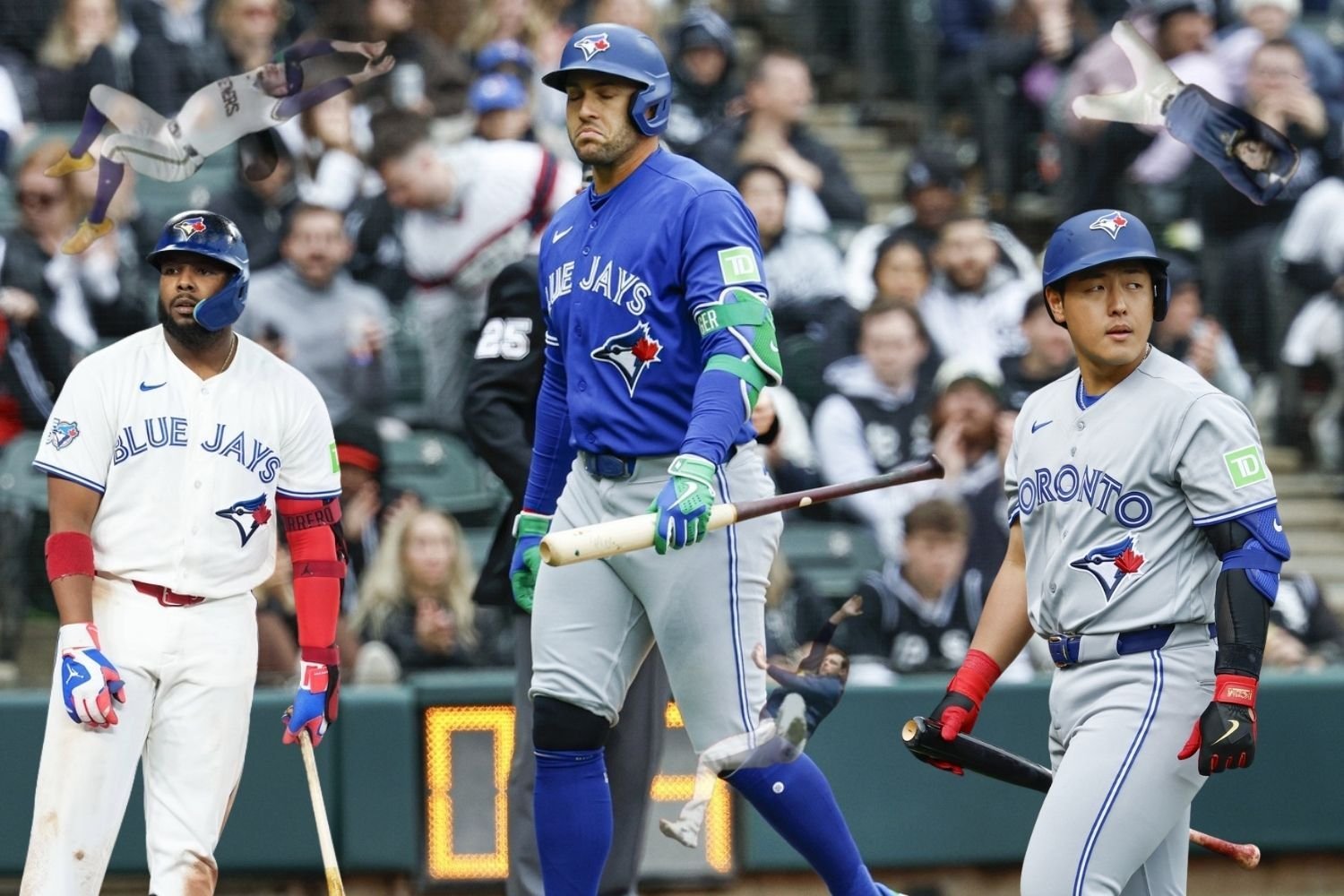 Dear sports photographers, I'm incredibly grateful for the work you do. You play such an important role in recording and relating the story of the game. Our website would look lifeless without you. With all that said... I have to make a request. I need more photos to use when the Blue Jays are struggling at the plate. I get it. Hits are more exciting than strikeouts. Moments of celebration sell better than moments of failure. I'm sure hitters aren't too thrilled to have their picture taken as they walk back to the dugout in defeat. But I can't use a photo of a Blue Jays batter getting a hit in an article about how badly their bats have stunk. As I write this, the Blue Jays are 7-10. Their offense has struggled. As much as it pains me to cover those struggles, that's what I signed up for. My fellow scribes and I have to write about all the ways this team has disappointed us. The problem? We're burning through images that depict those struggles faster than you're putting them out. On Thursday, I published a piece about the team's poor performance with runners in scoring position. That's been a recurring theme throughout the first three weeks of the season. Yet, you wouldn't know it by scrolling through our image service. All I needed was one photo of a Blue Jays batter not succeeding at the plate to use as the featured image. That was a lot harder to find than you'd think. This one of George Springer would have been perfect, but I had already used it. Image courtesy of Kamil Krzaczynski-Imagn Images I had also already used the images I found of Vladimir Guerrero Jr. (here) and Kazuma Okamoto (here) staring into the distance after striking out. Like I said, the Blue Jays have struggled, and we've had to cover those struggles. Images courtesy of Kamil Krzaczynski & Nick Turchiaro-Imagn Images Eventually, after scrolling through pages and pages of pictures of the Blue Jays getting hits, scoring runs, and donning celebratory jackets, I settled on a slightly different shot of Okamoto reacting to the same strikeout. That's how limited my options were. It doesn't have to be this way. I know the Blue Jays don't strike out a whole lot. It's kind of their thing. But that's relative. They may have struck out less than any other team, but they've still done it 117 times this year. That's only 25 fewer strikeouts than hits! And it's not as if these photos need to be strikeouts. Give me a picture of a batter hitting into a groundout or a pop-up. Give me a one of a swing and a miss. I don't even care if I can see the disappointment on the batter's face. Sure, an evocative facial expression is a plus, but I'm not greedy. All I need is literally any photo of a Blue Jays batter that isn't of him getting a hit or celebrating a hit. They're shockingly hard to find. To be fair, I found a good number of photos of Blue Jays getting hits in which it isn't explicitly clear that they're getting hits. Could I have gotten away with using this shot of Ernie Clement? Probably. But it wouldn't have felt right. I would have known he hit a single with that swing, and I'm no peddler of misinformation. I left the watermark on, and I left the image out of my article. Image courtesy of Dan Hamilton-Imagn Images. If you still aren't convinced how dire this situation is, let me use Wednesday's game against the Brewers as an example. The Blue Jays' bats failed to capitalize on a great outing from Dylan Cease, losing 2-1. They went 5-for-30 with no extra-base hits. Their 35% whiff rate (21 whiffs on 60 swings) was their highest in any game so far this season. Despite that highly disappointing offensive showing, there wasn't a single picture from that game I could use as the header for this article. Our image service gave me 48 pictures from game day, including shots I certainly never needed to see of Easton McGee, Aaron Ashby, and Trevor Megill stretching in the bullpen. Images courtesy of Mark Hoffman-Imagn Images. There were two images of Blue Jays batters I could choose from for the entire game. One was Guerrero hitting a single. The other was Okamoto drawing a walk. But I needed more than just images of success when the clear story of the game, at least for Toronto's offense, was failure. On top of that, I also found an image of Brewers pitcher Chad Patrick reacting in distress to what turned out to be a fly out. That raises a whole other issue. It's never hard to find images of pitchers looking disappointed. There are so many of them that you can even find pictures of pitchers looking like they failed when they didn't! What is it about pitching failures that compels photographers so much, when it seems like many of you wouldn't capture a hitter's failure with a ten-foot lens? Look at this portrait of Eloy Jiménez. I used it recently for an article about his call-up. Jiménez was about to play his first MLB game since September 2024. The photographer, John E. Sokolowski, captured the moment perfectly. Image courtesy of John E. Sokolowski-Imagn Images Look at the sheer joy on his face. All I'm asking for is the occasional photo that captures a similar degree of disappointment. I don't want to have to use those photos, but until the Blue Jays start playing better baseball, I don't have much of a choice. We're getting dangerously close to me having to photoshop this George Springer frown onto his teammates' faces. I don't want to do that, and I know you don't want to see it. So please, baseball photographers, I'm begging you. Your writer and editor friends need more pictures of hitters looking discouraged, defeated, and downright despondent. The only alternative is asking the Blue Jays to play better baseball, and, well, I'm trying to be realistic here. View the full article
 -
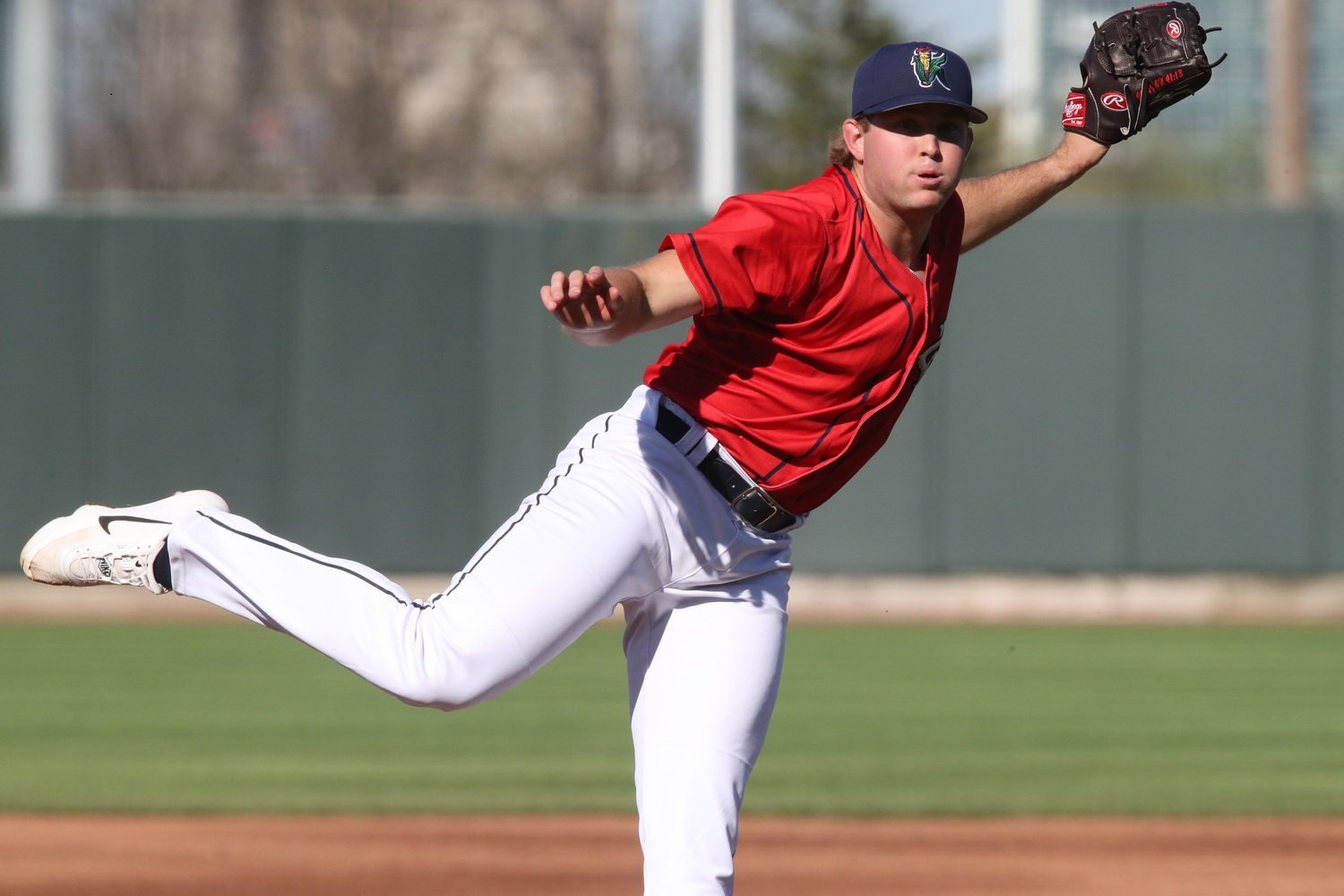 TRANSACTIONS Utilityman Harry Genth was promoted from Fort Myers to Cedar Rapids. In addition, Fort Myers placed RHP Joel Garcia on the 7-Day IL with right biceps tendonitis. SAINTS SENTINEL St. Paul 5, Lehigh Valley 1 Box Score Connor Prielipp made the start for the Saints against the Phillies Triple-A squad. The southpaw went the first five innings and gave up just one run on four hits and a walk. He also struck out eight batters. The lone run he allowed came on a Steward Berroa solo home run. Berroa played his fifth game with the IronPigs after being traded from the Brewers to the Phillies organization. Kendry Rojas came in and worked 3 1/3 innings. He gave up no runs on three hits. He walked one and had two strikeouts. He threw 50 pitches, likely his limit in just his second appearance with the Saints. Jon Brebbia got the final two outs, one on a strikeout. The Saints left three on base in the second without scoring. In the bottom of the third, Aaron Sabato led off with a double. He moved up to third on a wild pitch. With two outs, Alan Roden singled to right to drive him in. Back-to-back walks left the bases loaded again. This time, Orlando Arcia stepped up with an RBI single to make it 2-0. The Saints took a 2-1 lead into the sixth inning. With one out, Tanner Schobel and Aaron Sabato hit back-to-back singles. With two outs, Kaelen Culpepper doubled to drive in Schobel. Roden followed with an infield single that drove in Sabato with the fourth run. Sabato drove in the fifth and final run in the bottom of the seventh when he lined a single to left to drive in Alex Jackson. Sabato finished the game going 3-for-4 with his first double of the season. Alan Roden was 3-for-5 with his fourth double. WIND SURGE WISDOM Wichita 7, Springfield 10 Box Score The Wind Surge offense scored seven runs on 14 hits and three walks. Of course, Ben Ross had another two-hit game including his fourth double and fifth home run. Hendry Mendez went 3-for-5 and made his first start at first base. (He had one error on a missed catch.) Kala’i Rosario went 2-for-5. Ricardo Olivar went 2-for-5 with his fourth double. Jose Salas was 2-for-4 with a walk and his second home run. Kyle DeBarge hit his second home of the season. Billy Amick and Maddux Houghton each hit their second double of the season. Things didn’t go as well for the Surge’s pitchers. Mike Paredes made the start. In 2 1/3 innings, he gave up eight runs (7 earned) on eight hits and a walk and a hit batter. In 2025 in Wichita, Paredes was the Twins Daily Minor League Relief Pitcher of the Year. He went 11-0 with a 2.43 ERA over 103 2/3 innings. He also had seven saves. In other words, this was his first really rough outing since 2024. In other words, as Garrett Crochet said of his start against the Twins on Monday, he’s just got to flush this one and forget it. Jarret Whorff came on and gave up two runs on three hits and a walk in 1 2/3 innings. However, down 10-0, Darren Bowen, Luis Quinones, and Jaylen Nowlin combined to strike out five batters over five scoreless, no-hit innings. KERNELS CHRONICLE Game 1: Cedar Rapids 2, Quad Cities 1 Box Score Strong Start + Strong Bullpen + Early Lead + Add On = Good win for the Kernels. The Kernels got a really nice start in Game 1 from Eli Jones. He gave up just one run on three hits and a walk over five innings. He struck out three batters. In four appearances and 20 innings in 2026, Jones is 1-0 with a 1.35 ERA. He’s issued just two walks and opponents have hit just .119 against him. After such a tough pro debut in Fort Myers in 2025, it was certainly important for Jones and his confidence to get off to a fast start in 2026. Recently, Jones told Twins Daily, “I worked hard throughout the offseason and spring training to build a little more velo. I’m throwing a tick harder now, making my arsenal a bit sharper. I’ve got my feet under me in pro ball now, so I’m feeling much more comfortable and confident on the mound.” The 22-year-old former sixth-round pick from South Carolina continued, “I’m competing my tail off and being very intentional on executing each and every pitch. My mindset on the mound, mixed with a slightly sharper arsenal has helped me out a ton so far this year.” The Kernels took advantage of the opposing pitcher Josh Hansell’s wildness and took a 1-0 lead in the bottom of the first inning. With one out, Khadim Diaw, Brandon Winokur and Danny De Andrade walked to load the bases. Rayne Doncon grounded to shortstop but beat the throw to first allowing Diaw to score the game’s first run. The River Bandits tied the game in the top of the third inning, but the Kernels were able to jump back ahead in the bottom of the inning. With one out, De Andrade crushed a long home run out of the ballpark and onto the street beyond the fence in left field. Nick Trabacchi pitched a perfect sixth inning, and Paulshawn Pasqualotto worked a scoreless seventh inning to record his third save of the young season. Eli Jones earned his first official Win of the season. De Andrade was 2-for-2 with a walk and the big home run. Jay Thomason went 0-for-0 with three of the team’s seven walks in the game. Luis Hernandez recorded his first hit of the season. The catcher doubled down the left field line. Doncon added a double to his RBI fielder’s choice. Game 2: Cedar Rapids 0, Quad Cities 6 Box Score It’s been a rough start to the season for lefty Dasan Hill. With all the excitement of the 20-year-old’s potential and reaching 100 mph, it’s a good reminder that these kids are people, that development isn’t linear, that there will be ups and downs throughout the process. Big picture, what does three rough starts mean? Nothing. Very little. What it does, one would hope, is provide learning opportunities. What it reminds us/fans, patience is not only a virtue, it’s absolutely necessary. Hill started Game 2 for the Kernels. He gave up five runs on three hits over just 1 2/3 innings. He had four strikeouts but also walked five batters. In his three starts, he has given up 11 runs on nine hits in eight innings. He had 10 walks and 10 strikeouts. That amounts to a 12.38 ERA and a 2.38 WHIP. In his three starts at the end of the 2025 season for the Kernels, he was 0-2 with a 5.40 ERA. In 10 innings, he gave up nine hits, walked seven and had 15 strikeouts. Even rolling back to his 16 starts at Fort Myers last year, he had 33 walks and 68 strikeouts in 52 innings. Of note, he didn’t have good control last year, but obviously right now it’s even worse. As long as he is healthy and willing to listen, there is little to worry about. It’s a blip on the radar. But the control issue will need to be worked on. It will have to be. As players move up levels, the strike zones get smaller, somewhat literally and mostly just in the fact that most of the hitters have much better eyes and knowledge of the strike zone. Christian Becerra came on and gave up one run on four hits in 1 1/3 innings. Michael Ross struck out two over two scoreless innings. Yehizon Sanchez and Brent Francisco each threw a scoreless inning as well. The Kernels hitters combined for three hits and six hits in this game. They were 0-for-9 with runners in scoring position and left eight on base. Brandon Winokur had a double and a walk. Eduardo Tait hit his second double. Danny De Andrade and Jaime Ferrer each walked twice. MIGHTY MATTERS Ft. Myers 7, Lakeland 4 Box Score Riley Quick made his second pro appearance on Thursday night. While he wasn’t as efficient as his first start, it certainly was effective. The 2025 draft pick struck out five batters over three scoreless, hitless innings. The only blemish was three walks, and just 58.3% of his 48 pitches were strikes. Solid start, and the Mussels offense started out quite well too. With one out in the bottom of the first inning, Dameury Pena singled. With two outs, JP Smith walked. Yasser Mercedes followed with his first homer of the season. It gave the Mussels a 3-0 lead. After a pitching change, Eduardo Beltre walked, Ryan Sprock singles, and Byron Chourio walked to load the bases. Beltre scored on a wild pitch to make it 4-0. Jonathan Stevens came into the game to replace Quick. He gave up a home run to the first batter he faced. He gave up three runs in the fourth. The righty drafted out of Alabama who never pitched for Alabama went three innings and gave up four runs (2 earned) on five hits and two walks. He struck out three batters. The sixth-inning run tied the game at 4-4. The Mussels answered that run right away in the bottom of the sixth when Ryan Spock reached on an error which allowed Mercedes to score the fifth run. Jake Murray came in to start the seventh inning. He gave up a leadoff double but immediately left the game with injury. We’ll update as we have more information. Michael Hilker came on and got the final nine outs of the game for the Mussels. Like Quick he gave up no runs and no hits over three innings. He had a walk and four strikeouts. Catcher Ian Daugherty hit a long home run in the bottom of the seventh, his first as a professional, to give the team the 6-4 lead. Dameury Pena extended his hitting streak to eight games. He went hitless in the season’s first two games. Through 10 games, the 20-year-old Dominican is hitting .412/.524/.441 (.965) with a double. He also has seven walks to just four strikeouts. And he’s got four stolen bases. PLAYERS OF THE DAY Hitter of the Day Ben Ross (Wichita): 2-for-5, 2B(5), HR(4), 2 R, RBI, K. Pitcher of the Day Connor Prielipp (St. Paul): 5 IP, 4 H, 1 R, 1 BB, 8 K, 76 pitches, 50 strikes (65.8%) Eli Jones (Cedar Rapids): 5 IP, 3 H, 1 R, 1 BB, 3 K, 67 pitches, 44 strikes (65.7%) PROSPECT SUMMARY Check out the Prospect Tracker for much more on our Twins Top 20 prospects after seeing how they did today. #1 - OF Walker Jenkins (St. Paul) - 1-for-4, BB, K, CS(1) (batted first, DHd) #2 - IF Kaelen Culpepper (St. Paul) - 1-for-5, 2B(4), RBI, 2 K (batted second, played SS) #3 - OF Emmanuel Rodriguez (St. Paul) - 1-for-3, BB, 2B(2), K (batted fifth, played CF) #4 - C Eduardo Tait (Cedar Rapids) - Game 2: 1-for-4, 2B(2), 2 K (batted second, catcher) #5 - LHP Connor Prielipp (St. Paul) - 5 IP, 4 H, 1 R, 1 BB, 8 K, 76 pitches, 50 strikes (65.8%) #6 - LHP Dasan Hill (Cedar Rapids) - Game 2: 1 2/3 IP, 3 H, 5 ER, 5 BB, 4 K, 70 pitches, 38 strikes (54.3%) #7 - OF Gabriel Gonzalez (St. Paul) - 1-for-3, BB, K (Batted fourth, played LF) #8 - LHP Kendry Rojas (St. Paul) - 3 1/3 IP, 3 H, 0 R, 1 BB, 2 K, 50 pitches, 29 strikes (58.0%) #9 - SS Marek Houston (Cedar Rapids) - Game 1: 0-for-3, BB, K, Game 2: 1-for-4, 2 K (both games, batted leadoff, played SS) #10 - RHP Charlee Soto (Cedar Rapids) - Injured List #11 - RHP Riley Quick (Ft. Myers) - 3 IP, 0 H, 0 R, 3 BB, 5 K, 48 pitches, 28 strikes (58.3%) #12 - RHP Andrew Morris (Minnesota) - No Game Scheduled. #13 - 3B/CF Brandon Winokur (Cedar Rapids) - Game1: 0-for-2, BB, K, Game 2: 1-for-2, BB, 2B(2), (batted 3rd/4th, played 3B). #14 - 3B/SS Quentin Young (Ft. Myers) - 0-for-3, BB, 2 K, E(7) (batted third, played SS) #15 - RHP Marco Raya (St. Paul) - Did Not Pitch #16 - OF Hendry Mendez (Wichita) - 3-for-5, 2B(2), R, 2 RBI, E(1) (batted third, played 1B, then LF) #17 - 2B/OF Kyle DeBarge (Wichita) - 1-for-5, HR(2), R, RBI, K (batted first, played 2B) #18 - RHP C.J. Culpepper (Wichita) - Did Not Pitch #19 - C/OF Khadim Diaw (Cedar Rapids) - Game 1: 1-for-2, BB, R (batted second, played CF), Game 2: 0-for-2, BB (batted third, played CF). #20 - RHP James Ellwanger (Ft. Myers) - Did Not Pitch UPCOMING PROBABLES Friday: Lehigh Valley @ St. Paul (6:37 pm CT) - Zebby Matthews (0-2, 8.76 ERA) Springfield @ Wichita (6:35 pm CT) - Ty Langenberg (0-1, 1.54 ERA) Quad Cities @ Cedar Rapids (6:05 pm CT) - RHP Adrian Bohorquez (0-0, 9.53 ERA) Lakeland @ Ft. Myers (6:05 CT) - RHP Merit Jones (0-0, 3.52 ERA) CURRENT W-L Records Minnesota Twins: 11-8 St. Paul Saints: 7-10 Wichita Wind Surge: 6-6 Cedar Rapids Kernels: 6-6 Fort Myers Mighty Mussels: 8-4 FCL Twins: 0-0 (season begins Monday, May 4) DSL Twins: 0-0 (season begins Monday, June 1) Please feel free to ask questions about the teams, the rosters, and discuss today’s games, or anything else Twins minor-league related! View the full article
 -
 TRANSACTIONS Utilityman Harry Genth was promoted from Fort Myers to Cedar Rapids. In addition, Fort Myers placed RHP Joel Garcia on the 7-Day IL with right biceps tendonitis. SAINTS SENTINEL St. Paul 5, Lehigh Valley 1 Box Score Connor Prielipp made the start for the Saints against the Phillies Triple-A squad. The southpaw went the first five innings and gave up just one run on four hits and a walk. He also struck out eight batters. The lone run he allowed came on a Steward Berroa solo home run. Berroa played his fifth game with the IronPigs after being traded from the Brewers to the Phillies organization. Kendry Rojas came in and worked 3 1/3 innings. He gave up no runs on three hits. He walked one and had two strikeouts. He threw 50 pitches, likely his limit in just his second appearance with the Saints. Jon Brebbia got the final two outs, one on a strikeout. The Saints left three on base in the second without scoring. In the bottom of the third, Aaron Sabato led off with a double. He moved up to third on a wild pitch. With two outs, Alan Roden singled to right to drive him in. Back-to-back walks left the bases loaded again. This time, Orlando Arcia stepped up with an RBI single to make it 2-0. The Saints took a 2-1 lead into the sixth inning. With one out, Tanner Schobel and Aaron Sabato hit back-to-back singles. With two outs, Kaelen Culpepper doubled to drive in Schobel. Roden followed with an infield single that drove in Sabato with the fourth run. Sabato drove in the fifth and final run in the bottom of the seventh when he lined a single to left to drive in Alex Jackson. Sabato finished the game going 3-for-4 with his first double of the season. Alan Roden was 3-for-5 with his fourth double. WIND SURGE WISDOM Wichita 7, Springfield 10 Box Score The Wind Surge offense scored seven runs on 14 hits and three walks. Of course, Ben Ross had another two-hit game including his fourth double and fifth home run. Hendry Mendez went 3-for-5 and made his first start at first base. (He had one error on a missed catch.) Kala’i Rosario went 2-for-5. Ricardo Olivar went 2-for-5 with his fourth double. Jose Salas was 2-for-4 with a walk and his second home run. Kyle DeBarge hit his second home of the season. Billy Amick and Maddux Houghton each hit their second double of the season. Things didn’t go as well for the Surge’s pitchers. Mike Paredes made the start. In 2 1/3 innings, he gave up eight runs (7 earned) on eight hits and a walk and a hit batter. In 2025 in Wichita, Paredes was the Twins Daily Minor League Relief Pitcher of the Year. He went 11-0 with a 2.43 ERA over 103 2/3 innings. He also had seven saves. In other words, this was his first really rough outing since 2024. In other words, as Garrett Crochet said of his start against the Twins on Monday, he’s just got to flush this one and forget it. Jarret Whorff came on and gave up two runs on three hits and a walk in 1 2/3 innings. However, down 10-0, Darren Bowen, Luis Quinones, and Jaylen Nowlin combined to strike out five batters over five scoreless, no-hit innings. KERNELS CHRONICLE Game 1: Cedar Rapids 2, Quad Cities 1 Box Score Strong Start + Strong Bullpen + Early Lead + Add On = Good win for the Kernels. The Kernels got a really nice start in Game 1 from Eli Jones. He gave up just one run on three hits and a walk over five innings. He struck out three batters. In four appearances and 20 innings in 2026, Jones is 1-0 with a 1.35 ERA. He’s issued just two walks and opponents have hit just .119 against him. After such a tough pro debut in Fort Myers in 2025, it was certainly important for Jones and his confidence to get off to a fast start in 2026. Recently, Jones told Twins Daily, “I worked hard throughout the offseason and spring training to build a little more velo. I’m throwing a tick harder now, making my arsenal a bit sharper. I’ve got my feet under me in pro ball now, so I’m feeling much more comfortable and confident on the mound.” The 22-year-old former sixth-round pick from South Carolina continued, “I’m competing my tail off and being very intentional on executing each and every pitch. My mindset on the mound, mixed with a slightly sharper arsenal has helped me out a ton so far this year.” The Kernels took advantage of the opposing pitcher Josh Hansell’s wildness and took a 1-0 lead in the bottom of the first inning. With one out, Khadim Diaw, Brandon Winokur and Danny De Andrade walked to load the bases. Rayne Doncon grounded to shortstop but beat the throw to first allowing Diaw to score the game’s first run. The River Bandits tied the game in the top of the third inning, but the Kernels were able to jump back ahead in the bottom of the inning. With one out, De Andrade crushed a long home run out of the ballpark and onto the street beyond the fence in left field. Nick Trabacchi pitched a perfect sixth inning, and Paulshawn Pasqualotto worked a scoreless seventh inning to record his third save of the young season. Eli Jones earned his first official Win of the season. De Andrade was 2-for-2 with a walk and the big home run. Jay Thomason went 0-for-0 with three of the team’s seven walks in the game. Luis Hernandez recorded his first hit of the season. The catcher doubled down the left field line. Doncon added a double to his RBI fielder’s choice. Game 2: Cedar Rapids 0, Quad Cities 6 Box Score It’s been a rough start to the season for lefty Dasan Hill. With all the excitement of the 20-year-old’s potential and reaching 100 mph, it’s a good reminder that these kids are people, that development isn’t linear, that there will be ups and downs throughout the process. Big picture, what does three rough starts mean? Nothing. Very little. What it does, one would hope, is provide learning opportunities. What it reminds us/fans, patience is not only a virtue, it’s absolutely necessary. Hill started Game 2 for the Kernels. He gave up five runs on three hits over just 1 2/3 innings. He had four strikeouts but also walked five batters. In his three starts, he has given up 11 runs on nine hits in eight innings. He had 10 walks and 10 strikeouts. That amounts to a 12.38 ERA and a 2.38 WHIP. In his three starts at the end of the 2025 season for the Kernels, he was 0-2 with a 5.40 ERA. In 10 innings, he gave up nine hits, walked seven and had 15 strikeouts. Even rolling back to his 16 starts at Fort Myers last year, he had 33 walks and 68 strikeouts in 52 innings. Of note, he didn’t have good control last year, but obviously right now it’s even worse. As long as he is healthy and willing to listen, there is little to worry about. It’s a blip on the radar. But the control issue will need to be worked on. It will have to be. As players move up levels, the strike zones get smaller, somewhat literally and mostly just in the fact that most of the hitters have much better eyes and knowledge of the strike zone. Christian Becerra came on and gave up one run on four hits in 1 1/3 innings. Michael Ross struck out two over two scoreless innings. Yehizon Sanchez and Brent Francisco each threw a scoreless inning as well. The Kernels hitters combined for three hits and six hits in this game. They were 0-for-9 with runners in scoring position and left eight on base. Brandon Winokur had a double and a walk. Eduardo Tait hit his second double. Danny De Andrade and Jaime Ferrer each walked twice. MIGHTY MATTERS Ft. Myers 7, Lakeland 4 Box Score Riley Quick made his second pro appearance on Thursday night. While he wasn’t as efficient as his first start, it certainly was effective. The 2025 draft pick struck out five batters over three scoreless, hitless innings. The only blemish was three walks, and just 58.3% of his 48 pitches were strikes. Solid start, and the Mussels offense started out quite well too. With one out in the bottom of the first inning, Dameury Pena singled. With two outs, JP Smith walked. Yasser Mercedes followed with his first homer of the season. It gave the Mussels a 3-0 lead. After a pitching change, Eduardo Beltre walked, Ryan Sprock singles, and Byron Chourio walked to load the bases. Beltre scored on a wild pitch to make it 4-0. Jonathan Stevens came into the game to replace Quick. He gave up a home run to the first batter he faced. He gave up three runs in the fourth. The righty drafted out of Alabama who never pitched for Alabama went three innings and gave up four runs (2 earned) on five hits and two walks. He struck out three batters. The sixth inning run tied the game at 4-4. The Mussels answered that run right away in the bottom of the sixth when Ryan Spock reached on an error which allowed Mercedes to score the fifth run. Jake Murray came in to start the seventh inning. He gave up a leadoff double but immediately left the game with injury. We’ll update as we have more information. Michael Hilker came on and got the final nine outs of the game for the Mussels. Like Quick he gave up no runs and no hits over three innings. He had a walk and four strikeouts. Catcher Ian Daugherty hit a long home run in the bottom of the seventh, his first as a professional, to give the team the 6-4 lead. Dameury Pena extended his hitting streak to eight games. He went hitless in the season’s first two games. Through 10 games, the 20-year-old Dominican is hitting .412/.524/.441 (.965) with a double. He also has seven walks to just four strikeouts. And he’s got four stolen bases. PLAYERS OF THE DAY Hitter of the Day Ben Ross (Wichita): 2-for-5, 2B(5), HR(4), 2 R, RBI, K. Pitcher of the Day Connor Prielipp (St. Paul): 5 IP, 4 H, 1 R, 1 BB, 8 K, 76 pitches, 50 strikes (65.8%) Eli Jones (Cedar Rapids): 5 IP, 3 H, 1 R, 1 BB, 3 K, 67 pitches, 44 strikes (65.7%) PROSPECT SUMMARY Check out the Prospect Tracker for much more on our Twins Top 20 prospects after seeing how they did today. #1 - OF Walker Jenkins (St. Paul) - 1-for-4, BB, K, CS(1) (batted first, DHd) #2 - IF Kaelen Culpepper (St. Paul) - 1-for-5, 2B(4), RBI, 2 K (batted second, played SS) #3 - OF Emmanuel Rodriguez (St. Paul) - 1-for-3, BB, 2B(2), K (batted fifth, played CF) #4 - C Eduardo Tait (Cedar Rapids) - Game 2: 1-for-4, 2B(2), 2 K (batted second, catcher) #5 - LHP Connor Prielipp (St. Paul) - 5 IP, 4 H, 1 R, 1 BB, 8 K, 76 pitches, 50 strikes (65.8%) #6 - LHP Dasan Hill (Cedar Rapids) - Game 2: 1 2/3 IP, 3 H, 5 ER, 5 BB, 4 K, 70 pitches, 38 strikes (54.3%) #7 - OF Gabriel Gonzalez (St. Paul) - 1-for-3, BB, K (Batted fourth, played LF) #8 - LHP Kendry Rojas (St. Paul) - 3 1/3 IP, 3 H, 0 R, 1 BB, 2 K, 50 pitches, 29 strikes (58.0%) #9 - SS Marek Houston (Cedar Rapids) - Game 1: 0-for-3, BB, K, Game 2: 1-for-4, 2 K (both games, batted leadoff, played SS) #10 - RHP Charlee Soto (Cedar Rapids) - Injured List #11 - RHP Riley Quick (Ft. Myers) - 3 IP, 0 H, 0 R, 3 BB, 5 K, 48 pitches, 28 strikes (58.3%) #12 - RHP Andrew Morris (Minnesota) - No Game Scheduled. #13 - 3B/CF Brandon Winokur (Cedar Rapids) - Game1: 0-for-2, BB, K, Game 2: 1-for-2, BB, 2B(2), (batted 3rd/4th, played 3B). #14 - 3B/SS Quentin Young (Ft. Myers) - 0-for-3, BB, 2 K, E(7) (batted third, played SS) #15 - RHP Marco Raya (St. Paul) - Did Not Pitch #16 - OF Hendry Mendez (Wichita) - 3-for-5, 2B(2), R, 2 RBI, E(1) (batted third, played 1B, then LF) #17 - 2B/OF Kyle DeBarge (Wichita) - 1-for-5, HR(2), R, RBI, K (batted first, played 2B) #18 - RHP C.J. Culpepper (Wichita) - Did Not Pitch #19 - C/OF Khadim Diaw (Cedar Rapids) - Game 1: 1-for-2, BB, R (batted second, played CF), Game 2: 0-for-2, BB (batted third, played CF). #20 - RHP James Ellwanger (Ft. Myers) - Did Not Pitch UPCOMING PROBABLES Friday: Lehigh Valley @ St. Paul (6:37 pm CT) - Zebby Matthews (0-2, 8.76 ERA) Springfield @ Wichita (6:35 pm CT) - Ty Langenberg (0-1, 1.54 ERA) Quad Cities @ Cedar Rapids (6:05 pm CT) - RHP Adrian Bohorquez (0-0, 9.53 ERA) Lakeland @ Ft. Myers (6:05 CT) - RHP Merit Jones (0-0, 3.52 ERA) CURRENT W-L Records Minnesota Twins: 11-8 St. Paul Saints: 7-10 Wichita Wind Surge: 6-6 Cedar Rapids Kernels: 6-6 Fort Myers Mighty Mussels: 8-4 FCL Twins: 0-0 (season begins Monday, May 4) DSL Twins: 0-0 (season begins Monday, June 1) Please feel free to ask questions about the teams, the rosters, and discuss today’s games, or anything else Twins minor-league related! View the full article
 -
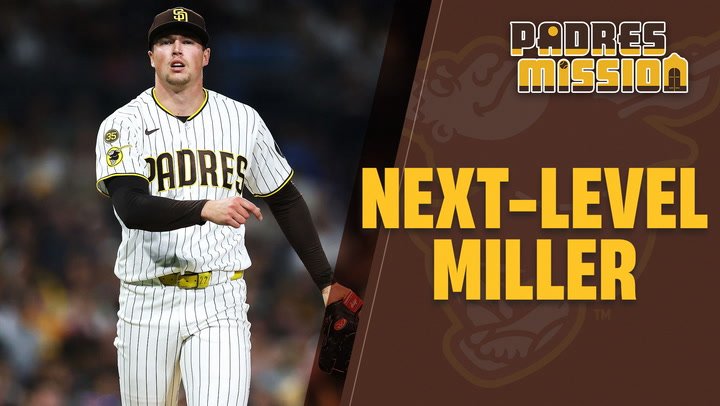 Mason Miller has started this season as the most dominant closer in Major League Baseball. The San Diego Padres reliever has tossed 8 1/3 shutout innings with 20 strikeouts over that span. What is the key behind his historic start to 2026? We dive into his three-pitch arsenal, induced vertical break, and more here. Enjoy! View the full article
 -
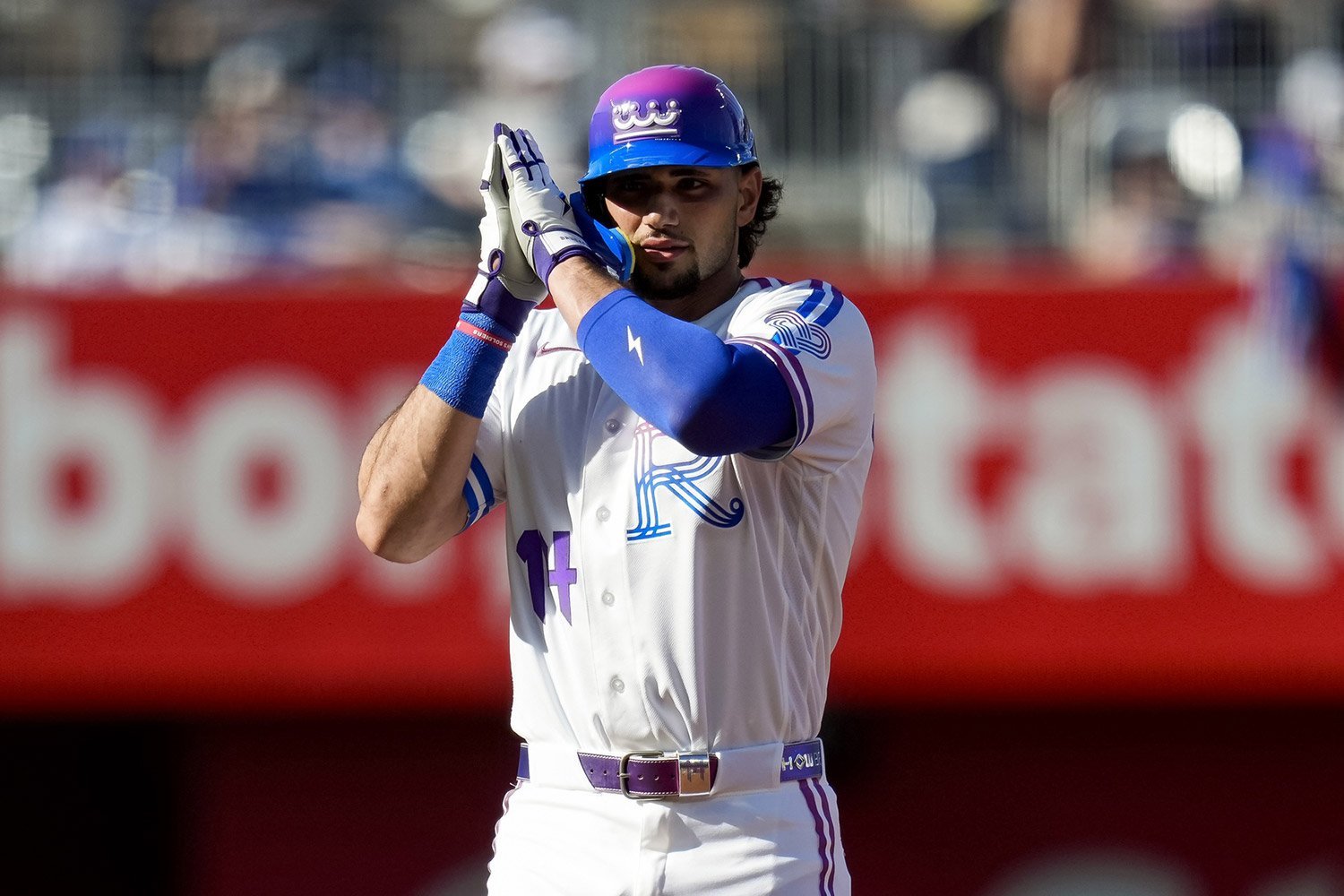 It is now halfway through April in the MLB season. Teams have started to fully take shape, and trends are beginning to emerge. The Royals are still looking to find their stride, particularly on offense, with a 7-11 record before game action on Thursday. Let’s take a look at who has been hot and who is still looking to find their stride in the early stages of the 2026 season. Who's Hot? 🔥 Michael Wacha Wacha has had an excellent start to his 2026 campaign, and his last start on Saturday was no exception. Wacha pitched for eight innings, striking out seven batters while only allowing five baserunners. After that start, his season ERA is down to 0.43 with a WHIP of 0.714 in 21 innings pitched. In his three starts this season, Wacha has excelled in getting hitters to whiff at and chase the ball out of the strike zone. So far, his chase rate is up from 28.2% to 34.3% this season, and his whiff rate is up from 21.3% to 29.5%. Wacha’s changeup has been his best pitch so far, with a Stuff+ of 131 according to Fangraphs. His changeup has been especially helpful against left-handed batters, where he throws it just as often as his fastball. This has helped him hold lefties to a slash line of only .128/.212/.21,3 which are currently better than his marks against right-handed batters. Wacha will look to continue his strong form against the Yankees on Friday. Kris Bubic Bubic has also seen success on the mound to start the season. On Friday, Bubic threw seven innings with 11 strikeouts while only allowing three baserunners. After that performance, Bubic’s season ERA is now 2.50 across 18 innings with a WHIP of 0.833. Bubic’s Stuff+, according to TJStats, has been excellent with a 102 overall Stuff+ and only his sinker grading below average. Like Wacha, Bubic has also seen an increase in chase and whiff rates to start the season. His chase rate is sitting at 32.4%, and his whiff rate is at 37.6%, in the 98th percentile of all pitchers this season. His slider has stood out so far, forcing batters to whiff 63.6% of the time. Bubic is also set to appear against the Yankees this Thursday, where he will look to set the tone in quieting the often loud bats of the Bronx Bombers. Jac Caglianone Caglianone had a strong week, going 5-for-15 with a slash line of .333/.389/.600. He also showed some skill in the field with an outfield assist, throwing out Zach McKinstry at the plate on Wednesday. Caglianone is showing strong improvements at the plate compared to his rookie season. Last season, he was relatively unlucky for his batted-ball profile, and the numbers are starting to reflect his expected marks from 2025. He is excelling at hitting the ball hard with an average exit velocity of 93.1 mph, a barrel rate of 12.9%, and a hard-hit rate over 50%. If Caglianone can make consistent contact, he will continue to grow into being a threat in the Royals' lineup. He has also made great strides in his defensive ability. Last season, Caglianone was worth a -7 fielding run value, and so far, he is posting a positive number in 2026. Both his range and arm value are now grading well above average. Adding this improvement to his strides in batting, Caglianone is becoming a well-rounded player. Who's Not? 🧊 Vinnie Pasquantino Speaking of not being able to drive in Witt, Pasquantino has not had the ideal start to his 2026 season. Pasquantino finally recorded a hit, a triple, on Wednesday to end a 0-for-20 spell. His season slash line is down to .152/.234/.197. After finishing second in total bases for the Royals in 2025 (behind only Witt), Pasquantino has only two extra-base hits this season. Pasquantino has also seen a noticeable dip in his bat speed of above three mph, and his exit velocity has suffered in the process. These are definitely concerning signs for his power potential to do damage in the heart of the Royals’ batting order. Going into the season, Pasquantino was presumed to be the default hitter to be the source of power to drive in Witt and Maikel Garcia when they reach base, and so far, Pasquantino has failed to do so. Until Pasquantino is able to find his groove at the plate, the Royals' offense will likely continue to flounder. Nick Mears Mears has had a week to forget. In his two appearances this week, he has two blown saves, resulting in two losses this week (only one of which was changed to him). The “blown save” designation is a bit misleading. While he did not come in his games in a traditional save opportunity, Mears was on the mound when the team lost its lead. On Sunday, Mears was brought in during the 6th inning after Noah Cameron had loaded the bases with one out and a one-run lead. Mears was able to get out of the inning without allowing too much damage, but he did allow one walk, which brought home the tying run. On Tuesday, Mears was tasked with pitching the eighth inning with a 1-0 lead. He allowed two critical doubles. One was to Gelyber Torres, who eventually scored on a wild pitch, and the other was to Dillon Dingler, who drove in the eventual winning run. Mears had otherwise had a decent start to the season before this week, where he had not yet allowed any runs to score, including inherited runners. The Royals will look for Mears to bounce back from these performances if they want to continue to turn to him in high-leverage situations, especially with Carlos Estevez still on the injured list. Salvador Perez Perez has struggled at the plate this past week, going 3 for 22 with seven strikeouts. His season slash line is now down to .149/.208/.269. His batting run value ranks in the 4th percentile among qualified hitters this season. Perez is still the captain of this team, but in his current form, the Royals may start to consider if it is time to move him down in the lineup. View the full article
 -
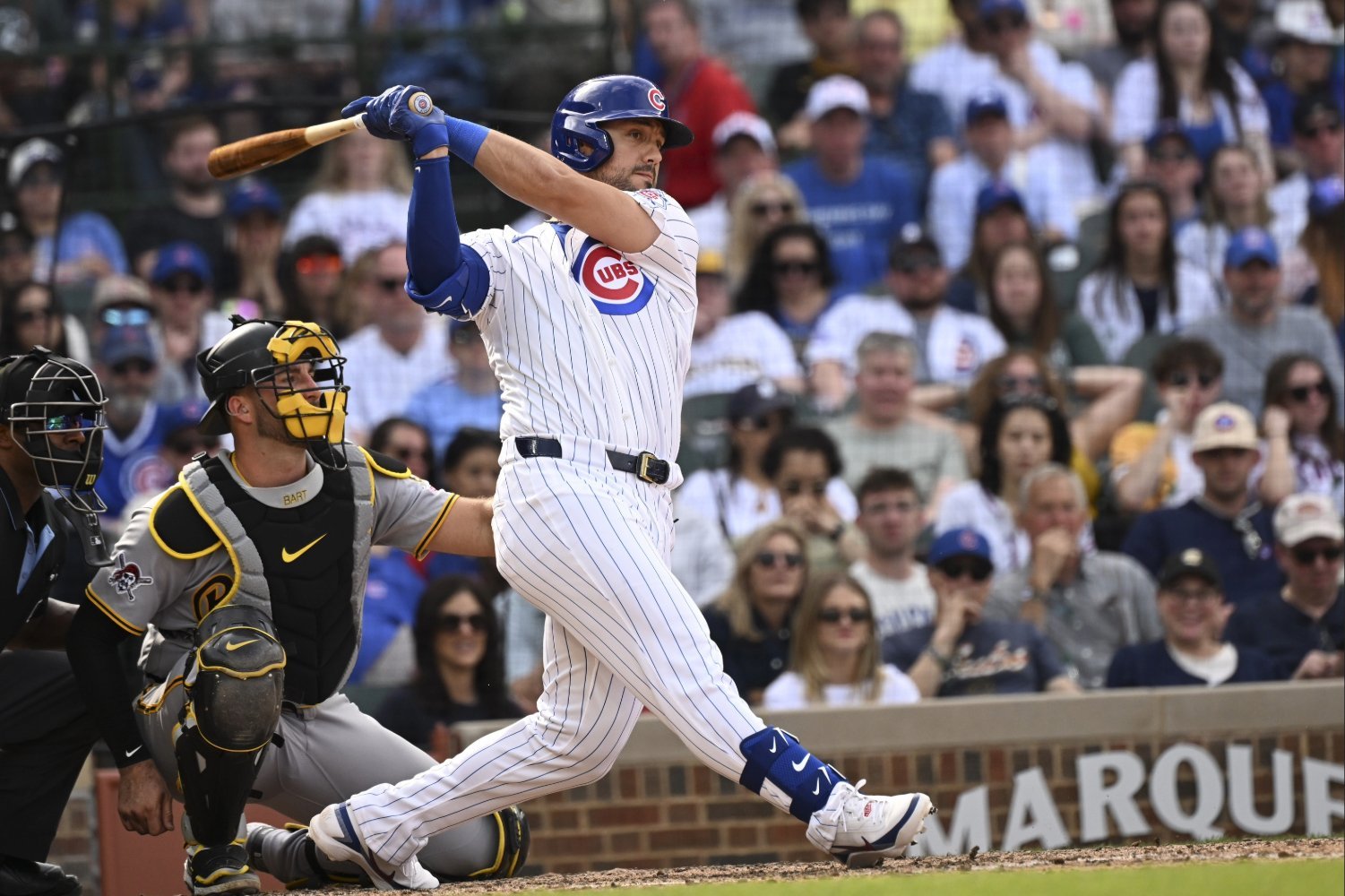 I hate cliches, except for when they're true. Especially in the sports world, one hears the phrase "all hands on deck" so often that it starts to lose its meaning. Phrases like this are deployed by their users almost like a blanket defense mechanism to explain the unexplainable. Even for a franchise like the Chicago Cubs, with a checkered history of curses, their current injury conundrum is truly astonishing. With Porter Hodge now out for the season with a UCL injury, the total numbers of pitchers injured on the North Siders' roster is nine, and that doesn't even include the injury recently sustained by top prospect Jaxon Wiggins in Iowa. With that, the onus is on this club's offense, now more than ever, to give the team's battered pitching staff some leeway. The lineup has finally found a bit of consistency — they've scored 35 runs in their past four games — but the output for the whole season has been lacking. Few people have been reliable, but former Dodger Michael Conforto had looked particularly lost at the plate, until now. Conforto only got two pinch-hit plate appearances in the Phillies series (he struck out in both), but he's otherwise been excellent of late. Even when accounting for his slow start, Conforto wields a wRC+ of 137, and just last week, went 5-12 at the plate with two walks. Is his surge sustainable? Possibly, though his .500 BABIP mark is terrifying. Prior to a weekend series against his old team (the New York Mets), Conforto carries with him a .273 batting average with six hits in 28 plate appearances. For his career, the Cubs' backup outfielder has a .245 batting average with an OBP of .343 and just a shade under 600 RBIs. The moral of the story is that Conforto has arrived in Chicago and produced something akin to what he's put out for his eleven years in the league and counting. Perhaps his consistency, however unremarkable the overall output may be, is the reason why Jed Hoyer and the Chicago Cubs braintrust brought him on in the first place. In the North Siders' previous three wins, they've scored seven or more runs in every game. To the untrained or even the trained eye, this club's hitting comes in waves. When Conforto was down, the rest of the club, outside of Nico Hoerner, was as well. This is not an excuse, nor a justification for the Cubs' sluggish and maddening start, but it describes a significant sign one can point to in analyzing their offensive woes. That Conforto has looked less the part of "PCA" and more like "DFA" doesn't really matter because he's not called upon to do nearly as much as this club's featured players. If you've followed my work here in recent years, you know I'm hesitant to write anyone off. It's my goal to find the positives with this ball club, unless there aren't any. Like everything else, however, this approach has its limits. If a guy just isn't any good, I'm the first to point it out. Michael Conforto is a player who exists outside of these confines. He isn't all that bad, nor is his presence in the lineup on any given night the glaring liability once feared. As the success of this baseball club hopefully grows into something worth remembering, so too will the prosperity and production of Conforto. View the full article
 -
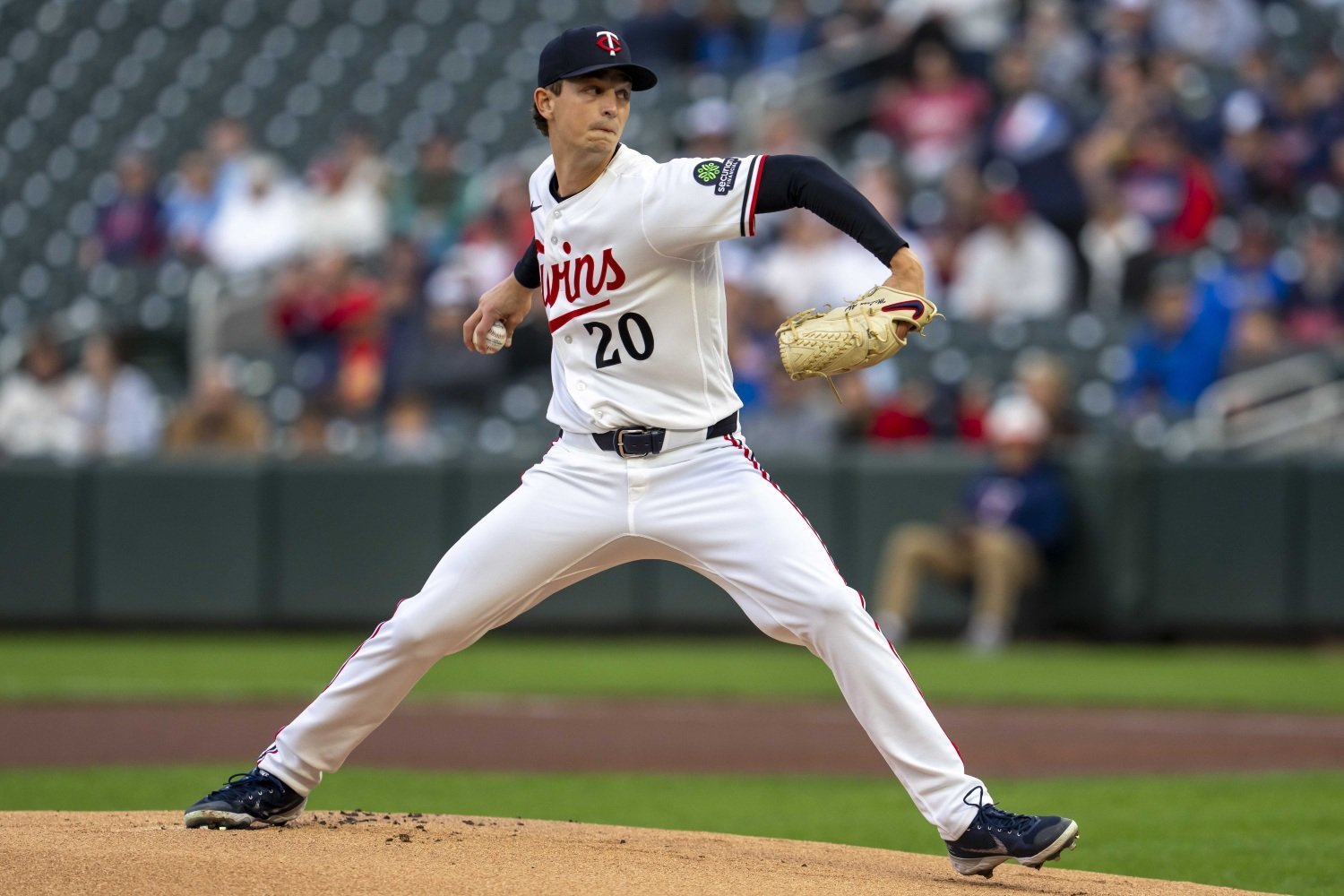 Just as everyone drew it up at the beginning of the season, the Minnesota Twins are battling the Cleveland Guardians not only for the top spot in the American League, but also for second place for innings pitched by starters in the American League. The rotation’s usage is a far cry from what had been one of the biggest grievances hurled at former skipper Rocco Baldelli: a quick hook on starters. What has changed to bring the Twins' starting rotation into such a different place from a usage standpoint? Last season, the Twins finished 13th in the AL for innings from starting pitchers; they only topped the Athletics and the White Sox. Two seasons ago, the Twins were seventh—much better than 13th, but still quite a way from that second-place spot they currently sit in after taking the series from the Boston Red Sox. It's not hard to identify the main reason why this year's team has hewed closer to the blueprint of a club built around a strong starting rotation: solid performance. The unproven starters the team turned to after López went down, Taj Bradley, and Mick Abel, have been nothing short of remarkable to start the season. Other factors have also contributed to the choice to let starters work deeper. The offense has actually been providing run support. If we take, for instance, Bailey Ober’s outing against the Red Sox on Monday evening, he gave up four runs over six innings. Three of those runs came somewhat early in the game during the third inning. Since the Twins already had 11 runs on the board, though, there wasn’t even a thought of getting Ober out of the game that early. Instead, Derek Shelton could simply let Ober battle through and cover a few more innings. Over the last two seasons, Baldelli frequently admitted that the flow of the game forced him to remove starters before he'd have ideally done so. Ober’s recent outing is really the only example that fits that mold exactly, but it isn’t the only way run support helps out the rotation. What has been a more regular occurrence is good run support paired with good pitching performances. In that scenario, pitchers likely have a psychological edge, allowing them to pitch more freely. They get some extra time to recover and refresh themselves while the offense goes to work, and when they're on the mound, there's more margin for error and less anxiety. Every pitch isn't a do-or-die situation like it has been for the Twins for long stretches in recent seasons, when the offense struggled to produce. We especially saw this last season, when what was supposed to be a dominant bullpen always had to pitch with the precision of a surgeon's scalpel in order to carry the Twins to a win, because there was little to no offense behind them. If this group were underperforming, of course, a strong offense wouldn't be enough to have them eating this many innings. Joe Ryan continues to be Joe Ryan, somewhat vulnerable to external influences but immensely talented and competitive. Bradley is doing his best to impersonate Ryan’s first full season with the Twins, quickly cementing himself as the number two starter in the rotation. He has a longer track record and a sturdier build than Ryan had back then, though, and can be trusted to work a bit deeper than Ryan could be. Abel is dealing right now, and Ober, despite his decreased velocity, is giving the team competitive outings and keeping them in it. Simeon Woods Richardson is the closest of the bunch to drawing concern, but his track record gives him some leeway. The success of the rest of the group gives him even more. Obviously, the team also lacks the deep, high-powered bullpen Baldelli had over the last few years. That could be a motivating factor in Shelton's decision to allow longer starts. Regardless of the motivation, until there is a more solidified path through the pen, getting that extra inning or two from a starter will pay dividends for the club. The volume they've provided has shielded Shelton and his team from the roster's weaknesses. For as long as he can afford to do so, we're likely to see Shelton keep trusting his starters, and letting them get deeper into games than we've seen in the past. View the full article
 -
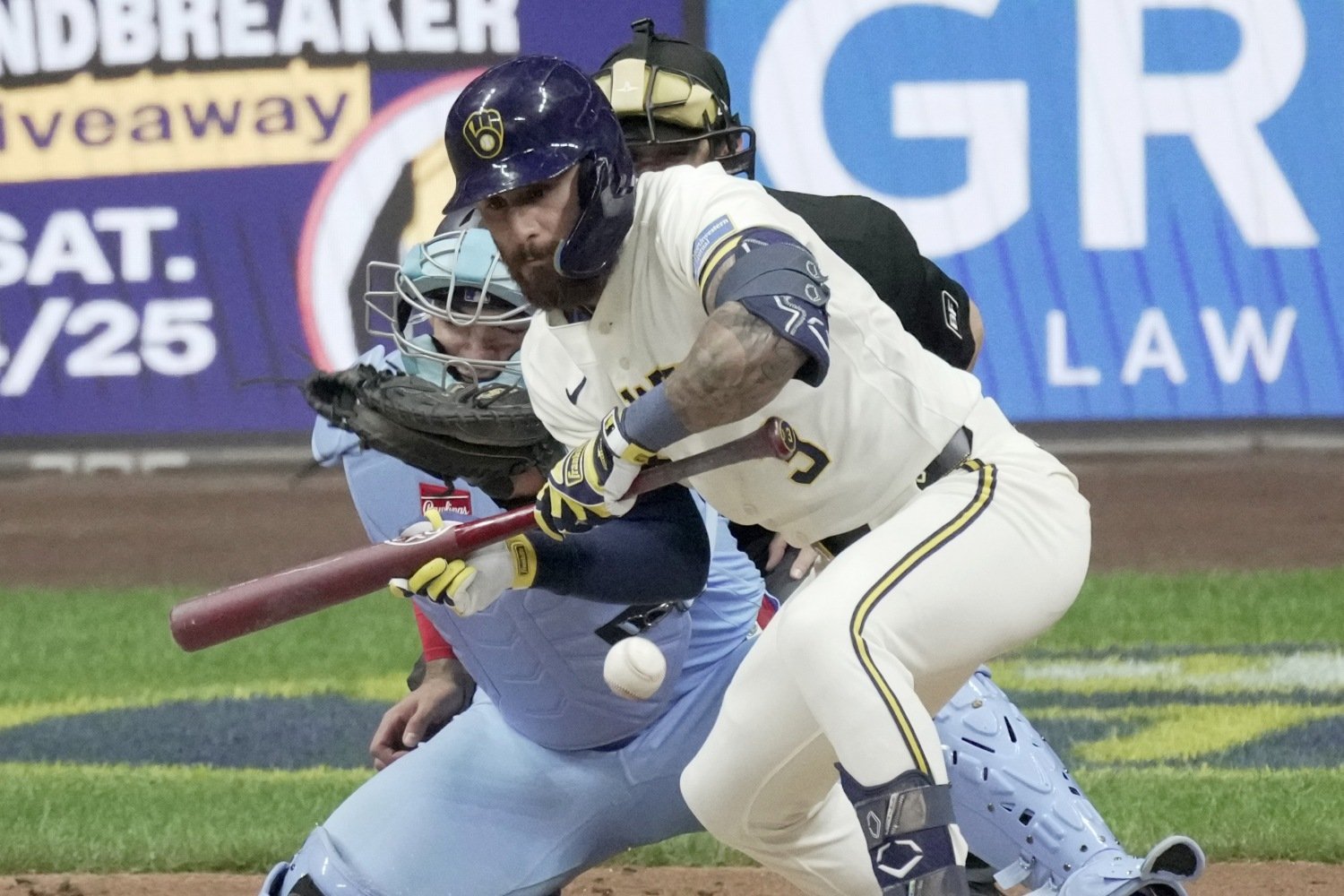 Execution and fundamentals get a bad rap, in modern baseball. When present, they're too simple to earn much praise. The league is too chock-full of talent for fundamentals and execution to win games for you, on their own. When absent, they;re too easy to grieve and bemoan. The truth is that you can't win a big-league game with fundamentals and execution, but failures of execution inevitably beget an unfair burden of expectations for instances of successful execution. Fans see when a lack of fundamentals hurt you, and they get the mistaken idea that good fundamentals could win you games on their own. It's been a joy to watch the Brewers for the past two-plus years, because under Pat Murphy, they often execute and do the fundamental things better than anyone. That's not why they win games. They win because they pair those elements with better talent than most fans and many opponents recognize; excellent preparation and situational decision-making; and team chemistry that keeps them engaged when things are bad and can snowball in a good way when things are good. That said, we saw some faltering fundamentals from the team during their six-game losing streak, so it was a relief when those elements nudged them over the top and earned them a win Thursday afternoon. It was a taut 1-1 game going into the bottom of the seventh, but Garrett Mitchell drew a leadoff walk. That sparked the sequence that decided the game, and it happened in remarkable fashion. First, Greg Jones put down a relatively routine sacrifice bunt. That play is uninteresting, in most respects. Jones does everything well, though. He doesn't give away that the bunt is happening too soon, but he does give himself ample time to get into the proper position, so he's not moving his head or poking at the ball with the bat when it arrives. Laying down a bunt in the big leagues is much harder than it looks, and arguably, that first bunt was a bad call by Pat Murphy and the Brewers. A real risk of failing to get it down existed, because pitchers in the majors are so good; that includes Toronto's Tommy Nance. Jones is clearly an experienced and highly competent bunter, though, which was probably one factor in the Brewers' decision-making. Knowing that Jones was more likely than the typical batter to get the bunt down made calling for it more viable, even though statistically, laying down that bunt ahead of David Hamilton and Joey Ortiz didn't increase the team's chances of scoring a run. This play did. The Jays bringing in lefty Joe Mantiply was a clever response to the Brewers' gambit. Hamilton has a future with the team as a glove-first infielder who can handle right-handed pitchers, but left-on-left, he's not the guy you want at the plate with the game on the line. Rather than take him down for a pinch-hitter, though, the team asked Hamilton, too, to get down a bunt. As a sacrifice, this would have been an atrocious idea, but that's not what it ever was. Here's where fundamentals meet extraordinary talent, to make a victory. Hamilton doesn't wait any longer to show bunt than Jones did, but he doesn't give it away so soon that the third baseman can be well in front of the bag by the time he bunts the ball. He adroitly puts himself into nearly an identical bunting position as the one Jones adopted, but unlike Jones, he's putting on the jailbreak, too. There might be five faster runners in the majors than Hamilton; there aren't 10. His raw speed is great, but with the jailbreak coming out of the left-handed batter's box, his time from touching the ball to touching first base is downright elite. It helps, here, that Mantiply isn't a guy who falls off the mound much with the effort of his delivery. Had his momentum carried him toward the foul line more in the first place, he would have had a play on Hamilton. As it was, Ernie Clement had to make the play, and he never really had one. That left it up to Ortiz to get the run in, with runners on the corners and one out. Technically, of course, the Brewers had two chances, at that point. Hamilton's speed had created a marvelous opportunity. In practice, though, it felt very important to get the run home there, before it came down to needing a hit from Brandon Lockridge. Ortiz, unlike Jones and Hamilton, didn't get the bunt down on either of the first two pitches, working the count to 1-1. It's a bit surprising that the Jays weren't more committed to the bunt than they were, in terms of positioning, but the risk of Ortiz pulling the bat back and poking the ball into the corner was real. Ultimately, the Crew had the safety squeeze on, rather than the suicide squeeze, so Toronto didn't need their corner guys crashing toward the plate. It was all going to come down to how good a bunt Ortiz put down. He put down a perfect one. Some of this, of course, is luck. Bunt placement is a skill, but it's a skill bounded by the quality of the opposing pitcher and the nature of a bouncing ball. Ortiz read a changeup from Mantiply well, lowering the bat to catch it but staying on top of it as it dipped toward the ground. It's a pretty easy pitch to bunt, but it's easy to push it foul or to hit it too hard. Ortiz did neither. The ball he dribbled into the dirt in front of home plate died pretty quickly, in a patch of the playing surface that has been very slow all week. It was enough to force Jays catcher Tyler Heineman into a dilemma: Should he set up to receive a flip from Mantiply on a play at the plate, attempting to thwart the go-ahead run, or should he chase the ball all the way to its spot and retire Ortiz? There's even a third choice there, in some cases, where he could snatch the ball soon enough to twist and dive backward himself, trying to tag Mitchell out unassisted. Mantiply was charging hard, and only veered away to let Heineman take the ball at the last instant. Watching the replay, it looks like he might have had a play, and Heineman should have held his ground just in front of the dish. Certainly, if Ortiz had touched the ball any harder, the Jays would have made the attempt on Mitchell, and probably been successful. If he'd pushed it with any less pace, Heineman would have been able to tag Mitchell himself. This ball was perfect, though. In the heat of the moment, trying to forestall a big inning and not feeling confident enough of a try on the lead runner, Heineman simply picked the ball up and fired to first, taking the out the Brewers were giving. The game wasn't over in that instant, and the way the Crew played that frame denied them much chance for a bigger lead and an easier top of the ninth. Happily, though Ángel Zerpa retired the Jays relatively easily, to lock down the win. It wasn't simply a product of fundamental play. Brandon Sproat showed what a stud he has the potential to be in the starting rotation. Mitchell's and Hamilton's speed made the winning rally possible, as much as the excellent execution of the three bunts themselves. That's what good fundamentals really do, though: put you in full contact with the value of your talent. The Brewers are back on track after a brutal week, and they used their combination of subtle skills and good fundamentals to get there. View the full article
 -
What are your Marlins vs. Brewers series predictions?
DiamondCentric posted an article in Fish On First
 Once again in 2026, I will be monitoring Miami Marlins predictions from our valued SuperSubs, Fish On First staffers and livestream guests. Individual article pages like this one will be created prior to every Marlins series and featured prominently on the FOF site. Consistent participation is key if you want to win this annual contest. Submissions only take a few seconds. Scoring system A "perfect" series is worth three points: Earn one point for predicting which team will win the upcoming series Earn one point for predicting the precise number of victories for each team Earn one point for predicting the “Series MVP” who accumulated the highest win probability added (WPA) during the series as calculated by FanGraphs (could pick a player from either team) Here is a reminder of what the 2025 season leaderboard looked like. FOF SuperSubs Parker Heyser and Robert Hanson currently sit atop the 2026 leaderboard, which will be updated between every Marlins series. If you are a SuperSub, leave a comment with your Prediction Time picks on this page, or join the Marlins Discord Server and submit there. We'll feature them on the upcoming Fish On First LIVE episode and track your points throughout the season! Any picks submitted prior to the first pitch of the series opener will be counted. If you are not a SuperSub, please consider signing up here to support the FOF staff. Series preview notes Probable starting pitchers: RHP Janson Junk (MIA) vs. TBD (MIL) on Friday RHP Sandy Alcantara (MIA) vs. RHP Brandon Woodruff (MIL) on Saturday RHP Eury Pérez (MIA) vs. RHP Jacob Misiorowski (MIL) on Sunday The Marlins rank 11th in MLB with a 104 wRC+ and 14th in MLB with a 4.05 FIP. They are 3-7 in their last 10 games and have a 7-3 record at home this season. The following Marlins players are on the injured list: Maximo Acosta (10-day IL), Griffin Conine (10-day IL), Ronny Henriquez (60-day IL), Adam Mazur (60-day IL), Christopher Morel (10-day IL), Esteury Ruiz (10-day IL) and Kyle Stowers (10-day IL). The Brewers rank 10th in MLB with a 105 wRC+ and 15th in MLB with a 4.06 FIP. They are 4-6 in their last 10 games and have a 3-3 record on the road this season. The following Brewers players are on the injured list: Akil Baddoo (60-day IL), Jackson Chourio (10-day IL), Jared Koenig (15-day IL), Quinn Priester (15-day IL), Andrew Vaughn (10-day IL), Christian Yelich (10-day IL), Craig Yoho (15-day IL) and Rob Zastryzny (60-day IL). View the full article
 -
Sung-Mun Song Activated From IL, Optioned To Triple-A By Padres
DiamondCentric posted an article in Padres Mission
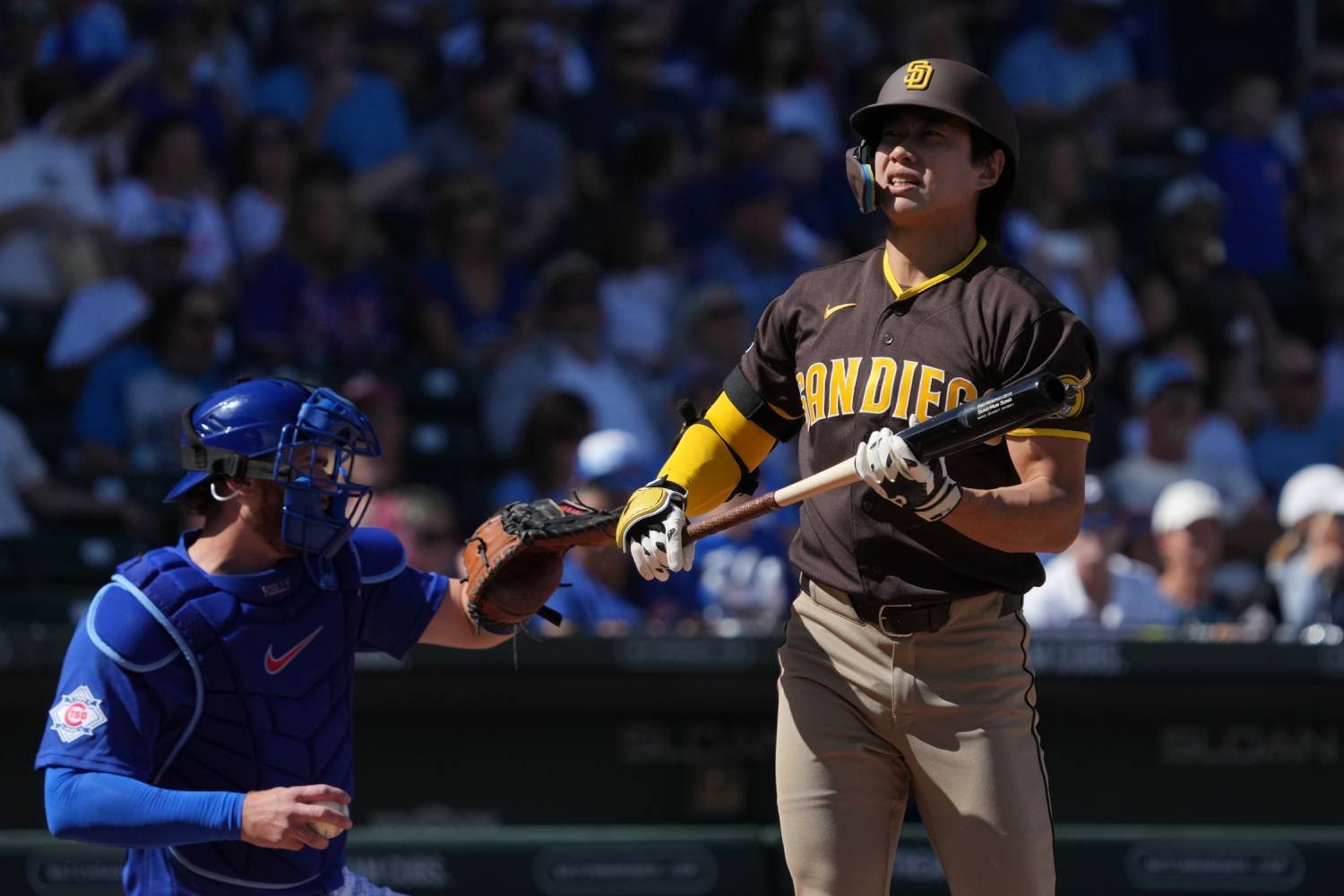 The success of Ty France has left no room for Sung-Mun Song on the San Diego Padres' roster. As such, with Song's rehab assignment having expired, the infielder from South Korea was activated from the 10-day injured list and optioned to Triple-A El Paso. Song had reinjured his oblique in spring training following an offseason incident in mid-January. That landed him on the injured list to begin the season. He ramped up at El Paso, playing second base, third base and shortstop. In 16 games on the rehab assignment, which began March 27, Song posted a .276/.364/.310 slash line with no home runs and 10 RBIs. He was signed to a four-year, $15 million contract in December following nine seasons in the Korea Baseball Organization and looked at as the primary infield backup going into spring training. Song opened eyes the last two years with slash lines of .340/.409/.518 in 2024 and .315/.387/.530 in 2025. He combined for 45 homers and 46 stolen bases in those two seasons. France, the former San Diego State star, earned the last bench spot with his strong spring, then has continued that into the regular season. France, who started his career with the Padres in 2019, is slashing .273/.333/.455 with one homer and one RBI while playing in eight of the Friars' 18 games. The reigning AL Gold Glove first baseman is somewhat limited positionally, though, which is a big reason why right fielder and former shortstop Fernando Tatis Jr. played second base in back-to-back games over the weekend. France can play second or third, but is not very strong defensively there. View the full article
 -
 Blue Jays Affiliate Overview (April 14-April 15) Triple-A Buffalo Bisons Series vs. Rochester Red Wings (Washington Nationals): 1-1 Season Record: 8-9 Double-A New Hampshire Fisher Cats Series vs. Chesapeake Baysox (Baltimore Orioles): 2-0 Season Record: 6-4 High-A Vancouver Canadians Series vs. Spokane Indians (Colorado Rockies): 1-1 Season Record: 3-8 Single-A Dunedin Blue Jays Series vs. Clearwater Threshers (Philadelphia Phillies): 1-1 Season Record: 6-5 Triple-A Buffalo Bisons Season Record: 8-9 Series Opponent: Rochester Red Wings (Washington Nationals) April 14: The Buffalo Bisons finally got to play a game in warmer weather on Tuesday, and it showed on the field. Yohendrick Pinango, Riley Tirotta, and RJ Schreck each connected for home runs. Tirotta's was the loudest and farthest of the three, coming off the bat with an exit velocity of 108.7 mph and going 413 feet over the center field wall for a solo home run. Pinango's home run extended his hit streak to six games and gave him hits in 11 of his last 12 games. He has been locked in to start the season and could be pushing for a call-up midseason if the need arises for the big league team. All of Buffalo's runs in the game came on those three blasts, which was good because as a team, they struck out 14 times. Rafael Lantigua had three of the strikeouts himself, on his way to a 1-for-5 game, which raised his batting average to .143 for the year. On the mound for the Bisons was Austin Voth, who set the tone early, going four solid innings, giving up only one run, walking zero, and striking out three. Jorge Alcala replaced Devereaux Harrison in the top of the sixth with a runner on first base. He ran into trouble and ultimately gave up a two-run double to Trey Lipscomb. Hayden Juenger came into the game in the eighth and did enough to get the two-inning save. The Bisons' 5-3 win brought their record back to .500, where they have hovered for most of the season. April 15: Wednesday was a big day for Bisons fans, as it was a Trey Yesavage day. He was on the mound for Buffalo, making his first rehab start, working his way back to the major league team. It was a rough start for him, to say the least. In the first two innings, he gave up a combined three runs: two on home runs from Dylan Crews and Andres Chaparro and the third scoring on a double play ball. He worked the third and fourth innings relatively clean, only giving up a walk and a single. His day wrapped up after getting a groundout and giving up a single in the fifth inning. For the game, he pitched 4.1 innings, surrendering seven hits and allowing three runs to score, but he did strike out five. At the plate, RJ Schreck hit his second home run in as many games, this one with an exit velocity of 97.9 mph, going 380 feet to right center. The big shot came in the top of the third inning and scored Yohendrick Pinango, tying the game up at three. Unfortunately for the Bisons, Jesse Hahn coughed up three runs in the sixth inning, and the bats couldn't answer. Buffalo fell 6-3 and yet again couldn't crack the .500 mark, as they fell a game below it with an 8-9 record for the year. Double-A New Hampshire Season Record: 6-4 Series vs. Chesapeake Baysox (Baltimore Orioles) April 14: Postponed April 15, Game 1: New Hampshire had their bats going in the first game of the doubleheader on Wednesday. Jorge Burgos got things going in the second inning with an RBI single to right field and then again in the bottom of the third inning with a bases-loaded walk. Nick Goodwin and Aaron Parker would add RBI singles to put New Hampshire up comfortably by six runs. In the fourth, Jace Bohrofen crushed a two-run home run to right field, his first of the game. Up 8-1, the Fisher Cats put together another massive inning on the season in the bottom of the sixth. Twelve runs would score, with the two big hits being a second Bohrofen homer and Sean Keys capping off the scoring barrage with a three-run blast. Seven New Hampshire hitters had multi-hit games, and Keys led the way with two doubles and the home run. Bohrofen had the two homers, and Eddie Micheletti Jr. pushed across three hits as well. The Fisher Cats won an easy one, 20-1. Game 2: The second game of the doubleheader started out much more slowly than the first one, but ended with a bang on offense as well for the Fisher Cats. New Hampshire took the lead in the first inning on a Sean Keys RBI single, bringing home Eddie Micheletti Jr. An RBI fielder's choice would put them up by two runs in the second inning, before Aron Estrada tied the game with an RBI groundout in the third and a sacrifice fly in the fifth. An RBI groundout, a bases-loaded walk, and a bases-loaded HBP put the Baysox up by three runs. In the bottom of the fifth, Keys would change that, as his big day and season continued, this time with another three-run home run to right field to tie the game. In the sixth, New Hampshire put together another big inning on offense, with a run on an error, an RBI single, and 2 RBI doubles to put them back up five runs. The Fisher Cats would hold on after a late comeback in the seventh by the Baysox, and win 10-8. High-A Vancouver Season Record: 3-8 Series vs. Spokane Indians (Colorado Rockies) April 14: There was pitching dominance from starters, with Austin Cates and Brody Brecht going head-to-head. Cates gave up an early solo homer to Kelvin Hidalgo in the bottom of the second. After that, Cates was almost unstoppable, striking out seven straight batters before he allowed a runner to score on a wild pitch, ending his day there but still tying his career high of 10 strikeouts. Brecht also looked good for Spokane, and other than a Carter Cunningham run-scoring triple, didn’t allow a run to score in three innings, while he struck out six. After Cates was taken out, Juanmi Vasquez gave up a three-run homer to Alan Espinal, to put the Canadians down four, and despite a homer from Kendry Chirinos and an RBI single from Tucker Toman, they couldn’t come back from that deficit. April 15: The Canadians' offense woke up, as they tagged five runs on Spokane’s starter Yujanyer Herrera. Carter Cunningham hit a double and was moved to third, and then scored on a pickoff play at first. Then, in the third inning with the bases loaded, Kendry Chirinos had his second homer in as many days with a grand slam to break the game open. Landen Maroudis pitched well heading into the fourth inning, but was taken out after a single and a walk for Gilberto Batista, who then allowed both inherited runners to score. Batista struggled the inning after as well, allowing four earned runs to give up the lead. The Canadians' offense could not be denied, as Alexis Hernandez took the lead right back with a two-RBI triple before scoring himself on a wild pitch. Carson Pierce stopped the bleeding for the Canadians with two more scoreless innings after replacing Batista, and the Canadians broke double digits as the Northwest League Player of the Week, Carter Cunningham, went deep for the fourth time this season for the second grand slam of the day. Maddox Latta hit a homer to cap off a 14-point explosion for the Canadians, who are hopefully turning it around. Single-A Dunedin Season Record: 6-5 Series vs. Clearwater Threshers (Philadelphia Phillies): 1-1 April 14: In the first game of the series against Clearwater, the Jays trotted out Brayden Heidel, who struggled, giving up three runs while walking two batters and giving up two hits. The relief corps also did poorly after replacing him, with Reece Wissinger allowing two more runs after. Aldo Gaxiola got a run back with his second homer of the year, but the Jays continued to give up runs as Carson Myers let in another two runs. Blaine Bullard’s power has been better than advertised, as he hit his third homer of the year 104.9 mph and 423 feet, but once again the Jays kept on letting up runs as Franly Urena gave up two homers. The Jays' offense could not stop homering, as this time their No. 2 prospect JoJo Parker got his first homer of the season, and the rehabbing Adrian Pinto hit the Jays’ fourth homer of the day to bring it within two in the bottom of the night, but they could not pull out the win. April 15: The Jays pulled out a gutsy win in extras, as Troy Guthrie had his first shaky start. The Jays went down three runs by the third inning, and the Threshers' pitching held the Jays scoreless until the bottom of the sixth, with the red-hot Jaxson West knocking in the first run for the Jays on an RBI single. The Threshers immediately got that run back in the seventh on a double against Dylan Watts, as the Jays still were down three runs heading into the bottom of the eighth. After a Peyton Williams walk and a Yorman Licourt single, Eric Snow had a clutch double with one out to cut the lead to one. Mason Davenport allowed three runners in a shaky inning but ended up striking the side in the top of the ninth, allowing the Jays to tie it up on a sac fly after they loaded the bases for Williams. No other runs would score, so they would go to extras, and after a scoreless inning from Diego Dominguez, the bases were juiced for JoJo with two outs. He went up to the plate and had a nine-pitch at-bat in which he fouled off three pitches with two strikes before walking it off on an RBI walk to win the game and even up the series. Transactions 04/15/26 Toronto Blue Jays sent RHP Trey Yesavage on a rehab assignment to Buffalo Bisons. 04/15/26 C Charlie Saum assigned to New Hampshire Fisher Cats from Dunedin Blue Jays. 04/15/26 New Hampshire Fisher Cats placed C Geovanny Planchart on the 7-day injured list retroactive to April 14, 2026. 04/14/26 Buffalo Bisons transferred RHP Pat Gallagher to the Development List. 04/14/26 Toronto Blue Jays optioned 2B Tyler Fitzgerald to Buffalo Bisons. 04/14/26 C Giaconino Lasaracina assigned to DSL Blue Jays Red. 04/14/26 Vancouver Canadians sent 2B Adrian Pinto on a rehab assignment to Dunedin Blue Jays. 04/14/26 RHP Trace Baker assigned to Vancouver Canadians from Dunedin Blue Jays. 04/14/26 Vancouver Canadians activated RHP Trace Baker. View the full article
 -
Victor Caratini’s Mind Game Shows the Next Evolution of ABS
DiamondCentric posted an article in Twins Daily
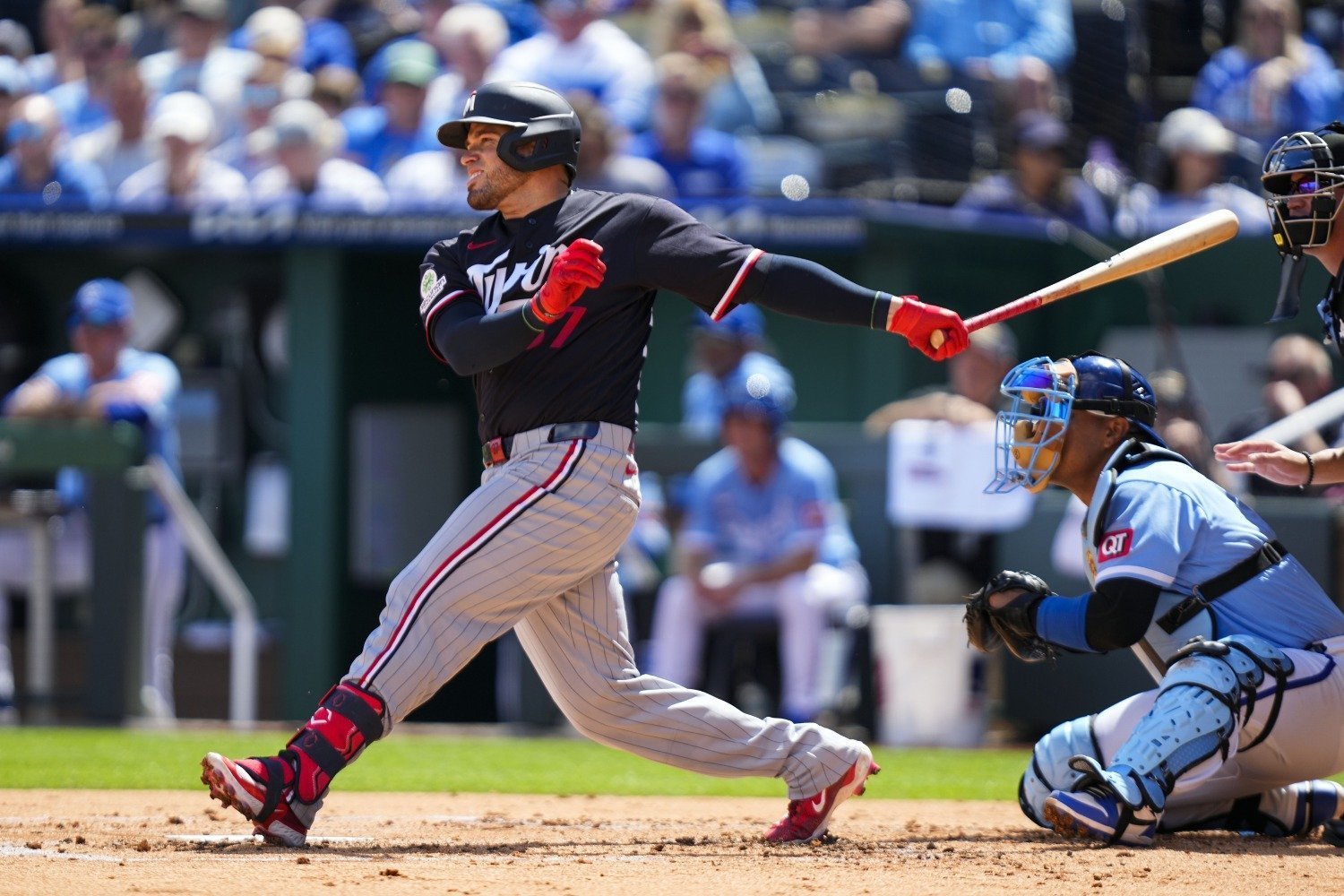 Major League Baseball’s ABS system has brought changes to the game, and teams are still ironing out its wrinkles. With only a limited number of challenges available, every decision carries weight. It did not take long for players to realize that this system is not just about accuracy, it is also about strategy. On Tuesday night, Victor Caratini may have given the clearest example yet of how gamesmanship can play a role in this new era. Catchers have traditionally built their value around pitch framing, subtly moving their glove to influence an umpire’s call. The ABS system changes that dynamic. With the ability to challenge pitches, framing becomes less essential in the traditional sense. But that does not mean it is irrelevant. In fact, Caratini showed it can still be a weapon, just in a different way. With Andruw Monasterio at the plate, Caratini received a pitch that clearly went through the bottom half of the strike zone. Instead of presenting it cleanly, he exaggerated his glove movement well outside the zone. The visual suggested a clear ball, even though the pitch itself was a strike. That was the trap. Monasterio took the bait and called for a challenge, convinced the pitch had missed. Moments later, the review confirmed what Caratini already knew. The pitch was a strike. The Red Sox lost a challenge, and Monasterio was left with a long, quiet walk back to the dugout. It was a small moment in the game, but one that could have larger implications. Challenges are a finite resource, and burning one on a pitch that was never close is a costly mistake. By manipulating perception, Caratini essentially gave his pitcher an advantage without throwing another pitch. This kind of thinking is exactly what many expected when ABS was first implemented. Players and coaches are constantly looking for edges, and this is simply the latest example. Aaron and John talked about this scenario playing out on Wednesday’s mailbag episode of Gleeman and the Geek. Aaron agreed that it could be something that is seen more regularly this season. However, John had a tough time imagining the situation playing out the way it did for Monasterio. There is also a psychological layer to it. Hitters trust their eyes and instincts, but when a catcher presents a pitch in a misleading way, it introduces doubt. In a system where players can challenge calls, that doubt can turn into a costly decision. For Minnesota, it was another example of doing the little things right in a win over Boston. Now, fans will have to wait and see if any other batters fall for a similar tactic. View the full article
 -
 The Twins are going to have a decision looming behind the plate that might be more important than it looks on the surface. So far this season, Ryan Jeffers is putting together a strong case for why he should be part of the team’s future. View the full article
 -
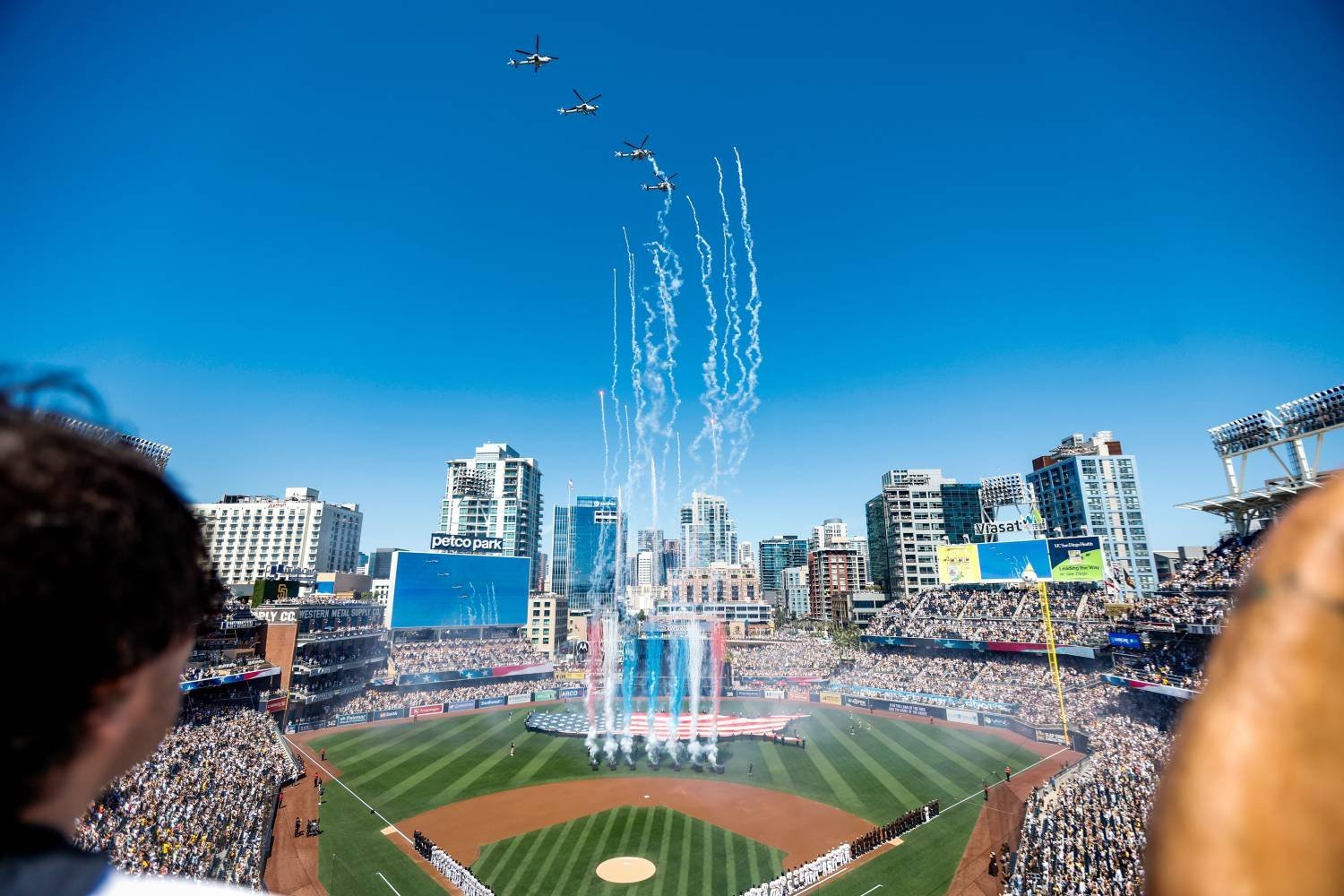 The San Diego Padres could have a new owner as soon as next week. According to a report Thursday by Dennis Lin of The Athletic, the Seidler family is nearing a decision among a group of four suitors. The sale is expected to be for at least $3.5 million, which would eclipse the previous record for an MLB team of $2.42 million by Steve Cohen for the New York Mets in 2020. The four bidders are two owners of English Premier League men's soccer teams, Chelsea's Jose A. Feliciano and Everton's Dan Friedkin, and two NBA owners, Tom Gores of the Detroit Pistons and Joe Lacob of the Golden State Warriors and WNBA's Golden State Valkyries. The Athletic reported that each submitted final bids this week. The Padres were recently valued at $3.1 billion by Forbes, up from $1.9 billion a year ago. Peter Seidler, whose death in November 2024 set off this process, and Ron Fowler bought the Padres in 2012 for $800 million. View the full article
 -
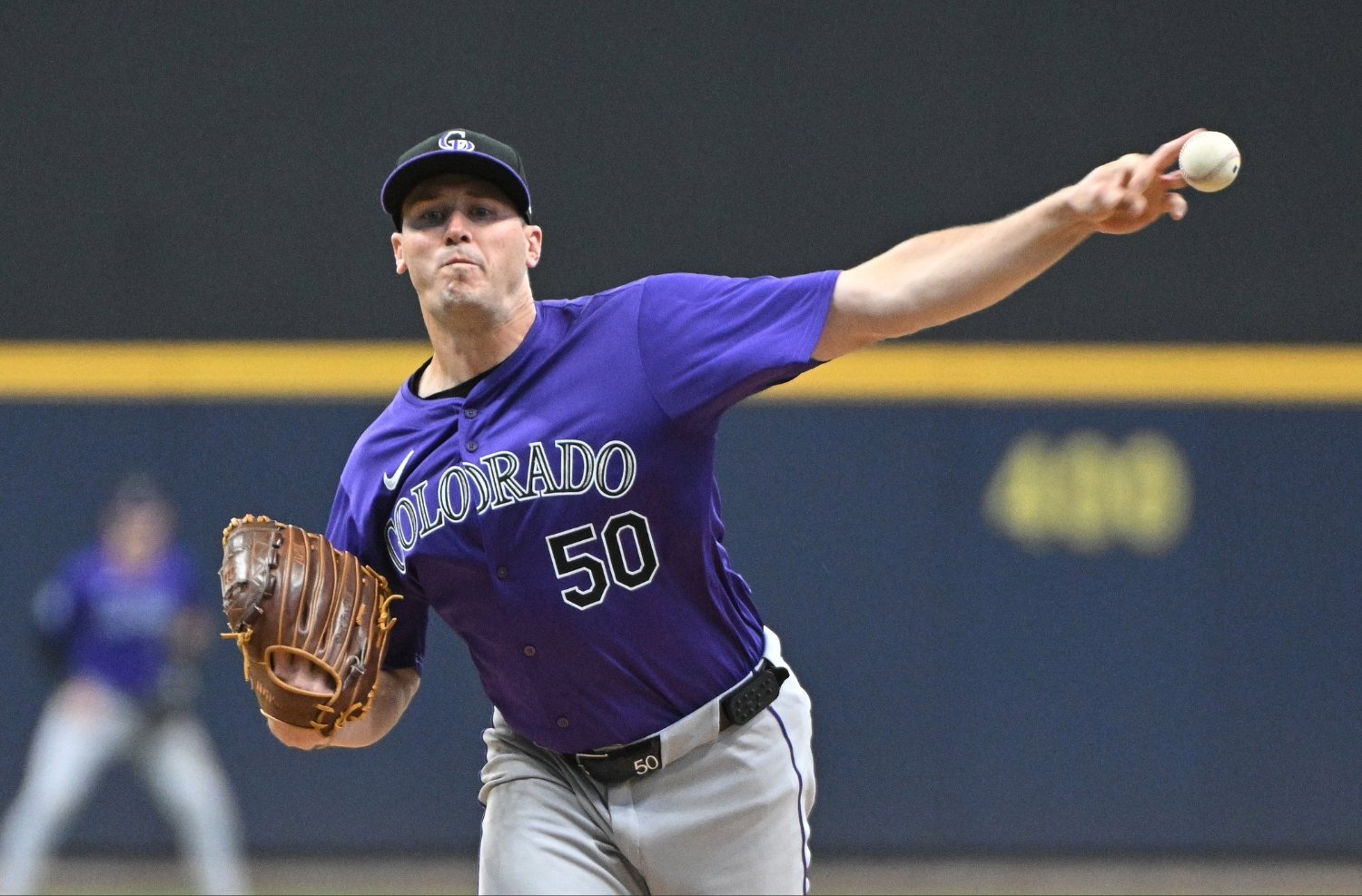 The Chicago Cubs and 35-year-old reliever Ty Blach have signed a minor-league deal, and he will report to Triple-A Iowa. The news was first reported by Tommy Birch: Blach last pitched in the major leagues for Colorado in 2022-2024. In his last season for the Rockies, his ERA was an elevated 6.94 with a 1.70 WHIP. Blach's most successful stretch came from 2016-2018 for the San Francisco Giants, where he threw 299 innings with a 4.36 ERA. In 2025, Blach toiled in the minors in the Rangers' system. Last season, Blach pitched 56 innings with a respectable 3.58 ERA. Command is his hallmark; the fastball doesn't top 89 on average. With such a slow fastball, his seven percent walk rate and 46% ground ball rate are important to his success. If he can limit hard contact, Blach could play a role at some point this season. In a season where the Cubs have eight pitchers on the IL, and two already lost to season-ending UCL injuries, Blach will serve as depth if needed in Chicago. The Cubs likely won't need him, but if injuries continue at this pace the signing could pay dividends. View the full article
 -
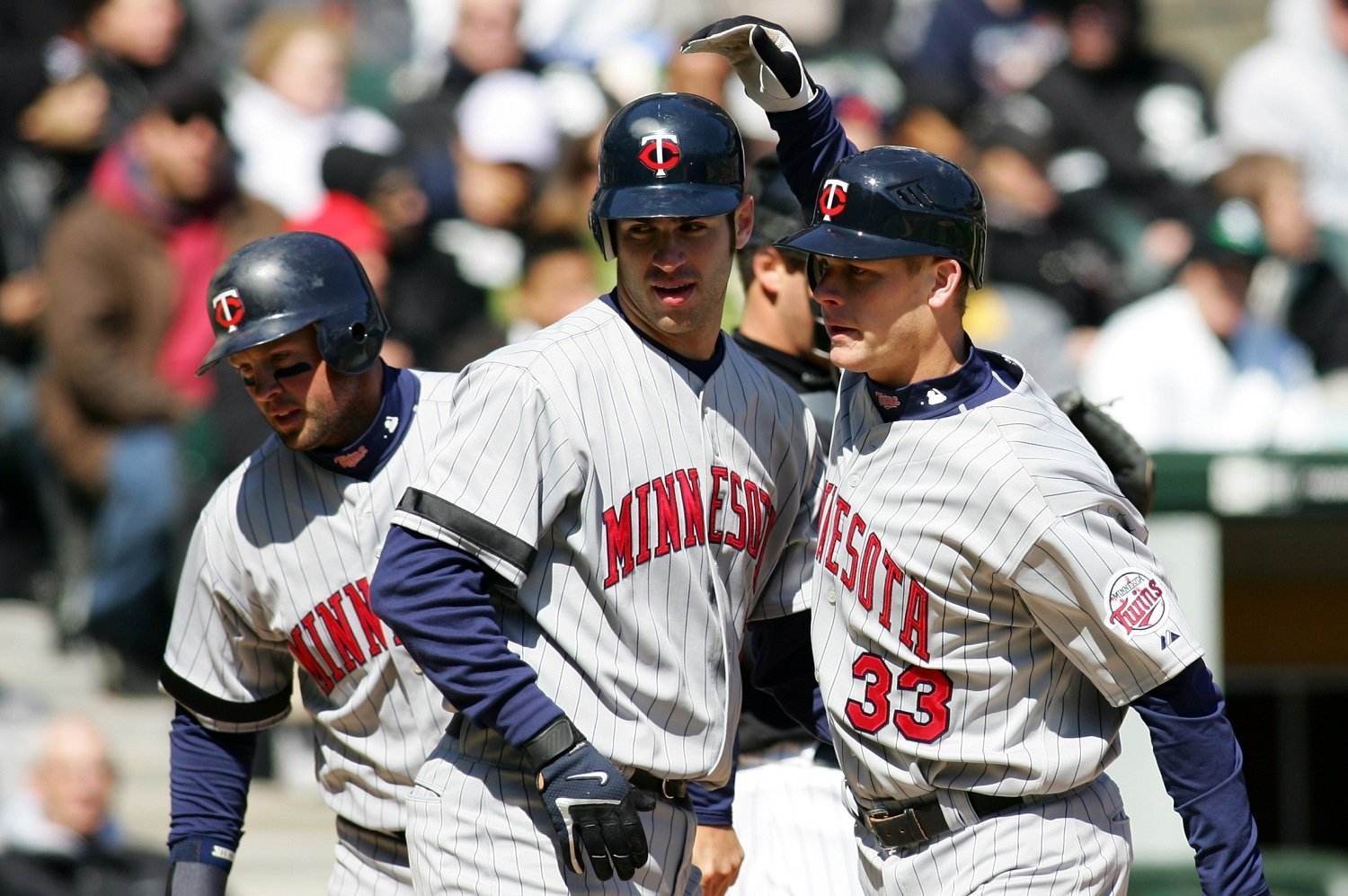 There's something comforting about baseball records. In a sport that evolves constantly, where velocity climbs, and analytics reshape approach, certain achievements remain stubbornly out of reach. For the Minnesota Twins, a handful of offensive records feel less like milestones and more like permanent fixtures. These are not just impressive numbers. They're snapshots of eras, skill sets, and players that may never be replicated. Killer and Carew Still Set the Standard It starts with two names that define Twins history. Rod Carew and Harmon Killebrew represent opposite ends of the offensive spectrum, yet both left behind records that feel nearly impossible to chase. Carew’s .334 career batting average stands as a monument to consistency. In today’s game, where strikeouts are accepted and even expected, a hitter flirting with .300 is a star. Sustaining .334 over an entire career feels like a relic from another universe. That same precision shows up in his 239-hit season in 1977, a number that would require a perfect storm of health, lineup position, and elite contact ability to even approach. Then there's his flair for the dramatic. Carew swiped home 14 times in his career, a blend of instinct and fearlessness that simply is not part of the modern game. Teams just do not take that kind of risk anymore. Killebrew’s records lean the other direction. His 475 home runs remain the gold standard for Twins power hitters, and while the long ball is more prevalent now, longevity and loyalty to one franchise make that number difficult to reach. Add in his 1,321 walks, and you see a hitter who combined patience with power in a way that is still rare today. (Killebrew hit more homers and drew more walks than that during his two-decade tenure with the franchise, of course, but we're focused only on what he did after the Washington Senators moved to Minnesota and became the Twins.) Knoblauch’s Complicated Legacy and Lasting Records Chuck Knoblauch may not be celebrated the same way within the organization today, but his impact on the basepaths remains undeniable. His 62 stolen bases in 1997 and 276 career steals with the Twins stand out even more in an era where running has taken a back seat. Yes, recent rule changes have sought to revive the stolen base, but the combination of opportunity, durability, and green light that Knoblauch enjoyed remains difficult to replicate. Players rotate more, get more rest, and often prioritize efficiency over volume. That makes these totals feel safer than ever. It's easier to root for this record to fall, though, because Knoblauch's domestic violence offenses make him an unhappy blemish on the happy memory of the 1991 Twins. The M and M Boys Leave Their Mark The next group of records comes from a more modern era, but they may be just as secure. Justin Morneau put together a stretch of durability that feels increasingly rare, playing in 319 consecutive games between 2007 and 2009. In a time when load management and injury prevention dominate decision-making, that kind of streak is unlikely to be encouraged, let alone achieved. Behind the plate, Joe Mauer redefined what offense could look like from a catcher. His 921 games caught are a testament to both skill and resilience at one of the game’s most demanding positions. Even more untouchable might be his three batting titles as a catcher. The physical toll of the position makes it hard enough to hit for average, let alone lead the league multiple times, and the way the Twins deploy catchers now, a player would have to be their backstop for over a decade to catch Mauer. The Truly Random but Truly Safe Some records are not built on superstardom, but instead on incredibly specific and unlikely circumstances. Brian Harper holds the team record for fewest strikeouts in a season (min. 385 at-bats), as he struck out just 16 times in 1989. In today’s game, where even elite hitters rack up strikeouts, that number feels almost absurd. Then there's Jose Miranda and his 12 consecutive hits in 2024, an MLB record. Hitting is already the hardest thing to do in sports. Stringing together 12 straight hits borders on impossible, even in an era with favorable hitting conditions. What makes these records feel unbreakable is not just the numbers themselves. It's the context around them. The game has changed. Approaches have shifted. Roles have evolved. What was once normal is now extraordinary. Carew’s contact, Killebrew’s patience and power, Mauer’s excellence behind the plate, and even Harper’s ability to simply avoid swinging and missing all reflect styles that are either fading or gone entirely. That is what keeps these records safe. It is not just that players are not good enough to break them. It's that the game no longer asks them to try. What other hitting records are unbreakable for the Twins? Leave a comment and start the discussion. View the full article
 -
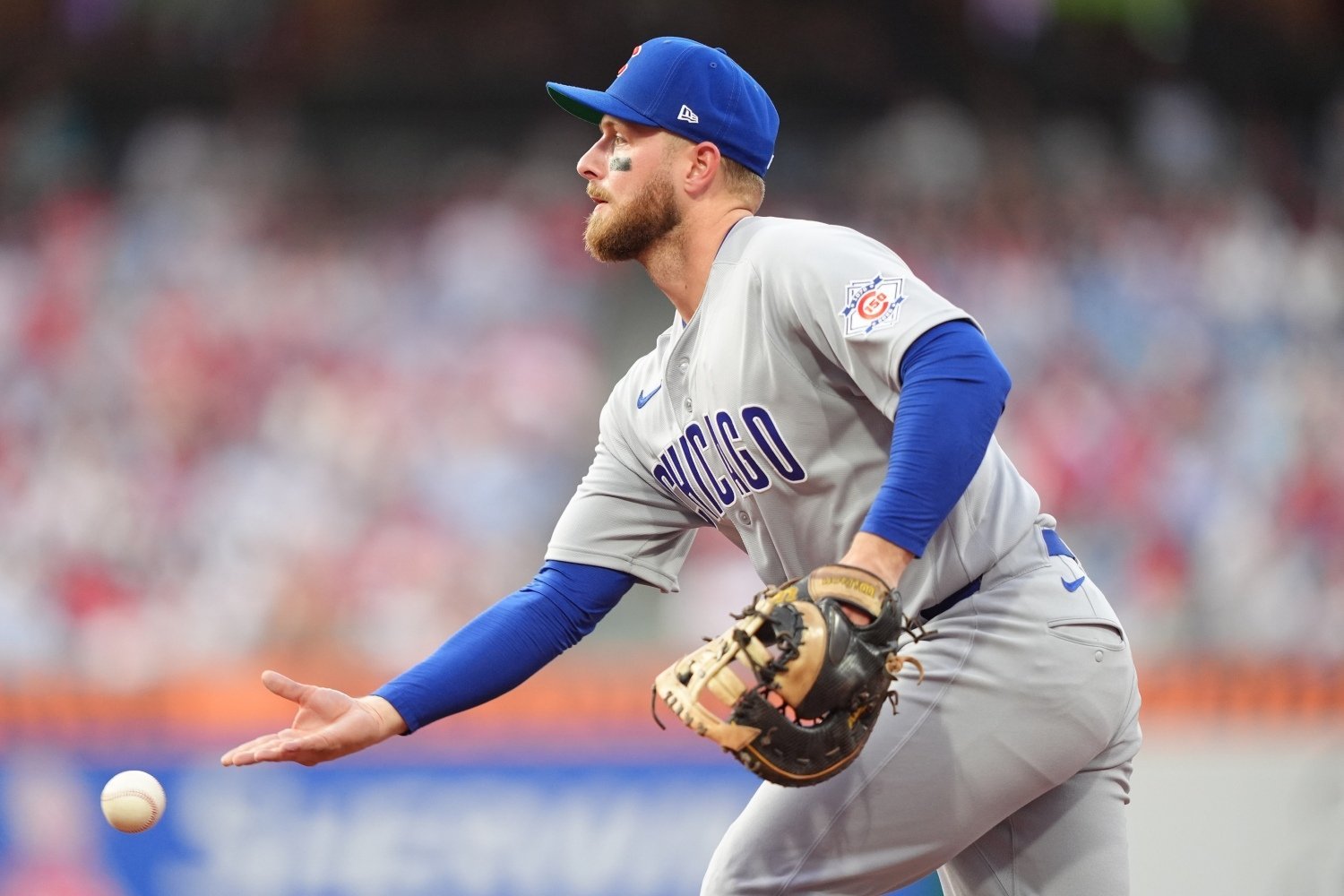 Cubs fans are waiting out an exceptionally cold stretch from Michael Busch, but it's one he will likely shake soon. The beginning of the season has made his incredible 2025 fade into memory. Busch, though, didn't just have a good 2025. For the season, he hit at the level of a top-10 offensive player, but he's not treated that way. Here are a couple of impressive lists about his offense, so we remember whom we're talking about. Only Qualifying Players With Higher 2025 wRC+ than Michael Busch Aaron Judge Shohei Ohtani George Springer Cal Raleigh Juan Soto Kyle Schwarber Ketel Marte Pete Alonso Only Players With Higher 2025 wRC+ than Michael Busch vs. RHP Judge Ohtani Springer Soto Alonso These lists are the best of the best in baseball. According to wRC+, Michael Busch was a top-10 hitter overall in 2025. With 34 home runs, an .866 OPS and four postseason home runs, Busch shouldn't be a source of consternation among Cubs fans, or nationally—even when he's at his worst. But offseason rankings paint a different picture. National writers didn't buy into Busch as a true top-10 hitter, and barely a top-10 first baseman. Buster Olney of ESPN, for example, rated Busch ninth at the position. MLB.com placed him ninth as well. And in fantasy baseball, Razzball placed him seventh in one list and 10th in another. He's not respected as an elite hitter or player. Maybe this slump is a reasonable reminder for us that he's actually a step below that tier. Busch, though, is a very good player. His above-average defensive metrics this year are good evidence of that. Obviously, the bat was more than solid last season. Cubs fans should look forward to the three seasons of team control the organization still has on Busch, after this year. What can Busch do this season to attain that respect nationally? Aside from avoiding an 0-for-30 stretch again, there are a couple of areas on which to focus. The Dreaded Platoon Busch has not started games against tough left-handed pitching. In the past week, Matt Shaw and Carson Kelly manned first base in those situations. Going back to 2025, Busch's OPS dropped to just .642 against southpaws, vs. .910 against righties. While he did play in 155 games, the perception of a platoon knocks his value down, and the difference in production is stark when placed side by side. He'll need to improve his platoon splits to get that level of respect. Defense Busch's defensive reputation lags behind his offense. At this point, though, his production is better than that reputation, anyway. According to FanGraphs, Busch has a positive defensive value rating, which includes a big negative adjustment for position. By comparison, Gold Glove winner Matt Olson last year was barely positive in that regard. If Busch can maintain even a neutral defensive rating at first base, that would be a boon to his overall value. Caveats abound, however. If you add an 0-for-30 stretch to Busch last year, the batting average dips to .247. He likely won't repeat his .261 from last year, but that's okay. Busch has the potential to be an All-Star, a fixture at first base that Cubs fans can be proud to watch. We'll see if he can narrow the gap between that reality and the perception of him, especially nationally, as this year unfolds. View the full article
 -
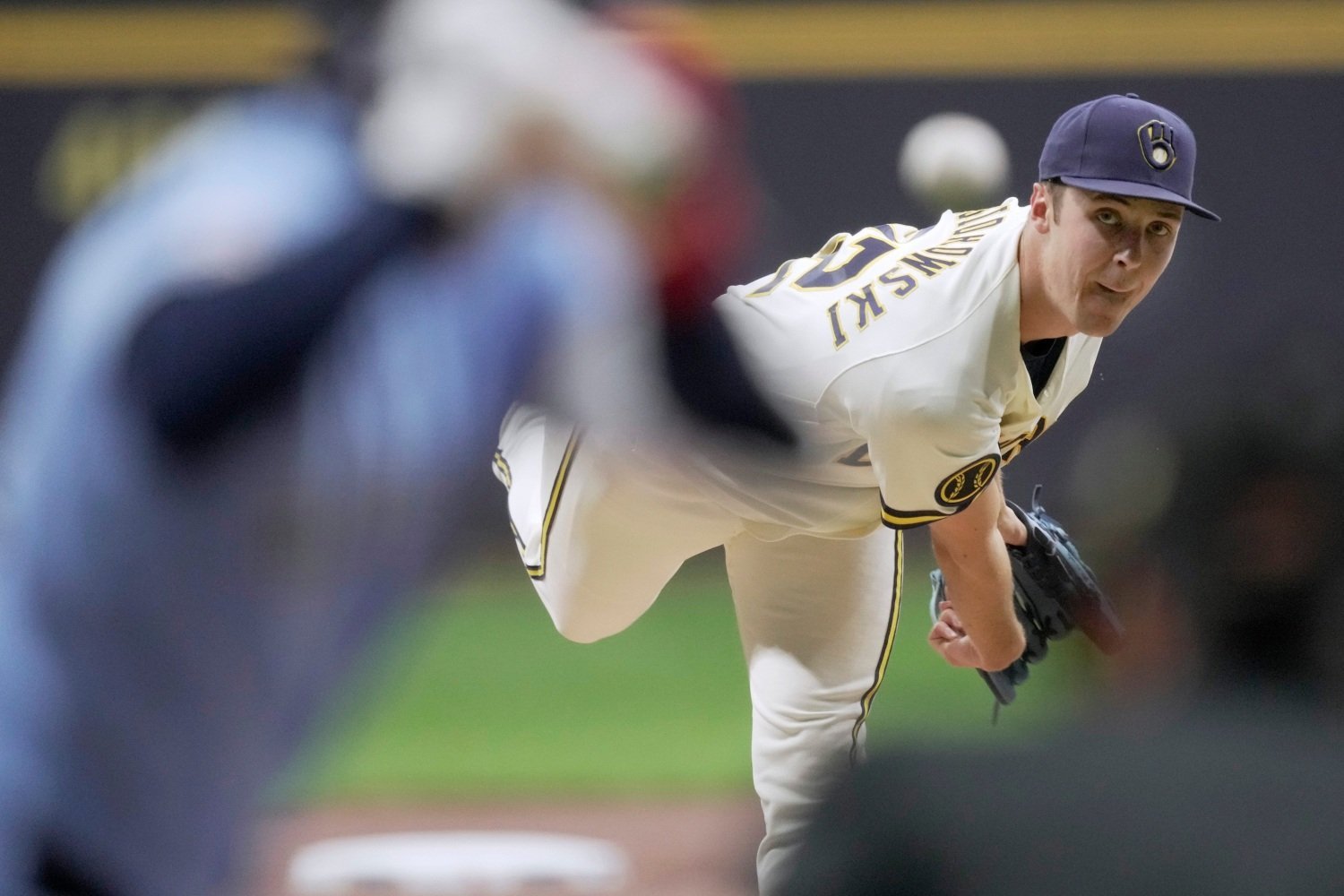 Jacob Misiorowski is the ace of the Brewers staff. Even after covering 5 1/3 innings of work while feeling visibly sick on Tuesday evening, he's striking out 37.5% of batters on the season, while inducing an expected batting average of just .178. He's faced some misfortune in his 3.32 ERA so far from the quality of contact he's given up, and even then, five of his eight runs allowed have come in his final inning of work in games. It's not uncommon for pitchers to continue building up and adjusting to the workload of 100-plus pitches, and in half of his outings to date, Misiorowski has been pitching sick. That's not to give an excuse for the young hurler; these are issues many pitchers have to deal with. It does, however, show just what Misiorowski is capable of, and he's made clear strides early on this season. He's allowing fewer barrelled balls and lower exit velocities, and seems to have an altogether different way of using his arsenal. As you might expect, it all comes down to his fastball. Misiorowski lets this set the tone early, generating above-average ride and extreme velocity from a low release height and big extension down the mound. If you could build a four-seam fastball in a lab, this is what it would look like. The interesting part here is that he's finding the zone less often with it. Usually, pitchers use their fastballs to get ahead in counts, hitting the zone 55% of the time or more with them. Misiorowski, who battled command throughout the minors, tried to find more control with his fastball and follow this template, to mixed results. While he found the zone more often (as you can see below) on his four-seamer, his cutter/slider, and his curveball, he was getting less chase and less effective results. He's getting more swing and miss thus far in 2026 across each of his three primary offerings—by getting out of the zone with the heater more, denying hitters early contact. You might say "Jake, of course they'll miss more if they're swinging on pitches outside the strike zone." You'd be correct, but the way Misiorowski has adapted to make that work—to miss more bats and rack up strikeouts, rather than watching hitters spit on his not-so-tempting out-of-zone pitches and draw lots of walks—shows impressive command, going beyond simple control. Despite some early problems with fatigue (including three consecutive walks to finish his outing against the Red Sox), his walk rate is lower across his first three starts than he managed in 2026. This is a small sample, but by encouraging more chase on his fastball and his slider, he's managing to avoid free passes when fit and firing. The key element here is how much his fastball rises, compared to what a hitter expects. With elite induced vertical break (or spin-related movement) and his low release point, Misiorowski has a fastball that comes in flatter than a hitter perceives. What looks like a strike at the top of the zone can finish several inches above that zone, and hitters have little time to adjust, due to the speed at which the pitch is thrown. In 2025, only the slider could really protect against the fastball. The curveball, to land in the strike zone, had to pop out of his hand, tunneling quite differently. If he can live with that fastball slightly above the zone, the results in how his pitches tunnel is stark, as shown by FanGraphs's pitch pairing model. If Misiorowski is getting chases above the strike zone with his fastball, every offering around his primary pitch can tunnel off that and be in and around the zone for a long time before breaking away. It means hitters have a tougher time identifying the pitch thrown by the time they make their swing decision, and it's resulted in some uglier swings and more whiffs than ever. If that fastball is lower in the zone, all of a sudden the curveball, if tunnelled, becomes a non-factor in the swing decision, and if not tunnelled, it becomes far easier to pick up out of the hand. It isn't just the swing-and-miss that's been different early on. The bat-tracking data against Misiorowski's arsenal so far has dramatically improved as well: While there is some small sample size here, Misiorowski has faced big bat speed merchants like Vladimir Guerrero Jr., Colson Montgomery, James Wood and Roman Anthony thus far in 2026. His average bat speed faced is down over 1 MPH, while the fast swing rate, attack angles and attack directions all indicate later swings and more uncomfortable at-bats. Hitters are struggling to access good attack angles with their bat paths. They've shortened their swings to make contact with his fastball, and are late, anyway, with a 4° attack direction going to the opposite field. Placing in the top 5 across each of these six statistics highlights just how uncomfortable hitters are with Misiorowski on the mound. Other leaders in these categories include Nolan McLean, Kevin Gausman, Dylan Cease, Cam Schlittler and Sandy Alcantara. That's elite company, which should be no surprise. Finally, Misiorowski showed against the Red Sox that he doesn't have to live outside the zone. Knowing he had limited capacity for a large pitch count, Misiorowski pounded the strike zone, particularly with his slider and curveball. He can find the zone when he needs to, but his low in-zone rate so far this season (on top of the success he's had with it) would indicate this is a plan, and one that he's executing effectively to date. How well it holds up against top offenses like the Dodgers will be fascinating to see, but for now, Misiorwoski is showing serious strides towards becoming a bona fide ace. Have you enjoyed watching Misiorowski this year? Have you noticed any real changes? Let us know your thoughts in the comments below! View the full article
 -
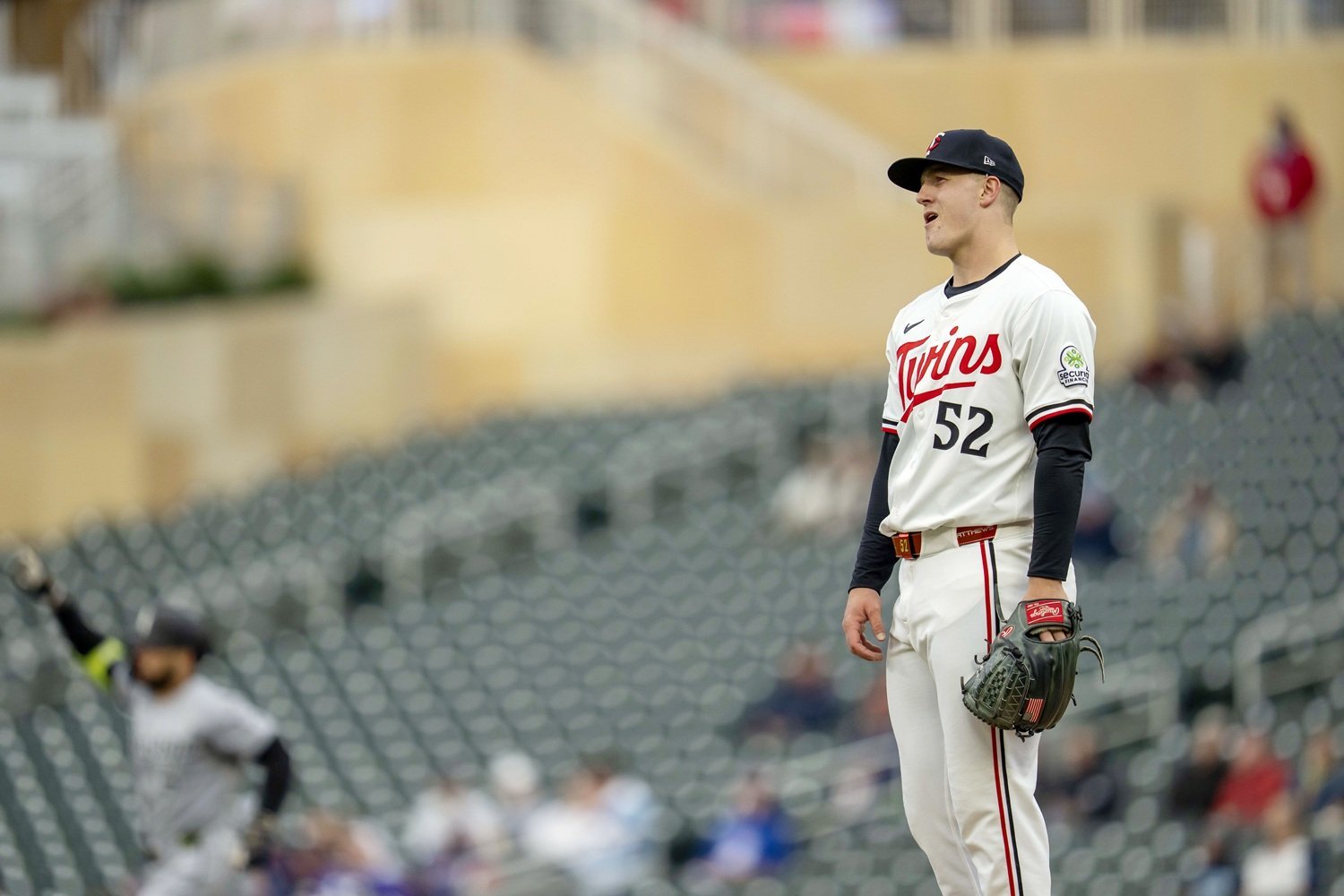 The Minnesota Twins entered spring training with a handful of rotation questions, and Zebby Matthews looked like one of the more straightforward answers. Even with some competition, injuries to Pablo López and David Festa seemed to clear a path for him to break camp in the big-league rotation. Instead, a rough spring changed the equation. Matthews was ultimately optioned to Triple-A, and the expectation at that point felt pretty simple: go to St. Paul, get right, and force the issue again. So far, that hasn’t happened, either. Through his first three starts with the St. Paul Saints, the overall line isn’t pretty. Matthews has thrown 12 1/3 innings, allowing 12 earned runs on 21 hits, including five home runs. He’s also walked four and struck out just 10. Those 21 hits jump off the page, and they’re not coming from a lack of control. Hitters are earning their way on base by putting the ball in play. A big reason for that becomes clear when you look at the swing-and-miss numbers; he’s just not missing bats right now. His swinging strike rate is sitting at just 11% thus far. That’s not a terrible number on its own, but after being in the 13-14% range over the last couple of years, it’s a noticeable decline. He’s also sporting just a 16.4% strikeout rate, which is a significant drop from his 25% rate last year in the majors. When that ability dips, everything else starts to get a little more fragile. More contact means more opportunities for hitters to square balls up, and that’s also showing up in the quality of contact. Opponents' average exit velocity against Matthews is up by about 2 MPH compared to last season, and when that’s paired with more pulled contact, it can lead to exactly what we’ve seen early on. Opponents have pulled 57% of the balls they’ve put in play against him, which is typically a sign that they’re seeing the ball well and getting the barrel out front. The five home runs he’s allowed are a devastating result of that consistent hard, pulled contact, but they're also a product of some bad luck. More than one out of every three fly balls he’s given up has left the yard. That’s not a rate that will hold over time, but it does highlight how little margin for error he’s had. A big part of that comes back to his stuff. Matthews’s velocity is down across the board. His fastball, sinker, and cutter are each sitting about 1 MPH lower than they were last season. His slider has dipped slightly, and his curveball is down even more significantly, by roughly 2.5 MPH. Even small drops like that can have a noticeable impact. If hitters don’t have to respect the same level of velocity, it becomes easier to time things up and make consistent contact. That can snowball quickly, especially when paired with a drop in swing-and-miss. It also helps explain why hitters have been so comfortable putting the ball in play. Without that extra life, Matthews hasn’t been able to generate the same level of deception or separation between his pitches. That said, there are still a couple of underlying indicators that engender optimism. His hard-hit rate currently sits at 38.3%, which is down slightly from last season. He’s also generating ground balls at a 45.7% clip, a strong shift for a pitcher who has historically been much more fly ball-heavy in the majors. In theory, that combination should limit damage, not amplify it. So there’s at least some element of poor luck mixed into these early results. With all that in mind, it’s worth noting that there’s also a mental side to this. Matthews came into camp with a strong shot at a rotation spot, particularly given the injuries around him, and to miss out on that opportunity can’t be an easy situation. Confidence and execution tend to go hand-in-hand, and early struggles can make both harder to regain. It’s important to keep the sample size in perspective. We’re talking about 12 1/3 innings here. That’s nothing over the course of a full season, and a couple of strong outings could shift his entire statistical profile in a hurry. Matthews has shown in the past that he’s capable of missing bats and limiting damage at a much higher level than this. But early trends still matter, especially when they’re tied to underlying changes in stuff. If his velocity and swing-and-miss numbers start to get back to 2025 levels, the results should follow. Right now, that’s the biggest thing to watch. The Twins are going to need starting pitching depth at some point this season, and Matthews is still very much part of that picture. But for now, this is a very slow start for a pitcher who hasn’t found any real consistency. View the full article
 -
 Major League Baseball had planned, but, as always, Mother Nature got the last laugh. Bad weather caused delays to start the ‘96 season, so MLB adjusted and scheduled teams from colder climates to open the ‘97 season on road trips in warmer cities. Alas, you cannot plan for the skies. It was a cloudy afternoon in San Diego for the New York Mets on Opening Day, while back home, an empty Shea Stadium basked in a beautiful spring day. On the eastern half of the continent, April started with ideal weather, but when those teams returned to open their stadiums up a week later, winter made its return. The schedule was getting messed up again. Rain washed out games on the East Coast while snow and the accompanying cold temperatures made it tough to play in the Midwest. Still, at Milwaukee’s aging and open-air County Stadium, the Brewers played their home opener against Texas on the second Monday of the season, but the teams wouldn’t play another until Thursday. Another two-day break was on deck, as snow cancelled the first two games of a weekend series with the Blue Jays. Sitting under a leaking roof in his office, Brewers manager Phil Garner cracked, “Yeah, we don’t need a new stadium.” Toronto squandered a seven-inning gem from Pat Hentgen in a 3-2 loss on Sunday, when temperatures warmed (4° C) enough to play. Toronto was returning to Milwaukee for a two-game series on July 28-29, and it was expected the teams would play a doubleheader one day and make up the other lost game on a scheduled off day following the series. Toronto and Milwaukee ended up keeping their off days. Why they ended up playing a pair of doubleheaders instead of playing a game on the 30th has eluded me. After the off day, Toronto played 14 in a row, so the teams possibly wanted to keep that day away from the diamond in the heart of summer. At least, it kept the upcoming misery in Milwaukee condensed. There were three doubleheaders on April 13 to make up for rained-out games, including two in New York as both the Mets and Yankees played twice for the first time in 15 years. (photo credit: SABR) Despite the impending twi-night doubleheaders, the Blue Jays had reason to look forward to their trip to Milwaukee. Their fortunes had changed at the right time against the Brewers a week ago. Nine games out of the playoffs when they returned home from a 5-6 road trip, Toronto swept Milwaukee before taking two of three from Kansas City. With some good pitching performances and some timely hits, the Blue Jays found themselves six games back, and the Brewers represented a beatable opponent. The opportunity to make up ground and potentially salvage their season had arrived. And the Blue Jays couldn’t have asked for a better pitching matchup in the first game of four. Roger Clemens shut out the Brewers in the middle game of the previous series, throwing eight innings in an 8-0 win. Clemens had a major league-leading 1.54 ERA heading into this start and had given up only four earned runs in his last seven times out. He was 16-3, and with his opposition today, Toronto could count on the Rocket to continue to deliver. He did. The rest of the team did not. July was a tough month for the Brewers staff. Ace Ben McDonald was placed on the injured list in July, never to return, and fellow starter Jeff D’Amico battled shoulder issues and skipped a few starts following the All-Star break. When D’Amico was taken off the active roster before the series, Steve Woodard was called up to make his major league debut against Toronto. Garner was going with a hot hand. Woodard had won 15 starts that season in the minors and did so while striking out less than a hitter an inning. The right-hander topped out at around 90 but had impressive enough movement on his off-speed pitches to warrant the call. Coming off a two-hit performance against Kansas City, Toronto’s bats came out swinging against Woodard, and they came up empty. Otis Nixon hit Woodard’s third pitch of the day for a double, but after that, Toronto was no-hit. Woodard escaped the first inning jam by striking out Joe Carter and Carlos Delgado, the beginning of a 12-strikeout debut in eight dazzling innings. Eleven of those strikeouts were swinging, with most coming courtesy of his changeup. It was a dreadful performance by the Blue Jays that aided Woodard’s spectacular debut in a 1-0 Milwaukee victory. “Swinging at **** in the dirt. No patience,” muttered catcher Charlie O’Brien after the game. Their efforts at the plate wasted a terrific performance by Clemens, who threw a complete game, going eight innings in the loss. The only scuff came in the fourth when Jeff Cirillo doubled and scored on a base hit by Jeromy Burnitz, who was picked off after the game’s lone RBI. Milwaukee wouldn’t get another baserunner until the eighth inning, but it was no matter. In getting his first major league win, Woodard had defeated a pitcher he considered a hero growing up. Clemens tipped his hat after. “(Woodard) had everyone off balance,” he said. While Woodard had entered the majors that afternoon, Huck Flener exited them that evening. It would be the end to a terrible year for Flener. He set out to crack the Toronto rotation in ‘97 after an effective month or so as a starter the previous year. He didn’t get a chance to leave his seat. While awaiting to deplane his flight to Florida, a fellow passenger dropped luggage from the overhead compartment onto Flener, chipping his collarbone. A week later, a minor knee procedure turned into arthroscopic surgery, one that would keep him off the mound most of the spring and optioned to Triple-A Syracuse at the end of it. “We had a golf tournament this spring, and he rode in the cart with two Hooters girls,” said manager Cito Gaston, trying to offer some consolation. When he rejoined the major league team in late April, Flener joked he was extra careful getting off the plane this time. He pitched in six games before being sent down to make room for Gord Ash’s 14-game experiment with Rubén Sierra. He was called back up in July after an injury to Juan Guzmán, and his first appearance back came out of the bullpen. He was now being pressed into the starter’s job he wanted in spring under less than ideal circumstances. Unlike it was for Clemens, run support was a non-issue in the nightcap. Flener only recorded six outs before Gaston lifted him in the third inning of the 9-3 loss. He would be charged for four runs on seven hits in his final appearance as a big leaguer. The entire day was highlighted by Alex Gonzalez lining into a triple play in the fourth inning with the Blue Jays down just two. The loss dropped Toronto to 3-19 all-time in doubleheaders against Milwaukee, and the Blue Jays ended the day 9.5 games out of a playoff spot. They would only get further away. Flener was designated for assignment a day later to make room on the 40-man roster for the recently acquired Mariano Duncan, who had found himself in The Boss’ doghouse in New York. “You know George Steinbrenner,” he said. “For some reason, the team wasn’t going good in May, so he picked on me.” (photo credit: David Barrett / National Baseball Hall of Fame Library) “Get the toe tags ready for this Blue Jay season,” opened Allan Ryan in the Toronto Star after Tuesday’s same-results doubleheader. Woodard and rookie Joel Adamson had kept the Blue Jays’ bats quiet the day before; today, that job would be completed by José Mercedes and Scott Karl. Toronto was blanked again, 2-0 by Mercedes, before losing 4-2 to Karl in the evening. The Blue Jays tallied 10 hits across the final two games of the series and went 0-for-14 with runners in scoring position on the day. Woody Williams was the hard-luck starter in the first game for Toronto, pitching into the eighth while striking out seven. “You know they’re frustrated,” Williams said of his offence. “They’re not hitting, and they know it, everybody knows it...but it’s not something I can go talk to them about. Just like they’re not going to come up to me and say, ‘Why’d you throw that pitch?’” Starting for Toronto in the final game was 21-year-old Chris Carpenter. Impressing in spring alongside fellow top prospect Roy Halladay, Carpenter started the year in Triple A before getting roughhoused in his first two major league starts in May. He was sent back to Syracuse, but not before being the only Blue Jays’ pitcher to hit a home run during batting practice at Shea Stadium. Carpenter was called back up to pitch in the Milwaukee doubleheaders and fared a little better in the series' final game, giving up two runs on 10 singles while pitching into the sixth. It was enough for Carpenter to earn another start and largely keep him in Toronto’s rotation for the next several years. After the season, the Brewers would move to the National League as a part of major league realignment with the incoming expansion Tampa Bay Devil Rays and Arizona Diamondbacks. The doubleheaders became the last time the Blue Jays and Brewers met until June 17, 2005, when they were finally scheduled to face each other in interleague play. Eric Hinske hit a three-run home run in the first inning of that game, part of a six-run frame that Toronto rode to a 9-5 win in much uglier duds for both teams. No matter how the latest Blue Jays-Brewers series is won this afternoon, at least we both look better two decades later. View the full article
 -
 In discussing his current status following a spring training setback in his comeback from Tommy John surgery, San Diego Padres right-handed starter Joe Musgrove had this to say: "[I don't anticipate having to] build up all the way to six (innings) and 100 (pitches) before I’m back, but they want to see me be good and like physically feeling like I’m recovering." Musgrove said that to the San Diego Union-Tribune a couple weekends ago as the team was in Pittsburgh. This was more than a month following his lone appearance in a game during spring training; he has yet to throw off a mound since. At this point, it feels like a return in June is the most optimistic scenario. When spring training began, Musgrove felt it was possible, even likely that he could be ready to make the Opening Day roster. Whether that was realistic is another thing. As with all pitchers, particularly starting pitchers, that would include a gradual ramp-up of his pitch total in each outing. That is without any further delays in his recovery in returning to the Padres' rotation. The buildup quote becomes more curious when you consider how the Padres handled Musgrove's only game appearance thus far. That came March 4 when the Padres faced Great Britain, a World Baseball Classic team, in an exhibition. Remember, this was his first game since having Tommy John surgery Oct. 11, 2024. It typically takes about 12-15 months to recover, sometimes longer. So, Musgrove was pretty much on schedule to resume a regular buildup. Against Great Britain, Musgrove threw 60 pitches, pitching into the third inning (with a re-entry after a lengthy first inning). No one really questioned that number of pitches at the time, at least not in the recaps from MLB.com and the Union-Tribune. That well may have been the plan going in. However, that number of pitches in not just a spring debut, but a first game back from Tommy John surgery felt reckless. No other Padres starter had thrown that many pitches in a spring training game to that point. The day before Musgrove's outing, right-hander Nick Pivetta threw 43 in his second start. A day after, right-hander Walker Buehler tossed 47 pitches in his first outing. The first non-Musgrove Friars starter to throw 60 pitches in an exhibition game was right-hander Michael King, who had 73 in his start three days after Musgrove's game. That was King's third outing. When it came time for Musgrove's second start, he wasn't ready to take the mound. The Padres said they were letting the situation play out, not an unexpected response. Musgrove's response felt more cryptic, especially knowing what we know now. "Right now, I’m just kind of day to day until I feel like I’m ready to take the mound. And when I tell them I’m good, we’ll be ready to go," Musgrove said. That was a little more than two weeks before Opening Day, so there was no real shot at avoiding the injured list to begin the season. But it is worth looking at whether the Padres put too much on Musgrove's plate for that one game. There was surely a conversation involving Musgrove, the medical staff and the coaching staff (manager Craig Stammen and pitching coach Ruben Niebla), as well as A.J. Preller regarding how long Musgrove would be allowed to pitch that first game. However, 60 is more of a pitch total for a second or more likely third spring training start. Not the first coming back from Tommy John surgery in a game that doesn't matter other than to get back on the mound and see how you do and feel. And Musgrove did just fine. His velocity was right where it was before the surgery and he said he liked the shape of his pitches. For the other Padres starters, their pitch counts in their spring debuts were much less. Pivetta had 38 pitches, King 37, right-hander Randy Vasquez 31, right-hander German Marquez 37, right-hander Matt Waldron 24, left-hander JP Sears 30 and Buehler's 47 topping everyone else. Pitchers coming back from Tommy John surgery or a UCL internal brace repair also generally includes a slow ramp-up in the pitch count. Miami Marlins right-hander Sandy Alcantara, the 2022 NL Cy Young Award winner, had Tommy John surgery on Oct. 6, 2023, which was a similar date to Musgrove's procedure (Oct. 11, 2024). Now, not all recoveries are the same. Alcantara was ready to go at the beginning of spring training in 2025, when he was 29 years old. He had the following pitch counts in his five exhibition starts: 17, 30, 45, 57 and 50, coming close to 60 once but not going over. Alcantara then threw 91 pitches in his first regular-season start. Another example under different circumstances is Los Angeles Dodgers two-way superstar Shohei Ohtani, who was coming back from his second elbow reconstruction. Due to his two-way status, Ohtani didn't have the luxury of an in-season rehab assignment. His buildup came in regular-season games and the Dodgers had more of an innings limit for each of his 14 starts before the postseason. In his first five starts, his pitch count ranged from 18 to 38, the last one his first outing of three innings. The 31-year-old's next three starts were 46, 56 and 53 pitches before moving to four innings and hitting 54. It wasn't until his ninth start that Ohtani surpassed 60 pitches, jumping up to 80 in 4⅓ innings, his longest outing yet. Musgrove is 33, no longer young in baseball years but also not truly old by that same standard. Players always want to rush back to be part of the team, to be part of the action and contribute. That is where the medical staff and coaches generally come in and tell a player they need to slow down. We don't know what those conversations were, so we can't point to any single source for why Musgrove was allowed to throw 60 pitches in his first outing in 17 months. Musgrove is competitive and his adrenaline certainly had to be pumping for that otherwise meaningless exhibition game. Maybe the Padres told him he had six outs to get vs. Great Britain. That is what he got. But there has been a price to pay for that decision. No one knows whether the same situation—a setback in his recovery of at least two months, maybe more—would have arisen had he thrown only half of those pitches. After all, 15 pitches is about average per inning for a pitcher, meaning 30 would have been a good ballpark for two innings. But when your franchise pitcher, the one who authored the first no-hitter in team history, is coming back from a major injury, you want to make sure to protect your investment. In this case, that wasn't done. View the full article
 -
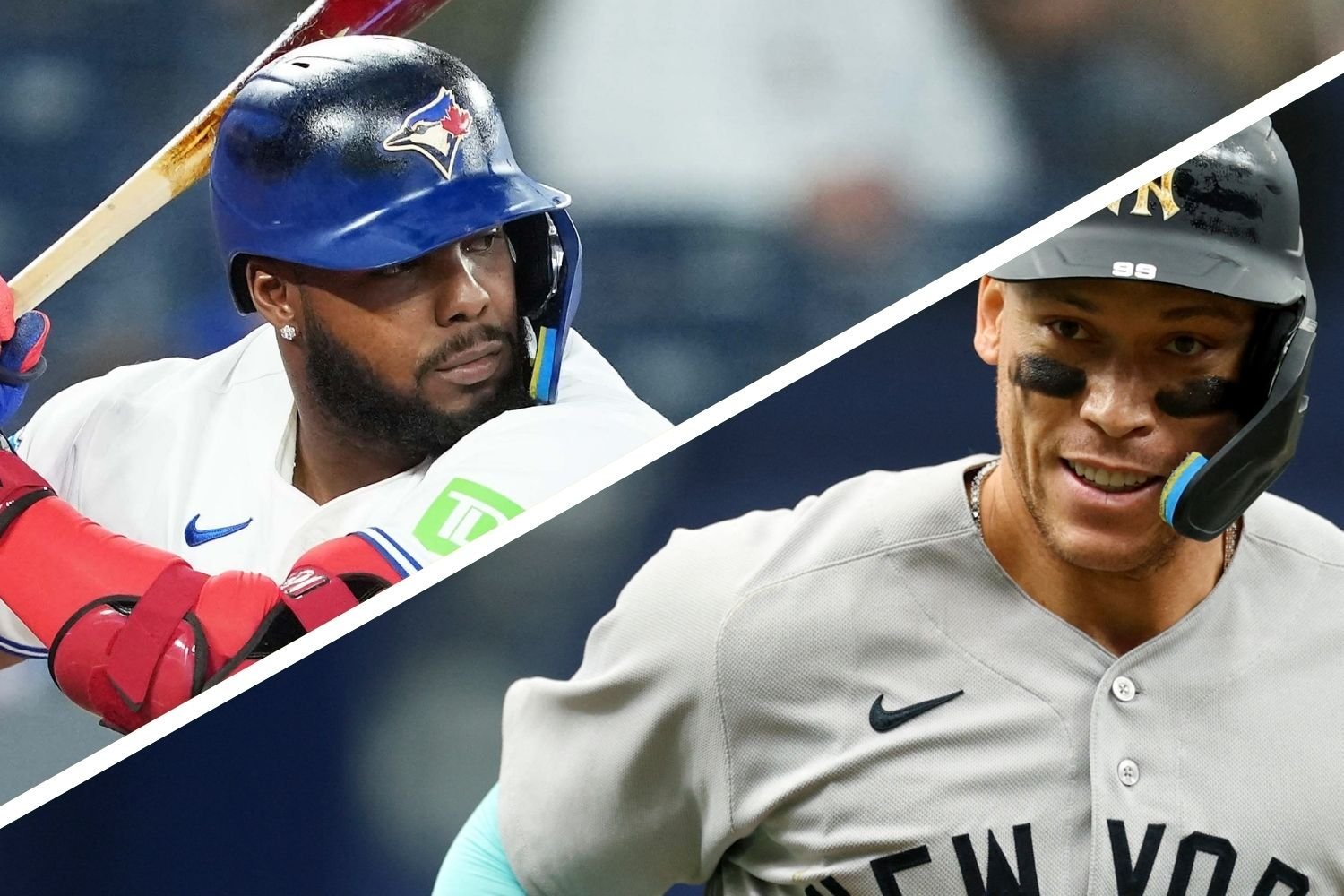 This piece was written prior to the Blue Jays' game on Wednesday, April 15. The American League East is supposed to be the toughest division in baseball. Usually, it is. Year after year, it earns that reputation through depth, payroll power, and an unforgiving schedule that leaves little room to hide. Over the past decade and a half, the AL East has consistently produced multiple playoff teams more frequently than any other division, reinforcing its standing as baseball’s most demanding environment. Even the teams that finish at the bottom of the division often post records competitive enough to avoid being true pushovers. That reality is likely why every April in this division feels heavier than it should. What has made the early weeks of the 2026 season so interesting is not that the American League East suddenly looks easy, but that it doesn’t. Through roughly three weeks of play, the division remains tightly packed, with no team creating meaningful separation. And despite a less‑than‑ideal start marked by injuries and offensive inconsistency, the Blue Jays have quietly looked like one of the steadier clubs in the group. Nearly every AL East team is already confronting some form of early‑season discomfort, whether it comes from roster instability, uneven performance, or health concerns. The standings themselves are not the full story. More revealing is how teams have arrived at their records and what it is costing them to do so. Across the division, several clubs are scraping out wins while exposing thin depth. Others are already rearranging roles, leaning heavily on bullpen arms, or pushing young players into high‑leverage situations sooner than anticipated. MLB‑wide trends, and common sense, suggest that bullpen effectiveness tends to decline as workloads accumulate over the season. Teams that rely heavily on relievers early only increase their vulnerability later. For all their flaws and uneven stretches so far, the Blue Jays are treading water and managing their circumstances about as well as could be reasonably expected. Sitting just below .500, Toronto has navigated inconsistent production with runners on base while fielding a starting rotation that has largely avoided blow‑up outings despite injuries. The bullpen has bent, at times significantly, but it has not broken. Given the circumstances, the Jays will take that outcome. That same sense of relative stability cannot be found across all of their American League East rivals. In New York, the Yankees are once again contending with the familiar weight of expectation. It is a constant, and every season carries its own version of the same pressure. Early results have been decent for the pinstripes – they're hovering near the top of the division – but the path there has been fragile. Through mid‑April, Yankees hitters rank in the bottom third of the league in on‑base percentage. Like the Blue Jays, New York’s early offensive issues have increased reliance on the pitching staff to protect narrow leads. The Yankees have survived thanks to several close wins, but that margin is thin. Depth pieces are being tested earlier than is ideal, and injuries to key contributors have already forced adjustments. While this does not suggest a collapse is imminent, history shows that early stress has a way of accumulating. In seasons where the Yankees have dealt with significant injury clusters early, their win totals have tended to settle closer to the mid‑80s or low‑90s than the elite benchmarks the franchise expects. Their 2023 season, when multiple cornerstone players, including Aaron Judge, spent extended time on the injured list, remains a reminder of how fragile even high‑cost rosters can be. Boston is fighting through a rough start to the season. The Red Sox are attempting to balance competitiveness with long‑term flexibility, an approach that often proves difficult to sustain over a full season. As the calendar reaches mid-April, Boston has hovered below league average in run prevention, with a team ERA residing in the lower tier of the league, and underlying pitching indicators suggesting a profile closer to a fringe contender than a true threat. Defensive play closer to league average has helped offset some of that pitching inconsistency, but not enough to prevent the club from settling near the bottom of the division. Tampa Bay, as usual, continues to defy expectations through discipline and resourcefulness. The Rays remain competitive by prioritizing run prevention, defensive efficiency, and matchup‑driven pitching decisions. It isn't sexy, but it works. The only glaring problem with that plan is that it requires heavy bullpen usage early in the season. Their approach takes some finesse, and sustained reliance on relief pitchers often becomes harder to maintain as the season grinds on. Baltimore may be the most intriguing team in the division. The Orioles are unquestionably stronger than they were just a season ago, powered by a deep young core. Still, injuries have complicated their early momentum. Adley Rutschman, Tyler O’Neill, Ryan Mountcastle, Zach Eflin, and Jackson Holliday have all spent time on the injured list within the season’s first three weeks, already testing the organization's depth. It has meant that Baltimore has been forced into frequent lineup changes and increased bullpen exposure. Their record remains competitive, but the cost has been noticeable in terms of stability and workload management. It is not blind optimism to say every AL East team remains very much in contention. Separation in the standings typically comes later in the season. Over the past decade, the gap between first and third place at the end of April has often been only a handful of games. That parity is not accidental. It is the natural result of parity within baseball’s toughest division. The first six to eight weeks of the season rarely determine who wins the American League East. What they do determine is which teams survive intact. Clubs that manage April without exhausting their pitching staffs or absorbing long‑term injuries are better positioned to peak later in the summer. The adjusted scheduling format has also contributed to the early congestion. Fewer divisional matchups in the opening month means limited opportunities for teams to create early separation. Early missteps are easier to absorb. As intra-division play increases, the standings will become less forgiving and more revealing. What stands out early in 2026 is not that any American League East team has seized control. It is that nearly all of them are in various stages of waiting. They are waiting to get healthy, waiting for lineups to stabilize, and waiting for others to falter. That includes the Blue Jays. So take a breath. For Toronto, there is little reason for alarm. History shows that early standings in this division are a weak predictor of eventual outcomes, and April leaders have often failed to maintain that position over six months. In fact, since 2010, the AL East April leader has gone on to win the division roughly 30–40% of the time, meaning early results aren’t that important as long as you don't lose touch with the leaders. As Yogi Berra famously put it, “It gets late early out there.” In the American League East, that truth applies every year. April standings can feel urgent, but they rarely tell the full story. What matters more is which teams are still standing cleanly when the season begins to accelerate. And really, “It ain’t over till it’s over.” View the full article
 -
Gavin Sheets' Grip On Padres' First Base Job Is Loosening
DiamondCentric posted an article in Padres Mission
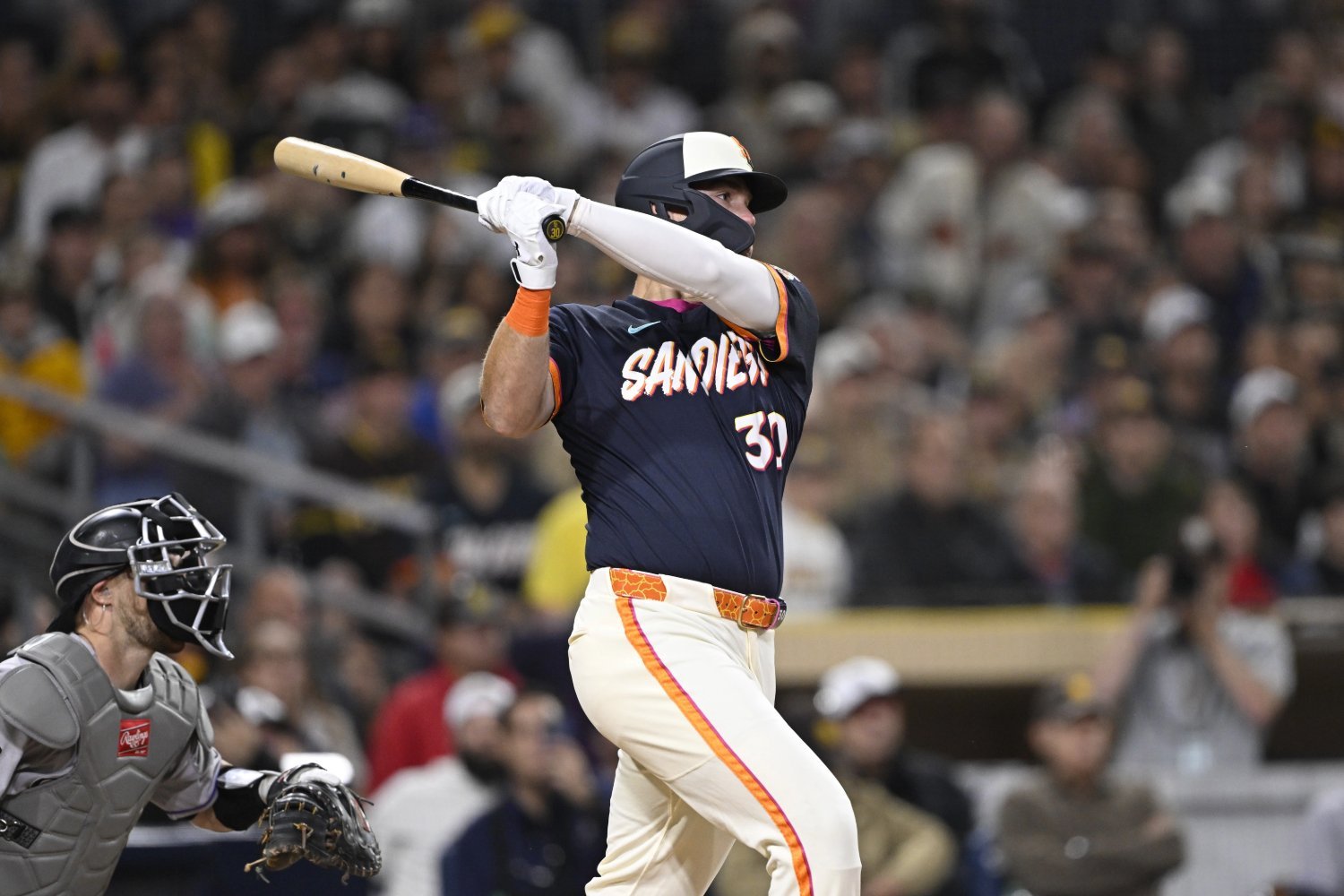 There was a brief moment over the weekend where it looked like San Diego Padres first baseman Gavin Sheets was shaking off the early season rust and morphing back into the excelling, change-of-scenery bat that he’d been for much of 2025. After a solo home run early in the game, Sheets sent a three-run homer into the seats in the bottom of the ninth for the second walk-off victory in as many days. Unfortunately, either side of that has been plagued with a rather downtrodden performance from Sheets. Worse yet is that it’s extended to both sides of the ball. We’re still operating within a small sample here in the middle of April, but Sheets has been below average by wRC+ standards (92). Through the roughly 50 plate appearances he’s logged as of the middle of the Mariners series, he’s at a .220/.250/.440 line. His strikeout rate, at 26.9 percent, is abnormally high even against the lower standards set forth when he was at the height of his struggles with the Chicago White Sox. He’s not compensating with deep counts either, as a 3.8 percent walk rate is less than half of what he turned in last season. One concerning trend is that Sheets has apparently lost all semblance of plate discipline. He’s chasing pitches at a 41.1 percent clip (a 10 percent leap from where he was last year) and swinging inside the zone at a slightly lower rate. His 49.7 percent swing rate would represent the highest of his career. There isn’t any discrimination in pitch type, either. He’s swinging at more fastballs than anything but is chasing just about anything regardless of pitch type. What’s even worse for Sheets is that there’s no compensating with the glove. He has been transitioning to full-time work at first base after spending the bulk of his time on the outfield grass last season. However, he’s also turned in -3 Outs Above Average thus far, which ranks 34 out of 35 qualifiers at the position. Only Bryce Harper’s -5 figure is worse. He has a 62 percent success rate against a 69 percent estimated success rate. He’s particularly struggling moving to his right, which is an area in which he’d been only slightly below average (-1) in his career prior to this year’s sample. Plays simply are not being made for a player who was awarded the heaviest run at the position on a roster loaded with first base archetypes. And that’s an important consideration within all of this. Sheets is struggling massively not only to put the ball in play but to help a delicate pitching staff record outs. This is the same roster that features a defending Gold Glove winner in Ty France in addition to Miguel Andujar and Nick Castellanos. Each of France and Andujar have looked strong at the plate while Castellanos’ results are not indicative of the more solid under-the-hood figures with which he’s working. Which means that despite what Sheets has working in his favor – namely the fact that the Padres are currently winning games after a slow start – the runway is going to begin to get shorter. Sometimes in the early season, you see a player (like Castellanos) who is executing solid process and running into bad luck. Others you see a player who gets outside of his general performance and needs to reign it back in before the outcomes begin to fall in line. Given the Padres’ roster construction, Sheets needs to be the latter. Otherwise, the depth chart has the ability to change rather quickly. Especially as Sung Mun Song gets closer to returning and thins out some of the available innings on the bench. View the full article
 -
 Sweet Lou and Ol Gregg take a victory lap after the Twins' competitive start and give a thorough rundown player-by-player performance. They also play Higher or Lower than Carlos Correa?, Gregg's broken thumb, and cheap pohlad versus the fans. Listen using Apple Podcasts: https://podcasts.apple.com/us/podcast/the-twins-off-daily-podcast/id1741266056 Listen using Spotify: https://open.spotify.com/show/4tb78XlurcPTYYSsARdbD7 Listen using iHeartRadio: https://www.iheart.com/podcast/263-the-twins-off-daily-podcas-167548600/ Listen using Pocket Casts: https://pca.st/nvclbt0w Watch on YouTube: https://www.youtube.com/@twinsdaily View the full article
