


DiamondCentric
-
Posts
2,631 -
Joined
-
Last visited
Never
Content Type
Profiles
Forums
Events
News
Tutorials & Help
Major League Baseball Videos
Guides & Resources
Store
Downloads
Gallery
Everything posted by DiamondCentric
-

Marlins 2026 draft class update: Wessley Roberson makes pro debut
DiamondCentric posted an article in Fish On First
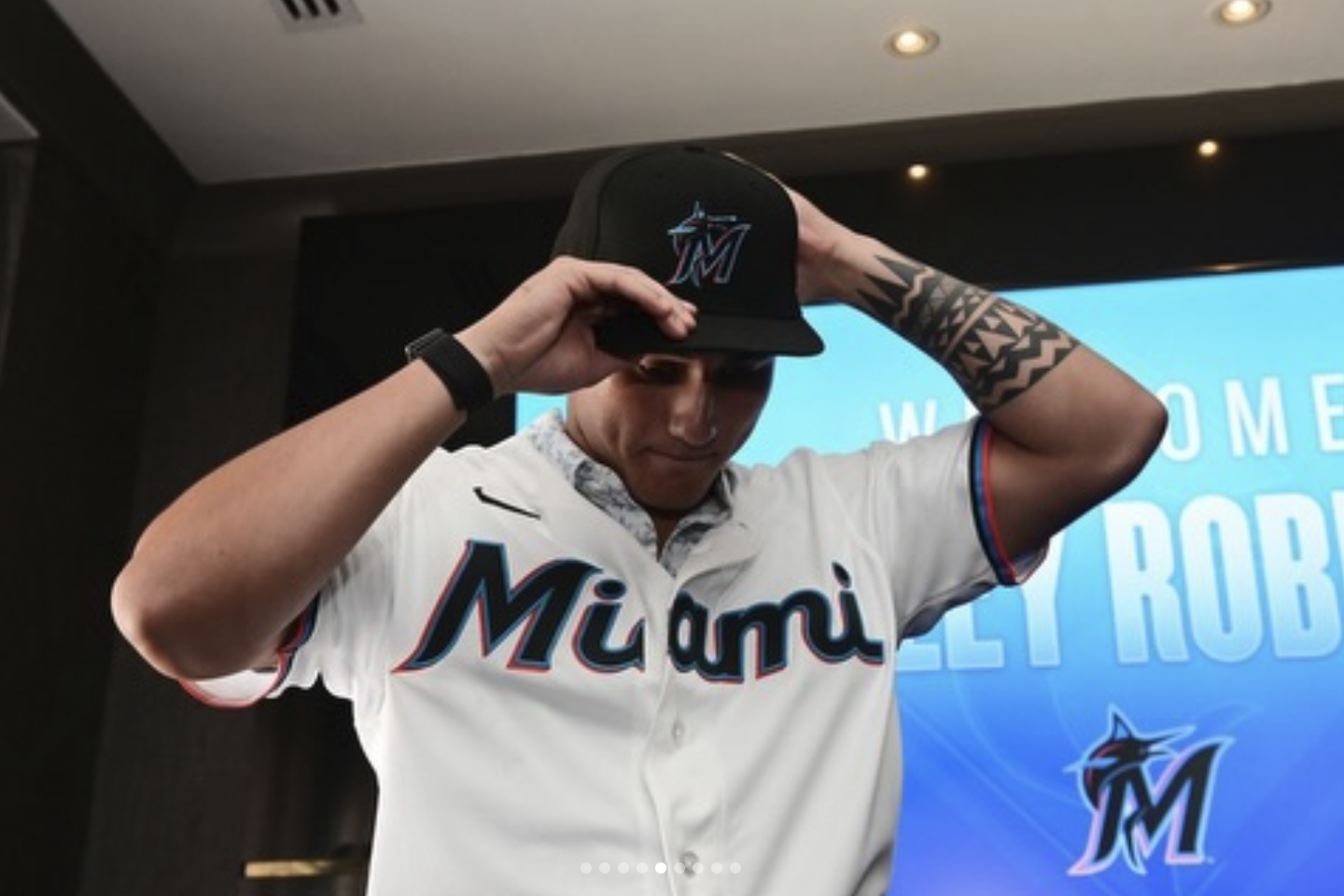 The Miami Marlins welcomed 21 new players to their organization via the 2026 MLB Draft. Historically, they have been quick to test draftees in official Minor League Baseball games shortly after signing them, but the process has been different this summer. As of Tuesday, only four members of the 2026 class have suited up for Marlins MiLB affiliates, and Fish On First has learned that none of the pitchers are expected to take the mound against minor league competition until 2027. In an interview with BoxThe Base, Nic Tolbert explained that the Marlins have delayed the professional debuts of most draftees because they are putting an emphasis on developing their physicality. "We're all on a pretty intense training plan," Tolbert says. "We're in the weight room probably five days a week...We're trying to make as many gains as we can before we go make our debuts, that way we're at a good physical standpoint before we start to play." Here’s an update for every Marlins draft pick from their 2026 draft class: SS Jacob Lombard (Round 1): Lombard has a .209/.341/.359 slash line in 18 games for the Low-A Jupiter Hammerheads. Lombard has recorded 14 hits, three home runs, 13 RBIs, 11 walks, 12 runs scored, nine stolen bases, and a .700 OPS. His strikeout rate is a bit elevated at 39.0%. LHP Ethan Kleinschmit (Round 2): No MiLB games yet RHP Ryan Peterson (Competitive Balance Round B): No MiLB games yet SS Cam Kozeal (Round 3): Kozeal's numbers are unchanged over the past two weeks because he's currently on the injured list. He has a .214/.313/.405 slash line in ten games for the Hammerheads. Kozeal has recorded nine hits, two doubles, two home runs, three RBIs, six walks, six runs scored, and a .718 OPS. OF Wessley Roberson (Round 4): The Peach State native made his professional debut with the Hammerheads last week. Roberson went 0-for-2, but drew two walks and scored a run while patrolling center field. LHP Trey Beard (Round 5): No MiLB games yet RHP Cole Selvig (Round 6): No MiLB games yet SS Eric Guevara (Round 7): Guevara has a .222/.349/.389 slash line in twelve games for Jupiter. Guevara has recorded eight hits, two home runs, seven RBIs, seven walks, eight runs scored, two stolen bases, and a .738 OPS. He is playing third base almost exclusively. His throwing accuracy still has room to improve. 1B Rintaro Sasaki (Round 8): No MiLB games yet 3B Nic Tolbert (Round 9): No MiLB games yet RHP Zach Peters (Round 10): No MiLB games yet RHP Fabio Bundi (Round 11): No MiLB games yet RHP Bane Barker (Round 12): No MiLB games yet RHP Connor Benge (Round 13): No MiLB games yet RHP Tyler Kapa (Round 14): No MiLB games yet RHP Colin Linder (Round 15): No MiLB games yet RHP Porter Buursema (Round 16): No MiLB games yet RHP Duke McCarron (Round 17): No MiLB games yet OF Jatniel McCloud (Round 18): No MiLB games yet RHP Jackson Mitchell (Round 19): No MiLB games yet RHP Joey Lawson (Round 20): No MiLB games yet View the full article
 -
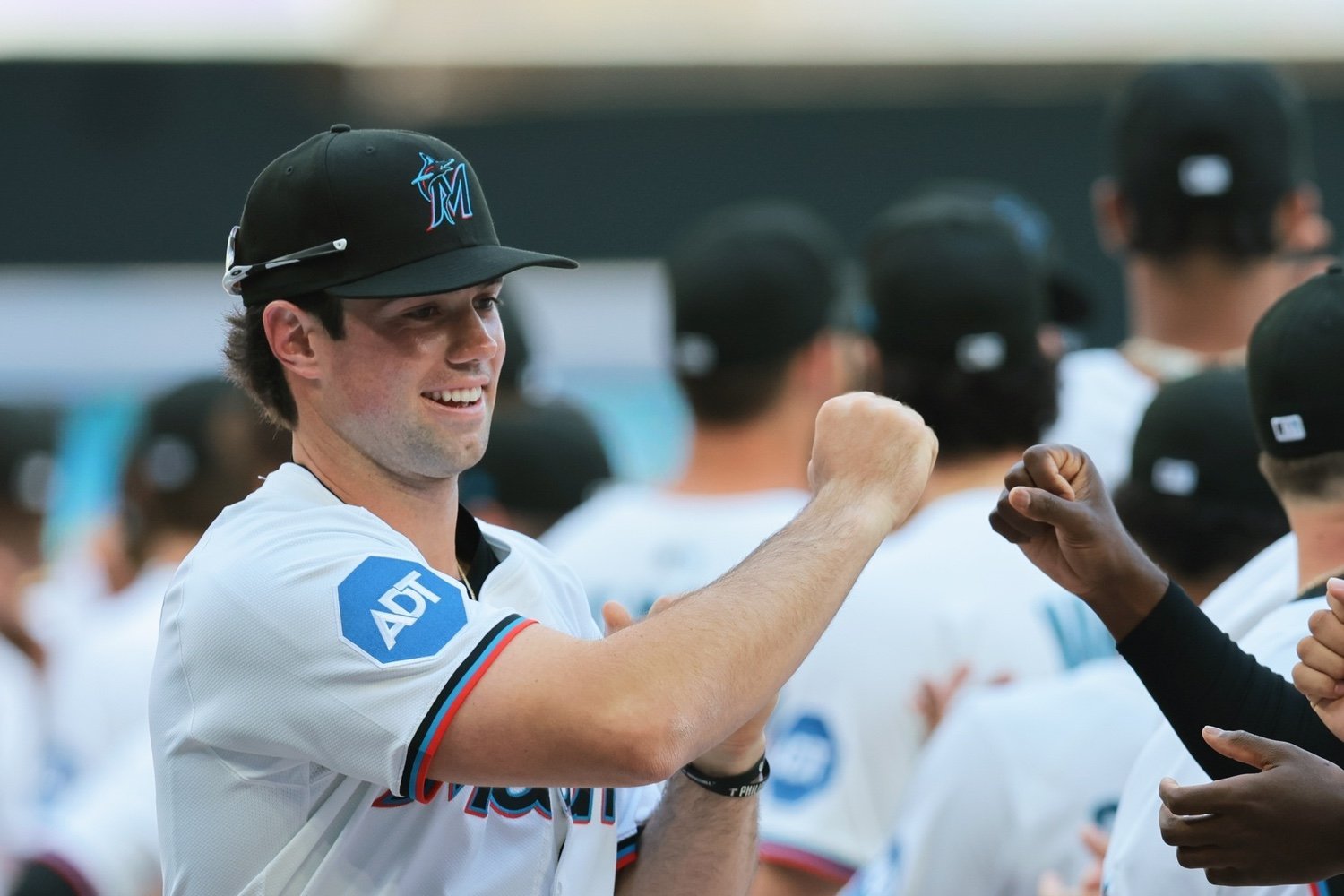 The Miami Marlins announced on Tuesday that infielder Graham Pauley and right-hander Bradley Blalock are joining their active roster. Limited to 26 roster spots during most of the regular season, they're allowed to activate 28 players during the month of September. Pauley entered 2026 with a long runway to establish himself as Miami's primary third baseman. Although he continues to provide above-average defense at the hot corner, his bat regressed this season. Carefully platooned to face right-handed pitching almost exclusively, he still hasn't been able to make much quality contact. Pauley's 24.1 Hard-Hit% ranks last among Marlins players with a minimum of 50 batted ball events. His farthest-hit ball of the year went only 385 feet. Overall, Pauley has homered only once in 46 games against big league competition. He has posted a 43 wRC+ (100 represents league average). Pauley's most recent Triple-A stint lasted six games. In 46 total appearances with the Jumbo Shrimp, he has slashed .236/.332/.436 with seven home runs and six stolen bases. The vast majority of his reps have come at third, but there have also been six games at second base. This call-up comes in the aftermath of Xavier Edwards' left thumb sprain. The Marlins have several right-handed options to use around the infield while Edwards is out, but Pauley gives them a complement from the other side of the plate. Pauley turns 26 years old on September 24. Not only is he in the midst of his final option year, but the Marlins have optioned him five separate times, which is the MLB single-season limit. Therefore, Pauley would need to clear waivers to get sent down again. Blalock, 25, was acquired via trade from the Colorado Rockies in January. He's been the one constant in Triple-A Jacksonville's starting rotation this season, posting a 5.61 ERA and 5.47 FIP and in 23 starts. Across parts of two MLB seasons, he's been absolutely awful, to be frank (8.16 ERA and 6.73 FIP in 21 G/18 GS). Susceptibility to home runs continues to be his biggest issue. Blalock's arsenal includes a four-seam fastball, slider, cutter, splitter, sinker and sweeper. He releases the ball from an extremely steep arm angle (approximately 62 degrees). Like Pauley, Blalock is out of options after the 2026 season and could be a winter DFA candidate if he doesn't make a positive contribution to the Fish this month. View the full article
 -
Twins Promote Ben Ross, Garrett Acton As Rosters Expand
DiamondCentric posted an article in Twins Daily
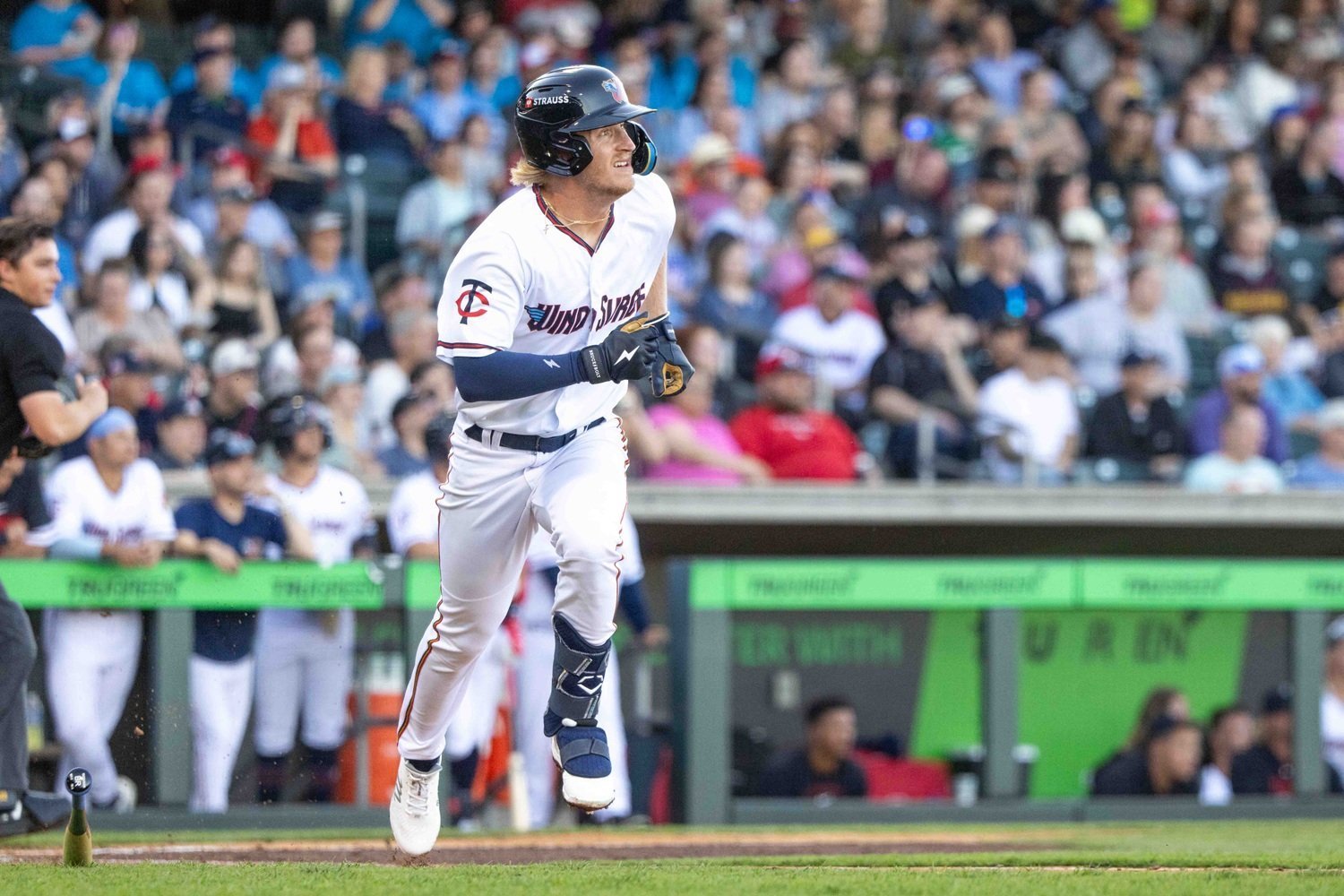 With rosters formally expanding to 28 on Tuesday, the Minnesota Twins made the move official and added a familiar face. Shortstop Ben Ross had his contract selected from Triple-A St. Paul and will be making his MLB debut, while right-handed reliever Garrett Acton was also called up from the Saints. To make room for Ross on the 40-man roster, outfielder Kyler Fedko was designated for assignment. Ross' addition was known before rosters expanded Tuesday. The 25-year-old has a .274/.378/.506 slash line with 20 homers and 71 RBIs over 118 games between Double-A Wichita and Triple-A St. Paul. Acton has pitched in four games this season for the Twins, allowing five runs (two earned) over 6⅔ innings. Fedko made his MLB debut with the Twins this year, appearing in 14 games but going 0-for-16 with a run scored and an RBI. He did walk twice and struck out eight times. View the full article
 -
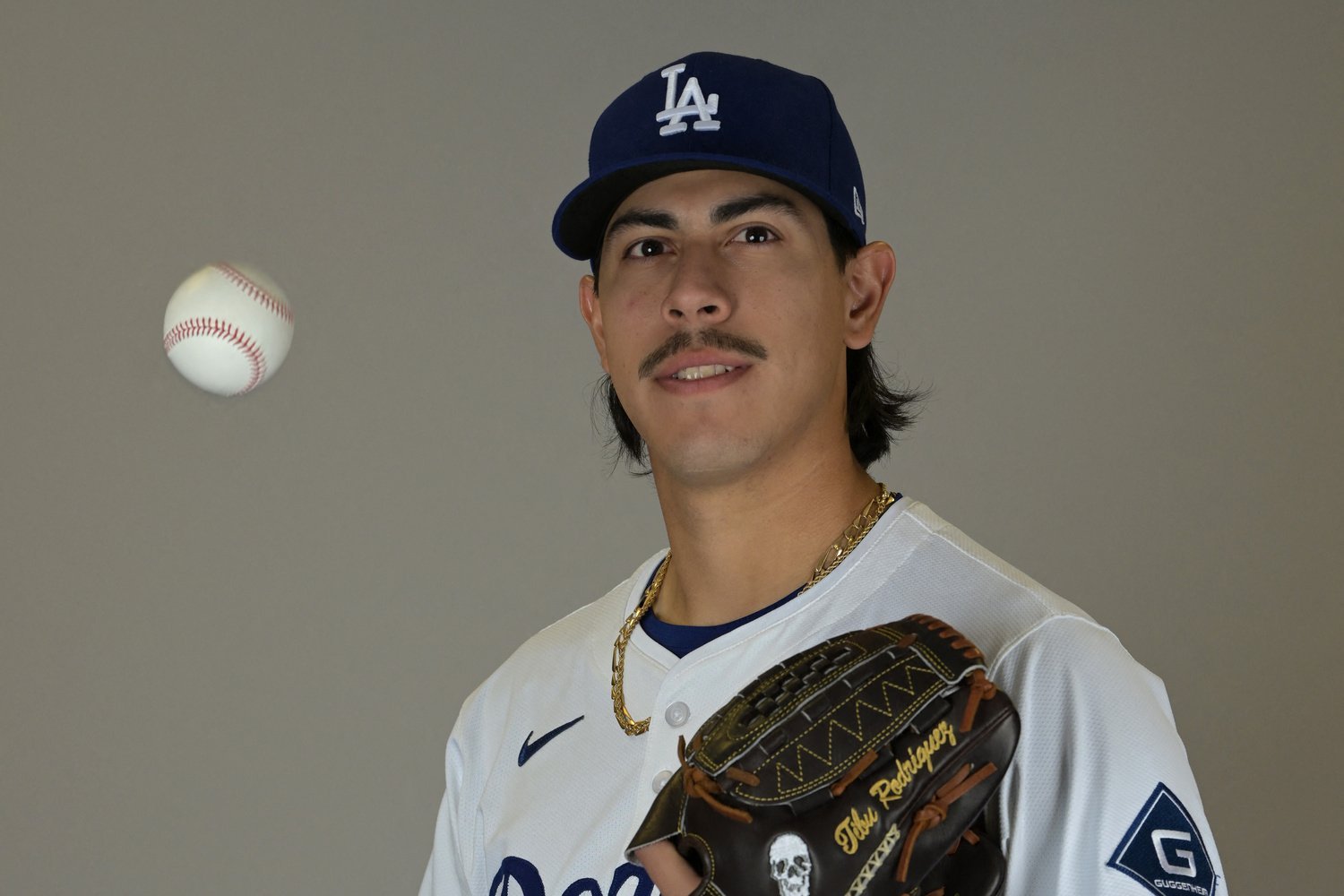 In a rare Rodriguez-for-Rodriguez trade, the Blue Jays have sent minor league right-hander Sebastian Rodriguez to the Dodgers in exchange for José Rodríguez, himself a minor league right-handed pitcher. The younger Rodriguez, 20, made his professional debut for the Blue Jays Blue squad in the Dominican Summer League this year. He pitched nine innings over seven games, giving up six earned runs but striking out 11. The elder Rodriguez, 25, had been in the Dodgers' system since 2019. He owns a 4.16 ERA with 100 strikeouts in 71.1 career innings at the Triple-A level. The Blue Jays have assigned him to Triple-A Buffalo for now, but it's certainly possible he could make his MLB debut at some point later this month. View the full article
 -
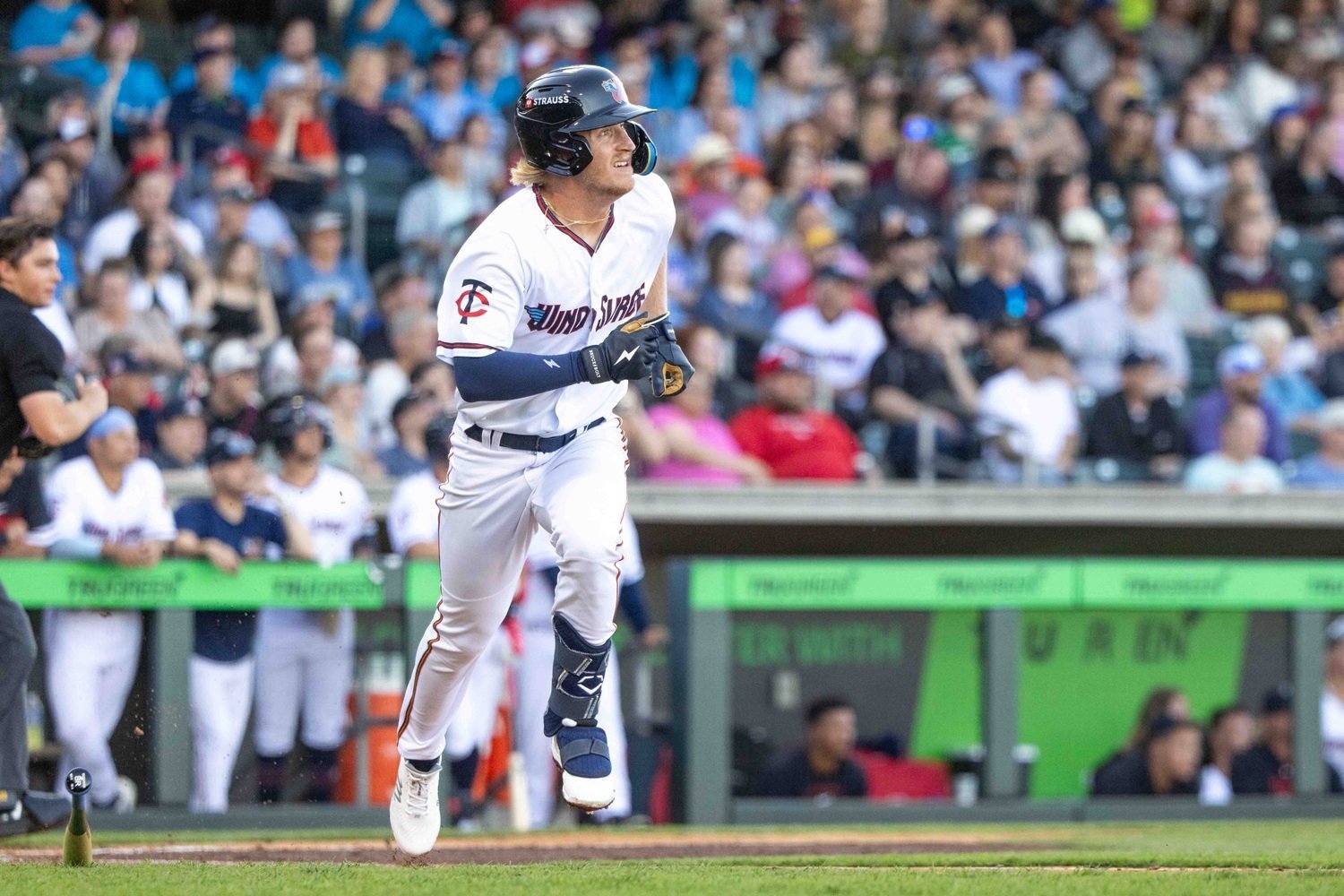 For years, Ben Ross has been one of those players sitting just outside the spotlight. He wasn't a high-profile draft pick. He wasn't a consensus top prospect. He didn't fly through the Twins' minor-league system. Instead, Ross spent the better part of four seasons working through the organization's developmental ladder, learning how to turn a collection of interesting tools into a legitimate professional skill set. Now, he finally gets the opportunity he has been working toward. The Twins are calling Ross up for September, giving the 25-year-old his first chance to see what he can do at the Major League level. It's a fitting reward for a player who has quietly raised his prospect stock during the 2026 season. Ross's journey to Minneapolis has been a long one. Ross wasn't heavily recruited coming out of high school in Springfield, Ohio. That led him to Division II Notre Dame College, where he quickly became one of the best players in program history. He became the first two-time All-American in school history and finished his college career as the school's all-time leader in batting average, on-base percentage, slugging percentage and home runs. The Twins selected him in the fifth round of the 2022 MLB Draft with the 144th overall pick. He signed for $220,000, well below the pick's $398,500 assigned slot value. He made his professional debut that summer, playing 22 games for Fort Myers and two games in the Florida Complex League. He hit .241/.354/.422 (.775) with three home runs and six stolen bases in 24 games. It wasn't a dominant debut, but there were signs of the tools he’d show in future years. In his first full pro season, Ross spent most of 2023 with the Cedar Rapids Kernels, and this was the first season when his power potential really became noticeable. He hit .240/.322/.455 with 19 home runs, 25 doubles and 117 wRC+ in 103 games. He also showed his defensive versatility, seeing time at shortstop, third base, first base and all three outfield positions. Minnesota promoted him to Double-A Wichita in September, but the jump was difficult. Ross went 7-for-31 in 10 games and finished with a .531 OPS across a small sample size. The organization had seen enough to know there was something worth developing, though. He would spend the next two seasons trying to figure out Double-A pitching. That development wasn't linear. Ross spent the entire 2024 regular season with Wichita and struggled to make consistent contact. He hit .212/.284/.341 with 11 home runs, 18 doubles, a 73 wRC+ and 20 stolen bases in 123 games. His 136 strikeouts and 29.7 K% were a significant concern. When the Switch Flipped and Ben Ross Became a Legit Prospect There was, however, an encouraging finish to the year. Ross played in the Arizona Fall League and hit .281/.390/.427 (.817) with eight extra-base hits in 24 games. That didn't erase the struggles from the regular season, but it offered a glimpse of the offensive adjustments that would eventually become important in his development. Ross looked to build off his AFL numbers and returned to Wichita in 2025. However, the overall numbers still weren't particularly impressive. He hit .219/.308/.363 (.671) with 14 home runs, 17 doubles, an 85 wRC+ and 18 stolen bases in 120 games. His OPS improved from .626 to .671, but he was still searching for consistency at the plate. Defensively, though, Ross continued to build his versatility. He played 65 games at shortstop, 26 at third base and 27 in center field. That flexibility was becoming a significant part of his value. Then came 2026. Ross started the season back at Wichita, where he was over a year older than the average age of the competition in the Texas League. This time, he didn't look like the same hitter. In 16 games, he hit .424/.528/.797 (1.324) with five home runs, seven doubles and eight steals. The Twins promoted him to Triple-A St. Paul on April 24. Ross has combined to hit .275/.380/.510 with 20 home runs, 71 RBI and 20 stolen bases in 2026. At Triple-A, he has continued to show improved plate discipline (13.4 BB%) and more impact in his contact profile. Baseball America recently noted that Ross's average exit velocity jumped from 85.1 mph in 2025 to 88.5 mph this season, while his 90th-percentile exit velocity increased from 100.9 mph to 103 mph. That's a meaningful development for a player whose offensive game once appeared more dependent on his speed and versatility. What Can Ben Ross Bring to the Twins Roster? Ross isn't being called up because the Twins expect him to suddenly become an everyday player. That's not really the point. His value comes from what he can do when the lineup needs flexibility. Ross has experience at shortstop, second base, third base and center field. That could be particularly useful for a Twins team dealing with injuries and trying to navigate the final month of a disappointing season. Minnesota has already turned to young players such as Kaelen Culpepper and Walker Jenkins this month. Jenkins' promotion was followed by Byron Buxton returning to the injured list, while Minnesota has dealt with other position-player injuries throughout the season. Ross gives manager Derek Shelton another right-handed option who doesn't have to be locked into one position. He can give players a day off. He can enter late in a game without creating a defensive problem. He can run. He can cover the middle infield. He can play the outfield. And, perhaps most importantly, he has demonstrated enough offensive growth to make the Twins believe there could be more there. That makes this September opportunity about more than simply filling out a roster. Ross has spent years proving he belongs. Now, he'll get a chance to prove it against Major League pitching. For a player who wasn't heavily recruited out of high school, came from a Division II program and spent multiple seasons fighting through Double-A, that's quite a journey. And the Twins are finally giving him the next step. What stands out about Ross? Can he fit into the team’s plans for 2027? Leave a comment and start the discussion. View the full article
 -
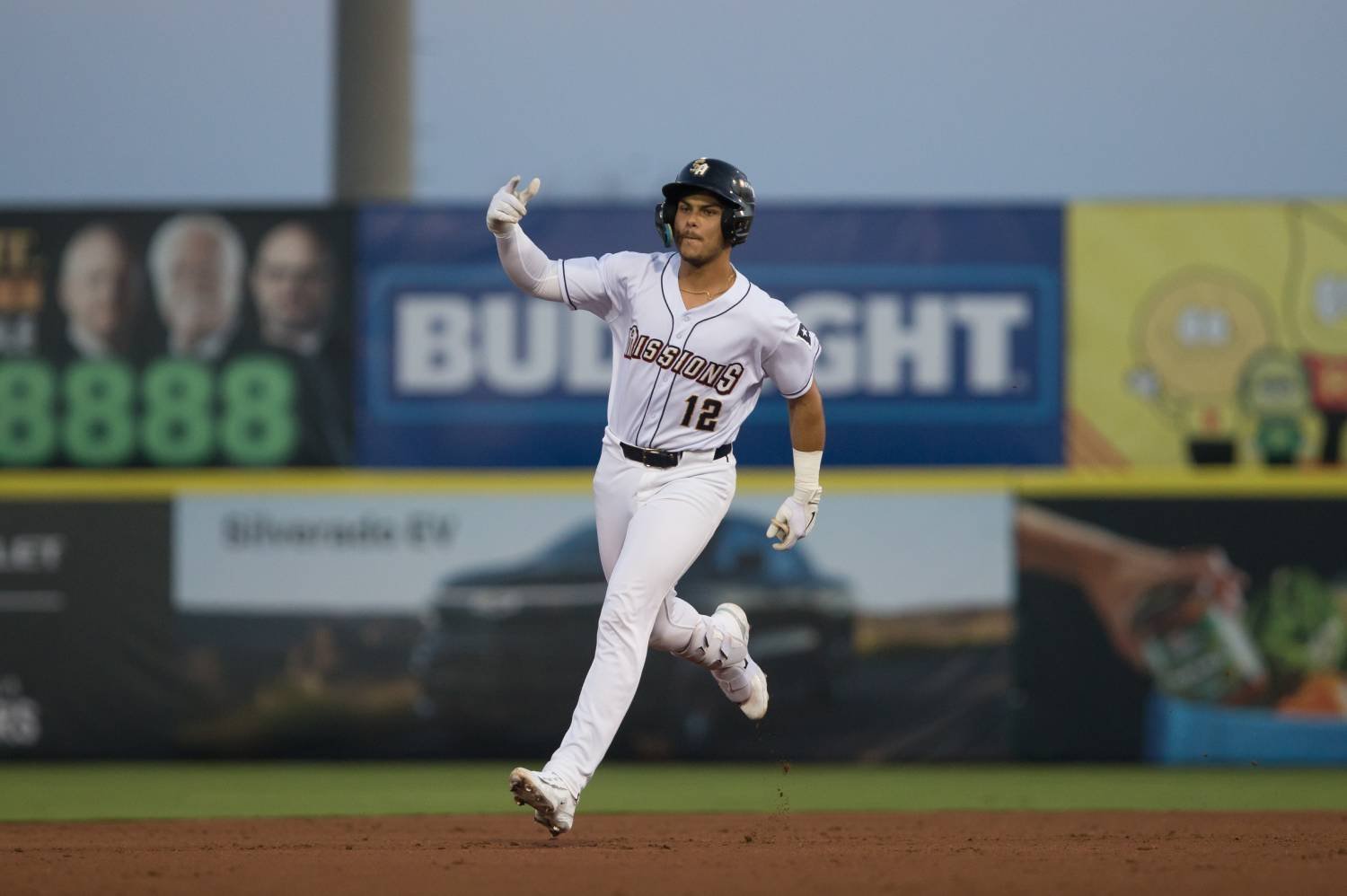 After the news broke of Ethan Salas' promotion Monday, the move became official Tuesday as the calendar flipped to September. Salas, Padres Mission's No. 1 prospect, officially had his contract selected by the San Diego Padres from Triple-A El Paso on Tuesday and is likely to make his MLB debut on the road against the Cincinnati Reds. Salas is the youngest player in the majors this year at 20 years, 92 days. Joining Salas on the Padres as rosters expand by two slots is right-hander Jhony Brito, who also comes up from the Chihuahuas. To make room on the 40-man roster for Salas, outfielder-infielder Luis Rengifo was transferred from the 10-day injured list to the 60-day IL. Brito made three relief appearances for the Padres in July. That capped a comeback from internal brace surgery and right flexor tendon surgery in May 2025. View the full article
 -
The Twins’ Bullpen Has Walked Their Way Into a Big Problem
DiamondCentric posted an article in Twins Daily
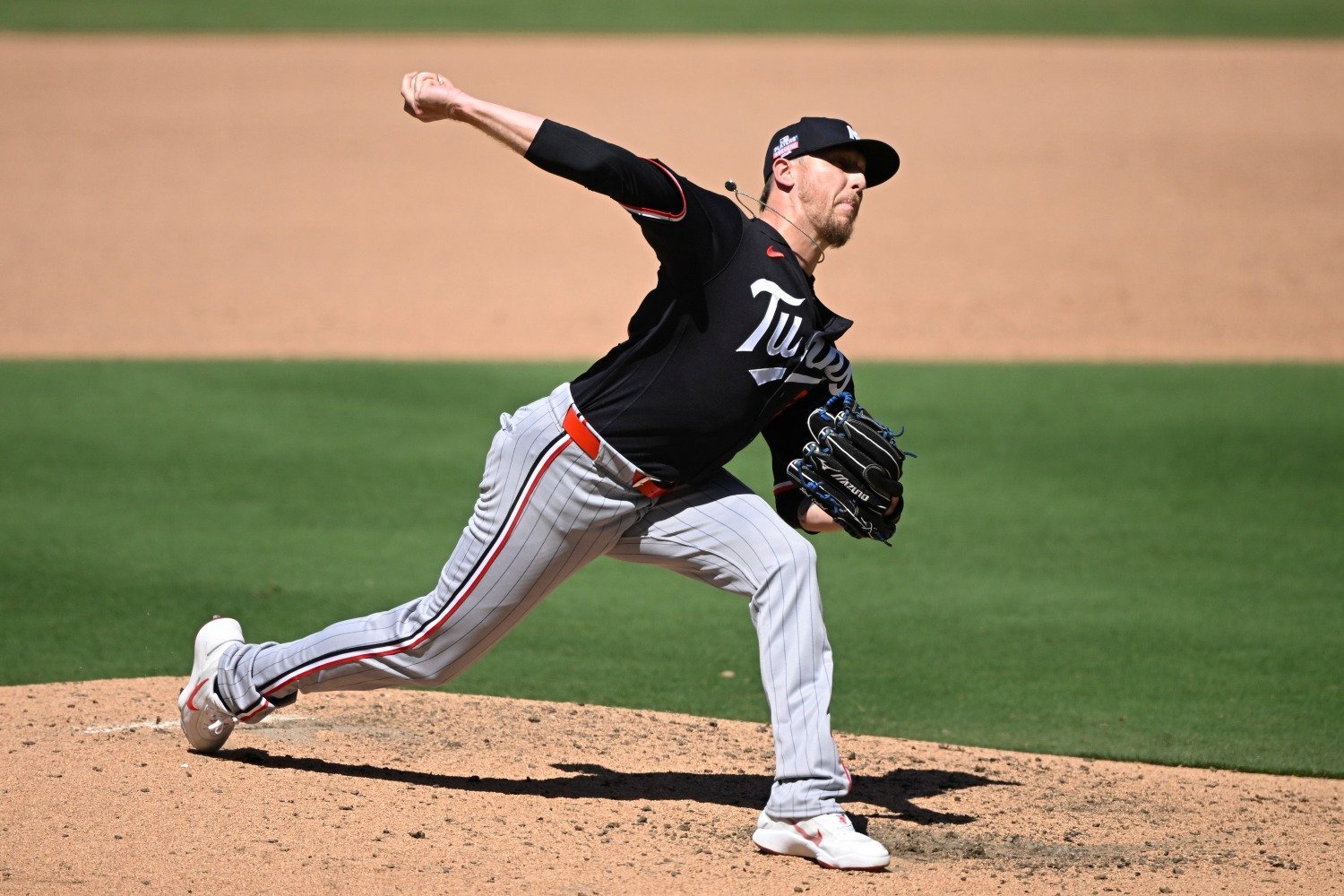 Whether you’re a player, a coach, a fan, or a neutral observer, there are very few things more frustrating in baseball than watching your team miss the strike zone. Balls lead to walks, walks create traffic on the bases, and baserunners lead to extended innings. For the Twins, that has been a particularly frustrating cycle throughout the 2026 season. Minnesota has the 10th-highest walk rate in baseball, at 9.4%. By itself, that’s not a huge problem. The league-average walk rate is right around 9%; being 0.4 percentage points above that mark isn’t catastrophic. But what has happened following those walks has been a much bigger problem. There have been far too many instances throughout the year where the Twins have taken a lead into the later innings, only to watch that lead disappear because of poor command. A walk here, a hit there, another walk, and suddenly an inning that should have been over has turned into a serious threat. That was a big part of why the Twins were so aggressive at the trade deadline, adding three relievers to shore up what had been one of the biggest weaknesses on the roster. But at this point, it appears that those additions were too little, too late. The issues that plagued this bullpen for much of the season still haven’t completely gone away. The Twins’ bullpen has issued 238 free passes this season. That’s the fourth-most of any bullpen in baseball, and as a fan, I certainly wouldn’t fault you for being frustrated by that number. That the relief unit is a weakness is no surprise. Minnesota lost several important relievers at the deadline last summer and didn’t do nearly enough to replace them during the offseason. While I applaud the front office for recognizing the problem and trying to address it at the deadline, much of this frustration and inconsistency could have been avoided with more proactivity and earlier investment. Instead of aggressively replacing their offloaded relief arms during the offseason, Minnesota opted to piece the bullpen together. Taylor Rogers was brought back, while Eric Orze and Anthony Banda arrived via motivated sellers. Only Rogers is currently pitching for the Twins. Orze was eventually optioned to Triple-A, while Banda struggled before his season ended with a lat strain. Unsurprisingly, both of those pitchers had issues with walks. Even some of the relievers Minnesota added during the season came with command concerns. Jeff Hoffman and Yoendrys Gómez have both posted walk rates above 12% since joining the Twins. Both pitchers had also dealt with command issues at various points in their careers before coming to Minnesota, so the Twins knew what they were getting themselves into. A bullpen is a lot like air conditioning. You only really notice it when it isn’t working. When everything is going well, nobody’s talking about the relievers. A starter works six or seven innings, a couple of relievers come in and do their jobs, and the closer finishes things off. It’s not particularly exciting, but that’s exactly what you want from a bullpen. The problem is that the Twins haven’t been able to get that kind of consistency. There have been stretches where the bullpen has looked excellent. There have been individual relievers who have stepped up and performed well. But there have also been far too many nights where Minnesota’s relievers have struggled to find the strike zone, putting unnecessary pressure on themselves and the defense behind them. Too many walks, too many extended innings, too many blown leads. Eventually, those things add up. The deadline additions gave Minnesota a better group of options than it had earlier in the season, and the Twins should theoretically enter 2027 with a better bullpen than the one they started this season with. But that doesn’t mean the problem can be ignored once the offseason arrives. If this team genuinely wants to compete next season, it has to start with its late-game pitching. The Twins have invested heavily in high-upside position-player talent via the draft, as well as young starting pitching. But none of that matters much if they can’t protect leads once they get to the sixth, seventh and eighth innings. Walks are frustrating, because they’re often avoidable. When they consistently come from the bullpen, they become even more costly. Minnesota doesn’t need to build the best bullpen in baseball this offseason. They just need to build one that can consistently throw strikes, avoid putting unnecessary runners on base, and make a lead feel safe. After everything that happened in 2026, that should be one of the biggest priorities of the offseason. If the Twins want to be a competitive team in 2027, they can’t afford to keep walking their way out of games. View the full article
 -
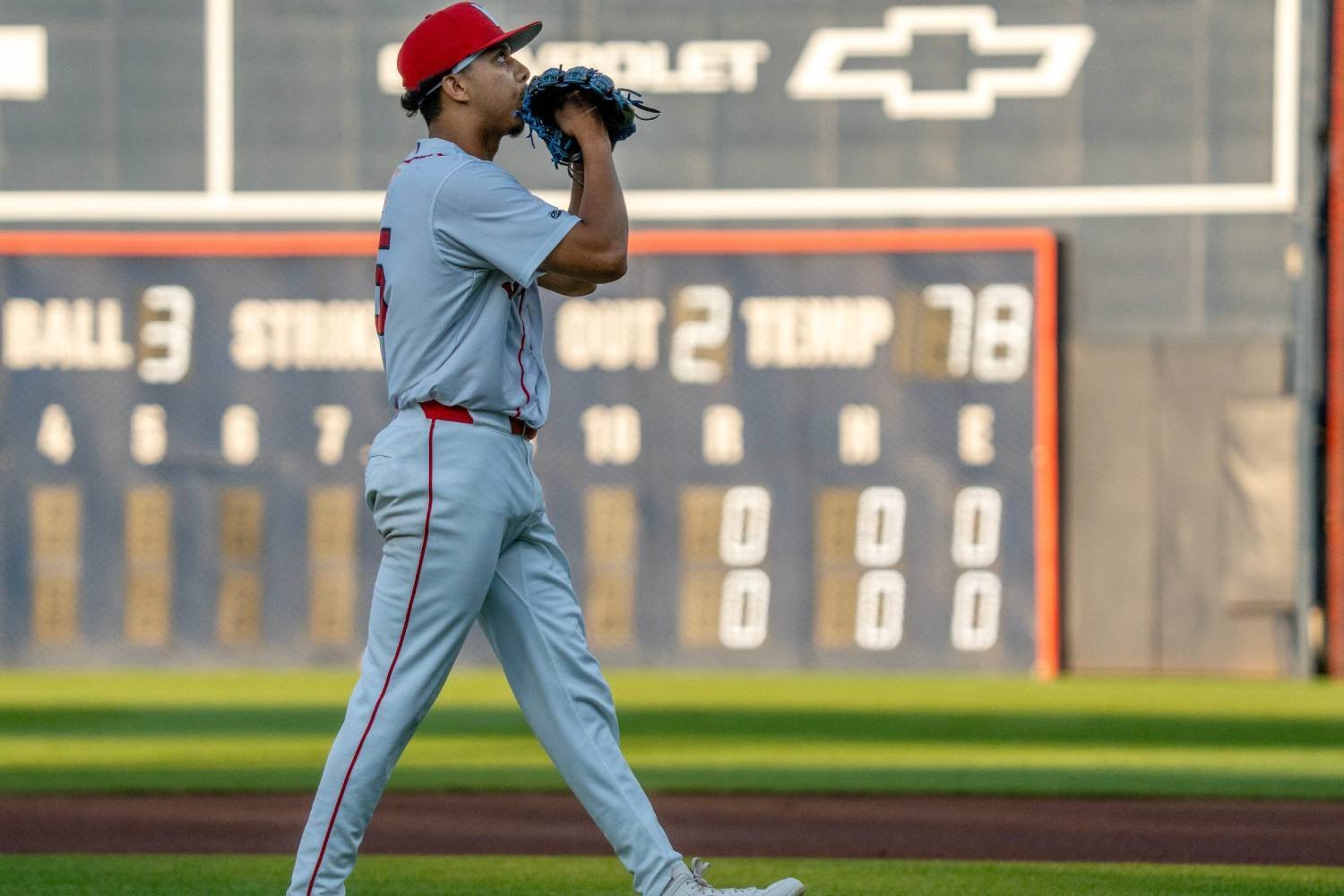 The Boston Red Sox used one of their additional roster spots to bring back a player and the other to give a prospect a shot at making their first MLB start. Right-hander Jedixson Paez had his contract selected from Triple-A Worcester and will make his Red Sox debut Tuesday when he starts against the Seattle Mariners. Also, infielder Isiah Kiner-Falefa was activated from the 60-day injured list for the other extra spot as rosters expanded by two on Tuesday to 28 for September. To make room on the 40-man roster for both players, left-hander Eduardo Rivera was placed on the 60-day IL with a lumbar strain and infielder Brett Harris was designated for assignment. The 22-year-old Paez, who pitched in three games for the Chicago White Sox this season, has a 4.11 ERA in 20 games (10 starts) between Double-A Portland and Triple-A Worcester. In 61⅓ innings, he has walked only seven and struck out 74. He has made three starts for Worcester, with a 2.92 ERA, two walks and 18 strikeouts in 12⅓ innings. Paez had been selected by the White Sox in the Rule 5 draft, but was returned to the Red Sox in April following three MLB relief appearances. Kiner-Falefa has been on the injured list with right forearm inflammation since June 20. Kiner-Falefa further strengthens the bench following the return to the lineup of left fielder Roman Anthony and shorstop Trevor Story. First baseman Willson Contreras went on the 10-day IL Monday. IKF has a slash line of .277/.344/.361 with two homers, 13 RBIs and seven stolen bases in 47 games. View the full article
 -
Chicago Cubs Pitchers of the Month: August 2026
DiamondCentric posted an article in North Side Baseball
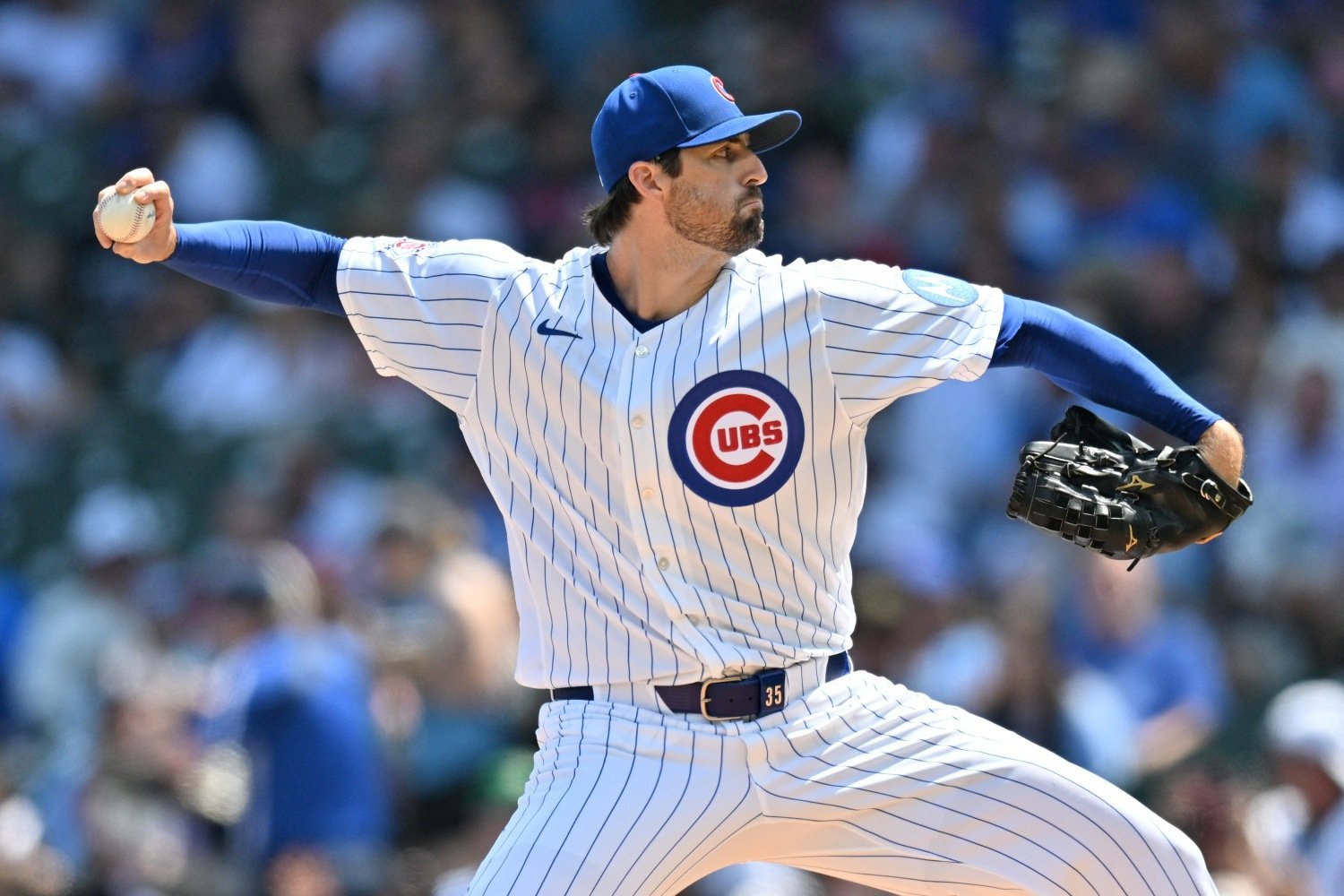 The calendar has officially flipped to September. Postseason baseball will be played this month. The Chicago Cubs enter September having gone 16-12 in August and setting several records with some absurd offensive production. All trade deadline acquisitions made their team debuts and while expectations for all were very high, the results and production haven't quite matched the expectations. There have, though, been some outstanding performances when the Cubs needed it most. Here are your pitchers of the month for August. Honorable Mention - Javier Assad - 4G, 13.2 IP, 1.98 ERA, 3R, 7K Assad once again being optioned to Triple-A Iowa and not getting more major league appearances dropped him to the honorable mention spot on the list. Assad continued his stellar work in August, making one start and three appearances out of the bullpen. He's allowed just 6 runs in his last 31 2/3 innings and should be back with the major league club soon. #3 - Aaron Civale - 8G, 18.1 IP, 0.98 ERA, 2R, 16K Yep, just like we all thought headed into the season. Aaron Civale has been an incredible addition for Chicago since being acquired. Civale came to the Cubs with a 5.42 ERA, and he's now lowered that a full run to 4.50 entering play on Tuesday. He's been as reliable as anyone in the bullpen over the past month and is really making a case to be on the playoff roster for any round Chicago advances to. #2 - David Peterson - 6G, 5GS, 28.2 IP, 2.83 ERA, 9R, 32K Peterson is another example of an arm that Chicago added during the season that was supposed to just provide depth while the club awaited the return of several injured pitches. Instead, Peterson has become a reliable option in the rotation and has almost certainly cemented himself on a playoff roster. He's pitched to 3.90 ERA with the Cubs (6.10 with NYM) and has continued to get better with each passing month. #1 - Clay Holmes - 5G, 5GS, 29 IP, 1.55 ERA, 5R, 18K Holmes has been everything he was advertised to be since being acquired from the Mets ahead of the trade deadline. Things have played out exactly how they were supposed to and his heavy ground ball rate has fallen right into line with the best defense in baseball playing behind him. The strikeouts are certainly something that could benefit from increasing a bit and it appears that is heading in the right direction after he punched out 8 against the Milwaukee Brewers on Monday. The additions of Kevin Gausman and Ryan Zeferjahn have not yet panned out, but Chicago will certainly need those two and others to be impactful if the club has any hope of getting past the NLDS for the first time since 2017. View the full article
 -
Mets Week in Review: A Tough Homestand Cools the Mets
DiamondCentric posted an article in Grand Central Mets
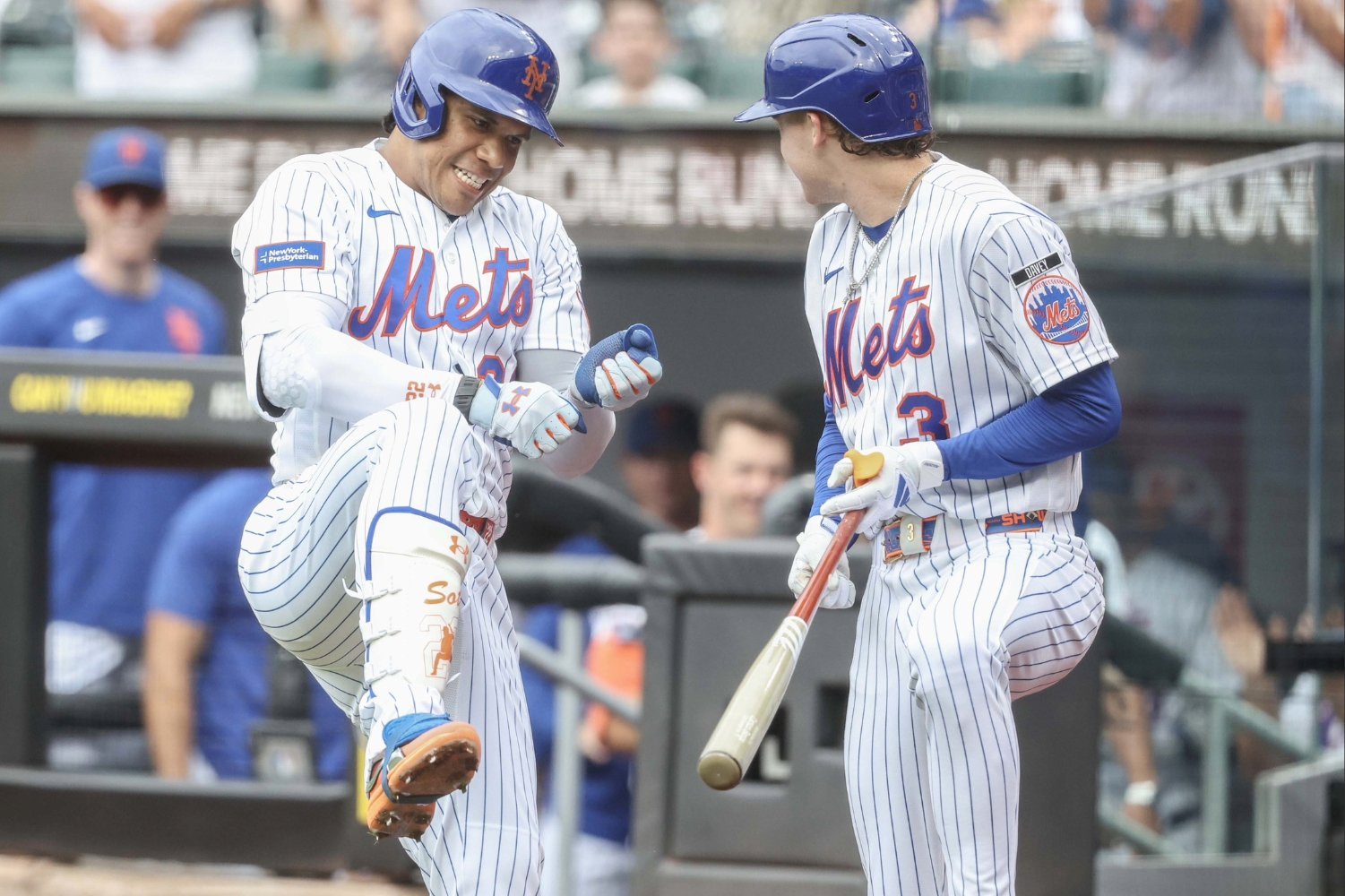 New York Mets Weekly Snapshot Record Last Week: 2-4 Runs Scored Last Week: 16 Runs Surrendered Last Week: 29 Standings 5th in NL East (61-76) 21.0 GB of 1st Place, 11.5 GB of a Wild Card Transactions August 25: Sent 1B Mark Vientos to Triple-A Syracuse to continue his rehab assignment. August 27: Recalled RHP Xzavion Curry from Triple-A Syracuse. August 27: Optioned RHP Chayce McDermott to Triple-A Syracuse. August 28: Selected the contract of RHP Chris Devenski from Triple-A Syracuse. August 28: Optioned RHP Xzavion Curry to Triple-A Syracuse. August 28: Transferred DH Jorge Polanco from the 10-day injured list to the 60-day injured list. August 28: Sent RHP Justin Hagenman to Triple-A Syracuse to continue his rehab assignment. August 29: Activated OF Juan Soto from the 10-day injured list. August 29: Optioned 1B Eric Wagaman to Triple-A Syracuse. Scores Game 132: NYM 3, MIL 2 (10 innings) Game 133: MIL 8, NYM 1 Game 134: MIL 8, NYM 2 Game 135: HOU 3, NYM 1 Game 136: NYM 6, HOU 2 Game 137: HOU 6, NYM 3 Series Breakdown/Highlights Brewers Series: After an off day Monday, the Mets returned to Citi Field for a difficult three-game series against the team with the best record in baseball. The opener was easily the high point of the series. Francisco Lindor and Luis Robert Jr. each homered as the Mets carried a 2-1 lead into the ninth, but Milwaukee tied the game to force extra innings. Lindor then made a diving defensive play with the bases loaded (that SNY missed) in the ninth before scoring the winning run in the 10th, giving New York a 3-2 victory. The win moved the Mets to 60-72 and gave them an impressive victory against one of baseball's best teams. Things went downhill quickly on Wednesday. Milwaukee scored four runs in the second inning against Robert Stock and added more in the fourth on Brice Turang's three-run homer. The Brewers finished with 13 hits, while the Mets managed nine but scored only one run. Robert Gasser gave Milwaukee 6 1/3 strong innings after starter Dustin May left early after he was hit by an AJ Ewing line drive, and the Brewers cruised to an 8-1 victory. The Mets couldn't recover in Thursday's rubber game. Sean Manaea surrendered six runs on eight hits over 5 2/3 innings as Milwaukee jumped ahead and never relinquished control. Jackson Chourio was the star of the afternoon for the Brewers, going 4-for-5 with two home runs, four RBIs, and four runs scored. Jacob Misiorowski limited New York to two runs and two hits over six innings, striking out six as the Brewers rolled to an 8-2 victory and took the series. Astros Series: Things did not get much easier with Houston coming to Citi Field immediately after Milwaukee. Christian Scott and Hunter Brown matched up in a pitching-heavy opener Friday. Carson Benge gave the Mets a 1-0 lead with an RBI double in the fourth, but Houston finally got to Scott in the sixth. Daulton Varsho delivered a two-run single before Yainer Diaz added another RBI hit, turning the game around. Brown struck out a season-high 10 over 6 2/3 innings, while Scott allowed all three Houston runs and walked five as the Mets fell, 3-1 to Houston. Saturday brought two major positives: Juan Soto returned and Nolan McLean dominated. Soto was activated after missing more than a month with a calf injury and immediately made an impact with a go-ahead RBI single in the fifth inning. Jared Young had three RBIs, including a two-run triple, while Francisco Alvarez added a two-run double in the eighth. McLean was outstanding, allowing only two hits and one unearned run over seven innings as New York earned a 6-2 victory. The Mets appeared positioned to take the series Sunday after Francisco Lindor and Soto hit back-to-back home runs in the bottom of the first. New York carried a 3-2 advantage into the sixth, but LaMonte Wade Jr. launched a pinch-hit, two-run homer off Jonathan Pintaro to put Houston ahead. Two more Astros runs scored in the seventh after a Mets throwing error, and New York's offense managed only two hits after the opening inning. Houston won 6-3, handing the Mets their fourth loss in five games. Website Highlights Mets Should See How Christopher Morel Responds To Platoon Role In September Zac Thornton Is Surviving, But His Margin For Error Is Getting Smaller Why Luis Robert Jr. Might Survive More Than Just the Trade Deadline With Mets Looking Ahead August 31: @ Tampa Bay Rays — 6:40 p.m. September 1: @ Tampa Bay Rays — 6:40 p.m. September 2: @ Tampa Bay Rays — 6:40 p.m. September 3: OFF September 4: vs. San Francisco Giants — 7:10 p.m. September 5: vs. San Francisco Giants — 4:10 p.m. September 6: vs. San Francisco Giants — 1:40 p.m. View the full article
 -
Milwaukee Brewers Pitcher of the Month: August 2026
DiamondCentric posted an article in Brewer Fanatic
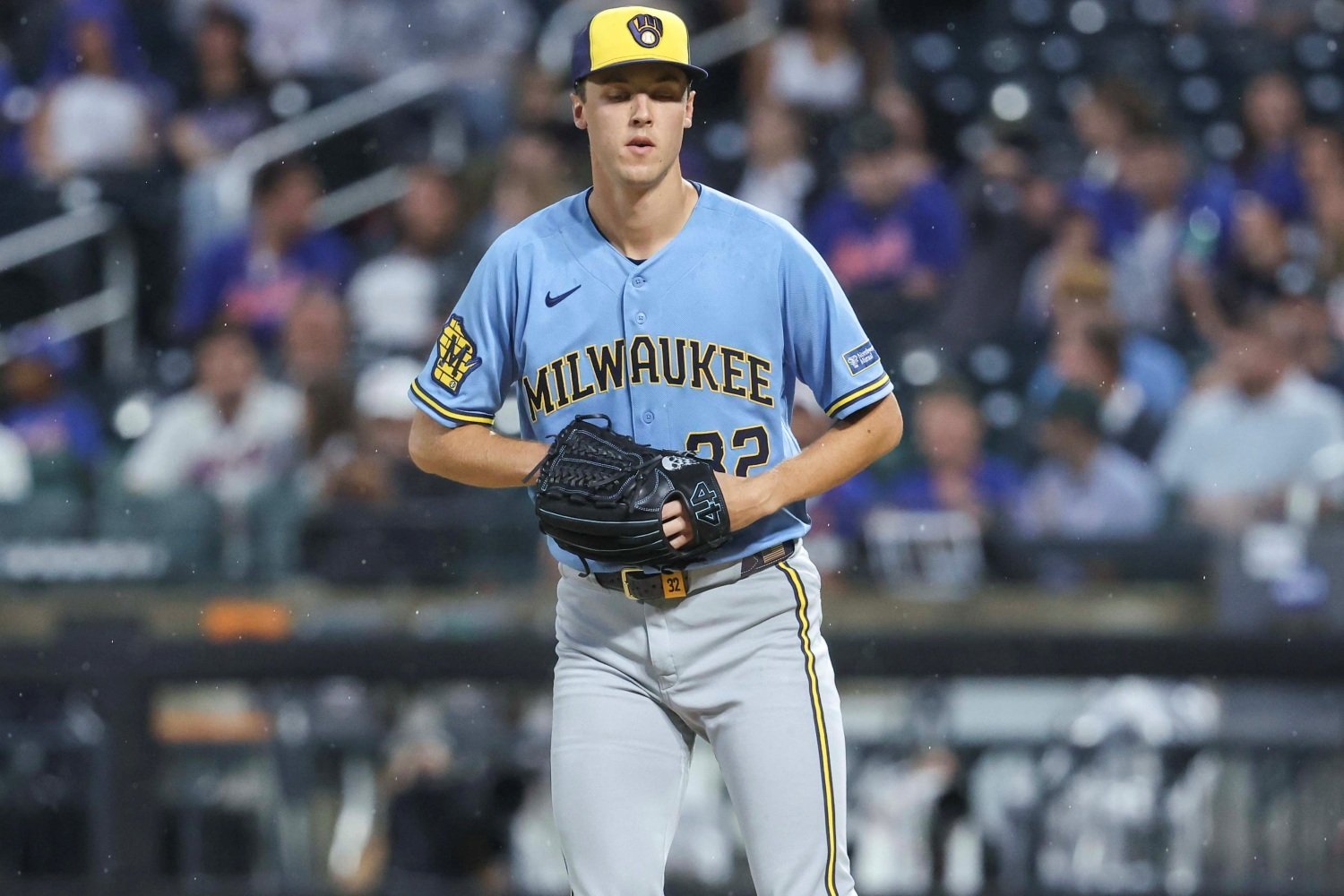 Honorable Mentions Aaron Ashby 12 GS, 14 ⅓ IP, 0.63 ERA, 2.32 FIP, 36.2 K%, 10.3 BB% It's been a season of ups and downs for Ashby. After getting off to an outstanding start as the Brewers’ bullpen workhorse, a summer slump threatened to derail his season. Across 24 ⅔ innings in June and July, he posted a 6.57 ERA with four blown saves. Luckily, Ashby got back on the horse in August and had his best month of the season. He gave up just one earned run this month, on a solo homer to Michael Harris II, and made some small but meaningful adjustments to make his pitches more difficult to square up. In August, opposing hitters made contact in the strike zone just 81.5% of the time and had a ground ball rate of 77.4%. Statistical Nugget: Ashby’s slider has been his best pitch this year by run value (5). Hitters are slugging just .189 while whiffing 56.4% of the time. Trevor Megill 11 G, 12 IP, 0.00 ERA, 2.67 FIP, 17.1 K%, 7.3 BB% It seems like an eternity ago at this point, but there was a point this season at which Megill was pitching so poorly that he was removed from the closer role. Given his 6.55 ERA across his first 11 innings, the decision was unsurprising. Since then, he has been so dominant that his season ERA of 2.24 would lead you to forget he was ever anything other than elite. From May 1st onward, Megill has posted a 1.09 ERA with a 1.61 FIP over 41 ⅓ innings, a span that ended with a scoreless August. His fastball is better than ever. His knuckle curve is better than ever. He’s better than ever. The Brewers started the year with concerns about his ability to remain consistent in high leverage and now it seems the only concern they’ll have is how much they may have to pay him in arbitration next year. Statistical Nugget: Megill is tied with Mason Miller and Adrian Morejon for the most fWAR accumulated by a reliever since May 1st (2.0). Logan Henderson 5 GS, 32 ⅓ IP, 2.23 ERA, 3.98 FIP, 27.4 K%, 4.3 BB% If Logan Henderson didn’t do enough to impress you last year, then surely he has put himself on your radar this year. Aside from pitching to an enticing 2.48 ERA and 3.29 FIP over 76 ⅓ innings this year, he also made headlines after the Brewers allegedly rejected a proposal that would’ve sent him to the Tigers in exchange for Tarik Skubal. He continued what’s technically still his rookie campaign with an outstanding August. Two of his best starts of the season by Game Score came in this month — a seven-inning start against the Rangers and a seven-inning start against the Dodgers, holding both teams to just one earned run. The final month of the regular season will come with some roster decisions for Milwaukee, namely deciding how they want to configure their postseason rotation. With Kyle Harrison hitting some road bumps lately, Henderson could find himself right behind Jacob Misiorowski if he continues to perform at this level. Statistical Nugget: Henderson averages 2,558 RPM on his changeup. Only Trevor Richards (2,559) and Devin Williams (2,612) spin the ball more. Pitcher of the Month — Jacob Misiorowski 5 GS, 31 IP, 2.32 ERA, 2.63 FIP, 32.2 K%, 6.1 BB% August was arguably the worst month of the season for Misiorowski since April. Of course, that’s somewhat of a misleading statement because he still pitched to strong numbers. After posting a 0.54 ERA from May 1st to June 30th, anything short of utter dominance can feel disappointing but he’s still the leading candidate for this year’s NL Cy Young award. Hitters still aren’t touching his fastball, they’re still getting cooked by his cutter, and they’re still failing to square up his breaking balls. He still has more fWAR (5.7) than any pitcher other than Cristopher Sánchez (who has three more starts and 24 ⅓ more innings of work). He’s undoubtedly the best arm talent in Milwaukee and perhaps the entire sport. Statistical Nugget: Misiorowski has a higher whiff rate (41.0%) on his four-seam fastball than any pitcher in baseball this year. View the full article
 -
Red Sox Week in Review: The Dog Days Give Way to Playoff Pushes
DiamondCentric posted an article in Talk Sox
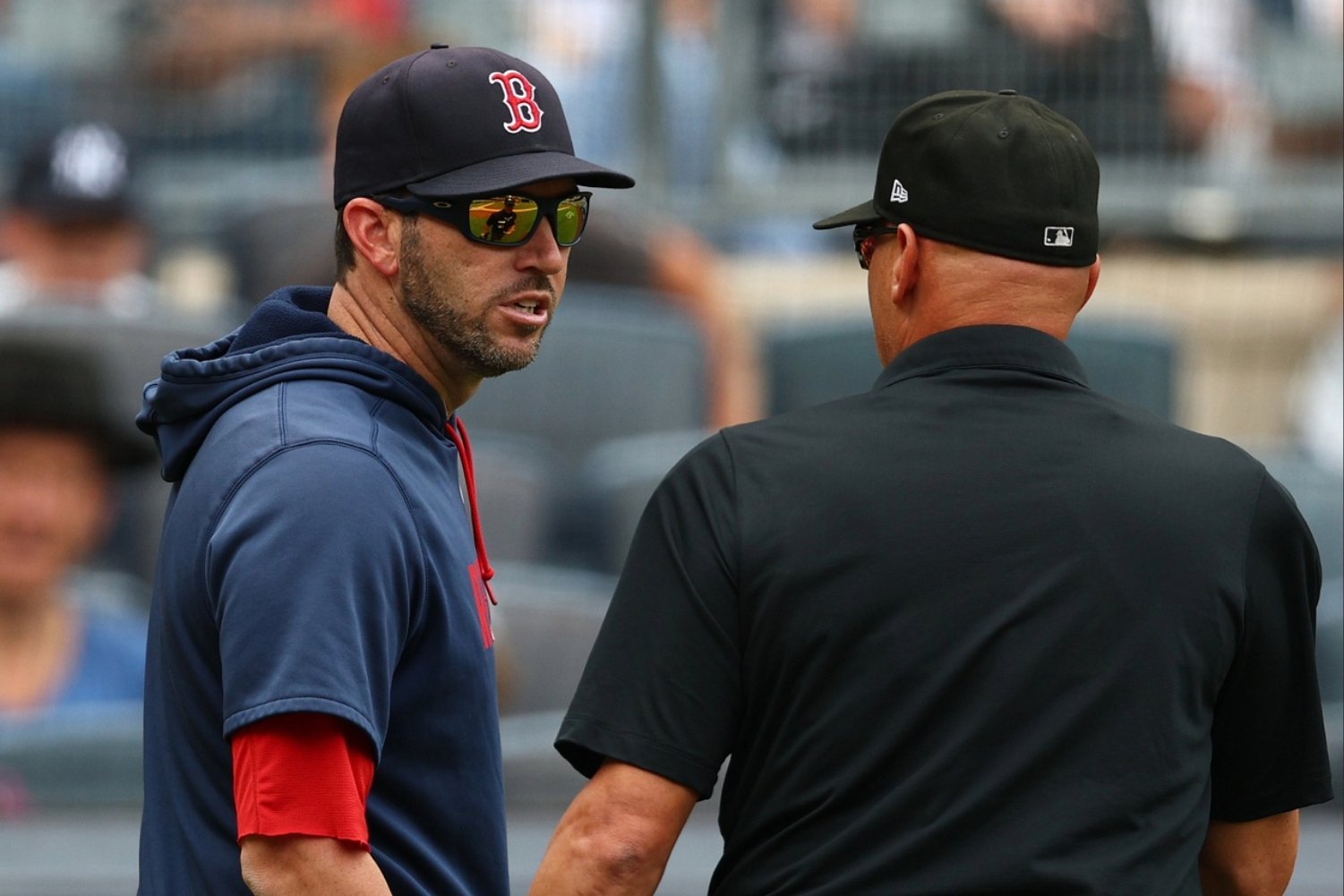 Boston Red Sox Weekly Snapshot Record Last Week: 3-4 Runs Scored Last Week: 27 Runs Surrendered Last Week: 35 Standings 3rd Place AL East 8.5 GB First Place 2nd Place AL Wild Card 4 GB First Place Transactions 08/25/26: Boston Red Sox sent LF Roman Anthony on a rehab assignment to Worcester Red Sox. 08/28/26: Boston Red Sox signed free agent C Tomás Nido to a minor league contract. 08/29/26: Boston Red Sox recalled LHP Raymond Burgos from Worcester Red Sox. 08/29/26: Boston Red Sox optioned RHP Wyatt Olds to Worcester Red Sox. 08/29/26: Boston Red Sox activated RHP Garrett Whitlock from the 15-day injured list. 08/30/26: Boston Red Sox optioned DH Mickey Gasper to Worcester Red Sox. 08/30/26: Boston Red Sox optioned 2B Anthony Seigler to Worcester Red Sox. 08/30/26: Boston Red Sox optioned LHP Raymond Burgos to Worcester Red Sox. 08/30/26: Boston Red Sox activated SS Trevor Story from the 60-day injured list. 08/30/26: Boston Red Sox activated LF Roman Anthony from the 60-day injured list. Scores Game 131: BOS 4, MIA 2 Game 132: BOS 7, MIA 3 Game 133: BOS 0, MIA 4 Game 134: BOS 0, NYY 1 Game 135: BOS 6, NYY 0 Game 136: BOS 2, NYY 9 Game 137: BOS 1, NYY 16 Series Breakdown/Highlights Marlins Series: The Marlins are a better team than their record would indicate and the Red Sox had the pleasure of seeing their ace, Sandy Alcantara, during the early week series. The Sox got after him for a single earned run, but that’s all they needed in the end. Ranger Suarez got the nod for the first game of the series, tossing five innings of one-run baseball. He struck out and walked four in the outing. Brayan Bello, Erik Miller, and Aroldis Chapman all came out of the bullpen to shut the game down and hand the Sox a win to keep the good vibes rolling from the Giants series. Offensively, Nick Sogard, Mickey Gasper, and Anthony Seigler all knocked in runs to support the bullpen. Game two was an offensive showing for the Sox, who rode RBIs from Gasper’s home run and Jarren Duran’s late-inning grand slam. It was refreshing to see Duran come alive against a left-handed pitcher for the Fish, something he’s going to be asked to do more and more as he moves to a hybrid bench role with Roman Anthony back in the fold. On defense, Payton Tolle wasn’t his usual sharp self, tossing 5.1 innings. He struck out seven, walked two, and allowed two earned runs. Tyron Guerrero, Greg Weissert, Miller, Wyatt Olds, and Alec Gamboa all worked during the extra inning game and they managed to stifle the Marlins’ offense late enough that the Sox could secure a series win. Game three just wasn’t enjoyable. There was literally no offense in the game, the Red Sox were shut out. On defense, Sonny Gray looked beatable, only tossing five innings of two-run ball. He struck out five, walked one, and allowed an uncharacteristic seven hits. Jovani Moran and Olds came out of the pen and kept the Marlins off the scoreboard. Yankees Series: We’d all like to pretend the bulk of this series didn’t happen. In game one, Patrick Sandoval didn’t start sharp but he settled in pretty well as the game went on. He ended up throwing 5.1 innings while striking out seven, walking four, and giving up one earned run. Weissert, Guerrero, and Olds all pitched in relief but the offense just couldn’t show up for the second game in a row. Game two, the first of the double header on Saturday, was a lot more like the baseball the Sox had been playing throughout the summer. Jake Bennett, like Sandoval the night before, seemed to be off in the first part of the game but he settled in incredibly well. He ended up throwing six innings of seven-strikeout ball while working out of jams and not allowing an earned run. Guerrero, a returning Garrett Whitlock, and Moran closed out the game to secure the shutout for the Red Sox. Offensively, Wilyer Abreu tagged Carlos Rodon for a first inning home run and the Sox were off to the races. Ceddanne Rafaela, Nick Sogard, and Andruw Monasterio all added RBIs to the total. Game three is where things began to unravel for the Red Sox. Sogard contributed the solo home run to get the Sox on the board while Willson Contreras drove in the second, but that’s it. Defensively, the game was out of hand before it could really get started. It was a scheduled bullpen game with Gamboa getting the nod to start. He tossed 1.1 innings while allowing one hit and striking out one. Bello came on in relief and was not his usual, lockdown self. He ended up going 4.2 innings but only struck out two while allowing five hits and four earned runs. Raymond Burgos followed Bello and had an even worse go of it in 2.1 innings. He allowed seven hits, two strike outs, and five earned runs. Game four really doesn’t need to be discussed, right? Andruw Monasterio ended up pitching and that’s really all you need to know. Website Highlights Five Weeks to Go: Breaking Down the Biggest Red Sox Storylines and Remaining Schedule by Ryan Salvaggio Willson Contreras’ Historically Good Offensive Season is Only Half of His Impact with Red Sox by Alex Mayes Crummy Red Sox Luck Aside, Adley Rutschman Won’t Stay Down for Long by Nick John Ranger Suarez is Losing One of His Favorite Weapons on the Mound by Yirsandy Rodriguez Looking Ahead 08/31/26: Mariners (George Kirby) @ Red Sox (Payton Tolle): 6:45 PM EDT 09/01/26: Mariners (Brayn Woo) @ Red Sox (TBD): 6:45 PM EDT 09/02/26: Mariners (TBD) @ Red Sox (Patrick Sandoval): 4:10 PM EDT 09/03/26: Red Sox @ Orioles: 7:15 PM EDT 09/04/26: Red Sox @ Orioles: 7:05 PM EDT 09/05/26: Red Sox @ Orioles: 7:05 PM EDT 09/06/26: Red Sox @ Orioles: 1:35 PM EDT View the full article
 -
Toronto Blue Jays Minor League Pitchers of the Month - August 2026
DiamondCentric posted an article in Jays Centre
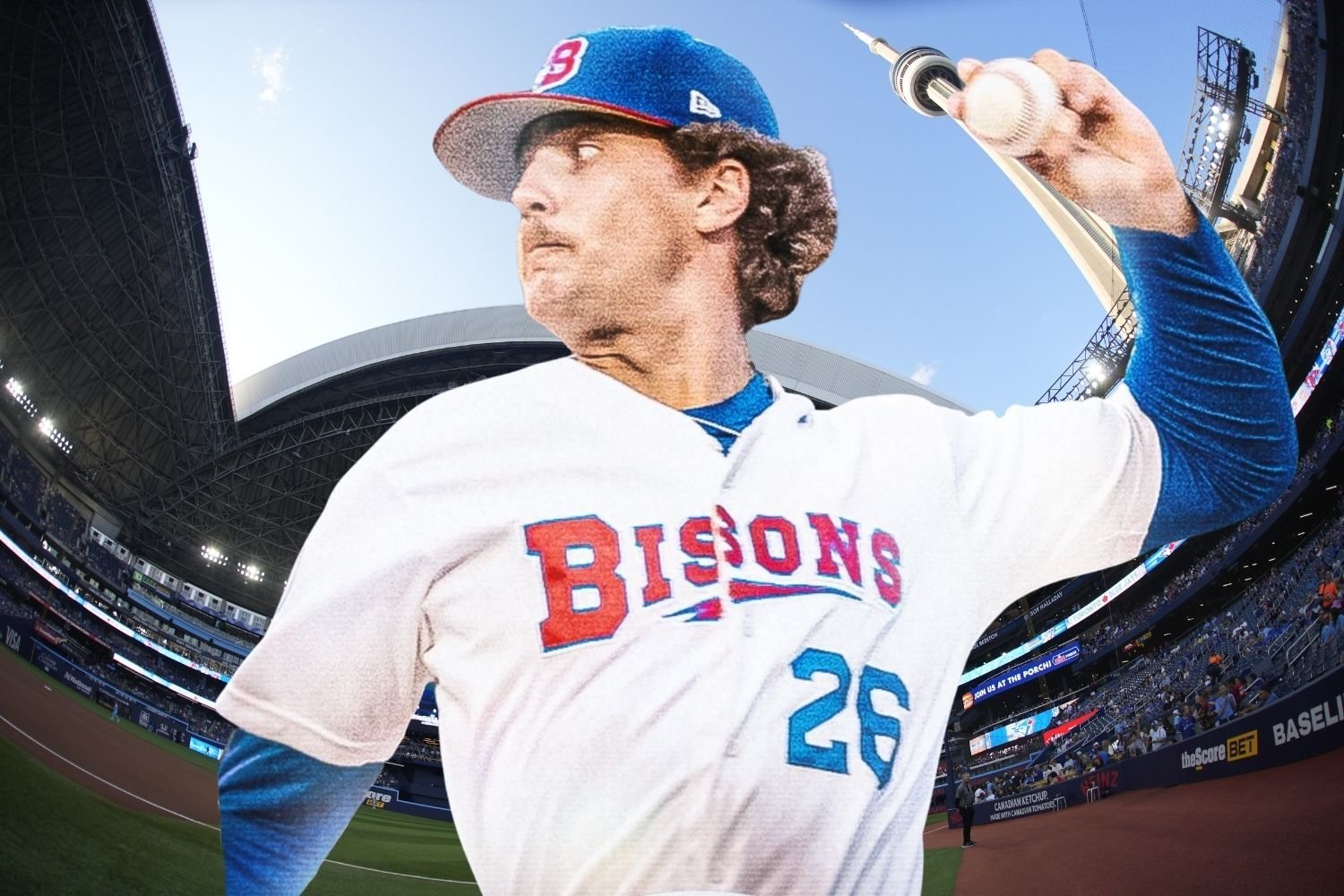 The Blue Jays' minor league system underwent plenty of change in August. Several players who impressed early in the season moved up to higher levels, while Toronto’s trade deadline acquisitions got their first look in the organization. With the major league staff also taking a step forward last month, there were plenty of pitching performances worth highlighting throughout the system. Here are Jays Centre's Minor League Pitchers of the Month for August. Blue Jays Minor League Pitchers of the Month - Honorable Mentions Josh Winckowski - Single-A Dunedin Stats in August: 3.1 IP, 2.70 ERA, 3 H, 3 BB, 3 K Winckowski made his long-awaited return to affiliated baseball after undergoing internal brace surgery in 2025. A former 15th-round pick of the Blue Jays, he spent four years pitching in the big leagues with the Red Sox and has returned to Toronto on a minor league deal while he recovers from surgery. His performance on the mound hasn’t been anything special as of yet, but the fact he’s back throwing professional pitches again is worth celebrating in itself. Gage Stanifer - Double-A New Hampshire - Jays Centre's No. 10 Prospect Stats in August: 14.0 IP, 3.86 ERA, 34.9 K%, 20.6 BB% August was a unique month for Stanifer, as the Blue Jays decided to move him from the rotation to the bullpen. The move was partly innings-related, but also an audition for a late-season MLB bullpen role. Walks remain an issue for Stanifer, but he has the ability to miss bats, including striking out six of the 10 batters he faced in his final appearance of the month. Whether or not he returns to starting again in 2027 remains to be seen, but Stanifer still has the ability to rack up strikeouts, and there is a chance his stuff will play up with a move to the bullpen. All eyes will be on the right-hander to see how the transition plays out as he moves into the bullpen for the rest of the season. Dasan Hill - High-A Vancouver - Jays Centre's No. 7 Prospect Stats in August: 13.1 IP, 4.05 ERA, 29.3 K%, 10.3 BB% The Blue Jays got their first look at Hill in the system after he came over from the Twins at the trade deadline in the Jeff Hoffman deal. Over four appearances in August, Hill had two excellent outings (4.0 IP, 0 ER and 4.2IP, 0 ER) and two rougher ones (2.0 IP, 2 ER and 2.2 IP, 4 ER). The results have been inconsistent, but the command has shown encouraging signs. The southpaw has allowed just one or fewer walks in two of his four appearances with the Canadians, something he did only five times in his 16 starts this season with the Twins org. Hill remains one of the most intriguing arms in the Blue Jays farm system, and improved command could be a key factor in his development going forward. Ricky Tiedemann - Triple-A Buffalo/MLB Toronto - Jays Centre's No. 11 Prospect Minor League Stats in August: 8.0 IP, 4.50 ERA, 27.8 K%, 11.1 BB% Since Tiedemann made his return in 2026 after a long battle with injuries, he’s been predominantly working in relief, and the left-hander has found success. His last four minor league outings have all been scoreless, and he was rewarded with his big league debut earlier in the month. Whether Tiedemann can still be the frontline starter many once envisioned remains to be seen, but he’s still been able to provide value while he builds his way back from his injuries. He’s currently on the 40-man roster and likely will get another look in the big leagues shortly, especially if he keeps putting up zeros in Buffalo. Daniel Guerra - High-A Dunedin/Triple-A Buffalo Stats in August: 9.0 IP, 4.00 ERA, 42.1 K%, 10.5 BB% No Blue Jays pitching prospect has moved faster through the system in August than Guerra. His jumping two levels of the minors this quickly means the Blue Jays are taking notice, and for good reason. If he had enough innings to qualify, his 42.1 K% would have led all Blue Jays pitchers in that department in August. He’s run into some home run problems early on in Buffalo, but the strikeouts remain incredibly high. If he keeps up the pace he’s on, there’s a real chance we see him in the majors as early as next season. No. 3. Johnny King High-A Vancouver/Double-A New Hampshire Stats in August: 21.0 IP, 3.00 ERA, 28.6 K%, 15.0 BB% Jays Centre's No. 1 Prospect Johnny King is still one of the most intriguing prospects in the system. The 20-year-old left-hander just received the bump up to New Hampshire and has had mixed results. His Double-A debut was a five-walk, two-earned-run start that lasted four innings. His next two were better, with one and three walks, respectively, and only one earned run in nine innings. King still has some of the best stuff in the system, but he’ll need to get better at putting the ball in the zone consistently to take the next step in his development. No. 2 Brandon Barriera Single-A Dunedin/High-A Vancouver Stats in August: 15.0 IP, 3.00 ERA, 27.7 K%, 16.9 BB% This past month was the best month Brandon Barriera has had in professional baseball. Injuries have plagued the former first-round pick. But at the moment he’s healthy. He fired 13.1 consecutive scoreless innings in August, earning a call-up to High-A Vancouver. While his debut there was shaky (3 H, 3 BB, 5 ER over 1.1 IP), his larger body of work has shown the Blue Jays why he was a first-round pick back in 2022. He’ll be an interesting name to follow the rest of the minor league season. No. 1. Brendan Cellucci Triple-A Buffalo Stats in August: 10.2 IP, 0.84 ERA, 40.5 K%, 5.4 BB% What Brendan Cellucci did down in Buffalo last month was nothing short of spectacular. The left-handed-throwing 28-year-old career minor leaguer is in the middle of his best stretch of organized baseball. He allowed just one earned run on the month (a solo HR) and otherwise was dominant. Out of the 37 batters he faced, he struck out 15, and only seven reached base. Cellucci is a three-pitch pitcher (fastball/curveball/splitter) who historically had command issues, but he appears to have made a significant improvement in that department lately. He was added to the 40-man roster earlier this month, and although he was called up, he has yet to get into a game. With Mason Fluharty and Brendon Little (and possibly Tiedemann) the only left-handers on the depth chart ahead of him, if the Blue Jays are in need of another left-handed reliever, don’t be surprised if he’s the one who gets the call to make his big league debut later this month. View the full article
 -
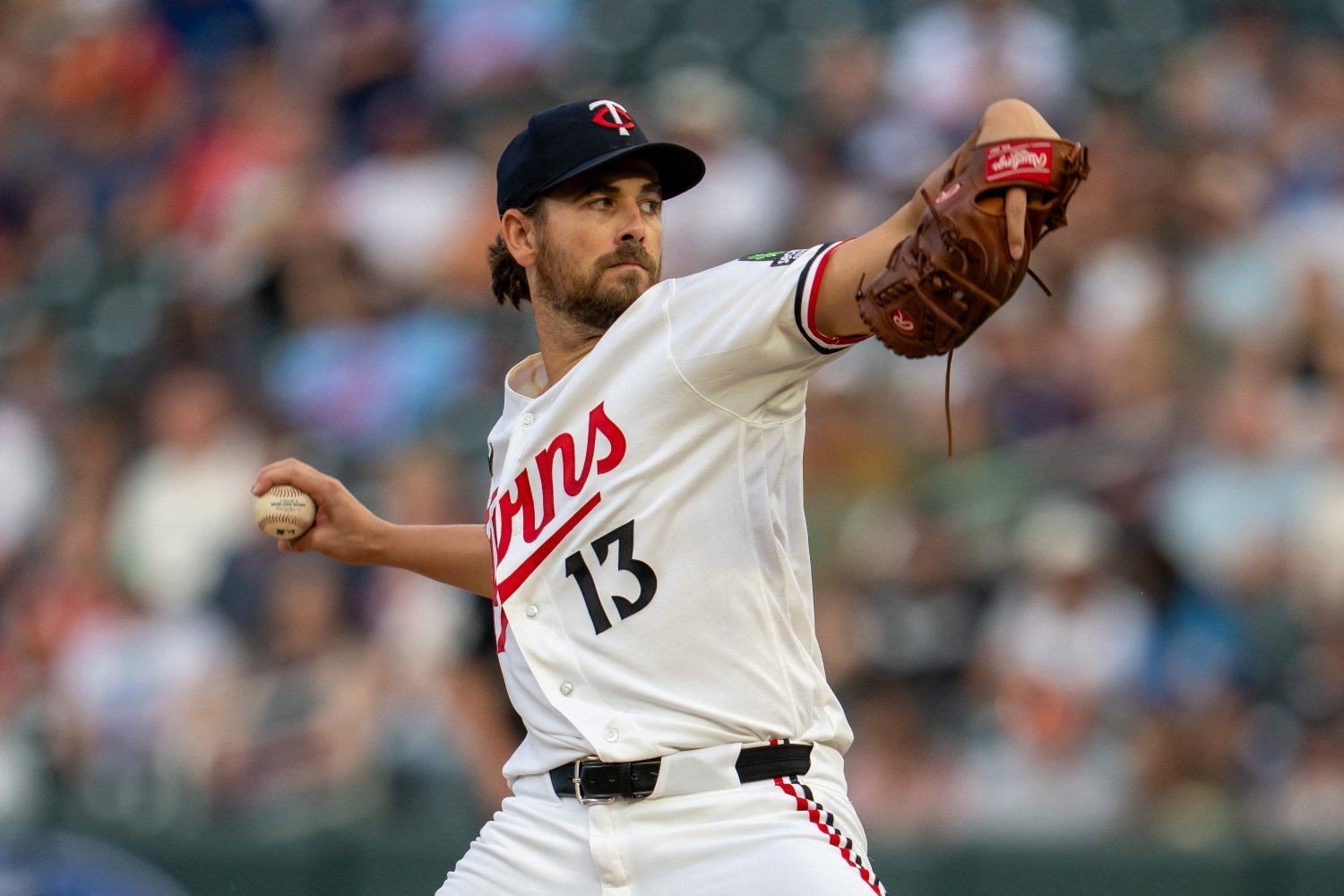 When he was recalled from Triple-A Norfolk on April 13, Dean Kremer joined the Baltimore Orioles starting rotation. Both the pitcher and his team hoped he would reestablish himself as the steady, above-average right-handed starting pitcher he was in 2025, before losing a rotation-spot battle to Zach Eflin in spring training. Initially, he (more or less) did so. The 30-year-old resembled his 2025 self in two April starts, generating a 4.09 ERA over 11 innings. Before he could get into a long-term rhythm, though, a quad strain landed him on the injured list. Kremer took a long time to heal from that injury. He was transferred to the 60-day IL, and didn't rejoin Baltimore’s rotation until July 1. He struggled upon that return, posting a hideous 7.56 ERA and an uninspiring 20% strikeout rate over 25 innings. He appeared to be at risk of being designated for assignment, since he no can no longer be optioned to the minors based on his service time. Instead, Baltimore traded him to the Minnesota Twins on July 31, for left-handed-hitting outfield prospect Jhomnardo Reyes. The veteran immediately slotted into Minnesota’s rotation, making his Twins debut on August 5. He performed well for his new club over his first two starts, with a 1.50 ERA, 2.33 FIP, and a 22% strikeout over 12 innings. Alas, he's quickly regressed to his early-season form over his past three starts, netting a 6.75 ERA, 5.47 FIP, and a 21.2% strikeout rate over 14 2/3 frames. Understandably, Twins Territory was immediately enamored with Kremer, a trade deadline acquisition who got off to a great start for the club. The organization’s pitching development staff also implemented meaningful changes to his arsenal, having him rely on his four-seamer more, while using his splitter as his go-to offspeed pitch. While these adjustments were sound and worked well over a two-game sample, though, command issues and a dearth of raw stuff have dragged Kremer back to the low level of simple competence to which he'd hewed in the past. Kremer’s greatest hindrance this season is his inability to limit walks. In Baltimore, he walked 7.2% of hitters, which is around league-average. Yet, he was getting hit hard and often, resulting in his aforementioned bloated metrics. With Minnesota, he's walked 10.3% of hitters—an untenable rate. The only starting pitchers who can sustain success in the majors while walking hitters over ten percent of the time are ones with elite stuff. (Think Dylan Cease or, to be more local if a bit less stringent, Taj Bradley.) Kremer, however, has zero plus pitches, despite sporting a six-pitch arsenal. With below-average stuff and a tendency to allow too many home runs (15 over 62 2/3 innings), it's no surprise that Kremer has been one of the worst starting pitchers with at least 60 innings pitched this season. I don’t fault Twins decision-makers for making the trade. The club was in dire need of starting pitching depth. Reyes is an 18-year-old lottery ticket sporting a 79 wRC+ with Baltimore’s Single-A affiliate. Still, if Kremer’s struggles continue over the last month of the season, the front office would be wise to non-tender Kremer this offseason, quickly cutting ties with the right-handed starter targeted one month ago. That would be a disappointing denouement for an acquisition the team hoped would help in 2027, too, but unless he shows more down the stretch, they could better spend the $7 million or more Kremer is likely to make if offered arbitration this fall. View the full article
 -
 Tyrone Taylor’s strong start has created an interesting Cubs outfield dilemma. With Matt Shaw nearing a return, what does that mean for Taylor, and could Kevin Alcántara once again be the odd man out?View the full article
 -
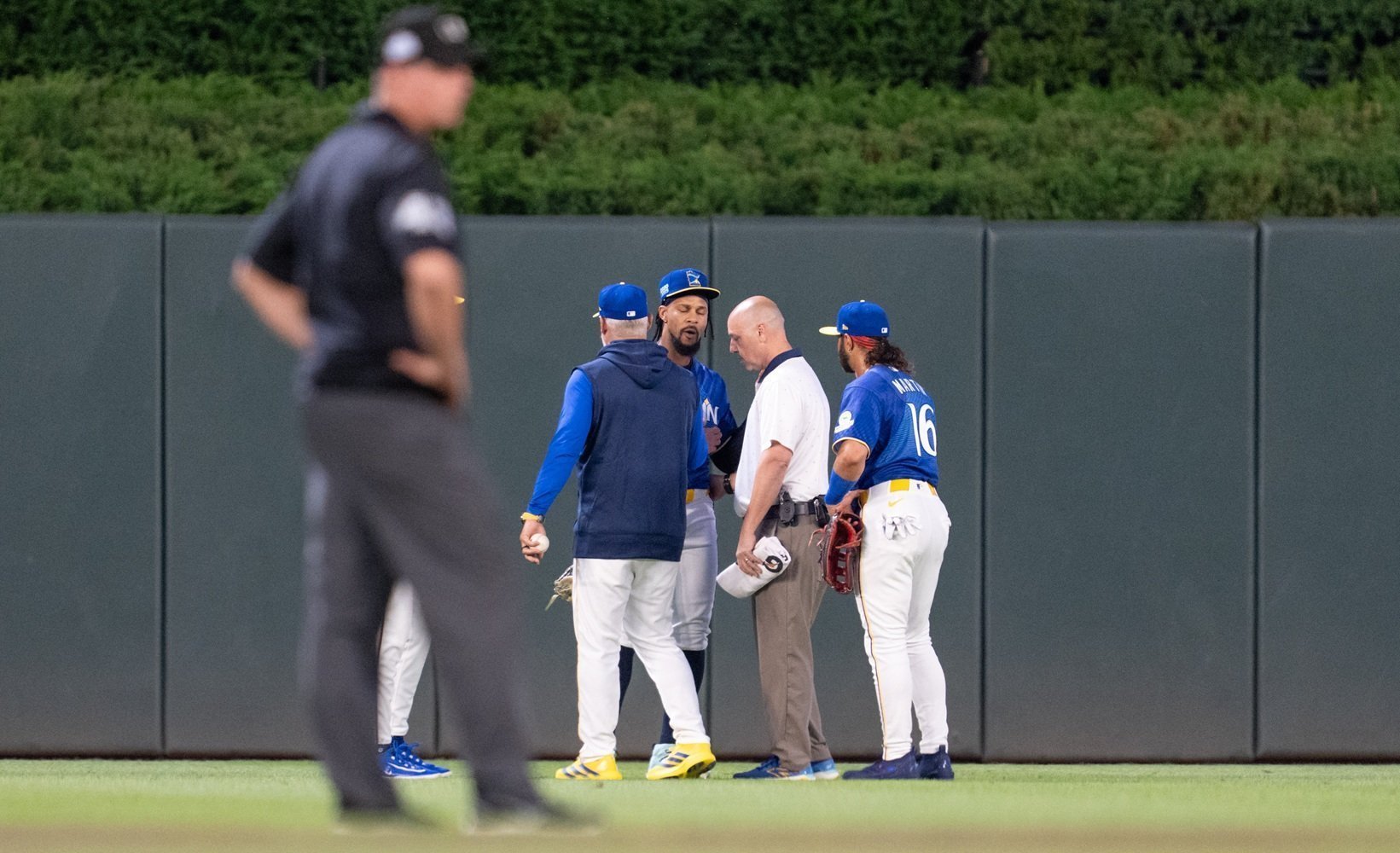 The Minnesota Twins have spent much of the 2026 season trying to keep Byron Buxton on the field. Once again, they have been unable to do it. Buxton was placed on the 10-day injured list over the weekend with a right hip impingement, marking his third IL stint of the season related to hip issues. Minnesota made the move ahead of Sunday's game against the Chicago White Sox, calling up outfielder Gabriel Gonzalez from Triple-A St. Paul. At this point, the problem isn't simply that Buxton is missing games. The bigger concern is that the issue could follow him into the offseason and require surgery. Buxton hinted Wednesday that he would eventually need to work with the Twins' training staff to develop a plan for addressing his hip during the offseason. General manager Jeremy Zoll took that possibility a step further Friday, telling reporters that a surgical procedure remains on the table. “(It’s) definitely a potential option as we sort through everything,” Zoll said. “It would be some type of hip procedure, but not at that point right now. … (We) just need to see how these symptoms progress over this next stretch, and then we’ll continue to assess options.” That doesn't mean Buxton is headed for surgery. The Twins aren't at that point yet, and there is still time for the symptoms to improve. But the fact that surgery has entered the conversation is significant. Buxton has dealt with his share of physical setbacks throughout his career, and the Twins have become increasingly careful about managing his workload. This season was supposed to provide another opportunity for the veteran to put together a lengthy stretch of games. Instead, the hip has continued to interrupt his season. Manager Derek Shelton's comments Sunday reflected the frustration surrounding the situation. “We can’t just magically snap our fingers and all of a sudden it’s the Jetsons and he’s healthy,” Shelton said. “If he could, it would be a lot cooler that way … in terms of it just automatically getting better. We just need to give it time.” Unfortunately for the Twins, time has been a difficult solution with Buxton's hip. The three-time All-Star has still produced when he's been available, hitting .254 with 25 home runs and 46 RBIs across 93 games. He was on pace to reach 100 games for the third consecutive season, something he has accomplished only four times in his 12-year career. That availability matters as much as the production. Minnesota's offense has relied heavily on Buxton's power and ability to change a game with one swing. His presence in the lineup also impacts how opposing pitchers approach the rest of the order. When he's healthy, the Twins are a different team. That's why the next few weeks could be important beyond simply determining whether Buxton returns this season. The Twins need to learn whether rest and rehabilitation can get him back to full strength or whether a more permanent solution is necessary. For a Twins team trying to figure out what comes next, finding a way to get its best players consistently onto the field remains one of the biggest challenges. And right now, Buxton's hip is at the center of that conversation. View the full article
 -
How Ben Ross Went From Depth Piece to Big Leaguer in Six Months
DiamondCentric posted an article in Twins Daily
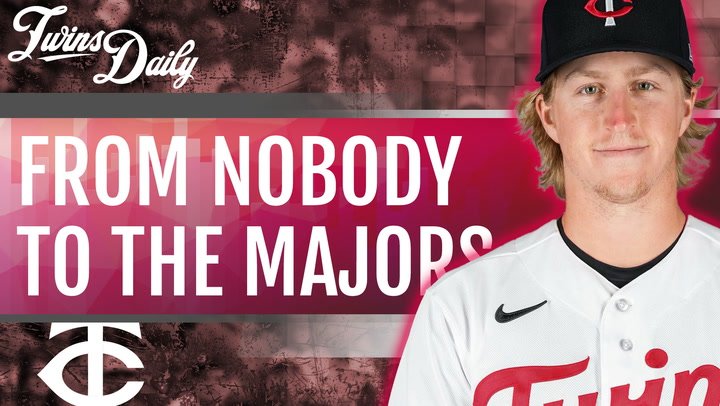 Ben Ross has been called up to the Twins with September rosters expanding. He has transformed himself from organizational depth to a prospect with a shot as a major league utility infielder in just six months. How did he do it? How did he fare in St. Paul? What role might he play for the big league team? View the full article
 -
The Adjustment That Is Changing Nate Pearson in Kansas City
DiamondCentric posted an article in Royals Keep
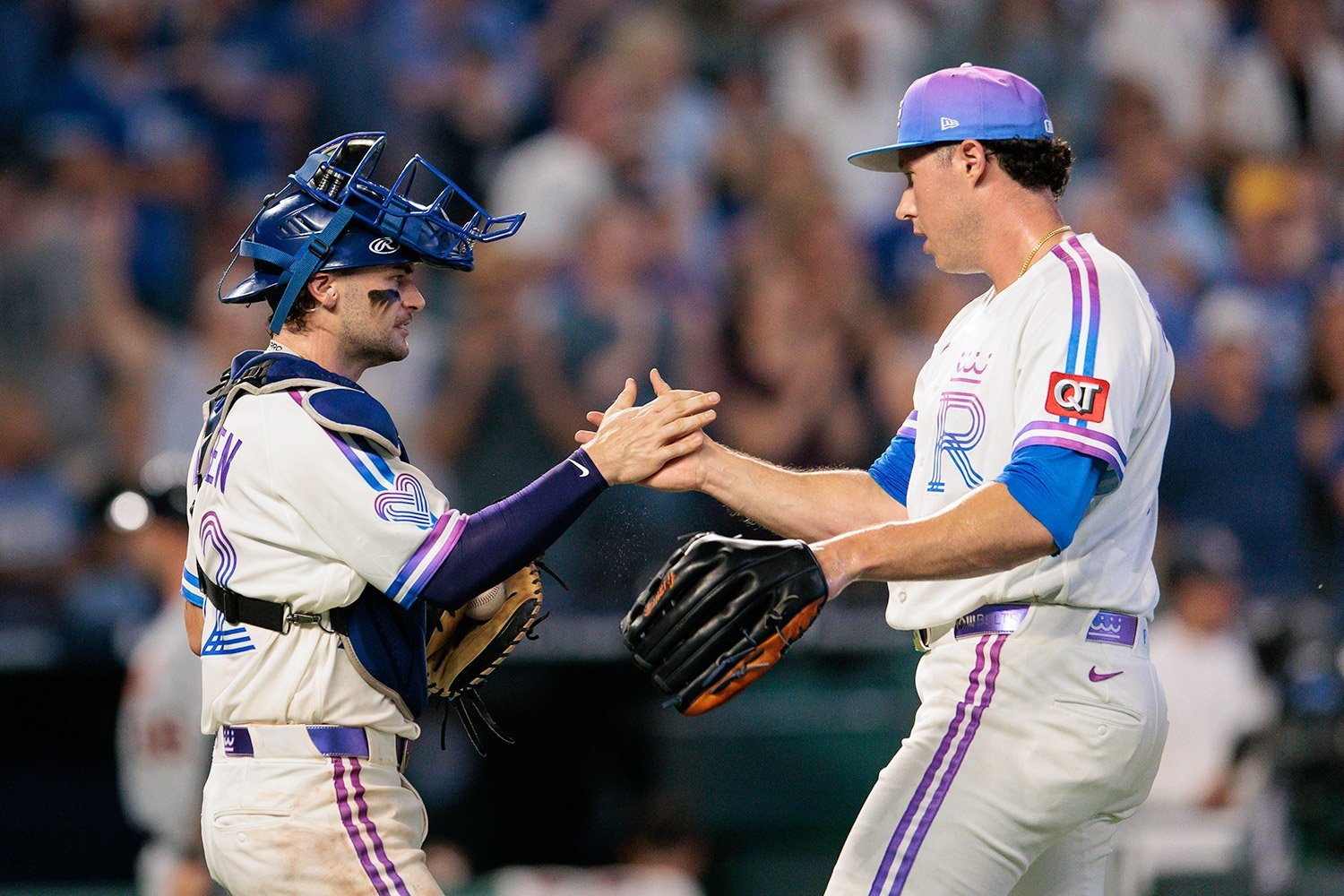 Nate Pearson is 30 years old and is in his sixth season in the major leagues. He has pitched for four teams, has an 11-7 record and a 4.66 ERA with -0.2 bWAR in his career — the fWAR has handled his efforts better, placing him at a clean zero. In 2024, the Blue Jays trusted his right arm and gave him enough work to stabilize himself. He never did. He relieved in 41 games and finished with -0.6 bWAR, a 74 ERA+, and a 4.64 FIP. His strikeout rate seemed interesting (11.5 K/9), but he received cruel punishment from the opposition with a 1.8 HR/9 rate. Then, the Cubs tried to fix his inconsistencies. They couldn't either. The 83 ERA+ that Pearson recorded during four seasons in Toronto dropped one more step, finishing at 80. The Houston Astros gave him another opportunity, and his performance improved considerably, but he could not remain part of the plan. That was how Pearson arrived in Kansas City at the end of July, where he found the worst bullpen in the Major Leagues this year. The Royals' relievers have the worst fWAR (-3.2) and the worst xERA (4.86) in all of the Majors, along with the worst xFIP (4.82) in the American League. Even so, for Pearson, the news did not seem so devastating. He had a new job. Since then, his performances have been surprising, to the point of placing himself as one of the team's most consistent relievers. In his first 15 appearances with the Royals since last July 26, Pearson leads the bullpen with a 0.61 ERA, .189 BABIP allowed, a high 93.8 LOB%, and has not allowed home runs against 59 opponents. His 0.2 fWAR is only behind Daniel Lynch IV (0.3). In four of his first five appearances, the Royals used Pearson in games with the score against them. The first time they handed him the ball to relieve in a key situation, he could not do an effective job against the Minnesota Twins on August 6. He inherited runners on first and third after one out, with a one-run lead during the top of the eighth inning. Pearson ended up allowing both runs. In his next appearance, he managed to close out the game in the 6-3 win against the Chicago Cubs. Since then, he has appeared six times in the eighth and four in the ninth, delivering very effective relief appearances. His only failure was on August 15, when he allowed one run in the bottom of the eighth against the Angels, who eventually took the 1-0 victory. From being a reliever in already-lost games, Pearson's consistency has changed how the Royals plan his role. He has recorded four holds, a pair of saves and a 0.51 ERA in his last 18 relief appearances, including his last outings with the Astros. If we go a little farther back, Pearson has allowed only two earned runs or fewer on two occasions during his last 26 outings. The Astros have had one of the strongest bullpens throughout the entire season, so it was difficult to keep a spot for Pearson. However, after his arrival in Kansas City, he has taken advantage of the opportunities, and his adjustments are still underway. The big question here, of course, is how he is doing it. Compared to his arsenal from last year, Pearson has made two key adjustments: first, he brought back the sinker, which we will talk about in a minute. And along with the mix of the fastball and slider, he is also giving the curveball more use. In a smaller proportion, he has brought back the changeup for the first time since 2021, but only in very specific situations against left-handed hitters. That said, there is a really interesting story around his sinker, as it is becoming an important weapon: it has 4.4 inches less vertical movement than his four-seam fastball (16.5" IVB at 97.7 mph). He does not use it as often, nor is it his main swing-and-miss pitch — the four-seamer and slider remain his main options — but hitters have an offensive line of only .067/.222/.067 against the sinker. Year Pitch Avg. Miss Dist. (Inches) Flawed Swing % Perfect Contact % Over Avg. Over Dist. (Inches) Lined Up Under Avg. Under Dist. (Inches) 2025 Curveball -- 20% 0% 40% -3.8 60% 0% -- 2026 Curveball 4.1 16% 16% 42% -4.6 53% 5% 2.3 2026 Changeup 0.2 0% 17% 0% -- 67% 33% 3.0 2023 Four Seamer 0.7 2% 19% 2% -2.2 46% 52% 3.0 2026 Sinker 2.0 0% 19% 11% -3.4 73% 16% 2.8 2023 Curveball -- 0% 20% 0% -- 100% 0% -- 2024 Slider 5.0 13% 20% 29% -4.5 62% 9% 3.0 2026 Slider 3.8 7% 20% 25% -3.9 63% 12% 2.7 2024 Curveball 7.0 16% 23% 32% -6.5 68% 0% -- 2025 Slider 4.6 8% 24% 14% -5.5 68% 18% 2.7 2026 Four Seamer 1.2 3% 24% 1% -4.8 59% 41% 3.2 2023 Slider 5.7 8% 31% 8% -7.7 54% 38% 2.5 2024 Four Seamer 1.2 3% 31% <1% -2.6 60% 39% 3.1 2025 Four Seamer 1.1 3% 40% 3% -2.5 74% 24% 3.0 2024 Sinker 0.1 0% 43% 0% -- 93% 7% 2.0 Look at a determining detail here: hitters have reduced their Perfect Contact% from 50% last year to 19% this season. The most concerning point could be how hitters continue to register a high Lined Up percentage (73%) against the sinker. That point connects quite a bit with the fact that Pearson's sinker whiff rate is the lowest of all his pitches, only 10.5%. However, the average exit velocity is at 82.6 mph, and this has a lot to do with the improvements in the sinker's Vertical Drop, which has reached 16.9. While the sinker begins to take more prominence in his repertoire, the curveball and slider continue to record the highest rates of swings and misses, at a time when Pearson's fastball is above his average velocity this season. Although there is still a lot to see about how all these adjustments evolve, Pearson had never had a month with this much dominance in his entire career. That moment has arrived as he begins to resurface as an interesting piece in the worst bullpen in the majors this season. We will see what comes next. But for now, Pearson is taking advantage of this opportunity. View the full article
 -
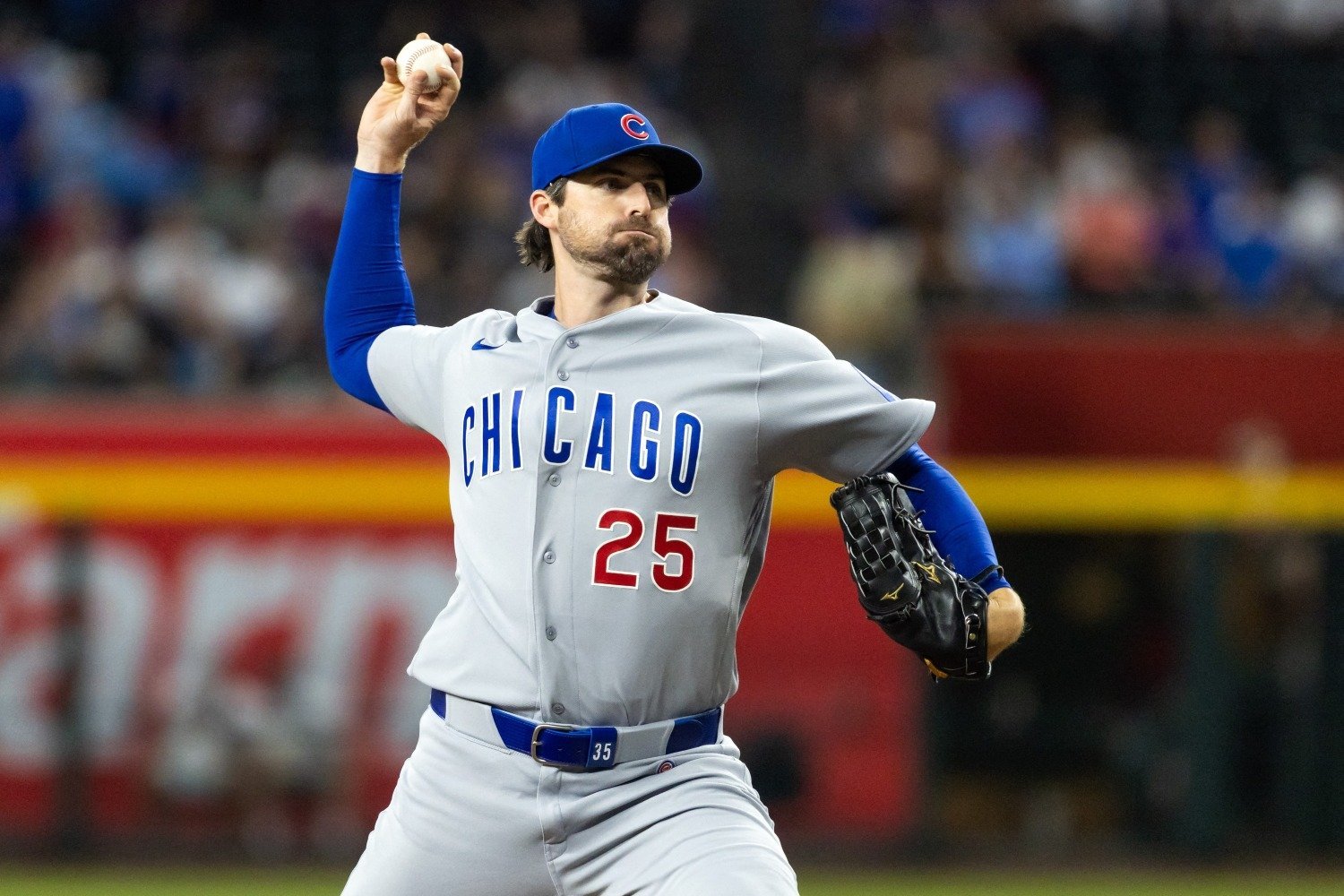 As much as any one pitch can define a starting pitcher in the modern game, the sinker defines Clay Holmes. He throws from a higher arm angle than most sinkerballers, but gets even heavier action on that pitch than most guys who throw it from low slots. It's as true a bowling-ball sinker as any in the game today, and it's made him a hugely successful hurler in multiple roles over the last half-decade. He's also become moderately famous, among players and baseball people, for the genius with which he manipulates the ball. Ben Brown, who learned much about his (very different) sinker while working out with Holmes over the winter, once said Holmes can do more things with the ball than anyone else he's ever seen. Holmes has a feel for spin and deception that few can match. Over his last two starts, though, he's gone to another level. On Monday night, that took the form of six shutout innings against one of the league's best offenses, as he held the Brewers to five hits and two walks while striking out eight. It wasn't the sinker that did the heavy lifting, though. Rather, Holmes dominated Milwaukee with a pitch he barely had when he arrived in Chicago early last month: the cutter. Although he naturally supinates (the direction of forearm turn that should make a cutter pretty easy to learn), Holmes didn't throw a cutter at all until 2025. He's an outlier in many ways, and the same unique way of releasing the ball that allows him to throw a heavy sinker from a four-seamer slot made the cutter feel both uncomfortable and unnecessary. As he transitioned from the bullpen to the rotation after signing with the New York Mets before 2025, however, Holmes wanted to deepen his arsenal, so he mixed in the cutter—not a lot; just enough to keep hitters guessing a little. It really just replaced his slider, which had become redundant once he developed his sweeper. It didn't become a significant part of his arsenal, though, because his sinker, sweeper and kick-change were good enough to obviate it. That remained true early this season. While with the Mets, he barely threw the cutter at all. But the Cubs, who had serious interest in Holmes when he was a free agent, felt that pitch would play for him, and as soon as he arrived via trade on August 3, they started the conversation. It didn't immediately become an important pitch for him, but he brought it along in bullpen sessions and found ways to sneak it in during games. Then, starting with his previous outing in Arizona, the pitch moved toward the center of the stage. Holmes's sinker is tough to hit, no matter what. If you're sitting on it, though, it can be fouled off somewhat consistently. It's also a tough pitch to command, and if hitters can reliably spot it, that can mean some hitter-friendly counts and walks, even though Holmes has good control, overall. As it turns out, the cutter is the cure to all of that. Against the Brewers, Holmes threw 22 cutters. William Contreras managed to flare one line-drive single. Otherwise, it was a boon for the veteran righty. He induced six whiffs on 12 swings against it, and got six called strikes on the 10 cutters at which Brewers batters didn't offer. He threw it as a strike-to-ball pitch, both running away from righties (he struck out Jackson Chourio with it twice) and to the back foot of lefties (goodbye, Christian Yelich). It remains to be seen whether Holmes will command this pitch this well on a regular basis; Monday night was an extraordinary (and, alas, probably rare) bit of mastery. But adding this to his repertoire makes him reliably better—and, specifically, less susceptible to the vagaries of variance. With the cutter playing this big a role in his arsenal, Holmes should be better able to navigate nights on which his sinker isn't behaving exactly as he'd like, and he also gains a higher ceiling. In fact, this version of Holmes—sinker, cutter, sweeper, changeup, the command and movement profiles being what they are—is the very thing the Cubs have longed for and lacked for most of the last two years: a true playoff-caliber ace. That has a chance to radically alter the team's outlook as they head into the postseason, of course. Cutter-added Holmes can keep you in a game even against Tarik Skubal or Jacob Misiorowski, even if he won't overpower opponents in quite the same way. The Cubs need to have real success in the playoffs this time around, and this development gives them a better chance to do so. However, it could also yield longer-term rewards. The team has always liked Holmes, and they told him so when he was a free agent. After this taste of the environment around the team and the immediate success of emphasizing the altered cutter, a contract extension that keeps Holmes around beyond his opt-out at the end of this season feels eminently possible. Chicago traded top infield prospect Jefferson Rojas for Holmes and Tyrone Taylor. That was a bold stroke, and something of an all-in gesture by the team. They lost that bet, in a sense, because they were surely making a play for the division title, and they're not going to win that. They'll have to win a Wild Card Series again, just to get to the meaty part of the postseason. However, if Holmes is as good as he's looked; if the relationship between the two sides continues to go so well; and if he sticks around past 2026, the trade to land him could look like another all-timer at the expense of the Mets. It could be the pivot point at which, finally, the Cubs caught a break and made the most of it. View the full article
 -
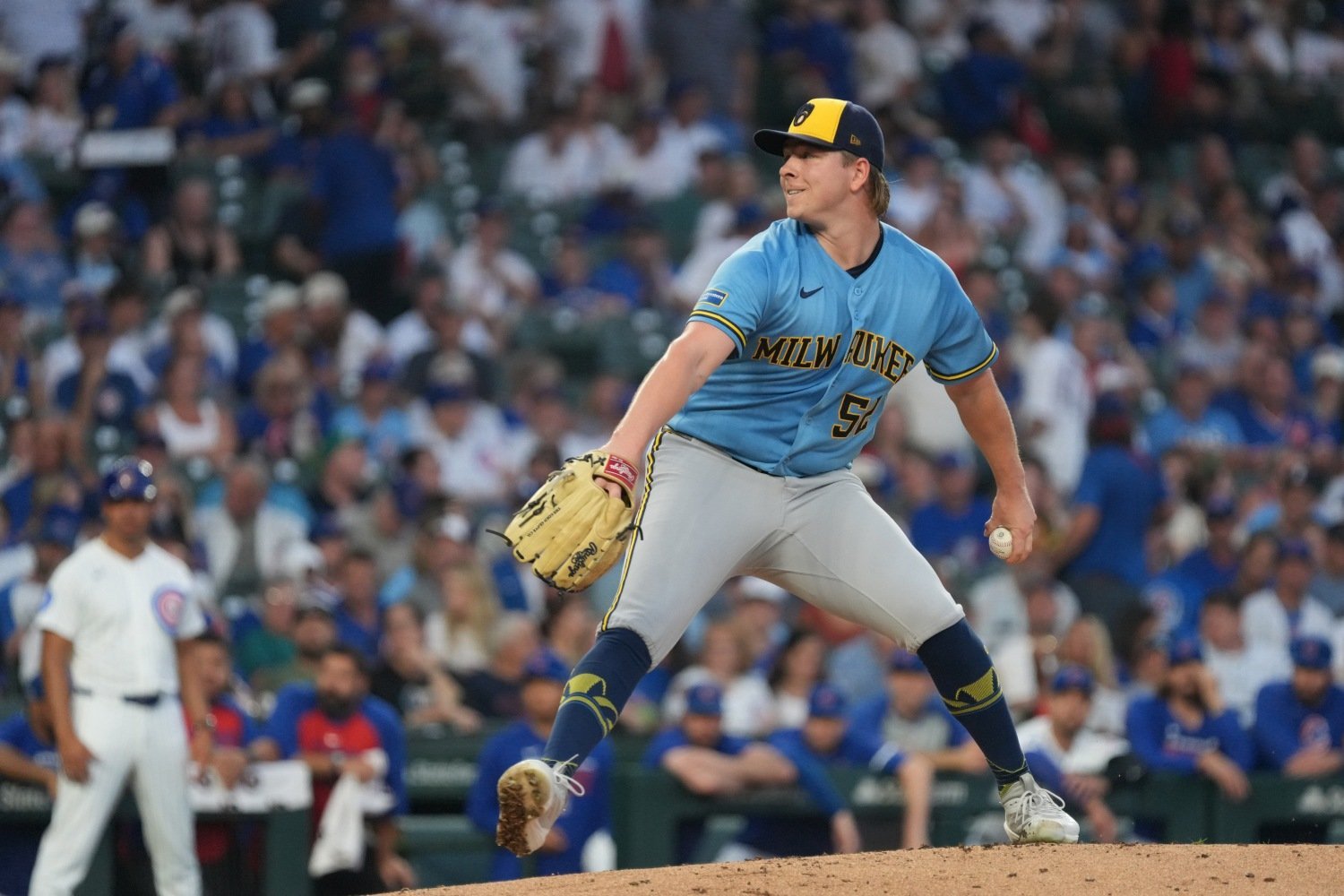 Looking at the box score, one wouldn't think that anything was wrong with Kyle Harrison. Since returning from a month-long stint on the injured list with left forearm tightness, Harrison's results and peripherals largely matched his pre-injury dominance. Entering Monday night’s outing against the Cubs, he had pitched to a 1.83 ERA, 3.61 xERA, and 3.13 SIERA with a 31.7% strikeout rate since his return. While Harrison’s results were nearly identical to before, his stuff was not. Before his IL stint, his signature fastball averaged a career-best 95 mph. Since his return, it’s averaged 93.7 mph. He was also unintentionally dropping his arm slot for a couple of starts, which killed some of the fastball’s carry. The downturn in stuff made him more homer-prone – Harrison allowed 1.83 home runs per nine in his first four starts back, after a 1.08 rate before the injury – but for the most part, he was making do with what he had. Against mostly below-average lineups, the fastball was still getting whiffs at 92-to-94, and he corrected the arm slot problem after a rough outing in San Diego. Still, the velocity dip remained noteworthy. Monday night was the first time Harrison faced a postseason-caliber lineup with his diminished fastball, and they demolished him. The Cubs, who lead baseball in runs scored and wRC+, whiffed only twice on 32 swings against Harrison’s fastball and hit four of their five home runs against the heater. Each home run pitch was under 95 mph, and three were under 94. Harrison allowed a career-high nine earned runs in 3 ⅔ innings. Velocity wasn’t the only issue. Harrison and Pat Murphy said that he was tipping his pitches early in the outing by coming set with his hands in different positions for each pitch type. “When you know what’s coming, it’s a little bit easier to hit, I think,” Harrison said. “So it's on me [to address] during the week. I knew these guys are looking for any sign of edge that they can get, and they got a little bit of an edge on me, I think, in that first inning.” Harrison’s command was also poor, as three of those four fastball homers came on pitches over the middle of the plate. However, Harrison’s fastball has been effective right down the middle at higher velocities. This season, on fastballs thrown at least 94 mph where Statcast considers down the middle, Harrison has produced a +2 run value and held hitters to a .190 batting average with a 23.6% whiff rate. The Cubs hit fastballs in locations that have been effective for Harrison this year. Even after he tried to fix the tipping after the first inning, they still hit him hard. Above all else, the bottom line is that his current fastball is not the same pitch it was in the first half. That also includes the pitch’s movement. When Harrison generates less velocity, he also generates less backspin on his fastball. On Monday, it averaged one less inch of induced vertical break than his season average. “I don't think it's necessarily about the velo as much, it's about the shape,” Harrison said. “That's some of the frustrating stuff. I thought we were in a good spot last bullpen, was able to get back up to like 20 [induced vertical break], and then coming out today was more like 13.” “It's more about not only the [velocity] number, but if the ball's taking off the way it usually does at the top [of the zone], then that makes him really effective, because it looks like it's going to be here and then it takes off,” Murphy said. “When it's not doing that, it's more hittable. We saw a little bit of that in spring training. We've seen it a few times.” That backspin usually gives Harrison’s fastball above-average carry (which hitters often describe as “ride” or “late life”) from a low release height. When that carry is there, it hasn't become unusable around 93 mph. Instead, it goes from an elite pitch to an above-average one for his career. MPH Run Value Run Value/100p wOBA Whiff% 94+ 20 1.5 .257 29.0% 93-94 5 0.7 .313 23.7% 92-93 2 0.3 .331 28.4% <92 -11 -2.6 .469 17.2% In reality, Harrison’s fastball is not entirely dependent on velocity to be effective. The real issue is his limited arsenal, which becomes exposed when his fastball velocity dips. Pitchers with deep pitch mixes can get by with a merely solid fastball, but Harrison is effectively a two-pitch pitcher with one fastball and one breaking ball. To make that two-pitch combination work as a starter, at least one must be excellent, and Harrison’s non-fastballs are not. His slider has big, loopy break with below-average spin. That kind of pitch does not play well on its own, so its effectiveness hinges on separation from an elite fastball. Harrison throws a kick changeup with significant drop as a third pitch, but he’s used it just 9% of the time this year with poor command. He threw progressively more changeups on Monday as the Cubs barreled his fastball, but he located just 21% of them in the strike zone. Harrison’s 2024 season showed what happens when his fastball is solid instead of elite. His fastball averaged 92.6 mph that year, and it still limited hitters to a .328 wOBA with a 23% whiff rate. However, his breaking ball was hit harder, producing a .347 wOBA, compared to just .188 this year. Harrison was a below-average pitcher that season, pitching to a 4.56 ERA, 4.33 FIP, and 4.18 SIERA. That’s not a postseason starter, an alarming twist after Jacob Misiorowski and Harrison looked like a formidable 1-2 rotation punch mere weeks ago. For most of the year, it seemed those two could give the Brewers a chance against any team in a short playoff series. Now they must prepare for Harrison to be entirely out of the mix. Logan Henderson should start Game 2 instead, and Shane Drohan and Dustin May, each of whom has his own shortcomings, will also have to cover more important innings. Where the Brewers go from here remains to be seen. Harrison has maintained that his velocity will return. “I'm not giving up on the velo. I think it’ll still be there,” he said. “I'm feeling great physically, so just gotta keep going, keep grinding, put the head down.” If Harrison truly is healthy, then where did his plus fastball go, and how can he get it back? “His delivery might be a little bit jacked,” Murphy said. “I think it's in there, and I haven't lost trust, but I think we got to go back and look at the delivery and make sure his mechanics are solid.” Harrison and the Brewers have four weeks to get him right. How he looks during that time carries massive implications for their postseason pitching picture. View the full article
 -
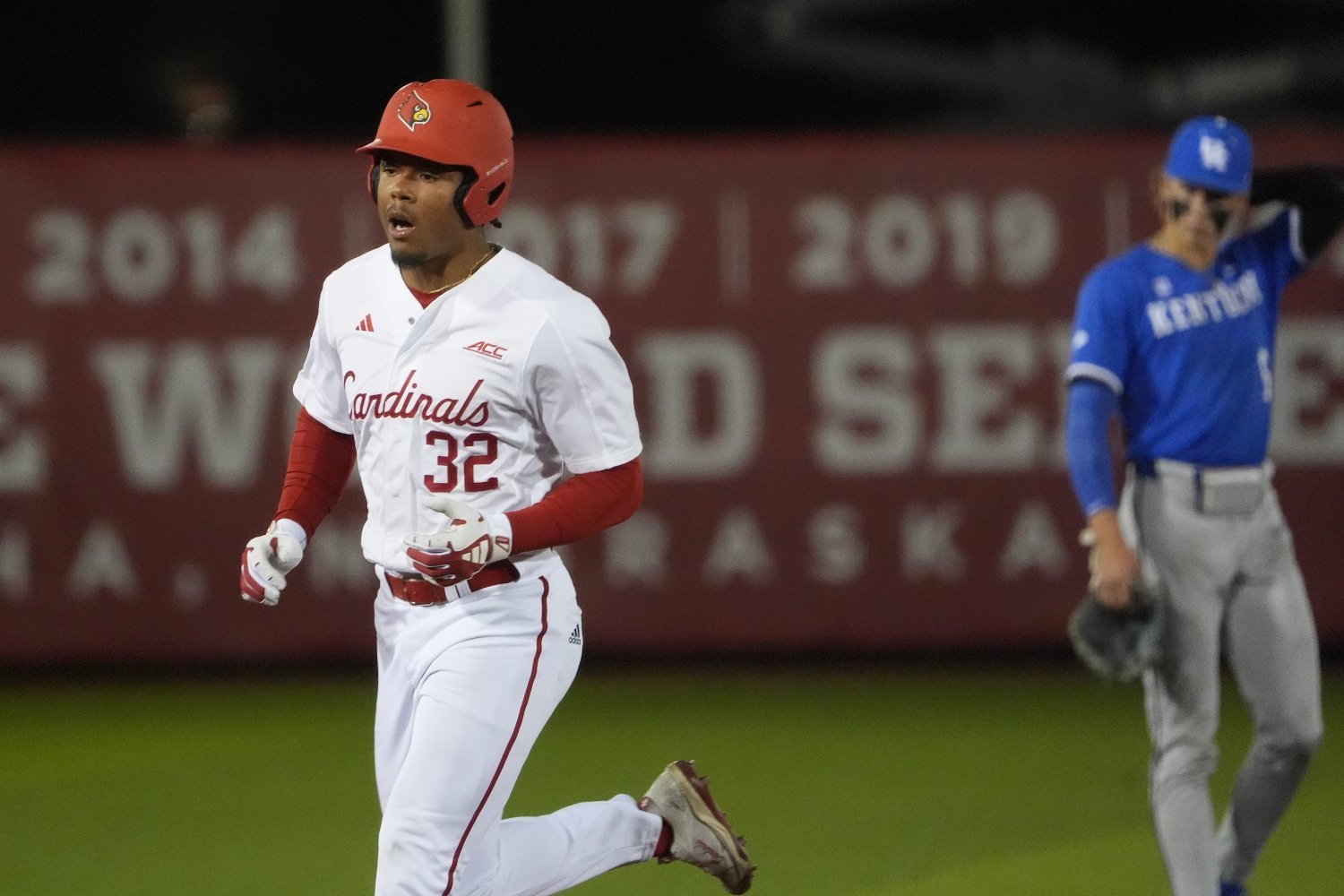 The 2026 Minor League season is coming to its conclusion soon, with September being the final month of play. Right now, only the River Bandits and Fireflies are in playoff contention. However, that hasn't stopped some hitters in the Kansas City farm system from standing out over the past month. Here are four Minor League hitters in the Royals system who had strong performances in August, and what Royals fans could expect from them in the last month of the Minor League season. Triple-A Omaha: Peyton Wilson, 2B/3B Wilson has been a polarizing fringe prospect in the Royals system. He's 26 years old, hasn't been put on the 40-man roster, and hasn't been selected in the Rule 5 Draft either. He simply hasn't hit enough to be a viable promotion candidate. This August, however, the former Alabama product is showing that he may be ready for a chance at the Major League level. In 76 plate appearances this month, Wilson is hitting .324 with a .931 OPS and has three home runs, nine runs scored, 11 RBI, and four stolen bases. For the season, the second baseman is hitting .284 with a .796 OPS and 105 wRC+ in 76 games and 313 plate appearances. While he has only six home runs this year in Omaha, his power has begun to bud in August. Michael Massey should be returning from the IL this week, and the Royals have been getting good production from Josh Rojas off the bench recently. Thus, it may be tough for Wilson to make his MLB debut with the Royals in September. That said, he may have boosted his candidacy for the December Rule 5 Draft. It wouldn't be surprising to see him in another organization next Spring Training after such a solid finish to the 2026 season. Double-A Northwest Arkansas: Spencer Nivens, OF After hitting 20 homers in 2024 in High-A Quad Cities, Nivens has failed to transition that power to Double-A Northwest Arkansas. He only had six homers last year and has just eight this season. That said, despite the lack of big flies, the former Missouri State product has been a more complete hitter this year, especially in August. In 108 plate appearances this month with the Naturals, Nivens is hitting .330 with a .902 OPS. While he didn't hit any home runs in August, he has 15 runs scored, 12 RBI, and five stolen bases. For the season, he is hitting .277 with an .811 OPS, 109 wRC+, and a 0.74 BB/K ratio. Another strength of Nivens' profile is that he's been a great gap-to-gap hitter in Northwest Arkansas. He has 26 doubles this year, six more than he had in 2025. The Royals will need to add Nivens to the 40-man roster to protect him from the Rule 5 Draft. That feels unlikely, especially since other options in the Royals' farm system are more deserving and closer to the big leagues in terms of preparation (Gavin Cross and Carson Roccaforte). That said, Nivens is proving at least that if he goes unselected in the Rule 5 Draft (likely), he could be one to watch in Triple-A Omaha in 2027 who could earn himself a call-up in the second half next season, especially if he can grow the power tool a bit with the Storm Chasers. High-A Quad Cities: Zion Rose, OF Making the transition from college to the draft to the complex league to High-A ball in a span of months isn't easy. And yet, Rose has handled those transitions with ease and growth, an encouraging sign of his outlook as a professional baseball player. In his first full month in Minor League ball, Rose is hitting .273 with a .767 OPS in 72 plate appearances. The power hasn't quite matured yet, but he's walking at an 18.1% clip, only striking out 19.4% of the time, whiffing just 24.6% of the time, and chasing just 22.1% of the time. Those are solid marks, and his plate discipline from last year at Louisville has translated well to High-A Quad Cities. Rose isn't pulling the ball in the air much, as he ranks in the 10th percentile in Pull Air%. That has stunted his slugging a bit, as evidenced by a .364 mark. Nonetheless, it seems like he has been driving the ball more lately, especially as he gets more comfortable with Midwest League pitching. He also has shown an ability to hit the ball to all fields, as illustrated by his opposite-field home run on August 22nd, his first as a professional. At the very least, Rose is showing he can be a disciplined, polished hitter who can hit for average as a professional. The big question now is his power and whether he can barrel and lift the ball more. That could determine whether he will live up to the hype of being the No. 6 overall pick in the 2026 MLB Draft. Working on that power tool will be a key priority for Rose and the Royals' Hitting Development team this offseason. Low-A Columbia: Tyson Moran, 1B Moran is an intriguing fringe prospect of sorts. He's a bit old for the level (he's 20), and he doesn't have a pure position. He also doesn't offer much speed on the basepaths, as he has just three stolen bases in 63 games between Low-A Columbia and the Complex League. And yet, all the 2025 13th-round pick does is hit. In 51 plate appearances with the Fireflies since being called up, he is hitting .283 with a .766 OPS. The Canadian has a home run, seven runs scored, six RBI, and two stolen bases. His plate approach has been extremely disciplined, with just a 13.7% K% and 9.8% BB%, for a 0.71 BB/K ratio. His 20.7% whiff% ranks in the 83rd percentile, a solid sign that he is the kind of hitter who can make contact effectively as a professional. I am not sure about Moran's ultimate outlook as a prospect because so much of his value is tied to the bat. If he doesn't hit, his stock drops pretty significantly. He's also not a big guy at 6'0, 180 pounds. Thus, he doesn't offer a ton of value at first base, which has been his main position in the Carolina League and Complex League this season. Still, Moran needs to be a player who Royals fans should pay attention to in 2027, especially when he plays his first full season in affiliated ball. He likely will repeat in Low-A, but it wouldn't be surprising to see him move quickly to High-A, especially if he can gain some strength and develop his power tool this offseason. View the full article
 -
Royals Minor League Hitters of the Month: August 2026
DiamondCentric posted an article in Royals Keep
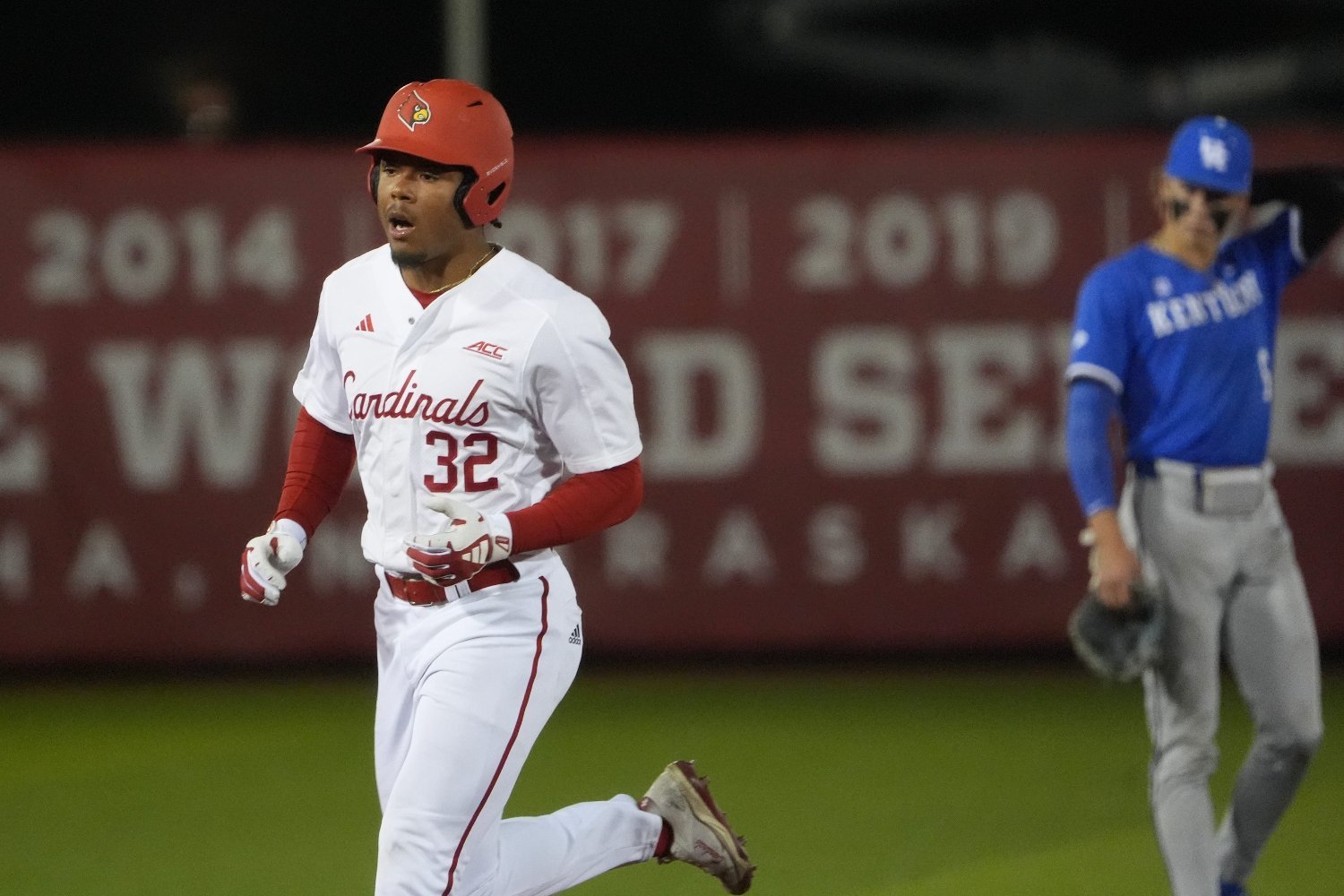 The 2026 Minor League season is coming to its conclusion soon, with September being the final month of play. Right now, only the River Bandits and Fireflies are in playoff contention. However, that hasn't stopped some hitters in the Kansas City farm system from standing out over the past month. Here are four Minor League hitters in the Royals system who had strong performances in August, and what Royals fans could expect from them in the last month of the Minor League season. Triple-A Omaha: Peyton Wilson, 2B/3B Wilson has been a polarizing fringe prospect in the Royals system. He's 26 years old, hasn't been put on the 40-man roster, and hasn't been selected in the Rule 5 Draft either. He simply hasn't hit enough to be a viable promotion candidate. This August, however, the former Alabama product is showing that he may be ready for a chance at the Major League level. In 76 plate appearances this month, Wilson is hitting .324 with a .931 OPS and has three home runs, nine runs scored, 11 RBI, and four stolen bases. For the season, the second baseman is hitting .284 with a .796 OPS and 105 wRC+ in 76 games and 313 plate appearances. While he has only six home runs this year in Omaha, his power has begun to bud in August. Michael Massey should be returning from the IL this week, and the Royals have been getting good production from Josh Rojas off the bench recently. Thus, it may be tough for Wilson to make his MLB debut with the Royals in September. That said, he may have boosted his candidacy for the December Rule 5 Draft. It wouldn't be surprising to see him in another organization next Spring Training after such a solid finish to the 2026 season. Double-A Northwest Arkansas: Spencer Nivens, OF After hitting 20 homers in 2024 in High-A Quad Cities, Nivens has failed to transition that power to Double-A Northwest Arkansas. He only had six homers last year and has just eight this season. That said, despite the lack of big flies, the former Missouri State product has been a more complete hitter this year, especially in August. In 108 plate appearances this month with the Naturals, Nivens is hitting .330 with a .902 OPS. While he didn't hit any home runs in August, he has 15 runs scored, 12 RBI, and five stolen bases. For the season, he is hitting .277 with an .811 OPS, 109 wRC+, and a 0.74 BB/K ratio. Another strength of Nivens' profile is that he's been a great gap-to-gap hitter in Northwest Arkansas. He has 26 doubles this year, six more than he had in 2025. The Royals will need to add Nivens to the 40-man roster to protect him from the Rule 5 Draft. That feels unlikely, especially since other options in the Royals' farm system are more deserving and closer to the big leagues in terms of preparation (Gavin Cross and Carson Roccaforte). That said, Nivens is proving at least that if he goes unselected in the Rule 5 Draft (likely), he could be one to watch in Triple-A Omaha in 2027 who could earn himself a call-up in the second half next season, especially if he can grow the power tool a bit with the Storm Chasers. High-A Quad Cities: Zion Rose, OF Making the transition from college to the draft to the complex league to High-A ball in a span of months isn't easy. And yet, Rose has handled those transitions with ease and growth, an encouraging sign of his outlook as a professional baseball player. In his first full month in Minor League ball, Rose is hitting .273 with a .767 OPS in 72 plate appearances. The power hasn't quite matured yet, but he's walking at an 18.1% clip, only striking out 19.4% of the time, whiffing just 24.6% of the time, and chasing just 22.1% of the time. Those are solid marks, and his plate discipline from last year at Louisville has translated well to High-A Quad Cities. Rose isn't pulling the ball in the air much, as he ranks in the 10th percentile in Pull Air%. That has stunted his slugging a bit, as evidenced by a .364 mark. Nonetheless, it seems like he has been driving the ball more lately, especially as he gets more comfortable with Midwest League pitching. He also has shown an ability to hit the ball to all fields, as illustrated by his opposite-field home run on August 22nd, his first as a professional. At the very least, Rose is showing he can be a disciplined, polished hitter who can hit for average as a professional. The big question now is his power and whether he can barrel and lift the ball more. That could determine whether he will live up to the hype of being the No. 6 overall pick in the 2026 MLB Draft. Working on that power tool will be a key priority for Rose and the Royals' Hitting Development team this offseason. Low-A Columbia: Tyson Moran, 1B Moran is an intriguing fringe prospect of sorts. He's a bit old for the level (he's 20), and he doesn't have a pure position. He also doesn't offer much speed on the basepaths, as he has just three stolen bases in 63 games between Low-A Columbia and the Complex League. And yet, all the 2025 13th-round pick does is hit. In 51 plate appearances with the Fireflies since being called up, he is hitting .283 with a .766 OPS. The Canadian has a home run, seven runs scored, six RBI, and two stolen bases. His plate approach has been extremely disciplined, with just a 13.7% K% and 9.8% BB%, for a 0.71 BB/K ratio. His 20.7% whiff% ranks in the 83rd percentile, a solid sign that he is the kind of hitter who can make contact effectively as a professional. I am not sure about Moran's ultimate outlook as a prospect because so much of his value is tied to the bat. If he doesn't hit, his stock drops pretty significantly. He's also not a big guy at 6'0, 180 pounds. Thus, he doesn't offer a ton of value at first base, which has been his main position in the Carolina League and Complex League this season. Still, Moran needs to be a player who Royals fans should pay attention to in 2027, especially when he plays his first full season in affiliated ball. He likely will repeat in Low-A, but it wouldn't be surprising to see him move quickly to High-A, especially if he can gain some strength and develop his power tool this offseason. View the full article
 -
Twins Prospect Hot Sheet: Vahn Lackey Discovers His Power Stroke
DiamondCentric posted an article in Twins Daily
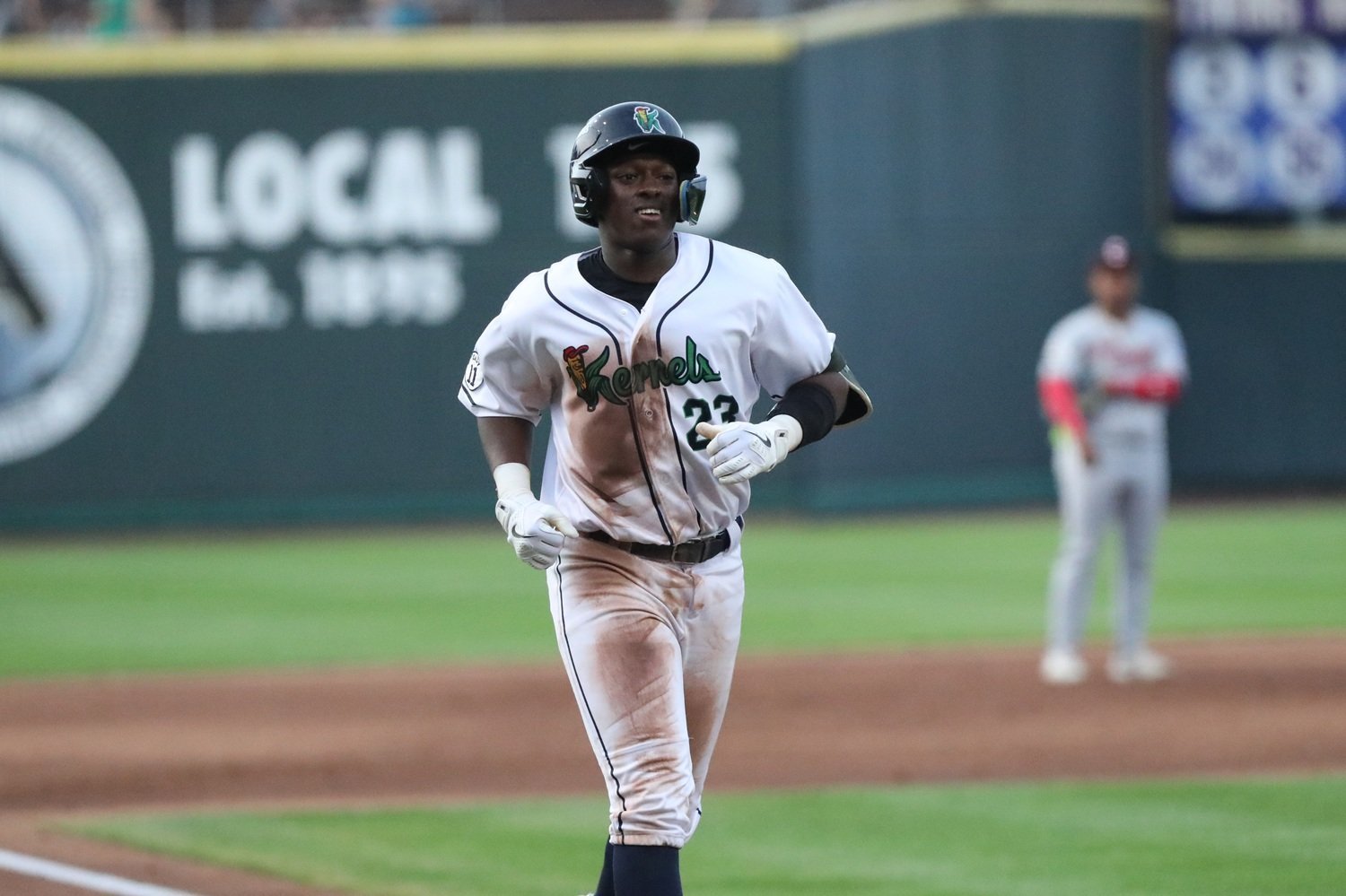 The calendar is about to flip to September, which means the final opportunities are arriving for prospects across the Minnesota Twins organization. The regular season is winding down, and every at-bat can carry a little more weight for players hoping to finish the year on a strong note. For some prospects, September is about continuing to build momentum. For others, it can be a chance to force their way into the organization's plans for next season. This week's Hot Sheet features three hitters doing just that, including Minnesota's first-round pick from the 2026 MLB Draft. C Vahn Lackey — Fort Myers Mighty Mussels/Cedar Rapids Kernels How He Got Here: Vahn Lackey wasn't always viewed as an obvious future first-round pick. The Georgia high school catcher was a late bloomer and didn't receive his first NCAA Division I offers until his senior year in 2023. He also didn't generate much buzz among scouts because he participated in relatively few showcase events. That all changed during his time at Georgia Tech. Lackey improved dramatically each season with the Yellow Jackets and emerged as the top catching prospect in the 2026 MLB Draft. He hit .397/.519/.772 as a junior, putting himself firmly in the first-round conversation. The Twins ultimately selected Lackey No. 3 overall, making him their highest draft pick since Royce Lewis in 2017. He signed for nearly $9.5 million and quickly got to work in professional baseball, making his debut with Single-A Fort Myers. Hitting the Hot Button: Lackey is already showing signs that his power will translate to professional baseball. He played five games between Low-A Fort Myers and Cedar Rapids, going 5-for-15 (.333) with two home runs, five RBI, 11 walks, a .615 on-base percentage and a 1.348 OPS. The power surge is especially encouraging considering the overall approach Lackey has shown since making his professional debut. He owns a 145 wRC+ in 20 games, along with a 23.7 BB% and a 20.4 K%. The Twins knew Lackey could hit when they selected him third overall. Seeing him already make an impact against professional pitching, while also showing the ability to drive the ball over the fence, only adds to the excitement surrounding his future. INF Ramiro Dominguez — Cedar Rapids Kernels How He Got Here: The Twins signed Ramiro Dominguez as a 17-year-old for $10,000 during the 2024 international signing period. He made his professional debut later that year in the Dominican Summer League, batting .272/.336/.376 (.712) with a 91 wRC+. Dominguez took a noticeable step forward after coming stateside in 2025. His walk rate increased by more than three percentage points while his strikeout rate dropped by nearly five percentage points. His OPS also jumped 68 points, and he finished the season with a 128 wRC+. That improvement helped establish Dominguez as an intriguing middle-infield prospect, but his defensive home remains an important part of his development. Hitting the Hot Button: Dominguez made quite an impression in his first game with Cedar Rapids, hitting two home runs Thursday night, including a grand slam, in his High-A debut. The power came after he played 90 games with Fort Myers, where he slashed .237/.349/.391 with a .352 wOBA and a 101 wRC+. Those numbers don't jump off the page, but his ability to get on base has remained one of the more intriguing parts of his offensive profile. Defensively, Dominguez has undergone an interesting transition. He played primarily second base during his first two professional seasons, but the Twins have used him almost exclusively at shortstop this year. If Dominguez can prove he belongs at shortstop, it could give the organization more patience with some of his offensive shortcomings. A middle infielder capable of playing shortstop doesn't need to produce like a middle-of-the-order hitter to provide value. OF Kala'i Rosario — St. Paul Saints How He Got Here: Kala'i Rosario entered the 2020 Draft as the top prospect in Hawaii, but the shortened five-round draft forced him to wait until the fifth round before the Twins selected him. Rosario has provided plenty of reasons for optimism throughout his professional career. He won Midwest League MVP honors and then tied for the Arizona Fall League lead in home runs in 2023, creating significant expectations heading into the following season. An elbow injury cost him roughly two months in 2024 and slowed some of his momentum. Rosario did make up for some of that lost development time with another stint in the Arizona Fall League. Last season, he spent the entire year at Double-A and continued to demonstrate his offensive upside, posting an .844 OPS and a 131 wRC+ over 130 games. Hitting the Hot Button: Rosario has already spent two separate stretches at Triple-A this season when the Saints needed additional outfield depth. The Twins promoted him back to St. Paul on August 5, giving him another opportunity to prove he belongs closer to the majors. He's making the most of it. Over his last 11 games, Rosario has gone 9-for-39 with four home runs and two doubles, producing a .590 SLG and an .875 OPS. The power has always been one of his biggest calling cards, and this recent stretch is another reminder of what he can do when he's locked in. There is also an important offseason decision approaching. Minnesota will need to determine whether Rosario deserves a spot on the 40-man roster this winter because he will once again be Rule 5 eligible. No team selected him when he was exposed last offseason, but the situation could look different this time around. Rosario is now closer to the majors, has more Triple-A experience and continues to show legitimate power. The final weeks of the minor league season don't provide much time for prospects to change their long-term outlook, but they can still leave a lasting impression. Lackey is already showing why he is one of baseball’s top catching prospects. Dominguez is trying to establish himself as a legitimate shortstop while providing more offensive impact. Rosario is attempting to make the case that his power can finally translate into a major-league opportunity. September will bring plenty of attention to Minnesota's big-league roster, but these are the types of performances worth watching throughout the organization's farm system. With the offseason approaching, every hot streak can help shape what comes next. What stands out about this trio and their recent hot stretch? Leave a comment and start the discussion. View the full article
 -
Padres Promote No. 1 Prospect Ethan Salas To Make MLB Debut
DiamondCentric posted an article in Padres Mission
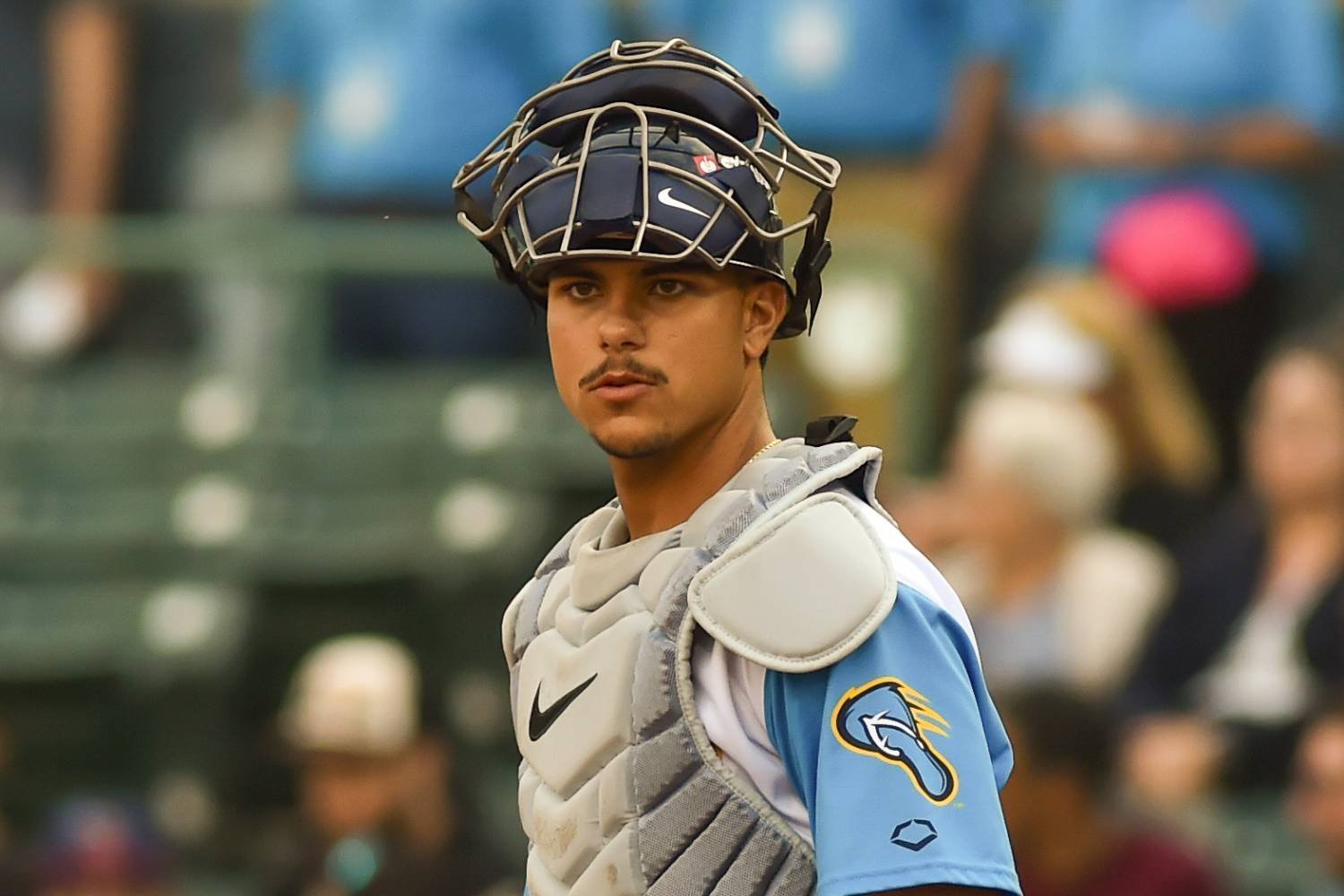 The time has come. Ethan Salas, the 20-year-old catcher who is Padres Mission’s No. 1 prospect, will be called up Tuesday as the San Diego Padres continue to make a push for the postseason, Kevin Acee of the San Diego Union Tribune reported Monday. Salas will have his contract selected Tuesday from the Triple-A El Paso Chihuahuas as major-league rosters expand from 26 to 28. The Padres will have to make room on the 26- and 40-man rosters for Salas, who will become the youngest player in the majors when he debuts. Salas has been having the best of his four pro seasons, posting a slash line of .296/.374/.448 in 96 games, with career highs in homers (10), runs (54), RBIs (61) and stolen bases (17). That includes a .326/.410/.539 slash line with three homers and 24 RBIs at El Paso in 24 games. He joins Luis Campusano and Freddy Fermin on the Padres’ roster, both of whom as right-handed hitters. The 6-foot-1, 185-pound Salas will not be the youngest player to make his MLB debut for the Padres, although not by much. Fernando Tatis Jr. was 20 years, 85 days old when he played his first MLB game on Opening Day in 2019. Salas will be 20 years, 92 days old Tuesday when he joins the Padres for the second game of a three-game road series against the Cincinnati Reds. A left-handed hitter who plays excellent defense, Salas signed with the Padres for a $5.6 million bonus in January 2023 as a 16-year-old as the international signing period opened. At the time, it was the largest signing bonus for an international player under the current capped system. Salas was born in Kissimmee, Fla., but his father, Jose Sr., is from Venezuela. He made a splashy debut, appearing in his first pro game that year, just two days before turning 17 on June 1. Salas went 2-for-3 with a walk in his first game for the Low-A Lake Elsinore Storm, then 2-for-2 with two walks in his second game. Salas would go on to put up a .267/.350/.487 slash line with nine homers, 35 RBIs and five stolen bases in 47 games at Lake Elsinore. He was promoted to the High-A Fort Wayne TinCaps and played in nine games, producing a .200/.243/.229 (7-for-37) slash line with three RBIs, then was aggressively moved up to the Double-A San Antonio Missions, who had won the first-half Texas League South Division championship and were playing in the postseason. He played in another nine games with a slash line of .179/.303/.214 (5-for-28). In 2024 as a 17-year-old, Salas played the entire season at Fort Wayne, where he struggled offensively. He had a slash line of .206/.288/.311 with four homers, 53 RBIs and 10 stolen bases in 111 games. Salas was selected by the Padres to play in the Arizona Fall League, a prospect showcase, and had a .228/.327/.424 slash line in 23 games, hitting four homers and driving in 21 with four steals. That set him up for a promotion to Double-A San Antonio as an 18-year-old to begin 2025. But Salas developed a stress reaction in his lower back that limited him to just 10 games to begin the season. That lost season and his struggles in the previous season saw his prospect status among various publications plummet, with some not including him in their Top 100 after reaching as high as No. 8 in all of baseball by Baseball America and MLB Pipeline before the 2024 season. Salas, however, did a lot of work while sidelined and also gave him a chance to breathe following a whirlwind beginning to his pro career. That time off would be very beneficial to Salas, who has regained the luster on his star status this season. Salas started the season back at Double-A San Antonio and got off to a strong start to the season, posting a .286/.361/.417 slash line with seven homers, 37 RBIs and 14 steals in 72 games, including a .311/.359/.503 mark in his first two months. That earned him a second trip to the Futures Games during All-Star weekend. The Padres promoted Salas to Triple-A on July 29 and started off with two big games. In his Chihuahuas debut, Salas went 3-for-4 with a walk, a double, a triple, a run scored and two RBIs. The next day, he had two more hits, both doubles, a walk and two RBIs. Salas has two brothers also in affiliated ball. Jose Salas Jr., 23, is currently an infielder at High-A in the Minnesota Twins’ organization, while 18-year-old Andrew Salas is a shortstop in the Miami Marlins’ chain who played the first half of the season at Low-A and then went to the Florida Complex League. Salas is also the third catcher the Padres have called up from Triple-A to make their MLB debuts, following the promotions of Rodolfo Duran and Blake Hunt. View the full article
 -
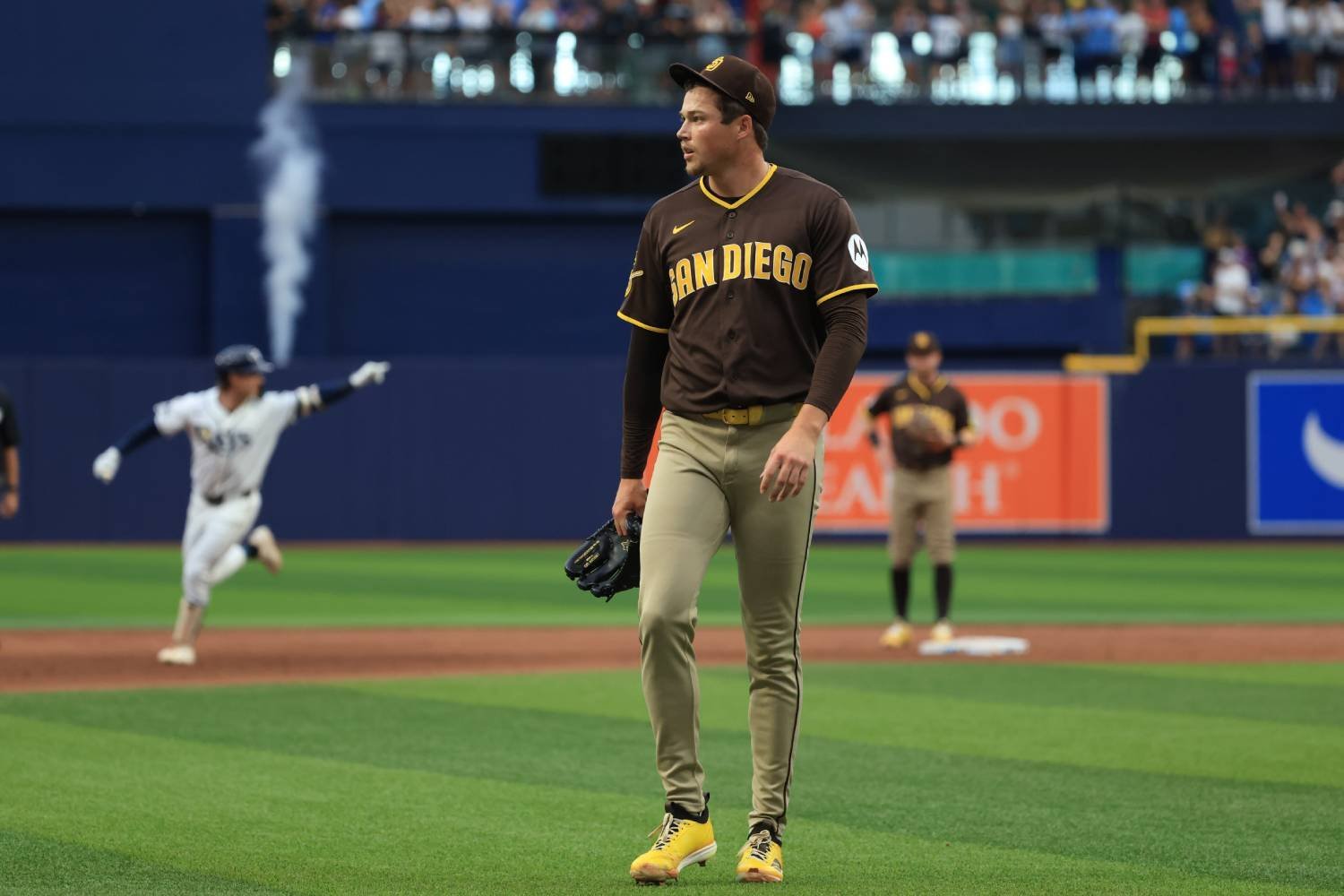 San Diego Padres Weekly Snapshot Record last week: 1-5 Runs scored last week: 19 Runs allowed last week: 25 (season run differential: plus-10) Game 2: Any loss is costly during this portion of the season, but some hurt more than others. This one had more than an impact on the standings. Rengifo sustained what could be a season-ending right knee injury on a play that led to two additional runs to score to tie the game in what would be a 7-6 loss to the Rays. The loss, combined with a Phillies win and a D'backs doubleheader split, left the Padres four games behind Philadelphia for the No. 2 NL wild-card spot and tied with Arizona for the No. 3 position. Rengifo was injured in the middle of what was essentially the game-deciding sequence. Rodriguez came on to start the seventh and issued a walk and two singles to load the bases. Diaz then hit a rocket over Merrill's head that bounced off the center-field wall. Merrill grabbed it on one hop and fired to Rengifo, who was making his first start at second with the Padres and was covering second on this play. Rengifo noticed a runner caught between second and third and chased him toward third base. Then the runner on third took off for home and Rengifo pivoted, with his right knee crumbling as he made a wide throw to the plate. All three runners who were on base scored, two as a result of Rengifo's throw. Morejon would replace Rodriguez with the game tied, no outs and a runner on third. After a groundout and intentional walk, Morejon got a strikeout before Simpson slapped an opposite-field single to left to drive in the go-ahead run in a four-run seventh. That outburst came after the Padres scored three runs in the top of the seventh. Rengifo, as he has done since coming up July 8, started things with a leadoff walk, then Harris, who had three hits in his first four Padres games, twice failed to put down a bunt before getting his third single of the day and Tatis put down a rare bunt single to load the bases. After Cronenworth struck out, Machado came through with a tiebreaking two-run single two-run single to put the Friars up 5-3. Machado and Tatis then pulled a double steal, with Tatis taking home for a 6-3 cushion. But the Rays showed, in part, why they are the best team in the AL by taking advantage of the Padres in the bottom of the seventh. Game 3: After an emotional loss the day before, this was perhaps the Padres' most frustrating loss of the season. After all, they had the game-ending out in their glove. Then it wasn't. In a game packed with storylines, the Padres were unable to execute in the late going, which resulted in a 5-4 walk-off loss in 11 innings. The three-game sweep dropped the Padres out of an NL wild-card spot for the first time since Aug. 10, a half-game behind the idle D'backs for the No. 3 position. The most talked-about play of the game will be the catch that was not a catch by left fielder Samad Taylor, who was back with the Padres following Rengifo's injury. With two outs, a runner on and Miller in to protect a 3-1 lead, Jonny DeLuca launched an 0-1 pitch down the left-field line. Taylor tracked it down in the corner and initially made the catch, but the ball came out of his glove as he banged into the wall at the foul pole and went over the fence for a tying two-run homer. Initially, Miller reacted as if Taylor had caught it, but when Taylor bent over in disappointment, Miller walked nearly all the way to the Padres' dugout, thinking it had been a walk-off loss. He recovered to strike out the next batter. In the 10th, the Padres had a failed bunt by Cronenworth and a caught stealing by Bowen, who was in the game after Tatis and Stammen were ejected after the top of the seventh. Matsui escaped damage in the bottom of the 10th, then the Padres took the lead in the top of the 11th as Machado, the zombie runner, went to third on a wild pitch and scored on France's sac fly to deep right-center. Right-hander David Morgan came on for the bottom of the 11th and struck out Junior Caminero before Liam Hicks singled zombie runner Richie Palacios to third. Pinch-runner Kenny Piper stole second, leading to an intentional walk of the speedy Simpson to load the bases. DeLuca hit a one-out chopper to a drawn-in Bogaerts, who charged the ball but bobbled in a moment of indecision when he should have been coming home to nail the tying run. With the bases still loaded and one out, the defense all around was playing in when former Padre Jorge Mateo lined the walk-off single over a leaping Taylor. Tatis and Stammen were ejected after Tatis put down a two-out bunt for a base hit in the top of the seventh. Tatis did initially run just barely on the grass in fair territory as he raced to first base, with the throw from the pitcher going down in the bullpen in right-field foul territory and Tatis ending up on second. But the umpires ruled that because Tatis had been running on the grass, however slightly, he was out. That led to a demonstrative protest by Tatis and Stammen, who were both run. Ray had turned in a nice start for the Padres, going six innings and allowing a run on three hits and three walks with four strikeouts. The only run he gave up was Caminero's 37th homer of the year, his second in as many days. Marvelous Mason Miller Some of the amazing stats for the Padres' closer: Season stats: 4-2, 1.26 ERA, 55 games, 32 saves (34 chances), 57⅓ IP, 28 H, 10 R, 8 ER, 20 BB, 104 K, .143 opponent average The home run to Oneil Cruz was the first allowed since Aug. 5, 2025, Mason Miller's second game with the Padres. He allowed four homers with the A's last year before the trade. That was also just the second run given up in Miller's last 20 appearances. Was handed his second blown save Sunday on the ninth-inning homer that Samad Taylor had fall out of his glove. Was also the second homer allowed in as many outings after not giving one up since last season. Random Stats Fernando Tatis Jr. was named the NL Player of the Week after hitting .480 with four homers with six runs scored and 11 RBIs. Monday's 12-inning loss to the Pirates snapped an eight-game home winning streak. Ty France hit his 100th career homer Saturday, 19 coming this season. He has 26 career homers with the Padres. France has reached base in 24 of his last 25 games at Petco Park. Randy Vasquez retired the first nine batters Wednesday for the second start in a row, the first Padres pitch to do that since Chris Paddack in 2019. Manny Machado's two-hit game Saturday was his 308th career multihit game, tying him for second in Padres history with Dave Winfield. Tony Gwynn has the club record with 951. The sweep by the Rays was the first against the Padres since the June 29-July 1 series against the Chicago Cubs. Entering the weekend, their three times being swept was tied for the second-fewest in MLB. This makes four times. The Padres are 11-22 (.333) vs. the Rays all time, their worst record against any team. Transactions Monday: Optioned 2B Sung-Mun Song to Triple-A El Paso Chihuahuas. Monday: Selected the contract of LF Dustin Harris from Triple-A El Paso Chihuahuas. Monday: Transferred RHP Lucas Giolito (right elbow inflammation) from the 15-day injured list to the 60-day injured list. Sunday: Placed LF Luis Rengifo on the 10-day injured list with sprained right knee. Sunday: Placed 1B Gavin Sheets on the 10-day injured list with sprained left foot. Sunday: Activated LF Samad Taylor (strained left oblique) from the 10-day injured list. Sunday: Recalled 2B Sung-Mun Song from Triple-A El Paso Chihuahuas. Sunday: Sent RHP Nick Pivetta on a rehab assignment to El Paso Chihuahuas. Website Highlights Padres' admirable plan to rest Machado never materialized — Steve Drumwright Has France established himself as Padres' long-term first baseman? — Randy Holt Rengifo's injury creates new options for Padres when rosters expand — Steve Drumwright Impending Taylor, Andujar returns further cloud Padres' convoluted bench — Randy Holt Miller is nearing a career-high workload. How should Padres use their bullpen down the stretch? — Yirsandy Rodriguez Breaking down the Padres' remaining schedule as September approaches — Steve Drumwright Song's demotion has wide-ranging impact on Padres' bench — Randy Holt Salas is giving Padres plenty to think about ahead of September — Sam Caulder New Padres owners introduce themselves with passionate, personal touch — Steve Drumwright Looking Ahead Monday: Padres (Michael King) at Reds (Brady Singer), 3:40 p.m. Tuesday: Padres (Randy Vasquez) at Reds (Nick Lodolo), 3:40 p.m. Wednesday: Padres (Casey Mize) at Reds (Rhett Lowder), 9:40 a.m. Thursday: Off Friday: Yankees at Padres (Walker Buehler), 6:40 p.m. Saturday: Yankees at Padres (Robbie Ray), 4:15 p.m. Sunday: Yankees at Padres (Michael King), 1:10 p.m. View the full article
