


DiamondCentric
-
Posts
2,631 -
Joined
-
Last visited
Never
Content Type
Profiles
Forums
Events
News
Tutorials & Help
Major League Baseball Videos
Guides & Resources
Store
Downloads
Gallery
Everything posted by DiamondCentric
-

Brewers Option Colton Gordon, Call Up Lyon Richardson
DiamondCentric posted an article in Brewer Fanatic
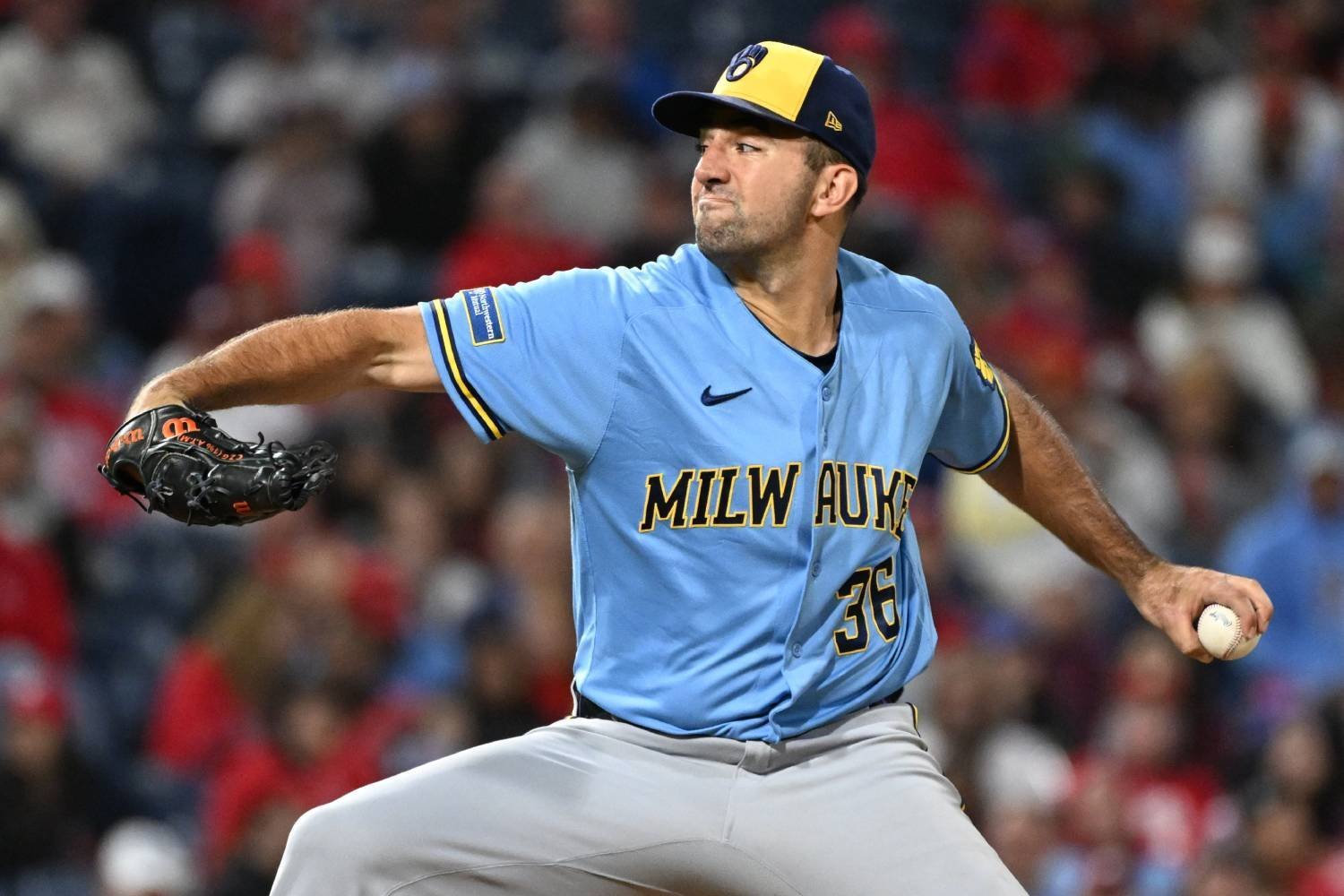 A pretty good overall outing that had a clunker of an ending ended the regular season for left-hander Colton Gordon. Gordon was optioned to Triple-A Nashville on Wednesday by the Brewers, who selected the contract of right-hander Lyon Richardson from Nashville. With the Triple-A season over and Gordon going five innings in Tuesday's 6-4 loss to the Philadelphia Phillies, it is unlikely he returns unless an injury prompts an activation for Sunday's regular-season finale. Gordon, acquired from the Houston Astros in the Lance McCullers Jr. trade on July 15, made his Brewers debut and was having a very good game before the Phillies scored three runs (two earned) off him, with the help of a bad break, in the bottom of the eighth to snap a 3-3 tie. Gordon had not allowed a hit in his first four innings, then gave up four straight in the eighth. He walked one and struck out one. Richardson is back for his second stint with the Brewers this year. Signed as a minor-league free agent after being designated for assignment by the Cincinnati Reds in early June, Richardson pitched 1⅔ hitless innings vs. the San Diego Padres in his only Brewers appearance Aug. 10, walking one and striking out one. He was DFA'd by the Brewers (he is out of minor-league options) and remained in the organization. View the full article
 -
 According to numbers on FanGraphs and Baseball Prospectus, the Blue Jays' playoff odds are down to 0.1%. But what does that really mean? Practically speaking, it means the Jays are toast. Technically speaking, it means that if you simulated the next five days 1,000 times, Toronto would only make the postseason in one of those simulations. In the real world, the next five days will only play out once. But who's to say this isn't the one universe out of 1,000 in which the Blue Jays make a miraculous comeback? Here's what would have to happen for the Jays to pull that off. The Blue Jays Win Out This is a non-negotiable. The Blue Jays have to go 5-0 against the Orioles and the Reds if they want any chance to play in October. If they lose even one of their remaining five games, the best they can finish with is an 81-81 record. That guarantees they would finish behind the Guardians (who already have 82 wins) and the White Sox (who already have 81 wins and hold the tiebreaker over Toronto). No matter which of those teams wins the AL Central in this scenario, the other would finish ahead of the Jays in the Wild Card race. So, one more loss, and the Blue Jays are out. Is this a bad time to mention that they haven't won five games in a row all year? The White Sox Go 0-5 OR the Guardians go 0-5 If the White Sox win even one more game, there's nothing the Blue Jays can do to catch them. The same goes for the Guardians. The good news for Toronto is that one of those clubs gets to win the AL Central. So, only one of them needs to lose all of their remaining games in this hypothetical. Still, that's a lot to hope for. Let's just say every team has a 50-50 chance of winning every game from here on out. The chances of a team winning (or losing) all of its remaining games are 3.125%. That means the chances of one specific team (i.e., the Blue Jays) going 5-0 and one of two specific teams (i.e., the White Sox or Guardians) going 0-5 are less than 0.2%. And there are still two more teams to consider. The Rangers OR the Astros Lose at Least Two More Games The Rangers and Astros are tied at 78-79 – that's one game ahead of the Blue Jays. So, even if the Blue Jays beat the one-in-500 odds and finish ahead of the White Sox and/or Guardians, they also have to finish ahead of the Rangers and/or Astros. One of those Texas clubs can win the AL West. The other (whichever one that might be) is a threat to Toronto. Unfortunately, the Rangers and the Astros would both hold the tiebreaker over the Blue Jays. The Jays lost their season series with the Rangers. As for the Astros, they tied with the Jays in the season series, and in this hypothetical scenario, they would also have the same intra-division record as the Jays (which is the next tiebreaker). However, the Astros would ultimately beat the Jays thanks to tiebreaker number three: intra-league record. All that to say, at least one of the Rangers or Astros cannot reach 82 wins. If both of them hit that number, it's over for the Blue Jays. Once again, if we presume that every team has 50-50 odds in all remaining games, the odds of any team losing at least two out of five are pretty high. The odds that one of two teams will lose at least two out of five games are even higher. Still, it's no guarantee, and that means we have to take Toronto's one-in-500 odds and reduce them even further. Then, of course, we have to remember that the games aren't coin flips. They're real baseball games, and one of them is starting right now. The Blue Jays' playoff odds are long, but they haven't disappeared. So, all we can do now is turn on the game and hope for the best. View the full article
 -
 The Twins made four additions to their pitching staff at the trade deadline, bringing in Tommy Nance, A.J. Minter, Dean Kremer, and Jeff Hoffman. Here’s how each trade looks now that the season is nearly over.View the full article
 -
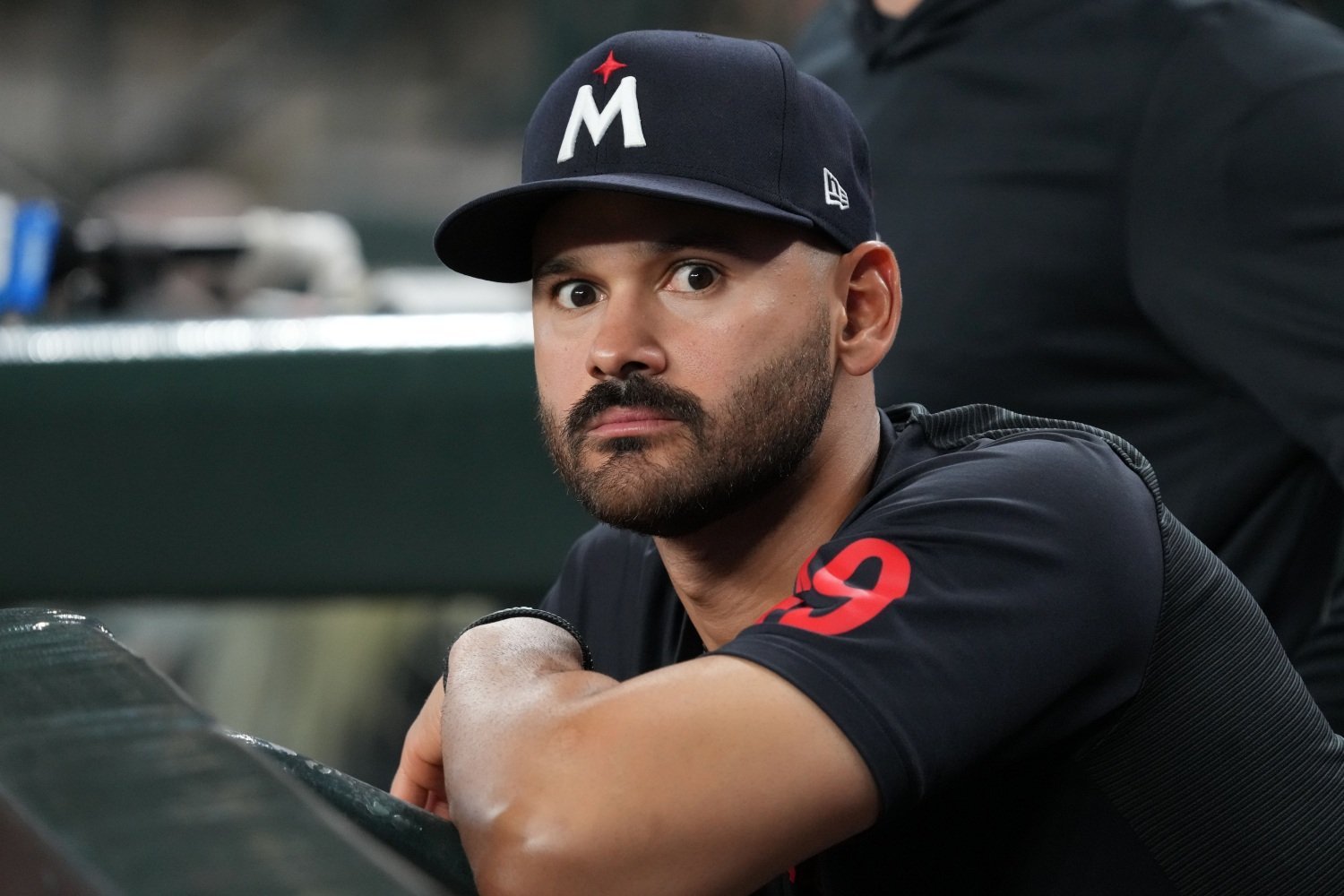 The Minnesota Twins have spent much of the last few years asking fans to believe in the future. Believe in the young players. Believe in the player development system. Believe that the next wave of prospects can eventually form the foundation of a sustainable contender. There is nothing wrong with believing in those things. At some point, though, ownership has to show it believes in them, too. Tom Pohlad has already said the Twins' 2027 payroll will increase. "I'm not hoping—it will be higher," Pohlad said. "For us to accomplish the things that we want to accomplish, and be a consistently competitive team in the playoffs, and going deep, we have to make an investment into this team." That's a meaningful statement. It also creates a very simple question for the Twins heading into the offseason. How much higher? $30 Million Isn't Aggressive The easiest way to look at the situation is through the numbers. The Twins entered 2026 with an Opening Day payroll around $105 million, their lowest Opening Day figure since 2017. The trade deadline additions of A.J. Minter, Dean Kremer and Jeff Hoffman pushed the club's estimated payroll commitment to roughly $109 million for the season. So what happens if Minnesota adds $30 million this winter? The payroll reaches approximately $135 million. That would be meaningful compared to where the Twins are today. But it would not exactly qualify as an aggressive offseason. It would essentially take Minnesota back to where it was in 2025. The Twins entered that season with an Opening Day payroll estimated around $144.3 million. In other words, $30 million would represent an increase. But it wouldn't represent a major change in organizational spending. It would represent getting back to a level the Twins have already demonstrated they can reach. What About $60 Million? Now, we're talking about something different. Adding $60 million to a roughly $105 million baseline would put Minnesota around $165 million. That would bring the Twins back to the neighborhood of their record spending in 2023. Minnesota carried a payroll around $156 million on Opening Day in 2023 and finished the season around $160 million, depending on the accounting method used. That club won the American League Central and won a postseason series for the first time in over two decades. That doesn't mean spending $160 million guarantees anything. It doesn't. But it would send a very different message. A $160 million-plus payroll would tell the fan base that the organization isn't simply replacing departing salaries or filling holes around a young roster. It is actively trying to build a team capable of competing at the highest level. That would also give Jeremy Zoll considerably more flexibility. The Twins don't need to spend $60 million on one player. In fact, that's probably not the best way to approach the roster. They could spread that money across multiple areas. A starting pitcher. A high-leverage reliever. A legitimate middle-of-the-order bat. A catcher. Bench depth. Suddenly, a roster with an intriguing young core starts looking much different. $80 Million Would Be a Statement Then there's the $80 million question. A $105 million payroll plus $80 million would put Minnesota around $185 million. That would be a franchise-level commitment. It would also put the Twins well above their 2023 spending and into a payroll range they haven't consistently approached. Would $185 million guarantee a championship? Of course not. Would it guarantee the Twins make the playoffs? No. But there is an important distinction between spending money and spending money intelligently. The Twins have plenty of young players who should occupy roster spots at relatively low salaries. Walker Jenkins, Emmanuel Rodriguez, Kaelen Culpepper, Brooks Lee, Luke Keaschall and others could give the front office something every team wants: talented players who aren't yet expensive. That means Minnesota doesn't necessarily need to spend $185 million simply to have an expensive roster. It could use that money to address the areas where the current roster is weakest. That's what aggressive spending should look like. Not spending for the sake of spending. Spending to turn weaknesses into strengths. The Payroll Can't Be the Excuse Anymore This is where the conversation becomes bigger than a dollar amount. For years, payroll has been part of the Twins' explanation for why roster construction has to be creative. There have been legitimate reasons for those constraints. The uncertainty surrounding the local television situation played a role in the organization's payroll decisions. The Twins dropped from their franchise-record spending in 2023, and ownership publicly acknowledged that financial considerations were part of the decision. But that explanation can't carry the organization forever. The 2026 season provided an interesting case study. The Twins remained competitive deep into the season despite operating with one of baseball's lower payrolls. Then, at the trade deadline, ownership gave Zoll the flexibility to add A.J. Minter, Dean Kremer and Jeff Hoffman while taking on more than $8 million in prorated salary. That was important. It showed what can happen when the front office has financial flexibility. It also showed that the Twins aren't simply asking whether they can afford to add players. They're capable of making those additions when ownership gives them the room to do it. That makes 2027 different. There shouldn't be another surprise waiting around the corner. There shouldn't be a sudden need to cut payroll. There shouldn't be a repeat of the organization explaining why it can't pursue a player because the financial parameters are too restrictive. Pohlad has already told everyone the payroll will increase. Now the organization has to show what that means. A payroll increase that merely makes room for similar veteran scoop-ups as the ones they made last winter while retaining Joe Ryan, Pablo López and Trevor Larnach wouldn't be especially inspiring—though everyone should want those two hurlers to stick around. An increase that meaningfully changes what the team can do this winter is one that would probably, finally, make Pohlad flinch—but that's what needs to happen. How much will the Twins spend this winter? Leave a comment and start the discussion. View the full article
 -
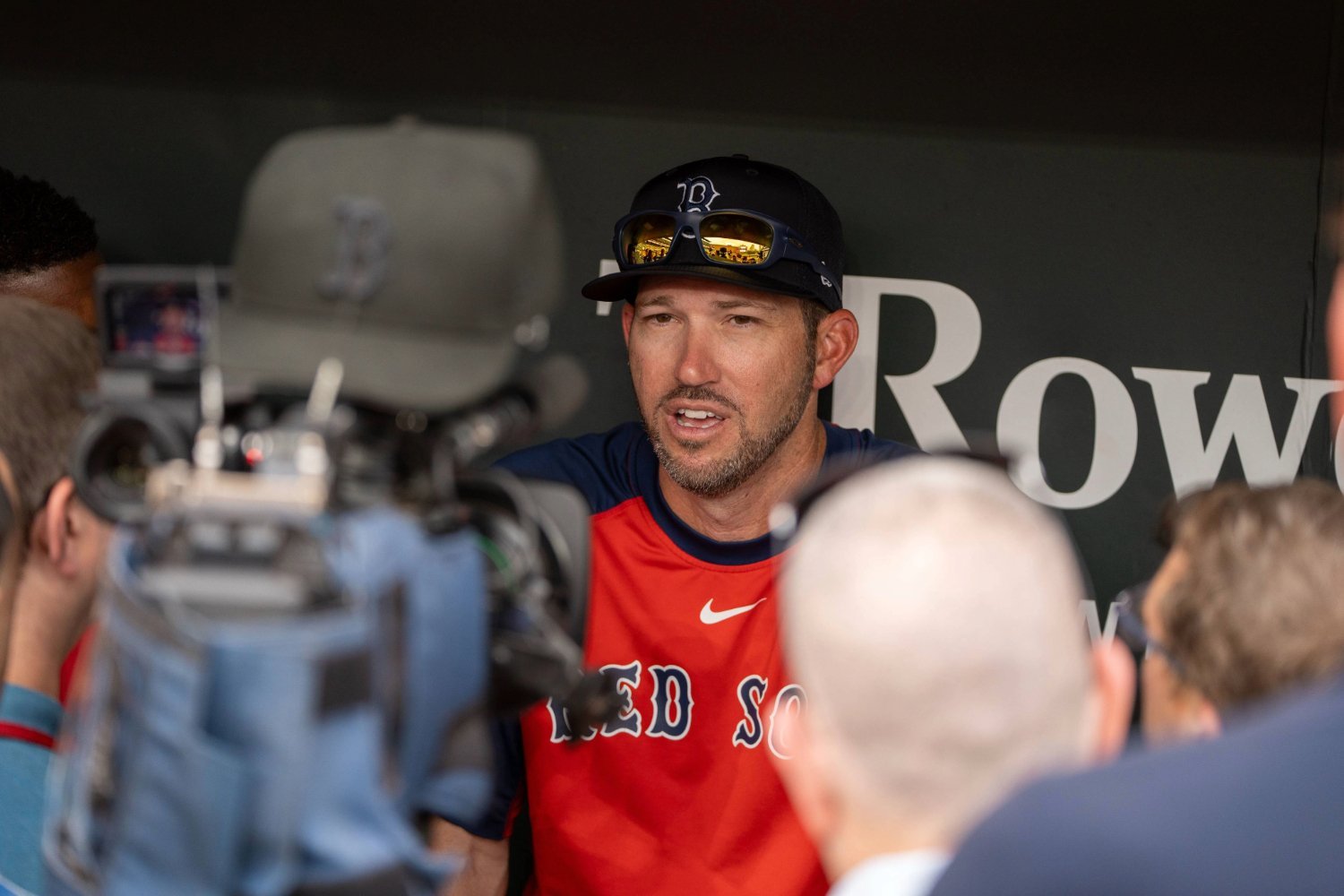 When the Boston Red Sox relieved Alex Cora of his duties as manager, the team needed someone who could help right the ship and lead a team that was filled with youthful players. The team turned to Chad Tracy, the manager of Triple-A Worcester at the time, giving him the reins to oversee at least the remainder of the season. Now, he’s the official manager of the Boston Red Sox as the team signed him to a contract through the 2029 season with a contract option for 2030. Tracy, a veteran manager in the minor leagues where he accumulated 499 wins, oversaw a historic turnaround that saw the team clinch a playoff spot on September 21. Handed a team that had a 10-17 record and that would lose stars Roman Anthony and Garrett Crochet shortly after being named interim manager, Tracy's Red Sox dropped all the way to 32-46 on June 24. Despite that, he never lost faith in his players and appeared to know which buttons to press. With a roster that get huge contributions from Triple-A arrivals, Tracy oversaw a ridiculous 32-5 over their next 37 games to vault them near the top of the American League. Now, he’ll be around for the foreseeable future. In all honesty it should have been a no-brainer. Tracy showcased throughout the summer he could handle the pressure of managing in Boston, especially as the team stumbled and faced hardships through most of the season. Despite slip-ups or mistakes made on the field by his players, Tracy was ready to defend them from the media. Never once did he throw a player under the bus or outright say a loss was due to someone’s performance. Even when there were disputes between players that were caught during games or in media sessions, the skipper knew how to keep the heat off his players and kept those issues in-house. The Red Sox couldn’t have asked for a better manager following Alex Cora's run with the franchise. Both managers have their strengths, but between them, it seems like the current manager is the one best suited to handle a young core. A young core that he’s already worked with and built relationships with during his time with Worcester, mind you. Of the current active roster, Tracy either managed or oversaw rehab appearances of 16 players (not to mention working with plenty of others in spring training). He’s shown an ability to get the most out of his players and in return the players have given him everything they’re capable of on the field. For that, Red Sox fans should be happy he’ll be the helmsman of the ship. A guiding hand for the youth on the team while relying on his veterans to support the team in ways only they can. With playoffs just a week away, it’ll be Tracy's second major test of the season, one that fans may hold as more importance than his ability to turn what once looked like a lost season around. Anyone who’s followed baseball knows that things are different once October rolls around; every decision will be placed under a microscope and sometimes what helped you win in the regular season could make or break championship ambitions. Heading to New York for a Wild Card series will make things just as rough. Boston lost to the Yankees in three games last season and everyone from the organization to the fan base will be looking for revenge this year. It’ll be Tracy's decisions that could very likely make or break it. Despite that, fans shouldn’t be too worried about the extension coming without any proven success in the playoffs. After all, previous managers Terry Francona and John Farrell didn’t have success in the playoffs before leading Boston. And Cora’s first managerial experience came in 2018 with the Red Sox, and we all know how that turned out. Tracy got them here without Roman Anthony or Garrett Crochet for the majority of the season, after all. He’ll face some hardships as manager—every great one does—but he’s shown an ability to remain calm under pressure and push the right buttons to give his team an edge. And for that, Red Sox fans should be excited for the Chad Tracy era to continue. View the full article
 -
 A few years ago, Jeferson Quero looked like a future star behind the plate. Can he still become the player the Brewers once envisioned? View the full article
 -
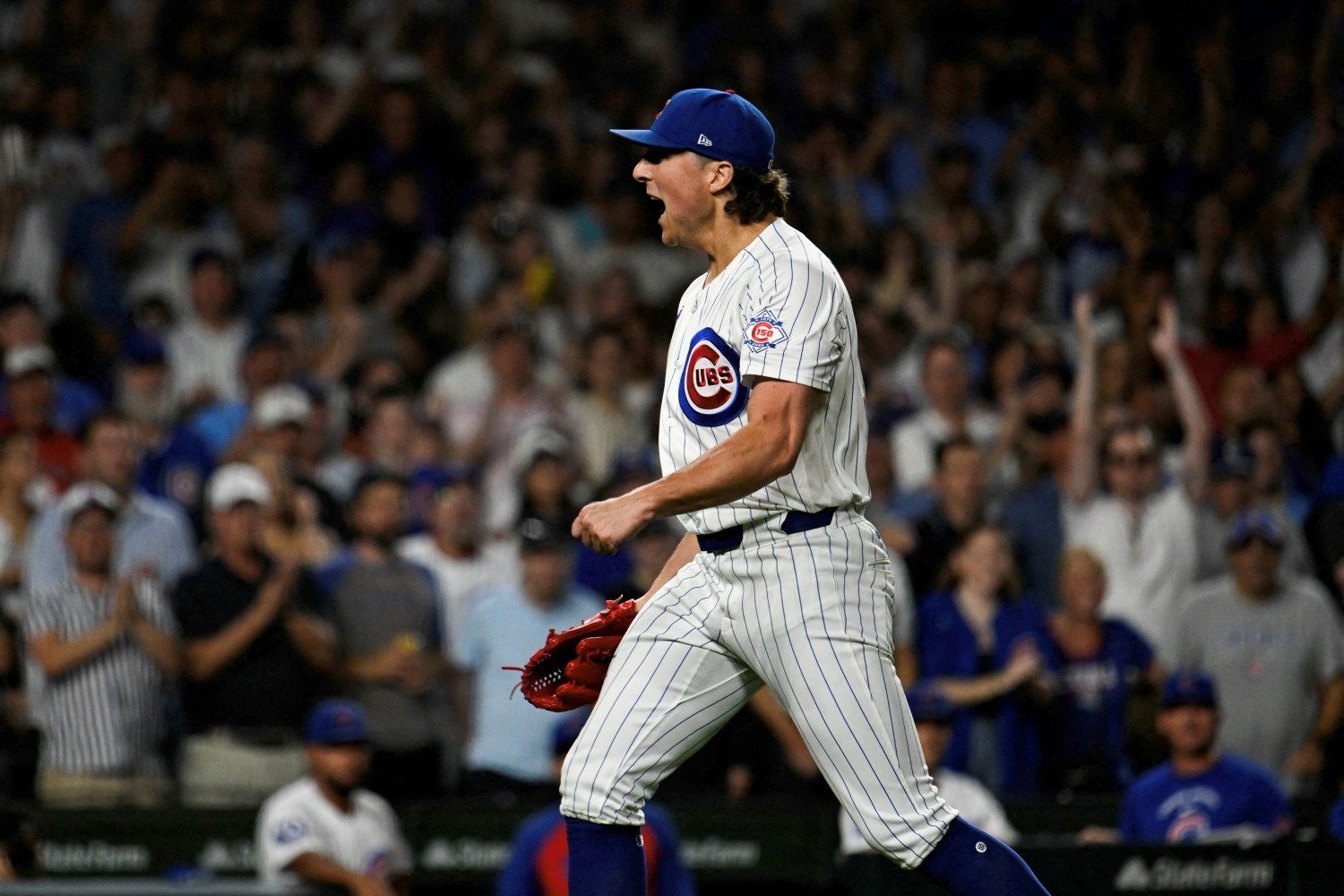 He didn't have the luxury of the inning being over, so when Ryan Rolison knew his own assignment was complete Tuesday night, he had to confine himself to roaring triumphantly into his glove and stomping back to the grass behind the mound. That's a bit less satisfying than going all the way to the dugout that way and having the fans at the same fever pitch as you, but it'll do. Rolison faced five batters bridging the ninth and 10th innings of Chicago's 8-2 loss to the Miami, shutting things down after coming in with one out in the ninth and fanning both hitters he saw with the Manfred Man in place in extras. It was a heroic effort. All year, Rolison has been an under-the-radar hero in this bullpen. Stepping into the role filled by Drew Pomeranz in 2025, he's been eerily similar to Pomeranz in effectiveness. Pomeranz had a better ERA (2.17) than Rolison's (2.90) and he missed more bats, but Rolison has a higher Win Probability Added (WPA), at 0.92, than Pomeranz had (0.65). He's also pitched more for the team than Pomeranz did for last year's. Part of the story of Rolison's success is that his fastballs are averaging 95 miles per hour, up a full two ticks from his 2025 heat. His arm angle is up a little bit, and he's getting more carry on his four-seamer, though some of that is just that he no longer pitches half his games in Colorado. As important as the '95' in that first sentence of the paragraph, though, is the 's' after 'fastball'. That's new—and it's not the only new thing going on in his arsenal, either. Last season with the Rockies, Rolison was a fastball-curveball guy, with a four-seam heater that cut but didn't ride much. (Really, it was as much a cutter as a four-seamer.) It was a very north-south look. Even his slider was just a shorter, tighter version of that curve. That approach produced miserable results, though again, Rolison was pitching in Colorado. Bad things happen to pitchers there, and even worse things happened before this year, when a more competent front office came in to run things. Rolison wasn't in a good environment in which to succeed, and he wasn't getting good advice. When the Cubs acquired him, they immediately got him throwing harder. They also got him back to using a wider mix of pitches, hearkening to his time as a starting pitching prospect. The transformation wasn't complete when the season began, though. There were things the Cubs asked Rolison to try even in Arizona that didn't fully take root until the middle of this season, and one that's only becoming real now, in the final days of the regular campaign. Let's take a tour of the changes. Rolison Introduces a Sweeper—Then Goes Wild With It Last year, Rolison leaned mostly on his curveball as a secondary offering, especially to righties. Against lefties, he used his slider more, but the slider was little more than an abbreviation of the curve: same spin profile, same movement direction off the fastball, just faster and shorter. That's still, basically, true. However, the slider isn't really the breaking ball worth talking about anymore. As the season has progressed, Rolison has leaned more and more on a new sweeper, at the expense of the traditional slider. Here's his month-by-month pitch usage against lefty batters: The slider was his main breaking ball against same-handed hitters as recently as May. It's now a memory. The sweeper has come in, and it's a much more effective pitch, missing bats at roughly twice the rate its predecessor did. As you can see, though, it's not the only major recent change. He's a Sinker Guy Now Mid-stream, after trying but failing to find a usage pattern and a set of locations where his cutting four-seamer could avoid barrels sufficiently, Rolison has changed tack. He's still very much a natural supinator, but he and the Cubs have found a sinker that works for him. Above, you can see the way his usage of that pitch has obviated his four-seamer against lefties; that's somewhat common among lefty relievers. More surprisingly, the sinker is also stealing the four-seamer's fastball share against righties: Rolison works from a much higher arm slot than most sinkerballers will, but that's not unusual for the Cubs. The same is true of recent acquisitions David Peterson and Clay Holmes. Unlike those two, Rolison doesn't have much heavy action on the sinker; it's better described as a running two-seamer. But that just makes him kin to Ben Brown, who tapped into that same pitch with great success before getting hurt earlier this year. Suddenly, there's a whole lot more east-west to Rolison's pitch mix. He can attack both sides of the plate, and as he gets more comfortable commanding that supinator's sinker, he's also able to fool batters exceptionally well based on his spin and the resulting movement—which doesn't correlate all that closely to the spin direction out of his hand. Rolison has become an unlikely master of seam-shifted wake, with the sinker and sweeper, in particular, taking off to the arm and glove side (respectively) in ways the hitter can't anticipate by reading the spin axis. That hasn't turned him into a true relief ace. Rolison still doesn't miss many bats—especially against righties. The curve remains his best breaking ball against those hitters, and it didn't get the same velocity bump as his fastball this year. That's made it a bit easier to spot and hold off on, for batters, than it would be if it were a bit firmer. See the way he's started mixing in his sweeper even to righties, lately? That's because the sweeper, at 85 MPH, is every bit as hard as his shorter slider was last season. When he can set it up and locate it well (down and in, preferably breaking just out of the zone in the direction of the back foot), that pitch can work even to opposite-handed batters. It might eventually usurp the curve. For now, though, no more changes are needed. Rolison's new approach has him inducing more weak contact, and when Craig Counsell can deploy him according to plan, he has swing-and-miss stuff, too. He came up huge Tuesday night, even if his teammates didn't. It's been a breakout year for the southpaw, and he's become the unquestioned No. 1 lefty in Counsell's bullpen for October. It's a whole different pitch mix than he had a few months ago, which makes him a whole different pitcher. He might even be a good enough one to make a difference for a pitching-starved team come next week. View the full article
 -
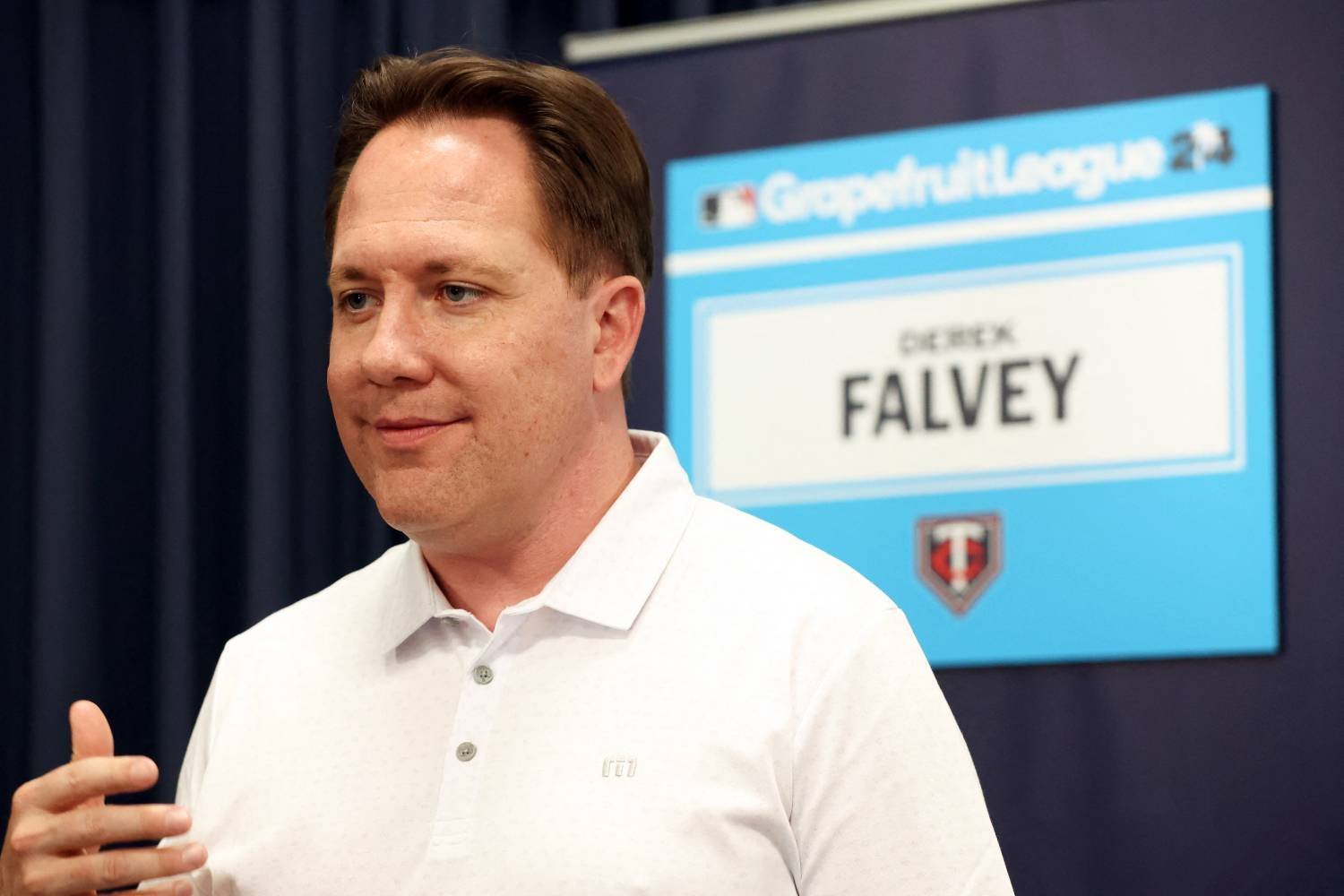 For those hoping for David Stearns being fired this offseason, that does not figure to be in the New York Mets' plans. A day after the Mets made Andy Green their full-time manager with a three-year contract, Stearns is reportedly adding an old friend to his front office. That would be Derek Falvey, the former Minnesota Twins president of baseball operations who is expected to have a significant role under Stearns as he joins the Mets, according to The Athletic. Falvey and the Twins mutually agreed to part ways in January after the team had a massive sell-off at last year's trade deadline and were set to have a rebuilding season this year. It is not yet known what Falvey's exact title will be. Stearns, the Mets' president of baseball operations, and Falvey worked together in the Cleveland Guardians' front office. More to come. View the full article
 -
2026 Padres Affiliate Season Recap: High-A Fort Wayne TinCaps
DiamondCentric posted an article in Padres Mission
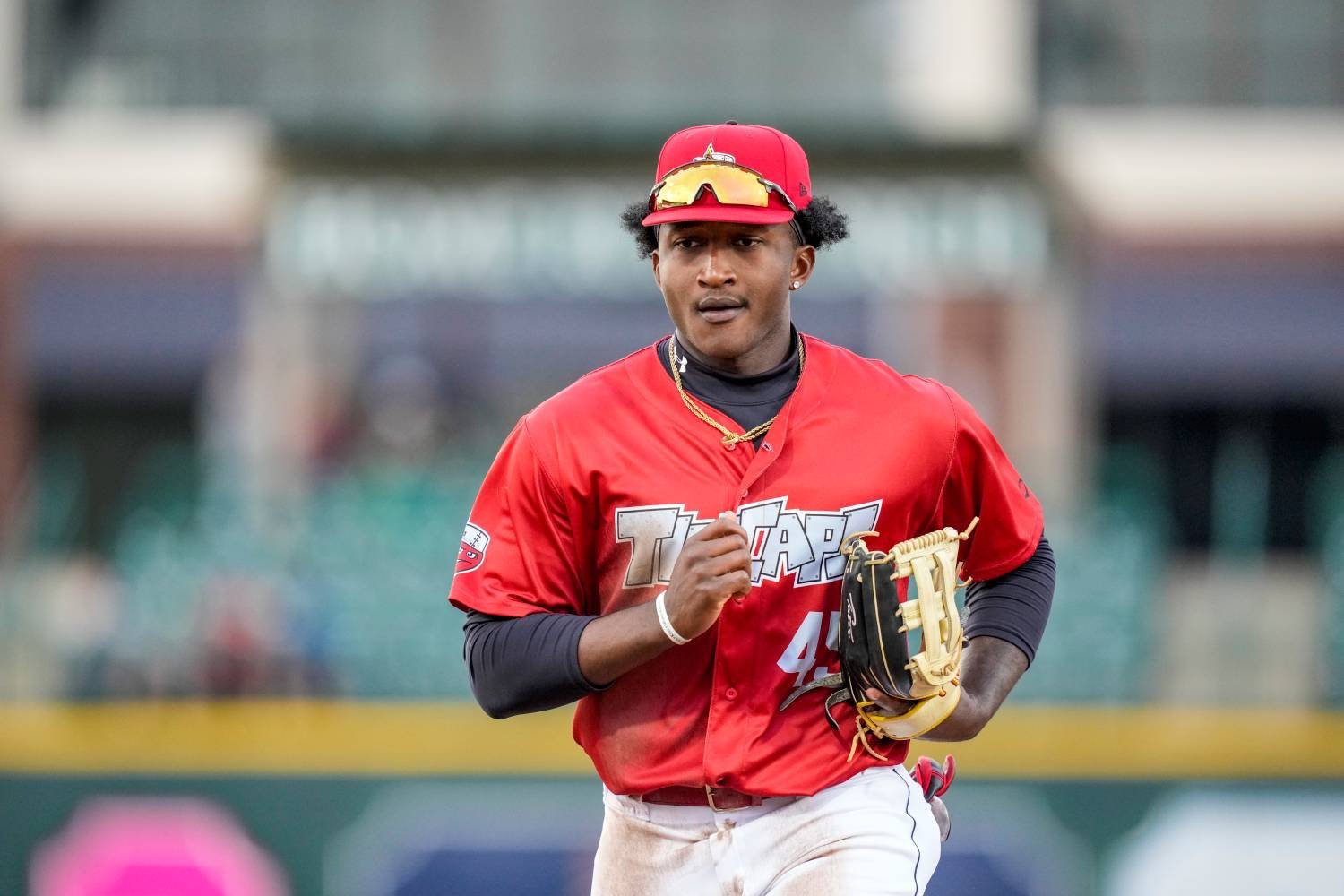 Despite a decent array of prospects that suited up for the High-A Fort Wayne TinCaps this season, the talent didn’t translate into a lot of wins. The TinCaps finished with the worst record in the Midwest League’s six-team East Division at 56-74, with a fifth-place finish in the first half at 27-39, 12 games out, and fourth in the second half at 29-35, 9½ back. They scored the fewest runs in the league by far, 72 behind the 11th-place team, and allowed the second-most runs. Still, there were some exciting players to watch throughout the season. They ranged from the fantastic start to the season of left-handed starter Kash Mayfield, who didn’t allow a run in his first three starts and six of his first eight, to the emergence of outfielder Alex McCoy (Padres Mission's No. 8 prospect, to the three-homer game by Jake Cunningham and the first-half performance of right-handed closer Clay Edmondson, who was named a Midwest League All-Star and still finished second in the league in saves with 11 following a midseason promotion to Double-A San Antonio. The second half saw an influx of talent from the Low-A Lake Elsinore Storm, who won the first-half championship in the California League’s South Division. But not even the additions of hitters like outfielder Ryan Wideman (Padres Mission's No. 2 prospect), third baseman Kerrington Cross and first baseman Luke Cantwell as well as right-handed starter Winyer Chourio (Padres Mission's No. 17 prospect)—as some TinCaps also moved up to Double-A San Antonio—could improve the situation. But that is part of the learning curve of the minors. The players who came up were in their first full season in the pros and even the slight increase in competition is something they needed to adjust to. Mayfield represented the San Diego Padres in the Futures Game and then was traded to the Detroit Tigers in the Casey Mize deal. One positive for the TinCaps was how the fans turned out. The team had 11 sellout crowds, including four of more than 8,000, and averaged 4,936, which was third in the Midwest League. In addition to some talented players, TinCaps fans saw plenty of drama as the team had 31 comeback wins and seven walk-offs. Chief among those was a Fourth of July classic against the Great Lakes Loons that went 14 innings, won by the TinCaps 13-12 on a Kasen Wells single to finish off a 4-hour, 48-minute marathon. TinCaps Stat Leaders League: Midwest League East Division First half: 27-39, fifth place, 12 GB, minus-145 run differential Second half: 29-35, fourth place, 9½ GB, minus-87 run differential Hitting leaders (20 games minimum) Average: Jake Cunningham .279, Alex McCoy .268, Justin DeCriscio .259 Slugging percentage: Cunningham .560, Kavares Tears .471, McCoy .468 OPS: Cunningham .929, McCoy .822, Tears .797 Runs: Kasen Wells 62, McCoy 60, Rosman Verdugo 53 HRs: Cunningham 15, McCoy 15, Verdugo 15 RBIs: Verdugo 59, McCoy 55, Costello 51 Pitching leaders (10 games minimum) ERA: Clay Edmondson 1.67, Ryan Och 1.69, Kash Mayfield 3.54 Strikeouts: Abraham Parra 82, Carson Montgomery 80, Braian Salazar 67 WHIP: Edmondson 0.96, Mayfield 1.16, Och 1.31 Opponent average: Edmondson .134, Och .167, Will Koger .202 Wins: Parra 5, Winyer Chourio 4, Kleiber Olmedo 4, Will Varmette 4 Saves: Edmondson 11, Varmette 4, Clark Candiotti 2, Tucker Musgrove 2, C.J. Widger 2 View the full article
 -
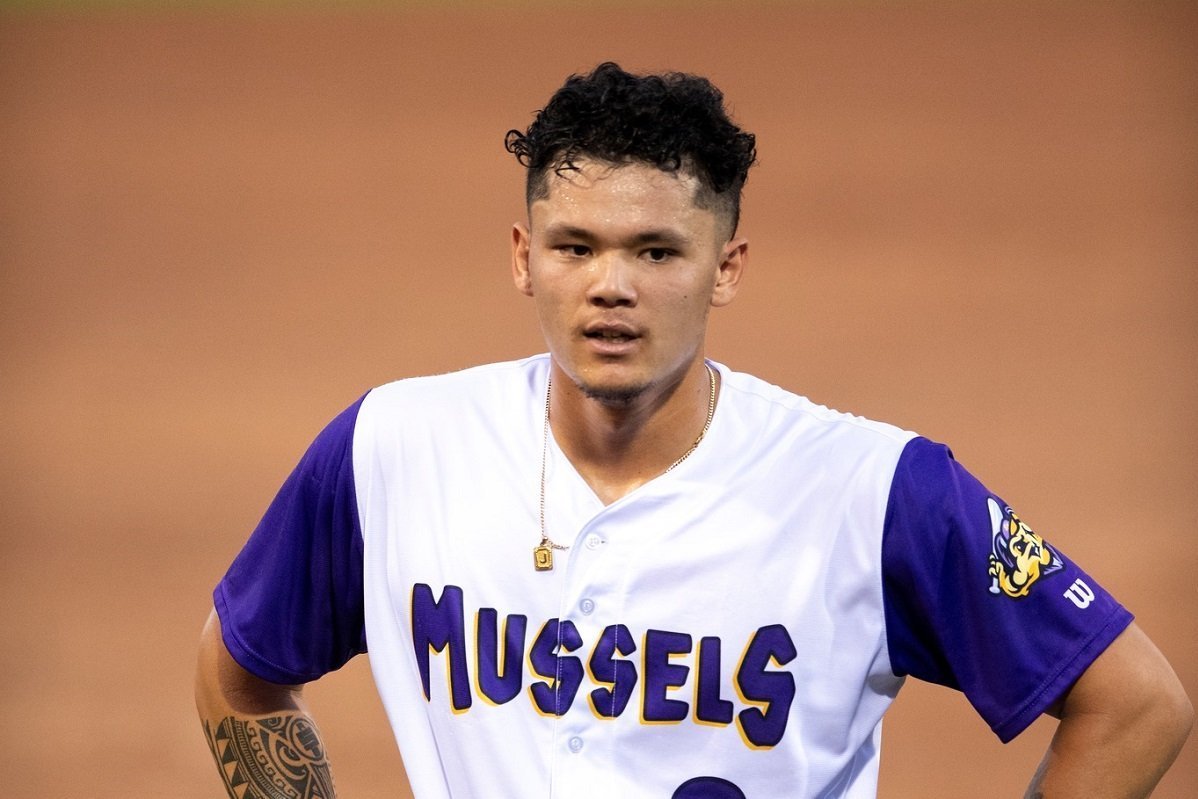 The Minnesota Twins have spent plenty of time looking back at their first-round draft history this season. Byron Buxton, Royce Lewis, Trevor Larnach, and Brooks Lee have all taken the field for the club, while Kaelen Culpepper, Walker Jenkins, and Aaron Sabato made their MLB debuts. With the Twins officially running out of things to accomplish in 2026, the organization has decided there is only one logical next step. Call Keoni Cavaco. Yes, that Keoni Cavaco. The Twins selected Cavaco with the 13th overall pick in the 2019 MLB Draft, hoping the high school shortstop could eventually develop into an impact big-league player. Things did not exactly go according to plan. Cavaco reached High-A in the Twins system, where he posted a .529 OPS as a 23-year-old. After departing the organization, he spent the last two seasons playing for Chicago in the independent American Association. Apparently, that experience has also included a career change. Cavaco has transitioned to pitching. Naturally, the Twins are interested. “We've been looking at our bullpen options, and Keoni's name kept coming up,” Twins general manager Jeremy Zoll said. “Eventually, somebody asked, ‘Wait, is he still technically one of our first-round picks?’ We checked. Then we checked again. Once we confirmed the rules, we figured we might as well give him a call.” The call itself reportedly took several attempts. “I thought they had lost my number,” Cavaco said. “Honestly, I assumed they had lost it in 2021. Then I figured it was definitely gone by 2023. When I saw the Minnesota area code, I thought it was Target Customer Service for a complaint I recently made about their Lego clearance." Instead, it was the Twins asking whether he would like to make his major-league debut. At this point, there wasn't much reason to say no. The First-Round Reunion The Cavaco addition would give Minnesota another former first-round pick on the field and continue a theme that has developed throughout the final weeks of the season. For Shelton, it is all about getting as much first-round talent onto the field as possible. “It's great to have as much first-round talent on the field as possible,” Twins manager Derek Shelton said. “That's something we really value here. We're actually thinking about asking Tyler Jay and Kohl Stewart to come back for next season.” Jay was the sixth overall pick by Minnesota in 2015. Stewart was the fourth overall pick in 2013. The Twins are reportedly also checking whether anyone remembers where they drafted Levi Michael. “We're just trying to create opportunities,” Shelton said. “If you were selected in the first round by the Twins at some point, we'd like to hear from you.” Cavaco's transition to the mound could make him particularly intriguing for a team that has spent much of the season searching for bullpen answers. At the very least, he offers something different. Nobody else in the organization can say they were the 13th overall pick in 2019, reached High-A, spent two seasons in independent baseball, became a pitcher, and then got a call from the Twins asking if he was available for the final week of the season. It has been an unconventional journey. Now, it could end with Cavaco standing on a major-league mound at Target Field. And if that happens, Minnesota's 2019 first-round pick will finally make his Twins debut. Only took seven years. Not bad for a rebuilding bullpen. View the full article
 -
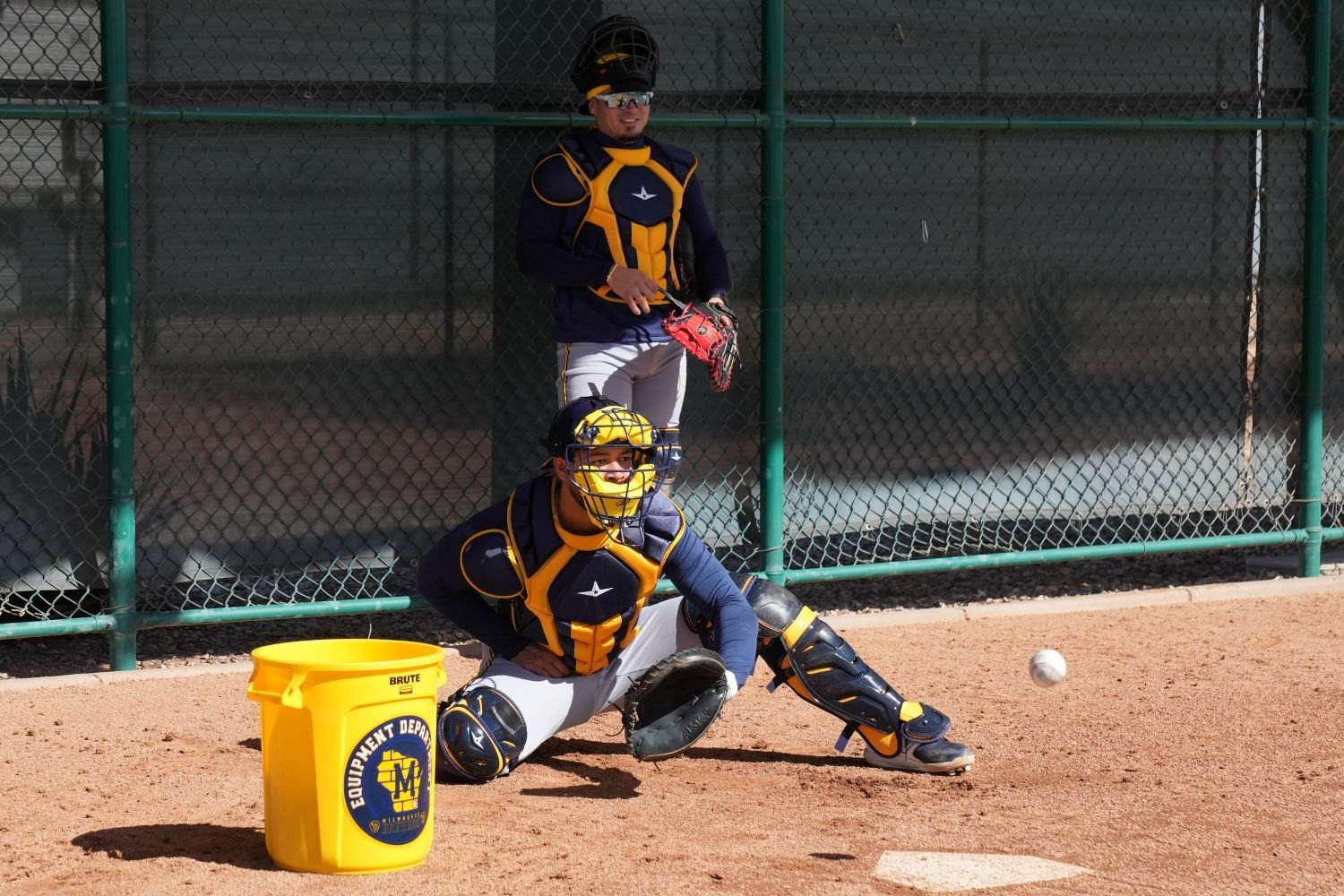 Not long ago, Milwaukee Brewers catching prospect Jeferson Quero was one of the most highly regarded young players in the organization. He was widely considered a top-50 prospect in baseball in both 2024 and 2025, and it looked like he could eventually become one of the premier catchers in the game. Unfortunately, things don’t always go according to plan. Quero has battled multiple injuries over the last few years, most notably a torn labrum in his throwing shoulder in 2024 that limited him to just one plate appearance all season. Since then, even when he has been healthy enough to take the field, his offensive numbers haven’t exactly jumped off the page. So, with all of that in mind, is there still hope for Quero to turn into the player many expected him to become? Alas: no, not really. That’s not to say I think Quero is destined to fail at the major-league level. He can still become a viable big-league catcher. However, the upside he once possessed has faded, and his recent performance makes it difficult to envision him becoming the star many once expected. The biggest concern is his offensive production at Triple-A this season. Quero posted just a .712 OPS across 490 plate appearances, which is actually a slight step backward from the .748 OPS he posted a year ago. More concerning than the overall number, though, are some of the trends underneath it. His strikeout rate climbed from 14% to 21%, while his walk rate dropped slightly. The bat-to-ball skills have also regressed significantly compared to last season. That’s a pretty concerning development for a player whose offensive profile was built, in part, around his ability to consistently make contact. However, it’s not as though everything has gone wrong for Quero at the plate. There are some encouraging signs when looking at the quality of contact he produced this season. His average exit velocity jumped from 86.8 miles per hour in 2025 to 88.8 MPH this season, while his barrel rate also increased. His hard-hit rate took an even bigger step forward. When Quero does make contact, the results have been much better than they were a year ago. The problem is that he just isn’t making contact consistently enough. That creates a pretty interesting offensive profile for Quero moving forward. There are clearly still some tools to work with, and the improvement in his quality of contact suggests there could be more offensive production hiding underneath the surface. But until he starts putting the ball in play more consistently, it’s difficult to project him as anything more than a below-average offensive catcher. That's a huge problem, because it's no longer clear that Quero is even a catcher. He only appeared at that position three times after June 27 this year; he mostly served as a DH or pinch-hitter. It's clear that his bat won't carry him to the big leagues in that role. He has to get back behind the plate to be a major-leaguer of any note. We got a brief glimpse of that possibility earlier this season. Quero made his debut in late March, after Andrew Vaughn fractured his hand on Opening Day. It was only a one-game stint, so obviously, there isn’t much to take away from his performance. The fact that Milwaukee was willing to call up Quero over another player from their loaded farm system was noteworthy. The organization clearly still sees something in him, even if his prospect stock has fallen from where it was a few years ago. On the other hand, they're also making plans that look right past him. That brings us to another interesting part of Quero’s long-term outlook: the Brewers’ situation behind the plate. William Contreras's tenure with the team might be nearing its end; he'll be expensive next season. The Brewers usually trade high-end players with big trade value when they reach this point in their progress toward free agency. But Contreras feels more like Willy Adames and Brandon Woodruff (in terms of what he means to the organization and what role he plays in the clubhouse) than like Josh Hader, Corbin Burnes, Devin Williams or even Freddy Peralta. They might retain him for one last season; they might even elect to extend him. Failing that, the team added a prospect-turned-project at the trade deadline, when they acquired ex-Guardians backstop Bo Naylor. Even if they move on from Contreras this winter, it's likely that they'll acquire another backstop under long-term team control and/or promote Naylor, rather than that they turn the position over to Quero. He still has the defensive ability to stick in the majors, and the improvements in his quality of contact show that there may be more offensive potential there than his overall numbers suggest. He may not become the star many once envisioned, but there’s still a path for Quero to become a solid major-league catcher. Until we see him behind the plate again, though—and pending the team's decisions over the upcoming offseason—he should slide quietly down the depth chart and the prospect list in your mind. View the full article
 -
Could a Position Swap Solve Two Problems in Twins' Infield?
DiamondCentric posted an article in Twins Daily
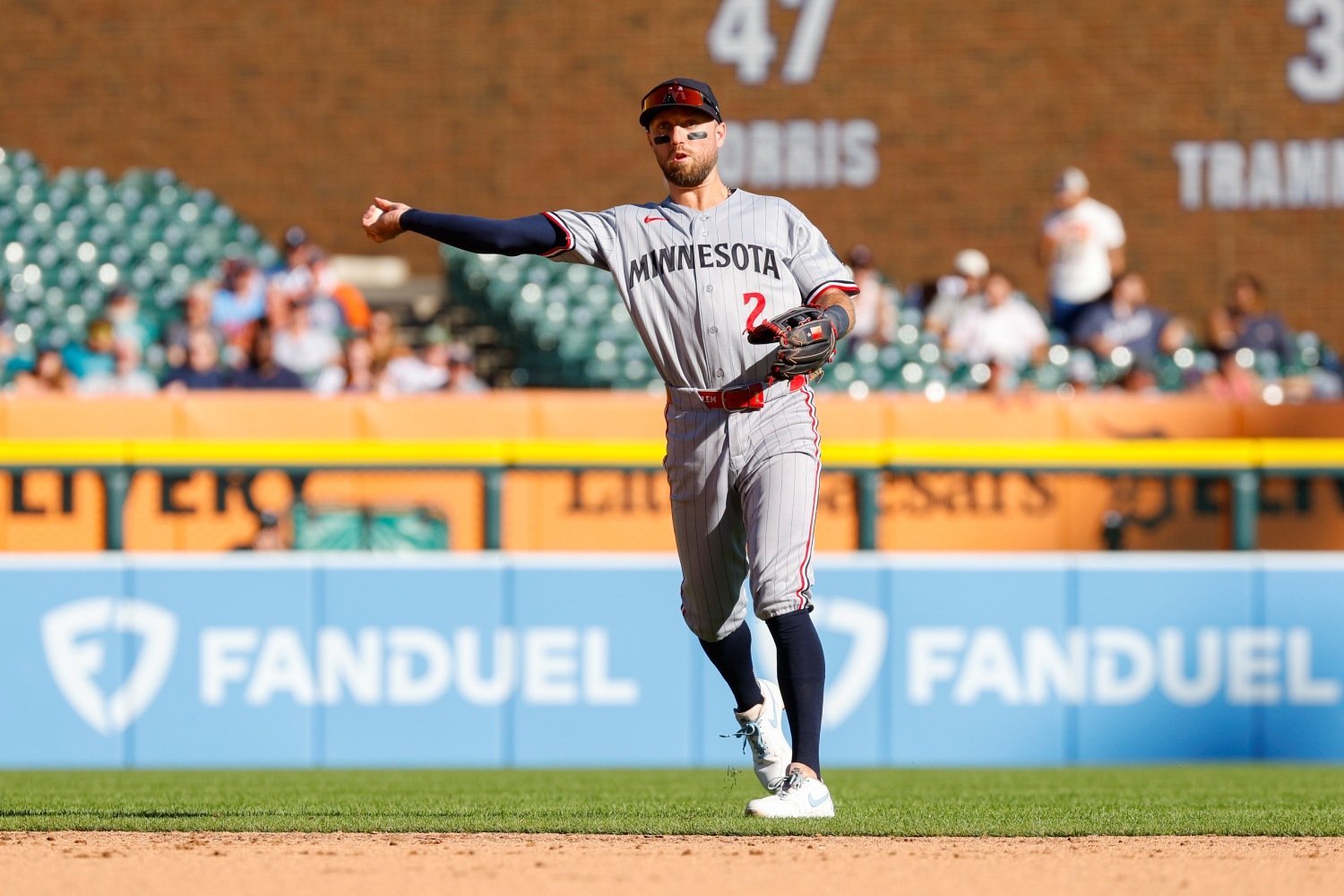 The 2026 season has been a career year for Kody Clemens. Offensively, he's set career highs across the board, including 26 home runs, seven triples and 76 RBIs. Among players who primarily play second base, only Brandon Lowe has more homers. Perhaps most notably, Clemens has finally established himself as an above-average hitter. His 109 OPS+ is the first time in his career that he's finished a season above league average, and his .753 OPS ranks fifth among second basemen. That's made him an extremely valuable piece for Derek Shelton to have at his disposal. Defensively, Clemens has spent meaningful time at five different positions this season, and for the most part, he's been a strong defender. There's one pretty significant exception, though. With Luke Keaschall making the transition to the outfield and Royce Lewis moving over to first base, Clemens has been locked in at second for most of the second half. Offensively, his production is more than good enough for the position. Defensively, however, there are some concerns the Twins may need to address this offseason. On the season Clemens has recorded 0 Outs Above Average and 2 Defensive Runs Saved. Those metrics measure defensive value in different ways, but they ultimately tell a similar story. He's been at least an average defender, and for the most part an above-average defender, everywhere he's played—except for second base. At second, Clemens has recorded -4 OAA and -4 DRS. Some of his struggles there have looked awfully familiar. Much like Keaschall earlier in the season, Clemens has struggled when trying to make plays on balls up the middle. He has impressive sprint speed, but there's a difference between being fast once you're moving and having the first-step burst necessary to consistently get to a ground ball. That appears to be the biggest issue for Clemens at second. So, what can the Twins do to minimize the problem? One option is to simply flip-flop Clemens and Lewis. Fellow Twins Daily writer Cody Christie recently wrote about where Lewis should play if the Twins keep him around for 2027, and he identified second base as a viable option, based in part on Lewis's defensive ability there. If Lewis profiles better at second base, why not put Clemens at first? Clemens has graded out as a strong defender at first base over the course of his career, while Lewis has really struggled there this year. In 75 starts at first, Lewis has recorded -3 OAA. To be fair, Lewis just transitioned to the position this season. It's entirely possible that a full offseason of reps at first base could help him become a better defender there. But the Twins don't have to wait and find out. The one position where Lewis has graded out positively defensively this year has been second base (albeit in so small a sample as to be basically meaningless). He doesn't have the same sprint speed as Clemens or Keaschall, but he does have the quick first step that Clemens has lacked at the position. That could make him a better fit for the types of plays that have given Clemens trouble. If Lewis and Clemens switched spots, I think both players could benefit. It isn't just a defensive argument, either. Their offensive skill sets might actually be better suited to those positions, as well. Lewis' production at the plate simply doesn't line up with what you typically want from a first baseman. That's an offense-first position, and while Lewis certainly has the talent to become a much better hitter than he was in 2026, his current production doesn't provide much margin for error at the position. Clemens, on the other hand, has power that comes much closer to what you want from a first baseman. There are obviously still plenty of questions the Twins need to answer before making that decision. Lewis would need to prove that his success at second can hold up over a larger sample, while Clemens would need to show that his offensive production can carry over if he's playing first base regularly. But the foundation is there. Clemens has already shown that he can be a productive offensive player. He's also shown that he can be a strong defender at first. Lewis, meanwhile, has at least shown some positive defensive value at second, while struggling at first. Ultimately, it might be that neither is in the team's plans for long, or that they become platoon partners at one of these spots or the other. If the team signs a slugging first baseman this winter, it would crowd Clemens and Lewis into second together. If they eschew that opportunity but are ready to promote Marek Houston by mid-summer 2027, Lewis and Clemens might be pushed to first, together. Until and in the absence of such moves, though, swapping Clemens back to first base and giving Lewis his first extended run at second makes some sense. View the full article
 -
Which Top Twins Prospects Could Reach the Majors in 2027?
DiamondCentric posted an article in Twins Daily
 While the Twins’ 2026 season didn’t end the way they, or we as fans, wanted it to, it did offer us a glimpse into the future. Walker Jenkins, Kaelen Culpepper and Emmanuel Rodriguez, who entered the year as three of the top four prospects in the Twins’ system, all made their debuts and flashed their upside. We also got to see several other young players (including Connor Prielipp, Gabriel Gonzalez, Kendry Rojas and Andrew Morris) get their first tastes of the majors. Because there’s not going to be any playoff baseball in Minnesota this year, the focus now turns to 2027. With that comes a chance to take a way-too-early look at which of the Twins’ top prospects could make their major-league debuts next season. Vahn Lackey We’ll start with the highest-rated name on this list, and possibly the spiciest prediction: Vahn Lackey. Lackey ranks as the Twins’ No. 2 prospect and was just selected third overall in the 2026 MLB Draft. Well-rounded catchers are extremely difficult to find, but that’s exactly what he has the potential to be. We got to see that skill set on display during his first taste of professional baseball this summer. Lackey slashed .250/.435/.424 in 25 games between Low-A and High-A. He collected eight extra-base hits, went 13-for-15 on stolen base attempts and drew four more walks than he had strikeouts. We also got to see his impressive arm strength behind the plate. It’s hard not to be excited about his long-term outlook. The question is whether he’ll be ready next season. I think it’s entirely possible. With Ryan Jeffers headed out the door, there will be available playing time behind the plate for Lackey at some point in 2027. Of course, we’ll need to see him produce at the upper levels of the minors first. But if he makes quick work of that challenge, don’t be surprised if he gets to Target Field sooner than expected. Marek Houston Marek Houston is Minnesota’s No. 4 prospect and is widely regarded as the organization’s best defensive prospect. But while the glove has always been the calling card, his bat exploded in 2026. He hit .312 with a .392 on-base percentage and an .847 OPS in 116 games between High-A and Double-A. He logged 42 extra-base hits and stole an impressive 50 bases. So far, Houston is on a very similar track offensively to Culpepper, who made his debut this season. Defensively, the consensus is that Houston is the better, more polished infielder. That combination makes it pretty easy to see why a major-league debut could be in the cards next season. If Houston can keep swinging the bat the way he did in 2026, we should see him at some point in 2027. Riley Quick Hard-throwing mountain-of-a-man Riley Quick went just 20 picks after Houston last summer. Of the five names on this list, I’m the least confident that Quick will make his debut next year. That’s not because he doesn’t have the ability to do it, though. He struck out 110 batters over 81 2/3 innings this season between Low-A, High-A and Double-A, which comes out to a 30.6% strikeout rate. The swing-and-miss stuff is undoubtedly there, but more development is needed before Quick is ready to face major-league hitters. His walk rate this season was 13.4%, and he finished the year at Double-A with a 6.68 ERA. Those numbers obviously aren’t ideal, but they also aren’t necessarily representative of where Quick can be after another full offseason of development. With some time to fine-tune his command and overall approach, it’s fair to expect a jump forward next season. Depending on how big that jump is, Quick could find his way to Target Field in 2027. Hendry Mendez Hendry Mendez is the Twins’ No. 7 prospect, and his bat looks ready for a major-league opportunity. He slashed .281/.374/.430 between Double-A and Triple-A this year. Mendez is more of a hit-for-contact bat than a slugger, but he’s very capable of hitting the ball hard. The fact that he spent the majority of the season in Triple-A also puts him in a different position than some of the other names on this list. The bigger question is where he’ll play, defensively. He's developed as a corner outfielder, but if he has a future as a fielder in the big leagues, it's probably at first base. Regardless of where the Twins decide to use him, his offensive profile should give him a chance to compete for a major-league role. He’s already on the 40-man roster, which would make it considerably easier for the Twins to add him to the big-league club. Of these five players, Mendez feels like the safest bet to see the majors in 2027. Ryan Gallagher After coming over from the Cubs at the 2025 trade deadline in the Willi Castro deal, Ryan Gallagher has been good enough to ensconce himself in the Twins Daily Top 20 prospects list, at No. 15. Unlike Quick, he isn’t going to overpower hitters with an upper-90s fastball. He’s more reliant on deception and good secondary pitches, but he’s still shown the ability to generate plenty of swing-and-miss. His 6.44 ERA at Triple-A certainly doesn’t speak well for him, but the process was better than that number suggests. Both his expected ERA and FIP sat in the high-4.00s, giving us a little more context for his overall performance. Like Quick, Gallagher will need to clean up the walks if he wants to become a useful major-league pitcher. But the tools are there, and with more refinement, Gallagher could very easily earn a major-league callup at some point next season. There’s obviously a lot that can change between now and Opening Day. Some of these players could struggle, while others could force the Twins’ hand with dominant performances in the minors. But after watching several of the organization’s top prospects make their debuts in 2026, there’s plenty of reason to believe the next wave isn’t far behind. View the full article
 -
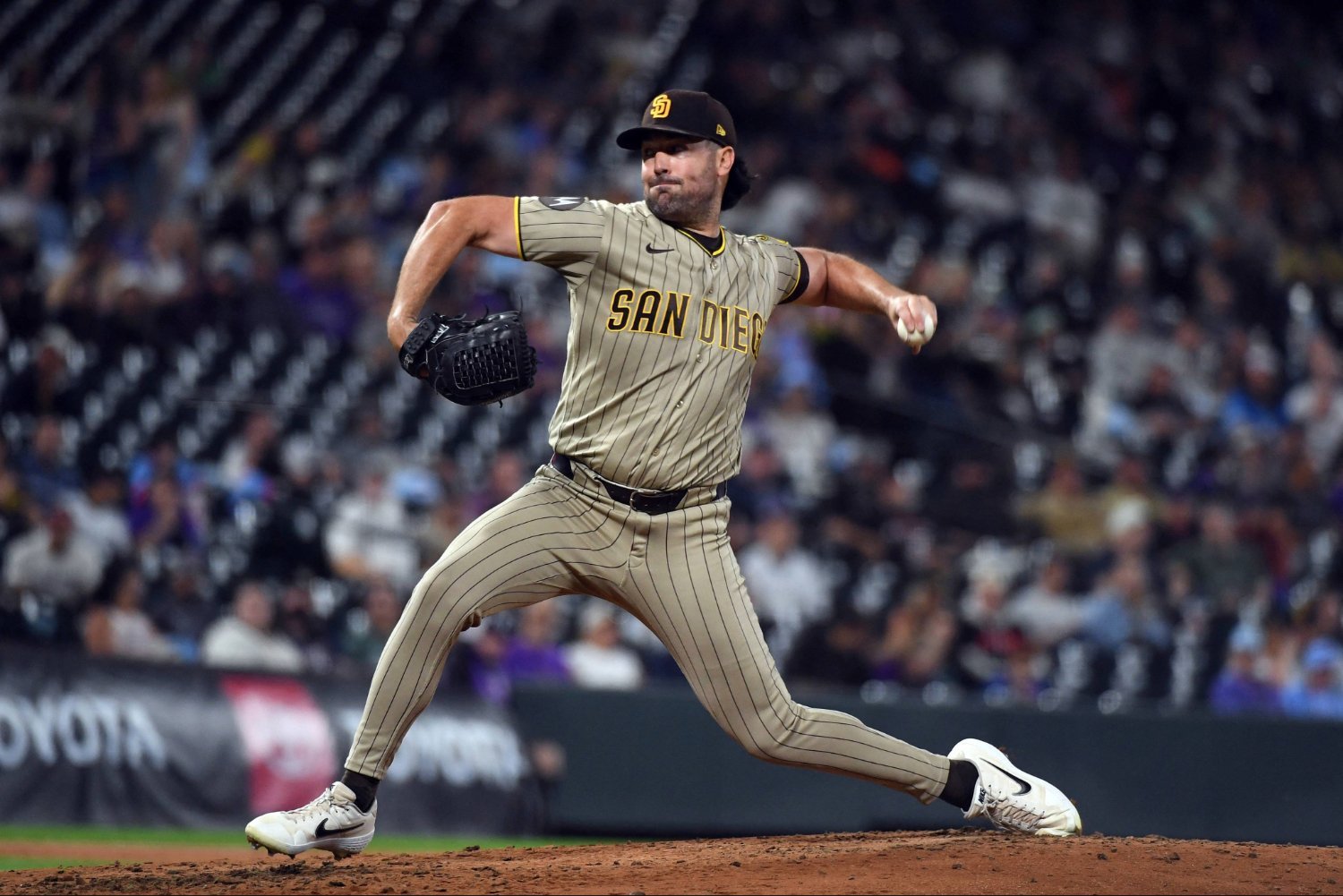 Around the time of the trade deadline, a lot of people expected the San Diego Padres to be sellers. Bullpen arms like Mason Miller and Adrian Morejon were some of the biggest names floated around as possible trade candidates, but in the end, the Friars decided to be buyers. One of the additions A.J. Preller made was starting pitcher Robbie Ray, who came over from the division rival San Francisco Giants. Ray had been having a quality season with the Giants, posting a 3.08 ERA across 122 2/3 innings before the trade. While he’s obviously not the same pitcher who won the AL Cy Young Award back in 2021, he looked like someone who could provide the Padres with some valuable innings as they pushed toward the postseason. Fast-forward to late September, and San Diego is in a pretty good position. The Padres have a four-game lead for the final Wild Card spot, and if they can put together a strong final week of the regular season, they could even wind up hosting a Wild Card matchup. However, Ray hasn’t exactly been a major reason for that success since arriving in San Diego. Through his first 39 2/3 innings with the Padres, Ray owns a 5.22 ERA. He’s walked 26 batters compared to just 31 strikeouts, while also allowing seven home runs. His 5.87 FIP is even worse than his already uninspiring ERA, which raises an important question: Assuming the team holds onto its playoff spot, what exactly should Ray’s role be in October? It’s a tough question, especially considering the Padres’ other major pitching addition at the trade deadline, Casey Mize, is in a pretty similar position. But if I were making the decision, I think Ray would be best suited for a shorter, four-to-five-inning role. For as rough as his overall numbers have been, there’s a pretty interesting split hiding underneath them. The first time through an opposing lineup, Ray has posted a 2.92 ERA. You’ll take that all day long, especially from a pitcher who doesn’t necessarily need to be your ace or your Game 1 starter. The second time through, his ERA rises slightly to 3.15. That’s obviously a little worse, but it’s still a very strong number for a middle-to-back-end starter. At that point, Ray has already given the Padres what they need from him. But the third time through the order is where things really start to unravel. Ray’s ERA jumps all the way to 6.55 in those situations, and his strikeout rate drops from around 22% the first two times through the lineup to just 10%. Even more concerning, he’s actually walking more batters than he’s striking out once opposing hitters get that third look at him. That’s a problem. It’s certainly not unusual for pitchers to perform worse the more times hitters see them. There’s a reason managers are constantly monitoring pitch counts, times through the order, and how a pitcher looks the second or third time around. Hitters get more familiar with a pitcher’s arsenal, and the margin for error gets smaller. But the sheer difference in Ray’s numbers is what stands out. That’s why I think the Padres should be careful about trying to squeeze too much length out of Ray in the postseason. If San Diego gets into a playoff series, I’d be perfectly comfortable with Ray starting a game and going four or five frames. Let him face the lineup twice, assuming he’s pitching effectively, and then turn the game over to the bullpen. That approach would allow the Padres to get the best version of Ray without putting him in situations where his biggest weaknesses become more exposed. And let’s be honest, if the Padres are going to make a serious postseason run, their bullpen is going to have to be a big reason why. The Friars made the decision to be buyers at the trade deadline for a reason. The team clearly believes they have enough pitching depth to make a postseason push, and leaning on the strength of the roster is never a bad idea. There’s no reason to ask Ray to eat huge chunks of innings if the Padres have other arms capable of taking over once he reaches the point where hitters are seeing him for a third time. That doesn’t mean Ray should be treated like someone the Padres can’t trust. Quite the opposite, actually. They just need to make sure they don’t ask him to be something he isn’t anymore. View the full article
 -
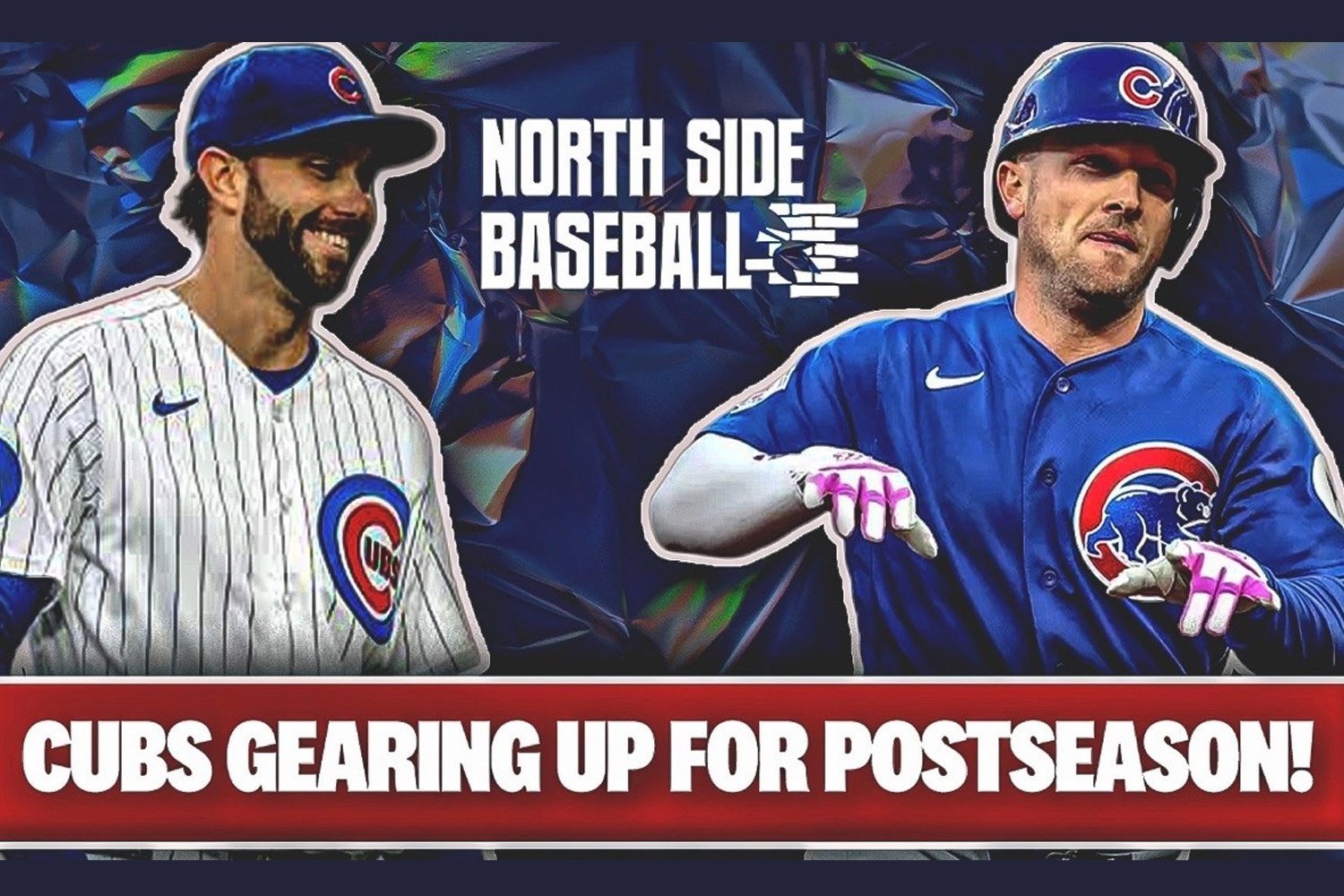 How important is Alex Bregman to the lineup and will he return for postseason? Could David Peterson be part of the rotation in the playoffs? Would you rather face the Padres or Phillies? Listen on Apple Podcasts: https://podcasts.apple.com/us/podcast/the-north-side-baseball-podcast/id1798599313 Listen on Spotify: https://open.spotify.com/show/75wMGhBwlrDDYPt3kaF453 Listen on iHeartRadio: https://www.iheart.com/podcast/263-the-north-side-baseball-po-268998437/ Listen on Pocket Casts: https://pca.st/eey7h6ih Watch on YouTube: https://www.youtube.com/@northsidebaseball View the full article
 -
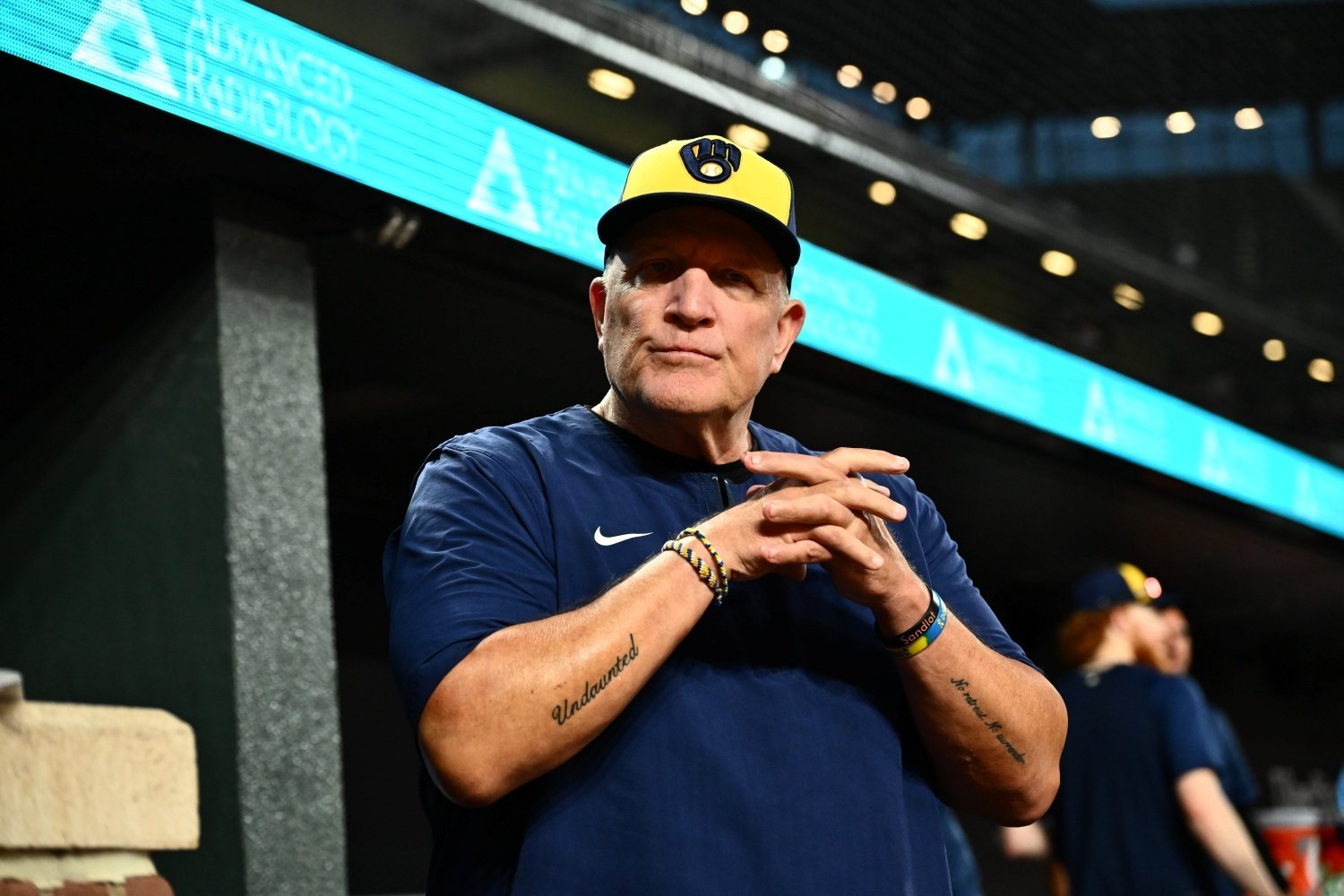 Tuesday night’s series opener in Philadelphia was winnable for the Brewers, but their pitching was shaky, and the offense couldn’t break through with enough timely hits against Zack Wheeler and the Phillies bullpen. Even so, it was a productive night, as Milwaukee secured a first-round playoff bye to the NLDS thanks to Atlanta's loss to Cincinnati. Even though that clinch was pending at first pitch, it explains how the Brewers handled their pitching last night. They’re still playing for baseball’s best record to secure home-field advantage for the entire postseason, but now that they’re guaranteed to play in the NLDS, managing for that series is the focus. Maximizing wins each night isn’t the priority in the final week of the regular season—even if Pat Murphy stopped short of saying as much. “These are games to win,” Murphy said on Tuesday afternoon. “I don’t see any other way to do it. It just doesn’t feel right inside if you’re not playing to win.” In practice, though, the Brewers are clearly striking a balance. After making a few decisions here and there geared toward October, they’ve shifted further into planning mode on this road trip, using what’s left of the schedule to line up their pitching staff for the NLDS. Jacob Misiorowski made a purposely shortened start on Sunday. That means he can start ramping back up with a more normal-length start on Saturday, allowing for a no-restrictions outing in Game 1. After that, the Brewers pushed Logan Henderson back to Wednesday so they could give Dustin May a truncated outing as another opportunity to get him on track. “It's simple. We want to give him as many outings as we can,” Murphy said pregame. “Probably won't be an extended outing, but it's still a chance to go out back out there and pitch, and just kind of solidify how he wants to do things. He keeps adjusting to his new environment, and we all got to get on the same page. And he wants to jump back out there, and it works out perfect for us.” One area May and the Brewers must still solidify, Murphy said, is his pitch mix. Since coming to Milwaukee at the trade deadline, May has predictably upped his fastball usage from 66.7% to 73.4%, including in two-strike counts. That makes more sense for him than for other pitchers, since May’s fastballs are his strength, but it could be making it harder to put hitters away. Since the trade, hitters own a .939 OPS against him with two strikes. “I think he's starting to see, like, ‘Well, I got to slow these right-handers down a little bit. I can't just go fastball-cutter, fastball-cutter.’ You know what I mean?” Murphy said. “I'm starting to see that. And he's going through what pitchers go through.” The hurdle is finding a put-away breaking ball, particularly to right-handed hitters. May’s sweeper hasn’t done the job. It’s been great against left-handers this season, but righties have slugged .467 against it with just an 18.1% whiff rate. Since the trade, it’s induced zero whiffs from a righty. The Brewers want him to throw his curveball to righties instead, which May started doing in his last two outings. “It's been a good pitch for him, the sweeper to lefties, and the sweeper to righties has not been a good pitch,” Murphy said. “The [cutter] has been more of a swing-and-miss pitch to righties, but you got to have more than everything's hard. You just got to come up with that slower pitch.” May threw just two curveballs in his 36 pitches Tuesday night, and neither was competitive. The first was a ball low and outside to Trea Turner, and the second bounced in the dirt and nearly hit Brandon Marsh on an 0-2 count. After that, May came back with a front-hip sinker, and Marsh turned on it for a two-run home run. “Maybe I could have executed a little higher, but we were trying to go front-hip, so I feel like I executed it pretty well,” a frustrated May said afterward. “But obviously, it wasn’t the right pitch call or pitch execution, whatever it was.” May’s velocity and movement have been just as good in Milwaukee as they were in St. Louis, his hard-hit rate is lower, and his strikeout rate is only one percentage point lower. Yet, the frustrating sequences continue, and May sounded (after another disappointing outing) like a pitcher lost for answers. “I’m just going to do what I’m told at this point,” he said. “I don’t feel like I’ve pitched my way into having a say in anything, so I’m just going to do whatever they tell me.” All indications are that the Brewers still plan to use May as one of their three postseason starters, although they could use an opener in front of him. Given his stuff and veteran experience, that’s probably the correct call. That means they’ll keep giving him opportunities to get right before the NLDS. “When you’re fighting through all of this, you’re trying to be perfect, and he got two innings to do it,” Murphy said. “I still have great confidence in him.” It’s a similar story for Kyle Harrison, who fittingly followed May out of the bullpen on Tuesday. Unlike May, Harrison is hardly a guarantee to make a playoff roster at this point, but he has slowly progressed in the right direction. For the second straight outing, his fastball behaved like its effective self, averaging 95.1 MPH with 16 inches of induced vertical break. However, Harrison’s location was still problematic, and he gave up a run on three hits. “The properties of the fastball seemed like they were better,” Murphy said. “Now you got to command it. And then the secondary stuff wasn’t as sharp again.” After Harrison’s inning, Colton Gordon pitched the final five in long relief. After the Brewers tied things at 3-3 in the sixth, Murphy stuck with Gordon instead of using his high-leverage relievers. It nearly worked out, but Gordon allowed three two-out runs in the eighth on four straight hits. His real job was to eat innings, though. “He can pitch,” Murphy said. “Very impressed.” It was a departure from Murphy’s usual aggressive “Win Tonight” approach, but it was the responsible decision. Before Monday’s day off, five relievers had pitched in three of the last five days, and the Brewers recalled Gordon specifically for this kind of outing. They can still take the next two games of the series and push for the top seed while keeping the rest of their relievers to more manageable workloads the rest of the week. That’s a luxury they’ve earned, just like the luxury of trying to help May and Harrison right the ship in games. “We’re going to keep running those guys out there and see if we can’t get them on track,” Murphy said. View the full article
 -
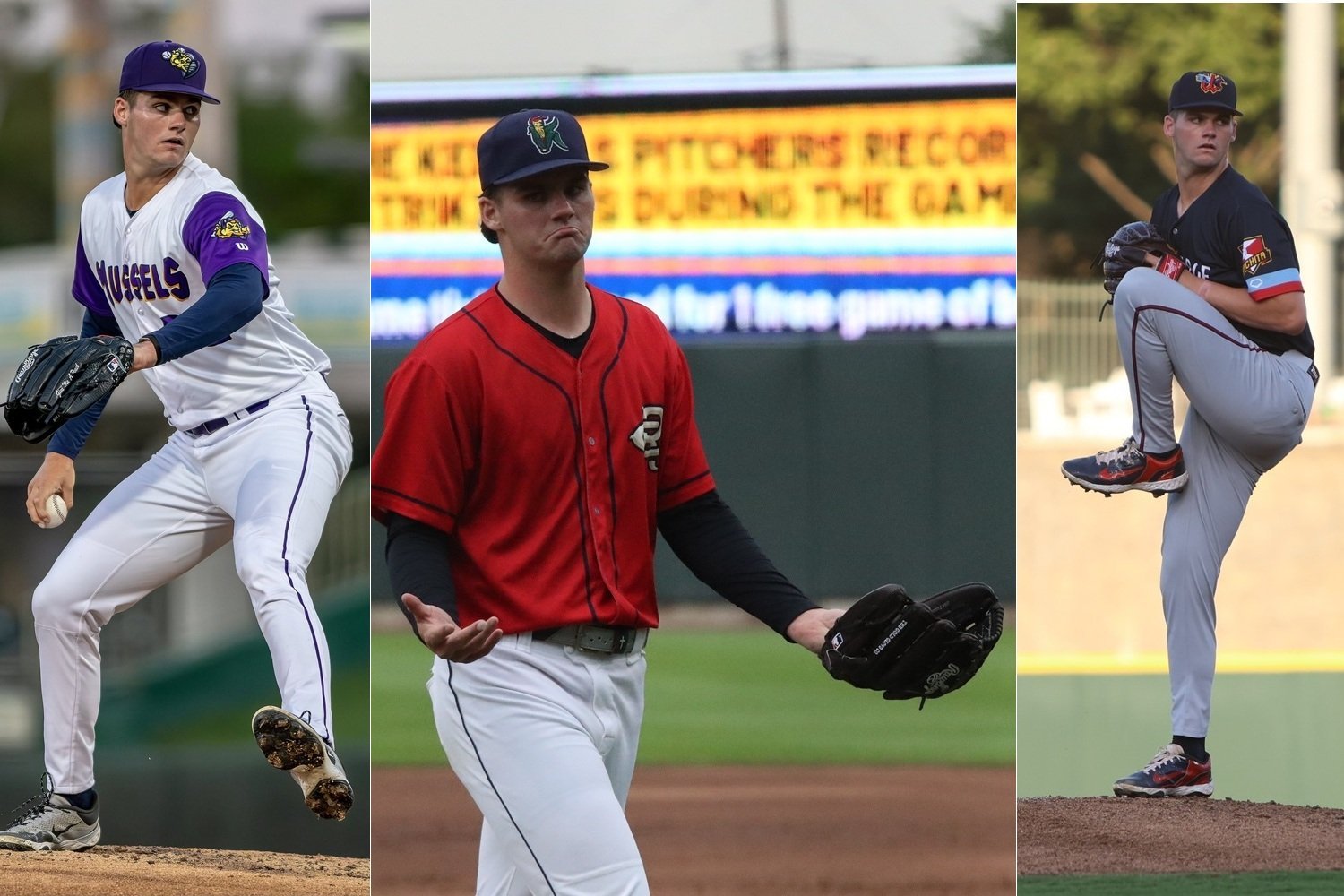 The Twins have continued to add some intriguing arms to their pitching pipeline, and 2026 featured several pitchers taking important steps forward. From young prospects making their professional debuts to older pitchers looking to establish themselves at the upper levels, there were plenty of candidates worth considering for this year's award. Before exploring this year’s top vote-getters, here’s a look back at Twins Daily’s recent winners of this award. 2025: Dasan Hill 2024: Zebby Matthews 2023: Cory Lewis 2022: Louie Varland 2021: Louie Varland 2019: Randy Dobnak 2018: Tyler Wells 2017: Stephen Gonsalves 2016: Stephen Gonsalves 2015: Jose Berrios 2014: Jose Berrios 2013: Taylor Rogers 2012: BJ Hermsen Let’s get into this year’s voting, starting with the honorable mentions and others receiving votes. Honorable Mentions SP Ty Langenberg: 4.29 ERA, 1.36 WHIP, 20.8% K, 8.2% BB, 4.35 FIP, 123 2/3 IP (33 G, 33 GS) SP Adrian Bohorquez: 3.02 ERA, 1.20 WHIP, 27.3% K, 12.6% BB, 3.92 FIP, 59 2/3 IP (19 G, 18 GS) RP Paulshawn Pasqualotto 3.73 ERA, 1.27 WHIP, 32.9% K, 9.0% BB, 3.62 FIP, 70 IP (42 G, 0 GS) 3. RHP/SP Merit Jones 2026 Stats: 4.17 ERA, 1.42 WHIP, 23.7% K, 8.7% BB, 4.54 FIP, 112 1/3 IP (15 GS, 29 G) Jones had an interesting first full season of professional baseball, serving as both a starter and a reliever while still taking on a workload that looked much more like that of a starting pitcher. The Twins' 2025 20th-round pick looked particularly sharp with Low-A Fort Myers early in the year, which earned him a promotion to High-A Cedar Rapids in early August. Things got a little tougher with the Kernels, but the promotion showed the organization believed Jones was ready for a tougher challenge. One of the biggest positives from his season was the ability to generate swings and misses. Despite never throwing more than five innings in any of his 15 starts, Jones recorded at least seven strikeouts in five of those outings. There is still plenty for Jones to work on as he continues moving through the system, but his first full professional season was a promising one. After handling both roles and more than 110 innings, he will look to carry that momentum into 2027. 2. RHP Preston Johnson 2026 Stats: 4.36 ERA, 1.20 WHIP, 29.0% K, 9.0% BB, 4.73 FIP, 88 2/3 IP (18 GS, 24 G) Johnson's path to a successful 2026 season was anything but conventional. After a rough 2025 campaign in the Orioles' system, he began this season in independent baseball before the Twins signed him in mid-May. Once he joined Minnesota's organization, though, Johnson looked pretty darn good. He spent the season with Double-A Wichita and racked up nearly 11 strikeouts per nine innings while showing solid command of the baseball. The biggest issue was the long ball. Johnson allowed 15 home runs, which did a lot of the damage against him despite the strong strikeout and walk numbers. If he can find a way to limit that extra-base contact, there is a chance he could turn into a really promising minor league arm in 2027. Age does factor into these votes, and that's a big part of why Johnson comes in at No. 2 rather than No. 1. Still, going from independent baseball to becoming one of the more productive pitchers in the Twins' system makes his 2026 season an impressive one. Twins' Minor League Pitcher of the Year: RHP Riley Quick 2026 Stats: 4.74 ERA, 1.40 WHIP, 30.6% K, 13.4% BB, 4.94 FIP, 81 2/3 IP (23 GS, 23 G) Quick, who's Twins Daily's No. 5 prospect and top pitching prospect, had an extremely promising first year as a professional. After being selected 36th overall by the Twins in the 2025 MLB Draft, Quick looked like a man among boys at Low-A Fort Myers, both literally and figuratively. He needed just three starts there before earning a promotion to High-A Cedar Rapids, where he continued to overpower hitters. That performance eventually led to another promotion, this time to Double-A in mid-July. Quick struggled a bit more once he reached Wichita, but considering how quickly he moved through the organization, there was plenty to like about his first professional season. The biggest concerns were his walks and hard contact. His 13.4% walk rate in particular is something that will need to improve if Quick is going to develop into a quality major league starter. But the stuff is clearly there. Quick struck out 30.6% of the hitters he faced this season, showing the kind of swing-and-miss ability that made him such an intriguing draft pick in the first place. When the command is there, he has the ability to overwhelm hitters, and that gives him a much higher ceiling than the ERA alone might suggest. He figures to begin 2027 at Double-A, where he did have some struggles after his promotion. With a full offseason to adjust to the level and continue developing his arsenal, though, there is plenty of reason to believe Quick can take another step forward next season. And if he does, it wouldn't be surprising to see him make his way to the major leagues at some point in 2027. Several Twins pitchers had strong seasons in 2026, but Quick's combination of prospect status, strikeout ability and rapid movement through the organization made him stand out from the rest. His first professional season wasn't perfect, but there was more than enough there to make him the Twins Daily Minor League Pitcher of the Year. View the full article
 -
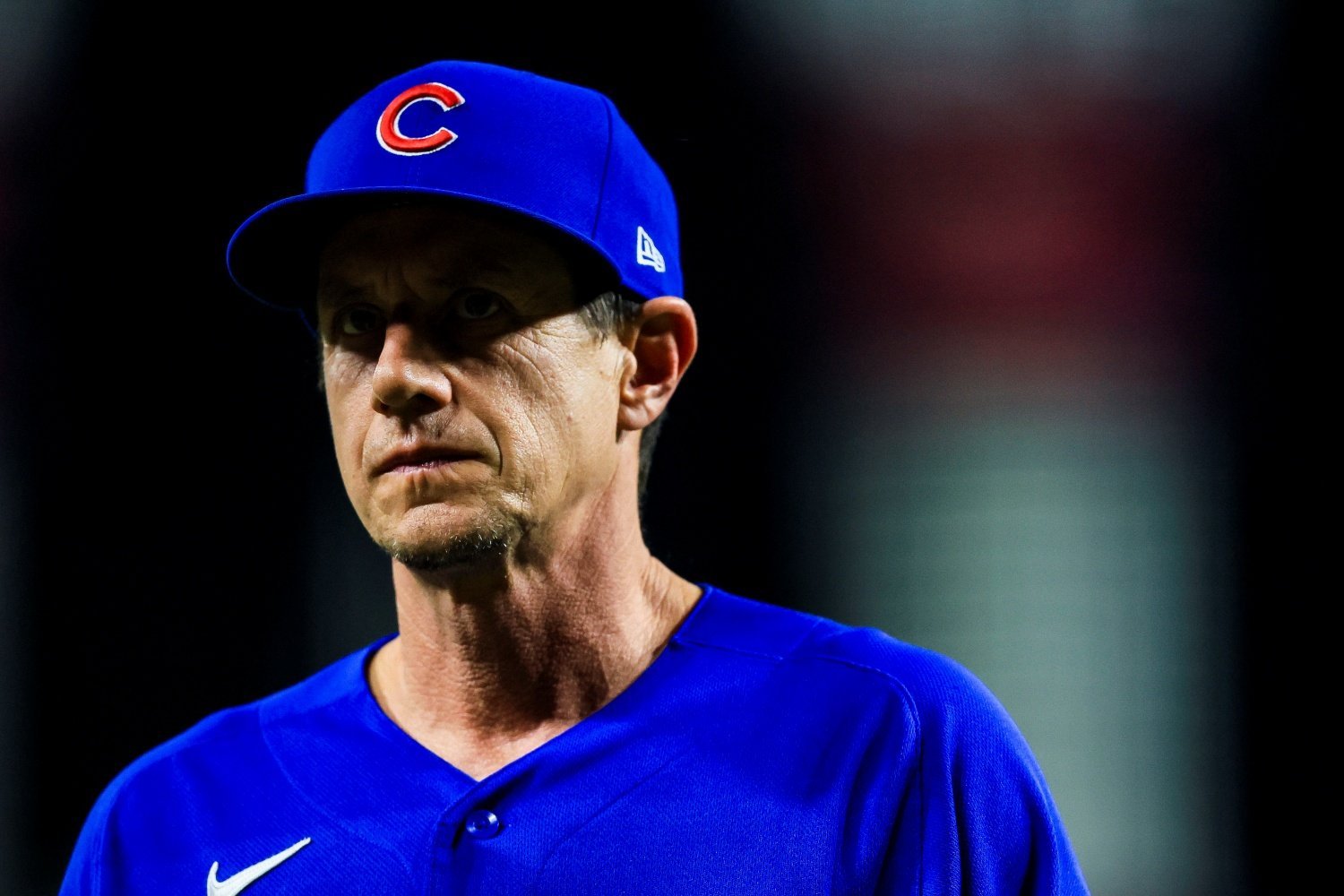 Before we talk much about this, let's watch a few things together. This is one of those times when emotions are high and no one's going to be happy about anything that's said. At such times, it's more important than ever to show, rather than tell. We're going to watch a sequence unfold, with Matt Shaw at the plate; runners on first and second; nobody out; and the score tied in the latest stages of a crucial game. Not the latest one, though. No, let's go back to September 8, in Milwaukee. The Cubs had lost a devastating game the previous day against the Brewers, but there they were in the top of the ninth, with a chance to turn the tide of the series and pull themselves out of what had been a flat and costly few weeks of shakiness. Brewers closer Trevor Megill was on the mound, and because Shaw is a bad bet to get a hit against the likes of Megill (who boasts good control, and was therefore unlikely to walk his unthreatening opponent), Craig Counsell asked Shaw to lay down a sacrifice bunt. Here's the first pitch of the sequence. akR3T1dfWGw0TUFRPT1fQmdCUlVGZFdVUVlBV2xNQVVBQUhCdzhFQUFCUkFnTUFBd2NGQkZJR1V3SlNVbEZT.mp4 That's not good baseball. It's forgivable—any hitter might, on a given offering, fear that they're at risk of popping up the bunt, or simply misidentify a fastball as a breaking ball—but it's not good. Shaw took a strike in a very buntable location; he pulled back a bunt that probably would have been successful. Again, though, it's just one pitch. Here's the next one. akR3T1dfWGw0TUFRPT1fVXdFRlVRSUdCUUVBQ1FNRUF3QUhWQVpRQUFCV1YxTUFWZ0FBVTFWWFZ3c0JCRkVF.mp4 Hideous. Not only did Shaw try to bunt the most classically understood "tough pitch to bunt" (a high, rising fastball) and go above the zone to do it, but his mechanics were atrocious. This is a major failure of fundamentals. No one is calling for a return to the frequency with which the league laid down bunts in the bad old days of the 1980s, but hitters like Shaw—who has zero clutch hits all season—need to at least be ready to try one when called upon. He looked like a player who has always been the star of his teams and was never asked to bunt, and who therefore never bothered to learn. In the modern culture of the sport, it's understandable that he was never tasked with giving himself up. In no culture of sport is not learning such a simple finer point acceptable. Third pitch, with the bunt sign now begrudgingly lifted: akR3T1dfWGw0TUFRPT1fRDFSWFYxd0hCd01BQ1ZOV0J3QUhWQVlDQUZsVFYxSUFCbElFQmxGUVZ3SlFWUVJU.mp4 Shaw's love affair with the shoulders-high fastball is a problem for his career writ large, but it's especially galling to give in to the temptation of it on the very next pitch after twice failing the instruction to put down a bunt. It shows poor strike-zone judgment, and if you were in an ungenerous mood (as, admittedly, many Cubs fans always are when it comes to Shaw, for reasons that have little to do with his actual performance), you could read it as selfish. It wasn't clearly selfish, but it hinted at that. And selfishness turned out to be right around the corner. akR3T1dfWGw0TUFRPT1fRHdOVVZBRUZVbE1BQ0FjQlZ3QUhWUVVBQUZrTlV3QUFBd1lOQTFZQkFWSURBUVJU.mp4 That's embarrassing, for Shaw and for the team. That's bad baseball from nose to toes, and it looks like a player who didn't put their all into the self-effacing task assigned to them, then tried way too hard once they had the at-bat back and were offered a chance to achieve their own glory. I'm not sure that's what really happened. Another way to read the whole at-bat—a simpler one that still links together all four pitches, logically—is that Shaw was not seeing Megill well at all. He might have just felt like a 10-year-old facing their college-aged brother on spring break; that's very much how he and Megill match up physically. In a way, Shaw was bailed out that night. Michael Conforto drew a walk, and Carson Kelly cracked a go-ahead two-run double that should have given the team a desperately-needed win. Alas, they gave the game away on a two-out, two-run, game-tying homer by Jackson Chourio in the bottom of the ninth, and then they lost in in extra frames. But in all that activity, Jacob Webb (and Seiya Suzuki, who made an out on the bases in the 10th) were fitted for goat horns, and it got easier to forget about this ugly sequence from Shaw. Maybe too easy, especially for Shaw. In he stepped in the bottom of the 10th inning Tuesday night, with a chance to put the Cubs right on the doorstep of clinching a second straight playoff berth. It required only that he avoid making the worst kind of mistake a player (or person) can: one he'd made already. Not offering at a ball outside the zone is no sin, even when you've been asked to give yourself up. Shaw probably could have gotten this one down, but the pitch being away from him meant there was a real risk of pushing it right to the first baseman, imperiling the lead runner. No problem here; good take. This is another no-fault take, and even in real time, it was fair to wonder whether bunting was still the right call. On average, a team who has runners on first and second with nobody out will go on to score at least one run in an inning 65% of the time. Put the runners on second and third with one out, and that number rises to 70%. That's why even statheads are in support of this bunting situation. Still, no one would have been calling for (or even ok with) a bunt from Pete Crow-Armstrong or Seiya Suzuki in this spot. Well, the league is hitting .263/.509/.458 in all plate appearances that reach a 2-0 count this year. Shaw is a career .239/.535/.435 after 2-0. Give him a 2-0 head start, and Shaw is a better hitter than either of those teammates starting from scratch. After Michael Busch drew a walk to lead off the inning, in particular, this start to the at-bat strongly suggested that right-hander Jack Ralston was out of touch with the zone. Maybe giving him an out, at that point, would just be charity, even if it also put the winning run 90 feet away. You can make a perfectly solid case for taking off the bunt sign. That the Cubs didn't is on Counsell. Shaw, however, is responsible for executing what his superiors tell him to do. If Shaw worked on bunting at all over the last fortnight, it doesn't show, does it? This, like that first one back in Milwaukee, was a very buntable pitch, and he didn't even come close to getting it down. If he had his manager's mentor for a manager, he'd have been told this was piss-poor; Pat Murphy slaps that cliche on plays that rankle him by showing a lack of refinement or awareness. It's just one strike, though. Botched. Badly botched, again. Shaw made the same mistake he made against Megill in Milwaukee, following a high fastball right up to chin height. He got what he deserved: the bottom half of the ball and a quiet, head-down jog back to the dugout. That's unacceptable. It's unacceptable when it happens in one big game; it's inexplicable and inexcusable when it happens in a second one less than two weeks later. The Cubs should have come down on Shaw like a ton of bricks after the first screw-up. They should have assigned him extra bunting practice, too, until there was no risk of this same thing costing them a game. To Counsell's credit, the fact that we didn't see any real reaction to that sequence doesn't mean there wasn't one. According to a source with knowledge of it, "there was a conversation" with Shaw in the wake of those failures against the Brewers. He had started that night; he didn't start another game for a week. None of that amounted to a benching, because he wasn't a regular part of the lineup or an important piece off the bench at the time, but it did reflect a real dampening of Counsell's trust in him. There's no surer way to feel the gap between who you are and who you want to be, though, than to look over at someone you think of as being like you and see them doing what you can't. The Brewers had a crisis just like this late last month. Cooper Pratt failed to get down a bunt in the same situation, in a very similar sequence. He didn't get the bunt down on his first try: TzA0OW9fWGw0TUFRPT1fVUFJRFVGVlNCMU1BWFZaUVZRQUhWMVZUQUZsV1dsY0FDZ1FDQXdJRUNRb0dCVkZV.mp4 And he didn't even deign to make the second attempt, on a buntable pitch. TzA0OW9fWGw0TUFRPT1fVUZkWUFsMVhCVkVBWGdOVFZnQUhWRkpSQUFBTlZGWUFBVllDQkFjREFBUmNDQXRU.mp4 Three pitches later, Pratt tapped back to the mound and into a fielder's choice, losing the chance to advance the runners. Later in that same game, he also got a slightly late start out of the batter's box after being jammed on a pop-up down the right-field line. When Pratt got back to the dugout, multiple veteran Brewers players (led by Jake Bauers and Christian Yelich) got in his ear about the dual failures. Murphy took Pratt out of the game at the end of the half-inning. It was only a three-inning benching, but it was the third or fourth time he had sent a message that way this year. In Milwaukee, situational baseball is practiced even early in games, so a young player messing up in that situation can't immediately cost the club a game. If there is a mistake, though, the team is as proactive as it gets with that player. They're not making a show of embarrassing youngsters, but they're not assiduously hiding it when those players face the gentle justice of being benched for playing the wrong way, either. The standards of execution and excellence, under Murphy, are non-negotiable. They will be met before a player takes the field for the team. If they cease to be met, the player will be removed. Between and before games, the coaches reinforce this. Down in the minors, they reinforce this. When Andrew Vaughn was traded to the Crew after several frustrating years with the White Sox, the difference between his old club and his new one was made clear as soon as he arrived at Triple-A Nashville. The team told him, bluntly, that he would never play for them if he didn't make better swing decisions. He made the changes required to merit playing time, and has batted .306/.384/.466 in his Brewers tenure. Since his three-inning exile, Pratt has batted .314/.367/.400. That's made it unnecessary for Murphy to call for many bunts, but when asked to do so, Pratt has gotten it down. He got down a squeeze bunt in Cincinnati on September 6, scoring a run and opening the door for a big inning after a bad throw broke the play open. He got down another one the next day to set up an early RBI single by teammate Garrett Mitchell. That was the day before Shaw's first mess-up; the run Pratt helped manufacture came at the expense of the Cubs. This is no celebration of bunting. Getting a bunt down only very rarely decides a game in the majors, these days, and that's for the best. When the time comes to execute one, though, the players whom the team asks to do so have to be capable of it. If they show themselves incapable, they have to be trained and re-trained until that changes, or they have to be demoted. Nor is it an indictment, per se, of the Cubs' coaching staff. It's certainly an indictment of Shaw, whose game sometimes seems to be made entirely of rough edges. The organization rushed him to the majors last season after failing to replace Isaac Paredes at third base, and it shows. Still, he's responsible for his own development, especially now that he's in the bigs, and he's not meeting the standard the team should be setting or practicing well enough to avoid repeating mistakes. Such problems are common on many teams in the league, but they're not common in Milwaukee. Tuesday night's excruciating loss offered a neat distillation of why the Cubs keep losing division races to a team with half their payroll. Somehow, they have to break the cycle of repeated and rhyming miscues and achieve genuine growth, which means real change. They have to better enforce standards. At least they don't have to look far to see how it's done. View the full article
 -
Brett Bateman's Breakout Has Been Amazing, But Is It Real?
DiamondCentric posted an article in Jays Centre
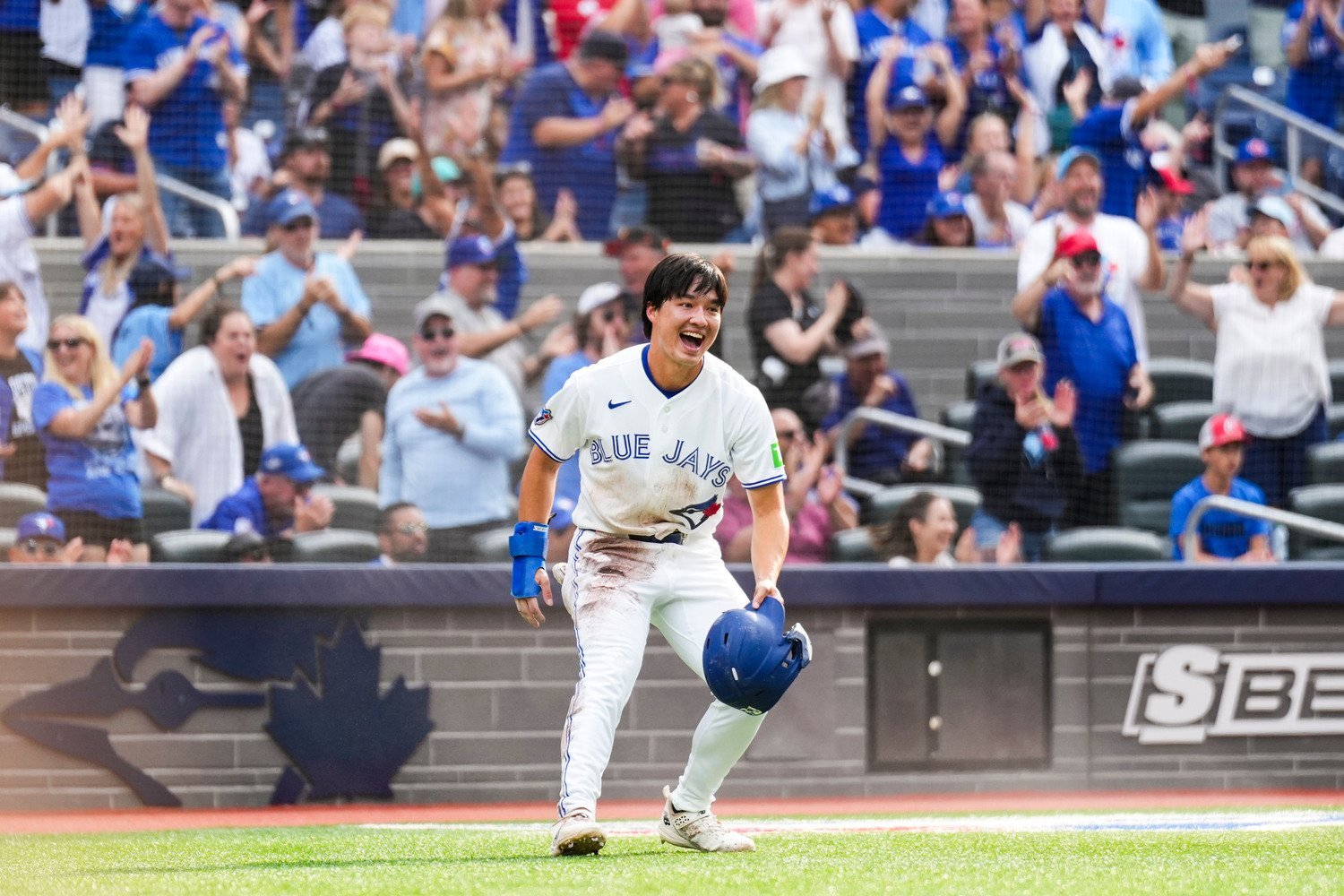 Heading into 2026, outfielder Brett Bateman was much easier to envision as a useful major league role player than as the kind of hitter who might eventually lead off for a team fighting for a playoff spot. With Pete Crow-Armstrong making a case to be a legend for the Chicago Cubs, Bateman was stuck in the farm system with no apparent route to the majors. Seven weeks with the Jays, and he looks like an irreplaceable cog in Toronto’s engine. Not every game has been perfect, but Bateman has looked and played like a confident, mature MLB player. He works counts, has speed on the basepaths and in the outfield, and has recently shown signs of some pop in his bat. Bateman entered the season ranked as the No. 21 prospect in the Chicago Cubs organization by MLB Pipeline. He was an eighth-round pick in 2023 out of the University of Minnesota and entered his fourth professional season still looking for a shot. He hit nearly .300 in A ball in 2023. That earned him a promotion to High A, where he hit .283/.401/.352. A mid-season promotion to Double A finished off his 2024 season. Over the course of two seasons in Double A, he hit about .250/.350/.275. That was enough to continue his progression, landing in Triple A to start this season, where he was hitting .312/.430/.421 before the trade. Speed and defence have always been Bateman's calling cards. Baseball America gave his speed a 60 grade on the traditional 20-to-80 scouting scale, while his fielding received a 70. Those tools gave him an obvious route to the majors because he could handle centre field and contribute on the bases even if his bat did not develop into a significant source of offence. Offensively, Baseball America graded his hit tool as a 55 and his power at 30. He had hit just six home runs in the minor leagues before reaching Toronto, although three came at Triple-A Iowa this season. That lack of power was a big reason there was skepticism about whether his offensive profile would be enough to make him an everyday player rather than a fourth outfielder. The ingredients of a legitimate major league player were there: speed, defence, strike-zone discipline, contact ability and a history of getting on base. Toronto acquired Bateman and shortstop Ty Southisene from Chicago for Kevin Gausman on August 2. Bateman spent only two games with Triple-A Buffalo before the Jays selected his contract on August 7. Plenty of players have shown those skills in the minors, but were never able to replicate them at the big league level. Bateman has so far been a rare exception. Adjustments by opposing pitchers have yet to slow him down. Heading into September 21, the 24-year-old was batting .322/.393/.416 with 26 runs scored, two home runs, 11 RBI and three stolen bases while serving as the regular leadoff hitter. That is slightly above his career minor league production. Bateman has already accumulated 1.6 FWAR, with value coming on both sides of the ball. His immediate rise is by virtue of a confluence of things. The Jays needed someone to replace Daulton Varsho. While Myles Straw and Nathan Lukes have done an admirable job, neither has provided a consistent jolt of energy like Bateman. Can he remain a .300 hitter into the future? Some would suggest his numbers are inflated by a .411 BABIP (batting average on balls in play). By comparison, Lukes has a .290 BABIP in his four seasons with the Jays. Statcast’s expected metrics (which measure exit velocity and launch angle for every batted ball) project him as roughly a .260 hitter with very low slugging. While his contact and power numbers are ok, it is his plate discipline and contact skills that are his differentiators. His whiff rate is just 17 percent, while his squared-up rate is nearly 30 percent. If his BABIP normalizes to .310-.320, that probably drops his slash line to the range of .260/.330/.335. Not bad, but certainly not what he’s shown over his first six weeks. There isn’t an MLB front office that doesn’t leverage its analytics and scouting department to make the best deals it can find. Trades and acquisitions are all based on data projections with a little gut instinct thrown in. It is nearly impossible to extrapolate the importance of a pitcher against a position player when it comes to their team’s success. Gausman is 4-2 since joining the Cubs. Since Bateman made his MLB debut, the Jays went on a run (16-9) but have since regressed to a .500 record. Meanwhile, Southisene hit .262/.380/.327 with the High-A Vancouver Canadians, who recently won the 2026 Northwest League Championship. Player development is a tricky thing. The Cubs had plenty of time to think about how they could best deploy Bateman within their organization. They determined there just wasn’t a spot for him in their major league lineup this season and instead flipped him for Gausman. Whether Bateman settles in as an everyday leadoff hitter or a valuable complementary piece, he has already exceeded expectations. He sparked the Jays to make a late-season run, bringing energy and a great approach at the plate. For a player who looked like the secondary piece in the Kevin Gausman trade, that's a pretty good return on investment. View the full article
 -
 What a week it's been for the Boston Red Sox. Along with the announcement that manager Chad Tracy has signed an extension through 2029, the team also confirmed that they have picked up both contraction options for Craig Breslow in 2029 and 2030. Fenway Sports Group has given both men a huge vote of confidence as the team prepares to head back to the postseason in 2026. There will be much to say about Tracy’s deserved contract, but the Breslow announcement caught me a bit by surprise if we’re being honest. It was fairly obvious that he would hang around in Boston through at least part of the 2027 season since we’re staring a landscape-shifting lockout dead in the face at the end of the year, but with all of the negative press surrounding him throughout the early part of the season, I think we all kind of assumed Breslow’s tenure in Boston would end well before his contract options were even a consideration. Just two games into the historic winning streak over the summer, I even wrote about how Breslow’s tenure in Boston was set to end with a whimper. Then, as the trade deadline approached, I said that his past trade deadlines showed that he couldn’t pull off the big deal. But then, on August 3, Breslow pulled off a massive in-division trade that showed me he deserved far more credit than I had given him up to that point. We can point to a number of Breslow additions throughout the first two years of his time in Boston as huge successes: trading for Garrett Crochet and Carlos Narvaez on the same day, acquiring both Sonny Gray and Willson Contreras from the Cardinals over the offseason, bringing in Caleb Durbin to settle the hot corner in the wake of Alex Bregman’s departure, and signing Ranger Suarez to be a veteran, middle-of-the-rotation anchor for a starting rotation of mostly young talent. While he’s swung and missed as well (the trades for Vaughn Grissom and Dustin May come to mind immediately), Breslow’s decision to go all-in on Adley Rutschman to settle the catching position for the rest of 2026 and all of 2027 showed that he understood what the team needed to finally push themselves over the edge of contention. That he was able to get a deal of that magnitude done during the season was an even bigger feather in his cap. He identified a problem, found a solution that benefited the organization both now and for the future, and did what he had to do to get the deal done. In my mind, that was the last hurdle that Breslow had to clear to show that he could be trusted to lead the Red Sox through the next few years. While Rutschman hasn’t been the offensive force we all hoped he would be, his impact on the pitching staff can be seen game in and game out and it feels like he’s been here far longer than six weeks. It’s entirely likely that the team will discuss a long-term deal with the catcher before the lockout begins and if that gets done, then Breslow can add yet another blockbuster move to his résumé. While the Rutschman trade was the main move of the deadline, Breslow also addressed two other areas of need by trading rookie southpaw Connelly Early for Curtis Mead and former top prospect Marcelo Mayer for lefty reliever Erik Miller. While Mead’s Red Sox debut was short lived—a broken wrist after a hit by pitch that has kept him on the shelf for the majority of the second half of the season—he profiles as a second base/DH option next season and provides a nice source of power from the right side of the plate. Miller started his Red Sox’s career on fire, becoming one of Tracy’s trusted weapons out of the bullpen, though he's faltered after his mechanics started to break down during the month of September. That being said, he seems to have fully bought into Breslow and pitching coach Andrew Bailey’s program and should be a very useful weapon for years to come. Craig Breslow may still struggle with the human connection part of baseball, but he’s made obvious strides in the right direction in that regard and FSG has given him their full stamp of approval for the next three seasons at least. This season’s turnaround and the additions he’s made along the way have given the president of baseball operations a ton of runway to prepare to bring another World Series title to Boston. If he can continue to operate the way he has in 2026, Craig Breslow will prove just how right John Henry and company were to take a gamble on him in 2023. View the full article
 -
Steve Cohen: Mets Looking to Add to Front Office
DiamondCentric posted an article in Grand Central Mets
 The Athletic's Will Sammon tweeted over the weekend that Mets owner Steve Cohen said on a broadcast, "We're going to add certain voices to the front office that are going to be helpful." Sammon noted that he "added that it doesn't have to be a GM, could be other ways to support." That makes sense for a team that will wind up around 15 games under .500 and more than 20 games behind the division-leading Atlanta Braves. Presently, David Stearns, 41, runs the show. He serves as the President of Baseball Operations and General Manager. He interned with the Pittsburgh Pirates while working to graduate from Harvard. Since graduating, he has worked with the Mets, MLB Central Office, Cleveland, the Astros. In September of 2015, he became the Brewers general at just 30 years old. He finished second in MLB Executive of the Year voting in 2018 and that offseason, he added the President of Baseball Operations to his GM duties. He stepped down from baseball operations for Milwaukee after the 2022 season to take an advisory role with ownership. But all along, it seemed quite clear what was happening. It was just a matter of time before we would join the New York Mets. Steve Cohen had reached out to the Brewers a few times but were told no. When Stearns' Brewers contract came to an end, the Mets hired him the next day. In other words, as much as many Mets fans wish the opposite, especially after Pete Alonso came back to Shea this past weekend, Stearns' job is safe. Bringing in help will be very important. While Cohen said it doesn't have to mean a new GM, it could. I would guess it will mean several additions, assistant GMs, advisors, etc. One name that has surfaced is former Twins President of Baseball Operations, Derek Falvey. Michael Marino, a national baseball writer tweeted that the "Mets have identified former Twins President of Baseball Operations Derek Falvey as someone of interest as they look to expand their front office." When Derek Falvey, 43, left the Minnesota Twins organization in late January, there was no question that he would have plenty of opportunities in his future to be a team's GM or President of Baseball Operations, as he was with the Twins. It likely would be more about when he wanted to get back into the grind. After the 2011 season, he was promoted to co-director of baseball operations, a title her shared with none other than David Stearns. Falvey joined the Twins in October 2016. He was hired as an executive vice president and chief baseball officer. In 2024, he was named president of baseball operations and also took on business operations too. Falvey certain had mixed success with the Twins. His first year was all about observing the current state of the Twins organization as a whole. He really started implementing changes after the first season. They were able to put together a strong analytics department, they encouraged more collaboration between groups (such as amateur scouts and player development, etc.), they started using the most advanced technology available. The focus at first was about spending on infrastructure. Frankly, when Twins ownership allowed him to spend, Falvey was able to be very creative. In 2019, they signed Nelson Cruz and the "Bomba Squad" set the MLB record for homers in a season. He signed hundred-million players (Josh Donaldson, Carlos Correa). He and Rocco Baldelli led the Twins to their first playoff series win in 2013 when they swept the Blue Jays. And then Twins ownership told Falvey that he needed to reduce payroll by $30 million the next year, and then more the next year. At the trade deadline in 2025, Falvey traded 10 players. Most Twins fans, if they're being honest, would agree that the trades were all good with the exception of one. Falvey and the Twins "mutually parted ways" at the end of January 2026. SNY's Jim Duquette also tweeted that Royals special assistant Tom McNamara is also under consideration. His career in professional baseball began as a player with 50 games for Low-A Bellingham in the Northwest League. That was the end of his playing career. He immediately transitioned to amateur scouting for the Mariners. He was a crosschecker for the Brewers. He was a professional scout with the Padres. He became the scouting director for the Mariners. And now he has been a Special Assistant to the GM with the Royals. Certainly other names will surface in the coming weeks and months. Some will be legitimate. Some won't. Are there any names that you would like to see the Mets go after to help out the front office? View the full article
 -
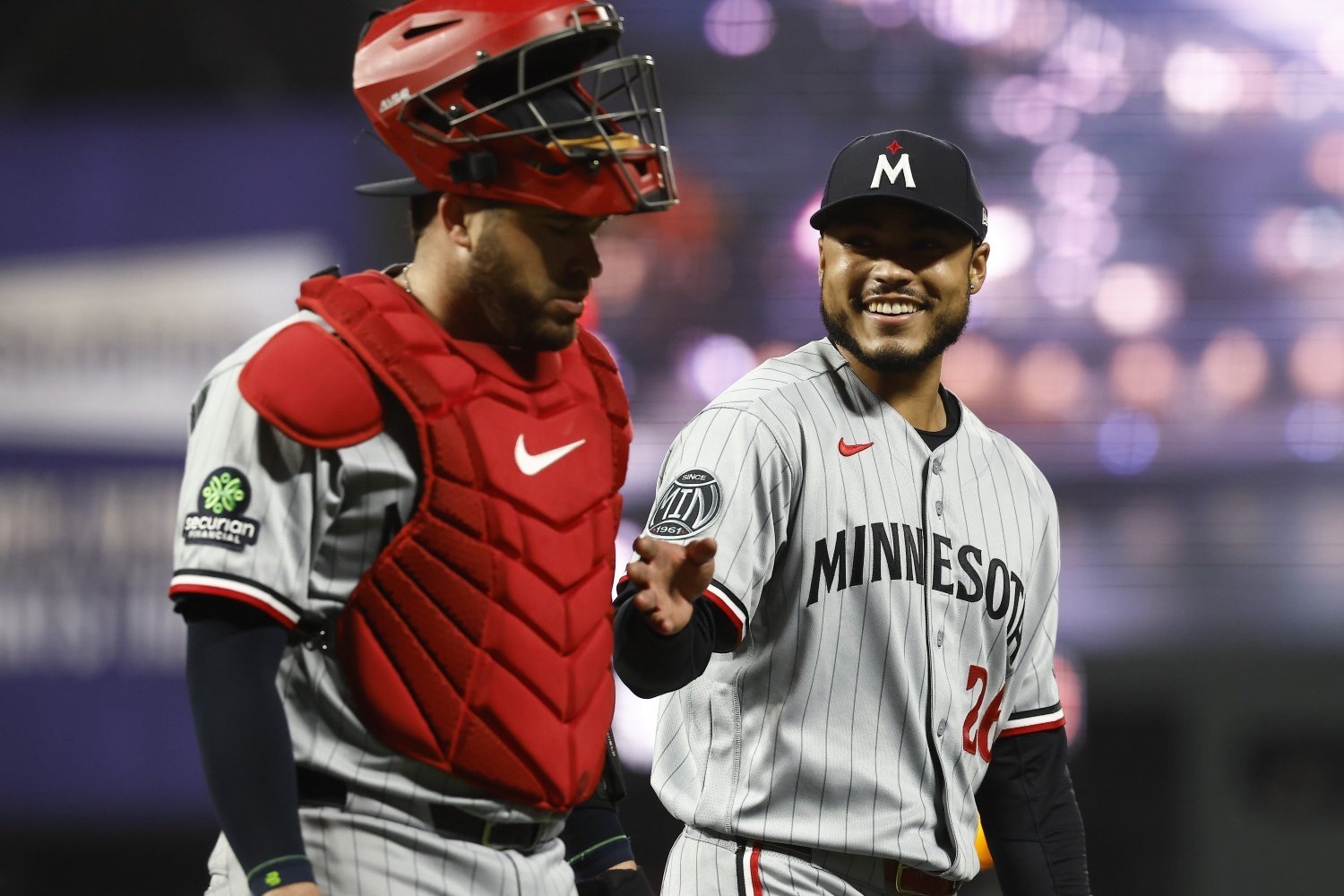 Box Score SP: Taj Bradley 6.0 IP, 3 H, 1 ER, 3 BB, 6 K (104 pitches, 67 strikes (64%)) Home Runs: Walker Jenkins (4) Top 3 WPA: Bradley (0.20), Luke Keaschall (0.18), Andrew Morris (0.14) Win Probability Chart (via FanGraphs) There have been fewer bright spots than fans hoped for in the 2026 Twins season, but Taj Bradley is definitely one of them. The young righty came into his last start of the season with career bests in wins, ERA, strikeouts—you name it. Opposing him was young Giants righty Anthony Molina, making only his seventh career start but bringing a stingy 1.03 WHIP to the bump. On paper, we were set for a pitchers' duel. The game lived up to the billing gorgeously. Bradley Makes Some History, and Then Gets Robbed In the bottom of the first, Bradley became just the 10th Twins pitcher to notch 200 strikeouts in a season when he enticed leadoff man Drew Gilbert to check-swing on a pitch outside the zone. Unfortunately, in the bottom of the second inning, Bradley should have had No. 201, but automated check-swings are still a year away. Scott Bandura was given new life, instead. Bandura singled, which put runners on the corners with only one out. Drew Cavanaugh bunted in the first run of the game to make that missed call sting, as the Giants went up 1-0. From Flailing to Flying In Monday's series opener, the Twins mustered only four hits against a Giants squad that ranks near the bottom in terms of team ERA. On Tuesday night, the bats went hitless through three innings against Molina. Brooks Lee finally broke that goose egg open with a single in the top of the fourth, but Molina kept cruising until the top of the sixth. Ryan Kreidler laced a single with one out, and another bright spot in the Twins season kept on shining bright, as Luke Keaschall dented the 399 sign on the left-center-field wall for a game-tying triple. Next up was the aforementioned Lee, who poked a single through the drawn-in infield to put Minnesota on top, 2-1. Youth Movement Keeps Moving While strikeout number 201 took an inning longer than it should have for Bradley, he kept the Giants on lockdown with five more punchies through six stellar innings. That made 205 strikeouts, and hopefully, he'd also collect his 12th win. That would depend on his young teammates' ability to keep scoring runs, and in the top of the seventh, it was Captain America's turn to shine. Walker Jenkins's fourth homer of the year continued his torrid pace on this road trip and put the Twins up 3-1. Bullpen Dims the Room One of the dim spots of the 2026 season, at least since the All-Star break, has been the bullpen's inability to hold leads. Kody Funderburk followed Bradley's awesome outing by only getting one out and leaving runners on first and second in the bottom of the seventh. Andrew Morris got the call to clean up Funderburk's mess, and Keaschall had his teammate's back. He made a fine sliding catch and started a 9-3-6 double play to end the threat. Morris got the first out of the eighth, as well, before losing Victor Bericoto to a walk. A.J. Minter was next man up, and again, Keaschall slid his way into a solid catch to save an extra-base hit. Bo Davidson decided to direct the next Minter pitch away from Keaschall, shooting a single into the left-field gap. Davidson quickly took second, too, as teams continue to run wild on the Twins battery (no matter who's at either end thereof). With the tying run at second base, Minter got ahead of Shay Whitcomb, only to see the youngster work the count full. Victor Caratini typed in a 3-2 changeup, and Whitcomb whiffed to keep the Twins in the lead for one more inning. One of the brightest spots in the season has been Yoendrys Gómez. As the Twins looked to close the game in the ninth, though, the well-rested but recently cratering Gomez was not called upon. Instead, Jeff Hoffman looked to become the 15th Twin to notch a save. Hoffman walked the leadoff man, Brett Harris, on five pitches. Seriously. Then he hit Andrew Knizner on the very next pitch. Seriously. Christian Koss bunted the runners over, and Hoffman almost got Kody Clemens killed with a throw up the line. In a season of bright nights and dark weeks, the stage was set for another epic bullpen collapse. Osleivis Basabe was the batter, the count ran full, and Hoffman missed the inside corner by 0.2 inches to load the bases. Jonah Cox ripped a 10.2.5-MPH rocket over Lee's head, and Lee got it in his glove, only to have it pop free behind him. He alertly scrambled to pick up the ball and touch third base for the second out of the inning, but a run did score to make it 3-2. Basabe pulled something in his mad dash to second, and needed to be replaced as a baserunner. Therefore, Marcelo Mayer became the new tying run as Hoffman faced Bericoto with the game in the balance. Hoffman's slider decided to click back into place just in time, as Bericoto went down flailing to lock down the victory for Bradley and the Twins. What’s Next? The Twins look to take their last road series of the season in a Wednesday matinee against the Giants. Twins rookie LHP Connor Prielipp (6-7, 4.94 ERA) will start his last game of the season in hopes of evening out his record after a bright start to his career. Fellow rookie LHP Cesar Perdomo (0-1, 3.72 ERA) will get the start for San Francisco, after failing to complete five innings in each of his last two starts. First pitch is scheduled for 2:45 PM CDT. Postgame Interviews Coming Soon! Bullpen Usage Spreadsheet FRI SAT SUN MON TUE TOT Rogers 0 26 0 25 0 51 Hoffman 0 19 0 0 24 43 Morris 0 15 0 0 19 34 Adams 10 0 0 20 0 30 Gomez 0 24 0 0 0 24 Nance 23 0 0 0 0 23 Minter 0 8 0 0 9 17 Funderburk 0 2 0 0 13 15 View the full article
 -
 The Shuckers flexed their might in Game Two of the Southern League Championship. Bishop Letson picked the perfect time for a career day. Andrew Fischer put an exclamation point on a historic season. Top prospect Jesus Made and ascending star Braylon Payne both had big contributions at the plate and on the base paths, sending Biloxi to a decisive Game Three. Game Action: Biloxi pre-game media notes Biloxi 7, Rocket City (Angels) 0 Box Score As always, we encourage you to check out the official writeup from the team: Letson’s Franchise Record-Tying 12 K’s Keeps Shuckers Alive with SLCS Game 2 Shutout - Biloxi Blanks Rocket City to Force Game 3 For Southern League Title The Biloxi Shuckers’ stars shone the brightest when it mattered most, as the team charged to a resounding 7-0 victory in Game 2 of the Southern League Championship on Tuesday night. Biloxi and Rocket City will now square off in a winner-take-all championship finale on Wednesday night in Alabama. Bishop Letson took the ball for the second time in the Southern League Playoffs, and pitched the game of his young career. Rocket City hitters wanted no part of Letson, who dazzled the Trash Pandas for seven scoreless innings. Letson struck out a career-high 12 with no walks and just four hits allowed. Before Letson totally locked in, Rocket City had a threat in the first. However, Josh Adamczewski gunned down a man at the plate (after an off-screen bobble) to keep the game scoreless. Check out the play at the plate courtesy of the Shuckers’ X account: The Angels’ top pitching prospect, Taylor Bremmer, the number two overall pick from the 2025 draft, was on the mound for Rocket City and he and Letson went pitch for pitch to start the game. However, Bremmer left after just five innings and that’s when the Shuckers finally broke through against the Rocket City bullpen. Braylon Payne started the rally with a single, then took second on a pitch in the dirt that bounced in front of the plate. That opportunistic base-running led to the first run of the game when Jesus Made doubled down the line: That brought Andrew Fischer to the plate and the slugger showed why he was named a finalist for MiLB Hitter of the Year by belting his 50th total home run to center: That would be just about all Letson needed as the 22-year-old righty mowed down the Trash Pandas and faced just one over the minimum after the first inning. Here’s Letson’s 12th strikeout, which tied a Biloxi franchise record: The Shuckers did add on two runs in each of the final two frames. Fischer struck again for two more on this double in the 8th: In the 9th, Dylan O’Rae had a bunt single that brought in a run after a throwing error. O’Rae then scored on Made’s RBI single through the drawn-in infield. Made finished with two hits, two runs, two RBI, and a steal. Payne had three hits, two runs and a steal. Adamczewski had the key outfield assist and was also on base three times with a hit and two walks. But it was once again Andrew Fischer who did the heavy lifting for Biloxi with his four RBI night. What will the slugger have in store for a grand finale on a historic season? Wande Torrres came on for Letson and looked absolutely filthy. Only a missed strike three call on an 0-2 pitch to the final hitter of the game prevented Torres from striking out the final six men of the game. Torres and Letson combined to strike out 17 men, leaving the Trash Pandas looking totally bewildered at the plate. The big effort from the two also leaves the bullpen well-rested for Wednesday’s finale. LHP J.D. Thompson (1-0, 1.80 in Southern League Playoffs) gets the ball for the decisive Game 3 on Wednesday. First pitch is scheduled for 6:35PM CT. On a personal note, I just want to say thank you for all of you who read these reports this season. I only discovered BrewerFanatic less than two years ago. Back then I thought I knew something about baseball, but this site, the forums, the writers here, and the other fans showed me I had a lot to learn yet. I especially want to thank Jim Goulart and Brock Beauchamp for helping me along and giving me a chance to have a small taste of a lifelong dream to write about baseball. I am grateful for this experience and the opportunity to broaden my writing ability, grow my ball knowledge, and deepen my appreciation the Brewers' system. Wednesday's Scoreboard Link Below - Organizational Scoreboard including starting pitcher info, game times, MiLB TV links, and box scores Current Milwaukee Brewers Organization Batting Stats and Depth Current Milwaukee Brewers Organization Pitching Stats and Depth View the full article
 -
Derek Falvey "Someone of Interest" for Mets Front Office
DiamondCentric posted an article in Twins Daily
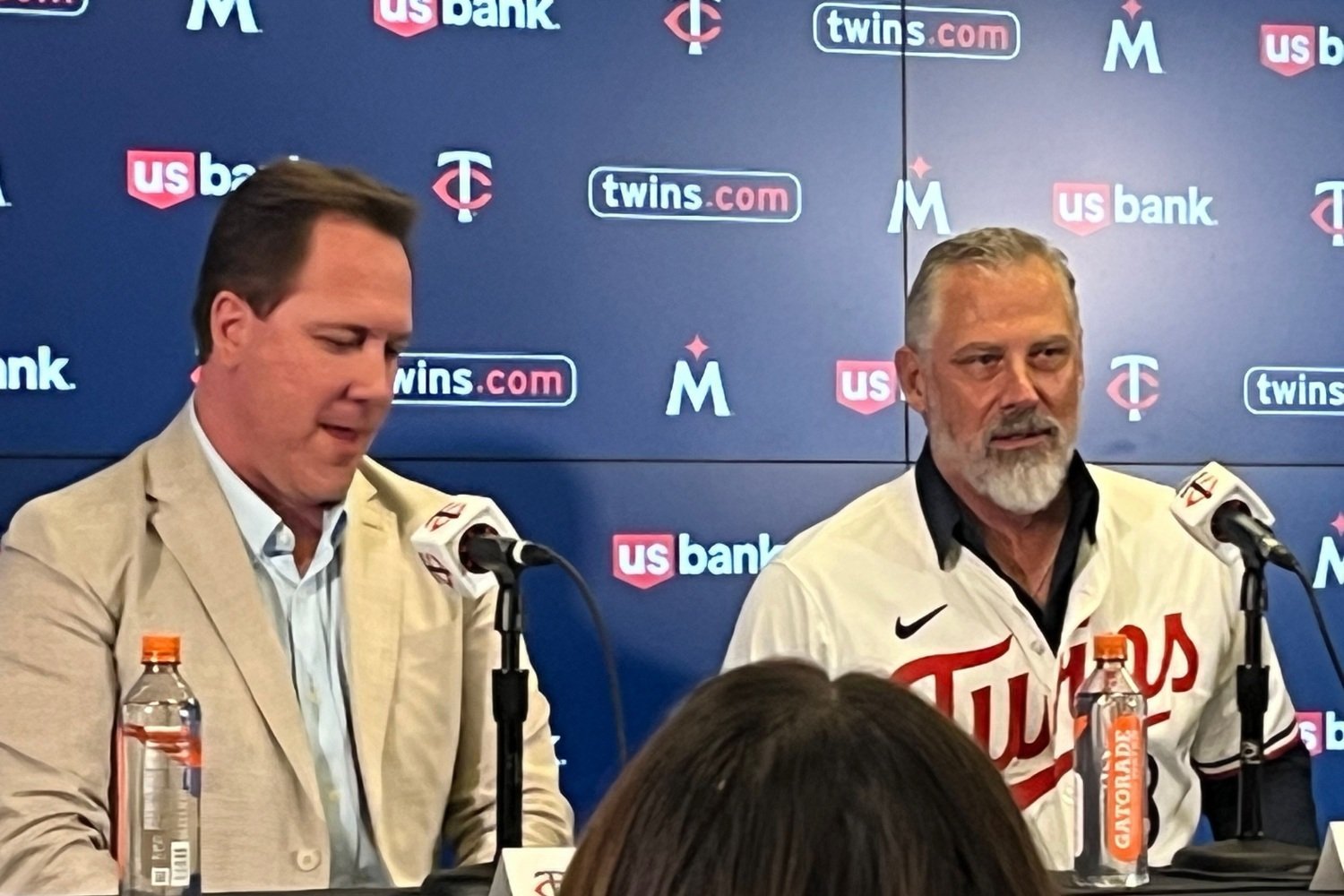 When Derek Falvey left the Twins organization in February, there was no question that he would have plenty of opportunities in his future to be a team's GM or President of Baseball Operations, as he was with the Twins. It likely would be more about when he wanted to get back into the daily, 24/7, 7 days/week, 12 months/year job. That timeline could be coming in the near future. Michael Marino, a national baseball writer tweeted that the "Mets have identified former Twins President of Baseball Operations Derek Falvey as someone of interest as they look to expand their front office." An interesting tidbit to the comments, Marino added, "Falvey was once co-director of baseball operations for the Cleveland Indians alongside none other than (Mets President of Baseball Operations) David Stearns. Stearns, 41, was also the GM for the Milwaukee Brewers from 2015 and later became their President of Baseball Operations. The two are close and have a tremendous amount of respect for each other. Matt Arnold has continued that Brewers run of success on a middling budget. A potential job for Falvey and/or others is the Mets GM job, but it could also be advisory roles and the link. Mets billionaire owner Steve Cohen has certainly never been afraid to spend money, and the Mets have a huge budget. Cohen and Stearns went all-in to sign Juan Soto a couple of offseasons ago. There have been other good and bad moves. Right now, he's being heavily criticized for not bringing back Pete Alonso and trying to replace him with the likes of Jorge Polanco and Luis Robert. They fired their manager, Carlos Mendoza, in June, but on Tuesday, the Mets removed the "interim" tag, making Andy Green their manager. He joined the TV broadcast and said, "We're going to add certain voices to the front office that are going to be helpful." Twins fans now remember the whole "right-sizing" of the budget that Falvey was pushed to do. But when he was given payroll, he wasn't afraid to stretch it and make some bigger moves than we typically have seen from the Twins. With his analytic skills, focus on pitcher development and now nine years of experience as The Leader, Falvey would be a nice addition for the Mets staff. I believe most of the Twins personnel that was let go last offseason have wound up elsewhere. Rocco Baldelli was quickly hired by the Los Angeles Dodgers for their front office staff. Hitting coach Matt Borgschulte is with the Washington Nationals. 1B Coach Hank Conger quickly joined the Orioles as a bullpen coach. Jayce Tingler is the bench coach with the Giants. Colby Suggs is the bullpen coach for the Texas Rangers. Tommy Watkins is the third-base coach for the Atlanta Braves. There are coaches with Twins ties all over the league. Same with front office personnel. Expect Derek Falvey to get a pretty nice job soon too. View the full article
 -
Can the Padres Still Unlock Robbie Ray for the Postseason?
DiamondCentric posted an article in Padres Mission
 The Padres traded for Robbie Ray expecting him to help their postseason push, but his first few weeks in San Diego haven’t gone according to plan. There may still be a way to get the most out of the veteran lefty in October. View the full article
