


DiamondCentric
-
Posts
2,631 -
Joined
-
Last visited
Never
Content Type
Profiles
Forums
Events
News
Tutorials & Help
Major League Baseball Videos
Guides & Resources
Store
Downloads
Gallery
Everything posted by DiamondCentric
-

How Ben Ross Went From Org Depth To Knocking On The Door To MLB
DiamondCentric posted an article in Twins Daily
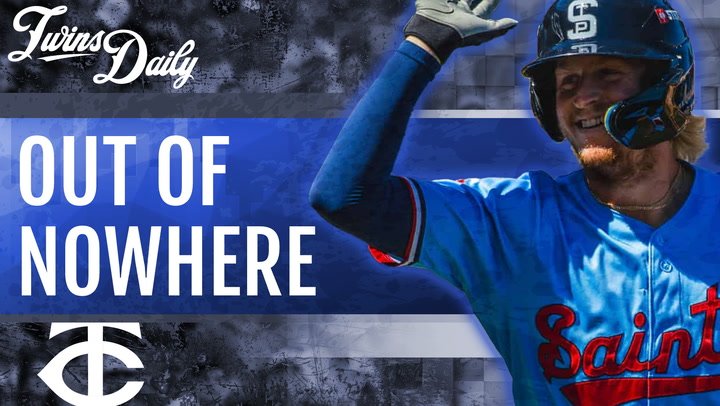 Ben Ross has gone from organizational depth to the doorstep of the majors with an incredible 2026 season. With a skill set that matches Ryan Kreidler's, could the 2022 draftee have a role with the big league team in 2027? We recap his incredible rise in 2026. View the full article
 -
 Luis Matos and Kyle Jones both homered and drove in four runs in late wins for Nashville and Wilson. Jayden Dubanewicz tossed five shutout innings in Wisconsin’s victory, while Andrew Fischer homered in Biloxi’s loss. For the week, Wilson (5-1) was the sole series winner, while Nashville (3-3) and Wisconsin (3-3) fought to draws in their respective series. Biloxi dropped all six games in a tough week. Transactions: LHP Tate Kuehner activated by AAA Nashville from 60-day injured list After Sunday’s games, the Brewers’ announced the promotion of SS Brady Ebel (2025 first round pick) to High-A Wisconsin and the assignment of his brother SS Trey Ebel (2026 first round pick) to Low-A Wilson. Game Action: Nashville Pre-Game Media Notes Final: Nashville 6, Indianapolis (Pirates) 4 Box Score Via the Sounds’ website, game details and we encourage readers to review affiliate write-ups as part of their Link Report routine: Matos' 4-RBI Night Fuels Sounds Win Over First Place Indians - Luis Matos' 438-foot moonshot is the second-furthest homer for the Sounds this season We’re grateful to Nishant Brahme and the Nashville media team for their detailed game report, including three video highlights which capture major contributions by OF Luis Matos (2-for-4, HR, triple, 4 RBIs) and C Bo Naylor (2-for-4, HR, 2 RBIs). Starting RHP Tyson Hardin (3 2/3 IP, 2 R, 5 H, 1 BB, 5 Ks) and LHP Tate Kuehner (2 1/3 IP, 2 R (0 ER), 1 BB, 5 Ks) each struck out five batters and allowed two runs, though Kuehner’s were unearned as the Indians took advantage of an error to tie the game in the 7th inning. This game was a welcome comeback for Kuehner, who’d last pitched on May 20th before going on the injured list. 1B Blake Burke’s opposite field 107.8 MPH single put the Sounds in business to start the bottom of the 8th inning, with Matos delivering the clutch two-out, two-run triple (also to the opposite field) to re-take the lead: LHP Jared Koenig (1 IP, 0 R, 1 K) did a terrific job to close out the win, while RHPs Will Childers (2/3 IP, 0 R, 1 K) and rehabbing Joel Kuhnel (1 1/3 IP, 0 R, 0 Ks) were both effective in relief. This was Koenig’s first outing since July 12 and his velocity topped out at 96 MPH to the final batter. Sounds’ Extras: SS Eduardo Garcia exited after singling in the 3rd inning, with 2B Eric Brown Jr. coming on in relief. Hopefully Garcia will return to action quickly. Rehabbing OF Sal Frelick (1-for-4) doubled, while each of 3B Brock Wilken (1-for-3, walk) and 2B/SS Ethan Murray (1-for-3, walk) reached base twice. Next week’s outlook: Nashville will fly east to Norfolk, Virginia for six games against the Orioles’ affiliate, with the series starting on Tuesday. Biloxi Pre-Game Media Notes Final: Pensacola (Marlins) 6, Biloxi 3 Box Score Via the Shuckers’ website, game details: DeBerry Deals in Nine Strikeout Night, Shuckers Swept By Blue Wahoos - Biloxi Setback for 11th Consecutive Contest in Series Finale Against Pensacola Pensacola took advantage of an infield single and two miscues on a ground ball to starting RHP Jaron DeBerry to ultimately score four unearned runs in the third inning, which was ultimately too much for the faltering Shuckers to overcome. We’ll have to monitor 20-year old OF Braylon Payne’s status, as he exited in the top of the 9th inning after his fly out and an “injury delay” notation in the game log half an inning earlier. In potentially positive news, OF Josh Adamczewski was the player who entered for Payne, which is the first we’ve seen Adamczewski in action since Wednesday’s contest. DeBerry walked none, struck out nine Blue Wahoos and only allowed one extra-base hit in an encouraging outing overall (5 IP, 4 R (0 ER), 6 H, 0 BB, 9 Ks). Biloxi was out-hit 9-6 and had only three opportunities with runners in scoring position (0-for-3), but closed the gap to 5-3 thanks to homers by MiLB home run leader 1B Andrew Fischer and OF Mike Boeve (3-for-4, HR, RBI) and a sacrifice fly which brought Payne home after he’d tripled. Shuckers’ Extras: 2B Dylan O’Rae was a late addition to the lineup, after OF Mark Coley II was originally listed as a starter. Per the game report, O’Rae stole his 50th base of 2026. He also singled to lead off the 8th inning while trailing 5-3, representing the team’s last real opportunity to tie the game. RHP Edwin Jimenez retired both batters he faced, stranding three baserunners inherited from RHP Ryan Birchard in the top of the ninth inning. RHP Garrett Hodges also put in a respectable shift of middle relief: 2 1/3 IP, 1 R, 2 Ks. Next week’s outlook: Biloxi head to Huntsville to battle the Angels’ affiliate Rocket City for six games, commencing Tuesday evening. Wisconsin Pre-Game Media Notes Final: Wisconsin 5, Cedar Rapids (Twins) 1 Box Score Via the Timber Rattlers’ website, game details: Wisconsin Wins Third Straight to Close Out Road Trip - Dubanewicz tossed five scoreless innings for Timber Rattlers As well-captured in the linked game report, starting 20-year old RHP Jayden Dubanewicz got his revenge after a difficult Tuesday outing, allowing only three harmless singles and issuing no free passes over five innings of dominant work (0 R, 3 H, 0 BB, 3 Ks). Dubanewicz’s Ks A two-out hit brigade by SS Luis Pena (1-for-4, walk), OF Sawyer Strosnider (1-for-4, walk), 2B Daniel Dickinson (2-for-4, walk, RBI, 2 SBs) and 1B Eric Bintoti (1-for-3, 2 walks, RBI) got the scoring started in the 3rd inning for Wisconsin, while OF Luis Castillo (1-for-3, 2 walks, RBI, SB) and DH Tayden Hall added two-out RBI singles two innings later. Dickinson RBI single Bitonti RBI single Luis Castillo RBI single Tayden Hall RBI single Credit to LHP Bjorn Johnson for a 1-2-3 seventh inning, as well as to RHPs Yerlin Rodriguez and Jose Nova for escaping challenges of their own making in the sixth and eighth innings. RHP Michael Fowler registered three strikeouts in the bottom of the ninth inning, but also conceded a homer and double to the first two batters he faced. Timber Rattlers’ Extras: Cedar Rapids may think they should have done better than an 0-for-10 outing with runners in scoring position, but Wisconsin stranded 13 baserunners to their seven to make it clear who had more opportunities. Every Wisconsin position player reached base via hit or walk in the contest, including 3B Luiyin Alastre (1-for-4, walk, RBI) adding a late RBI single and OF Tyler Rodriguez drawing three walks and stealing a base. Next week’s outlook: Wisconsin returns home for two weeks, hosting Guardians’ affiliate Lake County from Tuesday. RHP Jacob Morrison is the scheduled starter for the series opener. Wilson Pre-Game Media Notes Final: Wilson 9, Columbia (Royals) 6 Box Score Via the Warbirds’ website, game details: Warbirds Score Seven Late to Win Series Finale 9-6 - Jones, Sabathia Hit First Professional Homers Trailing 6-2 in the sixth inning and having already clinched the series victory earlier in the week, Wilson kept their eye on the bigger prize (i.e. a potential second half playoff berth), with DH Carsten Sabathia III (3-for-4, HR, RBI) triggering the rally with his first professional homer and also leading off the team’s three-run eighth inning to grab the lead. Perhaps there should be rule that a first-year player must homer when their Hall of Fame father is in attendance: RHP Carlos Carra deserves a ton of credit for giving the team a chance, tossing 5 1/3 innings and 82 pitches in relief (1 R, 3 H, 4 BB, 1 K), just five days after covering six innings and throwing 78 pitches in Tuesday’s win. Carra also stranded two baserunners inherited from RHP Carlos Espinal (2/3 IP, 1 R, 1 K) after entering with one out in the 3rd inning, while his defense picked him up after a leadoff double in the 4th inning -> 2B Filippo Di Turi (1-for-3, walk) threw out a baserunner at home and C Rylan Mills caught another stealing. 3B Juan Ortuno (1-for-4, HR, sac fly, 3 RBIs) was a key contributor for the victors, homering for an early lead and tying the game on a sacrifice fly after OF Kyle Jones’ (3-for-5, HR, 4 RBIs) first professional homer, a two-run shot: A balk gave Wilson a 7-6 advantage in the bottom of the 8th inning, with Jones tacking on two critical insurance runs with an opposite field single. Warbirds’ Extras: RHP Joshua Quezada (1 1/3 IP, 0 R, 2 Ks) stranded two baserunners inherited from Carra, ultimately retiring all four batters he faced to earn the win. 6’5”, 19-year-old RHP Luke Roupe made his first start (second appearance) at the Low-A minor league level, struggling with control this time out (1 2/3 IP, 4 R, 1 H, 6 BB, 0 Ks). OF Brailyn Antunez (1-for-3, walk, HBP) reached base three times, while SS Brady Ebel (1-for-4, double, walk) and 1B Frederi Montero (0-for-2, 2 walks) came aboard twice. Next week’s outlook: Wilson travel four hours northwest to take on Red Sox affiliate Salem, with the first game of the series scheduled for Tuesday. We hope that you enjoy the Minor League Link Report. On Monday, the sole affiliates in action are the Dominican Summer League clubs. Brewers Gold (33-19) battle Cubs Blue (32-21) on the road, while Brewers Blue (30-23) host Padres Brown (11-42), with both games starting at 10:00 am CST. The Milwaukee Brewers have a day off on Monday before hosting the Mariners on Tuesday evening. Organizational Scoreboard including starting pitcher info, game times, MiLB TV links, and box scores Current Milwaukee Brewers Organization Batting Stats and Depth Current Milwaukee Brewers Organization Pitching Stats and Depth View the full article
 -
Anatomy of a Shutout: Cameron's Pitch Mix Key to Success
DiamondCentric posted an article in Royals Keep
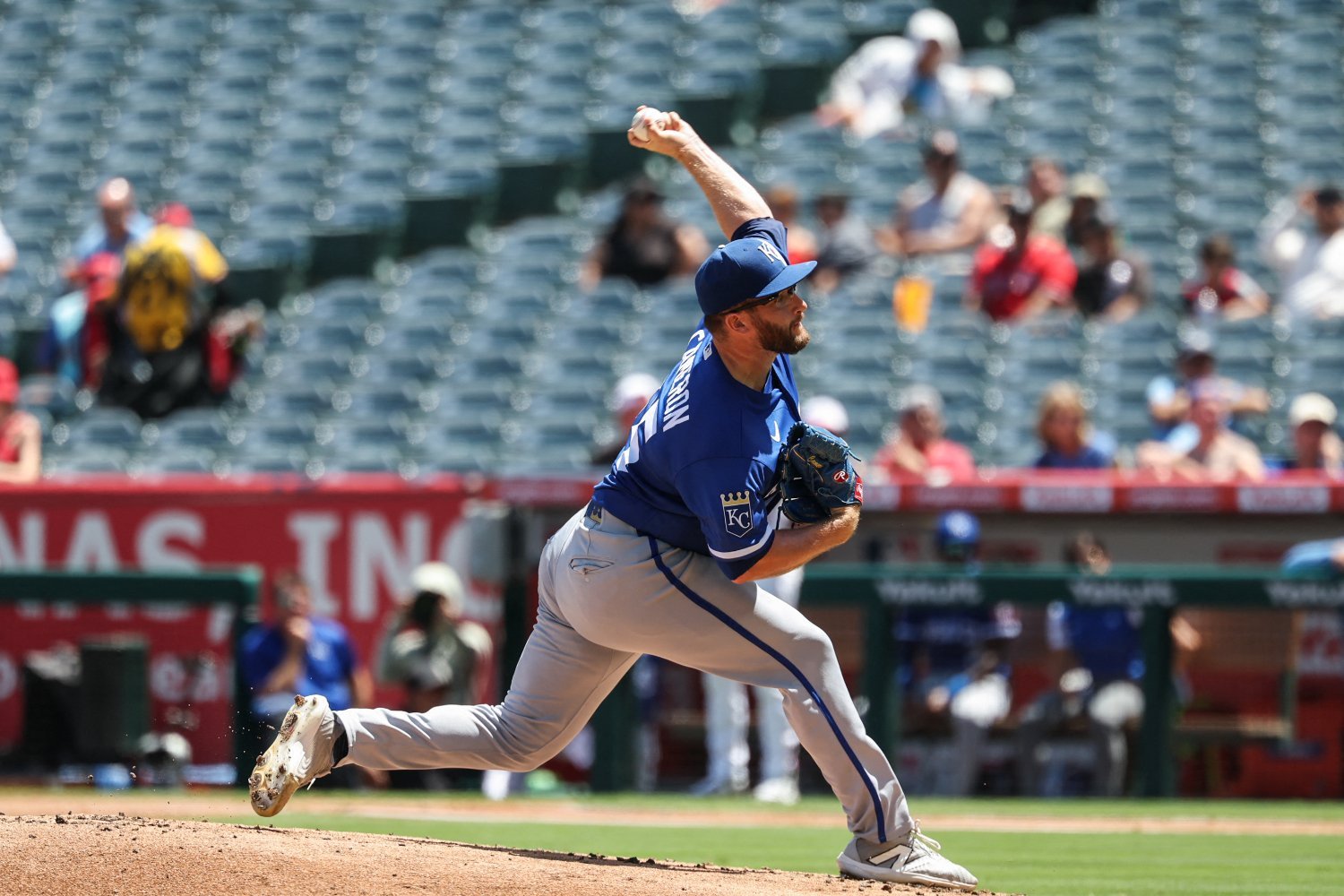 On Sunday, the Royals won the rubber game of the Angels series 3-0. However, the biggest story of the game was Noah Cameron throwing a one-hit shutout, the first complete-game shutout of his career. It was another stellar start for Cameron, who bounced back from a mediocre outing against the Dodgers on August 10th (5.2 IP, 4 ER, 6 H, 2 BB, 2 K). Since a seven-run performance against the Padres at home on July 19th, Cameron has gone seven or more innings in four of his last five starts. He has not allowed runs in three of those outings: July 24th against Detroit, July 30th against Minnesota, and Sunday against the Angels. In addition to allowing only one hit (a bloop single by Vaughn Grissom with an exit velocity of 65.8 MPH), the lefty out of St. Joseph, Missouri struck out eight and only allowed one walk. He also produced a 37% whiff rate, a 32% CSW, and was in strong command of his stuff all afternoon long in Anaheim. So what clicked for Cameron in his immaculate outing? Let's take a look at his pitch breakdown and how he set up his success on Sunday against the Angels with that pitch mix. Cameron Leaned Heavily on His Slider and Changeup When looking at his TJ Stuff+ summary via TJ Stats, Cameron utilized his slider (21.7% usage) and changeup (20.9% usage) the most of his six-pitch mix on Sunday. He threw the offspeed and breaking offerings 49 times, for a 43% usage rate. Overall, Cameron did an excellent job limiting hard contact, as shown by his .173 xwOBA on balls in play. That said, he not only induced a .238 xwOBACON on his slider and .045 xwOBACON on his changeup, but also 46.2% and 53.3% whiff rates on his slider and changeup, respectively. Those two whiff rates were the best marks of the six pitches he threw on Sunday. With the slider, the 27-year-old lefty did an excellent job of locating the pitch glove-side and low, as illustrated in his slider pitch description chart via Baseball Savant. Cameron did a good job of avoiding the middle with his slider, and even when it found the zone, he was able to generate batted-ball outs. Furthermore, most of his whiffs came at the edge or below the strike zone. Two of his whiffs were on pitches that were in or touched the zone, and three were on sliders thrown out of the zone. Those whiffs showed Cameron had Angels hitters guessing badly, and he made them pay with that slider, even when it wasn't particularly close to the strike zone (his 33.3% chase rate rated as above average). While his slider was good, Cameron's changeup was even better, as illustrated by the pitch's pitch description chart. Cameron generated eight whiffs on the changeup, with three of those whiffs coming inside the strike zone and five coming on changeups outside of the zone. Cameron really pounded hitters armside with the offspeed pitch, and as a result, he was extremely successful, not just generating whiffs, but a profound amount of chase as well (50% chase%). Interestingly enough, his four-seamer was his second-worst-rated pitch on a TJ Stuff+ end on Sunday with a 90 TJ Stuff+. However, it generated a 44.4% whiff rate, the third-best whiff rate of his six pitches. That was surprising to see, especially considering the pitch's lackluster TJ Stuff+ mark, velocity (93.1 MPH), and extension (6.2 feet). Cameron's four-seamer pitch description chart was peppered with light purple, orange, and green dots along the edges of the strike zone, representing whiffs, called strikes, and foul balls. The strong four-seamer command, lower usage of the four-seamer (16.5%), and the pairing with the changeup, especially in the armside area of the strike zone, seemed to drive success for Cameron on Sunday. Changeup Key to Success? Since moving to calling his own pitches after his July 19th start, Cameron has leaned heavily on the changeup. When looking at his pitch mix rolling chart via Savant, he has seen a tremendous spike over the last month in his changeup usage compared to his other offerings. In 37.2 IP, it's been not just his most-thrown offering (21.7% usage), but most successful in terms of generating whiffs and weak contact, as illustrated below in his TJ Stuff+ summary since July 20th. His changeup has the best pitching grade of his six offerings at 57, and in addition to a stellar whiff rate (45.3% whiff%), it has also produced a .265 xwOBA since July 20th. That's a solid mark for his most-thrown offering. When breaking down the splits and heatmap of his changeup, it's been an even stronger offering against righties than lefties since he began calling his own pitches. Against righties, the changeup is producing a 30.3% CSW%, a 44.6% whiff%, a 31.6% O-Swing%, and a .168 xwOBACON. He's producing similar metrics against lefties in terms of CSW (38.5%), whiff% (50%), and O-Swing% (50%), but it got hit much harder (.785 xwOBACON). Below is an example of Cameron's changeup making Minnesota's Alex Jackson chase badly on a two-strike count. ZzZ3QVFfVjBZQUhRPT1fQkFCWkFsUUVCUXNBRHdaVFZnQUhDQUVIQUFCWFYxQUFCQWRRQ0FKV1ZRVUdBQUZY.mp4 The movement on the changeup dives a little more toward righties, which is different than most changeups and plays well off his four-seamer better. Below is an example of his four-seamer located down against the Dodgers' Miguel Rojas on August 10th. Notice how it has similar movement to the changeup, but is 12 MPH faster than Cameron's primary offspeed pitch. cU93V2tfVjBZQUhRPT1fQTFBSFZsUU1BRllBQ1ZBQVVBQUhBZ05lQUZoUlVnSUFVUUFCVmdWUkF3RlFDVk5W.mp4 Most pitchers will lead with the four-seamer and then use the changeup as a change of pace. Cameron seems to be opting for the opposite: setting the tone with the changeup and then utilizing his four-seamer as his change-of-pace pitch. Michael Wacha has used this strategy successfully before, particularly in 2024, his first season in Kansas City, when he posted a 3.35 ERA in 164.1 IP. Here's a look at his pitch mix breakdown that season via TJ Stats. Will Cameron's pitch-mix strategy lead to long-term success, like Wacha's? That is to be determined. Wacha has over 12 years of MLB service time under his belt, after all. Nonetheless, what Cameron is doing is intriguing and is working, with Sunday's shutout in Anaheim being the pinnacle of this newfound approach. For a Royals team building for 2027, those two qualities are more than enough. View the full article
 -
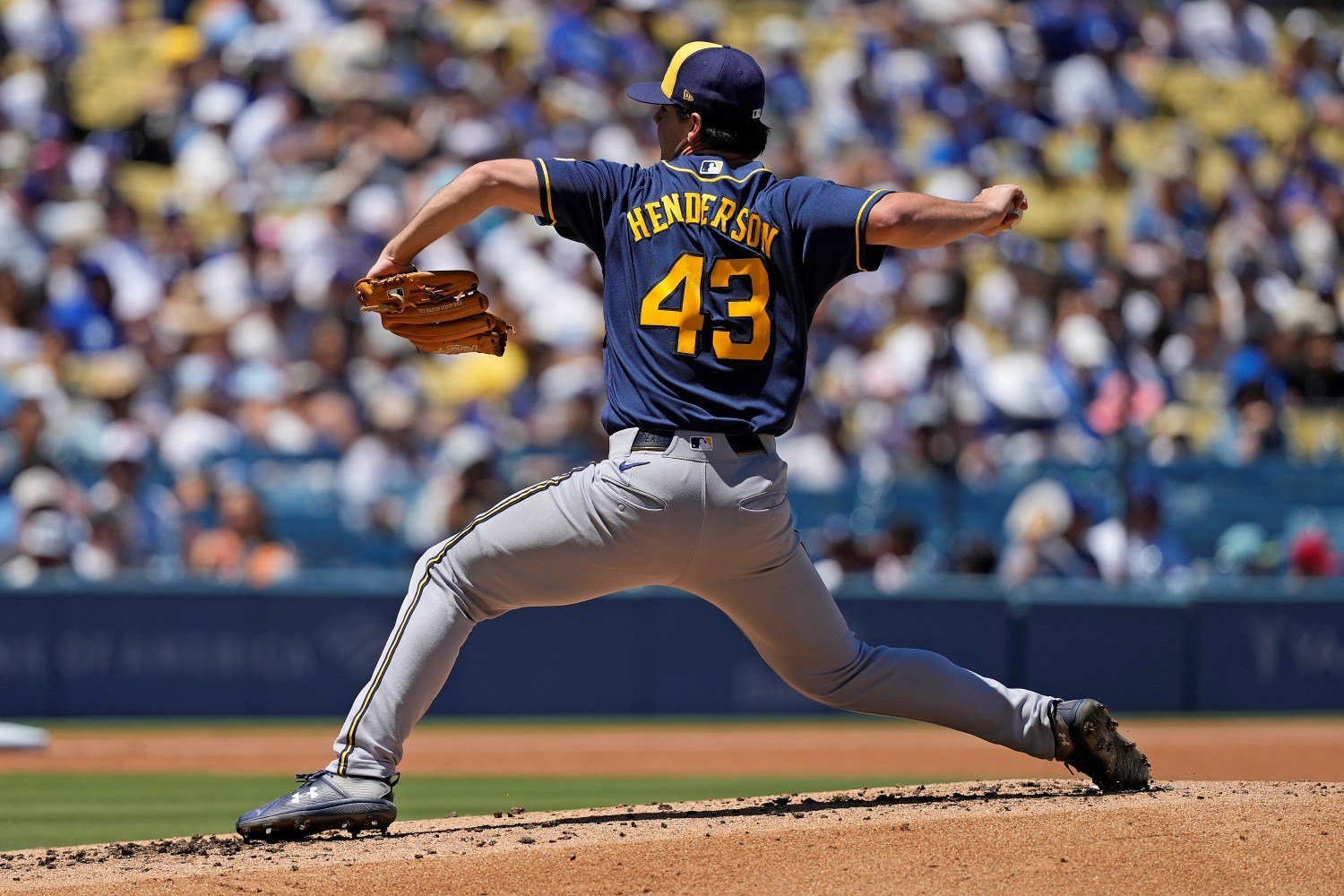 Logan Henderson is not Tarik Skubal. At his best, Skubal’s two fastballs flirt with triple digits. They comprise just one part of a powerful five-pitch mix from the left side. His ceiling is the best starting pitcher in baseball. Henderson, meanwhile, averages 93 MPH with his heater, and his ceiling is probably a solid No. 2 starter. But when the Brewers reportedly withheld Henderson from an already-aggressive trade offer to the Detroit Tigers, and Skubal instead became a Los Angeles Dodger for a pitching-centric return, the calculus wasn’t just about ceiling. Skubal was a rental who would make at most 15 more starts through a 2026 World Series run. Even if the best version of Skubal is better than the best version of Henderson, the latter could easily perform similarly for the rest of this year, after which he’ll have five more seasons of team control before free agency. Skubal’s body of work since he started breaking out in 2023 is more significant, but Henderson has come impressively close to his rate stats in his first 17 big-league starts. That includes a nearly identical strikeout-minus-walk rate, among the most powerful predictors of pitcher performance. Pitcher GS IP ERA- FIP- DRA- SIERA K-BB% Tarik Skubal 96 581.1 60 59 70 2.80 26.9% Logan Henderson 17 88.2 61 78 87 2.95 26.3% The emphasis here is “close.” If the question is whom to pick for 15 starts, the answer is Skubal. If the question is whom to pick for a winner-take-all postseason start, the answer is Skubal. Henderson isn’t a bad alternative, though. He’s capable of matching him within such a 15-start stretch and on a given night. Henderson going directly against Skubal just a couple of weeks after the trade was a prompt test of that hypothesis. The early returns supported it. Skubal didn’t have great support from his defense, as just one of the two runs he allowed was earned. For that reason, it’s not quite fair to say Henderson outdueled him, but he absolutely matched him. Beyond their box-score lines, the two were nearly identical when it came to commanding the strike zone and missing barrels. Pitcher IP H ER BB K CStr + Whiff Whiff Hard Hit Barrel Tarik Skubal 6 7 1 2 7 31% (29/93) 29% (15/52) 47% (8/17) 6% (1/17) Logan Henderson 7 3 1 1 6 28% (31/109) 28% (18/64) 50% (9/18) 5% (1/18) Adding to the symmetry is the fact that both pitchers are propelled by their excellent changeups. Both Henderson and Skubal induced whiffs on 50% of swings with their changeups Sunday, offsetting louder contact against their fastballs. Most notably, Henderson got another opportunity to pitch into the seventh inning after an unsuccessful attempt in his last start. In San Diego, his fastball velocity tumbled to 90.6 MPH in his seventh frame, and he hung a changeup to Jackson Merrill for a go-ahead home run. On Sunday, Henderson averaged 93.7 MPH in the seventh, tossing a scoreless final inning and tying a career high with 93 pitches. As things currently stand, Skubal and Henderson could line up for a direct rematch in a postseason game. Even if they don’t, Henderson profiles as one of the Brewers’ top three starters, so they’ll start him in important October games. Whether those outings come against the Dodgers or someone else, they’ll hope for similar results to what they would have gotten from Skubal had they acquired him instead. A Sunday afternoon outing in August guarantees nothing from a rookie starter in the postseason, but it was the latest sign that the guy the Brewers insisted on keeping could match the game’s best arms when needed. View the full article
 -
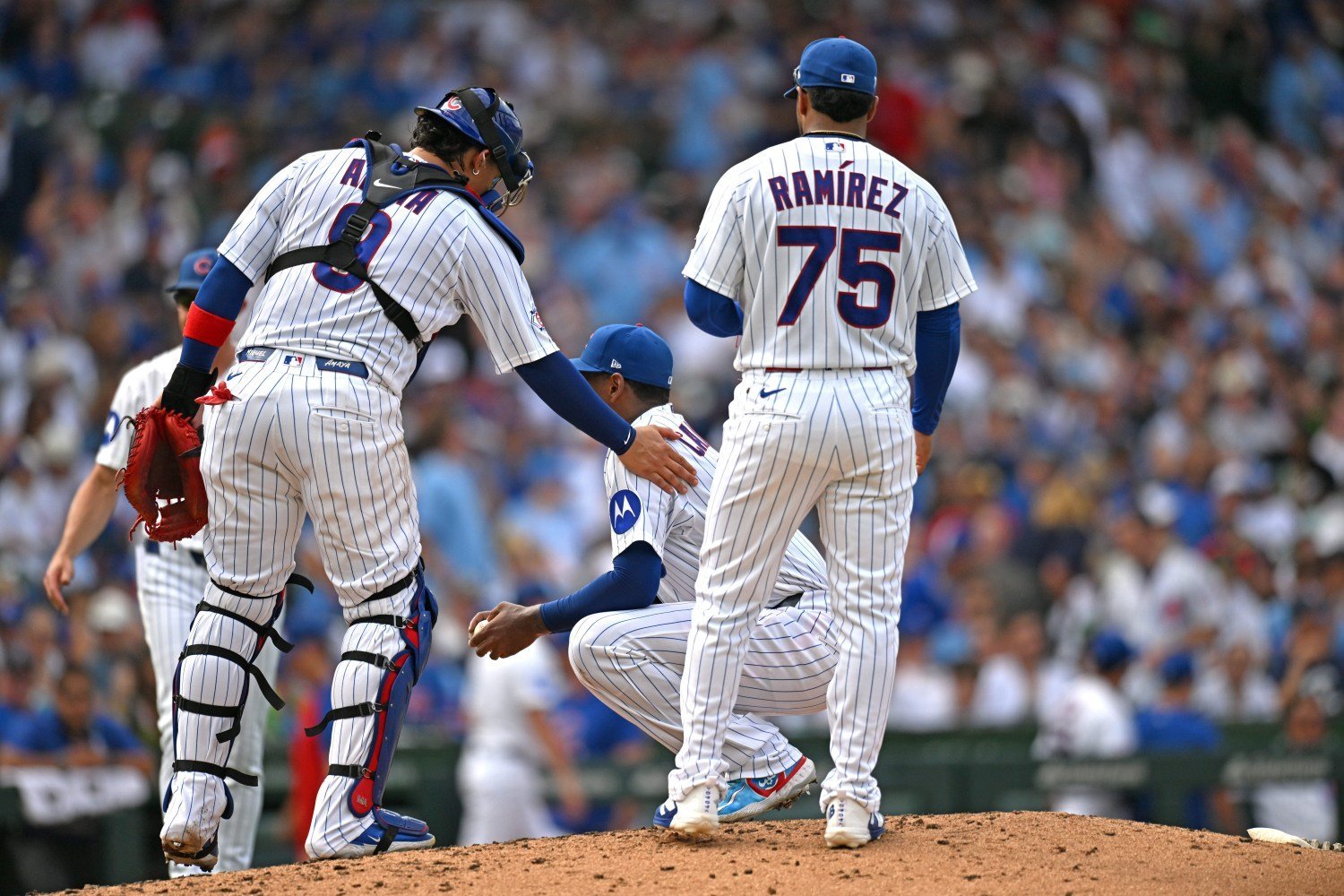 The Cubs can't go very far without Dansby Swanson, but it sure looks like they'll be without him for a while. After a swing in the bottom of the third inning of Sunday's loss to the Cardinals, Swanson immediately reacted with visible pain and frustration, and he walked off the field after only a very brief consultation with manager Craig Counsell and a team trainer. The Cubs announced that he'd left with discomfort in his left side. After the game, Counsell said that Swanson would go on the injured list with the issue and undergo imaging Monday to determine the severity of the injury. Because 'setback' can be construed as a worsening of a preexisting injury, I followed up with Bastian and with a team source; both indicated that there was no known issue with Swanson's side before this. That it's a new problem is hollow succor, though, if he's likely to miss several weeks either way. According to Bruce Levine of 670 The Score, Dansby Swanson told reporters after Sunday's game that he had never had a soft tissue injury during his professional career. That's not true, so either Swanson or Levine is badly mistaken. Swanson underwent sports hernia surgery just after the 2024 season, which addresses damage to soft tissue in the lower abdomen. Swanson might have meant that he hadn't previously missed time due to such an injury, and maybe he meant that declaration as an avowal that he won't be sidelined for long by this issue, either. For now, however, it's a huge blow to Chicago's hopes. That's because, although Swanson has been his inconsistent self at the plate this year, his value as a defender at shortstop is virtually unparalleled—especially in the context of the Cubs' lineup. Counsell indicated what any Cubs fan already knew Sunday: that Nico Hoerner will play shortstop in Swanson's absence, with Pedro Ramírez picking up extra playing time as something close to the everyday second baseman. Offensively, that's great news. On balance, Ramírez is at least as good a hitter as Swanson at this stage of each player's career. Defensively, though, it represents a massive downgrade—one the team will feel every time it takes the field in that configuration. Hoerner is an adept fielder, but he's not as fluid or as good at the quick exchange and release as is Swanson. In 2022, he was an adequate shortstop, but he was never destined to be excellent there. Having lost even half a step since then, he's now underqualified for the spot. Over a full season, Swanson is worth a good 15 runs more than Hoerner is as a shortstop, so if he misses (say) 30 games, the Cubs will lose about 3 runs. In fact, though, the effect will be larger. Ramírez is a fine but not superb second baseman; multiple scouts for other teams who evaluated him during trade season last month believe his best position is third. There's about a 12-run difference between the glovework of Hoerner at second and that of Ramírez over a full season, so dock the team another couple of runs on that basis. You'd better round it up to 3 runs and call it 6 between the two positions, because when a team gets weaker at two adjacent positions simultaneously, there's a slight but real exponent that should be applied to the effect. Six runs shouldn't make or break the Cubs the rest of the way, but it's likely to cost them a game somewhere along the way. Again, if you're a believer in what Ramírez has done over his first 140 plate appearances—and he's earned a bit of confidence, by now—then he can be worth an extra couple of runs with his bat, relative to Swanson, but he doesn't have the same upside Swanson offers when he goes on one of his famous power binges. So far, we've talked only about what will happen if Swanson misses a month but returns in time for the final few games of the regular season and is at full strength come October. That's a fair estimate, based on how much time hitters typically miss with oblique strains. However, as you can see in this graphic from Baseball Prospectus, there's about a 25% chance (the 20% represented in the monthly breakdown, scaled up slightly because it's already the middle of August and Swanson just suffered his injury) that this ends the shortstop's season. Whatever depth Ramírez might add to the lineup (at the cost of the dynamism Swanson brings), the team is worse without Swanson. In fact, it's hard to see the team going far in October if Swanson doesn't have time to recuperate, go on a rehab assignment, and return at the peak of his ability by the time that calendar page flips. That's a worry for later, though. In the short term, the Cubs have problems that extend beyond Swanson going down. Edward Cabrera made a return to the active roster and to the starting rotation Sunday, but it was anything but triumphant. The righty continued a disastrous season by giving up a long first-inning home run and then going to pieces in the fourth, partially because of a blister that emerged during that frame. The Cubs made a plan based on Cabrera being the pitcher they've expected and hoped he would be ever since they traded for him in January, optioning Javier Assad to Triple-A Iowa and provisionally shifting David Peterson to the bullpen. Now, that plan appears to be in doubt. It's a concern that extends beyond the adjustments that might be required, too, because it feels like another indictment of the team's ability to develop and optimize talented players after paying hefty sums to acquire them. Cabrera joins a pitching lineage that included Yu Darvish, Tyler Chatwood and Marcus Stroman, among others, but of course, the club also didn't realize quite as much value from Kyle Tucker as they'd hoped. Tucker cost them top prospect Cam Smith, and more. Cabrera cost them top prospect Owen Caissie, and more. The team can and should keep using prospect depth to bolster their big-league roster, but they can't afford to keep getting tepid returns on those huge investments. Losing three out of four won't plunge the Cubs into real jeopardy. They're going to make the playoffs; they still have a five-game lead over the other contenders for the top Wild Card berth. However, after the Brewers took three of four from the Dodgers in Los Angeles, Chicago is also five games behind the Crew in the NL Central. For a week or so, they seemed to be closing in on Milwaukee, and to have the depth to catch and pass them to claim the division crown and a first-round bye. Suddenly, that feels much less likely. Swanson and Cabrera had bad days; the Cubs had a bad weekend. Perhaps that's all it'll be. The White Sox come to Wrigley Field for three games this week, giving the North Siders a chance to quickly reassert themselves. Pete Crow-Armstrong hit a much-needed home run in an otherwise dreadful series finale; another hot streak from him would be the best-timed one yet. Until the response comes, though, Cubs fans will have to hold their breath a bit. Cabrera's season looks like a washout. Swanson's is in danger. The team's depth, in all departments, is a bit less robust than they might have hoped. The whole weekend went wrong, and the time to get right again is growing short. View the full article
 -
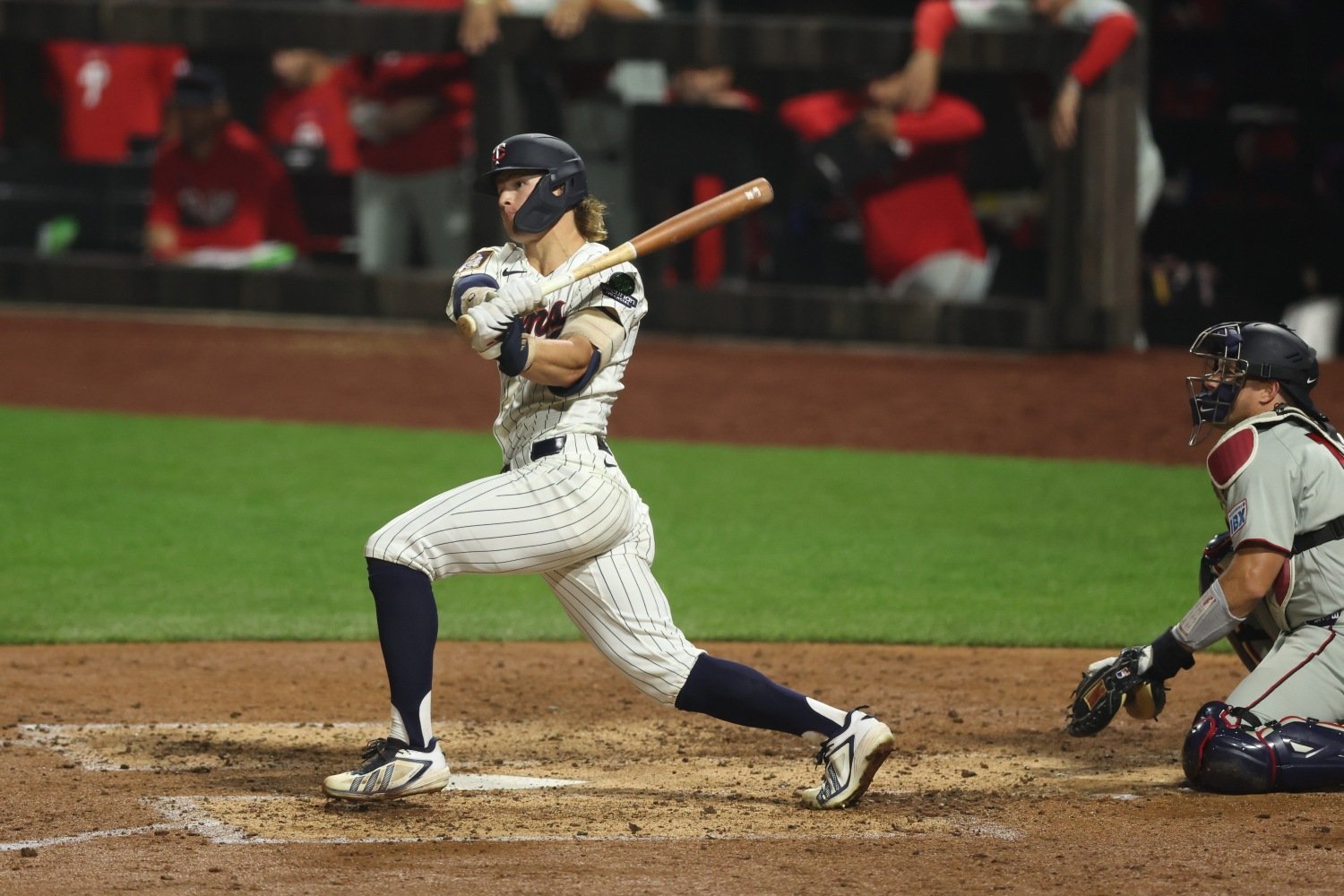 Luke Keaschall has quickly become one of the more fascinating players on the Twins roster. There is a very clear reason to want him in the lineup, and an equally clear reason to wonder whether the team can actually afford to play him. The good news is that Keaschall has continued to show that his rookie season was not a fluke. After posting a terrific 130 OPS+ during his rookie campaign, Keaschall got off to a slow start in 2026, but he's been much better at bat as the season has progressed. Since June 1, he's posted a .826 OPS, bringing his OPS+ for the full season to 108. Through 164 games as a Twin, Keaschall has shown that he can be a productive major-league hitter. Keaschall gets on base, and when he does, his speed can immediately become a problem for opposing teams. He has the ability to create value without hitting for a ton of power; there's plenty to like about what he brings to the Twins offensively. The problem is that finding a place for that offense has become increasingly difficult, because of his defense. The issues initially surfaced at second base, where Keaschall played all of last season and began the 2026 campaign. It did not take long for the Twins to decide they were uncomfortable with him there. By the end of June, Minnesota had moved him off the position, and other than one emergency mid-game appearance in July, Keaschall has not returned to second base. At this point, it's fair to assume that chapter of his career is closed. Over the last two seasons, Keaschall has accumulated -9 Outs Above Average at second base, and the Twins clearly do not believe the position is a viable long-term home for him. When Keaschall moved to the outfield, the idea was that things would get better. His speed could become an asset, and playing in the outfield would seemingly allow him to use his athleticism without asking him to handle the responsibilities of the middle infield. That has not happened. Since moving off second base, Keaschall has bounced between center field (filling in for Byron Buxton) and right field. He's struggled defensively in both spots. Defensive metrics are far from perfect, especially when a player has limited time at a position, but when multiple metrics are telling the same story, it becomes difficult to dismiss the numbers. In just two months as an outfielder, Keaschall has posted -3 OAA and -3 DRS in center field and -2 OAA and -4 DRS in right field. Combined with his work at second base, his defensive metrics paint a pretty ugly picture. Keaschall currently ranks as the sixth-worst defender in baseball in terms of Outs Above Average this season. Again, OAA is not a perfect statistic, and there is plenty of room to debate exactly how much weight should be placed on any individual defensive metric. But the numbers also match what has been visible on the field. Keaschall has looked overmatched at every defensive position he has played for the Twins. Moving him from second base to the outfield was supposed to solve the problem, but instead, it has created the same questions in a different part of the diamond. That leaves the Twins with a very interesting problem. What do you do with a player who can clearly hit, but cannot seem to find a defensive position? The obvious answer is to put Keaschall in the outfield and live with the defense. The problem is that there may not be a natural opening for him, long-term. Byron Buxton is going to occupy one of those spots, and Walker Jenkins appears destined to occupy another once he inevitably debuts next season. That leaves one corner outfield spot for a Twins system that has plenty of options. The Twins could give that spot to Keaschall and simply accept that they're going to sacrifice defense in order to keep his bat in the lineup. There's a precedent for teams doing exactly that. Players such as CJ Abrams and Junior Caminero have significant defensive shortcomings, but their offensive production is MVP-level and their teams live with those defensive problems. If Keaschall's bat develops to anywhere near that level, the defensive concerns become much easier to overlook. The question is whether Keaschall's bat is good enough to justify doing that, or can get anywhere close to it. A 108 OPS+ is certainly useful. His OBP is exactly .400 since the start of May; that carries great value. But that's not necessarily the level of offensive production that makes a player with significant defensive deficiencies an obvious everyday player. If Keaschall is going to be a liability wherever he plays, the Twins need his offense to provide enough surplus value to make the tradeoff worthwhile. There is also another possibility: designated hitter. A DH role would allow the Twins to put Keaschall's best skill on display without worrying about where to hide his glove. With Royce Lewis establishing himself at first base, that position does not appear to offer an obvious alternative. The DH spot may ultimately be the cleanest way to get Keaschall's bat into the lineup. But that comes with its own problem. A player who is going to occupy the designated hitter spot has to really hit. There's little value in carrying a full-time DH who is merely a good (as opposed to very good, or great) hitter, especially when the Twins could use that lineup spot to rotate players through the position or to keep another regular healthy. For now, Keaschall's role is likely to stay the same, but it should be modified to tip the share of his contributions to the game from defense toward offense. Since July 1, he's batted second once and fifth once, but otherwise, he's slotted in sixth or lower in the batting order. That's the worst possible way to handle a bat-first player. If the team believes enough in what Keaschall has done at bat over the past three-plus months to keep him in the lineup, he should bat higher. Move him up three spots, and you raise the chances of him getting one extra plate appearance in a game by 33%. He also gets each of his at-bats earlier that way, so if you get a mid-game lead and want to switch to a defensive mode, you can lift Keaschall after (say) three plate appearances in six innings, rather than only getting two from him by then or needing to play him an extra frame or two in the field to get a third. This question becomes even more pertinent as we look to the future, though. Do they put him in the third outfield spot next season and simply accept the defensive shortcomings in hopes that his offense can outweigh them, withholding someone like Emmanuel Rodriguez in the meantime? Do they move him into a full-time DH role and bet on his bat taking another step forward? Or is there another solution the Twins should explore? Keaschall has proven that he can be a productive major-league hitter. Now, the Twins have to figure out how to get the most out of that production without allowing his defense to overwhelm everything else he brings to the table. What do you think the Twins should do with Luke Keaschall? Let us know in the comments. View the full article
 -
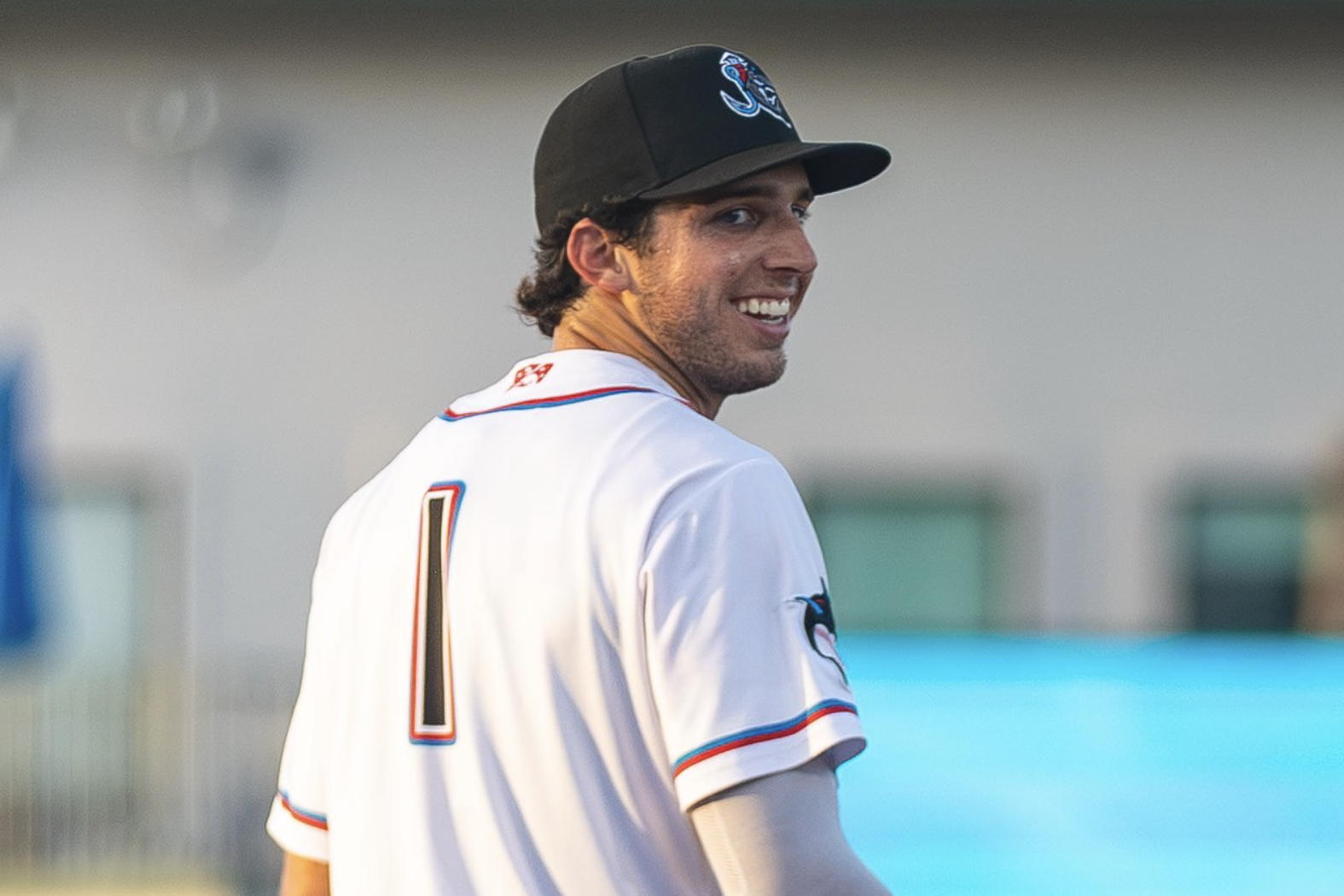 While the Miami Marlins are in a wild card race, a few of their 2026 draft selections have already started their professional careers. First round pick Jacob Lombard made his professional debut earlier this month and has already had some big plays and big hits in the minors. Here’s an update for every Marlins draft pick from their 2026 draft class: SS Jacob Lombard (Round 1): .194/.362/.361 slash line in ten games for the Low-A Jupiter Hammerheads. Lombard has recorded seven hits, two home runs, seven RBIs, eight walks, eight runs scored, five stolen bases, and a .723 OPS. LHP Ethan Kleinschmit (Round 2): No MiLB games yet RHP Ryan Peterson (Competitive Balance Round B): No MiLB games yet SS Cam Kozeal (Round 3): .214/.313/.405 slash line in ten games for Low-A Jupiter. Kozeal has recorded nine hits, two doubles, two home runs, three RBIs, six walks, six runs scored, and a .718 OPS. OF Wessley Roberson (Round 4): No MiLB games yet LHP Trey Beard (Round 5): No MiLB games yet RHP Cole Selvig (Round 6): No MiLB games yet SS Eric Guevara (Round 7): .300/.417/.300 slash line in four games for Low-A Jupiter. Guevara has recorded four hits, one RBI, two walks, two runs scored, one stolen base, and a .717 OPS. 1B Rintaro Sasaki (Round 8): No MiLB games yet 3B Nic Tolbert (Round 9): No MiLB games yet RHP Zach Peters (Round 10): No MiLB games yet RHP Fabio Bundi (Round 11): No MiLB games yet RHP Bane Barker (Round 12): No MiLB games yet RHP Connor Benge (Round 13): No MiLB games yet RHP Tyler Kapa (Round 14): No MiLB games yet RHP Colin Linder (Round 15): No MiLB games yet RHP Porter Buursema (Round 16): No MiLB games yet RHP Duke McCarron (Round 17): No MiLB games yet OF Jatniel McCloud (Round 18): No MiLB games yet RHP Jackson Mitchell (Round 19): No MiLB games yet RHP Joey Lawson (Round 20): No MiLB games yet View the full article
 -
Blue Jays Clutch Plays: Varland's Escape, McAdoo's Double
DiamondCentric posted an article in Jays Centre
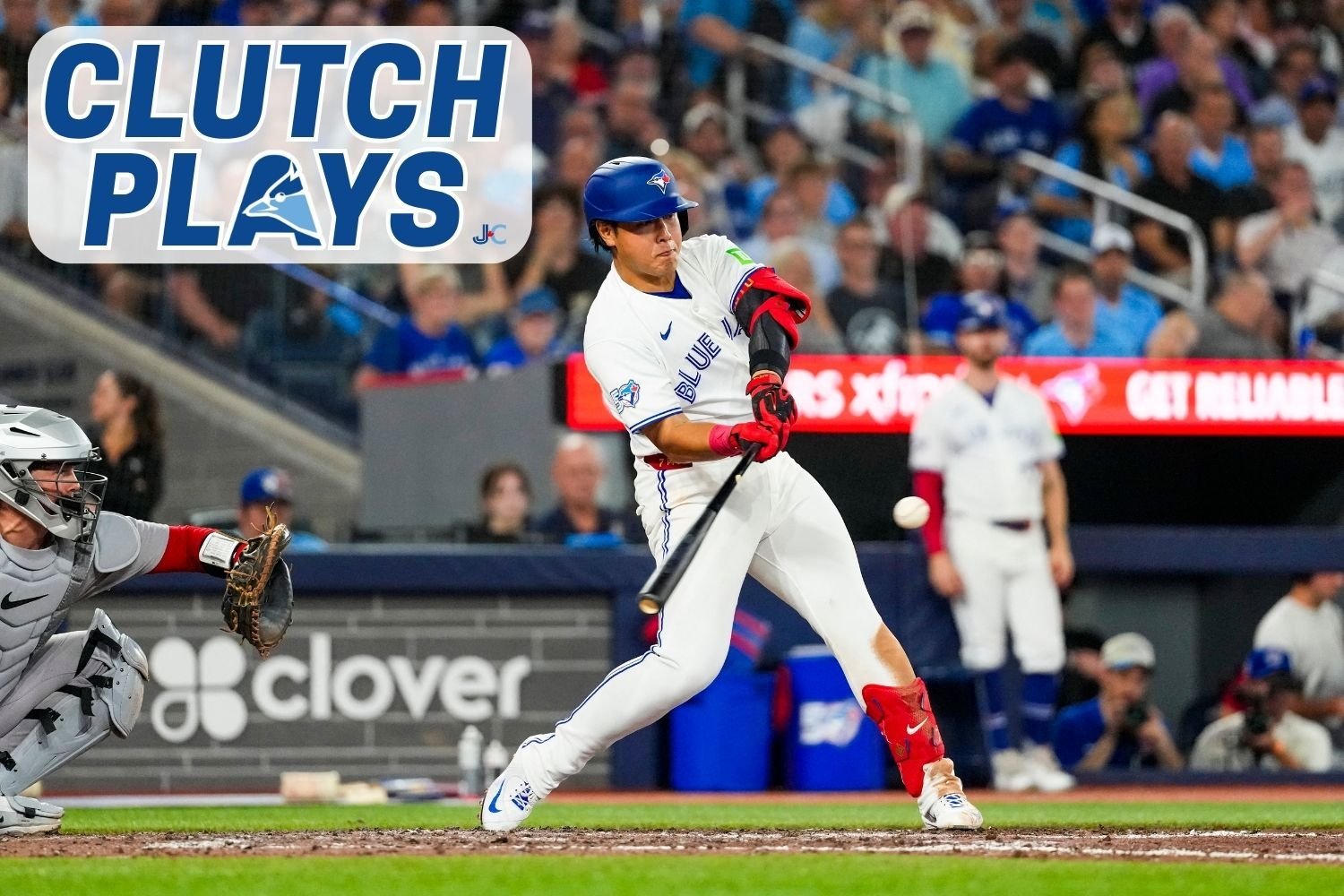 The Blue Jays fell just short of a weekend sweep against the Yankees, and they even had the chance to complete a four-game sweep of the Red Sox on Thursday. They couldn't finish the job either time, but a 5-2 week against a couple of (very likely) playoff-bound AL East rivals at home has kept their post-deadline fire burning. This team may still sit four games below .500, but the AL logjam has them just one game out of a playoff spot heading into a week that sees them travel to St. Pete and the Bronx. Pitching 3. Chase Lee: Andruw Monasterio GIDP, Top 6, 8/11 (+11.0% WPA) Chase Lee was optioned after giving up a grand slam in Thursday's finale against Boston, but not before he got a big couple of outs in the sixth inning on Tuesday night. After Jarren Duran's leadoff single, he found himself in a 1-1 count against Andruw Monasterio, who got jammed by a sweeper in on his hands and rolled it just to the left of second base. Ernie Clement did the rest himself. 2. Louis Varland: Nick Sogard Groundout, Top 9, 8/10 (+13.6% WPA) The Jays' lights-out closer notched his 25th save early this week, the latest milestone in his unbelievable season. With the tying run 90 feet away and the count full, Louis Varland whipped a 100-mph fastball up in the zone and slightly inside. Nick Sogard did a good job to get to the ball, hitting it sharply to first base, but Vladimir Guerrero Jr. was as sure-handed as ever, taking it to the bag to seal the win. 1. Louis Varland: Andruw Monasterio Strikeout, Top 9, 8/10 (+14.0% WPA) More pivotal than the final out was the strikeout that Varland got just one batter earlier. Monasterio was on the wrong end of another big moment for the pitching staff this week after failing to come through with a man on third and one out while facing a one-run deficit in the ninth. Varland got him to wave on a nasty knuckle curve in the dirt for a big strikeout. Hitting 3. Alejandro Kirk: RBI Double, Bot 6, 8/14 (+17.3% WPA) Alejandro Kirk has come around in the second half, and he had himself a night on Friday against New York. It began in the sixth when, with two outs and a man on second, he got a hanging slider from Gerrit Cole. He laced it all the way to the wall in left field, scoring George Springer with ease and giving the Jays a lead that Kirk himself would eventually add to in the eighth with a homer. 2. Charles McAdoo: RBI Double, Bot 7, 8/15 (+19.0% WPA) Charles McAdoo had his first signature moment in front of a packed Rogers Centre crowd on Saturday afternoon. Ernie Clement stood on first as the go-ahead run after his leadoff base-hit off Yankees reliever Brent Headrick. McAdoo got a high fastball from Headrick in a hitter's count and didn't miss it, drilling it off the wall on the fly at 107 mph off the bat. Clement came all the way around to score, and the Jays went on to take the game and the series. 1. Kazuma Okamoto: RBI Single, Bot 8, 8/12 (+19.3% WPA) The Blue Jays clinched their series against the Red Sox thanks to a five-run eighth inning, getting contributions up and down the lineup that would wind up looming large as Boston almost came back in the ninth. Nonetheless, the runs began with Kazuma Okamoto, who turned around a 99.5-mph sinker in a two-strike count and lined it into left-center for a base hit. Vladimir Guerrero Jr. scored on a bang-bang play after a headfirst slide at home, and the offense kept on coming. View the full article
 -
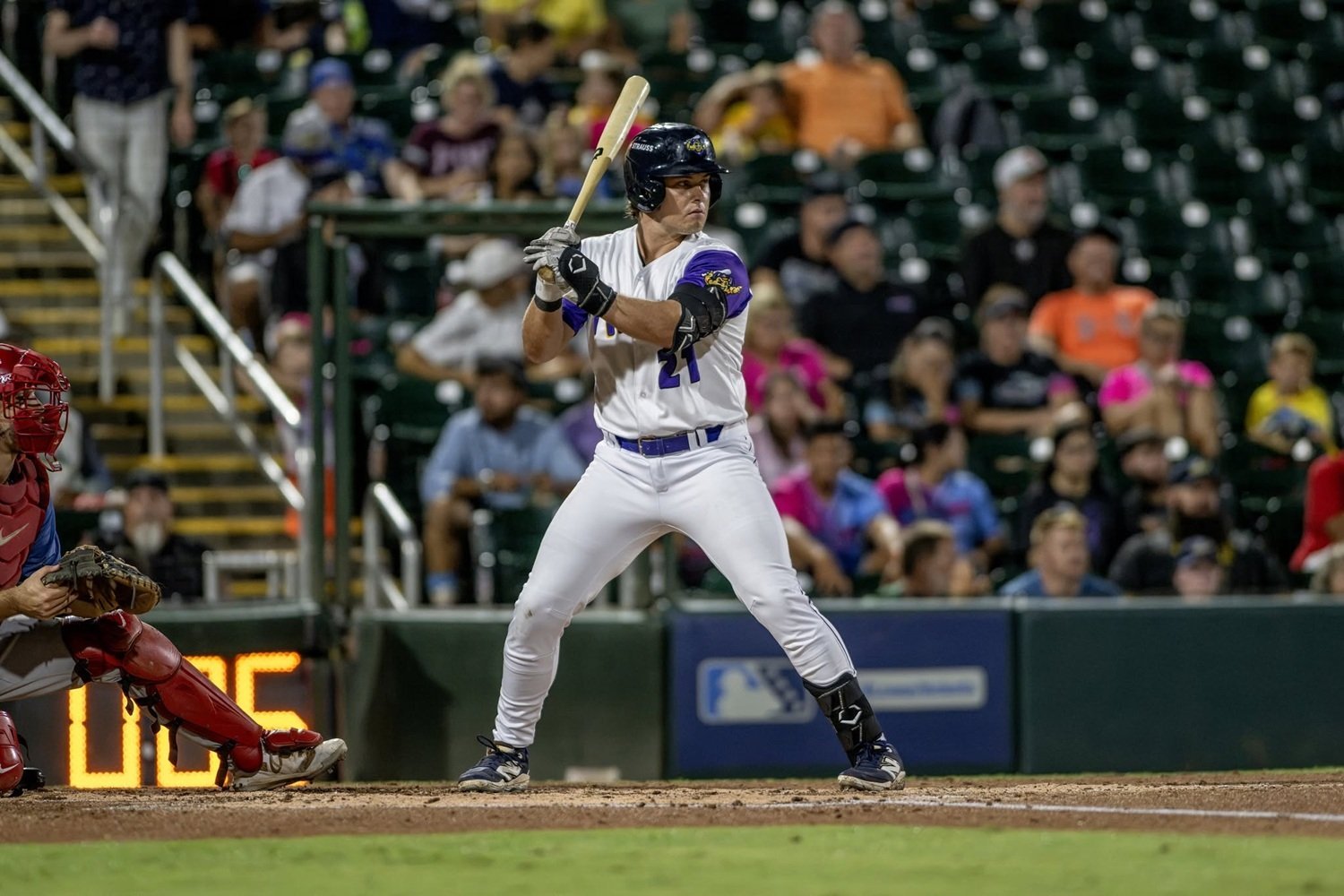 TRANSACTIONS Three straight days with no transactions in the organization. Hard to believe. I would expect we will hear a few interesting transactions on Monday. We know that Catcher Alex Jackson has been outrighted to St. Paul. I believe that he has the choice to go to St. Paul or become a free agent. SAINTS SENTINEL St. Paul 2, Iowa 1 Box Score Starting Pitcher: German Marquez: 4 IP, 4 H, 1 ER, 2 BB, 1 K, 57 pitches, 33 strikes Multi-Hit Games: None. HR: Matt Wallner (22) Veteran German Marquez made his first start in the Twins organization. He started with three zeroes before giving up a run in the fourth inning. Matt Wallner provided the offense. He drove in a run on a ground out in the first inning. Then when he came to bat in the fourth inning, he launched a long home run, tying the franchise-record 22nd home run of the season. The Saints bullpen was incredible. Aaron Rozek walked three and struck out three over three scoreless innings. Garrett Acton walked one and struck one batter out over a scoreless, hitless inning. Marco Ray came on for the ninth inning. He gave up two hits, walked a batter and struck out one batter, but he kept the Cubs from scoring to earn his third Saints save. Walker Jenkins and Ben Ross each went 1-for-3 with a walk. WIND SURGE WISDOM Wichita 2, Corpus Christi 5 Box Score Starting Pitcher: Ty Langenberg: 4 IP, 3 H, 2 ER, 0 BB, 3 K, 55 pitches, 37 strikes Multi-Hit Games: Caden Kendle (2-for-3, BB, 2B, RBI, K) 2B: Caden Kendle (9) The Wind Surge got on the scoreboard first in the second inning when Jaime Ferrer singled to drive in Garrett Spain. In the third inning, Jorel Ortega scored on Kendle’s ninth Surge double. However, the Hooks scored five runs over the next two innings and held on for the win. Hunter Gregory came into a 2-2 game in the fifth inning. He was charged with three unearned runs in the inning. Spencer Bengard gave up one hit over two scoreless innings. Jacob Webb and Kyle Bischoff each threw a shutout inning with two strikeouts. KERNEL NUGGETS Cedar Rapids 1, Wisconsin 5 Box Score Starting Pitcher: Kolten Smith: 2/3 IP, 0 H, 0 R, 0 BB, 1 K, 9 pitches, 7 strikes (77.8%) Multi-Hit Games: JP Smith (2-for-3, BB) 2B: Quinn McDaniel (8) HR: Danny De Andrade (12) Joey Chestnut was in Cedar Rapids on Sunday afternoon. Following the game, he dominated local media personalities with his ability to eat kolaches. The Rattlers jumped out to an early 4-0 lead and held on to it throughout the game. The Kernels scored one in the ninth, but that clearly wasn’t enough. Ivran Romero came into the game after Smith departed. He went two innings and gave up two runs on four hits and a walk. Yehizon Sanchez was next. He gave up two runs on two hits and four walks over 2 1/3 innings. He had four strikeouts. Mike McKenna gave up a hit and walked two batters over two scoreless innings. He struck out three batters. At that point, the Kernels were out of pitchers. Quinn McDaniel came into the game to start the eighth inning. That inning started with three consecutive walks to load the bases. However, he responded by getting an infield pop-out and a double play groundout to end the inning. He gave up one run in the ninth inning. His final line was two innings, one hit, one run, five walks, and no strikeouts. And I’m thinking his teammates and coaching staff were thrilled with that. Danny De Andrade hit a solo home run in the bottom of the ninth to avoid a shutout. MIGHTY MATTERS Fort Myers 9, Clearwater 4 Box Score Starting Pitcher: Callan Fang: 4+ IP, 6 H, 4 R, 3 ER, 2 BB, 4 K, 75 pitches, 47 strikes (62.7%) Multi-Hit Games: Colby Turner (3-for-5, R, 4 RBI), Bryce Fowler (2-for-4, HBP, RBI), Hideki Prather (2-for-4, 2B, 2 R) 2B: Luis Fragoza (18), Quentin Young (12), Hideki Prather (1) Merphy Hernandez led off the home half of the first inning by being hit by a pitch. He stole second and went to third on a Colby Turner single. Hernandez scored on a balk. Turner went to third on a wild pitch. Fragoza walked. A successful double-steal saw Turner score to make it 2-1. Isaiah Lane walked. Aidan Teel drove in Fragoza with a single. Lane was caught stealing home. With two outs, Fowler drove in the fourth run, Teel, with a single. Fang gave up single runs in the first and third innings. He completed four innings. He faced three batters in the fifth inning without getting an out. He left with two runners on base and Jake Covey allowed one of the runners to score, but he got out of the fifth inning with the Mussels still leading 7-4. Covey tossed four scoreless relief innings to earn the win. Hendry Chivilli worked a scoreless ninth inning. The Mussels scored their nine runs on 12 hits, seven walks, and three hit batters. They added another eight stolen bases to their league-leading total. Along with the three who had multi-hit games, Luis Fragoza was 1-for-2 with two walks. Isaiah Lane walked twice. Teel, Young, and Charlie Scholvin each had one hit and one walk. PLAYERS OF THE DAY Hitter(s) of the Day Colby Turner (Fort Myers): 3-for-5, R, 4 RBI. Pitcher(s) of the Day Jake Covey (Fort Myers): 4 IP, 2 H, 0 R, 3 BB, 2 K, PROSPECT SUMMARY Check out the Prospect Tracker for much more on our Twins Top 20 prospects. See how they did today. #1 - OF Walker Jenkins (St. Paul) - 1-for-3, BB (batted first, played CF) #3 - IF Kaelen Culpepper (Minnesota) - 2-for-4, 2B(1), K (batted ninth, played SS) #4 - SS Marek Houston (Wichita) - 1-for-3, SH, CS(6), 2 E, (batted first, played SS) #6 - OF Emmanuel Rodriguez (St. Paul) - 1-for-4, 2K (batted third, played LF) #17 - RHP James Ellwanger (Ft. Myers) - 60 Day Injured List (right elbow sprain) #18 - 3B/SS Quentin Young (Ft. Myers) - 1-for-4, BB, 2B(12), RBI (batted sixth, played DH) #19 - OF Yasser Mercedes (Cedar Rapids) - 1-for-4, K, (batted first, played CF) UPCOMING PROBABLES Monday, August 17 DSL Twins @ DSL Marlins (10:00 am CT) CURRENT W-L Records Minnesota Twins: 60-65 St. Paul Saints: 69-50 Wichita Wind Surge: 45-67 Cedar Rapids Kernels: 44-68 Fort Myers Mighty Mussels: 62-50 FCL Twins: 33-26 DSL Twins: 17-34 Please feel free to ask questions about the teams, the rosters, and discuss today’s games, or anything else Twins minor-league related! View the full article
 -
 Sunday saw the San Diego Padres' four full-season affiliates wrap up their series, going 0-5 on the day, including the completion of a suspended game from Saturday. The Triple-A El Paso Chihuahuas were beaten by Salt Lake 13-7, the Double-A San Antonio Missions fell to Frisco 8-5, the High-A Fort Wayne TinCaps lost twice to Quad Cities, dropping a suspended game 5-2 in eight innings and then 4-3 in the scheduled game, while the Low-A Lake Elsinore Storm lost to Inland Empire 11-7. Padres Minor-League Transactions None. Ethan Salas Bashes Career-High 10th HR In Chihuahuas' Loss Ethan Salas hit his third Triple-A homer and drove in four, matching his career high, but the host El Paso Chihuahuas gave up nine runs over the sixth and seventh innings in dropping a 13-7 decision to the Salt Lake Bees. The Chihuahuas (49-70, 14-30 second half) won two of the six games in the series, losing the final three. The 20-year-old Salas, Padres Mission's No. 1 prospect, extended his hitting streak to 10 games as he had also had a double, a walk and scored twice. The home run was his 10th this season, surpassing his career best set in his debut season of 2023. He has reached base in all 14 games since being promoted from Double-A San Antonio and is slashing .377/.453/.698 at Triple-A, with 15 RBIs in his last eight games. Salas had driven in three runs three times this season and matched his career best of four set July 6, 2023, his debut season. Nick Pratto hit a two-run homer in the first inning, while Marcos Castanon went 2-for-4 with an RBI and a run scored. Salas had a two-run double in the bottom of the first that tied the game 2-2, Castanon doubled home Salas and Pratto then hit his 10th homer of the season for a 5-2 lead. Salas' homer came in the bottom of the fifth, an opposite-field shot to left on the first pitch and with two outs for a 7-4 Chihuahuas lead. But the Bees scored six in the sixth and three in the seventh to take control. Chihuahuas right-handed starter Andrew Thurman gave up three runs in three innings on five hits and three walks, then left-hander JP Sears allowed five runs in 2⅓ innings. Right-hander J.P. France surrendered five runs (three earned) on four hits and two walks in 1⅔ innings before right-hander Hunter Stratton settled things down with one hit over two shutout innings. Stratton hasn't allowed a run in his five appearances (six innings) since being acquired at the trade deadline from the Pittsburgh Pirates. EP_0816.mp4 Player AB R H RBI BB K Dustin Harris, CF 4 1 0 0 1 0 Gage Workman, SS 3 1 1 0 1 1 Carlos Rodríguez, DH 5 0 1 0 0 1 Nick Solak, RF 4 1 0 0 0 0 Ethan Salas, C 3 2 2 4 1 0 Blake Hunt, C 0 0 0 0 0 0 Marcos Castañon, 2B 4 1 2 1 0 2 Nick Pratto, 1B 3 1 1 2 1 0 Clay Dungan, 3B 4 0 1 0 0 0 Bryce Johnson, LF 4 0 0 0 0 1 Player IP H R ER BB K HR Andrew Thurman 3 5 3 3 3 2 1 JP Sears 2 1/3 4 5 5 3 3 0 J.P. France 1 2/3 4 5 3 2 0 1 Hunter Stratton 2 1 0 0 2 1 0 Missions Knocked Out By Late RoughRiders Rally In what felt like a boxing match with each fighter landing big blows, the Double-A San Antonio Missions were unable to survive a late punch, giving up three runs in the bottom of the eighth for an 8-5 loss to the host Frisco RoughRiders. The Missions (51-63, 20-25 second half) went 2-4 in the six-game series after winning two of the first three. Alex McCoy (Padres Mission's No. 8 prospect) wrapped up his first weekend in Double-A with two more hits and two RBIs, while Jack Costello also had two hits and two RBIs, Romeo Sanabria two hits and two runs scored and Braedon Karpathios (Padres Mission's No. 9 prospect) two hits and an RBI. Missions right-handed starter Ian Koenig gave up five runs over six innings on six hits and a walk while striking out five. Right-hander Jose Leclerc pitched a scoreless seventh, then left-hander Igor Gil allowed three runs while only getting one out on four hits and a walk. SA_0816.mp4 Player AB R H RBI BB K Ryan Jackson, 2B 2 2 0 0 2 2 Romeo Sanabria, 1B 2 2 2 0 1 0 Alex McCoy, CF 4 1 2 2 0 1 Braedon Karpathios, DH 4 0 2 1 0 2 Jack Costello, LF 4 0 2 2 0 0 Luis Verdugo, 3B 4 0 0 0 0 1 Kai Roberts, CF 3 0 1 0 0 0 Tirso Ornelas, RF 1 0 0 0 0 0 Wyatt Hoffman, SS 4 0 0 0 0 2 Brendan Durfee, C 4 0 0 0 0 3 Player IP H R ER BB K HR Ian Koenig 6 6 5 5 1 5 1 José Leclerc 1 1 0 0 1 1 0 Igor Gil 0 1/3 4 3 3 1 1 0 Bernard Jose 0 2/3 0 0 0 1 1 0 Unproductive Week Ends With Two More TinCaps Losses A long week filled with rain and other delays came to a disappointing finish as the High-A Fort Wayne TinCaps lost the conclusion of Saturday's suspended game to the host Quad Cities River Bandits 5-2 on a walk-off three-run homer in eight innings, then fell in the regularly scheduled game 4-3. The TinCaps (46-65, 19-26 second half) were swept in the five games played, with another being canceled due to unplayable conditions. The TinCaps have lost a season-worst eight games. In the completion of Saturday's suspended game, the game resumed with the game tied 2-2 entering extra innings after the River Bandits tied it with a two-out two-run homer in the seventh. But like the bottom of the seventh, the bottom of the eighth did not go well for the TinCaps, who didn't push across a run in the top half. With the zombie runner at second, right-hander Nick Falter walked the first batter he faced and then gave up a three-run homer to Derlin Figueroa, his 25th of the season. It put a damper on a terrific outing in the Saturday portion of the game in which TinCaps right-handed starter Bryan Balzer, who struck out a career-high 10 in five innings (94 pitches, also a career high). Balzer didn't allow a hit until Figueroa led off the fourth with his 22nd double, although he had walked three and hit another. That would be the lone hit for the River Bandits until the bottom of the seventh. The TinCaps had five hits and the River Bandits four. In the regularly scheduled game, Justin DeCriscio was on base twice and drove in a pair of runs, but the River Bandits scored the go-ahead run in the seventh inning. Trailing 2-0 after two innings, Kasen Wells and DeCriscio had RBI singles in the top of the third inning to tie the game, then the River Bandits went back on top in the bottom of the third. The TinCaps tied it in the fifth when DeCriscio put down a bunt on a 2-0 pitch with no outs that the pitcher fielded and his only play was at first, but he threw wide as Dylan Grego scored from third. TinCaps right-handed starter Abraham Parra gave up four runs (two earned) in a career-best 6⅓ innings, allowing four hits and five walks while striking out two. Parra had gone six innings once this year (June 20), four times in 2025 and once in 2023. FW1_0816.mp4 FW2_0816.mp4 SUSPENDED GAME Player AB R H RBI BB K Kasen Wells, LF 3 0 0 1 0 2 Justin DeCriscio, SS 4 0 0 0 0 0 Ryan Wideman, CF 4 0 0 0 0 1 Luke Cantwell, 1B 3 0 1 0 0 2 Lamar King Jr., C 3 0 0 0 0 3 Carlos Rodriguez, DH 3 1 1 0 0 1 Bradley Frye, 3B 2 1 0 0 0 0 Dylan Grego, 2B 3 0 1 1 0 1 Conner Westenburg, RF 2 0 2 0 0 0 Player IP H R ER BB K HR Bryan Balzer 5 1 0 0 4 10 0 Will Koger 2 2 2 2 0 2 1 Nick Falter 0 1 3 2 1 0 1 SECOND GAME Player AB R H RBI BB K Justin DeCriscio, SS 2 0 1 2 1 0 Ryan Wideman, CF 4 0 0 0 0 0 Rosman Verdugo, 2B 4 0 0 0 0 3 Luke Cantwell, 1B 4 0 0 0 0 1 Robbie Lavey, DH 3 0 0 0 1 1 Kerrington Cross, 3B 3 0 0 0 1 1 Carlos Rodriguez, C 4 1 2 0 0 0 Conner Westenburg, PR 0 0 0 0 0 0 Dylan Grego, LF 2 2 1 0 1 1 Kasen Wells, RF 3 0 1 1 0 0 Player IP H R ER BB K HR Abraham Parra 6 1/3 4 4 2 5 2 0 Jeferson Villabona 0 2/3 0 0 0 3 1 0 Isaiah Lowe 1 0 0 0 0 1 0 Luis Maracara Fans 8, Draft Picks Shine, But Storm Stumble A pair of three-hit games by draft picks and a four-run first inning were not enough as the Low-A Lake Elsinore Storm saw the host Inland Empire 66ers use a five-run seventh inning for an 11-7 victory. The Storm (61-53, 22-25 second half) split the six-game series. Storm right-handed starter Luis Maracara struck out eight in four innings, giving up a pair of runs on five hits and no walks. The eight strikeouts matches the 18-year-old's career high set in his fifth professional game in the Dominican Summer League in 2024. He struck out seven twice last year in the Arizona Complex League. Sixth-rounder Nu'u Contrades went 3-for-5, including his second pro homer, with two RBIs and a run scored, while seventh-rounder Joe Tiroly also went 3-for-5 with two RBIs. Tiroly's two RBIs on a single to right capped the four-run first inning. The Storm were up 5-2 before the 66ers came back with two in the fifth, one in the sixth and then the five-run seventh with one more in the eighth after Lake Elsinore scored twice in the top of the eighth. LE_0816.mp4 Player AB R H RBI BB K Nu'u Contrades, 3B 5 1 3 2 0 0 Alex Conover, CF 3 1 0 0 2 1 Chris McHugh, LF 5 1 1 0 0 0 Ty Harvey, 1B 5 1 1 1 0 2 Jesmaylin Arias, RF 4 2 2 1 0 1 Joe Tiroly, 2B 5 0 3 2 0 0 Jose Verdugo, SS 5 0 2 0 0 1 Jake Bold, DH 3 0 1 0 1 0 Augie Lopez, C 4 1 0 0 0 1 Player IP H R ER BB K HR Luis Maracara 4 5 2 2 0 8 0 Ryan Reed 1 3 2 2 0 1 1 Florangel Vasquez 1 1/3 4 5 3 0 2 0 Jordan Valenzuela 0 2/3 1 1 1 1 1 0 Rordy Mejia 1 1 1 1 1 0 1 Padres Mission's Top 20 Prospect Performance Ethan Salas: 2-for-3, 2B, HR, 4 RBI, BB Ryan Wideman: 0-for-4, K (Game 1); 0-for-4 (Game 2) Coleman Borthwick: In Arizona Kruz Schoolcraft: DNP Ty Harvey: 1-for-5, RBI, 2 K Kale Fountain: Injured, out for season Jorge Quintana: DNP Alex McCoy: 2-for-4, 2 RBI, K Braedon Karpathios: 2-for-4, RBI, 2 K Lamar King Jr.: 0-for-3, 3 K Elliot Lascelles: In Arizona Tucker Musgrove: DNP Jagger Haynes: DNP Jake Cunningham: DNP Truitt Madonna: DNP Eric Yost: DNP Winyer Chourio: DNP Jesus Castro: DNP Michael Salina: On injured list Rosman Verdugo: 0-for-4, 3 K View the full article
 -
What are your Marlins vs. Phillies series predictions?
DiamondCentric posted an article in Fish On First
 Once again in 2026, I will be monitoring Miami Marlins predictions from our valued SuperSubs, Fish On First staffers and livestream guests. Individual article pages like this one will be created prior to every Marlins series and featured prominently on the FOF site. Consistent participation is key if you want to win this annual contest. Submissions only take a few seconds. Scoring system A "perfect" series is worth three points: Earn one point for predicting which team will win the upcoming series Earn one point for predicting the precise number of victories for each team Earn one point for predicting the “Series MVP” who accumulated the highest win probability added (WPA) during the series as calculated by FanGraphs (could pick a player from either team) FOF staffer Jeremiah Geiger and SuperSub David Fernandez are currently tied atop the 2026 season leaderboard, which will be updated between every Marlins series. If you are a SuperSub, leave a comment with your Prediction Time picks on this page, or join the Marlins Discord Server and submit there. We'll feature them on the upcoming Fish On First LIVE episode and track your points throughout the season! Any picks submitted prior to the first pitch of the series opener will be counted. If you are not a SuperSub, please consider signing up here to support the FOF staff. Series preview notes Probable starting pitchers: RHP Janson Junk (MIA) vs. LHP Cristopher Sánchez (PHI) on Monday TBA (MIA) vs. RHP Zack Wheeler (PHI) on Tuesday Tyler Phillps' turn in the rotation RHP Sandy Alcantara (MIA) vs. RHP Aaron Nola (PHI) on Wednesday The Marlins rank 14th in MLB with a 100 wRC+ and 10th in MLB with a 3.98 FIP. They are 6-4 in their last 10 games and have a 26-36 record on the road this season. The following Marlins players are on the injured list: Anthony Bender (15-day IL), Ronny Henriquez (60-day IL), William Kempner (15-day IL), Adam Mazur (60-day IL), Andrew Nardi (60-day IL), Robby Snelling (60-day IL) and Kyle Stowers (10-day IL). The Phillies rank 25th in MLB with a 94 wRC+ and fourth in MLB with a 3.75 FIP. They are 6-4 in their last 10 games and have a 32-30 record at home this season. The following Phillies players are on the injured list: Tanner Banks (60-day IL), Adolis García (60-day IL), Brad Keller (60-day IL), Caleb Killian (15-day IL), Rafael Marchán (10-day IL) and Johan Rojas (60-day IL). View the full article
 -
 Derlin Figueroa's walk-off three-run homer finished a doubleheader sweep for Quad Cities, where Emmanuel Reyes struck out seven, and Rob Hensey allowed no hits over four innings. Justin Johnson's grand slam carried Northwest Arkansas past Springfield behind Drew Beam. Darwin Rodriguez turned in a quality start for Columbia, but the Fireflies lost their lead late. Nolan Sailors also homered, and Jorge Alfaro went 2-for-4 with a home run for the Naturals. Omaha was postponed. Kansas City Royals Transactions Kansas City Royals sent RHP Eli Morgan outright to Omaha Storm Chasers. Justin Johnson's Grand Slam Lifts Naturals Past Springfield Northwest Arkansas trailed 3-1 through three innings in Springfield, then took the lead with one swing. Jorge Alfaro opened the fourth with a single, Sam Kulasingam followed with a single, and Daniel Vazquez loaded the bases with a bunt single. After a strikeout, Justin Johnson hit a grand slam to left-center for a 5-3 lead, his ninth home run of the season. The Naturals added an insurance run in the fifth when Javi Vaz walked, Carson Roccaforte singled, and Kulasingam lifted a sacrifice fly. Johnson finished 1-for-3 with four RBI and a walk. Alfaro went 2-for-4 with two runs and a solo home run, his 12th. Kulasingam was 1-for-3 with an RBI, and Vaz drew two walks. Northwest Arkansas collected seven hits, struck out 12 times, and left four runners on base, but four of those hits came in the fourth. Drew Beam gave the Naturals five innings, allowing seven hits and four runs, three earned, with no walks and two strikeouts, and he earned the win. Caden Monke followed with a hitless inning and two strikeouts. Tyson Guerrero struck out two in a hitless inning. Tommy Molsky allowed a run on a hit and a walk with a strikeout. Dennis Colleran Jr. worked around a hit and a walk with a strikeout for his fourth save, closing out a 6-5 win. Northwest Arkansas committed the only error of the game, and one of the four runs charged to Beam was unearned. The Naturals went 2-for-5 with runners in scoring position and left four runners on base. They are now 47-65. Player AB R H RBI BB K Luke Pelzer 5 0 0 0 0 2 Javi Vaz 2 1 0 0 2 0 Carson Roccaforte 4 0 1 0 0 1 Jorge Alfaro 4 2 2 1 0 2 Sam Kulasingam 3 1 1 1 0 1 Daniel Vazquez 3 1 1 0 1 2 Canyon Brown 4 0 0 0 0 2 Justin Johnson 3 1 1 4 1 1 Alberto Rodriguez 4 0 1 0 0 1 Totals 32 6 7 6 4 12 Player IP H R ER BB K HR Drew Beam 5 7 4 3 0 2 0 Caden Monke 1 1 0 0 0 2 0 Tyson Guerrero 1 0 0 0 0 2 0 Tommy Molsky 1 1 1 1 1 1 0 Dennis Colleran Jr. 1 1 0 0 1 1 0 Totals 9 10 5 4 2 8 0 Zion Rose Forces In The Winner As River Bandits Edge Fort Wayne Quad Cities managed four hits against Fort Wayne and still found a way to win, 4-3, because the River Bandits kept taking free passes. With the game tied 3-3 and two outs, Ben North walked, Hyungchan Um walked, and Sailors walked to load the bases in the seventh. Rose then drew a walk to force in North, and the River Bandits protected the lead the rest of the way. The early runs came in pieces. Sailors struck out swinging in the first but reached on a wild pitch, and Rose brought him home with a sacrifice fly. Tyriq Kemp singled in the second and scored on North's single. Quad Cities pushed across another run in the third to lead 3-2 before Fort Wayne tied it in the fifth. The River Bandits drew eight walks, stole six bases, and left six runners on base. Rose finished 1-for-2 with two RBI and a walk. North was 1-for-3 with an RBI, a walk, and two stolen bases. Kemp went 1-for-3 with a walk and a stolen base, Derlin Figueroa was 1-for-3 with a walk, and Um walked twice. Kendry Chourio started and gave Quad Cities three innings, allowing four hits and two runs with a walk and two strikeouts. Hensey followed with four innings without a hit, walking three and striking out three, and he earned the win. The only run charged to Hensey was unearned after he committed both of the River Bandits' errors. Aiden Jimenez closed with two innings, one hit, no walks, and two strikeouts for his third save. Player AB R H RBI BB K Nolan Sailors 3 1 0 0 1 1 Zion Rose 2 0 1 2 1 0 Derlin Figueroa 3 0 1 0 1 0 Jose Cerice 3 1 0 0 0 0 Tyriq Kemp 3 1 1 0 1 0 Erick Torres 4 0 0 0 0 0 Ben North 3 1 1 1 1 1 Hyungchan Um 1 0 0 0 2 0 Stone Russell 2 0 0 0 1 2 Totals 24 4 4 3 8 4 Player IP H R ER BB K HR Kendry Chourio 3 4 2 2 1 2 0 Rob Hensey 4 0 1 0 3 3 0 Aiden Jimenez 2 1 0 0 0 2 0 Totals 9 5 3 2 4 7 0 Figueroa's Walk-Off Homer Completes River Bandits Comeback After getting suspended on Saturday, Quad Cities did not score in Sunday's continuation until its final six outs, and then the River Bandits scored five. Trailing 2-0 in the seventh, Angel Acosta singled with two outs, and Sailors followed with a two-run home run, his fifth of the season, to tie the game. The seven-inning game moved to the eighth, where Blake Mitchell opened as the zombie runner at second base. Chris Brito walked, and Figueroa drove a line drive to right-center for a three-run home run, his 25th, ending it 5-2. Figueroa finished 2-for-3 with a double, the home run, three RBI, and a walk. Sailors was 1-for-4 with two RBI. Acosta went 1-for-1 with two walks and a run. Mitchell was 0-for-3 with a hit by pitch and scored the run that started the winning rally. Quad Cities totaled four hits, struck out 12 times, and left seven runners on base, and the River Bandits committed both errors in the game. Reyes started and gave Quad Cities five innings, allowing four hits and two runs with no walks and seven strikeouts. Both runs against him came on a run-scoring single and a sacrifice fly. Dash Albus followed with two hitless innings, no walks, and three strikeouts. Kamden Edge allowed a hit in an inning of work, stranded the automatic runner, and earned the win to move to 5-1. Player AB R H RBI BB K Nolan Sailors 4 1 1 2 0 2 Asbel Gonzalez 2 0 0 0 1 1 Blake Mitchell 3 1 0 0 0 2 Chris Brito 3 1 0 0 1 2 Derlin Figueroa 3 1 2 3 1 1 Erick Torres 3 0 0 0 0 2 Tyriq Kemp 3 0 0 0 0 1 Stone Russell 3 0 0 0 0 1 Angel Acosta 1 1 1 0 2 0 Totals 25 5 4 5 5 12 Player IP H R ER BB K HR Emmanuel Reyes 5 4 2 2 0 7 0 Dash Albus 2 0 0 0 0 3 0 Kamden Edge 1 1 0 0 0 0 0 Totals 8 5 2 2 0 10 0 Fireflies Draw 13 Walks, Then Watch A Lead Disappear At Wilson Columbia turned four hits into six runs and still lost 9-6 at Wilson. The Fireflies broke through in the second on four straight walks, the last of them to Tyson Moran, which forced in the first run. Jhonayker Ugarte grounded into a double play that brought home a second run, Daniel Lopez walked, and Henry Ramos singled to bring in two more for a 4-2 lead. Columbia loaded the bases with three more walks in the third and added a run on a ground ball. Ramos homered in the sixth for a 6-3 lead. Ramos finished 2-for-4 with the home run, two RBI, and a walk. Lopez was 2-for-3 with a double and a walk. Sean Gamble went 0-for-3 with two walks, two stolen bases, and two runs. Roni Cabrera walked three times, and Jhosmmel Zue also walked three times. Columbia drew 13 walks, struck out four times, and left eight runners on base, and the Fireflies did not commit an error. Rodriguez gave Columbia six innings, allowing seven hits and three runs with two walks and five strikeouts, a quality start. Adrian Belen then allowed three runs on two hits, including a home run, with a walk and a strikeout, and blew the save as Wilson tied it 6-6. Justin LeGuernic recorded one out and allowed three runs on two hits and two walks, taking the loss. Yeri Perez got the last two outs of the inning, walking one. The loss dropped the Fireflies to .500 at 56-56. Player AB R H RBI BB K Henry Ramos 4 1 2 2 1 0 Camden Johnson 3 0 0 0 2 2 Josh Hammond 5 0 0 0 0 0 Sean Gamble 3 2 0 0 2 1 Roni Cabrera 2 1 0 0 3 0 Jhosmmel Zue 1 1 0 0 3 0 Tyson Moran 3 0 0 1 1 1 Jhonayker Ugarte 4 0 0 0 0 0 Daniel Lopez 3 1 2 0 1 0 Totals 28 6 4 3 13 4 Player IP H R ER BB K HR Darwin Rodriguez 6 7 3 3 2 5 2 Adrian Belen 1 2 3 3 1 1 1 Justin LeGuernic 1/3 2 3 3 2 0 0 Yeri Perez 2/3 0 0 0 1 0 0 Totals 8 11 9 9 6 6 3 Top-20 Prospect Performance Kendry Chourio: 3 IP, 4 H, 2 R, 2 ER, 1 BB, 2 K David Shields: DNP Josh Hammond: 0-for-5 Blake Mitchell: 0-for-3, HBP, 2 K Sean Gamble: 0-for-3, 2 BB, 2 SB, K Ramon Ramirez: DNP Zion Rose: 1-for-2, 2 RBI, BB Asbel Gonzalez: 0-for-2, BB, HBP, K Carson Roccaforte: 1-for-4, K Taylor Rabe: DNP Yandel Ricardo: DNP Justin Lamkin: DNP Drew Beam: 5 IP, 7 H, 4 R, 3 ER, 0 BB, 2 K Michael Lombardi: DNP Jack Slightom: DNP Felix Arronde: DNP Angeibel Gomez: DNP Ben Kudrna: DNP Steven Zobac: DNP Blake Wolters: DNP View the full article
 -
Marlins offense erupts in the clutch to steal series from Reds
DiamondCentric posted an article in Fish On First
 Fish On First staffers react to the latest Miami Marlins series and prepare you for what lies ahead. Sunday's show was hosted by Ely Sussman and featured panelist Isaac Azout. The following topics were covered: A standout defensive performance by Brian Navarreto on Sunday Eury Pérez's mind-boggling homerless streak and value to the Marlins Heriberto Hernández's offense easily making up for his fielding gaffe on Friday Exclusive reporting on what the Marlins think of their Triple-A first base options Previewing and predicting the next series against the Philadelphia Phillies You can find Fish Unfiltered and Fish On First LIVE on the Fish On First YouTube channel, Apple Podcasts, Spotify or wherever else you get your pods. Our next FOF LIVE episode will be on Thursday at approximately 6:30 p.m. ET on the off day following the Marlins-Phillies series finale. View the full article
 -
 The Weekly Nutshell: The Twins need to get on a run. The past week was the latest instance of their inability to do so. It's a recurring cycle: one impressive breakout game is followed by one or two non-competitive duds to damper any momentum. The Twins have had just one winning streak of more than two games since the All-Star break, and are 1-4 following a win here in the month of August. They've lost five straight one-run games, two of them walk-offs, and have fallen to five games below .500 after getting swept at home by the Phillies. The Twins are doing enough to hang around in an undifferentiated AL field, but they're not doing enough to inspire confidence that they can rise above the pack with six weeks remaining. Can their rotation and lineup awaken before the clock strikes midnight? Weekly Snapshot: Mon, 8/10 through Sun, 8/16 *** Record Last Week: 2-4 (Overall: 60-65) Run Differential Last Week: -13 (Overall: -48) Standing: 4th Place in AL Central (6.0 GB); 1.5 games out of WC Latest Game Results Game 120 | MIN 9, BAL 5: Kremer Dominates His Former Team as Bats Break Out Kremer: 7 IP, 1 ER, 1 H, 1 BB, 7 K Game 121 | BAL 5, MIN 2: Twins Strand 10 Runners, Ober Gives Up Three Bombs Ober: 6 IP, 5 ER, 8 H, 1 BB, 4 K, 3 HR Game 122 | MIN 7, BAL 5: Offense Keeps Punching Back in Series-Clinching Win Bell: 3-5, RBI Game 123 | PHI 7, MIN 1: Dire Showing From Offense in Dyersville, Bradley Stumbles Lewis, Clemens, Lee: 0-12, 6 K Game 124 | PHI 9, MIN 1: Prielipp Unravels in Fifth as Offense No-Shows Once Again Prielipp: 5 IP, 8 ER, 8 H, 4 BB, 6 K Game 125 | PHI 7. MIN 5: Phillies Erase Five-Run Lead to Clinch Devastating Sweep Morris: 1 IP, 3 ER, 4 H, 1 BB, 0 K NEWS & NOTES Byron Buxton's return from the injured list could not have been much more cinematically compelling. Buxton came walking out of the cornfields in Dyersville, IA, to participate in the Field of Dreams Game on Thursday night — his first game action since July 28th following his second hip-related IL stint of the season. This time, like last, he skipped a rehab and jumped right back onto the active roster. Buxton served as 27th man for Thursday's game (a specialized rule for this event), but on Saturday the Twins designated third catcher Alex Jackson for assignment to formally make room. The front office delayed this inevitability as long as they could, fearing they'll lose the out-of-options Jackson on waivers, but no longer could hold off. We'll see if he gets claimed or makes it through within the coming days. Right-handed pitcher Taylor Rashi, himself DFA'ed a week earlier, was claimed off waivers by the Athletics. He never made an appearance in a Twins uniform, posting a 4.76 ERA in 15 appearances for the Saints. On the flip side, Minnesota added back some pitching depth by signing veteran righty Germán Márquez to a minor-league deal. He was a solid pitcher for Colorado back in the day, an All-Star in 2021, but the 31-year-old has faded in recent years. I would expect we'll see him up in the majors before the year is through, even if just as a bullpen filler arm for September. HIGHLIGHTS Dean Kremer was impressive in his first start as a Twin, tossing five innings of one-run ball in Kansas City on August 5th. But his second start and Target Field debut last Monday was nothing short of brilliant. Going against the team that had traded 10 days earlier, Kremer completely stymied the Orioles over seven innings of three-hit ball. He allowed only one run, and he didn't even really allow it — Gunnar Henderson scored on a double-steal for the lone tally. Kremer was cruising again on Sunday in his third start as a Twin, holding the Phillies scoreless through five innings, before hitting a wall in the sixth and letting four across. Despite the rocky ending, he has certainly reversed course after switching teams, allowing six runs through 17 ⅓ innings as a Twin (3.12 ERA) after allowing 16 earned runs in 14 innings in his final three starts with Baltimore. I'm hesitant to read into that too much, given the sample size and how streaky baseball players can be, but it's a great first impression, and there's reason to believe the Twins have had some influence on his turnaround. The bullpen started and ended the week on hiccups, courtesy of Travis Adams, Taylor Rogers and Andrew Morris. (And the defense, naturally.) In between they were mostly lockdown, allowing four runs in 16 innings across four contests. But only in one of those games — Wednesday's 7-5 win over Baltimore — were their efforts particularly consequential. It's a good reminder that a good bullpen doesn't do much for you when you can't build leads, which is the paradox of Minnesota's deadline upgrades. On the offensive side, Luke Keaschall is leading the way as he builds on a resurgent second half. He went 6-for-17 with a homer, two doubles and four walks. He's inching up in the batting order, now usually slotting sixth or seventh after spending much of the season near the bottom, and is making a strong case to be hitting higher yet. Keaschall entered play Sunday slashing .308/.423/.474 since the All-Star break, good for a .395 wOBA that led all Twins by 35 points and ranked 18th among all MLB hitters. Some other notable performances at the plate: Ryan Jeffers went 6-for-16 with two doubles and three RBIs. Royce Lewis was 7-for-22 with three doubles and three RBIs. Brooks Lee went 8-for-24 with a pair of doubles and a grand slam. Josh Bell came through with a big three-run homer on Monday as part of a seven-hit week. And at last, Alan Roden broke out of his funk with a three-hit game on Wednesday that included a pair of doubles. With the exception of Roden, that is basically the same select group of hitters contributing lately on offense while far too many key bats remain dormant. LOWLIGHTS It was not terribly surprising to see Bailey Ober get lit up for five earned runs on Tuesday against the Orioles, who teed off for a home run in each of the first three innings. What's surprising is that this doesn't happen more often. Ober has struggled to ramp his fastball into even the upper-80s of late, but through pure execution and guile he had managed to post a respectable 4.10 ERA with only two home runs allowed in his first five starts off the injured list. That execution was not there in his latest start, with Ober hanging several pitches that were absolutely clobbered, including a moonshot off the bat of former Twins prospect Christian Encarnacion-Strand. Ober was one of several culprits on a staff that looked downright terrible, surrendering 38 runs (all earned) on 59 hits and 22 walks across the six games. The Joe Ryan-less starting stable shows signs of falling apart as we move into the stretch run. Taj Bradley got knocked around in the Field of Dreams Game for five earned runs in four innings, his shortest outing since May. Connor Prielipp melted down in the fifth inning on Saturday, turning a 1-0 deficit into an insurmountable 8-0 by giving up three singles, three walks and a back-breaking three-run homer. It was somewhat bizarre to see him left out there flapping in the wind by manager Derek Shelton, given the stakes of the game and the mounting workload concerns for Prielipp. Shelton's slow hook for Kremer the following day also raised some eyebrows. Meanwhile, with the exception of a few standouts, the all-or-nothing Twins lineup continues to hold the team back. They had strong showings on Monday, Wednesday and Sunday, totaling 21 runs across those three contests, but were held to two or fewer in the the other three games, giving the team no real chance at a victory. Even on Sunday, when they jumped on Andrew Painter for five runs on two early swings, the Twins were not particularly effective at putting runners on and pushing them across, shutting down after the third inning. In their four losses, Minnesota's offense went 3-for-34 with runners in scoring position, stranding 36 runners on base. The penchant for clutchness that buoyed this unit in the first half of the season has largely vanished, and along with it, the team's ability to produce runs on any kind of consistent basis. The Twins entered play Sunday with the fifth-fewest runs scored in the majors since the break, after scoring the sixth-most prior. It's nice to have Buxton back but he doesn't really seem to be "back" in any meaningful sense. He is very obviously limited by rust, lingering injury effects, or some combination of both. Buxton went 1-for-12 including a three-strikeout game on Sunday, and hasn't driven in a run since July 4th. Trevor Larnach, who was one of the team's best hitters in the first half alongside Buxton, has also gone silent, though the steady stream of opposing lefty starters is limiting his opportunities somewhat. He tallied four singles and a walk in 19 plate appearances. Kody Clemens hit a solo homer on Sunday, but went 2-for-14 otherwise and is batting .149 in August. He has the lowest on-base percentage of any MLB hitter over the past two months. Ryan Kreidler is finding himself in the lineup far too often for a guy with a .438 OPS since the start of July. Neither the starting rotation nor starting lineup is warranting much confidence at all. The defense, while somewhat improved, remains prone to multiple headshake-inducing displays every game. And the bullpen showed on Sunday it's far from infallible. Tough to win when there is no concrete strength you can hang your hat on. TRENDING STORYLINE It feels like this season is slipping away away. The Twins aren't playing blatantly horrible baseball — they've been winning games here and there, avoiding prolonged losing streaks to stay within range of .500 — but they're not playing well enough to make up any ground, and the clock is ticking down as we enter the latter half of August. They've slid to six games out in the division, their biggest gap since early June, with Detroit emerging as the prime threat to Chicago in the Central. But the Twins are still technically very much alive in the crowded Wild Card mix, one of five teams that entered play on Sunday within a game of the final spot. Yes, they are "in it." At some point, though, you've got to stop looking at what's happening around you and start to look inward. Currently Minnesota is on a 78-win pace. That's not gonna do it. In order to win 83 games and finish with a winning record, which is the bare minimum for legitimacy in my opinion, they would need to 23-14 the rest of the way. That's a 100-win full-season pace. Not impossible, especially with a relatively soft remaining schedule, but the Twins have shown no real capability to play at that level over any sustained period of time, and lately they've simply looked like a bad team. If they're going to make the push required, they're going to need to put it all on the line. With the trade deadline in the rearview, there aren't a whole lot of levers the front office can still pull, but two options stick out in Triple-A. One is Kendry Rojas. He's one of the most electric arms in the organization and there's seemingly little reason to have him stashed at Triple-A while the season hangs on the brink. The left-hander has been lights-out since returning to the Saints, with a 0.82 ERA and 11-to-2 K/BB ratio in 11 innings. He started twice against the Iowa Cubs this past week (Tuesday and Saturday) and allowed just one run on a solo homer. Rojas is being somewhat stretched out to start, although the Twins don't seem inclined to push him much past the 50-pitch range. That's fine, they can find a role for him in that capacity. He's far from a lock to come up and dominate — we've seen how the control can come and go — but the Twins staff could desperately use some juice with Ryan sidelined, Prielipp wearing down and Zebby Matthews looking thoroughly mediocre. On the hitting side, you have Walker Jenkins. He's a consensus top-20 prospect in baseball, and by nearly every account, he's showing readiness to take the next step. His recent stats help make the case; Jenkins has an OPS over .900 since coming off the injured list in late June, and his past week was another impressive one: 7-for-17 with a home run, a double, three walks and two steals. You can't simply expect that an untested rookie is going to come up and be a heroic world-beater — Kaelen Culpepper's slowish start is a good prompt to temper expectations — but Jenkins has the tools and makeup to hit the ground running. He represents one of the few clear advantages the Twins have compared to other contenders running alongside them in the postseason race. Very few teams have a prospect with this kind of upside and potential impact sitting in Triple-A, ready to go. There's open room on the 40-man roster with the Jackson DFA. (Kyler Fedko, out for the season with a knee injury, can also easily be shifted to the 60-day IL.) So that's not an issue. Finding room for Jenkins in the lineup regularly isn't necessarily quite as straightforward with Buxton back in the mix, but it's also not rocket science. Use Buxton at DH frequently. Strongly deprioritize Roden. Shift Keaschall back to second base on occasion. Do what it takes to get one of most dynamic talents in your organization on the field with everything on the line. The more the Twins wait, the more unserious their aspirations for postseason contention come to look. LOOKING AHEAD The Twins have faced three National League contenders since the All-Star break. They've lost all three of those series, dropping two of three against Cubs and Brewers before getting swept by the Phillies. With two more matchups against playoff-minded NL clubs ahead, can Minnesota finally get over the hump and put together a winning week? They desperately need it to set themselves up for the season-defining stretch that follows: three games against the last-place Athletics followed by 15 straight against the three other teams in the AL Central race: Chicago (6), Detroit (6), Cleveland (3). MONDAY, AUGUST 17: BRAVES @ TWINS — LHP Martin Perez v. RHP Bailey Ober TUESDAY, AUGUST 18: BRAVES @ TWINS —RHP Tyler Mahle v. RHP Zebby Matthews WEDNESDAY, AUGUST 19: BRAVES @ TWINS — LHP Chris Sale v. RHP Taj Bradley FRIDAY, AUGUST 21: TWINS @ PADRES — LHP Connor Prielipp v. RHP Randy Vasquez SATURDAY, AUGUST 22: TWINS @ PADRES — RHP Dean Kremer v. RHP Casey Mize SUNDAY, AUGUST 23: TWINS @ PADRES — RHP Bailey Ober v. RHP Walker Buehler View the full article
 -
 Mirroring his club, Eury Pérez's 2026 campaign has been one of extreme highs and lows. Slotted as the Miami Marlins' number two arm entering the season, Pérez was initially one of the weak links in their rotation. The byproduct of too many free passes and barreled balls allowed, the 23-year-old carried an ERA of 5.33 through 10 appearances. After a five-run outing in Tampa on May 17, Pérez cried due to extreme frustration, as he recently admitted to the media. Not only did the breakdown serve as a reset of the youngster's mindset—conditioning him to "enjoy" his starts regardless of their outcome—but also his approach on the mound. Since that humbling low point, it's been a complete 180 for the rising phenom dubbed "Baby Goat." Pérez shined yet again in Sunday's rubber match in the notorious hitter-friendly confines of Great American Ball Park, tossing six shutout innings against the Cincinnati Reds in an eventual 7-1 victory. Pérez's 1.80 ERA from May 18 onward is fourth-best in the majors among pitchers to log at least 60 innings. A revamped pitch mix has been the catalyst. To say Pérez has heavily relied on his fastball and slider in the past would be an understatement. Looking at the ten-start sample earlier this season, Pérez threw the two offerings a combined 78% of the time. Neither of them were performing as well as their raw pitch characteristics suggested they should. The solution? A sinker. It induces fewer whiffs than his other weapons, but Pérez can locate it consistently to his arm side. The movement on it reliably gets opponents to swing over the top of it and hit harmless ground balls. Though counterintuitive, limiting the usage of his four-seam and slider has made them so much better. The same four-seam that was predictable and unusually average has a value of 11.1 runs above average since, per Statcast, third-best in all of baseball. The same slider that was a beach ball to hitters for the first few weeks of the season now sits tenth-best at 6.6 runs above average. Pérez's dangerously elevated walk percentage and average launch angle have trended to upper-middle of the pack among qualified starters. Relatedly, perhaps most notable of all has been his ability to keep the ball in the yard. Truthfully, Pérez was not at his best on Sunday. He allowed baserunners in all but one of his innings. When that's the case, opponents will look to exploit his slow delivery—Pérez leads MLB with 25 stolen bases allowed. Against the Reds, though, he was just quick enough to the plate to give catcher Brian Navarreto a fighting chance. They teamed up to nab two runners, including the lightning-quick Elly De La Cruz. Zooming out, Pérez's numbers are extremely comparable to his exceptional rookie year. While both the 2023 and 2026 Marlins are contending, the training wheels are now removed. Rather than worrying about an inevitable early shutdown, the team is confidently testing his limits—he has reached 100 pitches in three of his last five outings while sustaining elite velocity. Even this deep into his MLB career, Pérez is one of the youngest starters in the big leagues. He might not fully reach his peak for another half-decade, but the Marlins are getting a glimpse of his upside at the perfect time. Along with his mentor, Sandy Alcantara, Pérez is carrying an inexperienced roster with a short-handed rotation to a winning record far ahead of schedule. View the full article
 -
 Weekly Snapshot: Record Last Week: 3-4 (Overall: 77-48) Runs Scored Last Week: 22 Runs Surrendered Last Week: 28 Standing: 1st in NL Central *** Game 119 (8/10) | SD 3, MIL 2 Game 120 (8/11) | SD 11, MIL 1 Game 121 (8/12) | SD 4, MIL 3 Game 122 (8/13) | MIL 5, LAD 4 Game 123 (8/14) | LAD 3, MIL 1 Game 124 (8/15) | MIL 4, LAD 1 Game 125 (8/16) | MIL 6, LAD 2 *** Game 119 | Padres 3, Brewers 2 MIL Starter: Logan Henderson (6.1 IP, 5 H, BB, 3 ER, 7 K) Top Performers: Christian Yelich (H, HR, 2 RBI) The Brewers kicked off their week having to swallow a tough loss at the hands of the Padres, as Logan Henderson pitched into the 7th inning in an attempt to save a tired bullpen, only to surrender a 2-run home run off the bat of Jackson Merrill, flipping what was a 2-1 Brewers lead into a 3-2 deficit. It was a score that held, as San Diego quieted the Brewers' offense the rest of the way and captured game one. Christian Yelich goes deep (+17.7 WP%) Game 120 | Padres 11, Brewers 2 MIL Starter: Kyle Harrison (4.2 IP, 10 H, 3 BB, 8 ER, 3 K) Top Performers: Andrew Vaughn (2 H, 2B) It got ugly on Tuesday, with Kyle Harrison struggling to find any kind of success against the Padres' bats while the Brewers were unable to pick on Walker Buehler, who turned in one of his finest outings of the season. The only highlight was Gary Sánchez, as he was the only Brewers pitcher to record a scoreless inning. Sánchez toes the slab Game 121 | Padres 4, Brewers 3 MIL Starter: Dustin May (7.0 IP, 4 H, 2 BB, ER, 6 K) Top Performers: Gary Sánchez (2 H, BB, 2B, HR, 2 RBI) Joey Ortiz (H, 2 BB) Trevor Megill (1.2 IP, 0 H, BB, 0 ER) The Padres added to the Misery by completing the sweep in a heartbreaker on Wednesday. It was a game that saw Dustin May pitch very well, allowing only 1 run in his seven innings of work, but the Brewers' offense was unable to hold a small lead late once again, and eventually, they fell behind in the 11th inning with Antonio Senzatela on the mound. Sánchez puts the Brewers in front (+23.8 WP%) Game 122 | Brewers 5, Dodgers 4 MIL Starter: Shane Drohan (5.1 IP, 3 H, 3 BB, 3 ER, 5 K) Top Performers: Joey Ortiz (2 H, BB, RBI) Andrew Vaughn (2 H, 2 BB) D.L. Hall (2.0 IP, 0 H, 0 BB, 0 ER, 3 K) Shifting over to Los Angeles, the Brewers picked up their first win of the week over the Dodgers. Shane Drohan pitched well, better than his 3-run line may indicate, while the Brewers' offense struggled through the first eight innings of the game to get anything going off of Roki Sasaki and the Dodgers' bullpen. It all changed in the 9th, as the Brewers were all over Edwin Díaz, scoring 3 runs to flip the scoreboard and hand the ball to Trevor Megill with the lead. Milwaukee mounts a 9th-inning comeback Game 123 | Dodgers 3, Brewers 1 MIL Starter: Robert Gasser (6.1 IP, 8 H, BB, 3 ER, 2 K) Top Performers: Bryse Wilson (1.0 IP, 0 H, 0 BB, 0 ER, 3 K) Joey Ortiz (H, 2B, RBI) The week’s offensive woes continued against Yoshinobu Yamamoto in game two, as behind their best arm, the Dodgers evened the series with a 3-1 win on Friday despite another shaky outing from Edwin Díaz in the 9th. Game 124 | Brewers 4, Dodgers 1 MIL Starter: Jacob Misiorowski (6.0 IP, 5 H, BB, ER, 6 K) Top Performers: Joey Ortiz (H, HR, 2 RBI) William Contreras (2 H, HR, 2 RBI) Aaron Ashby (2.0 IP, 0 H, BB, 0 ER, 2 K, SV) The Brewers punched back behind their ace to start the weekend, as Jacob Misiorowski maneuvered through the Dodgers' lineup without his best strikeout stuff, while the Brewers used the long ball to get through Justin Wrobleski on the offensive side, setting up a season-series decider on Sunday. William Contreras’ 2-run homer (+19.5 WP%) Game 125 | Brewers 6, Dodgers 2 MIL Starter: Logan Henderson (7.0 IP, 3 H, BB, ER, 6 K) Top Performers: Jake Bauers (4 H, BB, 2B, 2 RBI) Jackson Chourio (3 H, 2 2B) Andrew Vaughn (2 H, RBI) Behind Logan Henderson, the Brewers claimed the season series over the reigning champs, as the Brewers righty turned in the longest start of his career, doing what he couldn't earlier in the week and completing seven innings. With the bats, it was the Jake Bauers show, as he continued his resurgent season by recording his first 4-hit day since 2019. Jake Rakes Transactions: 08/15/26 - Designated IF Jihwan Bae for assignment. 08/15/26 - Acquired IF Jonathan Ornelas from Athletics for cash. 08/14/26 - Placed RHP Abner Uribe on the 15-day injured list with a right forearm flexor strain. (Retroactive to August 11, 2026) 08/14/26 - Signed free agent RHP Lyon Richardson to a minor league contract. 08/14/26 - Recalled RHP Grant Anderson from AAA Nashville. 08/11/26 - Signed free agent RHP Bryse Wilson. 08/11/26 - Designated RHP Lyon Richardson for assignment. 08/11/26 - LHP Drew Rom was claimed off waivers by the Athletics. Looking Ahead: Tuesday, 8/18 - Mariners @ Brewers - 6:40 PM CDT Wednesday, 8/19 - Mariners @ Brewers - 6:40 PM CDT Thursday, 8/20 - Mariners @ Brewers - 1:10 PM CDT Friday, 8/21 - Braves @ Brewers - 3:10 PM CDT Saturday, 8/22 - Braves @ Brewers - 1:10 PM CDT Sunday, 8/23 - Braves @ Brewers - 6:10 PM CDT View the full article
 -
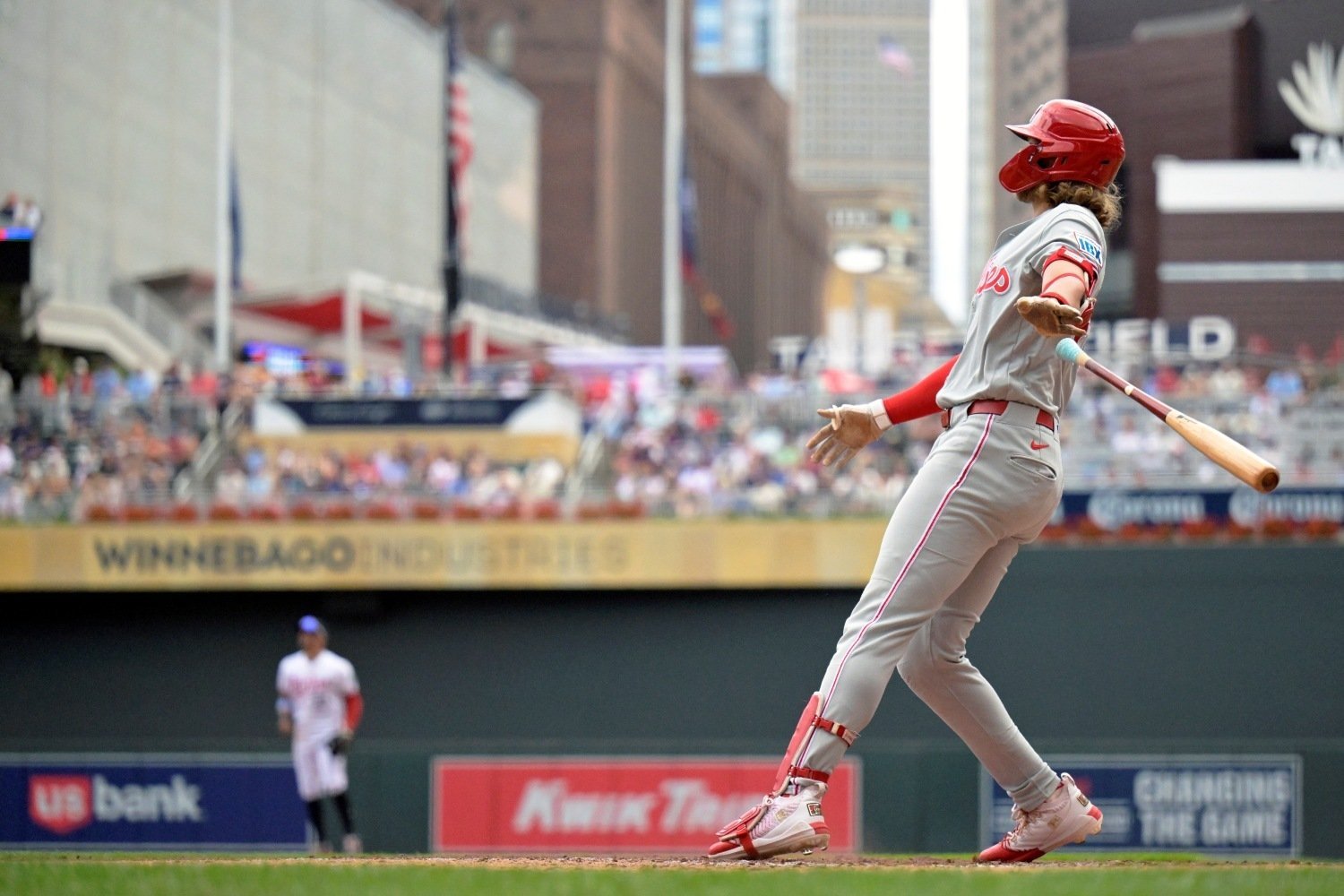 Box Score: Starting Pitcher: Dean Kremer 5 1/3 IP, 5 H, 4 R, 2 BB, 6 K (89 Pitches, 52 Strikes, 58.4%) Home Runs: Brooks Lee (18), Kody Clemens (21) Bottom 3 WPA: Andrew Morris (-0.58), Byron Buxton (-0.19), Ryan Jeffers (-0.11) Win Probability Chart (Via BaseballSavant): For the eighth or ninth time, the Twins' season is on life support. After creeping above .500 with a win in Seattle, the team has gone 4-9, which hasn't impacted their place in the standings as much as it should, but has made winning 82-84 games a lot trickier. Perhaps no team out of the Twins, Detroit, Texas, Cleveland or Toronto ends up with a .500 record, but betting on that seems a risky proposition as non-contending teams start to phone in the rest of the season. The Phillies dominated the first two games of the series, despite not starting Zack Wheeler or Cristopher Sánchez. The weakness of the team is their reliance on the struggling Aaron Nola (who shoved in the Field of Dreams game) and Sunday's starter, Andrew Painter, both with ERAs well north of 5.00. It appeared that Painter might wriggle out of trouble in the first inning. He walked Trevor Larnach on four pitches, then fell behind Byron Buxton, but he induced a double-play grounder from the highly compromised Buxton. Fortunately, Josh Bell and Kody Clemens singled and Royce Lewis walked, bringing up Brooks Lee with the bases juiced. He nearly homered on a sweeper but was a hair out front. He then got a harder slider on 1-2 and smashed it into the right-field overhang for a grand slam. Dean Kremer started for the Twins, and his afternoon started with Kyle Schwarber launching a 3-1 fastball off the wall in right-center field for a double. But Kremer settled in (despite falling behind a lot of hitters early), retiring Bryson Stott and Bryce Harper on weak flyouts before Luis Arraez lined out to Clemens at second base for the third out. Kremer mixed his pitches well, giving roughly equal time to each of his five pitches while staying out of the middle of the zone. He got through the first four innings with 56 pitches, four strikeouts and just two hits allowed. Perhaps jealous of Lee (they tend to homer in the same games for some reason), Clemens homered in the third, a no-doubter to the pavilion in right field off a fat fastball from Painter. He has hit .106 since his historic game-winning grand slam against Kansas City, so it was good to see him square up the ball and get rewarded. The Phillies staged a rally in the sixth. Schwarber led off with a walk. Stott singled, and Harper drew another walk. Arraez dribbled a ball to second to score the Phillies' first run, but Clemens did convert the first out of the inning. Alas, Alec Bohm then tomahawked a splitter at the top of the zone for a three-run homer to trim the Twins' lead to one. That spelled the end of the day for Kremer, with Kody Funderburk coming on to record the final two outs of the inning. The teams traded zeroes for a spell, but with Andrew Morris on the bump in the eighth, the Phillies got to work. With one out, Harper singled. Arraez laced a ball to deep left that bounced off of Austin Martin's glove. A fan touched the ball, so it was ruled a ground-rule double, but Martin appeared to hurt himself on the play and had to leave the game with what the team called a left hamstring strain. Bohm then blooped a ball to shallow right field. It landed between Lewis and Keaschall, allowing Harper to tie the game. The Twins elected to walk Brandon Marsh to bring up the struggling J.T. Realmuto with the bases loaded; the game (and perhaps the season) on the line. Morris got him to pop up on a 3-2 pitch, but Bryan De La Cruz slapped a single the opposite way to score two runs. The Twins had the tying run on in their half of the eighth, and Brooks Lee served a ball up the middle that Stott made a diving stop on. He flipped to second, where Lewis was possibly safe, but he overran the bag and was tagged out trying to scamper back, a crucial baserunning blunder with the hot-hitting Keaschall due up next. Facing dear old friend Jhoan Duran in the ninth, Caratini drew a one-out walk, and Kaelen Culpepper worked a great at-bat before singling on the ninth pitch to bring up Ryan Jeffers. Jeffers struck out after being ahead 3-0, and Buxton predictably struck out to end the game. He's just not himself right now. Stuff I'm Tracking: Buxton looks rough, grounding into a rare (for him) double play despite being ahead in the count in the first; striking out on a ball at his eyes in the third; and swinging through a slider with runners on the corners in the fourth. He would later ground out weakly before his game-ending K in the ninth. The Twins couldn't get Painter included in the Jhoan Duran trade last year, opting for Mick Abel instead. Of course, Abel is hurt, but Painter looks more like a bullpen weapon at this point of his career, as he has allowed an .835 OPS against in his big-league career thus far. Victor Caratini has become a problem. His at-bats are non-competitive and he wasted both ABS challenges in the sixth in this one. Alex Jackson is now on the waiver wire, and I feel like he would be more productive as the backup catcher at this point. But Jackson has less of a track record, and the Twins owe Caratini $7 million next year with Jeffers (presumably) signing elsewhere. I sure hope Vahn Lackey develops quickly. What’s Next: The Twins welcome the Atlanta Braves to Target Field for a three-game set. Bailey Ober (7-4, 4.64 ERA) opposes Martín Pérez (8-6, 2.96 ERA) in a must-win series against a formidable National League opponent. Pérez hasn't allowed a run since July, as he continues to oscillate between being a borderline All-Star and being out of the league. Ober has animorphed into Chris Young, and we'll just have to continue seeing how that goes. Postgame Interviews: Coming soon Bullpen Usage Chart: WED THU FRI SAT SUN TOT Morris 18 0 0 23 28 69 Adams 0 42 0 0 0 42 Hoffman 24 0 0 17 0 41 Minter 9 0 0 12 14 35 Rogers 0 10 0 0 16 26 Funderburk 0 0 0 16 4 20 Nance 0 16 0 0 0 16 Gomez 11 0 0 0 0 11 View the full article
 -
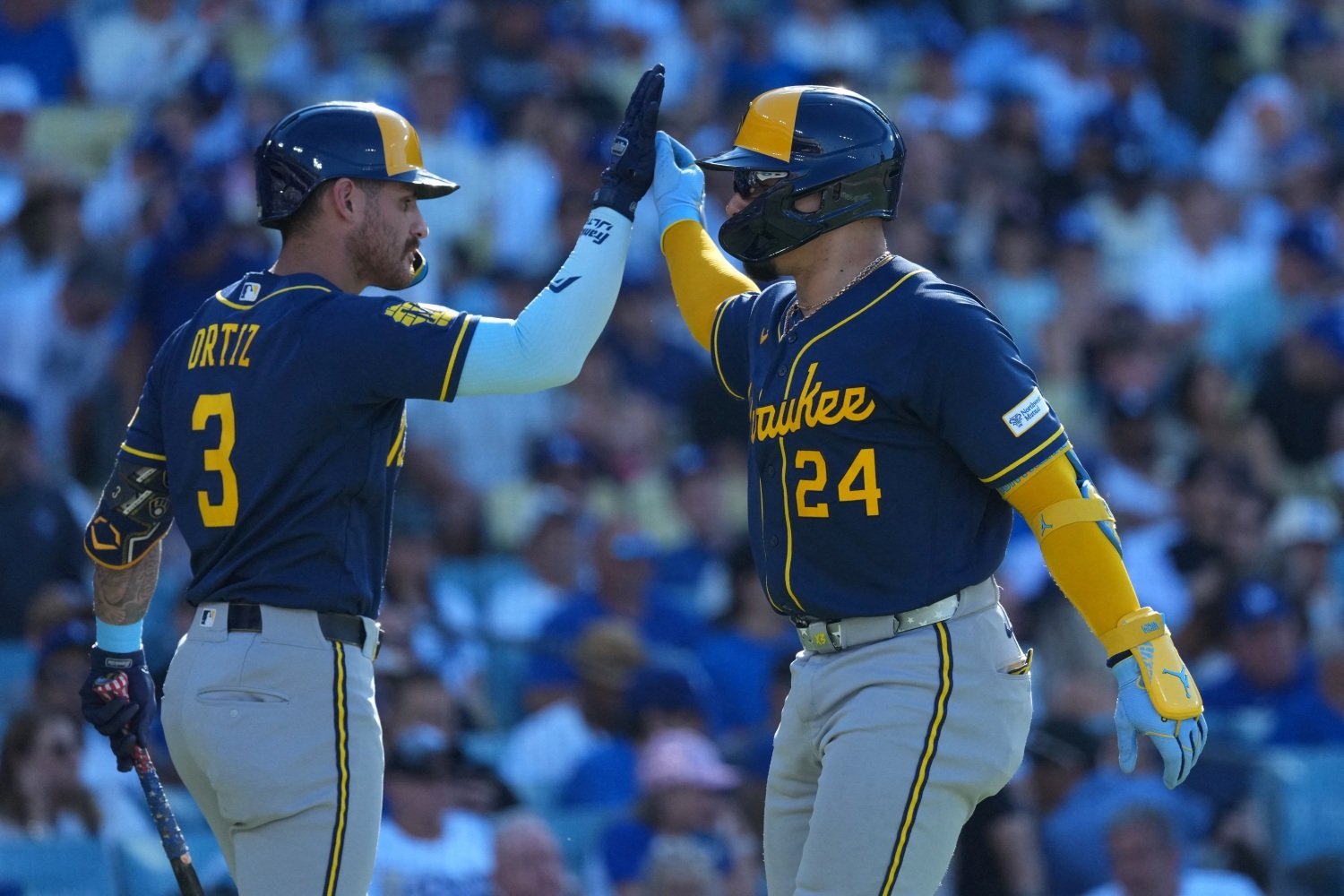 It might seem too early to think about the offseason, but in Milwaukee’s case, it may be time to at least make a plan, no matter what happens in October. In this case, it’s time for the Brewers to consider whether it's time to “flip” some of their assets. This might seem cold-blooded, but with a lot of talent forcing their way up, the Brewers may want to figure out how to secure solid returns—and planning for the moves is far preferable to a rushed deal on the fly. So, whom might Milwaukee want to move? Here are some of the most likely candidates. RHP Grant Anderson Anderson’s been a mainstay of the Brewers’ bullpen since coming over in the 2024-2025 offseason. Yet, his time may be running short. He was optioned to Triple-A Nashville when Kyle Harrison returned from the injured list, though he returned after Abner Uribe went on the shelf this weekend. In the long run, Anderson’s best contribution to Milwaukee may be to be dealt for some prospects to recharge a farm system after the most recent flurry of deals. The trade value of middle relievers is always relatively low, but finding an interested suitor this winter shouldn't be a problem. While Anderson is maybe the fifth choice out of the Brewers bullpen (behind Trevor Megill, Uribe, Chad Patrick, and Aaron Ashby), he would probably rank higher in 20 or so other relief units. Meanwhile, the Brewers could be shifting to more multi-inning firemen out of the bullpen, given the wealth of potential starters in the system. If nothing else, they should be able to find the next Anderson relatively reliably; getting even a bit of value from him would help the team keep its perpetual-motion development machine going. LHP Aaron Ashby It’s not that Ashby hasn’t been valuable. He’s a multi-inning fireman who leads the National League in wins. In fact, one could say the Brewers, to date, have gotten a good return on their long-term extension. But the dollars are about to get bigger, and the chances of Ashby being healthy and productive are trending (if anything) the other way. If both of the club options are exercised, Ashby's contract will earn him $29.5 million over the next three seasons. He’s been very good in the bullpen, but should the Brewers be paying a reliever almost $10 million a season? Even the $7.5 million he'll make in 2027 is more than the team is paying all but four players this year. The Brewers dealt Josh Hader, an all-time great closer, when he was picking up $11 million in 2022. Let’s face it: the Brewers aren’t the Dodgers or Yankees, and Ashby has more value to a team whose payroll leaves more room to breathe. Unless the team thinks they can convert him back to a starter, they should snap up a high-end prospect for him this winter. IF Joey Ortiz Ortiz has rebounded, after struggling at the plate for a season and a half as the Brewers’ regular starter at shortstop. Since the All-Star break, he's batting .340/.416/.660, albeit in just 58 plate appearances. This is good for him and the Brewers, since the team has been bitten hard by the infield injury bug lately. It doesn't necessarily mean he's back in the middle of their long-term plans, though. Every winter, several teams hunt for a solid shortstop, third baseman, or utility player, and the Brewers may want to flip Ortiz if they find that the prospective returns reflect that demand—particularly with Andrew Fischer and Luke Adams knocking at the door. This offseason may be their best chance. OF Garrett Mitchell Garrett Mitchell has been a great player when he’s on the field. This year, for the first time in what feels like forever, he's actually been on the field, and the results have held up better than many feared. As is true of Ortiz, though, Mitchell faces competition for long-term playing time from multiple players in whom the organization has invested more. Luis Lara, a natural center fielder, signed a team-friendly contract extension this season and is currently filling in for the injured Sal Frelick in right field. Jackson Chourio inked a historic extension and is holding down left field. So, what happens to Mitchell? The team’s likely to eye one of Josh Adamczewski, Luis Pena, and Braylon Payne as a potential long-term fit in the outfield. Mitchell could well be on the market, as his salary begins to rise steeply via arbitration. 1B Andrew Vaughn Could Vaughn be on the block, despite his resurgence with the Brewers? The team is facing some roster churn, with Jake Bauers set to be a free agent after 2026. They may elect to clear space for Blake Burke, Fischer, and/or Adams by also moving Vaughn. Bauers’s ascension this year has led the Brewers to put Vaughn at third for a few games, which could add trade value if he proves competent there. Still, Vaughn will command a salary pushing toward eight figures via arbitration this winter. The Brewers may elect to let someone else pay that and get deeper in the minors, especially with potent power bats on their way up. World football offers a good parallel for this situation. When non-elite clubs have great seasons in soccer, they still have to head into transfer windows between campaigns ready to sell some of their players. That frees up money to bring in more depth and bet on younger players, which can keep those teams competitive with unexpected consistency. The Brewers will have to do some of that this winter, but they'll still be hoping to keep their winning ways going in 2027 and beyond. Do you think the Brewers should start flipping players in the offseason? Let us know in the comments below! View the full article
 -
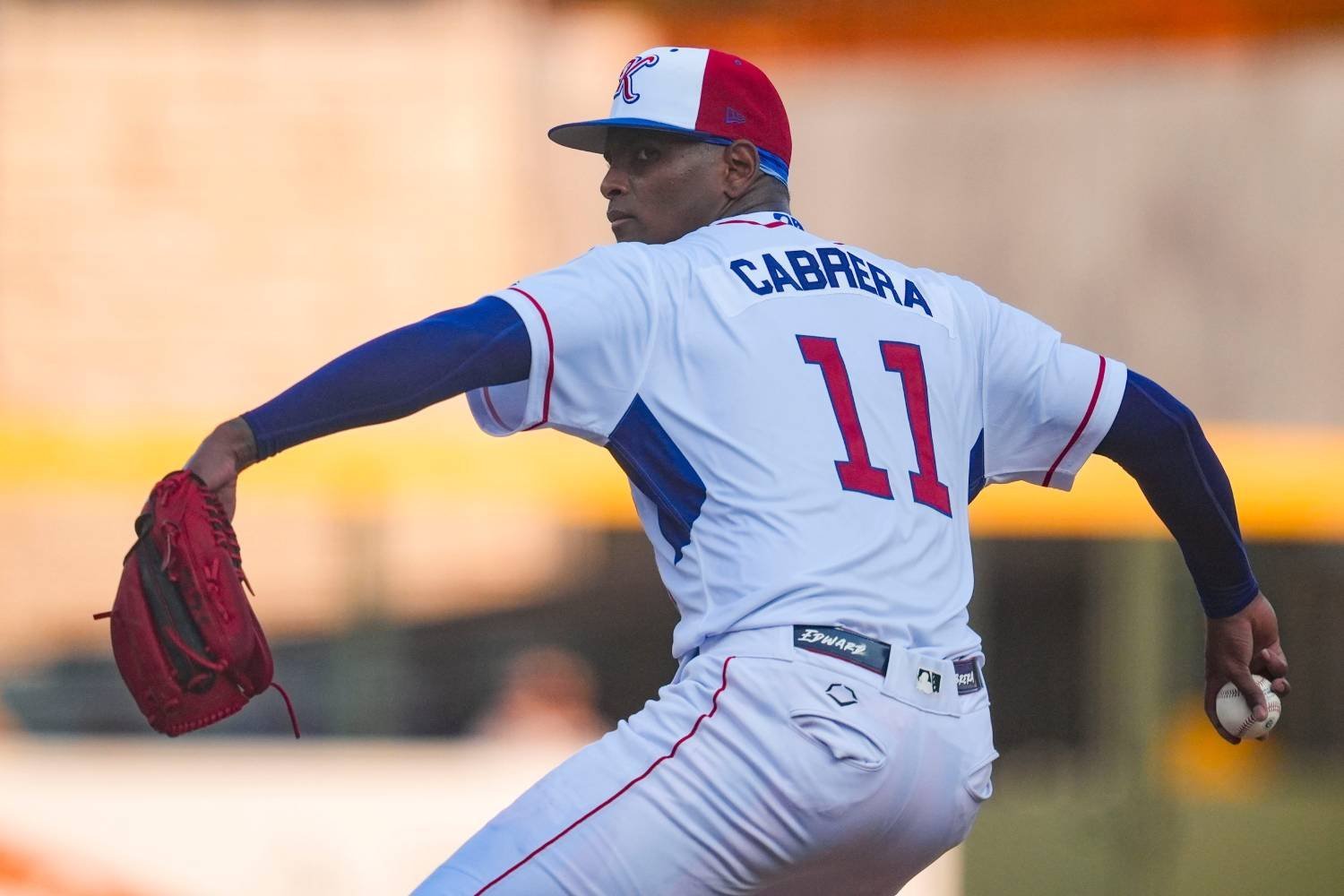 The only good thing about injuries is that, eventually, a player returns to good health. And so it is with right-hander Edward Cabrera, who was activated off the 15-day injured list and will start Sunday's game for the Chicago Cubs. Right-hander Javier Assad was optioned back to Triple-A Iowa. Cabrera, who will face the St. Louis Cardinals in Sunday's series finale, has been out since June 24 with a strained left hamstring, his second stay on the IL this year following a brief blister issue on his right middle finger a month prior. His first year with the Cubs has not gone swimmingly as he has posted a 5.05 FIP (5.10 ERA) with walk and strikeout rates of 9.4% and 21%, respectively. He was a big offseason addition following a trade with the Miami Marlins, but returns in time for the most crucial part of the regular season after making three minor-league rehab starts. Assad has been a valuable swingman for the pitching staff, able to start or relieve. While bouncing between the majors and Triple-A, Assad has appeared in 21 games, including 10 starts, and put up a 5.09 FIP (3.59 ERA) with a 6.5% walk rate and 16.5% strikeout rate. View the full article
 -
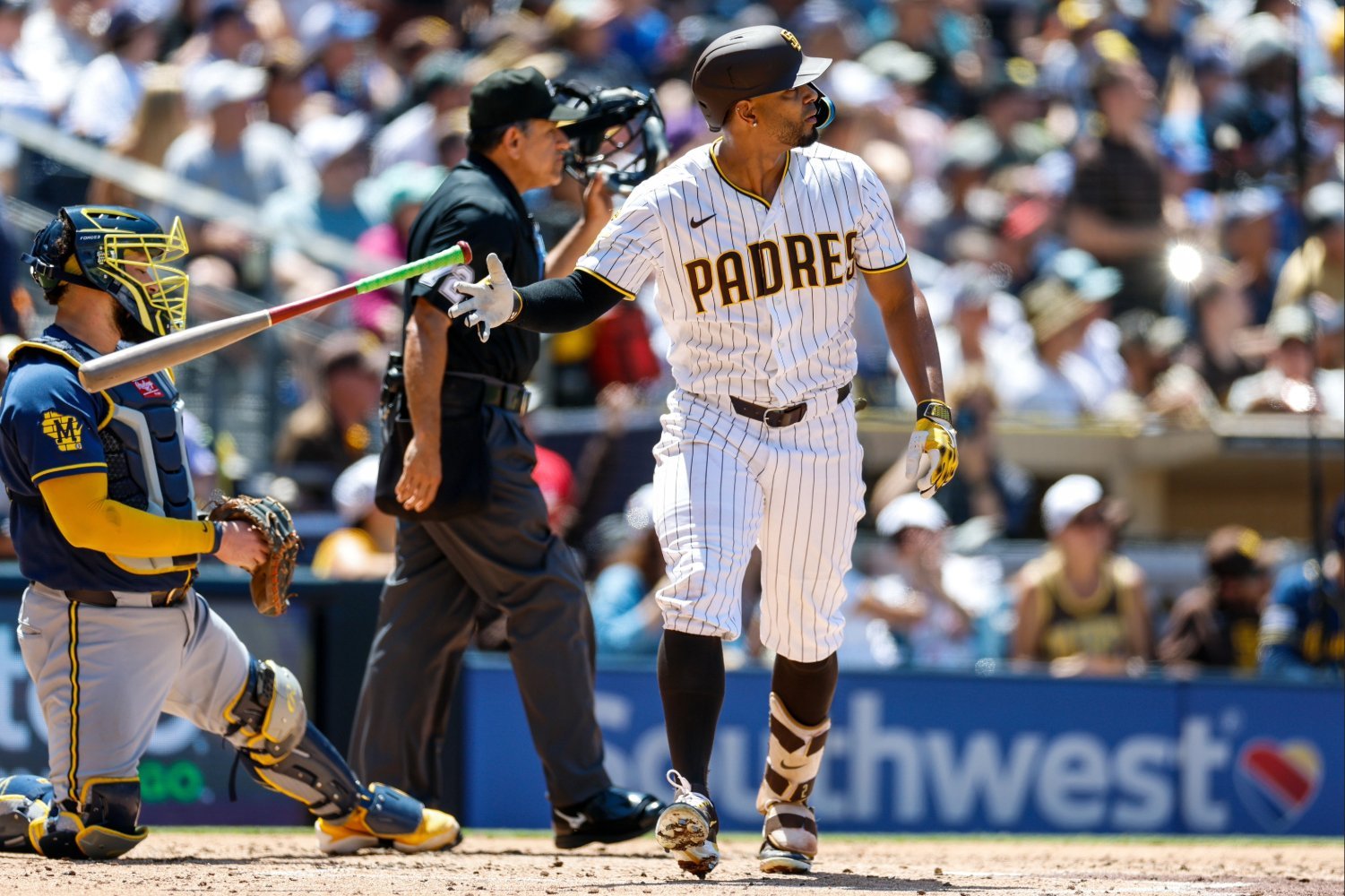 Xander Bogaerts is having the worst offensive season of his career. At 33 years old, he is hitting .221/.316/.324 with an 85 wRC+ for the San Diego Padres. Those are the lowest outputs among his full seasons since he posted an 81 wRC+ and 0.1 fWAR in 2014, his first season as a starter with the Red Sox. However, there is a question that sounds more interesting than why he's got such a low average: How can a hitter maintain one of the best disciplines in the league and, at the same time, become a much less productive version of himself? When exploring Bogaerts’ profile, it is clear that the reason for his inconsistency is not his plate discipline. His O-Swing% of 23.1% ranks in the 89th percentile of MLB. His BB% increased from 8.2% in 2025 to 11.9% this year, and his swing rate has barely changed, from 41.9% to 41.7%. Bogaerts is still generating hard contact, but that contact is no longer producing the same value. His 39.8% Hard-Hit rate does not support the offensive decline, as that's his best mark since 2021 (43.0%). However, the expected averages bring us much closer to the root of the collapse. His .247 xBA and .374 xSLG this year are his worst marks since 2017, when he had also posted the lowest levels of his career up to that point. Once we break down those expected averages, we get to where we wanted to be. And, to answer your biggest question, no fastballs have not been the culprits stopping Bogaerts’ swing. His hands are still skilled at attacking velocity on time and producing quality at-bats. Against fastballs, he is averaging a .442 xSLG, the highest of his career since 2021. He has produced a .395 xwOBA, .518 xSLG and 46.3% Hard-Hit% against the four-seam. His Whiff% against fastballs is just 13.6%. The challenge he has not been able to solve appears when pitchers mix breaking pitches and off-speed pitches. During his last four years with the Red Sox, when Bogaerts built a profile that made him one of the most complete shortstops in MLB, you could still see the gap between his ability to destroy fastballs and the breakdowns that appeared against the rest of the pitches. When he arrived in San Diego in 2023, that profile improved significantly, but since then Bogaerts has not been able to sustain it. By comparing his performance across these three periods, we can see where the inconsistencies that have now reached a concerning point began to appear: Xander Bogaerts vs. Breaking & Off-speed Pitches PERIOD Pitch% PA BABIP xwOBA xBA xSLG Swing-miss% Barrel/BBE% 2019-2022 43.3 885 .318 .298 .229 .364 32.8 6.8 2023-2026 44.6 889 .302 .287 .233 .352 30.0 5.5 2026 45 181 .234 .251 .200 .275 34.2 3.5 As you already know, the period between 2019 and 2022 covers Bogaerts’ final four years in Boston. The next one covers his first four years in San Diego, and then we have 2026. The most concerning decline appears in everything related to offensive production, especially in xwOBA and xSLG, while BABIP has also fallen considerably. But expected stats aren't enough. So I made sure to go a little deeper. I explored how Bogaerts’ swing impacted every part of the strike zone, and it is evident that his production was much more complete during his final four seasons in Boston. xwOBA 2019-2022 vs. Breaking & Off-speed Pitches xwOBA 2023-2026 vs. Breaking & Off-speed Pitches In Boston, he had just one weak point inside the strike zone: a .241 xwOBA in the lower corner, curiously the same mark he has had during this stretch with the Padres. Most of the notable differences appear in what he stopped producing with his swing against pitches down in the zone. And that is where the 2026 chart changes the story. This year, Bogaerts has been able to produce above-average results in only one quadrant inside the strike zone and, surprisingly, it's when he reaches for pitches high outside of it. If you have followed Bogaerts for some time, you know that he loves to swing at the first pitch. This year, his 24.2% rate is the highest of his career in that situation, and he has gotten some good dividends from it, with a .909 OPS, his best mark since 2021. And yet, that efficiency has also not been able to appear against the mix of breaking pitches and off-speed pitches, where he has produced just a .209 xBA and .228 xSLG. Bogaerts still knows which pitch he wants to attack. The problem is that, increasingly, finding it no longer guarantees that he can do damage with it. As long as he's got flaws in his swing that are this exploitable, the Padres are going to have to find a way to navigate around a black hole in their lineup. View the full article
 -
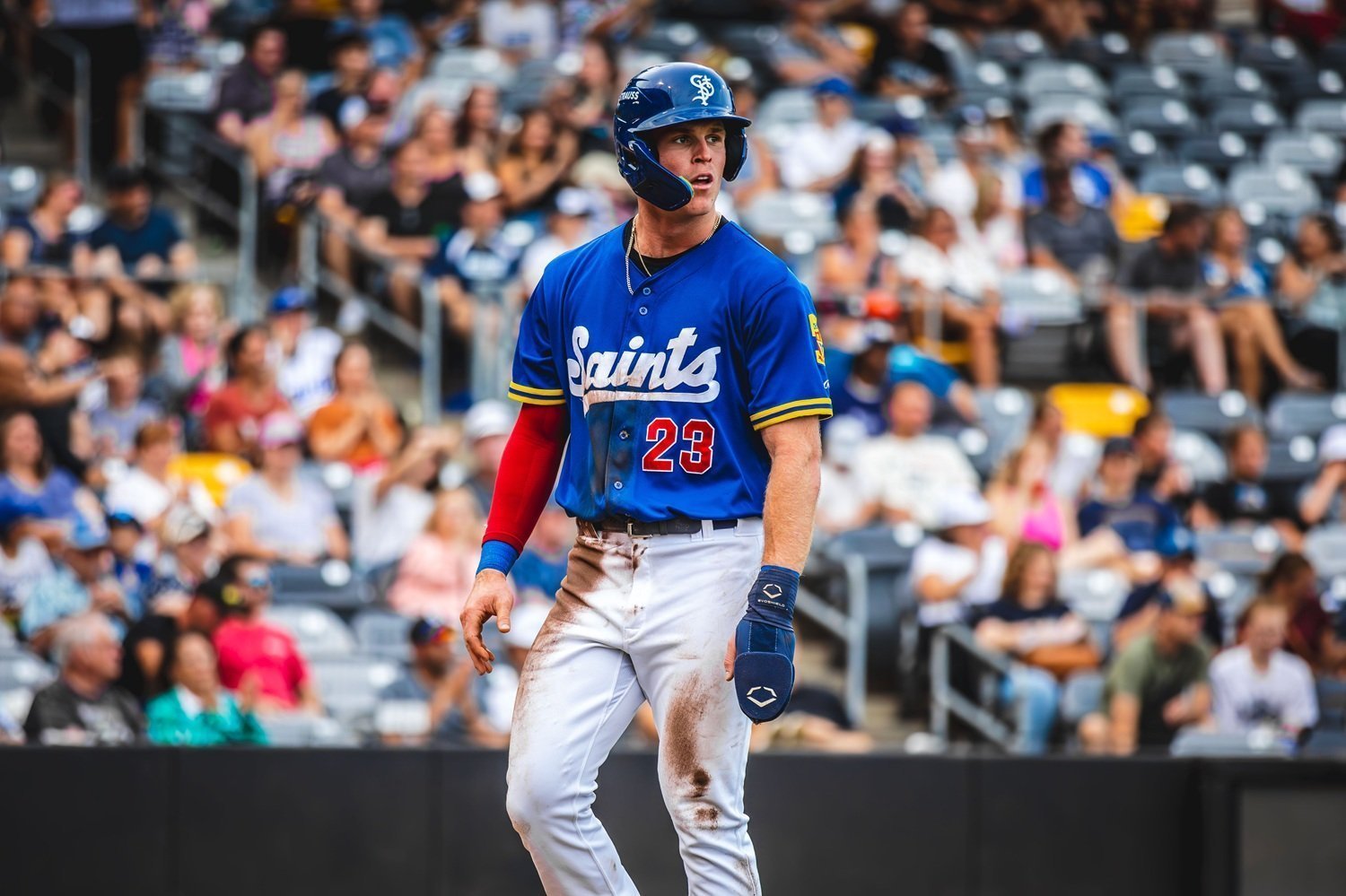 Walker Jenkins has done everything you could ask of him since entering pro ball. The Twins’ first-round draft pick in 2023 and the organization’s top prospect should become a staple in Minnesota’s outfield for several years to come. At just 21 years old, Jenkins is currently slashing .291/.385/.483 at Triple-A St. Paul, good for an .868 OPS. His plate discipline and bat-to-ball skills are clearly well beyond his years, and while he might not have 30-homer upside, he has no shortage of in-game power. As a result, it seems like all of Twins Territory is clamoring to see Jenkins in the major leagues, and I can’t blame anyone for that. However, I don’t share that belief. And before everyone goes to bury me in the comments, let me explain why. I think there are a few reasons the Twins should keep Jenkins at St. Paul for (ideally) the rest of the season, or at the very least, until September. Some of those reasons are admittedly more important than others, but when you put them all together, I think the argument for keeping Jenkins in Triple-A is pretty compelling. For starters, Jenkins is not currently on the Twins’ 40-man roster. That by itself is a relatively minor issue, but it would create an additional roster decision for the Twins to make if they wanted to call him up now. Unless the team places someone currently on the 40-man roster on the 60-day injured list, Minnesota would have to remove someone to make room for Jenkins. That alone probably isn't enough to keep him in the minors, but I think it goes well beyond that. By calling Jenkins up now, the Twins run the risk of him becoming ineligible for the Rookie of the Year award in 2027. If Jenkins were to win that award, Minnesota would receive a Prospect Promotion Incentive (PPI) draft pick, which would come immediately after the first round and before the Competitive Balance Round A picks. How much do the Twins care about that? I can’t say, but there is a pretty clear incentive to preserve that possibility. Jenkins can get up to 130 at-bats between now and the end of the season and retain his rookie eligibility for 2027. If he exceeds that threshold, however, he would no longer qualify. Considering Jenkins is already performing at a high level in Triple-A, it would be pretty easy to see him accumulating enough playing time to cross that threshold if he were called up soon. There’s also the reality that the 2027 season might not be your typical baseball season. The current Collective Bargaining Agreement is set to expire in December, meaning MLB owners and players will have to agree to a new CBA ahead of next season. Given how much uncertainty there is surrounding future spending rules and the possibility of a work stoppage, the 2027 major-league season could very well be delayed. The minor-league season, however, would not be impacted. If the Twins bring him up to the majors this season and the 2027 season starts late, that's valuable at-bat and development time that Jenkins could potentially miss out on. He'd be sitting around waiting for the major-league season to begin, instead of getting regular playing time in the minors. If he stays in the minors for the rest of this season, the Twins could bring him up early in 2027 if everything goes according to plan. Again, how much weight the Twins place on that possibility is impossible to know. But at the very least, it’s another potential complication they have to consider. The last point I’ll mention isn’t really a point. It’s a name, and that name is Emmanuel Rodriguez. Rodriguez and Jenkins have quite a bit in common. Both are talented, left-handed hitting outfielders who have performed extremely well at Triple-A. But they also have some important differences. For starters, Rodriguez is already on the Twins’ 40-man roster, and in addition, he’s out of minor-league options after this season. Just as Jenkins passed an important deadline Friday when he wasn't recalled within 45 days of the end of the season, eliminating one way he could have lost rookie eligiblity, Rodriguez passed one this week when he exceeded 30 active days on the Saints roster this year. He's now played (technically) five full pro seasons and is not eligible for a fourth option in 2027; the criteria for a full season require only that a player be active for at least 90 days, or be active for 30 days (not counting rehab assignments) and be on the IL (as opposed to the restricted list or in free agency) for another 60 days; Rodriguez has now had five such campaigns. To be saddled with a fourth option year (a benefit to the team, but not the player), a player must have four or fewer seasons meeting those criteria when they exhaust their first three years of being optionable. If the Twins plan on keeping Rodriguez around beyond next Opening Day—which I don't know for sure that they do—this is essentially his last chance to get his feet wet in the major leagues before potentially being thrust into a much more impactful role next season. It would also be easier for the Twins to bring him up. They wouldn't need to remove someone from the 40-man roster to make room for him, and a potential 2027 work stoppage wouldn't affect his development in the same way, because he can't simply be optioned back to the minors again. If the Twins feel inclined to add an outfielder from Triple-A, I’d rather see them give Rodriguez that opportunity first. It might not be the most popular take I’ve ever had, but I think keeping Jenkins in the minors is the right move. I don't think there's any reason to rush him this season, especially with so much uncertainty surrounding next year. Jenkins has already done everything the Twins could have asked of him. Another month in St. Paul isn't going to change that. If the 2027 season starts on time (or soon thereafter), the Twins can bring him up early and let him begin his major-league career on their terms. And if that happens, Jenkins should have a very good chance to establish himself as one of the favorites for the 2027 AL Rookie of the Year award. For a player with this much potential, waiting a little longer might ultimately be the best move for everyone. View the full article
 -
 Jose Chirinos has been steady since being promoted to High-A Brooklyn in early June. On Saturday, the right-hander from Venezuela was stellar. He turned in his longest outing of the season, 6 2/3 innings, as he blanked Jersey Shore on two hits. He walked none and struck out five in a no-decision. As always, efficiency was the key: he threw 54 of his 82 pitches for strikes. The 21-year-old has now worked at least five innings in nine of his 12 starts for Brooklyn, which is significant in a time of bullpenning and piggybacking. He went six innings twice for Single-A St. Lucie in May. Overall, he is up to 101 1/3 innings over 21 games (19 starts). He sports a 3.38 ERA (4.09 RA/9), 1.23 WHIP and 25.6 percent strikeout rate. The Cyclones won 1-0 with a run in the bottom of the eighth. Elsewhere in the organization . . . Syracuse edged Jacksonville 4-3. MJ Melendez’s solo home run in the eighth inning was the difference. Ronny Mauricio and Christopher Morel also homered. Binghamton got back on track with a 14-3 rout of Portland. Jefferson Rojas drove in two runs, and Mitch Voit reached base five times one night after the Rumble Ponies’ winning streak ended at 10. St. Lucie lost 3-1 to Jupiter. Aiden Robbins continued to shine at the start of his pro career as he homered for the Mets’ lone run. DSL Mets Blue lost 11-4 to the DSL NYY Yankees. Adrian De La Rosa drove in three runs. DSL Mets Orange lost 2-1 in eight innings to the DSL Nationals. Mets starter Anderson Ozuna pitched five scoreless innings. New York Mets Transactions No Roster Moves. Syracuse’s M, M & M Boys Do Their Thing Melendez, Morel and Mauricio accounted for the Mets’ scoring with their long balls. Mauricio slammed a two-run homer in the first to give Syracuse a quick lead. Morel hit a solo shot in the fourth to make it 3-1. He has 12 homers in 31 games for the Mets as he tries to slug his way back to The Show. Mauricio and Melendez have 14 each. Zack Mack earned the win by getting the final two outs of the seventh, setting the stage for Melendez’s go-ahead homer. Devenski struck out four as he closed out the win. Player AB R H RBI BB K Nick Morabito, RF 3 0 2 0 0 1 MJ Melendez, LF 3 2 1 1 1 0 Ronny Mauricio, 3B 4 1 1 2 0 1 Eric Wagaman, 1B 4 0 0 0 0 2 Christopher Morel, 2B 4 1 3 1 0 0 Jose Ramos, CF 3 0 0 0 1 1 Ryan Clifford, DH 4 0 0 0 0 3 Shawn Ross, C 3 0 0 0 1 1 Zack Short, SS 3 0 0 0 0 1 Totals 31 4 7 4 3 10 Player IP H R ER BB K HR Kevin Herget 2 1/3 2 1 1 0 2 1 Matt Turner 1 2/3 1 0 0 0 1 0 Zach Franklin 1 1 0 0 0 1 0 Austin Warren 1 1/3 2 2 2 0 1 1 Zack Mack 2/3 0 0 0 0 1 0 Chris Devenski 2 0 0 0 1 4 0 Rumble Ponies Get . . . Right Back On The Horse Binghamton resumed normal operations as they battered the Sea Dogs. As has been the case during their hot streak, they opened the scoring with five runs in the third. Kevin Parada hit his third home run of the season for a 1-0 lead. After that, Émilien Pitre lifted a sacrifice fly, Rojas drove in a run with a single, and Billy Amick hit a two-run homer. It was Amick's seventh with Binghamton and his 30th overall. They settled matters with four runs in the sixth. Pitre singled in two, Jacob Reimer walked with the bases loaded, and Amick drove in a run with a fielder’s choice grounder. Voit continued to be an on-base machine out of the leadoff spot. He had two hits, two walks and a hit by pitch. Gabe Davis started and allowed an unearned run over 3 1/3 innings. He struck out four and walked three. Carlos Guzman threw a scoreless seventh and eighth. That earned him the win via scorer’s discretion. Player AB R H RBI BB K Mitch Voit, DH 3 3 2 0 2 0 Émilien Pitre, 2B 5 2 1 3 0 0 Jefferson Rojas, SS 5 1 2 2 1 1 Jacob Reimer, 3B 4 2 2 1 2 2 Billy Amick, 1B 6 1 1 3 0 2 John Bay, CF 4 0 2 2 1 2 Corey Collins, LF 4 0 0 0 1 1 Kevin Parada, C 3 3 1 1 2 2 Yohairo Cuevas, RF 2 1 1 0 0 0 JT Benson, RF 3 1 1 0 0 1 Totals 39 14 13 12 9 11 Player IP H R ER BB K HR Gabe Davis 3 1/3 1 1 0 3 4 0 Justin Armbruester 1 2/3 2 1 0 1 2 0 Brendan Girton 1 1 0 0 0 1 0 Carlos Guzman 2 0 0 0 0 1 0 Bryce Jenkins 1 0 0 0 1 3 0 Brooklyn Scratches Out Go-Ahead Run Late The Cyclones manufactured their run with the help of a leaky defense by Jersey Shore. Jamari Baylor led off with an infield hit, and Antonio Jimenez followed with a grounder to short. The throw to second was wild, and Baylor advanced to third. Chase Meggers then hit a grounder to second. Baylor broke for the plate on the contact play, and he easily beat the throw home. Juan Arnaud was credited with the win. He got the last out in the eighth and then worked a scoreless ninth. Aidan Smith had two of Brooklyn’s five hits. Player AB R H RBI BB K Sammy Stafura, SS 4 0 1 0 0 1 Aidan Smith, CF 4 0 2 0 0 1 John Spikerman, LF 4 0 0 0 0 3 Trey Snyder, RF 3 0 0 0 0 0 Yonatan Henriquez, 2B 2 0 0 0 1 0 Ronald Hernandez, DH 3 0 0 0 0 1 Jamari Baylor, 1B 3 1 1 0 0 2 Antonio Jimenez, 3B 2 0 0 0 1 0 Chase Meggers, C 3 0 1 1 0 1 Totals 28 1 5 1 2 9 Player IP H R ER BB K HR Jose Chirinos 6 2/3 2 0 0 0 5 0 Josh Blum 1/3 0 0 0 2 0 0 Calvin Ziegler 2/3 0 0 0 2 0 0 Juan Arnaud 1 1/3 1 0 0 1 0 0 Robbins A Bright Spot For St. Lucie Robbins’ solo shot in the sixth cut the Mets’ deficit to 3-1. Jupiter had gone ahead with a run in the second and two in the third off starter Joel Lara. The Mets’ third-round pick in this year’s draft is slashing .325/.413/.425 after 11 professional games. He also has three stolen bases after a theft Saturday. The Mets got the tying run to the plate with one out in the ninth, but Vladi Gomez and Dylan Carey struck out to end the game. Player AB R H RBI BB K Elian Peña, SS 3 0 0 0 1 1 Aiden Robbins, LF 4 1 3 1 0 0 Eli Serrano III, RF 2 0 0 0 2 0 Julio Zayas, DH 4 0 0 0 0 0 Ryan Tayman, C 4 0 0 0 0 2 Reed Stallman, 1B 3 0 1 0 1 0 Vladi Gomez, 2B 4 0 0 0 0 4 Dylan Carey, 3B 4 0 1 0 0 1 Wyatt Vincent, CF 3 0 1 0 0 1 Totals 31 1 6 1 4 9 Player IP H R ER BB K HR Joel Lara 3 1/3 3 3 3 4 5 1 Austin Brown 2 2/3 2 0 0 0 4 0 Caden Wooster 2 0 0 0 1 2 0 Top-20 Prospect Performance Jonah Tong: DNP Jack Wenninger: DNP Ryan Clifford: 0-for-4, 3 K Elian Peña: 0-for-3, K Nick Morabito: 2-for-3, K Jacob Reimer: 2-for-4, 2B, 2 K Mitch Voit: 2-for-3, 2B Jonathan Santucci: DNP Zac Thornton: MLB Chris Suero: DNP Will Watson: DNP Wandy Asigen: DNP Eli Serrano III: 0-for-2 Randy Guzman: DNP Dylan Ross: DNP Ryan Lambert: DNP Antonio Jimenez: 0-for-2 R.J. Gordon: DNP Jonathan Pintaro: MLB Marco Vargas: DNP Austin Brown and Caden Wooster combined to strike out six over 4 2/3 innings of scoreless, two-hit relief. View the full article
 -
 Chicago Cubs Transactions Chicago Cubs sent RHP Shelby Miller on a rehab assignment to Iowa Cubs. Grant Kipp Turns In Three Scoreless Innings In Iowa's Game One Shutout Loss Iowa collected six hits and left eight runners on base in a 6-0 loss to St. Paul in the opener of a seven-inning doubleheader. B.J. Murray led the offense with a 3-for-4 afternoon that included a double. Owen Miller followed with two hits in four at-bats, and Chas McCormick reached twice on a single and a walk. The Cubs never brought a runner home and struck out 10 times as a group. Greg Jones went down on strikes three times, and Jordan Nwogu drew a walk but also struck out twice. Owen Ayers delivered a clean throw to second for the tag in the first. Grant Kipp handled the start and gave Iowa three scoreless innings, allowing no hits with three walks and four strikeouts. Hoby Milner followed and took the loss, retiring two batters while giving up three hits and two runs. Jayden Murray covered 2 1/3 innings with three runs on one hit, a walk, and two strikeouts. Shelby Miller closed the game with one inning, two hits, one run, and a walk in a rehab appearance. St. Paul broke through in the fourth. With two outs and runners at the corners, back-to-back hits off Milner, a single and then a double to left, produced the first two runs of the game. The visitors added three more in the sixth on a home run to right field off Jayden Murray, and a sacrifice fly to center in the seventh accounted for the final margin. Player AB R H RBI BB K BJ Murray, 1B 4 0 3 0 0 0 Owen Miller, 3B 4 0 2 0 0 1 Owen Ayers, C 3 0 0 0 0 1 Kevin Alcántara, DH 3 0 0 0 0 2 Justin Dean, RF 3 0 0 0 0 1 Chas McCormick, CF 2 0 1 0 1 0 Greg Jones, 2B 3 0 0 0 0 3 Ben Cowles, SS 3 0 0 0 0 0 Jordan Nwogu, LF 2 0 0 0 1 2 Player IP H R ER BB K HR Grant Kipp 3 0 0 0 3 4 0 Hoby Milner 0 2/3 3 2 2 0 1 0 Jayden Murray 2 1/3 1 3 3 1 2 1 Shelby Miller 1 2 1 1 1 0 0 Owen Ayers And Ethan Hearn Homer Early, But Iowa Drops Game Two 5-4 Iowa built a four-run first inning and could not hold it, falling 5-4 to St. Paul in the nightcap. Owen Ayers did the most damage, going 1-for-2 with a home run, a walk, and an RBI. Ethan Hearn drove in three runs on his lone hit, a three-run home run. BJ Murray and Owen Miller each singled, Miller adding a double, and Ben Cowles reached with a hit in two at-bats. Iowa managed only five hits and stranded two runners, and the lineup struck out 10 times, all of them after the opening frame. Andrew Wantz started and worked two innings, giving up four hits, two runs, three walks, and two strikeouts. Luis Peralta was the story out of the bullpen with two hitless innings and five strikeouts, and Ethan Roberts added a scoreless inning with two strikeouts. Tyler Ferguson took the loss after allowing three hits and three runs in one inning, and Gabe Klobosits finished with a scoreless frame and a strikeout. The first inning contained all of Iowa's scoring. Ayers led off the bottom half with a home run to right-center, and after Murray and Kevin Alcantara reached, Hearn drove a three-run shot to the same part of the ballpark for a 4-0 lead. St. Paul answered with two doubles in the third to trim the lead to 4-2, then pushed across three runs in the sixth on a bases-clearing double off Ferguson to take the lead for good. Player AB R H RBI BB K Ben Cowles, 3B 2 0 1 0 0 0 Owen Miller, 2B 3 0 1 0 0 0 Owen Ayers, DH 2 1 1 1 1 1 BJ Murray, 1B 3 1 1 0 0 1 Kevin Alcántara, RF 3 1 0 0 0 1 Ethan Hearn, C 3 1 1 3 0 2 Jordan Nwogu, LF 3 0 0 0 0 0 Ed Howard, SS 2 0 0 0 0 2 Greg Jones, PH 1 0 0 0 0 1 Hayden Cantrelle, CF 1 0 0 0 1 1 Chas McCormick, PH 1 0 0 0 0 1 Player IP H R ER BB K HR Andrew Wantz 2 4 2 2 3 2 0 Luis Peralta 2 0 0 0 0 5 0 Ethan Roberts 1 0 0 0 0 2 0 Tyler Ferguson 1 3 3 3 1 0 0 Gabe Klobosits 1 0 0 0 0 1 0 Brooks Caple And Three Relievers Hold Rocket City To One Run In Knoxville's 4-1 Win Knoxville scored all four of its runs in the second and third innings and rode its pitching the rest of the way in a 4-1 win over Rocket City. Andy Garriola paced the lineup at 3-for-4 with a double, a run, and an RBI. Alex Madera went 2-for-3 and drove in two runs from the eight hole. Kane Kepley tripled and scored in a 1-for-4 game at the top of the order, Alex Ramirez singled, scored, and drove in a run, and Ariel Armas doubled and scored. The Smokies finished with eight hits and left only four runners on base. Brooks Caple started and earned the win, going 5 1/3 innings with five hits, one run, three walks, and four strikeouts. Frankie Scalzo Jr. retired both batters he faced to finish the sixth. Tyler Schlaffer worked two scoreless innings with a walk and two strikeouts, and Tyler Ras closed it out with a scoreless ninth for the save. The bullpen combined for 3 2/3 innings without allowing a hit. The second inning turned the game. Garriola singled with one out, Armas doubled him to third, and Madera lined a single to right that scored both runners for a 2-1 lead. Knoxville added two more in the third, when Kepley opened with a triple and scored on Ramirez's single to center, and Ramirez came around on Garriola's double to right. Rocket City's only run came on a two-out double in the second. Karson Simas showcased an impressive grab at short to hold Rocket City in the 4th. Player AB R H RBI BB K Kane Kepley, CF 4 1 1 0 0 0 Alex Ramírez, RF 4 1 1 1 0 1 Miguel Useche, 1B 4 0 0 0 0 2 Edgar Alvarez, 1B 0 0 0 0 0 0 Carter Trice, DH 3 0 0 0 1 1 Andy Garriola, LF 4 1 3 1 0 1 Dom Krupinski, 3B 3 0 0 0 0 2 Ariel Armas, C 3 1 1 0 0 0 Alex Madera, 2B 3 0 2 2 0 0 Karson Simas, SS 3 0 0 0 0 3 Player IP H R ER BB K HR Brooks Caple 5 1/3 5 1 1 3 4 0 Frankie Scalzo Jr. 0 2/3 0 0 0 0 0 0 Tyler Schlaffer 2 0 0 0 1 2 0 Tyler Ras 1 0 0 0 0 0 0 Angel Cepeda Homers And Kade Snell Doubles Twice, But South Bend Falls 7-4 South Bend led twice early and could not hold either lead, dropping a 7-4 decision at Great Lakes. Angel Cepeda led the offense with a 2-for-5 night that included a home run, a double, two runs, and an RBI. Kade Snell went 2-for-4 with two doubles and an RBI, and Brennan Hudson was 2-for-3 with a walk and an RBI from the nine hole. Josiah Hartshorn doubled, scored, and finished 1-for-4, and Matt Halbach singled home a run. The Cubs totaled eight hits, drew four walks, and left seven runners on base. Pierce Coppola started and took the loss, allowing three hits and four runs, three earned, over three innings with three walks, two strikeouts, and a home run. Luis Rujano followed with two scoreless innings, giving up two hits and a walk while striking out three. Anhuar Garcia worked the final three innings and was charged with six hits and three runs, striking out three without issuing a walk. Cepeda opened the game with a home run to left in the first, and Hudson's second-inning single put South Bend ahead 2-1. Great Lakes answered with a two-run homer in its half of the second and took a 4-3 lead on a double in the third. Snell's RBI double in the top of the eighth pulled South Bend within 5-4, but Great Lakes answered in the bottom half with four consecutive two-out singles off Garcia for the 7-4 final. Player AB R H RBI BB K Jose Escobar, DH 4 0 0 0 1 1 Angel Cepeda, SS 5 2 2 1 0 3 Josiah Hartshorn, RF 4 1 1 0 0 1 Matt Halbach, 3B 4 0 1 1 0 0 Kade Snell, LF 4 0 2 1 0 1 Logan Poteet, C 1 1 0 0 1 0 Justin Stransky, C 2 0 0 0 0 1 Alexey Lumpuy, CF 3 0 0 0 1 1 Michael Hallquist, 2B 4 0 0 0 0 2 Brennan Hudson, 1B 3 0 2 1 1 1 Player IP H R ER BB K HR Pierce Coppola 3 3 4 3 3 2 1 Luis Rujano 2 2 0 0 1 3 0 Anhuar Garcia 3 6 3 3 0 3 0 Juan Cabada's Inside-The-Park Home Run Caps Myrtle Beach's 5-1 Win Myrtle Beach scored in three separate innings and got 15 outs from its starter in a 5-1 win over Hill City. Juan Cabada was the standout, going 3-for-3 with an inside-the-park home run, two RBI, and a run scored out of the designated hitter spot. Caden Sorrell singled home a run in a 1-for-4 game. Corey Nunez singled, drove in a run, and scored. Ethan Conrad singled, walked, and scored a run, and Jose Silva and Jan Luis Reyes each singled and scored. The Pelicans finished with eight hits and left only four runners on base. Riely Hunsaker started and earned the win with five innings of two-hit, one-run ball, walking one and striking out eight. Luis Mata followed with 2 1/3 scoreless innings on two hits and two walks with a strikeout. Sam Mettert recorded the save, covering the final 1 2/3 innings without allowing a hit while walking one and striking out two. The second inning put Myrtle Beach in front. Conrad singled, Nunez singled him home and advanced to third on an error in center field, and Derik Alcantara brought Nunez in with a sacrifice fly to right for a 2-0 lead. Cabada finished the scoring in the seventh. With two outs and Silva aboard, he lined a ball into the right-center field gap and circled the bases for a two-run, inside-the-park home run and a 5-1 lead. Defensively, the Birds pulled a slick 6-3-2 double play in the 6th. Player AB R H RBI BB K Juan Cabada, DH 3 1 3 2 0 0 Alexis Hernandez, SS 3 0 0 0 1 1 Caden Sorrell, CF 4 0 1 1 0 0 Ethan Conrad, RF 3 1 1 0 1 1 Corey Nunez, 3B 4 1 1 0 0 0 Derik Alcantara, LF 3 0 0 1 0 1 Jose Silva, C 3 1 1 0 0 1 Fernando Cruz, 2B 3 0 0 0 0 2 Jan Luis Reyes, 1B 3 1 1 0 0 2 Player IP H R ER BB K HR Riely Hunsaker 5 2 1 1 1 8 0 Luis Mata 2 1/3 2 0 0 2 1 0 Sam Mettert 1 2/3 0 0 0 1 2 0 Top-20 Prospect Performance Jefferson Rojas: DNP Pedro Ramirez: DNP Jaxon Wiggins: DNP Josiah Hartshorn: 1-for-4, 2B, R, K Kevin Alcantara: 0-for-6, R, 3 K (doubleheader) Ethan Conrad: 1-for-3, BB, R, K Kane Kepley: 1-for-4, 3B, R Owen Ayers: 1-for-5, HR, RBI, BB, R, 2 K (doubleheader) Jonathon Long: DNP Kaleb Wing: DNP James Triantos: DNP Brooks Caple: 5 1/3 IP, 5 H, 1 R, 1 ER, 3 BB, 4 K, W Mason McGwire: DNP Ty Southisene: DNP Will Sanders: DNP Juan Cabada: 3-for-3, HR, 2 RBI, R Eli Lovich: DNP Ariel Armas: 1-for-3, 2B, R Jostin Florentino: DNP Grant Kipp: 3 IP, 0 H, 0 R, 0 ER, 3 BB, 4 K View the full article
 -
Red Sox Place Yoshida and Slaten on Inured List Before Pirates Finale
DiamondCentric posted an article in Talk Sox
 The Red Sox were dealt yet another injury blow on Saturday. Both Masataka Yoshida (hamstring) and Justin Slaten (right elbow soreness) have landed on the injured list before the rubber match against the Pirates on Sunday. To replace them, Mickey Gasper and Raymond Burgos have been called up to the major league roster. We last saw Gasper in June when he was called up amid a torrid streak with the WooSox. He continued that hot streak for a while with the Red Sox but ultimately cooled off against major league pitching. Since being optioned, he’s continued to hit at an incredible clip. He’s slashing .337/.450/.566 with the WooSox this season. It’s unclear just how Gasper will slot into the lineup as of this writing, but he figures to get quite a bit of play at DH while he’s up. Burgos has made two appearances with the Red Sox this season, tossing six combined innings. For the WooSox, he’s sitting at a 5.54 ERA over 65 innings pitched with 54 strikeouts and a 1.62 WHIP. While he doesn’t directly replace Slaten’s backend abilities, he can eat innings, and that’s something the Red Sox are going to need while both Slaten and Garrett Whitlock are on the IL. The Red Sox can’t seem to dodge the injury bug as we cross the midpoint of the month of August. There are reinforcements on the way, but both Chad Tracy and Craig Breslow are in unenviable spots with roster construction right now. View the full article
 -
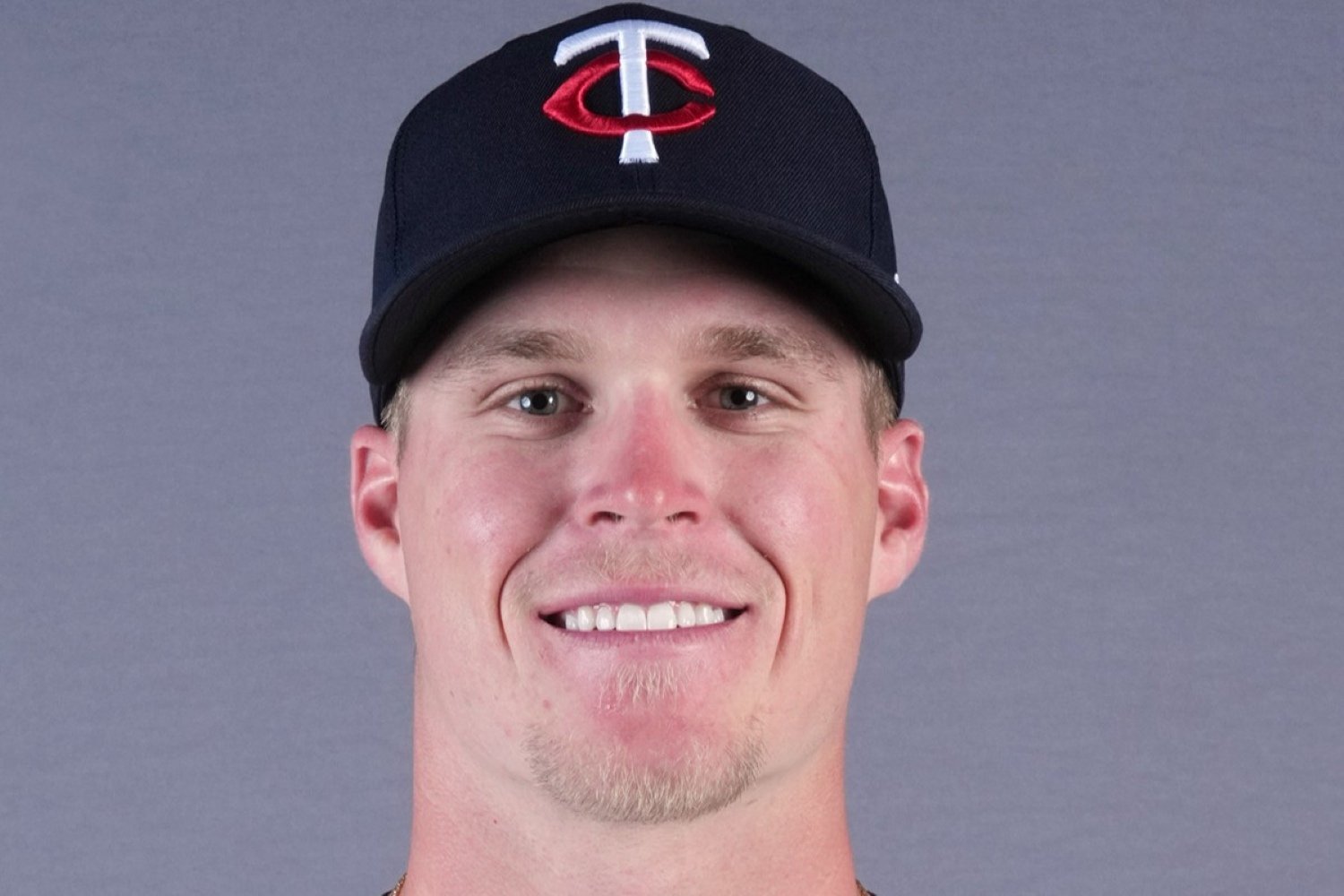 For weeks, Twins fans have been clamoring for the same thing: Call up Walker Jenkins. It is not hard to understand why. Jenkins, the Minnesota Twins' No. 1 prospect and a top-15 prospect in baseball, has been tearing through Triple-A since his promotion. Since July 15, Jenkins has posted a .934 OPS, continuing to show that he has very little left to prove in St. Paul. Meanwhile, the Twins could desperately use the offensive help. Since July 15, Minnesota ranks 21st in Major League Baseball in both OPS and runs scored, and this is a team fighting for a playoff spot with roughly six weeks remaining in the regular season. Despite that, the Twins have held firm with Jenkins in Triple-A. The team has made plenty of other roster moves during that time, including promoting Tristan Gray and later Kaelen Culpepper, but Jenkins has remained in St. Paul. Maybe the Twins genuinely believe he needs more time in Triple-A—that there are still aspects of his game that need to be polished before he makes his major-league debut. I don't necessarily agree with that assessment, but at least it would make sense. If the Twins don't believe Jenkins is ready, there is a baseball reason for keeping him in the minors. There is another possible explanation, however, and it has been speculated about quite a bit: MLB's Prospect Promotion Incentive (PPI). MLB and the MLB Players Association (MLBPA) introduced that incentive as part of the 2022 collective bargaining agreement, in an effort to discourage teams from manipulating the service time of top prospects. Under the PPI, a team can receive an extra draft pick after the first round if a preseason top-100 prospect is promoted early enough to gain a full year of service time and subsequently wins a major award such as Rookie of the Year. The key here is rookie eligibility. A player loses rookie status if they spend 45 active days on the major-league roster or collect 130 at-bats. That has led to the theory that the Twins' plan with Jenkins could be to keep him in Triple-A until late August, call him up once he can no longer reach 130 ABs (the 45-day threshold passed on Friday), and preserve his rookie eligibility for 2027. If Jenkins then wins the Rookie of the Year award next season, the Twins could receive a compensation pick immediately after the first round of the 2028 Draft. If he were to win the MVP (or be a finalist for it) in any of 2027, 2028 or 2029, they'd get one, too. We don't know if that's the reason the Twins have held Jenkins back. There is no way to know what's happening behind closed doors unless someone with the organization says so. But considering everything surrounding this situation, it certainly feels like it could be a major factor. And if it is, I don't think it is a good enough reason. A pick immediately after the first round is certainly valuable. We're talking about a selection that could land somewhere in the mid-30s, and those picks can absolutely turn into quality major-league players. The Twins have also shown throughout their history that they can find talent in that portion of the draft. It's not as though the potential reward is meaningless. The problem is that the Twins would be making a pretty significant bet to get it. First, Jenkins actually has to win Rookie of the Year or become one of the elite players in the league almost immediately after his rookie year; that's far from a guarantee. The 2027 Rookie of the Year race could be extremely competitive, with prospects such as Kade Anderson, Franklin Arias, Leo De Vries, Ryan Sloan and others potentially entering the season with legitimate cases to win the award. We all think highly of Jenkins, and he could absolutely be the best rookie in baseball next season, but an injury or slow start could derail his chances. Another rookie could simply have a better season. If either of those things happens, the Twins have sacrificed weeks of having Jenkins on their major-league roster for a draft pick that would never materialize. That would be a pretty poor trade-off. That brings us to the bigger issue: the Twins aren't playing for 2027 right now. They're playing for 2026. With roughly six weeks remaining in the regular season, Minnesota is still in the playoff hunt. The third Wild Card is within reach, and the AL Central remains wide-open. Nobody knows where this team will be next year, but we do know where it is right now. It has a chance to make the playoffs. If the Twins believe Jenkins can help them win games right now, they should be putting him on the roster and giving themselves the best possible chance to reach October. Instead, if the PPI is indeed a factor, they're sacrificing a meaningful portion of Jenkins' first major-league season in the hopes of acquiring a draft pick more than a year from now. That feels backwards. The value of getting Jenkins onto the roster and helping the Twins make the playoffs is tangible. It could impact the organization immediately. It could change the trajectory of the 2026 season. The value of the PPI pick is entirely speculative. The Twins have to receive the pick. Then they have to select the right player with it. Then that player has to develop. There are a lot of steps between keeping Jenkins in Triple-A today and getting meaningful value from that draft pick years down the road. If Jenkins is suddenly promoted in the coming days, it will only add more fuel to the speculation that the PPI was at least part of the reason he was held back in the first place. He has amassed 122 AB (137 PA) since returning to the St. Paul lineup on July 1, so yes, there's still a chance he would end up surpassing 130 in the majors if called up today. They can avoid that risk by keeping him in the minors even another two or three games. If that was the strategy, though, the Twins have already burned multiple weeks of potential Jenkins production just to position themselves for a potential draft pick. I would have a hard time defending that decision. The Twins have a chance to make the playoffs right now. They have an offensive need right now. They have a prospect who has been performing extremely well at Triple-A. They should be thinking about what can help them win in 2026, not what might give them an extra draft pick in two years. Nobody is going to complain about the Twins receiving an extra pick after the first round if Jenkins wins Rookie of the Year next season. That would be a fantastic bonus. But the bonus should be exactly that: a bonus. It shouldn't be something that influences the construction of the 2026 roster when the team is still in contention for the postseason. What do you think? If the PPI is a significant reason the Twins have held Jenkins back, is that a defensible strategy, or should the Twins have prioritized getting their best prospect onto the Major League roster sooner? View the full article
