


DiamondCentric
-
Posts
2,631 -
Joined
-
Last visited
Never
Content Type
Profiles
Forums
Events
News
Tutorials & Help
Major League Baseball Videos
Guides & Resources
Store
Downloads
Gallery
Everything posted by DiamondCentric
-

Royals Prospects Who Could Make Their Debut In August Or September
DiamondCentric posted an article in Royals Keep
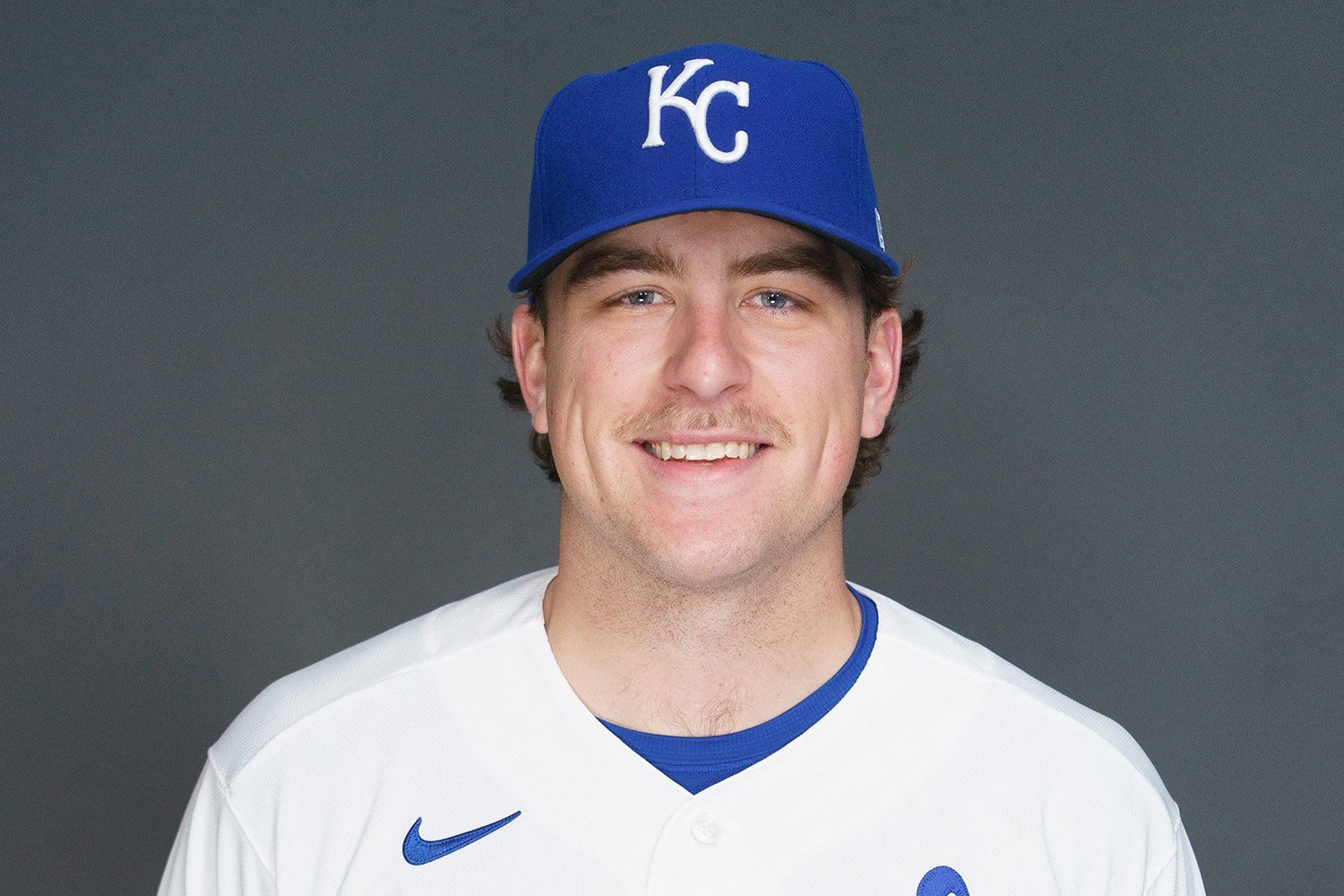 For many teams who are out of the playoff race after the trade deadline, the rest of the season provides an opportunity to assess which players will be part of the future. The Royals have plenty of players to build around, including Carter Jensen, Jac Caglianone, and, of course, superstar Bobby Witt Jr. But who will play around them, or how will the Royals look to fill out the rest of the roster around those players and other veterans as well? Here are a few possible debuts that could take place the rest of the 2026 season, which could lead to expanded roles going into 2027, where the Royals will look to return to competitiveness and a potential playoff berth. RHP Lucas Braun (Triple-A) A former sixth-round pick by the Atlanta Braves, Braun was acquired in the trade that sent OF Lane Thomas and LHP Bailey Falter to Atlanta near the trade deadline this year. He started the year in Double-A, and after nine appearances, was promoted to Triple-A, where he has been since. Since being acquired by the Royals, he has made one appearance, throwing six innings and giving up two earned runs. Across the three teams, he has made 20 appearances with 18 starts, throwing 100 ⅓ innings, striking out 85 and walking 28. He has a 3.50 ERA along with a 1.246 WHIP. While the numbers aren’t super flashy, it could be worth a look to see how Braun does in his first taste of the major leagues in a lower-stakes environment with the Royals out of playoff contention this year. OF Gavin Cross (Triple-A) Cross was the ninth overall pick by the Royals in 2022 out of Virginia Tech, where he hit .340/.412/.609 with 28 home runs and 28 stolen bases in 124 games. Since being drafted, Cross has had some ups and downs, but has looked more comfortable at the plate over the past few years. This year with Triple-A Omaha, he has hit .249/.314/.420 with 12 home runs, 22 stolen bases, and a .734 OPS. Cross strikes out at a pretty high rate, with 113 strikeouts in 393 plate appearances (28.8% strikeout rate), so that would be something he and the Royals hope to cut down on. He has shown the ability to play all three outfield spots, but has played in the corner outfield exclusively when not the designated hitter this year. With the trade of Thomas, the Royals could look to give him a chance to see if the 25-year-old can become a more solid part of the organization's plans. LHP Hunter Patteson (Double-A) Patteson was first drafted by the Cubs in the 35th round back in 2019 but decided to attend the University of Central Florida, where he pitched for three years. He made 32 appearances in college, with 18 starts, throwing 100 innings, to go with 118 strikeouts and 48 walks. The Royals drafted him in the 5th round in 2022, and he has slowly climbed the organizational ladder, reaching Double-A in 2025 and pitching there again this season. In four seasons of playing in the Royals organization, he has made 77 appearances with 63 starts, throwing a total of 326 innings. In his first full year in Double-A this year, he has made 21 appearances, 20 of them starts. He has a 4.34 ERA over 95 ⅓ innings with 80 strikeouts and 46 walks. His numbers don’t jump off the page, but there is an outside chance the Royals would want to take a look at him at a higher level to see if he can be part of their long-term plans, whether that be in the rotation or out of the bullpen. He isn’t necessarily a highly rated prospect, but could prove to be a solid option from the left side. In July, he had a 2.70 ERA over 20 innings pitched. He’s made two appearances in August, throwing five and six innings in each, and giving up five earned runs in those 11 innings. Other MLB debuts that are possible include IF Jacob Berry, catchers Luca Tresh and Elih Marrero, and RHP Ben Sears. Which of these prospects are you most excited about, or are you hoping to see at Kauffman Stadium before the end of the 2026 season? View the full article
 -
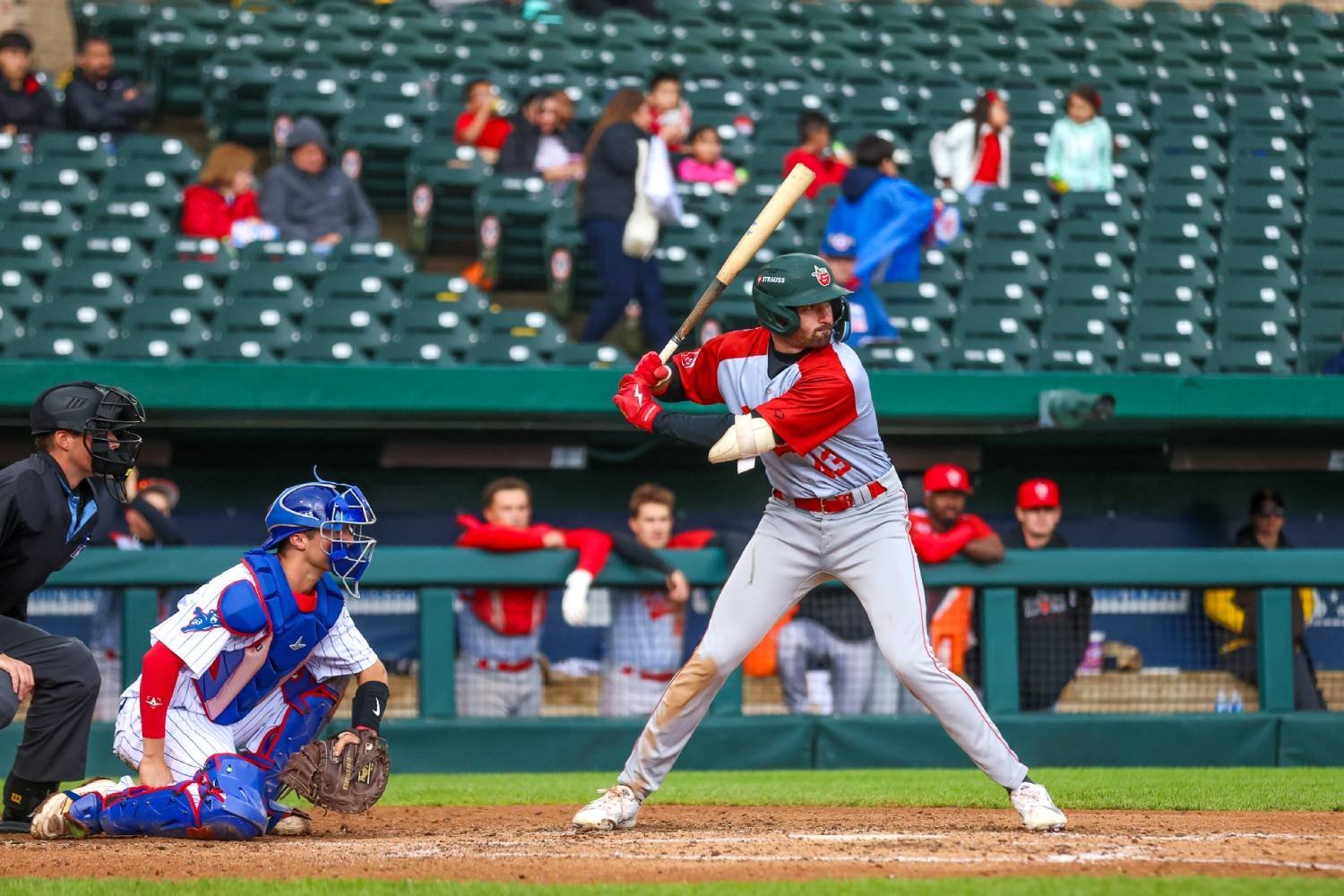 Prospect rankings following the draft and trade deadline are always the most volatile. Usually that is because of the prospects subtracted (or for some organizations added) from the San Diego Padres' system. While 2026 isn't as bad as it was following the 2025 trade deadline for the Padres, there was some significant movement. Of course, catcher Ethan Salas is No. 1 and center fielder Ryan Wideman moved up to No. 2. But you can thank the trades of left-hander Kash Mayfield, the 2024 first-rounder who was Padres Mission's No. 2 prospect, and right-hander Miguel Mendez, who was our No. 3, for this year's impetus for big change. Most notably are first-round draft choice Coleman Borthwick springing up Padres Mission's Top 20 list from No. 10 to No. 3 and second-rounder Elliott Lascelles going from No. 18 to No. 11. Left fielder Alex McCoy climbed up six to No. 8. Borthwick and Lascelles, drafted out of high school, could make their pro debuts in the final few weeks of the season, likely at Low-A Lake Elsinore. But our panel of writers and readers also moved catcher Ty Harvey up two spots to No. 5 and injured outfielder Kale Fountain, who hasn't played since April 21 and is out for the season, up two to No. 6. Somehow, right-handed reliever Tucker Musgrove moved down three rungs to No. 12. Only one name jumped into our rankings and that was outfielder Jake Cunningham, who entered at No. 14 after being unranked. Updated San Diego Padres Top-20 Prospect List Ethan Salas, C, Triple-A El Paso Ryan Wideman, CF, High-A Fort Wayne Coleman Borthwick, RHP, Arizona Complex League Kruz Schoolcraft, LHP, Low-A Lake Elsinore Ty Harvey, C, Low-A Lake Elsinore Kale Fountain, OF, Low-A Lake Elsinore (injured, out for season) Jorge Quintana, SS, Low-A Lake Elsinore Alex McCoy, LF, High-A Fort Wayne Braedon Karpathios, RF, Double-A San Antonio Lamar King Jr., C, High-A Fort Wayne Elliot Lascelles, SS, Arizona Complex League Tucker Musgrove, RHP, Double-A San Antonio Jagger Haynes, LHP, Triple-A El Paso Jake Cunningham, OF, Double-A San Antonio Truitt Madonna, C, Low-A Lake Elsinore Eric Yost, RHP, Double-A San Antonio Winyer Chourio, RHP, High-A Fort Wayne Jesus Castro, RHP, Low-A Lake Elsinore Michael Salina, RHP, Low-A Lake Elsinore Rosman Verdugo, SS, High-A Fort Wayne Jake Cunningham, OF, Double-A San Antonio The 24-year-old outfielder came to the Padres this past offseason after being released by the Baltimore Orioles, a little surprising not because of his stats from 2025—.206/.295/.303 slash line with three homers and 26 RBIs in just 76 games—but he had played in the Arizona Fall League following the 2024 season, usually a sign of the prospect's value to an organization. He had a terrific Fall League while playing just six games, putting up a .391/.423/.652 slash line with two homers and six RBIs. Whatever the reason, the Padres are reaping the benefits. Cunningham, a fifth-round draft choice of the Orioles in 2023 out of North Carolina-Charlotte, owns .283/.369/.516 slash line this season, hitting 19 homers and driving in 61 between High-A Fort Wayne and Double-A San Antonio in 96 games. Cunningham's highlight of the year was a three-homer game June 5 while still with Fort Wayne, while also hitting an RBI triple off top Seattle Mariners prospect Kade Anderson. View the full article
 -
 Emmanuel Rodriguez and the Minnesota Twins have a problem. The top organizational prospect will soon be out of options and is lost in the shuffle of a crowded outfield. How will the Twins solve this conundrum? View the full article
 -
Ranking the Twins' Biggest Threats in the Playoff Race
DiamondCentric posted an article in Twins Daily
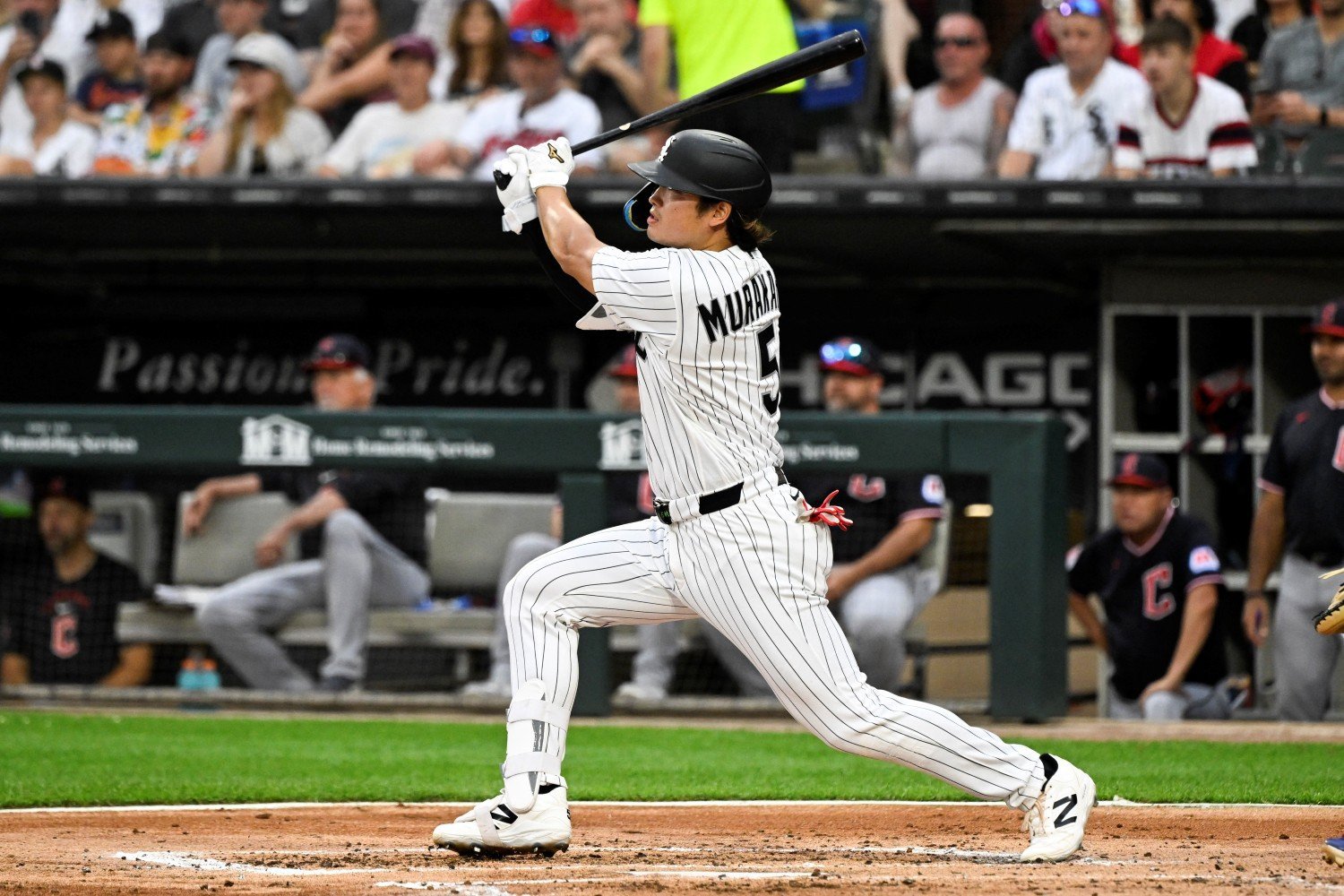 Six weeks remain in the regular season, and the Minnesota Twins are right in the thick of the American League playoff race. The Twins enter the MLB Field of Dreams Game Thursday night three games behind the Chicago White Sox in the AL Central and just half a game behind the Texas Rangers and Detroit Tigers for the third and final Wild Card spot. The Cleveland Guardians are just one game behind the Twins, making the race extraordinarily crowded. The first two Wild Card spots are essentially spoken for, with the Yankees and Red Sox sitting at 99.5% and 91% playoff odds, respectively. That leaves one opening for a group of seven striving teams. Along with Minnesota, the Rangers, Tigers, Guardians, Blue Jays, Orioles and Mariners are all within five games of that final spot. It's not unthinkable that the Astros will tumble off their perch at the top of the AL West, but even if they do, Seattle or Texas would have to take their place, so it wouldn't exactly add a team to this mix. It would just change the identity of one of them. Of course, the division provides another path for the Twins. That's why this isn't simply a ranking of the teams closest to Minnesota in the standings. It's a ranking of the teams who should concern Twins fans the most over the final six weeks. Think of it as a scoreboard-watching guide. These are the teams whose wins and losses will have the biggest impact on Minnesota's playoff hopes. 1. Chicago White Sox 62-58 | +40 Run Differential | 2.5 games ahead in AL Central The clear No. 1 team on this list is the team the Twins have been chasing all season. Chicago has been one of baseball's biggest surprises and has put itself in position to win a division many expected it to compete for next year. The easiest and best path to the playoffs for the Twins remains winning the AL Central. That's why the White Sox are so important. Minnesota still has six games remaining against Chicago, giving the Twins a chance to make up ground directly. If the White Sox win the division, Minnesota's playoff path gets significantly more difficult. 2. Detroit Tigers 60-60 | +90 Run Differential | Tied for 3rd Wild Card Spot After trading away Tarik Skubal and Casey Mize at the deadline, it looked like the Tigers were waving the white flag on their season. Instead, Detroit is 6-3 since the deadline, with series wins over the Mariners, Giants and aforementioned Guardians. They have the second-best run differential in the American League, ahead of both the Yankees and Red Sox. Their pitching is the biggest reason why, with the best starting rotation ERA in baseball and the sixth-best bullpen. Even without Skubal and Mize, Detroit still has Troy Melton, Keider Montero and Framber Valdez leading the rotation. The Tigers may have sold at the deadline, but they're still very much a playoff threat. 3. Cleveland Guardians 59-63 | -30 Run Differential | 1.5 games behind in Wild Card The Guardians are dangerous because they can hurt the Twins in both races. They're four games behind Chicago in the division and only one game behind Minnesota in the Wild Card race. Cleveland hasn't been particularly impressive this season, but they were buyers at the trade deadline and have plenty of experience playing in tight playoff races. If the White Sox stumble, the Guardians could also become a factor in the division. For Twins fans, Cleveland losses are valuable, no matter which playoff path Minnesota is pursuing. 4. Texas Rangers 60-60 | -31 Run Differential | Tied for 3rd Wild Card Spot It's hard to find a more average (derogatory) team in baseball than the Rangers. They're 60-60 overall, 18th in the majors in offense and 20th in pitching. They're not particularly good at anything, but somehow, they're still sitting in the third and final Wild Card spot. That's what makes Texas such an interesting threat to the Twins. Minnesota doesn't have to chase a great team to get into the playoffs. It just has to be better than a very mediocre Rangers team over the final six weeks. The smart money says whichever team takes that final playoff berth will do so by playing better down the stretch than they have so far, though, so don't count on simply being able to limp past someone like Texas to collect a place in the tournament. 5. Toronto Blue Jays 59-63 | -54 Run Differential | 1.5 games behind in Wild Card The Blue Jays entered 2026 with high expectations after losing Game 7 of the World Series last season. A slow start put those hopes in jeopardy, but Toronto has started to find its stride and is 13-7 over its last 20 games. Even after selling some pieces at the deadline, the Blue Jays added José Soriano to a pitching staff that already features arguably the leading Cy Young candidate, in Dylan Cease. With the fifth-highest payroll in baseball and plenty of star power, Toronto is a team the Twins shouldn't overlook. 6. Seattle Mariners 57-65 | -26 Run Differential | 3.5 games behind in Wild Card The Mariners came into the season riding high just like the Blue Jays, after reaching the ALCS last year. Alas, the expected surge still hasn't arrived. Instead, Seattle has slowly fallen further out of the playoff race. The biggest problem is obvious: the Mariners can't hit. Seattle has the second-lowest OPS in baseball, making it difficult to see a late-season turnaround without a major offensive improvement. The Mariners are still alive, but they look increasingly like a team the Twins should put in the rearview. One way or another, it won't be Seattle who denies Minnesota entry into the postseason. 7. Baltimore Orioles 58-63 | -36 Run Differential | 2.0 games behind in Wild Card The Orioles are the final team on this list, after selling aggressively at the trade deadline. Baltimore parted with star catcher Adley Rutschman, outfielder Taylor Ward and starter Dean Kremer, among others, signaling that the organization wasn't counting on a playoff push. They were already on the outside looking in before the sell-off, and staying in the race will be difficult while playing in the AL East. Baltimore still has 17 games remaining against the Rays, Yankees and Red Sox, a brutal schedule to close the season. The White Sox remain the most important team, because Minnesota still has six head-to-head games remaining and the division remains the cleanest path to October. The Guardians are dangerous in both races, while the Rangers and Tigers currently occupy the Wild Card spot the Twins want. Detroit may have sold at the deadline, but its pitching makes it a much bigger threat than its record suggests. Toronto is heating up, while Seattle and Baltimore are running out of time. With so many teams still fighting for one playoff spot, every night of scoreboard watching is going to matter. Which of these teams concerns you the most? And which team do you think is most likely to fall out of the race before the Twins get there? Leave a comment below and start the conversation! View the full article
 -
Byron Buxton Activated, Will Return for Field of Dreams Game
DiamondCentric posted an article in Twins Daily
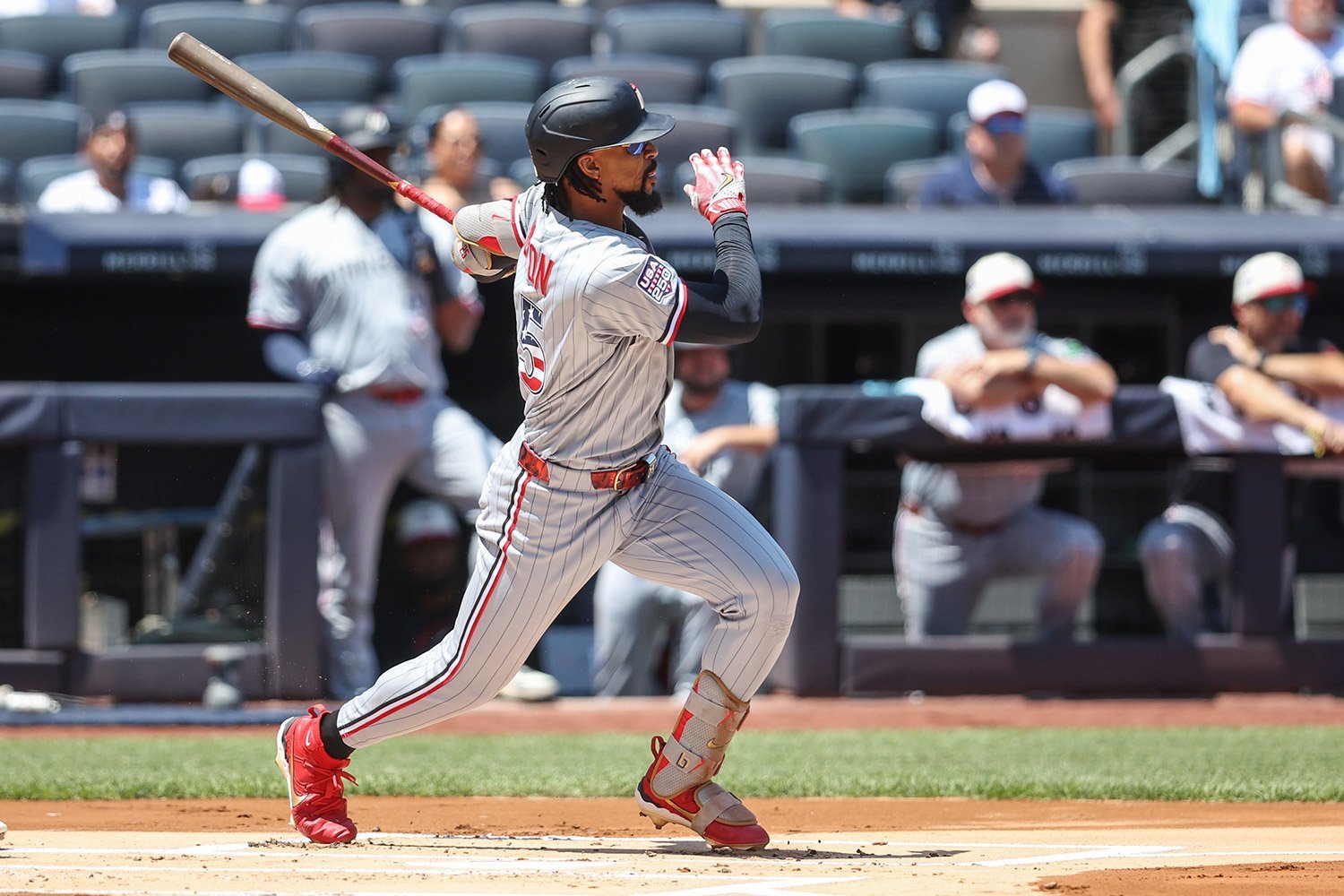 The Minnesota Twins have activated Byron Buxton from the injured list, bringing their All-Star outfielder back just in time for Thursday's Field of Dreams game against the Philadelphia Phillies in Dyersville, Iowa. Buxton has been sidelined with right hip impingement since July 29. Before the injury, he was enjoying another productive season, posting a .864 OPS with 25 home runs and 45 RBI. The 32-year-old earned his third All-Star selection earlier this season. Because Buxton can be added as the 27th man under a special roster exemption for the Field of Dreams Game, the Twins do not have to make a corresponding roster move until Friday. Now the question is how the Twins will deploy Buxton in his return and who will be the odd man out when they make the corresponding move tomorrow. Look for Buxton to make his return in the Field of Dreams game at 6:30pm on Netflix. What are you expecting to see from Buxton in his return? And who do you think the Twins will move off the roster Friday? Let us know in the comments. View the full article
 -
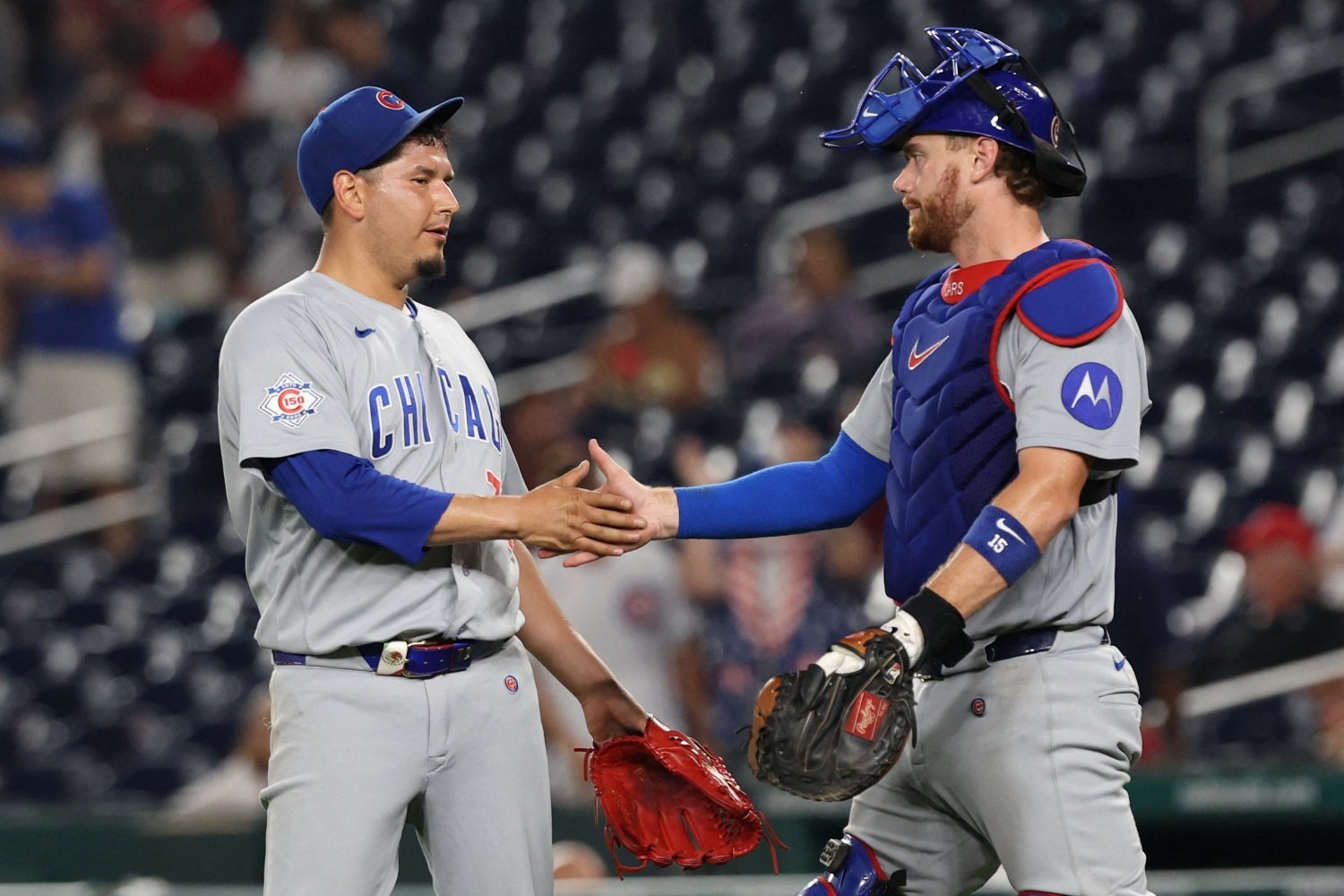 Edward Cabrera fired five no-hit innings for Double-A Knoxville Wednesday, and is no more than a fortnight from returning to the Cubs rotation. It's more likely that he comes back after just one more rehab appearance—and possible, even, that his next outing marks his return to the active big-league roster. He only threw 64 pitches against those minor-league batters Wednesday, but it might not take much more than that to fulfill his responsibilities each time through the rotation for the Cubs down the stretch. Thanks to the aggressiveness of the front office in late June and at the trade deadline, Chicago has found its way back to the place of exceptional starting pitching depth in which they felt they stood to begin the season. Your mileage may vary, but my own depth chart for healthy (or nearly healthy) starters for the team right now reads: Kevin Gausman Matthew Boyd Clay Holmes Shota Imanaga David Peterson Cabrera Colin Rea Javier Assad They started the season with a corps equally deep, but including several different names. Gausman, Holmes and Peterson were not yet in the organization. Cade Horton, Ben Brown and Jameson Taillon were in the mix instead, with the team holding out hope that they would also get starting contributions from Justin Steele. Six weeks ago or so, however, the team was down to Boyd, Imanaga, Rea and Assad, with Horton, Taillon, Brown and Cabrera all on the injured list. Piece by piece, returns from injury and trades have taken them from having to give Jordan Wicks a last chance to hack it in the bigs to once again feeling that their rotation overflows with talented arms, even though Taillon is now gone and Brown and Steele look likely only to pitch in relief (if at all). We saw how Craig Counsell will address this superabundance of starters over the course of his first week with all the new guys stepping into their roles. After four innings from Holmes in his Cubs debut Saturday, Counsell turned to Rea for the other four frames of a loss in Kansas City. On Wednesday night, Peterson went five innings, and Assad pitched the final four. Even without Cabrera back in the frame, Assad and Rea have been moved to the bullpen, but they're not switching to leveraged short relief. Rather, they're becoming long relievers—and, in some sense, that makes them piggyback starters. In the short run, of course, Counsell will still try to get length from the likes of Gausman, Boyd and Imanaga. Only Holmes, Peterson and Cabrera will be removed proactively, rather than based on their performance and the game context. But it's easy to see where this is going. As Chicago tries to catch the Brewers and win the NL Central—and, whether they succeed in that chase or not, as they prepare for the postseason—they're trending toward a piggyback rotation. Let's talk about why and how that works. Firstly, of course, a caveat: there's no guarantee whatsoever that the team will stay healthy enough to carry out a piggyback plan for their starters. As any fan who has followed the team all season knows perfectly well, eight pitchers can become four in a hurry. It's more likely to be five or six. What's fairly unlikely is that, over the final quarter of the regular season and when October comes, the Cubs really will have eight starting-capable pitchers to whom Counsell wants to turn for multiple innings in each outing. Let's assume, though, that they spend at least some time with all eight pitchers available to them. That could be the situation as soon as early next week. In such a case, there are three main reasons to deploy starters in tandems, as piggyback partners: Gaining matchup advantages. This one is obvious. If you use tandem starters of opposite handedness or who use very different arm angles, pitch shapes or release points, you can force opponents to choose between making early changes to their lineup (locking them in and making them more prone to matchup play at the end of the game) or losing an edge in the middle innings. Thwarting familiarity. Every modern manager is aware of the times-through-the-order penalty, but they have to weigh their desire to deny batters a third look at the starter against their need to keep the bullpen fresh. Piggyback starters make that less of a concern. Counsell, for instance, can take out one half of a starting tandem after 15 or 16 batters, as soon as the right matchup opportunity presents itself. Having a plan to use the second half of the tandem for the next 15 or 16 batters should get him close to the end of the game. Using a starter an opponent won't see again in a series as a major part of the relief solution for a game also means denying batters a look at one or more short-relief arms you'll deploy later. They not only don't see any hurler three times, but don't see a reliever twice in three or four days. Limiting and managing workloads. Holmes, for instance, is still working his way back to full strength after three months on the shelf with a broken leg. Cabrera is in a similar situation. Rea tends to wear down at the ends of seasons, despite his big frame and deep arsenal. Getting maximal value from certain pitchers means preventing them from piling up too many innings and being exposed to either injury or exhaustion. Right now, the Cubs are unlikely to use Rea, Assad, Peterson or Cabrera (the latter of whom would seem to be rivals for the final spot in the starting rotation if and when all eight arms are active again) as piggybacks for Boyd, Imanaga or Gausman. Those three starters need to soak up innings as Chicago tries to keep everyone fresh, at least until their bullpen gets healthier and rosters expand to allow a 14th active pitcher come September. How best to deploy a piggyback plan depends on your needs at any given time. When September comes, however, and especially in the playoffs, all eight of these guys will be candidates for some kind of tandem plan. Picking the right pairings is vital. So, how should the team do it? Which pitchers fit best together in what would be a fairly noval usage plan for a team trying to make a deep run into October? Boyd & Cabrera: Timing Nightmares In a perfect world, you'd always have one righty and one lefty in a tandem like this. Boyd and Cabrera check that box. They also offer another layer of difficulty, though. Boyd is no true soft-tosser; he can touch 95 MPH with his fastball. But he's elite at producing mistimed swings, because he leans so heavily on a changeup and breaking balls that feature big velocity differentials from even his more typical, low-90s heater. Cabrera, by contrast, throws exceptionally hard, and even his changeup relies more on movement than on velocity gap. He's power all the way. Boyd will leave you off-balance, and often early. Cabrera will look like he's throwing 105, compared to the southpaw. That's all exacerbated, for a batter, by the fact that each hurler throws from a relatively low slot, so there's about 5 feet of horizontal difference in their release points. Imanaga & Rea: Forcing Splits Again, one lefty and one righty. This time, there's no huge difference in velocity or timing tendencies, but the differences in style and delivery are enormous. One way two pitchers can frustrate hitters' timing in successive at-bats even if their raw velocities don't differ much is by having big differences in their extension at release. Hitters don't time their swings purely to numbers on the radar gun. They see a hurler's delivery and respond to it. A fastball that plays slightly faster than its unadjusted velocity because of plus extension can prime a hitter differently than one that plays down, and if the next pitcher they see has the opposite relationship between their velo and their extension, the effect is magnified. Imanaga, with his drop-and-drive delivery and short stature, has below-average extension; Rea is above average. Statcast sees a difference between their average arm angles, but hitters see an even bigger one, because of the ways their bodies actually move. Rea would also benefit tremendously from coming in to replace Imanaga, who is likely to prompt opponents to load their lineup with right-handed batters. Gausman & Holmes: Shapes and Angles With Imanaga and Rea, we talked about how tandem starters with different relationships between actual and perceived velocity can pose problems for batters, especially if their deliveries are extremely different from one another. What about two starters who look strikingly alike to batters, and who even pitch with the same hand, but whose pitch shapes are radically different from one another? Gausman and Holmes have very similar arm slots, just above the average three-quarters slot. Holmes works from the first-base side of the rubber; Gausman works from the middle. Their deliveries are similar enough to invite a hitter to see them the same way. However, Gausman gets much more extension toward the plate than Holmes does. He uses a high-rise fastball and a great splitter, but doesn't get much value from moving anything toward the glove side. Holmes has one of the heaviest sinkers in the sport, but everything else in his arsenal moves to the glove side. They're two pitchers whom hitters will want to see as similar, but whose stuff could not move more disparately. Peterson & Assad: Grounder Guys We're back to basics here. Peterson is a lefty; Assad is a righty. Peterson has elite release extension; Assad's is merely average. Peterson throws from a standard slot at 6-foor-6; Assad is a shorter, stockier guy who throws from a much higher angle. Neither is a guy you want opponents to see three times in a game, and neither will miss many bats, but they can both keep the ball on the ground and induce weak contact. That gets even easier if an opposing lineup has to hedge against playing matchups on Peterson because Assad is lurking, or if they don't hedge and Assad thus comes in to face a lineup chock-full of right-handed batters. Though Gausman, Boyd, Imanaga, Cabrera and Holmes have each looked like legitimate front-line starters in playoff series at some point in their careers, none enter the stretch run of 2026 as that kind of pitcher. The Cubs did add to their bullpen at the deadline, too, and they'll get some important reinforcement in the days ahead for that unit, but they still don't have an elite 'A' bullpen for a playoff club. Their best bet, for the final stretch of the regular season in which they'll try to secure a bye and keep people fresh at the same time and when the postseason begins, is not to treat any of their starters as traditional aces and hand the game over to multiple one-inning relievers. It's to piggyback their bevy of strong starters and shorten games in a new way. As they've already shown, they're thinking along these lines, too. It will be fascinating to see how often they piggyback their way to wins (or even use the strategy to cushion the blow of losses) in the weeks ahead. View the full article
 -
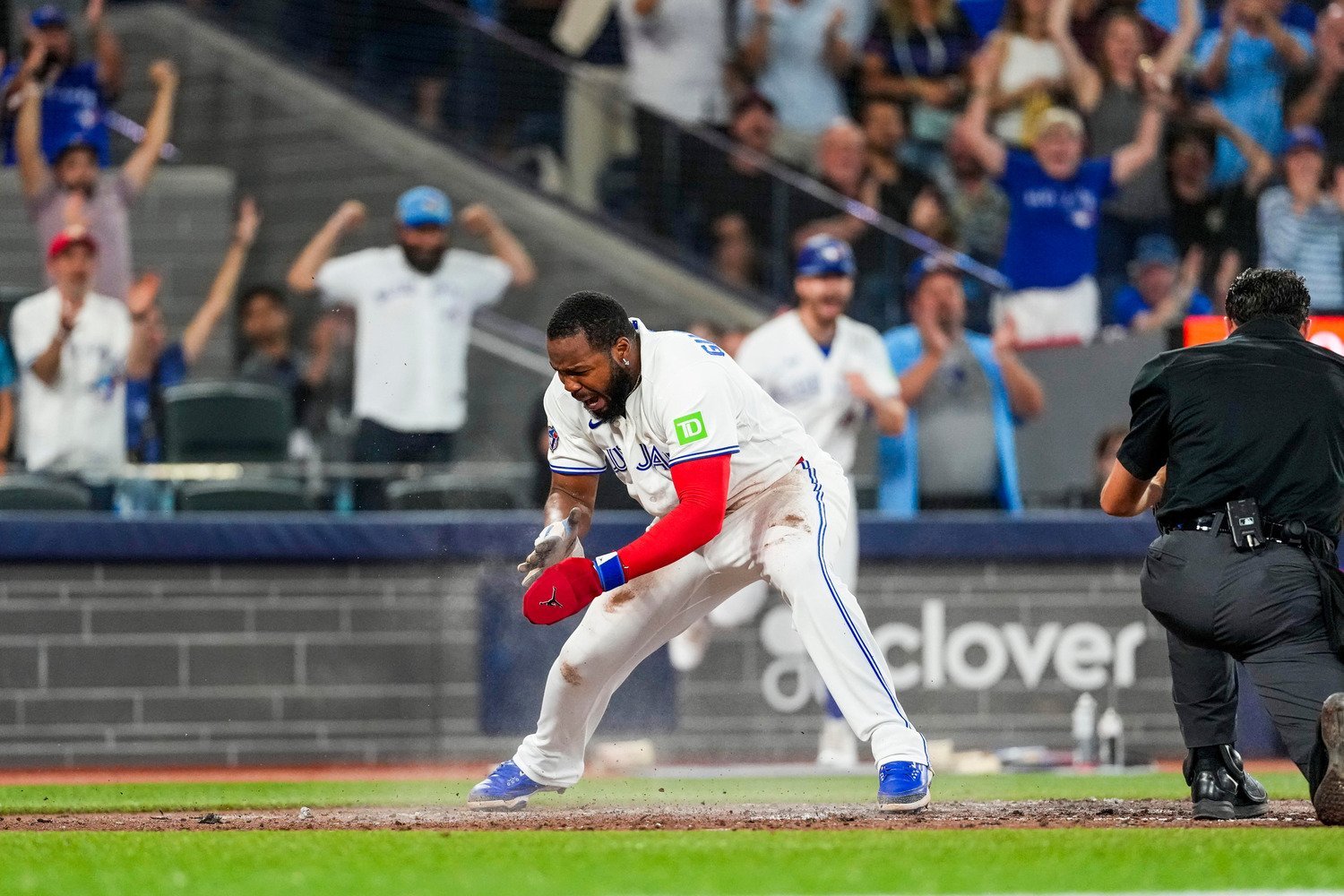 There must have been a spark after the trade deadline that has pushed the Jays to all of a sudden start playing like they did for large stretches last season. They are doing the little things that had been missing for much of the year. Some players left, and some new ones arrived, and somewhere in those transactions, the offense found its footing. The Jays have started to leapfrog teams. Winning does that. They are now half a game ahead of the Orioles in the East and 2.5 games ahead of the Mariners as they chase the Wild Card. The Jays have made the Red Sox look like the team they were prior to Boston’s crazy winning streak. Toronto has had multiple innings with runners on base. They are getting on, moving runners around and demonstrating some confidence at the plate. Sure, they have also squandered plenty of opportunities as well. Just to be clear, this team is not going to run the table and miraculously end up winning the division. They might very well make the playoffs, but it still isn’t going to be easy. The Jays still aren’t hitting home runs, so instead they need to cobble together runs. For a week and a bit, that is working, but can it be sustained? Through 122 games, the team owns a very modest .243 batting average, .304 on-base percentage, .377 slugging percentage and .681 OPS. There’s a reason they are where they are, but a week and a half of tightly-fought games might be moving the needle. What has been encouraging is that the recent run has not been driven by one statistical outlier or one player carrying the offense. The Jays have been winning with better at-bats, better situational hitting and a greater willingness to take what opposing pitchers are giving them. For much of the season, that has not been the case, and frustratingly so. The starting pitching, despite some hiccups with injuries, looks strong and resilient. That might help the bullpen catch its breath, but those bullpen arms have been overworked for much of the season. That reality cannot be ignored. Toronto's starting rotation has spent most of the season carrying a heavy workload while frequently receiving very little offensive support. There have been countless nights where three or four runs felt like an impossible mountain to climb. Even so, the rotation has continued to keep the club competitive and has prevented the season from completely slipping away. This next stretch of games with the Yankees and Rays will be the tipping point. Have they really turned the corner? Can the Jays' starters continue to work deep into games? Will the bats not drift back into hibernation? The season has been a constant give-and-take between other teams adjusting and the Jays not keeping pace. Every time the team appears poised to build momentum, another prolonged offensive drought follows. Series victories are slowly piling up now, and that is a change. This week, Joey Votto mentioned on social that he may have identified the issue that has plagued Vladimir Guerrero Jr. all season. According to Votto, Guerrero's movement pattern may be delaying his barrel and preventing him from consistently reaching pitches he recognizes as hittable. Vladdy seems to be a bit more relaxed since a handful of off days. He is still late on his swing more often than not, but his bat has some life. The Jays and every other MLB team are now in the period of the season where everyone is grinding. Plenty of players are playing through injuries. Some more so than others, but no team is completely healthy at this point. Toronto’s front office is working in the background to fill gaps. They have been more active than a lot of other clubs on waivers as they try to proactively address a depleted bullpen. Former Diamondbacks reliever Paul Sewald is the latest addition. He joins Matt Waldron, who has been picking up some innings lately in non-leverage situations. They don’t have the flexibility of Chase Lee, Lazaro Estrada, and Chad Dallas, who have options and can be shuffled between Buffalo and Toronto to replenish the bullpen. The Jays' recent ability to get length from their starters has quietly become one of the most important developments of the last couple of weeks. Yet, more important than the pitching is the hitting right now. The Jays' starting pitching has kept them in games all season. The bullpen has done the same. More extra base hits would certainly help the cause. Contributions from unexpected places like the bottom of the order (and new arrivals) have been the difference. That’s where success came from last season even when the big bats were firing. Now that they are still quiet-ish, those contributions are essential. There were six teams between Toronto and the final Wild Card (currently held by the Rangers) prior to the Jays going 7-3 in their last 10. Now, only four teams and 1.5 games stand in the way of realistically talking about the playoffs. The real question is what has been the spark that has made this team look so strong against the Phillies and the Red Sox. Is it the young energy from Brett Bateman or Andrés Giménez putting the ball in play? Or is it stronger at-bats and fielding from Myles Straw, Nathan Lukes and Jesús Sánchez? Even Josh Smith, despite a slow start, has contributed when called upon of late. The departure of Daulton Varsho has meant that Straw, Lukes and Sánchez have gotten more playing time. They have made the most of it. Maybe they are the spark. At the very least, they have brought energy. There has been a noticeable difference in how the lineup functions when players are consistently putting the ball in play and forcing defenses to make plays. Whatever it is, the Jays need to ride it to the finish line. They aren’t going to win them all, but they need to keep playing like they do. Every series matters now. Every game against a divisional opponent means more. Maybe Blue Jays baseball will start being as fun to watch as it was during the stretch run and into the playoffs last season. Or maybe it won’t. Here’s hoping we’re still talking about this season, instead of next year, in a couple of weeks. The next two weeks will tell us whether this is a genuine turnaround or just another brief surge in a season full of ups and downs. View the full article
 -
 Blue Jays Affiliate Overview (August 12-13) Triple-A Buffalo Bisons Series vs Worcester Red Sox (Boston Red Sox): 1-1 Season Record: 57-59 Double-A New Hampshire Fisher Cats Series vs Somerset Patriots (New York Yankees): 0-2 Season Record: 51-57 High-A Vancouver Canadians Series vs Tri-City Dust Devils (Los Angeles Angels): 2-0 Season Record: 51-59 Single-A Dunedin Blue Jays Series vs Tampa Tarpons (New York Yankees): 2-0 Season Record: 52-54 FCL Blue Jays: Season Complete DSL Blue Jays Blue Week Record: 0-1 Season Record: 18-32 DSL Blue Jays Red Week Record: 0-0 Season Record: 28-18 Triple-A Buffalo Bisons Season Record: 57-59 Series vs Worcester Red Sox (Boston Red Sox) August 11: Buffalo opened a new series on Tuesday, this one against the Worcester Red Sox. They would have to face a couple of the top arms that the Red Sox could throw at them, John Holobetz and Eduardo Rivera. The Bisons' bats were up for the challenge, though, and then some. Three players would collect three hits in the game, as Buffalo racked up 15 on the day. Sean Keys was trouble for Holobetz in the first inning, squaring up a 96 mph fastball that was up at the top of the zone and sending it over the right field fence with flames coming off the ball. The home run came off of Keys’ bat at 110.5 mph and went 417 feet, resulting in a three-run shot for Buffalo to open up the scoring. In the fourth inning, Holobetz's replacement, Rivera, was met with the same greeting; Rudy Martin Jr., Keys, and CJ Stubbs had RBI singles. In between their singles, Carlos Mendoza scored on an error, and Yohendrick Piñango knocked in a run on a sacrifice fly to center. The eight-run lead was enough for Buffalo to hold on to, despite Grant Rogers, Ricky Tiedemann, and Javen Coleman all giving up runs in the final five frames. The Bisons cruised to a victory, 9-6. August 12: On Wednesday, Buffalo jumped out to an early lead against Worcester. Davis Schneider singled, moved to second when Sean Keys walked, and then scored on Nick Goodwin's double to left field. Franklin Arias tied the game up at one in the third inning when he knocked in a run with an RBI groundout. From there, the game went back and forth with a hit or two in an inning, but neither team could get a runner across home plate. In the seventh, Worcester broke through and scored a run to take the lead 2-1. In the top of the eighth, Buffalo tried to even the score. They got a leadoff double by Yohendrick Piñango, a walk by Keys, then Goodwin tried to move them over with a sacrifice bunt. Instead, he popped up the bunt to the catcher, Peyton Williams popped up to third base, and Ismael Munguia struck out to end the inning and the threat. Buffalo didn't get any more chances and lost to Worcester, 2-1. Double-A New Hampshire Season Record: 51-57 Series vs Somerset Patriots (New York Yankees) August 11: New Hampshire kicked off a week-long series against the Somerset Patriots on Tuesday, and it was one to forget. Home runs from DJ Gladney and Coby Morales put the Patriots up five in the first inning. The second inning was worse for New Hampshire. Gladney homered again, and Manuel Palencia added a solo shot to put the Patriots up 11. Down 12 in the sixth inning, New Hampshire finally got on the scoreboard when Carter Cunningham hit an RBI single. That was all of the offense for the day, but on the mound, Gage Stanifer came in to pitch the seventh and eighth innings. His command was still not that smooth, but he got through both innings without giving up a run and only allowing a single and two walks. He did strike out three hitters in his appearance. New Hampshire lost this one 12-1. August 12: Nolan Perry was on the mound for the Wednesday game between New Hampshire and Somerset. He pitched well, taking the Fisher Cats into the fourth inning. He only allowed an infield single and walked three batters. The last of which would come around to score in the fourth inning after he left the game. He struck out four batters on the day and was good, but not as crisp with his command at times. New Hampshire got off to a 4-1 lead by the fifth inning, on the back of Dub Gleed, who hammered his ninth Double-A home run. Carter Cunningham and Eric Snow added RBI singles. Hedbert Perez launched a home run in the fifth before things fell off for the Fisher Cats. A grand slam and a solo home run would put the Patriots ahead for good. Daniel Guerra made his Double-A debut out of the pen, pitching the seventh and eighth innings. He struck out four and allowed one hit, a solo home run. His stuff looked really good over 27 pitches and 19 strikes. New Hampshire lost the game though, 7-4. High-A Vancouver Season Record: 51-59 Series vs Tri-City Dust Devils (Los Angeles Angels) August 11: This was a classic pitching duel, as Troy Guthrie and Zachary Redner both had scoreless starts. Redner went into the sixth inning without allowing a walk, and Guthrie pitched five no-hit innings before getting taken out in the sixth. Gilberto Batista lost the no-hitter in the sixth inning, but pitched three scoreless innings, striking out two batters and allowing four hits. In the seventh, Maddox Latta walked and was moved over to second on a sac bunt, which brought up Edward Duran, who drove in Latta with a single, but was caught heading to second on the throw home. Gable Mitchell added an insurance run with a sac fly in the eighth, and Reece Wissinger earned his second save as a Canadian to complete the shutout. JoJo Parker had his first hit as a Canadian in this game as well. August 12: Landen Maroudis had another strong start in a row, with his fifth straight start going five innings, this time only allowing a single run and striking out four. The Canadians' offense also had it going, as Richmond Hill native and former Angels prospect David Calabrese walked to start the second inning, then stole a base. Dariel Ramon was hit by a pitch, then Bryce Chance drove Calabrese in with a single. Chance stole second, then Ty Southisene walked, leading to JoJo Parker coming up with RISP, driving in his first runs as a Canadian with a 2-RBI single. Reece Fields replaced Maroudis in the sixth and pitched two innings, striking out four, but a throwing error by Southisene brought the lead within one. Franly Urena blew the save in the eighth inning, giving up a single to Ryan Nicholson to tie the game up. Jack Eshleman pitched a scoreless ninth inning, and with the game tied in the bottom of the ninth, and Chance and Southisene both walking, Jake Casey came up to the plate and blasted a homer to right field to walk it off in a 6-3 victory. Single-A Dunedin Season Record: 52-54 Series vs Tampa Tarpons (New York Yankees) August 11: Brandon Barriera had his best start since 2023, when he also went four innings pitched without allowing a hit. The talented but oft-injured lefty struck out six batters despite diminished velocity, using his wicked slider to great effectiveness. The Jays pieced together a few runs in the first four innings for an early three-run lead, and Barriera was replaced by Brayden Heidel, who was effectively wild, walking three batters but striking out as many in three innings of work. He did allow a run, but a three-run inning from the Jays in the sixth took the lead to five. Dameury Pena, received in the Jeff Hoffman trade, showed off his bat-to-ball skills, with three hits on the night. Nolan Higgins allowed two runs in the eighth inning, but the Jays were able to get those runs back as well, with Ryan Cooney hitting his first professional homer and Blaine Bullard capping it off with an RBI single as the Jays won it 8-3. August 12: The Jays offense once again kept it firing as they looked to win their fourth straight game. Power-hitting Aldo Gaxiola started it off. With the bases loaded, the third baseman cleared the bases with a 106.3 mph double to left field. Enmanuel Bonilla added another RBI double in the fourth inning for an early four-run lead. Jack Nedrow struggled after being promoted to Vancouver, but is once again pitching well in Dunedin, going five strong innings and only allowing one run in the fifth inning. Owen Carapellotti had himself a great game, as the catcher from the A’s organization homered once in the sixth inning to make it 6-1 for the Jays, and in the seventh inning, he and Ryan Cooney both homered, adding three more runs to the lead. Dameury Pena had his second three-hit game in a row, as he singled in the eighth inning to make it double digits for the Jays' offense in a dominating win. FCL Blue Jays Season Record: 38-20 Season Completed DSL Blue Jays Blue Season Record: 18-32 August 11: It was a real rough game for BJB down on the island Tuesday. They only managed to get two hits in the game, both by Michael Mesa. He had a single in the fourth, but was thrown out going to second on the play, but it did move Juan Caricote to third base. Caricote would score when the next batter, Yariel Cordero, grounded out, tying the game up at one. Trailing by a run in the sixth, Mesa's second single of the game brought in Cristopher Polanco to tie the score up at two. From there, BJB pitching would give up six runs in the bottom of the sixth, three RBI singles and then three runs from a passed ball and two wild pitches. BJB fell 8-2 in a game that was close until poor command from their pitchers did them in. DSL Blue Jays Red Season Record: 28-18 August 11: Postponed Transactions 08/12/26 Toronto Blue Jays recalled RHP Jake Bloss from Buffalo Bisons. 08/12/26 New Hampshire Fisher Cats activated 2B Adrian Pinto from the 7-day injured list. 08/12/26 OF David Calabrese assigned to Vancouver Canadians. 08/12/26 Toronto Blue Jays signed free agent OF David Calabrese to a minor league contract. 08/11/26 Toronto Blue Jays recalled RHP Chase Lee from Buffalo Bisons. 08/11/26 SS Nick Goodwin assigned to Buffalo Bisons from New Hampshire Fisher Cats. 08/11/26 RHP Austin Marozas assigned to Buffalo Bisons from New Hampshire Fisher Cats. 08/11/26 1B Peyton Williams assigned to Buffalo Bisons from Vancouver Canadians. 08/11/26 RHP Tomoya Kinjo assigned to DSL Blue Jays Red from DSL Blue Jays Blue. 08/11/26 Toronto Blue Jays sent 2B Lenyn Sosa on a rehab assignment to Dunedin Blue Jays. 08/11/26 RHP Deiker Pineda assigned to Dunedin Blue Jays from FCL Blue Jays. 08/11/26 SS Raimundo De Los Santos assigned to Dunedin Blue Jays from Vancouver Canadians. 08/11/26 SS Max Viera assigned to Vancouver Canadians from FCL Blue Jays. 08/11/26 LHP Johnny King assigned to New Hampshire Fisher Cats from Vancouver Canadians. 08/11/26 RHP Daniel Guerra assigned to New Hampshire Fisher Cats from Vancouver Canadians. 08/11/26 LHP Johnny King assigned to New Hampshire Fisher Cats from Vancouver Canadians. View the full article
 -
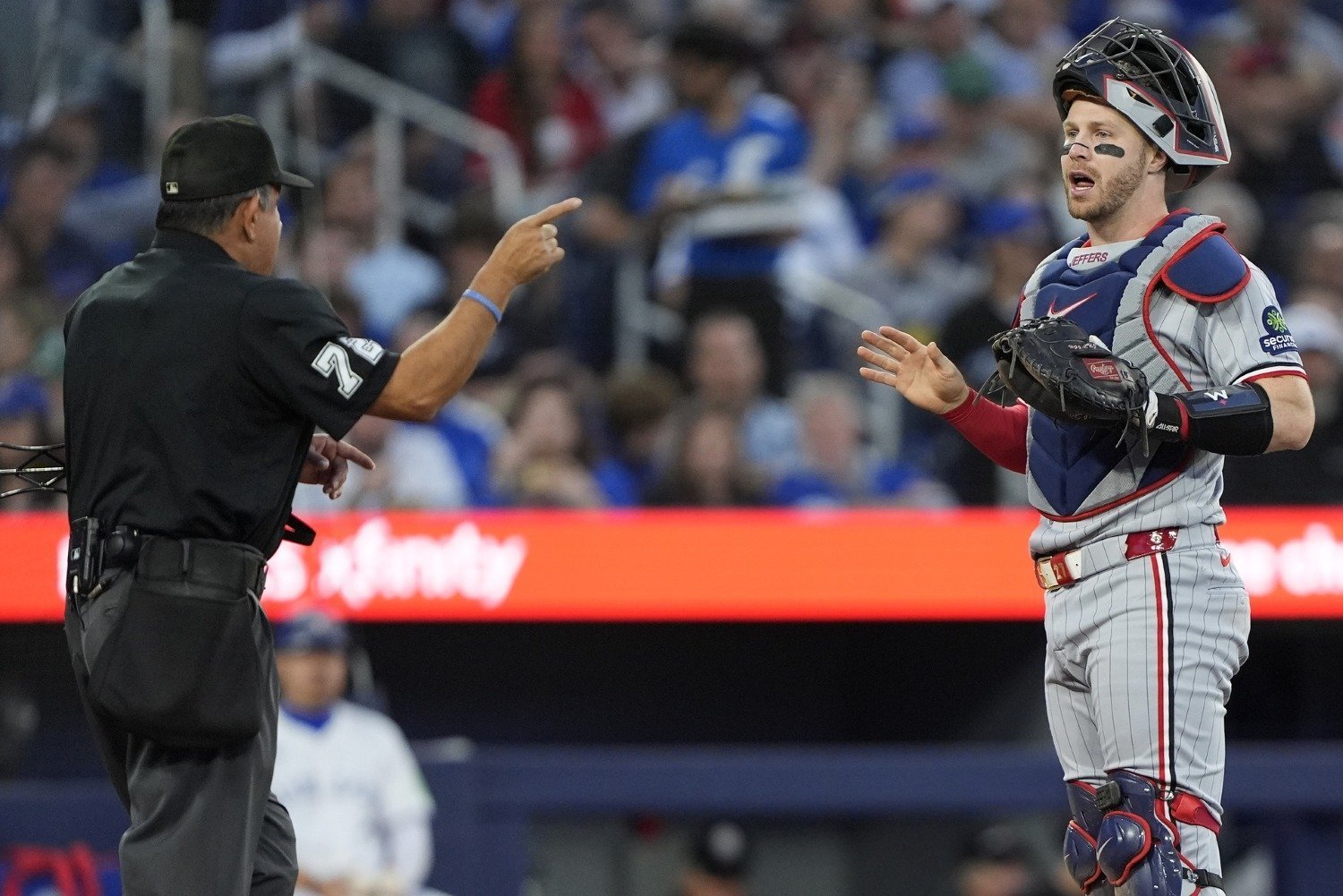 The Minnesota Twins are heading to one of baseball’s most recognizable settings this week, but the distinctive site will come with a rule change that could have a bigger impact on them than their opponent. The Twins will face the Philadelphia Phillies on Thursday night at the Field of Dreams site in Dyersville, Iowa. The matchup brings plenty of attention because of the unique venue, but Minnesota will also have to adjust to playing without one of the tools it has leaned on throughout the 2026 season. Major League Baseball’s Automated Ball-Strike system will not be available for the game. That means neither team will have the opportunity to challenge ball-and-strike calls, creating a significant departure from the way games have been played throughout the regular season. For the Twins, that is more than just an interesting wrinkle. Minnesota has been one of the most aggressive teams in baseball when it comes to using the ABS challenge system. The Twins have frequently relied on their ability to challenge borderline pitches, both at the plate and behind it, to turn questionable calls into favorable ones. In fact, FanGraphs crunched the numbers and the Twins have benefited more than any other team when it comes to ABS. On the offensive side, the Twins have made 143 challenges this season, the second-most in baseball behind only the New York Mets. Luke Keaschall leads the team with 12 challenges won, but he’s also been wrong 13 times (48.0 Won%). Austin Martin is second on the team with 10 challenges won in 19 attempts (53 Won%). Trevor Larnach has only challenged 12 pitches, but his 4.4 overturns versus expected leads the team. On defense, Minnesota has been even more active. The Twins lead MLB with 189 challenges from the field and have won 115 of those challenges. Victor Caratini ranks third in baseball with 61 challenges on the defensive side with a 65.0 Won%. He also ranks fifth overall in overturns versus expected (12.6). Ryan Jeffers has gone 38-for-63 in challenges for a 60.0 Won%. That makes Thursday’s game a particularly interesting adjustment for Minnesota. Instead, Minnesota will have to live with borderline calls. That could put additional emphasis on the way the Twins approach the strike zone throughout the game. Pitchers will need to understand that they might not get a call overturned if a borderline pitch goes against them, while hitters will need to be even more disciplined when dealing with pitches near the edges of the zone. Interestingly, the Phillies aren't nearly as dependent on the challenge system. Philadelphia entered Sunday with the fewest catcher-initiated challenges in baseball at 96. J.T. Realmuto has gone 41-for-59 (69.0 Won%) and Rafael Marchan has gone 18-for-33 (55 Won%). The Phillies have also been highly successful when they do decide to challenge, ranking second in the majors in overturn rate. So, while both teams will be playing without ABS, the change could represent a much bigger adjustment for Minnesota. There is also an element of unpredictability that comes with playing at the Field of Dreams site. This isn't a typical regular-season environment, and the absence of ABS adds another variable to a game that already comes with plenty of them. MLB is giving both teams an extra position player for the contest, adding to another rule change to the game. For the Twins, though, the biggest adjustment might happen before the first pitch. They have spent an entire season taking advantage of the ABS system. Now, they'll have to play a game without it. That doesn't necessarily mean the lack of challenges will decide the outcome. But considering how frequently Minnesota has used the system (and how successful the Twins have been when doing so) it is a wrinkle worth watching closely. At a venue built around nostalgia, the Twins will get a brief return to baseball without one of the more modern additions to the game. And for a team that has embraced ABS more than almost anyone, that could make Thursday night's matchup a little more challenging (pun intended) than expected. Should Twins fans worry about there being no ABS for one game? Leave a comment and start the discussion. View the full article
 -
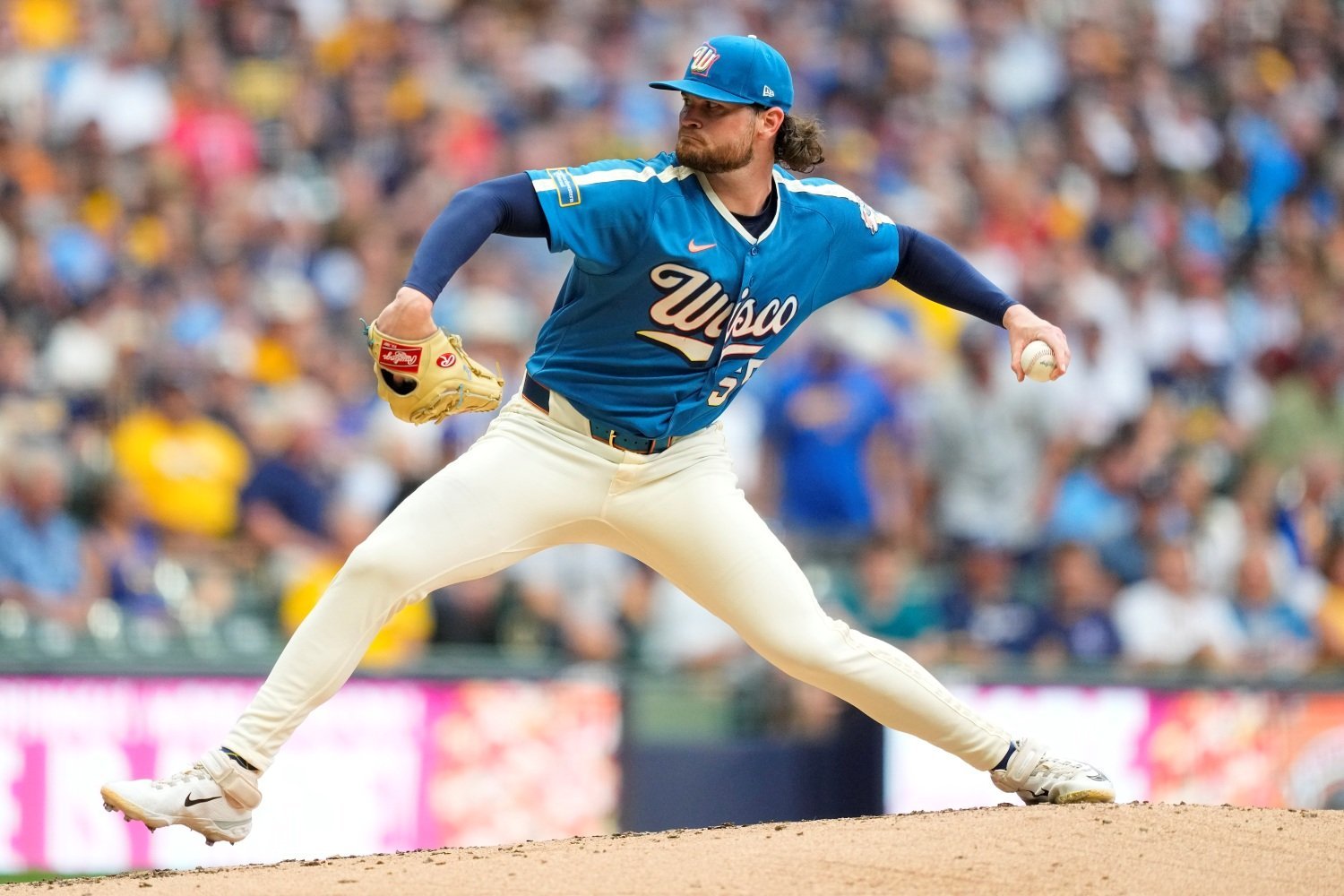 After he allowed a season-high six earned runs against the Minnesota Twins in his last start, Shane Drohan knew what went wrong. "I was just too low with the slider," he said postgame. Drohan's tight gyro slider is his best pitch. FanGraphs's Stuff+ model grades it as his most dominant pitch (108 Stuff+), and big-league hitters have managed just a .215 xwOBA against it (with a 41.6% whiff rate) this year. It wasn't a useful part of his arsenal last Friday, however, because he was not nearly competitive enough with it. Sliders are usually more of a chase pitch than an in-zone pitch, because their late break occurs after the hitter has already decided to swing. But to force those chases, the slider must start in or near the bottom of the zone. Drohan wasn't doing that against the Twins. Just a quarter of his sliders were in the zone, and most of them bounced in the dirt well shy of home plate. "I was just throwing it too low," Drohan said. "It could be a couple inches higher, so out of hand it's looking like that fastball at the bottom of the zone." The Twins made him pay. Because those sliders were nowhere close, they could effectively eliminate swinging at anything around the bottom of the zone. That allowed them to focus on the top of the zone, where Drohan likes to attack with his fastballs. Of the nine hits he allowed, eight came on fastballs, and five came on heaters at or above the belt. Drohan wasn't hit as hard as his line indicated. His average exit velocity against was 78.6 mph, and only six of 18 batted balls (33.3%) were hit 95 mph or above. If anything, that's a testament to how deceptive his fastballs can be. However, those deceptive heaters usually induce plenty of swings and misses around the top of the zone. The Twins only whiffed twice each at Drohan's four-seamer and cutter. Eliminating the slider was the difference between a whiff and contact that could find the outfield grass, even if it wasn't hit hard. "They eliminated down, and the breaking ball didn't come into play," Pat Murphy said. "His slider did not come into play much, and that's been key for him." The issues with the slider have become a recurring problem for Drohan over his past few starts. Before his Twins start, he bounced plenty of uncompetitive sliders in Anaheim, but he threw enough at the bottom of the zone to work six solid innings with seven strikeouts. He even induced chases on some of those bad misses against a poor Los Angeles Angels lineup. A better offense made him pay his next time out. "They hit them hard," Murphy said. "You give up 10 hits, or whatever you gave up, that's unusual. A couple homers. He missed some spots." On the whole, Drohan is still authoring a productive rookie season. His 3.87 ERA is still above average, and his 3.50 xERA and 3.34 FIP are both a touch lower. He's one of the reasons Milwaukee's pitching staff has kept chugging along amid injuries and workload management measures. "He's throwing the ball great for us," Murphy said. "Let's not act like he hasn't been good. If you had to pick four guys from the July time frame, this guy would be one of the four in everybody's ballot who have put us in this position." As October nears, though, the Brewers will have to decide whether Drohan fits best as a back-of-the-rotation starter or a multi-inning reliever who can pitch in high-leverage situations. He has the arsenal and poise for either role and has shown flashes in both. To be the productive starter version, Drohan needs to get his slider closer to the plate more consistently. View the full article
 -
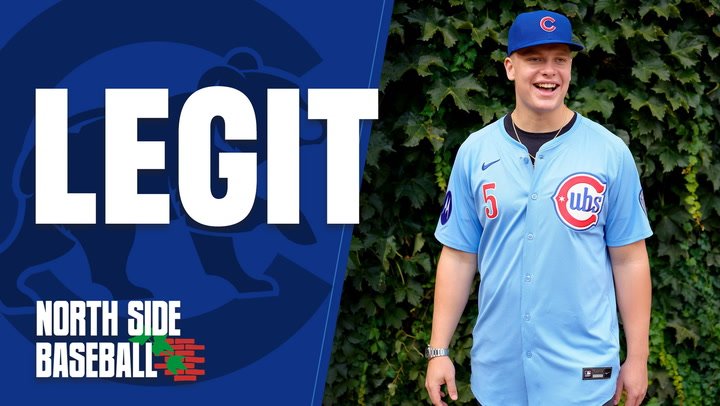 Ethan Conrad is the Cubs' 2025 first-round draft pick, and he's 30 games into his professional baseball journey. In this video, we'll break down Conrad's approach, his remarkable hand-eye coordination, and how his trajectory can vastly improve with one key adjustment. View the full article
 -
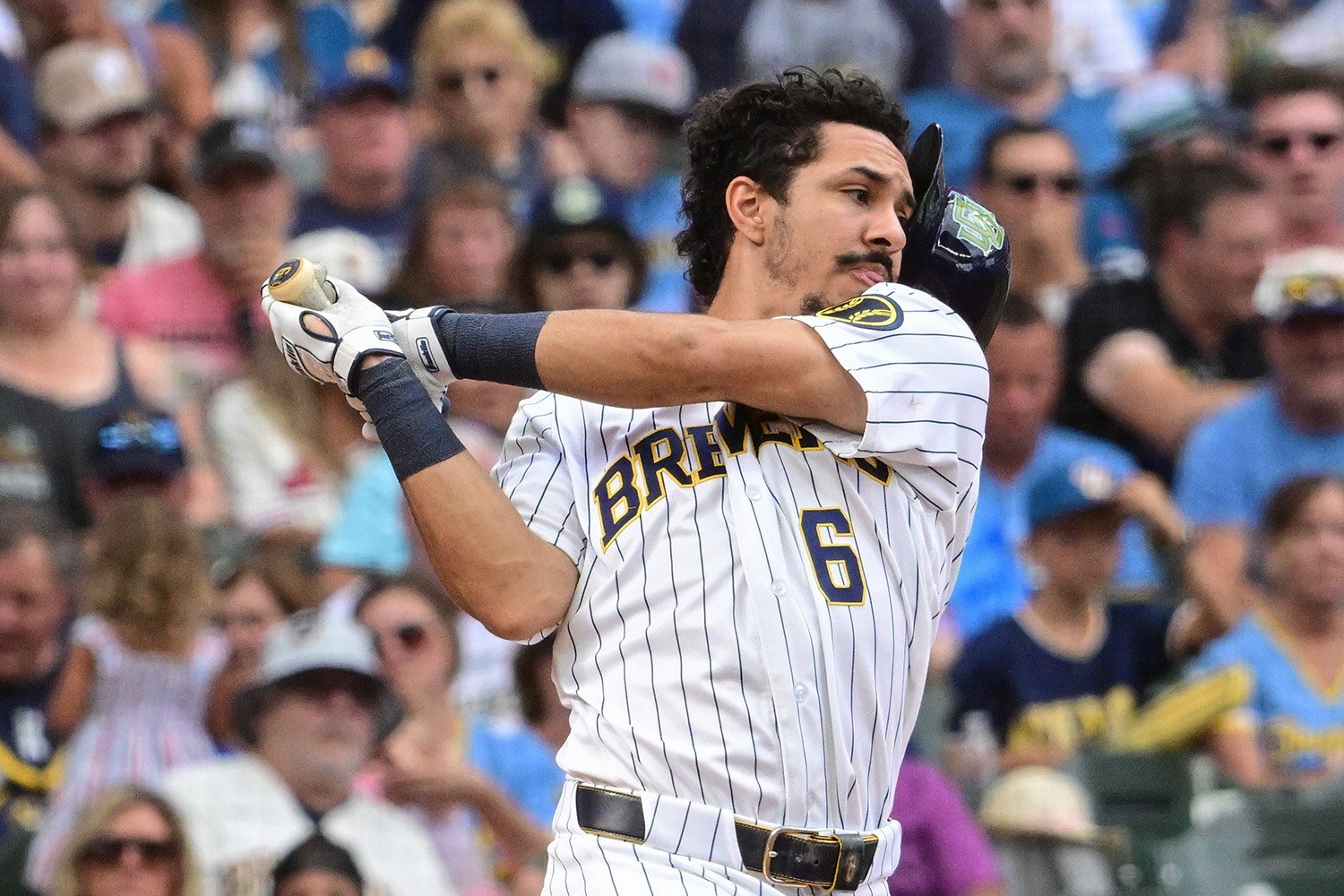 The Brewers' offense hasn't been firing for a while now. But the most concerning part isn't simply that they're struggling to score. It's how their approach appears to change when the pressure ramps up, and that's oddly reminiscent of the 2025 NLCS. We could look at the eighth inning, where Chad Patrick couldn't find the strike zone, or why Aaron Ashby once again was slow covering the bag after showcasing his own wild arsenal. We could look at the 10th, where Luis Lara got a pitch timer violation, and Brice Turang hesitated while trying to steal third base. Instead, the 11th inning is perhaps the best place to analyze the Brewers' recent travails under pressure. Picture the scene again. Trevor Megill just went multiple innings of work, closing out the ninth and shutting down the Manfred man in the tenth inning with the help of a wonderful catch from Garrett Mitchell. The Brewers have some momentum. To start the 11th, up steps Gary Sánchez against Adrian Morejón, one of the best relievers in baseball. Drilling a double down the left field line, Sánchez scores the runner from second, and the Brewers are now sitting with a runner on second, no outs, and a one-run lead. Sánchez took two triple-digit sinkers inside and off the plate, getting into a 2-0 count before getting something he wanted. He saw that Morejón was trying to bust him inside, so he waited for it to come back over the zone and got the bat head out early, ripping it into left field. Morejón was already showing some signs of his command deteriorating in his second inning of work, and a wild pitch got Gary Sanchez to third base with nobody out. Garrett Mitchell takes advantage, going up 3-0 in the count before working a six-pitch walk. Eventually, Mitchell would steal second base, but he showed patience and didn't over-extend himself. Then we come to David Hamilton. One of the criticisms we can have of this offense, particularly in the last two months, is how they lose their identity as hitters when they feel a big moment in the game. In this instance, scoring another run would have felt like a killer blow (and the Brewers would have approached the bottom of the inning differently with a two-run lead). Instead of waiting on the ball to come to him, Hamilton tried to snatch the glory. Morejón had already demonstrated that he couldn't reliably command the fastball, Hamilton had just watched Mitchell take three balls and walk, and the Brewers had a runner on third with nobody out. Given that context, expanding the zone twice was particularly difficult to justify. Yet expand on two straight pitches Hamilton did: Adrian Morejón follows the same script: two fastballs, too far inside and off the plate. Hamilton swings at both of them. Almost identical pitches, way in on Hamilton, and he was taking big cuts. Rather than patiently working the at-bat, working his counts, and trying to search for something he could drive, Hamilton tried to be the guy. Against a reliever like Morejón, that just won't work. Even if either of those pitches had clipped the top of the strike zone, Hamilton should not be swinging at them early in the count. He has squared up just 13% of pitches in the "up and in" quadrant, and produces a 64% ground ball rate with an average exit velocity of 65 mph in that zone, even if it did land in the strike zone. That is not the pitch Hamilton should be swinging on with the infield in and Sanchez at third base. Instead of staying patient and trusting his approach, Hamilton fell behind 0-2 and struck out on a high slider that would have looked very juicy in a 2-0 count. So up comes Joey Ortiz. He's seen Adrian Morejón throw seven of his eleven pitches outside the strike zone in this inning. Ortiz gets some leeway here as he should be looking for something up and away; that's a pitch he's done a good job of driving to the opposite field. That leeway, however, is wiped out by two things: one, he should be almost in auto-take mode on the first pitch. Two, he faced not a single pitch inside the strike zone in this entire at-bat. Morejón had thrown multiple non-competitive fastballs, and the Brewers had an advantage if they simply forced him to demonstrate he could throw strikes. Again, you don't want to hamper a hitter by saying don't swing at anything, but Ortiz should have been sitting on one very specific pitch, and taking anything that didn't resemble that pitch. None of the first four pitches Morejón threw in this at-bat would have resembled a quality pitch to hit. Morejón has the kind of elite raw stuff that makes chasing outside the zone particularly dangerous. You cannot chase a reliever of this caliber with impunity and expect to succeed. Either Hamilton or Ortiz walking would have put Morejón in an increasingly difficult position with the bases loaded, where his faltering command became even more dangerous. It would have forced an at-bat with Jackson Chourio, the one match-up the Brewers would have wanted to create. Instead, the Padres could intentionally walk Chourio and face Brice Turang against a top-tier left-hander, something Turang has struggled with all season. The Brewers offense is built on a team ethos. Pass the baton. Build pressure. Sequence good at-bats together. They're doing it in parts, but then moving away from that process when the pressure builds up, and it's costing them. What could have been an inspiring eleventh inning win turned into a gut-wrenching loss. Many will say the Brewers are fifth in runs scored this year, but it would be remiss not to mention how they've performed since the middle of June. Since June 10th, the Brewers have ranked 17th in runs scored. They've also had the joint best exit velocities in baseball during that time and an expected weighted on-base average that ranks fourth in that span. The Brewers' inability to convert opportunities is a major reason the offense has stopped producing at its earlier rate, and the deterioration has been particularly pronounced with runners in scoring position. I've showcased the splits before and after June 10th with runners in scoring position: Up to June 9th Since June 10th BA 0.280 0.227 xBA 0.255 0.220 xWOBA 0.335 0.299 Strikeout rate 19.90% 24.00% Walk rate 13.60% 10.50% The Brewers are striking out more and walking less, and it's the main reason for their dip in results with runners in scoring position. Yes, there was some fortune in their early-season production, but the last two months have been poor from both a process and expected results viewpoint too. Whatever the cause, the Brewers are showing signs that they're losing trust in the approach that got them here. It's exactly what we saw in the NLCS last year: a team forcing at-bats and suffering the results that come from that. The 2025 Brewers were built around an identifiable offensive philosophy: getting on base, avoiding strikeouts, making contact and creating pressure with a low chase rate and low strikeout rate. The NLCS exposed what happened when that philosophy disappeared against high-quality pitching, producing a historically awful .118 batting average in the series. This team is very capable of scoring runs, far more than we've seen in the last two months. There should be some optimism that they've performed as well as they have despite the malfunctioning offense, but they're going to need to find the belief in their approach soon. October baseball will not bode well without it. View the full article
 -
The Twins Have Unlocked a Different Version of Dean Kremer
DiamondCentric posted an article in Twins Daily
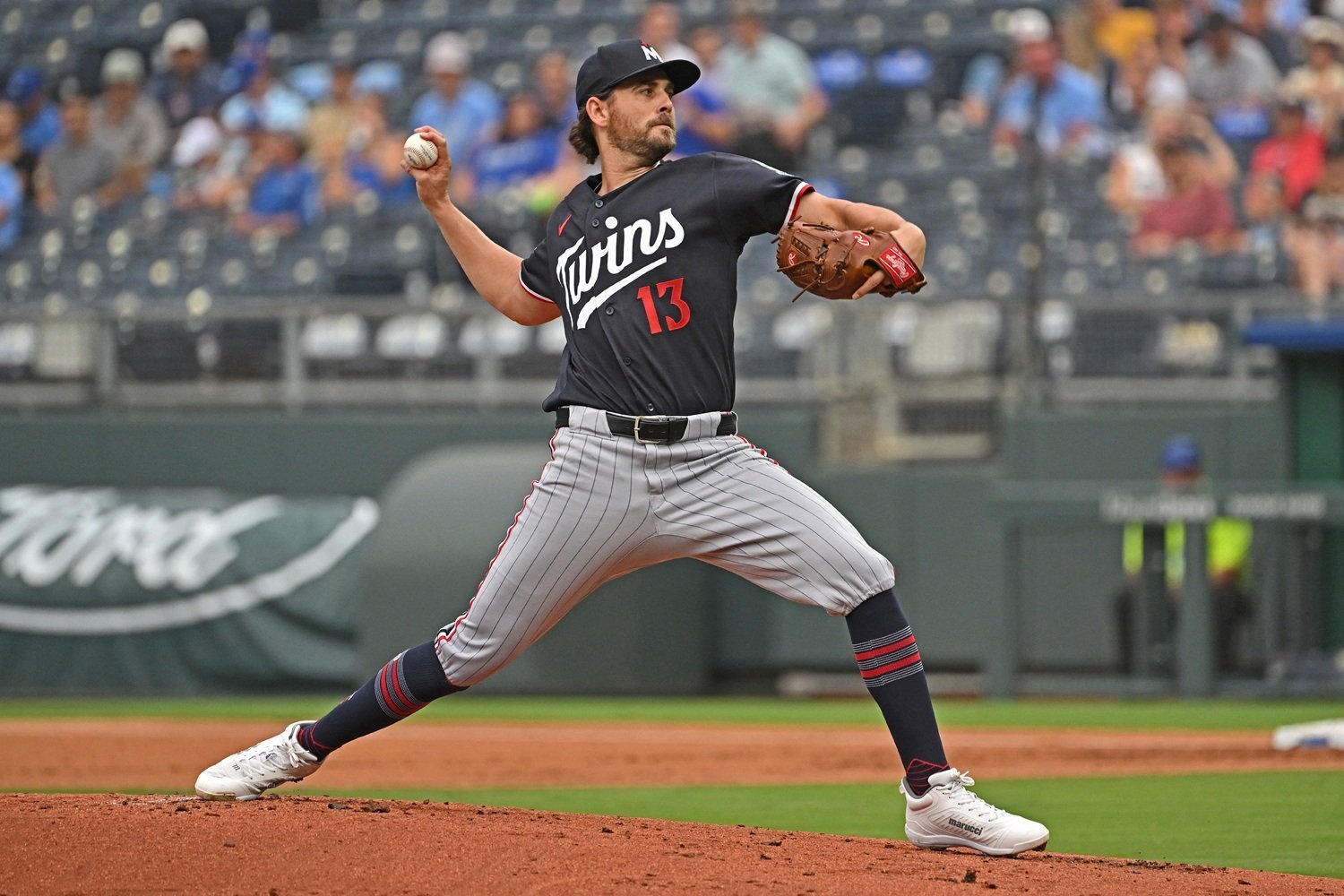 The Minnesota Twins were active at the 2026 trade deadline, adding four arms to their pitching staff in an effort to strengthen a group that needed reinforcements for the stretch run. One of those additions was Dean Kremer. Of the four pitchers Minnesota brought in, Kremer may have been the easiest to overlook. He arrived in Minnesota with a 6.50 ERA across 36 innings with the Baltimore Orioles, hardly the kind of surface-level production you’re looking for from a deadline addition. Clearly, though, the Twins believed there was more to unlock. So far, they most certainly have. Through his first two starts in a Twins uniform, Kremer has allowed just two runs across 12 innings of work. He's surrendered only four hits and three walks while striking out nine, and he is coming off a dominant seven-inning performance against his former team. It would be easy to chalk that up to a small-sample-size hot streak, and there's certainly an element of that here. Two starts aren't enough to suddenly declare that Kremer has transformed into a frontline starter. But there are some legitimate changes behind the early success, and they offer a pretty good explanation for why the Twins have been able to get more out of him than the Orioles did. For one, Kremer's pitch usage has changed noticeably. Before coming to Minnesota, Kremer leaned heavily on his splitter. It accounted for roughly 30% of his arsenal with Baltimore, and it was the pitch he went to the most. That hasn't been the case through his first two starts with the Twins. Instead, Kremer has leaned on his four-seam fastball, which has accounted for roughly 37% of his pitches. Meanwhile, his splitter usage has dropped to about 21%. That might seem like a relatively minor adjustment, but it’s changed the way the rest of his arsenal plays. Kremer has also significantly reduced his usage of his sinker. He was throwing it roughly 15% of the time with the Orioles, but that number has dropped to just 6% across his two starts with Minnesota. In its place, the four-seam has become much more prominent, and it's not difficult to understand why the Twins would want him throwing it more. His four-seam is a quality pitch, particularly when he’s able to get the kind of life he's shown in these first two starts. By using it more frequently, Kremer’s giving hitters a different look while creating better opportunities for his secondary pitches to play off of it. There has also been another noticeable change, particularly in Monday night's start: Kremer's arm angle appeared to be higher than it typically has been. That may not sound like a major adjustment, but it has had a meaningful impact on the movement of his pitches. Kremer's induced vertical break was up by roughly an inch on average across his arsenal over these two starts. An extra inch doesn't sound like much, but when you're talking about a baseball and the width of a major league bat, that inch can be the difference between a hitter squaring up a pitch and swinging underneath it. And there are already some tangible results. The quality of contact Kremer has allowed in his two starts with the Twins has been extremely impressive. Opposing hitters have produced just a 34% hard-hit rate against him during that span, a strong indication that hitters haven't been consistently squaring up what he's throwing. That's especially important for a pitcher like Kremer, who isn't going to overpower hitters very often. His success is going to come from changing speeds, manipulating movement and keeping hitters from getting comfortable in the batter's box. The early results suggest he's doing exactly that. In addition to his pitch usage and arm angle, there’s been an increase in swings outside the strike zone. Kremer's chase rate for the season is around 31%, but that number has climbed to roughly 36% across his two starts with Minnesota. Much of that increase has come against his splitter and cutter, which is where the changes to his fastball become particularly important. If Kremer can consistently get his four-seam to rise through the zone, hitters have to account for that pitch when they see it. When he follows it with a cutter or splitter that works down, he can create the kind of vertical separation that leads to awkward swings. The result has been a pitcher who is getting more swings outside the zone and weaker contact when hitters do make contact. That's exactly the kind of formula the Twins were hoping they could find when they acquired him. Should anyone expect Kremer to continue throwing six innings of one-run ball every fifth day for the rest of the season? No, two starts are still just two starts, and opposing teams will eventually adjust. Kremer will have outings where his fastball doesn’t play as well, and his splitter and cutter don’t get as many chases or hitters find a way to square him up. But that doesn't mean the early results should be dismissed. The Twins didn't acquire Kremer because they expected him to suddenly become an ace. They acquired him because they saw a pitcher whose underlying traits could potentially be improved, and they've already made some adjustments that appear to be working. That's a pretty encouraging development for a team that needs as much from its pitching staff as it can get. With roughly a month and a half remaining in the regular season, Minnesota doesn't necessarily need Kremer to be perfect. They need him to be useful. If these changes allow him to consistently give the Twins quality innings while keeping hitters off balance, that could be incredibly valuable down the stretch. And for a team trying to make a playoff push, getting that kind of production from one of its more under-the-radar trade deadline additions could end up being a much bigger deal than it initially appeared. View the full article
 -
 Boston Red Sox Affiliate Recap Triple-A Worcester Red Sox Season Record: 61-50 Worcester’s pitching staff scuffled over the last two games, but they locked in for their 2-1 victory over the Buffalo Bisons (Toronto Blue Jays). The Sox were outhit in this matchup, collecting four hits to Buffalo’s eight, but they still came away with a win. The Bisons jumped on top early in the first inning with an RBI double that made it 1-0. Kristian Campbell continues to crush baseballs as of late. The former top prospect took an inside fastball for a ride, hammering it on a line at 107 MPH off the left field wall for a double. Franklin Arias went hitless but was still productive, reaching base twice with two walks and tying the game up 1-1 in the third with an RBI groundout. Not much happened for Worcester until the seventh came; Vinny Capra and Tsung-Che Cheng drew back-to-back walks, setting up Jason Delay to bring in a run with an RBI double, putting the Sox ahead 2-1. Wyatt Olds and Angel Bastardo threw shutout innings in the eighth and ninth to win it for Worcester. Journeyman pitcher John Brebbia started on the mound and held his own, not letting the game get out of hand where it easily could have in the first inning. Hobie Harris was dominant out of the bullpen, setting the tone for the rest of his teammates with three shutout one-hit innings with four strikeouts. Tyler Samaniego was awesome as well, despite him giving up three hits; every out he recorded ended with a strikeout in 1 ⅓ innings. Standout Performances: Jason Delay: 1-for-2, 2B, R, RBI, BB Hobie Harris: 3 IP, 1 H, 0 ER, 4 K Double-A Portland Sea Dogs Season Record: 57-52 This time using a bullpen game, Portland’s pitching staff scuffled once again, getting blown out 13-5 by the Binghamton Rumble Ponies (New York Mets). Out of the Sea Dogs' nine hits as a team, Ronald Rosario, Yoeilin Cespedes, Nate Baez, and Max Ferguson combined for eight of them, all recording two-hit games. Cespedes, who has been struggling through his first seven games of Double-A while also entering the game with an 0-for-20 slump, finally broke out with a multi-hit day and a solo homer in the fifth. Nelly Taylor made the game a little interesting in the fifth inning, crushing a three-run bomb to cut the deficit to 8-4, but the Rumble Ponies exploded with a massive five-run inning in the sixth to put the game away. Portland sent out five pitchers on the mound, with two of them having shutout appearances. Steven Brooks threw two shutout innings out of the bullpen, followed by Erik Rivera striking out three batters in his shutout ninth inning. High-A Greenville Drive Season Record: 48-59 Greenville completed two games on Wednesday, finishing off a suspended game due to lightning, then playing another contest right after against the Hub City Spartanburgers (Texas Rangers). Game 1 (suspended on August 11, finished on August 12) Greenville’s bats started off hot and held on just enough with a 7-6 victory against the Spartanburgers. The Drive’s runs came fast in the first inning; Luke Heyman’s single brought in two runs, and Isaiah Jackson’s three-run blast put Greenville on top 5-0. Now, the runs carried over to the following day. Justin Gonzales lined an RBI single to left field in the fourth while Antonio Anderson stayed extremely hot, roping an RBI double to left field as well, making it a 7-0 game. Hub City responded in the best way possible in the sixth, stringing together a six-run inning to put them within striking distance, 7-6. Luckily, Greenville’s bullpen locked it down the rest of the way to end it. Alex Bouchard was solid through two shutout innings with two strikeouts. Matt McShane was the lifesaver out of the bullpen for the Drive, putting the game away with two shutout innings of his own with one strikeout. Standout Performances: Antonio Anderson: 2-for-4, 2 2B, R, RBI, BB, SB Isaiah Jackson: 1-for-4, HR, R, 3 RBI Game 2 After combining for 13 hits, Greenville cooled down heavily, tallying just two hits in a 3-2 seven-inning loss to Hub City. The Spartanburgers jumped on top early in the first inning with a 1-0 lead, then Greenville responded with an Isaiah Jackson solo shot in the second, followed by Yophery Rodriguez’s RBI groundout that brought in Maximus Martin, 2-1. Things looked bright for the Drive, but that was not the case, unfortunately. A single by Gerardo Rodriguez in the third was the last hit Greenville recorded, as Hub City walked it off in the end to take a 3-2 victory. Marcus Phillips had one of his best starts of the season. Although he gave up three walks, the former Tennessee Volunteer pounded the strike zone, throwing 45 of his 63 pitches for strikes through four innings with six strikeouts and just one run allowed. Brandon Neely gave up one run in his two innings of work. Aaron Nixon was one strike away from bringing the game to extra innings, but an infield single sealed the game for Hub City. Low-A Salem RidgeYaks Season Record: 48-60 Salem bounced back from a loss and earned themselves a 10-3 victory after a late surge against the Delmarva Shorebirds (Baltimore Orioles). After Adonys Guzman scored on a wild pitch in the third, Delmarva responded with a three-run fourth inning to make it a 3-1 game. Then came Salem’s huge inning. Colton Coates led the sixth off with a walk, then Franklin Primera continued to stay on fire, roping an RBI hit down the left field line that should have been a double, but a throw to home plate forced Primera to go to third, which went down as a triple. A fielder's choice from Starlyn Nunez brought in Primera, and a pair of RBI knocks from Skylar King and Guzman put Salem on top 6-3. The RidgeYaks followed up with a four-run seventh inning to put the game out of reach. Another Coates walk and a Primera hit put two runners aboard, then Kleyver Salazar brought in a run with an RBI single. With two runners on base, Andrews Opata blasted a three-run shot to give Salem a massive 10-3 lead. The game was smooth sailing for them with the RidgeYaks taking home a victory. Christian Fouch made the start for Salem and struggled to find the strike zone, but he still made it work, giving up just one run on four walks and one hit with five strikeouts through four innings. Nicholas Justice made his season debut, allowing two runs in 1 ⅔ innings but also earning the win. Ethan Walker was dominant in his 3 ⅓ appearance out of the bullpen, punching out four batters with just one hit and one walk allowed. Standout Performances: Franklin Primera: 4-for-5, 3B, 2 R, RBI Andrews Opata: 2-for-4, HR, 2 R, 3 RBI View the full article
 -
 It may have only been in a mid-August minor-league game, but Christopher Morel and Eric Wagaman stuck it to one of their former organizations Wednesday night. The Miami Marlins castoffs hit back-to-back home runs in the top of the ninth inning to rally Syracuse to a 10-9 victory over the Jacksonville Jumbo Shrimp, the Fish’s Triple-A affiliate. The jacks rescued the Mets after they blew a four-run lead in the bottom of the eighth. The Marlins signed Morel as a free agent last Dec. 18 with the idea of trying him at first base. They released him from Jacksonville’s roster on June 26. The Mets signed him to a minor-league contract five days later, and he has responded with 11 home runs in 28 games while filling a super utility role. He has now started at five different positions for them after playing right field Wednesday, adding to first base, second base, third base and left field. Miami traded Wagaman to the Minnesota Twins on Jan. 2. The Mets claimed him off waivers from Minnesota on April 27. He has appeared in 23 games with New York, seeing time at all four corners. Elsewhere in the organization: Binghamton made it nine wins in a row with a 13-5 rout of Portland. Jefferson Rojas drove in three runs, Émilien Pitre and D’Andre Smith each drove in two, and Chris Suero and Billy Amick homered. Brooklyn lost 4-3 in 11 innings at home to Jersey Shore. The Cyclones tied the game in the ninth and 10th. Daiverson Gutierrez had three hits and two RBIs. Starter Emilio Obispo threw five scoreless innings. St. Lucie lost 16-8 to Jupiter after leading 8-7. The Hammerheads scored two runs in the sixth and seven in the eighth. Aiden Robbins, the Mets’ third-round selection in this year’s MLB Draft, had two hits and drove in three runs. New York Mets Transactions No Roster Moves Syracuse Captures Wild Win In Jacksonville The Mets were down 8-7 in the ninth when Ronny Mauricio doubled with one out and Morel followed with a two-run blast to left. The next batter, Wagaman, hit a solo shot to stretch the lead to 10-8. That long ball proved to be vital. Zach Franklin gave up a home run in the bottom half to cut the advantage to 10-9. He later stranded the potential winning run at second base to record his first save with Syracuse. Wagaman had two doubles in addition to his home run. MJ Melendez and Zack Short also homered for the Mets. Joe Jacques was credited with the win despite allowing two runs (both earned), a hit and three walks in the eighth. Starter Jack Wenninger allowed three runs (two earned) on two hits, walked four and struck out eight over five innings. Chris Devenski marked his return to the Mets' organization by pitching a scoreless seventh. He signed a minor-league contract Tuesday, Player AB R H RBI BB K Nick Morabito 4 0 0 0 1 0 Ronny Mauricio 5 1 1 0 0 0 Christopher Morel 4 2 2 2 1 0 Eric Wagaman 4 3 3 2 1 0 MJ Melendez 5 1 2 3 0 1 Nick Lorusso 5 0 0 0 0 1 Jose Ramos 3 1 2 0 1 1 Shawn Ross 4 1 1 0 0 3 Zack Short 3 1 1 3 1 1 Player IP H R ER BB K HR Jack Wenninger 5 2 3 2 4 8 1 Austin Warren 1 0 0 0 0 2 0 Chris Devenski 1 0 0 0 0 1 0 Dylan Ross 1/3 2 3 3 1 1 1 Joe Jacques 2/3 1 2 2 3 2 0 Zach Franklin 1 2 1 1 1 2 1 Binghamton Keeps Scoring In Bunches The Rumble Ponies scored five times each in the second and sixth as it buried the Sea Dogs. Binghamton was already up 1-0 when Suero led off the second with a homer. The other runs in the inning came on a sacrifice fly by Smith, a double by Yohairo Cuevas, a single by Pitre and a sac fly by Rojas. Portland cut the deficit to 8-4 in the fifth, but Binghamton answered in the sixth with a second five-spot. Pitre and Rojas had RBI singles, and then Amick belted a three-run homer to make it 13-4. Starter Gary Gill Hill improved to 2-0 with Binghamton thanks to that run support. He didn't need to be great, and he wasn't. He was charged with five runs (four earned) and five hits, including two home runs, over six innings. Player AB R H RBI BB K Mitch Voit 5 2 2 0 1 0 Émilien Pitre 4 1 3 2 0 0 JT Benson 2 0 1 0 0 1 Jefferson Rojas 3 2 1 3 0 0 Jacob Reimer 4 1 2 1 0 1 Chris Suero 5 1 1 1 0 3 Billy Amick 3 3 1 3 1 1 John Bay 4 1 0 0 1 2 D'Andre Smith 4 0 3 2 0 0 Yohairo Cuevas 5 2 2 1 0 1 Player IP H R ER BB K HR Gary Gill Hill 6 5 5 4 1 5 2 Carlos Guzman 1 1 0 0 0 1 0 Brendan Girton 1 1 0 0 0 1 0 Justin Armbruester 1 2 0 0 0 2 0 Misplays Hurt Brooklyn In Extra-Inning Loss A passed ball and two errors in the late innings led to three of Jersey Shore's runs, including the decisive run in the 11th. The Cyclones committed three errors overall. Brooklyn led 1-0 after seven. Gutierrez's single in the fifth produced the run. He drove in Ronald Hernandez, who led off the inning with a double. Jersey Shore tied the game in the eighth with the aid of a passed ball by Gutierrez. The misplay moved the runner up to second base with two out. A balk moved him to third, and then a single brought him in. The Blue Claws took the lead in the ninth on a two-out error by first baseman Chase Meggers. Brooklyn forced extras in the bottom half with a sacrifice fly by Yonatan Henriquez, scoring Aidan Smith. After the teams traded runs in the 10th --- Gutierrez doubled home Colin Houck for Brooklyn's tally --- Jersey Shore went ahead when Houck couldn't come up with a grounder with two out. Obispo, Elwis Mijares and Ryan Dollar combined for seven scoreless innings. Josh Blum, Juan Arnaud and losing pitcher Joe Scarborough were all charged with unearned runs. Player AB R H RBI BB K Sammy Stafura 5 0 0 0 0 2 Aidan Smith 4 1 1 0 1 2 John Spikerman 4 0 1 0 1 1 Ronald Hernandez 5 1 1 0 0 2 Yonatan Henriquez 4 0 0 1 0 1 Colin Houck 3 1 1 0 1 0 Daiverson Gutierrez 4 0 3 2 0 0 Eddinson Paulino 4 0 1 0 0 1 Chase Meggers 4 0 0 0 0 1 Player IP H R ER BB K HR Emilio Obispo 5 4 0 0 2 3 0 Elwis Mijares 1 1 0 0 1 2 0 Ryan Dollar 1 0 0 0 1 1 0 Josh Blum 1 2 1 0 0 1 0 Juan Arnaud 2 2 2 0 1 3 0 Joe Scarborough 1 0 1 0 2 1 0 Error Helps To Negate Big St. Lucie Rally St. Lucie wiped out a 6-0 deficit with two runs in the third, one run in the fifth, and then five runs in the sixth to take a short-lived lead. Robbins capped the outburst in the sixth with a two-out, two-run single. A bases-loaded walk to Bohan Adderley and a two-run single by Dylan Carey preceded it. But the Mets gave the lead right back in the bottom half with the aid of an error. Left fielder Kuhio Aloy dropped a fly ball with two out, and the next batter hit a two-run home run off Jose Lopez to put Jupiter ahead 9-8. The Hammerheads roughed up Brett Banks and Caden Wooster in the eighth to pull away. The Mets stole seven bases in the game. Adderley had three of the thefts, including one of home on the front end of a double steal in the fifth. Carey had two, including one on the back end of that double steal. Player AB R H RBI BB K Elian Peña 4 1 1 1 1 2 Aiden Robbins 5 0 2 3 0 2 Julio Zayas 5 0 0 0 0 2 Kuhio Aloy 4 1 0 0 1 2 Yovanny Rodriguez 3 0 0 0 1 2 Wyatt Vincent 4 1 1 0 0 1 Vladi Gomez 3 1 0 0 1 1 Bohan Adderley 3 3 1 1 1 1 Dylan Carey 4 1 2 2 0 1 Player IP H R ER BB K HR Owen Woodward 1 4 4 4 1 0 1 Jose Lopez 4 2/3 4 5 2 2 3 2 Ernesto Mercedes 1/3 0 0 0 0 0 0 Jose Guevara 1 0 0 0 0 1 0 Brett Banks 1/3 5 6 6 1 0 2 Caden Wooster 2/3 2 1 1 1 1 0 Top-20 Prospect Performance Jonah Tong: DNP Jack Wenninger: 5 IP, 2 H, 3 R, 2 ER, 4 BB, 8 K Ryan Clifford: DNP Elian Peña: 1-for-4, R, RBI, BB, SB, 2 K Nick Morabito: 0-for-4, BB, SB Jacob Reimer: 2-for-4, 2B, R, RBI, HBP, K Mitch Voit: 2-for-5, 2B, 2 R, BB Jonathan Santucci: DNP Zac Thornton: MLB Chris Suero: 1-for-5, HR, R, RBI, 3 K Will Watson: DNP Wandy Asigen: DNP Eli Serrano III: DNP Randy Guzman: DNP Dylan Ross: 1/3 IP, 2 H, 3 R, 3 ER, 1 BB, 1 K, 1 HR Ryan Lambert: DNP Antonio Jimenez: DNP R.J. Gordon: DNP Jonathan Pintaro: MLB Marco Vargas: DNP View the full article
 -
 Chicago Cubs Transactions No Roster Moves Iowa Cubs Score Seven Over Two Innings To Edge St. Paul The Iowa Cubs trailed 3-0 through five innings, then scored seven runs over the next two and held on for a 7-6 win over St. Paul. Kevin Alcantara started the comeback with a two run homer, his 19th of the season, that brought home Owen Miller. The seventh inning delivered the rest. Justin Dean opened with a double, Greg Jones singled him home, and Ben Cowles doubled to put runners at second and third. Jordan Nwogu singled to score both Jones and Cowles, and BJ Murray followed with a two run homer, his 14th, that scored Nwogu and pushed the lead to 7-3. Alcantara added a double later in the frame and finished 2-for-4 with a double, a home run, and two RBI. Nwogu went 2-for-3 with a walk and two RBI, Miller went 2-for-4 with a double, and Murray drove in two. Iowa totaled 10 hits, four doubles, two home runs, and three walks, and left six runners on base. Braxton Garrett started and allowed one run on one hit with six walks and one strikeout over two innings. Luis Peralta allowed two runs on one hit with one walk and two strikeouts across two innings, and Hoby Milner allowed one hit and one walk over one inning without a run. Connor Noland earned the win, allowing three runs on seven hits with three strikeouts and no walks over 3 2/3 innings. Tyler Ferguson closed it out for his second save after St. Paul cut the deficit to one run Iowa Cubs Hitting Player AB R H RBI BB K BJ Murray 5 1 1 2 0 2 Owen Miller 4 1 2 0 0 0 Owen Ayers 3 0 0 0 1 2 Kevin Alcantara 4 1 2 2 0 1 Chas McCormick 4 0 0 0 0 1 Justin Dean 4 1 1 0 0 1 Greg Jones 3 1 1 1 1 2 Ben Cowles 4 1 1 0 0 0 Jordan Nwogu 3 1 2 2 1 1 Iowa Cubs Pitching Player IP H R ER BB K HR Braxton Garrett 2 1 1 1 6 1 0 Luis Peralta 2 1 2 2 1 2 0 Hoby Milner 1 1 0 0 1 0 0 Connor Noland 3 2/3 7 3 3 0 3 1 Tyler Ferguson 1/3 0 0 0 0 0 0 Knoxville Smokies Break Through With Four Run Seventh Against Rocket City The Knoxville Smokies collected 13 hits and pulled away late for a 7-1 win over Rocket City. Knoxville tied the game in the second inning when Dom Krupinski walked, Ariel Armas singled, and Drew Bowser singled to bring Krupinski home. Carter Trice scored on a Krupinski groundout in the fourth, and Armas singled home Trice in the sixth for a 3-1 lead. The seventh inning turned it into a rout. Bowser opened with a single and was forced at second on a Karson Simas grounder. Kane Kepley singled to move Simas to third, and Alex Ramirez doubled to score both Simas and Kepley. Miguel Useche followed with a double that scored Ramirez, and Andy Garriola singled home Useche for the fourth run of the inning. Armas led the offense with a 3-for-4 night and one RBI. Ramirez went 2-for-5 with a double and two RBI, Useche went 2-for-5 with two doubles and one RBI, and Bowser went 2-for-4 with one RBI. Trice scored twice, and Kepley, leading off, singled and scored. Knoxville left eight runners on base. Connor Schultz earned the win after allowing one run on five hits with one walk and one strikeout over five innings. Shelby Miller struck out all three batters he faced over one inning. Tyler Schlaffer allowed two hits with two strikeouts over two innings and did not allow a run, and Vince Reilly struck out one over a hitless inning. The staff issued just one walk. Knoxville Smokies Hitting Player AB R H RBI BB K Kane Kepley 4 1 1 0 0 1 Alex Ramirez 5 1 2 2 0 2 Miguel Useche 5 1 2 1 0 0 Andy Garriola 4 0 1 1 0 2 Carter Trice 4 2 1 0 0 0 Dom Krupinski 3 1 1 0 1 1 Ariel Armas 4 0 3 1 0 0 Drew Bowser 4 0 2 1 0 0 Karson Simas 4 1 0 0 0 0 Knoxville Smokies Pitching Player IP H R ER BB K HR Connor Schultz 5 5 1 1 1 1 0 Shelby Miller 1 0 0 0 0 3 0 Tyler Schlaffer 2 2 0 0 0 2 0 Vince Reilly 1 0 0 0 0 1 0 South Bend Cubs Fall At Great Lakes After Six Run Sixth The South Bend Cubs managed three hits and dropped an 11-3 decision at Great Lakes. South Bend fell behind 3-0 in the first inning and did not answer until the fourth. Alexey Lumpuy was hit by a pitch, Logan Poteet doubled him to third, and Michael Hallquist walked to load the bases. Justin Stransky was hit by a pitch to force in the first run, and Kade Snell, batting leadoff, lifted a sacrifice fly to score Poteet and cut the deficit to 3-2. The sixth inning ended the competitive portion of the night. Great Lakes sent 10 batters to the plate and scored six runs on five hits, two triples among them, plus two walks, and South Bend never recovered. The last South Bend run came in the eighth, when Lumpuy walked, Stransky walked, Snell reached on catcher interference, and Angel Cepeda was hit by a pitch to force in a run. Poteet went 1-for-3 with a double, Cepeda went 1-for-3 with a walk and an RBI, and Jose Escobar went 1-for-4 with a walk. Josiah Hartshorn went 0-for-4. South Bend drew seven walks and struck out nine times, and left 12 runners on base. Braylon Myers started and took the loss after allowing three runs on three hits with three walks and one strikeout over 2 1/3 innings. Jose Romero allowed two runs on two hits with two walks over one inning. Noah Edders was charged with six runs on five hits over 2/3 of an inning. Nate Williams retired all five batters he faced with two strikeouts over 1 2/3 innings, and Luis Rujano did not allow a hit over 2 1/3 innings. South Bend Cubs Hitting Player AB R H RBI BB K Kade Snell 3 0 0 1 0 1 Angel Cepeda 3 0 1 1 1 1 Josiah Hartshorn 4 0 0 0 0 0 Jose Escobar 4 0 1 0 1 1 Matt Halbach 5 0 0 0 0 1 Alexey Lumpuy 2 2 0 0 2 1 Logan Poteet 3 1 1 0 0 1 Geuri Lubo 1 0 0 0 0 1 Michael Hallquist 3 0 0 0 1 2 Justin Stransky 1 0 0 1 2 0 South Bend Cubs Pitching Player IP H R ER BB K HR Braylon Myers 2 1/3 3 3 3 3 1 0 Jose Romero 1 2 2 2 2 0 0 Nate Williams 1 2/3 0 0 0 0 2 0 Noah Edders 2/3 5 6 6 2 2 0 Luis Rujano 2 1/3 0 0 0 2 0 0 Myrtle Beach Pelicans Ride Two-Hitter Past Hill City The Myrtle Beach Pelicans held Hill City to two hits and won 3-1. Myrtle Beach scored in the first inning when Alexis Hernandez walked and came around on an Ethan Conrad double, his fifth of the season. The Pelicans added a run in the second. Eli Lovich walked, Corey Nunez singled him to second, and Ivan Cespedes singled to bring Lovich home for a 2-0 lead. The winning margin came in the fourth. Jhoander Irigoyen reached on a throwing error and took second, Lovich singled him to third, and Nunez grounded into a force out that scored Irigoyen for a 3-1 lead. Conrad went 1-for-4 with a double. Lovich went 1-for-2 with a walk, and Nunez, Cespedes, Jhoander Irigoyen, and Caden Sorrell each had a hit. The Pelicans totaled six hits, two walks, and one double, and left five runners on base. Juan Cabada, batting leadoff, went 0-for-4. Jubrayker Salaya started and allowed one unearned run on one hit with one walk and two strikeouts over three innings. Victor Zarraga earned the win after allowing no hits and no walks with two strikeouts over three innings. Julio Valdez recorded his first save, allowing one hit and one walk with two strikeouts over three innings, and no run scored against him. The staff walked two, struck out six, and did not allow an earned run. Myrtle Beach Pelicans Hitting Player AB R H RBI BB K Juan Cabada 4 0 0 0 0 1 Alexis Hernandez 3 1 0 0 1 0 Caden Sorrell 4 0 1 0 0 0 Ethan Conrad 4 0 1 0 0 1 Jhoander Irigoyen 4 1 1 0 0 0 Eli Lovich 2 1 1 0 1 1 Corey Nunez 3 0 1 1 0 0 Derniche Valdez 3 0 0 0 0 3 Ivan Cespedes 3 0 1 1 0 1 Myrtle Beach Pelicans Pitching Player IP H R ER BB K HR Jubrayker Salaya 3 1 1 0 1 2 0 Victor Zarraga 3 0 0 0 0 2 0 Julio Valdez 3 1 0 0 1 2 0 Top 20 Prospect Performances 1. Jefferson Rojas: DNP 2. Pedro Ramirez: DNP 3. Jaxon Wiggins: DNP 4. Josiah Hartshorn: 0-for-4 5. Kevin Alcantara: 2-for-4, 2B, HR, 1 K 6. Ethan Conrad: 1-for-4, 2B, 1 K 7. Kane Kepley: 1-for-4, 1 K 8. Owen Ayers: 0-for-3, 2 K 9. Jonathon Long: DNP 10. Kaleb Wing: DNP 11. James Triantos: DNP 12. Brooks Caple: DNP 13. Mason McGwire: DNP 14. Ty Southisene: DNP 15. Will Sanders: DNP 16. Juan Cabada: 0-for-4, 1 K 17. Eli Lovich: 1-for-2, 1 K 18. Ariel Armas: 3-for-4 19. Jostin Florentino: DNP 20. Grant Kipp: DNP View the full article
 -
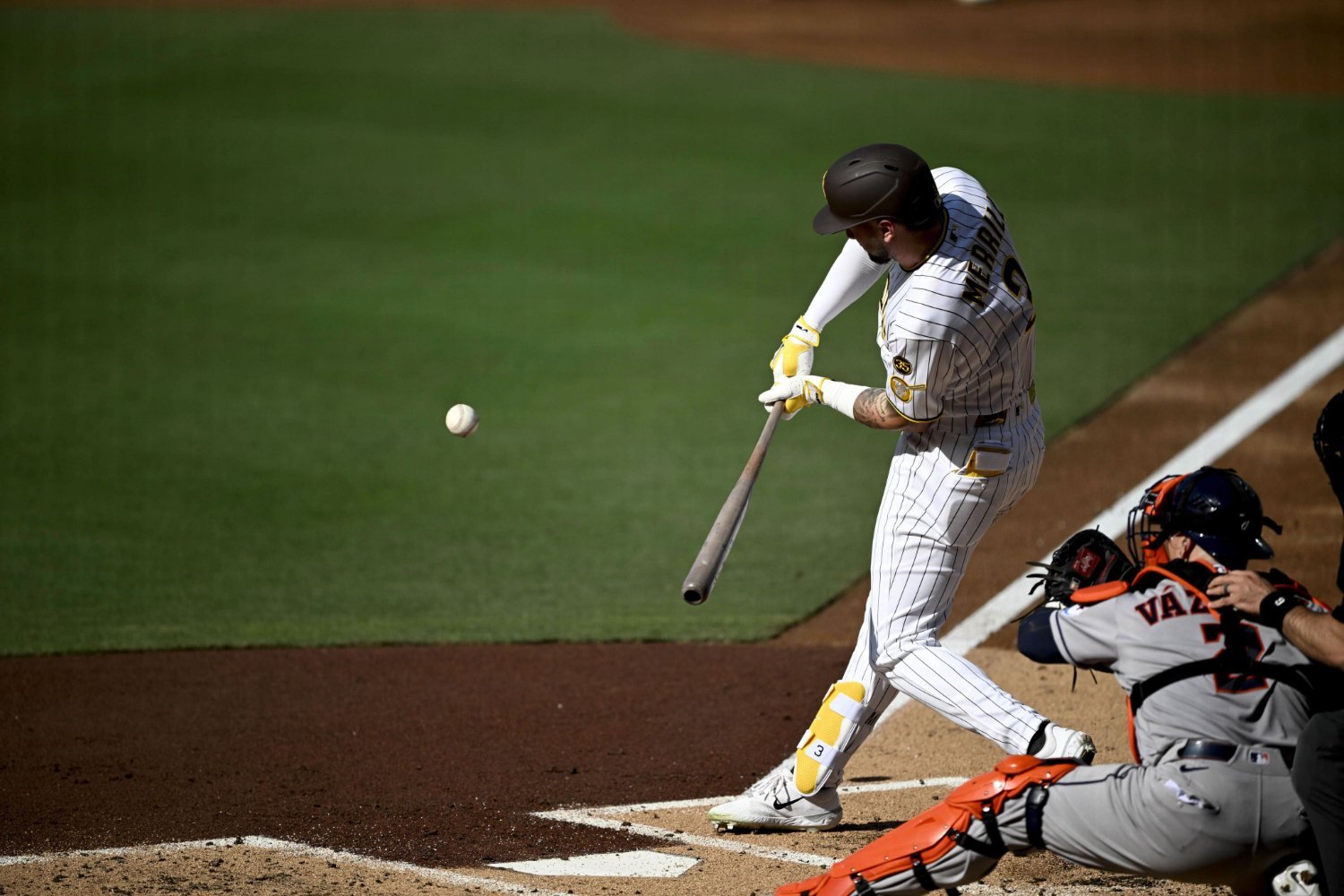 Let’s be clear: Jackson Merrill did not rescue his season through luck or a sudden burst of bat speed. In fact, his first-half bat speed was 71.3 mph, the same figure he's posting during his subsequent breakout. What has changed is a decision about space and timing; Merrill understood that the problem was not how fast he moved the bat, but where on the plate he was delivering the barrel. To understand the adjustment, we have to look at how the league tried to neutralize him from the start. Opposing pitchers identified a pattern and threw him a clear combination of velocity and horizontal movement. The plan was straightforward: consistently fill the middle and outer portion of the hitting zone. This first Baseball Savant heat map shows that strategy perfectly. Pitch density clustered in the heart of the plate and along the outer half. Merrill entered the zone with an average attack angle of just 6°, an overly flat swing plane. Against pitches over the middle or away from his body, that lack of lift left him with almost no margin for impact. When he made contact, the ball came off softly toward the infield or died without elevation. Against the primary five pitches he saw (sweeper, fastball, cutter, slider and sinker), the result was a costly 26.4% whiff rate, a 25.8% strikeout rate and an average exit velocity of 89.6 mph. Pitchers did not need to hide the ball from him; they simply needed to throw over the plate, knowing his mechanics would not generate much damage. With a diagnosis like that, the solution at the major-league level is not to make the swing more violent in an attempt to pull the ball. It is about syncing up. Merrill kept the structure of his swing intact but moved his contact point a few inches farther out in front of him. By getting to the ball before it traveled deeper into the zone, his rate of ideal attack angle against that same pitch combination jumped from 43.4% to 51.4%. That allowed the barrel to work on an upward path at precisely the moment of impact. This will sound like ninth grade all over again, but it really did just require a change in geometry. Merrill's new attack has dismantled the opposition’s plan. As the second graphic shows, the league has tried to respond. Pitchers began targeting the upper and outer part of the zone, trying to get the ball above his new contact plane. But those elevated pitches along the far edge were no longer finding the late bat that had defined the beginning of his season. By reaching the contact point on time and with the right amount of lift, Merrill turned pitches in that area into his primary source of extra-base damage. Against the same group of pitches that had handcuffed him early, his average exit velocity jumped to 95.1 mph, his barrel rate went from 11.2% to 23.6%, and his expected slugging percentage reached a devastating .739. Against 263 pitches of those types during the second half, he has hit six home runs, nearly matching the nine he needed more than 1,100 pitches to produce at the beginning of the season. At the highest level of baseball, an adjustment is never permanent; it is simply a window of time in which the hitter gains the upper hand. By moving his contact point farther out in the second half, Jackson Merrill neutralized the plan the league had used to contain him. Now, the pressure is back on the pitchers, who have to find a new answer. View the full article
 -
New Names Rising: Breaking Down the Twins' 7 Ranked Prospects
DiamondCentric posted an article in Twins Daily
 Fangraphs loves the Minnesota Twins farm system! After the midseason update, seven Twins feature, including Walker Jenkins, Vahn Lackey, and debutants Marek Houston and Riley Quick. Is the Twins farm system in the best shape it's ever been? View the full article
 -
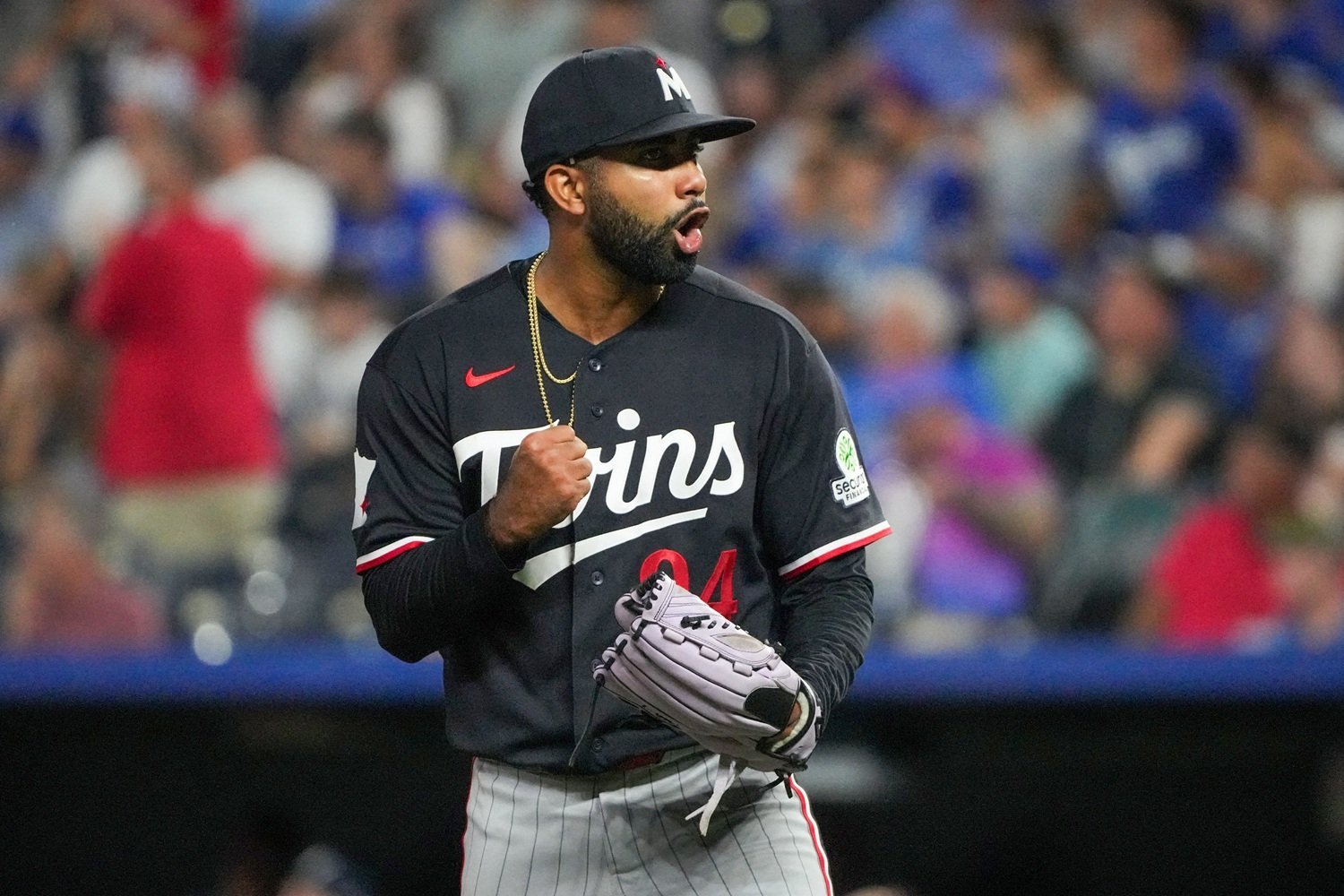 Yoendrys Gómez has been one of the best additions the Minnesota Twins have made this season, and it's hard to argue with the results. Since the Twins acquired him in early May, Gómez has been nothing short of excellent. In 35 innings with Minnesota, the right-hander has posted a sparkling 1.80 ERA while becoming the team's most trusted option in the highest-leverage situations. He leads all Twins players with a 1.88 Win Probability Added (WPA) and has appeared in more high-leverage situations than any other reliever on the roster. Gómez has firmly established himself as the Twins' closer, too. Even after Minnesota added Jeff Hoffman at the trade deadline, there has been no indication that the Twins intend to move Gómez out of the ninth inning. When the Twins have a lead to protect in the ninth, Gómez is still the guy, and considering how well he has pitched, it's easy to understand why. But there are some reasons to pump the brakes on expecting Gómez to continue pitching at this level for the remainder of the season. Despite that 1.80 ERA with the Twins, Gómez's season-long ERA sits at 3.27, and his underlying numbers suggest that even that mark may be flattering. Gómez has a 5.05 expected ERA, and the enormous gap between his actual ERA and expected ERA is the 13th-largest difference in baseball, making him one of the luckiest pitchers in the majors by that measure. One of the reasons for that discrepancy is that Gómez has been remarkably effective at getting outs despite allowing some solid contact. Gómez ranks in the bottom third of the league in both hard-hit percentage and barrel percentage, which isn't exactly the profile you want to see from a pitcher who is being relied upon to consistently shut down the best hitters in the biggest moments of games. His xFIP reflects that, as it is the sixth highest in all of baseball among relievers at 5.01, suggesting that his true skill level has been significantly worse than his results would indicate. xFIP attempts to strip away some of the luck involved in a pitcher's results by removing the impact of defense and normalizing home-run rates based on fly balls allowed. When a pitcher has a 1.80 ERA but an xFIP that ranks among the worst in baseball, it's probably worth paying attention. Then there's the control, which might be the biggest concern. Gómez ranks in just the 11th percentile in walk percentage, and those free passes have gotten him into plenty of precarious situations. To his credit, he has been remarkably good at escaping them, stranding 79% of the runners who have reached base against him. The problem is that the Twins can't reasonably expect him to keep escaping those situations at that rate forever, especially with a strikeout rate that is solid, but nowhere near elite. Eventually, those walks are going to come back to bite him. There have already been some cracks, too. Gómez took the loss in extra innings against the Milwaukee Brewers over the weekend, and struggled again on Wednesday as he surrendered a home run against the Baltimore Orioles. More concerning is the recent walk problem, as Gómez has issued 10 walks over his last 12 innings. That's a lot of traffic for a pitcher who is being asked to navigate the highest-leverage situations on the roster. None of this is meant to suggest that Gómez has been a bad acquisition. Quite the opposite. He has been a slam-dunk addition for the Twins and has provided tremendous value since arriving in Minnesota. But there's a difference between appreciating what Gómez has done and expecting him to continue doing it indefinitely, especially when so many of his underlying numbers suggest that a correction is coming. The Twins should be prepared for that regression, and the good news is that they have given themselves a much better chance to withstand it. Minnesota was aggressive about adding bullpen help at the trade deadline, and the Twins now have multiple legitimate alternatives if Gómez's underlying numbers eventually catch up with his results. A.J. Minter, Jeff Hoffman and Andrew Morris are all capable of handling important innings, giving Minnesota options if Gómez needs to be moved out of the ninth inning at some point. For now, though, the Twins have been firm about keeping Gómez in the closer role, and there's no reason to change that simply because his underlying numbers aren't pretty. He's earned the opportunity to keep pitching in those situations, but the Twins also shouldn't be surprised if things get a little bumpy down the stretch. Gómez has done an outstanding job getting himself out of trouble all season, but eventually the walks, hard contact and other underlying indicators are likely to catch up with him. What do you think? Is Yoendrys Gómez due for a significant regression, or has he earned the benefit of the doubt and proven that he can continue to thrive as the Twins' closer down the stretch? Leave a comment below and start the conversation! View the full article
 -
Jaxon Wiggins Remains A Frustratingly Polarizing Prospect
DiamondCentric posted an article in North Side Baseball
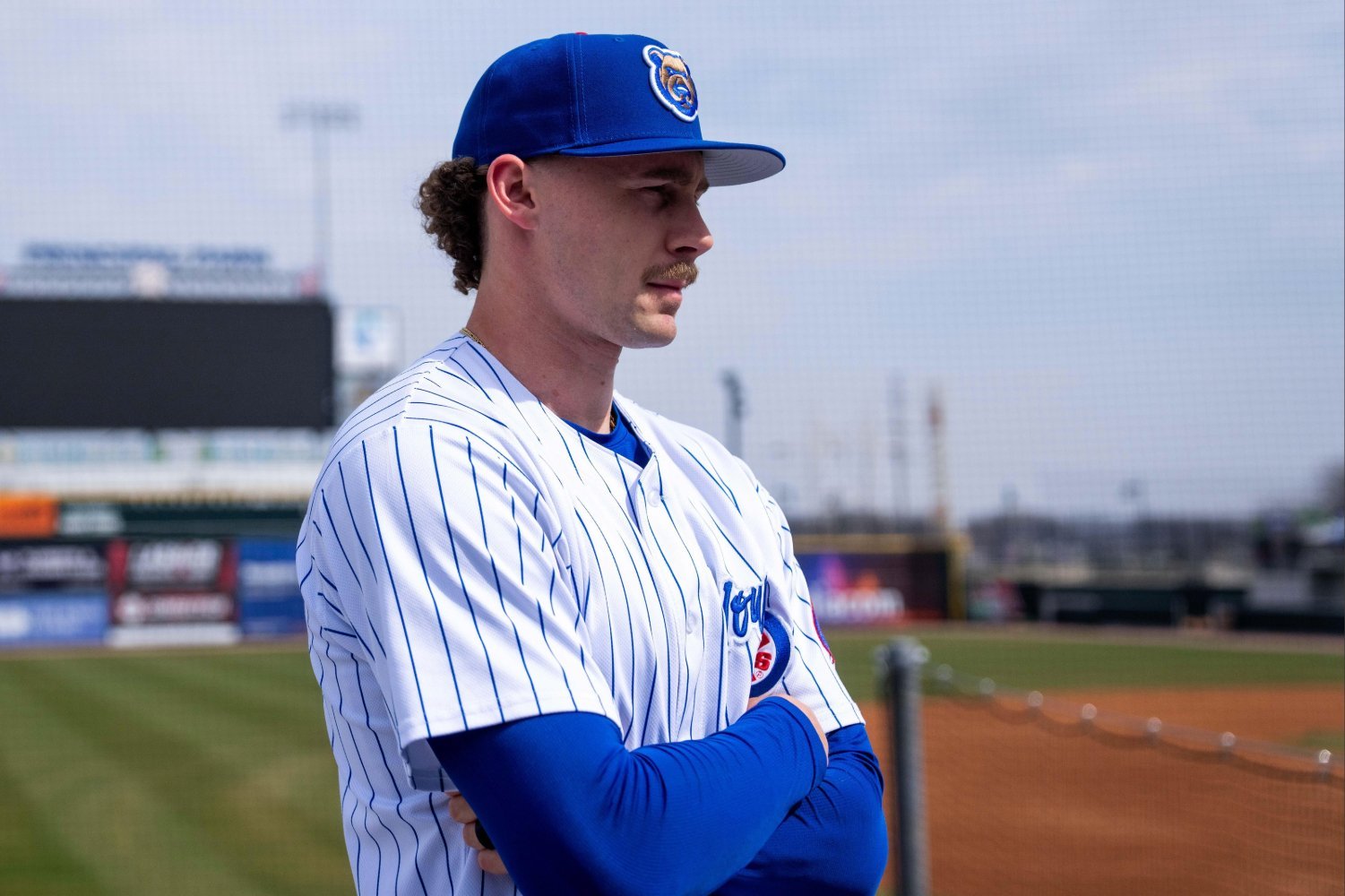 Jaxon Wiggins has long been a polarizing name within the Chicago Cubs organization, and that was true even before he ever threw a professional pitch. The Cubs selected Wiggins with the 68th overall pick in the 2023 MLB Draft, taking a chance on a pitcher who had missed the entire season at the University of Arkansas while recovering from Tommy John surgery. There was plenty to like about the selection, though. Wiggins’ raw stuff was — and still is — extremely impressive, and the Cubs were betting that his upside would ultimately outweigh the risk that came with his injury history and inconsistent command. Since making his professional debut in 2024, there have been plenty of highs and plenty of lows. Unfortunately, the lows have become increasingly difficult to ignore. The pure stuff with Wiggins is electric. Standing at 6-foot-6, the right-hander has an upper-90s fastball with elite life, giving hitters an extremely difficult pitch to square up when he’s able to locate it. He also has a hard slider that generates plenty of swings and misses, particularly when he gets it out of the strike zone. Those two pitches are a big reason why Wiggins is currently ranked as the Cubs’ top pitching prospect, according to North Side Baseball. There’s a legitimate major-league starter hiding somewhere in that arsenal. The problem is finding him consistently. Through 23 innings at Triple-A Iowa this season, Wiggins owns an ugly 9.39 ERA and a 2.09 WHIP. He has allowed more than a hit per inning while also averaging more than a walk per inning, which paints a pretty clear picture of the biggest issue holding him back. Wiggins simply isn't throwing enough strikes, and this isn't exactly a new problem. Even going back to his college career at Arkansas, Wiggins struggled to consistently command the strike zone. Across 89 innings over two collegiate seasons, he walked 57 batters. That spotty control has followed him into professional baseball. His walk rate at Triple-A this season has skyrocketed to 20.4%. That’s comfortably higher than where he’s been throughout the rest of his professional career, but it’s worth noting that Wiggins has generally hovered around an 11-14% walk rate. Young pitchers obviously can struggle with command as they work their way through the minor leagues. Learning how to consistently locate a fastball, especially while also developing secondary pitches, is one of the more difficult parts of becoming a successful major-league starter. But Wiggins isn't a 20-year-old trying to figure everything out in his first professional season. He's 24 years old and will turn 25 during the postseason. That changes the conversation quite a bit. I think a lot of people, myself included, went into this season assuming Wiggins would make his MLB debut at some point during the summer. The stuff has always been good enough to make that possibility enticing, and his development had reached the point where the Cubs could reasonably have been expected to give him an opportunity if he showed he was ready. At this point, though, the odds of that happening are considerably slimmer. The Cubs made that pretty clear at the trade deadline. They added added three starting pitchers in Kevin Gausman, Clay Holmes and Braxton Garrett. Injuries to the rotation obviously played a major role in those decisions, and it would be unfair to suggest that the Cubs simply went out and acquired three starters because they had no faith in Wiggins. But it’s difficult to believe they would have been quite that aggressive if they felt confident that their top prospect could step into the rotation and provide meaningful innings down the stretch. The timing is particularly notable because Wiggins was already close enough to the majors that this was supposed to be a potential opportunity for him. Instead, the Cubs looked elsewhere for reinforcements. There’s still a possibility that Wiggins could be brought up as a bullpen option at some point. His stuff would certainly play in a relief role, and moving to shorter outings could potentially allow him to attack hitters more aggressively without worrying as much about pacing himself through five or six innings. Even that path, however, isn't particularly straightforward. The Cubs currently have six right-handed relievers on their roster, and Daniel Palencia isn't far away from returning to the bullpen. Adding another right-handed arm to that mix would make an already crowded situation even tighter. None of these additions necessarily change Wiggins' long-term outlook. The Cubs still have plenty of reasons to believe in what he can become. A 6-foot-6 right-hander who can throw an upper-90s fastball with elite movement and pair it with a nasty slider is going to get plenty of opportunities. But the moves made at the deadline do say something about where the organization believes Wiggins is right now. Clearly they don't think he's ready yet, and frankly, it's hard to blame them. View the full article
 -
Three More Questions The Royals Can Answer Down The Stretch
DiamondCentric posted an article in Royals Keep
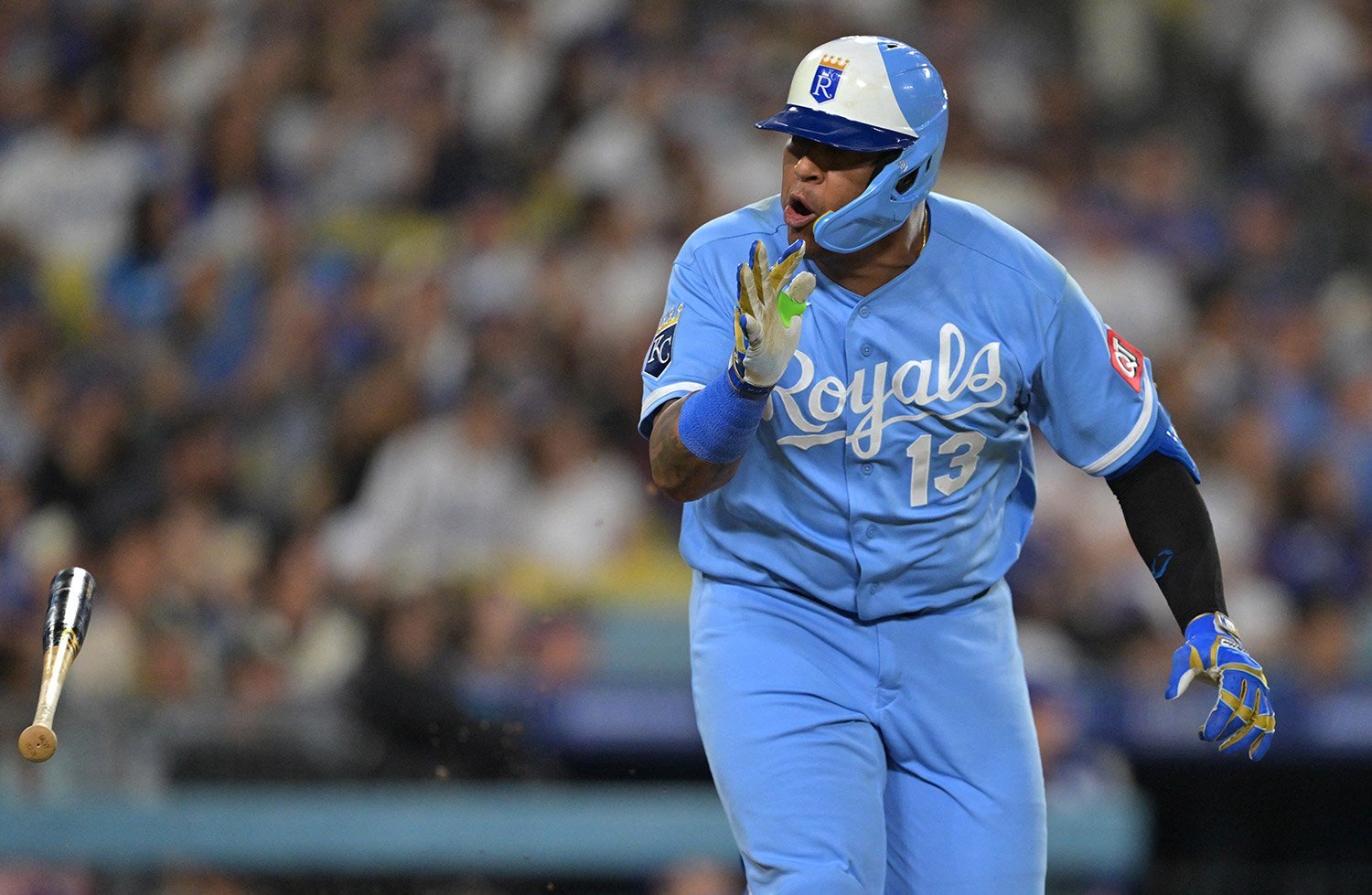 The Kansas City Royals are stuck in the muck of a season lost. Monday’s 6-5 loss to the Dodgers marked their 71st loss of a campaign that began with realistic playoff hopes five months ago. But bad play hit this club even before a striking series of key injuries decimated its once-promising roster — the Royals were last above .500 on April 1, haven’t finished a single month with a winning record, and have occupied last place in the American League Central since June 21. Losing 100 games may seem unlikely, but doing so is far from impossible. So, what’s left to look forward to as this season winds down? Is there anything left to interest Royals fans? Yes. Here are three things to watch down the stretch. Will Salvador Perez Prove He Has Enough Left For One More Royals Season? Perez will conclude the first year of the two-season contract extension he signed last November when KC winds up its disappointing season against Cleveland Sept. 27. Expect him back for his 16th major league season next year. Probably, that is. Perez, the best catcher the Royals have ever had and one of the best the game has ever seen, shows signs of slowing down. Decline can come fast and hit hard; retirement can end careers before contracts do. And some can’t be blamed for suspecting that Perez, a nine-time All-Star, five-time Gold Glover, and five-time Silver Slugger Award winner, might be at retirement’s doorstep. Only for the first two days of this season has his average been at least .250; he’s hit no higher than .216 since. With 49 RBI through Monday, he won’t drive in at least 100 runs for the first time since 2023. His 16 home runs put him in danger of posting his lowest full-season homer total since 2013. He went into the All-Star Break with a .593 OPS and a .209/.249/.343 line. Numbers, in other words, concerning enough to trigger talk of serious decline and even the end of the line. But things change … and so has Perez’s performance at the plate. Since the break, he’s improving nicely. Through Sunday (21 games), he was slashing a much better .247/.322/.507, his five homers and 12 RBI compare favorably with the 11 and 37 he managed in 89 first-half appearances, and his 123 wRC+ was strikingly better than the 59 he’d posted before the Break. Fortunately, he’s in the midst of demonstrating he has another decent year left. Can Daniel Lynch IV Secure A Spot In The Royals’ Rotation? This question wasn’t on many radar screens when the season began — Kansas City’s rotation seemed set and strong with Michael Wacha, Cole Ragans, Seth Lugo, Kris Bubic, and Noah Cameron. Then came the injuries. An elbow issue forced Ragans to the Injured List May 8, where Bubic joined him 10 days later with an elbow problem of his own; neither has thrown a major league pitch since. Now, Ragans is out for the season after undergoing surgery in June, and the Royals shipped Bubic to the Dodgers, where he remains on the IL, at the trade deadline. And while Cameron has been excellent lately, Tommy John surgery ended increasingly promising seasons for rotation substitutes Stephen Kolek and Luinder Avila earlier this month. Enter Lynch, a starter the club began transitioning to relief work in 2024 and whose solid performance this season had moved him to the front of the bullpen class until the Royals decided to move him to the rotation last week. At the time, Lynch was 4-2 with an eye-catching 1.96 ERA and 0.95 WHIP in 46 games and 46 innings out of the pen. How he fared in his first start wasn’t remarkable. Working against the Cubs at Kauffman Stadium Friday night, he gave up four runs (three earned), walked two, and struck out two in 1 2/3 innings. All his trouble came in the second as KC lost 6-4. One start won’t determine Lynch’s fate as a starter. He’ll get several more if the Royals stick to their new plan, so he’ll have opportunities to stretch out and prove the club is making the right call. But history may be against him. Lynch is an unimpressive 11-24 with a 5.26 ERA in 57 career starts (he lost 13 times in 2022, albeit for a bad Kansas City team); as a reliever, though, he’s 12-4 with a 2.47 ERA in 114 appearances. Only time will tell if this experiment works. If it does, look for the Royals to pencil Lynch into the 2027 rotation; if it doesn’t, look for him in the bullpen instead. Will A Closer Emerge From The Royals’ Bullpen? Unlikely. In fact, the prospects of finding a diamond in the rough that is Kansas City’s 2027 relief corps are probably worse than those for the club to escape the AL Central dungeon — through Monday, the Royals' 5.37 bullpen was the second-worst in the majors, their critical ninth-inning ERA, a horrendous 6.96, was the worst, and their 29 blown saves tied them with the A’s for the big leagues’ most. Put bluntly, KC’s current closer candidates are suspect or unproven. Despite sparkling down the 2024 stretch with 11 saves and a 2.88 ERA after KC grabbed him at the trade deadline, Erceg found himself displaced by newcomer Carlos Estévez when last season began and hasn’t regained his form. Yes, he leads the Royals in saves with 12, but he’s blown six save opportunities, his 6.07 ERA is bad, and he appears to have exhausted the club’s patience in save and other high-leverage situations. Estévez’s only 2026 appearance came on Opening Day. He’s been on the IL since April 1, and it’s conceivable he won’t pitch again this year. He’ll be a free agent after the season if the team doesn’t exercise the club option it holds on him for 2027. John Schreiber’s been serviceable and might be worth a try, but because he’s eligible for free agency after the World Series and may not be in KC’s plans, the Royals should take a long look at someone else. Alex Lange has 10 saves but is 1-7 with a 6.17 ERA. Some have called for Lynch to close, but trying him in the rotation removes that option. What about recent acquisition Craig Kimbrel, the once-stellar closer whose 440 career saves rank fifth all-time? No. He’s 38 and turns 39 next May, hasn’t saved a game and has had only one save opportunity since 2024, and across stints with the Mets and Rays this season allowed five of seven inherited runners to score. KC should use him as something other than a closer. The best of the present bunch may be Steven Cruz, who’s posted his first three big league saves, two holds, and a 3.00 ERA in his last nine appearances. But a two-month tryout may not be enough to convince the Royals he’s their closer for 2027. View the full article
 -
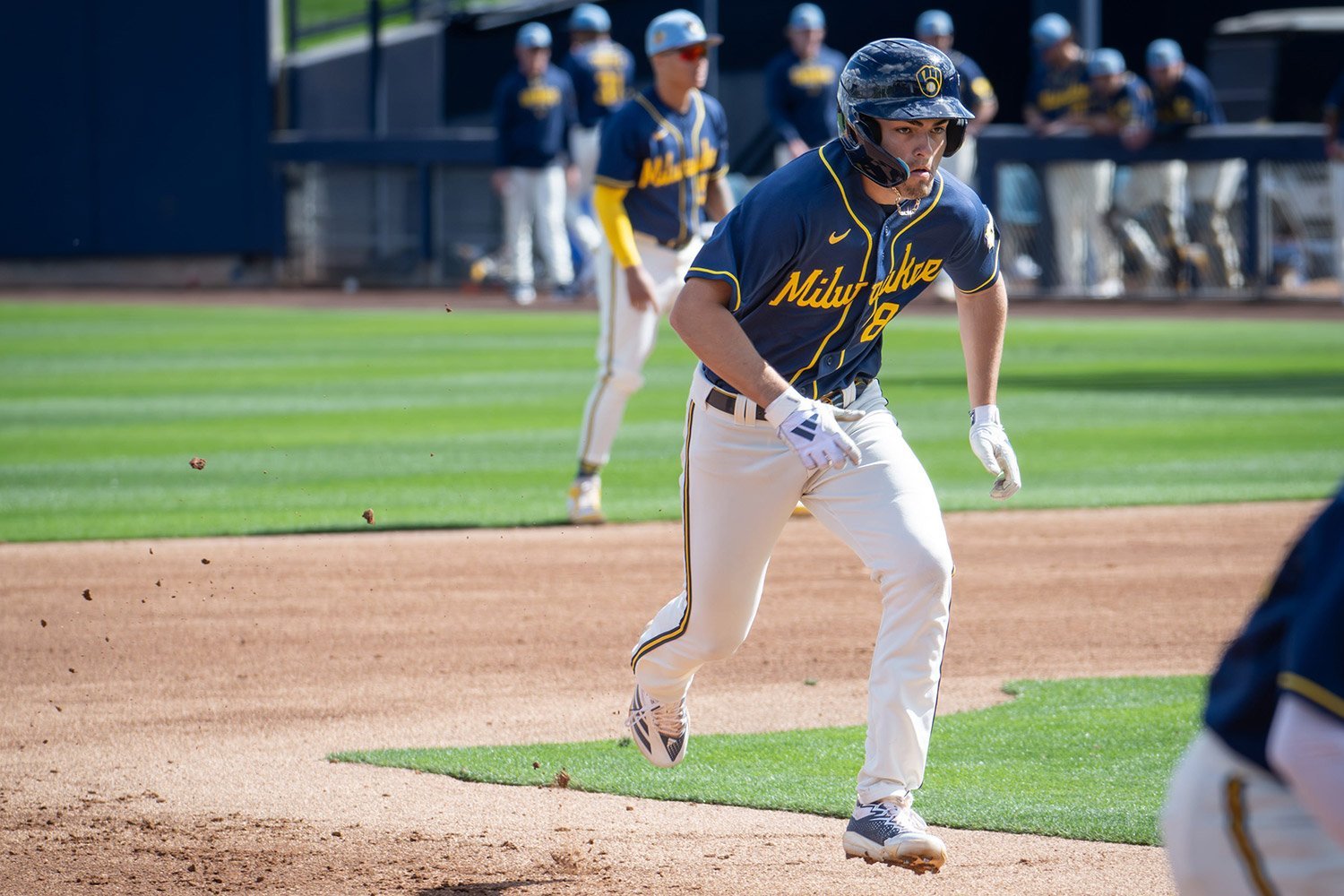 The Brewers' farm system continues to impress, despite several big-time graduations over the last few years. International signings continue to make names for themselves, which accounts for one of the new additions to our top 20 prospects list this month. Meanwhile, the other was a college draft pick who signed for $25,000 in 2024. The organization continues to find talent through all possible avenues. You can find the full list here! New Additions #19 SS Ricki Moneys Moneys signed for $1,100,000 as part of the Brewers' 2026 international class, out of the Dominican Republic. He has plus power, with potential for it to be plus-plus. He's already posted exit velocities of up to 111 MPH in the DSL this season, and has a 90th percentile exit velocity over 106 MPH. According to a Brewers Player Development social media post, Moneys ranks highest among all Brewers DSL players since 2017 in 90th percentile exit velocity, hard-hit rate, and barrel rate. He also has shown solid speed, successfully stealing 27 of 31 bases to this point in 2026. He's likely to be an average runner long-term. He has limited strikeouts pretty well in his debut season, at an 18.6% clip, while walking in 19% of his plate appearances. Despite that, there are some concerns about his ability to make contact long-term, and that will be something to monitor as he makes his way to the United States, likely in 2027. Defensively, Moneys has pretty good hands and has spent about 75% of his time in 2026 at shortstop. However, due to a lack of range expected from most shortstops, most scouts expect him to wind up at third base long-term, where his strong arm should have no issues holding up. Overall, when you have as much power as Moneys does, there's a really high ceiling offensively. If he can make enough contact, he could find himself moving quickly toward the top of this list next year. #20 SS Diego Frontado Prior to signing this past January for $1,600,000, Frontado had been tied to the Brewers for years now, and Baseball America viewed him as a player "trending up" heading into this signing period. Referring to an international signing as having a "high floor" is often disingenuous, but Frontado fits that bill more than most. The right-handed hitter has a mature approach, an impressive ability to put the ball in play, and the potential for his hit tool to be above-average or better overall. He combines that feel for hitting with impressive bat speed, which leads evaluators to believe he has the potential for 20+ home run seasons in the future as well. He doesn't have standout exit velocities, though they are better than average for his age. He's gotten to a lot of power in games this season, though, mainly due to his impressive ability to lift the ball in the air to his pull side. To add to his offensive profile, he is said to have above-average speed and had run a 60-yard dash in 6.5 seconds prior to signing. He has missed some time this season, but he is 14-for-17 on stolen bases. Defensively, he has good actions and hands in the field, and his arm has been a bit stronger than expected in pro ball. Right now, he looks like he has a pretty good chance of sticking at shortstop for a while. Overall, Frontado might not have quite the same ceiling as some of the other recent DSL prospects to make this list, but he has a higher floor than almost all of them. Biggest Risers #8 SS Brady Ebel -- Up five spots from #13 Ebel has been on the rise on national lists as well as here on Brewer Fanatic. He's even been ranked 63rd by Fangraphs on their most recent Top 100 list. After a really slow start in April (66 wRC+), Ebel has been tremendous. Since May 1st, he's posted a 147 wRC+ and has shown an extremely well-rounded game on offense and defense. He's walked almost as much as he's struck out, and has an ISO of almost .200 in that time. He is also 29-of-32 on stolen-base attempts since then (34-of-37 for the season). His glove at shortstop has looked the part as well, and the arm strength is top-tier too. He looks the part of a player who could continue rising up this list. #14 RHP Josh Knoth -- Up five spots from #19 Knoth's results don't jump off the page, with an ERA of 4.85 in High-A, but he has shown flashes of being the most talented pitcher in the system since returning from Tommy John surgery. His breaking balls spin at 3000 RPMs, including a curve that spun at 3500 RPMs in the ACL earlier in the year. He sits in the mid-90s on his fastball with a cut-ride shape that is a bit different than any other fastball in the Brewers' system. There is really high-level pure stuff in his repertoire. The command is a work in progress, and he's still building up his pitch counts and stamina coming off of surgery. Biggest Faller #13 3B Jett Williams -- Down three spots from #10 Williams has been steadily falling down these rankings over the course of the season. He has run into some tough injury luck, twice getting injured the same day a big league infielder got hurt, meaning he would likely have gotten called up for his MLB debut if he had stayed healthy throughout either game. The production has been below average for the season, with a 94 wRC+. He is Rule 5 eligible this offseason, and while he will likely be protected, this could be a more interesting decision than originally expected. Thank you to all of you who voted! View the full article
 -
Here's the Early Scoop on New Twins Prospect Phenom Vahn Lackey
DiamondCentric posted an article in Twins Daily
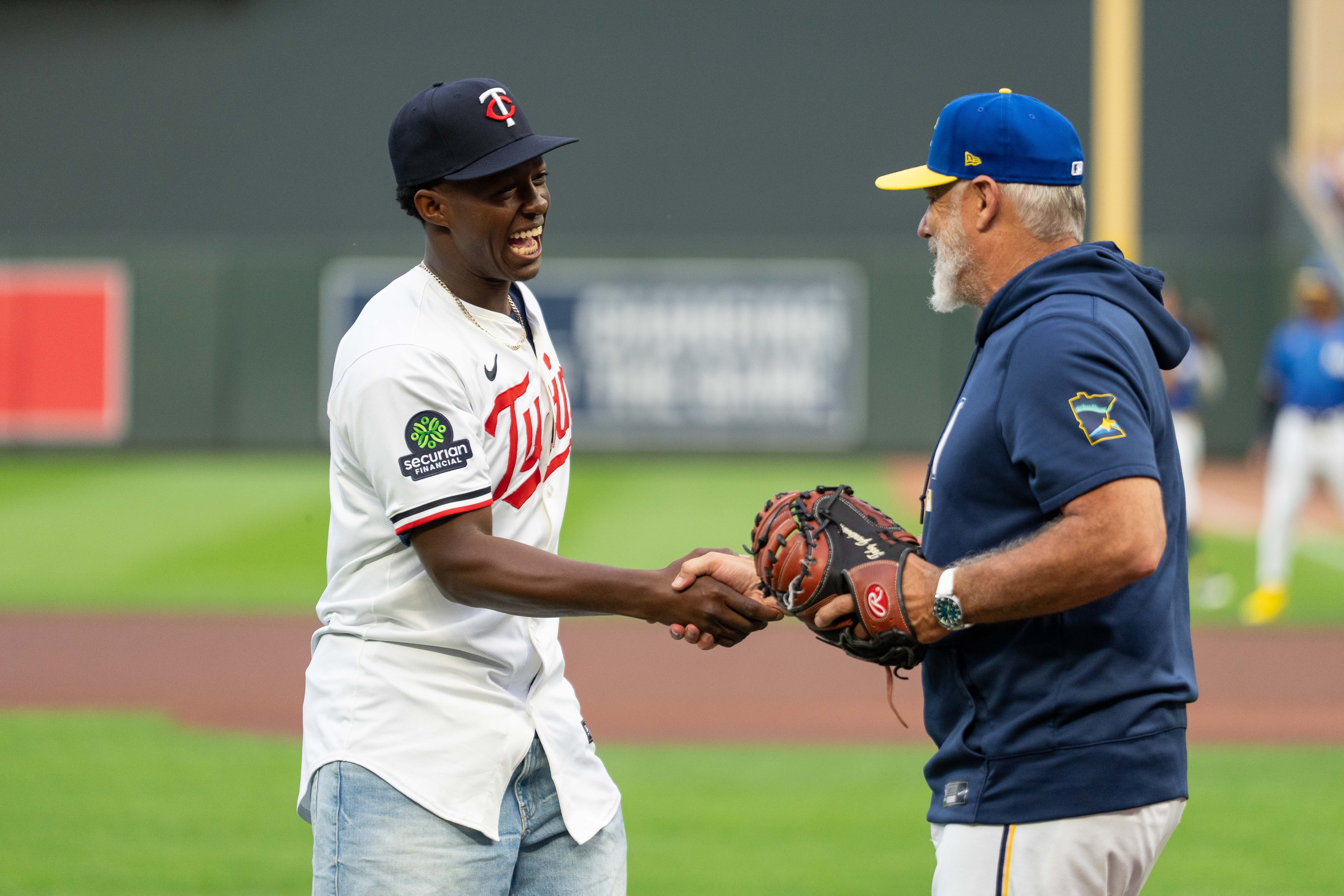 Just over a month ago, on July 11th, the Twins selected Georgia Tech catcher Vahn Lackey with the third overall pick in the MLB Draft. It was a momentous occasion, marking the seventh time in Twins history — third in the last 25 years — that they've had a top-three draft pick. Lackey instantly became one of the stars in the system and one of the most compelling prospects in the minors. Here's a (very) early look at how his professional career has unfolded since the Twins called his name. A Historic Signing Bonus After selecting him third overall, behind Roch Cholowsky and Grady Emerson, the Twins wasted little time getting Lackey signed and into the organization. Within 10 days of the draft, the club had signed its entire class, including Lackey who received a $9,497,500 bonus. While slightly below slot ($9.7M), it was briefly the second-largest in MLB history (behind Cholowsky) before Emerson signed and pushed him to third. This isn't all that noteworthy because, as the sentence above indicates, these records are basically reset at the top of the draft every year. Still, a fun factoid. Signing Lackey slightly under-slot helped the Twins spread their draft pool around — combined with the under-slot deal they struck with second-rounder Carson Tinney, it helped enabled Minnesota to reel in third-round pitcher Ethan Wachmann for more than double his slot value at $2.25 million. “Just a great fit for our organization, on every front. Fantastic player, fantastic human being, great character.” - Twins scouting director Sean Johnson on Lackey (via MLB) An Emphatic Arrival in Prospect Rankings In Twins Daily's top prospect tracker (voted on by our creator community), Lackey immediately jumped in at No. 2, behind only Walker Jenkins. In a high-caliber farm system like this one — ranked sixth in baseball by FanGraphs — that's a strong place to debut. In Baseball America's latest prospect rankings, Lackey is also behind only Jenkins among Twins prospects, ranking 23rd overall (three spots ahead of recently-promoted Kaelen Culpepper). Jenkins ranks 10th, putting him at the elite prospect tier, while Lackey is right on the borderline. Keith Law of The Athletic is slightly more bullish on Lackey, ranking him 20th — one spot behind Jenkins, and one spot ahead of Cholowsky. MLB Pipeline has yet to release their post-draft update, but for context, last year they ranked third overall pick Kade Anderson 22nd overall in mid-August, nearly identical to where Lackey initially finds himself on the BA and Athletic boards. Anderson, a left-handed pitcher in the Seattle system, has been a quick riser and is now up to fifth overall in MLB Pipeline's current rankings. On the flip side, the No. 3 pick in 2024, Charlie Condon, debuted at 12th in those rankings (ahead of even first overall pick Travis Bazzana) but has struggled enough since to fall to 69th. Despite being drafted as a college star, Condon is the only player from the top nine of the class who's yet to reach the majors. Just a reminder that pre-draft hype is what it is, and that's really all we have to go on so far for Lackey, who has barely played in the minors yet. But there is a small sample's worth of performance to analyze. "Lackey might end up a plus defensive catcher with plus power and a plus hit tool, which may as well be a jackalope given how rare that profile is." - Keith Law, The Athletic Early Results in the Minors Shortly after signing, Lackey was assigned to Low-A Fort Myers, where he made his pro debut on July 30th. In his first game, the 21-year-old flashed a couple of his highly touted tools, drawing two walks and stealing a base. Since then he's played nine more games, and in that short time, it's been his defense more than his offense making highlight reels. Through 46 plate appearances, Lackey is batting .206 with only three extra-base hits, the first of which was a grounder chopped down the third-base line for a double. He's holding his own mainly thanks to a disciplined approach yielding an 11-to-8 K/BB ratio and .391 on-base percentage. What's really been eye-catching about Lackey in his initial action is the defense, and specifically his throws from behind the plate. Opponents have attempted eight steals against Lackey and he's gunned down five of them (38%), backing up his rep as a cannon-armed controller of the run game. The dude pops up and throws absolute peas. Much like on the offensive side, the sample is far too small to be worthy of drawing any serious conclusions, but it's a good reminder of Lackey's legit defensive skill set, which makes him nearly a lock to remain at catcher with Gold Glove potential. That element of his game is hugely important, because it will keep Lackey high on prospect lists even if his bat is a little slower to develop. What's Next for Lackey I would consider it unlikely that Lackey remains at the Low-A level much longer. Fort Myers is a fine place to get his feet wet, especially given it's the location of the organization's minor-league complex, but it's also a fairly conservative assignment for a top-three draft pick out of college. He could move up to High-A Cedar Rapids in the near future. The seasons for both Fort Myers and Cedar Rapids run only through the first week of September. Double-A Wichita goes through the second week, and Triple-A St. Paul the third. Is it possible the Twins could give Lackey a late-season taste of the high minors, as they did with Brooks Lee when he played a couple of games in Double-A in 2022? Either way, he'll be set to open up his first full professional season at Wichita, as Lee did. From there, the major leagues is really only a step away, making a 2027 MLB debut plausible. A more likely scenario is that comes up in his second full season, as Lee did, but either way, Lackey's advanced talent and polished will enable him to hop on the fast track if he's up to it. View the full article
 -
 Lots of contact was enough to push ghost runners across in the 10th and 11th innings in Wilson’s win. Nashville and Wisconsin both dropped one-run games, but Sal Frelick’s rehab is looking good. Biloxi was blown out. Transactions: N/A Game Action: Nashville Pre-Game Media Notes Final: Indianapolis (Pirates) 4, Nashville 3 Box Score Via a Sounds’ press release, game details: Sounds Drop Game Two to Indianapolis on Wednesday Night In their second one-run game of this week’s series, Nashville ended up on the wrong side this time, despite only allowing five hits and two walks (vs. five hits, 11 walks and three HBPs earned by Sounds’ batters). That can happen when three of the hits allowed are home runs, all unfortunately against starting LHP Colton Gordon (6 1/3 IP, 4 R, 4 H, 1 BB, 7 Ks). As a Brewers’ fan, I’ve a sudden appreciation for how quickly Gordon covered first base for the final out of the 4th inning. This is a terrific flip by 1B Blake Burke as well: Two-out hits by Sal Frelick (1-for-2, double, 2 walks, HBP – fourth game of rehab, all as the DH) and C Bo Naylor brought the Sounds to within a run in the 4th inning, but that’s as close as they’d get. Burke’s first hit in AAA ball gave the team a chance while trailing 4-3 in the bottom of the 9th inning, but a ground ball double play and strike out ended the game. Sounds’ Extras: Gordon exited after 96 pitches (62 strikes), yielding to RHPs Gerson Garabito and Grant Anderson, who were solid in relief (combined 2 2/3 IP, 0 R, 1 K). Garabito did, however, allow the Indians’ only hit with a runner in scoring position after inheriting a baserunner from Gordon. Nashville stranded 11 baserunners (vs. five for the opposition), including two in the 4th inning and the bases loaded in the 8th inning. Outfielders Tyler Black (1-for-2, walk, HBP) and Akil Baddoo (1-for-3, 2 walks) each reached base three times in the close loss. Thursday’s outlook: The Sounds have yet to name a starter, as they seek to claim a 2-1 series lead. Biloxi Pre-Game Media Notes Final: Pensacola (Marlins) 13, Biloxi 4 Box Score Via the Shuckers’ website, game details and we encourage readers to review affiliate write-ups as part of their Link Report routine: Shuckers Set Single-Season Franchise Stolen Base Record in Loss to Blue Wahoos If it feels like Biloxi’s games are the highest scoring in the Southern League, it’s because they are – the team leads the league by scoring 5.83 runs/game, but also concedes the second-most: 5.69 runs/game. Starting 22-year old LHP JD Thompson (3 IP, 2 R, 5 H, 3 BB, 4 Ks) worked around traffic in his AA debut, exiting after 73 pitches while trailing 2-1, but RHP Garrett Hodges (2/3 IP, 6 R, 0 Ks) was rudely greeted with a first pitch homer to open a six-run fourth inning. Despite their immense talent, the Shuckers have now dropped seven consecutive contests, though the positive offensive numbers continue to pile up. SS Jesus Made (1-for-3, 2 walks) and 2B Daniel Guilarte (2-for-3, walk, SB) both reached base three times, while 1B Andrew Fischer delivered an early RBI single and OF Damon Keith smacked his first home run since early May after recently returning from a two+ month injury. Shuckers’ Extras: 3B Mike Boeve (2-for-4, SB) and C Matt Wood (1-for-3, double, walk) also had solid offensive days, despite the loss. Each of Biloxi’s five pitchers (including position player Jheremy Vargas) conceded at least one earned run and multiple hits, but RHP Ryan Birchard (2 IP, 1 R, 4 Ks) did manage to strike out half the batters he faced. After being quite effective much of the season, RHP Stiven Cruz has hit a rough patch: 2 1/3 IP, 3 R (2 ER), 4 H, 1 BB, 2 Ks last night; 20 earned runs over last 15 2/3 innings pitched. Thursday’s outlook: RHP Braylon Owens was terrific in his last outing (6 IP, 1 R, 7 Ks) and Biloxi needs him at his best again to halt their skid. Wisconsin Pre-Game Media Notes Final: Cedar Rapids (Twins) 6, Wisconsin 5 (in 13 innings) Box Score Via the Timber Rattlers’ website, game details: Win Slips Away from Wisconsin - Cedar Rapids scores two runs in thirteenth for 6-5 win From the linked game report: “Fowler got a grounder near second off the bat of McCombs. Daniel Dickinson flipped to Alastre for the forceout on pinch-runner Byron Chourio. However, Alastre’s throw to first was wild to allow the placed runner to score the tying run.” That’s how close Wisconsin was to closing out a hard-fought 4-3 victory in 12 innings, including three straight scoreless extra frames in spite of the ghost runner starting at second base. But alas, the squad will have to take the moral victory and come right back at them on Thursday. Largely emulating their big league brethren, the Timber Rattlers battled into extra innings on the road, drove the ghost runner home (twice in Wisconsin’s case) but ultimately fell short. Solid pitching by High-A debutant LHP Andrew Healy (5 IP, 2 R, 5 H, 1 BB, 4 Ks), RHP Jacob Morrison (5 IP, 1 R, 2 H, 2 BB, 5 Ks) and RHP Michael Fowler positioned the team for a potential gritty win. SS Luiyin Alastre drove home the team’s first run with this solid single into center field. After his injury-plagued 2025 campaign, OF Luis Castillo (1-for-4, walk) is playing with renewed confidence and success in 2026. His leadoff walk in the 7th inning sparked Wisconsin’s three-run outburst. DH Luis Pena (2-for-5, walk, RBI, 2 SBs) is also producing, driving in the game-tying run in that frame and reaching base three times. Fowler (2 IP, 1 R (0 ER), 2 BB, 1 K) did an amazing job to work around a walk to open the bottom of the 10th inning with the game tied 3-3: pop out, ground ball force out, ground out. By contrast, RHP Jose Nova’s nightmare 2026 season continued, as he conceded a first pitch single to tie the game 5-5, then the game-winning double in an 0-2 count. Timber Rattlers’ Extras: OF Sawyer Strosnider is fitting right in, collecting two hits, stealing a base and driving home runs in the 7th and 13th innings. C Blayberg Diaz also got the job done with his RBI double with two outs in the 12th inning. Credit to Cedar Rapids for getting the 8th inning run they needed against tough Morrison, earned by their leadoff batter coming back from an 0-2 count to draw a walk, steal second and score on a single. OF Braylon Payne has been a massive contributor all season, but unfortunately went 0-for-5 this time out (but did draw a walk). As the ghost runner in the 11th inning, he was thrown out on a ground ball to the shortstop, then hit into a double play in the top of the 13th inning while trying to tack on an insurance run. Thursday’s outlook: Now 21 years old after a Monday birthday, RHP Josh Knoth (5 IP, 3 R, 8 Ks last outing) is Wisconsin’s scheduled starter, with the team needing a win to avoid an 0-3 series hole which would put them further behind in the second half playoff chase. Wilson Pre-Game Media Notes Final: Wilson 5, Columbia (Royals) 4 (in 11 innings) Box Score Via the Warbirds’ website, game details: Warbirds Come From Behind Four Times in Walk-Off Win - Espinal Picks Up First Win The headline tells the major story in Wilson’s victory, which keeps them 1.5 games behind division-leading Fayetteville. 18-year old, 5’11” LHP Joan Pena also made his Low-A debut, allowing just one run in 3 2/3 innings of relief (5 H, 2 BB, 5 Ks), with assists from C Rylan Mills (caught stealing third) and RHP Joshua Quezada to get out of the 8th inning still down only 3-2. OF Kyle Jones’ two-out RBI single tied the game in the bottom of the 8th inning, then Quezada (2 IP, 1 R (0 ER), 4 Ks) stranded two baserunners for himself in the top of the 9th. This was long after Mills had homered and 1B Carsten Sabathia III delivered an RBI single for the team’s first two runs. A chaotic play (yet another ground ball to the right side of the infield) saw Columbia grab the lead in the top of the 10th inning and also led to Wilson Manager Eddy Morgan’s early exit (joining the Fireflies’ manager who’d been ejected six innings earlier), but Quezada (strikeout) and RHP Cesar Espinal (1 1/3 IP, 0 R, 1 K) combined to strand baserunners at 2nd and 3rd to keep it a one-run game. Two ground balls were enough for Wilson to bring the ghost runner home to send the game to an 11th inning, when C Kevin Garcia (who entered in the 10th inning) threw out another Columbia baserunner trying for third base. Once again, the Warbirds didn’t need any walks or hits to bring the Manfred Man home, this time via 2B Juan Ortuno’s game-winning fielder’s choice. Kudos to 19-year-old starting LHP Enderson Mercado for one of his best outings of 2026: 4 IP, 2 R, 1 H, 3 BB, 5 Ks. Hopefully that’s a performance that he can build upon. Warbirds’ Extras: Leadoff batter Jones (2-for-5, walk, RBI, SB), Sabathia (1-for-3, 2 walks, RBI) and #9 hitting DH Pedro Ibarguen (2-for-4, double, walk, RBI, SB) led the Wilson offense by reaching base three times each. Every Wilson batter reached base via hit or walk in their well-earned team victory. SS Brady Ebel also stole his 35th base, while Ortuno had a double and grabbed his 29th theft. Both staffs deserve credit for escaping tough situations, as the Warbirds went 2-for-18 with runners in scoring position (stranding 15 baserunners) and the Fireflies went 2-for-12 (with 11 LOB). Thursday’s outlook: RHP Jarrette Bonet (5.06 ERA in 94 1/3 IP) is set for his 16th start (21st appearance), seeking to lead Wilson to a 3-0 home series lead. Final: DSL Brewers Blue 9, DSL Padres Brown 5 (in 7 innings) Box Score Facing an early 4-2 deficit and knowing they likely need to win their final six games if they’re going to sneak into the DSL playoffs as a wild card, the Blue Men (28-22) battled back to claim a victory against the woeful Padres (10-40). C Johanderson Tarazona (0-for-2, two walks) drew the first of five walks in the team’s two-run fourth inning to grab a 5-4 lead, then gunned down a steal attempt at second base to end the top of the fifth inning and strand a baserunner at third in support of RHP Lukas Gonzalez (3 1/3 IP, 1 R, 2 H, 2 BB, 2 HBP, 3 Ks). The Blue Group kept up the patient approach, benefitting from three walks, a hit-by-pitch and two wild pitches to re-take the lead 7-5 in the sixth inning before SS Diego Frontado (1-for-2, double, walk, 3 RBIs, SB) delivered a two-run double for the final margin. The good guys were victorious despite being out-hit 5-4, thanks to the 11 walks and two HBPs drawn. Reliable RHP Lonell Downs (1 1/3 IP, 0 R, 2 Ks) closed out the victory by retiring the final four batters in order. Outfielders Manny De Los Santos (1-for-3, walk, RBI, 2 SBs) and Enrique Lovera (1-for-3, walk, 2 RBIs) had solid games at the plate, while RHP Yancarlos Vasquez (2 1/3 IP, 4 R, 3 H, 5 BB, 3 Ks) struggled as the starting pitcher. We hope that you enjoy the Minor League Link Report. On Thursday, six games are scheduled for affiliates, starting with the Dominican Summer League games at 10:00am CST and followed by the full season affiliates from 6:05pm onward. The Milwaukee Brewers also commence their series at the Dodgers at 9:10pm CST. Organizational Scoreboard including starting pitcher info, game times, MiLB TV links, and box scores Current Milwaukee Brewers Organization Batting Stats and Depth Current Milwaukee Brewers Organization Pitching Stats and Depth View the full article
 -
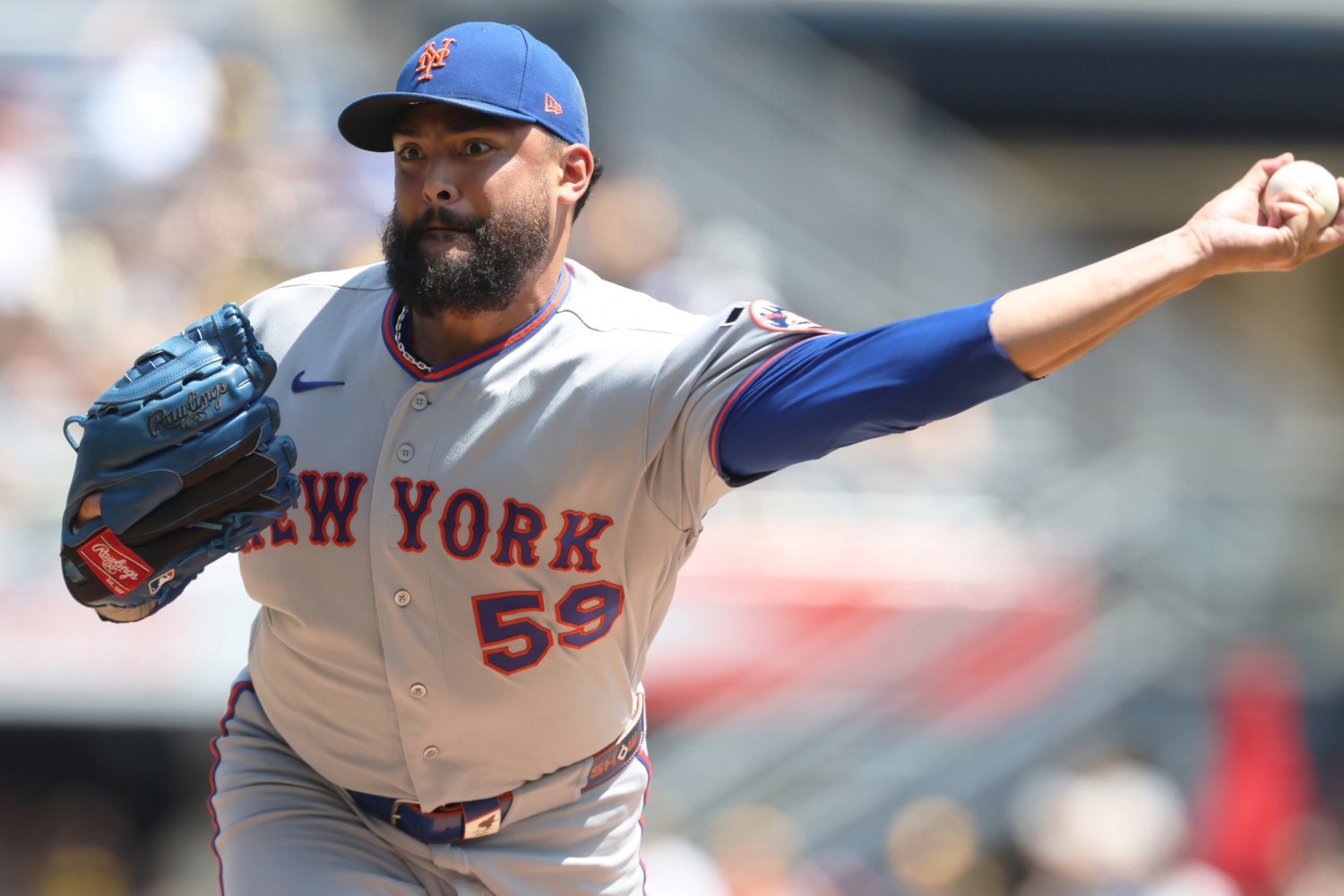 Sean Manaea has never been one to blow you away with his stuff, but his craftiness has allowed him to have a successful career thus far. He’s never been named to an All-Star roster, but Manaea did successfully complete a no-hitter on April 21, 2018 against the Boston Red Sox when he was still with the Oakland Athletics. He’s been a steady workhorse over his career and teams always value players who can show to be consistent with their performance. After a solid first season with the New York Mets in 2024 where he pitched to a 3.47 ERA and 1.08 WHIP, the organization signed him to a three-year, $75 million contract extension which will keep him in Queens through the 2027 season. Manaea’s 2024 season with the Mets was his best thus far with the club, as he missed time in 2025 due to an injury, leading to worse results upon his return. Thankfully, he has turned his performance around in 2026 and is in the midst of a nice bounce-back season. Breaking Down Sean Manaea's Excellent Second-Half Showing Since the Mets returned to action after the All-Star Break, Manaea has looked really good for the most part over five second-half starts thus far. Aside from his July 18 start against the Philadelphia Phillies where he allowed four earned runs across 4.2 innings, Manaea has allowed two or fewer runs in his next four starts while completing at least six innings of work. That performance translates to a superb 3.03 ERA. If you remove that ugly start in Philadelphia, Manaea owns a 2.16 ERA over his last four start, having allowed just four earned runs across 25 innings. In a span of three straight starts against three highly-talented lineups including the Dodgers, Braves, and Guardians, Manaea tossed six innings each time out while allowing two runs or fewer. He didn’t strike out many batters but was certainly effective. During his recent road start against the Pittsburgh Pirates on August 9, Manaea was really good through his seven innings of work, only recording 91 pitches in the process. He showed really good command as 69 of those pitches landed for strikes which translates to an excellent 75.8% mark. Overall, he allowed just one earned run off of just three hits. The best part is that he didn’t issue a single walk and struck out a season-high 11 batters. After a rough 2025 campaign where Manaea posted a 5.64 ERA, the Mets decided that it would be best for the southpaw to pitch out of the bullpen this year, where he served as a long-reliever until mid-June. Over 43 innings spanning 14 appearances out of the bullpen, Manaea owned a 5.02 ERA and 1.44 WHIP before transitioning back to the rotation. His move back to a starting role has been very successful thus far as he’s pitched to a much-better 3.50 ERA and 1.23 WHIP. Manaea’s pitch-mix has evolved over time and it has been interesting to see how he’s still been effective even with the oddities in his arsenal of pitches. He only used three pitches from 2016 to 2019, but now he has the option of five different offerings. Even though his fastballs only average around 91 mph, his excellent seven feet of his extension helps create a faster deceived velocity for hitters. As previously mentioned, Manaea’s pure stuff isn’t very overwhelming and it hasn’t generated a lot of swing as miss as a whole, but he’s still managing to strikeout a respectable 23.3% of opponents. This is in part to him being able to produce an above-average amount of swings out of the zone (chase rate), which is also why he's been generating lots of soft contact this summer. The Mets are currently in evaluation mode after selling at the trade deadline. Nolan McLean, Zac Thornton, and Christian Scott are all making a case to be a part of the 2027 rotation, while top prospect Jonah Tong will be under consideration as well. If Manaea can carry forward his success through the end of this season, he should have an inside track on that final spot, serving as the veteran leader of a young and talented group. View the full article
