


DiamondCentric
-
Posts
2,631 -
Joined
-
Last visited
Never
Content Type
Profiles
Forums
Events
News
Tutorials & Help
Major League Baseball Videos
Guides & Resources
Store
Downloads
Gallery
Everything posted by DiamondCentric
-

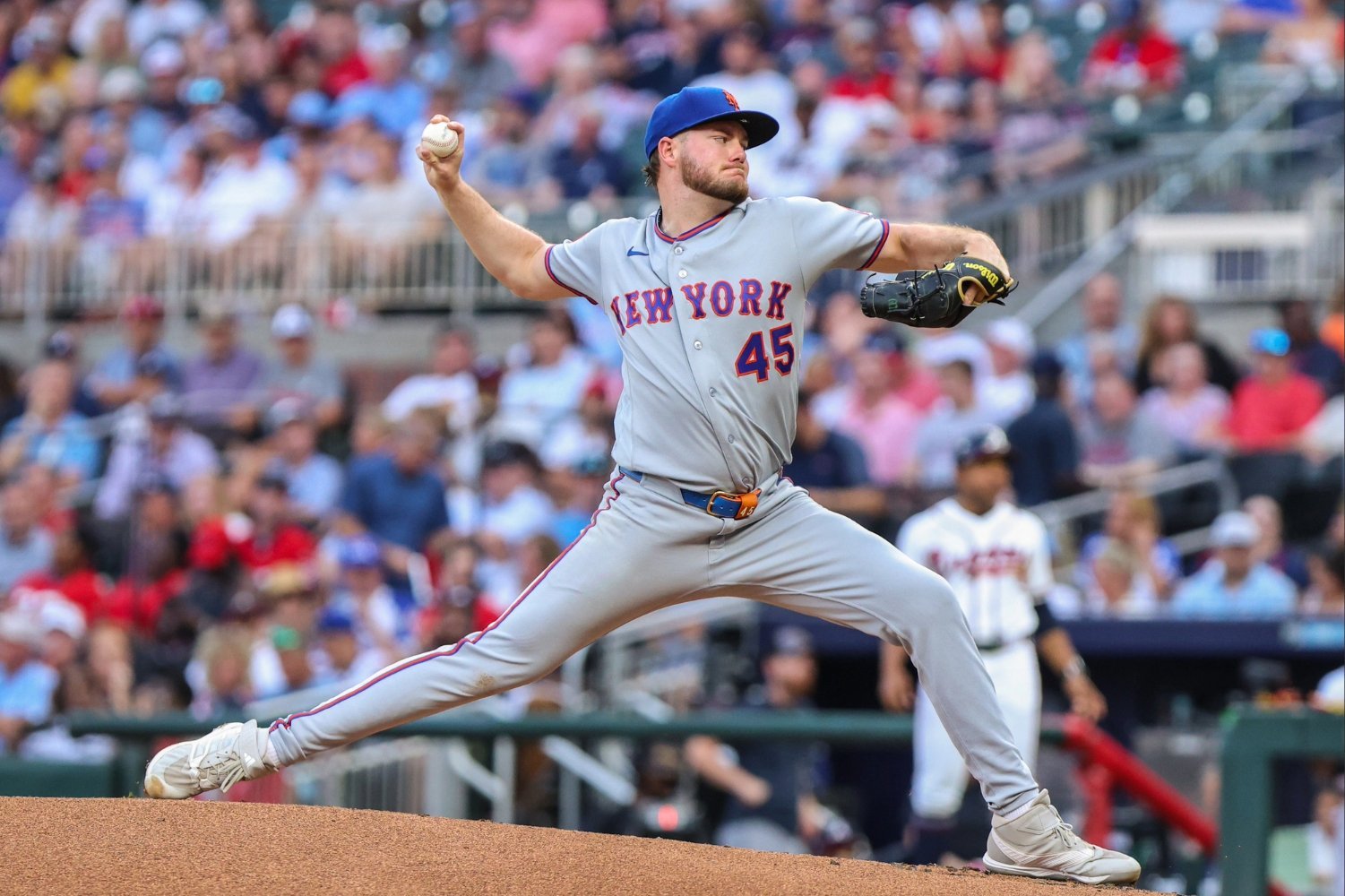 Let’s admit it from the start: missing an entire year because of elbow surgery is rarely the recipe for returning to the major leagues as a more dangerous pitcher. The usual narrative demands that a pitcher come back completely healthy with a rebuilt elbow, throwing as hard as ever, or that he struggles while trying to regain the feel in his fingers. Christian Scott did neither. At 27, the New York Mets' right-hander returned to the mound in 2026 averaging the same 95.5 mph with his four-seam fastball and showing the same 6.9 feet of extension he had during his debut. The radar guns saw no difference. Hitters, however, are feeling it every time they step into the box. How does a starter with the same velocity go from a 4.54 FIP in 2024 to a 3.28 FIP while carrying a strikeout rate approaching 29%? The answer isn’t in his arm. It’s in the sequencing. Rather than chasing velocity, Scott changed the way hitters read his pitches. During his first MLB season, facing Scott was, at times, a fairly simple equation for an established hitter. He threw his four-seam fastball more than 52% of the time. It had good velocity and ride, but without enough late movement—and with such heavy reliance on the pitch—hitters could identify its trajectory and adjust their swings. The result was predictable: opponents produced perfect contact 23% of the time and whiffed on just 21.4% of their swings against the fastball. To survive as a high-level starter after an elbow rehabilitation, Scott needed that same fastball to become dangerous again. To make that happen, he had to change what happened before the ball reached the catcher’s glove. That’s where the metamorphosis of his sweeper comes in. Early in his career, Scott’s slider had horizontal movement but lacked the bite needed to consistently miss bats, with 13.2 inches of horizontal break, below the league average. In 2026, Scott added more than three inches of sweep. His sweeper now moves 16.6 inches toward the glove side, 2.3 inches above the league average, and carries a 113 Stuff+. That change in horizontal break disrupts the hitter’s visual read. When the ball leaves Scott’s hand, the hitter sees a trajectory that appears to be heading into the strike zone, only for the late sweep to pull it outside the bat’s reach. The impact on the field was immediate: the whiff rate on the sweeper jumped from 21.3% to 32.2%, while perfect contact dropped to just 11%. Metric 2024 2026 Horizontal Break 13.2" 16.6" (+2.3" vs. Avg.) Whiff Rate 21.30% 32.20% Perfect Contact % 16.00% 11.00% Stuff+ 110 113 But a sweeper doesn’t work in a vacuum. If a hitter knows there are only two speeds and two planes—a fastball up and a sweeper away—eventually he can sit on one of them. Scott needed a bridge, a pitch that would keep hitters from anticipating the point of contact. That’s why he added the cutter. A pitch he threw only twice in 2024 now accounts for 16.6% of his arsenal, with 226 pitches averaging 89.6 mph. Scott’s cutter isn’t designed to generate strikeouts; its 21.2% whiff rate is modest. Its job is to neutralize. By tightening the pitch toward hitters’ hands, Scott takes away their comfort at the plate. They can’t simply turn toward the outside edge expecting the sweeper or stay back waiting for the fastball, because the cutter breaks their bats in on the handle. It has allowed just 15% perfect contact rate and carries a .283 xwOBA against. This is where the chain of cause and effect closes the loop: the four-seam fastball came back to life without gaining a single mile per hour. Because hitters now have to protect both sides of the plate against two pitches with different horizontal movement, their reactions to Scott’s 95.5 mph fastball have become late. The whiff rate against the fastball climbed from 21.4% to 28.1%. Even more revealing, Baseball Savant’s Bat POV data shows that 57% of swings against his fastball finish below the center of the ball. Hitters are late, underneath the pitch, and either produce harmless fly balls or swing through it at the top of the zone. Scott still has details to clean up. His walk rate has risen to nearly 10.0%, and allowing so much air contact makes him vulnerable when the ball leaves the park at Citi Field, where he has allowed a 39.0% Hard-Hit rate compared with 29.9% on the road. We’re not talking about an established Cy Young contender or a finished product. But the point of baseball isn't waiting for a player to become perfect before trying to understand what he is doing. In the middle of a disastrous season in Queens, after the roster dismantling at the trade deadline, finding certainty on the mound is worth its weight in gold. View the full article
 -
Kristian Campbell's Fantastic Summer Is Changing His Narrative Again
DiamondCentric posted an article in Talk Sox
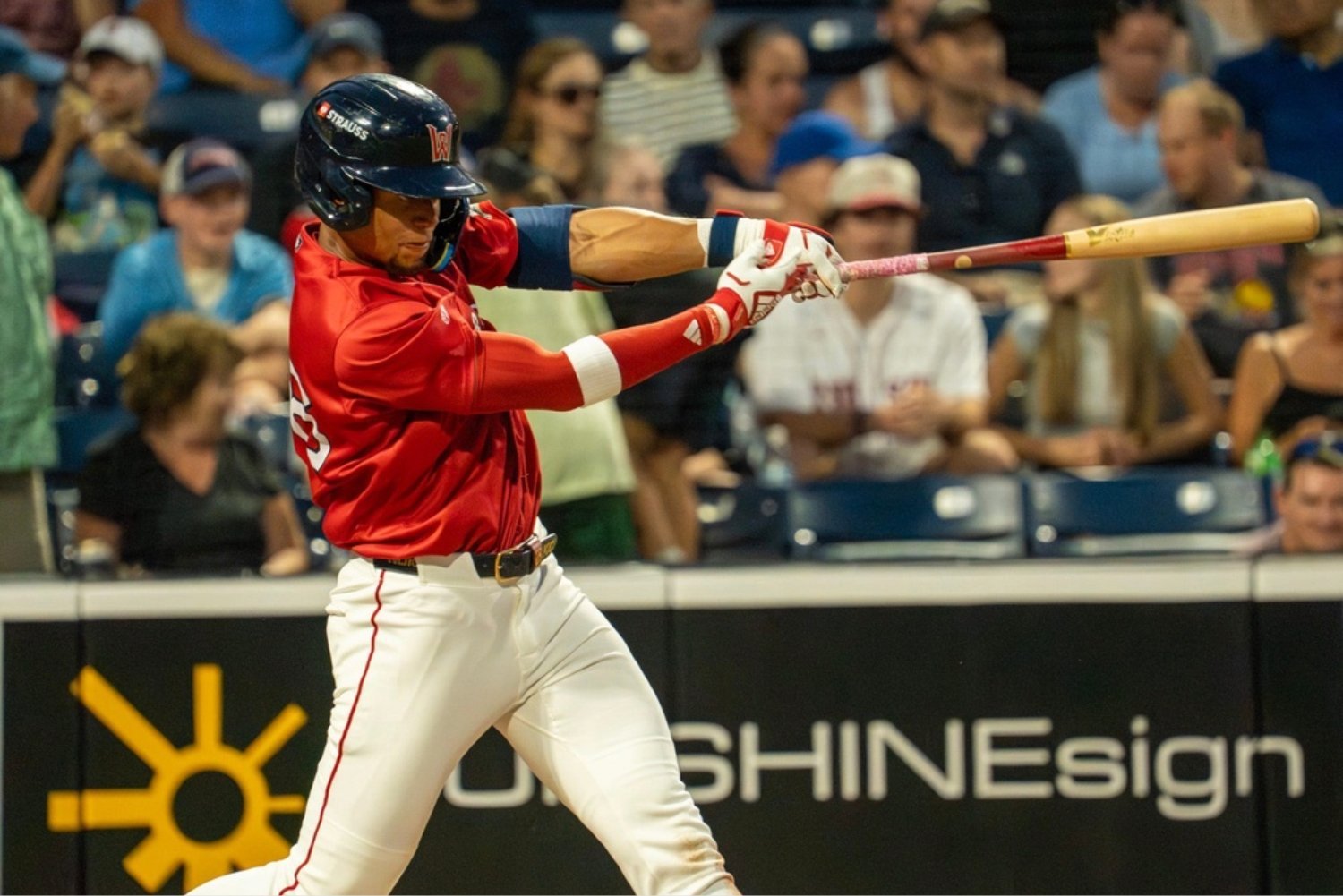 “There’s a different kind of confidence of him going to the plate nowadays." That's what acting Worcester Red Sox manager Iggy Suarez had to say about his star player, Kristian Campbell, when asked about the 24-year-old's recent hot streak. Yes, his 2026 season has been filled with ups and downs. Getting out to a hot start in April, he looked like the player who started 2025 with Boston, only for a prolonged slump to take place across May and June as he dealt with minor injuries and illness. Campbell struggled, hitting just .188/.354/.297 in May before those numbers crashed in June (.148/.270/.180 for the month). At that point, many wondered if Campbell would ever fully recover and be the player the organization invested $60 million into. Then the calendar flipped to July and Campbell took off. “I’ve been working hard on my hitting and trying to get it situated, especially coming back from June. June was super tough, but July made up for it,” Campbell admitted. Appearing in 19 games, he was scorching hot as he hit .379/.507/.552 en route to being named the International League Player of the Month. The summer heat didn't get to Campbell, as he managed to get on base 20 consecutive games until the streak concluded on August 7 where he went 0-for-4 despite having two batted balls with exit velocities above 102 mph. “It’s a part of the game, the ups and downs and learning [how to manage it]. Learning is a big thing for me and it’s part of the process,” Campbell explained prior to the team’s August 8 game against Lehigh Valley. In the game, he would end up finishing 1-for-5 with a home run and three RBIs. “When it comes to seeing different pitching, when it comes to fielding, situational stuff, it’s part of the game. The more I get involved and the more I learn, the better. There’s a lot of baseball to be played and I haven’t played that much but there’s a lot to be played.” He’s starting to hit the ball harder, getting back to the player he was in 2024, and it’s been noticed by those around him on the team. Yet Campbell himself has taken everything one day at a time, working gradually to get back to the majors and help the big-league Red Sox. He noted how he’s gone on hot streaks before, so he's trying not to let his recent success define his process. The converted outfielder didn’t attribute his turnaround to any specific change in his approach, but rather just playing like himself. “Just keep it rolling, man. He’s been putting in a lot of work, and he’s been working tirelessly with Johnny and Getty [hitting coaches Johnny Reina and Rich Gedman]. It’s something that we keep reinforcing, the good at-bats, even pitches that he’s missing are good passes. Just being able to get consistent hard contact, that’s huge,” Suarez said. Of course, Suarez knows a thing or two about the former top prospect; he was able to see Campbell when he first joined the organization, getting to coach him for parts of the 2023 and 2024 seasons in Greenville. After a rough first half this year, Suarez feels that Campbell is closer to being that player who exploded onto the scene in 2024. “That’s how baseball is. He’s getting rewarded right now, just kind of keep that momentum going.” Through 90 games this year, Campbell is starting to resemble a future star once again, especially after his amazing July. Overall, he’s hitting .250/.377/.351 with 16 doubles, five home runs and 38 RBIs. HIs numbers still aren't where anyone would want them to be, but they're slowly improving. Not just the stat line, but his underlying metrics as well. The outfielder is chasing pitches less, down to 24.7% on the year and his whiff percentage is also falling, having gotten back under 30% thanks to his great at-bats in previous week. He's walking at an impressive 15.8% rate, helping to offset a strikeout rate of just under 29% (which he has also improved upon after it passed 30% earlier this summer). And while he's still picky about when he swings, his play this past month has shown he's capable of making that approach work. Most importantly, it seems his quality of contact is back, as he’s been averaging an exit velocity of 90.7 mph along with a hard-hit rate of 53% over his past 15 starts. Keeping that up will fast-track his ticket back to Boston. View the full article
 -
 A new week saw the four San Diego Padres affiliates welcome three more draft picks to the fold, with the teams going 2-2. The Triple-A El Paso Chihuahuas lost to Salt Lake 4-3 on two ninth-inning runs, the Double-A San Antonio Missions jumped on Frisco for a 7-4 win, the High-A Fort Wayne TinCaps fell late 5-4 and the Low-A Lake Elsinore Storm rallied for an 11-10 win over Inland Empire. Padres Minor-League Transactions El Paso Chihuahuas released RHP Misael Tamarez. C Robbie Lavey assigned to Fort Wayne TinCaps from ACL Padres. SS Dylan Grego assigned to Fort Wayne TinCaps from Lake Elsinore Storm. 2B Joe Tiroly assigned to Lake Elsinore Storm from ACL Padres. 1B Chris McHugh assigned to Lake Elsinore Storm from ACL Padres. Chihuahuas Fall In Ninth; David Morgan Makes Rehab Appearance Leadoff hitter Dustin Harris was on base three times, including two hits, but the host Triple-A El Paso Chihuahuas gave up a pair of runs in the top of the ninth in a 4-3 loss to the Salt Lake Bees. Padres right-handed reliever David Morgan (left knee inflammation) moved closer to being activated from the 15-day injured list, making his fourth rehab appearance with the Chihuahuas, facing four batters and allowing a hit in a scoreless inning, striking out two. He threw 16 pitches, nine for strikes. Eight of the nine Chihuahuas starting position players had hits, but they only had nine as a team. In addition to Harris having a walk, an RBI and a stolen base, Ethan Salas (Padres Mission's No. 1 prospect) and recently acquired Gage Workman, in his first Chihuahuas game after being sent down over the weekend, had RBIs. Bryce Johnson tripled and scored for the Chihuahuas. Former Chihuahuas player Pablo Reyes went 3-for-3 with a walk and a run scored for the Bees. After Reyes tripled and scored for the Bees in the second, Mason McCoy singled, stole second (his 25th of the season) and came home on Harris' single in the bottom of the third to tie it. The Bees went up 2-1 in the fourth, with the Chihuahuas again tying it up in the sixth on Johnson's leadoff triple and Workman's sacrifice fly. Workman then singled, stole second, went to third on a groundout and scored following a pitching change on Salas' sacrifice fly, his 13th RBI as he begins his third week at Triple-A. Chihuahuas left-handed starter JP Sears went three innings, only giving up a run on one hit and no walks with five strikeouts. Right-hander Alek Jacob gave up the two ninth-inning runs as Reyes had a leadoff single, then a one-out walk, a single to load the bases, a sacrifice fly, a walk to reload the bases and the third walk of the inning to force in the go-ahead run. EP_0811.mp4 Player AB R H RBI BB K Dustin Harris 4 0 2 1 1 0 Bryce Johnson 5 1 1 0 0 1 Gage Workman 3 1 1 1 1 0 Nick Solak 4 0 1 0 0 0 Carlos Rodríguez 1 0 0 0 0 0 Ethan Salas 4 0 1 1 0 0 Will Wagner 4 0 1 0 0 1 Rodolfo Durán 4 0 1 0 0 3 Nick Pratto 3 0 0 0 1 0 Mason McCoy 3 1 1 0 1 0 Player IP H R ER BB K HR JP Sears 3 1 1 1 0 5 0 Andrew Thurman 3 2 1 1 1 3 1 David Morgan 1 1 0 0 0 2 0 Hunter Stratton 1 1 0 0 1 3 0 Alek Jacob 1 2 2 2 3 1 0 Ian Koenig Goes 7 Shutout As Missions' Offense Raps 18 Hits Right-handed starter Ian Koenig tossed seven shutout innings, while Romeo Sanabria and Albert Fabian each had four hits, with Sanabria driving in three and Fabian scoring three times, as the Double-A San Antonio Missions turned back the host Frisco RoughRiders 7-4. The Missions tied their season best with 18 hits, set May 8 vs. Midland. Koenig matched his season high of seven innings, done twice before, giving up five hits and a walk while fanning four. He had a stretch where he retired 12 straight hitters. It took three Missions relievers to finish the job, though, as right-hander Clay Edmondson ran into trouble in the eighth, allowing three runs (one earned) on a hit and two walks, yielding a solo homer. Left-hander Harry Gustin got the final out, allowing a hit, while right-hander Josh Mallitz surrendered a ninth-inning solo homer. Carson Tucker added three hits and scored once, while Tirso Ornelas and Jake Cunningham had two. Sanabria had two doubles among his four hits in his return to Double-A after 21 at Triple-A El Paso. The four hits matched his season high set May 23 vs. Frisco. Fabian's four hits are his season best. Sanabria had a two-run double in the second inning and Luis Verdugo a run-scoring single to make it 3-0. The Missions added single runs in the fourth, fifth, sixth and seventh to go up 7-0, with Sanabria getting an RBI double in the sixth and Fabian a run-scoring single in the seventh. Cunningham had an RBI single in the fifth. SA_0811.mp4 Player AB R H RBI BB K Carson Tucker 5 1 3 0 0 1 Tirso Ornelas 5 0 2 0 0 0 Jake Cunningham 3 0 2 1 0 0 Kai Roberts 2 0 0 0 0 1 Braedon Karpathios 4 1 1 0 1 2 Ryan Jackson 4 1 1 0 0 1 Albert Fabian 4 3 4 1 1 0 Romeo Sanabria 5 1 4 3 0 0 Luis Verdugo 4 0 1 2 0 2 Anthony Vilar 4 0 0 0 0 1 Player IP H R ER BB K HR Ian Koenig 7 5 0 0 1 4 0 Clay Edmondson 2/3 1 3 1 2 0 1 Harry Gustin 1/3 1 0 0 0 0 0 Josh Mallitz 1 2 1 1 0 1 1 TinCaps shackled By River Bandits; Ryan Wideman Steals 62nd Three outs away from victory, the High-A Fort Wayne TinCaps weren't able to even get one as the host Quad Cities River Bandits scored three times in the ninth for the 5-4 walk-off victory. The winning run scored on a wild pitch. The TinCaps were held to just three hits, but did draw six walks. Padres fourth-round draft choice Robbie Lavey, a catcher out of George Washington, made his pro debut by going 0-for-3 with a walk and a strikeout while serving as the designated hitter. Alex McCoy, Padres Mission's No. 14 prospect, went 2-for-4 with two RBIs, including his Midwest League-leading 27th double. Luke Cantwell followed McCoy's first-inning double with an RBI single, then McCoy followed a Ryan Wideman (Padres Mission's No. 4 prospect) forceout grounder and 62nd stolen base, the second-most in the minors, with a run-scoring single. After McCoy stole his 20th base of the season and Cantwell and Lavey walked to load the bases, Rosman Verdugo hit a sacrifice fly to make it 3-0. The River Bandits scored two in the fifth and then the three in the ninth. TinCaps left-handed starter Luis Gutierrez, in his third start with Fort Wayne and fifth overall as he comes back from a left shoulder injury, went three shutout innings, allowing just one hit and one walk with four strikeouts. Right-handed Kannon Kemp then gave up two runs over five innings on five hits and three walks while striking out two. Right-hander Will Varmette came in for the save to begin the ninth, but gave up a leadoff homer, a walk, a single and a walk-off wild pitch. FW_0811.mp4 Player AB R H RBI BB K Justin DeCriscio 4 0 0 0 1 2 Ryan Wideman 4 1 0 0 0 1 Alex McCoy 4 2 2 2 0 0 Luke Cantwell 3 0 1 1 1 1 Robbie Lavey 3 0 0 0 1 1 Rosman Verdugo 2 0 0 1 0 1 Carlos Rodriguez 4 0 0 0 0 1 Bradley Frye 2 1 0 0 2 1 Kasen Wells 3 0 0 0 1 2 Player IP H R ER BB K HR Luis Gutierrez 3 1 0 0 1 4 0 Kannon Kemp 5 5 2 2 3 2 0 Will Varmette 0 2 3 1 1 0 1 Joe Tiroly, Chris McHugh Homer In Pro Debuts As Storm Rally Draft picks Joe Tiroly and Chris McHugh homered in their pro debuts, with McHugh's coming in a three-run eighth inning as the Low-A Lake Elsinore Storm erased an 8-2 deficit to notch an 11-10 victory over the host Inland Empire 66ers. Tiroly, the seventh-round draft choice out of Virginia, went 2-for-5 and scored two runs, hitting a solo homer down the left-field line with two outs in the top of the fifth inning off right-hander Will Armbruester to pull the Storm within 9-7. McHugh, an 11th-round pick out of North Carolina State, went 3-for-4 and scored twice, going deep to center off right-hander Jean Munoz with one out in the top of the eighth to tie the game 9-9. Qrey Lott also homered for the Storm as he went 2-for-2 with two RBIs and two runs scored. Nu'u Contrades, a sixth-round selection who made his pro debut last week, went 2-for-4 with a walk, a double, an RBI and a run scored. After going down 9-2 thanks to an eight-run third inning by the 66ers, the Storm scored four runs in the fourth on a two-run double by Truitt Madonna and an RBI single by Contrades that also plated another run thanks to an error by the right fielder. Tiroly's homer in the fifth made it 9-7 and Lott had a sac fly in the sixth to pull the Storm within 9-8. McHugh's one-out homer in the eighth tied it 9-9, Jesmaylin Arias singled and was replaced by pinch-runner Dawson Willis, who stole second and third, then scored the go-ahead run on a wild pitch. Lott singled and Contrades doubled, then Alex Conover, the fourth-round compensation pick who joined the Storm last week, had an RBI groundout. Storm right-handed starter Jesus Castro, Padres Mission's No. 16 prospect, lasted just 2⅔ innings, getting tagged for six runs on six hits and a walk while striking out four. Right-hander Brett Langley earned his third save by going the final 1⅓ hitless innings. LE1_0811.mp4 LE2_0811.mp4 Player AB R H RBI BB K Nu'u Contrades 4 1 2 1 1 1 Alex Conover 5 0 0 1 0 0 Ty Harvey 2 0 0 1 2 1 Jorge Quintana 3 1 0 0 1 0 Joe Tiroly 5 2 2 1 0 2 Jose Verdugo 0 0 0 0 0 0 Truitt Madonna 5 1 1 2 0 2 Chris McHugh 4 2 3 1 0 1 Jesmaylin Arias 4 1 1 0 0 1 Dawson Willis 1 1 0 0 0 0 Qrey Lott 3 2 2 2 0 1 Player IP H R ER BB K HR Jesus A. Castro 2 2/3 6 6 6 1 4 0 Ryan Reed 1 1/3 3 3 3 2 1 1 Florangel Vasquez 3 2/3 2 1 1 0 5 1 Brandon Langley 1 1/3 0 0 0 1 1 0 Padres Mission's Top 20 Prospect Performance Ethan Salas: 1-for-4, RBI Kash Mayfield: Traded Miguel Mendez: Traded Ryan Wideman: 0-for-4, R, K Kruz Schoolcraft: DNP Jorge Quintana: 0-for-3, R, BB Ty Harvey: 0-for-2, RBI, 2 BB, K Kale Fountain: Injured, out for season Tucker Musgrove: DNP Coleman Borthwick: In Arizona Lamar King Jr.: DNP Braedon Karpathios: 1-for-4, R, BB, 2 K Jagger Haynes: DNP Alex McCoy: 2-for-4, 2B, 2 R, 2 RBI Truitt Madonna: 1-for-5, 2B, R, 2 RBI, 2 K Jesus Castro: 2⅔ IP, 6 H, 6 R, 6 ER, BB, 4 K Garrett Hawkins: DNP Elliot Lascelles: In Arizona Winyer Chourio: DNP Rosman Verdugo: 0-for-2, RBI, K View the full article
 -
 Tuesday gave us new places and new faces across the system. Blake Burke scored the game winner in his debut in Nashville. In Wilson, we got two impressive debuts alongside Brady Ebel's monster night. Transactions: LHP J.D. Thompson assigned to Biloxi Shuckers from Wisconsin Timber Rattlers. RHP Chandler Welch assigned to Wisconsin Timber Rattlers from Biloxi Shuckers. LHP Andrew Healy assigned to Wisconsin Timber Rattlers from Wilson Warbirds. OF Sawyer Strosnider assigned to Wisconsin Timber Rattlers from ACL Brewers. OF Kyle Jones assigned to Wilson Warbirds from ACL Brewers. 1B Carsten Sabathia III assigned to Wilson Warbirds from ACL Brewers. LHP Joan Pena assigned to Wilson Warbirds from ACL Brewers. Game Action: Nashville pre-game media notes Nashville 6, Indianapolis (Pirates) 5 Box Score Via the Sounds, game details, and we encourage readers to always review affiliate write-ups as part of their Link Report routine: Baddoo Walks off Indianapolis Tuesday Night Nashville showed their grit in their back-and forth victory over Indianapolis on Tuesday. Every time Indianapolis scored, Nashville had an immediate response, eventually walking off with a 6-5 victory. After the Indians got on the board versus starter Tyson Hardin in the opening frame, Luis Matos came through with a two-out bases loaded single to give the Sounds an early 2-1 lead. Hardin fared a bit better in this game than he had recently. Since the calendar flipped to July, Hardin had more runs allowed (23) than innings pitched (22.1) entering Tuesday’s contest. Hardin labored his way through 4.1 IP, allowing eight hits but just two runs, due in part to a 5:0 K:BB ratio on the night. After the Indians tied the game off Hardin in the 4th, the Sounds immediately answered back in their half on Eduardo Garcia’s two-run single which made it 4-2 Nashville. Highlight courtesy of the Nashville X account: The Indians briefly took the lead in the 7th, but this time Akil Baddoo had the answer, with an RBI single to tie the game at 5-5. In the 8th, Joel Kuhnel loaded the bases with nobody out but managed to wriggle of the hook with a 5-2-3 double play and then a ground out. Blake Holub then tossed a clean 9th to set the stage for the Sounds offense to walk it off. Blake Burke, who made his AAA debut on Tuesday, led off with an HBP. Brock Wilken followed with a single. Then Baddoo delivered the clutch single to score Burke to win the game: Nashville moves to 63-52 (20-20 in the second half) with the win. They gain a game on first place Indianapolis but remain five games back with a month to play. LHP Colton Gordon (0-2, 4.91) will look to build momentum from his quality start last time out as he leads the Sounds to the mound on Wednesday. Biloxi pre-game media notes Pensacola (Marlins) 12, Biloxi 0 Box Score Shuckers Drop Series-Opener to Blue Wahoos on Tuesday Night - Vargas extends hit streak to four, Broca ties season-high with three innings Pensacola jumped on Biloxi early and never looked back in their 12-0 victory on Tuesday. There were not a lot of highlights for the Shuckers in this one. Jaron DeBerry started and was pounded with a ton of hard contact. DeBerry allowed nine runs (eight earned) on nine hits (three homers) and walked three. Anthony Flores and Jesus Broca took over for DeBerry and worked around a ton of traffic and only allowed a run each in their respective appearances. The Biloxi offense was held to one hit, a Mike Boeve triple, through the first seven innings. Jesus Made added a double in the 8th and Mark Coley II had a single in the 9th. As a team, the Shuckers were 0-for-7 with RISP and left 10 men on base. With Burke promoted to AAA, Andrew Fischer made his first professional start at first base. The loss drops Biloxi to 55-50 on the season and 20-20 in the second half. LHP JD Thompson (3.90 ERA in nine starts at Wisconsin) will make is AA debut on Wednesday for the Shuckers. Wisconsin pre-game media notes Cedar Rapids (Twins) 6, Wisconsin 3 Box Score Kernels Sprint to Early Lead and Beat Rattlers 6-3 - Cedar Rapids up 5-0 after two innings on a pair of home runs Wisconsin dropped a 6-3 contest on the road against the Cedar Rapids on Tuesday. Wisconsin's pitching staff dug an early hole, surrendering five runs over the first two frames. Starting pitcher Jayden Dubanewicz struggled to find rhythm, allowing seven hits and five earned runs across three innings. Despite the early setback, the Timber Rattlers showed resilience in the middle innings to cut into the deficit. In the 4th inning, Luis Castillo launched a two-run home run, courtesy of the Rattlers’ X account: For a player approaching 20 home runs on the season, Castillo sure is flying under the radar. Wisconsin kept the momentum going in the 5th when Daniel Dickinson drilled a solo homer with two outs to bring the Rattlers within two at 5-3: After posting a 1.095 OPS in July, Dickinson has followed that up with a 1.122 OPS so far in August. The trio of Yerlin Rodriguez, Bjorn Johnson and Jose Meneses kept the game close after Dubanewicz left the game. Johnson was particularly sharp with four strikeouts in two scoreless frames. However, The Timber Rattlers struggled with runners in scoring position (0-for-6) and left eight runners stranded on base. Cedar Rapids held Wisconsin to just one hit in the final three innings, a triple from Sawyer Strosnider in his professional debut. Check out Strosnider’s triple here: Wisconsin falls to 57-47 (23-19 in the second half) with the loss. LHP Andrew Healy (4.15 ERA in 60.2IP at Wilson this season) makes his Midwest League debut on Wednesday. Wilson pre-game media notes Wilson 10, Columbia (Royals) 3 Box Score Ebel Shines in Series-Opening Win - Ebel's Three Hits Lead to Six RBIs Tuesday night was the Brady Ebel Show in Wilson, as the 19-year-old shortstop powered Wilson to a resounding 10-3 win over Columbia. Ebel had three hits, finishing a single shy of the cycle, and drove in a career-high six runs. Ebel opened the scoring with a two run double in the third, courtesy of Spencer Michaelis’ X account: In the seventh, Ebel’s opposite field blast broke a 3-3 tie: Then in the eighth, Ebel close the scoring with a two-run triple to dead center: In non-Ebel related news, two Brewers’ 2026 draft picks made their professional debuts with Wilson. Third-round pick Kyle Jones slotted into the leadoff spot, while Carsten Sabathia III hit eighth, and both players collected two hits, scored twice and had their first professional RBI. Spencer clipped both of their RBI hits for us: On the mound, Carlos Carra worked six strong innings, allowing two hits, two runs, with two walks and striking out four. It was Carra’s longest outing since pitching 6.1 innings on June 6. Newly promoted Luke Roupe made his full-season ball debut and earned in the win in relief, notching three innings of one-run ball to lock down the win. It was the first professional win for the 2025 17th-round draft pick. Wilson is now 56-50 on the season and evens their second half record at 20-20. They also pick up a game in the Carolina League standings, just one game back of Fayetteville and Salem. LHP Enderson Mercado (4-7, 7.96 ERA) will start on Wednesday. DSL Brewers Gold 3, DSL Orioles Orange 2, F/8 (Game called due to rain) Box Score The newly loaded DSL Brewers Gold super team was in action on Tuesday and eked out a 3-2 rain-shortened victory over the DSL Orioles Orange. As Jim covered in yesterday’s link report transactions, the Brewers swapped a bunch of the best players from the DSL Brewers Blue squad over to the Gold, potentially for their DSL title push. The Gold squad got on the board early thanks to Angeni Fernandez’s work on the base paths. Fernandez opened the first inning with a single, stole second, and then eventually scored on Moises Salazar’s sac fly. In the third, the Gold added a run when Leanders Matos singled home Salazar to make it 2-0 Brewers. Matos, in his Gold debut, paced the team with two of their four hits on the day, to raise his average to .355 on the season. The Orioles finally broke through against Brewers’ starter Daniel Garcia in the fourth. Garcia walked a man and then allowed a home run to tie the game at 2-2. Garcia finished the frame and then exited with a line of 4 IP 1H 2R 2ER 2BB and 3K. The Brewers bullpen took over from there Joan Gonzalez (3 IP 1H 3BB 1K) and Ruben Saldana (1 IP 1H 1K) kept the Orioles scoreless the rest of the game. In the 6th, Fernandez once again wreaked havoc on the base paths to set the table for the winning run. Fernandez was HBP, took second on an errant pickoff attempt and then stole third. Ricki Moneys then plated Fernandez with a ground out, providing the winning margin. The Orioles actually did rally in the top of the 9th to take the lead, which isn’t shown in the box score. The Brewers were at-bat in the bottom of the 9th when the rain came. Apparently, they reverted the score to that last completed full inning, which gave the Brewers Gold the win, improving to 31-18 on the season. The DSL Brewers Blue are in their regular 11 AM CT time slot Wednesday. Wisconsin has a matinee at 1 PM CT. The rest of the full season squads will get rolling in their normal evening time slots. Organizational Scoreboard including starting pitcher info, game times, MiLB TV links, and box scores Current Milwaukee Brewers Organization Batting Stats and Depth Current Milwaukee Brewers Organization Pitching Stats and Depth View the full article
 -
Twins Minor League Report (8/11): Saints Take to Field of Dreams
DiamondCentric posted an article in Twins Daily
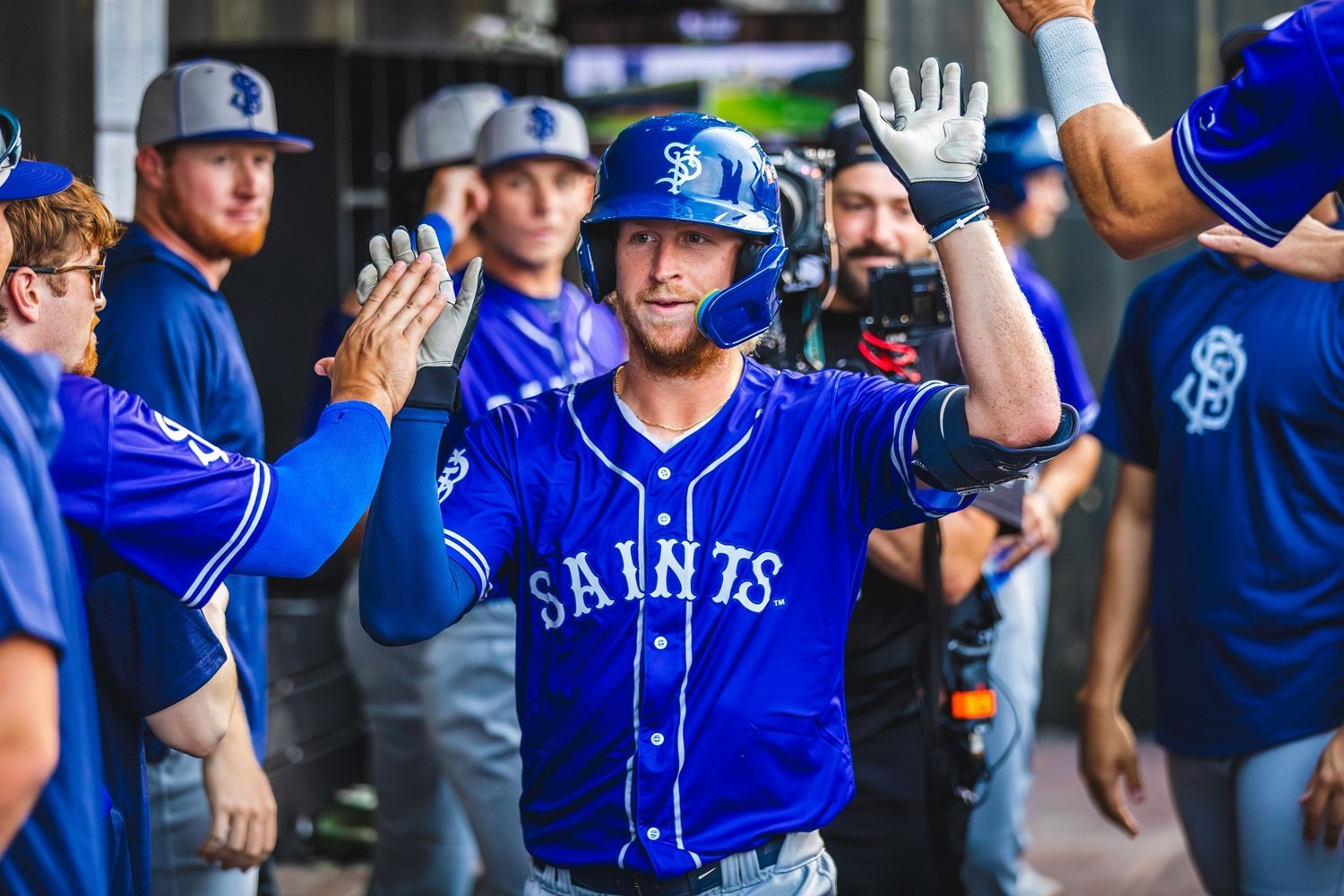 TRANSACTIONS With the Saints playing among the corn in Iowa, the only move down on the farm on Tuesday came from the Dominican Summer League, where 17-year-old RHP Abraham Martinez was assigned. SAINTS SENTINEL St. Paul 3, Iowa 6 Box Score While the Minnesota Twins are scheduled to highlight the Field of Dreams in Dyersville, Iowa, against the Philadelphia Phillies on Thursday, the St. Paul Saints got to take their talents there a few days earlier to break in the new field and stadium. Ben Ross wasted little time getting the baseball familiar with the corn beyond the fences. Kendry Rojas got the high-profile starting nod and delivered a solid outing, finishing the first four innings. He went one-two-three in the first, including a strikeout. Faced the minimum in the second by inducing a double-play ball that included a nifty pick by Ross at third to start. A solo home run leading off the third was his only blemish. He topped out at 97.5 MPH with his fastball, and threw 37 of his 57 total pitches for strikes (65%). He gave up three hits, walked one, and struck out one. In the top of the fifth the Saints took advantage of a pair of errors to take a 2-1 lead. Gabriel Gonzalez reached on a throwing error from pitcher Jordan Wicks of the Cubs. Another throwing error on the shortstop allowed him to score, but hitter David Banuelos got a little ahead of himself breaking for second base when the carom off the wall came right back to the first baseman, allowing him to be thrown out at second pretty easily to end the inning. Alejandro Hidalgo came on in the bottom of the fifth and struck out the first hitter of the inning. Five batters later his outing was over and he had surrendered three home runs, allowing the Cubs to take a 6-2 lead they would not relinquish. Relievers Matt Bowman (1 2/3 IP, H, 3 K) and Jack Anderson (2 IP, K) did their best to give the Saints lineup a chance, locking down the final three innings, but Cubs pitchers were also up to the task. The Saints did get a two-out rally going in the seventh, with Tristan Grey, Cody Morissette, and Banuelos hitting back-to-back singles to make it 6-3 and bring up Walker Jenkins as the tying run. He hit a solid liner into right on a 2-0 pitch, but right to the fielder to end the inning. They would not get another chance the final two innings. Jenkins finished 1-for-3 with a walk and stole a pair of bases, including a bit of a delayed steal where he kind of caught the catcher napping. Ross had multiple standout defensive plays at third base in addition to the early homer. The middle of the lineup including Matt Wallner, Aaron Sabato, and the return of Emmanuel Rodriguez, combined to finish 0-for-10 with five strikeouts. The Saints had eight opportunities with runners in scoring position compared to the Cubs two, but the three homers in the fifth proved the difference. WIND SURGE WISDOM Corpus Christi 3, Wichita 2 Box Score Cory Lewis took the mound for the Wind Surge hosting the Hooks this week and completed the first four innings. Both of the runs charged to him were of the unearned variety thanks to a leadoff error in the second inning that led to a 2-0 deficit. Lewis allowed three hits, walked nobody, and struck out six. He struck out two in each of the first, third, and fourth innings, including five of them swinging. The Wichita offense took until the sixth inning to get on the scoreboard, despite having chances in the first, third, and fourth frames. Andrew Cossetti led off the sixth by reaching base on an error, and Caden Kendle followed with his fifth home run of the season and third consecutive game leaving the yard. Down 3-2 at that point, the Wind Surge continued to have chances the rest of the way thanks largely to eight total walks but continued to come up empty. They finished 1-for-12 with runners in scoring position and left 13 men on base. In comparison the Hooks went 1-for-5 and left only five men on base. Relievers William Fleming (IP, ER, BB), Jacob Webb (2 IP, H, 3 K), and Paulshawn Pasqualotto (2 IP, BB, 3 K) gave them a chance over the final five innings, but the lineup wasn’t able to get that clutch hit. Marek Houston was 0-for-5 with a pair of strikeouts out of the leadoff spot. Jaime Ferrer pinch hit for Khadim Diaw in the fifth inning and chipped in a double. Cossetti (0-for-3, R, 2 BB) and Jake Rucker (0-for-1, 2 BB) each drew two walks. KERNELS NUGGETS Wisconsin 3, Cedar Rapids 6 Box Score The Kernels jumped on Timber Rattlers pitching and didn’t look back at home in Cedar Rapids about an hour southwest of their St. Paul Saints brethren. Jose Salas got the scoring started in the bottom of the first after Jacob McCombs led off the game being hit by a pitch, and Eduardo Tait followed with a single. Salas’ big swing made it 3-0 with his sixth home run of the season. In the bottom of the second Danny De Andrade led off with a single, and trotted home on the next pitch to Jayson Bass, who sent it deep to right-center for a 5-0 lead. Lefty Michael Carpenter made his second start for the Kernels, going the first two innings and throwing 35 pitches (20 for strikes). He allowed just one hit and struck out two. Ivran Romero was the first reliever summoned and went the next 2 2/3 innings. He was charged with all three Wisconsin runs on five hits and a pair of walks. He struck out one and gave up two homers. Ross Dunn stabilized the middle innings and picked up the win for his efforts. He allowed one hit, one walk, and struck out three in 1 1/3 innings. Cole Peschl picked up the good old fashioned three-inning save to finish out the game. He walked two and struck out one. Tait added his 20th home run of the season leading off the fifth to account for the Kernel’s sixth run. He finished 2-for-4 with two runs scored batting third in the lineup. The only other hitter with multiple knocks was De Andrade, who also finished 2-for-4 and scored a run. Quinn McDaniel added his sixth double. MUSSEL MATTERS Clearwater 1, Fort Myers 2 Box Score Outfielder Yovanny Duran led off this game with a walk, stole second base, and advanced to third on a throwing error. A sacrifice fly from Vahn Lackey made it 1-0 after two batters. Ramiro Dominguez hit a one-out single and scored the second run of the inning on a double from Luis Fragoza before most fans had reached their seats. That was all the offense Fort Myers would put together on the night, but it was also all they needed. Right-hander Matthew Dalquist made the start at Hammond Stadium and completed the first three innings. He was charged with the Threshers lone run on three hits and three walks, while striking out two. The Mighty Mussels bullpen locked it down from there, but the Threshers pitching staff also matched them. From the bottom of the fourth until the bottom of the eighth, 24 straight hitters on both sides went down without reaching base. After Dalquist, Brent Francisco went the next three innings and picked up his eighth win of the season. He allowed just one hit and struck out three. Brad Rudis pitched the seventh and eighth innings, setting all six Clearwater batters down, including four on strikeouts. Adam Falinski got the ninth inning and picked up his fourth save, allowing one hit and striking out one. The Threshers outhit the Mighty Mussels 5-4 in the game. The teams combined to go just 1-for-8 with runners in scoring position and left only nine men on base. The game was completed in just over two hours. Fragoza had the lone extra-base hit for the home team and finished 2-for-3 with an RBI to lead the way. Lackey was 0-for-3 with the RBI. DOMINICAN DAILY DSL Twins 13, DSL Miami 3 (6 innings) Box Score The Twins wasted little time getting on the scoreboard in this one, scoring three runs in the top of the first for an early lead. Daiyer Barboza led off with a single, Jendy Martinez followed with a double, and two outs later Enmanuel Merlo brought them and himself in with a three-run homer. As a team the Twins scored in five of the six innings, with the biggest outburst coming in the fifth by sending every hitter in the lineup up to bat. The first run of the frame scored on a bases loaded walk, the next two on an error, and the final two on a Jhon Gonzalez double that made it 11-2 Twins. Fernando Hernandez made the start and went the first two innings. He struck out the side in the first and gave up an infield single in the second before picking up his fourth strikeout to end his outing. Enmanuel Mena went the next two innings and was charged with two earned runs on three hits and a walk. He struck out two. Herkyn Taveras got credit for the win with a scoreless fifth inning, where he worked around a pair of errors and struck out one. Jesus Moreno pitched the final inning before rain cut it short, allowing an unearned run on two hits while striking out two. The Twins collected 11 hits and seven walks as a team. Barboza went 1-for-3 with a pair of walks, scored three runs, and stole his 15th base. Martinez (2-for-4, R, 2B, RBI, K, SB) Gonzalez (2-for-4, R, 2B, 3 RBI), Jeferson Abreu (2-for-3, 2 R, 2B, BB, 2 SB) and Misael Rodriguez (2-for-3, R, RBI, BB, K) each had multiple hits in the win. TWINS DAILY MINOR LEAGUE PLAYERS OF THE DAY Pitcher of the Day – Brad Rudis, Fort Myers Mighty Mussels (2 IP, 4 K) Hitter of the Day – Jose Salas, Cedar Rapids Kernels (1-for-3, R, HR, 3 RBI) PROSPECT SUMMARY Check out the Prospect Tracker for much more on our Twins Top 20 prospects after seeing how they did today. #1 - OF Walker Jenkins (St. Paul): 1-for-3, BB, 2 SB (13) #2 - C Vahn Lackey (Fort Myers): 0-for-3, RBI #3 - IF Kaelen Culpepper (Minnesota): 1-for-4, K #4 - SS Marek Houston (Wichita): 0-for-5, 2 K #6 - OF Emmanuel Rodriguez (St. Paul): 0-for-3, BB, 2 K #7 - OF Hendry Mendez (St. Paul): 0-for-2 #8 - C Eduardo Tait (Cedar Rapids): 2-for-4, 2 R, HR (20), RBI, K #9 - OF Gabriel Gonzalez (St. Paul): 0-for-2, R #11 - C Carson Tinney (Fort Myers): 0-for-3, 3 K #12 - 3B/CF Brandon Winokur (Wichita): 1-for-4, BB, 2 K #13 - C/OF Khadim Diaw (Wichita): 1-for-1, SB (11) #18 - 3B/SS Quentin Young (Fort Myers): 0-for-3, 2 K #19 - OF Yasser Mercedes (Cedar Rapids): 1-for-4, 2 K WEDNESDAY’S PROBABLE STARTERS St. Paul @ Iowa (6:38 PM CDT) - RHP Ryan Gallagher (5-5, 5.99 ERA) Corpus Christi @ Wichita (6:35 PM CDT) - RHP Preston Johnson (0-3, 4.45 ERA) Wisconsin @ Cedar Rapids (12:05 PM CDT) - RHP Reed Moring (1-1, 9.00 ERA) Clearwater @ Fort Myers (6:05 PM CDT) - RHP Eric Hammond (1-4, 4.86 ERA) Please feel free to ask questions and discuss Tuesday’s games! View the full article
 -
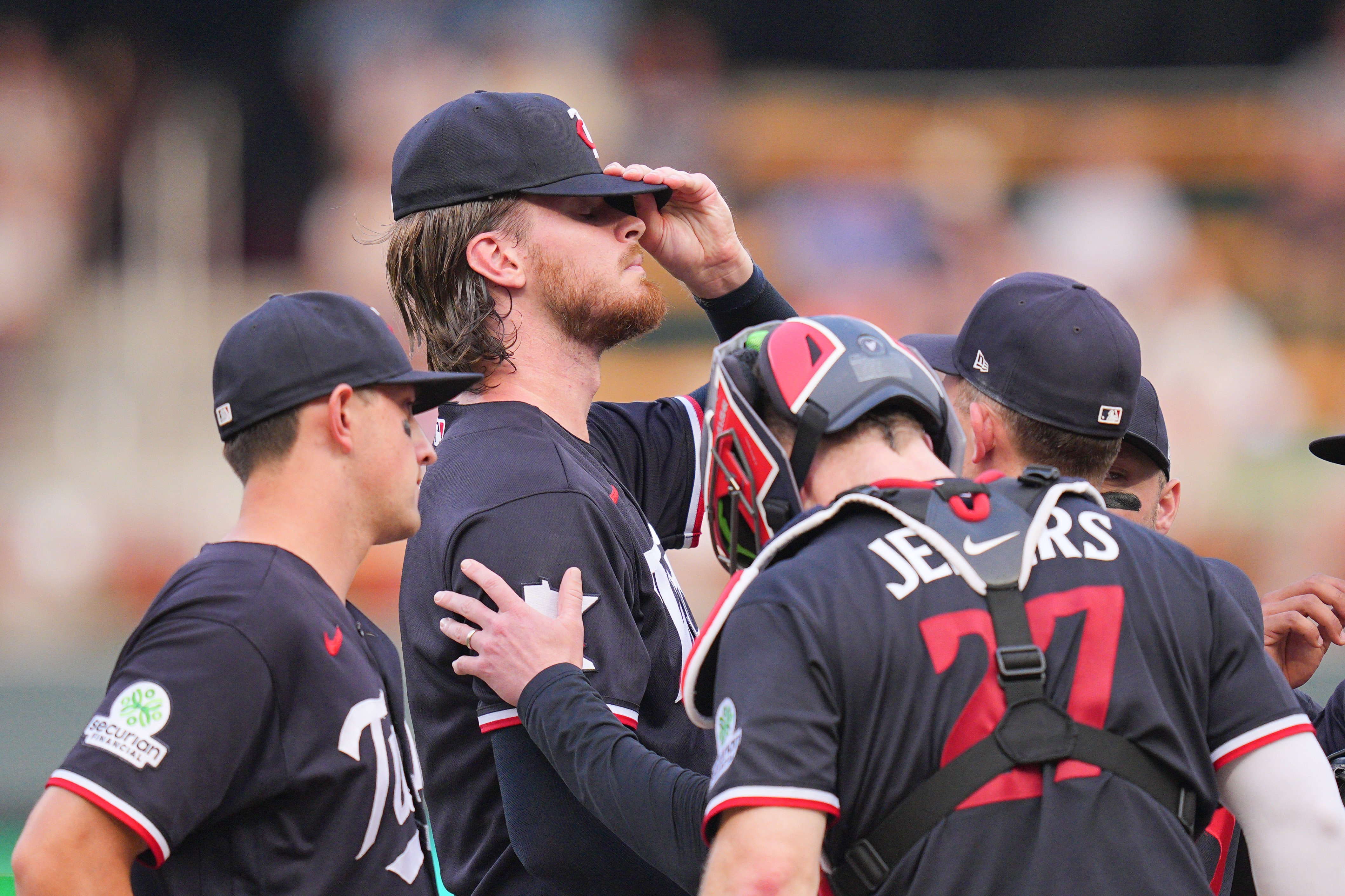 Box Score SP: Bailey Ober 6.0 IP, 8 H, 5 ER, 1 BB, 4 K (100 pitches, 60 strikes (60%)) Home Runs: N/A Bottom 3 WPA: Ober (-0.23), Alan Roden (-0.18), Kaelen Culpepper and Trevor Larnach (-0.14) Win Probability Chart (via FanGraphs) The Twins looked to continue their home cooked success against a dwindling Baltimore club. Bailey Ober hadn't lost since his return on July 9th, even though he mostly endured no decisions along the way with only one actual victory. Brandon Young stood on the mound for the Orioles, and his July and August efforts resulted in similar win/loss results. The wild card race somehow still involves these sub-.500 teams, so Tuesday night mattered whether anyone liked it or not. The Margin Between Meat and Crafty The Twins struggled last week when their starters continuously put their team behind 2-0 early. After two batters Tuesday the Orioles were ahead 2-0, as Gunnar Henderson and Pete Alonso ripped a double and homer respectively off of center-cut 88 mph "fastballs." The Twins couldn't muster anything in their half of the first, and Gunnar struck again in the top of the second, this time a two-run homer of his own to make it 4-0. The "crafty" Young meanwhile gave up a couple of singles and a hit batter to load the bases with nobody out in the bottom of the second, but an Alan Roden dribbler for an out was the only RBI of the inning, as Brooks Lee was meat at home on a Kaelen Culpepper grounder to third, and Trevor Larnach also couldn't deliver with runners in scoring position. Before you could say "at least we are only down three now," Christian Encarnacion-Strand took an 82.8 mph changeup 460 feet. 5-1 Orioles, and Ober's meatball offerings were dampening the Target Field faithful's spirits on an already intolerably muggy night. Getting Into Gear, but Still Slipping in the Clutch The bottom of the third saw the Twins once again put two men on with nobody out on a Ryan Jeffers infield single and a catchers interference that allowed Josh Bell to reach. Kody Clemens and Royce Lewis couldn't move the runners, but Lee snuck a grounder past a diving Polar Bear for a run-scoring double. Luke Keaschall worked a walk to load the bases yet again, but Roden couldn't make contact and another bases loaded threat went unfulfilled. Ober survived the fourth, and Culpepper led off the bottom of the fourth with a single, and advanced to second on a Larnach ground-out. Jeffers struck out and Bell hit the one millionth ground ball to second base on the evening (sarcasm alert), and the home team was 1-for-9 with scoring opportunities through four innings. A Tale of Two Bullpens Once the air began to cool, so did the Orioles offense, and Ober survived six innings and 100 pitches. Kody Funderburk came in to tackle the top of the seventh and he set down the first two batters in quick order. The next three to drive the nail in the coffin, as a single and a walk put clutter on the bases and Tyler O'Neill ripped a single to left. Alonso tried to score on the play, but Larnach gunned him down at the plate to keep the game within striking distance. The problem was that the Twins couldn't strike against the Baltimore pen either. They got runners on against old friend Yennier Cano in the bottom of the eighth, but new friends Roden and Culpepper again failed to plate their teammates as Roden continues to underwhelm in clutch situations, and Culpepper's shine begins to wear off in the field (botched communication led to an extra run in the second) and at the plate (the strike zone continues to elude him). That was as close to scoring as Minnesota would come, and the game ended much like it began: disappointingly. What’s Next? The Twins look to win another home series in a Wednesday matinee. Twins righty Zebby Matthews (5-8, 5.23 ERA) hopes to survive his blistered foot and give his squad another quality start. The Orioles will march out the young righty Shane Baz (4-11, 3.76 ERA), whose record speaks more to the Orioles lack of offense this season than any weakness on his part. First pitch is scheduled for 12:40pm CDT. Postgame Interviews Coming Soon Bullpen Usage Spreadsheet FRI SAT SUN MON TUE TOT Funderburk 0 21 15 0 22 58 Nance 24 0 11 0 18 53 Rogers 0 0 0 30 18 48 Hoffman 25 15 0 0 0 40 Adams 0 15 0 21 0 36 Morris 13 0 14 0 0 27 Gomez 12 0 9 0 0 21 Minter 3 0 16 0 0 19 View the full article
 -
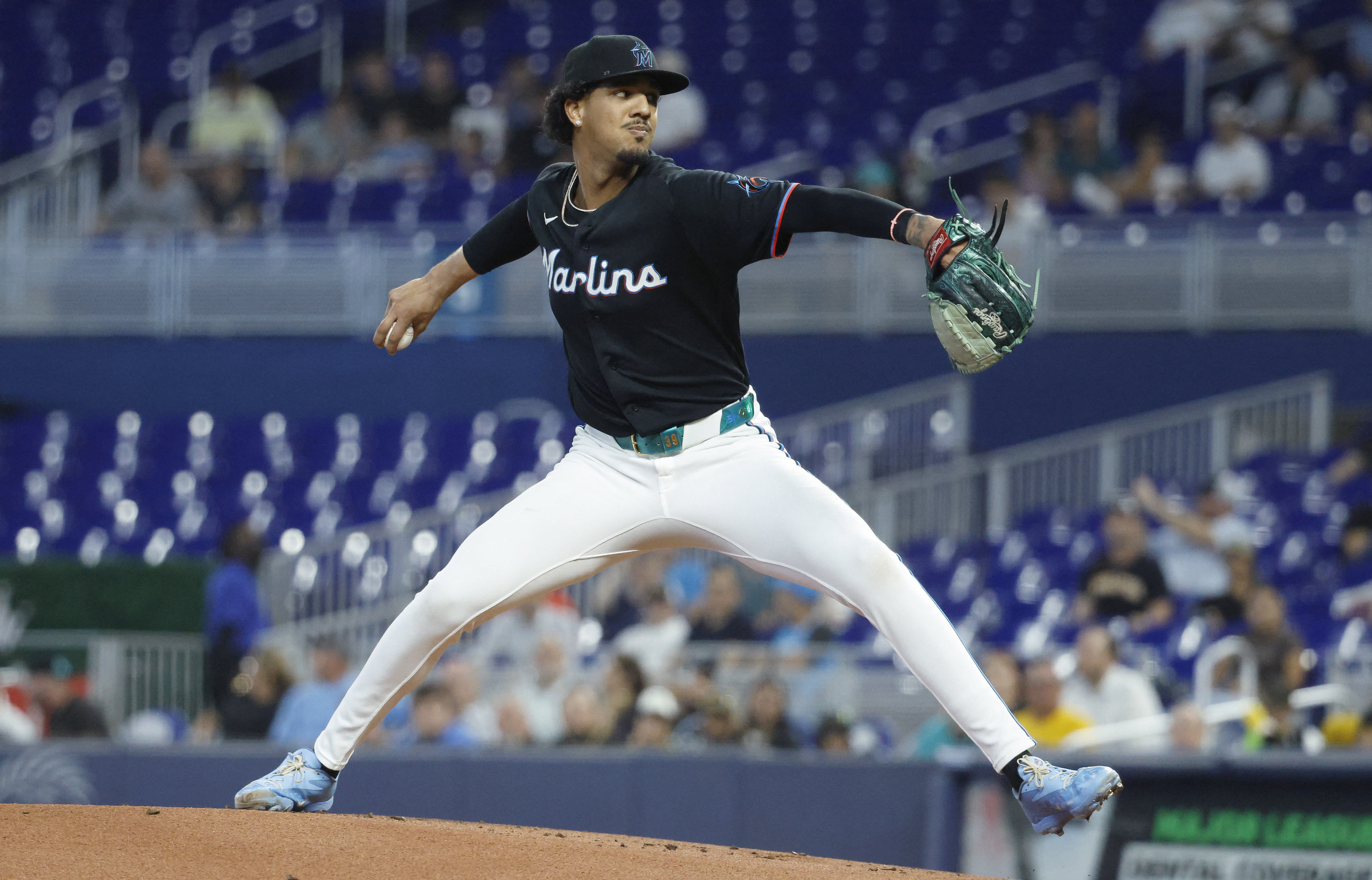 MIAMI, FL - For the fourth time this season, Miami Marlins starting pitcher Eury Pérez completed seven innings of work and tossed his fifth scoreless outing of the campaign. The Marlins offense gave Pérez just enough run support as they defeated the visiting Pittsburgh Pirates, 2-0. This marks the Marlins eleventh shutout of the season. It was the start against the Tampa Bay Rays on May 17th, Pérez admitted to reporters, that marked the turning point. During that start, he was crying and was extremely frustrated. "That's when everything changed for me," Pérez said following the game. "My mentality changed in terms of how I think during a game as well as my emotions. I want to enjoy the games I pitch in. I had a conversation with my pitching coaches over the work that we have to do with my pitches and we decided to also add the sinker, a pitch that has helped me a lot during this time. Now, I am enjoying the games and things are going well." Since that start against the Rays, Pérez owns a 2.04 ERA and 2.51 FIP in the 10 starts that followed. That span included his last outing against the Atlanta Braves, where he allowed four earned runs in five innings of work. He bounced back Tuesday against a Pirates team fighting for their playoff lives, shutting them out in seven innings, allowing three hits, one walk and striking out seven. The 23-year-old starter now owns a 3.39 ERA, 3.68 FIP, 9.87 K/9 and 3.39 BB/9 in 21 starts this season. The seven innings pitched tonight match his career high, a feat he's achieved four times now in 2026. Between Pérez and his close friend Sandy Alcantara, they have combined for 12 quality starts within their last 14 combined starts. "He just has a much more diverse mix now," Marlins manager Clayton McCullough said. "We're seeing how well he's attacking and the ability to change speeds now, it's just a really tough at-bat. You coupe that with how well he's filling up the strike zone and accessing it with multiple offerings, it's just a tough at-bat right now when he's able to strike with that type of stuff." Nobody could've imaged that when the Marlins acquired Esteury Ruiz from the Los Angeles Dodgers in exchange for pitching prospect Adriano Marrero that he would turn into a player who has a 144 wRC+ in 76 games played with the team. In the bottom of the third inning, he took Pirates starter Paul Skenes deep for his career-best sixth home run of the season. Ruiz by no means is a power hitter, but the power certainly has been something that is a cherry on top of his already plus base running, speed, and approach at the plate. "There's bat speed in there and he's really twitchy," McCullough said. "He's hit some homers in the upper levels of the minor leagues and just hadn't translated as much here at the Major League level, but he can impact the ball, he pulls it in the air and it comes off well. Once he gets ahold of one, they definitely leave a doubt. Didn't think that power was going to be his calling card, but we're not surprised the way that he is capable of impacting baseball when he's on time." In the ensuing at-bat, Skenes hit Ruiz on the first pitch and he then stole his 28th base of the season and scored the second run of the game. Ruiz is on his fifth organization, but this is where he has finally broken out, posting career-best numbers offensively. When the Marlins acquired Ruiz, they constantly said that they saw something that they could unlock offensively, and so far, that's been the case. "He's worked really hard to get his swing to where it can handle more pitches," McCullough said. "I think he's always been very good when the ball's down, like his swing really plays well there. He's worked hard with (Pedro Guerrero) to try to give him some ability to combat more of the four-seam flatter pitches above the belt and we saw him get one of those tonight. We thought this is a still a young player that's ubertalented, incredibly athletic, and could be a good place for him to get some opportunity at the Major League level and stay here." The Marlins improve to 61-59 on the season, three games back of the final National League Wild Card Spot. Janson Junk will take the mound on Wednesday at 6:40 pm EST as the Marlins go for back-to-back series wins. View the full article
 -
 Following his first trade deadline, Tom Pohlad spoke to the media saying he thinks he's earned some credibility back with the Minnesota Twins fan base. Do you agree? View the full article
 -
 While it may be tempting to bring back two-time All-Star Freddy Peralta, the Milwaukee Brewers should not make the decision. Peralta is in the midst of the worst year of his big-league career, and in this video, we'll go over the three reasons that making him a member of the Crew again would be a poor decision. View the full article
 -
 For the 2026 season, Fish On First will provide weekly reports on the Miami Marlins farm system, covering all levels. This is the first check-in that incorporates both new draft picks and prospects acquired by the Fish on trade deadline day. This report covers the games played from August 4-10. Triple-A Jacksonville The Miami Marlins were busy during the trade deadline conducting five trades. Of those trades, Brayden Taylor (Hicks trade), Jonathon Long (Braxton Garrett trade), Jace Beck (Braxton Garrett trade) and Brandan Bidois (Lake Bachar trade) joined the Jacksonville Jumbo Shrimp. The only player who has not played is Brandon Bidois because he is on the seven-day injured list. Taylor, a first-round pick back in 2023, spent the entire 2026 season at the Double-A level in the Rays organization. In 88 games, he slashed .284/.384/.513/.897 with 17 home runs, 56 RBI, 20 stolen bases and a 136 wRC+. So far, Taylor has played in five games at the Triple-A level, where he has yet to record a hit, but has walked seven times, driven in a run and scored one as well. Long likely was not going to be called up in the Cubs organization, so instead, he is traded to Miami. With the Cubs Triple-A affiliate, Long played in 99 games where he hit .283/.364/.455/.818 with 12 home runs, 62 RBI and a 108 wRC+. Right before joining the organization, Long was named International League Player of the Month. With the Marlins, he has played in 5 games, where he is 5-for-17 with two RBI. He has split time between the outfield and first base. Beck is a 26-year-old right-handed pitcher. The Cubs used him primarily in relief, but in his Marlins organizational debut, they had him start Sunday's series finale against Gwinnett. He tossed five no-hit innings, striking out five and not allowing a walk. It was not a perfect game because of an error committed by the Shrimp in the game. Beck was named International League Pitcher of the Week. As for Bidois, he is the only one with major league experience, appearing in 15 games and posting a 6.32 ERA, allowing 16 runs (11 earned) on 19 hits (five home runs). In 20 innings pitched for the Pirates Triple-A affiliate, he had a 8.10 ERA, 6.09 FIP, 11.70 K/9 and 7.65 BB/9. When it comes to players who were with the Marlins organization before the trade deadline, Gage Miller continues to succeed in Triple-A, now having played 34 games. He is slashing .314/.454/.589/1.022 with six home runs, 21 RBI and a 172 wRC+. With the recent trades of both Connor Norby (Rockies) and Jacob Berry (Royals) and call-up of Graham Pauley, Miller's reps should be increasing down the stretch. Double-A Pensacola The Wahoos kept rolling in the second half, taking four of six against Montgomery, their third straight six-game series win. This included a thrilling extra innings walk-off victory on Friday. Pensacola is 23-16 since the break, pacing their division. They rank near the top of the entire Southern League in many stat categories, including home runs (second) and OPS (third). With the impending returns of Aiva Arquette on Tuesday and Dillon Lewis possibly the week after, the stretch run looks promising. Another start, another impression made. Eliazar Dishmey kept his roll of extremely positive starts going this week with perhaps his best outing of the campaign, a six-inning shutout performance in which he struck out 10. In his last six starts, the 21-year-old and our Prospect of the Week has a 0.33 ERA. Dishmey continues to live off of fantastic fastball command and the ability to change eye levels then set up a wide secondary arsenal. He can induce groundouts with his sinker and has gained a good feel for the Marlins’ archetype gyro slider that he added this season. He also throws a plus curveball and a still-improving changeup. Coming into the year, Dishmey lacked pure swing-and-miss stuff and was more of a pitch-to-contact arm pinned for future relief work. His newfound ability to garner whiffs via this widened arsenal has raised his ceiling and made him one of the best righty weapons in the Marlins organization. There’s also still time on his side as he’s pitching at Double-A at age 21, nearly four years younger than league average competition. Dishmey isn’t spoken about much nationally, making him a very under-the-radar name. But if this current run extends, that should soon change. Currently the owner of a 114/42 K/BB, he’s been one of the best kept secrets in MiLB. Dishmey should receive an invite to big league camp next season. Speaking of good impressions and great fastball command, Jacob Kisting is another guy who did both on the mound this week. Part of the return from Tampa Bay in the Liam Hicks trade at the deadline, the righty made his organizational and Double-A debut. He showed very well, working five scoreless innings on four hits and eight strikeouts. New to the pitching craft overall as a converted infielder and especially new to starting having been built up to do it by the Rays this year, this went about as well as Miami could have hoped in Kisting’s first Pensacola start. He sat 93-94 with the fastball which he used very frequently and topped at 97. His offspeed offerings—he throws both a splitter and kick change—sat 85-87, showed great late arm-side fade, played well off of the heat and garnered him three of his eight punchies. Kisting also mixed in a slider, which is still a work in progress. Overall, Kisting profiles as a zone pounding strike-thrower who is proving he has the ability to be economical with pitches and work multiple innings. His ability to stick as a starter will rely heavily on his ability to continue to refine his breaking ball and keep hitters off balance. At the very least, the Marlins got a future MLB reliever here. High-A Beloit A solid week for Sky Carp starting pitching couldn’t be backed by offense as they dropped four of six to Wisconsin. Beloit’s .347 OBP is the second lowest in the Midwest League. After a very slow start to the season, a trip to the development list has seemed to make all the difference in the world for Jacob Jenkins-Cowart. A sub-Mendoza line .200/.240/.343 bat in the first half, the 2024 eighth-rounder was given a week off at the end of June. Since returning on June 30, he is slashing .272/.326/.568. That includes a 5-for-10, two-homer showing this past week. Cowart is a large physical specimen with a lot of moving parts which in the past, led to a lot of off balance and long swings. Since his return from the dev list, he has adjusted his stance and upper body to lean out over the plate with his arms further away from his body. This has allowed Jenkins-Cowart to make more contact, particularly on pitches on the outer half. The strikeout susceptibility is still present for Cowart, who maintains a long uppercut stroke and who shows particularly struggles against plus breaking stuff, but he has started to walk slightly more in July and August. The recent power binge (seven HR in 27 games) is definitely encouraging, but Jenkins-Cowart will need to continue to take positive strides in lengthening at-bats and shortening up his stroke if he hopes to make it, especially in a Marlins system stacked with lefty-hitting outfielders. A shoulder injury caused 2025 third-rounder Max Williams to miss about half of the minor league season, but in terms of his bat, it's been all gas, no brakes since his launch last month. A jump to Beloit last week also hasn’t slowed Williams: he’s off to an 8-for-29 start with Beloit, including 6-for-22 this past week. In 87 ABs, Williams has already recorded 11 extra-base hits. Still not ready to throw, Williams has been a full-time DH since his return. At 6’2”, 207, Williams isn’t the largest physical specimen, but he packs a punch with quick wrists and a violent swing. Against Low-A stuff, Williams also showed good selectivity and patience, walking nearly as much as he struck out. If that can maintain as the quality of stuff he’s facing increases, he will be yet another 2025 draftee to follow closely. With a plus arm, he profiles as a future 7 or 9 guy on the outfield grass. Low-A Jupiter Jacob Lombard started his professional career with a bang by homering in his Low-A debut last Tuesday. In five games, he is slashing .211/.375/.368/.743 with one home run, two RBI and a 109 wRC+. Lombard has played both shortstop and second base. The only other draftee to have made his pro debut is third-round pick Cam Kozeal, who in five games is slashing .273/.385/.318/.703 with one RBI and a 102 wRC+. Acquired as one of the pieces in the Jake Burger trade, Echedry Vargas started his first year in the Marlins organization at the High-A level, posting a 66 wRC+ in 82 games at that level in 2025. To begin the 2026 season, he dropped down a level to Low-A, where in 82 games he is slashing .302/.353/.534/.886 with 16 home runs, 62 RBI and a 128 wRC+. Regardless of the player's circumstances, hitting for so much power in the Florida State League is rare. It is now about showing that he can produce at the High-A level. Andrés Valor is on his way to leading the Marlins system in stolen bases with 47 so far. Despite a high 31.8% strikeout rate, he is slashing .223/.346/.407/.752 with 13 home runs, 43 RBI and a 104 wRC+. Elier Morillo continues to be a strikeout machine, posting a 16.69 K/9, but the walks continue to rise, now at 7.63 BB/9. In 18 appearances, Morillo has a 4.12 ERA and 4.07 FIP. DSL Marlins & DSL Miami After hitting a home run in back-to-back games, including Monday afternoon, Carlos De Los Santos has been promoted to the DSL Marlins, according to the transaction logs. De Los Santos has been on fire from game one and doesn't look like he is slowing down. He is now hitting .375 on the year in 120 at-bats with a .461 OBP. Jesús Pérez has seen a huge decrease in walks and an increase in strikeouts, but that has not stopped him from putting together a solid season nonetheless. In 100 at-bats, he is hitting .300 with three home runs. He has already hit eight doubles this year, compared to just one double and four home runs last year. Pérez's OPS is 120 points higher than it was last year, and he has also significantly decreased his ground-ball percentage. Angel Bonilla has primarily been used as a pinch-hitter this season, but he has always been ready when his name is called upon. In a small sample size of 27 at-bats, Bonilla has two home runs, while walking at a 26% clip, helping push his OBP to .412. Bonilla has also shown that he doesn't strike out often, posting a 15 K%, while most of his batted balls have been in the air. It's hard to put two and two together with such a small sample size and limited data, but those two things sticking out certainly make Bonilla an intriguing player to keep an eye on. Diego Martinez has shown a very good power surge in his first professional season. In just 63 at-bats, he has four home runs, including one on Monday afternoon. On top of that, he has shown flashes of speed with eight stolen bases. Martinez has primarily been used at catcher and first base, and in 98⅓ combined innings, he has made zero errors this season. If the DSL had a Most Improved Player award, Johan Machado would be the favorite to win it. On top of that, he could be in consideration for DSL MVP. Machado was selected to participate in the league's All-Star Game on July 19, but his production actually spiked after receiving that recognition. After hitting .237 in June, Machado followed that up by hitting .342 in July and is now hitting .440 so far in August, bringing his season average to .319. He hit two more home runs Monday afternoon, bringing his season total to nine. Raunny Figueredo was just added to Fish On First's Top 30 prospects, slotting in at #29, and no one deserved it more than Figueredo. After finishing July scorching hot, he has not slowed down. He is hitting .381 this month with a home run and eight RBI, and in 21 at-bats, he has yet to strike out. His average is now up to .299, to go along with five home runs, 39 RBI and 15 stolen bases. He also has five assists in 43 games as a right fielder. Santiago Solarte slotted in at #16 in the FOF Top 30, and it won't take long until he continues climbing the rankings. Despite being hitless in his last three games, Solarte recorded a multi-home run game earlier this week, bringing his season total to nine. His average is now .315, with an elite .428 OBP and .990 OPS. The stolen base number continues to increase by the day as well, and it is now up to 37. This week's schedule Triple-A Jacksonville vs. Syracuse Double-A Pensacola at Biloxi High-A Beloit at Peoria Low-A Jupiter vs. St. Lucie DSL Marlins and DSL Miami against various opponents View the full article
 -
 After a few days in limbo, Bryse Wilson is back with the Milwaukee Brewers. The right-hander, who was designated for assignment Saturday, went unclaimed and then became a free agent Monday, re-signed with the Brewers on Tuesday. To fit Wilson on the 26- and 40-man rosters, right-hander Lyon Richardson was DFA'd after making his long appearance for the Brewers on Monday. Also, left-handed reliever Drew Rom was claimed off waivers by the A's. Wilson was able to return quickly to the Brewers after he was outrighted to Triple-A Nashville, but choosing free agency Monday. That circumvents a pitcher having to spend the required time in the minors before being called up in a non-injury situation. For pitchers, that is 15 days. While it is a little surprising that Wilson, who was DFA'd twice before being done so by the Crew, went unclaimed, it isn't a shocker that he returned to the Brewers. After having a combined three appearances with the Philadelphia Phillies and Chicago Cubs, Wilson has pitched in six games for the Crew, going 13⅔ innings with a 2.63 ERA, no walks and 10 strikeouts. The Brewers' bullpen was in need of another arm after Wilson went three shutout innings Friday in an 8-6 loss to the Minnesota Twins, which prompted his latest DFA. Richardson, who came up from Triple-A Nashville to replace Wilson, went 1⅔ scoreless innings with a walk and a strikeout in Monday's 3-2 loss to the San Diego Padres. That came after Richardson appeared in two games for the Cincinnati Reds this season, allowing five runs in 1⅔ innings with two walks and three strikeouts. If he goes unclaimed, he could go back to Nashville or elect free agency. Rom was DFA'd Sunday when the Brewers needed to add Jihwan Bae to the roster. View the full article
 -
Mitch Voit, Jefferson Rojas Look Like A Scary Combo
DiamondCentric posted an article in Grand Central Mets
 The New York Mets were definite sellers at this year's MLB trade deadline, and they acquired more top 30 prospects (11) than any other organization. Jefferson Rojas is their new top farmhand, and the middle infielder looks to be a well-rounded talent who could help the big-league ball club soon. Mitch Voit, the team's sixth-ranked farmhand, has a similar profile, except he's been going ballistic in Double-A. The 21-year-old has a .550 batting average (22-for-40) and a 1.483 OPS across 11 games with the Binghamton Rumble Ponies. View the full article
 -
 Dylan Cease isn’t pitching like Dylan Cease. Cease is arguably having the best season of his career. A 2.28 ERA, an absurd 36.4% strikeout rate, and an elite 4.7 fWAR all rank him at the top of the American League. But as the season has gone on, he’s been doing things slightly differently than what the Blue Jays saw from him earlier in the year. Historically, Cease has overwhelmed hitters with a high-90s fastball and one of the game's nastiest sliders, using the combination to generate elite swing-and-miss numbers. While that's still a crucial part of his game plan, the Blue Jays have seen a very different pitcher over the last few starts. First, let's revisit his recent start at the end of July in Boston. Cease was incredible on this day. He threw a complete game shutout, allowing just one hit and three walks, throwing a season-high 120 pitches and dominating Red Sox hitters all afternoon. By Baseball Reference Game Score, it was the sixth-best start in Blue Jays franchise history. Early on in that start, Cease was raising eyebrows, but for a different reason. His velocity had dropped suddenly. His four-seam fastball, which usually sits at 97 mph in the first inning, was down to just 93.7 mph, which was by far the lowest he’s averaged in the first inning this season. In fact, that's the lowest his first-inning four-seam velocity has been in any start of his career. A sudden drop in velocity can be a warning sign of injury or fatigue, so seeing Cease sit that low raised alarm bells, but those concerns were quickly dispelled. Cease’s fastball velocity returned, and he hit as high as 98.5 in the ninth inning. Post-game, Cease himself said, “People usually start to panic because that is definitely abnormal. But nothing really hurt. It’s just my body was really not wanting to cooperate, and that’s baseball.” The important takeaway is that Cease did not think the velocity drop was injury-related. Crisis averted, at least for the time being. But it has become a trend. In the two starts following his outing in Boston, his first-inning velocity remained below his season norm: The velocity drop isn’t the only way Cease has looked different recently. He also hasn't been able to generate as many swings and misses as the year has gone on. His whiff rate has been below his 2026 average (34.9%) in five of his last six starts, reaching a season-low 22.7% in his latest outing: Decreased velocity and diminished swing-and-miss rates are likely related. However, none of this necessarily means Cease is becoming a worse pitcher. Pitching is much more complicated than just throwing the ball hard and inducing swings and misses. Since the All-Star break, he’s posted a 1.29 ERA in four starts despite his average four-seam velocity dropping 1.2 mph and his swinging strike rate falling 1.2 percentage points. If anything, you could argue he’s looked like an even better pitcher. So what exactly is going on here? If injuries are not a concern, there are a few possible explanations; workload management could be one of them. Kevin Gausman had stretches of play where his fastball velocity dropped early in starts, and Justin Verlander famously had similar stretches where he’d have diminished velocity early before ramping back up later in starts. So, the idea of a veteran starter sacrificing early velocity to preserve stuff later in games isn’t unprecedented. Cease is one of only five pitchers since the start of 2021 to throw more than 1,000 innings. John Schneider recently mentioned the Jays would be moving to a six-man rotation, with the intention of getting Cease more rest. Now, with injuries to Trey Yesavage, Jameson Taillon, and Spencer Arrighetti, moving to a six-man rotation seems unlikely. There is also the consideration that the Blue Jays are trying to get Cease to pitch deeper into games. Earlier in the season, Cease was effective, but he was battling high pitch counts, which forced him out of games early. He only made it through six innings once in his first six starts. The problem was never that Cease couldn’t get outs; it was that it was taking him too many pitches to get them: Stat First Six Starts May 1-July 24 July 25- Present ERA 2.87 2.59 0.41 IP/Start 5.2 IP 6.1 IP 7.1 IP Pitches/IP 19.21 16.64 14.55 Avg Four-Seam Velo 97.8 mph 97.5 mph 96.0 mph K-BB% 23.2% 27.0% 28.2% SwStr% 16.1% 14.1% 14.1% Lately, that hasn’t been an issue. He’s shown a willingness to trade some velocity and swing-and-miss for efficiency. His average four-seam velocity has fallen 1.8 mph from his first six starts, while his innings per start have increased from 5.2 to 7.1. The results have been longer outings, fewer innings for his bullpen to cover, and no meaningful decline in his run prevention. The Blue Jays are 8-3 in the 11 starts in which he's thrown six or more innings, compared to 5-5 when he hasn't reached that mark, and he hasn’t thrown fewer than six innings in a start since June. That's where Cease’s evolution becomes particularly interesting. It's not just helping the Blue Jays win games; it's strengthening his case in the AL Cy Young race. As of now, Cease is in a neck-and-neck race with Cam Schlittler of the Yankees. Schlittler has had an incredible season in his own right, but if you look at the two side by side, it becomes clear just how close the race is: Looking at the stats, the two pitchers compare closely across several categories. Cease has an advantage in strikeouts, bWAR, and FIP, suggesting that on a rate and performance basis, he has been the more dominant pitcher when they’ve both been on the mound. Schlittler has the advantage in starts and innings pitched (Cease spent time on the 15-day IL earlier in the year), and the fact that the Yankees are likely headed to the playoffs while the Jays are on the outside looking in may matter to voters. Going forward, if Cease can continue to pitch at this level and continue to be durable and go deep into his starts, then he has a legitimate chance to pull away from Schlittler in the final weeks of the season. This is what makes Cease so dangerous. He hasn’t lost the ability to overpower hitters; he’s simply proving that he doesn’t need to do it on every pitch. If opposing hitters begin sitting on his softer fastballs early in games, then Cease can still reach back for 99 mph or throw the wipeout slider. If he can continue to do that while pitching deeper into games, the Blue Jays will be getting something even more valuable than the ace they signed. They have a pitcher who has found another way to dominate. And the American League should take notice. View the full article
 -
 Blue Jays Affiliate Overview (August 8-10) Triple-A Buffalo Bisons Series vs Norfolk Tides (Baltimore Orioles): 4-2 Season Record: 56-58 Double-A New Hampshire Fisher Cats Series vs Portland Sea Dogs (Boston Red Sox): 3-3 Season Record: 51-55 High-A Vancouver Canadians Series vs Everett AquaSox (Seattle Mariners): 4-2 Season Record: 49-59 Single-A Dunedin Blue Jays Series vs Lakeland Flying Tigers (Detroit Tigers): 3-2 Season Record: 50-54 FCL Blue Jays: Season Complete DSL Blue Jays Blue Week Record: 0-5 Season Record: 18-31 DSL Blue Jays Red Week Record: 3-1 Season Record: 29-18 Triple-A Buffalo Bisons Season Record: 56-58 Series vs Norfolk Tides (Baltimore Orioles) August 8: Saturday was a big-time power surge for the Bisons, and they needed all of it and then some. Josh Rivera and William Simoneit started the scoring for Buffalo in the bottom of the second inning, each getting an RBI on singles to center. Later in the frame, Daz Cameron added an RBI on a groundout and gave Buffalo the 3-2 lead. After Norfolk tied the game in the top of the fifth, Yohendrick Piñango blasted his sixth home run of the season for Buffalo, a solo shot to right. Buffalo wouldn't stop there in the inning, getting a timely blast from Willie MacIver for a grand slam. With a bullpen day fully in effect, Norfolk slowly trimmed the Buffalo lead and tied it back up in the top of the eighth. Nearing the end of the game, Charles McAdoo came up clutch and rocketed a ball 103.8 mph that traveled 425 feet over the center field fence for a two-run home run. Buffalo won the game 10-8 on the backs of a trio of long balls. August 9: CJ Van Eyk had the mound for Buffalo on Sunday, and he did a really good job of keeping the Bisons' bats close and in the game. Van Eyk threw 4.1 innings and allowed just one run, while scattering three hits and four walks. While the pitching was strong in this game, the bats stayed hot, with Josh Kasevich starting the scoring on a fly out to right field for a sacrifice fly in the third. Carlos Mendoza gave Buffalo the lead back in the fourth, when he singled to left and brought home William Simoneit. After a Rece Hinds two-run double off of Sam Gardner in the seventh, Buffalo trailed 3-2 headed into the bottom half of the inning. Simoneit came through and tied the game up with an RBI single on a line drive to left. Later in the inning, Daz Cameron opened the game up for Buffalo with their second grand slam of the weekend, a big blast to left. Up five in the eighth, Charles McAdoo added a solo home run, his fourth blast in as many games, putting the game out of reach for Norfolk. Buffalo won going away late, 9-3. Double-A New Hampshire Season Record: 51-55 Series vs Portland Sea Dogs (Boston Red Sox) August 8: The Saturday game between New Hampshire and Portland was a great one all around for the Fisher Cats. Danny Thompson Jr. had another great game on the mound for New Hampshire. He went six innings, didn't allow a run, surrendered five hits, struck out seven, and didn't issue a walk. While he was locking down the Portland offense, the bats for the Fisher Cats went wild. The third inning saw two runs come home on a groundout and a Dub Gleed RBI single. In the fifth inning, Aaron Parker launched a grand slam to center field. Tucker Toman hit his first Double-A homer in the sixth inning, then Victor Arias capped off things in the eighth with a grand slam of his own. New Hampshire won this one 14-0. August 9: The Sunday finale between New Hampshire and Portland didn't go as well as Saturday's game. Mason White homered in the second inning to give Portland the early lead. Eric Snow responded in the bottom of the inning with an RBI single. Will Turner hit a three-run homer in a four-run inning for Portland in the third. Carter Cunningham answered for New Hampshire with a solo shot in the next half inning, but things kept going south. White would hit another home run, a three-run shot for Portland. Victor Arias continued a hot stretch with a home run in the bottom of the fifth, but the bats went cold from there. New Hampshire lost this one 9-6. High-A Vancouver Season Record: 49-59 Series vs Everett AquaSox (Seattle Mariners) August 8: Ty Southisene showed off his wheels with a leadoff triple to start off this game, and Jake Casey drove him in with a two-run homer to start it off for a high-scoring affair. Johnny King was effective for the first two innings, striking out four batters without allowing a run, but it fell apart in the third inning. After getting two quick outs, he also walked two batters, which hurt him immediately as he gave up a three-run shot to Brandon Eike to lose the lead. Austin Smith had his second homer as a Canadian to even it up right after, and Bryce Chance and Southisene both tacked on a run with an RBI single. King’s struggles were exacerbated by some poor defense from Ryan Sprock as well as shaky command, as after King allowed a single, Sprock gave up two passed balls to allow the runner to get to third. King then gave up a hit which brought the game within one. The next batter reached on a fielder’s choice as Raimundo De Los Santos committed an error, then King walked another batter and got taken out. Reece Wissinger was able to get two outs, which allowed all three inherited runners to score, losing the lead once again. The extra base hits kept coming for Vancouver as Maddox Latta had a homer, then Chance had an RBI double to tie it up, and Peyton Williams gave the Canadians the lead for good with a three-run homer. Chance had his third RBI for an insurance run in the seventh, and the bullpen managed to give up only one run to win it 11-8. August 9: Ty Southisene has some first-inning magic, as he once again had an extra-base hit as the leadoff hitter of the game, this time with his first homer ever as a professional baseball player, going deep to dead center. Dasan Hill was the starter for Vancouver in his debut in the Blue Jays organization, and he struggled with his command, walking two batters and allowing two runs, but he showed off his strikeout stuff, striking out three batters over two innings. Holden Wilkerson replaced Hill, and he went five strong innings with five Ks and only one earned run given up. The Canadians were able to take the lead back after Gable Mitchell walked, then Austin Smith hit a double, and both were driven in by Edward Duran with a two-RBI double. Peyton Williams hit his second homer in two days to add to the lead, which helped as the AquaSox mustered up a run in the seventh to make it a one-run game. The Canadians were able to take advantage of some poor defense in the eighth inning, as after Jack White walked the bases loaded, Bryce Chance hit a grounder to the shortstop in what looked like a double play ball, but the shortstop flipped the ball to the second baseman, who ended up dropping the ball, allowing a run to score with no outs being recorded. Southisene got hit by a pitch, which drove in another run, then Jake Casey hit a two-RBI double, and Williams capped off the inning with an RBI single, which made it 9-3. That ended up being the final score. Single-A Dunedin Season Record: 50-54 Series vs Lakeland Flying Tigers (Detroit Tigers) August 8: Postponed August 9: It was a low-scoring affair for both teams, as Denis Samudio had his best game, getting his first quality start, going six innings, allowing only a single run, while striking out five batters. The Flying Tigers had a bullpen day, with six pitchers covering the nine innings. Aldo Gaxiola was the first to drive in a run with a sac fly in the second inning against Kelvis Salcedo. Samudio gave up a run in the bottom of the fifth on a single to Anibal Salas, which evened the game up. Jake Bennett came up to the plate with a runner on third and drove in the go-ahead run with a 105.9 mph double, which ended up being the winning run. Jack Nedrow, Isaac Williams, and Dax Dathe then all pitched scoreless innings to clinch the win, a 2-1 victory for the D-Jays. FCL Blue Jays Season Record: 38-20 Season Completed DSL Blue Jays Blue Season Record: 18-31 August 8: BJB had a terrible go at it on Saturday down on the island. They only managed to get one hit in the game, an RBI double by Yariel Cordero that scored Deret Gonzalez. Even the free passes were hard to come by, as they only had three of them, one each by Juan Caricote, Gonzalez, and Juarlin Soto. It wasn't the same for the Tigers 2 team, as they collected eight walks, four hits, and scored eight runs. BJB lost big, 8-1, in a game where the bats didn't show up and the pitching was lackluster at best. August 10: BJB got even fewer free passes on Monday, but the hits were there and then some. In a hole already in the second inning, BJB got an RBI double from Eiker Lothar, an RBI sacrifice fly by Fabian Gonzalez, and an RBI single by Cristopher Polanco. Isay Veras added to the BJB lead in the fifth with his third home run of the season, a solo blast to right. With a 4-3 lead headed into the final inning, BJB saw their lead crumble, as they fell into a massive hole. Their bullpen surrendered six runs in the top of the seventh, and they only got an RBI double by Michael Mesa in the bottom half of the inning. BJB lost 9-5 in a game they led by one heading into the final inning. DSL Blue Jays Red Season Record: 29-18 August 8: BJR had their bats going all game on Saturday, 14 total hits on the day, including five players with two base knocks. Diego Arce launched his third home run of the season in the second inning. Luis Nunez had a two-RBI single in the third that scored Aneudi Severino and Samuel Orellana. The Tigers 1 team would claw back and cut the BJR lead to one heading into the bottom of the sixth. In the bottom of the sixth, Darwin Nuñez doubled home two runs, and Luis Nunez knocked in one on his RBI single. Abrahan Diaz was the best pitcher on the mound for BJR, throwing three scoreless innings and striking out six, while allowing just two hits. BJR won going away late, 10-6. August 10: Monday was more of the same for BJR; nine more hits and nine walks fueled the offense. Elaineiker Coronado, Gabriel Porras, and Samuel Orellana all had two hits in the game, and Coronado had the most highlights, as he tripled in two runs in the second inning and doubled to start the fifth. BJR went on an RBI double spree, with three of them across the fifth and sixth innings. Darwin Nuñez doubled in a run in the fifth, then in the sixth Porras notched two runs on his double and Orellana brought in one on his double to center. BJR’s pitching was not up to par in this game, as they trailed 9-7 in the top of the seventh. Aneudi Severino tried to fuel a comeback, bringing home a run on a line drive single to center. It wasn’t meant to be, though, as BJR failed to score any more runs in the frame and fell 9-8. View the full article
 -
 Alex and Maddie sit down and recap the Red Sox’s week after the trade deadline. They answer some of your forum questions, including who's the better defensive shortstop between Andruw Monasterio and Trevor Story (hint: neither is Bobby Witt Jr.), what's eating Jarren Duran, and whether Kristian Campbell is back on everyone's radar. They provide an update on Roman Anthony, Garrett Crochet, Kutter Crawford, and Tanner Houck’s injuries and gauge when they will be back with the team. They condemn Red Sox fans for booing Willson Contreras after he jogged to first on a ground ball on Saturday. Finally, they speculate where Adley Rutschman will bat in the lineup. Listen on Apple Podcasts: https://podcasts.apple.com/us/podcast/the-talk-sox-podcast/id1783204104 Listen on Spotify: https://open.spotify.com/show/3qPrPXEngu0CxgTmlf0ynm Listen on iHeartRadio: https://www.iheart.com/podcast/263-the-talk-sox-podcast-244591331/ Listen on Pocket Casts: https://pca.st/4tmd121v Watch on YouTube: https://www.youtube.com/@talksox View the full article
 -
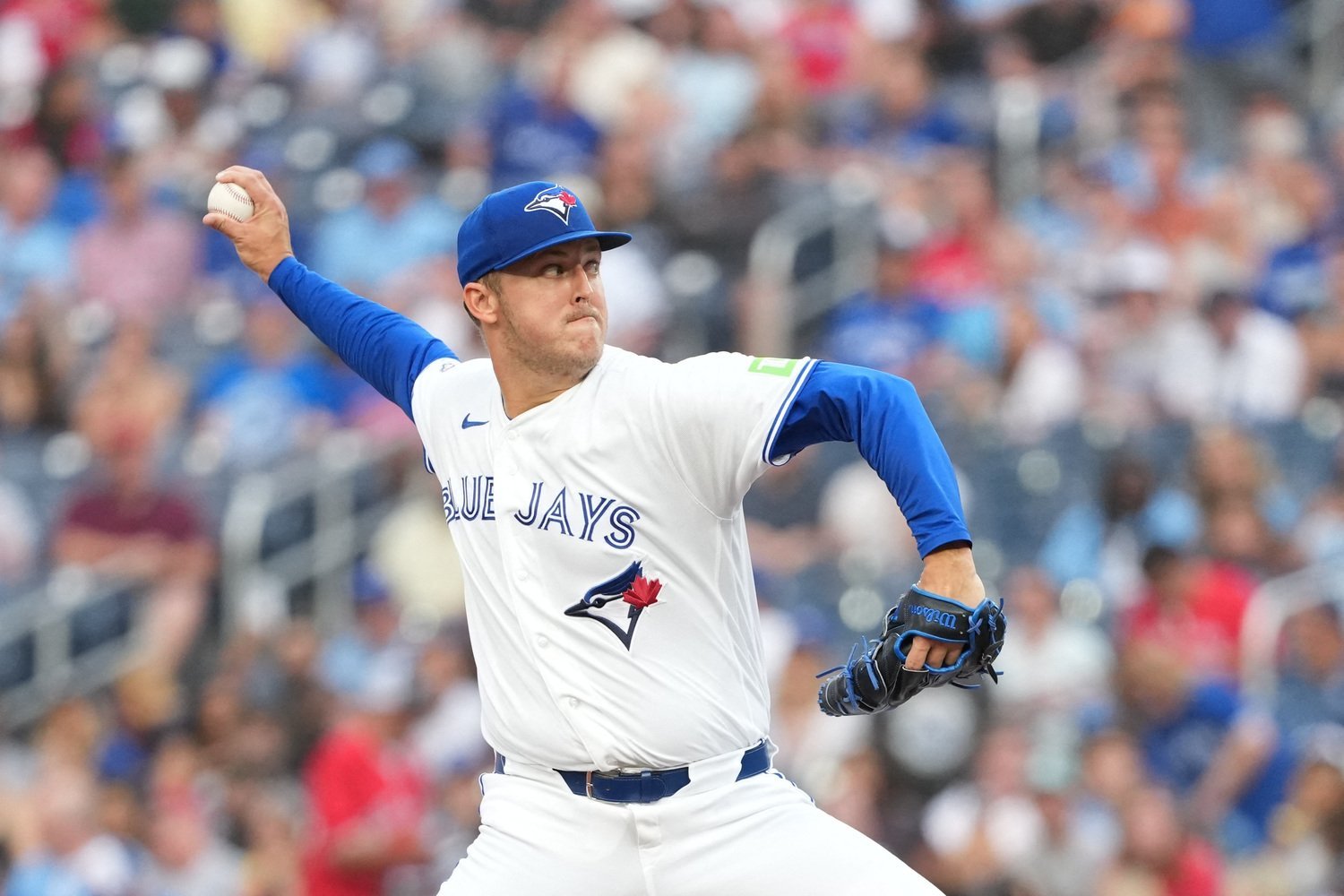 The Blue Jays placed right-hander Jameson Taillon on the 15-day injured list today with right forearm tendinitis. He exited yesterday's game early, citing tightness in his pitching arm. He had thrown four scoreless innings against the Red Sox. Taillon is the latest member of the Blue Jays' rotation to hit the IL. He joins Trey Yesavage, Patrick Corbin and fellow trade acquisition Spencer Arrighetti on the shelf, as well as José Berríos, Cody Ponce, and Bowden Francis, all of whom are out for the season. Dylan Cease, Shane Bieber, and Max Scherzer also spent time on the IL earlier this year. The Blue Jays recalled Chase Lee to take Taillon's spot on the active roster. The team has several candidates to take Taillon's next turn in the rotation, including Spencer Miles, Simeon Woods Richardson, and Matt Waldron, who are all currently pitching out of the bullpen. More starting depth in the minors includes Lazaro Estrada, Chad Dallas, and CJ Van Eyk. View the full article
 -
 Every month, Fish Unfiltered takes Miami Marlins fans "Inside the Dugout," bringing you an extended, exclusive interview with Marlins manager Clayton McCullough. During our August sitdown, McCullough speaks with AJ Ramos and Kevin Barral about a wide variety of topics. They start off with a rundown of Kyle Stowers' hamstring strain and how the Marlins will fill the void at first base during his absence. Then, they discuss the team's tendency to make critical outs on the bases, McCullough's role on trade deadline day last week, strong recent stretches from Jakob Marsee, Griffin Conine, Michael Petersen and Pete Fairbanks, the value of Sandy Alcantara and more. You can find Fish Unfiltered and Fish On First LIVE on the Fish On First YouTube channel, Apple Podcasts, Spotify or wherever else you get your pods. As was the case in spring training, Stowers has been diagnosed with a Grade 1 hamstring strain. His previous injury kept him out of major league games for four weeks. Griffin Conine is Miami's starting first baseman on Tuesday night, making only his second career start at the position. McCullough also mentioned Leo Jiménez and newly recalled Graham Pauley as expected part-time contributors at first base while Stowers is out. Despite taking pregame reps as well, Agustín Ramírez is not going to see action there in the near future. Each of the Marlins' next four opponents are directly competing with them for a National League Wild Card berth, beginning with the Pittsburgh Pirates. The Marlins are 2.5 games ahead of them entering the series. View the full article
 -
Royce Lewis Is Heating Up at the Perfect Time for the Twins
DiamondCentric posted an article in Twins Daily
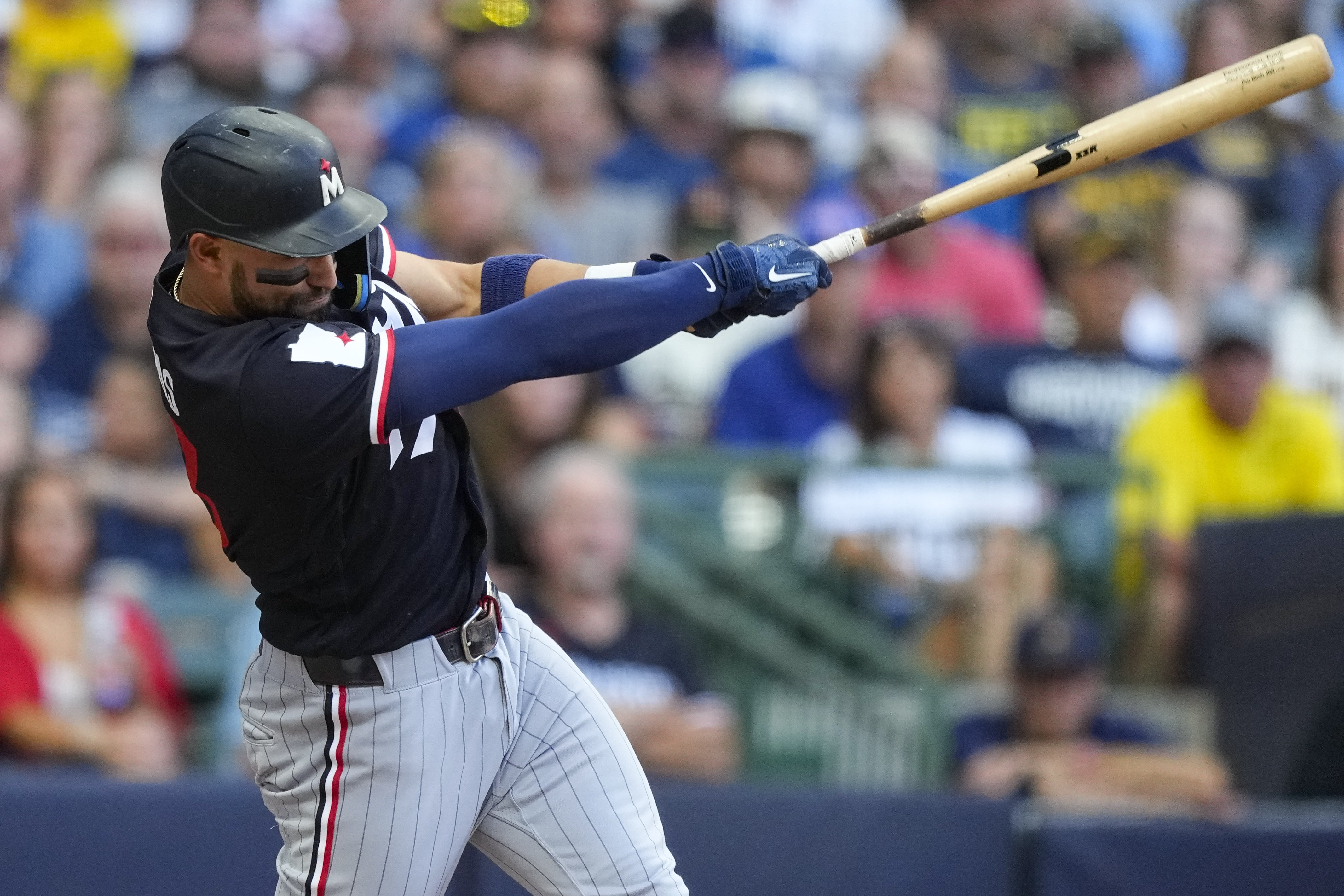 Royce Lewis has long been one of the more fascinating (and frustrating) players not just on the Twins’ roster, but in all of Major League Baseball. When he’s right, Lewis looks like an All-Star-caliber player. The power is obvious, the athleticism is obvious, and there are stretches where he looks capable of taking over games in a way very few players across the entire league can. The problem has been finding that version of Lewis consistently enough. That inconsistency has been on full display again this season, but perhaps the most encouraging development for the Twins is that Lewis appears to be trending in the right direction at exactly the right time. On the season as a whole, Lewis is hitting .239 with a .313 on-base percentage and a .739 OPS. Those are fine numbers on their own, but they don’t exactly jump off the page. More importantly, they fail to capture just how dramatically his season has changed over the past few weeks. For much of the first half, Lewis was struggling. Prior to the All-Star break, he hit just .219 with an on-base percentage below .300 and an OPS below .700. His 94 wRC+ further underscored those struggles, putting him below league average offensively. Eventually, things deteriorated to the point where the Twins optioned Lewis to Triple-A. That obviously wasn’t what the team had hoped to see, but the demotion may have ultimately served as something of a reset. And since the All-Star break in particular, the difference has been striking. Across 22 games, Lewis is hitting .293 with a .359 on-base percentage and an .859 OPS. He has recorded 10 extra-base hits and five stolen bases during that span, showcasing the well-rounded skill set that has always made him such an intriguing player. His 136 wRC+ since the All-Star break may be the most telling number of all. Lewis hasn’t simply been hitting for a decent average during this stretch. He has been well above league average offensively, and he’s been impacting the game in multiple ways. That matters because the version of Lewis the Twins need down the stretch isn’t necessarily the player who hits 30-plus home runs or produces at an MVP level for an extended period. They simply need the player who can consistently put pressure on opposing teams. When Lewis is seeing the ball well, his power changes the way pitchers have to attack him, and his speed gives him another way to create offense once he reaches base. That combination is what gives him such a high ceiling. It’s also why his recent surge is particularly meaningful for a Twins team that remains firmly within striking distance of the postseason. Despite coming off of a disappointing series in Milwaukee, Minnesota came into the week just four games back in the American League Central and 1.5 games behind the final American League Wild Card spot. There’s obviously plenty of work left to do, and the Twins have little margin for error. But they’re close enough that a strong final month-and-a-half could completely change the outlook of their season. And if that happens, Lewis is going to have to be part of it. The Twins’ offense, especially without Byron Buxton, has been needing some players to step up. Lewis provides a different dimension when he’s playing at his best. There is a ceiling to this lineup that simply isn’t there when he is struggling to make consistent contact or get on base. That’s what makes his current stretch so encouraging. It would be misguided to assume that Lewis is suddenly going to maintain an .850 OPS for the remainder of the season. His track record suggests there will be some ups and downs along the way, and another cold stretch would hardly be surprising. The goal should be consistency, not perfection. If Lewis can settle somewhere around a high-.700s to low-.800s OPS over the remainder of the regular season, that would be a meaningful contribution to a Twins lineup trying to fight its way into October. And if he can do more than that, Minnesota could have something even more valuable. His streakiness can be a gift and a curse. Right now, though, it's working in the Twins’ favor. Lewis is playing his best baseball of the season while Minnesota is trying to make up ground in a crowded American League playoff race. That doesn’t guarantee anything, but it gives the Twins something they desperately need: another potentially dynamic bat playing at a high level. There is still a long way to go. The Twins will need better pitching, more consistent production throughout the lineup, a healthier roster, and plenty of other things to break their way if they are going to make a legitimate push for October. But Lewis doesn’t need to carry the entire team; he needs to continue being the player he has been over these last few weeks. If he can do that, the Twins suddenly have a much more dangerous lineup than they did earlier in the season, especially if Buxton returns in the coming days. And perhaps most importantly, they have a player who is starting to look like the version of Royce Lewis everyone knew was still somewhere in there. For a Twins team still fighting for its season, the timing couldn’t be much better. View the full article
 -
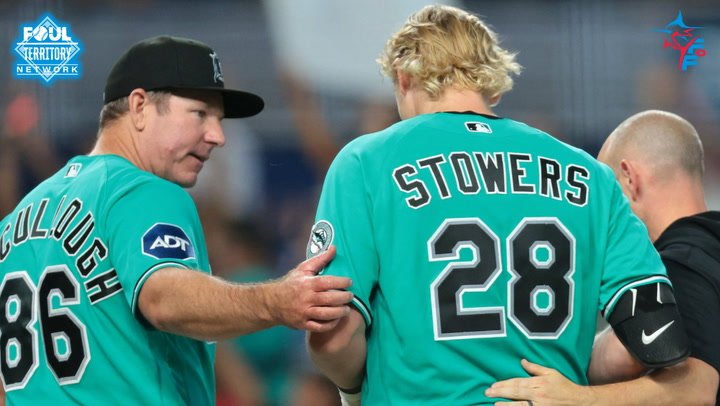 Marlins manager Clayton McCullough explains how he plans to patch things together at first base in the absence of Kyle Stowers, who landed on the injured list prior to Tuesday's game. View the full article
 -
 Owen is pumped that the Blue Jays are playing better baseball, but Jesse is a little less convinced. Owen makes the case that the Blue Jays are better than every team currently between them and the third American League wildcard spot before the guys go into a full breakdown of the series in Philadelphia. They talk Zack Wheeler's antics, Nathan Lukes and Andrés Giménez heroics, and José Soriano's first Jays start before breaking down a huge upcoming series against the Red Sox. Listen on Apple Podcasts: https://podcasts.apple.com/us/podcast/the-jays-centre-podcast/id1846108462 Listen on Spotify: https://open.spotify.com/show/3Bi7SzfpcqMo5xYWnbCeoL Listen on iHeartRadio: https://www.iheart.com/podcast/263-the-jays-centre-podcast-300304824/ Listen on Pocket Casts: https://pca.st/2qk9wqxd Watch on YouTube: https://www.youtube.com/@jayscentre View the full article
 -
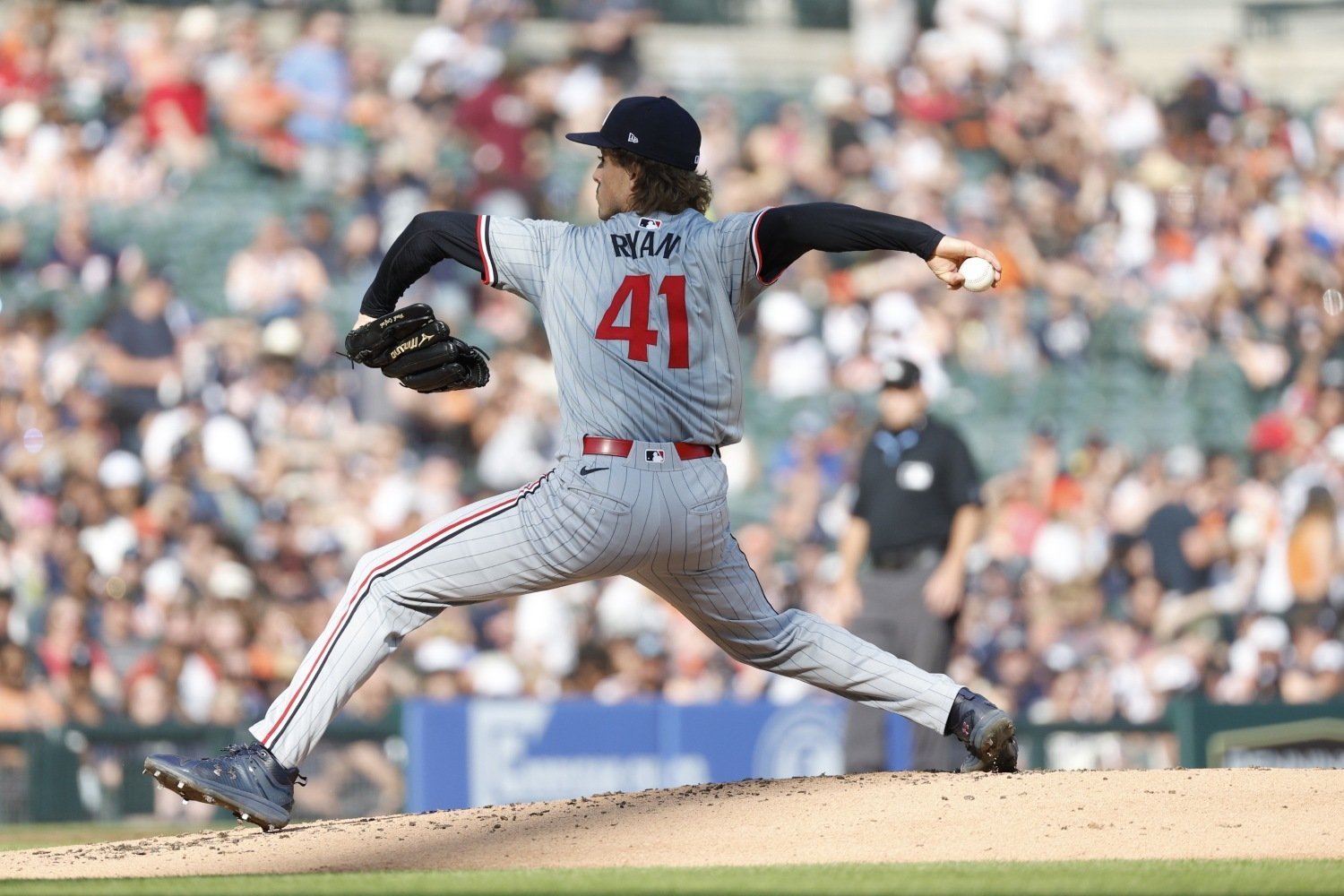 The Minnesota Twins received an encouraging update on Joe Ryan’s recovery Monday, but there is still plenty of work to be done before their All-Star right-hander is ready to return to the mound. Ryan, who is on the injured list with a mild left glute strain, played catch on flat ground Monday. It was a small step, but it was an important one for a pitcher who has been dealing with physical issues that have impacted both his mechanics and his results since the All-Star break. Twins manager Derek Shelton said Ryan’s throwing session was a positive development. “I had a brief but very good conversation with him,” Shelton said. “I think we’re going to just have to see how it continues to progress. But the fact that he’s out there throwing is a very encouraging sign. It was flat ground, but he was still playing catch.” Ryan is not eligible to return from the injured list until August 20, but the Twins don't appear interested in treating that date as a target. Instead, the organization wants to see how Ryan responds as he progresses through his throwing program. Twins general manager Jeremy Zoll echoed Shelton’s optimism while emphasizing the importance of taking a measured approach. “We want to make sure we don't try to push him along, and end up on this spiral or hamster wheel,” Zoll said. “We're trying to thread the needle on not having him down too long, so it doesn't require too long of a buildup (to return). But we also want to make sure everything is resolved.” That last part is especially important. Ryan hasn't simply been dealing with the glute strain. He has also experienced tightness in his back, and the combination disrupted his mechanics. Once those mechanics became compromised, his performance took a significant downturn. Ryan went 0-3 with a 9.39 ERA across three starts following the All-Star break before landing on the injured list. The Twins don't want to see him return simply because he is technically healthy enough to pitch. They need him to feel like himself again. “We have to start with that to make sure he feels like that's resolved before being able to progress,” Zoll said. “Obviously these things work all in conjunction. If you feel off physically, it can impact you mechanically and performance-wise. ... First and foremost, we want to get him feeling symptom free to be able to progress.” That approach makes sense for a pitcher Minnesota cannot afford to get wrong. Ryan is one of the most important pieces of the Twins' rotation, and his importance only increases as the club tries to remain in the American League playoff picture. Minnesota has already made additions to its pitching staff, but replacing a healthy version of Ryan over the long term is not something the organization can realistically expect to do. The good news is that Monday's throwing session represents progress. The bad news is that it is only one step. Ryan still needs to progress to throwing off a mound, build his workload back up and demonstrate that the physical issues that disrupted his mechanics have been resolved. The Twins will need to balance urgency with patience, particularly with the season entering its most important stretch. If the Twins are going to stay in the playoff hunt, they need their All-Star starter back. More importantly, they need him back healthy and pitching like the version of Joe Ryan they know he can be. Monday provided a reason for optimism, but the next few weeks will determine whether that optimism turns into a meaningful return. View the full article
 -
 The San Diego Padres are likely to be under new ownership next week. MLB is scheduled to vote Monday on the record $3.9 billion purchase of the Padres by Jose E. Feliciano and Kwanza Jones, Dennis Lin of The Athletic reported Tuesday. Feliciano and Jones are buying the team from the Seidler family, a process that began in November and was brought about with the death in November 2024 of Peter Seidler. The sale will require the approval of 22 of the 29 other MLB teams. Monday's vote will be by conference call. The $3.9 billion sale price eclipses the previous MLB record of $2.42 billion by Steve Cohen when he bought the New York Mets in 2020. While Feliciano and Jones will run the team together, making Jones one of the more high-profile women in MLB, only one individual can be the control person and that will be Feliciano. They will have between a 40% and 45% share, with a number of minority owners, typical for most every team, with the remainder including members of the Seidler family and some of those who previously held shares. While the sale was reported in April, Feliciano and Jones still had to formalize the minority owners, complete paperwork and pass a screening committee, which happened last week. View the full article
 -
Here’s Why Luis Pena Should Also Be Considered Untouchable
DiamondCentric posted an article in Brewer Fanatic
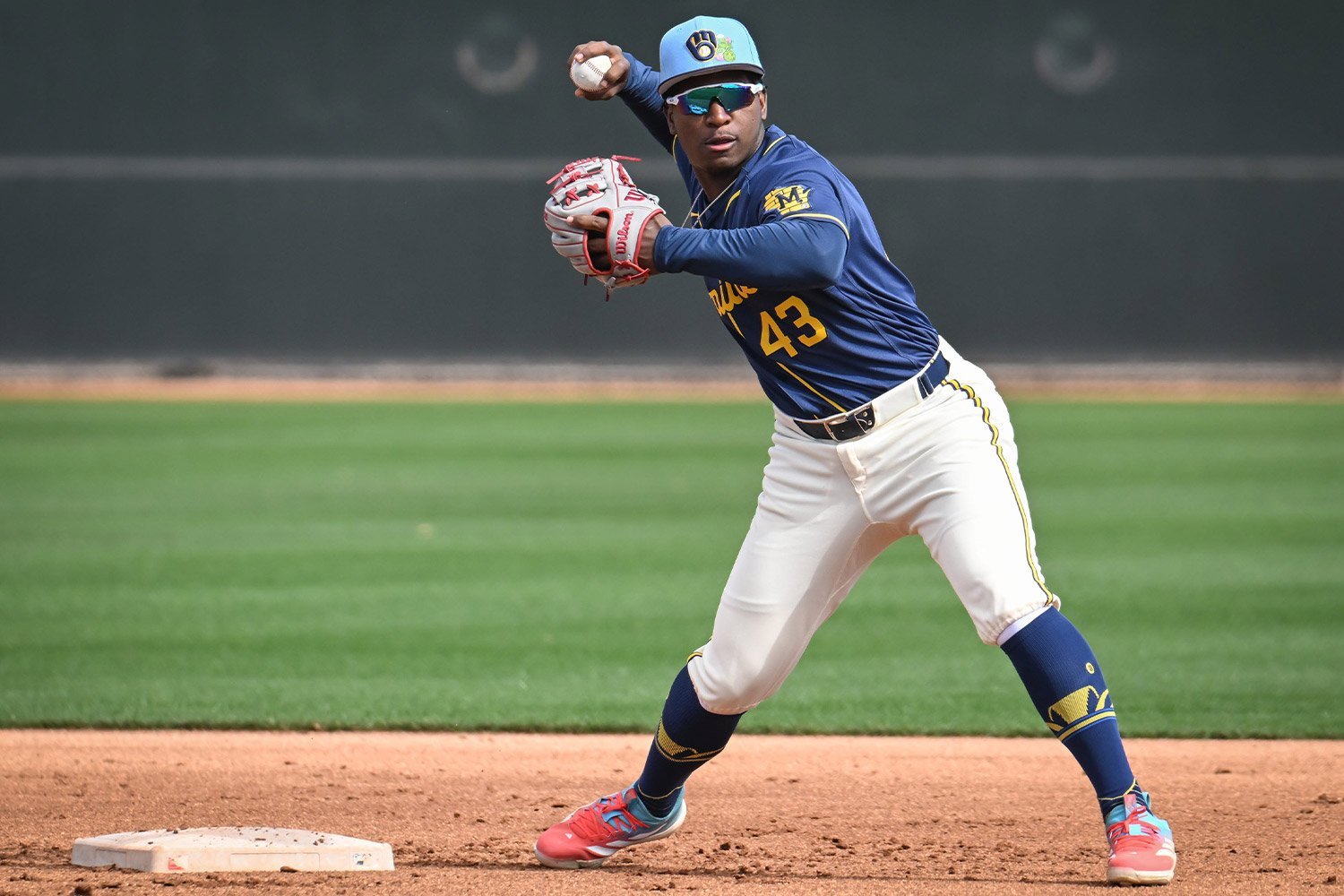 It’s not an exaggeration to say that Milwaukee has a lot of talent on the left side of the infield across the organization. In addition to Cooper Pratt, Brice Turang, Joey Ortiz, and David Hamilton at the major league level, there are multiple Top 100 prospects who could slot in there as well. One of those prospects, Jesus Made, is rightly considered to be untouchable in trade talks. However, with Jett Williams apparently close to MLB-ready, Luis Pena is seen as a potential trade chip and was reportedly the centerpiece in the Brewers’ offer for Tarik Skubal. But the crowded infield doesn’t mean there isn’t a role for Pena with the Brewers – in fact, recent history suggests that the Brewers may be better served by making him as untouchable as Made. The Current Brewers Infield Right now, the Brewers have Brice Turang at second, Cooper Pratt at shortstop, and a platoon of David Hamilton and Joey Ortiz at third. This isn’t a bad setup at all, and if anything, their defense helps as much as their solid offense since June 1. While Turang has increased his power each year in the majors, Pratt, Ortiz, and Hamilton don’t quite scare pitchers (although none are easy outs, either). Well, Pratt could be crossing into the "scary" territory with his numbers since July 1. First base will be interesting, as Jake Bauers is a potential free agent and Andrew Vaughn will be in his last year of arbitration, but that is a subject for another article. Recent History In 2024 and 2025, the Brewers have found themselves set off track by injuries (losing Christian Yelich for most of 2024) and fatigue (players just wearing out by the NLCS). The real question has been maintaining depth with the slots on the bench and the spots at Triple-A Nashville. The good news is that the Brewers have talent; it’s just a question of figuring out how to make it all fit. The thing is, the very players that some considered dealing to rent Skubal for three months could probably make the Brewers far better over the next decade, and Luis Pena is Exhibit A in this. Pena’s Profile and Potential Role Pena is a right-handed hitter who is flashing more power to go with speed and solid bat-to-ball skills. He’s got more swing-and-miss in his profile than Made, but there is clearly some real athleticism. Questions remain about his long-term defensive home, mostly due to his inconsistency on the infield. Could he end up in the outfield? We don’t quite know just yet, although Pena not being “locked in” might make him more valuable to the Brewers. Let’s fast-forward to 2028 spring training. Turang will likely be at second, with Pratt at shortstop and Made at third. Jett Williams would be one option off the bench, covering not just third base, but also second base, shortstop, and the outfield. Assuming the 2028 infield is Made, Pratt, Turang, and Blake Burns manning first base. Let’s further assume the outfield is Josh Adamczewski in left, Luis Lara in center, and Jackson Chourio in right, with Jeferson Quero and Bo Naylor splitting time behind the plate. Yelich is in his last year as DH. Assume the Brewers have four bench spots. One will be taken by whichever of Quero and Naylor is not starting. Assume Jett Williams has another. Figure the Brewers will have an outfielder (Sal Frelick, perhaps?) on the bench as well. In this case, the Brewers may be well-served to put Pena on the bench. Pena can similarly slot in, either right next to Williams, or even as a replacement (recall that the Brewers moved Caleb Durbin and Isaac Collins over the offseason and got potentially valuable returns for the former) or as a replacement, say alongside Luke Adams, with Andrew Fischer knocking at the door. Comps From The Past If the idea of Pena moving all over while still providing almost-elite offense seems familiar, it’s happened before. The Chicago Cubs used Javier Baez at multiple positions (second base, third base, shortstop, first base, left field, and right field) in their World Championship season of 2016 and their run to the NLCS in 2017. Around that same timeframe, the Brewers had Hernan Perez, who was less potent offensively, but who played every position but catcher from 2016-2019. Luis Pena could be the best of both players for the Brewers – not just a potent offensive threat, but one who allows the other players on the team to stay fresh. The Brewers farm system is reaching a point where the organization will have to consider how they will lose some of their prospects – but when it comes to a talent like Pena, the team may want to think of keeping him around, even without a single defensive “home.” View the full article
 -
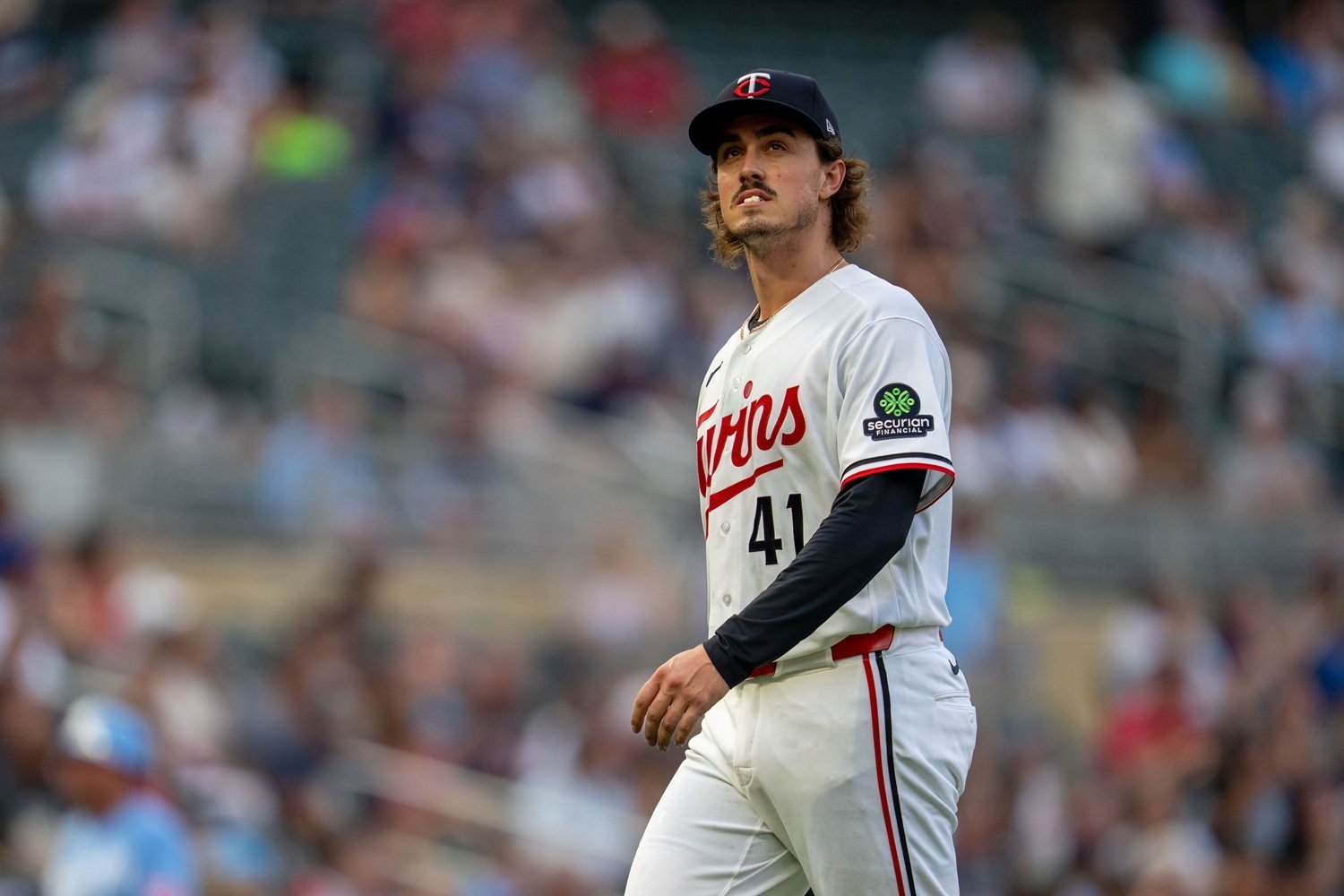 Trading Joe Ryan was certainly on the table last offseason after the trade deadline sell-off. The team chose to stay the course and aim for contention in 2026. It's worked; Ryan has been an anchor for the Twins so far as they’ve hung around in the wild card picture. But when the organization doubled down on setting their sights on the postseason, the annual questions about Ryan’s ability to help in the second half became impossible to ignore. The Twins have been put in a difficult spot. Ryan’s season took a complete 180 in his last three starts, allowing 16 earned runs in 15 ⅓ innings before heading to the injured list with a glute strain. This ostensibly minor injury could explain Ryan’s downturn, but the context of his historical struggles in the second half of the season is concerning. As the team continues to hang around in the playoff picture, they’re now without their ace, and even if his IL stay is short-lived, it’s fair to wonder what version of Ryan shows up whenever he is activated. The Twins had enough concerns in the rotation without Ryan’s notorious second-half splits showing up again. The team’s acquisition of Dean Kremer as rotation depth is now a necessity. Even with the innings Kremer will add to the rotation, it’s difficult to imagine the team making the postseason without Ryan returning to form. Ryan’s sample size of struggling in the second half has grown to such a point that it’s as much a part of his story as the back-to-back All-Star appearances. The team was fortunate to be in a reasonable spot to buy at the deadline, as Ryan allowing six homers to Cleveland on July 20th would have raised some eyebrows from potentially acquiring teams. That may be irrelevant now, but if Ryan either spends an extended amount of time on the IL or returns as a shell of his first-half self again, skepticism will only grow stronger. The Twins may very well have Ryan penciled into their 2027 plans, and there is a strong argument that they should. If that’s the case, they may need to give special consideration to making sure they have the starting pitching depth and talent to make it through the second half. Injuries in the pitching staff can happen anytime, but Ryan’s drop-offs late in the season are becoming something worth planning for. Even if he's in their plans, the Twins may be open to listening on calls regarding Ryan in the offseason in case another team wants to blow them away. It seems far less likely for that to happen than it has in past years. As the second-half struggles rear their ugly head again, teams are certain to question whether Ryan can be counted on during the most important stretch of the season. The Twins had previously asked for two top-100 prospects in return for Ryan, with some teams reportedly ready to meet that demand. It’s worth questioning whether the Twins would get anything close to that return at this point. The Twins are in a bad spot now as a contending team in need of their ace. They also likely don’t have nearly as much flexibility this offseason if they are open to trading him. Joe Ryan has been a massive addition to the rotation the last several years, but his pattern of second-half struggles threatens to put a real damper on the tail end of his Twins career. How should they move forward? What would you advise? Let us know in the comments. View the full article
 -
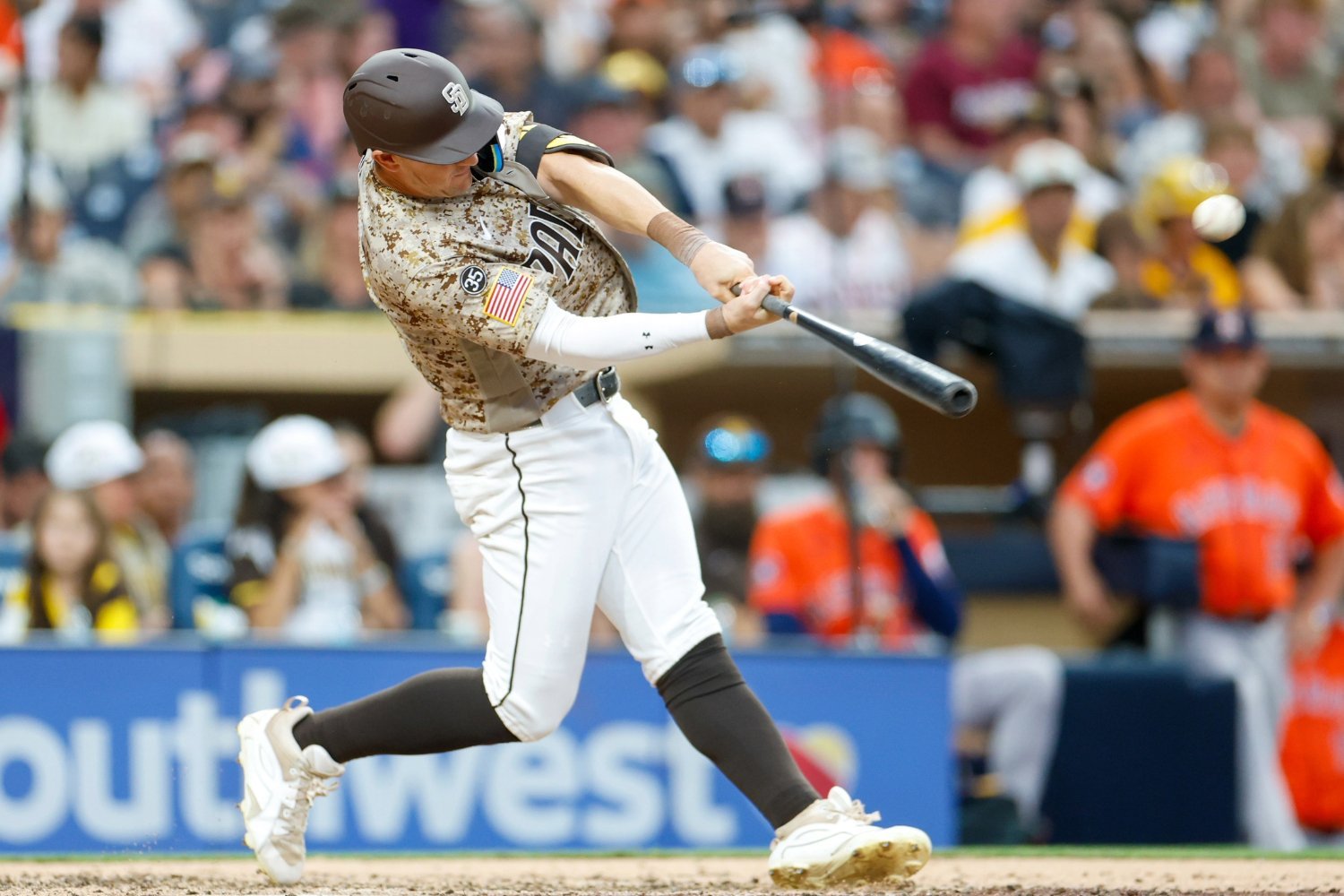 All of the talk around the San Diego Padres at the trade deadline related to starting pitching, and rightfully so considering the staff's patchwork nature. They were able to address that effectively with the additions of Robbie Ray & Casey Mize, but such an effort also neglected a secondary need in the form of a supplemental bat. It's gone with less notice as the year has worn on and several hitters have rounded into form, but the Padres have long featured a similar approach in their positional depth as they have from a starting pitching standpoint. They attempted to fill out their bench with volume (via minor-league deals and one-year contracts) above all. In some cases that's worked (Luis Rengifo) and in others it very much hasn't (Nick Castellanos). One spot in particular where the need for depth has manifested has been in left field. An injury to Ramón Laureano left something of a vacancy there, with Craig Stammen rotating a cast of characters that has included eight different players throughout 2026. Most recently, that's been a heavy dose of Gavin Sheets on the outfield grass, which isn't necessarily what you want with a team that has focused on improving defensively this season. Enter Austin Hays. He was a castoff of the Chicago White Sox after his one-year deal was marred by injury and the ascent of a number of youngsters (and the addition of Randal Grichuk) in an upstart season, which led to his designation for assignment earlier this month. He was subsequently released after logging just a dozen games of work, a shade over 45 plate appearances, and a bunch of strikeouts. The Padres were happy to add him quickly given their present need for some supplementary help in the outfield. And then, it took just one swing for Hays to announce himself in San Diego: It's not so much that we should expect Hays to do that with regularity (though he did homer 15 times for Cincinnati just last season). It's what he brings to the Padres in a specific area of need. Against left-handed pitching, the Padres have been one of the worst offensive teams in the league. They've slashed only .240/.307/.365 with a bottom-of-the-league .125 ISO and 88 wRC+ as a collective. While that does take into account the full season and we've seen the offense improve over the last month and change, the addition of a hitter who can handle lefties was considered a secondary need that they were unable to address directly at the trade deadline. Hays, however, can be just that. For his career, Hays has slashed .283/.340/.481 against southpaws, with a 125 wRC+ that far exceeds his mark of 96 against right-handed pitchers. His .198 career ISO against them is more than 30 points higher than his work against righties. Toss in the fact that Hays has generally lingered around the average threshold defensively (if not just a shade below it) in left field, and the Padres were able to reign in precisely the kind of player that they likely needed ahead of the deadline. Only without the additional prospect cost. Let's not pretend that the Padres just picked up an offensive savior. That responsibility lies in bats like Fernando Tatis Jr., Jackson Merrill, and Manny Machado. For his part, though, Hays adds a dynamic that fortifies this lineup against lefties in a way they previously lacked. There's tremendous value in that, and, ideally, Sunday's home run is the first of a few we see from him down the stretch as they continue their pursuit of a National League Wild Card spot. View the full article
