


DiamondCentric
-
Posts
2,631 -
Joined
-
Last visited
Never
Content Type
Profiles
Forums
Events
News
Tutorials & Help
Major League Baseball Videos
Guides & Resources
Store
Downloads
Gallery
Everything posted by DiamondCentric
-

Royals Make Roster Decisions Ahead of Athletics Series
DiamondCentric posted an article in Royals Keep
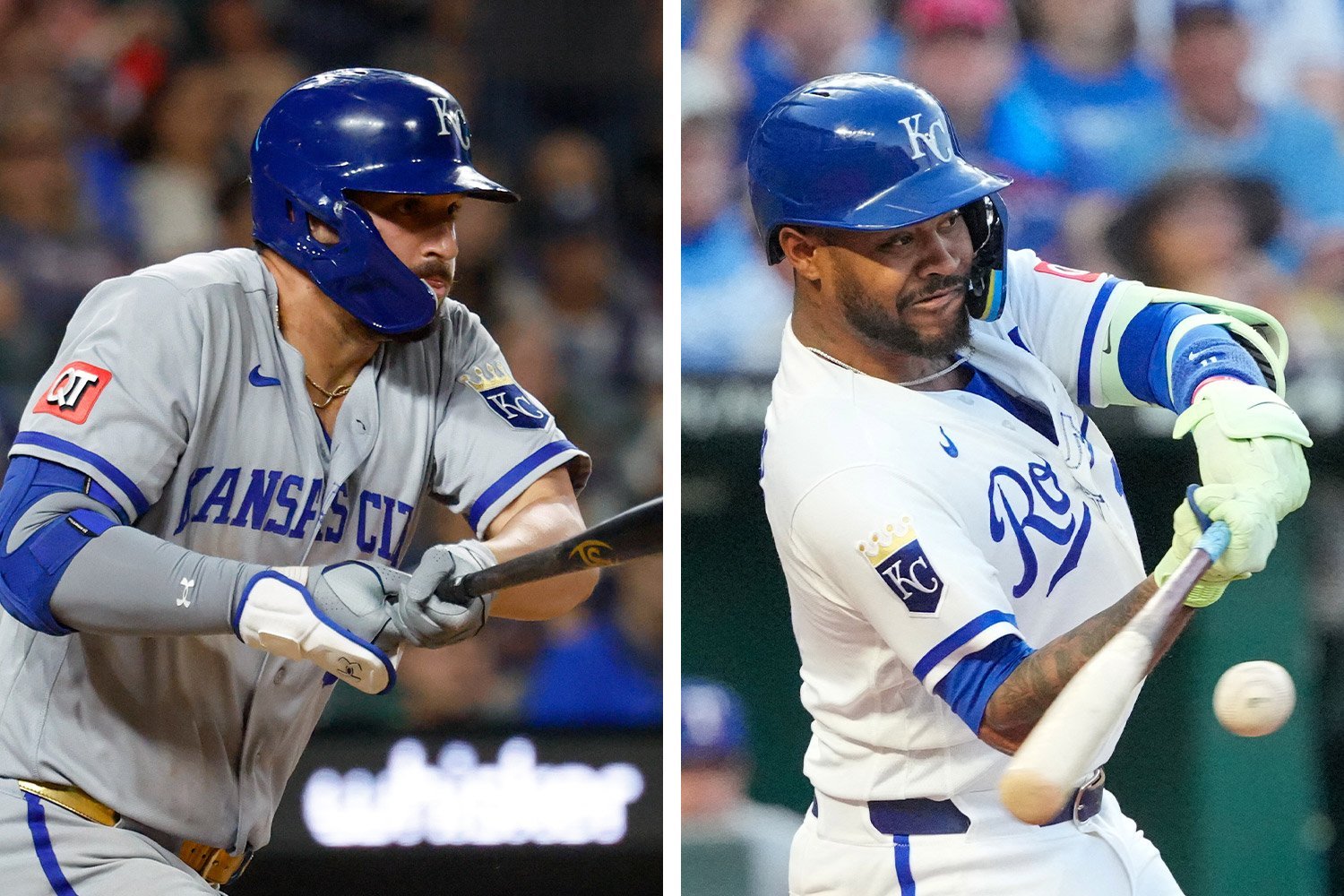 The Royals have reinstated both Vinnie Pasquantino and Maikel Garcia from the injured list after their respective rehab assignments. The Royals have also called up left-handed reliever Connor Thomas to the major league roster. To make room on the active roster, the Royals optioned infielder Josh Rojas and right-handed reliever Jose Cuas to triple-A and designated veteran outfielder Starling Marte for assignment. Pasquantino has been out of the lineup since July 28 with a wrist injury. Garcia had been sidelined for a longer time with a muscle strain, not appearing since June 22. Thomas was claimed off waivers from the Athletics on August 4 and made three appearances in Omaha before his callup to the Royals. In those three appearances, Thomas threw 2 ⅔ innings with a 6.75 ERA. Garcia’s return makes Rojas a surplus in the infield. Pasquantino’s return will allow Jac Caglianone to shift back to right field, making less room for Marte. Marte’s season in Kansas City has been underwhelming with a slash line of .242/.298/.314 with a 71 wRC+ and -0.5 fWAR. Marte’s DFA leaves one spot open on the 40-man roster. Cuas’s recent stint on the major-league roster was strong with no earned runs in 4 ⅔ innings pitched over five appearances. The Royals return home for a seven-game home stand after a West Coast road trip. Both Pasquantino and Garcia return to the starting lineup to face the Athletics tonight at Kauffman Stadium. View the full article
 -
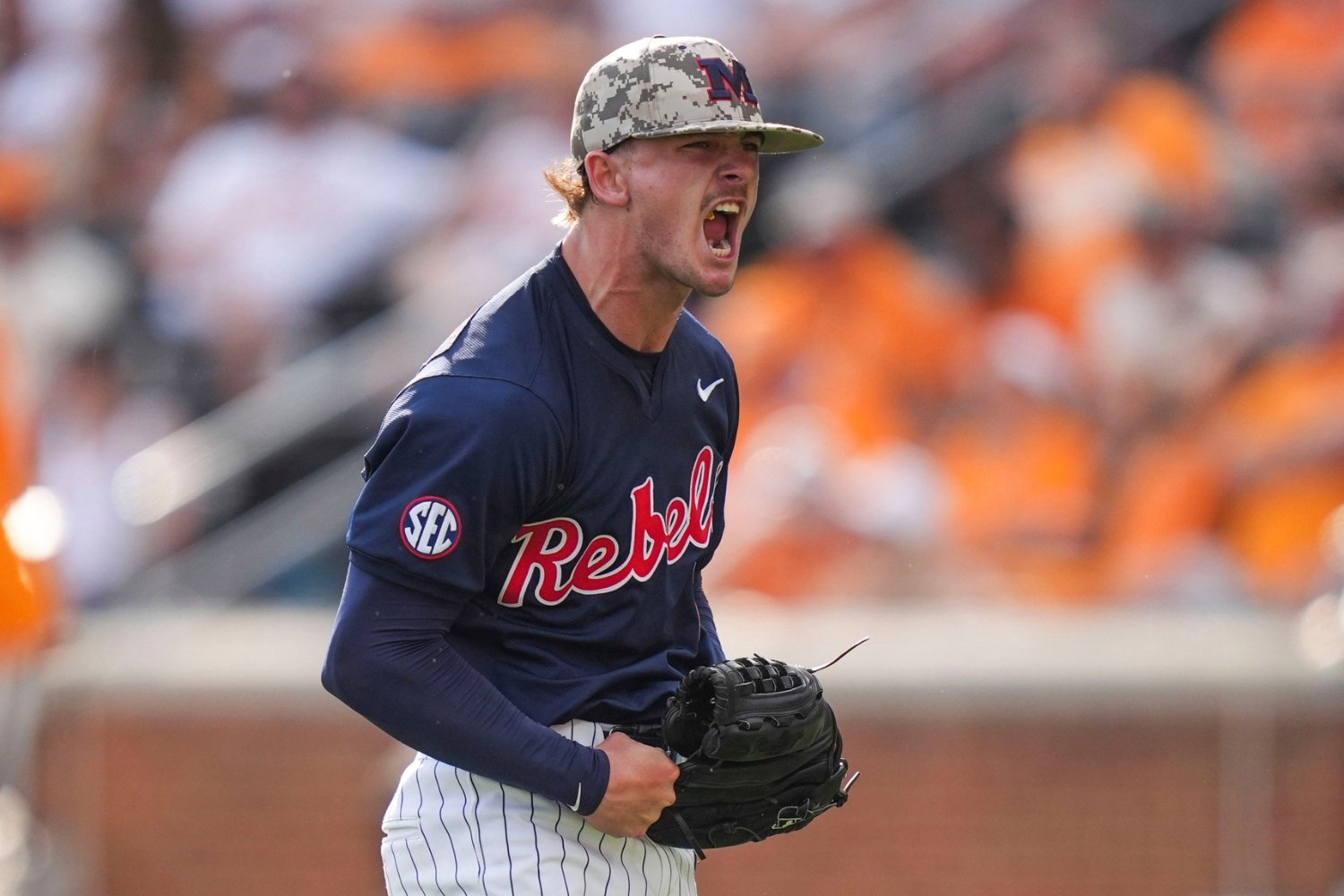 July can be a bit of a wild month when it comes to prospect lists. On one hand, new additions via the amateur draft can shake up the order with a flood of exiting new talents. Having multiple picks in the top-75, the Chicago Cubs were able to add a lot of upside into the system with some exciting youngsters fresh out of college; Cade Townsend (first round), Caden Sorrel (second round) and Myles Bailey (third round) are a welcome group with big-time potential. At the same time, July can represent a time where teams with October aspirations will subtract from their pool of talent, something the Cubs very much did as Jefferson Rojas and Mason McGwire (among others) now find themselves in new homes. Where does the system sit today after all of the incoming an outgoing players? Below you will find the results of our most recent crowd-sourced voting by readers and staff here on North Side Baseball. Chicago Cubs Updated Top-20 Prospects List (Post-Deadline 2026) 1. Josiah Hartshorn, OF 2. Cade Townsend, P 3. Jaxon Wiggins, P 4. Owen Ayers, C 5. Kane Kepley, OF 6. Ethan Conrad, OF 7. Caden Sorrell, OF 8. Kaleb Wing, P 9. Myles Bailey, 1b 10. Brooks Caple, P 11. James Triantos, utility 12. Will Sanders, P 13. Juan Cabada, INF 14. Jostin Florentino, P 15. Derniche Valdez, INF 16. Grant Kipp, P 17. Jose Escobar, OF 18. Ariel Armas, C 19. Fernando Cruz, INF 20. Brandon Birdsell, P New Additions The newest additions to our Cubs top-20 are the three aforementioned top-75 selections in the most recent draft. You can view their scouting reports from our draft day profiles on each of them (by clicking on the hyperlinks below). Cade Townsend Caden Sorrell Myles Bailey Only Sorrel has joined an affiliate, as Townsend is coming off a full year of pitching in the SEC while Bailey is still recovering from an injury. All three are fun upside plays, and Sorrell so far is looking fun in small doses. The strikeout rate is elevated at Low-A, sitting just under 30%, but that isn't surprising based on his draft profile. Much of the work there will likely be swing-related and will happen over the offseason. Now is as much about acclimatization as it is results. Outside of the draftees, Jose Escobar is our other new addition to the top-20 list. Escobar, 21, is a former international free agent signing out of Venezuela in the 2022 cycle. Despite being unheralded at the time, the kid has just kept hitting and hasn't stopped yet, earning a promotion mid-year in 2026 to High-A South Bend. Escobar is a smaller-framed outfielder, listed at 5'8" and 165lbs (this information is likely well out of date now) who has managed to not allow his size to slow him down, posting a 123 wRC+ on the season as a whole. He's managed some solid data across the board as well as promising reports of his exit velocities, which make you think there's more power to tap into. His left-handed swing is quite pretty and it wouldn't be the craziest thing for him to slide under the prospect radar like Pedro Ramirez did only to explode one day. He's one to keep an eye on for the future. Prospects on the Rise Escobar isn't the only prospect who's seen their stock jump. There's no better example of a prospect with a rocket ship attached to their back than catcher Owen Ayers. The former 19th-round pick out of Marshal has really forced the Cubs' hands this year, screaming through High-A and Double-A already; he could be in line for a 2026 promotion in September. The organization has treated him like a top-50 (or so) prospect and is very high on him and the numbers have backed this up. Really, the only knock is that he's already 25 years old. A pair of 2025-draftees also have their arrow pointing up, as Kane Kepley and Ethan Conrad are both making late bids to be on top-100 lists entering the 2027 season. Both have been recently promoted, Kepley to Double-A Knoxville and Conrad to High-A South Bend, on merit and both are showing the flashes of brilliance that caused the Cubs to select them in the top-60 last season. They're prospects who certainly look to have an MLB future and by the end of 2027, it wouldn't be insane to think they will both be knocking on door of being called up and realizing that possibility. Prospects Whose Stock Has Fallen Jaxon Wiggins hasn't had a very smooth 2026. After missing a good chunk of last year due to injury, Wiggins started this year on the IL as well. Since returning, he's really struggled with command of his pitches. More troubling has been his lack of velocity; routinely hitting 98-100mph last year even late into games. there have been days this year he's sat 95 and below. While it looked like this time last year he would be a possibility to help the Cubs in Chicago sometime this season, that timeline has been moved back. Two other pitchers have their stock somewhat in limbo due to current injury concerns as well in Kaleb Wing and Will Sanders. Wing, another 2025 draftee has had a major setback: the dreaded Tommy John surgery. We'll have to wait until (likely) 2028 to see the talented rookie again, so while he looked excellent in what we got to see of him this year, his future breakout will have to wait. Will Sanders, another pitcher, was also placed on the 60-day IL, though his injury cause is more cloudy as there have been no reports on what the cause of the ailment is. Sanders looked like he might be on the precipice himself of an MLB debut, but that won't happen this year. Hopefully he'll avoid the same fate as Wing and that will only delay his debut until next season. Overall Thoughts on the System This year was always going to be a season in which the name of the game was "transition." The Cubs were already moving from a system with a lot of talent near the MLB to one that was much more speculative and concentrated in the lower levels. Add in a draft and a trade deadline that threw a ton of moving parts into the mix, and it's very much in flux like we all thought it would be. This can be seen just from the variety in our lists. There is Josiah Hartshorn who is the consensus best prospect, a lot of players in that second or third tier where you can rank them in almost any order (for example, I personally have Owen Ayers No. 2 with Wiggins down at fourth) and then a host of prospects you can rank anywhere between, say, tenth to 30th. In other words, it's murky and we all have opinions. The positive is that we're seeing some of those prospects bubble up just below the surface which will allow some more clarity next season. A few 2026 draftees have hit the ground running; pitchers Chase Meyer (ninth round) and Luke Alwood (10th round) have already found their way to Myrtle Beach and have looked promising. Jose Escobar has become quite interesting in South Bend and continues to hit. Derniche Valdez wears glasses now and strikes out less. There are good things happening. There will be some who view the losses at the deadline as crippling, and they have that right. Losing a prospect like Jefferson Rojas is never easy, and pitchers like Mason McGwire were starting to look like potential steals. The prospect list will likely look very different 365 days from now due to promotions, another draft and another deadline, but this feels like a system that is on the right track (in my humble opinion) on the whole, even if they lost some fun players along the way. View the full article
 -
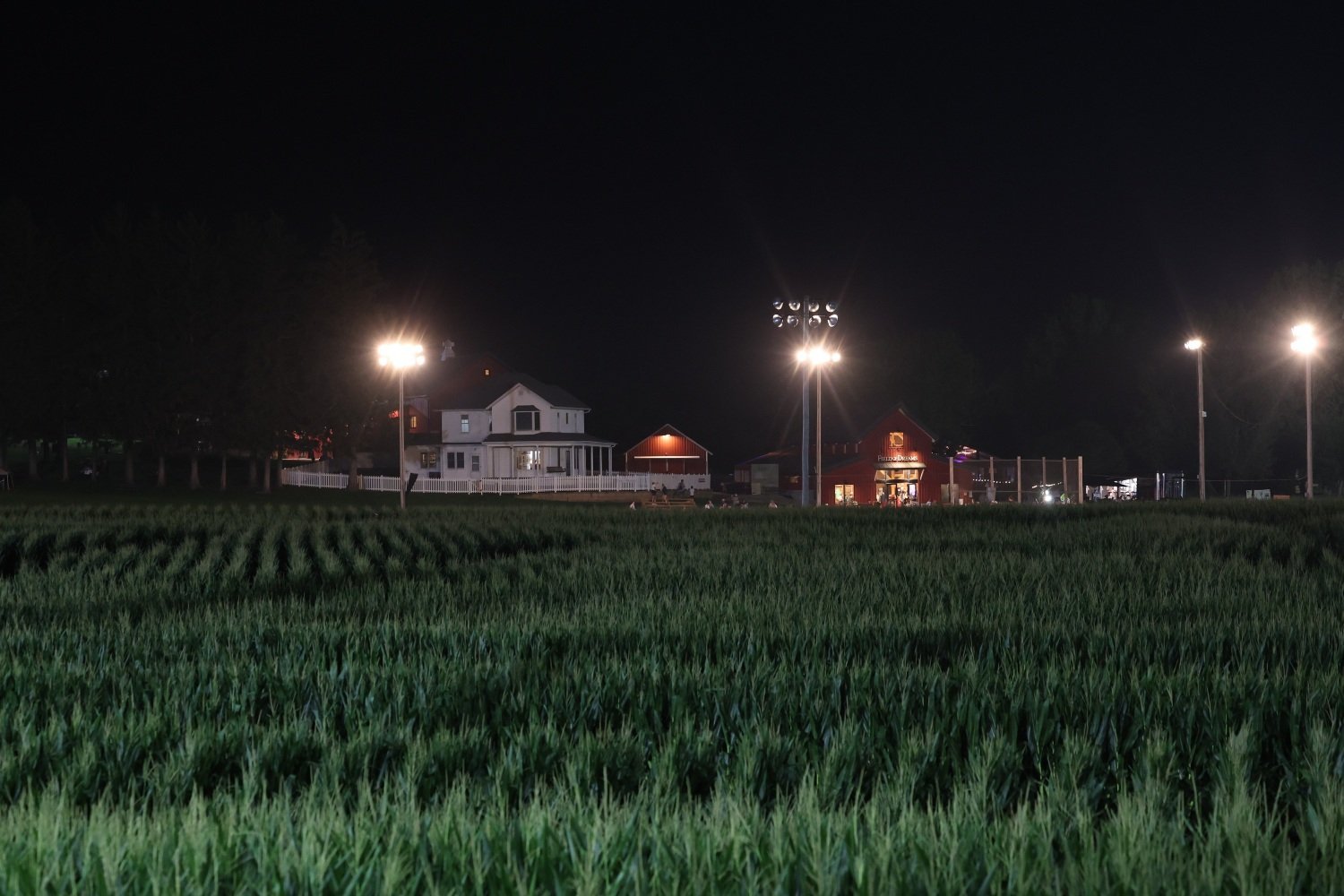 I suppose I didn’t have a choice but to be a baseball fan. It’s in my blood, to some degree. My great-uncle died of head trauma, after years of wearing beanballs as a barnstormer in the 30s and 40s. He and my grandfather had the chance to play against Satchel Paige and Ted “Double Duty” Radcliffe when they played for the Bismarck Club (sometimes known as the Churchills) in 1935. Apparently, Grandpa got a hit, but I’m skeptical. But Grandpa passed down his love of baseball to his son, and his son passed it down to me. Really, baseball is something you inherit from someone, whether it’s your parent, grandparent, aunt or uncle, or even your persistent friend who begs you to come out to the ballyard some Sunday afternoon; I myself made a baseball fan out of a nerdish grad school classmate with an afternoon Triple-A game. You don’t stumble into being a baseball fan; you’re led. If you became a baseball fan when you were a child, it probably involved a game of catch. I think my uncle was the first one to really play catch with me, but I also played with my dad plenty. At some point, though, you have your last game of catch with your father. You typically don’t know it. It’s something the two of you have always done, but over time, you play less and less catch. Suddenly, you haven’t played in years. And you didn’t even know it. Maybe it’s when you left for college. Maybe it’s when you hung up your glove after two agonizing years of tee ball. Maybe your dad throws out his shoulder, as many middle-aged men do, and you never get back to it. Maybe Dad left too soon, earlier than either of you hoped or expected. It's what Field of Dreams is famous for. Really, ask yourself, if Kevin Costner asked Dwier Brown anything other than if he'd "wanna have a catch," would you remember the film for anything other than its poor pacing and dialogue? It doesn't truly become a tear-jerker until we start thinking about playing catch with our own fathers, grandfathers, uncles, what have you—because it's something that nearly every baseball fan of a certain age or experience understands: that one last catch with Dad. You didn't know during your last catch that it was your last catch. Or, for some, it's the yearning for their first catch with their father—a catch that never actually happened. I had the privilege of knowing I was playing catch for the last time with my father. When I was 24, and Dad was 58, he was diagnosed with early-onset Alzheimer’s—a disease that slowly (though much faster than you’d ever hope) and irreversibly erodes the brain, leading to a loss of memory and executive function. It’s a terrible, terrible disease to watch someone experience, and I can only imagine (although I may someday know, or even not-quite-know) how terrible it is to live through. A few months after his diagnosis, I was visiting home. My younger brother was spending the summer in our hometown before leaving for graduate school, and we’d planned to play catch that afternoon. My brother called me a bit later, saying he’d gotten busy with some friends and not to wait up for him. So my dad, sensing the opportunity, asked if I’d like to play catch for a bit. I have no idea when he’d last thrown a baseball, let alone when we’d last played catch together. His arm was shot from years of throwing us batting practice, and I’d hung up my cleats after my junior year to focus on other sports. I clocked what was happening in the moment, and I think he did, too. He made it through about ten overhand throws, his shoulder stiff from years of disuse, before switching to underhand. We played for maybe ten minutes before putting our gloves away for good. But for those ten minutes, we were both 20 years younger. It’s been seven summers since that game of catch. By his 59th birthday, he required a walker to get around, after a lower back injury that he never recovered from. These days, Dad doesn’t do much talking. Or moving. Or even looking around. Once in a while, on a good day, you’ll look him in the eyes, and you’ll know that he knows who you are. We both knew we’d reach a day like today. So I like to think something divine kept my brother away from our backyard that day. We both needed that game of catch. To this day, I consider myself the luckiest man on the face of the earth to have had it—tied for first place with thousands of people I'll never meet, and with Dad. My story isn’t special. As I said, most people reading this of a certain age or experience have their own version of this story. There are an enormous number of people who would do anything to play catch with Dad one more time. I suspect many baseball fans think about exactly that every time the Field of Dreams game is played in Dyersville, Iowa. There’s the beauty of the players walking out of the corn, but there’s also the reminder of that final question. Hey, Dad. Wanna have a catch? I’d planned on telling a version of this story about the man who coached me not only in baseball, but also in football, basketball, and track, at a later date. You know, that later date. But Thursday’s Twins-Phillies game hit home for me in a way that I wasn’t expecting. Every time MLB plays a game in that corn, I lower my head and shed a tear thinking about my own father. But this time was different. Because when I lowered my head on Thursday to think about the big strong man that I used to play catch with, I saw my own newborn daughter, my firstborn, sleeping in my lap. She’d been born less than a week before; it was her first Twins game sitting in front of the TV with me. The Field of Dreams Game could have set an impossibly high bar, but given how the game played, I’m sure there are more magical Twins games in her future, if I’m successful in leading her to baseball fandom. I have no idea if she’ll be a baseball fan. She might not even be a sports fan of any sort, and that’s okay with me. But I hope that someday she’ll ask me some version of that question. Hey Dad. Wanna have a catch? Although she’ll never get a chance to play catch with her grandfather, maybe she’ll feel his love playing catch with me. I felt that same connection to my own grandfather when my dad taught me how to throw his dad’s palmball, even though I’d never met him. And I hope that, until she’s ready to see me years later when I’m worn down by life, I can be half the man that I see my own dad as, when I imagine his former, able body walking out of the corn. View the full article
 -
Dansby Swanson, Edward Cabrera Placed On Cubs' Injured List
DiamondCentric posted an article in North Side Baseball
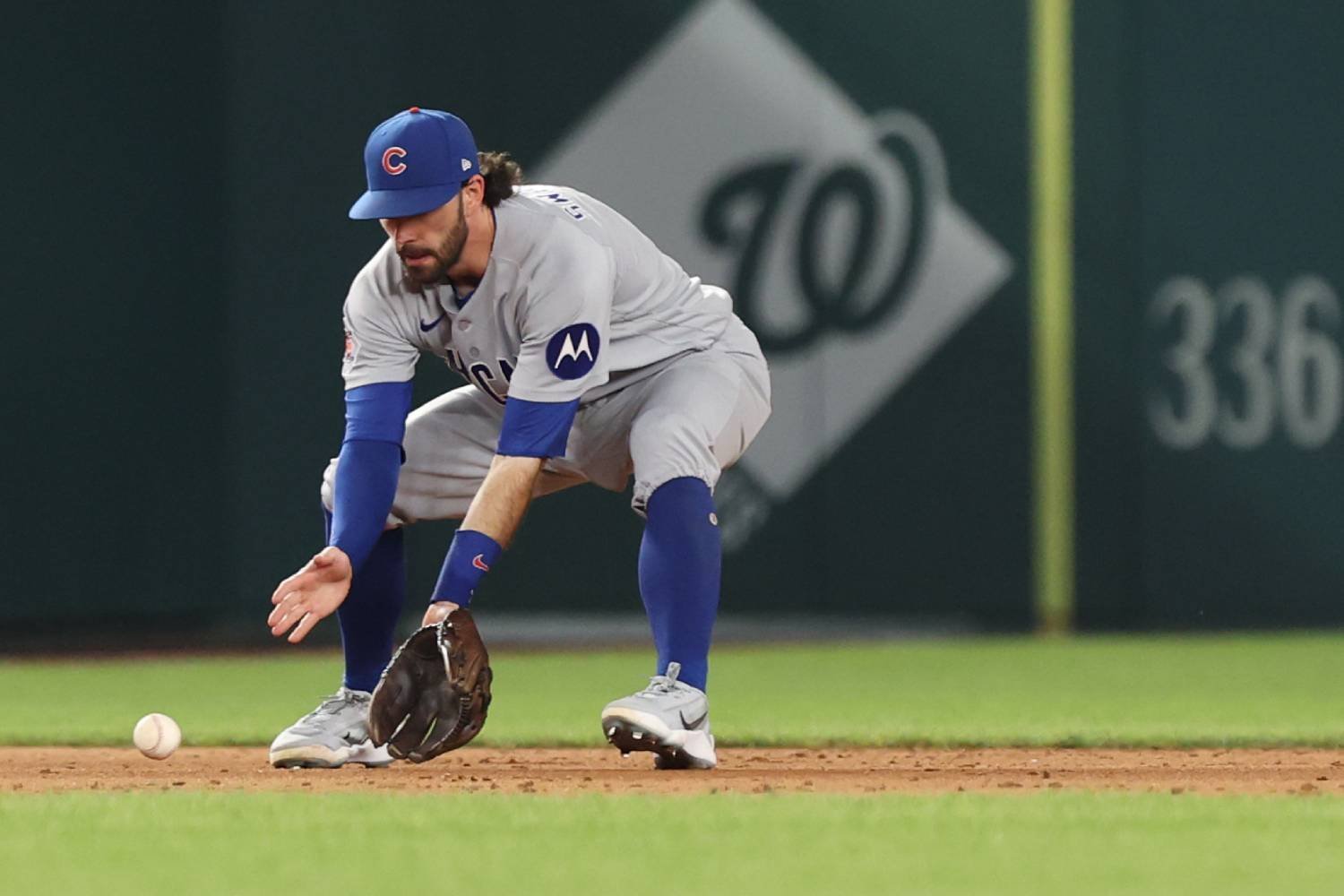 It was a double dose of bad news for the Chicago Cubs on Monday. Shortstop Dansby Swanson was placed on the 10-day injured list with a strained left oblique, while right-handed starter Edward Cabrera only lasted one game before going back on the 15-day IL with a blister on his right middle finger. Infielder Owen Miller had his contract selected from Triple-A Iowa, with right-hander Javier Assad and outfielder Kevin Alcantara called up from the I-Cubs. Infielder James Triantos was optioned to Iowa, while right-handed closer Daniel Palencia was transferred from the 15-day IL to the 60-day IL in a paperwork move to get Miller on the 40-man roster. Palencia has already spent 60 days on the IL. Swanson could miss the rest of the regular season with the oblique injury. He sustained the injury during a swing in the third inning of Sunday's 11-4 loss to the St. Louis Cardinals. It is a huge blow to the Cubs. Swanson is a terrific defender and has contributed 18 homers offensively, even if his slash line sits at a disappointing .216/.300/.404. Cabrera had come off the IL to start Sunday following a strained left hamstring that had kept him out since June 24. He lasted just 3⅔ innings vs. the Cardinals, allowing seven runs on six hits and three walks with two strikeouts. He had the middle finger bandaged after the game. Miller has spent the entire season at Triple-A, putting up a .296/.350/.457 slash line with nine homers and 57 RBIs in 96 games. View the full article
 -
Jays Take 2 of 3 From Yanks, Win 6th Straight Series
DiamondCentric posted an article in Jays Centre
 Owen and Jesse are pumped to see the Blue Jays continue to win baseball games, but they're still skeptical of the sustainability of those wins. Yet- the Blue Jays win another series, and there are plenty of positives to break down. They talk about why Alejandro Kirk hasn't gotten as much praise as he deserves, Charles McAdoo, Brett Bateman, and, of course, Louis Varland's incredible season. Listen on Apple Podcasts: https://podcasts.apple.com/us/podcast/the-jays-centre-podcast/id1846108462 Listen on Spotify: https://open.spotify.com/show/3Bi7SzfpcqMo5xYWnbCeoL Listen on iHeartRadio: https://www.iheart.com/podcast/263-the-jays-centre-podcast-300304824/ Listen on Pocket Casts: https://pca.st/2qk9wqxd Watch on YouTube: https://www.youtube.com/@jayscentre View the full article
 -
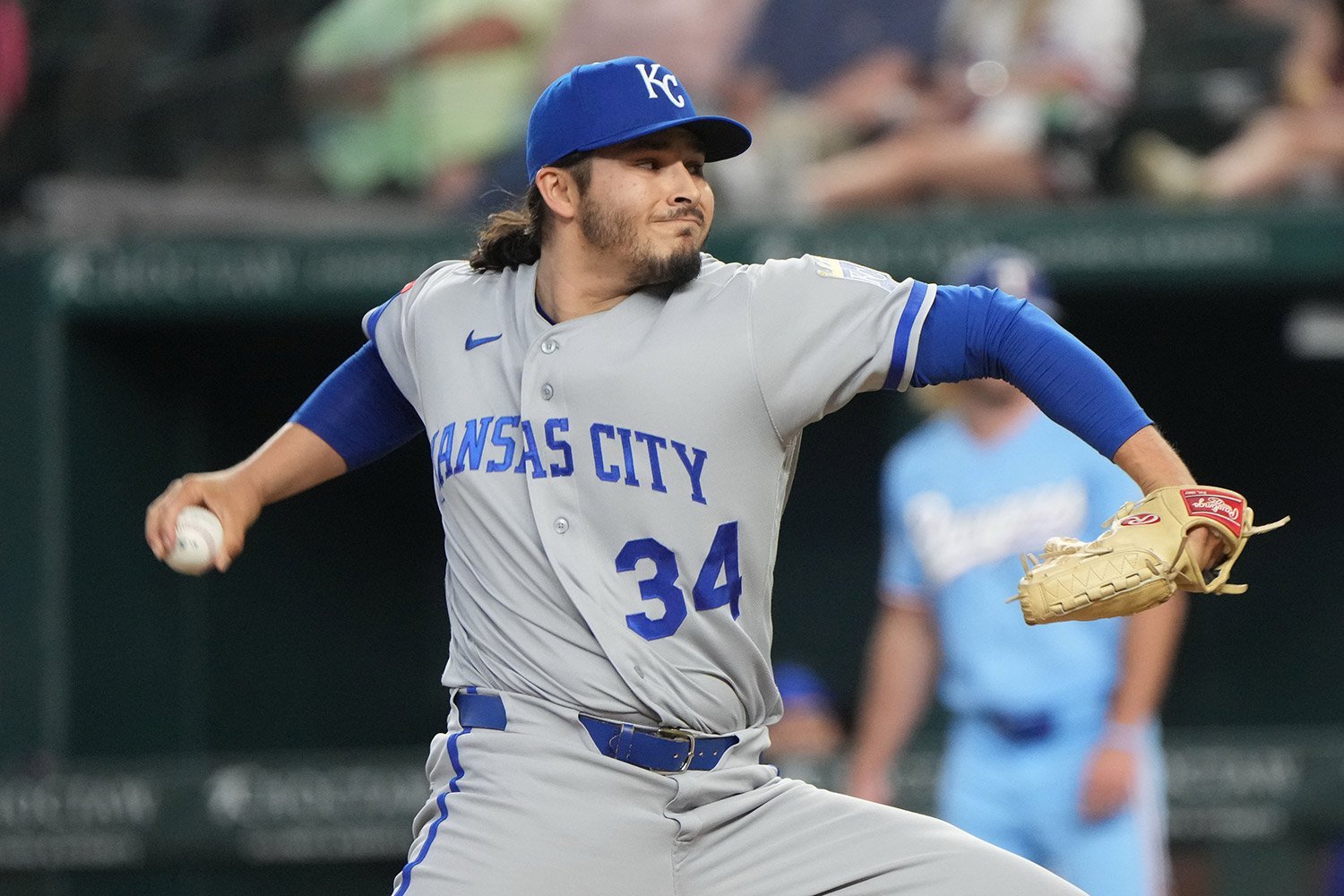 RHP Eli Morgan has elected free agency in lieu of accepting an outright assignment to Triple-A Omaha after being designated for Assignment on August 13. Morgan signed a minor league deal in the offseason with the Royals and has been up and down between the majors and Triple-A. In the majors, he has thrown 19 2/3 innings, with a 5.12 ERA and an even worse 6.49 FIP. He's given up 24 hits, nine walks, and recorded 16 strikeouts in that time. In 25 2/3 innings at Triple-A, he has a solid 1.40 ERA and struck out 35 batters in that time as well. With many teams looking for more bullpen depth, Morgan could latch on with another team rather quickly, even with disappointing numbers at the major league level. View the full article
 -
 Chicago Cubs Minor League Report Affiliate Overview Triple-A Iowa Cubs Series vs. St. Paul Saints (Minnesota Twins): Tied, 3-3 Season Record: 48–69-1 Double-A Knoxville Smokies Series vs. Rocket City Trash Pandas (Los Angeles Angels): Smokies win, 5-1 Season Record: 63–51 High-A South Bend Cubs Series at Great Lakes Loons (Los Angeles Dodgers): Loons win, 4-2 Season Record: 65–45 Single-A Myrtle Beach Pelicans Series vs. Hill City Howlers (Cleveland Guardians): Pelicans win, 3-2 Season Record: 45–66 Triple-A: Iowa Cubs Season Record: 48–69-1 Series Opponent: St. Paul Saints (69-50) Series Standing: Tied, 3-3 Aug. 16: The Iowa Cubs dropped Sunday’s contest to the St. Paul Saints, 2-1, at Principal Park, to split the six-game set. The Saints took a 1-0 lead in the first and would later double their advantage with a run in the fourth. The Cubs made it 2-1 by scoring their lone run of the contest in the bottom of the fourth after Ben Cowles (0-for-2) bounced into a double play with runners on the corners. Neither team would score the rest of the way, with Iowa getting just two hits over the next five innings. Jordan Wicks got the start on the mound for the I-Cubs and suffered the loss, falling to 2-10 on the season. Wicks allowed two runs on four hits over five innings of work, walked two and struck out six batters. Daniel Palencia, making his third rehab appearance with the Cubs, struck out the side in his inning of work, while also giving up one hit. Antoine Kelly, Jaxon Wiggins and Eduarniel Núñez all turned in one scoreless inning in relief, as the Iowa bullpen combined for four shutout frames, allowing just one hit to go along with seven strikeouts and two walks. Double-A: Knoxville Smokies Season Record: 63–51 Series Opponent: Rocket City Trash Pandas (57–56) Series Standing: Win, 5-1 Aug. 16: The Knoxville Smokies extended their winning streak to five games with 5-4 victory over the Rocket City Trash Pandas on Sunday at Covenant Health Park. The Trash Pandas opened the scoring with a run in the first but the Smokies would take the lead with two in the third, thanks to RBI singles from Andy Garriola (1-for-4) and Miguel Useche (1-for-4). Rocket City would respond with a run in the fourth to tie it but Knoxville answered with a three-run home run off the bat of Kane Kepley (3-for-4) in the home half of the inning to make it 5-2. Smokies starter Kevin Valdez, who would eventually pick up the first win of his Double-A career, spun six innings of one-run ball, allowing two runs on four hits to go along with two walks and six strikeouts, to earn the quality start. Yenrri Rojas followed with two scoreless frames out of the bullpen, retiring all six batters he faced, including one strikeout. The Trash Pandas would score twice in the ninth but Vince Reilly was able to halt the rally to pick up his seventh save of the season and seal the 5-4 victory. Kepley’s three-hit effort was his first such game at the Double-A level and the Cubs’ No. 5 prospect (North Side Baseball) has hit safely in seven of his first nine games with Knoxville since being promoted on August 5. High-A: South Bend Cubs Season Record: 65–45 Series Opponent: Great Lakes Loons (63–47) Series Standing: Lose, 4-2 Aug. 16: The South Bend Cubs salvaged their series finale at the Great Lakes Loons with a 7-4 victory on Sunday at Dow Diamond. The Loons took a 1-0 lead in the third and later made it 4-0 by scoring three times in the sixth. The Cubs then rallied for four runs in the seventh to tie the game. Brennan Hudson (2-for-4) launched a three-run blast, his first-career home run as a professional, and Geuri Lubo (1-for-4) followed with a solo shot two batters later. South Bend went in front in the eighth when Hudson singled home a run and then added two insurance runs in the ninth, one on an RBI-single from Angel Cepeda (1-for-4) and another on an error, to make it 7-4. Ethan Flanagan got the start on the mound for the Cubs and took no decision. Flanagan allowed one run on four hits over 4 1/3 innings of work, walked three and struck out one. Jose Romero worked two shutout frames to end the game and earn his first save of the season. Romero gave up just one hit and amassed four strikeouts. Single-A: Myrtle Beach Pelicans Season Record: 45–66 Series Opponent: Hill City Howlers (48–65) Series Standing: Win, 3-2 Aug. 16: The Myrtle Beach Pelicans had their series finale against Hill City on Sunday at Pelicans Ballpark canceled due to rain. Since it was the final meeting between the two teams in the 2026 season, the game will not be made up. View the full article
 -
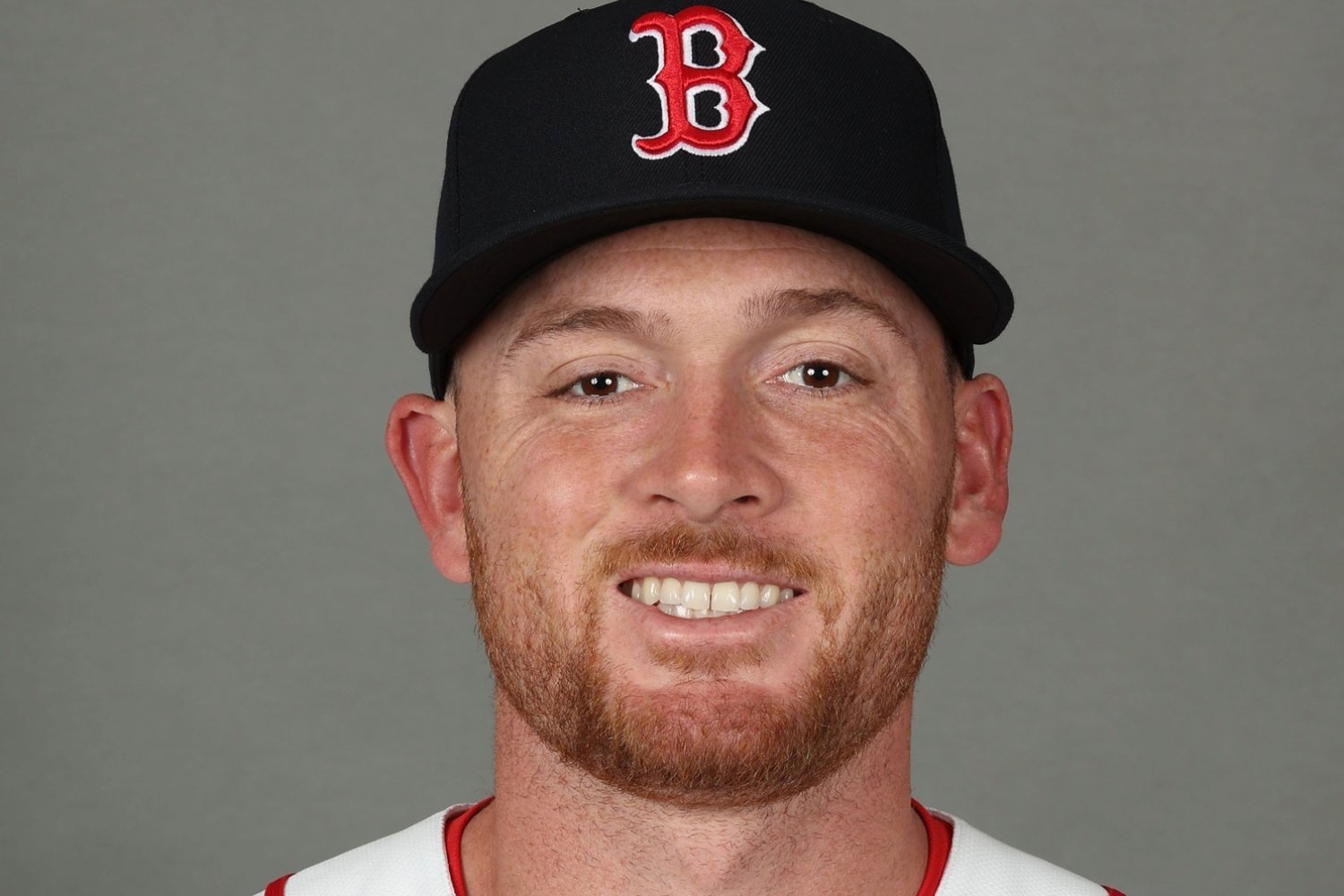 The Boston Red Sox are set to call up RHP Wyatt Olds from the WooSox before today’s game against the Arizona Diamondbacks according to Section 10's Tyler Milliken. Olds currently sports a 5-6 record on the season with a 5.33 ERA over 50.2 innings pitched. He’s secured five saves over the season as well. Although no corresponding move has been announced as of this writing, Olds will likely replace LHP Raymond Burgos in the bullpen as the team looks to maximize their minor-league pitching depth that can help the big-league club as they navigate a world without both Garrett Whitlock and Justin Slaten for the foreseeable future. Expect this to be a fairly constant roster shuffle for the Red Sox until they start to get their leverage arms back. Olds features a four-pitch mix that includes a four-seam fastball that tops out at 96.8 mph, a slider, cutter, and a changeup. It will be interesting to see where he slots in the bullpen mix since very few spots are currently locked down, but it stands to reason he may only be up for the bullpen game that is planned for game one of the series against Arizona. View the full article
 -
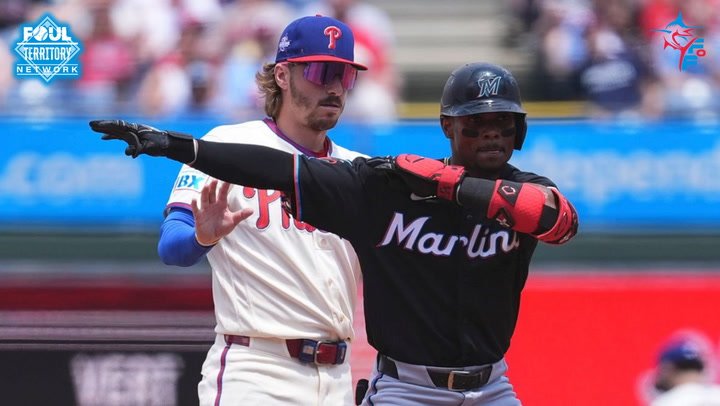 Fish On First LIVE discusses what's at stake over the next three days as the Marlins take on the Phillies with only three games separating them in the NL Wild Card standings.View the full article
 -
Jose E. Feliciano and Kwanza Jones Approved as New Padres Owners
DiamondCentric posted an article in Padres Mission
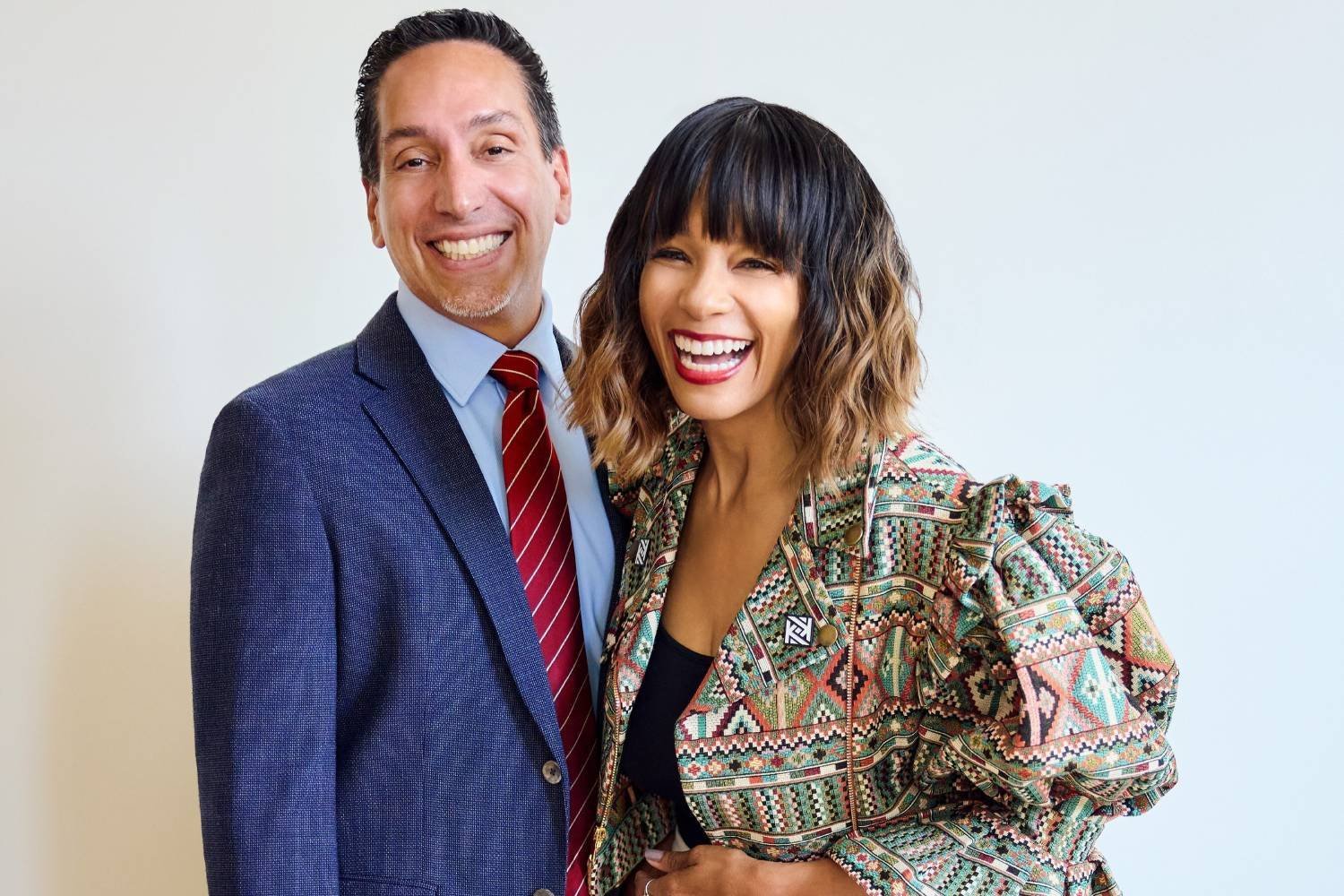 Jose E. Feliciano and Kwanza Jones are officially the new owners of the San Diego Padres. In the final step toward taking over the Padres, the other 29 MLB owners voted 29-0 to put Feliciano and Jones in charge of San Diego's biggest sports franchise. They needed a 75% vote (22 owners) for approval. Feliciano and Jones agreed in May to purchase the Padres for a record $3.9 billion from the Seidler family. The couple is expected to own between 40% and 45% of the franchise, with some of the minority owners remaining with the new ownership group and new investors joining. The sale price eclipsed the $2.42 billion Steve Cohen paid for the New York Mets in 2020. Sportico's latest valuation of the Padres was $2.31 billion, a 21.5% increase from the $1.9 billion figure in 2025. The last MLB team before the Padres to be sold was the Baltimore Orioles, who went for $1.725 billion to David Rubenstein in March 2024. Feliciano will serve as the franchise's control person, although the couple plans to make decisions about the team together. The $3.9 billion sale price also accounts for $300 million in debt the Padres are carrying. The Seidler family announced in November that it was putting the team up for sale, two years following the death of 63-year-old Peter Seidler, who was a two-time non-Hodgkin's lymphoma survivor who had undergone another medical procedure two months prior. John Seidler, the eldest of three brothers, had been the team chairman since February 2025. Seidler and Ron Fowler purchased the Padres for $800 million in 2012. The 53-year-old Feliciano, born in Bayaman, Puerto Rico, is a co-founder of Clearlake Capital, a Santa Monica-based investment firm. Clearlake has been the majority owner of the English Premier League soccer club Chelsea since 2022. Clearlake is the 12th-largest private-equity firm in the world. According to Forbes, Feliciano's net worth is $3.9 billion. He graduated from Princeton in 1994 with degrees in mechanical and biospace engineering, then got a master's in business administration from Stanford. Jones becomes the first black woman to be a majority owner of an MLB team. She was born in Los Angeles and is best-known for her musical career, first hitting. the Billboard charts in 2011 with "Think Again," which reached No. 21. She also attended Princeton, graduating in 1993. She studied public and international affairs at the Ivy League university. She also received a doctor of law degree from the Benjamin N. Cardozo School of Law and a master of dispute resolution from Pepperdine law. The couple, who met at Princeton, founded the Kwanza Jones and Jose E. Feliciano Initiative in 2014. The foundation, which focuses on education, entrepreneurship, equity, and empowerment, committing more than $250 million to these issues. Feliciano and Jones take over at an awkward time, as MLB owners have promised to lock out the players on Dec. 1 as the two sides negotiate a new collective bargaining agreement. The sale price of the Padres could be a negotiating point as to the growing value of MLB franchises, while the owners want to further increase that value by imposing a salary cap similar to those in the NFL, NBA and NHL. Aside from the $300 million in debt, the Padres are otherwise a fairly healthy franchise. The team is currently 67-58 and tied for the final two NL wild-card positions with six weeks left in the regular season. A trip to the postseason this year would mark the third year in a row they have been in the playoffs, a first for the franchise in its 58-year history. The Friars have made the postseason in four of the previous six seasons. Fans have also flocked to Petco Park. The Padres currently rank second in MLB in average attendance at 41,293 and will hit 3 million fans for the fourth consecutive year, including a club-record 3,437,201 in 2025. View the full article
 -
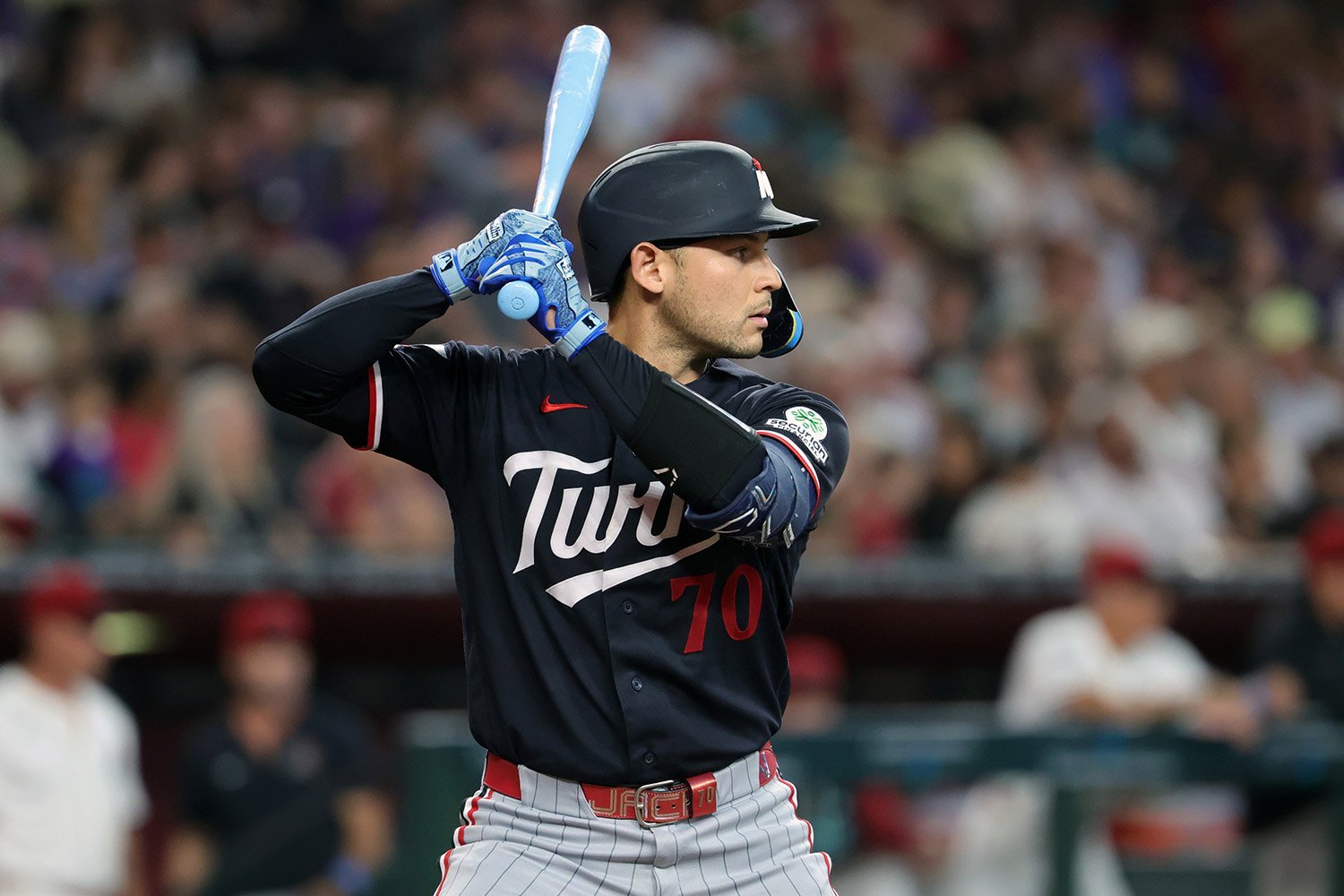 The Twins outrighted catcher Alex Jackson to Triple-A after he went unclaimed on waivers. Jackson had the right to reject the assignment, but that was never likely, as it would mean he would have to forfeit the remainder of his $1.35 million salary for the season. Jackson was originally acquired in an offseason trade with the Baltimore Orioles, and many thought he would serve as the backup catcher this season, but the Twins went on to sign Victor Caratini to a two-year deal, pushing Jackson to the third catcher on the depth chart. Jackson played at the major league level for a while this year after Ryan Jeffers went down with a hamate injury, which kept him out for quite some time. With Jeffers back and healthy, the Twins decided now was the time to no longer keep three catchers on the roster, so Jackson will likely be the first catcher called upon if Jeffers or Caratini is shelved due to an injury. Jackson played in 29 games with the Twins this season, hitting .303/.333/.409 in limited action. He had one home run and four doubles at the plate. He also got some time at first base, which was the first in his major league career as well. View the full article
 -
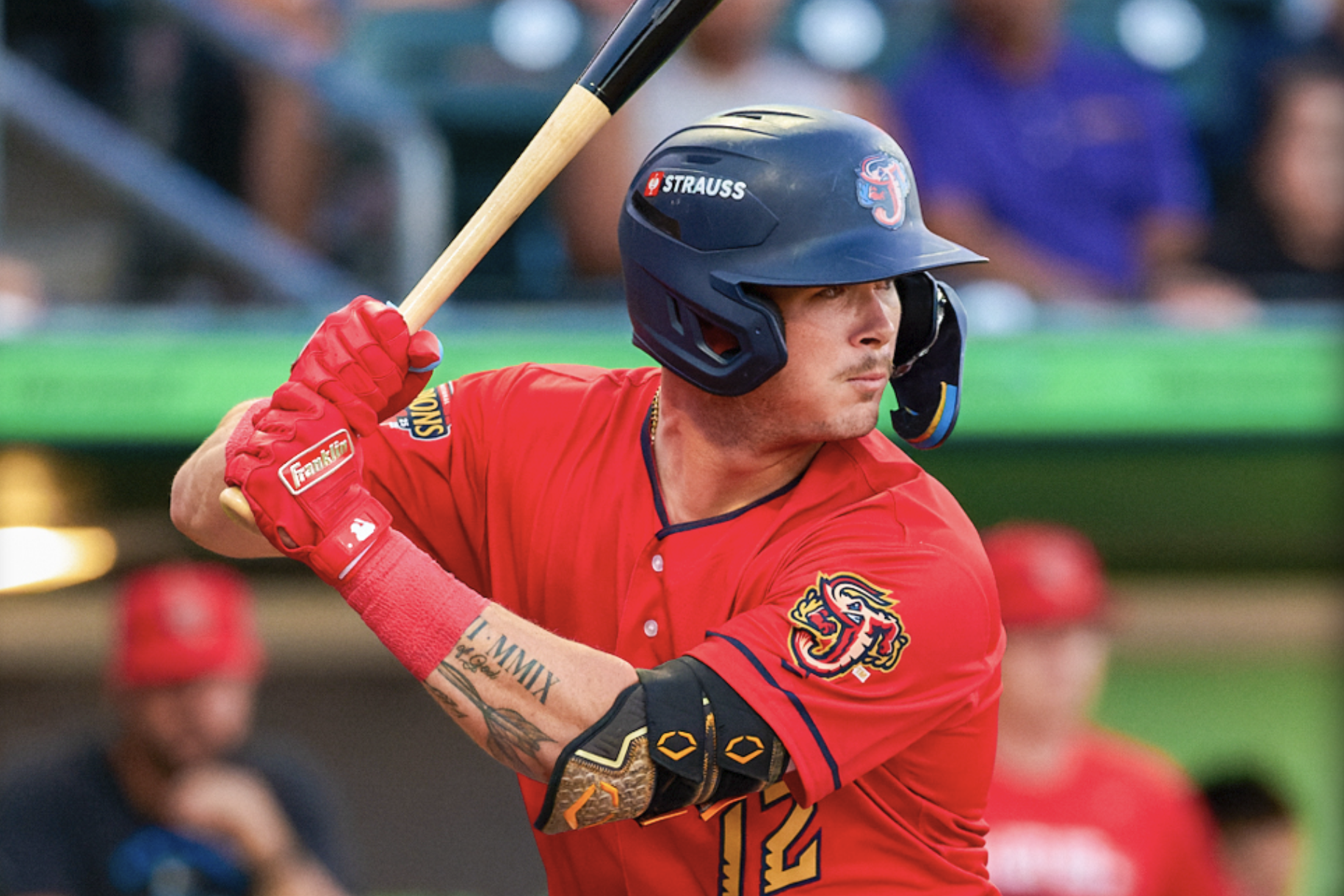 With the Miami Marlins active roster set to expand in two weeks and a glaring hole already present at first base, here is a factor that I frankly had not been considering, via Barry Jackson of the Miami Herald: "If the Marlins do not believe that a prospect can significantly contribute to help them win this year, they’re not going to promote them to the majors simply for a few weeks of September at-bats if they’re not already on the 40-man roster. "The reason: "Players who are on the 40-man roster can have no contact with coaches or a team’s medical staff, or use team facilities, after an MLB lockout — which appears inevitable — begins Dec. 1. Conversely, players who aren’t on the 40-man roster can have that type of contact this winter — including working with coaches — and also can attend minor-league spring training and play in minor-league games next season." Non-40-man hitters who have performed well for Triple-A Jacksonville this season include Cam Cannarella, Kemp Alderman and recently acquired Jonathon Long. As Fish On First's Isaac Azout discussed during Sunday's livestream, Alderman's promotion to the majors was believed to be "imminent" prior to suffering an elbow injury on May 17. With only a small portion of the 2026 season remaining, it is now a more complicated decision—with less time for him to adjust to MLB competition, he might not provide any positive value down the stretch, and the trade-off is losing direct contact with him for what figures to be a months-long work stoppage. One correction to Jackson's reporting...He mentions that "the same thinking" applies to right-hander Jace Beck, but he will be selected to the 40-man roster prior to the lockout regardless. The 26-year-old is a pending minor league free agent who is eligible to leave in November if not selected. The Marlins will surely get out in front of that given Beck's 35% strikeout rate this season and intriguing upside. Here is a refresher on the current composition of Miami's 40-man: To be clear, most of the Marlins prospects in this predicament already have relationships with reputable third-party training facilities. They will still have access to professional-grade workout equipment and development tools during the 2026-27 offseason. On the other hand, the team does not want to temporarily lose oversight of their medicals and strength and conditioning regimen during the lockout. View the full article
 -
Anatomy of an At-Bat: Kaelen Culpepper Bests Jhoan Duran
DiamondCentric posted an article in Twins Daily
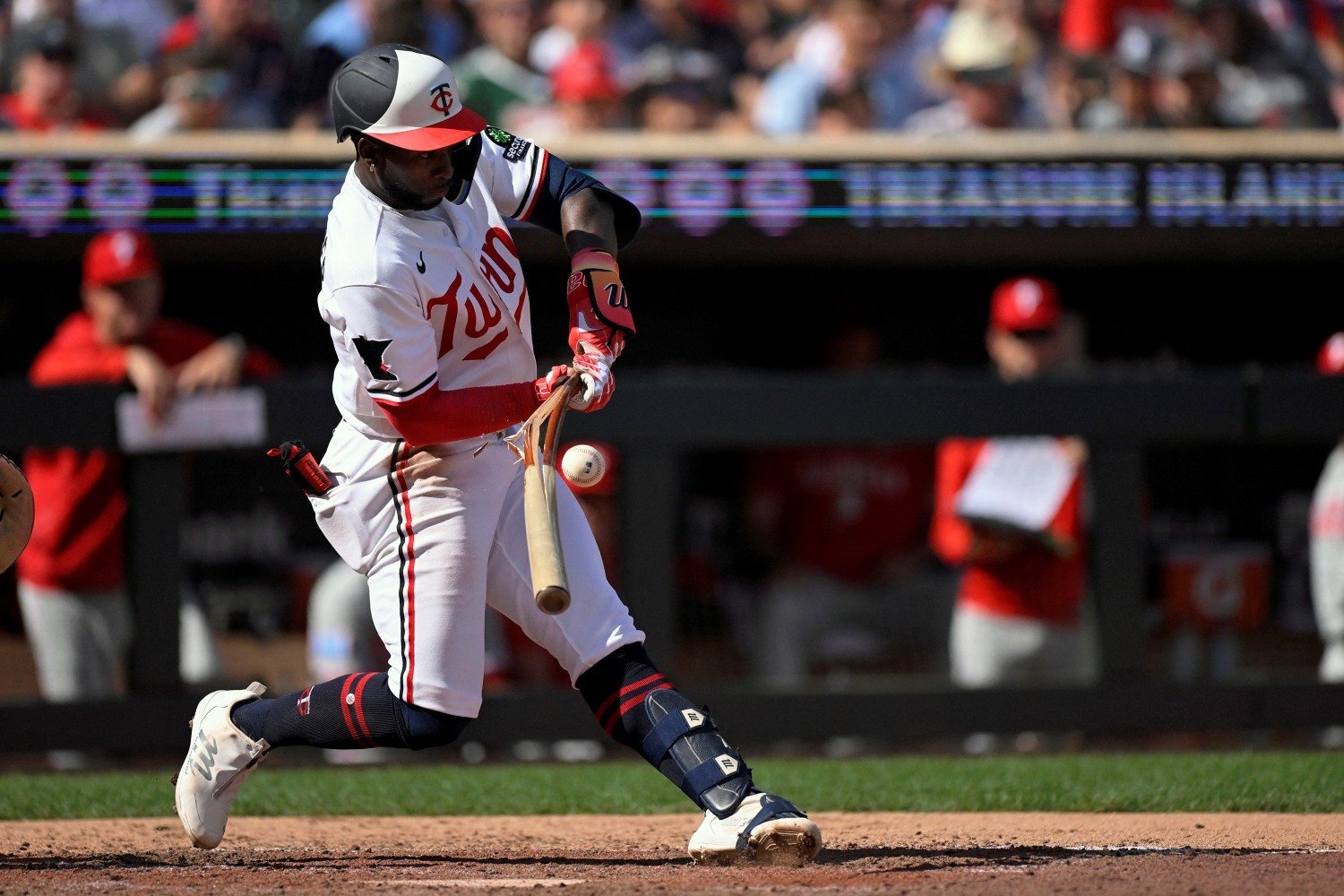 On Sunday, the Twins had watched a five-run lead disappear, and they were staring at a two-run deficit in the bottom of the ninth inning. Waiting on the mound was All-Star and former Twin Jhoan Duran, making Minnesota’s path back into the game even more difficult. With one out, Victor Caratini coaxed a six-pitch walk to bring the tying run to the plate. Kaelen Culpepper was the next man up, and the rookie had at least a little recent history with Duran to draw from. Culpepper faced him in Thursday's Field of Dreams Game and lined a single into the outfield. Maybe that familiarity helped. Whatever the reason, Culpepper looked completely comfortable, in a spot where plenty of hitters would have been overwhelmed. This was not a quick at-bat. It was not a mistake from Duran that handed Culpepper an easy opportunity. In a full-fledged battle, the rookie refused to give in. Duran opened the at-bat with exactly what everyone expected: velocity. His first pitch was a 98.1-MPH splinker; Culpepper fouled it away. Duran then dropped a 90.3-MPH knuckle-curve into the dirt, but Culpepper did not chase, evening the count at 1-1. The third pitch was another splinker, this one at 97.7 MPH. Culpepper swung through it, putting himself in a difficult 1-2 hole. Against most pitchers, that might have been the beginning of the end. Against Duran, it is an especially dangerous position. Opponents are 7-for-49 with 34 strikeouts after falling behind 1-2 against Duran this season. Culpepper, however, had no interest in making the at-bat easy. Duran went back to his splinker on pitch No. 4, throwing it 99.1 MPH. Culpepper got a piece of it and fouled it away. Duran tried the same pitch again on pitch No. 5, this time at 98. Another foul ball. Pitch No. 6 was another splinker at 98.8, and once again, Culpepper spoiled it. Three straight pitches. Three straight fouls. At that point, Culpepper had turned a 1-2 count into a battle of attrition. Duran was throwing some of the hardest pitches any hitter will see, and the rookie was simply staying alive. The burly righty finally changed speeds. The seventh pitch was a 90.9-MPH sweeper, well below the velocity Culpepper had just been battling. But it also strayed outside the strike zone, and Culpepper correctly laid off. The count was now even at 2-2. Duran went right back to the splinker on pitch No. 8, this one at 99.2 MPH. Culpepper fouled it off again. That was four consecutive foul balls after falling behind 1-2, and five foul balls overall in the at-bat. Duran had thrown everything at him. Culpepper kept finding a way to stay in the box. By the ninth pitch, there was little mystery about what Duran was going to try to do. He went back to his splinker and unleashed it at 99.7 MPH. Culpepper finally won the battle. He got the barrel on the pitch, but the result was hardly clean. The rookie broke his bat, but the resulting ground ball snuck through the infield, giving Culpepper a hard-earned single and putting two runners on base. The Twins suddenly had a legitimate chance to tie the game. It was an impressive conclusion to perhaps the best at-bat of Culpepper's young career. The rookie didn't beat Duran on a glaring mistake. He just pulled the hands in and got enough lumber on a two-strike pitch to stir some trouble. Short of learning about the speed of the game defensively during his Aug. 7 debut, Culpepper has not looked out of place since being promoted to Minnesota. There will undoubtedly be adjustments ahead, particularly with his 31.0% strikeout rate, but he continues to show flashes of why the Twins viewed him as an important part of their future. Culpepper reached base twice more Sunday and is now batting .250/.345/.417. The ninth-inning at-bat against Duran was particularly encouraging because of how much was required from him, and because of the stakes. According to win probability, the at-bat raised Minnesota's chances of winning by 10%. It also put two runners on base for Ryan Jeffers and Byron Buxton. Neither could finish the comeback, as both hitters struck out to end the game. Still, Culpepper's at-bat provided something the Twins desperately needed in that moment: a reason to believe. After watching a five-run lead disappear and then facing one of baseball's most overpowering relievers, the rookie kept battling until he finally found a way to reach base. "We're just kind of looking for that spark right now," Josh Bell said after the loss, in a dejected clubhouse in which Bell and others nonetheless insisted that the vibes remain good. For the Twins, Culpepper's fight against Duran could be the kind of moment that sparks something better moving forward. What stood out about Culpepper’s at-bat? What are realistic expectations for him during the remainder of the season? Leave a comment and start the discussion. View the full article
 -
Could Brewers Issue Jake Bauers a Qualifying Offer This Fall?
DiamondCentric posted an article in Brewer Fanatic
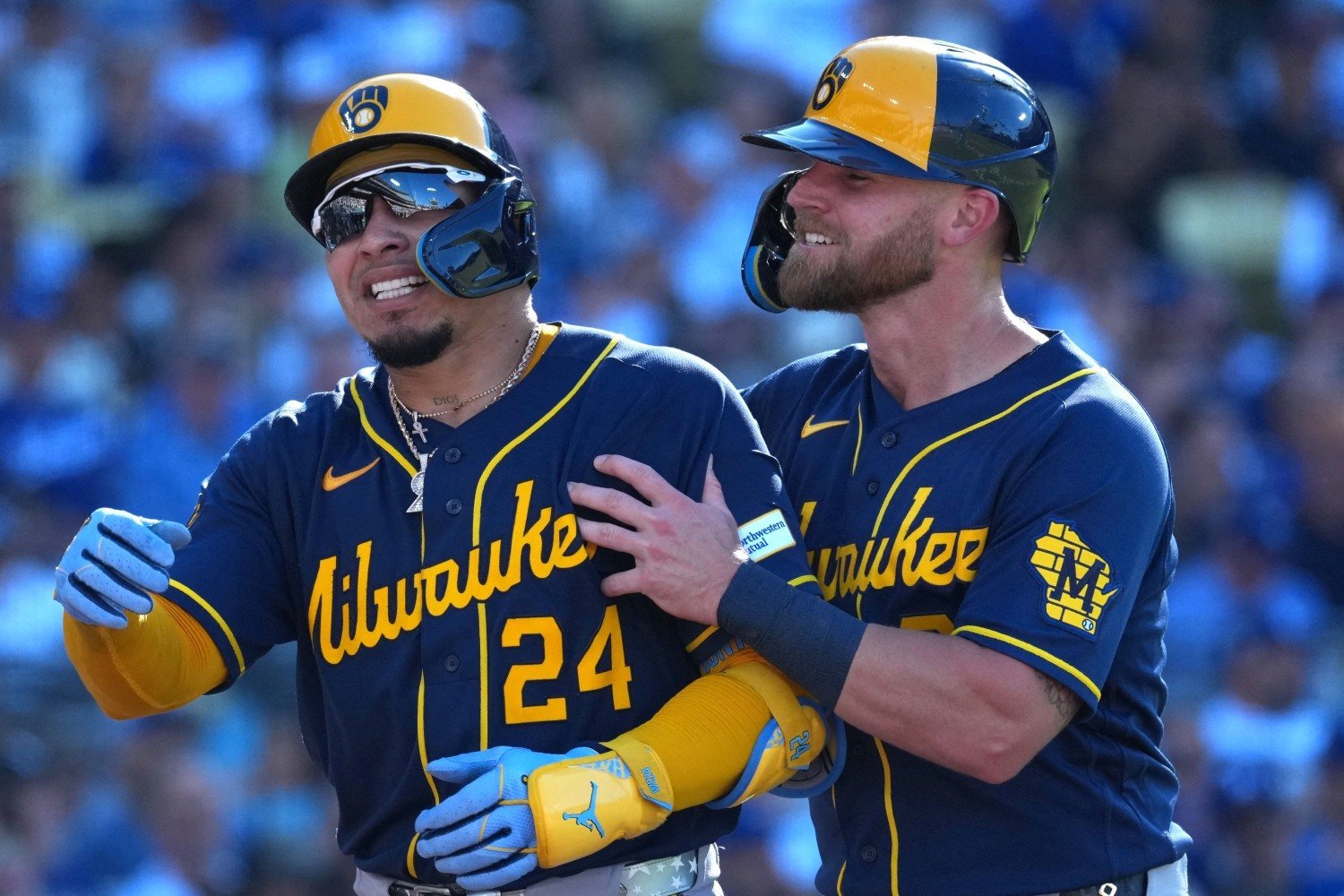 The Dodgers sent the best left-handed starting pitcher in baseball to the mound Sunday. For most of his career, Jake Bauers could plan on being on the bench on days like that. Instead, he was not only in the lineup, but on base all day, notching four hits in a convincing Brewers win. By the end of the contest, he was batting .275/.384/.500 for the season. He's already come to bat 448 times, hit 21 homers and drawn 65 walks, which are all career-highs. At age 30, he's hurtling toward a significant free-agent payday, just two years after being a castoff who had to limp back to the Brewers on a minor-league deal. Because Bauers has never been an in-demand free agent before, though, the Brewers will have one more chance to realize some value even when his contract expires at the end of this year's World Series. He's eligible to receive a qualifying offer, which is likely to be worth around $23 million for 2027. If the Brewers issue one (and if Bauers declines it), they could receive a significant draft pick as compensation when he signs elsewhere. It's rare that the Brewers elect to extend a qualifying offer to a departing free agent. Historically, they only do so with premium players whom they would earnestly love to keep, albeit only on terms the player is likely to exceed by shopping their services to the highest bidder. They issued QOs to Willy Adames after the 2024 campaign and to Brandon Woodruff last fall. Whenever there's a real question of whether to do so, though, they default to not doing it, because their budget makes a player earning that much a bit of a burden. For anyone other than a beloved cornerstone, it's hard to justify giving out over $20 million a year when the whole team will make less than $150 million. Bauers, then, will be an interesting test case. His production this season is as good or better than that of Pete Alonso last year, before he signed a lucrative five-year deal with the Orioles this winter—though Alonso didn't have the QO attached to him then, after having circled back to the Mets on a short-term deal with opt-outs included in the 2024-25 offseason when he did have that encumbrance. It's also better than that of Nick Castellanos, who signed a five-year deal with the Phillies after declining the Reds' QO in late 2021. Bauers is a better athlete than either Castellanos or Alonso, and isn't significantly older than they were when hitting free agency in those years. However, he doesn't have the same lengthy track record that both Alonso and Castellanos boasted at those times. From the player's perspective, this is a first (and likely only) chance to cash in at a high salary on a multi-year deal. Even if they produce the way Bauers has this year, few first basemen garner big offers or long-term commitments as they head toward their mid-30s. If the Brewers did extend Bauers a QO, he would face a dilemma. Taking the deal would probably mean eschewing a larger one. The Brewers, however, face their own dilemma. As much as they might trust and like Bauers, and as valuable as he has been this season, he'd have to be similarly brilliant next year to be worth $23 million in the context of their payroll. Should they gamble on either getting that great a return or having him turn down the offer, or should they simply wish him well and wave goodbye after the World Series? The big, lurking variable in that problem might be Andrew Vaughn—but not in the way you'd expect. Although his season has been rendered strange and frustrating by the broken hamate bone he suffered on Opening Day and Bauers usurping him in his absence, Vaughn is playing superbly again this year. He looks like a solid option at first base for 2027, should Bauers leave, and the Brewers do have one more year of club control over him. However, Vaughn is also making $7.65 million already this year, and despite the missed time, he figures to get near $10 million via arbitration if the team doesn't first trade or non-tender him in the second half of November. In Vaughn and Bauers, Milwaukee has two players who profile as great first basemen for 2027. Either would be an expensive solution, though, and keeping both probably isn't an option. That, oddly, frees the team up in its decision-making, because Bauers will hit free agency just after the World Series and they'll have to decide about the QO within days. Bauers himself will then have to decide whether to accept the offer over the ensuring fortnight, and all of that has to happen before the decision point comes on Vaughn's arbitration eligibility. The Brewers can (and should, barring some development between now and then that alters the state of play) extend a QO to Bauers, and then wait to see whether he accepts it or not. If he does, they can save whatever money they need to save by trading or non-tendering Vaughn. If he rejects the offer, they'll be in position to gain a draft pick when he signs elsewhere, and they can simply keep Vaughn. This fall will bring one last wave of value rippling out for the team, from the great achievements that were their trade for Vaughn and their work to help Bauers blossom this way. They just need the courage to extend the offer to Bauers, in order to redeem that final voucher. View the full article
 -
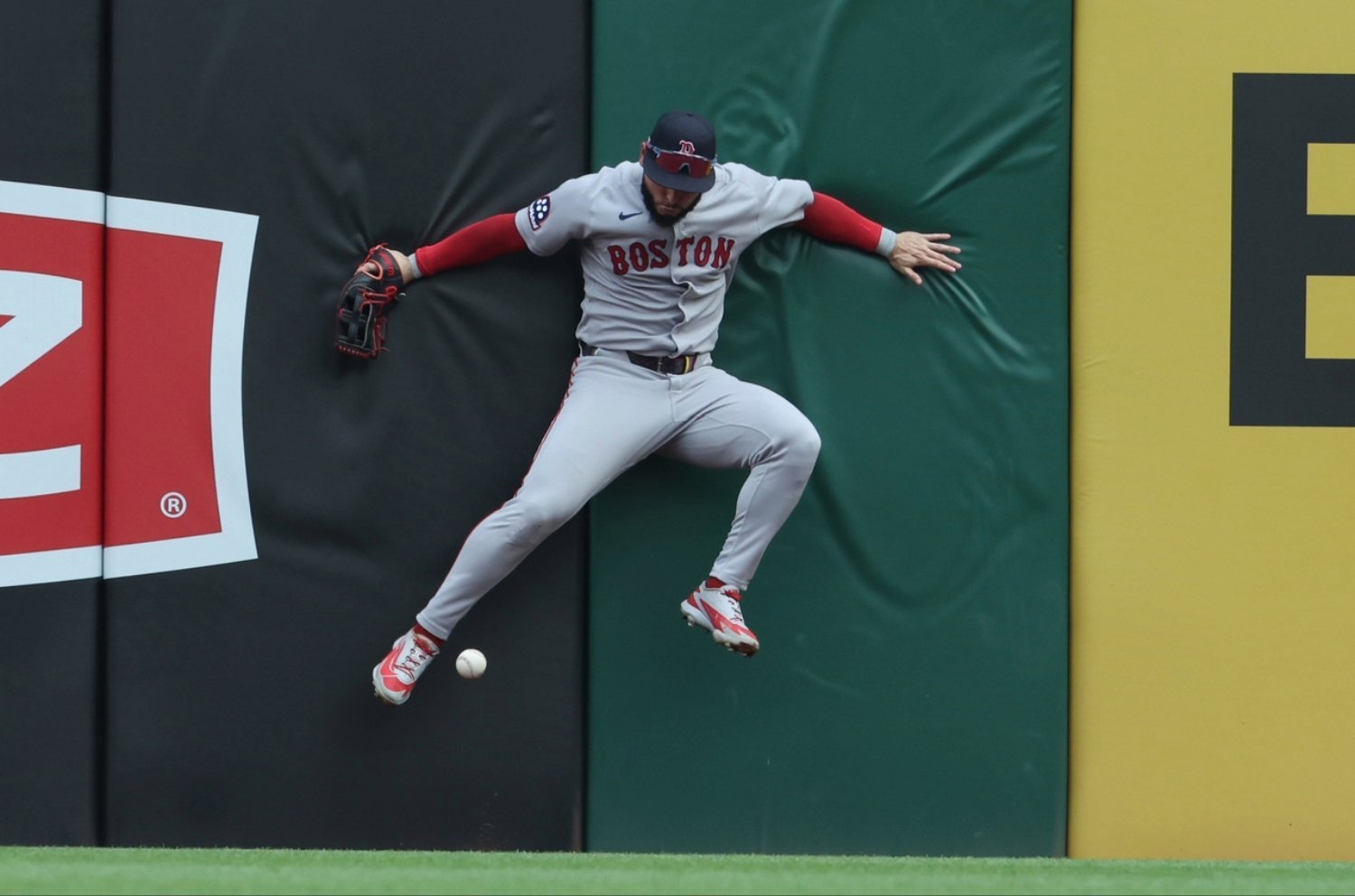 Boston Red Sox Weekly Snapshot Record Last Week: 2-5 Runs Scored Last Week: 26 Runs Surrendered Last Week: 29 Standings 3rd in AL East 8.5 GB First Place 2nd in AL Wild Card 3 GB First Place Transactions 08/11/26: Boston Red Sox transferred 2B Isiah Kiner-Falefa from the 10-day injured list to the 60-day injured list. 08/11/26: Boston Red Sox activated C Adley Rutschman from the 10-day injured list. 08/11/26: Boston Red Sox signed free agent RHP Aaron Nixon to a minor league contract 08/11/26: Boston Red Sox designated C Jake Rogers for assignment. 08/12/26: Boston Red Sox recalled LHP Alec Gamboa from Worcester Red Sox. 08/12/26: Boston Red Sox traded CF Harold Rivas to Baltimore Orioles. Player to be named later from the 8/3 Adley Rutschman trade. 08/12/26: Boston Red Sox designated RHP Seth Martinez for assignment. 08/12/26: Boston Red Sox signed free agent RHP Morgan McSweeney to a minor league contract. 08/13/26: Boston Red Sox recalled RHP Greg Weissert from Worcester Red Sox. 08/13/26: Boston Red Sox placed RHP Garrett Whitlock on the 15-day injured list retroactive to August 10, 2026. Right elbow inflammation. 08/14/26: Boston Red Sox sent RHP Seth Martinez outright to Worcester Red Sox. 08/14/26: Chicago White Sox claimed C Jake Rogers off waivers from Boston Red Sox. 08/16/26: Boston Red Sox recalled LHP Raymond Burgos from Worcester Red Sox. 08/16/26: Boston Red Sox recalled C Mickey Gasper from Worcester Red Sox. 08/16/26: Boston Red Sox placed RHP Justin Slaten on the 15-day injured list retroactive to August 13, 2026. Right elbow inflammation. 08/16/26: Boston Red Sox placed DH Masataka Yoshida on the 10-day injured list. Left hamstring strain Scores Game 118: BOS 1, TOR 2 Game 119: BOS 3, TOR 5 Game 120: BOS 4, TOR 6 Game 121: BOS 7, TOR 0 Game 122: BOS 4, PIT 8 Game 123: BOS 4, PIT 0 Game 124: BOS 3, PIT 8 Series Breakdown/Highlights Blue Jays Series: The Red Sox looked to reverse their season-long misfortune against the Blue Jays but they just couldn’t get it going. In game one, Sonny Gray tossed six innings of two-run baseball while striking out four and walking one. He was charged with the loss while Jovani Moran appeared in relief and threw two shutout innings. The lone RBI on the night came off the bat of Ceddanne Rafaela, who is still producing but starting to show worrying signs of swinging at everything that’s thrown at him. Game two was started by Patrick Sandoval, who tossed six innings while allowing two earned runs and striking out four. Tyron Guerrero and Seth Martinez both came in out of the bullpen. Guerrero worked a clean inning while Martinez allowed two hits and one earned run. On offense, Wilyer Abreu socked a solo home run while Rafaela hit a two-run dinger over the wall for all the offense the team could produce. What’s most frustrating about this game is the team played really well against Cy Young favorite Dylan Cease after he had just pitched a complete, one-hit game against them last time out. In game three, Ranger Suarez pitched through five complete innings for the first time since returning from the injured list. He allowed six hits, one earned run, and struck out two on the night. Justin Slaten, Erik Miller, and Alec Gamboa all worked clean innings, combining for three strikeouts. The leak in the bullpen for this game came through Guerrero who allowed four earned runs on two walks and three hits. Offensively, Willson Contreras got going with a home run while Caleb Durbin, Andruw Monasterio, and Jarren Duran all contributed one RBI each. The finale was the time the bats began to wake up, but the story of the game belonged to Payton Tolle again. While he only struck out four during this start, he was utterly dominant. He tossed eight innings while only allowing two hits and zero earned runs. He’s turning into an ace right before our eyes. Offensively, this was the Caleb Durbin show. He hit his second grand slam this season while driving in five total runs while Contreras and Masataka Yoshida also contributed one RBI each. Pirates Series: The Red Sox looked to stop their series losing skid but the Pirates had something to say about that. In game one, Jake Bennett turned in another start that left quite a bit to be desired. He turned in four innings of five-hit, four-earned-run baseball while striking out six. Moran allowed three more earned runs out of the bullpen while Gamboa stopped the bleeding over the final three innings. Offensively, Monasterio, Yoshida, and Nick Sogard contributed the four RBIs. In game two, Sonny Gray turned in another incredible start by tossing seven shutout innings while striking out seven. Miller and Aroldis Chapman both threw scoreless innings out of the bullpen. Wilyer Abreu tagged Jared Jones for a home run in the second inning while Monasterio and Jahmai Jones also drove in runs to spark the offense late and secure the win for the Sox. Game three went horribly for Patrick Sandoval, who struggled from the first pitch of the game. He allowed nine hits and seven earned runs over just four innings of work. He did manage to strike out six, but the damage was already done. Recently recalled Burgos worked two innings of relief before the skies opened up and delayed the game for two and a half hours. Impressively, he returned to the mound after the delay. While he won’t stick on the roster, he was given his flowers by Chad Tracy afterwards for his gutsy performances every time the Sox have needed him. Offensively, Connor Wong was the star of the game with his three-run home run. The Red Sox look to turn the page as two National League West teams come to town for the week while old friends Rafael Devers and Marcelo Mayer make their much-anticipated returns to Fenway Park. Website Highlights Payton Tolle’s Learned How to Kill Reaction Time in Dominant Start Against Athletics by Yirsandy Rodriguez Kristian Campbell’s Fantastic Summer is Changing His Narrative Again by Nick John Patrick Sandoval is Walking a Fine Line with Red Sox After Two-Year Hiatus by Gottie Chavez Wilyer Abreu’s August Breakthrough is Proof Minor Adjustments Can Yield Major Results by Alex Mayes Looking Ahead 08/17/26: Diamondbacks (Mitch Bratt) @ Red Sox (TBD): 7:10 PM EDT 08/18/26: Diamondbacks (Merrill Kelly) @ Red Sox (Ranger Suarez): 7:10 PM EDT 08/19/26: Diamondbacks (Brandon Pfaadt) @ Red Sox (Payton Tolle): 4:10 PM EDT 08/20/26: Off Day 08/21/26: Giants @ Red Sox: 7:10 PM EDT 08/22/26: Giants @ Red Sox: 7:15 PM EDT 08/23:26: Giants @ Red Sox: 3:10 PM EDT View the full article
 -
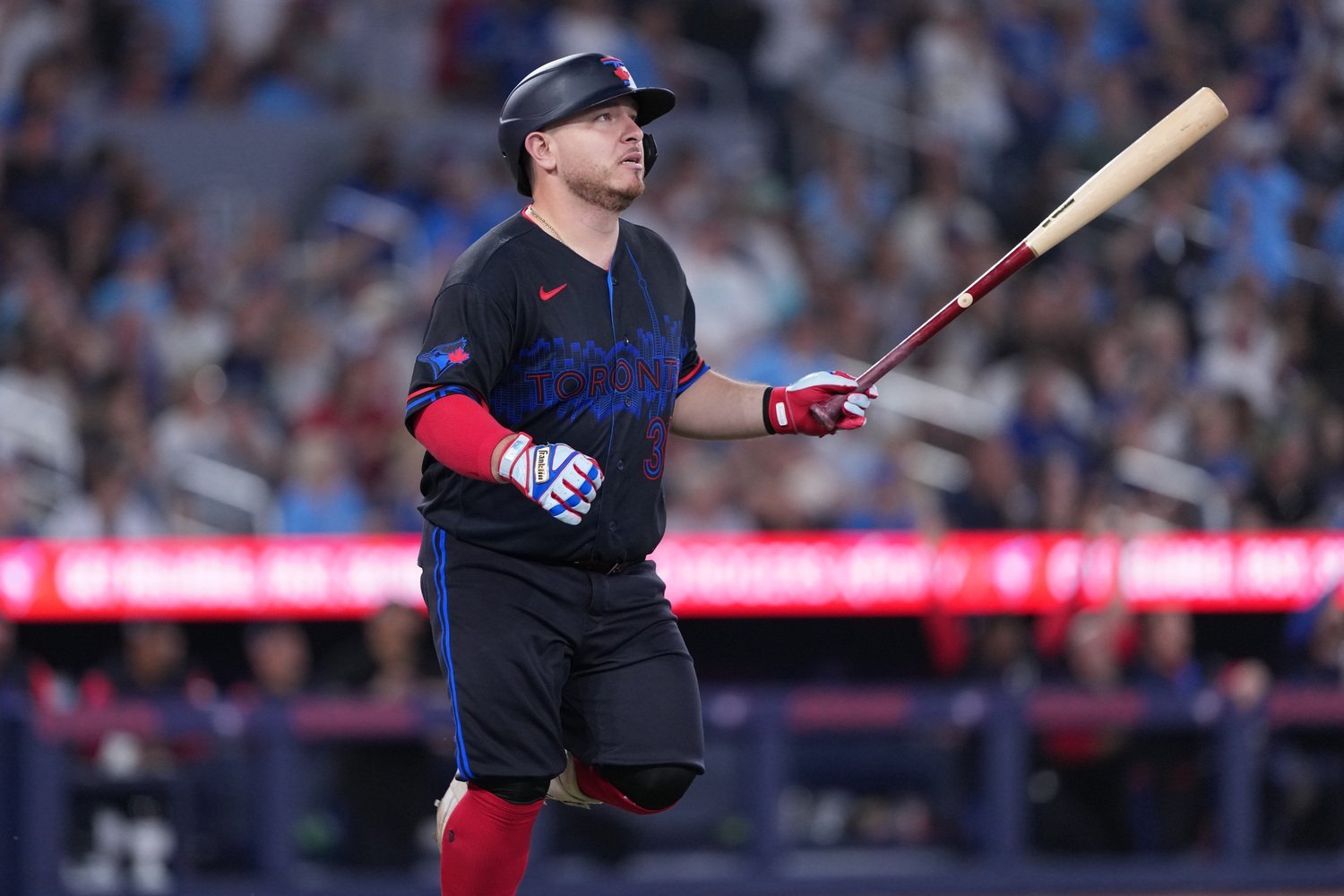 While the Toronto Blue Jays haven’t had the season they’d imagined after being a game away from a World Series title last year, Jays fans can take solace in knowing that one of their cornerstone players is catching fire down the home stretch. Toronto is still very much in the American League Wild Card race, and Alejandro Kirk is figuring it out as we hit the middle phase of August. Stats prior to games on August 16. Alejandro Kirk’s Background Kirk is one of the pillars of this Jays offense. The 27-year-old backstop is a career .269 hitter, drawing plenty of walks to earn an on-base percentage in the mid-.300s as well. The 5-foot-8, 245-pound catcher is in his seventh season in the major leagues, and he’s already stacked up a pair of All-Star selections and a Silver Slugger Award. In the past, he has shown an ability to hit for a respectable average and has proven to be extremely difficult to strike out. Toronto’s pitch-caller has 262 punchouts in over 2,200 plate appearances while earning 229 free passes. A Start To Forget Kirk played just a handful of games this season before taking a foul tip off his glove in a game against the Chicago White Sox. The deflection fractured Kirk’s thumb, sidelining him until his return on June 12. The veteran catcher struggled mightily in June as he worked his way back into the everyday starting spot, slashing just .205/.234/.295 and striking out nine times in 47 plate appearances for an uncharacteristic strikeout rate straddling the 20 percent mark. The Tijuana, Mexico native isn’t fleet of foot, falling in the first percentile for sprint speed (per Baseball Savant), so his high-average profile relies strictly on quality contact. For someone coming back from a thumb injury, that put a lot of pressure on Kirk to rifle his hands through the baseball. It’s possible that he just needed some time to settle in and regain confidence. Turning the Corner Time may be just what the doctor ordered, as Kirk had a much better run in July. The Blue Jays’ catcher slashed .281/.388/.368 (.756 OPS) with a home run, five RBI and three extra-base hits, this time earning 10 walks to seven strikeouts in 67 plate appearances. August has been the contact-hitter’s best month yet, slashing .381/.451/.548 so far. His elite plate discipline has been on display, showing that the catcher, like many backstops, has a great eye for discerning a ball from a strike. Kirk is also showcasing his elite bat-to-ball skills as we hit the home stretch of the season; his 32.5 percent squared-up percentage on the season is well above the league average. His 2026 strikeout rate (12.2%%), walk rate (11.2%) and whiff rate (17.8%) are all far superior to the league average as well. On the defensive side, Kirk is making a world of difference for the Jays’ rotation. For someone like Dylan Cease, who throws offspeed pitches over half of the time (some of which are buried in the dirt), Kirk’s 13 blocks above average (100th percentile) come in handy. He’s also one of the best framers in baseball, nestled in the 86th percentile among big league catchers by Statcast's metric. Leading a Late Surge It’ll take a group effort for Toronto to get back into the postseason, but the AL still looks wide open. Kirk has the ability to impact nearly every pitch from behind the plate, and his elite approach at the plate can have ripple effects on the rest of an offense still in search of its power stroke. If Kirk continues to progress, drawing out counts and ramping up opposing pitch counts, it can only spell positive change for the rest of the roster. View the full article
 -
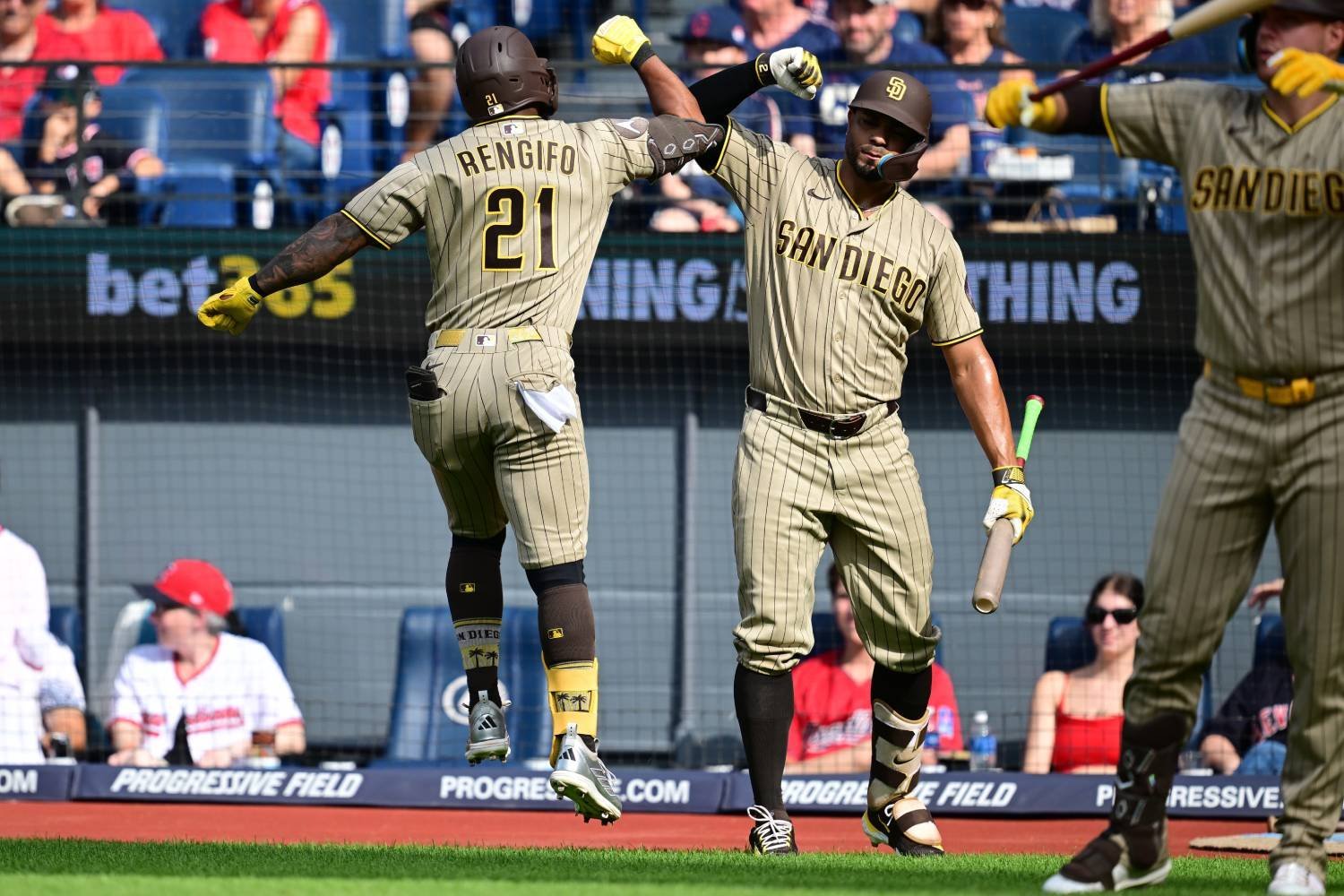 San Diego Padres Weekly Snapshot Record last week: 5-1 (62-57) Runs scored last week: 31 Runs allowed last week: 18 (season run differential: plus-10) Scores Game 120 (Monday): Padres 3, Brewers 2 Game 121 (Tuesday): Padres 11, Brewers 2 Game 122 (Wednesday): Padres 4, Brewers 3 (11 innings) Thursday: Off Game 123 (Friday): Padres 7, Guardians 5 Game 124 (Saturday): Guardians 6, Padres 1 Game 125 (Sunday): Padres 5, Guardians 0 Week in Review and Highlights Brewers series Game 1: With the team possessing the best record in MLB coming to Petco Park, this was always going to be a huge test for the Padres. But the Padres stood toe-to-toe with the Milwaukee Brewers and delivered a knockout punch in the first of three rounds. Jackson Merrill homered for the third straight game, hitting a go-ahead two-run shot off right-handed starter Logan Henderson with one out in the bottom of the seventh inning for a 3-2 win over the Brewers. The victory kept the Padres one game behind the Arizona Diamondbacks and Philadelphia Phillies for the final two NL wild-card spots, while extending their advantage over the Miami Marlins, the next team in the wild-card standings, to 2½ games. Having been held to three hits and one run by Henderson, Ty France, who had homered leading off the second inning, had a one-out single and Merrill followed with his 19th homer, a 431-foot blast to center field. That set up the Friars' dynamic duo in the bullpen. Left-hander Adrian Morejon allowed a single in the eighth, then All-Star closer Mason Miller overcame a walk to notch his career-high 30th save in 31 chances as catcher Freddy Fermin threw out a runner attempting to steal second to end the game. They were in position to win thanks to the start by right-hander Casey Mize, who was acquired just seven days prior and was making his second Padres start. Mize was much better (it would have been hard to be worse) than his eight-run debut. This time, Mize went six innings, allowed a two-run homer to Christian Yelich, five hits and two walks with six strikeouts. Game 2: While it will go down as the Luis Rengifo revenge game, it was also the day that you could truly believe in the Padres as a postseason team. Just seven weeks after being released by the Brewers, Rengifo hit his first career grand slam as the Padres crushed Milwaukee 11-2. With the win and losses by the D'backs and Phillies, the three teams were tied for the last two NL wild-card spots. Tatis and Luis Campusano also homered as the Padres pounded out 17 hits, two shy of their season high, reaching double digits in hits for the sixth time in their last 12 games. The double-figure runs were the most since putting up 19 in the July 19 Kansas City massacre. The win also secured the series for the Padres, important from not only a standings point of view, but because it came against the MLB-leading Brewers and their No. 2 starter in left-hander Kyle Harrison. And they got to him early, which is key against any pitcher, but especially with the good ones. Merrill remained hot, opening the second inning along with newcomer Austin Hays with singles. After two outs, Jake Cronenworth doubled home Merrill. Tatis was rung up on a 3-2 pitch that would have ended the inning, but successfully challenged the call (just his fourth challenge of the year) to load the bases. Rengifo took a 93.4 mph four-seamer for ball one, then smashed a 94 mph one to left field for his third homer since joining the Padres after hitting none for the Brewers, a grand slam for a 5-0 lead. That opened the floodgates as the Padres added another in the fourth on Tatis' 12th homer and two more in the fifth on Campusano's fifth this season. That made it eight runs in 4⅔ off Harrison. Tatis' homer was the 163rd of his career, snapping a tie with Nate Colbert and taking sole possession of second place in Padres history. Manny Machado holds the franchise record with 217 and counting. Just as important was the outing for Friars right-handed starter Walker Buehler was really good. How much of that was due to getting a big lead early, who knows? But Buehler went six innings, allowing just one run and three hits with two walks and five strikeouts, showing a bit of vintage form. After an inning from left-hander Wandy Peralta, right-hander Griffin Canning went the final two Game 3: Of all the scenarios that you were thinking about a month ago, this was the most unimaginable. With a 4-3 walk-off win over the Brewers, who had the best record in MLB, the Padres completed a three-game sweep and moved into the No. 2 NL wild-card position. Remember, this was a team that entered the All-Star break needing two wins over the Toronto Blue Jays to reach 48-48. Before those two wins, there were four teams the Friars needed to climb over just to be in the first spot outside of the wild-card standings. Now, they are two spots higher. That is the big picture, a place the Padres arrived at sooner than even they expected. The smaller picture was a tremendous series sweep capped an exhilarating extra-innings victory. The winner came off the bat of Campusano, who lined a single to right field that Luis Lara, just off an extraordinary catch, threw home but just a bit high as Song slid in safely. Song, a pinch-runner for France (hit by a pitch), stole second following Merrill's deep sac fly that Lara snagged, allowing zombie runner Cronenworth to score from third. That rally came three innings after tying it in the eighth. That run scored as the Padres took advantage of a rare defensive miscue by the Brewers as the pitcher didn't get over to cover the bag on a two-out grounder to the first baseman, with Tatis speeding home from second base. Tatis was supposed to have the day off, but pinch-hit for Fermin and drew two walks. New Padres left-handed starter Robbie Ray made it only through four innings because he was forced to throw a lot of pitches. He kept the Brewers from getting out to a bigger lead, but it took him 84 pitches to get it done, one more than his opposite number, Brewers right-hander Dustin May, used to get through seven innings. Coming off six-inning starts, the bullpen was in good shape, even having to cover the two extra innings. Right-hander Bradgley Rodriguez went two innings (one hit), while right-hander Jeremiah Estrada, left-hander Hart and Miller each going a hitless inning. Morejon covered the 10th and 11th. Guardians series Game 1: There already was plenty to talk about before manager Craig Stammen made it clear Miller was not pitching and Rodriguez, a closer-in-waiting, was going to be responsible for the bottom of the ninth inning, protecting a 7-5 Padres lead over the Cleveland Guardians. It worked out perfectly for the Padres, as it has recently, as Rodriguez overcame a leadoff double to retire the next three batters for his first career save in the 7-5 win. As the Padres won their sixth straight to retain their No. 2 NL wild-card position, Miller (as well as Morejon) was just getting a day off after pitching in four of the previous seven games before Thursday's travel day. The Padres' quick-strike offense erased an early 3-0 deficit as Xander Bogaerts hit a two-run homer in the fourth, his 11th this year, and Tatis ignited a three-run fifth with a screaming solo shot to left, his 13th of the season. Both came off Guardians ace Gavin Williams. Campusano then knocked in a pair with a double to put the Padres on top for good at 5-3. After the Guardians got one back on a sixth-inning sacrifice fly, the Friars put two more on the board in the seventh as Campusano continued to show his value by doubling home France and Bogaerts had a sac fly for a 7-4 advantage. Padres right-handed starter Michael King was sharp, but did get through six innings, allowing four runs (three earned), including two homers, and eight hits. Left-hander Yuki Matsui had a clean seventh and Estrada allowed a run on a wild pitch in the eight before Rodriguez came on to close things out. Rodriguez's trust level has surged this year and will give Stammen another late-inning option down the stretch once Jason Adam returns from the injured list. Game 2: The problem with trading away players is sometimes they come back to bite you. Take Guardians left-handed starter Joey Cantillo, for instance. One of six players the Padres shipped to Cleveland at the 2020 trade deadline in the Mike Clevinger deal, the 16th-round draft choice in 2017 has rounded into a very nice piece of the Guardians' staff. He showed the Padres what they are missing by allowing just one hit over six innings in the Friars' 6-1 loss. With the Phillies and D'backs both winning, the Padres slipped into a three-way tie for the final two NL wild-card berths. You can expect those three teams to be jockeying for position the rest of the season. The only hit the Padres got off Cantillo , who had seven strikeouts, and three relievers was a first-inning single by Cronenworth, the second batter of the game. The only run came a batter later when Machado grounded into a double play that scored Tatis, who had a leadoff walk and went to third on Cronenworth's hit. Otherwise, virtual silence from the Padres, who did have three walks. While it is tough to win when you don't score, the Friars' pitching plan wasn't up to snuff. Stammen chose the double-opener route with Peralta and Hart each going an inning, but they both gave up a run. That led to right-hander Randy Vasquez in a bulk role and he allowed four runs in five innings on seven hits and a walk. Game 3: A little rain, a rare sight for the Padres, couldn't slow down the Friars. Thanks to four home runs and Mize turning in exactly the type of outing they sought when he was acquired at the deadline, the Padres cruised to their seventh win in eight games, a 5-0 decision over the Guardians. With the Phillies winning and D'backs losing, the Padres (67-58) are tied for the final two NL wild-card spots, one game ahead of Arizona. After a 3-hour, 11-minute rain delay before the game began, the offense got things off to a rousing start. Rengifo and Gavin Sheets hit back-to-back homers with two outs in the second inning, then Bogaerts singled home Merrill in the fourth. They finished with two more solo homers, Jase Bowen in the eighth and Cronenworth in the ninth. That left it up to Mize, who tossed six shutout innings for his first win as Padre, allowing three hits and a walk with three strikeouts. After getting tagged for eight runs in his San Diego debut, Mize has gone six innings in each of his next two starts, which is a perfect distance for the Friars' bullpen. Estrada, Morejon and Matsui finished this one off, with the ninth-inning run keeping Miller from having to come in. Taking two of three on the road from another contending team (albeit below .500) just continues the terrific play that has the Padres in a postseason position. Now they continue the road trip against the woeful New York Mets, a three-game set where the Padres will need to continue to step on the gas. Marvelous Mason Miller Some of the amazing stats for the Padres' closer: Season stats: 4-1, 0.88, 49 games, 30 saves (31 chances) 51⅓ IP, 24 H, 7 R, 5 ER, 19 BB, 93 K, .138 opponent average Leads all MLB relievers with 356 pitches this year at 100 mph or better. Entering Sunday, that total would have been tied for second among all teams with the Los Angeles Dodgers. The Padres had 535 entering Sunday. Has not allowed a run in 43 of his 49 appearances this year. Since being acquired last year, the Padres are 59-12 when he pitches. Random Stats The Padres have won six of their last seven series vs. the Brewers. The sweep was their sixth of the season and third since the All-Star break. With his second plate appearance Friday, Jackson Merrill triggered an extra $1 million per season in his remaining contract, which runs through the 2034 season with a club option for 2035. Fernando Tatis Jr.'s 115.5 mph exit velocity on his homer Friday was his highest of the season and fifth-best of his career. Friday's win was the Padres' ninth this season when trailing by at least three runs. That tied them with the Minnesota Twins for the most in MLB. Saturday's game was the third time this season the Friars have been held to one hit. Both previous times came vs. the St. Louis Cardinals (May 8 at home and June 15 on the road). Sunday's win improved the Padres' record in day games to an MLB-best 29-17 (.630 winning percentage). Transactions Wednesday: Activated RHP David Morgan from the 15-day injured list and optioned him to Triple-A El Paso Chihuahuas. Friday: Signed free-agent RHP AJ Rogers to a minor-league contract. Website Highlights Salas survived the trade deadline. Can we officially call him the Padres' catcher of the future? — Randy Holt Understanding the math behind Merrill's adjustment that saved his season — Yirsandy Rodriguez Mize assuaged Padres' concerns in impressive bounce-back start — Randy Holt Hays covers a weakness Padres failed to address at the trade deadline — Randy Holt Morejon's pure dominance being overshadowed by Miller — Cade Lalim Padres Mission Top 20 prospect list update: Draft and deadline make for big changes — Steve Drumwright Looking Ahead Monday: Padres (Walker Buehler) at Mets (Nolan McLean), 4:10 p.m. Tuesday: Padres (Robbie Ray) at Mets (Zac Thornton), 4:10 p.m. Wednesday: Padres (Michael King) at Mets (Robert Stock), 10:10 p.m. Thursday: Off Friday: Twins at Padres (Randy Vasquez), 6:40 p.m. Saturday: Twins at Padres (Casey Mize), 5:40 p.m. Sunday: Twins at Padres (Walker Buehler), 1:10 p.m. View the full article
 -
Mets Week in Review: The Post-Deadline Surge Continues
DiamondCentric posted an article in Grand Central Mets
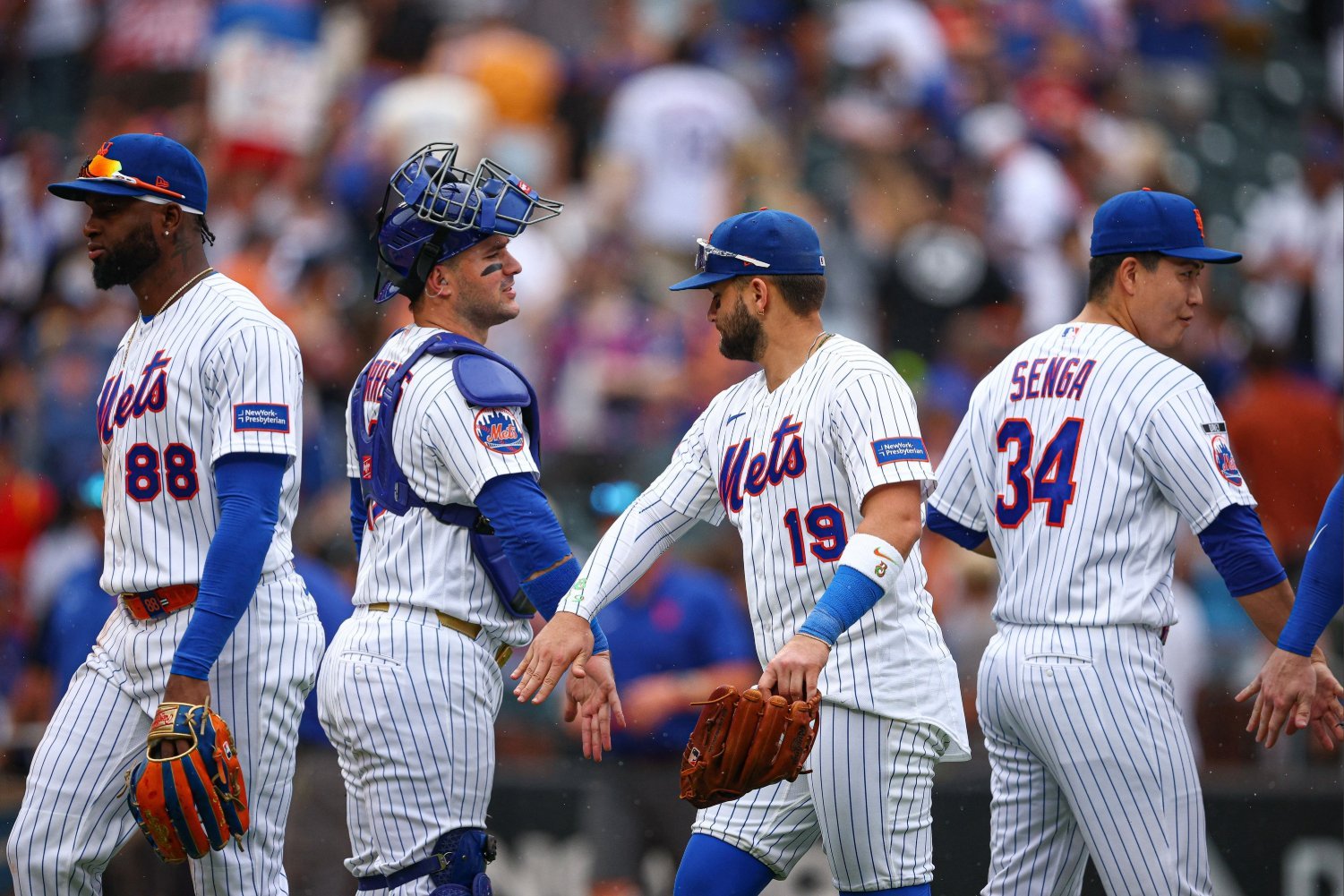 New York Mets Weekly Snapshot Record Last Week: 4-2 Runs Scored Last Week: 24 Runs Surrendered Last Week: 23 Standings 5th in NL East (56-69) 18.5 GB of 1st Place, 11.0 GB of a Wild Card Transactions August 10: RHP Devin Williams placed on the 15-day injured list, retroactive to August 8, with a right shoulder strain. August 10: RHP Jonathan Pintaro recalled from Triple-A Syracuse. Scores Game 120: NYM 8, ATL 5 Game 121: ATL 4, NYM 0 Game 122: ATL 6, NYM 3 Game 123: NYM 4, WSH 1 Game 124: NYM 5, WSH 4 Game 125: NYM 4, WSH 3 Series Breakdown/Highlights Braves Series: Coming off a 5-1 road trip against the Guardians and Pirates, the Mets had one more series on the road, this one against the Braves. The Mets continued their hot stretch in the series opener with an 8-5 victory. New York wasted no time getting to Bryce Elder, with Brett Baty delivering the biggest blow of the night with his first career grand slam as part of a five-run first inning. Francisco Lindor also went deep, and the Mets built an 8-2 advantage before Atlanta made things interesting late. The Braves scored three runs over the final three innings, but Kodai Senga recorded his first career save and looked nasty while doing it to close out New York's sixth win in seven games. The Mets offense went completely quiet in game two. Braves starter Martín Pérez tossed six scoreless innings, while the Atlanta bullpen finished off the shutout. Matt Olson provided the biggest offensive blow with a two-run home run as the Braves handed the Mets a 4-0 loss. The Mets couldn't recover in Wednesday's rubber game, falling 6-3 and dropping the series. Zac Thornton battled through his outing, but Atlanta's lineup eventually broke through. Lane Thomas opened the scoring with his first home run as a Brave, while Mike Yastrzemski and Austin Riley went back-to-back in the seventh inning to give Atlanta breathing room. The Mets made it interesting in the later innings after solo home runs from Luis Torrens, Luis Robert Jr., and Bo Bichette, but couldn't generate enough offense around them. Nationals Series: After an off day Thursday, the Mets returned home to Citi Field looking to rebound from consecutive losses. They did exactly that, sweeping the Nationals and ending the week on a three-game winning streak. The Mets opened the series with a 4-1 victory despite recording just one hit through the first five innings. Francisco Lindor tied the game with a solo home run before Carson Benge delivered a go-ahead RBI single in the sixth. Jared Young added a solo homer in the seventh, and Bo Bichette followed with an RBI single to provide some insurance. Saturday's game required a dramatic comeback, and that is what we got. The Mets entered the bottom of the ninth trailing 4-3 before Brett Baty drew a leadoff walk and Jorge Polanco singled. Francisco Alvarez then doubled to bring home Baty and tie the game against Nationals closer Yovanny Cruz. After A.J. Ewing struck out, Francisco Lindor came through with a walk-off RBI single to give New York a 5-4 win and their second come-from-behind win in the ninth inning this season. It was the Mets' sixth walk-off win of the season and secured another series victory. The Mets finished the sweep with a 4-3 victory Sunday afternoon. Christian Scott turned in his longest outing since returning from Tommy John surgery, pitching 6.1 innings with seven strikeouts. Luis Torrens continued his scorching stretch at the plate with a go-ahead two-run homer, his fourth home run in seven games. Jared Young added an RBI double, while Carson Benge made a pair of important defensive plays in the outfield. Nate Lavender and Daniel Duarte helped bridge the gap to Kodai Senga, who recorded his third consecutive save to finish off the sweep. Website Highlights Mitch Voit, Jefferson Rojas Are Tearing Up Double-A Together In An Early Preview Of What's To Come For Mets Mets' New Kodai Senga Experiment Has Yielded Promising Early Returns Sean Manaea Has Rediscovered His Best Form, Giving Mets Another 2027 Rotation Option to Evaluate Looking Ahead August 17: vs. San Diego Padres August 18: vs. San Diego Padres August 19: vs. San Diego Padres August 20: OFF August 21: @ Chicago White Sox August 22: @ Chicago White Sox August 23: @ Chicago White So View the full article
 -
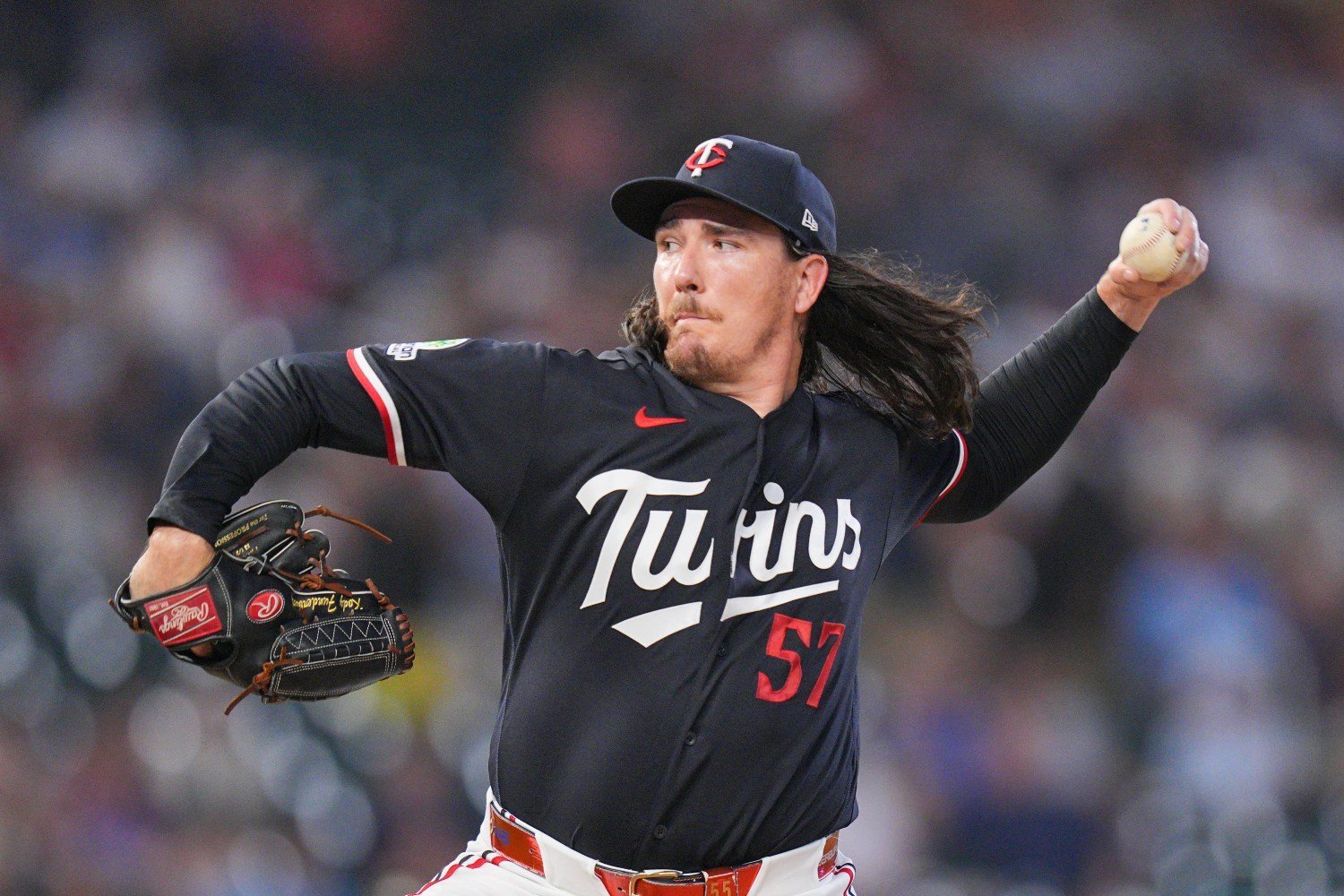 Demoted to Triple-A St. Paul for the second time this season on June 2, a struggling Kody Funderburk rejoined the Saints, having posted a lousy 5.65 FIP and a -7.3 strikeout-to-walk ratio (meaning he was walking batters considerably more often than striking them out). The 29-year-old struggled with St. Paul, netting a 5.14 ERA, 4.10 FIP, and a lackluster 19.4% strikeout rate over seven innings pitched from June 5 to 21. Funderburk has often battled control issues, but at times this season, he's also run into barrels. After falling behind in counts, he was unable to sneak fastballs past hitters, and was hit hard, as well as giving out free passes. df6014ad-c6159a9d-3311a408-csvm-diamondgcp-asset_1280x720_59_4000K.mp4 Necessity brought Funderburk back to the bigs relatively quickly, though. The team's dearth of relief deoth and Funderburk having a place on the 40-man roster positioned him for a promotion on June 24, upon which he looked to regain his post-2025 trade deadline form. Down the stretch of last season, he generated a 0.75 ERA, 2.30 FIP, and a 28% strikeout rate over 24 innings. “I know I was flying off a lot of stuff mechanically, causing some misses east-to-west.” Funderburk said, noting that Twins bullpen coach LaTroy Hawkins worked extensively with him upon his latest return. “We kind of just got back to staying closed, keeping my head on the target, and I was able to keep my torso closed just a split second longer, and everything timed up better.” Since June 26, the left-handed reliever has regained his dominant form, producing a 2.18 ERA, 2.36 FIP, and a 27.7% strikeout rate over 20 2/3 innings pitched. bGJ3R0JfWGw0TUFRPT1fQUFsVkFsZFhVQWNBRFFZREJRQUhBQWNBQUFNRVZnTUFWbFlOVXdNTUJWVmNVUVVE.mp4 “So, I think mechanically, like, that was a big adjustment for me and [Hawkins] and I got the work done. And, I mean, our catchers kill it with game-planning, and once I feel like I'm involved and can execute, it’s putting all my trust in them,” he said. Funderburk regaining his dominant form couldn’t have come at a better time, given the club’s lone high-leverage left-handed throwing reliever (Anthony Banda) was transferred to the 60-day IL with a left lat strain on July 11, ending his 2026 campaign. Minnesota’s front office traded for southpaw A.J. Minter on July 31, effectively replacing Banda’s production as a high-leverage, late-inning lefty. Still, Funderburk’s ascension has provided Minnesota with two trustworthy lefties ahead of veteran Taylor Rogers. “It’s just baseball; there’s ebbs and flows. That’s part of it, too—like, you go through stretches where you’re not quite yourself," he mused. "I think the better players are able to figure out what they’re doing wrong faster, and they nip it in the bud, and they’re able to get back on track.” Funderburk has always been an east-to-west pitcher, as mentioned above. He lives or dies by his sinker-cutter combination, which he throws a combined 68% of the time. His inability to throw his fastball variants in the zone earlier in the season was the primary reason he couldn't suppress walks and limit runs. However, by tightening his mechanics, Funderburk has regained plus form, becoming a high-leverage, left-handed-throwing bullpen anchor alongside Minter. View the full article
 -
The Adjustment That Is Changing Isaac Collins’ Season
DiamondCentric posted an article in Royals Keep
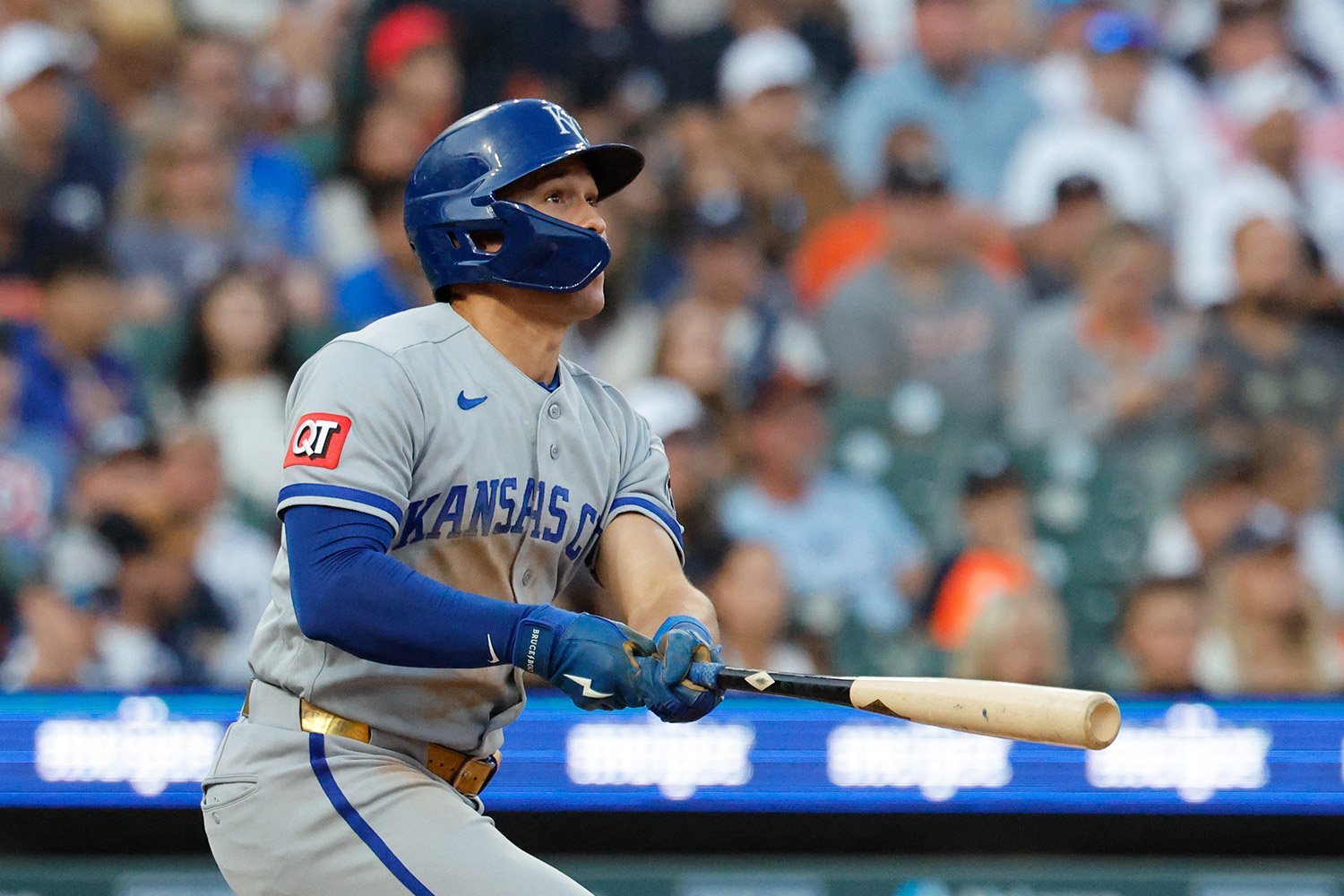 A couple of months ago, I analyzed Isaac Collins’ terrible start in his first season with the Kansas City Royals. The problem was evident: as a hitter, Collins depends on his contact ability, his ability to get on base, and the instincts he developed stealing bases during his final season with the Milwaukee Brewers. Contrary to that profile, the Collins we had seen through mid-June was having trouble putting the ball in play. His strikeouts increased by 4.7% compared to 2025, his slugging percentage dropped from .411 to .302, and his wRC+ (84) was below the league average. Collins is not a hitter who finds success hitting fly balls, so there was an obvious problem in his swing: his fly-ball rate jumped from 34.3% to 50.4%. As he approached the third month of the season, it was time to make adjustments. The big question here was how Collins was going to solve his main inconsistency. Was it worth changing his plan as a hitter? What part of his approach at the plate needed an immediate adjustment? In the two months since the last time we analyzed him, Collins found answers. For many hitters, it might seem reasonable to work on their plate discipline, be less aggressive and more selective, especially as a switch-hitter. Collins did the opposite: he turned aggression outside the zone into better contact. How did he do it? Let’s begin by looking at some revealing numbers: PERIOD K% xSLG BABIP Whiff% Hard-Hit% O-Swing% O-Contact% Contact% Opening Day to 6/12/2026 25.8 .308 .295 26.0 39.6 21.9% 53.1% 76.5% 6/13/2026 to 8/13/2026 17.1 .352 .295 16.8 40.8 26.7% 67.0% 83.8% DIFFERENCE -8.7 .044 .000 -9.2 1.2 4.8% 13.9% 7.3% Everything revolved around contact, but the key was not greater bat speed or a jump in power. Collins has given his season a positive turn since June 13 with greater aggression at the plate. His biggest increase in a metric was the 13.9% increase in O-Contact%, while he reduced his strikeout and Whiff rates. The quality of contact was also key to improving his xSLG from .308 to .352, while maintaining the same .295 BABIP. Yes, this really is not what is expected from a hitter who went through struggles at the beginning of the season. However, the adjustment process itself is nothing new for Collins. In the sample since 2025, he appears among the hitters with the greatest ability to generate value against pitches outside the strike zone: his .514 xOBP ranks sixth among qualified hitters who have seen at least 250 pitches outside the zone. Player xOBP Whiff% Barrel/BBE% Perdomo, Geraldo .568 24.4 1.3 Torres, Gleyber .567 39.1 2.2 Tucker, Kyle .562 41.9 2.3 Soto, Juan .540 40.9 8.1 Grisham, Trent .538 43.1 5.0 Collins, Isaac .514 49.7 0.0 Ward, Taylor .505 49.4 1.2 Vargas, Miguel .500 32.7 3.7 Bregman, Alex .500 32.4 0.8 Acuña Jr., Ronald .497 42.5 5.3 In the Top 10, there are two aspects that perfectly reveal Collins’ profile: he is the hitter with the highest Whiff% rate and the only one with 0.0 Barrel/BBE%. And there is the real story of his adjustment. As a hitter, Collins has remained faithful to the approach that made him an interesting piece for an offense that has achieved the highest Z-Contact% (86.1) in all of Major League Baseball this season. The big question that remains here is whether Collins can sustain this success by living off continued aggression and contact against pitches outside the strike zone. His xwOBA has not had an alarming drop (it went from .305 to .299 during the period of these last two months), while his Barrel% went from 7.5% to 4.0%. Since we already know that Collins’ philosophy is to live off contact, I investigated what the most notable differences have been within his recent offensive rebound. I focused more on his plate appearances against right-handed pitchers, since we have a larger sample there during the two periods we are analyzing. Opening Day to June 12 June 13 To August 13 Collins shows better performance in the second period, accumulating a value of +3.8 over +2.4. His hitting profile was more balanced, especially outside the strike zone, where contact has made the difference since June 13. Let’s look at some of those contacts against pitches up and outside the strike zone. Date: 2026-06-10. Pitcher: Gray, Peyton. Count: 1 – 2. Pitch Type: CH. Velocity: 84.5. URL: Isaac Collins doubles (8) on a line drive to left fielder Wyatt Langford. | Baseball Savant Videos | baseballsavant.com Date: 2026-06-19. Pitcher: McGreevy, Michael. Count: 1 – 2. Pitch Type: FF. Velocity: 91.9. URL: Isaac Collins' two-run double | Baseball Savant Videos | baseballsavant.com Two pieces of hitting in the Collins style! This season, only 18 left-handed hitters have hit a double with a pitch located in that same area. Shohei Ohtani leads the league with four. Collins is in the group of 15 hitters who have two. It is not so easy to get a piece of hitting like that. But for Collins, that is not the point that matters. He will go after pitches outside the strike zone. In these last two months, that has been his best adjustment, and he has gotten many more quality at-bats. We will see if his swing will continue to stay alive outside the zone. The Royals, despite having been in a terrible season, brought Collins in to continue being faithful to his style. View the full article
 -
 The New York Mets are breaking up the M, M & M Boys at Syracuse. Christopher Morel is being promoted to the big club. He'll have his contract purchased ahead of New York's home game Monday night against the San Diego Padres, journalist Mike Rodriguez and Metsmerized Online reported Sunday night, Morel did not play in Syracuse's 2-1 victory over Jacksonville on Sunday evening. The move is a recognition of Morel's slugging at Triple-A. The 27-year-old utility man hit 12 home runs and compiled a 1.098 OPS in 123 plate appearances over 31 games for Syracuse after signing a minor-league contract with the Mets on July 1. He, Ronny Mauricio and MJ Melendez formed a powerful trio. Morel played five positions for Syracuse (first base, second base, third base, left field and right field), and it's expected New York will use him in a similar fashion. The bottom line is, if he hits, he'll play. Elsewhere in the organization: Binghamton got a tie-breaking two-run single from Marco Vargas in the eighth inning to beat Portland 8-6. Vargas finished 4-for-5 with a home run, four RBIs and two runs scored. Brooklyn was held to one hit in a 1-0 loss to Jersey Shore. The only run scored on an infield single in the eighth inning. Daviel Hurtado allowed one hit over seven scoreless frames. St. Lucie lost to Jupiter 7-3. Kuhio Aloy homered twice for the Mets. Starter Will Watson threw three scoreless innings in his third appearance back from an oblique injury that kept him out for three months. The Mets’ Dominican Summer League clubs were off. The regular season ends Tuesday. New York Mets Transactions No Roster Moves Syracuse Bullpen Picks Up Tong Jonah Tong was unable to get through the fifth, which meant the Mets' 'pen had to cover 13 outs after the offense gave it the lead in the seventh. Four relievers did the job in style as they stitched together 4 1/3 hitless innings. Joe Jacques got the last out in the fifth, striking out the only batter he faced. Dan Hammer followed with a scoreless sixth. He became the pitcher of record when the Mets took the lead a half-inning later. Brian Metoyer worked a scoreless bottom of the seventh. Dylan Ross then retired all six batters he faced for his fourth save. Zack Short started the winning rally with a leadoff single. Ronny Mauricio followed with a single that moved Short to third. Nick Morabito walked to load the bases with nobody out. Eric Wagaman then hit a fly ball to center to score Short. Syracuse opened the scoring in the second. Hayden Senger delivered a two-out single to drive in Jose Ramos. Jacksonville answered in the bottom half with a solo home run. Ryan Clifford had a game to forget. He went 0-for-5 with five strikeouts. Player AB R H RBI BB K Ronny Mauricio, SS 5 0 1 0 0 2 Nick Morabito, LF 3 0 1 0 1 1 Eric Wagaman, 3B 4 0 1 1 0 2 Nick Lorusso, 1B 2 0 0 0 3 1 Ryan Clifford, RF 5 0 0 0 0 5 Shawn Ross, DH 3 0 0 0 1 3 Jose Ramos, CF 3 1 2 0 1 0 Hayden Senger, C 4 0 1 1 0 1 Zack Short, 2B 4 1 3 0 0 0 Player IP H R ER BB K HR Jonah Tong 4 2/3 3 1 1 2 6 1 Joe Jacques 1/3 0 0 0 0 1 0 Dan Hammer 1 0 0 0 1 0 0 Brian Metoyer 1 0 0 0 1 1 0 Dylan Ross 2 0 0 0 0 1 0 Vargas Clutch As Binghamton Holds Off Portland The Rumble Ponies gave up the lead in the bottom of the seventh, then promptly got it back in the eighth. Chris Suero singled, and Corey Collins and D'Andre Smith walked to load the bases. Vargas' single to center scored Suero and Collins for an 8-6 lead. Garrett Stratton came on and retired all six batters he faced to earn the save. Vargas started his day by homering with one out in the first inning. It was his second homer of the season. He followed that by singling home Mitch Voit in the fourth to put the Ponies up 6-4. Vargas, 21, is trying to regain momentum as a prospect after two stints on the injured list. He's part of a Binghamton infield that added Jefferson Rojas, Billy Amick and Émilien Pitre at the trade deadline. Will Sammon of The Athletic reported that Pitre is being promoted to Syracuse, presumably to take Morel's place R.J. Gordon started and went the first four innings. He allowed four runs (two earned) on two hits, with three walks and two strikeouts. Player AB R H RBI BB K Mitch Voit, 2B 5 1 1 1 0 3 Marco Vargas, SS 5 2 4 4 0 1 Émilien Pitre, DH 4 0 0 0 1 2 Jefferson Rojas, 3B 3 0 0 0 2 1 Jacob Reimer, 1B 5 0 1 1 0 0 Chris Suero, C 4 3 3 0 1 0 John Bay, CF 4 1 1 0 0 1 Corey Collins, LF 2 1 0 1 1 1 JT Benson, LF 0 0 0 0 0 0 D'Andre Smith, RF 2 0 0 1 1 1 Player IP H R ER BB K HR R.J. Gordon 4 2 4 2 3 2 0 Cristofer Gomez 1 2/3 1 1 1 2 2 0 Saul Garcia 1 1/3 1 1 1 0 2 1 Garrett Stratton 2 0 0 0 0 3 0 Hurtado Masterful In No-Decision For Brooklyn Hurtado deserved better. He struck out five and walked two to go with the hit he allowed. He needed just 81 pitches to get through seven. The Cyclones' hitters had a golden opportunity to give him early run support. Brooklyn loaded the bases with one out in the third after Sammy Stafura was hit by a pitch, Aiden Smith walked, and Trey Snyder was hit by a pitch. Ronald Hernandez grounded into an inning-ending double play. Brooklyn put two men on in the fourth as well. John Spikerman doubled and Colin Houck walked, but Eddinson Paulino struck out to end the inning. Jersey Shore broke through in the eighth with a two-out, RBI infield single against Parker Carlson. With a runner on third, a soft ground ball up the middle deflected off Carlson's glove and rolled toward shortstop. Stafura charged and made a barehanded grab, but his throw was late. AB R H RBI BB K Sammy Stafura, SS 2 0 0 0 1 1 Aidan Smith, CF 3 0 0 0 1 0 Trey Snyder, LF 3 0 0 0 0 3 Ronald Hernandez, 1B 2 0 0 0 2 1 Yonatan Henriquez, RF 4 0 0 0 0 1 John Spikerman, DH 4 0 1 0 0 2 Daiverson Gutierrez, C 3 0 0 0 0 0 Colin Houck, 3B 3 0 0 0 1 2 Eddinson Paulino, 2B 3 0 0 0 0 2 Player IP H R ER BB K HR Daviel Hurtado 7 1 0 0 2 5 0 Parker Carlson 1 2 1 1 0 0 0 Elwis Mijares 1 0 0 0 1 2 Aloy Goes Deep Twice In St. Lucie Loss Aloy hit his second and third homers in just his 10th professional game. The 2026 draft pick out of the University of Arkansas gave the Mets a 1-0 lead in the second with his first homer. After Jupiter responded with a two-run home run in the fourth, Aloy homered again in the sixth to tie the game 2-2. Jupiter homered in the bottom half of the sixth off Conner Ware to go ahead 3-2. The Hammerheads put the game out of reach with three runs in the seventh and a run in the eighth. One of the runs was unearned thanks to a throwing error by shortstop Elian Peña. St. Lucie got the tying run to the plate in the ninth after Peña -- who was promoted to High-A Brooklyn after the game -- drew a two-out, bases-loaded walk. John Smith III grounded into a force play to end the game. Ware took the loss. The homer was the only hit he allowed over two innings. layer AB R H RBI BB K Elian Peña, SS 4 0 0 1 1 3 John Smith III, RF 5 0 0 0 0 1 Julio Zayas, 1B 4 0 0 0 0 2 Kuhio Aloy, LF 4 2 2 2 0 0 Yovanny Rodriguez, C 3 1 1 0 1 2 Reed Stallman, DH 3 0 1 0 1 1 Bohan Adderley, CF 3 0 0 0 1 3 Dylan Carey, 3B 3 0 0 0 0 1 Kooper Schulte, 2B 3 0 1 0 1 1 Player IP H R ER BB K HR Will Watson 3 1 0 0 1 2 0 Candido Cuevas 1 3 2 2 0 2 1 Conner Ware 2 1 1 1 0 2 1 Jose Guevara 2/3 1 3 2 2 1 0 Ernesto Mercedes 1/3 0 0 0 0 0 0 Brett Banks 1 1 1 1 1 2 0 Top-20 Prospect Performance Jonah Tong: 4 2/3 IP, 3 H, 1 R, 1 ER, 2 BB, 6 K, HR Jack Wenninger: DNP Ryan Clifford: 0-for-5, 5 K Elian Peña: 0-for-4, RBI, BB, 3 K Nick Morabito: 1-for-3, BB, K Jacob Reimer: 1-for-5, RBI Mitch Voit: 1-for-5, 2B, RBI, 3 K Jonathan Santucci: DNP Zac Thornton: MLB Chris Suero: 3-for-4, 2B, 3 R, BB Will Watson: 3 IP, 1 H, 0 R, 0 ER, 1 BB, 2 K Wandy Asigen: DNP Eli Serrano III: DNP Randy Guzman: DNP Dylan Ross: 2 IP, 0 H, 0 R, 0 ER, 0 BB, 1 K, S Ryan Lambert: DNP Antonio Jimenez: DNP R.J. Gordon: 4 IP, 2 H, 4 R, 2 ER, 3 BB, 2 K Jonathan Pintaro: MLB Marco Vargas: 4-for-5, HR, 4 RBI, 2 R, K View the full article
 -
 Let’s see how the Boston Red Sox's farm fared in series finales across the organization. Triple-A Worcester Red Sox Series vs. Buffalo Bisons (Toronto Blue Jays): 2-4 Season Record: 62-53 The WooSox fell in the series finale in a rough start for the pitching staff. John Holobetz took the mound in hopes of ending Worcester’s two-game skid, but exited with his head hanging low after a disastrous performance. Holobetz allowed six runs on six hits in just 2⅔ innings as Buffalo got to him early. Holobetz issued two walks and struck out four before turning the ball over to Devin Sweet in the third inning. Sweet wasn’t much better, allowing three runs on three hits in just one inning of work. He walked two and struck out one before Hobie Harris was called in to finish the fourth frame. Harris steadied the ship for the pitching staff in a 1⅓ inning appearance, allowing two hits and striking out one before Seth Martinez entered. Martinez took the sixth and seventh innings, allowing two hits and notching a pair of punchouts in a scoreless outing. With the bullpen depleted, manager Iggy Suarez turned to first baseman Nathan Hickey for the final two innings of Sunday’s game. Hickey was excellent, allowing three hits but closing the game in shutout fashion. Trevor Story returned to the diamond for the first time since mid-May, playing in the first four innings of Sunday’s matchup before being replaced. Story went 1-for-2 with a single and a popup following a nine-pitch at-bat. Facing an early nine-run deficit, Mikey Romero got the WooSox on the board with a two-run homer in the fourth inning, scoring Story. Franklin Arias would strike next for Worcester, scoring Jason Delay on an RBI single in the fifth inning. Arias would score one more in the seventh inning as he drove in Brett Harris on a sac fly in the seventh inning. Tsung-Che Cheng scored Delay in the seventh as Worcester slowly closed the gap. Delay launched a solo homer in the ninth inning in hopes of sparking a late rally, but he was unsuccessful as the WooSox couldn’t generate any more late offense. Double-A Portland Sea Dogs Series vs. Binghamton Rumble Ponies (New York Mets): 1-5 Season Record: 58-55 A rough night from the bullpen led to Portland’s sixth loss in eight games as the Sea Dogs struggles continued. Reidis Sena started Sunday’s game, but exited after just ⅔ of an inning. Sena let up a home run and issued one walk, recording one strikeout before being replaced by Morgan McSweeney. McSweeney’s second appearance with Portland was a rough one as he gave up four runs on four hits in 2⅓ innings pitched. McSweeney issued a pair of walks and struck out two more before Max Carlson took over in the fourth. Carlson pitched one frame of one-run ball, allowing two hits and issuing a walk as he struck out another. Caleb Bolden took on a bulk relief role as he entered in the fifth inning. Across three innings Bolden let up just one hit as he struck out five of the ten batters he faced. Joe Vogatsky entered in a tie game, but let up two quick runs as Binghamton took a late two-run lead. Vogatsky finished with a line of two runs on two hits in two innings. He issued a pair of walks and struck out one in the loss. The Sea Dogs were able to generate six runs on just four hits, but it wasn’t enough to defeat the Rumble Ponies. Henry Godbout led the way with a pair of RBIs as he continued to adjust to Double-A competition since being called up from High-A Greenville before the series. Will Turner struck first for Portland, driving in Johanfran Garcia on a single in the second inning. Nate Baez drove in Mason White to complete the two-run inning and tie the game. Baez was called up to Triple-A Worcester following Sunday’s game. In the third, Godbout gave Portland a short-lived lead as he drove in Brooks Brannon and Tyler McDonough on a line drive single in the third inning. In the fifth, Brannon cut into the two-run lead with an RBI groundout as McDonough scored. Jack Winnay gave Portland its final run of the afternoon on a game-tying home run in the seventh inning, his sixth of the season. The tie wouldn’t last long, as Binghamton took the lead just a half-inning later and didn’t look back. High-A Greenville Drive Series @ Hub City Spartanburgers (Texas Rangers): 3-3 Season Record: 50-61 Greenville was the lone affiliate team to win on Sunday, clinching a 10-5 win to secure the series split. Matt Duffy started the series finale for Greenville, turning in a solid three-inning performance. Duffy allowed one run on a pair of hits as he issued a walk and struck out one before Alex Bouchard took over. Bouchard earned the win for his four-inning relief role. He allowed three runs on five hits and issued two walks. Bouchard struck out four before Brandon Neely got the call in the bullpen. Neely was solid as he closed out the win for the Drive. He allowed one run on one hit as he struck out a pair of Hub City batters. To say that Sunday’s offensive performance was excellent would be an understatement. Led by Justin Gonzales’s first career multi-homer day, the Drive scored ten times on fourteen hits in a sustained performance. In the second inning, Carlos Gutierrez crossed home as Yophery Rodriguez reached via error, giving Greenville an early lead that it wouldn’t relinquish. In the third, Owen Hull scored Gonzales on a fly ball double as Gerardo Rodriguez advanced to third. In the fourth, Y. Rodriguez made his mark yet again. He launched a homer to right center, his 14th of the season. With runners on the corners later in the inning, Jake Schaffner hit a ball between the infield gap as Antonio Anderson scored easily. Then with the bases loaded, Gutierrez drove home G. Rodriguez and Schaffner on a single right up the middle, giving Greenville a 6-0 lead. In the sixth, Gonzales clubbed his first homer of the night, going the opposite way on a ball that was absolutely demolished over the right field wall. An inning later, Anderson brought the lead to four on an RBI single that scored Maximus Martin before Gonzales stepped to the plate once more. Gonzales proceeded to smoke a line drive homer to left center as Anderson crossed home, capping off the ten-run game. Gonzales was promoted to Double-A Portland following the game. Low-A Salem RidgeYaks Series @ Delmarva Shorebirds (Baltimore Orioles): 2-4 Season Record: 49-63 Another poor start and less than timely offense led to Salem’s second straight loss. After posting a 1.56 ERA in the month of July, Jose Bello has struggled in August. His last three starts have been less than ideal as his ERA rests at 9.24 for the month. He entered Sunday’s start looking to turn things around, but failed to do so. Bello completed four innings, and pitched to two batters in the fifth before being pulled. He allowed six runs on eight hits and walked a season-high five batters, more than he allowed in the months of June and April. He struck out just one batter before Nicholas Judice took over. Judice’s second appearance back from injury went much better than his first as he allowed one run and issued one walk while striking out three in 1⅔ innings. Caden Vire took over at the end of the sixth, allowing one hit and walking two over 1⅓ frames of work. He struck out a pair before Harry Blum took the ninth inning. Blum allowed one final run and issued one walk in the ninth, striking out two as he completed the game. Multi-hit games from Kleyver Salazar and Josue Brito kept Salem afloat despite the loss. Brito gave Salem an early lead as he scored Franklin Primera on an RBI double in the first inning. Primera scored again in the third by way of a balk, tying the game at 2-2. In the fourth, Adonys Guzman tied the game again, this time by scoring Andrews Opata on a sac fly. Down by four in the seventh, Salazar cut the lead in half as he homered on a deep ball to left field, scoring Primera for the third time in the afternoon. View the full article
 -
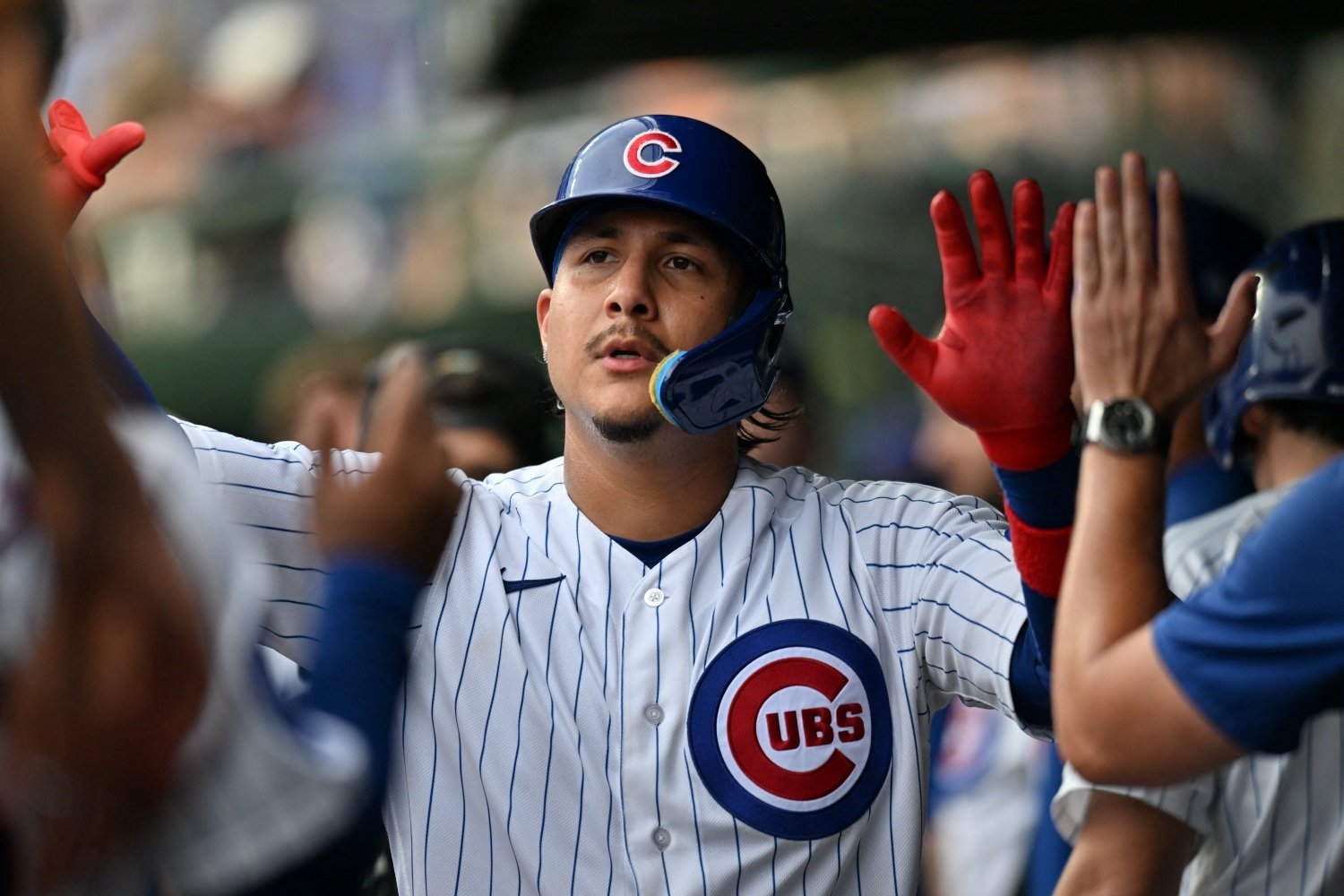 Over the weekend, Miguel Amaya started two consecutive games behind the plate. It was the first time he'd done that since late June, but it was also just the latest indication that the team is beginning to trust their younger backstop more—and that they realize they need to get Carson Kelly more rest. It's a shift with implications for both the present and the future behind the plate in Chicago. Since the start of July, Kelly has started 22 games, while Amaya has started the other 18. Before that, the playing time had not been nearly so evenly distributed, with Kelly starting 48, Amaya starting 32, and Moisés Ballesteros starting five games in the team's first 85. Of the last 22 games the team has played, Amaya and Kelly have divided the starts right down the middle. This was the initial plan, when the Cubs signed Kelly in December 2024. Like several other teams, they believe the best way to manage the exceptionally heavy on- and off-field workload of catchers is to divide playing time as evenly as possible between two solid options and to have a third person who can be sprinkled in to soak up some innings throughout the season. Because of Amaya's oblique strain last May, Kelly ended up having to start 71 of the team's last 110 games behind the plate, and that workload caught up to him down the stretch. Early this year, as Amaya's bat speed remained low and his production looked sluggish, Craig Counsell reluctantly ratcheted up Kelly's playing time again. Lately, however, Amaya's performance has trended in the right direction, just in time to shield the team from some difficulties for Kelly. His bat speed is up over his last six weeks of playing time or so: Amaya's swing also has more tilt than it did when he first came to the majors, allowing him to square the ball up consistently—and to all fields, as he demonstrated with an opposite-field home run during garbage time on Sunday. d2V3eFFfV0ZRVkV3dEdEUT09X1UxVlNBZ1VCQUZNQVcxSldYZ0FIQ1ZCV0FGZ0ZBQVVBQlFBTlVRcFJDQUpRQmd0WA==.mp4 Amaya's feel for the barrel has improved right along with his bat speed since the heat of summer began to gather in earnest. He's also been a solid defender this year, including doing a better job against the running game than Kelly. Put all of that together, and he's earned renewed trust and opportunity from Counsell. Since the All-Star break, he's batting .279/.326/.465, in 48 plate appearances. That should be good for the Cubs on multiple fronts. At 27 years old, Amaya is five years Kelly's junior. He's been in the mix forever, so often delayed by injuries and now out of minor-league options, but he's also under team control through the 2029 season. He'll be eligible for arbitration for the first time this winter, but is only in line for a modest raise there. Kelly, meanwhile, will become a free agent this fall, when either he or the team declines their side of a mutual option for 2027. That makes the re-emergence (and, for now, the good health) of Amaya a major development for the team's medium-term future. They were more comfortable moving Ballesteros at the trade deadline because Amaya had shown that he can handle a greater workload than in the past for the balance of this year. They felt comfortable prioritizing keeping Owen Ayers, whom they view as their catcher of the future, and are tentatively planning to partner Amaya with Ayers next season. They might re-sign Kelly, if he wants to return on favorable terms, but it's just as likely that they'll bring in a catcher on a split or minor-league deal and give Ayers and Amaya a chance to assert themselves as the new Amaya and Kelly. In the meantime, while Kelly is in a dip right now, playing Amaya more often during this difficult August grind should produce a fresher version of the veteran in September and October. Amaya has another handful of weeks to show that he deserves playing-time parity even in the looser schedule of the postseason, but whether he does so or not, his play over the last month-plus has already been huge for the team. View the full article
 -
 Jake McKibbin and Jason Wang show some love to Milwaukee men that have been stepping up to the late over the past few weeks. Apple Podcasts: https://podcasts.apple.com/us/podcast/the-brewer-fanatic-podcast/id1740648724 Spotify: https://open.spotify.com/show/5CY8mWsQayqjDXqw9OT2Td iHeartRadio: https://www.iheart.com/podcast/263-the-brewer-fanatic-podcast-166534588/ Pocket Casts: https://pca.st/ommzz627 Watch On YouTube: https://www.youtube.com/@brewerfanatic View the full article
 -
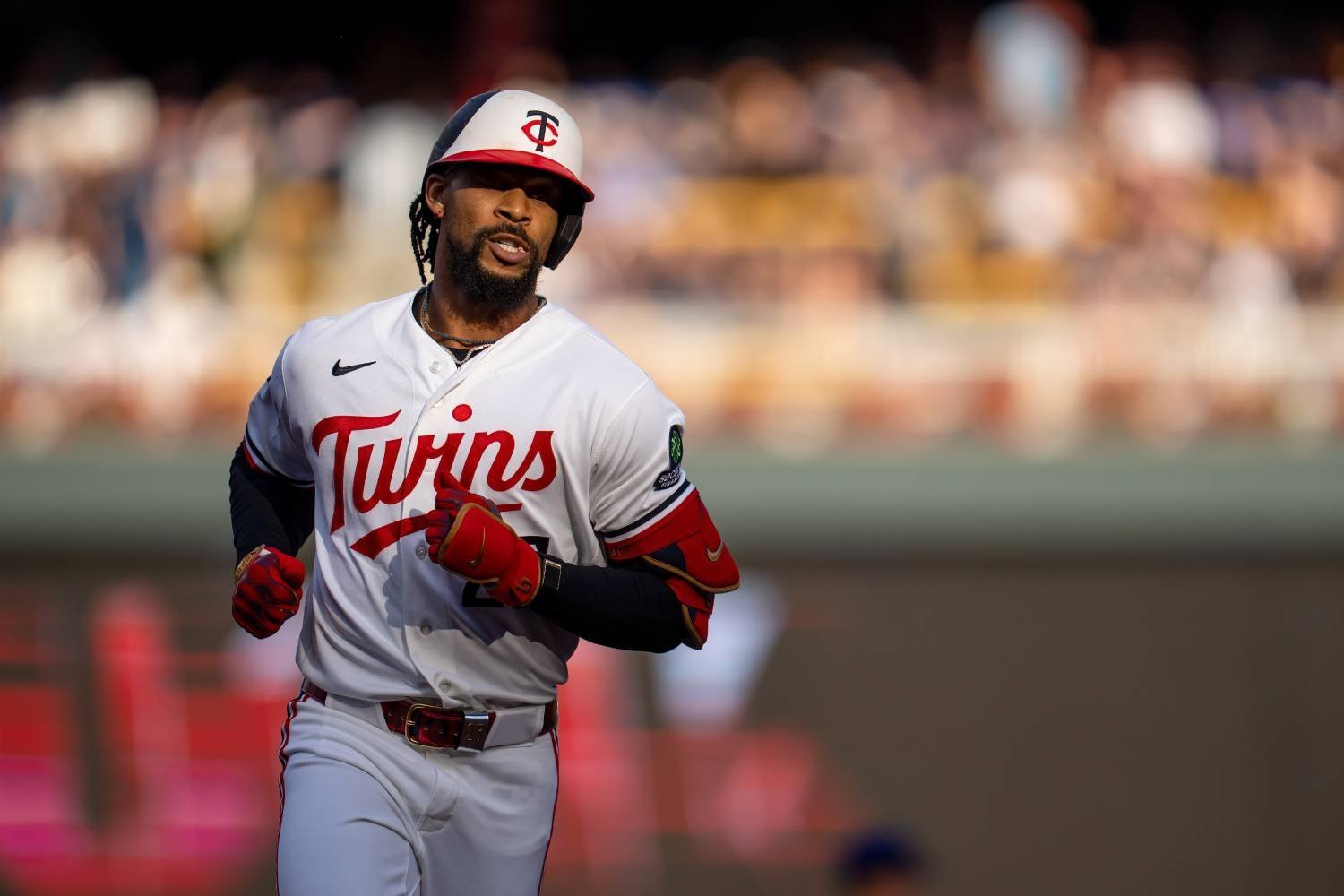 The Minnesota Twins have retired eight player uniform numbers. Kent Hrbek is the lone player in that group who is not in the National Baseball Hall of Fame. Harmon Killebrew, Kirby Puckett, Rod Carew, and Joe Mauer were locks; they got through the gates to baseball immortality relatively easily. Tony Oliva, Bert Blyleven and Jim Kaat all eventually reached Cooperstown. Hrbek's case never even generated much discussion, though. In his lone season on the ballot, he got just 1.0% of the vote. This certainly does not diminish what Hrbek meant to the Twins. From 1981 through 1994, he established himself as one of the most important players in franchise history. He was an All-Star and a key member of two World Series championship teams. His No. 14 now adorns the facing of the second deck in the left-field corner at Target Field alongside those Hall of Famers, because his career represented something bigger than individual statistics. That raises an interesting question when looking at Byron Buxton. Buxton is not on a Hall of Fame trajectory, either. Injuries have limited his playing time, which has made it difficult for him to build the kind of career totals typically associated with Cooperstown. But that doesn't mean his overall body of work should be dismissed. In fact, comparing Buxton's numbers to Hrbek's shows that the gap between the two is not quite as wide as their career totals might suggest. The biggest difference is obvious: Hrbek played nearly twice as many games. But when the comparison shifts toward rate statistics, defensive value and the areas in which Buxton has been elite, the conversation becomes much more interesting. There's no real argument when it comes to career volume. Hrbek appeared in 1,747 games, compared to 981 for Buxton. He accumulated 7,137 plate appearances to Buxton's 3,783, and Hrbek finished with 1,749 hits, 293 home runs and 1,086 RBIs. Buxton's current totals are 856 hits, 193 homers and 481 RBIs. That difference in longevity has a major impact on virtually every counting statistic. Hrbek also owns the edge in batting average, on-base percentage and OPS. He hit .282 with a .367 on-base percentage and a .481 slugging average, compared to Buxton's .249/.309/.492 line. Hrbek's 128 OPS+ also tops Buxton's 117. That is an important distinction. Buxton has produced tremendous power, but Hrbek was the more complete offensive player over a much larger sample. The same can be seen in WAR. Hrbek finished his career with 38.6 WAR, compared to 32.9 for Buxton. Hrbek also accumulated 37.5 offensive WAR, while Buxton sits at 25.7. However, Buxton has time to pass Hrbek in WAR with the remaining time in his career. Opportunity has been, perhaps, the most important separator between the two. Hrbek played through age 34 and spent 14 seasons building his résumé. Buxton's comparison currently stops at age 32. That leaves Buxton with a significant amount of ground to make up, especially in the statistics most often used to define franchise legends. Hrbek also has a substantial edge in postseason résumé. He was part of two Twins championship teams, something Buxton has not yet experienced. If Buxton's career ended today, Hrbek would still have the stronger overall résumé as a framchise icon. That part is not particularly close. Where Buxton Has the Advantage The most obvious advantage for Buxton is that he has created considerably more value with his legs. Buxton has 124 stolen bases compared to Hrbek's 37, and his career stolen-base percentage is an MLB-record 90.5% compared to Hrbek's 58.7%. Buxton has produced 36 runs of baserunning value, while Hrbek sits at -1. That's not a small difference. For all of Hrbek's offensive accomplishments, he was a first baseman whose value came overwhelmingly from his bat. Buxton has been a much more multidimensional player. The defensive comparison is even more striking. Buxton has accumulated 8.3 defensive WAR, compared to -7.7 for Hrbek. (Virtually every center fielder has a positive defensive WAR, since FanGraphs includes a positional adjustment in that statistic. Every first baseman has a negative defensive WAR. Both players' performance pushed their numbers toward the extremes, though, rather than toward the center at 0.) Buxton's fielding contribution is credited at 70 runs above average, while Hrbek's sits at 16. That makes sense when considering how Buxton has built his reputation. At his best, he has been one of the most dynamic center fielders in baseball. Hrbek was a good defensive first baseman at different points in his career, but he was never going to change a game defensively in the same way Buxton could. Buxton also has more home runs per game played. He has hit 193 home runs in 981 games, while Hrbek hit 293 in 1,747 games. Hrbek's longevity gives him a large edge in total home runs, but Buxton's rate of nearly 20 homers per 100 games is impressive. Buxton’s .244 isolated power mark is significantly higher compared to Hrbek's .198. This is where the "what if" surrounding Buxton becomes so important. He has never had the opportunity to put together a long, uninterrupted stretch of seasons like Hrbek did. Despite playing 766 fewer games, Buxton has already accumulated a WAR total approaching Hrbek's career number. Of course, WAR also isn't the only robust way to capture and weigh players' contributions. Hrbek got considerable value from availability, which baseball people have always venerated as the best ability. But through the prism of runs above average (RAA), Buxton is much better than Hrbek, even over a much smaller sample. He's been worth 196 RAA in his career, versus just 138 for Hrbek. Aguably, it's the ability to do each of the key things on a diamond—batting, baserunning and fielding—better than an average player that makes a guy a cornerstone for a winning team. Buxton does that much better than Hrbek did. This is where the Hrbek comparison gets interesting for the Twins. No one should pretend Buxton has already matched Hrbek's career. He has not. Hrbek has the advantage in games, plate appearances, hits, RBI, total home runs, batting average, on-base percentage, OPS, OPS+ and WAR. But Buxton has already built a résumé that is difficult to ignore. His combination of power, speed and defense makes his career profile unique in Twins history. It does make the idea of Buxton eventually reaching the same historical territory much more realistic. The next few seasons will determine whether that becomes a legitimate conversation. If Buxton can stay healthy enough to add several more productive seasons, pass Hrbek in WAR and continue climbing the Twins' home run rankings, his argument for a retired number becomes far more compelling. There is also something worth remembering about the standard for a retired number in Minnesota. The Twins do not strictly reserve that honor for Hall of Famers. They reserve it for players who became synonymous with the franchise. Hrbek did that. Buxton has a chance to do the same. The career paths are completely different. Hrbek was the dependable middle-of-the-order cornerstone who played 14 seasons and helped bring two championships to Minnesota. Buxton has been the spectacular, oft-injured center fielder whose peak has been among the most exciting stretches any Twins player has produced. Buxton has always held the promise of being the main guy on a pennant-winning team, if he could stay healthy enough. Hrbek was never on that level. Hrbek had better teammates and better health, though, and has gotten to bask in the glow of each. He's also a native Minnesotan, which gave him a leg up on being beloved. Buxton's demonstrated loyalty to his adopted home should go far in that regard, too, but it might never be worth as much to the fan base as the accident of Hrbek being born and bred here. Buxton still has work to do before he reaches the Kent Hrbek threshold. But based on the numbers, he's already much closer than the simple career totals would suggest. And for the Twins, that makes the question worth asking now, rather than years from now. Can Buxton reach the Hrbek threshold? Should the Twins retire Buxton’s number? Leave a comment and start the discussion. View the full article
