


DiamondCentric
-
Posts
2,631 -
Joined
-
Last visited
Never
Content Type
Profiles
Forums
Events
MLB News, Rumors & Analysis
DiamondCentric Tutorials & Help
Major League Baseball Videos
MLB Fan Guides & Resources
Store
Downloads
Gallery
Everything posted by DiamondCentric
-

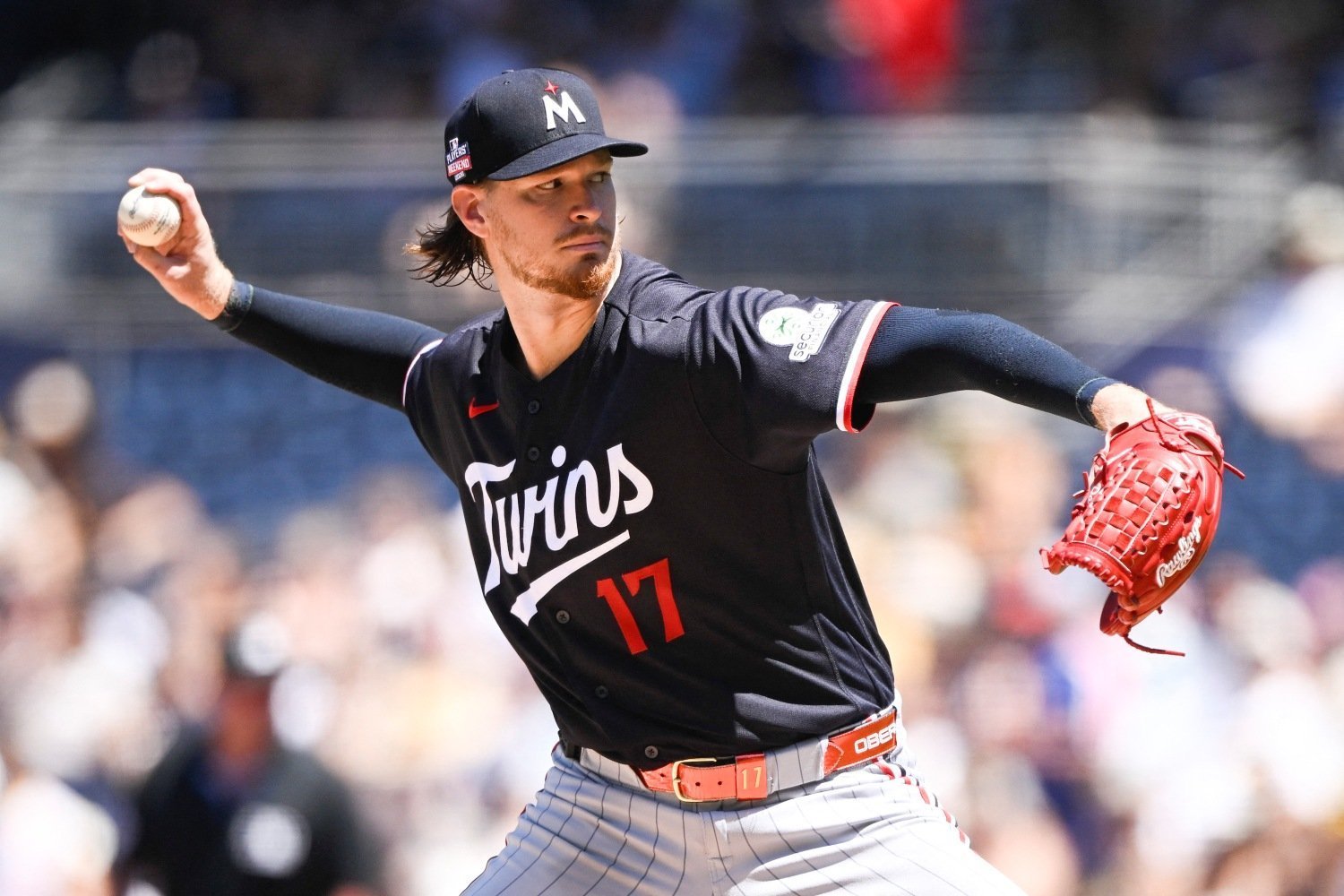 Bailey Ober's 2026 season hasn't gone to plan. The right-hander has battled through a noticeable decline in velocity, and the results have been middling. There have been stretches where Ober hasn't looked like the pitcher Twins fans became accustomed to seeing over the previous several seasons. That doesn't mean his entire body of work should be forgotten, though—particularly if this weekend is the last time he dons the home uniform at Target Field. Ober has quietly become one of the better starting pitchers the Twins have developed over the last two decades. His career hasn't followed the traditional path of a highly-touted prospect becoming a frontline starter. Instead, he went from a 12th-round pick with limited expectations to a reliable big-league starter who ranks near the top of the organization's pitching leaderboard. His 2026 season deserves criticism. His career deserves appreciation. Ober's Velocity Problem Has Made 2026 a Challenge The biggest issue for Ober this season has been his diminished velocity. Ober has never been a pitcher who overpowered hitters with elite velocity. His success came from a combination of command, deception, pitch shape, extension and the ability to keep hitters from getting comfortable. When the velocity drops, however, there is less margin for error. Hitters can sit on pitches longer. Mistakes become easier to punish. The difference between a well-executed pitch and one left over the middle becomes even more important. That has been part of the story in 2026. Ober has still shown flashes of the pitcher he can be, but there haven't been enough of those stretches to make this season feel like a major step forward. It's fair to wonder what the diminished velocity means for his future, especially when the Twins are evaluating a rotation that could look considerably different next season. Still, one difficult season shouldn't erase everything that came before it. From 12th-Round Pick to Big-League Starter Ober's development might be one of the more impressive pitching stories of the current Twins era. Minnesota selected him in the 12th round of the 2017 MLB Draft out of the College of Charleston. There wasn't much expectation that he would eventually become a major-league starting pitcher. Ober had to create that opportunity for himself. The COVID-19 shutdown gave him an unusual opportunity to work on his delivery and make changes that might not have been possible during a normal season. He used that time to hone his mechanics and, importantly, increase his velocity. That work helped transform him. Instead of remaining a tall right-hander with interesting raw traits who might eventually reach the upper levels of the minors, Ober developed into a legitimate pitching prospect. The Twins eventually called him to the majors, and he established himself as more than just a temporary rotation option. Ober's Place in the Target Field Era When looking at the Twins' starting pitchers since Target Field opened in 2010, Ober's career stands out even more. Only Joe Ryan, José Berríos and Kyle Gibson have accumulated more fWAR among Twins starting pitchers during the Target Field era. That's impressive company for a pitcher who never fully felt like he was in the team’s long-term plans. Ober's best stretch came from 2022 through 2024. During those three seasons, he posted a 115 ERA+, a 3.74 FIP and a 1.03 WHIP while averaging 126 innings per season. Those aren't the numbers of a dominant ace. Ober was never consistently dominant. He didn't routinely overpower lineups or spend entire seasons looking like a Cy Young candidate. But he was good, and he had stretches when he looked extremely good. There were games when everything clicked and Ober looked nearly impossible to square up. Over a full season, consistency mattered more than those dominant moments. That's why his overall value has been so important to the Twins. He provided volume and stability at some vital periods in the team's last half-decade. What Happens Next? Ober is likely to receive one more opportunity to take the mound before the 2026 season ends, with a potential weekend start at Target Field against Texas. It could be another chapter in a Twins career that still has plenty left to write. But it could be his final start wearing a Minnesota uniform. Next season will be his final year before free agency, and his salary is likely to increase through arbitration after making $5.2 million in 2026. The Twins could have a crowded group competing for rotation spots next season. That combination creates an interesting offseason decision. Ober has value because of what he has already proved, but the Twins have to determine how much they believe in his ability to regain some of the velocity that helped make him successful. Only Ryan, Berríos and Gibson have accumulated more fWAR as Twins starters since 2010. That's not a bad legacy for a pitcher who entered professional baseball with very few expectations. Whatever happens this offseason, Ober has already earned his place among the organization's better starting pitchers of the last 15-plus years. His 2025 and 2026 seasons may have complicated his future, but they shouldn't diminish what he accomplished to get here. What stands out about Ober's time in Minnesota? Where does he rank among starting pitchers in the Target Field era? Leave a comment and start the discussion. View the full article
-
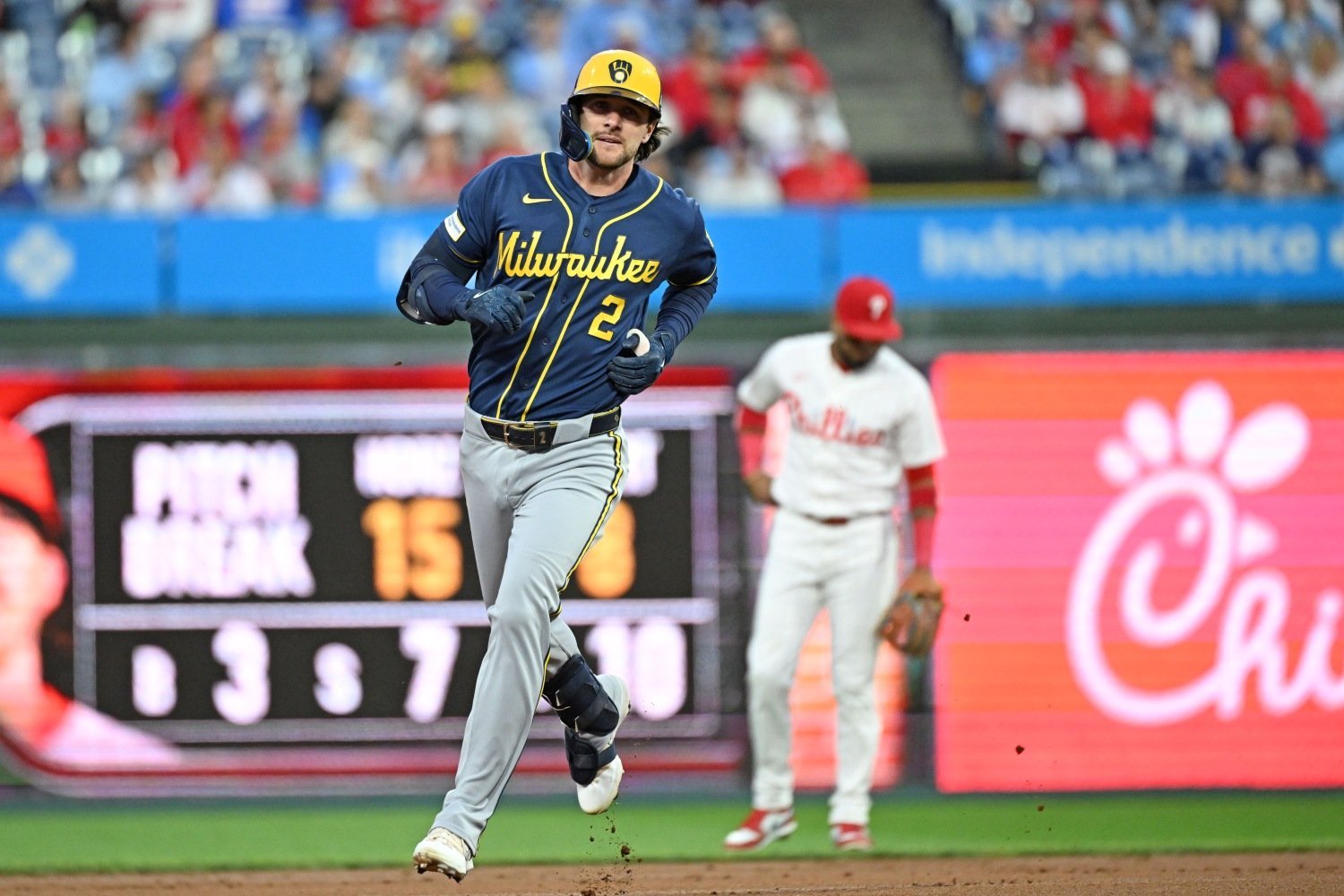 Despite having an exceptional year, the Milwaukee Brewers are in a very familiar position. After finishing with the best record in baseball a year ago, they once again find themselves atop the league, with a 99-59 record and just four games left to play. They have one of the best 1-2 rotation punches in baseball (Jacob Misiorowski and Logan Henderson); a potent lineup; and an elite bullpen. No one player will make or break their postseason, but the closer the NLDS gets, the more one player stands out as disproportionately important. That player is Brice Turang. After Milwaukee used their first-round pick on Turang in the 2018 MLB Draft, he’s turned into one of the many homegrown studs on this roster. After breaking out offensively in 2025, he's taken things a step further this season. He’s slashing .265/.365/.444, and if he can pick up one more stolen base this week, he’ll record the first 20/20 season of his career. Naturally, the Brewers hope and expect that Turang will be a weapon when the NLDS rolls around, but everyone is also aware that it's not that simple. Milwaukee sneaked past the Chicago Cubs in five games in last year’s NLDS. Their lineup lit up Cubs pitching at key moments, putting crooked numbers on the Cubs like haymakers until the challengers hit the mat. Turang, however, did not shine. He went 3-for-20 in that series, including eight strikeouts. Two of those three hits went for extra bases, but you need more than that from a lineup anchor if you’re going to make a deep postseason run. The NLCS was a reset for him—a fresh chance to make good. He did not. Instead, Turang went 1-for-15 against the Los Angeles Dodgers, with six of those 15 outs coming via strikeout. Across both series, Turang went 4-for-35 with two runs scored, three RBIs, two walks and 14 punchouts. He was the poster boy for the team's offensive ineptitude in their season-ending parade of losses to Los Angeles. That performance is still relevant now. Firstly, it highlights just how streaky Turang can be. In 2025, his month-by-month batting average splits were all over the place. He hit .317 in March and April, followed by .207 in May, .333 in June, .209 in July, .343 in August and .294 in September before an abysmal October. This year has been similar. Turang hit .291 in March and April, .231 in May, .252 in June, .309 in July, .175 in August and now .364 in September. That last number is obviously a major positive for the Brewers. Turang is red-hot right now, and when he’s seeing the ball well, he can be one of the most dangerous hitters in this lineup. But there’s a problem. There will be five off days between the end of the regular season and the start of the NLDS, and that means Turang will have to find a way to carry this momentum into October. We saw what happened last year. Moreover, unlike last year, there's a major yellow flag in Turang’s performance data this season. His 25.2% strikeout rate ranks in the bottom quarter of the league. As good as he’s been this month, he’s striking out in 26% of his plate appearances in September. That’s completely fine if he’s doing damage when he makes contact, but that becomes a lot tougher to do when you’re facing the best pitching in baseball. Milwaukee is going to see some of the best arms in the league once the postseason begins. The margin for error gets smaller, and the opportunities to take advantage of mistakes become fewer. None of this is to say Turang is destined to fail come October. In fact, the opposite could very much be true. When he’s on, which he certainly is right now, he’s capable of carrying this lineup for stretches. That doesn’t need to be a three-run homer, either. He can beat you in several different ways. As for concerns about quality of competition underlying raw production, Baseball Prospectus's DRC+ bakes that in via its modeling of players' expected contribution, and by its reckoning, Turang has been clearly better this year (114, where 100 is average and higher is better) than last year (109). The playoffs aren't a crapshoot, but functionally, they feel like one for those of us who can only watch them unfold. Turang is the player whose dice-roll feels like it has the most riding on it this fall. The Brewers need the best version of him. It's impossible to know whether they'll get it or not, for another week or so. View the full article
-
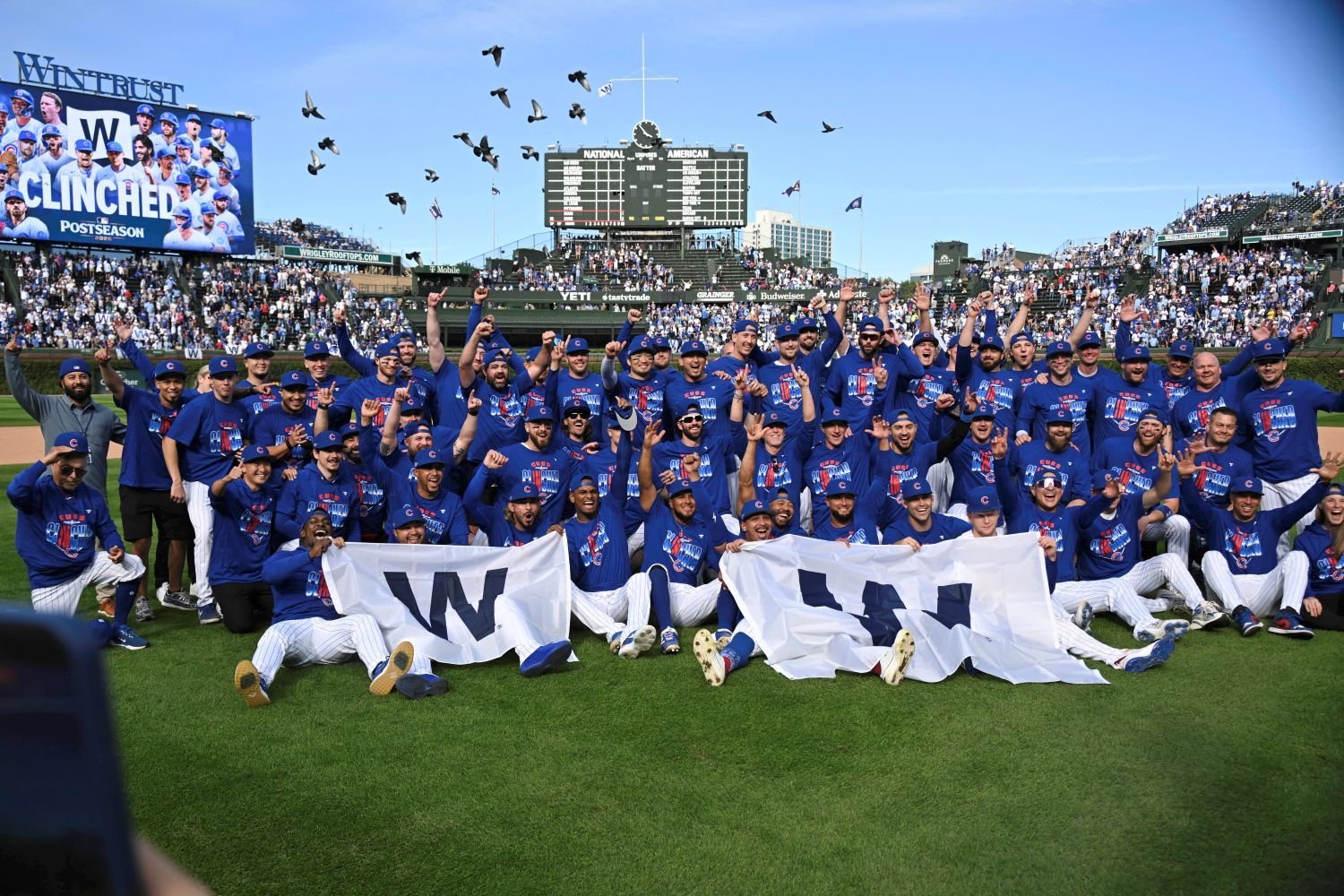 All season, there has been a sense of urgency hanging over the Chicago Cubs. They need to win this year. They need to achieve as much as they can, and make the most of this chance, because the future is highly uncertain. However this year ended, it seemed, there were no guarantees of 2027 (or 2028, or 2029) being better. It took longer than anyone hoped, but in their final home game of the season, the team clinched a playoff berth. They might still have to play on the road in the Wild Card Series. They might not be back in front of the Wrigley Field faithful until next spring. But they will play past Game 162. That was the first and most important box they had to check on the season's to-do list. Ian Happ, who debuted 112 months ago and has played more games in a Cubs uniform than all but 19 other people in the franchise's history (more, for instance, than Frank Chance or Shawon Dunston), hit a sixth-inning triple and came home with the go-ahead run, putting the team up by a 2-1 score that would become the final. The day started with Happ and the fans in the left-field bleachers engaging in an endearing annual ritual, wherein Happ throws a ball with money wrapped around it into the stands to buy beer for as many fans as the bills will cover—and, this time, the fans threw back a ball signed by several of the regulars, thanking the outfielder for his years of dedication to the team. It ended with Happ fighting back tears on the field, as fans showered affection on a team that has survived enormous adversity to get this far. Before Happ's minor heroics, Seiya Suzuki launched a key, game-tying solo home run in the fifth. Like Happ, Suzuki will be a free agent this fall. His five-year contract has been a big win for the Cubs, despite his early, costly miscues in the field and a number of injuries that have interrupted his tenure. Though the relationship between the player and the fans is not as strong, Suzuki has been a productive player and a welcome presence in the organization, and it was only fitting that he would strike a telling blow in a vital game before the home schedule concluded. Two runs is paltry run support, but Matthew Boyd made it stand up. The veteran lefty fired seven innings of one-run ball, using his typical array of big speed changes to induce early and (mostly) harmless contact from a Marlins lineup that gave the Cubs headaches all week. Boyd, too, will be a free agent after the end of the World Series. This is just his second season with the Cubs, but he's one of the most universally liked players in baseball and has knitted himself into the fabric of both the clubhouse and the community even in a relatively short time. Boyd, Happ and Suzuki aren't the only Cubs who probably won't be here next year. The front office has some heavy lifting to do over the fall and winter, and if an offseason work stoppage disrupts their roster building, their job will only get harder. That lurking reality has cast a shadow over this entire season. It's made things stressful for the team and for fans, even if many of them couldn't have articulated the reason. That cloud lightened a bit at the beginning of the season, with the contract extensions signed by both Pete Crow-Armstrong and Nico Hoerner. Crow-Armstrong was under team control for several more seasons anyway, of course, but locking him in gave the fan base a bracing infusion of confidence and excitement about the future. Hoerner was an impending free agent until signing his deal, but will now be a Cub for six more seasons. Still, the team has a huge cadre of players who will be free agents this November. It includes virtually their entire starting rotation and about half their bullpen, plus both starting corner outfielders (Happ and Suzuki) and their starting catcher (Carson Kelly). That Happ, Suzuki, Kelly, Shota Imanaga, Boyd, trade acquisitions Kevin Gausman, Clay Holmes, Tyrone Taylor and surprise contributors Jacob Webb and Michael Conforto will be back next season ranges from unlikely to unthinkable. Chicago is fully committed to a core of Crow-Armstrong, Hoerner, Michael Busch, Dansby Swanson and Alex Bregman, but the last two of those are each heading into their mid-30s. That leaves a lot of questions to be answered. It means that as much as half of this roster might have just played for the last time in the Cubs' home whites. If so, at least they gave themselves a proper sendoff. In a rare twist for a Jed Hoyer-built team, the two most prominent long-term fixtures on the team in Thursday's win were relievers. Daniel Palencia and Ryan Zeferjahn are essential to any postseason run the team hopes to make this year, but they're also under club control through the end of the decade, and the hope is that each will have a better season or two between now and when they hit free agency. The best development of the last week for the team (an uneven one, overall) has been Palencia and Zeferjahn seeming to round into form. The outline of a solid October relief corps is coming into focus. Then, of course, there was Crow-Armstrong. He wasn't actually involved in the decisive actions of Thursday's game, except in that he charged and threw (off-line; he still overcooks those sometimes, because no one is quite perfect) toward home on the single that plated Miami's only run. He was still very much in the center of the narrative, though, and he literally seized center stage in the bottom of the first inning. After drawing a leadoff walk, he stole second base on the first pitch by Marlins righty Tyler Phillips. It was his 40th steal of the year, putting him (at last; fans have breathlessly tracked his pursuit of the milestone for weeks) into the vaunted 40/40 club. Seizing their own moment, the fans gave Crow-Armstrong a long, rousing standing ovation, with him in the very center of the diamond, doffing his helmet lovingly but rather reservedly, then tapping the Cubs logo on his chest, then trying to clamp down on his emotions and waiiting for the game to resume. That moment did nothing to decide the game. It was an impressive bit of baserunning nous by Crow-Armstrong, who clearly had a sense of what to look for when Phillips was working out of the stretch and got a huge jump without even waiting out a pitch. He topped himself immediately afterward with a half-delayed tag-up on a flyout to left-center field, using fake-casual body language to bait Miami center fielder Jakob Marsee into a lazy throw and then taking third base. But ultimately, Boyd, Happ, Suzuki and Hoerner (who drove in Happ with a line-drive single to left) were the heroes of the day. Still, Crow-Armstrong's will be the indelible image and moment from it. Nothing could be more apropos. The 2026 Cubs will be remembered for and defined by Crow-Armstrong, whose season has been transcendent. He's been dominant, in ways both big and small. He's been a sensation. They'll go as far (or fall as far short) as the rest of the team can take them, though. Crow-Armstrong's brilliance is the only reason they're going to the playoffs; the rest of the team has played much like the Diamondbacks squad they eliminated with the win. One player can't carry a team all the way to a championship, though. The Cubs will have to hope that there are a few more days like Thursday ahead, along with a few more where Crow-Armstrong does take over and win a game on his own. In the bright and jangly moments after the final out Thursday, it felt possible. View the full article
-
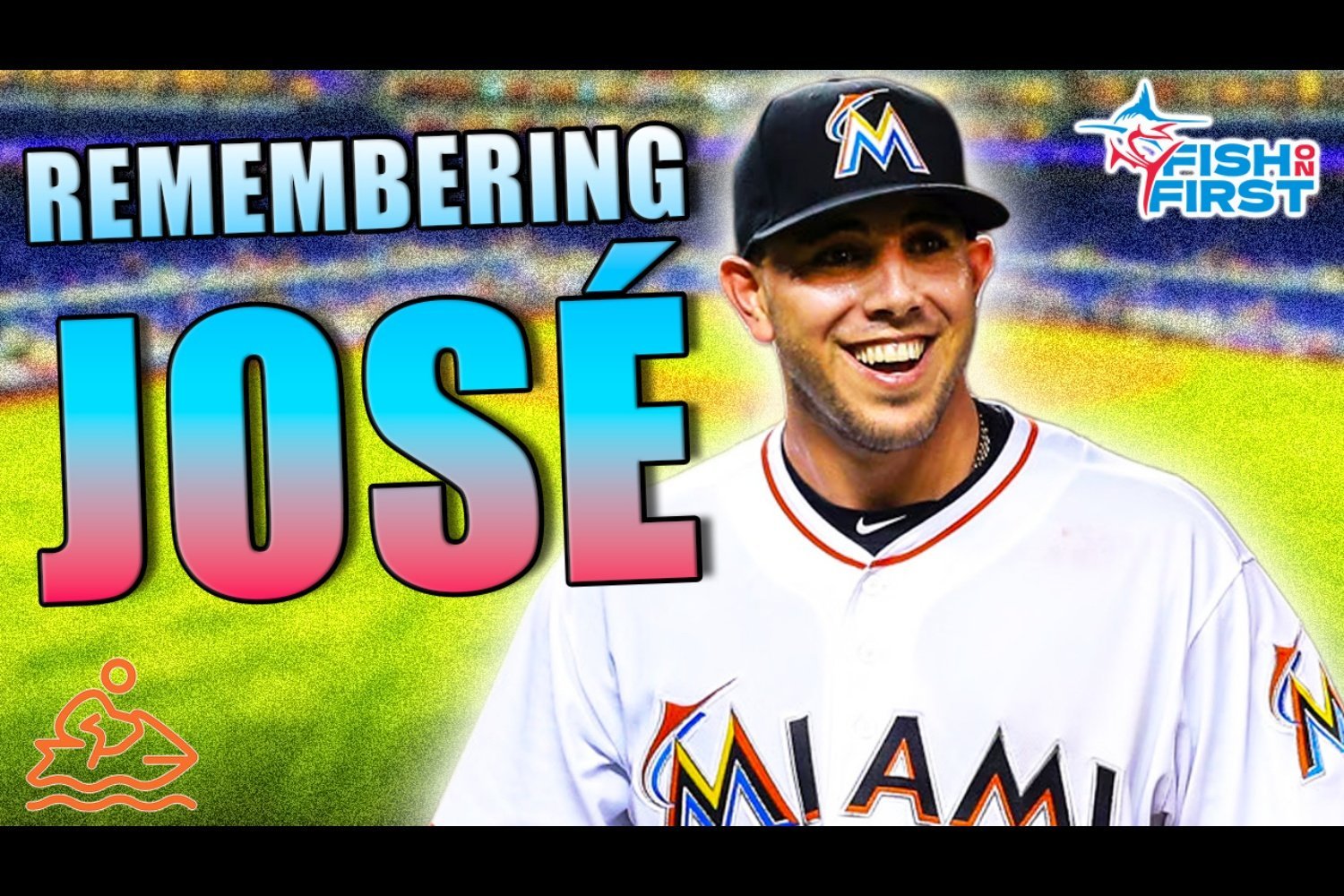 As the Miami Marlins season winds down, Craig Mish of Marlins.TV joins AJ Ramos, Kevin Barral and Isaac Azout for a lengthy interview. The first part includes how Craig and AJ experienced the death of Marlins legend José Fernández on this date 10 years ago, the current club's experimentation with using starting pitchers in relief (including two appearances by Sandy Alcantara in save situations) and Javier Sanoja's continued success in an everyday role. You can find Fish Unfiltered and Fish On First LIVE on the Fish On First YouTube channel, Apple Podcasts, Spotify or wherever else you get your pods. The second part of this conversation will be released on Friday afternoon, focusing mostly on key decisions facing the Marlins during the 2026-27 offseason. View the full article
-
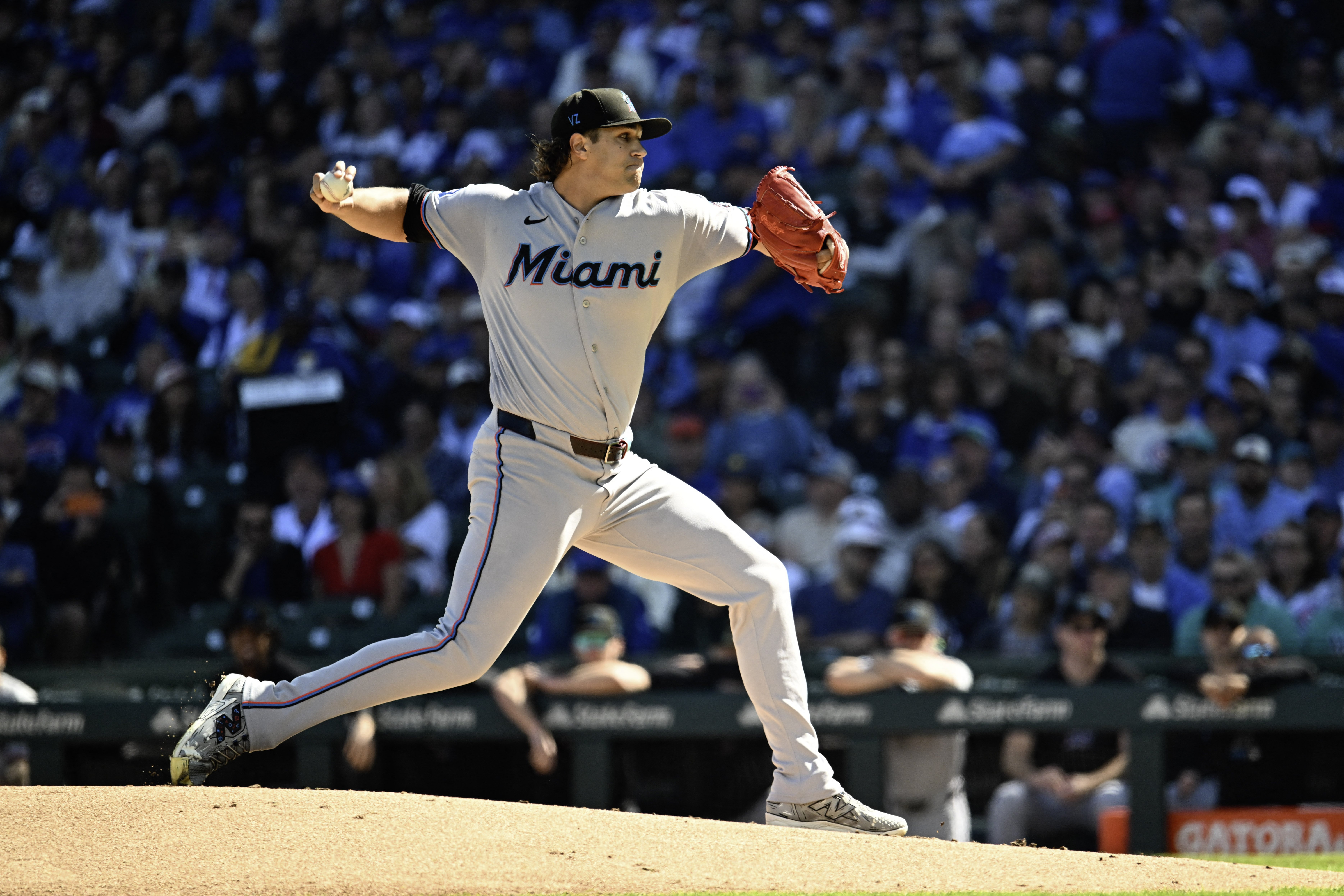 With a 2-1 win over the Miami Marlins, the Chicago Cubs have clinched a spot in the 2026 postseason while the Marlins dropped their 81st game of the season. In his final start of the 2026 season, Tyler Phillips went four shutout innings, allowing three hits, four walks and struck out two. Phillips capped off a month of September posting a 2.11 ERA, allowing five runs on 13 hits. However, the Marlins did not trust him to provide length—his most recent time completing the sixth inning was June 28 against the St. Louis Cardinals. After starting the season in the bullpen, a variety of injuries forced him to transition into the starting rotation. He went on to make 20 starts, posting a 4.00 ERA. Overall, he had a 3.34 ERA, 4.64 FIP, 7.18 K/9 and 3.98 BB/9 in a career-high 126 ⅔ innings pitched. Phillips will likely transition back into the bullpen for the 2027 season if All-Star Max Meyer and promising rotation candidates like Robby Snelling and Thomas White recover from their respective injuries. The Marlins' lone source of runs came in the top of the third inning, a Jakob Marsee RBI single that gave the Fish an early 1-0 lead. Marsee is now slashing .230/.347/.356/.703 with 11 home runs, 41 RBI, 23 stolen bases and has reached a 100 wRC+ (exactly league average). After Phillips came out of the game, the Marlins deployed Jack Ralston out of the bullpen. He allowed a game-tying home run to Seiya Suzuki, his 25th home run of the season. In the ensuing inning, Nico Hoerner gave the Cubs a 2-1 lead on an RBI single off Ralston. Josh Ekness threw 1 ⅔ scoreless innings in the series finale. It was a notable series for Ekness, who on Tuesday recorded the second-fastest strikeout pitch by a Marlin under pitch tracking, behind only Tyron Guerrero at 102.5 mph. He now has a 3.34 ERA, 4.65 FIP, 6.98 K/9 and 6.07 BB/9 in 29 big league appearances. This caps off a 33-48 record on the road for the Fish. It marks their worst record on the road since the 2024 team that went 32-49. There was a big drop-off in the effectiveness of their pitching staff away from home this season, allowing 4.81 runs per game compared to 3.96 runs per game at loanDepot park. The Marlins will wrap up the 2026 season by hosting the Atlanta Braves with Eury Pérez taking the mound in Friday's series opener at 7:10 pm. View the full article
-
Can David Festa Still Carve Out a Role With the Twins?
DiamondCentric posted an article in Twins Daily
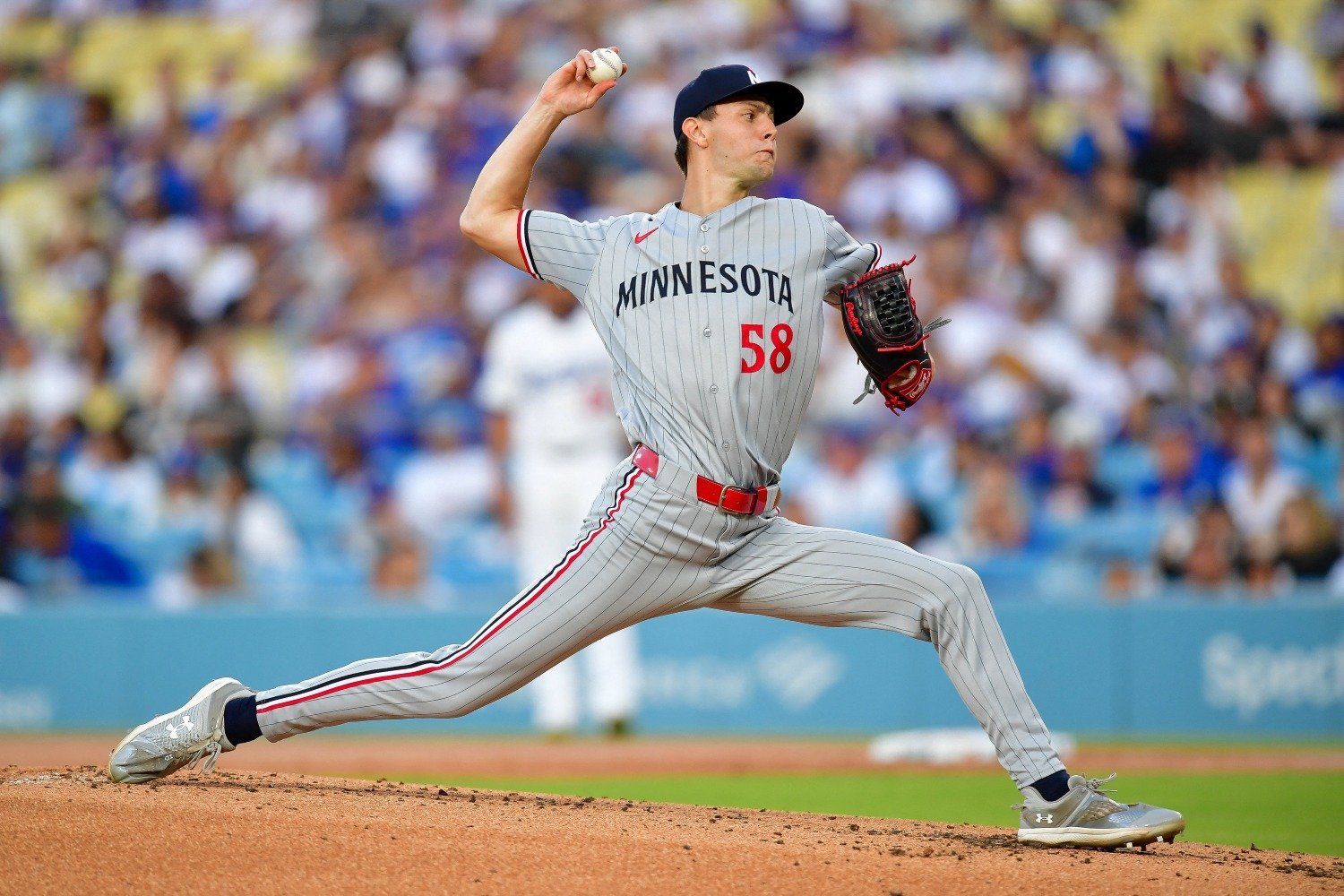 David Festa’s rise to the major leagues is a pretty cool story. After being drafted by the Minnesota Twins in the 13th round out of Seton Hall University back in 2021, Festa quickly established himself as one of the higher-upside pitching prospects in the organization. He dominated the minor leagues over the next two seasons, eventually earning a promotion to Triple-A St. Paul in 2024. And he certainly didn’t slow down once he got there. Festa struck out 89 batters in just 60 1/3 innings with the Saints in 2024, which helped earn him his major league debut later that year. He didn’t exactly burst onto the scene as an ace, posting a 5.12 ERA across 117 2/3 innings between the 2024 and 2025 seasons, while bouncing between the majors and Triple-A. But there were plenty of reasons to believe there was something there. Over those 117 2/3 innings, He logged 130 punchouts and struck out more than three batters for every walk he allowed. There were some issues with hard contact, but the swing-and-miss stuff was legitimate, and it seemed reasonable to believe that some of those other issues could be ironed out with more experience and development. Unfortunately, Festa hasn’t really had the opportunity to go through that development. Back in late July of 2025, Festa landed on the injured list with shoulder inflammation. He returned in late August and made one appearance with the Saints before being shut down after experiencing discomfort during a bullpen session following that outing. It turned out to be a little more serious than just discomfort. He was diagnosed with thoracic outlet syndrome, or TOS, which occurs when there is pressure placed on the nerves or blood vessels between the lower neck and shoulder. It sounds pretty awful, and unfortunately for Festa, it's turned into a much longer-term issue. He missed all of the 2026 season due to recurring shoulder problems, meaning it's now been about 13 months since we last saw him appear in a game. That obviously brings up a question: Does Festa still have a future with the Twins if/when he's finally able to get healthy? Maybe I’m just thinking positively here, but I’m going to say yes. Obviously, the biggest thing is going to be getting Festa back to full health. There’s no point in trying to project what his role could look like in 2027 if he isn’t able to consistently take the mound, and the recurring shoulder problems make that a legitimate question right now. But TOS, as frustrating as it has been for Festa, isn’t necessarily a career-ending diagnosis. Phillies starter Zack Wheeler was diagnosed with venous TOS in August of 2025 and returned early in the 2026 season. Festa’s case was neurogenic TOS, so the two situations aren’t exactly the same, but Wheeler’s return is still a good reminder that a TOS diagnosis doesn't automatically mean a pitcher’s career is over. Even if Festa’s fastball velocity takes a slight hit when he eventually returns, there’s still plenty to like about his arsenal. Wheeler’s fastball was down roughly a mile per hour in 2026 compared to 2025, and while it remains to be seen whether Festa experiences something similar, his fastball doesn’t necessarily need to be in the mid-90s to be effective. His four-seam fastball gets some pretty good run, and at 6-foot-6, he gets plenty of extension toward the plate. That extension can help a low-90s fastball play up a little bit more than the radar gun might suggest. Then there’s the fact that Festa has already shown an ability to miss bats at the major league level. His changeup and slider have both generated plenty of swing-and-miss, giving him a legitimate pair of secondary pitches to work with. If those pitches are still there when he returns, there’s a foundation for Festa to build on. The biggest thing for him would probably be command. His walk rate was just below league average during his time in the majors, so the issue wasn’t necessarily that he was constantly putting free runners on base. The bigger problem was his command within the strike zone. Too often, Festa would leave pitches over the heart of the plate, and major league hitters made him pay for it. He allowed 1.5 home runs per nine innings during his first two seasons, which is just below Zebby Matthews’ 1.7 home runs per nine. And with all due respect to Matthews, that's not exactly the company you want to be in when it comes to giving up home runs. If Festa can keep the fastball up in the zone while keeping his changeup and slider down, I firmly believe there's still a path for him to be a solid back-end starter. The more likely outcome, given the recurring shoulder problems and the uncertainty surrounding his ability to handle a starter’s workload, may ultimately be a move to the bullpen. And that could make plenty of sense. A healthy Festa with a lively fastball, a pair of quality secondary pitches, and the ability to attack hitters for an inning or two could be a pretty interesting bullpen piece for the Twins. But that’s all a discussion for later. For now, the Twins and Festa have to worry about one thing above everything else: getting him back on the mound. It's been a long road since we last saw him pitch, but the talent that made him a promising prospect in the first place hasn’t simply disappeared. If he can finally put the shoulder problems behind him, there’s still a path for the former 13th-round pick to have a meaningful role with the Twins. View the full article
-
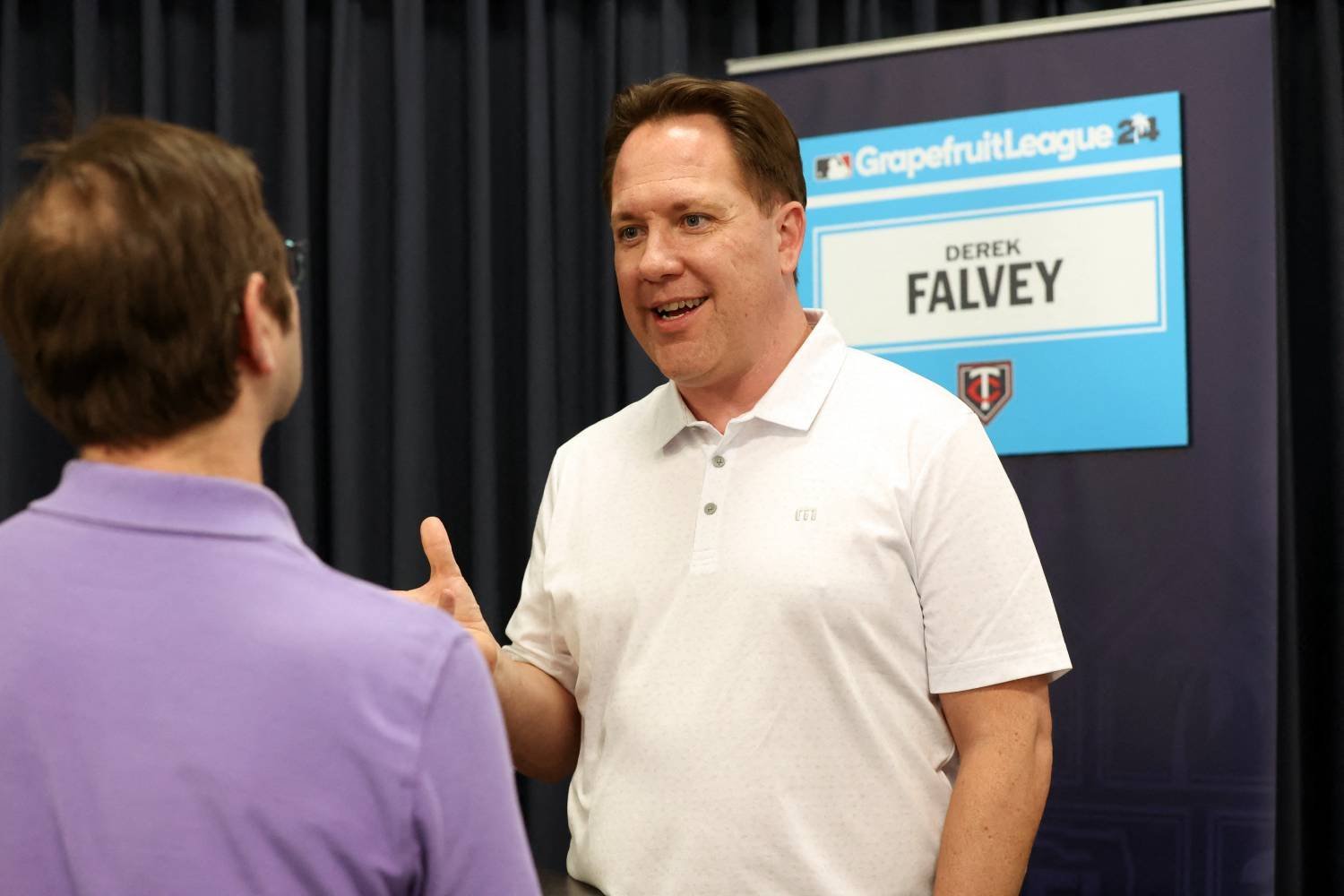 With reports of his addition to the front office coming to light the day before, the New York Mets on Thursday made the Derek Falvey move official. And now he has a title. Falvey was announced by the Mets as a senior advisor to baseball operations. As expected, this makes him a pretty powerful voice in the ear of David Stearns, the embattled president of baseball operations. The pair worked together previously in the Cleveland Guardians' front office. In his last stop, Falvey was POBO for the Minnesota Twins. He mutually left the position in January after a difference in philosophy following a change in the Pohlad family's ownership voice. One other move was announced by the Mets. Kris Gross was named assistant general manager of scouting. Gross' title had been vice president of amateur scouting, so his new role would seem to encompass all aspects of the Mets' scouting department. View the full article
-
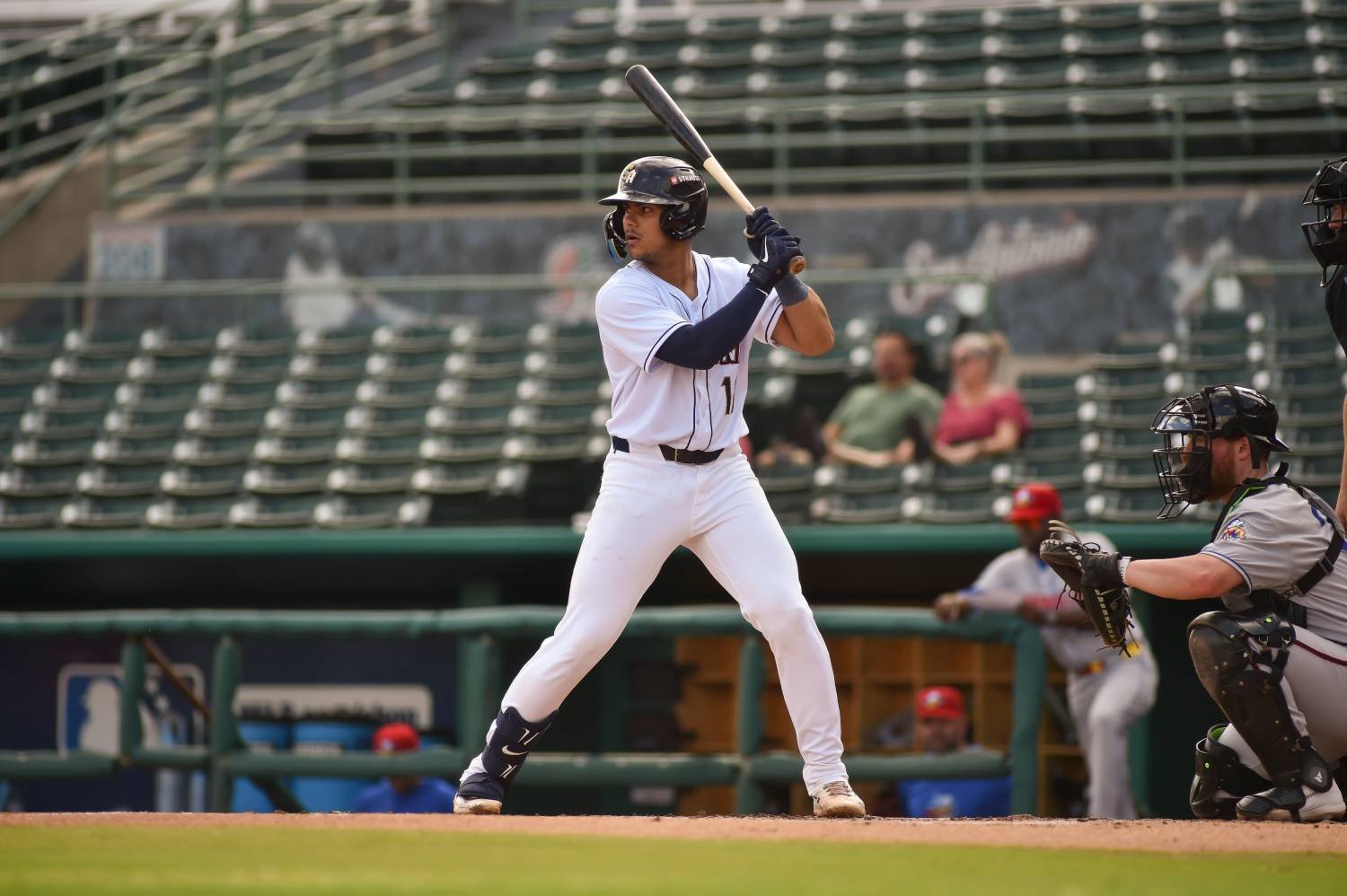 For most of the season, the main attraction for the Double-A San Antonio Missions was Ethan Salas. And rightfully so. Padres Mission’s No. 1 prospect put everything together after a lost 2025 due to injury and used it as a springboard to eventually make his MLB debut as a Sept. 1 promotion. Starting the season at 19 years old, Salas put up a .286/.361/.417 slash line with seven homers, 37 RBIs and 14 steals in 72 games. While there were other key prospects on the Missions at the beginning of the season and then later on, the results were poor. The Missions finished last in the Texas League’s South Division in each half and had a minus-166 run differential, which was 59 runs more than the next-worst team. As you might expect, a league-worst number of runs scored, reaching 600 on the final day of the season and one of only two teams not to score at least 700, and allowing the fourth-most runs was not a good combination. Many of the offensive leaders played fewer than 40 games at Double-A. But there were bright spots. Right fielder Braedon Karpathios emerged as a legit prospect, tying for the club lead with 17 homers and having a team-best 73 RBIs while slashing .268/.353/.444, before getting a late-season promotion to Triple-A El Paso. Kai Roberts, the Padres’ seventh-round pick in 2024, was a force on the bases, stealing 43 bags, including a Texas League-record 28 consecutive to begin the season. The center fielder slashed .200/.296/.282 in 110 games. Tirso Ornelas, who began spring training on the Padres’ 40-man roster, finished third in the league with 33 doubles. On the pitching side of things, three arms stabilized the rotation. Those would be left-hander Jagger Haynes (Padres Mission’s No. 13 prospect) and right-handers Ian Koenig and Eric Yost (Padres Mission’s No. 16 prospect). Koenig led the staff in starts (24) and innings (121⅓) and was second in strikeouts (98). Yost led with 101 K’s in 106⅔ innings. Right-handers Josh Mallitz and Francis Pena were also good out of the bullpen. Right-hander Andrew Moore was also a big part of the relief corps before going up to Triple-A El Paso and then being traded to the Pittsburgh Pirates for right-hander Hunter Stratton. San Antonio Missions 2026 Stat Leaders League: Texas League South Division First half: 31-38, fifth place, 8½ GB, minus-72 run differential Second half: 28-41, fifth place, 13 GB, minus-94 run differential Hitting leaders (20 games minimum) Average: Leandro Cedeno .315, Alex McCoy .314, Jake Cunningham .301 Slugging percentage: Cedeno .528, McCoy .467, Cunningham .459 OPS: Cedeno .949, Romeo Sanabria .831, Cunningham .829 Runs: Braedon Karpathios 62, Tirso Ornelas 58, Ryan Jackson 52 HRs: Karpathios 17, Ornelas 17, Albert Fabian 12 RBIs: Karpathios 73, Fabian 54, Ornelas 54 Pitching leaders (10 games minimum) ERA: Andrew Moore 1.85, Tucker Musgrove 2.93, Francis Pena 3.05 Strikeouts: Eric Yost 101, Ian Koenig 98, Jagger Haynes 85 WHIP: Omar Cruz 1.08, Josh Mallitz 1.18, Haynes 1.27 Opponent average: Moore .117, Musgrove .157, Igor Gil .178 Wins: Yost 7, Sadrac Franco 6, Koenig 5, Mallitz 5 Saves: Mallitz 6, Johan Moreno 4, Franco 3, Pena 3 View the full article
-
Elliot Lascelles' Hit Tool Is Living Up to the Hype at Single-A
DiamondCentric posted an article in Padres Mission
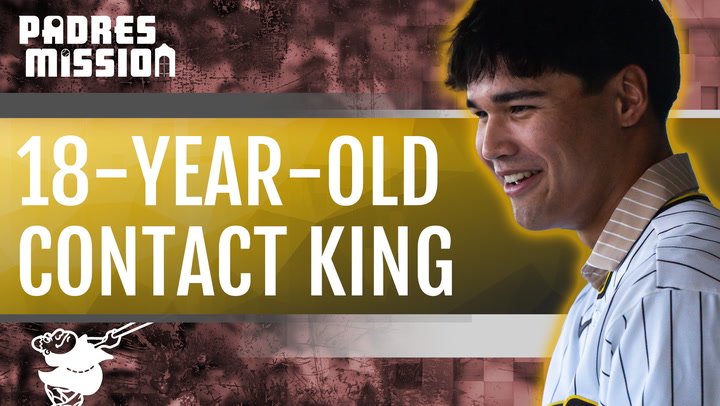 Elliot Lascelles was reputed to have one of the best hit tools in the 2026 draft class. Through a smattering of games at Single-A, the bat-to-ball skills have been as advertised. What did we learn from his first handful of professional games? View the full article
-
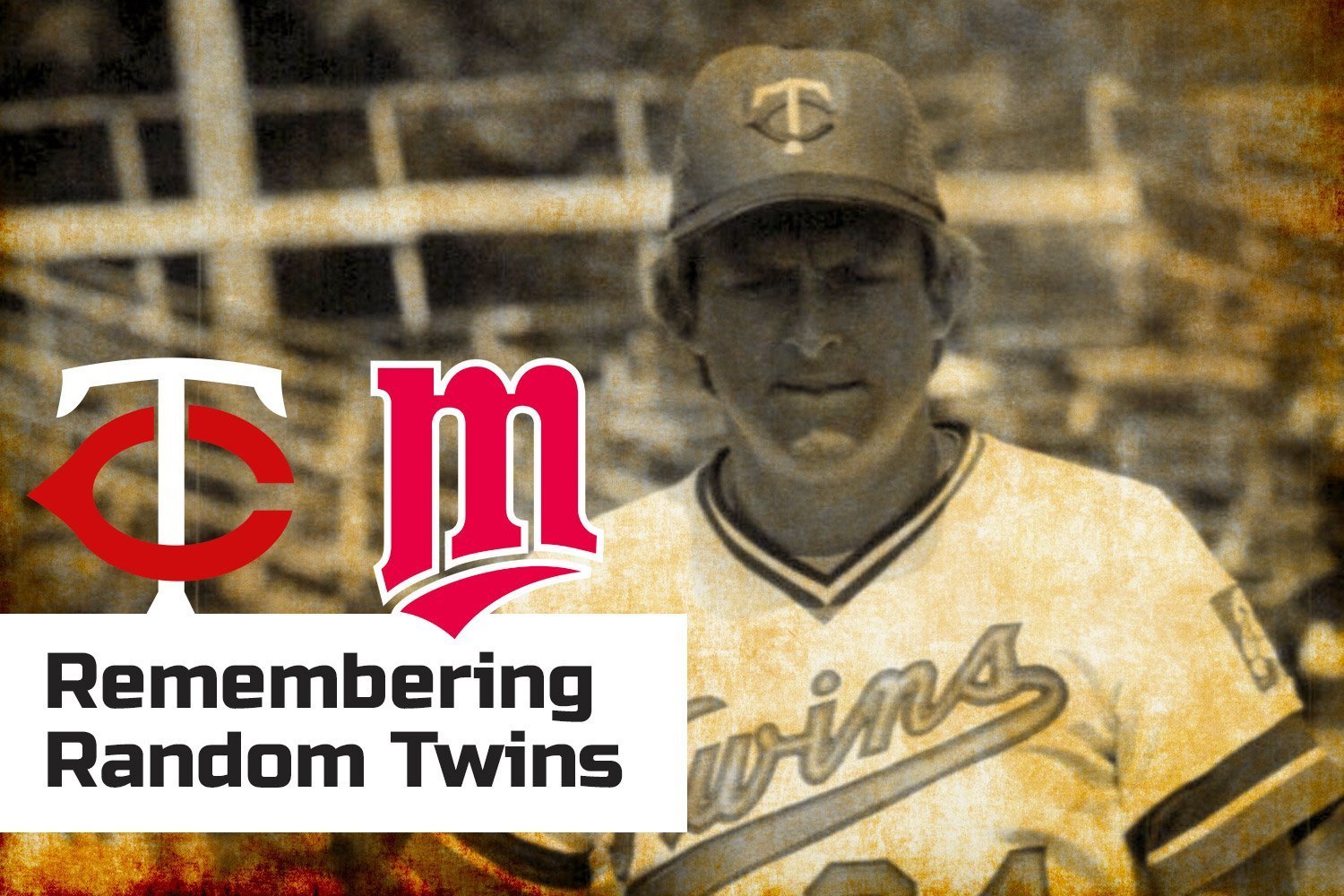 The baseball world lost a longtime coach and former Minnesota Twins pitcher Wednesday as Don Cooper passed away at the age of 70. While Cooper became best known for his work with the Chicago White Sox, his playing career included a brief stop in Minnesota. The Twins selected Cooper from the New York Yankees organization in the 1980 Rule 5 Draft, giving the right-hander an opportunity to reach the majors after working his way through the Yankees' minor-league system. Cooper made his MLB debut with the Twins in 1981 and spent parts of two seasons with the organization. Across 70 innings for Minnesota in 1981 and 1982, he posted a 5.14 ERA and 1.69 WHIP while striking out 38 batters and walking 43. His time with the Twins represented the largest portion of his big-league playing career. Cooper also appeared for the Toronto Blue Jays and New York Yankees. He pitched 5 1/3 innings for Toronto in 1983 and another 10 innings for New York in 1985. Cooper remained in professional baseball through the 1987 season, spending time in the minor leagues with the Blue Jays and Baltimore Orioles before eventually moving into coaching. That transition ultimately produced a remarkable second career. Cooper joined the White Sox organization in 1988 and remained there for 33 seasons. He became Chicago's major-league pitching coach in 2002 and held that position for 18 full seasons. The pinnacle came in 2005 when Cooper helped guide a talented White Sox pitching staff to a World Series championship. That group featured Mark Buehrle, Freddy Garcia, Jon Garland, José Contreras and Orlando Hernández. Chicago's championship run was particularly memorable because the White Sox pitching staff threw four consecutive complete games during the postseason, becoming the first team to accomplish that feat since the 1928 Yankees. The White Sox recognized Cooper's lengthy contribution to the organization following his passing. "Don Cooper spent 33 seasons as a coach in the White Sox organization from 1988-2020, including 18 full seasons as the major-league pitching coach. Cooper served as the pitching coach for the 2005 World Series champion club, which became the first team since the 1928 Yankees to toss four consecutive complete games in a single postseason," the team said. "Forever in our thoughts." For Twins fans, Cooper's legacy is a reminder of how many different paths can emerge from a short stint in Minnesota. His playing career with the Twins lasted only two seasons, but his impact on baseball continued for decades after he left the organization. View the full article
-
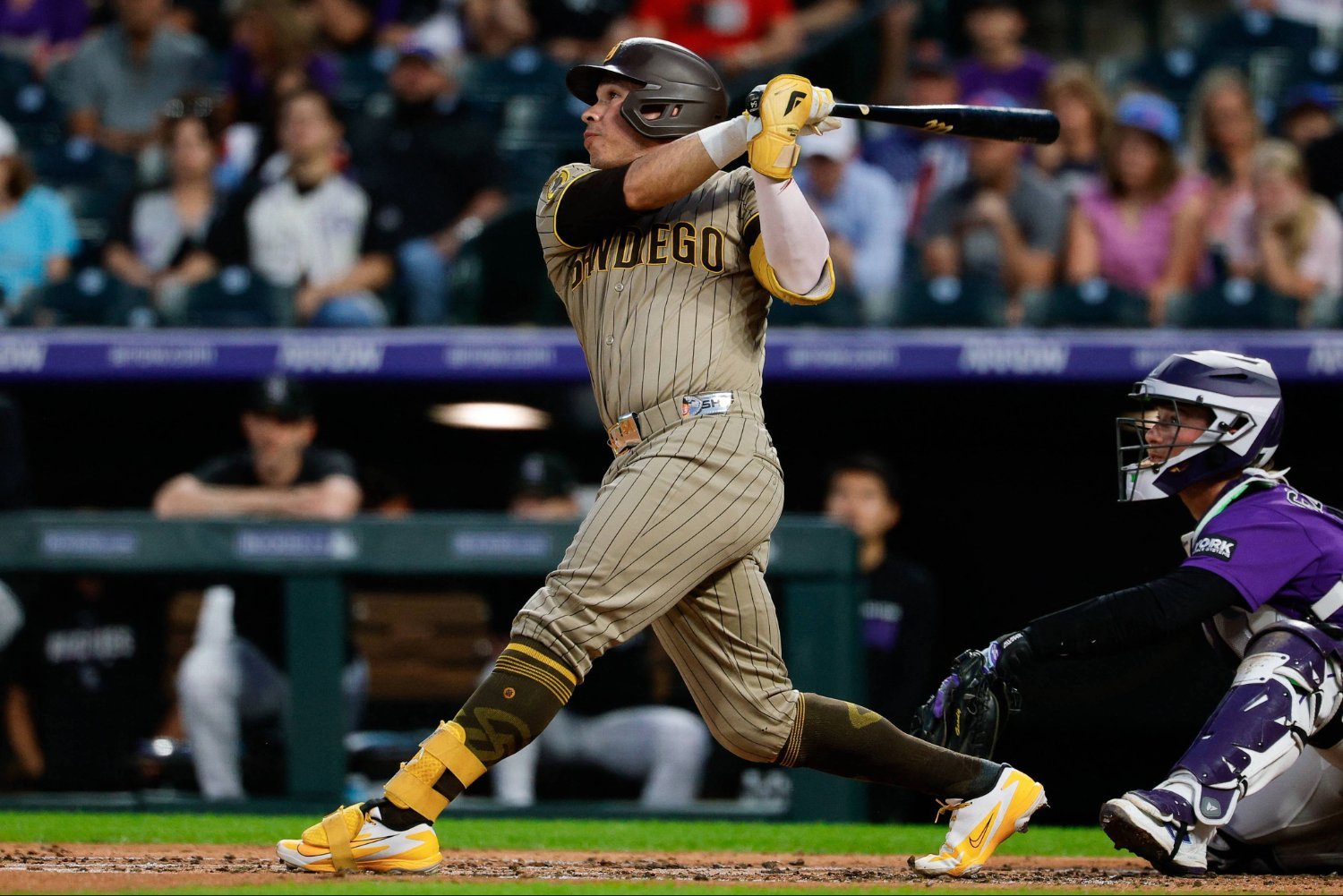 Among the many notable developments to transpire for the San Diego Padres in 2026, one of the more satisfying ones to watch unfold has been the long-term stability established behind the plate. While catcher has been a spot with plenty of turnover for the Friars in recent years, their current roster sports three that could merit consideration on a possible playoff roster: Freddy Fermin, Luis Campusano, and Ethan Salas. Fermin has been the starter throughout the season. He's logged timed behind the dish in 93 games to Campusano's 54, Rodolfo Durán's 37, and Salas' seven (along with a pair of appearances from Blake Hunt). While Campusano was on the shelf with a broken toe, it was Fermin that held down the fort, even in the face of some severe offensive struggles. It's those offensive struggles, however, that could call into question his standing as the team's starter should the team reach the postseason. Fermin isn't known as a terribly effective offensive catcher. Even by his modest standards, though, the 2026 season has been tough for him. He's slashed only .194/.268/.304 (63 wRC+) and has struck out at a career-high 21.2 percent clip. Even just when it looked like he was gaining traction with improvement in July (97 wRC+) and August (93 wRC+), he's cratered once again in September (58 wRC+ and a strikeout rate north of 30 percent). Nevertheless, Fermin has continued to provide value for the Padres on the strength of his defense. His Fielding Run Value of +9 ranks sixth among qualifying catchers, sitting above average in framing (+3 Framing Runs), blocking (+10 Blocks Above Average), and in his control of the opposing run game (+6 CS Above Average). However, with the steady improvement of Campusano and abrupt emergence of the 20-year-old Salas, could his gig be in peril at the highest leverage point in the calendar? Last week, our Steve Drumwright examined the possibility of Salas specifically usurping the job ahead of playoff time. Therein, Steve noted the fact that Salas has caught starters but hadn't been in games to catch the team's high-velocity relievers. Is there a world in which Fermin loses his starting job but holds onto a role as a late-inning guy to handle the likes of Mason Miller or Adrian Morejon? There's plenty of logic in it when you consider the need to maximize offense. Either of Campusano (September struggles notwithstanding) and Salas (lack of experience notwithstanding) represent significantly higher upside players on offense. Campusano's defense is closer to average, while Salas has always graded positively from the defensive side as a prospect. The downgrade on the less glamorous side may not be significant enough to justify punting one of the team's spots in the lineups (by starting Fermin). As such, it's entirely possible that the team adopts the type of gameplan noted in Steve's piece with not only Salas, but possibly with Campusano. Either may also find some plate appearances out of the designated hitter spot. Either way, a three-catcher situation seems increasingly feasible with Fermin facing a very possible reality that relegates him to late-inning duty as his bat continues to slump. View the full article
-
Why The Royals Could Be Ready For A New Center Fielder
DiamondCentric posted an article in Royals Keep
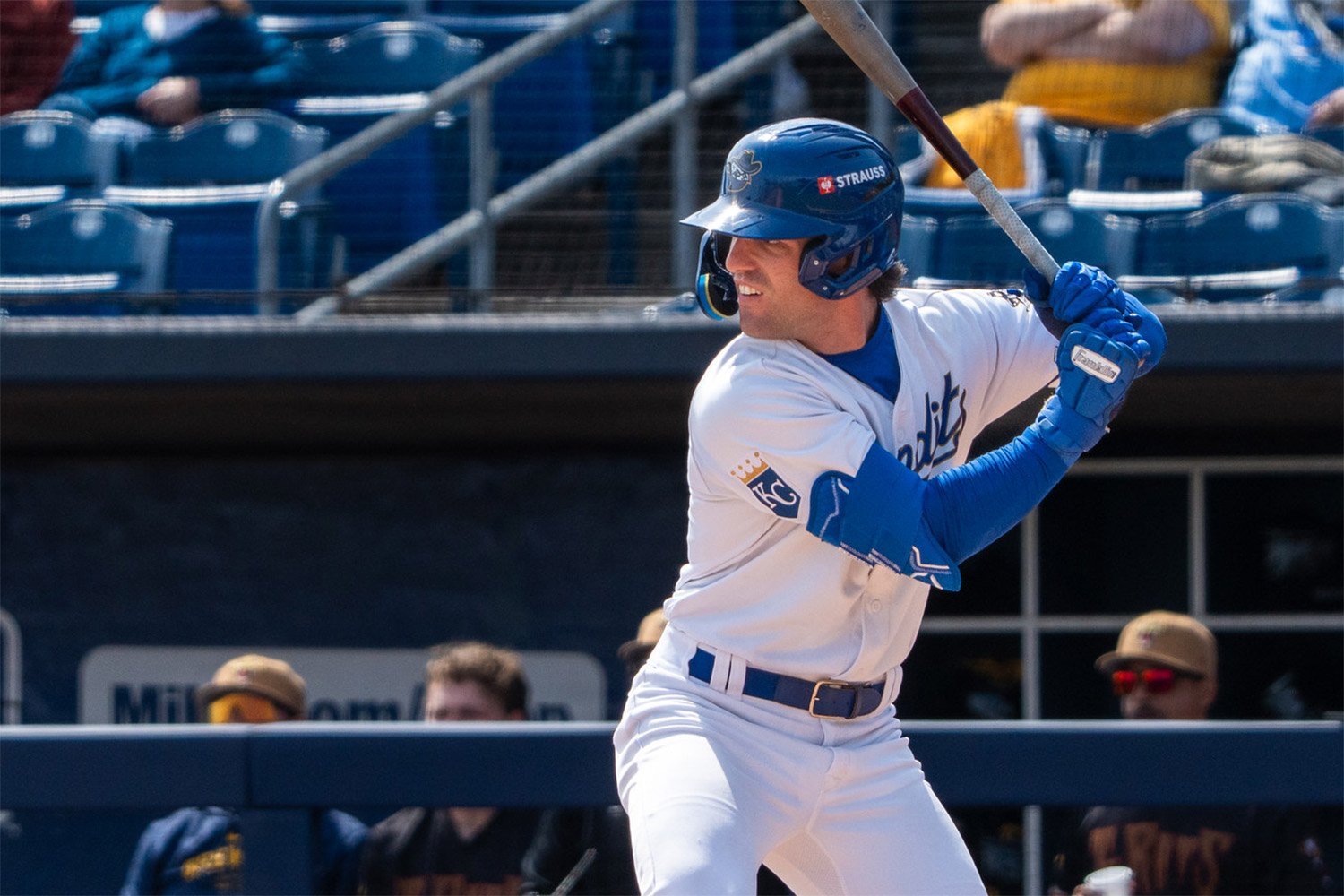 The 2026 season will end, some say mercifully, for the Royals on Sunday when they wrap up a three-game series with Cleveland at Kauffman Stadium. Win or lose, the contest will bring the curtain down on a disappointing campaign marred by an inconsistent offense, an injury-plagued starting rotation, and an embarrassing bullpen, and punctuated by a last-place finish in the American League Central. Sunday’s game could also mark the end, or the beginning of the end, of Kyle Isbel’s sixth season as KC’s everyday center fielder. Time will tell, but that possibility can’t be ignored. It may be time for a change … one of several the Royals must so obviously consider if they want to challenge for playoff berths sooner rather than later. Why The Royals May Be Ready For A New Regular Center Fielder The reasons aren’t difficult to understand. Although Isbel is an extremely competent defender to whom the Royals have justifiably entrusted center field, his bat leaves much to be desired. So much so, in fact, that some might be tempted to think he’s been an outfield placeholder until the club could obtain a better hitter with similar defensive skills. Isbel’s numbers reflect his offensive shortcomings and explain why manager Matt Quatraro almost invariably bats him ninth. The .215/.260/.317 line he carried into Wednesday night’s game against the White Sox speaks loudly for itself; his half-dozen home runs aren’t much, and his career .283 OBP falls far short of where the Royals need their regulars to be. He had a 57 wRC+ and a 0.0 fWAR. He looked good early in the year, entering May with a .292 average, but hasn’t batted better than .217 in any month since and was slashing .118/.135/.118 in September. He hadn’t managed an extra-base hit in almost a month. But his weak offense doesn’t alone explain why the Royals may be closing in on replacing Isbel in center field; after all, baseball history is replete with outfielders whose stellar gloves kept them in the majors despite their ills at the plate. Now, however, the club appears to have a center fielder with a nice glove and a pop-packed bat. Carson Roccaforte could be ready to make the jump from the minors to the majors. Carson Roccaforte Could Change Center Field For The Royals Unlike Isbel, Roccaforte, who Royals Keep considers KC’s ninth-best prospect, wields an impressive bat. He just completed a 35-homer, 96-RBI, .257/.338/.519, .857 OPS, 112 wRC+ season split between Triple-A Omaha and Double-A Northwest Arkansas. He also stole 34 bases in 2024, 43 last season, and 32 this year. Defensively, Roccaforte certainly holds his own. Primarily a center fielder, he’s made only three errors there across 994 chances and almost 3,400 minor league innings. Whether Roccaforte, who has yet to make his big league debut, is ready for the majors — especially in a starting role — remains to be seen. But he deserves a shot when the 2027 season begins. And he just might take that spot away from Isbel. If he does, the Royals might be wise to consider retaining Isbel as an extra outfielder. View the full article
-
Who Should Be the Cubs’ Bullpen Ace In October?
DiamondCentric posted an article in North Side Baseball
 The Cubs have several options for their biggest postseason bullpen moments, including Jacob Webb, Daniel Palencia, Aaron Civale, Ryan Rolison, and Ryan Zeferjahn. But who should get the ball when the game is on the line? View the full article
-
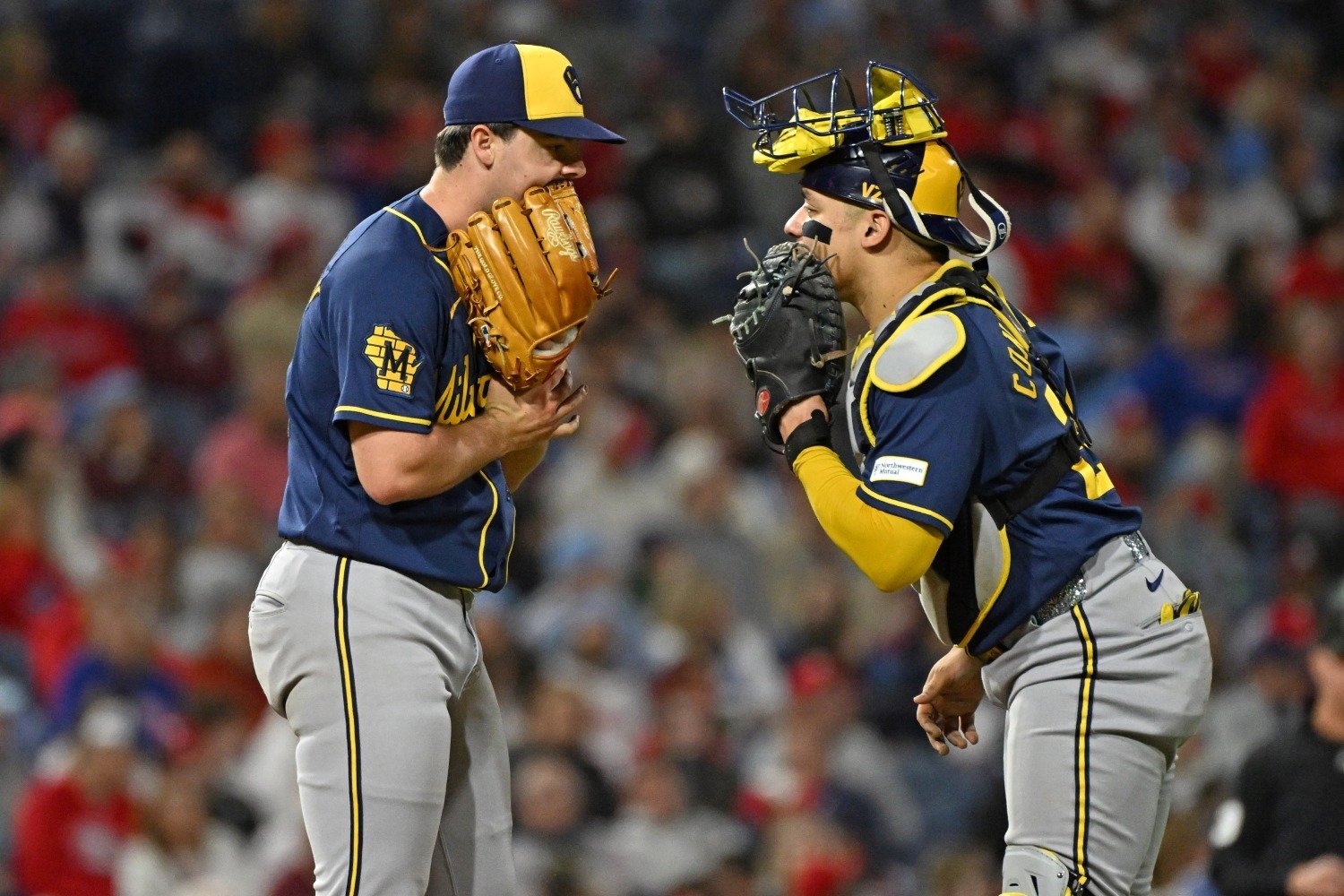 A day will come when Logan Henderson needs a third pitch, and perhaps a fourth. A day will come, if he wants to mature into an ace who can be as good as he's been this year over 30 starts instead of 20, when he'll need more ways to keep hitters guessing and put them on the defensive. That day hasn't come yet, though, and it doesn't look like it'll come before the end of 2026—even if the Brewers' 2026 lasts all the way to Halloween. This month, he's begun to bend his pitch mix back toward his comfort zone, to reflect that reality. As he sought to establish himself as part of the Brewers rotation this spring, Henderson started going to his cutter more. His cutter isn't much of a pitch, really. It's not a pitch that gets torched, most of the time, but it doesn't have much utility at all against lefties, and it works mostly as a setup pitch to righties. No matter. The idea, with that pitch, was to force hitters to cover the whole zone, and to give them something that moves to the glove side. For the same reasons, he also introduced a sweeper. Lately, though, Henderson has stopped playing games. He's no longer trying to be someone he's not. Since the beginning of August (and especially in his handful of starts in September, culminating with five dazzling innings against the Phillies Wednesday night), Henderson is throwing his four-seam fastball or his changeup roughly 90% of the time, leaving virtually no pitch-mix share for his two lesser offerings. Few pitchers can get away with that, but Henderson is special. We don't have (public) data on this yet, but I suspect that whenever we do gain insight on pitchers' arm speed, we'll find that Henderson matches his on the changeup and fastball better than any other pitcher in the game. He doesn't have pinpoint control of the change, but the way he throws it deceives hitters so much that it hardly matters. He can throw that thing right down the middle and get a swing that misses by over a foot and a half. In fact, he literally did so Wednesday night, against Kyle Schwarber. OTdQYWdfVjBZQUhRPT1fVXdkWVVsY01CMU1BREZBQlh3QUhCbFVGQUZrRFVRTUFWRlpSQUFVSEJGQUJVd29F.mp4 It's the arm speed, and the 10-MPH velocity differential he somehow sustains despite that arm speed, that sets Henderson apart. Other pitchers get a lot of the value on their changeups from the movement on the pitch. Its depth produces whiffs by inducing hitters to swing over the top. That does happen for Henderson, of course, but it's not the main driver of the pitch's effectiveness. Instead, he gets almost all the value on that pitch from how consistently he gets hitters to swing way too soon. Even compared to other changeups, his does that extremely frequently. As you can see, though, Henderson's fastball is pretty average, in terms of how hitters' swings match up with it. They're thrown off a hair by having to respect the changeup, and the low release height gives the pitch a flat vertical approach angle as it enters the zone, so they're often underneath it a bit. But the exceptionally high value Henderson gets from his heater isn't really about messing with timing. That's why he doesn't need a deeper arsenal to win, right now. No, his fastball beats hitters because of how well he locates it, as Bryce Harper can attest after Wednesday night. OTdQYWdfVjBZQUhRPT1fQUZCUkIxUUdVRllBV1ZSUlZRQUhWQVFIQUZnRVdsSUFCRmNBVVFzQUNRTlhVMVpl.mp4 Given Henderson's mechanics and that changeup, if he can hit that spot consistently against a lefty batter, Henderson will remain dominant for at least the balance of this year. That's much easier said than done, of course, but Henderson's command and control have been strengths since he was an amateur. It's no surprise that he can locate; it's just been a pleasant surprise that he can have so much success against the best hitters on Earth by doing so. Again, for one reason or another, Henderson will someday need the cutter and sweeper (or some other offering he cooks up later on). He can't blaze a trail to the Hall of Fame with these two pitches. He can burn right through the league for one more month this way, though. That arm speed is magic. Pitchers talk about throwing the changeup just like the fastball all the time. Henderson is as close to the ideal of actually doing it as any hurler in recent memory, and it's producing eye-popping numbers for the league's best No. 2 starter. View the full article
-
 The Shuckers fell victim to the RISP gods Wednesday, scoring just one run despite placing 12 runners on. The team scored its only run thanks to a balk. Thus concludes a prospect-packed but oddly sequenced Biloxi campaign. We say goodbye to the Link Report (in its current format) after 25+ years. Catch up with the latest Biloxi pre-game audio interview archives - Manager Mike Guerrero and RHP's Bishop Letson and Travis Smith are the latest guests Biloxi Pre-Game Media Notes Final: Rocket City (Angels) 3, Biloxi 1 Box Score and Game Log Shuckers Fall in Game Three of Southern League Championship Series - Season ends after reaching SLCS for fourth time in franchise history Why did we choose to highlight this sequence to kick things off? Go the 03:19:15 hour/minute mark of the free game archive here. You'll see the Damon Keith deep fly to the wall that had me jump out of my chair in anticipation as I watched live. Alas, the potential go-ahead three-run home run was corralled at the wall. Yes, that was Rocket City's 28-year-old closer in his 4th season appearing at the AA level making that pitch. The advanced age of the Angels' affiliate players vs. the youthful Shuckers was a topic in our daily forum thread. LHP Jesus Broca and RHP Stiven Cruz each stranded a runner upon entering. We suggest you visit this game log page and you'll see the events (including video) of the single runs allowed by talented southpaw J.D. Thompson in the 3rd and 4th innings. Angels top prospect SS Arjun Nimmala (Jose Soriano trade to the Blue Jays) provided the insurance run on this Ryan Birchard pitch - Regarding the earlier "oddly sequenced Biloxi campaign" comment, let's remember that Biloxi squeezed by Pensacola by one game in the first half to qualify for the postseason. Biloxi played four fewer games than the Blue Wahoos as weather wreaked havoc with the schedule at midseason. Then the Shuckers posted a last place second half record of 31-38 that included an unfathomable 13-game losing streak. But overall, Brewers fans had reason to be enamored with the youthful star-laden roster. First baseman Blake Burke, OF Josiah Ragsdale, current big-league Colorado Rockie LHP Mark Manfredi, fireballing RH reliever Cameron Wagoner and starting RHP Tyson Hardin (though he struggled in seven early season starts) are among the players who moved up and/or elsewhere are not even on the current talented roster. That current active roster doesn't include injured players like INF Luis Pena, RHP's Tanner Gillis and Braylon Owens, and catcher Marco Dinges. Have we overloaded your prospect senses yet? And we haven't even discussed this Wednesday lineup: My goodness. Thanks for those individual efforts, gentlemen. Thanks to the Voice of the Shuckers Javik Blake and his 2026 assistant Max Gifford for providing the color to the season that was, to say the least, fascinating, exciting and perplexing all at once! One note, and not to make too big a deal of it, but this report concludes what we will call the "Link Report" era, which began halfway through the 2001 season at our old Brewerfan.com home. We're going to retire the term "Link Report" as of this entry. It's been an amazing ride, and thanks so much to @Ro Mueller @Ben Lepak @Telemachus Rafaelidys and for prior years' efforts @Joseph Zarr. Thanks to you readers and posters for supporting us and adding to the Link Report legacy. For me personally, I'll absolutely be around and will continue to contribute to our Minor League Forum by keeping our thread topics chock-full, organized and informative with links and connections to all the available news on the Brewers prospect front. But the daily commitment to the Link Report in its current format, especially on those days with seven games on a regular basis, led us to be at our keyboards for upwards of three hours on overnights and early mornings in order to maintain the quality level we sought. It simply wasn't sustainable. I'm sure our site owner Brock, who has been a strong supporter of our work, has plans for the future. There may be some automation involved, but even if there is, we are hopeful our very helpful readers and posters will keep the community vibrant with personal interactions and comments on those reports and on our forum. Thank you, thank you, thank you for your support of the Link Report over the years. One last thing as we enter what should be the most exciting few weeks - I was 19 years old in 1982. I'm ready. Go Brewers!! View the full article
-
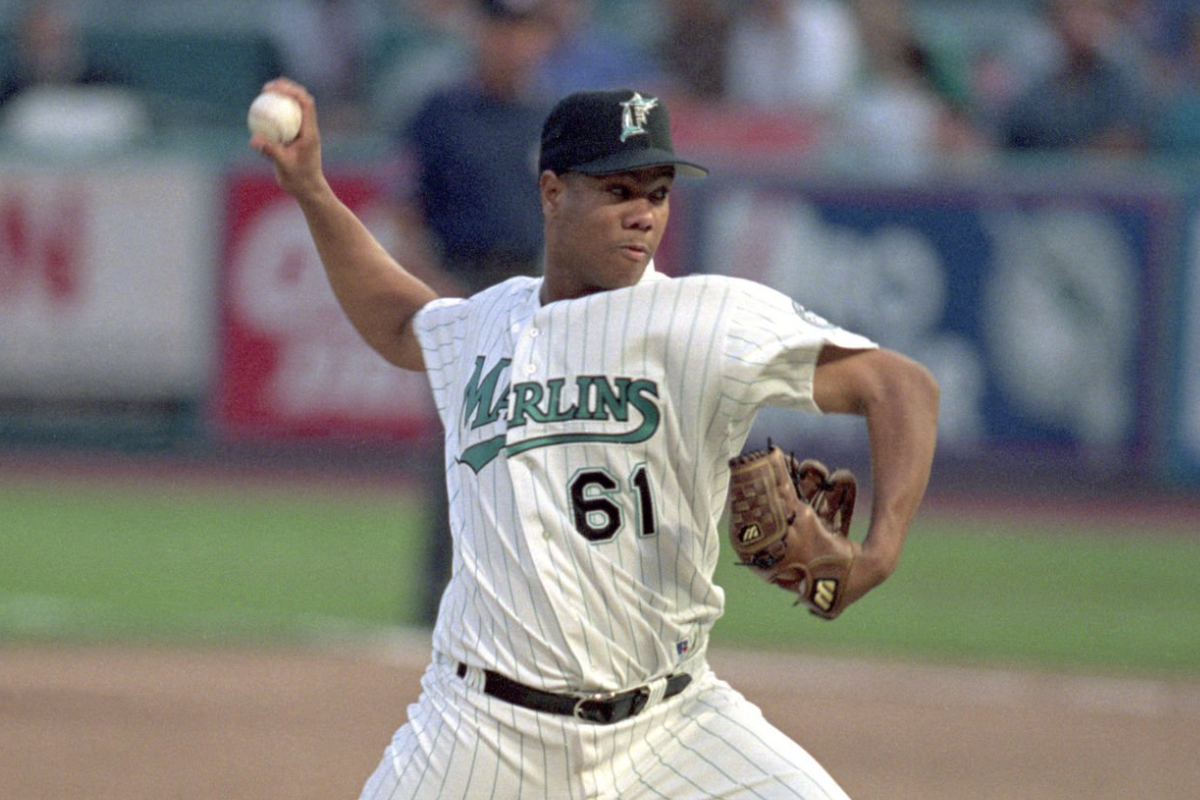 Still one of the most iconic stories in Florida/Miami Marlins history, Cuban defector Liván Hernández was one of the heroes in Florida’s run to the 1997 World Series and the series’ MVP as a 22-year-old rookie. His debut, however, came during the 1996 season – on this day 30 years ago. In what would be his only appearance of the 1996 season, Hernández threw three scoreless innings of relief. He also showed what he could do with the bat in a 12-1 rout of the Atlanta Braves. Florida was up 11-1 in the top of the sixth inning on Sept. 24, 1996 at Pro Player Stadium when Hernández got to call to keep momentum going after a stellar outing from starter Pat Rapp. The Cuban right-hander did just that. In the sixth inning, Hernández was able to work around two singles to pitch a scoreless frame, which included his first career strikeout. After giving up a single to Javier López on the first pitch of his big-league career, Hernández fanned Dwight Smith swinging. In the seventh, Hernández was again able to work out of trouble. He allowed a single to Luis Polonia and a walk to Chipper Jones to start the inning but responded by getting Andruw Jones to ground into a double play. One pitch later, Eddie Pérez popped out to end the Atlanta threat. In the bottom of that inning, Hernández proved that he was no slouch at the dish. With one out, Hernández pulled Joe Borowski’s offering through the left side for his first career hit in his first career at-bat. He would cap the scoring later in the inning by coming around from second base on Jerry Brooks’ RBI single. Now up 12-1, Hernández struck out Smith for the second time for the second out of the eighth inning. Following a two-out walk, Hernández got Mike Mordecai to pop out to conclude a successful outing. Jay Powell worked a 1-2-3 ninth to seal the win. While Hernández shined in his debut, it was far from a one-man show. Rapp had given the Marlins five solid innings, allowing just a run on seven hits and three walks. Hernández scattered three hits and two walks in his three scoreless innings of relief. For the Marlins, it was domination from the start. Florida raced to a 6-0 lead with a six-running first inning, which featured seven straight two-out hits. After Jeff Conine doubled home Luis Castillo for the first run, Devon White, Greg Colbrunn, Kurt Abbott, Charles Johnson, Rapp and Castillo each followed with singles. Only Colbrunn’s hit did not produce a run. Following Rapp’s RBI single, Braves manager Bobby Cox pulled starter Steve Avery. The Braves broke up the shutout with a run in the fourth, but the Marlins answered with three runs in the bottom of the inning, thanks to a sacrifice fly from Édgar Rentería and a two-run double from White. An RBI groundout from Castillo and RBI single from Rentería in the fifth extended the lead to 11-1. As a team, Florida finished with 21 hits, led by Castillo’s three. Conine, White, Jesús Tavárez, Colbrunn and Johnson each had two knocks. White led the Marlins with three RBIs while Castillo, Conine and Johnson each scored twice. Just a run-of-the-mill September call-up at the time, Hernández would go on to be one of the more significant figures in Marlins history. He spent parts of four seasons with the team and was the Opening Day starting pitcher in 1998. Hernández made his big-league debut in what would be his only relief outing for the Fish on this day three decades ago. View the full article
-
The Twins Made a Mistake Waiting on Byron Buxton’s Hip Surgery
DiamondCentric posted an article in Twins Daily
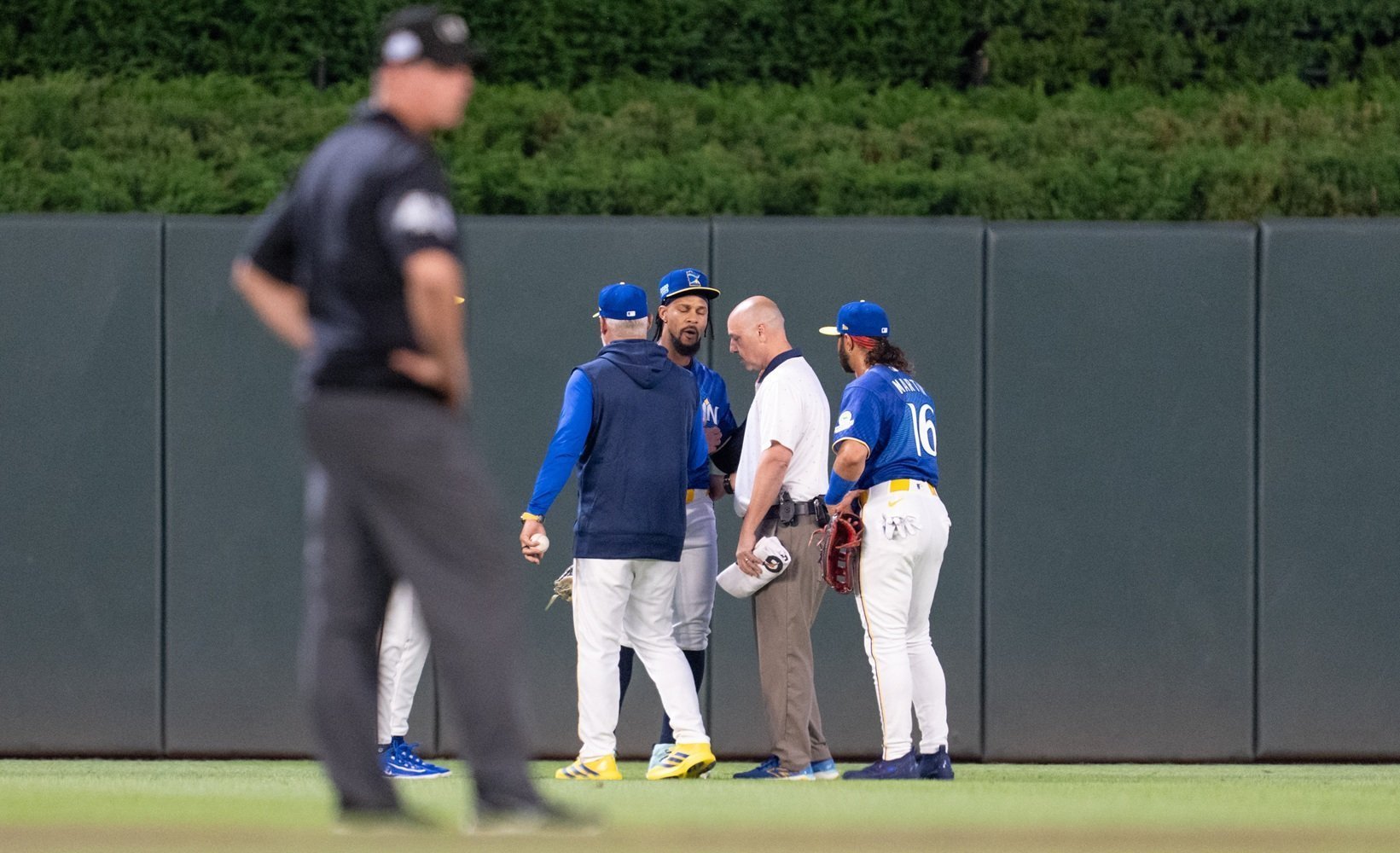 Byron Buxton's 2026 season ended with another injury. Buxton's incapacitation derailed the team's push toward the postseason, but the bigger concern for the Minnesota Twins might be what happens next. Buxton underwent arthroscopic surgery on his right hip last week, with the Twins announcing that the procedure included a labral repair, decompression and cam resection. Some of that is just to relieve the hip impingement he dealt with all year, but the labral repair is more involved—and more ominous. Nobody should pretend to be a doctor when discussing a complicated hip surgery. However, previous MLB cases involving labral repairs suggest a recovery that can take roughly 6-8 months. That timeline raises a question: Why did the Twins wait as long as they did to make this decision? Buxton's last game came on August 25 in Sacramento. His surgery didn't take place until September 18. That's nearly four weeks between Buxton's final game and the procedure. The Twins quasi-officially shut Buxton down for the season on September 11, but another week passed before the surgery actually happened. By that point, Minnesota's postseason chances had dwindled to virtually nothing, anyway. Even after he limped off the field against the A's, there was some hope that Buxton could return late in the season, but that increasingly looked like a long shot. Once that became clear, the argument for continuing to wait became much more difficult to understand. This is where the timeline becomes particularly important. Six months after Buxton's September 18 surgery lands on March 18. That's only one week before Opening Day. An eight-month recovery pushes his potential return to May 18, which would be 47 games into the 2027 season. Obviously, recovery timelines aren't guaranteed. Buxton could progress faster. He could also require more time. The latter seems more likely, given Buxton’s extensive injury history. There are too many variables involved to declare a specific return date this far in advance. But that's exactly why those extra weeks mattered. If the Twins had determined earlier that surgery was necessary, they could have started the recovery process sooner. Instead, they waited until late September to perform a procedure that could keep their best player out for a significant portion of the following season. The most frustrating part is that the Twins had already been dealing with the hip issue for months. Buxton and manager Derek Shelton both expressed confidence before the surgery that Buxton would be ready for next season. The exact wording varied, particularly when it came to whether that meant being ready for spring training or Opening Day. That optimism now feels more like a pipe dream. If he'd had surgery three weeks sooner, the chances of being ready on time would certainly be better. There is also a significant difference between saying a player will be "ready for next season" and having him physically prepared to play 162 games. That’s something few players accomplish in modern baseball, and Buxton has averaged 107 games per year over the last three seasons—the three healthiest campaigns he's had in the last decade. Even if Buxton avoids a major setback, a player returning from this type of surgery could need additional time to build strength and regain his normal workload. The Twins have spent years trying to get the most out of Buxton while managing his injury history. Minnesota paid Buxton roughly $70 million through the first five seasons of the contract. FanGraphs estimates that he has provided approximately $122.5 million in value over that span. Even when he misses time, he provides remarkable value. That makes the decision to sacrifice four weeks of recovery time even more difficult to understand. Maybe the surgery ultimately doesn't cost Buxton any games in 2027. Maybe his rehab goes perfectly and he's ready for Opening Day. But the Twins didn't need to gamble on that outcome. They had an opportunity to give Buxton more time to recover, and they didn't take it. A Mistake that Could Linger into 2027 The Twins' decision to wait on Buxton's surgery is one of those choices that might not be fully judged until next season. If Buxton is healthy for Opening Day and plays a full season, the timing becomes a footnote. If he's forced to miss the beginning of the season because the recovery takes closer to eight months, those September weeks will look much more significant. Minnesota already has plenty of questions to answer heading into the offseason. Payroll needs to be addressed, the roster needs more direction, and the organization needs to determine what kind of team it wants to build around its remaining core. The last thing the Twins needed was to unnecessarily complicate their plans for their most important player. There was a point when waiting made sense, because Buxton was still trying to return. But once it became apparent that his season was effectively over, the clock should have started immediately. Instead, the Twins waited. Now, they have to hope those lost weeks don't come back to haunt them in April and May. Considering the usual recovery timeline for Buxton's surgery, that is a gamble the Twins probably didn't need to take. Was it a mistake for the Twins to wait on Buxton’s surgery? Leave a comment and start the discussion. View the full article
-
Nico Hoerner is Becoming a Throwback, in a Bad Way
DiamondCentric posted an article in North Side Baseball
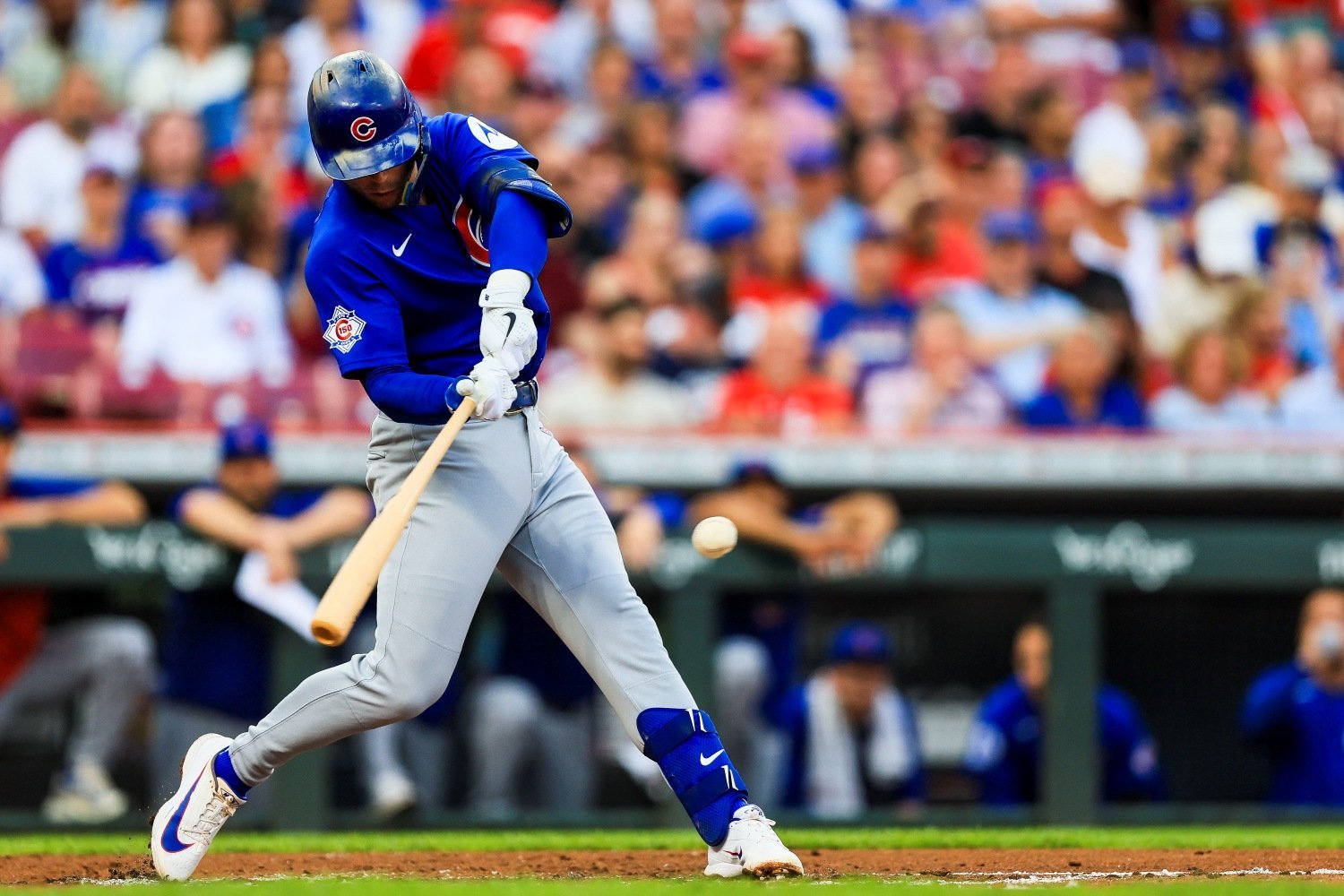 It was, relatively speaking, easy to hit an empty .300 in the late 1990s. Everyone could hit .280. Your extra hit a week wasn't worth much, unless you also added some extra-base hits and some walks. It's a lot harder to hit an empty .300 these days, but here's Nico Hoerner, doing it. In a league that's hitting .244, a batter with a batting average of .313—and that's what Hoerner is hitting, since the All-Star break, .313—is almost unavoidably contributing value. Hell, the league's aggregate OBP is only .318. Hit .313, and you're practically there. You're also almost guaranteed to slug at least .400, which is the league's average rate this year. Aha. Alas. 'Almost'. That's the most dangerous word in all of English. Hoerner has been so undisciplined and so light on thump over the last two-plus months that he's missing out on that almost sure thing. His batting line for the second half of the season is .313/.341/.396. In 255 plate appearances, he's managed only 11 extra-base hits and 7 walks. Technically, his line is above-average, but Hoerner just isn't doing enough to actually move the Cubs toward wins. Case in point: the bottom of the fourth inning Wednesday night. With a runner on third and one out, Hoerner only needed to put the ball in play to break the scoreless tie. He strikes out less than 10% of the time. That should have been a gimme run. Marlins starter Ryan Gusto, perhaps aware he was in big trouble, promptly fell behind 3-0, at which point the run was practically hovering over the plate, just waiting to land. Instead: Taking a 3-0 fastball at the top of the zone is often a fine idea, but when you're a singles-only hitter who specializes in line drives and when there's a run waiting at third and all you need to do is hit it to the outfield, that's a pitch you should swing at. It was ok, though. One bad swing decision won't cost you a game very often. Swing at a 3-1 sinker way in off the plate, though, and we're no longer talking about one bad swing decision. Hoerner whiffed on that offering, and suddenly, Gusto was back in the fight. Two bad swing decisions will sometimes cost you a game, especially when they come on back-to-back pitches in an important situation. But man, the 3-2 freeze-up on a four-seamer at the knees, that was the real punch in the gut. It might not be a great pitch to hit, but you have to (at least) foul it off. If you're a hitter like Hoerner, who won't add value by knocking one over the fence, and if you're in a spot where drawing a walk isn't especially helpful, you have to at least foul it off. Kyle Stowers beat the Cubs again. He's been an enormous pain for them ever since joining the Marlins, with six homers in 43 career plate appearances against them. He beat them singlehandedly one day last May, a 3-1 Marlins victory in which he hit two homers and a triple. He beat them with a home run that made their lives harder and led to the game going to extra innings Tuesday. He beat them with a two-run homer on a night when the Cubs could hardly get a ball to the warning track Wednesday. Power wins games, sometimes. Hoerner has an uphill battle to be as valuable a hitter as Stowers, because he lacks power. Lately, he also lacks the refined approach that let him run a .377 OBP in the second half of 2023 and a .365 in the second half of 2025. When Hoerner stepped to the plate in the bottom of the fourth Wednesday, though, he had a chance to win a game without power. He didn't even need to bolster that empty batting average, in that particular at-bat. His skill set demands that Hoerner come through in situations like that. If he can't, he needs to get back to drawing walks and finding gaps or the corners. Otherwise, the Cubs (who need Hoerner pretty badly, just now) will go home early—not Sunday, in all likelihood, but before next weekend. View the full article
-
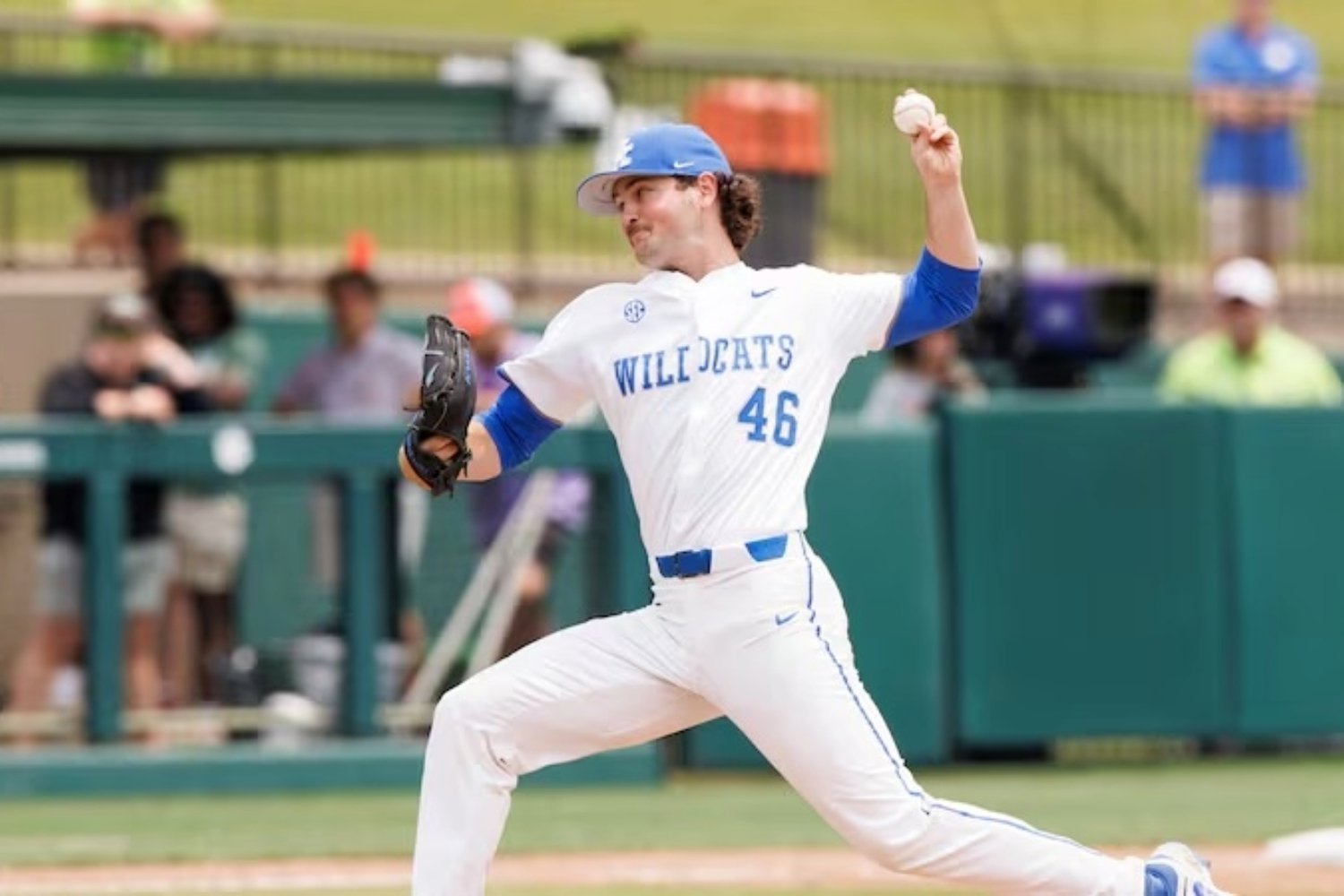 Pitching in Low-A can sometimes be challenging for a pitcher in his first professional season. Some players are sent halfway across the country and for others, it might be their first time pitching in the United States at all. For Ethan Walker, it was like pitching in his own backyard. Born in Norfolk, Virginia, Walker would move with his family to Salem, Virginia where he would grow up playing baseball before eventually going to IMG Academy in Florida and then Kentucky. After years of hard work, he would wind up drafted by the Boston Red Sox in the 2025 MLB Draft. While he didn’t pitch that season after signing, the left-hander would be assigned to the Salem RidgeYaks for the 2026 season. “It’s really cool,” Walker admitted about pitching for his hometown team. “My family came to about every game and a lot of my friends came and watched. Even people I haven’t talked to in a while came, so that’s pretty cool.” Walker wound up appearing in 16 games during his first season of affiliate baseball, making five starts. He gave Salem 51 innings as the left-hander struck out 69 and finished the season with a 3.53 ERA while holding opposing hitters to a .193 batting average. In the games that he pitched at home, a cheering section of as many as 30 people would go wild during his starts. Those who worked for the team joked that it would be the loudest section of the ballpark when Walker pitched. “We talked about it after,” Walker explained about people knowing him from growing up in Salem. “A lot of them haven’t seen professional sports players before, so it’s pretty interesting for them.” It wasn’t all fun and games for Walker, as the pitcher admitted that there were adjustments he had to make during the season, having to learn all new hitters and their tendencies. Add to it the advanced approaches of pro hitters, and the left-hander quickly learned he had to adapt his style of pitching. The biggest disappointment was his injury, as Walker missed nearly two months from lower back inflammation along with the rehab process. Upon returning in August, he finished strong, allowing just nine runs in his final 27 2/3 innings while striking out 35. Armed with a fastball that reached 93 mph, a changeup, a cutter and a slider, he’s been able to keep hitters off-balance and guessing each time they step to the plate. “I'm a strikeout guy," he said about his pitching style. "Pitching to contact is nice, especially with a professional defense behind you but I like to go for strikeouts.” In the end, the biggest adjustment for Walker may have been off the field. The left-hander admitting that the biggest step forward for him was growing as a person. Becoming more of a coachable player was something he took pride in as he learned from everyone around him on the RidgeYaks. With his first pro season wrapped up, Walker will look to continue his growth both on and off the mound while seeing what direction the Red Sox take his development in. Whether starting or coming out of the bullpen, the organization has found another potential impact arm to add to its system. View the full article
-
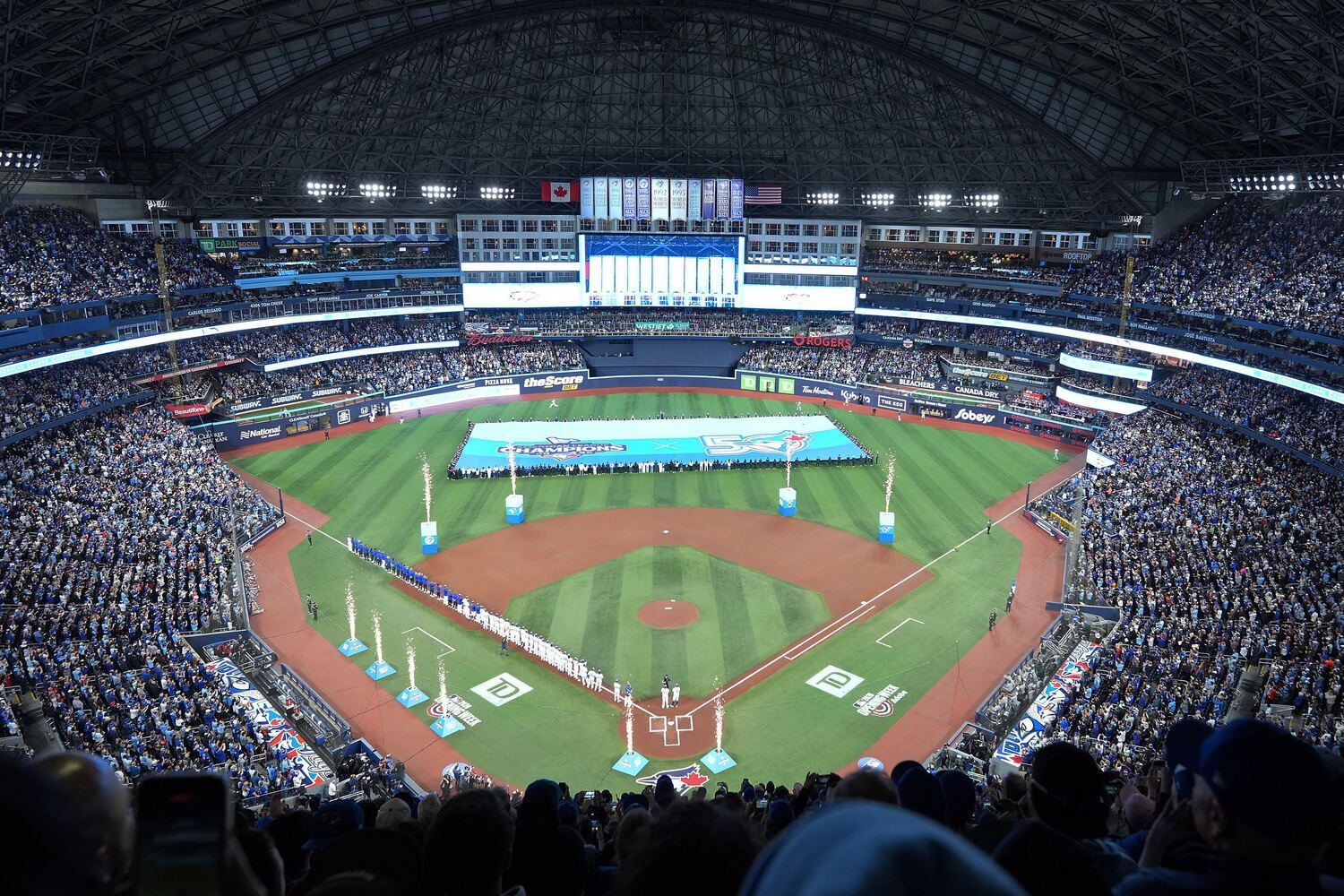 The problem with success is that it is often taken for granted. It took more than thirty years for the Jays to return to the World Series, yet fans expected another return in 2026. Even without the injuries and underperformance, I'm not sure the 2026 Blue Jays had enough firepower to battle for the division. They would, however, have had a legitimate shot at a Wild Card spot, especially considering the lacklustre competition in the American League this year. As this season fades away, we evaluate the ’26 Jays and their minus-47 run differential. No need to gloss over a season that never took flight. The team had lots of hype. The players and coaching staff seemed confident, but with the Rays and Yankees starting out strong, the Jays were left to chase them all season. That chase was, for the most part, short-handed. Few Blue Jays seasons have tested an organization's pitching depth quite like this one. Toronto headed into the season with at least seven starting pitchers. It opened with Trey Yesavage, Shane Bieber and José Berríos already injured. Then Cody Ponce suffered a serious ACL injury almost immediately. Max Scherzer had a nerve issue which sidelined him early. So, here is the near-final report card. Stats from before games on September 23. Starting Pitching Grade: B The Jays had to cycle through starters, openers, bulk pitchers and emergency options just to cover innings. As of late September, 15 different pitchers have had starting assignments. Dylan Cease was a big offseason signing, and he did not disappoint. There were a handful of starts throughout the season where his velocity was down and his control was off, but for the most part he was elite. In 29 starts and 169 innings, Cease produced a 2.40 ERA, 2.55 FIP and 5.5 FanGraphs WAR. His 34.9 percent strikeout rate easily offset his 11.4 percent walk rate. Although traded at the deadline, soon-to-be free agent Kevin Gausman was a strong contributor. His 3.51 FIP, 23.5 percent strikeout rate and 6.7 percent walk rate were worth 2.6 fWAR in 127 1/3 innings. Unfortunately for Gausman, the Jays offense rarely supported his 4.38 ERA. Yesavage had a slow ramp-up into the season and, despite knee surgery, still managed 95 2/3 major league innings with a 3.67 ERA. His 4.13 Fielding Independent Pitching (FIP) and 11.7 percent walk rate indicate that he didn’t have the same control as in 2025, but he remains an important part of the rotation moving forward. Spencer Miles was an unexpected success. Miles has accumulated 94 2/3 innings between eight starts and relief work with a 2.57 ERA, 2.65 FIP and 2.0 fWAR. The not-so-pretty parts of the rotation were Scherzer, who provided a 6.07 ERA and 5.48 FIP over 72 2/3 innings; Patrick Corbin, who posted a 5.51 ERA and eventually went to the bullpen; and Bieber, who returned but wasn’t vintage Bieber, producing a 4.37 ERA and 5.14 FIP. Yet evaluate the rotation against what Toronto was forced to endure injury-wise, and a B seems fair. It wasn't the plentiful and dominant rotation the Blue Jays imagined in March. It was something almost as valuable: a rotation that repeatedly survived losing the pitchers it was built around. Relief Pitching Grade: A- Toronto's relievers kept the season functioning. We’ll get into whether they were overworked or not, but for the most part, when called upon, the bullpen was more than solid. The most remarkable performance belongs to Louis Varland. FanGraphs credits him with a 1.29 ERA, 1.86 FIP, 31.3 percent strikeout rate, 55.5 percent ground-ball rate and 3.0 WAR over 77 innings. Tyler Rogers has provided precisely the durability Toronto hoped for, pitching 70 innings across 73 appearances with a 1.80 ERA. Sure, there were four blown saves, but he was pinpoint for the majority of his appearances. His 63.7 percent groundball rate provided the Jays with a completely different type of weapon. Mason Fluharty has appeared in 81 games, and Braydon Fisher in 74. Rogers has made 73 appearances and Varland 70. Jeff Hoffman, who was traded at the deadline, was not as bad as fans may remember him. A 3.94 ERA was accompanied by a 34.9 percent strikeout rate, 8.4 percent walk rate and 2.49 FIP. The bullpen arms needed to be resilient, and they were. Even the numerous call-ups throughout the season showed signs of promise. By June 2, Toronto had five relievers already on pace for at least 75 appearances. Heading into the final series of the regular season, the bullpen has logged over 600 innings. There are only six other teams in the MLB that have worked their bullpens that hard. MLB notes that no team has ever had five pitchers make 75 appearances in the same season. The bullpen deserves the A-minus. It probably deserved a lighter workload too. Defense Grade: C This might be the most interesting part of Toronto's report card because the team's defensive identity has become increasingly uneven. FanGraphs still credits Toronto with a positive 16.6 defensive runs overall, but that total obscures some enormous individual differences. Andrés Giménez has been credited with 19.6 defensive runs and Alejandro Kirk with 11.8. Brandon Valenzuela has contributed another 13.1. Baseball Savant credits Kirk with an 11 Fielding Run Value, including elite blocking and excellent framing. At the other end of the spectrum are some very damaging performances. George Springer is at minus-12.8 defensive runs according to FanGraphs (keep in mind he mainly served as DH, which leads to a substantial positional penalty). Yohendrick Piñango is at minus-6.6. And then there is Jesús Sánchez. FanGraphs credits Sánchez with minus-12.2 defensive runs during his 99 games as a Blue Jay. Baseball Savant rated him at minus-9 Fielding Run Value and minus-8 Outs Above Average, with his OAA ranking in the bottom five percent of MLB. For most of the season, the defense was strong, but the weak spots were painfully weak. Offense Grade: D The Blue Jays didn't hit well enough this season for their offense to be a difference maker. FanGraphs has Toronto at a 95 wRC+ as a team. The Jays have hit .248/.310/.382 with 149 home runs through 157 games. FanGraphs calculates their overall offensive contribution at minus-38.6 runs. Baseball Savant points out that Toronto's hitters collectively produced a .305 wOBA against a .317 MLB average. Their .297 expected wOBA is well below MLB's .314 mark. The Blue Jays have a 34.1 percent hard-hit rate against a league average of 38.6 percent and only a 5.8 percent barrel rate compared with 7.7 percent rate league-wide. Kazuma Okamoto has provided the lineup's most obvious source of traditional power, hitting 33 home runs with a .458 slugging percentage and 114 wRC+. His 13.2 percent barrel rate is more than twice Toronto's team rate. Kirk was excellent when healthy, batting .283/.355/.423 with a 117 wRC+. Brett Bateman's late-season emergence was another bright spot, with a .320/.394/.413 line and 133 wRC+ over his first 172 plate appearances. Nathan Lukes was consistent and had a strong stretch at the plate after addressing his vertigo issues. Springer remained an above-average hitter with a 107 wRC+. Most analysts will point the blame for a poor team offense at Vladimir Guerrero Jr. Vladdy has hit .263/.336/.359. He has only nine home runs in 596 plate appearances, a .096 isolated-power figure and a 97 wRC+. Baseball Savant sees better underlying contact than the results, giving him a .335 xwOBA compared with an actual .309 wOBA, but even the expected numbers are a long way from the offensive dominance Toronto required from him. Nearly half his batted balls have been on the ground, his average launch angle is just 8.3 degrees, and his barrel rate is only seven percent. His inability to produce damage placed a huge burden on the rest of the lineup. The Jays have a better team strikeout rate than MLB overall, 19 percent according to FanGraphs, so this was not some undisciplined lineup simply flailing at pitches. Toronto even made contact at a better rate than the league average according to Statcast. The offense just didn’t produce enough runs. There were too many below-average bats and not enough elite ones to compensate. Coaching Grade: C John Schneider and his coaching staff faced an almost impossible pitching puzzle early. The Blue Jays opened the season without three intended starters. Ponce then suffered his ACL injury. Schneider consequently leaned extremely heavily on his bullpen. Managing as if every game were the playoffs. Some of that overuse of leverage arms was effectively unavoidable. Some of it probably wasn't. The team’s poor start meant they were chasing the standings. One of the biggest jobs for Schneider and his coaching staff is evaluating match-ups and doing the best they can to find advantages within them. There are positives on the coaching ledger. Young players seemed to integrate well. Yesavage has continued his transition into a major league starter. Miles has been used creatively. Valenzuela and Bateman have contributed immediately. But there is another side to coaching: getting more from an underperforming lineup. Toronto received a 95 team wRC+ and dramatically below-average quality of contact. Guerrero never became the transformational offensive force the team needed. Several regulars remained below average for extended periods. Coaches cannot hit for players. They cannot prevent injuries. What they can do is build a winning culture and prioritize the things that make a difference. If you’re looking for examples, look at the Red Sox, who replaced the majority of their coaching staff early, which dramatically changed their season. Based on a broad evaluation, an average grade seems reasonable. Front Office Grade: B This grade may look generous, given a sub-.500 record, but much like the coaching staff, the front office never seemed to rest for the entirety of the season. They were forced to adapt like everyone else in the organization as injuries and underperformance persisted. Offseason moves looked to address most of the pitching concerns from 2025, but the position-player half of the roster construction deserves scrutiny. A team with this many light-hitting regulars was vulnerable the moment its star hitters stopped carrying the offense. Toronto's .382 slugging percentage and 149 home runs are not going to cut it. The offense lowers the front office’s grade to below an A. Minor Leagues and Development Grade: B For most of Mark Shapiro and Ross Atkins’ reign, one of the central questions surrounding the Blue Jays organization was about a depleted minor league system. FanGraphs entered 2026 ranking Yesavage Toronto's No. 1 prospect with a 60 Future Value grade, describing him as a potential No. 2 starter with No. 1 upside. Valenzuela has accumulated 2.0 fWAR in just 264 plate appearances, driven heavily by his defensive value. Bateman has generated 1.7 fWAR in only 172 plate appearances while hitting .320/.394/.413. Piñango held his own offensively during his time with the big league squad. Sean Keys and Charles McAdoo also received major league opportunities. Entering the year, FanGraphs ranked Arjun Nimmala as Toronto's No. 2 prospect with a 50 FV grade, followed by Jake Bloss, JoJo Parker, Ricky Tiedemann and Johnny King among an improving group of young players. Nimmala was traded at the deadline for José Soriano. But compared with where this organization was a few years ago, the direction is positive. In fact, the system actually helped the major league club survive 2026. Overall Grade Grade: C+ The final evaluation of the 2026 Blue Jays has to consider an underachieving team that also had to absorb more than its share of adversity. A close-to-.500 record and negative run differential isn’t what was expected from a team that was outs (or inches, depending on how you remember it) away from a championship. Jays fans can celebrate that Cease performed like an ace. Yesavage demonstrated that he is still legit. Miles emerged to become a consistent contributor. Varland turned into one of baseball's best closers. Fisher and Rogers supplied reliability. Kirk remained one of baseball's most valuable catchers when healthy. A group of young position players received opportunities that might otherwise never have existed. 2026 just wasn't the season Toronto expected. View the full article
-
Sandy saves the day AGAIN as Fish take game two in Chicago
DiamondCentric posted an article in Fish On First
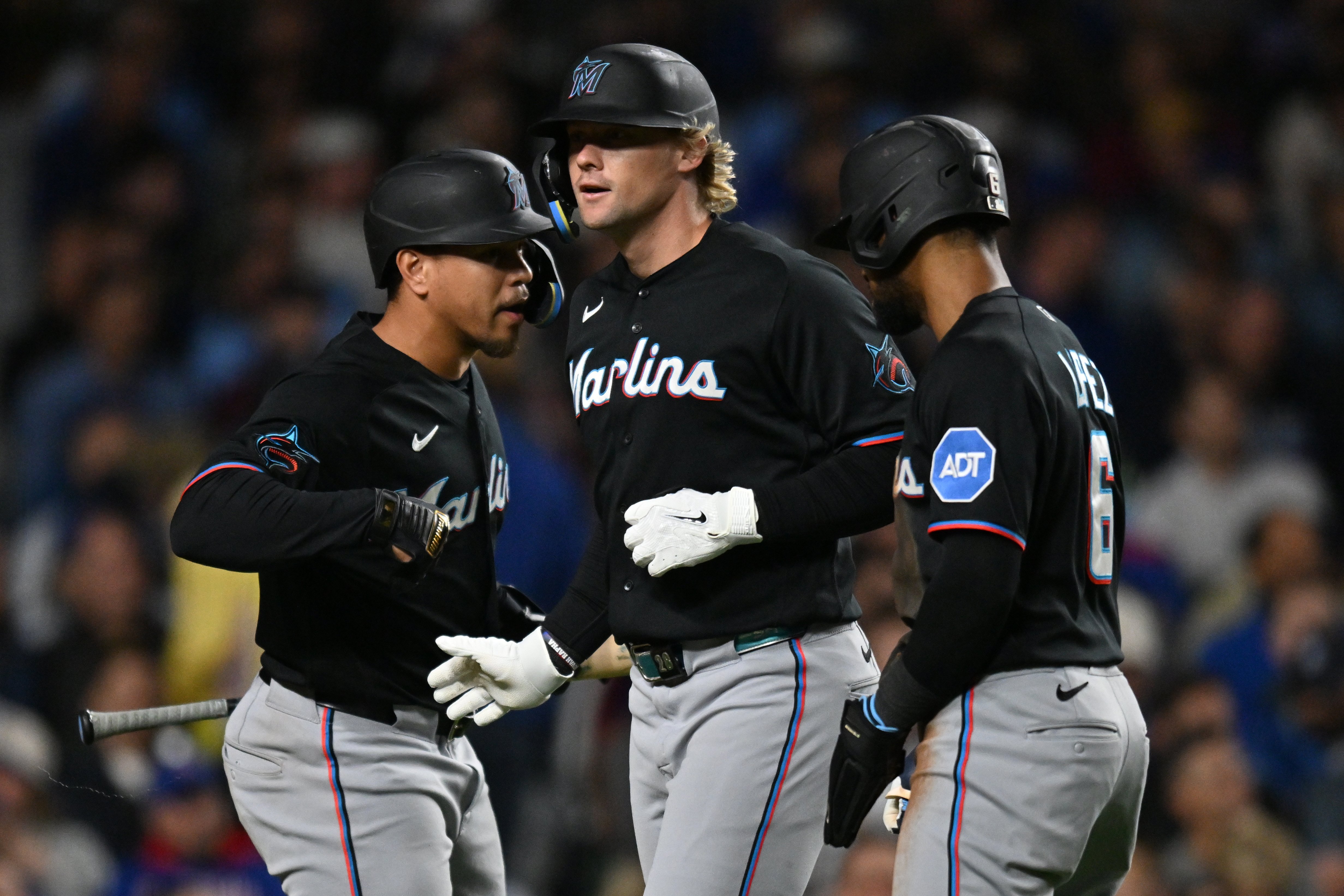 The Marlins may be mathematically out of the playoff picture, but that does not mean the end of their season has to end on a sour note. Experimental in their approach to pitching, the Marlins, for the second night in a row, deployed the strategy of having a starting pitcher throw in-game. After Eury Pérez tossed a scoreless eighth inning in Tuesday's extra-innings victory, it would be Sandy Alcantara, yet again, in to close it out. Whereas the first such occurrence last week in Arizona came with a pair of close-call fly balls, Alcantara fared much better on Wednesday, needing just 12 pitches to secure his second save of the season. In doing so, Alcantara becomes the first pitcher since 1996 with a season of at least 200 innings pitched and two or more saves. How We Got There Had someone told you at the beginning of the 2026 season that Ryan Gusto would be making a compelling case to start for the Marlins in 2027, you would be hard-pressed to find someone who agreed. Through the end of July, Gusto sported a 5.31 ERA, a case of déjà vu from his rookie season when he posted an ERA approaching six. And then, something clicked. Gusto's performance in Miami's 3-2 victory over the Chicago Cubs on Wednesday read more like the pitcher he has been for the better part of the last two months. Tossing 5 ⅓ scoreless innings before being lifted in the bottom of the sixth, Gusto showed why the Marlins brass has entrusted him to work deeper into games. "I thought Ryan was fantastic tonight...he was moving the ball around, using his mix really well...and he's just been throwing the ball really well of late," noted McCullough. Finishing his season on a strong note, Gusto has posted a 3.12 ERA since the beginning of August. The right-hander allowed two or fewer earned runs in nine of his last 10 starts. Giving the ball to Michael Petersen , Miami's best reliever at stranding base runners (93.3%), one had to figure they would exit the inning retaining their 2-0 lead. But, because baseball is baseball, Petersen allowed a two-out, two-strike, two-run single to Dansby Swanson, tying the score at two apiece. Like Gusto, veteran Kevin Gausman matched him pitch-for-pitch, allowing two over 5 ⅔ innings, striking out seven. The lone blow against the splitter-specialist came in the top of the sixth when Kyle Stowers homered for the second time in as many days. Though he has played most of 2026 on a pair of injured hamstrings, a compromised Stowers still ranks second on the club with 21 home runs, while sporting an OPS right under .800. The Marlins would take the final lead of the evening when a Joe Mack ground ball originally ruled a 6-4-3 double play was overturned on replay review that showed Esteury Ruiz slid into second just before the transfer was caught by Swanson. The Current Playoff Picture With the Marlins playing spoiler this final week of the season, the Cubs and Phillies remained deadlocked for a share of the first NL Wild Card spot with identical 87-71 records. The Don Mattingly-led club fell 4-1 at the hands of the NL Central champion Milwaukee Brewers, who secured their 99th victory of the season. The Phillies will commence their final series of the year against the AL East champion Tampa Bay Rays, while Chicago will match up against the Boston Red Sox. Of Note Miami will close out the season series against Chicago on Thursday in an afternoon affair at the Friendly Confines. Tyler Phillips (5-4, 3.45 ERA) gets the call for the Marlins in his final start of the season. In his lone start against Chicago earlier this year, Phillips allowed three runs over five innings pitched in a 10-3 Marlins win. Matthew Boyd (9-5, 4.06 ERA) will oppose Phillips as he vies for his tenth win of the season. First pitch from Wrigley Field is slated for 2:20 pm EST. View the full article
-
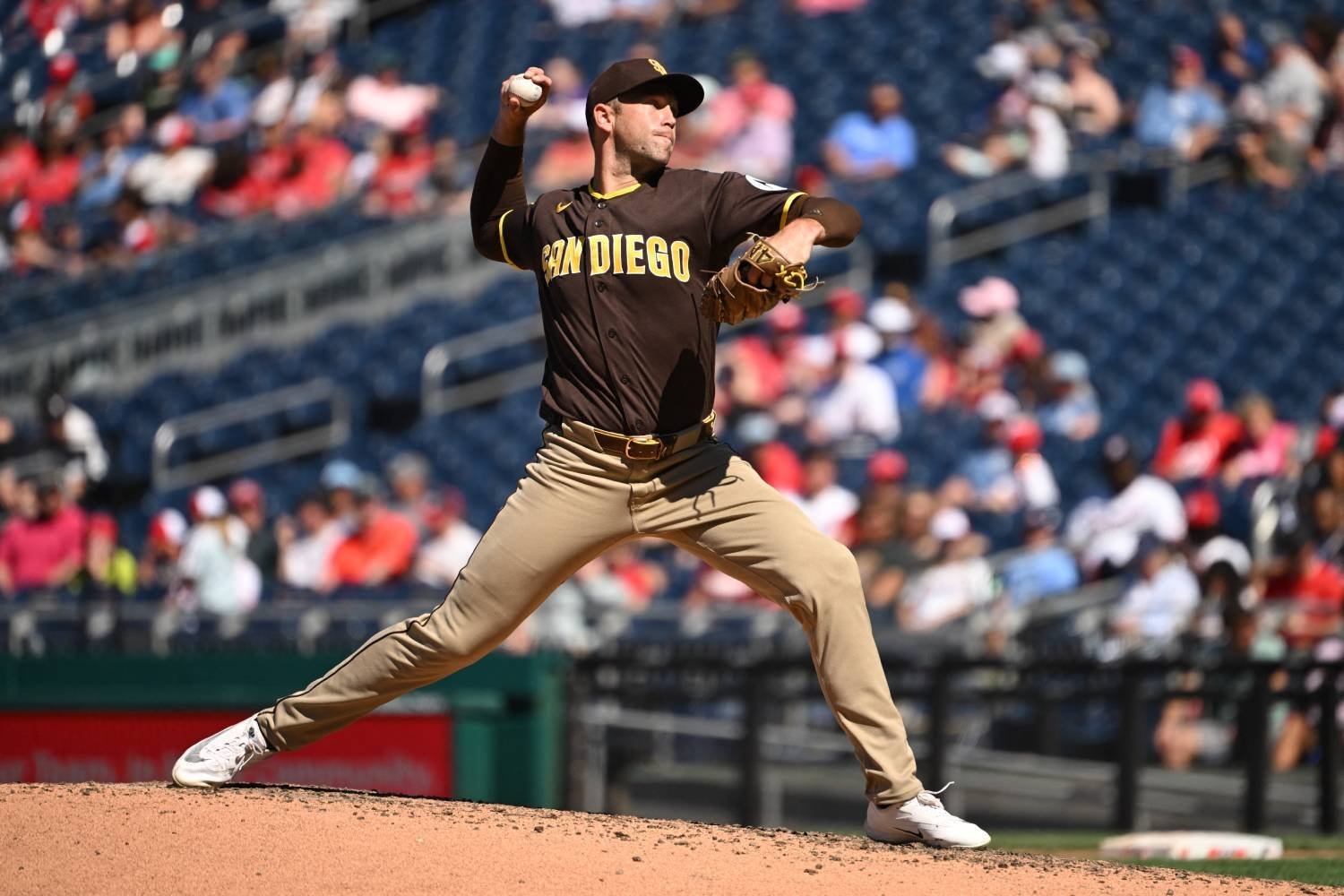 With the postseason right around the corner, the San Diego Padres are getting one of their top bullpen arms back. Right-handed reliever Jason Adam was activated off the 60-day injured list Wednesday by the Padres, who optioned right-hander Griffin Canning to the minors. A move regarding the 40-man roster was not announced. The Padres entered Wednesday's game against the Los Angeles Dodgers tied with the Chicago Cubs and Philadelphia Phillies for the NL's three wild-card spots. The Padres lose tiebreakers to both teams, meaning they need to finish ahead of one or both in order to claim anything other than the NL's No. 6 seed. Adam was the Padres' top setup man when he went on the 15-day injured list on July 2 with a strained right shoulder. He was transferred to the 60-day IL on Aug. 3 as a procedural move to open up a spot on the 40-man roster. He made three rehab appearances with Triple-A El Paso last week, one that went well and two others that didn't from a statistical point of view. But stats don't matter much in rehab assignments for the player in question, who is looking to find his form to return to the major-league roster. In the second two, Adam allowed nine runs and recorded just one out. The first one was a perfect inning. Canning has been a solid contributor since being moved to the bullpen. The run he allowed Tuesday in a 7-0 loss to the Dodgers is the only one given up in his last nine outings covering 14⅔ innings. View the full article
-
Twins 4, Giants 2: Wait, Visiting Teams Can Win Series, Too?
DiamondCentric posted an article in Twins Daily
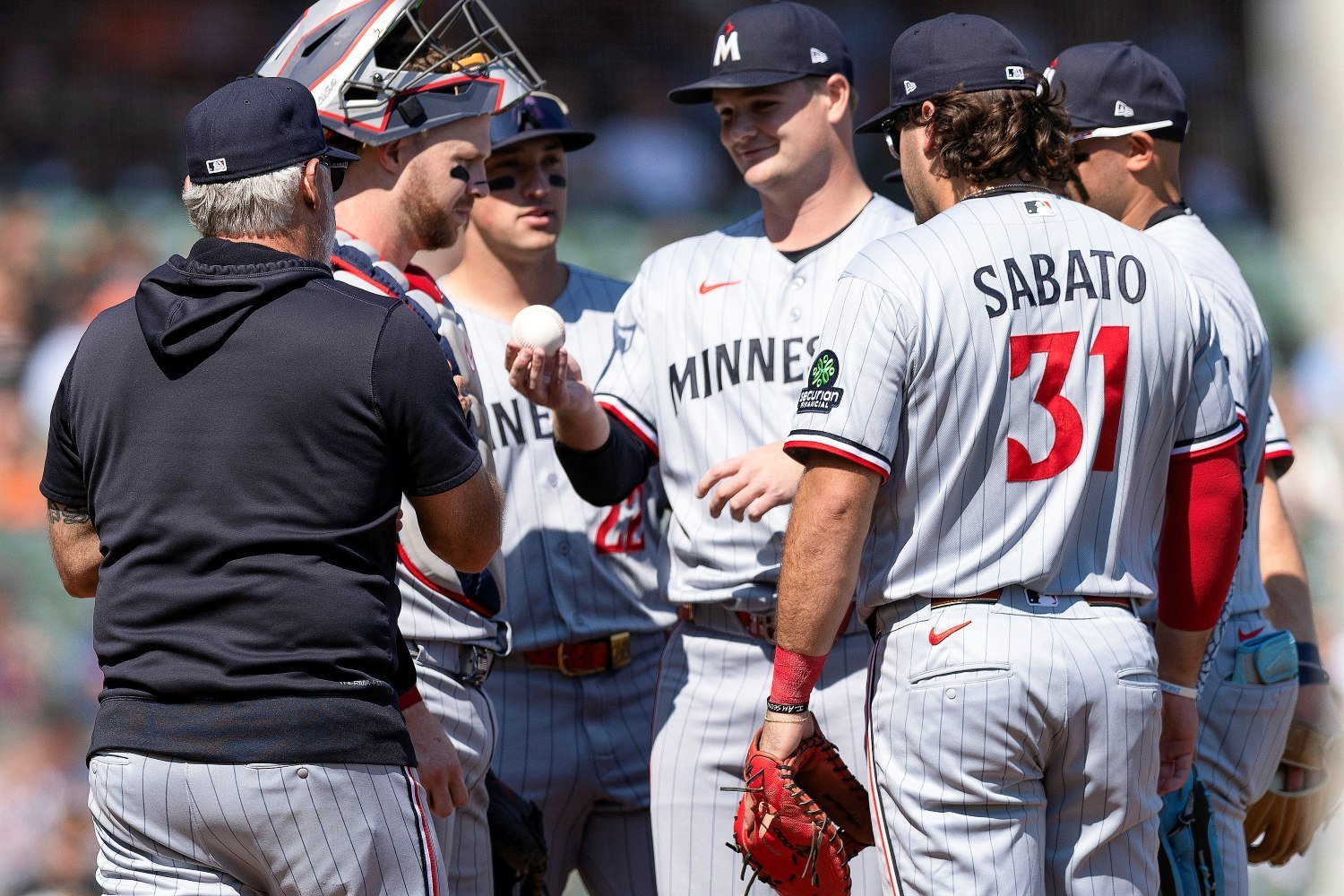 Box Score SP: Connor Prielipp - 5.1 IP, 4 H, 2 ER, 2 BB, 3 K (77 pitches, 55 strikes (72% strikes)) Home Runs: Luke Keaschall (10) Top 3 WPA: Walker Jenkins (0.09); Yoendrys Gómez (0.12); Luke Keaschall (0.10) Win Probability Chart (via FanGraphs) In their final away game of the season, the Twins found themselves in a rubber match with the lowly Giants. Connor Prielipp came in for his final appearance of the season, with a chance to even out his win-loss record. Prielipp has had games where his command and arm start to loosen up, only to see things unravel around the fifth inning. On Wednesday, that unraveling started a little earlier. The Twins' bats made contact in the first two innings, but nothing that generated any runs. Then, Luke Keaschall came up for his second at-bat and ripped a solo home run deep to left field, putting the Twins ahead 1-0. In the top of the fourth, both Ryan Jeffers and Alan Roden reached base, but subsequent outs ended the Twins' opportunity to add to their lead. Prielipp's trouble started in the bottom half. A groundout opened the inning, but a single from Bo Davidson and a double from Andrew Knizner put runners in scoring position. Prielipp managed to get another out, but then walked Marcelo Mayer to load the bases. A well-placed hit from Shay Whitcomb into right field dropped right between Keaschall and Aaron Sabato, scoring two runs and putting the Giants ahead 2-1. The Twins' response was quick. Ben Ross crushed a ball toward the seats, but it fell just short and bounced off the wall. Ross kept running and dug deep, turning it into a triple and putting the Twins right back in position to answer. Keaschall was just the man to do it. The contact maven hit a sacrifice fly to plate Ross and tie the score. Prielipp's fifth inning looked much cleaner and much quicker, as he retired the top of the Giants' lineup on just six pitches. His day ended after one out in the bottom of the sixth, closing the book on his first season as a Twin. Manager Derek Shelton took a moment to offer Prielipp some encouragement and positive feedback as he left the mound for the final time in 2026, then brought in reliever Yoendrys Gómez to finish the inning. Gómez did exactly that, without allowing any damage. The Giants cycled through two more relievers in the seventh, and the Twins took advantage of the opportunity. Austin Martin immediately drew a walk. Then, what should have been a routine defensive play turned into an opportunity for the Twins when Giants shortstop Christian Koss committed a throwing error, allowing Kody Clemens to advance to second. Walker Jenkins came in to pinch-hit for Ross, prompting the Giants to have a meeting on the mound. There was only one out, and given what Jenkins had already done earlier in the series, they clearly wanted to make sure he didn't beat them again. That didn't work. Jenkins lined a single, scoring Clemens and putting the Twins back in front, 3-2. The Giants made another pitching change, but the Twins weren't done. Josh Bell followed with a single, bringing home another run and extending the Twins' lead to 4-2. Gómez came back out for the seventh and struck out all three batters he faced. No hits. No runs. Exactly the kind of outing the Twins needed. A.J. Minter replaced Gómez and followed with a scoreless inning. For the bottom of the ninth, Andrew Morris came out and secured two outs, but things seemed to get sticky after that. Morris gave up a two-out single to Drew Gilbert and then walked Mayer. Pitching coack Pete Maki came out to settle down Morris, but the team was warming up Kody Funderburk. The Twins wouldn't need Funderburk, though, because Morris's next three pitches were all strikes, ending the game. What’s Next? The Twins leave San Francisco to head home for the last series of the season at home against the Texas Rangers, starting on Friday 7:10 PM CT. The Twins send Joe Ryan (6-10, 3.83 ERA) to finish out his season, against a pitcher the Rangers will determine later. Postgame Interviews Bullpen Availability Chart View the full article
-
Minnesota Twins Minor League Hitter of the Year– 2026
DiamondCentric posted an article in Twins Daily
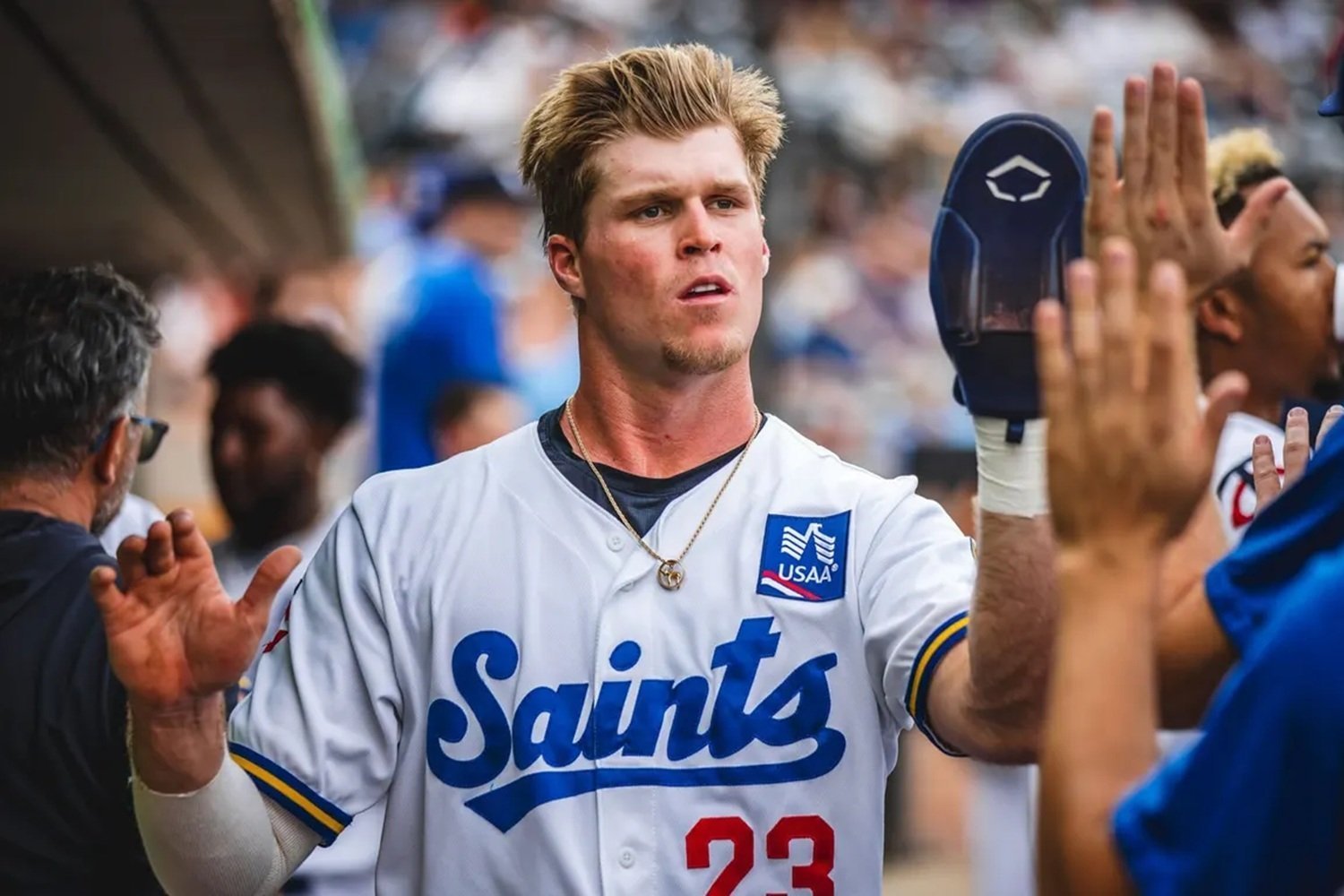 Minnesota’s farm system continues to rank among the best in baseball, and the 2026 season provided plenty of reasons for optimism. Several prospects took significant steps forward, while others continued to establish themselves as legitimate pieces of the organization’s long-term plans. There were breakout performances throughout the system, from the Florida Complex League to Triple-A St. Paul. Some players combined power and plate discipline, while others added speed or defensive value to their offensive production. Injuries also played a role for some of the organization’s most recognizable prospects. Who have been the previous winners of this award? PREVIOUS WINNERS 2012 - Oswaldo Arcia 2013 - Miguel Sano 2014 - Mitch Garver 2015 - Max Kepler 2016 - Daniel Palka 2017 - Mitch Garver 2018 - Alex Kirilloff 2019 - Trevor Larnach 2021 - Jose Miranda 2022 - Matt Wallner 2023 - Yunior Severino 2024 - Luke Keaschall 2025 - Gabby Gonzalez So, which hitters stood out the most in 2026? Here are the top five candidates for the Minnesota Twins Minor League Hitter of the Year along with some honorable mentions. Honorable Mentions 1B Aaron Sabato, St. Paul (113 G): .273/.349/.528 (.877), 29 2B, 25 HR, 121 wRC+, 8.7 BB%, 25.3 K%. OF Matt Wallner, St. Paul (94 G): .254/.366/.520 (.886), 17 2B, 25 HR, 115 wRC+, 12.1 BB%, 27.8 K%. UTL Ben Ross, Wichita/St. Paul (121 G): .273/.379/.500 (.879), 30 2B, 3 3B, 20 HR, 125 wRC+, 13.9 BB%, 25.1 K%, 20 SB. C/OF Khadim Diaw, Wichita/St. Paul (107 G): .306/.417/.452 (.868), 26 2B, 2 3B, 9 HR, 130 wRC+, 11.8 BB%, 14.9 K%, 14 SB. OF Kyler Fedko, St. Paul (75 G): .274/.362/.545 (.907) 17 2B, 2 3B, 17 HR, 128 wRC+, 11.1 BB%, 22.8 K%, 10 SB. 5. OF/3B/1B Luis Fragoza– FCL Twins, Fort Myers Mighty Mussels, Cedar Rapids Kernels 83 G, .313/.408/.542 (.951), 23 2B, 14 HR, 148 wRC+, 9.7 BB%, 26.8 K%, 24 SB Fragoza was one of the biggest breakout performers in the Twins system this season. The 19-year-old moved from the Florida Complex League to the Midwest League and quickly established himself as one of the organization's more intriguing young hitters. Minnesota gave him only 10 games in the FCL before promoting him to Fort Myers. He proceeded to dominate the Florida State League, hitting .322/.398/.607 (1.005) with 18 doubles and 14 home runs over 59 games. He also showed plenty of versatility defensively, seeing more than 100 innings at each of left field, right field, third base, and first base. One of the most notable aspects of his season was his age relative to the competition. Fragoza faced older pitchers in only 19 plate appearances all season, making his production even more impressive for such a young prospect. 4. OF Emmanuel Rodriguez– St. Paul Saints, Minnesota Twins 58 G, .272/.422/.490 (.913), 7 2B, 2 3B, 140 wRC+, 18.6 BB%, 26.4 K%, 7 SB Injuries once again complicated Rodriguez's season, but when he was on the field, he continued to show why he remains one of the most intriguing prospects in the Twins organization. Rodriguez missed nearly three months of minor-league action after suffering a torn ulnar collateral ligament in his left thumb on May 1. Before the injury, he posted a .923 OPS and looked like a strong candidate for a midseason promotion to Minnesota. After returning, Rodriguez quickly found his swing again at Triple-A. He finished with a .905 OPS following his return and even hit for the cycle. His profile continues to feature plenty of walks and plenty of strikeouts, but the overall offensive production remains impressive. The availability concerns have followed Rodriguez throughout his professional career, but his offensive ceiling remains difficult to overlook. 3. SS Marek Houston– Cedar Rapids Kernels, Wichita Wind Surge 116 G, .312/.392/.455 (.847), 28 2B, 2 3B, 12 HR, 120 wRC+, 11.0 BB%, 19.5 K%, 50 SB Houston was recently named the Twins Minor League Player of the Year by Baseball America, and he was also a finalist for MLB Pipeline's top defensive award. His 2026 season provided plenty of evidence for both honors. There were questions about Houston's offensive potential when the Twins drafted him, but he answered many of them this season. He posted an .867 OPS at High-A before continuing to produce after his promotion to Double-A, where he finished with an .829 OPS. The offensive development is particularly encouraging when paired with what Houston already provides defensively. He is an elite defender at shortstop and added 50 stolen bases this season, giving the Twins a prospect who can impact the game in multiple ways. Houston's overall profile took a significant step forward in 2026, making him one of the more interesting young position players in the organization. 2. OF Caden Kendle– Cedar Rapids Kernels, Wichita Wind Surge 82 G, .330/.407/.572 (.979), 24 2B, 16 HR, 146 wRC+, 9.7 BB%, 19.8 K%, 19 SB Kendle might be the biggest unknown on this list for many Twins prospect followers. He has not established himself as one of Minnesota's highest-ranked prospects, but his production in 2026 is impossible to ignore. Kendle posted a .916 OPS across 32 games in the Midwest League before earning a promotion to Double-A. He became even more productive after moving up a level, posting a remarkable 1.076 OPS over 45 games with Wichita. There is an obvious age component to consider. Kendle was a four-year college player and turned 24 this season, putting him on a different developmental timeline than some of the younger players on this list. That doesn't take away from what he accomplished. Kendle consistently produced at two levels and finished the year with 16 home runs, 24 doubles, 19 stolen bases, and a .979 OPS. His 2026 season deserves to put him firmly on the radar. Twins Minor League Hitter of the Year: OF Walker Jenkins– St. Paul Saints, Minnesota Twins 73 G, .323/.417/.559 (.976), 18 2B, 3 3B, 14 HR, 151 wRC+, 13.3 BB%, 15.4 K%, 17 SB The biggest question surrounding Jenkins has never been his talent. It has been his availability. Unfortunately, that theme continued throughout the 2026 season. After Minnesota sent Jenkins back to Triple-A, the young outfielder got off to a somewhat slow start before suffering another setback. Jenkins crashed into an outfield wall and suffered a shoulder joint sprain, forcing him to miss more than a month. Once he returned, however, Jenkins reminded everyone why he remains one of the most highly regarded young players in baseball. Over his final 18 games at Triple-A, the 21-year-old hit .411/.488/.795 with eight home runs. It was an incredible finish to a season that once again featured an extended injury absence. Suddenly, the power was everywhere. The walks were there. The hard contact was there. And the hit tool that has long been considered one of Jenkins' greatest strengths was fully on display. His overall numbers were impressive, but the way Jenkins finished the season made the performance stand out even more. After another frustrating interruption, he returned and completely took over at the plate. The Twins have remained patient with Jenkins because of the talent they believe is underneath the injuries. His final stretch in 2026 provided another reminder of why that patience exists. There were plenty of worthy candidates for the Twins' Minor League Hitter of the Year in 2026. Fragoza broke out as one of the organization's youngest offensive prospects, Kendle produced at two levels, and Houston made significant strides while continuing to provide elite defense at shortstop. Rodriguez once again showed the offensive upside that has made him one of the organization's most intriguing prospects, even though injuries limited his season. Jenkins ultimately separated himself with a combination of production, plate discipline, power, and a dominant finish. His season was interrupted by another injury, but when he returned, he showed just how dangerous his bat can be. The 2026 season offered another reminder that the Twins have plenty of offensive talent developing throughout their minor-league system. The next step will be seeing which of these hitters can carry that success into the major leagues. What stands out about this group? How would your ballot look? Leave a comment and start the discussion. View the full article
-
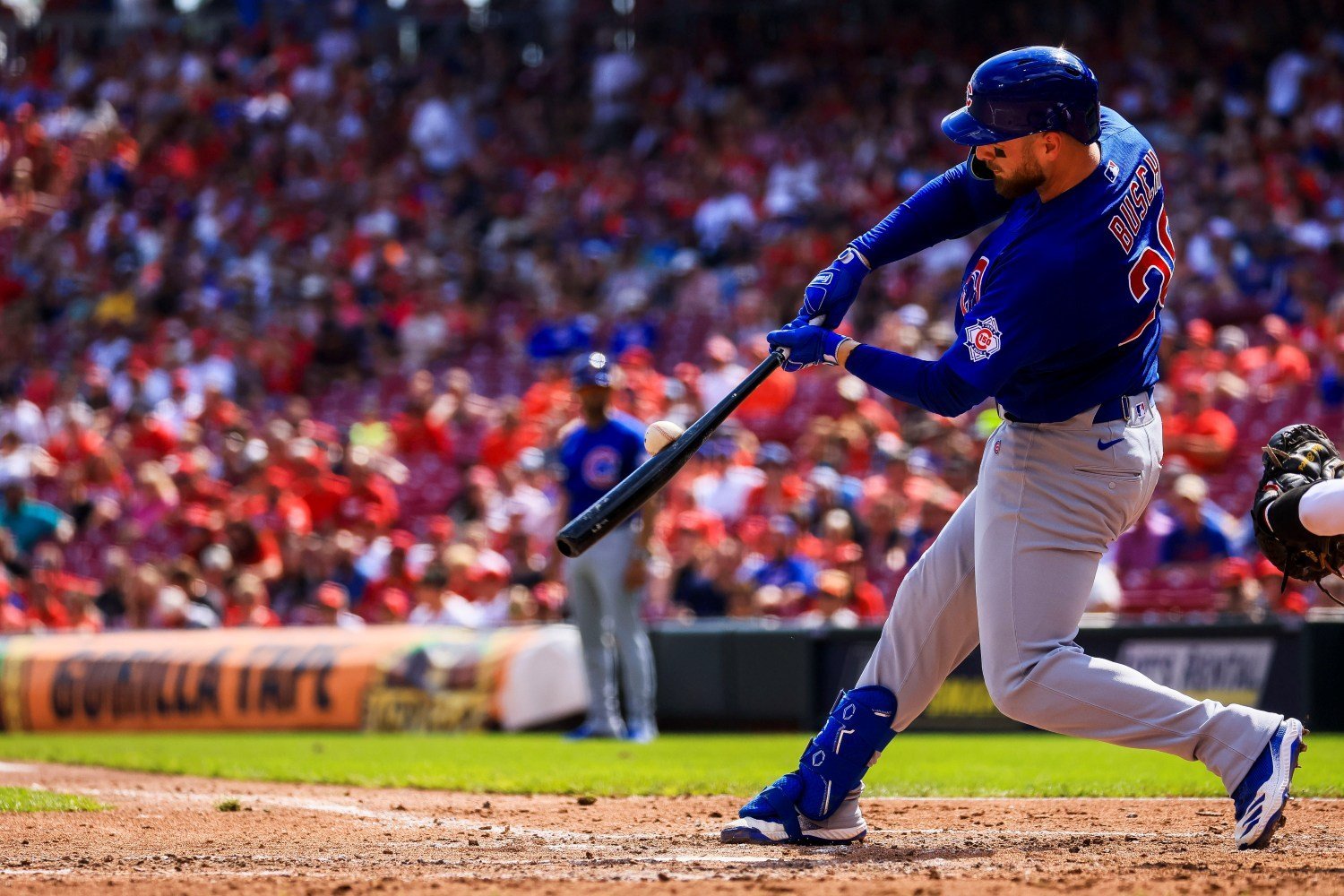 If you read this site, you're probably a lot like me. You might have grown up watching Steve Stone do color commentary on Cubs TV broadcasts, or you might have been slightly too young or too old for that, but you've probably at least seen him call a few games. (He's still a Chicago baseball fixture, after all.) Be it Stone or one of his many contemporaries and kindred spirits, though, some commentator has surely said it on a game you've watched: When a guy has a closed stance, he wants you to pitch him inside. He's inviting it. When a guy has an open stance, he's hunting the ball away. Maybe, like me, you first heard that when you were a kid, and it didn't make sense right away. After all, that guy with the closed stance, his front foot is in the way of him getting to that inside offering. The one with the open stance is awfully far from the outside third of the plate, isn't he? The answer to the not-even-a-riddle, of course, is that how a player stands often betrays something about how they move once they get going. Open stance dudes tend to stride into the ball—to dive out over the plate, to phrase it in extremes. Guys with closed stances are trying to start in a position that keeps them on the incoming pitch, because they know they're going to open up on it quite a bit when they get moving. Michael Busch has an essentially neutral stance; he's not giving anything away. For much of this season, though, he's been very slightly closed. It was a conscious adjustment he made early in the year, to avoid pulling off the ball and finding the end of his bat. It didn't work, though. Busch doesn't naturally open up very much on the ball. Being even a tiny bit closed has just cut him off. For most of the season, his best contact has gone to center field, where it more often gets caught than clears the fence. Worse, to generate power, he's mostly needed to wait for pitchers to make mistakes on the inner half—to force him to turn on the ball properly, as it were. This is why, entering Wednesday, Busch is still very much in danger of finishing the season with a sub-.400 slugging average, despite 20 home runs and what will probably be 50-plus extra-base hits. Only 11 players in baseball history have cleared those counting-stat thresholds with such a measy overall slugging average. (Joe Carter did it twice.) Maybe he's poised to escape that infamy, though. Since the off day between the Cubs' Labor Day weekday series against the Brewers and their game at home on September 11, Busch is batting .303/.455/.515, with two home runs and a double. The secret: a small but important change to his stance and stride, which has resulted in his best swings taking the ball to his pull field in the air again. Here's a 2-0 fastball he got from the Blue Jays' Dylan Cease in early August. It was on the outer half, but very hittable. Busch wasted it. bmJ3S0RfWGw0TUFRPT1fQndnSFVGTlNCQUlBQVFBREF3QUhVd0JSQUZsVVZWWUFVUVpXQ0FFR0NRZFVDUUFD.mp4 Now, here's a similar pitch (in a 2-1 count) Busch did not waste, from just after he made his suite of small changes. QXc3UFpfWGw0TUFRPT1fQVFSU0JRVUFWUVFBV1FjS1h3QUhWd0pWQUZrQlcxSUFBUVpXVWdVRkJsSlVBUXRT.mp4 To highlight the differences between his stances, strides and swings on these two pitches, let's look at a few key frames. Here are four moments in the delivery from Cease: the last frame before Busch picks up his front foot; the moment Cease releases the ball; the moment Busch's front foot re-engages the ground; and the point of contact. Compare and contrast that with the same four moments in the pitch on which he homered. It's almost imperceptible, but look closely. Busch's back leg is a bit more bent in his setup now. He's slightly more open. That lets him see the ball better early and maintain batter balance during his stride, which gets him through the ball more fluidly. This swing looks a lot like Busch did for much of last season; he'd just lost the feel for it. Minuscule changes like this are easy to overlook, but for a player who was never missing being great by very much, they've made a big difference. Busch is red-hot right now, just when the Cubs most need him. He's clicking, much as he was when he hit a clutch home run in last year's Wild Card Series and helped the team advance beyond that round. A shift in results this big from a change so small is unavoidably fragile. Busch might not stay this locked-in for long. As you can see, he's had plenty of ups and downs already in 2026. He seems to have made an adjustment I would have prescribed for him months ago, though, which is encouraging. There's at least some chance that Busch is back in the groove that eluded him for much of this year, and that he'll be the caliber of hitter the Cubs have needed him to be all season, right when they need him most. View the full article
