


DiamondCentric
-
Posts
2,631 -
Joined
-
Last visited
Never
Content Type
Profiles
Forums
Events
News
Tutorials & Help
Major League Baseball Videos
Guides & Resources
Store
Downloads
Gallery
Everything posted by DiamondCentric
-

Might Be Something There With This Former First-Round Pick
DiamondCentric posted an article in Twins Daily
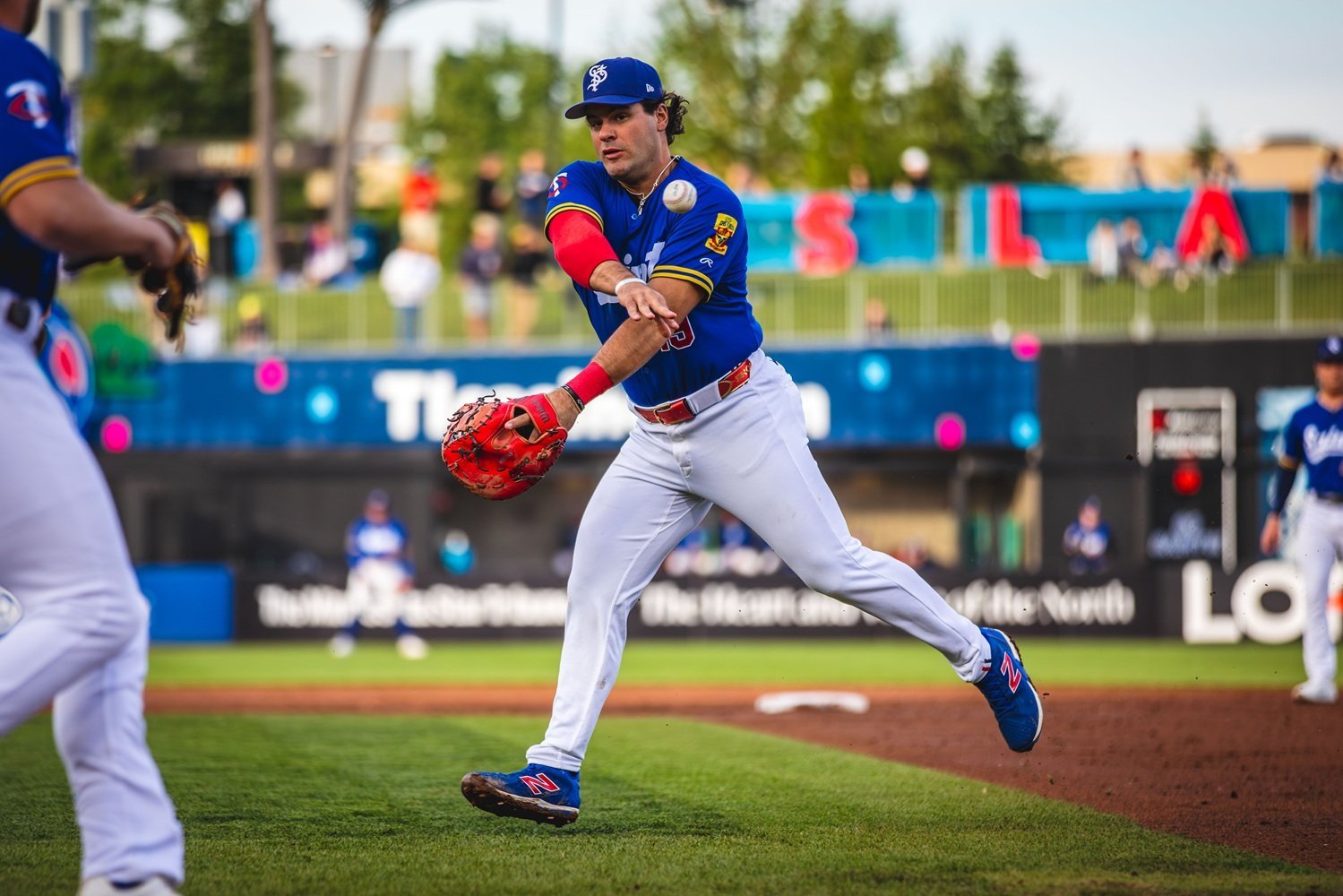 The Twins selected Aaron Sabato with the 27th pick in the 2020 MLB Draft, and the first baseman has had a rough go of it in the seven seasons since then. However, now might be the time to finally give him the call. When you draft a player with the First Base Only tag, he has to hit. Sabato was the highest-drafted first baseman in 2020—a draft mired by the uncertainty of only having a few weeks of scouting for players whose seasons were shut down in March—mostly because Spencer Torkelson was drafted as a third baseman. Unfortunately, Sabato’s minor league career is littered with not hitting. Or at least not hitting enough. He’s got a pretty standard first-base-only profile: a lot of strikeouts, a lot of homers, a low batting average, and enough walks to keep his on-base percentage above water. That batting average has, for the most part, been low enough to keep him from being taken seriously as a prospect. Across six minor league seasons, he’s mustered just a .230 average and has struck out over 30% of the time. That type of hitter generally doesn’t have a long major league career, or one at all. But Sabato has managed to hang around in the Twins organization, and every season, he’ll have a few weeks in a row that lead fans to think he might finally be putting it together. This season is as close as we’ve gotten to the fabled “putting it together.” Sabato began the 2026 season—his age-27 season—with Triple-A St. Paul. He played sparingly, in just four of the team’s first 17 games, registering 14 plate appearances and striking out in seven of them. Then he started getting opportunities. Starting with a three-hit night on April 16, he played nine of the team’s final 13 April games, slashing .310/.375/.621 (.996) with three doubles and two home runs across 32 plate appearances. And he really hasn’t looked back. Since April 16th, when he started playing consistently, he’s hitting .293 with 47 extra-base hits (20 home runs) and an OPS of .961. Even factoring in those bad first handful of games, his OPS sits at .936. The International League is a high-offense league, so raw OPS can be deceiving, but he sits about 30% above league average by wRC+. His .287 batting average at Triple-A in 2026 is the best mark at any level of his career, outside of his .305 average in 39 games at Double-A last season. His next-best year-end average in a sample of more than 50 games was .245 last season at Triple-A. His wRC+ has only been this high twice—in 39 games at Double-A last season and in 22 games at High-A in 2021. This might be a fluke, or it might be a player in the prime of his career having found an approach that clicks. He’s managed to produce against fastballs, off-speed, and breaking pitches alike—though he’s absolutely feasted on fastballs, with a .326 average and .433 wOBA. He’s still swinging and missing plenty, but he’s cut his strikeout rate down to 24% this year (which will increase if he gets a call-up). He’s cut down his walks over the last two years, but that has been a product of a more aggressive approach with pitches both inside and outside of the zone. Even with a reduced walk rate, the improvement in his batting average has given him a .356 OBP on the year, better than any season of his career outside of Single-A. And he’s pulling the ball more than he ever has, with a pull air percentage of 17%, which is merely on the higher side of average (72nd percentile), but the best mark of his career. And contextually, he’s a great fit for the Twins right now. Sabato has a staggering 1.243 OPS against lefties this season, slashing .364/.470/.773 against southpaws. The major league club, on the other hand, ranks in the bottom five in baseball against left-handed pitchers in batting average, OPS, wRC+, and wOBA. It’s dire, with only five Twins with more than 10 plate appearances who have been league-average or better performers against lefties (wRC+, where 100 is average, in parentheses): Ryan Jeffers (165), Austin Martin (124), Royce Lewis (117), Byron Buxton (104), Kody Clemens (103). And it’s not even close after that. The next-best hitter is Josh Bell, who has a .667 OPS that’s 14% below league average. Right now, Victor Caratini is being trusted with first base against lefties, and he’s following close behind with a .607 OPS against southpaws this season, 21% below league average. The two have accounted for 64% of the team’s plate appearances against lefties at first base and designated hitter. It would be foolish to sit here and say “Well Sabato couldn’t be worse!” because he absolutely could. If he’s walking less and his strikeout rate jumps in his transition to the majors, he can absolutely be worse. If MLB pitchers can attack him with offspeed and breaking pitches for strikes, they’ll take away his biggest strength, demolishing fastballs. And even when he gets fastballs, it’s unclear that he’ll be able to keep up with MLB velocity, as the average fastball he’s seen thus far this season is around 94 MPH. But the bar for him to clear isn’t that high. If he were to muster just league-average offense against lefties, he would be a significant addition to this lineup. And there’s plenty of room for him. Tristan Gray and Alex Jackson are currently on the big-league roster (or at least one of them is, pending Kaelen Culpepper's corresponding move), but they are rarely playing. Gray has started just three of nine games since replacing an injured Byron Buxton a week and a half ago. Jackson has started three games since Ryan Jeffers returned from injury on July 10th, two of which were at first base against a lefty (in very limited action versus lefties, Jackson has a .382 OPS across 24 plate appearances). It’s rare that a team could reasonably have room for a first baseman who would strictly fill the short side of a platoon, but the Twins are in that position now. Even after Culpepper's promotion, or if Walker Jenkins were to be called up, there could still be room for someone like Sabato to try to keep the line moving against lefties, if they valued a platoon hitter and didn’t bite on one of several potential right-handed bats currently designated for assignment. Or perhaps he could be their September position player call-up when the roster expands by one hitter and one pitcher. Sabato doesn’t have a high ceiling in the majors, and projection systems like ZiPS don’t forecast him being even an average hitter at a position you need to hit. But right now, what’s the risk in giving him a shot a few times a week against left-handed pitchers? And it would be fun—if you dig big dudes who ding dongs, anyway. View the full article
 -
 Chicago Cubs Transactions Chicago Cubs signed free agent RHP Andrew Wantz to a minor league contract. Chicago Cubs optioned RHP Tyler Ferguson to Iowa Cubs. Chicago Cubs recalled LHP Braxton Garrett from Iowa Cubs. Kansas City Royals claimed LHP Luke Little off waivers from Chicago Cubs. Iowa Cubs Lose On A Two-Out Walk-Off Single In Indianapolis Iowa lost 3-2 to Indianapolis, with the winning run scoring on a two-out single in the ninth inning. The Cubs out-hit the Indians 7-6 and drew six walks, but they struck out 10 times and left eight runners on base. Iowa took the lead in the second inning. Chas McCormick walked, advanced to second base on a wild pitch, stole third base, and came home on Jordan Nwogu's sacrifice fly to center field. That 1-0 margin held into the seventh, when Indianapolis loaded the bases against Andrew Wantz on singles by Duce Gourson and Derek Berg and a hit batsman. Wantz then hit Mitch Jebb to force in the tying run and walked Billy Cook to force in a second run, and Indianapolis led 2-1. The Cubs answered in the eighth. Hayden Cantrelle singled to right field, BJ Murray walked, and Owen Miller singled to right field to score Cantrelle and tie the game 2-2. In the ninth, Gabe Klobosits retired the first two hitters before Dominic Fletcher tripled to center field. Klobosits intentionally walked Jebb, and Cook lined a single to right field to end it. Cantrelle led the offense with three hits in four at-bats, and Ben Cowles added two hits. Connor Noland opened with three scoreless innings, allowing one hit with two strikeouts, and Ethan Roberts and Jayden Murray followed with three more scoreless innings. Wantz was charged with the blown save, and Klobosits took the loss. Player AB R H RBI BB K Ben Cowles 5 0 2 0 0 2 Owen Ayers 3 0 0 0 1 0 BJ Murray 3 0 0 0 1 2 Owen Miller 4 0 1 1 0 1 Chas McCormick 1 1 0 0 2 1 Ethan Hearn 4 0 0 0 0 2 Jordan Nwogu 1 0 0 1 2 0 Ed Howard 4 0 1 0 0 2 Hayden Cantrelle 4 1 3 0 0 0 Player IP H R ER BB K HR Connor Noland 3 1 0 0 1 2 0 Ethan Roberts 1 1 0 0 1 2 0 Jayden Murray (H, 5) 2 0 0 0 1 1 0 Andrew Wantz (BS, 2) 1 2 2 2 1 2 0 Gabe Klobosits (L, 0-2) 1 2/3 2 1 1 1 1 0 Knoxville Homers Four Times In A 7-3 Win At Chattanooga Knoxville beat Chattanooga 7-3 behind four home runs and 10 hits. The Smokies drew only one walk, but they made their contact count, leaving just three runners on base. Miguel Useche opened the scoring with a solo home run in the second inning. Chattanooga took the lead in the third, when Kien Vu walked, Jay Allen II homered to right center field for two runs, and Carlos Sanchez followed with a solo home run to right field for a 3-1 lead. The Smokies took that lead back in the fifth. Edgar Alvarez walked, Karson Simas doubled to left field to put runners on second and third, and Drew Bowser hit a three-run home run to left field for a 4-3 lead. Dom Krupinski followed with a triple, though he was stranded. Knoxville added insurance twice. Alvarez homered to right field in the seventh, and in the eighth Alex Ramírez singled and Andy Garriola hit a two-run home run to left field, his 19th of the season, for the 7-3 final. Simas finished with three hits in four at-bats, and Bowser drove in three runs. Brody McCullough earned the win with five innings, allowing three runs on three hits with two walks, two strikeouts, and two home runs. Connor Schultz was the difference from there, striking out six over three hitless innings for the hold, and Kenyi Perez finished with a scoreless ninth. Ariel Armas went hitless in four at-bats. Player AB R H RBI BB K Dom Krupinski 5 0 1 0 0 1 Alex Ramírez 4 1 1 0 0 0 Andy Garriola 4 1 1 2 0 0 Miguel Useche 4 1 1 1 0 0 Ariel Armas 4 0 0 0 0 1 Edgar Alvarez 3 2 1 1 1 1 Karson Simas 4 1 3 0 0 0 Alex Madera 4 0 1 0 0 1 Drew Bowser 4 1 1 3 0 2 Player IP H R ER BB K HR Brody McCullough (W, 1-2) 5 3 3 3 2 2 2 Connor Schultz (H, 2) 3 0 0 0 1 6 0 Kenyi Perez 1 0 0 0 2 1 0 South Bend Cubs Break Through In The Eighth To Win Game One South Bend beat Cedar Rapids 4-1 in the first game of the doubleheader, scoring three times in the eighth inning to pull away. The Cubs collected eight hits and left six runners on base, while Cedar Rapids left eight. South Bend scored first in the opening inning. Angel Cepeda doubled to center field, moved to third base when Kade Snell reached on a throwing error, and scored on Josiah Hartshorn's sacrifice fly to center field. Cedar Rapids tied it in the second on JP Smith II's solo home run to left center field, and the game stayed 1-1 into the eighth. The Cubs then put together their best inning of the day. Cepeda singled to center field, Kade Snell singled to left field, and Hartshorn singled to left field to score Cepeda. Jose Escobar loaded the bases with a single, Matt Halbach hit a sacrifice fly to right field to score Snell, and Alexey Lumpuy doubled to center field to bring in Hartshorn while also making a great plays defensively in centerfield. Lumpuy got his first hit in High-A ball. That's a lot of Lumpuy but it's important to document firsts. Here's some of his performance from yesterday: Sadly, Lumpuy was thrown out trying to reach third base, but the damage was done and South Bend led 4-1. Cepeda finished with two hits, a double, and two runs scored. Hartshorn went 2-for-2 with a walk and two RBI, and Escobar added two hits. Braylon Myers started and allowed one run on one hit over three innings, though he walked four. JP Wheat followed with two hitless innings, and Brayden Spears took the win with four innings of two-hit, scoreless relief. Player AB R H RBI BB K Angel Cepeda 4 2 2 0 0 1 Kade Snell 4 1 1 0 0 0 Josiah Hartshorn 2 1 2 2 1 0 Jose Escobar 4 0 2 0 0 0 Matt Halbach 2 0 0 1 1 0 Alexey Lumpuy 4 0 1 1 0 2 Geuri Lubo 4 0 0 0 0 2 Brennan Hudson 3 0 0 0 0 3 Justin Stransky 3 0 0 0 0 1 Player IP H R ER BB K HR Braylon Myers 3 1 1 1 4 3 1 JP Wheat 2 0 0 0 3 1 0 Brayden Spears (W, 7-2) 4 2 0 0 0 1 0 South Bend Drops Game Two After A Four-Run Cedar Rapids Sixth Cedar Rapids beat South Bend 4-2 in the seven-inning nightcap, breaking the game open with three runs in the sixth inning. The Cubs managed only three hits and left three runners on base. JP Smith II gave Cedar Rapids the lead with a solo home run to left field in the fourth inning, his second of the year and his second home run of the day. South Bend tied it in the fifth, when Lumpuy doubled and came home on Michael Hallquist's sacrifice fly to center field. The sixth inning decided it. Adam Stone hit Jayson Bass and Jose Salas with pitches to put two runners on, and Quinn McDaniel singled to center field to score Bass. Salas then scored from third base on a pickoff error at first base, and Miguel Briceno singled to center field to bring in McDaniel for a 4-1 lead. South Bend got one back in the bottom of the sixth on Kade Snell's solo home run to left center field, his seventh of the season, but the Cubs did not score again. Cole Peschl struck out three in the seventh inning to close it out. Snell and Lumpuy accounted for two of South Bend's three hits, with Michael Carico adding the other. Nazier Mulé was strong in the start, striking out six over five innings and allowing one run on four hits. Stone took the loss, giving up three runs, two of them earned, over two innings. Player AB R H RBI BB K Angel Cepeda 3 0 0 0 0 2 Kade Snell 3 1 1 1 0 1 Matt Halbach 3 0 0 0 0 0 Jose Escobar 3 0 0 0 0 0 Logan Poteet 2 0 0 0 1 2 Alexey Lumpuy 3 1 1 0 0 1 Michael Carico 3 0 1 0 0 0 Michael Hallquist 2 0 0 1 0 1 Brennan Hudson 2 0 0 0 0 2 Player IP H R ER BB K HR Nazier Mulé 5 4 1 1 2 6 1 Adam Stone (L, 5-2) 2 2 3 2 0 2 0 Myrtle Beach Pelicans Postponed The Pelicans' game at Columbia was postponed by rain and has been rescheduled. Top 20 Prospect Performance Jefferson Rojas: DNP Pedro Ramirez: DNP Jaxon Wiggins: DNP Josiah Hartshorn: 2-for-2, 2 RBI, BB Kevin Alcantara: DNP Ethan Conrad: DNP Kane Kepley: DNP Owen Ayers: 0-for-3, BB Jonathon Long: DNP Kaleb Wing: DNP James Triantos: DNP Brooks Caple: DNP Mason McGwire: DNP Ty Southisene: DNP Will Sanders: DNP Juan Cabada: DNP Eli Lovich: DNP Ariel Armas: 0-for-4, K Jostin Florentino: DNP Grant Kipp: DNP View the full article
 -
 Boston Red Sox Affiliate Recap Triple-A Worcester Red Sox Season Record: 58-48 The WooSox surge in the late innings turned this game into a 10-4 victory over the Lehigh Valley IronPigs (Philadelphia Phillies). Worcester’s first two runs of the game came from a Tsung-Che Cheng sacrifice bunt to bring in Vinny Capra in the third, while Kristian Campbell added on in the fourth with a deep off-the-wall RBI double, scoring Allan Castro to make it a 2-1 game. Nathan Hickey recorded a three-hit game while Castro and Capra both had multi-hit days, including a two-run double from Castro and a two-run Capra bomb in the sixth, giving Worcester a comfortable 6-2 lead. Some more insurance came in the seventh after Jason Delay brought in Braiden Ward with a single, 7-2. In his last at-bat, Franklin Arias’ hitting streak stayed alive; a two-run single to left field extended it to eight games. Immediately after, a wild pitch from the IronPigs pitcher plated Ward once again, putting the game completely out of reach, 10-4. The WooSox pitching staff was serviceable; Eduardo Rivera was the starter on the mound, tossing 3 ⅔ innings of one-run ball with two strikeouts. Seth Martinez came in after and allowed one run as well through 2 ⅓ innings while also earning the win. Osvaldo Berrios threw a shutout seventh inning with two strikeouts, and Wyatt Olds' outing was not perfect, but it was enough to make it through the game, giving up two runs on four hits through two innings. Standout Performances: Vinny Capra: 2-for-3, HR, 3 R, 2 RBI, BB Allan Castro: 2-for-4, 2B, 2 R, 2 RBI Nathan Hickey: 3-for-4, R Double-A Portland Sea Dogs Season Record: 55-49 The Sea Dogs went down quietly with a 5-2 defeat to the New Hampshire Fisher Cats (Toronto Blue Jays). Portland tallied just three hits as a team while scoring two runs. Johanfran Garcia’s RBI double in the sixth and Miguel Bleis’ RBI single in the ninth provided their only runs of the game, with Ronald Rosario recording the last hit for the Sea Dogs. Hayden Mullins had an outstanding game on the mound, striking out eight Fisher Cats while giving up just one run through 4 ⅔ innings. Cooper Adams took the loss as he allowed four runs in the sixth to make it 5-1, giving New Hampshire the best chance to take the game away. Tyler Davis calmed things down with 2 ⅓ shutout innings, but it did not matter in the end. High-A Greenville Drive Season Record: 47-55 A dominant performance by Greenville’s pitching staff led to a 4-2 victory over the Hudson Valley Renegades (New York Yankees). The Drive racked up 10 hits but had a tough time with runners in scoring position, going 4-for-14, but they still needed just four runs to take the win. In his first Greenville at-bat, Carlos Gutierrez, who was part of the Marcelo Mayer trade, smacked a double and came around to score. The entire lineup recorded a hit, with Ronny Hernandez providing the only multi-hit game, one of which was an RBI single in the second inning to tie it 1-1. Former UNC teammates Jake Schaffner and Owen Hull gave Greenville a 3-2 lead in the third with an RBI single (Schaffner) and a sacrifice fly (Hull). Gerardo Rodriguez gave the Drive their last run of the game with a single that brought in Hull in the seventh. The MVP award of the game can be shared between Jacob Mayers and Brady Tygart. Mayers started on the mound and was solid enough to keep Greenville’s lead intact, allowing two runs through four innings while striking out four. Boston’s 2024 12th-round pick Brady Tygart was absolutely dominant in his first start for the Drive since his promotion. The Arkansas product delivered five strong shutout innings with just one hit allowed and three strikeouts. Standout Performances: Brady Tygart: 5 IP, 1 H, 0 ER, 1 BB, 3 K Ronny Hernandez: 2-for-4, RBI Low-A Salem RidgeYaks Season Record: 45-59 The RidgeYaks blew a two-run lead in the late stages of the game and nearly came back, falling just short 10-9 to the Fayetteville Woodpeckers (Houston Astros). Salem’s bats were hot, doing the most they possibly could to save the pitching staff. Anderson Fermin's two-run single put them on the board, and D'Angelo Ortiz doubled home the tying run in the fourth, 3-3. Fayetteville nudged ahead 4-3 in the fifth, but Henry Godbout scored on a fielding error in the bottom half to knot it once again. Now in the sixth, Fermin and Ortiz both came around to score on a bases-loaded Godbout hit by pitch and a Starlyn Nunez sacrifice fly, giving Salem their biggest lead in the game, 6-4. The RidgeYaks pitching staff lost it in the seventh. A hit batter, two-run single, RBI single, and a two-run double turned a two-run lead into a 10-6 hole. Salem got three back in the bottom half, including Skyler King scoring on a passed ball, making it a close 10-9 game, but the game went quiet afterward to end it. Out of the four pitchers sent to the mound for Salem, Wuilliams Rodriguez had the only shutout appearance, tossing two perfect innings with one strikeout, giving the Yaks offense a chance to come back. View the full article
 -
 The term “balanced scoring” is generally reserved for basketball, but it applied to the Binghamton Rumble Ponies on a historic Thursday night. All nine batters had at least one hit (seven had at least two) and one run scored in a 23-3 beatdown of the Hartford Yard Goats. Eight of the nine drove in at least one run. Seven drew at least one walk. The team scored in seven of their eight innings at bat en route to shattering the single-game record for the current Binghamton franchise, which began play in 1992. Of course, there were some “leading scorers”: Mitch Voit: 5-for-6, five runs scored, two RBIs. He is still hotter than the sun. The five hits tied a franchise record. All the offense made Gary Gill Hill’s job easy. Binghamton’s starter got through five scoreless innings in his first appearance since being acquired from the Tampa Bay Rays in the Freddy Peralta trade. He allowed three hits, walked two and struck out four before turning a 16-0 lead over to the bullpen. Player AB R H RBI BB K Mitch Voit, 2B 6 5 5 2 1 1 Jefferson Rojas, SS 4 1 1 0 1 0 Jacob Reimer, DH 5 3 1 1 1 0 Chris Suero, C 4 2 2 2 2 1 Billy Amick, 3B 4 3 3 6 1 1 John Bay, CF 5 2 3 3 0 1 Corey Collins, 1B 3 3 2 2 1 1 JT Benson, LF 5 2 2 3 0 1 Yohairo Cuevas, RF 5 2 2 1 1 0 Totals 41 23 21 20 8 6 Player IP H R ER BB K HR Gary Gill Hill (W, 1-0) 5 3 0 0 2 4 0 Douglas Orellana 2 0 0 0 1 2 0 Gabriel Rodriguez 1 2 2 2 2 2 0 Bryce Jenkins 1 2 1 1 1 0 1 Totals 9 7 3 3 6 8 1 Brooklyn Keeps Wilmington's Offense Joel Díaz set the tone for the Cyclones' staff with three hitless innings, although he did allow a run thanks to three walks. Elwis Mijares allowed the Blue Rocks' only hit in the fifth, his second inning of work. Calvin Ziegler, Hunter Hodges and Joe Scarborough built the bridge to Juan Arnaud, who worked around two walks to earn the save. The last four relievers combined for eight strikeouts among the 12 outs they registered. Brooklyn grabbed an early lead with two runs in the first. Sammy Stafura, the prospect obtained from the Pittsburgh Pirates for reliever Luke Weaver, led off with a single and later scored on a single by Trey Snyder. Yonatan Henriquez singled home Smith for a 2-0 lead. Wilmington answered in the second with a hit by pitch with the bases loaded. Smith gave the Cyclones their two-run lead back in the third with a solo homer, his 12th of the season. The Blue Rocks sliced the margin to one again when a pickoff throw by Hunter went awry, allowing Eli Willits to score from second. Player AB R H RBI BB K Sammy Stafura, SS 4 1 1 0 0 2 Aidan Smith, LF 3 2 2 1 1 0 Trey Snyder, RF 4 0 1 1 0 2 Ronald Hernandez, C 4 0 0 0 0 1 Yonatan Henriquez, 3B 4 0 1 1 0 1 John Spikerman, CF 4 0 1 0 0 1 Jamari Baylor, 2B 1 0 0 0 3 0 Daiverson Gutierrez, DH 4 0 0 0 0 1 Chase Meggers, 1B 3 0 0 0 1 1 Totals 31 3 6 3 5 9 Player IP H R ER BB K HR Joel Díaz 3 0 1 1 3 3 0 Elwis Mijares (W, 1-0) 2 1 0 0 2 2 0 Calvin Ziegler (H, 1) 1 0 0 0 0 3 0 Hunter Hodges (H, 6) 1 0 1 0 2 1 0 Joe Scarborough (H, 1) 1 0 0 0 1 3 0 Juan Arnaud (S, 2) 1 0 0 0 2 1 0 Totals 9 1 2 1 10 13 0 St. Lucie Unravels Late Against Daytona The Mets were down 6-3 going to the top of the seventh, but the Tortugas ended any hopes of a comeback by sending 11 batters to the plate in the frame and scoring six runs. St. Lucie gave them plenty of help, with six walks (including one with the bases loaded), two wild pitches (one of which scored a run) and a throwing error that brought in another run. All the runs were charged to Jean Brito, but Luis Sotillo did allow two inherited runners to score. Things got worse in the eighth as Daytona added five runs against designated hitter Julio Zayas, who was asked to finish the game on the mound. Zayas allowed five hits and a walk, and he also hit a batter. He pitched a scoreless ninth inning, though, working around a hit. Zayas drove in the Mets' third run with a double back in the fifth, scoring John Smith III. Smith drove in Elian Peña with a double one batter earlier. Jose Lopez started and took the loss. He was charged with six runs (all earned) and seven hits over 5 1/3 innings. He walked one and struck out six. Player AB R H RBI BB K Elian Peña, SS 5 1 2 0 0 2 Aiden Robbins, CF 4 0 0 0 0 2 John Smith III, LF 4 1 2 1 0 1 Julio Zayas, P 4 0 1 1 0 0 Yovanny Rodriguez, C 4 1 1 0 0 0 Kuhio Aloy, RF 3 0 1 0 1 1 Reed Stallman, 1B 3 0 1 1 1 0 Dylan Carey, 3B 3 0 1 0 1 0 Kooper Schulte, 2B 4 0 0 0 0 1 Totals 34 3 9 3 3 7 Player IP H R ER BB K HR Jose Lopez (L, 1-1) 5 1/3 7 6 6 1 6 1 Jean Brito 1 3 6 6 3 3 0 Luis Sotillo 0 2/3 0 0 0 3 2 0 Julio Zayas 2 6 5 5 1 0 0 Totals 9 16 17 17 8 11 1 Top-20 Prospect Performance Jonah Tong: DNP Jack Wenninger: 5 IP, 3 H, 6 R, 6 ER, 3 BB, 6 K Ryan Clifford: DNP Elian Peña: 2-for-5, 2B, 2 K Nick Morabito: 1-for-4 Jacob Reimer: 1-for-5, RBI, BB Mitch Voit: 5-for-6, 2B, 2 RBI, BB, K Jonathan Santucci: DNP Zac Thornton: MLB Chris Suero: 2-for-4, 2 RBI, 2 BB, K Will Watson: DNP Wandy Asigen: 0-for-1, BB Eli Serrano III: DNP Randy Guzman: DNP Dylan Ross: DNP Ryan Lambert: DNP Antonio Jimenez: DNP R.J. Gordon: DNP Jonathan Pintaro: DNP Marco Vargas: DNP View the full article
 -
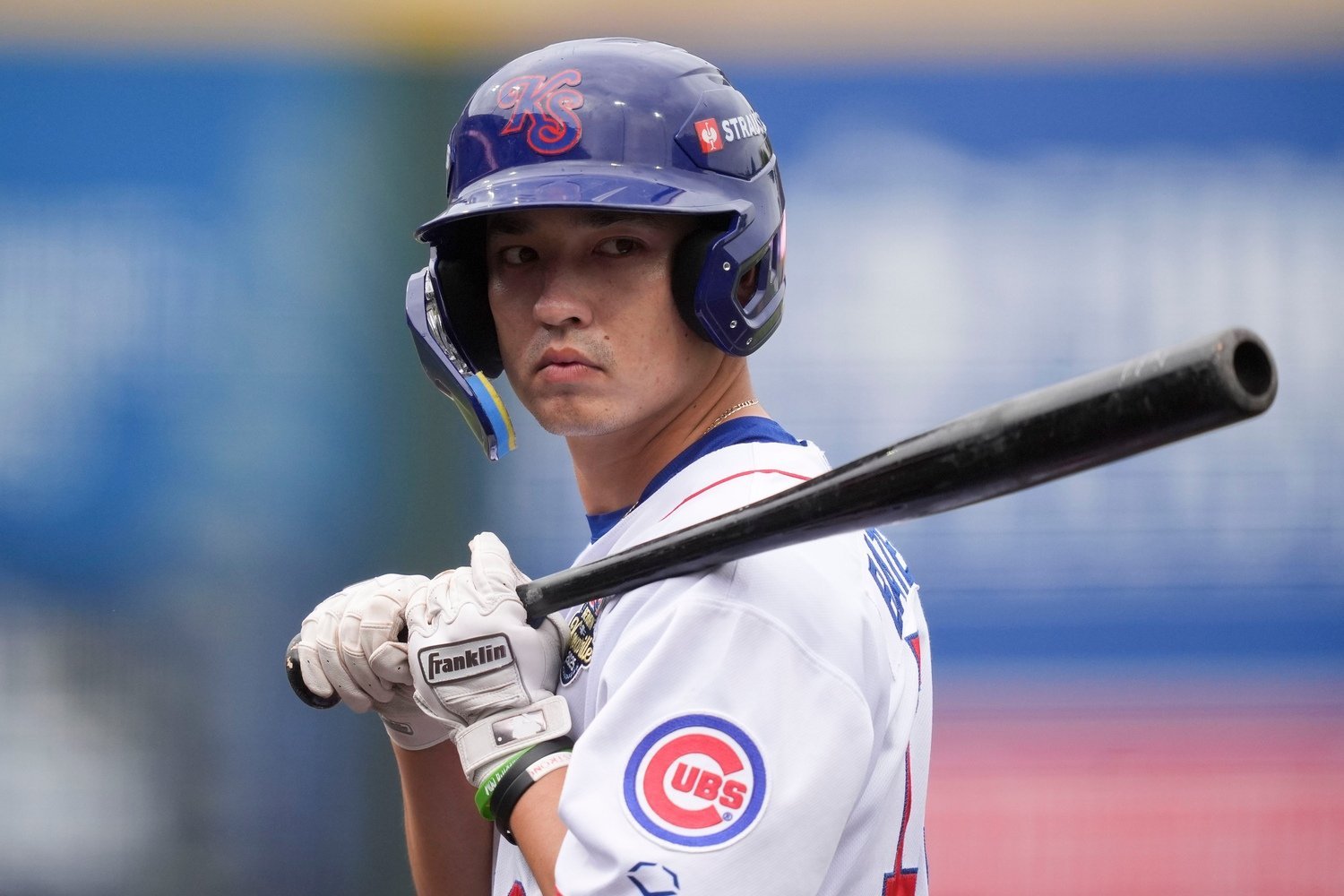 The Toronto Blue Jays were swinging deals at the deadline, and one of those was trading Kevin Gausman out of Canada in exchange for some Chicago Cubs farmhands. The Jays got prospects Ty Southisene (the Cubs' former No. 13 prospect, per MLB Pipeline) and Brett Bateman (No. 21) in the trade. Let’s take a closer look at what those two bring to the table and why the Jays wanted them in exchange for a 14-year MLB veteran like Gausman. Who Is Ty Southisene? Ty Southisene is arguably the headliner of the Jays’ return package, nestling in as their No. 17 prospect, per MLB Pipeline. The 21-year-old shortstop prospect is on the smaller side, holding a 5-foot-7, 170-pound frame. He was originally a fourth-round pick in the 2024 MLB Draft, as the Cubs selected him for his high baseball IQ and ability to flash a promising hit tool with plenty of speed. Southisene got to work in 2025, playing 90 of his 91 games with the Single-A Myrtle Beach Pelicans. For someone who has to make up for a 20-grade power tool, Southisene found ways to do just about everything else. He logged 36 runs batted in and managed to accumulate eight extra-base hits (six doubles, two triples) in his first year of professional baseball. A Closer Look Taking a closer look at Southisene, he simply possesses elite hand-eye coordination. The middle infielder’s 21.2 percent whiff rate at High-A with the Cubs this year was in the 86th percentile, and he was striking out only 12.7 percent of the time (97th percentile), per Prospect Savant. He’s more of a one- or two-tool player, but if those tools (hit, run) are elite, he could glide up the Jays’ minor league ladder. Maturity and Blistering Speed Southisene is starting with the High-A Vancouver Canadians, and he’ll bring a remarkable sense of plate discipline with him. The rising shortstop tallied 63 walks to 59 punchouts in 2025, and his 41 walks to 37 punchouts this year in the Cubs' system show that Southisene is one of the stingiest swingers in the lower levels of affiliate ball. Toronto’s newest prospect slashed .305/.425/.372 (.797 OPS) in 66 contests this year between Single and High A, and his speed has been on full display from day one. On one hand, his quickness allows him to be one of the more rangey prospects out there. On the other hand, he logged 12 errors and had just a .937 fielding percentage through 57 games at the shortstop position. His run tool, listed at a 55-grade, may be due for an upgrade soon. The speedy middle infielder had 72 stolen bases in 157 professional games with Chicago. Fellow speedsters like Chandler Simpson have shown that there’s still an everyday starting spot for someone who can rely on quickness, but Southisene has a long way to go before those big league conversations can formulate. Welcome, Brett Bateman! Brett Bateman is slightly below Southisene on MLB Pipeline's ranking, but he is the more polished of the two prospects. The 24-year-old outfielder is 5-foot-10 and weighs 170 pounds. The lefty was an eighth-round pick in the 2023 MLB Draft, as the Cubs selected him out of the University of Minnesota. Bateman is another speed-first prospect, earning a 70-grade run tool, but his power is a bit more prevalent than the aforementioned Southisene's. Bateman has 83 stolen bags in 315 games in the Cubs' org, but his career-high .851 OPS this season at Triple-A Iowa shows that he can be more than just a runner. The Gophers alum has developed “doubles power” this year, peppering the gaps with a career-best 18 doubles across 82 contests. He notched a pair of triples and had three home runs for the Iowa Cubs before this trade took place. Diving Deeper Above all else, this is someone who can also make for a stingy at-bat. Similar to Southisene, Bateman walks a ton (17.5%, 92nd percentile per Prospect Savant). He’s earned 60 walks to just 66 strikeouts this year, and his 218 free passes to 253 punchouts have held around that ratio for all four years of his professional career. Bateman also has a remarkable sense for the strike zone, with a zone contact percentage of 85.71 percent. He ranks below the league average in 90th percentile exit velocity, barrel percentage and hard-hit rate, but much like Southisene, the chase rate (20.8 percent, 86th percentile) and whiff rate (16.4 percent, 89th percentile) are impossible to ignore for someone who is on the doorstep of the major leagues this year. Speed for the Future The Blue Jays have landed two players with similar profiles, but they play different positions. Southisene is a minor league speedster who could break into the big leagues in a couple of years, while Bateman’s plate discipline and raw speed could get him into the show by the end of this year. View the full article
 -
 The San Diego Padres picked up a split of a four-game series with the Arizona Diamondbacks that kept the Friars one game out of an NL wild-card position. Steve Drumwright, with Randy Holt on the injured list this week, recaps the D'backs series, looks back at taking three of four from the San Francisco Giants and then tries to put it all into perspective with the Houston Astros coming to town. Among the other topics Steve covers is the latest with the comeback attempts by Joe Musgrove and Nick Pivetta and what the new-look rotation might be after the additions of Robbie Ray and Casey Mize. Down in the minors, three draft picks made their pro debuts this week and two hit homers for their first hits. Steve then wraps it up with a look at the Astros series and the pitching matchups, including Ray's debut and a dream matchup. Listen on Apple Podcasts: https://podcasts.apple.com/us/podcast/padres-mission-podcast/id1896922834 Listen on Spotify: https://open.spotify.com/show/033xclmydmbLmEp0exYuYz Listen on iHeartRadio: https://www.iheart.com/podcast/1333-padres-mission-podcast-336930560 Watch on YouTube: https://www.youtube.com/@padresmission View the full article
 -
Finding the Positives: Dylan Cease Shoves Seven Scoreless
DiamondCentric posted an article in Jays Centre
 Owen and Jesse break down a quietly encouraging series win against the Houston Astros, but are brought right back down to Earth after Dylan Cease's seven scoreless innings are wasted by Jays hitters going 1-19 with RISP against the Cubs. Listen on Apple Podcasts: https://podcasts.apple.com/us/podcast/the-jays-centre-podcast/id1846108462 Listen on Spotify: https://open.spotify.com/show/3Bi7SzfpcqMo5xYWnbCeoL Listen on iHeartRadio: https://www.iheart.com/podcast/263-the-jays-centre-podcast-300304824/ Listen on Pocket Casts: https://pca.st/2qk9wqxd Watch on YouTube: https://www.youtube.com/@jayscentre View the full article
 -
 Unlike other publications, North Side Baseball enables all users to contribute to our top prospect rankings. Anyone with a DiamondCentric account can participate and give their input on who they think should be in the Cubs' top prospects list. Before you vote, you can hit our top prospects page for the latest stats and news on Cubs prospects, while on the voting page, every name is a clickable link that brings up their current stat card. Voting is simple, just follow the instructions below! Here's the rundown on how to participate: 1. You must have an account and be logged in to vote. If you don't have an account, click here. It requires only 60 seconds to create an account. 2. Review our current top 20 prospect list, catch up on stats, rankings, etc. (you can do so from the voting page link below) 3. Have your prospect list in your filthy little paws? Then flip on over to the new prospect voting page (after reading the rest of this, please). https://northsidebaseball.com/prospect-voting 4. Voting is super simple; you drag and drop players in the order you wish them to be. After you move a prospect, the list automatically renumbers so you don't lose track of the order. This works on mobile devices, but it's a *vastly* better experience on desktop. Sorry, that's just how this kind of thing works. There's no excellent way to make something like this as awesome on a phone screen. 5. Each prospect has a comment section where you can add any commentary you have on that player. At the bottom of the list, there is a general comment section to explain overarching things you'd like to mention. 6. Don't see a prospect you want to put on the list? Just pop back here and give me a mention (in a comment, start typing @Brock Beauchamp and select my name after it appears). Please mention the prospect you would like added, and I will do so as soon as possible. 7. Once you're done with all of it, click Save. You've now voted! 8. When the voting closes, a new thread will automatically generate in the minor league forum with all of your rankings and comments for everyone to read and talk about. 9. You can only vote once. If you have voted in error, pop back here and tag Brock to ask to have your vote deleted. It will be removed, and you can vote again. Voting closes Sunday, August 9. View the full article
 -
Three Ways The Twins Changed Their Philosophy At The Deadline
DiamondCentric posted an article in Twins Daily
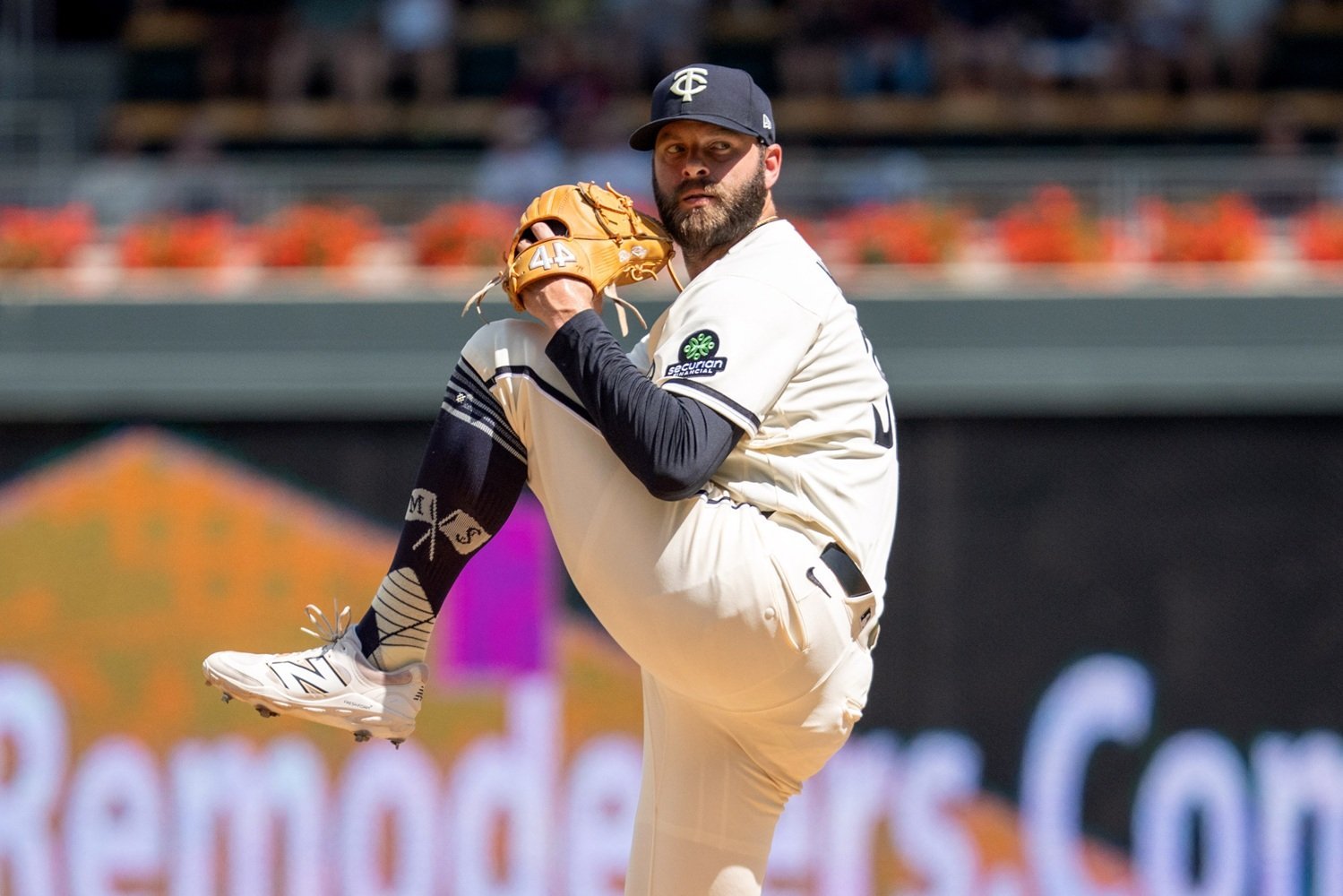 We watched the Derek Falvey-led front office operate for years. We saw them work with the Pohlad family and came to understand what to expect. With Tom Pohlad taking over public-facing ownership duties, and Jeremy Zoll replacing Derek Falvey at the head of the front office, we may be seeing a change in the team’s philosophies. Three pieces of evidence in particular stand out from the deadline. Buying Early Between free agency and the trade deadline, patience has been key for Twins fans. The Falvey-led Twins preferred to wait out the market and see what's left at the end rather than targeting specific players. Ironically, it could be argued the Twins could have taken this path at this deadline. Names like A.J. Minter, Tommy Nance, and Dean Kremer weren't at the top of the trade target rankings. The way the Twins acquired them, however, is notable. It's likely the Twins paid a premium to acquire these three pitchers as early as they did. They could regret it down the road. That being said, for better or worse, they identified who they wanted, and they went out and got them. They didn't wait until right before the deadline hoping they'd still be there for a slight discount. Say what you want about the Falvey era Twins, aggressiveness is not a word you would use to describe any facet of their operations. The idea of seeing even just a little bit more of this decisiveness in the future is interesting. Spending Money The Twins took on a franchise record amount of money at this trade deadline. After years of no payroll flexibility, ownership was finally willing to invest at least a respectable amount in a roster that had plenty of needs and realistic playoff hopes. Though the Twins didn't catch the biggest headlines at the trade deadline, this is the most they've been willing to spend in some time. One could make a fair argument that the Twins should have sold at this deadline. They're still a flawed team with shaky playoff chances. They chose to buy, however, and they could have done so by including more prospect capital in the same moves and taken on less money. After Tom Pohlad identified the importance of investing in the roster earlier this season, the Twins showed a willingness to increase payroll for the first time in years. Hopefully this trend continues into free agency. Targeting Relievers The Twins have rarely invested in the bullpen since Falvey took over, and this has especially been the case in the last few years. Perhaps their bigger investments in names like Addison Reed, Alex Colomé, and Jorge Lopez jaded their view. They've been able to develop elite bullpen arms internally, but trading away the arms they did at the 2025 trade deadline without investing in any replacements during the offseason was a major mistake. The bullpen is finally starting to take shape, but rather than hoping that trend continues, the Twins made sure to invest in reinforcements. Even giving up middling prospects for Tommy Nance and A.J. Minter is noteworthy, but the investment in Jeff Hoffman should raise an eyebrow for Twins fans. The Twins made a financial investment in a reliever to a degree we haven't seen in years. They also took a risk in trading away a prospect package that included high upside lefty Dasan Hill. It feels a little ridiculous to be investing these resources in controllable relief help after trading so much of it away last year, which is exactly why it’s a sign that things are changing in the front office. Would Derek Falvey have ever invested these kinds of resources into a bullpen? It’s pretty safe to say no. The Twins operated like a completely different team at the trade deadline. We’ll have to see more, particularly in the offseason, before giving them too much credit, but some of the changes in philosophy are exciting to see. Are you buying into this trade deadline being the new normal when it comes to how the Twins operate? Let us know! View the full article
 -
BREAKING: Twins Calling Up Top Prospect Kaelen Culpepper
DiamondCentric posted an article in Twins Daily
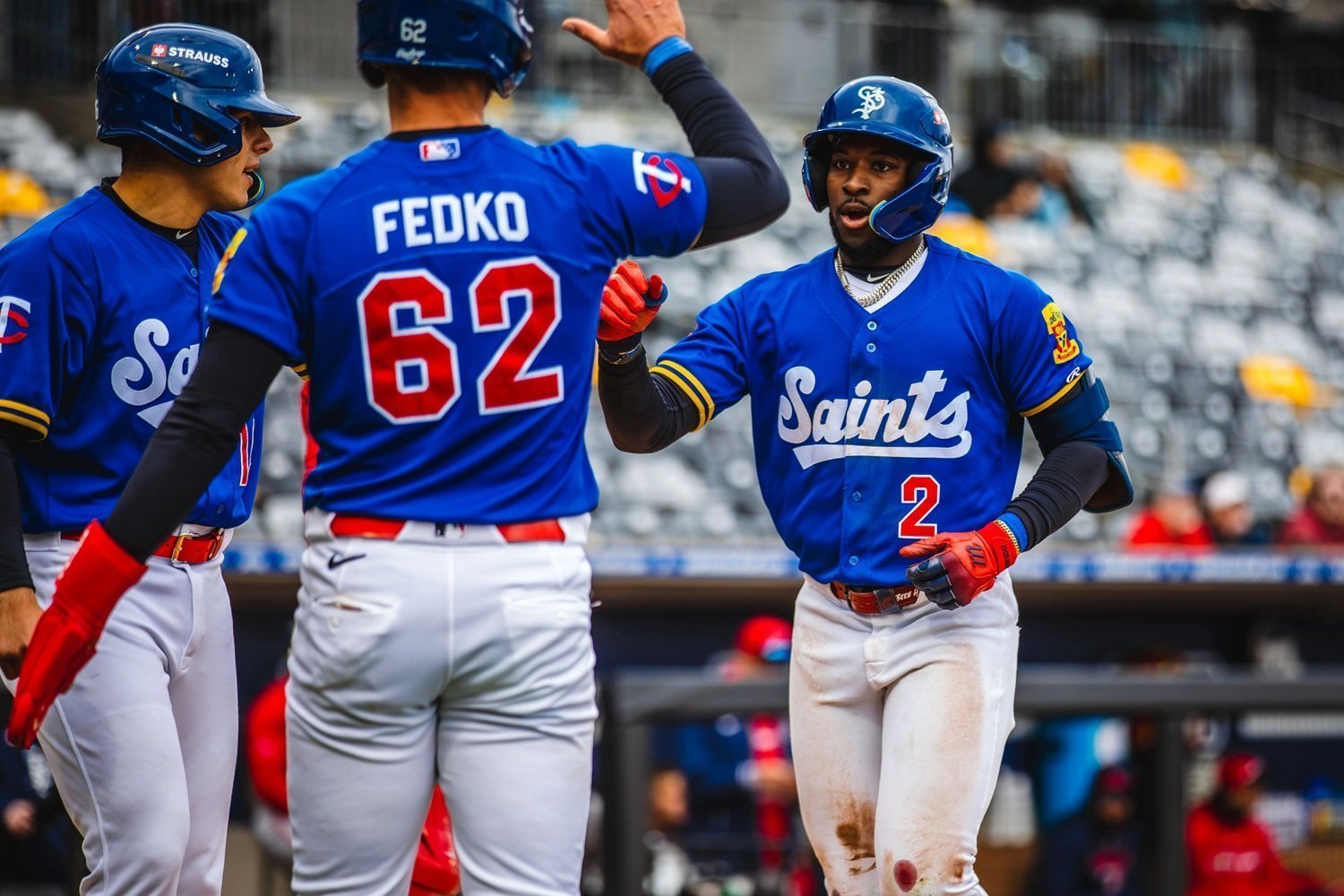 The wait is finally over. Twins Daily has confirmed that the Minnesota Twins are calling up top prospect Kaelen Culpepper, giving one of the organization's brightest young talents his first opportunity in the major leagues. After months of speculation and an impressive first full season at Triple-A St. Paul, the 2024 first-round pick has officially earned the promotion. Culpepper has an .845 OPS with 14 home runs (31 extra-bae hits), a 116 wRC+ and 17 SB in 74 games at Triple-A. Few prospects have generated as much excitement this season as Culpepper. Entering the year, he was viewed as one of the Twins' cornerstone prospects after being named the organization's Minor League Player of the Year in 2025. Culpepper’s 2025 season reads like the blueprint for a breakout. Between Cedar Rapids and Wichita, he slashed .289/.375/.469 (.844) with 20 home runs, 25 steals, and a 133 wRC+ across 517 plate appearances. He wasted little time proving he was ready for the next challenge, continuing to produce against Triple-A pitching while showing the well-rounded game that made him a first-round selection out of Kansas State. The timing makes plenty of sense. Shortstop has been one of Minnesota's biggest question marks throughout the season, and Culpepper's strong performance left the front office with fewer and fewer reasons to keep him in St. Paul. Also, Minnesota’s offense has sputtered coming out of the All-Star break. It makes sense for Culpepper to get an opportunity with two left-handed starters scheduled in a pivotal series against Milwaukee this weekend. Culpepper's rise through the organization has been remarkably quick. Drafted 21st overall in 2024, he impressed during his first full professional season by climbing from High-A to Double-A while displaying legitimate 20-home run power and the ability to impact games on the bases. That success carried into 2026, where he continued to establish himself as one of baseball's better infield prospects. Now comes the next test. Prospect promotions rarely solve every problem overnight, and the Twins won't expect Culpepper to immediately carry the offense. However, he brings energy, upside, and a skill set that has been missing from Minnesota's middle infield. His athleticism should strengthen the defense, while his offensive profile gives him the potential to become an everyday contributor from the moment he steps onto the field. For a Twins club looking to gain every possible edge during the stretch run, Culpepper's arrival could provide exactly the spark it has been searching for. The organization's future has officially arrived, and beginning tonight, Twins fans will finally get to watch one of baseball's most exciting young infielders take the next step in his career. What are realistic expectations for Culpepper in his debut? Leave a comment and start the discussion. View the full article
 -
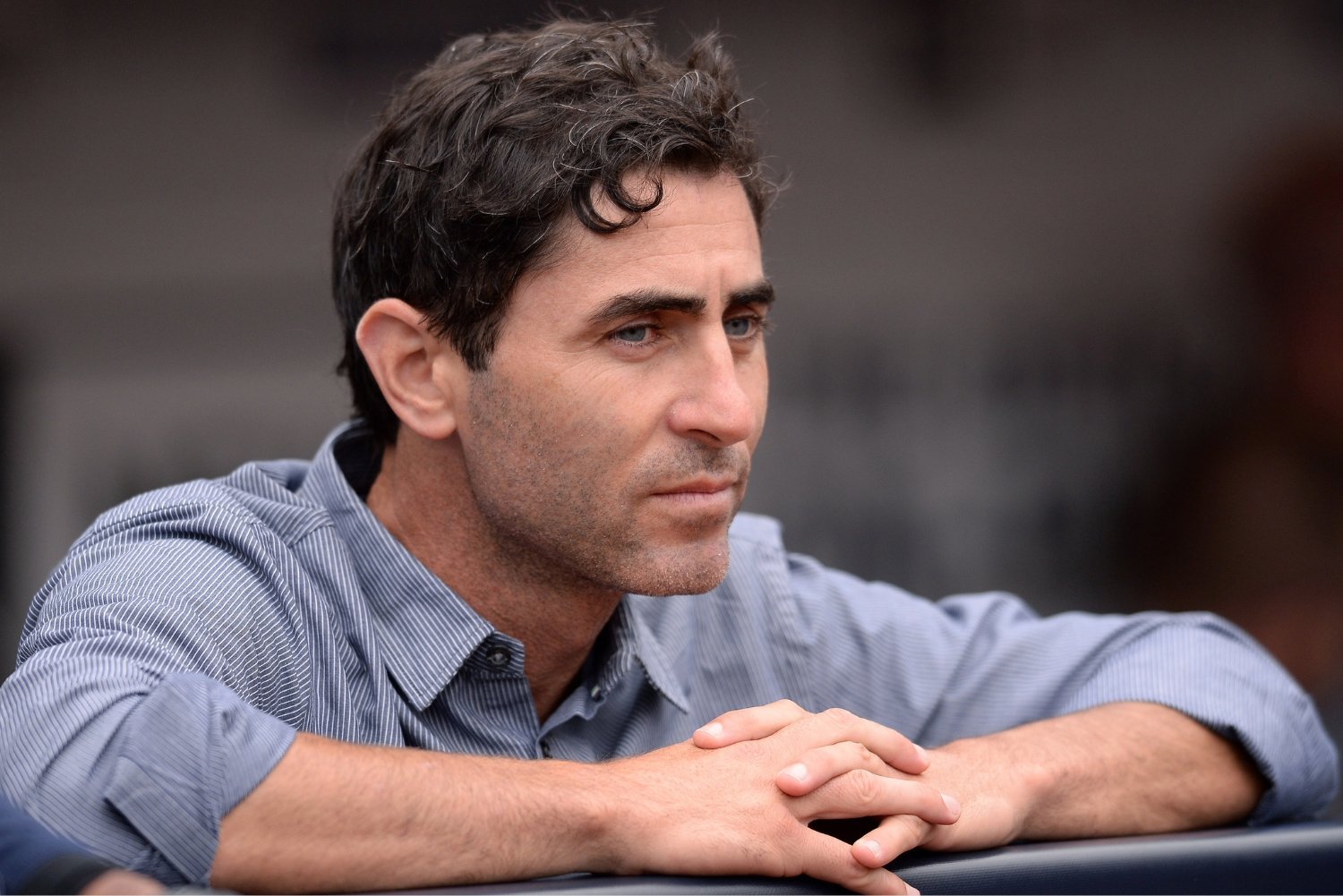 Around this time last week, it remained unclear if the San Diego Padres would buy or sell at the 2026 trade deadline. Mired in a standing a few games back of the top three in the National League Wild Card race—and with a handful of teams between them and an actual place among said three—it would have been difficult to justify outright buying. A five-game winning streak and winning eight of nine overall certainly changed things. Of course, shifting to "buy" mode also comes with a massive caveat in the form of the Padres' president of baseball operations A.J. Preller. Perhaps the most aggressive of any executive Major League Baseball has to offer, Preller's previous trading of seemingly every noteworthy prospect to journey through their farm system certainly set forth expectations of massive deals involving the likes of Ethan Salas and a further decimation of a talent pool that consistently ranks among the game's worst given his prior pursuit of major-league talent. And yet, that's not how things unfolded. Mostly. The Padres entered the deadline stage of the 2026 season facing down as large of a starting pitching need as just about any team in baseball. Cobbling together a rotation that has come to feature a "chaos plan" of Griffin Canning, Randy Vásquez, JP Sears, and Germán Márquez working a few innings at a time (as well as Michael King & Walker Buehler offering plenty of variance in their own volume) made contention a much larger question than even their place in the standings would indicate. With multiple clubs floating names that ranged from pending free agent to multiple years of team control, the spectrum of outcomes was vast, especially with Preller at the helm. Ultimately, though, the Padres emerged from the trade deadline in a way that was entirely normal. In acquiring free-agents-to-be Robbie Ray & Casey Mize (as well as utility man Gage Workman & depth reliever Hunter Stratton), the Padres traded away a pool of five players that included Kash Mayfield & Miguel Mendez. The losses of those two can and probably will hurt down the line, but this is a much more restrained version of Preller than we've seen in the past. You know, the kind of deal wherein he's sending four or five prospects off to another organization for one or two names. Mayfield has as much upside as any arm in the system, while Mendez's floor is unclear (even if his ceiling as a high-velocity, high-spin arm is not). Ultimately, though, this is the kind of deal that a team that fancies itself a contender makes. Robbie Ray is one of the more stable arms in the league. While he's not punching hitters out at the clip he used to, he's offering strong run prevention and nearly six innings per start. Casey Mize, meanwhile, would be in the middle of a breakout season had he enough innings to qualify. He's in the 90th percentile for walk rate and is striking hitters out at a higher rate (24.9 percent) than he did in his All-Star 2025 campaign. Those are two very good pitchers that stabilize a rotation that lacked any sort of certainty. They're the kind of players that you give up legitimate prospects for without selling the whole farm, considering their status as pending free agents. Both Workman and Stratton also provide organizational depth in the upper levels of the minors, an area where the team was lacking. It's the restraint here that's most impressive from Preller. Don't get it twisted; he surrendered legitimate talent from a fairly limited pool of prospects. But he didn't go over the top in the way that we've seen him work in the past. These are the kind of deals that read as entirely logical and, more importantly, justifiable. The Padres may not end up making the playoffs. It remains a hill to climb given the competition directly above and around them in the Wild Card picture. Sitting on the fringes of that race, though, with new arms in tow, they certainly have a better shot than they did last week. View the full article
 -
 Jack is joined by Owen Jonas of Reviewing the Brew to break down the Brewers' trade deadline additions, Brandon Sproat's demotion to Triple-A, Pat Murphy moving Christian Yelich down in the lineup, and more. Apple Podcasts: https://podcasts.apple.com/us/podcast/the-brewer-fanatic-podcast/id1740648724 Spotify: https://open.spotify.com/show/5CY8mWsQayqjDXqw9OT2Td iHeartRadio: https://www.iheart.com/podcast/263-the-brewer-fanatic-podcast-166534588/ Pocket Casts: https://pca.st/ommzz627 Watch On YouTube: https://www.youtube.com/@brewerfanatic View the full article
 -
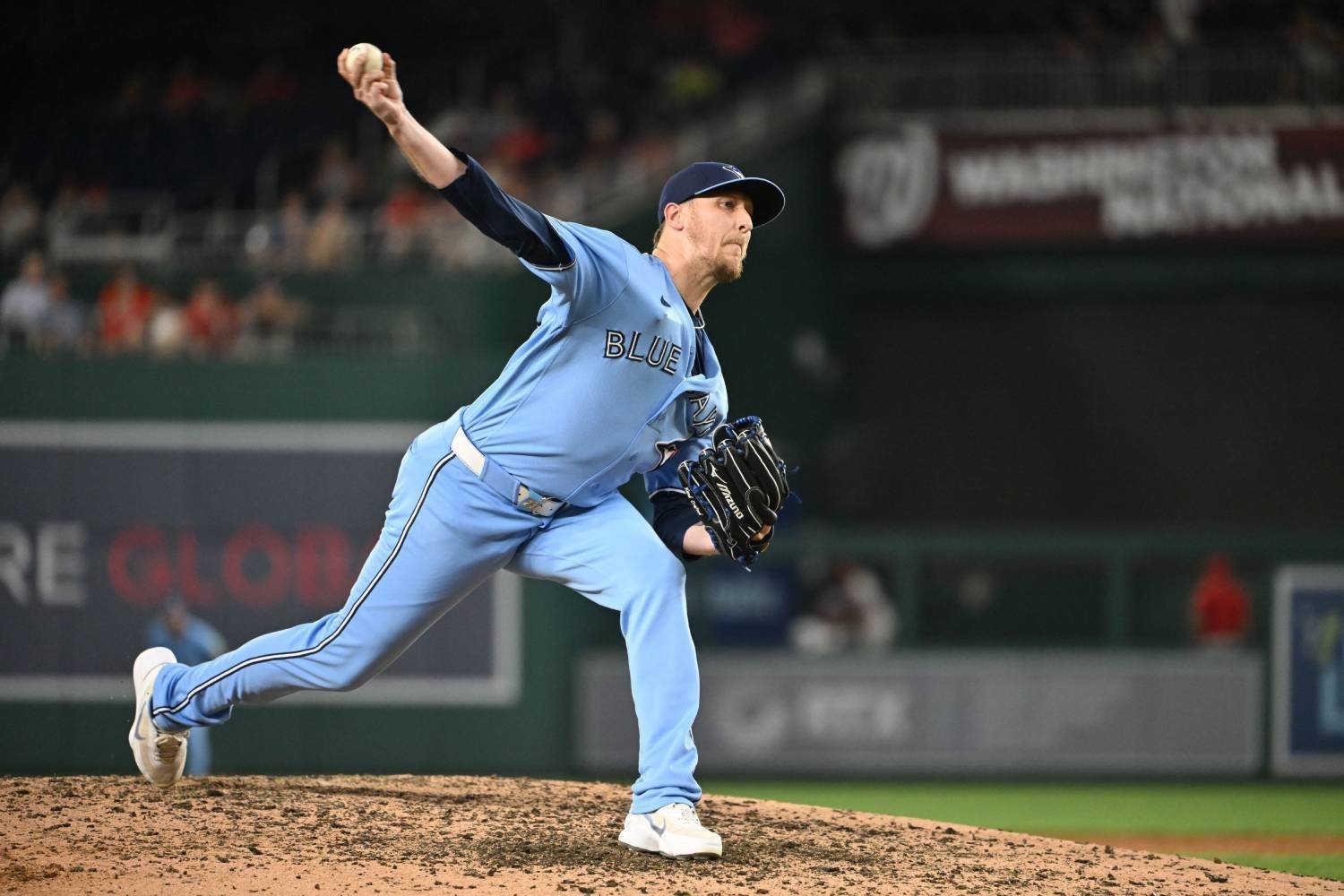 The Minnesota Twins and Toronto Blue Jays don't make blockbuster trades every season, but when they do business together, the deals tend to reshape both organizations. Over the last six years, the clubs have completed three significant trades involving established major leaguers and premium prospects. Each transaction reflected where the two franchises stood competitively at the time, but they also revealed something deeper. Toronto has repeatedly targeted Minnesota's ability to develop pitching, while the Twins have shown confidence in their ability to identify overlooked talent elsewhere. That raises an interesting question. Does Toronto trust Minnesota's pitching pipeline even more than Twins fans do? Or should the Twins begin wondering if they're consistently giving away the best arm in these deals? With another major trade now complete, it's worth revisiting how each swap has unfolded. 2021: José Berríos for Austin Martin and Simeon Woods Richardson The first deal between the clubs remains one of the defining trades of the Derek Falvey era. Minnesota capitalized on a seller's market by moving José Berríos at the 2021 trade deadline, acquiring two highly ranked prospects (at the time) in Austin Martin and Simeon Woods Richardson. Toronto immediately committed to Berríos, signing him to a long-term extension before he reached free agency. His tenure with the Blue Jays has featured stretches of ace-level production mixed with frustrating inconsistency with a 102 ERA+ and a 4.36 FIP. Earlier this season, he underwent Tommy John surgery and is out until 2027. The Twins never received the star power many envisioned from their return. Martin's elite hit tool never translated into the impact bat scouts projected because the expected power never arrived with a 95 OPS+ and 0.7 rWAR over 243 games. Rather than becoming an everyday cornerstone, he has settled into the role of a versatile major league contributor capable of filling multiple positions. Woods Richardson looked like he could become a dependable middle-of-the-rotation starter after flashing encouraging signs during parts of 2024 and 2025 (104 ERA+, 4.30 FIP). Everything unraveled during the opening months of 2026 as posted a -0.8 rWAR in 15 games. Minnesota designated him for assignment, Toronto claimed him, passed him through waivers, and returned him to the minor leagues. Looking back, neither side produced the overwhelming winner many expected immediately after the trade. 2025: Louis Varland and Ty France for Kendry Rojas and Alan Roden The second deadline deal has become much more complicated. Toronto aggressively pursued Louis Varland leading into the 2025 trade deadline. Minnesota had little reason to move a controllable pitcher capable of starting or relieving for several more seasons, making the eventual deal somewhat surprising. The Twins believed they were acquiring two players ready to contribute. Alan Roden arrived with a reputation as one of Toronto's most polished hitting prospects and someone capable of stepping into the major league lineup immediately. Kendry Rojas offered something Minnesota covets: a young left-hander with swing-and-miss stuff and legitimate upside if he can stay healthy. Both players have helped the Twins during the 2026 season and still possess room for additional growth. The problem is what happened on the other side. Varland hasn't simply become a quality reliever. He's emerged as arguably the best closer in the American League. Through 51 appearances, he has a 1.11 ERA with a 32.9 K% and 7.2 BB%. His electric fastball and fearless approach have allowed him to dominate late innings while anchoring Toronto's bullpen. Minnesota may have questioned Varland's long-term upside. Toronto never hesitated to embrace him as a high-leverage weapon, and the results have been spectacular. Even if Roden and Rojas become productive major leaguers, watching Varland develop into one of baseball's premier relievers has made this trade increasingly difficult for Twins fans to accept. 2026: Jeff Hoffman and cash for Dasan Hill, John Klein, Dameury Pena, and international bonus pool money This year's deadline continued the growing connection between the two front offices. Minnesota entered August needing bullpen help as much as any contender. Jeff Hoffman immediately addressed that weakness, giving the Twins a proven late-inning reliever who remains under team control through next season. That extra year of control dramatically increased Toronto's asking price. The centerpiece of the package is Dasan Hill, one of the more fascinating pitching prospects in the organization. His future remains difficult to project. He has the raw ingredients to develop into a quality starting pitcher, but many evaluators believe his electric arsenal could eventually play even better in a high-leverage bullpen role. He also carries enough risk that he could never fully reach either ceiling. John Klein profiles more as organizational pitching depth today, although Toronto's continued interest in Minnesota arms naturally invites curiosity about whether its player development group sees another level. Dameury Peña remains several years away but offers intriguing athleticism and offensive upside in the lower minors. Unlike the previous two deals, this trade will require years before anyone can confidently judge the outcome. A Fascinating Organizational Trend Viewed together, these trades reveal a clear pattern. Toronto has repeatedly targeted pitchers developed by Minnesota. Berríos was already an established front-line starter, but the Blue Jays also prioritized Varland and have now added Hill and Klein to their system. Even Woods Richardson returned to the organization after Minnesota moved on. That suggests Toronto's evaluators consistently value the pitching talent coming through the Twins organization. Minnesota, meanwhile, has often preferred acquiring position players or younger, projectable talent while trusting its own player development staff to maximize those returns. Neither philosophy is inherently right or wrong. But the Varland trade serves as a reminder that sometimes the pitcher leaving Minnesota ultimately becomes the most valuable asset involved. Perhaps Toronto truly sees something unique in Minnesota's pitching pipeline. Or perhaps these repeated deals simply reflect two organizations with similar competitive windows that value players differently. The next time these front offices pick up the phone near the trade deadline, Twins fans may pay closer attention than ever. After all, history suggests Toronto usually knows exactly which Minnesota pitcher it wants. What stands out about these three trades? Who has been the winner? Leave a comment and start the discussion. View the full article
 -
Can The Cubs Really Compete With The Dodgers?
DiamondCentric posted an article in North Side Baseball
 The Chicago Cubs just swept the Los Angeles Dodgers, in large part due to some strong starting pitching and a remarkable series from National League MVP candidate Pete Crow-Armstrong. In this video, we'll break down PCA's career year, the team's rejuvenated rotation, and the postseason experience on a squad that could be destined for a deep run. View the full article
 -
 There is an immediate path to playing time for two of the top three Minnesota Twins prospects, Walker Jenkins and Kaelen Culpepper, as ranked by the contributors at Twins Daily. Both have shown they're ready for the call, but who debuts first? View the full article
 -
 Cooper Pratt is quickly making Matt Arnold look like a genius, as the now-extended infielder is hitting just south of .300 and looks like one of the most complete hitters in the organization. The 21-year-old is flexing a 137 wRC+, and in this video, we'll dive into everything from his high walk rate, ability to pound breaking balls, and even contextualize his future amongst a remarkable group of Milwaukee farmhands. View the full article
 -
Billy Amick, The Mets Prospect No One Is Talking About
DiamondCentric posted an article in Grand Central Mets
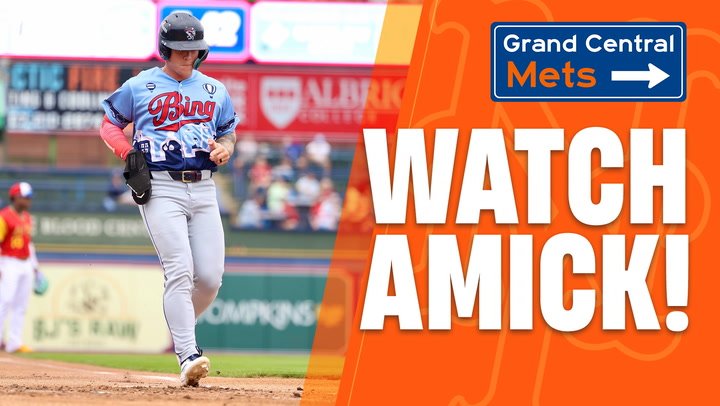 Billy Amick was part of the prospect return in the A.J. Minter deal, and the New York Mets may have found a true diamond in the rough. One of the last picks in the second round of last year's draft, Amick has a remarkable combination of pull-side power, a high walk rate, and the potential to become someone who can hit for average and slug. Enjoy! View the full article
 -
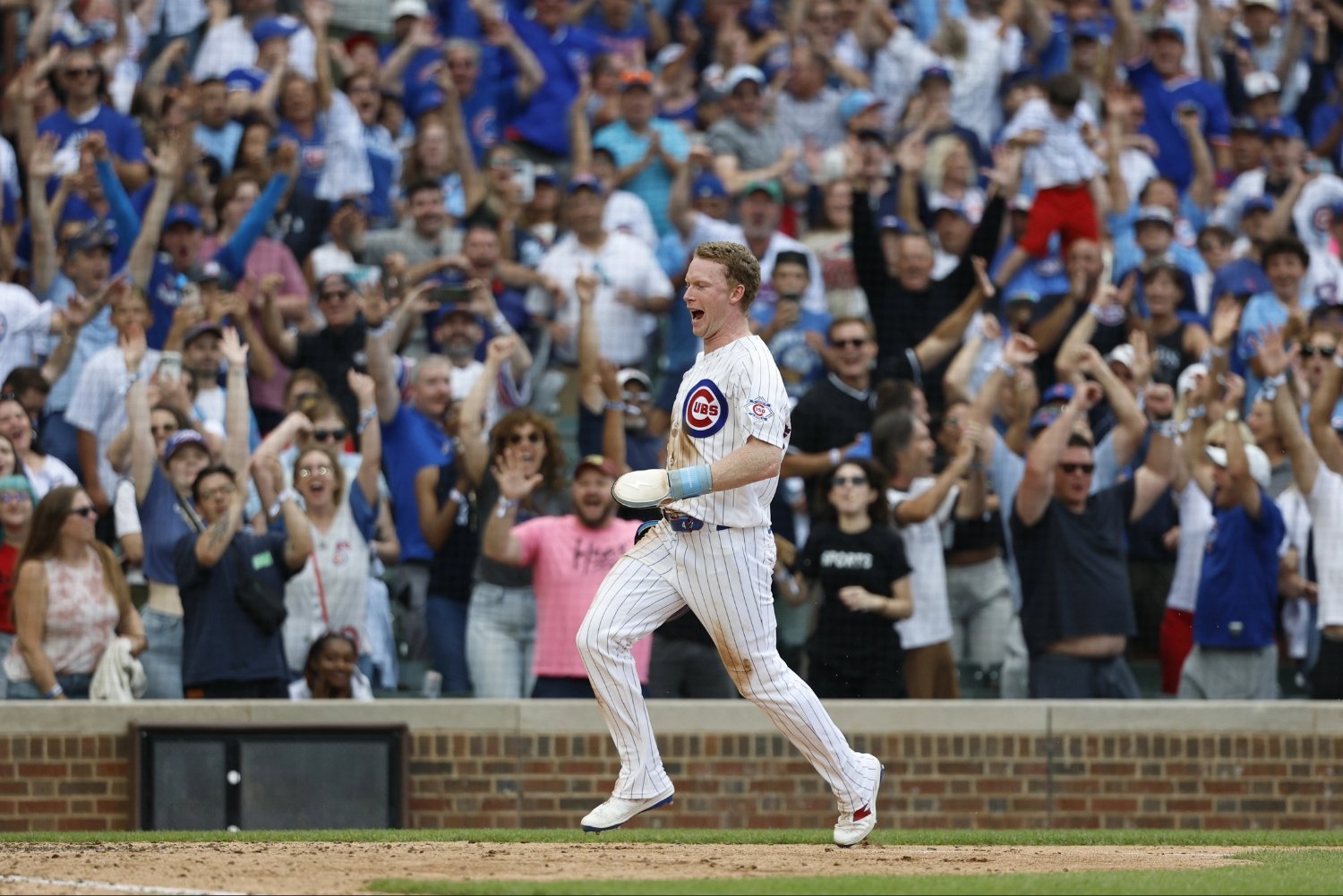 The 2025 season gave Chicago Cubs fans a glimpse of what Pete Crow-Armstrong is capable of doing. After all, the center fielder became just the second player in franchise history to post a 30-home run, 30-stolen base season, joining Sammy Sosa in an exclusive club. For a 24-year-old still scratching the surface of his potential, it felt like the beginning of something special. Fast-forward, and we now know it was. Crow-Armstrong hasn't simply built on last year's breakout campaign; he's taken another massive leap forward and established himself as one of the best players in all of baseball. Through 116 games in 2026, the man affectionately known as "PCA" is slashing .289/.386/.550 with 26 home runs and 29 stolen bases. Those numbers alone are impressive, but they're even more remarkable when compared to where he was just one year ago. For some perspective, his .289 batting average this season is actually higher than his entire on-base percentage from 2025. His .936 OPS is also a staggering 170 points higher than last year's mark, illustrating just how dramatically he's elevated every aspect of his offensive game. And with 26 home runs and 29 stolen bases already in the books, it seems all but inevitable that he'll become one of the few players in baseball to record back-to-back 30-30 seasons. His offensive growth has been incredible, and the defense has remained elite. Put the two together, and it's not surprising that Crow-Armstrong finds himself right in the middle of the National League MVP conversation alongside Shohei Ohtani. Of course, Ohtani is doing things that nobody in baseball history has ever done, making him a difficult player to compete with for any award. But if not for Ohtani's unicorn-like presence, Crow-Armstrong would have an awfully strong case to be the clear-cut MVP favorite. His defense alone is enough to separate him from almost every player in the sport. Crow-Armstrong currently grades out in the 100th percentile in Outs Above Average, making him arguably the best defensive outfielder in baseball regardless of position. Pair that with a 97th-percentile arm value and elite speed that allows him to track down balls few others can reach, and the Cubs have a center fielder who impacts the game every single inning he's on the field. The Cubs have seen MVP-caliber seasons before over the past decade. Kris Bryant took home the National League MVP award in 2016 while leading Chicago to its first World Series title in more than a century. Two years later, Javier Báez finished as the runner-up after putting together one of the most electric seasons of his career. So, how does Crow-Armstrong's 2026 stack up against those iconic campaigns? Turns out, pretty favorably. Let's start with Bryant. At this point in the 2016 season, Bryant owned a .282/.381/.543 slash line with a .924 OPS. He had also launched 26 home runs while driving in 65 runs and scoring 85 himself. Those are MVP numbers, and they're also incredibly similar to what Crow-Armstrong has produced this season. In fact, PCA's .936 OPS is 12 points higher than Bryant's was at the same point during his MVP campaign. He hasn't scored quite as many runs, but he's reached base at an even better clip while producing nearly identical power numbers. Then there's the speed. Bryant was an outstanding all-around player, but stolen bases were never a huge part of his game. With Crow-Armstrong already at 29 this season, giving him another dimension that Bryant simply didn't bring to the table. To put it bluntly, Pete Crow-Armstrong has been more productive at this point in the season than a literal MVP winner. That's pretty incredible. The comparison with Javier Báez tells a similar story. Báez did own a higher batting average and had driven in more runs at this point during his runner-up campaign in 2018. Beyond that, though, Crow-Armstrong has the edge almost across the board. PCA's OPS is 41 points higher than Báez's was through the same point in the season. While Báez added value with his legs, his 19 stolen bases don't come particularly close to Crow-Armstrong's current total. Báez was also widely viewed as one of baseball's premier defensive shortstops during his peak years, and deservedly so. But what Crow-Armstrong is doing in center field this season exists on another level. Elite defense at shortstop is enormously valuable. Historically elite defense in center field while producing MVP-level offense? That's a different conversation entirely. When comparing Pete Crow-Armstrong's 2026 campaign to Kris Bryant's 2016 MVP season and Javier Báez's 2018 runner-up finish, the numbers paint a remarkably clear picture. Offensively, he's right there with both of them—and in several key areas, he's actually been better. Defensively, he separates himself from both. That's an astonishing statement considering the seasons Bryant and Báez put together. Whether Crow-Armstrong ultimately wins the National League MVP Award may come down to whether anyone can overcome the historic standard Shohei Ohtani continues to set. But award or not, that shouldn't diminish what's unfolding on the North Side. At just 24 years old, Pete Crow-Armstrong isn't simply putting together another great Cubs season. He's putting together one of the greatest individual seasons the franchise has ever seen. View the full article
 -
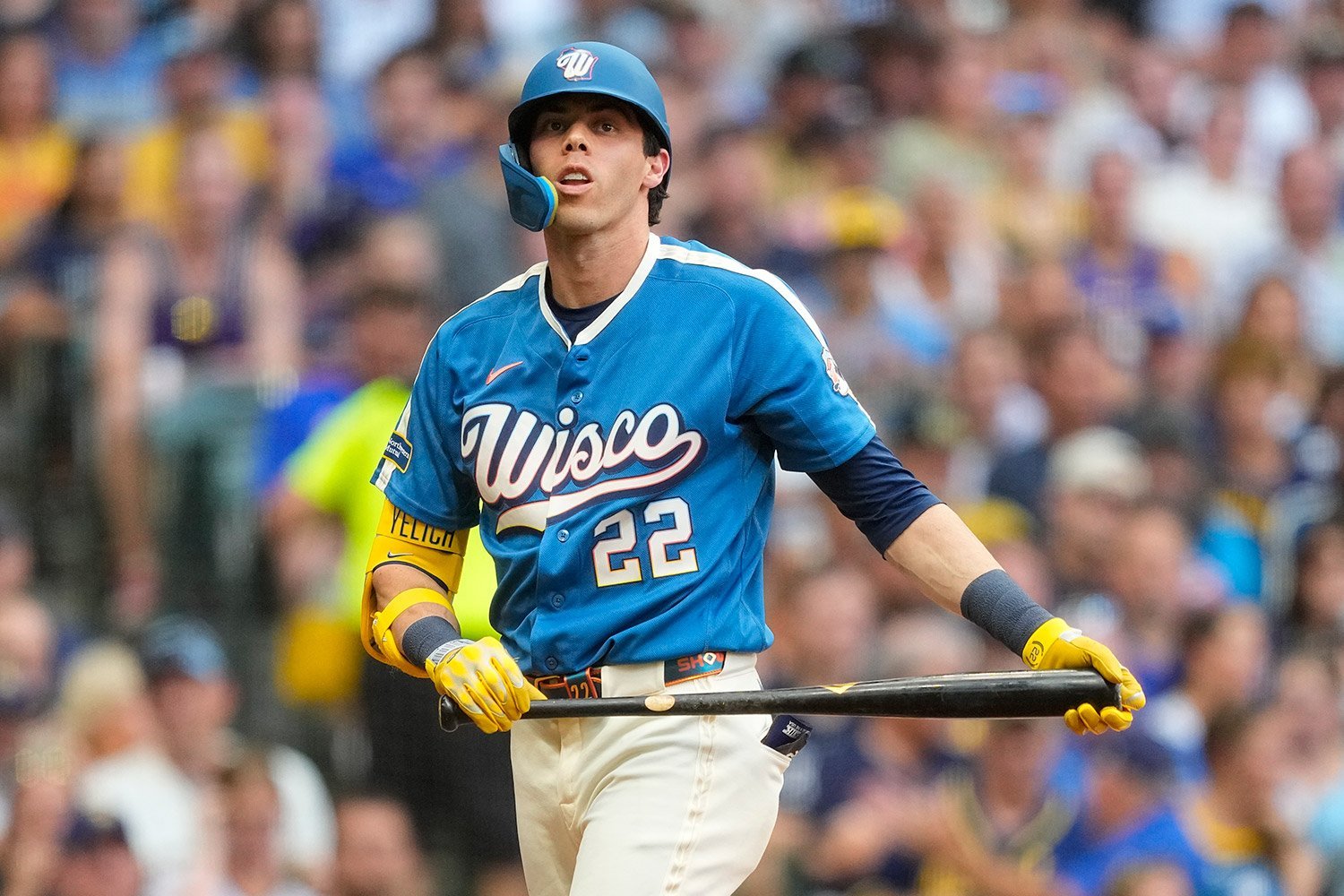 There has been an increasing subcurrent of unease around Christian Yelich in July. He's struggled since the start of June, slashing .220/.317/.340, and has struggled to replicate the impact he had last year. Matt Trueblood wrote a fantastic piece earlier in the year dissecting Yelich's swing path, specifically his struggles with the down-and-in breaking ball, which is worth a read if you haven't seen it already. The lack of production is tough to see for the franchise cornerstone, who's dealt with a lot since signing his seven-year extension with the Brewers in terms of injury, form, and expectation. Christian Yelich isn't playing with confidence right now. The swing looks hesitant, the timing is inconsistent, and frustration has started to spill over from the stands. But if the Brewers want to get the best version of their veteran DH, support—not criticism-is probably the better answer. He talked about this exact thing in an interview with the Midwest Legends podcast: Going through a confidence crisis is nothing a veteran hitter hasn't faced before. Yelich dealt with a lot of the same struggles in trying to live up to his MVP form from 2020-2023, before finally finding some semblance of his old self in 2024 and 2025. He'll never be that player again, as age and injury will limit his ability to do such destructive damage across the strike zone, but that doesn't mean Yelich can't go through bursts of power as we've seen across those other down seasons. Christian Yelich's swing is one of the oddest in baseball, with a lot of moving parts. It's a swing that puts a lot of torque through his lower back, from his hip coil, his load, getting his foot down, to releasing the barrel; Yelich has a lot of quirks within his swing that typically mean he'll be up and down in nature. That has been amplified this season as age and potentially back mobility have caught up to him. We have still seen signs earlier in the season, however, that, when on time, Yelich can be a difference maker. In the Brewers' first series of the season against the White Sox, Yelich pinch hit down one run, two men on, two out in the bottom of the eighth inning. Then this happened - a majestic, 111.1 mph home run to right field. Exactly the type of home run that usually indicates Yelich is feeling on time. He's also been absolutely fine as the strong side of a platoon this season. Yes, the swing and miss is a little higher than we're used to, but his swing decisions and exit velocities have been strong enough to justify DH-ing consistently at that position. His expected weighted on-base average is about league average, but it's startling to see the difference in contact quality between when Yelich faces left- or right-handed pitching (NB his OPS splits do not reflect the difference in at-bat quality, as you can see below. Don't @ me on this.) Confidence plays a big role in baseball. We've seen that with Joey Ortiz. I have a feeling we're about to see it with Jackson Chourio. You have no time to think as a hitter; it's incredibly reactionary in the box, so if you don't have the courage of your convictions, the whole process can look ugly in a hurry. Placing Yelich in situations where he can succeed more consistently is a good place to start. With confidence will come lower body tension, better timing, and perhaps (as we saw with Ortiz) better bat speed. I'd also point out that, against right-handers, his expected weighted on-base average on contact has ticked up month by month, and was .447 in July per Savant. He's taking these fastballs to opposite field, which limits some of his damage with the lower exit velocities we're seeing this season, but it is rising despite July being his roughest month of the year. The point of this article is to show that Christian Yelich is not a washed-up baseball player. There are signs of the old star still in there, and he can still be a productive member of this team in a slightly more restricted role. With a bit of confidence, he's also the kind of bat who can really step up and carry this offense for a week. Yelich was given some boo's from the crowd last night, and Murphy had this to say: This is Milwaukee's man. He's going to figure out a way to be productive, as he's done every season of his career. A little fan support can go a long way towards that (if in doubt, see Trea Turner and the Phillies fanbase in 2024). These guys care about Milwaukee. They care about the Brewers. Yelich took a discounted deal to stay here in 2019, and the fan base pressure will be adding to that tension, not helping remove it. He's earned that support. Few players have carried this franchise the way Yelich has, and while he may never again be an MVP, he can still be an important part of a winning Brewers team. If confidence is part of what's holding him back, the crowd has a chance to help instead of hinder. View the full article
 -
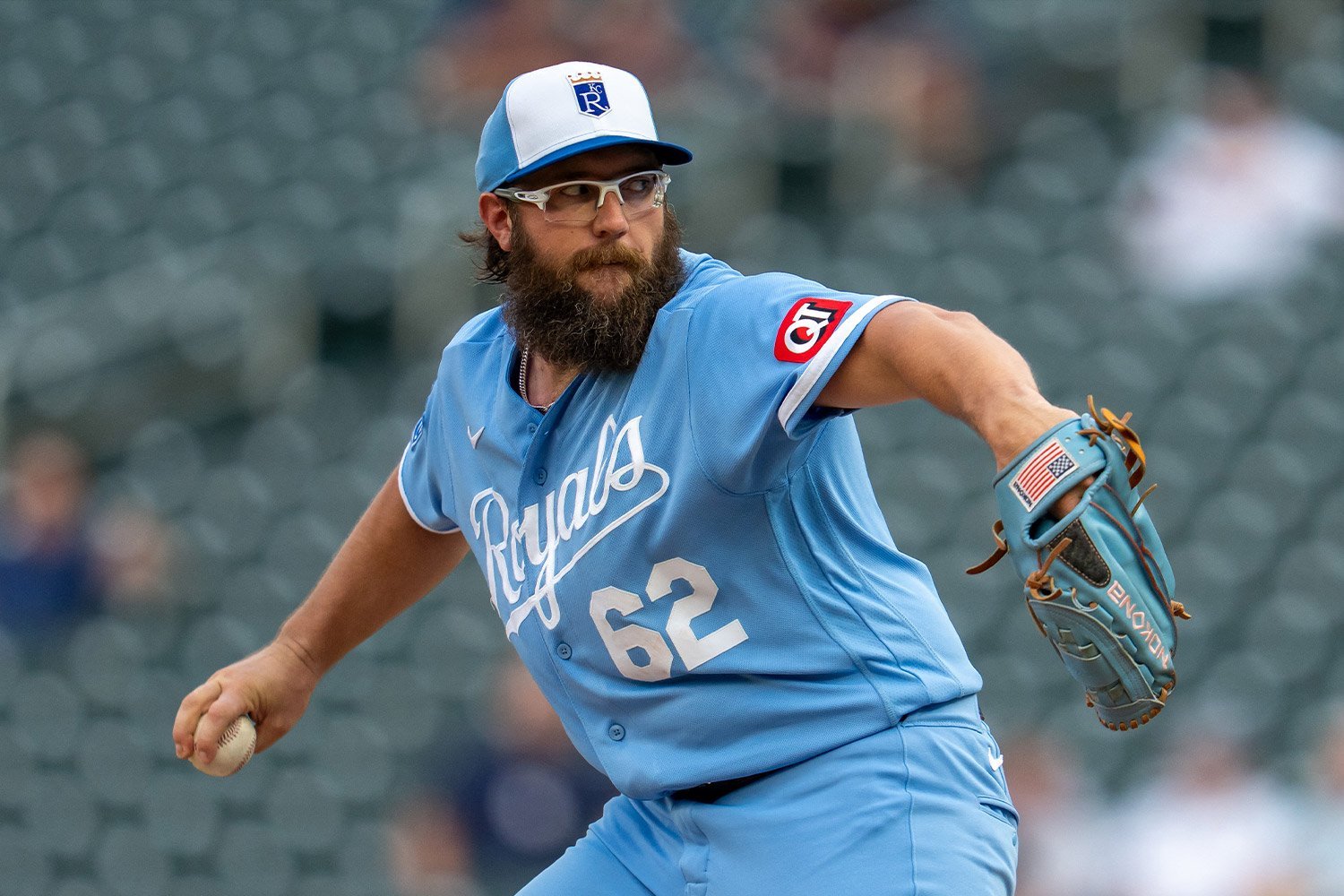 While the season overall may not have gone as planned for the Royals, there have been a few performances to get excited about, especially when you look at the team's future. There were a handful of pitchers who had solid months in July, but one stood out as the best over the entire month. The choice for pitcher of the month for July came down to three pitchers: two starters and one reliever. The starters are left-handed pitcher Noah Cameron and right-handed pitcher Randy Dobnak, and the reliever is the left-hander, Daniel Lynch IV. Noah Cameron had a solid, not spectacular month of July, throwing 32 innings over five appearances and four starts. In that time, he struck out 32 and walked 14, going 1-2 with a 3.66 ERA. The reason I did not choose Cameron for this accolade was that he had a couple of starts where he really struggled in the middle of the month, whereas others were more consistent throughout the month. Lynch was flawless out of the bullpen, throwing 11 innings in 10 appearances, striking out four and walking just one. It’s hard to convince myself the pitcher of the month was a reliever who threw just 11 innings, however. The pitcher that has been the biggest revelation is, no doubt, Dobnak. He made five appearances with three starts, throwing 26 innings and recording 14 strikeouts, with a 1.04 ERA. His best appearances came last week against his former team, the Minnesota Twins, where he threw a shutout through seven innings, striking out four and giving up just four hits in a Royals 4-0 win, outdueling Twins All-Star Joe Ryan at Target Field in Minneapolis. Dobnak was acquired on June 17 from the Seattle Mariners for cash considerations, and he has been a nice addition to the Royals' rotation since joining on July 2 after a stint with Triple-A Omaha. In his short time in Kansas City, he has provided innings for a rotation that needs it due to various injuries. With the trade of Kris Bubic to the Royals, expect Dobnak to get a longer look in the rotation, as he will likely try to convince the Royals that he can stay in the rotation past this season. Other honorable mentions of pitchers who had solid months of July include Seth Cruz (12 ⅔ IP, 2.13 ERA, 11 strikeouts) and Seth Lugo (6 starts, 33 ⅓ IP, 4.32 ERA, 27 strikeouts). Which pitcher are you most excited to watch in the final two months of the season? Let’s discuss in the comments! View the full article
 -
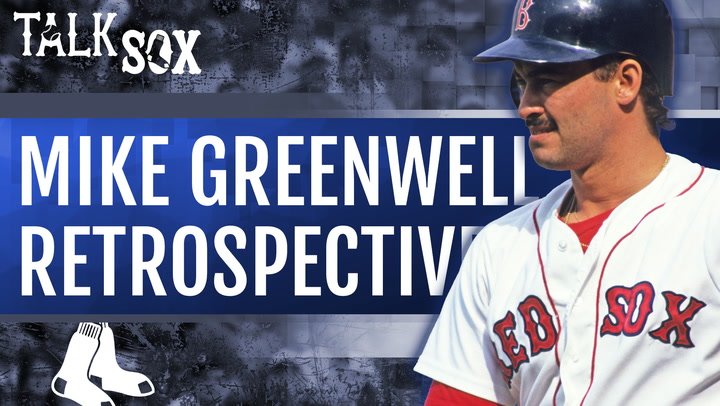 Mike Greenwell was a left fielder who played his entire 12-year Major League Baseball career for the Boston Red Sox. Greenwell was a two-time All-Star, runner-up for MVP, and captured a Silver Slugger award. Greenwell's career ended early due to frequent injuries, and he was elected into the Red Sox Hall of Fame in 2008. In 2025, he sadly passed away after a battle with thyroid cancer. View the full article
 -
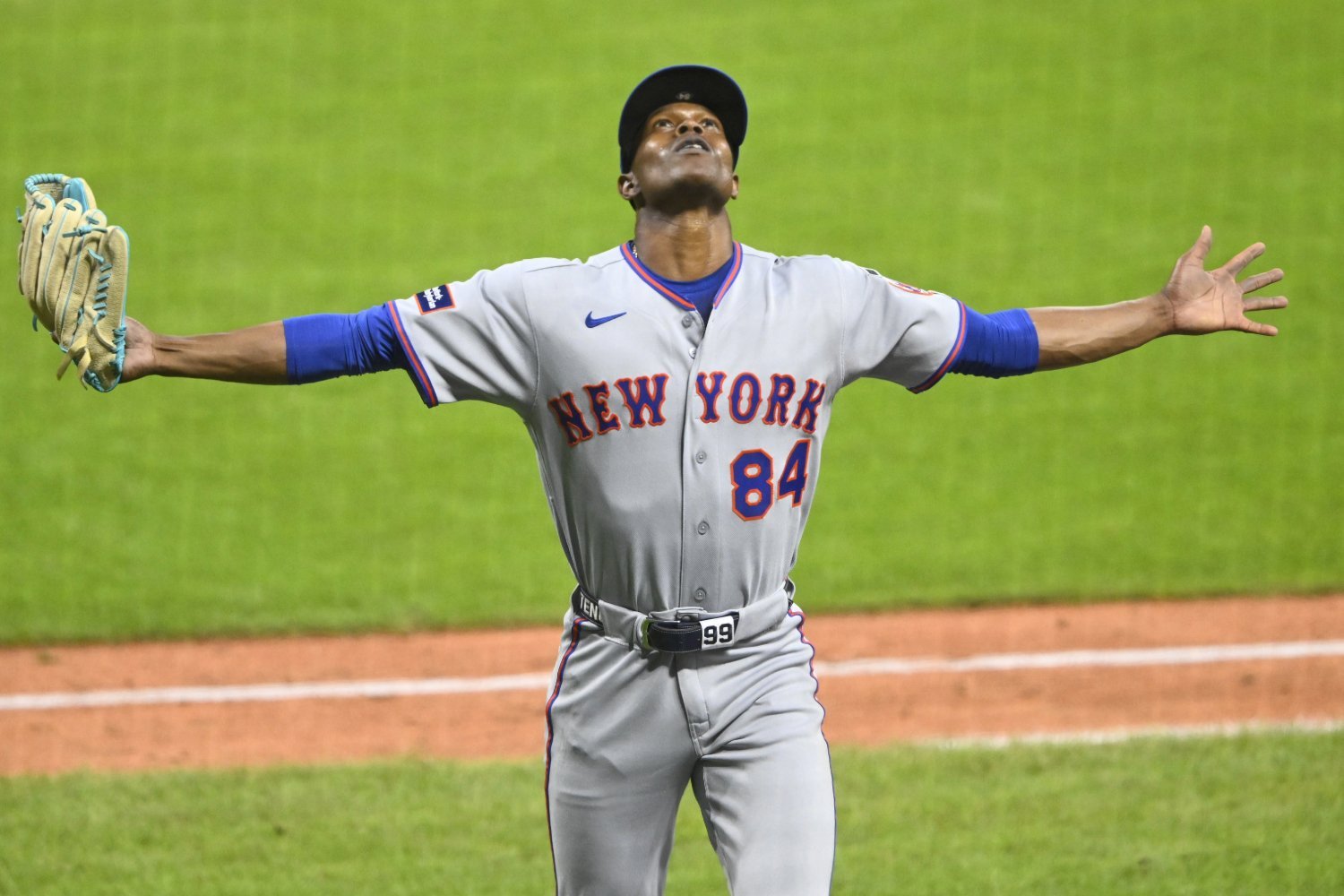 The only good part about being out of it is that you can experiment with impunity. Obviously, fans would rather be engaged in a playoff race, but that’s all business, all the time, and that means stress. With the New York Mets' trade deadline fire sale complete, they still needed to actually field a 26-man team, and that means promotions for fringe major leaguers, and none is more interesting than Jefry Yan. Yan wasted no time introducing himself in his major league debut. Called upon in the sixth inning to protect a 4-3 Mets lead, he struck out Angel Martinez looking, and then proceeded to show off the celebration that is sure to make him a cult hero. I’ll admit, I’m terrified he’s going to blow out his knee one day, but that level of exuberance is infectious, and that’s something all Mets fans could use more of these days. Yan isn’t getting his first cup of coffee just as a promotional (or literal) stunt. He’s a real borderline major leaguer thanks to some of the nastiest stuff coming out of a left hand—a sinker which averaged 99.5 MPH and a bullet-bender slider that has few, if any, peers—and the rest of his single frame showed everything good and bad about his profile. Even though his sinker didn't miss as many bats as the velocity would have you think, the three batted balls he allowed were all on the ground with an average launch angle of -9.7 degrees. Groundballs are a great way to limit damage, but after two consecutive hits, he found himself in a bit of a jam. With runners on first and second with one out, Yan loaded the bases by walking Steven Kwan. Kwan possesses an incredible batting eye, but walks are just part of Yan’s effectively wild operation. After loading the bases, Yan bore down. First, he struck out Chase DeLauter, and then he finished the frame with a groundball out to escape the jam. In one inning, the Mets were treated to the Full Jefry. Incredible stuff. Tons of ground balls. A lot of wildness. Base runner-induced panic. And an infectious joy. Now, Yan isn’t going to stay in the bigs on vibes alone, but he’s a very interesting developmental project who could yield serious returns. Before we get into Jefry Yan the pitcher, I think it’s best to understand the person. Signed out of the Dominican Republic by the Los Angeles Angels, Yan came stateside in 2014 as a 17-year-old and struggled in rookie ball. He repeated the level as an 18-year-old, but blew out and needed Tommy John surgery, ending in his release in 2016. This is where most people’s baseball stories end, and it almost did for Yan. Living in the Phoenix area, he worked whatever job he could find, with reports listing landscaping, roofing, interior design, and being a delivery driver. However, through it all, he kept playing ball. Perhaps, he believed he’d get back to bigs. Perhaps, at some level, it was catharsis. All I know is that those poor amateur Sunday league guys must have thought they’d died and gone to hell. After three and a half years out of professional baseball, Yan had sufficiently terrorized enough amateurs to earn a contract with the Miami Marlins and started his major league journey all over again. He was wild, but effective, eventually reaching AAA in 2023. Instead of toiling away as a speculative call-up, he went to Japan for the 2024 season, where he posted a 5.58 ERA in 30.2 innings. For a reliever, that’s not going to get you a major-league contract, but it did allow him to find another interested club. In 2025, he latched on with the Colorado Rockies. His AAA performance was less than stellar. A 7.28 ERA in 29.2 innings is never going to be enough to get a shot, even for a team as moribund as the Rockies. Heading into his age-29 season in 2026, he got another opportunity with the Mets. While his walk rate remained above 15% (an almost unplayable figure), his strikeouts surged to 39.5% in AA and 50.8% in AAA. To go from out of the game to the highest level is an accomplishment in its own right. If last night’s inning is his lone MLB appearance, he’ll have defied the odds, and Yan knows that. His signature jump celebration is an expression of just how happy and lucky he is to be there, on that mound, hurling a leathery orb. While Jefry Yan’s human interest story is riveting on its own, his ability to pitch is just as intriguing. It’s one game and 24 pitches, but Fangraphs’ PitchingBot thinks he is armed with some of the best stuff, and worst control, in the entire league. Using the 80-20 scouting scale, PitchingBot takes a pitch’s velocity and movement, among other characteristics, and grades it based upon likely outcome. Yan’s sinker earned a 72, tied for the 15th-best grade among pitchers to throw one inning, and his slider earned a 68, tied for third. His overall stuff score of 64 ranks sixth, but his command score of 39 is one of the lowest in the league. The selling point here is pretty simple. Yan is going to strike guys out. He’s going to get ground balls. If he can simply throw an acceptable amount of strikes, he’ll be a real part of a bullpen. It’s a small sample, but the Mets were able to coax a career-high 50.8% first-pitch strike rate from him in AAA, and he did register a first-pitch strike of 66.7% in his lone inning of big league work. I wouldn’t bet on him ever throwing a league-average number of strikes, but it’s not impossible to dream. The Orioles famously got Felix Bautista to throw enough strikes to be one of the most dominant relievers in the sport, and they did the same thing with Yennier Cano. There is a history of relievers with big stuff finding the zone later in their careers and becoming legit late-inning weapons. The odds are stacked against Jefry Yan ever throwing enough strikes, but so were his odds of reaching the majors back in 2021. So yes, his appearances will oscillate between the sublime and sardonic, but I’ll still enjoy the ride. One jump at a time. View the full article
 -
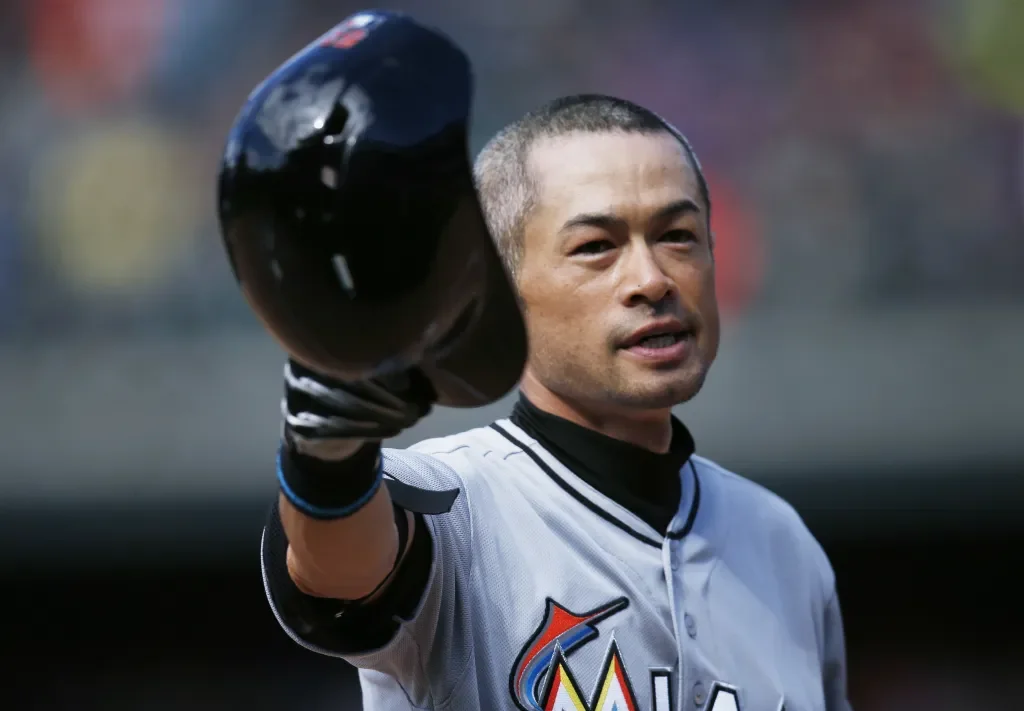 Throughout Major League Baseball history, only 33 players have reached 3,000 hits for their career. On this day 10 years ago, Ichiro Suzuki became the only player to accomplish the feat in a Miami Marlins uniform. In a 10-7 win over the Colorado Rockies, Suzuki became the 30th in baseball history to do it. His history-making knock came in the seventh inning off Chris Rusin. Although the Marlins were in the midst of a great day offensively at Coors Field on Aug. 7, 2016, Suzuki had been quiet to that point. Miami led 8-6, but Ichiro was 0-for-3 with a strikeout. On a 2-0 pitch from Rusin, Ichiro turned on it, belting it deep to right field and off the wall over the glove of a leaping Gerardo Parra. Suzuki cruised into third base for a triple. Despite it being a Colorado crowd, applause erupted as Suzuki joined Paul Molitor as the only players to triple for their 3,000th hit. Combined with his time in NPB in Japan, Suzuki had surpassed Pete Rose as the all-time hits leader at baseball’s highest levels earlier in the season. As for the game itself, the Marlins never trailed. A two-run double from Christian Yelich and a two-run single from Jeff Mathis in the first inning propelled Miami to an early 4-0 lead. In the fourth, a two-run double from Martín Prado and a two-run home run from Giancarlo Stanton extended the lead to 8-1. Colorado would get as close as two, thanks largely to a pair of home runs from Nolan Arenado – a solo shot in the fourth and a three-run blast in the fifth. Mathis followed Suzuki’s history-making triple with an RBI single in the seventh to extend the lead to 9-6. After an Arenado double in the bottom of the inning cut the lead to 9-7, Yelich capped the scoring with an RBI double of his own in the top of the eighth. While Arenado finished with three hits and five RBIs for Colorado, Prado, Yelich and Stanton each had three of the 17 hits for Miami. The hit from that day that everyone remembers, however, came off the bat of Ichiro and on this day a decade ago. View the full article
 -
 Welcome to Shape of the Blue Jays, my column where I dig into Statcast numbers to analyze recent pitch shape and swing shape trends for Toronto Blue Jays players and discuss how they have impacted their performance. Click here to read the last edition. All stats entering August 6, 2026. Quick Hits: Dasan Hill The Blue Jays were one of the busier teams in baseball leading up to deadline day, acquiring seven new prospects while trading away three. The most intriguing newcomer to the farm system is Dasan Hill, a 6-foot-5, 20-year-old lefty pitcher acquired in the Jeff Hoffman trade. Hill has a 5.80 ERA and a 4.17 xFIP in 45 innings at High A this year. He has struck out 36% of opposing hitters, but a 17% walk rate is holding him back. Baseball America had him as Minnesota's eighth-best prospect and gave him a Future Value grade of 55. There's a risk that he doesn't pan out as a starter due to his command issues, but the stuff is electric. One of the few redeeming traits about his fastball is its velocity, as its otherwise poor shape has led to some damage being done against it, but the secondaries stand out. Hill is armed with a changeup, sweeper, slider, and curveball, with the first two being his best offerings according to BA. Evaluators at both FanGraphs and Baseball America are in agreement that Hill is the best prospect Toronto brought in at the deadline. BA has him as the 13th-best overall of the 85 prospects that were dealt. His powerful stuff gives the farm system another high-upside lefty arm alongside Johnny King. At all levels of the organization, the Jays are doubling down on pitchers with plus stuff and poor command, betting that they have the tools to harness the potential of prospects like Hill and big leaguers like José Soriano and Spencer Arrighetti. Jesús Sánchez On Wednesday afternoon, Jesús Sánchez did something that no one else on the roster has done all season: He homered in a 3-0 count. Sánchez has now done this twice in 2026, two more times than any of his teammates. It was a 94-mph fastball up and out of the zone from Hunter Brown, but he punished it. The Jays, Sánchez included, have chased so much this year that 3-0 counts have been hard to come by, but the mere idea of sitting on a high fastball in a hitter's count and driving it out of the yard has long been a common hitting strategy that it feels like this team has, for whatever reason, shied away from. This was a refreshing sight. I had an article go up on the site on Thursday morning about the Blue Jays once again getting too enamored with hitting for contact. Sánchez's bat speed is down two ticks from last year while his contact and K rates have stayed the same, but he's an edge case in that argument because it has worked to some extent. The groundballs, which had long been an issue for him in the past, are going down; his 44% groundball rate is the lowest of his career. He still leads the team in expected slugging percentage, while his 108 wRC+ is tied for a career-best over a full season. Between the ninth-percentile chase rate and the bat speed decrease, I'm still not sure this version of Sánchez is the most ideal to unlock his potential, but he and Kazuma Okamoto are now the only Blue Jays (min. 100 PA) with a wRC+ over 105 on the season. That's more an indictment on everyone else, but it's still nice to see the upper end of what Sánchez has in the tank. Jameson Taillon Jameson Taillon was the first of the team's new pitchers to suit up as he started Wednesday in Houston (4 IP, 3 ER, 6 H, 4 K, 2 BB). He had trouble finding the zone early on and was tagged for eight hard-hit balls, but he racked up a surprising amount of swing-and-miss (40% whiff, 31% CSW). The Jays jacked up his cutter (24%, vs a 13% season average) and sinker usage (12%, vs a 4% season average) to lefties, while boosting his curveball usage to righties (26%, vs a 2% season average). Up until yesterday, he used his cutter twice as much to righties as he did to lefties, but proceeded to do the opposite in his first start in a Blue Jay uniform. They might've been onto something, as one of the six cutters he threw to righties was deposited onto the train tracks by Jose Altuve. Jameson Taillon Swings and Misses, 8/5 @ HOU At this point in his career, Taillon's stuff is diminishing according to the Stuff+ model hosted on FanGraphs, and he came to the team already sporting a wide arsenal. He doesn't have the pristine command he had in prior years, but his locations are still fine, so any success he finds with Toronto will likely be a result of pushing as many buttons as possible with his six pitch types. Looking at his splits this season, lefties have been a problem (5.47 xFIP, 7.8% K-BB%, 3.15 HR/9). Yesterday, though, Houston's lefties didn't have any hard-hit flyballs against him, and he even struck out Yordan Alvarez on a perfectly placed cutter up and in. It wasn't a perfect outing by any means, but it might've given him a new plan of attack against opposite-handed bats. Myles Straw Myles Straw had a tremendous series against the Astros, going 5-for-10 with three doubles and a triple. One of those doubles broke up Hunter Brown's no-hit bid with one out in the sixth on Wednesday. His role as a hitter remains secondary to his responsibilities in the field, on the bases, and in the clubhouse, but we saw more authoritative swings from Straw in the Houston series alone than at any other point this year. According to Statcast's bat speed, four of his hardest 26 swings on the season came at Daikin Park this week, and his fastest swing of the year, clocked at 83.5 mph, came on Sunday against the Cardinals. Straw's hitting for a 77 wRC+ this year, but his squared-up, chase, contact, and K rates are all in the 90th percentile or better. If he continues to tap into wherever this newfound bat speed is coming from, there will be hope yet for some offense from the center field spot for the Blue Jays the rest of the way. With Daulton Varsho now out of the picture, the position looks like it's his for the rest of 2026. The team will have to make a decision on an $8M club option for the 31-year-old at season's end. View the full article
 -
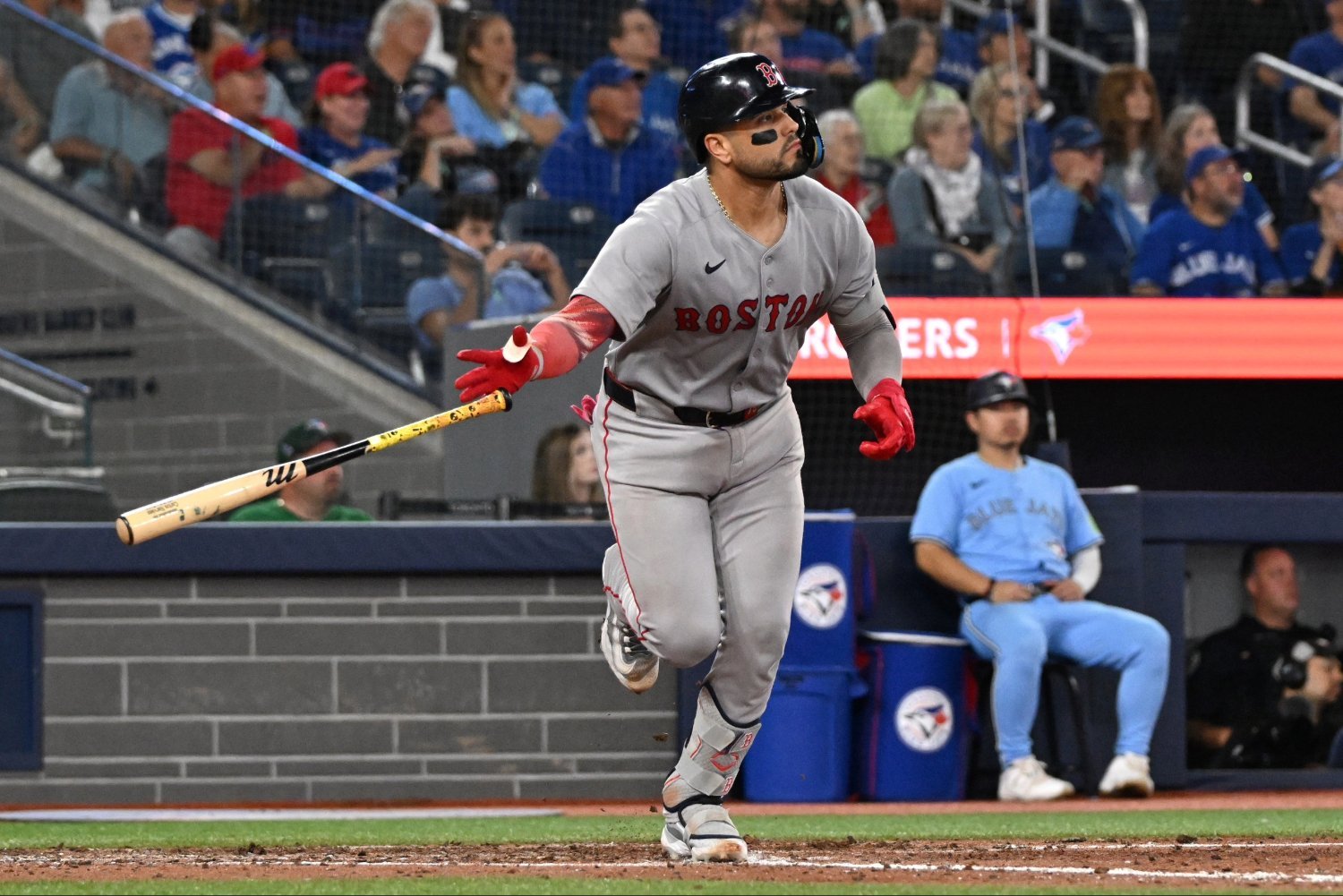 Craig Breslow and the Boston Red Sox made a huge splash at the trade deadline as they acquired Adley Rutschman from the Baltimore Orioles and vastly improved their roster. The addition wasn’t without some loss, however, as the price to pay was stark and one that the Red Sox had been rebuilding their farm system for. To recap: The Red Sox acquired Rutschman along with fellow catcher Jake Rogers and cash considerations from the Baltimore Orioles for a package of three top prospects, Carlos Narváez and a player to be named later. For the sake of the article, we’re only going to break down the three prospects that the Red Sox gave up in order to secure one of the best catchers in major league baseball, but it's shouldn't be lost on people just how good of a defender Narváez is, even if he would have been totally superfluous with Rutschman in tow. The thought of trading for Rutschman came with the knowledge of giving up a lot. However, many fans were not expecting just how big of return the Red Sox relinquished would be. Among the three prospects, the Red Sox sent back Anthony Eyanson, Kyson Witherspoon and Enddy Azocar. At the time of the trade, the three prospects were Talk Sox’s 2nd, 3rd and 6th ranked prospects, respectively. Eyanson, who was the Red Sox's top pitching prospect, was dominating at Double-A and was coming off of a career high 10 strikeout start on Friday. The right-hander is unique, as he didn’t throw as hard as most Breslow pitchers tend to do (his fastball in his final start with Portland was sitting around 93 to 94 mph). It was his curveball, slider and splitter that are really worth fawning over. For Baltimore, they might be getting a pitcher who could eventually develop three above-average offerings. However, a lot of his success comes from his release height and release angle. Prior to his promotion to Portland, Eyanson was releasing the ball at a height that was higher than 94% of minor-league pitchers, creating a unique angle and eye line for opposing batters to deal with. Due to that, his pitches all appeared at a steeper-than-average angle, making it tough for batters to square up. His fastball also relies heavily on its vertical break due to a lack of spin, The same is true with his slider, which doesn't have the characteristics of a modern sweeper. Eyanson’s potential will be tied to how well he can use his pitches and release height to keep batters off-balance. No matter what you think of his future potential, the Orioles managed to get one of the fastest rising pitching prospects in the game, as it took Eyanson less than a year since being drafted to dominate Double-A. He'll be in Baltimore in short order. In Witherspoon, the Orioles acquired a second highly talented arm, but one that may not have been able to reach his true potential with the Red Sox. Witherspoon struggled in his time with Boston, allowing 40 earned runs and 34 walks in 75 1/3 innings. He got off to a rough start with Boston as he allowed 14 earned runs in his first 17 2/3 innings. However, in June, he looked like he was back on the right path and had a 3.38 ERA in 21 1/3 innings. Unfortunately, July was a step backwards, as prior to the trade he had allowed 10 earned runs in 18 1/3 innings, good for a 4.91 ERA. Witherspoon's arsenal is made up of a fastball, cutter, slider, curveball and changeup, though he was known for tinkering with his pitch grips and shapes on his own prior to joining the organization. A pitcher who had the talent to join the likes of Payton Tolle and Connelly Early as success stories of pitching development instead struggled to adapt to what the Red Sox wanted from a pitching infrastructure point of view. Now with Baltimore, the Orioles will have a chance to tinker with Witherspoon and hopefully get him back to the pitcher he was in college. Much like Eyanson, the Orioles got an exciting young pitcher that should help their rotation within a couple years. While those two players are quite talented, the final prospect may have been the biggest one the Orioles received. Azocar broke onto the scene this season after putting together a rather pedestrian finish at Low-A Salem in 2025. In 71 games he slashed .202/.273/.314, so it would be easy to assume he wasn’t going to be a big prospect. But at the time, he was one of the youngest players in the entire league, and he had some exciting underlying numbers in his back pocket. Azocar hits the baseball with emphasis, having some of the best exit velocities in the minors. Because of that, when added with his new approach in 2026 to lift the ball more, Azocar had a breakout in the power department and had 18 home runs between Salem and Greenville prior to the trade. He does have a fair share of swing and miss in his game (95 strikeouts in 85 games in 2026), but the power makes up for it as he had 27 doubles, six triples, 18 home runs, and 63 RBIs. Azocar isn’t just an offensive weapon but also an athletic defensive outfielder that should be able to stick in center field. He’s been viewed as being able to play all three outfield spots at an above-average level, so even if the Orioles want to move him to one of the corner spots, there won’t be a drop-off in his defensive prowess. He also has an above-average arm, allowing him to make plays from the outfield against runners looking to take an extra base. With a combination of offensive and defensive skills, the Orioles very likely acquired a future star in the making for their outfield. Of course, this is dependent on how his hit tool develops against tougher competition when he eventually gets to Double-A and Triple-A. Overall, the Orioles managed to take three of the Red Sox's youngest, most exciting players. The losses of Eyanson, Witherspoon and Azocar will lead to the farm system taking a big hit. But this trade feels very much like it will be a win-win for both sides. Rutschman is a star in his prime, and he should immediately become one of the faces of this era of Red Sox baseball. View the full article
