


DiamondCentric
-
Posts
2,631 -
Joined
-
Last visited
Never
Content Type
Profiles
Forums
Events
News
Tutorials & Help
Major League Baseball Videos
Guides & Resources
Store
Downloads
Gallery
Everything posted by DiamondCentric
-
 The Minnesota Twins had an active trade deadline, picking up Jeff Hoffman on deadline day, but just how much of an impact will the moves have? Was this more about Tom Pohlad backing up his words or making the team meaningfully better? View the full article
 -
 The Cubs made it clear they're all-in after adding Kevin Gausman, Clay Holmes, Braxton Garrett, Ryan Zeferjahn and Tyrone Taylor at the deadline. But while some of those moves look like home runs, others came with a price that was far too steep. View the full article
 -
 Lou Hennessy and Mitch Widmeier are joined by Brock Beauchamp and Jake McKibbin to discuss the Brewers deadline as it happened! Apple Podcasts: https://podcasts.apple.com/us/podcast/the-brewer-fanatic-podcast/id1740648724 Spotify: https://open.spotify.com/show/5CY8mWsQayqjDXqw9OT2Td iHeartRadio: https://www.iheart.com/podcast/263-the-brewer-fanatic-podcast-166534588/ Pocket Casts: https://pca.st/ommzz627 Watch On YouTube: https://www.youtube.com/@brewerfanatic View the full article
 -
 Lou Hennessy is joined by Mitch Widmeier, Jason Ross, and Cory Sparks to break down the Cubs trade deadline live as it happens! Listen on Apple Podcasts: https://podcasts.apple.com/us/podcast/the-north-side-baseball-podcast/id1798599313 Listen on Spotify: https://open.spotify.com/show/75wMGhBwlrDDYPt3kaF453 Listen on iHeartRadio: https://www.iheart.com/podcast/263-the-north-side-baseball-po-268998437/ Listen on Pocket Casts: https://pca.st/eey7h6ih Watch on YouTube: https://www.youtube.com/@northsidebaseball View the full article
 -

 TRANSACTIONS St. Paul Saints placed LF Kyler Fedko on the 7-day injured list. ST. PAUL SAINTS SENTINEL The Saints split their series in Omaha at 3-3 and will now turn their attention to hosting the Louisville Bats. The Saints will see some considerable prospect talent from the Reds system barring any roster action. On the hitting side, outfielder Hector Rodriguez will bring his strong hitting to town. The lefty is hitting .274/.347/.533 (.881 OPS). Fellow outfielder Carlos Jorge joins Rodriguez. Jorge has played 22 games at Triple-A and is being challenged a bit as he is hitting considerably below his Double-A numbers at .267/.305/.378 (.683 OPS). On the pitching side is old friend Chase Petty, whom the Twins traded to the Reds to acquire Sonny Gray. Petty was optioned back to Triple-A this past Thursday. Petty holds a 4.50 ERA in the majors this season, but hasn’t been able to maintain the same sort of K-rate in the majors as he has in the minors. His K-rate drops down to 10.8% when putting on a Reds uniform. WICHITA WIND SURGE WISDOM Springfield had the upper hand over Wichita this weekend, with the Wind Surge only managing one win out of the six played. They will look forward to facing NW Arkansas and seeing if they can collectively turn things around this week. The Wind Surge will see outfielder Carson Roccaforte, who ranks ninth on Royals Keep’s top prospect list. The 24-year-old is hitting .247/.334/.506 (.841 OPS). There is also a trio of pitchers just outside the top ten on Royals Keep's list. Left-hander Justin Lamkin, in only two starts thus far, has a 3.97 ERA at Double-A and a 34.9% K-rate. Right-hander Drew Beam is headed in the wrong direction with a 7.13 ERA. Lastly is Felix Arronde, who in 17 starts has a 5.77 ERA, 20.1% K-rate, and 11.1% walk-rate. CEDAR RAPIDS KERNELS CHRONICLE Cedar Rapids spent a lot of time losing this last week; in fact, the entire week was filled with a loss. They will turn the page and visit South Bend and take on the Cubs. Unfortunately for the Kernels, South Bend isn’t exactly an easier matchup, largely because of some high-end organizational prospect talent. That includes a top-50 prospect nationally and North Side Baseball’s number two prospect, Josiah Hartshorn. At High-A, Hartshorn has hit .279/.377/.532 (.909 OPS) with 11 home runs. There is also number six prospect, outfielder Kane Kepley, who is hitting .254/.435/.414 (.849 OPS). FORT MYERS MIGHTY MUSSELS MATTERS Fort Myers went 3-3 over the past week while visiting Palm Beach. What was exciting about the past week in Florida was that many of the Twins top draft picks from this year's draft began to play in real games at this level. First-round pick Vahn Lackey was able to show off all the tools that led to him being the Twins pick. Carson Tinnney, the other catcher taken in the second round, quickly showed off the power that made him intriguing regardless of what position he ends up at as he develops. The Mussels will hope some of their new talent will help them improve on their performance against Bradenton, whom they travel to face off against this week, and last time went 1-4 against. Middle infielder Johan De Los Santos continues to be the most exciting prospect for the Pirates on Bradenton’s roster. His adjustment to the level has not gone smoothly as he is hitting .218/.258/.310 (.568 OPS). DSL TWINS Twins 4, Phillies 6 Box Score The Phillies jumped on Twins starter Agustin Campusano in the second inning to take an early 3-0 lead. The Phillies didn’t hit Campusano with any big blasts in the inning, with Nelson Prieto’s double being the loudest hit. Instead, it was a series of singles, sacrifices, a throwing error, and a balk that put them on the scoreboard. The Twins did answer in the second, taking advantage of an Abel Sosa walk and an Anibal Beltre hit-by-pitch. That led to a strange series of events centered around a ground out by Fabian Ulloa, which led to Sosa scoring the Twins a run to make it 3-1. It was in that same play that the inning eventually ended, as the Phillies recorded the final two outs after the run-scoring hit. Sosa did score two runs on Monday after reaching base on two walks. Daiyer Barboza may have had the most exciting hit of the day, recording an inside-the-park home run in the fifth inning, bringing the score to 5-3 in the Phillies favor. That was Barboza’s only hit of the day alongside two walks, bringing his year-long OPS to .870. In the next inning, Enmanuel Merlo tripled to put himself in position to score off of a single by Beltre. Merlo added a walk to his triple. The Twins did finish the day with eight total walks, doubling up their four hits. Miguel Martinez gave the Twins two solid innings out of the bullpen Monday. The right-hander pitched two innings, gave up two hits, walked no one, and struck out three batters. Campusano was charged with four earned runs while giving up five total, walked one batter, and struck out one batter. The Twins were very much in this game most of the way, but in the end could not overcome the early second inning runs. The team will look to rebound against Mets Orange tomorrow. TWINS DAILY PLAYERS OF THE DAY Daiyer Barboza: 1-2, 1 H, 1 R, 2 BB, 1 RBI, 1 HR Miguel Martinez: 2 IP, 0 ER, 2 H, 0 BB, 3 K TOP 20 PROSPECT WEEK IN REVIEW #1- Walker Jenkins (Saints)- .368/.478/.474, .952 OPS, 2 2B #2- Vahn Lackey (Mussels)- .286/.500/.286, .786, 2 SB #3- Kaelen Culpepper (Saints)- .190/.227/.238, .465 OPS, 1 2B, 1 SB #4- Emmanuel Rodriguez (Rehab)- .286/.333/.429, .762 OPS, 1 3B #5- Marek Houston (Wind Surge)- .318/.375/.727, 1.102 OPS, 3 2B, 2 HR, 2 SB #6- Riley Quick (Wind Surge)- 2 ⅔ IP, 3 H, 4 R, 3 ER, 2 BB, 1 K #7- Eduardo Tait (Kernels)- .296/.321/.444, .766 OPS, 1 2B, 1 HR #8- Kendry Rojas (Twins)- 4 IP, 6 H, 3 ER, 3 BB, 5 K #9- Dasan Hill (Kernels)- 3 IP, 2 H, 0 ER, 0 BB, 6 K #10- Hendry Mendez (Saints)- .353/.429/.647, 1.076 OPS, 2 2B, 1 HR #11- Gabriel Gonzalez (Saints)- .000/.125/.000, .125 OPS #13- Carson Tinney (Mussels)- .167/.474/.417, .890 OPS, 1 HR #14- Khadim Diaw (Wind Surge)- .375/.444/.375, .819 OPS #15- Brandon Winokur (Wind Surge)- .150/.292/.300, .592 OPS, 1 HR, 1 SB #17- Quentin Young (Mussels)- .385/.500/.769, 1.269 OPS, 1 3B, 1 HR #18- Ryan Gallagher (Saints)- 5 ⅔ IP, 3 H, 1 ER, 3 BB, 6 K TUESDAY’S PROBABLE STARTERS Louisville @ St. Paul Saints- LHP Aaron Rozek Wichita Wind Surge @ NW Arkansas- RHP Chris Vallimont Cedar Rapids Kernels @ South Bend- TBD Fort Myers Mighty Mussels @ Bradenton- RHP Eric Hammond DSL Twins @ DSL Mets Orange- TBD View the full article
 -
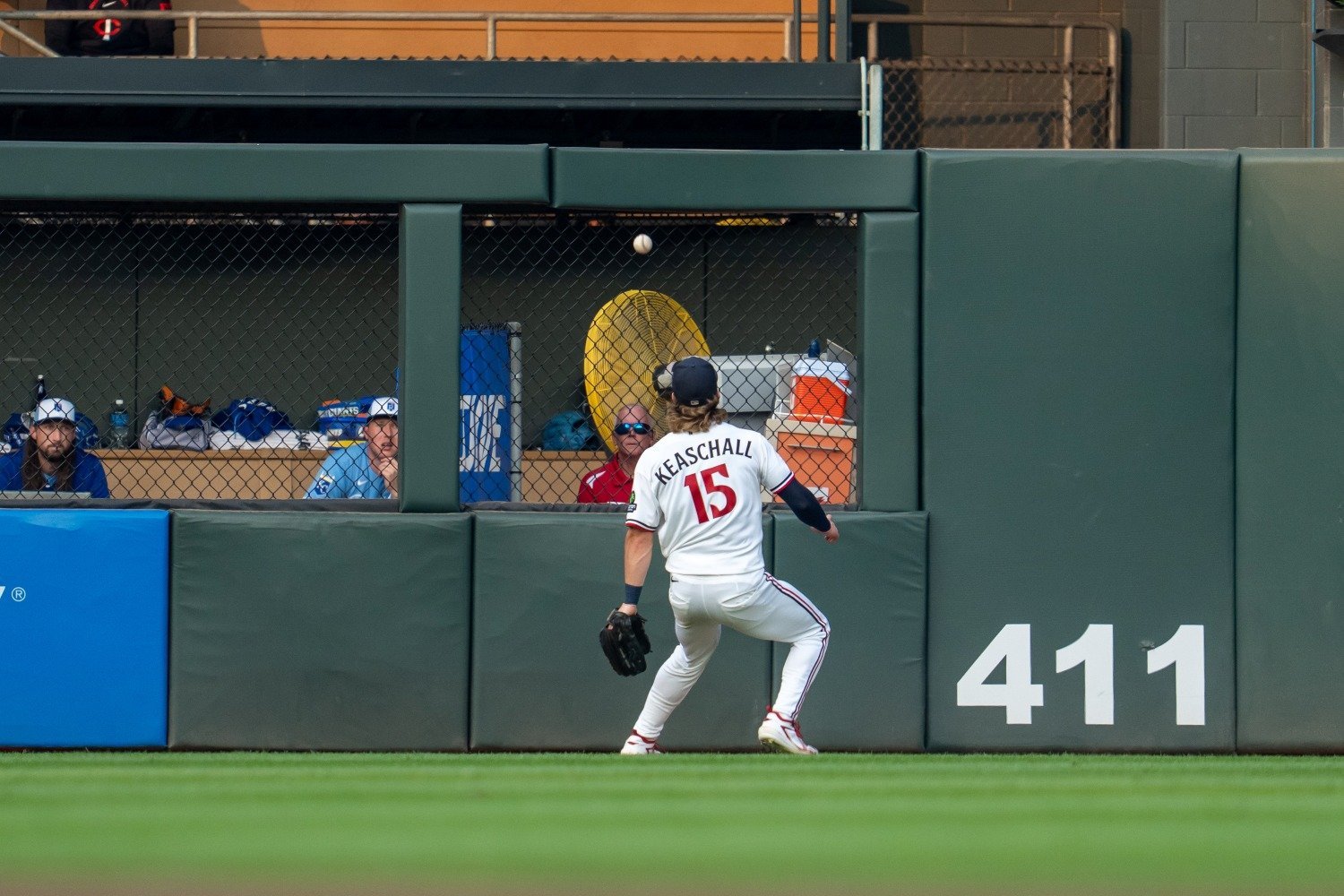 "I just follow the card," Luke Keaschall said last week, standing in the home dugout at Target Field. "I take the card Grady makes for me and go where he tells me." Keaschall has been an outfielder for just over a month now and racked up 246 innings there so far, with 137 of those innings coming in center field. He's doing his best to sand off the rough edges, but he's a confident athlete who wants to trust his instincts and play without fear. He's highly complimentary of Sizemore, who wants the same things. "He just tells us to be free, be relaxed and ready out there," Keaschall said. "He wants us to be comfortable and go get the ball; pretty simple." It is. It also isn't, and there seems to be a key detail Keaschall, Sizemore and the Twins have overlooked. As Cody Schoenmann wrote last month, Keaschall has been playing deeper in center field than almost anyone else in the sport, often to the detriment of his ability to catch lazy fly balls. After Keaschall noted that the positioning card with which the team furnishes him indicates in which direction and by how much to shade each batter, I asked how he and Sizemore set his initial position. Therein, as it turns out, lies the rub: It's all Keaschall. Trying to preserve his comfort, the Twins have been hands-off when it comes to setting the default starting spot for Keaschall in center. He adjusts based on information from batter to batter, but his anchor—his starting point, taking the batter's tendencies out of the equation—is his own to drop. That's a mistake, and it's become a glaring one. When a ball falls in front of Keaschall because of a poor read or a mistaken last-second adjustment—two things we've seen happen to him multiple times already—that's understandable. Even great athletes need time to learn the nuances and to get accustomed to the specific skills of playing a new position. Over the weekend, we saw the latest instance of that, when Keaschall was unable to catch a ball that had a 90% catch probability, based on his starting position, the landing point of the ball and the hang time on the ball. He took a bad route, and when he did bend his run in toward the sinking liner, he did so too hesitantly. SzRCcjJfWGw0TUFRPT1fQVFnRFhRQlhVRlFBVzFVSEJBQUhBRklEQUFCUVZGZ0FDMUZYVVFWWFVBWUhWZ2Rm.mp4 However, just as often, we're seeing Keaschall prove unable to catch balls that should have been not only catchable, but easy. They're not even counting against him in some defensive metrics, because based on his starting position, they were uncatchable—but that's an indictment of his starting position, which he and the Twins say is his own to determine right now. This ball, which Keaschall misplayed into a triple, counts against him almost only because of the extra bases he allowed by mishandling the ball, according to Statcast. It gives the liner a 5% catch probability. But if Keaschall had been playing 10 feet shallower (as he unequivocally should have been, against low-power Nico Hoerner), that expected catch rate would be much, much higher. Whether Keaschall himself would have gotten to the ball is a fair question, but by starting so deep, he gave himself no chance. SzRCWmxfWGw0TUFRPT1fRGdBSFZBWU1CVlFBWFZSVEFnQUhBUUJmQUFBRlZWRUFWMUFIQWdGV0NRb0RBZ1pV.mp4 One reason for the Twins' willingness to let Keaschall play so deep, manager Derek Shelton indicated, is so he can feel less fear and be at less risk when going back toward the wall. That benefit hasn't materialized, though. More than once, Keaschall has gotten too close to the wall and had the ball carom past him. More than once, he's short-armed possible catches as he nears the wall, bracing for impact rather than making the play. Meanwhile, he's been forced to charge in an out-of-control way on liners in front of him, often with disastrous results. The coaching staff needs to intervene, rather than passively waiting for Keaschall to get more comfortable and move in a few steps. They need to address this issue immediately, to clean up their defense at a vital spot while Byron Buxton remains on the injured list. Unless and until they do, Sizemore's capacity to influence his pupils will go to waste where Keaschall is concerned. View the full article
 -
The Twins Have Never Before Spent Like This at a Trade Deadline
DiamondCentric posted an article in Twins Daily
 As the trade deadline dust settled on Monday night, the Minnesota Twins couldn't be blamed for lack of trying in 2026. But more importantly, Tom Pohlad made good on his promise from this spring. Money went out of his pocket and into the team. In all, an estimated $8.5 million was added to the team's payroll, bringing the total up to $113 million. That might not seem like much in the long run, and given some of the names bandied about, it’s less than some fans might want. But this is still ultimately a .500 team in an evenly competitive fight among not just two other AL Central teams, but a handful of Wild Card hopefuls. With no reason to cash in all the chips, it did what a normal team with a normal payroll would do: quietly buy, but not by running straight to the bargain bin. During Joe Pohlad’s tenure (not to mention Jim's), the trade deadline became a nonsensical spectacle. Despite working with much higher payrolls then than they are right now (adjusted for baseball inflation, at least), the deadline always became an awkward moment where the team asked fans to look the other way. That resulted in two near-silent deadlines, despite the potential of the team, followed by an event that's still scarring much of the fanbase. Not for Tom’s pesky Twins. They got a big infusion of talent, via a big infusion of money. So how big was this trade deadline? I put the numbers together, looking at not just how much more money was taken on, but the actual percentage of payroll added during the season over the last decade. (Some numbers are rough estimates, but the results are largely in the same range.) Player Acquired Player Sent Out Money In Money Out 2017 Jaime Garcia Prospect $4,500,000 Anthony Recker Prospect $800,000 $100,000 (Provided by Braves) Zack Littel + Dietrich Enns Jaime Garcia $75,988 (Twins Covered Garcia's Salary) Prospect + $500,000 International Bonus Pool Money Brandon Kintzer $1,506,992 Total Payroll Added $3,768,996 Total Payroll $108,102,500 Percent Gain 3.49% 2019 Sergio Romo Prospects $873,665 Sam Dyson Prospects $1,639,802 Total Payroll Added $2,513,467 Total Payroll $119,651,933 Percent Gain 2.10% 2022 Tyler Mahle Prospects $1,828,544 Michael Fulmer Prospects $1,740,672 Jorge Lopez Prospects $527,488 Total Payroll Added $4,096,704 Total Payroll $134,408,190 Percent Gain 3.05% 2023 Dylan Floro Jorge Lopez $1,383,888 $1,999,168 Total Payroll Added -$615,280 Total Payroll $153,713,740 Percent Gain -0.40% 2024 Trevor Richards Prospect $693,540 Total Payroll Added $693,540 Total Payroll $129,080,051 Percent Gain 0.54% 2026 Dean Kremer Prospect $1,752,693 AJ Minter Prospect $3,411,792 Jeff Hoffman (Assuming 60 IP+) Prospects + Intl Bonus Pool Money $3,727,160 $250,000 Total Payroll Added $8,641,645 Total Payroll $113,000,000 Percent Gain 7.65% (For this calculation, I included Hoffman’s first pitching incentive, which begins at 60 IP. He currently sits at 48, and as long as the team remains competitive, he should reach it easily. If he goes 70 somehow, the team will kick in another $500,000.) As shown, the Twins have never before increased their payroll by over 5% of their current setup. (Obviously, we're not looking back at all of team history, but the previous clubs were even more skinflint than they've been lately, and these are the winning teams (therefore, the ones worth adding money to) since Derek Falvey took over.) Just as starkly, the raw dollars spent doubled even the biggest increase before this, in 2022. Of course, much of this began with payroll sitting so low in comparison, but neither Hoffman nor Minter came cheaply. They came at standard reliever prices that previous administrations would have likely balked at. Even with the $3 million and change covered by Toronto for 2027 (as reported), Hoffman is now the biggest acquisition by the Twins at the deadline. He actually ranks quite high compared to the biggest payroll splashes made by other teams, too. Just look at the money spent on big names over the years in comparison: Year Twins' "Big" Deal Money In MLB's Biggest Deal Money In 2017 Jaime Garcia $4.5 Million Justin Verlander to Astros $40 Million 2019 Sam Dyson $1.63 Million Zack Greinke to Astros $53 Million 2022 Tyler Mahle $1.83 Million Eric Hosmer to Red Sox $39 Million 2024 Trevor Richards $0.69 Million Jorge Soler to Braves $30 Million 2025 Jeff Hoffman $11 Million Luis Castillo to White Sox $30 Million In the past, the Twins have usually spent less than 10% of what was spent on the most expensive player league-wide. This year, they're on the high side of 30% of that figure; they took on a big bill for Hoffman. Another way to think about this: the Dodgers are spending about $9.58 million—the largest of any player's annual average value—to acquire Tarik Skubal at the deadline, along with some mostly waiver pick-ups. The Twins might be far behind in payroll, but they're not far away from having spent more at the deadline than the Dodgers did. As one of the long-tenured Pohlad skeptics, I've always questioned what Tom Pohlad might do. You might scoff at the Twins not getting Zack Neto or otherwise landing a bigger name, but the most important thing happened in Twins trade deadline history: money was not the impediment to the goal. Jeremy Zoll set out to buy relievers, and buy relievers he did. Now, the rest is up to the team. View the full article
 -
 Well, that was fun. What an insane, fast-paced, chaotic trade deadline 2026 delivered. As many observed during the heat and smoke of it, the day felt virtually the opposite of the way the 2025 deadline did. That day, though the Cubs technically made a couple of fine moves, no one was blown away. No one was even especially moved. This year, when the dust settled, the Chicago Cubs came away with five new players: Clay Holmes, Ryan Zeferjahn, Braxton Garrett, Kevin Gausman and Tyrone Taylor. With the additions will come roster moves that must eventually be made, and roles will be shifted up and down the roster for the remainder of the season. Let's dive into what will change for the final two months of the season, and what it all means for the team's chances. Starting Rotation Let's start with the rotation. Three starting pitchers were added, but it will only be Gausman and Holmes who go straight into the starting rotation. Garrett has pitched to a 14.54 ERA in 4 1/3 innings in the majors this season and was working at the Marlins' Triple-A affiliate; he'll start at Iowa and get a chance to work with Cubs coaches outside the limelight. Along with incoming roster moves for Gausman and Holmes, the Cubs could also soon be getting Edward Cabrera back. Holmes has made three rehab starts already in his return from a broken leg, throwing 51 pitches on July 23; 59 on July 28; and 73 on August 2. He'll meet with the team before deciding on the next steps, but it's likely that he'll be ready for reinstatement and to pitch in the majors at the end of this week. Gausman is tabbed to start Thursday against the Blue Jays (his former team), when Toronto is likely to send Jameson Taillon to the bump at Wrigley Field against the Cubs (his former team). Cabrera, meanwhile, threw 43 pitches in his first rehab start after a major muscle strain suffered back in late June; he's likely to come back closer to the end of this month. As each hurler joins the squad, who will be pushed into a new role, or off the roster altogether? The most likely scenario would be Javier Assad being optioned back to Triple-A. That would be a bitter pill for Assad to swallow, as he's consistently proved he's a capable starter at the big-league level and has generally answered admirably when his number has been called. Unfortunately, though, after he makes his scheduled start on Tuesday, Assad will not have a path to stay in the rotation or the bullpen, barring further attrition somewhere in the pitching staff. By the beginning of next week, the rotation should include Gausman, Shota Imanaga, Matthew Boyd, David Peterson, and Holmes. Bullpen Zeferjahn was the only bullpen move made, meaning the decisions there will be a bit easier. When Holmes joins the rotation, though, Rea will slide from the rotation to the bullpen, so the team needs to create two new openings. Jacob Webb, Caleb Thielbar, Zeferjahn, Ryan Rolison and Rea have safe places on the depth chart. Everyone else's place is in peril for a while. Trent Thornton will probably survive the first round of cuts, because he's not optionable. Neither are Aaron Civale or Jake Woodford, but those two came to the Cubs as flotsam and could rapidly become jetsam. However, since Antoine Kelly and Tyler Ferguson are both optionable, they might be bumped to Iowa rather than lose any member of the team from the organization. The roster decisions will get tricky when everyone is healthy and ready to come back. Some tough decisions will ultimately have to be made, especially upon the relatively imminent returns of Daniel Palencia and Hoby Milner. More pitchers might hit the injured list, but the team now has so much starting and relief depth that they could face a roster crunch at some point in the latter part of August. Lineup Taylor was the lone bat the Cubs added at the deadline, and Monday's lineup may give a clear indication of what his role will be. Chicago was up against left-hander Justin Wrobleski, and it was the freshly-recalled Kevin Alcántara who got the start in left field over Ian Happ. Alcántara is in his final year of eligiblity to be optioned, and since he wasn't traded, the Cubs now need to get a meaningful look at him in the majors before the offseason. Taylor's playing time might be sparse, especially once the team finishes cycling through days off for each regular amid a long stretch between off days on the schedule. Alcántara will have to get some reps, and the Cubs affirmed their commitment to do that by calling him up at the expense of Justin Dean. Taylor, then, will take on Dean's vacated role, filling in as a backup across the outfield and spelling any of several Cubs hitters against left-handed pitchers. That's a good gig for him; his slash line of .301/.311/.589 against lefties is worlds better than Happ's line of .158/.232/.298. We could immediately see James Triantos sent back to Iowa. Unlike Alcántara, Triantos can still be optioned to the minors next season, and more importantly, it's not clear that Triantos is needed. With Pedro Ramírez around to back up multiple infield positions, the team can option Triantos and use Alcántara, Taylor and Michael Conforto to play matchups at designated hitter and in the outfield. Matt Shaw is making material progress toward a return from his second injury of the year. Eventually, he might return, too, forcing Alcántara (or Triantos, if he's the one kept up after Taylor's arrival) back to Iowa. In any case, though Taylor gives the team more depth and more danger against left-handed pitchers, as well as another athlete in the outfield. Two days ago, the Cubs were desperate for better depth. They're now a much, much deeper club, ready to challenge for a deep run in the postseason. The roster is bursting at the seams. Injuries will erode that excess quickly, but for now, the team can luxuriate a bit in its newfound multitude of options. View the full article
 -
At 2026 MLB Trade Deadline, Jed Hoyer Finally Got It Right
DiamondCentric posted an article in North Side Baseball
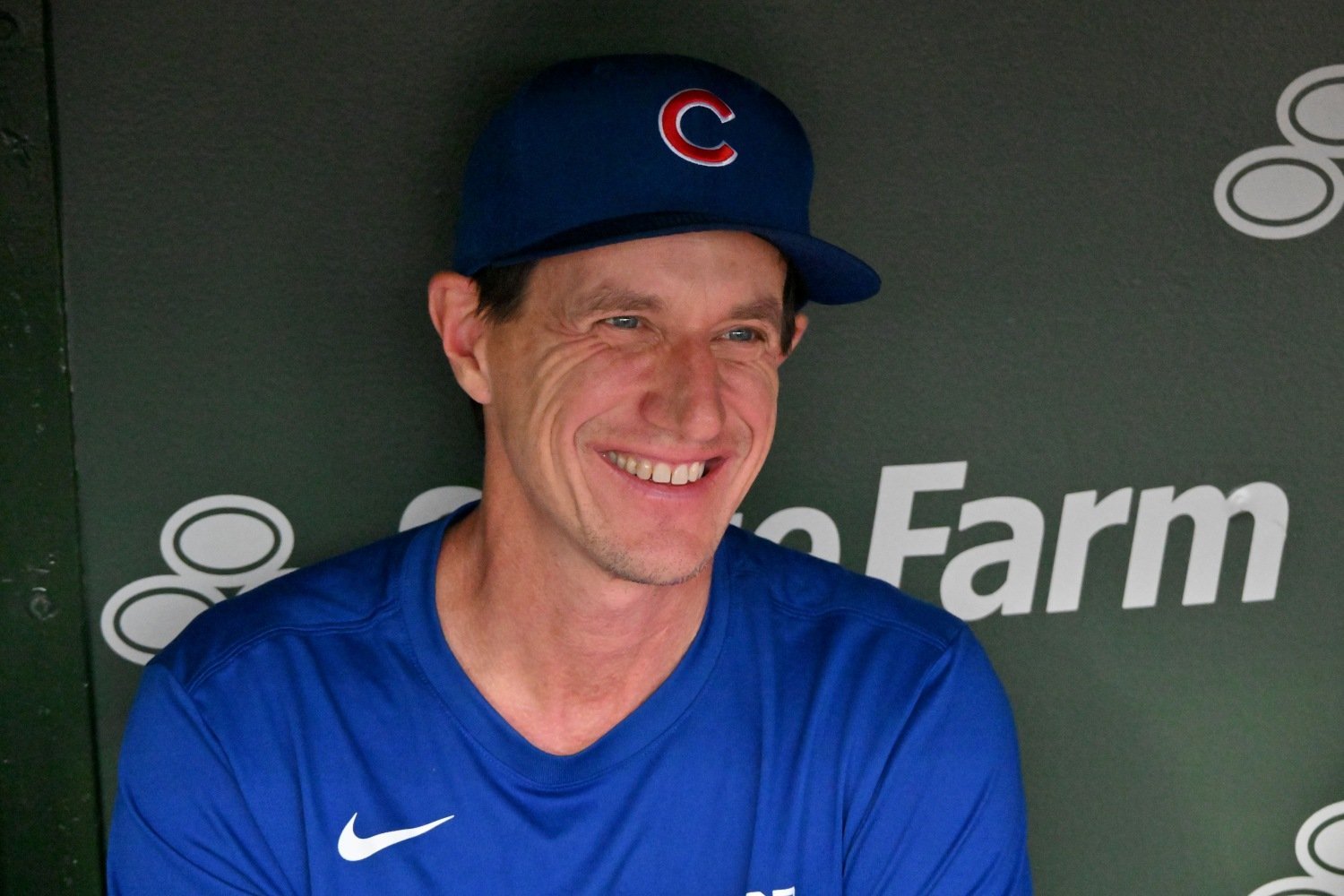
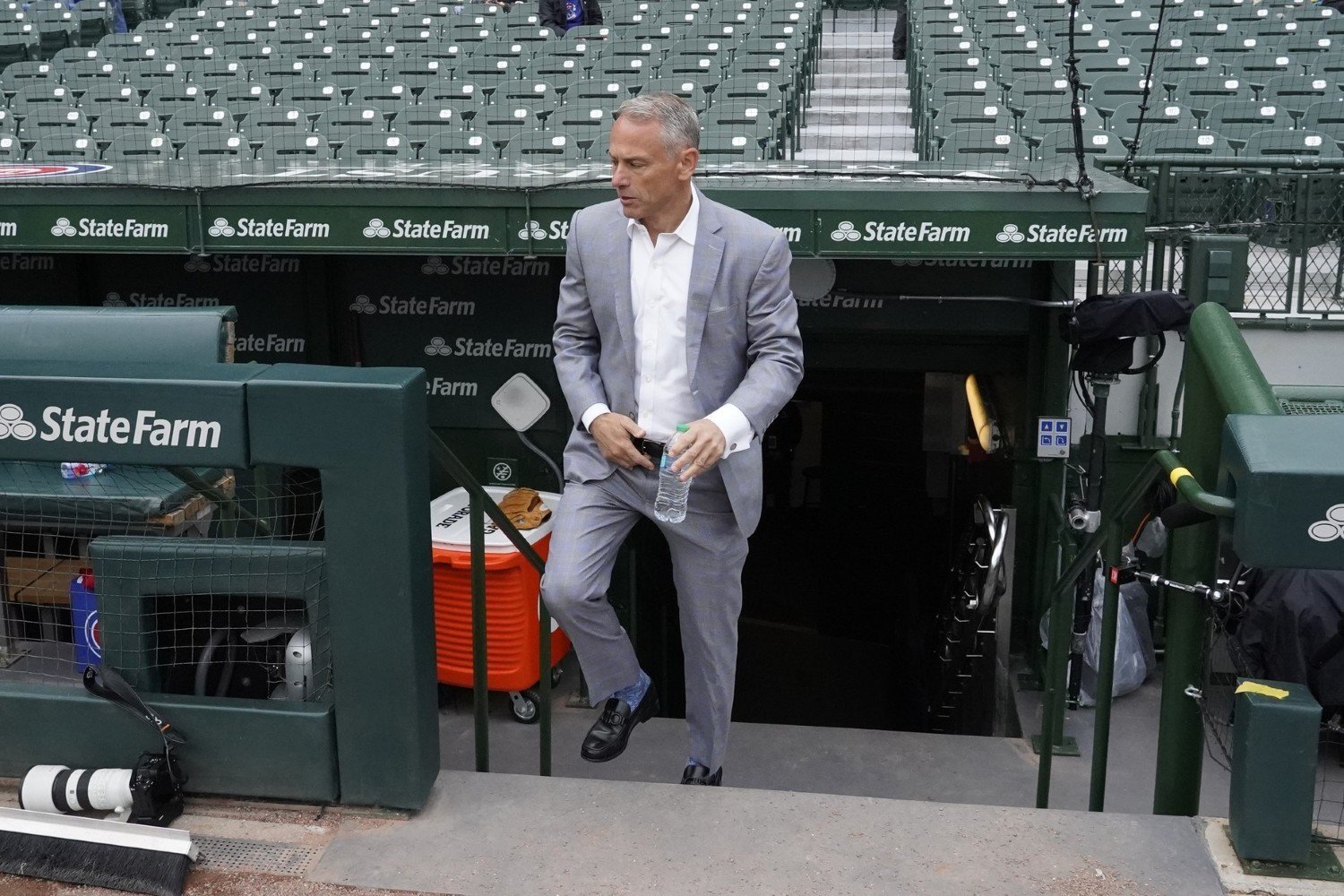 He's faced plenty of well-earned criticism throughout his tenure, but Chicago Cubs president of baseball operations Jed Hoyer has occasionally been able to flip the narrative in his favor. We saw it when he traded for Kyle Tucker prior to the 2025 season. We saw it manifest in a different way with the signing of Alex Bregman, followed by the acquisition of Edward Cabrera from the Miami Marlins. An executive known for being among the game's most conservative was willing to push the chips in if he felt the fit was there. Moves of that magnitude have reshaped perception of Hoyer a bit recently. Additional criticisms have persisted, though. Chief among them is Hoyer's tendency to go conservative on the other end of the roster. Rather than address the shortcomings of a group with surefire solutions, his reign atop the front office hierarchy has been marked by half-measures. The 2024 team acquired Isaac Paredes, Nate Pearson, and a couple of minor-league fliers for a team that finished middle-of-the-pack in their production from the mound. Last year, it was Willi Castro, Michael Soroka, Andrew Kittredge, and Taylor Rogers. Needs were addressed, but in a way that spoke to more of an on-paper sense and allowed Hoyer to preserve his farm system above all. It's the type of trend we've seen from Hoyer in working to fill out the fringes of a roster. He's made a bad habit of building bad benches. On the mound, he's chased reclamation projects, rather than paying top dollar for established entities. He took a step toward dispelling both critiques, however, with an uncharacteristically aggressive approach to this year's trade deadline. The Cubs entered the 2026 trading frenzy with extremely clear needs. A rash of injuries has left them depleted in the rotation all year, with those woes spilling over into the relief corps. Starting pitching was the focus above all, with innings coverage needed and playoff-caliber upside still in short supply. Relief help was a secondary but major need, too. The Cubs bullpen has stabilized in the wake of myriad injuries, but further help was needed. At the bottom of the list (but still noteworthy) was a right-handed bat to combat the volume of left-handed pitchers they'd be liable to face come playoff time. Hoyer was able to strike to address all three in the most impactful ways possible. While he didn't morph into an executive from the same stratum as someone like A.J. Preller and sell the farm entirely, he stood far less on sentiment here. Prospects with actual name recognition in the system—Jefferson Rojas, Moisés Ballesteros, Jonathon Long, Brett Bateman, and Mason McGwire among them—were sent out for players who can help the Cubs immediately. In Kevin Gausman, Clay Holmes, and Braxton Garrett, Hoyer addressed his team's need for starting pitching almost entirely. Gausman is an innings-eater with actual playoff experience. Holmes, upon his return from a broken leg, offers additional stability in the middle of the rotation. Garrett has flashed upside as recently as 2023, though injuries have derailed him. He offers medium-term team control, and can still be optioned to the minor leagues while he tries to unlock his fujl skill set again. He's the least exciting of the three, but he adds additional flexibility to a starting group that sorely needed it. From there, you get into how this could lead to arms currently starting transitioning into relief roles. Javier Assad or Colin Rea could extend their value by working out of the bullpen. That alone adds depth, in addition to the acquisition of Ryan Zeferjahn, who should see his strong peripherals play up to the front of the stat sheet with an elite defense behind him. And in Tyrone Taylor, the Cubs get a lefty masher that can compensate for Ian Happ's absence of productivity against pitchers of that handedness (and work as a solid bench bat in a general sense). These aren't half measures. All told, Hoyer moved four prospects from our top-20 list and another that had just graduated from it. The players acquired aren't the types we've grown accustomed to seeing from Jed Hoyer this time of year. There's actual value in what they can provide down the stretch in 2026. The change of tack is not necessarily indicative of a change in philosophy for Hoyer himself. More than anything, it speaks to the faith Hoyer has in this year's group. This is a roster that features one of the league's most productive offensive groups and a defense that far exceeds that of its peers across the league. The jury very much still may be out on the quality of Jed Hoyer as an executive. But good executives move in a shrewd fashion when things are aligned correctly within their organization. Hoyer just did a thing that good executives do. View the full article
 -
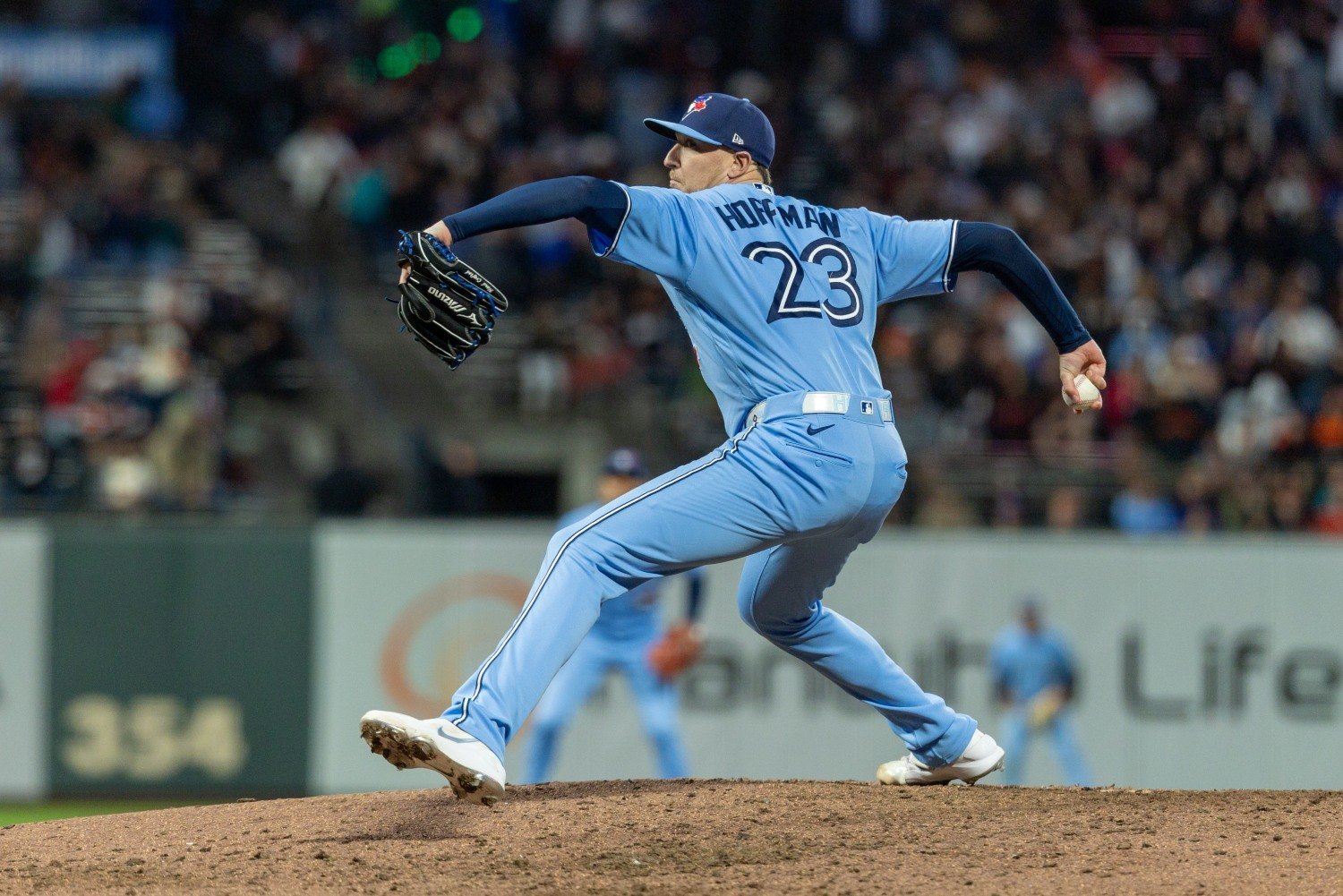 When Tom Pohlad was introduced as the Twins' new control person and ownership figure, he made one thing abundantly clear. "Half measures are not good, and you'll probably get to know me over time," Pohlad said. "I'm not a half-measure guy. I'm a 'go big or go home' guy." It was a bold statement from someone taking over an ownership group that has often been criticized for being too conservative. There was also an understanding that fans would have to wait before judging whether Pohlad actually meant it. By the time he assumed his new role, most of the top free agents had already signed elsewhere. There simply wasn't much opportunity to reshape the roster over the winter. Instead, Pohlad pointed toward the trade deadline. If the Twins put themselves in position to contend, that would be his opportunity to prove he wasn't just making empty promises. The players held up their end of the bargain by climbing back into the thick of the playoff race, leaving Pohlad with the chance to support a team that had earned reinforcements. That opportunity arrived last month, and matured nicely on Monday. During trade season, the Twins acquired Tommy Nance, A.J. Minter, Dean Kremer and—with roughly 30 minutes remaining before the deadline—Jeff Hoffman. The question coming out of the deadline is whether Pohlad lived up to the standard he set for himself. The answer is yes. For the first time since becoming the face of ownership, Pohlad had a meaningful opportunity to back up the aggressive rhetoric with which he introduced himself. Rather than settling for one modest addition and calling it a successful deadline, he authorized four trades, added significant payroll and gave Jeremy Zoll the resources to meaningfully improve a roster that had earned reinforcements. The words were bold when he spoke them. The actions matched them. The easiest way to judge Pohlad's aggressiveness is by asking whether the organization followed through on exactly what it said it wanted to accomplish. Going into the deadline, Zoll repeatedly identified pitching, and specifically relief pitching, as the club's biggest need. Pohlad could have taken the conservative route by approving one bullpen arm and leaving it at that. Instead, the Twins added one starting pitcher and three relievers, dramatically reshaping a pitching staff that desperately needed help. Just as importantly, these weren't token additions made simply to satisfy fans. Dean Kremer immediately slots into the rotation. Tommy Nance gives the bullpen another quality arm with multiple years of team control. A.J. Minter has a legitimate case for being the best left-handed reliever traded before the deadline, while Jeff Hoffman can make the same argument among right-handed relievers. Hoffman immediately becomes the team's closer, in practice if not in name. If Pohlad was going to buy, he made sure the Twins were buying impact players rather than simply checking a box. Perhaps the biggest statement, though, was the money Pohlad approved spending to acquire them. For years, Twins fans have questioned whether ownership would be willing to meaningfully increase payroll during a playoff push. Pohlad answered that question this week. The Twins assumed all of Minter's remaining $3.5 million in salary this season. They also took on the remainder of Hoffman's $3.25 million in salary for 2026, while committing to pay $7.25 million of his contract next season. They did all of that without offsetting those additions by trading away established major-league contributors. As those trades were unfolding, it felt reasonable to wonder whether someone like Trevor Larnach or Ryan Jeffers might be moved simply to balance the payroll. Instead, Pohlad authorized adding salary while keeping the roster intact. That may seem routine for some organizations, but it represents a meaningful shift for a Twins ownership group that has often been accused of letting payroll dictate baseball decisions. Could Pohlad have gone even further? Absolutely. The Twins could have pursued larger financial commitments like Tarik Skubal or Luis Castillo if ownership had wanted to make an even bigger splash. However, considering where the Twins stood entering the deadline, it's fair to wonder if that would have even been a wise decision. Minnesota is firmly in the playoff race, but it also isn't running away with the division or one player away from becoming a World Series favorite. Emptying the farm system while taking on massive long-term financial commitments would have bordered on reckless. Instead, Pohlad gave Zoll the flexibility to aggressively improve the roster without compromising the organization's future. That's what makes this deadline so significant. It wasn't simply about adding talent. It was about whether the person leading the organization would follow through when the moment called for ownership support. Pohlad didn't hesitate. He approved four meaningful additions, authorized the largest payroll increase of his tenure at a trade deadline and resisted the temptation to offset those moves by subtracting from the major-league roster. There will always be bigger names that weren't acquired and more money that could have been spent. Every contender can make that argument after the deadline passes. But if the question is whether Tom Pohlad backed up the words he spoke during his introductory press conference, this trade deadline answered it. He said he wasn't a half-measure guy. When the Twins gave him a roster worth investing in, he invested. He gave the front office the resources to address its biggest needs, spent more aggressively than at any previous deadline under his brother's leadership, and showed a willingness to support a contender, rather than simply protecting the bottom line. For an executive who promised to be aggressive, that's exactly what this trade deadline looked like. What do you think? Did Tom Pohlad do enough to prove he's willing to be aggressive, or should the Twins have pushed even harder at the trade deadline? Leave a comment below and start the conversation! View the full article
 -
 Owen Hill and Jesse Burril go LIVE immediately following the MLB Trade Deadline to break down all of the Blue Jays' moves, including trading away Jeff Hoffman, Daulton Varsho, and franchise legend Kevin Gausman, as well as acquiring José Soriano and Josh Smith. Listen on Apple Podcasts: https://podcasts.apple.com/us/podcast/the-jays-centre-podcast/id1846108462 Listen on Spotify: https://open.spotify.com/show/3Bi7SzfpcqMo5xYWnbCeoL Listen on iHeartRadio: https://www.iheart.com/podcast/263-the-jays-centre-podcast-300304824/ Listen on Pocket Casts: https://pca.st/2qk9wqxd Watch on YouTube: https://www.youtube.com/@jayscentre View the full article
 -
 Alex and Maddie sit down to discuss what the Red Sox did during the trade deadline! They talk through what kind of impact Adley Rutschman can bring to the organization, what the future for Carlos Narvaez looks like now that he's in Baltimore, why the team may have brought in Eli White, and finally what Erik Miller brings to the team as a high-leverage lefty out of the bullpen. They end the episode by discussing Marcelo Mayer's fall from grace with the organization and how that could potentially impact Roman Anthony. Listen on Apple Podcasts: https://podcasts.apple.com/us/podcast/the-talk-sox-podcast/id1783204104 Listen on Spotify: https://open.spotify.com/show/3qPrPXEngu0CxgTmlf0ynm Listen on iHeartRadio: https://www.iheart.com/podcast/263-the-talk-sox-podcast-244591331/ Listen on Pocket Casts: https://pca.st/4tmd121v Watch on YouTube: https://www.youtube.com/@talksox View the full article
 -
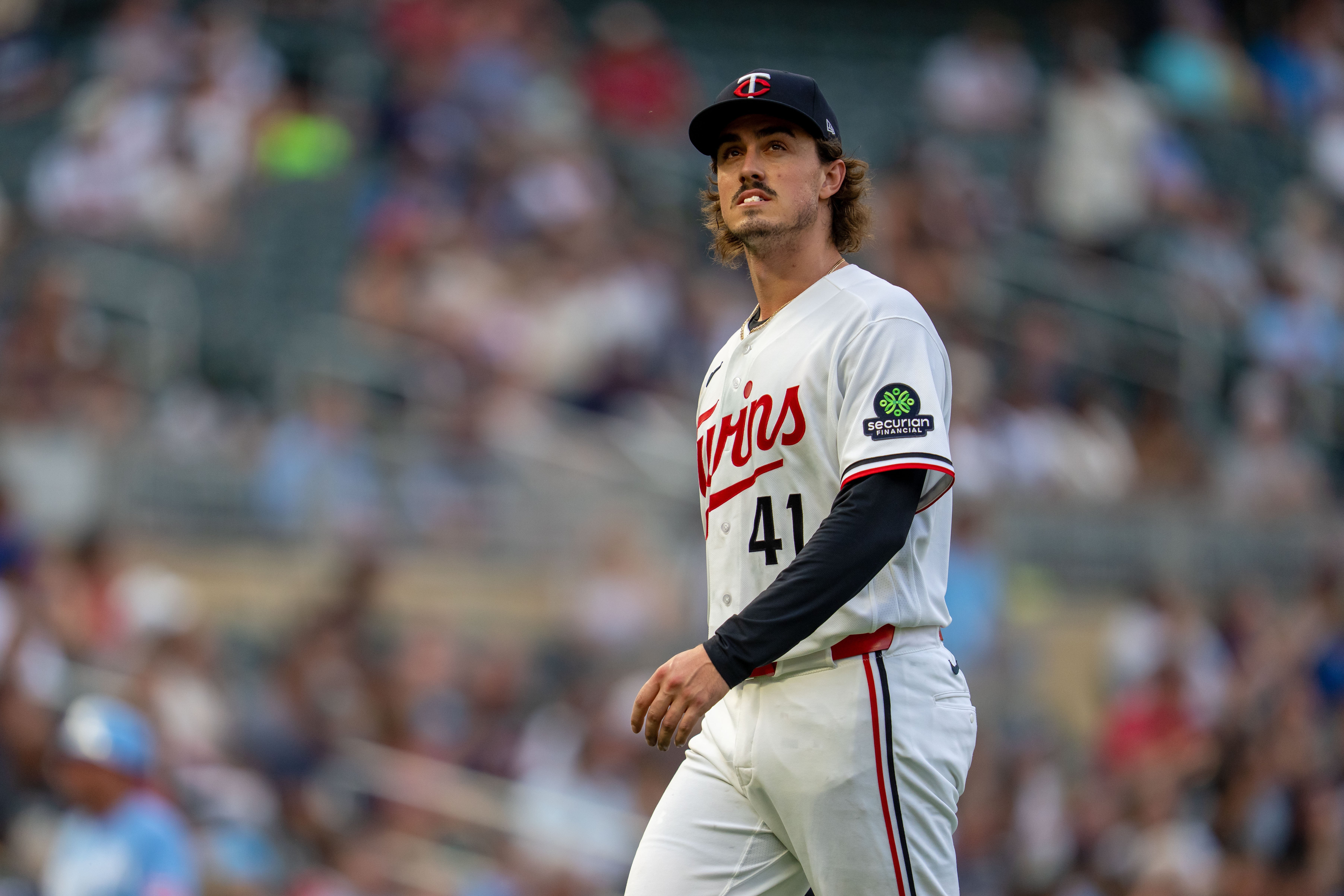 Generally speaking, it's an exaggeration to say their bullpen has been the Twins' biggest strength. The unit has been quite bad overall, which was predictable after they gutted the relief corps at last year's deadline and did little to address it in the offseason. Except, of late, the bullpen actually has been this team's biggest strength. Since the start of July, Twins relievers rank 10th among MLB teams in fWAR, fifth in ERA, and ninth in Win Probability Added. Their starters, meanwhile, are 21st in WAR, 23rd in ERA, 21st in WPA. Their offense: 21st in WAR, 19th in wOBA, 6th in WPA. (That knack for timely hitting keeps on propping them up.) Prior to the additions of Jeff Hoffman and A.J. Minter, I certainly wouldn't say I felt confident in the Twins bullpen to keep performing at the level it did in July ... but, I might have felt more confident in that unit's outlook than the rotation or the lineup. Let's start with the starters. Here you've got: Joe Ryan openly battling arm fatigue as he lapses into familiar second-half struggles. Bailey Ober averaging 87 MPH with his fastball. Connor Prielipp already venturing into unprecedented workload territory as he nears 100 innings. Dean Kremer bringing in a 6.50 ERA and hoping to gravitate back toward his career norm of mediocrity. Zebby Matthews optioned to the minors (for now) with a 5.22 ERA this year and 5.64 for this career. Pablo López, Mick Abel and David Festa all out for the season. In the rotation mix, only Taj Bradley is inspiring a ton of confidence from both a durability and performance standpoint. And even then, there is a turbulent track record to contend with. The admirable depth boasted by Minnesota's starting corps entering this season has been whittled away, to the point where Kremer comes aboard as a credible upgrade. I wonder if we'll look back in two months lamenting the lack of one more front-end starter. Offensively, the Twins offer a little more reason for optimism. They continue to pace all American League teams in runs scored, although as mentioned earlier, it's a bit of a deceiving indicator. Twins hitters lead all of baseball in OPS with runners in scoring position. All their scoring up to this point is banked, but a big gap between overall performance and RISP is a glaring regression flag. Sure enough, we've already been seeing this play out in recent weeks, with the lineup drifting into long stretches of silence. The Twins rank 21st in runs scored since the break, identical to their hitting WAR rank for the season. Although the front office didn't make any additions to the position player group, they also didn't make any subtractions, which could be viewed in some ways as an investment in the offense. Trevor Larnach and Ryan Jeffers have been the club's two best hitters (sans the injured Byron Buxton), and both were circumstantial trade candidates. Minnesota held onto both — perhaps to the detriment of their long-term benefit — in order to at least hold steady in terms of bats. Ultimately, the Twins are asking their rotation and lineup to solve their own problems. There will be no external cavalry riding in to stabilize a thinning starting staff or reignite an offense that's cooled after carrying the club for much of the season. While that may feel unsatisfying in the moment, it's a defensible approach. Front offices can't afford to chase the last three weeks. The bullpen that looks like a strength today looked like one of baseball's biggest liabilities a month ago, and few areas of the sport are more volatile than relief pitching. Jeremy Zoll and company weren't buying July's results so much as insulating themselves against what history says is likely to come next. If those additions prove necessary, they'll look prescient. The bigger question is whether the starters and hitters can rediscover their form without the same kind of reinforcement. View the full article
 -
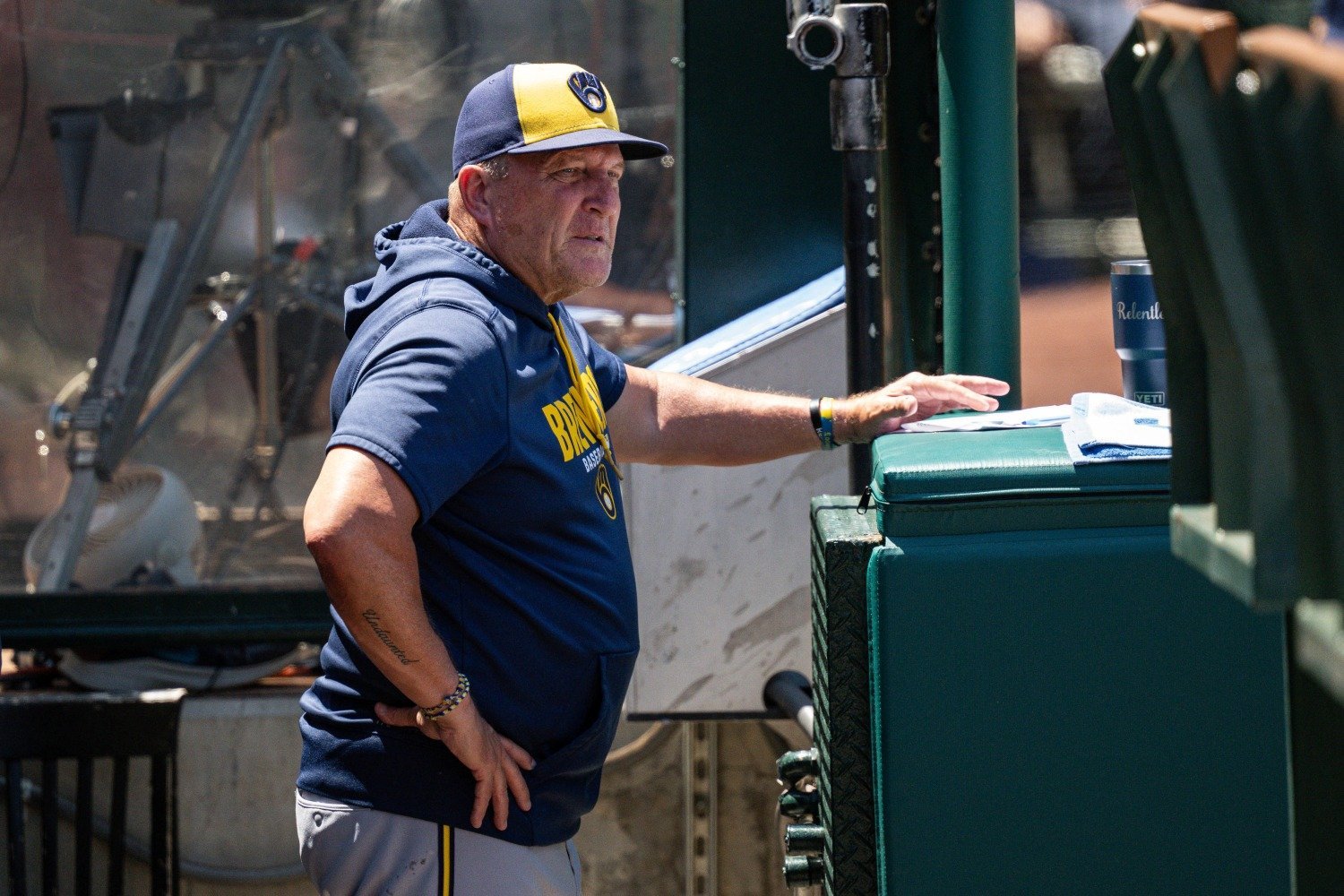 Multiple reports indicated that the Brewers were in on the Tarik Skubal sweepstakes before the Tigers traded him to the Dodgers. Hours before Monday afternoon's trade deadline, manager Pat Murphy confirmed that Milwaukee pushed to acquire the most notable name on this year's market. "I know we went after trying to get that player," Murphy said. He made clear that it wasn't a half-baked pursuit or a due-diligence check-in on Detroit's asking price. From Murphy's comments, it sounded like the Brewers felt they made a compelling offer—possibly one they felt exceeded the three-player offer the Dodgers made. "I don't know exactly the details of it, but I know this: it isn't as simple as, 'That's a better package,'" Murphy said. "It's not as simple as that. There's a lot more layers to it. I don't understand it fully, but I think this is a bigger situation, rather than, 'Well, that was a better package.' To say the Brewers didn't try is simply incorrect." Murphy wasn't implying that a conspiracy was afoot, of course. He just meant that teams accept some trades and decline others based on idiosyncrasies of evaluation and based on some externalities. That the Tigers took the Dodgers' offer doesn't mean that, objectively, that offer contained more talent or future value than the one the Brewers made. "I think we were prepared to push a lot of chips in," said president of baseball operations and general manager Matt Arnold, speaking generally after declining to discuss specific trade targets and negotiations. Yet, Skubal became the latest star to join the large-market, high-spending, repeat-champion Dodgers on Saturday night—two full working days ahead of the deadline—in exchange for a polarizing package that many pundits deemed light. Murphy's remarks will further fuel theories of shady operations making it happen, but that's a discussion for a different time. For the Brewers' front office, the immediate reality was that Skubal was off the table, and they needed to look elsewhere for reinforcements. "When you're in on a lot of stuff, there's certainly some things where you come up short, and you just got to pick yourself up and dust yourself off, and try to do what you can to get the next thing," Arnold said. "And ultimately, I think we were able to accomplish a lot over the last 48 hours to get some stuff done to really help the team." That included a deal with the division-rival Cardinals for right-hander Dustin May and left-hander JoJo Romero, and a trade with the Rockies for breakout reliever Antonio Senzatela. The trio satisfies Milwaukee's greatest need for the rest of the regular season: pitching. The Brewers rank third in baseball in ERA- and first in FIP-, but several key hurlers are facing workload concerns. "I think, especially this time of year, you can never have too much pitching," Arnold said. "I think the guys that we got are pretty battle-tested, experienced guys." First came the deal for May and Romero, which cost what many deemed an overpay in breakout prospects Josiah Ragsdale (Brewer Fanatic's No. 16 prospect) and Alexander Frias. However, it could be that the Brewers' internal evaluations of Ragsdale and Frias, who were behind a few other outfielders on the prospect depth chart, are lower than the Cardinals'. Both May and Romero have steep power sinkers, and the former has upside after rediscovering his upper-90s velocity this year. The deal could age better than the industry expects it to for the Brewers. "It's hard to make trades. It's not as easy as, 'Well, just this guy for this guy or this guy.' It's just not that easy," Murphy said. "And the rating of the prospects and all that kind of stuff, be careful. That's been proven not to be very valid, specifically." May should provide an upgrade over an inconsistent Brandon Sproat in the rotation, while allowing the Brewers to manage the innings of Jacob Misiorowski, Kyle Harrison, and Shane Drohan. Romero will be out a few more weeks as he recovers from an appendectomy. Senzatela, who has broken out as a multi-inning reliever by adding velocity and supporting his four-seam fastball with a new cutter and sinker, will join the bullpen immediately. He'll ease the strain on Aaron Ashby and Chad Patrick, who have recently been inconsistent after heavy usage. With 50 regular-season games left to play, the Brewers are looking to secure a first-round postseason bye while holding off the Cubs in the NL Central. To maximize their success for those 50 games, they needed more pitching depth. At minimum, May, Romero, and Senzatela are solid additions, and each has the upside to become even more impactful. However, for the Brewers to take down the Dodgers or another juggernaut in a short October series, they arguably need more power bats who can change a game with one swing. Their 101 home runs are the fewest in baseball, and their .144 isolated power ranks 27th. They probably would have been well-served by adding a bat, but it's easy to see why they didn't. There were few true power hitters traded, and pitching was a greater need to reach the postseason. Furthermore, the clearest way to upgrade the offense would be replacing Christian Yelich (92 wRC+) at DH, a move that could have negative implications off the field. It was not a fantastic deadline, but it was among the Brewers' best in recent seasons. They went fishing in deeper waters than usual this year, and after coming up empty on Skubal, they struck their usual balance of improving their big-league roster without losing any of their blue-chip prospects. "We certainly talked about doing some irresponsible stuff as well, but I would say we tried to thread the needle," Arnold said. The tight-knit clubhouse will try to weave their way through the rest of the campaign with the help Arnold found in the eye of that needle. View the full article
 -
Ryan Zeferjahn: Getting the Best out of the Beast
DiamondCentric posted an article in North Side Baseball
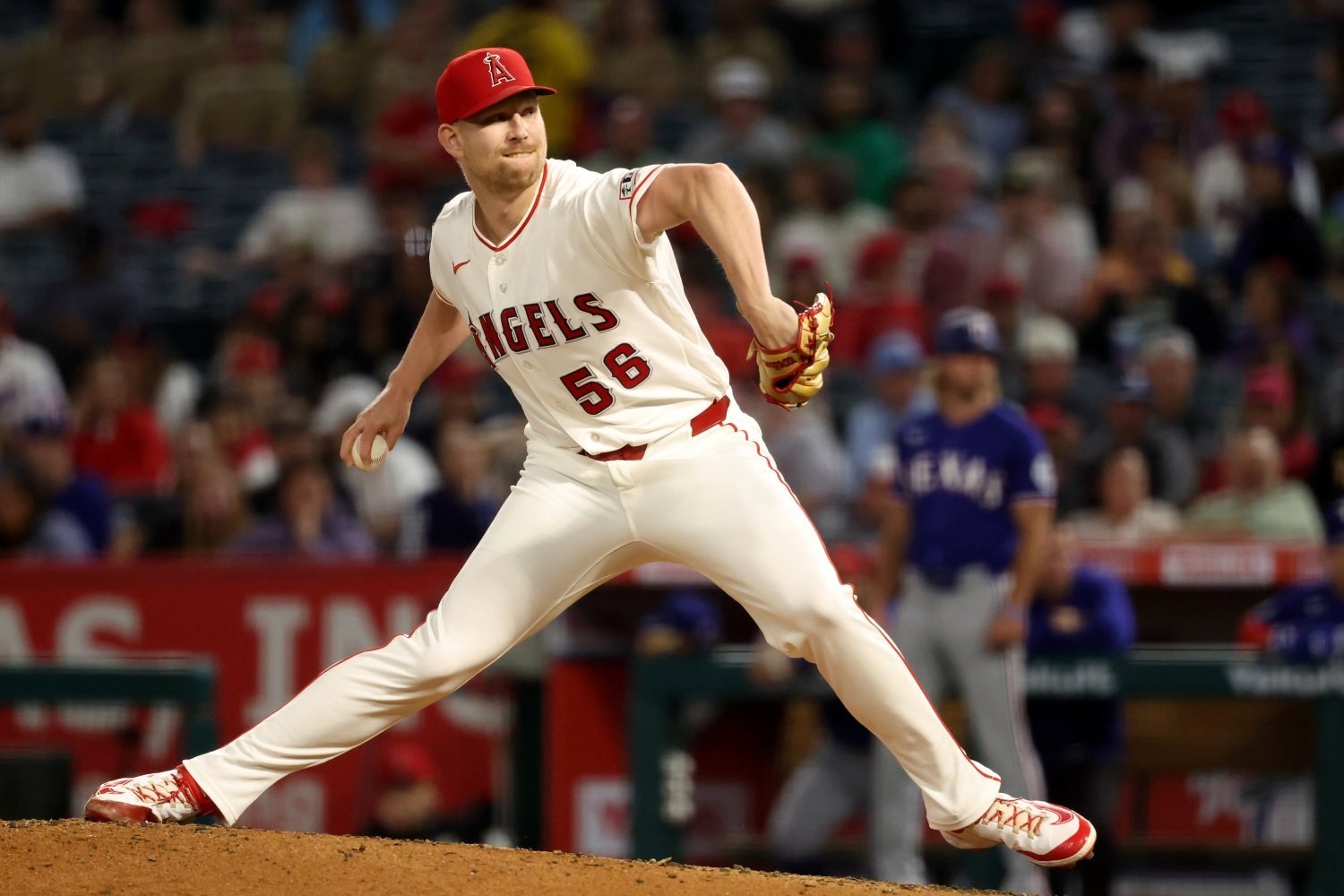 Ryan Zeferjahn, acquired by the Cubs during their mad dash before the 2026 MLB trade deadline, is a lot of things. He's a fireballer; he's a wild man; he's a freak; he's an alien. Whatever you want to call him, he's an outlier of a baseball player. The Cubs acquired some names who are more familiar than Zeferjahn. Kevin Gausman, for example, has been among the best starters in baseball for half a decade. But no player may have a bigger impact on a per-inning basis than their new weapon out of the bullpen—that is, if the Cubs (or any team) can learn how to tame the beast. Let's start with the elephant in the room: this dude walks people. He's walked people since he was back in college, so it's nothing new. Baseball America, in his 2019 draft profile, highlighted his propensity to vacillate between striking hitters out and walking them. "Two weeks before striking out 14 against the Longhorns, he walked seven hitters in six innings against Baylor," they noted. I'd love to tell you this has gotten better over the years, but since coming up in 2024 with the Los Angeles Angels, he's got the third highest walk rate in baseball among pitchers who have thrown at least 125 innings. This year, he's walked 14.3% of his opponents. Strangely enough, it just might not matter. What makes Zeferjahn an alien is his fastball. This is a special pitch. What makes it so special is how he spins it; it's incredibly inefficient. We're programed to have a negative connotation with things that are inefficient, but with pitches, it's not necessarily a bad thing. In layman's terms, low efficiency means more cut and less backspin. We live in a world in which velocity is king, but as everyone chases every last mile-per-hour, things become more normalized. Throwing 97 MPH today just isn't special. You have to stand out in some other way. I'll borrow a line from Kevin Goldstein to highlight this: "The further one can get from the norm, the more effective the pitch can be beyond just the pure speed. Hitters expect a fastball to behave a certain way out of the hand and when it doesn’t, regardless of the direction in which it deviates, it creates challenges in terms of making hard contact, or any contact at all." SzRCRFJfWGw0TUFRPT1fQWdVSFVsWURVMVlBWFZaVUF3QUhBZ0lDQUFOWFd3VUFVMU1DQ1FGVVVBTUdCd2NF.mp4 What Zeferjahn does with his fastball's shape makes it special. He throws a relatively low-slot fastball with inefficient spin. The result is that the shape of the pitch is elite: his Stuff+ on the pitch ranks top-10 in baseball (relievers only), ahead of Jeff Hoffman, Tanner Scott, and Louis Varland. To highlight how his slot and spin rate help create this, let's compare his fastball to another pitcher's which seems similar on the surface, that of Pirates righty Jared Jones. Jones and Zeferjahn have similar RPM on their fastballs and have similar velocities (though Jones does throw a little harder). In theory, you'd think they would have similar Stuff+, but they do not. Jones's fastball clocks in with FanGraphs's Stuff+ model as a 92, while Zeferjahn's is a 120. This is vastly different. Jones gets great results on the pitch, so this isn't a dig on Jones, but Zeferjahn is on another planet. He leads on Whiff% (41.1% versus 24.9%), and he's given up just four hits all season to the tune of an absurd .087 batting average. If you're worried he's getting good luck, don't fear. His xBA on the pitch is just .105. Like I said; he's a freak. The Cubs adore low-spin-efficiency fastballs. While he's not as inefficient as Cade Horton (who is under 80% in terms of active spin), he's definitely in the correct organization—one that really targets this pitch. We have seen firsthand what the Cubs could do on the fly with Horton, adding a sinker and using his cut-ride fastball to really attack hitters in interesting ways. It's not hard to think what the Cubs could do with their new toy, or that the Cubs may be in a better position than the Angels to get the most out of it. What's shocking is that his fastball might not even be his best pitch. You could make a compelling argument that his sweeper, which he throws roughly a third of the time, is just as good, or better. That pitch boasts an impressive 118 on FanGraphs's Stuff+ model, and also sees hitters whiff on it over 40% of the time. He has two plus-plus offerings in shape and production. Again: it's special stuff. Zeferjahn isn't just an alien on the mound with the stuff he's capable of throwing at a hitter, he's a statistical freak as well: he has a 96th-percentile whiff rate and just a 2nd-percentile chase rate. That's unfathomable. What it means is that if the guy can just throw enough strikes, no one is going to touch him. We can see that because, even when hitters do make contact, his batted-ball data against is pretty good, too. If you want to dream as to what could be, look no further than his last 16 innings, because there's a chance something has just clicked, and there's some data to support that it might not be smoke and mirrors. Over his last 16 innings, Zeferjahn has just four walks. Over his last 10 innings, he has walked just one hitter. Interestingly enough, the walk he had was called a strikeout on the field. The Giants' Grant McCoy had to use an ABS challenge to even get the walk. What's the change? His release point—which has moved because he's slid toward third base in his setup on the rubber, and is striding slightly more closed. On the left is Zeferjahn in April; on the right is him last month. This is a major departure in his motion and seems to correlate with his improved walk rate. It's too small of a sample to say "mission accomplished!" and that everything is fixed, but when we see outlier data coupled with a noticeable change, it makes you feel like there's a reason behind the improvement—and that it could therefore be sustainable. He's on a better line to tunnel his stuff and to keep it on the plate, and lo, everything has changed for the better. Over that span, it's not just the walks that are improved; he's absolutely dominating hitters. Since June 23, the righty has struck out almost half the hitters he's faced. This is Mason Miller levels of dominance. In his last outing as an Angel, he managed to strikeout four Brewers in a nearly perfect five-out performance. It's easy to imagine how much fun it could be seeing him do that to Milwaukee at Wrigley. All of this leads me back to my premise; this guy is an alien. He's unique. He has a great fastball that highlights its odd, inefficient spin and low arm slot. He's a whiff merchant, even while generating almost no chase. He used to walk everyone, but lately, he can't walk anyone. There just aren't many pitchers like this in baseball. The upside is massive; the risk is real. But he's a unique player, and one who could slot into a Cubs bullpen for years to come—because the best part about Zeferjahn is that despite being 28 years old, he's a late bloomer and won't hit free agency until November 2030. There's a good chance that one of the most unhittable pitchers in baseball will be shutting teams down for the Cubs for quite some time. View the full article
 -
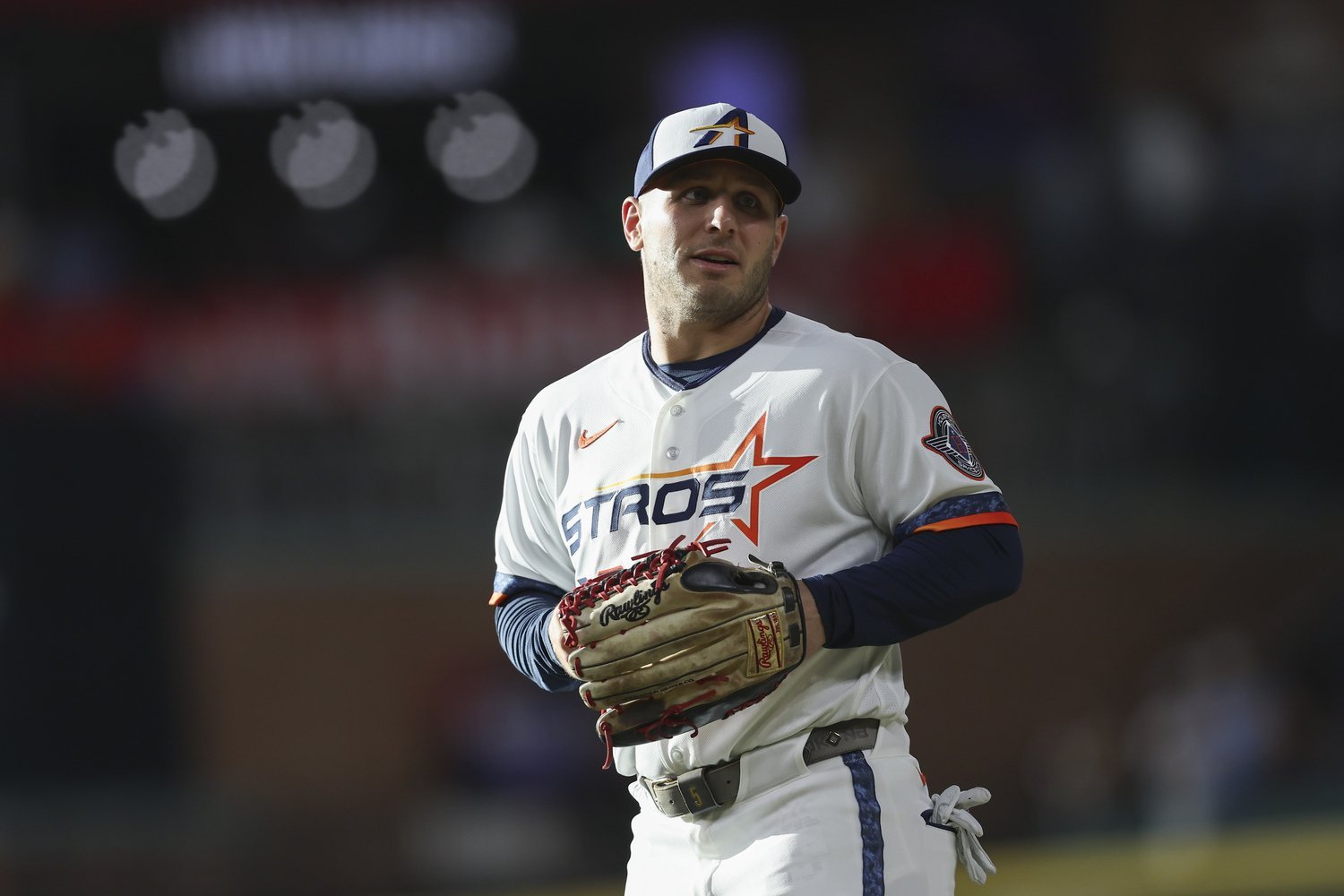 The Blue Jays were active leading up to the trade deadline, giving us some of the moves we expected and at least one we didn't. Kevin Gausman and Daulton Varsho are gone, but impending free agents Shane Bieber, George Springer, and Max Scherzer are still around. The lineup is worse without Varsho, but the outfield defense won't take much of a hit with Myles Straw around to take over. As for the rotation, Gausman to José Soriano isn't much of a downgrade, if it's a downgrade at all. Plus, with the additions of Spencer Arrighetti and Jameson Taillon, rotation depth isn't looking like a problem anymore. (Time to knock on wood and pretend I never wrote those words.) The area where the Jays might have taken the biggest hit is the bullpen. Jeff Hoffman is gone, which will put even more pressure on the team's remaining high-leverage relievers. That said, it's hard to overlook Hoffman's -2.06 Win Probability Added with Toronto, the second-worst among all AL relievers over the last two years. I'm not saying he isn't a talented reliever – I know he is – but even so, he may have lost the Jays more games than he won them. That makes his departure easier to swallow. So, the Blue Jays might be a little worse off for the rest of 2026, but they won't be unwatchable. And who knows? They might even have what it takes to make a Cinderella run. (Sorry, I don't know why I keep jinxing things.) They're also in a better position for 2027. We'll have more to say about their deadline moves in the coming days, but for now, here's a rundown of the six trades they made over the long weekend, with links to our initial write-ups. The Headliner: José Soriano for Arjun Nimmala Most folks were calling the Blue Jays sellers last week, but how often does a seller trade one of their top prospects at the deadline? Arjun Nimmala is no small price to pay, but José Soriano is a big get. Adding Soriano helps with the pain of losing Gausman, and now the Jays have one less need to address in the offseason. Blue Jays get José Soriano Angels get Arjun Nimmala, Eddie Micheletti Jr., and Angel Rivero Read More The Hardest Goodbye: Kevin Gausman to the Cubs Kevin Gausman will be sorely missed, but the Blue Jays were smart to cash in on his trade value before he hit free agency. The question now is if they were smart about the prospects they asked for in return. Blue Jays get Brett Bateman and Ty Southisene Cubs get Kevin Gausman Read More From Friend to Rival in About Four Hours: The Daulton Varsho Story Daulton Varsho was already with the Blue Jays in Houston when this deal was completed. He suited up for the Astros and went 1-for-4 with a walk against his former team. Blue Jays get Spencer Arrighetti Astros get Daulton Varsho Read More Jeff Hoffman to the Twins Completes an Unexpected Closer Swap Two offseasons ago, Jeff Hoffman was coming off an All-Star season. He signed a three-year, $33 million deal to be the Blue Jays' new closer. Louis Varland had a 5.51 career ERA. He wasn't even sure he'd crack the Twins' Opening Day roster. Oh, how things change. Blue Jays get Spencer Arrighetti Twins get Jeff Hoffman Read More More Like Jay-meson Taillon The Blue Jays sent a veteran starter to the Cubs, but not before they took one for themselves. Blue Jays get Jameson Taillon Cubs get cash considerations or a player to be named later Read More The Utility Man Formerly Known as Josh H. Smith The versatile Josh Smith has played every position except pitcher and catcher. I'd be shocked if we don't see him pitch at least once for the Jays before the year is over. Blue Jays get Josh Smith Rangers get Adam Macko Read More View the full article
 -
 The Dominican squads were 0-2 Monday, including a loss to a Dodgers team, and no, Tarik Skubal did not make an appearance. Transactions: St. Louis Cardinals traded RHP Dustin May and LHP JoJo Romero to Milwaukee Brewers for OF Alexander Frias and OF Josiah Ragsdale. Colorado Rockies traded RHP Antonio Senzatela to Milwaukee Brewers for LHP Mark Manfredi and SS Juan Martinez. Milwaukee Brewers traded RHP Codi Heuer to Baltimore Orioles for cash. Final: DSL LAD Mega 5, DSL Brewers Blue 1 Box Score and Game Log Seems a tough day to have to deal with a "Mega" Dodgers squad, and the young men in Blue came up short, especially on the offensive side. Second-year RHP Carlos Galindo, 19 years old next month, has only struck out 62 in 92.2 career innings. He fanned just one over what was otherwise four very effective long relief innings here, allowing only one run. That non-ability to produce K's is going to be tough to overcome. 3B/2B Leanders Matos played second base in this one, he singled twice and his OPS still requires a 4th digit at 1.065. CS: Matos (3, 2nd base by Acevedo/Rivas). PO: Matos (1st base by Rivas). Those events happened on one play, and it's my nitpick contention that listing them as such gives the impression that Matos was eliminated on the bases twice during the game. 17-year-old Venezuelan C Sebastian Franeites (five of the Brewers seven DSL catchers hail from Venezuela) has impressed with a .457 SLG and popped his 5th HR here. He's a LH bat, which adds to his appeal. Checking on some lesser-used Blue bench bats idle for this game - there were five players there, but each has played as recently as 7/28, so there are no injury absence concerns. You'll see them listed when you review and scroll down on this version of the "live" box score. Final: DSL CLE Goryl 13, DSL Brewers Gold 1 Box Score and Game Log Down 5-0 after two innings, a six-run Guardian 8th sullied the final score even further. 19-year-old Dominican RHP Derlin Garcia was coming off five stellar starts as his game log will show. His K-to-BB ratio still shines, enhanced by zero walks (one HBP) and four K's in this game. Seven of the nine hits he allowed in five innings were singles, so despite allowing a two-run home run in the 1st, it wasn't a nightmare outing. The other three Gold arm still maintain those previously alluded to four-digit ERA's, tough to envision bumps to Maryvale for 2027, but "stuff" may decide otherwise. Catcher Moises Salazar (Venezuela) was charged with two errors, up to nine on the season in 25 games. He has six passed balls and has thrown out 18.6% of attempted basestealers. Salazar has only seen action at catcher and at designated hitter, and at 16 years old (until Thursday the 13th), he remains a priority development for the organization. Similar to the Blue bench, the six position players who did not play Monday have all seen action within the past week. The DSL squads are back at it Tuesday AM, and the full-season affiliates all hit the road to begin new series with evening action. As always, thanks for making us part of your day! Organizational Scoreboard including starting pitcher info, game times, MiLB TV links, and box scores Current Milwaukee Brewers Organization Batting Stats and Depth Current Milwaukee Brewers Organization Pitching Stats and Depth View the full article
 -
Marlins did just enough at trade deadline to keep fans interested
DiamondCentric posted an article in Fish On First
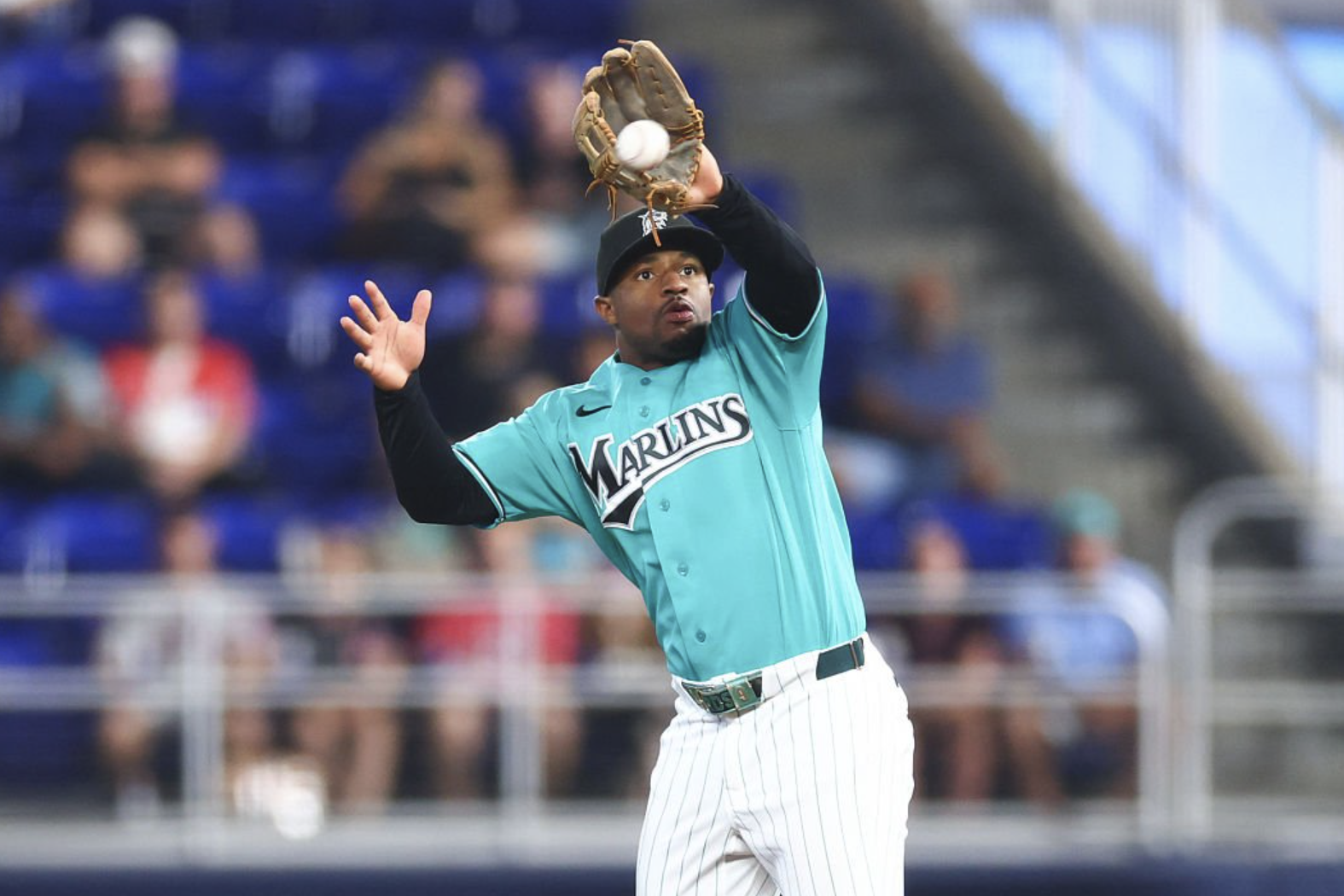 Another MLB trade deadline, another round of waiting for the other shoe to drop for Miami Marlins fans. Despite a terrific week of play that propelled Miami to three games over .500 and within 1.5 games of a playoff spot as Monday's deadline approached, all that had been reported was how Miami was listening to offers on players who had been vital to getting them to this point. The odds seemed high that deadline day transactions would leave them with a substantially weaker 2026 roster. It would have been deflating to essentially bow out of the race in early August with a winning team, especially being as starved for success starved as this franchise is. The front office did the bare minimum early on by shutting down any speculation about Sandy Alcantara and Eury Perez being available. Two out of every five games, the Marlins will continue deploying starting pitchers with the upside to thoroughly dominate. Griffin Conine is famously in Marlin circles "not a Bendix guy", and therefore has often been viewed as more expendable than other outfielders in the organization. Even so, you can't trade the son of Mr. Marlin. Not this early in his career, anyway, especially not when the underlying numbers suggest he might also just be really good at the whole playing baseball thing. The Marlins instead parted with Liam Hicks to address their glut of left-handed hitters. That has understandably upset a portion of the fanbase, but Hicks may well have been superfluous between Joe Mack's emergence and the fact Agustin Ramirez is technically a catcher. Crucially, the team's greatest strength remains intact. Middle infielders Otto Lopez and Xavier Edwards are both above-average defenders capable of stretches of outstanding offense. Dealing Edwards would have been a major blow, as would dealing Lopez, which would've also come with the baggage of dealing a reigning All-Star. "Selling high" is not a satisfactory justification for trading either when there aren't obvious replacements waiting in the wings. It was by no means an aggressive deadline for the Marlins, but they proceeded appropriately given the circumstances. There is a sense right now that every game counts. Nothing is more important to growing their brand. Seasons like this one have just been too few and far between for Marlins fans. The 2026 team has a chance. It might not be a big one, but again, this kind of thing is all relative. Compared to Marlins' seasons past, this club is a borderline juggernaut. Consider this writer thrilled about the deadline day decisions. Now the Wild Card chase can continue, with the future of the Marlins looking bright as well. View the full article
 -
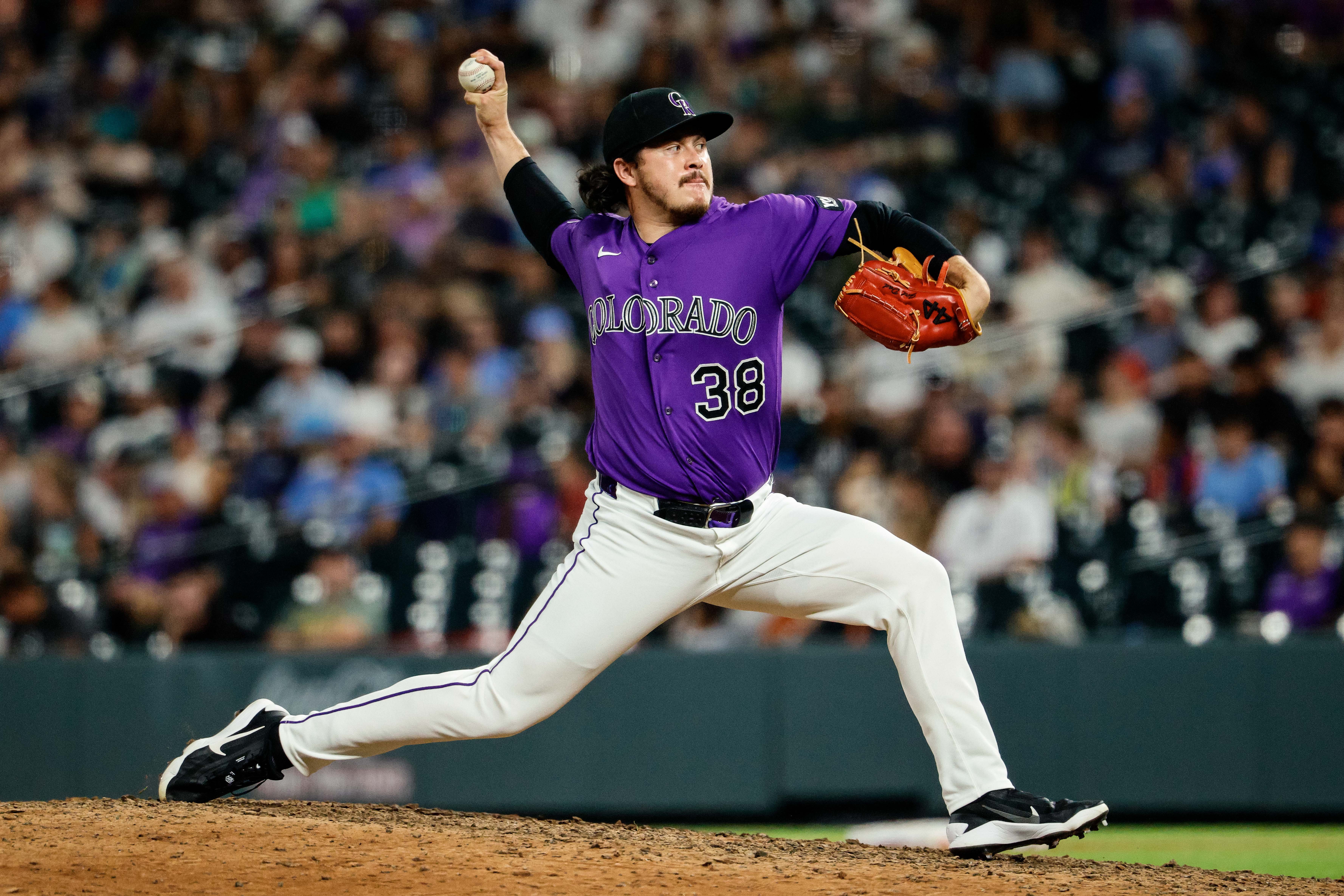 The stunner of the Major League Baseball trade deadline for the Miami Marlins took place with less than five minutes to spare. The Marlins traded away Connor Norby and prospect Aiden May to the Colorado Rockies in exchange for right-handed reliever Victor Vodnik. Vodnik, a 26 year old reliever, has posted a 5.25 ERA, 4.40 FIP, 6.50 K/9 and 4.75 BB/9 in 33 appearances this season. He throws a four-seam fastball, slider, changeup, cutter and sinker. Vodnik is set to enter his first year of arbitration in 2027 and is under club control until 2030. Based on run value, Vodnik's slider is his best pitch (+2 RV), generating a 32.4% whiff rate and 15.2% PutAway rate. Opposing hitters have a .192 batting average off that pitch. Outside of the slider, the rest of his pitches are seen as below average. As is for many pitchers, a big reason for his struggles has been pitching in Colorado itself. His home ERA is 6.61 and on the road, it is 4.12 road ERA. It also was not too long ago that Vodnik was succeeding in Colorado, posting a 3.02 ERA and 3.77 FIP in 50 2/3 innings last season. Vodnik's fastball velocity stands out, averaging 98.6 mph. The downside is that it is getting hit extremely hard and failing to get hitters out with it. Opposing hitters have a .355 batting average and 49.2% hard hit rate off that pitch. The Marlins are an organization who does not prioritize on throwing fastballs as their most used pitch, so potentially expect to see the usage rate of his fastball drop and potentially even use the sinker more to play off his other pitches. Going to the Rockies is Norby. Acquired as the centerpiece of the Trevor Rogers trade in 2024, it seemed early on that the trade was a win for the Marlins, as Norby slashed .247/.315/.445/.760 with seven home runs, 17 RBI and posting a 109 wRC+ in 36 games with the Fish. In 2025, the team hoped to make Norby the full-time third baseman, but a late injury in the spring kept him out to begin the 2025 season. He would land on the injured list three times that season. He hit .251/.300/.389/.689 with eight home runs, 34 RBI and a 90 wRC+. Over the offseason leading into this season, the Marlins announced that Norby would start to play some first base and potentially even the outfield, paving way for Graham Pauley to play third base more consistently. To Norby's credit, he was actually a decent first baseman, posting plus-four outs above average at the position. He also remained healthy during the season and even got off to a strong start to begin the season, posting a .764 OPS in his first 20 games of the season. Before he was sent down to Triple-A Jacksonville, he had an 81 wRC+. Since being sent down to Triple-A, Norby was slashing .265/.365/.482/.847 with four home runs, 15 RBI and a 125 wRC+. Norby, now going to Colorado, will likely go to the major league team playing multiple positions, though first base is currently occupied by National League Rookie of the Year contender T.J. Rumfield. Along with Norby, the Marlins moved on from Oregon State and Competitive Balance Round B pick Aiden May. In 2026, he was in High-A Beloit, where in 14 starts, he had a 3.80 ERA, 4.33 FIP, 7.60 K/9 and 3.15 BB/9. He was Fish On First's No. 29 ranked prospect in the system. View the full article
 -
Marlins trade Lake Bachar to Pirates for 3 prospects
DiamondCentric posted an article in Fish On First
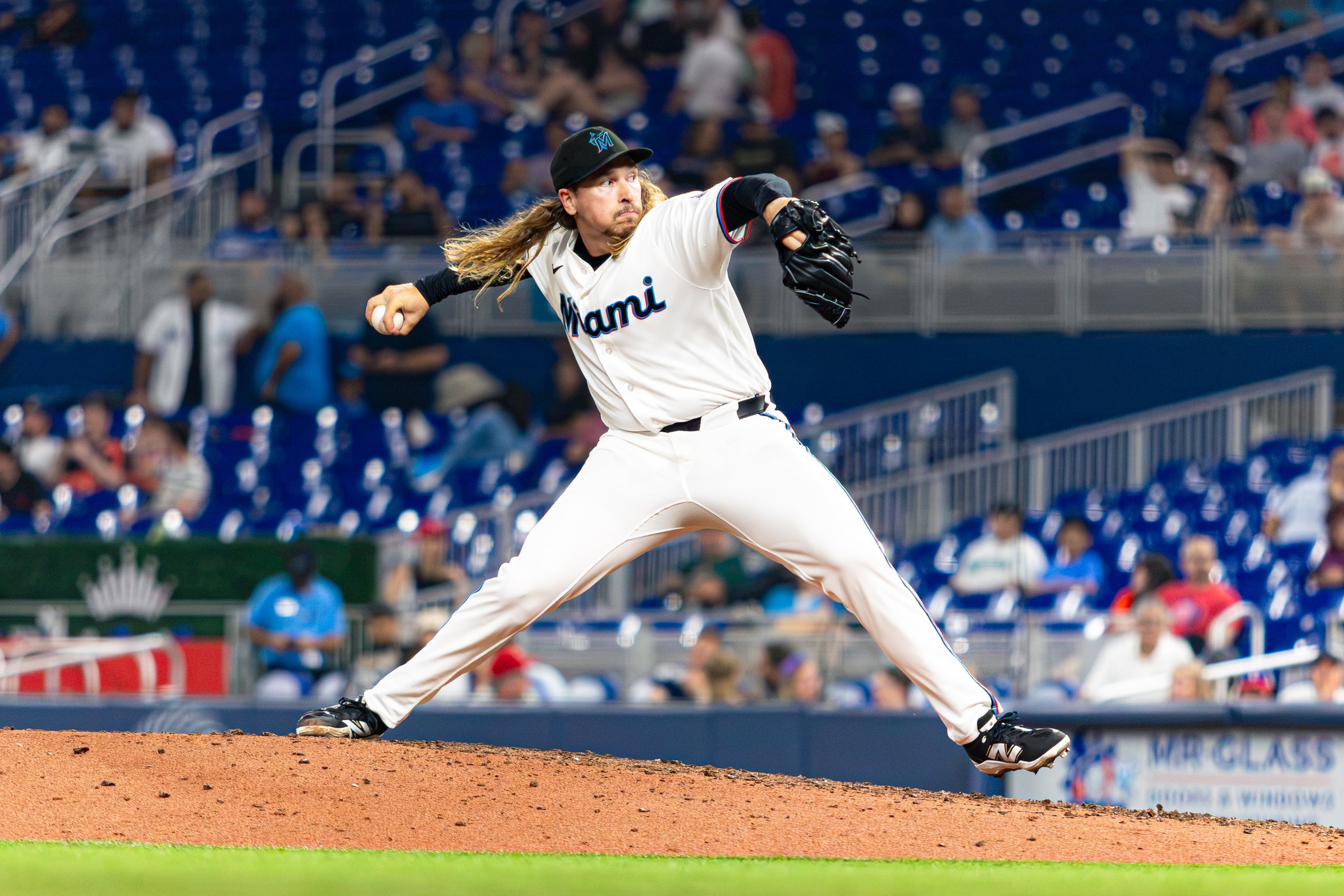 The Miami Marlins have traded right-handed reliever Lake Bachar to the Pittsburgh Pirates in exchange for prospects Brandan Bidois, Hyun Seung Lee and Brian Sanchez. Bachar was acquired late in the 2024 season off waivers from the San Diego Padres. He only appeared in 10 games that September, posting a 3.86 ERA. Bachar made the Opening Day roster in 2025 and in 53 appearances (71.0 IP) he posted a 3.93 ERA, 4.25 FIP, 9.51 K/9 and 3.80 BB/9. In 2026, Bachar has been used in all sorts of situations, including as an opener and multi-inning reliever. He has appeared in 38 games (four starts) and had a 3.84 ERA, 4.29 FIP, 9.36 K/9 and 3.22 BB/9. Amongst all MLB relievers, Bachar has thrown the fourth-most innings. Bachar's slider, his second-most-used pitch this season, has been his best pitch per run value (+5). It's generated 39.8% whiff rate and 35.3% PutAway rate. Opposing hitters have a .130 batting average off that pitch, the lowest amongst the pitches that he has thrown. A recent addition to his pitch-mix was the curveball. He's thrown it 14.0% of the time and has generated 44.4% whiff rate and 34.0% PutAway rate. It has also been his second best pitch per run value (+4). The Marlins acquire three prospects, none ranked in the top 30 on MLB Pipeline or Baseball America. Brandon Bidois, a 25-year-old right-handed reliever, did make his major league debut in 2026, but has spent most of the season in Triple-A. In 19 appearances for AAA Indianapolis, Bidois had a 8.10 ERA, 6.08 FIP, 11.70 K/9 and 7.65 BB/9. He will likely report to Triple-A Jacksonville. Lee, an 18-year-old infield prospect, has played in 50 games between the complex league and Low-A level. He is slashing .264/.363/.471/.834 with seven home runs, 43 RBI and a 111 wRC+. Since the promotion, Lee has struggled, but it's a 15 -game sample size. The final piece, Sanchez, is now going to his fourth organization. In his first go at the High-A level, Sanchez is slashing .254/.340/.431/.772 with nine home runs, 40 RBI and a 94 wRC+. View the full article
 -
 Breaking down the action for the San Diego Padres at the 2026 trade deadline, including analysis of each move made and predictions as to what this means for them down the stretch. Were Casey Mize and Robbie Ray enough to vault the Padres to October again? Listen on Apple Podcasts: https://podcasts.apple.com/us/podcast/padres-mission-podcast/id1896922834 Listen on Spotify: https://open.spotify.com/show/033xclmydmbLmEp0exYuYz Listen on iHeartRadio: https://www.iheart.com/podcast/1333-padres-mission-podcast-336930560 Watch on YouTube: https://www.youtube.com/@padresmission View the full article
 -
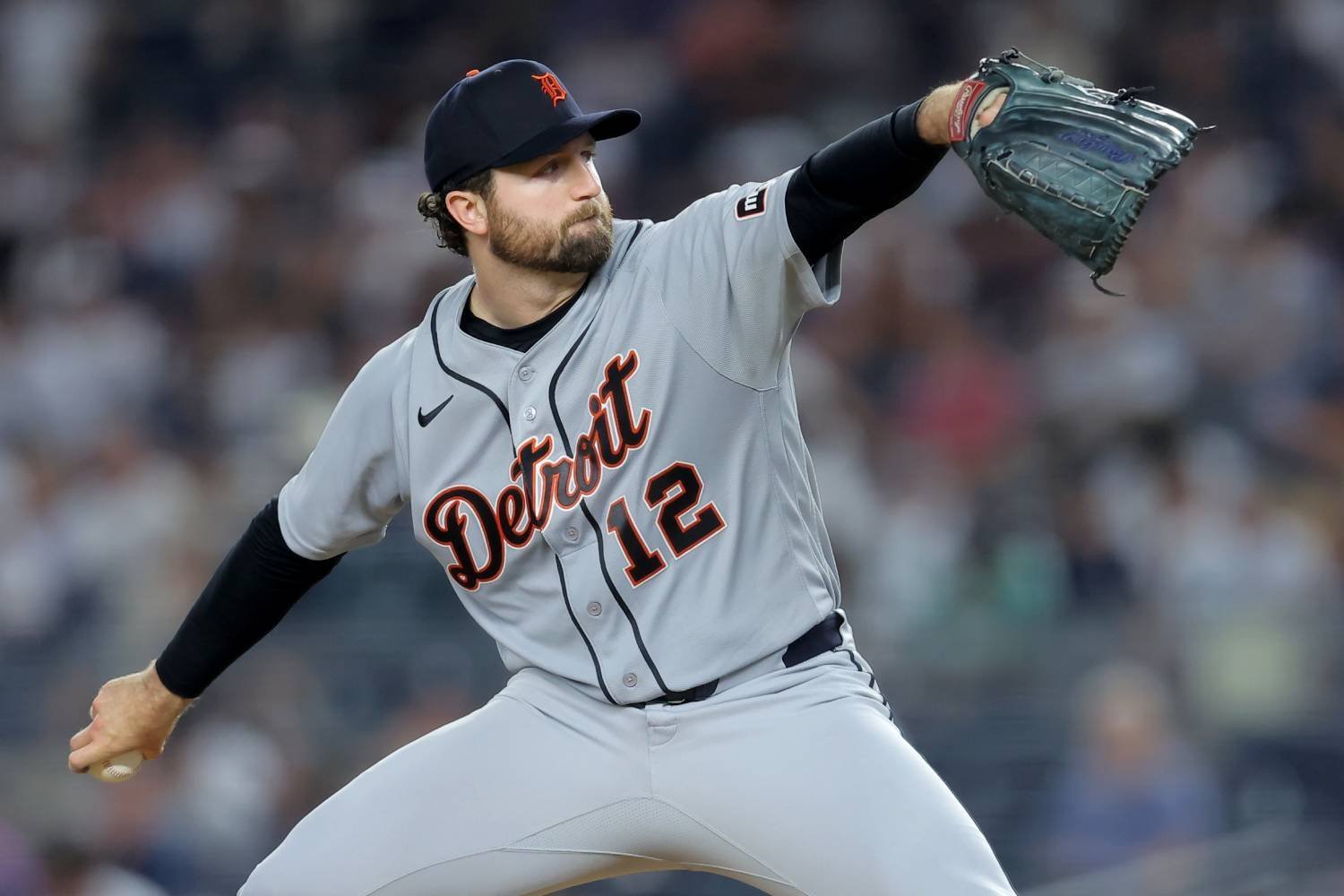 In their second move of the day to bolster their starting rotation, the San Diego Padres acquired right-hander Casey Mize from the Detroit Tigers, according to MLB insider Jon Heyman. The Padres also picked up utility infielder Gage Workman in the deal. Heading to Detroit are High-A Fort Wayne left-hander Kash Mayfield, Padres Mission's No. 2 prospect who pitched in the Futures Game, and Triple-A El Paso left-handed starter Jackson Wolf. Mayfield was the Padres' first-round draft choice in 2024. Mize joins left-hander Robbie Ray as acquisitions at the 2026 deadline, with Mize being a buzzer-beating pickup. Both of those sandwich right-hander Michael King at the top of the Padres' rotation, with right-hander Walker Buehler at No. 4 and decisions to be made at No. 5. But the bottom line is the rotation is tremendously better than it was when everyone woke up Monday morning. Ray, King and Mize is a postseason-worthy rotation. Based on their last starts, Mize and Ray can slot into the rotation as soon as Tuesday, when they have the second game of a huge four-game series against the Arizona Diamondbacks, a team the Padres trail by one game in the NL wild-card chase along with the Philadelphia Phillies. Mize is making $6.15 million this year, with $1.8 million left this year, before becoming a free agent. Mize was the No. 1 overall selection in the 2018 draft out of Auburn and made his MLB debut in the pandemic-shortened 2020 season. He had Tommy John surgery in June 2022 that caused him to miss the 2023 season. He returned in 2024 and was an All-Star in 2025 with a 3.89 FIP (3.87 ERA) with a 5.7% walk rate and 22.2% strikeout rate in 28 starts and 149 innings, just shy of his carer high of 150⅓ from 2021. Mize followed that up this year with even better numbers. In 86⅔ innings over 16 starts, Mize has a 2.58 FIP (2.70 ERA) with a 5.6% walk rate and a 24.9% strikeout rate, the latter topping his career best set last year. His walk rate is the second-best of his career. Workman still has minor-league options left and might be headed to Triple-A El Paso. He was a fourth-round draft choice of the Tigers in 2020 out of Arizona State. Workman was then taken by the Chicago Cubs in the Rule 5 draft after the 2024 season and traded to the Chicago White Sox in April 2025 for cash. He played in a total of 17 games with the two Chicago teams, going 3-for-16 (.188) before being returned to the Tigers as a failed Rule 5 pick. He has appeared in 16 games with the Tigers this year, going 6-for-38 for a .158/.158/.395 slash line with two homers and five RBIs. Giving up Mayfield is a big blow considering Mize is a two-month rental, the same as Ray, who fetched right-hander Miguel Mendez (Padres Mission's No. 3 prospect) and 17-year-old shortstop Joniel Hernandez. But that is also the state of the Padres' farm system, ranked last by every major outlet. At Fort Wayne this season, the 21-year-old had a 3.54 ERA in 15 starts and 53⅓ innings. He had a 10.3% walk rate and 29% strikeout rate. Mayfield has shown front-of-the-rotation ability this season. Wolf had been in contention to join the Padres' rotation in spring, but started the season at Triple-A, where he has been all season. He has a 7.56 ERA in 24 games (17 starts) for the Chihuahuas, with 8.7% walk rate and 16.8 strikeout rate. View the full article
 -
 The Kansas City Royals are 46-67 this season, good for last place in the AL Central. On Fangraphs, their playoff odds are 0.0%, and they are nine losses worse than the Tigers, who sit in fourth place in the Central Division. Typically, when a team is facing that kind of season, they tend to be active at the Trade Deadline. That was the case in 2022 and 2023, when the Royals dealt away many well-established pieces from their roster in exchange for long-term assets. This Deadline, Royals President of Baseball Operations JJ Picollo opted to stay pat with this roster. They traded away Lane Thomas and Bailey Falter on Saturday, and then traded away Kris Bubic to the Dodgers on Monday. However, aside from a minor move involving the recently DFA'd Nolan Hoffman, Kansas City didn't acquire many assets at the Deadline, both short- and long-term. As a result, many Royals fans are asking themselves after this disappointing Trade Deadline: What is the Royals' plan? And will it work out? The Royals Added Some Much-Needed Bullpen Depth Kansas City didn't add much talent on Monday. However, they did bring in an influx of bullpen arms over the past few days. Considering the Royals' bullpen ranks 29th in reliever ERA and 30th in reliever WHIP, that was a sound strategy, especially since there aren't a lot of great options lingering in Triple-A Omaha or Double-A Northwest Arkansas. The Royals added two key arms in the Thomas/Falter trade: right-hander Lucas Braun and left-hander Carter Holton. I broke down both their outlooks in a recent post here on Royals Keep. On Monday, the Royals were able to deal Bubic to the Dodgers in exchange for right-handed reliever Carlos Duran. Bubic being traded away came as a big surprise to most people. The former 40th overall pick in the 2018 MLB Draft only pitched nine games and 50.1 IP this season. He is currently on the 60-Day IL and hasn't pitched since May 14th against the White Sox. And yet, the Dodgers were not just willing to acquire him, but also throw in an intriguing arm in Duran, who was pitching in Triple-A Oklahoma City before the trade. Duran has limited MLB experience, as his only Major League appearance came in 2025 with the Athletics (he allowed 3 runs in 0.1 IP). However, he's been solid this year in Triple-A Oklahoma City. In 37 appearances and 42.2 IP, he posted a 3.38 ERA, 1.43 WHIP, 3.10 FIP, 31.1% K%, and 16.8% K-BB%. In Triple-A this season, he's not just minimized hard contact by hitters, but he's also showcased excellent stuff and generated a lot of chases and whiffs, as evidenced in his TJ Stats Statcast percentiles. Strikes and walks have been problems for Duran, as evidenced by his 17th percentile zone rate and walk rate. That said, he sports the kind of profile that this bullpen is missing beyond Steven Cruz and Beck Way, two younger relievers with upside. Duran could join the pair in giving the Royals some ceiling in the bullpen, especially since he has plenty of years of team control remaining. When looking at him throwing on tape, Duran is a big (6'7!) pitcher who may remind a lot of Royals fans of Cruz. That said, the former Dodgers prospect may have more polish and upside. In addition to Duran, the Royals also acquired Hoffman, who was recently designated for assignment by the Phillies. Much like Duran, most of Hoffman's experience this year has been in Triple-A Lehigh Valley. In 30 appearances and 34.1 IP in Triple-A, the 28-year-old righty has a 4.72 ERA, 1.63 WHIP, 3.70 FIP, 26% K%, and 14.3% K-BB%. Hoffman doesn't have elite stuff, but he throws eight types of pitches and generates a lot of groundballs and weak contact, as illustrated in his TJ Stats Statcast percentiles. In many ways, Hoffman's profile seems a lot like John Schreiber, but with more pitch offerings, Hoffman has the same kind of sidearm delivery as Schreiber, which is evident in this clip from his brief stint with the Phillies this season. eHl3TUtfWGw0TUFRPT1fQndCVVVnSldVUVFBQ0ZGV0J3QUhCbEFGQUZsVFVWZ0FBbFZVQndCVEFBRUVBQVZm.mp4 For a pitcher with years of team control and two Minor League options remaining, the Royals have a potentially valuable reliever who can help immediately and not eat into the Royals' payroll. Even though the Royals didn't make a plethora of moves by the Trade Deadline, they made transactions that helped a much-maligned bullpen for not just the remainder of the 2026 season, but 2027 and beyond. The Royals Didn't Do Enough at the Deadline The moves that the Royals made at the Deadline were solid, honestly. They traded expiring assets for long-term ones who provide some upside at a position (bullpen) that vastly needs improvement. The unfortunate aspect of all of this is that Picollo didn't make enough moves. Understandably, the Royals didn't trade away Michael Wacha or Seth Lugo at the Deadline. Considering the price of free-agent starting pitching, and the questions in the Kansas City rotation for 2027 with Cole Ragans' elbow surgery, it's easy to see why Picollo asked for a high price for the pair. Unfortunately, the price wasn't met, and that's okay, especially considering the value that Wacha and Lugo have provided this Royals team since 2024. On the flip side, Kansas City held on to many expiring assets at the Deadline, not exactly the most sound strategy for a team that is 21 games under .500. They may not have had much trade value, but it's unlikely that Schreiber, Matt Strahm, and Starling Marte will be on this Royals team in 2027. Additionally, while Alex Lange and Daniel Lynch IV have years of control, they're relievers, and there's a volatility that comes with relief pitchers. Royals fans have seen that this year with those two in particular. Lange has a 6.25 ERA and has faded in the second half in the closer's role. As for Lynch, he has a 2.00 ERA, but his xERA is 3.38, and his FIP is 3.10. Thus, regression may be coming for Lynch, especially since he doesn't strike out a ton of batters or sport great TJ Stuff+ or extension numbers. Maybe the Royals wouldn't have gotten the return that other teams got for their relievers. After all, it's tough to sell relievers when one's team is the worst bullpen (arguably) in baseball. However, the Royals need to rebuild their bullpen anyway, and getting rid of some of these pieces could have given them a head start on this goal in 2027. There's no question the Royals believe injuries hurt them in 2026, and that this team can turn things around in 2027 if they are healthy. I agree to a point. Yes, with better health, this team will be better. On May 5th, the Royals were 17-19 and 0.5 games behind the division-leading Tigers and Guardians in the AL Central. After that date, they were plagued by numerous unfortunate injuries to key players: Ragans, Carlos Estevez, Maikel Garcia, and Vinnie Pasquantino were just a few. Two things need to happen for them to avoid this issue: they need to revamp the training staff (Kyle Turner and this team aren't cutting it), and they need to add more depth on their roster to overcome these injuries. The Royals can't do anything with the former problem until after the season. Conversely, they could've addressed the latter issue more significantly at the Deadline. Picollo chose not to, which only puts more pressure on him to improve this roster this Winter. If he isn't able to be more aggressive this offseason, Picollo may see 2027 as his final season as chief executive of the Royals. View the full article
 -
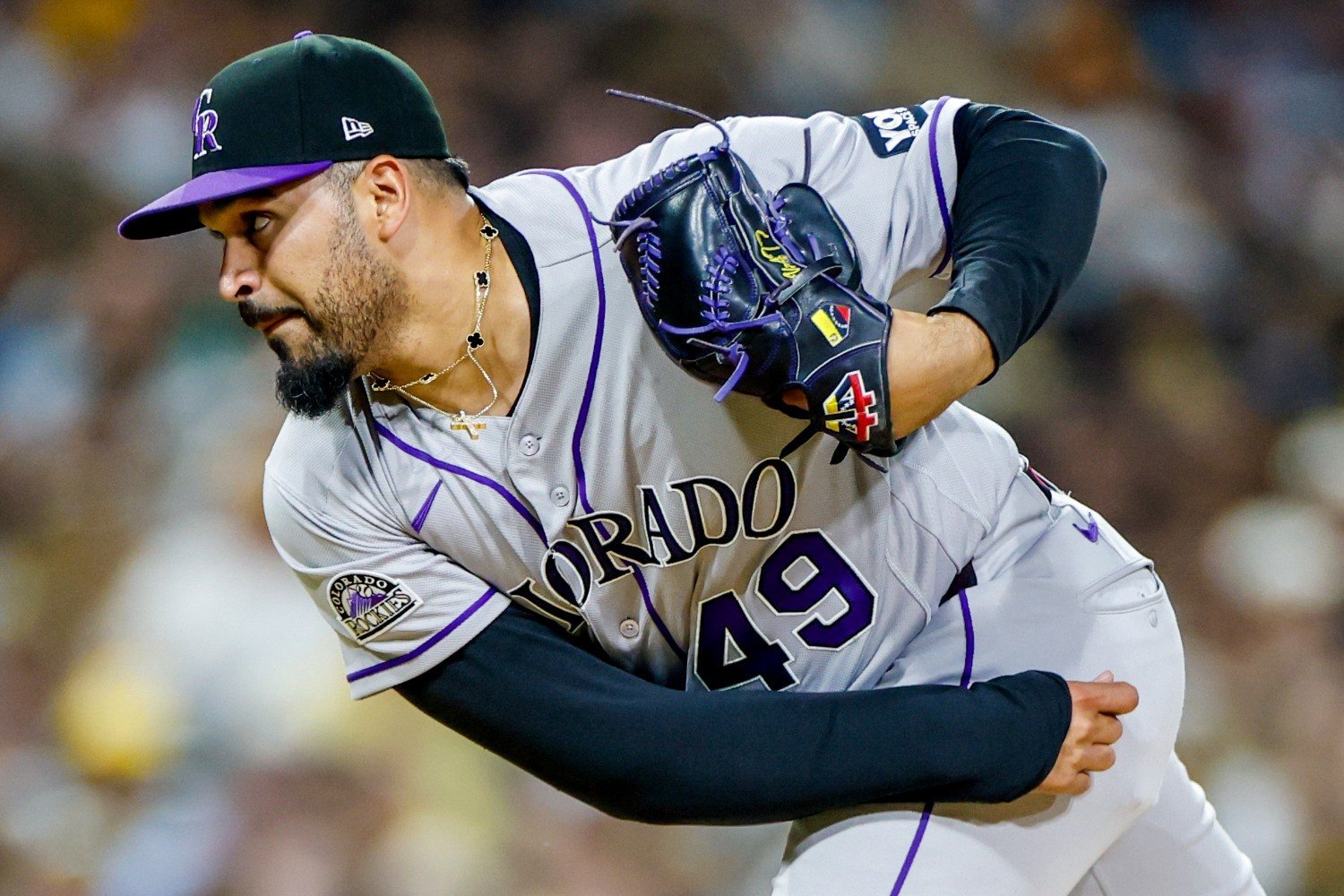 Acquiring talented reliever Nick Mears from the Rockies two years ago didn't pan out exactly as the Brewers hoped. Undeterred, however, they're back in business with the new Rockies front office. They're set to acquire right-handed reliever Antonio Senzatela, according to Ken Rosenthal of The Athletic. Senzatela, 31, is in the final guaranteed season of an extension he signed with the Rockies years ago, when he was a starting pitcher and looked like the co-anchor of the team's young rotation. After injuries and the ravages of pitching at elevation took a long and heavy toll, however, he moved to the bullpen this season. That's been an extremely successful transition. Working in multi-inning relief, Senzatela has missed bats at an acceptable (though below-average) rate for the first time in his career, and continues to fill up the zone. A power cutter has turned him into an effective hurler in short bursts; he's running a 3.61 ERA. Owed $12 million this year (and thus, just under $4 million for what's left of it), Senzatela also has a $14-million club option in his deal for 2027. If this acquisition pans out as hoped, the Brewers will have the chance to bring him back next season—albeit at a very high price for a pitcher of his caliber. In all likelihood, this is a rental, but he gives the team an extra dose of bullpen depth and the ability to get more than three outs at a time when the situation demands it. In exchange for the veteran righty, Milwaukee is sending two low-level prospects to Colorado. The price tag here is much lower than with the package deal for Dustin May and JoJo Romero earlier today. View the full article
 -
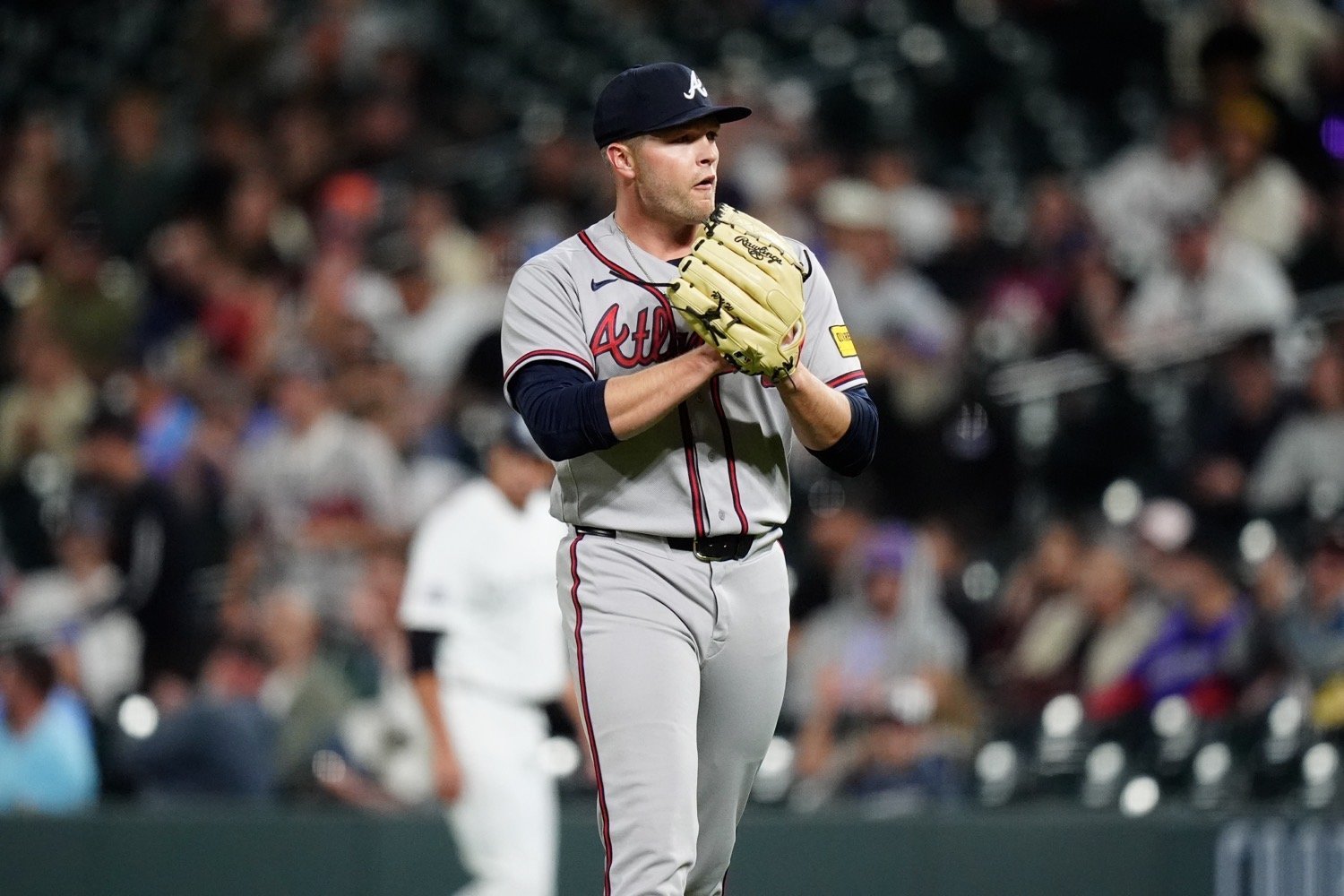 The San Diego Padres had a massive deadline, acquiring two top-of-the-rotation arms in Robbie Ray and Casey Mize. After hanging on to their relievers, particularly Mason Miller and Adrian Morejon, they continued to add to their bullpen depth as the clock struck midnight on the trade deadline. The San Diego Padres acquired reliever Hunter Stratton from the Pittsburgh Pirates, and then immediately optioned him to Triple-A El Paso. They gave up minor league reliever Andrew Moore in the deal. Stratton, 29, has only made three appearances in 2026. For his career (60 appearances), he has a 3.88 ERA (3.89 FIP) and a 14.6% strikeout-minus-walk rate, though he has struggled each of the previous two seasons. He is controlled for at least three seasons beyond 2026. Essentially, the Padres flipped a reliever who isn't ready for big-league action for one who theoretically could be. What do you think of the move? Join the conversation in the comments! View the full article
