


DiamondCentric
-
Posts
2,631 -
Joined
-
Last visited
Never
Content Type
Profiles
Forums
Events
News
Tutorials & Help
Major League Baseball Videos
Guides & Resources
Store
Downloads
Gallery
Everything posted by DiamondCentric
-

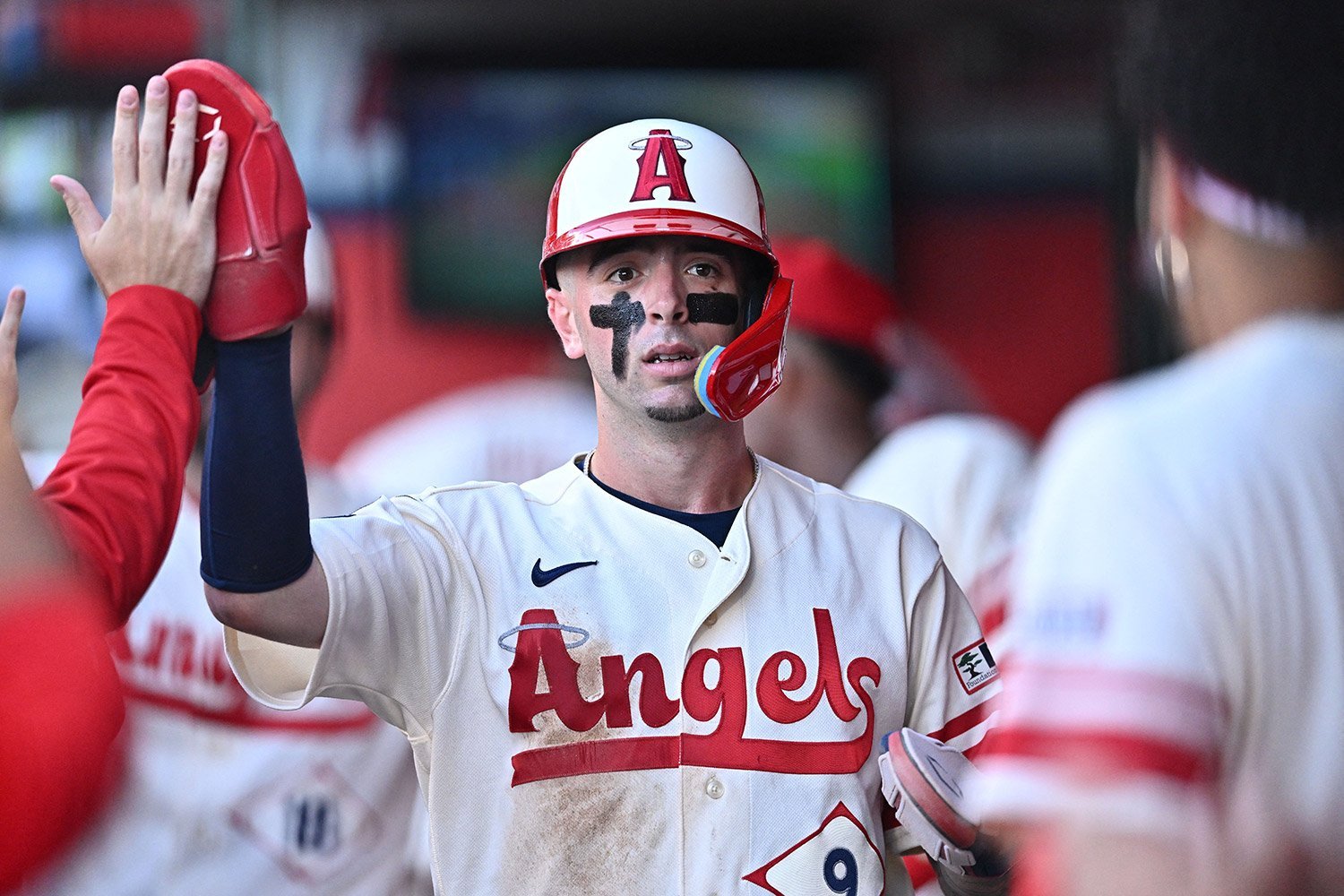 Trade speculation surrounding the Minnesota Twins had been relatively quiet on deadline day until USA Today's Bob Nightengale dropped an interesting nugget during an appearance on the Foul Territory podcast. When discussing Los Angeles Angels shortstop Zach Neto, Nightengale said the Twins are "all over him" and "would love to have him." It's important to note that in the same interview, he said that he doesn't think the Angels will trade the right-handed shortstop. It's a surprising report given that very little had connected the Twins to Neto leading up to Monday's 5 p.m. trade deadline. The 25-year-old has quietly established himself as one of the better young shortstops in baseball, posting a 110 OPS+ across his first three-plus Major League seasons. This year, he's hitting with a .745 OPS while launching 19 home runs and producing 1.9 fWAR. He has also struck out a league-leading 155 times. Defensively, the picture is a bit more complicated. Baseball Savant credits Neto with negative eight Outs Above Average at shortstop this season, though some evaluators believe he's a better defender than the metrics indicate. He also possesses a strong throwing arm. Perhaps the biggest appeal is his contract status. Neto is making just $4.15 million in his first year of arbitration and remains under team control through the 2029 season, making him a potential long-term building block. That also means the acquisition cost would be enormous. Red Sox reporter Tim Healy indicated the Angels are seeking a massive return for Neto, reporting that the Angels' asking price included top Boston Red Sox prospect Franklin Arias along with additional prospects. If the Twins were to seriously pursue Neto, it's hard to imagine a deal getting done without Kaelen Culpepper being part of the package, plus additional prospect capital. That would be a difficult decision. Culpepper has long been viewed as Minnesota's shortstop of the future, but Neto is already an established big leaguer with four more years of team control after this season. A scenario where Neto handles shortstop until Marek Houston is ready before eventually sliding over to third base could make plenty of sense for the Twins' long-term roster construction. Whether anything comes of Nightengale's report remains to be seen. With roughly three hours remaining before the deadline, the Twins may have something up their sleeve. Would you trade Kaelen Culpepper and additional prospects for Zach Neto? Let us know what you think in the comments. View the full article
 -
Padres Trade For Robbie Ray, Former Cy Young Winner
DiamondCentric posted an article in Padres Mission
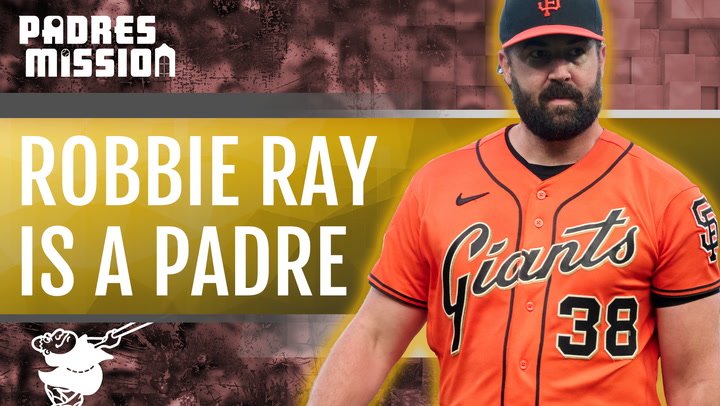 The Padres flipped the script at the deadline, acquiring Robbie Ray from the Giants instead of selling. Here's why parting with Miguel Mendez and Joniel Hernandez was a price worth paying to bolster an injury-riddled rotation. View the full article
 -
The Red Sox Trade For Adley Rutschman Changes Everything
DiamondCentric posted an article in Talk Sox
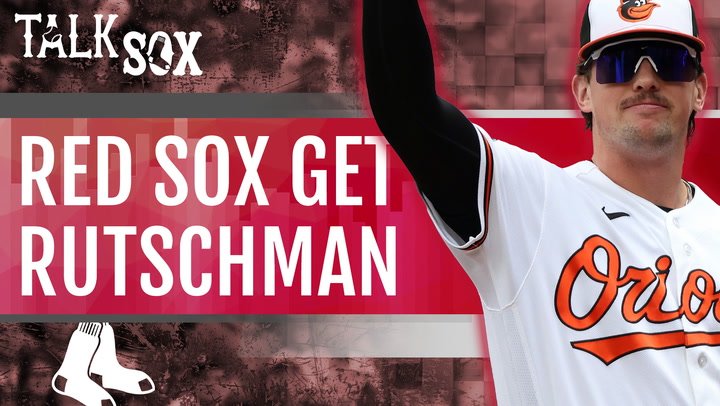 After the Boston Red Sox enjoyed a red-hot month of July, they have traded for backstop Adley Rutschman mere hours ahead of the 2026 MLB Trade Deadline. In this video, we'll dive into his strengths and even touch on categories where the 2019 first overall pick is due for a spike in production. View the full article
 -
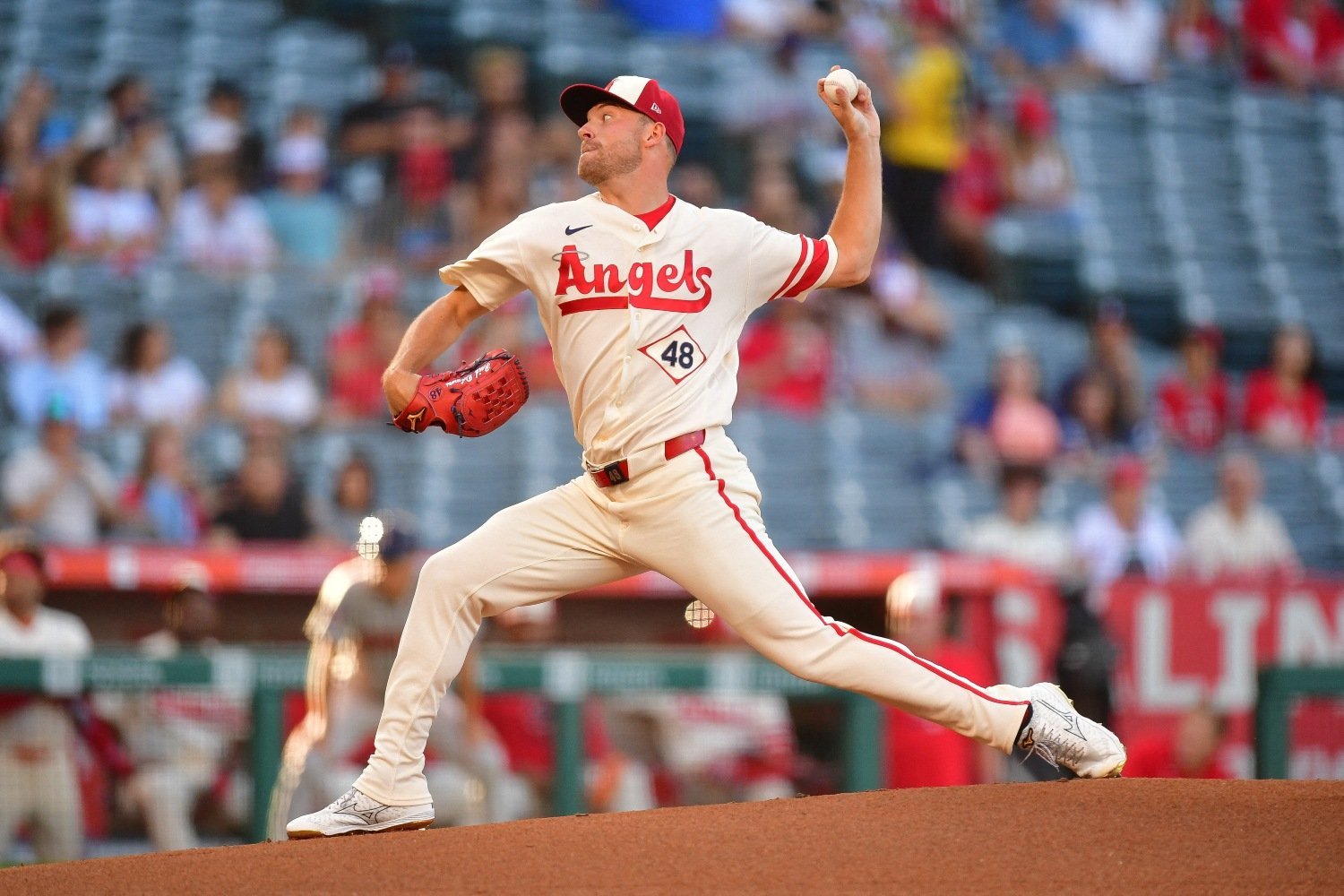 The Cubs have liked Reid Detmers for years. This season, he stayed healthy, got some runway in the Angels rotation, and blossomed into a top-tier trade target, and on Monday, Chicago landed their man. They'll acquire Detmers for a multi-prospect package in a trade with the Angels, a source familiar with the deal confirmed. Michael Cerami of Bleacher Nation broke the news on Twitter. More to come. View the full article
 -
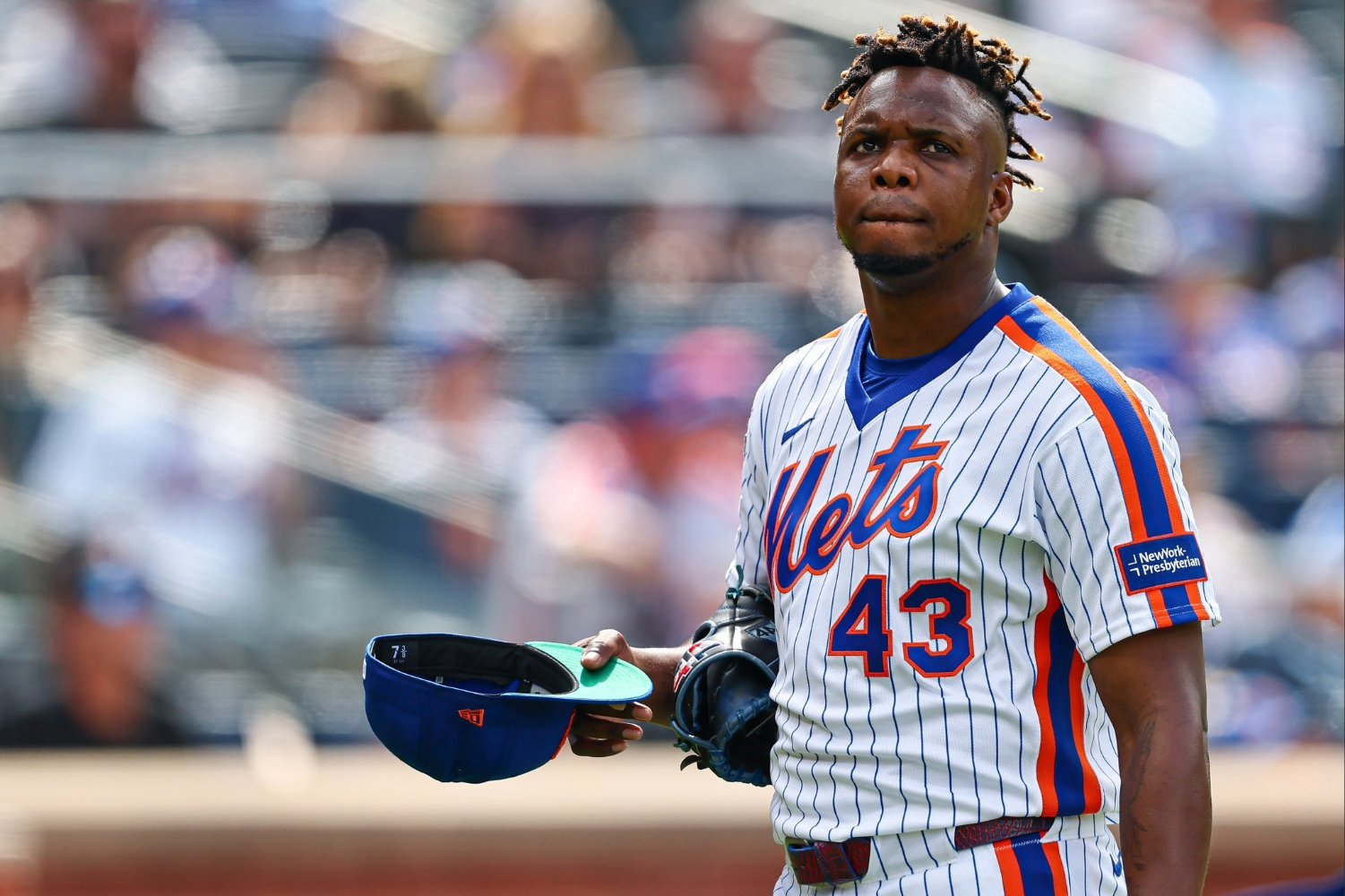
![More information about "BREAKING: Cubs Acquire Left-Handed Starter Braxton Garrett from Marlins [UPDATED]"](//d317trerw33y7b.cloudfront.net/monthly_2026_08/rssImage-a18fa3da9c47cb41f8a055b76a506a54.jpeg.bca3ea162ae6cbd6c06500c9519be152.jpeg) EDITOR'S NOTE: The original version of this piece indicated that the Cubs were acquiring Angels left-hander Reid Detmers, based on my own reporting and that of Bleacher Nation Cubs reporter Michael Cerami. I won't speak for Cerami, but my own understanding is that both pitchers were in play for the team, but that the Cubs backed away from the Angels' demands on Detmers at the last moment and pivoted to Garrett, in whom they've been interested for some time, as we reported last week. My source had their wires crossed as to which pitcher was acquired, and I failed to follow up with sufficient thoroughness after Cerami's report broke. I apologize for the confusion. Without speaking for Cerami, I take responsibility for rushing the reporting on the deal.] The Cubs have been close to acquiring Braxton Garrett before. On Monday, ahead of the MLB trade deadline, they finally reeled in the fish. Jeff Passan of ESPN broke the news on Twitter. Garrett, 28, has spent most of this season in the minor leagues, battling to complete his rehab and to reestablish his foothold in the Miami rotation after undergoing Tommy John surgery in December 2024. His sinker is a ground-ball machine, and when he can fill up the zone with his five-pitch mix, he can be dominant. He's an upside play for Chicago, after they acquired Kevin Gausman Sunday night to co-lead their playoff rotation alongside Shota Imanaga and Matthew Boyd. Like Reid Detmers, whom the team considered heavily before pivoting based on the intransigence of the Angels regarding the return, Garrett is under team control through 2028. He can also be optioned to the minors, and might spend time at Triple-A Iowa before joining the team for the stretch run, a source briefed on the team's thinking said. More to come. View the full article
EDITOR'S NOTE: The original version of this piece indicated that the Cubs were acquiring Angels left-hander Reid Detmers, based on my own reporting and that of Bleacher Nation Cubs reporter Michael Cerami. I won't speak for Cerami, but my own understanding is that both pitchers were in play for the team, but that the Cubs backed away from the Angels' demands on Detmers at the last moment and pivoted to Garrett, in whom they've been interested for some time, as we reported last week. My source had their wires crossed as to which pitcher was acquired, and I failed to follow up with sufficient thoroughness after Cerami's report broke. I apologize for the confusion. Without speaking for Cerami, I take responsibility for rushing the reporting on the deal.] The Cubs have been close to acquiring Braxton Garrett before. On Monday, ahead of the MLB trade deadline, they finally reeled in the fish. Jeff Passan of ESPN broke the news on Twitter. Garrett, 28, has spent most of this season in the minor leagues, battling to complete his rehab and to reestablish his foothold in the Miami rotation after undergoing Tommy John surgery in December 2024. His sinker is a ground-ball machine, and when he can fill up the zone with his five-pitch mix, he can be dominant. He's an upside play for Chicago, after they acquired Kevin Gausman Sunday night to co-lead their playoff rotation alongside Shota Imanaga and Matthew Boyd. Like Reid Detmers, whom the team considered heavily before pivoting based on the intransigence of the Angels regarding the return, Garrett is under team control through 2028. He can also be optioned to the minors, and might spend time at Triple-A Iowa before joining the team for the stretch run, a source briefed on the team's thinking said. More to come. View the full article -
 Chicago Cubs Minor League Report Affiliate Overview Triple-A Iowa Cubs Series vs. Scranton/Wilkes-Barre Rail Riders (New York Yankees): RailRiders win, 6-0 Season Record: 43–62-1 Double-A Knoxville Smokies Series vs. Pensacola Blue Wahoos (Miami Marlins): Blue Wahoos win, 4-2 Season Record: 54–48 High-A South Bend Cubs Series at Lake County Captains (Cleveland Guardians): Cubs win, 4-2 Season Record: 60–38 Single-A Myrtle Beach Pelicans Series vs. Charleston RiverDogs (Tampa Bay Rays): RiverDogs win, 4-2 Season Record: 40–60 Triple-A: Iowa Cubs Season Record: 43–62-1 Series Opponent: Scranton/Wilkes-Barre RailRiders (59-46) Series Standing: Lose, 6-0 Aug. 2: The Iowa Cubs were swept in their series with the Scranton/Wilkes-Barre RailRiders following a 13-3 drubbing on Sunday at Principal Park. Both teams scored one run in their first trip to the plate, with Kevin Alcántara (1-for-4) providing the Cubs’ tally with an RBI-groundout. The RailRiders broke the game open by scoring four in the second and three in the fourth to take an 8-1 lead. Jonathan Long (1-for-4) hit a solo home run in the fifth, his 12th of the season, but Scranton/Wilkes-Barre made it 13-2 by scoring five times in the sixth. Ethan Hearn (2-for-4) hit his first-career Triple-A home run in the ninth that made it 13-3. Jace Beck got the start on the mound for the I-Cubs and suffered the loss, falling to 0-1 on the season. Beck allowed five runs on seven hits over two innings of work, walked two and struck out five. Luis Peralta tossed three shutout innings out of the bullpen to end the game, allowed just three hits and whiffed three. Alcántara’s single in the eighth extended his franchise-record on-base streak to 41 games. Double-A: Knoxville Smokies Season Record: 54–48 Series Opponent: Pensacola Blue Wahoos (55–46) Series Standing: Lose, 4-2 Aug. 2: The Knoxville Smokies earned a 5-3 victory over the Pensacola Blue Wahoos in Sunday’s series finale at Covenant Health Park. The Blue Wahoos opened the scoring in the ballgame with three runs in the third and kept the Smokies off the board through the first five innings. In the sixth, Knoxville rallied past Pensacola with five runs in the frame to take the lead for good in the contest. Karson Simas (2-for-3) started the scoring with an RBI-single and Drew Bowser (1-for-1) had the biggest swing of the game when he crushed a pinch-hit go-ahead grand slam, his first home run of the campaign, to put the Smokies ahead 5-3. Luke Little (1.0 IP) and Marino Santy (2.0 IP) closed out the game, combining for three shutout innings in relief, allowing three hits and striking out four. Santy tossed the final two innings of the contest to earn his seventh save of the season, which ranks tied for third most in the Southern League. Kevin Valdez got the start on the mound for Knoxville and took no decision. Valdez allowed three runs on five hits over five innings of work, walked two and struck out five. High-A: South Bend Cubs Season Record: 60–38 Series Opponent: Lake County Captains (54–44) Series Standing: Win, 4-2 Aug. 2: The South Bend Cubs were blanked, 1-0, by the Lake County Captains in a seven-inning rain-shortened contest on Sunday at Classic Auto Group Park. The Captains scored the only run of the ballgame in the fourth, which would be enough to earn them a win. Pierce Coppola got the start on the mound for the Cubs and took no decision. Coppola allowed one run, unearned, on two hits over five innings of work, struck out four batters with no walks issued. Jose Romero worked two scoreless frames out of the bullpen, gave up one hit and struck out two. South Bend was held to just two hits offensively and went 0-for-6 with runners in scoring position. Single-A: Myrtle Beach Pelicans Season Record: 40–60 Series Opponent: Charleston RiverDogs (58–44) Series Standing: Lose, 4-2 Aug. 2: The Myrtle Beach Pelicans were shutout, 2-0, in a six-inning rain-shortened contest on Sunday at Pelicans Ballpark. The RiverDogs scored once in both the fifth and sixth innings to take their 2-0 lead. The contest was called due to rain in the bottom of the sixth with nobody out and nobody on base. The Pelicans were held to just two hits in the game, with none going for extra bases. Riely Hunsaker got the start on the mound for the Pelicans and took the loss, falling to 3-3 on the season. Hunsaker allowed one run on three hits over five innings of work, walked one and struck out five. View the full article
 -
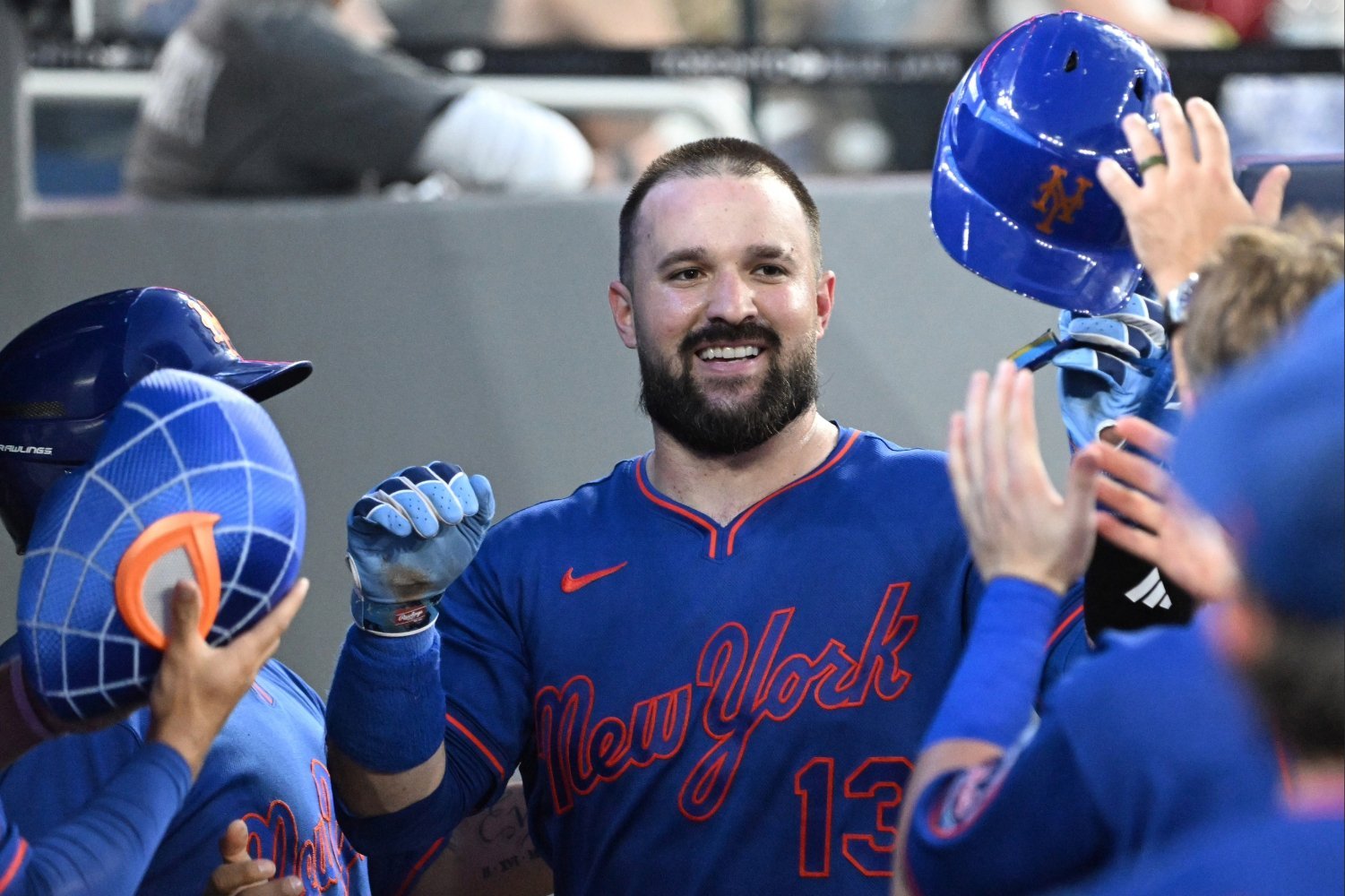 Many contenders are looking for catchers ahead of Monday's trade deadline, but the New York Mets are still reluctant to flip Luis Torrens, according to Jon Heyman of the New York Post. Catchers such as Tyler Stephenson, Ryan Jeffers, and even former top overall draft pick Adley Rutschman are all rumored to be on the market on Monday ahead of the 6:00 pm ET deadline, but the Mets are happy to keep Torrens despite what they could potentially get in return. Heyman specifically said that the Mets have "no plans to move Luis Torrens, one of the best defensive catchers in game." Francisco Álvarez is the unquestioned starter at the position in Queens, but the organization greatly values Torrens’ contributions, particularly behind the plate. Torrens had, as of Monday afternoon, a career-high 12 Defensive Runs Saved (DRS) behind the dish in just 479 1/3 innings, and ranks in the 95th percentile with nine runs of Fielding Run Value (FRV). He hasn’t produced much offensively, slashing .216/.279/.314 with two homers and a 69 wRC+ in 203 plate appearances, but he does most of his work on defense. He is not super cheap, but his salary is manageable for most contenders, as he signed a two-year, $11.5 million deal that keeps him under control through 2028. Still, the Mets don’t want to deal him and don’t have to do it, either. View the full article
 -
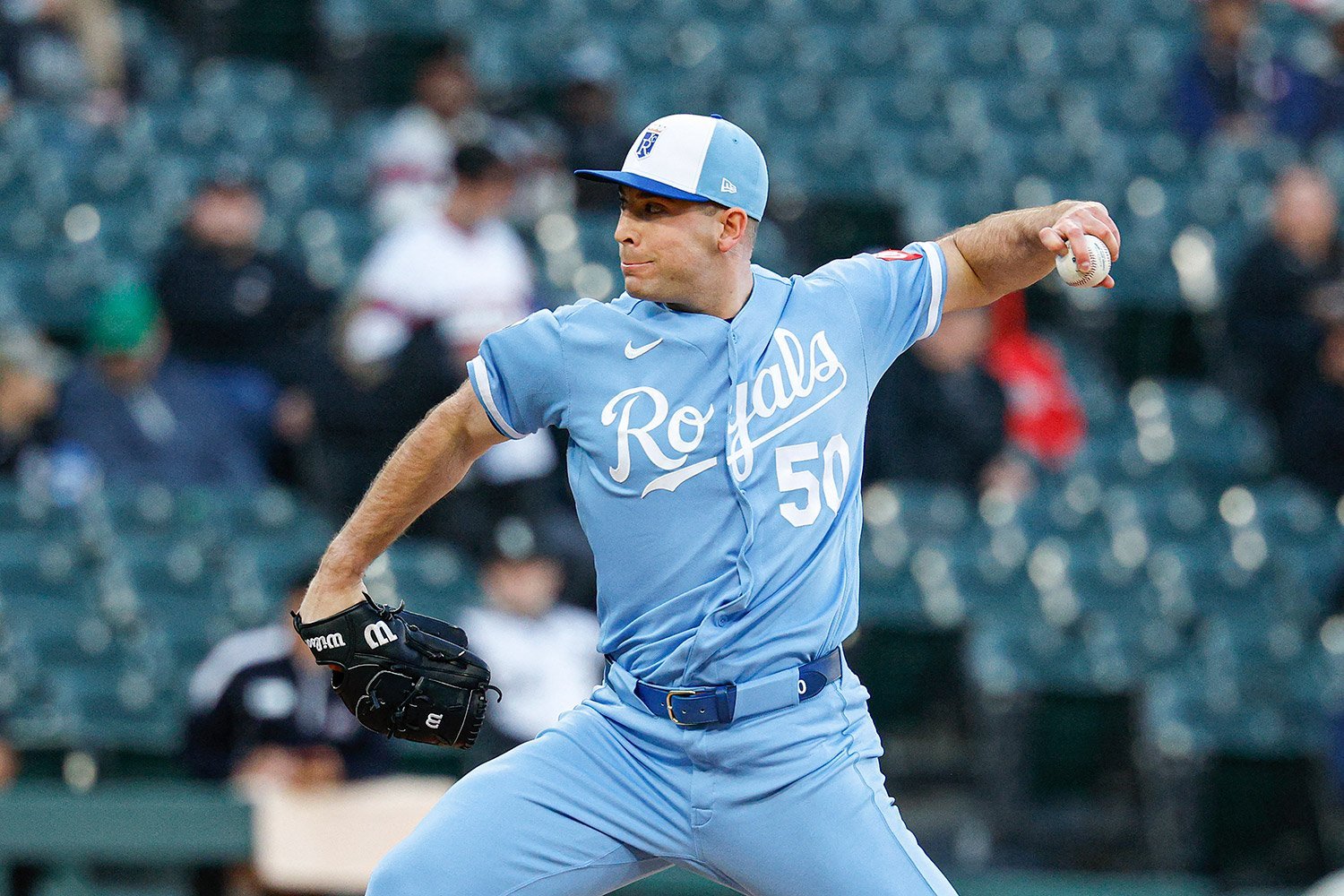 The Royals have traded LHP Kris Bubic to the Los Angeles Dodgers. Bubic has pitched in nine games, throwing 50 1/3 innings and recording a 4.11 ERA. Bubic is a free agent at the end of this season. The players heading to Kansas City have not been reported yet. Bubic will fortify a rotation that is star studded in Los Angeles and will give the Dodgers another weapon from the left side. More to come... View the full article
 -
BREAKING: Padres Trade For Giants Starter Robbie Ray
DiamondCentric posted an article in Padres Mission
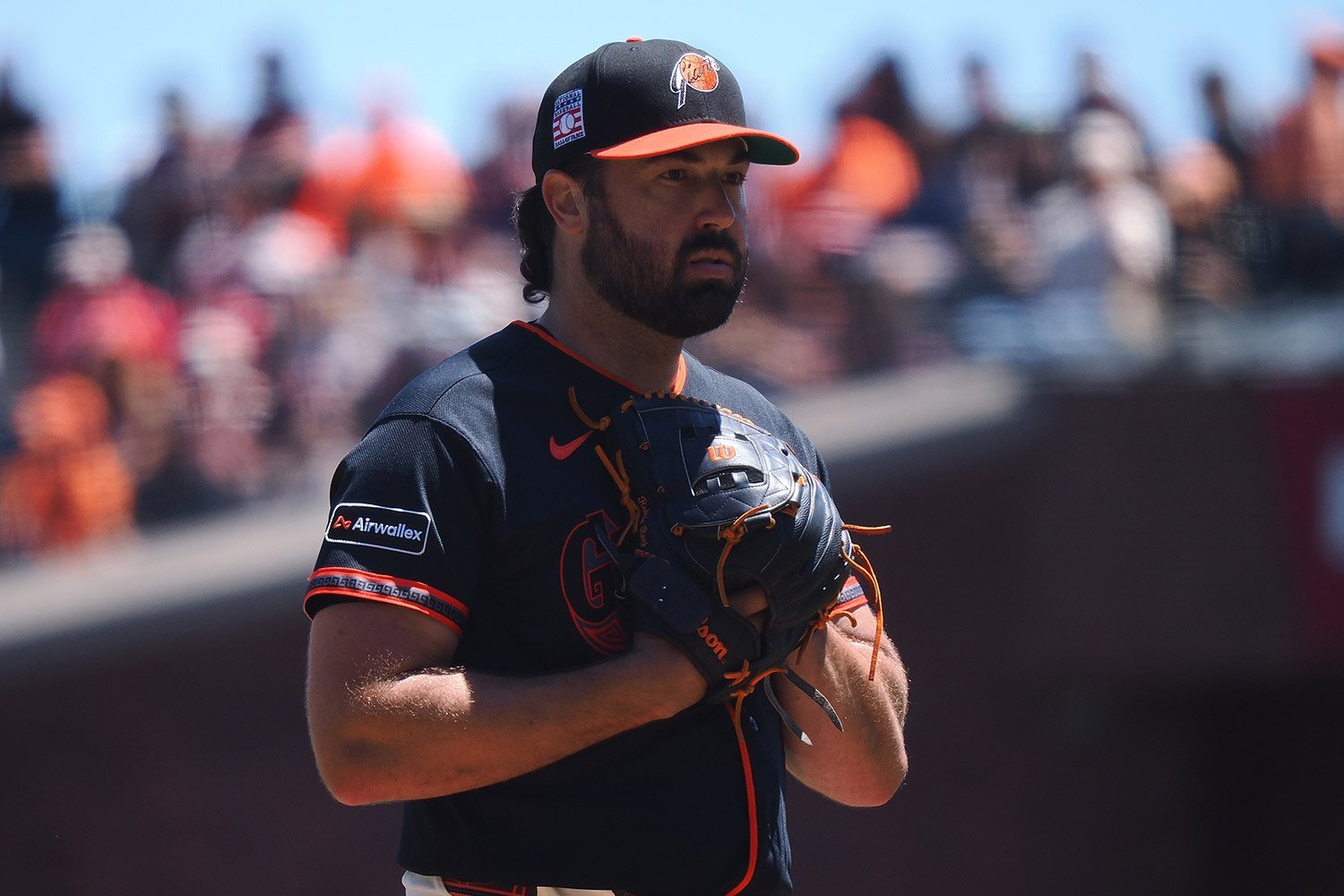 The San Diego Padres and San Fransico Giants are finalizing a trade that will send Robbie Ray down Interstate 5 to San Diego, per Jeff Passan of ESPN. In return, the Giants are landing Miguel Mendez and Joniel Hernandez, per Robert Murray of Fansided. Mendez, a right-handed pitcher, is ranked as the organization’s third-ranked prospect by Padres Mission. Ray is in the final year of a five-year, $115 million deal he originally signed with the Seattle Mariners. With a $25 million salary for 2026, the Giants are reportedly covering half of his remaining money. The Padres, who looked to be on the fence as buyers or sellers, appear to be pushing their chips in. Ray should help bolster the back end of a rotation that has struggled for consistency and production. His 3.08 ERA this season would lead all qualified Padres’ starters, although his ERA estimators all have his ERA in the mid-4.00s. View the full article
 -
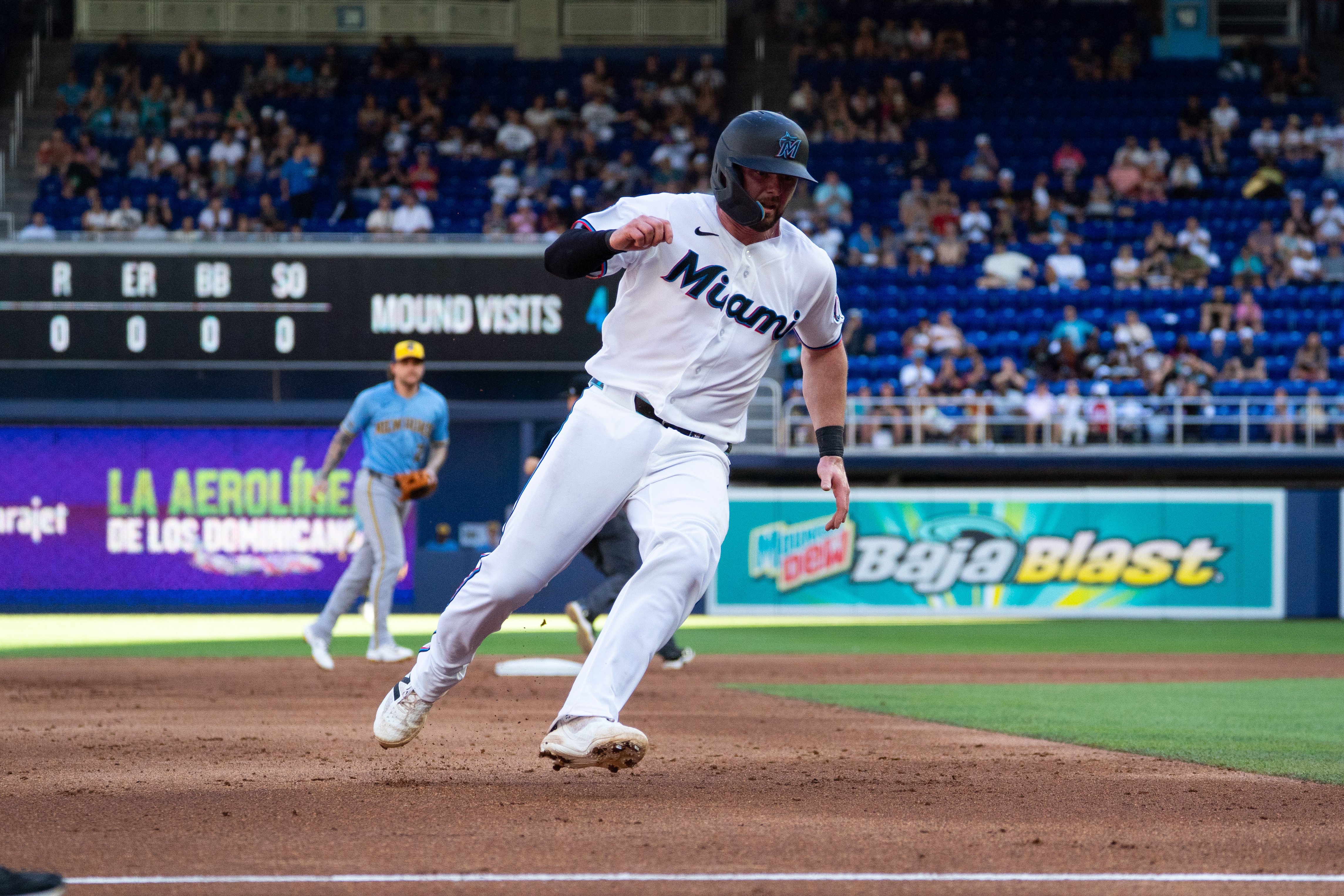 The Miami Marlins traded Liam Hicks to the Tampa Bay Rays on Monday, as first reported by ESPN's Jeff Passan. The package includes infielder Brayden Taylor, per Will Sammon of The Athletic. Under president of baseball operations Peter Bendix, the Marlins have made a habit of turning overlooked players into valuable major leaguers, with Hicks being a perfect example. The Marlins selected him in the 2024 MLB Rule 5 Draft. He had never played above Double-A, and after a solid spring, he managed to make the 2025 Opening Day roster. In his rookie season, Hicks slashed .247/.346/.346/.693 with six home runs, 45 RBI and posted a 98 wRC+. His role expanded as the year progressed. He finished 2025 catching in 62 games and playing 28 games at first base. Over the offseason, Hicks worked on his bat speed in an attempt to hit for more power. In 2026, that work has paid off. His average bat speed went from 67.4 mph to 68.3 mph, raising his average exit velocity from 84.6 mph to 85.2 mph. Combining added strength with an increase in his pull rate, Hicks already has 14 home runs this season. He has also maintained his elite contact ability, striking out 9.5% of the time, which is the lowest among MLB catchers and fifth-lowest among all qualified hitters. After all of his adjustments, Hicks is slashing .282/.363/.432/.795 with a team-leading 62 RBI and a 119 wRC+. However, Joe Mack is poised to be Miami's primary catcher long term. The Rays had a pressing need at the position, while the Marlins felt he was expendable to them. The Boston Red Sox were one of Hicks' other suitors, as The Athletic previously reported on Sunday. More updates to come... View the full article
 -
Twins Add Dean Kremer to Active Roster, Option Jack Anderson
DiamondCentric posted an article in Twins Daily
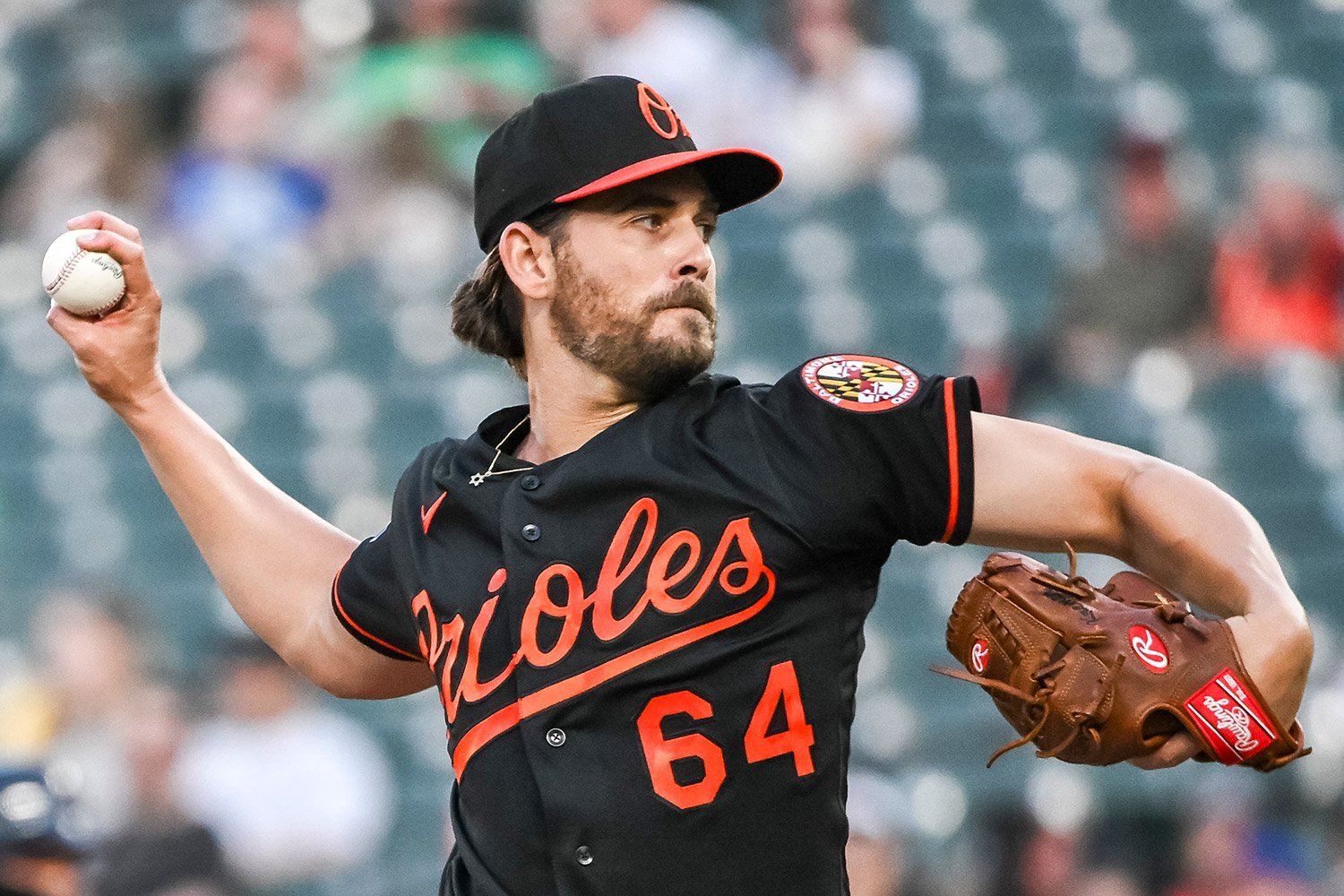 The Minnesota Twins officially added newly acquired right-handed starting pitcher Dean Kremer to the active roster on Sunday, optioning right-handed reliever Jack Anderson to Triple-A St. Paul in the corresponding move. Minnesota acquired Kremer from the Baltimore Orioles on Friday night in exchange for 18-year-old outfield prospect Jhomnardo Reyes, and this move confirms the club's intention of immediately inserting him into the major league rotation. Combined with Saturday's decision to option Zebby Matthews to St. Paul, Kremer is now expected to take over Matthews' spot in the rotation. If that lines up as expected, Kremer will make his Twins debut on Thursday, August 6, in Kansas City. Kremer last pitched for Baltimore on July 28 when he allowed eight earned runs against the Detroit Tigers. The decision to option Anderson is a logical one. The Twins claimed the right-hander off waivers from the Red Sox earlier in July, and while he impressed during his brief stint in Minneapolis by tossing 4 1/3 scoreless innings, most of his appearances came in low-leverage situations. With Kremer needing a roster spot, Anderson was the easiest move. The more intriguing question is what comes next for Matthews. Will he remain stretched out as rotation depth at Triple-A? Could he replace Connor Prielipp in the Saints' rotation if the organization wants to manage Prielipp's workload after the heaviest season of his professional career? Or do the Twins see Matthews as a potential bullpen option down the stretch? Those answers should become clearer over the next few weeks. What do you expect to see from Dean Kremer in the Minnesota Twins' rotation? Leave a comment below and start the conversation! View the full article
 -
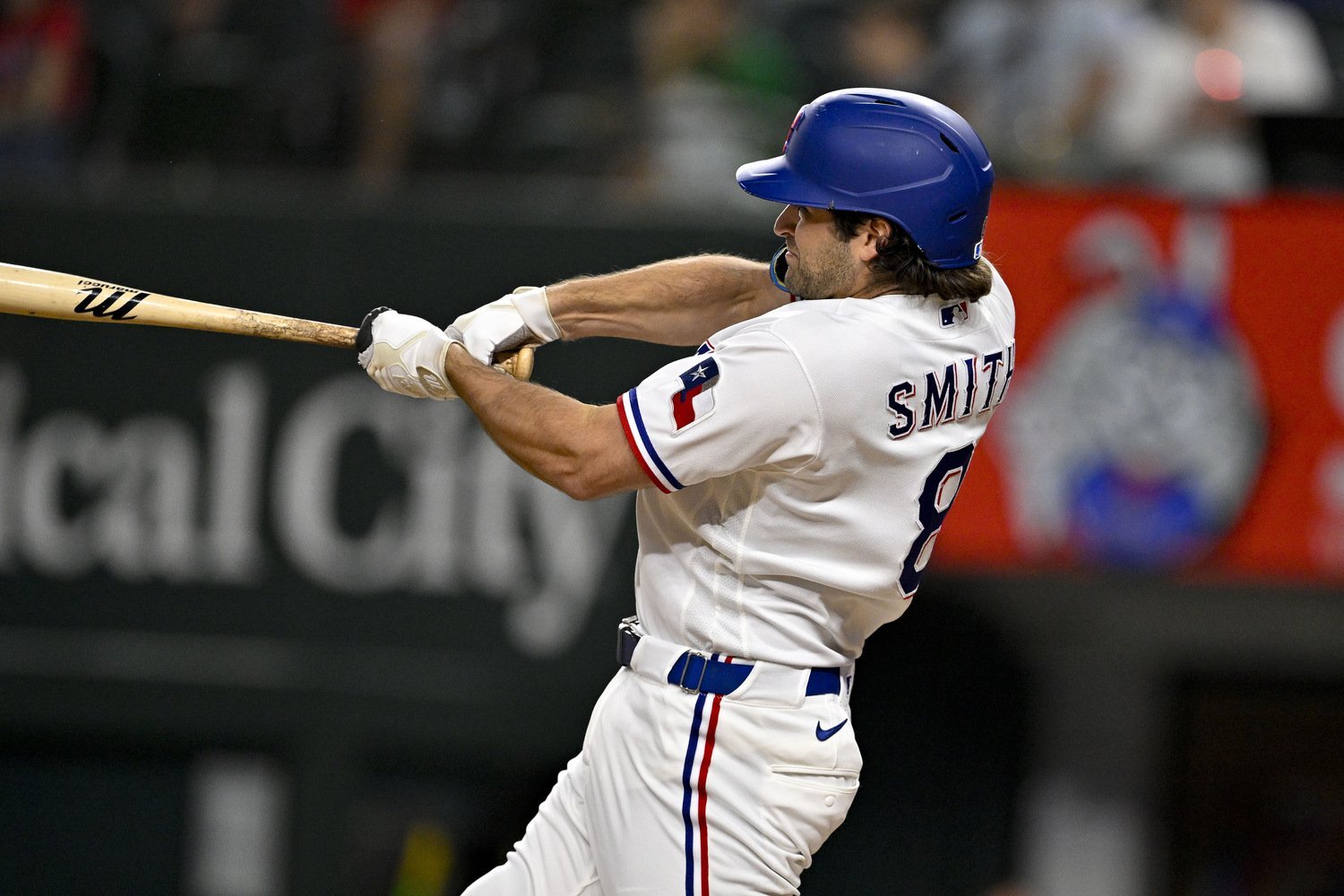 The Blue Jays and Rangers have agreed on a trade that will send utility player Josh Smith and minor league right-hander Josh Stephan to Toronto in exchange for left-hander Adam Macko. Evan Grant (The Dallas Morning News) and Ken Rosenthal (The Athletic) had the scoop. More to come... View the full article
 -
Astros still trying for Kyle Stowers hours before trade deadline
DiamondCentric posted an article in Fish On First
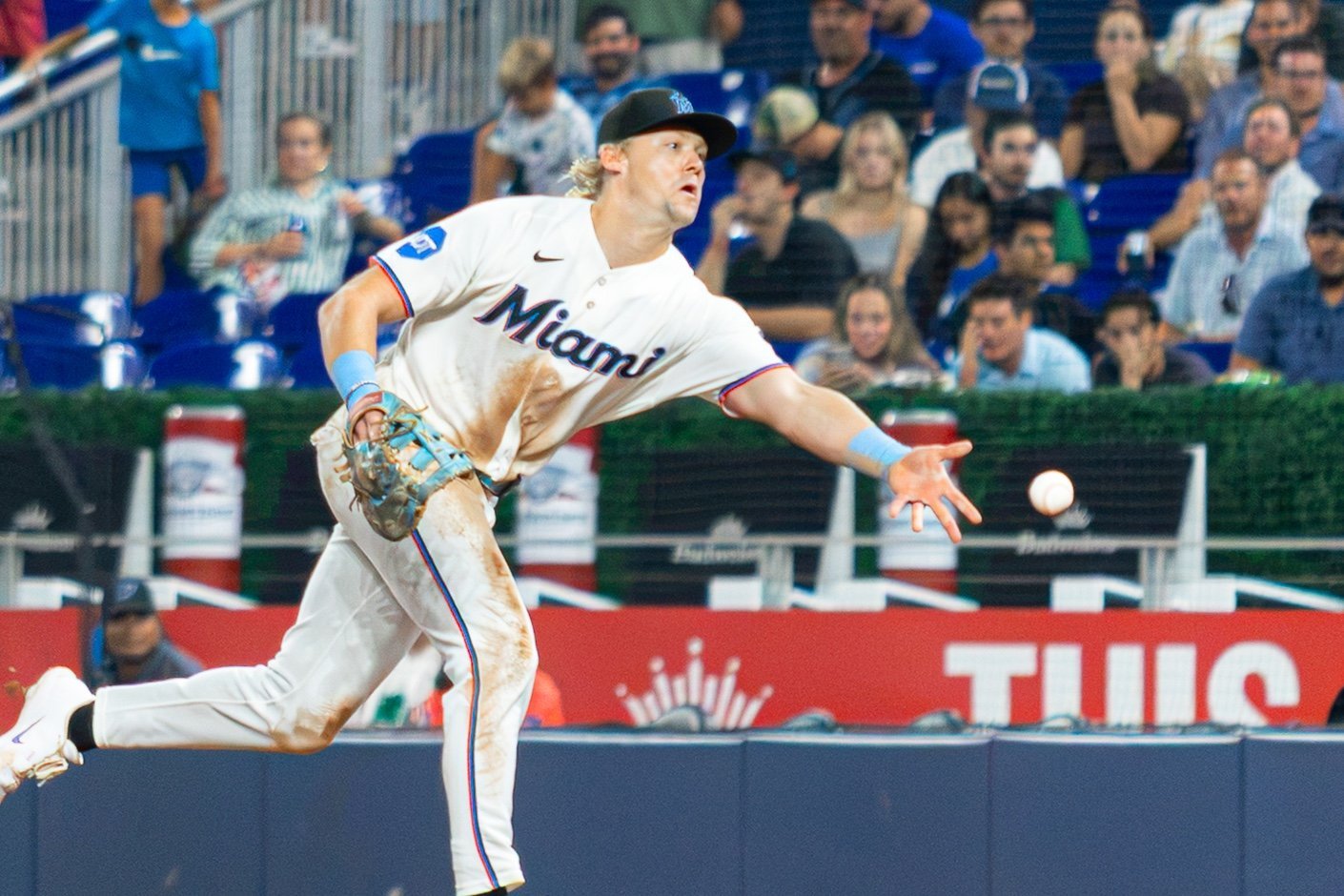 Although the Miami Marlins are "not especially motivated to move him," they continue to listen on 2025 All-Star Kyle Stowers as of early Monday afternoon, according to Jon Heyman of MLB Network. The Houston Astros remain the only specific suitor who's been identified. Stowers' overall slash line of .234/.319/.459 in 2026 is almost precisely in line with his career average, though he has gradually improved at the plate as this year has progressed. He has extreme platoon splits with 15 home runs and a 130 wRC+ against right-handed pitching compared to only one homer and a 39 wRC+ against lefties. Exclusively an outfielder during his first two seasons with the Marlins organization, he has gradually become their everyday first baseman this summer. The AL West-leading Astros, who have Christian Walker installed at first base, would presumably utilize Stowers in the corner outfield spots if they acquired him. The Marlins have a surplus of left-handed bats for the foreseeable future, especially when accounting for outfield prospects Cam Cannarella and Brandon Compton who've been dominating the upper minors. However, none of them have a major league season on their résumé that measures up to what Stowers did last season (4.0 fWAR in 117 G). Also, the 28-year-old is under club control through 2029, giving the Marlins plenty of leverage in negotiations. Both of these teams are playing high-quality ball as of late, combining to go 12-1 in their games last week. I'd be shocked if Stowers gets dealt today, but stay tuned... View the full article
 -
The Mets Traded Two More Relievers — Who Did They Get Back?
DiamondCentric posted an article in Grand Central Mets
 After dealing Huascar Brazoban and Brooks Raley, the Mets landed Gabe Davis, Zach Franklin, Luke Gabrysh, and John Spikerman. Here's how each prospect fits into New York's future. View the full article
 -
Mets Acquire Chayce McDermott From The Dodgers
DiamondCentric posted an article in Grand Central Mets
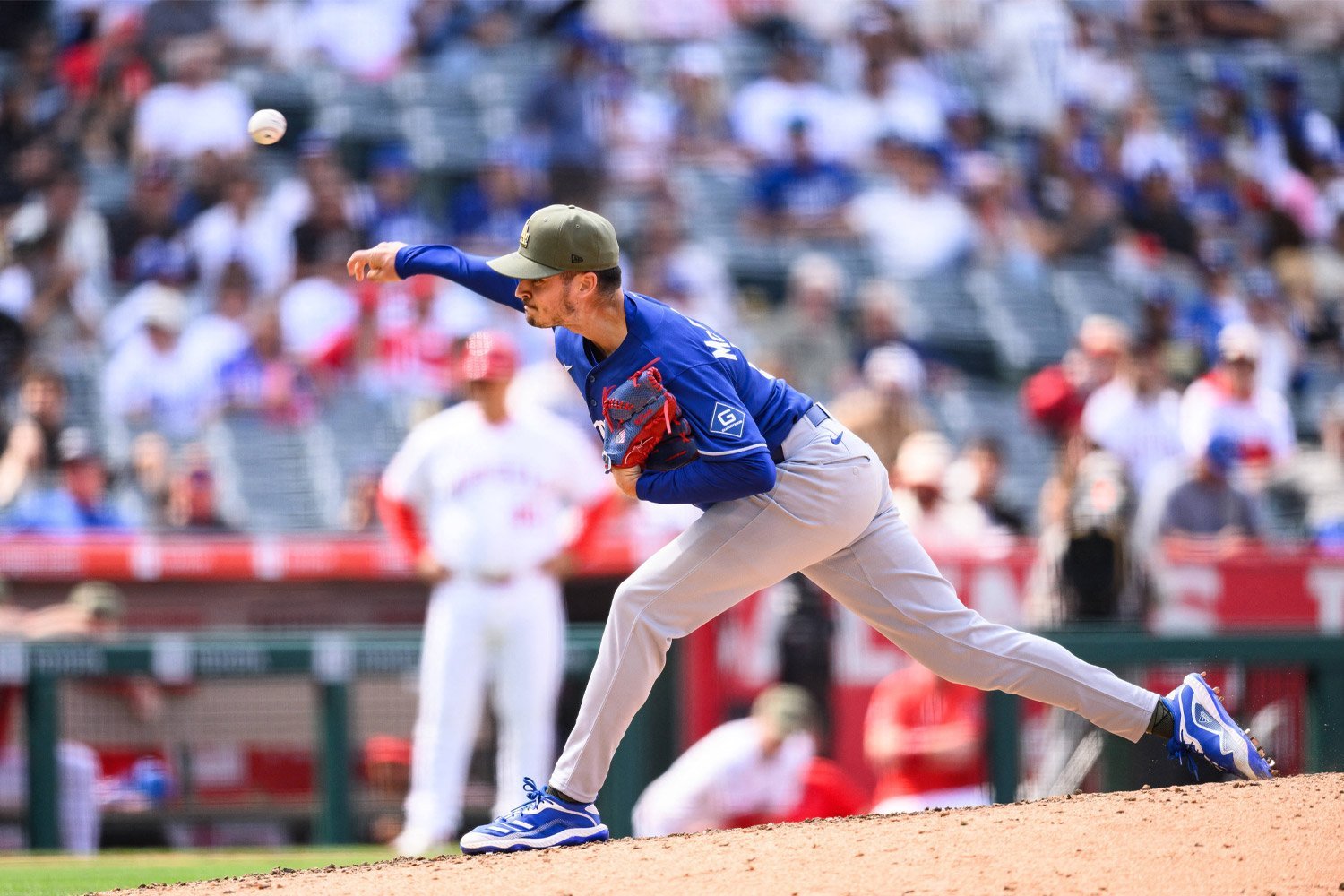 The New York Mets have made a minor trade with the Dodgers. The Mets are sending Ben Rortvedt to the Dodgers for reliever Chayce McDermott. The deal was first reported by Jon Heyman of the New York Post. McDermott, a righty reliever, has posted a 4.55 ERA in Triple-A for the Dodgers this season before being DFA'd this week. His arsenal includes a Cutter (43.6% usage), Four-Seamer (43.6% usage), Slider (10.3% usage), and split-finger (2.6% usage) in limited MLB experience. With the number of relievers the Mets are moving or are projected to move, McDermott could make a solid impact at the MLB level for the Mets. Moving Rortvedt, who was claimed by the Mets this offseason from the Dodgers, will return to the place where he won a World Series in 2025 as the Dodgers sought out some help at the catcher position. Rortvedt did not make an appearance for the Mets at the big league position. The Mets moving a catcher could also signal that the reports from the New York Post this morning are true that the Mets are not looking to move either Luis Torrens or Francisco Alvarez. View the full article
 -
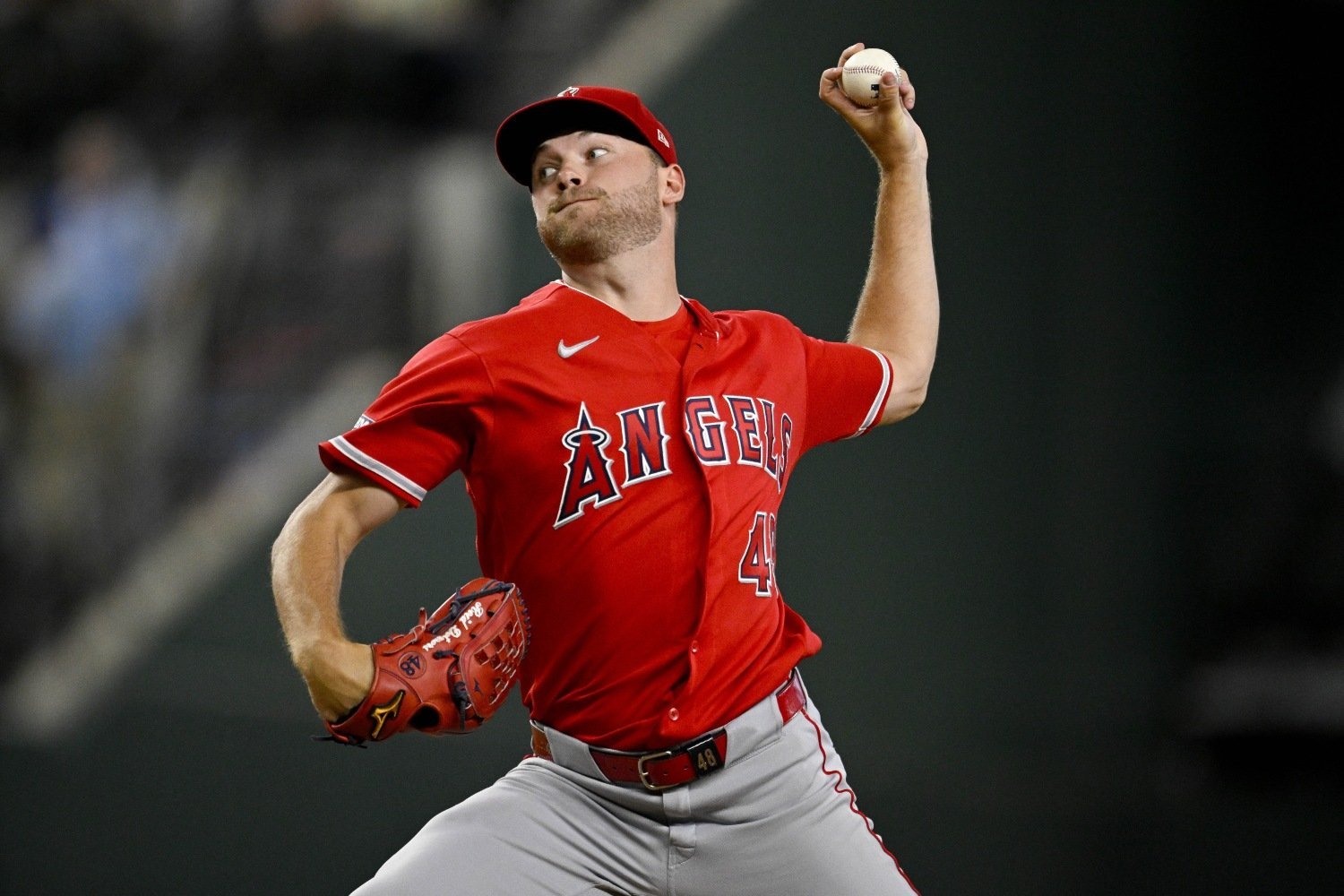 The Chicago Cubs view a relief upgrade as a must in the final few hours before the trade deadline, but because of a last-minute shift in the market, they're redoubling their efforts to grab a starting pitcher under club or contractual control through at least 2027, according to multiple league sources. More to come. View the full article
 -
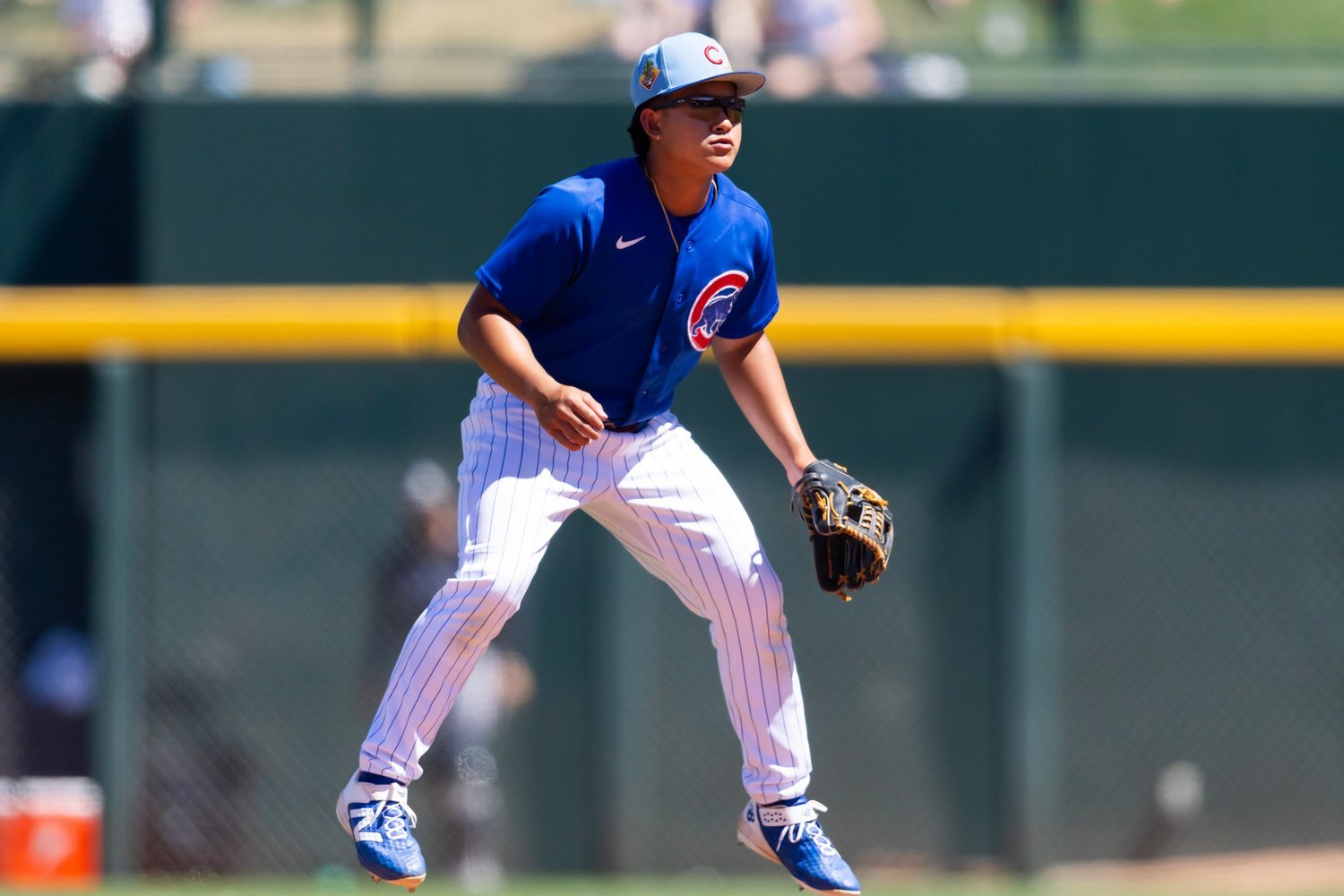 On Sunday, the Toronto Blue Jays made their first major trade before the MLB trade deadline, sending Kevin Gausman to the Chicago Cubs in exchange for two prospects. The move followed a trade to acquire Jameson Taillon earlier that day, after the Cubs designated him for assignment last week. It felt like the acquisition was a precursor to Gausman being dealt, as his contract expires at the end of the season. It hurts to see Gausman in a different uniform, but at least Blue Jays fans can root him on in the postseason. Plus, the move doesn't set the team back this season, especially after the Jays acquired José Soriano from the Los Angeles Angels. Obviously, to remain competitive, the Blue Jays need to find some offense, but at least the front office isn't waving the white flag. The two prospects that the Blue Jays acquired for Gausman are outfielder Brett Bateman and middle infielder Ty Southisene. Toronto targeted contact hitters with speed. Bateman is 24 and has been in Triple-A Idaho all season, where he slashed .312/.430/.421 with 59 runs, 33 knocked in, three home runs, and 20 stolen bases over 349 plate appearances. The lefty posted a 125 wRC+ and possesses great plate vision with a 17.2 percent walk rate and just a slightly higher strikeout percentage (18.9 percent). Bateman was the Cubs' 21st-ranked prospect by MLB Pipeline, but there was no clear path to the majors, as he was blocked by Pete Crow-Armstrong, Ian Happ, Seiya Suzuki, and higher-ranked prospects. Though he has great on-base skills, his power is severely lacking, with only a 30 power grade, but he owns a 70-grade speed. Though Southisene is three years younger than Bateman (21) and is just in High-A, he was ranked higher in the Cubs' farm system (13th). Southisene is a middle infielder, though his 5-foot-7 frame may lead to him handling more second base than shortstop. He, too, is a speedster who hits for contact. Over his 318 plate appearances at Single- and High-A this season, he posted a stat line of .306/.425/.372 with 58 runs, 35 RBIs, 31 stolen bases, and a 123 wRC+. Southisene also possesses elite plate vision, with a 1.11 walk-per-strikeout rate. He has yet to homer since being drafted in 2024, with a power grade of 20, but he is 72-for-86 in stolen bases in his minor league career. These are not the flashy assets that fans were hoping for, but for a 35-year-old rental in Gausman, Toronto wasn't going to net any top-tier prospect. Both Bateman and Southisene get on base and will be aggressive on the basepaths. Speed is definitely an area the Blue Jays can improve on, as they've ranked 25th or worse in stolen bases in each of the last three years. Bateman may get a shot as early as September to make his MLB debut, depending on injuries or other moves the team makes. View the full article
 -
Mets Week in Review: Braves High, Marlins Low
DiamondCentric posted an article in Grand Central Mets
 New York Mets Weekly Snapshot Record Last Week: 3-4 Runs Scored Last Week: 25 Runs Surrendered Last Week: 21 Standings 5th in NL East (47-66) 20.5 GB of 1st Place, 12.5 GB of a Wild Card Transactions 7/28 New York Mets sent RHP Clay Holmes on a rehab assignment to St. Lucie Mets. 7/28 New York Mets sent RHP Austin Warren on a rehab assignment to St. Lucie Mets. 7/29 New York Mets activated RHP Jonathan Pintaro. 7/29 New York Mets recalled RHP Jonathan Pintaro from Syracuse Mets. 7/30 New York Mets optioned RHP Jonathan Pintaro to Syracuse Mets. 7/31 New York Mets placed LHP Cionel Pérez on the 15-day injured list retroactive to July 30, 2026. Left forearm strain. 7/31 New York Mets sent RHP Austin Warren on a rehab assignment to Brooklyn Cyclones. 7/31 New York Mets traded LHP A.J. Minter to Minnesota Twins for SS Bruin Agbayani and 3B Billy Amick. 7/31 New York Mets recalled RHP Jonathan Pintaro from Syracuse Mets. 7/31 New York Mets recalled RHP Xzavion Curry from Syracuse Mets. 8/1 New York Mets selected the contract of RHP Kevin Herget from Syracuse Mets. 8/1 New York Mets optioned RHP Xzavion Curry to Syracuse Mets. Scores Game 107: NYM 14, ATL 3 Game 108: ATL 2, NYM 3 Game 109: ATL 1, NYM 0 Game 110: NYM 4, MIA 2 Game 111: NYM 2. MIA 5 Game 112: MIA 6, NYM 2 Game 113: MIA 2, NYM 0 Series Breakdown/Highlights Braves Series: Coming off a bad weekend against the Dodgers, the Mets bounced back with an impressive series win against the division rival and leading Braves. The Mets opened the week with one of their most complete offensive performances of the season, erupting for 14 runs on 19 hits. Francisco Lindor led the charge, finishing with two home runs, a triple, and six RBIs, while Tyrone Taylor launched a three-run homer and Marcus Semien added a two-run shot. After Atlanta tied the game in the fourth, New York broke it open with 11 runs over the final three innings behind relentless offense and some questionable decisions in the Atlanta bullpen. Zac Thornton gave the Mets 6.1 solid innings, and the bullpen took care of the rest in a convincing victory. The first game of Wednesday's split doubleheader came down to timely hitting and strong pitching. Sean Manaea kept the Mets in the game, while the offense scratched across enough runs to edge Atlanta in a tightly contested matchup. A late RBI with two outs proved to be the difference, and the bullpen held on to secure New York's second straight win over its division rival. The victory guaranteed at least a series win and gave the Mets a chance for a sweep in the nightcap. Unfortunately, hopes for a sweep were spoiled by Chris Sale, who turned in a vintage performance. Sale struck out nine over six dominant innings, limiting New York to just two hits as the Mets' offense never found its rhythm. Christian Scott matched him for much of the night, but Atlanta manufactured the game's only run in a classic pitchers' duel. Despite dropping the finale, New York still took two of three from the Braves, which was impressive. In the season series, they went 4-2 against the Braves at home. Marlins Series: After a thrilling series win, the Mets, as they often do, gave it all back by losing a series to the Marlins. The Mets carried their momentum into the series opener against Miami, getting another quality outing from the pitching staff and enough timely offense to earn a 4-2 victory. The Mets capitalized on scoring opportunities early and protected the lead with a solid effort from the bullpen. After taking two of three from Atlanta, the Mets appeared to be building momentum before the trade deadline, though their plans to sell were never going to change. The Marlins evened the series by quieting the Mets' offense for most of the following night. The Mets managed just two runs and struggled to string together rallies against the Marlins pitching staff, while they took advantage of their opportunities late to pull away. The Mets dropped the third game of the series as Miami pulled away late behind another quiet offensive night from the Mets' bats. Tyrone Taylor provided the lone highlight with a two-run home run, but the Mets managed just a handful of hits the rest of the way. Zac Thornton battled through five innings before the Marlins broke the game open against the bullpen. Miami's pitching continued to keep New York's lineup in check, handing the Mets their second straight loss and putting them on the brink of a series defeat. The Mets closed out the week with another frustrating offensive performance, getting shut out despite several opportunities to score, including a bases-lobbed, no-outs in the seventh inning. Robert Stock made his first major-league start in years and pitched well enough to keep New York in the game, allowing just one run over five innings. However, the Mets went 0-for-12 with runners in scoring position, and Miami's pitching staff made the slim lead stand up. The loss also came on the heels of the Freddy Peralta trade, marking the beginning of what will become a significant trade deadline fire sale. Website Highlights Breaking Down The Three Prospects Coming To Mets In Freddy Peralta Trade BREAKING: Mets Trade Freddy Peralta To Rays Why Luis Robert Jr. Deserves To Make It Unscathed Through MLB Trade Deadline With Mets Looking Ahead August 3rd: OFF August 4th: @ Guardians August 5th: @ Guardians August 6th: @ Guardians August 7th: @ Pirates August 8th: @ Pirates August 9th: @ Pirates View the full article
 -
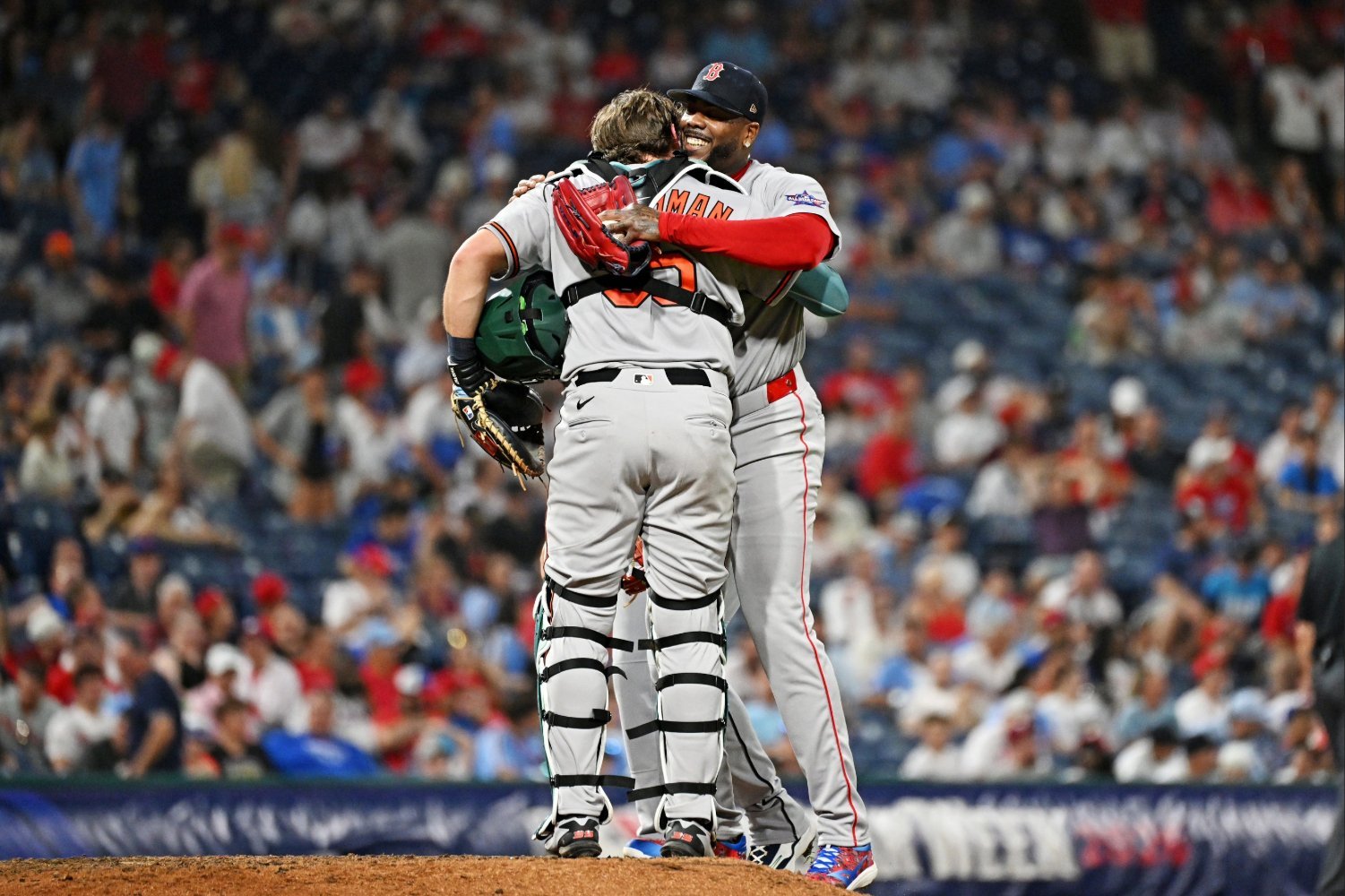 Well folks, Craig Breslow has officially heard your complaints. After playing things far too passively at last year's trade deadline, he flipped Connelly Early for Curtis Mead in the summer's first blockbuster. And now, he's going even bigger, picking up Adley Rutschman from the Baltimore Orioles. After a year and a half in which he seemed greatly diminished by injuries, Rutschman is back on his game this year. He’d lost some bat speed; it’s back. He’d lost a bit of the edge he once provided on defense; it’s back. He’s a switch-hitting catcher with a strong track record who might have a gear we haven’t seen yet. It’s all too little and too late for the Orioles, though. They had a lousy 2025 and are headed in the same direction this year. They committed to a younger catcher, Samuel Basallo, both because of his huge power potential and because he was willing to sign a team-friendly extension; Rutschman wasn’t. Their surplus behind the plate turns into the Boston Red Sox's gain. There's no word on the return yet, but it'll be sizable, even before factoring in a division rival tax. More to come... View the full article
 -
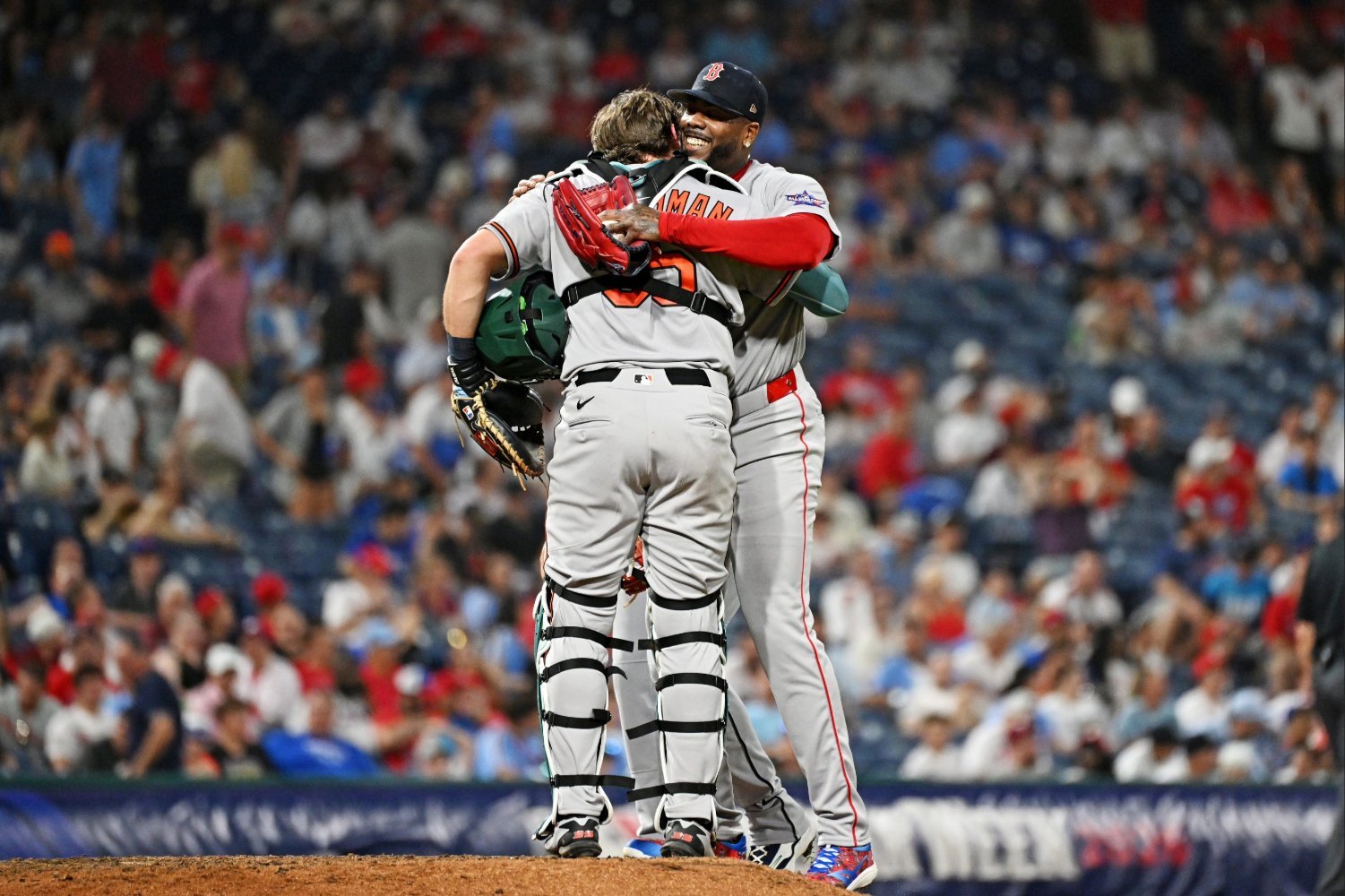 Update: The deal, as expected, is hung up in the medicals stage, per Chris Cotillo. Rutschman is dealing with a wrist injury (tell me where you've heard that one before) and missed time due to an ankle injury and concussion earlier this year. Original story as follows. Well folks, Craig Breslow has officially heard your complaints. After playing things far too passively at last year's trade deadline, he flipped Connelly Early for Curtis Mead in the summer's first blockbuster. And now, he's going even bigger, picking up Adley Rutschman from the Baltimore Orioles. After a year and a half in which he seemed greatly diminished by injuries, Rutschman is back on his game this year. He’d lost some bat speed; it’s back. He’d lost a bit of the edge he once provided on defense; it’s back. He’s a switch-hitting catcher with a strong track record who might have a gear we haven’t seen yet. It’s all too little and too late for the Orioles, though. They had a lousy 2025 and are headed in the same direction this year. They committed to a younger catcher, Samuel Basallo, both because of his huge power potential and because he was willing to sign a team-friendly extension; Rutschman wasn’t. Their surplus behind the plate turns into the Boston Red Sox's gain. There's no word on the return yet, but it'll be sizable, even before factoring in a division rival tax. There are significant fallout questions to address here. What happens to Carlos Narvaez now that a three-time All-Star is in the mix? Will the Red Sox try to enter extension conversations with Rutschman, who is 28 and under team control through 2027, before the lockout? What else is on tap for Breslow today? No matter what the answers to those questions are, what matters most is that the Red Sox have their catcher of the future. Rutschman still hasn't recaptured the magic of his first few seasons when he was worth a whopping 11.1 fWAR, but he's been excellent this year both at the plate (115 wRC+, .764 OPS) and behind it (+9 Fielding Run Value). He's also a switch-hitter who crushes southpaws (.783 OPS against left-handed pitching in his career), filling the quotient of a right-handed slugger the team has needed since Mead went down in his second at-bat with the team. Once the deal has been finalized and the prospect package is confirmed, we'll have plenty more to break down about this trade. View the full article
 -
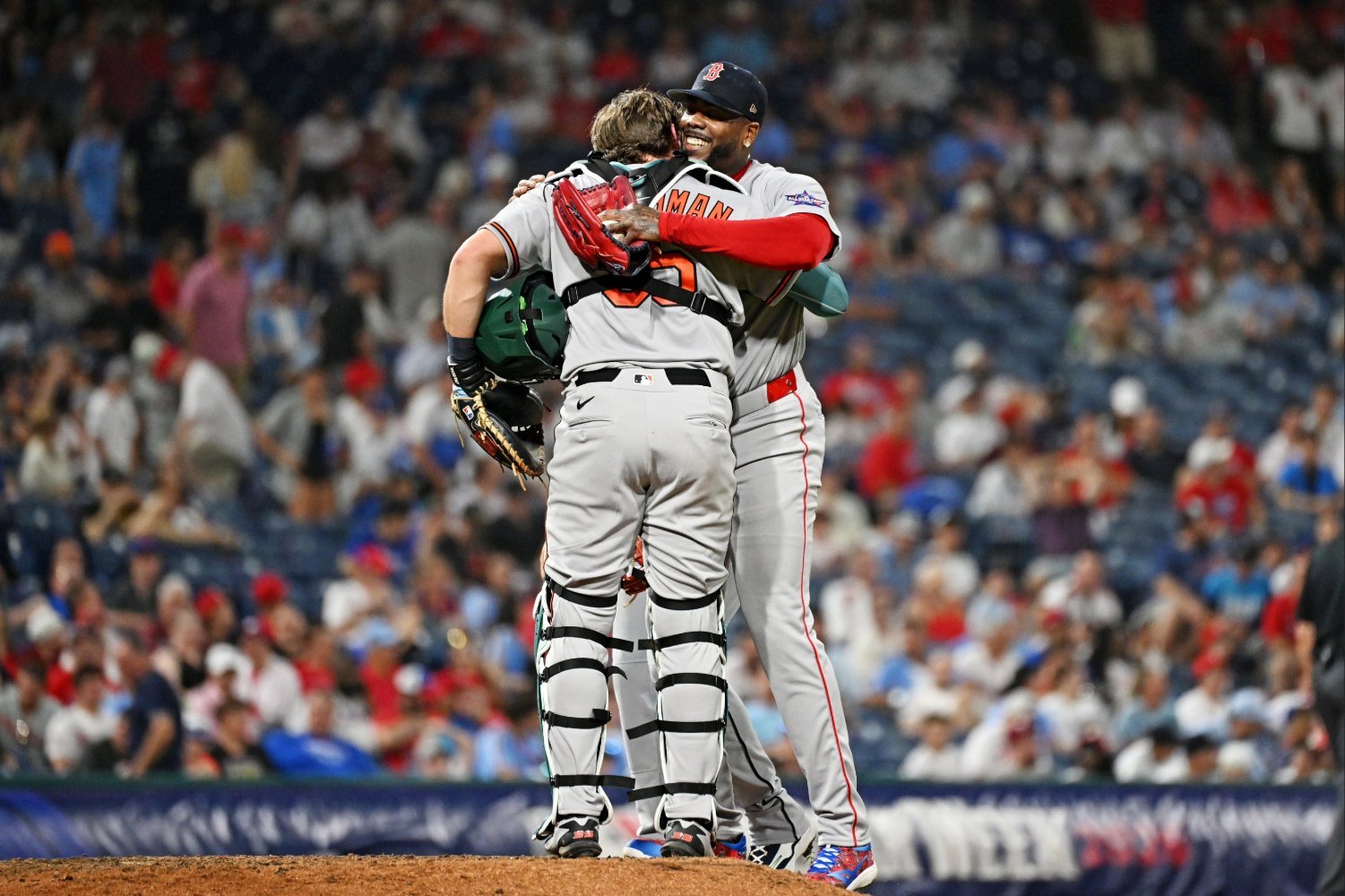 Update: The deal, as expected, is hung up in the medicals stage, per Chris Cotillo. Rutschman is dealing with a wrist injury (tell me where you've heard that one before) and missed time due to an ankle injury and concussion earlier this year. Original story as follows. Well folks, Craig Breslow has officially heard your complaints. After playing things far too passively at last year's trade deadline, he flipped Connelly Early for Curtis Mead in the summer's first blockbuster. And now, he's going even bigger, picking up Adley Rutschman from the Baltimore Orioles. After a year and a half in which he seemed greatly diminished by injuries, Rutschman is back on his game this year. He’d lost some bat speed; it’s back. He’d lost a bit of the edge he once provided on defense; it’s back. He’s a switch-hitting catcher with a strong track record who might have a gear we haven’t seen yet. It’s all too little and too late for the Orioles, though. They had a lousy 2025 and are headed in the same direction this year. They committed to a younger catcher, Samuel Basallo, both because of his huge power potential and because he was willing to sign a team-friendly extension; Rutschman wasn’t. Their surplus behind the plate turns into the Boston Red Sox's gain. There's no word on the return yet, but it'll be sizable, even before factoring in a division rival tax. There are significant fallout questions to address here. What happens to Carlos Narvaez now that a three-time All-Star is in the mix? Will the Red Sox try to enter extension conversations with Rutschman, who is 28 and under team control through 2027, before the lockout? What else is on tap for Breslow today? No matter what the answers to those questions are, what matters most is that the Red Sox have their catcher of the future. Rutschman still hasn't recaptured the magic of his first few seasons when he was worth a whopping 11.1 fWAR, but he's been excellent this year both at the plate (115 wRC+, .764 OPS) and behind it (+9 Fielding Run Value). He's also a switch-hitter who crushes southpaws (.783 OPS against left-handed pitching in his career), filling the quotient of a right-handed slugger the team has needed since Mead went down in his second at-bat with the team. Once the deal has been finalized and the prospect package is confirmed, we'll have plenty more to break down about this trade. View the full article
 -
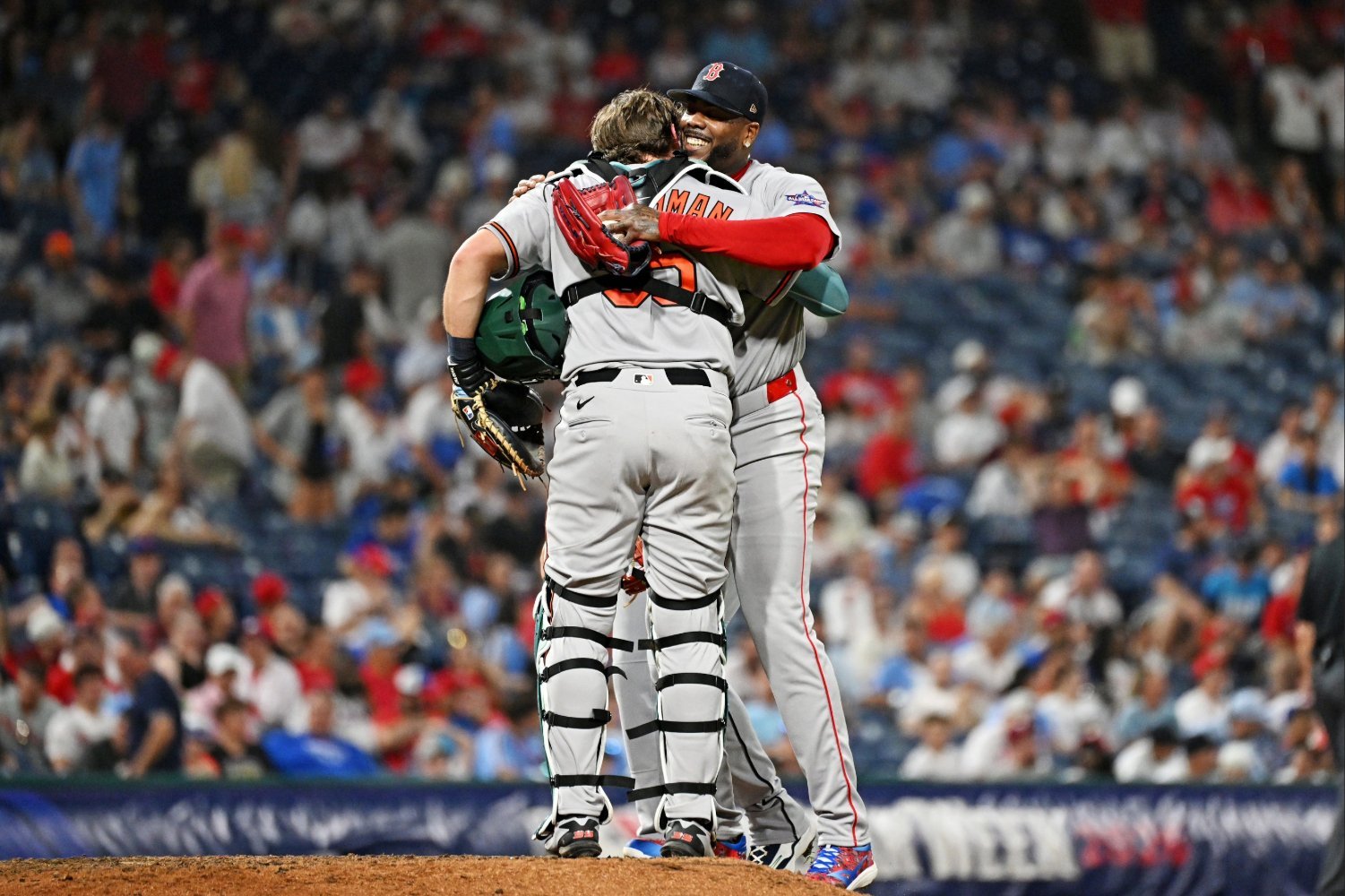 Update: The deal, as expected, is hung up in the medicals stage, per Chris Cotillo. Rutschman is dealing with a wrist injury (tell me where you've heard that one before) and missed time due to an ankle injury and concussion earlier this year. Update 2: The deal is done, per Jeff Passan. Still waiting on official terms of the deal. Original story as follows. Well folks, Craig Breslow has officially heard your complaints. After playing things far too passively at last year's trade deadline, he flipped Connelly Early for Curtis Mead in the summer's first blockbuster. And now, he's going even bigger, picking up Adley Rutschman from the Baltimore Orioles. After a year and a half in which he seemed greatly diminished by injuries, Rutschman is back on his game this year. He’d lost some bat speed; it’s back. He’d lost a bit of the edge he once provided on defense; it’s back. He’s a switch-hitting catcher with a strong track record who might have a gear we haven’t seen yet. It’s all too little and too late for the Orioles, though. They had a lousy 2025 and are headed in the same direction this year. They committed to a younger catcher, Samuel Basallo, both because of his huge power potential and because he was willing to sign a team-friendly extension; Rutschman wasn’t. Their surplus behind the plate turns into the Boston Red Sox's gain. There's no word on the return yet, but it'll be sizable, even before factoring in a division rival tax. There are significant fallout questions to address here. What happens to Carlos Narvaez now that a three-time All-Star is in the mix? Will the Red Sox try to enter extension conversations with Rutschman, who is 28 and under team control through 2027, before the lockout? What else is on tap for Breslow today? No matter what the answers to those questions are, what matters most is that the Red Sox have their catcher of the future. Rutschman still hasn't recaptured the magic of his first few seasons when he was worth a whopping 11.1 fWAR, but he's been excellent this year both at the plate (115 wRC+, .764 OPS) and behind it (+9 Fielding Run Value). He's also a switch-hitter who crushes southpaws (.783 OPS against left-handed pitching in his career), filling the quotient of a right-handed slugger the team has needed since Mead went down in his second at-bat with the team. Once the deal has been finalized and the prospect package is confirmed, we'll have plenty more to break down about this trade. View the full article
 -
 It's trade deadline day! Before we welcome any newcomers or say goodbye to any old friends, let's recap all of the Boston Red Sox's minor-league action from Sunday. Triple-A Worcester Red Sox Series @ Norfolk Tides (Baltimore Orioles): 5-1 Season Record: 55-47 An excellent day from the pitching staff helped Worcester to victory amid a subdued offensive effort. Raymond Burgos took the first five innings of Sunday afternoon’s matchup, pitching to the tune of one run on three hits. Burgos struck out four as he won his third game of the season. Eduardo Rivera got the ball for the sixth and seventh innings, issuing two walks amid a shutout appearance. Rivera struck out three as he lowered his ERA to 2.61. Seth Martinez followed Rivera with a perfect inning of ball before Tyler Uberstine hurled a perfect inning of his own. Uberstine closed the game with two strikeouts as Worcester won yet again. Franklin Arias sat on Sunday afternoon and the rest of Worcester’s lineup struggled. The WooSox recorded just five hits and two RBIs, but were able to draw six walks. Mikey Romero accounted for one of Worcester’s RBIs in the third inning. He scored Braiden Ward on a line drive single as Worcester grabbed an early lead. Ward drove in two more in the fifth, scoring Tsung-Che Cheng and Vinny Capra on a single to center. In the seventh, Ward scored once more on a wild pitch as Worcester was able to steal a win from Norfolk. Double-A Portland Sea Dogs Series vs. Harrisburg Senators (Washington Nationals): 3-3 Season Record: 53-47 An excellent afternoon on the mound and a potent offensive showing led Portland to a 12-2 drubbing of Harrisburg. Gage Ziehl rebounded from a shaky start last time around with six innings of one-run ball. The 23-year-old nabbed his sixth win of the season as he struck out eight across six frames. He allowed six hits and issued one walk, but kept the damage to a minimum. Tyler Davis got the ball in the seventh and turned in a two-frame outing, allowing one run. Cooper Adams completed the win for Portland with a near-perfect outing. He issued two walks but struck out a pair in an inning of closing work. Every batter in Portland’s lineup reached base for the second straight contest, and Yoeilin Cespedes recorded his first Double-A knock. Matt Frazier and Ronald Rosario drove in three runs apiece as they led the Sea Dogs. Max Ferguson drew a bases-loaded walk in the fourth, scoring Rosario. Frazier then doubled, clearing the bases and scoring Mason White, Will Turner, and Ferguson. Turner added to the three-run lead with an RBI double in the sixth, scoring Nate Baez. Turner and Ferguson were then driven home on a Tyler McDonough single to right field. Cespedes tacked on two more with a single to left, scoring Frazier and McDonough. After Brooks Brannon reached later in the inning, Ronald Rosario capped off an eight-run outburst with a three-run homer as Portland won in easy fashion. High-A Greenville Drive Series @ Asheville Tourists (Houston Astros): 6-0 Season Record: 44-54 Greenville completed the six-game series sweep as the 2026 draftees continued to get off to a hot start. Matt Duffy got the start in the series finale on Sunday afternoon, turning in an abbreviated start. Across 3⅔ innings, Duffy allowed three runs on three hits and issued two walks. On the bright side for Duffy, he struck out six batters as he set a season high. Adam Bates took over following Duffy’s exit but struggled from the start. Bates allowed four runs on two hits as he walked four. He struck out two before Matt McShane took over. McShane steadied the game for Greenville, throwing 2⅓ innings of shutout, one-hit pitching. He walked two and struck out a pair as he earned the win. Calvin Bickerstaff took over in the eighth and went the distance, closing out the win for the Drive. He allowed two hits but staved off the Tourists as Greenville rolled to another win. Greenville’s bats stayed hot on Sunday, scoring 11 runs for the second consecutive game. Jake Schaffner and Maximus Martin had three RBIs each as Owen Hull led the team with three hits. Enddy Azocar started the scoring for the Drive, driving in Stanley Tucker on a solo home run in the third inning as the Drive took the lead. Martin struck next, scoring Hull and Ronny Hernandez in the fourth on a three-run jack, his second of the year. Down by two runs in the seventh, Schaffner stepped to the plate with the bases loaded. He was unfazed despite the high-pressure situation, tripling to right field and clearing the bases as Tucker, Azocar, and Justin Gonzales all scored. Schaffner was then driven in on a Gerardo Rodriguez double as Greenville grabbed a two-run lead. In the ninth, Hull added an insurance run as he scored Gonzales on a double. Hernandez then drove Hull in on a single, capping off another great offensive effort from Greenville. Low-A Salem RidgeYaks Series @ Kannapolis Cannon Ballers (Chicago White Sox): 2-4 Season Record: 43-58 It was the same story on a different night for Salem as the bullpen faltered despite a solid offensive effort. 18-year-old Williams Montero got the ball in his second start for Salem, turning in an excellent performance. Across 3⅓ innings, the young pitcher allowed just one baserunner as he struck out four. Despite the solid start, Leighton Finley was disappointing as he relieved Montero in a bulk role. Finley kept Kannapolis scoreless until the seventh, when he allowed two runs. Then, in the eighth he allowed two more before being pulled. Finley finished with a line of four runs, six hits, one walk, and five strikeouts. Caden Vire was called in from the bullpen, but struggled in his second appearance with Salem. He allowed four more runs on two hits, walking two and striking out one in a brief ⅓-inning appearance. Luis Cohen entered to close the eighth and allowed one hit as he struck out one. The Yaks recorded nine hits on offense, but struggled to drive runners home as they went 1-for-10 with runners in scoring position. Salem struck first with a pair of homers in the third inning. Franklin Primera went yard with Henry Godbout aboard before Skylar King left the yard, giving Salem an early 3-0 lead. Salem wouldn’t score again until the ninth inning when Godbout scored on a Kleyver Salazar single. View the full article
 -
What are your Marlins vs. Braves series predictions?
DiamondCentric posted an article in Fish On First
 Once again in 2026, I will be monitoring Miami Marlins predictions from our valued SuperSubs, Fish On First staffers and livestream guests. Individual article pages like this one will be created prior to every Marlins series and featured prominently on the FOF site. Consistent participation is key if you want to win this annual contest. Submissions only take a few seconds. Scoring system A "perfect" series is worth three points: Earn one point for predicting which team will win the upcoming series Earn one point for predicting the precise number of victories for each team Earn one point for predicting the “Series MVP” who accumulated the highest win probability added (WPA) during the series as calculated by FanGraphs (could pick a player from either team) FOF staffer Jeremiah Geiger is currently atop the 2026 season leaderboard, which will be updated between every Marlins series. If you are a SuperSub, leave a comment with your Prediction Time picks on this page, or join the Marlins Discord Server and submit there. We'll feature them on the upcoming Fish On First LIVE episode and track your points throughout the season! Any picks submitted prior to the first pitch of the series opener will be counted. If you are not a SuperSub, please consider signing up here to support the FOF staff. Series preview notes Probable starting pitchers: TBA (MIA) vs. RHP Grant Holmes on Tuesday Expected to be bullpen game led by RHP Ryan Gusto RHP Eury Pérez (MIA) vs. RHP Bryce Elder (ATL) on Wednesday TBA (MIA) vs. LHP Martin Pérez (ATL) on Thursday RHP Janson Junk's rotation spot The Marlins rank 15th in MLB with a 101 wRC+ and 11th in MLB with a 3.99 FIP. They are 6-4 in their last 10 games and have a 24-32 record on the road this season. The following Marlins players are on the injured list: Anthony Bender (15-day IL), Josh Ekness (60-day IL, but could be activated for this series), Ronny Henriquez (60-day IL), William Kempner (15-day IL), Adam Mazur (60-day IL), Andrew Nardi (60-day IL) and Robby Snelling (60-day IL). The Braves rank 16th in MLB with a 101 wRC+ and 15th in MLB with a 4.14 FIP. They are 7-3 in their last 10 games and have a 36-20 record at home this season. The following Braves players are on the injured list: Joe Jiménez (60-day IL), Ha-Seong Kim (10-day IL), Reynaldo López (15-day IL) Sean Murphy (60-day IL), Spencer Schwellenbach (60-day IL), Spencer Strider (60-day IL), Robert Suarez (15-day IL) and Joey Wentz (60-day IL). View the full article
 -
 Three of the New York Mets’ four full-season minor league affiliates played Sunday, and for each one, an intriguing story emerged. For Syracuse, it was Christopher Morel hitting three home runs, including a go-ahead, three-run moonshot in the sixth inning that powered the Mets to a series-ending 9-7 victory at Rochester. For Binghamton, it was the latest episode of the Mitch Voit Experience. The infield prospect homered, doubled twice, singled and drove in five runs to cap a huge first week at Double-A as the Rumble Ponies stomped Reading 9-3. For Brooklyn, it was Clay Holmes making his final rehab start before Monday’s MLB trade deadline. It was almost surely Holmes’ last appearance for the Mets’ organization, at least this year. The Cyclones held off Winston-Salem 6-5. St. Lucie didn’t get in on the fun. Its game against Dunedin was canceled because of inclement weather. Both DSL Mets squads, Blue and Orange, were off. Further intrigue came from New York on Sunday and will again on Monday. The full-season clubs should look vastly different when they return to action Tuesday, thanks to the trades the big-league club is expected to complete before the 6 p.m. ET deadline. Binghamton and Brooklyn are already feeling the effects of Freddy Peralta being traded Sunday to the Tampa Bay Rays for outfielder Aidan Smith, right-hander Gary Gill Hill and second baseman Émilien Pitre. Hill and Pitre were playing at Double-A in the Rays’ chain, while Smith was at High-A. New York Mets Transactions New York Mets traded RHP Freddy Peralta to Tampa Bay Rays for RHP Gary Gill Hill, OF Aidan Smith and SS Émilien Pitre. New York Mets designated DH MJ Melendez for assignment. New York Mets designated RHP Joey Gerber for assignment. New York Mets released RHP Joey Gerber. New York Mets designated RHP Kevin Herget for assignment. New York Mets selected the contract of RHP Robert Stock from Syracuse Mets. New York Mets selected the contract of RHP Bryce Conley from Binghamton Rumble Ponies. New York Mets claimed C Shawn Ross off waivers from Pittsburgh Pirates. New York Mets optioned C Shawn Ross to Syracuse Mets. New York Mets optioned RHP Jonathan Pintaro to Syracuse Mets. New York Mets sent RHP Clay Holmes on a rehab assignment to Brooklyn Cyclones. Morel Mashes In Syracuse's Slugfest Win Make it eight home runs and a 1.174 OPS in 21 games with Syracuse for the former Cub, Ray and Marlin. Morel started his hat trick with a two-run drive in the third inning that gave the Mets a 5-1 lead. After Rochester scored five times in the bottom of the fifth to take a 7-5 advantage, he teed off in the sixth for homer No. 2. With Zack Short and Christian Arroyo aboard, he sent a Justin Lawrence pitch out of sight to put Syracuse back in front 8-7. Now, he waits to find out who will trade for him. The Mets will be off in Cleveland on Monday, so there’ll be no formal hugwatch. Holmes’ market appeared to lose bidders over the weekend when the Chicago White Sox acquired right-hander Luis Castillo from the Seattle Mariners on Saturday and the Chicago Cubs obtained right-hander Kevin Gausman from the Toronto Blue Jays on Sunday. Brooklyn made him the winning pitcher in his assumed Mets finale with two runs in the first, three runs in the third and a run in the fourth. Recently promoted Randy Guzman and the still-rehabbing Andy Ibáñez went back-to-back with their first Brooklyn home runs in that three-run third. Ibáñez went 12-for-20 (.600) in five games this week. Player AB R H RBI BB K Yonatan Henriquez 5 0 1 1 0 0 Jacob Reimer 3 2 1 0 0 0 Andy Ibáñez 4 2 3 2 0 0 Randy Guzman 4 1 2 1 0 0 Trey Snyder 4 0 2 2 0 0 Ronald Hernandez 3 0 0 0 1 0 Daiverson Gutierrez 4 0 0 0 0 1 Antonio Jimenez 2 1 0 0 2 1 Yohairo Cuevas 2 0 0 0 1 2 Player IP H R ER BB K HR Clay Holmes 5 1/3 7 4 3 0 3 0 Hunter Hodges 2/3 1 1 0 1 2 0 Austin Warren 1 0 0 0 0 0 0 Daviel Hurtado 2 1 0 0 2 3 0 Top-20 Prospect Performance Jonah Tong: DNP Jack Wenninger: DNP Ryan Clifford: DNP Elian Pena: DNP Nick Morabito: 1-for-4, RBI Jacob Reimer: 1-for-3 Mitch Voit: 4-for-5, 2 2B, HR, 5 RBI Jonathan Santucci: DNP Zac Thornton: MLB Chris Suero: 1-for-5, HR, 2 RBI, K Will Watson: DNP Wandy Asigen: DNP Eli Serrano III: DNP Randy Guzman: 2-for-4, HR, RBI Dylan Ross: DNP Ryan Lambert: DNP Antonio Jimenez: 0-for-2, 2 BB, K R.J. Gordon: DNP Jonathan Pintaro: DNP Marco Vargas: DNP View the full article
![More information about "BREAKING: Cubs Acquire Left-Handed Starter Braxton Garrett from Marlins [UPDATED]"](http://d317trerw33y7b.cloudfront.net/monthly_2026_08/rssImage-a18fa3da9c47cb41f8a055b76a506a54.jpeg.bca3ea162ae6cbd6c06500c9519be152.jpeg)
