


DiamondCentric
-
Posts
2,631 -
Joined
-
Last visited
Never
Content Type
Profiles
Forums
Events
News
Tutorials & Help
Major League Baseball Videos
Guides & Resources
Store
Downloads
Gallery
Everything posted by DiamondCentric
-

 On Thursday, the New York Mets got their first look at Clay Holmes in a game setting since the right-hander went down with a leg fracture 2 1/2 months ago. So did all the clubs who are interested in trading for him. Holmes started for Triple-A Syracuse against Scranton/Wilkes-Barre. The final line was uninspiring: 2 1/3 innings, three hits, two runs (both earned), two walks and two strikeouts. As might be expected, his command was subpar: just 28 of his 51 pitches were for strikes. He was strong in the first inning, getting a grounder to the mound and two strikeouts, including one of Spencer Jones, who broke Holmes' fibula with a comebacker on May 15. In the second, he allowed a double, a walk, and two well-hit fly balls as Scranton scored its first run. In the third, he gave up a leadoff walk, a hard-hit single, and a RBI bloop single by Jones. After another well-struck fly was caught for an out, Holmes departed, having reached his pitch limit. Holmes is a prime acquisition target ahead of the Aug. 3 MLB trade deadline. He was supposed to begin his rehab with a start for High-A Brooklyn on July 18, but the game was rained out. He got his work in with a bullpen session. Interested clubs will have to evaluate him on just two rehab starts -- Thursday's game and a game next week. New York interim manager Andy Green told reporters (per MLB.com) that if Holmes came out of Thursday's outing feeling good, he might need just a second rehab start before being activated off the 60-day injured list. Elsewhere in the organization: Binghamton lost to Portland 3-2. Corey Collins' pinch-hit, two-run home run in the ninth got the Rumble Ponies close. Binghamton batters struck out 18 times in the game. Brooklyn lost to Jersey Shore 6-5 in 12 innings, spoiling a big game at the plate by Trace Willhoite (home run, three hits, two RBIs, stolen base). Cyclones batters struck out 18 times as well. St. Lucie split a doubleheader with Fort Myers, winning the opener 1-0 and losing the nightcap 3-1. Marco Vargas drove in the only run in Game 1. The FCL Mets got home runs from Yorber Semprun and Heriberto Rincon in an 11-3 loss to the FCL Cardinals. DSL Mets Blue lost a 14-6 slugfest to the DSL Rangers. Starter Christopher Rochin allowed one earned run over four innings. Michalle Mercedes popped a three-run homer. DSL Mets Orange rolled to a 9-2 win over DSL Giants Orange. Ryan Rudas, Cleiner Ramirez and Cesar Acosta went deep. Mets Transactions No Roster Moves Syracuse Bats Silenced In Shutout Loss The Mets were held to three hits, all singles, and struck out 11 times in losing 2-0. Ronny Mauricio, Christopher Morel and Eric Wagaman had the hits. Mauricio also notched a stolen base. Syracuse did not get a runner past second base after the fifth inning. Tobias Myers was effective in relief of Holmes. He struck out six over 2 2/3 innings while allowing two hits and a walk. Player AB R H RBI BB K Nick Morabito, CF 3 0 0 0 0 2 MJ Melendez, LF 4 0 0 0 0 3 Ronny Mauricio, DH 4 0 1 0 0 0 Christopher Morel, 1B 4 0 1 0 0 2 Ryan Clifford, RF 3 0 0 0 1 0 Eric Wagaman, 3B 3 0 1 0 0 1 Christian Arroyo, 2B 3 0 0 0 0 1 Hayden Senger, C 3 0 0 0 0 2 Zack Short, SS 3 0 0 0 0 0 Player IP H R ER BB K HR Clay Holmes (L) 2 1/3 3 2 2 2 2 0 Tobias Myers 2 2/3 2 0 0 1 6 0 Ben Simon 1 0 0 0 0 0 0 Jefry Yan 2/3 0 0 0 2 1 0 Matt Seelinger 1 1/3 0 0 0 1 3 0 Collins' Homer Only Offense For Binghamton Collins came off the bench to pop his first home run of the season. JT Schwartz scored ahead of Collins after delivering a one-out single. R.J. Gordon started and took the loss, allowing two runs, one earned, on four hits with four walks and seven strikeouts over five innings. Relievers Justin Armbruester and Gabriel Rodriguez kept the Rumble Ponies in the game, but Zach Peek allowed a run in the ninth that proved to be decisive. Other than Schwartz, who had three hits, Rumble Ponies batters were overmatched in this one. Everyone in the lineup struck out at least once. Leadoff man Chris Suero drew the team's only walk. Player AB R H RBI BB K Chris Suero, DH 3 0 0 0 1 3 John Bay, CF 4 0 1 0 0 1 Nick Lorusso, 3B 4 0 1 0 0 1 Kevin Parada, C 4 0 0 0 0 3 JT Schwartz, 1B 4 1 3 0 0 1 Matt Rudick, RF 4 0 1 0 0 2 Vincent Perozo, LF 3 0 0 0 0 2 Corey Collins, PH 1 1 1 2 0 0 Jaylen Palmer, 2B 3 0 0 0 0 3 Jose Ramos, PH 1 0 0 0 0 1 Wyatt Young, SS 3 0 0 0 0 1 Player IP H R ER BB K HR R.J. Gordon (L) 5 4 2 1 4 7 1 Justin Armbruester 2 0 0 0 0 1 0 Gabriel Rodriguez 1 0 0 0 1 1 0 Zach Peek 1 2 1 1 0 0 0 Willhoite's Big Night Wasted As Brooklyn Drops Marathon The Cyclones led going into the bottom of the ninth and 11th before falling in the 12th. Brooklyn appeared in control after Yonatan Henriquez tripled home Willhoite in the ninth for a 4-2 lead, but Juan Arnaud walked three in the bottom of the ninth, and Willhoite's throwing error on a fielder's choice grounder brought home two runs to tie the game. In the 11th, Willhoite singled home ghost runner Colin Houck for a 5-4 lead, but Gregori Louis allowed an RBI double in the bottom half. In the 12th, Louis surrendered a bases-loaded single to end it. Nicolas Carreno delivered a quality start, allowing one run on three hits over six innings. He walked one and struck out six. Player AB R H RBI BB K Yonatan Henriquez, CF 5 0 2 1 1 0 Mitch Voit, 2B 5 0 0 0 1 2 Ronald Hernandez, C 4 0 0 0 1 1 Daiverson Gutierrez, DH 5 0 0 0 0 2 Jamari Baylor, 3B 3 0 0 0 2 2 Colin Houck, SS 5 1 0 0 0 4 Trace Willhoite, 1B 4 3 3 2 1 1 Yohairo Cuevas, RF 5 0 0 0 0 4 Kevin Villavicencio, LF 5 1 1 1 0 2 Player IP H R ER BB K HR Nicolas Carreno 6 3 1 1 1 6 0 Luis R. Rodriguez 2/3 0 1 0 3 2 0 Bryce Jenkins 1 1/3 0 0 0 0 2 0 Juan Arnaud 1 0 2 1 3 3 0 Rafi Vazquez 1 0 0 0 1 2 0 Gregori Louis (L) 1 2/3 2 2 0 3 1 0 St. Lucie Trio Fires Blanks In Game 1 Joel Lara, Omar Victorino and Zack Mack combined on a seven-inning, two-hit shutout as St. Lucie took the opener. Lara worked around five walks to put up 3 2/3 scoreless innings. He allowed one hit and struck out four. Victorino followed with 2 1/3 hitless innings, walking two and striking out two. Mack pitched around a hit and two walks in the seventh to record the save. The game's only run came in the third inning. Jeremy Rodriguez singled to center, moved to second on a Jack Scanlon groundout, and took third on a fly out by Antonio Jimenez. Marco Vargas then lined a single to right to bring in Rodriguez. Player AB R H RBI BB K Antonio Jimenez, 3B 3 0 1 0 0 0 Marco Vargas, SS 2 0 1 1 1 1 D'Andre Smith, CF 3 0 1 0 0 2 Randy Guzman, LF 3 0 1 0 0 1 Julio Zayas, DH 3 0 0 0 0 0 Simon Juan, RF 3 0 2 0 0 0 Francisco Toledo, C 3 0 1 0 0 0 Jeremy Rodriguez, 2B 2 1 1 0 0 0 Jack Scanlon, 1B 2 0 0 0 0 1 Player IP H R ER BB K HR Joel Lara 3 2/3 1 0 0 5 4 0 Omar Victorino (W) 2 1/3 0 0 0 2 2 0 Zack Mack (S) 1 1 0 0 2 1 0 Early Deficit Sinks St. Lucie In Game 2 St. Lucie fell behind 3-0 after two innings and could not mount a rally in this seven-inning contest. Joel Díaz started and took the loss, allowing all three runs over 2 2/3 innings. He allowed four hits, walked two and struck out two. Fort Myers scored on a double play in the second and a two-run double in the third. The bullpen kept St. Lucie in the game. Elwis Mijares allowed one hit and struck out three over 2 1/3 scoreless innings. Joe Scarborough added a scoreless frame. The Mets finally broke through in the seventh. Taylor Darden led off with a triple and scored on a sacrifice fly by Jackson Hauge to make it 3-1. Player AB R H RBI BB K Elian Pena, SS 4 0 0 0 0 2 Trey Snyder, CF 3 0 1 0 0 0 Randy Guzman, DH 3 0 0 0 0 1 Julio Zayas, C 3 0 0 0 0 1 Branny De Oleo, 2B 3 0 0 0 0 3 Chase Meggers, 1B 3 0 2 0 0 0 Simon Juan, RF 3 0 0 0 0 1 Taylor Darden, 3B 3 1 2 0 0 0 Jackson Hauge, LF 2 0 0 1 0 0 Player IP H R ER BB K HR Joel Díaz (L) 2 2/3 4 3 3 2 2 0 Elwis Mijares 2 1/3 1 0 0 0 3 0 Joe Scarborough 1 0 0 0 0 1 0 Top-20 Prospect Performance Jonah Tong: DNP Jack Wenninger: DNP Ryan Clifford: 0-for-3, BB Elian Pena: 0-for-4, 2 K Nick Morabito: 0-for-3, 2 K Jacob Reimer: DNP Mitch Voit: 0-for-5, BB, 2 K Jonathan Santucci: DNP Zac Thornton: MLB Chris Suero: 0-for-3, BB, 3 K Will Watson: DNP Wandy Asigen: 2-for-3, R, BB, K Eli Serrano III: DNP Randy Guzman: 1-for-3, K (Game 1); 0-for-3, K (Game 2) Dylan Ross: DNP Ryan Lambert: DNP Antonio Jimenez: 1-for-3 R.J. Gordon: 5 IP, 4 H, 2 R, 1 ER, 4 BB, 7 K Jonathan Pintaro: DNP Marco Vargas: 1-for-2, RBI, BB, K View the full article
 -
Joey Ortiz Is On Fire! (Not Literally, That'd Be Terrible)
DiamondCentric posted an article in Brewer Fanatic
 The Brewers have gone back to winning ways out of the All-Star break despite not playing their best baseball, and third baseman Joey Ortiz has been one of the hottest players in the game. Apple Podcasts: https://podcasts.apple.com/us/podcast/the-brewer-fanatic-podcast/id1740648724 Spotify: https://open.spotify.com/show/5CY8mWsQayqjDXqw9OT2Td iHeartRadio: https://www.iheart.com/podcast/263-the-brewer-fanatic-podcast-166534588/ Pocket Casts: https://pca.st/ommzz627 Watch On YouTube: https://www.youtube.com/@brewerfanatic View the full article
 -
 Freddy Peralta is a two-time All-Star and was considered a significant offseason acquisition for the New York Mets. Yet this year, the 30-year-old has struggled to find his footing in the Big Apple. In this video, we'll jump into the advanced analytics of why Peralta is struggling so badly and what key adjustments he can make to adapt to his evolving arsenal. View the full article
 -
 What is Royce Lewis capable of? The 2017 first-overall pick and Twins power hitter has underlying metrics that suggest he could do some real damage. In this video, we'll dive into what Lewis' strengths are and his true ceiling as an MLB player. View the full article
 -
PCA for MVP? Breaking Down Pete Crow-Armstrong's Case
DiamondCentric posted an article in North Side Baseball
 Pete Crow-Armstrong has gone from rising star to legitimate NL MVP candidate. In this video, I break down why PCA deserves to be at the top of the MVP conversation, from his elite defense and game-changing speed to the impact he’s had at the plate and on the Cubs’ success this season. Is he doing enough to take home the National League MVP award, or is he still being overlooked? Watch the full breakdown and let me know where you think Pete Crow-Armstrong ranks in the MVP race. View the full article
 -
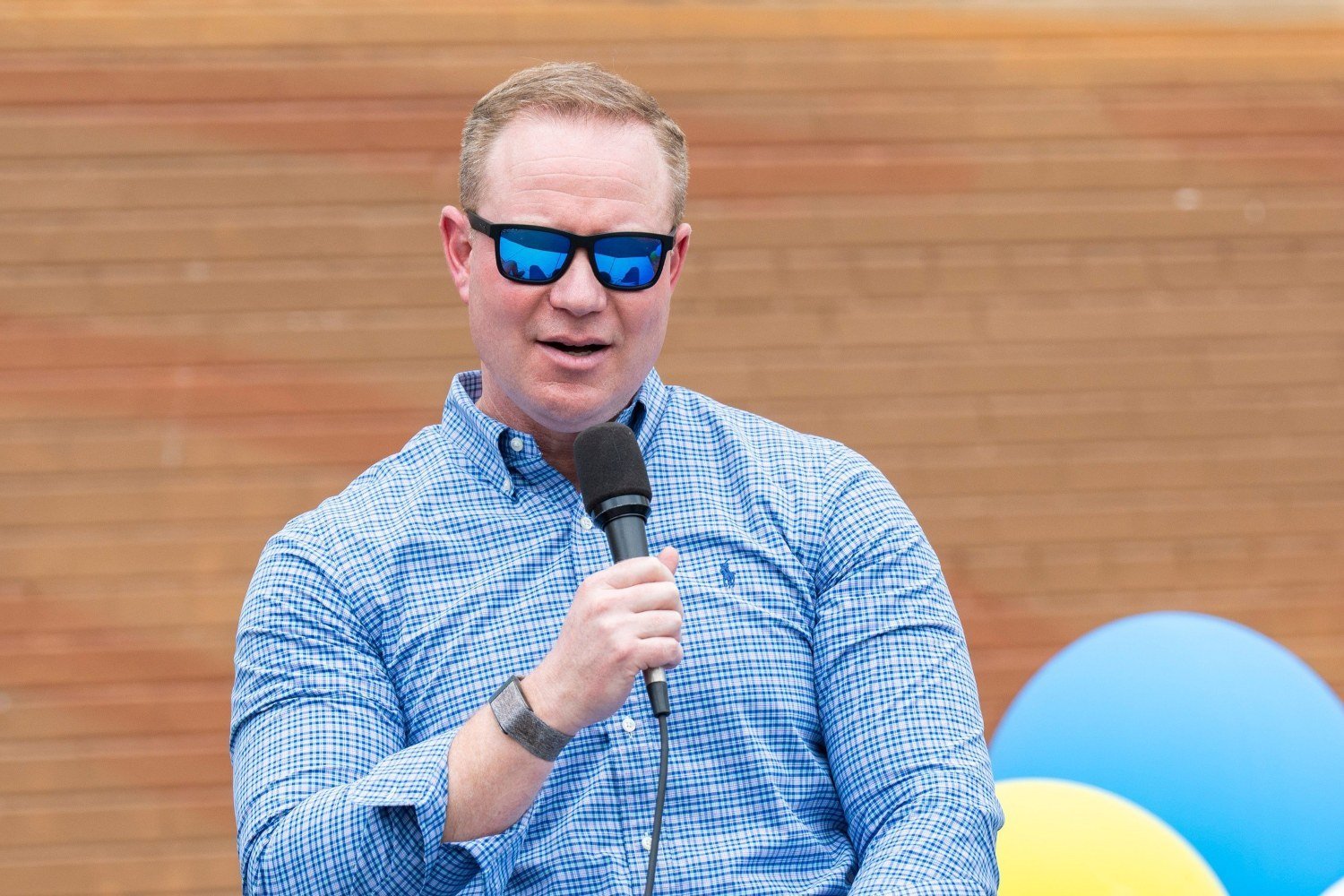 Rather than sit and wait until the final few days, the Milwaukee Brewers have proactively explored trades that would be more aggressive than their typical deadline upgrades, sources familiar with the team's movement said this week. A member of a front office who heard from the Brewers recently said that the team is "starting conversations, where they used to be more of a listening [team]" at this stage in July. Rumors of a potential reunion with Freddy Peralta, a splashy pursuit of Tarik Skubal, or even an all-out blockbuster to acquire Mason Miller and create the hardest-throwing starter-closer combination in baseball history have all swirled around the organization. Much of the smoke, however, has no real fire to it, according to people with knowledge of trade conversations in multiple front offices. The Brewers aren't seen as motivated enough to give up any of their true top prospects. Their second-tier guys would be the cream of the crop in many farm systems throughout baseball, but even those players felt "off-limits" in deals for mid-tier targets, according to a source with another team. Milwaukee isn't willing to sell Josh Adamczewski, Bishop Letson or Tyson Hardin for pennies on the dollar just because they have lots of talent lying around. The team is focused on moves that would bolster their pitching staff; that much is true. They've talked to the Detroit Tigers about several pitchers, including the obvious candidates (Tarik Skubal and Jack Flaherty, whom they've explored acquiring in the past; Casey Mize, a fellow impending free-agent righty starter) and some less obvious ones (Drew Anderson and Kyle Finnegan). They've reached out to the Angels to gauge the availability of Reid Detmers, but didn't find the asking price reasonable, a source said. They've closely monitored the rehab and return of Shane Bieber to the Blue Jays. Of that group, Skubal and Detmers are the two who would move the needle for most Brewers fans. Unsurprisingly, though, they seem the least likely of the bunch to actually come to Milwaukee; the team and its could-be suitors just don't seem close to agreeing on the right value for either hurler. Instead, a creative deal is more likely. Intradivisional trades for Dustin May or Brady Singer are viewed as more realistic. Giants southpaw Robbie Ray is "a really good one to watch," according to one league source, who noted that the Brewers have an "up arrow" next to Ray because of the changes he's made to his arsenal this season. Assuming all goes well with his ramp-up, Kyle Harrison figures to retake the second spot in the Brewers' starting rotation down the stretch, alongside the overpowering Jacob Misiorowski. The team needs help more in terms of depth than in terms of top-end quality, and they place a high value on young players other teams might trade more freely. Don't hold your breath for a repeat of the Summer of CC Sabathia in Milwaukee. That the Brewers have even looked into the possibility is exciting, but it signals their broader willingness to chase greatness, rather than a specific plan to acquire one player. They're far more likely to make a smaller move, because a smaller move is all that's needed, and the Brewers only make the moves they need to make. No team in baseball is better-positioned to give up prospects for a chance to win a championship, except that for the Brewers, the only way to keep building toward a championship is to retain prospects and maximize their value. More importantly, the team rightly thinks they have as good a chance at a championship as anyone this year, even if they only add at the margins. View the full article
 -
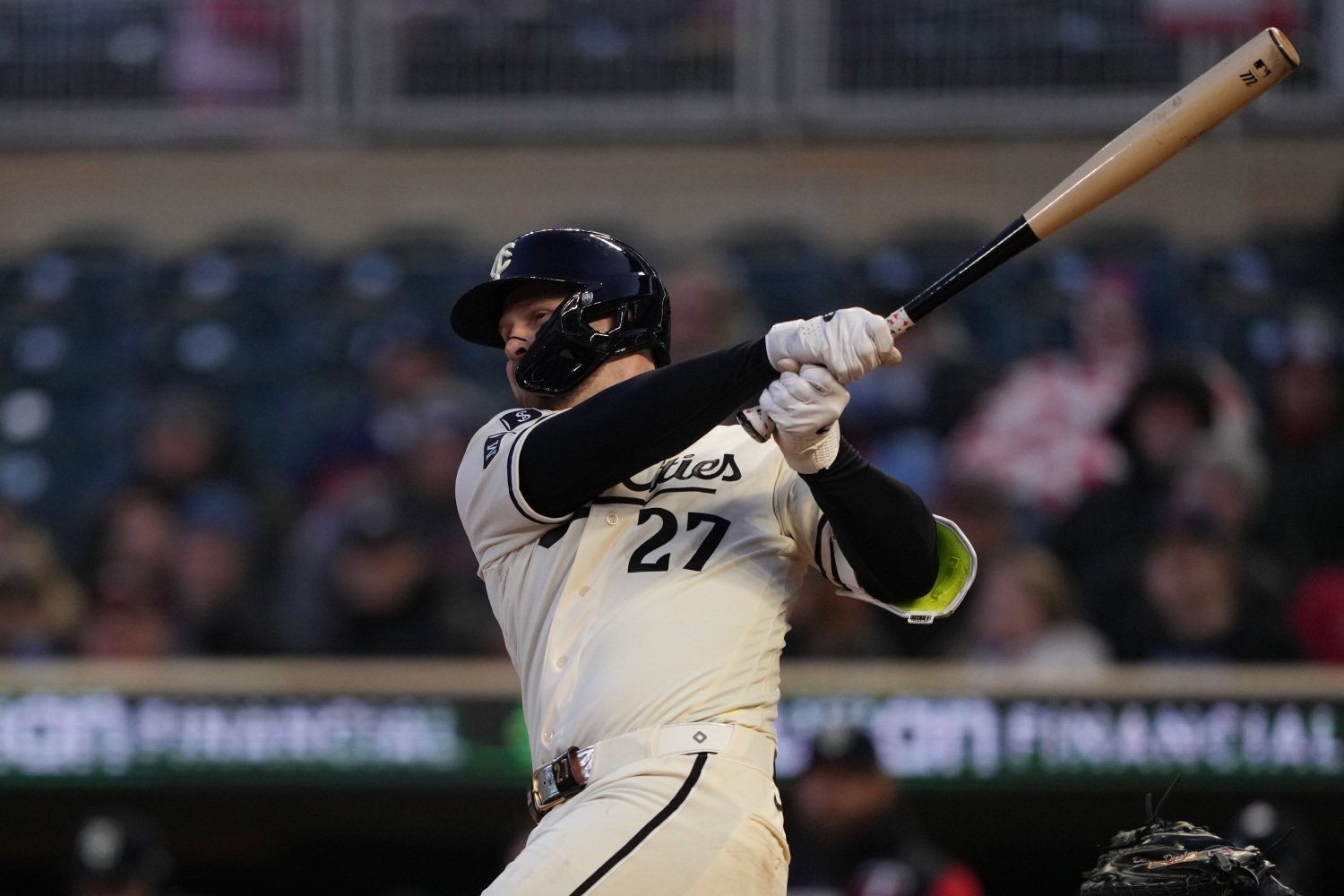 Jeremy Zoll is no longer operating in Derek Falvey's shadow. The 2026 MLB trade deadline represents a first opportunity for Twins fans to see how Zoll views a team with legitimate postseason aspirations and what risks he is willing to take to improve it. That matters, because front office philosophies are often defined by the decisions they make in the biggest moments. Falvey had nearly a decade of trade deadlines that revealed his tendencies. He generally valued organizational depth, avoided sacrificing elite prospects for rentals, and searched for under-the-radar acquisitions. Whether fans agreed with every move or not, there was a blueprint. Zoll hasn't had that opportunity yet. Since taking over baseball operations, there has been very little to evaluate when it comes to how he approaches acquiring major-league talent. The Twins haven't reached a point where they needed to choose between protecting the future and maximizing the present. That's what makes this deadline so fascinating. Minnesota enters the last weeks of July hovering around the final American League Wild Card spot. The organization has repeatedly stated that it believes this roster can compete. Tom Pohlad has publicly acknowledged that ownership must invest in the team if it expects fans to return to Target Field. If the Twins remain in contention over the next two weeks, Zoll will face his first defining moment as the head of baseball operations. Standing pat may sound like the safest option. History suggests it rarely feels that way once October arrives. The 2023 Twins were in the middle of one of the organization's best seasons in years. While they weren't playing their best baseball entering the deadline, the opportunity in front of them was obvious. The AL Central was there for the taking, and ending the franchise's historic postseason losing streak was within reach. Then, everything slowed down. Minnesota lost five consecutive games leading into the trade deadline. Instead of aggressively addressing obvious needs, the front office chose to stand pat. The roster appeared to need another reliable late-inning reliever (as nearly every contender does in July) and another right-handed bat capable of balancing a lineup that had struggled against left-handed pitching. Neither addition came. The Twins, instead, trusted their clubhouse and internal depth. To be fair, the decision wasn't a complete failure. Minnesota recovered, won the AL Central, and finally ended its 18-game postseason losing streak by sweeping Toronto in the Wild Card Series. It became one of the defining moments of the Falvey era and gave the franchise its first playoff series victory in more than two decades. Yet, the lingering question has never disappeared. Would one more impact reliever have changed the Division Series against Houston? Would another dependable right-handed hitter have lengthened the lineup enough to produce another timely run? Those questions cannot be answered, but they continue to hang over a deadline that felt far too conservative. The circumstances surrounding the 2020 trade deadline were unlike anything baseball had experienced. Teams had only 35 games to determine whether they were buyers or sellers. Expanded playoffs meant more organizations believed they had a chance to contend. There wasn't even a minor-league season, making it extraordinarily difficult to evaluate prospects being discussed in trade negotiations. Financial uncertainty also loomed over every organization, as clubs played in empty stadiums during the COVID-shortened season. Not surprisingly, many contenders remained relatively quiet. The Twins found themselves in a familiar position. Like 2023, Minnesota entered the deadline riding a five-game losing streak that had dropped them from first place to third in the AL Central. Even after winning 101 games the previous season, the roster had areas that could have been strengthened. Another bullpen arm, a right-handed bat or additional starting pitching depth would have made sense. Instead, the Twins trusted the players already in the organization. Given the unprecedented circumstances, that decision was easier to understand than the one made three years later. The uncertainty surrounding player evaluation, finances, and travel created obstacles no front office had previously encountered. Still, it represented another deadline where Minnesota chose continuity over aggression. If the Twins ultimately choose not to buy, standing pat could actually be preferable to selling. Keeping Joe Ryan alone would make that worthwhile. Ryan would undoubtedly generate one of the strongest trade markets of any player available. Diamond Centric currently has him ranked as the third-best trade target, behind San Diego's Mason Miller and Detroit’s Tarik Skubal. A controllable frontline starter entering his prime could command a massive return. But unlike an impending free agent, Ryan isn't disappearing after this season. Minnesota could revisit those conversations this winter and potentially receive a very similar package, while still giving itself every opportunity to compete for a playoff berth this year. The same logic applies, to varying degrees, to Ryan Jeffers, Josh Bell, and Trevor Larnach. Bell and Larnach aren't likely to produce franchise-altering prospect hauls, while Jeffers's value as a rental would be modest. Trading those players simply to make transactions would create more holes than long-term benefits. If the Twins believe they can remain competitive, keeping that core together is probably the better baseball decision. Standing pat would preserve the roster. The problem is that preserving the roster isn't necessarily enough. The upcoming stretch of games may ultimately determine the direction of the franchise. If the Twins fall several games out of the Wild Card race, the conversation changes dramatically. Selling becomes much easier to justify, particularly if the front office no longer believes the current roster has a realistic path to October. But if Minnesota continues winning and remains firmly in the playoff picture, the calculus changes. At that point, standing pat becomes far more difficult to defend. Tom Pohlad has repeatedly discussed the importance of investing in the baseball team. He has acknowledged that winning games will bring fans back to Target Field. He's spoken publicly about making bold moves and providing the resources necessary to build a consistent contender. Those comments have created expectations. If the Twins prove over the next 10 days that they belong in the postseason race, ownership must be willing to back those words with action. That doesn't necessarily mean sacrificing elite prospects for a blockbuster trade, but it does mean finding meaningful upgrades that improve the club's chances of playing in October. The front office has to allow the team's performance to dictate its strategy. If the players earn the right to receive reinforcements, those reinforcements need to arrive. The Hidden Cost of Doing Nothing Standing pat often feels like the safest decision, because it avoids the criticism that comes with trading top prospects or increasing payroll. The hidden cost is far less obvious. If the Twins miss the playoffs by one or two games after refusing to add a reliever who could have secured a handful of late leads or a bat that could have lengthened the lineup, the deadline will become impossible to ignore. Every blown save, every missed opportunity, and every close loss will be viewed through the lens of what wasn't done. That's the risk facing Zoll at his first defining trade deadline. Tom Pohlad has spent the last year talking about investing in the roster and giving fans a reason to believe again. Those statements now require action. If Minnesota plays well enough to remain in contention, ownership and the front office must reward that performance. Selling would be understandable if the Twins fall out of the race. Buying would be justified if they prove they're legitimate contenders. But if the Twins are still in the playoff hunt, standing pat can't be the answer. It may save prospects and payroll in the short term, but the hidden cost could be another October spent wondering what might have happened had the organization chosen to push its chips into the middle of the table. Are there other hidden costs to standing pat? Leave a comment and start the discussion. View the full article
 -
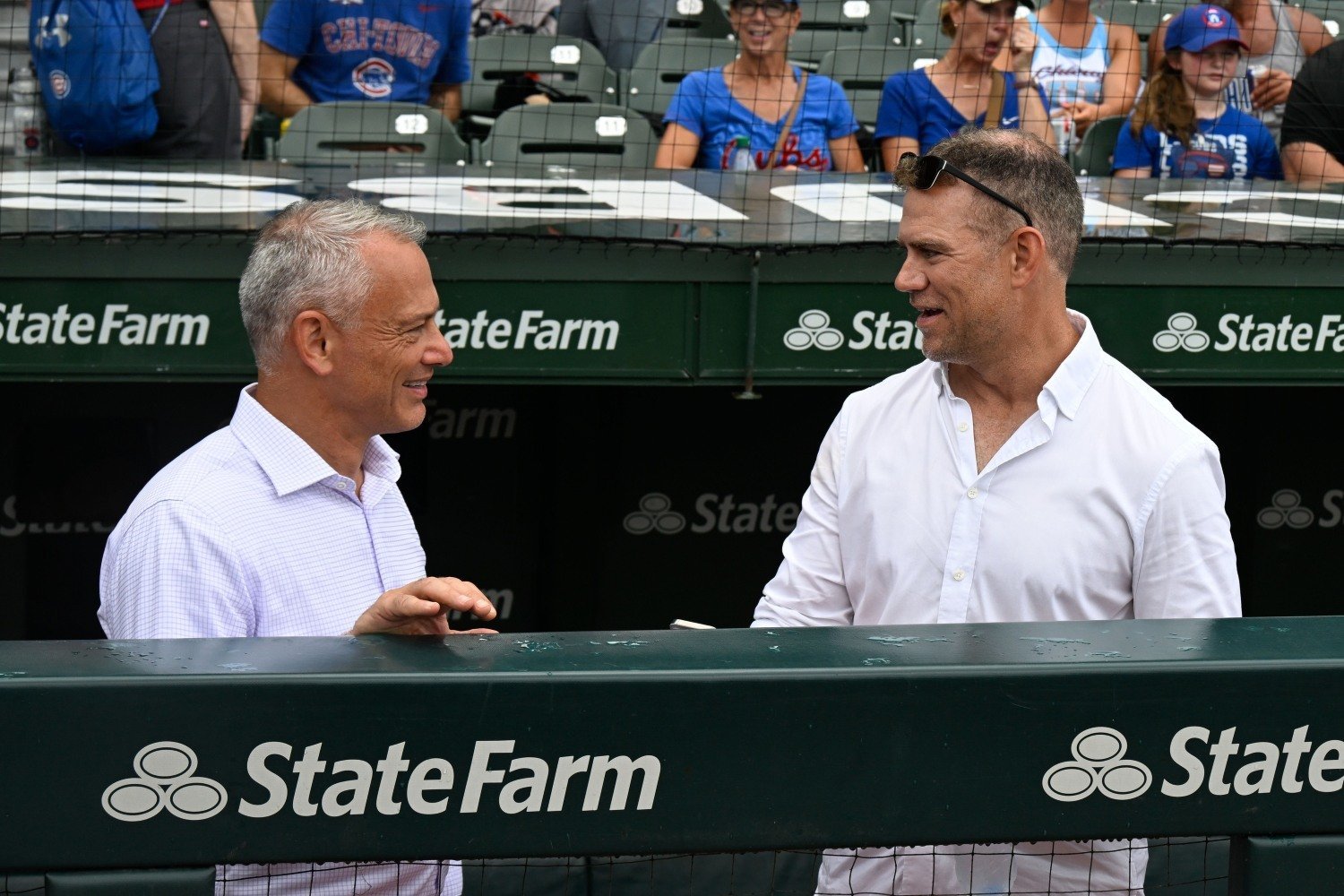 The Cubs are in the middle of a good season. While the Brewers are seemingly entrenched in first place, Chicago has a chance to secure home-field advantage in their inevitable best-of-3, as the Wild Card leader. But the schedule is about to flip. The Cubs are about to play games in 17 straight days, then one off day, then play another nine in a row. Teams they'll face in this stretch are designed to feast on weaker pitching: the Dodgers, Nationals, Yankees, and White Sox stand out as tough opponents. It’s not an exaggeration to say that this segment will dictate their October plans. This article isn’t going to talk about targets. Northside has that covered here and here (shout out to Sam Caulder, he’s been outstanding), and if you prefer to listen, it’s talked about right here. This is about the timing. Playing 26 in 27 days will stretch and tax any rotation, but the Cubs aren’t just any rotation. They are already using retreads like Aaron Civale and claiming DFA'd relievers left and right, hoping to find this year’s Drew Pomeranz. They clearly feel the urgency and the need. So, make a trade. Today. Put away the IVY model machine, forget the future value nitpicking, and try to keep this ship afloat. With 26 IL stints on the club this year from pitchers alone, this long stretch of games requires reinforcements on the hill. The Cubs have Matt Shaw, who has a lot of future value. Is it in Chicago? Probably, he’ll have more value somewhere else that doesn’t have their entire infield under contract, blocking him, for years. He’s a perfect example of a player the model values highly, but who won’t achieve that value unless moved to greener pastures. So whatever it is—controllable starter, high-leverage rental reliever—just do the trade now. Stop trying to extract maximum theoretical value in every move. Jed Hoyer has built an elite defensive team with a solid offense. He needs to cash in some chips to address the pitching staff. The next month will sorely test the Cubs;. Will they get reinforcements? They can’t risk another 30-game, 7-23 stretch. That could derail an interesting season. They need to gear up for the grind right this minute. View the full article
 -
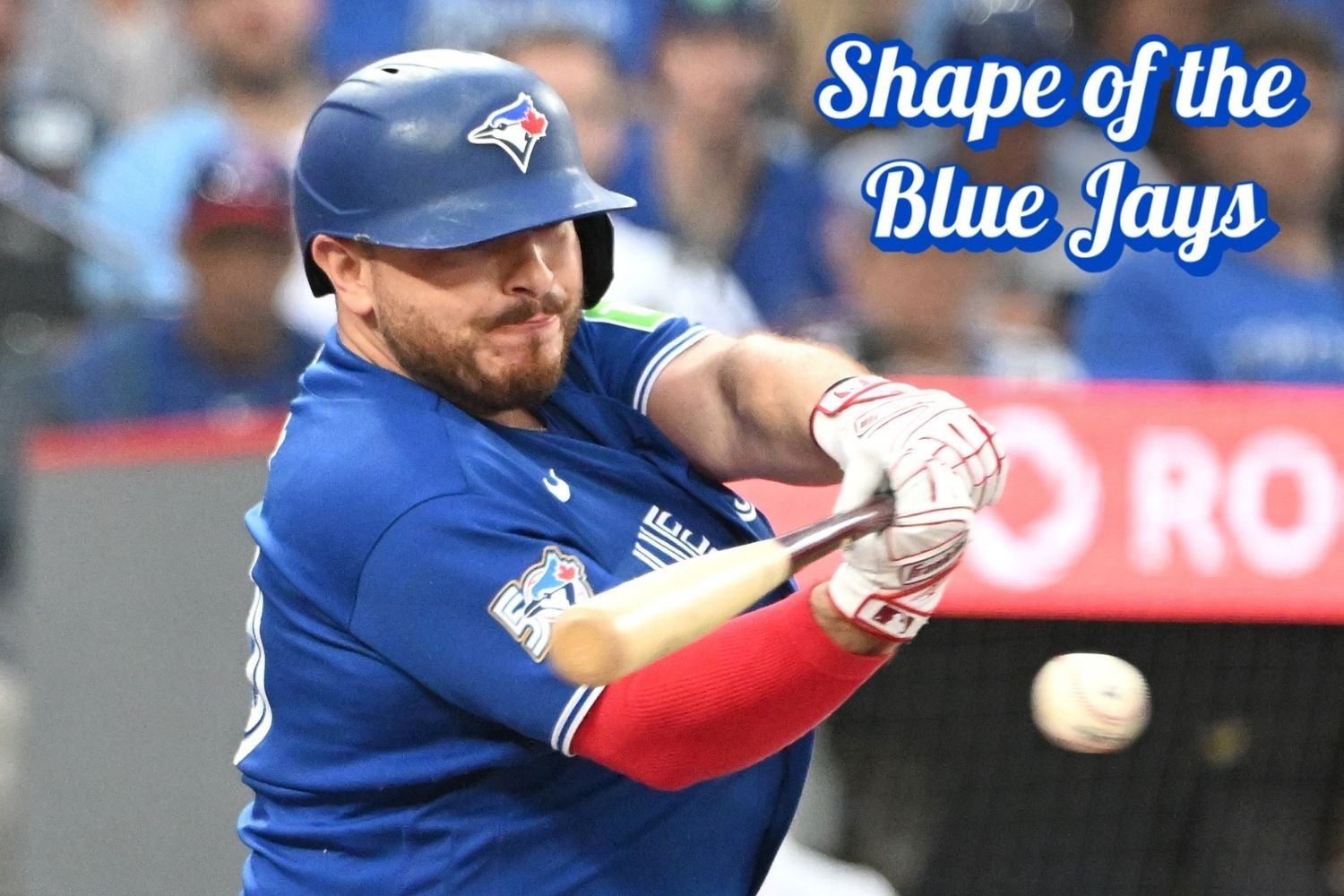 Welcome to Shape of the Blue Jays, my column where I dig into Statcast numbers to analyze recent pitch shape and swing shape trends for Toronto Blue Jays players and discuss how they have impacted their performance. Click here to read the last edition. All stats entering July 23, 2026. Quick Hits: Arjun Nimmala Everyone in this organization is starved for anything to be optimistic about, so here's one: Arjun Nimmala is heating up in Double-A New Hampshire. He got promoted to the Fisher Cats for the first time in May before a hamstring injury cost him most of June and necessitated a rehab stint back in the lower levels. In 25 Double-A games, he's hitting .289/.373/.456 with three homers. On Wednesday night, he hit a 432-foot no-doubter... to the opposite field. Nimmala's strikeout and contact rates (23.5% K, 73.9% contact) hold up compared to what he was doing in High-A Vancouver (22.9% K, 71.3% contact), a good sign that he's not being overmatched by the better pitching in the Eastern League. Baseball America recently updated their top 100 list after the draft, and despite the addition of a few marquee 2026 first-rounders to the rankings, Nimmala still places 39th. It's all but certain the Blue Jays won't have anything to play for in the season's final months, so they'll likely be deliberate when it comes to promoting him (as they should be). A debut at some point in 2027, though, seems feasible. Alejandro Kirk When I last checked in on Alejandro Kirk, he was finishing up a very quiet first month back from his thumb injury (44 wRC+ in June). He was hitting way too many balls at suboptimal angles while also chasing everything, a trend that has ravaged the entire lineup and likely killed the Jays' season. Lately, he has turned things around, becoming the only Blue Jay with a wRC+ over 120 in July (min. 40 PA). A 17.8% walk rate is the driving force behind the improvement, but even the swing itself is getting closer to how it looked when he was at his best. Alejandro Kirk Key Indicators, 2025 vs July 2026 (Statcast) Sample Chase% Zone Swing% Hard-Hit% Groundball% Bat Speed Swing Length (') 2025 29.1% 65.8% 50.8% 44.2% 72.5 7.2 July 2026 14.6% 55.8% 50.0% 41.2% 71.7 7.0 Four of his 16 hardest-hit balls of the season came against the Rays this week, another encouraging sign that things are trending upward. He's also gone back to using the whole field more often. Kirk's never going to be a high-BABIP guy because he lacks speed and an outlier ability to hit line drives, but the .224 mark he's at right now feels unsustainably low, and the projections at FanGraphs agree, as each of their models forecast a wRC+ between 108 and 117 for him the rest of the season. His zone swing rate is something to watch, as he's evidently become too passive with strikes, but I'm not sure if that's due to lingering effects of the injury or part of a general conviction to see more pitches. Spencer Miles Spencer Miles has continuously been one of the only redeeming features of this year's roster, and he continued his storybook season on Wednesday (3.2 IP, 0 ER, 3 H, 4 K, 0 BB). He threw the highest percentage of four-seamers and the lowest percentage of sinkers we've seen from him since early April. Metrically, the four-seamer isn't a great pitch, but the Rays are 29th in MLB in rate-based run value against four-seam fastballs this year. He decided to pitch to his opponent's weakness, and it worked. Because the sinker has been the focal point of Miles's gameplan for months now, Tampa Bay's hitters probably weren't expecting to see the four-seamer much, and the numbers back that up. The four-seamer, which sits 96 mph with movement patterns that are quite predictable relative to his arm angle, got five whiffs on 10 swings and a 30% chase rate. Miles is in line to pitch once more before the trade deadline, and if the Jays sell, I'd hope to see them be a tad more careful with his workload in August and September. If they're going to bounce back in 2027, he's going to be part of that solution. Davis Schneider In case you're new here, the format of this column alternates every week. One week, I'll profile two pitchers and one position player, and the next it'll be two position players and one pitcher. This is a two-position-player-week, but I cannot bring myself to profile anyone who has been a part of this league-worst offense besides Kirk, so let's take a look instead at Davis Schneider, who was called back up to the majors in advance of Thursday afternoon's game. Schneider made some waves for his objectively hilarious stat line a few games into his first demotion to Triple-A Buffalo, which effectively demonstrated the complete lack of hittable pitches he was given in the International League. He's now played 30 games there on the season, and the numbers are still pretty weird. Davis Schneider Key Indicators, Triple-A Buffalo, 2026 (Statcast) Zone% 43.8% Zone Contact% 86.8% Zone Swing% 57.4% Chase% 16.8% K% 20.2% BB% 30.2% Hard-Hit% 31.0% EV90 101.5 Fly EV 88.5 No, that isn't a typo. He actually walked 30% of the time, which is what happens when a guy sees this many pitches out of the zone and chases less than Juan Soto. I'm most encouraged by the mid-80s zone contact rate because of his struggles to get bat on ball earlier this season. The quality of contact wasn't great, but the way he was pitched definitely had something to do with that, especially given the small sample. He's deserving of another shot and should be motivated by the chance to secure an extended stay with Jonatan Clase hitting the IL. View the full article
 -
 This is the Jays Centre preview of the 2026 MLB trade deadline! In this episode, Owen and Jesse discuss the big picture about what to expect from the Blue Jays as the deadline approaches. Is there any chance left that they buy? What would a successful trade deadline look like? Should this team aim to compete in 2027 or rebuild from the ground up? They then go through the players who are likely to be traded and discuss what the team could get in return for George Springer, Kevin Gausman, Daulton Varsho and Shane Bieber, plus a debate on whether or not Jeff Hoffman should be traded, and what type of haul would it take to move on from Louis Varland? We also explore whether the Blue Jays should buy with an eye on 2027 and beyond, and what that could look like at this trade deadline. Listen on Apple Podcasts: https://podcasts.apple.com/us/podcast/the-jays-centre-podcast/id1846108462 Listen on Spotify: https://open.spotify.com/show/3Bi7SzfpcqMo5xYWnbCeoL Listen on iHeartRadio: https://www.iheart.com/podcast/263-the-jays-centre-podcast-300304824/ Listen on Pocket Casts: https://pca.st/2qk9wqxd Watch on YouTube: https://www.youtube.com/@jayscentre View the full article
 -
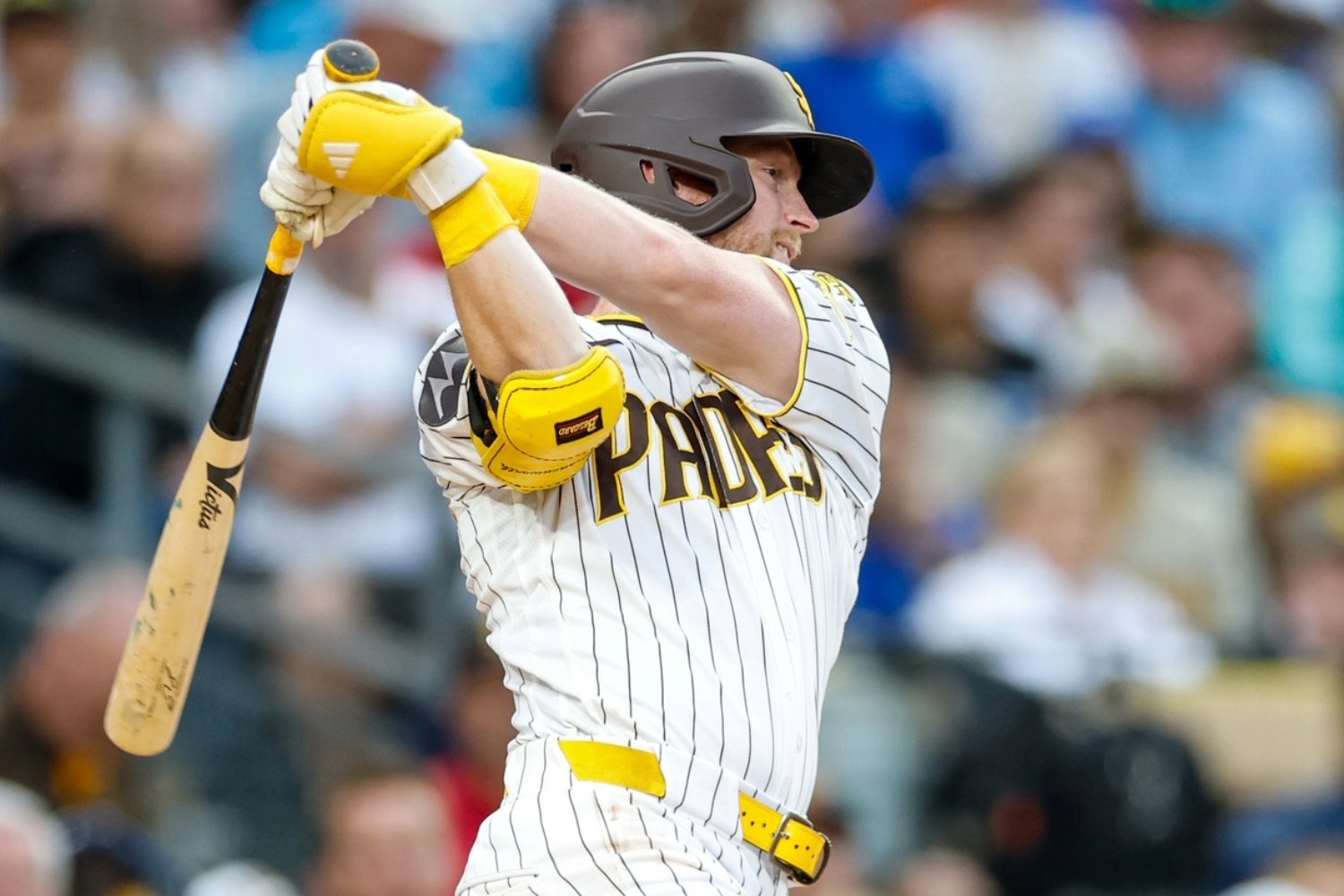 It'd be easy to look at the season of Jake Cronenworth and not walk away with anything of note. Such is life when you've missed two months of the year while residing on the concussion-related injured list. However, the early returns upon his, well, return are encouraging for a San Diego Padres team in need of any secondary contributions they can find on offense. Cronenworth's numbers on the season aren't anything terrific. He's running a .204/.291/.290 line and a 69 wRC+. His strikeout rate is up a touch (22.4 percent), and his walk rate is down a bit (9.3 percent) from their usual standards. The reality, though, is that much of that production is being dragged down by his performance early in the season. Since his return to action, he's done just enough to become interesting again. Prior to his lengthy IL stint, Cronenworth was struggling. In March & April, he was hitting only .146 and reaching base at a .276 clip. There was very little power to speak of either, as his .056 isolated power was ahead of only Fernando Tatis Jr. as the team's worst over that stretch. The approach that has become so typical of Cronenworth was still there, as he walked more than 13 percent of the time, but had very little else to offer the collective over that stretch. Over the next two months, Cronenworth would log only an even dozen trips to the plate. He was sent to the IL in early May and didn't return until nearly the last day of June. What's transpired since his return here in July has been quite interesting. Now healthy again, Cronenworth has slashed .292/.324/.431. His wRC+ is back to that of an above-average hitter for the month, at 111. Despite fewer plate appearances than he had in March & April, he's already eclipsed his total number of extra-base hits, with three doubles and a pair of home runs. What's particularly interesting about Cronenworth over this stretch, though, is the way his plate appearances have unfolded, which run a bit in contrast to the player we're accustomed to seeing. Across nearly 70 plate appearances since returning, Cronenworth has walked only three times. That's a 4.3 percent walk rate. Meanwhile, he's struck out more than 26 percent of the time. There's a level of aggression here that we're simply not used to over these last few years of watching Cronenworth. In July, his swing rate is nearly 52 percent. That's eight points higher than his rate from the season's first month and well above any mark he posted in an individual month in either 2024 or 2025. To some extent, it's come at the expense of his ability to make contact, with a 25.2 percent whiff rate that's roughly the same as it was in March & April of 2026 but certainly higher than anything we've seen in either of the last two seasons. It's possible that shouldn't be looked at as a complete negative, however. Cronenworth's bat speed is up quite a bit here in 2026. A 72.1 MPH average swing speed is well above any number he's posted since 2023. His attack angle has become just a bit steeper (eight degrees), and his rate of ideal attack angle (38.5 percent) has come up along with it. Those are positive trends for a player trying to get back to the more regular power output he showcased early in his career. The important thing for Cronenworth moving forward, as a result, is a discovery of balance. The jury is still out on Steven Souza Jr. as a hitting coach, but we know that one of his initiatives was to get bat speed up. However, that also cannot come at the expense of discipline. Especially for a player like Cronenworth, whose power is already of a more modest flavor to begin with. Don't get it twisted, though: this is an encouraging step. One primary factor holding Cronenworth back the last few years has been his inability to get the ball in the air in a more impactful fashion. A steeper, harder swing is going to help him do that. However, the balance needs to be there. It can't come at the expense of his approach at the plate, which allows him to be a regular pedestrian on the basepaths. He's showing us another dynamic of his skill set, but now needs to marry the patience and the increased power. If he can manage that, we could get back to the version of Cronenworth that the team felt warranted a lengthy contract just a few years ago. View the full article
 -
 The Royals affiliates went two and two on Thursday. Gavin Cross hit a go-ahead grand slam in the ninth to lift Omaha to a 12-to-9 win, and Columbia held on for a 2-to-1 victory behind Jose Gutierrez. Northwest Arkansas and Quad Cities each lost in extra innings, the Naturals falling 5-to-4 and the River Bandits dropping a 3-to-2 walk-off despite fourteen strikeouts on the mound. Royals Transactions No transactions were reported for the Kansas City Royals organization on July 23, 2026. Omaha Storm Chasers 12, Salt Lake 9: Cross Slam Caps a Comeback Omaha trailed 9 to 8 heading into the ninth inning and needed one swing to change the game. Gavin Cross provided it, driving a grand slam to right-center field that scored Peyton Wilson, Luca Tresh, and Alejo Lopez for a 12-to-9 lead. Cross finished 2 for 5 with a walk, a stolen base, and five runs batted in. The offense built the win across several innings. Omaha erased an early two-run hole with four runs in the third, capped by Brett Squires' two-run homer. Squires went 2 for 5 with two runs batted in. Kyle Isbel doubled twice, drove in two, and finished 3 for 4 from the leadoff spot. Tresh reached base four times on two hits and two walks, and he scored three times while adding a two-run single in the fifth. John Rave and Drew Waters each collected two hits, and the Storm Chasers piled up sixteen hits and seven walks as a team. The bullpen closed the door after Mason Black allowed six earned runs over four innings. Aaron Bummer struck out four across 1 1/3 scoreless innings, Jose Cuas followed with 1 1/3 hitless innings and two strikeouts to earn the win, and Anthony Gose recorded the final two outs in the ninth for his first save. Omaha pitchers combined for eleven strikeouts on the night. The Storm Chasers left nine runners on base and went 6-for-17 with runners in scoring position. Omaha improved their record to 46-52 with the win. Batter POS AB R H 2B 3B HR RBI BB K SB Kyle Isbel CF 4 1 3 2 0 0 2 0 0 0 Alejo Lopez LF 2 1 1 0 0 0 0 0 0 0 Gavin Cross RF 5 1 2 0 0 1 5 1 1 1 John Rave DH 5 1 2 0 0 0 0 1 1 0 Brett Squires 1B 5 1 2 0 0 1 2 0 2 0 Jack Pineda SS 5 1 1 0 0 0 0 0 0 1 Drew Waters CF 5 1 2 0 0 0 0 0 2 1 Brandon Drury 3B 3 0 0 0 0 0 0 2 1 0 Abraham Toro 2B 4 1 1 0 0 0 0 1 2 0 Peyton Wilson 2B 0 1 0 0 0 0 0 0 0 0 Luca Tresh C 3 3 2 0 0 0 2 2 0 0 Totals 41 12 16 2 0 2 11 7 9 3 Pitcher IP H R ER BB K HR NP Dec Mason Black 4 11 7 6 0 4 2 86 Ethan Bosacker 1 2/3 2 2 2 3 1 0 34 Aaron Bummer 1 1/3 1 0 0 0 4 0 19 Jose Cuas 1 1/3 0 0 0 0 2 0 14 (W, 5-2) Anthony Gose 0 2/3 0 0 0 0 0 0 5 (S, 1) Totals 9 14 9 8 3 11 2 158 Northwest Arkansas Naturals Fall 5 to 4 in Ten Innings Northwest Arkansas rallied in front of the home crowd but could not hold a late lead, falling 5 to 4 in ten innings. The Naturals climbed back from a 3-to-1 deficit with a run in the sixth and two more in the seventh, when Sam Kulasingam laced a two-run double to score Canyon Brown and Carson Roccaforte for a 4-to-3 edge. Kulasingam led the offense, going 2 for 4 with a double, a walk, and two runs batted in. Brown reached base three times on a double, a walk, and a run scored, and he drove in a run with a fifth-inning double. Daniel Vazquez added a run-scoring single in the sixth, and Luke Pelzer collected two hits. Roccaforte doubled and scored as part of a 1-for-5 night atop the order. The Naturals managed eight hits but struck out fifteen times and left runners on base in extras. Hunter Owen turned in a steady start, allowing three earned runs over 5 1/3 innings with three strikeouts. Anthony Simonelli and Frank Mozzicato bridged the middle innings, with Mozzicato striking out two in a scoreless frame for a hold. The bullpen could not protect the lead in the late innings. The tying run scored in the ninth, and the go-ahead run came home in the tenth after the zombie runner was placed at second base, saddling Augusto Mendieta with the loss and a blown save. The Naturals went 3-for-14 with runners in scoring position and stranded 10 runners. Northwest Arkansas is now 40-51 this season. Batter POS AB R H 2B 3B HR RBI BB K SB Carson Roccaforte DH 5 1 1 1 0 0 0 0 3 0 Luke Pelzer CF 5 0 2 0 0 0 0 0 1 0 Sam Kulasingam 3B 4 1 2 1 0 0 2 1 1 0 Spencer Nivens LF 5 0 1 0 0 0 0 0 1 0 Daniel Vazquez SS 4 1 1 0 0 0 1 1 2 0 Colton Becker 3B 1 0 0 0 0 0 0 0 0 0 Justin Johnson 2B 1 0 0 0 0 0 0 1 1 0 Alberto Rodriguez RF 4 0 0 0 0 0 0 1 2 0 Canyon Brown C 3 1 1 1 0 0 1 1 1 0 Stone Russell 1B 4 0 0 0 0 0 0 0 3 0 Totals 36 4 8 3 0 0 4 5 15 0 Pitcher IP H R ER BB K HR NP Dec Hunter Owen 5 1/3 8 3 3 1 3 0 82 Anthony Simonelli 1 2/3 1 0 0 0 0 0 16 Frank Mozzicato 1 0 0 0 1 2 0 18 (H, 3) Augusto Mendieta 2 2 2 1 1 2 1 48 (L, 3-5)(BS, 5) Totals 10 11 5 4 3 7 1 164 Quad Cities River Bandits Drop a 3-to-2 Walk-Off Despite 14 Strikeouts Quad Cities pitching was dominant, but the River Bandits could not push enough runs across and lost 3 to 2 on a walk-off in the tenth inning. The staff struck out fourteen batters and scattered just four hits over the night. Blake Wolters set the tone with five innings of one-run ball, striking out seven on only 57 pitches while allowing a lone solo homer. Aiden Jimenez and Kamden Edge followed with two scoreless innings apiece, and Edge punched out five in his outing. Chris Brito carried the offense, going 3 for 4 with a walk and a stolen base. He gave the River Bandits a fourth-inning lead with a solo home run, his second of the year, and put them back in front in the tenth with a run-scoring single that plated Blake Mitchell, who had started the inning as the zombie runner. Erick Torres reached base three times on two hits and a walk, Asbel Gonzalez added two hits and a stolen base, and Jose Cerice chipped in two hits. The River Bandits collected ten hits and stole three bases, yet stranded runners throughout and struck out eleven times. The tenth turned against them when Yimi Presinal allowed two runs, taking the loss and a blown save as the winning run scored to end it. The River Bandits struggled to cash in runs despite collecting 10 hits as a team. They went 1-for-12 with runners in scoring position and stranded 11 total runners. The loss dropped Quad Cities' record to 45-44. Batter POS AB R H 2B 3B HR RBI BB K SB Erick Torres RF 3 0 2 0 0 0 0 1 1 0 Asbel Gonzalez CF 5 0 2 0 0 0 0 0 2 1 Blake Mitchell C 5 1 0 0 0 0 0 0 3 0 Chris Brito 1B 4 1 3 1 0 1 2 1 1 1 Derlin Figueroa LF 5 0 0 0 0 0 0 0 0 0 Jose Cerice 3B 4 0 2 0 0 0 0 0 0 1 Trevor Werner DH 4 0 1 1 0 0 0 0 2 0 Angel Acosta 2B 3 0 0 0 0 0 0 1 0 0 Diego Guzman SS 4 0 0 0 0 0 0 0 2 0 Totals 37 2 10 2 0 1 2 3 11 3 Pitcher IP H R ER BB K HR NP Dec Blake Wolters 5 1 1 1 2 7 1 57 Aiden Jimenez 2 1 0 0 0 2 0 24 Kamden Edge 2 1 0 0 0 5 0 35 Yimi Presinal 0 1/3 1 2 1 0 0 1 6 (L, 2-2)(BS, 4) Totals 9 1/3 4 3 2 2 14 2 122 Columbia Fireflies Hold On for a 2 to 1 Win Columbia needed only one inning of offense and made it stand, beating Kannapolis 2 to 1. The Fireflies pushed both of their runs across in the bottom of the first, then leaned on their pitching the rest of the way. Yandel Ricardo sparked the lineup, going 2 for 3 with a stolen base from the two-hole. Hyungchan Um also finished 2 for 3 and delivered a run-scoring single in the first to give Columbia the lead. Jhosmmel Zue drove in the first run with a sacrifice fly, and Sean Gamble added a hit and a run scored. Henry Ramos drew a walk and scored the tying run, while Angel Ramirez and Ivan Sosa each singled. The Fireflies totaled seven hits and left only six runners on base. Gutierrez earned the win with a strong start, allowing one earned run over 5 2/3 innings with three strikeouts. Hunter Alberini recorded a hold with 1 1/3 innings of scoreless relief and two strikeouts, and Jhon Reyes closed it out with two scoreless innings and three strikeouts for his fourth save. Columbia pitchers combined for eight strikeouts and did not allow a home run, keeping Kannapolis to a single run and locking down the one-run win. The Fireflies went 2-for-4 with runners in scoring position and stranded two runners in the win. Columbia improved their record to 48-45. Batter POS AB R H 2B 3B HR RBI BB K SB Henry Ramos LF 3 1 0 0 0 0 0 1 0 0 Yandel Ricardo SS 3 0 2 0 0 0 0 0 0 1 Sean Gamble CF 3 1 1 0 0 0 0 0 1 0 Jhosmmel Zue 1B 2 0 0 0 0 0 1 0 1 0 Hyungchan Um C 3 0 2 0 0 0 1 0 0 0 Connor Rasmussen 2B 3 0 0 0 0 0 0 0 0 0 Angel Ramirez RF 3 0 1 0 0 0 0 0 1 0 Josi Novas DH 3 0 0 0 0 0 0 0 1 0 Ivan Sosa 3B 3 0 1 0 0 0 0 0 0 0 Totals 26 2 7 0 0 0 2 1 4 1 Pitcher IP H R ER BB K HR NP Dec Jose Gutierrez 5 2/3 4 1 1 3 3 0 87 (W, 8-3) Hunter Alberini 1 1/3 1 0 0 0 2 0 25 (H, 3) Jhon Reyes 2 1 0 0 0 3 0 28 (S, 4) Totals 9 6 1 1 3 8 0 140 Top-20 Prospect Performance 1. Kendry Chourio, Quad Cities River Bandits: DNP 2. David Shields, Quad Cities River Bandits: DNP 3. Josh Hammond, Columbia Fireflies: DNP 4. Blake Mitchell, Quad Cities River Bandits: 0 for 5, 1 run, 3 strikeouts 5. Sean Gamble, Columbia Fireflies: 1 for 3, 1 run, 1 strikeout 6. Ramon Ramirez: DNP 7. Zion Rose: DNP 8. Asbel Gonzalez, Quad Cities River Bandits: 2 for 5, 1 stolen base, 2 strikeouts 9. Carson Roccaforte, Northwest Arkansas Naturals: 1 for 5, 1 run, 1 double, 3 strikeouts 10. Taylor Rabe: DNP 11. Yandel Ricardo, Columbia Fireflies: 2 for 3, 1 stolen base 12. Justin Lamkin: DNP 13. Drew Beam, Northwest Arkansas Naturals: DNP 14. Michael Lombardi, Columbia Fireflies: DNP 15. Jack Slightom: DNP 16. Felix Arronde, Northwest Arkansas Naturals: DNP 17. Angeibel Gomez, DSL Royals Ventura: 1 for 4 18. Ben Kudrna: DNP 19. Steven Zobac, Northwest Arkansas Naturals: DNP 20. Blake Wolters, Quad Cities River Bandits: 5 IP, 1 hit, 1 run, 1 earned run, 2 walks, 7 strikeouts, 1 home run allowed View the full article
 -
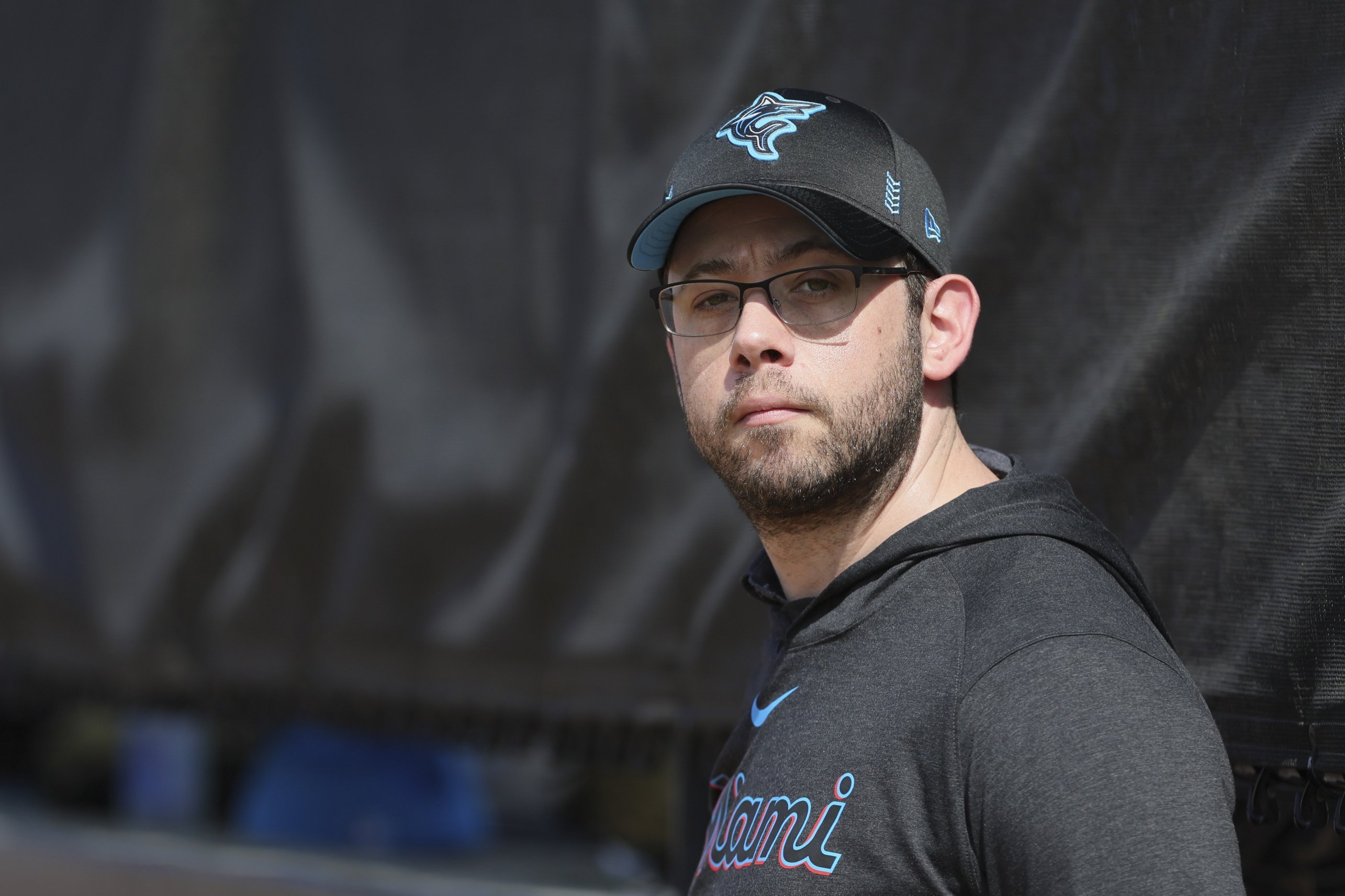 How aggressive the Miami Marlins choose to be at this year's MLB trade deadline remains anyone's guess. Of course, given the team's change of fortunes since the All-Star Break, it remains a bit of an open question as to whether Miami will act as buyer or seller come deadline time. While it would have been unthinkable for the club to do something as wishy-washy as "standing pat" as recently as last week, that could well be where the smart money should be placed right about now. However, for the sake of argument, let's assume that Miami does still plan to buy. After all, it's that or clicking refresh on your browser waiting for the next LeBron-related Heat social media post— and just look where that got you this week. So that leaves the Marlins as buying for the first time under Peter Bendix...and doing so at a time when each league has almost as many teams fighting for a Wild Card spot as the Marlins have dropped during what has to be the most poorly timed losing streak in franchise history. Unfortunately, that makes it doubly bleak, and requires Miami recognizing that bypassing what might be a smart sell moment in a vacuum is by far the savvier business decision for the organization. Fortunately though, there are two factors that Miami has working in their favor should the team still choose to buy that could help make them the clear deadline winner when the dust settles on August 3rd. For one, they are flush with cap space. Unlike many contenders, they have precisely zero concern about needing to negotiate staying below the CBT threshold. As the club spending the least in the league on payroll entering a round of CBA negotiations where it would behoove them to be in the good graces of MLB and the MLBPA, the simple fact of the matter is that any money Miami spends could be viewed as an investment in their future. Look at it as their money being greener. Look at it as a case of spending money to make money. Look at it as one of those cases where every dollar spent yields far more in future returns. Pick a cliche. Miami buying buys them twice as much in credibility as however much WAR return any moves generate. For another though, and this is where Miami Marlins fans should really take heart, there's a case to be made for them actually having the easiest path to improving of any contender. Does this team need plenty of help? Absolutely. Would this article have been far more convincing if I had written it two sweeps ago during the Cleveland series? You betcha— blame the vacation I'm really starting to wish I was still on. However, it remains kinda true. The Marlins continue to boast some of the worst production at third base in the majors. Closer Pete Fairbanks sports a -1.4 WAR and a ghastly 7.42 ERA, yet most fans would still rather see him take the ball late than -0.6 WAR Calvin Faucher. They're pretty much back to only having two starting pitchers again. In other words, despite having multiple needs, it wouldn't take a lot to significantly move the needle for the Marlins in multiple areas. Of course it would be nice to land Matt Chapman, Mason Miller, and/or TariK Skubal. Granted, that would require the complete decimation of the farm system and inches of snow falling in Miami tomorrow, but there's no denying that it would be nice. Yet there's also no denying that switching from the roughly 30th ranked to even the 25th ranked third baseman, a late-inning reliever with a positive WAR, and a starting pitcher who could consistently last five innings would mean more to the Marlins than any other team shopping for postseason help. More importantly, those kind of upgrades are well within the budget of a team looking to reasonably and smartly enhance the roster. Even more within their budget would be taking steps to simply improve their platoon options, perhaps pushing Leo Jimenez and/or Brian Navarreto off the roster for more reliable bats. I mentioned as much in last week's Fish on First round table, but it feels worth repeating now that trade deadline expectations might need to be tempered. It would be the least they could do, but it's hard to imagine even that minor of a move not being worth a couple wins. Bottom-line? The Marlins have it in their power to massively upgrade their team over the next couple weeks, without breaking the prospect bank. All they need to do is get out of their own way...and maybe start winning a game or two again. View the full article
 -
 Yorman Galindez pitched five scoreless innings in Biloxi’s shutout win. Daniel Corniel and Carlos Carra delivered solid starts, but Wisconsin and Wilson lost close games. Nashville was rained out. Transactions: OF Brandon Lockridge assigned to AAA Nashville on MLB Rehab C Marco Dinges promoted to AA Biloxi from High-A Wisconsin INF/OF Luis Lameda promoted to High-A Wisconsin from Low-A Wilson LHP JD Thompson activated by High-A Wisconsin from 7-day injured list C Edgardo Ordoñez assigned to High-A Wisconsin from AA Biloxi Game Action: Nashville Pre-Game Media Notes Rain Out: Nashville at Sugar Land (Astros) Via MILB.com, rainout details: Space Cowboys and Sounds Postponed on Thursday Night After two extra inning losses to open their road series, maybe a rainout can change Nashville’s luck. Friday’s outlook: Either RHP Tyson Hardin or LHP Colton Gordon is likely to get the start, while the teams will make up Thursday’s game via a Saturday doubleheader. Biloxi Pre-Game Media Notes Final: Biloxi 1, Chattanooga (Reds) 0 Box Score Via the Shuckers’ website, game details and we encourage readers to review affiliate write-ups as part of their Link Report routine: Galindez Carries No-No Into 6th, Pitching Staff Twirls Two-Hit Shutout – Biloxi Blanks Chattanooga for Second Time in Series Starting RHP Yorman Galindez (5 1/3 IP, 0 R, 1 H, 2 BB, 2 Ks) dominated by facing the minimum number of Lookouts batters through 4 2/3 innings, then tag-teamed with RHP Jack Seppings to work around a leadoff double in the 6th inning. The teams were a combined 0-for-8 with runners in scoring position, with Chattanooga’s opportunities (all two of them) coming in that 6th frame. The Shuckers put a baserunner on in each of the first five innings, but 1B Blake Burke’s two-out RBI double in the 3rd inning was the sole clutch hit. Together, Seppings (2 2/3 IP, 0 R, 1 H, 0 BB, 4 Ks) and RHP Will Childers (1 IP, 0 R, 2 Ks) retired the final seven Lookouts in order to close out the tight victory. Shuckers’ Extras: 22-year-old DH Marco Dinges’ AA debut was a success, drawing a leadoff walk and producing a leadoff single in his first two plate appearances. 23-year-old Galindez (70 pitches this game) came in well-rested, having averaged only 42 pitches/game over his last three appearances. Friday’s outlook: RHP Jaron DeBerry is scheduled to start, with Biloxi aiming to grab a 3-1 series advantage. Wisconsin Pre-Game Media Notes Final: South Bend (Cubs) 4, Wisconsin 2 Box Score Via the Timber Rattlers’ website, game details: Rattlers Fall to Cubs Starting RHP Daniel Corniel (5 IP, 2 R, 4 H, 3 BB, 1 K) delivered his longest start since September 2024, but the Wisconsin offense wasn’t able to convert key opportunities as they dropped a 6th consecutive game. Chris Mehring’s linked game report includes video of DH Luis Peña’s solo homer and 1B Tayden Hall’s late RBI single, but the team ran into outs in the 1st, 4th and 9th innings to thwart their chances. Timber Rattlers’ Extras: In relief, RHP Quinton Low recorded three strikeouts but allowed a two-run homer, while RHP Peyton Niksch delivered 1 2/3 scoreless frames (1 K). 2B Daniel Dickinson (2-for-3, double, HBP, SB) was the sole Timber Rattlers to reach base multiple times. Friday’s outlook: After two rehab appearances in Arizona, LHP JD Thompson returns for his first High-A start since June 2. Wilson Pre-Game Media Notes Final: Charleston (Rays) 2, Wilson 0 Box Score Via the Warbirds’ website: Charleston Claims Second Straight Victory Over Wilson – Warbirds Strand Tying Run in Ninth Starting 19-year-old RHP Carlos Carra (4 2/3 IP, 0 R, 1 H, 2 BB, 4 Ks) returned to solid form and Wilson out-hit their opponents 5-2, but an 0-for-5 game with runners in scoring position was their downfall. The Warbirds had two-on, one-out opportunities in the 6th and 9th innings, but they went for naught via a strikeout and fly out both times. Carra worked around a leadoff double in the 3rd inning, ultimately handing over to RHP Bryce Schaum and LHP Andrew Healy (3 IP, 2 R (1 ER), 1 H, 2 BB, 3 Ks). A two-out opposite field single in the 6th inning broke the deadlock and an error allowed in the second run. Warbirds’ Extras: C Kevin Garcia (2-for-3, double) and SS Brady Ebel (1-for-3, walk) each reached base twice to lead the offense, though Ebel was thrown out trying to stretch his first inning single. Friday’s outlook: RHP Jacob Morrison makes his 10th Low-A start, with Wilson needing a win to even this week’s road series at two games apiece. ACL Mariners 9, ACL Brewers 4 (in 7 innings) Box Score On the road and playing their final game of the 2026 season, the ACL Brewers conceded at least one run in each inning to close their campaign with a 26-34 record. Hopefully 18-year-old OF Brailyn Antunez’s exit half-way through the 4th inning was of the positive variety (e.g. potential promotion to Wilson). Rehabbing OF Akil Baddoo’s one-out double in the 3rd inning triggered a three-run rally (scoring via two walks and a wild pitch) to briefly give the Zona Crew a 3-2 advantage. Unfortunately, they stranded the bases loaded and did not get their next baserunner aboard until a 1B Roderick Flores single while trailing 6-3 in the penultimate inning. Back-to-back strikeouts (14 Ks in 25 at-bats for the Brewers) left two more runners on base in that frame (0-for-8 with RISP). On the mound, twin tower 19-year-old RHPs Luke Roupe (3 1/3 IP, 4 R, 4 H, 2 BB, 3 Ks) and Bryan Regalado each conceded four earned runs, with Regalado (2 2/3 IP, 5 R (4 ER), 6 H, 4 BB, 3 WP, 2 Ks) also struggling with control. OF Gerlyn Payano (2-for-3, double, walk, RBI) had the most productive day at the plate, while Baddoo and Flores both went 1-for-2 with a walk. At the other end of the spectrum was DH/INF Cristopher Acosta notching a golden sombrero (0-for-4, 4 Ks). DSL Padres Gold 9, DSL Brewers Blue 8 Box Score The Blue Men dropped their third consecutive one-run contest to fall to 20-16, scoring four runs in the bottom of the 9th inning and loading the bases with one out, only to go down on a strikeout and fly out to end the valiant comeback effort. 3B Leanders Matos (3-for-3, triple, 2 walks, RBI, SB) proved that he cannot be stopped, being one of five Blue squad members with multi-hit days: C Sebastian Franeites (2-for-4, double, HBP, 2 RBIs), OF Frandy Lafond (2-for-4, 3 RBIs), 2B Cristian Montilla (3-for-4), DH Jose Rodriguez (2-for-5). SS Diego Frontado homered to lead off the bottom of the 6th inning, starting the Blue team’s attempt to come back from a 7-0 deficit. The squad loaded the bases with two outs in the 8th inning while trailing 8-4, but the Padres brought in a lefty reliever to strike out Blue’s left-handed hitting OF Jesus Mancera to escape. Consecutive one-out hits by Rodriguez, Matos, Franeites and Lafond in the bottom of the 9th inning cut the deficit to 9-7, followed by a hit-by-pitch, run-scoring wild pitch and walk, but that was as close as they got. 12 walks and two hit-by-pitches hurt the Blue staff significantly, though RHP Ruben Saldana had a solid day in relief: 3 IP, 1 R, 1 H, 1 BB, 4 Ks. Starting 17-year-old Steven Duran put in the most work (4 IP, 5 R, 4 H, 7 BB, 1 HBP, 3 Ks). Starting center fielder Enrique Lovera exited after just two innings, so we’ll have to watch his status going forward. DSL Brewers Gold 8, DSL Pirates Gold 6 (in 7 innings) Box Score The Golden Men weren’t deterred by an early 5-2 deficit or a one-run disadvantage entering the final frame, as 1B Jefer Lista’s two-run single gave the team its first lead since the opening inning and OF Ruben Revost followed with a two-run double to go up 8-5. 19-year-old 6’5” RHP Paul Hoff came on in relief and improved his record to 4-0 with yet another solid effort (4 IP, 1 R, 4 H, 2 BB, 4 Ks; 2.43 ERA). RHP Manuel Moreno made a short but respectable start (2 1/3 IP, 1 R, 1 H, 1 BB, 2 Ks), while RHP Dalvin Bodre struggled (2/3 IP, 4 R, 0 Ks). Top offensive performers included DH Matthew Moses (1-for-2, double, 2 walks, RBI, SB), OF Carlos Done (2-for-3, walk, RBI) and OF Angeni Fernandez (1-for-3, two walks), while OF Francis Sosa’s RBI double narrowed the deficit to 5-4 in the 4th inning. Done also had an outfield assist. Four errors by the Pirates (vs. zero for Brewers Gold) contributed to two unearned runs. The victory lifted the squad to a 20-15 record to give the team a better record than their Blue brethren for the first time in 2026. We hope that you enjoy the Minor League Link Report. On Friday, six minor league affiliates are in action, commencing with the DSL squads playing their respective games at 10:00am CST. Full season affiliate games start at 6:00pm or 7:00pm. The Milwaukee Brewers also begin their home series against the Rockies at 3:10pm CST. Organizational Scoreboard including starting pitcher info, game times, MiLB TV links, and box scores Current Milwaukee Brewers Organization Batting Stats and Depth Current Milwaukee Brewers Organization Pitching Stats and Depth View the full article
 -
Optimistic Bozo Exhales, Shakes Head, Walks Around Block
DiamondCentric posted an article in Twins Daily
 Last Friday, I wrote that Twins fans should embrace their unlikely playoff contention status. Discard the default Minnesota fatalism, don't let stingy ownership spoil the fun, and just enjoy the prospect of competitive baseball for as long as it lasts. So, about that. As the Twins kept getting their brains beat in by the Cubs and then the Guardians, and those playoff odds kept diminishing loss by ugly loss, I tried to maintain some faith. Which is real hard to do when your All-Star starter gives up a gazillion homers in one game to a team that never hits home runs. Wednesday's blowout helped a bit. "You know, if you take out that losing streak where they were outscored 34-9, things don't look that bad," I said to an empty room. Then they got Gavin Williams'ed on Thursday afternoon. As I prepared to write my apology for being a dumb idiot whose mother dresses him funny, however, these goofballs clawed their way to an improbable 3-1 win in 12 excruciating innings. I exhaled, shook my head, and walked around the block. Basically, if you decided to do the tired "same old Twins, same old Minnesota sports" routine, you would still look pretty smart right now (see above, 34-9). That 4-game losing streak made a strong case for parting ways with some veterans and adding some prospects to a promising young core. They looked nothing like the team that had been respectable for a month-plus, which in the American League makes you look like the '27 Yankees this season. But they stole a split on the road against Cleveland. They have some truly dreadful teams coming to Target Field, in the Athletics and Royals. If you choose to maintain some optimism, I will join you. 4-2 feels like the bare minimum for a 6-game homestand. Is it likely? Who knows! But I've got nothing better to do than see what happens. It's too hot to start worrying about the Vikings, anyway. In summation, I still believe because it's more fun that way. Image license here. View the full article
 -
What Will Brewers Get from Christian Yelich in Second Half?
DiamondCentric posted an article in Brewer Fanatic
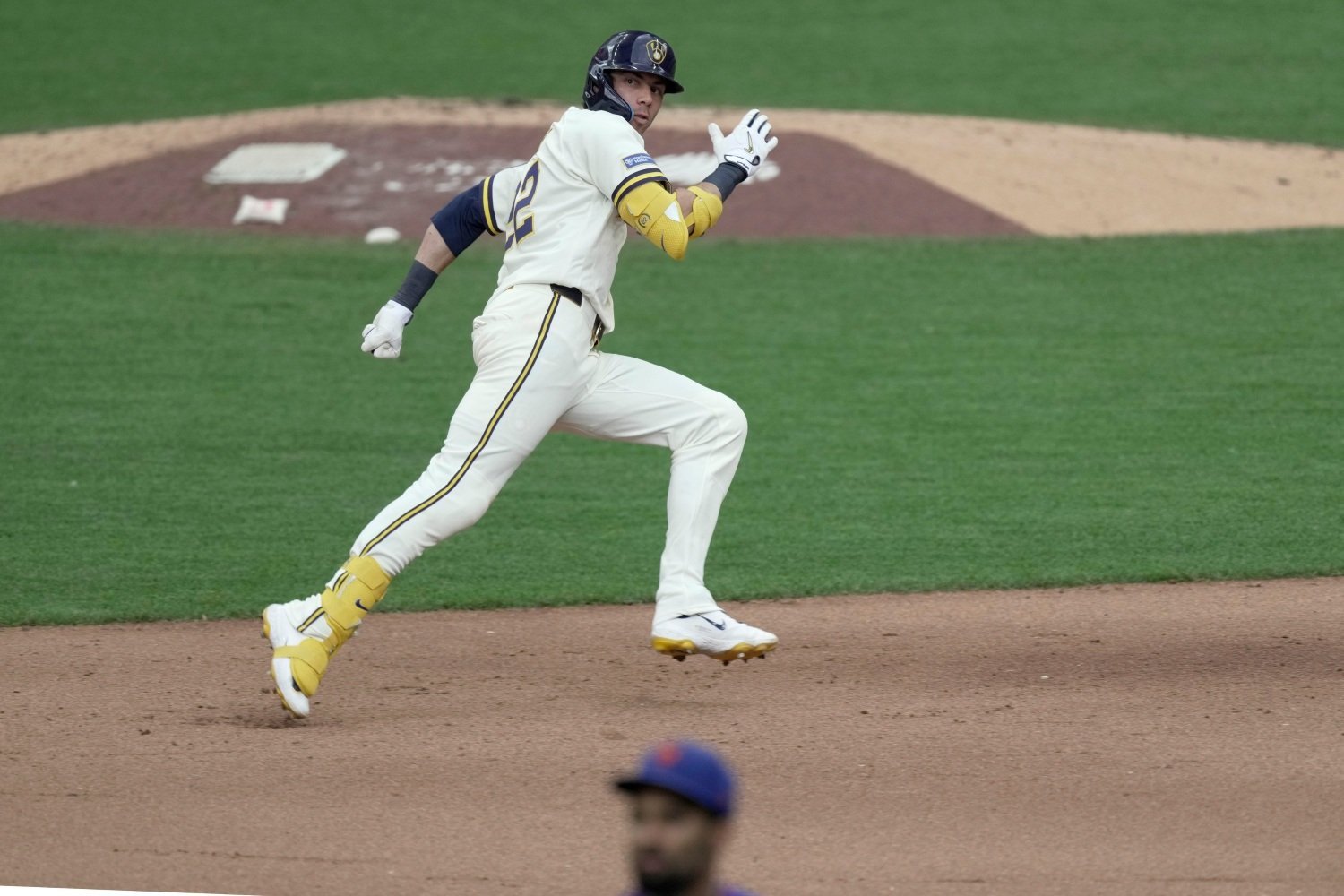 Pat Murphy was eager to discuss Joey Ortiz's fantastic game after Wednesday's Brewers win over the New York Mets, but he was just as excited to talk about another hitter's multi-hit performance after prolonged struggles. "How about Yelich today?" Murphy asked after praising Ortiz. "Nine-pitch at-bat to lead off the game, which is underrated, RBI, an RBI triple—good at-bats against really good pitching." Yelich drove in Ortiz twice: first with a single in the second inning, then with that triple in the sixth. He has four extra-base hits on the current homestand, hitting .250/.375/.500 (a 140 wRC+). "I'm pumped for 'Yeli,'" Murphy said, deliberately shouting him out a second time in his five-minute press conference. After a rough first half, Yelich's production and role will be a major storyline down the stretch. If the season ended today, his 99 wRC+ would be the lowest of his career, and the first time he's been a statistically below-average hitter. Lackluster results in a sample of around 300 plate appearances aren't new for Yelich. His overall solid production has experienced more ebbs and flows in recent years. Just last year, Yelich got off to a slow start before doing his best work in the second half. When things went poorly in the past, Yelich was still hitting the ball hard and usually getting a bit unlucky. That hasn't been the case this year. His .299 xwOBA is lower than his .316 wOBA and is a career low. His hard-hit rate and average exit velocity are also personal worsts. Yelich has never really been a contact hitter, but his whiff rate has jumped to 30.5%, his worst mark outside of the shortened 2020 season. In the rolling chart below of Yelich's xwOBA over 200 plate appearances, that blip in 2026 below the red average line jumps out. It's still just a blip, but it's a first-time blip. In other words, Yelich has never had a stretch this prolonged in which his quality of contact (not just his results) has been this poor. Yelich is moving more rigidly. His average sprint speed is down from 28.2 feet per second last season to 27.3. He hasn't looked flexible enough to reach low pitches with his swing path, making it even harder for him to make contact with back-foot breaking balls (the league's whiff rate on those pitches is 40.2%; Yelich's is 63.6%). Being stiffer has also limited Yelich's skill set and made him less valuable in a few smaller ways. In another pair of unwelcome firsts, he now has below-average speed and has taken fewer extra bases on balls in play than the average runner, according to Statcast. Yelich's infield hit rate has cratered from 7% of ground balls in each of his previous two seasons to a career-worst 4% in 2026. Earlier this month in Pittsburgh, he laid down a near-perfect bunt for an attempted hit. It took him long enough to get out of the box and run to first that third baseman Nick Gonzales, positioned on the dirt near the traditional shortstop position, had enough time to charge the ball as it rolled down the third-base line and throw out Yelich by half a step. YkJMeExfWGw0TUFRPT1fQndBRUJWVldVRllBREFjQ1ZRQUhWdzlTQUZsVVUxa0FBZ2RUQkZZTVVnQUdWUVpT.mp4 These could all be symptoms of an underlying injury. Yelich missed time in April and May with an adductor strain and a recurrence of back issues. But with Jackson Chourio, Garrett Mitchell, Jake Bauers, and (until his recent shoulder injury) Sal Frelick all playing well, there's been no need for him to play through pain. When his back has flared up in the past, the Brewers have usually shut him down pretty quickly. The likelier and more sobering answer is that at 34 years old, Yelich is physically declining and cannot move like he used to. If that's the case, he and the Brewers should not count on a return to form, because that form is gone. Instead, he must make physical adjustments to perform without his past mobility. As a 14-year veteran in tune with his body, Yelich is equipped to make that transition, but it's still challenging to do in-season. The Brewers are already quietly platooning Yelich; he's started just two of their last eight games against a left-handed starter. But it's too early to relegate him to a part-time player. Not only has he earned a long leash, but Frelick will be sidelined for an undetermined stretch, and Andrew Vaughn's 98 wRC+ against right-handers isn't much better than Yelich's. If Frelick returns and Yelich doesn't improve, it will be easy to say that the Brewers should reduce the latter's role, but it's not that simple. Yelich is their highest-paid player, their longest-tenured hitter, and a respected clubhouse figure who leads more with his conduct on the field than with his words. To demote him in the lineup—or, even worse, to the bench—is an open acknowledgment that something is wrong, and that it's not immediately fixable. The implications could bleed off the field. To avoid that dilemma, Yelich must start producing. That's why any signs of life, like those glimpses since the All-Star break, are encouraging. View the full article
 -
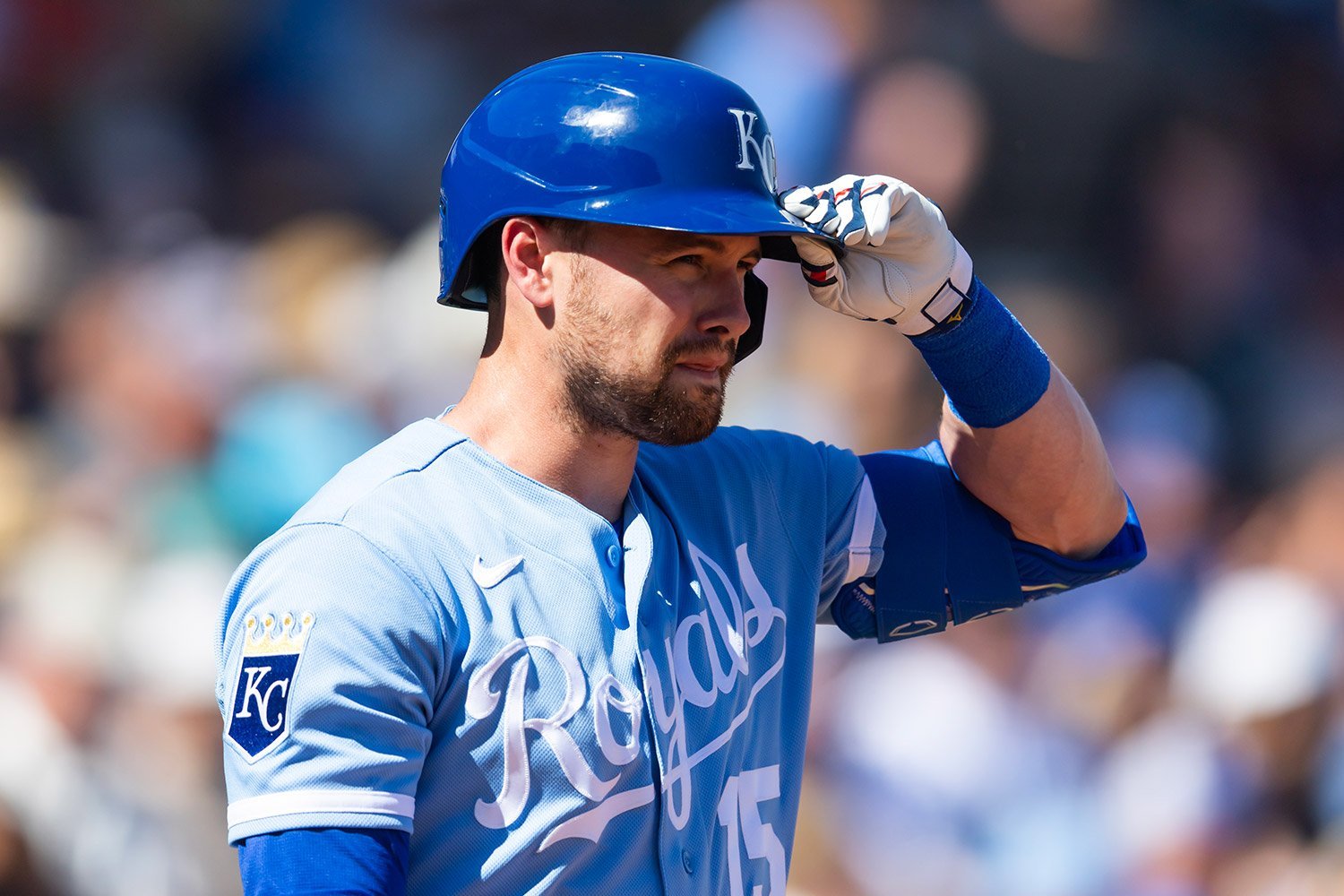 2026 has been a disappointing season for a Royals team that had playoff aspirations. With the trade deadline rapidly approaching, the Royals need to aggressively pursue deals for some players. Center fielder Lane Thomas is set to be a free agent at the end of the season, and his performance could land him a trade to a playoff contender. Thomas has greatly improved over his previous few seasons, when he struggled to stay on the field. Thomas was signed by the Royals to be a platoon partner in the outfield with Kyle Isbel, but with Isbel landing on the injured list with plantar fasciitis, Thomas was thrust into a starting role. Thomas has generally excelled with an fWAR of 1.0 and 108 wRC+. One concern surrounding Thomas was his ability to stay healthy for a whole season. With 88 games played, Thomas has already more than doubled his games played from last season and mostly removed concerns about his health. If traded to a playoff contender, he could return to his platoon role and get key playing time against left-handed pitchers. With his current contract expiring at the end of the season, Thomas would be a relatively inexpensive rental for teams with this specific need. Why The Phillies Would Want To Trade For Lane Thomas Justin Crawford has been the primary center fielder for the Phillies and has not been particularly productive against left-handed pitchers, and Thomas would be a clear upgrade. Crawford is posting a 36 wRC+ against lefties and is worth only 0.1 fWAR on the season. Brandon Marsh has been able to spend some time in center this season, but with Adolis Garcia out for the rest of the season, Marsh will be needed in the corner outfield spots. Derek Hill has also been able to spend some time in center field, but despite being a right-handed hitter, his offensive splits are better against right-handed pitchers. His wRC+ against righties is 201 in 31 PAs compared to a 67 wRC+ in 36 PAs against lefties. Why The Braves Would Want To Trade For Lane Thomas The Braves do not have as poor a situation against lefties as the Phillies do, but they have had to spend a lot of time without Ronald Acuña in the lineup. Michael Harris and Eli White have both been above average against left-handed pitching, but Mauricio Dubón, former-Royal Mike Yastrzemski, and Acuña have all been below average with a wRC+ under 100. Thomas would also be an offensive improvement over DH Dominic Smith, who is posting a wRC+ of 27 against lefties this season. Thomas could provide additional flexibility for a platoon lineup with outfield and DH while also providing insurance if Acuña is unable to remain healthy once he finishes his rehab later this month. Why The White Sox Would Want To Trade For Lane Thomas The White Sox are one of the more surprising teams this season and currently sit in first place in the AL Central. Tristan Peters and Luisangel Acuña have spent the most time in center for the White Sox, but neither has been particularly good against lefties this season with a wRC+ of 12 and 57, respectively. Other primary outfielders Sam Antonacci, Braden Montgomery, and even Andrew Benintendi are all struggling against lefties, all with a wRC+ of 47 or below. Another former Royal, Randal Grichuk, has been able to provide help against lefties with a 162 wRC+ but mostly as a designated or pinch hitter. Thomas could even put the White Sox’s outfield and provide that additional help to turn them into more serious World Series contenders. The White Sox are certainly ahead of schedule in their rebuild and might be a little hesitant to shift into win-now mode. Thomas could be a lower-cost option to improve around the margins and round out the lineup. View the full article
 -
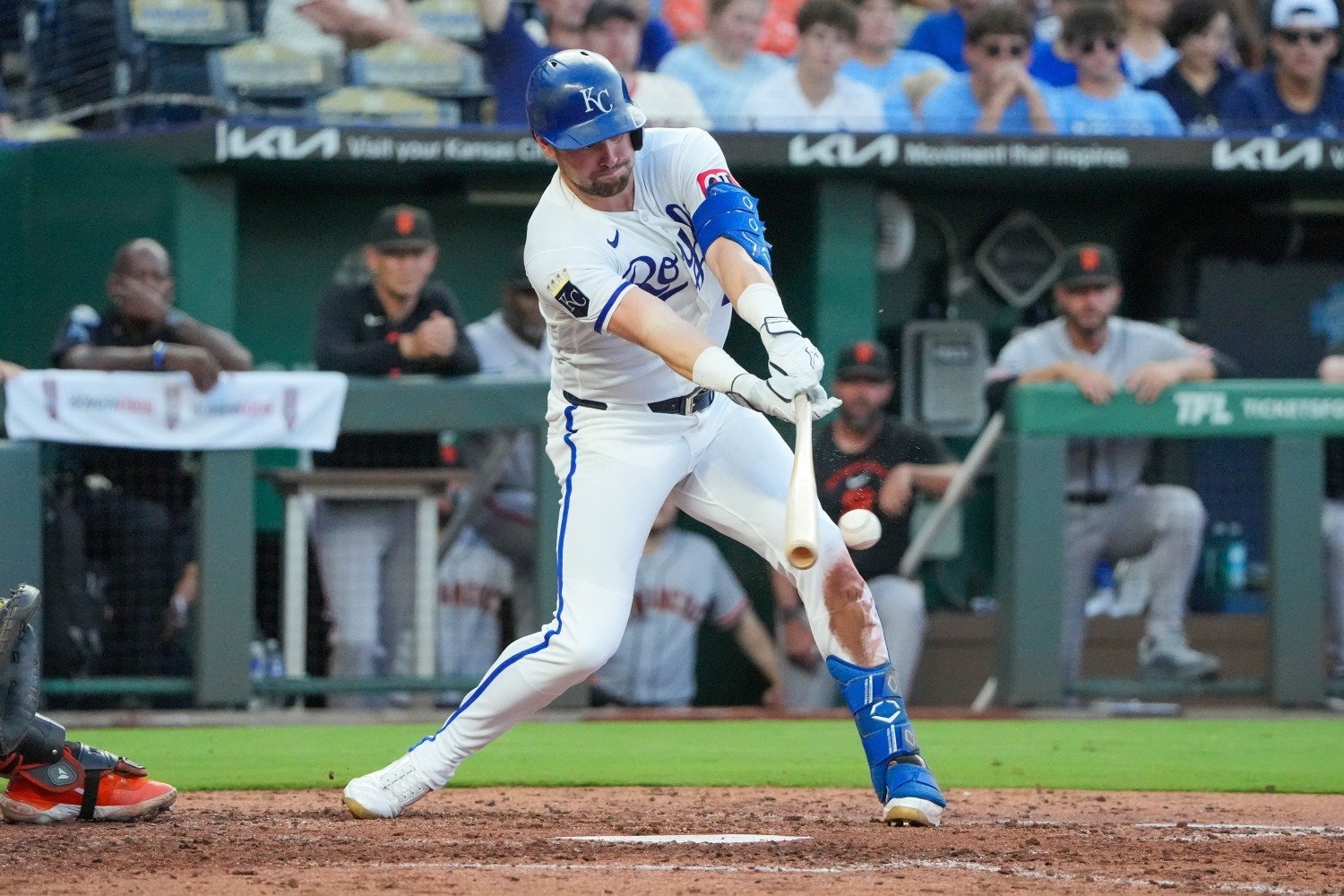 Exactly what the Minnesota Twins will do at the trade deadline remains anyone's guess. With just a week and a half remaining before the August 3 deadline, the Twins continue to hover around the 20% mark in playoff odds. A good week could convince the front office to add pieces for a postseason push. A bad week could just as easily send them toward selling. There is still plenty left to decide. If the Twins determine they are buyers, the biggest needs are fairly obvious. Starting pitching and relief pitching both stand out as areas that need reinforcements. One need that has received much less attention, however, is another right-handed bat. For what feels like the fifth consecutive season, the Twins simply have not been able to hit left-handed pitching. Entering the deadline, they rank 28th in the majors with a .227 batting average against southpaws and 27th with a .677 OPS. It has become one of the biggest flaws in an otherwise solid offense, and has left opposing managers free to lean heavily on left-handed pitching late in games. The two spots where a right-handed hitter would fit best are corner outfield and second base. Trevor Larnach has become an important top-of-the-order bat against right-handed pitching, but the production disappears when a lefty is on the mound. Larnach owns just a .588 career OPS against left-handed pitchers. Austin Martin has received many of those starts this season and has done an admirable job, but much of his production came very early in the season, and even at his best, his lack of power is limiting. Second base presents another opportunity. Kody Clemens has been one of the better stories of the Twins' season, but he's still best utilized in a platoon role. While Clemens owns a respectable .733 OPS against lefties this season, his career numbers paint a different picture. He has just a .628 career OPS against southpaws and managed only a .482 OPS against them a year ago. The Twins do have an intriguing internal option waiting in Triple-A. Kaelen Culpepper has the versatility to play all over the infield and could eventually provide the right-handed bat Minnesota is looking for. However, injuries have interrupted much of his season, making it difficult to know exactly what the Twins can expect from him over the final two months. If the front office isn't comfortable relying on a rookie returning from injury to make his debut during a playoff race, adding a veteran infielder becomes a much more appealing option. If Minnesota decides to buy, these three players should be among the names at the top of their list. Lane Thomas, OF, Royals DiamondCentric's Trade Candidate Rank: 55 Lane Thomas has long felt like a natural fit for the Twins because of his ability to punish left-handed pitching. For his career, Thomas owns an .848 OPS against southpaws and has continued that success this season. He has also been swinging one of the hotter bats in baseball lately, posting an .843 OPS since June 1. His defensive versatility only adds to the appeal. Thomas can handle either corner outfield position while also filling in at center field whenever Byron Buxton needs a day off. Perhaps most importantly, Thomas is scheduled to become a free agent after the season, meaning he should be obtainable without an overwhelming prospect package. He checks nearly every box Minnesota should be looking for in a deadline addition. Taylor Ward, OF, Orioles DiamondCentric's Trade Candidate Rank: 48 Taylor Ward offers many of the same qualities as Thomas, with perhaps even more offensive upside. Ward has been one of baseball's better hitters against left-handed pitching throughout his career, compiling an .835 OPS against southpaws. He has been even better this season, posting a .900 OPS against lefties. A natural left fielder, Ward would fit perfectly into a platoon with Larnach for the remainder of the season. Shelton could continue starting Larnach against right-handed pitching while turning to Ward whenever a lefty takes the mound, giving the lineup considerably more balance. Like Thomas, Ward is set to reach free agency following the season, making him an attractive rental option for a Twins club that may not want to sacrifice premium prospects. Gleyber Torres, 2B, Tigers DiamondCentric's Trade Candidate Rank: 56 Intra-division trades don't happen often, but they aren't unheard of, either. The Twins and Tigers have completed deals before, most notably the Michael Fulmer trade, and could be willing to do business again if Detroit decides to move veterans. Torres has built a career on hitting left-handed pitching. He owns an .852 career OPS against southpaws and continues to produce offensively with a .787 OPS this season. He is also just one year removed from an All-Star campaign, proving there is still plenty of offensive value in his bat. The biggest question surrounding a move like this is Kaelen Culpepper. If the Twins believe Culpepper is healthy enough to come up and contribute during the stretch run, they may choose to stick with their top prospect. But if injuries have created enough uncertainty that the organization isn't comfortable counting on him in a playoff race, Torres becomes an intriguing alternative. He would give Minnesota a proven right-handed bat who could platoon with Clemens at second base while also receiving regular at-bats at designated hitter. None of these players would solve every problem facing the Twins. Starting pitching and bullpen help would still need to be addressed if Minnesota hopes to make a legitimate postseason run. Still, adding another proven right-handed bat could quietly become one of the most impactful moves the front office makes. The Twins' struggles against left-handed pitching have been impossible to ignore, and each of Thomas, Ward, and Torres would directly address one of the roster's biggest weaknesses while fitting naturally into the Twins' lineup. Which right-handed bat would you like to see the Twins target? Is there another player you think deserves to be on this list? Leave a comment below and start the conversation! View the full article
 -
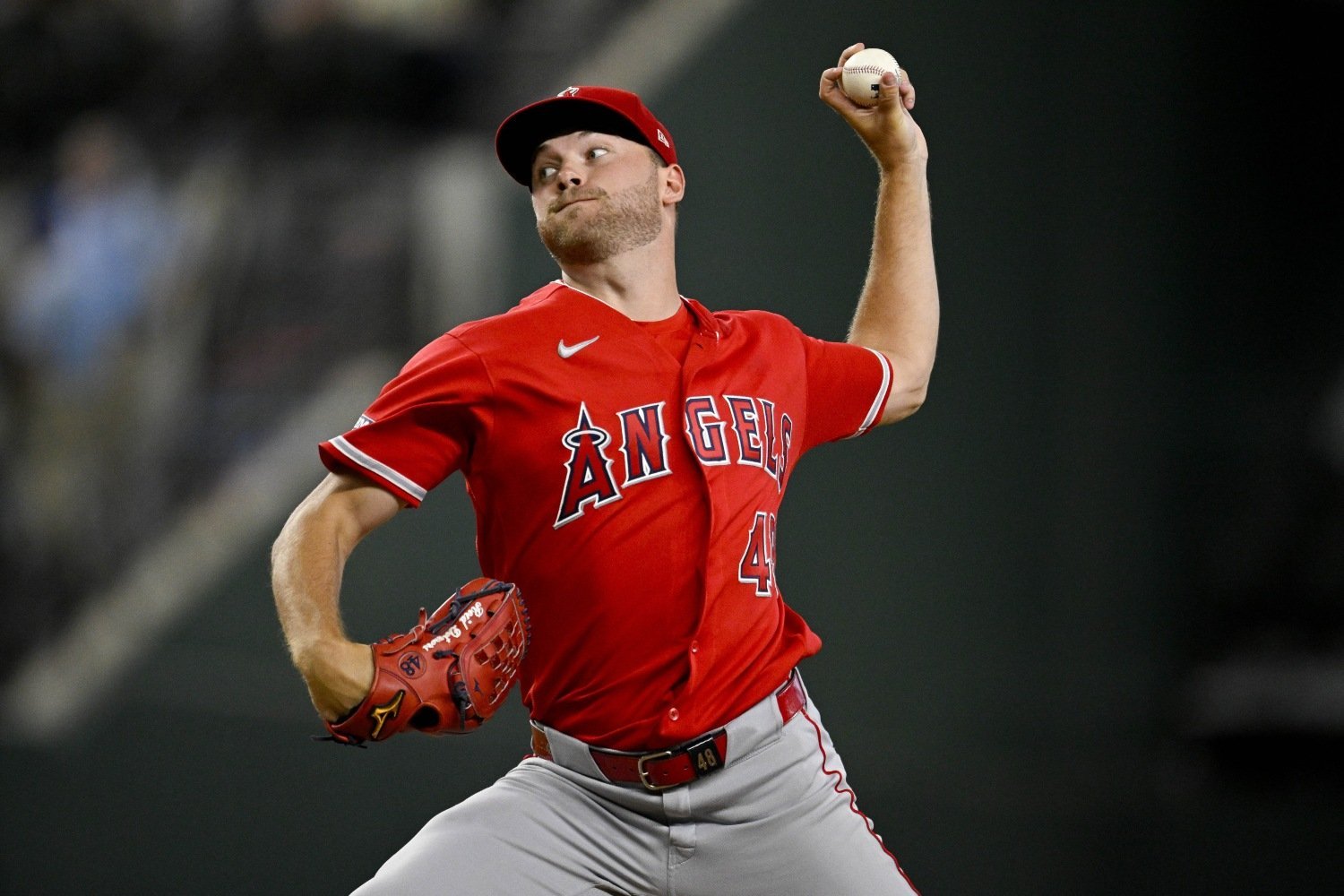 Jed Hoyer and Carter Hawkins have reached out to front offices of several teams tipping toward selling in the days since the resumption of the season after the All-Star break, sources with knowledge of the talks indicated this week. They're looking for help in the bullpen, but the team's top priority is to shore up its starting rotation. More depth there would allow them to backfill the relief corps by demoting Colin Rea and cushion them against the risk of further injuries to the incumbent options. However, the team hasn't talked (yet, at least) about what it would cost to acquire Tarik Skubal from the Detroit Tigers, said one league source. Instead, their preferred targets appear to be hurlers who offer either team control beyond this season or an opportunity to swing a deal without surrendering their top prospects. The Miami Marlins are on a nine-game losing streak, and their apparent status as buyers is now very much in jeopardy. The Cubs could feel a bit sour about the disappointing early returns on the Edward Cabrera deal or the previous winter's scuppered Jesús Luzardo trade, but the team has sounded the Marlins out on their willingness to move Sandy Alcantara. Though no longer a Cy Young-caliber power arm, Alcantara is as reliable a workhorse as any starter in the league, and if Miami continues its spiral, they could be open to moving Alcantara to save the substantial money left on his contract. One reason for the Cubs' interest is that Alcantara's unimpressive numbers and high salary put a cap on what the Marlins can demand from him. The same goes, in one form or another, for Clay Holmes of the Mets, who made a rehab start Thursday with Triple-A Syracuse as he works his way back from a broken leg; Seth Lugo of the Royals, who's owed $21.5 million next season and has ceased to miss bats the way he needs to; and Michael King of the Padres, who (like Holmes) can become a free agent at the end of this year but (unlike Holmes) is still due over $8 million for the balance of the year. Alcantara, Holmes, Lugo and King are each high-volume starters who lack front-line upside. Each could end up being with the team beyond the end of this season, but none are guaranteed to be. They're the arms the Cubs might land on, but it feels like early contact with the teams in question is as much about establishing a good fallback plan as about prioritizing any of them. Not so for Joe Ryan, about whom the Cubs contacted the Twins recently, according to a source informed of the discussion. Right now, the Twins aren't selling, and they'd have to be blown away to move Ryan, who just went to his second All-Star Game and is under team control for 2027. Ryan is an obvious fit for the Cubs, though, in that he manipulates the ball masterfully; doesn't throw especially hard; and racks up strikeouts despite that dearth of raw power. Ryan would be a great pickup, but it's not clear how the Cubs would match up with Minnesota on a deal. Matt Shaw could be a fit for the Twins, for whom Shaw would instantly become the best defensive second baseman on the team and where he would have multiple paths to regular playing time. The Cubs' farm system is weak and top-heavy, though, so piecing together the right package around Shaw might be tough. To be sure, Minnesota is in a position where they'll balk at any move that doesn't make them better right away in 2027, so even if Chicago were willing to part with Jefferson Rojas or Josiah Hartshorn in a Ryan trade, it wouldn't get them over the hump. The Angels and Mets are more obvious sellers, and the Cubs have been in touch about multiple players on each club's pitching staff. As they did last summer, the team has checked in on Jose Soriano, but even under interim baseball operations head John Mozeliak, the Halos are setting a higher price on Soriano than on Reid Detmers, league sources say. That works out fine for the Cubs, who prefer Detmers to Soriano since the lefty's reemergence this spring. A report Thursday at The Athletic seemed to suggest that the Angels might accept catcher Owen Ayers as a centerpiece in a deal for either hurler. I asked around about that; it's a mischaracterization. Ayers is a prospect with rising stock, but not one with much ceiling, and the Angels' interest in him would be as a co-headliner, at most. If the Cubs deal for Soriano or Detmers, it's more likely to be the latter—and it's likely to hurt. Rojas is one player the Angels have liked when scouting the Cubs system in the recent past; the newly promoted James Triantos is another. However, it's not clear to anyone I talked to how much Mozeliak will try to put his own stamp on the team via the moves he makes at this deadline, as opposed to trusting the scouts and staffers who were there under previous GM Perry Minasian. The final starter I can confirm the Cubs have checked on is Freddy Peralta, a teammate of Holmes and (formerly) of David Peterson, whom the team already acquired from New York this summer. Peralta, of course, also has major familiarity with Craig Counsell. He's the most obvious happy medium among the choices the team has actively explored so far, with rough numbers that have forced Mets president of baseball operations David Stearns to lower his expectations in a deal; impending free agency, further curtailing his acquisition cost; and a low salary for this season, but also with major upside that shows up with even a glance at his Baseball Reference page. A rough order of the impact these eight hurlers would have, if the team landed them, might go: Ryan Soriano King Detmers Peralta Alcantara Holmes Lugo Ordering them from most to least costly to acquire probably looks like this: Ryan Soriano Detmers Alcantara King Peralta Holmes Lugo With a deadline coming, it's always a good idea to cross off the first couple of names on a list like this one. The team is doing due diligence, but it's extremely unlikely they get a deal done if a player is both obviously good and coveted by their current team. The bottom two names on the list, by contrast, are a little too available; you're settling. In between, here, the value plays would seem to be King and Peralta. Alcantara will cost more to pry loose than he's worth. Detmers is a fine little dream to dream, but it's important not to get carried away. Over the next week, the Cubs will talk seriously about another eight or nine starters, putting out feelers to rival clubs and trying to gain leverage or exhaust their options before making a move. They'll also work to reinforce the bullpen, and how high they end up aiming in that pursuit might determine which way they go when it comes to bolstering the rotation. It's possible that they even upgrade both parts of the pitching staff in a single, package-style deal, with multiple players going in each direction. For now, though, King and Peralta stand out as the fits who could survive the friction and frenzy of the deadline and end up with the Cubs most easily. View the full article
 -
Swept again, how can Marlins recover before deadline?
DiamondCentric posted an article in Fish On First
 Fish On First staffers react to the latest Miami Marlins series and prepare you for what lies ahead. Thursday's show was hosted by Ely Sussman and featured panelists Isaac Azout, Nate Karzmer, Sean Millerick, Kevin Barral and Jeremiah Geiger. The following topics were covered: What's gone wrong for the Marlins during nine-game losing streak Dramatic decrease in playoff odds since streak began Jakob Marsee to see reduced playing time Braxton Garrett once again passed over for a potential call-up Who Marlins might make available if they pivot to selling Previewing and predicting the next series against the San Diego Padres You can find Fish Unfiltered and Fish On First LIVE on the Fish On First YouTube channel, Apple Podcasts, Spotify or wherever else you get your pods. Our next FOF LIVE episode will be on Sunday at approximately 6:30 p.m. ET following the Marlins-Padres series finale. View the full article
 -
Ranking Red Sox's Biggest Roster Needs Ahead of MLB Trade Deadline
DiamondCentric posted an article in Talk Sox
 With the Boston Red Sox having gone on a historic 15-game winning streak that brought them out of the basement of the American League and into a current playoff position, they have completed the turnaround from obvious sellers to cautiously optimistic buyers. Looking at the roster, it’s clear that the team will need outside additions if they hope to capitalize on their streak of excellent play and make it back to the playoffs for the second season in a row. With the manner that Craig Breslow built not just the active roster but the entire 40-man, the organization has been able to deal with injuries to key players like Garrett Crochet, Roman Anthony and Trevor Story. But, if they want to truly challenge the upper echelons of the American League, they should look to strengthen areas of potential weakness. Below, we’ll be ranking the biggest areas of need for the organization as the trade deadline quickly approaches. #4: Catcher After coming off of an impressive rookie season that surprised fans, Carlos Narváez has not been able to quite replicate it during his second season with Boston. The catcher has dealt with poor performance on the field that has seen him hit .198/.263/.290 with just six doubles, three home runs and nine RBIs in 55 games. More concerning has been the increase in strikeouts as the catcher has struck out in 31.7% of his at-bats. Even defensively he’s taken a slight step back. While his ability to block and frame has remained consistent, his pop time has increased from 1.92 seconds to 1.99 seconds, something that seems small but has allowed 29 of 36 attempted stolen bases to be successful for the runner, good for an 80.5% success rate. Last season, baserunners were only successful 70% of the time. As a backup, Connor Wong has been efficient, appearing in 47 games and hitting .270/.366/.361 with eight doubles, one home run and 15 RBIs. Defensively, however, he’s been one of the worst catchers in baseball. The issue that is keeping this from being higher on the list is that trading for a catcher mid-season can be tricky when dealing with the pitching staff. Both Narváez and Wong (and Mickey Gasper in Worcester), have caught the pitchers in Boston all season and know how to work with them. A new catcher thrown into the mix would have to learn the pitchers’ tendencies while in the middle of a playoff race. While guys like Hunter Goodman and Shea Langeliers are enticing, they both are more likely to be offseason trade targets. #3: Left-handed Reliever Currently, the Red Sox have three left-handed relievers in their bullpen: Jovani Morán, Alec Gamboa and Aroldis Chapman. They also have Eduardo Rivera (recently demoted) and Tyler Samaniego (in Worcester), along with Joe La Sorsa who is on the injured list. Despite that depth, the team really only has one left-handed reliever they can use at any point in the game, that being Morán. Rivera has been used as an opener since being recalled to the team and Chapman is reserved solely for late-game situations. While the solution could be fixed by recalling one of Gamboa or Samaniego permanently from Worcester, it might be best to acquire a veteran left-handed reliever with playoff experience. Gamboa has been a great success story but has just nine career innings at the major-league level and the majority of them have been in blowouts. He hasn’t shown what he can do in tightly contested outings. Samaniego on the other hand showcased success in his 20 1/3 innings in Boston, allowing just six earned runs before a roster crunch pushed him back to Triple-A. However, the underlying numbers hinted towards a regression for Samaniego, and since being optioned to Worcester he has allowed eight earned runs on 20 hits and five walks in 14 1/3 innings. The team would be wise to look for a left-handed reliever who can provide coverage in the middle innings. #2: Power Bat While ideally the power bat the team brings in would be right-handed, any power would be welcomed at this point in the season. Of the current starting lineup for the Red Sox, only Willson Contreras has 20 or more home runs and only Caleb Durbin, Jarren Duran and Wilyer Abreu have 10 or more. Currently, the Red Sox are ranked dead last in homers and could use some thump in their lineup for a potential October playoff series. Last year in the Wild Card round, they were exposed for their lacked offensive firepower. While Contreras and Durbin have been fine additions, a true home run hitter would help transform this lineup into one that should be feared. They also rank in the bottom half of the American League when it comes to RBIs, on-base percentage, slugging and OPS. They are also second to last in walks, only better than the Toronto Blue Jays. They need a hitter that will make opposing pitchers pay when a mistake is thrown #1: Starting Pitching Depth This one may seem crazy considering the talent in the rotation. Sonny Gray has put together a Cy Young worthy season, Ranger Suárez (who’s expected back from the injured list soon) was an All-Star, and rookies Connelly Early, Payton Tolle and Jake Bennett have performed admirably. All of this has happened while Crochet has not pitched since late April and Johan Oviedo and Kutter Crawford have made one combined appearance. Brayan Bello was also ineffective, being optioned to Worcester before rejoining Boston in what has been a seldom-used bullpen role. And yet, that’s it for the starting pitching depth. Due to injuries, Boston has had to rely on Patrick Sandoval to give them innings after being out of the league for nearly two years. They’ve also turned to Rivera to provide them with innings as an opener. After those two, the Red Sox have no healthy starters remaining, as both Gamboa and Tyler Uberstine were converted from Worcester’s rotation into bullpen roles. In regard to the injured players, Suárez is likely to be back soon, but Crochet hasn’t thrown and Oviedo is just getting back to throwing. Even Crawford was shut down again after his initial rehab appearance. Despite that, the rotation has done a phenomenal job at carrying the Red Sox for most of the season. However, there’s no telling when Bennett, Tolle or Early could experience a drop off in performance as they are all reaching or have passed their career highs for innings pitched. The Red Sox would be wise to acquire a back-end starter who can provide them with innings and a chance to compete while relieving the pressure from the young arms. View the full article
 -
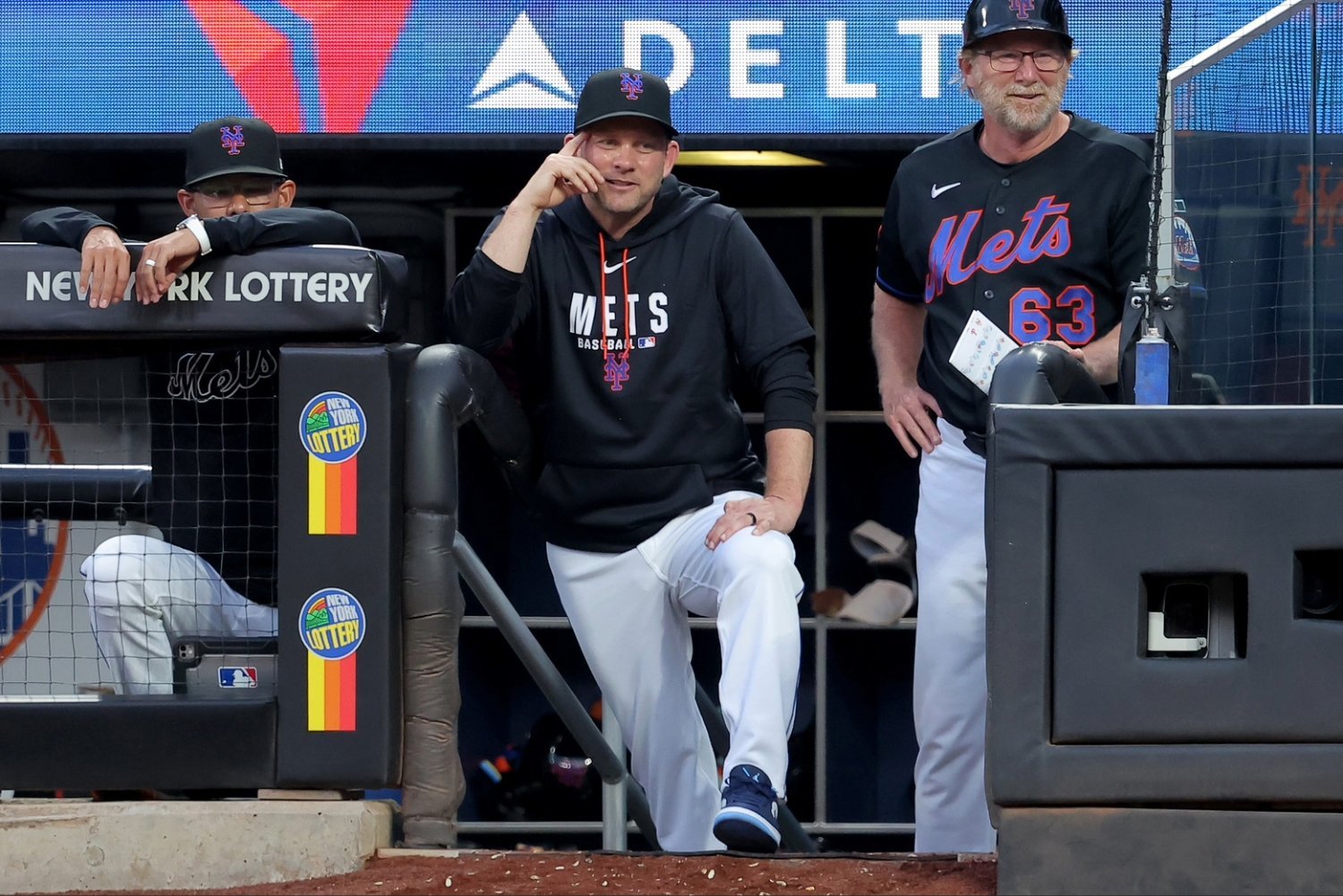 There have been countless articles chronicling the New York Mets' pitiful 2026 season. They entered the campaign as contenders, and couldn’t even keep their dreams on life support for a month. By April 30, they were 10-21, their playoff hopes were functionally dead, but they managed to “claw” back to 26-33 by the end of May. Any hopes of a miraculous turnaround were dashed when they went a meager 10-17 in June, and their season was all but over before the All-Star Break. There’s no mystery as to why the Mets’ season has gone awry. They can’t hit. They can’t field. They can’t pitch. And, worst of all, they can’t catch a break. The Mets’ .018 gap between their wOBA and xwOBA is the largest in the league, and it’s why, instead of having a league-average offense, their wRC+ of 92 ranks 25th. However, the Mets haven’t just been unlucky at the plate; they’ve been one of the worst teams in history when the game hangs in the balance, and it has made a bad season far, far worse. For those uninitiated, wRC+, or weighted runs created plus, is a context-neutral statistic. It treats all home runs the same, even though we all know a walk-off is far more valuable than a 450-foot moonshot off an eephus-hurling position player. Meanwhile, WPA, or Win Probability Added, is all about context. It rewards players for a walk-off and punishes them for a ground-ball double play in the eighth with runners on first and third in a close game. The best way to think of the two is that wRC+ is a more predictive statistic, while WPA is purely descriptive. Batting average with runners in scoring position isn’t a terribly predictive stat for the future, but it usually tells you which team scored the most runs. Despite their differences, team-wide wRC+ and WPA are strongly correlated. In the 21st century, the linear correlation between team wRC+ and WPA/600PA, removing the 2020 season, is 0.813. When 1.0 is perfect, a 0.813 correlation is significant, and it means we should have a very good idea of what a team’s WPA should be, just by looking at their wRC+. Spoiler: good hitters help you win more games than bad ones, and it’s by this measure where the 2026 Mets have been one of the worst teams of the 21st century. Using a linear forecast model, we can see what every team in the sample’s WPA/G should have been based on their wRC+. While this might sound complicated, it’s incredibly simple. The model uses a team’s wRC+ and then puts it on the red line. Since the 2026 Mets have a below-league-average wRC+ at 92, they should have a negative WPA, which they do, but by way more than you’d expect. In the 21st century, the Mets have underperformed their WPA/600PA, based upon their wRC+, by the sixth-largest margin. This is not a list you want to be on. The top three teams are notoriously among the worst in history. The 2018 Orioles lost 115 games; the 2024 White Sox lost 121, and the 2003 Tigers lost 119. As a reminder, it takes a bad lineup and awful luck to lose over 110 games. The Mets probably won’t push their way into the top three. They’d have to close the season out on an epic run of futility in leverage situations to really challenge the Tigers in third, but unfortunately, they’re also the least clutch team of the 21st century. Clutch, unlike wRC+ and WPA, isn’t weighted to the league average. A team’s clutch score uses the team’s baseline and adds or subtracts based on how they perform. Basically, think about how people talk about Aaron Judge in the playoffs. He has a career wRC+ of 125 in the playoffs, which is really good, but since his career regular season wRC+ is 176, that’s actually not so good relative to his own performance. For a team to have a negative clutch score, they’d have to perform worse than they usually do in the clutch, which isn’t good when your wRC+ is already eight percent below league average. The Mets Clutch/600PA this season is a 21st century worst of -0.9507, which puts them in a class of their own. Only the 2016 Twins are below -0.9, and just four teams have eclipsed -0.8. As you can see, it’s much more likely for good offenses to rack up negative Clutch/600PA scores because they have a much higher baseline, but when a bad offense does, it can get out of hand. The 2016 Twins went 59-103, and the 2016 Rays were 68-94, which somehow makes the Mets’ current 68-win pace seem not so bad. In layman's terms, the 2026 Mets have been hit by a perfect sh*t storm. They’re underperforming their xwOBA by a massive margin, and then they’re underperforming their underperforming wRC+ based on WPA, and then they’re underperforming their underperformance in clutch moments. Fortunately, there are 60 games for them to drag themselves back from the brink of history... or sink even deeper. View the full article
 -
 TRANSACTIONS Zach Vennaro was released from the Wichita Wind Surge roster. LHP Ross Dunn had his rehab assigned to the FCL Twins. RANKINGS FanGraphs updated their Top 100 prospects and seven members of the Minnesota Twins organization are on the list... And none of them are Emmanuel Rodriguez. I have to think that's a pretty positive sign for the organization. 2026 Draft Class Update The Twins have signed all 21 of their 2026 draft picks plus they have signed four undrafted pitchers. If you check the Twins Daily Top 20 Prospect rankings below, you will see that we have now included the 2026 draft picks in our rankings. SAINTS SENTINEL St. Paul 4, Columbus 3 Box Score While the Twins were playing extra innings in Cleveland, the Saints hosted their Triple-A affiliate, the Columbus Clippers. On Thursday, the Twins won in extra innings to even the series. In St. Paul, the Saints were able to walk off the Clippers in the bottom of the ninth. They grabbed an early 2-1 series lead with three more games to play. Ricky Castro made the start. He tossed three innings and gave up two runs (1 earned) on four hits and a walk. He struck out two. Next to the mound was John Klein. He gave up no runs over 1 1/3 innings, though he gave up two hits and a walk. He also struck out three batters. Veteran Eduardo Salazar gave up just one hit over 1 2/3 scoreless innings. He struck out two. The Saints then got scoreless innings from Cole Sands (2 BB, 3 K) and Raul Brito (BB, K). Grant Hartwig worked the top of the ninth. He was charged with an unearned run on two hits in the inning. He struck out three but the Saints found themselves down 3-2 going to the bottom of the ninth. Hendry Mendez lined a single to center to lead off the bottom of the ninth. Kyler Fedko ran for him. Kala’i Rosario singled to left to put runners on first and second with nobody out. He wasn’t credited with a sacrifice, but Cody Morissette advanced both runners with a ground out fielded by the pitcher. Brian Dinkelman turned to his bench. Gabriel Gonzalez pinch hit for catcher Noah Cardenas. He got a pitch over the plate and drilled it to the opposite field gap for a two-run, walkoff double. In the top of the third, the Saints fell behind 2-0. But in the bottom of the inning, a double by Morissette was followed by a Cardenas single to make it 2-1. Walker Jenkins and Matt Wallner followed with singles to load the bases. With one out, Tristan Gray lined a single to left to drive in Cardenas and tie the game at 2-2. The Saints scored their four runs on 11 hits. Kala’i Rosario went 2-for-3 with a walk. Wallner went 2-for-4. Morissette’s double was his sixth with the Saints. Wallner hit his 10th double. The Gonzalez walkoff double marked his 16th two-bagger of the year. WIND SURGE WISDOM Wichita 1, Midland 2 Box Score There was a pitcher’s duel in Wichita on Thursday. Unfortunately, the A’s Double-A affiliate had a two-run top of the ninth to end the shutout, take the lead and held on to win. The Surge had won the first two games of the series and carry a 2-1 lead into the weekend. The loss also broke the Wind Surge five-game winning streak since returning from the All-Star break. Cory Lewis started and tossed four shutout innings. He gave up three hits, walked one, and had six strikeouts. He also hit a batter. William Fleming gave up two hits and a walk over two scoreless innings. In the bottom of the sixth, Marek Houston led off with a single but was caught stealing. Brandon Winokur followed with a single. With two outs and after a pitching change, Andrew Cossetti and Billy Amick to load the bases. Wichita scored the lone Wichita run when the Midland catcher attempted to pick off Winokur at third base and threw the ball away. With the lead, Jaylen Nowlin came in and struck out two in a scoreless seventh inning. Spencer Bengard pitched a scoreless eighth inning, but he was charged with two runs on four hits and a walk when you add in the ninth inning. He had four strikeouts but was charged with the loss. The Twins scored their one run on five hits and six walks. Marek Houston went 1-for-2 with two walks. He also stole his 14th base for Wichita. That gives him 38 steals overall in 42 attempts. He was caught stealing twice in this game. Tanner Schobel, in his return to Double-A, went 1-for-3 with a walk. Billy Amick walked twice. Caden Kendle added his fourth double and is still hitting .526 with a 1.294 OPS since joining the Wind Surge. KERNELS CHRONICLES Cedar Rapids 3, Dayton 5 Box Score The Kernels made the long trek to Ohio for the week, and maybe they’re just catching their bearings. They lost the first two games of this series, both losses by one run. Dayton scored one run in the first, second, fourth, fifth, and eighth innings. The Kernels scored one run in the third, fifth, and eighth innings. . I guess you don’t always need those crooked numbers to win. Kolten Smith gave up three runs (2 earned) on two hits and two walks over the first four innings. Smith also hit three batters. He struck out five batters. Xavier Kolhosser gave up an unearned run over two innings despite only giving up one walk and no hits. He struck out three batters. Brian Zeldin worked the final two innings and gave up one run on one hit and two walks. He struck out four batters. The Kernels scored their three runs on four hits and two walks. They also combined to strike out 15 times in 30 at-bats (33 plate appearances). Andy Lugo walked and was hit by a pitch. Yasser Mercedes knocked his 13th Kernels double and stole his 27th base. That gives him 38 total steals this season, tying him for the organizational lead this year. They are two ahead of FCL Twins outfielder Yovanny Duran. The FCL Twins season came to an end. It’s possible that he will join the Mussels for all or some of the rest of the season. Eduardo Tait drilled his 18th home run of the season. I keep hearing that he has had a tough season. Dude is 19 years old and hitting .221 with a .727 OPS. He has 19 doubles, 18 homers and 59 RBI. And he’s 19. Yes, it would be nice to see his OBP higher than .285. He has work to do on defense behind the plate. He's 19, in High-A, of course he has work to do, improvements to be made. But as a prospect, this is the kind of players every team wants. This is the kind of prospect that you can get a great closer for at the deadline. MIGHTY MATTERS Game 1: Fort Myers 0, St. Lucie 1 Box Score In Thursday’s first game in St. Lucie, the Mussels had just two hits in their shutout, but they also walked nine times in the game. Unfortunately, they were 0-for-11 with runners in scoring position and left 12 on base. Of the two hits, one was Byron Chourio’s sixth double of the season. He also drew two walks. Irvin Nunez and Ricardo Paez also walked twice in the game. Reed Moring started the first game. He gave up one run on eight hits and a walk over the first five innings. He struck out five batters. Michael Hilker pitched a 1-2-3 sixth inning to drop his season ERA to 1.32. Moring took the loss, but his ERA dropped to 2.60. Game 2: Fort Myers 3, St. Lucie 1 Box Score In Game 2, the Mussels played the home teams as this was a makeup game for a postponed game in Ft. Myers earlier this season. The teams had no more games in Fort Myers, so this was the next-best option. The Mussels grabbed a run in the first inning and two runs in the second inning, and that was enough to hang on for a 3-1 win. In the first inning, Ramiro Dominguez led off with a walk. Jayson Bass singled him to third. Luis Fragoza came up and grounded into a double play, but Dominguez scored. The Mussels second inning began with singles from Quentin Young and Luis Hernandez. Byron Chourio moved them up a bag with a successful sacrifice bunt. With two outs, Harry Genth came up and lined a double to left to drive in both runners and make it 3-0. Merit Jones was on the mound to start the second game. He struck out six batters over five shutout innings to improve to 4-1 this season. He gave up four hits and walked none. Brent Francisco gave up one run on one hit over the final two innings to record his second save. He also struck out two batters. The Mussels scored their three runs on five hits and two walks. Jayson Bass was 2-for-3 and stole his 21st base. Genth’s double was his seventh with the Mussels this season. COMPLEX CHRONICLES FCL Twins 2, FCL Orioles 1 Box Score Late last week, we were hoping that this game would still have playoff implications. Their odds weren’t good, but there was still a chance. Unfortunately, by the time the two teams squared off on Tuesday, the Twins had been eliminated. However, it’s still nice to end the season on a high note, with a win. The Twins finished with a record of 33-26. They were one of just five FCL teams to finish with 30 or more wins. Unfortunately, that was behind the FCL Rays (37-20) and FCL Orioles (34-23) in the FCL South Division. The Orioles take the wild card spot in the playoffs. With two outs in the top of the first inning, Carlos Taveras got things going with a single. Jhomnardo Reyes drilled his 12th double. A fielding error in the outfield allowed Taveras to score the first run. Darwin Almanzar walked and stole second. On the play, Reyes scored the second run of the inning. Lefty Ross Dunn made another rehab start. The left-hander gave up a hit and a walk but no runs in two innings. He had one strike out. Jake Covey came in and gave up the one Orioles run in the third inning. But that’s it. He worked four innings and gave up one hit, hit a batter, and had three walks. He also struck out six batters. Brad Rudis walked one in the seventh but completed the inning to record his second save. The Twins scored their two runs on five hits and three walks. Reyes ended his FCL season going 2-for-2 with a walk and a double. Almanzar had a single, a walk and stole his second baseman. DSL Twins 4, DSL Tigers 5 Box Score The Twins fell behind 2-0 in the first inning. They tied the game in the third, but the Tigers immediately with three runs in the bottom of the inning. The Twins cut the deficit to one with a two-run fifth frame, but that’s as close as they could get. Enmanuel Mena started. He gave up two runs (1 earned) on one hit and two walks. He recorded two outs, both on strikeouts. Yosangel Braffit came in and gave up three runs on two hits and three walks. He struck out five batters. Alam Soriano came in and tossed three scoreless innings. He gave up two hits, walked one and struck out two batters. The Twins scored their four runs on seven hits, two walks, and three batters were hit. Luis Duarte went 2-for-3 and was hit by a pitch. Fabian Ulloa went 2-for-3 with his fifth double. Jhon Gonzalez hit his third triple. Enmanuel Merlo went 1-for-3 with a walk and his third stolen base. PLAYERS OF THE DAY Hitter(s) of the Day Jhomnardo Reyes (FCL Twins): 2-for-3, BB, 2B(12), R, 2 CS(12) Kala’i Rosario (St. Paul): 2-for-3, BB, R Pitcher(s) of the Day Cory Lewis (Wichita): 4 IP, 3 H, 0 R, 1 BB, 6 K, 75 pitches, 51 strikes (68.0%) Merit Jones (Fort Myers): 5 IP, 4 H, 0 R, 0 BB, 6 K, 65 pitches, 44 strikes (67.7%) Reed Moring (Fort Myers): 5 IP, 8 H, 1 ER, 1 BB, 5 K, 60 pitches, 44 strikes (73.3%) PROSPECT SUMMARY Check out the Prospect Tracker for much more on our Twins Top 20 prospects after seeing how they did today. Notice that the prospect rankings have been updated to include the 2026 draft picks. In addition, keep up with the Twins draft pick signings at our Twins 2026 Draft Board. As you’ll be able to see, all 21 players have signed. They have also signed four undrafted pitchers. #1 - OF Walker Jenkins (St. Paul) - 1-for-4, CS(2) (batted first, played CF) #2 - C Vahn Lackey (Signed) - #3 - IF Kaelen Culpepper (St. Paul) - Injured List #4 - OF Emmanuel Rodriguez (St. Paul) - Injured List #5 - SS Marek Houston (Wichita) - 1-for-2, 2 BB, SB(14), 2 CS(2) (batted first, played SS) #6 - RHP Riley Quick (Wichita) - Did Not Pitch. #7 - C Eduardo Tait (Cedar Rapids) - 1-for-3, HR(18), R, 2 RBI, K (batted second, DHd) #8 - LHP Kendry Rojas (Minnesota) - Did Not Pitch. #9 - LHP Dasan Hill (Cedar Rapids) - Did Not Pitch. #10 - OF Hendry Mendez (St. Paul) - 1-for-3 (batted sixth, played LF) #11 - OF Gabriel Gonzalez (St. Paul) - 1-for-1, 2B(16), 2 RBI (pinch hit walkoff winner) #12 - RHP Charlee Soto (Cedar Rapids) - Injured List. #13 - C Carson Tinney (Signed 2026 draft) - #14 - C/OF Khadim Diaw (Wichita) - Did Not Play. #15 - 3B/CF Brandon Winokur (Wichita) - 1-for-4, R, 2 K (batted second, played CF) #16 - RHP Brett Renfrow (Signed 2026 draft) - #17 - 3B/SS Quentin Young (Ft. Myers) - Game 1: 0-for-3, BB, 3 K (batted sixth, played SS), #18 - RHP Ryan Gallagher (St. Paul) - Scheduled to pitch Friday. #19 - RHP James Ellwanger (Ft. Myers) - 60 Day Injured List (right elbow sprain) #20 - RHP Ethan Wachsmann (Signed 2026 draft) - UPCOMING PROBABLES Friday, July 24 Columbus @ St. Paul (8:07 pm CT) - RHP Ryan Gallagher (3-4, 6.95 ERA) Midland @ Wichita (7:05 pm CT) - RHP Preston Johnson (0-3, 4.63 ERA) Cedar Rapids @ Dayton (6:05 pm CT) - RHP Adrian Bohorquez (0-0, 6.88 ERA) Ft. Myers @ St. Lucie (5:10 pm CT) - RHP Jason Reitz (0-2, 3.14 ERA) FCL Twins - Season Complete. DSL Twins @ DSL Blue Jays (10:00 am CT) - TBD CURRENT W-L Records Minnesota Twins: 51-53 St. Paul Saints: 56-42 Wichita Wind Surge: 34-57 Cedar Rapids Kernels: 37-54 Fort Myers Mighty Mussels: 49-42 FCL Twins: 33-26 DSL Twins: 10-25 Please feel free to ask questions about the teams, the rosters, and discuss today’s games, or anything else Twins minor-league related! View the full article
 -
Padres Minor League Report: Affiliates Take Another Zero
DiamondCentric posted an article in Padres Mission
 It was another 0-4 night Thursday for the four full-season San Diego Padres affiliates as the Triple-A El Paso Chihuahuas were edged by Las Vegas 6-5, the Double-A San Antonio Missions were blanked 3-0, the High-A Fort Wayne TinCaps were hammered 15-3 and the Low-A Lake Elsinore Storm fell 11-7. Padres Minor-League Transactions None. Nick Solak Has 3 Hits, But Late Rally Dooms Chihuahuas Nick Solak went 3-for-5 with an RBI and Carlos Rodriguez hit a two-run homer, but a three-run seventh inning proved to be the difference in the Triple-A El Paso Chihuahuas' 6-5 loss to the host Las Vegas Aviators. The Chihuahuas used a three-run sixth inning to take a 5-3 lead before the Aviators struck for three of their own in the seventh. Marcos Castanon and Anthony Vilar each had two hits for the Chihuahuas, who had 10 hits and 10 walks. Chihuahuas right-handed starter Jhony Brito went three innings, allowing a pair of runs on three hits with no walks and no strikeouts. Right-hander Miguel Cienfuegos followed with one-run ball over three innings before right-hander Ethan Routzahn had a rare rough outing by allowing the three seventh-inning runs on five hits. Right-hander Michael Flynn pitched a scoreless eighth. Solak had an RBI single in the first and Romeo Sanabria a run-scoring groundout in the third that sandwiched a pair of second-inning solo homers from the Aviators. After the Aviators went up 3-2 in the fifth, Vilar led off the top of the sixth with a double and went to third on a lineout to right. Will Wagner walked and was balked to second, then trotted home on Rodriguez's fourth homer of the season to put the Chihuahuas up 5-3. EP_0723.mp4 Player AB R H RBI BB K Dustin Harris, RF 5 1 0 0 1 1 Will Wagner, DH 4 1 0 0 2 1 Carlos Rodríguez, CF 3 1 1 2 2 0 Nick Solak, LF 5 1 3 1 0 1 Marcos Castañon, 2B 5 0 2 0 0 1 Mason McCoy, SS 5 0 1 0 0 3 Romeo Sanabria, 1B 3 0 1 1 1 0 Nick Pratto, 1B 0 0 0 0 1 0 Clay Dungan, 3B 3 0 0 0 1 2 Anthony Vilar, C 2 1 2 0 2 0 Player IP H R ER BB K HR Jhony Brito 3 3 2 2 0 0 2 Miguel Cienfuegos 3 4 1 1 1 4 0 Ethan Routzahn 1 5 3 3 0 1 0 Michael Flynn 1 1 0 0 1 0 0 Missions Shut Down, Shut Out By RoughRiders Right-hander Matthew Watson had a solid Double-A debut, but the host San Antonio Missions only produced three hits in a 3-0 loss to the Frisco RoughRiders. In his first pro season, Watson had a number of good outings in his 14 games (10 starts) at High-A Fort Wayne. But he allowed two hits in 3⅔ innings on six hits, including a homer, and two walks with four strikeouts in his first game for the Missions. Right-hander Francis Pena pitched two scoreless innings with a walk and two strikeouts, while right-hander Sadrac Franco fanned two in 1⅓ innings allowing a run and right-hander Garrett Hawkins struck out three in two shutout innings, allowing one hit. Wyatt Hoffman had two of the Missions' three hits and Kai Roberts the other. Player AB R H RBI BB K Carson Tucker, DH 4 0 0 0 0 2 Kai Roberts, CF 4 0 1 0 0 1 Tirso Ornelas, RF 3 0 0 0 0 0 Jake Cunningham, LF 3 0 0 0 0 2 Ryan Jackson, 3B 3 0 0 0 0 0 Luis Verdugo, 1B 3 0 0 0 0 0 Francisco Acuna, SS 3 0 0 0 0 1 Wyatt Hoffman, 2B 3 0 2 0 0 1 Chris Sargent, C 3 0 0 0 0 1 Player IP H R ER BB K HR Matthew Watson 3 2/3 6 2 2 2 4 1 Francis Peña 2 2 0 0 1 2 0 Sadrac Franco 1 1/3 1 1 1 0 2 1 Garrett Hawkins 2 1 0 0 0 3 0 Late Flurry Provides Knockout Blow As TinCaps Lose Despite an early lead, the host High-A Fort Wayne TinCaps gave up nine runs in the final two innings, including seven in the ninth, in falling to the Lake County Captains 15-3. Rosman Verdugo had two of the TinCaps' seven hits, scoring once. All three TinCaps runs came in the bottom of the first as they erased a 1-0 deficit. Justin DeCriscio was hit by a pitch to lead off the inning, then Verdugo had an infield single. Alex McCoy, Padres Mission's No. 14 prospect, lined a single to center to load the bases. Kavares Tears then hit a potential double-play ball to the second baseman, whose throw to the shortstop was off-target and went into foul territory in left field, allowing two runs to score. Jack Costello followed with an RBI groundout. But that would be the final run for the TinCaps. The Captains scored three runs in the third inning to take control, then added single runs in the fifth and sixth innings for a 6-3 lead. Then came the onslaught with two runs in the eighth and seven in the ninth. TinCaps right-handed starter Carson Montgomery gave up five runs (three earned) in 4⅔ innings on six hits and a walk with three strikeouts. FW_0723.mp4 Player AB R H RBI BB K Justin DeCriscio, SS 4 1 1 0 0 1 Rosman Verdugo, 2B 5 1 2 0 0 2 Alex McCoy, DH 4 1 1 0 1 2 Kavares Tears, RF 4 0 0 1 0 2 Jack Costello, LF 4 0 0 1 0 0 Lamar King Jr., C 3 0 0 0 1 3 Kerrington Cross, 1B 4 0 1 0 0 2 Zach Evans, 3B 4 0 1 0 0 2 Kasen Wells, CF 4 0 1 0 0 1 Player IP H R ER BB K HR Carson Montgomery 4 2/3 6 5 3 1 3 2 Nick Falter 2 1/3 4 1 1 1 1 0 Luis Germán 1 2 2 2 1 2 0 Will Varmette 0 2/3 5 7 7 2 0 1 Luke Cantwell 0 1/3 2 0 0 0 0 0 2-Homer, 6-Run First Inning Not Enough As Storm Stumble George Bilecki and Dylan Grego hit back-to-back homers as part of a six-run first inning, but that didn't stand up as the host Lake Elsinore Storm surrendered eight runs in the middle three innings as the Visalia Rawhide pulled away for an 11-7 victory. Bradley Frye and Qrey Lott each had three hits, with Frye adding a solo homer in the ninth. In the six-run first, Conner Westenburg had a leadoff single and Yimy Tovar and Jorge Quintana walked to load the bases. After an RBI fielder's choice, Frye doubled in a run, chasing the starter. Bilecki greeted the reliever by cranking a 2-2 pitch out to right-center field for a three-run homer, his fifth of the season. Grego followed by drilling the next pitch over the tall wall in right field, putting the Storm up 6-0. The Rawhide scored two in the fourth, two in the fifth and four in the sixth to take an 8-6 lead, then added three in the eighth. Storm right-handed starter Lan-Hong Su had his best outing since being promoted to the Storm. After giving up 12 runs in 7⅔ innings over his first three starts, Su pitched a perfect inning in his previous start. This time, he went 2⅓ scoreless innings, allowing just two hits with a walk and three strikeouts. Left-hander Zack Qin then gave up six runs over three innings and right-hander Isaiah Lowe two runs in 1⅔. LE1_0723.mp4 LE3_0723.mp4 Player AB R H RBI BB K Conner Westenburg, CF 4 1 1 0 1 0 Yimy Tovar, 3B 3 1 0 0 2 0 Jorge Quintana, SS 3 0 0 0 2 1 Yoiber Ocopio, 1B 5 1 2 1 0 0 Bradley Frye, 2B 5 2 3 2 0 0 George Bilecki, RF 3 1 1 3 2 0 Dylan Grego, DH 5 1 1 1 0 0 Alcides Hernandez, C 4 0 0 0 1 2 Qrey Lott, LF 4 0 3 0 0 1 Player IP H R ER BB K HR Lan-Hong Su 2 1/3 2 0 0 1 3 0 Zack Qin 3 5 6 6 1 3 2 Isaiah Lowe 1 2/3 3 2 2 3 3 0 Cal Riehl 0 2/3 2 3 0 0 0 1 Sean Barnett 1 1/3 1 0 0 0 1 0 Padres Mission's Top 20 Prospect Performances Ethan Salas: DNP Kash Mayfield: DNP Miguel Mendez: DNP Ryan Wideman: DNP Kruz Schoolcraft: DNP Jorge Quintana: 0-for-3, 2 BB, 1 K Ty Harvey: On injured list (rehab assignment) Kale Fountain: Injured, out for season Tucker Musgrove: DNP Coleman Borthwick: Not assigned team Lamar King Jr.: 0-for-3, BB, 3 K Braedon Karpathios: DNP Jagger Haynes: DNP Alex McCoy: 1-for-4, BB, 2 K Truitt Madonna: DNP Jesus Castro: DNP Garrett Hawkins: 2 IP, 1 H, 0 R, 0 ER, 0 BB, 3 K Elliot Lascelles: Not assigned team Winyer Chourio: DNP Rosman Verdugo: 2-for-5, 2 K View the full article
 -
Third-Round Draft Pick Ryan Lynch Signs With Padres
DiamondCentric posted an article in Padres Mission
 The San Diego Padres continue to make progress on signing their 21 draft choices. Third-rounder Ryan Lynch, a right-handed pitcher out of North Carolina, has signed with the Padres, MLB Pipeline's Jim Callis reported Thursday. Lynch received a signing bonus of $1 million, which is an overslot deal. The No. 97 pick had a slot value of $808,100. Check out the signings and how they impact the Padres' bonus pool in our Draft Tracker. Lynch's deal means the top three picks and five of the top 10 rounds (11 selections) and six of 21 overall have put pen to paper. That includes first-round pick Coleman Borthwick, who signed Wednesday. The 21-year-old Lynch, who is listed at 6-foot-4 and 215 pounds, is likely to begin his pro career as a starter and possesses a power sinker that can get up to 97 mph while typically sitting at 94 mph. His results as a starter this spring were mixed, but the Padres are hoping to iron those out as he turns pro. If not, he projects as a potential late-inning reliever, possibly a closer. View the full article
