


DiamondCentric
-
Posts
2,631 -
Joined
-
Last visited
Never
Content Type
Profiles
Forums
Events
News
Tutorials & Help
Major League Baseball Videos
Guides & Resources
Store
Downloads
Gallery
Everything posted by DiamondCentric
-

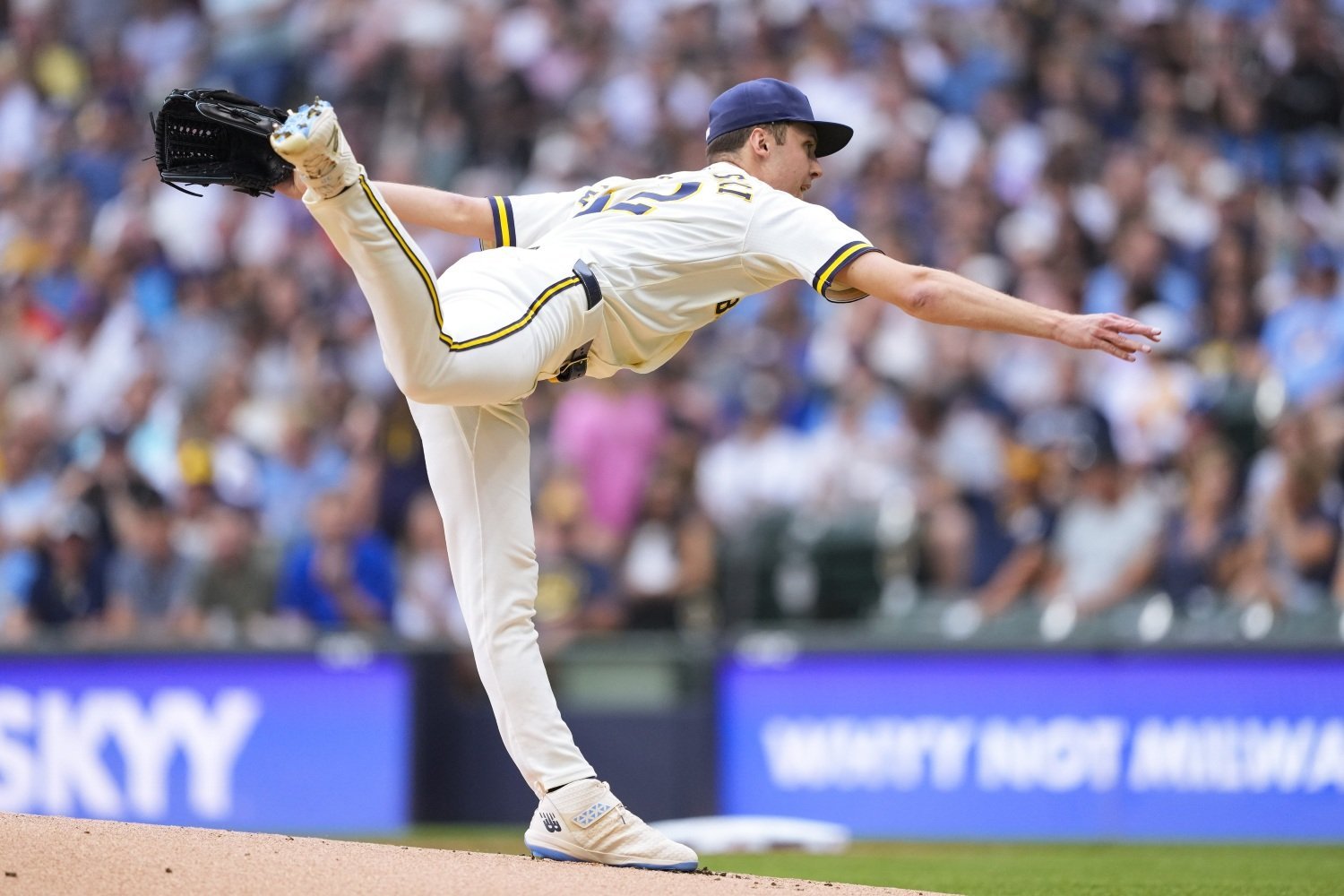 When the Brewers reconfigured their pitching plans to give Jacob Misiorowski a 12-day layoff between starts over the All-Star break, it brought to the forefront what was already going to be a significant story in the second half: how would the team manage his innings down the stretch? "It's a big discussion. It's a big topic," Pat Murphy said before Misiorowski took the mound against the New York Mets on Monday night. "It's all sorts of concern, planning, discussion, sidebar discussion. It's mechanics, biomechanics, everything about it. Strength testing, all that. Thus, the reason for the layoff. Now, how do we ramp it back up?" Misiorowski entered the break having thrown 111 innings. Last year, he set a career high with 129 ⅓ regular-season frames between Triple-A and the big leagues, plus 12 more innings in the postseason. After the Brewers frequently let him work deep into games during the first half, he's on pace to exceed last season's workload by a huge margin. The conventional rule of thumb for young pitchers—or, at least, the oft-cited approach—is increasing innings totals by 20-to-30% each season. Under that approach, Misiorowski could make up to 12 more starts while averaging five innings per outing for the rest of the regular season. In reality, it's not that straightforward. "I think it's very individual, very individually based, and I think that everybody's kind of keeping things in mind," Murphy said. "Has he had an injury history? Did he go through some setbacks? All that type of thing." That 20-to-30% rule probably won't apply to Misiorowski. Many of those deeper outings featured few high-stress pitches. More importantly, after he put on good weight in his lower half last winter, the Brewers believe he's physically equipped for a significant increase in his workload. "Offseason last year, we focused on legs and doing all that stuff to get myself ready for this track of the year," Misiorowski said. "I feel good where I'm at and ready to go." "It factors, yeah," Murphy said. "I always say this: when you're training to run a marathon, you don't ever go out and run the 26, you know what I mean? You never do. … So I don't think you have to set a number [based on] only what he did in the past. I think you can plan for more than that." Ironically, Misiorowski didn't have his legs underneath him a few hours later. With his body out of sync, he threw just 47% of his four-seam fastballs in the strike zone, prompting an in-game adjustment to lean more on his cutter. "He didn't throw a commanded heater past the second inning," Murphy said. "He was kind of coming off his legs and kind of getting stuck, and then trying to get out of it, and the ball was sailing." Entering Monday, Misiorowski had thrown his four-seamer 63% of the time and his cutter 14% of the time. In his outing against the Mets, those usage rates shifted to 55% and 29%, respectively. He threw as many cutters as four-seamers the second time through the order. "Going cutter kind of forces me to be shorter," Misiorowski said postgame. "I wasn't really feeling the legs, so kind of overcorrected [with] cutters. It worked out." Seeing that his body wasn't moving efficiently, the Brewers ended Misiorowski's outing at four innings at 65 pitches. "We would have probably let him go further if his delivery and his legs felt great," Murphy said. "I think he was a little bit out of it. The long layoff kind of affected his delivery and everything else. I think it was important to notice that and get him out of there then." The outing was a preview of how the Brewers plan to handle Misiorowski moving forward, even on nights when he's locked in. They may delay a few outings for extra rest days as the schedule allows, but the nearly two-week layoff was a one-time deal as a midseason break. Instead, they'll shorten some starts by an inning or two. It's less disruptive to Misiorowski's routine and the team's bullpen usage than outright skipping his turn in the rotation. "I think we lean more towards that, to keep the consistency," Murphy said, while also acknowledging that finding an extra start during a given turn in the rotation is harder than patching in a few extra innings from multi-inning relievers. "When you have a natural break like we just did—we kept him out of the Pittsburgh game three, the big break, kept him out of the first series—I think we take that as kind of a reset. Now, I think we have to build him back up and be sure that we do it in a mindful way." The Brewers aren't perfectly equipped to toe the line with their young ace—as the trade deadline approaches, they need more depth in both the rotation and the bullpen—but their position in the standings affords them some flexibility. Misiorowski's dominance and volume are a big reason why Milwaukee boasts the best record in baseball and leads the NL Central by 7 games. They won't treat him with kid gloves, but they have some wiggle room to be cautious when it makes sense. View the full article
 -
 Many of you, like me, have attended the elementary school promotion ceremony. In May, I attended (on the same night) my niece’s promotion to middle school and my nephew’s promotion to high school. While it is a nice year-end recognition of a student’s ascension to another level, it usually consists of awkward handshakes of congratulations, uncoordinated tromping across the stage, and an occasional flamboyant gesture from the class clown. Unlike the school promotion, promotions in the minor leagues signify excellence. I’m not saying there aren’t excellent students moving up in grade, but the kid who gets a 2.0 GPA goes to the next grade the same as the kid who pulls a 4.0 GPA. In baseball, a promotion means you have accomplished all you can at your current level, and it’s time for a new challenge. Let’s see who is ready to be promoted and face new challenges. Augusto Mendieta, RHP - 5’11”/190 - Age 21 Year W L ERA G GS SV IP SO WHIP 2026 MiLB Stats 4 4 4.39 27 0 1 41.0 51 1.39 The soon-to-be 22-year-old Mendieta started the season at High-A and, after only 3 IP, was promoted to Double-A Northwest Arkansas. The Ciudad Valles, Mexico native has a 28.5% K rate and an acceptable 10.1% walk rate. Mendieta throws strikes and gets ground balls all at an above-average rate. Jack Pineda, SS - B/T: L/R - 5’8”/170 - Age 26 Year AB R H HR RBI SB AVG OBP OPS 2026 MiLB Stats 210 34 78 7 25 16 .371 .443 .991 Pineda spent plenty of time getting end-of-game MLB at-bats in spring training. It looks like that experience has paid off as his second trip through Double-A has him on the cusp of a promotion to Triple-A Omaha. Pineda doesn’t walk much, but he does make excellent contact. There could be more power potential as the Baylor product learns to pull the ball more. Spencer Nivens, OF - B/T: L/R - Age 24 Year AB R H HR RBI SB AVG OBP OPS 2026 MiLB Stats 209 33 56 7 37 11 .268 .363 .818 Another player in his second trip to Double-A has kept his average and walk rate similar to 2025 but has increased his power output. The 2023 Missouri State draftee rarely strikes out and walks at a very good rate. Another player that might unlock more power with a more pull-happy approach. Kendry Chourio, RHP - 6’0”/160 - Age 18 Year W L ERA G GS SV IP SO WHIP 2026 MiLB Stats 5 1 2.26 15 15 0 67.2 65 0.90 The 18-year-old fireballing phenom from Maracaibo, Venezuela has already been promoted once on June 15th and is angling for another promotion to Northwest Arkansas. His appearance in the All-Star Futures Game did nothing but add helium to his already rising prospect status. He has been nothing short of dominant this season. Chourio fills the strike zone, and walks are almost non-existent. The Royals #1 prospect and Baseball America’s #32 prospect should have a taste of AA in his future. David Shields, LHP - 6’2”/210 - Age 19 Year W L ERA G GS SV IP SO WHIP 2026 MiLB Stats 8 4 3.86 18 18 0 81.2 96 1.10 Shields, the Royals' #3 prospect, has had a tremendous start to 2026. His 29.1% K rate and his ability to fill the strike zone have been on display in Davenport, IA all season. The biggest knock on Shields is his lack of fastball velocity at 92 mph. I believe his ability to locate pitches and feel for pitching far outweighs any marks against his fastball. This man deserves a promotion. L.P. Langevin, RHP - 6’1”/225 - Age 23 Year W L ERA G GS SV IP SO WHIP 2026 MiLB Stats 4 2 3.11 27 0 0 37.2 74 1.12 The Quebec City, Canada native throws almost exclusively (82.5%) a sinker. But man, does it work. Langevin is striking out an absurd 46.3% of batters but walking an equally absurd number at 17.5%. Langevin needs to find one more quality pitch to rely on. His slider, cutter, and changeup all grade 101 or better in tjstuff+, but he doesn’t throw any of them more than 8.8% of the time. Ramon Ramirez, C - B/T: R/R - 5’11”/180 - Age 21 Year AB R H HR RBI SB AVG OBP OPS 2026 MiLB Stats 284 59 84 11 72 8 .296 .379 .879 The Royals #7 prospect and current Midwest League RBI leader with 72 RBI in 75 games played has been on a heater all season long. Ramirez is hitting .296, walks a reasonable amount at 10.6%, and has decent power with 23 doubles, 1 triple, and 11 home runs in 329 at-bats. The Porlamar, Venezuela native has a strong arm and continues to work on his receiving and blocking as he converted from the outfield just four years ago. Ramirez has the look of a middle-of-the-order run producer and projects to have 20+ home run power. Ryan McDonagh, RHP - 6’5”/190, Age 20 Next is another Canadian with really strong metrics. The 20-year-old McDonagh is having a great 2026 season. He has already been promoted once from the Surprise complex league to Columbia on June 16th. The reliever throws a lot of strikes and continues to get a lot of swing and miss. Tjstuff+ doesn’t rank, but one of his pitches is average or above (changeup 101), and the four-pitch mix of 4-seam fastball, changeup, sinker, and curveball continues to get the job done. The big right-hander relies on his slow (76 mph) curveball 43.9% of the time. The Royals recently welcomed 21 new members to the team. Those new signees reported to the Surprise complex today. In short order, some of the more advanced players will be assigned to the Columbia Fireflies and possibly even the Quad Cities River Bandits. Some promotions will be needed to facilitate room at the lower levels. In school, you can pass with an A+ or barely scrape by with a D for degrees. Baseball is much less forgiving. Only one team celebrates a championship at season's end. When the Royals have had an A+ farm system, they won it all. The days of D and F farm systems are in the rearview mirror. Brian Bridges has a plan, and after his third draft, I believe the Royals are on the path to achieving that A+. Don’t see your favorite minor leaguer on this promotions list or have a question about a particular player? Leave a comment, and we can take a look at the likelihood of their promotion. View the full article
 -
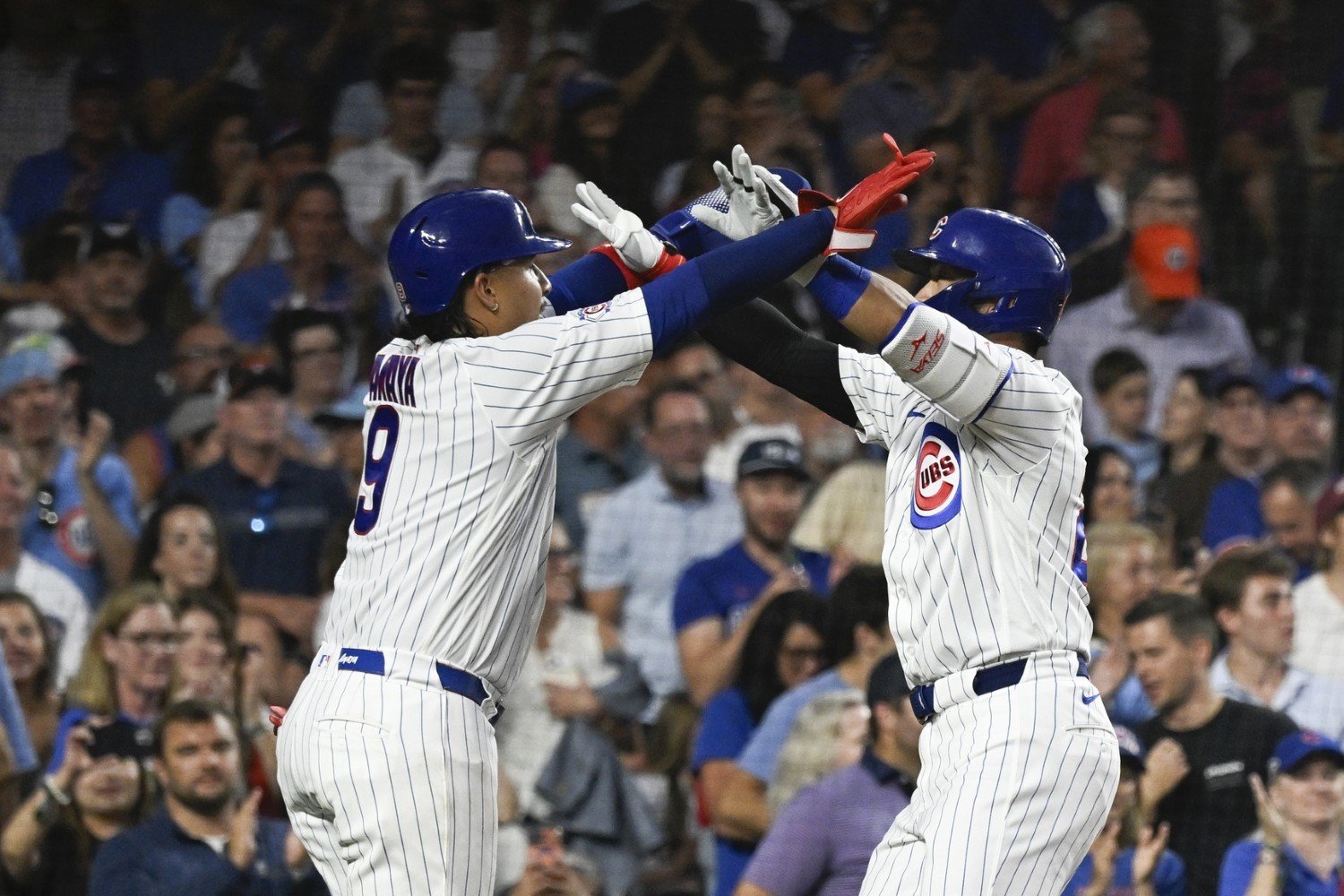 All things considered, the Chicago Cubs find themselves in an enviable position within a couple of weeks of the 2026 MLB trade deadline. They're atop the standings in the National League Wild Card race, with FanGraphs projecting them to remain in playoff position (albeit one slot lower given Philadelphia's slightly more favorable projection). It'd be dangerous to portray this as a sure-thing situation, considering some of the struggles we've seen from this team over sustained stretches this season, in addition to the myriad injuries they've experienced on the mound. Nevertheless, their position remains an enviable one as the season prepares to hit the major benchmark that the deadline represents. Of course, remaining where they are will hinge on a few names on the current roster stabilizing things. We know (or at least think; he's suddenly slumping again at the plate) that Pete Crow-Armstrong will be in the National League MVP mix, while offensive stars who have struggled (Alex Bregman and Nico Hoerner, for example) have begun to ascend of late. However, a few different names could have an even larger bearing on the team's ability to actually maintain their standing. Seiya Suzuki, OF/DH At his best, Suzuki is a player capable of driving offensive production on his own. While it hasn't been without various health issues over the years, we've all witnessed what peak performance looks like for him over sustained stretches of play. The issue is what unfolds in between those runs. In 2026 alone, Suzuki missed time early due to a knee injury before going on to a .328 batting average, .430 on-base percentage, and .239 isolated power across his first 79 plate appearances, for a rather gaudy 175 wRC+. Of course, that turned into a May where the slash read just .190/.265/.286 with a paltry 51 wRC+. It's not entirely dissimilar from a couple of the trends we've seen from Suzuki in each of the last two years Two seasons ago, Suzuki did almost exactly the same thing that we saw early on this year. He came out scorching in March and April, before falling well below average by wRC+ in May (71). Last season, Suzuki was excellent for each of the first two months before he began to linger closer to the average threshold, with wRC+ marks of 103, 103, and 106 from June to August. Much of that was due to waning power, including an August wherein his ISO sat at just .079. The issue isn't a question of quality. Suzuki is, objectively, one of the team's top hitters. The reason he gets a mention here is because of those rough stretches to which he's been prone. Whether they happen as a result of health or mechanics or approach isn't the point here. Instead, it's about the idea that Suzuki may be the team's most important hitter this side of Crow-Armstrong, especially in the face of so many other struggles that have permeated the lineup at various points this season. For the Cubs to maintain their position as buyers ahead of the trade deadline, Suzuki needs to do just that. He's looked good to start the second half, including homering Monday night. Matthew Boyd, SP The Cubs' rotation is in shambles. As of this writing, you're looking at a corps of Boyd, Shota Imanaga, Jameson Taillon, David Peterson and Colin Rea. Before returning to the mound Monday night, Taillon had been on the injured list since the beginning of June, with the likes of Edward Cabrera, Ben Brown, Justin Steele, and Cade Horton all joining him there or having gotten there first and saving him a seat on the shelf. Even Boyd himself went nearly two months between starts. And none of that takes into account what's transpired with the bullpen. The stack of injuries has forced Boyd into a role where he needs to be something of a stopper in the rotation. One could make the argument the team came into the season lacking a genuine one, but the combination of injuries and variance in performance from the other starters have left the role at Boyd's feet. Imanaga's fly-ball tendencies make him more prone to the occasional dud of a start; Boyd offers more stability. Unfair as it may be, Boyd is the pitcher who needs to remain as stable as possible across these next couple of weeks. If he can continue to turn in the type of classic quality start we've come to expect from him over the last two years, the Cubs can remain afloat even against the wave of injuries. If not, then there's a severe issue awaiting the Cubs—and they'll need a huge, unlikely deadline splash to surmount it. Caleb Thielbar, RP Like Boyd in the rotation, the rash of injuries across the relief corps have pressed arms into duties that they may not otherwise have served, both in terms of volume and leverage. That has very much been the case with Thielbar, who has thrown nearly half of his innings in medium or high leverage. Thielbar parlayed a solid 2025 into a second contract with the team, but was supposed to be a small cog in a big machine. It hasn't panned out that way. He hasn't been particularly successful in a fairly demanding role. Thielbar has spent the majority of the year trying to tread water, as illustrated by an ERA in the mid-4s and a 5.51 FIP. It would be entirely reasonable to have concerns about him being pressed into such a role. However, with guys like Daniel Palencia, Hunter Harvey, Ethan Roberts, Hoby Milner, and Phil Maton (again) out with injuries, the team will need Thielbar to keep delivering high-leverage outs. If Thielbar rediscovers some semblance of last year's form over the next 10 days or so, it will save Jed Hoyer a big headache. If he doesn't, the Cubs probably need to pick up a good lefty reliever by the deadline. Given the length of their shopping list even without that item, it'd be nice not to add that to it. View the full article
 -
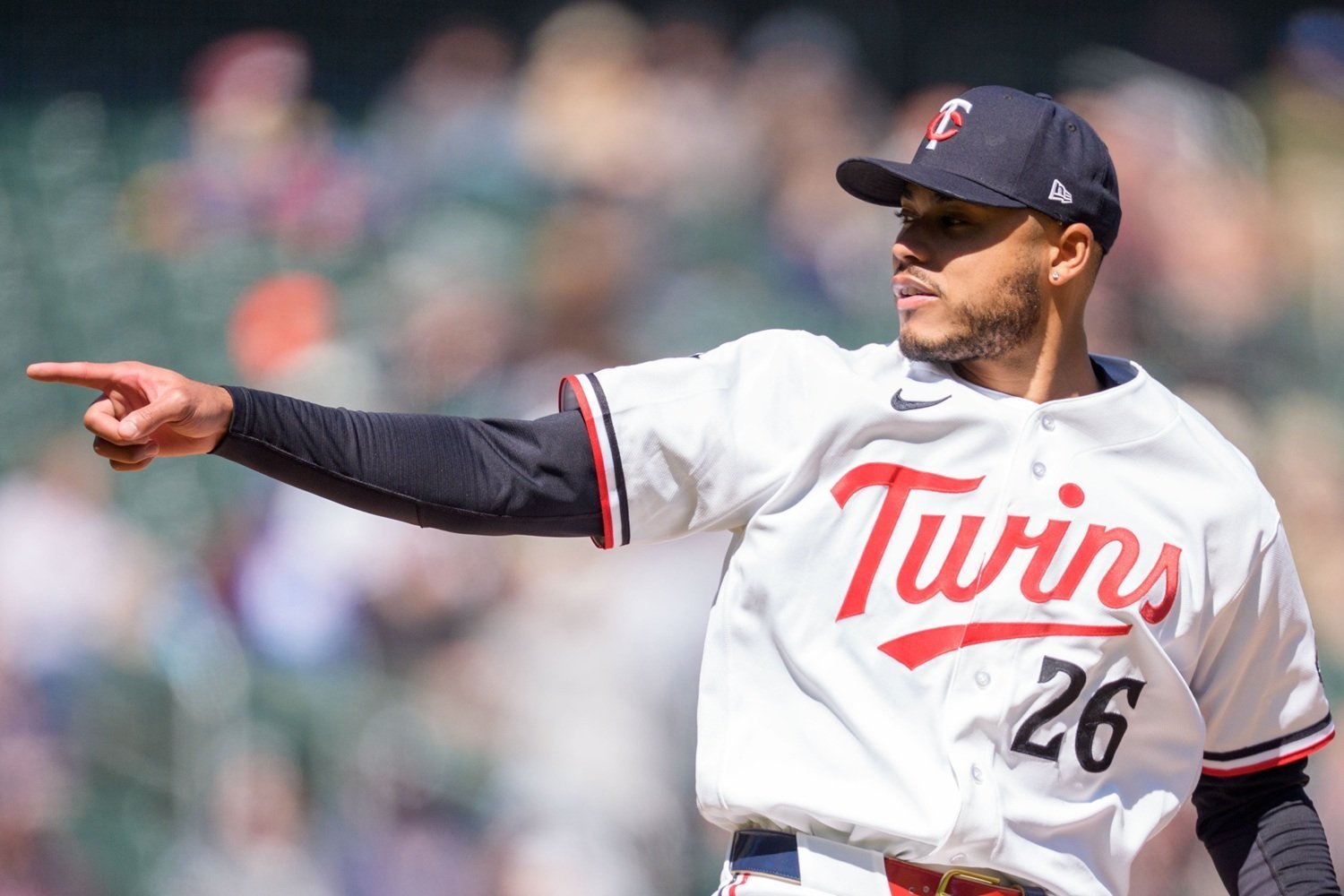 The Minnesota Twins have spent the last several seasons searching for long-term stability in their rotation. They believe they found part of that answer when they acquired Taj Bradley, and his performance so far this season broadly affirms that. Through 19 starts, he has a 3.85 ERA in 107 2/3 innings, and has struck out over 27% of the batters he's faced. Bradley is still three-plus years away from free agency, but that doesn't mean the Twins should wait. In fact, the months ahead represent the best opportunity they'll have to negotiate a contract extension that benefits both sides. With Bradley set to become arbitration-eligible for the first time this offseason, Minnesota has one last chance to offer him a chance to trade long-term financial security for the upside that comes with going year-to-year through the arbitration system. For a stretch earlier this summer, there were legitimate questions about whether Bradley had fully recovered from the right pectoral inflammation that sidelined him in May. Those concerns have largely disappeared. Bradley opened the season looking like one of the American League's better young starters. Through his first 47 innings, he owned a 2.87 ERA, 3.48 FIP, and 52 strikeouts against just 17 walks. Everything changed after his injury. Minnesota gave Bradley only one rehab appearance before bringing him back to the major leagues. Whether they simply accelerated his return or Bradley was still feeling the effects of the injury, the results weren't there. Over his next five starts, he posted a 6.57 ERA and 5.57 FIP, while striking out 28 batters and walking 13 in 24 2/3 innings. Since then, however, the version of Bradley that the Twins envisioned has returned. Across his next five starts, he compiled a 2.32 ERA and 3.29 FIP while striking out 38 batters with only 10 walks in 31 innings. He recorded back-to-back double-digit strikeout performances against Houston and Cleveland and worked at least seven innings in three of those five outings. That's the type of pitcher Minnesota believed it was acquiring. He stumbled in his first start out of the break, against the Cubs, but even that outing was better than his line will look. Contract extensions are all about timing. Wait too long, and the player becomes too expensive. Pull the trigger too soon, and you risk investing in a player destined to underperform and disappoint. Bradley is entering the sweet spot. He's about to begin arbitration for the first time, meaning his earning power is about to increase significantly. At the same time, he still hasn't landed the life-changing contract that many players seek once they establish themselves in the majors, and the first trip through arbitration doesn't offer that, anyway. He has a long way to go to reach the massive money that the game offers players who reach or approach free agency. For Bradley, an extension would provide financial security regardless of what happens over the next several years. For the Twins, it could lock in one of their top starters through multiple free-agent seasons, while creating greater payroll certainty in the short term. Minnesota would essentially be betting that Bradley continues pitching like the frontline starter he has shown he can be for much of 2026. If that happens, the contract could quickly become one of the organization's best values. The Twins wouldn't be entering unfamiliar territory. Several young pitchers have recently signed extensions before reaching arbitration, creating a relatively clear framework for negotiations. The biggest agreement came when Chase Burns signed a seven-year, $105 million extension with the Cincinnati Reds. That contract reset the market for pre-arbitration pitchers. Burns reached that figure despite having considerably less major league experience than Bradley, though he's also considerably better than Bradley is. More realistic comparisons may come from the next tier of deals. Boston signed Brayan Bello to a six-year, $55-million contract that includes a club option for 2030. While Bello averaged 2.6 rWAR during the previous two seasons, he has struggled this year and currently owns a -1.3 rWAR. Cleveland reached a five-year, $48-million agreement with Tanner Bibee, who has produced a 3.88 ERA, 4.16 FIP and 8.4 strikeouts per nine innings across the past three seasons. Baltimore committed to Shane Baz after acquiring him from Tampa Bay, signing the right-hander to a five-year, $68 million extension. Over the last two seasons, Baz has posted a 4.60 ERA, 4.05 FIP, and 8.9 K/9. In a move that offers a slightly cleaner match for Bradley's situation, the O's also signed Kyle Bradish this weekend, extending their other top righty on a five-year deal worth $90 million. Bradish is both older and a year closer to free agency than Bradley, so modify that deal to be a five-year pact worth $75 million and to include a pair of club options, and you're in the ballpark. Those contracts establish a logical starting point for discussions with Bradley. Given his age, upside, and flashes of top-of-the-rotation production, it's reasonable to expect Bradley's camp would seek a deal at or above that buzzy Bello-Bibee-Baz-Bradish tier, especially if he finishes 2026 pitching the way he has over the past month. Of course, extensions require both sides to see value. Bradley may prefer to bet on himself and maximize his earnings through arbitration before testing free agency. Many players take that route, especially when they believe their best seasons are still ahead. The Twins can't control that. What they can control is making the offer. Minnesota has often talked about building around homegrown talent and young players entering their prime. Bradley fits that timeline perfectly. He's under club control through 2029, but every strong season makes a future extension more expensive. This winter may represent the only opportunity to buy some of those free-agent years before Bradley's value climbs even higher. If the Twins believe he's part of the next winning core (and his recent stretch suggests he absolutely can be), they shouldn't wait for the price tag to rise. They should begin those conversations as soon as possible. What will it take to sign Bradley to a long-term deal? Leave a comment and start the discussion View the full article
 -
 We spotlight a 16-year-old and a barely 17-year-old this morning. The 2032 Brewers are looking good! Actually, this system has the organization projected to shine for at least that long. Heady times... Transactions: ACL Brewers activated SS Cristopher Acosta from the 7-day injured list. Acosta, 18, last played on June 8th. The SS/3B has struggled to a .167/.330/.251 line in 330 plate appearances since debuting in the Dominican League in 2025. That's not meeting the expectations of a $1.1 million signing bonus. Final: ACL White Sox 8, ACL Brewers 7, seven innings as scheduled Box Score and Game Log The A-Crew kicked of their final week of action (season ends Thursday) with a tough loss, A five-run third inning for Maryvale turned a 4-2 deficit into a 7-4 lead., but the Brewers didn't cross the plate in the final four innings to fall to 25-33. Each Brewer reached base at least once, with cleanup RF Gerlyn Payano on thrice via two walks and a plunking to lift his season long OBP to .390, split between the DSL and ACL. Payano's 2026 has been very reliant on free passes and he's struggled otherwise. The previously mentioned Cristopher Acosta singled in four at-bats in his return to action. The other two big bonus signings from the January 2025 class each had an extra-base hit - CF Brailyn Antunez' solid season continued with his 14th double. For Antunez (.902 OPS), 27 of his 62 hits have gone for extra bases. LF Kenny Fenelon pulled a two-run home run to left field at 105.3 MPH for his 7th blast of the season. Fenelon and Antunez have both made significant strides coming off what had to be considered disappointing DSL debut campaigns last summer. The pitching lines will show that the efforts were rather uneven, though 18-year-old RHP Joan Pena fared OK despite allowing one inherited runner to score. Pena received a deserved bump to Arizona following his rookie DSL season but has a 1.74 WHIP over 39 desert innings (47 K's, 29 BB's, lots of pitches). Lots of unearned runs allowed by Pena this season (31 R, 21 ER), an underrated stat to review - young arms need to pick up teammates at times. Final: DSL Brewers Gold 8, DSL CLE Mendoza (Guardians) 5 Box Score and Game Log Gold moves to 19-14 with the win, having righted its ship after a bit of a recent slide. On the flip side from Joan Pena's 2026 season, we present 19-year-old 2nd year pro RHP Derlin Garcia, who has now posted wonderful raw and peripheral numbers in his two seasons (a combined 3.05 ERA, only five unearned runs, a 1.13 WHIP, 62K's in 56 IP). Garcia rocked his six-inning start here, keeping Cleveland bats off the ledger after a two-run initial frame. It is a legal requirement that we continue to mention catcher Moises Salazar is 16 years old. Plugged into the three-hole, the switch-hitting Salazar (.887 OPS) popped his 3rd home run and his HBP brought his OBP to .444. He guided Garcia's mound effort, the team played error-free on the day, and even with many spectacular Dominican League efforts among the Blue & Gold squads this season, I'd have to list the Venezuelan backstop as my personal favorite. The only bummer here? Ricki Moneys grounds into a force out, shortstop Karel Naranjo to second baseman Luis Garcia. Jefer Lista scores. Santiago Garcia out at 2nd. Ricki Moneys to 1st. Throwing error by second baseman Luis Garcia. Offensive Substitution: Pinch-runner Romano Donato replaces Ricki Moneys. Hopefully just a minor tweak for Mr. Moneys-in-the-Bank. (WWE reference). Final: DSL Cubs Blue 8, DSL Brewers Blue 7 Box Score and Game Log Blue now 20-14. Trailing 8-4 after six innings, Blue scored once in the 7th and twice in the 9th, stranding runners on 2nd and 3rd when 19-year-old 3rd year catcher Yoneiker Lugo (DH'ing here) was called out on strikes to end the game. Lugo has a .577 OPS, only 53 plate appearances in 2026. Five players appeared to be available on the bench, but the extent go-for-it managerial moves are made at this level is somewhat muted. Let each player get their chance to produce, big moment or not. Oh, Leanders Matos, don't worry about the Moises Salazar love, you're still prime in our eyes as well. Three singles, a walk and a 13th stolen base in 14 tries for the young man who was 16 years old himself a bit over two weeks ago. We'll overlook the 8th error in 35 games (5th miscue in 20 games at third base). One more 16-year-old to mention, as RHP Jordy Brache got the start. As you read the line below, keep in mind that RHP Lonell Downs inherited three runners and stranded them all by ending the "rally" below with a GIDP. Walk Walk Walk Strike out swinging Walk Run-scoring wild pitch Walk Run-scoring wild pitch HBP It's a traditional six-game schedule Tuesday, although Nashville's visit to Sugarland, Texas (to play a Pacific Coast League team is not traditional). Manager Rick Sweet is mildly bothered by it all. Have a great summer Tuesday, all. Organizational Scoreboard including starting pitcher info, game times, MiLB TV links, and box scores Current Milwaukee Brewers Organization Batting Stats and Depth Current Milwaukee Brewers Organization Pitching Stats and Depth View the full article
 -
Two White Sox Series Exposed the Blue Jays' Biggest Problem
DiamondCentric posted an article in Jays Centre
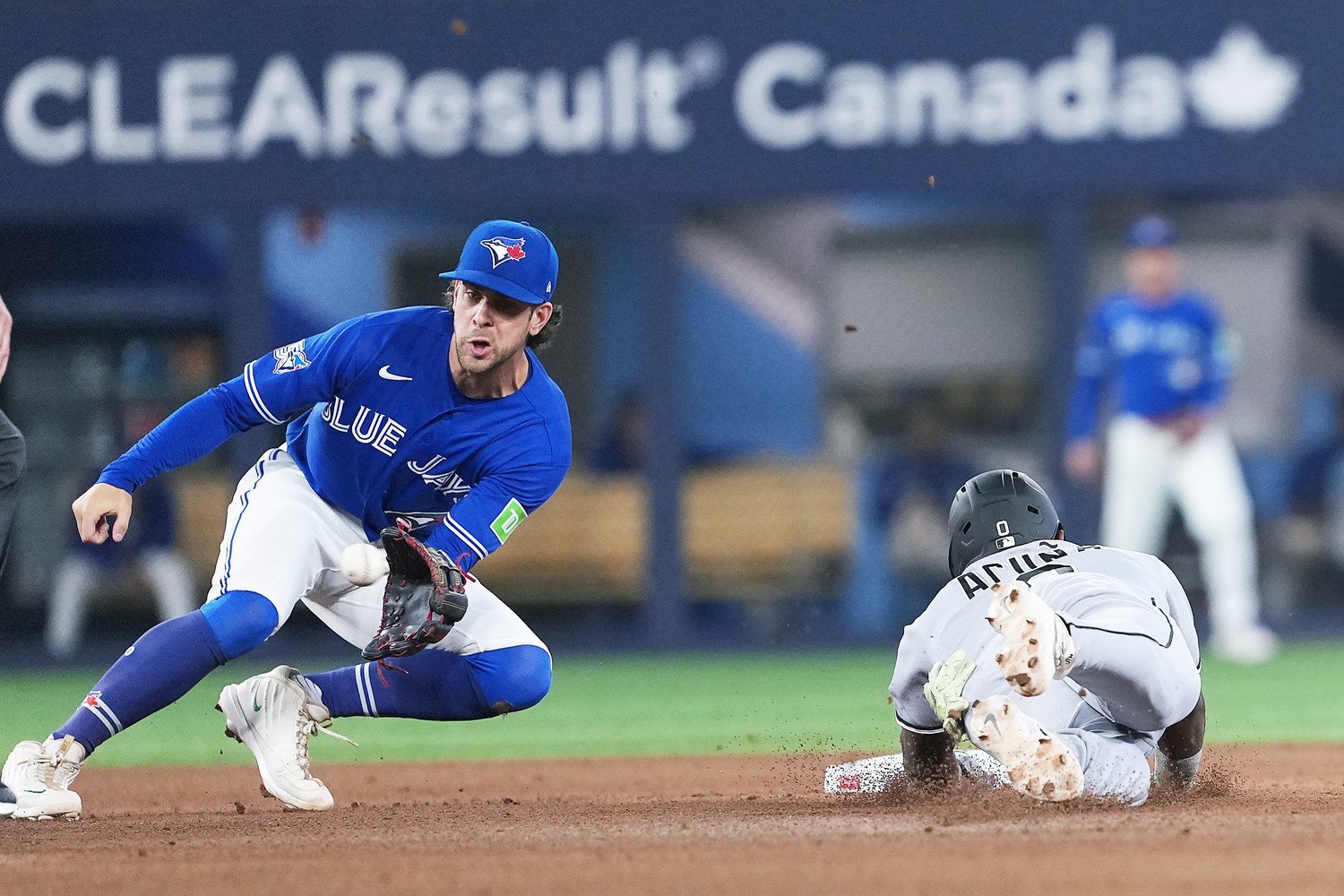 Back at the beginning of April, the Jays headed into Chicago to play against a team coming off a 101-loss season. The games were close, with plenty of opportunities for the Jays to win, but eventually they came out on the wrong end of a series sweep. What unfolded in early April was one of the first warning signs that the Blue Jays were not the team many expected them to be. Returning from the All-Star break, the Jays hosted the White Sox for a chance at redemption and maybe a shot at reestablishing themselves for a second-half run. Even if you remove the first game blow-out, winning one of three games and scoring one run in the last two would suggest the first half was not an anomaly but just who this team is. Outside of the first game, Jays pitching was strong. The White Sox, who are clearly better than they were last year, tended to get men on base and at least threaten here and there during games. In the few innings where the Jays did get men on base with fewer than two outs, particularly in the win on Saturday afternoon, they couldn’t pick up any insurance runs. It has only been one series, but it appears the magic of the dragon has disappeared, and it might be time for another stuffed animal on a stick. Manager John Schneider says the team has “to start winning.” That’s fair. He has tried just about everything this year. As the first game of this week's series against the Rays proved, it isn't getting any easier. Historically, the Jays tend to play a bit better against the Rays in Toronto (123-117), while Tampa Bay has the Jays' number in Florida, holding a 152-94 all-time record. Schneider has started again talking about urgency, but he’s used that word before this season with little sustained benefit. In the post-game press conference after Sunday’s game, he also talked about how the team needs to “come with the mentality that you expect to win every single day.” That’s tough when you aren’t and don’t win every game. Confidence and momentum, especially at the professional level, are hard to quantify. On paper, the Jays had one of the easier schedules to start the season, but in hindsight things just didn’t play out that way. Maybe it was a case of playing down to opponents. Coming out of the All-Star break, the Jays no longer have the luxury of pointing toward an easy schedule. If anything, the remaining slate presents a significantly tougher challenge. Many of the opponents are chasing playoff spots themselves or already occupy them. Win and the team climbs the standings, lose and they drop. If the Jays remain inconsistent, then they will hover in this “no man’s land” while staying in the hunt but not really progressing. The Orioles just won seven in a row with a run differential this season of -14. Meanwhile, the Red Sox are the hottest team in baseball (they just snapped Baltimore's win streak), winning 14 in a row with a run differential of +46. The Jays are 4-6 in their last 10 with a run differential of -51 for the season. They are now 5.5 games out of the Wild Card, with only three teams below them in the AL standings. The next closest team in the hunt, the Athletics, are 8.5 games out of the Wild Card. Their run differential is an abysmal -111. The Jays entered the season hoping to establish a clear version of themselves. Were they a power-hitting club? A run-prevention club? A balanced contender built around versatility? Four months later, the answer remains unclear. Baseball history contains countless examples of teams that came alive after the All-Star break. There remains enough time for the Jays to make a push, especially with direct games remaining against competitors ahead of them. While the Red Sox and Orioles weathered their own storms and figured out how to win ball games, the Jays have not. In a season that feels full of stops and starts, maybe the first series after the All-Star break was just that. The Jays can look like a team capable of beating anybody on any given night. The next night they can look completely overmatched. There have been stretches where the starting pitching carried the club. Then there have been stretches where the bullpen was the team's greatest strength. At times the defense has been excellent. At other times the offense has shown flashes of life. Unfortunately, this season, rarely have those elements materialized at the same time. In a season that already feels full of false starts, maybe this first series after the break was just another one. Maybe the team responds against stronger opponents and finally discovers some consistency. Or maybe those two White Sox series, one in April and one in July, will eventually be remembered as snapshots of exactly who this team was all along. That is the uncomfortable question facing the Blue Jays in this second half of the season. The answer will determine whether meaningful games are still being played in September or not. At this point, it is still tough to tell. View the full article
 -
These Four Players Hold the Keys to Red Sox's Trade Deadline Plans
DiamondCentric posted an article in Talk Sox
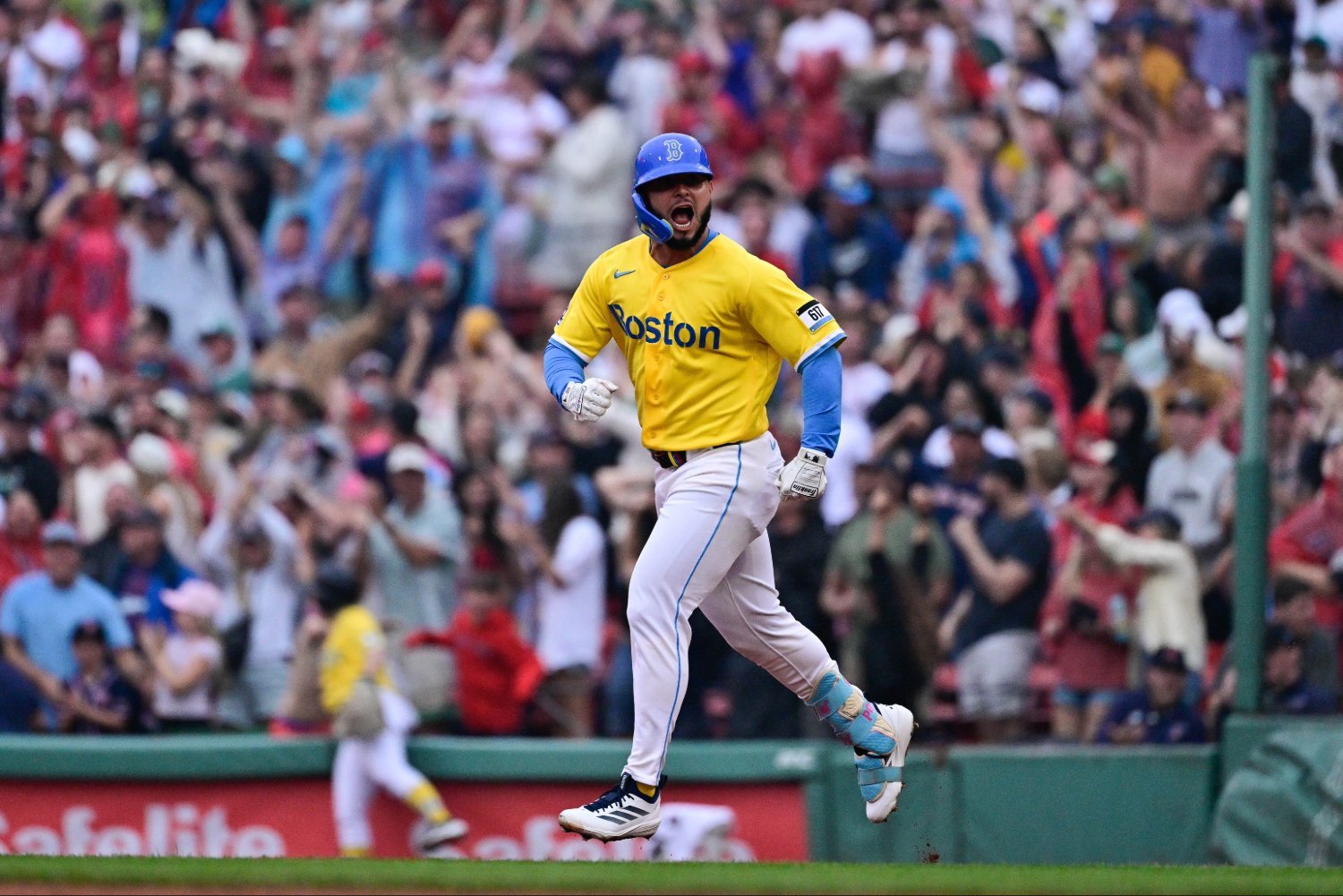 In a turn of events that was so improbable Hollywood would have rejected the script just a month ago, the Boston Red Sox have rattled off a 13-game winning streak and are firmly in the American League Wild Card picture. After sweeping the first series of the second half against the Tampa bay Rays, they certainly have their eye on continuing the hot streak as we progress through the end of July. If things keep up on this track, then Craig Breslow will be keen to add pieces as the trade deadline approaches. That happening though, hinges on these four players not buckling under the pressure that leading a playoff-bound team comes with. #4: 3B Caleb Durbin Who would have thought that after the first two months of the season, Durbin would be looked at as a make-or-break player. After a couple of days off in late May, he has been on a tear at the plate. He’s currently slashing .236/.299/.392 with a .304 wOBA, 89 wRC+, and a 1.4 fWAR. While the slash line doesn’t look overly impressive, remember he was hitting well below the Mendoza line for weeks when the season got underway. He’s been Gold Glove worthy at third base on defense all year, and now that his bat is finally coming around, he’s one of the most valuable pieces on this team. While he’s not a pure power threat, he can drive the ball out of the yard with relative ease. His strength lies in his ability to get on base though, and while we’d like to see a higher walk rate than his current 6.6%, we’re not going to complain too hard. A couple of months ago, we hosted a livestream of the Talk Sox Podcast with Brewer Fanatic’s Jason Wang and Jake McKibbin. During it, Jake told us that we’d love Caleb Durbin eventually this season. At the time we thought he was crazy -- now, we’re finding out that Brewers fans are just as prescient as the team they root for. #3: LHP Payton Tolle It may feel a bit weird to include the rookie southpaw on this list, but he essentially plugs in as the number three starter for this team and needs to remain rock solid on the mound as he prepares to fly past his career high in innings. Tolle currently holds a 3.11 ERA with over 84 innings pitched with a strikeout percentage of 25.5%, a walk rate of 7.3%, a 3.23 FIP, and 2.1 fWAR. He had a couple of shaky starts this season and for the first quarter of the year, the offense seemed allergic to letting him win games when he was on the bump, but we seem to be beyond both issues at this point. Where the pressure lies for the youngster is in his pitch mix. He throws the ‘Three-Headed Monster of Hard’ with his fastball combination of a four-seam, sinker, and cutter, but when he’s operating at his full capacity, he’s featuring a devastating curveball that keeps hitters off balance and off rhythm. If he continues to be the dominant starter we’ve come to expect, then the biggest strength of the Red Sox will continue to propel them forward. If he runs into a second half wall, though, then it could be tough sledding for an injury-depleted starting rotation. #2: OF Wilyer Abreu We all expect Abreu to play Gold Glove defense in right field on a daily basis, but the steps he’s taken against left-handed pitching for the 2026 season have shown us just how special of a player he can be. Against southpaws in 2026, Abreu is slashing .345/.421/.527 with a .411 wOBA, and 162 wRC+. To put it simply, he’s been incredible against them. When facing a righty though, the numbers look vastly different. He’s slashing .227/.295/.406 with a .303 wOBA, and an 88 wRC+. To be able to help push the team in the right direction as they look to buy heading into the trade deadline, Abreu has to find his footing against righties moving forward. Luckily, he seems to have maybe done that early in the second half as he took Griffin Jax deep for two home runs in the first game back out of the All-Star Break. #1: 1B Willson Contreras The heartbeat of the offense, the leader on the field. Contreras has been as advertised since being brought over from the Cardinals. The Sox played great baseball while he was suspended for the altercation he was a part of against the Nationals, but the team goes as Contreras goes. When he slumps, it seems like the rest of the lineup is slumping. When he’s hot, as he’s been much of this season, everything in front of and behind him seems to click. On top of being an excellent offensive player, Contreras has settled first base in a way that hasn’t been seen in years in Boston. He’s smooth, picks anything near him, and now we no longer have to worry about the cold corner being a defensive black hole. As long as he continues to play well on both sides of the ball, the Red Sox are going to be in a great spot as we approach the trade deadline. View the full article
 -
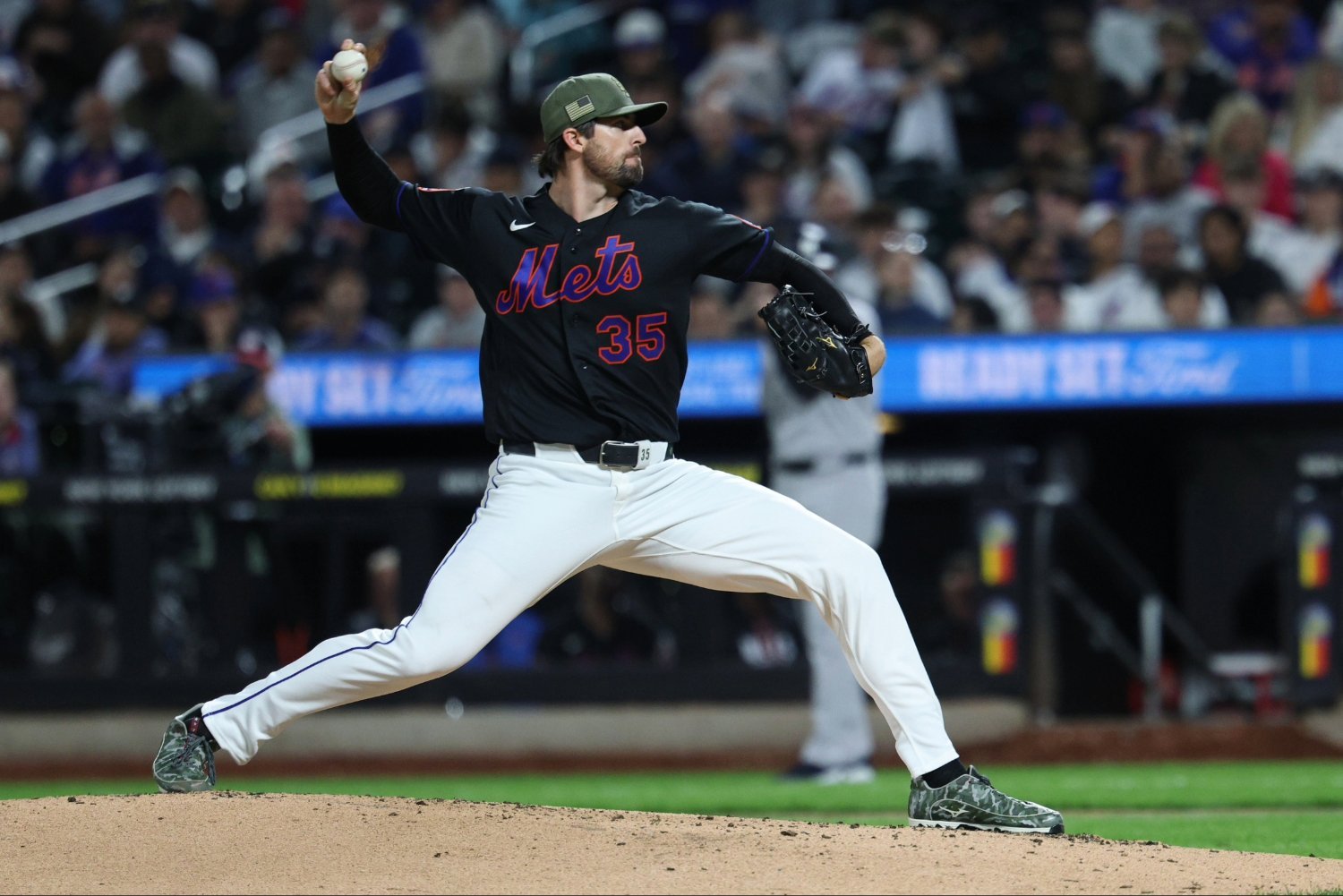 Clay Holmes is working his way back to the major leagues, but not necessarily the New York Mets, after being out for two months with a leg fracture. In other words, it's officially trade season for the veteran right-hander. USA Today’s Bob Nightengale reported over the weekend that the Chicago White Sox are “keeping taps (sic)” on Holmes with his rehab beginning this past weekend and the Aug. 3 MLB trade deadline now two weeks away. Special assistant Nick Hostetler has been assigned to monitor Holmes, according to the report. The White Sox make a lot of sense as a suitor. They’re surprise leaders in the American League Central, but their rotation needs help for the stretch run. The $4 million-plus that Holmes will be owed for the final third of the season would be a worthwhile investment, even if it might give penurious team owner Jerry Reinsdorf heartburn. The White Sox’s top four starters entering Monday were Davis Martin, 29; Sean Burke, 26; former Met Anthony Kay, 31; and rookie Noah Schultz, 22. The “No. 5 starter” was Erick Fedde, 33. who has become almost exclusively a bulk reliever who follows an opener. Speaking of openers, the Sox have used 19 of them this season, essentially a full rotation spot’s worth through 98 games. And while some of the group’s individual ERAs look strong, one collective stat is misleading. The White Sox are second in the majors in fewest runs allowed by starting pitchers, behind only the Milwaukee Brewers, but the starters (which includes all the openers) have thrown the fewest innings. The starters' overall ERA is 4.21, 14th in baseball. Holmes, 33, has averaged 5.85 innings per start this year for the Mets, including his abbreviated outing May 15 when a comebacker by the Yankees’ Spencer Jones broke his right fibula. He has a 2.39 ERA/3.21 FIP in nine starts. With those numbers, he could slot behind Martin at No. 2 in Chicago’s rotation. Now that it’s out there that the White Sox are on the Holmes trail, what could they reasonably offer in a deadline trade? What Framework Will the Mets Seek In A Clay Holmes-White Sox Trade? Overpaying with a top-five prospect doesn’t make sense for the White Sox. First of all, they're still looking to the future after getting into contention a year “early.” Secondly, Holmes may not be at 100 percent when he returns. And lastly, because he's expected to decline his $12 million player option for 2027, he'll more than likely be a pure rental. But if you look at the next tier of Pale Hose prospects, there’s one player who catches the eye: No. 9 William Bergolla Jr. The 21-year-old Bergolla has an offensive profile that screams “BREWERS EAST,” also known as team president David Stearns’ Platonic ideal. He’s elite at making contact, he’s fast, and he’s a willing bunter. He also has one home run in five professional seasons. In 10 games with Triple-A Charlotte this year, he has slashed .457/.525/.571 with two stolen bases and four strikeouts in 43 plate appearances. He has been out since April 9 after suffering a shin bruise in a collision with outfielder Sam Antonacci, but he’s running and hitting now, so a summer return appears likely. Bergolla has a baseball pedigree, too: His father, William, made it to the majors as a middle infielder with the Cincinnati Reds in 2005. Bergolla the son also plays up the middle. The majority of his work has been at shortstop, but he also has 109 games of experience at second base. The White Sox’s middle infield looks set long term with slugger Colson Montgomery at short and contact-heavy Chase Meidroth at second. Miguel Vargas is holding down third base, so a position change is not practical for anyone. New York’s middle infield isn’t open, either but that could change in the near future. Catch-up reps at Triple-A Syracuse in 2027, followed by a stint backing up Marcus Semien and Francisco Lindor, would have Bergolla in position to be a starter if/when the Mets move on from Semien or, though unlikely, Lindor. Recall that Stearns did business with White Sox general manager Chris Getz last January. The roles were reversed then. Getz wanted to move center fielder Luis Robert Jr., a player Stearns had been pursuing for a while. Eventually, Stearns agreed to take on all of Robert’s $20 million salary for 2026 (and his 2027 club option) in exchange for utility player Luisangel Acuña, who no longer had a role in New York, plus minor-league pitcher Truman Pauley. Robert has been out since April with a back injury, while Acuña has become a speed merchant off the bench for the Sox. A deadline trade of Holmes for a middling prospect would be another short-term win for Chicago. For the Mets, Bergolla could turn into a better Acuña. View the full article
 -
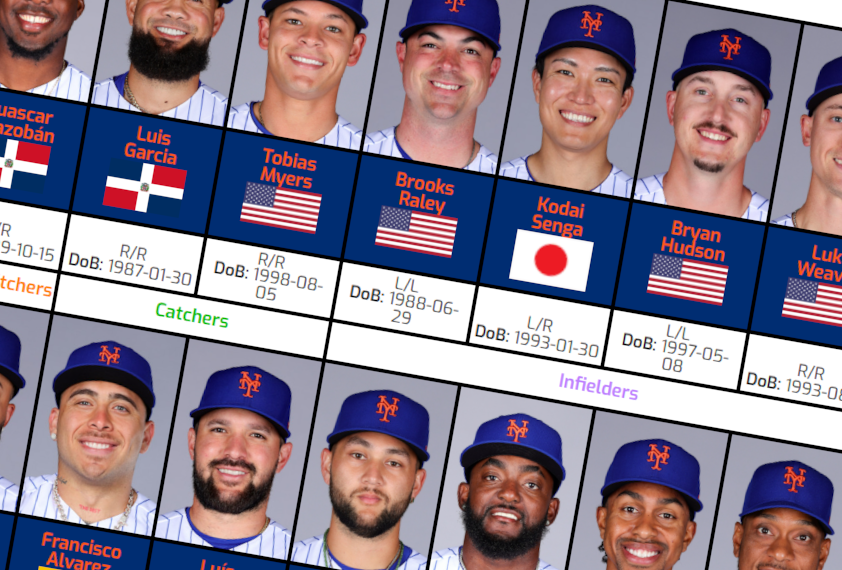 Running a baseball team is not for the faint of heart, and as the Mets best-laid plans for 2026 blow up in their faces on a regular basis, and undeterred leadership team has executed a pretty unconventional, and seemingly high-risk draft strategy. Transactions, 7/11/2026 COMING Drafted as First-Round Selection (27th Overall) out of Arkansas Drafted as Third-Round Selection (92nd Overall) out of Texas Drafted as Fourth-Round Selection (120th Overall) out of Texas A&M Relief Pitchers Outfielders Starting Pitchers Carson Wiggins Aiden Robbins Shane Sdao R/R DoB: 2005-06-01 High Level: Division I+ (2026) R/R DoB: 2005-01-14 High Level: Division I+ (2026) L/L DoB: 2003-09-29 High Level: Division I+ (2026) The first thing you'll notice about the Mets 2026 amateur draft selections is that they went all in on pitchers. In this day of massive pitcher attrition and increasingly shorter starter workloads, the old saw of "you can never have enough pitching" is truer than ever, but ... well, somebody has to play the field. With fully 15 of their 19 draft picks, they went for hurlers. They probably intend to offset their appetite for arms by recruiting position players through the foreign amateur markets, or acquiring them through wheeling and dealing along the way. A second thing you'll notice also starts off with #1 pick Carson Wiggins, and that's not just that the Mets have gone for pitching, but overwhelmingly relief pitching. Historically, drafted players drafted players are at or near the top of their amateur team's starting rotations, and pro teams draft them with the hope that they can be that for them as well, and if that doesn't work, relief work is a workable fallback outcome. Certainly, young Mr. Wiggins is not the first guy drafted in the first round as a reliever, and while converting a pitcher from relief to starting does happen (as in the case of Clay Holmes), it is still damned rare. But the Mets looked past the bullpen assignment and the scant record (14 college innings), and instead saw the 102-mph fastball and pulled the trigger. Given a chance to bet on records and established outcomes to date, the Mets instead bet on their scouting and development people and trust them to produce a weapon here. Time will tell. Cynics like my friend duan have suggested that there is no such thing as a relief prospect, and considering he made that remark after the Mets selected Eddie Kunz at the back end of Round One in 2007, he has a point. Transactions, 7/12/2026 COMING Drafted as Fifth-Round Selection (152d Overall) out of Florida Drafted as Sixth-Round Selection (181st Overall) out of Auburn Drafted as Seventh-Round Selection (210th Overall) out of Stanford Drafted as Eighth-Round Selection (240th Overall) out of Mississippi Relief Pitchers Starting Pitchers Relief Pitchers Luke McNeillie Alex Petrovic Aidan Keenan Landon Koenig L/R DoB: 2005-03-17 High Level: Division I+ (2026) R/R DoB: 2004-05-27 High Level: Division I+ (2026) R/R DoB: 2005-03-07 High Level: Division I+ (2026) R/R DoB: 2004-11-23 High Level: Division I+ (2026) COMING Drafted as Ninth-Round Selection (270th Overall) out of Cal Poly Drafted as 10th-Round Selection (300th Overall) out of Dartmouth Drafted as 11th-Round Selection (330th Overall) out of Arkansas Drafted as 12th-Round Selection (360th Overall) out of UC Santa Barbara Catchers Starting Pitchers Outfielders Relief Pitchers Ryan Tayman Nate Isler Kuhio Aloy AJ Krodel R/R DoB: 2005-08-26 High Level: Division I+ (2025) R/R DoB: 2004-10-25 High Level: Division I (2026) R/R DoB: 2005-07-13 High Level: Division I+ (2026) R/R DoB: 2005-05-11 High Level: Division I (2026) COMING Drafted as 13th-Round Selection (370th Overall) out of Notre Dame HS (CA) Drafted as 14th-Round Selection (420th Overall) out of Troy Drafted as 15th-Round Selection (450th Overall) out of Missouri-St. Louis Drafted as 16th-Round Selection (480th Overall) out of LSU Catchers Relief Pitchers Jacob Madrid Zach Crotchfelt Dustin Hagens, Jr. Gavin Guidry R/R DoB: 2007-11-02 High Level: HS (2026) L/L DoB: 2003-10-03 High Level: Division I+ (2024) R/R DoB: 2005-01-05 High Level: Division II (2026) R/R DoB: 2003-07-14 High Level: Division I+ (2026) COMING Drafted as 17th-Round Selection (510th Overall) out of Arkansas Drafted as 18th-Round Selection (540th Overall) out of Kings Ridge Christian HS (GA) Drafted as 19th-Round Selection (570th Overall) out of Central Florida Drafted as 20th-Round Selection (600th Overall) out of Iowa Relief Pitchers Outfielders Infielders Cooper Dossett Marcus Ward John Smith III Kooper Schulte R/R DoB: 2004-04-10 High Level: Division I+ (2026) L/L DoB: 2007-11-14 High Level: HS (2026) R/R DoB: 2003-11-19 High Level: Division I (2026) R/R DoB: 2003-12-08 High Level: Division I+ (2026) A third thing you might notice about the Mets draft strategy is that they overwhelmingly (17 of 19 selections) went for college players. College players have less leverage at the negotiating table, and are obviously on a faster track (or at least have access to a faster track) to the big leagues, but one may conclude it shows less faith in the organization's development team. Or maybe a management team in charge of a team playing some terrible ball wants help as soon as they can get it. They not only went for college players, but college players overwhelmingly from the top conferences (labeled Division I+) on the transaction tables. Teams from the ACC, the SEC, The Big 10, and the Pac 12 don't always win the NCAA championship, but the week-by-week standard of play is markedly better than in the other 26 conferences in Division I. The worst teams in these conferences are generally as good as or better than the top teams in the other conferences — and certainly deeper. Back when the draft had 30, 40, or 50 rounds, virtually every eligible player — backup catchers and mop-up relievers included — had a good chance of hearing their name called by a big-league team before graduation. The difference between these four conferences and the rest of Division I is probably bigger than the gap between Division I and Division II. Fourteen of their 17 collegiate picks came out of these conferences. Lastly, it's notable how many of these players are not here because of eye-popping stats. Round Player Numbers 1 Carson Wiggins 3.21 ERA in only 14 innings 4 Shane Sdao 7.03 ERA in 71 innings 7 Aidan Keenan 5.82 ERA in 21 2/3 innings 8 Landon Koenig 6.35 ERA in 22 2/3 innings 10 Nate Isler 4.98 ERA in 65 innings 11 Kuhio Aloy A respectable .838 OPS, but zero games in the field, with only five games in the field in his collegiate career, and a body type that says he is likely to be sticking at DH 12 AJ Krodel 5.66 ERA in 35 innings 16 Gavin Guidry 6.39 ERA in 43 2/3 innings 17 Cooper Dossett 6.88 ERA in 17 innings Now, all of that comes with caveats: We've selected only the most incriminating cases, though there certainly seem to be a lot. These guys, as noted, have come out of the highest levels of NCAA competition. The NCAA, with the aluminum bat thing happening, plays toward the hitters and away from the pitchers. Amateur fielders behind you have a way of inflating ERAs. There is no shame in trusting what your scouts say over what the numbers say. The Mets too Bobby Parnell in the ninth round with a 9-ish ERA (if memory serves) out of a relatively obscure Charleston Southern program and made a triple-digit-throwing MLB closer out of him, so it's a defensible strategy — even one we might choose to defend if the Mets weren't currently eating up all of our good will on a nightly basis, but it is sure a strategy the went for seemingly round after round after round. Much is to be revealed. Marcus Ward, for instance, has been labeled as a pitcher in Mets reports, but pre-draft scouting reports have him as an outfield prospect, and only a few indifferently allude to his side hustle as a pitcher. The Mets have added an Aiden and an Aidan, a Cooper and a Kooper. It's hard to say the future is looking bright in an organization cruising toward last place with a massive payroll and no manager, but they have paused briefly in mid-summer and selected a man named Zach Crotchfelt. Moments like that just makes the sun shine a little brighter. View the full article
 -
Marlins extend season-long losing streak to seven games
DiamondCentric posted an article in Fish On First
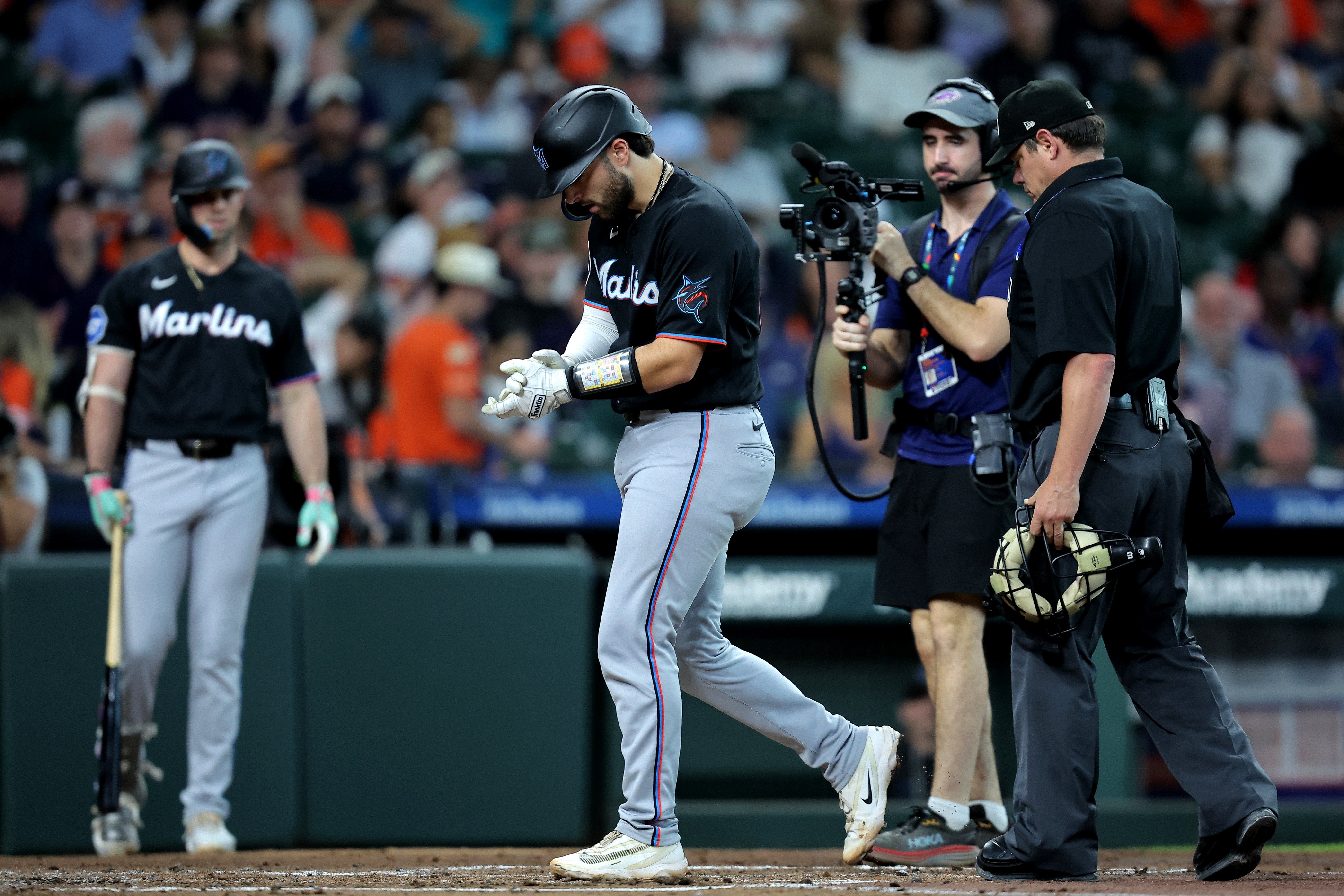 HOUSTON, TX - The Miami Marlins free fall continued on Monday night as they fell 8-5 to a struggling Houston Astros team. A team that once stood 10 games over .500, comfortably in the third National League Wild Card spot and even in the fight for the National League East crown, find themselves once again fighting to gain sole possession of the third Wild Card Spot and sporting the longest losing streak in baseball at seven games. Despite these struggles, Marlins manager Clayton McCullough does not believe that the pressure of competing for a playoff spot has been a factor, noting "that's something you guys bring up a lot" and calling it "a hot topic." "I thought for the most part we pitched very well in Milwaukee, and they just outplayed us for for three days," McCullough said pregame. "I'm sure that the headlines will continue to be that, and I look at it like this stretch of games and losing over the course of an entire season unfortunately happens on multiple occasions. Right now we're going through it, and I think myself and our coaches are just much more concerned with getting our guys back to playing a better brand of baseball." What should keep fans hopeful is what the 2023 Marlins looked like just three years ago. Coming out of the All-Star Break, they dropped eight straight games, standing at 53-47 before snapping the streak. That team finished the season with an 84-78 record, good enough for the second Wild Card spot. The National League may not require a high amount of wins to slip into the postseason, so that keeps the 2026 Marlins in a similar, but favorable spot. Marlins starting pitcher Janson Junk described his season as "up and down." On Monday night, we saw the down of Junk's season, allowing six runs in four innings pitched, walking three in the process. All six of the runs allowed came in a 42-pitch bottom of the second inning. With the bases loaded and one out, Junk had to face the top of the Astros lineup, starting with Jeremy Peña. He took Junk deep, for his second career grand slam, giving the Astros a 5-2 lead. Yordan Alvarez followed it up with his 32nd home run of the season, making it 6-2 after just two innings of work. "I think the second inning, that's the story of it," Junk said postgame. "I don't really care that I came out after, went a few more innings and put up zeros. That's what I'm trying to do. Putting the team in a 6-2 deficit after we go up to with a big home run, to have (the Astros) come back with a six-spot, that's pretty demoralizing." Junk's biggest struggles have come with his command. In 2025, Junk surrendered 1.06 walk per nine, which was the lowest in baseball (minimum 110.0 IP). It is still low this season, at 2.61, but certainly a jump compared to where it was just one year ago. What hurt Junk the most in that second inning was walking the lead-off hitter, LaMonte Wade Jr. He walked three in that second inning. "I think it could be just getting back into the groove, coming off the IL, you know," Junk said. "I think that's something I got like check mechanically, maybe just getting outside of myself a little bit and I think it's those leadoff walks. That happened a few times against the Mariners in my last outing, but I was able to come back from it. Tonight shows you that leadoff walks kill you, and I'll get better at that." As an offense, the Marlins struck out 14 times, tied for second-most this season. One through six in the lineup each struck out twice. Astros starter Ronel Blanco took the mound for the first time in 429 days and struck out eight in 4 2/3 innings of work. The Astros bullpen combined for the other six strikeouts. On top of that, the Marlins went one for seven with runners in scoring position. The Marlins' source of offense came from Joe Mack hitting his eighth home run of the season in the top of the second inning and Liam Hicks hitting his team-leading 14th home run in the fourth inning, both off Blanco. Heriberto Hernandez provided some signs of life in the ninth inning, knocking in an RBI single, but it was too late at that point. "Three innings or so there, I think we we did a good job," McCullough said. "We talked about just trying to create some traffic and we just weren't able to come through with some hits with runners in scoring position. We'll continue to give ourselves those shots. That'll turn, I know that will. The strikeouts, it's something that's a little atypical of our group for the most part, but we've been piling them up here recently, so got to try to put the ball forward with a little more regularity." With the loss, the Marlins fall to 52-49 on the season, still tied for the third National League Wild Card spot as the St. Louis Cardinals fell to the Los Angeles Angels after the Marlins game. Tyler Phillips will take the mound for the Marlins as they look to snap the losing-skid on Tuesday at 8:10 pm EST. View the full article
 -
 TRANSACTIONS DSL Twins activated RHP Camilo Made. Minnesota Twins optioned SS Tristan Gray to St. Paul Saints. SAINTS SENTINEL The Saints rebounded tremendously coming out of the All-Star break, sweeping the Louisville Bats 4-0 over the weekend. The Saints will return home this week to take on Columbus, whom they split their late-May series with earlier this season. The Clippers, of the Cleveland Guardians organization, will bring with them two top-100 talents. 1B/LF Ralphy Velazquez has split his season between Double-A and Triple-A, now playing 42 games with the Clippers. Triple-A competition has proven to cool him a bit initially, as the 21-year-old is now hitting .273/.357/.422 (.780 OPS). Switch-hitting Angel Genao will also make the trip to St. Paul and has been hitting well after his mid-season promotion to Triple-A as he slashes .305/.390/.486 (.876 OPS) C/LF Cooper Ingle is a top-10 organizational prospect for Cleveland. At 24 years old and in part of a second season at Triple-A, Ingle has put together very positive numbers, hitting .295/.422/.570 (.992 OPS). Those numbers were enough to give Ingle a brief stint in the big leagues. WIND SURGE WISDOM The break also proved effective for the Wind Surge, as they went 3-0 over their short series with Arkansas. The Wind Surge will now take on the Midland Rockhounds at home, who had Wichita’s number last time in a 1-5 series at the end of June. Top nationally ranked prospect, SS Leo De Vries, has only improved on his hitting numbers, which now sit at .292/.384/.455 (.839 OPS). The same trend is true for OF Devin Taylor, whose numbers have improved to .338/.400/.610 (1.010 OPS) in his 33 games at Double-A. The final top Athletic prospect to keep an eye on is LHP Jamie Arnold, whose ERA has dropped from 4.64 to 4.11 since last facing the Wind Surge. KERNEL CHRONICLE Cedar Rapids split their four-game series with Beloit over the weekend and now travel to Dayton for a full six-game series. The Cincinnati Reds affiliate boasts one borderline top-10 prospect. That prospect is 20-year-old 3B/SS Tyson Lewis. Lewis is a short 13 games into his High-A career and is batting .288/.327/.442 (.770 OPS) with two stolen bases (9 total between Low and High-A). MIGHTY MATTERS Fort Myers only managed to go 1-2 against Lakeland in their three-game set, but there was a fun family rivalry between the Rucker family. Now the Mussels will travel to St. Lucie. The Mets affiliate still boasts Elian Pena as their most intriguing prospect. Pena is hitting similarly to what he did last time the Mussels saw St. Lucie with a slash line of .261/.387/.352 (.739 OPS). FCL TWINS Twins 4, Pirates 10 Box Score The Monday loss officially eliminated the FCL Twins from playing in the FCL playoffs this year. They are one of five teams with more than 30 wins. Unfortunately, the Wild Card will also come from the same division. The two remaining games with the Orioles will no longer have playoff implications. The Twins were neck and neck with the Pirates for most of the game, but the seventh inning turned ugly as the Pirates put a crooked six on the scoreboard. In the top of the third inning, Yovanny Duran was able to put up the Twins second run after scoring on a wild pitch. Duran had a productive day going 1-for-4 with a double, a walk, and two runs scored. Ironically, both of Duran’s runs scored came on wild pitches. After the Pirates tied the game up in the fourth inning, the Twins came up in the top of the fifth and Teilon Serrano singled to score 2B Bryan Acuna. Acuna was 1-for-4, with a walk, and a run scored on Monday. Serrano also added a walk to his single that scored Acuna. Melvin Rodriguez got the start for the Twins and had a productive start even if that is not reflected in the final score. Rodriguez went 4 ⅔ innings, allowed five hits, two earned runs, two walks, while striking out four. Carter Joljes, who ended up as the pitcher of record, pitched 1 ⅓ innings of relief, allowing five hits, seven runs, four earned runs, issued two walks, and recorded one strikeout. DSL TWINS Twins 1, Marlins 10 Box Score In a 10-1 loss, it is hard to find anything positive, but there are a few highlights over what will ultimately go down as a tough loss. Miguel Martinez got the Twins started with a clean first inning, allowing no hits, one walk, and two strikeouts. That was the only inning Martinez pitched, seemingly acting as an opener for the Twins against the Marlins. Jesus Moreno tackled a bulk of the Twins pitching innings, and he was the first pitcher the Marlins got to, although not until Moreno’s third and final inning of work. Moreno held the Marlins scoreless for two innings, but in the end his stat line was three innings pitched, five hits, five runs, four earned runs, two walks, and two strikeouts. Offensively, the Twins scored their one run right after the Marlins exploded for five in the fifth inning. It was the often-impactful Luis Duarte who singled to drive in Misael Rodriguez to bring the score to 5-1. Rodriguez was subbed into the game for Juan Holmann, who didn’t record an at-bat and went 2-for-3 to raise his average to .302. Jendy Martinez also had a good day at the plate, going 2-for-2 with a walk. Anibal Beltre was the third Twins player to have a multi-hit day, going 2-for-3 with a strikeout. Six of the Twins seven hits Monday were evenly divided up between Martinez, Rodriguez, and Beltre. Daiyer Barboza and Abel Sosa were the Twins representatives in the DSL All-Star Game Sunday. Sosa entered the game but did not record an at-bat. Barboza did not show up in the box score for the game. TWINS DAILY PLAYERS OF THE DAY Misael Rodriguez: 2-3, 1 R, 1 K Melvin Rodriguez: 4 ⅔ IP, 2 ER, 5 H, 2 BB, 4 K TOP 20 PROSPECT WEEK IN REVIEW #1- Walker Jenkins (Saints)- .286/.412/.643, 1.055 OPS, 2 2B, 1 HR #4- Eduardo Tait (Kernels)- .308/.400/.692, 1.092 OPS, 2 2B, 1 HR #5- Marek Houston (Wind Surge)- .214/.294/.214, .508 OPS #6- Riley Quick (Kernels)- 2 IP, 2 H, 3 R, 2 ER, 4 BB, 4 K #7- Kendry Rojas (Twins)- 1 IP, 1 H, 0 ER, 0 BB, 1 K #8- Hendry Mendez (Saints)- ..125/.125/.125, .250 OPS #10- Gabriel Gonzalez (Saints)- .417/.417/.500, .917 OPS. 1 2B #12- Brandon Winokur (Wind Surge)- .400/.375/.400, .775 OPS #13- Khadim Diaw (Wind Surge)- .385/.529/.385, .914 OPS #14- Quentin Young (Mussels)- .167/.286/.167, .452 OPS #15- Ryan Gallagher (Saints)- 5 IP, 4 H, 1 ER, 1 BB, 4 K #17-C.J. Culpepper (Saints)-1 ⅓ IP, 1 H, 0 ER, 0 BB, 1 K #18- Yasser Mercedes (Kernels)- .294/.400/.412, .812 OPS, 2 2B #19- Billy Amick (Wind Surge)- .250/.428/.333, .771 OPS, 1 2B #20- Kyle DeBarge (Wind Surge)- .429/.500/.714, 1.214 OPS, 2 2B, 1 3B TUESDAY’S PROBABLE STARTERS Columbus @ St. Paul Saints- RHP Jack Anderson Midland @ Wichita Wind Surge- TBD Cedar Rapids Kernels @ Dayton- RHP Ivran Romero Fort Myers Mighty Mussels @ St. Lucie- RHP Eric Hammond FCL Orioles @ FCL Twins - TBD View the full article
 -
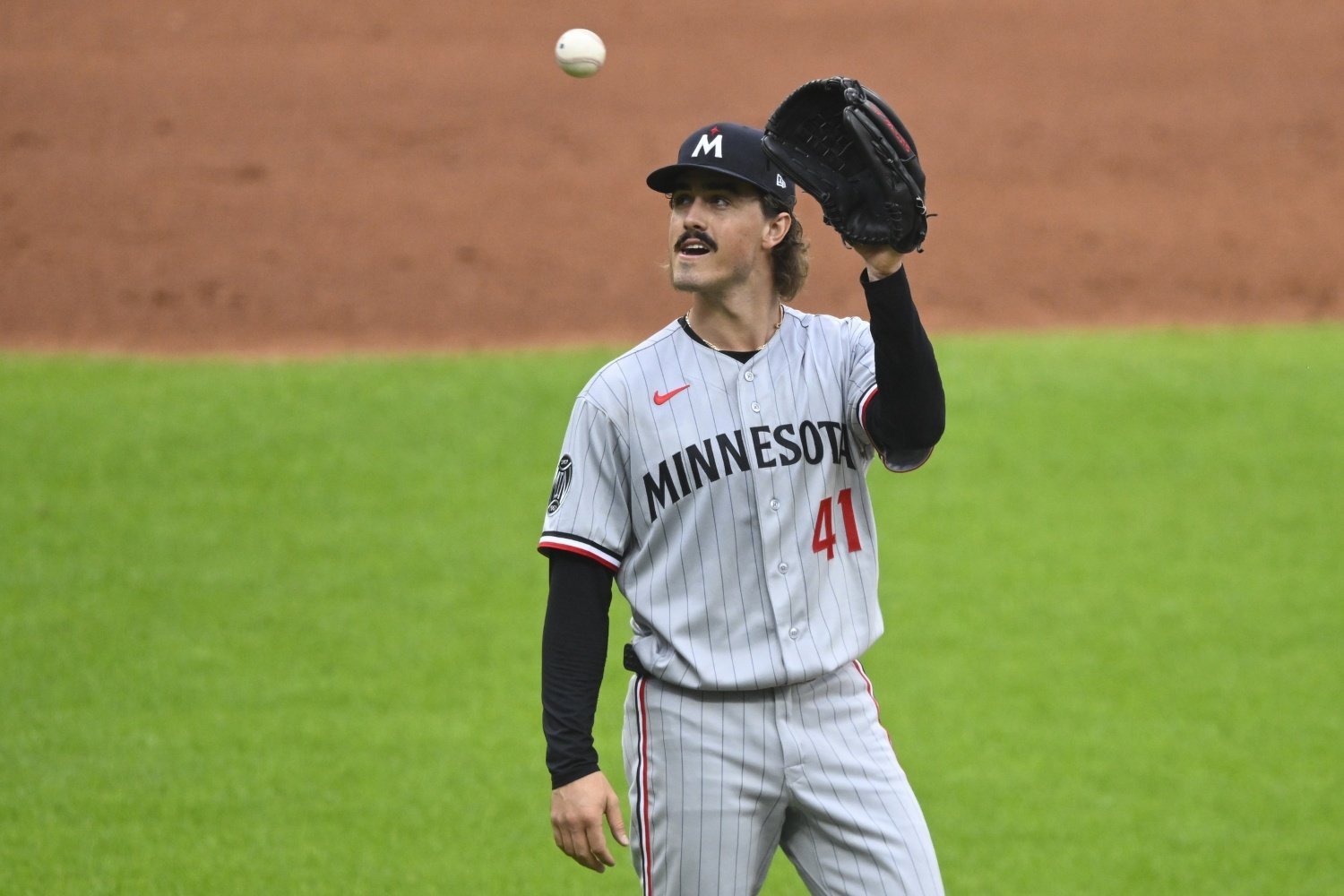 Box Score SP: Joe Ryan 4 IP, 10 H, 8 ER, 3 K, 0 BB (78 pitches, 55 strikes) HR: None, for the Twins Bottom 3 WPA: Ryan -0.49, Clemens -0.05, Caratini -0.05 Win Probability Chart (via FanGraphs): The Twins entered Monday night knowing just how important the next four games could be. After dropping two of three to the Cubs over the weekend for their first series loss since June 24, Minnesota arrived in Cleveland needing to make up ground in both the American League Central and Wild Card races. The Twins opened the series four games behind the division lead and two games out of the final Wild Card spot, with the Guardians sitting directly in front of them in the postseason chase. It also happened to be a Joe Ryan day. With Minnesota's back end of the rotation continuing to search for consistency, every start from the club's ace carries added importance. Games Ryan starts have increasingly felt like must-win opportunities, making Monday's opener an ideal chance for the Twins to regain momentum. Instead, it became one of the ugliest losses of the season. Ryan turned in one of the worst outings of his career, lasting just four innings while allowing eight earned runs on 10 hits. Six of those hits left the ballpark, tying the major-league record for the most home runs allowed by a pitcher in a single game. The eight earned runs were also the most Ryan has surrendered since allowing 10 against the Padres in 2022. Cleveland wasted no time putting Ryan on the defensive. Brayan Rocchio launched a two-run homer in the first inning before Rhys Hoskins followed immediately with a solo shot, giving the Guardians a quick 3-0 lead. The Twins briefly answered in the second inning. Brooks Lee lined an RBI triple past a diving Chase Delauter before Alan Roden brought him home with a sacrifice fly, cutting the deficit to 3-2 and giving Minnesota a brief spark. It didn't last. The Guardians immediately resumed their power display in the bottom of the second. Petey Halpin, who entered the night with just a .471 OPS, crushed a two-run homer before 2024 No. 1 overall pick Travis Bazzana added another long ball later in the inning. The home run barrage continued from there. Hoskins connected for his second homer of the night in the third inning, before Halpin also left the yard for a second time in the fourth, chasing Ryan from the game with Cleveland holding an 8-2 advantage. Unfortunately for the Twins, the damage didn't stop when Ryan exited. Cleveland continued to pile on against Minnesota's low-leverage relievers, adding runs in the fifth, sixth and seventh innings while turning the opener into a complete rout. By the end of the night, the Guardians had collected 19 hits, including seven home runs and four doubles, overwhelming every pitcher the Twins sent to the mound. Minnesota managed a pair of late runs after the outcome had long since been decided. Trevor Larnach delivered an RBI single in the seventh inning before Victor Caratini doubled home another run in the eighth, trimming the deficit to 13-4. Those late contributions did little more than make the final score slightly more respectable. The 13-4 defeat was about as discouraging a way as possible to begin a pivotal four-game series. The Twins fell to 49-52 and now sit three games below .500, while dropping to 2.5 games behind the final American League Wild Card spot with three teams standing between them and a playoff position. With the trade deadline now just a couple of weeks away, every loss increases the pressure on Minnesota to prove it remains a legitimate postseason contender. What's Next The Twins will try to bounce back Tuesday evening, when the second game of the series begins at 5:40 p.m. Minnesota has yet to announce a starting pitcher, while Cleveland will hand the ball to impressive rookie Parker Messick as the Twins look to avoid falling even further behind in the playoff race. Postgame Interviews: Coming soon... Bullpen Usage Chart: THUR FRI SAT SUN MON TOT Nance 0 25 0 0 36 61 Gómez 0 22 0 0 0 22 Morris 0 14 0 0 0 14 Rogers 0 2 0 0 0 2 Rojas 0 0 18 0 0 18 Go 0 0 0 23 24 47 Adams 0 0 0 45 0 45 Funderburk 0 0 0 14 16 30 Alex Jackson 0 0 0 0 11 11 Paredes 0 0 40 0 0 40 View the full article
 -
Marlins place Max Meyer (neck strain) on 15-day IL
DiamondCentric posted an article in Fish On First
 HOUSTON, TX — On Monday afternoon, the Miami Marlins placed Max Meyer on the 15-day IL due to a neck strain. He will be eligible to return beginning on August 3. "It popped up for the first time in that start versus Seattle at home pre All-Star break," manager Clayton McCullough said. "He felt a sensation in the neck area in that outing and we went with the the extra time. He felt much better with that time down and was able to get through his throwing and bullpens. We all felt he was in a good place to go make that start after the break, and then third inning of the game in Milwaukee, he said he felt a similar sensation there. Felt like it was worth going to get some further examination on that, and he went out to to L.A. to get that looked." Meyer this season has made 20 starts posting a 2.68 ERA, 3.51 FIP, 9.81 K/9 and a 3.32 BB/9. He was selected to his first MLB All-Star Game along with Otto Lopez. His 111 innings pitched is already a career-high. To temporarily take Meyer's spot on the active roster, the team recalled right-hander Zach Brzykcy from Triple-A Jacksonville. We have seen the Marlins successfully use bullpen games this year to fill in for injured starters, but they could also call up a more traditional replacement prior to Friday's game (originally scheduled to be Meyer's next start). McCullough said they'll base that decision on how the Houston Astros series goes. Already on the 26-man roster, Ryan Gusto can go multiple innings and has already started six games this season at the big league level. Meanwhile, veteran Braxton Garrett in his last 31 innings at Triple-A has a 0.29 ERA. Garrett made two starts at the big league level during the month of May, but struggled with control, walking eight total batters. Overall, in 14 Jumbo Shrimp appearances (13 starts), Garrett has a 1.52 ERA, 3.85 FIP, 9.76 K/9 and 3.30 BB/9. The Marlins and Astros begin a three-game set at 8:10 pm ET. Janson Junk will make his second start since coming back from his own IL stint. View the full article
 -
 One step forward and one step back for the Chicago Cubs' pitching staff. Right-handed starter Jameson Taillon was activated from the 15-day injured list to start for the Cubs in Monday's opener of a three-game series against the Detroit Tigers. Right-hander Aaron Civale was also formally added to the 26-man roster after being designated for assignment by the A's and traded to the Cubs on Saturday. The bad news comes in the form of right-handed reliever Phil Maton going back on the 15-day IL with tendinitis in his right knee. This is his third trip to the IL with the same knee issue. Also, left-hander Drew Pomeranz was designated for assignment. Taillon has been out since going on the IL June 9 with a strained left hamstring. He spent the last two weeks on a rehab assignment. The Cubs' rotation has been besieged by injuries, one reason for the addition of Civale, who had a 5.42 ERA in 16 games for the A's. Entering Monday's start, Taillon has 6.31 FIP (5.19 ERA) with an 8% walk rate and 20.6% strikeout rate. Maton has been a fairly reliable reliever before this season. In addition to the constant knee ailments, he has posted a 5.49 FIP (6.18 ERA) in 31 games and 27⅔ innings. His walk rate (11.8%) and strikeout rate (22.8%) are way down from last year, when he posted marks of 8.9% and 36.7%. Pomeranz was signed to a minor-league contract June 22 after being released by the Los Angeles Angels on June 18. After being called up July 3, Pomeranz had a 9.45 FIP (7.94 ERA) in 5⅔ innings over six appearances. View the full article
 -
 Chicago Cubs Minor League Report Affiliate Overview Triple-A Iowa Cubs Series at Memphis Redbirds (St. Louis Cardinals): Cubs win, 2-1 Season Record: 41–52-1 Double-A Knoxville Smokies Series at Montgomery Biscuits (Tampa Bay Rays): Biscuits win, 3-0 Season Record: 49–41 High-A South Bend Cubs Series vs. Peoria Chiefs (St. Louis Cardinals): Cubs win, 2-1 Season Record: 51–35 Single-A Myrtle Beach Pelicans Series at Kannapolis Cannon Ballers (Chicago White Sox): Lose, 3-0 Season Record: 36–52 Triple-A: Iowa Cubs Season Record: 41–52-1 Series Opponent: Memphis Redbirds (55-41) Series Standing: Win, 2-1 July 19: The Iowa Cubs claimed a series victory on the road with a dominant 13-4 victory over the Memphis Redbirds on Sunday at AutoZone Park. The Redbirds plated a run in their first trip to the plate but the Cubs would take the lead for good in the ballgame with four runs in the third. Jonathan Long (4-for-6) launched a solo shot, his 11th of the season, and Owen Ayers (1-for-4) drove in a pair with a two-run single. James Triantos (3-for-5) then capped the frame with an RBI-double. Owen Miller (2-for-4) broke the game open with a three-run shot in the fifth to make it 7-1 before the Redbirds grabbed one run back in the bottom of the inning. Iowa put the contest out of reach with three more in the fifth to make it 10-2, with Long doubling in a run and Moisés Ballesteros (2-for-5) bringing in two with a single. The hosts would score two more in the eighth but the I-Cubs put three more on the board in the ninth, making it 13-4, thanks to an RBI-triple from Ben Cowles (2-for-5) and a two-run homer from Brett Bateman (2-for-5). Will Sanders got the start on the mound for Iowa and picked up the win, improving to 6-1 on the season. Sanders allowed two runs, one earned, on two hits over five innings of work, walking one and striking out two. Offensively, Iowa tallied 16 hits on the day, with seven of the nine starters recording at least one hit and one RBI. Six of those batters also recorded multi-hit efforts. Double-A: Knoxville Smokies Season Record: 49–41 Series Opponent: Montgomery Biscuits (44–45) Series Standing: Lose, 3-0 July 19: The Knoxville Smokies were swept by the Montgomery Biscuits following a 10-2 defeat on Sunday at DABOS Park. The Smokies were outscored 17-4 during the three-game set. The Biscuits jumped out to a 4-0 lead after the first and held that lead throughout the ballgame. Knoxville got on the board in the fifth when Ethan Hearn (1-for-4) singled in a run but Montgomery would score three times in the home half of the inning and two more in the sixth to make it 9-1. Hearn grounded out in the seventh, bringing in another run for the Smokies, but the Biscuits grabbed that run right back after the stretch to make it 10-2. Kevin Valdez got the start on the mound for Knoxville, making his Double-A debut, and took the loss, falling to 0-1 on the season. Valdez allowed four runs on nine hits over 3 1/3 innings of work, striking out two batters without issuing a walk. High-A: South Bend Cubs Season Record: 51–35 Series Opponent: Peoria Chiefs (41–48) Series Standing: Win, 2-1 July 19: The South Bend Cubs blanked the Peoria Chiefs on Sunday, 7-0, to earn a series victory at Four Winds Field. Both teams were held scoreless through four innings until the Cubs broke the deadlock with five runs in the fifth. Kane Kepley (1-for-2) opened the scoring with a bunt single with the bases loaded and a Josiah Hartshorn (0-for-4) fielder’s choice resulted in three runs scoring, thanks to an error also occurring on the play. Jose Escobar (3-for-4) capped the scoring in the frame on an RBI-single. Angel Cepeda (1-for-3) launched a solo shot in the sixth, his second of the season, and Escobar brought home another run with a single in the seventh to make it 7-0. Kohl Franklin got the start on the mound for South Bend and took no decision. Franklin allowed just two hits over 4 1/3 innings of work, walked one batter and struck out four. After Eli Jerzembeck worked 2/3 scoreless frames, Pierce Coppola picked up his first-career High-A victory by firing three shutout innings, yielding two hits to go along with two walks and two strikeouts. Single-A: Myrtle Beach Pelicans Season Record: 36–52 Series Opponent: Kannapolis Cannon Ballers (47–43) Series Standing: Lose, 3-0 July 19: The Myrtle Beach Pelicans were swept by the Kannapolis Cannon Ballers after dropping Sunday’s series finale, 10-2, at Atrium Health Ballpark. The Cannon Ballers scored twice in both the first and second innings to take a 4-0 lead before Alexis Hernandez (1-for-4) got the Pelicans on the board with an RBI-groundout. Kannapolis got that run back in the bottom of the inning before Derniche Valdez (2-for-4) plated Myrtle Beach’s final run of the ballgame with a single in the sixth. The Cannon Ballers again prevented a shutdown frame with a run in the sixth and added three more in the seventh and one more in the eighth to ease to the 10-2 win. Noah Edders got the start on the mound for the Pelicans and was handed the loss, falling to 0-4 on the season. Edders allowed four runs on six hits over three innings of work to go along with two walks and three strikeouts. View the full article
 -
Padres Place Miguel Andujar On Injured List With Fractured Wrist
DiamondCentric posted an article in Padres Mission
 In a surprising development, the San Diego Padres are losing one of their more productive hitters. Designated hitter Miguel Andjuar was placed on the 10-day injured list before Monday's series opener against Atlanta due to a fractured right wrist. Catcher Rodolfo Duran was called up from Triple-A El Paso. A wrist fracture likely means Andujar is out at least a month if not more. Andujar, who went 0-for-4 with a walk, and Manny Machado (0-for-2, two walks), were the only Padres starting position players who did not get a hit in Sunday's 19-2 win in the series finale against the Kansas City Royals. Andujar began the game as the DH, but then shifted to third base when Machado was pulled in the eighth inning and then went to first base in the ninth. Andujar handled just one defensive chance, the game-ending groundout that he flipped to pitcher Wandy Peralta, who covered first base. He did not appear to be injured on the play. Andujar, signed in the offseason to be a key right-handed bat, has produced a .259/.303/.423 slash line with five homers and 22 RBIs and a team-leading 20 doubles. Depending on how the next two weeks sorted out, Andujar was a strong candidate to be traded before the Aug. 3 deadline. Duran's call-up likely means catcher Luis Campusano gets some time at DH, with Duran and Freddy Fermin splitting catching duties. Duran made his MLB debut this season after 11 years in the minors and had a .146/.222/.305 slash line with three homers and eight RBIs in 36 games. View the full article
 -
Trade Chip Luis Robert Jr. Activated Off Mets' Injured List
DiamondCentric posted an article in Grand Central Mets
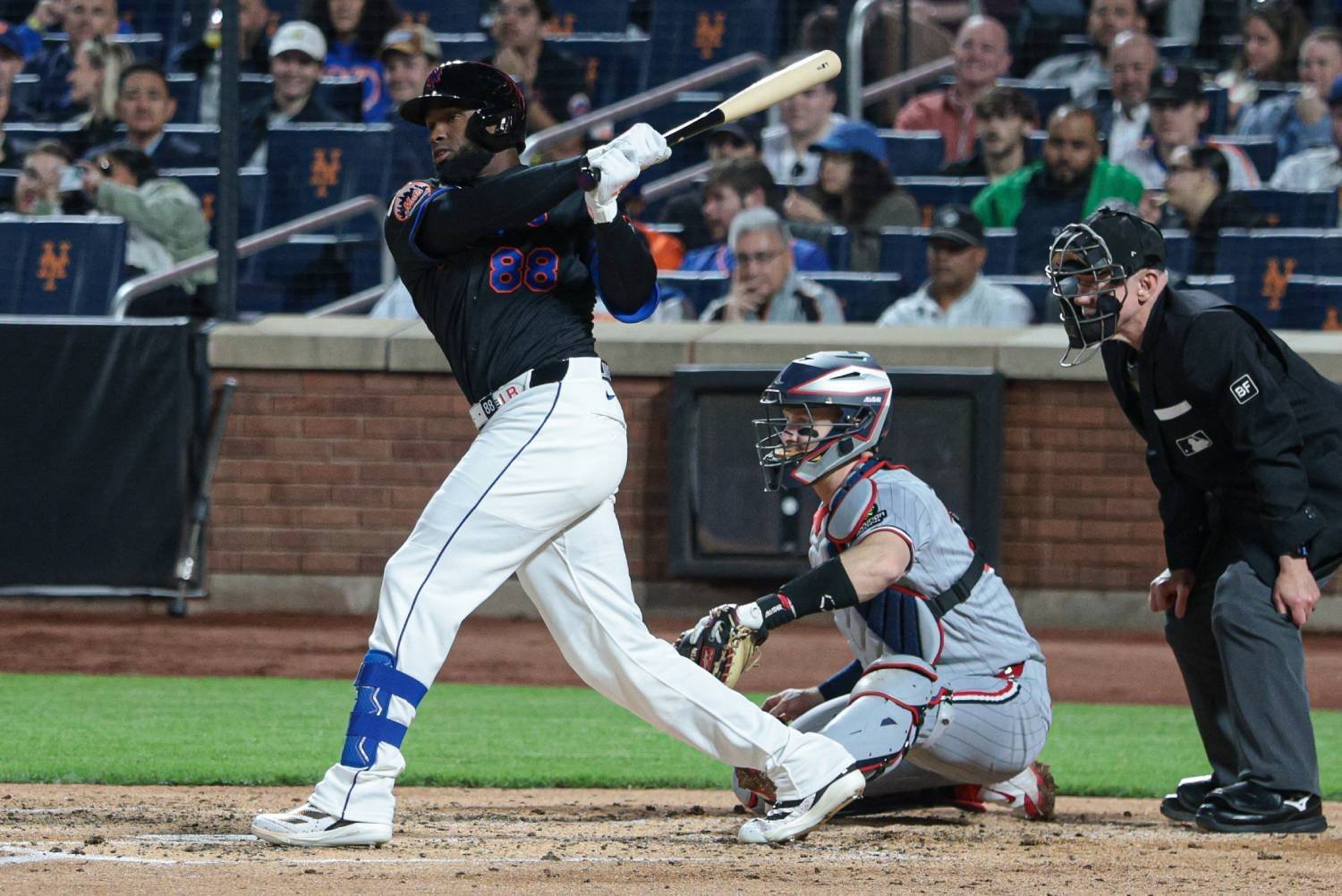 The return of Luis Robert Jr. comes just in time for the New York Mets. No, not because they need him to make a push for the postseason. That is already out the door. But Robert, a center fielder activated off the 60-day injured list Monday following a lumbar spine disc herniation that has kept him out since the end of April, could bring the Mets something in a trade if he shows he is healthy and can perform in the next two weeks. To make room for Robert on the roster, first baseman Eric Wagaman was optioned to Triple-A Syracuse. The Mets had an open spot on their 40-man roster. Also, shortstop Zack Short, who cleared waivers after being designated for assignment, was outrighted to Triple-A. He has the option to choose free agency. Robert, acquired in January from the Chicago White Sox in exchange for infielder Luisangel Acuna and right-hander Truman Pauley, has a .224/.327/.329 slash line with two homers and eight RBIs over 24 games in his first season with the Mets. He has a club option for $20 million that the Mets are surely to decline at this point. Wagaman has shuttled between Syracuse and the Mets, posting a .162/.262/.324 slash line over 21 games in the majors. View the full article
 -
 The Royals have signed LHP Aaron Bummer to a minor league deal. Bummer opted out of his minor league deal with the Cubs on July 17. Bummer pitched in the major leagues with the Braves earlier this year without much success. He pitched 15 1/3 innings, giving up 13 earned runs and striking out 13 with 10 walks. Bummer was released by the Braves and signed with the Cubs in late May. He made six appearances in the minor leagues for the Cubs, pitching six innings, during which he gave up four runs on eight hits. Bummer's best season was in 2019 with the Chicago White Sox, where he was worth 2.7 bWAR over 67 2/3 innings pitched. He pitched with the White Sox through 2023 before being traded to Atlanta, where he was until he was released earlier this year. Over his 10-year career, Bummer has a 3.94 ERA and 3.44 FIP over 406 appearances and 397 innings. Bummer has reported to Triple-A Omaha. View the full article
 -
 What a roller coaster of a season it has been for the Chicago Cubs. Two ten-game winning streaks and a ten-game losing streak within the first two months of the season, a 23-3 win directly followed by a 17-1 loss, and so many more ebbs and flows to go along with it. When you wrap all that up into a ball and analyze it, Chicago is 56-43 entering Monday's three-game series against the Detroit Tigers. Let's dive into where that stands in relation to the National League playoff picture. Prior to any of Monday's action, the Los Angeles Dodgers hold a 0.5-game lead over the Milwaukee Brewers for the best record not only in the National League, but in all of baseball. Los Angeles sits at 63-37, with Milwaukee ever so close behind at 62-37. The Cubs 56-43 record is the fourth best in the National League, just 1.5 games worse than the Atlanta Braves who lead the NL East with a 57-41 record. If the postseason were to begin today, this is what the playoff bracket would look like. 6. St. Louis Cardinals vs. 3. Atlanta Braves 5. Philadelphia Phillies vs. 4. Chicago Cubs St. Louis is one of three teams tied for the third and final NL Wild Card spot (alongside the Miami Marlins and Pittsburgh Pirates); three more clubs are within 2.5 games of that trio, with those being the Arizona Diamondbacks, Washington Nationals and San Diego Padres. So, with all of the current playoff and standing situations laid out, what does Chicago need to do to improve its chances of holding onto one of those spots? The answer to that seems pretty simple on the surface, and it's very clearly to improve the pitching staff. The Cubs have been decimated with injuries to both the starting rotation and bullpen this season but are still 13 games over .500 despite it. Injuries to Cade Horton, Justin Steele, Ben Brown, Matthew Boyd, Daniel Palencia, Hunter Harvey and so many others have caused the Chicago front office to do deep diving to find pitching help throughout the season. Making moves to help the pitching staff are clearly the route the front office needs to take at the trade deadline. When looking around at lineups for the teams Chicago will need to shut down in order to be successful, there are some seriously dangerous left-handed power bats. The likes of Shohei Ohtani, Freddie Freeman, Kyle Schwarber, Bryce Harper, Matt Olson, Drake Baldwin, Alec Burleson are all currently part of teams in playoff position. Adding at least one more left-handed pitcher to either the starting rotation or the bullpen may be the smartest thing to do. Caleb Thielbar as the high-leverage lefty reliever this season hasn't worked out great, so another option for the late innings would be advisable. The front office could also be ultra-aggressive and throw the farm at the Detroit Tigers to try and acquire Tarik Skubal to be the anchor of the rotation for the rest of the season. Whatever the decisions ultimately end up being, pitching is what Chicago will need to stay competitive in a loaded National League playoff picture for the remainder of the season. View the full article
 -
Twins Can Upgrade Rotation and Bullpen With One Trade Deadline Move
DiamondCentric posted an article in Twins Daily
 The Twins have no shortage of needs as the trade deadline approaches, but one priority stands above the rest. If this team is serious about making a playoff push, the bullpen has to be fixed. The numbers leave little room for debate. Minnesota's relievers rank 27th in baseball with a 4.72 ERA and 24th in fWAR. Too often, strong starts have unraveled late because the bullpen simply has not been able to protect leads with any consistency. Every contender needs trustworthy relief pitching in October, and right now, the Twins are far from having that. That reality has naturally led to plenty of discussion about adding another high-leverage reliever or two before the deadline. While that certainly makes sense, there may be an even smarter way to address the bullpen. Instead of strictly trading for relievers, the Twins should consider trading for another starting pitcher. At first glance, it seems counterintuitive. The rotation has clearly outperformed the bullpen this season, ranking 15th in MLB in ERA and 13th in fWAR. Compared to the relief corps, that looks like a strength. Dig a little deeper, however, and there are still legitimate concerns about whether this group can carry the Twins through the final two months. Zebby Matthews remains one of the biggest question marks. His season ERA sits at 5.40, and while he has flashed the ability that made him one of the organization's most intriguing pitching prospects, the inconsistency has been impossible to ignore. Three of his 12 starts have resulted in seven or more earned runs allowed, including Sunday's outing at Wrigley Field when he surrendered eight runs in just three innings. Those kinds of blowups are incredibly difficult for a playoff hopeful to absorb. Connor Prielipp has experienced a similar learning curve. There have been stretches where his upside has been obvious, but there have also been too many outings where command or efficiency has eluded him. His 5.00 ERA reflects that inconsistency. Prielipp is currently on a rehab assignment and should return to the major-league rotation soon, but he is also entering uncharted territory with his workload. After years of injuries limited his innings, asking him to shoulder a significant role throughout the remainder of the season comes with understandable risk. Bailey Ober adds another layer of uncertainty. He recently returned from the injured list and owns a respectable 4.32 ERA, but his profile continues to walk a fine line. Ober succeeds through command and deception, rather than overpowering velocity, and every outing seems to require near-perfect execution. His 88-MPH fastball leaves very little margin for error against playoff-caliber lineups. None of this is to suggest the rotation is a disaster. Joe Ryan has pitched like an ace, Taj Bradley has been an outstanding addition, and the group has generally done enough to keep the Twins competitive. The problem is that Minnesota cannot afford to ignore the uncertainty behind them while also trying to solve the bullpen. The solution may be simpler than many expect. Instead of splitting prospect capital between a starting pitcher and a reliever, the Twins could acquire another established starter who slots behind Ryan and Bradley in the postseason rotation. Whether that pitcher is someone like Freddy Peralta, Kevin Gausman, or another veteran who becomes available, adding a quality starter would immediately strengthen the rotation while creating another benefit that extends beyond those five days between starts. It would free one of the current starters to move into the bullpen. Both Matthews and Prielipp have the type of arsenal that could become even more dangerous in relief. We've already seen this blueprint succeed within the Twins organization. Griffin Jax transformed from an inconsistent starter into one of baseball's best relievers. Louis Varland followed a similar path and has become one of baseball's most valuable bullpen arms (unfortunately with Toronto). Matthews has all the ingredients to be next. As a starter, he already sits comfortably in the mid-90s with his fastball. Working one inning at a time, it's easy to envision that velocity climbing into the upper 90s and regularly touching 98 MPH. Pair that with a slider opponents are hitting just .203 against this season, and suddenly the Twins could have another legitimate late-inning weapon. His changeup would also likely play up against left-handed hitters once it's paired with premium velocity. Prielipp offers a similarly intriguing profile. His fastball already has plenty of life, and shorter outings could allow him to consistently approach triple digits. His slider has been his best pitch, limiting opponents to a .198 batting average. As a reliever, he would immediately give Minnesota a power lefthander capable of attacking the highest-leverage situations, something this bullpen desperately lacks. Rather than viewing a starting pitcher as a luxury, the Twins should see one as an opportunity to improve two areas of the roster at once. A new starter would stabilize the rotation, reduce the pressure on Matthews or Prielipp, and allow one of those electric young arms to shift into a bullpen role where the raw stuff could play at an even higher level. The Twins unquestionably need bullpen help before the deadline. They might find the best way to get it by trading for a starter, instead. What do you think? Should the Twins prioritize another reliever, or would adding a starting pitcher and moving Matthews or Prielipp into the bullpen be the smarter deadline strategy? Leave a comment below and start the conversation! View the full article
 -
Byron Buxton Is Back In Twins' Lineup Following Hip Injury
DiamondCentric posted an article in Twins Daily
 Just in time for a push before the trade deadline, Buck is back. The Minnesota Twins on Monday activated All-Star center fielder Byron Buxton from the 10-day injured list and optioned infielder Tristan Gray to Triple-A St. Paul. Buxton had been out since going on the IL July 7 with a strained right hip, the same ailment that kept him out for four games that week. Now, Buxton rejoins the Twins after being out for nearly two weeks and will be in the lineup Monday as Minnesota opens a big four-game series on the road against the Cleveland Guardians, who are in second place in the AL Central, just three games ahead of the Twins and one game behind the first-place Chicago White Sox. Buxton is slashing .271/.328/.575 with 25 homers, which ranks eighth in MLB, and 45 RBIs. Buxton, who has a lengthy injury history, hit a career-high 35 homers last year. Gray has been a valuable defensive piece on the infield, seeing quite a bit of time at shortstop, but has a slash line of just .232/.271/.333 with four homers and 29 RBIs. This likely opens the door for Ryan Kreidler to see a bulk of the time at shortstop and Brooks Lee backing him up. View the full article
 -
David Festa And Mick Abel Likely Out For Rest Of 2026 Season
DiamondCentric posted an article in Twins Daily
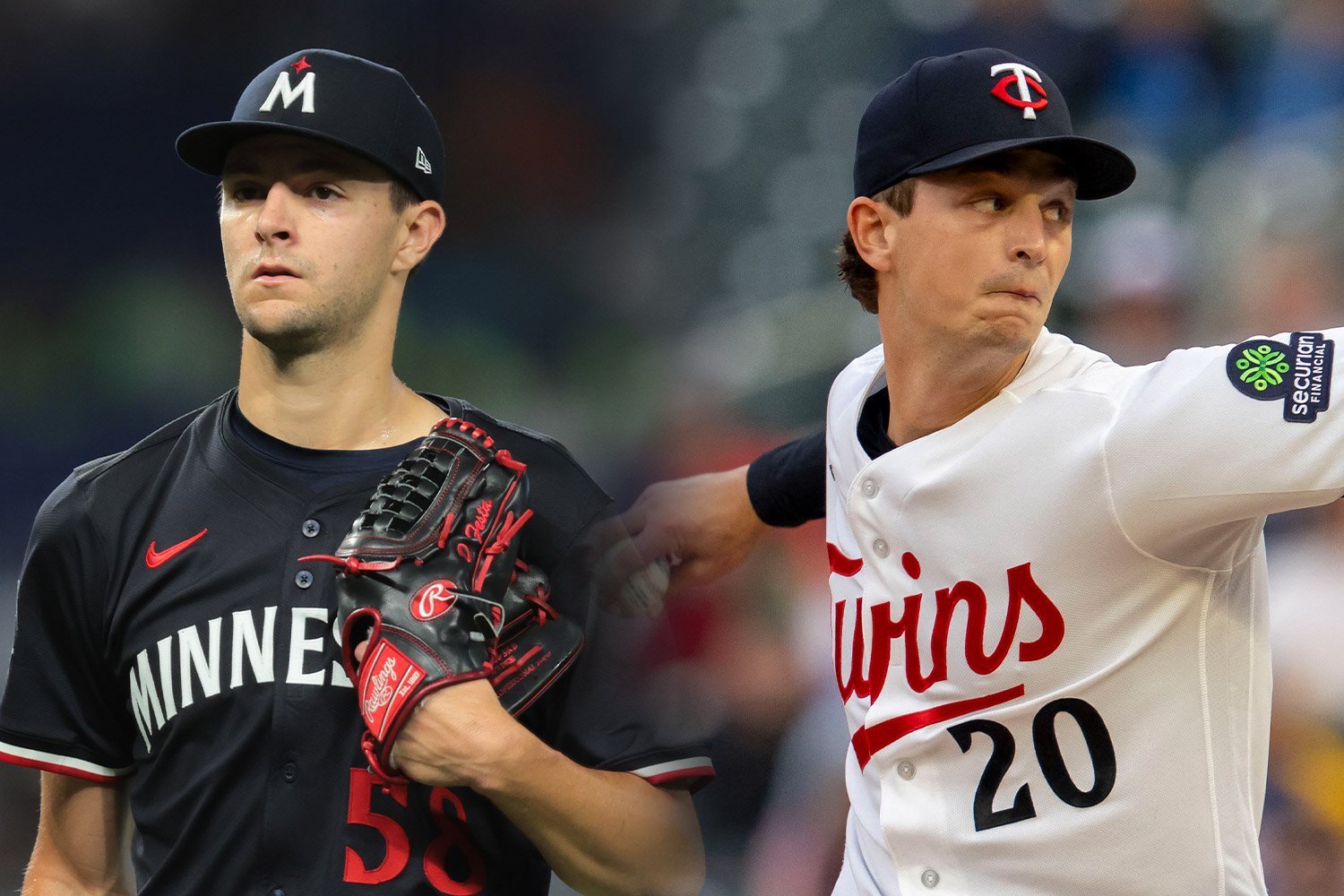 Twins GM Jeremy Zoll reported that Mick Abel and David Festa are both unlikely to pitch this year. Abel had arthroscopic elbow surgery on July 1. He looked good before going on the injured list. In his two starts before going on the injured list, he threw 13 innings, giving up zero runs and recording 16 strikeouts with just three walks. The hope when he went on the injured list was that he would be back later in the summer, but after surgery, it looks unlikely he will pitch again in 2026. Unfortunately for Festa, he has been on the injured list all year after dealing with a shoulder impingement in Spring Training. He was starting to work back, and in unfortunate circumstances, symptoms resurfaced, which put his rehab on pause. Zoll stated that Festa may be dealing with thoracic outlet syndrome, but the team would know more once he visits a specialist. Festa dealt with thoracic outlet syndrome in September of last season, so the hope is that this isn't a recurring issue but something else. With this news, the Twins rotation loses potential depth options, and maybe this leads to the Twins adding a starter if they do decide to buy at the trade deadline in a few weeks. View the full article
 -
Johan Santana: Two Cy Youngs, & The Best Pitcher In Twins History
DiamondCentric posted an article in Twins Daily
 Johan Santana played 12 seasons in the major leagues before shoulder injuries cut his career short. Santana built a legendary career by winning 2 American League Cy Young Awards, the pitching Triple Crown, and throwing the first no-hitter in Mets history. View the full article
 -
The Blue Jays Had Four Days Off To Reset, And THIS Was The Result?
DiamondCentric posted an article in Jays Centre
 The Blue Jays were supposed to use the All-Star break to recharge and reset for a crucial stretch leading up to the trade deadline. Instead, they came out flat. After allowing 12 runs to the White Sox in the series opener, the Blue Jays managed just one run over the final two games and somehow escaped without being swept. In this episode, Owen and Jesse say goodbye to the Blue Jays' playoff hopes and shift the conversation to what is still worth watching over the remainder of the season. Plus, they share their frustration with Vladimir Guerrero Jr.'s disappointing season, highlight encouraging performances from Shane Bieber and Trey Yesavage, and give some love to the brand-new Joe Carter statue outside Rogers Centre. Listen on Apple Podcasts: https://podcasts.apple.com/us/podcast/the-jays-centre-podcast/id1846108462 Listen on Spotify: https://open.spotify.com/show/3Bi7SzfpcqMo5xYWnbCeoL Listen on iHeartRadio: https://www.iheart.com/podcast/263-the-jays-centre-podcast-300304824/ Listen on Pocket Casts: https://pca.st/2qk9wqxd Watch on YouTube: https://www.youtube.com/@jayscentre View the full article
 -
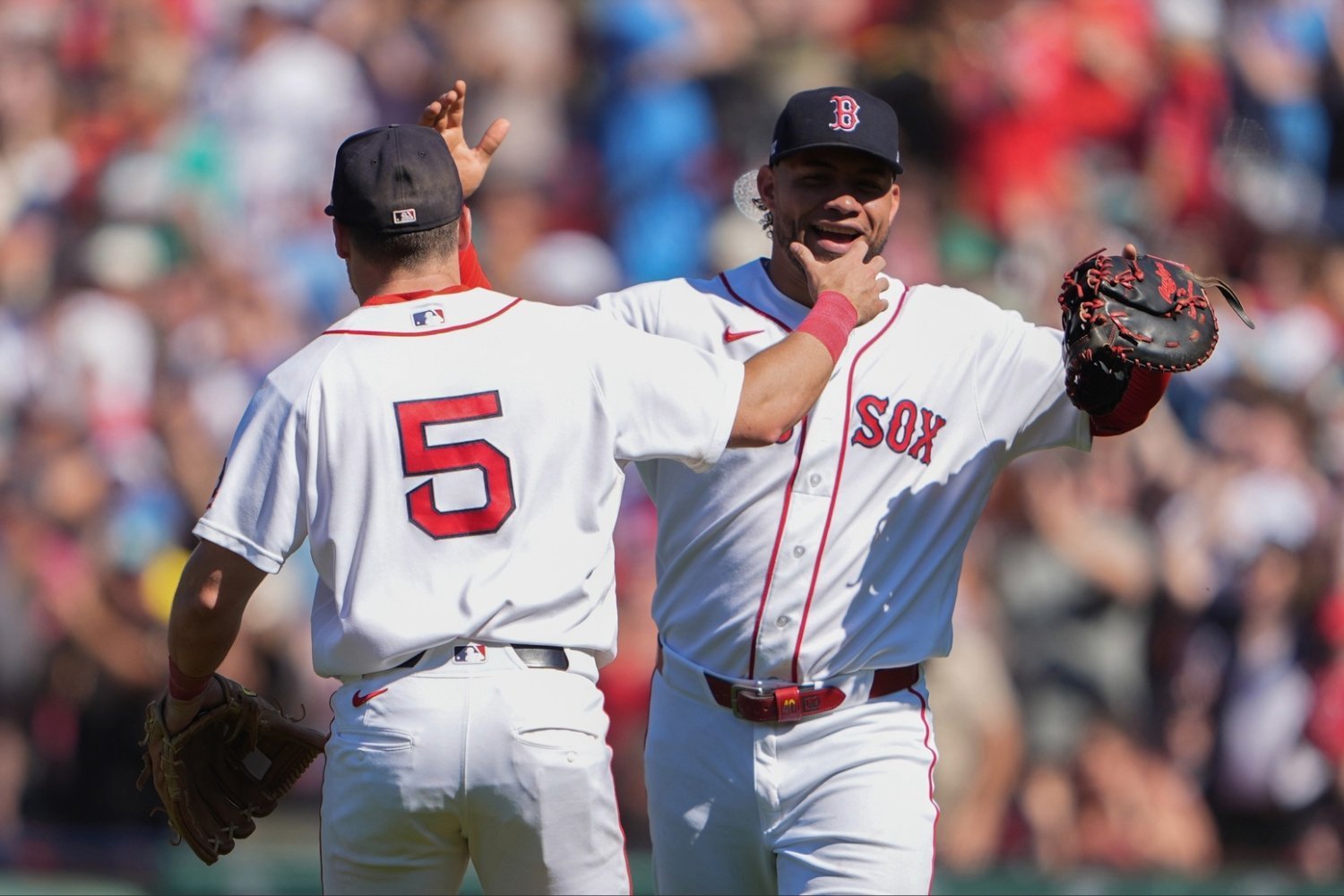 Boston Red Sox Weekly Snapshot Record Last Week: 4-0 Runs Scored Last Week: 28 Runs Surrendered Last Week: 10 Standings 3rd in AL East 6.0 GB First Place 3rd in AL Wild Card Transactions 07/13/26: Boston Red Sox signed free agent RHP Tommy Kahnle to a minor league contract. 07/14/26: Detroit Tigers traded OF Jahmai Jones to Boston Red Sox for Player To Be Named Later. 07/14/26: Boston Red Sox optioned OF Nate Eaton to Worcester Red Sox. 07/14/26: OF Jahmai Jones roster status changed by Boston Red Sox. 07/17/26: Boston Red Sox recalled LHP Alec Gamboa from Worcester Red Sox. 07/17/26: Boston Red Sox signed SS Jace Mataczynski. 07/17/26: Boston Red Sox signed LHP Brett Lanman. 07/17/26: Boston Red Sox signed RHP Lucas Davenport. 07/17/26: Boston Red Sox signed LHP Josh Volmerding. 07/17/26: Boston Red Sox signed OF Owen Hull. 07/17/26: Boston Red Sox signed LHP Kide Adetuyi. 07/17/26: Boston Red Sox signed RHP Mason Lei. 07/17/26: Boston Red Sox signed RHP Kaleb LaFavor. 07/17/26: Boston Red Sox activated 1B Willson Contreras. 07/17/26: Boston Red Sox signed RHP Luis Calderon. 07/17/26: Boston Red Sox activated OF Jahmai Jones. 07/17/26: Boston Red Sox signed SS Jake Schaffner. 07/17/26: Boston Red Sox signed SS Wills Maginnis. 07/17/26: Boston Red Sox signed free agent LHP Carson Revay to a minor league contract. 07/17/26: Boston Red Sox signed OF Martin Shelar. 07/17/26: Boston Red Sox activated OF Jahmai Jones. 07/17/26: Boston Red Sox signed SS Colton Coates. 07/17/26: Boston Red Sox signed RHP Alex Kranzler. 07/17/26: Boston Red Sox signed RHP Jase Evangelista. 07/17/26: Boston Red Sox signed SS Jacob Webster. 07/18/26: Boston Red Sox optioned LHP Alec Gamboa to Worcester Red Sox. 07/18/26: Boston Red Sox released LHP Danny Coulombe. Scores Game 95: BOS 10, TB 0 Game 96: BOS 5, TB 3 Game 97: BOS 7, TB 6 Game 98: BOS 6, TB 1 Series Breakdown/Highlights Rays Series: Talk about the perfect way to come out of the All Star Break. For the past handful of years, the Red Sox have ridden a wave of momentum into the Midsummer Classic only to come limping out of the gate in the second half. The 2026 Red Sox though? The team that many, including this writer, counted out as the calendar flipped from June to July? That’s not how they roll. The Red Sox decided that July was their month and it continued into this series. In game one of the Friday double header, a make up of a rainout from May 9, the team was without All-Star Willson Contreras for the final game of his suspension, but the offense wasn’t lacking in any way. The offensive outbreak was spurred by home runs from both Masataka Yoshida and Carlos Narvaez. Narvaez contributed three RBIs overall, tied for the team lead with Jarren Duran. Along with Yoshida, Ceddanne Rafaela, Caleb Durbin, and Tsung-Che Cheng all contributed one RBI each. On the defensive side of the ball, Jake Bennett was again fantastic on the bump tossing six innings of shutout baseball, only allowing one hit and striking out three. Alex Gamboa was called up to be the extra man for the double header, and he contributed three innings of two-hit baseball while striking out one. Game two was kicked off by a towering two-run home run from Wilyer Abreu, followed by a moonshot from Contreras. Abreu then added a second home run in the third inning, just for good measure. Anthony Seigler added the other RBI to the box score. On the pitching side, this was a bullpen game to end all bullpen games. The Sox used seven different pitchers en route to the win. Eduardo Rivera started the game, going 2.1 innings while allowing three runs and striking out three. Those were the only runs the Rays would score though as Greg Weissert, Jovani Moran, Tyron Guerrero, Garrett Whitlock, Justin Slaten, and Aroldis Chapman all worked clean frames from the third inning on. Game three was arguably the game of the season so far. Patrick Sandoval wasn’t sharp, but he did his job through five innings. He struck out five while allowing four earned runs. Ryan Watson tossed two innings, giving up one earned run, while Whitlock and Chapman held the back end of the game together with an iron fist. Offensively, we’re likely looking at Abreu’s breakout series. To go along with the two home runs he hit in game two, he clobbered two more in game three, including the one that put the team in front for good. Yoshida, Rafaela, and newcomer Jahmai Jones all contributed RBIs to the win. If you want to hear one of the most electric calls of the season, and watch the reaction from the dugout and bullpen after Abreu connects, I’ve put it here. Dave O’Brien catches a lot of flack from fans, but he has been on fire with his calls during this stretch. Game four saw the ball handed to the ace of the staff, Sonny Gray, and he started off a bit shaky but he pitched his way out of traffic in the first three innings and only allowed one earned run on the day. He notched five strikeouts and, thanks to the offense coming alive in the third and fifth innings, notched his 11th win of the season. Weissert, Moran, and Watson all worked great out of the bullpen on the day, making sure the Sox could waltz to their 13th win in a row and another sweep of an AL East foe. Offensively, Contreras launched another homer and drove in two runs while Caleb Durbin, Romy Gonzalez, and Andruw Monasterio all contributed one RBI as well. This series was exactly what the Red Sox needed to do coming out of the All-Star Break. They put the AL East-leading Rays on the ropes in the first game and didn’t let up until the final out on Sunday night. It has truly been a magical run lately. Website Highlights Red Sox’s Elite Rotation Faces Existential Innings Crisis in the Second Half by Nick John Red Sox’s Furious First-Half Finish Demands Cautious Optimism from the Front Office by Ryan Painter Is Willson Contreras Primed for a Second-Half Power Outage? What History Has to Say About Fabled “Home Run Derby Curse” by Ryan Salvaggio Looking Ahead 07/20/26: Orioles (Shane Baz) @ Red Sox (Payton Tolle): 7:10 PM EDT 07/21/26: Orioles (Kyle Bradish) @ Red Sox (TBD): 7:10 PM EDT 07/22/26: Orioles (Dean Kremer) @ Red Sox (Jake Bennett): 7:10 PM EDT 07/23/26: Off Day 07/24/26: Blue Jays @ Red Sox: 7:15 PM EDT 07/25/26: Blue Jays @ Red Sox: 4:10 PM EDT 07/26/26: Blue Jays @ Red Sox: 1:35 PM EDT View the full article
