


DiamondCentric
-
Posts
2,631 -
Joined
-
Last visited
Never
Content Type
Profiles
Forums
Events
News
Tutorials & Help
Major League Baseball Videos
Guides & Resources
Store
Downloads
Gallery
Everything posted by DiamondCentric
-

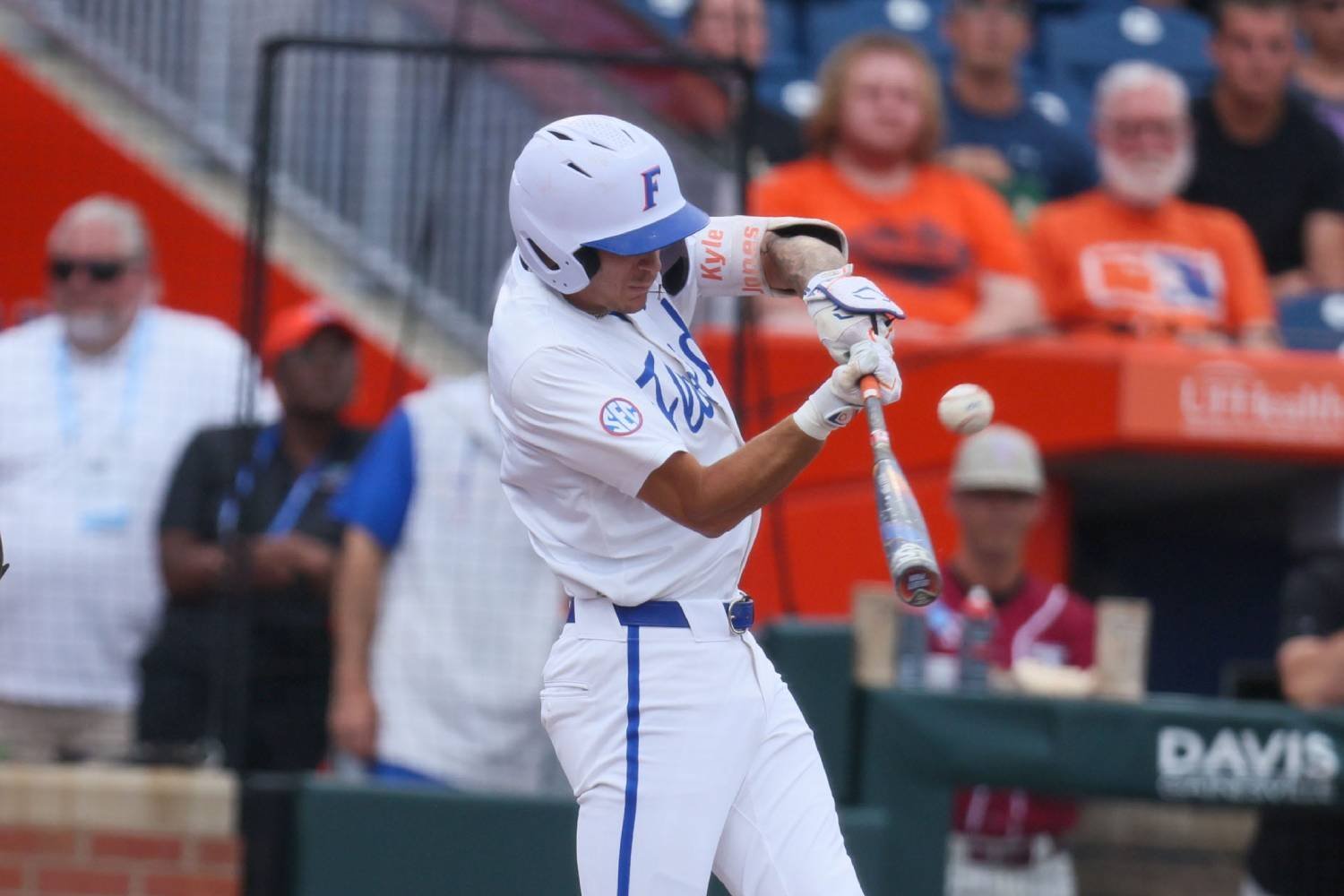 With a short window in which to sign their draft picks, the Milwaukee Brewers have four more secured. A day after signing first-round selection Trey Ebel to an underslot bonus, third-round pick Kyle Jones and three other of their top 10 choices have their deals done, according to Baseball America. Ebel signed for $2.8 million, with the assigned slot value for the 21st overall pick at $3,696,000. Kyle Jones, a speedy center fielder who hit leadoff for Florida this spring, received a signing bonus of $675,000, slightly under the slot value of $770,600. The 6-foot-3, 190-pound Jones slashed .317/.418/.478 with 27 stolen bases for the Gators. The Brewers also came to terms with their eighth-, ninth- and 10-round selections, all for underslot. Corona Del Sol (Ariz.) High School first baseman Kellan Tom, picked in the eighth round, received a $175,000 bonus, coming in under the $220,400 value. Ninth-rounder Chase Mora, a right-hander out of Texas State, and 10th-rounder Andrew Gaines, a right-hander from St. Joseph's, each got bonuses of $50,000. The slot values for those two picks were $202,500 and $191,900. Combined with sixth-rounder Ryan Oshinskie, a right-hander from Brown who inked for $222,500 on Friday, the Brewers have signed six of the 20 draft picks, all in the first 10 rounds. The reported bonuses for those six checks in at $3,882,500, which is a savings of $1,532,100. The Brewers' bonus pool is $8,042,900, leaving them plenty of flexibility with their remaining draft selections. Picks in the 11th to 20 rounds can receive up to $150,000 without counting against the bonus pool. Draft picks have until July 27 to sign. View the full article
 -
Brandon Woodruff to Undergo Second Shoulder Capsule Surgery
DiamondCentric posted an article in Brewer Fanatic
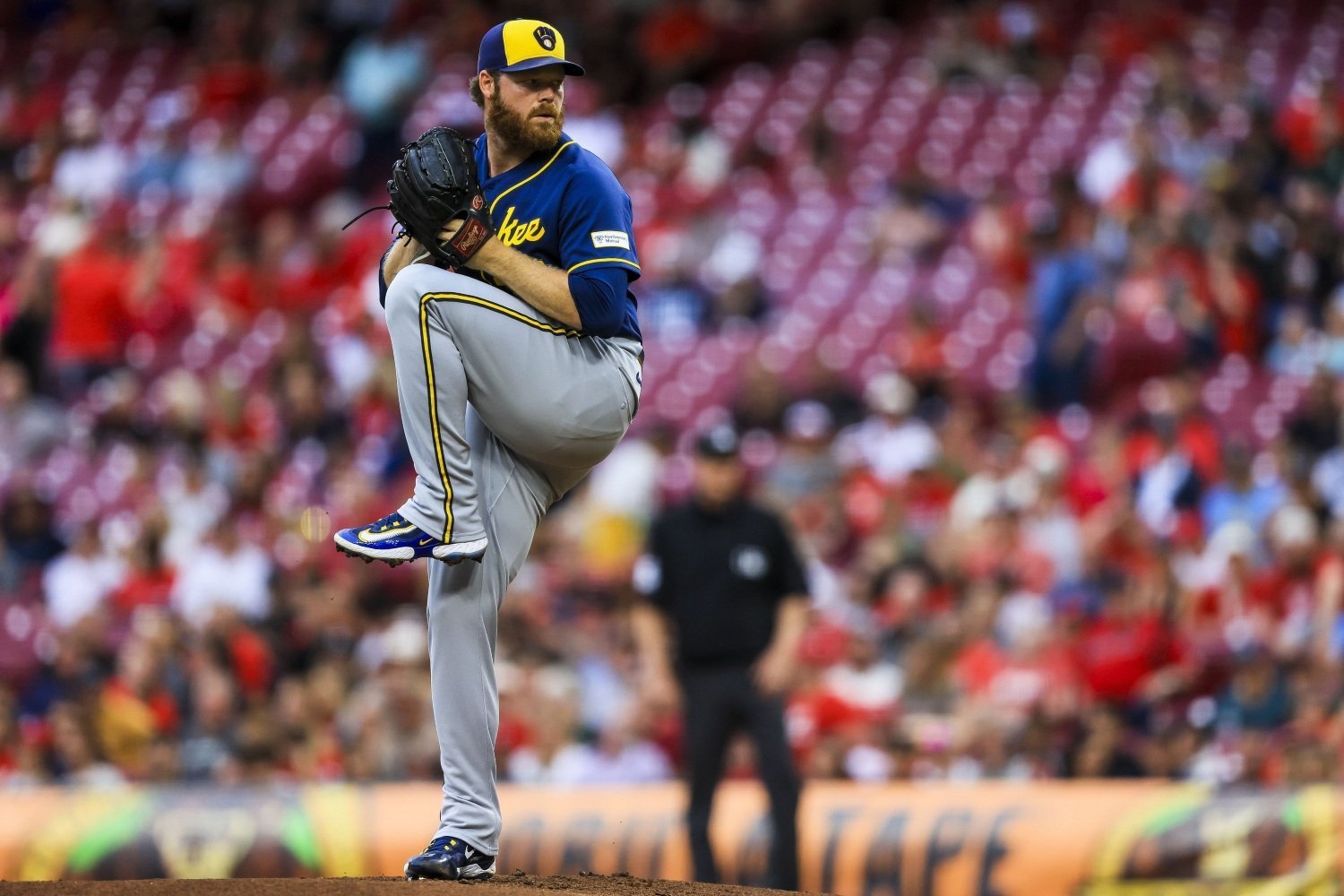 Brandon Woodruff planned to address the media on Sunday afternoon about his future, but after speculation about that pending announcement spread quickly on Friday afternoon, he moved his press conference up a day to clear the air. “I’m not having a funeral or anything,” Woodruff said. Woodruff made clear that he is not retiring, which was how some interpreted Pat Murphy’s announcement on Friday that “the outlook isn’t good” regarding the right-hander’s latest shoulder injury. As forecasted, though, it was bad news: Woodruff will undergo another surgery to repair his right shoulder capsule, the same procedure he had after the 2023 season. “There's a couple other things that are going on that's not the real issue,” Woodruff said. “The real issue is the capsule. I'll have to get it fixed, and then go from there.” He hasn’t looked ahead at timelines, but for now, Woodruff plans to fully rehab and prepare to pitch again. “The good news is I know exactly what this rehab entails,” he said. “I'm never closing the door on pitching. Like, I'm getting this with the intention of rehabbing and taking care of that and being able to pitch again. But as far as like when that is, I haven't even looked at the dates.” The last time around, that rehab was a 20-month process between regular-season outings, although that included two delays for separate injuries (at least technically) unrelated to his shoulder. When he finally made it back, he pitched to a 3.20 ERA and 3.17 FIP in 12 starts and still struck out 32.3% of opposing hitters, despite predictably diminished fastball velocity. It was a similar story this year, as Woodruff posted a 2.98 ERA and 3.19 FIP. “Going forward, it's like, I know I can go pitch,” Woodruff said. “Yeah, I would love to have 95-plus, but I've always prided myself on being a pitcher. It's almost, your brain works in a way where it's more fun getting guys out like I've had to get them out the last couple years. So in terms of going forward for me, it doesn’t take the fact away that you can still go and pitch at those velocities.” “Him coming back that first time in Miami last year … just watching that happen, we’re just looking at each other like, ‘He's rolling,’” Murphy said. “And then he bumps a 95 or a 96 in there, and we’re like, ‘This guy’s doing it.’ And then the continuation of the way he went out there, he was in command.” Throughout that time, though, Woodruff faced repeated problems in or near his surgically repaired shoulder. His 2025 season was cut short by a lat injury. He and the Brewers said his shoulder was structurally intact, and the club extended a qualifying offer for the 2025 season, which Woodruff accepted. In his sixth start of the year, his four-seam fastball velocity dipped to 85.4 mph, and he ultimately missed seven weeks after having fluid drained from a cyst in his shoulder. The Brewers would not confirm it, but as he worked his way back, there were signs that Woodruff was making tweaks to his mechanics and pitch usage to prepare for another velocity dip. However, he looked like his usual post-surgery self in his return outing in Cincinnati, and he was solid again in his next outing against the Chicago Cubs. Woodruff said that he had no reason to believe another major injury was about to occur in his next start in Arizona. “Truthfully, leading up before Arizona, I'd had a good week leading in between,” he said. “I had nothing that indicated that what was going to happen on July the 4th in Arizona was going to happen. And honestly, I was in a good spot. I was throwing the ball well and felt fine.” It was a similar story to last time, coincidentally another start against the Diamondbacks. Woodruff’s velocity dipped into the mid-80s, and he departed in the fourth inning with Murphy, pitching coach Chris Hook, and athletic trainers. There was a more somber tone to this exit, an unspoken acknowledgment that it was more than a minor setback. “If you watched my reaction out there, I kind of knew it was bad,” Murphy said. “And then when I heard the news, really what the MRI revealed at first, it was like, none of this can be good.” That MRI showed a new injury to Woodruff’s anterior capsule. Another surgery will sideline him for 2027 and position him to return in 2028–if he successfully makes it back. Given their unclear outlook for recovery, already making it back from one surgery of this kind was a remarkable feat. Recovering from a second one to pitch again would be unprecedented. The last notable comparison was Johan Santana, whose career ended after he tore his capsule a second time. For now, Woodruff will try to beat the odds by taking things one day at a time. “The kid’s been coming back from adversity his whole career,” Murphy said. “I didn't know what I was getting into three years ago when I had surgery,” Woodruff said. “Thankfully, I've got that perspective now, which I think will benefit me, for sure. It's not going to be easy. I know it's going to be tough, and so I know what's ahead of me.” View the full article
 -
 Blue Jays Affiliate Overview (July 14-17) Triple-A Buffalo Bisons Series vs Syracuse Mets (New York Mets): 1-0 Season Record: 45-49 Double-A New Hampshire Fisher Cats Series vs Harrisburg Senators (Washington Nationals): 1-0 Season Record: 45-41 High-A Vancouver Canadians Series vs Tri-City Dust Devils (Los Angeles Angels): 1-0 Season Record: 38-50 Single-A Dunedin Blue Jays Series vs Clearwater Threshers (Philadelphia Phillies): 0-1 Season Record: 41-46 FCL Blue Jays Week Record: 3-0 Season Record: 37-17 DSL Blue Jays Blue Week Record: 1-2 Season Record: 14-20 DSL Blue Jays Red Week Record: 2-1 Season Record: 17-16 Triple-A Buffalo Bisons Season Record: 45-49 Series vs Syracuse Mets (New York Mets) July 17: Bisons baseball is back, and they got back in a groove right away. They opened up a series against the Syracuse Mets on Friday and played a tight game all the way until the end. Buffalo got on the board first in the second inning. Eloy Jiménez singled to right field, moving Willie MacIver to third base, but he scored on the play when the Syracuse right fielder threw the ball away trying to throw him out. Ismael Munguia then sent a ball over the right field wall for a two-run home run. In the bottom of the third inning, Ronny Mauricio got a hold of a Grant Rogers splitter for a two-run home run. Buffalo extended their lead in the fourth, with RBI singles from Jay Harry and Yohendrick Piñango. Rogers then gave up another home run to the Mets in the sixth. Things stood pat at 5-4 until MJ Melendez homered for the Mets to tie the game up in the eighth. Davis Schneider would come up big though, smoking a two-run blast to left field in the top of the ninth and giving Buffalo the win, 7-5. Schneider now has hits in 11 of his 13 games since being sent down to Buffalo, including three multi-hit games. Double-A New Hampshire Season Record: 45-41 Series vs Harrisburg Senators (Washington Nationals) July 17: Gage Stanifer was on the mound for New Hampshire in their first game after the break on Friday night. They were taking on the Harrisburg Senators. Stanifer was good on the night, minus one or two batters where the command wasn't there. He went 4.1 innings, only allowed three hits, gave up just one run in the fifth inning, walked three, and struck out six. He generated 15 whiffs on the night over 84 pitches. New Hampshire grabbed the early lead in this one in the first inning. Hedbert Perez and Dub Gleed each had RBI singles, then in the seventh and eighth innings, Jorge Burgos drove in three runs. That was enough, as New Hampshire went on to win this one 5-2 in a sloppy game that saw seven errors combined between the teams. High-A Vancouver Season Record: 38-50 Series vs Tri-City Dust Devils (Los Angeles Angels) July 17: Holden Wilkerson had the best start of his professional career, going 5.2 no-hit innings against the Dust Devils, with the only base runner being a walk in the fifth inning. He struck out seven batters for his second straight great start in a row. The Dust Devils starter Jose Atencio also pitched well, with a quality start, but gave up a couple of runs. Peyton Williams started the scoring in the second with a homer to right-center. Edward Duran added an extra run with a sac fly in the fourth inning to make it two to nothing. Ryan Sprock made his Blue Jays organization debut with a hit and two walks, starting at third in this game as well. Unfortunately for Wilkerson, he was taken out in the sixth, but Carson Myers kept it scoreless over two innings, despite losing the no-hitter immediately after replacing Wilkerson. The Canadians got some insurance runs in the ninth, with Alex Stone and Jake Casey both driving in runs with singles to make it five to nothing. Jonathan Todd got the save despite giving up a run in the ninth and losing the shutout, but it was an impressive game for the Canadians after the All-Star break. Single-A Dunedin Season Record: 41-46 Series vs Clearwater Threshers (Philadelphia Phillies) July 17: The runs just kept on coming as the Threshers and the Blue Jays were just throwing haymakers back and forth against each other. The pitching was poor all around, as every pitcher who came into the game gave up at least one run. The Threshers had a better outing from their starter, as Zuher Yousuf went five innings, giving up three runs, whereas Giacomo Taschin was unable to get out the second inning, giving up four runs. It wasn’t much better as Bradley Wilson replaced him, giving up two runs over three innings, and the Jays were down 6-3 early on. The sixth inning was where it got interesting, as after Juan Sanchez was hit by a pitch to load the bases, an error from shortstop Juan Villavicencio allowed all three base runners to score, tying it up, before Enmanuel Bonilla took the lead with a sac fly. Villavicencio made up for the error, tying it up on a homer against Josbel Garcia. In the eighth JoJo Parker hit a sac fly to take the lead, but a throwing error once again tied it up from pitcher Lluveres Severino, who replaced Garcia. It looked like the Jays clinched the game in the eighth inning, with Will Cresswell and Jake Cook coming up with clutch RBI singles to make it a two-run game, but Severino gave those right back up, which sent the game to extras. The Treshers were able to finally pull away, as they dropped a six-spot on Diego Dominguez in the 10th, and the Jays were unable to answer with just one run scored on an error in the bottom of that inning, in a crazy loss. FCL Blue Jays Season Record: 31-17 July 14: The Tuesday game between the FCL Blue Jays and the FCL Yankees was a wild one, at least for the pitchers. The Yankees walked nine times and the Blue Jays walked 11, for 20 combined walks between the teams. There were also 16 hits and 21 runs. One pitcher that didn't seem to have an issue was Seojun Moon. He pitched four innings and gave up four hits and three walks, but was able to limit the damage with five strikeouts, while only allowing two runs. The Yankees got home runs from George Lombard Jr. and Wilberson De Pena, but it wasn't enough. The Blue Jays scored early and often in this one. Max Viera hit a three-run home run in the second inning, and in the sixth, the Blue Jays scored five. Angel Guzman singled in a run, followed by Pascual Archila bringing in two. Later, Viera would triple in a run and double in a run, as he fell a single short of the cycle. The Blue Jays would win big on the day, winning 13-8. July 16: Postponed July 17, Game 1: The first game Friday was the continuation of a suspended game from July 10 between the FCL Blue Jays and the FCL Phillies. In the game before the suspension, Angel Rivero went four innings, allowing five hits, and didn't give up a run. When the game picked up on Friday, Daniel Guerra was pitching on a rehab appearance. He allowed a run in his first inning on a walk and a single, then a double steal scored the run. In the second, he struck out all three batters, and then finished his day getting the first two hitters of his third inning. He went 2.2 IP, gave up one hit, one run, one walk, and struck out four. Andres Arias had driven in three runs with a double before the suspension, and Renyel Campos tripled in a run. After the game resumed on Friday, both teams combined for just three hits and the lone run. The Blue Jays won this one 4-1. July 17 Game 2: The second game on Friday between the FCL Blue Jays and the FCL Phillies was much more exciting. Angel Rivero pitched and didn't allow a hit, walked one, hit two batters, and struck out five. Connor O'Halloran came on for a rehab appearance and only allowed a single hit, while also striking out five. Offensively, Pascual Archila reached base four times without a hit, three walks and a hit-by-pitch. Alexis Hernandez, who was rehabbing, had a two-run single and was followed by Andres Arias hitting a three-run double. An RBI single and a bases-loaded walk would put the Blue Jays up 7-0. They would add two more runs, and the Blue Jays would win the second game, 9-2. DSL Blue Jays Blue Season Record: 13-16 July 14: While the rest of baseball was off on Tuesday, baseball was still being played down on the island. BJB faced off against the Giants Black team in a rare nine-inning game. BJB pitching was terrible, and it started with Tomoya Kinjo and his bad command getting him into trouble. He walked three, gave up five hits, four runs, and only pitched 1.2 innings. It was a theme that would continue for the other pitchers BJB sent to the mound out of the pen. In total, BJB pitchers walked 14, gave up nine hits, and it all led to 11 runs. It was the complete opposite for BJB hitters. They only managed to get three base knocks, but did walk nine times. They just couldn't get runs across home plate, just three for the game. A wild pitch scored Sebastian Casanova in the first, Cristopher Polanco singled home Juarlin Soto in the fourth, and Fabian Gonzalez scored on Juan Caricote's groundout in the sixth. BJB lost big 11-3. July 16: It was another light-hitting day down on the island for BJB; they only managed to get two hits in the game and just two runs. The first run came in the bottom of the sixth, Sebastian Casanova tripled and then scored on a throwing error by the second baseman. With the game tied at one in the bottom of the seventh, Randy Soto and Isay Veras walked to open the inning. Eiker Lothar came to the plate and then singled to left field, bringing home the walk-off winning run. BJB won 2-1 in a game that featured just five combined hits. July 17: BJB continued a recent streak of light hitting games, only getting five hits on Friday. Sebastian Casanova led the way for BJB on the hitting side. He collected two of the five hits on the way to a 2-for-3 day. Michael Mesa had an RBI double in the top of the third inning, scoring Cristopher Polanco (who walked) and Casanova (who singled). Down 5-2, BJB made an attempt at a comeback in the top of the seventh inning. Juarlin Soto singled, Luis Felipe walked, then Casanova singled in Soto to cut the deficit to two. Unfortunately for BJB, Juan Caricote struck out and Mesa grounded out to end the game. BJB lost 5-3. DSL Blue Jays Red Season Record: 15-13 July 14: It was a crazy game for BJR on Tuesday. The offense went wild, to say the least: 15 hits, 10 walks, and 14 runs. Darwin Núñez, Samuel Orellana, Ayberson Ortega, and Frelian Flores each had two hits. Alex Linares would top them, though. He ended the game with three hits. Some of the scoring highlights were Gabriel Porras' RBI triple to center in the fifth, Linares’ RBI single to center in the sixth, and Aneudi Severino's RBI double also to center in the seventh. Down 9-7 in the bottom of the ninth, Linares had his biggest hit of the game, a two-RBI double to left field that tied the game up. After exchanging runs in the 10th, Elian Reyes came up to the plate in the bottom of the eleventh with the bases loaded and the game all square at 10. With one swing, he ended the ball game in grand style: He smacked a walk-off grand slam to right, his only hit on the day. BJR won 14-10 in 11 innings. July 16: BJR was involved in another walk-off win on Thursday, but it would unfortunately not be them with the final at-bat. Aneudi Severino started the scoring in the top of the third inning, blasting his fifth home run of the season, a three-run shot to left. He has rather quickly become a must-watch name in the DSL; he has shown the power, but his batting average needs more work for sure, sitting below .225. After BJR scored a run on a wild pitch in the fifth, Darwin Núñez launched his second home run of the season in the sixth, a solo shot to left. Severino added an RBI single in the seventh to put BJR up 6-2. Their bullpen would waste it away from there, though. The Mariners DSL team scored three in the bottom of the seventh and then, down one run in the bottom of the ninth, walked it off with a two-RBI double. BJR lost another fun one, 7-6. July 17: BJR had more walks than hits on Friday, but it was enough to take home the win. They ended the day with 10 walks to five hits and, in the end, didn't score on any of the base knocks. They scored three runs on bases-loaded walks, a run on a wild pitch, and a run on a groundout. Alex Linares led the scoring charge; he didn't have a hit in the game, but walked three times and scored two of BJR's runs. Aneudi Severino tallied two more hits on the season, while the pitching was excellent in this game. Abrahan Diaz threw three scoreless innings and struck out five batters. Carlos Olivo came on in relief of Diaz and upped him. He also threw three scoreless innings but struck out six and walked just one. BJR won the game 5-0. View the full article
 -
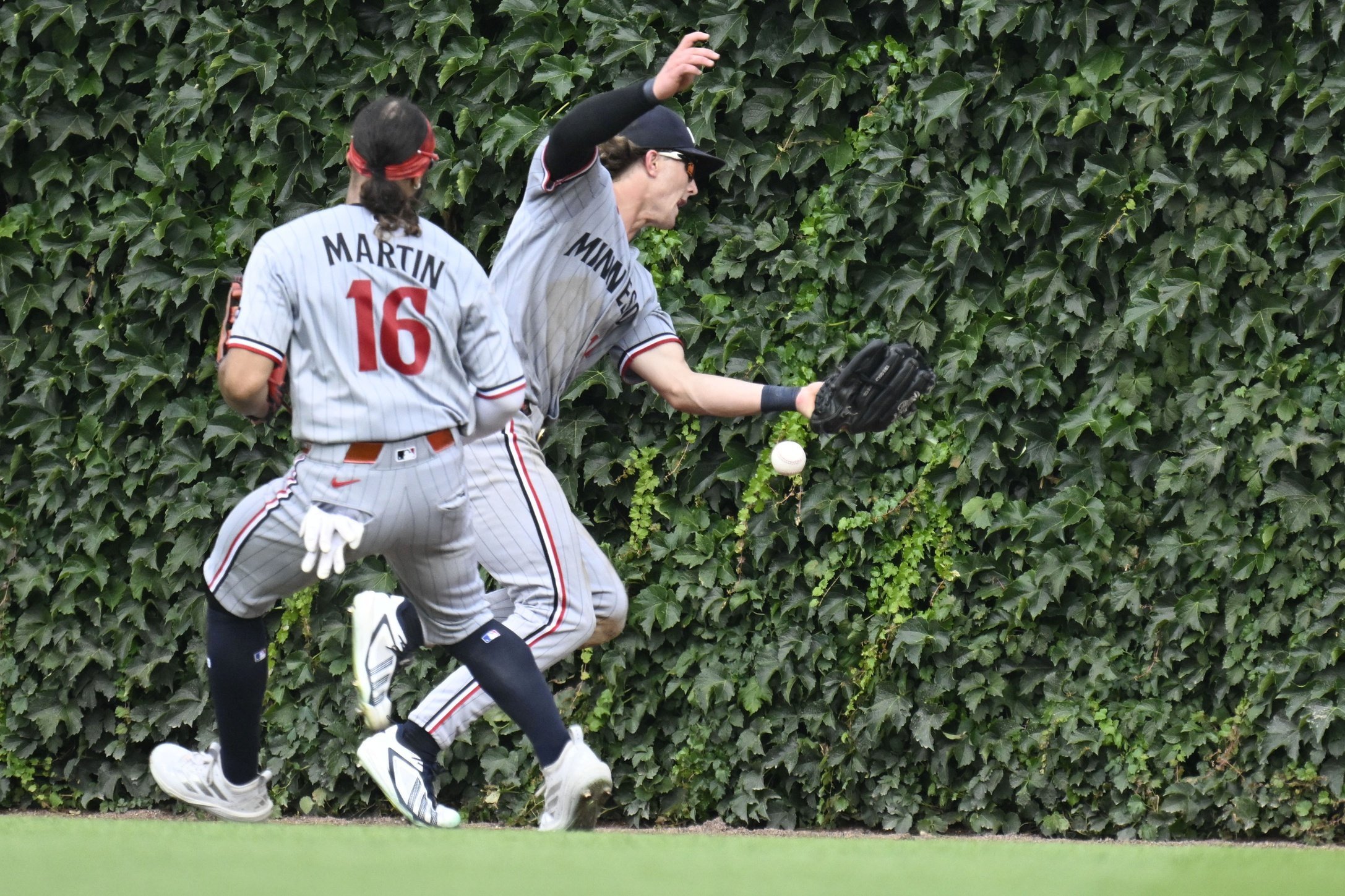 Box Score SP: Taj Bradley - 5 IP, 3 H, 5 ER, 3 BB, 6 K (94 pitches, 59 strikes (72% strikes) Home Runs: Kody Clemens 2 (17, 18) Bottom 3 WPA: Taj Bradley (-0.31); Brooks Lee (-0.10); Austin Martin (-0.08) Win Probability Chart (via FanGraphs): The Twins headed into game two of their post-game schedule with Taj Bradley on the bump to hopefully continue a positive trend. The Twins would go without Royce Lewis who sat out today with a tight hamstring. The team didn't express a ton of concern on Lewis and he's considered day to day, The Cubs got on the board first with a scripted solo home run to Michael Busch on a fly ball off Bradley, putting them up 1-0. Need a clutch swing? Kody Clemens answered with his 17th bomb of the season, off the lefty Boyd no less, and tied it up like it was just another day at the office, leveling the score 1-1. Clemens has spent much of the season in the No. 3 spot, where his power and contribution is the largest impact. His ability to contribute home runs and drive in runs has helped strengthen the middle of the lineup, giving opposing pitchers another dangerous left-handed bat to navigate. In the second, third and fourth innings, Bradley’s command was patchy against the Cubs. Bradley would get to the second out and then labor. A two-out, two-run double in the second followed by back-to-back RBI singles with two outs in the third put the Twins in a 5-1 hole. Bradley was able to get through the fourth and fifth without much incident but by then the damage was done. While Bradley ran into trouble, Cubs starter Matt Boyd mostly cruised, holding the Twins to three hits and a walk through six innings. Minnesota's lineup could get nothing going outside of Clemens' lefty-on-lefty homer. Clemens added another homer, also against a lefty (old friend Caleb Thielbar) in the sixth, but that would be it for offensive output from the Twins. Mike Paredes and Kendry Rojas held things down in relief following Bradley's exit, combining to allow one run in three innings. This set up a potential comeback effort in the ninth, but the Twins botched their opportunity with some brutal base-running. Josh Bell led off with an infield single against Jordan Webb. Victor Caratini singled to put two on with nobody out. Brooks Lee then doubled into the gap, but an inexplicably horrible base-running decision from Bell led to two subsequent pickles, with Bell and Lee both getting tagged out on the bases. A possible bases-loaded, no-outs situation turned into one on, two outs, and that was that. The Twins are now back to one game back under .500 after spending a glorious 12 hours there. What’s Next? The Twins finish the series against the Cubs Sunday at 1:20 pm CST. The Twins will send Zebby Mathews to the mound (4-6, 4.57 ERA) facing Shota Imanaga (LHP)(5-8, 4.17 ERA). Postgame Interviews Bullpen Availability Chart View the full article
 -
Cubs Trade For Beleagured Starter Aaron Civale
DiamondCentric posted an article in North Side Baseball
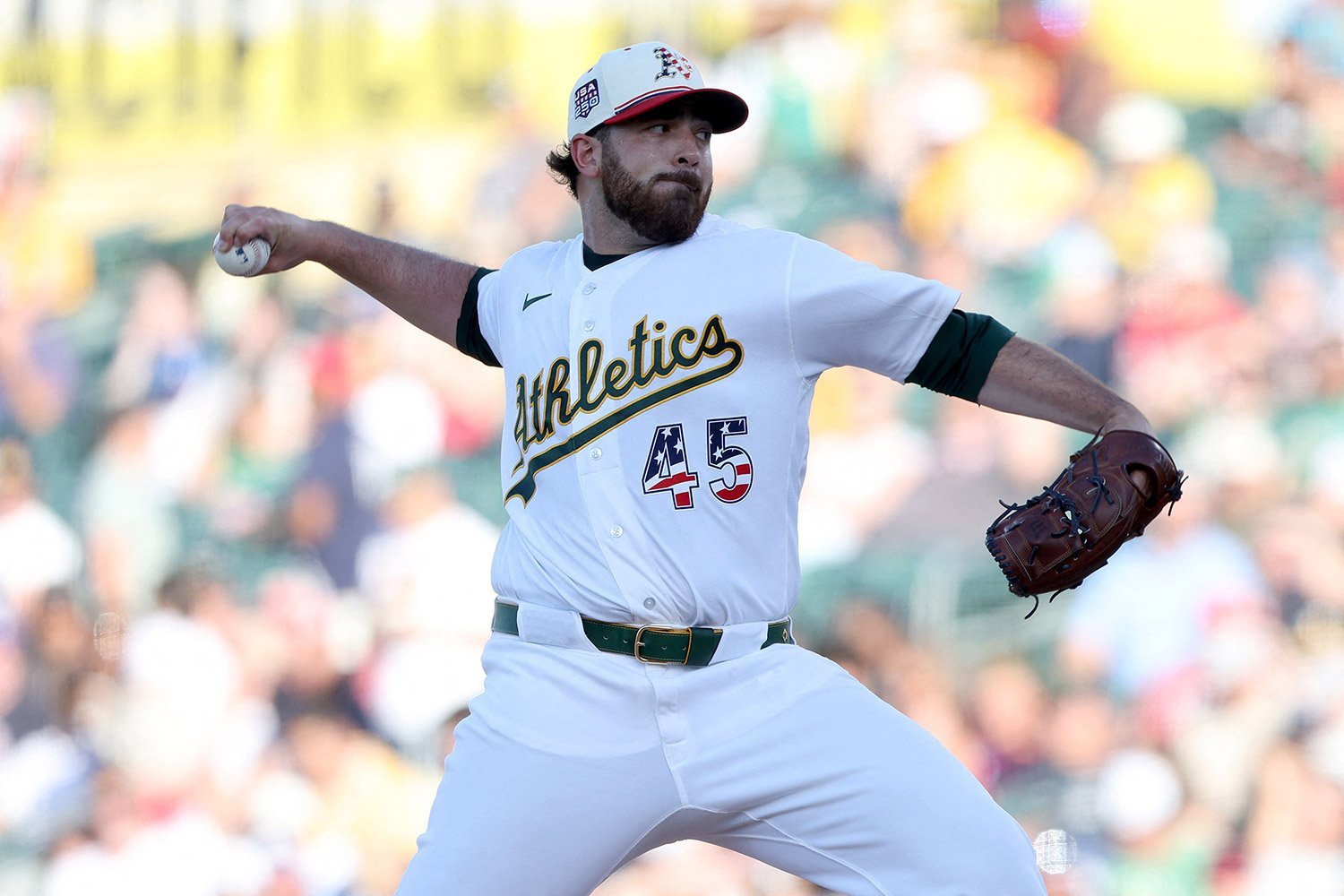 Jesse Rogers of ESPN is reporting the Cubs have completed a trade with the Athletics for starting pitcher Aaron Civale. The Athletics had recently designated Civale for assignment, making this a low-wattage trade to shore up the Cubs' injury-decimated staff. More to come. View the full article
 -
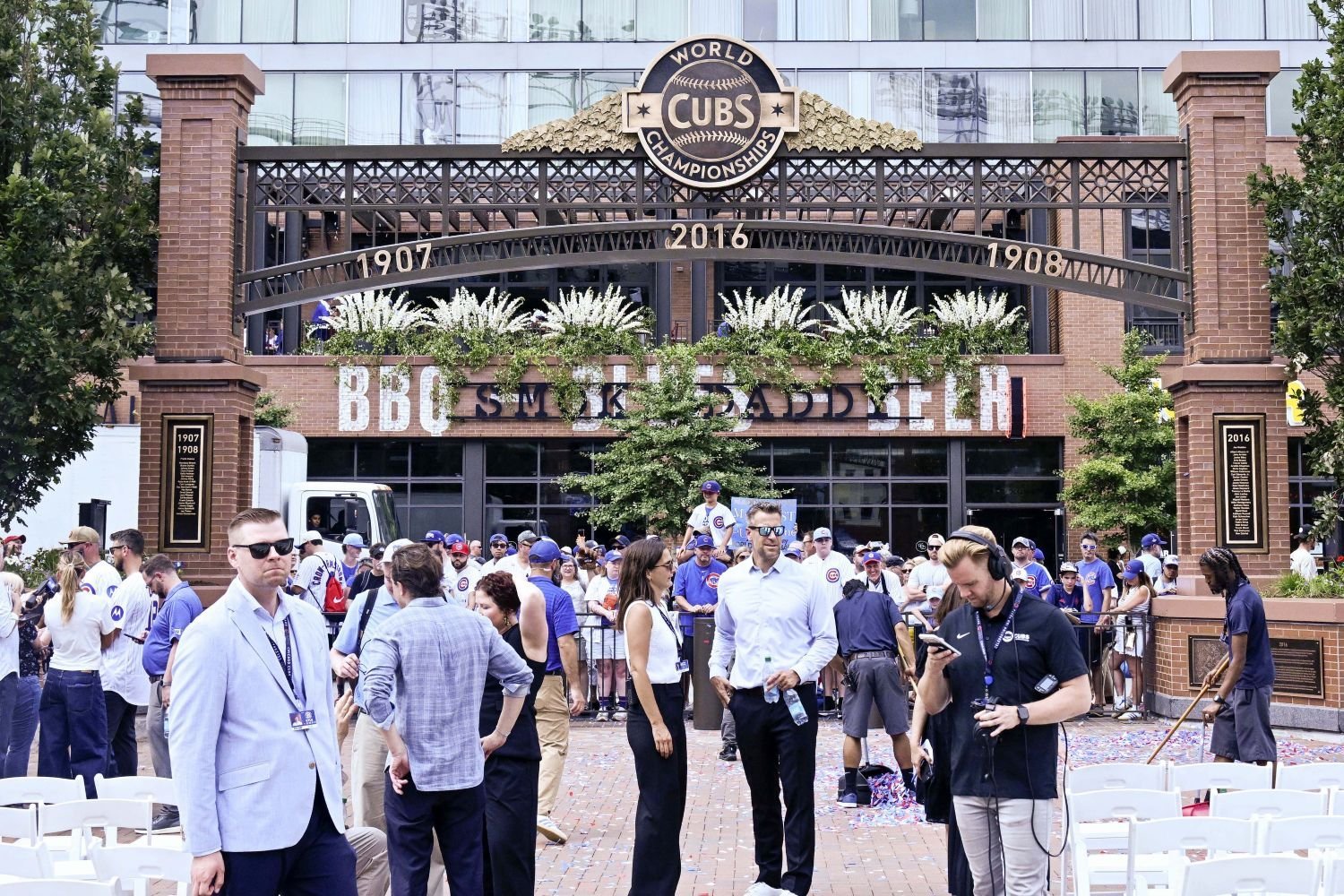 History doesn't repeat itself, but sometimes, it rhymes. When it does, start listening, because that might be when something momentous is about to happen. You needn't be superstitious or a sucker to have heard the rhymes Saturday, as the Cubs dedicated the new commemorative archway on Gallagher Way in celebration of the 2016 World Series championship team and welcomed several members back onto the field, along with the coveted Commissioner's Trophy. Before they could do so, though—between the ceremony that opened the new arch and the one on the field pregame—there were brief showers, very much like an inside joke between Cubs fans and the baseball gods. The team's principals all believe that the short rain delay between the 9th and 10th innings of Game 7 led to the Cubs' triumph, because of the speech Jason Heyward gave in a crowded weight room while the tarp laid over the battlefield outside. To bring all the emotion and memory that had gathered in the green outside the gates back onto the field, 10 years later, why not have another passing downpour? It was Anthony Rizzo, of course, who came out of the doors in right-center field last and carried the trophy through the outfield to the roar of the crowd, as he did on Opening Night in 2017. Rizzo then took up a place in the right-field bleachers, mirroring the stop in left field he made on the day last summer when he officially retired as a Cub. Then, history offered a double dose of resonance. In the bottom of the first inning, Michael Busch—the first Cubs first baseman to play even 100 games at that position since Rizzo was traded in 2021, already past 400 of them—hit his 12th homer of the season, directly to Rizzo. It was not only a serendipitous juxtaposition of past and present, but an echo of the moment on Rizzo's retirement celebration day when Moisés Ballesteros hit a home run directly to him in left field. Infamously, Rizzo dropped the Ballesteros ball, but he caught this one. From there, the game unfolded in a way that was eerily familiar to Cubs fans old enough to remember that 2016 team well. They grinded out at-bats and capitalized on their opponent's mistakes. They played great defense. Matthew Boyd was on his game, with six uneventful innings in which the only run came on a solo homer. He didn't earn even one whiff on 17 Twins swings against his fastball, but he got 21 total called strikes and only walked one batter, striking out four. Busch further evoked Rizzo by tracking a foul pop-up all the way to the edge of the playing field, and sprawling across the same tarp on which Rizzo made multiple highlight-reel catches to snare his own. The Cubs won in workmanlike fashion: not dominant, but never in doubt. Alone, that doesn't mean much. The team entered play Saturday six games behind the Brewers in the NL Central race, and they still face big questions about their pitching depth. They don't have the same youth or the same capacity to smother and overmatch the other team. The 2016 team, not being actually magical, could not and did not imbue this new iteration with its seeming invincibility. However, the day also delivered reminders of how this team's road map to glory is similar to that one's. Nico Hoerner, mired for months in a slump that slid him down the lineup and often left the team a bit short on tough at-bats, came up with four hits in his first four at-bats. He took two high fastballs from Taj Bradley the other way for singles, as the Twins attacked what they surely believed was a persistent weakness. Hoerner had a .219 weighted on-base average (wOBA) on heaters around the top rail of the strike zone this year, before handling those two offerings so adroitly. In his third trip, when Bradley attempted to adjust accordingly, Hoerner turned on a cutter and lined a single to left-center, before going back to shooting it the other way in the seventh against reliever Mike Paredes. If Hoerner gets back to hitting .300 and running a high OBP for the balance of the season, the lineup will regain the last bit of dynamism it had lost when the team plunged into such a tailspinb in May and June. Meanwhile, beyond Busch, the club played stellar defense. Hoerner made a great stab on a one-hop rocket toward right field by Twins shortstop Ryan Kreidler. Later, on another blistered one-hopper bgy Twins left fielder Trevor Larnach, Hoerner recovered after an initial bobble to take away another hit. Ian Happ made a diving catch coming in on a ball in left field. Alex Bregman started a solid around-the-horn double play to escape a budding jam. Even when Pete Crow-Armstrong couldn't make a diving play in the gap in the top of the ninth, the result was two outs, after a quick recovery and good throw by Crow-Armstrong and with the assistance of dreadful Twins baserunning. The championship-winning team dominated by giving the opponent no oxygen on balls in play; this one has to do the same thing. For one day, at least, they did plenty of it. Jed Hoyer is not Theo Epstein, and perhaps Carter Hawkins isn't even Jed Hoyer. They haven't built as robust a winning team as their predecessors did, and the arrival of that championship team on the scene for a day of mingling between the present and the past doesn't fix everything. It merely underscores the chance that still exists, for the 2026 Cubs (or some close succeeding version) to do what that team did. The blueprint is the same. They have great leadership, even if their big offseason signee and nominal leader is having a tougher year than anyone hoped. They have the rudiments of an elite run-precention team, even if they lack a true closer. They have a deep lineup that is learning to wear opponents down, even if it doesn't slug at quite the levels of some of the other top offenses. Joe Maddon was in attendance Saturday. The title-winning year was his third at the helm of the Cubs; this is the third season of Craig Counsell's tenure. Like Maddon, Counsell left a small-market team to take over a team who could burnish his resume in the one way in which it still needed burnishing: by adding a World Series to it. Whether Epstein and Hoyer should have felt quite as much urgency to complete their task as they did that summer 10 years ago is open to debate. They emptied the tank and the farm system to get to the mountaintop. That team was clearly worth at least some of that. This team isn't clearly anything, but you can make the case that they're worth the same gamble. They have, if nothing else, an excellent chance to play on past Game 162. Saturday brought several reminders of how special it will be if they make a deep run into the postseason. It also highlighted the importance of making some additions to the roster before it attempts to do so, View the full article
 -
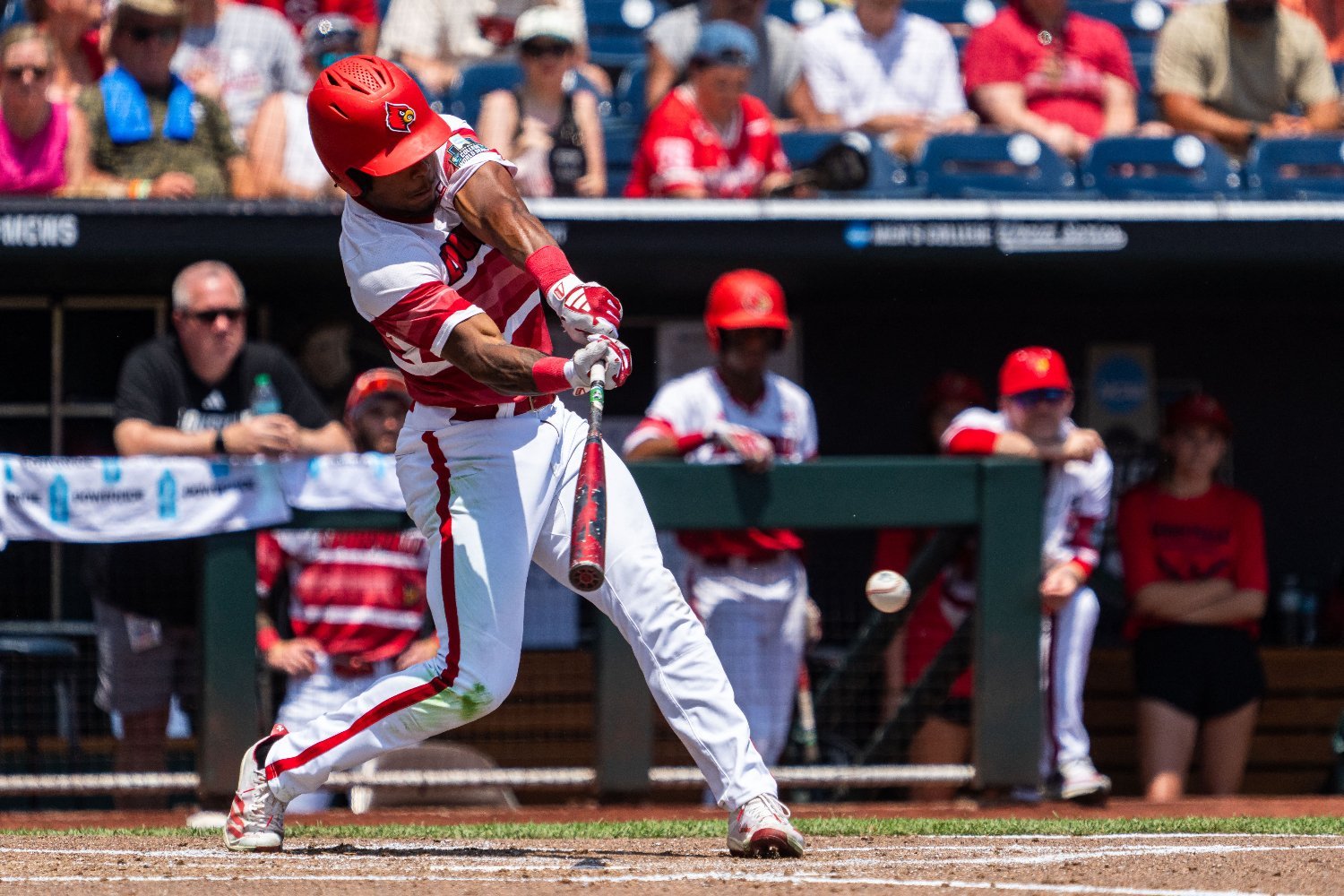 On Saturday before their game against the San Diego Padres, the Kansas City Royals held a press conference to announce the signing of Zion Rose, their first-round selection in the 2026 MLB Draft. According to Anne Rogers, the Royals agreed to a $5,809,574 signing bonus. That was well under the slot amount of $7,746,100 for the sixth overall selection in this year's Draft. data:image/gif;base64,R0lGODlhAQABAPABAP///wAAACH5BAEKAAAALAAAAAABAAEAAAICRAEAOw== Rose was seen as a mid-to-late first-round pick in this past MLB Draft. However, much of that was due to an injury that sidelined him at the beginning of the season. When healthy, was excellent on the field. In 173 plate appearances, Rose hit .417 with a 147 wRC+. He had six home runs, scored 44 runs, collected 47 RBI, and stole 24 bases. He also showed strong contact ability with a meager 8.7% K% and a BB/K ratio of 1.27. Many in the organization feel that Rose could continue to develop as a hitter in the Royals system, and that he was one of the most polished hitters in the Draft after being selected No. 4. That included Brian Bridges, who spoke about Rose on the Royals Pipeline podcast on Friday. data:image/gif;base64,R0lGODlhAQABAPABAP///wAAACH5BAEKAAAALAAAAAABAAEAAAICRAEAOw== With nearly $2 million saved, the Royals will likely use this amount to sign overslot selections like pitchers Taylor Rabe (No. 30 overall), Jack Slightom (No. 59 overall), and Hudson DeVaughan (No. 569 overall), as well as shortstop Camden Johnson (No. 269 overall). Rose is the first signee to be made official by the Royals. We will be keeping a tracker of Royals Draft Picks and how much they sign for at our Draft Tracker on Royals Keep. MLB teams have until July 27th to sign all their Draft picks. Those who go unsigned can return to or attend college, or play in Independent League baseball. View the full article
 -
 Chicago Cubs Minor League Report Affiliate Overview Triple-A Iowa Cubs Series at Memphis Redbirds (St. Louis Cardinals): Redbirds lead, 1-0 Season Record: 39–52-1 Double-A Knoxville Smokies Series at Montgomery Biscuits (Tampa Bay Rays): Biscuits lead, 1-0 Season Record: 49–39 High-A South Bend Cubs Series vs. Peoria Chiefs (St. Louis Cardinals): Chiefs lead, 1-0 Season Record: 49–35 Single-A Myrtle Beach Pelicans Series at Kannapolis Cannon Ballers (Chicago White Sox): Tied, 3-3 Season Record: 36–50 Triple-A: Iowa Cubs Season Record: 39–52-1 Series Opponent: Memphis Redbirds (55-39) Series Standing: Lead, 1-0 July 17: The Iowa Cubs were walked off by the Memphis Redbirds, 10-9, on Friday Night at AutoZone Park. Jonathan Long’s (1-for-4) two-run single in the first opened the scoring in the ballgame but the Redbirds would eventually hit back with five runs in the third to go in front. A pair of two-run singles from Brett Bateman (2-for-6) and Owen Miller (2-for-5) in the fourth would put Iowa up 6-5. The I-Cubs made it 8-5 in the fifth when BJ Murray (1-for-4) drew a walk with the bases loaded and Hayden Cantrelle (0-for-2) scored on a wild pitch. Memphis cut the lead to one with two runs in the bottom of the sixth but Bateman made it 9-7 with an RBI-single in the seventh. The Redbirds would score one run each in both the seventh and eighth innings and would eventually score the winning run in the ninth to walk-off the I-Cubs, 10-9. Jaxon Wiggins got the start in the mound for the Cubs and took no decision. Wiggins allowed five runs on two hits over 21/3 innings of work, issuing five walks to go along with three strikeouts. Owen Ayer’s, the Cubs’ No. 8 prospect (North Side Baseball), went 3-for-4 in his Triple-A debut, while also drawing a walk. Double-A: Knoxville Smokies Season Record: 49–39 Series Opponent: Montgomery Biscuits (42–45) Series Standing: Trail, 1-0 July 17: The Knoxville Smokies opened their series at the Montgomery Biscuits with a 5-1 defeat on Friday night at DABOS Park. Andy Garriola’s (1-for-2) in the fourth opened the scoring in the ballgame but the Biscuits would even the contest in the bottom of the inning and would later take the lead with a run in the fifth. Montgomery then put the game away with three runs in the eighth to go up 5-1. Knoxville was held to just three hits on the night, with just one going for extra bases. The Smokies offense would also go 0-for-7 with runners in scoring position, leaving three runners on base. Luis Martinez-Gomez got the start on the mound for Knoxville and took no decision. Martinez-Gomez allowed one run on two hits over four innings of work, walking two and striking out two. High-A: South Bend Cubs Season Record: 49–35 Series Opponent: Peoria Chiefs (41–46) Series Standing: Trail, 1-0 July 17: The South Bend Cubs fell in their series opener vs. the Peoria Chiefs, 9-3, on Friday night at Four Winds Field. The Chiefs took a 2-0 lead after scoring a run in each the first and second innings but the Cubs went in front after a three-spot in the third. Kane Kepley (0-for-2) got South Bend on the board with a sacrifice fly and Josh Hartshorn’s (2-for-3) RBI-single knotted the game. Jose Escobar (1-for-4) put the Cubs in front with a single but the lead was short lived as Peoria rallied for six in the fourth, taking an 8-3 lead. The Chiefs would eventually tack on a run in the eighth and cruise to the 9-3 win. Ethan Flanagan got the start on the mound for South Bend and did not factor into the decision. Flanagan allowed two runs on two hits over 3 1/3 innings of work, whiffing five batters. Single-A: Myrtle Beach Pelicans Season Record: 36–50 Series Opponent: Kannapolis Cannon Ballers (45–43) Series Standing: Trail, 1-0 July 17: The Myrtle Beach Pelicans dropped Friday night’s series opener to the Kannapolis Cannon Ballers, 9-1, at Atrium Health Ballpark. The Cannon Ballers jumped out to a 3-0 lead in the second and later made it 6-0 with a run in the fourth and two more in the fifth. Kannapolis added three more in the eighth before Eli Lovich (1-for-4) got the Pelicans finally on the board with an RBI-single in the ninth to make it 9-1. Emilio Ramos got the start on the mound for Myrtle Beach and took the loss, falling to 1-3 on the year. Ramos allowed three runs on four hits over two innings of work, walking three and striking out one. View the full article
 -
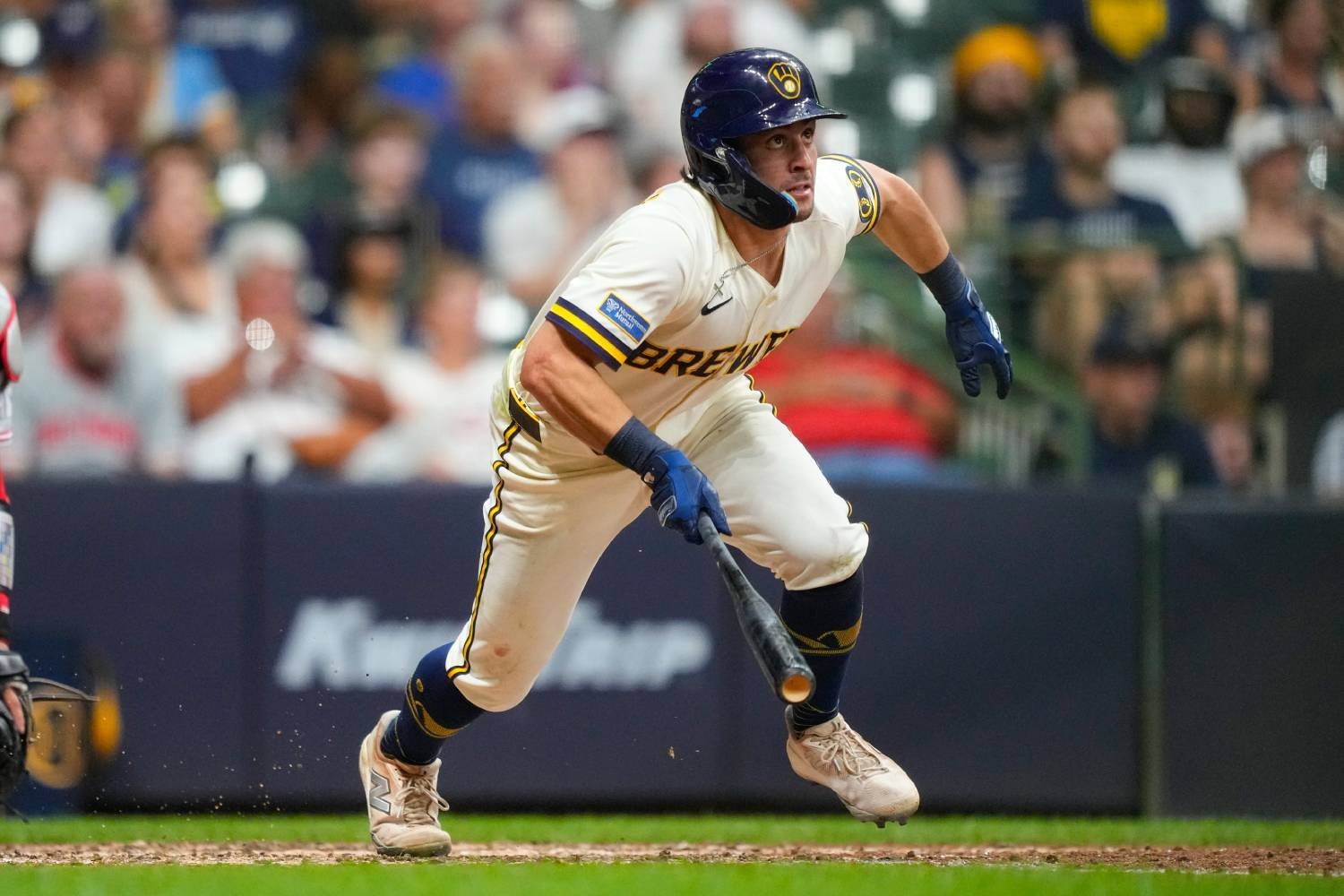 The Milwaukee Brewers will be without their starting right fielder for a while. Sal Frelick was put on the 10-day injured list Saturday by the Brewers due to a strained right (throwing) shoulder. Outfielder Blake Perkins was called up from Triple-A Nashville. Frelick was injured during Friday's 2-1 victory over the Miami Marlins. In the top of the fourth inning, Frelick made a throw from right field toward second base on a double by Otto Lopez that took several bounces to get there, not a throw you would expect from the 2024 Gold Glove winner. Manager Pat Murphy said after the game that Frelick had an issue with the should earlier in the season. He remained in on defense, but was replaced the next inning by rookie Luis Lara. Frelick has struggled offensively this season after being in contention for a batting title at the end of last year. He currently has a slash line of .236/.301/.330 with four homers and 34 RBIs, with six steals. Last season's slash line was .288/.351/.405. Perkins is a terrific defender, but has not been able to get going offensively, which led to him not originally making the Opening Day roster. He has only been called up due to injuries, with this being the third time. Perkins has a .157/.250/.258 slash line in 53 games with one homer and 11 RBIs. View the full article
 -
3 Twins Prospects with Something to Prove in the Second Half
DiamondCentric posted an article in Twins Daily
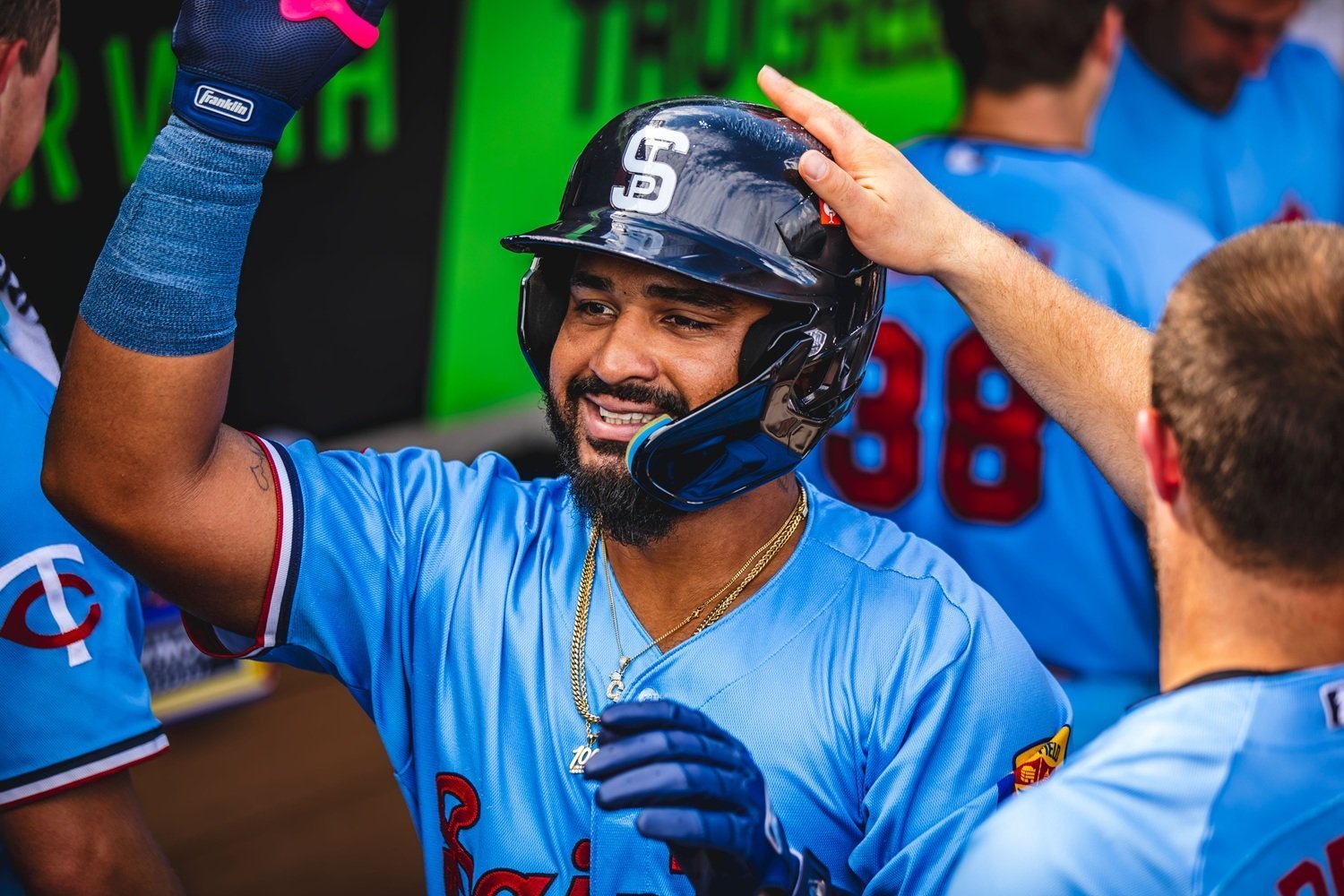 The first half of the minor-league season is about adjustments. Prospects face tougher competition, opponents identify weaknesses, and organizations challenge players to make changes before the season's stretch run. For the Twins, plenty of prospects have already boosted their stock this year. Others have simply maintained their status as top organizational talents. However, a few highly regarded names still have important questions to answer before the offseason arrives. Here are three Twins prospects with something to prove over the final months of the 2026 season. C Eduardo Tait – Cedar Rapids Kernels (TD Prospect Rank: 4) Something to Prove: Find Ways to Get On-Base Few prospects in Minnesota's system are younger than Tait relative to their competition. At more than three years under the average Midwest League player, simply holding his own is an accomplishment. Even so, the offensive production hasn't matched the excitement surrounding his immense raw power. Tait has already set a career high with 15 home runs while adding 16 doubles in 75 games. His .205 isolated power (ISO) is also a career best, showing exactly why evaluators believe he has middle-of-the-order upside. The rest of his offensive profile, however, still needs refinement. After posting encouraging on-base numbers last season, Tait has seen his batting average fall to .215, nearly 40 points lower than a year ago. His .279 on-base percentage has dropped by 32 points, fueled by a strikeout rate approaching 25% and a modest 7.3% walk rate. As a result, his 73 wRC+ sits roughly 30 points below last season's mark. None of those numbers should trigger panic considering his age. In fact, they're fairly common growing pains for teenage power hitters. The next developmental step is becoming a more complete offensive player. If Tait can improve his swing decisions, take more walks, and get in better counts, his natural power should become even more impactful. LHP Dasan Hill – Cedar Rapids Kernels (TD Prospect Rank: 9) Something to Prove: Control, Control, Control Hill's electric stuff has never been the question. The left-hander entered the season viewed as one of Minnesota's top pitching prospects after an impressive professional debut that included a 3.19 ERA, 3.35 FIP, a 31.1% strikeout rate, and a 15.0% walk rate. Minnesota challenged the 20-year-old by returning him to High-A, hoping he'd take another step toward becoming a long-term starting pitcher. Instead, his season has been defined by inconsistency. Through 13 starts, Hill owns a 6.14 ERA despite a much more encouraging 4.17 FIP. His strikeout rate has climbed to an outstanding 34.1%, showing his swing-and-miss arsenal continues to overwhelm hitters. Unfortunately, the walks have climbed as well. Hill's 18.4% BB rate has made it difficult for him to work deep into games or consistently pitch ahead in counts. Too many free passes have erased much of the value created by his elite strikeout ability. The blueprint moving forward is simple enough. Throw more strikes. If Hill can improve his command even slightly, his combination of velocity and swing-and-miss stuff gives him the ceiling of a legitimate major league starter. Until then, questions about whether he ultimately fits best in the bullpen will remain. OF/1B Gabriel Gonzalez – St. Paul Saints (TD Prospect Rank: 10) Something to Prove: 2025 Wasn't a Fluke Last season looked like Gonzalez's breakout. He climbed from High-A to Triple-A while slashing .329/.395/.513 (.908) with 38 doubles, 15 home runs, and a 147 wRC+. It was the type of season that vaulted him into the upper tier of Minnesota's prospect rankings. At the season’s conclusion, he was named Twins Daily’s Minor League Hitter of the Year. Replicating that success has been much more difficult. In 77 games with Triple-A St. Paul, Gonzalez has hit .247/.313/.417 (.730) with 14 doubles, 11 home runs, and an 84 wRC+. Those numbers become even more concerning when considering the offensive environment. The International League is one of professional baseball's most hitter-friendly leagues, making it reasonable to expect stronger production from a bat-first prospect. Defensively, Gonzalez has also spent more time at first base this season. While added versatility can help his path to the majors, first base is a position where offensive production is expected. The Twins don't necessarily need Gonzalez to repeat last year's gaudy numbers, but they do need him to show that his breakout wasn't simply the product of one exceptional season. A productive second half could restore much of the momentum he built in 2025 and reinforce his status as a potential middle-of-the-order bat. Prospect development is rarely linear, and one difficult half doesn't erase years of talent or projection. In many ways, the second half is where organizations learn the most about their young players. Can Tait pair his power with improved plate discipline? Will Hill find enough command to remain on a starter's trajectory? Can Gonzalez prove last season was the beginning of his emergence rather than the exception? The answers to those questions could significantly shape Minnesota's farm system heading into 2027. What other prospects have something to prove in the second half? Who are you keeping an eye on in the minors? Leave a comment and start the discussion. View the full article
 -
 The All-Star Break is over, and the second half of the MiLB season is underway. Let’s take a look at how the Boston Red Sox farm affiliates performed in their first game back. Triple-A Worcester Red Sox Series @ Scranton/Wilkes-Barre RailRiders (New York Yankees): 0-1 Season Record: 45-45 Despite a solid offensive showing all-around, the WooSox fell by just one run as they lost 7-6. Raymond Burgos got the ball to start the night for Worcester, throwing four frames of subpar pitching. Burgos allowed five runs on eight hits as he walked two. He got the loss for his poor showing on Friday. In his first game following a rehab assignment and stint on the IL, Hobie Harris took the fifth inning of Friday’s game. Harris was evidently still rusty as he let up two runs on three hits in one frame. He struck out one and walked another before Angel Bastardo took over in the sixth. Following two so-so outings, Bastardo turned the page for Worcester. He twirled two frames of perfect ball, striking out four of the six batters he faced before Tommy Kahnle took the eighth. Kahnle recently re-signed with the Red Sox on a minor league contract after a few rough appearances in the big leagues. Kahnle kept the perfection going, striking out one as he pitched a perfect eighth. Worcester tallied 13 hits and went an impressive 4-for-10 with runners in scoring position, but came up just short in Friday’s action. With runners on the corners in the first inning, Andrew Knizner put the WooSox on top quickly. He smoked a single through the legs of the second baseman, driving home Nick Sogard. Down by four in the third, Nate Eaton closed the gap slightly with a solo homer, his sixth of the year. An inning later, Allan Castro stood at second with Kristian Campbell at the plate. Campbell blooped a single down the right field line to drive in Castro. Castro drove in the next run for Worcester, scoring Knizner on a single in the sixth inning. Down by three in the eighth, Mikey Romero hit a solo shot to right center as Worcester cut the lead to two. Two batters later, Brett Harris did some more damage. He launched a solo shot of his own to bring the WooSox within one. However, they couldn’t get it done as they fell 7-6 in the series opener. Double-A Portland Sea Dogs Series vs. Somerset Patriots (New York Yankees): 0-1 Season Record: 46-41 Portland fell 7-2 behind a disastrous start and a slow day from the offense. After shoving five frames of two-run ball in his last start, Dalton Rogers fell apart in a quick appearance on Friday. Across three frames on Friday, Rogers allowed seven runs on seven hits and two walks. He struck out four, but it wasn’t enough to right the ship as he exited early. The bullpen was downright excellent for the Sea Dogs on Friday, not allowing a run in the final six frames. Jeremy Wu-Yelland entered first, allowing a hit and a walk in one inning of work before Hayden Mullins took over. Mullins pitched to a similar line as Wu-Yelland, allowing one hit and walking two across a 3⅓ inning bulk relief appearance. Cooper Adams closed out the loss with 1⅔ innings of near-perfect work, allowing one walk. Adams struck out one as he completed the ninth and final frame of the game. Portland was sluggish coming out of the midsummer break, recording just four hits and taking three walks. Both runs came in the sixth inning as Somerset held a commanding seven-run lead. Brooks Brannon put the Sea Dogs on the board with his 15th homer of the season, a solo shot to right center. With the bases loaded and Ahbram Liendo at the dish, Ronald Rosario crossed home on a balk, marking the second and final run of the day for Portland. High-A Greenville Drive Series vs. Frederick Keys (Baltimore Orioles): 1-0 Season Record: 36-49 Greenville snagged an 8-7 win on a walk-off from top prospect Enddy Azocar. Devin Futrell took the mound to kick things off for Greenville on Saturday, working through a 5⅓ inning appearance. Across the outing, Futrell allowed four runs on seven hits and a walk. He struck out one-third of the 24 batters he faced, tallying eight Ks. Joe Vogatsky got the ball in the sixth inning and pitched into the eighth. Vogatsky allowed two runs on three hits as he didn’t issue a walk. He struck out four before turning the ball over to Steven Brooks in the eighth. Brooks closed out the game for Greenville, earning the win for his work. Across 1⅓ innings, he allowed one run on two hits as he stuck out three of the five batters he faced. The Drive rallied for a clutch ninth-inning effort after going dormant following a hot start to the night. Down three in the second inning, Antonio Anderson stepped to the plate and launched a game-tying three-run blast over the wall in center field. Mason White and Maximus Martin crossed home. White, who was called up to Double-A Portland following the game, made his mark just an inning later. He launched his 14th homer of the season with Yoeilin Cespedes aboard, giving the Drive a two-run edge. In the sixth, White would score again on a wild pitch. After Frederick took the lead in the top of the ninth, the Drive dug into the batter’s box with work to do. Yophery Rodriguez took the first step, tying the game with a single as Stanley Tucker scored. With two runners on and one out in the inning, Enddy Azocar played the hero for Greenville. Azocar roped a soft ball over the head of the third baseman, driving home Rodriguez as Greenville snagged victory from the jaws of defeat. Low-A Salem RidgeYaks Series vs. Delmarva Shore Birds (Baltimore Orioles): 0-1 Season Record: 36-51 Despite putting up three runs in a last-ditch ninth-inning effort, Salem fell 14-11 in a slugfest. Brady Tygart got the start in the Yaks’ first game back following the All-Star Break. His outing was mediocre at best, however, as he lasted four frames, striking out four. He gave up two runs (one unearned) on three hits and two walks before Jay Allmer entered in the fifth. Allmer exited just one-third of an inning later as Delmarva got the best of him quickly. During his abbreviated outing, Allmer allowed seven runs (three unearned) on just two hits and two walks. Following the disastrous start to the inning, Joey Gartrell entered to clean up the mess. Gartrell took the sixth as well, completing 1⅔ innings of work. He allowed two more runs (one unearned) on a walk and two hits as he struck out two. Williams Rodriguez got the ball in the seventh and pitched to the end of the ninth, closing out the contest for Salem. Rodriguez allowed three runs (one unearned) on three hits as he struck out an impressive six batters. Led by Louis Andujar’s four-RBI night, as well as three each from Anderson Fermin and Avinson Pinto, Salem’s offensive output would have sufficed on almost any other night. Unfortunately for the Yaks, Delmarva decided to put up a staggering 14 runs as they got the edge on Friday evening. Salem fought hard, tallying 11 runs on 12 hits, but it just wasn’t enough to beat the Shorebirds. In the second inning, Fermin got the Yaks on the board with a line drive triple, scoring Pinto. An inning later, Andujar scored his first RBI of the night on a sac fly, scoring Andrews Opata. Pinto drove in Franklin Primera later in the inning to give Salem its first lead of the night. It was an uphill battle from there on out, however. Down by seven in the fifth, Pinto drove home Primera and Kleyver Salazar to cut the deficit to five. In the seventh, the Yaks put up a solid effort as Pinto scored Primera on a double and Fermin scored Andujar and Pinto on a single. In the ninth, Louis Andujar put the Yaks within three on a three-run shot, scoring Primera and Salazar. The Yaks came up just short in a heartbreaking loss despite an excellent offensive showing, especially from Primera who reached base four times. View the full article
 -
 The New York Mets wrapped up their 2026 MLB Draft a week ago, but the talk of the town is last year; it looks as if their first selection in the 2025 draft was a good one. Mitch Voit (No. 7 in Grand Central Mets' ranking of the club's top 20 prospects) is holding down shortstop and the top of the batting order for the High-A Brooklyn Cyclones in his first full pro season. In the Cyclones' 4-0 triumph over the Hudson Valley Renegades on Friday, he handled both chores extremely well. At the plate, he had three hits, an RBI, a run scored, a walk and three stolen bases. In the field, he contributed to the shutout with this sparkling defensive play. Voit, 21, was taken 38th overall by the Mets out of the University of Michigan, signing for a $1.75 million bonus. He was a two-way player for the Wolverines before undergoing an internal brace procedure on his right elbow in July 2024. He played third, first and second in his three years at UM, but at Brooklyn, he's getting a long look at short, with 53 starts there to 16 at second. His offense is coming along. Through Friday, he has a .772 OPS with 11 home runs, he's 34-for-39 in steal attempts, his walk rate is a strong 11.3 percent, and his strikeout rate is an acceptable 20.1 percent. Those numbers and his draft position should push him to Double-A Binghamton no later than 2027. Elsewhere on the farm: Syracuse fell to Buffalo 7-5 after Joey Gerber allowed a tie-breaking two-run home run to Davis Schneider in the top of the ninth. MJ Melendez tied the game for the Mets in the bottom of the eighth with a solo homer. Binghamton stumbled out of the All-Star break with an 11-0 loss to Akron. The Rumble Ponies’ offense managed just two singles and struck out 14 times, while starter R.J. Gordon got roughed up by the RubberDucks. St. Lucie edged Palm Beach 3-2 in 10 innings. Chase Meggers’ sacrifice fly in the top of the 10th drove home A.J. Salgado with the go-ahead run. Elian Pena and Randy Guzman homered for the Mets’ other runs. The FCL Mets fell to the FCL Cardinals 3-2. Yovanny Rodriguez homered in the sixth for the Mets’ first run. Jean Brito started and took the loss. He allowed three runs (two earned) and two hits over four innings, walking two and striking out one. DSL Mets Blue got a big day at the plate from Johnderis Sanchez (2-for-3, three RBIs, two runs scored, two walks) in an 8-7 loss to DSL Colorado. Sanchez hit a two-run homer in the ninth to cut the Mets’ deficit to one. DSL Mets Orange pitchers struck out 15, but walked 13, in an 8-2 loss to the DSL Mariners. A seven-run third inning for the Mariners put the Mets in too deep a hole. Alvaro Carrillo and Olmedo Barria combined to allow just one run (unearned) and strike out nine over the final six innings. Mets Transactions No Roster Moves Syracuse Chases, Then Stumbles Against Buffalo The Mets fell behind early, used the home run to stay close, and then lost via the long ball. Ronny Mauricio hit a two-run shot in the third to cut Buffalo's lead to 3-2. Christopher Morel delivered his own two-run blast in the sixth to trim the Bisons' lead to 5-4. Melendez's homer briefly got the Mets all the way back. Syracuse starter Jack Weisenburger was ineffective. He allowed five runs on seven hits in 3 1/3 innings, walking one and striking out two. The bullpen held Buffalo scoreless until Gerber gave it up in the ninth. Luis Robert Jr. played nine innings in center field as his rehab assignment continued . He reached base three times with a double and two walks. This was his fourth game for Syracuse, to go with three games for Double-A Binghamton. Overall, he's slashing .308/.400/.462 in 30 plate appearances. Player AB R H RBI BB K Luis Robert Jr. 3 1 1 0 2 0 Ryan Clifford 4 0 0 0 1 1 Ronny Mauricio 5 1 2 2 0 2 Nick Morabito 4 0 0 0 0 0 MJ Melendez 4 2 3 1 0 1 Christopher Morel 4 1 2 2 0 0 Jihwan Bae 4 0 0 0 0 0 Christian Arroyo 4 0 0 0 0 2 Hayden Senger 4 0 0 0 0 2 Player IP H R ER BB K HR Jack Weisenburger 3 1/3 7 5 5 1 2 1 Jonathan Pintaro 1 1/3 1 0 0 2 0 0 Ofreidy Gómez 1/3 0 0 0 0 0 0 Nate Lavender 1 0 0 0 0 1 0 Daniel Duarte 1 0 0 0 0 3 0 Jefry Yan 1 0 0 0 1 2 0 Joey Gerber 1 2 2 2 0 2 1 Binghamton Blown Out By Akron Gordon gave up a three-run homer to Jacob Cozart in the first and a two-run dinger to Alex Mooney in the fourth to put his team in a 5-0 hole. Overall, he allowed six runs on seven hits in 4 1/3 innings, walking four and striking out five. His record stands at 1-6 and his ERA is 6.96 after the loss. Akron added on against relievers Douglas Orellana in the sixth and Saul Garcia in the eighth. Binghamton's hitters were invisible against four Akron pitchers. Chris Suero and Jose Ramos had the Rumble Ponies' hits, both singles. To add insult to insult, Ramos was caught stealing. Binghamton managed just one walk, by JT Schwartz. Player AB R H RBI BB K Chris Suero 4 0 1 0 0 1 Jose Ramos 3 0 1 0 0 1 Nick Lorusso 3 0 0 0 0 2 JT Schwartz 2 0 0 0 1 2 Kevin Parada 3 0 0 0 0 2 Matt Rudick 2 0 0 0 0 0 Wyatt Young 3 0 0 0 0 2 Nick Lucky 3 0 0 0 0 3 Kevin Villavicencio 3 0 0 0 0 1 Player IP H R ER BB K HR R.J. Gordon 4 1/3 7 6 6 4 5 2 Douglas Orellana 2/3 2 3 3 2 1 0 Felipe De La Cruz 2 1 0 0 0 3 0 Saul Garcia 1 2 2 2 3 0 1 Zach Peek 1 1 0 0 0 2 0 Hall Bulks Up In Brooklyn's Shutout Win Noah Hall threw six innings of one-hit relief as the Cyclones extended their winning streak to five games. Brooklyn is 12-9 in the second half and 1.5 games behind first-place Greensboro in the South Atlantic League North. Hall entered in the second, following opener Luis R. Rodriguez. He walked two and struck out five as he threw 52 of his 81 pitches for strikes. Juan Arnaud and Parker Carlson each worked a scoreless inning to close out Brooklyn's seventh shutout of the season. This was Hall's second bulk outing in his last three appearances. He has yet to allow run in the role. He threw 5 1/3 innings of one-hit, shutout ball on June 25. Voit got the Cyclones' offense going in the third. He led off with a walk and scored on a triple by John Bay. Corey Collins followed with an RBI single to make it 2-0. in the sixth, Voit singled home Trace Willhoite with two outs in the sixth to put Brooklyn up 3-0. Daiverson Gutierrez completed the scoring with a sacrifice fly in the seventh. Player AB R H RBI BB K Mitch Voit 4 1 3 1 1 0 Yonatan Henriquez 5 0 1 0 0 1 John Bay 5 2 3 1 0 1 Corey Collins 4 0 2 1 0 0 Ronald Hernandez 3 0 0 0 1 1 Daiverson Gutierrez 3 0 1 1 0 0 JT Benson 3 0 0 0 1 2 Colin Houck 4 0 0 0 0 2 Trace Willhoite 3 1 0 0 1 0 Player IP H R ER BB K HR Luis R. Rodriguez 1 0 0 0 0 1 0 Noah Hall 6 1 0 0 2 5 0 Juan Arnaud 1 1 0 0 0 2 0 Parker Carlson 1 0 0 0 2 0 0 St. Lucie Plays Small Ball To Get The Win St. Lucie pushed across the go-ahead run in the 10th without a hit. Salgado began the inning on second as the ghost runner. Branny De Oleo moved him to third with a sacrifice bunt, and Meggers brought him home with the sac fly. Peña tied the game 2-2 in the third with his fourth home run of the season, a mammoth solo shot to right field. Neither team would score again until the 10th. Joel Lara started and got through 4 2/3 innings. He allowed two runs on four hits, walking three and striking out five. Elwis Mijares was the pitching star of the night as he worked a scoreless seventh, eighth and ninth. He fanned three, walked none and allowed two hits. Miguel Mejias struck out two in the 10th for his second save. Player AB R H RBI BB K Antonio Jimenez 3 0 0 0 0 0 Elian Peña 4 1 2 1 0 1 Trey Snyder 4 0 0 0 0 1 Randy Guzman 3 1 2 1 1 0 Julio Zayas 3 0 0 0 1 1 AJ Salgado 4 1 1 0 0 1 Branny De Oleo 3 0 0 0 0 1 Chase Meggers 3 0 0 1 0 2 Jeremy Rodriguez 3 0 1 0 1 0 Player IP H R ER BB K HR Joel Lara 4 2/3 4 2 2 3 5 1 Zack Mack 1 1/3 1 0 0 1 2 0 Elwis Mijares 3 2 0 0 0 3 0 Miguel Mejias 1 0 0 0 0 2 0 Top-20 Prospect Performance Jonah Tong: DNP Jack Wenninger: DNP Ryan Clifford: 0-for-4, BB, K Elian Pena: 2-for-4, HR, K Nick Morabito: 0-for-4 Jacob Reimer: DNP Mitch Voit: 3-for-4, BB, 3 SB Jonathan Santucci: DNP Zach Thornton: MLB Chris Suero: 1-for-4, K Will Watson: DNP Wandy Asigen: 0-for-4, K Eli Serrano III: DNP Randy Guzman: 2-for-3, HR, BB Dylan Ross: DNP Ryan Lambert: DNP Antonio Jimenez: 0-for-3, HBP R.J. Gordon: 4 1/3 IP, 7 H, 6 R, 4 BB, 5 K Jonathan Pintaro: 1 1/3 IP, 1 H, 0 R, 2 BB Marco Vargas: DNP View the full article
 -
Trade Matt Shaw? Why the Cubs Should Seriously Consider It
DiamondCentric posted an article in North Side Baseball
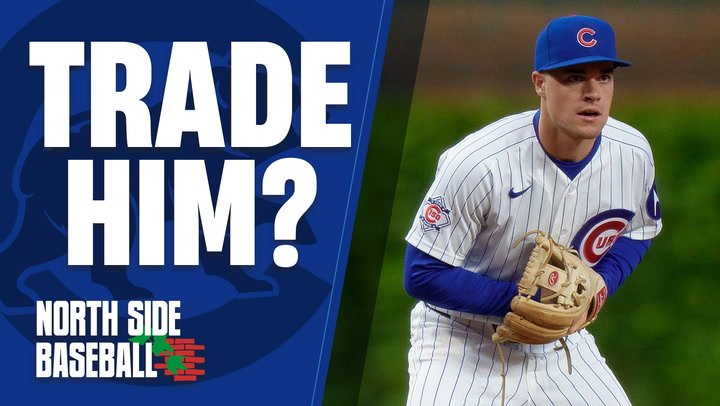 The Cubs may not want to move Matt Shaw, but their crowded outfield and pitching struggles create an interesting trade possibility involving the young slugger. View the full article
 -
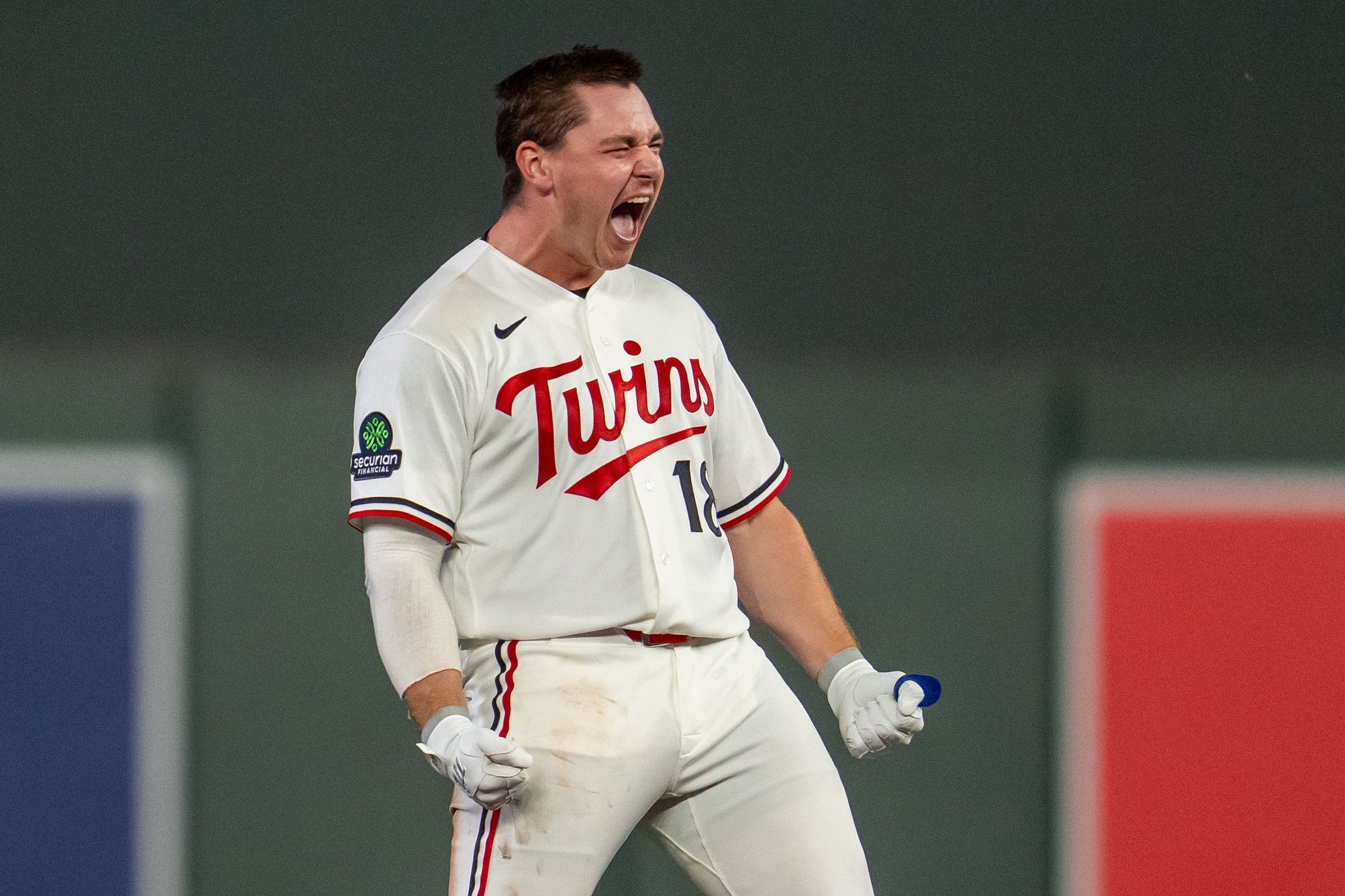 Alan Roden's first year as a member of the Twins has been anything but ordinary. Since arriving in Minnesota at last summer's trade deadline as part of the return for Louis Varland and Ty France, it feels like just about everything that could have complicated his path has done exactly that. Injuries, roster crunches, and unfortunate timing have all played a role in preventing Roden from ever really getting settled at the major-league level. For a player still trying to establish himself, it's probably been a pretty frustrating stretch. After the trade, Roden appeared in just 12 games for the Twins before suffering a season-ending thumb injury. His numbers certainly weren't impressive, posting just a .463 OPS during that brief stint, but it's hard to take much away from a sample that small. Twelve games simply isn't enough to know what you have in a player. Nevertheless, the opportunity to make a stronger first impression would have to wait until 2026. When spring training rolled around, Roden did everything he could to force the Twins' hand. He was one of the club's best offensive performers throughout camp, hitting .302 while consistently getting on base. The extra-base power wasn't necessarily there, but that's never really been the source of Roden's intrigue. His game has always been built around plate discipline, quality at-bats and reliable defense in the outfield—the traits that made the Twins interested in acquiring him in the first place. Unfortunately for Roden, it still wasn't enough to earn an Opening Day roster spot. Instead, he headed back to Triple-A. But roughly a month into the season, after a good start, Roden tore the labrum in his throwing shoulder, sidelining him for about a month and a half. Another injury, another setback, and another delay in what has already been an unusually difficult first year with the organization. To his credit, though, Roden didn't let it derail his season. Once he returned, he continued producing offensively and eventually got the opportunity he'd been waiting for when Byron Buxton landed on the injured list. And when that opportunity finally arrived, Roden wasted absolutely no time. In his first game back with the Twins, he smoked a walk-off single off the wall in right-center against Cleveland, delivering one of the more memorable moments of the Twins' season. With Buxton eligible to return from the IL any time as the second half gets underway, Roden is at risk of being sent back to the minors, or at least losing any grasp on regular playing time in the outfield. Personally, I'd love to see him carve out a role with this team. He controls the strike zone, he’s shown he's capable of making hard contact and provides quality defense in the outfield. Players with that skill set often find ways to contribute, even if they aren't hitting 30 home runs every season. The problem isn't necessarily Roden's tools. It's the timing. At some point, production has to follow. Roden is already 26 years old and still has just 169 major league plate appearances under his belt. That's hardly enough to draw any meaningful long-term conclusions, but it's also not an insignificant sample anymore. So far, he's slashed .193/.266/.287, good for a .553 OPS. Again, that's not enough to definitively say he can't hit major league pitching. Plenty of players have struggled through their first couple hundred plate appearances before figuring things out. But at the same time, those numbers don't exactly inspire confidence either. Ideally, Roden will receive the remainder of the 2026 season to show the Twins what he can do. The organization could very well have opportunities available. If players like Trevor Larnach and Kody Clemens are moved before the trade deadline or depart in the near future, there will naturally be more at-bats to go around in the outfield corners. That could create the consistent playing time Roden has yet to receive since joining the organization. The bigger problem is the competition lurking in the shadows behind him. The next wave of Twins outfield talent is knocking on the door, and Roden knows that as well as anyone, considering he's spent much of the year playing alongside them in Triple-A. Walker Jenkins, Emmanuel Rodriguez, and Hendry Mendez are all waiting for their opportunity in the majors. Each one represents direct competition for Roden. All three hit from the left side, just like Roden does. While Jenkins and Rodriguez have experience playing center field in the minors, it's difficult to envision either becoming the Twins' everyday center fielder as long as Buxton is healthy. Unless an injury changes the equation, or the far less likely possibility of a Buxton trade, their home is probably one of the corner outfield spots. Rodriguez still feels like the most likely of the group to make his major league debut later this season, assuming he returns from injury soon. Jenkins, and especially Mendez, are slightly less likely to arrive before the end of the year, but if the Twins decide they want an extended look at either player before heading into 2027, they won't hesitate to make those calls. That's what makes the next couple of months so important for Roden. He's not simply trying to prove he belongs in the majors. He's trying to convince the Twins he deserves opportunities over three of the organization's best prospects. That's an incredibly difficult task, especially when those prospects are viewed as long-term pieces of the franchise. There just isn't much wiggle room. As I said earlier, I'd love to see Roden succeed in Minnesota. His path hasn't exactly been smooth, and he has enough intriguing traits that it's not difficult to envision him becoming a productive major league outfielder. But baseball isn't always patient. The Twins have elite talent climbing the ladder, and eventually those players are going to need everyday opportunities too. For Roden, it feels like the next few months could determine whether he's part of the Twins' future, or whether his window closes before it ever fully opens. It's starting to feel like now or never for Alan Roden. View the full article
 -
 The Brewers' 6th-ranked prospect, Josh Adamczewski, has a chance to make a big league splash in the next year or two. The left-handed hitting outfielder is flexing a career batting average north of .300 and has made some key adjustments to be able to thrive with the Double-A Biloxi Shuckers this year. View the full article
 -
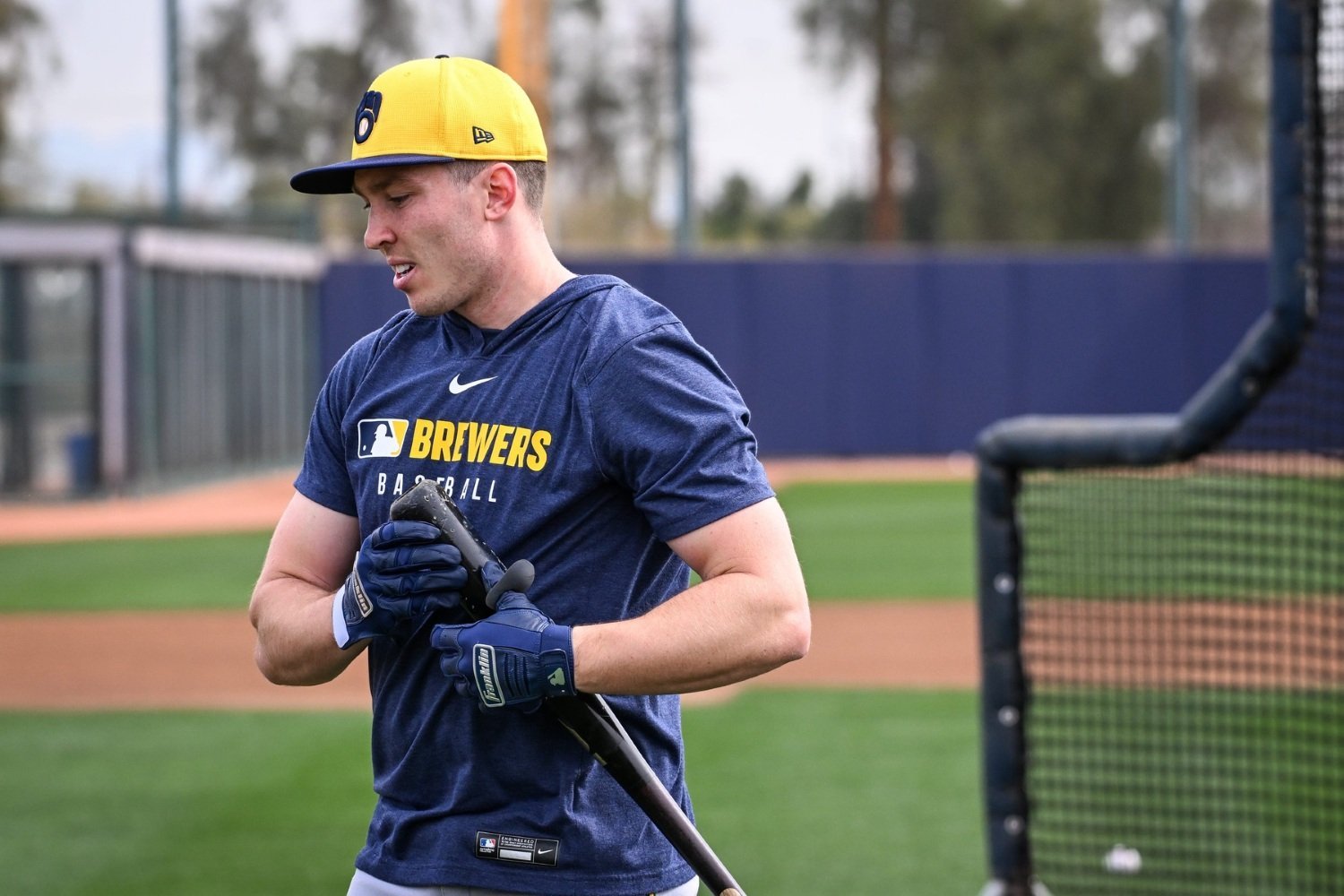 If the 2018 Brewers draft is, in hindsight, an almost unqualified success, then the 2019 draft is… well, the opposite—for now. Just as the 2018 draft’s final chapter has yet to be written, however, the 2019 draft’s story can certainly change. Let's consider where things stand right now. Best Pick: RHP Taylor Floyd Floyd was selected in the 10th round of the 2019 draft, and seems to have topped out as a Double-A pitcher. Floyd hasn’t stagnated in the Brewers organization, though, because in 2023, the club sent him to the Minnesota Twins for a guy named Trevor Megill. Megill broke out for Milwaukee that summer and has been their closer more often than not since the start of 2024, when he filled in for an injured Devin Williams. With 75 saves over that span and a gaudy 24.8 K-BB% this season, Megill is likely to fetch a decent return when the time comes for a trade, and Abner Uribe can take over as the Brewers’ late-inning specialist. Floyd, though, has scuffled at the Double-A level for Minnesota, Seattle, and Cincinnati. This is the type of deal that helps the Brewers make postseason appearances. It turned a pick who never had much chance to reach the big leagues into a key contributor on multiple division-winning teams. Honorable Mention: SS David Hamilton Hamilton helped Milwaukee early on, when he was part of a package that convinced Boston to take on the contract of Jackie Bradley Jr. and send Hunter Renfroe to the Brewers. A year later, the Brewers dealt Renfroe and landed some relievers, including Elvis Peguero, who was a serviceable part of the team's bullpen for multiple seasons. That was before Hamilton came back to Milwaukee as part of the deal that added Shane Drohan and Kyle Harrison to the Crew’s pitching staff. He’s been a solid lineup extender and disruptive baserunner for the 2026 Brewers, and he has a few years of team control left, so it remains to be seen what happens. Methodologically, we probably shouldn't count the value he creates from now on as part of the value of selecting him. On the other hand, knowing the player well enough to have picked him and having insight on his makeup surely helped the front office feel confident bringing him back. One That Got Away: LHP Antoine Kelly Kelly had some injury struggles, but lately, he looks to have revived his career as a possible left-handed relief option, which was his floor when the Brewers picked him in the second round. The team dealt Kelly along with utility player Mark Mathias, and got Matt Bush in return. Bush was lit up more often than not while with the Brewers, and eventually was released in July 2023 after he posted a 5.94 ERA in 37 appearances for them. That's definitely a trade the Brewers wouldn’t repeat if they had the chance for a do-over. Still Potentially Helpful: C Darrien Miller Miller seems like he’s been around forever, but he’s only 25, and he’s in the midst of an offensive breakout. He’s always had OBP skills, both in drawing walks and getting plunked. His left-handed bat has also flashed some power. After tearing up Double-A Biloxi, Miller was promoted to Triple-A Nashville, where he’s not fallen off much. He may be overshadowed by prospects like Jeferson Quero and Marco Dinges, but Miller’s a competent lineup extender, and he’s someone the Brewers have not minded keeping around. His ceiling is extraordinarily low, but he could be a useful backup backstop if the need arises. Overall Grade: D+ The big issue with this draft is whom the Brewers didn’t pick. In the first round, they could have selected infielder Michael Busch (now with the Cubs) or shortstop Gunnar Henderson (Orioles) instead of pitcher Ethan Small. After Kelly in the second round, Jared Triolo and Michael Harris II were selected and delivered reasonably well. That said, the draft grade could still go up some. The potential trade returns for Megill and Hamilton could alter how this draft shakes out. Miller, if he reaches the majors and serves as a backup/platoon mate to Quero, could also bump the grade higher. But this is one draft with which the Brewers can only wonder what might have been, with different selections. View the full article
 -
 Taj Bradley looks like a legitimate number two starter, and Kody Clemens has emerged in the middle of the lineup. But not every Twins storyline has been a positive one in the first half of the season. View the full article
 -
Padres' Rotation Can't Escape Their Fatal Flaw In Second Half
DiamondCentric posted an article in Padres Mission
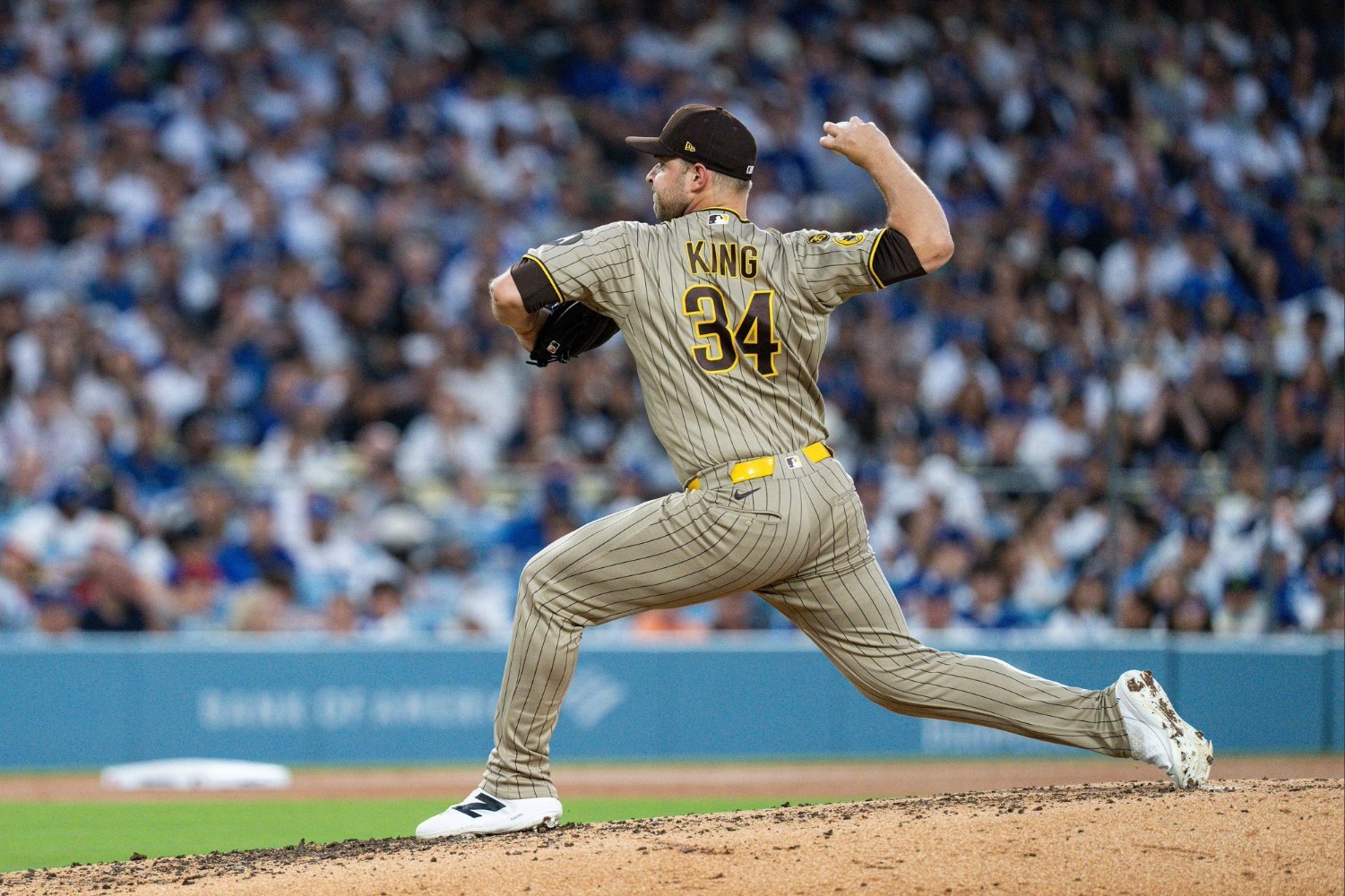 To say that the San Diego Padres have a rotation issue would serve as a rather severe understatement. Nor would it be a stretch to declare their playoff hopes to be all but over, if it's not rectified in short order. Not that the Padres were ever supposed to be a team that could lean on their starting pitching. They were bullpen-forward throughout the offseason, with the expectation that it would combine with their collection of big names and long-term contracts on the positional side to compensate for the shortcomings of their starters. Health and budget issues forced them into the assembly of a staff that relied more on the volume of arms available than the quality of them. As such, that compensation has not happened. Just how bad it's been, though, still seems jarring. The Padres came into the season with a rotation that featured Michael King at its head, followed by Nick Pivetta, Randy Vásquez, Germán Márquez, and Walker Buehler. Each of Griffin Canning & Matt Waldron were set to serve as depth upon recovery from their respective injuries, with JP Sears in El Paso to begin the season as well. Lucas Giolito's arrival early in the season added yet another option. The assumption was that Joe Musgrove would be back in the mix at some point, too. While that's the kind of depth, it's difficult to overstate how complicated that group has become as the season has worn on. King has represented the only source of stability, albeit with massive struggles working deep into games; his ERA the third time through the order is more than nine, against marks of 2.03 & 1.84 the first two turns, respectively. Vásquez held his own through two months before he began to fade. The same goes for Buehler, who endured a particularly bad stretch of three starts (20 ER) heading into the All-Star break. Meanwhile, each of Márquez, Giolito, and Pivetta have missed significant time with injuries, the latter not having appeared since April 12. Likewise, Musgrove's return still hasn't come into focus. That's pressed the likes of Canning and Sears into heavier duty than they might otherwise have warranted at this point. Ultimately, though, the issue here isn't with performance. The Padres were not expecting top-half-of-the-league output from their collection of arms. Instead, it's volume that represents the central issue. The Padres rank just 28th in the league in innings pitched by starting pitchers, with 442.1. That's 4.6 innings per start. That figure doesn't take into account the use of an opener, which has been a route utilized more for Canning specifically. He's only averaged three innings per outing when being deployed as the "bulk" arm, though, so it's not as if the numbers would look more appealing had that side been included. Only three starters have exceeded 80 innings in such a role this year, with the distribution for candidates looking like this in total body of work and innings pitched per start: Michael King: 108.1 IP, 5.7 IP/GS Walker Buehler: 89.0 IP, 4.7 IP/GS Randy Vásquez: 80.2 IP, 5.0 IP/GS Griffin Canning: 46.2 IP, 4.6 IP/GS Germán Márquez: 38.2 IP, 4.8 IP/GS Lucas Giolito: 20.2 IP, 4.0 IP/GS JP Sears: 19.2 IP, 4.8 IP/GS Ideally, you'd like to live in a world where your starting pitcher is giving you at least five innings of work. Obviously, more volume would be the preferred route, but the Padres' construction of their starting staff makes five perhaps the most reasonable ask. They're not getting anything remotely close to that, however. In fact, since June 4, Padres starters have reached six innings only five times. Each of those starts has been from Michael King. Nobody else has sniffed a quality start in more than a month. There's plenty of context that goes into it. Command appears central, with San Diego starters featuring the league's sixth-highest walk rate (9.7 percent). And injuries haven't helped, particularly when the likes of Pivetta or Musgrove may be the most equipped to get you that volume and lack an imminent return date. It all comes together to present a massive two-fold issue for the rest of the roster. On one hand, you have a bullpen that's been pressed into work more frequently than you'd prefer this early in the season. Only four teams have had relievers work more than the Padres and their 406.1 innings of bullpen innings. It also puts the hitters, a group which has largely underperformed, working from behind seemingly from the jump. For an offense that has taken a while to get going, it's part of the reason that the Padres hit the break at exactly .500. It's an issue pinning down the Padres' ability to string together wins. And if it's not rectified soon, it could be their undoing ahead of next month's trade deadline. Unfortunately, it doesn't appear as if there's salvation on the horizon. We still don't know about the returns of Musgrove or Pivetta. Vásquez & Giolito each remain out. That means continued work for Canning, Márquez, Buehler, and Sears in the starting five with no firm way of knowing what you're getting out of any of that group on a given night. What's more unfortunate is that justification for adding to the group before the trade deadline goes out the window if the team can't get this sorted right away; why pull from your already-shallow pool of prospects for an arm when your team finds itself out of the race? Which means that this group needs to find a way to start providing some volume, or the Padres are looking at continued instability through the end of 2026. View the full article
 -
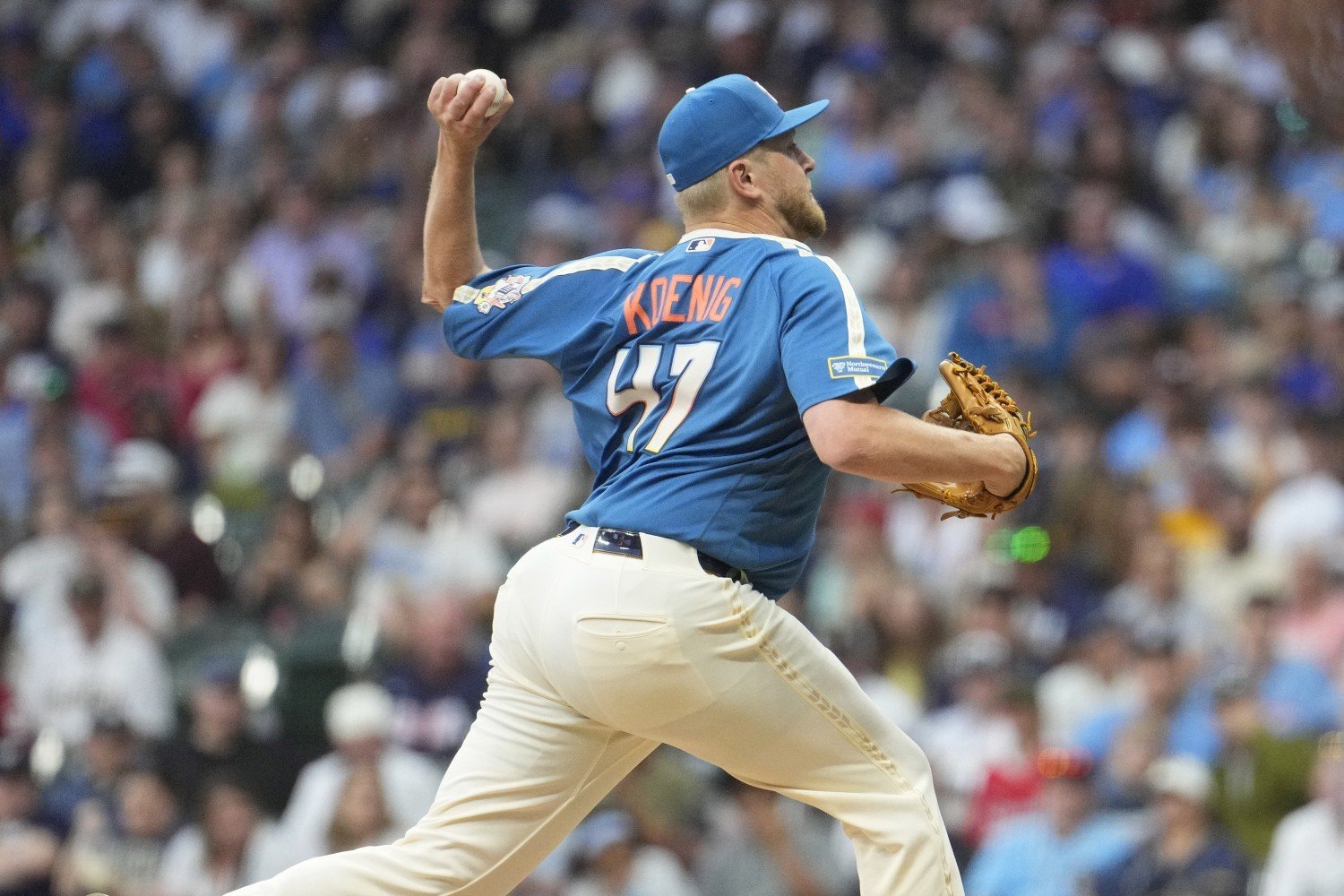 When the Brewers activated newly-acquired Lance McCullers Jr. from the injured list on Friday afternoon, they optioned left-handed reliever Jared Koenig to Triple-A Nashville. It was not a surprising corresponding move, as Koenig allowed five runs (including two walks and a hit-by-pitch) without recording an out in Pittsburgh on Sunday. But it's the latest frustrating chapter in the 2026 season for the veteran southpaw, who was Pat Murphy's Swiss Army knife in each of the last two seasons. His velocity dropped in spring training, and while he avoided surgery for a left UCL sprain, he's pitched to a 4.82 xERA and 6.38 FIP when healthy. "He's been right in the thick of it, maybe underrated, so much in the thick of it," Murphy said. "And to see him go out there and try to compete without his best stuff, he just can't get on track. And the injury in spring, the rehab and the coming back, it just isn't on track." Koenig returned from the injured list at the end of June, and while his stuff and command were inconsistent throughout his rehab assignment, the initial returns after his activation were promising. In his first outing back, his sinker averaged 95.2 MPH and touched 97 in a scoreless inning. The wheels quickly fell off, though, as he allowed seven earned runs and issued six free bases in 4 ⅔ innings after that. "There was a pitch here or there, you're like, 'Wow,'" Murphy said. "But you look at the properties of the pitches, and it's not the same guy." Koenig's overall movement profile hasn't changed dramatically, but it seems like he isn't finishing his pitches as he once did. There's the obvious velocity drop of his sinker (down from 95.8 MPH last year to 94.2 this season). Furthermore, his secondary pitches are moving similarly, but not quite the same way. His cutter is backing up, with slight arm-side run; his changeup has less fade; and his curveball has less depth. Put all of that together, and stuff modeling metrics believe his arsenal is noticeably worse right now. He clearly wasn't trusting his stuff in the same way, either. At his best, Koenig succeeded by aggressively attacking the strike zone with his deceptive sinker, which looked out of his hand like it would cut to the glove side before running back over the plate. Not only has his control vanished since he came back, but he's thrown significantly more changeups to right-handers and cutters to lefties, instead of trusting his sinker. "Now he's [in a] 3-1 [count], now he's nitpicking, now he's pitching like he never has," Murphy said. "He knows he's not helping us, and all that hurts." Murphy said Koenig already knew the move was coming, as he and the Brewers spent recent days developing a plan to get him back to form. Although he was optioned to Nashville, he'll first head to the club's spring training complex in Arizona, where he can focus exclusively on improving his delivery to rediscover his velocity and pitch shapes. That's easier to do in a more controlled environment than at the big-league level. "He didn't feel like he could get the work in between either, because he had to be available, right? So it's hard to be available and get your work in between," Murphy said. "So hopefully we can set up something where he gets his work, gets his delivery locked down, the properties of his pitches start to increase with a little more rest in between." Koenig's status underscores Milwaukee's need for more pitching help ahead of the August 3 trade deadline. Middle relievers often have short shelf lives, so even if his stuff is not far off from usual, the Brewers are best advised not to expect him to bounce back. Without Koenig, Aaron Ashby is their lone active left-handed reliever, although DL Hall is nearing a rehab assignment. The front office could directly fortify that group by trading for a reliever or two, or it could add another starter to bump Shane Drohan or Robert Gasser to the bullpen. Even after acquiring McCullers and Colton Gordon, they should still be scouring both markets in the coming weeks. Koenig has been a trusted and well-liked piece of their bullpen for longer than many middle relievers last, but at this point, anything he can give them down the stretch is gravy. View the full article
 -
 Although the Shuckers were the lone victors among the full-season squads, there were individual efforts of note throughout the system, and the Dominican youngsters were twice victorious. Transactions: Milwaukee Brewers optioned LHP Jared Koenig to Nashville Sounds Nashville Sounds released SS Eddys Leonard. RHP Cameron Wagoner assigned to Nashville Sounds from Biloxi Shuckers. LF Jacob Hurtubise assigned to Nashville Sounds from Biloxi Shuckers. RHP Will Childers assigned to Biloxi Shuckers from Nashville Sounds. Wilson Warbirds activated OF Nick Monile from the Development List. Milwaukee Brewers signed SS Trey Ebel. Nashville Pre-Game Media Notes (unavailable) Final: Norfolk (Orioles) 4, Nashville 2 Box Score and Game Log Considering this was a home game, a little surprising that the Sounds were offline, at least as of this morning's "post time". No media notes, no game summary. This is from the Tides: "Norfolk rallied late, using a two-run 7th inning and a final insurance run in the 9th to break a 2-2 tie. In the 7th, Luis Vázquez delivered a go-ahead triple that scored Ryan Noda, and Vázquez himself later scored on a balk. The Tides added a final run in the 9th on a sacrifice fly by Vázquez, which brought José Barrero home. Barrero was active on the basepaths throughout the night, stealing two bases in the final frame. Norfolk starter Cade Povich pitched five innings, allowing two solo home runs-one to Luke Adams in the 2nd and one to Jeferson Quero in the 4th. The Tides' bullpen was effective in relief, with Josh Walker earning the win and Jose Espada recording his second save of the season. Despite a 28-minute rain delay early in the contest, the Tides managed to capitalize on their scoring opportunities, while their defense held the Sounds scoreless from the 5th inning onward." Quero has been nothing but a designated hitter for several weeks now, so it'd take a surprise promotion or an outside acquisition if the big-league catcher tandem were in any way sidelined. Eight days off brought this 24-year-old back strong! As soon as Hardin exited, normally solid RHP Reiss Knehr (actual first name David, who knew?) walked the first man he faced, not ideal. An RBI triple followed, that tied the game at 2-2, and Knehr then balked in the go-ahead run. Best succeeding chance for the Sounds came in the bottom of the 8th, when a two-out threat materialized as Tyler Black had an infield single to first and surprise, Luke Adams was hit by a pitch. Quero grounded out. We thought that the All-Star Break might have brough Jett Williams (wrist) back Friday, but not the case. Catch up with the latest Biloxi pre-game audio interview archives Biloxi Pre-Game Media Notes Final: Biloxi 4, Pensacola (Marlins) 2 Box Score and Game Log Via the Shuckers, game details, and we encourage readers to always review affiliate write-ups as part of their Link Report routine: O'Rae Makes History in Shuckers Series-Opening Win - Adamczewski records multi-hit performance, Shuckers pitching strands 10 baserunners Is a .446 2026 OBP for Josh A. good? Seems good. He also walked. Andrew Fischer the designated hitter for the 11th time in 2026. Mike Boeve had the night off as Jheremy Vargas got the start at third base. Here vs. a southpaw - it's just another aspect of Fischer's numbers that are off the chart - 1.137 OPS vs. LHP's is higher than his 1.122 OPS vs. righties. 40-for-48 on the season, 83.3% success rate: A bit unusual to go with a bullpen game out of the box post-break, but RHP Travis Smith did very well in the four-inning bulk role. Shuckers were only 3-for-6 in stolen base attempts and there were three infield errors (Blake Burke, O'Rae, Jesús Made), so escaped with a win seems fair. Made did walk twice. Wisconsin Pre-Game Media Notes (download link) Final: Quad Cities (Royals) 13, Wisconsin 10 Box Score and Game Log Via the Timber Rattlers, game details: Bandits Outslug Timber Rattlers - Wisconsin falls to Quad Cities in series opener Be sure to catch Luis Pena's defensive gem at shortstop at the 03:00 minute mark. Pena reached base five times, by the way. Plus, pretty sure Braylon Payne would tell us that he should have caught the crushing two-out, three-run double at the 03:40 mark. Hope you read the game summary, and my-oh-my, the tale of two teams not taking advantage of wildness and then taking advantage of wildness in the bottom of the 3rd / top of the 4th. The Rattlers were not the beneficiaries. There were 22 free passes issued in this game (BB's and HBP's), which helps explain this: T: 3:41. Not only did RHP Tanner Perry strand three runners for Jose Meneses, but he also tacked on two scoreless frames. RHP Garrett Hodges allowed one run late but otherwise had a strong outing. The outings for LH starter Wande Torres, Meneses, and Daniel Corniel were uncharacteristically ineffective. The High-A samples are small - 12 and 7 games, respectively - but the early post-promotion work of OF Tyler Rodriguez (.985 OPS) and C Yannic Walther (.997) is worth noting, among the reasons the Wisconsin offense has continued to produce in the wake of the Fischer and Adamczewski bumps to Biloxi. Bonus points for the video package including the word "slobberknocker" considering it was Wrestling Night at the ballpark. Wilson Pre-Game Media Notes Final: Hickory (Rangers) 7, Wilson 5 Box Score and Game Log Late Rally Lifts Hickory Past Wilson - Warbirds hit three home runs in loss If Myrtle Beach has by far the best broadcast set-up in the Carolina League (heck, perhaps in all of baseball), then we learn Hickory is on the other end of that spectrum, at least on home run balls. Did you catch Trey Ebel's booth interview during the Brewers broadcast? Catch a small portion of it here. This unfortunate Brady Ebel throw to the plate in the 8th allowed the Crawdads to take a 6-5 lead. Ebel was charged with an error. Starting RHP Jacob Morrison didn't issue any free passes and six of his 11 outs recorded were via strikeout, but he allowed a home run and double among seven hits (five runs, four earned). Final: ACL D-Backs 10, ACL Brewers 6, seven innings as scheduled Box Score and Game Log The free-falling A-Crew drops to 25-30. There are only five games remaining in the Arizona Complex League season, so Maryvale won't be over .500 for 2026. Things looked good early, Brewers up 4-0 after one inning in Maryvale. I'll invite you to review that game log as three runs crossed the plate before the good guys even had a base hit. Maryvale received ten free passes in all for the game. Team RISP: 1-for-10. Team LOB: 8. Good to see Jonathan Rangel back after exiting early from the catcher position Wednesday. He played first base here. Maryvale pitchers walked nine of their own, and the ERA column in the box score indicates it's been a rough season for those involved. Shortstop CJ Hughes (DH'ing here) is now 15-for-20 in stolen base attempts. Final: DSL Brewers Blue 10, DSL Tampa Bay 2 Box Score and Game Log The Men in Blue reached base a lot in this one - 15 base hits, six of them doubles, plus seven free passes (five walks, two HBP's). They stranded 13, which seems poor, but were 8-for-19 in RISP situations. Let's first give props to the mound efforts of RHP Jesus Vasquez, the Venezuelan native turns 18 years old at the end of the month. Fellow countryman and also 17 years old, RHP Daniel Munoz also pitched well. Highlighted by five scoreless walk-free frames from Vasquez, the two combined for eight strikeouts over eight innings of one-run ball. The offensive box score is fun, with hits for all. Yes, third baseman Leanders Matos, who turned 17 July 2nd, did have one of the doubles as he lifted his OPS to 1.080. The Rays committed five errors as two of the runs were unearned. That still means eight runs were rightly earned, enjoy your box score and game log review. Final: DSL Brewers Gold 5, DSL LAD Bautista (Dodgers) 2, seven innings as scheduled Box Score and Game Log Four Brewers reached base twice in the shortened game while it was Cerveceros Day in Milwaukee. Fello Link Reporter "Ro" detailed the playoff-hopeful status of each DSL team here. Check out the game log for 2nd-year RHP Raymond Sarmiento, yet another Venezuelan. Behold those last five appearances! 22 IP, 10 H, 2 R, 7 BB, 19 K. Sweet! The DSL teams are idle on Saturday in anticipation of Sunday's All-Star Game. Maryvale plays twice on Saturday, including the resumption of a suspended game. The Timber Rattlers play twice as well, including once as a road team in Appleton. So, still a seven-game heavy docket. Have a fine summer Saturday, everyone! Organizational Scoreboard including starting pitcher info, game times, MiLB TV links, and box scores Current Milwaukee Brewers Organization Batting Stats and Depth Current Milwaukee Brewers Organization Pitching Stats and Depth View the full article
 -
Three Cubs Who Are Primed for a Second-Half Breakout
DiamondCentric posted an article in North Side Baseball
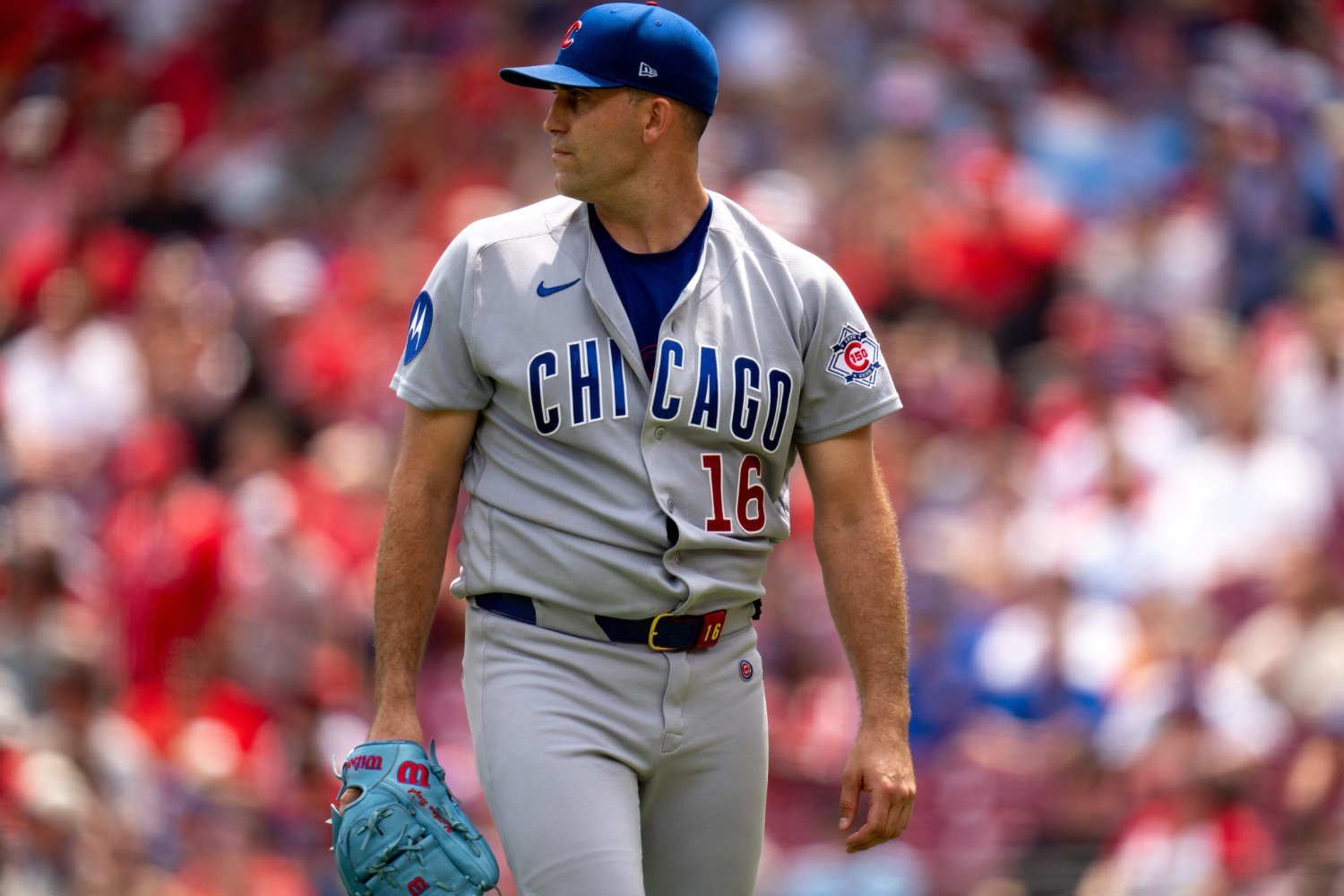 The Chicago Cubs sit 12 games above .500 coming out of the All-Star Break, and all things considered, that's pretty impressive. The pitching staff has been absolutely decimated by injuries—you could almost put together an entire pitching staff just from the names currently on the injured list. Despite that, Chicago has managed to stay firmly entrenched in the playoff picture. A lot of that has been thanks to an offense that's been one of the best in baseball, along with several pitchers stepping up when the team has needed them most. And yet, there are still a few key players who haven't quite looked like themselves this season. If the Cubs are going to make a legitimate run in October, they're going to need those players to turn things around over the second half. So with that, here are three Cubs that I believe are in line for big second halves. Nico Hoerner The first name on the list is Nico Hoerner. Hoerner got off to an extremely strong start to the season. Over the first month, he was hitting .307 with an .855 OPS and a 137 wRC+, looking every bit like one of the most complete middle infielders in baseball. Unfortunately for the Cubs, that success didn't last. Fast-forward to the All-Star break, and Hoerner is hitting just .233 with a .631 OPS and a 79 wRC+, making him comfortably below league average offensively. Even with those struggles, though, there are plenty of reasons to believe a turnaround is coming. For starters, the underlying metrics paint a much more optimistic picture than the traditional numbers do. Hoerner owns a .284 expected batting average, which is dramatically higher than his actual mark, and his expected slugging percentage also sits comfortably above his current production. That suggests he's been one of the more unlucky hitters in baseball this season, and beyond the expected numbers, he's still Nico Hoerner. His bat-to-ball skills remain among the very best in the sport. He ranks in the 98th percentile in whiff rate and the 100th percentile in strikeout rate, meaning almost nobody puts the bat on the ball more consistently than he does. Pair that with his exceptional defense at second base, and it's easy to see why the Cubs handed him a lucrative extension earlier this year. The underlying data would indicate that Hoerner has simply gotten extremely unlucky at the plate, and eventually, that kind of bad fortune tends to even itself out. I fully expect a big second half from the Cubs' second baseman. Matthew Boyd The next player who needs to step up is Matthew Boyd. And to be fair, Boyd deserves a little bit of leeway. Despite carrying a 4.50 ERA into the second half, his season took a bizarre turn back in early May when he tore his meniscus after sitting down to play with his kids. He was just trying to be a good dad—such a cruel world. Even outside of the injury, though, 2026 has been a frustrating season for Boyd. The encouraging part is that his actual stuff still looks really good. His whiff rate and chase rate both rank in at least the 78th percentile among major-league pitchers, showing that hitters are still having plenty of trouble squaring him up when they swing. He's also continued doing what he's always done well, which is throwing strikes and attacking the zone. The biggest issue has simply been the quality of contact when hitters do connect. His hard-hit rate ranks all the way down in the fourth percentile, while his barrel rate and average exit velocity aren't much better. That's obviously not ideal. At the same time, Boyd's 3.58 FIP suggests he's been considerably better than his ERA would indicate and that he has suffered from some poor luck on balls in play. He's also looked much sharper since returning from the injured list. Across four starts after coming back, Boyd has allowed just seven earned runs over 22 innings, giving the Cubs exactly the kind of stability they've desperately needed in an injury-riddled rotation. Health permitting, Matthew Boyd feels like someone who's in line for a nice second half. And with how banged up the Cubs' starting rotation has been all year, they'll absolutely need it. Alex Bregman The third and final player I'll mention is, of course, Alex Bregman. After signing a massive five-year, $175 million contract this offseason, it hasn't exactly been the start in Chicago that Bregman envisioned. He's hitting just .241 with a sub-.700 OPS, and unlike Hoerner, the underlying metrics don't really suggest he's been the victim of bad luck. Both his expected batting average and expected slugging percentage are actually three points lower than his current numbers, while several of his quality-of-contact metrics rank among the worst of his career. So, this prediction is definitely more speculation than it is data-driven. But sometimes history matters. Throughout his career, Bregman has consistently been a much better hitter during the second half of the season. His career second-half slash line sits at .284/.372/.508, which is comfortably better than his .260/.356/.446 line before the All-Star Break. For whatever reason, Bregman always seems to hit the ball harder, reach base more often, and perform at a higher level once the calendar creeps closer to October. Maybe 2026 ends up being the exception. Maybe this is simply the beginning of a long-term decline. But I'm not quite ready to believe that yet. Instead, I'm betting on another classic Bregman second-half surge over the final two-and-a-half months of the regular season. If that happens, it'll give the Cubs another dangerous bat in an already-loaded lineup and make them an even tougher team to deal with once October arrives. View the full article
 -
From Surgery Table To The RidgeYaks: A Conversation With Cole Tolbert
DiamondCentric posted an article in Talk Sox
 A baseball lifer, Cole Tolbert, did everything to get into professional baseball. Unfortunately, after his first taste of it, the experience would be put on hold due to Tommy John surgery. Now in 2026, Tolbert is once more on the mound as he pitches for the Salem RidgeYaks as his professional career has resumed. View the full article
 -
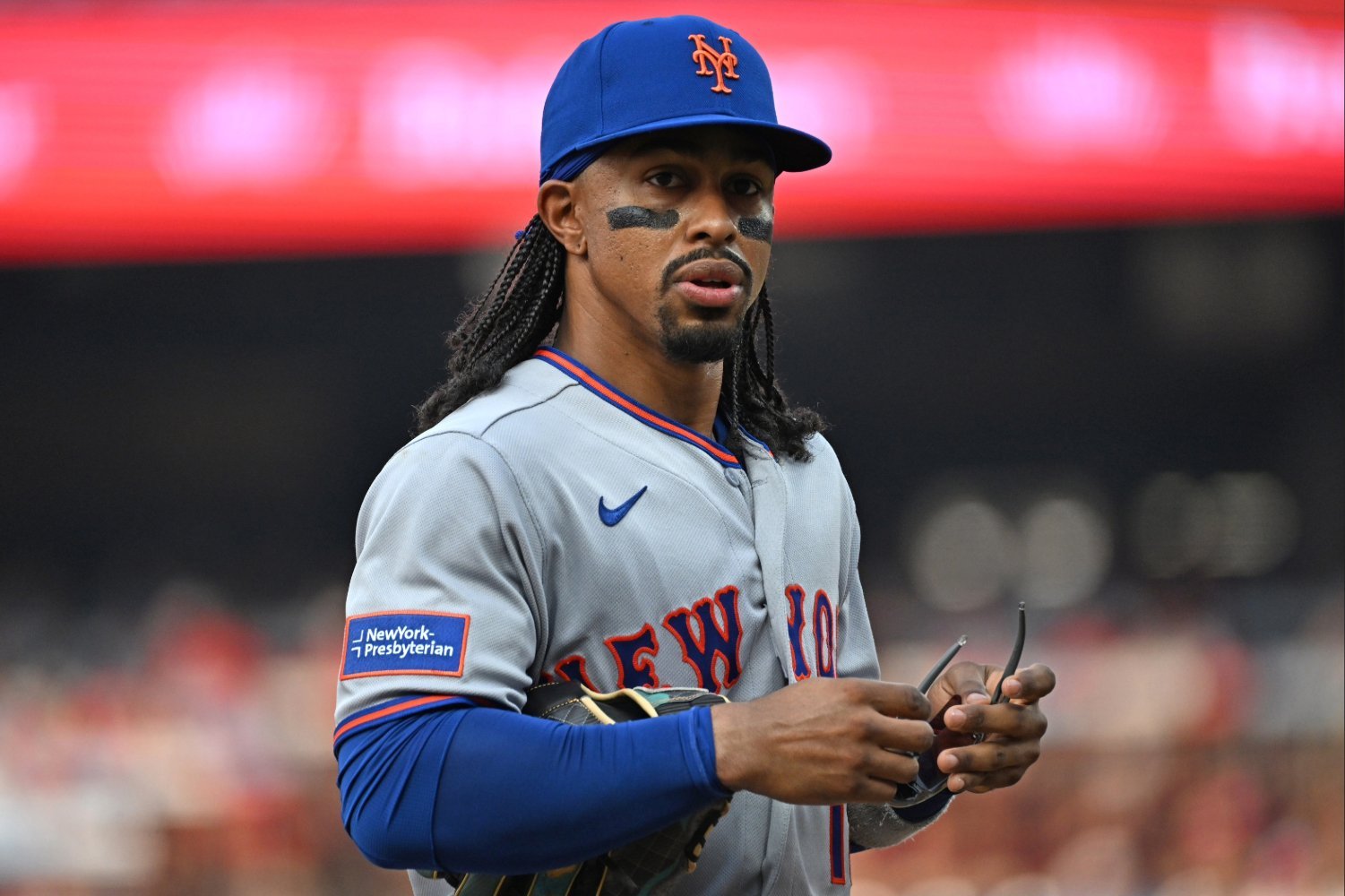 The 2026 campaign has been an unmitigated disaster for the New York Mets. From several controversial offseason decisions in the construction of the roster to the Francisco Lindor hamate bone surgery and multiple in-season injuries, you can even say things went downhill before the season even started. Speaking of Lindor, some fans believe the last-place Mets, who boast a 40-57 record, should at least listen to potential trade approaches on their franchise shortstop. It’s certainly not a crazy idea. Should they do it, though? Should the Mets entertain the possibility of flipping their star infielder? Let’s just start by saying that any deal involving Lindor is highly unlikely. We are talking about a 32-year-old player making over $30 million per year for five more seasons, plus what’s left of 2026. Teams probably won’t be lining up to acquire a declining player making that much money, especially not with the pending lockout. Mets Will Need to Get Creative to Trade Francisco Lindor It’s certainly not impossible, though. The Mets have proven throughout the years that, at least since Steven Cohen took over, they are willing to cover the salaries of outgoing players in order to maximize the potential return package. To get Drew Gilbert and Ryan Clifford in 2023, the Mets sent Justin Verlander and a huge chunk of cash ($25 million) to Houston. They did the same with Max Scherzer, paying $35 million to the Texas Rangers to get Luisangel Acuna. To do this with Lindor, however, would be much more complex. The Mets still owe him close to $200 million, which is certainly not insignificant money. Complicating matters is the shortstop's 2026 performance. He slashed .216/.298/.373 with five home runs, two stolen bases, 22 runs scored, 12 RBI, and a 90 wRC+ in 40 games and 171 plate appearances in the first half. He had to deal with the hamate bone surgery in February, and then with a calf strain that landed him on the injured list in late April. He was activated in late June but hasn't been anywhere close to his prime self. Keeping Lindor Is In the Mets' Best Interests Fans’ urgency and desire to trade him are understandable to a degree. The season has been, for lack of a better word, a frustrating one. But keeping him is the wisest choice for now. First of all, trading him at this juncture and with all the aforementioned circumstances would be selling low, and there’s no point in doing that. Additionally, he should eventually return to full health and to top form. It might not happen this month or this season at all, but it will happen in all likelihood. It’s easy to forget just how good Lindor was last season, when he was fully healthy. He slashed .267/.346/.466 with 31 home runs, 31 stolen bases, 117 runs scored, and a 129 wRC+. He put up 6.3 fWAR. It might not look like it right now, but Lindor hasn’t forgotten how to play baseball. He just needs to be closer to 100 percent health to show it. Fans might have to temper their expectations a bit for the second half, but even though he is aging, he could be in for a huge bounce-back campaign next year, with the Mets boasting a better team overall. There’s even a chance he starts playing like the Lindor we all know this year, in the second half. Perhaps a trade involving Lindor would become feasible once the new Collective Bargaining Agreement (CBA) is agreed upon. For now, however, the Mets are virtually stuck with him. That might not be such a bad thing — one rough half shouldn’t make people lose perspective on who he is as a player. View the full article
 -
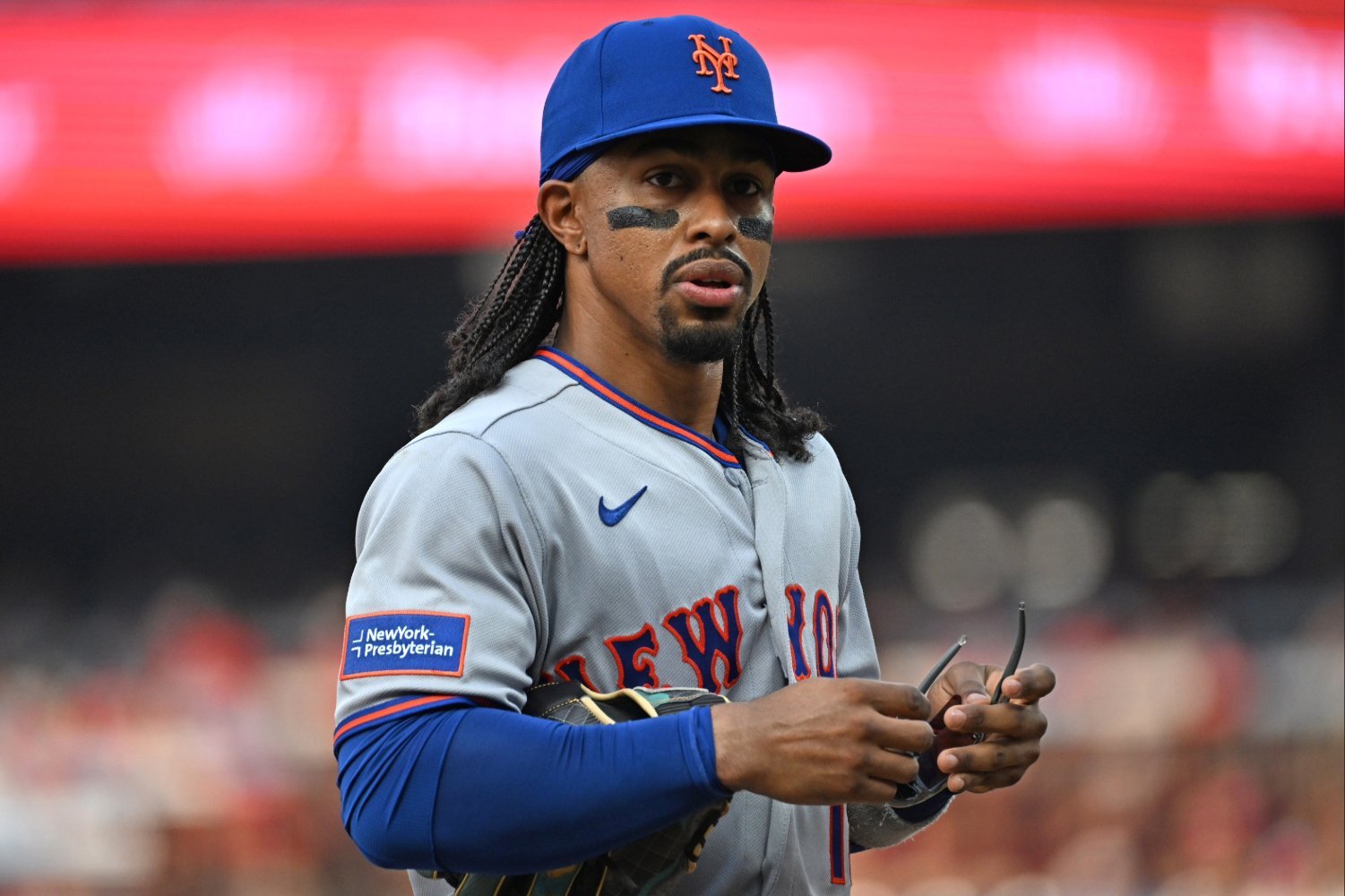 The 2026 campaign has been an unmitigated disaster for the New York Mets. From several controversial offseason decisions in the construction of the roster to the Francisco Lindor hamate bone surgery and multiple in-season injuries, you can even say things went downhill before the season even started. Speaking of Lindor, some fans believe the last-place Mets, who boast a 40-57 record, should at least listen to potential trade approaches on their franchise shortstop. It’s certainly not a crazy idea. Should they do it, though? Should the Mets entertain the possibility of flipping their star infielder? Let’s just start by saying that any deal involving Lindor is highly unlikely. We are talking about a 32-year-old player making over $30 million per year for five more seasons, plus what’s left of 2026. Teams probably won’t be lining up to acquire a declining player making that much money, especially not with the pending lockout. Mets Will Need to Get Creative to Trade Francisco Lindor It’s certainly not impossible, though. The Mets have proven throughout the years that, at least since Steven Cohen took over, they are willing to cover the salaries of outgoing players in order to maximize the potential return package. To get Drew Gilbert and Ryan Clifford in 2023, the Mets sent Justin Verlander and a huge chunk of cash ($25 million) to Houston. They did the same with Max Scherzer, paying $35 million to the Texas Rangers to get Luisangel Acuna. To do this with Lindor, however, would be much more complex. The Mets still owe him close to $200 million, which is certainly not insignificant money. Complicating matters is the shortstop's 2026 performance. He slashed .216/.298/.373 with five home runs, two stolen bases, 22 runs scored, 12 RBI, and a 90 wRC+ in 40 games and 171 plate appearances in the first half. He had to deal with the hamate bone surgery in February, and then with a calf strain that landed him on the injured list in late April. He was activated in late June but hasn't been anywhere close to his prime self. Keeping Lindor Is In the Mets' Best Interests Fans’ urgency and desire to trade him are understandable to a degree. The season has been, for lack of a better word, a frustrating one. But keeping him is the wisest choice for now. First of all, trading him at this juncture and with all the aforementioned circumstances would be selling low, and there’s no point in doing that. Additionally, he should eventually return to full health and to top form. It might not happen this month or this season at all, but it will happen in all likelihood. It’s easy to forget just how good Lindor was last season, when he was fully healthy. He slashed .267/.346/.466 with 31 home runs, 31 stolen bases, 117 runs scored, and a 129 wRC+. He put up 6.3 fWAR. It might not look like it right now, but Lindor hasn’t forgotten how to play baseball. He just needs to be closer to 100 percent health to show it. Fans might have to temper their expectations a bit for the second half, but even though he is aging, he could be in for a huge bounce-back campaign next year, with the Mets boasting a better team overall. There’s even a chance he starts playing like the Lindor we all know this year, in the second half. Perhaps a trade involving Lindor would become feasible once the new Collective Bargaining Agreement (CBA) is agreed upon. For now, however, the Mets are virtually stuck with him. That might not be such a bad thing — one rough half shouldn’t make people lose perspective on who he is as a player. View the full article
 -
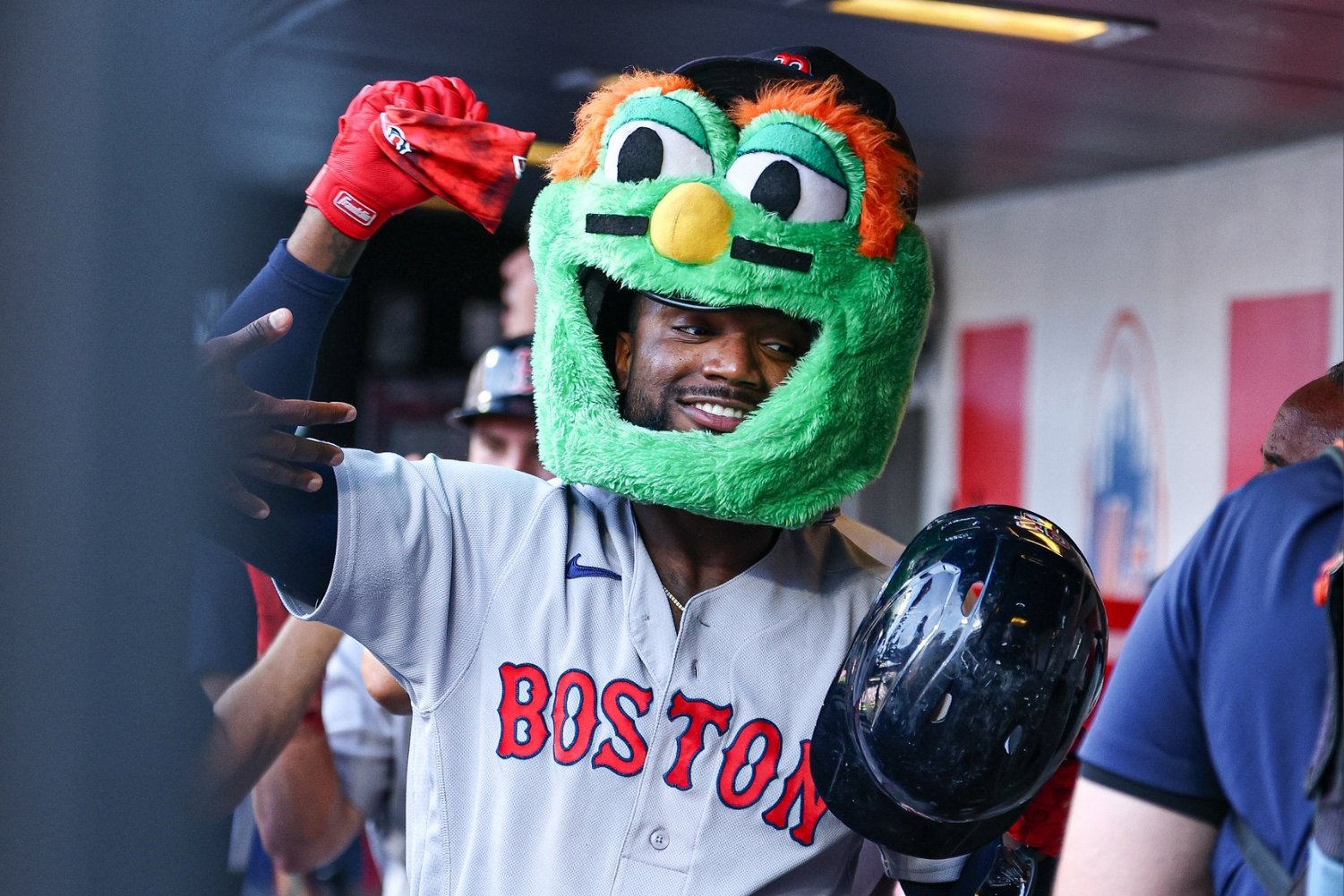 Craig Breslow spent most of June watching a relatively simple trade-deadline decision come into focus. If the Boston Red Sox continued losing, he could move veterans such as Sonny Gray, Aroldis Chapman and Willson Contreras, add to the farm system, and turn the organization’s attention toward 2027. Nine consecutive wins ruined the simplicity of that plan. Boston reached the All-Star Break at 46-48 after sweeping an entire nine-game road trip through Anaheim, Chicago and New York. The Red Sox have won 14 of their last 16 games and now sit only half a game out of the final American League Wild Card spot. They are still below .500, yet firmly back in the race. The All-Star Break was always going to provide the clearest checkpoint. When the Red Sox were 21-27 in late May, somewhere around a .480 winning percentage felt like enough to keep the Wild Card chase realistic. Reaching .500 would give the front office room to add, while falling 10 or more games under would leave little reason to delay a sell-off. Boston arrived almost exactly where it needed to be. A .489 winning percentage is not especially impressive, but the American League has given the Red Sox room to recover. FanGraphs now gives them approximately a 40 percent chance to reach the postseason. On June 12, Red Sox president and CEO Sam Kennedy acknowledged that the organization might have to abandon its original plan to buy. Boston had not yet reached its lowest point, but it would eventually fall 14 games below .500 and 6 1/2 games out of a playoff spot. “Unless things change dramatically, we may have to pivot here from what our initial planning was,” Kennedy said. “It just wouldn’t be responsible to do otherwise.” Less than two weeks later, the season changed dramatically. The 14-2 run has survived injuries, a suspension and a travel delay that left the team arriving in New York only hours before facing the Mets. It has also required contributions from nearly every corner of the roster. Payton Tolle opened the Chicago series with six scoreless innings. Patrick Sandoval allowed one run in his first major-league appearance since 2024. Gray handled the travel chaos before the opener in New York and improved to 11-1 with six innings of one-run baseball. Wilyer Abreu, Jarren Duran and Ceddanne Rafaela contributed, but so did Andruw Monasterio, Anthony Seigler and Caleb Durbin. Those performances matter even more with Garrett Crochet and Roman Anthony still sidelined. Ranger Suárez also landed on the injured list, while Contreras missed four games serving his suspension. Some perspective is fair. The Angels and Mets are among the worst teams in baseball, and Boston should have beaten both. Sweeping the first-place White Sox carries more weight. However, a perfect trip is still a perfect trip. Teams trying to recover from 14 games under .500 do not need to apologize for beating weaker opponents. Before the streak, Gray, Contreras and Chapman looked like logical trade candidates. Now they are among the biggest reasons this team is back in contention. Yes, trading them might produce a strong prospect return. It would also strip away the heart and soul of this team. Contreras does not sound ready to leave, and it appears he has taken the decision out of Boston’s hands. According to MassLive’s Chris Cotillo, Contreras told the Red Sox he would not waive his no-trade clause and wants to finish his career in Boston. During the All-Star festivities, he also offered a simple explanation for his optimism: “We’re not where we want to be, but we are on our way there.” Boston opens the second half with 10 home games against Tampa Bay, Baltimore and Toronto before visiting the Athletics and Dodgers ahead of the Aug. 3 deadline. The Red Sox are 29-21 on the road but only 17-27 at home. If the turnaround is real, it needs to follow them to Fenway. Even if the run holds, Breslow does not need to make an all-in trade. Boston has not earned the kind of deadline that empties the top of the farm system for a rental. Keeping the veterans already producing and adding another right-handed bat or a useful bullpen arm would give the current group help without sacrificing the organization’s best young talent. A collapse after the break could reopen conversations that appeared inevitable only a few weeks ago. For now, selling would require Breslow to dismantle a team that just played its way back into October contention. View the full article
