


DiamondCentric
-
Posts
2,631 -
Joined
-
Last visited
Never
Content Type
Profiles
Forums
Events
News
Tutorials & Help
Major League Baseball Videos
Guides & Resources
Store
Downloads
Gallery
Everything posted by DiamondCentric
-

Chicago Cubs Pitchers of the Month: June 2026
DiamondCentric posted an article in North Side Baseball
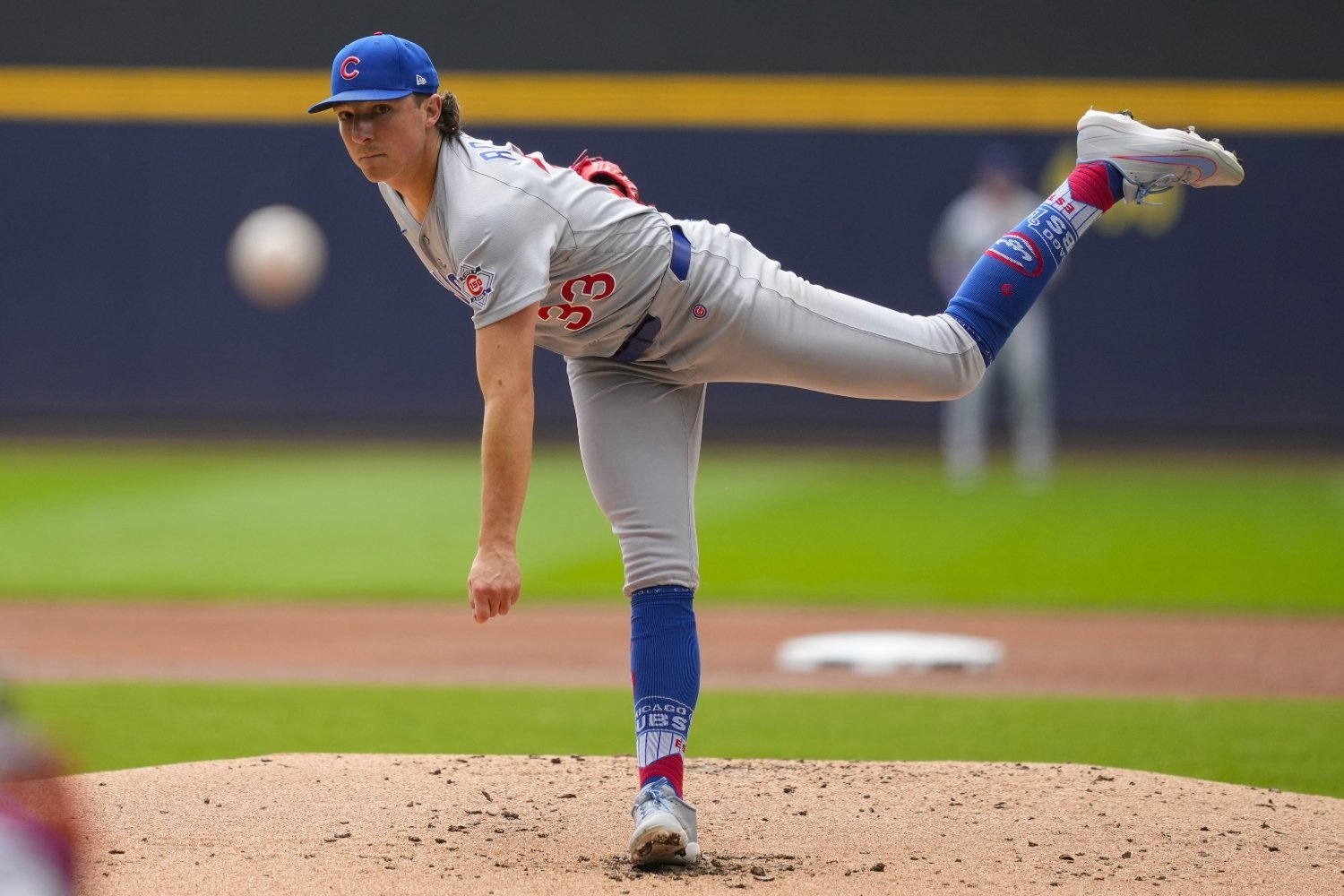 The Chicago Cubs pitching staff, to put it gently, is in shambles as June comes to a close. The fact that the team is ten games over .500 with five starters, their closer, the anticipated set-up man, and hordes of others on the injured list is quite remarkable. Even more so, the pitching staff, patchwork as it is, somehow keeps holding its own, or at least isn’t preventing the team from winning recently. I still watch games with a certain whiff of dread, though. They simply are almost out of arms! The North Siders' race to October may simply devolve into a war of attrition against themselves. Nevertheless, these three pitchers were not only successful in June, but in their own ways emblematic of the team as a whole. Ranking Cubs' Best Pitchers in June 3rd Place: Shota Imanaga 1-0, 4.13 ERA, 1.09 WHIP, 28 IP, 5 BB, 23 K, 7 HR allowed The Good When you look at Imanaga’s June, he was battling on the mound. While he wasn’t involved in many decisions, the Cubs did go 4-1 in his five starts. Imanaga has also averaged just one walk per start, keeping runners off the bases. He also continues to be just a fun, expressive player; he’s easy to root for. As the last man standing from the projected rotation, Imanaga is quite important the rest of the way. The Impending Doom Seven home runs this months is emblematic of the staff as a whole. The Cubs lead the entire MLB in home runs allowed, and the new batch of 2019-style 'bouncy balls' won’t help. Wrigley winds seem to have gone back to their classic mode as well. Imanaga, a noted fly ball pitcher, will have to keep the ball on the infield dirt more to utilize the roster's brilliant defense. He, along with the rest of the staff, should realize that a good defense can’t catch balls that fly onto Waveland. 2nd Place: Ben Brown 2-0, 1.65 ERA, 0.98 WHIP, 16 IP, 12 K The Good Brown continued his breakout season last month... until a recurrence of his neck issue from two years ago derailed it. Many internet articles of the theme of “Where would the Cubs be without Ben Brown” were published. Well, I guess we’ll find out! He was putting up great numbers, though it would have been nice to see him maintain that performance across an entire season. At the very least, Brown will have a great Strat-0-Matic card if he takes a while to return tot he mound. The Impending Doom Brown, like the Cubs as a whole, was on a razor’s edge this season. Hard contact was always his bugaboo and his stats masked some troubling trends. Opponents slugged .339 against him in June, up from a stellar .176 in May. The eye test confirmed it as well; teams were starting to solve Ben Brown’s puzzle. The injury happened at the perfect time to preserve his stats and optimism about him as a starter. Razzball fantasy projections have Brown with a 3.72 ERA going forward if healthy. And that’s the rub with the Cubs' rotation: Most of these guys aren't great pitchers. They’re all capable of a solid stretch, but the most important guys are already injured. They can replace an average pitcher with another (at least close to) average guy in most cases. Brown was evolving beyond that threshold in 2026, but for now, the team will attempt to replace his production with David Peterson. Winner: Ryan Rolison 2-0, 1 save, 0.68 ERA, 15 K in 13 IP, 0.68 WHIP The Good Jed Hoyer found another reliever on the scrap heap, turning trash into treasure. Rolison has been an opener, closer, high-leverage guy, and overall godsend to the otherwise beleaguered bullpen. While not fully inspired with confidence so far, this seems to be the Brad Keller find of the offseason, and kudos to Hoyer for identifying the traits he had that led to his success so far. The Impending Doom Rolison could implode, joining the other failed signings of Hunter Harvey, Phil Maton, Hector Neris, and basically anyone Hoyer has signed to high-dollar relief deals. The bullpen's larger issues are being masked by the unlikely success that Rolison is having. Any regression or injury from the sterling southpaw, and the 'pen will implode even more than it is doing already. So there it is! There’s some good, but there’s impending doom in every area. This team will need to carry its pitching staff if they’re going to make a playoff run, though perhaps some better health in the second half (we should be so lucky) could flip the script. View the full article
 -
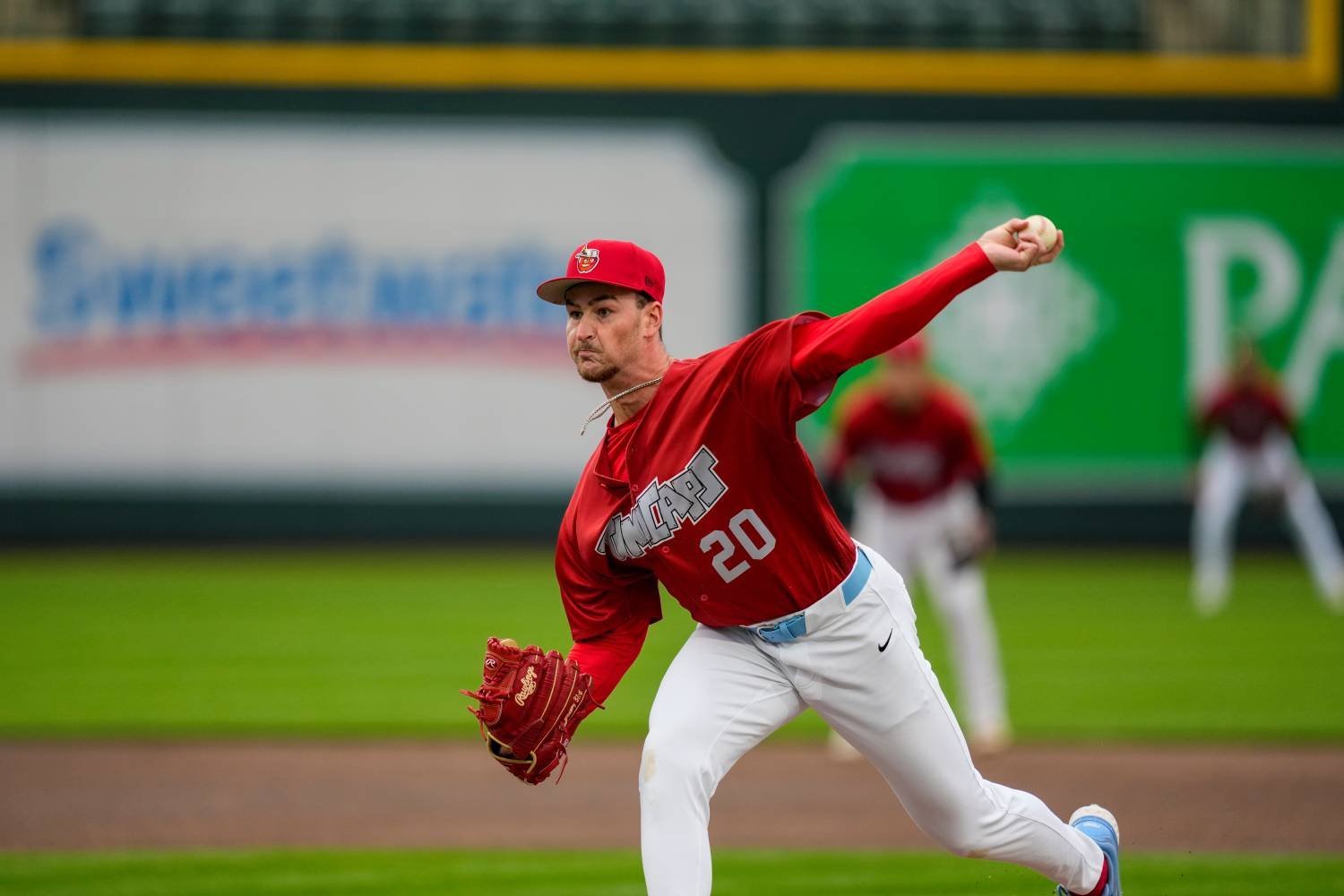 The San Diego Padres' top two prospects are heading to the Futures Game. Catcher Ethan Salas, Padres Mission's No. 1 prospect, and left-handed starter Kash Mayfield, Padres Mission's No. 2 prospect, were named Wednesday to the showcase of MLB's top young minor-league players. Both players will represent the NL in the July 12 game at Citizens Bank Park in Philadelphia. This is the second selection for the 20-year-old Salas, who also played in the 2024 Futures Game. Salas was just activated off the seven-day injured list by the Double-A San Antonio Missions following a minor oblique injury. The left-handed hitter has a .277/.347/.427 slash line with seven homers, 33 RBIs and 13 steals in 56 games this year. He missed all but 10 games of 2025 with a stress fracture in his lower back. Salas was the No. 1 international player in the 2023 signing period. Mayfield, the Padres' first-round draft choice in 2024 (25th overall pick), has been having a mostly banner season at High-A Fort Wayne. In 12 starts, Mayfield has a 3.22 ERA with a 10.9% walk rate and 30.3% strikeout rate in 44⅔ innings. He also has allowed a .192 opponent batting average. He began the season with three scoreless starts in which he allowed just one hit (coming in the third game) covering 12 innings, with five walks and 16 strikeouts. Mayfield had a mid-June start skipped to manage his workload. Salas will be one of 19 No. 1 prospects to represent their franchise at the Futures Game. View the full article
 -
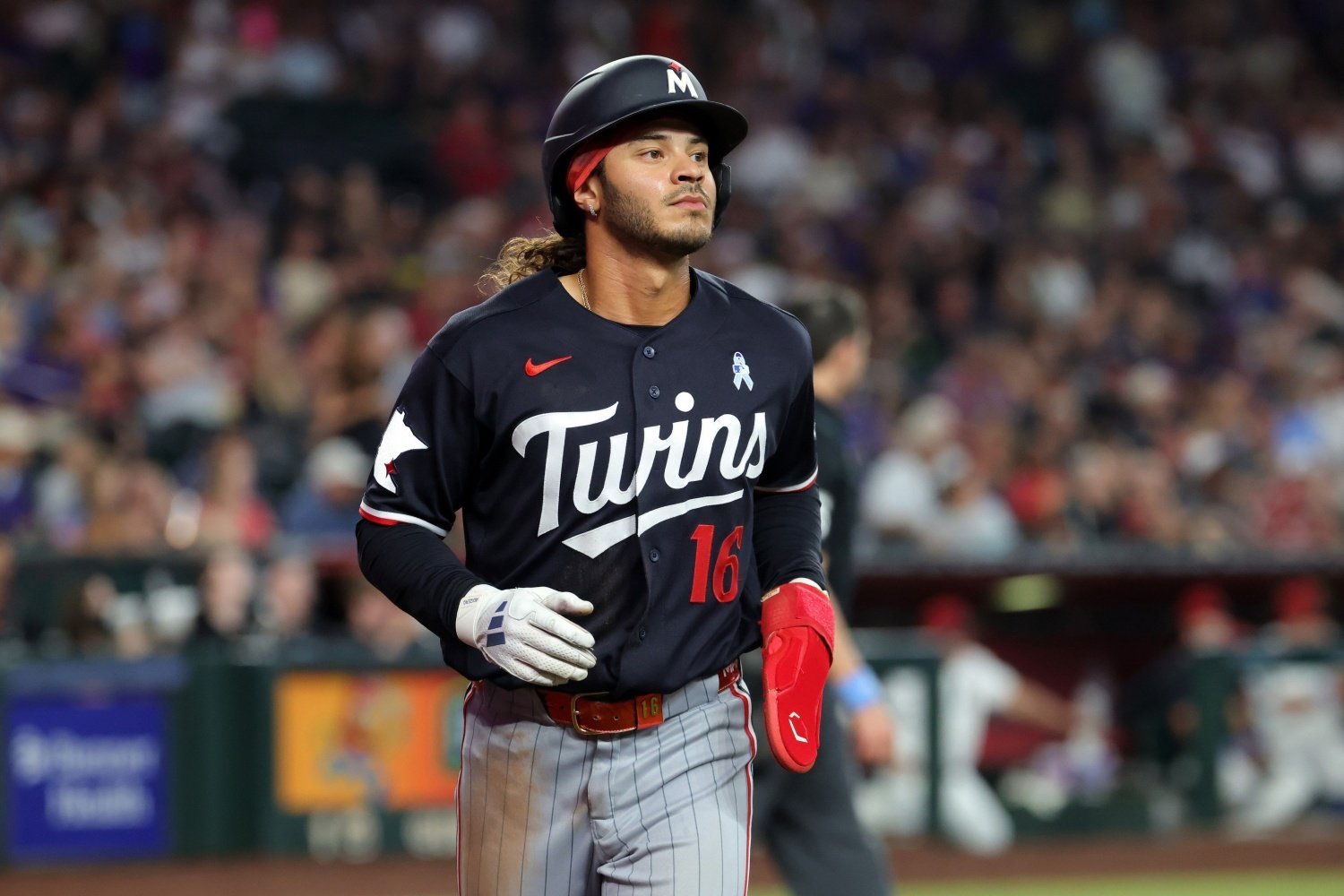 What a wild ride the 2026 season has been so far for Austin Martin. For about the first month and a half of the season, it looked like the Twins had unlocked the type of player they envisioned when they acquired him. Martin wasn't hitting for power, but that was never really the expectation. Instead, he was doing what he's always done best: putting the ball in play, controlling the strike zone, and finding ways to get on base. Through May 14, Martin was hitting .333 with an absurd .454 on-base percentage. He was actually walking more often than he was striking out, and he owned a fantastic 155 wRC+. For a player whose game has always revolved around contact skills and plate discipline, those numbers were incredibly encouraging. He looked like one of the best hit-for-contact bats in baseball for that stretch, and it finally felt like everything was coming together. And then it wasn’t. Since May 15, Martin has gone from one of the Twins' most productive hitters to someone who has been generating, quite frankly, unplayable offensive production. During that stretch, he's hitting just .157 with a .236 on-base percentage. And when you compare those two halves of his year to date, the differences are pretty staggering. His strikeout rate has jumped from 13.8% to 22.0%. His walk rate has been cut by more than half, dropping from 16.9% down to just 7.1%. His wRC+ has cratered, falling from 155 to just 40. And perhaps the most eye-opening number of all is his OPS, which has literally been cut in half. He went from an outstanding .882 OPS through May 14 to just .454 since then. That's an enormous swing in production over a relatively short period. The current version of Austin Martin simply isn't playable offensively. Martin has never been someone who impacts the baseball consistently enough to survive long stretches without getting on base. His offensive value has always come from elite bat-to-ball skills, drawing walks, and putting pressure on defenses. When those things disappear, there just isn't much left offensively. So what can the Twins actually do? Should Martin be optioned to Triple-A? Is he truly nothing more than a short-side platoon player? Those are fair questions to ask, especially if this slump continues. Even if Minnesota were to move him back into more of a platoon role against left-handed pitching, he'd still need to produce more than he has recently. Overall, Martin is hitting .268 against lefties this season, which is a perfectly respectable number by itself. But considering that average was sitting around .300 just a month ago, even that split has started trending in the wrong direction. The Twins also have another option if they decide they need to press the reset button. I do think the minor league route has to at least be on the table. It's probably not the likeliest outcome, nor is it the preferred one, but Martin still has a minor-league option remaining. If the organization reaches a point where they feel everyday at-bats in Triple-A would benefit him more than sporadic major-league playing time, they have the flexibility to make that move. If that were to happen, the Twins wouldn't exactly be left scrambling for another right-handed outfielder. Gabriel Gonzalez has already been shuffled around a bit this season and could be an easy right-handed replacement if Martin were optioned. Gonzalez has also been swinging the bat much better over the past month, making him a legitimate alternative should Minnesota decide to make a roster change. That's certainly something worth keeping an eye on if Martin's struggles continue. At the same time, nothing drastic needs to happen right this second. Martin isn't being forced into everyday playing time, and there's still a very real chance that this is simply a month-long cold stretch during what could end up being a solid season. Baseball seasons are long, and players go through stretches like this all the time. But eventually, there does come a point where you can't continue giving someone at-bats if they aren't hitting. That's the balancing act the Twins are going to have to navigate over the next few weeks, because Martin is an extremely talented hitter when he's right. We already saw exactly what he's capable of during the season's first month and a half, when he looked like one of the better contact hitters in the American League. Now, the Twins just have to figure out whether that version of Martin is still in there, or whether a brief stint in Triple-A is the best way to help him find it again. View the full article
 -
 The biggest news from the New York Mets' minor-league system Tuesday came out of Syracuse, where New York outfielder Luis Robert Jr. began a rehab stint. He played five innings in center field and went 1-for-2 with a walk in the Mets' 15-5 loss to Worcester. He appeared to be moving well as he beat out a chopper to shortstop his first time up. Robert last played in a game on April 26 because of a herniated disc in his back. For most of the past two months, it was unclear when he might return, or if he would return at all. The parent club is not saying yet when he will be activated, but a source told MLB.com that he will likely need more than the six days Francisco Lindor took to complete his rehab from a calf injury. Robert is already eligible to come off the 60-day injured list. Robert wasn’t the only rehabbing big-leaguer playing for Syracuse on Tuesday. Infielder Jorge Polanco (Achilles, ankle) was in the lineup as well, hitting second behind Robert. He went 0-for-3 as the DH. This was the second game of Polanco’s second rehab stint. The Mets shut him down in early June because of left ankle soreness. Elsewhere on the farm: Binghamton scored all its runs in the first two innings and then held on to defeat Chesapeake, 5-3. Chris Suero went 2-for-4 and scored twice from the leadoff spot Daviel Hurtado allowed one hit and struck out eight over six scoreless innings, while Ronald Hernandez and Mitch Voit homered to lead Brooklyn to a 5-3 victory at Frederick. St. Lucie managed just three hits in a 6-0 loss to Tampa at home. The Mets also committed three errors, two by Elian Pena. Mets Orange lost to the Angels, 4-0, and Mets Blue lost to Giants Black, 4-2, in the Dominican Summer League. The FCL Mets were off. Early Hole Too Deep For Syracuse; Melendez Homers As for the game itself, Syracuse fell behind 6-0 after an inning and a half and then surrendered seven runs in the fifth to seal the loss. Opener Daniel Duarte gave up a pair of home runs in the first while recording just two outs. Bulk reliever Jack Weisenburger surrendered two runs in the second and three more in the fifth. Adbert Alzolay followed him and was roughed up for four runs in two-thirds of an inning. Five different Mets pitchers allowed runs. Only Matt Turner had a scoreless outing. He worked the ninth. Syracuse got its runs on a Grae Kessinger RBI double and a Zack Short sacrifice fly in the second; a Worcester throwing error in the fourth; and M.J. Melendez's two-run homer in the bottom of the ninth. Nick Morabito went 3-for-5 for Syracuse, which fell to 4-3 in the second half of the International League season. Player AB R H RBI BB K Luis Robert Jr. 2 0 1 0 1 0 Cristian Pache 2 1 0 0 0 0 Jorge Polanco 3 0 0 0 0 0 MJ Melendez 2 1 1 2 0 0 Nick Morabito 5 0 3 0 0 0 Ryan Clifford 5 0 0 0 0 3 Jared Oliva 4 1 1 0 1 2 Vidal Bruján 3 1 1 0 0 0 Yonny Hernández 1 0 0 0 0 0 Grae Kessinger 3 1 1 1 1 0 Hayden Senger 3 0 1 0 1 0 Zack Short 3 0 0 1 0 1 Player IP H R ER BB K HR Daniel Duarte 2/3 3 4 4 2 1 2 Jack Weisenburger 3 2/3 4 5 5 3 3 0 Adbert Alzolay 2/3 4 4 4 0 0 1 Ofreidy Gómez 2 1 1 1 3 1 1 Dylan Ross 1 3 1 1 2 0 0 Matt Turner 1 1 0 0 0 0 0 Rumble Ponies Ride Early Offense To Win The Rumble Ponies led 5-0 after two innings and then held the BaySox at bay. Chris Suero got them off to a fast start with a leadoff double in the bottom of the first. He advanced to third on a groundout by Jose Ramos. Nick Lorusso then walked. JT Schwartz's groundout scored Suero. Matt Rudick followed with a single that scored Lorusso and gave the Ponies a 2-0 lead. Binghamton added three runs in the second after a two-hour, 36-minute rain delay. The rally started after the first two batters had been retired. Nick Lucky walked, Suero singled him to third and then stole second, and both scored on Jose Ramos's single. Lorusso followed with a single to plate Ramos. Starter Jonathan Santucci worked two scoreless innings, striking out three and walking one, before the rain delay. Felipe De La Cruz earned the win with two scoreless innings of relief. He struck out four, Gabriel Rodriguez added two scoreless frames, and Saul Garcia tossed a scoreless ninth with two strikeouts for the save. layer AB R H RBI BB K Chris Suero 4 2 2 0 0 1 Jose Ramos 4 1 1 0 0 1 Nick Lorusso 3 1 1 1 1 1 JT Schwartz 3 0 0 1 1 2 Matt Rudick 4 0 1 0 0 2 Wyatt Young 3 0 0 0 0 0 Jaylen Palmer 3 0 0 0 0 2 Kevin Villavicencio 3 0 0 0 0 1 Nick Lucky 2 1 0 0 1 1 Player IP H R ER BB K HR Jonathan Santucci 2 0 0 0 1 3 0 Jordan Geber 0 0 2 2 3 0 0 Danis Correa 2 2 1 1 1 2 0 Felipe De La Cruz 2 1 0 0 0 4 0 Gabriel Rodriguez 2 0 0 0 2 2 0 Saul Garcia 1 0 0 0 0 2 0 Hurtado Dominates, Voit Powers Brooklyn Past Frederick Daviel Hurtado turned in a second consecutive quality start and the offense gave him just enough support as the Cyclones extended their winning streak to four. Hurtado struck out eight and walked one in his six innings Fifty-two of his 76 pitches were for strikes. But he was headed for a no-decision until Ronald Hernandez homered in the top of the sixth to open the scoring. The Cyclones made it 4-0 with three runs in the seventh. Jamari Baylor singled in Colin Houck, and then Mitch Voit followed with a two-run homer to left field. Chesapeake cut the lead to 4-3 in the bottom of the frame, but Voit provided insurance in the ninth as he singled in Houck. Ryan Dollar earned the save with a scoreless ninth. He struck out two. Player AB R H RBI BB K Mitch Voit 5 1 2 3 0 2 Yonatan Henriquez 5 0 1 0 0 1 Ronald Hernandez 4 1 1 1 0 0 Corey Collins 3 0 1 0 1 1 Daiverson Gutierrez 4 0 1 0 0 0 John Bay 4 0 0 0 0 1 JT Benson 3 0 0 0 1 1 Colin Houck 4 2 2 0 0 0 Jamari Baylor 4 1 2 1 0 1 Player IP H R ER BB K HR Daviel Hurtado 6 1 0 0 1 8 0 Gregori Louis 1 3 3 3 1 1 0 Parker Carlson 1 1 0 0 0 1 0 Ryan Dollar 1 1 0 0 0 2 0 St. Lucie Bats Silenced In Loss To Tampa The Mets' offense could only manage doubles by Antonio Jimenez and Taylor Darden and a single by Jack Scanlon. Everyone in the lineup struck out at least once. Jimenez punched out three times. Starter Emilio Obispo allowed four runs, all earned, on five hits and two walks over five innings. He struck out three and allowed a home run. Tampa got him for single runs in the third and fourth before adding two more in the fifth. Zack Mack followed Obispo and allowed two runs over 1 2/3 innings. Tyler McLoughlin worked 1 1/3 scoreless innings, striking out three, Luis Alvarez finished with a scoreless ninth and two strikeouts. Player AB R H RBI BB K Elian Peña 4 0 0 0 0 1 Trey Snyder 4 0 0 0 0 1 Antonio Jimenez 4 0 1 0 0 3 Julio Zayas 3 0 0 0 0 1 Branny De Oleo 3 0 0 0 0 1 Chase Meggers 3 0 0 0 0 1 Simon Juan 3 0 0 0 0 1 Jack Scanlon 3 0 1 0 0 1 Taylor Darden 3 0 1 0 0 1 Player IP H R ER BB K HR Emilio Obispo 5 5 4 4 2 3 1 Zack Mack 1 2/3 1 2 1 1 0 0 Tyler McLoughlin 1 1/3 0 0 0 1 3 0 Luis Alvarez 1 1 0 0 0 2 0 Top-20 Prospect Performance Carson Benge: MLB A.J. Ewing: MLB Jonah Tong: DNP Elian Pena: 0-for-4, K Jack Wenninger: DNP Ryan Clifford: 0-for-5, 3 K Jacob Reimer: DNP Nick Morabito: 3-for-5, 2B Mitch Voit: 2-for-5, HR, 3 RBI, 2 K Jonathan Santucci: 2 IP, 0 H, 0 R, 1 BB, 3 K Chris Suero: 2-for-4, 2B, K Zach Thornton: DNP Wandy Asigen: DNP Will Watson: DNP Eli Serrano III: DNP Randy Guzman: DNP Ryan Lambert: DNP Dylan Ross: 1 IP, 3 H, 1 R, 2 BB, 0 K Antonio Jimenez: 1-for-4, 2B, 3 K R.J. Gordon: DNP View the full article
 -
Karson Milbrandt to represent Marlins in 2026 Futures Game
DiamondCentric posted an article in Fish On First
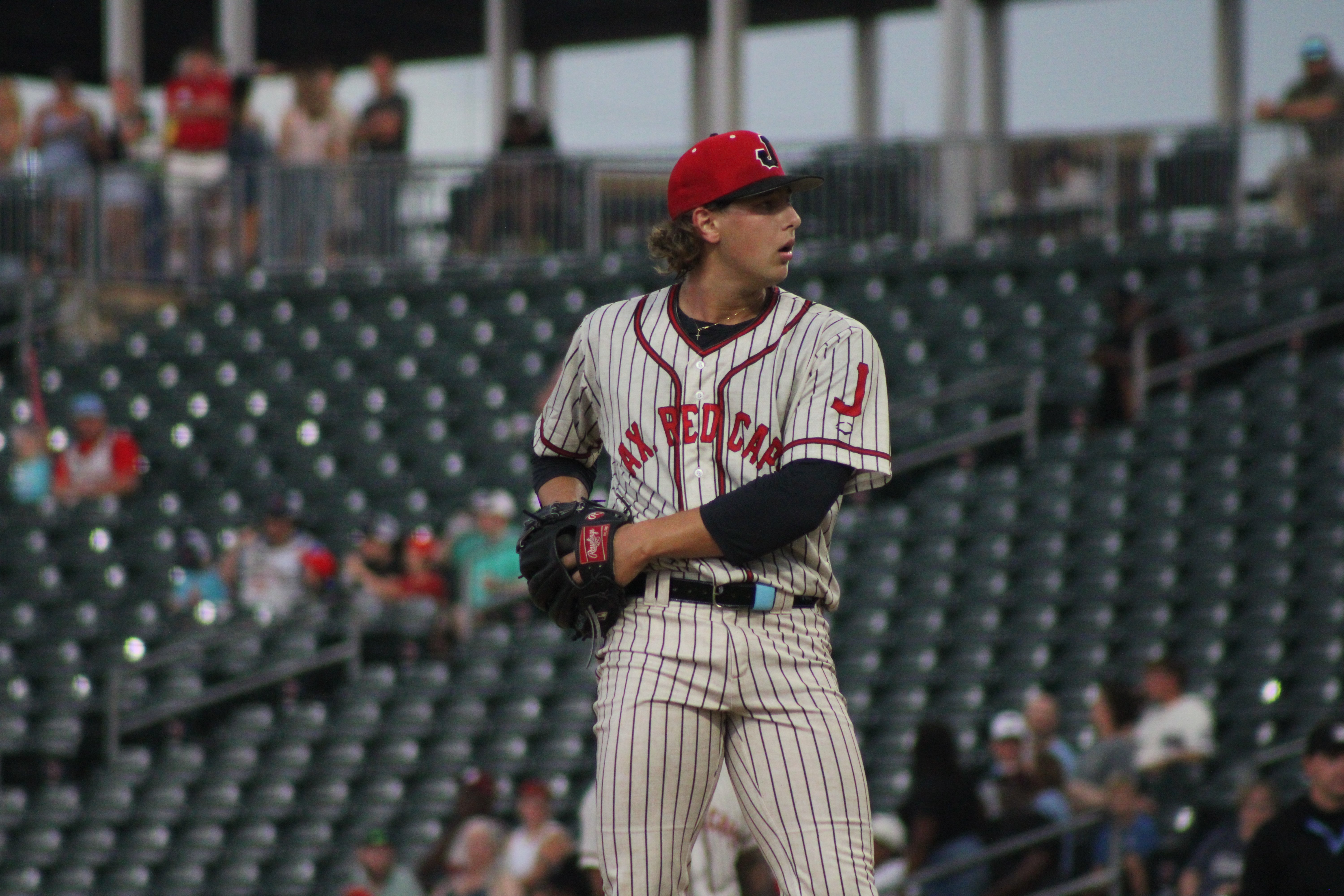 On Wednesday, Major League Baseball announced the rosters for the 2026 Futures Game taking place in Philadelphia. The representative for the Miami Marlins will be right-handed pitcher Karson Milbrandt. Milbrandt, Fish On First's No. 6 prospect, has made 13 starts between Double-A and Triple-A. In that span, he has a 1.63 ERA, 3.31 FIP, 12.08 K/9 and 4.61 BB/9. Milbrandt's fastball velocity has been sitting in the mid-90s more consistently than it was in previous seasons. The right-hander is mixing in three distinct breaking balls—a slider, curveball and sweeper—and he also has a new kick change. The expanded arsenal has helped him against left-handed batters, who slashed .233/.379/.295/.673 in 2025, compared to .131/.286/.196/.482 this season. His best stretch came early in the season in Pensacola, where in nine starts, he posted a 1.34 ERA, 2.93 FIP, 13.40 K/9 and 3.26 BB/9. During his short stint in Pensacola, Milbrandt tossed 27 consecutive scoreless innings, which is the most by a starting pitcher in Blue Wahoos history. He was also named Southern League Player of the Month in May. Since going to Triple-A, Milbrandt has made four starts, posting a 2.33 ERA, 4.24 FIP, 8.84 K/9 and 7.91 BB/9. In all four starts, Milbrandt has walked three or more hitters, most recently six against Memphis. It is typical for the Marlins to have two Futures Game representatives each year. Unless injuries or other circumstances create last-minute openings, this will mark the first time since 2022 that they will only have one prospect featured in the game. The Futures Game will take place on Sunday, July 12 at noon at Citizens Bank Park. View the full article
 -
 Chicago Cubs Minor League Report Affiliate Overview Triple-A Iowa Cubs Series at Toledo Mud Hens (Detroit Tigers): Cubs lead, 1-0 Season Record: 33–46-1 Double-A Knoxville Smokies Series vs. Columbus Clingstones (Atlanta Braves): Smokies lead, 1-0 Season Record: 44–32 High-A South Bend Cubs Series at Beloit Sky Carp (Miami Marlins): Sky Carp lead, 1-0 Season Record: 44–28 Single-A Myrtle Beach Pelicans Series vs. Hickory Crawdads (Texas Rangers): Crawdads lead, 1-0 Season Record: 31–43 Affiliate Highlights Triple-A: Iowa Cubs Season Record: 33–46-1 Series Opponent: Toledo Mud Hens (39-42) Series Standing: Lead, 1-0 June 30: The Iowa Cubs opened their series at the Toledo Mud Hens with a 3-1 victory on Tuesday night at Fifth Third Field. The Mud Hens took the lead with a run in the second but the Cubs plated two in the third to take the lead. Moisés Ballesteros (1-for-2) singled home a run and Jonathan Long (0-for-3) put Iowa in front with a sacrifice fly. Owen Miller’s (1-for-4) RBI-triple in the third made it 3-1 and that score would hold the rest of the way thanks to a stellar outing from I-Cubs starter Will Sanders. Sanders twirled his second quality start of the season to improve to 5-0. He allowed one run on two hits over six innings of work, striking out five and walking none. Jayden Murray (2.0 IP) and Luis Peralta (1.0 IP) combined for three scoreless innings out of the bullpen, whiffing three with no walks issued. Peralta would earn his first save of the season by holding Toledo scoreless in the ninth. Double-A: Knoxville Smokies Season Record: 44–32 Series Opponent: Columbus Clingstones (32–39) Series Standing: Lead, 1-0 June 30: The Knoxville Smokies claimed a series-opening win in dominant fashion, defeating the Columbus Clingstones 12-3 on Tuesday night at Covenant Health Park. Both teams scored twice in the first, with Alex Ramírez (2-for-5) launching a two-run blast to tie the game. Ramírez would then give Knoxville the lead for good with a two-run single in the third. Hayden Cantrelle (1-for-3) made it 5-2 with a solo shot in the fourth, his first homer of the year and Edgar Alvarez (1-for-5) picked up an RBI-single in the fifth. The Smokies made it 9-2 in the sixth thanks to RBI-doubles from Ariel Armas (1-for-3) and Owen Ayers (1-for-3) and an RBI-single from Jefferson Rojas (3-for-5). Andy Garriola (2-for-4) increased his home run tally to 16, tied for third most in the Southern League, with a solo shot in the seventh, with the Smokies scoring twice more in the frame on an error. The Clingstones would add one in the eighth but the contest was well out of reach. Connor Schultz tossed his first quality start of the season to record his first win of the campaign, improving to 1-3. Schultz allowed two runs on two hits over six innings of work, walking two and striking out two. Offensively, eight of the nine Knoxville starters hit safely in the ballgame, with three batters recording multi-hit efforts. Ayers finishes his June with a slash line of .451/.554/.824 for a 1.378 OPS over 25 games. High-A: South Bend Cubs Season Record: 44–28 Series Opponent: Beloit Sky Carp (33–41) Series Standing: Trail, 1-0 June 30: The South Bend Cubs were blanked in their series opener at the Beloit Sky Carp, 4-0, on Tuesday night at ABC Supply Stadium. Three runs from the Sky Carp in the third would be more than enough offense as the Cubs were held to just five hits in the ballgame. Beloit would later add another tally in the sixth to make it 4-0 while holding South Bend to just one at-bat with runners in scoring position over the final three frames. Jostin Florentino got the start for the Cubs, taking the loss and falling to 0-4 on the season. Florentino allowed three runs on two hits over five innings of work, walking two and striking out six. Brayden Spears turned in two scoreless frames in relief, issuing one walk and whiffing two. Kane Kepley went 2-for-4 with a pair of doubles at the plate. Single-A: Myrtle Beach Pelicans Season Record: 31–43 Series Opponent: Hickory Crawdads (43–31) Series Standing: Trail, 1-0 June 30: The Myrtle Beach Pelicans opened their series vs. the Hickory Crawdads with a 6-3 defeat on Tuesday night at Pelicans Ballpark. The Crawdads plated three runs in their first trip to the plate and would keep the lead wire-to-wire. Hickory would eventually score once in the fifth and twice in the sixth to take a 6-0 lead. The Pelicans would cut that advantage in half with three runs in the eighth, thanks to a bases-loaded walk from Darlyn De Leon (1-for-3) and an RBI-single from Alexis Hernandez (1-for-4), while adding their final tally in the frame on an error. The Crawdads would leave the tying run at the plate in that frame and send Myrtle Beach down in order in the ninth to seal the win. Emilio Ramos got the start for the Pelicans and was handed the loss, falling to 1-1 on the season. Ramos allowed three runs on one hit over three innings of work, walking four and striking out two. Jhon Rosario turned in three scoreless frames out of the bullpen, giving up just one hit while issuing one walk and whiffing one. Offensively, Myrtle Beach was held to just two hits in the ballgame, but were able to draw five walks. View the full article
 -
 Boston Red Sox Affiliate Recap Triple-A Worcester Red Sox Season Record: 38-40 Worcester destroyed the Syracuse Mets (New York Mets) with a blowout 15-5 win for the first game of the road trip. The WooSox got off to a hot start in the first inning; Mikey Romero and Allan Castro started their outstanding performances with a pair of two-run homers, putting them up 4-0. In the second, Braiden Ward tallied a hit, then stole his 35th base of the year, and Vinny Capra and Andrew Knizner drew walks to load the bases with two outs. Castro was the next man up and slapped a single to right field, scoring two runs to extend Worcester’s lead, 6-0. The Mets cut their deficit after an RBI double and a sacrifice fly, making it a 6-2 game. The fifth is where the massacre happened, blowing the game wide open with a WooSox seven-run inning. Castro led off the one-out rally with his third hit of the game; a few batters later, with the bases juiced, Nathan Hickey brought in two runners with an RBI ground-rule double, 8-3. Max Ferguson followed up with a double of his own to bring in another run, then Ward lined a two-run single, 11-3. With two outs, Romero blasted his second homer of the game with a two-run shot, putting the game completely out of reach, 13-3. The second Sox player earned themselves a multi-homer game after Castro launched a solo shot to put Worcester up 14-3. The last run for the WooSox came in the eighth inning when Capra became the sixth player on the team with multiple hits, cracking an RBI single to make it 15-3. Syracuse brought in a pair of runs in the ninth, but it did not matter, ending the game 15-5. Worcester was amazing all around, tallying a total of 16 hits and 10 walks. The middle of the bullpen was outstanding as well; Osvaldo Berrios, Devin Sweet, and Zack Kelly combined for 3 ⅔ shutout innings. Standout Performances: Allan Castro: 4-for-6, 2 HR, 3 R, 5 RBI Mikey Romero: 2-for-5, 2 HR, 2 R, 4 RBI, BB Nathan Hickey: 2-for-4, 2 2B, 2 R, 2 RBI, BB Braiden Ward: 2-for-5, 2 R, 2 RBI, BB, SB Double-A Portland Sea Dogs Season Record: 39-36 The Sea Dogs dropped a high-scoring 12-8 affair at home to the Altoona Curve (Pittsburgh Pirates). Portland’s pitching staff was a letdown, giving the team's offense a tough time as the team tried to come back from a deficit. As a team, the Sea Dogs blasted four homers, Caden Rose crushed a grand slam, and Franklin Arias made it back-to-back home runs with a solo shot (16th of the season) in the fifth. Nelly Taylor and Nate Baez almost completed an insane comeback after hitting home runs in the sixth and seventh, making it a 9-8 game, but the eighth inning unraveled. Michael Sansone started the game for Portland and struggled, giving up five runs on nine hits with three strikeouts. Caleb Bolden and Erik Rivera got roughed up out of the bullpen, allowing seven runs while having trouble finding the strike zone with six combined walks. Standout Performances: Nate Baez: 2-for-4, HR, R, RBI Nelly Taylor: 1-for-2, HR, 2 R, 2 RBI, 2 BB Caden Rose: 1-for-4, HR, R, 4 RBI Franklin Arias: 1-for-4, HR, R, RBI, BB High-A Greenville Drive Season Record: 30-43 Initially having a lead in extras, Greenville blew it in extras with a 5-4 walk-off defeat to the Winston-Salem Dash (Chicago White Sox). Luke Heyman carried the offense with a 3-for-4 day, including the go-ahead RBI single in the 10th. Mason White was the only other Drive hitter with multiple hits, going 2-for-5 with a game-tying RBI single in the sixth, while Yoeilin Cespedes blasted the only homer (12th of the season) for Greenville in the sixth as well. After his outstanding performance last week, Dylan Brown had trouble finding the zone, which ultimately gave the Dash more chances to score. Through four innings, he gave up three runs and four walks with six strikeouts. Joe Vogatsky was solid in his bullpen appearance, tossing four scoreless innings with four punchouts. Standout Performances: Luke Heyman: 3-for-4, R, RBI, BB Mason White: 2-for-5, R, RBI Yoeilin Cespedes: 1-for-5, HR, R, RBI Joe Vogatsky: 4 IP, 4 H, 0 ER, 4 K Low-A Salem RidgeYaks Season Record: 29-46 The RidgeYaks suffered a blowout 11-3 defeat to the Augusta GreenJackets on the road. The game was interesting up until the GreenJackets blew the game open with a five-run fifth inning. With the Yaks down one in the third, Avinson Pinto blasted his fourth homer of the year with a solo shot, tying the game 1-1. Augusta took the lead back in the fourth with an RBI groundout, then went to mayhem in the fifth, taking Salem’s starter Leighton Finley out of the game before he could finish off the inning. Finley struggled mightily when it came to missing bats, giving up seven runs on nine hits with just two strikeouts through 4 ⅓ innings of work. Jay Allmer and Wuilliams Rodriguez allowed two runs of their own in their bullpen stints. Salem’s bats could not wake up at any point of the game other than the two home runs from Kleyver Salazar and Pinto (the only extra-base hits as a team). The Yaks’ offense recorded just five hits, with three singles combined coming from Louis Andujar, Andrew Musett, and Anderson Fermin. View the full article
 -
Connelly Early Placed On Injured List, Red Sox Make Multiple Moves
DiamondCentric posted an article in Talk Sox
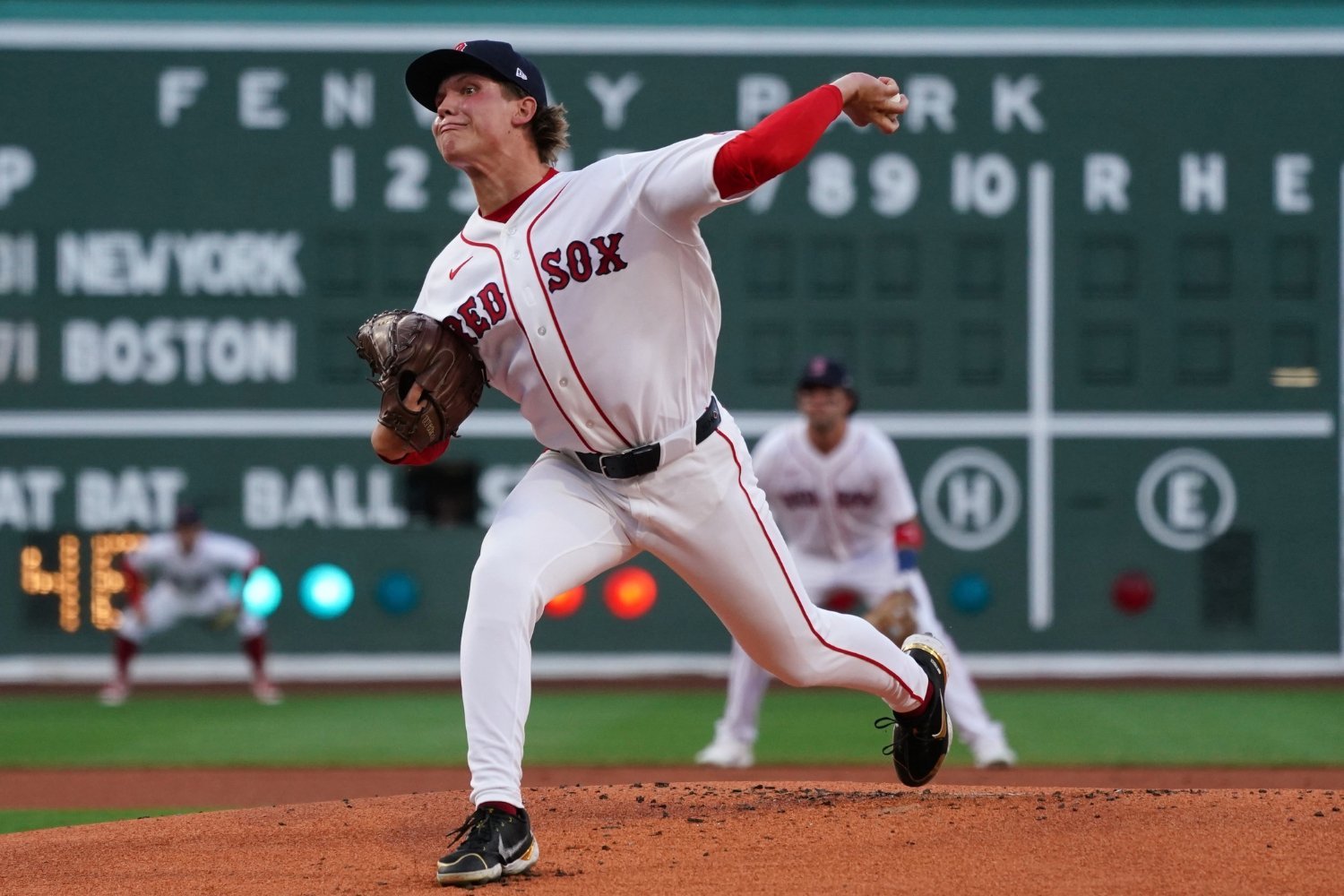 The Boston Red Sox made multiple roster moves pertaining to their pitching staff following the conclusion of an 8-1 loss to the Washington Nationals. The major news is the loss of Connelly Early. The left-hander exited Tuesday night’s start after just four innings and 61 pitches with left elbow discomfort. While Early himself didn’t seem too worried about the injury, the team sent him for imaging Wednesday morning just to be certain. The result led to Early being placed on the 15-day Injured List with left elbow inflammation. To fill his spot on the roster, the Red Sox activated left-handed pitcher Jovani Morán from the injured list and added him to the active roster. The left-hander was a trusted arm in the Sox bullpen prior to his injury, appearing in 21 games and tossing 33 innings with a 3.00 ERA. He also struck out 38 batters. Morán made two rehab appearances last week with Worcester and looked ready to return to Boston after tossing three scoreless innings. The other change in the pitching staff pertains to Tommy Kahnle. The 36-year-old reliever was designated for assignment after a tough stint in the bullpen. Kahnle signed a minor-league deal with Boston near the end of spring training and pitched well there, leading to the team adding him to the active roster following the activation of his opt out clause. Since then, the right-hander made eight appearances in Boston and pitched nine innings while allowing eight runs on 12 hits and six walks. To replace Kahnle on the active roster, the Red Sox recalled Alec Gamboa. This will be Gamboa’s third stint with the team, having pitched twice for them previously. Overall, he’s tossed 1 2/3 innings out of the bullpen and struck out three. He’s spent most of the season with Worcester, where he’s tossed 17 2/3 innings out of the bullpen while allowing just two earned runs. The Red Sox look to close out their homestand with a win today against the Nationals at 1:35pm. View the full article
 -
Kaelen Culpepper Earns Second Straight MLB Futures Game Selection
DiamondCentric posted an article in Twins Daily
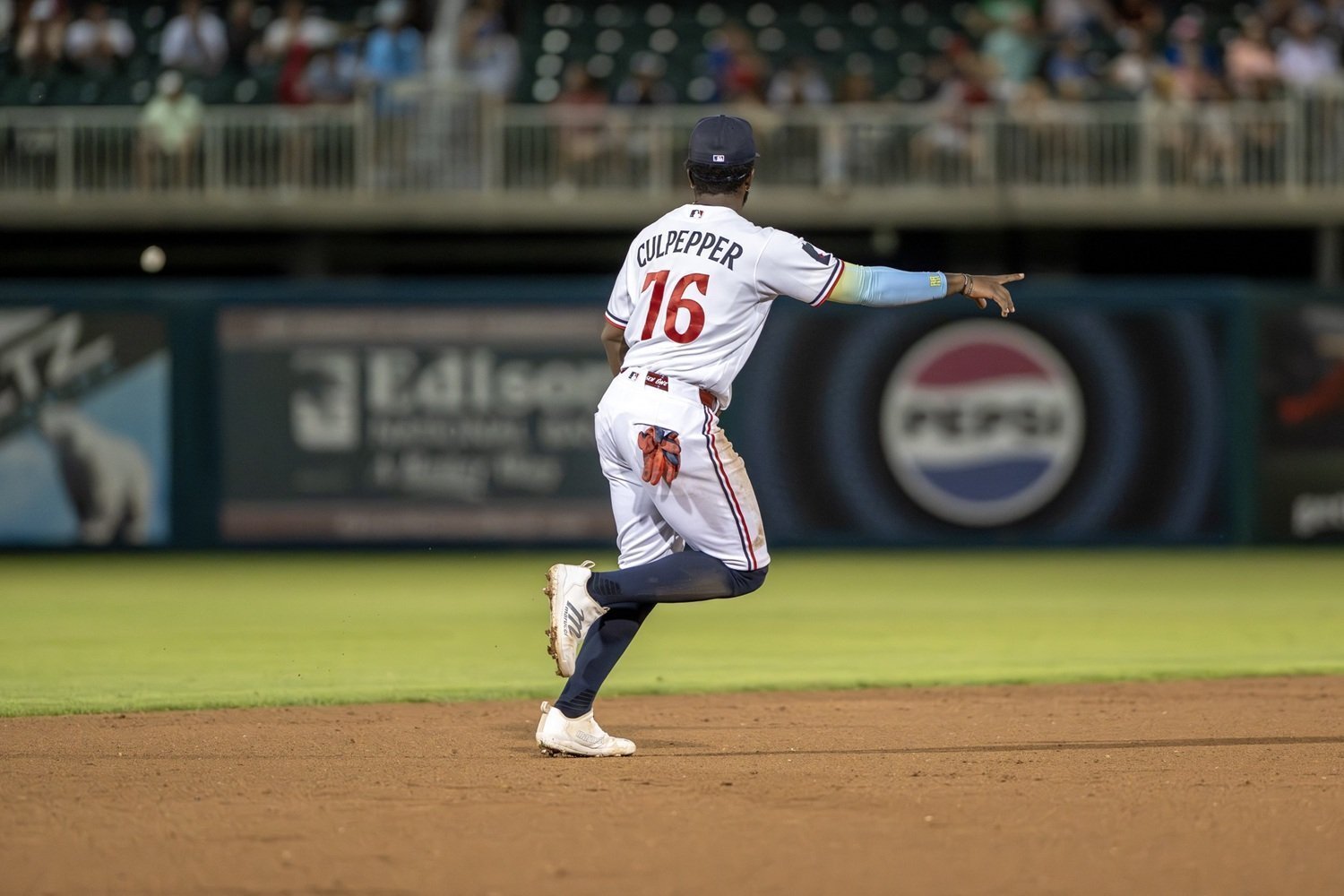 For the second consecutive summer, one of the Minnesota Twins' brightest young stars will spend All-Star weekend in a major league stadium. Shortstop Kaelen Culpepper has been selected to the 2026 MLB All-Star Futures Game, giving him another opportunity to represent the organization among the game's top prospects. Ranked as the Twins Daily's No. 2 prospect, Culpepper has continued his impressive rise through the system with an outstanding first half at Triple-A St. Paul. The 23-year-old has appeared in 63 games while posting a .272/.376/.492 slash line with an .868 OPS. He has collected 14 home runs, 43 RBI, scored 54 runs, and stolen 15 bases in 17 attempts. Perhaps just as encouraging has been his advanced approach at the plate, drawing 37 walks while striking out only 51 times across 250 at-bats. His production stacks up well against the rest of the International League. Culpepper ranks among the league leaders in several offensive categories, including sitting seventh in runs scored. His 123 wRC+ also places him among the top young hitters in the league, ranking fifth among players age 23 or younger and sixth among International League shortstops. Few players in professional baseball have been as dangerous at the start of games. Culpepper has launched six leadoff home runs this season, tying for the most in all of baseball alongside Byron Buxton, Shohei Ohtani, James Wood, and Rangers prospect Devin Fitz-Gerald. His power has also shown up throughout games. Culpepper's 10 home runs leading off an inning are tied for the most in the minor leagues with Diamondbacks prospect Manuel Peña. Across both the majors and minors, only Buxton (14), Wood (13), and Ohtani (11) have hit more. This will be Culpepper's second consecutive appearance in the Futures Game after participating during All-Star festivities in Atlanta last season. In the 2025 contest at Truist Park, he entered defensively in the fourth inning and recorded one plate appearance, lining out to left field. According to the Saints, he becomes the fourth player to earn a Futures Game selection since the club became affiliated with the Twins. Josh Winder represented the organization in 2021, Spencer Steer followed in 2022, and Brooks Lee was selected in 2024 before earning a promotion to the Twins instead of appearing in the game. The 2026 MLB All-Star Futures Game will be played on Sunday, July 12, at Citizens Bank Park in Philadelphia. The annual showcase features many of baseball's top prospects as the American League and National League square off during All-Star weekend, with first pitch scheduled for 11:00 a.m. CT on NBC. View the full article
 -
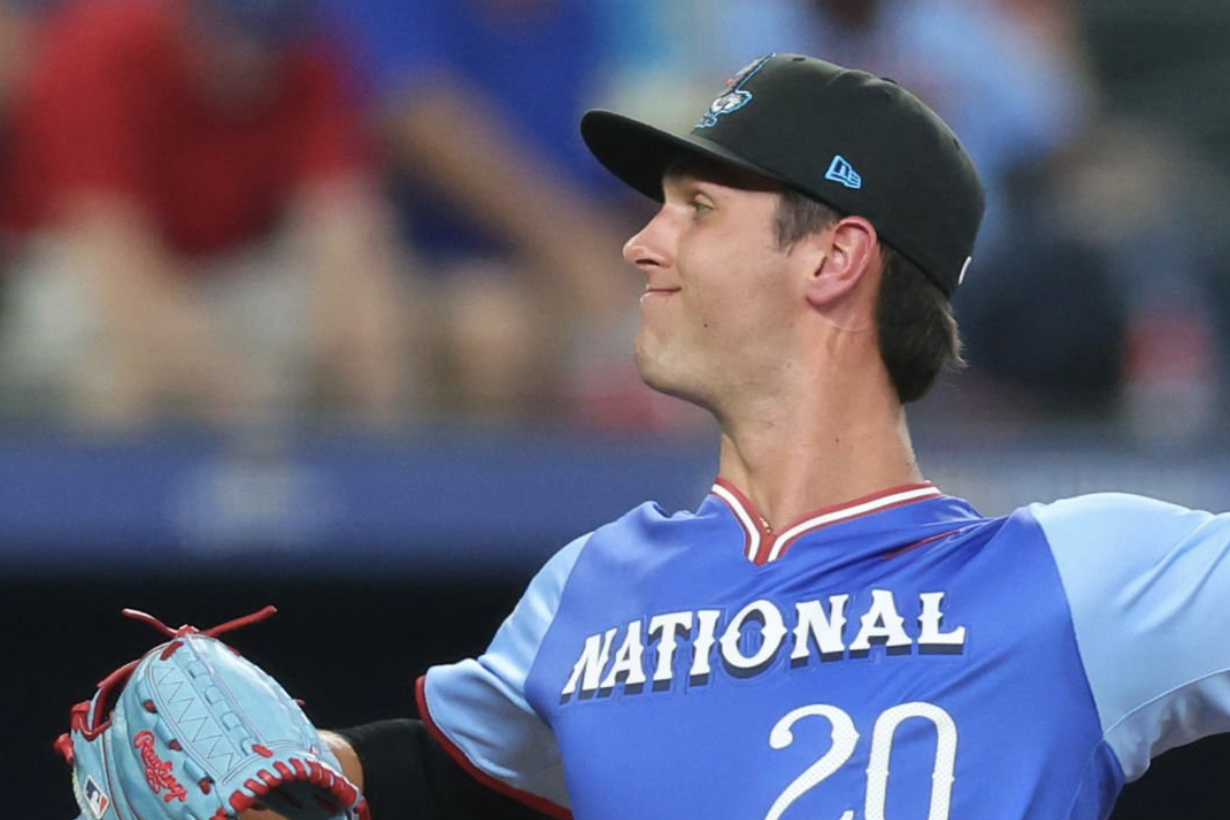 The annual Futures Game that kicks off MLB All-Star festivities is a fascinating snapshot of baseball's young talent. Beginning in 1999, it has given a platform to highly ranked prospects, many of whom will go on to play in the major leagues, whether that be for their current organization or another that is enticed to trade for them. The Miami Marlins' delegation at Citizens Bank Park for the 2026 event will include right-hander Karson Milbrandt, a homegrown stud who has had a huge breakthrough during his fifth professional season. MLB.com's Futures Game all-time roster was a crucial resource to me in compiling this list. However, that page includes several typos where participants were incorrectly labeled as representatives of the Marlins org. It's possible that I am missing a few names from the "Florida Marlins" era in cases where players were mislabeled. Please comment if you notice any omissions! Bold names went on to produce at least 5.0 fWAR during their major league careers. 1999—RHP A.J. Burnett and INF Pablo Ozuna 2000—RHP Josh Beckett and C Ramón Castro 2001—INF Miguel Cabrera and 1B Adrián González 2002—INF Miguel Cabrera and 1B Jason Stokes 2003—RHP Denny Bautista 2004—LHP Bill Murphy 2005—OF Jeremy Hermida and C Josh Willingham 2006—RHP José García 2007—INF Chris Coghlan and RHP Rick van den Hurk 2008—RHP Jesús Delgado 2009—OF Giancarlo Stanton (known as "Mike Stanton" at the time) 2010—INF Osvaldo Martínez and 1B Logan Morrison 2011—RHP Jhan Mariñez 2012—RHP José Fernández and OF Christian Yelich 2013—OF Christian Yelich 2014—RHP Domingo Germán 2015—LHP Jarlin García 2016—1B Josh Naylor 2017—INF Brian Anderson and RHP Tayron Guerrero 2018—RHP Jorge Guzman 2019—INF Isan Díaz, OF Monte Harrison and RHP Sixto Sánchez 2021—LHP Jake Eder and RHP Max Meyer 2022—RHP Eury Pérez 2023—LHP Patrick Monteverde and INF Nasim Nuñez 2024—RHP Noble Meyer and LHP Thomas White 2025—C Joe Mack and LHP Thomas White 2026—RHP Karson Milbrandt View the full article
 -
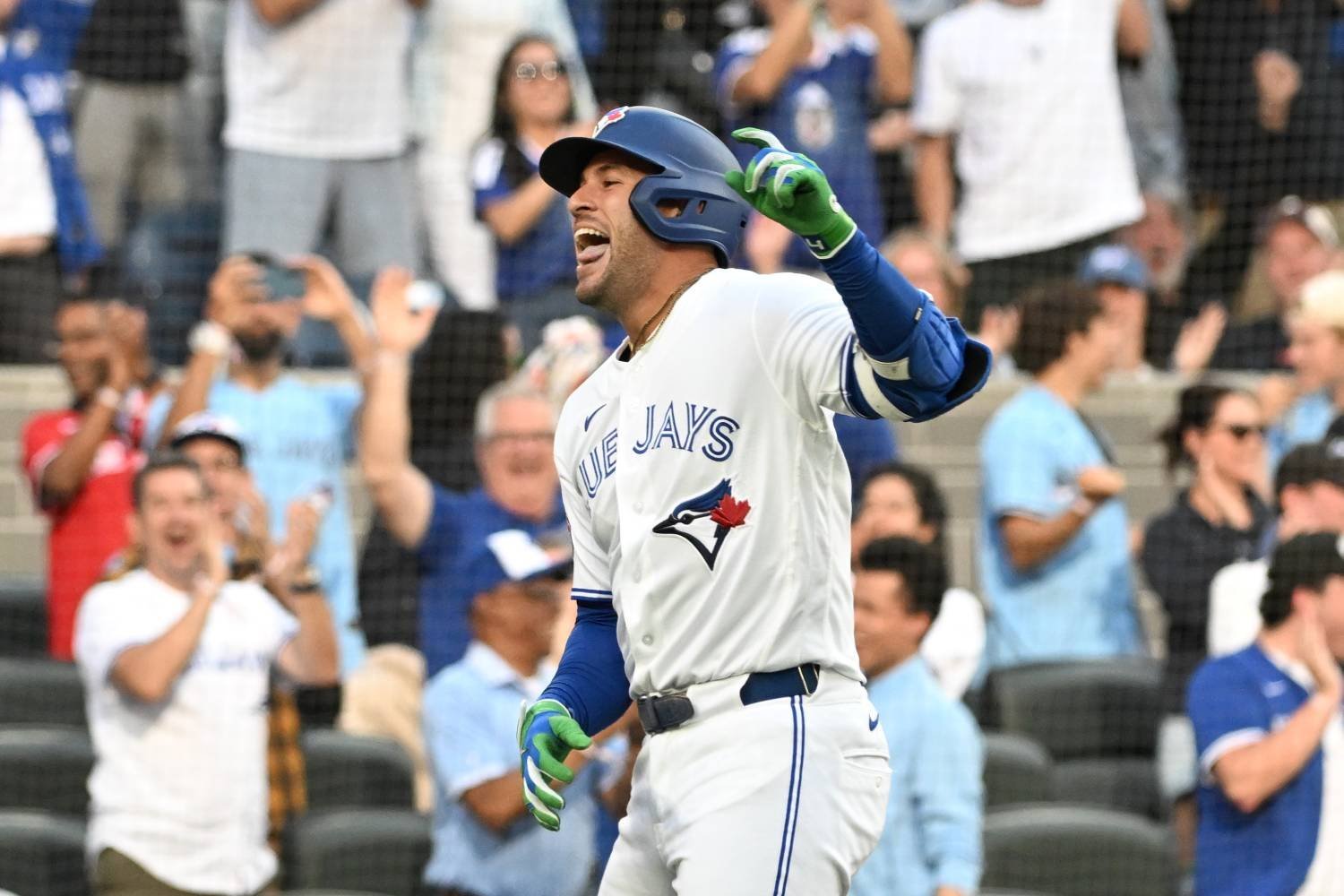 The Toronto Blues are going to have to make do without George Springer for a few days. For a good reason. The Jays on Wednesday placed the designated hitter on the paternity list and called up outfielder Jonatan Clase from Triple-A Buffalo. Springer, who is slashing .221/.308/.373 this year, is allowed to be away from the team for up to three days for the birth of a child. Clase is up with the Jays for the first time this season. At Triple-A, the switch-hitter was slashing .223/.321/.359 with five homers, 23 RBIs and 17 stolen bases in 53 games. He has appeared in 60 games with the Jays over the last two seasons with a .224/.294/.311 slash line, hitting three homers and driving in 14. View the full article
 -
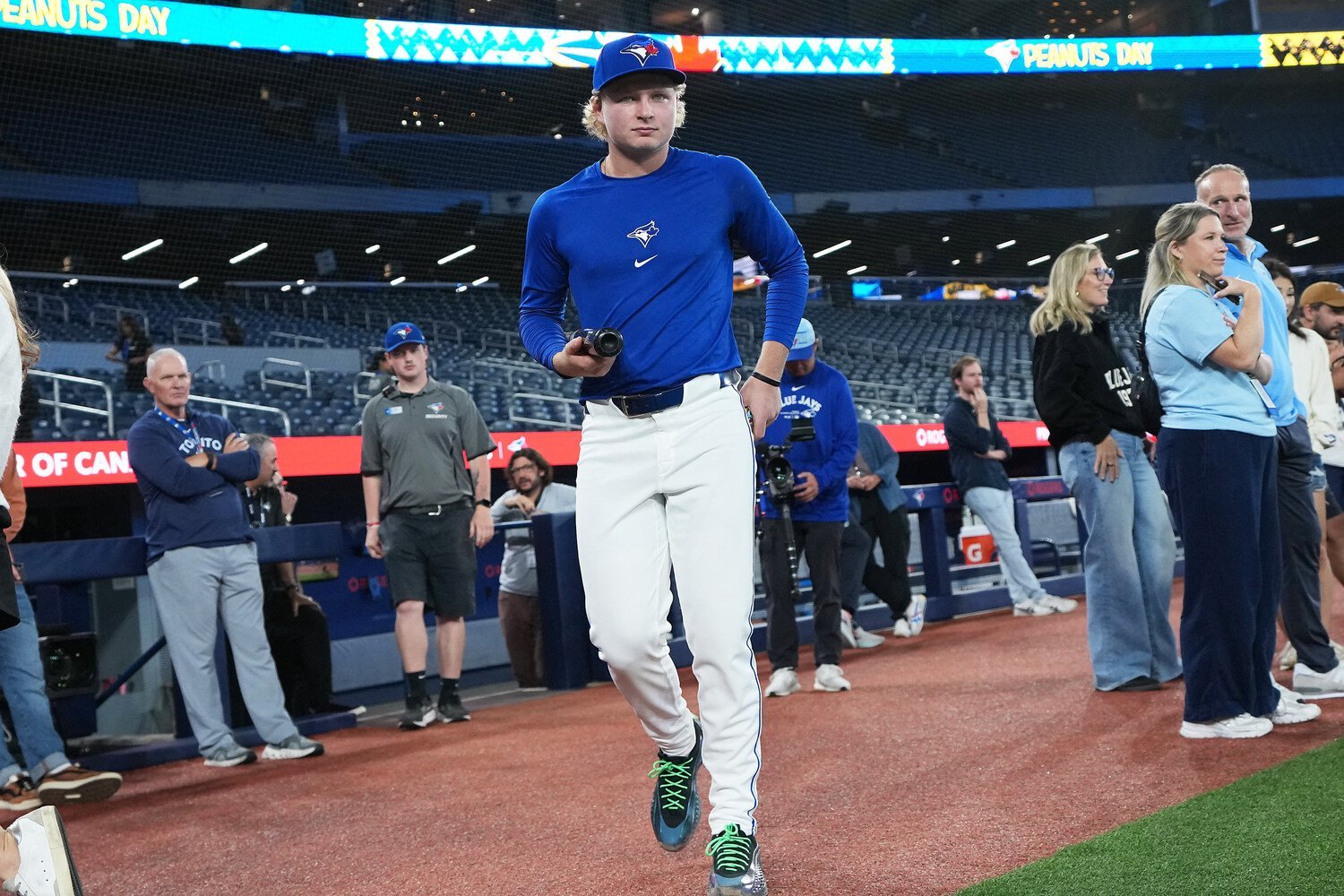 Rosters for the 2026 All-Star Futures Game were announced this morning. Two Blue Jays will represent the American League in the exhibition matchup: shortstop JoJo Parker and right-handed pitcher Nolan Perry. Parker was Toronto's first-round pick last summer. He is Jays Centre's No. 1 prospect and is widely considered a top-100 prospect in the sport. In his first professional season, he has an .853 OPS and a 129 wRC+ in 64 games with Single-A Dunedin. Perry, a 12th-round pick in 2022, is enjoying a breakout campaign. The righty has already been promoted twice this season, and he recently shot up to No. 8 on our latest prospect ranking update. In 54.2 innings with Dunedin, Vancouver, and New Hampshire, he has 85 strikeouts and a 2.47 ERA. This year's Futures Game will take place on Sunday, July 12 in Philadelphia. View the full article
 -
The Blue Jays Need More From Andrés Giménez at the Plate
DiamondCentric posted an article in Jays Centre
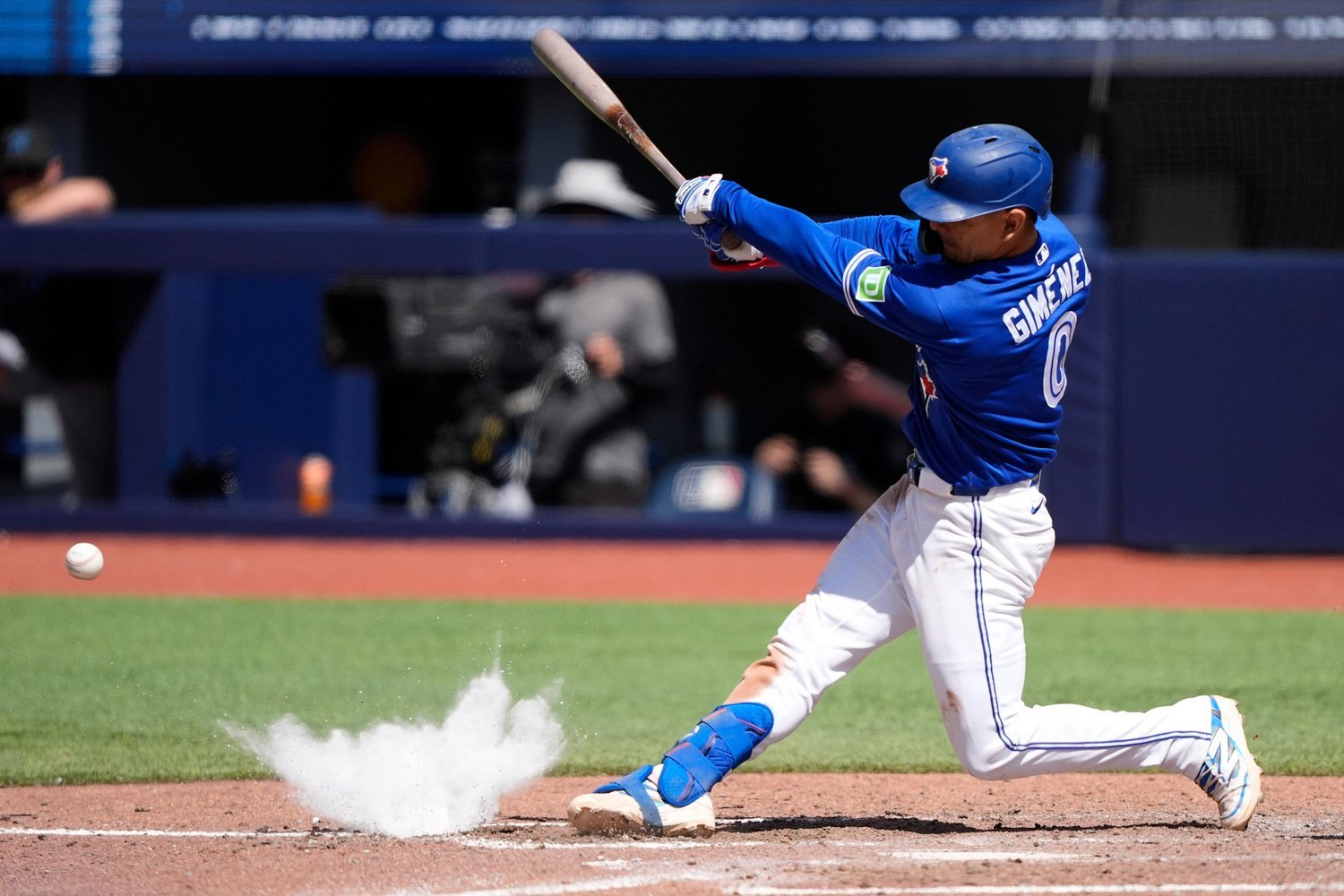 The Toronto Blue Jays decided Andrés Giménez would be their main replacement for Bo Bichette at the shortstop position ahead of the 2026 season. There’s no question that Giménez has been a welcome upgrade over Bichette defensively in the field. But how has the former fared at the plate so far this year? The 27-year-old Blue Jays shortstop has held his own to some extent offensively, with seven home runs and 34 RBIs in 82 games to date. But of course, Bichette is once again doing Bichette-like things with the New York Mets. After a rough start to the season, the former Blue Jay is now up to 10 home runs and 46 RBIs for 2026. He hit .321 with an .883 OPS in June. Obviously, Giménez wasn’t expected to replace all of the lost production from the departed Bichette, so any significant offensive contribution to go along with his stout defense would have been more than welcome. However, there has been one glaring hole in his game this season. Last year, Giménez found himself among the league's bottom-feeders with respect to OPS. Now, in 2026, another issue has arisen regarding his plate discipline. Giménez has never been a player who walks much. But this season, things have been on another level. The 27-year-old infielder has registered just a 3.2% walk rate in 2026, which happens to be the worst of his seven-year MLB career, to go along with a close to 20% strikeout rate. In fact, his strikeout-to-walk ratio is approaching 7:1. So, what’s up with that? Giménez has generated an average bat speed of just 68.1 mph, which ranks in the bottom fourth percentile, while his chase rate of 42.8% ranks in just the third percentile in the entire league. More significantly, he has only run the count to 3-0 just once and a 3-1 count just six times this season. More often than not, Giménez has found himself falling behind in the count. As a result, he needs to make some proper adjustments to help turn things around. He could start by being more patient at the plate, trying to see more pitches and not end up chasing so many balls out of his zone. On top of that, since Giménez’s bat speed isn’t the best, focusing more on hitting for average with singles and doubles instead of hitting too much for power could lead to longer-term success for him down the road. After all, Giménez was at one point in time an offensive threat, back during his 2022 All-Star season with the Cleveland Guardians, when he batted close to .300 with 17 home runs and 69 RBIs over 146 games played. So some minor tweaks to his hitting approach could get him to a place where he could recapture some of that dominant form that we witnessed just a few years ago. But if he can’t make the right adjustments in the long run, don’t be surprised if the Blue Jays target a power-hitting shortstop to bolster their roster in the near future. View the full article
 -
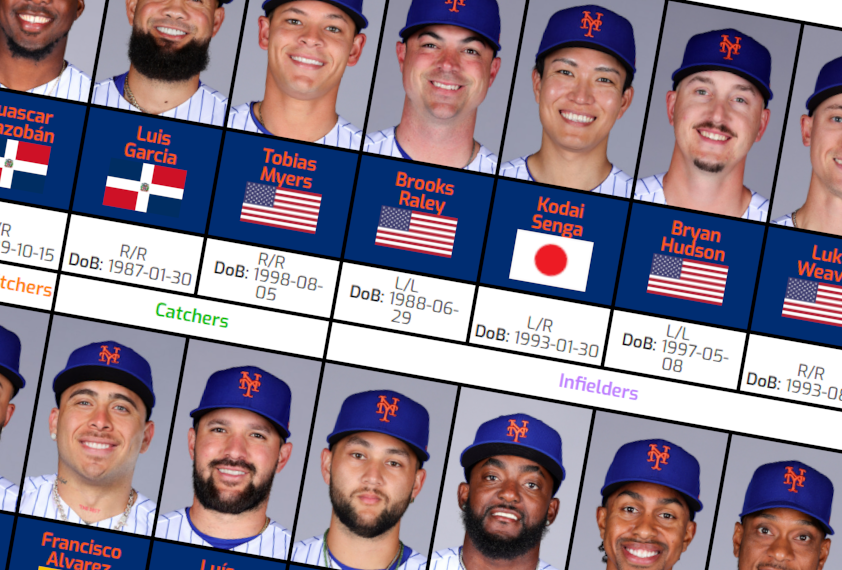 The point is reached and past. A turnaround is possible. Sure. That's always true. But the 2026 Mets have demonstrated themselves to be a bad investment. Any pursuit of incoming players would be throwing good money after bad. But they will need to field a team if and when they start cashing in assets, and newly acquired fringe players may certainly be useful in that regard. Transactions, 6/30/2026 GOING COMING Signed away by Hanshin (NPB) Released Signed away from MIA to Minor-League Contract, Assigned to Syracuse Relief Pitchers Infielders Anderson Severino Joe Charles Christopher Morel L/L DoB: 1994-09-17 High Level: MLB (2026) R/R DoB: 36621 High Level: MLB (2026) R/R DoB: 1999-06-24 High Level: MLB (2026) It may feel like Anderson Severino played for the Mets, but he never did. There has been plenty of drama with his comings and goings and Spring Training usage and studly performances in Syracuse this summer and the Dominican Winter League before that. He joined the Mets for all of a day back in May, but somehow escaped his name being called to help mop up a 16-7 win, but was demoted again before the day was done. He also looks kind of like 2023 Met Dennis Santana — you know, if you squint. Mets Roster Central acknowledges that they do a lot of squinting these days. But Anderson clearly got tired of trying to get back on a Major League mound, which he hasn't toed since 2022, and asked for his release so he could sign with an NPB team, and the Mets obliged. After 3 1/2 weeks, one might have wondered if that deal was actually forthcoming, and maybe Sevvy would be back with the Mets Syracusani, but the Hanshin Carp have made the call. Joe Charles has fewer plot twists in his story. The Mets drafted him out of high school in the 25th round back in 2019, but he opted instead for an undistinguished five-year career in the ACC. He signed with those same Mets, this time as an undrafted free agent out of college, but a few weeks of double-digit ERAs at two different levels have led to his severance. Maybe he gets a chance in indy ball, but we hope he can find a way to look a little less like Vice President Vance. But that's probably mostly not his fault and we wish him the best. The real star of this post, of course, is Christopher Morel. A damn-good comp for MJ Melendez, Morel saw a lot of first-string playing time early in his career, played pretty much every position on the field while doing it, Morel — now on his fourth organization at 27 — has the flash to make himself attractive to teams, who soon grow tired of his high-slugging/low-OBP ways. The Mets have no need for him now, and so he heads to Syracuse. You may hear little of his name in a Mets context ever again, but his all-around-the-field versatility suggest that Righthanded MJ could be a guy who can fill in after July 31 for any player the Mets might care to move. And should a hard-to-recognize and easy-to-forget version of the Mets limp home in September, you might end up seeing more than a little of this guy after all. Your 2026 New York Mets Starting Pitchers Relief Pitchers Sean Manaea Nolan McLean Freddy Peralta Christian Scott Huascar Brazobán R/L DoB: 1992-02-01 R/R DoB: 2001-07-24 R/R DoB: 2996-06-04 R/R DoB: 1999-06-15 R/R DoB: 1989-10-15 Relief Pitchers Joey Gerber A.J. Minter Cionel Pérez Brooks Raley Kodai Senga Austin Warren Luke Weaver R/R DoB: 1997-05-03 L/L DoB: 1993-09-02 R/L DoB: 35176 L/L DoB: 1988-06-29 L/R DoB: 1993-01-30 R/R DoB: 1996-02-05 R/R DoB: 1993-08-21 Relief Pitchers Catchers Infielders Devin Williams Francisco Alvarez Luís Torrens Bo Bichette Brett Baty Francisco Lindor Ronny Mauricio R/R DoB: 1994-09-21 R/R DoB: 2001-11-01 R/R DoB: 1996-05-02 R/R DoB: 1998-03-05 L/R DoB: 1999-11-13 S/R DoB: 1993-11-14 S/R DoB: 2001-04-04 Infielders Outfielders Mark Vientos Eric Wagaman Carson Benge A.J. Ewing Juan Soto Tyrone Taylor Jared Young R/R DoB: 1993-12-11 R/R DoB: 1997-08-14 L/R DoB: 2003-01-20 L/R DoB: 2004-08-10 L/L DoB: 1998-10-25 R/R DoB: 1994-01-22 L/R DoB: 1995-07-09 Also on 40-Player Roster Starting Pitchers Relief Pitchers Clay Holmes Tylor Megill Zach Thornton Jonah Tong Alex Carrillo Daniel Duarte Reed Garrett R/R DoB: 1993-03-27 R/R DoB: 1995-07-28 L/L DoB: 2002-01-17 R/R DoB: 2003-06-19 R/R DoB: 1997-06-06 R/R DoB: 1996-12-04 R/R DoB: 1993-01-02 Relief Pitchers Catchers Infielders Justin Hagenman Tobias Myers Dedniel Núñez Jonathan Pintaro Dylan Ross Hayden Senger Jorge Polanco R/R DoB: 1996-10-07 R/R DoB: 1998-08-05 R/R DoB: 1996-06-05 R/R DoB: 1997-11-07 R/R DoB: 2000-09-01 R/R DoB: 1997-04-03 S/R DoB: 1999-11-13 Infielders Outfielders Marcus Semien MJ Melendez Nick Morabito Jared Oliva Luis Robert, Jr. R/R DoB: 1990-09-17 L/R DoB: 1993-11-29 R/R DoB: 2003-05-07 R/R DoB: 1995-11-27 R/R DoB: 1997-08-03 Your Mets Coaching Staff Interim Manager Bench Coach Pitching Coach Hitting Coord. Third Base Coach First Base Coach Bullpen Coach Ass't Pitch. Coach Andy Green Kai Correa Justin Willard Jeff Albert Tim Leiper Gilbert Gomez José Rosado Dan McKinney DoB: 1977-07-07 DoB: 1989-07-14 DoB: 1990-09-09 DoB: 1992-08-16 DoB: 1996-07-19 DoB: 1992-03-08 DoB: 1974-11-09 DoB: 1989-06-06 Hitting Coach Strategy Coach Catching Coach Coaching Assistant Bat'g Pract. Pitcher Equip. Manager Bullpen Catcher Bullpen Catcher Troy Snitker Danny Barnes J.P. Arencibia Rafael Fernandez Kevin Mahoney Kevin Kierst Eric Langill Dave Racaniello DoB: 1988-12-05 DoB: 1989-10021 DoB: 1986-01-05 DoB: 1988-08-03 DoB: 1987-05-11 DoB: 1964-07-09 DoB: 1979-04-09 DoB: 1978-06-03 Your Mets Training Staff Director of Player Health Head Athletic Trainer Assistant Athletic Trainer Recond. Coordinator Recond. Therapist Head Performance Coach Assistant Performance Coach Performance Coordinator Soft Tissue Specialist Brian Chicklo Joseph Golia Bryan Baca Sean Bardanett Josh Bickel Dustin Clarke Tanner Miracle Jeremy Chiang Hiroto Kawamura DoB:1972-07-17 DoB:1978-??-?? DoB:Circa 1980 DoB:1988-06-23 DoB:1996-??-?? DoB:1987-??-?? DoB:1991-??-?? DoB:????-??-?? DoB:1962-07-19 View the full article
 -
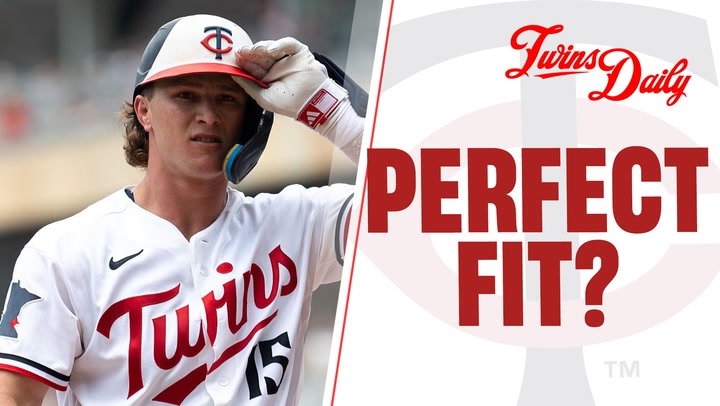 Luke Keaschall has spent most of his professional career at second base. That may not be where he ultimately fits best. View the full article
 -
The Next Rising Brewers Outfield Prospect Is A Beast
DiamondCentric posted an article in Brewer Fanatic
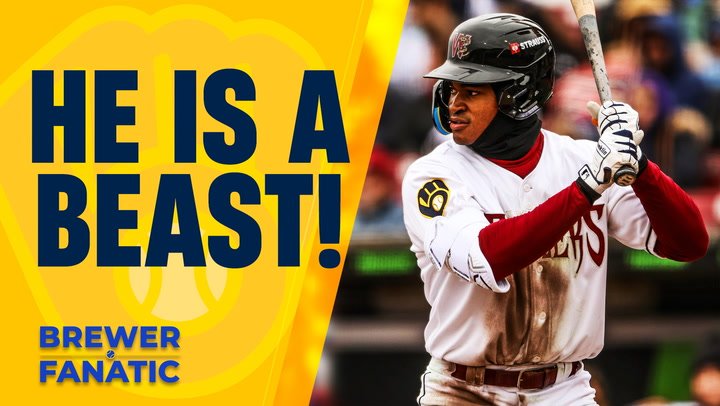 Braylon Payne is the Milwaukee Brewers' 9th-ranked prospect per our rankings. He was their first round pick in 2024, and his speed-oriented reputation has only grown since he cut his teeth at the professional baseball level. Now sporting 14 home runs through half a season with the High-A Wisconsin Timber Rattlers, it's becoming very clear that he could be one of the more well-rounded farmhands in Milwaukee's pipeline. View the full article
 -
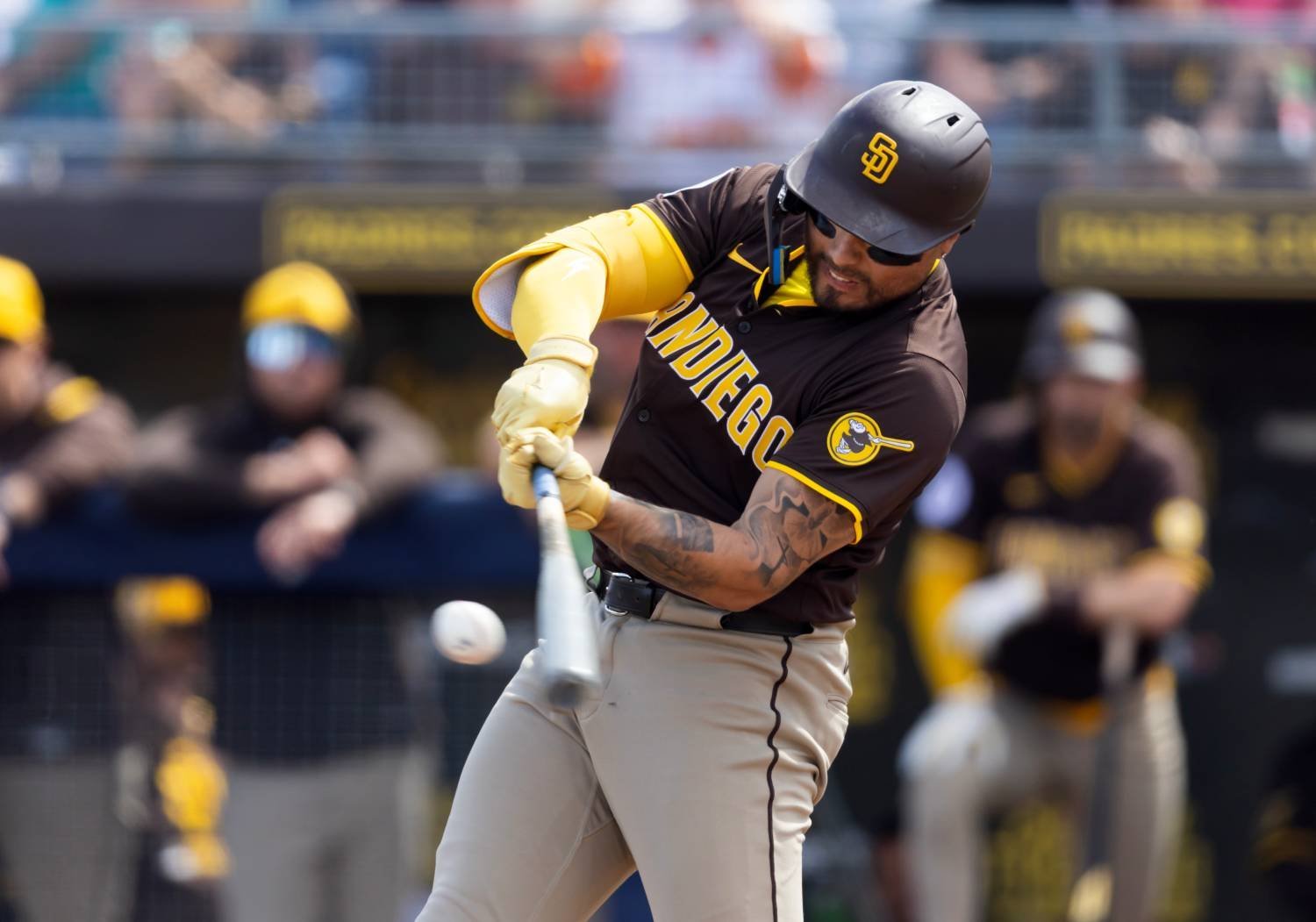 Let's check in on the San Diego Padres prospects who made a mark in the last week (check out Padres Mission's latest Top 20 rankings as well!): Tirso Ornelas, OF, Double-A San Antonio Missions Season stats: .262/.331/.468, 66 games, 32 R, 18 2B, 0 3B, 11 HR, 34 RBI, 25 BB, 45 K, 1 SB, 1 CS The power-hitting outfielder has had quite the odyssey in the last two seasons. After being put on the 40-man roster in July 2024, he made his MLB debut in April 2025, playing in seven games. This spring, when the Padres needed a 40-man roster spot, Ornelas was designated for assignment, went unclaimed and, after spending all of 2024 and 2025 at Triple-A El Paso, he was assigned to Double-A San Antonio for 2026. After a slow April (.203/.278/.377), Ornelas has picked things up to raise his numbers to .262/.331/.468. That included a nice six games last week in which he slashed .346/.393/.731 (9-for-26) with three homers, four runs and five RBIs. San Antonio is a better place for prospects to develop than El Paso, so the Padres likely want to see more of Ornelas there before putting him back at Triple-A, where bad habits can pop back up. But he is also 26 and not forcing the issue, so his future remains murky at best. Eric Yost, RHP, Double-A San Antonio Missions Season stats: 3-2, 3.48, 13 games (8 starts), 1 save (1 chance) 51⅔ IP, 31 H, 20 R, 20 ER, 35 BB, 48 K, .177 opponent average The Missions are one of the rare teams that give a Tuesday starter a Sunday start in the same week. Yost had that opportunity last week and produced decent results. The 2023 17th-round draft choice out of Northeastern went six innings, with one run, two hits, three walks and three strikeouts in his first start against Arkansas, then followed that up with five innings, three runs, four hits, five walks and three strikeouts. The biggest takeaway is that his control was a bit off Sunday, but how much is that due to the same hitters seeing him twice in six days? Regardless, Yost has some qualities to like, including contact prevention. He has a really good .177 opponent batting average, but his walk rate is at 16%, his worst since turning pro. He is around the MLB average for strikeout rate at 21.9%, so limiting baserunners is key to his success. His walk rate in 2025 was 11% between High-A and Double-A, with that being at 15.5% in San Antonio. Yost also hit two batters in the second Arkansas start, giving him six plunked batters in the last four starts. He is eligible for the Rule 5 draft this offseason, so what he does in the second half will go a long way to helping the Padres make the decision on whether or not to protect him. Jackson Wolf, LHP, Triple-A El Paso Chihuahuas Season stats: 5-5, 5.65 ERA, 18 games (11 starts), 63⅔ IP, 71 H, 43 R, 40 ER, 28 R, 63 K, .284 opponent average The left-handed starter had one of his best starts of the season last week. Facing the Sugar Land Space Cowboys, the 2021 fourth-round draft choice out of West Virginia went five innings, punching out eight and walking four while allowing a run on three hits. It was just the third time he has had more than five strikeouts this year and one off his season high. Wolf, who made his MLB debut with one game in 2023 and hasn't been back up since, was in contention for a bullpen spot in spring training and now could be in line to come up as the Padres search for rotation solutions. His numbers are very similar this year to what he produced in 22 starts at El Paso last year. Wolf has a 9.6% walk rate and 21.6% strikeout rate this year, while allowing a .284 opponent batting average, resulting in an unsightly 1.55 WHIP. However, some of that you have to credit to the hitter-friendly PCL conditions. Braian Salazar, LHP, High-A Fort Wayne TinCaps Season stats: 3-3, 4.25 ERA, 25 games (all relief), 1 save (1 chance), 36 IP, 28 H, 17 R, 17 ER, 21 BB, 43 K, .217 opponent average The 21-year-old left-hander made two relief appearances last week against Lake County and allowed just one hit with five strikeouts and one walk. That included four punchouts in two hitless innings of the series opener in which he faced just one over the minimum. He pitched the final two innings as the TinCaps search for a new closer following Clay Edmondson's promotion to Double-A last week. Salazar has been really good over his last four appearances, giving up just one run in 7⅓ innings with five hits, a walk and eight strikeouts. He signed as an international free agent in January 2022 and has made the slow climb up the ladder to High-A Fort Wayne this year. But his numbers are also better this year, showing some significant process. He debuted in full-season ball in 2024 and posted ERAs of 6.08 in 2024 and 6.47 in 2025. Now, that number is almost two full runs less, in part to allowing fewer hits (he has a .217 opponent average this year, more than 20 points lower than each of the last two) and his walks are down a couple percentage points to 13.3%. A work in progress, but one to keep an eye on. Kai Roberts, OF, Double-A San Antonio Missions Season stats: .215/.328/.275, 60 games, 26 R, 6 2B, 0 3B, 1 HR, 8 RBI, 19 BB, 62 K, 25 SB, 0 CS The switch-hitting outfielder doesn't bring a lot of offense to the table, but does provide speed and defense. He has yet to commit an error in 57 games between center field (56 games) and left. But last week against Arkansas, the 2024 seventh-round draft choice out of Utah had his best week of the season offensively, slashing .444/.545/.500 (8-for-18) with three walks, a double and one RBI. He was also hit by a pitch once, putting him on base 12 times. He took advantage of that to steal five bases. That gave him a perfect 25-for-25 on steals this season. He ranks sixth in the Texas League in steals and is the only one among the top 23 in the league yet to be caught. One of two players with the first name Kai on the Missions' roster (Kai Murphy, son of Milwaukee Brewers manager Pat Murphy, is the other), Roberts has made progress offensively even if his batting average doesn't show it. This season, he has a line-drive rate of 27.1%, which is up significantly from the 18.3% he had last year. Now 25 years old, Roberts has also been promoted a bit aggressively after appearing in 24 games in his draft year at Low-A Lake Elsinore, then 83 games last year at High-A Fort Wayne. View the full article
 -
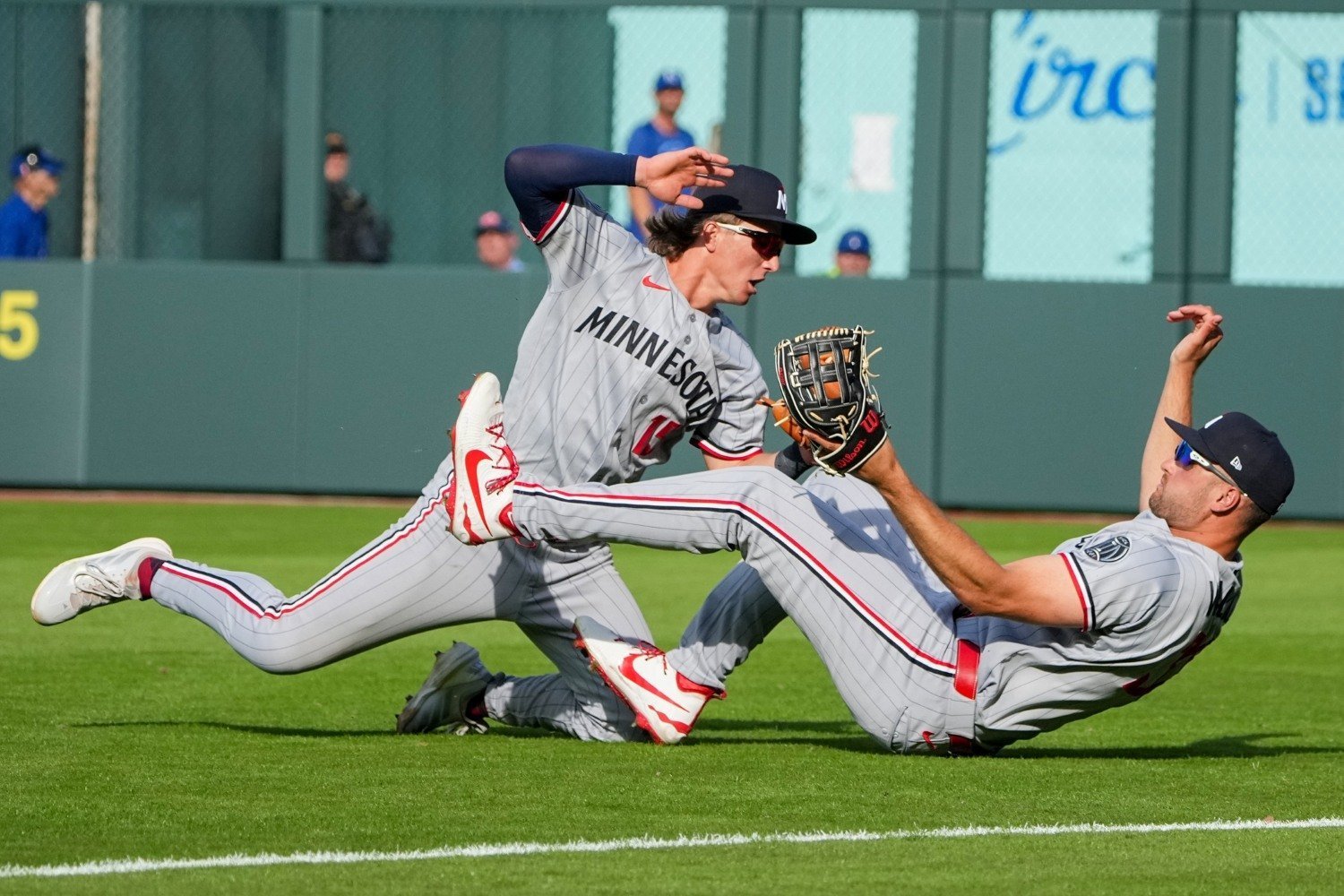 The baseball calendar often treats the All-Star break as the unofficial midpoint of the season, but by the time players gather for the Midsummer Classic, every team has already played well beyond half of its schedule. The true halfway point comes after Game 81, offering the cleanest opportunity to evaluate what's gone right and what hasn't. For the Twins, the first half has been a frustrating mix of encouraging individual performances and costly shortcomings. Injuries have reshaped nearly every part of the roster, several key players have underperformed, and Minnesota enters the second half below .500 despite boasting one of the American League's highest-scoring offenses. Some areas deserve praise. Others need significant improvement if the Twins hope to climb back into the postseason race. Twins Starting Pitching — Grade: B The starting rotation has been one of Minnesota's biggest strengths, even if injuries have prevented it from reaching its full potential. Joe Ryan has pitched like one of the American League's best starters, quickly putting an early-season injury scare behind him and pitching at an All-Star caliber level whenever he's taken the ball. Taj Bradley has largely delivered on expectations after arriving in Minnesota, although he's shown some inconsistency since returning from the injured list. Bailey Ober also deserves credit for grinding through diminished velocity before landing on the injured list, finding ways to remain effective despite not having his best stuff. Perhaps the biggest surprise has been the organization's pitching depth. Connor Prielipp, Mike Paredes, and Zebby Matthews have all contributed meaningful innings earlier than many expected, helping stabilize the rotation when injuries piled up. Of course, the negatives can't be ignored. Simeon Woods Richardson struggled through 12 appearances, producing a -1.2 rWAR before eventually being designated for assignment. Minnesota has also had to navigate season-altering injuries to Pablo Lopez, Mick Abel, and David Festa, all of whom appear likely to miss all or most of the season. Even with those setbacks, the Twins have remained around the middle of the league in fWAR, FIP, and xERA among starting staffs. Considering everything they've overcome, that's a respectable outcome. Twins Relief Pitching — Grade: D This bullpen was already facing an uphill battle before Opening Day. Minnesota did little over the winter to reinforce the relief corps, with veteran left-hander Taylor Rogers serving as the club's biggest addition. Unfortunately, Rogers has looked every bit like a pitcher battling Father Time, with an ERA north of 6.00 and a career-low strikeout rate of 18.6%. The organization likely envisioned supplementing the bullpen by shifting some starting pitching depth into relief roles, but injuries throughout the rotation have delayed most of those plans. Andrew Morris has been the lone exception, although his transition has produced uneven results. Ironically, the Twins' biggest bullpen success came from outside the organization. Yoendrys Gomez has become one of Minnesota's best stories after the coaching staff helped clean up some mechanical issues. The right-hander now ranks third among Twins pitchers in rWAR, trailing only Ryan and Bradley. The overall results, however, remain disappointing. Minnesota ranks 24th in bullpen fWAR, 23rd in xERA, and 29th in xFIP. The relievers have also produced a -1.26 Win Probability Added, ranking 23rd in baseball. While other AL Central foes, Kansas City and Detroit, have received even less value from their bullpens, that's hardly much consolation. The Twins simply haven't been able to consistently protect leads or shorten games, and it has cost them throughout the first half. Twins Lineup — Grade: B The offense has done far more than its share. Entering Monday's action, Minnesota had scored 412 runs, more than any other American League club and three more than the second-place Yankees. The Twins also own baseball's eighth-best slugging percentage, giving them enough firepower to stay competitive even when other parts of the roster have struggled. Byron Buxton has been the unquestioned headliner. He's putting together one of the finest offensive seasons in franchise history and remains on pace to become the first player in Twins history to hit 50 home runs in a season. Before suffering a broken hamate bone, Ryan Jeffers was putting together an All-Star-caliber campaign of his own. The lineup has also benefited from several unexpected contributors. Kody Clemens has delivered timely production, Trevor Larnach continues to provide middle-of-the-order power, Brooks Lee has become one of the club's most consistent hitters, and Victor Caratini has helped soften the blow of Jeffers' absence. Not everything has gone according to plan. Royce Lewis and Matt Wallner both opened the season expecting to anchor the middle of the order before struggling enough to earn demotions to Triple-A. Lewis quickly reminded everyone why he's such an important piece of the organization's future, dominating Triple-A pitching before returning with a much-improved approach at the plate. Minnesota has cashed in with runners in scoring position, and that might be the biggest reason for their offensive success. Unfortunately, batting with RISP is not a predictive statistic, so the club could be heading for regression. The offense has carried this team for much of the season. Without it, Minnesota likely wouldn't be anywhere near the playoff conversation. Twins Defense — Grade: F There's simply no way to sugarcoat it. Minnesota has been one of baseball's worst defensive teams. According to FanGraphs, the Twins own a -26.9 defensive rating (fielding plus positional adjustment), with only the Angels and Mariners ranking lower. Baseball Savant tells a similar story, placing Minnesota 27th in Outs Above Average at -18. Several individual defenders have struggled. Luke Keaschall and Lee each posted a -7 OAA before both began transitioning to new defensive homes. Tristan Gray and Trevor Larnach each finished the first half at -4 OAA, while Wallner and Lewis both recorded -3 OAA before their respective demotions. Lewis has since begun learning new positions (first and second base) in an effort to maximize his long-term value. The defensive struggles have extended well beyond one or two players. Too many extra outs have been given away, too many innings have been extended, and too much pressure has been placed on a pitching staff already battling injuries. If Minnesota hopes to make a second-half push, improving defensively may be the single biggest area of need. Grading the First Half The Twins' first half has been defined by contradiction. They've received outstanding performances from Ryan, Buxton, and several unexpected contributors while overcoming wave after wave of pitching injuries. At the same time, bullpen inconsistency and poor defense have repeatedly erased those positives, helping explain why a team with one of the American League's most productive offenses still finds itself below .500. The encouraging news is that many of Minnesota's biggest issues appear more fixable than its strengths are sustainable. If the rotation can get healthier, the defense improves even marginally, and the front office finds a way to stabilize the bullpen, the ingredients for a second-half turnaround are still present. But after 81 games, the grades reflect exactly where the Twins stand: good enough to remain within striking distance, yet far too inconsistent to feel comfortable about their postseason chances. What grades would you give to the team’s individual parts? Leave a comment and start the discussion. View the full article
 -
 Quad Cities powered past Cedar Rapids 8-3 behind an Emmanuel Reyes quality start, with Nolan Sailors and Tyriq Kemp homering. In losses, Daniel Vazquez and Jack Pineda went deep for Northwest Arkansas, and Ryan McDonagh struck out six for Columbia. Omaha rallied to tie before Indianapolis pulled away, as Rudy Martin Jr. collected three hits and Helcris Olivárez fanned three in scoreless relief for the Storm Chasers. Royals Transactions No Roster Moves Storm Chasers Rally To Tie Before Indianapolis Pulls Away The Omaha Storm Chasers climbed back from an early five-run hole but could not hold on, falling 12-5 to the Indianapolis Indians. Omaha built its comeback in the bottom of the second. Trailing 5-0, Gavin Cross and Luca Tresh singled and Luke Maile walked to load the bases with one out. Andrew Velazquez then lined a two-run single, Martin Jr. followed with an RBI single, and Brett Squires added a sacrifice fly to pull the Storm Chasers within 5-4. Omaha tied the game in the fourth when Abraham Toro lifted a sacrifice fly to score Velazquez. The bullpen could not keep it level. Indianapolis pushed across three runs in the fifth and four more in the eighth to take control. Starter Henry Williams struggled over his two innings, allowing five runs, all earned, on two hits with four walks and no strikeouts. Olivárez provided the lone strong relief effort, striking out three over two scoreless innings. Martin led the offense with three hits, a run driven in, and a stolen base. Tresh added two hits, Velazquez finished with two runs scored and two runs batted in, and Squires contributed a triple. Omaha stranded 10 runners on the bases, a total that loomed large in the seven-run defeat. The Storm Chasers went 2-for-8 with runners in scoring position. Their record is now 36-45. Player AB R H RBI BB K Rudy Martin Jr. 5 0 3 1 0 2 Abraham Toro 3 0 0 1 1 0 Brett Squires 3 0 1 1 1 1 Drew Waters 5 0 1 0 0 1 Peyton Wilson 3 0 0 0 2 1 Gavin Cross 5 1 1 0 0 1 Luca Tresh 4 1 2 0 0 1 Luke Maile 3 1 0 0 1 1 Andrew Velazquez 4 2 1 2 0 1 Player IP H R ER BB K HR Henry Williams 2 2 5 5 4 0 0 Helcris Olivárez 2 0 0 0 3 3 0 Andrew Pérez 2 5 3 3 1 1 0 Dan Altavilla 2 3 4 4 2 0 1 Anthony Gose 1 1 0 0 0 2 0 Vazquez And Pineda Homer But Naturals Fall To Corpus Christi The Northwest Arkansas Naturals managed only six hits and dropped an 8-3 decision to the Corpus Christi Hooks. Two of those hits left the yard. Vazquez pulled a solo home run to center in the second inning, and Pineda led off the ninth with a solo shot to left, but the Naturals could not string together enough offense to threaten. Corpus Christi set the tone in the first inning, scoring four runs against starter Steven Zobac. Zobac settled in after that, finishing five innings with four runs, all earned, on three hits, three walks, and three strikeouts. The game turned decisively in the eighth, when the Hooks scored four more runs, most of them charged to Dennis Colleran Jr., who recorded just two outs while allowing four runs. Chase Jessee, Anthony Simonelli, and Zachary Cawyer combined for scoreless relief around that frame, with Simonelli striking out two in his inning. The Naturals scratched out their third run in the eighth when Alberto Rodriguez grounded into a double play that allowed Colton Becker to score. Vazquez reached base twice and drove in a run, while Carson Roccaforte, Sam Kulasingam, Omar Hernandez, and Alberto Rodriguez each singled. Northwest Arkansas left just two runners on base. They also went just 0-for-2 with runners in scoring position. The Naturals are now 30-44 for the season. Player AB R H RBI BB K Carson Roccaforte 4 0 1 0 0 0 Jack Pineda 4 1 1 1 0 0 Sam Kulasingam 4 0 1 0 0 1 Jorge Alfaro 4 0 0 0 0 3 Spencer Nivens 4 0 0 0 0 1 Daniel Vazquez 3 1 1 1 0 0 Colton Becker 2 1 0 0 1 0 Omar Hernandez 3 0 1 0 0 1 Alberto Rodriguez 3 0 1 0 0 1 Player IP H R ER BB K HR Steven Zobac 5 3 4 4 3 3 1 Chase Jessee 1 0 0 0 0 1 0 Anthony Simonelli 1 0 0 0 0 2 0 Dennis Colleran Jr. 2/3 4 4 4 1 0 0 Zachary Cawyer 1 1/3 0 0 0 0 1 0 Kemp And Sailors Go Deep As River Bandits Top Cedar Rapids The Quad Cities River Bandits broke a tie with a four-run sixth inning and cruised to an 8-3 win over the Cedar Rapids Kernels. With the game knotted at 3-3 in the sixth, Kemp launched a two-run homer to left to score Derlin Figueroa, and two batters later Nolan Sailors crushed a two-run shot to left center that plated Angel Acosta, pushing the lead to 5-3. Quad Cities added three more in the eighth, when Jose Cerice scored on a wild pitch, Kemp came home on an Angel Acosta sacrifice fly, and Luke Pelzer singled in Asbel Gonzalez. Reyes turned in a quality start, working six innings and allowing three runs, all earned, on six hits with one walk and five strikeouts. The bullpen finished the job without a blemish, as Mason Miller, Tyson Guerrero, and L.P. Langevin combined for three scoreless innings, and Langevin struck out three in the ninth. Sailors led the way with three hits, including a double and a home run, two runs batted in, and a stolen base. Kemp added two hits and two runs batted in, Pelzer doubled among his two hits and drove in two, and Gonzalez scored twice with two stolen bases. The River Bandits collected 11 hits and left nine runners on base. They also went 3-for-11 with runners in scoring position. Quad Cities' record improved to 33-39 with the victory. Player AB R H RBI BB K Nolan Sailors 5 1 3 2 0 0 Asbel Gonzalez 4 2 1 0 1 2 Blake Mitchell 4 0 0 0 1 3 Luke Pelzer 5 0 2 2 0 2 Trevor Werner 4 0 0 0 1 2 Derlin Figueroa 3 1 0 0 1 3 Jose Cerice 4 1 1 0 0 0 Tyriq Kemp 3 2 2 2 1 0 Angel Acosta 2 1 2 1 1 0 Player IP H R ER BB K HR Emmanuel Reyes 6 6 3 3 1 5 2 Mason Miller 1 0 0 0 0 1 0 Tyson Guerrero 1 1 0 0 1 1 0 L.P. Langevin 1 1 0 0 0 3 0 McDonagh Fans Six But Fireflies Drop Contest To Fredericksburg The Columbia Fireflies could not solve Fredericksburg pitching in a 4-2 loss to the Nationals. Columbia scratched out its first run in the fifth, when Angel Ramirez singled and scored on a Jhosmmel Zue double. The Fireflies pulled within one in the eighth, as Roni Cabrera doubled, moved to third on a Josh Hammond single, and came home on a Sean Gamble bunt single. That was as close as Columbia would get, with Fredericksburg tacking on an insurance run in the ninth. McDonagh gave Columbia a strong outing on the mound, striking out six over 5 1/3 innings while allowing three runs, all earned, on two hits and two walks. Jhon Reyes and Hunter Alberini followed with scoreless relief, and Alberini struck out two in his inning. Hammond led the offense with two hits, while Zue doubled and drove in a run, Cabrera doubled and scored, and Gamble singled in a run on a squeeze bunt. Columbia managed eight hits but stranded five runners on the bases in the two-run loss. They went 2-for-7 with runners in scoring position. The Fireflies are back at .500 with a 38-38 record. Player AB R H RBI BB K Josh Hammond 4 0 2 0 0 1 Sean Gamble 4 0 1 1 0 2 Yandel Ricardo 4 0 0 0 0 1 Stone Russell 4 0 1 0 0 2 Henry Ramos 3 0 1 0 1 1 Hyungchan Um 4 0 0 0 0 1 Angel Ramirez 4 1 1 0 0 2 Jhosmmel Zue 3 0 1 1 0 1 Roni Cabrera 3 1 1 0 0 1 Player IP H R ER BB K HR Ryan McDonagh 5 1/3 2 3 3 2 6 1 Jhon Reyes 1 2/3 0 0 0 1 0 0 Hunter Alberini 1 0 0 0 1 2 0 Henson Leal 1 3 1 1 0 1 1 Top-20 Prospect Performance Kendry Chourio: DNP David Shields: DNP Josh Hammond: 2-for-4, 1 K Blake Mitchell: 0-for-4, 1 BB, 3 K Sean Gamble: 1-for-4, 1 RBI, 2 K Ramon Ramirez: DNP Drew Beam: DNP Carson Roccaforte: 1-for-4 Asbel Gonzalez: 1-for-4, 1 BB, 2 SB, 2 K Yandel Ricardo: 0-for-4, 1 K Michael Lombardi: DNP Ben Kudrna: DNP Justin Lamkin: DNP Felix Arronde: DNP Blake Wolters: DNP Steven Zobac: 5 IP, 3 H, 4 R, 4 ER, 3 BB, 3 K, 1 HR Austin Charles: DNP Daniel Vazquez: 1-for-3, HR, 1 RBI Kamden Edge: DNP Warren Calcano: 0-for-2 View the full article
 -
Reviewing the Chicago Cubs' 2025 Draft Class
DiamondCentric posted an article in North Side Baseball
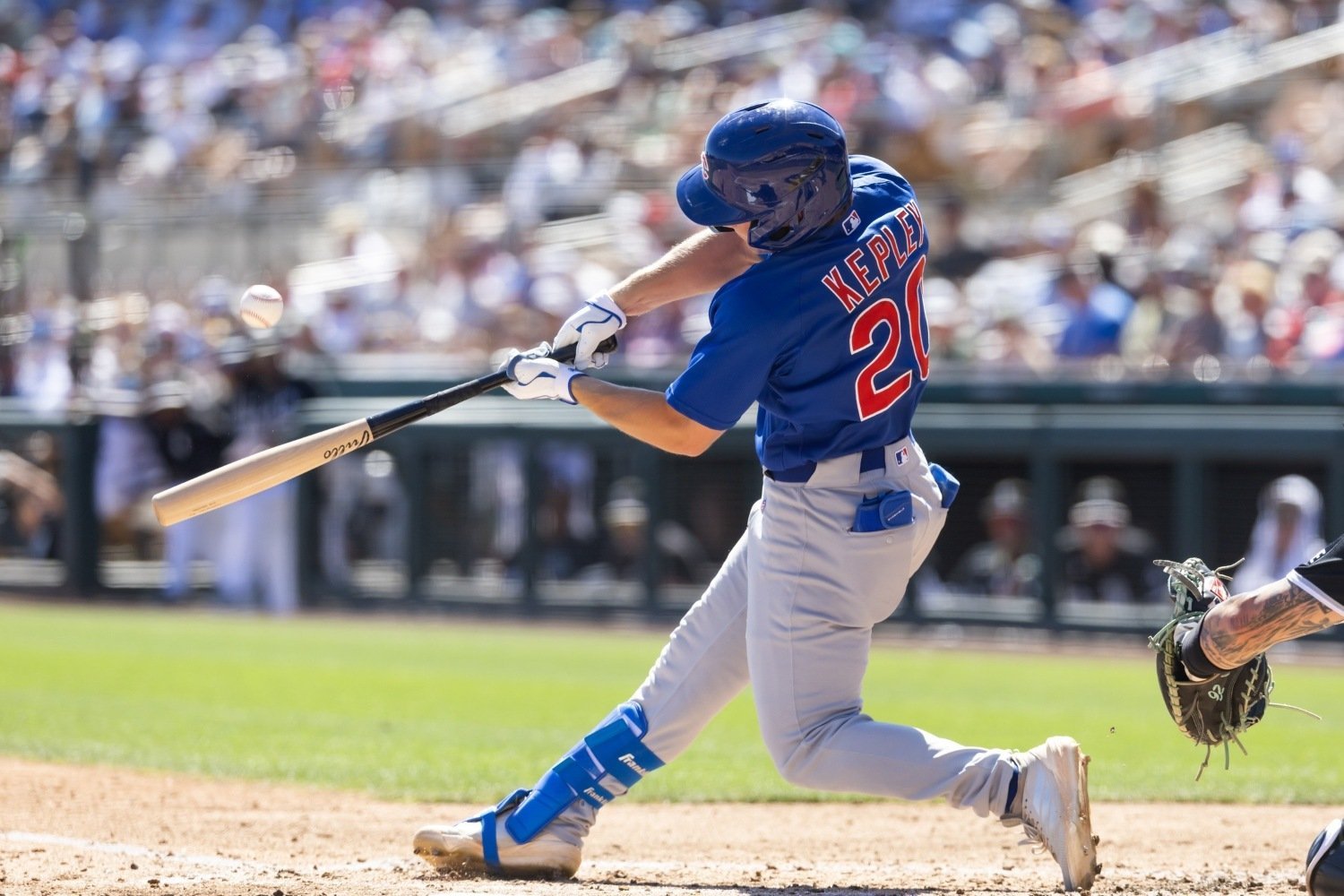 Drafts are primarily judged on their first-round picks. Finding more than three big-league contributors in a draft is cause for celebration; most classes yield that many or fewer. Thus, if a team doesn’t find value at the top, it faces an uphill climb to be a fruitful draft. The Cubs signed 19 of their 20 picks in last year’s draft, but their first-round pick, Ethan Conrad, is just making his pro debut this week. Without knowing what he will look like as he comes back from a shoulder injury that ended his last collegiate season, though, the Cubs still have to be pretty excited about how the 2025 draft class is shaping up. With Conrad and Colton Book (9th round) having not yet debuted and Connor Spencer (12th round) out for the season, I am using three tiers here to split the remaining 16 players: MLB prospects, fringe prospects, and organizational players. The draft class is showing a lot of promise, with three legit MLB prospects before their first round pick even debuts. With a relatively weak farm system, it looks like it was a much-needed infusion of talent. MLB Prospects 2nd round: Kane Kepley The Tar Heels outfielder and our No. 7 Cubs prospect has put together a really nice season in South Bend in 2026. Kepley has been almost exactly the player he was in college, sporting a low strikeout rate (13%) and a high walk rate (21%). Even if he never develops major-league average power, a true plus center fielder who doesn’t strike out, gets on base, and wreaks havoc when he does (39 stolen bases in just 67 games) looks like a player with a floor of fourth outfielder—a definite major-league contributor, and one whose best season is almost sure to be worthy of regular playing time. 4th round: Kaleb Wing The Cubs went over-slot to sign Wing, a high-school arm who saw a velo jump in his draft year. Prep arms take patience, but Wing is showing real glimpses in Myrtle Beach in his first pro season. He has a 33% strikeout rate over 6 starts and 16 1/3 quality innings. He has a long way to go, as evidenced by a 16% walk rate, but he has the stuff to make an impact on the big-league club someday. 6th round: Josiah Hartshorn Cubs fans may come to remember this draft as the Josiah Hartshorn draft. The 19-year-old outfielder flew through Low-A, walking more than he struck out with an .884 OPS, on his way to South Bend, where he continued to impress. He has an OPS over 1.000 while being over 3 years younger than the league average. It looks like the Cubs absolutely nailed this pick. They went out on a limb and paid him more than anyone has ever paid a 6th-rounder before, at $2 million. They could trade him today for a solid $15 million in value, if it came to that, so the investment has already been a titanic success. Fringe Prospects 3rd round: Dominick Reid Reid has started 12 games for Myrtle Beach and has posted a 23% strikeout rate with a 9% walk rate over 49 2/3 innings. You’d like to see sexier numbers for a college draftee in Low-A, but it could be worse. He doesn’t have premium velocity, so development of his breaking stuff is going to be necessary if he is going to have a chance at big-league innings. 7th round: Pierce Coppola Coppola has posted a nearly 35% strikeout rate over 9 starts and 36 innings in Myrtle Beach, but it comes with a 13.6% walk rate. The good news is, that's down from a 23.6% walk rate in his first taste of pro ball last year while doubling his groundball rate year over year. If the 6-foot-8 left-hander can keep improving his walk rate, he could make the Cubs look pretty smart. 8th round: Jake Knapp At almost 25 years old, Jake Knapp was the oldest player in the draft class, but he was also the 2025 ACC Pitcher of the Year. The Cubs sent him to Double-A Knoxville for his pro debut, where he has a 24.5% strikeout rate and a 14% walk rate. He had just a 4% walk rate in his draft year at UNC, but it has spiked in pro ball. If he can recapture the strike-throwing ability he showed in college, he could enter the next tier. 11th round: Eli Jerzembeck I am putting Jerzembeck in this tier largely on the back of his pedigree. A top prospect out of high school in the 2022 draft, Jerzembeck made the decision to go to South Carolina. After a solid freshman year, he just could not stay healthy and missed back-to-back seasons. He had not pitched in two full years when the Cubs took him in the 2025 draft. He's thrown 27 2/3 innings in 2026 and posted a 26.7% strikeout rate across both levels of A-ball. Having not pitched in two years, his walk rate is understandably high, but if he can recapture the strike-throwing ability he showed pre-injury as he knocks more of the rust off, he could be a real steal in the 11th round. Organizational Players 5th round: Kade Snell This pick doesn’t look awesome. Snell had a career 8% strikeout rate in the SEC, but has seen his strikeout rate soar north of 25% this season in South Bend. Pair that with a .336 slugging average and it's hard to see him making an impact at the big-league level. 10th round: Justin Stransky Maybe the hardest player to place on this list, Stransky has matching 15.7% strikeout and walk rates while throwing 27% of runners out from behind the plate. He is running a .237 BABIP (as much an indicator of contact quality as of luck, when you're in the minors) and hasn’t shown much power, but the offensive bar is low for catchers. If the Cubs like the way he handles pitching staffs, he could be in the next tier already for them. 13th round: Nate Williams Another player who was relatively hard to place, Nate Williams has a 5.82 era out of the South Bend bullpen this season. His peripheral numbers look a bit better, though, with a 27% strikeout rate and some bad batted-ball luck. Still, he looks unlikely to be anything more than a Quad-A reliever. 14th round: Kaemyn Franklin Franklin is not off to a good pro start with a 27% walk rate and 2 home runs given up over 3 2/3 innings in rookie ball. 15th round: Noah Edders Noah Edders is actually off to a pretty solid pro start, with a 26% strikeout rate and a 6% walk rate this season, but he's a little old for the level in Myrtle Beach and the Cubs leaving him there in 2026 after 5 quality innings in 2025 speaks volumes about how they view him. 16th round: Riley Hunsaker Hunsaker has not been very good this season, with an ERA over 5.00 as a 23-year-old in A ball. He has an 8% walk rate but just a 21% strikeout rate and is giving up a lot of hits. Guys who don’t miss bats at that level generally aren’t prospects. 17th round: Logan Poteet Logan Poteet, like fellow catcher Justin Stransky, is hard to place. He's playing well in A-ball, with a .938 OPS, but he is slightly old for the level and has a 31.6% strikeout rate. 18th round: Connor Knox Knox has thrown only 7 2/3 innings in his debut season so far, but there might be a reason. He has a WHIP of almost 2.00 and an 18% walk rate as a 22-year-old in A-ball. 20th round: Freddy Rodriguez Rodriguez has been pretty solid for a 20th-round pick, albeit in rookie ball. He has a 26% strikeout rate and a 9% walk rate in 27 1/3 innings, but keeping him in rookie ball means the Cubs probably don’t view him as much more than an organizational arm. View the full article
 -
Three Ex-Royals Players Who Are Thriving With Their New Teams
DiamondCentric posted an article in Royals Keep
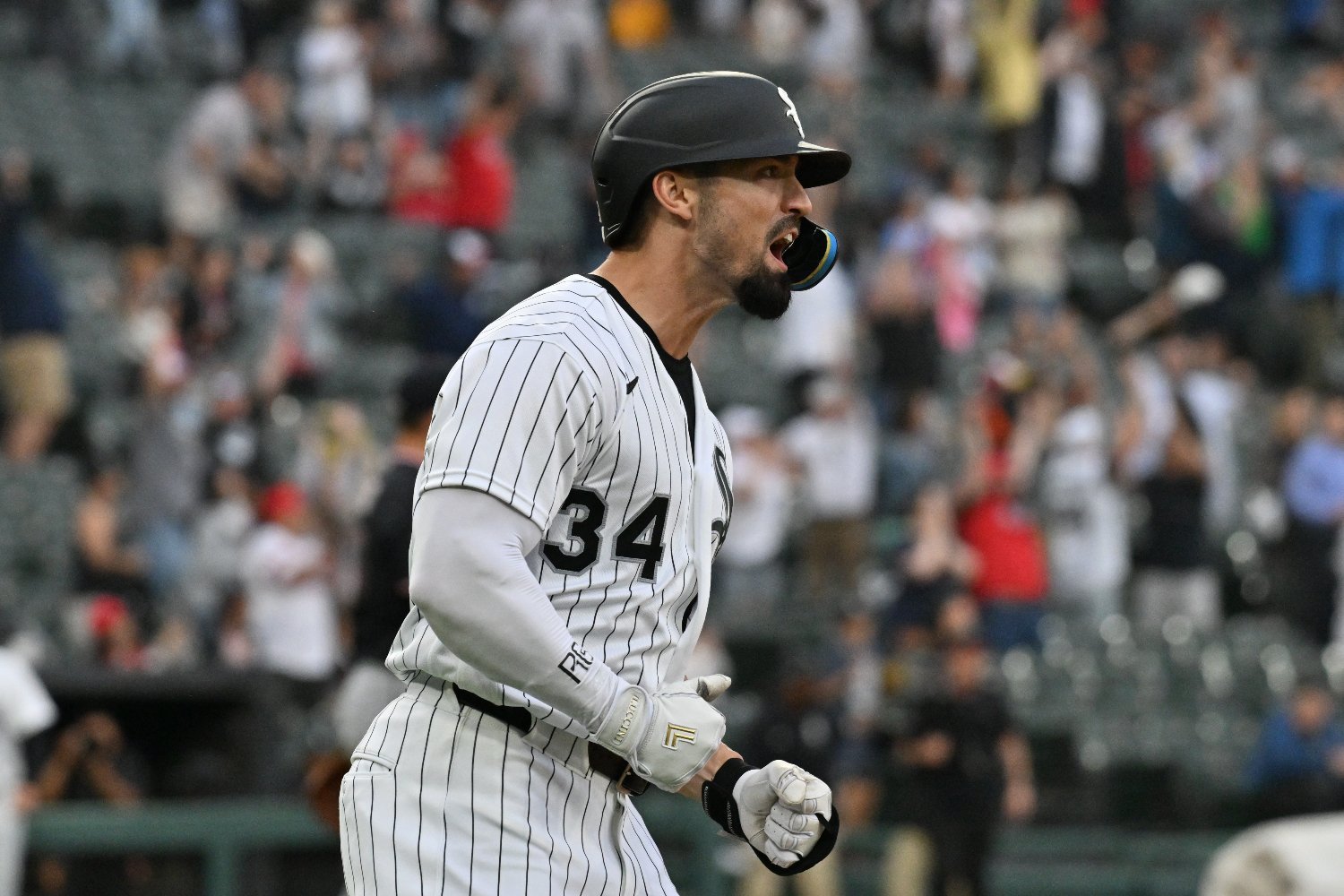 It was a tough start to the homestand, as the Royals lost 10-4 to the Tampa Bay Rays, who lead the AL East. Even though Kansas City dropped to 35-51, it was a beautiful night at Kauffman Stadium for baseball, especially once the sun set. Not a lot has gone right for the Royals this season. In addition to a regression in performance, they have been plagued by injuries. The latest came tonight, as reliever Connor Seabold had to be removed due to a lat injury. It'll be interesting to see who Kansas City calls up to replace his spot in the bullpen, especially with the 40-man roster lacking dependable (and healthy) arms at this moment. With the Royals 16 games under .500, it's easy for fans to look at what Royals President of Baseball Operations could've done in the offseason to avoid such a disastrous campaign. Could they have been more aggressive in free agency? Should they have pulled the trigger on that rumored Jarren Duran for Cole Ragans deal with the Red Sox? Should they have been more prudent with extensions to Salvador Perez, Vinnie Pasquantino, and Maikel Garcia, who have all regressed in 2026? That said, while those are big questions to ponder, there are little moves that went under the radar this offseason that impacted the roster in negative ways. In this post, I am going to talk about three players the Royals parted ways with this offseason (two by non-tender and one by trade) who have ended up having strong 2026 campaigns with their new clubs. Furthermore, I will discuss why the Royals let them go and what they could've brought to this team had Picollo decided to bring them back. Taylor Clarke, RHP, Arizona Diamondbacks After not pitching in the Majors in 2024 due to injury (he was with the Brewers), Clarke returned to Kansas City in 2025 and had a stellar campaign. In 55.1 IP, he posted a 3.25 ERA, 0.85 WHIP, 3.94 FIP, and 17% K-BB%. Even though he didn't get a whole lot of high-leverage opportunities (he had just five holds and one save), Clarke was one of the more dependable bullpen arms for Kansas City last season. However, even though he was coming off a great season, the Royals opted not to tender Clarke a contract in the offseason. The Diamondbacks, who drafted Clarke in the 2015 MLB Draft, signed him to a one-year, $1.55 million contract shortly after his release by the Royals. So far, the 33-year-old righty has lived up to his one-year deal in Arizona. In 35.1 IP, Clarke has a 2.04 ERA, 0.82 WHIP, 3.76 FIP, and 9% K-BB%. The strikeouts are down this year, as his 14.9% K% is 6.5% lower than his K% with the Royals in 2025. That said, he's done a better job of limiting home runs (6.7% HR/FB%), and he's also produced decent TJ Stuff+ numbers to go along with strong xwOBACON marks, as seen below in his TJ Stuff+ summary. Clarke primarily excels with his slider and changeup, which have TJ Stuff+ marks of 105 and 102, respectively. His slider is his best pitch overall with a 33% chase rate, 37% whiff rate, and .296 xwOBACON. Overall, his chase rate (29%) and xwOBACON (.337) are above-average, but his zone rate (46.5%) and whiff rate (22.6%) leave a little to be desired. Some regression could be coming for Clarke, especially when one looks at his Statcast percentiles. The lack of CSW and Swinging Strikes could eventually be exposed as he gets deeper into the season and hitters adjust to his profile and approach. While Clarke's profile is flawed, which explains why the Royals were okay with letting him go, he's been dependable for the Diamondbacks, even in medium- to high-leverage. He has 11 holds this year, his highest mark in that category since 2023 when he had 12 holds in 58 plate appearances. Clarke will likely surpass that number barring an epic collapse or injury. Considering the Royals bullpen ranks 29th in reliever ERA and 30th in WHIP, Clarke would be a worthwhile arm to have right now, especially in the late innings. Lucas Erceg and Matt Strahm have struggled, and Carlos Estevez has only pitched in one game due to injury. The Royals closer likely won't be back anytime soon after another setback, according to Anne Rogers. Jonathan Bowlan, RHP, Philadelphia Phillies Speaking of the bullpen, another arm the Royals could've used this year is Bowlan, their second-round pick in the 2018 MLB Draft. In his first full season with Kansas City in 2025, Bowlan posted a 3.86 ERA, 1.22 WHIP, 3.93 FIP, and 16.1% K-BB%. Stuff was never an issue for Bowlan last year, as he posted an overall TJ Stuff+ of 104 and a K% of 25.6%. However, he struggled with the long ball, as evidenced by his 17.6% HR/FB rate. Needing a more proven veteran arm, Picollo traded Bowlan to Philadelphia for Strahm, a former Royals draft pick. Unfortunately, the move has not turned out as planned for Kansas City this season. In 26.2 IP with the Royals, Strahm has a 5.74 ERA, 1.31 WHIP, a 6.85 FIP, and 8.6% K-BB%. After allowing a 6.0% HR/FB rate in 2025 with the Phillies, the 34-year-old lefty has seen that rate balloon to 18.2% with the Royals. As a result, manager Matt Quatraro has moved Strahm out of high-leverage situations for the time being. On the flip side, Bowlan has taken his pitching to the next level in the City of Brotherly Love. In 25.1 IP, he has a 3.55 ERA, 1.14 WHIP, 2.59 FIP, and 22.9% K-BB%. He's decreased his HR/FB% to 8.7%, and his Statcast profile is encouraging, as he ranks near the top percentiles of the league in most categories. The only categories that Bowlan is under the 60th percentile in? Strike% (38th percentile) and zone% (22nd). That's pretty impressive and a sign that Bowlan may have what it takes to be an elite late-innings reliever. After a slow start in March (7.71 ERA) and April (4.76 ERA), he's been particularly good in June with a 1.13 ERA. He also has 14 strikeouts to just two walks in eight innings of work this month. When comparing Bowlan to Strahm this year, it's not just Bowlan's results that are better than Strahm's, but the righty's stuff and velocity metrics blow Strahm's out of the water as well. That can be seen below via their TJ Stuff+ summary comparison. Not only is Bowlan's TJ Stuff+ 10 points higher than Strahm's, but Bowlan doesn't have a single pitcher under the 100 TJ Stuff+ mark. As for Strahm, he has just two, and at 102 each, that's still lower than Bowlan's worst-rated pitches (Bowlan's changeup and curve have a TJ Stuff+ of 103). The Royals are lacking a lot of relievers with big TJ Stuff+ numbers. Steven Cruz fits that bill, as does Beck Way, but after that, it gets pretty light. Bowlan would be a nice fit for the Royals right now due to his power arm, and he probably could have handled medium-leverage situations at the very least (maybe more if he was given the chance). Randal Grichuk, OF, Chicago White Sox The Royals acquired Grichuk at the Trade Deadline last year, and he was a dud in Kansas City. In 43 games and 105 plate appearances with the Royals after coming over from Arizona, Grichuk hit .206 with a .566 OPS and 83 TJ Bat+. As a result of his poor performance at the plate and questionable defense in the outfield, Picollo opted not to bring Grichuk back by declining his $5 million mutual option and paying a $3 million buyout to shed his contract. Initially, Grichuk signed with the Yankees this offseason and didn't do so hot in the Bronx either. In 33 plate appearances with the Yankees, he hit .194 with a .535 OPS. His TJ Bat+ was better at 136, showing he was due for positive regression, but the Yankees released him with a crowded outfield already. The White Sox scooped up Grichuk shortly after he was released, and the move has paid off for the South Siders. In 38 games and 91 plate appearances with the White Sox, the 34-year-old outfielder is hitting .291 with a .981 OPS. He has nine home runs, 13 runs scored, and 21 RBI. Grichuk also sports a 136 TJ Bat+ and some impressive Statcast percentiles, as illustrated below. Grichuk doesn't walk much, as his 4% BB% ranks in the 5th percentile. However, his barrel rate ranks in the 90th percentile, his hard-hit rate ranks in the 84th percentile, his Pull Air% ranks in the 76th percentile, and his LA Sweet-Spot% ranks in the 99th percentile. Essentially, Grichuk is producing consistent quality contact, and that's a reason why his wOBA ranks in the 88th percentile and his xwOBA ranks in the 95th percentile. A key to Grichuk's success this year has been his effectiveness against left-handed pitchers. He is producing a .439 xwOBA and .440 wOBA against lefties compared to a .307 xwOBA and .236 wOBA against righties. In addition to better wOBA numbers, the former Royals outfielder has also excelled in many Statcast categories against lefties this season. The biggest difference is that Grichuk just pulls the ball in the air, hits the ball harder, and launches it more against lefties than righties. Does that make Grichuk an everyday player? No, but it makes him a premium platoon hitter from the right side, which is exactly what the White Sox needed. The Royals also wanted a platoon bat that could be a righty weapon against lefties. Picollo acquired Starling Marte to satisfy the role. Unfortunately, based on the Statcast percentiles, Marte has actually done better against righties than lefties this season. In 80 PA against lefties, Marte has .289 wOBA and .300 xwOBA. That is much worse than his .330 wOBA and .360 xwOBA in 26 PA against righties. Furthermore, Marte's LA-Sweet Spot%, hard-hit%, barrel%, and pull air% all fare better against righties than lefties, much to the Royals' chagrin. The 37-year-old veteran didn't cost the Royals much (just $1 million). However, for an extra $2 million, the Royals could've had a lefty masher in Grichuk who would've played better into the platoon lineups that Quatraro has preferred to utilize in his tenure as manager in Kansas City. View the full article
 -
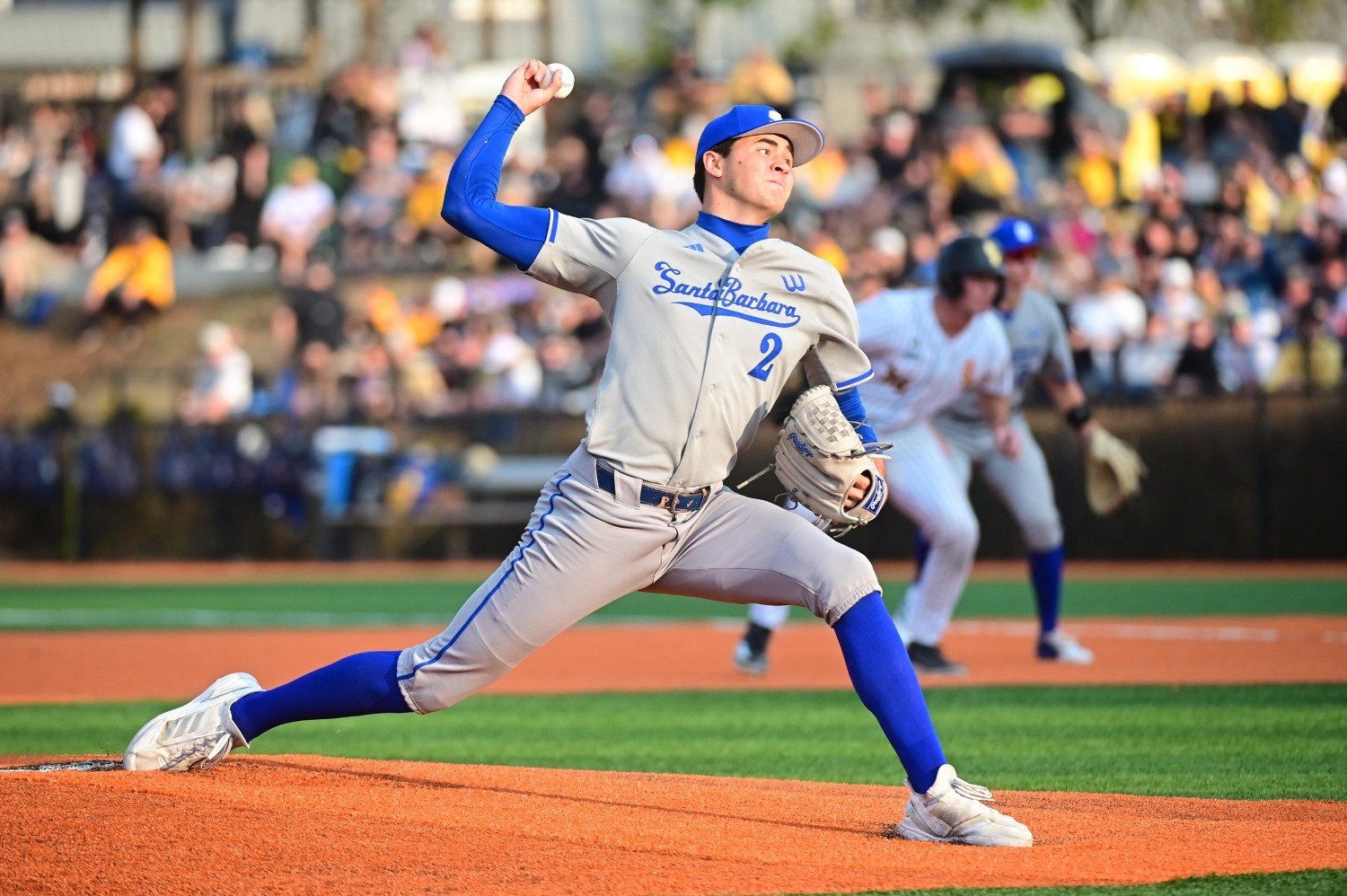 Over the last few weeks at Twins Daily, we’ve spent time digging into the top three players in the 2026 MLB Draft. After breaking down Georgia Tech catcher Vahn Lackey, we detailed top overall prospect Roch Cholowsky and Grady Emerson, the best high school prospect in the class. As we approach Day One, it’s easier to characterize the class. It’s top-heavy in terms of impact talent, with a clear, consensus top three. There’s plenty of depth in the 30-100 range, too. In short, picking third in this class is a great spot to be. We also know that the MLB Draft yields plenty of surprises. Should the Twins deviate from a consensus top-three player to move some money to their other picks (or just because their reports buck the consensus), here are some of their primary options. Jackson Flora, RHP, UC Santa Barbara Flora is the best pitcher (college or high school) entering draft weekend. He’s an arm who marries performance and projection, although I’d rank him behind the top college arm from 2025 (Kade Anderson) and the top college arm from 2024 (Chase Burns). Flora pitched behind second overall pick Tyler Bremner in 2025, and returned a year later to headline the Gauchos' rotation. He has an ideal frame for a starter, at 6-foot-5 and 205 pounds, with some additional strength still to be added. After pitching primarily as a reliever as a freshman, Flora took on a starting role as a sophomore and thrived, managing a 3.15 FIP in 75 innings while striking out close to 28% of the hitters he faced. The stuff is loud. Flora relies on a fastball, slider, changeup combination, though he does access a cutter and curveball occasionally, too. It's a high-spin heater (up to 2,600 RPM), with about 17 inches of vert, topping out at 100 MPH (averaging 98) from a lowish three-quarter angle. Flora throws two iterations of his slider: a harder version around 84-86 MPH, and a sweeper that generates 17-19 inches of horizontal movement. He incorporated a kick-change in 2026, which sits 86-90 and generated huge whiff rates. To add to this intriguing arsenal, Flora has been an excellent strike-thrower in college, walking just 8% of hitters in 2026. Flora separated himself as SP1 in the 2026 cycle. There's room for development and refinement of his pitch shapes and arsenal, but this is front-of-the-rotation arm talent and upside. In general, drafting a pitcher in the top three gives me pause. An organization has to be incredibly convicted on their evaluation and the level of talent. I’m not sure Flora established the level of dominance of some of his counterparts from recent drafts—the level that would give me enough confidence to pull the trigger at three. Drew Burress, OF, Georgia Tech Burress has been the most consistently productive college hitter since he set foot on campus at Georgia Tech. There's no arguing the track record, but there's a limited catalogue of right-handed impact bats in the big leagues who stood 5-foot-9. Burress has a ton of moving pieces in his swing that can get a little convoluted and may be problematic against better pitching in professional baseball. It's good (not outstanding) bat-to-ball skills, with tremendous quality of contact that has resulted in 44 home runs in his first two collegiate seasons. Burress rarely expands the zone and walked significantly more than he struck out in his first two seasons in Atlanta. He also has strong supplementary tools. A plus arm and above-average speed and defense give him a chance to stick in center field, at least in the infancy of his pro career. After a slow start, Burress finished 2026 with a .358/.473/.657 line with 16 home runs, a 15.8 BB%, a 13.8 K%, and a 143 wRC+. He will get a ton of credit in draft models for his performance in his first two collegiate seasons, but there are too many questions for me to select him in the top three. Jacob Lombard, SS, Gulliver Prep HS, FL Jacob Lombard is the younger brother of George Lombard, a 2023 Yankees draftee and consensus top-100 prospect in his own right. Lombard the younger has some of the loudest tools in the entire draft class, but qualifies as a high-risk, high-reward prep option for teams picking in the first round. Lombard hits from the right-hand side of the plate. There's plus bat speed and easy raw power to all fields. The biggest questions in his offensive profile surround his hit tool, with concerns about the levels of swing-and-miss in the 2025 summer showcase circuit. He's incredibly athletically gifted. He plays smooth shortstop, has a solid arm and double-plus speed. This might be the highest-upside play in the entire draft class. He could be a 30-30 type player if he can hit enough after turning pro. The Field EJ Booth is a compact, twitchy, athletic outfielder committed to Vanderbilt. It's a bit of an unconventional swing from the left side that can look better in batting practice than in games, but it's underpinned by serious bat speed and an emerging ability to do damage on contact. All told, Booth has a chance to have above-average hit and power tools. He's a nightmare on the base paths with 70-grade speed and is one of the fastest runners of the class. As one might imagine, this supports excellent range in the outfield. While his arm is fringe-average, he should have little challenge tracking down almost anything and could settle into any outfield spot defensively. Booth will turn 18 a few days before the draft. Tyler Bell was a supplemental second-rounder in 2024 who was selected by the Rays, but he found his way to campus in Lexington. Two years later, he's a draft-eligible sophomore and top-20 draft prospect ahead of the 2026 cycle. Bell is a switch-hitter who has solid, clean swings from both sides of the plate. As a freshman, he did a little bit of everything well, capping his first collegiate season with 29 extra-base hits and a .907 OPS. If he can elevate the ball with more consistency, it's a 55-hit, 50-power combination potential as a pro. He has all the ingredients to be a solid pro shortstop, with a good first step, an above-average arm, and a good glove. While Bell missed some time from the outset of the 2026 season, he finished strong, hitting .343/.510/.608 with 9 home runs (19 XBH), a 15.5 BB%, an 18.6 K%, and a 152 wRC+ in 41 games. Rumors persist that Bell could be an under-slot top-5 selection. That makes it worth mentioning him in this group, as the Twins weigh all of their options. View the full article
 -
Why Pat Murphy Gave Cooper Pratt Tuesday Night Off
DiamondCentric posted an article in Brewer Fanatic
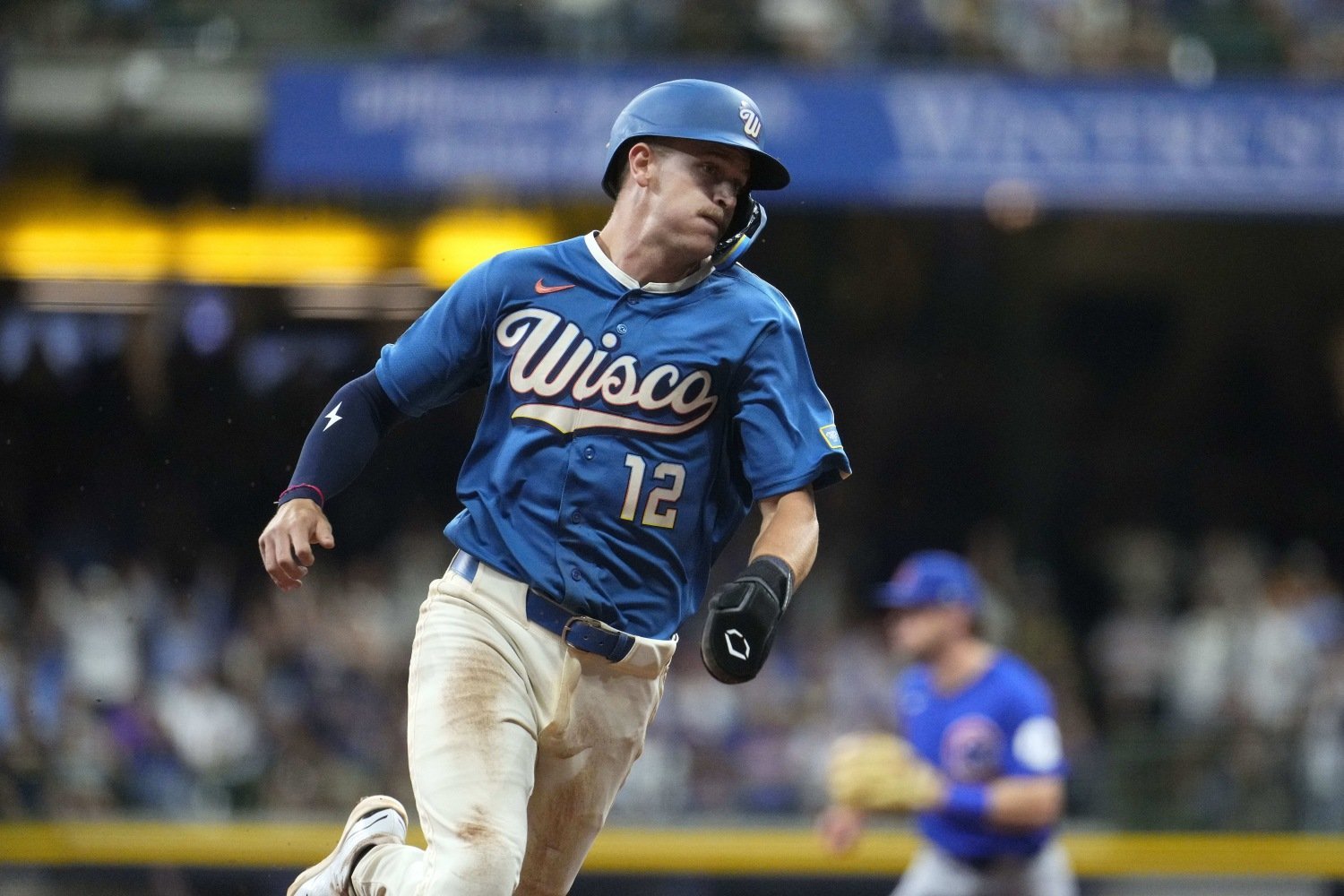 In the bottom of the sixth inning on Monday night, with runners on first and second and the Brewers trailing 3-2, Pat Murphy pinch-hit David Hamilton for Cooper Pratt. The decision could be seen as securing the platoon advantage by batting the left-handed Hamilton against the right-handed Chase Petty, but the changeup specialist has pronounced reverse splits in his limited big-league innings. He’s also been generally unsuccessful against big-league hitters overall during that time. In reality, it was a big spot, and a struggling Pratt was not a great fit for the moment. He was an on-base machine during his first two series in the majors, but he has since gone 1-for-19. In his last three games, Pratt is hitless with four strikeouts and zero walks. On Sunday and Monday, to put it bluntly, he looked like a mess. He chased a handful of high fastballs, several of them well above the strike zone: Murphy said the buildup of those poor swings contributed to the substitution, and his last at-bat on Monday triggered the move. His first time up, Pratt chased a 2-1 changeup just below the zone, prompting him to swing through a borderline two-strike fastball at the top of the zone for a strikeout. In that second at-bat, he lofted a changeup straddling the outside corner for a routine flyout. “I made the decision early in the game,” Murphy said. “I was going to pinch-hit for him when I saw his second at-bat.” Pratt’s chase rate was too high throughout the minor leagues, and improving his swing decisions is near the top of his development checklist. Before his last two games, he had contained his chase rate enough to match the league average. For the most part, he did what the Brewers asked him to do: swing at strikes, let the ball get deep, and use the opposite field to maximize his on-base potential. That’s changed during this lull. “He’s trying to do too much. He’s trying to take another step, instead of just do what you were doing,” Murphy said. “Not just the success. The pitch selection was very, very good. He took his walks. He had a better flight plan. He wasn’t punching out. He’s gotten away from it a little bit the last couple series.” After hitting 40% of his batted balls to the opposite field over his first nine games, Pratt has hit none that way in his last four games. His swing has been slightly longer and faster in that very brief sample, a sign that he’s unloading on more swings and trying to force damage. That kind of offense has not yet been developed in his 21-year-old body. Murphy took action beyond Monday night, also withholding Pratt from the starting lineup on Tuesday. It wasn’t a punishment, but rather a mental break to help Pratt slow things down before his struggles continued snowballing. “I called him in today and talked to him,” Murphy said. “It’s perspective.” He took a similar approach with Jackson Chourio early in his rookie season. The former top prospect struggled to a .207/.251/.323 line (60 wRC+) over his first 176 plate appearances. During that stretch, Murphy did not start him for three straight games in early May, then for two straight games near the end of the month. There’s a fine line between productive breaks and preventing a young player from getting going by limiting his reps, but things worked out fine for Chourio. He went on a tear in the second half as a rookie and has since remained a mainstay near the top of the lineup. Murphy thinks Pratt is already more mature than Chourio was at that time and won’t require as many resets. “I think he’ll get back on his game quicker,” he said. “I think he’s done great. His baserunning, his defense has been nearly impeccable.” Thirteen games into his career, Pratt is hitting just .211/.295/.237 with a 55 wRC+, though his .320 xwOBA and 81 DRC+ indicate the quality of his plate appearances has been a bit better than his results. More than anything, the last few days are a reminder that Pratt will probably take some lumps at the plate for a bit. His defense and baseball instincts made him big league-ready, but the bat could take a few years to come around. “I was just really sincere with him about it and reinforced with him how much we believed in him and how proud I am of the way he transitioned when he first got here,” Murphy said. “A lot of guys don’t do that.” View the full article
 -
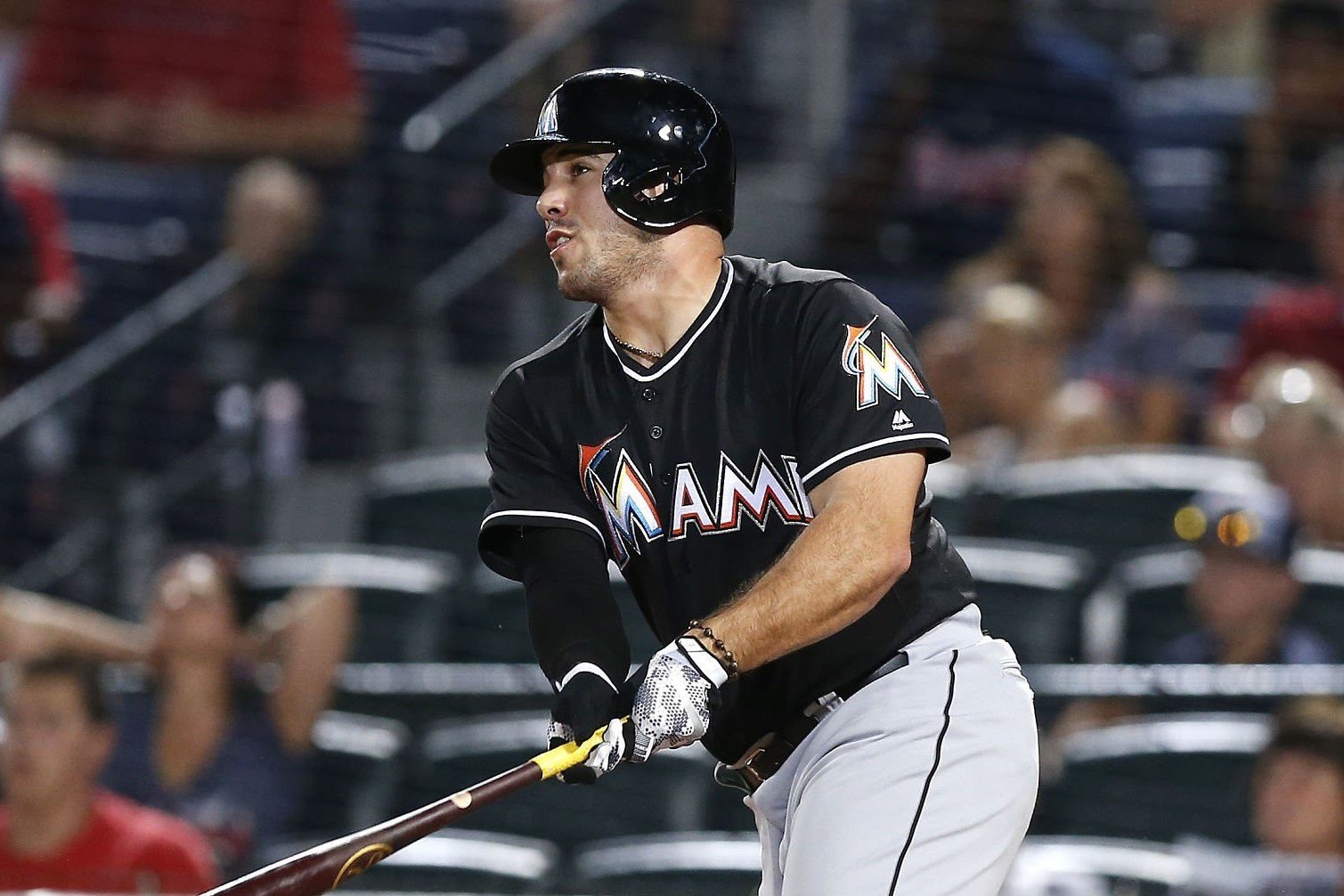 The 2013 National League Rookie of the Year and a two-time All-Star, José Fernández is one of the most talented pitchers in Miami Marlins history. On this day 10 years ago, however, he reminded some that he could swing the bat as well. Called upon to pinch hit in the 12th inning, Fernández delivered the game-winning two-run double to lift the Miami Marlins past the Atlanta Braves at Turner Field, 7-5. For 8 ½ innings, things looked pretty good for Miami on July 1, 2016. The Marlins took a 5-4 lead into the bottom of the ninth and with eventual All-Star AJ Ramos in to close it, Miami felt pretty good. On Ramos’ second pitch of the night, however, Atlanta catcher Tyler Flowers went deep to tie the game. The Braves would put a runner on third with one out later in the inning, but Ramos was able to strike out Jace Peterson before getting Chase d'Arnaud to line out to end the threat. In the 10th inning, both teams left the go-ahead run in scoring position. In the 11th inning, both teams stranded a runner at first. Nick Wittgren had given Miami two scoreless innings of relief to get the contest to the 12th. In the top of the inning, Miguel Rojas lined a one-out single to start the rally. J.T. Realmuto followed by drawing a walk, but Adeiny Hechavarría flied out, leaving Marlins manager Don Mattingly with a decision to make. At the time, the designated hitter was not universal and with the pitcher’s spot up and no position players to pinch hit, Mattingly called on Fernández. On a 1-1 pitch, Fernández lined the offering from Atlanta’s Casey Kelly into the left-centerfield gap for the go-ahead two-run double, giving the Marlins a 7-5 lead. Dustin McGowan worked a 1-2-3 bottom half of the inning to record the save. Things started well for Miami as a lead-off home run from Derek Dietrich and a two-run shot from Marcell Ozuna in the first gave the Marlins a 3-0 lead. After answering with two runs in the second, the Braves took their first lead in the fifth on d'Arnaud’s two-run blast. The last Miami runs of regulation came in the seventh as it regained the lead. Christian Yelich tied the game with an RBI double before coming around to score to give the Marlins a 5-4 lead on an Ozuna RBI single. Ozuna finished 4-for-6 with three RBIs in the win. Martin Prado added three hits for Miami. d'Arnaud, Flowers and Erick Aybar each had two hits for Atlanta. The biggest hit of the night, however, belonged to an All-Star starting pitcher who didn’t start that evening. For his career, Fernández was a .213 hitter with two home runs and 14 RBIs. In his lone extra-innings at-bat, Fernández delivered with a go-ahead hit. He did so on this day a decade ago. View the full article
 -
Huge Power Can Help Sean Keys Thrive for the Blue Jays
DiamondCentric posted an article in Jays Centre
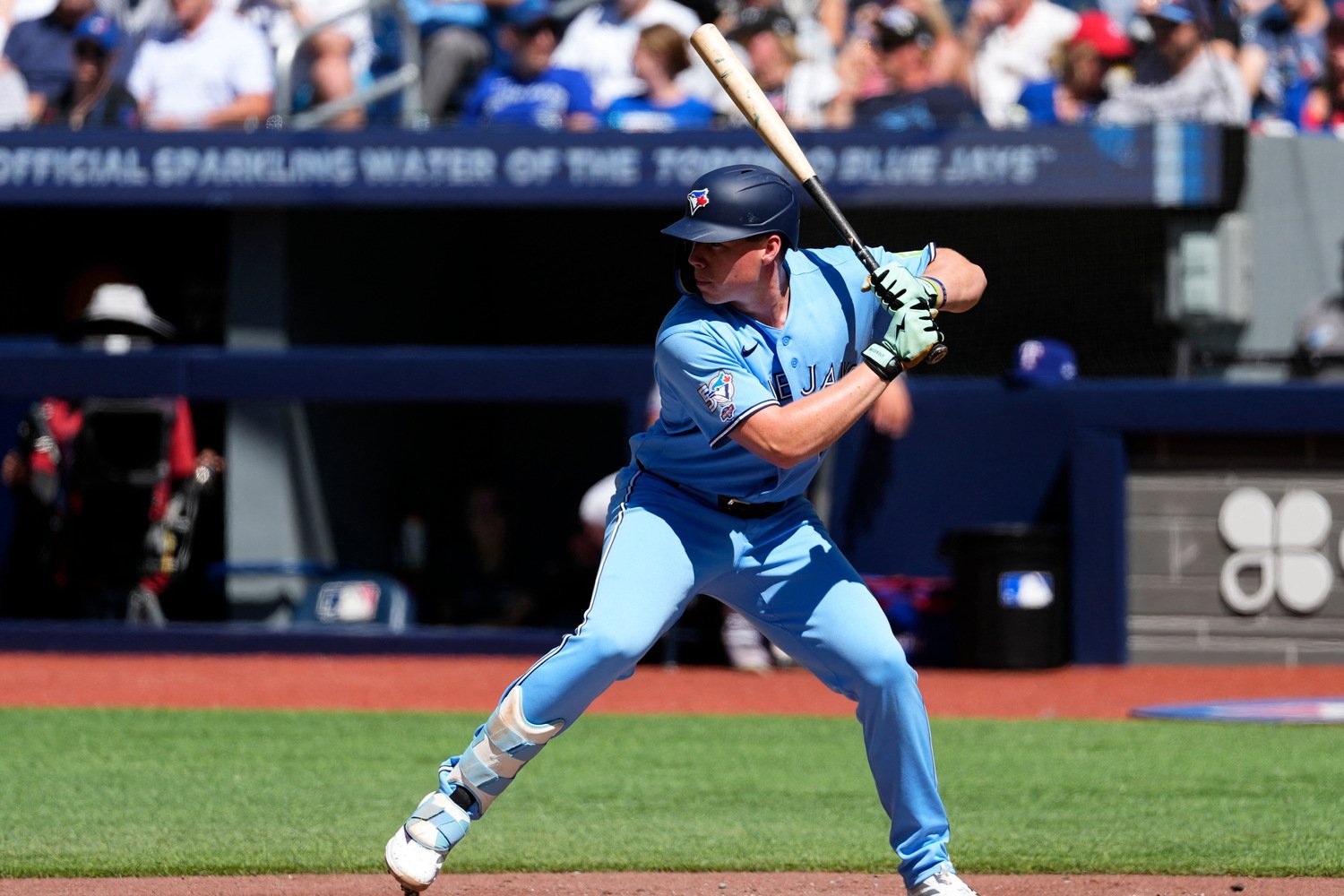 Sean Keys made his major league debut with the Toronto Blue Jays on Saturday, and he wasted no time getting his first hit and scoring his first run in a big league uniform. What most people don’t know is how this powerhouse of a prospect got here in the first place. Let’s dive into his journey, his strengths, his weaknesses and overall outlook with the team. Background Sean Keys is the 14th-ranked prospect in the Blue Jays’ farm system, per MLB Pipeline. Here at Jays Centre, our latest prospect list update saw Keys rise from No. 9 to No. 7. He’s 23 years of age and has a dense frame at 6-foot-1, 232 pounds. The 2024 fourth-round draft pick played his college baseball at Bucknell University in Lewisburg, Pennsylvania, and he’s always had the potential to surge into the power-first talent he is today. This is someone who hit 13 home runs over a pair of sub-50-game collegiate seasons before having his name called in the draft. After spending all of the 2025 season with High-A Vancouver, and trading some average for power (he hit just .217), Keys got the promotion to Double-A New Hampshire to start this season. That’s when the breakout happened. Sean Keys Has Unbelievable Power Keys is listed as having a 55-grade power tool (per MLB Pipeline). I’m personally adjusting this to 70. It won’t matter soon, because if he stays in the major leagues, he’ll graduate from prospect status, but it needs to be done. This is someone who has had climbing exit velocities over the years, and in just 49 games with the Double-A New Hampshire Fisher Cats, he smacked 14 home runs and 34 RBI to break out as one of the premier power prospects in baseball. Possessing a physical profile that has led some to describe him as “barrel-chested,” he is an athlete whose power comes easy. He stuck to that reputation in his brief stint with Triple-A Buffalo. Keys proceeded to club seven home runs in just 18 games for the Bisons before the Blue Jays decided they had seen enough. In all, the 23-year-old throttled 21 home runs in just 67 MiLB games this season, after hitting 20 in the first 141 professional games of his career. This torrid pace, and an improved batting average (.284 across two levels) led to his ultimate debut. Improving With the Glove While Keys’ power is remarkable, and he’s improved his batting average a great deal, there’s still a lot to work on to make him into a polished big leaguer. Classified as an “infielder” by MLB Pipeline, he’s typically stuck to the corners. Keys’ fielding attribute has just a 45 on the 20-to-80 scouting scale, as he has some progress to make before he’s considered a reliable glove. There is such a thing as hitting one’s way to the show, but Keys will have to make his defense at least a solid attribute to be a constant in the Blue Jays’ clubhouse. Overall Outlook for Keys This Bucknell alum has recently taken baseball by storm and could legitimately become one of the better power hitters in all of the big leagues. Pacing for a 40+ home run season in the minors, it’s no secret that Keys possesses big league power. This could come in handy for a Blue Jays team that competed atop the leaderboards in a variety of offensive categories in 2025. This group could use the power right now, as only Kazuma Okamoto has over 10 home runs this season, with 19. George Springer has just eight long balls through 60 games, and Vladimir Guerrero Jr. has cleared the fence just four times at the halfway point of the season. If Keys ends up being a 20-25 home run per year player, he’ll have a home in Toronto for a while. View the full article
