


DiamondCentric
-
Posts
2,631 -
Joined
-
Last visited
Never
Content Type
Profiles
Forums
Events
News
Tutorials & Help
Major League Baseball Videos
Guides & Resources
Store
Downloads
Gallery
Everything posted by DiamondCentric
-

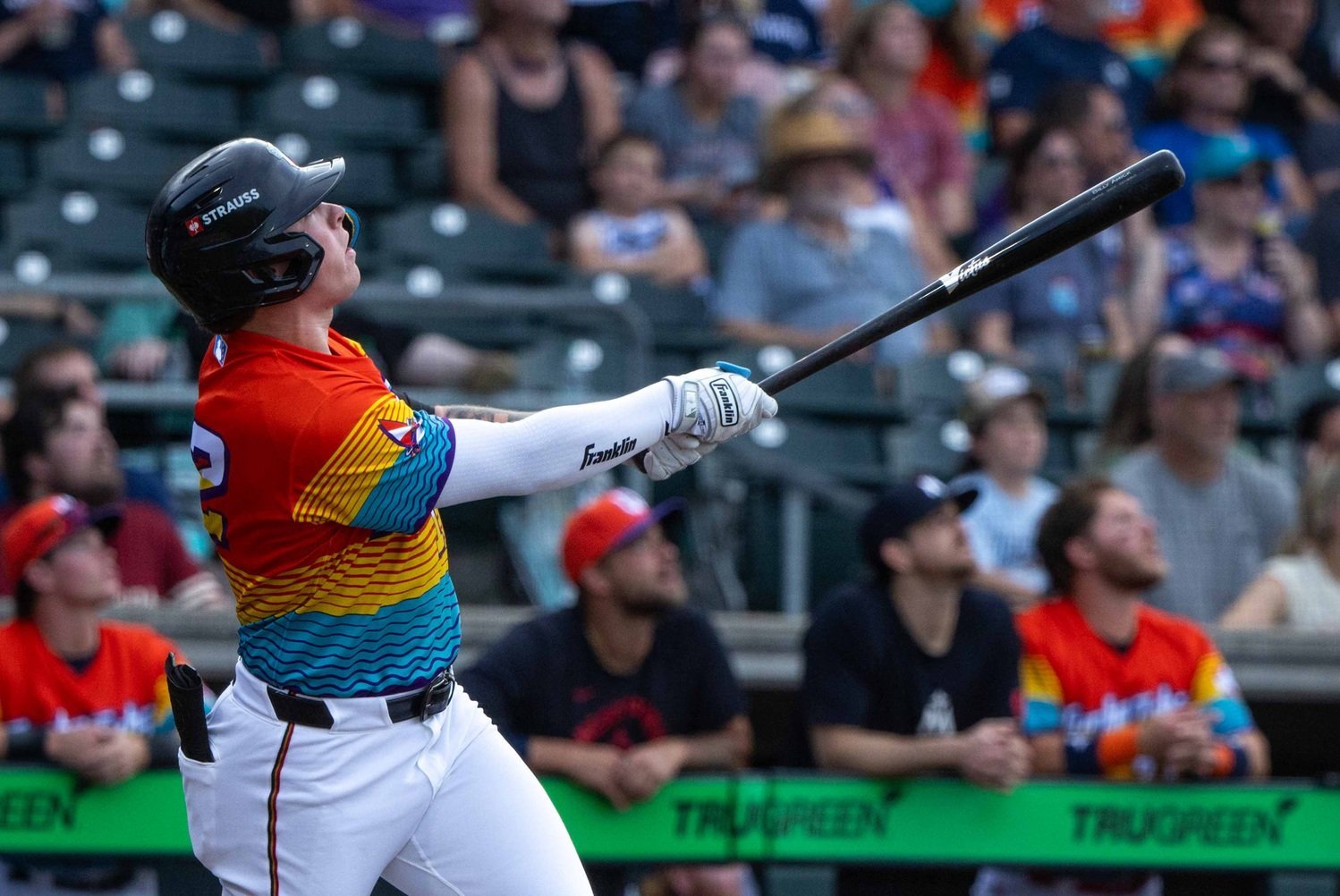 TRANSACTIONS RHP Paulshawn Pasqualotto was promoted from Wichita to the St. Paul Saints. Catcher Ian Daugherty was placed on the Saints development list. RHP Nick Mikolajchak was placed on the Wind Surge development list. Futures Game Update On Thursday, MLB announced that Walker Jenkins has been added to the roster for the Futures Game this weekend. Jenkins will join shortstop Kaelen Culpepper in the game. TWINS in the Futures Game (past 20 years) 2026: SS Kaelen Culpepper, OF Walker Jenkins 2025: SS Kaelen Culpepper, 2024: SS Brooks Lee (called up before this game), 2B Luke Keaschall 2023: RHP David Festa, 2022: OF Matt Wallner, IF Spencer Steer 2021: RHP Josh Winder, 2019: SS Royce Lewis, RHP Jordan Balazovic, 2018: LHP Lewis Thorpe, OF Alex Kirilloff, 2017: SS Nick Gordon, 2016: RHP JT Chargois, 2015: OF Max Kepler (injured shoulder), RHP Jose Berrios, 2014: 1B/DH Kennys Vargas, RHP Alex Meyer (starting pitcher for USA team), RHP Trevor May (called up before this game), Jose Berrios (starting pitcher for World team at Target Field) 2013: 3B Miguel Sano, OF Byron Buxton, 2012: OF Oswaldo Arcia, 2011: RHP Liam Hendriks, RHP Kyle Gibson, 2010: RHP Anthony Slama, OF Ben Revere, RHP Liam Hendriks 2009: OF Rene Tosoni, 2008: OF Denard Span (called up just before this game), 2B Luke Hughes, 2007: RHP Matt Garza (called up just before this game), IF Matt Tolbert SAINTS SENTINEL St. Paul 1, Buffalo 16 Box Score John Klein had a rough first inning. He gave up four runs, but he came back out and threw three scoreless innings after that. Through five innings, Buffalo held a 4-1 lead. Then things got ugly in a hurry. Buffalo scored three in the sixth inning, four in the seventh inning, and five in the ninth inning to run away with the win. Raul Brito gave up three runs on one hit and three walks in 1 1/3 innings. Grant Hartwig came in with the bases loaded and allowed two of the three runners to score. He started the seventh inning, but all four batters got on base. Overall, he gave up four runs on three hits and two walks in 2/3 innings. Jake Higginbotham struck out three batters, but he allowed all three inherited runners to score first. Taylor Rashi pitched a scoreless eighth inning. Then it was time for Position Players Pitching. Ben Ross started the ninth inning, faced five batters and all of them got on base, four hits and a walk. Tanner Schobel came in and settled things down. He gave up a hit and a walk but no runs. He got all three ninth-inning outs. He even got a strikeout. He dropped his season ERA to 3.60, lowest season ERA of any of the Saints pitchers who worked on Thursday night with the exception of relative newcomer Taylor Rashi and his 3.52 ERA. With Walker Jenkins and Kaelen Culpepper out of the lineup, the Saints had just four hits in this game. Alan Roden was 1-for-3 with a walk. Aaron Sabato hit his 16th home run of the season in the fifth inning. It gave him 50 RBI on the season. WIND SURGE WISDOM Wichita 7, Tulsa 11 Box Score Through seven innings, Wichita had a 7-4 lead in the game. The Drillers scored two runs in the eighth and then five runs in the top of the ninth to take a big lead. The Surge were unable to respond. The offense showed up in this game for Wichita. They had seven runs on eight hits and five walks. Five of those hits were home runs. Andrew Cossetti went 2-for-5. He hit his 11th home run in the first inning and his 12th home run in the second inning. Billy Amick went 1-for-3 with two walks. He hit his 18th homer of the season with a first-inning two-run shot. Jose Salas went 2-for-4 with his seventh home run. Jorel Ortega hit his fourth homer of the season in the sixth inning. Preston Johnson started and gave up four runs on four hits over the first five innings. Ruddy Gomez gave up no runs on one hit in 1 2/3 innings. He walked two and had four strikeouts. Kyle Bischolff gave up two runs on three hits and a walk in 1 1/3 innings. Jaylen Nowlin got the ninth inning and gave up five runs on five hits and two walks. KERNELS CHRONICLE Cedar Rapids 1, Quad Cities 3 Box Score The Kernels were unable to do much offensively against the Royals top prospect Kendry Chourio on Friday night in Quad Cities. Chourio gave up one run on three hits and a walk in six innings. The Kernels had just four hits and three walks in the game. Interestingly, all four hits were doubles. Caden Kendle walked and hit his seventh and eighth doubles. Jacob McCombs hit his eighth double. He was also hit by a pitch… twice. Eduardo Tait had a walk and hit his 15th double. The team went 0-for-8 with runners in scoring position and left eight runners on base. Ivran Romero had a solid start. The right-hander gave up two runs on six hits and two walks in four innings. He had seven strikeouts. Jesse Bergin gave up a run in his inning. Xavier Kolhosser tossed three shutout innings. MIGHTY MATTERS Ft. Myers 2, Clearwater 4 Box Score Tough day for the Mighty Mussels offense. They had just three hits and one walk in the game. JP Smith hit his 10th homer of the season. The other run scored on a single by Irvin Nunez. Jason Reitz started and gave up three runs on six hits in 3 2/3 innings. He walked twice and had four strikeouts. Jonathan Stevens gave up one run on one hit, a solo homer, in 2 1/3 innings. He walked one and had one strikeout. Nick McAuliffe tossed two scoreless innings. COMPLEX CHRONICLES FCL Twins 8, FCL Orioles 9 Box Score The Twins scored three runs in the second and three more in the fourth inning. Unfortunately, a six-run sixth gave the Orioles a lead they didn’t surrender. Frederick Hiciano started. He gave up two runs on three hits and got just two outs before he was removed from the game. He threw just 14 pitches, so we’ll dig a little and see if there was some other issue. Carter Holjes gave up an unearned run on two hits over 3 1/3 innings. Carlos Taveras led the Twins offense. He went 3-for-4 with a walk and three RBI. Yovanny Duran went 2-for-3 with a walk, his third triple, and his 20th and 21st stolen bases. Jhomnardo Reyes had a rough June, but he started July with a two-hit game including his 10th double. Daiber De Los Santos went 1-for-2 with two walks and his second double. DSL Twins 3, DSL Angels 6 (suspended 5th inning) Box Score This game was suspended in the top of the fifth inning. The Angels had already scored two runs in the inning without any outs. It will be interesting to see if they end up making the game up later in the season. The Twins scored three runs in the bottom of the second inning. Juan Holmann was 2-for-2 to this point in the game. Obviously more can be written on this game should they finish it. PLAYERS OF THE DAY Hitter(s) of the Day Andrew Cossetti (Wichita): 2-for-5, 2 HR(12), 2 R, 3 RBI, K. Pitcher(s) of the Day Carter Holjes (FCL Twins): 3.1 IP, 2 H, 1 R, 0 ER, 0 BB, 2 K, 40 pitches, 28 strikes (70.0%) PROSPECT SUMMARY Check out the Prospect Tracker for much more on our Twins Top 20 prospects after seeing how they did today. #4 - C Eduardo Tait (Cedar Rapids) - 1-for-3, BB, 2B(15), R (batted third, played DH). #5 - SS Marek Houston (Wichita) - 1-for-5, R (batted third, played SS) #10 - OF Gabriel Gonzalez (St. Paul) - 0-for-4 (batted second, played 1B) #12 - 3B/CF Brandon Winokur (Cedar Rapids) - 0-for-3, BB, K (batted first, played 3B) #13 - C/OF Khadim Diaw (Wichita) - 0-for-4, HBP, 2 K (batted second, played C) #14 - 3B/SS Quentin Young (Ft. Myers) - 0-for-3, BB, 2 K (batted fifth, played 3B) #19 - 1B/3B Billy Amick (Wichita) - 1-for-3, 2 BB, HR(18), R, 2 RBI, K (batted fourth, played 1B) UPCOMING PROBABLES Friday, July 3 Buffalo @ St. Paul (6:07 pm CT) - RHP Ryan Gallagher (2-3, 7.63 ERA) Tulsa @ Wichita (7:05 pm CT) - RHP Chris Vallimont (0-1, 5.79 ERA) Cedar Rapids @ Quad Cities (6:00 pm CT) - LHP Cesar Lares (0-2, 12.00 ERA) Ft. Myers @ Clearwater (5:30 pm CT) - RHP Merit Jones (2-1, 4.43 ERA) FCL Red Sox @ FCL Twins (11:00 am CT) - DSL Twins @ DSL Marlins (10:00 am CT) - CURRENT W-L Records Minnesota Twins: 42-46 St. Paul Saints: 46-36 Wichita Wind Surge: 26-50 Cedar Rapids Kernels: 33-42 Fort Myers Mighty Mussels: 44-32 FCL Twins: 24-20 DSL Twins: 6-15 Please feel free to ask questions about the teams, the rosters, and discuss today’s games, or anything else Twins minor-league related! View the full article
 -
What are your Marlins vs. Athletics series predictions?
DiamondCentric posted an article in Fish On First
 Once again in 2026, I will be monitoring Miami Marlins predictions from our valued SuperSubs, Fish On First staffers and livestream guests. Individual article pages like this one will be created prior to every Marlins series and featured prominently on the FOF site. Consistent participation is key if you want to win this annual contest. Submissions only take a few seconds. Scoring system A "perfect" series is worth three points: Earn one point for predicting which team will win the upcoming series Earn one point for predicting the precise number of victories for each team Earn one point for predicting the “Series MVP” who accumulated the highest win probability added (WPA) during the series as calculated by FanGraphs (could pick a player from either team) FOF staffer Jeremiah Geiger is currently atop the 2026 season leaderboard, which will be updated between every Marlins series. If you are a SuperSub, leave a comment with your Prediction Time picks on this page, or join the Marlins Discord Server and submit there. We'll feature them on the upcoming Fish On First LIVE episode and track your points throughout the season! Any picks submitted prior to the first pitch of the series opener will be counted. If you are not a SuperSub, please consider signing up here to support the FOF staff. Series preview notes Probable starting pitchers: RHP Tyler Phillips (MIA) vs. RHP Jack Perkins (ATH) on Friday RHP Sandy Alcantara (MIA) vs. RHP Aaron Civale (ATH) on Saturday RHP Eury Pérez (MIA) vs. LHP Gage Jump (ATH) on Sunday The Marlins rank 17th in MLB with a 100 wRC+ and 12th in MLB with a 3.98 FIP. They are 7-3 in their last 10 games and have a 18-25 record on the road this season. The following Marlins players are on the injured list: Josh Ekness (60-day IL), Ronny Henriquez (60-day IL), Janson Junk (15-day IL), Adam Mazur (60-day IL), Andrew Nardi (60-day IL) and Robby Snelling (60-day IL). The Athletics rank 10th in MLB with a 103 wRC+ and 27th in MLB with a 4.78 FIP. They are 3-7 in their last 10 games and have a 19-25 record at home this season. The following Athletics players are on the injured list: Denzel Clarke (60-day IL), Zack Gelof (10-day IL), Gunnar Hoglund (60-day IL), Brooks Kriske (60-day IL), Mark Leiter Jr. (15-day IL), Brent Rooker (10-day IL), Luis Severino (60-day IL), Tyler Soderstrom (10-day IL) and Jacob Wilson (10-day IL). View the full article
 -
 Sweet Lou and Ol' Gregg recap the Colorado and Houston series, discuss Ludacris, and look ahead to the upcoming road trip to New York. Listen using Apple Podcasts: https://podcasts.apple.com/us/podcast/the-twins-off-daily-podcast/id1741266056 Listen using Spotify: https://open.spotify.com/show/4tb78XlurcPTYYSsARdbD7 Listen using iHeartRadio: https://www.iheart.com/podcast/263-the-twins-off-daily-podcas-167548600/ Listen using Pocket Casts: https://pca.st/nvclbt0w Watch on YouTube: https://www.youtube.com/@twinsdaily View the full article
 -
Jason Adam Heads To Padres' Injured List; German Marquez Returns
DiamondCentric posted an article in Padres Mission
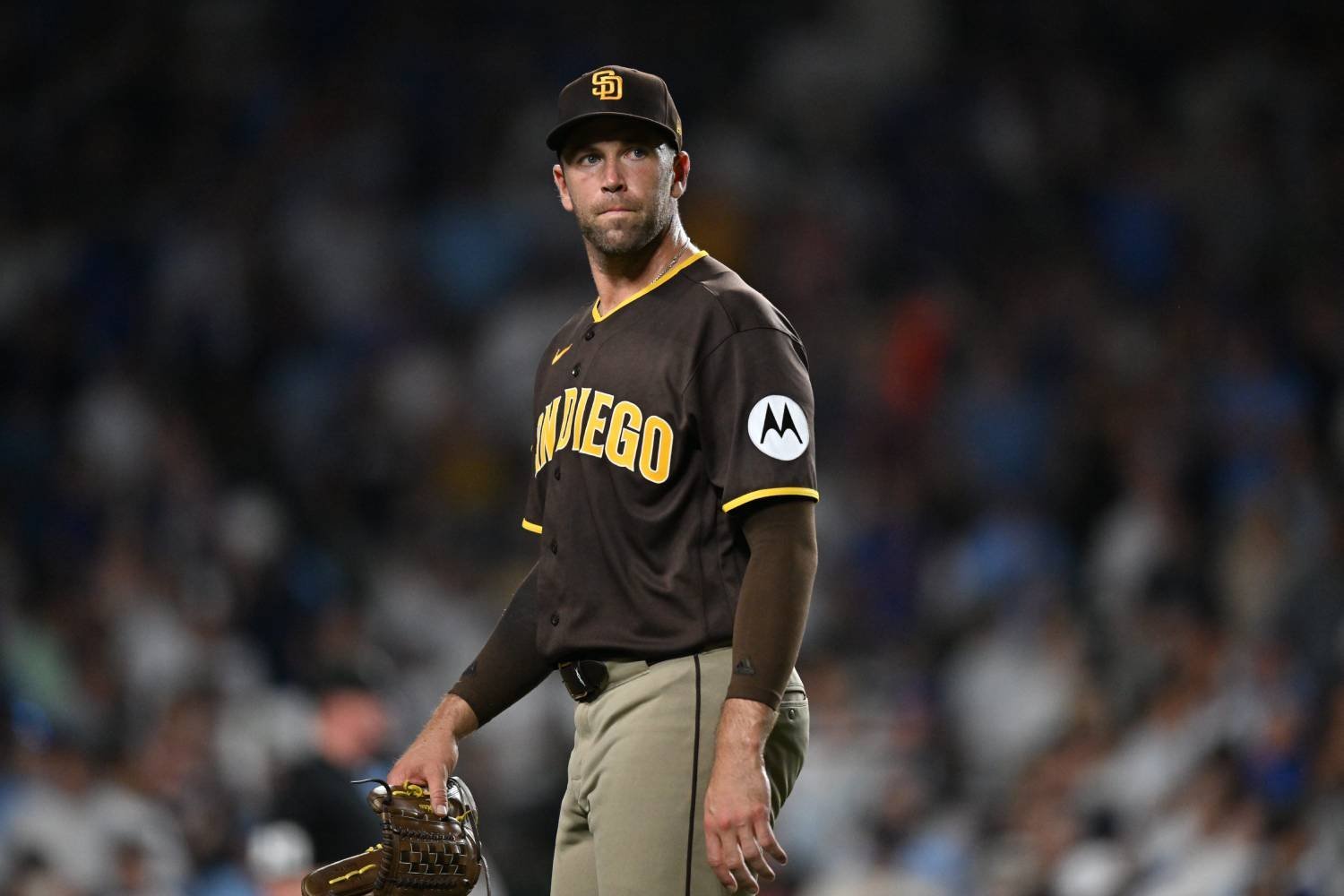 The San Diego Padres will be without one of their leverage arms until at least after the All-Star break. The Padres on Thursday put right-handed setup man Jason Adam on the 15-day injured list with a strained right shoulder. Right-handed starter German Marquez, out for two months with right forearm irritation, was activated from the 15-day IL before Thursday's series opener against the NL West-leading Los Angeles Dodgers. No specifics were given as to when Adam was injured, although he did pitch the eighth inning of Monday's 3-2 walk-off loss to the Chicago Cubs. Adam allowed a run on two hits with a strikeout. That was his third appearance in four days and fourth in six days as the Padres' bullpen has had to cover for a starting rotation that has lacked quality innings. Adam has generally been good this season, although a tad erratic at times. In 36 appearances and 32⅓ innings, with a career-best 6% walk rate and a career-worst 16.4% strikeout rate. Adam had a 25.9% strikeout rate last year before his season ended with a quadriceps injury and his career rate is 27.7%. Marquez, signed just as spring training began to fill out the back end of the rotation after a 10-year career with the Colorado Rockies, struggled through six starts, putting up a 6.65 FIP (5.76 ERA) with a 9.4% walk rate and 14.8% strikeout rate. The walk rate is worse than his career mark of 7.3%, while his strikeout numbers are on par for his last two seasons, but below his career rate of 21.6%. Marquez could be in a relief role as his last two appearances on his rehab assignment at Triple-A El Paso were out of the bullpen. View the full article
 -
Kansas City Royals Hitter of the Month, June 2026: Jac Caglianone
DiamondCentric posted an article in Royals Keep
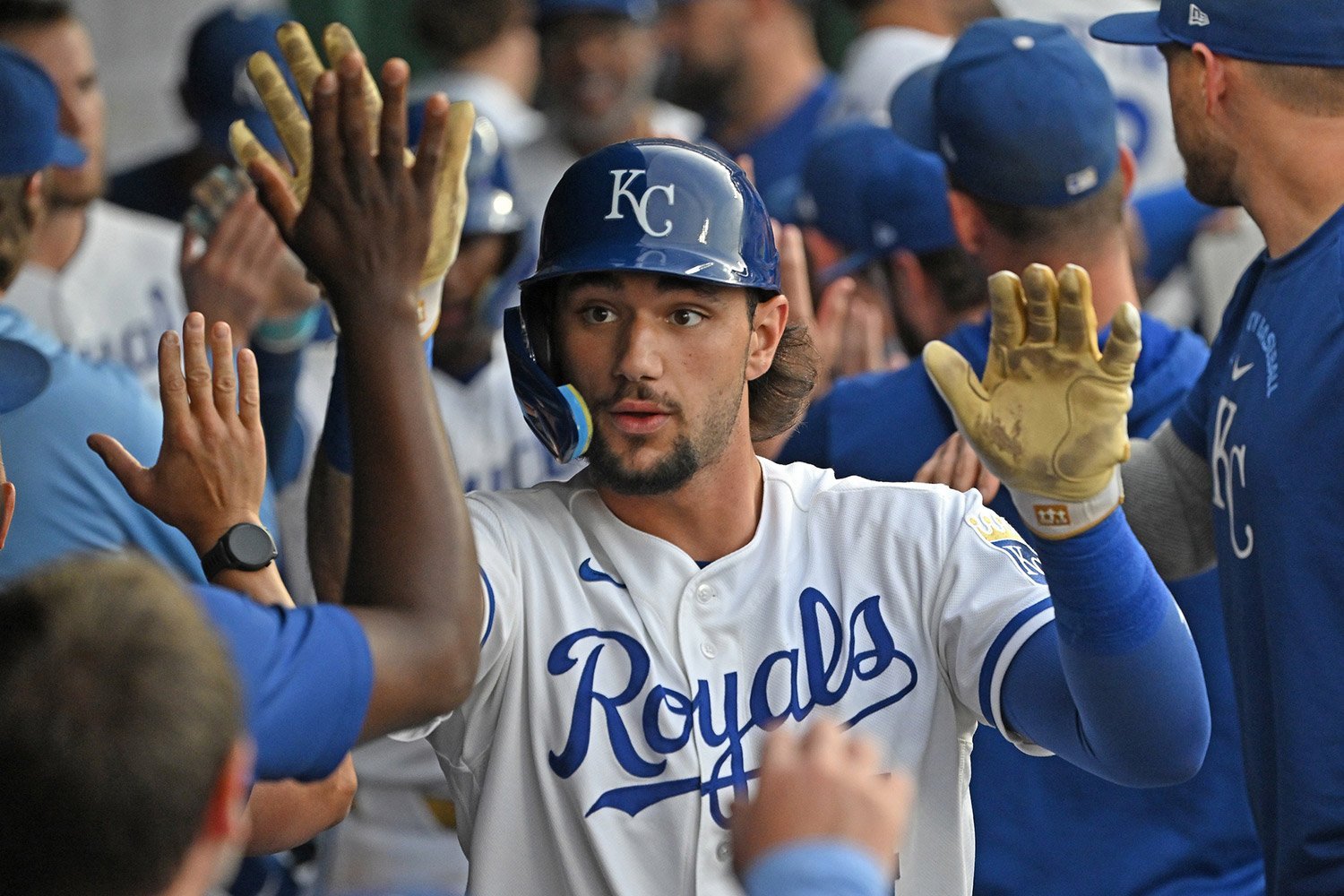 While May was a tough month, especially for the offense, the hitters in June showed a bit more promise, and a few players had a much better month after having disappointing starts to the year. Bobby Witt Jr. continued to be the superstar he is and is worthy of Hitter of the Month in almost every month he plays regularly. There were other hitters who also had solid months in June. Witt played 21 games in June and posted a .909 OPS with 3 HR, 10 RBIs, and also stole 11 bases in 12 attempts. Carter Jensen also bounced back from a tough month of May, posting a .860 OPS in June with 5 HR and 20 RBI to boot. While both Witt Jr and Jensen had really solid months, the clear choice for June Hitter of the Month is Jac Caglianone. Caglianone has had an up-and-down year, hitting well in April, struggling in May, and then coming alive in June. In June, he played 25 games and posted a slash line of .309/.387/.649, with 9 home runs and 19 RBIs. Not known for his speed, he also added two stolen bases in the month as well Caglianone is cementing himself as a middle-of-the-order bat, hitting mostly third in the lineup behind Jensen and Witt Jr. A former first-round pick, Caglianone is looking more comfortable, and the Royals will hope he continues his production from this past month going forward. While the Royals may end up being sellers at the deadline, it will be key for players like Caglianone to take advantage of the opportunity and ensure they are in the future plans of the team. Here’s one of the nine home runs Caglianone hit this month, against the Tampa Bay Rays, where he absolutely crushed the ball. Which players are your picks for next month’s hitter of the month? Let’s discuss in the comments! View the full article
 -
Squandered opportunities, big sixth culminate in blowout loss.
DiamondCentric posted an article in Fish On First
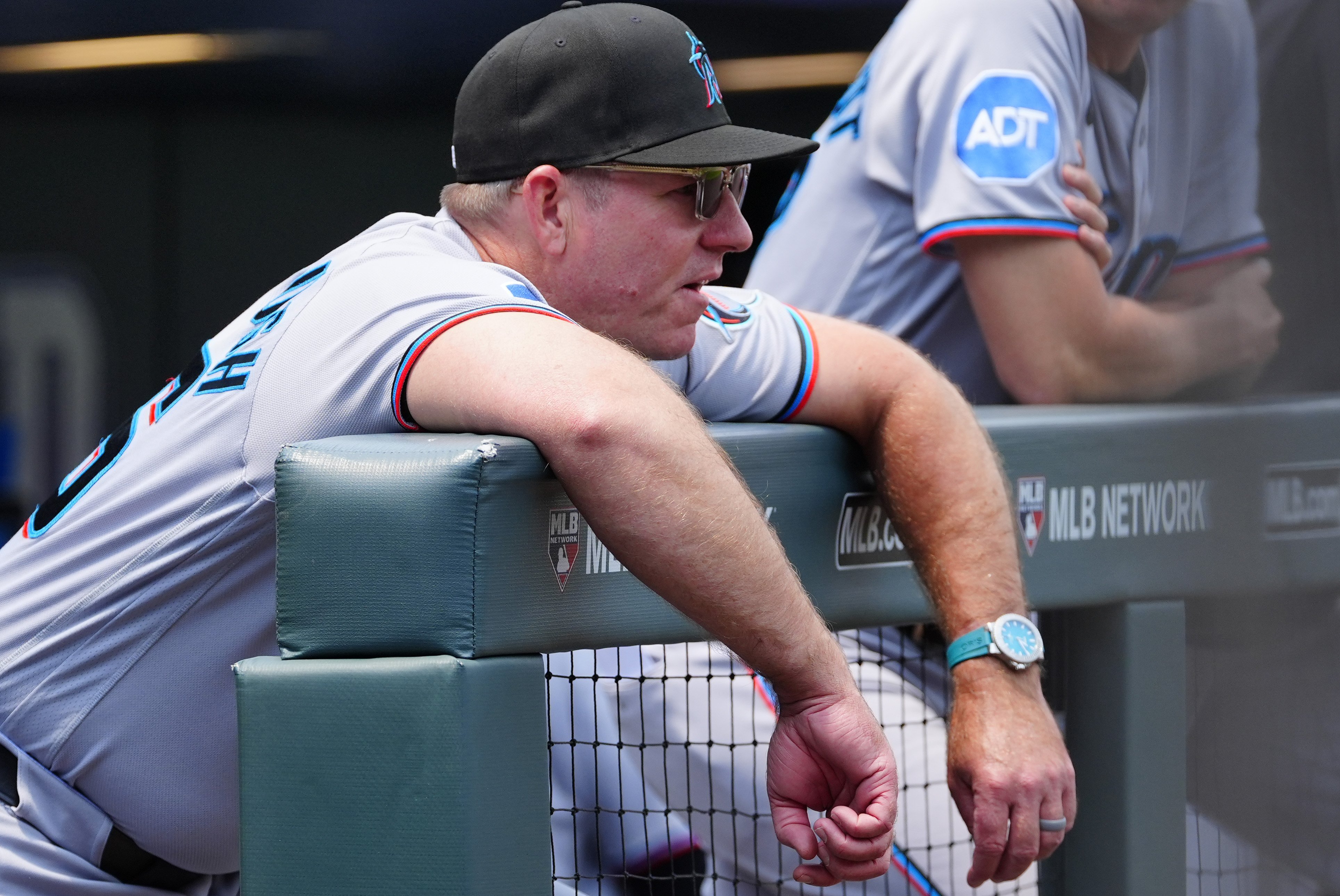 The 2026 edition of the Marlins' annual trip to Denver can best be described as a tale of two halves. Monday and Tuesday's opening bouts were a continuation of near-flawless baseball from the visitors, as evidenced by a combined 24-run effort and+14 differential over a lowly Rockies team. The latter two contests, though, presented a night-and-day difference. A disastrous 1-13 combined mark with runners in scoring position in both efforts proved insurmountable to overcome in the notorious hitter-friendly confines of Coors Field. In Thursday's finale alone, Miami was 0-8 en route to a 12-4 waxing, marking their first pair of consecutive losses since June 15th and 16th in Philadelphia. Clayton McCullough's group falls back to four games over .500, but ends 2026 with a 5-2 mark over their 1993 expansion-mates, a step up from a 3-3 split a year ago. Miami didn't go down without its chances, as a particularly ineffective Michael Lorenzen presented numerous occasions for a lineup with its best bats to strike. Although a pair of force outs and a sacrifice fly in two separate bases-loaded situations pushed three early runs across, the "big hit" that seemed to show up aplenty throughout their magical June never did. Pedro Guerrero's unit threw up four early runs across the first four frames, but were shutout by a trio of Colorado relievers the rest of the way. A short list of offensive standouts features Otto Lopez , who ended up tallying three legs of the cycle, missing the long ball just like Javier Sanoja in the series opener. For Lopez, it was his ninth three-hit performance of the year. As for Sanoja, he collected two more knocks to wrap up a stellar set in which he raised his season OPS to .741. While the veteran Lorenzen managed to skate by, allowing just four earned runs despite walking six across four and a third innings pitched, the Rockies offense made Ryan Gusto pay for his mishaps. Similarly to his counterpart, Gusto struggled with command, walking two and throwing 21 of his 50 offerings out of the zone. Unfortunately for the right-hander, Colorado's offense came through for their guy going 6-10 with RISP, chasing the Marlins' spot starter after three innings. Bad quickly turned to worse following Gusto's departure, as a back-breaking seven-run sixth off Calvin Faucher and Cade Gibson all but put the nail in the coffin. Miami continues westward to conclude their three-city road trip in the new confines of Sacramento. Taking the ball for McCullough in the club's first ever game at Sutter Health Park on Friday night is Tyler Phillips , coming off a stellar eight-inning outing a Sunday ago in St. Louis. First pitch for a vintage 'Late Night With The Fish' is set for 9:40 pm EST. View the full article
 -
 Marek Houston was promoted to Double-A Wichita last week after a hot-hitting performance at High-A Cedar Rapids. The jump between the two levels has always been considered one of the hardest to make in the minor leagues, so will Houston's success carry over from one level to the next? View the full article
 -
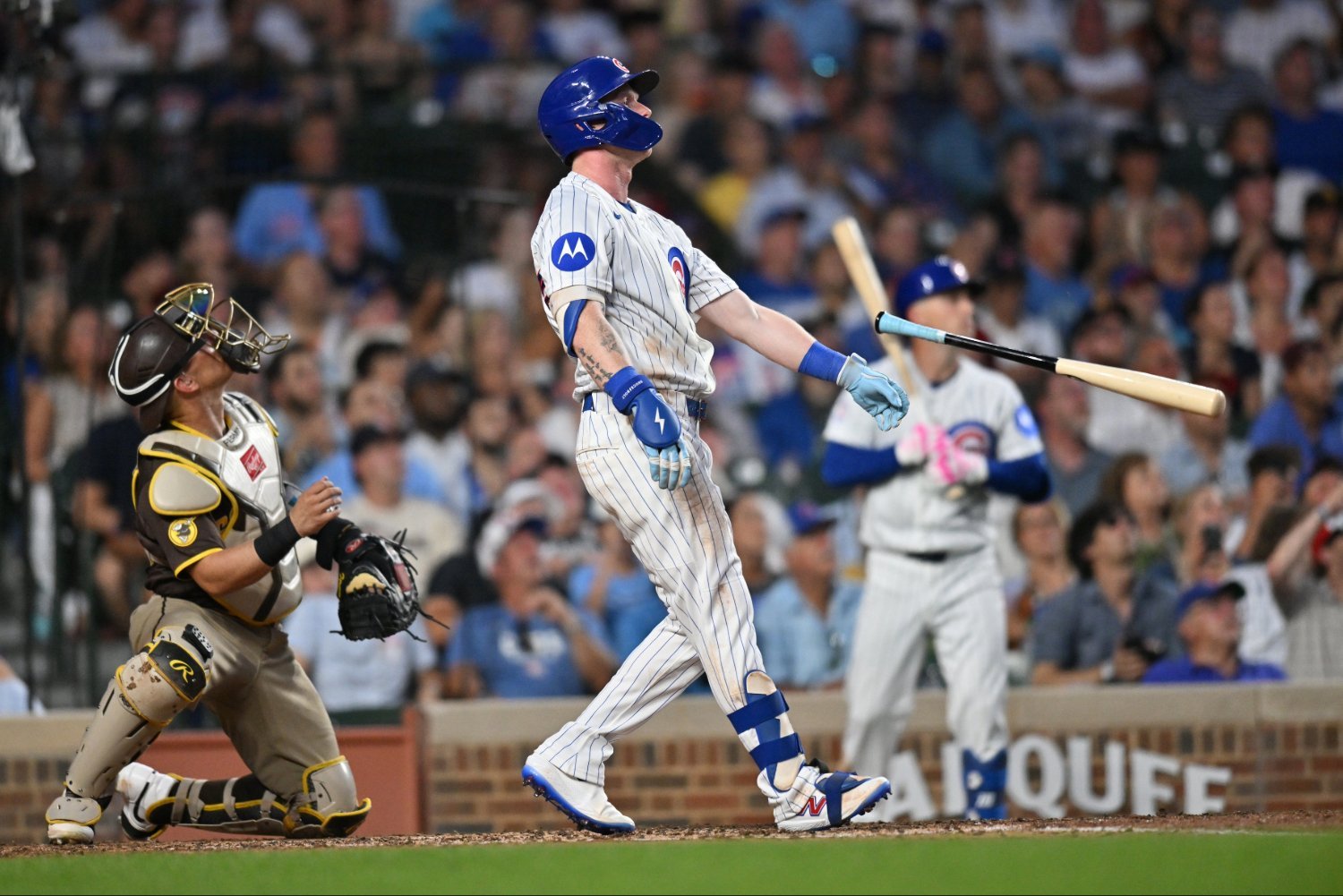 After a horrendous month of May for the Chicago Cubs offense, the bats picked it back up in the month of June. Chicago rolled to a 16-10 record throughout the month, including winning eight of their last nine games. The June success can be attributed to timely pitching from unlikely heroes, as well as stellar offensive performances from the following players. Ranking Cubs' Best Hitters in June Honorable Mention: Carson Kelly .259/.365/.444, 2 HR, 13 RBIs Kelly has consistently put up some of the best numbers in the Cubs lineup so far in 2026. He entered July hitting .281 on the season, but a lack in power may be causing him to not get the appropriate recognition. Kelly hit his first two home runs since the month of April, as well as driving in 13 runs, fourth most on the team in June. While the power doesn't necessarily need to come back for Kelly, it would sure be a welcome sight to see yet another option in the Cubs lineup that could get near the 15-20 home runs mark prior to the end of the season. #3: Dansby Swanson .247/.301/.541, 6 HR, 22 RBIs Let us never forget the insane four-game series Dansby Swanson had against the New York Mets in June. Swanson drove in 15 runs in a two-day span and 11 in just one single day. That stretch helped Swanson set the franchise record for most RBIs in a series against the Mets. The power came back again for Swanson in June, as he had two multi-home run games (Jun. 24, Jun. 30) and was second on the team in June with six long balls (a trend he has carried over into July). The season has still overall been a struggle for Swanson, as his average sat at just .203 entering July. Production from the shortstop at the bottom of the Chicago lineup will be gravely important for the success of the Cubs through the summer months and into postseason baseball. #2: Seiya Suzuki .315/.388/.551, 5 HR, 20 RBI After hitting just .190 in the month of May, Suzuki turned back into the outstanding hitter he's been since coming to Chicago from Japan. Just think about the stretch Suzuki had to end June: homer off of Jacob Misiorowski, homer off of Kyle Harrison, massive go-ahead single against Joel Kuhnel, and near-homer and walk-off hit against Mason Miller, all within a span of four days. Suzuki continuously came up clutch for Chicago in June and was one of the biggest parts of the team's hot stretch in the last nine games. Suzuki remains the second-most dangerous hitter in the Cubs lineup and is lining himself up for a nice payday when free agency rolls around in November. #1: Pete Crow-Armstrong .381/.468/.781, 11 HR, 20 RBI Yes, everyone very well remembers Sammy Sosa smashing 20 home runs in June of 1998. Many consider that to be the best singular month in Cubs history. However, Crow-Armstrong just gave Sosa a spirited challenge with the month of June that the 24-year-old superstar had. Crow-Armstrong was an unstoppable force, smashing two triples, five doubles, eight stolen bases. 11 home runs, his first career cycle, and a career high for walks in a month with 17. According to OPTA Stats, the center fielder was one of just three players in MLB history to have a month with the following stats: .375+ batting average .775+ slugging percentage 80+ total bases 15+ walks 10+ home runs 5+ stolen bases The company Crow-Armstrong joined with those stats? Babe Ruth and Lou Gehrig, two of the greatest to ever play the game. Crow-Armstrong also leads all position players in WAR at 5.1, just ahead of Bobby Witt Jr. It's obvious that he (nor anyone) can't replicate that success for a full season, but even a lesser version of that player for the remainder of the season will place him in not only MVP conversations, but "best player in the world" discussions. View the full article
 -
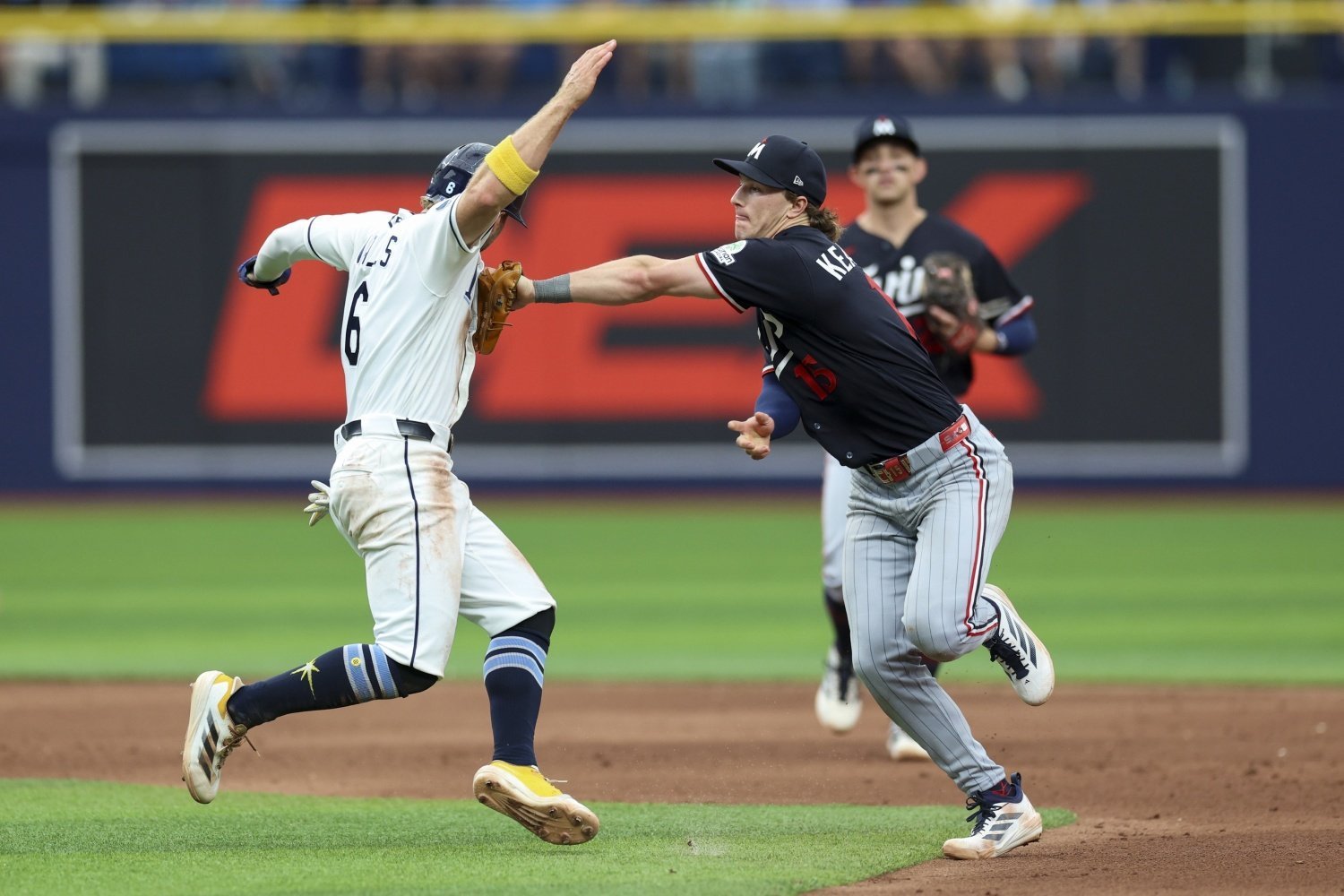 Every July, baseball conversations become centered around a simple question: Are you buying or selling? For many organizations, the answer is straightforward. Contenders push their chips into the middle of the table, while rebuilding clubs cash in veterans for future assets. But not every front office has the luxury of operating in such absolutes. The Tampa Bay Rays have spent years proving there is another way. Operating with one of baseball's smallest payrolls, the Rays have consistently remained competitive by blending aggressive buying with calculated selling. They add pieces that improve their postseason chances, while simultaneously reshaping the roster for future seasons. Rather than viewing the trade deadline as an all-or-nothing proposition, they treat it as another opportunity to maximize organizational value. If the Twins remain in the playoff picture over the next month, Jeremy Zoll may have the chance to follow a similar blueprint. Buy Without Emptying the Farm System One of Tampa Bay's defining strengths is resisting the temptation to sacrifice elite prospects for splashy acquisitions. Instead of chasing players with multiple years of control, the Rays frequently target rental players who address immediate needs. The cost is lower, the financial commitment disappears after the season, and their prospect pipeline remains intact. That philosophy should appeal to Minnesota. The Twins have spent the last several years rebuilding one of baseball's deepest farm systems. Walker Jenkins, Kaelen Culpepper, Marek Houston, Eduardo Tait, Riley Quick, and several others represent the organization's long-term foundation. Trading multiple top prospects for a controllable starter simply doesn't align with the direction the organization has taken. If Minnesota adds pitching, targeting expiring contracts instead of long-term commitments would allow the club to compete in 2026 without compromising its future. Prioritize Pitching Above Everything Else Like Tampa Bay, the Twins are built around run prevention—or, at least, the winning version of themselves they're trying to forge is. Injuries have stretched Minnesota's pitching depth throughout the season, exposing just how thin the organization has become on the mound. Whether it's another starting pitcher capable of covering meaningful innings or multiple late-inning relievers, pitching should remain the organization's top priority. The Rays routinely acquire experienced arms not only to improve their playoff chances, but also to protect younger pitchers from excessive workloads. Minnesota has similar motivations. Even if several injured pitchers return before October, adding another dependable arm would lessen the burden on the current rotation while strengthening the bullpen for a potential postseason run. Sell From Positions of Strength Selling doesn't necessarily mean waving the white flag. Tampa Bay frequently trades players from areas of organizational depth before they become expensive or blocked by younger talent. Those moves create opportunities for the next wave of prospects while maintaining long-term flexibility. The Twins find themselves in a comparable situation offensively. Their biggest organizational surplus exists in the outfield. Byron Buxton remains one of the lineup's stars. Trevor Larnach and Matt Wallner continue to split time, while Kody Clemens has earned regular at-bats. Meanwhile, Alan Roden and Jenkins are waiting in Triple-A, with Jenkins widely viewed as one of baseball's premier prospects. Behind the plate, Ryan Jeffers is on an expiring contract, and Victor Caratini has been one of the team’s best offensive players over the last month. The Twins aren’t likely to give Jeffers a qualifying offer, so it would be in the team’s best interest to trade him and get some value back before he leaves in free agency. There's simply not enough playing time for everyone. If Minnesota believes Jenkins is close to becoming an everyday contributor, moving an established major-league outfielder for pitching could improve both the present roster and future roster construction. That type of move may look like selling on the surface, but it could actually strengthen the 2026 club. Address Specific Weaknesses The Rays rarely make trades simply because talent is available. Instead, they identify specific roster deficiencies and fill them. Minnesota's weakness isn't difficult to identify. Pitching depth remains the obvious concern. Rather than making a blockbuster move for the biggest available name, the Twins could pursue one starter capable of stabilizing the rotation or multiple bullpen arms capable of shortening games. Filling those targeted needs would have a far greater impact than simply adding the most recognizable player on the market. A Major League-for-Major League Swap Makes Sense Perhaps the most intriguing possibility is one that doesn't fit neatly into either category. The Twins possess major-league hitters who have value across baseball. Other organizations possess controllable pitching but need offensive help. That creates opportunities for baseball trades. Instead of exchanging prospects for veterans, Minnesota could move from an area of surplus while addressing its biggest weakness at the same time. Those deals are difficult to construct, but they're often the type of creative transactions organizations like Tampa Bay execute successfully. For instance, in July 2024, the Rays dealt third baseman Isaac Paredes to the Cubs in exchange for low-OBP slugger Christopher Morel. Neither of those principals worked out as hoped for their new clubs, but Tampa also got two arms in the deal, who now hold significant promise for them. The Third Path: Buying and Selling The American League standings have kept nearly everyone involved in the postseason race. With so few clubs clearly buying or selling, creativity may become more valuable than aggression. The Twins don't have the pitching depth to comfortably stand pat. They also shouldn't feel obligated to sacrifice premium prospects simply because they're on the fringes of contention. Instead, they have an opportunity to borrow from one of baseball's most successful small-market organizations. Trade from offensive depth. Add pitching. Preserve the top of the farm system. Keep one eye on October while refusing to mortgage the future. For years, the Rays have shown that buying and selling aren't mutually exclusive. If Minnesota is still in the race when the trade deadline arrives, Jeremy Zoll may have every reason to prove the same thing. Can Zoll be a buyer and a seller at the 2026 MLB Trade Deadline? Leave a comment and start the discussion. View the full article
 -
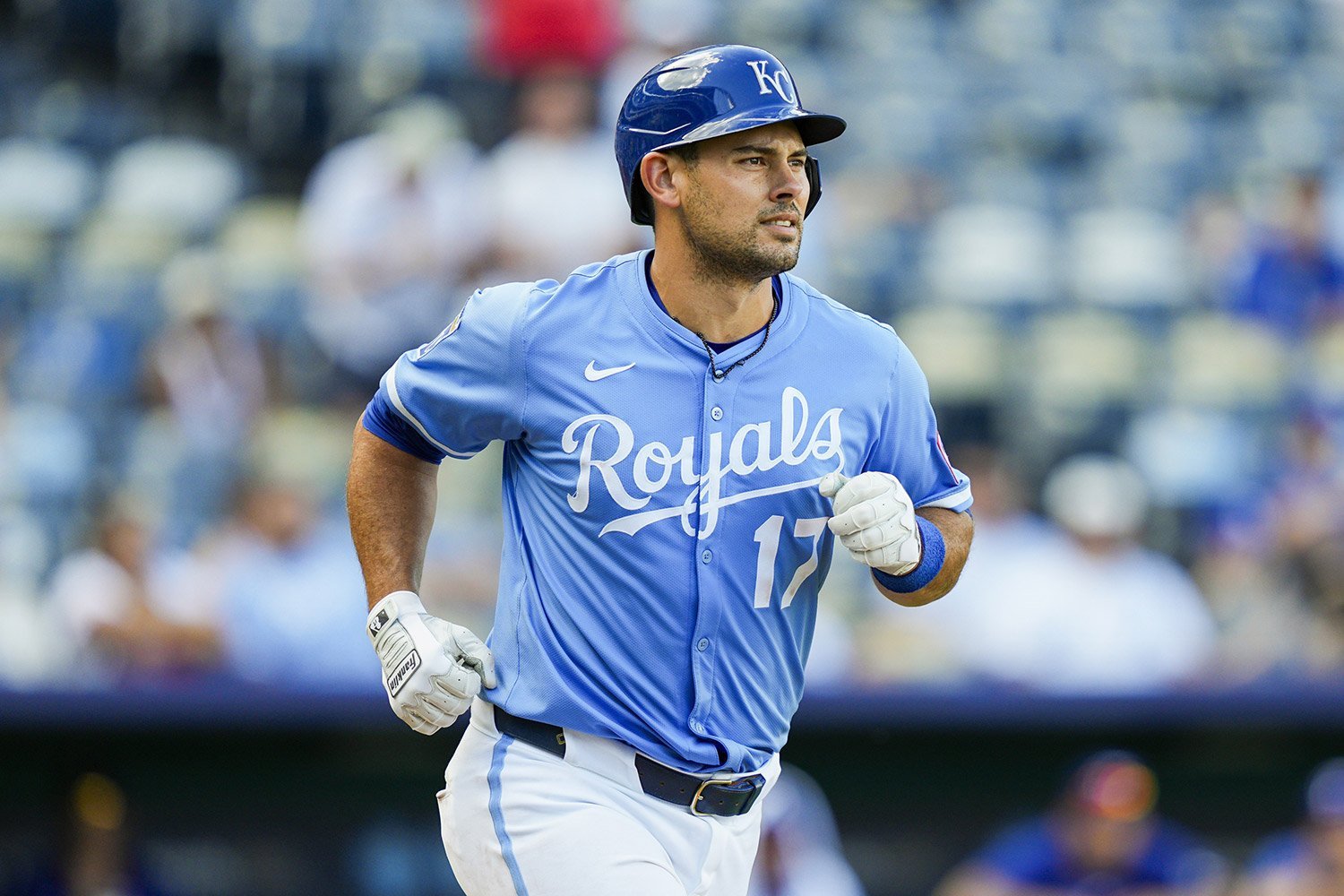 The Royals have announced they have selected the contract of catcher Luke Maile. To make room on the 26-man roster, OF John Rave has been optioned to Triple-A Omaha. Since Maile was not on the 40-man roster, RHP Eric Cerantola has been designated for assignment or release. Maile has played 28 games with the Storm Chasers this year, hitting for a slash line of .202/.324/.303 and serving as depth behind the dish. Rave has played in nine games for the Royals, with 18 total at-bats. He's looked solid in the small sample size, with one home run, one triple, and one double since being recalled. Prior to being called up, he had hit for an .870 OPS with Triple-A Omaha with 10 home runs and 10 doubles over 60 games played. He also stole 16 bases in that time frame, earning his call-up, which proved to be pretty short. If he continues to hit, he will likely be back in Kansas City soon. Cerantola was called up for his major league debut earlier this year, pitching in four games and completing 5 1/3 innings. His results were not great, as he issued 10 walks and gave up two home runs, along with striking out 7 hitters. Maile will likely serve as the backup catcher behind Carter Jensen, with Salvador Perez dealing with a sore left elbow. View the full article
 -
Oh Canada! Blue Jays Win Series In Bo Bichette's Return
DiamondCentric posted an article in Jays Centre
 Happy Canada Day! The Blue Jays find a way to win a series to end a disappointing homestand, highlighted by Bo Bichette's return and a 9-3 win on Canada Day. In this episode, we discuss Bo and the legacy he left on the Blue Jays, and how his love for the team and its fans is not unnoticed. We dive into Trey Yesavage and his encouraging approach on the mound, and how it can lead to more dominant starts. We then share our thoughts on Spencer Miles and Patrick Corbin being moved out of the rotation, Vladimir Guerrero Jr.'s back issues, Sean Keys' first big league home run, some thoughts on the Blue Jays pitcher defence, and so much more! Listen on Apple Podcasts: https://podcasts.apple.com/us/podcast/the-jays-centre-podcast/id1846108462 Listen on Spotify: https://open.spotify.com/show/3Bi7SzfpcqMo5xYWnbCeoL Listen on iHeartRadio: https://www.iheart.com/podcast/263-the-jays-centre-podcast-300304824/ Listen on Pocket Casts: https://pca.st/2qk9wqxd Watch on YouTube: https://www.youtube.com/@jayscentre View the full article
 -
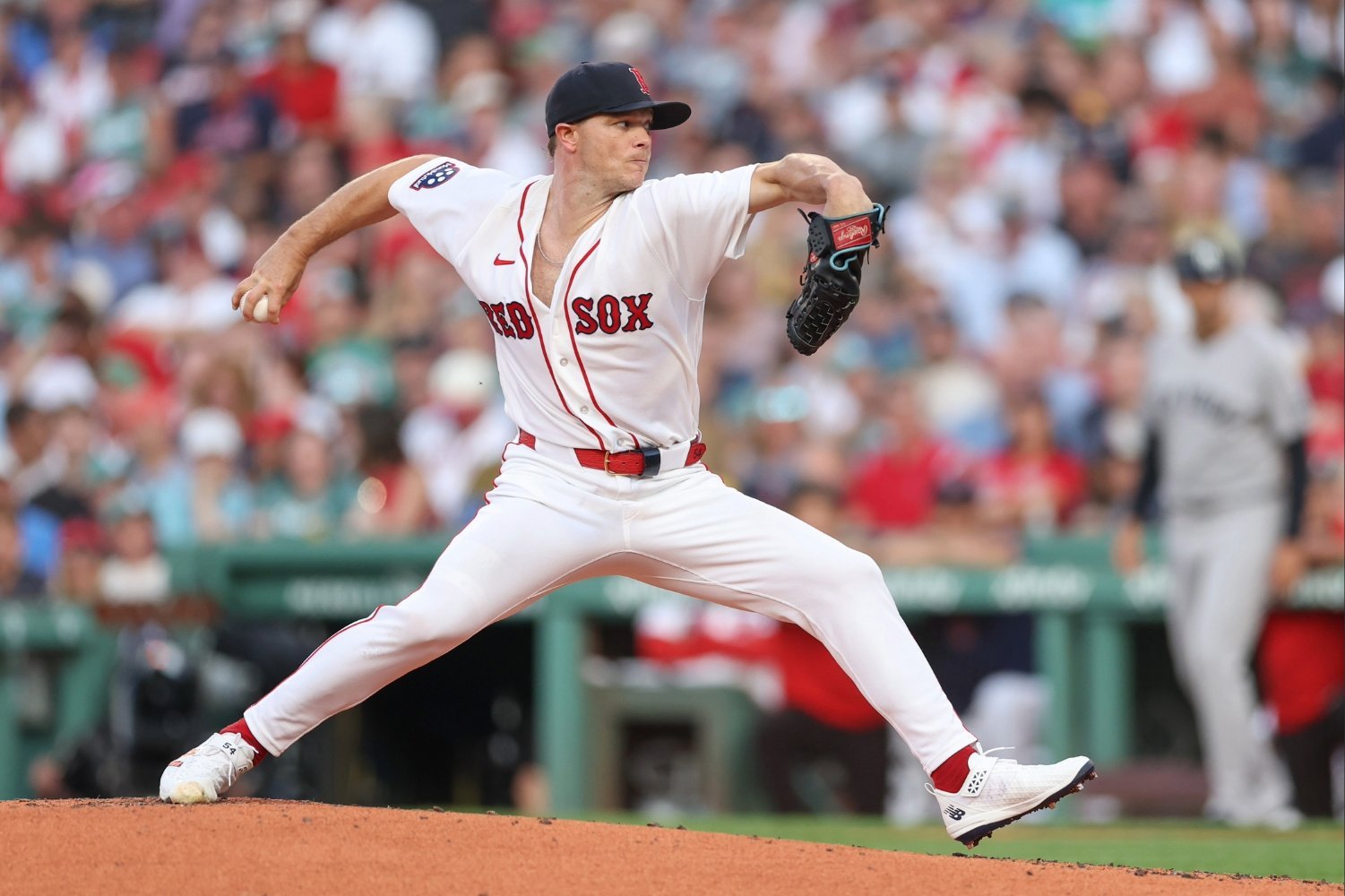 The Boston Red Sox's pitching staff has been one of the few bright spots in an otherwise disappointing season. Led by Sonny Gray and Ranger Suarez, the rotation threw an MLB-high 16 quality starts in June, consistently leaving the offense in late advantageous positions. Yet, the lineup regularly failed to capitalize, leaving the bullpen to keep close games competitive, night after night. As a staff, Boston led the MLB with a 4.2 WAR in June while posting a 3.55 ERA, the third-lowest in the league. With the trade deadline approaching, the pitchers have been the lone argument against a full reset and for giving the team one last chance at a second-half comeback. Ranking Red Sox's Best Pitchers in June #3 Ranger Suárez After missing time in May due to hamstring tightness, Suárez returned to true form in June and delivered a stellar month. With a 2-0 record and working at least six innings in four of his five appearances, Suárez was the team's most valuable starter, producing 1.3 WAR, the third-highest among all MLB starters for the month. The biggest improvement came in his command. After posting a 1.48 WHIP in May, Suárez lowered it to 1.07 in June, consistently pitching deep into his outings. The biggest adjustment was to his cutter. After opponents batted .381 against the pitch in May, Suárez turned it into one of his biggest strengths, holding hitters to a .050 batting average in June. All of that led to a season-high 35 strikeouts and 10.50 K/9, as Suárez continues to return positive gains on the investment the team made in him. #2 Tyron Guerrero Tyron Guerrero made his long-awaited return to the majors in June and immediately made an impact. After spending seven years bouncing around Mexico, Japan and several minor-league systems, the 35-year-old joined the Red Sox last month and immediately became one of Chad Tracy's most reliable relievers. Consistently throwing above 100 mph, Guerrero was efficient, leading the team with five holds in 10 appearances and only allowing one run over 9.1 innings. In a month that saw star closer Aroldis Chapman struggle, Guerrero entered and helped stabilize the bullpen, pitching a 0.96 ERA and a 1.73 SIERA, which ranked among the top 25 of all MLB relievers for the month. Holding opposing batters to a .194 batting average, Guerrero's addition to the bullpen is just what the team needed to help ease the load off Chapman as he deals with his lingering hamstring injury. #1 Sonny Gray The conversation around keeping or trading Gray becomes more complicated by the day, in large part due to his performance. Improving his season record to 9-1, Gray was elite in June, finishing with a 3-0 record, 2.14 ERA and delivering five quality starts in five appearances. The highlight of the month came in his final appearance against the New York Yankees, where he carried a no-hitter into the eighth inning. Gray is in the final year of his contract and has emerged as one of Boston's most talked-about trade candidates as the deadline approaches. However, his consistency throughout the season, combined with a dominant June, makes a compelling case that the Red Sox should see what this rotation can accomplish if the offense finally catches up. View the full article
 -
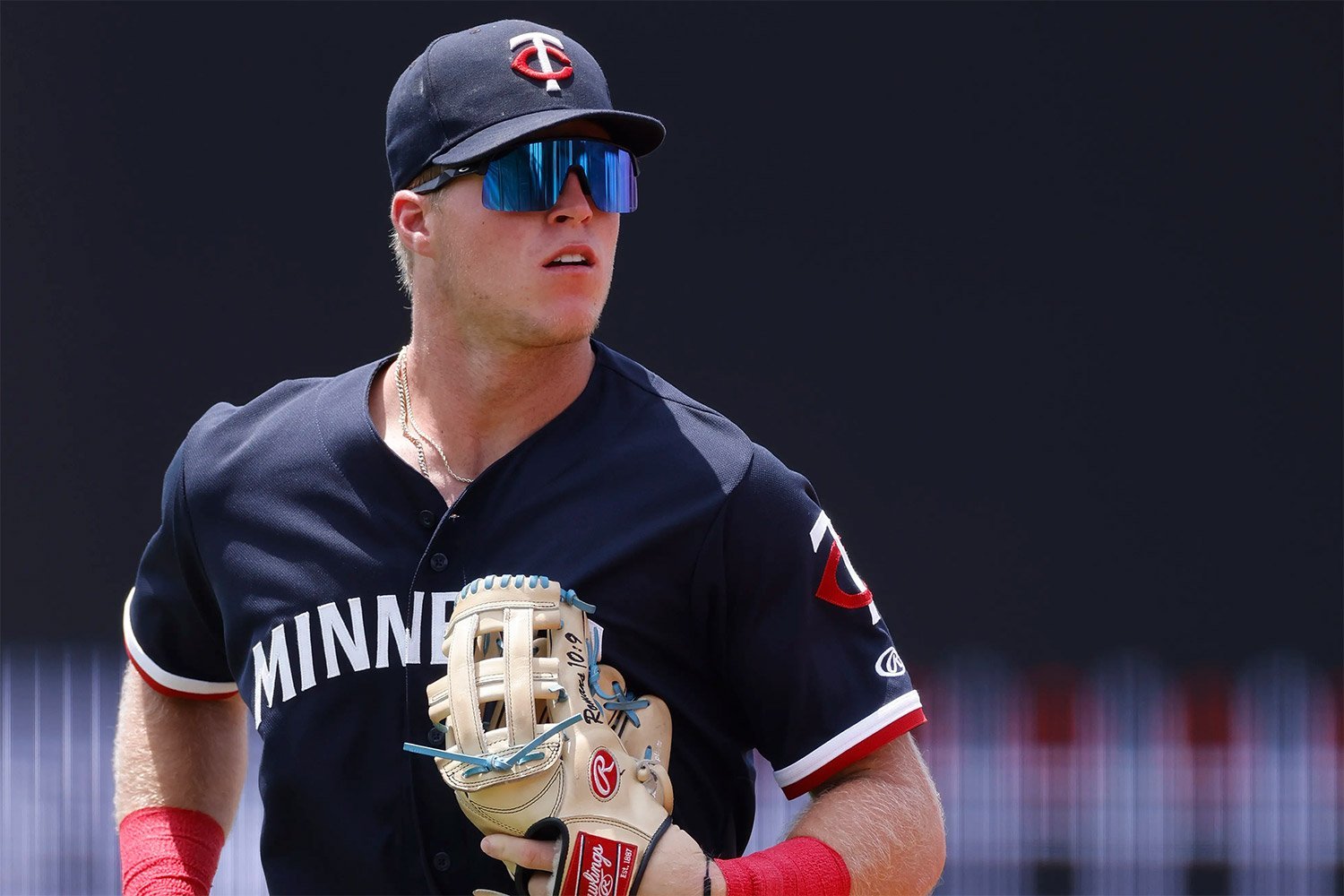 Walker Jenkins was named to the MLB Futures Game, which will be played on Sunday, July 12, at Citizens Bank Park in Philadelphia. He will join fellow top prospect Kaelen Culpepper in representing the Twins in the game. Jenkins is clearly deserving of this honor, as he is the Twins' top prospect and has proved why thus far in 2026. This year has been slowed by injury, but he has looked the part of a top prospect at Triple-A, hitting .272/.390/.430 over 31 games played. His .820 OPS is solidly above average, and he has added two home runs with 11 RBIs as well. He's also shown his athleticism with seven stolen bases on the year as well. While many Twins fans are hoping he makes his Major League debut sooner rather than later, you will get your opportunity to see him on a Major League Field come July 12. View the full article
 -
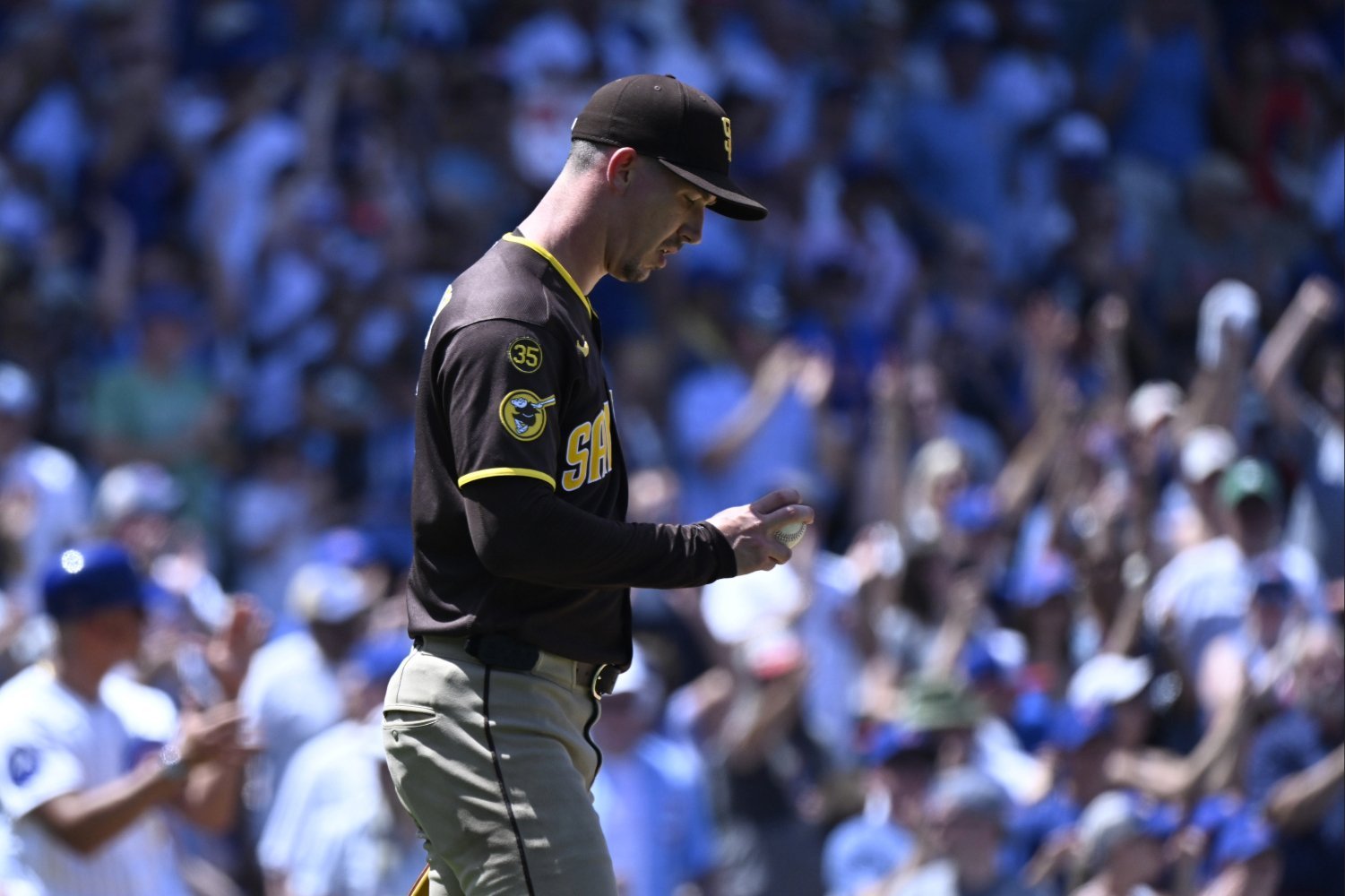 To their credit, the San Diego Padres were never supposed to be in the mix as long as they were. They spent the first month of the season flirting with first place in the National League West and have since remained involved as a key component of the NL Wild Card race. In the midst of budget woes that led to the halfway construction of their rotation and an inability to address their offensive depth — along with massive struggles from key elements of their lineup — that they are this relevant in the playoff picture this late in the year is something of a feat. At this particular time, though, it's looking like the game may be up in America's Finest City. Coming off a sweep of a first-place Atlanta team last week, one might have thought the vibes would be up as they hit the weekend for one of two consecutive turns against the Los Angeles Dodgers. Despite a win in the series opener, they went on to lose that series in rather convincing fashion. Those weekend struggles were further compounded with a trip to Wrigley Field that resulted in a sweep against a Chicago Cubs team that simply could not stop hitting home runs against the Padres' increasingly woeful pitching staff. The nature of those losses made things worse. The weekend set against the Dodgers included a 15-3 loss that followed their lone win of the series. Against the Cubs this week, Padres pitching allowed five home runs to Cub hitters on Tuesday and eight in Wednesday's 22-3 loss. They weren't cheap shots, either, as catcher Rodolfo Durán was pressed into pitching duty for the second time in five games. It's the kind of game that spins a team out entirely. Now, the Padres find themselves at an inflection point. They're two games back of one of the NL's three Wild Card spots and are attempting to stave off the Arizona Diamondbacks to retain the second-place position in the NL West. This does not, however, have the look of a team up for the challenge. If anything, they're a team at a point where faltering further could not only dictate their fortunes for the remainder of 2026 but beyond it. That's not to say the Padres are completely out of the Wild Card race or poised to sell at the trade deadline. Either one is possible, sure. Instead, the point is that the team has the look and feel of a team that was already held together in rather precarious fashion and, as a result, could be staring down a reckoning of that faulty construction. The Padres are last in the league in their collective wRC+ (89), with a team batting average (.223), on-base percentage (.299), and isolated power (.146) that all sit at or near the bottom of the league. Even with a recent ascent from Fernando Tatis Jr. and steady play from Ty France, there isn't a saving grace coming for this offense. Manny Machado has his power output up but almost nothing else to supplement it, while Jackson Merrill is stuck in an offensive spiral from which there appears no escape. The stalwarts aren't coming through, and there never was enough to compensate for that possibility elsewhere on the roster. Some teams can do so with their pitching staff. The Friars' starting staff, however, is 24th in the league in fWAR (3.8), with an ERA (4.59), FIP (4.53), and walk rate (9.6 percent) that all sit among the six or seven worst teams in the sport. Even a quality bullpen led by Mason Miller and Adrian Morejon can't make up that kind of ground. If anything, the need for volume out of the bullpen will eventually sap it of some of its value as the season progresses. It's a big ask for any leadership group, but it also remains to be seen if first-year manager Craig Stammen has the managerial chops to lead them through the impending storm. Questions persist about his handling of the pitching staff and choice of coaches for the staff (especially Steven Souza Jr. as the team's hitting coach given their offensive ineptitude). There isn't a whole lot to indicate stability on that front. As such, there are simply no solutions coming for this team in 2026, and that's a quandary that extends into the long term. The contracts on the books aren't looking any better. Their farm system is one of the league's most underwhelming, a byproduct of A.J. Preller's prior years of aggression. Unless the team's new ownership is going to lead to an injection of financing for the roster (and even that is complicated by impending labor negotiations for the league), there's a perilous outcome awaiting San Diego in the form of professional sports purgatory. This feels like a conversation we've had around the Padres before. Preller has managed to wriggle his way out of jams in the past with an exciting addition that benefits the club in the present, but he has fewer resources at his disposal to do so again. If the Padres continue their slide into the coming weeks, his ambition is rendered moot anyway. Even then, "selling" would be only modest, as there isn't likely to be much of a market for their collection of inflated contracts and below-average performers. That's where the looming threat of purgatory begins to manifest: when you have a middling roster but no obvious pathway toward short- or long-term improvement. The Padres are in a stretch where they play 17 consecutive games ahead of the All-Star break. They've already played three against the Dodgers and have another four coming against them this weekend. It's then four games against the Diamondbacks and three against the Toronto Blue Jays to close out the first half. That's the class of the league and two teams also trying to remain afloat, meaning that the schedule in this tough stretch isn't going to do the Friars any favors. Which means that by the time the break hits, we could have a pretty clear picture of where things stand with the Padres. But it's difficult to be optimistic about the shape of that picture. This team was flawed in its construction and held together in a way that was asking a lot of the roster and the coaching staff. A continued stretch of listless play could spell doom in 2026 and the state of the roster doesn't offer up much room for hope beyond it. There are two directions in which the season goes from here. One requires near-immediate improvement from the key components of the roster and any of the number of middling options in the starting rotation. The other, as a result, feels more likely... and more dire. View the full article
 -
Toronto Blue Jays Minor League Pitchers of the Month - June 2026
DiamondCentric posted an article in Jays Centre
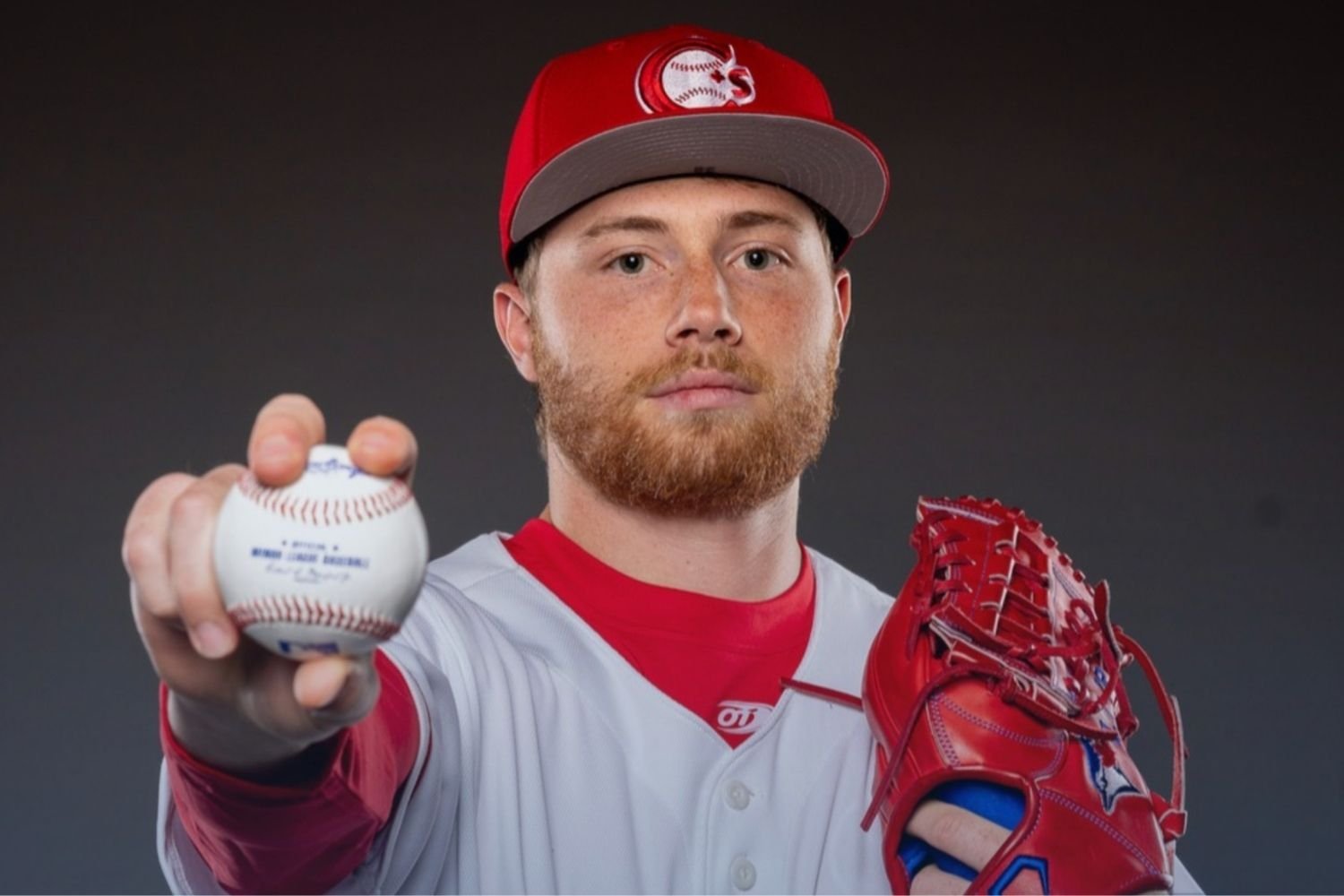 Nolan Perry earned our Minor League Pitcher of the Month honors for both April and May. The right-hander remains the story of the season in the Blue Jays' system, as he recently made his Double-A debut, striking out seven in three scoreless innings. However, he only made three starts in June, including a couple of less-than-stellar outings in his final two starts with Vancouver. So, for the first time this season, a new pitching prospect tops this list. Honourable Mentions Brendon Little, Buffalo Bisons Brendon Little also earned an honourable mention in April. His excellent work in the minors only makes his major league struggles more frustrating. The southpaw threw 7.2 scoreless innings for Buffalo in June, striking out 12. He gave up four hits and four walks, never allowing more than two baserunners in an outing. Unfortunately, in his one appearance for the big league team, Little gave up four runs in a lone inning of work. He was demoted the next day. Johnny King, Vancouver Canadians Johnny King is the top-ranked pitching prospect in the organization, and he enjoyed another solid month in June. The left-hander pitched to a 3.75 ERA in five starts, working into at least the fifth inning in all five games. Walks were a problem in a couple of his outings, but he struck out more than a quarter of his opponents in the month. The highlight of his June was an eight-strikeout gem against the Tri-City Dust Devils. No. 3: Gage Stanifer (New Hampshire Fisher Cats) 5 starts, 3.28 ERA, 33 K, 9 BB, 4 HR Gage Stanifer was the runner-up to Perry on last month's list, and he had himself another great month in June. The 22-year-old struck out 32% of the batters he faced, and his 8.7% walk rate represented a big step in the right direction. Stanifer finished the month by going six innings in a start for the first time since last summer. He struck out nine in what was easily his best game since his promotion to Double-A New Hampshire. No. 2: Troy Guthrie (Dunedin Blue Jays) 5 starts, 3.04 ERA, 24 K, 6 BB, 0 HR Troy Guthrie had a rough go of it in his final start of June, but he also made three quality starts in the month. All told, he struck out 24 batters and walked just six, finishing June with a 3.04 ERA and a 2.70 FIP. The 11th-round draft pick isn't a particularly well-known name, but his great control is helping him pitch deep into games. He's an arm to keep an eye on. No. 1: Danny Thompson Jr. (Vancouver Canadians/New Hampshire Fisher Cats) 5 starts, 1.52 ERA, 27 K, 10 BB, 1 HR Danny Thompson Jr. earned a mid-month promotion to Double-A New Hampshire, and he didn't miss a beat. In three starts post-promotion, he threw 14.1 innings, allowing one run on four hits. The 23-year-old right-hander isn't on our organizational top prospect list yet, but his strong work so far surely merits more consideration the next time we rank our top 20. View the full article
 -
 Just past the midpoint of this Miami Marlins season, AJ Ramos, Kevin Barral and Isaac Azout reflect on the players who have impressed them most so far and the specific games that stuck in their memory. They also get into the team's current roster construction and where the front office could go from here in terms of either promotions from within or outside acquisitions. You can find Fish Unfiltered and Fish On First LIVE on the Fish On First YouTube channel, Apple Podcasts, Spotify or wherever else you get your pods. Comment below with your own picks for the first-half Marlins team MVP, Cy Young, best win, worst loss and top minor league player. View the full article
 -
Royals Sign Pitcher Scott Barlow to Minor League Deal
DiamondCentric posted an article in Royals Keep
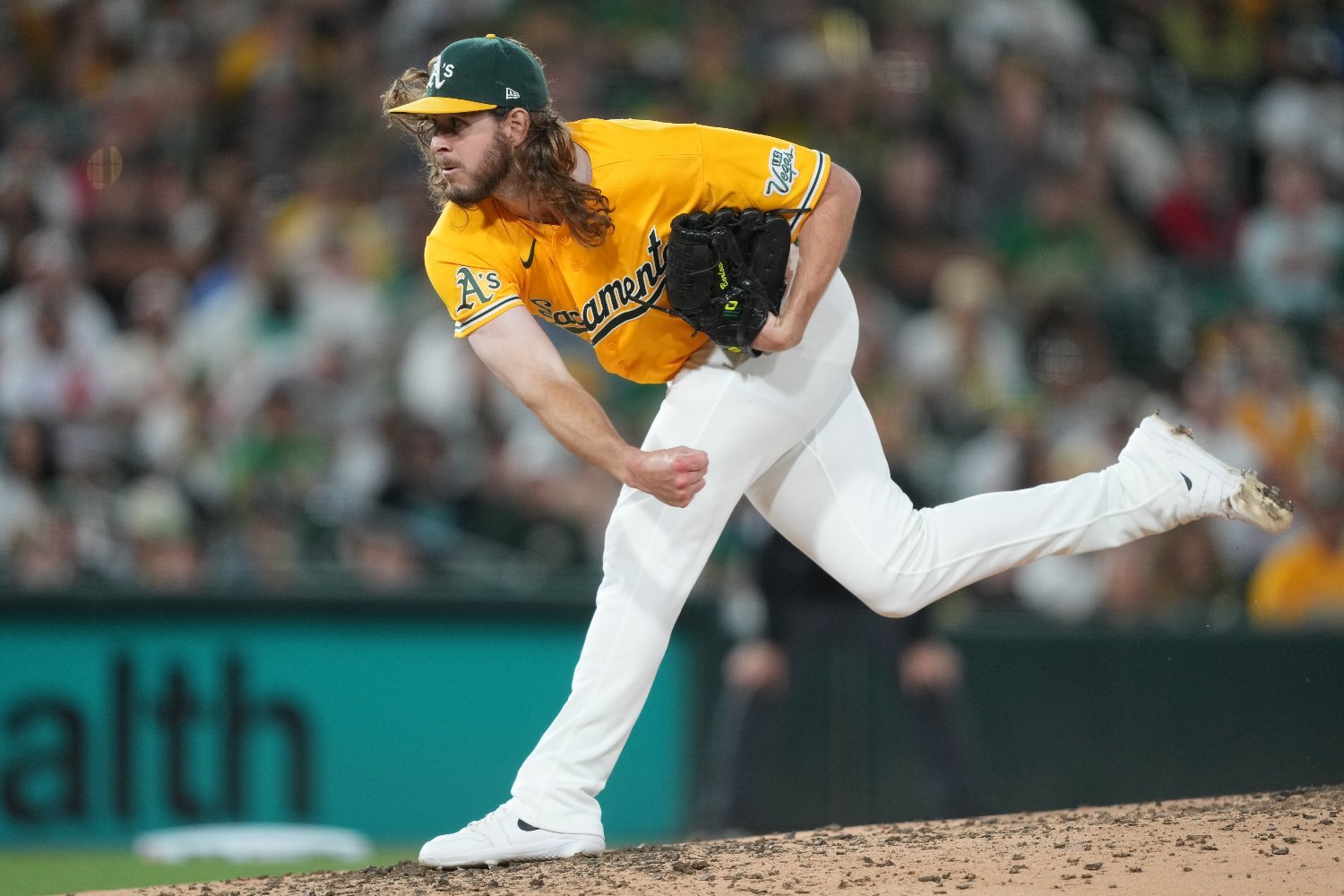 On Thursday afternoon, the Royals announced that they had signed former closer Scott Barlow on a Minor League deal. Barlow pitched with the Royals from 2018 to 2023, serving as the team's closer in his last three years. Over that time frame, the righty saved 53 games with Kansas City. During his 5 1/2 years with the Royals, the former Dodgers draft pick produced a 6.7 bWAR, a 3.39 ERA, a 1.25 WHIP, and a 2.98 K/BB ratio. The Royals traded Barlow to the Padres at the 2023 Trade Deadline for pitching prospects Henry Williams and Jesus Rios (only Williams remains in the organization). After finishing the 2023 season with the Padres (3.07 ERA and 1.19 WHIP in 29.1 IP), he ended up pitching for the Guardians in 2024 (4.25 ERA in 55 IP) and the Reds in 2025 (4.21 ERA in 68.1 IP). This season, Barlow pitched 36 games with the Athletics and struggled in 33.1 IP. He posted a 6.48 ERA in Sacramento, a career-worst mark. As a result, the Athletics designated Barlow for assignment on June 21st and ended up releasing him on June 24th. With a lack of bullpen depth and Kris Bubic recently added to the 60-Day IL, the Royals are looking for Barlow to provide a veteran presence in Triple-A Omaha and perhaps Kansas City, if needed. While the overall numbers aren't great, and the TJ Stuff+ marks are subpar (97 overall TJ Stuff+), he still generates strikes at a high level, as illustrated by his CSW and whiff rates below. The 33-year-old will likely start in Omaha. However, he could move up to Kansas City quickly, especially with the Royals needing fresh arms for a tough series against the Phillies this weekend at Kauffman Stadium, and a looming road trip to Queens (the Mets) and Baltimore (Orioles) before the All-Star Break. Barlow is the second former Royals reliever to return to the organization this year. Jose Cuas made his 2026 Royals debut on Wednesday, allowing one run and striking out three Rays hitters in two innings of work. He also posted a TJ Stuff+ of 100 and a decent xwOBACON of .350, as seen below via his TJ Stuff+ summary. Cuas hadn't pitched in the Majors since 2024, and he last pitched with the Royals in 2023. That season, he posted a 4.54 ERA and 1.61 WHIP in 41.2 IP before being traded to the Chicago Cubs at the Trade Deadline for Nelson Velazquez. View the full article
 -
 Blue Jays Affiliate Overview (June 30 - July 1) Triple-A Buffalo Bisons Series vs St. Paul Saints (Minnesota Twins): 1-1 Season Record: 40-43 Double-A New Hampshire Fisher Cats Series vs Reading Fightin Phils (Philadelphia Phillies): 1-1 Season Record: 38-35 High-A Vancouver Canadians Series vs Eugene Emeralds (San Francisco Giants): 1-1 Season Record: 32-45 Single-A Dunedin Blue Jays Series vs Jupiter Hammerheads (Miami Marlins): 2-0 Season Record: 35-41 FCL Blue Jays Week Record: 1-0 Season Record: 29-13 DSL Blue Jays Blue Week Record: 0-1 Season Record: 9-13 DSL Blue Jays Red Week Record: 1-1 Season Record: 9-13 Triple-A Buffalo Bisons Season Record: 40-43 Series vs St. Paul Saints (Minnesota Twins) June 30: The end of June and beginning of July brought with it a new series for the Buffalo Bisons, this one against the St. Paul Saints. Jay Harry and Josh Kasevich stayed hot for Buffalo. While Harry had a two-hit, two-run, two-RBI game out of the leadoff spot in the lineup, Kasevich provided the power with his third home run of the season. Harry had a two-RBI single in the third inning, with Willie MacIver adding an RBI single of his own as well. Davis Schneider continued to work his way back towards the major leagues; he had an RBI double to left in the fifth inning, then scored on a single by Kasevich. Kasevich's home run came in the eighth, a solo shot to left. While the offense was clicking, the pitching was abysmal, well mostly just one pitcher. Jake Bloss started the game, and after the first inning, he probably needed some therapy to erase the trauma he brought on himself. He gave up two home runs in the bottom of the first inning, including a soul-crushing grand slam to Cody Morissette. In the third, he gave up another solo home run, and in the fourth it was an RBI double and a two-run home run. All told, he gave up 11 runs in just four innings of work, and Buffalo never stood a chance to come back. They would lose 12-6. July 1: Wednesday's game for Buffalo had a much better performance from the pitchers than Tuesday's game did. Chad Dallas had the mound for Buffalo, and he threw a really good game. He struck out just four, but gave up only one run across his five innings of work. He would turn it over to the bullpen, and they nearly matched him, combining to throw four innings and also gave up just one run. Brendon Little looked the best of the bullpen arms, as he threw 1.1 innings and struck out three. With the pitching keeping Buffalo in the game, they jumped out to an early lead, 2-0 in the first inning, thanks to an RBI groundout by Jay Harry and a sacrifice fly from Davis Schneider. That was all of the scoring in the game for Buffalo until the ninth inning. With the game tied up at two, Carlos Mendoza played hero and smoked a 2-2 changeup over the right field wall for what would be the game-winning home run. Buffalo won a close game, 3-2. Double-A New Hampshire Season Record: 38-35 Series vs Reading Fightin Phils (Philadelphia Phillies) June 30: Nolan Perry was promoted to New Hampshire and got the start for the Fisher Cats on Tuesday in the first game of the week against the Reading Fightin Phils. Aaron Parker started the scoring with a first-inning home run for New Hampshire, then Perry took over on the mound. He went three innings, struck out seven, allowed just one hit and walked two batters. He didn't allow a run, but the two walks in the first and double in the second saw his pitch count get high. He threw 59 pitches in the three innings, and his command hasn't returned to the top-end mark we were seeing before his brief pause in the season. It was much better in this game, though. Cade Doughty homered, then later in the game Nick Goodwin doubled in a run, along with Hedbert Perez doing the same in the ninth. Unfortunately, Reading hit four home runs in the seventh and eighth innings to take a commanding lead. New Hampshire lost this one 9-6. July 1: In the Wednesday matchup between New Hampshire and Reading, Gage Stanifer was on the mound. It was a short outing for Stanifer on the hot day (felt close to 110° F). He pitched just two innings, gave up five hits, three runs, but didn't walk anyone and struck out five. One run scored due to a defensive gaffe and the other two from two doubles. His slider was great, and the fastball was pretty solid again. Definite signs of improvement still, despite the short outing. Offensively, Cutter Coffey started the scoring with a two-run triple in the second inning, which was followed by two runs scoring on an Aaron Parker double and Eddie Micheletti Jr. single in the third inning. Nick Goodwin and Parker both homered in the fourth, followed by an RBI single from Goodwin in the sixth and another home run by Parker. In the ninth, Jackson Hornung singled home the eleventh run of the game for New Hampshire, who would hold on to win a crazy game in the hot weather, 11-10. High-A Vancouver Season Record: 32-45 Series vs Eugene Emeralds (San Francisco Giants) June 30: Johnny King did not have his best stuff today against the Emeralds, as he walked five batters and only struck out three in just over four innings of work. He allowed two runs in the third, one in the fourth, and after allowing a hit in the fifth, Jack Eshleman replaced him, who allowed a homer, making it five to nothing for the Emeralds. The Canadians had the bases loaded in the sixth inning, and Peyton Williams came up to the dish but only got a groundout, which allowed one run to score, but the inning ended shortly after. They had another shot in the seventh, and a smart pinch-hit substitution swapping in Tucker Toman for Manuel Beltre led to an RBI single. J.R. Freethy came up right after him, and brought the game within one with a massive two-run double. Eshleman was great after allowing the homer, and went three innings more with three strikeouts, only allowing one more hit. Reece Wissinger replaced him and kept the score close, and with the Canadians trailing by one, down to their final out with the bases loaded, just like it was in the sixth inning. Williams delivered this time with a walk-off two-run single. July 1: Vancouver got off to an early lead on Canada Day as J.R. Freethy was able to score on a passed ball in the first, and Edward Duran then drove in two runners in the third inning with his second double of the season. Dylan Watts’ command once again failed him in his third start in Vancouver, as he walked six batters after walking five in his last start. He gave up all four of his earned runs in the fifth inning after being fine in the first four, giving up two walks and two singles. Gilberto Batista replaced him, and all hell broke loose, as he gave up eight earned runs and only got one out and had to be replaced by Jay Schueler to get out of the inning. The Canadians didn’t give up, however, as Freethy scored his third run of the game and Eric Snow scored another to claw back a couple of runs. Peyton Williams and Sam Shaw added two more runs in the seventh with a couple of RBI singles, and in the eighth inning the lead was cut to just three as Freethy scored his fourth run of the game. However, the fifth inning was simply too disastrous, as the Canadians fell on Canada Day 12-1. Single-A Dunedin Season Record: 35-41 Series vs Jupiter Hammerheads (Miami Marlins) June 30: JoJo Parker continued to do damage, and in the first inning he drove in the first run of the game with an RBI double to knock in Blaine Bullard. Denis Samudio was the starter for Dunedin, and he allowed just one run in four innings of work, walking three and striking out the same amount, with five whiffs on the night. It was a team offensive effort for the Jays, as eight of the nine hitters had themselves a hit, and the team combined for nine walks as well. They took advantage of some shaky defense and a wild pitch to score four runs in the first two innings, and in the seventh added on three insurance runs for a solid 7-1 victory, as Luis Fonseca and Josbel Garcia pitched five innings of two-hit baseball in relief. July 1: There was a bit of déjà vu, as the Blue Jays ended up with the exact same score as the previous game, with another 7-1 victory, this time with a great start from Blake Purnell. Adam Hackenberg was the designated hitter for Dunedin, and he definitely hit, as he went 3-for-4, driving in the first run of the game in the first inning. Purnell gave up his only run of the game on a homer in the third, which evened the game up, but he pitched five strong innings other than that blemish. Will Cresswell took the lead for the Jays, driving in two runs in the fourth with a two-RBI single. Austin Marozas returned to Dunedin after rehabbing in the Florida Complex League and pitched 2.1 no-hit innings with four strikeouts, and Lluveres Severino added three more strikeouts for four straight scoreless innings in relief. The Jays got a few insurance runs as well in the eighth, as Raimundo De Los Santos and Jake Cook both had some ribbies for a 7-1 victory for Dunedin. FCL Blue Jays Season Record: 29-14 June 30: It was a wild one for the FCL Blue Jays against the FCL Phillies on Tuesday night. Seojun Moon got things going on the mound, where he completed four innings again, striking out three, not allowing a hit, but giving up a run on three walks. He did strike out Tommy Pham. Offensively, the Blue Jays had an 8-1 lead in the fifth inning. They were led by a rehabbing Arjun Nimmala, who had three balls hit over 100 mph on the day. Angel Guzman was great again as well, going 2-for-3, with a 106 MPH double to lead off the game, and he added three walks to reach base five times. The big hit came from Pascual Archila, who hit his sixth home run of the year. The runs scored on two bases-loaded walks, a bases-loaded hit-by-pitch, an error, two sacrifice flies, a wild pitch, and the home run. Things flipped though in the sixth inning, when the Phillies scored 10 runs in the next four frames. The Blue Jays scored on a balk, but lost this one in the end 11-9. DSL Blue Jays Blue Season Record: 9-13 June 30: On Tuesday, BJB took on the Chicago White Sox DSL team, and it would be a battle. BJB got on the scoreboard first, with a wild pitch scoring Cristopher Polanco in the top of the first inning. Down 2-1 in the third, BJB had a big scoring inning to take the lead back. Sebastian Casanova had an RBI single, Juan Caricote added two runs on his single, and Michael Mesa knocked in one with a sacrifice fly. Sebastian Romero and Carlos Vielma of the White Sox would each homer in the third and fourth, giving them the lead back at 7-5. In the sixth, Polanco tried to help BJB mount a comeback with a sacrifice fly to cut the White Sox lead to one, but that would be as close as BJB would get. BJB lost 7-6. DSL Blue Jays Red Season Record: 9-13 June 30: On Tuesday, BJR faced off against the Colorado Rockies DSL team, and the game did not feature many runs scored. Elaineiker Coronado had three of BJR's seven hits, two were doubles and one was a single. One of Coronado's doubles came in the sixth, and it scored Alex Linares. On the mound for BJR was Franiel Severino, and he continued his stellar first season in professional baseball. He threw four scoreless innings and struck out two. Unfortunately for BJR, they gave up an unearned run in the sixth, and the game would head into extra innings. In the extra frames, the Rockies scored their ghost runner, while BJR did not. They would lose 2-1 in 10 innings. July 1: BJR played a game against the New York Mets Orange team on Wednesday, one of two games that would be played down on the island. BJR used two big hits in the third inning to take an early lead; Gabriel Porras doubled home Diego Arce and Jose Gori, then Darwin Núñez hit a three-run home run to left field. The home run was the first of his season and the first of his career. BJR would add on in the fifth, getting a bases-loaded walk from Arce. They scored another run in the sixth on a groundout by Nuñez. On the mound, Alieski Torres paced the pitches, throwing three innings, striking out four, and not allowing a hit or a run. His ERA for the season still sits at zero. The 18-year-old might be someone to watch if he comes stateside next year. BJR won pretty easily, 7-3. Transactions 06/30/26 Buffalo Bisons activated RHP Lazaro Estrada. 06/30/26 Buffalo Bisons transferred 2B Carlos Mendoza to the Development List. 06/30/26 Buffalo Bisons activated DH Eloy Jiménez from the 7-day injured list. 06/30/26 Buffalo Bisons transferred C William Simoneit to the Development List. 06/30/26 Buffalo Bisons activated LF Ismael Munguia from the 7-day injured list. 06/30/26 Buffalo Bisons activated LF Davis Schneider. 06/30/26 IF Darwin Nuñez assigned to DSL Blue Jays Red from DSL Blue Jays Blue. 06/30/26 RHP Silvano Hechavarria assigned to Vancouver Canadians from Dunedin Blue Jays. 06/30/26 RHP Nolan Perry assigned to New Hampshire Fisher Cats from Vancouver Canadians. 07/01/26 Buffalo Bisons activated 2B Carlos Mendoza from the Development List. 07/01/26 Buffalo Bisons placed RHP Matt Bowman on the temporarily inactive list. 07/01/26 Toronto Blue Jays sent RHP Simeon Woods Richardson outright to Buffalo Bisons. 07/01/26 Toronto Blue Jays recalled LF Jonatan Clase from Buffalo Bisons. 07/01/26 New Hampshire Fisher Cats sent SS Arjun Nimmala on a rehab assignment to Dunedin Blue Jays. 07/01/26 New Hampshire Fisher Cats sent RHP Austin Marozas on a rehab assignment to Dunedin Blue Jays. View the full article
 -
Walker Jenkins's Debut May Be Further Away Than You Think
DiamondCentric posted an article in Twins Daily
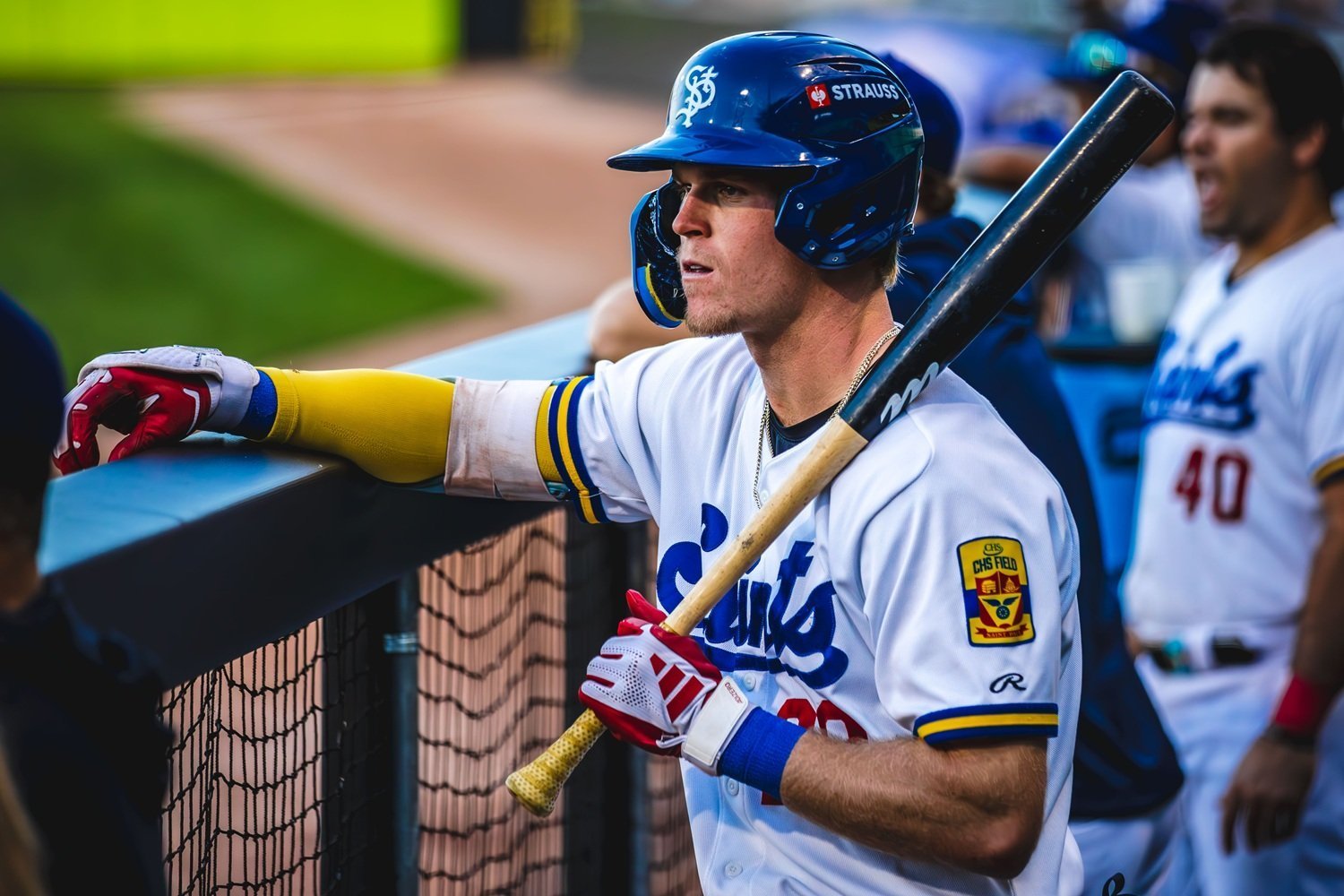 The Minnesota Twins' top prospect, Walker Jenkins, has largely dominated the minor leagues. Ever since the Twins selected him fifth overall in the 2023 MLB Draft, the kid has just hit. Across 998 career minor-league plate appearances, Jenkins is hitting .296, with an on-base percentage north of .400. He's consistently made high-quality contact; shown advanced patience at the plate; and developed into a strong defender capable of playing all three outfield spots. He's done just about everything the Twins could have asked of him. Last season, Jenkins climbed all the way to Triple-A as a 20-year-old. While he certainly held his own against much older competition, he looks significantly more comfortable this year. The game appears to be slowing down for him, and from a pure talent perspective, it feels like he's right on the doorstep of making his major-league debut. That naturally raises the question: When are we actually going to see Jenkins in the majors? Will the Twins decide he's ready before the end of the season? Or might they take a more patient approach? There are still almost three months left for Jenkins to earn a call-up this year. But if I had to guess today, I'd say Jenkins doesn't make his major-league debut until 2027. For starters, despite possessing immense talent, Jenkins has unfortunately started following a trend we've seen from several other top Twins prospects over the years. He just can't stay on the field. During the Twins' second spring training game back in late February, Jenkins strained his hamstring, causing him to miss the remainder of camp. About a month after returning, he sprained his left AC joint while making a catch against the outfield wall and missed another month. Neither injury is something to be overly concerned about long-term, but together, they've limited the amount of baseball he's been able to play. The same pattern (with different specifics) limited him to 368 plate appearances in 2024 and 371 in 2025. The Twins would certainly love to see him finish the year healthy and log as many plate appearances as possible before making the jump to the majors. The league and the players' union are also circling toward the bargaining table ahead of the expiration of the current Collective Bargaining Agreement (CBA) and an offseason lockout that could linger into next spring, which could enter this equation as a tiebreaker if the team isn't sure whether to promote Jenkins in August or September. Jenkins is not currently on the Twins' 40-man roster, and under the current rules, he won't need to be added until after the 2027 season. If Minnesota promotes him this summer, they have to add him to that 40-man list, at which point he becomes a member of the union affected by the CBA. In the worst-case scenario where the 2027 season is delayed or shortened, he would be forced to sit around again even if he's healthy. Players not on the 40-man roster, however, can still play minor-league games if the lockout lingers. How much does the Twins' front office actually factor something like that into their decision-making? Probably not much. For one thing, the chances of games actually being lost next year isn't great enough to dominate planning that way. For another, the team could easily decide that the benefits of seeing Jenkins against big-league competition this year is worth that risk. Still, when you combine Jenkins's injury history with the fact that the Twins already have several corner outfield options on their major league roster, it becomes a little easier to envision the organization taking the slower route. Jenkins remains one of the premier prospects in baseball, and he's still very much viewed as a cornerstone of the Twins' long-term future. Waiting a few more months doesn't change that. In fact, it may ultimately benefit both sides. If Jenkins debuts sometime during the 2027 season, he'll still be just 22 years old. That gives him another year—or close to it—to continue polishing his game, staying healthy, and proving he's fully ready to become an everyday major leaguer. Sometimes, the hardest thing for fans is exercising patience when a top prospect looks ready. Jenkins certainly looks close, but between the injuries, the possibility of a lockout, and Minnesota's current roster construction, the Twins could ultimately decide that patience is the better play. He still projects as a huge part of this organization's future, but that future just might begin in 2027, instead of later this summer. View the full article
 -
Cubs Minor League Hitter of the Month: June 2026
DiamondCentric posted an article in North Side Baseball
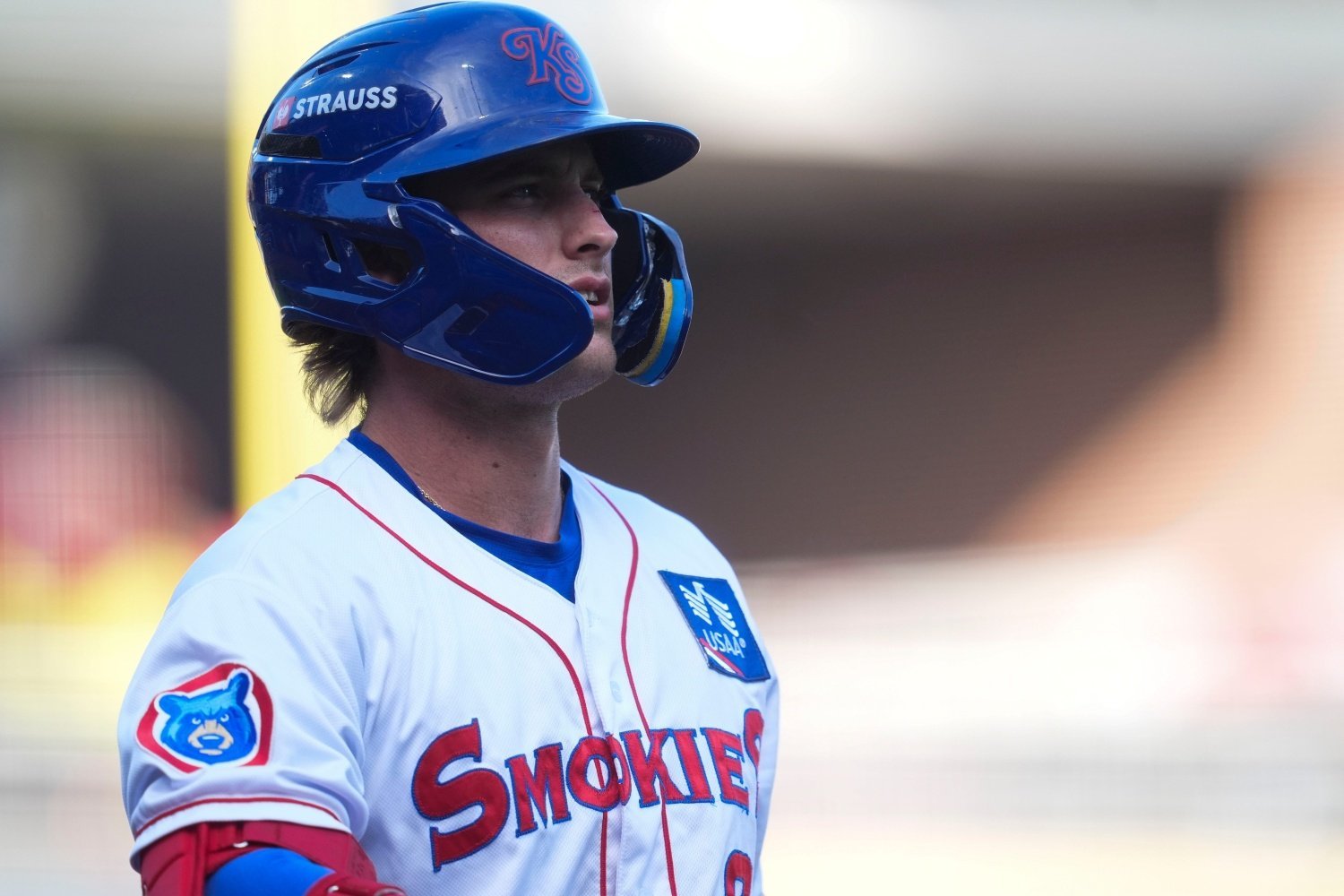 The Chicago Cubs have had an up-and-down season, winning 10, losing 10, hitting a billion home runs and going ice-cold. As the big-leaguers have ebbed and flowed, on the minor-league side of things, the team has been fairly consistent in terms of who's hitting and staying hot. June was yet another good month for much of the system, but which hitter tops the charts? Ranking the Cubs' Best Minor-League Hitters of June: Honorable mention: Josiah Hartshorn, OF, South Bend Cubs Josiah Hartshorn has had a rocket ship strapped to his back all season. He's made quick work of Myrtle Beach and remains an outside chance of landing in Double-A Knoxville by the end of the year despite being 1.5 years shy of being able to order a beer at a ballgame. The 19-year old has been a revelation and an amazing draft pick so far. He even landed inside of the top 30 on Baseball America's most recent top-100 list. In June, the outfielder posted a 127 wRC+, hit seven home runs and even had his first miniature slump mixed in. The music keeps going on, however, as the kid just keeps blasting baseballs. Third Place: Kane Kepley, OF, South Bend Cubs Kepley, the Cubs' second-round pick last year has been another steal, it seems. While it would be great to see a little power, the speedy outfielder has been a nightmare to keep off the bases, and June was no different. Kepley posted a 154 wRC+ during the month and walked nearly two times more than he struck out, walking 24 times to just 14 punchouts. He even powered two balls out for bombs. Kepley has gotten some top-100 love this year and just will not slow down—not that anyone would want him to (other than opposing pitchers). Second Place: Jefferson Rojas, 3b, Knoxville Smokies In a way, I feel gutted for Rojas, because most months, this is a standout performance. The 21-year-old infielder was smoking in June, belting seven home runs, rocking a .352 batting average, and posting a 161 wRC+. Rojas kept his K-rate around the 10% mark, walked almost 7% of the time, and looked like an absolute menace. It's crazy that our North Side Baseball top prospect keeps getting upstaged by someone each time, but that's a good thing, not a bad one. I'm not sure where Rojas will be come August 4, or what his pathway to the majors is, but it doesn't matter when you hit like he did in June. Winner: Owen Ayers, C, Knoxville Smokies What an insane, bananas, bonkers month Ayers just had. The numbers speak for themselves. In June, he hit .452, had a 252 wRC+, almost walked as much as he struck out, hit 20 extra-base knocks, and did all of this playing the most demanding and brutal position in baseball, and maybe in any sport. Yeah, yeah, he's 25, but who cares at this point? He even made Baseball America's top 10 risers list. Ayers has absolutely dominated Knoxville at a level that is hard to believe and isn't based on age. The former Thundering Herd (Herdsman? Herder? It's not a nickname that lends itself well to the swtich from collective to individual, is it?) has put himself in a position to be an asset to the Chicago Cubs organization. For a 19th-round selection, it's a pretty unreal outcome. View the full article
 -
Cubs Minor League Hitters of the Month: June 2026
DiamondCentric posted an article in North Side Baseball
 The Chicago Cubs have had an up-and-down season, winning 10, losing 10, hitting a billion home runs and going ice-cold. As the big-leaguers have ebbed and flowed, on the minor-league side of things, the team has been fairly consistent in terms of who's hitting and staying hot. June was yet another good month for much of the system, but which hitter tops the charts? Ranking the Cubs' Best Minor-League Hitters of June: Honorable mention: Josiah Hartshorn, OF, South Bend Cubs Josiah Hartshorn has had a rocket ship strapped to his back all season. He's made quick work of Myrtle Beach and remains an outside chance of landing in Double-A Knoxville by the end of the year despite being 1.5 years shy of being able to order a beer at a ballgame. The 19-year old has been a revelation and an amazing draft pick so far. He even landed inside of the top 30 on Baseball America's most recent top-100 list. In June, the outfielder posted a 127 wRC+, hit seven home runs and even had his first miniature slump mixed in. The music keeps going on, however, as the kid just keeps blasting baseballs. Third Place: Kane Kepley, OF, South Bend Cubs Kepley, the Cubs' second-round pick last year has been another steal, it seems. While it would be great to see a little power, the speedy outfielder has been a nightmare to keep off the bases, and June was no different. Kepley posted a 154 wRC+ during the month and walked nearly two times more than he struck out, walking 24 times to just 14 punchouts. He even powered two balls out for bombs. Kepley has gotten some top-100 love this year and just will not slow down—not that anyone would want him to (other than opposing pitchers). Second Place: Jefferson Rojas, 3b, Knoxville Smokies In a way, I feel gutted for Rojas, because most months, this is a standout performance. The 21-year-old infielder was smoking in June, belting seven home runs, rocking a .352 batting average, and posting a 161 wRC+. Rojas kept his K-rate around the 10% mark, walked almost 7% of the time, and looked like an absolute menace. It's crazy that our North Side Baseball top prospect keeps getting upstaged by someone each time, but that's a good thing, not a bad one. I'm not sure where Rojas will be come August 4, or what his pathway to the majors is, but it doesn't matter when you hit like he did in June. Winner: Owen Ayers, C, Knoxville Smokies What an insane, bananas, bonkers month Ayers just had. The numbers speak for themselves. In June, he hit .452, had a 252 wRC+, almost walked as much as he struck out, hit 20 extra-base knocks, and did all of this playing the most demanding and brutal position in baseball, and maybe in any sport. Yeah, yeah, he's 25, but who cares at this point? He even made Baseball America's top 10 risers list. Ayers has absolutely dominated Knoxville at a level that is hard to believe and isn't based on age. The former Thundering Herd (Herdsman? Herder? It's not a nickname that lends itself well to the swtich from collective to individual, is it?) has put himself in a position to be an asset to the Chicago Cubs organization. For a 19th-round selection, it's a pretty unreal outcome. View the full article
 -
 The New York Mets' minor-league system came in for criticism from owner Steve Cohen on Wednesday. Cohen told Jon Heyman and Joel Sherman of the New York Post on their "The Show" podcast that development has gone backward this season, which might harm the club's ability to improve in 2027. "I think good teams develop players that are pipeline players," Cohen said, "Last year, we were generally feeling pretty good about our farm system. We've had regression in our farm system (in 2026)." Cohen acknowledged several players who have graduated to the majors, specifically right-hander Nolan McLean and center fielder A.J. Ewing, but he doesn't know who would be next. That's a problem, given the major-league payroll might be $300 million even before the offseason begins, according to Cohen, limiting the club's flexibility to add. "Do we see other players coming from the farm system to. . . buttress what we already have? Well, you know, maybe, maybe not," he said. The next wave may include first baseman Ryan Clifford (No. 6 in Grand Central Mets' prospect Top 20), who was selected Wednesday to play in the All-Star Futures Game during All-Star Weekend in Philadelphia. But right-hander Jonah Tong (No. 3) has taken a big step back in 2026, and corner infielder Jacob Reimer (No. 7) has stalled at Double-A. On to the product on the field: Syracuse lost to Worcester, 6-5. Starter Zach Thornton worked into the sixth inning. Rehabbing major-leaguers Luis Robert Jr. and Jorge Polanco had the night off after playing Tuesday. Binghamton fell behind big early and lost, 8-4, to Chesapeake. Brendan Girton was charged with all eight runs. JT Schwartz homered and doubled. Brooklyn made it five wins in a row by outslugging Frederick, 13-7. Trace Willhoite hit a grand slam and Yohairo Cuevas homered twice. Robert Stock and Noah Hall combined for 7 2/3 innings of two-hit pitching. St. Lucie's hitting slump continued in a 6-0 loss to Tampa. The Mets were held to four hits. Mets Orange lost, 7-3, to Blue Jays Red in the Dominican Summer League. Shortstop Wandy Asigen, who signed with the Mets for $3.9 million in January as the No. 2-ranked prospect in his international class, played five innings in his second professional game. The FCL Mets blanked the FCL Nationals, 2-0. Eris Albino struck out six over four innings of bulk relief. Mets Transactions New York Mets signed free agent 1B Christopher Morel to a minor-league contract. Syracuse Rallies Before Losing Late The Mets tied the game in the seventh on Nick Morabito's two-run single, but Worcester pushed across a run in the top of the ninth against Jefry Yan. Starter Zach Thornton, fresh off his impressive start for the big club last weekend against the Philadelphia Phillies, allowed three hits over 5 2/3 innings but walked four. He also struck out four. Just 49 of his 83 pitches were for strikes (59 percent). Thornton's battery-mate, Ben Rortvedt, had three hits and an RBI. Yonatan Henriquez and Mitch Voit also went yard. Noah Hall was effective in bulk relief, allowing one hit and striking out eight over 5 1/3 scoreless innings. He walked four. Hall followed rehabbing veteran Robert Stock, who allowed a hit and a walk over 2 1/3 scoreless frames. Brooklyn Hitting Player AB R H RBI BB K Mitch Voit 5 2 1 1 1 2 Yonatan Henriquez 5 1 2 2 1 0 Ronald Hernandez 5 0 0 0 0 4 Corey Collins 2 1 1 0 3 0 JT Benson 5 2 2 0 0 1 Colin Houck 3 3 0 0 2 1 Yohairo Cuevas 3 3 2 4 2 0 Trace Willhoite 5 1 2 5 0 0 Sam Biller 5 0 1 0 0 2 Brooklyn Pitching Player IP H R ER BB K HR Robert Stock 2 1/3 1 1 0 1 2 0 Noah Hall 5 1/3 1 0 0 4 8 0 Josh Blum 1/3 3 4 0 1 0 0 Tanner Witt 1 2 2 2 1 1 1 St. Lucie Blanked Again The Mets still haven't scored this week after suffering a second consecutive shutout loss to Tampa. They've managed just seven hits and two walks in the 18 innings. The slump left bulk reliever Jose Guevara with little room for error, and he couldn't match the zeroes. He allowed three runs, two earned, on four hits and a walk over four innings. He struck out five. Joel Diaz opened and worked a scoreless first. Branny De Oleo collected two of the team's four hits. He has hit safely in four of his last five games, going 8-for-20 (.400) in that stretch. St. Lucie Hitting Player AB R H RBI BB K Antonio Jimenez 4 0 0 0 0 1 Jeremy Rodriguez 4 0 0 0 0 1 Trey Snyder 4 0 1 0 0 1 Julio Zayas 3 0 1 0 1 0 Branny De Oleo 4 0 2 0 0 1 Simon Juan 3 0 0 0 1 0 Jackson Hauge 4 0 0 0 0 2 Jack Scanlon 3 0 0 0 0 2 Francisco Toledo 3 0 0 0 0 1 St. Lucie Pitching Player IP H R ER BB K HR Joel Díaz 1 1 0 0 2 0 0 Jose Guevara 4 4 3 2 1 5 1 Elwis Mijares 1 2/3 4 3 2 2 4 0 Ernesto Mercedes 1 1/3 1 0 0 1 2 0 Caden Wooster 1 0 0 0 1 1 0 Top-20 Prospect Performance Carson Benge: MLB A.J. Ewing: MLB Jonah Tong: DNP Elian Pena: DNP Jack Wenninger: DNP Ryan Clifford: 1-for-4, BB Jacob Reimer: DNP Nick Morabito: 1-for-5, 4 K Mitch Voit: 1-for-5, HR, BB, 2 K Jonathan Santucci: DNP Chris Suero: DNP Zach Thornton: 5 2/3 IP, 3 H, 3 R, 2 ER, 4 BB, 4 K, HR Wandy Asigen: 0-for-2, BB, K Will Watson: DNP Eli Serrano III: DNP Randy Guzman: 3 IP, 5 H, 5 R, 5 ER, 1 BB, 3 K, HR Ryan Lambert: DNP Dylan Ross: DNP Antonio Jimenez: 0-for-4, K R.J. Gordon: DNP View the full article
 -
 Boston Red Sox Affiliate Recap Triple-A Worcester Red Sox Season Record: 39-40 Worcester started the new month strong with a 6-5 victory over Syracuse (New York Mets). The Mets outhit the Sox 12 to 6, but the WooSox pitching staff handled business with runners aboard in the back-and-forth contest. Allan Castro stayed extremely hot with a 2-for-5 day; a go-ahead RBI single in the third inning made it a 3-2 game, and another clutch RBI single in the ninth gave Worcester the final run they needed to take the 6-5 victory. Tyler McDonough went 1-for-2 with a walk, including a solo homer that got the party started for the WooSox in the second, giving his team an early 1-0 lead. Brayan Bello had a decent outing in his fourth start for Worcester, going five innings with three earned runs and six strikeouts. On the plus side, Bello was finding the strike zone well, tossing 50 of his 81 pitches for strikes. Noah Song registered a blown save in the seventh after giving up the tying run on an RBI single. Other than that, the bullpen was nails; Tyler Samaniego, Angel Bastardo, and Seth Martinez combined for 2 ⅔ shutout innings with six strikeouts. Standout Performances: Allan Castro: 2-for-5, 2 RBI Tyler McDonough: 1-for-2, HR, R, RBI, BB Double-A Portland Sea Dogs Season Record: 40-36 After being dug into a 5-0 hole in the first inning, the Sea Dogs worked a comeback, defeating the Curve (Pittsburgh Pirates) 7-6. Hayden Mullins struggled badly in his outing, only lasting the first inning after giving up five runs, including a three-run homer and a two-run single. Max Carlson came in and saved the day, throwing four shutout innings that gave Portland the best chance to come back. Cooper Adams held his own too in his relief appearance, tossing a shutout in the sixth and seventh innings. Portland clawed back instantly in the bottom half of the first after Franklin Arias drew a leadoff walk and came around to score on a wild pitch, 5-1. Then came the big inning. With one out in the second, Abraham Liendo and Arias drew walks, then Nate Baez was hit by a pitch to load the bases with two outs. Brooks Brannon had ice in his veins, clearing the bases with a line drive double, making it a one-run 5-4 game. The third inning changed the game fast. Marvin Alcantara led the inning off with a double, then stole third base (his 15th stolen base of the season). Liendo came up and delivered a huge game-tying RBI single, 5-5. Liendo stole his 15th bag of the year right away to put himself in scoring position. Like he has been all year, Arias came through in the clutch, blasting a two-run homer, putting the Sea Dogs ahead 7-5. The game went scoreless through the next four innings until Altoona scratched across a run with a sacrifice fly, making it a one-run game. In the top of the ninth with one out and a runner in scoring position, Patrick Halligan shut the door, putting away the next two batters to end the game 7-6. Standout Performances: Franklin Arias: 1-for-2, HR, 2 R, 2 RBI, 2 BB Brooks Brannon: 1-for-3, 2B, 3 RBI, BB Marvin Alcantara: 2-for-2, R, 2 BB, SB Ahbram Liendo: 1-for-3, 2 R, RBI, BB, SB Max Carlson: 4 IP, 2 H, 0 ER, 1 K Cooper Adams: 2 IP, 3 H, 0 ER, 1 BB, 3 K High-A Greenville Drive Season Record: 30-44 After securing a 4-2 lead entering the seventh, Greenville's pitching staff fell apart, giving up an astonishing eight-run eighth inning to fall 12-4 to the Dash (Chicago White Sox). Jojo Ingrassia was solid in his 4 ⅓ inning start, giving up two runs on two hits with six strikeouts. P.J. Labriola had an outing he would like to forget, allowing seven runs without recording a single out. Labriola had a tough time throwing strikes (pitches-strikes: 32-12), giving up five walks and two hits. The Drive’s offense was subpar, collecting eight hits, including a homer in the third from Ronny Hernandez and a bomb from Luke Heyman in the sixth. Enddy Azocar brought in the other two runs with a double play that scored Stanley Tucker and a go-ahead RBI single in the fifth. Tucker did damage on the basepaths with three stolen bases, including a 2-for-4 day at the plate. Gerardo Rodriguez was the only other Greenville batter with multiple hits, going 2-for-4 as well. Low-A Salem RidgeYaks Season Record: 29-47 A low-scoring, poor showing from both teams' offenses led to a RidgeYaks 1-0 shutout loss to the GreenJackets (Atlanta Braves). In the entire game, only six combined hits came from both squads, four from Salem. Avinson Pinto collected a multi-hit day, going 2-for-3. The story of the game was pitching; Salem only gave up two hits, which was too much. Although he took the loss, Cole Tolbert pitched well, throwing three strikeouts and allowing the only run and two hits through three innings. Luis Cohen was outstanding in relief, tossing four perfect innings with four strikeouts, while Harry Blum followed with a scoreless eighth. Standout Performances: Luis Cohen: 4 IP, 0 H, 0 ER, 4 K Avinson Pinto: 2-for-3 View the full article
 -
San Diego Padres Pitchers of the Month: June 2026
DiamondCentric posted an article in Padres Mission
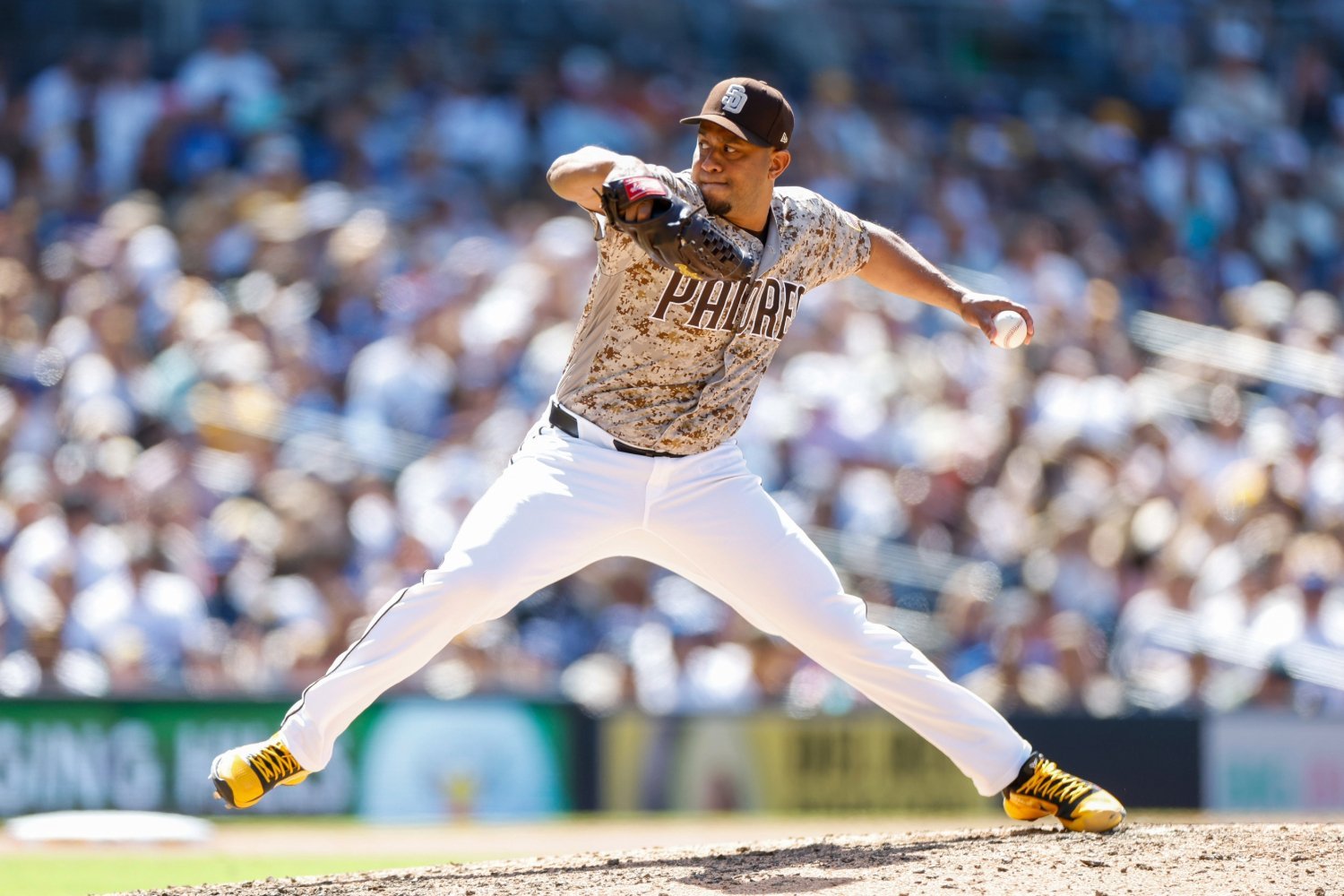 After a hot start to the season, the San Diego Padres fell to earth in May. In June, they went 11-15, and now entering July, the Friars sit at 43-41. This is probably who they are, a .500-ish team that, with a few moves at the deadline and some luck, will qualify for the postseason for the fifth time in six seasons as a Wild Card. Despite the overall mediocrity, the bullpen remained one of the best in baseball in June, and the rotation has at least one glimmer of hope. Below are Padres pitchers of the month for June 2026. Ranking Padres' Best Pitchers in May #3. Walker Buehler, Starting Pitcher It didn’t feel right watching Walker Buehler throw 5.1 innings of one-run ball on June 26, not with him wearing a Padres uniform facing his old team in the Los Angeles Dodgers. The Padres are happy to let bygones be bygones, though, with Buehler having his best month in years. He averaged more than 5 IP per start in June, and pitched to 1.71 ERA. It was a badly needed performance, as the Padres’ starting rotation is basically a temp agency. It’s just over the halfway mark in the season and the Padres have used 12 different starters. #2. Mason Miller, Relief Pitcher Much has been said about Mason Miller’s historically dominant season, and he continued that in June with a 0.93 ERA across 9.2 innings and an absurd 17 strikeouts. Not even one of Miller’s flawed performances dents his statistics significantly. On June 29 against the Cubs, he entered the 9th inning with two runners on. He was able to get two outs—which explains the 0.2 innings as part of his monthly total—but he hung a slider to Seiya Suzuki, who sent it into the Wrigley Field ivy for a walk-off single. It was a run credited to Jason Adam, but it was a hung slider and a run allowed from Miller. It's a small chink in his armor, and that’s enough to keep him top two on this list yet again. #1. Wandy Peralta, Relief Pitcher Another month, another Padres reliever who pitched to an 0.00 ERA. Last month, it was Jason Adam. This month, its lefty Wandy Peralta. It’s no fluke. In May, Peralta pitched to a 1.38 ERA across 13 innings, and Statcast data indicates his off-speed stuff is some of the best in the league. This results in him having elite barrel and hard-hit percentages. That performance carried over in June; across 14 games and 18 innings, Peralta allowed just 11 hits, struck out nine batters, and registered a WHIP under 0.9. Those stats are hard to believe for pitchers not named Mason Miller, but they've been fact-checked by a human multiple times. Peralta really was that dominant last month, hence his placement atop our list here. View the full article
 -
The Twins' Smartest Move? Making Walker Jenkins Wait
DiamondCentric posted an article in Twins Daily
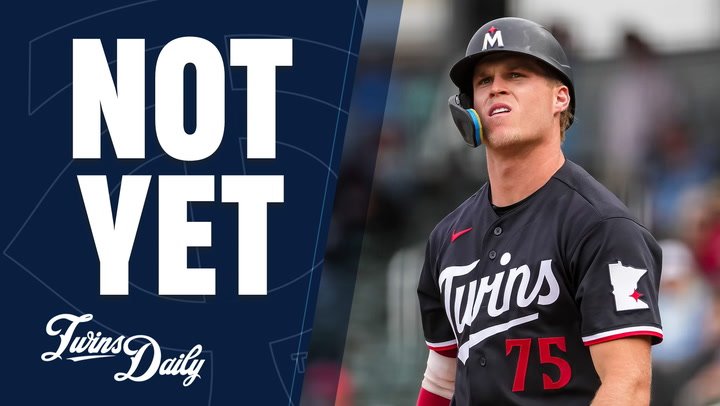 Walker Jenkins is knocking on the door of the major leagues, but the smartest move for the Twins may actually be to leave that door closed for a few more months. View the full article
