


DiamondCentric
-
Posts
2,631 -
Joined
-
Last visited
Never
Content Type
Profiles
Forums
Events
News
Tutorials & Help
Major League Baseball Videos
Guides & Resources
Store
Downloads
Gallery
Everything posted by DiamondCentric
-

Mets Take Gamble, Acquire Matt Seelinger From Tigers
DiamondCentric posted an article in Grand Central Mets
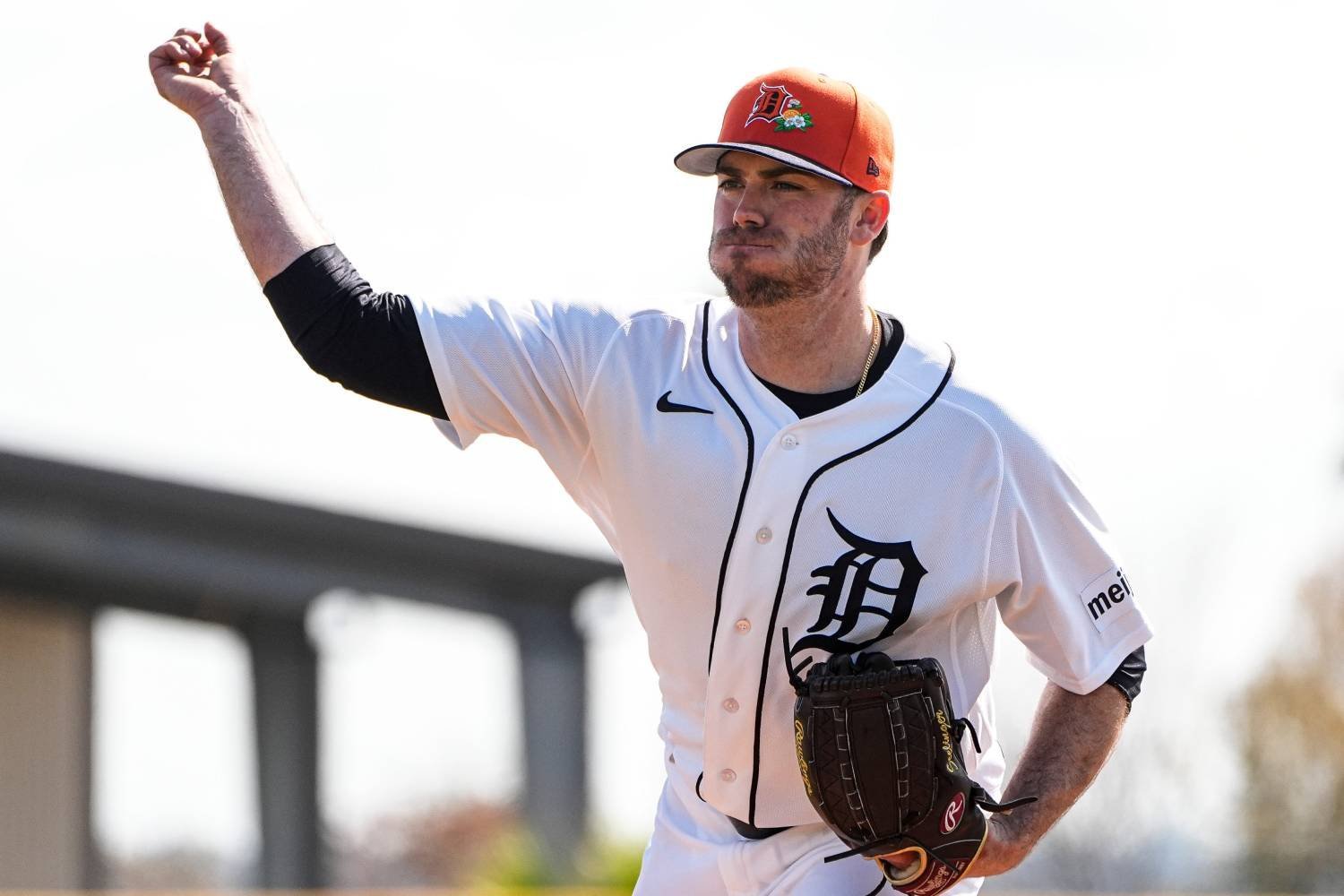 The New York Mets are rolling the dice with a new acquisition. The Mets on Monday traded for right-handed reliever Matt Seelinger in a cash deal with the Detroit Tigers. Seelinger had an upward mobility clause in his contract, so a move regarding the 40-man roster and perhaps a 26-man move will need to be made. The Mets' 40-man roster is currently full. The Mets also selected the contract of right-handed reliever Guillo Zuniga from Triple-A and optioned right-hander Joey Gerber back to Syracuse. The 31-year-old Seelinger has yet to make his MLB debut. He was drafted by the Pittsburgh Pirates in the 28th round of the 2017 draft out of Farmingdale State, an NCAA Division III school in New York state. He has also been with the Tampa Bay San Francisco Giants, Philadelphia Phillies and Tigers organizations. This year in 27 games and 39⅓ innings at Triple-A, Seelinger has a 3.89 ERA with an 11.4% walk rate and 29.3% strikeout rate. Over his nine seasons in the minors, he has a 3.33 ERA. Zuniga, though, does have MLB experience, but not since 2024, when he appeared in 14 games with the Los Angeles Angels. The 27-year-old also got into two games in 2023 with the St. Louis Cardinals. Combined, he has a 5.03 ERA in 19⅔ innings with eight walks and 12 strikeouts. In 14 appearances between Double-A and Triple-A this year, he has a 3.29 ERA in 13⅔ innings with 12 walks and 18 strikeouts. View the full article
 -
Marlins make home run history, sweep A's in Sacramento
DiamondCentric posted an article in Fish On First
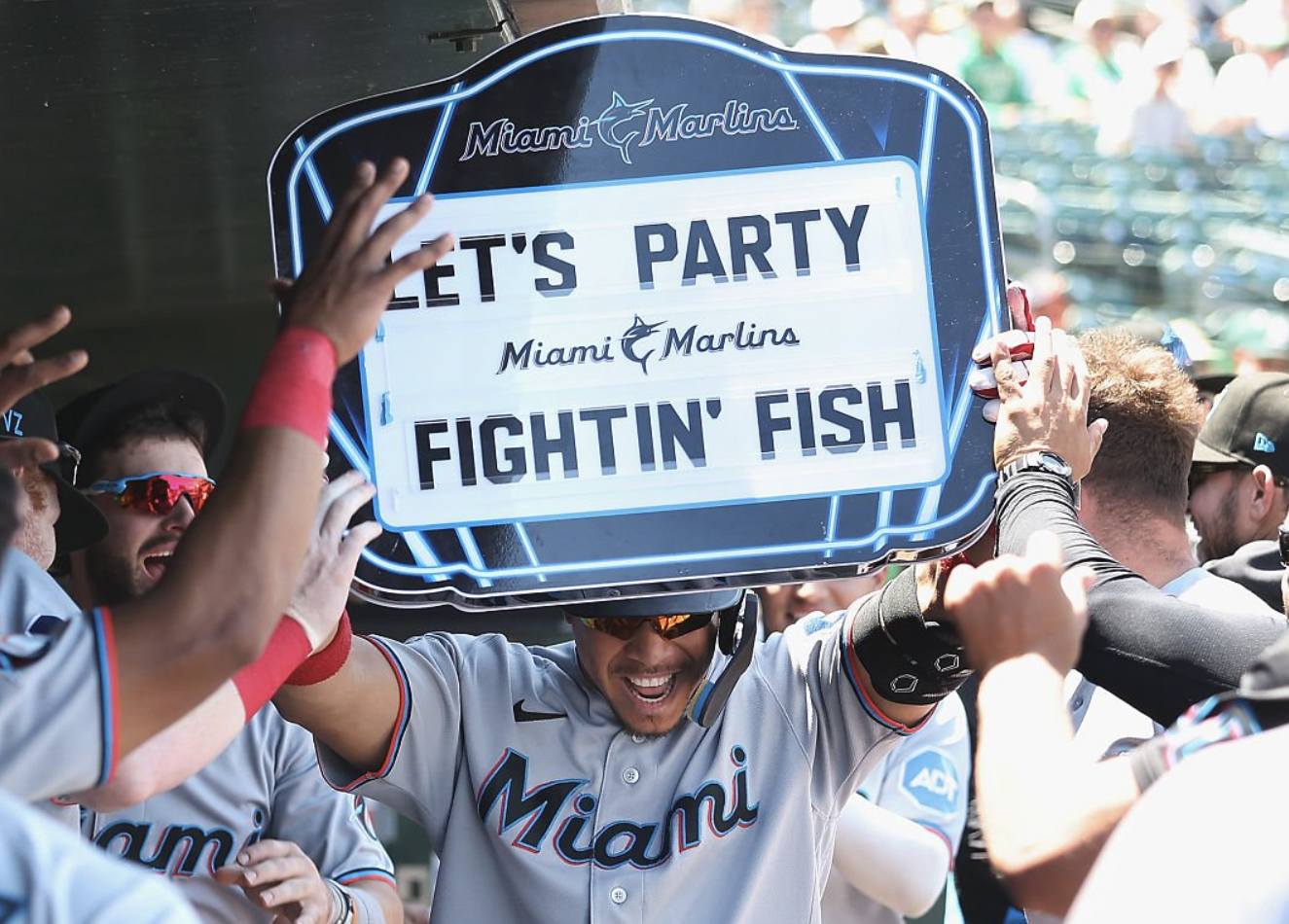 WEST SACRAMENTO—Eury Pérez was on the cusp of making history. Through seven innings, not a single Athletics hitter reached base against him. The young right-hander was just six outs away from completing the Marlins' first perfect game. But at 92 pitches, manager Clayton McCullough made the decision to pull Pérez from the game. In his third start since coming off the injured list, Pérez had a predetermined pitch limit of "90 plus a batter," McCullough said postgame. "Us looking to play beyond the regular season, Eury's gonna be an important part of that...There was a part of my heartstrings pulling at his opportunity to keep on going, but I have to think about Eury, one, and our organization, our team and what's best moving forward to give us a chance to continue to win games. Made more of a calculated decision with where he was with the pitch count to take him out." This was without a doubt the best game Pérez has pitched in his career. His command was excellent to both sides of the plate. A's hitters looked helpless, striking out seven times and frequently hitting lazy fly balls and routine grounders when they did make contact. The 23-year-old said through an interpreter that he understood his pitch limit was "part of the plan" and didn't fight to stay in longer. Pérez has allowed only three earned runs over his last five starts combined. That has lowered his ERA to a season-best 3.84. Lake Bachar entered to start the eighth inning, greeted by boos from the fans at Sutter Health Park who wanted to see Pérez pursue perfection. The momentum flipped immediately as Bachar walked Lawrence Butler to lose the perfect game. The next hitter, Joshua Kuroda-Grauer, hit a blooper to right field that fell in for a base hit. No-hitter gone. Bachar then gave up a double and a walk before Jonah Heim crushed a grand slam to right-center. All of a sudden, it was 8-5. The Marlins ended up winning the game, 9-8, but it was a strange feeling to have a special performance get overshadowed by the timing of the pitching change. The Marlins' bats had been on fire during the first two games at Sutter Health Park, and they didn't let up on Sunday. Every run proved to be important given the bullpen's struggles. Heriberto Hernández homered off of Gage Jump in the first inning. Otto Lopez hit an RBI double in the second inning, and Liam Hicks also added a sacrifice fly to make it 3-0. Leo Jiménez got in on the fun in the third with his first homer in a Marlins uniform. Lopez and Hernández went back-to-back in the sixth for an 8-0 lead. Hicks also singled twice to extend his hitting streak to 16 games. It is the longest active streak in the majors. The Athletics pitchers just had no answers for this Marlins lineup all weekend. The Marlins hit 12 home runs in Sacramento, the most in franchise history for any three-game series. The team posted a combined slash line of .354/.457/.735 with nearly as many walks (20) as strikeouts (23). It was a 7-3 road trip for the Fish. Overall, they have a 49-42 record and are guaranteed to be above .500 entering the All-Star break. Following Monday's off day, they'll begin a six-game homestand to wrap up the first half of the regular season. View the full article
 -
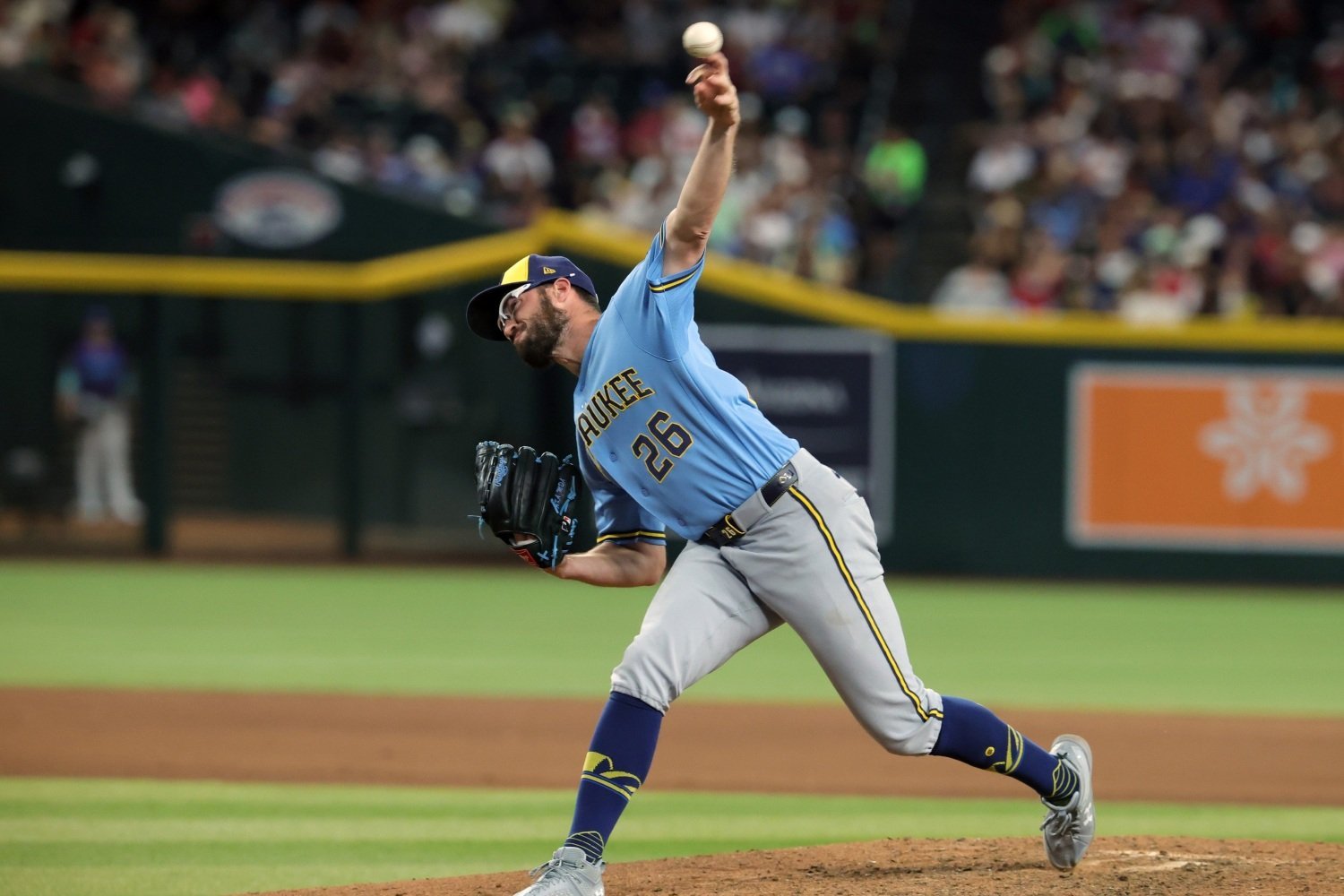 In a piece Monday at Baseball Prospectus, I introduced a new statistic called Swing Disruption+. The concept is exactly what it sounds like. Using the new miss distance and swing timing data from Statcast (which you can find on Baseball Savant, here), I sought to build a model that would tell us how well pitchers produce value when batters swing, and in which ways. As a batter, your goal when you go to bat is to find a pitch you can drive and hit it squarely. As a pitcher, your objective is to mess with the batter, either via changing speeds and fooling them into a mistimed swing or via extremely deceptive movement. This stat is meant to measure how well a hurler does their job in that showdown. Aaron Ashby is not the highest-rated Brewers pitcher by Swing Disruption+. That, believe it or not, is DL Hall. Of the 368 pitchers who had at least 200 swings against them entering Sunday's games, Hall ranked 12th, with a 121 Swing Disruption+. (The stat is indexed to 100, which marks the average, and higher is better.) It's not just luck that allowed Hall to hold hitters to a .294 slugging average on contact (SLGCON) before he went down with a strained pectoral muscle; he's been good at all three ways that a pitcher can get out of harm's way when a batter swings. Since Hall is out, though, let's talk about Ashby. Really, he's the more interesting case study, anyway, because he's only very good at one of those three ways. To understand the difference between the two, let's dive into those three dimensions of deception. Firstly, you want to disrupt timing. That can take many forms, but it's the most valuable single way to get a hitter's swing out of sync, because it doesn't inherently make it harder to do either of the other two things, whereas those two do push against one another most of the time. Funky deliveries often produce mistimed swings, but the best way to reliably do so is by changing speeds often. If there are multiple pitches you can throw in or near the strike zone and they come in at significantly different speeds, hitters have to respect them all, and they can not only end up badly fooled when sitting on one option, but get caught in between when they try to cover everything. The most important individual skill for missing bats (which is the imperative of the modern hurler) is to get above or below the bat often. Most whiffs involve the batter missing vertically; fewer of them involve horrendous timing or a brutal miss on the horizontal plane. That shouldn't surprise you. Think about the arc a bat traces through the hitting zone, and you can see how there's much less margin for error for the batter vertically than horizontally or in the depth dimension that represents time. The trick with "changing eye levels," though, is that keeping the ball in the zone while creating big vertical separation is difficult—and that the more you can stretch your movement distribution vertically, the less it's likely to stretch horizontally. Horizontal movement matters, too, because while going high and low produces whiffs the best, having enough 'wiggle' to get off the center of a barrel is the top way to avoid hard contact. Batters produce all their best exit velocities when they center the ball on the barrel; getting it off the end of the bat or up on the handle produces weaker-hit balls. To avoid being vulnerable to power, a pitcher needs to be able to move one direction or the other, but again, doing that can often make it harder to move up and down the ladder and maximize swing-and-miss. Ashby's 115 Swing Disruption+ ranks him 34th in baseball, still within the league's top decile and behind only Hall and Trevor Megill among Brewers hurlers. Go ahead. Take a moment, now, and guess in your head which dimension makes Ashby a standout. Here's a brief paragraph about Megill, to give you time to think about Ashby without having it spoiled. The Brewers' newly-minted full-time closer is, as I'm sure you'd guess, elite when it comes to changing eye levels. His high-velocity, high-carry four-seamer and power curveball play off one another gorgeously, almost straight up and down. Hitters who chase the heater as it singes the top rail of the zone are often under it; those who chase the curve are usually over it. Megill is sixth in MLB in Changed Eye Levels+, at 139, which puts him right behind teammate Jacob Misiorowski (143) and three spots ahead of Gravitron (aka Kyle Harrison), at 137. Having a fastball that hitters just can't climb their way to is hugely valuable. Alright, though: back to Ashby. Did you guess correctly? He's elite in one dimesnion, and despite his extremely high arm slot, it's not verticality. Despite his varied arsenal of offspeed stuff (the changeup, the curveball, the slider), he's also just average at upsetting timing. No, what makes Ashby special is his 141 Off Barrel+, fifth-best in baseball. This year's version of Ashby is slightly more walk-prone and slightly less extreme a ground-ball guy than the 2025 edition. He's still been an elite hurler, though, and much of the credit goes to that unique sinker. Throwing from an arm slot from which batters mostly see four-seamers, Ashby fires a sinker that almost touches 100 MPH and has good arm-side run; guys mishit that most of the time. Their eyes can handle that pitch, vertically, but they end up getting it off the end of the bat. That's the key, too—that it comes mostly off the end of the bat. For many pitchers, the sinker is effectively a platoon pitch, throwable only to same-handed batters on whom it can run in and attack the label. But it's much more valuable, on average, to get the ball off the center toward the end of the bat. There are more whiffs out there, and less risk of a bloop hit. Because Ashby's movement is so deceptive from the angle he uses, even righties usually don't get the center of the barrel on his sinker, the way most opposite-handed batters often do against most sinkers. His ratio of balls off the end of the bat to those off the label or handle is well above the league average, which augments his effectiveness even more than pitchers like Mark Leiter Jr., Tommy Nance and Daniel Lynch IV, who have similar Off Barrel+ ratings but lower ratios. That ratio is factored into Swing Disruption+, which is why Ashby rates so well despite only excelling in one area. It's not news to you that Ashby is good. What's fun about this new stream of data, though, is that we can now understand and state a bit more clearly why a pitcher is good. In this case, it's an exceptional ability to move the ball horizontally to where batters don't expect it, in a way distinct even from many other pitchers who share the same broad area of strength. View the full article
 -
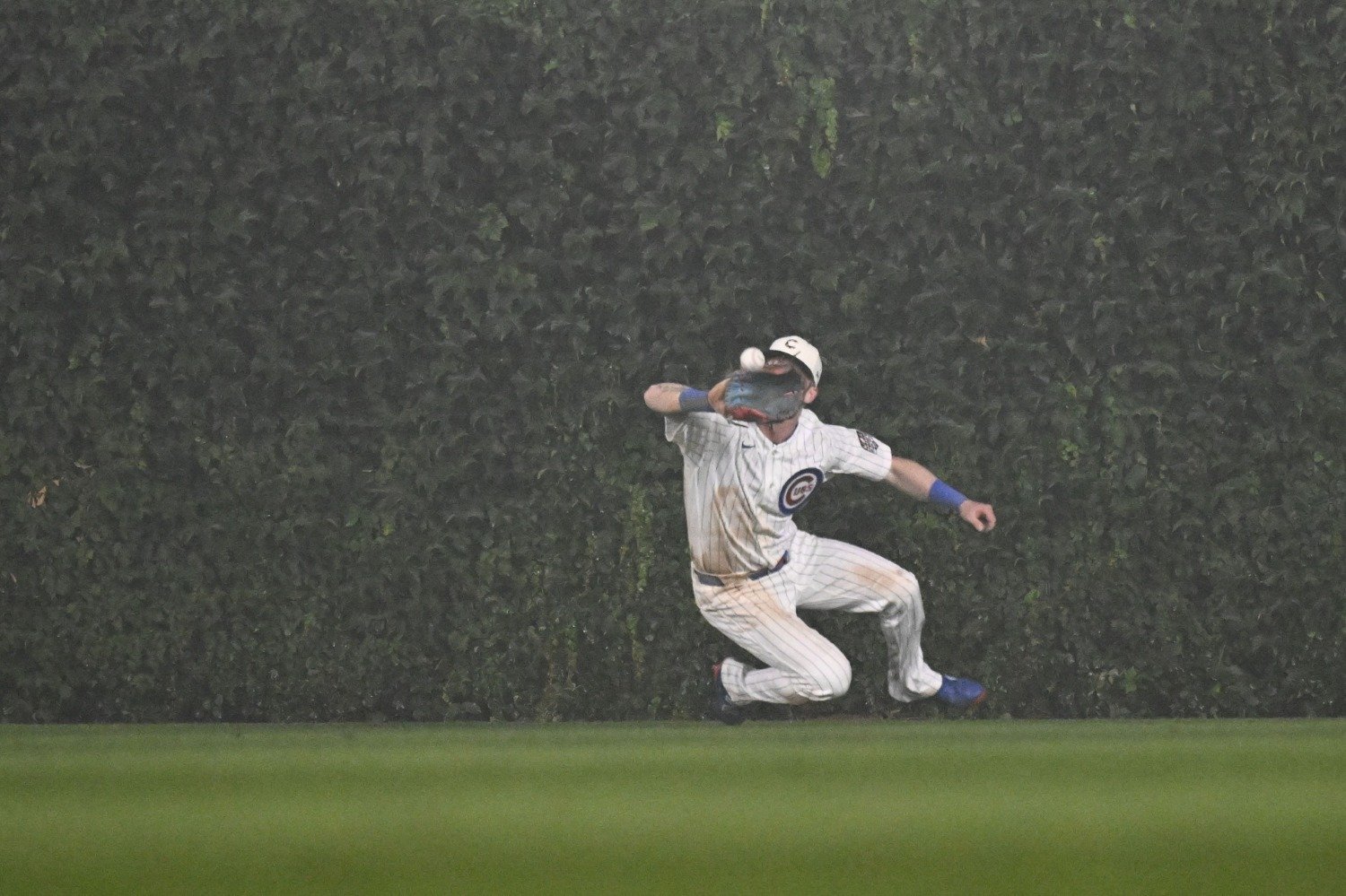 Winning baseball teams don't make you wonder what's coming next; they settle into repeatable rhythms. That's why it feels like the 2026 Cubs have a long way to go to call themselves one, even after a 16-6 streak that has carried them back into playoff position. Just one week removed from their signature series win versus the Brewers, Chicago made its way back home to 1060 W. Addison for the start of a three-game set with the San Diego Padres. No one in baseball has more walk-off victories than the Cardiac Cubs, and another dramatic offensive delivery from Seiya Suzuki gave them their latest in the opener of this series. Shota Imanaga proved that the best version of this club features him at his best, as well. He went 6 1/3 innings, allowing two earned runs and punching out four. The home team locked up a 3-2 win. Stability on the mound is one of the glaring shortcomings of this squad. If you're invested in the team's fortunes, that should make Matthew Boyd's five-inning outing Tuesday even more encouraging. The oft-injured veteran scooped up his third win of the season. while his teammates got things going at the plate. Dansby Swanson continued his blistering hot streak with another multi-homer day. Joining him in the round-trip hit parade were Michael Busch, Alex Bregman, and Pete Crow-Armstrong in the squad's 9-7, series-clinching victory. Tying a franchise record for home runs set just one year ago, the Cubs blasted eight taters in a 23-3 laugher against the Friars Wednesday afternoon, earning their second sweep in the last three series. Swanson went ballistic, launching three home runs. He was joined by pretty much everyone else in the lineup, including stalwarts Michael Conforto and Seiya Suzuki. Days like this occur about as frequently as the city's rogue gator sightings, but they make it fun to dream about what this club could do when firing on all cylinders. A lousily-timed off day set them back, though. The Cardinals came to town Friday and thwacked the hosts, 17-1. David Peterson was shelled in his second start for the North Siders, failing to go four full innings of work. His colleagues on the offensive side of the ball didn't fare much better, punching in a paltry 1-for-8 with RISP. Fireworks exploded over foggy Wrigleyville skies for America's 250th birthday, but even the Cubs batters one could make out on TV were virtual no-shows Saturday night. A leadoff home run from JJ Wetherholt saddled Imanaga and his squad with an early deficit. Weather had delayed the start of the game, and it forced a 15-minute intermission late in the contest, too. The Cubs might as well have slipped away in the gloam; they lost 3-0. With all the resiliency such an inconsistent team needs, the North Siders salvaged the conclusion to their series with the Cards. A decisive sixth-inning rally, punctuated by a clutch, opposite-field single from Nico Hoerner flipped the momentum of the contest, giving the Cubs a 6-3 lead at the time. Two strong relief innings from Jacob Webb picked up a shaky return for Drew Pomeranz. The 6-4 win marked the squad's 50th victory of the season. If you don't establish some consistent identity, this game and its calendar will force one on you. Now, standing 10 games above .500, the North Siders hit the road to Baltimore and Cincinnati for a pair of three-game contests in the last full week of baseball before the Midsummer Classic. The second half looms, with several fate-altering moves yet to take place. They need to finish the unofficial first half strong, though, to prove that they're not cycling downward again, toward an ugly averageness that doesn't suit the roster or its payroll. View the full article
 -
 For the week, Nashville, Biloxi and Wisconsin each won their series 4 games to 2, while Wilson earned a 3-3 draw. Transactions: LHP Drew Rom recalled by MLB Brewers from AAA Nashville Nashville Pre-Game Media Notes Final: Nashville 8, Jacksonville (Marlins) 4 Box Score Via the Sounds’ website, game details and we encourage readers to review affiliate write-ups as part of their Link Report routine: Matos Carries Team to Series Victory Over Jacksonville with 4-RBI Night Thank you once again to Nishant Brahme and the Sounds’ media team for the detailed game report, including four ‘X’ video highlights from Sunday’s wire-to-wire victory. Supported by 5 runs in the first 2 frames, starting LHP Thomas Pannone (6 IP, 5 H, 0 BB, 4 Ks) conceded 4 runs for the second time this week (on 3 homers this time), but buckled down to retire the final 9 batters he faced to retain the 6-4 advantage. Back-to-back singles off of RHP Lyon Richardson (2 1/3 IP, 0 R, 3 H, 3 BB, 3 Ks) to lead off the 7th inning and a lead-off walk in the 8th inning could have led to trouble, but he escaped each time before OF Luis Matos essentially put the game out of reach with his 2-out, 2-run double in the bottom of the 8th inning. Sounds’ Extras: Big kudos to LHP Mark Manfredi (2/3 IP, 1 K) for stranding both runners inherited from Richardson in the top of the 9th inning. As you’ve seen in the game write-up and box score, the top three batters in the Sounds’ lineup set the tone and really carried the day: 3B Jett Williams (3-for-5, 2 SBs, 3 runs), OF Luis Lara (1-for-3, HR, 2 walks, 3 RBIs, SB, 3 runs), Matos (3-for-5, 2 doubles, 4 RBIs, SB). Jeferson Quero manned the designated hitter spot for his 6th consecutive game. We do not yet have an explanation for why he hasn’t caught a game since June 26. Next week’s outlook: Nashville head to Charlotte for a 6-game series against the White Sox affiliate, commencing on Tuesday. Biloxi Pre-Game Media Notes Final: Biloxi 12, Chattanooga (Reds) 4 Box Score Via the Shuckers’ website, game details: Burke Returns to Lineup with Career Day in Shuckers Series Finale Win It’s rather amazing when 3B Andrew Fischer can smack his 27th homer in his last 55 games, a 4th inning solo shot to take a 2-1 lead, then add an RBI single an inning later, reach base 4 times (2-for-3, 2 walks), score 4 runs, but not be the headline offensive story. DH Blake Burke struck out his first time up, but didn’t miss thereafter: double, 2-run single, stolen base, 3-run homer for a 10-4 lead, 2-run double. Yes, that’s a 4-for-5 evening with 7 RBIs as Blake didn’t bother simply easing himself back into action. As you’ve read, the game also featured the AA debut of RHP Braylon Owens, who entered in the 4th inning with the game tied 1-1. The offensive burst apparently didn’t calm his nerves (6 walks in 3 2/3 innings), but he coped by simply throwing harder (7 Ks). Shuckers’ Extras: SS Eric Brown Jr. (1-for-2, double, 2 walks, RBI) may only be hitting .216, but his .348 on-base percentage and overall defensive prowess continue to give him a potential path upward. OF Josiah Ragsdale (1-for-3, 2 walks, 3 runs) and C Matt Wood (2-for-4, double, 2 runs) also had solid days at the plate. RHP Yorman Galindez was making his second start of the week, so unsurprisingly exited after just 1 2/3 innings and 37 pitches (1 R (0 ER), 3 H, 1 BB, 4 Ks), with RHP Nick Merkel (1 1/3 IP, 0 R, 0 H, 0 BB, 1 K) stranding 2 baserunners for him via a groundout. RHP Cameron Wagoner’s 7-out, 0-R, 4-K save lowered his ERA to a tidy 1.90, as he continues to demonstrate his readiness for the call to AAA. Next week’s outlook: Biloxi head north to take on Cubs’ affiliate Knoxville for 6 games, with the series starting on Tuesday. Wisconsin Pre-Game Media Notes Final: Wisconsin 4, Peoria (Cardinals) 0 Box Score Via the Timber Rattlers’ website, game details: Rattlers Revenge is Sweet The linked game report captures the game’s pivotal moments in detail, including the 9 shutout innings tossed by 5 Timber Rattlers’ pitchers and the 3-run 8th inning which gave Wisconsin’s staff deserved breathing room. RHP Josh Knoth’s second start of the week was a short one (2 IP, 0 R, 0 H, 0 BB, 4 Ks; 3.14 season ERA), but the owl ears in our Minor League Forum heard that this was the game plan. The linked game report includes video of OF Tyler Rodriguez’s first homer at the High-A minor league level, while OF Luis Castillo’s 2-run double to extend the lead to 3-0 in the 8th inning is available here. Timber Rattlers’ Extras: Fabulous work tossing zeros by the Wisconsin bullpen of RHP Jason Woodward (1 IP, 2 Ks), RHP Peyton Niksch (3 IP, 3 Ks), LHP Jose Meneses (2 IP, 2 Ks) and RHP Yerlin Rodriguez (1 IP, 0 Ks). Wisconsin’s 2-for-15 afternoon with runners in scoring position was still prettier than Peoria’s 0-for-4 effort. 2B Daniel Dickinson (2-for-2, 2 walks, 2 SBs) reached base 4 times, while each of DH Marco Dinges (single, walk), Rodriguez (2-for-4) and C Yannic Walther (double, walk) came aboard 2 times. We’ve now become accustomed to SS Luis Pena (0-for-3, sacrifice fly to break the scoreless deadlock in the 7th inning) exiting games early from time to time, evidently making sure he’s in peak health after a scare earlier this year. He played 7 innings this time out. Next week’s outlook: Wisconsin return home to battle Marlins’ affiliate Beloit, starting from Tuesday. Wilson Pre-Game Media Notes Final: Kannapolis (White Sox) 5, Wilson 3 Box Score Via the Warbirds’ website, game details: Warbirds Rally Falls Short in Loss to Kannapolis After digging a 5-0 hole by the 4th inning (and issuing 6 walks, a hit-by-pitch, 3 errors and a balk to that point in the game), the Warbirds cleaned up their act the rest of the way but weren’t able to complete the comeback. The Wilson bullpen of RHPs Hayden Robinson, Joshua Quezada (1 2/3 IP, 2 Ks), Bryce Schaum (2 IP, 2 Ks) and Thomas Conrad (1 IP, 0 Ks) combined on 7 innings of scoreless relief to give the offense a chance. However, credit goes to Kannapolis for escaping a 2nd and 3rd, 1-out situation in the 6th inning (OF Jose Anderson with key strikeout), inducing an inning ending double play with the bases loaded in the 7th inning (SS Brady Ebel the victim), then escaping again with 2 runners on base to end the game (OF Juan Ortuno the final strikeout, one of 14 by Warbirds on Sunday). C Rylan Mills (1-for-2, 2 walks) reached base 3 times, while each of DH Alexander Frias (2-for-4, RBI double) and 3B Filippo Di Turi (2-for-4) collected 2 hits to lead the Wilson offense. Di Turi also had an unassisted double play on defense. Warbirds’ Extras: Nine days of rest did not quite do the trick for starting RHP Tyler Renz (2 IP, 4 R, 2 H, 3 BB, 2 Ks), who saw the first 4 batters of the 2nd inning reach base and score in his shortened outing. Of the bullpen arms, Robinson got the most work (63 pitches, 2 1/3 IP), registered 4 strikeouts and didn’t allow a hit, but he’ll need to find more control (5 walks). Anderson, OF Pedro Ibarguen and 1B Frederi Montero will have better days than this one, combining to go 0-for-12 with 7 strikeouts (4 for Montero). Anderson did have an RBI ground out and Ibarguen can still be pleased with his .263 season average and .815 OPS. Next week’s outlook: Wilson remain home to face Astros’ affiliate Fayetteville for 6 games, with the first game scheduled for Tuesday. We hope that you enjoy the Minor League Link Report. On Monday, three minor league affiliate games are on tap, with the two Dominican Summer League clubs playing their respective games at 10:00am CST, while the ACL Brewers play at ACL Guardians at 8:00pm CST. The Milwaukee Brewers also commence their series in St. Louis at 6:45pm CST. Organizational Scoreboard including starting pitcher info, game times, MiLB TV links, and box scores Current Milwaukee Brewers Organization Batting Stats and Depth Current Milwaukee Brewers Organization Pitching Stats and Depth View the full article
 -
Sammon: Teams To "Aggressively Pursue" Luke Weaver
DiamondCentric posted an article in Grand Central Mets
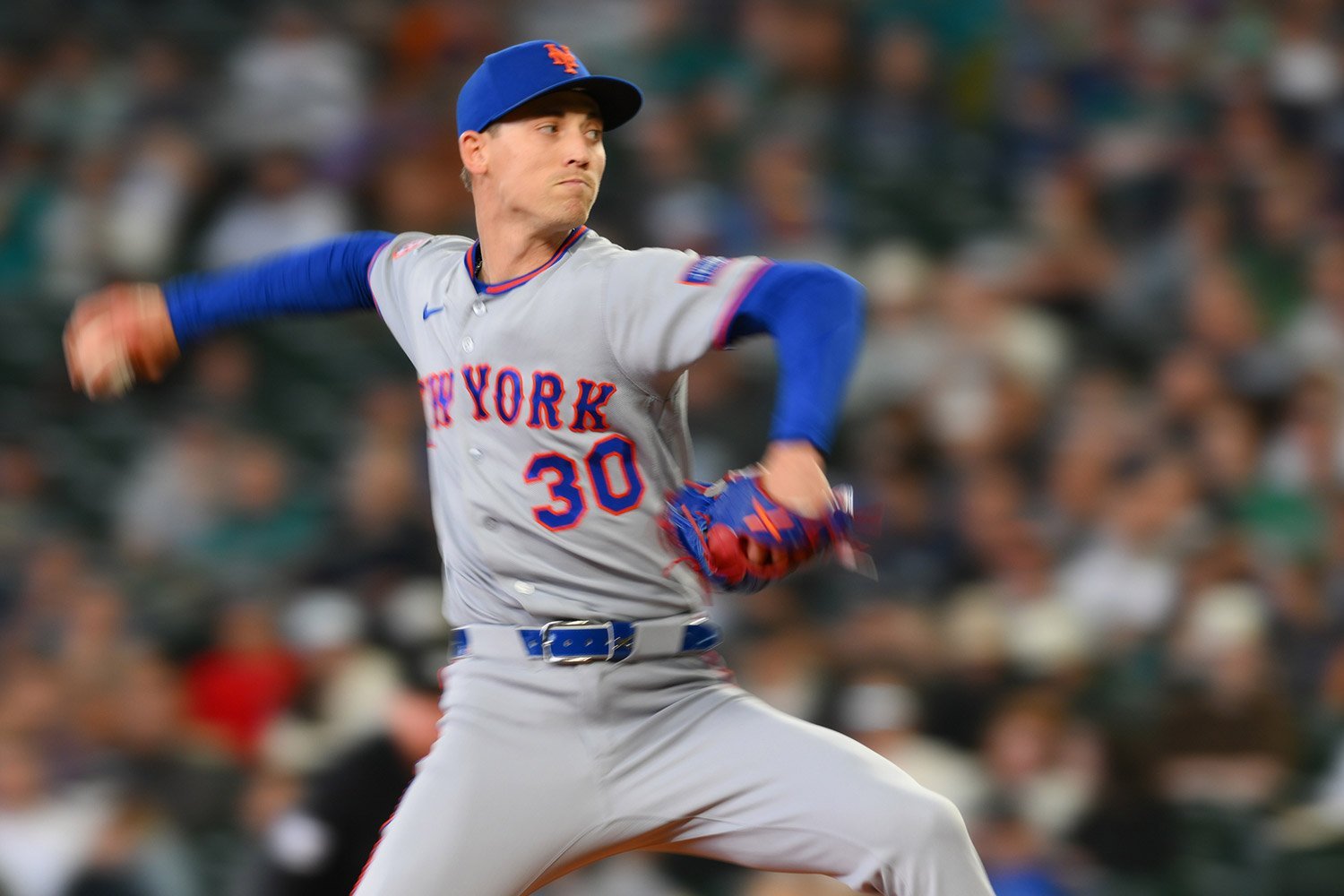 The New York Mets are in the midst of another disappointing season, yet may not have many pieces to truly "sell" at the trade deadline. Since they'll look to compete in 2027, they likely won't move any of their young, controllable assets. On the other hand, their expensive, veteran talent has largely underperformed this season, making them unlikely to be moved. However, there is one piece that teams are likely to kick the tires on. Will Sammon of The Athletic is expecting teams to "aggressively pursue" reliever Luke Weaver. The righty has been lights out across 37 innings with a 22.7% K-BB rate and a 1.95 ERA (2.41 FIP). Weaver, who is controllable through 2027, hasn't given up an extra base hit OR an earned run since April 30th. Being Steve Cohen's stance on the Mets competing next season, it will likely take a significant haul to move on from the 32-year-old elite reliever. At the same time, being controllable in 2027 may not hold much weight with the impending lockout. Do you think the Mets should move Weaver? Let us know in the comments! View the full article
 -
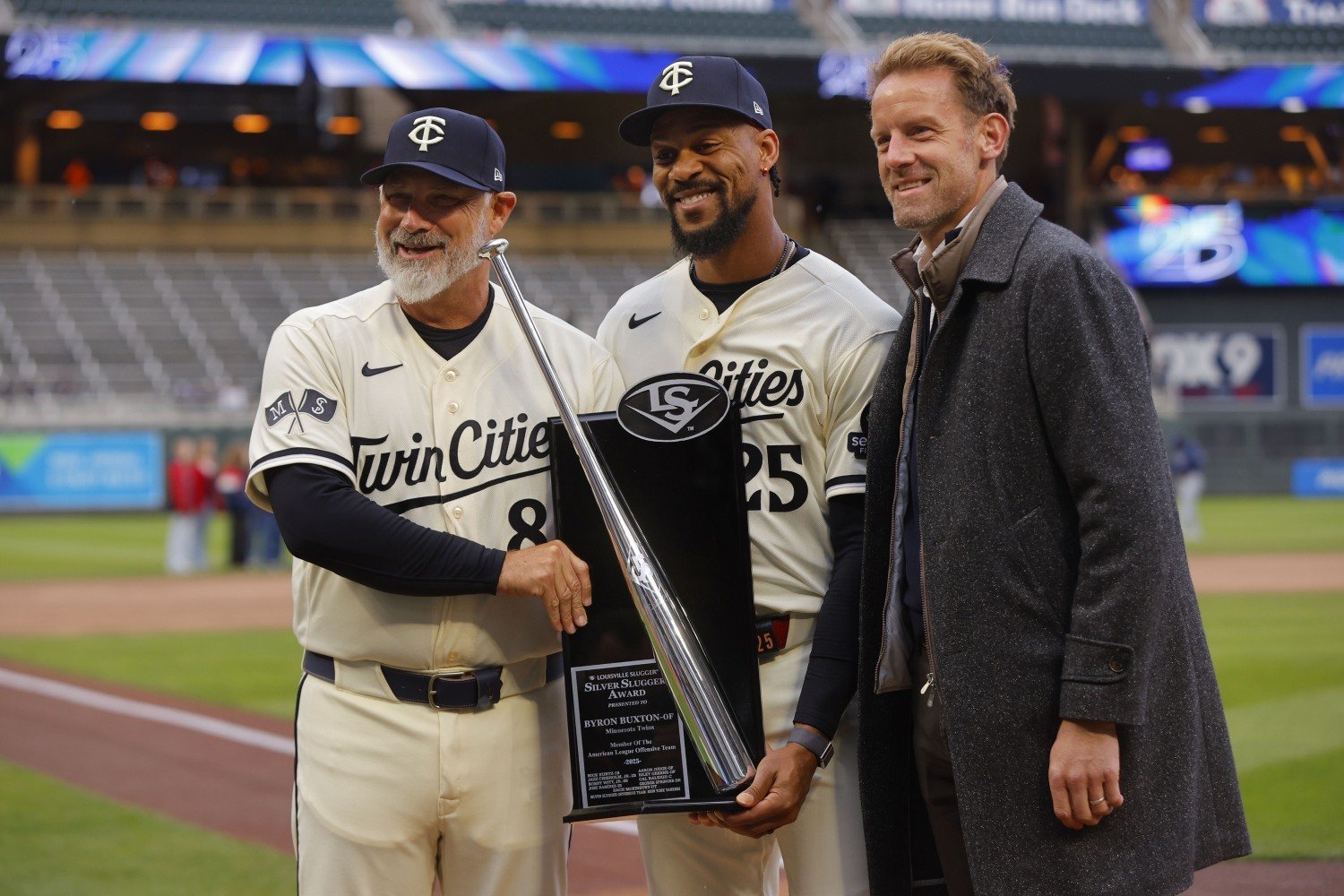 Winning a series at Yankee Stadium doesn't guarantee anything. It doesn't erase an inconsistent first half, and it certainly doesn't mean the Twins suddenly look like World Series favorites. But after taking two of three in the Bronx (and outscoring New York 19-10), one thing has become increasingly difficult to ignore. The Twins have played solid baseball over the past few weeks, winning six of their last seven series, four of them on the road. They've climbed to within three games of .500, sit four games behind first place in the American League Central, and trail the final American League Wild Card spot by just 1.5 games. According to FanGraphs, they now have a 33.1% chance to make the postseason. With less than a month until the trade deadline, the Twins have firmly put themselves in position to be buyers. That reality makes it impossible not to think back to everything Tom Pohlad has said since taking over as the Twins' control person and chairman. His most memorable quote came during his introductory press conference when he said, "I'm not a half-measure guy. I'm a 'go big or go home' guy." It was exactly what Twins fans wanted to hear after years of payroll cuts and conservative spending. Understandably, though, many didn't believe it. But perhaps the more important comment came later in that same conversation when he said, "We owe the fan base something. We owe our veteran and star players something. And we owe this organization something. And that something is hope." Those quotes created expectations. If you're going to tell fans that you aren't interested in half measures and that you owe them hope, those words have to be backed up when the opportunity presents itself. The Twins have done exactly what ownership could have hoped for. Despite injuries, roster flaws, and a reduced payroll, they've fought their way back into contention and earned the chance to receive help. Pohlad doubled down on that message in April. In an interview with Dan Hayes, he acknowledged that taking over ownership so late in the offseason limited what the organization could accomplish in free agency. Instead, he pointed toward the trade deadline, saying he hoped the Twins would still be competitive so they could add to the roster. In other words, he asked fans to judge him in July, not January. Well, July is here. The Twins are exactly where Pohlad hoped they would be. They've consistently won series over the past few weeks, despite an imperfect roster, giving the front office every reason to invest in this club. There's still plenty of time for things to change. The Twins could get hot and strengthen their position, or they could stumble before the deadline. But that uncertainty shouldn't become an excuse for waiting. Teams don't have to wait until the final day to make trades, and there are already several organizations with no realistic playoff aspirations. If Jeremy Zoll identifies a player who can improve the roster, there's no reason the Twins can't act early and give that player several extra weeks to contribute. The timing is also ideal because of the opportunity in front of them. The American League has remained remarkably open all season, allowing Minnesota to stay in contention despite an inconsistent first half. On top of that, reinforcements are on the way. Walker Jenkins, Kaelen Culpepper, and Emmanuel Rodriguez all have a chance to contribute later this season. Pairing that wave of young talent with meaningful additions from outside the organization could certainly have the Twins rolling in the second half of the season No one is suggesting the Twins empty the farm system or make a reckless trade. But there's a big difference between making smart, aggressive additions and standing pat. Whether it's bullpen help, a starting pitcher, or a bat, this is the type of situation Pohlad was talking about when he said he wasn't interested in half measures. This deadline is also about more than the 2026 season. It's Tom Pohlad's first real opportunity to build credibility with a fan base that has heard promises from ownership before. He has talked about thinking bigger, explained why the quiet offseason was a matter of timing, and repeatedly pointed toward the trade deadline as the moment he'd have a chance to make his mark. Making meaningful additions won't guarantee a playoff berth, but it would send a clear message to the clubhouse and the fan base that this Pohlad is different from the others. So would not making those additions; the message would just be a different one. What do you think? Have the Twins done enough to justify buying at the trade deadline? Should the front office wait until the deadline, or would you like to see them make a move sooner? View the full article
 -
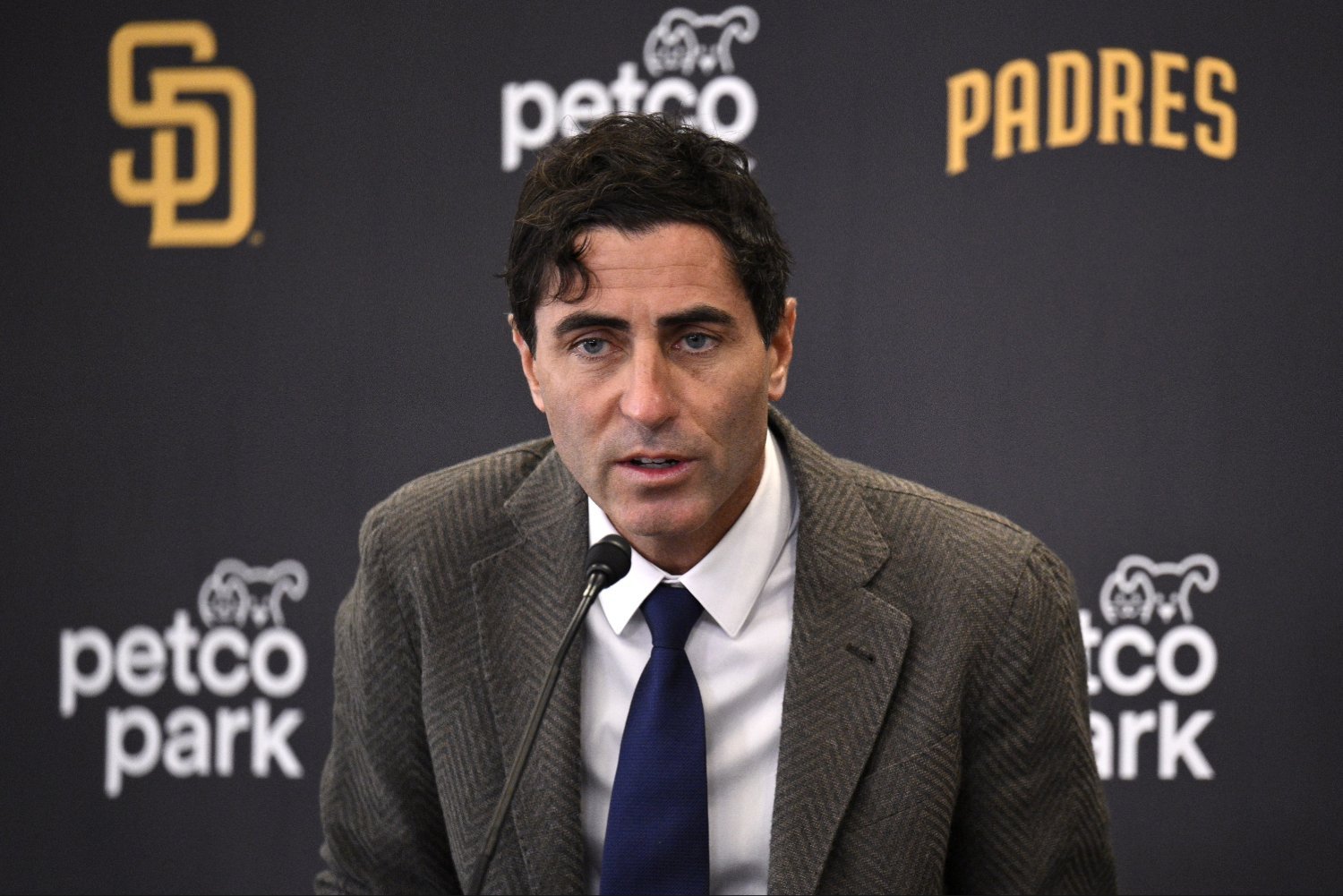 Things are beginning to spiral out of control for the San Diego Padres. They lost eight in a row over the past week, including score lines of the 15-3, 23-3, and 12-7 variety, the latter of which the team led 6-0. This is a team at an inflection point for 2026 and beyond. The pitching is a patchwork staff, particularly in the rotation. Not only are they staving off another injury in the form of Randy Vásquez's ankle, but they're facing continued struggles from their volume approach to building out the staff. The offense has been among the league's worst up until recently. Even if the team's recent surge at the plate is sustained, the two phases haven't been on the same wavelength at any point this season. With the division long gone and each of the Philadelphia Phillies and Chicago Cubs clamping down on wild card spots, the Padres are quickly finding themselves at the back end of the slog of teams vying for one final playoff spot. It's very possible that A.J. Preller doesn't have it in him to sell. Considering the team's current state at the top level and in the farm system, though, he may be left with no choice by the time we reach the trade deadline early this month. With a handful of one-year deals and some players facing option decisions — to say nothing of the team's perilous payroll standing and the absence of clarity over both the approach by new ownership and future of the league's salary structure — it's at least possible that this team could look quite a bit different roughly a month from now. But first, some caveats. It's unlikely we'd see names like Germán Márquez or Griffin Canning included in such discussion as their performance may not even guarantee them a spot on the Padres' depleted staff. The Friars are a team as starved for pitching as any, so their performance indicates they're more likely to get hit with a DFA and sign a minor-league deal elsewhere given their minimal value. On the other end of the spectrum, Jackson Merrill isn't a name we'd find in rumors. Even in the midst of a disappointing year, he's a building block on an entirely reasonable long-term deal. If the team tore it down entirely, he'd be the last to go. Manny Machado can also be ruled out given his contract and career-worst performance. We can throw Joe Musgrove and Nick Pivetta out, too. The former hasn't pitched since 2024, and the latter hasn't appeared since April 12. It's a variety of contexts, but a handful of names not even worth mentioning here. Let's discuss those who could otherwise be facing an uncertain future in San Diego should things continue at their current pace. Padres Players That Will Definitely Be Traded Adrian Morejon, RP Team Control: Through 2026 2026 Stats: 40 G, 3.45 ERA, 2.50 FIP, 22.8 K-BB%, 1.4 fWAR Of the players the team could legitimately seek to trade ahead of the deadline, Morejon has perhaps as much value as any. He's among the game's most elite high-leverage relievers, with a 99th percentile fastball velocity and chase & whiff rates that each rest in the 96th. On another team, you'd be talking about him as a closer. The hitch here is that he's a free agent at year's end, which could limit his value slightly as a two-month rental against what the team could have got had they pursued a trade last winter. Nevertheless, you'd be hard-pressed to find a contender that wouldn't give up at least one legitimate player in their system to acquire the lefty's services. Wandy Peralta, RP Team Control: Through 2027 2026 Stats: 38 G, 2.38 ERA, 3.97 FIP, 6.5 K-BB%, 0.2 fWAR Peralta is an interesting case, especially against the more impactful Morejon. Rather than providing a team with a leverage arm, he'd be a sensible addition for the middle innings at a reasonable price. As clubs try to keep their top relievers fresh, there's something enticing about a player like Peralta, who has been a perfectly solid reliever without the bells & whistles of a Morejon or a Mason Miller. Additionally, he comes with a player option for 2027 at a reasonable $4.13 million price point. There's something to be said for stability, which he can offer across the middle innings beyond August & September of 2026. The return wouldn't be mind-blowing, but it's possible that the team could find an interesting prospect or two given Peralta's recent success. Possibly Traded Michael King, SP Team Control: Through 2028 2026 Stats: 18 G, 3.52 ERA, 4.10 FIP, 11.2 K-BB%, 1.5 fWAR The team control in the descriptor above isn't quite as simple as it appears, as King actually has player options for each of 2027 and 2028. However, given his $25 million salary, it's not hard to see him opting in. Whether that is enticing for a team in need of starting pitching, though, is another matter given his uneven performance thus far in 2026. At his best, King is a No. 2 or a No. 3 on a quality staff. Unfortunately for him, the Padres have needed production that matches that of an ace. Instead, he's fallen much more toward average with a strikeout rate that sits a far cry from where it was two years ago. Teams throughout the major-league landscape are certainly starved for stability in their rotation, but the question of the option could limit his market one way or the other. Jake Cronenworth, IF Team Control: Through 2030 2026 Stats: 132 PA, .256 wOBA, 62 wRC+, -0.2 fWAR Cronenworth's contract running through 2030 isn't unique among the Padres' collection of long-term position players, but he comes at a much more reasonable annual value ($11.43 million). While not the hitter he was a few years ago, Cronenworth's approach is among the game's best, and he's a league-average baserunner. He can also hold down the right side of the infield competently — handling first and second base regularly over the past handful of seasons — with the ability to handle shortstop in a pinch. Of course, the caveat here is the fact that Cronenworth has played very little baseball this year after spending the bulk of 2026 on the concussion IL. Now that he's back, if he can get right quickly, there's sure to be interest; we've heard in the last year or two that contenders were reaching out. His contract isn't unreasonable, so there's a very real possibility a team comes calling for a supplemental bat capable of boosting a team's on-base skills and moving around the field some. Walker Buehler, SP Team Control: Through 2026 2026 Stats: 17 G, 4.61 ERA, 3.89 FIP, 13.1 K-BB%, 1.2 fWAR Buehler gives the vibe of that player added to a deal or acquired at the last minute of the trade deadline. While nowhere close to the neighborhood of the pitcher he used to be — and a brutal start at Wrigley Field last week notwithstanding — Buehler has been an entirely adequate starting pitcher for the Padres in 2026. He wouldn't be a flashy addition, but as a steady option with tons of playoff experience, the Padres could find some takers here. Xander Bogaerts, SS Team Control: Through 2033 2026 Stats: 329 PA, .299 wOBA, 91 wRC+, 1.4 fWAR Of the Padres position players on long-term deals, Bogaerts represents a fascinating case. He doesn't possess the offensive upside of Fernando Tatis Jr. or Manny Machado at their best, nor does he come at the reasonable salary of someone like Cronenworth. On paper, his contract is decidedly the worst of the bunch. What he does add, though, is a solid contact bat with a rising walk rate, quality baserunning skills, and defense that remains above average. With all that said, it's unrealistic to think that the Padres would find an upper-tier return here considering the financial element. We also don't know what teams would actually be willing to take on his contract (let alone if such teams even exist). Instead, the motive would be to get off the contrast itself. Even if it requires them to eat some of the money, they should jump at the opportunity to at least clear some of it off their fragile books. It's hard to imagine that a Padres team in sell-mode wouldn't at least make an attempt to offload Bogaerts. Yuki Matsui, RP Team Control: Through 2028 2026 Stats: 21 G, 2.08 ERA, 4.26 FIP, 14.5 K-BB%, 0.2 fWAR Matsui is a bit different than his middle innings counterpart Wandy Peralta, in that he can opt out after 2026 and has a player option for 2028 while coming in at a slightly higher $5.60 million salary. Nevertheless, he offers the same type of skill set that Peralta does. He's a middle-inning reliever doing some of his best work courtesy this season of an improved strikeout rate and fewer home runs allowed. The question is whether the potential for two additional years of team control for a middle reliever at a higher salary is a benefit or a detriment to his case. Unlikely To Be Traded Fernando Tatis Jr., RF/2B Team Control: Through 2034 2026 Stats: 377 PA, .318 wOBA, 103 wRC+, 1.5 fWAR Fernando Tatis Jr. is coming off one of the worst power outages of his career, running up until the end of May without a home run on the books. He found some of it again in June, though, with another four homers and an increase in extra-base hits overall. Even if the impact hasn't been there, he's been quite good at the plate while providing upper-tier defense at two positions, with Cronenworth's concussion necessitating some time at second base for the team's superstar. We've heard whispers over the last year that the Padres and their financial situation could seek to move Tatis for the right return. Given some of his offensive shortcomings, even with his glaring upside, it's hard to imagine the Padres are going to find the right return at this moment. It also remains to be seen if the team would be motivated to move him at all considering his upside and status as the face of the organization. Nevertheless, if there's some envisioning of a full-scale rebuild of which we are unaware, this suddenly becomes more possible. Mason Miller, RP Team Control: Through 2029 2026 Stats: 33 G, 0.78 ERA, 0.43 FIP, 40.2 K-BB%, 2.2 fWAR There isn't a player on the Padres that possesses more value in a trade than that of Mason Miller. He's been the game's best reliever in 2026, and it isn't particularly close. The team gave up their No. 1 prospect in Leo De Vries to bring him from the Athletics last year, no doubt due at least in part to the team control he also carries for the next three seasons after 2026. For all of those reasons, it's difficult to see the Padres parting with him. They're also all reasons to move him if Preller can coax a team into matching the package he had to surrender to acquire him in the first place. At the end of the day, it just feels unlikely. His arm will likely remain too valuable to the Padres to part with. If not for the 2026 season, then for each of the next couple. Conclusion The issue with projecting who could go is that it implies the Padres are an organization with any level of predictability. Whether they'd seriously entertain moving long-term players given their absence of depth in the farm system is a mystery. Factor in incoming ownership and the uncertain future of the league's labor structure, and it's yet another layer of gray on an exercise that needs at least some bit of black-and-white to truly gauge intent. View the full article
 -
 Ol Gregg is joined by Peter Labuza to talk about the Yankees series victory and answer mailbag questions. Topics included the trade deadline, Byron Buxton's injury, the CBA, playoff chances, favorite philosophers, Florence, and much more. Peter fails 20 questions, but will you? Listen using Apple Podcasts: https://podcasts.apple.com/us/podcast/the-twins-off-daily-podcast/id1741266056 Listen using Spotify: https://open.spotify.com/show/4tb78XlurcPTYYSsARdbD7 Listen using iHeartRadio: https://www.iheart.com/podcast/263-the-twins-off-daily-podcas-167548600/ Listen using Pocket Casts: https://pca.st/nvclbt0w Watch on YouTube: https://www.youtube.com/@twinsdaily View the full article
 -
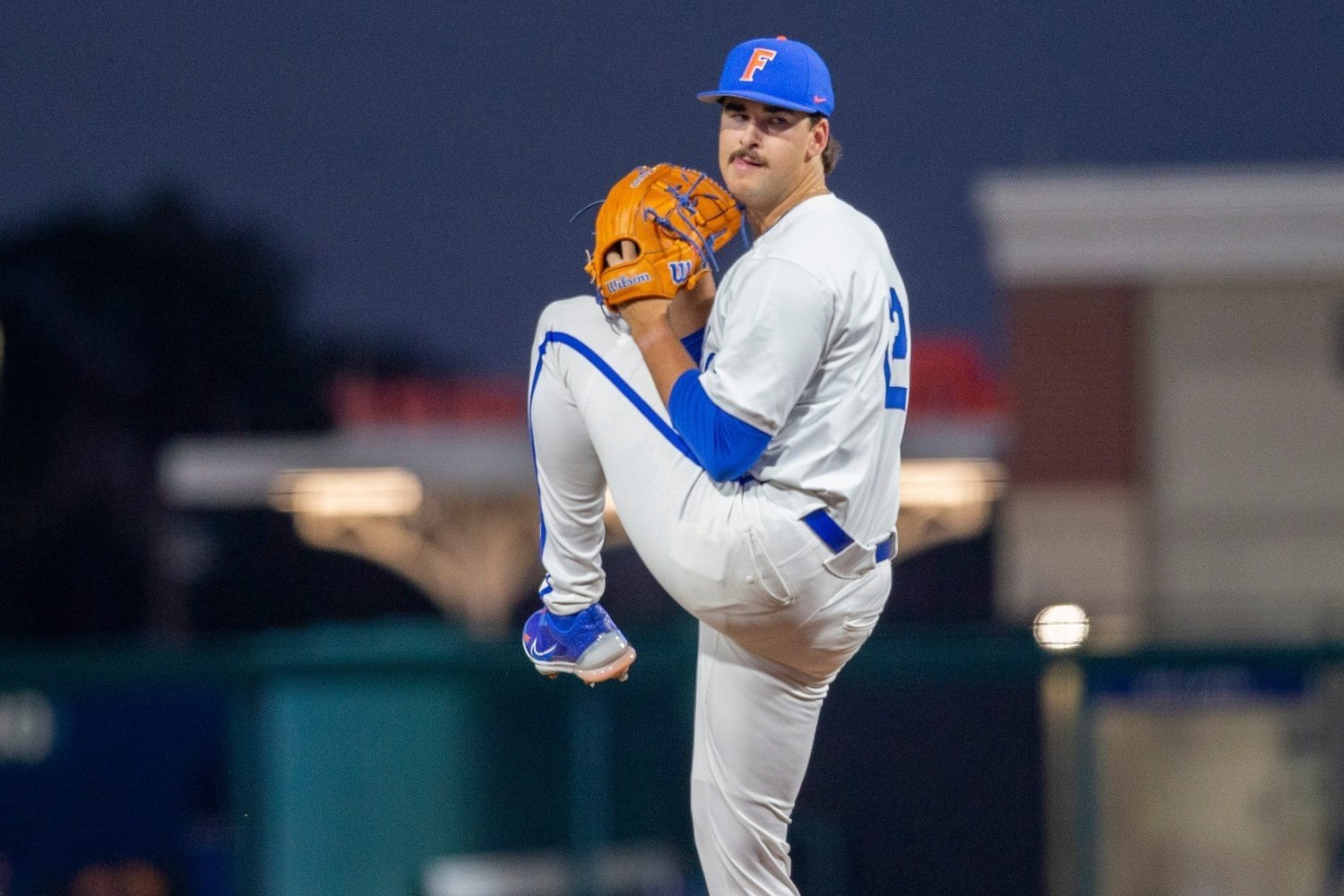 Leading up to the 2026 MLB Draft, Fish On First brings you a series of scouting reports on top prospects in this draft class who could realistically wind up in Miami. Overview Position: RHP Height: 6’5″ Weight: 225 pounds School: Florida Liam Peterson is a 6’5”, 225-pound right-handed pitcher who plays for the University of Florida. Peterson is one of the most talented pitching prospects in the 2026 MLB Draft class. However, he has not performed up to his capabilities. Coming out of high school, Peterson was an elite prospect from Calvary Christian High School in Clearwater, Florida. On Perfect Game, he was the 34th-ranked prospect and the eighth-ranked right-handed pitcher in the Class of 2023. He was also named a Perfect Game All-American. Peterson went undrafted in the 2023 MLB Draft and honored his commitment to the Florida Gators. During his freshman season, Peterson earned a spot in Florida’s weekend rotation. Peterson made sixteen appearances and thirteen starts. He posted a 3-6 record with a 6.43 ERA, a .257 opponent batting average, and 77 strikeouts in 63 innings pitched. Peterson was named to the All-SEC Freshman Team. In his sophomore season, Peterson had a better season, but still didn’t pitch very well. Peterson made sixteen appearances and fifteen starts. He posted an 8-4 record with a 4.28 ERA, 1.43 WHIP, 12.5 K/9, .250 opponent batting average, and 96 strikeouts in 69 ⅓ innings pitched. In his junior season, Peterson was named a Preseason First Team All-American. Peterson made sixteen appearances and starts. He posted a 3-6 record with a 4.59 ERA, 1.42 WHIP, one complete game, 3.8 BB/9, and 111 strikeouts in 84 ⅓ innings pitched. On the mound, Peterson possesses a four-pitch arsenal including his fastball, slider, curveball, and changeup. His fastball sits in the mid-90s and was clocked multiple times in the triple digits. Peterson’s slider might be his best pitch as he’s comfortable using it in any count and it generates lots of swing-and-miss. Peterson started to use his 12-6 curveball more often this season and it was successful against batters of either handedness. The biggest issue for Peterson is his command. His walk rate went down every season, but he has been over the plate a little too much, resulting in hard-hit balls. Strengths Elite slider Mid-to-upper 90s fastball velocity High K% Has consistently dropped his walk rate Excellent pitcher’s frame Weaknesses Needs to get more life on his fastball Too much over the plate Loses composure when things start to go bad Pro Comparison: Bobby Miller Projection: Top 25 pick Bottom Line Liam Peterson has the size and tools to be a quality pitcher at the next level. If he can hit the corners more often and get more life on his fastball, he could turn out to be the best pitcher in this draft class. On ESPN, Peterson is the thirteenth-ranked prospect and the third-ranked right-handed pitching prospect in the 2026 MLB Draft. Peterson is also the 20th-ranked draft prospect on Baseball America and MLB Pipeline. The Marlins will have the 14th overall pick in the draft and should be able to grab one of the top prospects in this draft class. Peterson could be an exciting option, but he comes with high risk given his lack of consistency. If the Marlins decide to go with what they believe is a safer alternative, I would not blame them. More 2026 MLB draft profiles 3B Bo Lowrance LHP Hunter Dietz INF Tyler Bell INF Chris Hacopian LHP Brody Bumila OF Trevor Condon RHP Cade Townsend OF Drew Burress LHP Gio Rojas RHP Cameron Flukey OF Eric Booth Jr. 3B Ace Reese LHP Carson Bolemon RHP Jackson Flora INF Jacob Lombard OF AJ Gracia View the full article
 -
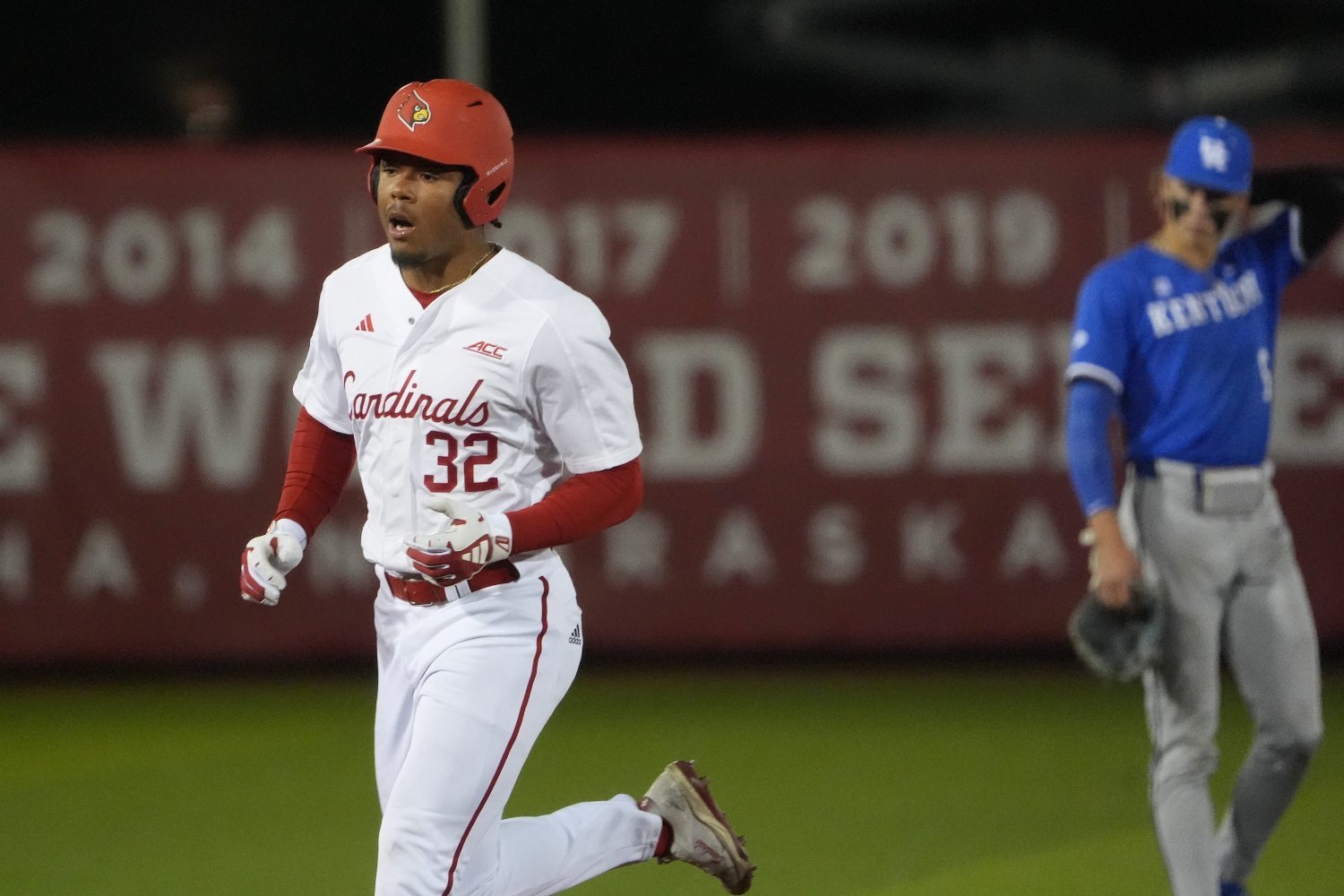 In my first MLB Draft writeup on the Royals' options at No. 6, I looked at five candidates. That included three prep prospects (EJ Booth, Gio Rojas, and Jacob Lombard) and two college ones (Drew Burress and Jackson Flora). In this latest writeup, I am going to explore the Royals' options in the Competitive Balance A round, as they hold pick No. 30. A lot of what they do at No. 30 will depend on what they do at No. 6. If they draft an underslot college guy, they likely could spend a bit more on an overslot prep prospect. If they draft a prep prospect like Booth or Lombard, who will command a high signing bonus, they will likely have to settle for a more signable college player (Rojas may sign underslot, but his stock has risen a lot in the past couple of weeks). Thus, let's take a look at the Royals' possible options at No. 30, and what each of those draft candidates could offer Kansas City in the future if drafted. Like last time, all draft reports will come from Jamie Cameron's latest Mock Draft on Diamondcentric. Coleman Borthwick, 3B/RHP, South Walton High School (FL) Borthwick is a big pitcher with big stuff and a strong pedigree for a prep prospect. The Auburn commit is 6'6 and 255 pounds, looking more like a linebacker or tight end than a baseball player. However, he has excellent upside, especially on the mound. He's the kind of pitcher who could be a No. 1 or 2 starter at the Major League level. Because of his multi-positional profile, his pitching repertoire is pretty limited. He throws a four-seamer, slider, and changeup. However, his pitches sport strong stuff profiles, with good velocity and movement, according to scouts. In high school at South Walton, Borthwick piled up strikeouts in bunches, as evidenced in this Tweet below. It seems like people are high on Borthwick not just for his physical profile, but for his polish as a prep pitcher as well. Cameron, who mocked Borthwick at No. 27, noted that his control was much better than expected for a prep pitcher of his frame. The Royals have liked pitchers like Borthwick in the past. Blake Wolters, our No. 15 prospect at Royals Keep, is a similar pitcher to Borthwick in his size and stuff profile. Wolters, a 2023 second-round pick, has moved slowly in the Royals' system (he just reached High-A this year), but he also didn't quite have Borthwick's command either as a high schooler out of Mahomet-Seymour High School in Illinois. Another positive in Borthwick's favor is that he has done well in international competition. He was named 2025 WBSC Player of the Year for his strong play as both a hitter and pitcher in the 18-and-Under World Cup last August. Borthwick will most likely command a high signing bonus in the $2.8-$3 million range. Thus, it is more likely that the Royals would select Borthwick if they draft someone like Flora, Burress, or Rojas at No. 6. Mason Edwards, LHP, University of Southern California The USC lefty has shot up a lot of boards recently, with many thinking that the 21-year-old could crack into the first round on Draft Day. His mocks still have him in the 28-32 range, so it's possible that the prolific strikeout artist could be available at No. 30. Edwards is coming off a sensational season with the Trojans. In 17 starts and 95.2 IP, he posted a 2.07 ERA, 1.06 WHIP, and a K/BB ratio of 3.60. Strikeouts came easily for Edwards as a 20-year-old, as he sported a K/9 of 15.9, which is 3.2 better than his K/9 mark in 2025. One of Edwards' highlights last season was his 16-strikeout game against Iowa back in April. At 6'2, 210 pounds, Edwards has some size, but he's not as physically dominant as Borthwick. Furthermore, his stuff is a bit of a question mark, as he doesn't have a premium fastball. Cameron mocks him at No. 28, just two slots ahead of the Royals' pick. In his scouting report of Edwards, Cameron notes the fastball velocity concerns, but does point to Edwards' pitchability as a factor in his favor in this particular Draft. When looking at Edwards, his profile feels similar to Kris Bubic in the sense that the USC product can generate strikeouts in bunches despite not sporting premium velocity. The Royals have seemed to do wonders with pitchers with this profile, with Bubic and Noah Cameron being homegrown success stories who have matriculated through the farm system to find Major League success. An example of Edwards being a mature pitcher for his age was evident in a bad-weather game on March 28th against Maryland (classic Big Ten matchup). Even though Edwards only went 4.1 IP and didn't have the best stuff on his fastball, he still struck out 10 batters. If the Royals are looking for a pitcher who can move quickly in the farm system, Edwards fits the bill at No. 30. He could be a nice arm in this slot who could complement a premium prep talent like Booth or Lombard, or he could be a quick mover in the system that could debut at the same time as Burress. Zion Rose, OF, University of Louisville Rose is an interesting draft candidate because his 2026 campaign was affected by injury. After playing 66 games in 2025, he played only 36 games with the Cardinals this past season due to an ankle injury at the start of the season. Thus, there are some question marks about Rose's durability heading into this Draft. However, when he was healthy, Rose absolutely mashed with Louisville. In 173 plate appearances, the outfielder hit .417 with a 1.137 OPS. That included six home runs, 44 runs scored, 47 RBI, and 24 stolen bases on 27 attempts. When looking at his highlights, Rose has five-tool potential, with a unique blend of power and speed for a player of his profile (6'1, 200 pounds). Mocked at No. 29 by Cameron, Rose can be a bit free-swinging, though Cameron notes that he makes a lot of out-of-zone contact. Still, the strong bat speed and excellent BB/K ratio (19 walks to 15 strikeouts) make him an intriguing draft candidate who could move quickly in the Royals' farm system. Rose is a competitive player who has received rave reviews for his makeup and leadership. He also has demonstrated strong defense in the outfield, though he doesn't have elite arm strength. Still, he should be able to handle Kauffman Stadium's dimensions, though he may not have much time out there before the stadium transition (ETA in 2031). Rose makes the most sense at No. 30 if the Royals draft Flora and want two picks who will debut soon in Kansas City. It also could make sense for the Royals to draft Rose, if available, if they nab Rojas at No. 6. Regardless, the Cardinals outfielder is a premium athlete with a strong college pedigree who could debut as a Top-3 prospect immediately in the Royals' system. Logan Reddemann, RHP, UCLA The Royals need pitching. I mean, what MLB team doesn't? Thus, it's possible to see the Royals invest in a polished college arm like Redderman if Edwards is not available at No. 30. Reddemann was one of the best arms for UCLA, one of the best teams in the country last season. Unfortunately, he was shut down at the end of the year due to injury, and the Bruins ended up bowing out early in the NCAA Tournament. When he was healthy, Reddemann was dominant and probably would've been a Top-20 pick in this year's Draft. In 10 starts and 59.2 IP, the 21-year-old righty posted a 2.87 ERA, 0.97 WHIP, and a 7.64 K/BB ratio. Reddemann's command was impressive, as he had a K/9 of 12.7 and a BB/9 of only 1.7. A prime example of Reddemann's supreme command was on display against TCU, as he struck out 10 Horned Frogs over five innings. Cameron mocked Reddemann at 30, right in the Royals' spot. He noted that if Reddemann can prove to be healthy in pre-draft workouts, he could jump back into first-round consideration. Reddemann participated in the MLB Draft Combine and showed strong velocity and movement on his pitches. That was especially true with his fastball, which averaged 94-95 MPH and had 18 inches of vertical break. I like Reddemann more than Edwards just on profile alone. Reddemann has better stuff, and his profile seems more prototypical of a strong No. 2-3 starter. He reminds me a lot of Brady Singer with a couple of more offerings. The Royals could use that kind of profile in their system, especially with the lack of premium prospect arms at Double-A and Triple-A. Cole Prosek, 3B/OF, Magnolia Heights High School (MS) If the Royals go with Flora or another college arm at No. 6 (Coastal Carolina's Cameron Flukey is getting some late buzz), then it may make sense for Kansas City to select a high-upside prep talent. It seems like Scouting Director Brian Bridges likes those athletic, high-ceiling prep types, as evidenced by their selections of Sean Gamble and Josh Hammond with their first two picks in last year's Draft. A candidate who could fit in that Gamble/Hammond mold is Prosek, a prep prospect out of Mississippi. Prosek has an athletic profile with some serious power potential. He participated in the MLB Draft Combine and impressed scouts during batting practice, producing many hard hits and barrels. A lefty with a smooth swing, there seems to be 20+ HR potential with Prosek, especially once he fills out into his 6'1 frame. He doesn't have eye-popping tools beyond his power, which explains why he's going in the Competitive Balance A or Second Round by most draft experts. Cameron has him at No. 35 and points out that his hit tool needs work when he debuts professionally. Prosek's multi-position versatility is intriguing, with his ability to play in the infield, outfield, and possibly catcher. The Royals like athletes like this, with Gamble being a prime example. Prosek's situation may be similar to that of Gamble, who needed some intensive tutelage after a rough couple of months in Low-A Columbia. However, the 2025 first-round pick has turned it around and looks to be settling into Minor League ball. Something similar could happen with Prosek, though he has more pedigree and polish than Gamble did as a prep player. The one difference between Gamble and Prosek, however, is that the Mississippi prep product's power is already way more developed than Gamble's, as evidenced by Prosek's gaudy home run numbers in high school. The Royals need good athletes who can hit and hit for power, regardless of position. Prosek may be more of a project, as he won't move as quickly through the farm system as other candidates at No. 30, like Rose. Still, if the Royals want a high-upside position prep prospect in this Draft outside of No. 6, then Prosek could fit the bill nicely for the Royals at this slot in the Draft. View the full article
 -
What's Behind Lane Thomas' Disappointing Season With The Royals
DiamondCentric posted an article in Royals Keep
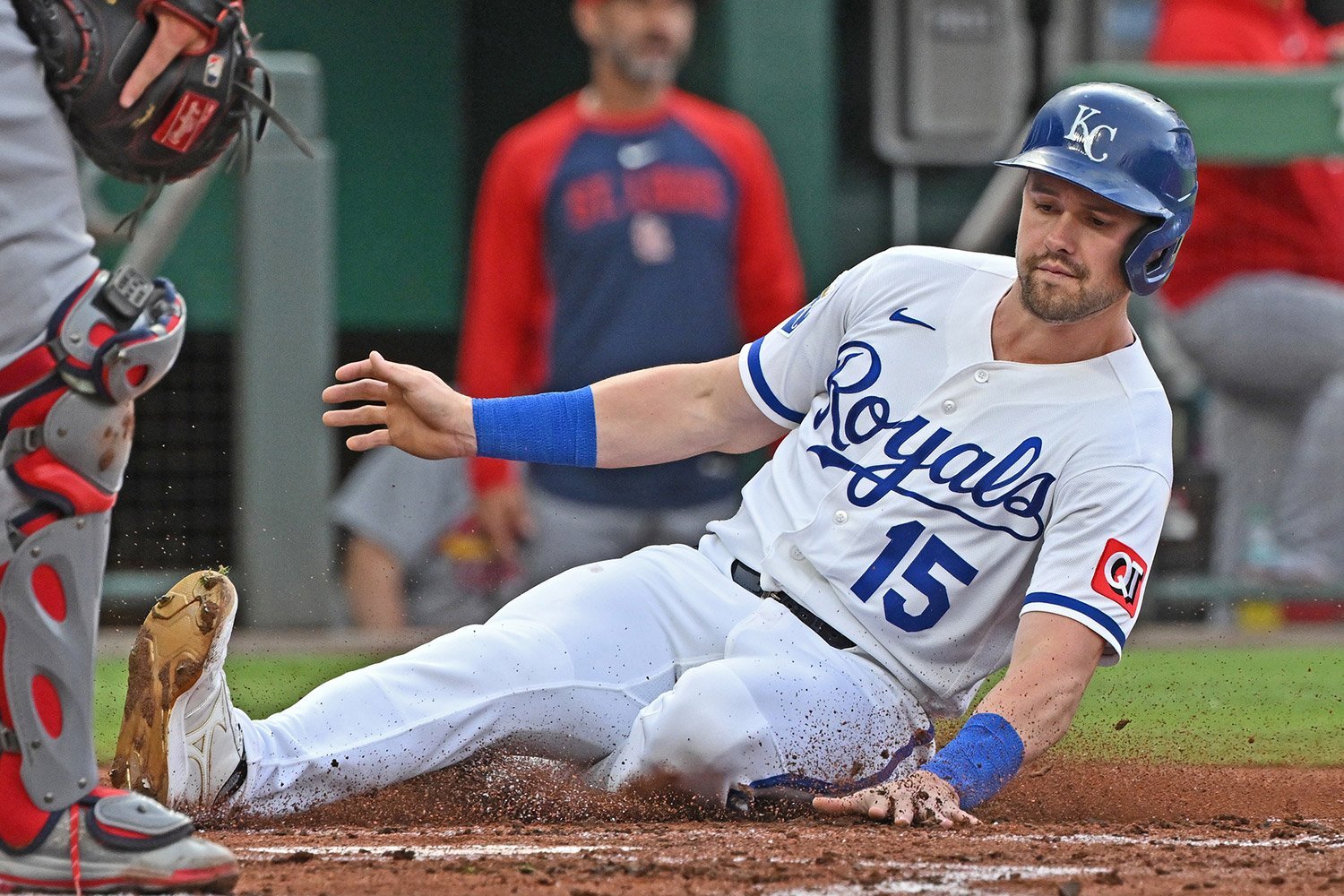 When the Royals signed Lane Thomas, they weren't looking for a superstar. They wanted a dependable two-way outfielder, the player who hit 28 home runs, stole 20 bases, and posted a 109 wRC+ with the Nationals just two seasons earlier at age 27. That version of Thomas has yet to show up in Kansas City. Season Team AVG OBP SLG OPS ISO HR SB wRC+ 2023 WSN .268 .315 .468 .783 .201 28 20 109 2026 KCR .217 .327 .339 .666 .122 5 4 89 His .217/.327/.339 slash line and 89 wRC+ tell the story of an offense that has fallen well short of expectations. Injuries explain part of it. Between 2024 and 2025, Thomas dealt with a left MCL sprain, a bone bruise fracture in his right wrist, and plantar fasciitis that eventually required surgery. The numbers, however, suggest the root of his disappointing season goes well beyond time spent on the injured list. At first glance, several indicators point in the right direction. Thomas has never walked more often, posting a career-high 13.5% walk rate compared to his 8.5% career average. He's also cut his strikeout rate to 22.0%—the second-lowest mark of his career—and is chasing pitches outside the strike zone less than at any previous point in his career. Metric 2023 (WSN) 2024 2025 2026 (KCR) BB% 5.3% 8.3% 9.9% 13.5% K% 25.8% 25.9% 31.0% 22.0% That's usually the profile of a hitter with better pitch recognition, improved swing decisions, and more favorable counts. More often than not, that process leads to better offensive production. For Thomas, the opposite has happened. That raises a more interesting question: How can a hitter make better decisions at the plate while becoming less dangerous? That contradiction defines his 2026 season. The biggest drop comes once he makes contact. Power Metric 2023 (WSN) 2024 2025 2026 (KCR) ISO 20.1% 16.3% 11.2% 12.2% Barrel% 9.6% 7.4% 4.8% 4.2% HR/FB% 16.4% 10.9% 9.3% 8.2% His .122 ISO is the second-lowest of his career, while his .339 slugging percentage sits well below the levels he reached during his best seasons. Even more concerning, his 4.2% barrel rate is a career low, and only 8.2% of his fly balls have left the yard. Thomas is earning better counts and wasting fewer plate appearances, but he no longer turns those advantages into impactful contact. The injuries may have contributed to that change, especially after the issues involving his knee, wrist, and foot. The metrics now point somewhere else: the way he's generating contact. His 72.1 mph bat speed remains above the MLB average, yet his ability to produce optimal launch angles has declined for three straight seasons, with his Blast Rate dropping from 15.3% in 2024 to 10.2% in 2026. Statcast tells the same story. His Square-Up rate has improved from 2025 but remains well below the level he reached during his best offensive years. His .263 BABIP and .239 xBA also leave little room to blame bad luck. Thomas is still recognizing pitches. He just isn't producing the kind of contact that consistently turns into extra-base hits. The problems don't end at the plate. Thomas has also become a defensive liability, posting a -5 Outs Above Average and -2.1 defensive value in just 71 games. Even center field, once his best position, has slipped to -2 OAA. The diagnosis is clear. But is there a path back? If Thomas is going to rediscover the player who hit 28 home runs in 2023, he'll need to rebuild his swing mechanics. His 72.1 mph bat speed is virtually unchanged from that season's 71.8 mph, but his Tilt has dropped from 29 degrees to 27 degrees, his Swing Path has flattened, and his Blast Rate has fallen from 16.2% to 10.2%. The issue isn't strength or pitch recognition. It's a swing that no longer creates the attack angle needed to turn good swing decisions into power. Lane Thomas hasn't lost his ability to recognize pitches or the bat speed needed to remain a productive hitter. What he's lost is the swing that once turned good swing decisions into damage. Until he regains that attack angle, the Royals will keep waiting for the player they thought they had acquired—a player who, for now, exists only in the memory of his 2023 season. View the full article
 -
Checking in on Milwaukee Brewers’ Top 2025 MLB Draft Picks
DiamondCentric posted an article in Brewer Fanatic
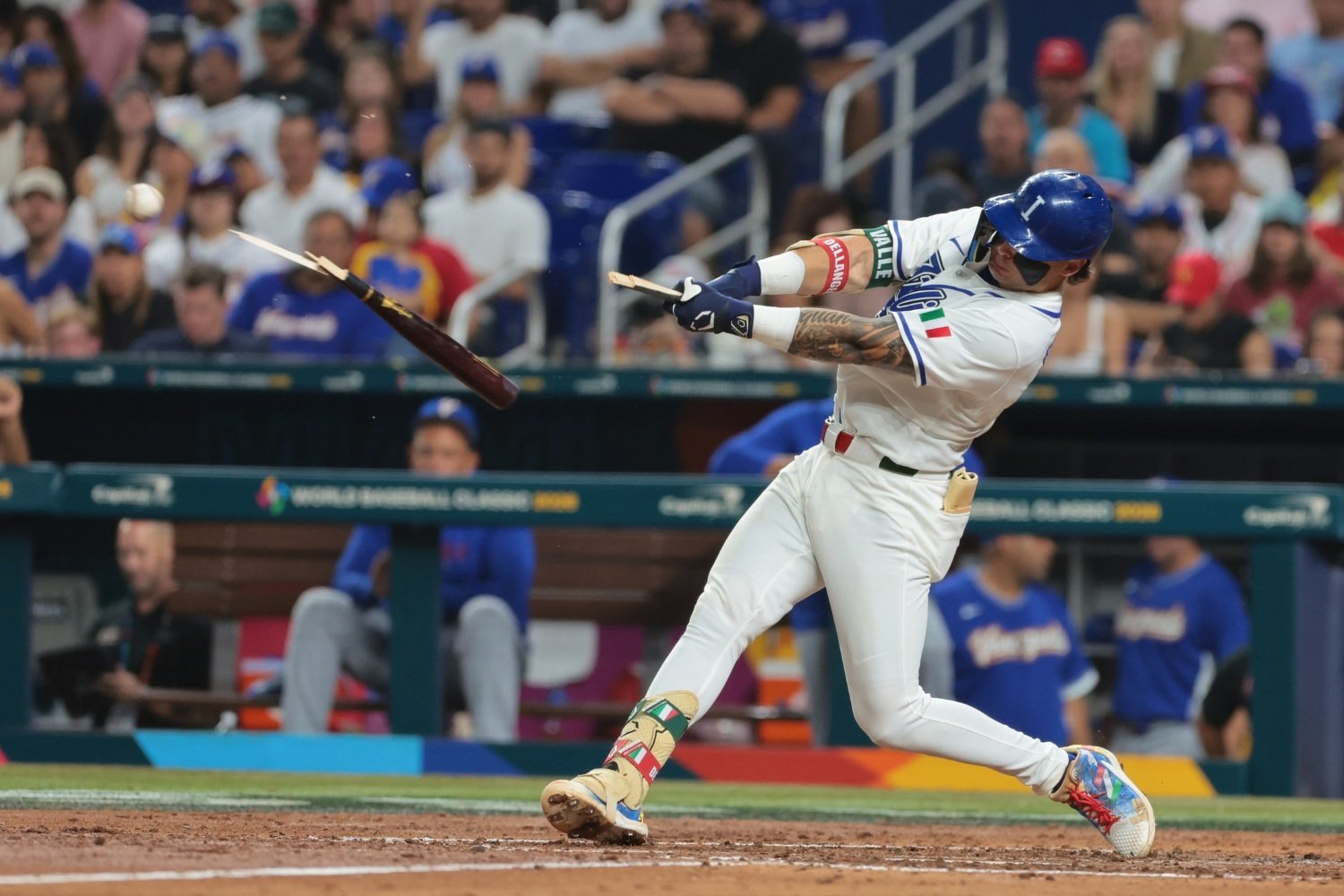 Round 1, Pick No. 20: 3B Andrew Fischer Fischer had outstanding numbers in college last season, playing his final season with Tennessee and slashing .341/.497/.760 with 25 home runs over 292 plate appearances. His defensive abilities at third base raised some questions, though, and he signed for $3.5 million, far below the slot value of $4.27 million. Fischer got some playing time as a pro in 2025, but things really took off for him this year. After being an imposing force on a surprisingly competitive Team Italy roster in the World Baseball Classic, he's torched minor-league opponents. He hit to a 170 wRC+ across 54 High-A plate appearances and has been similarly effective in Double-A thus far. His position on most prospect lists should continue to increase along with his impressive numbers; he's already climbed to fifth on our top-20 prospect list for the organization. Currently slated to debut in 2027 according to MLB Pipeline, Fischer could breathe some offensive life into a position that has been one of the weaker parts of the lineup over the past few years. With the Brewers currently relying on the light-hitting talents of David Hamilton and Joey Ortiz, having someone with the slugging potential of Fischer at the position could be a meaningful boost to the team’s hitting production. This looks like a home run of a pick in the back half of the first round. Round 1, Pick No. 32: SS Brady Ebel Taken out of Corona High School in California, Ebel was teammates with fellow elite prospects Seth Hernandez and Billy Carlson. He suffered from some offensive regression in the spring, which lowered his draft stock, but the Brewers seemed excited about his other strengths like his baseball IQ, arm strength, and quality of contact. One big concern is his ability to remain at shortstop as he faces higher levels of competition. Many scouts anticipate that his lack of speed and agility could necessitate a move to third base, which would allow the best parts of his profile to shine. Ebel has had encouraging results with Single-A Wilson this year, posting a 117 wRC+ over 344 plate appearances. The most notable statistic is a 20.1% walk rate, which has allowed him to maintain an on-base percentage of .404 despite a batting average of just .239. Additionally, despite concerns over his running ability, he's stolen 24 bases. He’s 15th in this very strong, deep system, according to our latest update. It's a much slower burn than Fischer, but again, this looks like a win. Round 2, Pick No. 59: LHP J.D. Thompson Thompson wasn’t the most obviously appealing pitching prospect in the draft class, but he managed to make things work across three seasons at Vanderbilt. At just six feet tall, he isn’t the most physically imposing pitcher. Nor is he blowing past batters; his fastball sits in the low 90s. However, with excellent induced vertical break on his heater and some effective secondary offerings, he finds ways to get outs. Unfortunately for Thompson, his first year of professional baseball has already been marred by injury. He got off to a late start due to a hamstring strain, but finally managed to make his first appearance for High-A Wisconsin in May. After pitching just 18 ⅓ innings, he was placed on the injured list again at the start of June and hasn’t returned. He's clinging to the 20th spot in our latest prospect rankings update. Round 2, Pick No. 68: LHP Frank Cairone Cairone was drafted out of Delsea Regional High School in New Jersey and was noted by scouts for having an impressive arsenal for a 17-year-old. His heater was already sitting at 95 mph and had great ride from a low release point. His slider is already spinning at nearly 3,000 RPM, and he's steadily developing his cutter and changeup. As a player out of high school, he has much to prove, but the Brewers seem excited about his upside. He also made headlines after being involved in a serious car accident in January, but he seems to be well on the road to recovery. He finally got around to making his professional debut a few days ago, throwing one inning in the Arizona Complex League. It will take him quite a bit of time to be fully healthy and ramped up, but at just 18 years old, there’s no rush to get him anywhere fast. Round 3, Pick No. 94: RHP Jacob Morrison Morrison cut an imposing figure while at Coastal Carolina University, measuring in at 6-foot-8 and 245 pounds. His final year with the Chanticleers was exceptional, pitching to a 2.42 ERA and 3.56 FIP over 107 ⅔ innings thanks to a fastball in the mid-90s that has carry at the top of the strike zone. He does struggle with commanding his secondary offerings sometimes, but the shape is effective enough to avoid hard contact fairly well. He has pitched 19 ⅔ innings for Single-A Wilson, with a 4.58 ERA and 4.58 FIP. Although opposing hitters are averaging just .171 against him this year, his 16.7% walk rate has become a glaring issue. This doesn't look like a bumper crop unto itself for the Brewers, like (for instance) the 2023 group could prove to be. Then again, their most important wins in that 2023 class so far are guys whom they selected lower than the ones above. What does seem clear, already, is that last year's draft netted the team a player with star-caliber upside and charisma to match; an impressive young infielder with great ballplayer bloodlines; and a trio of intriguing arms. One year later, the 2025 class looks like further proof that the Brewers run the best scouting and development operation in the league. View the full article
 -
Twins Prospect Hot Sheet: It's Time for Walker Jenkins’s MLB Debut
DiamondCentric posted an article in Twins Daily
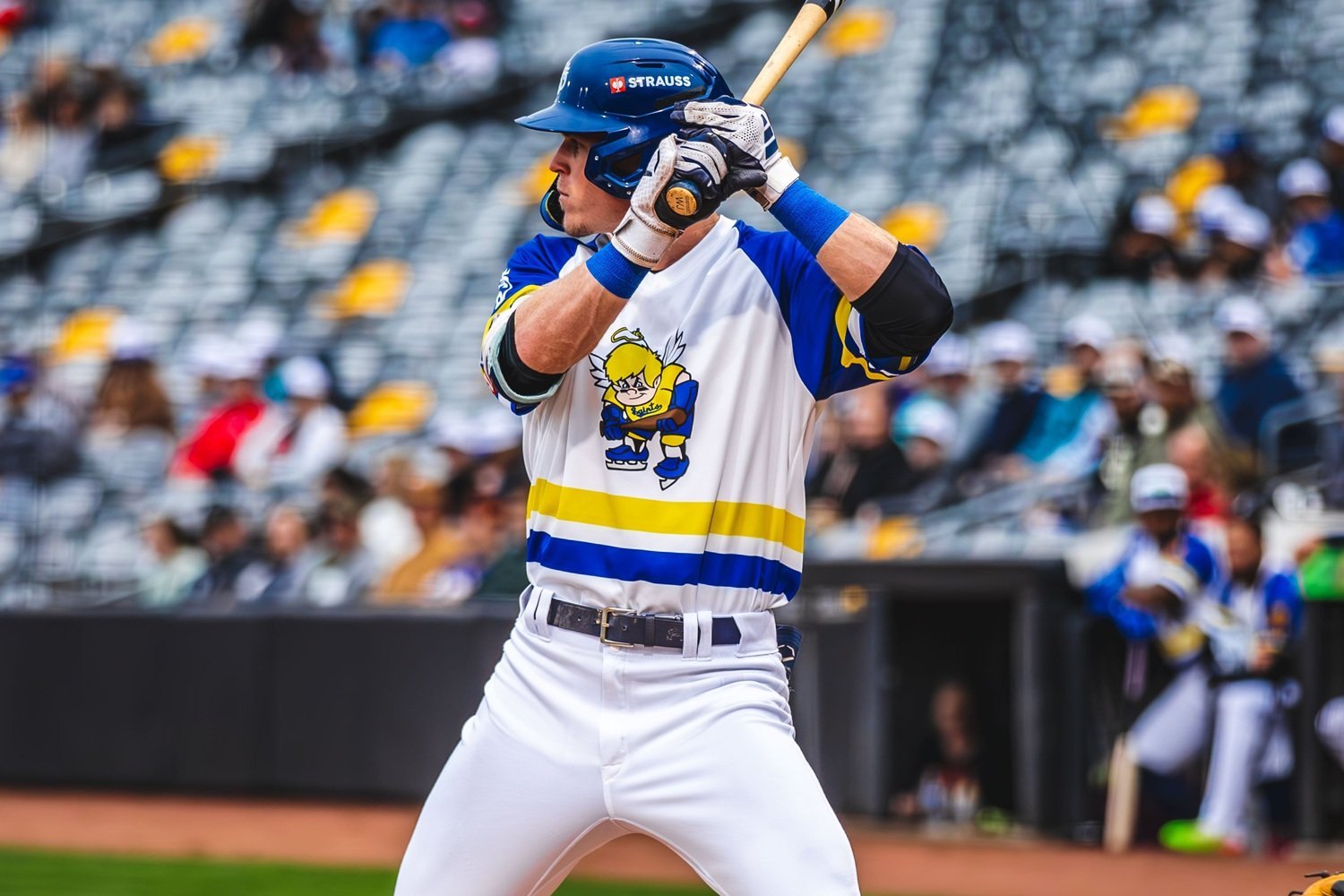 As the calendar inches closer to the trade deadline, the Twins find themselves in a familiar position: trying to stay firmly in the American League Wild Card race, while evaluating whether help should come from outside the organization or from within. While front office discussions will dominate headlines over the next few weeks, several players in the farm system are giving the organization reasons to believe internal reinforcements could be just as valuable. Walker Jenkins continues to remind everyone why he's one of baseball's elite prospects, despite another injury-interrupted season. Cody Morissette has quickly become one of the hottest hitters in Triple-A after joining the organization just a month ago. Meanwhile, Riley Quick is showing flashes of the frontline arsenal that made him a first-round selection last summer. OF Walker Jenkins – St. Paul Saints How He Got Here: Ever since the Twins selected Jenkins with the fifth overall pick in the 2023 MLB Draft, expectations have been sky high. When healthy, he has done everything evaluators expected, advancing to Triple-A before his 21st birthday while compiling an impressive .863 career OPS across the minor leagues. The biggest obstacle hasn't been production—it has been availability. Injuries have limited Jenkins to just 192 professional games over the past two-plus seasons. A quad strain and hamstring injury slowed his 2024 campaign before an ankle sprain cost him significant time last season. Even with those setbacks, he still finished third among qualified Twins minor leaguers with a 135 wRC+ after proving he could handle upper-level pitching. Hitting the Hot Button: Every time Jenkins returns from the injured list, he seems to pick up exactly where he left off. The 21-year-old appeared in five games for St. Paul this week, going 6-for-19 (.316) with a double, a triple, a home run, and two RBIs. His overall Triple-A numbers continue to impress; he's posted an .835 OPS and a 119 wRC+ through 33 games. Perhaps more importantly, the timing couldn't be better. Byron Buxton's lingering hip issue has created uncertainty in the Twins outfield. Jenkins has already proven he can compete against Triple-A pitching, and his polished approach at the plate suggests he may be ready for the next challenge. If Minnesota wants to inject athleticism and offensive upside into its lineup without making a trade, Jenkins feels like the obvious answer. INF Cody Morissette – St. Paul Saints How He Got Here: Morissette's professional journey has taken a few unexpected turns. The former Boston College standout was selected in the second round of the 2021 MLB Draft by Miami and was viewed as a polished college bat capable of climbing the ladder quickly. While he eventually reached Triple-A, consistent offensive production proved elusive, culminating in a .660 OPS across the upper minors last season. After beginning 2026 back in Miami's organization, Morissette was released in June. The Twins signed the New Hampshire native to a minor-league contract on June 8. Since arriving in St. Paul, he's looked like a completely different hitter. Hitting the Hot Button: Few hitters in the organization have been hotter over the past month. Morissette played in five games this week and went 6-for-16 (.375) while launching four home runs and driving in seven runs. His biggest performance came Wednesday against Buffalo, when he delivered a two-homer game. Since joining the Saints, the 26-year-old has produced a .585 slugging average, a .935 OPS, five home runs, and two doubles. He's also expanded his defensive value by seeing time at both second base and third base, giving the Twins another versatile infield option if they need additional depth later this summer. RHP Riley Quick – Cedar Rapids Kernels How He Got Here: Quick's path to professional baseball required plenty of patience. After deciding to focus exclusively on pitching at Alabama, he impressed as a freshman reliever before undergoing Tommy John surgery during his sophomore season in 2024. He made 14 starts for the Crimson Tide in 2025, showcasing premium velocity and earning selection by the Twins with the 36th overall pick in the draft. Minnesota signed him for the full slot value of $2.69 million. Although Quick possesses the frame of a durable innings-eater, he entered professional baseball with only 87 collegiate innings under his belt. Building stamina, refining his command, and establishing the routine of a full-season starter remain important developmental goals as the Twins carefully manage his workload. Hitting the Hot Button: Quick delivered one of his sharper outings of the season this week. The 22-year-old started Wednesday against Quad Cities and allowed just one unearned run on two hits over four innings. He walked one batter while striking out seven. The outing represented a positive step after a stretch where he had surrendered at least three earned runs in four of his previous six starts and failed to complete five innings in any of them. Minnesota has understandably remained cautious with its prized pitching prospect, limiting him to no more than 79 pitches in a game as he continues build on his previous workload. The strikeout ability has never been in question. As his workload gradually increases, the consistency should follow. With every game carrying added weight in the Wild Card race, these three prospects are giving Minnesota's front office even more to think about as August approaches. What stood out about this trio of prospects? Leave a comment and start the discussion. View the full article
 -
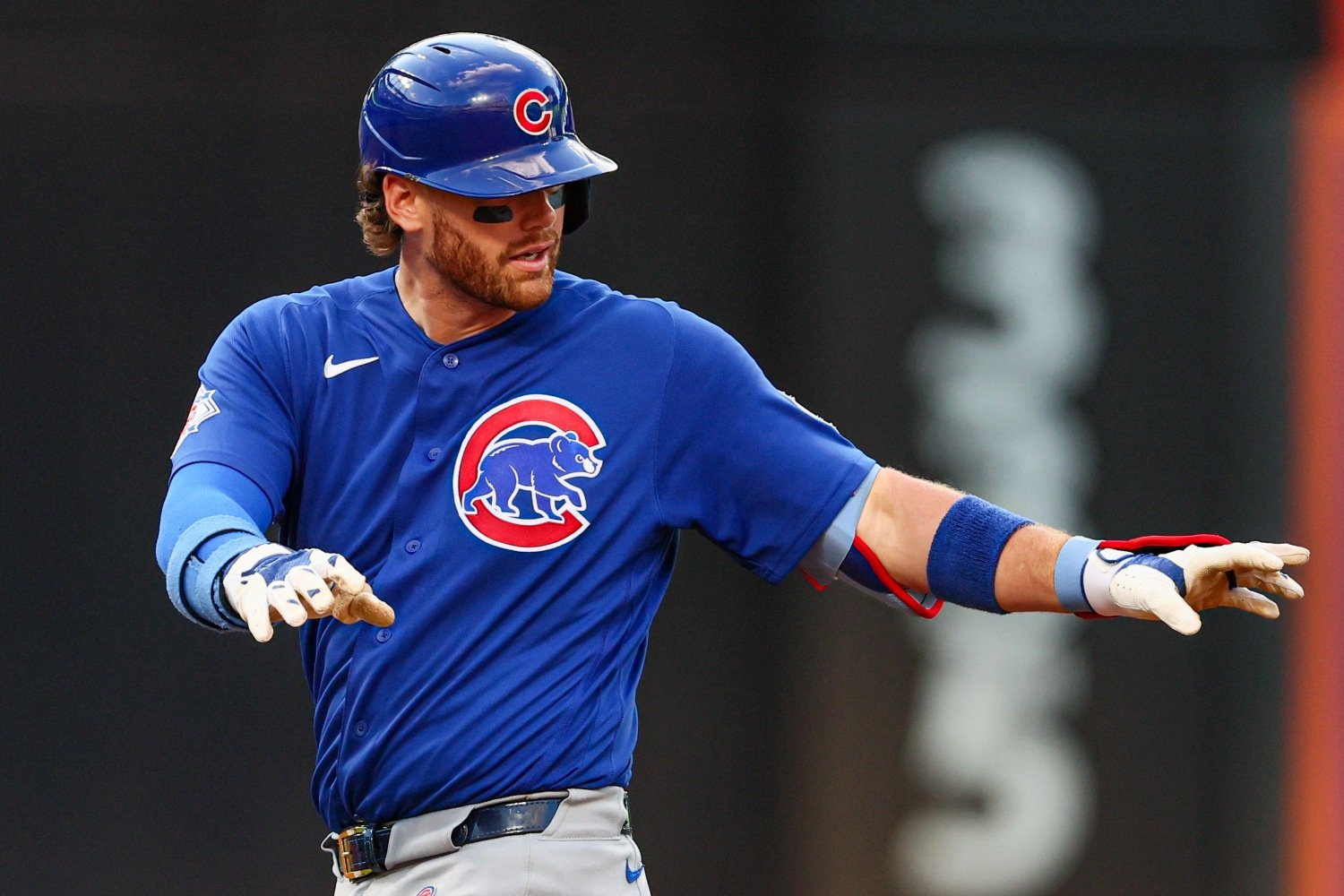 Catching is rapidly becoming a position that is very difficult to project. In addition to all of the other modern responsibilities that a catcher has in terms of managing a pitching staff, the physical toll the position takes on the body makes it tough to post quality numbers year in and year out. In fact, this was the subject of a recent article at FanGraphs, by Ben Clemens. Within the article, which you should read, Clemens notes that every year, there are new players who pop up to be considered the best catcher in baseball. Yet, every year, one of them immediately falls off to be replaced by someone else. “It’s hard to stand out all the way at catcher, and it’s also hard to stay near the top for long,” he concluded. Over the past two seasons, the Cubs have artfully straddled a line at catcher. Carson Kelly and Miguel Amaya certainly aren’t big-name players like Cal Raleigh or Adley Rutschman, but they are both decent big-league backstops. Since the start of 2025, the Cubs are fifth in baseball in FanGraphs WAR from the catcher position, and they're 13th so far in 2026 alone. The Cubs have gotten some production from Reese McGuire and Moises Ballesteros behind the dish, too. However, given that Kelly and Amaya have received the super-majority of the playing time this season, we’ll focus on those guys. Neither is spectacular defensively, though they both manage to do pretty much everything well enough that it doesn’t significantly hamper their value. Catcher Catcher Blocking Runs Catcher Framing Runs Catcher Stealing Runs Carson Kelly 1 0 -3 Miguel Amaya -1 0 1 The three metrics above, all of which come via Baseball Savant and are from 2026 only, convert a catcher’s ability to block pitches, frame pitches, and control the running game into runs. So, for example, Kelly’s pitch blocking has contributed one run to the Cubs this season, while Amaya’s has cost the Cubs one run. The only number up there that isn’t hanging right around average is Kelly’s -3 stealing runs. That's the third worst figure in baseball. He's caught just 11% of attempted basestealers this season, despite Baseball Savant estimating he should have caught 24% of them. Where both guys stand out a little bit more is at the plate. The team’s 107 wRC+ over the past two seasons is sixth in baseball. Their 104 wRC+ this season is ninth. Interestingly, both guys have maintained a similar level of offensive production between 2025 and 2026, but in completely different ways. Last season, Kelly rode a 23.9% pulled air rate to a .249/.333/.428 batting line, 115 wRC+, and 17 home runs. This season, his pulled air rate is down to 15.2%, which has resulted in significantly less power; he has just four home runs roughly halfway through the season. Yet, he's maintained a 116 wRC+, thanks to an elevated batting average of .280 and an on-base percentage of .366. Instead of the pulled balls in the air, the catcher’s ground ball rate has gone from 38.2% last season to 46.3% this year. He's seeing significantly better results on those ground balls this year, which unfortunately suggests to me that his current batting line might not be sustainable: Year Batting Average on Ground Balls 2025 .214 2026 .342 As for Amaya, he hit a robust .281/.314/.500 last season, good for a 124 wRC+. This year, his slugging average is down to .347, but like Kelly, his on-base percentage has increased—to .352, which is managing to keep his batting line above average with a 104 wRC+. In 2024, Amaya had just a 6.3% walk rate, and last year, it was just 3.9%. This year, it’s all the way up to 11.6%. That's because he has completely cut his swing rate on all pitches. Last season, he swung at 54% of the pitches he saw. This year, it’s just 43.7%. This has its drawbacks since Amaya is neglecting to swing at hittable pitches in the heart of the zone, too. Though, it all might be intentional: Amaya’s swing speed is down over two miles per hour, from 72.2 mph last season to 70 mph this year. He missed a large chunk of last season with an oblique injury. Perhaps he doesn’t feel like he can swing as hard coming off of that injury, and this is his way of compensating. Regardless, the Cubs’ catching duo has been a hallmark of stability over the past two seasons. Catcher is a position that is hard to remain consistently good at, yet the Cubs have managed to do just that with a couple of mostly unheralded guys. They'll need both players to remain productive if they want to stay afloat in the playoff race down the stretch. View the full article
 -
Blue Jays Toil Through Another Week as Trade Deadline Nears
DiamondCentric posted an article in Jays Centre
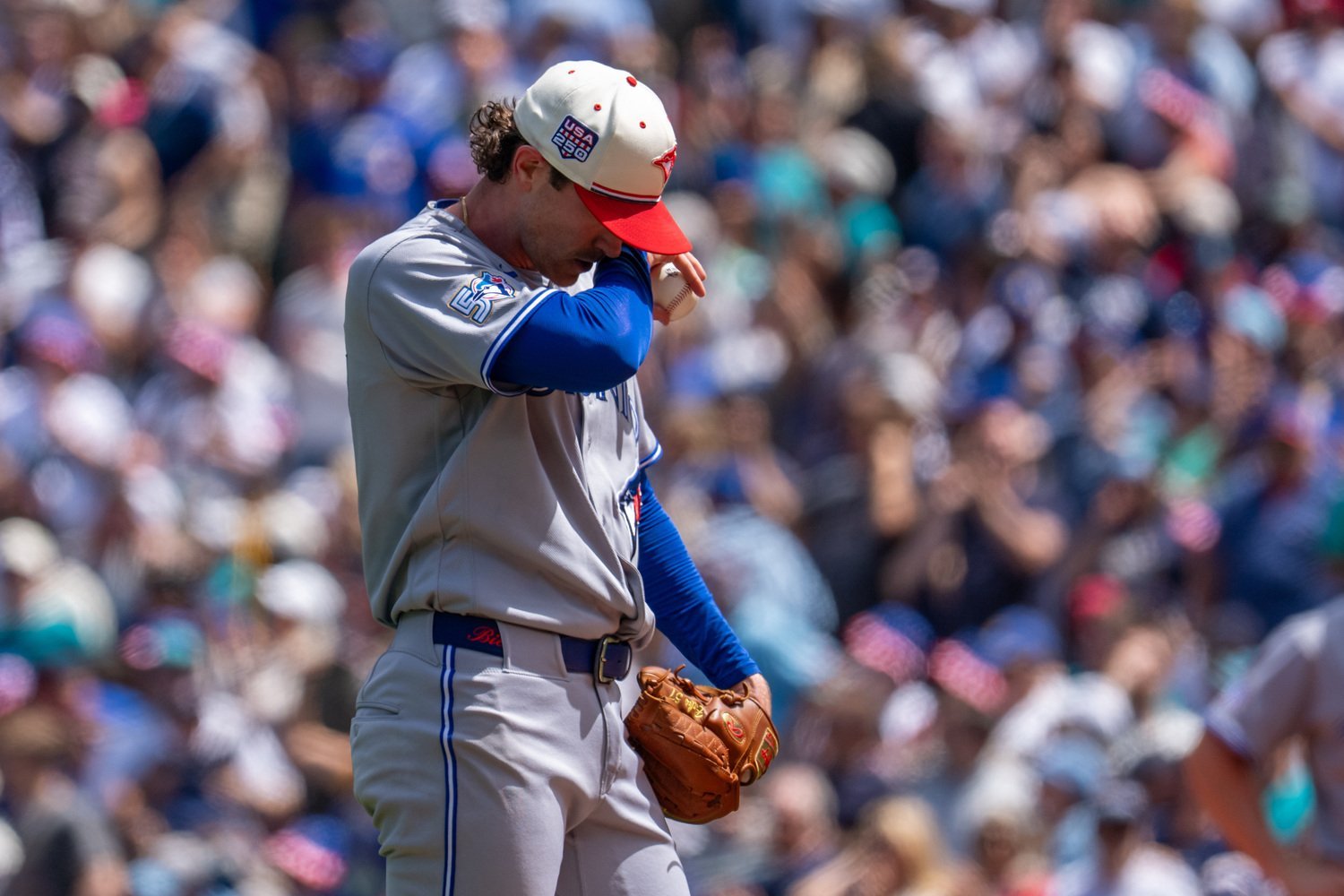 Well, that certainly was a week of Blue Jays baseball. The Jays snapped a six-game losing streak last week, taking two of three from the Mets. Unfortunately, they followed that up by dropping a series against the Mariners. The most painful part of it all was an 11-0 drubbing in Seattle, which was followed by another shutout loss. It's now been 24 innings since Toronto scored a run. Indeed, while the Jays went 3-3 on the week, all three losses were shutouts, leading to a -9 run differential. An even week means the Blue Jays are still six games below the .500 mark, but now they only have four weeks left before the trade deadline. Despite a 42-48 record and -42 run differential, Toronto is only three games back of a Wild Card berth. Considering that, and all the talent on this roster, I'm still inclined to view the Blue Jays as buyers this month. However, they need to string together some more wins if they're going to convince Ross Atkins to make some needle-moving additions. Toronto Blue Jays Week in Review (June 29-July 5) Monday, June 29: TOR 2, NYM 1 Bo Bichette gets a standing ovation in his return to the Rogers Centre. Trey Yesavage notches another quality start. George Springer hits a little league home run. Tuesday, June 30: NYM 3, TOR 0 Kevin Gausman rights the ship after a pair of rough outings. Blue Jays shut out for third time in 2026 (first time since May 6). Loonie Dog night record falls to 4-4. Wednesday, July 1: TOR 9, NYM 3 Blue Jays improve to 5-1 when Braydon Fisher "starts." Spencer Miles touches 99 on the radar gun for the first time (and tops out at 99.4). Sean Keys hits his first MLB home run. Patrick Corbin earns a five-inning save. Friday, July 3: TOR 2, SEA 0 Dylan Cease dominates on the seven-year anniversary of his big league debut. (He'll be named to his first career All-Star team the next day.) Louis Varland (soon to be named an All-Star himself) earns another save. He's 18-for-18 on the year. Saturday, July 4: SEA 11, TOR 0 Shane Bieber gives up seven runs. His first three starts haven't been very promising. Adam Macko falters. The Canadian rookie has been great this year, but he couldn't stop the bleeding on Saturday. Myles Straw takes the hill. The outfielder made his second scoreless pitching appearance of the season. Logan Gilbert and Cole Wilcox of the Mariners held the Blue Jays to one baserunner; Yohendrick Piñango singled in the fifth. Jonatan Clase makes his 2026 debut. Sunday July 5: SEA 4, TOR 0 The offense lets down Yesavage, who makes another quality start. The Jays managed a whopping three hits in this shutout, including a double from Vladimir Guerrero Jr. Toronto Blue Jays Transactions of the Week Simeon Woods Richardson outrighted to Triple-A Buffalo. Jonatan Clase recalled for first time in 2026. Max Scherzer sent to High-A Vancouver for rehab start. (3.0 IP, 2 ER, 3 H, 2 BB, 3 K) Matt Bowman, Josh Fleming, and Justin Topa released from minor league contracts. Toronto Blue Jays Injury Updates of the Week Addison Barger diagnosed with stress fracture in his back. He will be shut down for at least another week. Scherzer expected to need two more rehab starts before returning. Could be back shortly after the All-Star break. Lenyn Sosa started a rehab assignment on June 22, but the infielder hasn't played since June 26. View the full article
 -
Boston Red Sox Minor League Pitchers of the Month: June 2026
DiamondCentric posted an article in Talk Sox
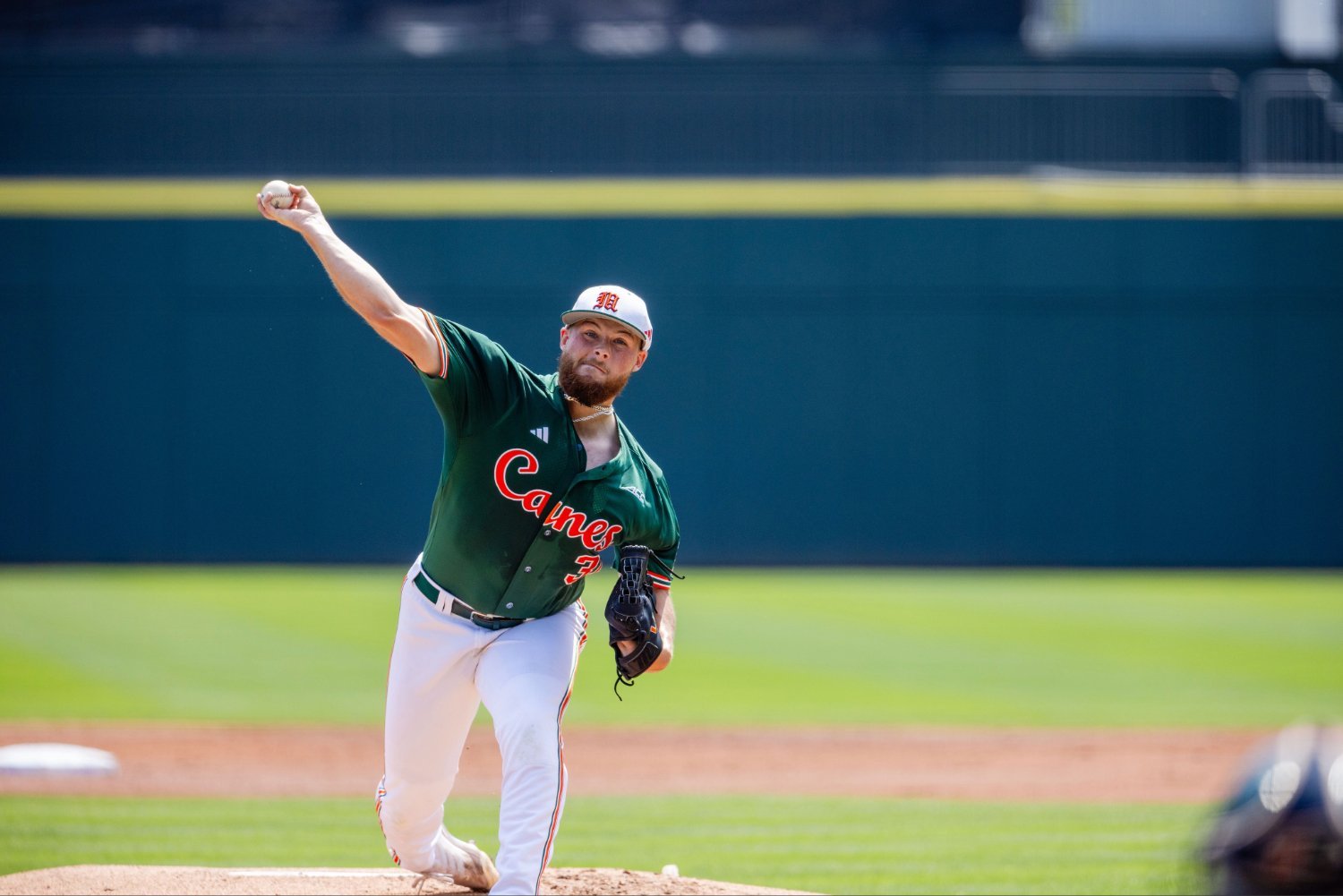 The Boston Red Sox continue to have some exciting up-and-coming arms in the farm system. It's been tough in the majors this year, but at least Craig Breslow has put together a really impressive group of pitchers worth watching. Ranking Red Sox Minor League Pitchers in June #3 Devin Futrell (Greenville Drive) The 10th-round pick out of Vanderbilt in 2024 made his debut in 2025 and made a great first impression, starting the season in Salem and pitching well enough to deserve a promotion to Greenville. He finished the season strong with a 1.09 ERA in 24.2 innings through five starts for the Drive. In the month of June this season, the southpaw was on fire, turning in a 2.95 ERA with 29 strikeouts through 21 ⅓ innings of work. His ERA skyrocketed after having a tough second start against the Winston-Salem Dash, giving up five runs on eight hits in four innings. After that, he looked like a different pitcher, tossing two straight scoreless outings, 13 combined scoreless innings. Futrell faced Jersey Shore and Asheville in those two impressive starts, punching out 17 combined batters. He did an outstanding job at limiting runners throughout the month, allowing just a .198 batting average and a 0.89 WHIP. The 23-year-old Florida native has impressed so far in his early professional career in Boston’s organization, especially as a 10th-round pick. If he continues to look great, we could see him pitching for the big-league club sooner than anticipated. #2 Anthony Eyanson (Portland Sea Dogs) Coming out of Southern California, 2025 third-round pick Anthony Eyanson has been a name fans are hearing a lot in the Red Sox farm system. Originally going undrafted in the 2022 MLB Draft after his senior year while putting up a 0.50 ERA, he committed to UC San Diego. After spending two seasons there, he entered the transfer portal, and the LSU baseball program took a chance on him for the 2025 season. Eyanson had his best season as a college pitcher for LSU, striking out an absurd 152 batters, the third most in the SEC, trailing current top MLB prospects Liam Doyle and Kade Anderson (his LSU teammate). The right-hander did not have his best stuff in the month of June, but he still made it work, registering an insane 0.52 ERA through 17 ⅓ innings. This was the month he dealt with the most traffic on the bases, allowing 12 hits and 10 walks in four starts, but he still only gave up one earned run. The Red Sox's top pitching prospect showed why he should be the next big superstar. It is very impressive to post that low an ERA with the amount of traffic he had to deal with, leaving an absurd number of runners on base without scoring. The 21-year-old grinded in his four starts for Portland; they were not flashy by any means, but he displayed his craftiness and sequencing. The only thing that took him off the #1 spot was the hits and walks he gave up; although he had a low ERA, his control and strikeout stuff was not as locked in as his teammate placed over him. #1 Gage Ziehl (Portland Sea Dogs) Drafted in the fourth round back in 2024, University of Miami product Gage Ziehl has made his way to his third team in the pros. Originally taken by the New York Yankees, Ziehl was dealt to the White Sox in exchange for outfielder Austin Slater in the middle of the 2025 season. In the 2025-26 offseason, Boston offloaded an absurdly bad Jordan Hicks, plus David Sandlin, to the White Sox for Ziehl and a player to be named later. In his age-23 season, Ziehl was assigned to Double-A Portland and has looked solid, but he was exceptional in June. The best part of his game is limiting walks, throwing strikes, and forcing batters to swing out of the zone, which is a good combination of traits. The picture above is his percentiles in June; he has been ridiculously dominant, potentially using this month as a stepping stone to becoming a legitimate top prospect.. It is easy to see why Craig Breslow wanted to trade for him; he pounds the zone, limits traffic, and fits exactly what type of pitcher the organization wants to develop. Through four starts in June, the right-hander registered a 1.66 ERA with 23 strikeouts and just three walks in 21 ⅔ innings. The New York native limited batters to a .192 average and 0.83 WHIP. Ziehl is listed in the 96th percentile in O-Swing%, 95th percentile in strike%, and 91st percentile in BB%. He does not light up the radar gun by any means, but he has shown he can be a workhorse on the mound. It is hard to say what his future in the Red Sox organization will look like with all of the young impressive arm talent they have in the farm system, but if Ziehl continues at this pace, he could put himself on the big-league radar by next year. View the full article
 -
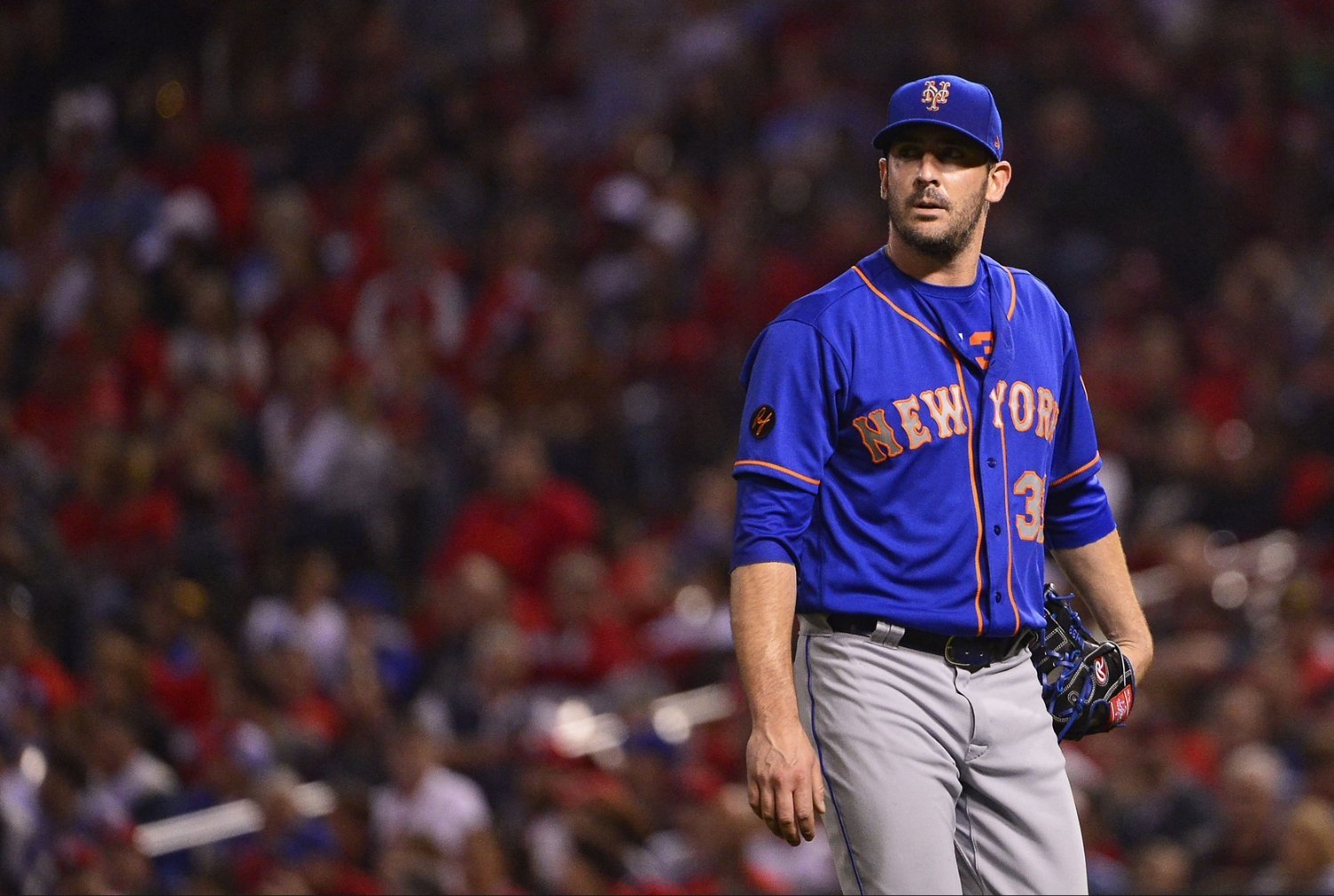 The people have spoken: Juan Soto is an All-Star, and a starter at that. He will be in the outfield for the National League on July 14 at Citizens Bank Park in Philadelphia, following the release of final fan voting results Saturday. Soto finished in the top three in the final phase of balloting, joining Brandon Marsh of the hometown Phillies and Andy Pages of the Los Angeles Dodgers. The result makes Soto a first-time New York Mets All-Star, after he wasn’t added to the NL squad last season. He joins almost three dozen other players — including some franchise icons — who have represented the club once at the Midsummer Classic, although we should expect him to come off the list as soon as 2027 with another selection. Grand Central Mets has put together a three-part series on those players who got one shot at glory. Part 1 covered the period from 1962 to 1981. Part 2 covered 1982 to 2006. Part 3 covers 2007 to the present (2026). Francisco Rodriguez (2009) "“K-Rod” was approaching the end of his prime when he signed a three-year, $37 million contract with the Mets as a free agent in December 2008. He would remain an effective closer going forward, but he would prove to not be the guy who saved an MLB-record 62 games for the Los Angeles Angels in the ‘08 season. None of that was obvious in July of ‘09, though. He was 23-for-26 in save opportunities with a 1.90 ERA at the break, and so he was named a member of the NL ‘pen. He finished the Senior Circuit’s 4-3 loss at St. Louis’ Busch Stadium. He ended the year with 35 saves, but a 6.75 ERA in the second half pushed his overall ERA to 3.71. The next year, there was the infamous fight inside a Citi Field lounge. Rodriguez punched his father-in-law, an act that got him suspended by the club. In 2011, with his contract running out and the Mets looking to sell, he was traded to the Milwaukee Brewers. Johan Santana (2009) Santana put a jolt into the franchise in February 2008 when he agreed to come over in a trade with the Minnesota Twins and sign a six-year, $137.5 million contract extension. He gave the Mets what they wanted: an ace. After leading the majors with a 2.53 ERA in 2008, he had 10 wins at the break in ‘09. He watched the NL lose in St. Louis. But Santana was also pitching hurt as a Met. There was a meniscus tear in his knee in 2008. There were bone chips in his elbow that ended his season in late August of 2009. There was a shoulder capsule tear in 2010 that cost him the 2011 season. And in 2012 . . . well . . . It was the knockout blow, and it hit after one of the greatest moments in franchise history. On June 1, Santana became a Mets folk hero by throwing the first no-hitter in franchise history. But it took him 134 pitches, and by the end, he could barely get his vaunted changeup to the plate. He seemed to rebound well, but then he hurt his ankle in July, which in turn messed with pitching mechanics. Eventually, his back and shoulder felt the effects. The last five starts of his career were painful to watch. He had another shoulder surgery after the season and could never get back on the mound. R.A. Dickey (2012) Dickey went from flameout to late-career star with the Mets. The knuckleballer was a journeyman for his first nine years, but in 2010 he became a stud for New York. By 2012, he was one of the hottest pitchers in the game. He got to the All-Star Break that year with a 12-1 record, a 2.40 ERA and 123 strikeouts in 120 innings. He worked a scoreless sixth inning for the NL in its 8-0 victory at Kauffman Stadium in Kansas City, and then continued his dream season. It ended with Dickey posting a 20-6 record and a 2.73 ERA. He won the NL Cy Young Award, receiving 27 of 32 first-place votes. In the offseason, the Mets sold as high as possible on the 38-year-old right-hander. They traded Dickey to the Toronto Blue Jays for a package that included Travis d'Arnaud and Noah Syndergaard. Dickey pitched until he was 42, but he never came close to repeating his 2012 season. Matt Harvey (2013) This was no ordinary Harvey Day; the Dark Knight was stepping onto one of baseball’s biggest stages, and in Gotham, no less. Harvey got the start for the NL at Citi Field. At the time, he was carrying a 2.35 ERA and 0.92 WHIP over 130 innings. His two scoreless innings came to represent the peak of his hero arc. A few years later, he was the villain, and the turn started with an injury. Six weeks after this game, his season ended because of a UCL tear. He had Tommy John surgery that October, costing him the 2014 season. He came back strong in 2015 and the Mets won the NL pennant. But then came the World Series. After losing Game 1, he got the ball for Game 5. With his team down three games to one, Harvey was at his best. He blanked the Kansas City Royals for eight innings and he wanted the ninth. Manager Terry Collins gave it to him. A walk, a stolen base and a double later, the Mets’ lead was 2-1, and Harvey was out of the game. KC tied the game on the Lucas Duda play and won the game and series. By 2016, it was all going south for Harvey. He needed surgery for thoracic outlet syndrome in midseason. (His shoulder never recovered.) In May 2017, his off-field habits caught up with him. He called in sick before a game, claiming a migraine. In fact, he partied the night before and played golf in the morning. That got him a three-game club suspension. He left the Mets after the 2018 season, and threw his last big-league pitch in 2021 for the Baltimore Orioles. Daniel Murphy (2014) Murphy made his Mets bones with his unconscious 2015 playoff run, but he was a decent player before then. He was good enough to be selected by NL manager Mike Matheny to represent the Mets in the ‘14 ASG. He played the final two innings of the Senior Circuit’s 5-3 loss at Target Field in Minneapolis. He struck out his only time up, against Fernando Rodney in the eighth. His full-season numbers that year were modest (111 OPS+, nine home runs), so seven homers in his first nine playoff games the following year were not at all expected. He flopped in the World Series, but by then no one seemed to care, certainly not the Washington Nationals. They signed Murphy to a three-year, $37.5 million contract on Christmas Eve. He turned into a legit slugger in D.C., setting a career high with 25 homers in 2016 and following that up with 23 in 2017. He made the All-Star Team in both seasons. But then came knee surgery after the ‘17 season. His MLB career lasted just three more years. Yoenis Cespedes (2016) It’s fair to say there wouldn’t have been a Mets World Series run in 2015 without Cespedes. He put a charge into the offense after coming over from the Detroit Tigers in a deadline trade, hitting 17 homers in 57 regular-season games and two in the NLDS against the Los Angeles Dodgers. He was having another strong season in 2016 when he made the All-Star Team, but he couldn’t participate because of a quad injury. It was the first in a series of lower-body ailments that plagued his Mets tenure. The most famous one was the ankle fracture he suffered in 2019 while rehabbing from heel surgery and trying to free a wild boar from a trap on his ranch. The Mets paid dearly, on and off the field for their association with Cespedes. They gave him two huge contract extensions: three years, $75 million after the 2015 season; four years, $110 million following the 2016 season after he opted out of the first deal. He played in 127 games for the club from 2017-20. Bartolo Colon (2016) The NL needed a DH, so... okay, not really. Colon made the squad because he did his day job very well, at 43 years old no less. He had a 3.28 ERA and seven wins at the break. He didn’t get into the game at Petco Park in San Diego, which the NL lost, 4-2. It’s funny that the game was at Petco, because two months earlier, in front of the 7 Line Army, Bartolo did the impossible there. The 2016 season proved to be his last good year. He gave the Mets 191⅔ innings — again, at 43 — and a 3.43 ERA (3.99 FIP). Unfortunately, a lot of people may remember him for that swing, but real ones know he was a horse for a long, long time. He racked up 247 wins in his 21-year career, which he never really called off. He pitched in the Mexican League in 2021 at 48 and wanted to keep going. Noah Syndergaard (2016) NL manager Terry Collins was more than happy to add the guy who tried to plant a fastball in Chase Utley’s butt and sailed a heater over the dome of Alcides Escobar. Syndergaard was 23, with a rocket arm and a nasty disposition. His All-Star berth came on the back of a 2.56 ERA (2.03 FIP) in 105⅔ innings. He was not used in the game after an abbreviated start in his last outing before the break. He ended the season with 218 strikeouts and an MLB-best 2.29 FIP. Like many players on this list, Syndergaard suffered misfortune shortly after achieving stardom. In April 2017, he was shut down with a lat muscle tear. He pitched in just seven games that year. He was good in 2018 and decent in 2019, but during that time, he went on the injured list with the funny-sounding, but serious, hand, foot and mouth disease. He needed Tommy John surgery in 2020. His last MLB game was in 2023 for the Cleveland Guardians. Michael Conforto (2017) Conforto was another catalyst on the 2015 squad. The Mets called him up from Double-A in July, a year after drafting him in the first round, and he responded with nine home runs and a 130 OPS+ in 56 games. He slumped in 2016 but rebounded in 2017. He had a .945 OPS and 14 home runs when he took part in the All-Star Game at Marlins Park in Miami. He went 1-for-2 off the bench as the NL lost, 2-1. But he, too, suffered a huge setback shortly after being an All-Star. On Aug. 24, Conforto tore and dislocated his left shoulder while swinging at a pitch in a game against the Arizona Diamondbacks. He would miss the remainder of the season. The injury looked devastating at the time, but Conforto responded with strong seasons in 2018, 2019 and 2020. He was a 3.6 bWAR player in ‘19 thanks in part to his 33 homers and 92 RBIs. He left the Mets as a free agent after the 2021 season. Starling Marte (2022) Marte spent four injury-filled seasons with the Mets. His first, the ‘22 campaign, was his best. He did just enough in the first half to merit an All-Star selection: an .803 OPS, nine home runs, 10 stolen bases and strong defense. But a groin injury kept him from going to Dodger Stadium in L.A. for the game. He was replaced by Freddie Freeman. Kodai Senga (2023) Senga became a sensation in the first half of his first MLB season. The fabled Ghost Fork was frightening batters, the fastball was humming, and the mound presence was intimidating. He was striking out hitters at better than a 29 percent clip. He was a logical choice to represent the Mets at T-Mobile Park in Seattle. He did not pitch in the NL’s 3-2 win. To say the next three seasons have been rough would be an understatement. There have been injuries all three years, mixed with bouts of ineffectiveness. He’s now a long reliever for New York. Francisco Lindor (2025) Lindor made four consecutive All-Star Games with Cleveland from 2016-19, but he couldn’t beat out his NL shortstop contemporaries until his fifth season with the Mets. He was voted the starter for last year’s game amid a 19-homer, 15-steal first half. The Mets’ 2024 run to the NLCS might have boosted his popularity, too. He went 0-for-2 with a strikeout in a 6-6 tie that was settled by a home-run swing off, a.k.a the Kyle Schwarber hat trick. This year, Lindor is far from an All-Star after offseason hamate surgery and a calf stain in April. David Peterson (2025) This entry looks almost false given how badly Peterson pitched for the Mets in 2026, but he was worthy of the nod last year. He put up a 3.06 ERA in 109 innings before the break and was a key figure in the Mets’ rotation. He worked the fourth inning in Atlanta, giving up two hits but no runs. The wheels fell off not long after that. He put up a 6.34 ERA in the second half, and the bad run continued until the Mets traded him to the Chicago Cubs last month. Juan Soto (2026) Finally, justice for Soto, who should have been an All-Star last season. Leading up to his selection, he was leading the National League with a .406 on-base percentage, fueled by a 15.6 percent walk rate, and leading the club with 18 home runs. View the full article
 -
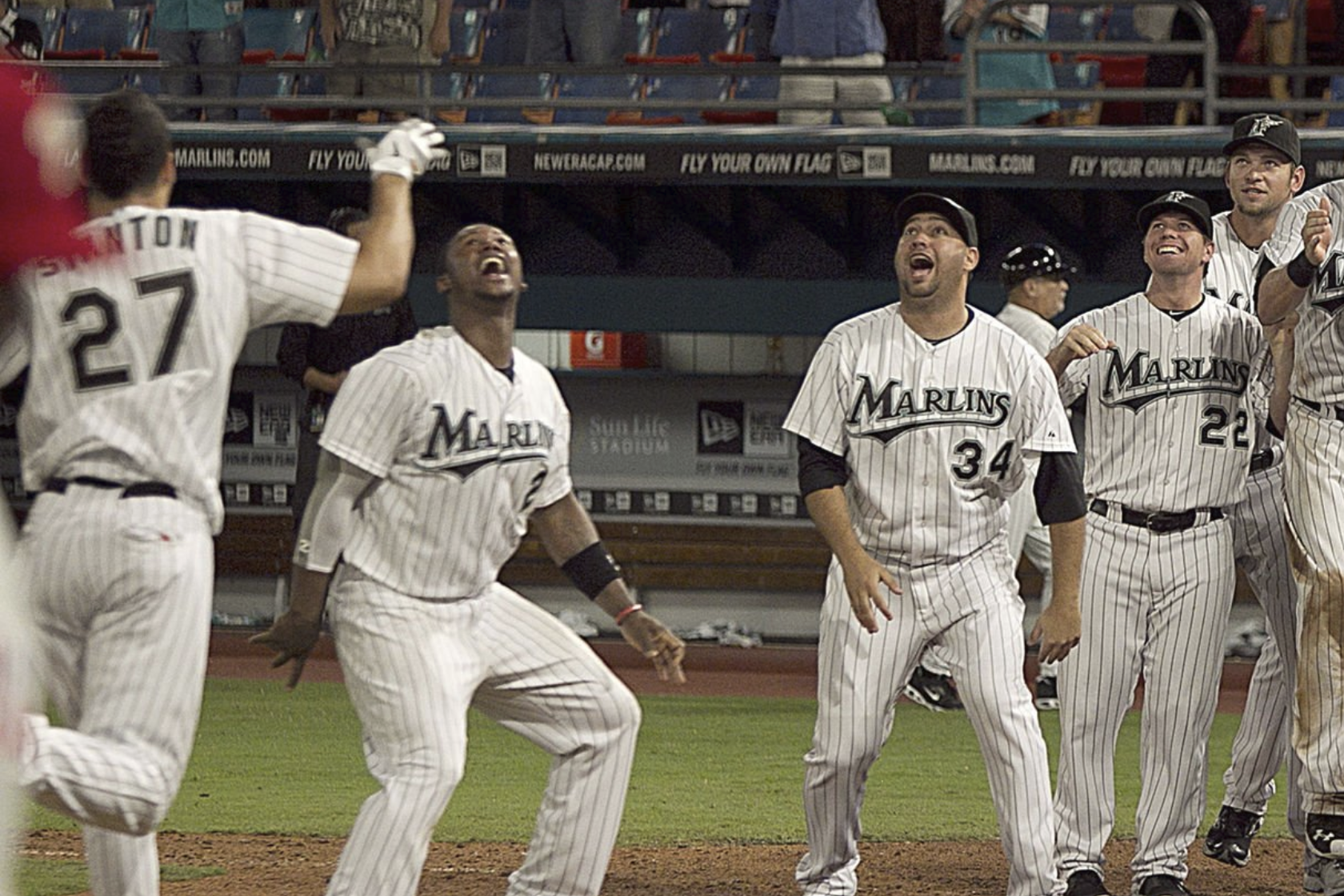 With 267 home runs for the club, Giancarlo Stanton is the Florida/Miami Marlins’ all-time home run leader and by a wide margin. His first career walk-off shot came on this day 10 years ago. In a contest that the Florida Marlins had never previously led, Stanton (then known as Mike) took Danys Báez deep in the 10th inning. His blast to left capped the comeback as the Marlins beat the Philadelphia Phillies, 7-6. After John Mayberry’s second home run of the night—a two-run shot—gave the Phillies a 6-3 lead at Sun Life Stadium, Florida had work to do as it came to bat in the bottom of the sixth on July 6, 2011. It took just seven pitches for the Marlins to get right back into it. With Philadelphia starter Kyle Kendrick done for the day, Hanley Ramírez lined David Herndon’s second pitch of the night into left field for a lead-off single in the sixth. Logan Morrison was then able to work the count to 3-1 before taking Herndon’s pitch the other way for an opposite-field two-run blast to cut the deficit to 6-5. Following a scoreless seventh from Florida lefty Randy Choate, Omar Infante’s one-out triple in the bottom of the inning put the tying run 90 feet away. Gaby Sánchez was able to draw a walk before Ramírez singled home Infante to tie the game. The Marlins managed to load the bases with one out, but Stanton grounded into a double play to end the threat. Choate, Steve Cishek, Juan Carlos Oviedo (then known as Leo Núñez) and Edward Mujica combined to keep the Phillies off the board over the next three innings. For the second straight inning in the bottom of the eighth, Florida was unable to take advantage of having a runner at third with one out. In the 10th, however, Stanton made sure the South Florida fans went home happy. Báez was able to get Morrison to ground out to start the bottom of the 10th but fell behind Stanton 2-1. Báez hung a breaking ball and Stanton responded with a rocket over the Teal Tower in left field. Infante and Ramírez each had three of the 14 Florida hits. Bryan Petersen added two hits in the win. In addition to Mayberry’s two home runs and three RBIs, Jimmy Rollins also had two hits and a solo homer for Philadelphia. With the win, the Marlins avoided the three-game sweep. Over his eight years with the franchise, Stanton had three walk-off home runs for the Marlins. His first and the only one at Sun Life Stadium came on this day 15 years ago. View the full article
 -
Padres Minor League Report: Chihuahuas Go Deep Twice in Victory
DiamondCentric posted an article in Padres Mission
 Sunday's series finales saw the San Diego Padres' four full-season affiliates win just once. That came courtesy of the Triple-A El Paso Chihuahuas, who dispatched Sacramento 11-1, while the Double-A San Antonio Missions lost to Amarillo 1-0, the High-A Fort Wayne TinCaps were stifled by Great Lakes 5-0 and the Low-A Lake Elsinore Storm couldn't keep up with Stockton 10-8. Padres Minor-League Transactions None. Big Homers Back Solid Start As Chihuahuas Roll To Victory Marcos Castanon hit a three-run homer and Nick Schnell added a two-run shot to back the seven-strikeout performance of right-handed starter Sean Boyle, matching his season best, as the host Triple-A El Paso Chihuahuas cruised to an 11-2 triumph over the Sacramento River Cats. The Chihuahuas (40-47, 5-7 second half) won their third straight game and took four out of six in the series. Castanon had three hits and scored twice, Schnell had a pair of his and scored twice, Nick Solak had two hits (double), an RBI and two runs scored and Luis Rengifo capped his first week back in Triple-A with two hits for the Chihuahuas. Mason McCoy drew three of the Chihuahuas' nine walks, while Will Wagner and Bryce Johnson each had a pair of free passes. Boyle surrendered two runs on seven hits and no walks over five innings, his third straight start of matching his season best. The 29-year-old's seven wins are the most in the Padres' system this year. Right-hander Daison Acosta made his first non-rehab appearance after being on the 60-day injured list with an undisclosed injury. He was signed to a major-league contract by the Padres in the offseason and then waived off the 40-man roster in spring training. He went two hitless innings in his Chihuahuas debut, walking two and striking out none. Right-hander Andrew Moore pitched the final two scoreless innings, striking out a pair. Castanon hit his team-leading 13th homer in the third inning for a 3-1 lead, then the Chihuahuas broke it open with a five-run sixth inning that included Romeo Sanabria's RBI double and Schnell's 12th homer of the year. EP_0705.mp4 Player AB R H RBI BB K Luis Rengifo 5 0 2 0 0 2 Mason McCoy 2 1 0 0 3 0 Nick Solak 5 2 2 1 0 0 Marcos Castañon 5 2 3 3 0 0 Will Wagner 2 1 1 0 2 0 Bryce Johnson 3 1 0 1 2 1 Blake Hunt 4 1 2 0 1 2 Romeo Sanabria 5 1 1 2 0 1 Nick Schnell 3 2 2 2 1 1 Player IP H R ER BB K HR Sean Boyle 5 7 2 2 0 7 1 Daison Acosta 2 0 0 0 2 0 0 Andrew Moore 2 1 0 0 1 2 0 Missions On Short End Of Pitchers' Duel With Sod Poodles Left-handed starter Jagger Haynes allowed one run over five innings, but that was all Amarillo would need as the host Double-A San Antonio Missions dropped a 1-0 decision to the Sod Poodles. The Missions (37-44, 6-6 second half) had their three-game winning streak snapped, but they did win four of the six games in the series. Haynes and right-handed relievers Johan Moreno and Josh Mallitz combined on a three-hitter, but the Sod Poodles' pitching kept the Missions off the board despite having eight hits. Two of the three hits came off of Haynes and both came in the first inning to produce the game's only run. Haynes also had an error on a pickoff play at second that preceded the RBI double. Haynes walked three and struck out four, while Moreno gave up a seventh-inning single in his two innings as he walked one and struck out a pair. Mallitz pitched the final two innings, walking one and punching out three. Player AB R H RBI BB K Ethan Salas 4 0 1 0 0 1 Carson Tucker 4 0 1 0 0 2 Tirso Ornelas 4 0 2 0 0 1 Kai Roberts 0 0 0 0 0 0 Jake Cunningham 4 0 1 0 0 2 Braedon Karpathios 4 0 0 0 0 2 Ryan Jackson 3 0 1 0 0 0 Albert Fabian 3 0 1 0 0 2 Francisco Acuna 3 0 1 0 0 1 Brendan Durfee 3 0 0 0 0 1 Player IP H R ER BB K HR Jagger Haynes 5 2 1 1 3 4 0 Johan Moreno 2 1 0 0 1 2 0 Josh Mallitz 2 0 0 0 1 3 0 Jamie Hitt Has Another Quality Start, Ryan Wideman Steals 50th Left-handed starter Jamie Hitt turned in six quality innings, but a lack of offense cost the host High-A Fort Wayne TinCaps in a 5-0 loss to the Great Lakes Loons. The TinCaps (34-47, 7-7 second half) dropped the finale after back-to-back wins, their only ones in this six-game series. In his fourth quality start of the season and second in a row, Hitt allowed two runs on three hits with no walks and six strikeouts. The only runs came on a sixth-inning homer with two outs. The Loons got two more in the seventh and another in the eighth. TinCaps leadoff man Ryan Wideman, Padres Mission's No. 4 prospect, singled to begin the fourth inning and, following a walk and a strikeout, stole third as part of a double steal with Justin DeCriscio for his seventh steal with Fort Wayne, boosting his minors-leading total to 50. Player AB R H RBI BB K Ryan Wideman 4 0 1 0 0 0 Justin DeCriscio 3 0 1 0 1 0 Kerrington Cross 4 0 0 0 0 3 Kavares Tears 4 0 1 0 0 2 Luke Cantwell 3 0 0 0 1 2 Rosman Verdugo 2 0 0 0 1 2 Carlos Rodriguez 3 0 1 0 0 0 Oswaldo Linares 3 0 0 0 0 1 Kasen Wells 3 0 0 0 0 0 Player IP H R ER BB K HR Jamie Hitt 6 3 2 2 0 6 1 Maikel Miralles 1 1/3 2 3 3 4 2 0 Braian Salazar 1 2/3 0 0 0 0 0 0 Late Rally Comes Up Short As Storm Fall To Ports If this had been a soccer match, the host Low-A Lake Elsinore Storm would have lost the first half 9-0, but won the second half 8-1. It all added up to a 10-8 victory for the Stockton Ports, who scored those nine runs in the first five innings. The Storm (43-38, 4-11 second half) won just twice in the six-game series. Jorge Quintana and Dylan Grego homered, while Quintana, Alcides Hernandez and Dawson Willis each drove in a pair of runs for the Storm. Quintana, Willis (triple) and Qrey Lott each had two hits, with Lott scoring three times and Quintana twice. Storm starter Luis Maracara, an 18-year-old right-hander, gave up seven runs, including a homer, on seven hits with two walks and three strikeouts in three innings. Five Storm relievers combined to limit the Ports to three hits and three runs from there, with right-hander Rordy Mejia fanning four in two perfect innings. Quintana, Padres Mission's No. 6 prospect, hit a two-run blast in the seventh inning, his third this year, while Grego hit his second Storm homer and third of the season, a solo shot, in the eighth inning to make it 10-6. The Storm made it close in the bottom of the ninth as Lott reached on a throwing error by the shortstop that plated a run and Hernandez had a one-out sacrifice fly for the other to bring the tying run to the plate in Willis, who popped out to end the game. LE_0705.mp4 Player AB R H RBI BB K Yimy Tovar 5 0 0 0 0 0 Jorge Quintana 4 2 2 2 1 1 Yoiber Ocopio 2 0 0 0 0 1 Alcides Hernandez 2 1 1 2 0 0 Dawson Willis 5 0 2 2 0 1 George Bilecki 3 0 0 0 1 2 Dylan Grego 4 1 1 1 0 1 Truitt Madonna 4 0 0 0 0 4 Conner Westenburg 3 1 1 0 0 0 Qrey Lott 4 3 2 0 0 0 Player IP H R ER BB K HR Luis Maracara 3 7 7 7 2 3 1 Jordan Valenzuela 1 0 0 0 1 2 0 Daichi Moriki 1 1 2 2 3 1 0 Rordy Mejia 2 0 0 0 0 4 0 Yoesmerli Beltre 1 2 1 1 0 0 0 Sean Barnett 1 0 0 0 1 1 0 Padres Mission's Top 20 Prospect Performance Ethan Salas: 1-for-4, 1 K Kash Mayfield: DNP Miguel Mendez: DNP Ryan Wideman: 1-for-4, 1 SB Kruz Schoolcraft: DNP Jorge Quintana: 2-for-4, HR, 1 K Ty Harvey: On injured list Kale Fountain: Injured, out for season Braedon Karpathios: 0-for-4, 2 K Jagger Haynes: 5 IP, 2 H, 1 R, 1 ER, 3 BB, 4 K, 0 HR Lamar King Jr.: DNP Tucker Musgrove: DNP Truitt Madonna: 0-for-4, 4 K Alex McCoy: DNP Jesus Castro: DNP Rosman Verdugo: 0-for-2, 2 K Garrett Hawkins: DNP Eric Yost: DNP Michael Salina: DNP Winyer Chourio: DNP View the full article
 -
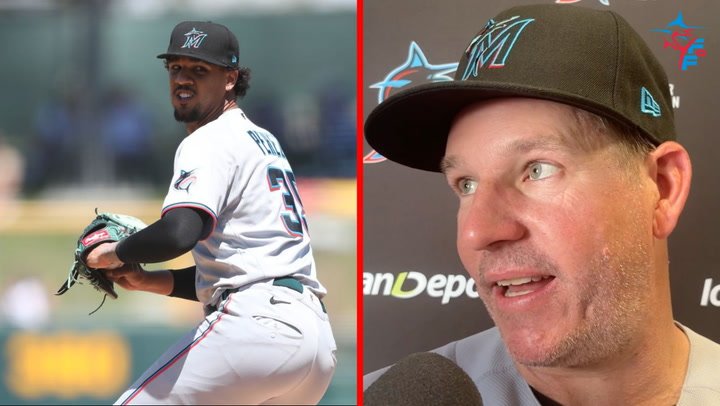 Miami Marlins manager Clayton McCullough speaks with the media about Sunday's win, particularly the rationale behind pulling Eury Pérez when he was only six outs away from making history.View the full article
 -
Twins Minor League Report (7/5): Wichita Walks it off in Extras
DiamondCentric posted an article in Twins Daily
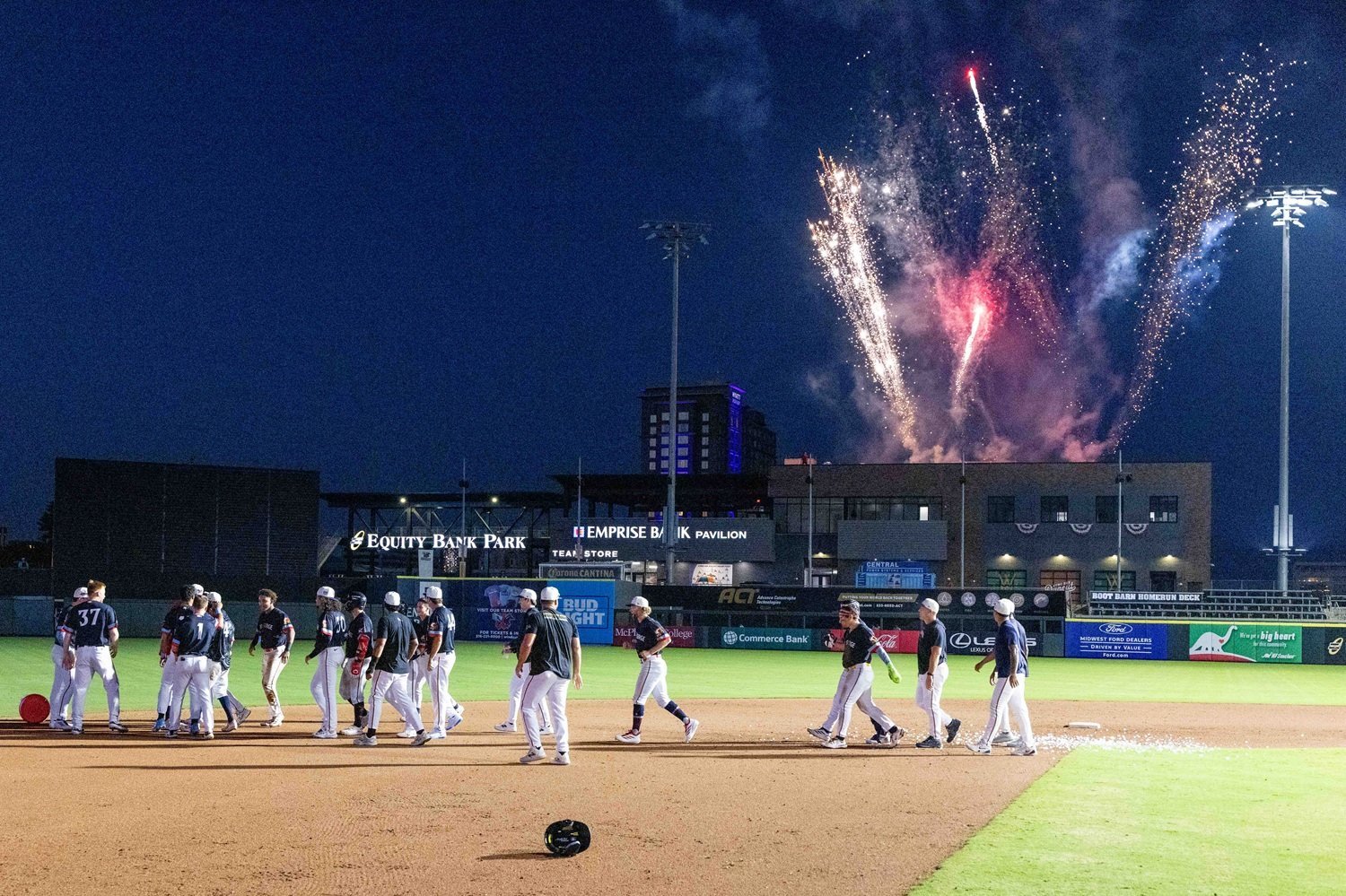 TRANSACTIONS No moves were made on Sunday Saints Sentinel St. Paul 3, Buffalo 8 Box Score Ty Langenberg: ⅔ IP, 3 H, 3 ER, 1 BB, 2 K HR: Matt Wallner (15) Multi-hit games: None The Saints fell behind early and never recovered on Sunday. Ty Langenberg’s fourth pitch left the field of play. He should have quit while he was ahead (or not as far behind as he would soon be). The initial strike devolved into an elongated, laborious frame with base runners galore, and three runs across home plate. He threw 39 pitches to net two outs. Trent Baker mercifully ended Langenberg’s day. He netted the final out of the inning with one pitch. Baseball sometimes has a sense of humor. A Ben Ross sacrifice fly broke the shutout against St. Paul in the fifth. A Walker Jenkins single claimed a second run. A Matt Wallner clobber shot in the ninth put a beautiful shade of lipstick on this swine. Might Wallner be fixed? He slashed .315/.390/.730 in June and is off to a .333/.500/.933 mark in July. Like Royce Lewis before him, beating the brains out of AAA pitching teaches us nothing about him as a ballplayer. At some point, the Twins will need to bring him back to Minneapolis to see if he can return to his status as Paul Bunyan in the left-handed batter’s box. He even stole a base on Sunday. Rehabbing big leaguer Ryan Jeffers went 1-4 as the DH. Bison starter Jake Bloss is ranked as the eighth-best prospect in the Blue Jays system by MLB.com. He allowed one run across 4 ⅓ innings. Wind Surge Wisdom Wichita 9, Tulsa 8 (10 Innings) Box Score Cory Lewis: 4 IP, 4 H, 0 ER, 3 BB, 7 K HR: Andrew Cossetti (14), Billy Amick (20) Multi-hit games: Khadim Diaw (2-for-3, 2 R, RBI), Garrett Spain (2-for-4, 3B, 2 R, BB), Kyle DeBarge (3-for-3, 2B, R, 2 RBI, BB) The Wind Surge walked off their opponents on Sunday. Woe onto whomever attempts to predict a minor league baseball game. Cory Lewis entered the game on the heels of a ghastly eight run performance against these same Drillers earlier in the week… and, so, he naturally had one his better starts of the season. Though the WHIP wasn’t pretty, the baserunners were the price he paid for an unruly effectiveness, as Tulsa hitters had even less of a clue where his knuckleball was going than he did. The result was four shutout innings and a season-high matching seven strikeouts. Wichita kicked off the scoring in the third with yet another Andrew Cossetti blast, his fifth in his last five games. Two more runs touched home in the inning when Marek Houston stole his way around the diamond and Khadim Diaw knocked him in, and when the RBI-hitting Diaw trotted home off a Kyle DeBarge double. Tulsa racked up five runs, giving them a short lead until Billy Amick blasted a skyrocket that scraped one of Jupiter’s moons before returning to Earth. Matching scores pushed the game to extras, where the Drillers jumped on reliever Sam Ryan to push forth not just the Manfred runner, but an all-important second run to give them an 8-6 advantage. A death knell? Evidently not. The Wind Surge were in a rebellious mood. Rather than letting Tulsa end the day happy, they got to work building up another rally. A DeBarge single advanced the man on second to third, and a Jaime Ferrer hit brought him home. Then, Jose Salas swung an 0-2 count to his team’s favor by wearing an errant pitch off his foot. With the bases loaded—no room for anything but action of some sort—Quinn McDaniel shot a single beyond the first baseman, easily plating one, then two runs as a dashing Ferrer snuck in before the relay could get him. The Drillers are spearheaded by MLB’s fourth-ranked prospect, outfielder Josue De Paula. He singled twice in six trips to the plate. Kernels Nuggets Cedar Rapids 4, Quad Cities 8 Box Score Michael Ross: 4 IP, 5 H, 3 ER, 1 BB, 1 K HR: Enrique Jimenez (3) Multi-hit games: Enrique Jimenez (2-for-4, HR, R, 2 RBI, BB), Luis Hernandez (2-for-2, 3B, R) The Kernels squandered an initial lead on Sunday. The Mississippi River is the second longest river in the North American continent, flowing around 2,350 miles from its source at Lake Itasca in Minnesota through the continental US, discharging nearly 600,000 cubic feet of water. At least 260 species of fish—around a quarter of all fish species found in North America—call the river their home. And, after Sunday, it also claims an Enrique Jimenez home run ball. Unfortunately, neither the river or its tributaries could stop Quad Cities from striking back with a vigorous vengeance. They plated two in the first, third, fourth, and eighth innings to give them a clean rally for this author to efficiently describe with just one sentence. Cedar Rapids jabbed back with a run in each the fourth and the sixth; the former off a Dameury Pena single, the latter a Caden Kendle knock. Quad Cities—an affiliate of the Royals—sent the franchise’s seventh-ranked prospect to the ballpark on Sunday, catcher Ramon Ramirez. He doubled twice in five trips to the plate. Mussel Matters Fort Myers 2, Clearwater 6 Box Score Justin Mitrovich: 4 IP, 4 H, 4 ER, 2 BB, 4 K HR: Irvin Nunez (3) Multi-hit games: Quentin Young (2-for-4) The Mighty Mussels were thwarted by the only team ahead of them in the FSL standings. The first set the tone for the game. With hopes and sparkling dreams in their eyes, Fort Myers suffered a rough three-spot defensively, as a single, a walk, a hit by pitch, three stolen bases, and a bases-clearing double gave the Threshers a lead they would not relinquish. They didn't even steal another base all day. It was as if they were satisfied with simply revealing once what they were fully capable of. After three empty frames, Fort Myers offered a mild rebuttal of Clearwater’s thesis with a solo shot by Irvin Nunez, and a run-scoring groundout the next inning by Merphy Hernandez. A rough day for Fort Myers pitchers, Kolten Smith nonetheless put forward a respectable performance, hurling two shutout innings with a pair of strikeouts. Lefty James Tallon ranks as the 19th-best prospect in the Phillies system, and he pitched an inning out of the bullpen on Sunday. TWINS DAILY PLAYERS OF THE DAY Twins Daily Minor League Pitcher of the Day – Cory Lewis Twins Daily Minor League Hitter of the Day – Enrique Jimenez PROSPECT SUMMARY Here’s a look at how the Twins Daily Top 20 Twins Prospects performed: #1 – Walker Jenkins (St. Paul) - 1-4, RBI, K #4 – Eduardo Tait (Cedar Rapids) - 1-5, R, 2 K #5 – Marek Houston (Wichita) - 1-4, R, BB #10 – Gabriel Gonzalez (St. Paul) - 0-4 #13 – Khadim Diaw (Wichita) - 2-3, 2 R, RBI #14 – Quentin Young (Fort Myers) - 2-4, 2 K #18 – Yasser Mercedes (Cedar Rapids) - 1-3, BB, K #19 – Billy Amick (Wichita) - 1-5, HR, R, 2 RBI #20 – Kyle DeBarge (Wichita) - 3-3, 2B, R, 2 RBI, BB MONDAY’S PROBABLE STARTERS FCL Orioles @ FCL Twins (11:00 AM) - TBD DSL Twins @ DSL White Sox (10:00 AM) - TBD View the full article
 -
 Fish On First staffers react to the latest Miami Marlins series and prepare you for what lies ahead. Sunday's show was hosted by Alex Carver and featured panelists Ely Sussman, Kevin Barral, Isaac Azout, Jeremiah Geiger and Nate Karzmer. The following topics were covered: The decision to take out Eury Pérez after seven perfect innings Postgame comments from Pérez and manager Clayton McCullough Otto Lopez and Max Meyer selected to the NL All-Star roster Joe Mack emerging as a leading contract extension candidate Jakob Marsee's injury scare Previewing and predicting the next series against the Seattle Mariners You can find Fish Unfiltered and Fish On First LIVE on the Fish On First YouTube channel, Apple Podcasts, Spotify or wherever else you get your pods. Despite the stressful ending to Sunday's contest, the Marlins swept the Athletics to improve to a season-best seven games over .500. To conclude the first half of their regular season, they'll begin a six-game homestand on Tuesday against the Seattle Mariners and Cleveland Guardians. View the full article
 -
Brewers Week in Review: Another Winning Week In The Books
DiamondCentric posted an article in Brewer Fanatic
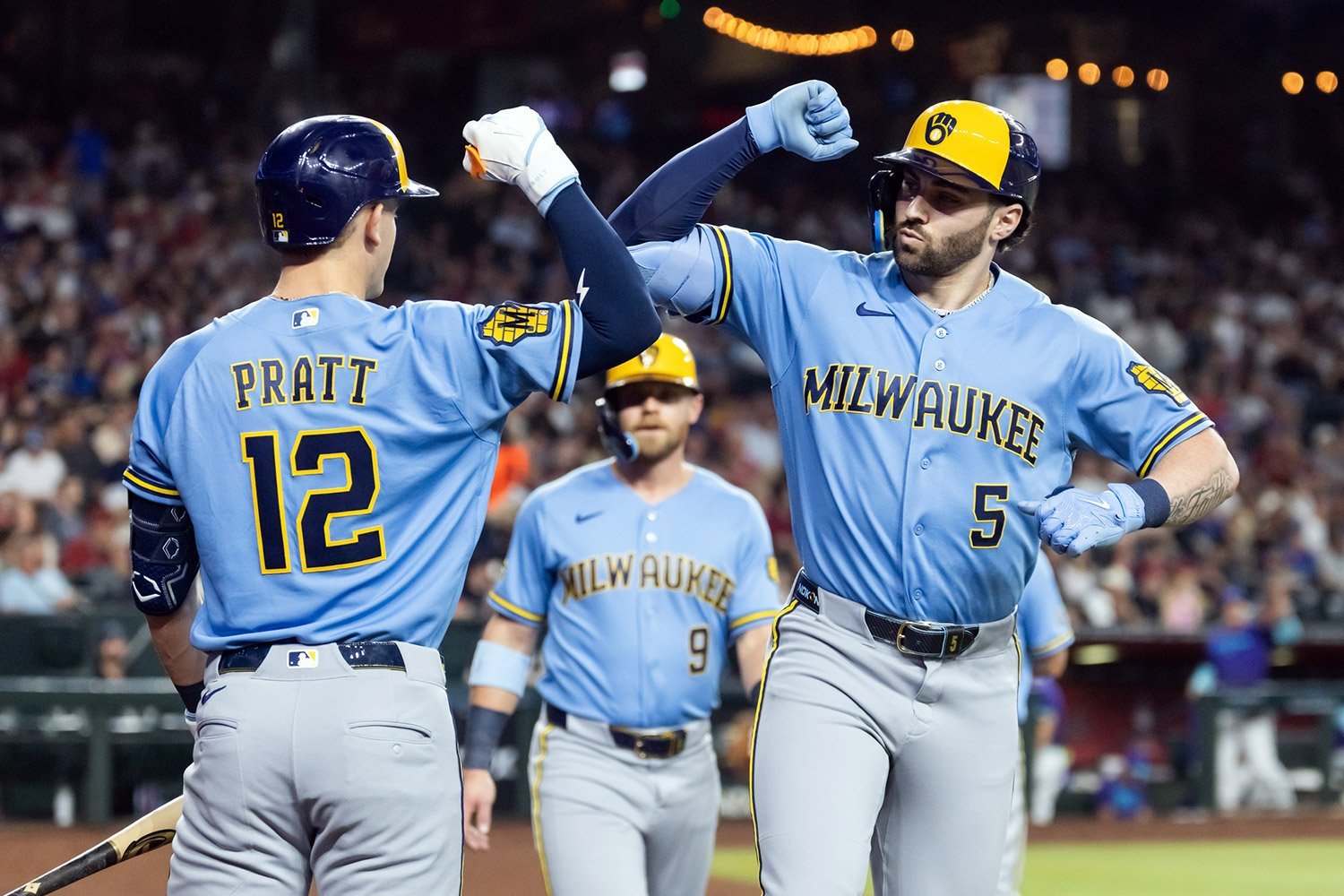 Weekly Snapshot: Record Last Week: 5-2 (Overall: 55-33) Run Scored Last Week: 31 Runs Surrendered Last Week: 27 Standing: 1st in NL Central *** Game 82 (6/29) | MIL 5, CIN 3 Game 83 (6/30) | MIL 7, CIN 2 Game 84 (7/01) | MIL 4, CIN 2 Game 85 (7/02) | CIN 7, MIL 2 Game 86 (7/03) | MIL 7, AZ 4 Game 87 (7/04) | AZ 4, MIL 3 Game 88 (7/05) | MIL 3, AZ 2 *** Game 82 | Brewers 5, Reds 3 MIL Starter: Robert Gasser (5.2 IP, 7 H, BB, 3 ER, 5 K) Top Performers: Joey Ortiz (H, HR, 2 RBI) Andrew Vaughn (2 H, BB, 2B) Sal Frelick (2 H, BB, 2B) Robert Gasser was on the mound Monday to kick off a four-game set with the Reds, and he’d turn in 5.2 innings of quality work. Reds twirler Nick Lodolo was better, though, holding the Brewers to just one hit in his five scoreless innings. The game then belonged to the bullpens, and there the Brewers would strike. They’d score five runs off a struggling Cincinnati bullpen, with the final blow coming off the bat of Joey Ortiz in the 8th, leaving Trevor Megill to slam the door on the Reds in the 9th. Joey Ortiz smacks a clutch 2-run home run (+34.5 WP%) Game 83 | Brewers 7, Reds 2 MIL Starter: Brandon Sproat (5.1 IP, 2 H, 2 BB, 2 ER, 7 K) Top Performers: Jackson Chourio (2 H, BB, HR, 2 RBI) Jake Bauers (3 H, HR, RBI) Sal Frelick (3 H, 2B, RBI) The Brewers jumped all over Rhett Lowder in game two, charging him with six runs on 11 hits before chasing him from the game in the 5th. Meanwhile, Brandon Sproat was solid in his 5.1 innings of work, and then the bullpen put up a zero behind him to close out a comfortable 7-2 win for the Brewers. Jake Bauers goes yard (+2.9 WP%) Game 84 | Brewers 4, Reds 2 MIL Starter: Shane Drohan (5.2 IP, 6 H, BB, 2 ER, 7 K) Top Performers: Garett Mitchell (4 H, 2 2B, 3B, RBI) Aaron Ashby (1.1 IP, H, 0 BB, 0 ER, 2 K) Andrew Vaughn (H, BB, 2B, RBI) Behind Garett Mitchell’s first career four-hit performance on Wednesday, the Brewers captured the series against Andrew Abbott and the Reds. Shane Drohan, meanwhile, was the third Brewer to pitch into the sixth inning, as he generated 17 whiffs and 7 K’s in his outing. Garett Mitchell’s 4-hit game Game 85 | Reds 7, Brewers 2 MIL Starter: Jacob Misiorowski (5.0 IP, 5 H, 0 BB, 5 R, 1 ER, 10 K) Top Performers: Garett Mitchell (H, BB, HR, RBI) Jacob Misiorowski was on the mound for the series finale on Thursday, facing off in a marquee duel of young fireballers against Chase Burns. Despite the promise of a pitcher’s duel, it was the Reds who’d get to the Miz, plating five against the NL leader in ERA, while Burns was able to quiet the Brewer offense by pitching to contact. Mitchell sends one out (+4.7 WP%) Game 86 | Brewers 7, Diamondbacks 4 MIL Starter: Kyle Harrison (2.2 IP, 5 H, BB, 3 ER, 3 K) Top Performers: Garett Mitchell (H, BB, HR, 2 RBI) Chad Patrick (3.1 IP, H, 0 BB, 0 ER, 2 K) Grant Anderson (2.0 IP, H, BB, R, 0 ER, K, SV) Things got wild as the week shifted to Arizona, with the Brewers taking on the Diamondbacks. Garrett Mitchell got the offense started in the 2nd inning with a 2-run homer, though things shifted quickly as he just missed a second home run after a robbery from Lourdes Gurriel Jr. Then, the D-Backs would chase Kyle Harrison in the 3rd inning, tying the game in the process. Things settled after that, with both squads' bullpens carrying the game to extra innings, where the Brewers would score four runs in wild fashion before Grant Anderson closed the marathon down in the 11th. Garett Mitchell goes deep again (+16.0 WP%) Game 87 | Diamondbacks 4, Brewers 3 MIL Starter: Brandon Woodruff Top Performers: Brice Turang (3 H, 2 2B) Christian Yelich (H, HR, 2 RBI) Craig Yoho (2.2 IP, 0 H, 0 BB, 0 ER, K) It was a rather forgettable 4th of July for the Brewers, as a 4-3 loss was further tainted with Brandon Woodruff’s early exit and a box score that saw the Brewers outhit the Diamondbacks 12-4. Christian Yelich’s 2-run bomb (+13.8 WP%) Game 88 | Brewers 3, Diamondbacks 2 MIL Starter: Brandon Sproat (4.0 IP, 5 H, 3 BB, ER, 4 K) Top Performers: Grant Anderson (1.2 IP, 0 H, 0 BB, 0 ER) Jake Bauers (H, HR, 2 RBI) Abner Uribe (1.2 IP, 0 H, BB, 0 ER, K) The week concluded with a win despite a short outing from Brandon Sproat, as a big 2-run home run off the bat of Jake Bauers in the 7th, plus an RBI-single from Joey Ortiz, were all the runs the Brewers needed to battle a Diamondbacks team that could not come up with the big hit. Jake Bauers flips the scoreboard (+31.3 WP%) Transactions: 07/05/26 - Placed RHP Brandon Woodruff on the 15-day injured list with right shoulder inflammation. 07/05/26 - Recalled LHP Drew Rom from AAA Nashville. 07/04/26 - Sent RHP Coleman Crow on a rehab assignment to AAA Nashville. 07/04/26 - Recalled RHP Craig Yoho from AAA Nashville. 07/03/26 - Sent LHP Rob Zastryzny on a rehab assignment to the ACL Brewers. 07/01/26 - Sent RHP Carlos Rodriguez on a rehab assignment to the ACL Brewers. 06/30/26 - Optioned LHP Robert Gasser to the ACL Brewers. 06/30/26 - Selected the contract of RHP Garrett Stallings from AAA Nashville. Looking Ahead: Monday, 7/6 - Brewers @ Cardinals - 6:45 PM CDT Tuesday, 7/7 - Brewers @ Cardinals - 1:15 PM CDT Tuesday, 7/7 - Brewers @ Cardinals - 6:45 PM CDT Wednesday, 7/8 - Brewers @ Cardinals - 6:45 PM CDT Thursday, 7/9 - Brewers @ Cardinals - 6:45 PM CDT Friday, 7/10 - Brewers @ Pirates - 5:40 PM CDT Saturday, 7/11 - Brewers @ Pirates - 3:05 PM CDT Sunday, 7/12 - Brewers @ Pirates - 11:15 AM CDT View the full article
 -
Bring Out The Brooms! Marlins Sweep A's in Sacramento
DiamondCentric posted an article in Fish On First
Eury Perez was the cusp of making history. Through 7 innings, not a single Athletics' hitter had reached base. But at 92 pitches, Clayton McCullough made the decision to pull him from the game. Clayton qoute: " " Lake Bachar entered to start the 8th inning and immediately walked Lawrence Butler to lose the perfect game. The next hitter, Joshua Kuroda-Grauer hit a blooper to right field that fell in for a basehit. No-hitter gone. Just like that, a potentially historical day had evaporated in the warm Sacramento air. Bachar than gave up a double and a walk before Jonah Heim crushed a grand slam to right-center. All of a sudden, it was 8-5. The Marlins ended up winning the game, but it was a strange feeling with the way it ended. Even thoiugh Eury did not get the opportunity to finish a perfect game, this was without a doubt the best game he'd ever pitched in his career. A's hitters looked helpless at the plate. He finished his outing with 7 strikeouts. Eury qoute "" The Marlins' bats had been on fire during the first two games at Sutter Health Park, and they didn't let up on Sunday either. Heriberto Hernandez homered off of Gage Jump in the first inning, and the route was on after that. Otto Lopez hit an RBI double in the 2nd inning, and Liam Hicks also added a sac-fly to make it 3-0. Leo Jimenez got in on the fun in the 3rd with his first homer in a Marlins uniform. Otto Lopez and Heriberto Hernandez went back-to-back in the 6th innning for an 8-0 lead. The Marlins hit 12 home runs in Sacramento, the most out of any 3 game series in franchise history. The Athletics pitchers just had no answers for this Marlins lineup all series long. View the full article
