


DiamondCentric
-
Posts
2,631 -
Joined
-
Last visited
Never
Content Type
Profiles
Forums
Events
News
Tutorials & Help
Major League Baseball Videos
Guides & Resources
Store
Downloads
Gallery
Everything posted by DiamondCentric
-
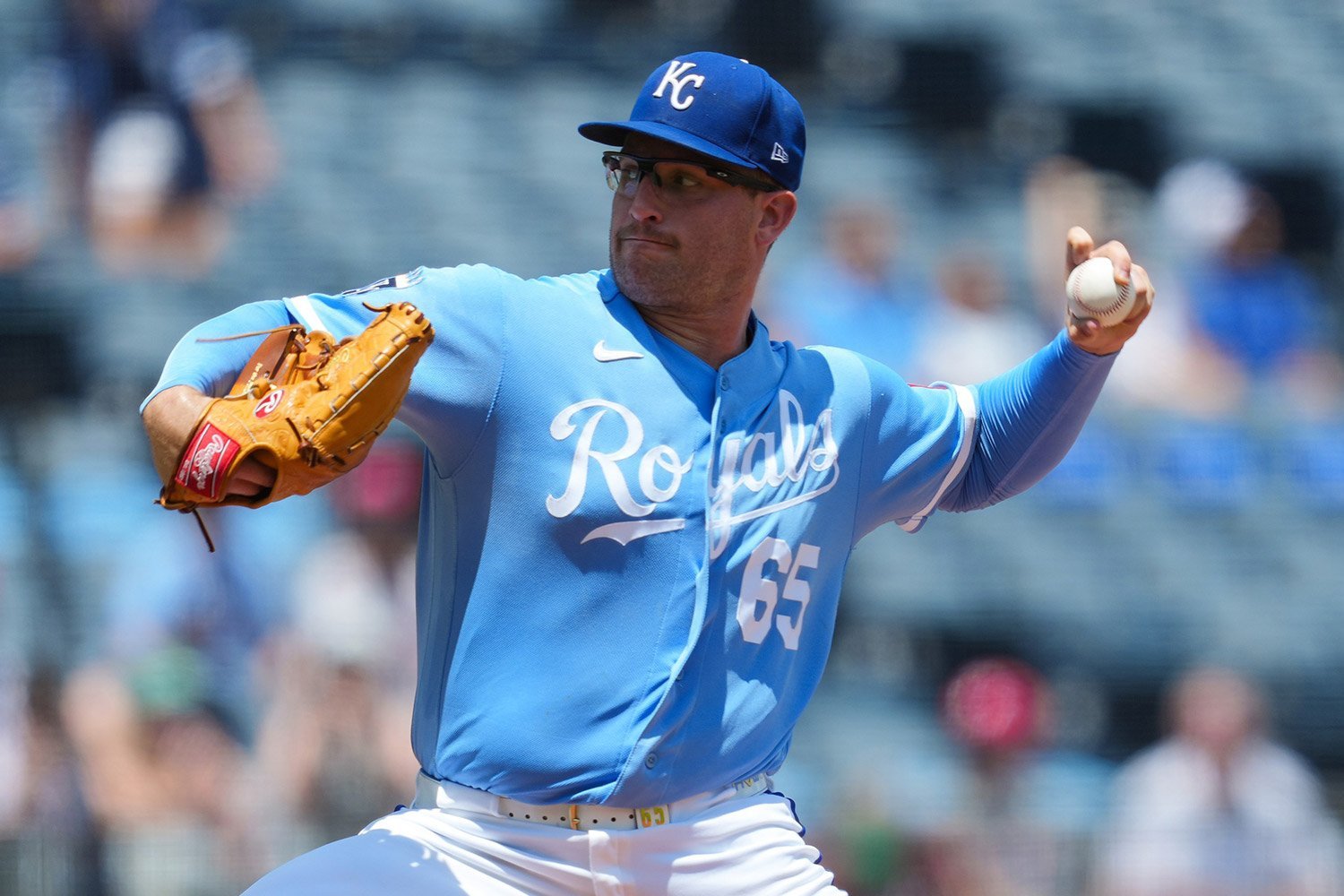 Noah Cameron has a problem, and it isn't his curveball. It's everything around it. His curve remains one of the five most effective breaking pitches in baseball, but it has become the only pitch in his arsenal that hitters still have to respect. Over the past two seasons, Cameron's curveball has struck out 40.1% of the hitters who have faced it while allowing just a .165 batting average, a .224 slugging percentage, and a .210 wOBA. It has performed at the same level as Ranger Suárez's and Joey Cantillo's. It's the kind of pitch any starter would want as the foundation of his repertoire. It's also the only pitch in his arsenal that has maintained that level of performance. That has changed the way hitters attack him. In 2025, hitters chased 32.2% of Cameron's curveballs thrown outside the strike zone. The pitch generated a 37.4% whiff rate and produced a Run Value of +2.7 per 100 pitches. In 2026, those numbers have moved in the opposite direction. His O-Swing rate has fallen to 25.7%, the whiff rate has dropped to 29.5%, and the pitch now carries a Run Value of -0.3 per 100 pitches. Metric 2025 2026 Change O-Swing% 32.20% 25.70% -6.5 pp Whiff% 37.40% 29.50% -7.9 pp Run Value/100 2.7 -0.3 -3 The pitch itself has barely changed. Its velocity, vertical movement, and spin profile have remained almost identical. What changed was the hitters’ response. They’re no longer chasing it at the same rate. One plausible explanation is that the rest of Cameron’s arsenal no longer poses enough of a threat to force hitters to protect the zone early in the count. The rest of his arsenal supports that theory. None of his other pitches has complemented the curveball with any consistency. His four-seam fastball has allowed a 49.3% HardHit rate and a .280 batting average. The cutter hasn’t provided a reliable alternative either, surrendering a .338 average, while both the slider and sinker have been hit even harder. Combined, those four pitches account for 61.5% of Cameron’s repertoire, compared to just 16.8% for his curveball. The results suggest hitters can afford to wait for something more hittable instead of protecting against his best pitch. His pitch usage by count tells the same story. When ahead, Cameron throws his curveball 7.1% of the time and allows just a .084 batting average against it. That’s exactly the type of pitch a starter wants to finish an at-bat. When he falls behind, however, the curveball nearly disappears, dropping to just 2.3% usage, while his repertoire shifts toward fastballs, against which opponents are batting .329. Situation AVG vs. Curveball AVG vs. Fastballs Pitcher Ahead .084 .167 Pitcher Behind .211 .329 That split is unlikely to be a coincidence. It illustrates how Cameron's pitch mix changes once he loses control of the count. The issue isn't that he relies too little on the curveball when ahead—it remains dominant in those situations. The challenge comes when he has to lean on the rest of his arsenal to regain leverage in the count. At the same time, Cameron has improved in several important areas. His strikeout rate has climbed from the 55th percentile to the 82nd, while his walk rate has improved from the 33rd to the 75th. He's commanding the strike zone more effectively and generating more swings and misses overall. The quality of contact, however, has moved sharply in the opposite direction. His Hard Hit percentile has fallen from the 82nd to the 48th, his Barrel percentile from the 73rd to the 24th, and the Run Value of his breaking pitches from the 99th to the 21st. Hitters aren't just making more contact; they're doing far more damage when they connect. The lack of a reliable second pitch helps explain that pattern. The slider is the clearest example. In 2025, it held hitters to a .205 batting average and a .256 slugging percentage while generating a 31.1% whiff rate. One year later, those numbers have climbed to .300 and .550, prompting Cameron to reduce its usage from 14.1% to 9.6%. The sinker hasn't offered an answer either, allowing a .636 batting average. His changeup, meanwhile, has been his second-most effective pitch, producing just a 24.1% HardHit rate, and it may represent his best option for bringing more balance to the repertoire. Noah Cameron's curveball has never stopped being an elite pitch. What has changed is everything around it. Until the rest of his repertoire forces hitters to respect more than one weapon, his curveball will continue carrying a burden no single pitch can shoulder on its own. View the full article
 -

Does Switch-Hitting Still Make Sense for Blake Perkins?
DiamondCentric posted an article in Brewer Fanatic
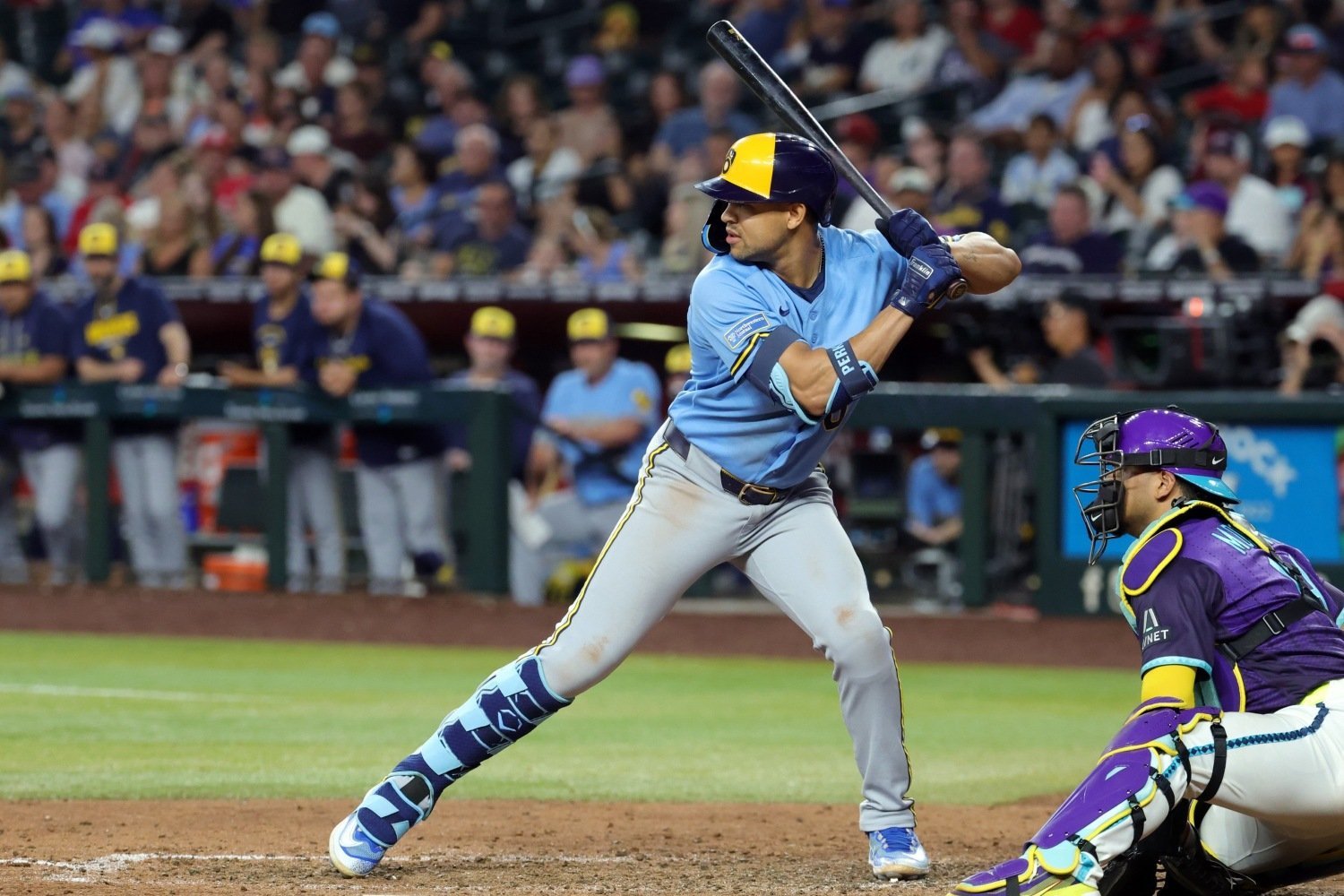 When Blake Perkins stepped into the left-handed batter’s box to face Arizona Diamondbacks right-hander Taylor Clarke on Friday night, it was his first plate appearance from the left side in nearly a month. The switch-hitting Perkins last hit left-handed in Las Vegas on June 8, and like his at-bat in Arizona, it only happened because the game went to extra innings after he entered as a pinch-runner. Since May 16, he has taken just six plate appearances as a left-handed hitter. A natural right-handed hitter, Perkins has typically fared best from that side, making more contact and hitting for more power. As a lefty, he’s never truly been close to an average hitter, but that matchup flexibility added enough value to his glove-first profile to make him a solid big-leaguer. That hasn’t been true this year, as his very limited production from the left side has bottomed out. He has just two left-handed hits, one of which was a bunt single. {C}%3C!%2D%2Dtd%20%7Bborder%3A%201px%20solid%20%23cccccc%3B%7Dbr%20%7Bmso-data-placement%3Asame-cell%3B%7D%2D%2D%3E--> Season wOBA (LHB) xwOBA (LHB) K% (LHB) wOBA (RHB) xwOBA (RHB) K% (RHB) 2023 .313 .254 30.3% .302 .286 15.2% 2024 .280 .276 30.4% .299 .303 16.4% 2025 .256 .265 29.3% .286 .326 22.0% 2026 .136 .204 30.0% .352 .309 23.6% Perkins continues to swing from both sides, but in reality, he does not function as a switch-hitter on the 2026 Brewers. That raises the question of whether he should hit exclusively right-handed moving forward, a transition he considered a few times earlier in his career. There are numerous fairly recent examples of hitters giving up switch-hitting during their big-league careers. Perkins wouldn’t be the first Brewer to do it within the last two seasons. In Triple-A last year, the club encouraged Anthony Seigler to focus solely on hitting from his best side before his eventual debut. However, many of those players, including Seigler, stopped hitting right-handed to focus solely on their left-handed swing. That’s usually a worthwhile tradeoff, as left-handed hitters have the platoon advantage the majority of the time, particularly against starting pitchers. In every season of the pitch-tracking era (since 2008), right-handed pitchers have thrown more than 70% of all pitches. For Perkins, it might make some sense in the short term to focus solely on being an average right-handed hitter against lefties, but he’s more likely to prolong his opportunities beyond this season by becoming passable again from both sides. His offense will probably never be good enough to make him a full-time player, but he’ll have a much better chance of getting starts in center field with a future team if he can hit left-handed. That may still be a possibility, as his left-handed swing does not look irretrievably broken. According to Statcast, Perkins’s bat speed and swing path from the left side are nearly identical to his career averages. In a small sample this year, he’s gotten underneath or been jammed by too many fastballs, and he’s waved early at slower stuff. That’s left him hitting too many pop-ups and ground balls, a poor combination for any hitter. This version of Perkins only helps the Brewers in a limited role. He also owes most of those opportunities to injuries, as the club has been down a right-handed-hitting outfielder—first Jackson Chourio, then Brandon Lockridge—for most of the year. Once Lockridge and Luis Lara start factoring into the mix, Perkins could head back to Triple-A, where he’d have more opportunities to get right. Those opportunities won’t matter much for the Brewers, but they may still matter to Perkins, who will have to start thinking more broadly about his career prospects. With Lockridge still two seasons away from arbitration and Lara on a recently signed extension, Perkins's time as a productive fourth outfielder in Milwaukee is probably nearing its end. He's a beloved teammate and has defensive and baserunning value, though, so this stop need not be the last one on his tour of the major leagues. View the full article
 -
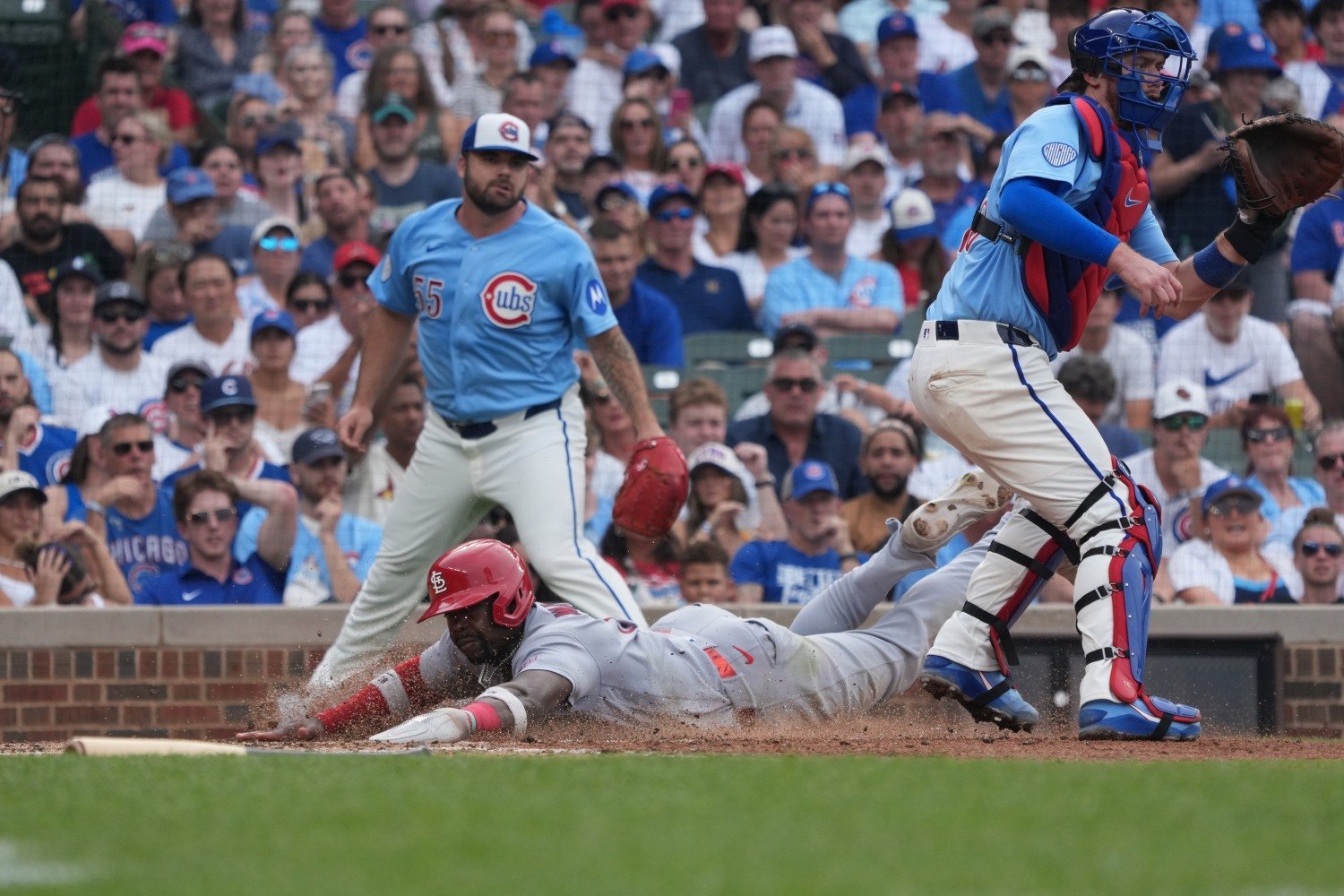 Sometime this week, Jake Woodford will toe the rubber and absorb some innings on behalf of the Cubs bullpen. When he does (barring something unforeseen happening first, like a trade for another form of reinforcement or an emergency call-up), Woodford will become the 33rd pitcher Chicago has used this season. That's the same number they used all year in 2019, the last time the ball flew like this. It's only two fewer than they used in all of 2018, a year marked by a draining fight for the NL Central crown and a litany of injuries. They'll push beyond the 35 pitchers the 2018 team used, too. They're likely to at least flirt with setting a new team record. They used 43 pitchers to get through 2022, after needing 40 to limp through 2021. Those seasons were the products of unusual circumstances, in that the team was trying to protect many pitchers' arms from overuse in the wake of the pandemic; had to navigate a shortened spring training after the lockout heading into 2022; and unloaded several pitchers in each summer to pace up their rebuilding project. None of that stuff is happening right now, though, and this flat-out was not supposed to happen. It's halfway normal, these days, to turn to a few dozen pitchers over the course of a season. That the Cubs are already running up on a bad year's worth of them, however, is a telling indictment of their preparation, scouting, risk assessment and development. This team will end up using several more pitchers over the balance of this season, be it because they trade for a bunch of help or because they're compelled to admit defeat and trade away some of their impending free agents. In effect, that's an announcement that they're no further along in the project of amassing enough pitching depth to field a sustainable winner than they were four or five years ago. It's hard to always have good answers for the difficult tests of depth that happen during a modern major-league season. As you can see, even a quarter-century ago, it was customary to use about half as many arms as the Cubs will use in 2026. Injuries and a rising baseline for offensive talent have rapidly increased the number of guys big-league teams need. Still, even with the Cubs at 50-40 entering Tuesday's games, it's fair to say that they've failed some critical tests that other teams have passed. With some of the formerly slumping hitters starting to recover, the quality of Chicago's everyday lineup has been on full display of late. That makes the juxtaposition of those players with this pitching staff even more jarring than it would be otherwise. Pete Crow-Armstrong is more than capable of being a one-man show at times, but he's not alone in delivering lately. Dansby Swanson, like Crow-Armstrong, is a two-way threat, contributing to both run production and run prevention. Seiya Suzuki and Michael Busch are climbing out of the holes in which they stuck themselves at the plate, and each has made huge strides defensively. The lineup is deep and balanced, even if it's also been mystifyingly inconsistent this year. We've already talked a lot about how committed this team is to a core that will be around for quite a while. We should also take this moment to reflect on just how strangely that's shaped, though. Ideally, the team will get back the likes of Justin Steele, Cade Horton and Ben Brown at full strength next season. In reality, that's too optimistic. Besides, there's a whole second half to play, in which none of those three are likely to play a role at all. Beyond them, the pitching staff is as lacking for long-term commitments as the lineup behind the hurlers is awash in that same certitude. The Cubs lineup is what it will be for the next several years; the Cubs' pitching staff isn't even what it will be for the next fortnight. They've bumped along admirably over the last few weeks, but this is the pitching staff of a rebuilding team, not a serious contender. That's very weird, because the lineup is very much that of a serious contender, and these days, most teams have both or neither. The Cubs' deficiencies in depth and talent on the pitching side are so glaring that it's virtually impossible to imagine them overcoming them. On the other hand, if any team can survive what the 2018 team couldn't, it's probably this one—the best lineup the team has fielded since that fateful year. Somehow, Jed Hoyer needs to be extremely active over the next four weeks. He has limited ways to achieve that, but unless he threads the needle better than he ever has before, this Jekyll-and-Hyde team will live the ghastly end of that story: self-inflicted destruction, wasting the good because of an inability to fend off the bad. View the full article
 -
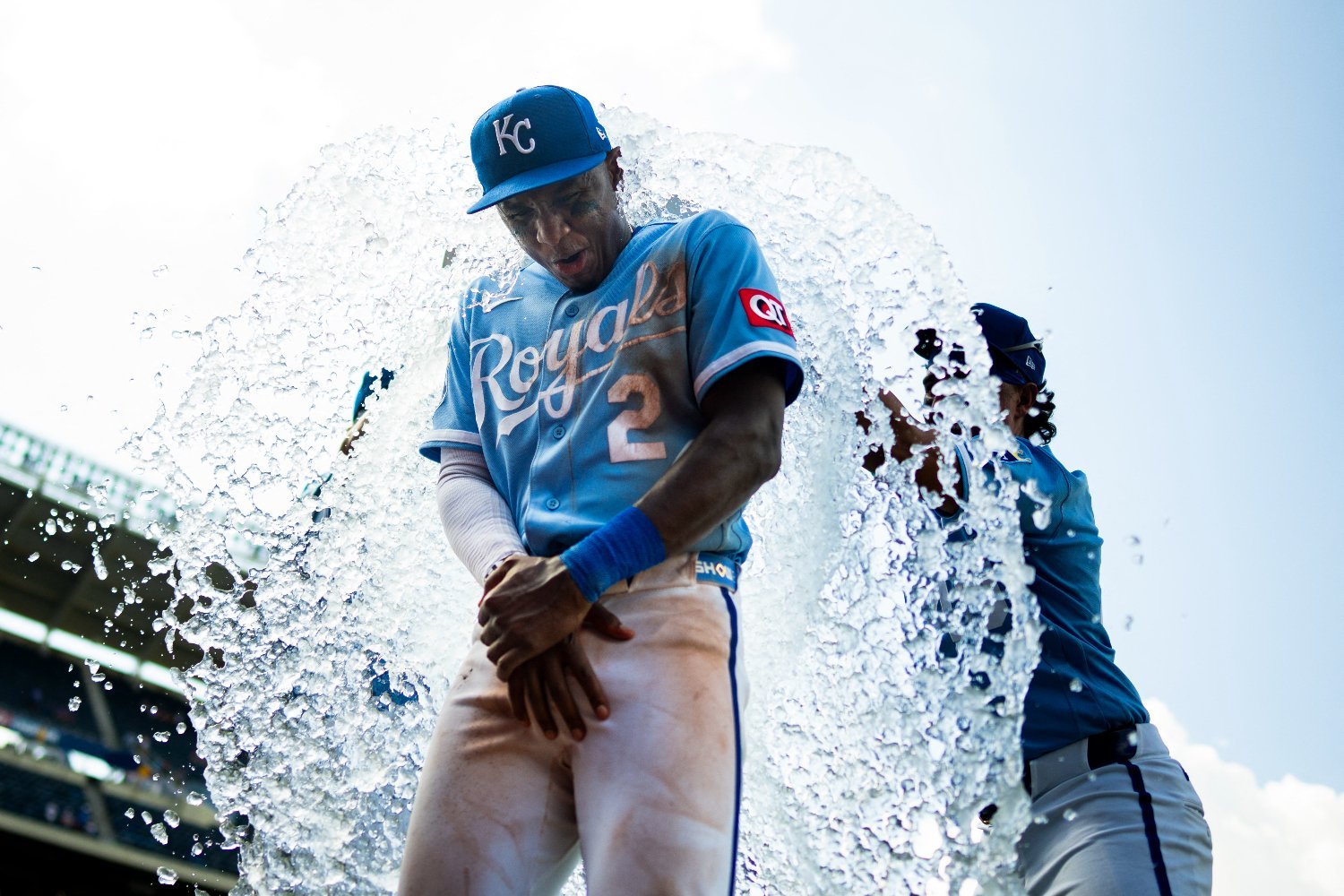 Week in a Nutshell The Royals returned to Kauffman Stadium this past week for their last homestand before the All-Star Break. It didn't start well, as Kansas City was swept during the week by the Tampa Bay Rays, one of the hottest teams in baseball. With fan morale low after the sweep and a poor first half, they also fell flat on the Fourth of July in the first game against the Phillies, despite a pretty packed house (30,000+ in attendance). However, the Royals righted the ship a bit on Sunday and Monday, with victories that helped them take the series against the favored NL East ballclub. And if that wasn't enough, Kansas City made offensive history with 15 total runs on 22 hits in the series finale against Philadelphia. Record this Week: 2-4 Run Differential for the Week: -1 Record for the Year: 37-54 Run Differential for the Year: -71 Standing: 5th in the AL Central One Sentence Game Summaries Game 86: TB 10, KC 4 Noah Cameron and the Royals' bullpen are tagged for 10 runs by the sixth inning in a game that never felt close. Game 87: TB 4, KC 0 Shane McClanahan silences the Royals bats over six innings of work, as Junior Caminero hits a home run in the sixth straight game. Game 88: TB 5, KC 2 Carter Jensen and Isaac Collins go yard, but it's not enough, as Stephen Kolek exits the game after only two innings. Game 89: PHI 6, KC 1 Fireworks come after the game and from Phillies bats in this one. Game 90: KC 5, PHI 2 Royals snap losing streak thanks to strong five-inning outing from Luinder Avila and clutch hits from Collins and Salvador Perez. Game 91: KC 15, PHI 1 The Royals score at least one run in every inning in a blowout against NL Cy Young favorite Cristopher Sanchez (who had a 2.00 ERA entering this game). News and Notes Kolek has been dealing with some family issues, mostly centering on the birth of his child, who was born prematurely (but is reportedly in stable condition). As a result, the right-handed pitcher has been on and off the Family Emergency List twice, with the most recent addition coming on July 4th after his two-inning July 2nd start against the Rays. The Royals shuffled their pitching staff with Kolek on the Family Emergency List. Jose Cuas, who last pitched in Kansas City in 2023, was called up to take Kolek's place on the pitching staff, and he has done well in the role, especially with new acquisition Connor Seabold recently going on the IL. Reliever Eric Cerantola was also called up to pitch some innings with a depleted staff. Unfortunately, he struggled during his brief tenure, highlighted by a nightmarish June 30th outing against the Rays that featured six walks in 1.1 IP. Cerantola was eventually designated for assignment on July 2nd, and the San Francisco Giants picked him up on waivers on July 6th. In addition to Cuas, the Royals called up another former player, Maile, who made his 2026 debut on Sunday against the Phillies. In Maile's first at-bat with the Royals this season, he hit an opposite-field three-run home run off Sanchez in the bottom of the first inning. Maile's promotion resulted in John Rave's demotion back to Omaha. Rave had a 151 wRC+ in 21 plate appearances with the Royals this season. The primary reason for Maile's call-up is apparently Perez's lingering minor injuries, preventing him from seeing any time at catcher. Salvy has not caught since June 27th. In other injury news, they received both positive and negative updates this week. On a positive note, Vinnie Pasquantino has been cleared to begin a rehab start in Triple-A Omaha on Tuesday, July 7th. On the negative side, the Royals saw setbacks with Kyle Isbel and Kris Bubic, who were lifted from rehab assignments (or those scheduled) for further evaluation. Bubic made two appearances in Omaha before returning to the IL. Speaking of pitching, Cole Ragans underwent surgery on his left UCL, which will not only end his 2026 season but also keep him out for part of 2027. An interesting Minor League move the Royals made this week was acquiring Scott Barlow as a Minor League free agent. The former Royals reliever was a prolific closer for Kansas City from 2021 to 2023, but he struggled with the Athletics this year. Barlow posted a 6.48 ERA and 6.44 FIP in 33.1 IP with the A's before being released. He is currently pitching in Triple-A Omaha. In some encouraging Major League news, two Royals players made the All-Star Game roster: Bobby Witt Jr. and Michael Wacha. Witt was voted in as the starting shortstop by the fans. This is his third straight All-Star appearance and his first as a starter. As for Wacha, this is his second All-Star appearance, with his last coming in 2015 when he was a member of the St. Louis Cardinals. Highlights There weren't many highlights for the Royals in the Rays series, but things picked up for the club in the Phillies series. The Royals won 2 of 3 from Philadelphia, their first series win since their June 18-21 series at home against the Cardinals. Kansas City's offensive performance was pretty historic on Monday afternoon. Even though they were facing Sanchez, who had a 2.00 ERA going into the game and was recently named to the NL All-Star roster, the Royals tagged him for 9 runs on 12 hits and 1 walk over 3.1 IP. Overall, the Royals scored 15 runs on 22 hits and scored at least one run in every inning in their 14-run victory on Monday afternoon. Many Royals bats stood out this week during the homestand. In 23 at-bats, Witt hit .348 with a .984 OPS and two home runs. His eight hits led all Royals hitters in the past week. Salvy also had a strong performance this week, hitting .313 with a .978 OPS in 16 at-bats. He also hit two home runs during the homestand, his latest coming on Monday against Sanchez. Collins also had a strong week at the plate, which was encouraging to see considering he's been quite up and down this year. In 13 at-bats, he hit .385 with a 1.154 OPS, a home run, and two doubles. Much like Salvy, Collins has seemed to do better offensively with more days off and fewer at-bats. The best offensive performance of the week may belong to Tyler Tolbert, who had a five-hit game on Monday and was a triple short of the cycle. The Royals utility player hit .700 this week with a 1.800 OPS. That included a home run and two stolen bases. On the pitching side, there were fewer highlights, but Steven Cruz is a reliever who deserves recognition. Over three innings pitched, he allowed no runs and posted a 1.33 WHIP. While he didn't strike out a tremendous amount (three) and had some control issues, the TJ Stuff+, xwOBACON, and chase% were all solid this week for Cruz. Cruz is slowly proving that he can be a reliable reliever for the Royals, even though he had a brutal start to the season. Another pitching standout was Luinder Avila, who stopped the bleeding for the Royals and helped Kansas City snap a four-game losing streak on Sunday. It was an efficient outing for Avila over five innings against a daunting Phillies lineup. He struck out four, walked one, allowed three hits, and allowed only one run on 69 pitches. Manager Matt Quatraro pulled the hook on Avila early after he gave up some loud contact in the fifth, but the Venezuelan righty did enough to help set up a Royals victory. Avila has been a reliable starter for the Royals this year, much-needed considering the injuries to many pitchers on this staff, especially Ragans, Bubic, and reliever Carlos Estevez. Lowlights Cameron got the win on Monday, but he didn't have a pretty stretch this week, as evidenced by the numbers from his two starts during this homestand. In 8.2 IP, the St. Joseph, Missouri product produced a 7.27 ERA and 2.65 WHIP. Cameron got hit around by the Rays and Phillies, as evidenced by 15 hits and two home runs allowed this week. Control and command were also issues for Cameron this week. He had more walks than strikeouts, and he struggled to generate much chase, whiff, or weak contact in his two starts at Kauffman Stadium this week, as demonstrated below in his TJ Stuff+ summary. Cameron is coming off a poor June in which he posted a 5.52 ERA and 1.42 WHIP in 31 IP. While he was able to get through some tough jams on Monday against the Phillies (only one run allowed), his lack of control (five walks) could hurt him in future outings down the stretch if he is not getting the same batted-ball luck. Cerantola had the worst outing of any Royals pitcher during this homestand, which seemed to be the final straw for him with the Royals. In 1.1 IP, he walked six batters and allowed two runs to score (he also allowed one hit). The Canadian pitcher had a wicked slider, but his fastball and cutter are mediocre offerings, as demonstrated by his TJ Stuff+ data from his June 30th outing against the Rays. After being designated for assignment, the San Francisco Giants claimed Ceranotla on waivers on Tuesday, hoping that the 2021 5th-round pick can boost their mediocre bullpen, which ranks 23rd in bullpen ERA and 29th in bullpen K/9. On the offensive end, Jac Caglianone had a rough homestand, hitting .200 with a .392 OPS in 25 at-bats, a team-leading total. Strikeouts were an issue for him, as he struck out six times and didn't walk once. The same was true with Carter Jensen, who also hit .200, didn't walk once, and struck out 10 times. At least Jensen showed power, launching two home runs this week. That made his OPS respectable at .700. Cags has been hot and cold this year, and his rough homestand lowered his OPS from .847 on June 23rd to .782 after Monday's win. Wild swings may just be Cags' MO in the future, but it'll be interesting to see if he gets more patient now that he's hit a cold stretch. After walking 10 times last month in 106 plate appearances, he has zero so far in July 22nd plate-appearances. Another hitter with a rough homestand was Michael Massey, who hit .176 with a .439 OPS in 17 at-bats. With Jonathan India hurt, Massey has stepped up, filling in admirably on the offensive and defensive end. In terms of the latter, his +8 OAA at second base makes him one of the best defenders at the keystone position in baseball. Massey is coming off a solid June, hitting .294 with a .792 OPS in 91 plate appearances. He also hit two home runs and collected 12 RBI. That is what the Royals need near the middle to bottom of the batting order. Unfortunately, he's gotten off to a cold start in July, which includes six strikeouts to only two walks in 17 at-bats. A productive Massey at the plate will only enhance his overall value, especially considering how strong he is defensively. Hopefully, he can put this rough homestand behind him. Looking Ahead The Royals hit the road this week for their final road trip of the 2026 first half. They will face two teams that have also disappointed this year: the New York Mets (38-53) and the Baltimore Orioles (42-49). The Mets have been a massive disappointment in 2026, especially considering their massive payroll centered around superstar Juan Soto. Much like the Royals, injuries have hurt the Mets, and the combination of those and lackluster performances from key players ultimately cost manager Carlos Mendoza his job. The Royals will likely pitch Seth Lugo, Stephen Kolek (fresh off the FME List), and Michael Wacha in this series and will likely face Kodai Senga, Christian Scott, and former Royals draft pick Sean Manaea. The Mets' bullpen (6th in reliever ERA) has been much better than their rotation (27th in starter ERA), so if the Royals want to win this series, they will need to get after Mets starters early. In the weekend series, Kansas City will face the Orioles, whom they faced in the 2024 AL Wild Card Series (the Royals won in two games in Baltimore). The Orioles and Royals are pretty much kindred spirits when comparing their circumstances: Both made the postseason in 2024 despite years of rebuilding as smaller-market teams with smaller payrolls. They built their postseason teams through homegrown talent. They have regressed over the past two years, as both teams missed the playoffs last year and will likely do so again in 2026. They had former ownership groups that were very cheap and unhelpful, but now have owners who want to win, are more willing to spend, and have higher expectations. The Royals could build some much-needed momentum with a series win in Baltimore. They will likely face Brandon Young, Kyle Bradish, and Shane Baz in this final series of the first half. Luinder Avila, Noah Cameron, and Seth Lugo are expected to pitch for the Royals. The Orioles won the series against the Royals at Kauffman Stadium back in April, two games to one. Thus, it would be nice for Kansas City to even up the season series with Baltimore before the All-Star Break. View the full article
 -
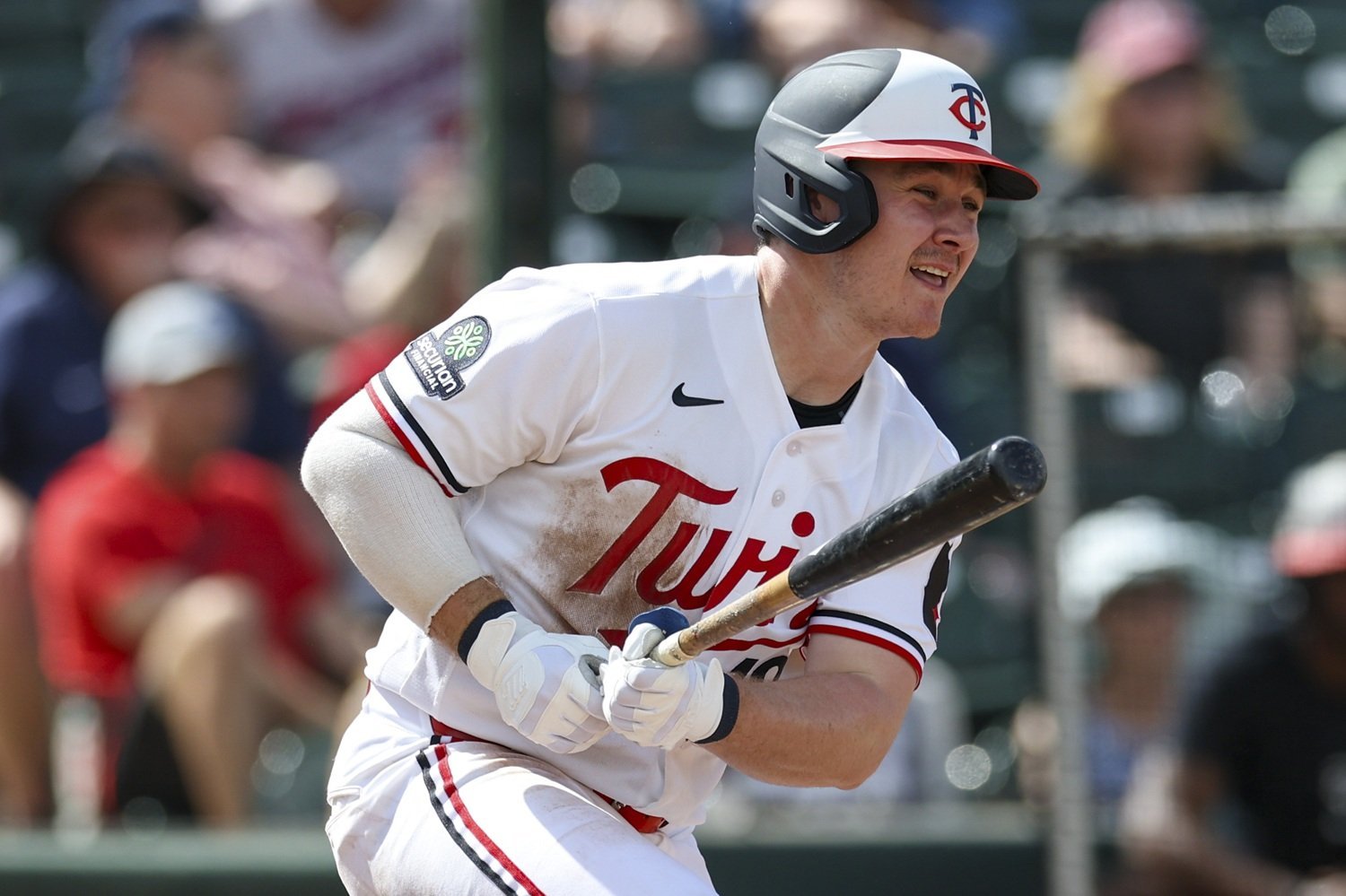 The Minnesota Twins have reached the point where waiting on Alan Roden simply doesn't make much sense anymore. When they acquired Roden and Kendry Rojas from the Toronto Blue Jays at last year's trade deadline in exchange for Louis Varland, the move was viewed as one that could help both the present and the future. Rojas arrived as a talented young starting pitching prospect with plenty of upside, but Roden was the more polished, major league-ready player. The Twins didn't trade for him because they thought he needed another full season in Triple-A. They traded for him because they believed he was close to helping them win games. Unfortunately, Twins fans barely got to see him after the trade. Roden appeared in only 12 games before suffering a thumb injury that ended his season, putting his Twins tenure on hold almost as soon as it began. He responded well to the setback this year in spring training, where it became increasingly apparent that Roden deserved a spot on the Opening Day roster. He spent camp competing with James Outman for the final outfield job, and it was hard to argue that Roden hadn't outperformed him. Instead, the Twins opted for roster flexibility. Because Roden still had minor-league options remaining (while Outman did not), Roden was sent to St. Paul, despite looking like the better baseball choice. The decision was understandable from a roster management perspective, but it always felt temporary. Roden appeared to be first in line whenever the Twins needed another outfielder, and that opportunity looked like it was only days away—before another injury derailed his season. In April, Roden tore the labrum in his right shoulder, forcing him back to the injured list just as the door to the majors was beginning to open. Now he's healthy again, and he's reminding everyone exactly why the Twins wanted him in the first place. Since returning from injury on June 6, Roden has been one of the most productive hitters in Triple-A, batting .333 with six home runs. Just as encouraging has been his approach at the plate. He's drawn 14 walks while striking out only 12 times, continuing to show the advanced strike zone awareness that has defined his professional career. He has also spent a significant amount of time playing center field, giving the Twins another layer of prospective defensive flexibility. The timing could not be better, because this lineup desperately needs another hitter capable of getting on base. Since the start of June, Trevor Larnach and Luke Keaschall are the only Twins with an on-base percentage above .350. Too often, this offense has struggled to sustain rallies because hitters are expanding the strike zone instead of forcing pitchers to work. Roden has built his entire offensive profile around doing exactly that. He consistently puts together competitive at-bats, works deep counts and reaches base—skills that translate to success regardless of whether he is hitting home runs. At 26 years old with nearly 1,500 career minor-league plate appearances, Roden has nothing left to prove in Triple-A. The Twins acquired him because they believed he was major league-ready. Every additional week he spends dominating minor-league pitching feels like a week that accomplishes very little for either Roden or the organization. If anything, keeping him in St. Paul now seems to contradict the very reason they targeted him. His fit extends well beyond the batter's box. Byron Buxton returned to center field on Saturday after missing the entire Houston series because of another hip aggravation. While Buxton remains one of the best players in baseball when healthy, the Twins also need to acknowledge that they cannot expect him to play every day for the remainder of the season. That was underscored Sunday, when he left the game after the top of the first inning. Right now, their backup plan has been moving Ryan Kreidler from shortstop to center field whenever Buxton is unavailable. Kreidler is more than capable of handling center, but that move creates another problem by forcing Tristan Gray into the lineup at shortstop. Gray owns just a 67 OPS+ this season, and his defense has left plenty to be desired. Instead of weakening two positions at once, the Twins could leave Kreidler where he is strongest defensively while allowing Roden to handle center field against right-handed pitching and on days when Buxton serves as the designated hitter. It's a move that strengthens both the lineup and the defense while giving Buxton the flexibility to stay healthy over the final three months of the season. Roden's left-handed bat makes him a natural platoon partner in center field, and his disciplined offensive approach fills one of the biggest holes on the roster. The Twins need another quality hitter, another capable center fielder, and another reliable way to keep Byron Buxton fresh. Alan Roden checks every one of those boxes. Roden needs to find his way onto the roster, and soon. Do you think the Twins should finally call up Alan Roden, or would you make a different roster move? Leave a comment below and start the conversation! View the full article
 -
 Transaction: RHP JB Bukauskas placed on AAA Nashville’s 7-day injured list On Saturday, Bukauskas threw five pitches and retired his only batter faced on a 104 MPH lineout to left field, stranding three inherited runners. I pulled up the game video archive, and there wasn't an obvious shot of Bukauskas being in pain at all. He fell behind 3-0 on non-competitive pitches before ending the at-bat on the 3-1 pitch. Nashville's score bug does not include speed readings. Final: ACL Brewers 6, ACL Guardians 5 Box Score and Game Log The A-Crew rode a five-run 6th inning to a 6-2 lead, where it remained until a Cleveland three-run bottom of the 9th that ended with runners on 2nd and 3rd, oh my. 21-year-old non-drafted RHP Caleb Nieman (Central Arizona JC) was very good in relief of starter Ma'Kale Holden. Entering with one out in the 5th, Nieman stranded an inherited runner and would toss scoreless ball in the 6th, 7th and 8th. Tasked with closing things out, Nieman was one out away from completing a scoreless 9th. Your game log review will show how precipitous that final frame then became, including the entry of RHP Ayendy Bravo who would walk two and throw a run-scoring wild pitch before escaping with a game-ending strikeout swinging. Holden only allowed two runs in his 4.1 innings, but danced with danger, walking six and plunking another. Center fielder Brailyn Antunez was 1-for-5, but his "1" was a 3rd inning home run that tied the game at 1-1. It was Antunez' 9th home run, tied for 3rd most in the league for the $1 million January 2025 signing. You'll want to review the log for that five-run 6th, of course. the big blow being an opposite field three-run home run to right for 19-year-old catcher Malachai Halterman, his first round-tripper as a pro. Congrats! Halterman singled earlier in the game and stole his 9th base in 12 tries. Halterman's next theft will make him the 7th Maryvale player with double-digit steals, as shown here for the 24-24 ball club. 18-year-old shortstop CJ Hughes, batting 3rd in the lineup, had four of the five team walks. Right-fielder Kenny Fenelon foul-popped out to end the top of the 9th and did not go out for defense in the bottom of the inning. Just a note in case there is a subsequent extended absence. Final: DSL Brewers Gold 7, DSL Orioles Orange 0 Box Score and Game Log The red-hot Gold squad is at 12-13, and .500 is within reach, that didn't seem a strong possibility a couple of weeks ago. 17-year-old first-year RHP Joan Gonzalez has now made six appearances in his pro career, including three starts. At this point in the season often a review of a pitcher's game log is helpful, and Gonzalez is showing signs of progression, having allowed only three earned runs over his four most recent outings, covering 16 innings (eight walks, 17 strikeouts). Second-year RHP Derlin Garcia, 19, faced one over the minimum over the final four innings, allowing just one lonely single. Just a masterful combination effort on the mound by the two youngsters. Gold batters worked nine walks, which proved helpful, as the team only had five base hits, although both catcher Moises Salazar (still just 16 years old, by the way) and switch-hitting 17-year-old infielder (DH'ing here) Josue Rodriguez both doubled. Salazar also worked two walks, joining third baseman Osiris Ramirez as players reaching in three plate appearances, while Rodriguez' double broke the game open in the 4th, a bases-clearing three-run line drive to center field. Final: DSL Tampa Bay 11, DSL Brewers Blue 6 Box Score and Game Log The now 15-11 Blue Crew saw the Rays' kids score eight runs in the 3rd, scored four of their own in the 6th to halve the deficit, but fell in the end. Surprisingly only two pitchers saw action for Blue, RHP's Carlos Galindo, 18 and Jordy Brache, 16. You'll want to review those two mentioned half-innings. Not sure how Galindo remained in the contest, there must have been several at-bats with small pitch counts so as not to over-stretch him within that one frame. As for the offense in the 6th, the inning began with two quick outs. Scintillating Leanders Matos, playing second base, showed he is not a cyborg, as he was 0-for-5 with two K's. Link Reporter Emeritus @Joseph Zarr took note of third-year DSL'er Frandy Lafond, who was in right field, batting 5th. On Tuesday, the traditional schedule returns with all seven affiliates in action, with the island teams playing morning ball and the other clubs under the lights. Organizational Scoreboard including starting pitcher info, game times, MiLB TV links, and box scores Current Milwaukee Brewers Organization Batting Stats and Depth Current Milwaukee Brewers Organization Pitching Stats and Depth View the full article
 -
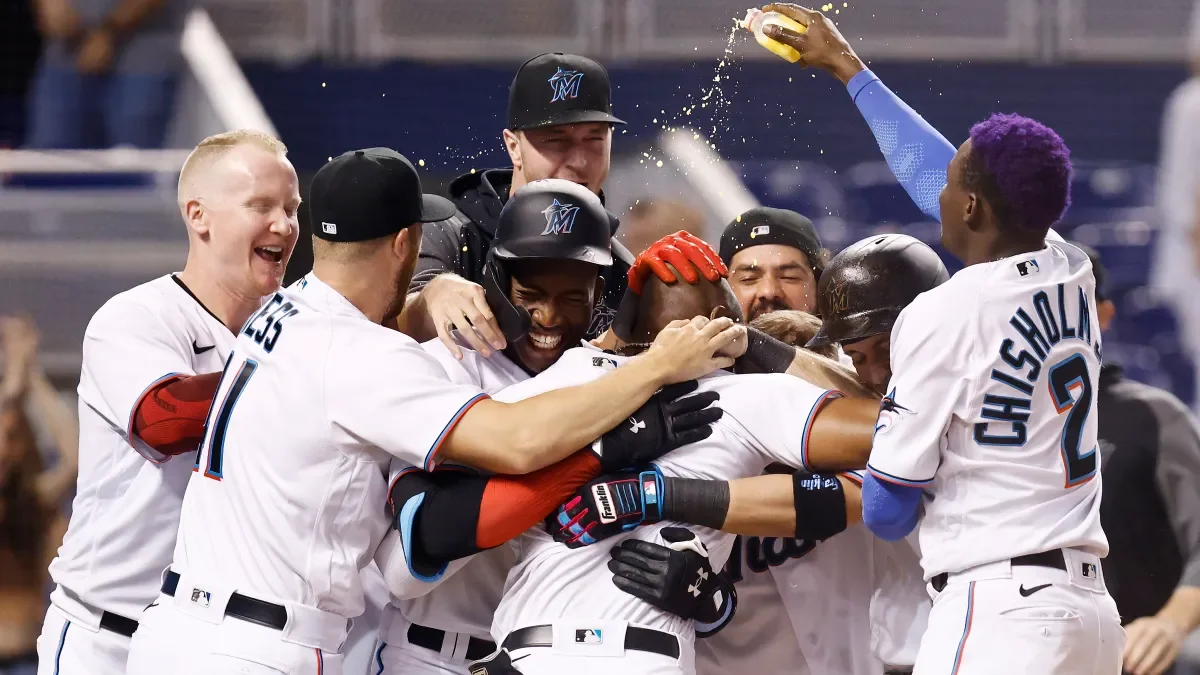 An All-Star for the Milwaukee Brewers in 2018, Jesús Aguilar hit his first career walk-off home run against the Miami Marlins. His final career walk-off blast came for the Marlins – on this day five years ago. Against the reigning World Series champion Los Angeles Dodgers, Aguilar took Edwin Uceta deep for the walk-off three-run blast. His shot capped a back-and-forth affair as Miami beat the Dodgers for the third straight night, 9-6. After early solo shots from Garrett Cooper and Jesús Sánchez gave the Marlins an early 2-0 lead at loanDepot Park on July 7, 2021. The Dodgers, however, used home runs from AJ Pollock, Mookie Betts and Justin Turner to push across five runs in the third inning and take a 5-2 lead. Miami was able to chip away. Aguilar’s two-run double in the third cut the lead to 5-4 before Jazz Chisholm tied the contest with an RBI groundout in the fifth. Cooper’s second solo home run of the night to lead off the bottom of the sixth put the Marlins back in front, 6-5. On the mound, Jordan Holloway and Anthony Bass combined for 5 1/3 innings of scoreless relief as Miami took a 6-5 lead into the ninth. The Marlins turned to Anthony Bender on the mound. Bender managed to strike out the side but a solo home run by Zach McKinstry tied the game at 6 apiece. Against Uceta in the bottom of the ninth, Sandy León started things off with a single. After a sacrifice bunt from Chisholm, Starling Marte was intentionally walked. Uceta struck out Magneuris Sierra for the second out, leaving the game in the hands of Aguilar. Following a first pitch for a strike, Aguilar turned on Uceta’s high fastball, depositing it beyond the left-field wall for the walk-off three-run blast. The win was the third straight for Miami over Los Angeles. The Dodgers did manage to avoid the four-game sweep the following afternoon. Cooper finished with three hits for Miami while Aguilar and Sánchez each added two. Turner had three hits for the Dodgers. After hitting two walk-off homers for Milwaukee in 2018, Aguilar’s blast against the Dodgers served as the final walk-off blast of his career. It came on this day five years ago. View the full article
 -
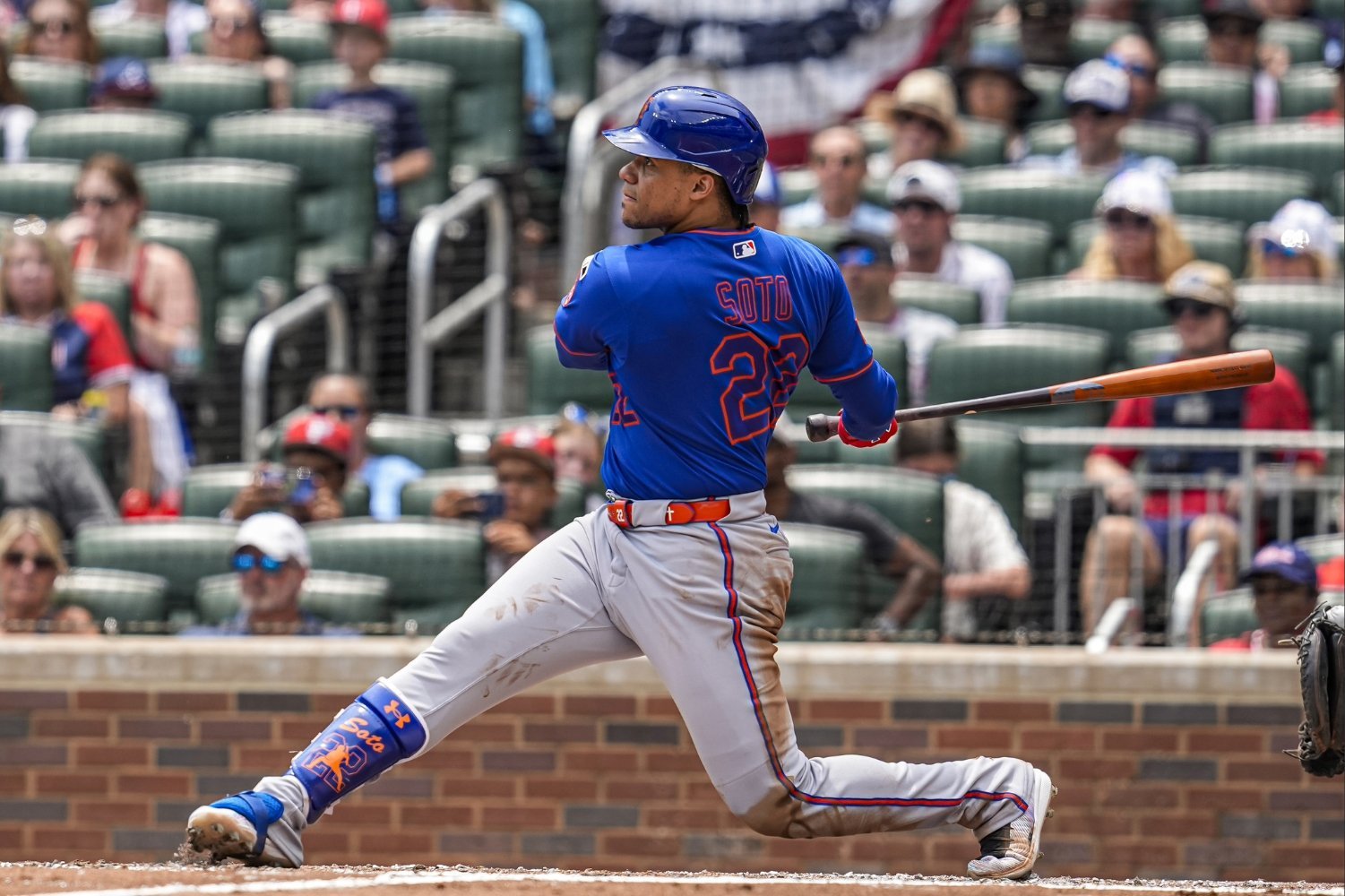 Choosing the New York Mets’ best hitters each month isn’t as challenging as you might think. You start with No. 22 and then go from there. Usually, second and third are obvious, too. That was the case with June superlatives. There were two clear runner-up choices behind the guy who is now 3-for-3 this season in topping the monthly rankings. The fact Nos. 2 and 3 put up good numbers as well was a nice change. But even with those three guys hitting, the Mets stayed near the bottom of the league in runs per game last month. They averaged 3.85 in June, less than their season average of 3.97, which is 29th among the 30 clubs. They scored three runs or fewer in 15 of 27 contests. Which means that, as per usual, it was an easy call on determining the Mets’ Hitters of the Month for June. Ranking New York Mets’ Best Hitters In June 3. OF A.J. Ewing The 21-year-old rookie made big strides at the plate during his first first full month in the majors. Playing every day, he posted a nifty .300/.379/.478 slash line (141 wRC+) with three home runs. He was among the club leaders with a 39.4 percent hard-hit rate. Something else that stood out was how much he cut down on his strikeouts: a 19.4 percent K rate in June, 13 points lower than his figure for May when was getting accustomed to The Show. And, he still walked a lot, at 10.7 percent. Ewing’s elite speed continued to play, as well. He led the club with four stolen bases (the Mets had nine all month). The only negative was that he was caught three times, making his success rate a poor 57.1 percent. But that’s a minor quibble about a kid who’s playing like he wants to be a foundational piece. Ewing will have a whole low-pressure second half to get better. 2. 3B Bo Bichette Bichette corrected course with a sparkling June -- a 141 wRC+, five home runs and a 38.1 hard-hit rate. He raised his batting average 32 points by hitting .307 for the month. But he still wasn’t the Bo Bichette who mashed in Toronto. His walk and strikeout rates were out of whack last month -- a minuscule 2.6 walk rate compared with an well-above-average 23.9 percent K rate. That’s just not like a player with his bat-to-ball skills. But then, those skills have looked diminished in 2026. He’s having a tough time with fastballs, batting .224 on four-seamers and .262 on sinkers overall. Last year with the Blue Jays, he was at .276 against four-seamers and .331 against sinkers, per Baseball Savant. He has been chasing a lot of hard stuff way out of the zone. Will the swing decisions improve as the games become less and less meaningful? 1. OF Juan Soto Soto has been the anti-Bichette this year, and he took it to the extreme in June. His walk-to-strikeout ratio was inverted: 20.0 percent walk rate, 8.6 percent strikeout rate. He knows teams won’t throw him a strike when it matters, but he refuses to expand his zone, even though he could drive pitches that are just off the plate. To put his selectiveness into sharper focus, he has walked 10 times in 28 plate appearances with runners in scoring position and two outs this season. Similarly, he was walked 14 times in 56 high-leverage PAs. Is leaving it up to the next guy the best strategy with this offense? Probably not, but Soto has been doing it all his career and he’s not about to change. Of course, when he does swing the bat, he tends to produce. His overall June numbers were very, very good: a 160 wRC+, four home runs, nine extra-base hits, a .500 slugging percentage, a 93.4 mph average exit velocity, a 37.3 percent hard-hit rate. The Mets will take that, even if Soto takes too many pitches for some people’s liking. View the full article
 -
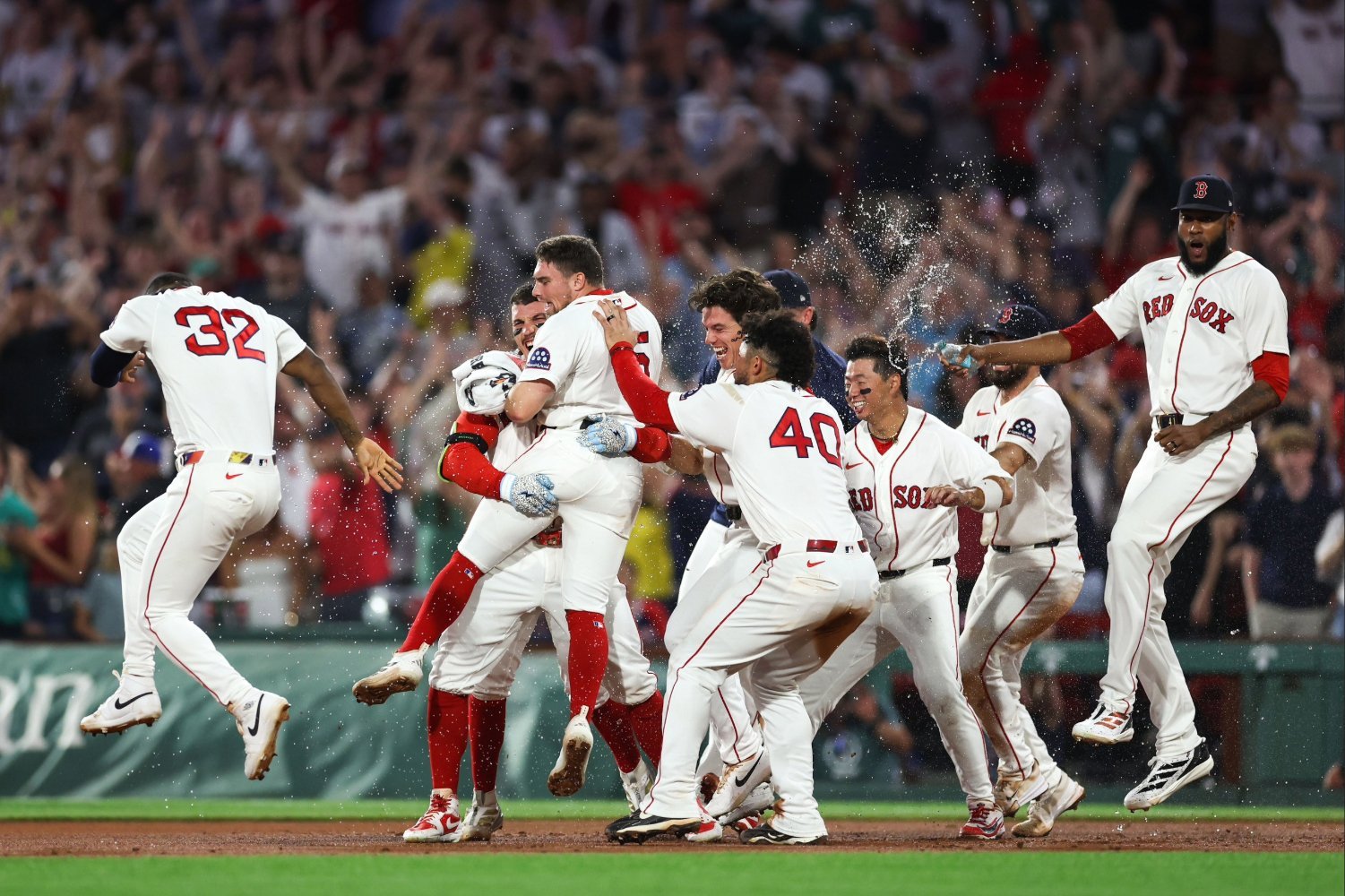 With June now in the rearview mirror, it’s safe to say there may not be another month this season that perfectly represents the 2026 Boston Red Sox. This was a team that, going into the year, was expected to win on their pitching and defense, and possibly struggle at times to score runs due to a lackluster and questionable lineup. Another inconsistent month saw the highs of finally winning a series at Fenway Park for the first time since April 6-8 vs. Milwaukee, when the Sox took two out of three from the Rangers, a west-coast trip that got off to a great start when they took two out of three from the first-place Mariners, and a shocking four-game sweep of the Yankees that led some fans to [foolishly] believe that they were finally turning a corner heading for the dog days of summer. That being said, June also saw the lows of the Red Sox continuing to be allergic to momentum, being swept by Toronto and losing two out of three to the Rockies and Nationals immediately after those aforementioned series wins against Texas, Seattle, and New York, plus an additional sweep at the hands of the Rays, and a 6-9 record against the AL East that was only propped up by that Yankees sweep. Add in the fact that there still doesn’t seem to be a timetable for the returns of Roman Anthony and Garrett Crochet, injuries have begun piling up to the likes of Isiah Kiner-Falefa, Marcelo Mayer, and Connelly Early, and a suspension that could be looming for Willson Contreras and what looked like an already grueling summer stretch could be getting a lot worse very quickly. Before we get to that point though, let’s dive back into June to see how the offense, rotation and bullpen all graded out: Grading Every Red Sox Player in June Offense One month ago, the Red Sox offense looked like it was maybe starting to branch out from the projections that worried fans and media members prior to the 2026 season. While they still had their inefficiencies at hitting with RISP and striking out more than you’d like to see, their surprise top-10 finishes league wide in AVG, OBP, SLG, OPS, hits, doubles, triples, WAR, and BABIP positioned them as a middle-of-the-pack offense league-wide. Add in some standout performances from Wilyer Abreu, Willson Contreras, and a power-surge from Jarren Duran, and there was a dim light at the end of the tunnel that with a few more hitters getting hot, and a better performance in clutch spots, that things might take a turn for the better. Taking a look at Boston’s offensive numbers post-June, it's easy to see that reality won out. While they have improved on hitting with RISP, up from .227 (23rd in MLB / 11th in AL) in May to .232 (21st / 10th) and hitting with RISP with two outs, up from .178 (24th / 11th) to .253 (11th / 7th), their numbers in every other offensive category have taken a nosedive. When it comes to player highlights for the month, Willson Contreras (7 HR, 20 RBI, .933 OPS) and Ceddanne Rafaela (2 HR, 12 RBI, .288 AVG) have continued their strong seasons, but saw noticeable drop-offs in performance, with Contreras falling victim to a 5-for-38 with 14 strikeouts stretch, and Rafaela reverting back to his old ways of chasing, leading to an OPS drop from .826 to .735 and third-worst BB% (1.9%) in all of baseball. Then there’s the case of Duran, who instead of building off a strong May, proceeded to put up a historically bad June, finishing with not only the third-worst OPS for a single month in team history, but a league-worst finish for the month in AVG, OBP, wOBA, WAR (-0.8). He was also the only qualified player in the majors to finish with a negative wRC+ of -1. Fatigue may also be setting in, as the usually consistent Wilyer Abreu had his worst month of the season in terms of average (.228) and K% (20.8%). In trying to find some positives, the obvious answer is at the hot corner in Caleb Durbin, who was without a doubt Boston’s best hitter in the month, slashing a team-best .326/.359/.605/.964 with six home runs, 13 RBI, and a 160 wRC+ while continuing to give the Sox solid defense at third and some much-needed timely hitting. While the catching situation has been a tumultuous one to say the least, with Carlos Narvaez’s consistent offensive woes (.097, -33 wRC+, 38.9 K%), and Mickey Gasper coming back down to earth and being optioned back to Worcester, Connor Wong has continued to quietly put up solid numbers, slashing .333/.441/.444/.885 with a 150 wRC+ and second best 14.7 BB% for June. To go along with Durbin, June also saw the emergence of another player featured in that trade, that being Anthony Seigler who has been excellent covering for injuries to Kiner-Falefa and Mayer, slashing .350/.409/.550/.959 with a team=best 164 wRC+ in 13 games. These positives, however, can’t outweigh the negatives that made Boston’s offense one of the worst in baseball for the month of June. It's what continues to keep them from building any true momentum, earning them a lowly D grade as a unit. Position Player Name March / April May June Wilyer Abreu A+ B C+ Roman Anthony C+ C+ N/A Tsung-Che Cheng N/A N/A C Willson Contreras A A+ B Jarren Duran F A D- Caleb Durbin D+ D A+ Nate Eaton N/A N/A C+ Mickey Gasper N/A A+ D Romy Gonzalez N/A N/A C Isiah Kiner-Falefa D A+ C+ Marcelo Mayer B- D+ D Andruw Monasterio C D+ D Carlos Narvaez C- C- F Ceddanne Rafaela B A A- Anthony Seigler N/A N/A A+ Nick Sogard N/A B- N/A Trevor Story D- D N/A Connor Wong B- B A Masataka Yoshida B- C+ D Rotation Just when you thought the rotation couldn’t get any better than they did a month ago when they obtained an A- grade, they proceeded to double down and basically carry the Red Sox through June with a stretch of dominance that included a streak of 12 consecutive quality starts. Sonny Gray should be firmly cemented in the Cy Young race with another stellar run that saw him not only once again go undefeated at 3-0 in five starts with a 2.14 ERA and .211 average against in 33.2 innings pitched, but also come within five outs of no-hitting the Yankees in his final start of June. Fellow veteran Ranger Suarez was arguably just as good if not better, pitching to a 2-0 record with a 2.10 ERA, .219 average against, and 1.91 FIP in five starts, helping to create one of the most unhittable one-two punches in baseball over the last two months. As for the kids, it was a bit of a mixed bag. Jake Bennett got off to a slow start, allowing six earned runs over 10.1 innings pitched with a .323 BABIP in his first two starts, but turned things around in his final two, with just one earned over 12.1 with a .207 BABIP. Payton Tolle was the opposite, sandwiching three rough starts (17.0 IP, 10 ER, 11 K, 5 BB) in between two phenomenal shutout performances that saw him combine for 13.0 innings pitched with 12 strikeouts and four walks. And then there’s Connelly Early, whose bag was the most mixed of the bunch, allowing 15 earned runs and a season high six home runs in the month while striking out 36 over 30.2 IP to go along with a 4.87 FIP and .338 BABIP. Outside of a few hiccups along the way — and one very bad Brayan Bello start that was answered with a demotion to Worcester— the Sox rotation continues to be the least of their problems. Another month of both top-5 finishes in the American League and top-10 finishes in MLB grants the Red Sox rotation an A grade for June. Pitcher Name March / April May June Brayan Bello F- B+ F- Jake Bennett N/A C A Connelly Early B+ B+ C+ Sonny Gray C+ A+ A+ Ranger Suarez B+ B- A+ Payton Tolle B A+ B+ Bullpen Boston’s bullpen was a bit of a tricky one to grade out for June. On the side of positives, Garrett Whitlock bounced back after a bit of a shaky May to pitch to a 1.13 ERA, 24.1 K% and zero walks in eight appearances. Ryan Watson has continued to improve each month, holding opposing hitters to a .182 average against and racking up his lowest BB% of the season thus far at 6.3% over 12 innings pitched. Danny Coulombe has even brought himself back from the grave, pitching to a 2.08 ERA and holding opponents to a .200 average against in 11 appearances. And a new flame-throwing weapon has emerged in Tyron Guerrero, who was the Sox's best reliever, owning a 0.96 ERA and .194 average against while striking out a dozen and walking zero over 10 appearances. As for the negatives, and glaring ones at that, two of the most important bullpen pieces Aroldis Chapman and Justin Slaten may be broken. Starting with Slaten, his June was incredibly confusing as he made 11 appearances, seven of which where he did not allow a run, four where he did, and three of those where he allowed two or more runs, including a four-run blow up in the Bronx. All of that factors into his 9.00 ERA and unsightly .536 BABIP. When it comes to Chapman, his month was anything but smooth sailing, as along with struggling to even get into games (he made just seven appearances), he was reportedly dealing with a hamstring injury when he did pitch. These two factors could be the reasons for his struggles, as he entered the month with just one run allowed for the season and finished with five earned and a 7.50 ERA for June alone with most (if not all) of his saves coming of the nail-biting variety. While Boston’s bullpen may have been up there as one of the better groups in baseball for May, regressions across the board were clearly visible for June, leading to average to below-average finishes for numerous league-wide stats and a very pedestrian C grade. Pitcher Name March / April May June Aroldis Chapman A A+ D Danny Coulombe F F- A- Alec Gamboa N/A A A Tyron Guerrero N/A C A+ Tommy Kahnle N/A N/A F Joe La Sorsa N/A N/A F- Jovani Moran A C+ B Tyler Samaniego A C- B Justin Slaten A- B+ D Ryan Watson F B- B+ Greg Weissert D- C- C Garrett Whitlock B+ B A+ View the full article
 -
Why the Blue Jays' Playoff Hopes Are Hanging by a Thread
DiamondCentric posted an article in Jays Centre
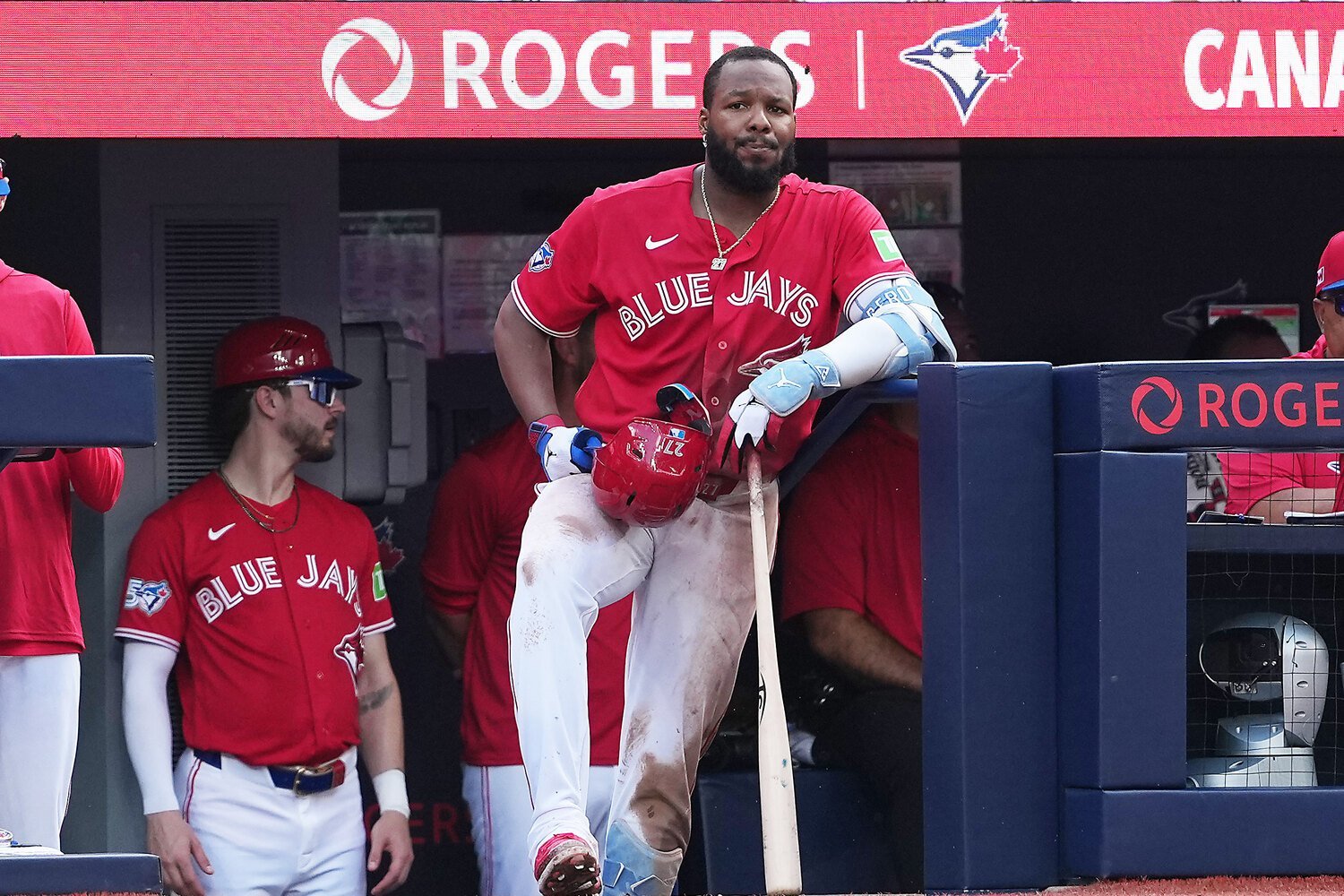 Amidst a frustrating season where the most consistent thing about the team is its inconsistency, the Toronto Blue Jays will, at best, hit the All-Star break with a record two games below .500. Before the season even started, analysts had pegged this team to be a better version of the one from a year ago. The blueprint seemed straightforward. George Springer only needed to remain close to the level he reached in 2025, while Vladimir Guerrero Jr. was expected to carry over at least a portion of the torrid offensive pace he set during the postseason run. Instead, neither has materialized. Guerrero entered the season as the unquestioned face of the franchise. Yet through the first 90-plus games of 2026, he owns a .263 batting average, four home runs, 35 RBI and a .693 OPS. Springer, meanwhile, has struggled to produce at the top of the lineup while battling through a season that has included a broken toe and declining quality-of-contact numbers. Still, assigning blame solely to the marquee names would be unfair. The Blue Jays have received uneven production across the roster, and that has left them stranded in the middle of a wide-open American League. With roughly half the season complete, the report card looks far less impressive than anyone associated with the organization hoped it would. Toronto Blue Jays Midseason Report Card The starting rotation earns a C+. On paper, Toronto's rotation looked deep enough to withstand injuries and occasional under-performance. In practice, it has become a group defined by inconsistency. The obvious bright spot has been All-Star Dylan Cease, who has exceeded expectations and frequently looked like the ace the front office envisioned. Kevin Gausman has also turned in several excellent stretches despite a handful of rocky outings that have inflated perceptions of his overall performance. Trey Yesavage has shown flashes of frontline potential as well. While his command occasionally abandons him as his release point wanders, the young right-hander has largely met expectations for a pitcher navigating his first extended major league season. Unfortunately, the positive stories largely stop there. The biggest issue has been the inability of the back end of the rotation to provide length. Every contender can survive one underperforming starter. Surviving three or four becomes exponentially more difficult. Few observers expected Max Scherzer or Shane Bieber to recapture their Cy Young form in 2026. The expectation was far more modest. Toronto simply needed veteran professionalism, competitive outings and enough quality innings to preserve the bullpen. Instead, both pitchers have struggled to limit damage and keep games within reach. The same applies to the revolving door of fifth-starter options. Eric Lauer never found a rhythm early in the season, while Patrick Corbin has been unable to replicate the effectiveness Lauer showed a year ago. Every short start has carried a domino effect. Relievers have been asked to cover extra innings. High-leverage arms have appeared more frequently than intended. John Schneider has been forced to manage every series with one eye on the current game and another on the bullpen's remaining availability. For the Jays, inconsistent pitching has rarely been saved by the offense. The team entered the season expecting its pitching staff to prevent damage while the lineup generated enough support to win close games. Instead, too many nights have featured a tired bullpen protecting slim leads or attempting to keep deficits manageable while waiting for an offensive breakthrough that never arrives. A C+ may sound harsh, but it is arguably generous considering the expectations attached to this group entering the season. The rotation has shown flashes of excellence. What it has not shown is consistency. The bullpen earns a C. Its durability alone deserves recognition. By this point in the season, several Toronto relievers must feel as though they have pitched every other day. The relief corps has absorbed a tremendous workload because of the rotation's shortcomings, and that reality must be acknowledged before discussing blown saves and missed opportunities. The Blue Jays have recorded a dozen blown saves entering the final week before the All-Star break. Flip only half of those outcomes and the entire narrative surrounding the season changes. Instead of discussing disappointment, conversation shifts toward playoff positioning. For perspective, some teams have struggled even more in late-game situations. Washington has blown more than 20 saves, while Houston sits among the league leaders in reliability with only five. The difference between those extremes illustrates how important bullpen performance can be over a six-month season. Jeff Hoffman has absorbed much of the criticism because he has three blown saves. Yet bullpen evaluation is rarely that simple. Former Blue Jay Seranthony Domínguez has accumulated even more blown saves, underscoring how volatile relief pitching can be from year to year. To manager John Schneider's credit, adjustments were eventually made. Reducing Hoffman's usage in the most difficult leverage situations and relying more heavily on Tyler Rogers and All-Star Louis Varland has stabilized the late innings. The bullpen still bends more often than fans would like, but it is no longer the nightly adventure it appeared to be earlier in the season. The concern moving forward is workload. In particular, Mason Fluharty and Braydon Fisher have each been asked to shoulder significant responsibilities. If the rotation can provide more length during the second half, this group has enough talent to improve. If not, fatigue will be a significant factor by August and September. Ultimately, grading the bullpen becomes an exercise in balancing context against outcomes. The workload has been unfair. The performance has been uneven. The offense earns a D-. Before discussing individual players, it is important to understand the broader picture. In almost every meaningful offensive category, Toronto has regressed compared to the club that entered the 2025 All-Star break. The batting average is lower. The slugging percentage is lower. The OPS is lower. The home run total has declined. Most importantly, the run production has cratered. The 2025 team scored nearly 100 more runs through a similar stage of the season. Losing approximately 20 home runs certainly contributes to that decline, but so do 100 fewer hits. Teams cannot score consistently when they neither reach base nor drive the baseball. The lineup card frequently features many of the same names that helped power last year's success. Whether due to elevated expectations, mechanical issues, injuries or simple under-performance, the Blue Jays have struggled to generate sustained offensive pressure. The problems begin at the top. Springer’s bounce-back campaign in 2025 helped stabilize the lineup and created opportunities for the middle of the order. This year has been a different story. Injuries have played a role, particularly the broken toe he suffered earlier in the season, but the results remain disappointing. His batting average has fallen dramatically, and the declining hard-hit and barrel rates suggest the issues extend beyond bad luck. When he struggles, the ripple effects are felt throughout the lineup. Not every offensive story has been negative. Ernie Clement continues to prove that last year's breakout was not a fluke. His batting average has hovered around .300 for much of the season while providing dependable contact and competitive at-bats. Clement may never be confused with the game's elite offensive players, although kudos for the All-Star nod, but he has become one of Toronto's most reliable contributors. Kazuma Okamoto deserves significant praise as well. While his batting average does not compare to Bo Bichette's peak production, he has supplied something the Blue Jays desperately needed: power. Okamoto leads Toronto with 20 home runs (the only Jay with home runs in double figures) and 55 RBI. He has unquestionably been the club's most productive run producer. The strikeouts remain a concern, and his total is roughly double that of many teammates, but in a lineup starving for impact offense, the production outweighs the imperfections. Nathan Lukes has quietly validated the organization's belief in him, too. Hitting roughly .285 with an OPS near .730, Lukes has delivered consistent professional at-bats while playing dependable defense. His emergence is one reason Jesús Sánchez has found himself pushed into a reduced role. Baseball has a funny way of creating opportunities, and Lukes has taken full advantage. Yohendrick Piñango also deserves some praise as well. Filling in for Addison Barger is not an easy assignment, but the young outfielder has performed competently. The larger issue remains the lack of production from players expected to carry the lineup. Through early July, Guerrero has just over 80 hits, which ranks second on the roster behind Clement's total, but his overall offensive line remains startlingly modest. He is batting .263 with four home runs, 35 RBI and a .693 OPS. Those stats belong to a useful everyday player, not a franchise superstar and one of baseball's highest-profile first basemen. Four home runs through the season's first half simply is not enough. And if he chases one more breaking ball down and away... Alejandro Kirk's season has been equally frustrating, though for different reasons. A broken finger limited him to only a small sample of games. Hitting below .200 with an OPS around .540, Kirk has struggled to drive the baseball when available. The one redeeming feature has been his outstanding work with the Automated Ball-Strike challenge system. Sadly, that rarely equates to runs. At some point, however, the organization may need to consider increasing opportunities for Brandon Valenzuela. Not because Kirk has lost his talent, but because the team requires offensive production from the catcher position. Outside Guerrero, no player better symbolizes Toronto's season than Daulton Varsho. Varsho entered the year carrying momentum and significant expectations. Injuries, particularly the wrist issue that interrupted his campaign, have derailed those plans. The home runs and RBI totals sit well below where Toronto expected them to be. Taken individually, each player's struggles would be manageable. Combined, they are exactly why the Blue Jays remain stuck below .500. The encouraging news is that the American League is just as inconsistent. The Wild Card race remains crowded, and that has prevented the Blue Jays from falling completely out of contention. As things stand today, Toronto's overall report card lands somewhere around a C. That is not a failing grade. It is a grade of a gifted student who isn’t putting in the work and instead is coasting through the term. The rotation needs greater consistency. The bullpen needs relief from its overwhelming workload. The lineup needs its stars to perform like stars. Most importantly, the entire roster needs to find a way to string together quality baseball for longer than a handful of days. Every time the Blue Jays seem ready to build momentum, a cold stretch follows. Consistency has become the missing ingredient. Maybe a healthy roster will provide it. Maybe Guerrero rediscovers his power stroke. Maybe Springer catches fire. Maybe the rotation settles into defined roles. Maybe the bullpen survives long enough to benefit from those improvements. Whatever the solution turns out to be, the second half can’t resemble the first. For a team with postseason aspirations and championship expectations, merely being average is no longer enough. The Blue Jays need to become consistently consistent, and until that happens, they will remain exactly where they are today: trapped in the middle of the pack, searching for the form that made them a playoff team just one year ago. View the full article
 -
 Abraham Toro homered twice and drove in four as Omaha routed Indianapolis 13-3, with Henry Williams turning in a quality start. Coleman Picard spun five scoreless innings to lead Columbia to a 3-0 shutout, with JC Vanek delivering a bases-loaded triple. Ramon Ramirez collected three hits within Quad C, delivering an 8-4 win. Steven Zobac struck out eight in a strong start, but Northwest Arkansas fell 5-2 to Corpus Christi. Royals Transactions No Roster Moves Abraham Toro's Two Homers Headline Omaha's Rout Of Indianapolis Omaha handled the Indianapolis Indians 13-3 behind a balanced attack and a strong start from Williams. Toro led the way from the cleanup spot, going 3-for-5 with two home runs, a double, and four RBI. Andrew Velazquez added three hits and two RBI, John Rave collected two hits with a double, and Gavin Cross chipped in two hits and two RBI. Williams turned in a quality start, working six innings and allowing three earned runs on five hits, with two walks and four strikeouts. Oscar Rayo and Eli Morgan combined for three scoreless innings to close it out. The Storm Chasers' defense also picked up the pitching with a rare triple play in the fourth inning. Omaha set the tone in the first inning in the win. Rave doubled home Rudy Martin Jr., Brett Squires brought in Matthew Lugo on a sacrifice fly, and Cross doubled home Rave for a 3-0 lead. Omaha blew the game open in the eighth. Martin Jr. led off with a two-run homer that scored Velazquez, and later in the frame Toro launched his second homer of the night, a two-run shot that plated Lugo. Omaha left five runners on base and went 5-for-10 with runners in scoring position. They are now 38-48 this season. Player AB R H RBI BB K Rudy Martin Jr. 4 2 1 2 1 2 Matthew Lugo 3 3 1 1 2 1 John Rave 5 2 2 1 0 1 Abraham Toro 5 2 3 4 0 0 Brett Squires 4 1 2 1 0 1 Gavin Cross 5 1 2 2 0 2 Elih Marrero 3 1 0 0 0 2 Kevin Newman 3 0 0 0 1 1 Andrew Velazquez 4 1 3 2 0 0 Player IP H R ER BB K HR Henry Williams 6 5 3 3 2 4 0 Oscar Rayo 2 4 0 0 0 1 0 Eli Morgan 1 0 0 0 0 0 0 Steven Zobac Strikes Out Eight But Naturals Fall To Corpus Christi Zobac was sharp in a losing effort as Northwest Arkansas dropped a 5-2 decision to the Corpus Christi Hooks. The 25-year-old righty struck out eight over four and a third innings, allowing two earned runs on two hits with no walks and one home run. It was a nice outing for the No. 16 prospect in the Royals system, who's only made five starts in Northwest Arkansas this year due to injuries. The Naturals managed just four hits. Jack Pineda led the offense, going 2-for-4 with a home run and an RBI. Carson Roccaforte reached with a single and scored a run, and Alberto Rodriguez added the team's other hit. Northwest Arkansas scratched out a run in the third to take a brief 1-0 lead. Unfortunately, the game turned in the Hooks' favor in the eighth. After the Naturals bullpen surrendered three runs to fall behind 5-1, Pineda answered with a solo home run in the bottom half, but the rally stopped there. Tommy Molsky was effective out of the pen, striking out three over one and two-thirds scoreless innings. Frank Mozzicato struggled in the eighth, giving up three earned runs on three hits and two walks over one and a third innings. The former first-round pick, who's been primarily pitching in relief recently, has an ERA of 8.74 this season in his second stint in Double-A. Northwest Arkansas left six runners on base and went 0-for-4 with runners in scoring position. The Naturals are now 32-47 after the loss. Player AB R H RBI BB K Carson Roccaforte 3 1 1 0 0 0 Jack Pineda 4 1 2 1 0 0 Sam Kulasingam 3 0 0 0 1 0 Spencer Nivens 3 0 0 0 1 1 Jorge Alfaro 3 0 0 0 0 0 Connor Scott 4 0 0 0 0 1 Canyon Brown 4 0 0 0 0 0 Alberto Rodriguez 4 0 1 0 0 2 Justin Johnson 2 0 0 0 0 1 Player IP H R ER BB K HR Steven Zobac 4 1/3 2 2 2 0 8 1 Tommy Molsky 1 2/3 0 0 0 1 3 0 Frank Mozzicato 1 1/3 3 3 3 2 2 1 Augusto Mendieta 2/3 1 0 0 0 0 0 Dennis Colleran Jr. 1 0 0 0 1 0 0 Ramon Ramirez Drives In Three As Quad Cities Beats Cedar Rapids Quad Cities pushed past the Cedar Rapids Kernels 8-4, powered by a big night from Ramirez. Ramirez went 2-for-5 with two doubles, three RBI, and a stolen base. Leadoff man Nolan Sailors was a catalyst, going 3-for-4 with a double, a walk, a stolen base, and three runs scored. Luke Pelzer added two hits, an RBI, and two stolen bases, and Trevor Werner homered for two RBI, with his latest home run tying him for 10th in total home runs in River Bandits history. The River Bandits jumped ahead in the first. Ramirez doubled home Sailors, and a second run scored on an error for a 2-0 lead. Werner's two-run homer in the fourth extended the lead, giving the Sailors the advantage. Quad Cities added insurance in the eighth. With runners aboard, Ramirez laced a double to left that scored Angel Acosta and Sailors, stretching the lead to its final margin. Emmanuel Reyes had a rough start, allowing three earned runs on seven hits over four and a third innings, with an earned run and a strikeout. That said, two of his runs came in the first inning, and he settled down afterward, even though he didn't generate many strikeouts. Mason Miller picked up the win with one and a third innings of work, and Nick Conte, Max Martin, and Yimi Presinal combined for three and a third scoreless innings to finish. Quad Cities left seven runners on base and went 5-for-15 with runners in scoring position. The Sunday victory was the River Bandits' fourth in a row and improved their record to 37-40. Player AB R H RBI BB K Nolan Sailors 4 3 3 0 1 0 Asbel Gonzalez 3 0 1 0 0 2 Ramon Ramirez 5 1 2 3 0 0 Luke Pelzer 3 0 2 1 1 0 Chris Brito 3 0 0 0 0 1 Tyriq Kemp 4 0 0 0 0 1 Jose Cerice 3 1 1 0 1 0 Trevor Werner 4 1 1 2 0 1 Angel Acosta 4 2 1 0 0 0 Player IP H R ER BB K HR Emmanuel Reyes 4 1/3 7 3 3 2 1 1 Mason Miller 1 1/3 3 1 1 0 2 0 Nick Conte 1 1/3 0 0 0 1 1 0 Max Martin 1 0 0 0 0 1 0 Yimi Presinal 1 0 0 0 0 1 0 Coleman Picard, JC Vanek Lead Columbia To Shutout Of Fredericksburg Columbia blanked the Fredericksburg Nationals 3-0 behind a dominant start from Picard and a bases-clearing triple from Vanek. Picard was excellent, tossing five scoreless innings and allowing just one hit with a walk and six strikeouts. The 2023 6th-round pick out of Bryant College earned his first victory of the year and improved his ERA to 1.93 after the outing. The Fireflies bullpen finished the shutout in style. Hunter Alberini, Dash Albus, and Yeri Perez combined for four hitless innings, with Perez recording the save. The Fireflies pitching staff held Fredericksburg to a single hit on the night. Columbia scored all of its runs in the third. With the bases loaded, Vanek tripled to right, clearing them and scoring Connor Rasmussen, Josh Hammond, and Sean Gamble, extending a 3-0 lead that held up the rest of the way. Vanek finished 1-for-4 with the triple and three RBI. Hammond, the Royals' No. 3 prospect, reached base twice on walks and scored a run, and Stone Russell singled, walked, and swiped two bases. Columbia left five runners on base and went 1-for-7 with runners in scoring position. With the victory, the Fireflies got back over .500 with a 41-40 record. Player AB R H RBI BB K Josh Hammond 2 1 0 0 2 0 Sean Gamble 3 1 0 0 1 3 Yandel Ricardo 4 0 1 0 0 2 JC Vanek 4 0 1 3 0 1 Stone Russell 3 0 1 0 1 1 Henry Ramos 3 0 0 0 0 3 Hyungchan Um 3 0 0 0 0 0 Connor Rasmussen 2 1 1 0 1 0 Roni Cabrera 1 0 0 0 0 1 Angel Ramirez 2 0 0 0 0 0 Player IP H R ER BB K HR Coleman Picard 5 1 0 0 1 6 0 Hunter Alberini 1 1/3 0 0 0 0 1 0 Dash Albus 1 2/3 0 0 0 0 1 0 Yeri Perez 1 0 0 0 2 0 0 Top-20 Prospect Performance Kendry Chourio: DNP David Shields: DNP Josh Hammond: 0-for-2, 2 BB Blake Mitchell: DNP Sean Gamble: 0-for-3, BB, 3 K Ramon Ramirez: 2-for-5, 2 2B, 3 RBI, SB Drew Beam: DNP Carson Roccaforte: 1-for-3 Asbel Gonzalez: 1-for-3, 2 K Yandel Ricardo: 1-for-4, 2 K Michael Lombardi: DNP Ben Kudrna: DNP Justin Lamkin: DNP Felix Arronde: DNP Blake Wolters: DNP Steven Zobac: 4 1/3 IP, 2 H, 2 R, 2 ER, 0 BB, 8 K Austin Charles: DNP Daniel Vázquez: DNP Kamden Edge: DNP Warren Calcano: DNP View the full article
 -
 TRANSACTIONS RHP Matt DesMarets assigned to FCL Twins from Fort Myers Mighty Mussels. RHP Hendry Chivilli assigned to FCL Twins from Fort Myers Mighty Mussels. RHP Woo-Suk Go assigned to St. Paul Saints. Wichita Wind Surge placed RHP Zach Vennaro on the 7-day injured list. Minnesota Twins optioned RHP Cody Laweryson to St. Paul Saints. SAINTS SENTINEL The Saints split their series with Buffalo, going 3-3. This week, they make the trek down I-35 to Des Moines and take on the Iowa Cubs. The Saints will likely see the Cubs top organizational prospect, catcher Moises Ballesteros. Ballesteros has seen 22 games worth of action at the majors this season, but is currently in Iowa, where he has also played in 22 games. His Triple-A line is .229/.355/.292 (.647 OPS). The Cubs' roster also includes another borderline top 100 prospect and #3 prospect according to our sister site Northside Baseball, in RHP Jaxon Wiggins. Wiggins has dealt with some right elbow inflammation this season, causing him to split sometime between High-A and Triple-A in order as part of his rehab. In Triple-A, Wiggins has tossed eight innings with a 5.63 ERA, a 27.8% K-rate, and a 13.9% walk rate. While he has been dropping in prospect rankings, Jonathan Long is currently #9 according to Northside Baseball. The first baseman/left fielder has hit .266/.346/.419 (.765 OPS) in 24 Triple-A games this season. WIND SURGE WISDOM The Wind Surge had a rough past week, going 1-5 while hosting Tulsa. Looking to turn the tables, Wichita will host the Northwest Arkansas Naturals of the Kansas City Royals system this next week. Our sister site, Royals Keep, has two players who will be with the Naturals during the series. The first player that cracks Royal Keeps’ top 10 is number 8 prospect RHP Drew Beam. At 23 years old, Beam has started 15 games for the Naturals. In those games, he holds a 6.43 ERA, 18.0% K-rate, and 8.2 % walk rate. OF Carson Roccaforte is the other top 10 prospect to watch and is #9 at Royals Keep. Roccaforte is hitting .248/.342/.480 (.822 OPS) with 16 home runs in 2026. Another player to watch on the Naturals roster who is on the rise is Justin Lamkin. The left-handed Lamkin recently got the promotion to Double-A after throwing 28 ⅓ innings at High-A with a 1.27 ERA. The 22-year-old has now thrown 11 1/3 additional innings at Double-A and has posted a 3.97 ERA since his promotion. KERNEL CHRONICLE Like the Wind Surge, the Kernels went 1-5 this past week while hosting the Quad City Bandits. The Kernels will look to get back on the winning track as they take on a Chicago Cubs affiliate, the South Bend Cubs. This version of the Cubs roster has two outfield prospects that crack Northside’s top 10. Josiah Hartshorn comes in at number 4 and is a switch-hitting 19-year-old who has split time between the two Single-A levels in 2026. In 36 games at High-A, Hartshorn is hitting .285/.369/.546 (.900 OPS). Kane Kepley is a left-handed-hitting 22-year-old who makes up the other half of the pair of prospects. Kepley has played 73 games with South Bend, hitting .266/.438/.426 (.863). MIGHTY MATTERS As the Mussels visited Clearwater last week, they managed only a 2-4 record. This week's opponent is the Bradenton Marauders, the Pirates Low-A affiliate. Not even 18-year-old Johan De Los Santos looks to be the most exciting prospect coming with the Marauders to Fort Myers. The middle infielder was recently promoted to Single-A baseball and, in five games, has seen enough success to be hitting .318/.333/.591 (.924). Those numbers aren’t too far off his full-season numbers of .311/.416/.459 (.875). FCL TWINS Twins 7, Orioles 6 Box Score The Twins gutted out a close game on Monday, walking off the Orioles in the bottom of the ninth. The journey to get to the bottom of the ninth inning was a fun one. Early on, the Twins showed off power. In the bottom of the first, after a walk by Yovanny Duran and Miguel Caraballo reaching on an error, Jhomnardo Reyes hit a three-run home run to left-center field. In the bottom of the second, Duran wanted to join the power-hitting fun and hit his own two-run home run with Darwin Almanzar on base. Starting pitcher Halton Hardy was able to give the Twins some length, going five innings while allowing four runs on four hits (two home runs), one walk, and four strikeouts. Brad Rudis ended up being the pitcher of record after going 2 2/3 innings, allowing no hits, no runs, one walk, and striking out four. Matthew Desmarets had a rough outing, allowing the Orioles to tie up the game, but it was his ability to get Angel Garcia to ground into a double play that helped stop the bleeding in the top of the sixth inning. The final blow for the Twins in the ninth inning to secure the walk-off win was Caraballo hitting a sacrifice fly to drive in Duran for Duran’s third run scored in the game. Reyes, who hit one of the early home runs, also accounted for two runs scored. That means Duran and Reyes combined for five of the seven runs scored by the Twins in Monday’s win over the Orioles. DSL TWINS Twins 3, White Sox 7 Box Score The White Sox would top the Twins on Monday after jumping out to an early 3-0 lead entering the third inning. In that inning, the Twins drew themselves within one run. The first run was set up by a Fabian Ulloa single, contact from Luis Suarez that resulted in a fielder’s choice and an error, and finally a Jendy Martinez walk that loaded the bases. Daiyer Barboza would put the first Twins run on the board with a sacrifice fly to left field. With Jhon Gonzalez up to bat and runners on first and second, Suarez and Martinez would each advance a base on a balk. The balk set up a scoring opportunity on a groundout from Gonzalez, pulling the Twins within one run at 3-2. Unfortunately, in the White Sox half of that same inning, they would put three more runs on the board, extending their lead to 6-3. Gonzalez maintained his nearly .300 batting average (.296) by going 2-for-3 on Monday. The Twins third and final run would come courtesy of back-to-back doubles in the top of the fourth inning. Enmanuel Merlo hit the first double to left field, and Juan Holmann was up next with his own double, allowing Merlo to score and make it 6-3. Holmann had one more hit on Monday, bringing his game line to 2-for-3 with one strikeout. On the pitching side, Agustin Campusano is likely looking to flush his Monday outing after going 3 2/3 innings, allowing five hits, seven earned runs, including a home run, walking three, and still managing five strikeouts. The final three Twins pitchers covered 2 1/3 innings and did not allow any runs or walks the rest of the way. The trio consisted of Failin Placencio, Juan Quinones, and Alam Soriano. TWINS DAILY PLAYERS OF THE DAY Jhomnardo Reyes: 2-3, 1 HR, 2 R, 3 RBIs Brad Rudis: 2 2/3 IP, 0 ER, 0 H, 1 BB, 4 K TOP 20 PROSPECT WEEK IN REVIEW #1- Walker Jenkins (Saints)- .350/.381/.650, 1.031 OPS, 1 2B, 13B, 1 HR. #4- Eduardo Tait (Kernels)- .200/.222/.280, .502 OPS, 2 2B #5- Marek Houston (Kernels)- .263/.348/.263, .611 OPS #6- Riley Quick (Kernels)- 4 IP, 2 H, 1 R, 0 ER, 1 BB, 7 K #7- Kendry Rojas (Saints)- 2 2/3 IP, 4 H, 2 ER, 1 BB, 3 K #8- Hendry Mendez (Saints)- .200/.188/.200, .388 OPS. #9- Dasan Hill (Kernels)- 1 2/3 IP, 1 H, 0 ER, 2 BB, 5 K #10- Gabriel Gonzalez (Saints)- .125/.125/.188, .313 OPS, 1 2B. #12- Brandon Winokur (Kernels)- .250/.273/.450, .723 OPS, 1 2B, 1 HR. #13- Khadim Diaw (Wind Surge)- .211/.375/.316, .691 OPS, 1 3B. #14- Quentin Young (Mussels)- .235/.409/.412, .821 OPS, 1 HR. #15- Ryan Gallagher (Saints)- 4 2/3 IP, 2 H, 0 ER, 1 BB, 5 K #17-C.J. Culpepper (Saints)- 2 2/3 IP, 0 H, 0 ER, 3 BB, 1 K. #18- Yasser Mercedes (Mussels)- .471/.571/.647, 1.218 OPS, 1 HR. #19- Billy Amick (Wind Surge)- .273/.393/.818, 1.211 OPS, 3 2B, 3 HR. #20- Kyle Debarge (Wind Surge)- .300/.333/.500, .833 OPS, 1 2B, 1 HR. TUESDAY’S PROBABLE STARTERS St. Paul Saints @ Iowa- RHP John Klein NW Arkansas @ Wichita Wind Surge- TBD South Bend @ Cedar Rapids Kernels- RHP Xavier Kolhosser Bradenton @ Fort Myers Mussels - TBD FCL Rays @ FCL Twins - TBD DSL Twins @ DSL Phillies- TBD View the full article
 -
 Owen Ayers is developing into quite the story, going from a prospect who wasn’t on many radars and struggled with injuries to a breakout star in the Chicago Cubs’ pipeline. Let’s break down the Cubs’ next big catching prospect and update his scouting report ahead of the second half of the 2026 season. Owen Ayers' Updated Cubs Scouting Report Ayers is Chicago’s eighth ranked prospect per our June update, and he’s been skyrocketing up our rankings as of late. Standing at 6-foot-1, 205 pounds, Ayers is a switch-hitter who has shown off a missile of an arm and a potent bat to fill out a pretty strong farmhand makeup. Ayers wasn’t always a name deemed synonymous with the future of the North Siders, though. The 25-year-old backstop was once a three-year player at the State JC of Florida, Manatee-Sarasota before spending a pair of seasons with Marshall. He caught the Cubs’ eye in a pre-draft workout before signing on as a 19th-round pick in the 2024 draft. His first couple of years were on the quieter side, as Ayers logged back-to-back seasons with batting averages of .190 and .238 with the Low-A Myrtle Beach Pelicans, topping out at a .761 OPS. Ayers then met a painful setback, suffering a broken right hand in July that took him off the field for the rest of last year. After returning to win the Arizona Fall League’s Breakout Player of the Year award, it was off to the races on what’s been a meteoric rise. A Cannon For An Arm Before getting into his power and approach, this is someone who can be a serious problem for opposing base-runners. Ayers didn’t become a full-time backstop until his final year in college ball, but he has the necessary intangibles to be a weapon behind the plate. Ayers flashed a sub-1.85 pop time in his 20-game stint in the AFL last year, and his 70-grade arm strength can make him a real asset in a day and age where disengagement limits hinder the pitcher’s ability to pick off runners. He still has to work on his receiving and blocking, but the skillset is there for him to be a difference maker behind the plate. Insane Slugging Upside Ayers’ bat has jolted alive in the last calendar year. After logging a .357 batting average and an OPS north of 1.100 in AFL play, he’s already turned in a 21-homer season in just 70 games. The switch-hitter started the season off with the High-A South Bend Cubs, quickly earning a promotion after whacking six homers, three doubles and registering a 1.341 OPS across 11 games. His numbers are here to stay for a longer stint with the Double-A Knoxville Smokies, as he’s smashed 15 homers with an impressive .321/.436/.659 slash line. Two years after barely sneaking onto the board in the 20-round draft format, Ayers is flirting with a 40-home run pace a pair of levels away from the show. Mature Plate Discipline Catchers tend to see more pitches at the plate than any other position player, so it should be no shock that Ayers has above-average plate discipline. Working 48 walks in just over 300 plate appearances this season, the rising backstop is hovering above a 15% walk rate, a mark that would be considered elite at the MLB level. Ayers’ Road To Wrigley The Sarasota, FL native is still a raw prospect in some capacities, but his upside is turning to every day performance. Can the team’s top catching prospect slot into the big-league clubhouse sooner than later? Remember, 32-year-old Carson Kelly is on the front end of a two-year, $11.5 million deal with the club, an agreement that includes a mutual option for the 2027 season. Miguel Amaya, 26, is on the precipice of an arbitration period that will kick in next year. There’s no telling how much Ayers can impact the front office’s decisions with the two big-league backstops already in place, but if he finds himself putting up comparable numbers when he gets promoted to the Triple-A Iowa Cubs, he'll have to factor into the equation. View the full article
 -
Patrick Sandoval Activated By Red Sox After Long Journey Back
DiamondCentric posted an article in Talk Sox
 After a long wait, Patrick Sandoval is finally joining the Boston Red Sox. The left-handed starter was activated Monday by the Red Sox off the 60-day injured list as he returns from Tommy John surgery and left biceps discomfort. To make room for Sandoval on the 26-man and 40-man rosters, left-handed reliever Alec Gamboa was optioned to Triple-A Worcester and right-hander Jack Anderson was designated for assignment. Sandoval underwent Tommy John surgery during the 2024 season with the Los Angeles Angels, with his comeback delayed with the biceps issue. Sandoval signed with the Red Sox after the 2024 season with an eye on making it back for Opening Day this year. He made eight rehab appearances, pitching 23⅔ innings and putting up a 3.42 ERA with 13 walks and 22 strikeouts. Sandoval has a 3.96 career FIP (4.01 ERA) with a 9.9% walk rate and 22.9% strikeout rate. Gamboa has appeared in four games with the Red Sox this season, including making his MLB debut May 5. In five innings, he has allowed two runs on three hits, including a homer, with four walks and four strikeouts. Anderson made his MLB debut in April, pitching in three games and covering eight innings. He walked two and struck out six, while giving up one run on eight hits. He has a 4.81 ERA in 16 games (11 starts) at Triple-A this year. View the full article
 -
Victor Caratini Has Changed the Twins' Trade Deadline Outlook
DiamondCentric posted an article in Twins Daily
 When the Twins signed Victor Caratini over the winter, the vision was straightforward. Ryan Jeffers would receive the bulk of the catching duties, while Caratini provided quality depth behind the plate, occasional starts at first base, and a dependable switch-hitting bat off the bench. That profile fit what Caratini had been throughout his nine-year major league career. With the Astros last season, he slashed .259/.324/.404 with 12 home runs across 386 plate appearances, while providing roughly league-average defense behind the plate. He wasn't expected to carry an offense or dramatically change games. Instead, he offered stability at one of baseball's most demanding positions. For much of the season's first two months, that's exactly what Minnesota received. Then Ryan Jeffers suffered a hamate injury. Instead of simply filling innings until Jeffers returned, Caratini has quietly become one of the Twins' most productive players. One of Baseball's Best Catchers in June Replacing an injured starting catcher isn't easy. Asking a backup to shoulder the workload while simultaneously producing at the plate is a tall order, and it stretches many such players too thin; they were backups for a reason. Caratini has done the job admirably, though. Among catchers with at least 70 plate appearances, no one in baseball posted a higher wRC+ during June. His 0.9 fWAR ranked second among American League catchers during the month, reflecting how good he was on both sides of the ball. The turnaround at the plate has been remarkable. After carrying a .475 OPS through May, Caratini exploded for a 1.059 OPS in June. Just as impressive was the process behind the production. He reached base nearly 43% of the time, while recording an outstanding 12-to-9 strikeout-to-walk ratio. For a player originally signed to complement Jeffers, Caratini has done far more than simply keep the position afloat. Defense Has Taken Another Step Forward Caratini's offensive surge has grabbed headlines, but his defensive improvements may be just as important. According to FanGraphs, he's already accumulated 0.9 WAR this season, surpassing his entire total from 2025 before the All-Star break. Much of that improvement comes from behind the plate. After posting a -4.8 defensive rating last season, Caratini has improved to a 3.4 mark in 2026. His framing numbers have experienced a similar jump, moving from -2 framing runs a year ago to +3 this season. Those improvements have given Minnesota's pitching staff another trusted receiver capable of stealing strikes and navigating game plans at a high level. Mastering Baseball's New Challenge System Caratini's value extends beyond traditional defensive metrics. One of the newest wrinkles in Major League Baseball has been the automated ball-strike challenge system, and few catchers have embraced it better than Caratini. He's become one of the league's best at identifying missed strike calls and using replay challenges to flip balls into strikes. Only three catchers rank ahead of him in overturns versus expected. He owns the fourth-most challenges among catchers, while posting the second-highest success rate in that group. His 14 overturned strikeouts rank fourth in all of baseball. Those extra strike calls don't just improve individual at-bats. They help pitchers get into favorable counts, shorten innings, and build confidence in throwing to the edges of the strike zone. "I mean, he's great. I think we've got two of the best catchers in the league with it," said starting pitcher Taj Bradley. "Even the first strikeout of the game, he's calling the corner. He looked at me to see if it was a strike, I'm like, 'I don't know, call it.' I was just excited about that one. So it's just getting us more strikeouts, more early aheads and getting us back more advantage counts for the pitchers." It's another area where Caratini has created value that doesn't always appear in a traditional box score. A Signing That Has Exceeded Expectations There are still reasons to believe Caratini's overall offensive numbers will continue climbing. His season-long offensive value remains below average after digging an early hole during the first two months, but June showed exactly what he is capable of when he's healthy and locked in at the plate. More importantly, the Twins didn't sign Caratini expecting him to carry the offense for an extended stretch. They expected a reliable veteran who could split catching duties with Jeffers, provide professional at-bats, and give the pitching staff confidence every fifth or sixth game. Instead, they've received a player who has stepped seamlessly into an everyday role, become one of the hottest offensive catchers in baseball, dramatically improved his defensive metrics, and gained an edge through baseball's new challenge system. Trade Deadline Implications With Jeffers expected to return soon, the Twins will once again have one of the deepest catching units in the American League. However, Caratini's emergence has changed the calculus for Minnesota's front office. Jeffers is a pending free agent, and if the Twins decide to move him before the trade deadline rather than risk losing him for nothing this winter, they can do so knowing Caratini has shown he is capable of handling a larger workload. That's a position few expected the Twins to be in when they signed Caratini over the offseason. He was brought in to complement Jeffers, not replace him. Instead, he's developed into one of the club's most valuable players, providing impact at the plate, improved defense behind it, and veteran leadership for a pitching staff that has leaned heavily on him over the past month. Whether Jeffers remains in Minnesota or becomes a trade chip, Caratini has already exceeded every expectation the organization had when it signed him. What has stood out about Caratini’s performance? Can he continue his improvements on both sides of the ball? Leave a comment and start the discussion. View the full article
 -
The Twins made a low-risk addition to their bullpen depth on Sunday, acquiring right-handed reliever Woo-Suk Go from the Detroit Tigers in exchange for cash considerations. While the move won't generate significant excitement, it gives Minnesota another intriguing arm to evaluate as the club continues to fight for an American League Wild Card spot. Because Go had an assignment clause in his contract, the Twins must add him to the 40-man roster. Fortunately, Minnesota already had an open 40-man roster spot, so no corresponding move was necessary. Go signed a minor league contract with Detroit last December after spending the 2024 season in the Miami Marlins organization. The Tigers never promoted him to the major league roster, despite an impressive first half with Triple-A Toledo. Across 27 2/3 innings this season, Go posted a 2.60 ERA while striking out 29.1% of opposing hitters. He also has yet to surrender a home run. Some of those numbers have been helped by a favorable .239 batting average on balls in play, but the underlying traits remain appealing. His ability to miss bats and keep the ball on the ground gives the Twins another bullpen option with upside. That profile is especially valuable considering Minnesota's struggles to find consistency in relief. Outside of Yoendrys Gómez and Andrew Morris, few Twins relievers have provided dependable production throughout the first half. Morris owns an above-average 17.1 K-BB% rate and a 3.04 xERA over 40 innings. Gómez has taken on the closer role and has posted a 234 ERA+ with a 15.6 K-BB%. As a unit, Minnesota's bullpen has posted a 5.28 ERA with a 19.9% strikeout rate, an 11.5% walk rate, and a 39.7% ground-ball rate. All four marks rank among the bottom ten bullpens in Major League Baseball. Only five teams have a lower fWAR total, and their -1.2 WPA ranks 23rd overall. Adding Go doesn't solve those issues overnight, but it represents another attempt by the front office to uncover value without sacrificing future assets. The 26-year-old arrives with an impressive résumé from Korea. Before coming to Major League Baseball, Go was one of the KBO League's top closers, relying on a lively fastball and swing-and-miss slider to pile up saves. His transition to affiliated baseball has been uneven, particularly with his command, but his strikeout ability has continued to show up whenever he's been healthy. Minnesota is betting that those traits can translate against major league hitters. The timing also makes sense. The Twins improved to 44-47 with Sunday's victory over the Yankees and remain only two games behind an American League Wild Card spot. With the trade deadline still several weeks away, the front office isn't locked into either buying or selling. Moves like this allow the organization to add potential contributors while maintaining payroll flexibility and preserving its prospect depth. According to reports, Go is expected to join the Twins on Tuesday and should have an opportunity to make his major league debut shortly thereafter. How long he remains in Minnesota may ultimately depend on both his performance and the club's direction over the next few weeks. If the Twins stay in the postseason race, Go will have to earn every appearance in a competitive bullpen. If Minnesota slips further behind before the trade deadline, he could receive a longer opportunity to prove he belongs as the organization evaluates arms for both the remainder of 2026 and beyond. View the full article
-
What are your Marlins vs. Mariners series predictions?
DiamondCentric posted an article in Fish On First
 Once again in 2026, I will be monitoring Miami Marlins predictions from our valued SuperSubs, Fish On First staffers and livestream guests. Individual article pages like this one will be created prior to every Marlins series and featured prominently on the FOF site. Consistent participation is key if you want to win this annual contest. Submissions only take a few seconds. Scoring system A "perfect" series is worth three points: Earn one point for predicting which team will win the upcoming series Earn one point for predicting the precise number of victories for each team Earn one point for predicting the “Series MVP” who accumulated the highest win probability added (WPA) during the series as calculated by FanGraphs (could pick a player from either team) FOF staffer Jeremiah Geiger is currently atop the 2026 season leaderboard, which will be updated between every Marlins series. If you are a SuperSub, leave a comment with your Prediction Time picks on this page, or join the Marlins Discord Server and submit there. We'll feature them on the upcoming Fish On First LIVE episode and track your points throughout the season! Any picks submitted prior to the first pitch of the series opener will be counted. If you are not a SuperSub, please consider signing up here to support the FOF staff. Series preview notes Probable starting pitchers: RHP Max Meyer (MIA) vs. TBA (SEA) on Tuesday TBA (MIA) vs. TBA(SEA) on Wednesday TBA (MIA) vs. TBA (SEA) on Thursday The Marlins rank 10th in MLB with a 103 wRC+ and ninth in MLB with a 4.00 FIP. They are 7-3 in their last 10 games and have a 28-17 record at home this season. The following Marlins players are on the injured list: Josh Ekness (60-day IL), Ronny Henriquez (60-day IL), Janson Junk (15-day IL), Adam Mazur (60-day IL), Andrew Nardi (60-day IL) and Robby Snelling (60-day IL). The Mariners rank 12th in MLB with a 102 wRC+ and first in MLB with a 3.46 FIP. They are 6-4 in their last 10 games and have a 20-24 record on the road this season. The following Marlins players are on the injured list: Matt Brash (15-day IL), Cooper Criswell (60-day IL), Brendan Donovan (10-day IL), Logan Evans (60-day IL), Rob Refsnyder (10-day IL), Julio Rodríguez (7-day IL), Carlos Vargas (60-day IL) and Will Wilson (10-day IL). View the full article
 -
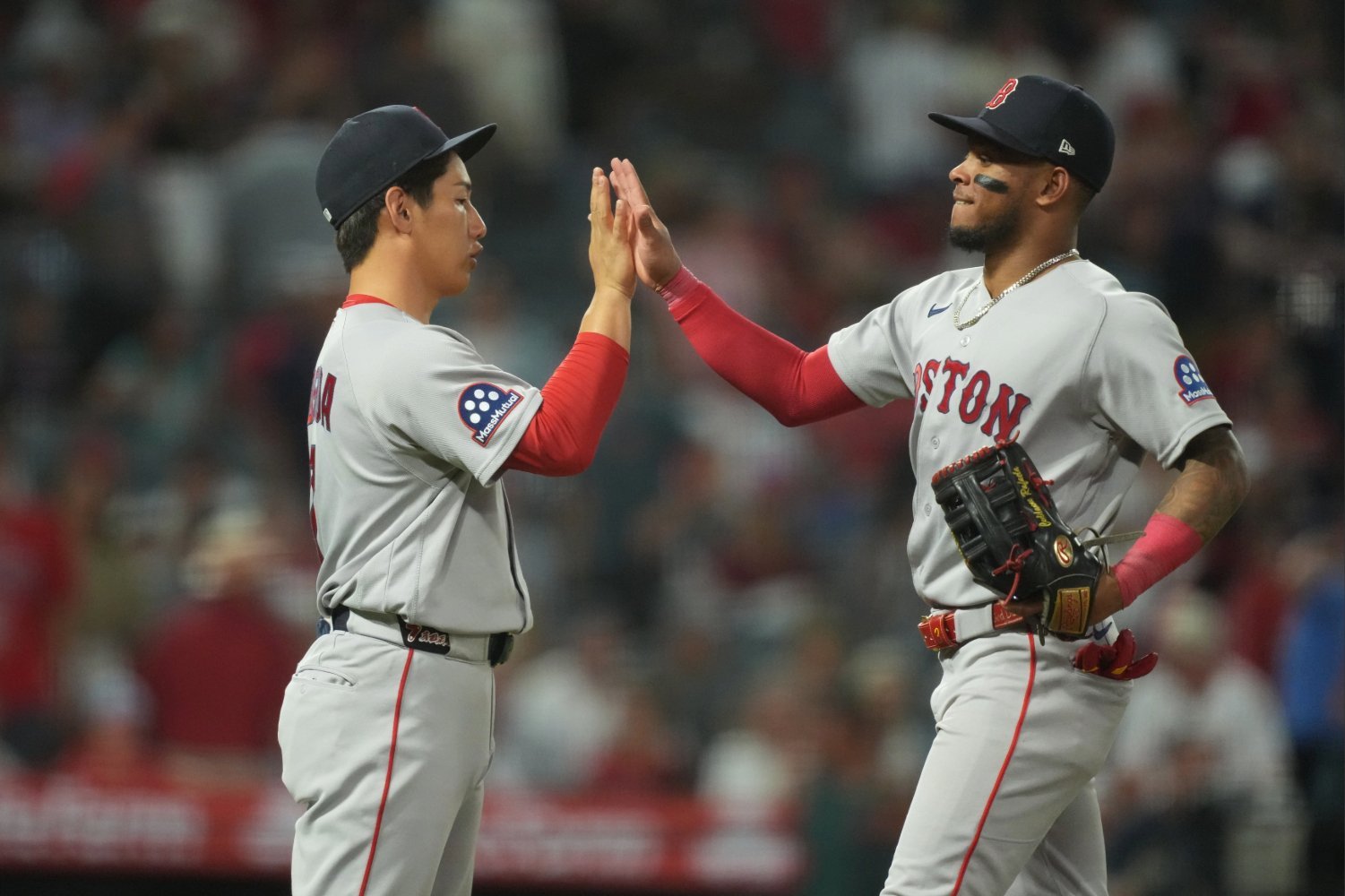 Boston Red Sox Weekly Snapshot Record Last Week: 4-2 Runs Scored Last Week: 29 Runs Surrendered Last Week: 29 Standings 5th in AL East 12.5 GB First Place Transactions 07/01/26: Boston Red Sox recalled LHP Alec Gamboa from Worcester Red Sox. 07/01/26: Athletics traded 3B Brett Harris to Boston Red Sox for RHP Ben Hansen. 07/01/26: Boston Red Sox placed LHP Connelly Early on the 15-day injured list. Left elbow inflammation. 07/01/26: Boston Red Sox activated LHP Jovani Morán from the 15-day injured list. 07/01/26: Boston Red Sox designated RHP Tommy Kahnle for assignment. 07/02/26: Boston Red Sox signed free agent RHP Sam McWilliams to a minor league contract 07/02/26: Boston Red Sox sent 3B Nick Sogard on a rehab assignment to Portland Sea Dogs. 07/03/26: Boston Red Sox sent RHP Tommy Kahnle outright to Worcester Red Sox. Scores Game 83: BOS 6, WSH 3 Game 84: BOS 1, WSH 8 Game 85: BOS 2, WSH 10 Game 86: BOS 5, LAA 2 Game 87: BOS 8, LAA 1 Game 88: BOS 7, LAA 5 Series Breakdown/Highlights Nationals Series: Remember that wave of great feelings we were all riding after the sweep of the Yankees? Well, it continued into game one of this series. Ranger Suarez gave the Red Sox their 12th quality start in a row, tossing six innings of three-run baseball on Monday night. He allowed five hits, walked one, and struck out eight. Willson Contreras had maybe the most electric home run of the season in the first inning, and that likely led to a couple of other things that happened this series as well. Caleb Durbin continued the home run party for the Sox while Wilyer Abreu and Carlos Narvaez added one RBI each as well. Contreras was ejected for tapping his helmet as he walked back to the dugout at the conclusion of the second inning. Game two got the fireworks started before the holiday weekend had a chance to get here. First, Connelly Early was removed after only throwing four innings with inflammation in his left elbow. He was subsequently placed on the injured list the following day. He seemed to be on his way to the 13th straight quality start before the elbow started to bark at him. From there, the bullpen gave up eight earned runs, with Tommy Kahnle giving up half of them. He was subsequently DFA’d after the game. The next, and bigger, story of the game came after Contreras struck out in his second at-bat of the night. Nationals pitcher Cade Cavalli seemed to take umbrage to Contreras cutting across the infield and getting in his way at the conclusion of the first inning. The pitcher subsequently yelled at Contreras after the latter struck out. Contreras seemed confused, and Cavalli kept talking, until the dugouts and bullpens cleared and we had more than just some pushing and shoving. Contreras then threw his helmet at Cavalli and had to be restrained by multiple members of the Red Sox, and even Keibert Ruiz of the Nationals. Nate Eaton and Miles Mikolas got into a ‘who can throw the other on the ground first’ match, and all three were ejected from the game. After that, the Red Sox's bats went cold for the remainder of the series. Game three wasn’t worth watching. Payton Tolle had arguably the worst start of his career, only going three innings and giving up six earned runs, seven hits, three walks, and five strikeouts. From there, Ryan Watson, Jovani Moran, and Alec Gamboa all allowed earned runs as well. Durbin and Eaton contributed the two runs the Sox scored on the day, and the team likely hoped to put this whole series behind them as they flew across the country to Anaheim. Angels series: Although both Contreras and Eaton were suspended for their involvement in the skirmish on Tuesday, they both appealed and were able to play the entirety of the series against the Angels. In game one, Jake Bennett turned in the best start of his young career by a mile. He threw 7.2 innings of six-strikeout, two-earned-run baseball. We saw Garrett Whitlock come in to close out the eighth inning and then were treated to Aroldis Chapman breaking the all-time MLB strikeout record for a reliever. Every strikeout he throws from now until the end of his career will just continue to cement him as a Hall of Famer. On the offensive side, Durbin continued to be on an absolute heater at the plate, going yard again. Recently activated Romy Gonzalez got in on the action with two RBIs, and Jarren Duran drove in a couple to put the game out of reach. Game two saw another offensive breakout for the Sox, led by home runs from Contreras and Gonzalez. Abreu and Rafaela also contributed RBIs to the cause. Durbin turned in a zero-for-five game at the dish, a rarity for him since he started working with an outside hitting coach. On the defensive side of the ball, Sonny Gray continued his dominant run with six innings of seven-strikeout, one-earned-run baseball. Moran, Greg Weissert, and Gamboa all saw action out of the bullpen to secure the win for Gray, who was snubbed of an All-Star appearance that was announced earlier in the day. Game three featured All-Star Ranger Suarez in an outing that saw him only toss 2.2 innings before he was removed with left abductor tightness. In his almost three innings, he managed to strike out five while giving up three earned runs. Both Justin Slaten and Aroldis Chapman also gave up an earned run in the outing. Duran and Contreras got the party going for the Red Sox who, through the first three innings, couldn’t seem to break through until Contreras put them in the lead for good. Masataka Yoshida and Abreu also contributed RBIs.. This was a series sweep against a team that should have been swept, but the Red Sox had let us down in those matchups earlier in the season. They now fly to Chicago to take on the White Sox, a team no one anticipated being as good as they are this season. Website Highlights How Jake Bennett is Succeeding Without a Dominant Pitch by Yirsandy Rodriguez Brayan Bello, Kristian Campbell Know There is Work to be done Before Returning to Red Sox by Nick John Anthony Seigler, AKA The Red Sox’s Luis Arraez by Jack Lindsay Red Sox Can Talk Solace in One Simple Fact: They Aren’t the Mets by Alex Mayes Looking Ahead 07/06/26: Off day 07/07/26: Red Sox (Payton Tolle) @ White Sox (Noah Schultz): 7:40 PM EDT 07/08/26: Red Sox (Jake Bennett) @ White Sox (Davis Martin): 7:40 PM EDT 07/09/26: Red Sox (TBD) @ White Sox (Anthony Kay): 2:10 PM EDT 07/10/26: Red Sox @ Mets: 7:15 PM EDT 07/11/26: Red Sox @ Mets: 4:10 PM EDT 07/12/26: Red Sox @ Mets: 1:40 PM EDT View the full article
 -
 Chicago Cubs Minor League Report Affiliate Overview Triple-A Iowa Cubs Series at Toledo Mud Hens (Detroit Tigers): Tied, 3-3 Season Record: 35–49-1 Double-A Knoxville Smokies Series vs. Columbus Clingstones (Atlanta Braves): Tied, 3-3 Season Record: 46–35 High-A South Bend Cubs Series at Beloit Sky Carp (Miami Marlins): Sky Carp win, 5-1 Season Record: 45–32 Single-A Myrtle Beach Pelicans Series vs. Hickory Crawdads (Texas Rangers): Crawdads win, 4-2 Season Record: 33–46 Triple-A: Iowa Cubs Season Record: 35–49-1 Series Opponent: Toledo Mud Hens (42-44) Series Standing: Tied, 3-3 July 5: The Iowa Cubs dropped Sunday’s series finale, 6-2, to the Toledo Mud Hens to split the six-game set. The Mud Hens jumped out to the lead thanks to a three-run first inning and later made it 4-0 with a run in the third. The Cubs wouldn’t get on the board until the sixth when Jonathan Long (1-for-4) doubled home a run. Toledo would plate two in the eighth to make it 6-1 before Iowa scratched one more across in the ninth on an Owen Miller (1-for-4) RBI-groundout. Will Sanders got the start on the mound for the I-Cubs and was handed the loss, falling to 5-1 on the season. Sanders allowed four runs, three earned, on five hits over four innings of work to go along with one walk and five strikeouts. Antoine Kelly worked two perfect frames in relief, whiffing two batters. Kelly extends his scoreless streak to 11 1/3 innings, spanning seven games. Double-A: Knoxville Smokies Season Record: 46–35 Series Opponent: Columbus Clingstones (35–41) Series Standing: Tied, 3-3 July 5: The Knoxville Smokies earned a series split with the Columbus Clingstones following a 5-4 victory on Sunday at Covenant Health Park. The Clingstones plated two runs in their first trip to the plate but the Smokies were able to respond with a run in the home half of the frame, thanks to an Owen Ayers (2-for-4) solo blast, his 15th of the season. The teams traded runs in the fourth, with Andy Garriola (1-for-4) singling home Knoxville’s run to make it 3-2. Jefferson Rojas (1-for-3) gave the Smokies their first lead of the ballgame when he brought home a pair of runs to make it 4-3. The Clingstones would tie the contest in the seventh but Edgar Alvarez’ (1-for-3) RBI-double in the eighth brought home the go-ahead run. Luke Little tossed two scoreless innings to close the game, stranding the tying and go-ahead runs in the ninth to earn the win, improving to 2-0 on the season. Evan Taylor got the start for Knoxville and took no decision. Taylor allowed two runs, one earned, on no hits over two innings of work, walking three and striking out five. The Smokies pitching staff allowed just one hit on the day but walked eight batters and hit one. High-A: South Bend Cubs Season Record: 45–32 Series Opponent: Beloit Sky Carp (37–42) Series Standing: Lose, 5-1 July 5: The South Bend Cubs were swept in a doubleheader on Sunday by the Beloit Sky Carp, dropping game 1, 1-0, and game 2, 2-0. Game 1: The Cubs were blanked by the Sky Carp, 1-0, in Sunday’s doubleheader opener while being held to just three hits in the ballgame. The Sky Carp scored in their first trip to the plate and that lead would hold throughout as South Bend would record only four baserunners, going 0-for-1 with runners in scoring position. South Bend starter Jameson Taillon, made his first rehab appearance since hitting the IL on June 9 and allowed one run on four hits over 3 1/3 innings of work, picking up two strikeouts without issuing a walk. Kevin Valdez turned in 2 2/3 scoreless frames in relief, retiring all eight batters he faced, including four via strikeout. Game 2: South Bend was held scoreless by Beloit for a second-straight contest, falling 2-0 in Sunday’s doubleheader finale at ABC Supply Stadium. The Sky Carp pushed a run across in the first and would later double their lead with a run in the fifth. The Cubs offense would record five hits in the ballgame, with Jose Escobar going 3-for-5, but like the first game, none of the hits would go for extra bases and South Bend would go 0-for-7 with runners in scoring position, stranding 11 baserunners. Alfredo Romero got the start on the mound for the Cubs and was handed the loss, falling to 2-3 on the season. Romero allowed one run on two hits over four innings of work to go along with one walk and four strikeouts. Single-A: Myrtle Beach Pelicans Season Record: 33–46 Series Opponent: Hickory Crawdads (46–33) Series Standing: Lose, 4-2 July 5: The Myrtle Beach Pelicans dropped their series to the Hickory Crawdads following Sunday’s 3-2 defeat at Pelicans Ballpark. The Crawdads took a 3-0 lead after three thanks to two runs in the second before adding another in the third. Darlyn De Leon (0-for-3) brought home the Pelicans’ first run of the contest with a sacrifice fly in the fifth. Yoendris Gonzalez (2.0 IP), Jordan Henriquez (1.1 IP) and Anhuar Garcia (1.2 IP) kept Myrtle Beach in the game by combining for four scoreless innings in relief, yielding just one hit and striking out six. Geuri Lubo’s (1-for-3) RBI-double in the ninth would cut the lead to one but he would be left 90 feet away from tying the game as the Pelicans were unable to complete the comeback. Noah Edders got the start for Myrtle Beach and took the loss, falling to 0-3 on the season. Edders allowed three runs on two hits over four innings of work and issued two walks. View the full article
 -
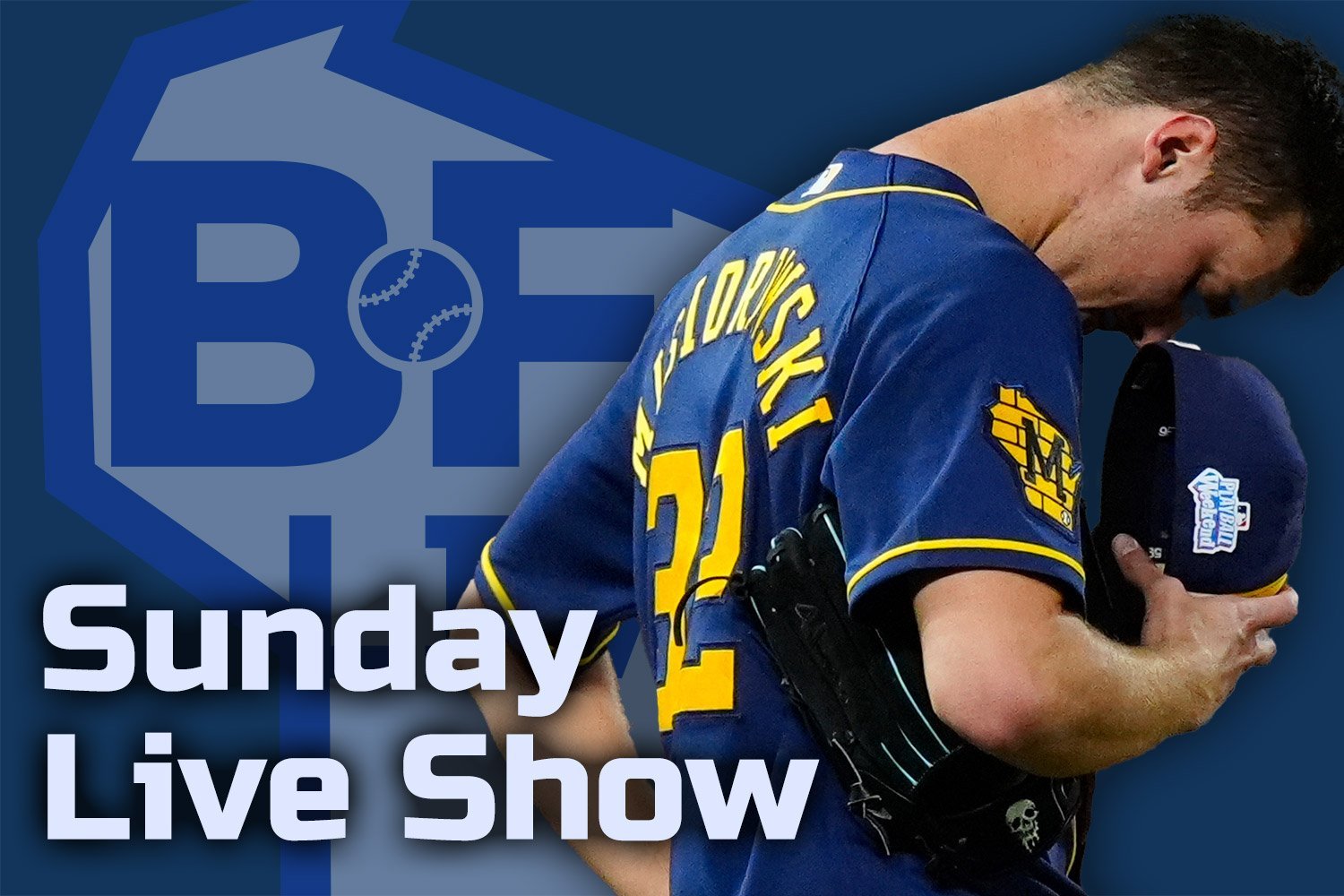 Jason Wang and Jake McKibbin talk more Brewers baseball and go over the state of the team as we head into the Midsummer Classic. Apple Podcasts: https://podcasts.apple.com/us/podcast/the-brewer-fanatic-podcast/id1740648724 Spotify: https://open.spotify.com/show/5CY8mWsQayqjDXqw9OT2Td iHeartRadio: https://www.iheart.com/podcast/263-the-brewer-fanatic-podcast-166534588/ Pocket Casts: https://pca.st/ommzz627 Watch On YouTube: https://www.youtube.com/@brewerfanatic View the full article
 -
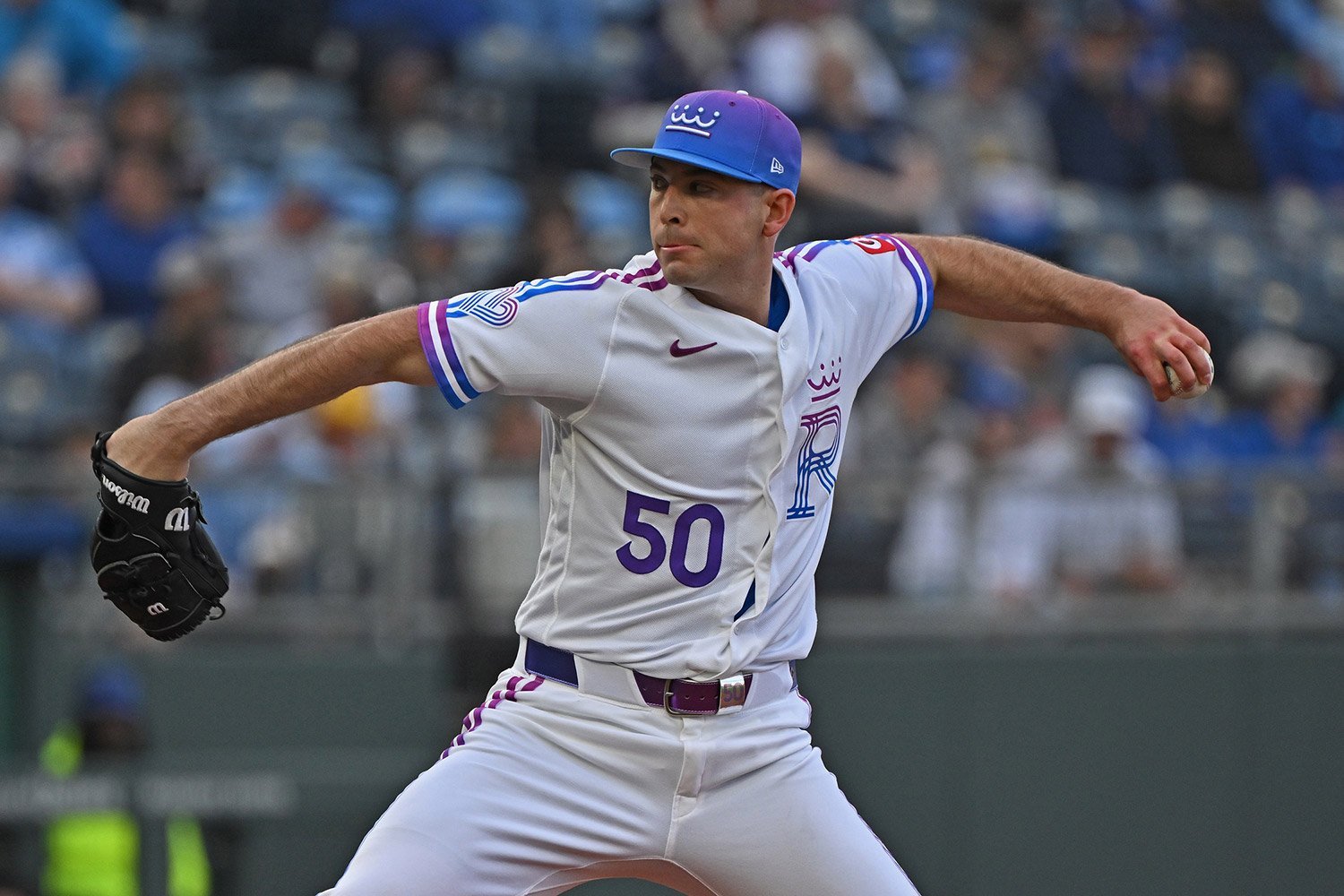 Kris Bubic was on a rehab assignment, looking to return to the Royals rotation in the future, but he was scratched from his most recent start after receiving a cortisone shot in his sore shoulder. This season has been a lot of stop-and-go, with Bubic on the injured list with an elbow injury before the shoulder injury was found during another rehab assignment. He has stopped and started rehab assignments multiple times, with his most recent appearance being on June 28, where he threw two innings. Bubic was transferred to the 60-day IL, which was more of a procedural move, having been out since May 18 (retroactive to May 15). The Royals hope this setback doesn't keep Bubic out too long, as they need help in their rotation, especially with Cole Ragans being out for the year after undergoing Tommy John Surgery. Being an impending free agent, the Royals were hoping Bubic would come back and become their most enticing trade piece come the August 3rd trade deadline. It's possible he could still be traded, but he may not return to the major leagues before the trade deadline, which will limit his appeal to teams looking for a rotation boost. View the full article
 -
The Adjustment That Could Unlock Taj Bradley's Best Self
DiamondCentric posted an article in Twins Daily
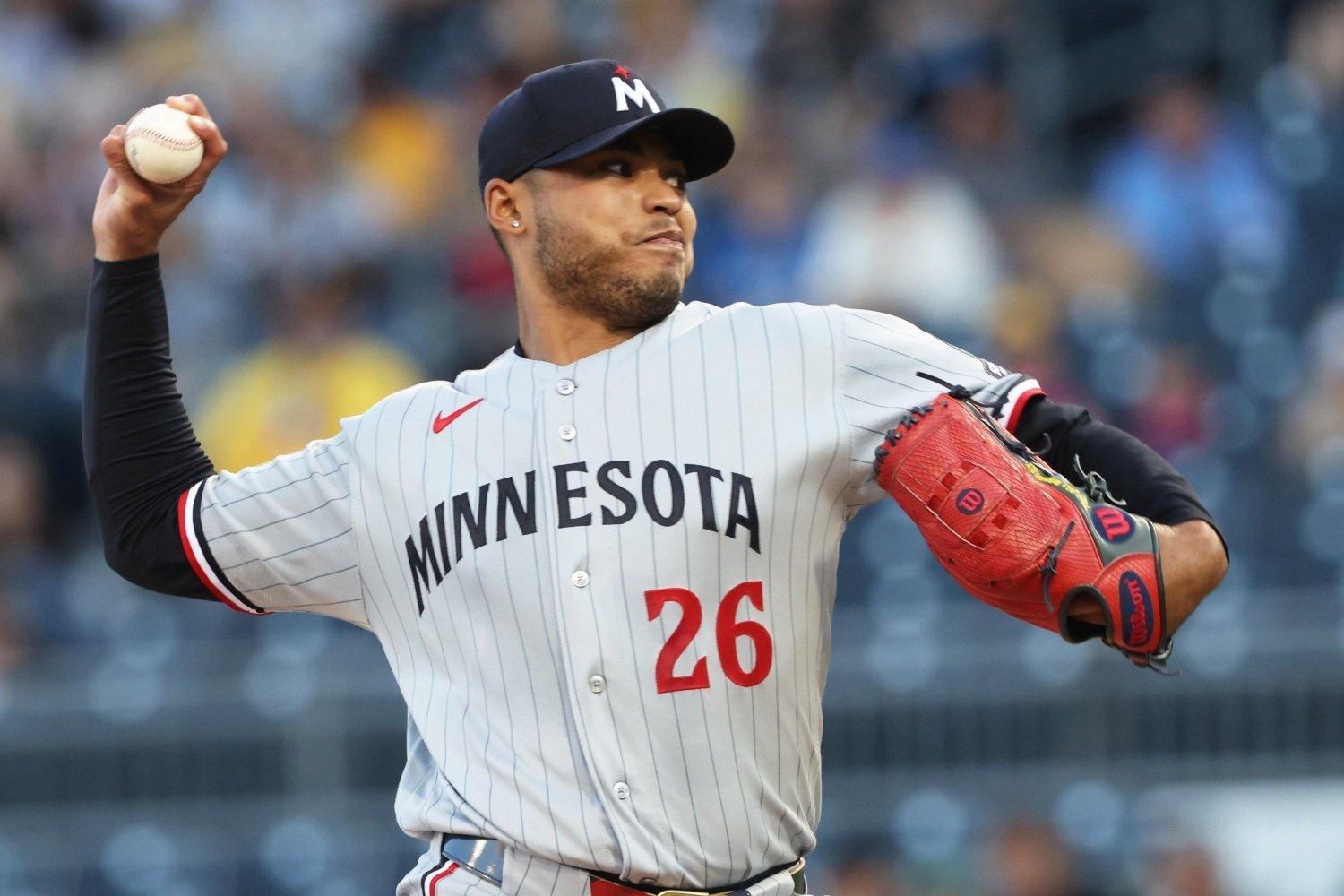 Taj Bradley's 2026 campaign has been anything but consistent. There have been plenty of highs, and there have been plenty of lows. At times, Bradley looks like the ace Minnesota envisioned when they acquired him last summer. His fastball explodes through the zone, his secondary pitches are extremely tough to square up, and hitters look completely overmatched. Then there are starts where everything seems to unravel. The command disappears; pitch counts climb too quickly; and he spends the game trying to escape self-created jams. Just this past Wednesday, Bradley reminded everyone why the ceiling is so high. He tied a career high with 11 strikeouts over just five innings, overpowering hitters from start to finish. On the season as a whole, he's now punched out 102 batters in just 88 2/3 innings. That's the profile of a pitcher capable of being dominant. But those dominant outings have often been followed by frustrating ones, and there's usually one common theme. Bradley's walk rate sits at an even 10% this season, and more often than not, when he has a rough outing, it's because the command isn't there. He falls behind in counts, gives out free passes, and is forced into hitter-friendly situations that eventually come back to bite him. It's easy to say, "Well, just throw more strikes"—as if every pitcher ever hasn't already thought of that. Unfortunately, it isn't that easy to execute. Nor is it easy to make massive strides in a short period. Bradley has always had a higher-than-average walk rate over the course of his career, and while his velocity has gone up over the years, that coincides with worsening command. But what if he could become the type of pitcher who doesn't have to live in the strike zone to consistently succeed? I think there's a path to that, and it starts with throwing his four-seam fastball a little less often. Before anyone interprets that as saying Bradley has a bad fastball, that's absolutely not what I'm saying. The pitch is still electric. Through his first 16 starts, Bradley has thrown his four-seamer 48% of the time. Clearly, it's the foundation of everything he does. He trusts it, he uses it early in counts, and it sets up the rest of his arsenal. None of that necessarily needs to change. But right now, I don't think it's playing as well as it could, and I think it could become even more effective if hitters saw it just a little bit less. The biggest concern is the quality of contact it's allowing. Opposing hitters own a 93.3 MPH average exit velocity against Bradley's four-seam fastball on balls in play. To be fair, higher-velocity pitches are naturally going to produce louder batted balls; that's just part of throwing upper-90s heat. But 93.3 MPH is still an alarming number. When hitters are making contact against Bradley's fastball, they're squaring it up far more often than you'd like to see. That's especially concerning, because they're making contact with it pretty frequently. Bradley's four-seamer currently owns just a 14.6% whiff rate, while hitters are making contact on 87.4% of their swings at pitches in the strike zone. When Bradley misses with the fastball, he usually misses by enough that hitters aren't offering. But when he is pounding the zone, hitters are making him pay for it. That's not exactly the profile you want from a pitch that's making up nearly half of your arsenal. Now, compare that to everything else he throws. His secondary pitches have been outstanding. His hard cutter and his splitter generate swings and misses; both look like legitimate weapons. His curveball has kept hitters uncomfortable. Across the board, those secondary offerings are generating significantly more whiffs, while also limiting hard contact far better than the fastball has this season. Why not lean into what's working? Pitchers have to adjust throughout the course of a 162-game season. Maybe one pitch isn't playing quite as well for a month or two. Maybe hitters have made adjustments; maybe his sequencing needs to change. Whatever the reason, the best pitchers are constantly adapting. Right now, Bradley's secondary pitches are simply performing better than his four-seamer. That doesn't mean abandoning the fastball—far from it. I'm not suggesting Bradley suddenly cuts his fastball usage in half or becomes a pitcher who only throws breaking balls and splitters. That's not realistic. Nor would it probably be effective. He throws all his secondary pitches in or near the zone often enough to be effective, but if he had to throw them much more often, he'd run into even worse walk issues. But what if his four-seam usage dropped from 48% to closer to 40%? What if those extra pitches instead became cutters and splitters? Hitters would have to account for those secondary offerings more, and Bradley's fastball velocity might play up even more because hitters wouldn't be gearing up for it as often. Sometimes less really is more. Interestingly enough, we may have already seen a glimpse of what that looks like. In Wednesday's dominant outing, Bradley threw his four-seam fastball just 37% of the time. As I mentioned earlier, he was gross. Everything played off one another beautifully. The secondary pitches kept hitters off balance, and when the fastball did show up, it seemed to have a little more life, because it wasn't nearly as predictable. He didn't rack up whiffs, but by mixing things up, he got 19 called strikes and produced a lot of foul balls that helped him get ahead in the count. One start certainly doesn't prove anything, and that may be just a coincidence. Maybe the next time he tries it, hitters adjust, and the results aren't nearly as impressive. But given how dominant Bradley's secondary pitches have been—and how inconsistent the four-seam has looked—it feels like an adjustment that's at least worth exploring. His raw talent has never been in question. It's just about finding the mix that allows Bradley to access that version of himself more consistently. Right now, Taj Bradley throwing his four-seam fastball just a little less feels like an adjustment that could pay off in a big way. View the full article
 -
Padres Week in Review: A Win To Rescue A Disastrous Road Trip
DiamondCentric posted an article in Padres Mission
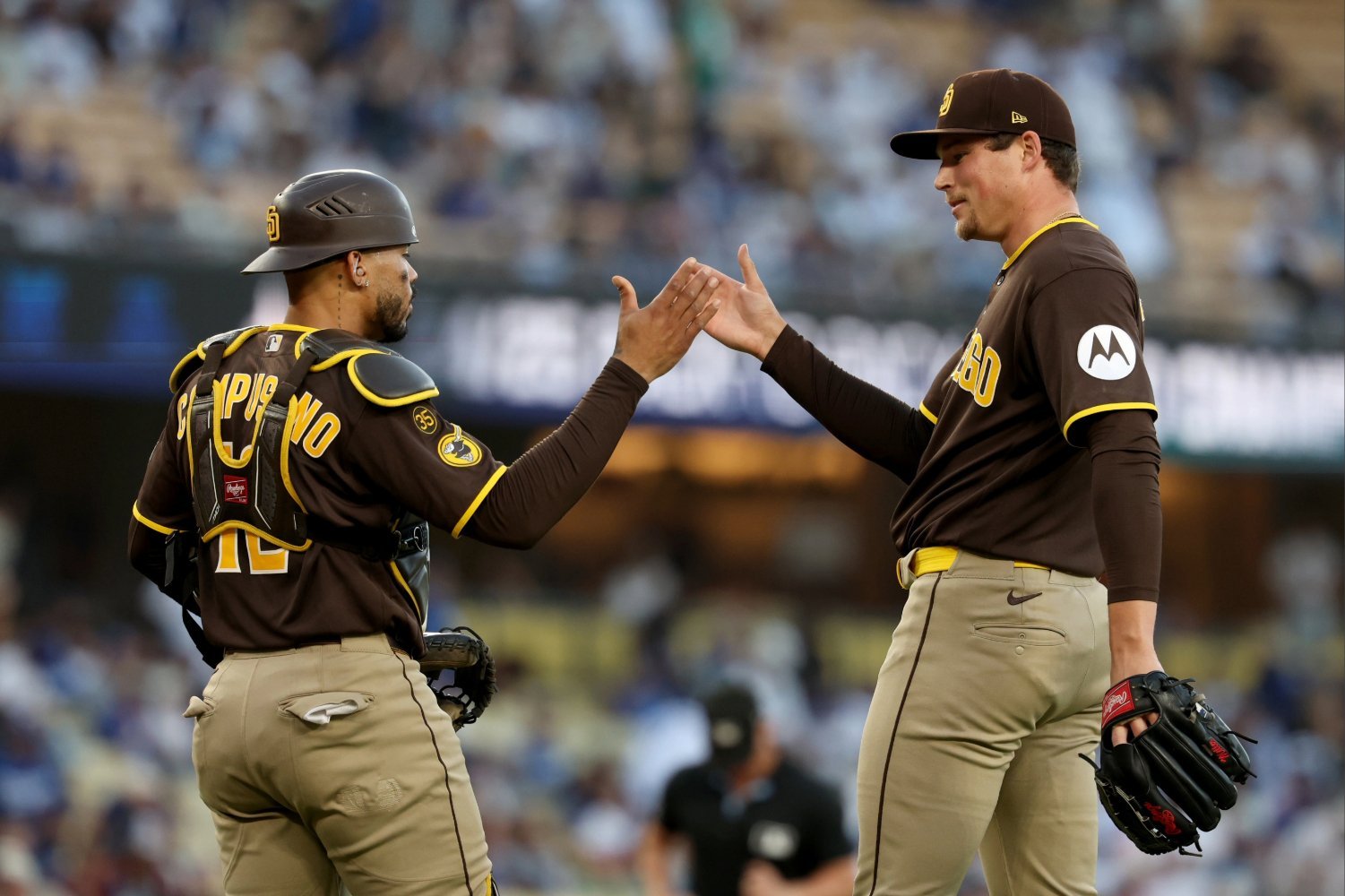 San Diego Padres Weekly Snapshot Record last week: 1-6 Runs scored last week: 27 Runs allowed last week: 56 (season run differential: minus-42) Scores Game 83 (Monday): Cubs 3, Padres 2 Game 84 (Tuesday): Cubs 9, Padres 7 Game 85 (Wednesday): Cubs 23, Padres 3 Game 86 (Thursday): Dodgers 12, Padres 7 Game 87 (Friday): Dodgers 4, Padres 3 Game 88 (Saturday): Dodgers 3, Padres 0 Game 89 (Sunday): Padres 5, Dodgers 2 Week in Review and Highlights Cubs series Game 1: In the only three games the Padres will play outside of SoCal in the three weeks before the All-Star break, a taught affair escaped the Friars' clutches. This game came down to two wind-blown flyballs to left field, with the second one coming in the ninth inning and providing a walk-off 3-2 victory for the Chicago Cubs. The ninth inning certainly deserves scrutiny as that is where the game was ultimately decided, but the Cubs' first run came after left fielder Samad Taylor, whose only previous appearance in left field at Wrigley Field came in one game in 2023, misplayed a Seiya Suzuki fly that went for a double. Suzuki would score three batters later to trim the Padres' lead to 2-1. More importantly, the ninth came down to Jason Adam being extended to a second inning and not being able to get an out. Adam needed 13 pitches for a perfect eighth inning, but then gave up a single on a 3-2 changeup to Dansby Swanson and a single to Pete Crow-Armstrong on a 2-2 changeup. That prompted manager Craig Stammen to bring in superstar right-handed closer Mason Miller. While it wasn't technically a save situation, it certainly felt like it considering the circumstances. Miller gave up a single on a 1-0 slider to Alex Bregman, loading the bases. Michael Busch then hit a shallow fly near the left-field line that Jase Bowen, who came in to play left after Taylor was pinch-hit for in the top of the ninth, caught and fired a one-hopper to catcher Freddy Fermin to easily nail Swanson at the plate for a double play. That brought up Suzuki, who launched an 88 mph slider on a 1-0 count deep to left field. Bowen was back at the wall, but his leap was just off, leaving him with just a handful of ivy as Crow-Armstrong crossed home with the winning run. Otherwise, the Padres had to be encouraged by some things from this game. That included the start by embattled right-hander Griffin Canning. After having an opener in his previous two outings, Canning started and went 4⅓ innings after getting just two outs last time. He looked better, giving up a pair of runs on five hits and two walks with three strikeouts. He was pulled in the fifth after giving up a leadoff double to Swanson and a one-out walk to Bregman. Left-hander Kyle Hart came in and walked the switch-hitting Busch to load the bases and then a sacrifice fly to Suzuki that tied the game 2-2. The Padres had built a 2-0 lead with runs in the third and fourth innings, with a Fernando Tatis Jr. fielder's choice driving in Xander Bogaerts for a 1-0 lead and Miguel Andujar and Bogaerts doubling for a 2-0 advantage. Game 2: Imagine a game where Tatis goes deep twice and the Friars four times overall and you still didn't feel like you really had a chance to win the game. That is basically what happened as the Padres dropped a 9-7 decision to the Cubs. Chicago had a 5-1 lead after two innings and the Padres made a late push with a four-run eighth inning to pull within the final margin. But it was another familiar story: A poor start by the pitching staff. This time, it was left-hander JP Sears. After a terrific first MLB start this season last week, Sears didn't have the same stuff and was tagged for seven runs (six earned) in 4⅔ innings, including five runs (four earned) in the first two innings. Sears was hammered for three homers, two coming in a four-run second. Swanson hit a pair of homers after coming into the series with a .190/.287/.362 slash line, but is 5-for-8 in the first two games vs. the Padres. Tatis' two blasts gave him 157 for his career, moving him past Phil Nevin and into fourth in Padres history. He led off the game with a monster blast to left, his fourth of the season. His fifth was a solo blast into the basket in right field. That came a batter after Gavin Sheets hit a three-run blast. Machado also went deep for his team-leading 16th, a two-run shot in the top of the third that pulled the Padres within 5-3. The Cubs created space with a three-run fifth off Sears and right-hander Ron Marinaccio, who gave up Swanson's second blast of the game. Game 3: What do you say after a 23-3 loss? Not much. So here it is. Swanson hit three homers, including a grand slam, and drove in eight. The Padres gave up a club-record eight homers. Sung-Mun Song hit his first career homer for the Friars. Right-handed starter Walker Buehler gave up nine runs in a game for the first time in his career. The 20-run loss was a club record. The 23 runs tied a club record. Career minor-league catcher Rodolfo Duran pitched two more innings, his second appearance in five days, to save the pitching staff, but giving up eight runs. The Padres have lost five straight as they head to Los Angeles to face the Dodgers. Dodgers series Game 1: For a brief time, it looked like the Padres were well on their way to snapping their five-game losing streak. They hit three home runs in the first two innings to jump out to a quick 6-0 lead against the Dodgers. Then, the rotation issues struck again. An avalanche of Dodgers runs followed and the Friars were on the wrong end of a 12-7 decision, extending their skid to six games, matching their season worst. The streak made the Padres a .500 team at 43-43 for the first time since they were 6-6 on April 8. Right-handed starter Randy Vasquez, who had a scary incident after leaving the game, lasted just three innings and gave up four runs on seven hits and a walk. No telling whether Vasquez was feeling off while in the game, which could have led to his fainting spell. Still, it was a dispiriting loss for the Padres after smacking around Dodgers right-handed starter Roki Sasaki in the first two innings. Machado hit a two-run homer, his 17th this season, in the first inning, then Jackson Merrill hit a solo shot, his ninth, and Cronenworth unloaded a three-run blast, his second this year and first since coming off the concussion list to begin the week, to put the Friars comfortably on top 6-0. Only these are the Dodgers and they are clicking at the moment. Two runs in each of the bottom of the second and third innings and a four-run fourth put L.A. up 8-6, but it continued with two more in the fifth and another in the sixth for a 12-6 advantage. In another scary situation, Fermin took another foul tip off his facemask and could be heading back to the concussion list for the second time this season. He went out for a mound visit a couple pitches after taking a Freddie Freeman foul, with teammates signaling for help as the meeting was breaking up. The good news is Luis Campusano (broken right big toe) was on a rehab assignment at Triple-A El Paso, so he could easily step in. Game 2: While the day started off with good news that Vasquez was OK following his fainting spell, it most certainly did not end well. Michael King, the de facto No. 1 in this rotation, bounced back from a miserable last start, but a rare blip by a top bullpen arm relegated the Padres to a 4-3 loss, their season-worst seventh straight, dropping the team below .500 at 43-44. The Padres also lost Vasquez (bruised ankle) and Fermin (head contusion) to the 10-day injured list. The Friars built a 3-0 lead against ace right-hander Shohei Ohtani, including Merrill's 10th homer of the season. King, after throwing just 68 pitches, was sent out to begin the seventh inning, where he walked cleanup hitter Mookie Betts and gave up a single to Max Muncy. Left-hander Adrian Morejon was asked to extricate the Padres from this situation against a surging Dodgers offense. Kyle Tucker's potential double-play ball was mishandled by Cronenworth at second, loading the bases. The very next pitch, a center-cut slider, was sent 419 feet into the Dodger Stadium bleachers for a grand slam. While Cronenworth and Merrill each had two hits in the game, and Merrill scoring twice, the Padres couldn't get a baserunner on in the final two innings, putting a nail in a frustrating loss in a frustrating stretch. Game 3: One of the nice things about the Friars' offense being in a better place than it was a month ago is that they have been able to not be stifled by another team's star pitcher. Well, Yoshinobu Yamamoto proved to be an exception to that pattern as the Dodgers' right-hander struck out 10 and allowed three hits over seven innings in a 3-0 shutout of the Padres on the Fourth of July, San Diego's eighth loss in a row, the worst streak of the year and longest since 2013 (10 games). Two of the Padres' four hits in the game came in the first inning on singles by Tatis leading off and Sheets with two outs. Bogaerts singled leading off the second, which was the last hit the Padres would get until Tatis' two-out double in the eighth. Canning, back with an opener in left-hander Wandy Peralta, pitched four effective innings, giving up one run on two hits with two walks and three strikeouts. Left-hander Kyle Hart allowed a run in two innings with three punchouts and right-handed closer Mason Miller, having not pitched since Monday and who was named an All-Star before the game, worked the eighth, but gave up a run and didn't have a strikeout. Game 4: Give the Padres credit. Despite being in a funk for the last week-plus, they put themselves in position to win three of the four games against the Dodgers. And after dropping the first three games of this series, it would have been easy for the Friars to be in their feelings and check out of the finale against their NL West rival. Instead, the Padres stood strong and this time held a lead unlike the first two games of the series, coming away with a 5-2 victory that snapped MLB's longest active losing streak at eight games. Maybe it was the fight that the coaching staff showed on the game's third pitch when a check-swing appeal went against Tatis. That prompted persistent chirping from infield coach Ryan Goins, who was ejected by the home plate umpire. Stammen came out to get an explanation and then offered his 2 cents, which earned him the rest of the day off. Did that inspire left-handed starter Sears, who had a 7.99 ERA at Triple-A and was rocked for seven runs just five days earlier, yet held the two-time defending World Series champions to zero hits until there were two outs in the fifth inning? Did that fuel Machado, who delivered the crushing offensive blow with a three-run homer on an 0-2 fastball in the top of the seventh? Regardless of where it came from, the Padres showed a lot of fortitude in ending a seven-game road trip in which the future of their season came into question with, while not spectacular, a rock-solid victory. The only glitch on the day was a two-run bottom of the seventh in which Morejon worked in and out of trouble after inheriting a runner at first base. Miller struck out one of the three batters he faced in a perfect ninth for his 22nd save in as many chances. But in order for this win to mean anything, other than preventing the Dodgers from becoming the first MLB team this season to reach 60 wins, the Padres will need to show the same mettle when they host the Arizona Diamondbacks for the next four games at Petco Park. The Padres and D'backs are tied at 44-45, four games out of an NL wild-card spot. Marvelous Mason Miller Some of the amazing stats for the Padres' closer: Season stats: 2-1, 0.98 ERA, 35 games, 22 saves (22 chances), 36⅔ IP, 17 H, 6 R, 4 ER, 13 BB, 67 K, .137 opponent average Named to his second All-Star Game, also going in 2024 with the Oakland A's. The Padres have had their closer in the last four All-Star Games. With 22 saves, is tied for the NL lead with Riley O'Brien of the St. Louis Cardinals. Of the 110 outs he has recorded, 67 have come via strikeout (60.9%). Did not have a strikeout Saturday, his first outing since May 19 without one and his first in a full inning without a punchout since back-to-back outings April 23 and April 25. Has gone 58 innings without allowing an extra-base hit, the longest in the Expansion Era (1961), surpassing the 56 innings by Luis Aquino of the Kansas City Royals (1988-89). Random Friars Stats Manny Machado's homer run Sunday gave him the most homers in Padres history against the Dodgers with 26, breaking a tie with Dave Winfield. Fernando Tatis Jr.'s on-base streak ended at 23 games in the series finale vs. the Cubs as he went 0-for-4. That streak matched his career best and was tied for the longest in MLB. Tatis now has 17 career leadoff homers. Tatis' leadoff double Thursday had an exit velocity of 115.7 mph, his hardest ball in play since Sept. 11, 2024, per Kevin Acee of the San Diego Union-Tribune. Per Opta Stats, the Padres became only the second team in MLB history to lose six consecutive games while giving up 75 hits, 60 runs, 15 homers and 30 walks, joining the 1929 Philadelphia Phillies. Wandy Peralta, who started as an opener Saturday, has seven shutout innings in his six starts and has allowed a .167/.200/.208 slash line. Transactions Monday: Activated 2B Jake Cronenworth from the 7-day concussion list. Monday: Recalled RHP Bradgley Rodriguez from Double-A San Antonio. Monday: Placed RHP David Morgan on the 15-day injured list retroactive to Sunday with left knee inflammation. Monday: Optioned IF Will Wagner to Triple-A El Paso. Thursday: Placed RHP Jason Adam on the 15-day injured list retroactive to Tuesday with a right shoulder strain. Thursday: Activated RHP German Marquez from the 15-day injured list. Friday: Placed RHP Randy Vásquez on the 15-day injured list with a right ankle contusion. Friday: Placed C Freddy Fermin on the 10-day injured list with a head contusion. Friday: Activated C Luis Campusano from the 10-day injured list. Friday: Recalled RHP Alek Jacob from Triple-A El Paso. Website Highlights After brutal loss and sweep, Padres feel like a team on the brink of collapse — Randy Holt Song remains a perplexing evaluation for Padres — Yirsandy Rodriguez Adam's injury will hurt more than his WAR suggests — Randy Holt After one start, Sears has reintroduced himself as a viable rotation candidate — Randy Holt Padres hitters of the month for June: Tatis rediscovers stardom — Gottie Chavez Padres pitchers of the month for June — Brendan Dentino Padres minor-league hitters of the month for June — Steve Drumwright Padres minor-league pitchers of the month for June — Steve Drumwright Padres Mission podcast — Randy Holt and Steve Drumwright Looking Ahead Monday: Diamondbacks at Padres (Walker Buehler), 6:40 p.m. Tuesday: Diamondbacks at Padres (German Marquez), 6:40 p.m. Wednesday: Diamondbacks at Padres (Michael King), 7:10 p.m. Thursday: Diamondbacks at Padres (Griffin Canning), 6:40 p.m. Friday: Blue Jays at Padres (JP Sears), 6:40 p.m. Saturday: Blue Jays at Padres (Walker Buehler), 5:40 p.m. Sunday: Blue Jays at Padres (German Marquez), 1:10 p.m. View the full article
 -
 Antonio Jimenez is back home this summer, but he'd prefer to be back in New York state. The third-base prospect started his season at High-A Brooklyn, but the Mets sent him down to Single-A St. Lucie in early May amid a poor start at the plate. More games like the one he played Sunday will get him back up north. Jimenez went 3-for-4 with a home run, two RBIs and two runs scored in the Mets' 10-5 comeback victory over Tampa. He scored a run and drove in a run during a seven-run, eighth-inning rally. The 22-year-old Jimenez was born in Hialeah, Fla., and attended the same prep school that produced Nick Castellanos, Alex Avila and Danny Farquhar. He started his collegiate career at Miami (Fla.), but transferred to the University of Central Florida last year. The Mets drafted him in the third round (103rd overall) out of UCF and signed him to a $564,000 bonus. He began his pro career at St. Lucie last July, and he earned a preseason promotion to Brooklyn to begin 2026. After slashing .124/.181/.206 in 25 games for the Cyclones, he returned to South Florida, where he has put together better numbers (.216/.356/.355). Jimenez produced well enough to move up one spot, to 17th, in Grand Central Mets' latest top-20 prospect ranking. As for the rest of the system on Sunday: Syracuse lost its series finale to Worcester, 7-3. The Woo Sox jumped on starter Jack Weisenburger for five runs in the top of the first. Nick Morabito (new No. 5 on the top-20 list) and rehabbing Jorge Polanco homered. Binghamton got six strong innings from Jonathan Santucci, but was held to one hit in a 2-0 loss to Chesapeake. Nick Lorusso’s single in the fourth was the Rumble Ponies’ lone safety. Brooklyn’s game at Frederick was suspended in the bottom of the eighth with the game tied, 2-2, because of rain. Frederick had a runner on third with two out. The complex-league teams -- FCL Mets, DSL Mets Blue and DSL Mets Orange -- were off Sunday. They will all be back in action Monday. FCL Mets will resume their suspended game from Friday with the Marlins and then play their regularly scheduled game. DSL Mets Blue will play NYY Bombers, and DSL Mets Orange will take on DSL Colorado. Mets Transactions New York Mets optioned RHP Joey Gerber to Syracuse Mets. New York Mets selected the contract of RHP Guillo Zuñiga from Syracuse Mets. Morabito, Polanco Go Deep In Syracuse Loss The key blow against Weisenburger in the first was a three-run homer by Andrew Knizner that put Worcester up, 5-0. To his credit, Weisenburger kept it at five as he managed to work one batter into the fifth. In all, he gave up six hits, walked two and struck out one. Morabito got a run back in the bottom half of the first with a leadoff homer, part of a 2-for-3 day at the plate that also included a walk and two runs scored. Polanco provided the other Syracuse highlight with a two-run homer in the eighth that scored Morabito and trimmed the margin to 7-3. Taylor Darden made it 8-5 with a two-run single. Jimenez followed with his RBI single. A bases-loaded walk capped the rally. Jimenez homered in the first to tie the game, 1-1. It was his third homer in 31 games with St. Lucie. Starter Emilio Obispo allowed one unearned run over three innings, walking one and striking out one. Ernesto Mercedes earned the win with 1 2/3 scoreless innings of relief. He struck out three. Player AB R H RBI BB K Elian Peña 3 0 0 0 0 0 Jackson Hauge 1 1 0 0 1 0 Trey Snyder 4 1 2 0 1 0 Antonio Jimenez 4 2 3 2 0 1 AJ Salgado 4 0 0 1 1 1 Branny De Oleo 5 2 1 2 0 1 Jeremy Rodriguez 3 2 2 0 0 0 Francisco Toledo 4 1 1 2 0 1 Taylor Darden 3 1 1 2 1 0 Jack Scanlon 4 0 1 1 0 1 Player IP H R ER BB K HR Emilio Obispo 3 1 1 0 1 1 0 Calvin Ziegler 1/3 2 3 3 2 1 0 Joe Scarborough 1 2/3 1 1 1 0 2 1 Caden Wooster 2 1/3 2 0 0 1 4 0 Ernesto Mercedes 1 2/3 1 0 0 0 3 0 Top-20 Prospect Performance Jonah Tong: DNP Jack Wenninger: DNP Ryan Clifford: DNP Elian Pena: 0-for-3 Nick Morabito: 2-for-3, HR, BB Jacob Reimer: DNP Mitch Voit: 1-for-3, K Jonathan Santucci: 6 IP, 2 H, 2 R, 2 ER, 4 BB, 10 K Zach Thornton: DNP Chris Suero: 0-for-3, BB, K Will Watson: DNP Wandy Asigen: DNP Eli Serrano III: DNP Randy Guzman: DNP Dylan Ross: DNP Ryan Lambert: 1 IP, 0 H, 1 R, 1 ER, 3 BB, 0 K Antonio Jimenez: 3-for-4, HR, K R.J. Gordon: DNP Jonathan Pintaro: DNP Marco Vargas: DNP View the full article
 -
 Let's see how the Red Sox affiliates fared on Sunday afternoon to wrap up Fourth of July weekend. Triple-A Worcester Red Sox Series @ Syracuse Mets (New York Mets): 3-3 Season Record: 41-42 Worcester salvaged the series split with a 7-3 win in the finale behind early offense. Raymond Burgos got the nod on Friday afternoon and turned in a one-run outing. Across 4⅔ innings, Burgos allowed four hits and a walk, letting a solo run cross home plate. He struck out three before WooSox Manager Iggy Suarez made a call to the bullpen. Eduardo Rivera took an inning and ⅓ of relief work, sparking what was a solid combined effort from the Worcester bullpen. Rivera allowed a hit and a walk, earning the win before Tyler Uberstine took over in the seventh. Uberstine turned in a perfect inning, striking out two and lowering his ERA to 3.05. Sam McWilliams was up next in the eighth inning. McWilliams allowed two runs on one hit and two walks in one inning of work, but kept the game from getting out of hand. Wyatt Olds took the final frame, sealing the win with a two-strikeout perfect inning. The WooSox took advantage of the good pitching with a solid performance at the plate. Andrew Knizner led the way with two RBIs as Tyler McDonough, Mickey Gasper, and Max Ferguson each contributed two hits. In the first, Gasper stepped up to the plate with runners on the corners. He proceeded to crank a double to the right field wall, driving in McDonough. With Gasper on second and Vinny Capra on third later in the inning, Allan Castro hit a groundball single to left, driving in Capra and advancing Gasper to third. To add to the early offensive surge, Castro and Gasper executed a double steal of second and home, tacking on another run. Knizner drove in Castro shortly thereafter, adding two more runs to the lead. Holding onto a four-run lead in the sixth inning, Ferguson gave the WooSox some insurance as he drove in Kristian Campbell on a single to left. Capra added some extra comfort as he drove in Brett Harris on a sac fly later in the inning. Double-A Portland Sea Dogs Series vs. Altoona Curve (Pittsburgh Pirates): 4-2 Season Record: 43-37 Portland trounced Altoona 10-0 to claim the series win in decisive fashion. On Saturday, Patrick Sandoval and Anthony Eyanson combined for an excellent game. On Sunday, Blake Wehunt and Jedixson Paez did them one better. The duo of Wehunt and Paez let up only two hits amidst nine shutout innings. Wehunt got the ball rolling, earning his fourth win of the season for his five inning efforts. He has been dominant as of late and is a serious candidate for a call-up to Triple-A. On Sunday, Wehunt walked four and allowed just one hit, accumulating nine strikeouts as his ERA dropped to 3.38. Paez entered in the sixth inning, looking to shut down the rest of the game. He did just that. Paez allowed just one more hit and struck out eight more batters while not issuing a single walk. It was a dominant effort from both pitchers as they set up the Sea Dogs offense perfectly. Portland’s offense took full advantage, tallying ten runs and ten hits. Franklin Arias and Marvin Alcantara recorded two RBIs each as the Sea Dogs got the scoring started early. Alcantara sparked a four-run second inning with a two-run shot to center field, scoring Brooks Brannon. Later in the second, Matt Frazier dashed home on a wild pitch as Nelly Taylor advanced to third. Ahbram Liendo drove Taylor in with a one-out single to center field as Portland grabbed a four-run advantage. One inning later, Nate Baez added another run to the lead as he scored on another wild pitch. In the sixth, Brannon clubbed a homer of his own to center, making the lead 6-0. With the game out of reach, Franklin Arias joined in on the fun in the seventh inning, singling on a ground ball with two runners in scoring position. Liendo and Caden Rose scored as a result. Arias then scored later in the inning on a bases-loaded hit-by-pitch. In the eighth, Raudelis Martinez added insult to injury with a bases-loaded groundout, scoring Rose one final time. High-A Greenville Drive Series @ Winston-Salem Dash (Chicago White Sox): 1-5 Season Record: 31-47 Greenville fell 8-3 in the finale of a disappointing series. Devin Futrell, who pitched six shutout innings his last time around, was battered around during his start on Sunday afternoon. Futrell allowed two runs in each of the first three innings, lasting through the fifth inning. Across the five frames, Futrell allowed seven runs on 11 hits in what was easily the worst start of his season. Calvin Bickerstaff entered in the sixth inning, looking to do some damage control. Bickerstaff was successful for the most part, allowing one more run on three hits as he struck out one. Finally, Matt McShane took the eighth and final inning in perfect fashion, striking out two. Antonio Anderson was the only member of the Drive to record a multi-hit game on Sunday as Greenville couldn’t replicate their strong offensive showing from Saturday. It was Isaiah Jackson who first put the Drive on the board, hitting a solo home run in the second inning. Facing a five-run deficit in the fifth inning, Mason White did his part to close the gap, hitting a solo shot of his own. Justin Gonzales drove in Anderson in the eighth on a groundout, but it had little effect as Winston-Salem had opened an eight-run lead. Low-A Salem RidgeYaks Series @ Augusta GreenJackets (Atlanta Braves) : 3-3 Season Record: 31-47 Salem fell in the series finale 4-1 as the offense struggled mightily. Trennor O’Donnell made his first appearance for Salem in 2026 on Sunday, grabbing the start. Unfortunately for O’Donnell, his first appearance was less than ideal as he earned the loss. Over three frames, he allowed two runs on three hits as he struck out four batters. Jose Bello took a bulk relief role on Sunday, pitching from the fourth through the sixth as he struggled as well. He allowed another two runs on three more hits as Augusta took advantage of the shaky pitching. Devin Gartrell took the final two frames for Salem, spinning a near-perfect outing. He allowed just one hit as he struck out five of the eight batters he faced, highlighting the day for the RidgeYaks’ staff. Salem’s offense was nothing impressive on Sunday, accounting for just three hits and one run. The lone run came in the eighth, down 4-1. With Franklin Primera in the box, Justin Barry scored via a balk as Salem avoided the shutout. Barry, Primera, and Kleyver Salazar were the only Yaks to record a hit, each of them smacking a single. View the full article
