


DiamondCentric
-
Posts
2,631 -
Joined
-
Last visited
Never
Content Type
Profiles
Forums
Events
News
Tutorials & Help
Major League Baseball Videos
Guides & Resources
Store
Downloads
Gallery
Everything posted by DiamondCentric
-

Bring Out The Brooms! Marlins Sweep A's in Sacramento
DiamondCentric posted an article in Fish On First
Eury Perez was the cusp of making history. Through 7 innings, not a single Athletics' hitter had reached base. But at 92 pitches, Clayton McCullough made the decision to pull him from the game. Clayton qoute: " " Lake Bachar entered to start the 8th inning and immediately walked Lawrence Butler to lose the perfect game. The next hitter, Joshua Kuroda-Grauer hit a blooper to right field that fell in for a basehit. No-hitter gone. Just like that, a potentially historical day had evaporated in the warm Sacramento air. Bachar than gave up a double and a walk before Jonah Heim crushed a grand slam to right-center. All of a sudden, it was 8-5. The Marlins ended up winning the game, but it was a strange feeling with the way it ended. Even thoiugh Eury did not get the opportunity to finish a perfect game, this was without a doubt the best game he'd ever pitched in his career. A's hitters looked helpless at the plate. He finished his outing with 7 strikeouts. Eury qoute "" The Marlins' bats had been on fire during the first two games at Sutter Health Park, and they didn't let up on Sunday either. Heriberto Hernandez homered off of Gage Jump in the first inning, and the route was on after that. Otto Lopez hit an RBI double in the 2nd inning, and Liam Hicks also added a sac-fly to make it 3-0. Leo Jimenez got in on the fun in the 3rd with his first homer in a Marlins uniform. Otto Lopez and Heriberto Hernandez went back-to-back in the 6th innning for an 8-0 lead. The Marlins hit 12 home runs in Sacramento, the most out of any 3 game series in franchise history. The Athletics pitchers just had no answers for this Marlins lineup all series long. View the full article -
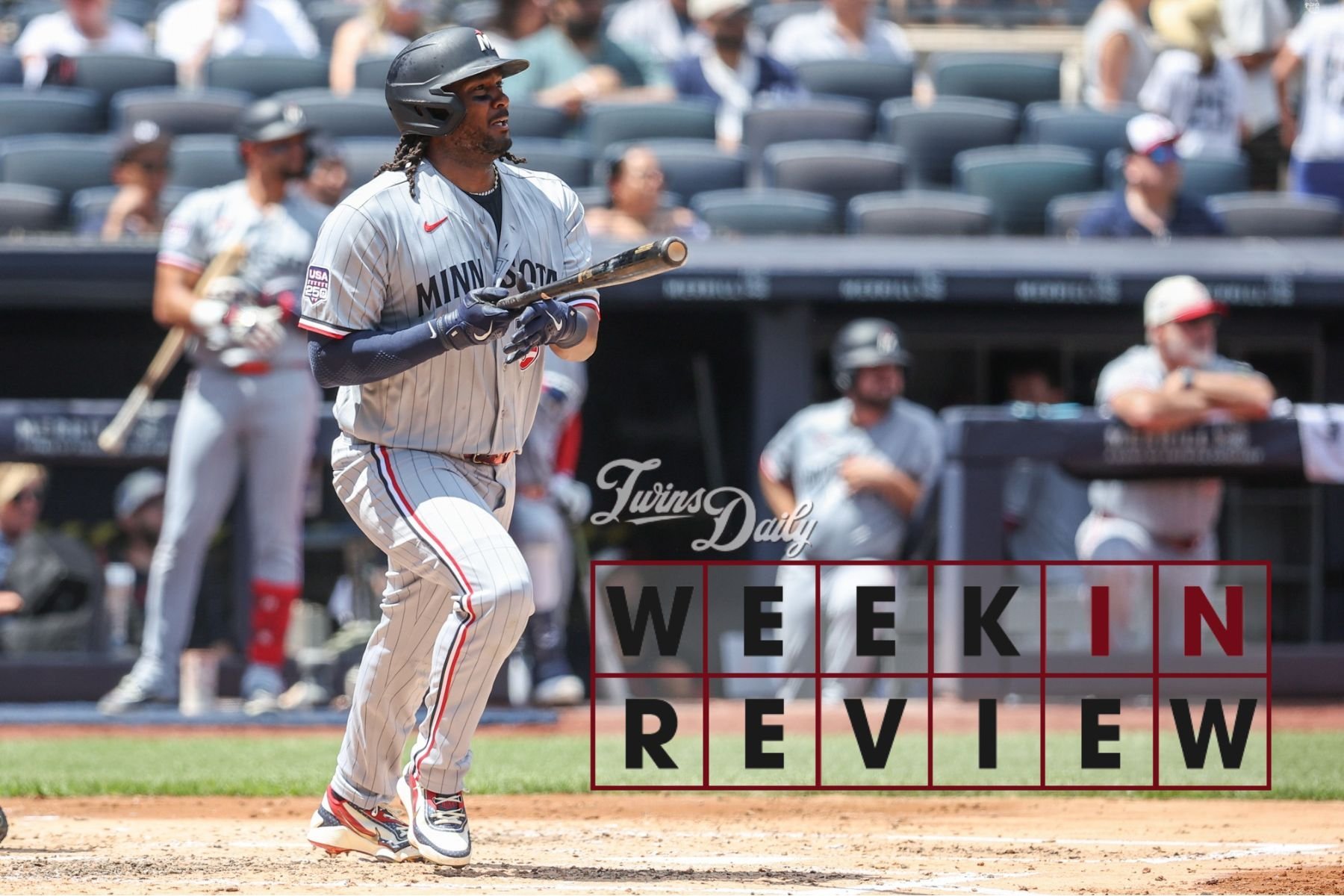 The Weekly Nutshell: The Astros and Yankees have collectively made 11 appearances in the ALCS dating back to their showdown there in 2017. These are two of the league's powerhouses of this century: big payrolls, big starpower, big expectations. The Twins have long had their share of trouble with both, including October, so the opportunity to face off against both back to back during their latest road trip figured to be a good measuring stick for a Minnesota team teetering between buyer and seller status. The outcome, a 4-2 week that saw the Twins battle hard and come up big in harsh environments, was a resounding success. If not for a rare implosion from their ace on Tuesday in Houston, the Twins easily could have won five of the six games. They scored their first series win at Yankee Stadium since 2014, and it was fairly convincing. Now they return home with a chance to bring real momentum into the All-Star break and bolster their case for addition rather than subtraction at the deadline. Weekly Snapshot: Mon, 6/29 through Sun, 7/5 *** Record Last Week: 3-2 (Overall: 43-47) Run Differential Last Week: +13 (Overall: -17) Standing: 3rd Place in AL Central (4.0 GB) Latest Game Results Game 86 | MIN 5, HOU 4: Zebby Cruises Through Seven, Bullpen Holds Off Comeback Matthews: 7 IP, 1 ER, 4 H, 1 BB, 7 K Game 87 | HOU 6, MIN 4: Ryan's 4th-Inning Implosion Sinks Twins to Even Up Series Ryan: 4 IP, 6 ER, 6 H, 3 BB, 5 K Game 88 | MIN 8, HOU 3: Early Leads Holds Behind Bradley's Historic Strikeout Streak Larnach: 3-5, 2B, 3 RBI Game 89 | NYY 5, MIN 2: Familiar Result in Yankee Stadium, Lineup Goes 1-12 with RISP Kreidler, Gray: 0-8, 6 K Game 90 | MIN 11, NYY 4: Explosive Twins Offense Launches Six Homers to Sink Yankees Bell: 3-5, 2 HR, 3 RBI Game 91 | MIN 6, NYY 1: Ryan Bounces Back as Twins Score a Rare Series Win in the Bronx Ryan: 7 IP, 0 ER, 3 H, 0 BB, 9 K NEWS & NOTES A couple of key players who've been sidelined are tracking toward returns at or around the All-Star break. Bailey Ober moved his rehab up to Triple-A on Saturday and threw five innings (76 pitches) against Buffalo. He gave up four earned runs but struck out five with no walks. In terms of workload build-up, Ober is pretty much ready to go and he could make his next start for the Twins, which would likely push Mike Paredes to long relief or back to the minors. Paredes has done an admirable job filling in. Catching Ober in his Saturday start for St. Paul was Ryan Jeffers, back in action for a second game in his own rehab after losing six weeks to a fractured hamate. Jeffers exhibited no rust or ill effect from the injury, at least in terms of his swing: he notched two hits in each of his first two games back, including a homer against old friend Simeon Woods Richardson. While Ober and Jeffers should be back soon, Anthony Banda won't be. We learned early in the week that the injury that forced him out of last Sunday's game is a significant lat strain that will keep him out for months. That means his season might be over, in a tough blow for a relief corps that was already thin on dependable options. For now, Cody Laweryson has returned to fill the open bullpen spot. For a second straight year, Byron Buxton and Joe Ryan were named to the American League All-Star team. Unfortunately, Buxton's ability to participate is in doubt after he exited Sunday's game with an aggravation of his hip injury, suffered while suffered while sliding into second on a steal attempt. HIGHLIGHTS The Twins offense is not slowing down as the calendar flips to July. They scored 36 runs in six games, adding onto their American League-leading total and distancing themselves from the second-place Yankees by outsourcing them 19-10 in their own house.. Josh Bell led the charge by crushing four home runs, including a pair in Saturday's blowout win. He also doubled twice and drove in nine runs across six games. His season is going pretty much exactly to script, with a slow start giving way to a scorching midsummer surge. Bell is off to a stellar start in July after posting an .891 OPS in June. Notably, the Twins have completely given up on using him defensively — his last start anywhere other than designated hitter was in May. But this output will absolutely play at DH. A more unexpected source of power: Luke Keaschall. During this road trip at least, he fit the bill of a right fielder, homering twice with a double among his five hits in 13 at-bats. Keaschall has as many extra-base hits in the first five days of July (3 in 16 PA) as he did in the entire month of June (3 in 93 PA). He saw zero action in the infield last week. Some other strong offensive performances from the road trip: Kody Clemens went deep three times, pushing his season total to to 16 as he hunts a 30-homer season. He drove in nine runs and lifted his OPS to .799 on the season. The defensively versatile Clemens has settled in, for now, as Minnesota's regular second baseman, with his last nine consecutive starts coming there. His bat is a big asset at the position; only five qualified MLB second basemen have an OPS above .800. Trevor Larnach kept things clicking at the top of the lineup, collecting six hits (including a double and home run) along with four walks in 22 plate appearances. He's slashing .421/.476/.684 in his past 15 games, and his .368 wOBA on the season led all AL left fielders entering play on Sunday (250+ PA). The catcher position continues to produce in the absence of Jeffers, with Victor Caratini and Alex Jackson each popping a home run. In one of the season's most surprising twists, Minnesota has the highest OPS in the AL at the catcher position since Jeffers went down. I'm curious to see how the Twins handle his return. Jackson has looked good enough that you don't want to expose him to waivers. Maybe they carry three catchers for a couple weeks and look to flip Jeffers at the deadline? When you look at the Twins offense, which is relatively short on clear standout hitters, you might wonder just how they've been able to pace the AL in run-scoring. It comes down to examples like these: players such as Clemens and Larnach and Caratini who have been vastly better than the norm at their positions. That and Bell being one of the game's best hitters since the start of June. On the pitching side, Ryan bounced back brilliantly from Tuesday's midgame meltdown with one of his finest outings of the season on Sunday, striking out nine over seven scoreless at Yankee Stadium. On Wednesday, Taj Bradley struck out 11 Astros over five innings in a series-clinching victory, setting a franchise record by recording 10 consecutive outs via the K. Following a bit of a stumble off the injured list, he's turned in three strong outings in a row, striking out 22 over 17 innings with just 10 hits and one home runs allowed. The control could be a little better but the stuff is back in peak form. Minnesota's bullpen was fairly effective coming off one of its worst weeks of the season. Kody Funderburk tossed a couple of much-needed scoreless (and walkless) innings in New York on Friday. Marco Raya followed with two shutout frames on Saturday. Andrew Morris, Taylor Rogers and Laweryson combined for 5 ⅓ innings with no runs allowed. LOWLIGHTS While the lineup has been highly effective overall, it is plagued by one clear and seemingly correctable weakness: the shortstop position. Tristan Gray continues to start on regular basis, despite being one of the worst players in the league. Last week he went hitless in 14 at-bats, striking out six times with one walk and lowering his OPS to .601. Gray hasn't homered since June 1st, and he's batting .210 with two doubles and two walks over 65 plate appearances since then. Poor plate discipline, no power, and bad defense. There have been no redeeming aspects of Gray's performance, making the team's unwavering faith in him one of the bigger head-scratchers of this season. Kaelen Culpepper can't come up soon enough, but unfortunately he hasn't played in a week since taking a pitch to the hand with the Saints. In the meantime, Ryan Kreidler certainly looks like the superior option, even as his bat gravitates back to earth. He went just 3-for-24 last week, dropping his OPS by more than 100 points. With Buxton looking likely to miss more time, will Kreidler slide back to center field or will the Twins make a move to add outfield depth (say, Alan Roden) and keep Kreidler at short? The logical move seems obvious, but for what it's worth, Roden didn't get pulled from the lineup for St. Paul on Sunday. I don't think an increased opportunity for Kyler Fedko, off to an 0-for-14 start as a big-leaguer, is going to be the answer. TRENDING STORYLINE This is the moment for the 2026 Twins to make their stand. There are 22 games until the trade deadline, at which point the front office will face some weighty decisions. They're very much on the border of buy or sell status, with a sub-.500 record that nevertheless puts them well within range of a postseason spot. The rebuild was already put into motion, but this team has done its part to remain relevant and earn belief. You can't take for granted an opportunity to make a push with multiple All-Stars. What's interesting is that some of the players who've been pivotal in keeping the Twins afloat are also among their most viable (and low-risk) trade chips. Clemens, Bell and Larnach have been on fire but don't necessarily fit into the team's future plans. Jeffers was arguably their best player before going down but he's an impending free agent and the catcher position has held up fine without him. Fascinating decisions are looming for Jeremy Zoll and Co. approaching his first deadline in the head chair. I wouldn't be surprised to see the Twins attempt to thread the needle between buying and selling, and in some ways I think it's an advisable course of action. But this also might be their last chance to trade Ryan for premium value, so if you're going to go for it, you've got to have a certain level of confidence. The Twins need to make their case by staying in the fight over the next month, starting with a key final home stand heading into the All-Star break. LOOKING AHEAD The Twins conquered their demons in Houston and New York, but now they'll confront another one: those eternally pesky Cleveland Guardians. Minnesota took two of three from the Guards on the road back in early May, but will now welcome them to Target Field for the first time. Cleveland is tangling with the White Sox atop the Central, four games in front of the Twins, raising the implications of this series. The down-bad Angels, who are characteristically almost 20 games below .500, will give the Twins a chance to finish the first half strong. TUESDAY, JULY 7: GUARDIANS @ TWINS — LHP Joey Cantillo v RHP Taj Bradley WEDNESDAY, JULY 8: GUARDIANS @ TWINS — RHP Slade Cecconiv. TBD THURSDAY, JULY 9: GUARDIANS @ TWINS — RHP Gavin Williams v. RHP Mike Paredes FRIDAY, JULY 10: ANGELS @ TWINS — LHP Sam Aldegheri v. RHP Zebby Matthews SATURDAY, JULY 11: ANGELS @ TWINS — RHP Ryan Johnson v. RHP Joe Ryan SUNDAY, JULY 12: ANGELS @ TWINS — RHP Jose Soriano v. RHP Taj Bradley View the full article
 -
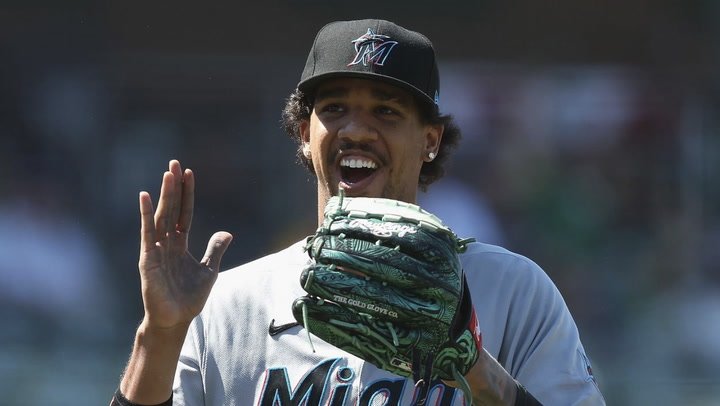 Eury Pérez retired every batter that he faced on Sunday, but didn't get the opportunity to finish the game himself.View the full article
 -
Reid Detmers Surfaces As Possible Rotation Option For Brewers
DiamondCentric posted an article in Brewer Fanatic
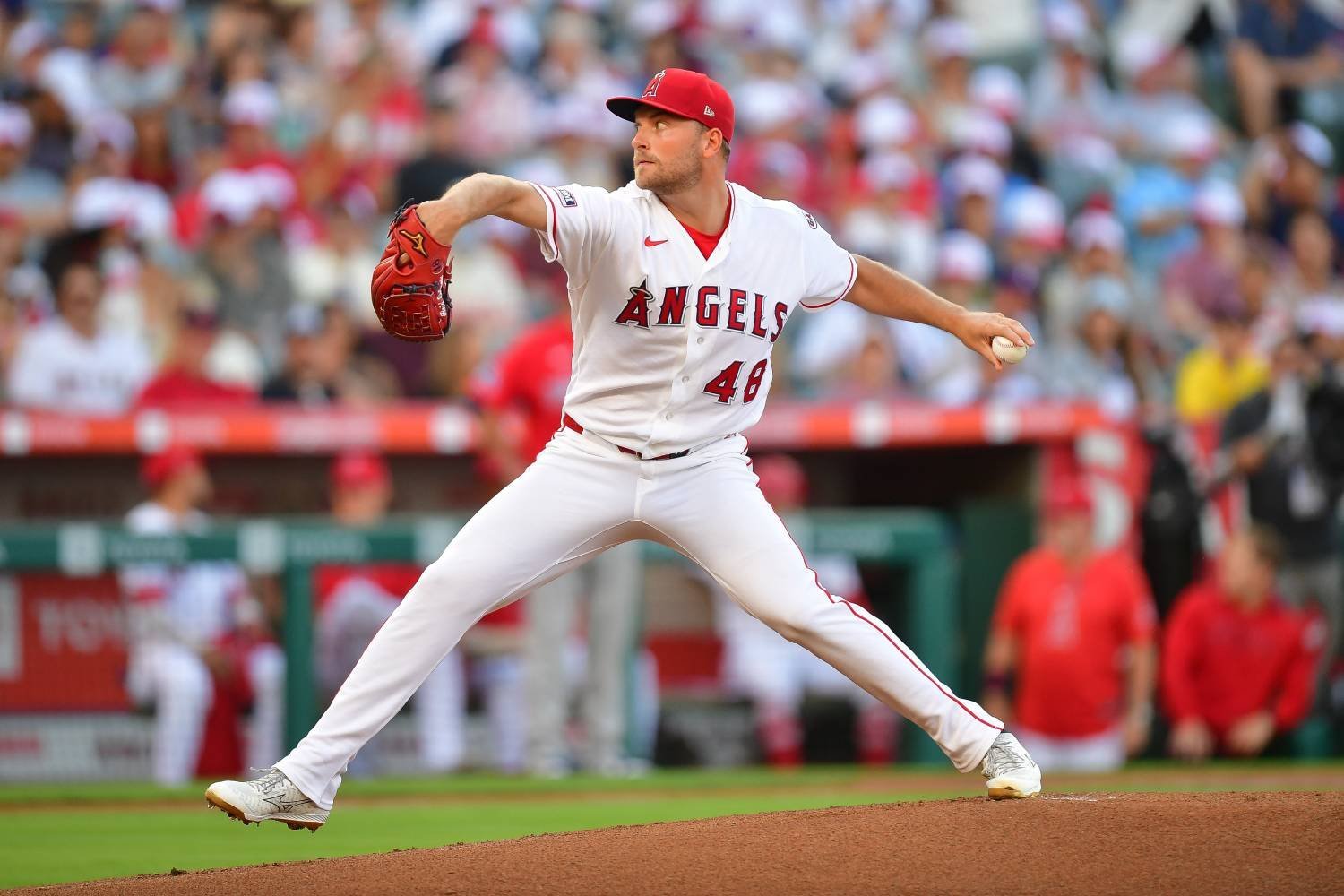 With the unfortunate injury to right-hander Brandon Woodruff, the Milwaukee Brewers would seem to be in the market for another starting pitcher. With the ink barely dry on Woodruff's injured-list placement due to his continued shoulder issues, speculation is already swirling as to who the Crew should go after. One popular name is Los Angeles Angels left-hander Reid Detmers. In a post for FanSided, writer John Perroto throws out a potential trade for Detmers, who would fit the type of player the Brewers like to acquire. Detmers, who turns 27 on Wednesday, was a first-round pick of the Angels out of Louisville in 2020. He is making $2.625 million this year and is under team control through 2028. Detmers authored a no-hitter in 2022 and has a 3.08 FIP (4.13 ERA) in 18 starts, with a career-low 7.9% walk rate and 27.1% strikeout rate. His strikeout rates the last three seasons (27.9%, 30.1% and 27.1%) are trending up from his career mark of 25.9%. What does Perroto think it will take for the Angels to give up a prized asset? He offers up shortstop Luis Pena, catcher Jeferson Quero, right-hander Brett Wichrowski and and right-hander Patricio Aquino. Pena is Brewer Fanatic's No. 2 prospect and Quero, who had a brief MLB call-up in April, is No. 8. The Angels are looking to replenish their farm system and are currently in a front-office transition, having fired general manager Perry Miniasian, who has Brewers ties, and put former St. Louis Cardinals GM John Mozeliak in charge of creating a new path forward and hiring the next front-office boss (which could be himself). This is an interesting proposal, which also posits that Mozeliak would then spin off Angels starting catcher Logan O'Hoppe. Control of Detmers for two more seasons, plus him being a left-hander to go alongside Kyle Harrison and Shane Drohan, could make the price worth it as Wichrowski, at Triple-A Nashville after a recent promotion, and Aquino, on the 60-day injured list at Double-A Biloxi, are not Top 20 prospects. View the full article
 -
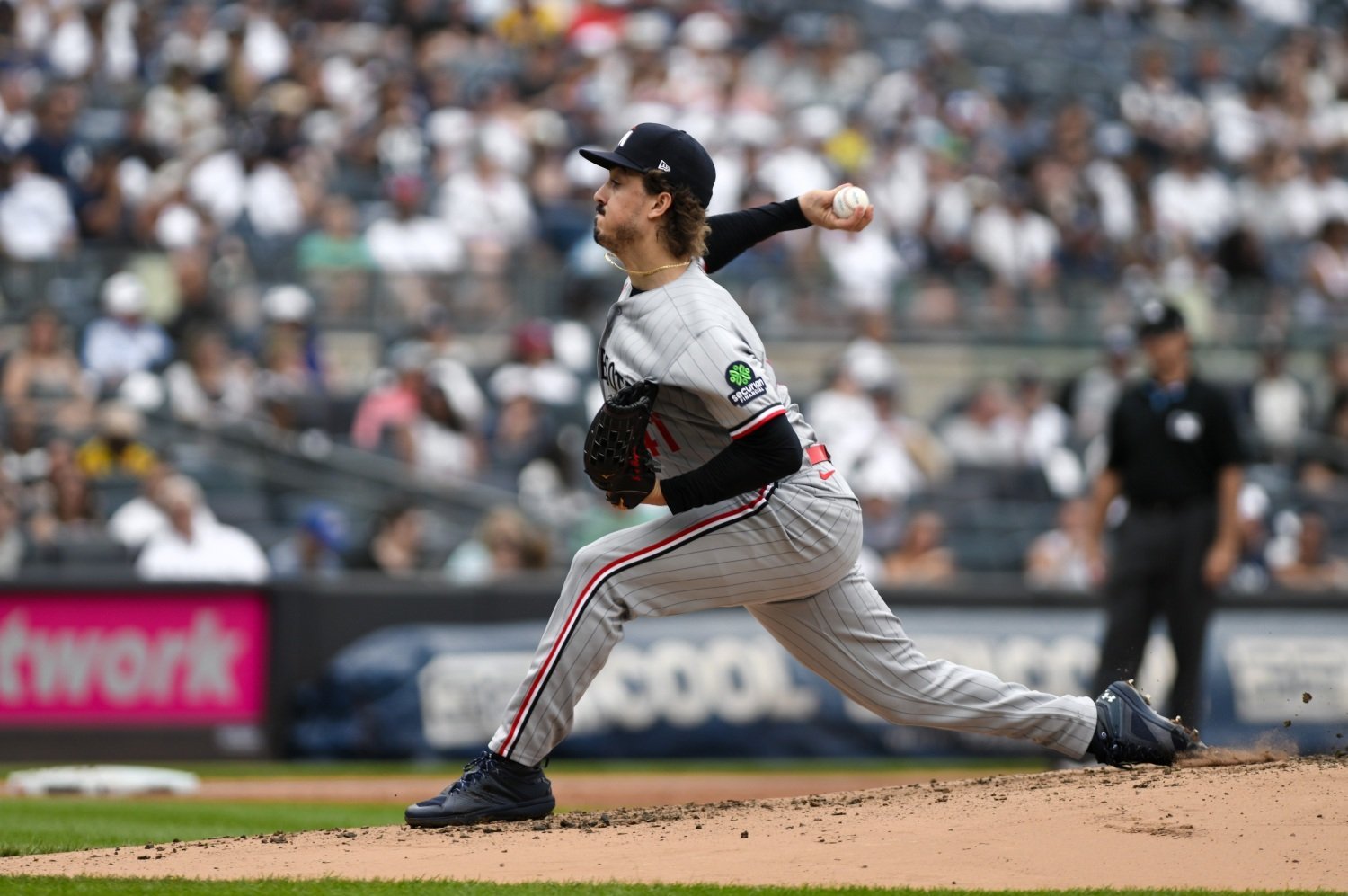 Box Score: Starting Pitcher: Joe Ryan: 7 IP, 3 H, 0 ER, 1 BB, 9 K (106 Pitches, 73 Strikes, 68.8%) Home Runs: None Top 3 WPA: Ryan (0.29), Royce Lewis (0.16), Brooks Lee (0.13) Win Probability Chart (Via BaseballSavant): Following a couple of series wins against less intimidating opponents, the top offense in the American League (yeah, it's still the Twins) looked for another series win against the struggling Yankees in the Bronx. The Yankees happen to have the league's best run-prevention and turned to lefty Ryan Weathers in the rubber match. Weathers struggled early, falling behind in counts and allowing a double to Austin Martin followed by an infield single to Byron Buxton. Things were looking dicey for Weathers, but he got a strikeout on Kody Clemens with Buxton taking off for second. The throw was wide, but shortstop Anthony Volpe tagged Buxton on the foot to complete the strike-em-out-throw-em-out. Worse still, Buxton exited the game after his caught stealing, slamming his helmet in the dugout in frustration. It would later be revealed that Buxton aggravated his sore hip. Josh Bell picked up his team with a laser to right field that tipped over Max Schuemann's glove for a long run-scoring single. Weathers would hold the Twins there, but Joe Ryan was on the mound for the Twins looking for redemption after his clunker against the Astros to begin the week. Ryan was sharp early, using his off-speed and breaking pitches effectively while striking out Trent Grisham and Ben Rice in dominating fashion. As the outing went along, he did leave a few sweepers in the middle of the zone that he knew he got away with (and loudly emoted about), but he stayed near the edges of the zone for the most part. After a few more baserunners were stranded in the second, Weathers seemed to settle in, focusing more on his non-fastballs to get ahead and keep Twins hitters off balance. However, after going down 1-2-3 in the third, Royce Lewis led off the fourth with a walk and stole second on a ball in the dirt. Brooks Lee then worked a long at-bat that ended in a line-drive single to left that scored Lewis to extend the lead to two runs. The first two hitters reached in the fifth against Weathers, prompting the Yankees to turn to their long man, Paul Blackburn. He retired Kyler Fedko and Kody Clemens before walking Josh Bell. That brought up Lewis, who shot a single right up the middle (off quite the fat pitch) to double the lead—key against a Yankees team that has struggled to score of late. Perhaps channeling some Guardians-ball in anticipation of their upcoming series, the Twins began the sixth with a hustle double from Lee off Camilo Doval, followed by a chopper by Kreidler that Volpe couldn't handle. Keaschall then bunted over Doval's head for a bunt single to load the bases with no outs. Martin then worked a walk, prompting boos from the Yankee faithful. After Fedko struck out, Clemens lined a ball to deep right field for a sacrifice fly, pushing the lead to 6-0. Meanwhile, Ryan seemed to get stronger with so many long innings put together by the offense, at least for a while. He seemed to run out of gas in the seventh, however, as Cody Bellinger reached on a grounder between Kreidler and Clemens up the middle on which Clemens dove, despite Kreidler having a better shot at converting the out. Ryan then walked Volpe after a successful challenge of strike three by the shortstop, but recovered to strike out Amed Rosario on a devastating sweeper to finish his outing. Andrew Morris pitched a dominant eighth, but Yoendrys Gómez ran into trouble in the ninth. Grisham doubled over Keaschall's head in right, and Rice singled sharply to put runners on the corners with no outs. Jasson Dominguez then grounded to Kreidler, who completed an unassisted double play that allowed the Yankees' first run to score. Stuff I'm Tracking: It's amazing how many Yankees hitters are in extended slumps right now. It's almost like Aaron Judge and Giancarlo Stanton's absence has an effect on the rest of the lineup beyond just their individual contributions. Oh wait, lineup protection isn't a real phenomenon. I forgot. Luke Keaschall played two balls off the right field wall well enough to hold Austin Wells and Jazz Chisholm to singles, showing good footwork and anticipation for someone so new to the position. Fedko really doesn't look terrible, but is clearly pressing for his first hit. My boy needs a bloop double or infield single like a desert wanderer needs water. (Then the Twins can actually evaluate whether he can contribute or not.) Ryan was good, but facing a lineup that wasn't slumping throughout and pressing in front of their home crowd, I imagine he would have allowed a home run or two. He also may have been saved a bit by a breeze blowing in from right field. Martin looks a little better lately, after bottoming out in June. He's just frequently non-competitive in his at-bats against righties, so he is overexposed as an everyday player. But spotted against lefties or as a pinch-hitter, his patience and contact ability can help this team. What’s Next: The Twins welcome the Cleveland Guardians to Target Field as Taj Bradley (7-3, 3.86 ERA) opposes Joey Cantillo (7-3, 3.86 ERA—yes, the exact same pitching line). The matchup affords the Twins the possibility of making up some ground on Cleveland, who currently hold second place in the AL Central. The Guardians can't score, especially without José Ramírez, so the series will be a test for the Twins' defense and emotional fortitude. Postgame Interviews: Bullpen Usage Chart: WED THUR FRI SAT SUN TOT Morris 17 0 0 5 17 39 Raya 0 0 0 35 0 35 Gómez 18 0 0 0 14 32 Orze 0 0 28 0 0 28 Rogers 15 0 0 12 0 27 Laweryson 23 0 0 0 0 23 Funderburk 0 0 21 0 0 21 Adams 0 0 0 19 0 19 View the full article
 -
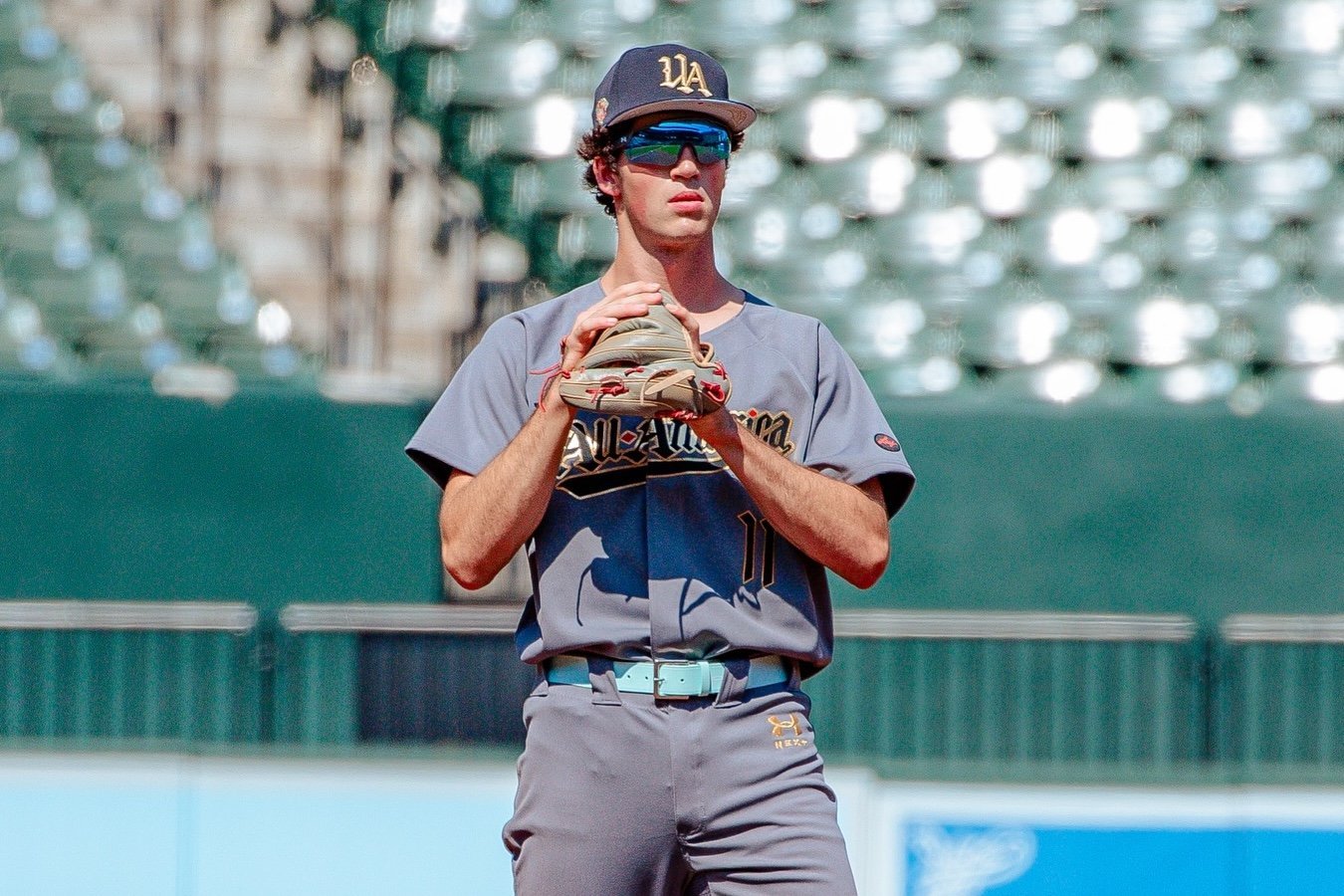 Leading up to the 2026 MLB Draft, Fish On First brings you a series of scouting reports on top prospects in this draft class who could realistically wind up in Miami. Overview Position: 3B Height: 6’5″ Weight: 200 pounds School: ***** Church Episcopal School (SC) Commitment: Virginia Bo Lowrance is a 6’5”, 200-pound third baseman who plays at ***** Church Episcopal School in Greenville, South Carolina. Lawrence has been one of the top rising high school prospects in this draft class. He’s also one of the most well-rounded prospects in the 2026 MLB Draft class. On Perfect Game, Lowrance is the 61st-ranked prospect and the fourth-ranked third baseman in the Class of 2026. He’s also the second-ranked prospect in South Carolina. Lowrance is signed to play college baseball at the University of Virginia. At the plate, Lowrance has one of the most advanced approaches for high school prospects in this draft class. He has a smooth, short, compact left-handed swing with tons of power potential. Lowrance has a ton of physical maturing to do, but he also needs to learn how to lift the ball more often to tap into his raw power potential. He runs pretty well for a player of his extra-large frame. Defensively, Lowrance has the arm strength to be a third baseman at the next level. However, he could potentially grow out of that position as he starts to fill out his very large frame. He could be a corner outfielder or first baseman if he moves off of third base. Strengths Well-rounded player Plenty of raw power potential Projectable body frame Hit well against tough competition in the summer circuit Above-average arm strength Weaknesses Needs to learn how to lift the baseball Might grow out of third base Pro Comparison: TJ Rumfield Projection: Top 30 pick Bottom Line The Marlins have not had recent success when using their first-round selection to sign players to underslot deals (PJ Morlando, Noble Meyer, etc.). However, Bo Lowrance has a more balanced profile with a higher floor compared to prospects who are typically in that situation. On MLB Pipeline, Lowrance is the 21st-ranked draft prospect. On ESPN, Lowrance is the 22nd-ranked prospect in the 2026 MLB Draft. He’s also a five-star prospect and the 45th-ranked draft prospect according to Baseball America. The Marlins will have the 14th overall pick in the 2026 MLB Draft and should be able to grab one of the top prospects in this draft class. Lowrance could be an option if they decide to save signing bonus money for the later rounds. More 2026 MLB draft profiles LHP Hunter Dietz INF Tyler Bell INF Chris Hacopian LHP Brody Bumila OF Trevor Condon RHP Cade Townsend OF Drew Burress LHP Gio Rojas RHP Cameron Flukey OF Eric Booth Jr. 3B Ace Reese LHP Carson Bolemon RHP Jackson Flora INF Jacob Lombard OF AJ Gracia View the full article
 -
 Quad Cities swept a doubleheader, erupting for 15 runs in their continuation of Friday's rainout behind Tyriq Kemp and Erick Torres before Blake Mitchell's walk-off double in the second game. Darwin Rodriguez spun five scoreless innings as Columbia beat Fredericksburg, and Tanner Jones struck out seven in the nightcap win. Northwest Arkansas fell 3-2 despite Brandon Johnson and Zachary Cawyer combining for hitless relief, and Omaha dropped both ends to Indianapolis, with Luca Tresh homering in the second loss. Royals Transactions RHP Stephen Kolek added to Family Emergency List by Kansas City Royals. Kansas City Royals recalled RHP Jose Cuas from Omaha Storm Chasers. Storm Chasers Shut Out In Series Opener The Omaha Storm Chasers managed just five hits and never crossed the plate in a 6-0 loss to the visiting Indianapolis Indians. This was a continuation of Friday's game, which was 1-0 before the rainout. Leadoff man Rudy Martin Jr. accounted for two of those hits and swiped a base, while Peyton Wilson, Gavin Cross, and Elih Marrero each singled. Abraham Toro and Brett Squires drew the only walks, and Omaha stranded seven runners on the day. Starter Mason Black gave Omaha a chance, allowing one run on four hits over 3 1/3 innings while striking out two. He surrendered a solo home run in the second, but kept the deficit at one when he departed. The game turned in the seventh. Scott Barlow, working his second inning of relief in his return to the Royals organization, gave up two home runs, and the lead grew to 4-0. Indianapolis tacked on another run in the eighth against Anthony Gose, who walked two and allowed a run-scoring double, and a final run crossed in the ninth on a home run off Ben Sears. The Omaha bullpen combined to allow five runs over the final 5 2/3 innings, and the offense could not answer, dropping Black to 0-2 on the season. The Storm Chasers stranded seven runners and went 0-for-3 with runners in scoring position. Player AB R H RBI BB K Rudy Martin Jr. 4 0 2 0 0 1 Matthew Lugo 4 0 0 0 0 1 John Rave 4 0 0 0 0 1 Abraham Toro 3 0 0 0 1 0 Brett Squires 3 0 0 0 1 1 Peyton Wilson 4 0 1 0 0 1 Gavin Cross 4 0 1 0 0 0 Elih Marrero 3 0 1 0 0 0 Andrew Velazquez 3 0 0 0 0 1 Player IP H R ER BB K HR Mason Black 3 1/3 4 1 1 0 2 1 Dan Altavilla 1 2/3 2 1 1 1 1 0 Scott Barlow 1 2/3 2 2 2 0 1 2 Anthony Gose 1 1/3 1 1 1 2 1 0 Ben Sears 1 2 1 1 1 0 1 Omaha Routed In Doubleheader Nightcap The Omaha Storm Chasers dropped the second game of the doubleheader 17-4 to the Indianapolis Indians, unable to keep pace after an early barrage. Omaha struck first in the bottom of the first, when Toro singled home Martin Jr. to briefly cut the deficit to 2-1. Unfortunately, that was as close as it would get for the Storm Chato cut the deficit to 2-1 brieflyded just two outs, allowing two runs on one hit and two walks before exiting, and he was tagged with the loss to fall to 2-1. Ryan Ramsey, just recently named Omaha Pitcher of the Month for June, followed and was battered for seven runs on six hits over three innings, though he did strike out four. The Indians blew the game open with an eight-run fourth that included a grand slam, then piled on seven more in the sixth, capped by another grand slam. A rare Omaha highlight in this one came in the bottom of the sixth. Tresh launched a three-run home run to left center, scoring Toro and Wilson and accounting for three of the team's four runs. Toro finished 2-for-4 with a double, and Martin reached three times with a hit and two walks. With the bullpen depleted, infielder Toro took the mound for the seventh and retired the side in order for a scoreless inning. The Storm Chasers left six runners on base and went 2-for-6 with runners in scoring position. They also struck out 10 times as a team. With both losses on Saturday, Omaha fell to 37-48. Player AB R H RBI BB K Rudy Martin Jr. 2 1 1 0 2 1 Matthew Lugo 4 0 0 0 0 1 John Rave 2 0 0 0 1 1 Andrew Velazquez 1 0 1 0 0 0 Abraham Toro 4 1 2 1 0 1 Brett Squires 2 0 0 0 1 1 Peyton Wilson 2 1 0 0 1 1 Luca Tresh 3 1 2 3 0 0 Gavin Cross 3 0 1 0 0 2 Kevin Newman 3 0 0 0 0 2 Player IP H R ER BB K HR Bailey Falter 2/3 1 2 2 2 1 0 Ryan Ramsey 3 6 7 7 2 4 0 Andrew Pérez 1 2/3 4 4 2 4 2 2 Génesis Cabrera 2/3 2 4 0 1 0 1 Abraham Toro 1 0 0 0 0 0 0 Naturals' Bullpen Dominates But Northwest Arkansas Falls The Northwest Arkansas Naturals wasted a dominant bullpen effort in a 3-2 loss to the Corpus Christi Hooks. Northwest Arkansas jumped ahead in the first inning. Leadoff man Carson Roccaforte doubled, came around to score on a Colton Becker bunt single, and Becker later scored on a Jorge Alfaro sacrifice fly for a quick 2-0 lead. The offense went dormant after that, managing only four hits on the night and stranding just two runners. Becker finished 2-for-3 with a walk and a stolen base, and Roccaforte added a double. Becker also flashed some leather and a strong arm in the field to keep the Naturals in the game. Starter Felix Arronde ran into trouble as the game wore on. He allowed three runs on seven hits over 4 2/3 innings, walking four and striking out three, and two of those hits left the yard. Corpus Christi took the lead with a two-run fourth and added an insurance run in the fifth, all charged to Arronde, who took the loss to even his record at 3-3. The bullpen did pick up the Royals' No. 14 prospect. Johnson struck out four over 2 1/3 hitless innings, and Cawyer followed with two more hitless frames, punching out three. The two relievers combined to retire 13 of the final 14 batters, but the Naturals could not push across the tying run, leaving the early lead as their only offense. The Naturals went 1-for-4 with runners in scoring position and left two on base. Northwest Arkansas is now 32-46 this season. Player AB R H RBI BB K Carson Roccaforte 4 1 1 0 0 1 Colton Becker 3 1 2 0 1 0 Sam Kulasingam 4 0 0 0 0 3 Jorge Alfaro 3 0 0 1 0 2 Spencer Nivens 3 0 0 0 0 0 Daniel Vazquez 3 0 0 0 0 1 Omar Hernandez 3 0 0 0 0 0 Canyon Brown 3 0 0 0 0 1 Justin Johnson 3 0 1 0 0 0 Player IP H R ER BB K HR Felix Arronde 4 2/3 7 3 3 4 3 2 Brandon Johnson 2 1/3 0 0 0 1 4 0 Zachary Cawyer 2 0 0 0 0 3 0 River Bandits Erupt For Fifteen In Rout The Quad Cities River Bandits overwhelmed the Cedar Rapids Kernels 15-9, scoring in bunches early and holding on late after the game was delayed on Friday due to weather. Quad Cities batted around in a seven-run first inning. Leadoff man Asbel Gonzalez scored on an error, Mitchell came home on a hit by pitch, Kemp doubled home two runs, and Erick Torres capped the outburst with a three-run home run. The River Bandits kept rolling in the second, adding four more. Derlin Figueroa doubled home a run, Jose Cerice drove in two on a sacrifice fly, and Kemp launched a solo home run to make it 11-0. Four more runs in the fourth, keyed by a two-run single from Gonzalez, pushed the lead to 15-2. Kemp finished 2-for-4 with a double, a home run, three runs batted in, and three runs scored, while Torres also drove in three. Gonzalez, the Royals' No. 9 prospect, collected two hits and two RBIs, Ramon Ramirez, the Royals' No. 6 prospect, reached base three times, and Cerice knocked in two. Blake Wolters, the Royals' No. 15 prospect, turned in a solid start, allowing two runs on four hits over four innings with four strikeouts and a walk. The Kernels chipped away against the bullpen, scoring four in the eighth, but Kamden Edge, the Royals' No. 19 prospect, closed it out to earn the win and improve to 3-1, despite surrendering a home run in the ninth. Quad Cities pounded out 10 hits and left five runners on base. The River Bandits went 5-for-10 with runners in scoring position in the victory. Player AB R H RBI BB K Asbel Gonzalez 5 1 2 2 0 1 Nolan Sailors 5 0 0 0 0 1 Blake Mitchell 5 2 1 0 0 0 Ramon Ramirez 3 3 1 0 2 0 Derlin Figueroa 4 2 1 1 1 1 Jose Cerice 3 2 0 2 0 0 Tyriq Kemp 4 3 2 3 1 1 Erick Torres 5 1 2 3 0 1 Diego Guzman 3 1 1 1 1 1 Player IP H R ER BB K HR Blake Wolters 4 4 2 2 1 4 0 Jordan Woods 3 3 2 2 1 3 0 Tyson Guerrero 1/3 4 4 3 0 1 0 Kamden Edge 1 2/3 1 1 1 0 1 1 Mitchell's Walk-Off Double Completes Quad Cities Sweep The Quad Cities River Bandits completed a doubleheader sweep with a walk-off, 4-3 win over the Cedar Rapids Kernels. After falling behind 1-0 in the first, Quad Cities answered with three runs in the second. Kemp singled home Figueroa, a run scored on a Torres sacrifice fly, and Angel Acosta tripled home Kemp to make it 3-1. Cedar Rapids pulled even with two runs in the fifth, setting up a tense finish. In the bottom of the seventh, Gonzalez reached, and Mitchell doubled him home to end it and send Quad Cities home a winner. Starter Jones was excellent, striking out seven over five innings while allowing three runs on six hits and two walks. L.P. Langevin slammed the door, tossing two hitless innings with four strikeouts to earn the win and improve to 4-1. Mitchell, the Royals' No. 4 prospect, drove in the decisive run with his double, Acosta tripled and knocked in a run, and Kemp added a hit and an RBI. Quad Cities scattered eight hits and left six runners on base in the nightcap. With both victories, the River Bandits improved their record to 36-40. Player AB R H RBI BB K Nolan Sailors 3 0 0 0 1 1 Asbel Gonzalez 4 1 1 0 0 2 Blake Mitchell 4 0 1 1 0 3 Luke Pelzer 3 0 1 0 0 1 Derlin Figueroa 2 1 1 0 0 0 Diego Guzman 1 0 1 0 0 0 Jose Cerice 3 1 1 0 0 0 Tyriq Kemp 2 1 1 1 1 0 Erick Torres 3 0 0 0 0 0 Angel Acosta 3 0 1 1 0 0 Player IP H R ER BB K HR Tanner Jones 5 6 3 3 2 7 0 L.P. Langevin 2 0 0 0 1 4 0 Rodriguez Sparkles As Columbia Downs Fredericksburg Rodriguez set the tone on the mound, and the Columbia Fireflies backed him with a balanced attack in a 7- 1 win over the Fredericksburg Nationals. Rodriguez worked five scoreless innings, scattering four hits and three walks while striking out four to earn the win and improve to 4-5. Columbia built its lead steadily in this Saturday afternoon contest. The Fireflies broke through in the first on a run-scoring single by JC Vanek, then pushed across three runs in the second. Jhosmmel Zue stole home for the first run, Ivan Sosa doubled home another, and Yandel Ricardo drew a bases-loaded walk to force in the third. The Fireflies added single runs in the fourth, fifth, and sixth. Sean Gamble, the Royals' No. 5 prospect, capped his night with a home run in the sixth and finished 2-for-4 with a double, a home run, and an RBI. Stone Russell paced the offense with a 3-for-5 effort, and Vanek added two hits and an RBI. Columbia collected 11 hits but left 11 runners on base and went 3-for-17 with runners in scoring position. Out of the bullpen, Henson Leal struck out five over three innings, allowing one run on a solo home run in the sixth, and Andy Basora finished with a scoreless ninth. Columbia's lead was never seriously threatened. The Fireflies' record is now back to .500 at 40-40. Player AB R H RBI BB K Josh Hammond 4 0 0 0 0 2 Sean Gamble 4 2 2 1 1 2 Yandel Ricardo 3 1 0 0 2 0 JC Vanek 4 0 2 1 1 1 Stone Russell 5 0 3 0 0 0 Jhosmmel Zue 4 1 1 0 1 2 Roni Cabrera 3 2 1 0 1 2 Angel Ramirez 4 0 1 0 0 1 Ivan Sosa 4 1 1 1 0 3 Player IP H R ER BB K HR Darwin Rodriguez 5 4 0 0 3 4 0 Henson Leal 3 2 1 1 0 5 1 Andy Basora 1 0 0 0 0 0 0 Top-20 Prospect Performance Kendry Chourio: DNP David Shields: DNP Josh Hammond: 0-for-4, 2 K Blake Mitchell: 2-for-9, 2B, 3 K Sean Gamble: 2-for-4, 2B, HR, 2 K Ramon Ramirez: 1-for-3, 2B Drew Beam: DNP Carson Roccaforte: 1-for-4, 2B, 1 K Asbel Gonzalez: 3-for-9, 3 K Yandel Ricardo: 0-for-3 Michael Lombardi: DNP Ben Kudrna: DNP Justin Lamkin: DNP Felix Arronde: 4 2/3 IP, 7 H, 3 R, 4 BB, 3 K Blake Wolters: 4 IP, 4 H, 2 R, 1 BB, 4 K Steven Zobac: DNP Austin Charles: DNP Daniel Vázquez: 0-for-3, 1 K Kamden Edge: 1 2/3 IP, 1 H, 1 R, 1 BB, 1 K, HR Warren Calcano: 0-for-2, 1 K View the full article
 -
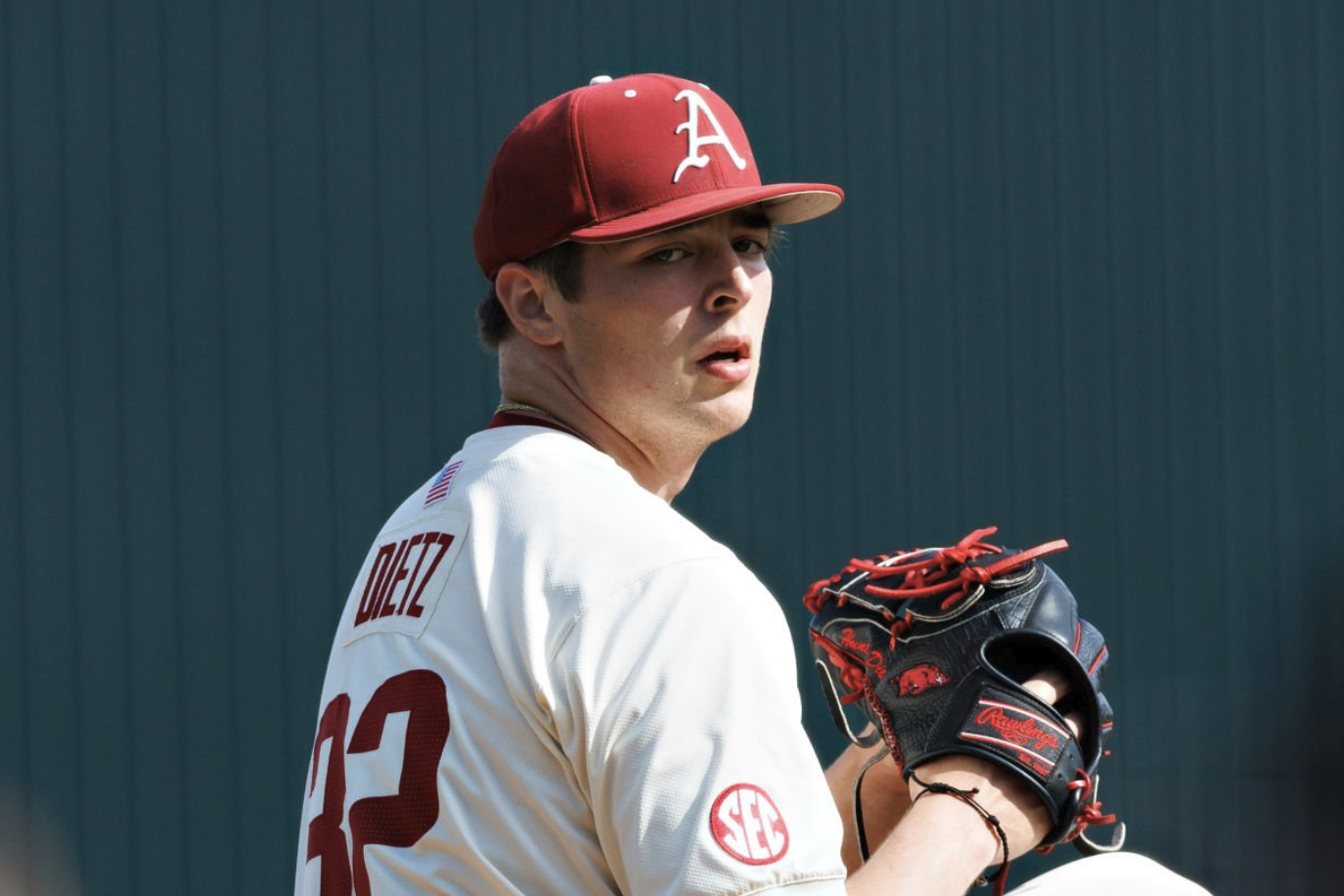 Leading up to the 2026 MLB Draft, Fish On First brings you a series of scouting reports on top prospects in this draft class who could realistically wind up in Miami. Overview Position: LHP Height: 6’6″ Weight: 235 pounds School: Arkansas Hunter Dietz is a 6’6”, 235-pound left-handed pitcher who plays for the University of Arkansas. Dietz had one of the biggest breakout seasons in all of college baseball last season, elevating his draft stock in the process. Coming out of high school, Dietz was an elite prospect from Calvary Christian High School in Clearwater, Florida. On Perfect Game, Dietz was the 57th-ranked prospect and the seventh-ranked left-handed pitcher in the Class of 2023. He was also named a Perfect Game All-American. Dietz went undrafted in 2023 and honored his commitment to the Arkansas Razorbacks. During his first two seasons at Arkansas, Dietz hardly pitched for the Razorbacks due to injuries. In his freshman season, Dietz suffered a stress fracture in his elbow and only made two appearances. He made another two appearances in his redshirt freshman season due to an injury-plagued season. In his redshirt sophomore season, Dietz was finally healthy and made a huge impression on the college baseball world. Dietz made sixteen appearances and starts. He posted a 7-4 record with a 3.57 ERA, 1.19 WHIP, 3.3 BB/9, 13.8 K/9, a .221 opponent batting average, and a 36.2% strikeout rate. He was also named First Team All-SEC and a Third Team All-American on Baseball America. On the mound, Dietz possesses a four-pitch arsenal including his fastball, slider, curveball, and changeup. His fastball sits in the mid-90s and tops out at 98 mph. Dietz’s slider is his best secondary pitch. His slider sits in the upper-80s and is highly effective against left-and-right-handed batters. The slider recorded a 50% whiff rate against both types of hitters last season. Dietz also throws a low-80s curveball, which is effective against right-handed batters. Dietz does need to improve on his changeup. He has good control on his pitches, but needs to improve on his command. Strengths Two 60-grade pitches High K% and low BB% Strike-thrower Excellent 2026 season Ideal frame for starting pitcher Weaknesses Injury history Hardly pitched in college Pro Comparison: Jon Lester Projection: Top 20 pick Bottom Line If Hunter Dietz didn’t have such a long injury history, he would be off the board early. On MLB Pipeline, Dietz is the 17th-ranked prospect and the #1 collegiate left-handed pitching prospect in the 2026 MLB Draft. Dietz is the 24th-ranked draft prospect on ESPN and the 35th-ranked prospect on Baseball America. The Marlins will have the 14th overall pick in the 2026 MLB Draft and should be able to grab one of the top prospects in this draft class. I think it would be a high-risk, high-reward decision if the Marlins selected Dietz. More 2026 MLB draft profiles INF Tyler Bell INF Chris Hacopian LHP Brody Bumila OF Trevor Condon RHP Cade Townsend OF Drew Burress LHP Gio Rojas RHP Cameron Flukey OF Eric Booth Jr. 3B Ace Reese LHP Carson Bolemon RHP Jackson Flora INF Jacob Lombard OF AJ Gracia View the full article
 -
Is Grady Emerson A No-Doubt Pick At #3 For The Twins?
DiamondCentric posted an article in Twins Daily
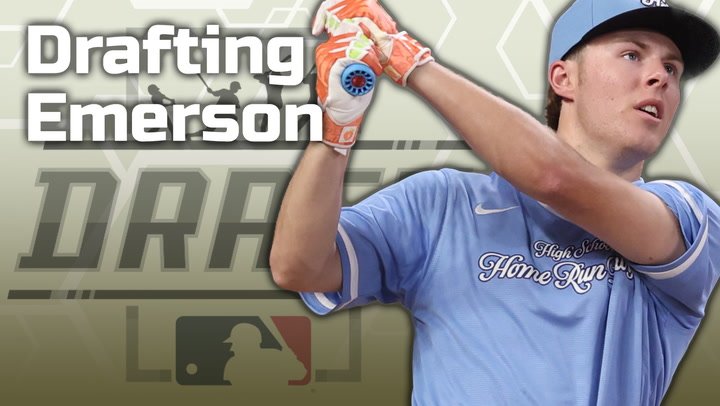 One of Roch Cholowsky, Vahn Lackey, or Grady Emerson will land in the Twins' lap with the third overall pick in the 2026 MLB Draft. If it's Grady Emerson, how much of a no-brainer selection is he for the Twins, and how does he fit with other top prep picks the Twins have taken in the first round in previous seasons? View the full article
 -
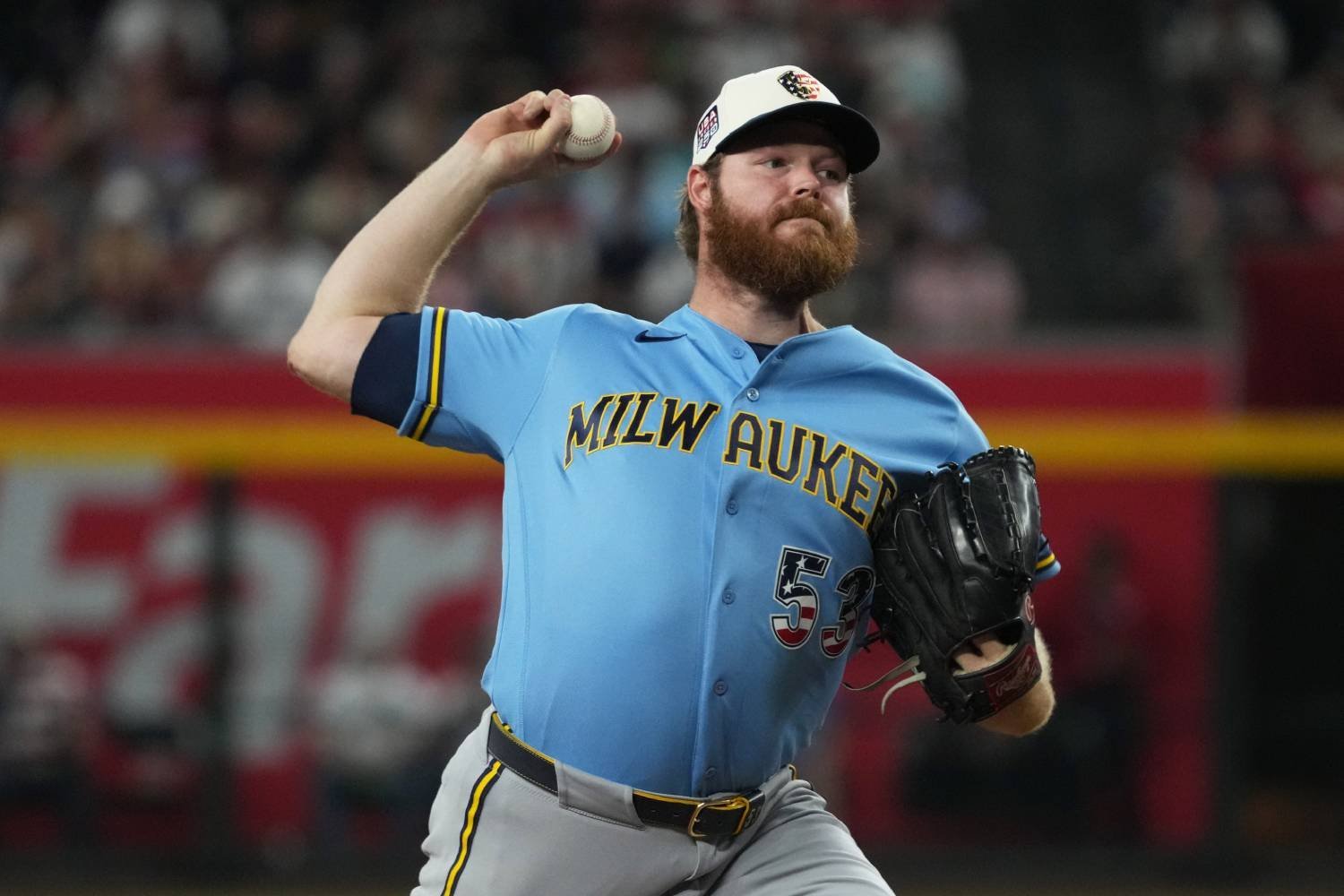 The balky right shoulder has landed Brandon Woodruff back on the injured list. The Milwaukee Brewers on Sunday placed the veteran right-handed starter on the 15-day injured list with right shoulder inflammation and called up left-handed reliever Drew Rom from Triple-A Nashville. Woodruff was removed from Saturday's 4-3 loss to the Arizona Diamondbacks with two outs in the fourth inning after an outing in which his velocity was down across the board. His four-seamer was down 7 mph and his changeup 6 mph. This was his third start since coming back from the same ailment, which sidelined the big right-hander for six weeks. Woodruff did strike out six, including the final three batters he faced, vs. the D'backs. The 33-year-old underwent surgery in September 2023, which forced him to miss all of 2024 and, combined with other injuries, the first three months of 2025. He returned to be a force in the Crew's rotation over 12 starts, but the shoulder acted up again near the end of the regular season, sidelining him for the postseason. He made six starts to begin this season before going on the IL on May 1. Rom is up for the second time with the Brewers this year. He has appeared in four games and 5⅓ innings, allowing two runs on six hits and four walks with 10 strikeouts for a 3.38 ERA. View the full article
 -
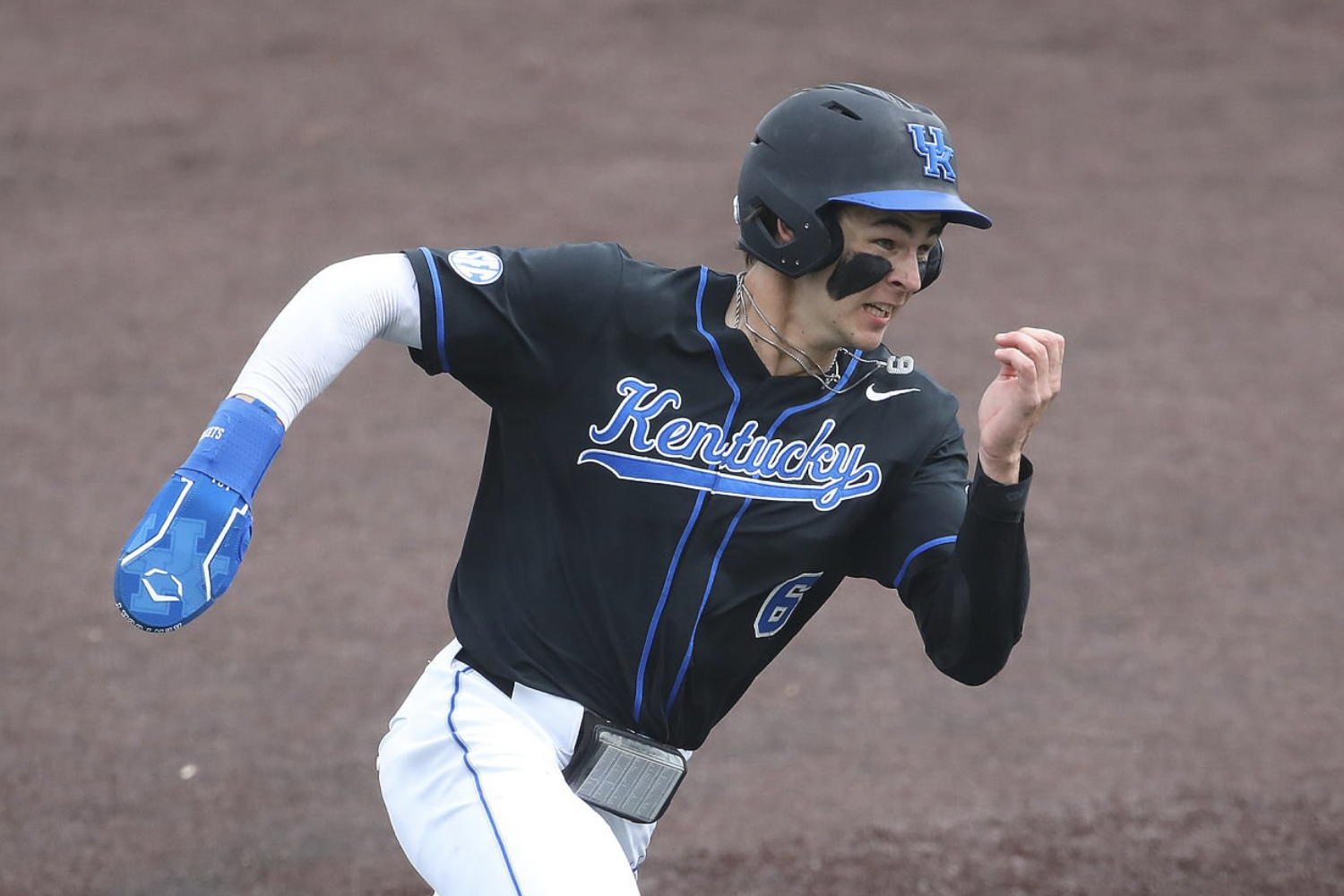 Leading up to the 2026 MLB Draft, Fish On First brings you a series of scouting reports on top prospects in this draft class who could realistically wind up in Miami. Overview Position: SS Height: 6’1″ Weight: 190 pounds School: Kentucky Tyler Bell is a 6’1”, 190-pound shortstop who plays for the University of Kentucky. Bell is one of the top draft-eligible sophomores in the 2026 MLB Draft class. Coming out of high school, Bell was a blue-chip prep prospect out of Lincoln-Way East High School in Frankfort, Illinois. On. Perfect Game, Bell was the 59th-ranked prospect and the fifteenth-ranked prospect in the Class of 2024. He was also the second-ranked prospect and #1 middle infielder out of Illinois. Bell was drafted by the Tampa Bay Rays with the 66th pick in the 2024 MLB Draft as the first pick in Competitive Balance Round B. However, Bell went unsigned and honored his commitment to the Kentucky Wildcats. In his freshman season, Bell made an immediate impact for the Wildcats. Bell played and started in all 56 games. Bell slashed .296/.385/.522 with 67 hits, seventeen doubles, two triples, ten home runs, 46 RBIs, eleven stolen bases, and a .907 OPS. He was named a First Team Freshman All-American and to the All-SEC Freshman Team. He also played for the USA Baseball Collegiate National Team. During the 2026 season, Bell suffered an injury that sidelined him for a bit, but he still played and started in 41 games. He slashed .343/.510/.608 with 49 hits, nine doubles, nine home runs, 29 RBIs, 30 walks, ten stolen bases, and a 1.119 OPS. There wasn't much drop-off from him in conference play, slashing .333/.468/.576 with 33 hits, seven doubles, five home runs, 18 RBIs, and a 1.044 OPS. He was named to the 2026 First Team All-SEC. At the plate, Bell is a switch-hitter with excellent swing mechanics and power from both sides. Most of Bell’s power comes from the pull side, but he’s a very well-rounded hitter with few weaknesses. Defensively, Bell has the arm, hands, and range to stick at shortstop at the next level. However, he has shown the ability to play all over the infield at a high level during his time in Cape Cod and the USA Collegiate National Team. Strengths Well-rounded prospect Switch-hitter Advanced approach Plus runner Defensive versatility Weaknesses Limited power to opposite field Suffered a shoulder injury Pro Comparison: Jorge Polanco Projection: Top 20 pick Bottom Line Tyler Bell has a lot of experience against top pitching in the Cape Cod League and the SEC. He has consistently hit at a high level and hasn’t struggled with high velocity. He’s expected to be an early-to-mid first round pick in the 2026 MLB Draft. On Baseball America, Bell is the 11th-ranked prospect and fourth-ranked shortstop in the MLB Draft. On MLB Pipeline, Bell is the 20th-ranked prospect. Bell is also the 29th-ranked prospect on ESPN. The Marlins will have the 14th overall pick in the draft and should be able to grab one of the top prospects in this draft class. Bell is a hitting prospect who’s a legit candidate for the Marlins when they are on the clock. More 2026 MLB draft profiles INF Chris Hacopian LHP Brody Bumila OF Trevor Condon RHP Cade Townsend OF Drew Burress LHP Gio Rojas RHP Cameron Flukey OF Eric Booth Jr. 3B Ace Reese LHP Carson Bolemon RHP Jackson Flora INF Jacob Lombard OF AJ Gracia View the full article
 -
 Jack Wenninger celebrated the Fourth of July by turning in his best outing of the season. It couldn't have come at a better time for him. The right-hander allowed one hit and struck out five over seven scoreless innings to lead Syracuse to a 6-5 victory over Worcester. That ended a run of poor results that dated to early May. Wenninger allowed a first-inning single to Mickey Gasper, three walks, and a hit batsman in all. He retired his final seven hitters and threw 56 of his 93 pitches for strikes. The next month will be a time of change in the Mets' organization. The parent club is expected to be sellers at the trade deadline, and some prospects could get auditions over the final two months. The 24-year-old Wenninger -- No. 5 in Grand Central Mets' Top 20 list -- will increase his chances of a promotion with more pitching lines like Saturday's. Elsewhere in the system: Binghamton fell to Chesapeake, 5-3. Matt Rudick homered for the Rumble Ponies in the loss. Brooklyn lost a wild one to Frederick, 10-8. The Cyclones erased a six-run deficit and managed to tie the game in the eighth , but the Keys scored twice in the bottom of the inning for the final margin. St. Lucie's losing streak is up to nine after a 10-3 defeat against Tampa. The Mets committed four errors in the eighth as they blew a 3-1 lead. The FCL Mets rode big games from Anthony Probose (home run, three RBIs) and Yovanny Rodriguez (three hits, RBI) to a 7-1, six-inning victory the FCL Astros. DSL Mets Blue lost a doubleheader to the DSL NYY Bombers, 10-2 and 12-11. Game 2 featured a nine-run inning by both teams, with the Bombers scoring their nine in the bottom of the seventh -- on two hits and seven walks -- for the walk-off win. DSL Mets Orange dropped a 9-8 decision to DSL Phillies in 11 innings. Jose Padilla homered, and Oscar Moreno and Alsy Torres combined for five scoreless innings to start the game. Mets Transactions New York optioned RHP Joey Gerber to Syracuse New York called up RHP Guillermo Zuñiga from Syracuse Wenninger, Big Inning Carry Syracuse Past Worcester The offense gave Wenninger breathing room with a five-spot in the bottom of the fourth. MJ Melendez walked, Christian Arroyo singled, and Ryan Clifford lined an RBI single to left to plate Melendez for a 1-0 lead. Jihwan Bae then walked to load the bases, Hayden Senger singled home Arroyo, and Vidal Bruján cleared the bases with a triple to make it 5-0. Melendez extended the lead to 6-0 in the seventh with a solo homer. He now has gone deep in three consecutive games and four of five since being optioned to Syracuse on June 26. The bullpen nearly wasted Wenninger's gem. Worcester scored four off Ofreidy Gómez and Ben Simon in the eighth, and Simon allowed a run in the ninth before Joe Jacques recorded the final out for his second save. Luis Robert Jr. played nine innings in center field as his rehab assignment continued. Fellow rehab assignee Jorge Polanco had the holiday off. Player AB R H RBI BB K Nick Morabito 4 0 1 0 0 2 Luis Robert Jr. 4 0 0 0 0 0 MJ Melendez 3 2 1 1 1 2 Christian Arroyo 4 1 1 0 0 0 Ryan Clifford 3 1 1 1 1 1 Jihwan Bae 3 1 0 0 1 1 Christopher Morel 4 0 0 0 0 2 Hayden Senger 3 1 1 1 0 0 Vidal Bruján 2 0 1 3 0 0 Player IP H R ER BB K HR Jack Wenninger 7 1 0 0 3 5 0 Ofreidy Gómez 1/3 2 4 3 1 0 0 Ben Simon 1 1/3 2 1 1 1 1 0 Joe Jacques 1/3 0 0 0 0 0 0 Stratton Sharp As Binghamton Falls To Chesapeake Garrett Stratton is not looking like a 20th-round draft pick. The right-hander out of Rice University in Houston turned in two scoreless innings of relief Saturday, striking out three, after coming on for starter Bryce Conley in the sixth. The 22-year-old Stratton has produced five clean outings in six appearances since being promoted to Binghamton from High-A Brooklyn in mid-June. Not bad for someone taken in the last round of last year's draft. Conley, a minor-league vet, was charged with four runs, three earned, on six hits over five innings. He walked five and stuck out five. Matt Rudick homered, singled and scored twice for Binghamton. JT Schwartz and Kevin Villavicencio each drove in a run. Chris Suero walked twice and stole a base. Player AB R H RBI BB K Chris Suero 3 0 0 0 2 1 Jose Ramos 5 0 1 0 0 2 Nick Lorusso 3 1 1 0 1 1 JT Schwartz 4 0 1 1 0 2 Vincent Perozo 4 0 0 0 0 0 Matt Rudick 4 2 2 1 0 0 Jaylen Palmer 4 0 0 0 0 2 Kevin Villavicencio 4 0 1 1 0 1 Nick Roselli 3 0 1 0 1 1 Player IP H R ER BB K HR Bryce Conley 5 6 4 3 5 5 0 Garrett Stratton 2 1 0 0 0 3 0 Brian Metoyer 1 2 1 1 0 1 0 Gabriel Rodriguez 1 0 0 0 0 2 0 Brooklyn Is Never Out Of It The Cyclones are mastering the art of getting down big early and then coming back. They did it again on Saturday. Brooklyn trailed, 8-2, after five innings before scoring two in the sixth and four in the eighth to force an 8-8 tie. Frederick crushed the dream with two runs in the bottom of the eighth. Brooklyn did, in fact, lead this game. John Bay hit a two-run homer in the first for a 2-0 advantage. But starter Nicolas Carreno was hit hard and reliever Tanner Witt was erratic, and the Cyclones were hurtling toward the ground once again. But the coaster began moving back up in the sixth as Colin Houck belted a two-run homer to make it 8-4. The tying runs in the eighth came on Trace Willhoite's RBI single, JT Benson's two-run double and Ronald Hernandez fielder's choice grounder. In the past three days, the Cyclones have trailed 8-2, 6-0, and 5-0, only to rally and make each game competitive. Player AB R H RBI BB K Mitch Voit 4 1 1 0 2 0 John Bay 4 2 1 1 1 3 JT Benson 5 1 3 2 0 2 Ronald Hernandez 4 0 1 1 1 0 Daiverson Gutierrez 4 0 0 0 1 2 Jamari Baylor 4 1 0 0 0 2 Yohairo Cuevas 4 0 0 0 0 2 Colin Houck 4 2 2 2 1 2 Trace Willhoite 4 1 1 1 1 2 Player IP H R ER BB K HR Nicolas Carreno 2 1/3 2 4 4 5 2 1 Tanner Witt 1 1/3 1 3 3 4 3 1 Hoss Brewer 1 1/3 2 1 1 0 2 0 Hunter Hodges 1 0 0 0 1 1 0 Bryce Jenkins 1 0 0 0 1 1 0 Cristofer Gomez 1 3 2 2 0 2 2 St. Lucie Unravels Against Tampa The Mets are finding new ways to lose during this run of futility. Take their eighth inning Saturday against the Tarpons. It started this way: Single, fly out, stolen base/throwing error by catcher Julio Zayas, run-scoring throwing error by third baseman Branny De Oleo, groundout. That's two out, one on, Mets still leading, 3-2. And then... Passed ball by Zayas. Run-scoring fielding error by De Oleo. Stolen base. Walk. Three-run, tie-breaking homer. Pitching change. Infield single. Stolen base/throwing error by Zayas. Walk, Stolen base. Walk. Run-scoring infield single. Groundout. Mets trail, 7-3. Tampa tacked on three in the ninth for good measure. Simon Juan homered in the sixth for the Mets' final run. Elian Peña (GCM No. 4 prospect) reached base twice. Starter Ethan Lanthier allowed a run on two hits over 2 1/3 innings. Conner Ware threw three scoreless innings of long relief before taking the mound for the eighth-inning implosion. Player AB R H RBI BB K Elian Peña 3 0 1 0 1 0 Antonio Jimenez 4 0 0 0 0 1 Chase Meggers 3 1 2 1 0 0 Julio Zayas 3 0 0 0 1 1 Branny De Oleo 3 0 0 0 1 0 Simon Juan 4 1 1 2 0 2 Jeremy Rodriguez 0 0 0 0 0 0 Taylor Darden 4 0 0 0 0 1 Jackson Hauge 4 0 0 0 0 2 Jack Scanlon 3 1 1 0 1 1 Player IP H R ER BB K HR Ethan Lanthier 2 2/3 2 1 1 1 1 0 Elwis Mijares 1 1/3 0 0 0 0 3 0 Conner Ware 3 2/3 5 5 0 3 3 1 Miguel Mejias 1/3 2 1 1 2 0 0 Luis Alvarez 1 1 3 3 1 2 1 Top-20 Prospect Performance Carson Benge: MLB A.J. Ewing: MLB Jonah Tong: DNP Elian Pena: 1-for-3, BB Jack Wenninger: 7 IP, 1 H, 0 R, 3 BB, 5 K, W Ryan Clifford: 1-for-3, RBI, BB, SB, K Jacob Reimer: DNP Nick Morabito: 1-for-4, 2 K Mitch Voit: 1-for-4, R, 2 BB Jonathan Santucci: DNP Chris Suero: 0-for-3, 2 BB, SB, K Zach Thornton: DNP Wandy Asigen: DNP Will Watson: DNP Eli Serrano III: DNP Randy Guzman: DNP Ryan Lambert: DNP Dylan Ross: DNP Antonio Jimenez: 0-for-4, K R.J. Gordon: DNP View the full article
 -
 Chicago Cubs Transactions Chicago Cubs signed free agent RHP Jake Woodford. Chicago Cubs designated RHP Bryse Wilson for assignment. Iowa Rallies To Tie, Falls On Late Walk-Off The Iowa Cubs erased a four-run deficit only to lose 7-6 to the Toledo Mud Hens. Starter Grant Kipp lasted four innings and was tagged for five runs, including three home runs, on five hits and two walks while striking out seven. Iowa's offense answered in the seventh. Down 5-1, Jonathon Long launched a two-run homer. Owen Miller tripled home a run, and James Triantos followed with an RBI single to knot the score at 5-5. Iowa took the lead in the ninth when a Moisés Ballesteros sacrifice fly scored Owen Miller for a 6-5 edge, but the bullpen could not hold it. Doug Nikhazy absorbed the loss after allowing two runs in the bottom half. Long finished 2-for-4 with the homer and two RBI, Triantos went 3-for-5, Miller added a triple among his two hits, and Brett Bateman homered and doubled. Iowa left 11 runners on base. Player AB R H RBI BB K Brett Bateman 4 2 2 1 1 0 Jonathon Long 4 1 2 2 1 0 BJ Murray 4 1 1 0 1 1 Owen Miller 5 2 2 1 0 0 James Triantos 5 0 3 1 0 0 Ben Cowles 4 0 2 0 0 0 Scott Kingery 4 0 0 0 0 2 Moisés Ballesteros 0 0 0 1 0 0 Eric Yang 1 0 0 0 0 0 Casey Opitz 3 0 1 0 0 1 Hayden Cantrelle 4 0 0 0 0 2 Player IP H R ER BB K HR Grant Kipp 4 5 5 5 2 7 3 Collin Snider 1 1 0 0 1 0 0 Aaron Bummer 1 1 0 0 0 0 0 Liam Hendriks 1 0 0 0 0 1 0 Doug Nikhazy 1 5 2 2 1 1 0 Knoxville's Early Lead Slips Away In Seventh The Knoxville Smokies jumped ahead early but could not hold on in a 4-3 loss to the Columbus Clingstones. Starter Jace Beck turned in a strong outing over four innings, allowing one run on four hits with four walks and eight strikeouts. Knoxville struck first in the opening inning when Carter Trice laced a two-run double to plate Alex Ramírez and Jefferson Rojas for a 2-1 lead. The Smokies added a run in the third as Rojas walked, moved to third, and scored on an Andy Garriola sacrifice fly to make it 3-1. The lead disappeared in the seventh, when the bullpen surrendered three runs and Tyler Schlaffer was charged with the loss after allowing three runs over 2 2/3 innings. Tyler Santana followed with 2 1/3 scoreless innings. Trice drove in two, Rojas reached twice on walks and stole a base, and Ariel Armas singled. Knoxville left six runners on base. Player AB R H RBI BB K Alex Ramírez 4 1 1 0 0 0 Jefferson Rojas 2 2 0 0 2 1 Owen Ayers 4 0 0 0 0 1 Andy Garriola 2 0 1 1 0 1 Carter Trice 4 0 1 2 0 1 Edgar Alvarez 4 0 1 0 0 2 Karson Simas 4 0 0 0 0 3 Ariel Armas 3 0 1 0 1 1 Alex Madera 4 0 0 0 0 1 Player IP H R ER BB K HR Jace Beck 4 4 1 1 4 8 0 Tyler Schlaffer 2 2/3 5 3 3 2 4 0 Tyler Santana 2 1/3 1 0 0 0 1 0 South Bend Powers Past Beloit Behind Kepley's Blast The South Bend Cubs collected 11 hits in a 7-3 win over the Beloit Sky Carp that was a continuation of the previous day's suspended game. Ethan Flanagan carried the pitching, working 4 2/3 innings and giving up two runs on three hits with no walks and five strikeouts to earn the win. "Opener" Jaxon Wiggins allowed a solo home run in his lone inning, and Brayden Spears closed with 3 1/3 scoreless innings for the save. South Bend broke through in the second when Kane Kepley crushed a three-run homer for a 3-1 lead. The Cubs pulled away in the eighth, scoring three times as Matt Halbach drew a bases-loaded walk to force in a run and Christian Olivo delivered a two-run single. Jose Escobar led the way at 4-for-5 with a triple and a stolen base, Angel Cepeda went 3-for-4 with a steal, Kepley drove in three, and Olivo added two RBI. South Bend stranded 17 runners on base. Player AB R H RBI BB K Kane Kepley 6 1 1 3 0 2 Josiah Hartshorn 6 0 1 0 0 2 Jose Escobar 5 2 4 0 1 0 Angel Cepeda 4 1 3 0 0 1 Logan Poteet 1 0 0 0 0 1 Justin Stransky 3 1 0 0 2 1 Matt Halbach 5 0 0 1 1 2 Michael Carico 2 0 0 1 3 2 Michael Hallquist 4 1 0 0 1 2 Christian Olivo 3 1 2 2 2 1 Player IP H R ER BB K HR Jaxon Wiggins 1 2 1 1 0 0 1 Ethan Flanagan 4 2/3 3 2 2 0 5 1 Brayden Spears 3 1/3 2 0 0 0 3 0 Myrtle Beach's Lead Unravels In Bullpen Loss The Myrtle Beach Pelicans built an early lead but fell 7-4 to the Hickory Crawdads. Starter Brody McCullough was sharp across five innings, allowing one run on two hits with no walks and five strikeouts. Alexey Lumpuy tied the game in the third with a solo home run, and Myrtle Beach surged ahead in the fourth. Jose Silva ripped a two-run single, and Lumpuy followed with an RBI single to build a 4-1 cushion. The lead did not last. Henry Cone was charged with the loss and a blown save after allowing four runs, one earned, over 1 2/3 innings, and Emilio Ramos gave up two more runs across 2 1/3 innings as Hickory rallied. Lumpuy paced the offense at 4-for-5 with the homer and two RBI, Silva went 2-for-4 with two RBI, and Edward Vargas reached three times. Three Myrtle Beach errors helped the opposition, and the Pelicans left 11 runners on base. Player AB R H RBI BB K Darlyn De Leon 5 1 0 0 0 0 Alexis Hernandez 4 0 1 0 1 2 Alexey Lumpuy 5 1 4 2 0 0 Eli Lovich 4 0 1 0 1 0 Derniche Valdez 5 0 0 0 0 2 Yahil Melendez 4 1 1 0 1 3 Edward Vargas 2 1 1 0 2 0 Jairo Diaz 4 0 1 0 0 1 Jose Silva 4 0 2 2 0 1 Player IP H R ER BB K HR Brody McCullough 5 2 1 1 0 5 0 Henry Cone 1 2/3 1 4 1 4 0 0 Emilio Ramos 2 1/3 2 2 2 1 3 0 Top-20 Prospect Performance Jefferson Rojas: 0-for-2, 2 BB, SB, K Pedro Ramirez: DNP Jaxon Wiggins: 1 IP, 2 H, 1 R, 1 ER, 0 BB, 0 K, 1 HR Josiah Hartshorn: 1-for-6, 2 K Kevin Alcantara: DNP Ethan Conrad: DNP Kane Kepley: 1-for-6, HR, 3 RBI, 2 K Owen Ayers: 0-for-4, K Jonathon Long: 2-for-4, HR, 2 RBI, BB Kaleb Wing: DNP James Triantos: 3-for-5, RBI Brooks Caple: DNP Mason McGwire: DNP Ty Southisene: DNP Will Sanders: DNP Juan Cabada: DNP Eli Lovich: 1-for-4, BB Ariel Armas: 1-for-3, BB, K Jostin Florentino: DNP Grant Kipp: 4 IP, 5 H, 5 R, 5 ER, 2 BB, 7 K, 3 HR View the full article
 -
San Diego Padres Minor-League Pitchers of the Month: June 2026
DiamondCentric posted an article in Padres Mission
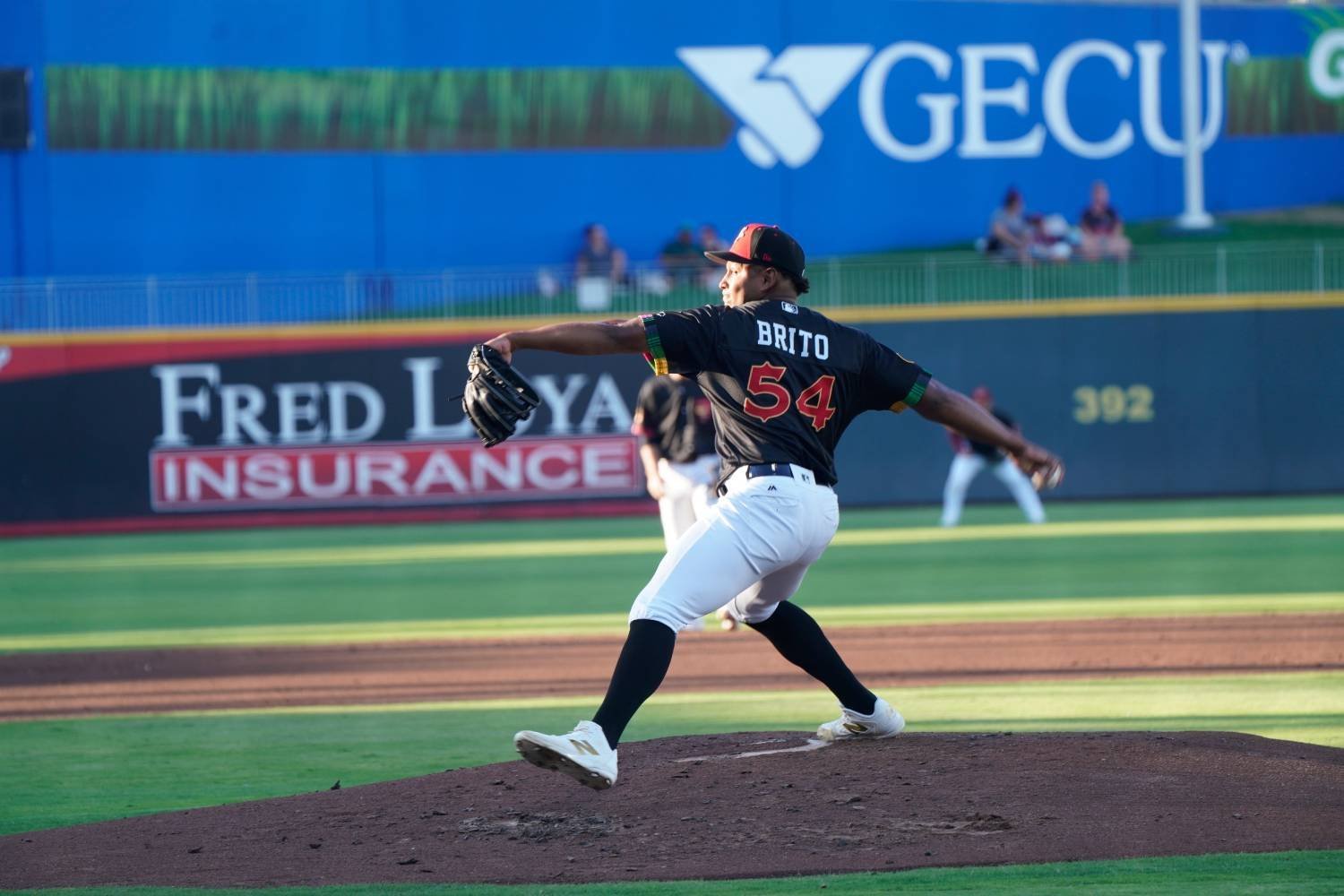 It was a good month for a few San Diego Padres minor-league pitchers. The fact that four of the five names listed below come from either the Triple-A El Paso Chihuahuas or the Double-A San Antonio Missions is also encouraging, as some of the places those teams play can be very challenging for pitchers. Ranking Padres' Best Minor-League Pitchers In June Honorable mention: Josh Mallitz, RHP, Double-A San Antonio Missions June stats: 1-0, 1.35 ERA, 8 games (all relief), 2 saves (2 chances), 13⅓ IP, 5 H, 2 R, 2 ER, 3 BB, 21 K, .111 opponent average The right-handed reliever's season started late due to injury, then he gave up 11 runs in his two April appearances. But since then, Mallitz has been impeccable, giving up just four runs in 24⅓ innings. He was signed as an undrafted free agent out of Mississippi in 2024 and continues to be a big contributor in his first full season at Double-A after getting into four games for the Missions last year. He struck out 21 in 13⅓ innings in June after having 10 in his previous 14 innings. Honorable mention: Omar Cruz, LHP, Double-A San Antonio Missions June stats: 1-1, 2.31 ERA, 6 games (1 start), 1 save (1 chance), 11⅔ IP, 7 H, 4 R, 3 ER, 3 BB, 22 K, .171 opponent average With a start and a save during the month, you can tell how valuable the left-hander has been for the Missions this season. And that is part of Cruz's story this year: He started the season at Triple-A El Paso, but struggled in the Pacific Coast League environments to an 18.00 ERA in four innings over six games. That had the Padres move him down to Double-A San Antonio. Since that move in late April, all Cruz has done is put up a 3.45 ERA in 15 games and 28⅔ innings, with 45 strikeouts and 10 walks. He made his MLB debut with the Padres last year, appearing in two games, so getting back on track at San Antonio is nice to see. No. 3: Winyer Chourio, RHP, High-A Fort Wayne TinCaps June stats: 2-0, 2.86 ERA, 4 games (all starts), 22 IP, 18 H, 7 R, 7 ER, 9 BB, 22 K, .228 opponent average The 22-year-old, who just moved into Padres Mission's Top 20 prospects list at No. 20, has had a breakthrough year in his first time in full-season ball. Some subtle changes have increased the 2024 international signee's velocity and improved the quality of his pitches. His performance in 12 games at Low-A Lake Elsinore (3.31 ERA, 74 strikeouts, 54⅓ innings) earned him a promotion to High-A Fort Wayne. He made his High-A debut last week with a familiar line from his Storm days: five innings, one run, five hits, three walks, four strikeouts. That came after his final two starts at Lake Elsinore went six innings, and included his second nine-strikeout performance of the season. In addition, he had a 10-strikeout game in May. Chourio does need to reduce his walks, as six of his 13 games this season have seen the right-hander issue three or more free passes. His walk rate this season is 11.9%, which is somewhat offset by his 33.1% strikeout rate, which is significantly up from 20.8% last year. His walk rate a year ago was at 10.2%. Chourio has also already matched his innings total from last year (56⅔), which will make his second half fascinating to watch. No. 2: Andrew Moore, RHP, Triple-A El Paso Chihuahuas June stats: 0-0, 0.00 ERA, 8 games (all relief), 1 save (1 chance), 10⅓ IP, 2 H, 0 R, 0 ER, 12 BB, 23 K, .063 opponent average Probably the most consistent reliever in the entire Padres system, the right-hander went the entire month without allowing a run, extending his scoreless streak to 11 appearances and 14 innings. That included a promotion from Double-A San Antonio to Triple-A El Paso for his final two outings covering 3⅔ in which he struck out eight. He also continued to excel at striking out opponents. In six of the seven games where he went at least one inning, he struck out two or more, leading to a 44.5% strikeout rate this season. However, he did walk 12 in June, the most of any month, and has a 24.4% walk rate. Five of those walks came in his first two Triple-A appearances. Moore also keeps contact at a minimum. He gave up just two hits last month, one in his first game and one in his last, for a .063 opponent average, dropping his season number to .112. Of the 10 hits he has allowed this year, only one has been for extra bases. In his 22 games this year between the two levels, he has a 1.61 ERA in 28 innings. No. 1: Jhony Brito, RHP, Triple-A El Paso Chihuahuas June stats: 2-1, 1.14, 5 games (all starts), 23⅔ IP, 15 H, 6 R, 3 ER, 9 BB, 21 K, .181 opponent average While no longer a prospect at age 28, Brito is coming off missing more than a year following internal brace and right flexor tendon surgery and still has his rookie status intact for when he returns to the MLB level. Brito came off the 60-day injured list after his first start of the month at Double-A San Antonio, then went to Triple-A El Paso for his first non-rehab games of the season. Even in the difficult PCL environment, Brito has excelled. In those four starts alone, Brito allowed two earned runs in 18⅔ innings (he did give up three unearned runs in his last game). He has also punched out 19 and walked nine. Brito's walk rate has been up at Triple-A at 11.8%, but is at a more reasonable 8.7% for the season. Aside from the rehabbing German Marquez and Matt Waldron, Brito would seemingly be next in line as a starting option at the major-league level. View the full article
 -
 There’s nothing more American than baseball on the Fourth of July. Let’s see how the Red Sox affiliate teams fared on the nation’s birthday. Triple-A Worcester Red Sox Series @ Syracuse Mets (New York Mets): 3-2 Season Record: 40-41 Worcester fell by one run for the second consecutive night despite a late offensive surge. Seth Martinez started the ballgame for Worcester and turned in two frames of perfect work. He struck out two before being pulled. Noah Song got the ball next, but his appearance was less than ideal as he earned the loss. Over just 1⅓ innings, Song allowed five runs on five hits as Syracuse jumped out to an early lead. Tyler Samaniego was called in to finish off the fourth inning, and stayed in for the fight. Samaniego allowed one baserunner via a walk, but struck out two before turning the ball over to Angel Bastardo. Bastardo allowed one more run, but held it down through two innings of work. Finally, Osvaldo Berrios was called upon to close out the contest. He did just that, striking out the side and putting Worcester in a comeback position. Unfortunately for Berrios, Worcester’s offense fell just short for the second straight night. The WooSox kept it close with five runs on five hits, most of which came in the late stages of the game. Worcester was held scoreless until the eighth inning, when Mikey Romero put the WooSox on the board with an RBI single, scoring Braiden Ward and Vinny Capra. Later in the inning with the bases loaded, Brett Harris grounded out to short but Romero and Jason Delay scored on a throwing error as the WooSox crept within two. With the game in reach in the ninth, Mickey Gasper singled on a ground ball to right, driving in Max Ferguson and advancing Ward to third. However, with the tying run just 90 feet away, the WooSox couldn’t get the job done as they fell by a narrow margin. Double-A Portland Sea Dogs Series vs. Altoona Curve (Pittsburgh Pirates): 3-2 Season Record: 41-37 Portland walked off Altoona in extras behind five excellent innings each from Patrick Sandoval and Anthony Eyanson. Sandoval made what was his reported final rehab start in a lengthy two-year recovery from UCL surgery. Sandoval was excellent through a five inning appearance, allowing a hit and a walk as he sent five batters packing on strikes. In the sixth, Portland made an unusual call to the bullpen as starter Anthony Eyanson took the mound in a relief role. Eyanson won his third game of the season for his outing as he delivered a great five innings. He allowed two runs on three hits and a walk, but gave the offense enough leeway to pull off the win. Eyanson matched Sandoval’s strikeout total with seven of his own as he delivered another superb performance. Despite tallying only three runs, the Sea Dogs did just enough to win Saturday’s contest. Ahbram Liendo provided most of the offense with his two RBIs, as Franklin Arias opened the scoring in the first. Arias skied a fly ball to right field, driving in Raudelis Martinez on a sac fly. After Eyanson conceded two runs in the eighth, Liendo tied the game. He looped a check swing hit just over the glove of the second baseman, reaching first safely as Martinez was thrown out at second. Liendo played the hero for a second time just two innings later. With two runners in scoring position, Liendo smoked a hit off of the third baseman's glove as Miguel Bleis raced home. Liendo was mobbed by his teammates as the crowd celebrated the walk-off win. High-A Greenville Drive Series @ Winston-Salem Dash (Chicago White Sox): 0-4 Season Record: 30-46 Greenville pushed Winston-Salem to extras, but fell for the ninth consecutive game by a score of 5-4. Dylan Brown got the start on Saturday night for Greenville, turning in four frames of solid work. Brown walked four and allowed five hits as three runs crossed home plate. He struck out six of the 20 batters he faced across his outing before Joe Vogatsky got the call from the bullpen. Vogatsky allowed four hits, but staved off any runs from scoring. He struck out four as the Drive tied the game. Steven Brooks made his second appearance in as many days, but saw unfortunate results this time around. Over 1⅔ innings of work, Brooks finished with two runs allowed (one unearned) on three hits as he earned the loss. It wasn’t Brooks that allowed the walk-off hit, however. With the bases loaded in the bottom of the tenth, Tyler Davis walked Kyle Lodise, allowing the winning run and losing the game for the drive. Luke Heyman totalled three hits on Saturday’s action, adding an RBI as well. The Drive went 2-for-7 with RISP, falling short in crucial moments. Yophery Rodriguez led the scoring off in the second inning, launching a line drive double to right field and driving in Mason White. Down by two runs in the sixth inning, Yoeilin Cespedes clobbered his 12th homer of the season to left field, bringing the Drive within one run. Later in the sixth, White stepped to the dish and singled on a ground ball to center, tying the game as Heyman scored. With the game tied in the tenth, it was Heyman’s turn in the spotlight. With Enddy Azocar at third, Heyman pulled a single through the infield. It was enough to drive Azocar home as the Drive jumped ahead. It was a short-lived lead, however, as the Drive relinquished the lead, and the game, in the bottom of the inning. Low-A Salem RidgeYaks Series @ Augusta GreenJackets (Atlanta Braves) : 2-2 Season Record: 31-47 The RidgeYaks won behind dominant pitching across the staff, prevailing 1-0. Jason Gilman got the nod on Saturday evening, twirling an astounding performance. Over six frames, Gilman limited the GreenJackets offense to just two hits and two walks as he struck out nine of the 22 batters he faced. Following Gilman’s excellent outing, Jay Allmer kept the ball rolling with an inning of shutout relief. Despite walking three, Allmer was able to limit the damage before Harry Blum took the final two innings. Blum was nearly perfect, allowing just two walks in two frames as he struck out two and sealed the close victory for Salem. Salem’s offense was quiet on Saturday, recording just five hits and four walks. However, it was just enough to eke out the victory as Ilan Fernandez was responsible for the lone, game-winning run. The run came early, as Anderson Fermin stood at first in the third inning. Fernandez hooked a double down the line in center field as Fermin hustled around the bases and beat the tag at home. It proved to be critical for the RidgeYaks, however, as they were able to go home satisfied for the third straight contest. View the full article
 -
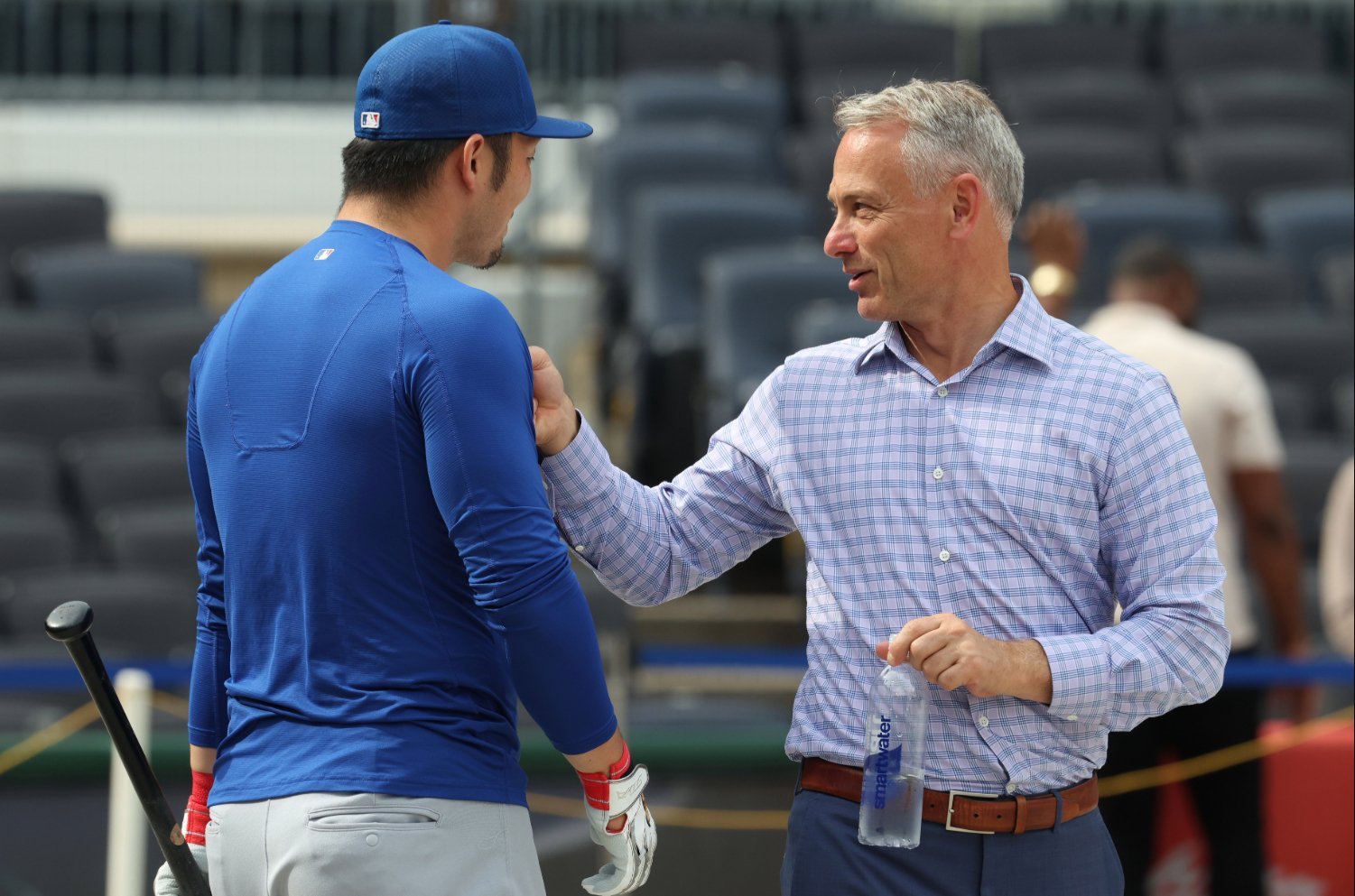 By most indicators, the Chicago Cubs have the best defense in MLB and the best offense besides that of the Los Angeles Dodgers. It is an impressive group with depth and flexibility, with nine players already reaching 1 WAR before the All-Star Break. Yet, I don’t think most Cubs fans would be overly confident in the team’s chances if the playoffs started today. Understandably so! The pitching staff does not inspire confidence. A position player group like the one on the North Side doesn’t come along every year. Knowing these windows can close faster than expected, the Cubs need to invest in the pitching staff while this window is open. With July here, let’s look at a couple of potential starting pitchers the Cubs might be able to add to their rotation. The Cubs need help all over their pitching staff. As a group, they have the highest home run rate in the league backed up by one of the highest hard-hit rates. They also have below-average strike out and ground ball rates. Not good! It also does not appear internal help is coming. Jameson Taillon is expected to pitch in a rehab game on July 5 but he has been a large part of the problem; expecting him to be a solution here is a fool’s errand. Edward Cabrera is hopefully an August return, but he has also been underwhelming at best. Ben Brown may not be back this year, and who knows what he will look like if he does return; Brown himself said he will need to tweak his mechanics to avoid the injury recurring again. That leaves Shota Imanaga, Colin Rea, Matthew Boyd, and David Peterson as the current Cubs playoff rotation. Again, not good! Injury problems that have plagued him throughout his career have resurfaced for Boyd this season, making him tougher to rely on. Colin Rea is a career back-of-the-rotation starter and swingman who has filled in admirably but is best in that role, where he can be hidden a bit from left-handed hitters. If Justin Steele makes it back, it will reportedly be out of the bullpen. This all leads to my belief that the Cubs truly need to add two legitimate starters this deadline, a very tall task that will require them to be more aggressive than they have been in previous years. With the expanded playoff format, more teams feel they could still contend for a wild-card spot, meaning less teams are willing to sell. That can make it a tough market for true buyers, like the Cubs. The obvious trade candidates, and ones that have been discussed on this site, are guys like Tarik Skubal and Freddy Peralta, upcoming free agents on underperforming teams. There are also the two Angels pitchers, Jose Soriano and Reid Detmers, who have been written about. I'd like to focus on two rental starting pitchers I would like to see the Cubs make a serious run at that should both be attainable, despite their brilliant production this year. Casey Mize While his teammates Tarik Skubal and Jack Flaherty get the majority of the rumors, the Tigers do have a third starter set to hit free agency this offseason. The former No. 1 overall pick is having his best season yet as he approaches free agency. The Cubs will likely have to spend this year in free agency for pitching. This problem isn’t going away; they don’t have multiple impact arms in the upper-minors ready to come back and make an impact. Cade Horton is coming off his second Tommy John surgery and Justin Steele is a question mark, so relying on them in the rotation next year is not prudent. Trading for Mize now allows the Cubs a few months to court him and potentially extend him before he hits the open market. Mize has a 90th percentile, 5.5% walk rate that would play very nicely in front of this defense. He has done a great job of limiting hard contact and keeping the ball in the park. He has sacrificed velocity on his fastball in favor of spin efficiency and it has worked well. His fastball has increased vertical movement and in doing so has increased the swing and miss rate by six percentage points while dropping the hard-hit rate by 22% points. That uptick in vertical movement has also caused batters to be under the fastball 57% of the time, up from 45-46% the past couple of years. The Tigers will almost certainly give him a qualifying offer, which means the Cubs need to offer more than the value of a compensation draft pick for Mize. The Tigers' run differential shows they have been a bit unlucky this season after an ALDS run last year, likely meaning they don’t plan on a full rebuild and are focused on major-league ready players and prospects. Their offense has struggled this year, though; perhaps an offer around a package of James Triantos and Kevin Alcantara would entice them to part with Mize. Sonny Gray The veteran right-hander continues to perform at a high level despite the Red Sox's struggles this year. Boston traded for him to bolster their rotation for an expected playoff run, but their dormant offense has made any playoff run unlikely, and subsequently made Gray available. Gray pairs a 6.2% walk rate with a 47.5% ground-ball rate, both in the top 25% of major league pitchers. It isn’t hard to see how that would play well in front of the Cubs' defense. Gray will add a steadying presence to the rotation, as he has made at least 22 starts every year since 2014 and has allowed a FIP over 4.00 in just three of those 14 seasons (and only once outside of his Yankees seasons. Gray does come with a mutual option for next season, but he's a virtual lock to reach free agency. The Red Sox seem to have pitching depth going forward with Garret Crochet, Ranger Suarez, Payton Tolle, Connelly Early, and even Brayan Bello, but they are struggling with middle infield depth. A package centered around Pedro Ramirez, who doesn’t have a clear path to playing time with Alex Bregman, Dansby Swanson, and Nico Hoerner entrenched in the infield, might be able to get the job done. View the full article
 -
 Transactions: Milwaukee Brewers recalled RHP Craig Yoho from Nashville Sounds. Milwaukee Brewers sent RHP Coleman Crow on a rehab assignment to Nashville Sounds. Nashville Sounds activated SS Freddy Zamora from the Development List. Nashville Sounds activated RHP Will Childers from the Development List. DSL Brewers Blue activated C Roniel Paulino from the 7-day injured list. DSL Brewers Blue activated RHP Manuel Moreno from the 7-day injured list. Nashville Pre-Game Media Notes Final, Game One: Nashville 4, Jacksonville (Marlins) 3, seven innings as scheduled Box Score and Game Log Final, Game Two: Nashville 5, Jacksonville 4, seven innings as scheduled Box Score and Game Log Via the Sounds, game details, and we encourage readers to always review affiliate write-ups as part of their Link Report routine: Walk-Off Win Sets Tone for Nashville Fourth of July Sweep of Jumbo Shrimp - Matos Delivers Fourth Walk-Off Win of the Season for Nashville in Game One Here's an example of why no matter how detailed an affiliate game summary might be; there is almost always more to the story. About what you just read regarding the game-winning Game One rally: "(Tyler) Black reached for the second time with a one-out walk and put himself into scoring position with a stolen base before (Luke) Adams followed him aboard after getting hit by Jacksonville reliever Zach Pop. Jeferson Quero loaded the bases with an infield single, and the Sounds put speed on second base as the potential winning run as Eduardo Garcia entered the game as a pinch runner. It wasn't needed as (Luis) Matos drove a ball over the leftfielder's head for the two-out, walk-off two-RBI hit to give Nashville the game one win." What piqued my interest and had me pulling up the game archive was the combination of Adams' HBP and the being pinch run for. We normally don't think of Adams as somebody who gets swapped out for "speed". For subscribers, the sequence begins just after the 03:23:00 hour/minute mark here. Adams is hit in the left hand and is in significant pain, it was a surprise he remained in the game. What we don't read about is that during the Quero at-bat, Adams mistakenly thought a double-steal had been called for - either that, or perhaps Black missed the sign for one while on second. The Jacksonville catcher had a clear chance to back pick a dead-to-rights-Adams scrambling back but was delayed in his throw. Once Quero reached, that's when Garcia entered for Adams. Perhaps Rick Sweet thought Adams' wrist was bothering him. Because Matos delivered the game-winner with two outs, the victory doesn't happen if Adams is rightly picked off. Voice of the Sounds Jeff Hem is so good. When you viewed Matos' knock in the game summary video, did you initially pick up on the fact the left fielder initially took a step in? Jeff did and incorporated it into his call. Here's a small beef I have with MiLB. To give them credit, in nearly all cases of a run scoring, they provide a video. It could be a simple fielder's choice, or a passed ball, etc. On this play, it's an single up the middle for Black, that's cool. But wouldn't we rather have seen the Jett Williams triple leading off the game? Alas, it didn't drive in a run, so we don't see it. Archive enjoyers - the 01:16:00 hour/minute mark for the very deep and high fly ball against the base of the wall in left-center, standing three-bagger. Williams was a combined 3-for-7 with a walk for the twinbill, a good day - one game at shortstop, the other at third base. From Game Two, this is ripped, as Jeff tells us: As descriptive as the game summary was, you'll want to check out the nightcap game log for Black's RBI double in the 1st inning, and then the full sequence including additional highlights from the four-run 3rd frame. Oh, why do you make me do this, Luke Adams. In that game log I just referenced, Adam is HBP'd once again, staying in the game. Soof course I needed to see that (game two archive link here, 01:07:00 hour/minute mark). He was hit in the same spot as he checked his swing, left wrist/forearm! It may have clipped some of Luke's protective gear, but barely, it was mostly him. That's 13 plunkings in 41 games this year, and now an even 100 for his pro career (324 games). Yikes, we haven't even discussed the Logan Henderson and Coleman Crow respective rehab starts. Just-activated infielder Freddy Zamora was the only position player not utilized by Rick Sweet. So that we can move on to the other affiliates, this is where I once again guide you to the linked summary and box scores. However, I will provide these two pitches from Henderson - do Joey Ortiz and Jackson Chourio make these plays? Catch up with the latest Biloxi pre-game audio interview archives - Manager Mike Guerrero the latest Biloxi pre-game media notes Final: Chattanooga (Reds) 11, Biloxi 3 Box Score and Game Log Via the Shuckers, game details: Shuckers Fall to Lookouts on Independence Day - Boeve extends on-base streak to 23 consecutive games, Shuckers extend home run streak with blast Ouch, we haven't seen this from the Shuckers as of late, though as this paragraph from the linked game summary shows, there's almost always positive spins to feature: "At the plate, Mike Boeve (2-for-4), Matthew Wood (3-for-4) and David Garcia (2-for-4) each recorded multiple hits. Garcia’s home run also extended the Shuckers home run streak to 12 consecutive games, tied for the longest in the Southern League this season. Josh Adamczewski and Andrew Fischer also extended their on-base streaks to 15 consecutive games, spanning every game since their promotion to Double-A on June 15." Keep in mind this came in the 9th, down 11-0 at the time: RHP Bishop Letson faced one over the minimum from the 2nd inning thru the 5th. Unfortunately, the Lookouts scored four runs in the 1st. A reminder that at the box score / game log link above you can click "All" in the log to get highlights, or in this case, lowlights. Letson threw a hanging slider on a 2-0 count for a two-run homer. Later in the inning, you'll see Jesus Made really caught in the middle on a fielder's choice, but he needed to do something and instead ate the ball. So, one rough inning for the talented Letson, otherwise his normal self. Andrew Fischer walked in one of his four trips to the plate, fanning twice. His Biloxi K percentage is at 34.4%, nearly matching his larger sample 33.3% with Wisconsin. It certainly makes for conversation. We should all be giant fans of Fischer, and at some point, national prospect rankings will sort it all out. No extreme worries here. Nice, there's good news on Blake Burke and his upcoming return to action. Wisconsin Pre-Game Media Notes (download link) Final: Peoria (Cardinals) 2, Wisconsin 0 Box Score and Game Log Via the Timber Rattlers, game details: Rattlers Shut Out by Peoria - Dubanewicz allows one run over six innings as Wisconsin starter It was May 29th when our own Spencer Michaelis published this: Take a peek at what the 20-year-old's four starts since his promotion to Wisconsin look like. Well, look there, playing first base, battings second, Eric Bitonti. So, this was just more of an FYI on Bitonti's exit than anything else Friday night. Braylon Payne sat out a second game, so of course mandatory alarm bells will ring within the voracious Brewers prospect fan base. Patience, everyone, patience. Check this out - Peoria made a big deal of this promotion which began Tuesday vs. the T-Rats: Chiefs announce home run guarantee. Wisconsin pitchers have not been compliant; they have only allowed one long ball in the first five games of this series. Nice. Take that, bottom line, anything to hurt the Cardinals. Recent Warbird Pregame Audio - Utilityman Luis Lameda, having a nice season (.748 OPS), props on the English language skills Wilson Pre-Game Media Notes Final: Wilson 6, Kannapolis (White Sox) 1 Box Score and Game Log Wilson Rockets 12 Hits in Holiday Win It was evident that Spencer had one of his 17 screens set to the Wilson game Saturday evening: How many of us just learned Joey's doesn't pronounce his last name "Bro-ton"? More quality work from RHP Jarrette Bonet, who has pitched exactly five innings in each of his last four starts. Managers at the A-Ball level really appreciate that. Bonet may not be a thoroughbred just yet, but he is a horse. Perfect day at the plate for DH Jadyn Fielder, including this second inning line drive RBI single. The "DH" part of that sentence goes without saying at this point, as it's literally been a couple of months since Fielder well, fielded. Does it make sense without a comment or insight from the coaching staff? No, not really. Encarnacion was on base four times to lift his OBP to .390. A 7-1 win could have been even more comfortable, Warbirds 2-for-16 with RISP. Final: DSL Tampa Bay 2, DSL Brewers Blue 0, game called in the 6th by lightning (scheduled for nine) Box Score and Game Log The box indicates the umps waited about an hour before calling it. Gotta love box score minutia. Blue right fielder Eryks Rivero had walked to lead off the bottom of the 6th, rightfully I'm not sure that base on balls will last the test of time if the half-inning is rolled back. There are only two people on the planet concerning themselves on that topic, yours truly and young Eryks. Oh, let's face it, it's just me. On second thought, it'll probably stick on Rivero's log and the opposing pitcher's record as well. On a more serious note, I had placed this in our rolling forum thread Saturday afternoon: "Odd sequence in the DSL Blue game. RHP Alejandro Bustamante came in to start the 5th and walked the first man he faced. During the next at-bat that runner was caught stealing, but Bustamante must have been pulled from the game as well. So, Bustamante’s stat line will show one-third of an inning pitched and just one batter faced, but one walk as well. Some sort of injury sequence it would seem." As I typed that yesterday, no box score notation indicating injury delay was noted. But it's there now, bummer. Hopefully it's a minor issue for the 18-year-old (19 in August). We all love us some Leanders Matos at the plate (though 0-for-2 here on a day when Blue mustered just one hit in five innings), but Matos is up to five infield errors in 20 games, committing two fielding errors in this game, one of which led to an unearned run. 17-year-old (18 later this month) Venezuelan RHP Jesus Vasquez' first pro start was pretty darn good, zero earned runs through four frames. Vasquez had pitched in relief in his first four appearances. Blue's record is now a still solid 15-10. Final: DSL Brewers Gold 18, DSL LAD Mega (Dodgers) 3 Box Score and Game Log A day after scoring 15 runs in a victory, the resurgent Gold squad (11-13) sent a message to the Dodgers organization that will surely have ramifications in the 2033 NLCS. By rights, Los Angeles should have signed the player with that last name. Nice job, Ivory Tower! Gold batters received 15 free passes (12 walks, three HBP's). They banged out 16 hits, five for extra bases, including two home runs for right-handed hitting infielder Osiris Ramirez, who only turned 17 years old in May. That makes six taters for Ramirez, who was assigned DH duties for this game. It never ends, the depth of the recent Milwaukee international classes. About those HBP's, among them was 16-year-old prized catcher Moises Salazar, and although Salazar exited midway through the game, that seems to be more score-related than injury-related. You just know the coaching staff is most pleased with the error-free defense and 18-year-old RHP Raymond Sarmiento's third consecutive excellent extended appearance (game log). Enjoy your box score dissection. It's a couple of young gun RHP's to watch in the early hours Sunday, with Wilson's Tyler Renz throwing first pitch at 12:05 CT and Wisconsin's Josh Knoth throwing in Peoria shortly after 2:05 Central. Biloxi and Nashville round out the holiday weekend later in the day. Thanks for spending part of your holiday with us! Organizational Scoreboard including starting pitcher info, game times, MiLB TV links, and box scores Current Milwaukee Brewers Organization Batting Stats and Depth Current Milwaukee Brewers Organization Pitching Stats and Depth View the full article
 -
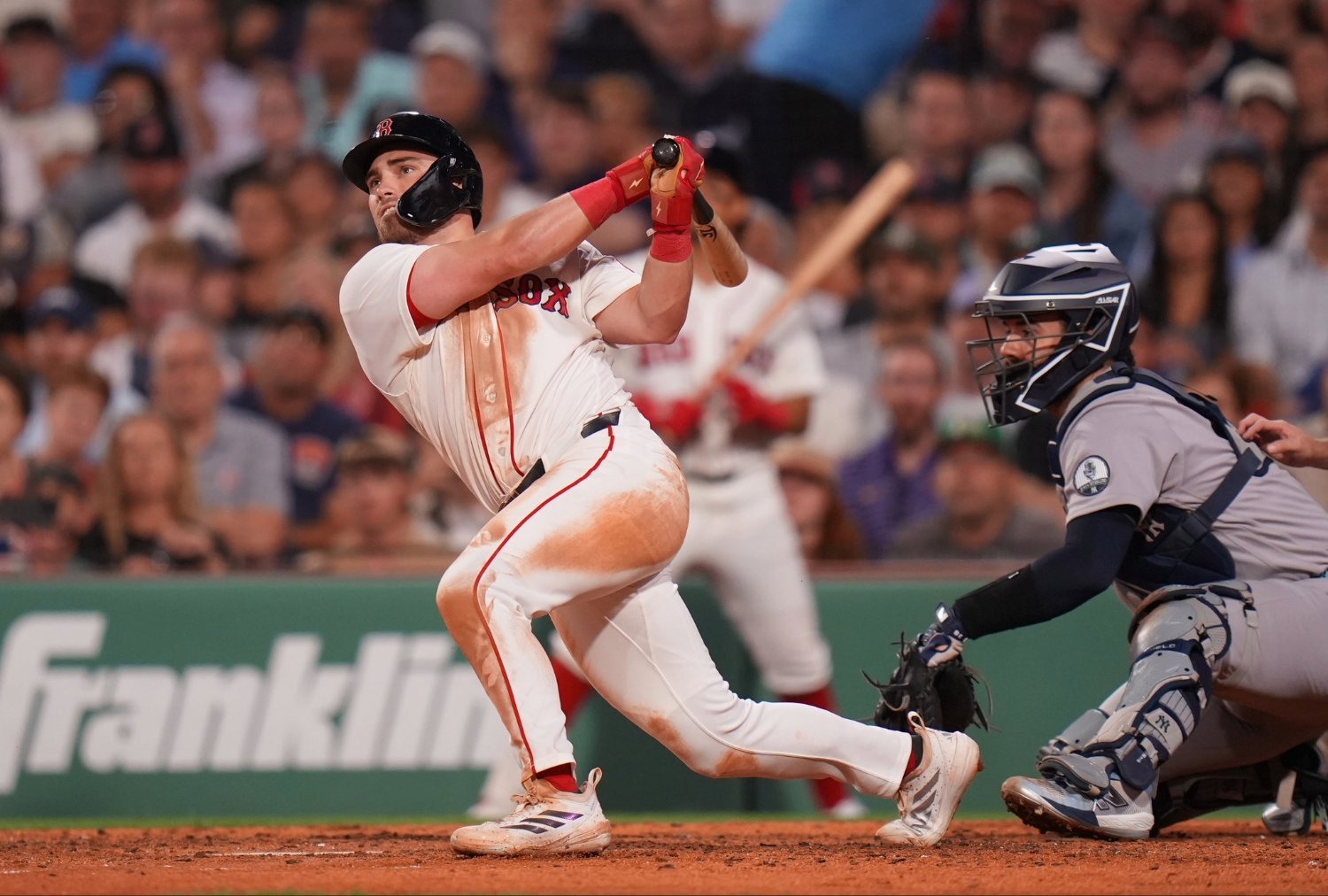 The month of June began with a whimper for the Boston Red Sox and ended with a sweep of the Yankees at Fenway Park. Talk about a month of extremes for this organization. Choosing which major-league hitters to highlight as this month’s top offensive players wasn’t overly difficult, thanks to two names who have been contributors all season and one who sought help outside the organization to fix his plate approach. Ranking Red Sox's Best Hitters in June Honorable Mention: Anthony Seigler June Stats: 13 G, 44 PA, .350/.409/.550, 9.1 BB%, 20.5 K%, 164 wRC+, 0.6 fWAR Seigler isn’t a qualified hitter for the month of June, but he’s provided a spark in the offense in the wake of Marcelo Mayer’s injury. He’s young, energetic, and gives the fans a new face to rally behind from game to game. His first big-league home run came off Gerrit Cole, so he can brag about that for the rest of his life. Honorable Mention: Connor Wong June Stats: 11 G, 34 PA, .333/.441/.444, 14.7 BB%, 17.6 K%, 150 wRC+, 0.3 fWAR Like Seigler, Wong isn’t a qualified hitter for the month of June given his playing time, but he’s proven the team was right to keep him around in a platoon catching role for the 2026 season. He finally broke his almost two-year home run drought last month and has been a pleasant surprise at the dish this season, especially considering what his 2025 production looked like. #3: Ceddanne Rafaela June Stats: 25 G, 107 PA, .288/.302/.433, 1.9 BB%, 16.8 K%, 98 wRC+, 0.7 fWAR Rafaela has been a great surprise offensively this season. Until very recently, he had become more selective with his swing decisions and, even though his walk rate for the month is fairly abysmal, he’s still been able to make solid contact and impact games in a mostly positive way. He knocked in 12 RBIs, stole four bases, and contributed two home runs during June. To this point in his career, Rafaela had been known as the guy you wanted at the plate when the game was on the line because he seemed to have a knack for coming through with the clutch hit time after time. That’s not happened really at all this season, but he’s impacting the game on a daily basis with his bat (and glove), so he can be forgiven for his drop-off in the power department. He’s third on this list, even though he was second on the team in batting average for June, because at the end of the month he began to show signs of his old, chase-happy self. That needs to stop for him to fully take the next step in his career. #2: Willson Contreras June Stats: 26 G, 105 PA, .269/.352/.581, 7.5 BB%, 28.6 K%, 152 wRC+, 0.9 fWAR Contreras has been the lifeblood of this offense, and really the team as a whole, for the entire season, but his month of June was magical to watch. He hit seven home runs, drove in 20 runs, and even stole a bag. He’s swing-happy, but we knew that when he was traded to Boston, so the high strikeout percentage isn’t anything to worry about. His walk rate has been better this year, but the thing to really be impressed with is how seamlessly he’s meshed with the Green Monster. The first baseman has made left field his best friend and has already proven to have a knack for driving baseballs onto Lansdowne Avenue. His swing is tailor-made for Fenway Park and the team would be wise to not deal him as we approach the trade deadline (unless someone is willing to go crazy to acquire him). He’s put this team on his back more than once, and once his current suspension is over, expect him to continue to show up on this list in future months. #1: Caleb Durbin June Stats: 25 G, 92 PA, .326/.359/.605, 5.4 BB%, 14.1 K%, 160 wRC+, 1.2 fWAR If there’s one thing Craig Breslow can now hang his hat on, it’s the fact that Caleb Durbin has finally turned into the player we were hoping for when he was acquired from Milwaukee before spring training began. Durbin struggled through the start of the season, pressing at the plate and hitting screamers directly into the dirt. As May turned to June, Durbin began working with an external hitting instructor and that seems to have unlocked a new gear for him; he’s solidified himself as a stable building block for the Red Sox for years to come. Durbin drove in 13 runs, knocked six homers, and stole five bases in June. He offers Gold-Glove-caliber defense at third and now that his offensive abilities are finally being showcased, he’s quickly turning into a fan favorite. He even dislocated his pinky finger at the end of the month and returned to the lineup the following game to help sweep the Yankees at Fenway. That’s the perfect way to ingratiate yourself to this fan base. View the full article
 -
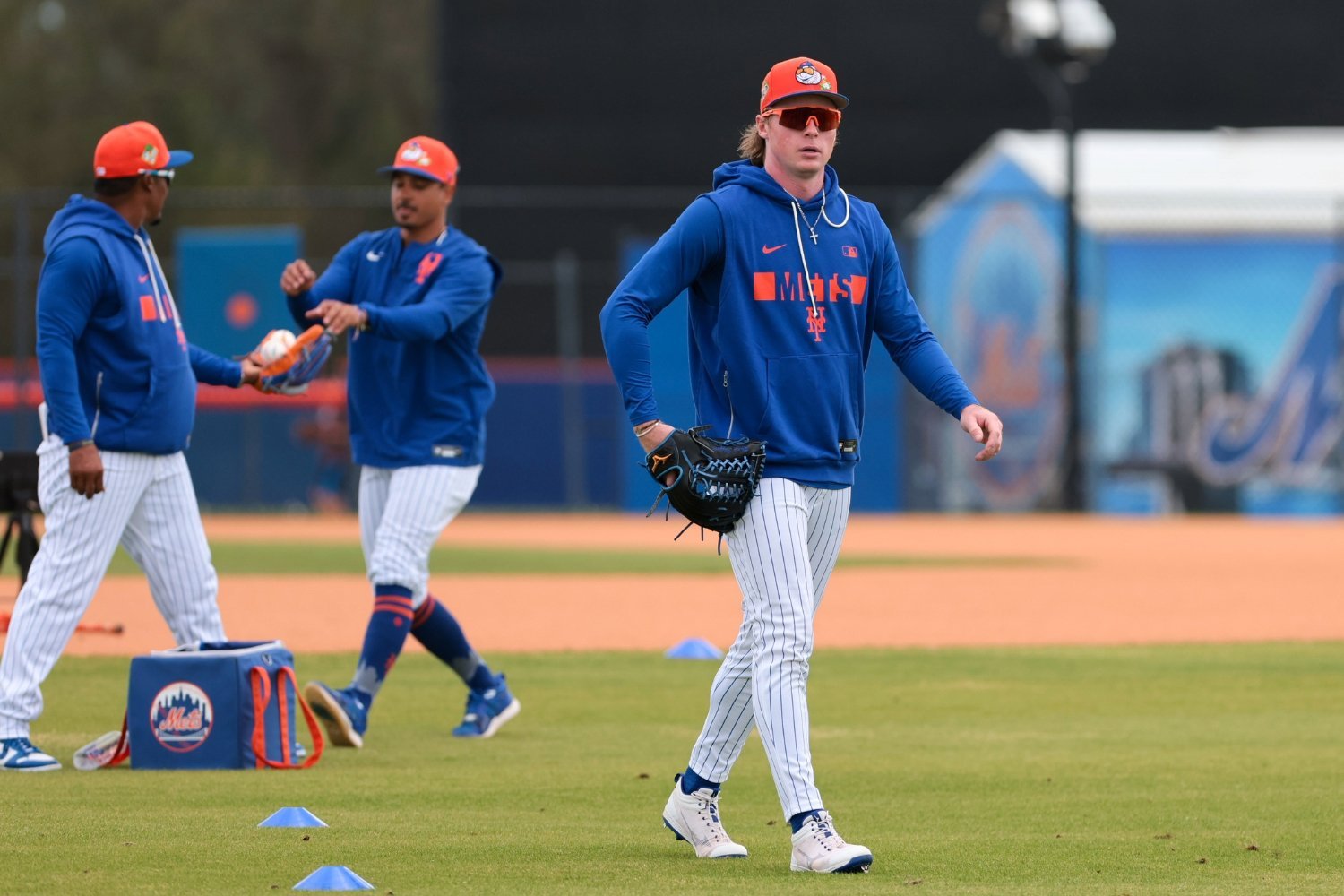 The 2026 New York Mets' month of June was one to forget. A 10-17 mark, highlighted by a seven-game losing skid that cost Carlos Mendoza his job, has the squad comfortably in the NL East's cellar. Fortunately, we can distract ourselves with an overview of the farm system, courtesy of our latest Top 20 Prospect Rankings. As you wind down your Fourth of July festivities, do your best not to let the team's struggles get you down. Eat a burger, drink a beer (if 21+) and try to find hope while searching for AC. The names below will eventually take us to the promised land (fingers crossed). Here are Grand Central Mets' updated Top 20 Prospect rankings. New additions to the list can be found in italics. New York Mets Top 20 Prospect List 1. Jonah Tong - RHP, AAA (Previously No. 2) 2. Jack Wenninger - RHP, AAA (Previously No. 4) 3. Ryan Clifford - 1B, AAA (Previously No. 5) 4. Elian Pena - SS, A (Previously No. 3) 5. Nick Morabito - CF, AAA (Previously No. 7) 6. Jacob Reimer - 3B, AA (Unchanged) 7. Mitch Voit - 2B, A+ (Previously No. 8) 8. Jonathan Santucci - LHP, AA (Previously No. 9) 9. Zach Thornton - LHP, AAA (Previously No. 11) 10. Chris Suero - C, AA (Unchanged) 11. Will Watson - RHP, AA (Previously No. 13) 12. Wandy Asigen - SS, DSL Mets (Unchanged) 13. Eli Serrano III - OF, AA (Previously No. 14) 14. Randy Guzman - OF, A (Previously No. 15) 15. Dylan Ross - RHP, AAA (Previously No. 17) 16. Ryan Lambert - RHP, AAA (Unchanged) 17. Antonio Jimenez - 3B, A (Previously No. 18) 18. R.J. Gordon - RHP, AA (Previously No. 19) 19. Jonathan Pintaro - RHP, AAA (Previously No. 20) 20. Marco Vargas - SS, AA (Previously Unranked) Six players moved up two spots in our rankings, while 12 either naturally climbed one single rung -- because of Ewing's departure -- or maintained their position. Only one player slipped down the board, and just one player pulled himself from the sea of the unranked. The lack of movement, relatively speaking, doesn't allow us to glean much. The way this season has trended, though, we're likely to see one of the higher-end prospects make, or return, to the big-leagues at some point, even if their collective June showings leave A LOT to be desired. No. 1: Jonah Tong - RHP, AAA (Syracuse) Tong, 23, was extremely unlucky in his five MLB starts in 2025, where he rocked a 7.71 ERA against a 4.31 FIP across 18 2/3 innings. His 3.60 ERA in three MLB appearances this season spits in the face of a 5.11 FIP in 10 innings. Those underlying metrics, and Tong's seven walks in those frames, proved fortuitous. He posted a 6.50 ERA and issued 10 more free passes in 18 innings at Syracuse last month. Assuming New York trades Freddy Peralta at the trade deadline, there will be an opening in the Mets' rotation for the final two months of the season. Tong would be wise to get back to form if he wants to have the opportunity to showcase himself when that time arrives. No. 2: Jack Wenninger - RHP, AAA (Syracuse) If Tong had competition for filling Peralta's potentially vacated spot in August, it'd theoretically be from Wenninger. The 24-year-old started his first Triple-A campaign with a 1.51 ERA in 33 1/3 innings, but he has not sustained that production. Over his last 32 1/3 frames, his ERA is 6.45. Overall, Wenninger's FIP (5.61, per Prospect Savant) is nearly two full runs worse than his season-long ERA of 3.84. His BB/9 (5.00) is comparable to Tong's (5.48 for Syracuse). New York would surely love to give both arms some run at season's end, but if neither can command the zone at Triple-A, it's hard to expect anything to change in the majors. No. 3: Ryan Clifford - 1B, AAA (Syracuse) Clifford recorded a .842 OPS in May, earning him a place on our MiLB Hitters of the Month list. His June OPS? An anemic .355 (yes, OPS -- his slash line, across 88 plate appearances, was .099/.207/.148). The culprit? A 40.9% strikeout percentage, up almost 12% from the prior month. Barring a drastic change, the Mets are going to have innings and at-bats for younger players after the deadline. They're not going to give any of them to Clifford if he doesn't rebound from what we'll kindly call a June swoon. No. 20: Marco Vargas - SS, AA (Binghamton) Vargas was acquired from the Miami Marlins in a 2023 trade deadline deal -- along with Ronald Hernandez -- for David Robertson. The now 21-year-old made his Double-A debut earlier this year, but has played only 26 games with the Rumble Ponies due to injury. His last appearance, as of publishing, came on May 31. One look at Vargas' Prospect Savant profile (seen above) shows he's a speedy, contact-first hitter. He has 10 triples and only six home runs in more than 1,000 MiLB plate appearances. Vargas doesn't swing at a ton of pitches, but when he does, he puts the bat on the ball. That approach, combined with his impressive speed and baserunning -- he's 12/12 on stolen base attempts this year -- could amount to something as he matures and goes through New York's system. He's a worthwhile addition to this list and could be a staple on it moving forward. View the full article
 -
Marek Houston Has Answered His Draft Day Question Marks
DiamondCentric posted an article in Twins Daily
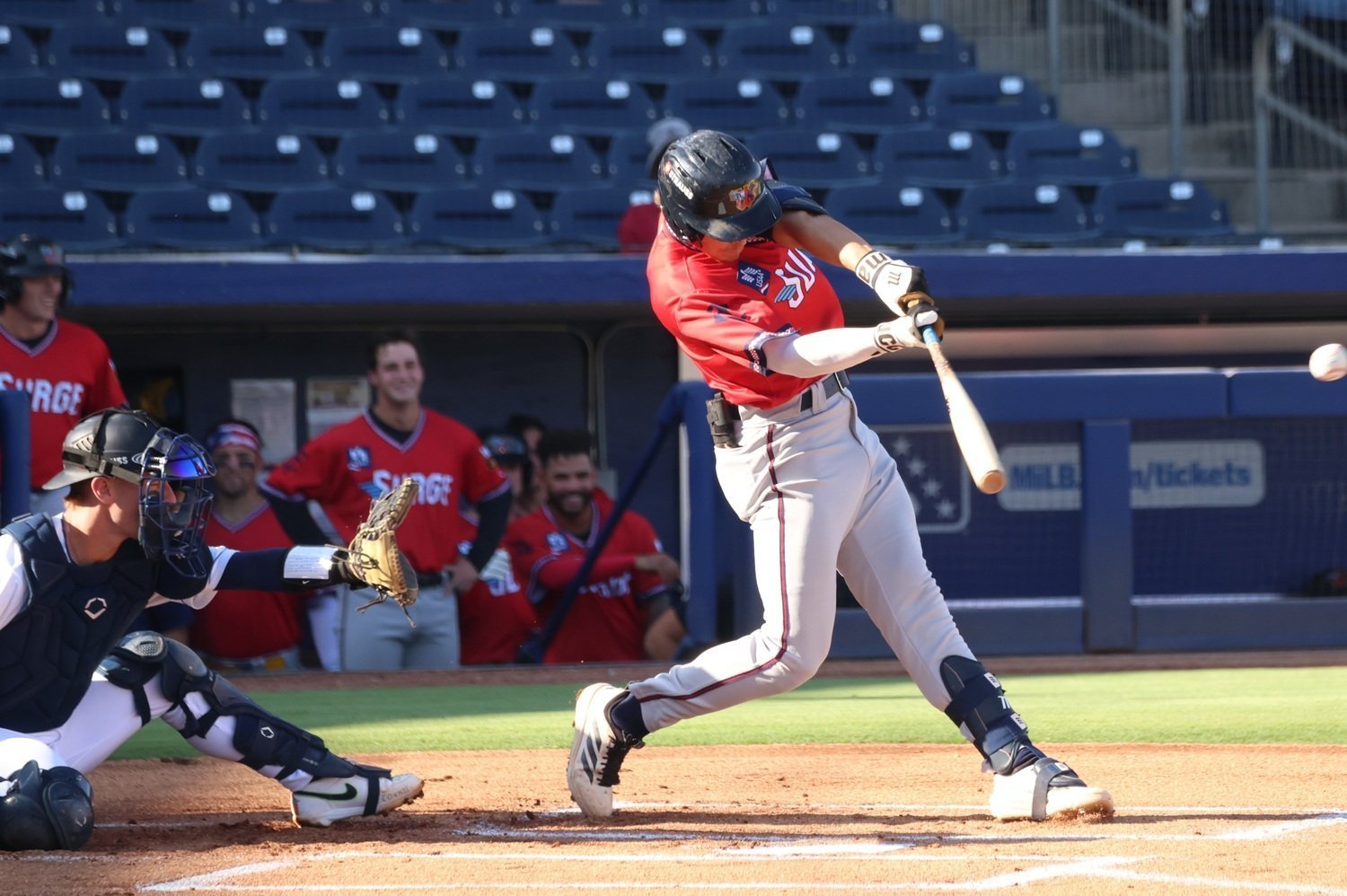 The MLB Draft is built on projection. Teams aren't drafting finished products. They're betting on what players can become. That often means scouting reports focus just as much on perceived weaknesses as standout tools, especially for first-round picks expected to climb quickly through the minors. When the Twins selected Marek Houston with the 16th overall pick in the 2025 MLB Draft, there wasn't much disagreement about his greatest strength. Houston was widely viewed as one of the best defensive shortstops in the class, with instincts, hands, and actions that projected to keep him at the position for years. The debate centered on everything else. Could he hit enough? Was the power real? Would his speed translate on the bases? If those questions weren't answered, Houston looked like a high-floor utility infielder. If they were, the Twins may have landed an everyday shortstop with impact on both sides of the ball. One year later, Houston has done exactly what every organization hopes its first-round pick will accomplish: answer questions with production. The Power Looks More Sustainable Perhaps no criticism followed Houston more closely entering the draft than concerns about his power output. Keith Law of The Athletic wrote before the draft, "The power is kind of an illusion, as Wake Forest plays in a shoebox, and 11 of Houston's 15 homers this year came at home, mostly wall-scrapers that would be doubles or outs in a typical ballpark." That concern wasn't unreasonable. Houston's offensive breakout came relatively late in his college career, leaving scouts to wonder whether the power spike was more environment than development. Instead, his offensive game has continued trending upward in professional baseball. This year, Houston has produced 15 doubles, one triple, and five home runs while reaching base nearly 40% of the time. The home run total won't jump off the page, but that's also missing the point. Houston isn't trying to become a slugger. His offensive value comes from consistently finding barrels, spraying line drives around the field, and letting the extra-base hits accumulate naturally. His 121 wRC+ suggests he's been 21% better than league average offensively, while his .391 wOBA reinforces that his production isn't simply the product of luck. The next developmental step will be seeing whether some of those doubles begin turning into home runs as he settles into Double-A during the second half. Even modest gains in game power would raise his ceiling considerably. A Surprise Weapon on the Bases MLB Pipeline questioned another aspect of Houston's athletic profile before the draft, writing that "His speed plays better in the field than it does on the bases." College production supported that opinion. Houston stole fewer than ten bases in each of his first two collegiate seasons before breaking out with a 19-for-21 campaign as a junior. His first full professional season suggests that breakout was no fluke. Houston has already stolen 28 bases in 30 attempts, including a perfect 4-for-4 since arriving in Double-A. He's on pace to comfortably eclipse 40 steals while maintaining excellent efficiency. That's become an important part of his overall offensive value. Houston isn't simply getting on base; he's consistently turning singles and walks into scoring opportunities. Combined with his elite on-base skills (11.9 BB%), his aggressiveness has added another dimension to his game that wasn't expected a year ago. The Defense Has Been Exactly as Advertised Not every draft question needs a surprising answer. Some evaluations simply prove accurate. ESPN's Kiley McDaniel called Houston "a surefire shortstop" and argued that he "might be the best collegiate defender in this draft." The Twins have treated him accordingly. Houston has started all but one of his games at shortstop, briefly appearing at second base for the first time in his career. His .964 fielding percentage only tells part of the story. He's already turned 28 double plays while posting a 3.94 RF/9 and 3.72 RF/G, both improvements over any season he posted at Wake Forest. More than the statistics, Houston passes the eye test. His internal clock, first step, and ability to make difficult plays look routine continue to stand out. The Twins have consistently emphasized athletic defenders throughout the organization, and Houston looks capable of anchoring the infield for years. That defensive foundation also lowers the pressure on his bat. He doesn't need to produce like a corner infielder to become an above-average major leaguer because his glove already carries significant value. The Contact Skills Continue to Translate When Eric Longenhagen of FanGraphs evaluated Houston on draft day, he described him as fitting "Minnesota's wheelhouse as an up-the-middle defender with good contact performance." That prediction has aged particularly well. Houston posted an 80.6 Contact% during his 24-game professional debut in 2025. Through his first full season, that number has dipped only slightly to 79.4% despite facing progressively better pitching and earning a promotion to Double-A. He’s faced older pitchers in nearly 75% of his at-bats and is over two years younger than the Texas League's average age. His CSW% has remained nearly identical, moving from 27.0% to 26.8%. Those may seem like small differences, but maintaining that level of contact while climbing the minor league ladder is encouraging. Young hitters often sacrifice contact while searching for more power or adjusting to advanced pitching. Houston has largely avoided those growing pains. His disciplined approach is reflected in his .399 on-base percentage, which continues to be one of the biggest reasons his offensive profile is trending upward. The Twins May Have Found More Than a Safe Pick It's still far too early to declare Houston a major league success. Double-A is often considered the biggest proving ground for prospects, and the adjustments he'll face over the next several months will be significant. Still, the trajectory is difficult to ignore. One year ago, Houston entered professional baseball carrying the label of a defense-first prospect whose offensive upside would determine whether he became an everyday player or a valuable utility piece. Today, he's showing the ingredients of a complete player. The power has been more than adequate. The contact skills remain strong. His on-base ability has been outstanding. He's become one of the organization's best baserunners, and his defense continues to validate the glowing scouting reports that made him a first-round pick. If Houston continues producing at Double-A throughout the second half, a promotion to Triple-A sometime in 2027 feels like a realistic next step. This would follow a similar path to Kaelen Culpepper, Minnesota’s first round pick in 2024. From there, his path to Minnesota could move quickly. Given the Twins' organizational philosophy and Houston's polished defensive game, he profiles as the type of prospect who won't need hundreds of Triple-A plate appearances before forcing the conversation. The Twins drafted Houston because they believed there was more offensive upside than many public evaluators projected. One year later, that belief looks increasingly justified. Instead of simply validating his reputation as an elite defender, Houston is developing into one of the organization's most complete prospects—and one of the fastest-rising names in baseball's minor leagues. What have the Twins learned about Houston over the last year? When will he arrive in Minnesota? Leave a comment and start the discussion. View the full article
 -
Royals Minor League Pitchers of the Month: June 2026
DiamondCentric posted an article in Royals Keep
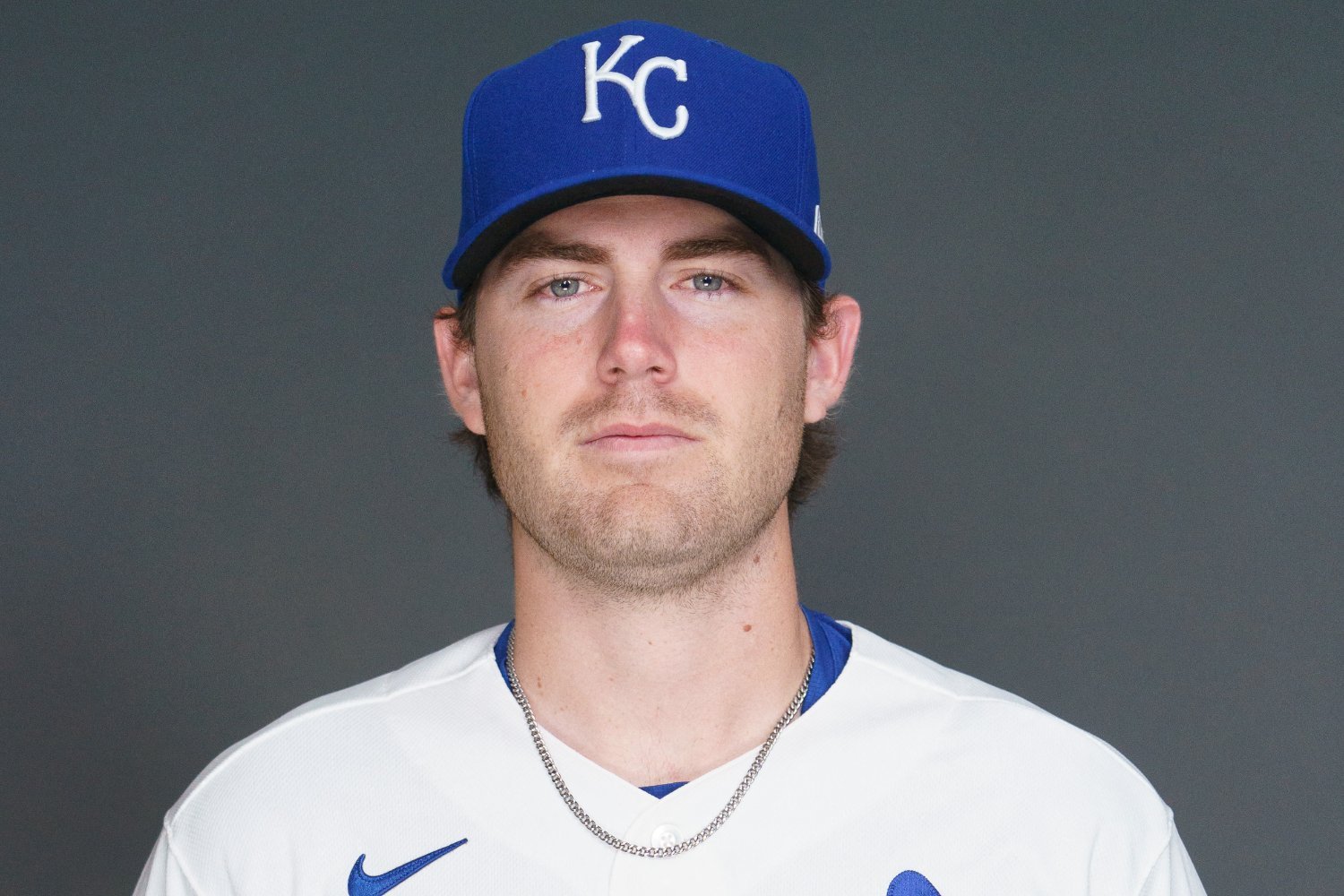 Yesterday, we talked about the top hitters in the Royals farm system in June. In this post, we highlight four pitchers, one from each Royals affiliate, who had strong performances on the mound in the past month. Identifying the pitchers was much tougher than the hitters, especially in the upper levels of the Royals farm system (i.e., Double-A and Triple-A). However, some encouraging arms emerged in June, especially in Low-A Columbia and High-A Quad Cities. Of those four, three were starters, and one was a reliever. Hence, let's break down those four top June Minor League pitching performers. Triple-A Omaha: Ryan Ramsey, LHP I talked about Ramsey as a pitcher who may deserve an opportunity to prove himself at the Major League level, especially with the Royals' pitching depth seriously challenged due to injury. While he doesn't have eye-popping stuff (97 overall TJ Stuff+), he has been efficient on the mound, especially in the past month. In four starts and 18.2 IP, the former Maryland product produced a 3.86 ERA and 1.23 WHIP. His K% was low at 17.9%, but he did generate a lot of chase in June (31% O-Swing%) and limited hard contact as well (29.6% Hard-Hit rate). His wOBA (.304) and xwOBA (.291) were also strong, as they both ranked in the 86th percentile. Those numbers seemed to make up for a mediocre FIP (4.60) and K-BB% (6.4%). I'm not sure if Ramsey is the kind of pitcher that the Royals would throw every five days. However, he could be a hybrid pitcher who could make spot starts or pitch in long relief. When he's on, he can generate swing-and-miss, as evidenced in this game from April. Ramsey, a 13th-round pick in the 2022 MLB Draft, isn't a top prospect by any means. That said, during a lost season like this one, he's the kind of arm worth giving a shot to to see what he could offer the pitching staff at the Major League level. Double-A Northwest Arkansas: Hunter Patteson, LHP A Royals Spring Training non-roster invitee, Patteson was the Naturals' best starter in June. The 2022 5th-Round pick led all Northwest Arkansas pitchers in innings pitched (28.2), and he posted a 3.14 ERA and 1.15 WHIP. Like Ramsey, he didn't strike out a ton of batters (19.6% K%), and his CSW was mediocre (22.2%). However, he generated a chase rate of 34.1%, which ranked in the 90th percentile. Patteson is a tall lefty who works efficiently, even if he doesn't have overpowering stuff. He succeeded in Columbia in 2024, posting a 3.27 ERA in 55.1 IP, and put up even stronger numbers in Quad Cities in 2025, with a 1.99 ERA in 72.1 IP. This year with the Naturals, he has an overall ERA of 4.80 in 69.1 IP. At the very least, Patteson can stay healthy and eat innings, which is valuable. The 26-year-old got some valuable work in Spring Training with the Royals this past spring as a non-roster invitee, which shows that the Royals think somewhat highly of his potential, even though he has progressed past Double-A just yet. Patteson may be more of a Daniel Lynch IV type, especially since he doesn't post gaudy strikeout numbers for a starter. I wouldn't be surprised to see Patteson not only get a promotion to Triple-A soon, but also change his role to give him a more realistic shot in the Big Leagues. High-A Quad Cities: L.P. Langevin, RHP Langevin was the only reliever of this group, but he arguably was the most dominant with a June to remember. In nine outings and 10.1 IP with the River Bandits this month, Langevin posted a 1.74 ERA and 0.87 WHIP. He also sported some ridiculous strikeout numbers, with a 55% K% and 42.5% K-BB%. Midwest League hitters struggled against Langevin in June, as the Quebec native produced a 52.1% whiff rate, a 59.6% Z-Contact%, and 40.8% CSW. A product of Louisiana-Lafayette, Langevin showed that he is not only ready for a promotion to Double-A, but he is also a possible dark horse to make the 2026 Opening Day roster. On the Royals Pipeline Podcast on the Kansas City Sports Network, Jared Perkins of Just Baseball and I interviewed him, and we were impressed by his competitive attitude and demeanor. Even though he is a pitcher, he has a hockey mindset, stemming from growing up with the game in French Canada. I believe that makeup, to go along with elite stuff, will help him become a high-leverage reliever at the Major League level in 2027 or 2028 at the latest. The only thing that could hold Langevin back is the control, as he has an 18.8% walk rate this year. He also struggled with that issue in 2025 (21.2% BB%) and in the Arizona Fall League. However, he has shown progress in June with a 12.5% walk rate, which is 6.3% lower than his season-long rate. If he continues to improve in this area, Langevin will move quickly, especially since the Royals lack premium bullpen arms currently. Low-A Columbia: Jose Gutierrez, RHP Gutierrez didn't get much buzz in the preseason because he was hit around in his Columbia debut last season. While he dominated the Arizona Complex League with a 0.99 ERA in 27.1 IP, he struggled initially with the Fireflies, posting a 5.77 ERA in 39 IP. Thus, the 23-year-old was seen as an afterthought in Columbia, especially with higher-profile pitching prospects like Kendry Chourio, Michael Lombardi, and Shane Van Dam on the staff. However, Gutierrez has been solid this year for the Fireflies in his second stint. In 16 outings and 72.1 IP this year, he has a 3.36 ERA and 1.23 WHIP with a 3.49 FIP and 17.2% K-BB%. Furthermore, the Venezuelan righty has stepped it up to another level in June. In 27.1 IP this month, he posted a 1.65 ERA and 0.77 WHIP with a 2.95 FIP and 24% K-BB%. Gutierrez was a strike machine in June with a 33.9% CSW (97th percentile), 70.3% Strike% (98th percentile), 42.2% O-Swing% (100th percentile), and 26% K% (68th percentile). He still gave up a lot of contact in the zone (86.3%), which explains why his whiff rate wasn't as impressive (27.2%, which ranked in the 43rd percentile). Still, Gutierrez was Columbia's most efficient starter in June by a significant margin. He is an older pitching prospect at 23, and he's already Rule 5 eligible. Thus, if the Royals want to promote him, they may move him to the bullpen so he could move more quickly in the Royals' system. His profile is similar to Carlos Hernandez, who also debuted in professional ball late for an international signee. Despite his age, he's a pitcher to watch out for, especially once he moves to High-A Quad Cities, which likely will happen after the July 12th MLB Draft. View the full article
 -
Have We Reached the End of the Road for Matt Wallner?
DiamondCentric posted an article in Twins Daily
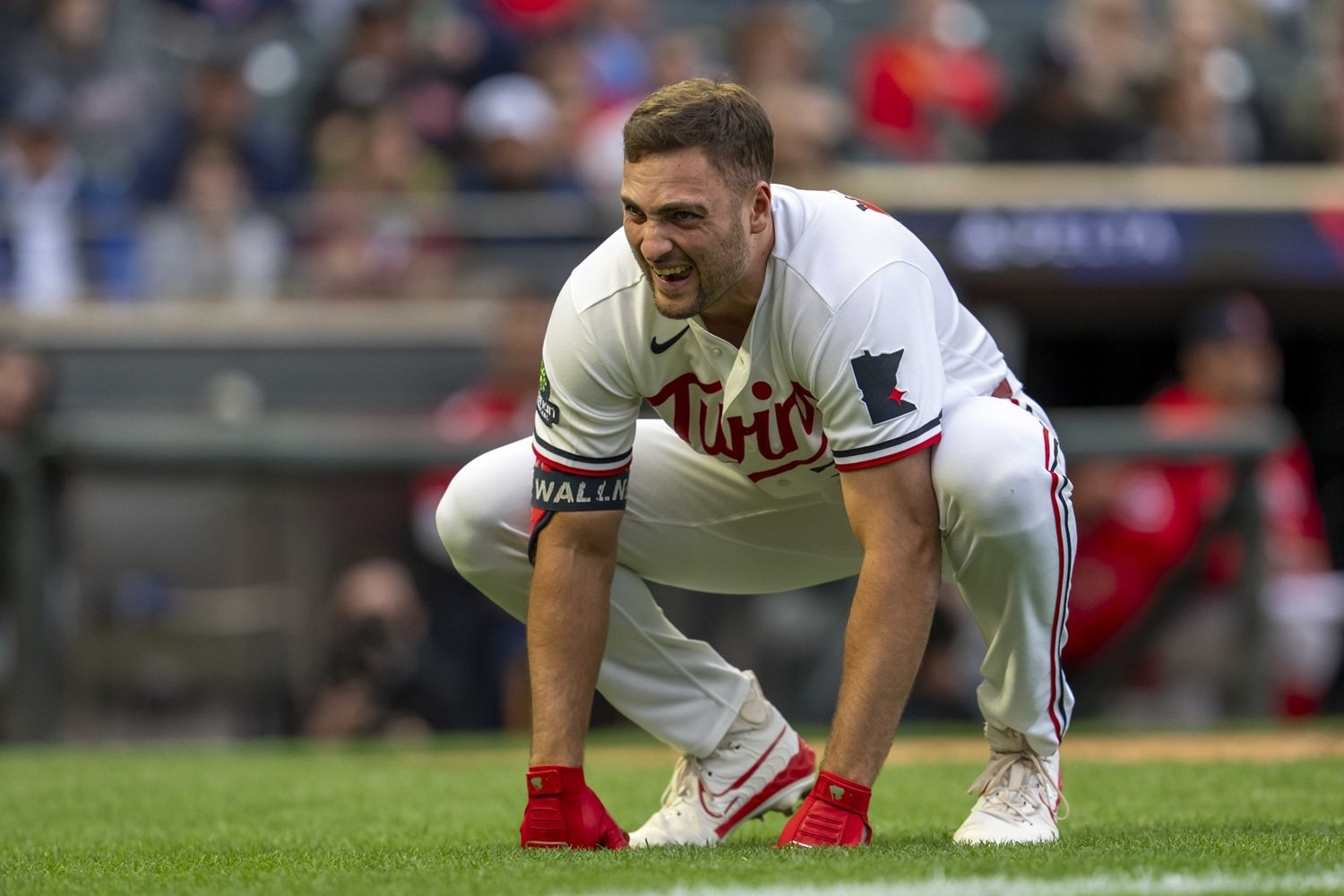 Matt Wallner has always been one of the more fascinating players in the Twins organization. The Forest Lake, Minnesota native has shown flashes of being exactly the type of hitter every team covets. He's got legitimate plus power, he can hit baseballs as hard as anybody on the roster, and when he's on, he looks like someone capable of hitting 30-plus home runs in a full season. The problem is that we've been saying the same thing for years now, and here in 2026, it feels like we're having the exact same conversation all over again. Before being demoted to Triple-A St. Paul earlier this season, Wallner was hitting just .167 with a .259 on-base percentage and a .556 OPS. He was striking out in roughly one-third of his plate appearances, he wasn't drawing walks at his usual rate, and maybe most concerning of all, he simply wasn't hitting the ball with much authority. For a power hitter, that's kind of an important part of the job description. Wallner has simply been a very poor major league hitter this season. Now, to be fair, things have looked better since returning to Triple-A. In 36 games with the St. Paul Saints, Wallner has collected 19 extra-base hits, driven in 35 runs and posted a .909 OPS. On the surface, those are exactly the kinds of numbers you'd want to see from someone trying to force his way back onto the major league roster. But even then, the underlying issues haven't really gone away. His strikeout rate at Triple-A still sits at 28%. Just for some perspective, Royce Lewis—who has also battled some strikeout issues of his own—is at a 27% clip in the major leagues. That should tell you everything you need to know. The same problems that have followed Wallner for the better part of a decade are still very much present. He struggles to consistently make contact, he doesn't put enough balls in play, he isn't getting on base enough to offset the strikeouts, and defensively, he simply doesn't provide enough value to make up for those offensive shortcomings. At some point, I think it's fair to ask how long the Twins are going to keep doing the same song and dance. Because, at least in my opinion, the Matt Wallner experiment should probably be over. Not because Wallner lacks talent–quite the opposite, actually. He's one of those players who will probably always make you believe there's another breakout just around the corner. Every time he gets hot for a couple of weeks, you're reminded why the Twins have remained patient with him for so long. Unfortunately, those stretches have always been followed by long periods where the swing-and-miss becomes overwhelming, and the production disappears. At some point, potential has to turn into consistency, and I just don't know if that's ever going to happen. The other factor working against Wallner is the current state of the Twins organization. Between Triple-A and the major league roster, the Twins have seven legitimate left-handed-hitting corner outfield options. Along with Wallner, you’ve got Trevor Larnach, Walker Jenkins, Emmanuel Rodriguez, Alan Roden, Hendry Mendez, and Kody Clemens can slide into that role when needed. Unless there's a new rule that I'm unaware of, you can't use seven corner outfielders at once. Eventually, moves are going to have to be made. The problem for Wallner is that nearly everyone else on that list feels like a better long-term investment. Jenkins, Rodriguez, and Mendez are three of the organization's highest-upside prospects, and all three should realistically be major league-ready sometime within the next year or so. Roden already looks like someone who could help a big league roster today, and all of this is without even mentioning Gabriel Gonzalez. The point is pretty straightforward: I have a hard time believing Wallner is part of the Twins' long-term outfield plans. And if that's true, why continue giving him opportunities that could instead be going to younger players who actually project to be part of the next competitive core? Even if the Twins decide to move Larnach and/or Clemens before the trade deadline, Wallner still hasn't done nearly enough to show he deserves another extended opportunity in the majors. It might sound harsh, but it's the reality of the situation. Right now, Wallner feels like someone occupying a 40-man roster spot that could eventually go to a player with a much brighter future in the organization. Nobody questions Wallner's effort, and it's always fun seeing a Minnesota kid get an opportunity with his hometown team. You want stories like that to work, and you want players like Wallner to figure it out. Like I said earlier–we've all seen what he looks like when everything clicks. The power is real, the raw talent is real. If he could make more consistent contact, we'd probably be having a completely different conversation. But after years of waiting for that adjustment to happen, it just hasn't. The highs have never lasted long enough, and the lows have remained far too frequent. At this point, I'm not even sure what kind of trade value he would have around the league. Teams know exactly what Wallner is. They see the power, but they also see everything else: the strikeouts, not getting on base, and the defensive limitations. Maybe another organization believes it can unlock something the Twins couldn't, but if that opportunity isn't there, a DFA honestly feels like the most likely outcome. I don't take any pride in saying that; I was hoping years ago that Wallner would become a fixture in the Twins' lineup. But it feels like we've reached the point where it's time for both sides to move on. Sometimes a change of scenery is exactly what a player needs, and sometimes an organization has to accept that it's time to turn the page. As unfortunate as it is, it really feels like we've reached the end of the road for Matt Wallner. What do you think? Is it time to turn the page? Or will Wallner become the next David Ortiz? Share your thoughts in the comments below. View the full article
 -
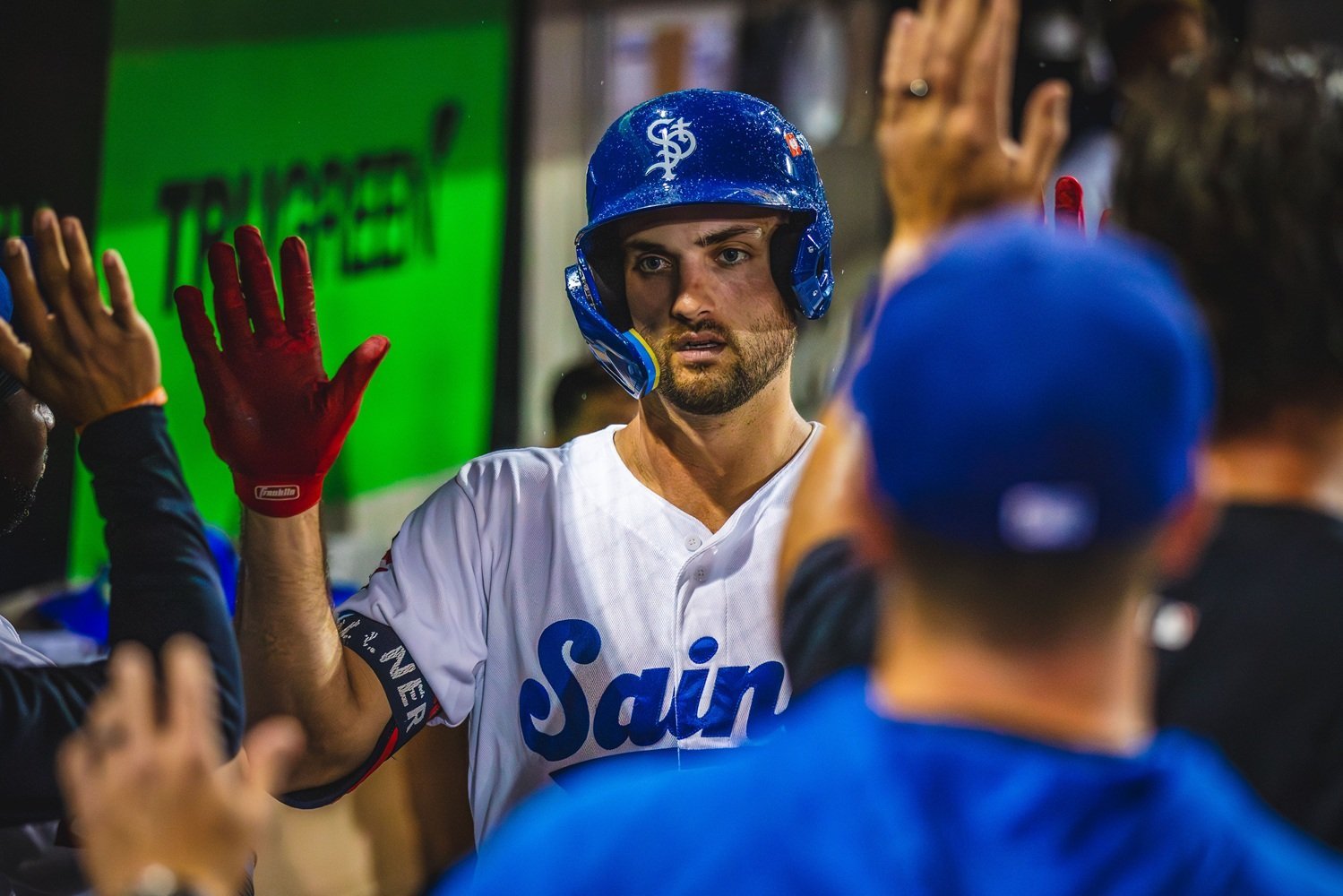 TRANSACTIONS RHP Bailey Ober had his rehab transferred to the Saints. LHP Aaron Rozek was placed on the temporary inactive list. RHP Julian Merryweather began his (second) rehab assignment with the FCL Twins. SAINTS SENTINEL St. Paul 6, Buffalo 5 Box Score On the Fourth of July, Saints batters hit some bombs off of an #OldFriend and held on until rains came and cut the game short. However, it counts as a full Win. Simeon Woods Richardson made his first start for the Bisons since being DFAd and clearing waivers last week. The Twins jumped on him right from the start. While SWR got fellow former Blue Jays prospect Alan Roden to start the game, Ryan Jeffers crushed a 1-2 splitter 105.4 mph and lined it over the fence in left center field. The bottom of the second began with a walk to Orlando Arcia and a single by Hendry Mendez. After two strikeouts, Ben Ross drove in the team’s second run with a ground-rule double. Ryan Jeffers led off the bottom of the third inning with a 97 mph double. Walker Jenkins walked, and Matt Wallner welcomed his former teammate to CHS Field by knocking the first pitch over the right-field wall for a three-run homer that made it 5-1. Orlando Arcia followed with a home run of his own to make it 6-1. Woods Richardson finished the third inning. He was charged with six runs on eight hits and two walks. He struck out four batters. On the other side of the ball, Bailey Ober was making a rehab start. Last weekend, Ober made a start in Cedar Rapids. He worked five innings and gave up four runs on six hits. He had five strikeouts without issuing a walk. 50 of his 76 pitches were strikes (66%). His four-seam fastball averaged 89.0 mph on the night. Just once, he topped 90 mph (90.1 mph). Most of his fastballs, especially after the third inning, were below 88 mph. Alejandro Hidalgo came in for the sixth inning. He gave up one run on one hit and two walks. He struck out two and earned a save. Ryan Jeffers went 2-for-3 with a double and a home run. Noah Cardenas came into the game to catch in the sixth inning. He gave up one stolen base and caught one attempting to steal. He had a throwing error, but that isn’t related to his readiness. Hendry Mendez went 2-for-3 Matt Wallner went 2-for-4 with his 14th home run and three RBI. Arcia’s homer was his 11th with the Saints. He went 1-for-2 with a walk. WIND SURGE WISDOM Wichita 2, Tulsa 10 Box Score The Wind Surge’s miserable season continued on Saturday with another lopsided loss. Sam Armstrong started the game by putting three zeroes on the board. He gave up two runs in the fourth inning. In total, he gave up two runs on three hits and a walk over four innings. He had five strikeouts. Not a bad start by any means. However, the Drillers scored in five straight innings, including three runs in both the seventh and eighth innings to make it a laugher. Wichita had just three hits and six walks to go with 14 strikeouts in the loss. Marek Houston was 1-for-3 with a walk. The only guy to really hit for Wichita has been on fire for awhile now. Andrew Cossetti went 1-for-1 with two walks, a sacrifice fly, and his 13th home run of the season. Consider that after the game on May 5th, he was hitting .131/.280/.148 (.428) with just one extra-base hit, a double. In 42 games since then, he has hit a robust .252/.407/.552 with five doubles, a triple, and 13 homers. He’s also walked 32 times. KERNELS CHRONICLE Cedar Rapids 9, Quad Cities 15 (completion of suspended game) Box Score The rain came down in Davenport on Friday night in the bottom of the fourth and the game was suspended until Saturday. Despite a lopsided 13-2 lead for Quad Cities, the teams finished this game before the regularly-scheduled game. A quick reminder that you probably didn’t want to re-read from yesterday’s article, “Quad Cities scored seven runs in the bottom of the first inning and four more in the top of the second. They had already scored two runs in the bottom of the fourth when the game was suspended with two outs. Finally, we’ll go into more detail when the game is complete. But just so you’re aware. Lefty Cesar Lares started and was charged with 11 runs (10 earned) on seven hits (including 2 homers) and three walks.” The Kernels offense put up seven runs in the five times they came to the plate in the completion of the game. Yasser Mercedes went 3-for-4 with his fifth home run since joining the Kernels. He was also hit by a pitch. Dameury Pena went 2-for-5 with a double and four RBI. Miguel Briceno was 2-for-4. Brandon Winokur added his 13th double. Brian Zeldin came into the game when play continued. There were two runners on base. Both scored and were credited to Nolan Santos. However, he worked 2 1/3 innings and gave up no additional runs on one hit, one walk, and he only had one strikeout. Christian Becerra pitched a scoreless inning, and then outfielder Graham Brown threw a perfect eighth inning. Cedar Rapids 3, Quad Cities 4 (regularly scheduled game) Box Score The Kernels tried to carry a little of their offensive momentum into the regularly scheduled game. With one out in the top of the first, Eduardo Tait singled. After a wild pitch, he scored on Jacob McCombs ninth double of the season. Adrian Bohorquez pitched a scoreless first inning, but in the second, he gave up three runs on four hits and a walk. He struck out three batters, and that was the end of his game. Yehizon Sanchez came in and faced nine batters over three perfect innings. He struck out two batters. Down 3-1, Andy Lugo led off the top of the fifth inning with a walk. Two batters and two outs later, he went to third on a double by Tait. Lugo and Tait scored on a single by McCombs to tie the game at 3-3. Adam Falinski pitched a scoreless sixth inning. However, with two outs in the bottom of the ninth, he gave up the game-winning run to take the loss. Falinski gave up one run on four hits and a walk over 1 2/3 innings. The Kernels scored their three runs on six hits and three walks. Tait went 2-for-4 with his 16th double and two runs scored. McCombs went 2-for-4 with his ninth double and three RBI. Lugo returned to the Kernels lineup and walked twice. MIGHTY MATTERS Ft. Myers 3, Clearwater 7 Box Score Hendry Chivilli started and gave up three runs on three hits and two walks in 4 1/3 innings. He had one strikeout. Callan Fang came in and gave up one run on two hits and two walks. And yes, he had two strikeouts. Dylan Questad came in for the eighth inning. He gave up three runs on three hits and two walks in 2/3 inning. Matt DesMarets came on with two on base. He walked a batter to load the bases but then got the final out without any additional runs scored. Down to 2-0 after one inning, Jayson Bass doubled to start the second frame. With one out, Quentin Young walked. Bass stole his 19th base. On the same pitch, Young went to second on a wild pitch. Byron Chourio followed with a two-run single to tie the game at 2-2. Ryan Sprock led off the top of the third inning with his 12th double. He went to third base on a fly out and scored on a JP Smith sacrifice fly to make it 3-2. Unfortunately, that was the end of the Mussels scoring runs in this game. Byron Chourio went 2-for-3. He was the lone Mussels batter with a multi-hit game. Bass’s double was his 11th, and Sprock’s double was his 12th of the season. COMPLEX CHRONICLES Game 1: FCL Twins 10, FCL Red Sox 9 Box Score This was a high-scoring, back-and-forth game with big innings and a ton of walks. The Red Sox scored five runs in the second and three runs in the sixth. The Twins scored three runs in the third, four runs in the sixth and two runs in the top of the seventh. Despite some strange pitching lines, the Twins held on in the final inning for the win. Saturday was a game for rehabbers, at least to start the day. Veteran Julian Merryweather gave up a single in an otherwise flawless first inning. Michael Carpenter came in and struggled to find the strike zone. The southpaw gave up four runs on three walks and a hit without getting an out. Billy Oldham came in to replace him with the bases loaded. He allowed all three inherited runners to score. In 1 1/3 innings, he gave up two of his own runs as well on two hits (including a homer). All four outs he got were on strikeouts. Santiago Rojas struck out four batters over 2 1/3 scoreless innings. He gave up two hits and two walks. Brad Rudis gave up three runs on two hits and a walk in one inning. He struck out two batters. Omar Montana had one of the strangest box score lines you will see. First, he was credited for blowing a save. He entered the game with the bases loaded and the Twins leading 8-6 with two outs in the eighth inning. He proceeded to walk the next three batters before getting the final out. He gave up a leadoff single in the bottom of the seventh. He got a pop out and a fly out but then issued another walk. Jack Walker came in and got a ground out to end the game and record the save. So, Omar Montano worked one inning. He gave up no runs on one hit and four walks. He received the blown save but because the Twins went ahead in the top of the seventh, he gets credit for the Win. Between 10 hits and 12 walks, eight of nine Twins hitters had at least one hit. Seven of the nine had at least one walk. Eight of nine Twins hitters reached base at least twice. Carlos Taveras reached four times. He went 2-for-3 with two walks and his first home run of the year. Jhomnardo Reyes went 3-for-5 with his fifth home run of the season. Victor Leal reached three times. He hit his fourth double and walked twice. Teilon Serrano was 0-for-2 but walked three times. Yovanny Duran walked twice. Game 2: FCL Twins 5, FCL Red Sox 2 Box Score The Twins were the home team in the second game of the day. The second game was almost completely the opposite of the first game. In Game 1, the teams combined for 19 runs on 19 hits and 22 walks. In Game 2, the teams combined for seven runs on six hits and five walks. Fortunately, the Twins accounted for five of the seven runs, and they were able to sweep the doubleheader. Melvin Rodriguez has done a nice job as a starter in his time in the Twins organization. Already 20, he has pitched a slightly different role in 2026. Saturday was just his third start in nine appearances this season. That said, he’s only worked less than two innings once. He had his best appearance of the season on Saturday. The right-hander gave up only a solo home run over five innings of work. He walked one batter and had five strikeouts. 24-year-old Jake Covey signed as a minor-league free agent one month ago. In the sixth inning, he struck out three batters, but he gave up one run on two hits. He threw three wild pitches. He had one more strikeout in a 1-2-3 seventh inning. DSL Twins 3, DSL Cardinals 5 (Suspended in fourth inning) Box Score For the second straight day, the DSL Twins had their game suspended by rain/lightning in the fourth inning. Will they finish the game? If they can before the end of the season. By the way, there was something unusual in this game, something we see in spring training once in a while. A starting pitcher will hope to go four innings in a particular start. However, in the second inning, he throws 32 pitches and only gets one out. A reliever can come in for him, but that starter can come back in the next half inning to get his work in, in preparation for the season. I had never seen that in a regular-season game, and certainly we never will see it in the big leagues. My assumption is we won’t see it in a full-season league, but in this game, it happened. Juan Collado started for the Twins. He had a regular first inning. In the second inning, he had three walks. With two outs, he gave up a two-run single. Jesus Moreno came in, and after a run-scoring single, recorded the final out of the inning. Collado re-entered the game in the third inning and went 1-2-3. He went out for the fourth inning but allowed two runs before being replaced by Alam Soriano with two outs in the fourth. He threw two pitches before the lightning got too close for comfort. My assumption is that, even in the DSL, there is probably a once-per-game type of rule so that teams aren’t taking too much advantage of it. Jhon Gonzalez had both of the Twins hits. In the bottom of the first inning, Jendy Martinez led off with a double. He stole second base, his 10th of the season. Daiyer Barboza then reached on another error which allowed Martinez to score. Gonzalez followed with a single. Luis Duarte reached on a fielder’s choice that allowed Barboza to score. There was another error on the play. After the second out, Enmanuel Merlo reached on an error. The Twins added another run in the third frame. Gonzalez singled. Luis Duarte then reached on an error that allowed Gonzalez to score from first base. Should they continue the game at a later date, you might read some of this a second time. I just thought there was enough that I found interesting in 1/3 of a game to write about. PLAYERS OF THE DAY Hitter(s) of the Day Ryan Jeffers (St. Paul): 2-for-3, 2B(1), HR(1), 2 R, 1 RBI Matt Wallner (St. Paul): 2-for-4, HR(14), R, 3 RBI, K Yasser Mercedes (Cedar Rapids): 3-for-4, HBP, HR(5), 3 R, RBI, K, Game 2: 1-for-3, K, SB(22), CS(2) Jhomnardo Reyes (FCL Twins): 3-for-5, HR(5), 2 R, 2 RBI, K Carlos Taveras (FCL Twins): 2-for-3, 2 BB, HR(1), 2 R, 2 RBI. Pitcher(s) of the Day Melvin Rodriguez (FCL Twins): 5 IP, 1 H, 1 R, 1 BB, 5 K, 60 pitches, 39 strikes (65.0%) Yehizon Sanchez (Cedar Rapids): 3 IP, 0 H, 0 R, 0 BB, 2 K, 35 pitches, 20 strikes (57.1%) PROSPECT SUMMARY Check out the Prospect Tracker for much more on our Twins Top 20 prospects after seeing how they did today. #1 - OF Walker Jenkins (St. Paul) - 0-for-3, BB, R, K (batted third, played CF) #4 - C Eduardo Tait (Cedar Rapids) - Game 1: 1-for-5, R, K (batted third, played catcher), Game 2: 2-for-4, 2B(16), 2 R, 2 K (batted second, DHd). #5 - SS Marek Houston (Wichita) - 1-for-3, BB, 2 K (batted second, played SS) #9 - OF Hendry Mendez (St. Paul) - 2-for-3, (batted sixth, played LF) #12 - 3B/CF Brandon Winokur (Cedar Rapids) - 1-for-2, 2B(13), R (batted first, played 3B) , Game 2: 0-for-4, 3 K (batted first, played SS) #13 - C/OF Khadim Diaw (Wichita) - 0-for-4, 2 K (batted third, played catcher) #14 - 3B/SS Quentin Young (Ft. Myers) - 0-for-3, BB, R, 3 K (batted sixth, played SS) #18 - OF Yasser Mercedes (Cedar Rapids) - 3-for-4, HBP, HR(5), 3 R, RBI, K (batted fifth, played RF), Game 2: 1-for-3, K, SB(22), CS(2) (batted sixth, played RF) #19 - 1B/3B Billy Amick (Wichita) - 0-for-3, BB, 2 K (batted fourth, played 3B) #20 - 2B/SS/CF Kyle DeBarge (Wichita) - 0-for-4, K (batted sixth, played 2B) UPCOMING PROBABLES Sunday, July 5 Buffalo @ St. Paul (2:07 pm CT) - RHP Ty Langenberg (3-2, 4.76 ERA) Tulsa @ Wichita (6:05 pm CT) - RHP Cory Lewis (0-2, 3.82 ERA) Cedar Rapids @ Quad Cities (1:00 pm CT) - RHP Michael Ross (5-3, 7.07 ERA) Ft. Myers @ Clearwater (11:00 am CT) - RHP Justin Mitrovich (1-2, 2.38 ERA) CURRENT W-L Records Minnesota Twins: 43-47 St. Paul Saints: 48-36 Wichita Wind Surge: 26-52 Cedar Rapids Kernels: 33-44 Fort Myers Mighty Mussels: 45-33 FCL Twins: 26-20 DSL Twins: 6-16 Please feel free to ask questions about the teams, the rosters, and discuss today’s games, or anything else Twins minor-league related! View the full article
 -
 It was a Fourth of July sweep for the top four San Diego Padres affiliates as the Triple-A El Paso Chihuahuas turned back Sacramento 8-6, the Double-A San Antonio Missions cruised past Amarillo 8-1, the High-A Fort Wayne TinCaps survived a 14-inning affair against Great Lakes 13-12 and the Low-A Lake Elsinore Storm rolled past Stockton 11-1. Padres Minor-League Transactions RHP Eric Yost assigned to El Paso Chihuahuas from San Antonio Missions. El Paso Chihuahuas activated RHP Daison Acosta from the 60-day injured list. RHP Landry Jurecka assigned to San Antonio Missions from ACL Padres. Chihuahuas Capitalize On River Cats' Miscues For Victory Luis Rengifo drove in a pair runs and scored twice without having a hit as offense only had three hits and took advantage of four errors, while the bullpen turned in a strong effort as the host Triple-A El Paso Chihuahuas stopped the Sacramento River Cats 8-6. The Chihuahuas also walked seven times. The Chihuahuas jumped out to a 4-0 lead after the first two innings on a Carlos Rodriguez RBI single and Nick Solak run-scoring double-play grounder in the first and Anthony Vilar's sacrifice fly and Rengifo's RBI groundout in the second. The River Cats came back with a five-spot in the top of the fourth, but the Chihuahuas took control back with a five-run bottom of the fourth. After three walks opened the inning, Rengifo reached via error for the second time in the game to plate two runs to retake the lead, while an errant pickoff throw brought in another and an error on a stolen base attempt brought in the final Chihuahuas run. Right-hander Eric Yost made his Triple-A debut for the Chihuahuas with 3⅓ innings. After three scoreless, the River Cats got five off Yost in the fourth, finishing by allowing seven hits and three walks with three strikeouts. From there, the bullpen was on its game. Right-hander Misael Tamarez went 2⅔ scoreless, right-hander Ty Adcock allowed a run in the seventh, right-hander Michael Flynn had a scoreless eighth and right-hander Justin Yeager finished with a scoreless ninth. EP_0704.mp4 Player AB R H RBI BB K Luis Rengifo 4 2 0 2 0 0 Mason McCoy 3 1 1 0 1 0 Carlos Rodríguez 3 0 1 1 1 0 Nick Solak 4 0 0 0 0 0 Marcos Castañon 4 0 0 0 0 0 Bryce Johnson 4 1 1 0 0 1 Nick Pratto 2 2 0 0 2 2 Nate Mondou 2 1 0 0 2 1 Anthony Vilar 1 1 0 1 1 1 Player IP H R ER BB K HR Eric Yost 3 1/3 7 5 5 3 3 0 Misael Tamarez 2 2/3 2 0 0 0 1 0 Ty Adcock 1 1 1 1 0 0 1 Michael Flynn 1 1 0 0 0 1 0 Justin Yeager 1 1 0 0 0 1 0 Stellar Pitching, Kai Roberts' 3-Run Blast Carry Missions To Win Kai Roberts hit a three-run homer as part of a six-run second inning, Braedon Karpatios also homered and five pitchers combined on a four-hitter as the host Double-A San Antonio Missions strolled to an 8-1 triumph over the Amarillo Sod Poodles. Right-hander Francis Pena started a bullpen game for the Missions, his first start in his five-year career, giving up just one hit and facing the minimum in three scoreless innings with no walks and three strikeouts. Right-hander Landry Jurecka, an 18th-round draft choice making his Double-A debut after coming up from the Arizona Complex League before the game, also went three innings, allowing a run on two hits with a walk and three punchouts. He had never pitched above Low-A Lake Elsinore before Saturday. From there, it was one inning each for right-hander Tucker Musgrove, Padres Mission's No. 12 prospect who walked two and struck out two, right-hander Clay Edmondson and right-hander Garrett Hawkins, Padres Mission's No. 17 prospect who fanned two in a perfect ninth. Karpathios, Padres Mission's No. 9 prospect, had two hits, an RBI and two runs scored, while Albert Fabian also went 2-for-4, including a triple, with two RBIs and a run scored. After Karpathios singled with one out in the second inning and an error, Fabian's first triple of the season brought in both runners. Two hit by pitches loaded the bases, the Ethan Salas, Padres Mission's No. 1 prospect, had a sacrifice fly before Roberts mashed his second homer of the season, a three-run opposite-field shot off the left-field foul pole, for a 6-0 lead. The Missions hit for a team cycle in the second. Karpathios led off the third with his seventh homer of the season and Wyatt Hoffman drove in the eighth run with a single to center. SA_0704.mp4 Player AB R H RBI BB K Ethan Salas 4 0 1 1 0 0 Kai Roberts 5 1 1 3 0 1 Tirso Ornelas 4 0 1 0 0 2 Jake Cunningham 4 0 0 0 0 1 Braedon Karpathios 4 2 2 1 0 0 Ryan Jackson 4 1 0 0 0 2 Albert Fabian 4 1 2 2 0 1 Francisco Acuna 2 2 1 0 1 0 Wyatt Hoffman 2 1 1 1 0 1 Player IP H R ER BB K HR Francis Peña 3 1 0 0 0 3 0 Landry Jurecka 3 2 1 1 1 3 0 Tucker Musgrove 1 1 0 0 2 2 0 Clay Edmondson 1 0 0 0 1 0 0 Garrett Hawkins 1 0 0 0 0 2 0 TinCaps Provide Plenty Of Fireworks In 14-Inning Walk-Off With their largest crowd of the season awaiting a Fourth of July fireworks show, the High-A Fort Wayne TinCaps provided plenty of on-field sparklers before Kasen Wells' RBI single with one out in the 14th inning provided the walk-off in a 13-12 win over the Great Lakes Loons. Each team scored in each of the five extra innings: one in the 10th, two in the 11th, one in the 12th and two in the 13th before the TinCaps got a pair in the 14th to the Loons' one. Ryan Wideman, Padres Mission's No. 4 prospect, went 3-for-6 and scored twice, Kavares Tears homered, drove in four and scored three, Luke Cantwell homered and drove in three, Kerrington Cross had a pinch-hit two-run homer and Jack Costello also homered for the TinCaps. Cross' pinch-hit two-run homer came leading off the bottom of the 13th to tie it 11-11 for his second homer since being promoted to Fort Wayne and 13th overall. Tears drove in four runs for the second time in three games by hitting his third home run in that span, a two-run shot in the eighth that tied the game 5-5, drawing a bases-loaded walk in the 12th to again tie the game 9-9 and singling home the first run of the 14th to tie it 12-12. The 14th featured a wild pitch, a hit by pitch, Tears' RBI single, another hit by pitch to load the bases and Wells' line single to right to bring home Alex McCoy, Padres Mission's No. 14 prospect. FW1_0704.mp4 FW2_0704.mp4 Player AB R H RBI BB K Ryan Wideman 6 2 3 0 1 0 Justin DeCriscio 6 1 2 0 0 1 Jack Costello 6 2 1 1 1 0 Alex McCoy 6 1 2 0 0 2 Kavares Tears 5 3 2 4 2 2 Lamar King Jr. 6 0 0 0 0 2 Luke Cantwell 5 1 2 3 0 0 Kasen Wells 2 2 1 1 0 1 Zach Evans 4 0 0 0 1 1 Kerrington Cross 1 1 1 2 0 0 Oswaldo Linares 3 0 0 0 0 0 Rosman Verdugo 2 0 1 1 1 1 Player IP H R ER BB K HR Bryan Balzer 3 2/3 4 3 1 1 6 0 Javier Chacon 2 2 0 0 2 2 0 Ryan Och 2 1/3 4 2 2 0 2 0 Igor Gil 2 3 1 1 2 5 0 Nick Falter 3 4 5 2 3 1 1 C.J. Widger 1 0 1 0 0 0 0 Tyler Schmitt Shines, Storm Offense Erupts For 2 5-Run Innings Right-handed starter Tyler Schmitt allowed just two hits over five innings, while Conner Westenburg doubled twice and drove in five runs as the Low-A Lake Elsinore Storm exploded like a firecracker for an 11-1 win over the Stockton Ports. The Storm had back-to-back five-run innings in the fourth and fifth. Schmitt allowed just a run while walking three and striking out six. Right-hander Jeferson Villabona, in his fourth Storm appearance following a demotion from Fort Wayne, went a season-high three innings, not allowing a run or a hit while punching out three to drop his ERA to 0.96 with the Storm. Dawson Willis (two steals) and George Bilecki each had two hits, an RBI and two runs scored, while Yoiber Ocopio had a pair of hits and scored once. Jose Verdugo scored three times on a walk and a single. Bilecki, who also doubled twice, walked once as he reached base three times. LE_0704.mp4 Player AB R H RBI BB K Yimy Tovar 5 1 1 0 0 1 Yoiber Ocopio 4 1 2 0 1 2 Dawson Willis 5 2 2 1 0 1 Bradley Frye 4 1 1 0 1 0 George Bilecki 3 2 2 1 1 0 Jose Verdugo 2 3 1 0 1 0 Truitt Madonna 2 1 0 0 1 2 Conner Westenburg 3 0 2 5 0 0 Qrey Lott 2 0 0 0 1 2 Player IP H R ER BB K HR Tyler Schmitt 5 2 1 1 3 6 0 Jeferson Villabona 3 0 0 0 0 3 0 Brandon Langley 1 1 0 0 2 1 0 Padres Mission's Top 20 Prospect Performance Ethan Salas: 1-for-4 Kash Mayfield: DNP Miguel Mendez: DNP Ryan Wideman: 3-for-6 Kruz Schoolcraft: DNP Jorge Quintana: DNP Ty Harvey: On injured list Kale Fountain: Injured, out for season Braedon Karpathios: 2-for-4, HR Jagger Haynes: DNP Lamar King Jr.: 0-for-6, 2 K Tucker Musgrove: 1 IP, 1 H, 0 R, 0 ER, 2 BB, 2 K Truitt Madonna: 0-for-2, 2 K Alex McCoy: 2-for-6, 2 K Jesus Castro: DNP Rosman Verdugo: 1-for-2, 1 K Garrett Hawkins: 1 IP, 0 H, 0 R, 0 ER, 0 BB, 2 K Eric Yost: 3⅓ IP, 7 H, 5 R, 5 ER, 3 BB, 3 K Michael Salina: DNP Winyer Chourio: DNP View the full article
 -
It was a very special day for Otto Lopez. After finding out he was named to the 2026 National League All-Star team, he simply did what he's done all season long. Get hits. His third inning two-run bomb put the Marlins ahead 3-0, and he tacked on another XBH in the 5th with an RBI double. He added a single in the 9th to finish the game with 3 hits. Lopez now has 38 multi-hit games this season, pacing all of major league baseball. He is also tied with Rafael Devers for the most doubles with 24. After Saturday's 3 hit performance, his average is up to .341 which again, leads all of baseball. The man who was once DFA'd twice in a season has now blossomed into a star. Rookie catcher Joe Mack who led off the Marlins' scoring in the third with a solo homer. It was Mack's 7th of the season, and he continues to prove why the organization is so high on him. Kyle Stowers' two run shot in the 7th was his third home run of the series and made the score 6-0, essentially putting the game on ice. Xavier Edwards added an RBI single in the 9th. The Athletics were quiet all game, never posing much of a threat. Aaron Civale started on the mound but gave up 4 earned runs in 4.2 innings. Kade Morris pitched the last 3 innings of the game and gave up 3 earned. The A's scored on a Jeff McNeil sac fly in the 7th, but by that time the game was all but out of reach. They'd tack on one run in the 9th on a Otto Lopez error with Tyler Zuber on the mound. Final score 7-2 The Marlins' bats have been on fire in this ballpark, scoring 19 runs in the first two games. Sandy Alcantara finished the month of June 6-0 in 6 starts and his first start of July was brilliant. He scattered 6 hits across 87 innings while walking just 1 and striking out 8. He was in control the entire game. This was a vintage, classic start from El Caballo. "Everything was working tonight" he said. "Tonight, I think was my best night because all the pitches were working" The Marlins improve to 48-42 and have visions of competing. Sandy emphazized how this Marlins team is unified. "Everybody is doing their part, the way we've been fighting together is amazing." The Marlins have won the series and will be looking for the sweep tommorrow. First pitch is scheduled for 1:30. View the full article
