


DiamondCentric
-
Posts
2,631 -
Joined
-
Last visited
Never
Content Type
Profiles
Forums
Events
News
Tutorials & Help
Major League Baseball Videos
Guides & Resources
Store
Downloads
Gallery
Everything posted by DiamondCentric
-
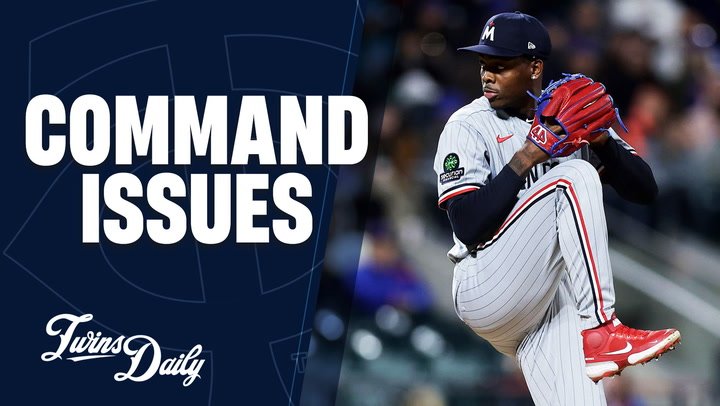 Left-hander Kendry Rojas has struggled with command to begin his major league career, and it's starting to seem like a serious issue the Twins will have to correct. View the full article
 -
 The Chicago Cubs rotation continues to be plagued by injuries. Could a trade to add be in store sooner rather than later? What should we make of Ben Brown starting? Listen on Apple Podcasts: https://podcasts.apple.com/us/podcast/the-north-side-baseball-podcast/id1798599313 Listen on Spotify: https://open.spotify.com/show/75wMGhBwlrDDYPt3kaF453 Listen on iHeartRadio: https://www.iheart.com/podcast/263-the-north-side-baseball-po-268998437/ Listen on Pocket Casts: https://pca.st/eey7h6ih Watch on YouTube: https://www.youtube.com/@northsidebaseball View the full article
 -

Brice Turang Is The Best Second Baseman In Baseball
DiamondCentric posted an article in Brewer Fanatic
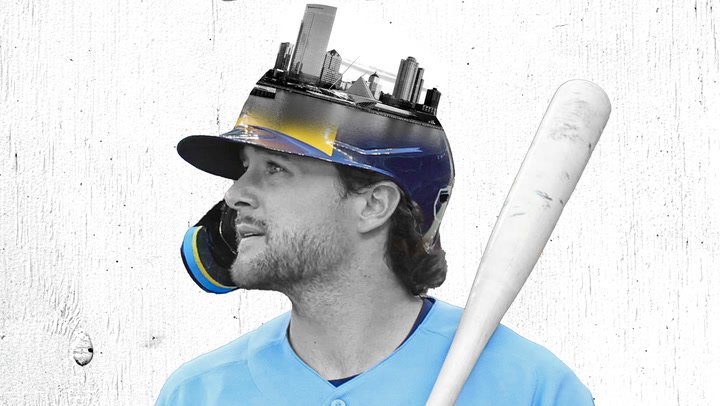 Brice Turang hasn't just been the best second baseman in baseball this season, and since most of last season, over guys like Ketel Marte and Nico Hoerner. He's been one of the game's best position players, tied with $800 million man Juan Soto and others. His argument might not be only the best at his position, but how good can he be among all of Major League Baseball. View the full article
 -
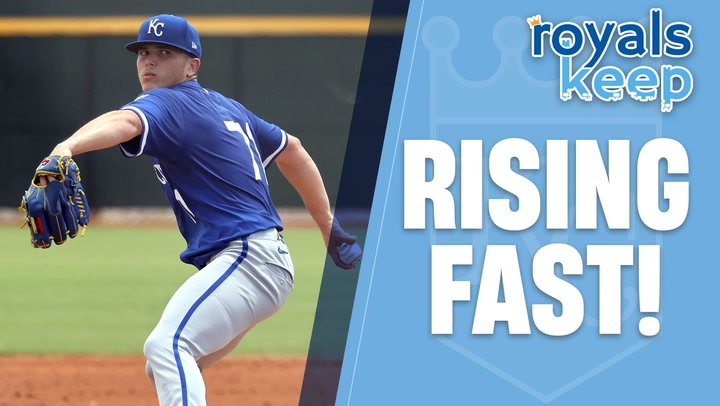 The Kansas City Royals have a promising nucleus of prospects forming in the lower ranks. In this video, we'll break down Kendry Chourio's sharp three-pitch mix, Ramon Ramirez's rocket arm/superb power combo and the lively right arm of former swiss army knife Michael Lombardi.View the full article
 -
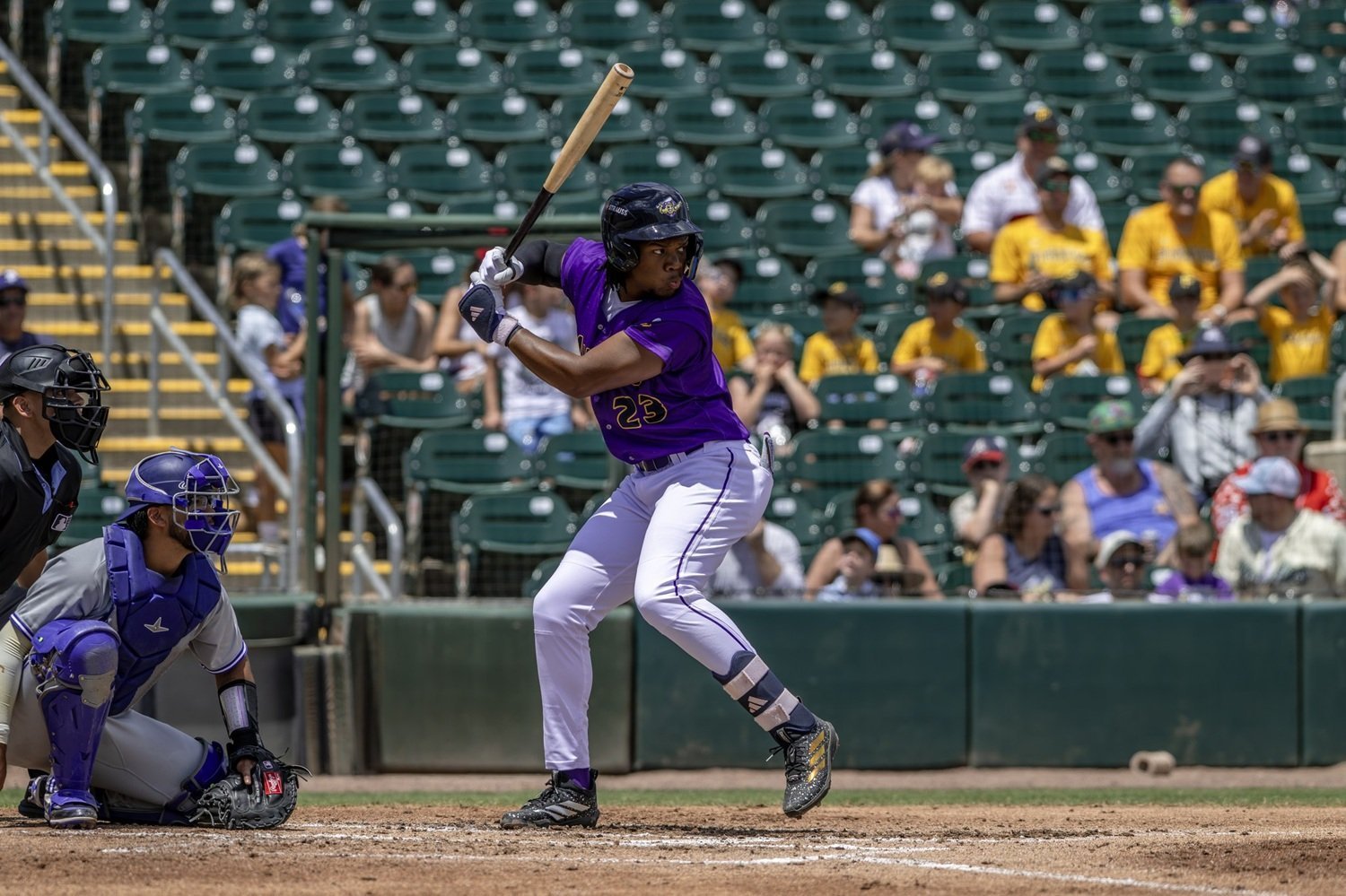 TRANSACTIONS After the Minnesota Twins recalled RHP Travis Adams and LHP Kendry Rojas from Triple-A over the weekend, the St. Paul Saints activated LHP Kody Funderburk and received LHP Aaron Rozek from the Wichita Wind Surge. UT Harry Genth was sent back to Fort Myers after his week in Vegas with the Saints. To take Rozek’s spot on Wichita’s pitching staff, RHP Eli Jones was promoted from the Cedar Rapids Kernels. The Kernels received reinforcements in the form of OF Yasser Mercedes from the Fort Myers Mighty Mussels and RHP Miguelangel Boadas from the injured list. LHP Garrett Horn was sent on a rehab assignment with the FCL Twins. Fort Myers was assigned free agent signee UT Quinn McDaniel. In the FCL, the Twins were assigned free agent signee LHP Jack Walker. SAINTS SENTINEL Columbus 5, St. Paul 10 Box Score After a one-two-three top of the first inning from starting pitcher John Klein, this is how a red-hot St. Paul Saints lineup started this one in the bottom half. Single. Double. Single. Walk. Single. Single. Forceout. Home run. Strikeout. Walk. Walk. Single. Strikeout. By the time it was over they had sent 13 men to the plate and were up 8-0. The home run came from Alex Jackson, his seventh of the season. Klein cruised through his three innings, needing just 40 pitches (27 for strikes) and allowing his only run on a solo homer. He struck out five. Marco Raya went the next two scoreless innings and picked up the win. He gave up one hit and struck out one. The Saints added two more runs in the bottom of the seventh thanks to a sac fly from Kaelen Culpepper, and a run-scoring balk. The bullpen trio of Raui Brito (1 IP, 2 H, 2 ER, BB, 3 K), Grant Hartwig (2 IP, H, 3 K), and Drew Smith (1 IP, 3 H, 3 ER, BB, 2 K) held off the Clippers over the final four innings. The Saints got multiple hits from Kyler Fedko (3-for-5, R, 2B, RBI, K), Orlando Arcia (2-for-5, R, 2B, 2 RBI), Hendry Mendez (2-for-4, BB), Jackson (2-for-4, 2 R, HR, 3 RBI), and Ben Ross (2-for-3, BB, K, SB). Aaron Sabato went 0-for-3 but drew two walks, scored two runs, and added an RBI. WIND SURGE WISDOM Wichita 3, San Antonio 8 Box Score The Missions jumped all over Wind Surge starting pitcher Jose Olivares and never looked back in this one. Two batters in a home run made it 2-0 visitors, and five men after that a pair of other homers made it 6-0 before Wichita could get their bullpen active. Olivares was only able to record two outs, and was charged with those six earned runs on six hits and a walk. He struck out one. Spencer Bengard gave up a two-run homer of his own in the second, and those eight Missions runs were more than they would need the rest of the way. Bengard was charged with two earned runs on two hits and a walk in his 1 1/3 innings. The rest of the bullpen did a fine job finishing off their final six innings, as Darren Bowen (3 IP, 2 K), Luis Quinones (1 2/3 IP, 3 BB, 4 K), and Kyle Bischoff (1 1/3 IP, 2 K) held them hitless the rest of the way. Wichita scored all three of their runs in the top of sixth. Maddux Houghton led off with a double, then Garrett Spain and Kyle DeBarge drew walks to load the bases. After a pair of strikeouts Jake Rucker drew another walk to bring in their first run of the game, before Caleb Roberts lined a single into center to score two. It was Roberts first game with the Wind Surge. That was it for the Wichita offense as they had just four hits on the game, finished 1-for-4 with runners in scoring position, and left only five men on base. KERNELS NUGGETS Fort Wayne 2, Cedar Rapids 3 Box Score Early season standout pitching prospect Riley Quick took the mound for the Kernels on Tuesday night, making his third start in the Midwest League. It didn’t take long for fans and viewers alike to realize something wasn’t quite right. From his first pitch Quick had trouble finding the strikezone, as he walked two of the first three hitters of the game. Although they caught a runner stealing and he struck out the other two in the first, it took him 24 total pitches. In the top of the second TinCaps took a 1-0 lead after a pair of doubles to start the inning, and eagle-eyed fans (or me watching on MiLB.TV) were probably noticing at this point that Quick was paying a lot of attention to his pitching hand while out on the mound. He picked up another strikeout on a 96 MPH fastball at the top of the zone, but that was followed by a pair of uncompetitive walks before the pitching coach and trainers came out to check on him. After 46 pitches, with only 21 going for strikes (46%), Quick exited the game while the Kernels had nobody getting loose in the bullpen. I’d guess he was dealing with something like a blister that just didn’t allow him to pitch the way he wanted to. Bummer. He finished just 1 2/3 innings, allowing one earned run on two hits and four walks, while striking out three. Christian Becerra took all the time he needed to warm up, and got the final out of the inning after walking the first man he faced. Jason Doktorczyzk, originally scheduled to piggy-back Quick’s outing, came on to start the third inning and went the next five frames, holding down the TinCaps. He was charged with a lone run from a solo homer, walked one, and struck out three. With the score in favor of Fort Way 2-0 in the bottom of the fourth, the Kernels finally got on the scoreboard after Yasser Mercedes led off the inning with a walk. He proceeded to steal second and third base, before Rayne Doncon brought him in with an RBI single to pull within one. The score remained that way until the bottom of the seventh inning, when big man Brandon Winokur stepped up to the plate with two outs. He delivered his league leading 17th hit of the month, a solo shot over the wall in center field to tie the game at two. It was his fourth home run of the season. Before the crowd had even calmed down, Eduardo Tait followed with his sixth blast, a mammoth shot deep to the same area of the field to take the lead. Righty Nick Trabacchi relieved Doktorczyk to begin the eighth and struck out the side, before also setting them down in order in the ninth to pick up his first save of the season. In addition to the home runs from Winokur and Tait, Jaime Ferrer (2-for-4) and Doncon (2-for-4, 2B, RBI) had multiple hits to lead the way. The Kernels pitching staff, despite the worrisome start from Quick, held the TinCaps to just three hits, and they had just two-at bats with runners in scoring position for the game. MUSSEL MATTERS Fort Myers 7, Bradenton 8 (10 innings) Box Score Starting pitcher Reed Moring came into the game looking to keep his perfect 0.00 ERA intact on the season. When he was done his 19 1/3 scoreless innings to begin the year became the fifth longest streak of any kind in Mighty Mussels franchise history. He did have to work a bit for it, and get some help, as he allowed five hits in his three innings, while not walking or striking out anybody. A throwing error of his own led to an unearned run in the second inning. In the bottom of the third he escaped a leadoff triple without allowing a run as he and the catcher were able to nab the runner at home on a pitch that got away. Fort Myers scored first in the top of the second thanks to an RBI single from Quentin Young to score Ramiro Dominguez, who had led off with a double. Matthew DesMarets followed Moring and allowed three runs (one earned) on four hits in his two innings. He walked two and struck out one. Xavier Kolhosser (2 1/3 IP, ER, 2 BB, 5 K) and Brian Zeldin (1 2/3 IP, H, ER, 3 K) got the Mighty Mussels through regulation. In the top of the sixth Fort Myers took a 6-4 lead by sending all nine hitters to the plate. Ryan Sprock led off with a double before Young hit his third home run of the season. Quinn McDaniel followed with a single and scored on a double from Harry Genth to tie it at four. Genth scored on a ground out from Bruin Agbayani before Henry Kusiak delivered an RBI double, his third of the season, to pull ahead by two. The Marauders tied the game at six in the eighth inning, and in the top of the 10th the good guys scored the Manfred Man on a sac fly from McDaniel for the one-run lead. Michael Hilker took the mound in the bottom half, and a leadoff single quickly tied the game, a double put the winning run on third, and a one-out single walked it off for Bradenton. Kusiak (3-for-5, 2 2B, RBI, K) and Young (3-for-5, R, HR, 3 RBI) each had three hits. Smith, Sprock, and McDaniel also chipped in two hits apiece. Despite losing in the run column, the Mighty Mussels outhit the Marauders 16-13 on the game. COMPLEX CHRONICLES Monday: FCL Twins 5, FCL Orioles 3 (7 innings) Box Score The Twins took an early lead in this one and held on late. Miguel Caraballo got it started with a double and was driven in later by Yovanny Duran for a 1-0 lead. Duran then stole all three bases to make it 2-0 (double-steal to take home). Right-hander Cory Lewis continued his rehab assignment by starting this one. He finished 2 1/3 innings, allowing one run (unearned) on two hits and two walks while striking out four. Santiago Rojas went the next 3 2/3 innings, giving up one earned run on two hits and two walks. He struck out three. Brad Rudis threw the final inning to pick up the save. He gave up one run on two hits and struck out one. The Twins added a single run in the sixth inning thanks to an RBI double from Victor Leal. In the top of the seventh Jhomnardo Reyes hit a solo homer, and Darwin Almanzar an RBI single to account for all the scoring. Tuesday: FCL Twins 8, FCL Rays 10 Box Score The Twins again jumped on opposing pitching, plating five runs over the first two innings, but they weren’t able to hold up in this one. A leadoff triple from Merphy Hernandez got the game started, and he was brought in by a sac fly from Caraballo. In the top of the second an RBI single from Joyner Perez, bases loaded wild pitch, and two-RBI single from Caraballo put them up 5-0. The rehabbing Garrett Horn kept the Rays off the scoreboard for the first three innings. He allowed just one hit, walked two, and struck out three. The Rays got to Twins pitchers Julian Merryweather (2/3 IP, 4 H, 4 ER) and Cristian Hernandez (2 2/3 IP, 3 H, 5 R (4 earned), 4 BB, 3 K) in the fourth and fifth innings. Carter Holjes got the final out of the fourth but allowed two hits. Yoel Roque got the final four outs, allowing one earned run on two hits. The Twins lineup scored two in the top of the sixth after a leadoff triple from Yilber Herrera. He was driven in by a single from Jose Barrios, who later scored on a pickle-play that ended the inning. In the top of the seventh a bases loaded walk to Barrios got the Twins within one, but that would be it. TWINS DAILY MINOR LEAGUE PLAYERS OF THE DAY Pitcher of the Day – John Klein, St. Paul Saints (3 IP, H, ER, 5 K) Hitter of the Day – Quentin Young, Fort Myers Mighty Mussels (3-for-5, R, HR, 3 RBI) PROSPECT SUMMARY Check out the Prospect Tracker for much more on our Twins Top 20 prospects after seeing how they did today. #1 - OF Walker Jenkins (St. Paul): Injured List #2 - IF Kaelen Culpepper (St. Paul): 1-for-3, 2 R, RBI, BB, K #3 - OF Emmanuel Rodriguez (St. Paul): Injured List #4 - LHP Connor Prielipp (Minnesota): Did Not Pitch #5 - C Eduardo Tait (Cedar Rapids): 1-for-3, R, HR (6), RBI, BB #6 - LHP Dasan Hill (Cedar Rapids): Did Not Pitch. #7 - SS Marek Houston (Cedar Rapids): 0-for-5, K #8 - RHP Riley Quick (Cedar Rapids): 1 2/3 IP, 2 H, ER, 4 BB, 3 K #9 - LHP Kendry Rojas (Minnesota): Did Not Pitch. #10 - OF Gabriel Gonzalez (St. Paul): 0-for-4, R, BB, 2 K #11 - RHP Charlee Soto (Cedar Rapids): Injured List #12 - RHP Andrew Morris (Minnesota): Did Not Pitch #13 - OF Hendry Mendez (St. Paul): 2-for-4, BB #14 - 3B/SS Quentin Young (Fort Myers): 3-for-5, R, HR (3), 3 RBI #15 - 3B/CF Brandon Winokur (Cedar Rapids): 1-for-2, R, HR (4), RBI, 2 BB, K #16 - RHP Ryan Gallagher (St. Paul): Did Not Pitch #17 - RHP C.J. Culpepper (St. Paul): Did Not Pitch #18 - RHP James Ellwanger (Fort Myers): Injured List #19 - C/OF Khadim Diaw (Cedar Rapids): Did Not Play. #20 - 2B/OF Kyle DeBarge (Wichita): 0-for-3, R, BB, K WEDNESDAY’S PROBABLE STARTERS Columbus @ St. Paul (6:37 PM CDT) - RHP Trent Baker (2-2, 8.82 ERA) Wichita @ San Antonio (7:05 PM CDT) - RHP Eli Jones (0-0, -.-- ERA, Double-A debut) Fort Wayne @ Cedar Rapids (12:05 PM CDT) - RHP Miguelangel Boadas (0-0, -.-- ERA) Fort Myers @ Bradenton (5:30 PM CDT) - RHP Merit Jones (0-1, 2.63 ERA) Please feel free to ask questions and discuss Tuesday’s games! View the full article
 -
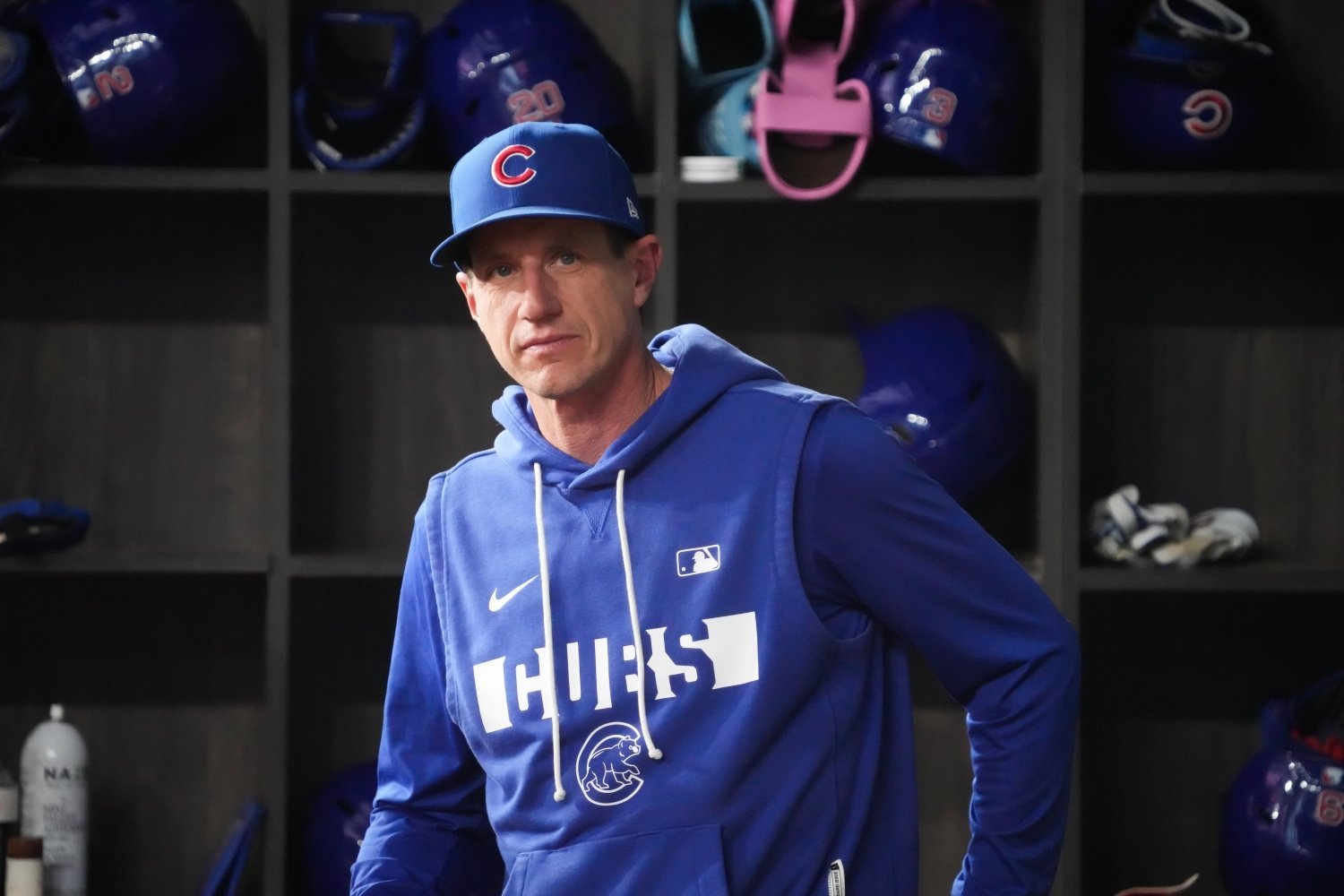 The numbers are a bit deceiving. The Cubs entered their series in Smyrna, Georgia Tuesday night with the third-most runs per game in the league so far this season, but that doesn't feel like an accurate depiction of the quality of their lineup. They've benefited, within one quarter of the campaign, from seeing a few teams overwhelmed by pitching problems. They've benefited, too, from loud hot streaks by Nico Hoerner and Ian Happ. They were a bit over their skis. Over the last three days, though, they've been exposed—and, of course, suffered disproportionately, just as they thrived disproportionately at other points. Alex Bregman hit a very timely home run to give the team a short-lived lead Tuesday night, but they eventually lost, 5-2, and Bregman's homer was the only hit they mustered. They're struggling. Since hitting his last home run on April 21, Nico Hoerner is batting .205/.280/.274. Dansby Swanson is 6-for-39 in May, with just one extra-base hit, and his walk rate has tapered off, too. Bregman entered Tuesday with a .661 OPS for the season, and Pete Crow-Armstrong's is on the wrong side of .700, too. Those four players will be in the lineup just about every day, though, as much for their defense and intangibles as for their bats. When they flounder the way they have of late, therefore, Craig Counsell has to look for ways to make up for them. On Tuesday night, that took the form of a second start behind the plate this year for Moisés Ballesteros. When Ballesteros catches, Michael Conforto can serve as the designated hitter, putting both of them in the lineup without taking out any of Happ, Seiya Suzuki or Michael Busch. It's a way to trade some run prevention for run production, and given the way Miguel Amaya is playing, it's a reasonable thing to try. Unfortunately, Ballesteros is hitting a bit below his best, too. He's 2-for-30 in May and hitless in his last 21 at-bats. He hit into tough luck Tuesday night in the shadows of the freeway, next to the outlet mall, with a 106-MPH lineout and a 107-MPH fielder's choice, but both were playable because they were hit too low. Worse, he's still looking like a shaky defensive catcher, struggling to navigate tough spots for his pitchers; framing poorly; and wasting challenges early in the game, as he did in the bottom of the first Tuesday. Conforto is the offensive bright spot for the team right now. He probably won't produce power all season to match the binge he's been on lately, but hitting the ball hard is just part of his early success. He's also dramatically reduced his swing rate this year, leading to a walk rate over 18%. Last season (and throughout his long career), Conforto maintained roughly a 45% overall swing rate, with good discipline outside the zone. This season, though, he's ratcheted that all the way up. His chase rate (the percentage of pitches outside the zone at which he swings) is all the way down to 16.4%, without a concomitant loss of swing rate inside the zone. His overall swing rate is down to 39%. He's honed his swing to catch the barrel within the zone, and isn't worrying about whiffs on the rare occasions when he does chase. The slightly smaller zone this year, thanks to the implementation of ABS, has been a boon to Conforto. He won't be able to sustain his extraordinary plate discipline, either, but he should be able to hold onto enough of it to keep getting on base well. That makes it very tempting, for Counsell, to look for ways to get both Conforto and Ballesteros into the lineup at the same time. There just isn't a good one. Conforto is a markedly worse defender in each outfield corner than Happ or Suzuki, and anyway, those two are impending free agents who rightfully want to be in the lineup every day. Politically and logistically, the only viable way to play both Conforto and Ballesteros regularly is to have Ballesteros get some reps behind the plate. Gambits like that don't often pay off, and this one didn't on Tuesday. Counsell might continue trying it from time to time, though—at least until one or two of his four slumping stars get going again. Managers have to make tradeoffs, and the Cubs might have to give up a few extra runs as they fight to score more consistently in the weeks ahead. View the full article
 -
 While both parties promise packed game-day atmospheres and nonstop baseball conversation, one giveaway in particular is already creating buzz among Twins fans, as they'll have the chance to win exclusive 2026 Twins Daily Social Club Winter Meltdown pint glasses at both locations! The Twins Daily Winter Meltdown pint glass has become one of the most beloved traditions in the Twins Daily community over the years. Designed annually by Brock Beauchamp, each glass captures the mood, storylines, and emotions surrounding a particular Twins season – from playoff heartbreak and injury-riddled years to postseason breakthroughs and fan-favorite moments. What started as a fun giveaway at the original Winter Meltdown has evolved into a true collector’s item for dedicated Twins fans. The glasses are only available through Twins Daily events, making them a unique piece of Twins baseball history that fans look forward to every offseason. At both events, raffle giveaways will be front and center throughout the night. Twins fans will have opportunities to win the limited-edition Twins Daily Social Club Winter Meltdown pint glass – a must-have collectible for longtime Twins Daily supporters and Winter Meltdown attendees. The dual-city celebration begins in Minneapolis at Smorgie’s from 4–5:30 p.m. before the Twins and Brewers square off at Target Field. Then, once the game gets underway, the action shifts east to Milwaukee for a full watch party at Broken Bat Brewing from 5:30–9 p.m. Brewers and Twins fans alike are invited to settle in for the matchup while enjoying contests, prizes, baseball chatter, and one of the most unique baseball-themed brewery environments around. More than anything, the May 16 events are about bringing baseball fans together. Whether you are heading to the game in Minneapolis, watching from Milwaukee, or simply looking for a fun place to spend a Saturday night with fellow baseball fans, these parties are shaping up to be some of the most energetic fan gatherings of the season. Two cities. Two parties. One unforgettable night of baseball. MPLS PREGAME PARTY DETAILS What: Minneapolis Pregame Party Cost: Free Where: Smorgie’s, 508 N 1st Ave, Minneapolis When: 5/16/26 4:30-5 pm MILWAUKEE WATCH PARTY DETAILS What: Milwaukee Watch Party Cost: Free When: 5/16/26 5:30-9 pm View the full article
 -
What His Awful Slump May Mean For Royals Great Salvador Perez
DiamondCentric posted an article in Royals Keep
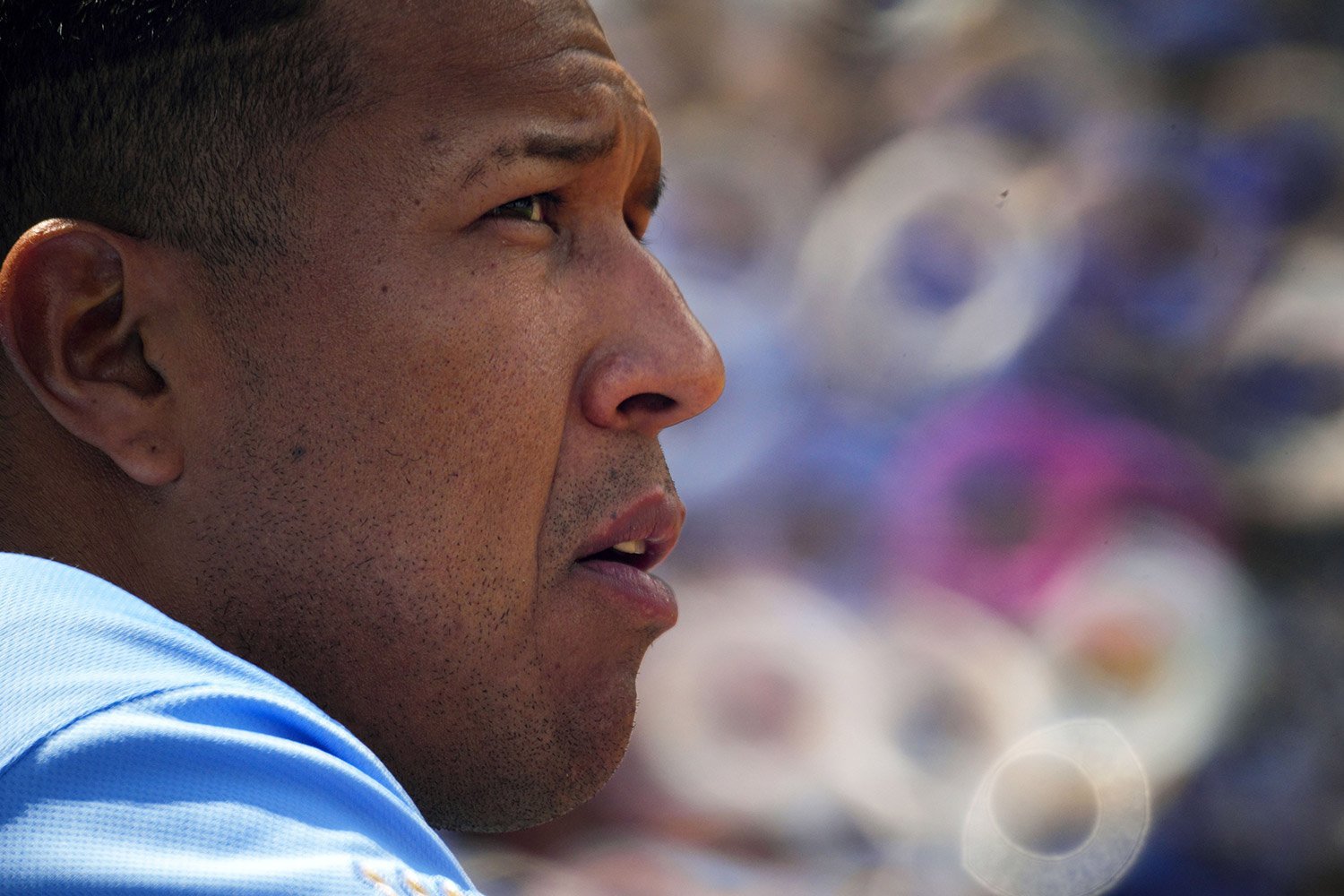 Salvador Perez didn’t play in the Kansas City Royals' game against Detroit on Sunday night. Instead, he watched from Kauffman Stadium's home dugout as their 6-3 loss prevented the Royals from drawing within a game of first place in the American League Central, a position their poor start to the season had rendered almost unthinkable not that long ago. Whether the Royals would have won Sunday’s game but for Perez’s conspicuous absence will never be known. That he’d hit in the critical cleanup spot in all but one of his 39 appearances this year, and through Sunday was tied for the second-most home runs (five) and third-most RBI (17) on the club, suggests his presence might have made a difference. But those counting stats, and where Perez usually bats, don’t tell the whole story. Other important measures of his performance suggest he hits too high in the order, and his impact may, in his 15th big league season, be on the wane. Those metrics (more on them in a moment) paint the grim picture that the years may be about to overcome and pass the nine-time All-Star by, and that KC fans should enjoy him while they can. They also raise this question: Should the “Salvador Perez Watch” begin? Salvador Perez is Slumping Badly With the Royals Although the bulk of the regular campaign lies ahead, some key metrics prove just how bad Perez's season has been. Through Sunday, and after playing 39 of his team’s 41 games, he was hitting only .182 in 52 plate appearances with runners in scoring position; at .192, his season average wasn't much better. His OPS+ was a dreary 55, his wRC+ a shockingly low and unacceptable 47. With a pesky hip issue the apparent culprit, Perez hasn’t caught since May 1 or appeared at first base since the day before that. That manager Matt Quatraro keeps him in the lineup and bats him fourth tends to belie the notion that Perez's hip problem contributes significantly to his hitting woes; nevertheless, entering Tuesday’s series opener against the White Sox in Chicago, he was homerless and slashing .107/.188/.107 since moving exclusively (at least temporarily) to less physically taxing DH duty. On the brighter side, Perez was hitting .236 over his last 14 games, but that’s still almost 30 points below his .263 career average and hardly provides reason to believe a major turnaround is imminent. Defensively, his work behind the plate has been serviceable, but falls short of the high expectations his five Gold Gloves create. Yes, he's an outstanding ABS challenger — through Sunday, his 11.9 Overturns vs. Expected ranked fourth among major league catchers, and his 41.2 caught stealing percentage was well above league average. But Perez's blocking remains average at best, and his subpar framing continues. His play at first base hasn't been stellar, but Quatraro has deployed him there only three times this season. Is Salvador Perez Nearing the End of his Royals Career? This is a question frequently posed over the past few seasons. And while Perez eventually answered it with a resounding “No,” he finished the 2025 season with 30 homers and 100 RBI, and the 2024 campaign with 27 homers, 104 RBI, his ninth All-Star berth, and his fifth Silver Slugger — things might be different now. For one, an obvious heir apparent to Perez has finally emerged. Accustomed to sharing time behind the plate only with backups with no realistic chances of taking his job, Perez must now relinquish more time to Carter Jensen, whose flashy final-month call-up last season yielded a 20-game .300/.391/.550 line and locked in a 2026 big league roster spot. Jensen’s defense has its good and not-so-good components, and as a rookie, he has plenty of time to hone his skills. Offensively, Jensen was leading the club through Sunday in home runs with six and RBI with 18. At least until Royals Keep No. 4 prospect and High-A backstop Blake Mitchell advances far enough to prove otherwise, Jensen is KC’s catcher of the future. Then there’s the matter of Perez's contract. Rather than taking the conservative approach by picking up his club option after last season, the Royals gave him a new two-year deal. With much of the money apparently deferred and no apparent club, player, or mutual option at its expiration, the terms hint at the possible end of the road for Perez, which makes sense because he’ll be 38 with 17 major league seasons behind him when the deal ends. But that hint of things to come isn’t definitive. Things could change. Perez might defy the years once again and merit a shot at playing in 2028. Or his present slump may be the biggest sign yet that retirement is closer than we’d like it to be. Should the “Salvador Perez Watch” begin? We should know soon enough. View the full article
 -
 On Saturday, May 16, Brewer Fanatic and Twins Daily are teaming up for dual fan events in Milwaukee and Minneapolis, and the centerpiece of the Milwaukee celebration is an exclusive co-branded Brewer Fanatic and Broken Bat Brewery pint glass giveaway. The watch party at Broken Bat Brewing gives Brewers fans the perfect place to gather, grab a beer, and watch the crew take on the Twins surrounded by fellow fans. And this will not be your average brewery watch party. Brewer Fanatic is bringing giveaways, contests, baseball conversation, and a packed game-night atmosphere designed specifically for Brewers fans who want to celebrate together. Even better? Your first beer of the night is free! Meanwhile, if you'll be in Minnesota for the big game, we'll host a simultaneous pregame party at Smorgie’s in Minneapolis, just two blocks from Target Field. Smorgie’s famous happy hour, which is 2-4-1 drinks, will be extended just for our event. On top of that, there will be $5 Summit Twins Pilsener, Summit EPA, and Firestone Walker 805 Blonde. At both parties, one of the biggest attractions of the night will be the raffles and giveaways happening throughout the event. Fans in attendance will have chances to win the limited-edition Brewer Fanatic x Broken Bat Brewery pint glass – a collectible Brewers fans will definitely want to add to their shelf, bar setup, or game-day collection. Additional prizes will include gift cards and other baseball-themed giveaways throughout the evening. So throw on your Brewers gear, bring your friends, and get ready for a Saturday night filled with baseball, beer, giveaways, and one of the best fan atmospheres Milwaukee has to offer. MILWAUKEE WATCH PARTY DETAILS What: Milwaukee Watch Party Cost: Free Where: Broken Bat Brewery, 135 E Pittsburgh Ave, Milwaukee When: 5/16/26 5:30-9 pm MPLS PREGAME PARTY DETAILS What: Minneapolis Pregame Party Cost: Free Where: Smorgie’s, 508 N 1st Ave, Minneapolis When: 5/16/26 4:30-5 pm View the full article
 -
Three Internal Moves the Royals Could Do to Improve the Bullpen
DiamondCentric posted an article in Royals Keep
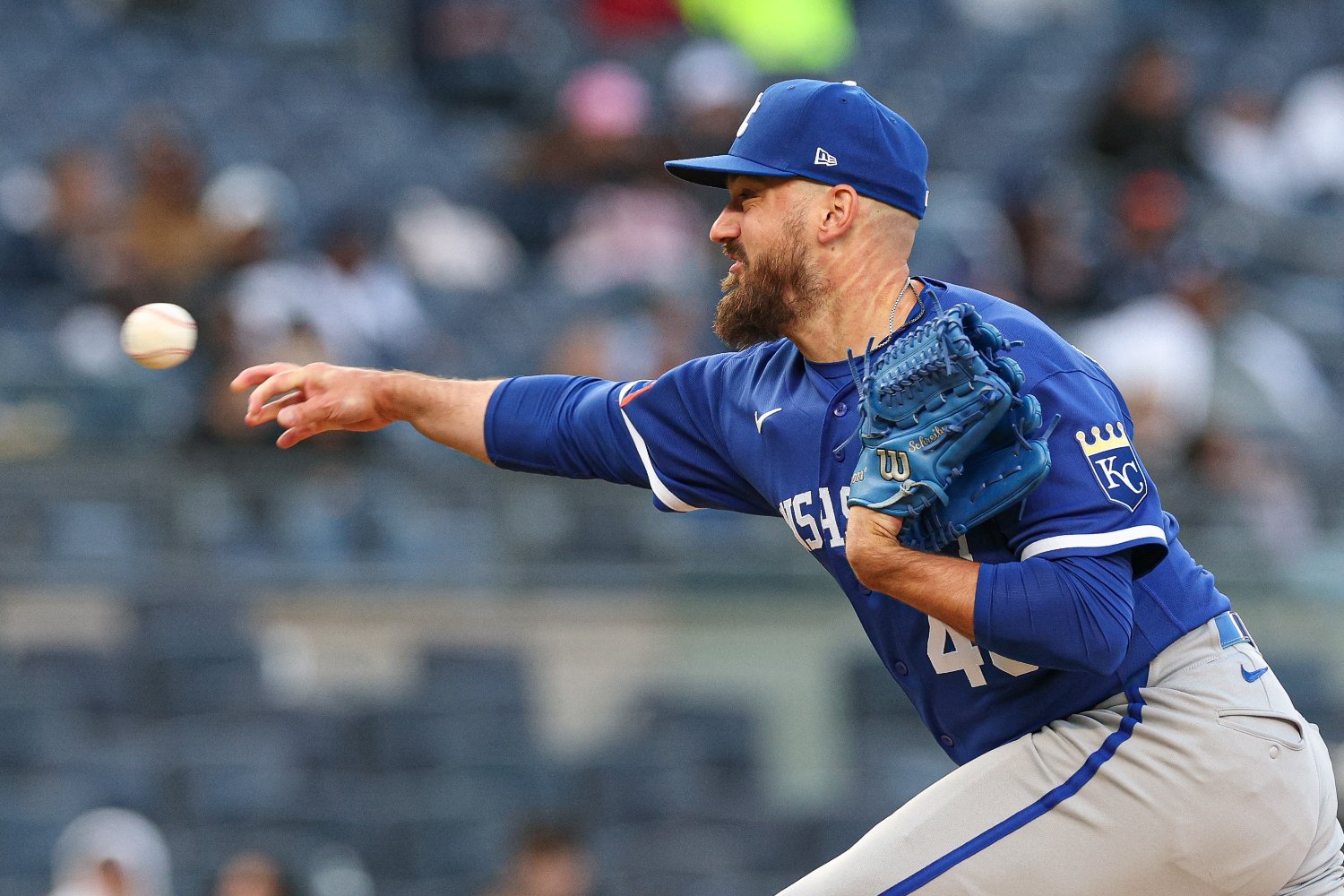 The Kansas City Royals have crawled back into the AL Central race, even though they lost to the White Sox on Tuesday, falling to 19-23 and three games back of the division-leading Cleveland Guardians. The offense has looked much better in May, ranking 15th in wRC+ as of May 12th. That is much better than their 20th-place ranking in March/April, according to Fangraphs. Overall, the offense ranks 18th in OBP, 17th in home runs, 14th in batting average, and 12th in OPS (though they rank 24th in runs). That is certainly serviceable, especially in a weak AL Central division. The starting pitching has been decent as well, though not as elite as in years past. They rank 10th in starter ERA, 13th in K/9, 9th in H/9, 11th in HR/9, and 18th in WHIP. The one blemish is they rank 27th in BB/9 (though most of those struggles seem to be tied to Cole Ragans). The main weak point of this team right now is the bullpen. The Royals bullpen currently ranks 26th in ERA and WHIP, 28th in BB/9, 20th in K/9, and 23rd in HR/9. The strikeouts are nice, but the walks, ERA, and WHIP leave a bit to be desired. Kansas City has also had a propensity to blow close games in big spots, with Matt Strahm giving up a home run to White Sox pinch hitter Derek Hill that ended up being the difference in the South Siders 6-5 victory over the Royals (Chicago now leads the season series 3-2). data:image/gif;base64,R0lGODlhAQABAPABAP///wAAACH5BAEKAAAALAAAAAABAAEAAAICRAEAOw== It's likely that Kansas City will improve its bullpen at some point with a trade or two. However, we are probably at least a month away from that happening, especially with so many teams still in the American League playoff hunt. That said, the Royals could make a few internal moves to improve their bullpen production in both the short and long term (i.e., beyond 2026). Here are three scenarios that could happen in Kansas City that could possibly turn around the Royals' bullpen woes to begin the season. Piggyback Bailey Falter with Noah Cameron It's been a tough start for Cameron, as he has a 5.55 ERA and 1.63 WHIP in 35.2 IP this season. That said, his FIP is 4.32, which is just 14 points higher than a year ago, and his K/BB ratio is 2.29, not terribly lower than the 2.65 ratio he posted a season ago. His Statcast percentiles are decent as well, albeit a bit flawed in certain categories, especially barrel rate and groundball rate, as seen below. The main issue with Cameron is that he has struggled this year when he faces a lineup a second time around. His ERA against hitters the first time through a lineup is 2.35. Against a lineup a second time, however? It's 9.00 ERA. Thus, the Royals would benefit from having a quick hook with Cameron, even if it may only be four to five innings. A pitcher they could piggyback Cameron with is Bailey Falter, whose rehab stint with the Storm Chasers is set to expire soon. That means they need to decide whether to return him to the active roster or designate him for assignment (he's out of Minor League options). In 13 IP with the Storm Chasers, Falter is posting a 2.77 ERA, 1.92 FIP, and 1.15 WHIP with a 35.2% K% and 29.6% K-BB%. Additionally, the Statcast percentiles have also been impressive from Falter in Omaha. What makes Falter a nice complement with Cameron is that Falter's fastball is a much better offering than Cameron's, which can throw hitters off who may be more used to Cameron's lower-quality four-seamer. Cameron's four-seamer has a 93 TJ Stuff+ while Falter's four-seamer has a 104 TJ Stuff+ in Omaha. That's a dramatic change, and opposing managers can't make changes with the bench hitter-wise, since Falter is also a lefty. Another positive aspect with Falter and Cameron paired together is that Falter has excellent extension while Cameron...doesn't. Falter's average extension (7.3) is over a foot more than Cameron's (6.2). That makes things tougher for opposing hitters, who see the same release point and arm slot, but are greeted with much different extension with Falter in relief. Below is a compilation of clips of their pitching motions and how they can be tough for opposing hitters when facing Cameron and Falter back-to-back in a game. Falter has struggled with the Royals, posting an 11.25 ERA in 12 IP with Kansas City in 2025 after coming over from Pittsburgh, and a 13.50 ERA in 3.1 IP this year before hitting the IL with elbow soreness. However, his four-seamer TJ Stuff+ is up four points in Omaha from his time with the Royals earlier in 2026. Thus, it seems like Falter may be fully ready to go, and he could be a nice bullpen piece to relieve Cameron, who can go two to three innings, depending on the situation. Promote Beck Way, Designate Alex Lange for Assignment The Royals acquired Lange from the Tigers after Lange was designated for assignment this offseason. A former closer, Kansas City was hoping that Lange would find the form that helped him save 26 games and post a 3.68 ERA in 2023. Unfortunately, that just hasn't been the case for Lange in his return to his hometown team (he grew up in Lee's Summit). In 16 outings and 18.2 IP, Lange has a 5.79 ERA and 1.50 WHIP. He has a decent K% at 24.4%, but his BB% is 15.9%, which ranks in the bottom fifth percentile. He is also posting an 8.5% K-BB%, which further illustrates his command inconsistency on the mound this year. Many of his other percentiles haven't been impressive either, as illustrated below. Right now, Lange appears to be a project for pitching coaches Brian Sweeney and Mike McFerran. That said, at 30 years old, I'm not sure he's a project worth holding onto much longer, especially with him out of Minor League options. If the Royals are looking for a project reliever, they may call up Way to replace Lange in the bullpen. The former Yankees pitching prospect's ERA is high at 4.43, but his WHIP is reasonable at 1.25, and his FIP and K-BB% are impressive at 2.16 and 24%, respectively. Furthermore, his Statcast percentile looks significantly better than Lange's. While Way is in Triple-A and Lange is in the Majors, there are certain things that could transition well for Way. Way throws strikes (51.7% zone rate), limits barrels (1.8%), generates groundballs (55.4%), and gets CSW (32.7%) and strikeouts (32.3%). He also has elite secondaries, with cutter, sweeper, and changeup all having TJ Stuff+ numbers of 107 or higher. Way is far from a sure thing, and it's taken a while for him to get to this level. He had a 6.87 ERA in 38 IP in Omaha last year and went unselected in last year's Rule 5 Draft (relievers tend to be the ones most selected). Thus, he could struggle in his promotion to the Major Leagues. That said, with Way being four years younger than Lange, I think Way is a project worth taking a chance on and being patient with, rather than Lange, who pretty much is who he is at this point (and unfortunately, that's a middling, mop-up man reliever). Give Mason Black the John Schreiber Role Like Lange, Schreiber doesn't have it this year, and it may be the end of Schreiber's time as a key bullpen piece in Kansas City. Schreiber's ERA is decent at 3.38, and he has looked better in recent outings. Conversely, he has more walks than strikeouts (-4.3 K-BB%), a 5.90 FIP and 1.44 WHIP, and, overall, meager Statcast percentiles, to put it nicely. Schreiber's surface-level metrics are serviceable for now. That said, he's due for regression, as the strike and batted-ball data illustrate that he's going to have a hard time preventing runs long-term. Therefore, the Royals ought to look to trade or release Schreiber and replace him with Mason Black, whose pitching MO seems similar to Schreiber's, but who is much younger and has better strikeout stuff. Black is not a strikeout guy, but 22.7% K% is considerably better than Schreiber's. The former San Francisco Giant also does a good job minimizing hard hits and exit velocity on batted balls, though Black's groundball ability is not nearly as good as Schreiber's. Here's a breakdown of Black's Statcast profile this year, based on his limited MLB sample. There are some concerns with Black: his TJ Stuff+ is actually worse than Schreiber's, and his barrel rate (13.3% allowed) considerably lags behind Schreiber's (5.8%). However, Black's 52nd percentile extension is intriguing, and he is also a sinker-slider-focused pitcher. Thus, I wonder if Black was unlucky in generating groundballs in his first stint with the Royals and could be much better with some tweaks and more innings of work at the Major League level. Unfortunately, the groundball rate in Omaha has been pretty meager, based on his Triple-A Statcast percentile. That said, he was much better at generating strikes and chases with the Storm Chasers, as seen below. I'm not sure the Royals would or should DFA Schreiber right away for a Black promotion. If Schreiber continues to trend upward, he may be a nice trade asset to a team that is desperate for bullpen help in June or July. However, I believe that Black is similar in mold to Schreiber and could replace his spot in the bullpen easily, especially since Schreiber is not getting as many high-leverage spots as a year ago. Schreiber has been more of a mop-up man who comes in early with big leads or when the Royals are behind. If that's the role available, Black would probably be a better, more high-upside option in those spots than Schreiber, who's not just 32 years old, but also costing the Royals $3.715 million this year and will be a free agent after this season anyway. At the very least, Black has more of a long-term future with Kansas City than Schreiber, especially with the latter's struggles in control this year. View the full article
 -
 After more than eight years together as members of the Miami Marlins organization, former team president David Samson and All-Star reliever AJ Ramos reconnect on Fish Unfiltered! Along with Isaac Azout, they discuss the outlook of this year's team (on and off the field), the highs and lows of Samson's tenure in the front office from 2002-2017, why it's uniquely challenging to build a fanbase in Florida and much more. You can find Fish Unfiltered and Fish On First LIVE on the Fish On First YouTube channel, Apple Podcasts, Spotify or wherever else you get your pods. Samson helped orchestrate the sale of the Marlins franchise to Bruce Sherman's ownership group in 2017. Then in 2019, he debuted his own podcast, Nothing Personal with David Samson, which focuses primarily on sports business. View the full article
 -
Wilyer Abreu Has Covered Up His Greatest Weakness This Season
DiamondCentric posted an article in Talk Sox
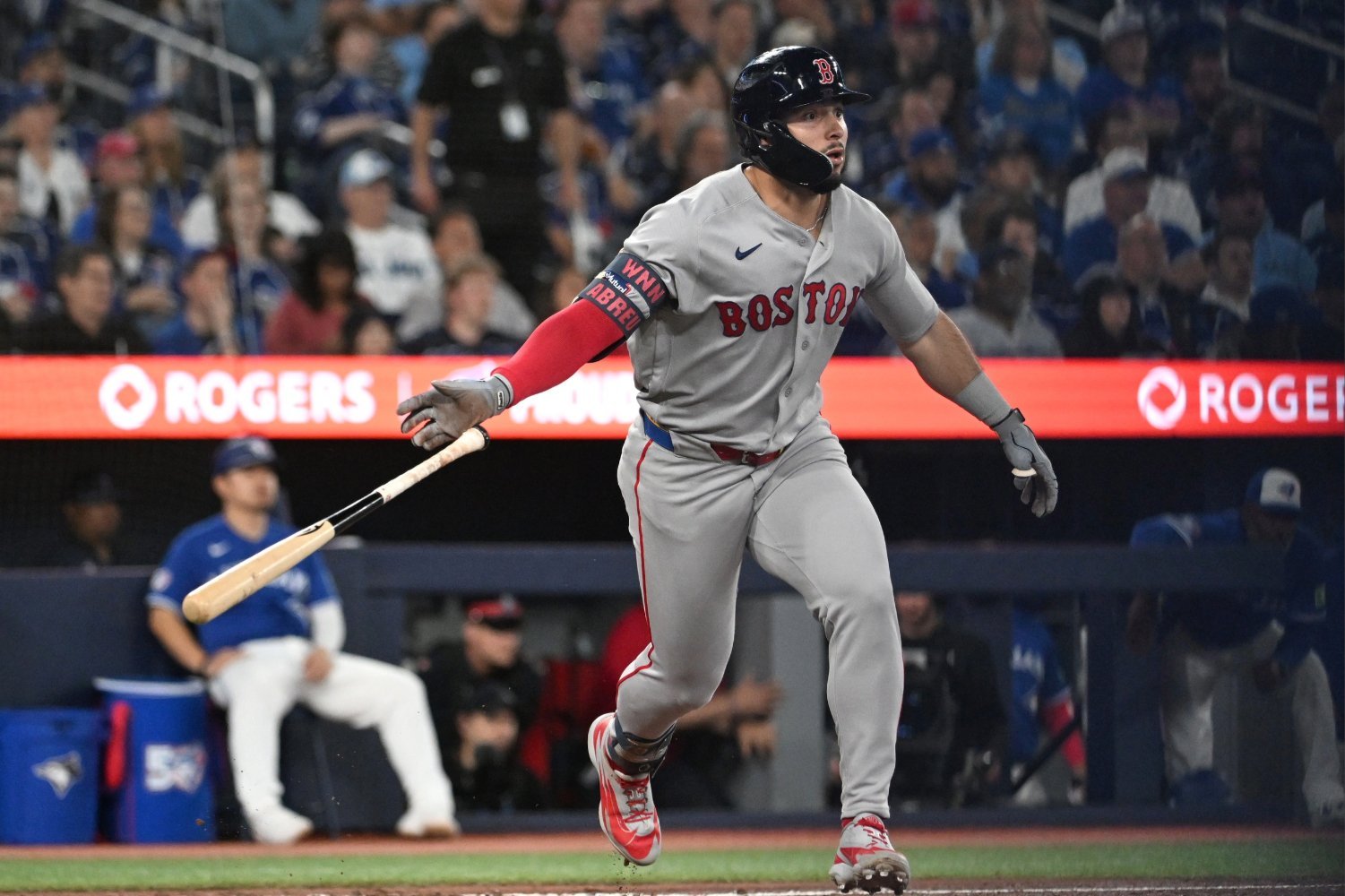 While there hasn’t been much going right for the Boston Red Sox so far this season, arguably the biggest bright spot has been Wilyer Abreu. Defensively, Abreu has been his usual self by making amazing catches in right field to help prevent runs from scoring. He’s well on his way to winning his third straight Gold Glove this season, but that shouldn’t surprise anyone. Yet the best part of his 2026 season has been that the platoon training wheels have now been taken off, and he’s finally able to fully showcase what he’s capable of doing on the offensive side of the baseball. As of the week of May 11, Abreu is slashing .295/.377/.473 with a .375 wOBA, 134 wRC+, and 1.4 fWAR over 39 games. He’s launched six home runs, stolen three bases, and added 18 RBIs to his ledger. Dive a bit deeper, and we can see that Abreu has been absolutely dominant against left-handed pitchers. He’s come up to bat 48 times against southpaws and is slashing .372/.417/.488 with a .400 wOBA and 150 wRC+. He’s only hit one home run and has five RBIs when hitting against same-handed pitchers, but he’s getting on base at a massive clip and that puts him in position to score runs. We’re seeing a few different factors that contribute to his success against lefties at the plate. First, Abreu has actually slowed down his bat speed from last season from 74.1 MPH to 73.6 MPH. While this isn’t a huge change, it’s enough that it’s allowing him to leave the head of his bat in the zone for longer. He’s squaring up 30.8% of all of his swings this season, good for the second-best rate in his career. The bat speed isn’t the only difference this season, though. He’s currently standing the shallowest he’s ever been in the box at 29.6”, up from 31.4” when he entered the league in 2023. He’s widened his stance from 30.6” last season to 33.3” this season and has opened up his stance by three degrees from 25 degrees open to 28 degrees open. What explains his uptick across the board against southpaws though is that he’s now standing 27.3” off the plate. This, along with his slightly slower swing, allows for the sweet spot of his bat to travel through the zone for longer. While we haven’t quite seen the power he's accustomed to, he’s hitting screaming line drives into gaps that allow him to reach extra bases. The one knock against his new mechanics is that he’s lowered his attack angle from nine degrees last year to seven degrees this year while upping his tilt from 31 degrees to 33 degrees. In a perfect world, that slight change in tilt would force Abreu to get the ball in the air more, but his attack angle is forcing the ball to play lower once it leaves his bat. He’s also altered his attack direction from one degree to the pull-side to one degree to the opposite field. We all know that playing in Fenway Park for left-handed hitters means that to become great at home, you need to become friends with The Green Monster and learn how to use it. The stats show us that Abreu, while not quite driving the ball to the Monster, is at least starting to spray hits to left field. As he finds a harmony between his new mechanics, then we’ll likely start to see him punish the Monster when he’s not pulling home runs to the bullpen at home. This season almost felt like a make-or-break season for Wilyer Abreu, even with his defensive accomplishments. We needed to see him take multiple at-bats against left-handed pitchers and perform well in those situations. So far, so good on that front. In fact, he’s been outstanding. The Red Sox are underperforming, but so is pretty much the entire American League. If Abreu stays hot, he can be the spark that finally gets this team out of the gutter. Maybe it’s even time to re-explore those extension talks from last season, but that’s a conversation for another day. View the full article
 -
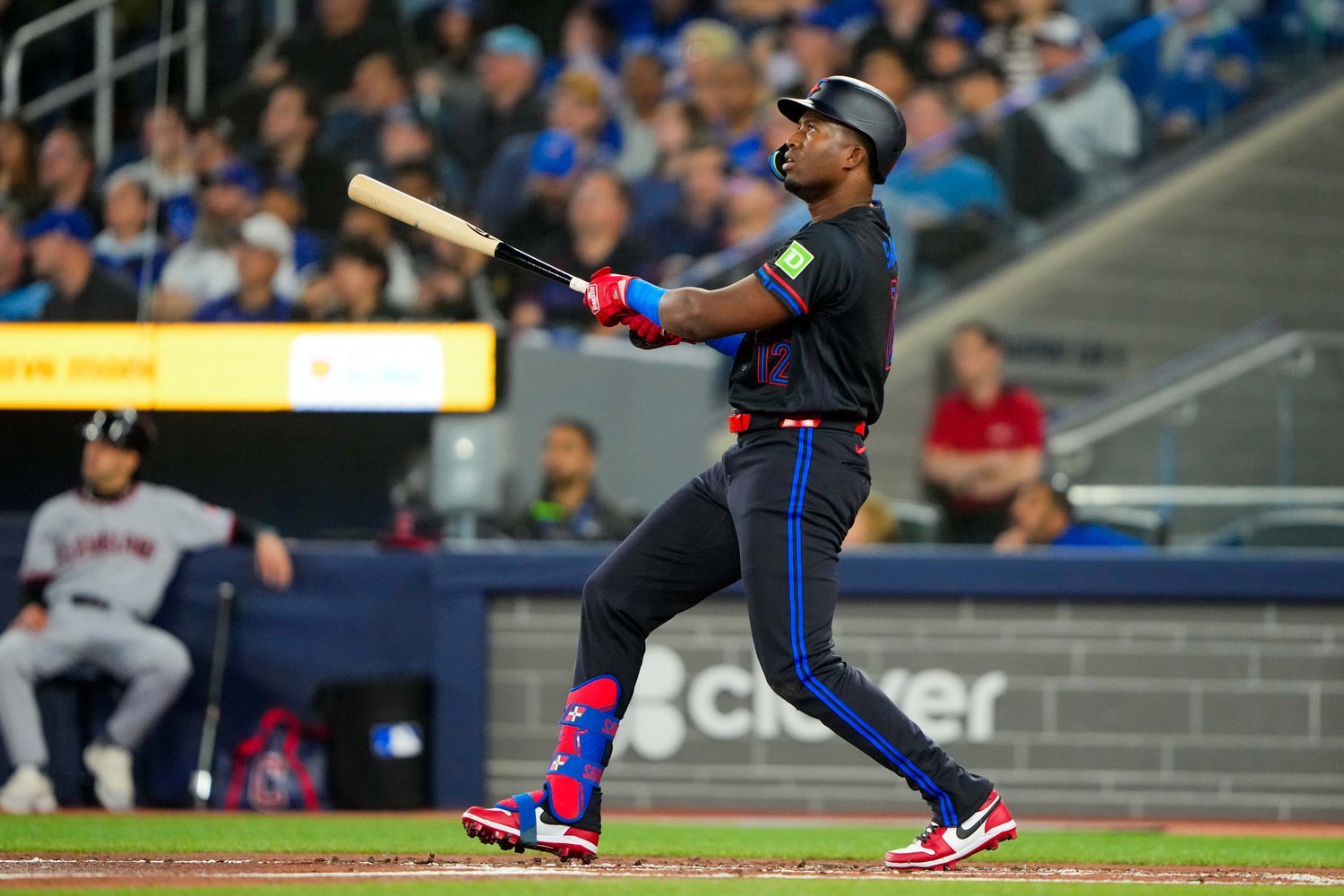 Before the 2026 season, Jesús Sánchez generated a .181 ISO in his six-year MLB career. That ISO ranks in the 66th percentile among the 382 hitters with at least 1,000 plate appearances during that period. Accordingly, it is easy to understand why the Blue Jays would be interested in Sánchez’s power. Despite his history, Sánchez has not delivered the expected power so far this season. After the May 10 game against the Angels, his ISO was .157, above the .148 MLB average. However, that .157 includes his home run when he faced second baseman, Adam Frazier, who entered the May 9 game in the eighth inning as a fill-in pitcher for the Angels with Toronto holding a 10-1 lead. Before May 9, Sánchez's ISO was .140, which was below expectations. Overall, his 2026 wRC+ is 87, but his .318 xwOBA corresponds with a 100 wRC+. Therefore, it appears that Lady Luck has not looked favourably upon Sánchez thus far this season. Could luck be a factor that explains the ISO drop from the pre-2026 version of Sánchez? No, there are other aspects to consider, which are as follows: Chasing Contact Sprint Speed Bat Tracking The best way to address Sánchez’s power loss is to lay out the data all at once. Yes, table time! In fact, two tables! Table 1 shows the ISO (SLG minus BA) and xISO (xSLG minus xBA) for Sánchez for 2026 and for the 2023-2025 period, in total and by zone. The shadow zone is the width of two baseballs: one baseball lies in the strike zone, and one baseball is outside. Also, observe that Sánchez’s xISO has consistently exceeded his ISO, suggesting that perhaps Lady Luck (a positive xISO-ISO delta) does not explain the 2026 ISO underperformance. Table 2 displays his swing rate and chase rate by attack zone. Now to the analysis! Table 1 All Zones In-Zone Out-of-Zone Heart Zone Shadow Zone Chase Zone xISO Sánchez - 2026 0.169 0.202 0.113 0.163 0.215 0.059 Sánchez - 2023 to 2025 0.211 0.291 0.044 0.373 0.133 0.030 MLB - 2023 to 2025 0.167 0.210 0.053 0.258 0.117 0.023 ISO Sánchez - 2026 0.157 0.158 0.156 0.093 0.207 0.176 Sánchez - 2023 to 2025 0.172 0.231 0.048 0.294 0.112 0.039 MLB - 2023 to 2025 0.159 0.198 0.056 0.241 0.116 0.026 Source: Baseball Savant. Sánchez's 2026 data is as of May 10. Table 2 Swing% Contact% Heart Shadow Chase Waste Heart Shadow Chase Waste Sánchez - 2026 76.9 64.9 36.0 12.8 84.3 81.5 69.4 0.0 Sánchez - 2023 to 2025 76.6 56.1 27.6 12.1 86.3 73.5 44.6 8.6 MLB - 2023 to 2025 75.8 57.0 27.3 10.8 86.5 73.4 45.8 7.2 MLB ISO - 2023 to 2025 0.241 0.116 0.026 0.001 Source: Baseball Savant. Sánchez's 2026 data is as of May 5. Chasing Contact Sánchez has increased both the rate at which he swings at pitches and the rate at which he makes contact this season compared to the 2023-2025 period. Overall, his 2026 swing rate and contact rate are 54.5% and 77.6%, respectively, which are higher than his 50.5% swing rate and 73.1% contact rate during the 2023-2025 period. One of the benefits of a higher contact rate is a lower K%: Sánchez’s 2026 strikeout rate is 20.3%, lower than his 2023-2025 24.9% strikeout rate. Unsurprisingly, the higher swing rate and contact rate this season have led to a lower walk rate (4.5%) than during the 2023-2025 seasons (8.4%). Furthermore, Sánchez’s average 2026 bat speed is 73.0 mph (62nd percentile), which is slower than his 2025 mark of 75.9 mph (93rd percentile). A reduced bat speed is consistent with a batter who wants to increase his contact rate. However, the higher swing rate and contact rate have resulted in lower ISO and xISO numbers. As Table 2 shows, his swing rates have risen in the non-power zones: shadow, chase, and waste. Under the Contact% numbers, note the average ISO numbers for the four zones. On average, hitters generate more power on pitches in the heart zone than in the shadow, chase, and waste zones. From a contact perspective, the higher contact rates in the shadow and chase zones have contributed to Sánchez’s 2026 power decline. To illustrate this point, I recalculated Sánchez’s 2026 ISO and xISO using his 2023-2025 swing rates and his 2026 contact rates. Also, I held the total number of swings in 2026 constant and applied the relevant 2026 ISO/xISO per-swing numbers. In other words, based on the swing-rate differences between the 2023-2025 seasons and 2026, I transferred 18 swings from the waste, the chase, and the outer part of the shadow zone to the heart zone and the inner part of the shadow zone. I performed a similar transfer from the out-of-zone swings to the in-zone swings. The results of the calculation are not surprising. If Sánchez had his 2023-2025 swing rates, combined with his 2026 contact rates, his 2026 ISO would be .160, instead of .157. His 2026 xISO would rise from .169 to .182. As a check, I performed the same calculation using the gameday zones (in and out of the strike zone), and the results were identical (.160 ISO and .182 xISO). In summary, part of the reason Sánchez’s ISO and xISO numbers are below his 2023-2025 marks is that he is swinging too much and making more contact in the non-power zones (shadow, chase, and waste). Sprint Speed The second piece of the puzzle. Extra-base hits include doubles, triples, and home runs. Given that Sánchez has averaged less than two triples per season, he is not a triples threat. Accordingly, I will focus on home runs and doubles. So far in 2026, Sánchez has hit a home run every 24.2 at-bats, better than he did during the 2023-2025 period (every 28.3 at-bats). The MLB average from 2023 to 2025 was one homer every 29.0 at-bats. Historically, Sánchez has hit a home run at a slightly faster pace than the MLB average. Therefore, his power decline is reflected in his doubles. His at-bats divided by doubles rates are 15.7, 19.6 and 21.5 in 2023, 2024, and 2025, respectively. The 2023-2025 MLB average is 18.8 at-bats per double. Thus far in 2026, Sánchez’s doubles rate is one double every 30.3 at-bats. One reason his doubles rate has declined could be his diminished foot speed. His sprint speed percentile rankings are 54th, 46th, 40th, and 18th in 2023, 2024, 2025, and 2026, respectively. Because foot speed and hitting with power contribute to producing doubles, Sánchez’s sprint speed decline could be a reason his rate of hitting doubles has dropped. Bat Tracking A barreled ball is determined by a combination of exit velocity and launch angle. During the 2023-2025 period, Sánchez had above-average barrel rates, both in barrels/BBE (batted ball event) and in barrels/PA (plate appearance). Thus far in 2026, his barrels/BBE rate is 7.2%, down from 11.8% during 2023-2025. The MLB average is 8.2%. Concerning his barrels/PA rate, he posted a 7.8% in 2023-2025, higher than 2026’s 5.3%. The MLB average was 5.5%. What is going on? It is not the 98-mph exit velocity requirement for a batted ball. Concerning batted balls meeting the 98 mph or faster requirement, Sánchez’s 2026 rate (37%) is similar to his 2023-2025 rate (39%). Therefore, the reduced 2026 barrel rates must be due to a lower rate of batted balls that meet the launch angle requirement. What could explain the lower rate of required launch angle on batted balls that would otherwise be barreled balls? It could be a notable change in Sánchez’s ideal attack angle, but his 2026 overall ideal attack angle rate is 48.9%, a tick lower than his 49.1% rate during the 2023-2025 period. Given that there is only a minor change in this area, Sánchez’s underlying swing mechanics do not explain the reduced barrel rates. Unfortunately, I do not have any insights into the reduced barrel rates beyond the issue of small sample size, which is a legitimate explanation. Thus far in 2026, Sánchez has barreled seven pitches out of 97 batted ball events. If he had four more barreled balls, his 2026 barrel rates would be like those of the 2023-2025 period. Do not despair. The small sample is a positive indicator. Given Sánchez’s ideal attack angle history and his above-average exit velocity record, he should start to barrel balls at a rate consistent with the 2023-2025 period. The Last Word Before joining the Toronto Blue Jays, Jesús Sánchez was a hitter with above-average power. However, thus far this season, his power production has been below expectations. Many factors help explain Sánchez’s reduced power numbers. The primary reason is higher swing and contact rates in zones that typically produce lower power numbers (for example, the shadow and chase zones). Another cause is a decline in foot speed. The final factor is the small size of the sample. Hence, for the balance of the 2026 season, with more plate discipline (by chasing less) and a regression to his historical barrel rates and bat tracking metrics, Sánchez should return to his previous status as the power hitter the Blue Jays thought they were acquiring before this season began. View the full article
 -
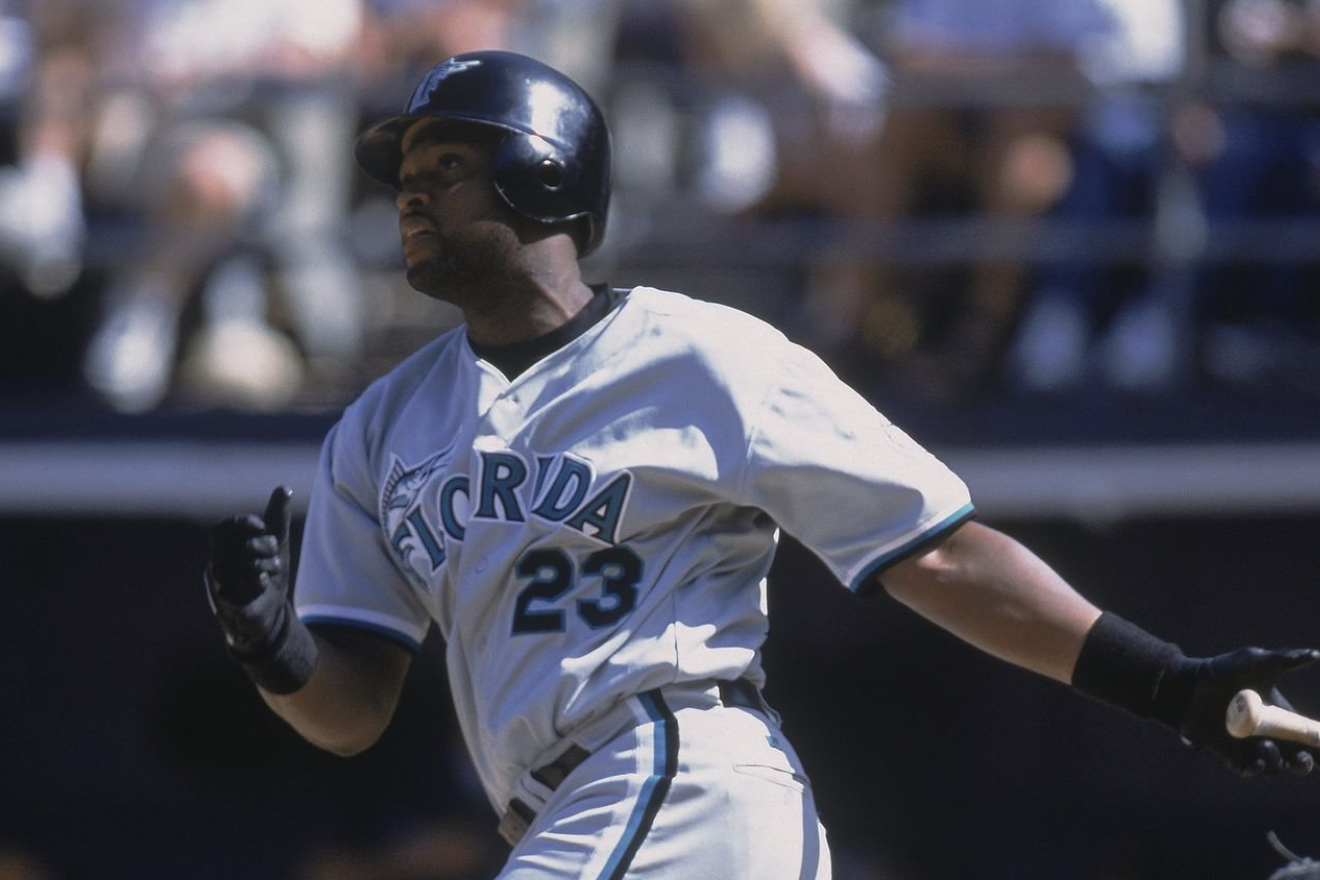 Over his two stints with the Florida Marlins, Charles Johnson won four Gold Gloves and was a two-time All-Star. One of the best in baseball behind the plate, Johnson came through clutch at it on this day 25 years ago. One night after catching A.J. Burnett’s no-hitter, Johnson was given the day off by Marlins manager John Boles. Called on to pinch hit with the bases loaded in the seventh, Johnson turned a three-run deficit into a one-run lead and began a streak of nine unanswered runs in a 10-4 win over the San Diego Padres. A solo home run by Kevin Millar in the first had accounted for all the Florida offense as the Marlins came to bat against Kevin Jarvis in the top of the seventh at Qualcomm Stadium on May 13, 2001. Jarvis got Eric Owens and Millar to fly out to open the frame but after back-to-back singles from Preston Wilson and Derrek Lee, San Diego went to the bullpen. Lefty Kevin Walker came in and walked Florida’s Cliff Floyd on four pitches. As Padres manager Bruce Bochy turned to right-hander Jay Witasick, Florida turned to Johnson. Witasick was able to get ahead in the count, but Johnson turned on his 1-2 offering and deposited it into the left-field stands for the go-ahead pinch-hit grand slam. The Marlins went ahead for good, but the offense wasn’t done. Florida put the contest out of reach with five runs in the eighth. After Preston Wilson singled to extend the lead to 6-4, Floyd came through with a bases-clearing triple. Johnson, who stayed in the game to catch, followed with an RBI single to give the Marlins a 10-4 lead and to cap the scoring. With the win, the Marlins also clinched the three-run series. Wilson finished 4-for-4 in the win with two runs scored and an RBI. Johnson, who had just two plate appearances, had the only other multi-hit game for Florida, finishing with five RBIs. Bubba Trammell finished with a home run and three RBIs for San Diego. Ryan Klesko and Ben Davis each had two hits and a run scored. In parts of seven total seasons with the Marlins, Johnson had 75 home runs for the club. The lone grand slam of his tenure was a pinch-hit blast that put Florida ahead for good in a Sunday afternoon rubber game in San Diego. It came on this day a quarter-century ago. View the full article
 -
 Ethan Salas' two-run homer fueled San Antonio's first-inning explosion in an 8-3 rout of Wichita, where Miguel Mendez tossed two scoreless innings. Winyer Chourio struck out 10 in five innings as Lake Elsinore edged Rancho Cucamonga 4-3, with Will Koger earning the save. Fort Wayne had only three hits as it lost 3-2. El Paso fell 11-4 despite homers by Nick Solak and Jose Miranda. Padres Minor-League Transactions LHP Fernando Sanchez assigned to El Paso Chihuahuas from San Antonio Missions. 2B Victor Duarte assigned to El Paso Chihuahuas from Lake Elsinore Storm. El Paso Chihuahuas transferred RHP Triston McKenzie to the Development List. El Paso Chihuahuas transferred C Colton Vincent to the Development List. San Antonio Missions activated RHP Andrew Dalquist from the Development List. San Antonio Missions activated RHP Miguel Mendez from the 7-day injured list. San Antonio Missions placed RHP Eric Yost on 7-day injured list. SS Justin DeCriscio assigned to Fort Wayne TinCaps from Lake Elsinore Storm. SS Dylan Grego assigned to Lake Elsinore Storm from Fort Wayne TinCaps. Lake Elsinore Storm activated C Ty Harvey from the 7-day injured list. Marco Gonzales Pounded As Chihuahuas Routed By Bees Nick Solak and Jose Miranda homered, but it was another rough outing by former MLB left-hander Marco Gonzales that spelled the difference in the Triple-A El Paso Chihuahuas' 11-4 loss to the host Salt Lake Bees. Gonzales lasted just 1⅓ innings, surrendering seven runs on five hits with four walks and no strikeouts. In his last three starts, Gonzales has allowed 17 runs (14 earned) in 6⅓ innings, which leaves his season ERA at 10.64. Right-handed reliever Misael Tamarez came in and gave up four runs in 2⅓ innings on five hits, including two homers, and three walks with a pair of strikeouts. The final three relievers of the day, right-hander Justin Yeager, left-hander Kyle Hart and right-hander Garrett Hawkins, combined for 4⅔ shutout innings, striking out five. El Paso grabbed a quick 1-0 lead in the top of the first on a Will Wagner sacrifice fly, but the Bees tied it in the bottom half, then scored six in the second and four more in the third for an early 11-1 cushion. Mason McCoy had an RBI double to score Solak in the fourth, then Solak smacked his second homer of the season in the sixth and Miranda his fifth of the year in the seventh. Solak, McCoy and Carlos Rodriguez each had two of the Chihuahuas' seven hits. Pablo Reyes walked in his final plate appearance in the eighth inning to keep his on-base streak going at 28 games. EP_0512.mp4 Player AB R H RBI BB K Jase Bowen 3 1 0 0 1 1 Samad Taylor 3 0 0 0 0 1 Will Wagner 3 0 0 1 0 0 Nick Solak 3 2 2 1 0 0 Pablo Reyes 3 0 0 0 1 0 Mason McCoy 4 0 2 1 0 0 Jose Miranda 4 1 1 1 0 2 Carlos Rodríguez 4 0 2 0 0 2 Anthony Vilar 4 0 0 0 0 1 Player IP H R ER BB K HR Marco Gonzales (L) 1 1/3 5 7 7 4 0 1 Misael Tamarez 2 1/3 5 4 4 3 2 2 Justin Yeager 2 1/3 2 0 0 1 3 0 Kyle Hart 1 0 0 0 0 1 0 Garrett Hawkins 1 0 0 0 1 1 0 Ethan Salas Hits 1 of 3 First-Inning Homers As Missions Cruise Ethan Salas, Braedon Karpathios and Luis Verdugo homered in a six-run first inning and five pitchers combined on a four-hitter as the host Double-A San Antonio Missions rolled to an 8-3 victory over the Wichita Wind Surge. Romeo Sanabria also homered for the Missions. Salas, Padres Mission's No. 1 prospect, got the Missions off to a good start with a two-run homer in the top of the first inning, his sixth of the season that ignited a six-run rally. With one out, Tirso Ornelas and Sanabria had back-to-back doubles to make it 3-0 and Karpathios and Verdugo then hit back-to-back homers for a 6-0 advantage. The homers by Karpathios and Verdugo were the second of the season for both. Salas was playing against older brother Jose, a shortstop for the Wind Surge. The Missions added two more runs in the second inning as Leandro Cedeno had a one-out single, extending his on-base streak to 23 games, and the 6-foot-2, 264-pounder stole second with two outs. That was just his ninth stolen base in 484 career minor-league games. Perhaps inspired by the big man's steal, Sanabria launched his third homer of the season to make it an 8-0 game. Missions right-hander Miguel Mendez, Padres Mission's No. 5 prospect who was activated off the injured list Tuesday after being out since April 25, went only two scoreless innings, allowing one hit and no walks with two strikeouts. Right-hander Andrew Dalquist pitched a scoreless third, then right-hander Andrew Thurman went the next three and allowed all three runs on two hits and four walks with four strikeouts. Right-hander Josh Mallitz pitched two hitless innings and right-hander Johan Moreno pitched a perfect ninth, striking out the side. SA1_0512.mp4 SA2_0512.mp4 SA3_0512.mp4 Player AB R H RBI BB K Carson Tucker 3 1 0 0 2 1 Ethan Salas 5 1 1 2 0 0 Leandro Cedeño 3 1 1 0 1 1 Tirso Ornelas 4 1 1 0 0 2 Romeo Sanabria 3 2 2 3 1 0 Braedon Karpathios 3 1 1 2 1 2 Luis Verdugo 4 1 1 1 0 3 Ryan Jackson 3 0 0 0 0 1 Albert Fabian 4 0 1 0 0 1 Player IP H R ER BB K HR Miguel Mendez 2 1 0 0 0 2 0 Andrew Dalquist (W) 1 1 0 0 0 1 0 Andrew Thurman 3 2 3 3 4 4 0 Josh Mallitz 2 0 0 0 1 0 0 Johan Moreno 1 0 0 0 0 3 0 Jonathan Vastine Homers, but TinCaps Kept Quiet By Kernels The High-A Fort Wayne TinCaps were limited to a mere three hits and gave up a pair of seventh-inning runs in falling 3-2 to the host Cedar Rapids Kernels. Jonathan Vastine hit his second homer of the season, a solo shot in the fourth inning. His other homer came April 19. The TinCaps also scored in the top of the second as Carlos E. Rodriguez, celebrating his 23rd birthday, and Jack Costello had back-to-back doubles to lead off the inning. But after Vastine's third career homer, the Kernels retired 16 straight to finish the game. TinCaps right-handed starter Matt Watson allowed one run on two hits, but walked four and struck out two in 3⅔ innings. Right-hander Clark Candiotti gave up the other two runs in the seventh. FW_0512.mp4 Player AB R H RBI BB K Kasen Wells 2 0 0 0 2 1 Rosman Verdugo 4 0 0 0 0 2 Lamar King Jr. 3 0 0 0 1 2 Alex McCoy 3 0 0 0 1 3 Carlos Rodriguez 4 1 1 0 0 0 Jack Costello 4 0 1 1 0 0 Kavares Tears 4 0 0 0 0 1 Justin DeCriscio 2 0 0 0 1 0 Jonathan Vastine 2 1 1 1 1 0 Player IP H R ER BB K HR Matthew Watson 3 2/3 2 1 1 4 2 0 Luis Germán 1 1/3 1 0 0 1 3 0 Clark Candiotti (L) 1 2/3 4 2 2 0 1 2 Tucker Musgrove 1/3 1 0 0 0 1 0 Braian Salazar 1 0 0 0 1 1 0 Winyer Chourio Strikes Out Career-High 10 In Storm Triumph Right-handed starter Winyer Chourio struck out a career-high 10 over five innings and Connor Westenburg had an RBI triple and scored as the host Low-A Lake Elsinore Storm turned back the Rancho Cucamonga Quakes 4-3. The 22-year-old Chourio didn't walk anyone and gave up two runs on six hits, while matching his season high for innings. His previous career high for strikeouts was eight, accomplished twice, including April 28 vs. the Ontario Tower Buzzers, the only other game this season he went five innings. Chourio lowered his ERA to 2.42 and has not allowed more than two runs in a game this season. Westenburg got the Storm going in the third inning. Jose Verdugo had a leadoff single and Westenburg pulled a 1-2 pitch just inside the third-base bag and into left field for an RBI triple. One out later, Westenburg scored on a wild pitch for a 2-0 lead. The Storm made it 3-0 in the fourth when Luke Cantwell walked, went to second on an errant pickoff attempt and scored on Kerrington Cross' single to right. Chourio gave up a two-run homer in the top of the fifth, but the Storm came back with a run in the bottom of the sixth. Cantwell led off the inning with a hit by pitch and went to second on Cross' single. Jorge Quintana bunted the runners to second and third and Yoiber Ocopio delivered a run-scoring single to right. The Quakes pulled within 4-2 in the top of the eighth, but couldn't do any more damage. Storm right-handed reliever Nick Falter struck out two in 2⅓ innings, allow a run on two hits and walk, while right-hander Will Koger went the final 1⅔ innings, striking out a pair, while not allowing a run or a hit with one walk for his third save of the season. Westenburg and Cross each had two hits for the Storm, who won despite being outhit 8-6. LE_0512.mp4 Player AB R H RBI BB K Bradley Frye 3 0 0 0 0 1 Qrey Lott 3 0 0 0 1 2 Ryan Wideman 4 0 0 0 0 2 Luke Cantwell 0 2 0 0 2 0 Kerrington Cross 3 0 2 1 1 1 Jorge Quintana 3 0 0 0 0 3 Jose Verdugo 2 1 1 0 2 0 Yoiber Ocopio 4 0 1 1 0 1 Conner Westenburg 3 1 2 1 0 0 Player IP H R ER BB K HR Winyer Chourio (W) 5 6 2 2 0 10 1 Nick Falter (H) 2 1/3 2 1 1 1 2 0 Will Koger (S) 1 2/3 0 0 0 1 2 0 Top-20 Prospect Performance Ethan Salas: 1-for-5, HR, 2 RBI Kash Mayfield: DNP Kruz Schoolcraft: DNP Bradgley Rodriguez: DNP Miguel Mendez: 2 IP, 1 H, 0 R, 0 BB, 2 K Humberto Cruz: DNP Jagger Haynes: DNP Ty Harvey: DNP Ryan Wideman: 0-for-4, 2 K Kale Fountain: DNP Romeo Sanabria: 2-for-3, 2B, HR, 3 RBI, BB Jorge Quintana: 0-for-3, 3 K Lamar King Jr.: 0-for-3, BB, 2 K Garrett Hawkins: 1 IP, 0 H, 0 R, 1 BB, 1 K Tirso Ornelas: 1-for-4, 2B, 2 K Kavares Tears: 0-for-4, K Truitt Madonna: DNP Deivid Coronil: DNP Eric Yost: DNP Francis Pena: DNP View the full article
 -
 Transactions: Milwaukee Brewers activated LF Christian Yelich from the 10-day injured list. Milwaukee Brewers optioned DH Tyler Black to Nashville Sounds. Nashville Sounds activated LF Greg Jones. Nashville Sounds transferred C Andrick Nava to the Development List. RHP Garrett Hodges assigned to Wisconsin Timber Rattlers from Wilson Warbirds. Game Action: Nashville pre-game media notes Nashville 9, Iowa (Cubs) 3 Box Score As always, you are encouraged to read the official round-up from the team’s site: Sounds Rack Up 13 Hits in Series Opening Win over Iowa Nashville secured a dominant 9-3 victory over the Iowa Cubs at First Horizon Park, fueled by a relentless offensive display that saw them rack up 13 hits. While Iowa jumped out to an early lead in the first inning, Nashville's bats came alive in the middle frames, and the Sounds cruised to victory. Every single Sound had a hit, except for the newly returned Greg Jones, who chipped in with two walks. Luis Lara had a three-hit game, drove in two, and stole two bases. Eddys Leonard, he of the team-best 1.040 OPS, doubled for the fifth consecutive game as part of a two-hit night, courtesy of the Nashville X account: Cooper Pratt had two hits including this double: Brock Wilken extended his on-base streak to with a walk and added this nice piece of hitting to plate a run as well: On the mound, Robert Gasser (2R 1ER) set a strong tone early with seven strikeouts over four innings of work. The bullpen took over from there, led by Reiss Knehr, who earned his second win of the season with two perfect innings of relief. Craig Yoho slammed the door in the ninth, striking out two to move the Sounds to a 21-19 record on the season. Nashville will turn to lefty Thomas Pannone on Wednesday, in what has typically been a bullpen game when the 32-year-old Pannone has served as the "bulk starter." Biloxi pre-game media notes Biloxi 4, Montgomery (Rays) 2 Box Score DeBerry Dominates Biscuits in Shuckers Comeback Win For a long time on Tuesday night, it looked like Biloxi would be in for a tough defeat and spoil starter Jaron DeBerry’s career night. The Shuckers fell behind in the second inning on a solo home run off DeBerry (6IP 2H 1R 1ER 1BB 10K), who was otherwise excellent on the mound. DeBerry stuck out a career-high 10, one of which you can find here, courtesy of the Biloxi X account: The Shuckers offense managed just one hit – a Dylan O’Rae single in the sixth – in the first seven innings of the game. In the 8th inning, the Shuckers offense finally broke through. Eduardo Garcia got it started with a walk and a steal. Then Matthew Wood walked and Dasan Brown was hit by a pitch to load the bases. That setup RBI groundouts by O’Rae and Jesus Made to tie the game at two. In the 9th inning Mike Boeve delivered the decisive blow with a two-run home run: Boeve now has 11 RBI in his last 11 games while sporting a .278/.381/.472 (.853 OPS) in that time. Mark Manfredi Sr. worked the final two innings and struck out four to earn the win. Damon Keith, who singled ahead of Boeve’s home run, now has a career-high 17 game on-base streak. The fourth-place Shuckers will look to close the gap on second-place Biscuits on Wednesday when Manuel Rodriguez (2-2, 5.40 ERA) takes the hill for Biloxi. Wisconsin pre-game media notes South Bend (Cubs) 10, Wisconsin 1 Box Score The first place Timber Rattlers suffered a lopsided defeat in the first game of their series with South Bend on Tuesday night. After Wisconsin fell behind in the first, they immediately responded in the bottom of the frame. Braylon Payne had a walk, a steal, and then advanced to third on a balk. Josh Adamczewski just missed a home run with a deep fly out to dead center that scored Payne from third. From that point, on little else went Wisconsin’s way. Payne would later double, and Adamczewski added a single, but the rest of the team managed just one hit. Starter Wande Torres (2-2) went a season-high six innings, while tying his season-high with five strikeouts. Yerlin Rodriguez (1.2IP 2H 1BB 1K) and Bjorn Johnson (1IP 1H 1BB 1K) each tossed scoreless relief appearances. Rodriguez has now thrown five scoreless innings in a row. For Johnson, it was the third scoreless outing of the season in nine appearances. In case you missed it, Baseball America added Adamczewski to their “Top 100 Prospects” on Tuesday: Andrew Fischer, who was not in the lineup Tuesday, was named Midwest Player of the Week: With the loss, the Rattlers are now just 6-8 at home this season. Wisconsin will look to right the ship on Wednesday when Yorman Galindez (0-2) 6.75 ERA) leads the team out at Neuroscience Group Field. Wilson pre-game media notes Hill City (Guardians) 4, Wilson 2 Box Score Two-Run Seventh Pushes Hill City Past Wilson Wilson suffered a tough 4-2 loss at home against Hill City, despite an early lead at Wilson Ballpark. The Warbirds got on the board first in the second inning when Jadyn Fielder drove in Luis Lameda with an RBI triple. Highlight courtesy of the Wilson X account: On the mound, starter Carlos Carra provided a solid effort through 4.2 innings, striking out six, but he was tagged for a two-run homer in the fourth that gave the Howlers the lead. Wilson briefly tied the game in the fourth thanks to a solo home run by Filippo Di Turi. It was the first homer for Di Turi since July 23 of last year, a stretch of 200 at-bats. However, the offense struggled to capitalize on further opportunities, finishing the night 0 for 4 with runners in scoring position and leaving seven runners stranded on base. The bullpen had mixed results. Anfernny Reyes was saddled with the loss after surrendering two runs in the seventh. Reyes matched Carra with six strikeouts in 2.1IP. Jose Meneses tossed two scoreless innings. The run prevention unit had a difficult night containing the Hill City speed, as the visitors swiped seven bases on eight attempts. With this loss, the Warbirds fall to 15-19. The team will look to bounce back Wednesday when Jayden Dubanewicz makes his Wilson debut. Dubanewicz posted a 2.30 ERA in 58.2 IP in the Carolina League last season. Here’s Dubanewicz hitting 97+ last week to get your blood pumping, via Paul Beckman’s X account: ACL Athletics 7, ACL Brewers 3 Box Score The ACL Brewers (3-5) struggled to overcome an early deficit in their 7-4 loss to the ACL Athletics on Tuesday night. The pitching staff struggled from the start, as starter Hayden Robinson surrendered a solo home run in the first inning, followed by a difficult second inning from reliever Joan Pena, who allowed three runs on two hits and four walks. Ismael Yanez, who struck out two in a perfect eighth inning, was the only Brewers pitcher of five who appeared to not allow a run. Offensively, the Brewers showed signs of life in the fifth inning, sparked by a two-run home run from catcher Rylan Mills, his second of the season. Juan Martinez kept the rally going when he added a double and scored on a single by Engel Paulino. In the ninth, Kenny Fenelon had an RBI single in the ninth to cap the scoring. The Brewers' lineup was ultimately stifled by 11 strikeouts. Organizational Scoreboard including starting pitcher info, game times, MiLB TV links, and box scores Current Milwaukee Brewers Organization Batting Stats and Depth Current Milwaukee Brewers Organization Pitching Stats and Depth View the full article
 -
Box Score SP: Bailey Ober 9.0 IP, 2 H, 0 ER, 0 BB, 7 K (89 pitches, 64 strikes (72%)) Home Runs: Ryan Jeffers (6 Top 3 WPA: Ober (0.45), Jeffers (0.10), Trevor Larnach (0.10) Win Probability Chart (via FanGraphs) Bailey Ober hasn't lost at Target Field yet in 2026, and he hoped to keep the surprising winning ways rolling on home from Cleveland. Standing in his way was 6-foot-6 righty fireballer Eury Pérez, who came into Tuesday night with an ERA over 7.00 on the road in 2026, but who dominated the Twins over six innings of one-hit ball in their July 2025 matchup. Would any of this history matter, or would a new trend emerge in this interleague bout between two teams fighting to stay relevant before summer even starts? Starting Pitchers Dominate Early The first three innings of the ballgame saw the Twins put a runner in scoring position at second base with only one out via a wild pitch on a strikeout and an errant throw to first, two walks and two stolen bases. Ober matched Pérez goose egg for goose egg through five innings, scattering two singles with no walks and five strikeouts. While the "Bark at the Park" crowd found reasons to cheer in Ober's performance, one couldn't help but wonder if those missed early opportunities would come back to bite the home team. Third Time's the Charm for the Twins Pérez looked to be heading toward a similarly masterful end to the bottom of the fifth, having surrendered no hits to that point and having retired Brooks Lee and Royce Lewis on only four pitches. As the lineup turned over for a third time, the mystery of Pérez's elevated ERA on the road was solved, as Byron Buxton worked a five-pitch walk, and Trevor Larnach went the other way for a single to put runners at the corners. The Twins stayed aggressive on the base paths against the lanky Pérez, this time with Larnach bolting toward second base on a 1-0 count to Ryan Jeffers. Rookie catcher Joe Mack threw down to second base, Larnach hit the brakes, and Buxton stole the first run of the game. Pérez looked visibly frustrated. After the next pitch that he threw to Jeffers landed in the second deck in left, that frustration was validated, and the dogs at Target Field had more to howl about. 3-0 Twins! Ober and Systemic Change The date was September 7, 2024. The date was also April 10, 2025. On both instances, Ober was pulled early from a shutout with a low pitch count by his former skipper, Rocco Baldelli, due to drops in velocity and general mistrust that Ober was actually that good. The Twins eventually lost both games to the Royals in gut-wrenching fashion. Tonight, Ober entered the eighth inning having only thrown 70 pitches, and new skipper Derek Shelton let the Bearded Nightmare feast. Ober struck out two in slamming shut the eighth, and needed only eight pitches to finish off the Marlins for his first career nine-inning complete game shutout! What’s Next? The Twins look to win their fourth in a row on Wednesday evening in another matchup with the Marlins. This time, the home team will face a hometown foe in the Woodbury native Max Meyer (2-0, 2.79 ERA). The Twins counter with their young righty Simeon Woods Richardson (0-5, 6.92 ERA). While Meyer is ascending toward greatness, Woods Richardson is desperately trying to stay in the rotation. Luckily for the Twins, they don't play these games on stats alone. First pitch is scheduled for 6:40 pm CDT. Postgame Interviews Coming Soon! Bullpen Usage Spreadsheet FRI SAT SUN MON TUE TOT Rojas 0 0 60 0 0 60 Adams 0 0 43 0 0 43 Banda 22 0 19 0 0 41 Garcia 0 13 20 0 0 33 Orze 16 15 0 0 0 31 Rogers 0 17 0 0 0 17 Morris 0 11 6 0 0 17 Gómez 2 5 10 0 0 17 Topa 0 0 0 0 0 0 View the full article
-
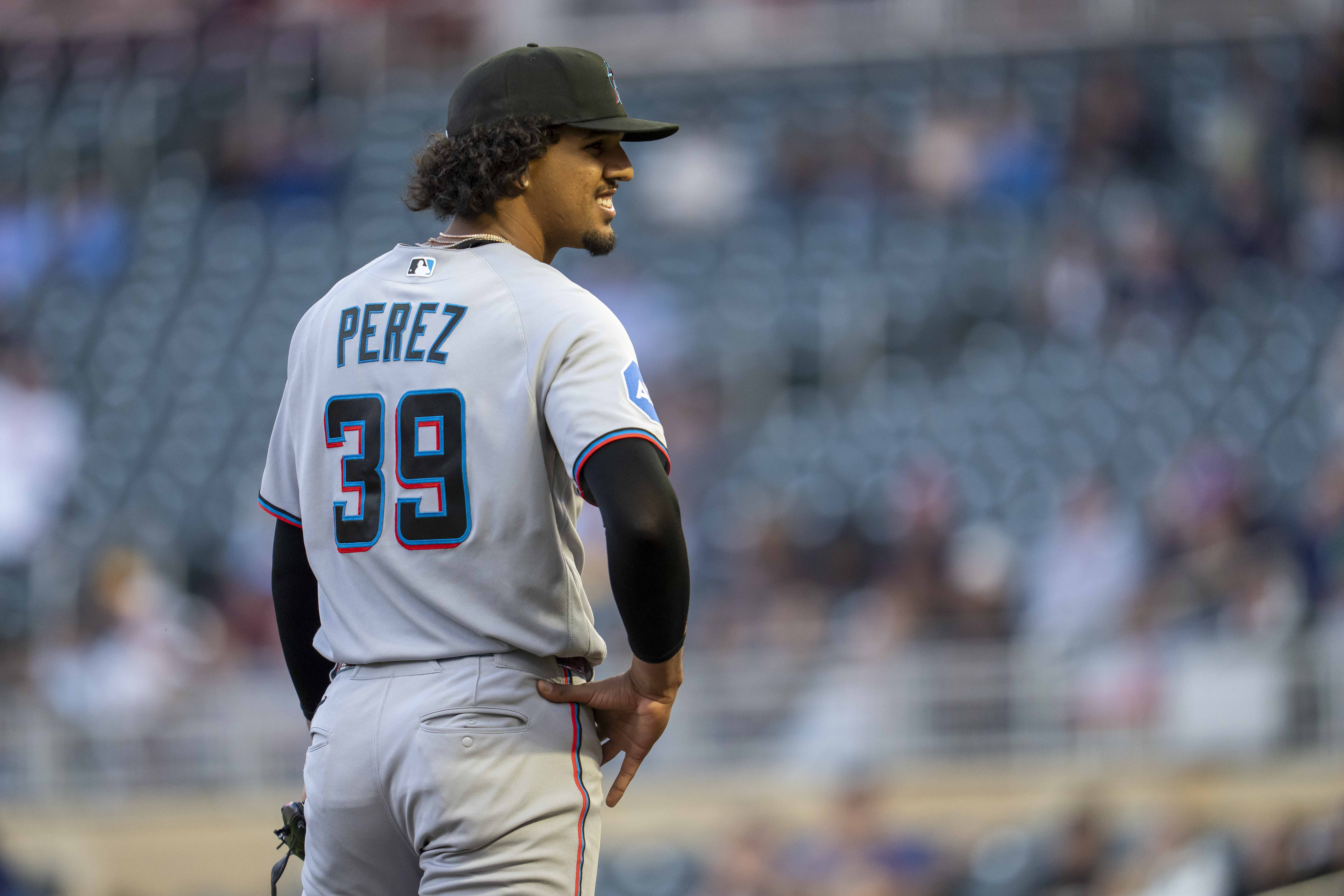 For the fourth time this season, the Miami Marlins have been shutout, this time by a final score of 3-0 to the Minnesota Twins. Starting pitcher Bailey Ober tossed a "Maddux", tossing a complete game shutout on just 89 pitches. It was Ober's first scoreless outing of the season. He allowed only two hits on the night, with the second coming in the top of the fourth inning. The Marlins fell to four games under .500 at 19-23. Pérez, who took a no-hitter into the bottom of the fifth, ended his outing after allowing three runs on three hits (including one home run), three walks and eight strikeouts, matching a season-high. His fastball, which he threw 61% of the time, topped out at 99.5 mph and averaged 97.9 mph. All three runs Pérez surrendered came in the bottom of the fifth. He walked the hot-hitting Byron Buxton, and with two outs, Trevor Larnach singled to right to break up the no-hit bid, advancing Buxton to third. In an attempt to steal a run, Larnach took off for second base, prompting catcher Joe Mack to throw down. After initially holding at third, Buxton broke for home, and Xavier Edwards’ throw arrived just late, allowing Minnesota to score its first run. It appeared infield coach Blake Butler, who communicates with video coordinator Austin Lamkey, advised Marlins manager Clayton McCullough not to challenge the play, but the second-year skipper still took the risk. “If they’re gonna run that, we’ve got a chance there just to play catch, and we did,” McCullough said. “Joe [Mack] made a good throw, Xavier [Edwards] handled it and checked Buxton initially, then worked back the other way. It was really bang-bang. Buxton might’ve just gotten in there. He’s fast, man. Our guys executed it well, and it just came down to a really close play.” On the third pitch of the next at-bat, catcher Ryan Jeffers hit his sixth home run of the season, taking advantage of a sweeper that landed middle-middle, extending the Twins lead, 3-0. "Outside of the one spin ball that probably just caught too much of the plate to Jeffers, I thought Eury threw well," Marlins manager Clayton McCullough said. "He went out the next inning after that and really just filled it up again. He should take away a lot of really positive things from this outing again. He stayed composed throughout the evening, he continued, just keep competing and had good stuff. Unfortunately, we just weren't able to do a whole lot tonight to back him up." Although the final line ended up looking serviceable, Pérez continues to be a frustrating watch. The sequencing of his pitches continue to feature massively heavy fastball usage that makes his breaking balls, like the one he threw to Jeffers, predictable. Pérez also surrendered a total of six hard-hit balls, half of them coming on the fastball. "The beautiful thing about Eury is that he's so far from being a finished product," McCullough said. "The stuff is tantalizing. He's very eager to learn and get better. He's still such a young pitcher in this league and hopefully nights like tonight for him are things that he can build on." Pérez's second-most used pitches were the sweeper and changeup, each thrown 11% of the time. Although that would seem like a very low number of breaking pitches to throw compared to a 61% fastball usage, McCullough thought differently. “I loved how he was using all of his secondary pitches and navigating around some traffic in a couple of innings,” McCullough said. “He was able to threaten hitters much more tonight with his secondary stuff, whether it was the breaking ball or the changeup, which allowed him to not have to rely solely on the heater.” No stint in the minor leagues is needed, and the fact that he’s just 23 years old allows him to make these kinds of mistakes. But if the Marlins are truly in win-now mode, these issues — primarily his pitch usage — need to be addressed. In that fifth inning, Joe Mack, who has shied away from using ABS challenges, missed a crucial opportunity in the Buxton at-bat. A fastball to the top of the zone that seems to have just clipped the strike zone ended up being ball four and Mack did not challenge. If that was challenged and overturned, Pérez would've been out of the inning scot-free. The ABS challenge system has been in the minor leagues for a couple of years now, which means Mack has the most experience with that system, which you'd think would mean he should feel confident enough to challenge calls, but that just has not been the case. ek13MDlfWGw0TUFRPT1fQWxRRFZsd0hWd2NBQVFOVVZnQUhVRlJUQUFNQldsWUFVMUVDVlZJTlZGQUhCUWRS.mp4 Bailey Ober became the first pitcher since Max Fried in 2024, and seventh overall pitcher to throw a Maddux against the Marlins. He also tied Greg Maddux himself for the fewest pitches in a Maddux against the Fish with 89. Ober averaged about nine pitches per inning and struck out seven Marlins, with five of them swinging. "You have to give Bailey a lot of credit," McCullough said. "He filled up the strike zone at a really high rate and he had us off-balance all night. It was a heck of a game that he pitched and we just weren't able to figure out a way to try to flip the script on him as that game went along." The Marlins will look to even the series with Minnesota-native Max Meyer taking the mound against the struggling Simeon Woods Richardson at 7:40 pm. View the full article
 -
Padres Release Alex Verdugo, Who Needs Shoulder Surgery
DiamondCentric posted an article in Padres Mission
 The Alex Verdugo era with the San Diego Padres never had a chance to take off. The Padres on Monday released the outfielder. Kevin Acee of the San Diego Union-Tribune said the left shoulder injury that Verdugo had sustained about a month ago will require surgery, which would sideline him the entire season. Verdugo signed a minor-league contract with the Padres at the beginning of March, perhaps with a chance to eventually contribute to the major-league roster. But that never materialized. The 29-year-old was released by Atlanta in July after posting a slash line of .239/.296/.289 with no homers and 12 RBIs. He didn't play in a minor-league game with the Padres. View the full article
 -
Kendry Rojas Brings Huge Upside, and Serious Command Questions
DiamondCentric posted an article in Twins Daily
 There’s been a noticeable shift in the narrative around Twins pitching prospect (Twins Daily’s No. 8 prospect) Kendry Rojas. At this time last year, Rojas looked like the type of pitcher you could realistically envision slotting into the middle of a major-league rotation in a couple years. The 6-foot-2 left-hander has the frame and swing-and-miss ability teams covet in modern starters, and we saw plenty of that during the first half of 2025. But there’s also some fine-tuning that needs to happen first, and right now, that part of the equation is becoming harder to ignore. Before being acquired from Toronto at last year’s trade deadline, Rojas was carving up minor-league hitters like he was a butcher at a meat shop. Hitters simply had no answers for him. Across 31 2/3 innings between Single-A and Double-A in the Blue Jays organization, Rojas allowed just eight earned runs while striking out 58 batters and walking only five. That works out to an absurd 11.6 strikeout-to-walk ratio, with a walk rate sitting just north of 4%. He looked like a man amongst boys. Because of that success, Rojas quickly emerged as one of Toronto’s top pitching prospects. Then, at last year’s trade deadline, he was dealt to Minnesota alongside Alan Roden in the package for Louis Varland and Ty France. That acquisition looked like exactly the kind of upside swing the Twins needed to take at the time. But things changed once Rojas reached Triple-A. After a three-month stretch of dominance to begin the year, he very much struggled in St. Paul. In 27 1/3 innings with the Saints last season, his ERA ballooned to 6.59, but more concerning than the run prevention (or lack thereof) was his command (or lack thereof). For the first time in his professional career, there were legitimate concerns surrounding Rojas’s ability to consistently throw strikes. His walk rate climbed all the way to 16%, and suddenly, his profile looked a lot different than the one we had seen earlier in the year. Instead of a polished strike-thrower with electric stuff, Rojas began to look more like a talented arm still searching for consistency. Now, to be fair, there were a lot of moving parts involved. A midseason trade and a jump to Triple-A. New coaches, new catchers, a new organization: it was a different environment entirely. Heading into 2026, the hope was that a fresh start (along with some sharper command) would quickly put a lot of those concerns to bed. While his walk numbers in the minors have improved this year, injuries and an inconsistent bullpen opened the door for Rojas to make his debut earlier than the Twins probably envisioned. Through his first 5 1/3 innings with the Twins—which, of course, is an extremely small sample—the results have been pretty concerning. Rojas has walked six batters, giving him a frightening 24% walk rate at the major-league level. To make matters worse, hitters are punishing the mistakes he does leave over the plate. Opposing hitters already have seven hits against him, along with a 50% hard-hit rate. Technically, he's allowed just one earned run, but the expected metrics paint a far uglier picture. His 7.06 expected ERA feels significantly more representative of how he’s actually pitched than the traditional ERA does. When Rojas misses out of the zone, it’s often not even close, and major-league hitters simply are not chasing those pitches. But when he does come back into the zone, the contact quality against him has been loud. That’s not exactly a sustainable formula for success. It’s fair to wonder if there’s a velocity component playing a role here. Rojas’s fastball and slider, his two primary pitches, are both sitting roughly 1.5 MPH harder than they did a season ago. Added velocity is usually a positive in the bigger picture, but it can sometimes create temporary command issues while pitchers learn how to repeat their mechanics at that new level of effort. That’s not uncommon at all. But at the same time, that explanation only goes so far when you factor in the command problems we already saw during his Triple-A stint last season. The concerns aren’t brand new anymore, and that’s what makes the rest of this year so important for him. Rojas absolutely still has the size and raw stuff to become an effective major-league pitcher. Left-handers with this kind of talent don’t grow on trees, and there’s still very real upside here if he can harness everything consistently. But a 24% walk rate is simply unplayable at the major league level. Even if that number were cut in half, that would still be considered quite high for a starting pitcher. Can pitchers survive with elevated walk rates? Sure. But if that’s going to happen, everything else in their profile has to play up. The strikeout numbers need to be elite; the contact suppression needs to be elite; and the stuff needs to completely overpower hitters. More often than not, that skill set tends to align more naturally with a reliever working shorter outings, rather than a starter trying to turn a lineup over multiple times. The rest of 2026 could be the year we learn what his long-term role is. His upside is undeniable, but if the command never takes the step forward the Twins need it to, there’s arguably just as much downside attached to his profile. It’s far too early to say with certainty, but right now we’re seeing a lot more of the downside scenario. View the full article
 -
 It is the habit of teams calling up a top prospect to try to take the heat off the rookie by declaring he is "NOT HERE TO BE A SAVIOR." Expect a lot of that tonight — from the announcers manager, coaches, fellow players, maybe the owner ... maybe even from brand-new Met A.J. Ewing himself. It'll probably even be true, but none of it will lift the reality that the Mets need saving, and the only thing that is going to take that off Ewing's shoulders is a couple of teammates doing the heavy lifting themselves. Transactions, 5/12/2026 GOING NEUTRAL COMING Designated for Assignment Transferred from Outfield Re-Signed to Minor League Contract, Assigned to Brooklyn Added to Roster and Promoted from Syracuse Infielders Outfielders Andy Ibáñez Brett Baty Nick Roselli A.J. Ewing R/R DoB: 1993-04-03 High Level: MLB (2026) L/R DoB: 1999-11-13 High Level: MLB (2026) L/R DoB: 2003-03-31 High Level: A+ (2025) L/R DoB: 2004-08-10 High Level: AAA (2026) A.J. Ewing came hard in 2025. His .830 OPS over three levels was underscored by a .401 OBP and 70 stolen bases. Mets Roster Central suspects it was his performance in 2025 that turned Jett Williams into a tradeable commodity for the Mets. A Ty Cobbian start (not to put any pressure on a guy) to 2026 (.339 / .447 / .514 // .961 with 17 steals in 18 attempts in 30 games across two levels) and he's here with the Mets. And that's his game — getting on base and running wild. Pray that the Mets don't turn him into one more guy who flies out to the warning track and gets slaps on the back for almost getting a hold of one. That show is getting real old. Putting Brett Baty back in the infield contingent is some housekeeping here, but it really is a fait accompli. He's seen most of his time over there since the Ronny Mauricio injury, and Andy Ibáñez' two error game at the hot corner sealed his fate perhaps more than his bat did. Nick Roselli had been released at the end of Spring Training after a lousy 2025. (He did well enough at St. Lucie but hit a wall in Brooklyn.) But with the way the Mets season is going, a .455 OPS doesn't seem as hopelessly disqualifying as it might have back on April 1. His return probably represents the organization backfilling in anticipation of losing Ibáñez. That smart looking Bingho uniform he's wearing in his thumbnail pic isn't a Rumble Ponies alternate, by the way. Nick played his NCAA ball for SUNY-Binghamton. Go Bearcats!! Your 2026 New York Mets Starting Pitchers Clay Holmes Nolan McLean Freddy Peralta David Peterson Christian Scott R/R DoB: 1993-03-27 R/R DoB: 2001-07-24 R/R DoB: 2996-06-04 L/L DoB: 1995-09-03 R/R DoB: 1999-06-15 Relief Pitchers Huascar Brazobán Craig Kimbrel Sean Manaea Tobias Myers Brooks Raley Austin Warren Luke Weaver R/R DoB: 1989-10-15 R/R DoB: 32291 R/L DoB: 1992-02-01 R/R DoB: 1998-08-05 L/L DoB: 1988-06-29 R/R DoB: 1996-02-05 R/R DoB: 1993-08-21 Relief Pitchers Catchers Infielders Devin Williams Francisco Alvarez Luís Torrens Bo Bichette Brett Baty Vidal Brujan MJ Melendez R/R DoB: 1994-09-21 R/R DoB: 2001-11-01 R/R DoB: 1996-05-02 R/R DoB: 1998-03-05 L/R DoB: 1999-11-13 S/R DoB: 1998-02-09 L/R DoB: 1993-11-29 Infielders Outfielders Marcus Semien Mark Vientos Carson Benge A.J. Ewing Austin Slater Juan Soto Tyrone Taylor R/R DoB: 1990-09-17 R/R DoB: 1993-12-11 L/R DoB: 2003-01-20 L/R DoB: 38209 R/R DoB: 33951 L/L DoB: 1998-10-25 R/R DoB: 34356 Also on 40-Player Roster Starting Pitchers Relief Pitchers Tylor Megill Kodai Senga Jonah Tong Alex Carrillo Reed Garrett Joey Gerber Justin Hagenman R/R DoB: 1995-07-28 L/R DoB: 1993-01-30 R/R DoB: 2003-06-19 R/R DoB: 1997-06-06 R/R DoB: 1993-01-02 R/R DoB: 1997-05-03 R/R DoB: 1996-10-07 On 60-Day Injured List with torn right UCL. On 15-Day Injured List with Lumbar Spine Inflammation With Syracuse With Syracuse On 60-Day Injured List — right UCL surgery and nerve relocation surgery. With St. Lucie on Rehab Assignment On 60 Day Injured List with fractured rib. Relief Pitchers Catchers Infielders A.J. Minter Dedniel Núñez Jonathan Pintaro Dylan Ross Hayden Senger Francisco Lindor Ronny Mauricio L/L DoB: 1993-09-02 R/R DoB: 1996-06-05 R/R DoB: 1997-11-07 R/R DoB: 2000-09-01 R/R DoB: 1997-04-03 S/R DoB: 1993-11-14 S/R DoB: 2001-04-04 With Syracuse on Rehab Assignment On 60-Day Injured List — right UCL surgery. With Syracuse With Syracuse With Syracuse On 10-Day Injured List with Strained Left Calf On 10-Day Injured List with fractured right thumb. Infielders Outfielders Jorge Polanco Nick Morabito Luis Robert, Jr. Jared Young S/R DoB: 1999-11-13 R/R DoB: 2003-05-07 R/R DoB: 1997-08-03 L/R DoB: 1995-07-09 On 10-Day Injured List with right wrist contusion. With Syracuse On 10-Day Injured List with Lumbar Spine Disc Hernitaion On 10-Day Injured List with torn left meniscus. Designagted for Assignment Infielders Andy Ibáñez R/R DoB: 1993-04-03 DFA'd, 2026-05-12. Your Mets Coaching Staff Manager Bench Coach Pitching Coach Hitting Coordinator Third Base Coach First Base Coach Bullpen Coach Ass't Pitching Coach Carlos Mendoza Kai Correa Justin Willard Jeff Albert Tim Leiper Gilbert Gomez José Rosado Dan McKinney DoB: 1979-11-27 DoB: 1989-07-14 DoB: 1990-09-09 DoB: 1992-08-16 DoB: 1996-07-19 DoB: 1992-03-08 DoB: 1974-11-09 DoB: 1989-06-06 Hitting Coach Strategy Coach Catching Coach Coaching Assistant Bat'g Practice Pitcher Equipment Manager Bullpen Catchers Bullpen Catchers Troy Snitker Danny Barnes J.P. Arencibia Rafael Fernandez Kevin Mahoney Kevin Kierst Eric Langill Dave Racaniello DoB: 1988-12-05 DoB: 1989-10021 DoB: 1986-01-05 DoB: 1988-08-03 DoB: 1987-05-11 DoB: 1964-07-09 DoB: 1979-04-09 DoB: 1978-06-03 Your Mets Training Staff Director of Player Health Head Athletic Trainer Assistant Athletic Trainer Reconditioning Coordinator Reconditioning Therapist Head Performance Coach Assistant Performance Coach Performance Coordinator Soft Tissue Specialist Brian Chicklo Joseph Golia Bryan Baca Sean Bardanett Josh Bickel Dustin Clarke Tanner Miracle Jeremy Chiang Hiroto Kawamura DoB: 1972-07-17 DoB: 1978-??-?? DoB: Circa 1980 DoB: 1988-06-23 DoB: 1996-??-?? DoB: 1987-??-?? DoB: 1991-??-?? DoB: ????-??-?? DoB: 22846 View the full article
 -
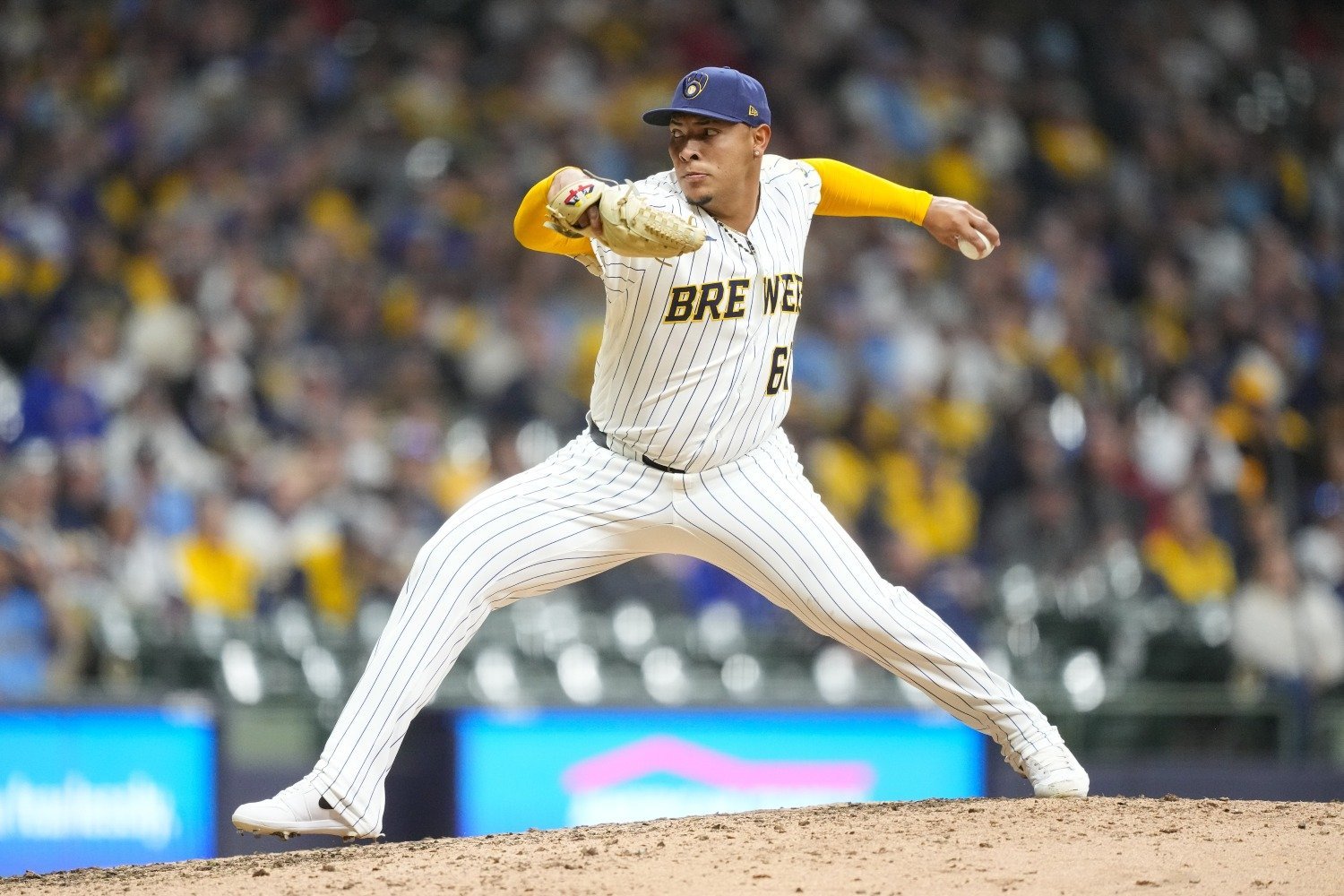 Matt Arnold’s tenure with the Brewers has been highlighted by some brilliant moves. The strategy of buying low and selling high has brought some intriguing talent to the team, like Caleb Durbin (acquired from the Yankees in the Devin Williams trade), Joey Ortiz (acquired from the Orioles in the Corbin Burnes trade), and most recently, Kyle Harrison (acquired from the Red Sox in the great infield culling of 2026). That said, not all of his deals have been as successful. Sure, some of the smaller trades were duds on both ends, and any depth pieces that ultimately fail to exceed expectations can’t necessarily be deemed failures. However, one recent trade this offseason is looking like one of the tougher sells in hindsight. On Dec. 14, 2025, the Brewers acquired left-handed reliever Ángel Zerpa in exchange for Nick Mears and Isaac Collins. It came as a surprise to some, since both Collins and Mears were solid contributors in 2025, while Zerpa’s abilities were less obvious. Collins posted a 122 wRC+ over 441 plate appearances and placed fourth in NL Rookie of the Year voting, while Mears made 63 appearances for Milwaukee and pitched to a 3.49 ERA. On the other hand, Zerpa had pitched a total of 177 innings over five seasons for the Royals and managed an ERA of 3.97, with a 4.13 FIP. By all estimates, that's a satisfactory big-league resume, but it's hardly worth giving up two players. Nonetheless, our very own Jack Stern had his thoughts on why the implicit upside of Zerpa and impending regressions of Mears and Collins could still swing the deal in Milwaukee’s favor. Even when Zerpa hit a snag and struggled to find his footing to start the year, Stern remained optimistic on what he could accomplish down the stretch. Unfortunately, now that Zerpa’s season will draw to a premature close as a result of UCL surgery, the statistics of his debut season with the Brewers will remain as they are: underwhelming. Across his 12 ⅔ innings pitched, he posted a 6.39 ERA with a 5.33 FIP and -0.2 fWAR. Over in Kansas City, the two former Brewers are faring just a bit better. Collins has seen some defensive regression but has remained solid at the plate so far, posting a 102 wRC+ with a nifty 13.3% walk rate. Mears has pitched 14 innings to a 3.07 ERA and 3.93 FIP, sacrificing chase rate for more ground balls. As the saying goes, hindsight is 20/20, and at the time, the thesis behind the trade was probably sound. Although Collins had strong numbers over the entirety of last season, his offensive production took a tumble in the fall, posting a .664 OPS in the final month of the regular season and managing just one walk with seven strikeouts in ten postseason plate appearances. Similarly, Mears had a second-half ERA of 5.59 and pitched just 1 ⅔ innings in the playoffs. Zerpa, a hard-throwing southpaw with some potential left to unlock, seemed like a natural project for the organization’s pitching staff. His showing in the WBC helped his case quite a bit. The tournament that took his hype to all-time highs for Brewers fans may have also been the very thing that led to his brutal start to the season and eventual addition to the injured list. It’s possible that getting ramped up too early and quickly may have been too much of a workload for his body to handle, but while it’s easy to blame the WBC, it’s far from the definite cause of his worries. Pitching injuries are more common than ever, and with teams making endless demands for more velocity and spin, injuries such as Zerpa’s are typically caused by a slew of different factors, rather than having a single smoking gun. Zerpa will now be sidelined until next spring or summer, which (assuming there’s no labor stoppage in 2027) means that Milwaukee will have, at most, just over a season more of club control over him. Meanwhile, the Royals will have Mears until 2028 and Collins until 2031. Unless Zerpa goes on a ridiculous run to conclude his time with the Brewers and/or Collins and Mears become negative contributors to the Royals, it’s likely the result of this trade will be disappointing. But misses can’t always be avoided, and for an organization as galaxy-brained as the Brewers, not all bets will pay off. View the full article
 -
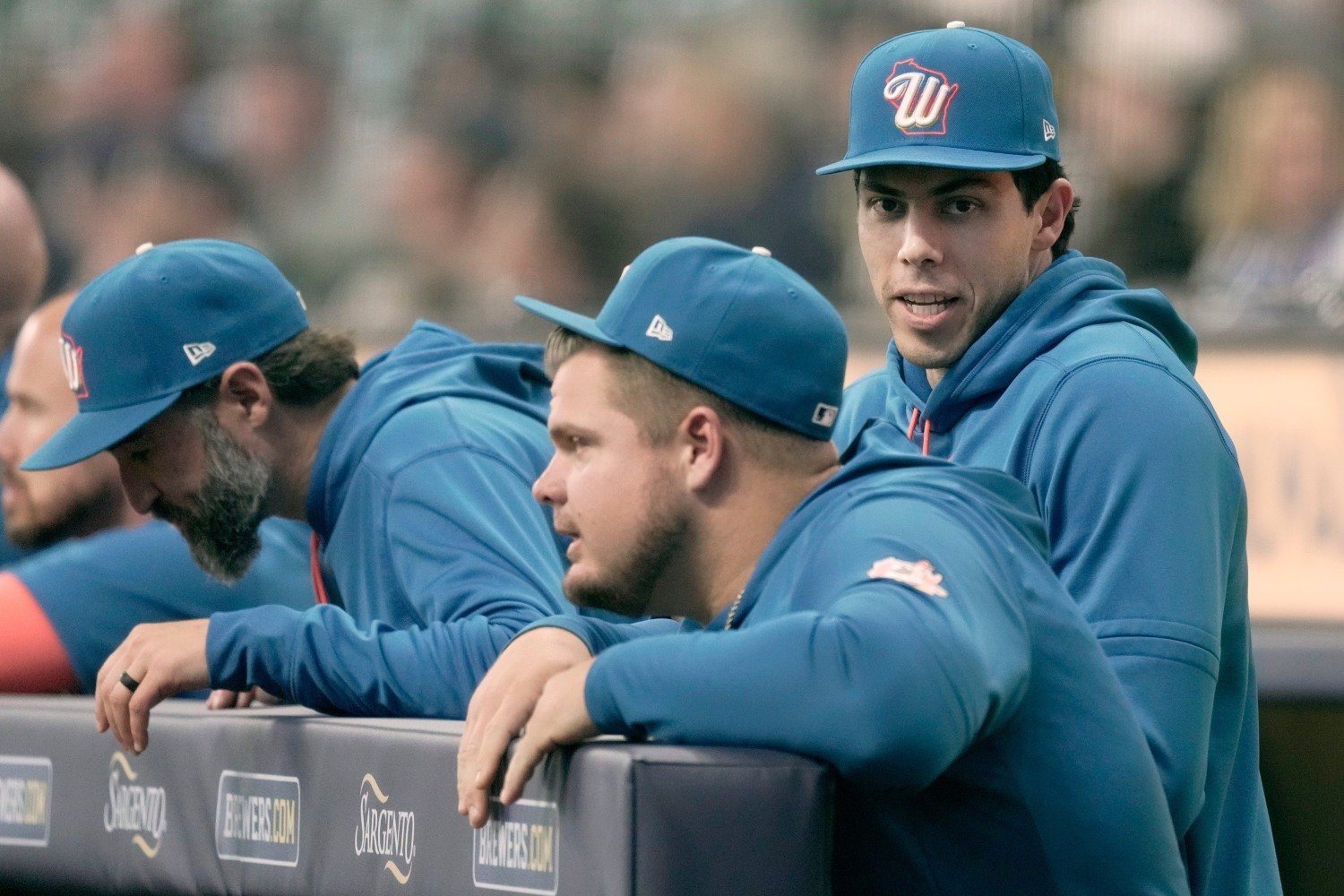 The Brewers offense rediscovered its stride after just a short wobble. They missed Christian Yelich, but they've done fine without him lately. He returns to the team's lineup Tuesday night against the Padres, joining a team that's currently fifth in MLB in runs per game and 10th in Baseball Prospectus's DRC+. The team survived the long absences of Jackson Chourio and Andrew Vaughn, the pressure of which was compounded when Yelich, too, went down. He returns without having embarked on a rehab assignment—a rare thing, after four weeks away, but understandable in this case. Yelich is the veteran leader of the team and has never felt he gets much from rehab games. With the Trajekt system available to him at Uecker Field, he was able to get simulated reps without leaving the team or risking injury in game action. Slotting Yelich back into the top part of the Brewers batting order makes it quite fearsome. Brice Turang's emergence as a superstar with burgeoning power has made it easier to see the upside of this time, and with Chourio, Yelich, William Contreras and Jake Bauers behind him, pitchers don't get a break until they get all the way to the bottom third of the lineup card. In some other matchups, the team might also elect to slide Chourio to center field and move Bauers to left, getting Vaughn into the mix with the aforementioned top five. Garrett Mitchell's recent slump makes that seem like a pretty good idea; so does the utter lack of punch delivered by David Hamilton and Joey Ortiz at the bottom end of the order. Yelich takes the place of Tyler Black on the roster, sending Black back to Triple-A Nashville after his most encouraging taste of the majors to date. Black still has no defensive home and doesn't add anything Bauers and Yelich don't do already, so his path to playing time remains murky. When he rejoins the Sounda, though, he'll be alongside a few players who could soon be in play to take this lineup from whole to truly complete. Cooper Pratt, Jett Williams and Luis Lara are all showing varying signs of readiness to have an impact in the major leagues. Meanwhile, Mitchell, Ortiz and Hamilton are struggling. It doesn't seem that a swap of any of the three prospects for one of the current big-leaguers is imminent, but another week or two of things trending the same way would force a more serious conversation. If the Brewers can find even one more solid bat among Williams, Pratt and Lara, they could turn the corner and become an elite offense, even before the arrival of Jesus Made in the bigs some time in the next 12 months. It's strange that Yelich's return occasions this vision of the future, since he's very much a part of the team's present but is slowly moving toward being part of its past. However, his return is a symbol of what's possible for this team, and increasingly, what seems possible is a future in which a team long built around pitching and defense will have the league's most formidable offense, too. View the full article
 -
Vahn Lackey Gaining Momentum For Twins With Third Overall Pick
DiamondCentric posted an article in Twins Daily
 The picture at the top of the MLB Draft is becoming clearer, and all signs point toward the Minnesota Twins focusing heavily on Georgia Tech catcher Vahn Lackey with the third overall pick. According to Baseball America, “Minnesota has had a lot of high-level decision makers scouting Vahn Lackey this spring.” That report lines up with how the draft board appears to be developing. UCLA shortstop Roch Cholowsky has looked like the favorite to land with the Chicago White Sox at first overall for much of the year. He entered the spring as a strong candidate for the top pick and has only strengthened that case with his performance this season. The second pick belongs to the Tampa Bay Rays, and they have consistently been connected to prep shortstop Grady Emerson throughout the draft cycle. There is still a chance Tampa Bay pivots to Lackey if he remains available, but many recent mock drafts have Emerson heading to the Rays at number two overall. If the board falls that way, Lackey could slide directly into Minnesota’s lap. The appeal is easy to understand. At Georgia Tech, Lackey is continuing a strong tradition of first-round catching talent, including Jason Varitek, Matt Wieters, Joey Bart, and Kevin Parada. He has been one of the best offensive catchers in college baseball this spring while also showing the athleticism teams covet behind the plate. Through his first 47 games, Lackey is slashing .371/.491/.682 with a 1.173 OPS, 12 home runs, and nine stolen bases. That combination of impact offense and athletic ability has helped push him into the upper tier of this draft class. His rise has not been a traditional one. Lackey was a late bloomer in high school and did not receive Division I offers until his senior year. Even in college, his development trajectory has continued to trend upward as he has added polish to both sides of his game. Defensively, scouts believe there is still more room for growth. Lackey is agile behind the plate and moves well for the position, giving evaluators confidence that he can become a dependable receiver and blocker as he improves his consistency and focus. His arm strength and accuracy already stand out as major assets. For the Twins, that profile makes plenty of sense. The organization has leaned toward polished college talent in recent drafts, especially players with a blend of upside and relatively high floors, including Brooks Lee, Kaelen Culpepper, and Marek Houston. Catchers with Lackey’s offensive ceiling and athletic traits are difficult to find, and Minnesota may view him as one of the safer premium bats near the top of the board. If the Twins ultimately go in another direction, college pitcher Jackson Flora and prep shortstop Jacob Lombard appear to be among the other realistic options tied to the third pick. Still, as the draft draws closer, the momentum around Lackey continues to build. Unless something changes in the first two selections, the Twins may soon find themselves adding another cornerstone talent to the organization, and one who could eventually become the long-term answer behind the plate. View the full article
 -
 For the 2026 season, Fish On First will provide weekly reports on the Miami Marlins farm system, covering all levels. Here's the second May edition of our Fish On First Prospects Report and the first with a section dedicated to the Florida Complex League. This report covers the games played from May 5-11. Triple-A Jacksonville Robby Snelling and Joe Mack were just promoted from the Jumbo Shrimp. The top-ranked prospect remaining on their roster is Kemp Alderman, who continues to play first base on a part-time basis. He had another strong week of play against the Charlotte Knights, with a hit in five of the six games he played in, hitting a home run in the last game. Overall, Alderman is slashing .287/.370/.473/.843 with six home runs, 17 RBI and a 125 wRC+. It is unclear how long of a leash the Marlins will give Christopher Morel at first base, but with Alderman getting first base reps everyday, it does bring up the possibility that the Marlins could call him up soon if Morel struggles continue. Jacob Berry struggled this series against Charlotte, only knocking in two hits during the season, but overall he is slashing .280/.403/.410/.813 with two home runs, 16 RBI, 11 stolen bases and a 125 wRC+. Defensively, he has recently been splitting time between third base and right field. Although Deyvison De Los Santos is repeating Triple-A, he is showing improvements from struggles we saw in 2025. Going into the final game of the Charlotte series, De Los Santos was riding a six-game hit streak, which was snapped after an 0-for-3 day in the series finale. He is now slashing .260/.339/.450/.789 with four home runs, 19 RBI and a 109 wRC+. He is only striking out a career-low 17.4% of the time. On the pitching side, Bradley Blalock struggled for the first time this season, allowing seven runs on seven hits (one home run), walking five and striking out four in 4 ⅔ innings pitched. Overall, Blalock now has a 4.42 ERA, 5.45 FIP, 8.59 K/9 and 2.70 BB/9 in 36 ⅔ innings pitched. Blalock, who's FIP was a lot higher than his ERA going into this start against Charlotte, showed that he was getting a bit lucky. Zach Bryzkcy continues to absolutely dominate, posting a 0.66 ERA, 3.11 FIP, 9.88 K/9 and 4.61 BB/9 in 13 ⅔ innings pitched. Although the walks are an issue, he keeps inducing ground balls and striking out guys. The Marlins have already given other under-the-radar guys an opportunity this season. Bryzkcy is doing everything in his power to give himself a chance. Double-A Pensacola It was a good week for Wahoos starting pitching, but their offense lagged behind, paving the way to a 4-2 series loss at the hands of Rocket City. Pensacola scored just 17 runs over the six game slate. As a team, the Wahoos are now hitting .220, last in the Southern League. Brandon White, the Marlins’ 2021 12th-round pick, is a name that has not often been talked about over the years. It’s not hard to imagine why; shortly after being drafted, White underwent Tommy John surgery and didn’t return until 2023. Well behind schedule to start his pro career, White was finally able to pitch close to a full season’s sample of innings in 2024. Amidst the jump to High-A last season, he posted solid results including a 3.64 FIP and 6.7% walk rate. This season with Pensacola, White is pitching himself further into relevance by showcasing swing-and-miss stuff. That was especially on display this week when White struck out a career high 11 Trash Pandas and allowed just one hit in 6 ⅔ innings. His solid control and command has not only persisted but improved against Double-A batters as he’s walked a minuscule four batters in 26 innings. At 6’8”, 230, White is a massive physical specimen, though he’s always thrown from a pretty graceful windup and release and kept his long levers well under control. Working to his advantage is his ability to shorten the distance to the plate and throw from a high downhill arm slot, keeping opposing hitters well off balance. As a collegiate arm, White was clocked as high as 97 mph with his fastball. He hit that on a few occasions in his start this week and sat 95-96 showcasing a velo bump from last season when he sat 93-94. White's main breaking ball has morphed into a gyro slider, continuing a trend that we've observed with multiple Marlins pitchers in recent years. It features sharp downward break and plays well on both sides of the plate. He is also adding a sweeper to his arsenal and making strides with his changeup as a weapon he can run in to same-side hitters for front-door strikes and weak contact. Altogether, White is a repeatable arm from a huge frame that is beginning to look dominant as the velo ticks up and his third pitch becomes more usable. Despite being behind schedule, he’s a candidate to move to Triple-A this season and maybe even an option to get a look at the MLB level if the Marlins fall out of contention. White will once again be Rule 5-eligible this winter. Karson Milbrandt just keeps mowing down Double-A batters. This week, he threw a third straight quality start and came within two of tying his career high in strikeouts. Stuff was always present for the 22-year-old righty; his crux was figuring out his spotty command and control. Armed with mid-90s stuff that can tick up into the upper 90s and which he is garnering the comfort to elevate and a best-pitch slider, Milbrandt’s stuff and development mimics that of Max Meyer who, after some growing pains, has arguably grown into the Marlins’ most effective starter this year. Scrapping the changeup as his third pitch in place of a cutter has proved advantageous. Milbrandt also tosses from a funky, deceptive windup. If Milbrandt’s control and command persists, a promotion to Triple-A should happen once organizational pitching depth allows. High-A Beloit Low-scoring affairs were the theme for the Carp and Tin Caps this week, with Beloit coming up on the wrong side of the equation more often than not. With just 36 total runs scored over the course of the week, Beloit salvaged two games, including the only contest where more than six tallies were plated on Sunday night. Beloit fell to 14-18 on the season. Starlyn Caba continues his power surge at the plate, proving his early season success was no fluke and that it can be sustained. This is all happening while Caba is playing in significantly cool climates in the Midwest League. During this series, the infielder went 5-for-20 with a double, his third homer of the season and a 6/4 K/BB. The long ball came in extra innings and propelled Beloit to a victory. He’s now already amassed his career high in homers. While still showing off good discipline and vision that has led to a 16% walk rate, Caba is showing an enhanced ability to shorten his swing on pitches inside and over the plate. He’s also swinging with noticeably more aggression and effort behind his pull-side, which is leading to more strikeouts but at 21%, the K rate is still manageable. His always quick bat speed is still present. These traits are leading to usual gap power turning into over the fence power in the previously mentioned hard to hit in environments. Adding more pop without sacrificing his great approach is the cherry on top of what is becoming an all-around potentially elite skill set for Caba and he’s still just 20 years old. Along with great defense and plus speed that allotted him 50 steals in 2024, we are looking at a potential five-tool talent. If the power sticks, he will be an unquestioned Top 100 prospect in baseball. Because Aiva Arquette is older and may quickly prove to be ready for the challenge to Double-A, Caba is also playing himself into that conversation. With continued success, it is plausible we will see him at Pensacola sooner than we thought. Speaking of promotions to Pensacola, Justin Storm is begging for one. With inning coverage in high demand across the entirety of the Marlins’ system, the 24-year-old has been lights out in High-A. He’s currently riding a scoreless innings streak of 6 ⅓ across his last five games. During that span he has a 10/2 K/BB. After a bit of a rocky start in the frigid Midwest League, Storm has adjusted well. His size-and-stuff profile including a sitting 93-94 mph fastball that can ramp to 96, a staple slider that moves on both planes and now also mixing in a high-70s curveball, Storm boasts potential high leverage inning coverage with the capacity to work multiple innings if needed. He’s a bit old for High-A and needs the challenge to Double-A to see if his stuff can stand up against upper minors competition. That would advantageously come as soon as Beloit is able to spare some arms. Eliazar Dishmey had been on a positive upswing, having gone at least five frames in each of his last two starts, the latter of which was a nine strikeout performance. He parlayed that into five shutout frames against the Tincaps. Perhaps most encouraging for Dishmey was that for a second straight outing, he limited walks to two while allowing just two hits. Both historically and currently, it’s always been all about control for Dishmey. When the 6’1”, 175-pounder has it, his solid stuff including mid-90s velo and a standout changeup on top of a sharp power curveball. He mixes his pitches well and shows good velo separation. When controlling, he has th swing-and-miss potential to rack up whiffs. When not controlling though, Dishmey drives his pitch counts up early, becomes reliant on the fastball and can become a bit one-dimensional for opposing hitters to wait out and riddle out. On Dishmey’s side is his age: he is still just 21, so there is plenty of time for him to fully iron out his control consistency. Limited size, a high-effort release and mechanics that can look stiff at times are working against him. Dishmey’s plus velo that he could ramp up more if asked to go shorter stints and plus secondaries give him a pretty high floor but there is reliever risk attached to him. Low-A Jupiter Emilio Barreras continues to hit, now slashing .300/.488/.467/.954 with two home runs, 13 RBI and a 173 wRC+. After a slow start to the season, Barreras had a hit in three of the four games in their most recent series against the Palm Beach Cardinals. A 2025 draftee who told Fish On First that he models his game after Luis Arraez, Barreras is now walking 23.2% of the time while striking out 14.6% of the time and slapping the ball to all parts of the field. Catcher Carlos Sánchez continues to succeed in his second stint at the Low-A level, slashing .235/.371/.529/.900 with five home runs, 12 RBI and a 143 wRC+. After posting high strikeout numbers in previous seasons, Sanchez is striking out at a career-low 14.5% rate compared to a 16.1 BB%. A promotion to High-A Beloit should be coming soon. After a bad first run in Low-A, first baseman Julio Henriquez is slashing .286/.368/.408/.777 with seven RBI and a 118 wRC+. At 21 years old, Henriquez repeating the level isn't the worst thing to happen. Esmil Valencia, who missed a good chunk of the season already due to a finger injury, is slashing .261/.333/.391/.725 with five RBI and a 100 wRC+. The only downside has been his 29.6% strikeout rate, which at the moment is a career-high. Although a high FIP continues to be a concern for righty Walin Castillo, he has a 1.37 ERA and 54.9% ground ball rate. That's up more than 10% from last year's performance with the Hammerheads. FCL Marlins It has been a rollercoaster of a week for the FCL Marlins, who had three off days, a rainout, and a doubleheader. Three players in particular who impressed in the Dominican Summer League last season are already beginning to make names for themselves in the FCL. Eiver Mosquera spent the entirety of his 2025 campaign in the DSL, where he posted a 2.45 ERA across 29 ⅓ innings pitched while striking out 33 batters compared to just eight walks. His ability to consistently throw strikes and limit damage made him one of the more intriguing young arms in the lower levels of the system. The right-hander made his first stateside appearance on May 5 and looked comfortable immediately. Across four innings, Mosquera allowed four hits and one earned run while walking none and striking out two. Luis Arana was one of the more productive hitters in the DSL last season after hitting .297 with five homers, 35 RBIs, and 30 walks compared to only 18 strikeouts. Along with his advanced approach at the plate, he also added 28 stolen bases and consistently found ways to impact games offensively. So far, he's done well with the transition to the FCL. Through his first 20 at-bats, Arana is hitting .400 with six stolen bases and has yet to strike out. His contact ability and discipline at the plate have immediately translated, while his speed has continued to be a major factor on the bases. Luis Cova also entered the season with plenty of attention after a strong DSL campaign last year. Ranked as Fish On First’s No. 12 prospect entering 2026, Cova has been viewed as one of the more talented young bats in the system. While the start to his season has been slower offensively, there are signs that things may be starting to turn around. On Monday afternoon, he went 2-for-3 with three walks in one of his best games of the season so far. After a disastrous season in the FCL last year, Luis Leon is off to the kind of start he needed in 2026. Through his first 16 at-bats, Leon is hitting .313 with three doubles after recording just four doubles during the entirety of the 2025 season. Strikeouts are still an issue, but the early extra-base production has been encouraging. The raw talent has always been there, and the improved offensive start is a positive sign for the young outfielder. He has also made four starts at second base early on. This week's MiLB schedule Triple-A Jacksonville at Memphis Double-A Pensacola at Chattanooga High-A Beloit vs. Peoria Low-A Jupiter at St. Lucie FCL Marlins vs. FCL Nationals, FCL Mets and FCL Astros View the full article
