


DiamondCentric
-
Posts
2,631 -
Joined
-
Last visited
Never
Content Type
Profiles
Forums
Events
News
Tutorials & Help
Major League Baseball Videos
Guides & Resources
Store
Downloads
Gallery
Everything posted by DiamondCentric
-

The Brewers Have Brewerized Antonio Senzatela. Good Luck.
DiamondCentric posted an article in Brewer Fanatic
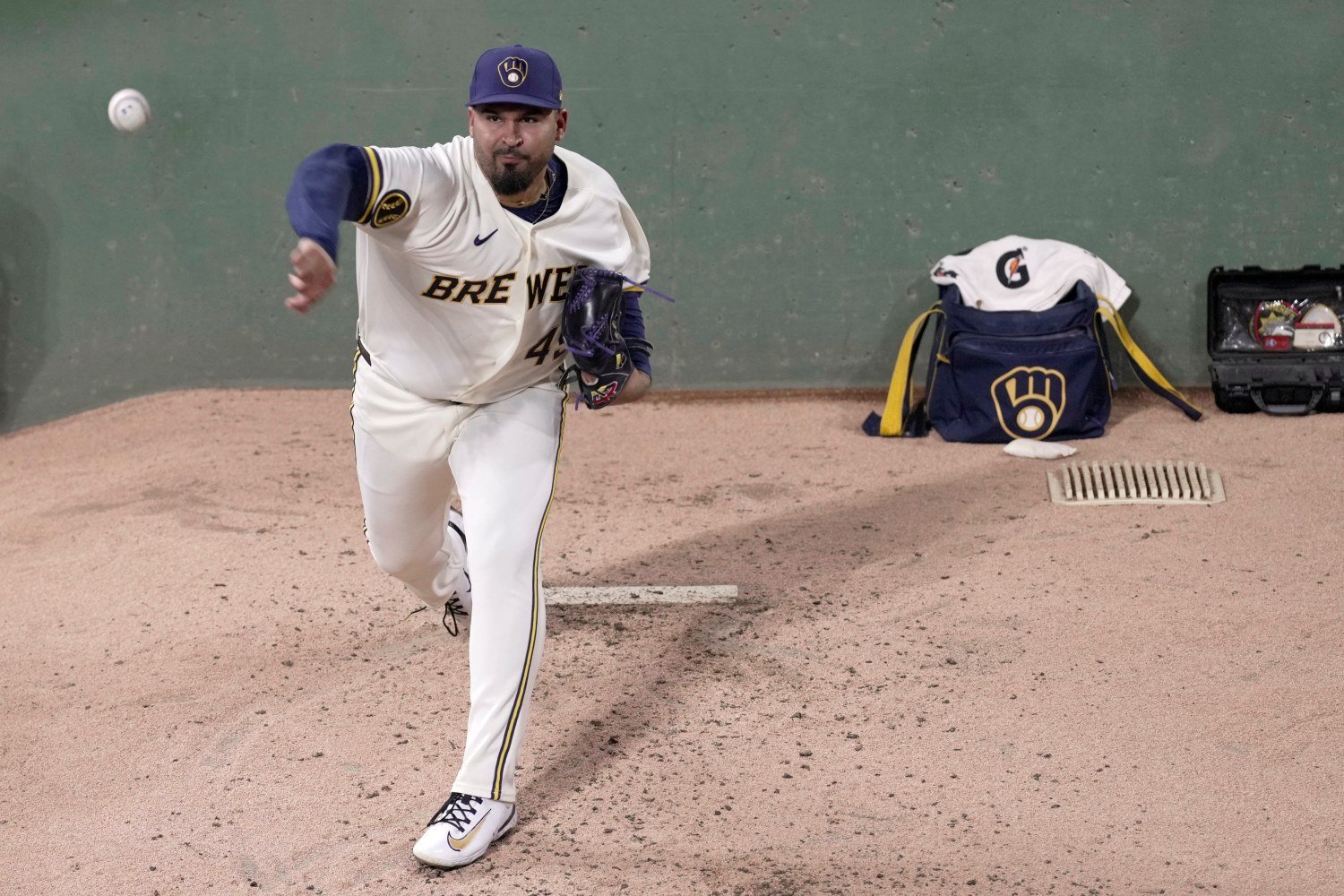 After years as an often-ineffective starter, Antonio Senzatela finally moved to the bullpen for the Colorado Rockies this season. Immediately, his results improved, as they nearly always do when a starter moves to the less demanding role of short reliever. Senzatela achieved his particular glow-up thanks mostly to a ferocious cutter that became a huge part of his arsenal, playing like a power slider off his high-90s four-seamer. It was an enticing enough package to get the Brewers interested, but once they traded for him at the trade deadline, they wanted to add something to it. Maybe that's not even quite right. What's happened since Senzatela came to Milwaukee isn't a pure addition, so much as a substitution. While still with the Rockies, the righty leaned on his four-seamer and cutter. Since the trade, he's been a sinker-cutter guy. This isn't wholly surprising, of course. The Brewers love to get a pitcher comfortable with all three fastball variations, wherever it makes sense to do so. For Senzatela, it certainly did, once he got out of the thin air of Coors Field. He throws from a higher arm slot than most sinkerballers, so he was naturally a four-seamer guy, and the movement he gets on his sinker comes mainly from his grip and the resulting movement of air over the seams of the ball (rather than from killing spin and manipulating spin axis), which doesn't work well at all at elevation. Therefore, he'd never used the sinker much before coming to the Crew. Once he arrived and they test-drove it a bit, though, Chris Hook and Jim Henderson recognized that that might be his best fastball. There was a problem, though. Senzatela switched to the sinker right away, but in his first five outings with the Crew, it yielded dreadful results. He gave up five runs (four earned) over his first 3 2/3 innings and looked like he'd become one of the team's assemblage of disappointing deadline reliever acquisitions in recent years. Then, after a brutal outing in the first game of the Brewers' series at Dodger Stadium, the player and team found the right fix: a move across the mound, from the third-base side of the rubber to the first-base side. The reason is simple, and probably self-evident. In addition to being an impressively heavy pitch from such a high slot, Senzatela's sinker moves quite a bit more to his arm side than does his four-seamer—about eight inches more. It you throw a sinker that different from your usual fastball from your usual spot, two different bad things can happen, depending on where you're targeting the pitch. If you target the arm-side edge of the plate, you'll probably miss off the plate to that side by so much that the batter will easily let the pitch go for a ball. If you target the glove-side edge of the plate (much less likely, for sinkers, but more on that in a minute), you'll probably leave the ball right in the middle of the plate, where there be dragons. Senzatela's sinker doesn't work quite the way most pitchers' does, so he had a bigger menu of ways to use it available to him. However, to access it, he needed to achieve greater conviction when throwing the pitch, and he needed to put the geometry of the game on his side. Moving to the first-base side of the rubber accomplished both objectives. As it happens, the Brewers are one team who do ask their pitchers to hit the glove-side edge of the plate even with sinkers, which move to the arm side so much. That works best with guys whose sinkers come from relatively high slots and depend heavily on seam-shifted wake, as Senzatela's does; Quinn Priester (remember him?) is the same way. For it to work, though, Senzatela needed to get on that first-base side of the rubber. Once he did so, things clicked into place immediately. Here's a 2-1 sinker he threw to Teoscar Hernández in his first appearance after changing places on the mound. UHY2azdfV0ZRVkV3dEdEUT09X0JWSUFYRkFBQlZFQUFWUUNBQUFIQUFCUUFBQlVVd0FBQ3dOVENGQURWQWNEQUZGUg==.mp4 You can see, just from the way Hernández reacts, what an unfair pitch that is. A hitter who readies himself to hit that pitch can only make irresponsible and terrible swing decisions. If he were to cover that pitch, Hernández would end up chasing a cutter even a foot off the plate, so he has to give up on it and accept the called strike if Senzatela can dot it like this. On the very next pitch in this sequence, Senzatela brought the sinker back over the plate a little more, but it was still down and dropping fast, and Hernández (probably longing for the more hittable version of this guy he remembered from past intradivisional matchups) grounded out boringly to shortstop. Here's Senzatela doing the same thing to poor Christopher Morel, 12 days later and on the other side of the country. a0R2MG5fWGw0TUFRPT1fQmdNQVVWRlJBQVVBQ0ZCV0F3QUhVd1lIQUZnRVd3QUFDMVFHQVFRQlZ3TURCd2Rm.mp4 It's hard to overstate how devastating a pitch that is, when it's located well. Even doing so occasionally makes a hitter cover a zone that's too big for most guys to manage. Avoid making mistakes in the middle of the zone with the pitch, and you're going to dominate, given this speed and movement and the cutter to play off it. Senzatela ended up inducing a pop-up from Morel to end the inning, on a sinker in on his hands that caught the hitter thinking about the other side of the zone. This move also lines Senzatela up to throw a more traditional, arm-side sinker, and he's thrown some that snatched souls. This one easily overmatched Julio Rodríguez. The only momentary problem was that it was too nasty to catch. NXk5UUJfWGw0TUFRPT1fQmdoWlVBVlZBQVVBQ2xNRlZBQUhWQVpmQUFBQUFWTUFCVmNOQlZVSEJRRUdBMVFF.mp4 Moving across the rubber and letting his sinker work back to the arm side as much as it wants has turned Senzatela into a ground-ball machine. He already did a good job keeping that pitch down, so he's rarely in danger of having it hit out of the park, even when he's in the center of the zone. The Brewers' top tier of relievers consists of Trevor Megill, Abner Uribe and Aaron Ashby. That will remain true, as long as those three stay healthy the rest of the season. Senzatela's emergence as an exceptional ground-ball guy with a deceptive and overpowering pair of diverging fastballs is still vital, though. Down the stretch, Senzatela, JoJo Romero and Chad Patrick can keep the workload of the top trio light, but in October, they'll become even more important. Having all of those guys operating at peak capacity reinforces the advantage the Brewers treasure above all others: the best pitching depth in the league. They've turned a middle reliever who had flashed high-leverage potential but got off to a bad start into one who can be trusted much more; the tweak might pay dividends well beyond Game 162. View the full article
 -
San Diego Padres Minor-League Hitters of the Month: August 2026
DiamondCentric posted an article in Padres Mission
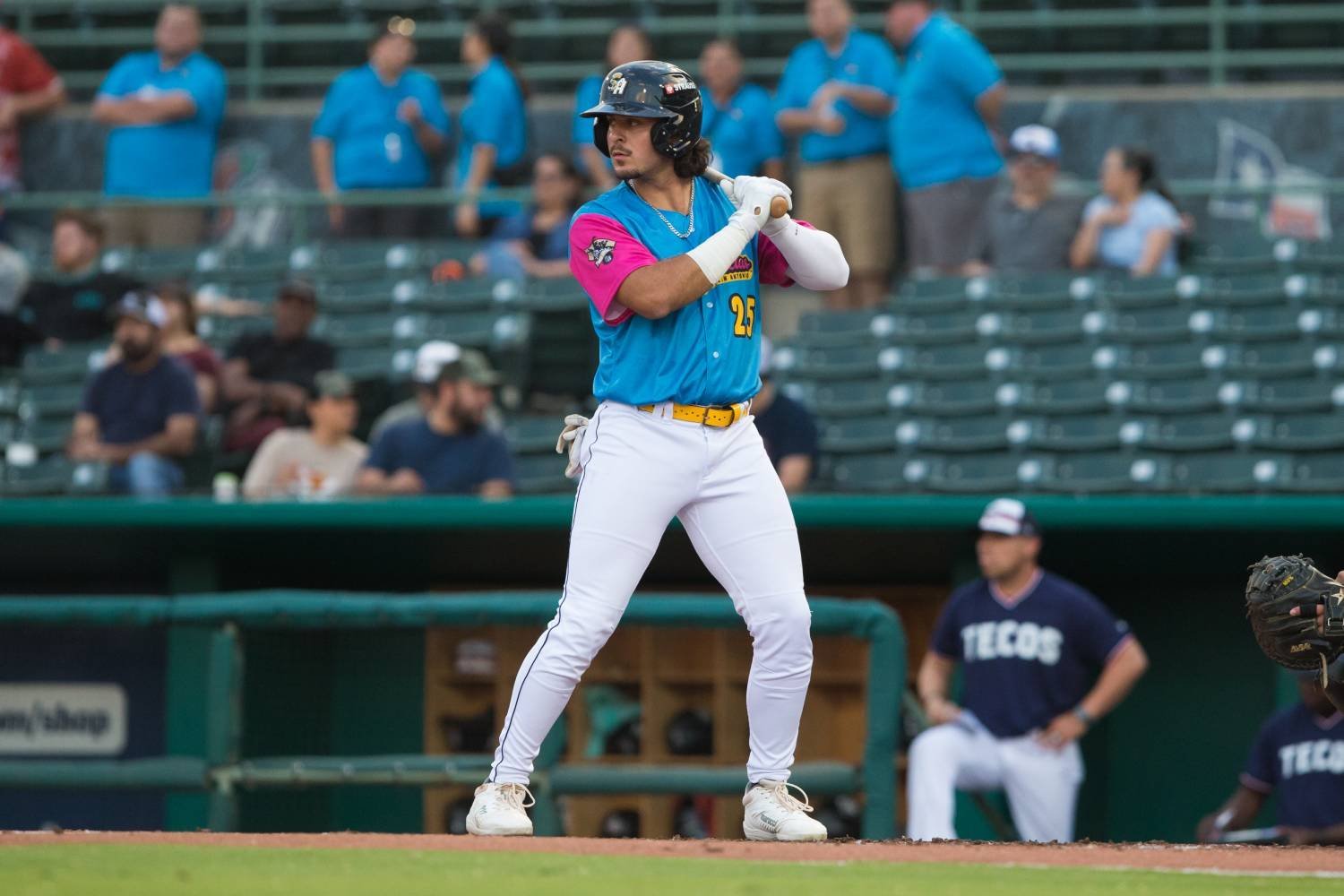 It was a good month for hitters in the San Diego Padres' system, which always makes picking which players to highlight a good problem to have. Let's give flowers to those prospects most deserving from August. Ranking Padres' Best Minor-League Hitters In August Honorable mention: Dustin Harris, OF, Triple-A El Paso Chihuahuas August stats: .390/.444/.634, 82 games, 17 R, 7 2B, 2 3B, 3 HR, 20 RBI, 7 BB, 7 K, 7 SB, 1 CS Before getting called up by the Padres, his third MLB team of the season, Harris was blazing hot. Should he be higher on this list? You could make the argument for that when a player hits .390 for 22 games before he got called up, but this is a pretty good list this month. Anyways, Harris has always had a good hit tool, but hasn't been able to stick on an MLB roster when given a chance. While off to a tremendous start with the Padres (8-for-18), he had a 20-for-88 (.227) mark before this in 38 games with the Texas Rangers, Houston Astros and Chicago White Sox. Honorable mention: Carlos Rodriguez, OF, Triple-A El Paso Chihuahuas August stats: .341/.358/.516, 23 games, 11 R, 2 2B, 4 3B, 2 HR, 13 RBI, 3 BB, 9 K, 5 SB, 3 CS The light-hitting outfielder finished the month with a 12-game hitting streak that ended Sunday during which he hit .383. As the Chihuahuas' top hitter, he ranks fifth in the Pacific Coast League with 131 hits for the season and is fifth in the PCL with a .313 batting average. Rodriguez has hit four of his six homers in the last two months. 3. Ethan Salas, C, Triple-A El Paso Chihuahuas August stats: .308/.378/.487, 21 games, 11 R, 3 2B, 1 3B, 3 HR, 20 RBI, 10 BB, 7 K, 3 SB, 2 CS Farewell, sweet prince. While Salas' month wasn't as good as others on this list or others in the system, he gets this spot more as a recognition for his terrific season and, barring a catastrophe, the last time we can include Padres Mission's No. 1 prospect for any sort of weekly or monthly minor-league award article. The 20-year-old catcher's only full month at Triple-A was really good, as he hit three of his 10 homers on the season and only struck out seven times in 90 plate appearances. That's despite the fact that he was, on average, nearly seven years younger than the other players in the PCL. That includes pitchers with major-league experience who were either on rehab assignments or down for another reason. Salas has risen to the occasion in front of him, not fazed by the challenge. 2. Joe Tiroly, 2B-3B, Low-A Lake Elsinore Storm August stats: .308/.357/.673, 13 games, 7 R, 1 2B, 0 3B, 6 HR, 10 RBI, 3 BB, 12 K, 0 SB, 1 CS Three weeks does not make a month (much less a career), but the seventh-round draft choice out of Virginia certainly has announced himself with authority to begin his pro career. Tiroly homered in his first game for Low-A Lake Elsinore then had a gap before hitting his second. But this last weekend, he mashed, hitting four homers in three games, including his first two-homer game. That gave him six bombs in his first 13 games. His pre-draft scouting report noted his fondness for pulling the ball and he has definitely shown that, but his blast Sunday went out to dead center off the batter's eye against the Rancho Cucamonga Quakes. His presence should be a boon for the Storm as they finish the regular season this week and then head into the postseason as a result of winning the California League's South Division in the first half. (They will face the Ontario Tower Buzzers, a Los Angeles Dodgers affiliate, in the semifinals.) 1. Braedon Karpathios, OF, Double-A San Antonio Missions August stats: .313/.394/.552, 24 games, 14 R, 8 2B, 0 3B, 5 HR, 20 RBI, 13 BB, 41 K, 0 SB, 2 CS No one truly knows why a player suddenly starts to perform better just because the calendar changes to a new month, but Padres Mission's No. 9 prospect certainly did that in August. Coming off a below-average June (.250/.347/.398) and a poor July (.218/.262/.397), the lefty-hitting outfielder started cranking out the hits again in August. He had 30 hits in the month after having 39 combined in the two months prior, including five of his 15 homers for the season. That has helped pull his season mark up to .249/.337/.413, which is on par with what he has done in his three previous full seasons. Another productive undrafted free agent, it wouldn't be surprising to see Karpathios return to Double-A San Antonio next season to see if he can build some consistency and perhaps raise his floor. He will be eligible for the Rule 5 draft this offseason, but it would be surprising for an MLB team to commit to putting him on the roster for a full season. View the full article
 -
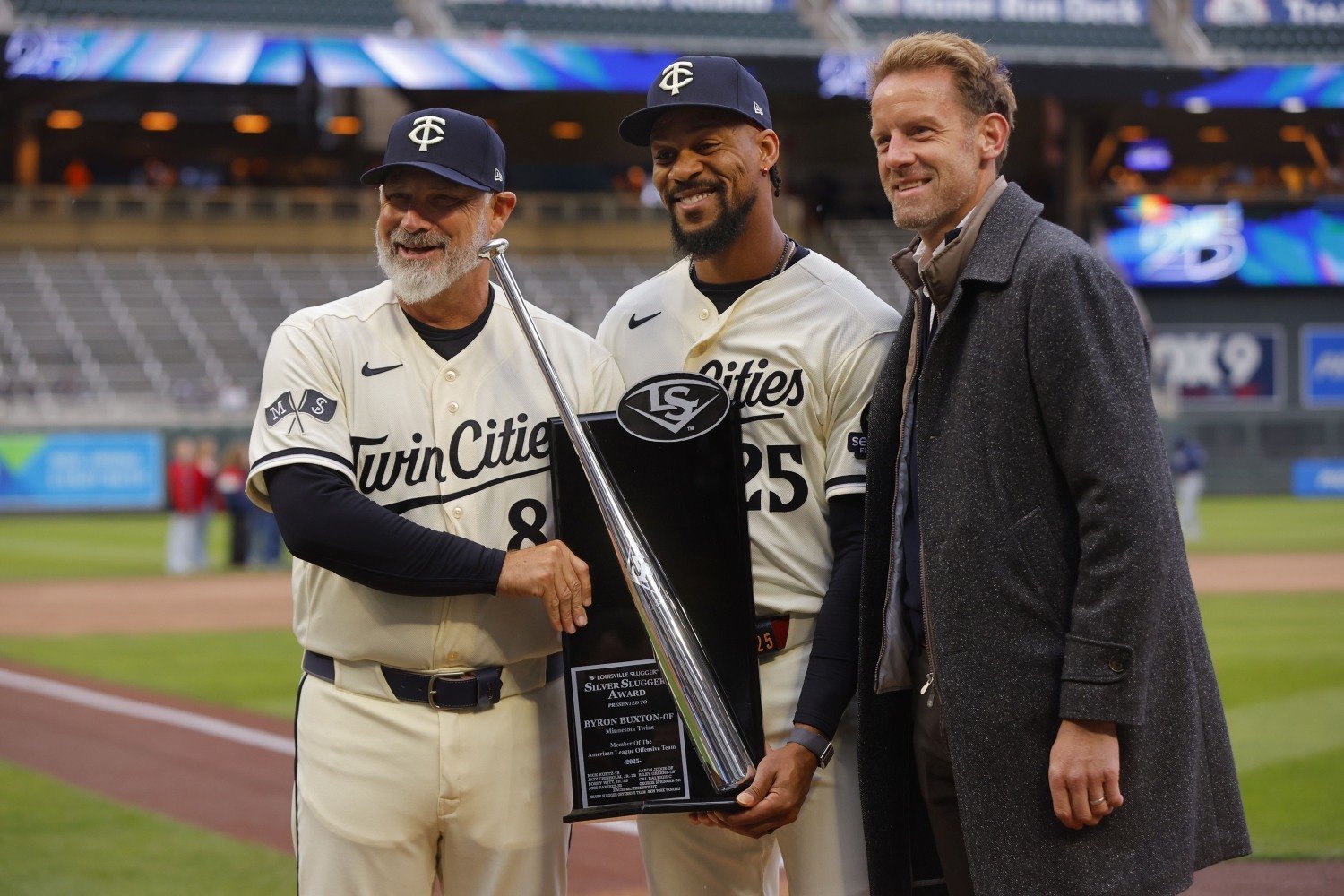 For the second consecutive season, the Minnesota Twins are entering September with more questions than answers. There was a point this summer when the Twins looked like a legitimate postseason contender. On July 28, Minnesota was 54-54 and just a half-game out of the American League's final Wild Card spot. General manager Jeremy Zoll publicly stated that the organization intended to be a buyer at the Trade Deadline, and ownership followed through by adding A.J. Minter, Dean Kremer and Jeff Hoffman. Then August happened. The Twins went 10-17 during the month, dropping to 66-72 heading into September. They remain within striking distance of a crowded Wild Card race, but the margin for error has nearly disappeared. This is not the first time Minnesota has watched a season go sideways during the second half. That makes it fair to ask a difficult question: Who deserves the blame? The answer isn't one person. Tom Pohlad Ownership deserves a significant portion of the blame because the roster's limitations ultimately fall on the people responsible for funding and building it. To be fair, Pohlad has done something previous ownership groups have been reluctant to do. He has publicly acknowledged that simply being competitive isn't good enough, and he committed to increasing payroll again in 2027. He also approved more than $8 million in prorated salary at this year's Trade Deadline. That is important progress. But Minnesota still entered the season with too many holes for a team expecting to contend. The bullpen needed significant help. The rotation could have used more depth. The lineup had areas that could have been upgraded. The front office did address the bullpen at the trade deadline, but the additions haven't magically transformed the roster into a postseason-caliber team. It was too little, too late. Pohlad can't control what happens on the field. He can control whether the organization has enough resources to build a roster capable of surviving injuries, slumps and the long grind of a 162-game season. For years, Twins fans have been told that the organization wants to contend. Eventually, those words have to be supported by a roster that leaves fewer excuses. Jeremy Zoll Zoll deserves blame, too, although this is where things get more complicated. This is his first season truly operating as the person in charge of baseball operations, and there were signs that he understood what the team needed. He identified the bullpen as an area worth improving and followed through at the deadline. The problem is that the Twins' issues were bigger than three additions. Minnesota entered the stretch run needing everything to go right. Instead, injuries piled up and several important players failed to provide consistent production. Byron Buxton is now back on the injured list with a right hip impingement, his third IL stint of the season. Joe Ryan missed much of the second half with a glute injury, and performed poorly when on the field. Zoll deserves credit for being aggressive enough to add talent. But the responsibility of a general manager goes beyond making a few deadline moves. The roster construction matters. When a team falls from .500 and into a 66-72 record in the span of a little more than a month, the front office has to examine whether it built a roster with enough depth and enough impact talent to withstand adversity. Derek Shelton Shelton will naturally receive plenty of criticism when a team collapses. Managers always do. There have certainly been decisions worth questioning throughout the season. Bullpen usage, lineup construction and individual matchup decisions will be debated, especially when losses pile up. But blaming Shelton for everything would be taking the easy way out. A manager can put players in advantageous positions. He cannot make them execute. The Twins have scored 652 runs this season, but they have also allowed 685. Their -33 run differential is a much better representation of their overall performance than their record alone. There is a limit to how much a manager can fix with strategy when the roster isn't performing consistently. Shelton deserves scrutiny, but this collapse shouldn't become an excuse to avoid examining the larger organizational problems. The Players Ultimately, the players have to accept the largest share of the blame because they are the ones playing the games. That's especially true after a month like August. The Twins didn't simply lose a few close games. They went 8-17, and the club spent much of the month struggling to string together quality performances. There are some clear players that have fallen short of expectations. Entering the season, ZiPS projected Matt Wallner to be the batter with the second highest fWAR, but he struggled enough (-0.8 fWAR) that Minnesota sent him to Triple-A. Royce Lewis has also had an up-and-down year (literally and figuratively). He is only 0.2 fWAR from hitting his ZiPS projection, but has a below average wRC+ and has posted a .633 OPS over his last 23 games. Pablo Lopez and his 2.6 projected fWAR never made a pitch this season. Bailey Ober was expected to have the third highest fWAR among starters (2.0 fWAR), but has struggled with velocity and sits at 1.2 fWAR. Simeon Woods Richardson was the biggest disappointment among starters. He was projected at a 1.8 fWAR and left the Twins with a -0.4 fWAR. Too many players have taken turns disappearing from games offensively. Too many pitchers have struggled to string together quality outings. Too many mistakes have turned manageable games into losses. At some point, the players have to be accountable for that. The Real Answer So, who deserves the blame? Probably everyone. Pohlad deserves blame for an organization that still hasn't provided enough financial resources to build a deep, star-powered roster. Zoll deserves blame for a roster construction that has exposed too many weaknesses and hasn't produced enough impact talent at the major-league level. Shelton deserves blame for the decisions that haven't worked during the team's collapse. And the players deserve the most immediate blame because they are the ones who have failed to consistently execute. But this is bigger than one bad month. The Twins are a below .500 team. A postseason berth remains mathematically possible, but Minnesota has spent another season turning September into an exercise in scoreboard watching and hoping. That's the part that should concern the organization most. When the same organization keeps finding itself asking what went wrong after another promising season fades away, the answer probably isn't sitting in one office, one dugout or one locker. It's the entire structure. The Twins have spent plenty of time talking about building a sustainable contender. Now they have to prove they know how to actually do it. Who deserves the most blame? Leave a comment and start the discussion. View the full article
 -
Royals Minor League Pitchers of the Month: August 2026
DiamondCentric posted an article in Royals Keep
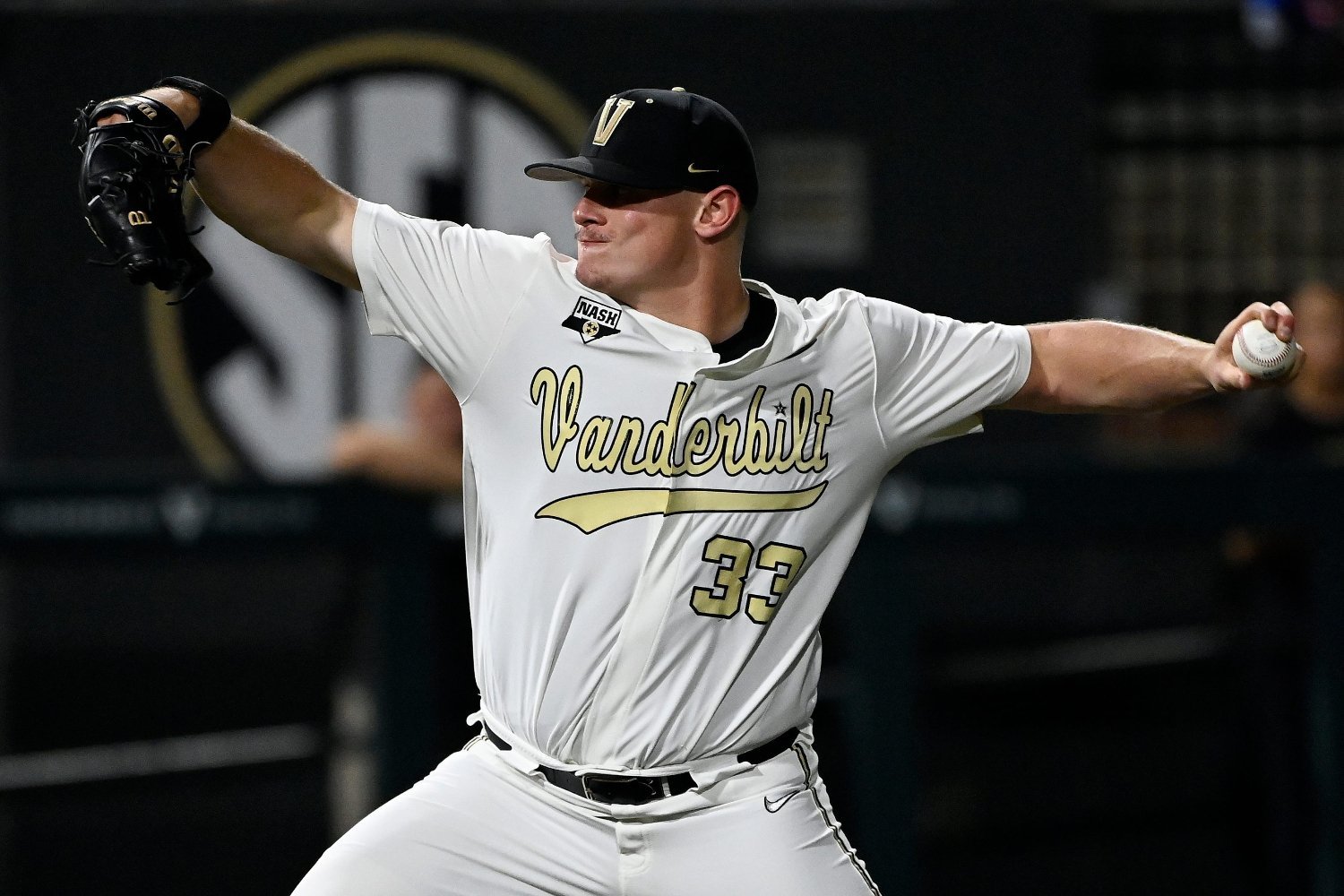 After highlighting the top hitters in the Royals farm system in August in my most recent post, I will now focus on the best pitchers in the Royals farm system from last month. This was an intriguing month for arms in the Royals' system, as some under-the-radar ones stepped up and had strong performances on the mound in August. Of the four arms highlighted, two were starters, and two were relievers. None of them are ranked in our Top 20 at Royals Keep. Let's break down the performances of those top Royals Minor League pitchers from August. Triple-A Omaha: Henry Williams, RHP The pitching wasn't great in Omaha in August, but Williams stuck out as the Storm Chasers' best starter. In five starts and 26.2 IP, the former Padres draft pick posted a 3.71 ERA, 1.43 WHIP, 2.61 FIP, and 16.7% K-BB%. While the CSW% wasn't high (29th percentile), he did an excellent job of generating strikeouts (70th percentile), O-Swing% (82nd percentile), and groundballs (92nd percentile GB%). His stuff isn't eye-popping by any means (97 TJ Stuff+), but he did have five of his six pitches with TJ Stuff+ marks between 98 and 100. That was good enough to help him generate a 12.2% SwStr%, which ranked in the 55th percentile. For the year, Williams has a 5.60 ERA and 5.71 WHIP in 117.1 IP between Double-A and Triple-A ball this year. While Williams is not good enough for a promotion to the Major League rotation right now, I do wonder what Williams could look like with a move to the bullpen next year. Limited innings could help him build his stuff profile, making him more effective and a candidate for a promotion at some point next season. The soon-to-be 25-year-old (he turns 25 on September 18th) should be one to watch in Spring Training in 2027, especially if Kansas City decides to make him a reliever. Double-A Northwest Arkansas: Hunter Owen, LHP The stats overall this year aren't pretty for the former Vanderbilt product. In 22 appearances and 88 IP, Owen sports a 6.14 ERA, 1.63 WHIP, and 5.37 FIP. However, he's been a much different pitcher since the beginning of August. In five starts and 27 IP last month, Owen posted a 1.33 ERA, 1.19 WHIP, 2.03 FIP, and 27% K-BB%. The 24-year-old lefty has been a strikeout and swinging-strike machine recently, as evidenced by his 40.5% K% (96th percentile) and 17.7% SwStr% (91st percentile). Control was a little erratic, as shown by a 29th percentile walk rate and 17th percentile zone rate. However, Owen generated a lot of chase (37.1% O-Swing%) and CSW% (32.7%) to make up for that inconsistent control. Incredibly, the former Vandy product has continued this scorching August into September. He struck out eight and walked only one in six innings of work on Wednesday evening. Owen could be a candidate to be added to the 40-man roster this offseason. He could be eased in as a starter, perhaps holding a hybrid reliever/starter role like Daniel Lynch IV or Bailey Falter. Owen has the strikeout stuff to be effective, and he's not far away from making his MLB debut. If he's not protected, he could get selected in the Rule 5 Draft in December (if it happens, of course, which seems unlikely with the pending lockout). He can work on a few things in the meantime. His command needs polish, as home runs allowed have been a huge issue for Owen this year. He has a HR/FB% of 15.3%, which is 5.9% higher than last year's mark. Furthermore, he's giving up an LD% of 27.5%, up 2.2% from last year. Those need to regress a bit if he wants to be successful at the MLB level. Still, with strong strikeout (24.8% K%) and control numbers (15.1% K-BB%), Owen has the profile to be a successful lefty reliever in the Majors. High-A Quad Cities: Dash Albus, LHP Albus is not a pitcher who's going to generate much fanfare at first glance. He's a 19th-round pick in the 2024 MLB Draft out of Abilene Christian, a Mid-Major school. He doesn't cast an intimidating presence on the mound at 5'11, 180 pounds. Furthermore, the numbers have been fine, but not impressive, for a Minor League reliever. Last season, he posted a 3.54 ERA in 61 IP with the Fireflies. This season, he has a 4.39 ERA in 26.2 IP with the River Bandits. Thus, it is easy to dismiss him as just "organizational bullpen depth." However, he had an impressive August that should put Royals fans on notice. In nine outings and 16.2 IP in August with Quad Cities, he posted a 1.08 ERA, 0.78 WHIP, 1.84 FIP, and 29% K-BB%. He has looked in control on the mound, and his quick and efficient style is starting to pay dividends in High-A ball after an initial slow start. For context, Albus made some noise last year in Columbia with an eight-pitch immaculate inning back in late July. It will be interesting to see how Albus continues to develop as he progresses in the Royals' farm system. As a reliever, he could move quickly if he continues to produce on the mound. The Royals lack high-quality lefty relievers right now on the 40-man roster, and he could be a cheap internal option who could contribute by the end of 2027 or Opening Day in 2028. Albus doesn't have an immaculate stuff profile, which limits his ceiling. However, he has shown strong control at each level: Low-A (6.00 K/BB this year) and High-A (3.63 K/BB). For a Royals bullpen that struggles with walks at the Major League level, the former ACU product has the skill set that they need in the future. Low-A Columbia: Andy Basora, RHP The 21-year-old Basora has been a sporadic Fireflies closer this year, as he has eight saves in 44 appearances and 58 IP. Strikeouts haven't been an issue for him, as evidenced by a 24.1% K%. However, the walks could be better, as demonstrated by a 12% BB% and 12% K-BB% with Columbia. However, it seems like the Dominican-born righty is finally getting into a groove in Low-A ball. Over the last month, Basora posted a 2.70 ERA, 1.58 WHIP, 2.50 FIP, and 21.7% K-BB%. His 15.1% SwStr% ranked in the 73rd percentile, his 30% K% ranked in the 75th percentile, and his 32.3% CSW ranked in the 79th percentile. For a reliever who pitches in high-leverage for the Fireflies, those are encouraging metrics. The Royals have moved slowly with Basora, as this was his first full season of affiliated ball, and he didn't make his Complex League debut until last year as a 20-year-old. He also has a lot of growing to do, as he is 6'3 but only weighs 155 pounds. That said, his frame could help him gain some velocity, especially as he gains productive weight. Basora will actually be Rule 5 eligible this December due to spending so much time in the DSL. However, the Royals have had some success with slow-moving international signees before, like Carlos Hernandez, who debuted in the DSL and Complex League at a much older age than other Latin American prospects. Considering he hasn't pitched above Low-A ball yet, it's unlikely that Basora will be drafted in December. That means Basora will have plenty of time to keep developing on the mound and could become a reliever with high Major League upside, possibly debuting in 2028 or 2029. View the full article
 -
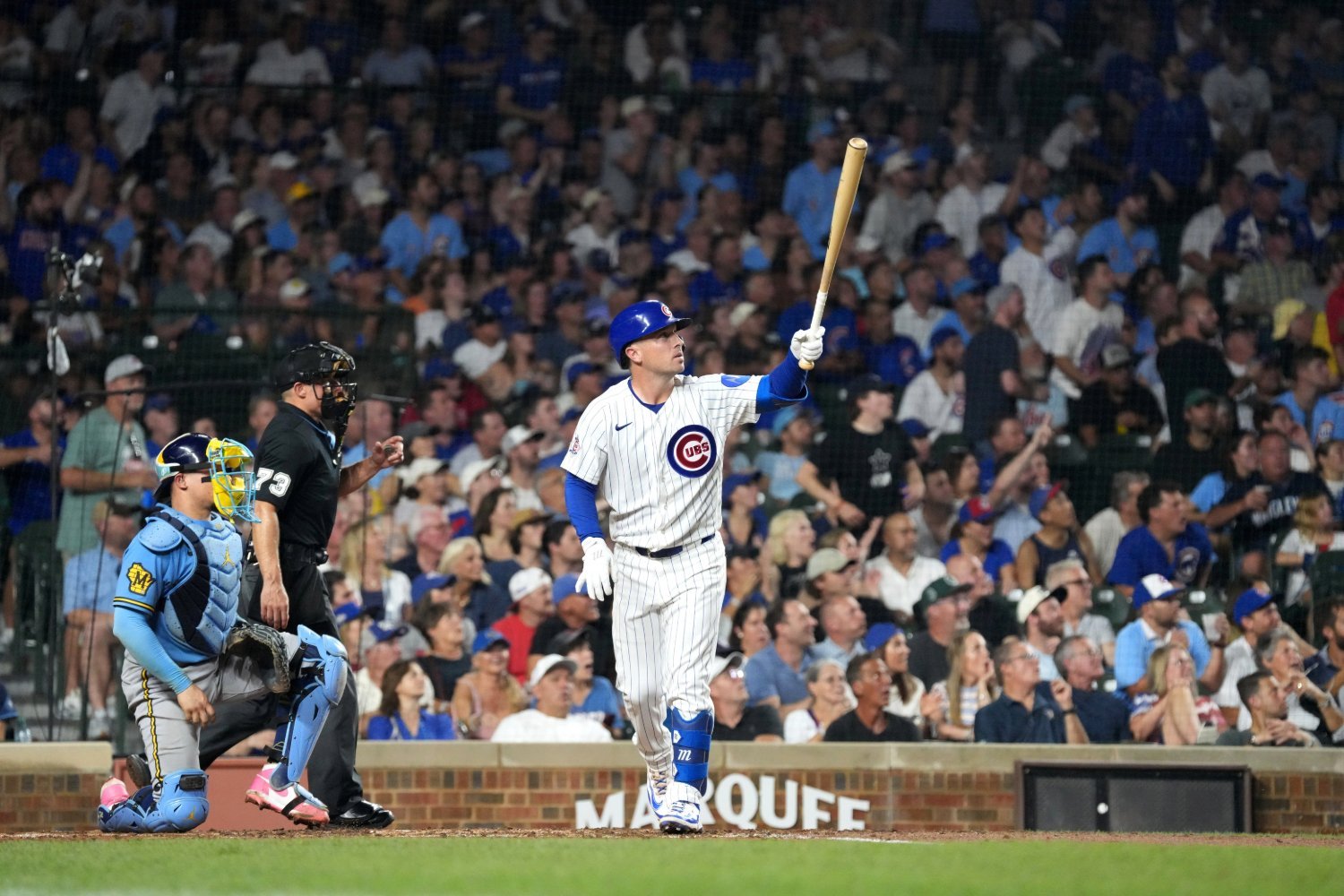 After being aggressive at the trade deadline earlier in the month, August turned into a strong month for the Chicago Cubs. They went 16-12 overall, and the offense was a major reason why. We saw a trio of three-homer games, several more multi-homer performances, and three games with 17 or more runs scored... all within the last week and a half of the month. It was a fun month of baseball on the North Side, and the Cubs appear to be getting hot at the right time. With that, here are the Cubs top hitters of the month for August. Ranking Cubs' Best Hitters in August 3rd: Seiya Suzuki .303/.397/.560, 164 wRC+, 16 XBH, 20 RBIs, 2 SB It's pretty nuts that a player with a 164 wRC+ can come in at No. 3 on this list, but here we are. Suzuki was outstanding at the plate in August, but the crazy part is that he's been doing this for three months now. He has posted an OPS of .938 or higher every month since June, quietly putting together one of the most impressive stretches of his Cubs career. Somewhat unfairly, his recent production has been overshadowed by what another player on this list has been doing. Suzuki absolutely deserves to be higher than third place after the month he had, but that's just how ridiculous the performances ahead of him were. The Cubs have needed Suzuki to be one of the middle-of-the-order anchors this season, and over the past three months, that's exactly what he's been. With October approaching, there aren't many better signs for Chicago than seeing one of its most talented hitters consistently putting up elite production. 2nd Place: Pete Crow-Armstrong .280/.366/.703, 185 wRC+, 21 XBH, 28 RBIs, 6 SB To be completely honest, it feels incredibly disrespectful to not put Crow-Armstrong atop this list. He hit 14 home runs in one month, including a three-homer game against the Reds, while posting an OPS near 1.100 and stealing six bases for good measure. That is an absolutely bonkers month, and it may have pushed him into the driver's seat for the National League MVP Award. Crow-Armstrong has been putting together one of the most remarkable seasons in baseball, and August was simply another example of how dangerous he has become offensively. The power has reached another level, while his ability to impact games on the bases continues to make him one of the most complete players in the sport. He enters the final month of the regular season with an outside chance at joining the 40-40 club. The center fielder needs just two more home runs and eight stolen bases, and while it certainly won't be easy, it's absolutely within reach. If he can get there, it would be the perfect cherry on top of what has already been an incredible season. 1st Place: Alex Bregman .296/.364/.661, 177 wRC+, 18 XBH, 1 SB Had this list been made on August 31, Crow-Armstrong would have been No. 1. Then, Bregman went out and capped off his August with his second three-homer performance of the month against Kyle Harrison and the Brewers. That was enough to push him over the top. Bregman finished the month with a 177 wRC+, 18 extra-base hits and a whopping 30 RBIs across 28 games. He was an offensive force throughout August, and he's starting to get extremely hot at exactly the right time for the Cubs. Chicago controls its own destiny this season, and after a relatively slow start, Bregman's bat is coming alive when the Cubs need it most. That's one of the beautiful things about baseball. Despite the talent level of every team not always being equal, sometimes it simply doesn't matter. Oftentimes, the teams that make the deepest runs aren't necessarily the ones with the most talent on paper—they're the teams that get hot at the right time. And right now, between Suzuki, Crow-Armstrong and Bregman, the Cubs have some of their biggest offensive stars heating up at the perfect time. If those three can continue producing anywhere close to the level they showed in August, Chicago's lineup is going to be an awfully difficult one to deal with over the final month of the regular season, and potentially well beyond it. View the full article
 -
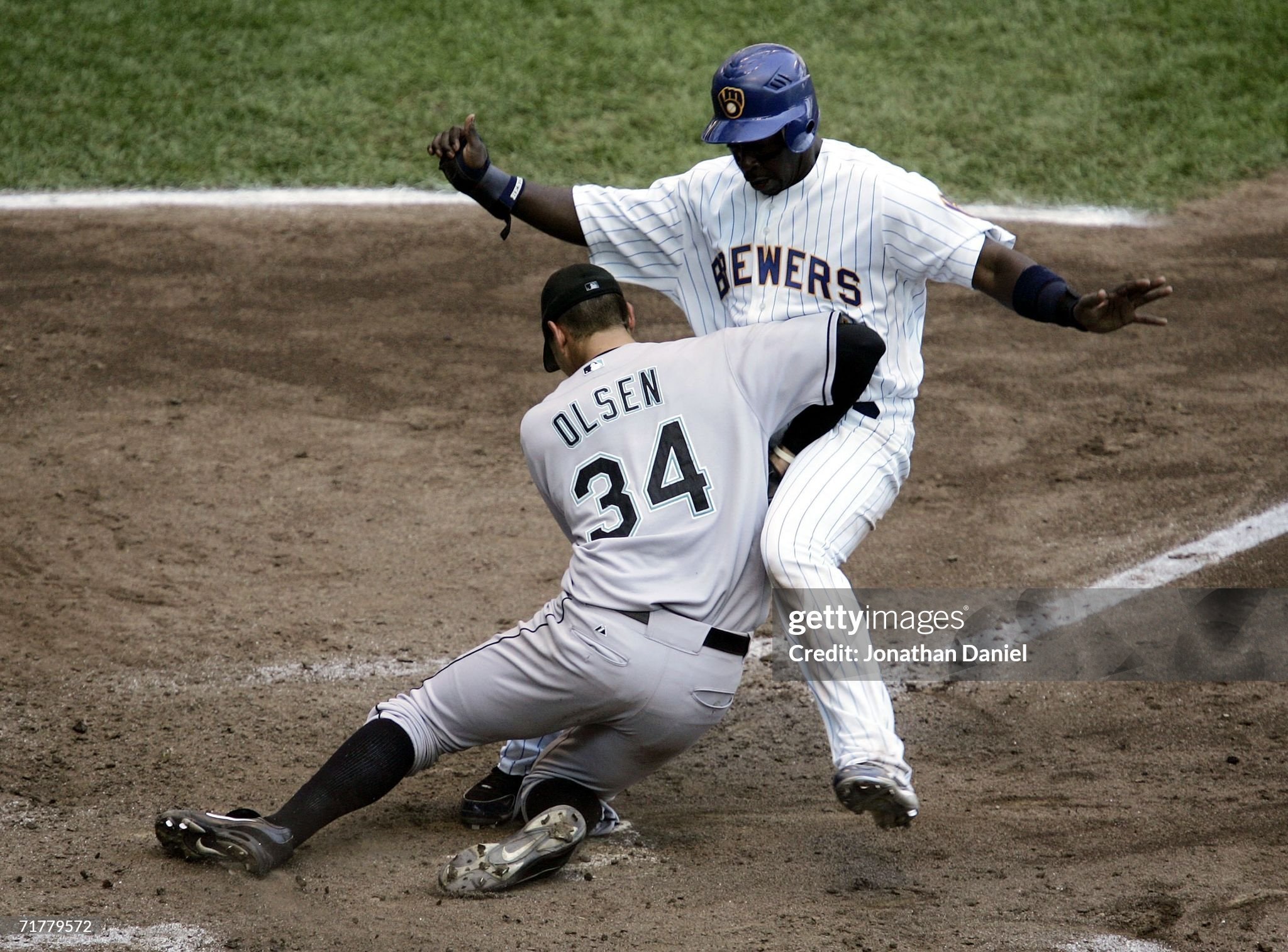 With a team full of rookies and a first-year manager in Joe Girardi, the 2006 Florida Marlins were expected to be one of the worst teams in baseball. With less than a month left in the season, however, the Marlins found themselves squarely in the postseason race. On this day 20 years ago, the Fish made history. Once 11-31, the Marlins became the first team in baseball history to get back to .500 after falling 20 games below. They evened their record with a 10-3 road win over the Milwaukee Brewers. With a record of 67-68, the Marlins were looking to complete the three-game sweep of the Brewers as they arrived at Miller Park on Sept. 3, 2006. For the early parts of the contest, pitching dominated. After Hanley Ramírez led off the game with a double and scored the first run on a Miguel Cabrera’s RBI single, Florida’s Scott Olsen and Milwaukee’s Tomo Ohka traded zeroes for the next 5 ½ innings. Still 1-0 in the top of the seventh, Olsen created some breathing room for himself by singling home Miguel Olivo to double the lead. Olsen scored on the very next pitch, coming all the way around from first on an RBI double by Ramírez. Up 3-0, Olsen finished his day by working out of trouble in the seventh. In seven shutout innings, the Florida lefty allowed just one hit and two walks while fanning seven. Following a quality start from Ohka, the Marlins blew things open against the Milwaukee bullpen with seven runs in the eighth. After a Cabrera double and a walk to Josh Willingham to open the inning, an error at second with one out served as the catalyst for the big inning. Olivo singled in Cabrera on the very next pitch before Alfredo Amézaga made it 6-0 with a two-run single. Ramírez and Cabrera would each add two-run doubles later in the inning to extend the lead to 10-0. Milwaukee was able to break up the shutout with three runs in the bottom of the eighth, but the damage had been done. Ramírez finished 4-for-5 with three RBIs and two runs scored. Cabrera added three hits and three RBIs. Olivo and Amézaga each finished with two hits. Jeff Cirillo had two of the five hits and an RBI for the Brewers. After moving to 68-68, the Marlins would get as many as two games over .500 but a dismal stretch in which they lost 11 of 14 ended their postseason hopes. Despite that, Florida remains the only team in Major League Baseball history to even its record after falling 20 games below .500. It did so on this day two decades ago. View the full article
 -
Mason Fluharty Has a Chance To Set a Blue Jays Record
DiamondCentric posted an article in Jays Centre
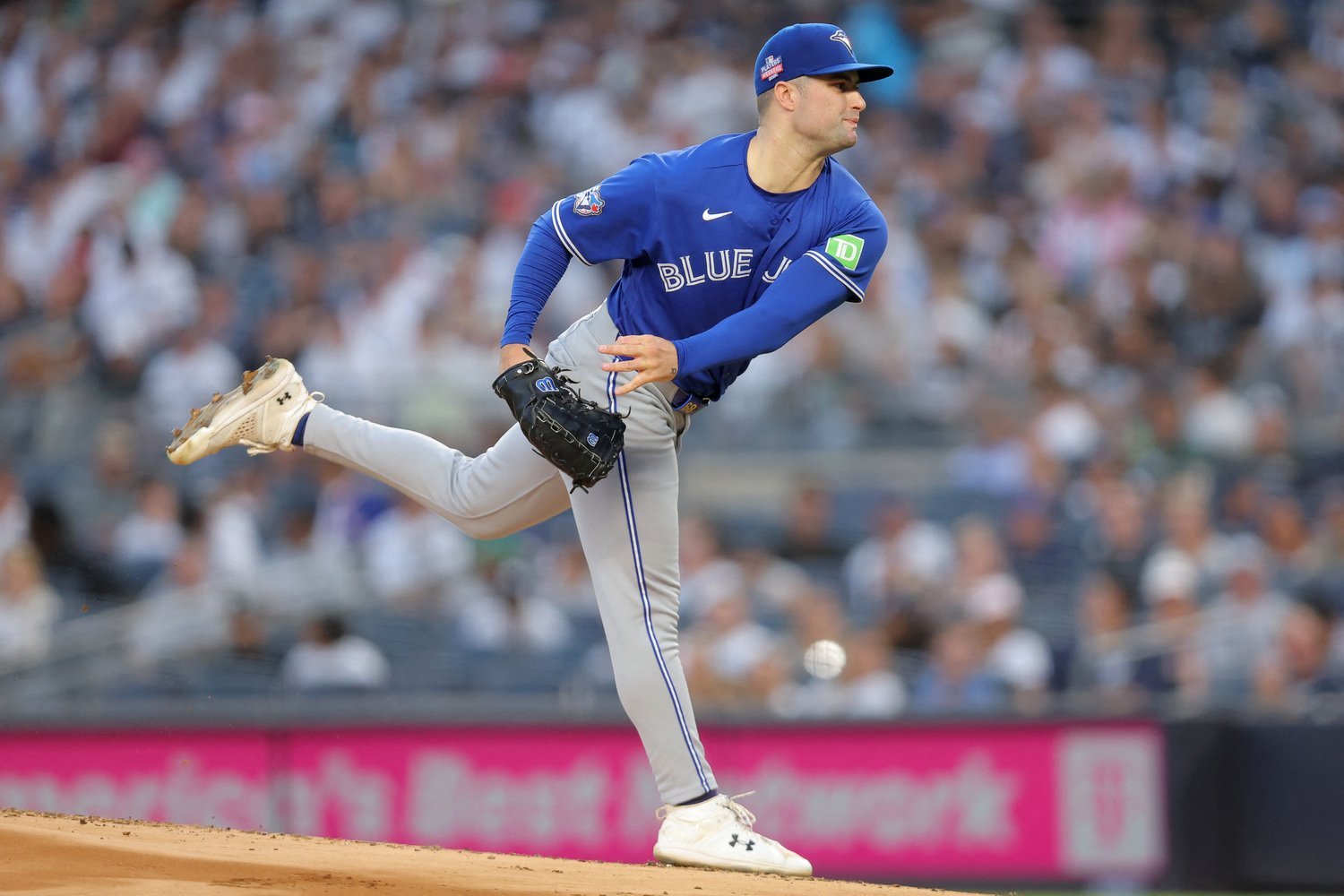 The Toronto Blue Jays bullpen has been heavily relied on this season due to the plethora of injuries to the team's starting rotation. There are currently seven starters on the IL, though Jameson Taillon is looking to return as early as tomorrow (Friday, September 4). With the depth thinned out, the bullpen has been leaned on to fill a slot in the rotation 19 times so far. The Jays' relief corps ranks fourth among MLB bullpens in innings pitched (582 1/3, entering games on Sept. 2). However, they've been mostly solid when called upon, ranking ninth with a 3.83 ERA. A few inflated inputs heavily skew that statistic. With the pen's heavy workload, the Blue Jays have made numerous minor league call-ups to preserve arms. Even with the high number of roster moves, there are still relievers on pace for career highs in usage. One of those relievers is Mason Fluharty. He has pitched in 73 games, but thrown only 55 innings. The number of games he's pitched in is already a career high, but his highest innings total was 67 while he was with Triple-A Buffalo in 2024. Last season with the Blue Jays, the southpaw pitched 52 2/3 innings over 55 games (plus another 11 games and innings with the Bisons). This season, Fluharty has been decent, posting a 3.44 ERA with a 59:24 strikeout-to-walk ratio and a 1.25 WHIP. He's had some bad luck fall on him, as his expected ERA is 2.84. He has been the go-to lefty out of the bullpen, with Brendon Little's poor performances, which have led to the 30-year-old bouncing between Triple-A Buffalo and the big leagues multiple times. Batters have had some success against Fluharty, posting a .274 batting average on balls in play, but those balls haven't been hit hard. He ranks in the 91st percentile in hard-hit rate (31.1 percent), which is the third best among Blue Jays' pitchers, trailing Tyler Rogers and Spencer Arrighetti. Fluharty's workload this season has him on pace for 85 appearances. That would move him ahead of Paul Quantrill's 82 appearances in 2001 for second place in Blue Jays history. Fluharty would trail only Mark Eichhorn's 89 games in 1987. Toronto didn't qualify for the postseason that year, but it still counts for the record books. Fluharty is unlikely to surpass Eichhorn during the regular season, but he could get more opportunities if the Blue Jays nab the third Wild Card spot. If he can reach 85 games by the end of the regular season, another four appearances in the playoffs would tie him with Eichhorn for the franchise record. Fluharty made 11 appearances last year during Toronto's deep postseason run. The Blue Jays securing that playoff berth seems like a tall task, though. According to FanGraphs, the team has only a 23.1 percent chance of making the postseason. Their chances improved after winning the second game of a vital three-game series against the Cleveland Guardians, whom they now trail by 1.5 games for the third Wild Card spot. There are also three other teams within four games of the Guardians, which should make these last few weeks a dogfight. The Blue Jays would likely need to reach at least the ALDS for Fluharty to pass Eichhorn. It's a long shot, but the popular saying is, "Just make the postseason, and anything can happen!" View the full article
 -
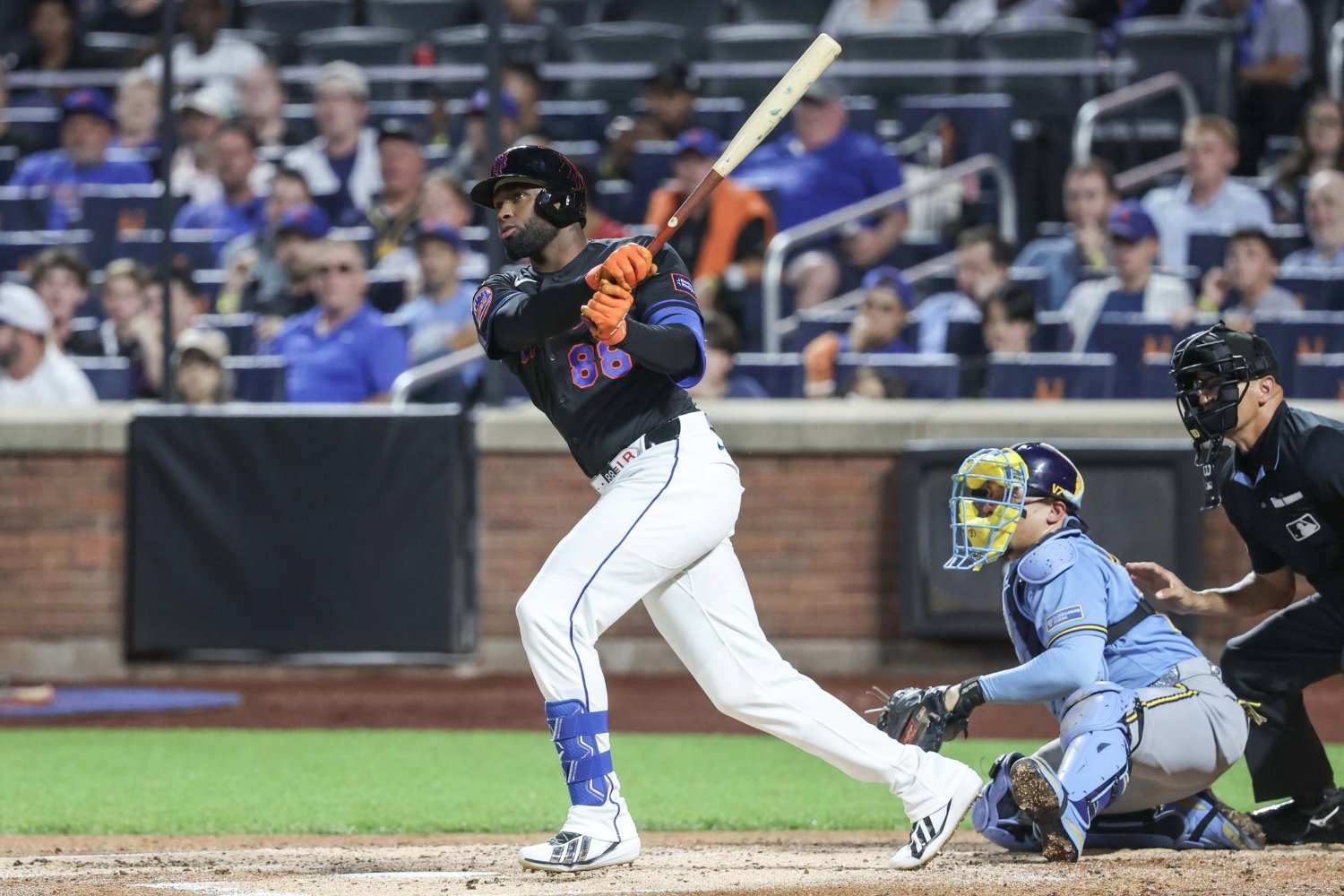 The New York Mets and Luis Robert Jr. were a partnership rumored for a year before they actually got together. The then-Chicago White Sox star center fielder was in all the trade speculation from the moment the calendar first said 2025. And it made perfect sense -- the Mets couldn't get anything right in center field, and while Robert's career had fallen off a bit as the White Sox declined, he still appeared to be one of those five-tool players that you dream on. Turns out, at least in the blue and orange, Robert was anything but. His Mets tenure ended on Monday, when he was claimed off waivers by the Baltimore Orioles. He departs for the AL East to try and help a playoff push. With the Mets, Robert simply never put it together. He was supposed to be the outfield savior. When the Mets couldn't pull off a deal for him last year, they got Cedric Mullins instead, but that didn't prove too helpful. Unfortunately, the same was true for Robert, as he remained the same flawed player he had turned into in Chicago. He played 58 games this season while also battling injuries. He batted .223 with a .702 OPS. He struck out nearly once per game. He didn't run like he did in Chicago, swiping just 2-of-5 attempted steals. And as the Mets' season crumbled, Robert certainly wasn't at a high enough level anymore to rescue them. Luis Robert Jr.'s Departure Concludes Another Mets Failure The Mets clearly decided they didn't want Robert around after this season, and that was something that was entirely in their control. His contract has a club option on it for 2027. If the Orioles choose to activate it, Robert will be paid $20 million for the 2027 season. If Baltimore opts against the option, though, Robert will become a free agent. It wasn't really doing the Mets much good to keep Robert around if they weren't going to use him next season. Sure, he could've stuck around the outfield, but instead they give the playing time to younger players with longer futures in Queens while freeing up a few million dollars for future investment. In the end, this is what this season has been for the Mets: a disappointment. Robert was supposed to be part of a massive offseason overhaul that also brought in the likes of Freddy Peralta, Bo Bichette and Jorge Polanco. Instead, Peralta was already shipped away before the trade deadline, and Polanco has been in a massive slump all year. Robert's defense remained solid enough to give him a positive Wins Above Replacement in his 58 games with the Mets (0.8 WAR via Baseball Reference's metrics), but the Mets hoped for so much more. The question is raised, of course, what happened to Robert? He was a rising star for the White Sox, but when things went bad in Chicago, they went bad for him, too. A chicken or the egg situation, maybe, but a brutal outcome either way. Baltimore will hope to revive Robert's career. The Mets won't feel too bad for letting him go. He had proven to be a failed move in a season full of them. View the full article
 -
 Wednesday saw the four full-season affiliates of the San Diego Padres go 2-2 with the Triple-A El Paso Chihuahuas getting outslugged by Las Vegas 14-12, the Double-A San Antonio Missions cruised past Midland 13-5, the High-A Fort Wayne TinCaps fell 10-1 and the Low-A Lake Elsinore Storm hung on against Inland Empire 12-11. Padres Minor-League Transactions None. Chihuahuas Hit Back-To-Back-To-Back HRs, But Lose; Solak Has 4 Hits Nick Solak went 4-for-5 with four RBIs and hit one of host Triple-A El Paso's three consecutive homers in the first inning, but the Chihuahuas allowed 11 runs over the middle three innings in a 14-12 loss to the Las Vegas Aviators. Devin Taylor, the A's second-round draft pick in 2025 who made his Triple-A debut Tuesday, went 4-for-6 with two homers and seven RBIs for the Aviators. Marcos Castanon, Nick Pratto and Blake Hunt also homered for the Chihuahuas, who scored five runs in the bottom of the first. Solak had two doubles and a walk in addition to his 15th homer of the season. Hunt went 3-for-5 with three RBIs and two runs scored, while Mason McCoy went 3-for-5 with a walk and scored three times. Castanon and Gage Workman each had two hits, with Castanon driving in two and scoring twice. Chihuahuas left-handed starter JP Sears allowed four runs in 3⅓ innings on six hits, including a homer, and a walk with three strikeouts. Right-hander Ethan Routzahn was tagged for six runs in 1⅔ innings. Solak hit a two-run homer three batters into the bottom of the first on a 1-0 pitch, then Castanon followed with his team-high 17th on an 0-1 pitch and Pratto his 11th (sixth with El Paso) on an 0-1 pitch. Hunt would add an RBI single to make it 5-0. Hunter drilled his 11th homer with two outs in the third to make it 6-1, but the Aviators scored five in the fourth, four in the fifth and two in the sixth. EP_0902.mp4 Player AB R H RBI BB K Mason McCoy, SS 5 3 3 0 1 1 Carlos Rodríguez, CF 3 1 1 0 2 0 Nick Solak, RF 5 1 4 4 1 0 Marcos Castañon, 2B 6 2 2 2 0 0 Nick Pratto, 1B 4 2 1 1 2 1 Rodolfo Durán, DH 5 1 1 1 1 1 Gage Workman, 3B 5 0 2 0 1 1 Blake Hunt, C 5 2 3 3 1 1 Kai Murphy, LF 4 0 0 0 1 2 Totals 42 12 17 11 10 7 Player IP H R ER BB K HR JP Sears 3 1/3 6 4 4 1 3 1 Daison Acosta 0 2/3 1 2 2 3 0 1 Ethan Routzahn 1 2/3 5 6 6 2 2 1 Brent Honeywell 2 2 1 1 0 2 0 Alek Jacob 1 1/3 2 1 1 1 2 0 Totals 9 16 14 14 7 9 3 Braedon Karpathios Pounds Out 5 Hits, Including HR, In Missions' Win Braedon Karpathios homered for the second night in a row as part of a career-high five hits while driving in four runs as the host Double-A San Antonio Missions jumped out to an 8-0 lead en route to a 13-5 victory over the Midland RockHounds. Karpathios, Padres Mission's No. 9 prospect, had four singles plus the homer and has now driven in nine runs the past two days after his grand slam, five-RBI game Tuesday. Tirso Orneals and Anthony Vilar also homered, with Vilar going 3-for-5 with two homers and two runs scored. Romeo Sanabria had three hits, while Ornelas had two hits, three RBIs and a run scored. Wyatt Hoffman went 2-for-4 with an RBI and scored once. Missions left-handed starter Luis Gutierrez threw three shutout innings, allowing three hits and striking out four. After right-hander Victor Lizarraga gave up five runs in 3⅔ innings, right-handers Sadrac Franco and Johan Moreno pitched 2⅓ scoreless innings.Karpathios and Alex McCoy, Padres Mission's No. 8 prospect, opened the bottom of the first with singles, Ornelas belted his 15th homer of the season out to right field for a 3-0 lead. Vilar singled home a run to make it 4-0. Karpathios led off the second with his team-high 17th homer, then Vilar hit his first of the year with two outs in the third. Hoffman singled and scored on Kai Roberts' triple, with Karpathios driving in Roberts with a single and an 8-0 cushion. After the RockHounds pulled within 8-5 in the top of the seventh, the Missions put the game away with sacrifice flies by Roberts and McCoy in the seventh, then Hoffman's run-scoring single and Karpathios' two-run single to cap his five-hit day. SA_0902.mp4 Player AB R H RBI BB K Braedon Karpathios, RF 6 2 5 4 0 1 Alex McCoy, LF 5 1 1 1 0 1 Tirso Ornelas, DH 5 1 2 3 0 1 Romeo Sanabria, 1B 4 2 3 0 1 0 Justin DeCriscio, SS 5 0 1 0 0 2 Luis Verdugo, 3B 4 2 1 0 1 1 Anthony Vilar, C 5 2 3 2 0 2 Wyatt Hoffman, 2B 4 2 2 1 1 0 Kai Roberts, CF 3 1 1 2 1 1 Totals 41 13 19 13 4 9 Player IP H R ER BB K HR Luis Gutierrez 3 3 0 0 0 4 0 Victor Lizarraga 3 2/3 9 5 5 1 3 1 Sadrac Franco 1 1/3 1 0 0 0 1 0 Johan Moreno 1 1 0 0 1 2 0 Totals 9 14 5 5 2 10 1 TinCaps Yield 8-Run Fourth In Rout By Lugnuts It was another tough night for the High-A Fort Wayne TinCaps, who had just six hits and gave up an eight-run fourth inning in a 10-1 loss to the Lansing Lugnuts. Kerrington Cross had two of the TinCaps' hits, including a double. TinCaps right-handed starter Matthew Watson allowed two runs on four hits and three walks with no strikeouts over three innings. Right-hander Brandon Langley, coming off three straight scoreless outings including his first two with the TinCaps, was pounded for seven runs in two-thirds of an inning. Player AB R H RBI BB K Kasen Wells, LF 4 0 1 0 0 1 Ryan Gerety, RF 3 0 0 0 1 1 Rosman Verdugo, SS 4 0 1 0 0 2 Kerrington Cross, 3B 4 1 2 0 0 0 Luke Cantwell, 1B 4 0 1 0 0 1 Lamar King Jr., C 3 0 0 0 0 1 Carlos Rodriguez, DH 3 0 0 0 1 1 Yimy Tovar, 2B 4 0 0 0 0 0 Conner Westenburg, CF 2 0 1 0 0 0 Totals 31 1 6 0 2 7 Player IP H R ER BB K HR Matthew Watson 3 4 2 2 3 0 0 Brandon Langley 0 2/3 4 7 7 2 2 0 Florangel Vasquez 2 1/3 4 1 1 1 1 0 Jack Pineau 2 2 0 0 0 2 0 Totals 8 14 10 10 6 5 0 Trio of 3-Hit Games Power Storm Victory Second-round pick Elliot Lascelles, seventh-rounder Joe Tiroly and Jorge Quintana each had three hits with Tiroly driving in three as the host Low-A Lake Elsinore Storm jumped out to an 8-2 lead in a 12-11 victory over the Inland Empire 66ers. Lascelles, Padres Mission's No. 11 prospect, drove in two and scored three times, while sixth-round selection Nu'u Contrades went 2-for-4 with three stolen bases, two RBIs and two runs scored. Lascelles, Contrades and Tiroly, who had two doubles, went a combined 8-for-13 from the top three spots in the order with seven RBIs and five runs scored. Storm right-hander Zack Qin, in his first Low-A start after 10 relief appearances, was knocked around for five runs in 3⅓ innings on six hits and two walks with two strikeouts. Right-hander Michael Salina, Padres Mission's No. 19 prospect, pitched a scoreless 1⅓ innings, while right-hander James Guyette, the Padres' fifth-round draft pick, made his pro debut with 1⅔ innings, allowing a run on one hit with no walks and no strikeouts. The Storm used their vaunted running game to score twice in the bottom of the first. Contrades and Lascelles pulled a double steal, with Lascelles swiping home, then Contrades scored as Tiroly was thrown out stealing second. Contrades doubled home a pair of runs in the second, then scored on Tiroly's first double of the game to make it 5-1. Truit Madonna and Qrey Lott had sac flies and Lascelles an RBI double in the third for an 8-2 advantage. After the 66ers scored four in the fourth, 11th-round draft pick Chris McHugh had an RBI single in the bottom of the fourth, then the Storm added three in the fifth on Lascelles' infield RBI single and Tiroly's two-run double to make it 12-6. LE1_0902.mp4 LE2_0902.mp4 Player AB R H RBI BB K Elliot Lascelles, SS 5 3 3 2 0 1 Nu'u Contrades, 2B 4 2 2 2 1 1 Joe Tiroly, 1B 4 0 3 3 1 1 Ty Harvey, C 5 0 0 0 0 1 Jorge Quintana, 3B 5 2 3 0 0 1 Chris McHugh, RF 4 1 1 1 1 0 Jesmaylin Arias, LF 3 1 0 0 1 1 Truitt Madonna, DH 2 1 1 1 1 1 Qrey Lott, CF 2 2 1 1 1 1 Totals 34 12 14 10 6 8 Player IP H R ER BB K HR Zack Qin 3 1/3 6 5 5 2 2 1 Rordy Mejia 0 2/3 3 1 1 0 0 0 Michael Salina 1 1/3 1 0 0 2 1 0 Jordan Valenzuela 1 0 3 3 4 2 0 James Guyette 1 2/3 1 1 1 0 0 0 Tyler Pitzer 1 1 1 1 2 2 0 Totals 9 12 11 11 10 7 1 Padres Mission's Top 20 Prospect Performance Ethan Salas: 0-for-4, 2 K Ryan Wideman: On injured list Coleman Borthwick: In Arizona Kruz Schoolcraft: DNP Ty Harvey: 0-for-5, K Kale Fountain: Injured, out for season Jorge Quintana: 3-for-5, 2B, 2 R, K Alex McCoy: 1-for-5, RBI, R, K Braedon Karpathios: 5-for-6, HR, 4 RBI, 2 R, K Lamar King Jr.: 0-for-3, K Elliot Lascelles: 3-for-5, 2B, 2 RBI, 3 R, K Tucker Musgrove: On injured list Jagger Haynes: DNP Jake Cunningham: DNP Truitt Madonna: 1-for-2, RBI, BB, R, K Eric Yost: DNP Winyer Chourio: DNP Jesus Castro: DNP Michael Salina: 1⅓ IP, H, 0 R, 2 BB, K, W Rosman Verdugo: 1-for-4, 2 K View the full article
 -
Tigers 11, Twins: 6: One Rally Too Few, One Homer Too Many
DiamondCentric posted an article in Twins Daily
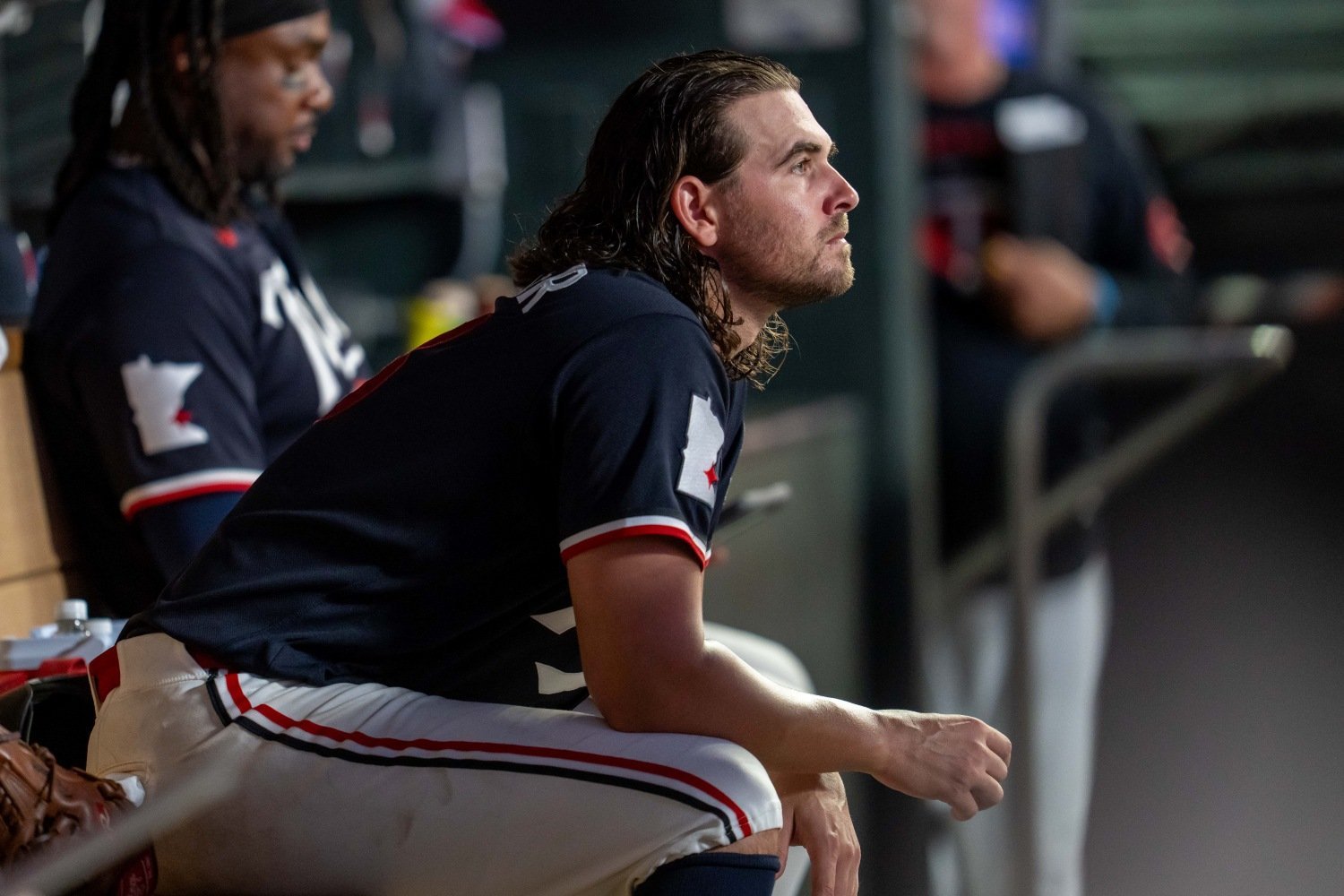 Box Score SP: Dean Kremer - 5 IP, 6 H, 3 ER, 2 BB, 5 K (79 pitches, 51 strikes (72% strikes) Home Runs: -0- Bottom 3 WPA: Kaelen Culpepper (-0.35); Walker Jenkins (-0.20); Dean Kremer (-0.18) Win Probability Chart (via FanGraphs) Dean Kremer took the mound against the Tigers Wednesday night looking for redemption. It hasn’t exactly been smooth sailing lately. Over his last five appearances, Kremer has struggled to find the zone consistently, while seemingly every offspeed pitch that missed its spot found a bat. In the first inning, Kremer looked good, but the second was a different story. His cutter appeared to be giving him trouble. A single by Eduardo Garcia was followed by back-to-back doubles from Max Clark and John Peck, which put the Tigers ahead 2-0. The next inning, Kremer adjusted, leaning more heavily on his fastball and moving away from the cutter. The change in pitch selection paid off, and he worked through the frame without surrendering a run. The Twins offense gave Tigers starter Drew Anderson some early pressure, putting runners on base but (as has happened too often) failing to turn those opportunities into runs. They squandered a prime opportunity to get on the board in the third, but they finally got some traction in the fourth. Anderson issued a walk to Kody Clemens, and Ryan Jeffers followed with a hard line drive to left. Clemens raced home to score, as Jeffers picked up his 17th double of the season and the 100th of his MLB career. The Twins were finally on the board, cutting the Tigers' lead to 2-1. Kremer started to struggle again in the fifth. Kevin McGonigle walked to open the inning, advanced on a wild pitch, and scored on a Hao-Yu Lee line drive to make it 3-1. Kody Funderburk replaced Kremer, but the trouble continued. Riley Greene drove in two to extend the Tigers' lead. The following inning, with Funderburk sticking around, Clark and Peck combined to produce another run, stretching Detroit's lead to four runs. The Twins took advantage of an unraveling Tigers squad in the sixth. A two-out, none-on situation spiraled after Jeffers reached on an error. Josh Bell singled, followed by a sharp double from Larnach, closing the gap to 5-2. The bullpen held serve for the next two innings, giving the team a chance to complete a comeback. Brooks Lee was hitless before finally sending a slider into the gap for a leadoff hit in the bottom of the eighth. Kody Clemens was hit by a pitch: Two on, nobody out. Bell followed with a single to load the bases and was replaced by Ben Ross, bringing some much-needed speed to the basepaths. The Twins burned Gabriel González to get Victor Caratini up against Kenley Jansen as a pinch-hitter for Larnach. Caratini drew a walk that brought Lee home and cut Detroit's lead to 5-3. Ryan Kreidler, another speed option, replaced Caratini as the Twins looked to create chaos—though, yes, this meant the team spun four players through one spot in the batting order in one inning. Then came Royce Lewis. Hitless for the night, Lewis battled through an eight-pitch showdown before finally getting a cutter and ripping a ground ball through the middle to center field, scoring Clemens and Ross. Tie game. 5-5. Yoendrys Gómez worked a scoreless top of the ninth, giving the Twins' top of the order a chance to close out the game before extras. The offense kept the pressure, getting runners on amidst the outs, but a fly ball that died at the warning track for Jeffers ended the inning, but not the game. The 10th inning was quick. Gómez put Tigers hitters down, while the Twins offense managed to create a little pressure, but neither team could come through, pushing the game to the 11th. Taylor Rogers came out for the top of the 11th for Minnesota. The Tigers struck right away. A misread ball by Clemens on Clark's hit scored Ben Melgeri, giving the Tigers the 6-5 lead. Tommy Nance came replaced Rogers and escaped without allowing further damage. Walker Jenkins led off the 11th inning, with Kaelen Culpepper on base. Jenkins battled before hitting into a force out, but Culpepper made it safely to third and waited while the top of the lineup came up. Keaschall hit into center field, scoring Culpepper and tying the game 6-6. Thereafter, though, the Twins squandered a golden chance to walk it off. A single by Lee sent Keaschall racing to third with one out, but Clemens struck out and Jeffers grounded out, stranding the winning run in tantalizing position. Nance came out again for the 12th and picked the most inconvenient time to give up his second home run as a Twin. It was a 8-6 Tigers in a blink, and 11-6 before Nance could recover and hand things off to the beleaguered offense. At last, one side made a lead stand up; the Tigers won. What’s Next? The Twins have a day off while they travel to Chicago to meet the White Sox on Friday 6:40 CST. The Twins will send Zebby Matthews (9-8, 4.58 ERA) against a pitcher the White Sox will determine later. Postgame Interviews Coming soon. Bullpen Availability Chart View the full article
 -
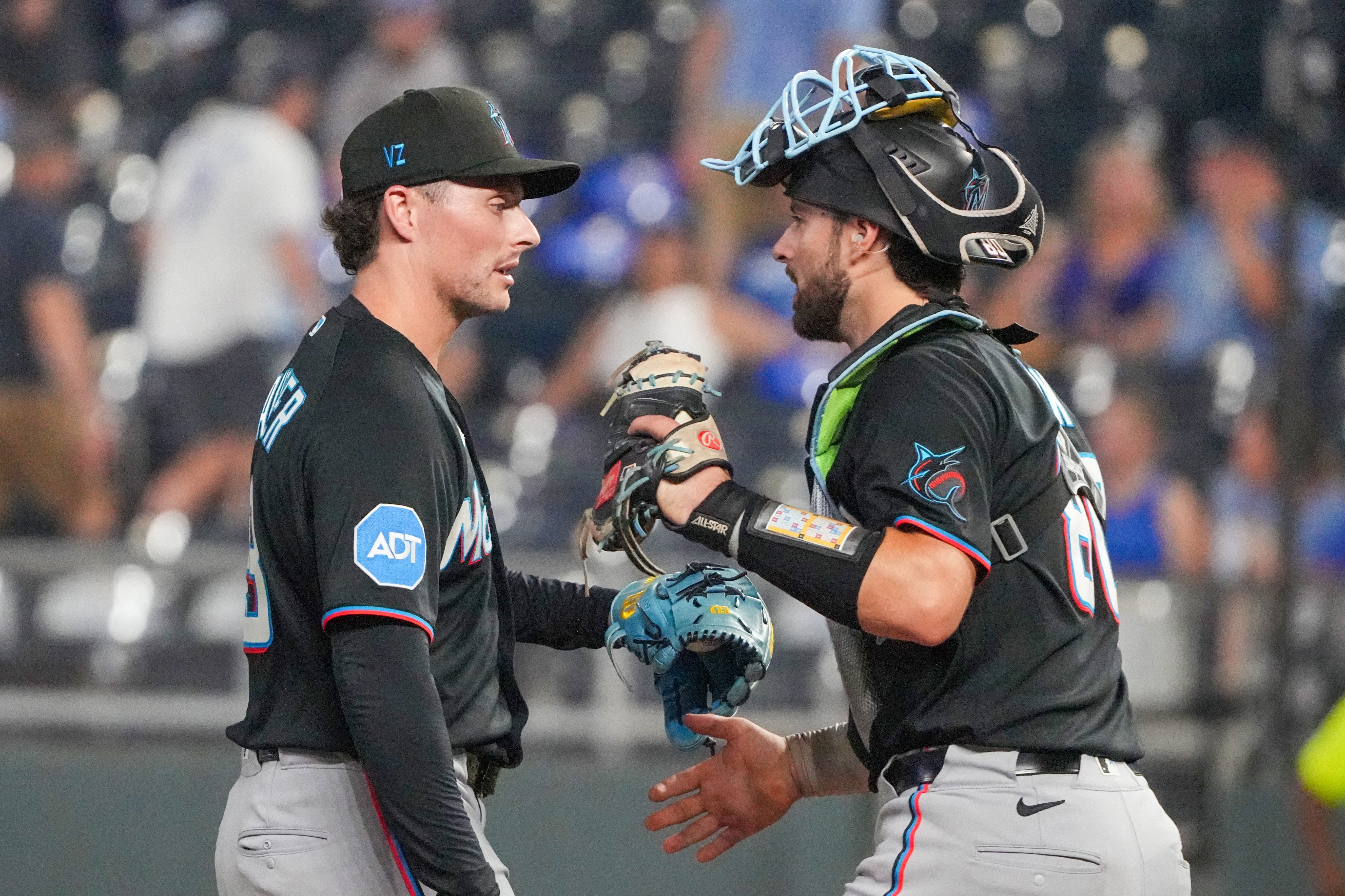 Other teams must see this Marlins offense as pests. If you thought their ninth-inning rally against the Nationals on Sunday made for a wild game, then I am afraid you were not prepared to process the emotions of Wednesday's mid-series matchup against the Kansas City Royals. In a game that saw the two teams club three home runs apiece, it was a total coin flip in deciding a winner for this game. Fortunately for the Marlins, the coin landed in their favor in a 9-6 victory. Miami is now 71-69, merely 2.5 games back of the final NL Wild Card spot, with just 21 to go in the regular season. "We kept clipping away and won the second half of this game," noted Clayton McCullough. Mirroring the Nationals three days prior, Miami jumped out to an early 2-0 lead against southpaw Noah Cameron (5 IP, 4 R), needing just seven pitches to do so. Otto Lopez provided the opening blow, collecting his eighth triple of the season, becoming just the 11th different player in franchise history to accomplish that feat and the first to do so since Dee Strange-Gordon in 2017. And with Eury Pérez on the mound, the Marlins had to feel themselves firmly in the driver's seat; until they were not. One-upping the Marlins by plating their first two runs in just 6 pitches, the Royals gave 23-year-old Eury Pérez one of the biggest challenges of his young Major League career. In a bottom of the first that would wind up being a 34-pitch affair, Kansas City tagged the Fish for a five-spot, highlighted by a pair of home runs courtesy of Carter Jensen and Salvador Perez. Jensen would later go on to homer a second time against Perez in the bottom half of the fourth. The prevailing thought in that trying first inning though had to be one of "how long can they afford to keep him out there?" And then, Pérez settled in and made the most of an otherwise forgettable outing, allowing a lone run in the following 3-plus frames, working deep into the fifth inning. After a 13-start, 75-plus inning stretch from May 22-August 22 where he allowed just 14 earned runs, Pérez has now allowed 11 runs over his last two outings. Come the top of the third, the Marlins would begin to claw back thanks to Kyle Stowers ' 18th home run of the season. Riddled with injuries and IL stints due to hamstring strains on both his right and left legs, Stowers owns an .801 OPS in his 103 games played. Heriberto Hernández would contribute two innings later, blasting a ground rule double to cut the Kansas City lead to two, but it would be the sixth inning where Miami clawed all the way back to take a lead they would not relinquish. Griffin Conine, a mid-game substitution for Esteury Ruiz, singled home Javier Sanoja before a sacrifice fly from recently called-up Jared Serna and another Heriberto two-bagger put the Marlins out in front. Sanoja and Jakob Marsee would later pad the lead with back-to-back home runs in the ninth. Sanoja certainly seems to have found his stride at the plate in his third season, the owner of a 106 wRC+ through a career-best 122 games played. Matching the offense's contributions, Miami's bullpen in relief of Pérez posted 4 1/3 hitless frames, highlighted by a six-pitch save from Calvin Faucher. Looking Ahead The Marlins will bid adieu to the Royals in 2026 when they play the series finale on Thursday. Saving the best for last, both clubs will throw their aces, as Sandy Alcantara (13-8, 3.46 ERA) will oppose Michael Wacha (8-8, 3.32). In two career starts against Kansas City, Alcantara owns a 2.40 ERA, limiting Royals hitters to a .572 OPS. First pitch from Kauffman Stadium has been slated for 7:40 pm EST. View the full article
 -
Twins Minor League Report (9/2): Matt Canterino Lives!
DiamondCentric posted an article in Twins Daily
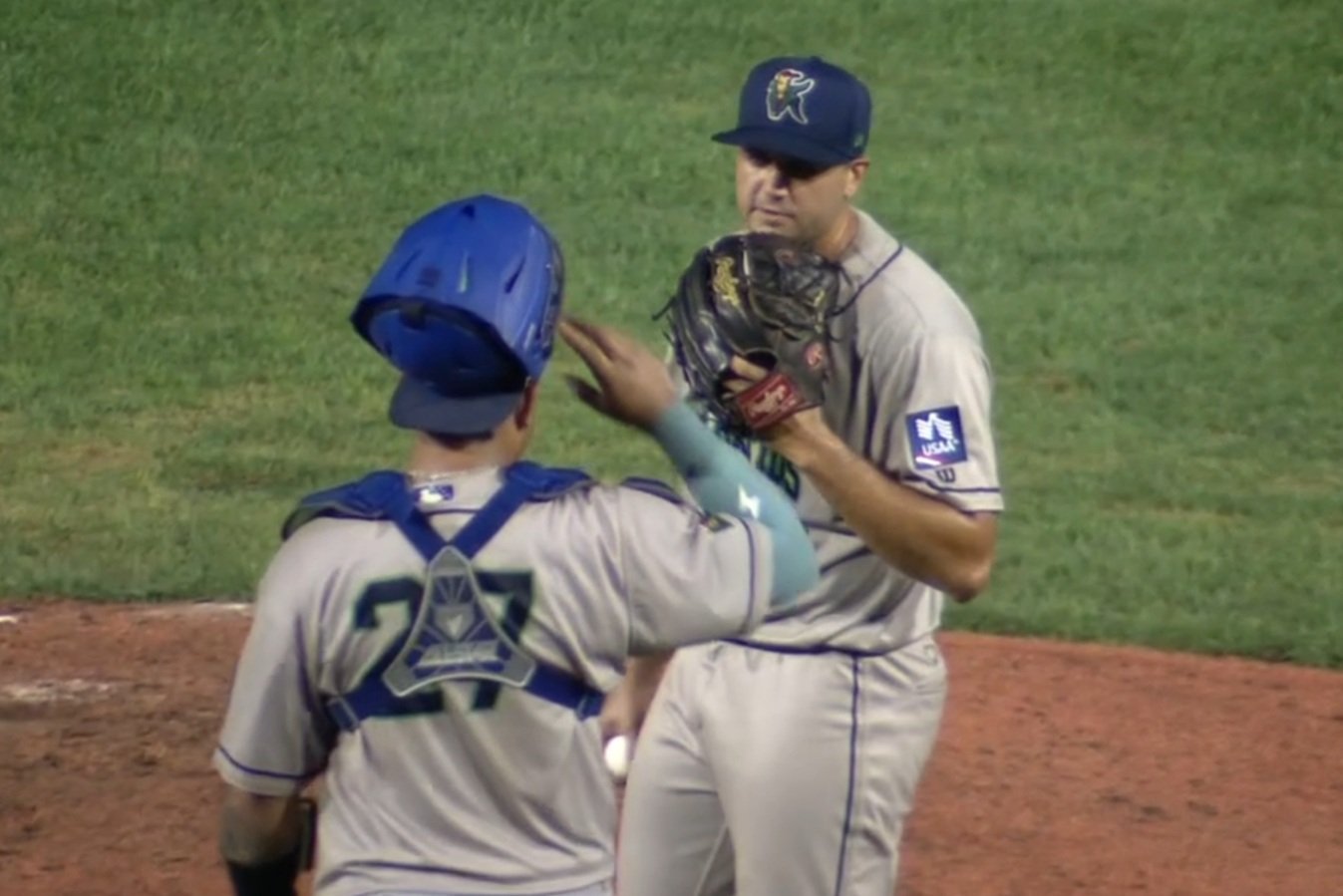 TRANSACTIONS RHP Jui-Chieh Lin transferred to Development List (A Fort Myers) Saints Sentinel St. Paul 9, Omaha 7 (10 Innings) Box Score Ricky Castro: 3 IP, 6 H, 4 ER, 3 BB, 3 K HR: Cody Morissette (14), Jake Rucker (1) Multi-hit games: Alan Roden (2-for-3, 2B, 2 R, RBI, 3 BB), Kala’i Rosario (2-for-6, 3 RBI), Cody Morissette (2-for-5, HR, R, 2 RBI), Jake Rucker (2-for-4, HR, 2 R, RBI, BB) The Saints won in extras on Wednesday. Tuesday was an active day for Emmanuel Rodriguez—what with the cycling and what not—so he spent Wednesday walking. Four times, in fact. It was a day of free passes for the Saints as a whole; they took 11 safe saunters to first base, outnumbering their hits on the day by one. Eric Orze, Marco Raya, and Julian Merryweather combined 5 2/4 shutout innings during the game’s most critical juncture. Battered by seven earned runs and a deluge of hits, the three relievers entered, and it was as if a faucet was turned off: one hit off Orze proved to be the only non-rule sanctioned baserunner the Storm Chasers could muster. Cody Morissette continued to swing a molten bat, homering for the third straight game. On the topic of homers, Jake Rucker hit a notable one. As the incoming tweet will say, his blast with the Saints was his first with the team in nearly 1,500 days. That’s an odyssey. Walker Jenkins hadn’t even been drafted by the Twins at that point, and he’s now their starting center fielder. Every batter in the Saints lineup reached base safely outside Tanner Schobel. Emmanuel Rodriguez is slashing .270/.432/.560 with the Saints in 2026. Center fielder Carson Roccaforte ranks as the 17th-best prospect in the Royals’ system; he went 0-5 with three strikeouts on Wednesday. Wind Surge Wisdom Wichita 4, Tulsa 5 Box Score Chris Vallimont: 5 IP, 2 H, 0 ER, 0 BB, 6 K HR: None Multi-hit games: Marek Houston (2-for-4, 2B, R, RBI), Khadim Diaw (2-for-5), Graham Brown (2-for-3, R, RBI, BB) The Wind Surge lost a tight match on Wednesday. Like a well-lit beacon, Chris Vallimont’s pitching line sparkles and shines, illuminating an excellent day on the mound for the 29-year-old. He punched out six without allowing an earned run, surrendering just two hits without walking a batter. That pesky “earned run” notion proved especially troublesome on Wednesday. Two scored in the third thanks to a pair of errors, one by second baseman Danny De Andrade, and one from the hurler himself. Though ERA looks the other way, those runs matter—and they came into play in the late innings, as Wichita looked to separate themselves from Tulsa. The Wind Surge already had two runs when their errors occurred, thanks to a run-scoring groundout by Jaime Ferrer, and a single from Graham Brown. They sat silent for three frames before a walk and a single placed a man in scoring position for Marek Houston, who stroked a single into center to break the tie. The Drillers responded with a sacrifice fly in the seventh and a two-run homer in the eighth. A final Brandon Winokur sacrifice fly couldn’t spark more, and Wichita fell one run short of tying the game. The Drillers, as you probably know, are an affiliate of the regal Dodgers farm system, a group typically bursting with young talent. This team is no different: Josue De Paula—strapping and intimidating—is the sixth overall prospect in MLB, and he went 0-2 with a sacrifice fly on Wednesday. Kernels Nuggets Cedar Rapids 3, South Bend 4 Box Score Cesar Lares: 4 2/3 IP, 4 H, 1 ER, 2 BB, 6 K HR: None Multi-hit games: None A late Kernels rally came up short on Wednesday. Down 4-0 in the eighth, Cedar Rapids netted their first run on a groundout by Eduardo Tait, scoring Vahn Lackey. With a sudden taste for scoring, they returned for a pair in the ninth, as an Andy Lugo triple begat a sacrifice fly. Then, Yasser Mercedes walked, stole second, and reached third on a wild pitch. Lackey walked. With a speeding mad man 90 feet away from scoring, the Kernels pulled off a double steal, with Mercedes safely arriving home as Lackey took second. That was all. The next two batters struck out to leave the tying run stranded in scoring position. Matt Canterino! He’s alive! His last professional game of baseball was on July 30th, 2022, as he pitched for the FCL Twins. And on Wednesday, he rose from the ashes and pitched for the Kernels, striking out one, and walking one in a scoreless inning. Cesar Lares was effective once more, culling his ERA as it descends from the mountaintops to… a place still pretty close to the top, yet lower. Nonetheless, that’s back-to-back starts of allowing just one earned run for the lefty. Yasser Mercedes stole three bases, pushing his Kernels total to 41, and his season total to 52. MLB’s 39th overall prospect played for the Cubs on Wednesday. First baseman Josiah Hartshorn walked once in three plate appearances. Mussel Matters You’ll never believe it, but the Mighty Mussels were forced to postpone their game on Wednesday due to inclement weather. Mother Nature is mighty—and she is no baseball fan, apparently. They will try to make the game up tomorrow, but you guys already know that is no guarantee. TWINS DAILY PLAYERS OF THE DAY Twins Daily Minor League Pitcher of the Day – Chris Vallimont Twins Daily Minor League Hitter of the Day – Jake Rucker PROSPECT SUMMARY Here’s a look at how the Twins Daily Top 20 Twins Prospects performed: #2 – Vahn Lackey (Cedar Rapids) - 1-3, R, 2 BB, K #4 – Marek Houston (Wichita) - 2-4, 2B, R, RBI #6 – Emmanuel Rodriguez (St. Paul) - 0-2, 2 R, 4 BB #7 – Hendry Mendez (St. Paul) - 1-5, R, BB #8 – Eduardo Tait (Cedar Rapids) - 1-5, 2B, RBI, K #12 – Brandon Winokur (Wichita) - 0-2, RBI, 2 BB #13 – Khadim Diaw (Wichita) - 2-5 #19 – Yasser Mercedes (Cedar Rapids) - 0-4, R, BB THURSDAY’S PROBABLE STARTERS St. Paul @ Omaha (6:35 PM) - RHP Germán Márquez Wichita @ Tulsa (7:00 PM) - RHP Cory Lewis Cedar Rapids @ South Bend (6:05 PM) - RHP Reed Moring Fort Myers @ Clearwater (5:30 PM) - RHP Matthew Dalquist View the full article
 -
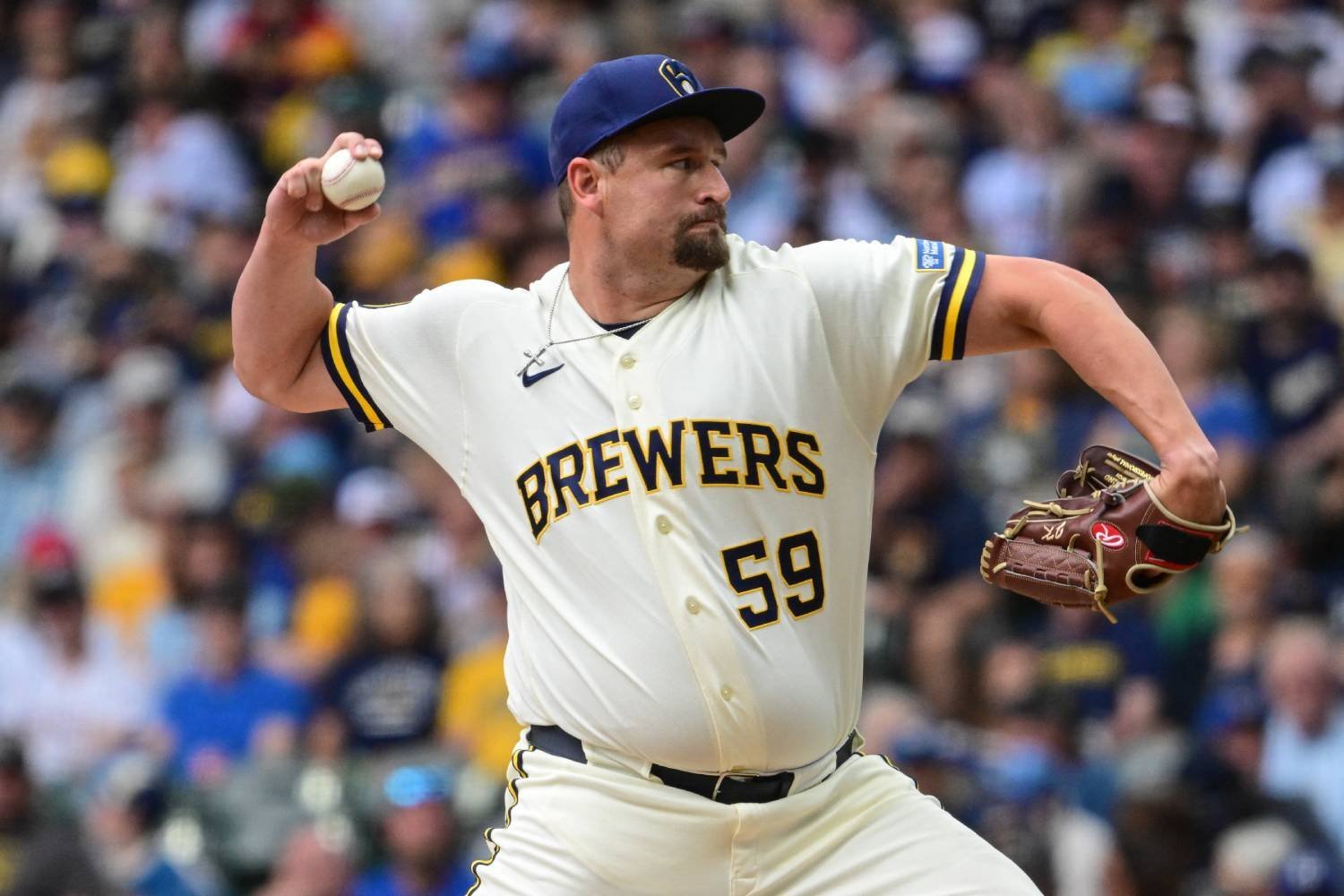 The Joel Kuhnel experience has come to an end. Kuhnel was designated for assignment by the Milwaukee Brewers on Wednesday. Kuhnel had been on the 15-day injured list with a right shoulder impingement since July 4. He had been on a rehab assignment since Aug. 2, but with that 30-day period expiring, the Brewers activated him from the IL and DFA'd him. The Brewers' 40-man roster stands at 38. Kuhnel, who doesn't have minor-league options remaining, hits the waiver wire and could be claimed. If he goes unclaimed, he could be assigned to Triple-A Nashville, be released or become a free agent. But the results haven't been there for Kuhnel either. In 10 games, Kuhnel had a 9.30 FIP (6.52 ERA) with a 12.2% walk rate and 16.3% strikeout rate. The Brewers acquired Kuhnel on June 6 for cash after he had been DFA'd by the A's. View the full article
 -
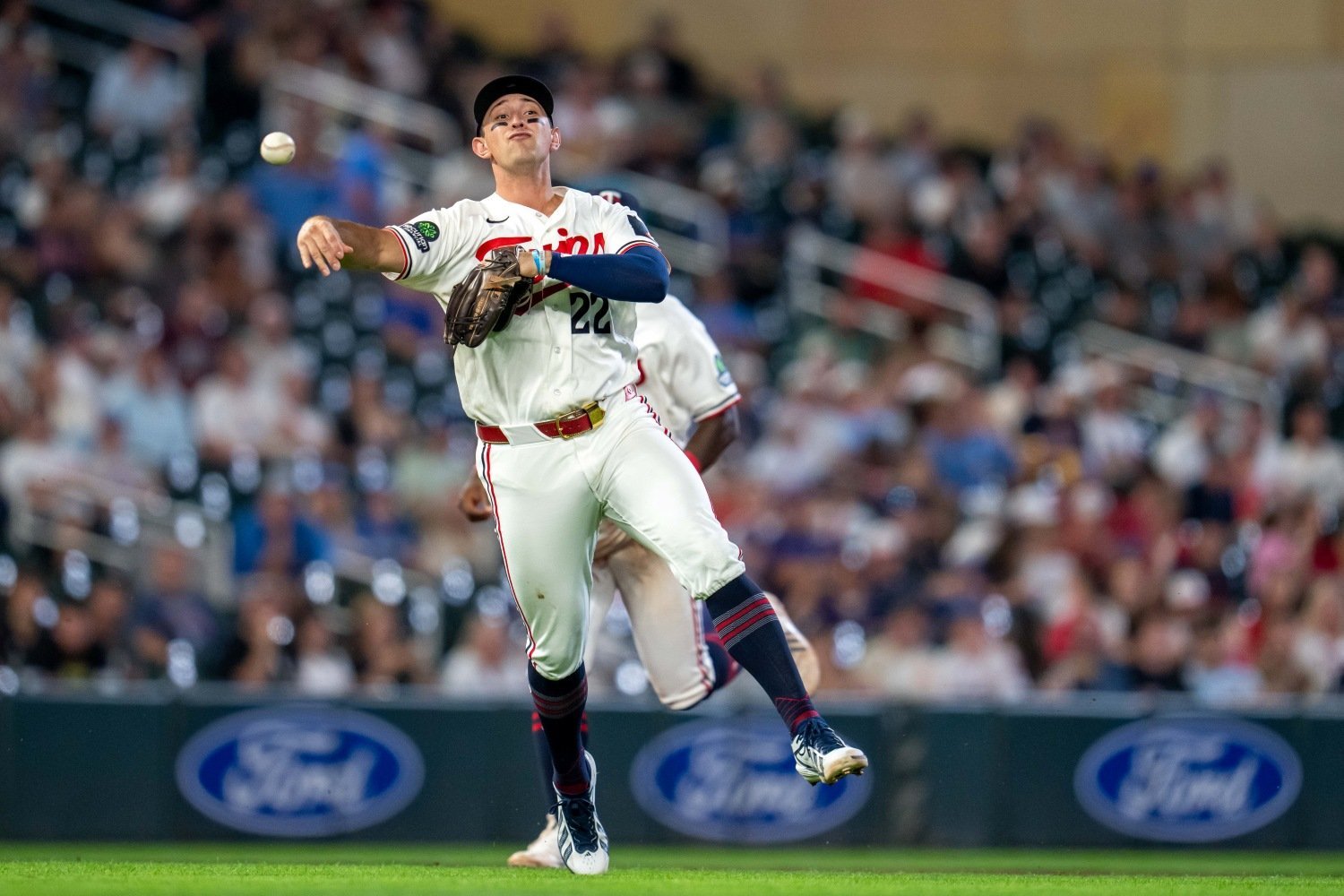 Athleticism spreads across a baseball diamond in predictable ways. There are always outliers, because some geniuses find ways to succeed in unexpected places via their savvy, and because teams sometimes align their talent in strange ways for any number of reasons, but we know where the best athletes need to be during baseball games—and which kinds of athletes are most needed in which places. For instance, your tall, languid guy usually shouldn't be at third base. Nor should your fast but underpowered guy play there. No, speed goes in the outfield, and it goes up the middle. Arm strength is important on the left side of the infield and in the outfield. Those are extreme examples, and extremes always make things seem obvious. Most real-life cases are more nuanced. Take, for instance, Brooks Lee. A stocky but strapping switch-hitter, Lee entered professional baseball as a shortstop. That was where he played in high school and in college, where he was an elite athlete. Even in the minors, he was an above-average runner and thrower (and hitter, for that matter), relative to all the players around him. Eventually, though, he came to the big leagues, and compared only to the 50 or so best players at each position in the Western hemisphere, his profile becomes a bit less impressive. As we know, the Twins tried Lee at shortstop. It didn't work. In fact, it didn't work twice, but the team only fully recognized the failure the second time, when he cost them several runs over the first month and a half of the 2026 season. That's when they moved him to third base, and everything changed. In 400 innings at shortstop this year, Lee was worth -9 Defensive Runs Saved (DRS), according to Sports Info Solutions. In 738 innings at third base, he's been worth 7 DRS. The change is enormous. Only J.P. Crawford and Trea Turner have hurt their teams more as shortstop defenders than Lee did, despite how short a time he spent there. Only Matt Chapman, Alex Bregman, Caleb Durbin and Maikel García have saved their clubs more runs at the hot corner than Lee has, despite 16 players logging more innings at the position than he has. Lee, as it turns out, is an extremely good fit for third base, even though he was an extremely bad fit for the spot that neighbors it on the infield. The values are extreme; so is the difference in the eye test. Yet, the reason for it is that Lee isn't extreme, himself, in any regard; he's just above- and below-average at things that make him much better-suited to one place than to the other. Here are the average sprint speeds and arm strengths of players at each position, for 2026. Position Sprint Speed (ft./sec.) Arm Strength (MPH) Catcher 26.1 80.3 First Base 26.3 79.4 Second Base 27.7 79.2 Third Base 27.1 84.9 Shortstop 27.9 86.2 Left Field 28 87.6 Center Field 28.7 89.5 Right Field 28.1 90.5 D.H. 26.1 — Pitcher — 94.7 As you would have guessed if I had asked you to do so blindly, outfielders are the fastest players on the field. Catchers, first basemen and designated hitters are the slowest. There's also an interesting hierarchy among the three more difficult infield spots, though. Shortstops are the fastest, with second basemen close behind; third basemen can be (and are) slower. Reading the arm strength column is trickier. As anyone familiar with the game already knows, outfielders need strong arms, but they also enjoy the benefit of being able to load up and fire on their most important throws, generating greater raw arm strength readings than one finds on the infield—where a quick exchange and release is paramount. The latter is even more true of catchers, whose most important throws come when trying to throw out basestealers. Thus, while infielders generate lower raw velocity readings, it's safe to say that shortstop and catcher are the positions (other than pitcher, of course) where arm strength is most important, and where teams put their strongest arms, all else equal. Even between infielders, though, these averages are apples and oranges. Players who play both second base and third base tend to throw 5-7 MPH harder from third than from second, for the obvious reason: the throw is longer. That means that it takes more oomph to get the ball to the first baseman, and that the runner has a greater chance to beat out a weak throw from the left side than from the right. We see a lower average arm strength among second basemen than among third basemen for the same reason as that which leads the same player's average throw to be harder from third than from second. Compare shortstops and third basemen, though, and the dynamic changes. As you can see, shortstops have stronger arms, on average. That's because, though the third baseman is all the way across the diamond, they're often playing shallower than a shortstop; they more often make relatively short throws with their momentum taking them in the general direction of first base; and their longest, toughest throws tend to come from more set positions and after ranging less far than a shortstop's longest and toughest throws. Yet, of the seven players who have spent meaningful time at both third and short this year, none throw harder when playing short than when playing third. On the contrary: Two (Willi Castro and J.P. Crawford) throw almost exactly as hard, regardless of position; Three (Kevin McGonigle, Bo Bichette and Joey Ortiz) throw between 1 and 2 MPH faster when playing third base; and Two (David Hamilton and Lee) throw over 3 MPH harder from the hot corner. The game demands that exceptional athletes with elite throwing arms play shortstop. It does not, however, demand that those players use every ounce of their throwing power on most plays. In fact, third base requires a stronger arm on a median play than shortstop does. The shortstop just has to be a better thrower in order to convert the occasional, fairly extreme play. Lee is an interesting case study, then. His sprint speed (26.4 feet per second) is virtually untenable for a shortstop, but just barely below-average for a third baseman. His arm is far below the average shortstop's, but not far at all below the average third baseman's—not because he's unable to uncork a strong throw, per se, but because he throws so much harder from third than from short. And why is that? Now, we've arrived at the crux of it. It's because Lee isn't fast enough. A lot of the balls on which Lee should have had to make stronger throws from shortstop ended up in left field, because he never got to them. Some others ended up in his glove, but he didn't even make a throw because he'd had to leave his feet to make the play and felt he had no chance to get his man. There were still times, even at short, where you could see that Lee is a fine low-to-the-ground athlete and has a strong arm, just as he has above-average bat speed and surprising power at the plate. He does, theoretically, have the arm for short; the raw strength and rotational capacity is there. He just needed to have the advantage of having been shaded into the hole, so he could actually reach a ball that otherwise would have eluded him, and so that he could set his feet to make that throw. UHY2TzNfWGw0TUFRPT1fVWdaU0JWTUZWUXNBQ3dFREF3QUhWQUlIQUZrQVVsWUFBbE5UVWxJTkFWZFZCRllE.mp4 Shortstops, who tend to have both kinds of baseball athleticism bound up into one body, can make that same play after having started the play a step farther toward second base. They'd have the area to their left better-covered, and they could still flag down this ball, turn enough to be accurate, and uncork a strong throw without being in the strong position Lee enjoyed when he threw out Ernie Clement on this play. That's what's missing for Lee. When he must throw on the move, he can't get much on it. When he must move a lot to get to a ball in the first place, there's a good chance he won't reach it. At shortstop, those are fatal flaws. At third, they're fairly unimportant. Most of the throws he makes on the move some as he ranges to his left, and are therefore short and fairly easy. Most of the balls that test his range are to that side, too; he can use the foul line as an extra defender. For some players forced to move off shortstop, second base makes more sense. For some, playing third doesn't solve many problems, because they have extremely good arm strength (good enough for short, even) but not the hands or the decision-making ability to be any better elsewhere on the dirt than they are at short. Lee is not elite, because his arm is still average or worse, but he's a very good third baseman, because his only shortcoming as a shortstop is being a step too slow. He's showed the utility of his arm since moving to third, and even a slight reduction in the range required of him has turned him from subpar to superb. In the long run, Marek Houston and Kaelen Culpepper might conspire to threaten Lee's playing time even at third. For now, though, he's entrenched, and his job security is well-earned. He's not a great hitter, but he looks to be above-average in the right role, batting higher in the lineup against right-handed pitchers and lower against lefties. He's already hit a career-best 22 home runs this year, and has a good chance to get to 25. On both sides of the ledger, having the right things asked of him has revealed the best version of Lee, lending us insight into what makes various roles on a team different and interesting. He began the year a fringe big-leaguer who was a drag on the team. He could finish it as a solid prospective piece of an evolving roster. View the full article
 -
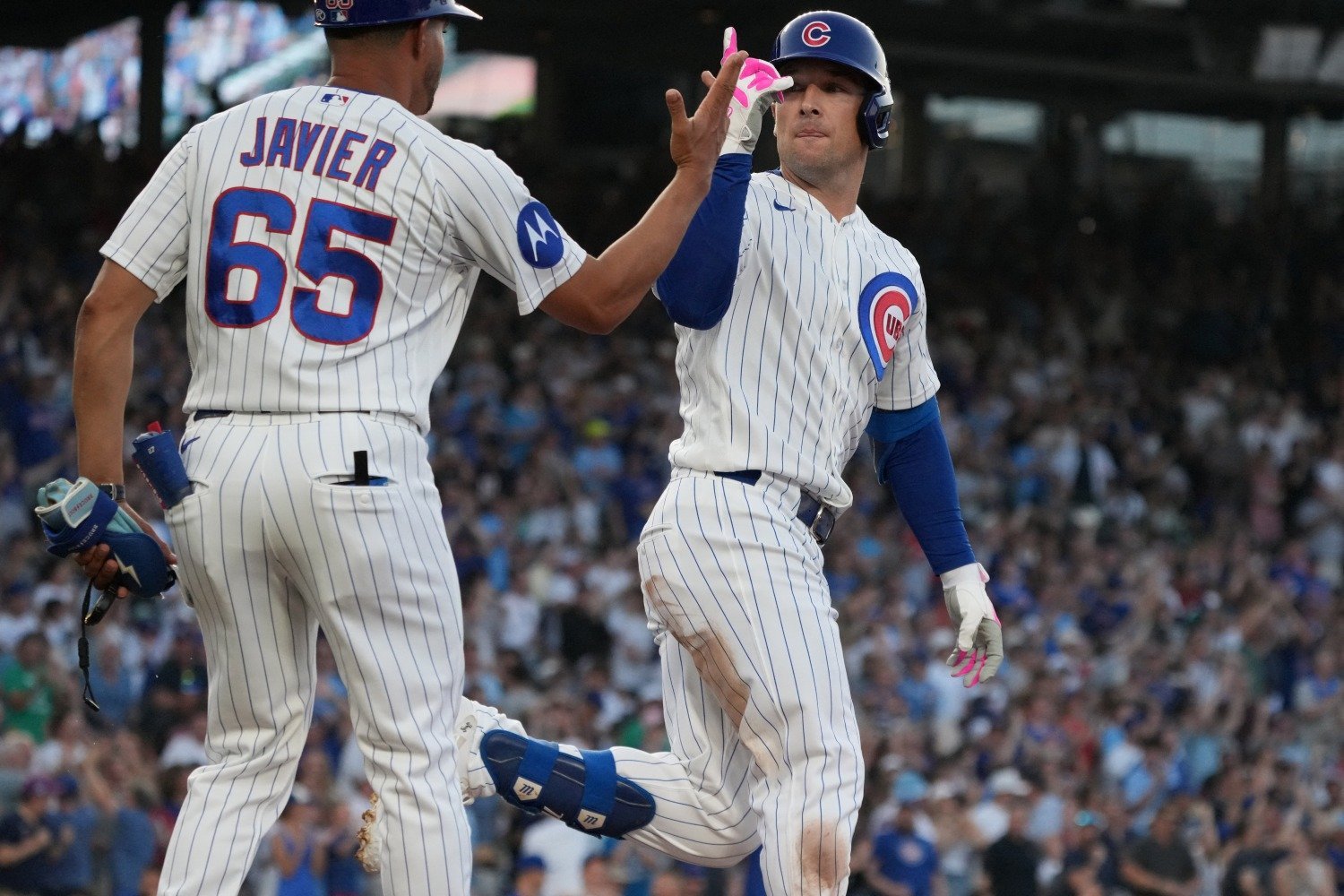 Want to know how deep in Kyle Harrison's head the Cubs got, right away on Monday night? They changed his clothes. On a hot night at Wrigley Field, Harrison took the mound in the bottom of the first inning with a short-sleeved undershirt beneath his blue road jersey. It was appropriate attire for the evening. He worked up a sweat, too, not only giving up four first-inning runs but racking up an unseemly early pitch count. Harrison and the Brewers quickly realized something was wrong, though. As the young pitcher told the media after the game, the Cubs were so on him that he became convinced the batters knew what was coming. That wasn't pure paranoia; the Brewers dugout felt the same way. Here's Harrison giving up a first-inning home run to Tyrone Taylor. YVlkWG5fWGw0TUFRPT1fVWdOWEFnRldCRllBRGxaUVZ3QUhDUVpTQUFCUVZRQUFDd0VGVXdGUVV3QlhVbGND.mp4 Compare that to this clip of Alex Bregman taking him deep in the very next frame. YVlkWG5fWGw0TUFRPT1fQmxkWUJWQU5WRkFBWEFFSFZBQUhVbEFGQUFCV0JWTUFWZ2NHQ0ZaUUFnb0hDRkZV.mp4 The difference isn't some subtle thing you need a scout's eye or a jeweler's loop to spot; it's big and basic. On a hot night, for no reason having to do with the weather, Harrison put on long sleeves. That's a sure sign of a pitcher trying to cover something—to address what he believes is a telling movement or muscle. There are pitchers (Joe Ryan, of the Twins, is one) who won't pitch without long sleeves, no matter what. They believe their wrist position or the tension in their arm can be spotted and used against them, even if they're being careful. Harrison doesn't usually have that problem, though, and does not generally cleave to a strict dress code on the mound. He made this change because the team felt that the Cubs were spotting something that conveyed which of his two main pitches was coming—and not necessarily from the batter's box. Remember a week ago, when the Diamondbacks got angry with the Cubs over what they initially believed was illicit (or at least unwelcome) relaying of incoming pitch types from Quintin Berry to Cubs batters? It was against Arizona starter Merrill Kelly. Ultimately, Diamondbacks manager Torey Lovullo apologized to Craig Counsell for the kerfuffle; the team came to realize that what Berry was doing was within the rules and above-board. Plenty of teams throughout the league still don't like when a coach picks up something from their position on the field and relays it to the batters, but both the new rules (which compel each base coach to stay in their assigned box) and the evolving customs say that it's up to pitchers to do enough not to give away their stuff when they're on the mound. Harrison was quick to say that it's up to him to guard his own secrets better. That's important not only because it pays lip service to the ethos the league has adopted, but because the Brewers have already gotten into one imbroglio over this very issue this season—from the other side of it, against the Cardinals. Major League Baseball specified that base coaches must remain in their boxes beginning this season, after their tendency to wander far beyond those boundaries became a frequent topic of conversation in clubhouses and the subject of a couple of heated arguments in 2025. By going farther down the foul line, coaches were trying to get peeks into pitchers' gloves as they prepared to throw. If they could pick up some cue that told them what grip the pitcher was establishing, they could relay it to their batters, giving them a better chance to hit (or not chase) that offering. As it turns out, though, you don't have to see into someone's glove to spot something useful. Several times this season, the Cubs have come into a game knowing what to look for from the base coach's boxes. Against right-handed pitchers, the job of spotting the pre-scouted tell and tipping off hitters has gone to Berry. Against lefties like Harrison, the duty falls to Jose Javier, at first base. Either way, nothing illegal is happening. With careful video study, it's often possible to find something a coach can discern without leaving their box or even craning their neck. One doesn't always need to see the way a pitcher places their fingers on the laces to know what pitch they're preparing to throw. It can be as simple as slightly more tension in the forearm when a hurler grips their breaking ball, or the glove flaring against their torso a bit more when they go for the changeup. In Harrison's case, there's no smoking gun for us to see from the center-field camera, but the Cubs (along with all other teams) have access to more angles when watching video to prepare for a pitcher, and it's very possible that a subtle turn of the shoulder or higher placement of the glove on the jersey while establishing a grip gave Javier all the information he needed to help his batters out. Here's Harrison coming set on the two pitches on which Bregman homered against him Monday night. On the left, he's about to throw a fastball. On the right, he's about to throw his slurve. Can you see a difference? Maybe. Maybe not. And maybe you could have when he wasn't wearing long sleeves, but now you can't. It seems quite likely, though, that Javier was in position to spot something useful. This is yet another area in which Berry and Javier are delivering huge value to the Cubs. This is their second season as the base coaches for the team, but they each do so much more than whisper pop times or wave runners home. Javier came from the Yankees, who were one of the best immediate innovators in exploiting the rules changes that went into effect in 2023 to produce value as basestealers; he's brought that savvy to the Cubs. Berry is also a great baserunning instructor, but the bulk of his time is spent in coaching the team's outfielders. He's altered the way Pete Crow-Armstrong prepares pre-pitch, taking him from excellent to generational in center field. He's overhauled Seiya Suzuki's work in right field, turning him from unplayable to above-average. The Cubs lead the majors in Defensive Runs Saved (DRS) by outfielders, and they lead the majors in baserunning runs, according to Baseball Reference. Their base coaches have returned huge value on that front. They're also proving adept at the art of tip-spotting, with the input and assistance of—it's a fraught thing to talk about, but it's true, according to multiple sources—Bregman. Though his legacy in the game will always bear the slight discoloration of having been part of the Astros' sign-stealing scandal, Bregman has never let that slow him down in his pursuit of legal edges at the plate. He's a rabid and brilliant video scout, and he shares information freely and proactively. Bregman has helped the Cubs get the drop on multiple pitchers this season, producing value not only for himself but for the whole team. Whatever they can pick up by legal means, the Cubs will pick up, and Bregman is just one of several smart hitters whose games have been augmented by the work of their perspicacious coaches. On a separate occasion later in that series in Arizona, it was easy to see another vector of Berry's value; he kept Pete Crow-Armstrong in the game by taking over the situation as a field general when the umpires missed a balk with Crow-Armstrong on third base in the series finale in Phoenix. Massively popular in the clubhouse and increasingly comfortable as a leader, Berry could be a managerial candidate as soon as this fall. For now, though, he and Javier are providing an enormous return on the team's modest investment, producing concrete value via their exceptional instruction and sanctioned espionage. They've been hugely influential for a team that seems destined for a second straight playoff appearance, all for less money than the team is paying most of their forgettable relievers this year. View the full article
 -
 Chicago Cubs Minor League Report (September 2) Affiliate Overview Triple-A Iowa Cubs Series at Columbus Clippers (Cleveland Guardians): Clippers lead, 1-0 Season Record: 56–74-1 Double-A Knoxville Smokies Series vs. Chattanooga Lookouts (Cincinnati Reds): Smokies lead, 1-0 Season Record: 68–58 High-A South Bend Cubs Series vs. Cedar Rapids Kernels (Minnesota Twins): Cubs lead, 1-0 Season Record: 73–50 Single-A Myrtle Beach Pelicans Series vs. Columbia Fireflies (Kansas City Royals): Fireflies lead, 1-0 Season Record: 47–77 Triple-A: Iowa Cubs Season Record: 56–74-1 Series Opponent: Columbus Clippers (70-60) Series Standing: Trail, 1-0 Sept. 1: The Iowa Cubs opened their series at the Columbus Clippers with a 7-6 defeat on Tuesday night at Huntington Park. Justin Dean’s (0-for-3) sacrifice fly in the second gave the Cubs the lead but the Clippers responded with two runs in the home half of the frame to go in front 2-1. Columbus added another run in the fourth but Iowa hit back with a three-spot in the fifth to take a 4-3 lead. Two would score, one via error, on Owen Miller’s triple (3-for-5), and one would score on Jordan Nwogu’s (3-for-5) double. The I-Cubs made it 6-3 in the sixth when Miller doubled home a run and Owen Ayers (1-for-4) followed with an RBI-single. The Clippers cut the lead to two by scoring a run in the home half of the sixth and would eventually go ahead with three runs in the eighth to make it 7-6. The Cubs would get the tying run to third in the ninth but could not bring the runner home. Kohl Franklin got the start on the mound for Iowa and took no decision. Franklin allowed three runs on five hits over 4 2/3 innings of work, walked three and struck out two. Edward Cabrera, making his first rehab appearance with the Cubs since being placed on the IL on Aug. 17, allowed a solo home run in his inning in relief and whiffed two. Double-A: Knoxville Smokies Season Record: 68–58 Series Opponent: Chattanooga Lookouts (56–71) Series Standing: Lead, 1-0 Sept. 1: The Knoxville Smokies opened their series vs. the Chattanooga Lookouts with a 12-3 victory on Tuesday night at Covenant Health Park. The Smokies broke the deadlock in the third thanks to a three-run homer from Carter Trice (1-for-4). The Lookouts cut the lead to one by scoring twice in the sixth but Knoxville was able to put up a four spot in the bottom of the inning to make it 7-2. Drew Bowser (0-for-2) worked a walk with the bases loaded and then Karson Simas (2-for-3) followed with a bases-clearing triple. Chattanooga pulled another run back in the eighth but the Smokies responded with five more in the home half of the frame to put the contest out of reach. Alex Ramírez (1-for-5) brought home three on a double and then came around to score on Miguel Useche’s (1-for-5) RBI-single. Edgar Alvarez (1-for-2) then made it 12-3 with an RBI-double. Kevin Valdez got the start on the mound for Knoxville and earned the win to improve to 2-1 on the season. Valdez allowed two runs on two hits over five innings of work, walked two and struck out seven. High-A: South Bend Cubs Season Record: 73–50 Series Opponent: Cedar Rapids Kernels (47–78) Series Standing: Lead, 1-0 Sept. 1: The South Bend Cubs started their final series of the regular season with an 8-4 triumph over the Cedar Rapids Kernels on Tuesday night at Four Winds Field. The Kernels took a 1-0 lead in the first and then doubled their advantage with a run in the third. The Cubs responded with three in the home half of the third to take the lead. Angel Cepeda (3-for-4) singled home a run and Jose Escobar (1-for-4) followed two batters later with a two-run double. Cedar Rapids made it 3-3 with a run in the fourth but South Bend would take the lead for good in the ballgame with three runs in the fifth. Kade Snell (2-for-4) got the scoring started with an RBI-triple and came around to score on Cepeda’s two-run shot that made it 6-3. The Kernels pulled one back in the sixth but solo shots from Josiah Hartshorn (2-for-3) and Cepeda in the eighth made it 8-4, putting the contest out of reach. Hartshorn’s blast was his 18th at High-A and 23rd overall on the season. The Cubs’ sixth round pick in the 2025 MLB Draft upped his RBI tally with South Bend to 82, which sets a new franchise record, needing just 78 games to reach that mark. Jostin Florentino got the start on the mound for the Cubs and took no decision. Florentino allowed three runs on six hits over 3 1/3 innings of work, walked one and struck out four. Single-A: Myrtle Beach Pelicans Season Record: 47–77 Series Opponent: Columbia Fireflies (64–62) Series Standing: Trail, 1-0 Sept. 1: The Myrtle Beach Pelicans opened their final series of the 2026 season with a 13-6 defeat to the Columbia Fireflies on Tuesday night at Pelicans Ballpark. The Pelicans took a 1-0 lead in the first on a wild pitch but the Fireflies would take a 6-1 lead in the contest by scoring three times in both the third and fourth innings. Myrtle Beach made it 6-3 in the fourth through an RBI-triple from Eli Lovich (1-for-2) and an RBI-single from Alexis Hernandez (3-for-4). The Fireflies made it 10-3 by scoring once in the fifth and three more times in the sixth. Derniche Valdez (2-for-4) singled home a run in the sixth but Columbia got that run right back in the seventh to make it 11-4. The visitors then added two more in the eighth before Hernandez launched a solo home run later in the inning and Corey Nunez (2-for-5) picked up an RBI-single in the ninth that made it 13-6. Jubrayker Salaya got the start on the mound for the Pelicans and took the loss, falling to 0-2 on the season. Salaya allowed three runs on five hits over three innings of work, struck out five and walked none. View the full article
 -
Michael Massey Reinstated, Drew Waters Designated for Assignment
DiamondCentric posted an article in Royals Keep
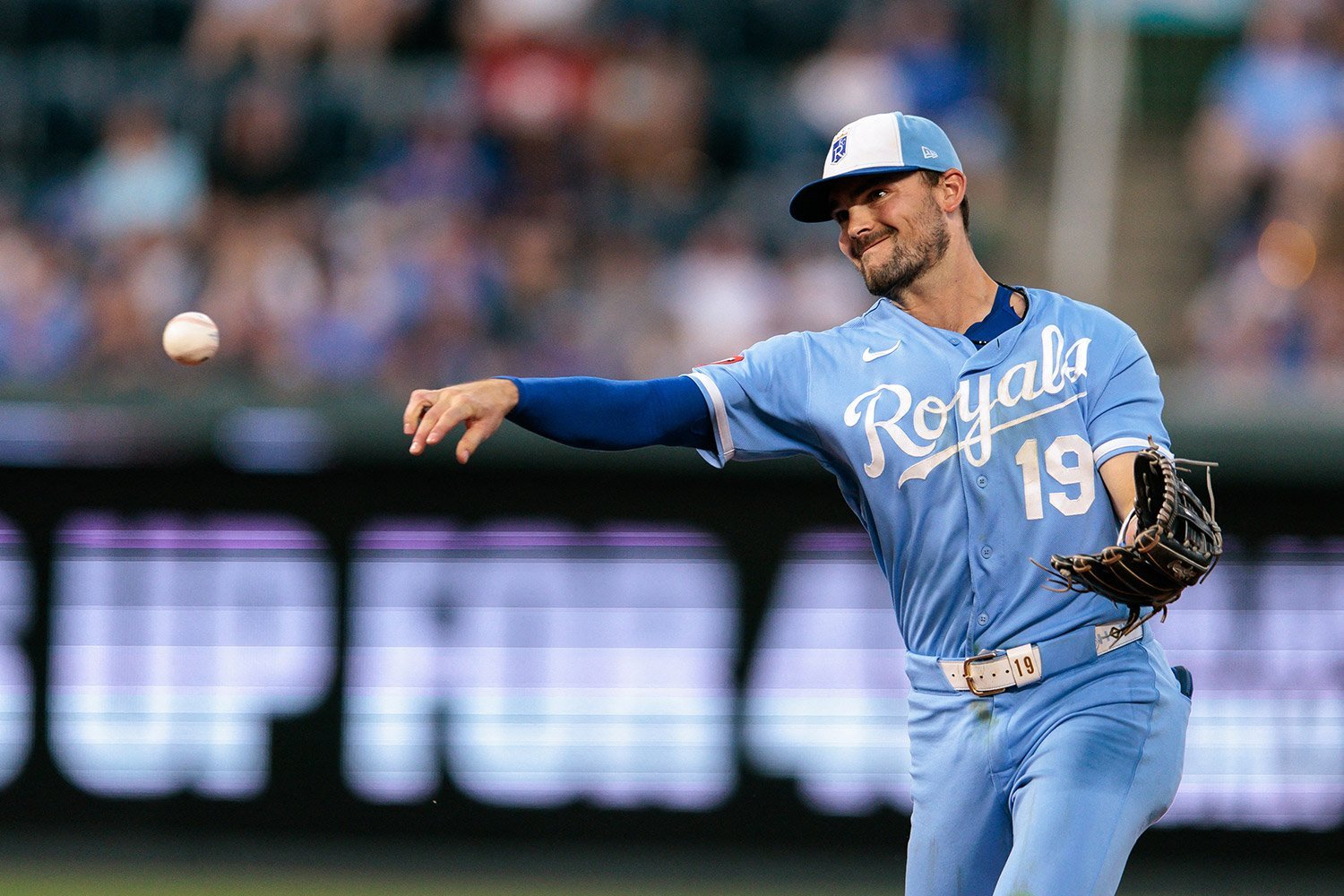 Infielder Michael Massey was reinstated from the 7-day concussion injured list. To make room on the active roster, outfielder Drew Waters was designated for assignment. Massey has played in 110 games this year with the Royals, with a .276/.310/.444 slash line, which is good for a .755 OPS (112 OPS+). He has made the vast majority of his appearances at second base, but has also played some in the corner outfield and at third base. Waters had his contract selected on September 1, but has not made an appearance with the Royals this season. He had appeared in major league contests every year from 2022-2025. With Triple-A Omaha, he has played in 98 games this season, with a .731 OPS, 12 home runs, and 17 stolen bases in 20 attempts. He has played all three outfield positions with some appearances as designated hitter as well. Massey will likely continue to get most of the starts at second base for the remainder of this season. View the full article
 -
Minor League Report: The Playoff Push For The Greenville Drive
DiamondCentric posted an article in Talk Sox
 In this week's episode, Nick finally talks about the Greenville Drive and their playoff push as he highlights key players for the team such as Luke Heyman, Antonio Anderson and recent draft picks Owen Hull and Jake Schaffner. He also discusses the recent promotion of Justin Gonzales along with other promotions such as Alex Bouchard, Nate Baez and Wyatt Olds. Listen on Apple Podcasts: https://podcasts.apple.com/us/podcast/the-talk-sox-podcast/id1783204104 Listen on Spotify: https://open.spotify.com/show/3qPrPXEngu0CxgTmlf0ynm Listen on iHeartRadio: https://www.iheart.com/podcast/263-the-talk-sox-podcast-244591331/ Listen on Pocket Casts: https://pca.st/4tmd121v Watch on YouTube: https://www.youtube.com/@talksox View the full article
 -
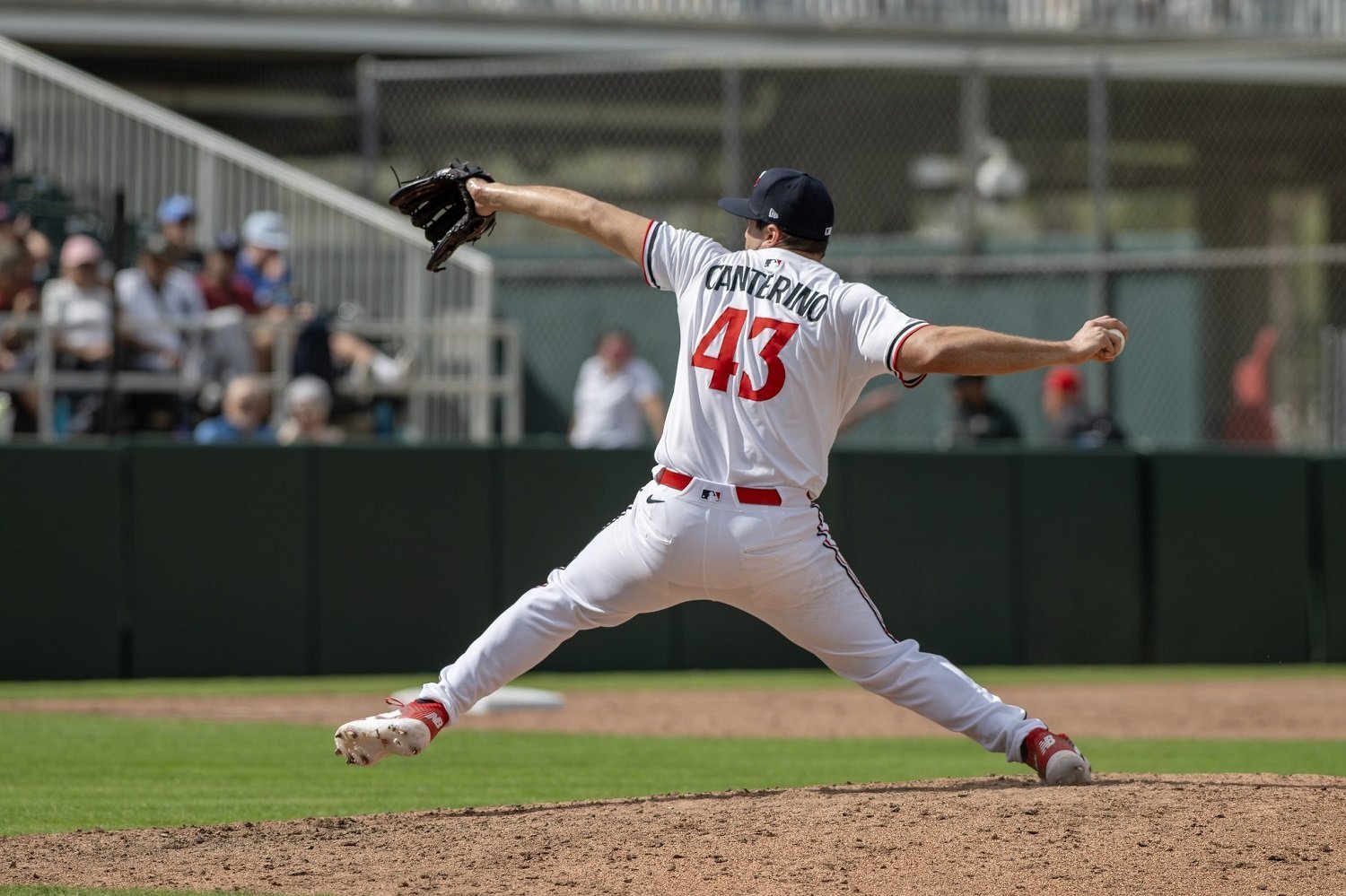 There was a time when Matt Canterino looked like one of the highest-ceiling pitching prospects in the Minnesota Twins organization. Now, the biggest question is much simpler: Can he stay on a mound? The Twins announced Tuesday that Canterino will begin a rehabilitation assignment with the High-A Cedar Rapids Kernels. When he takes the ball, it will mark his first professional inning since July 30, 2022, bringing an end to a wait that has stretched for more than four years. For a pitcher whose career has been defined by long stretches away from competition, simply seeing Canterino appear in a game will be significant. For the Twins, there is still a reason to pay attention. A Long Road Back Canterino was selected by Minnesota in the second round of the 2019 MLB Draft, 54th overall, out of Rice. His combination of a mid-90s fastball, sharp slider and ability to attack hitters made him one of the organization's most intriguing pitching prospects. The results backed up the scouting reports. Across 85 minor league innings, Canterino owns a 1.48 ERA with 130 strikeouts, 35 walks and only 38 hits allowed. His 0.86 WHIP is equally impressive. Those numbers came across parts of three minor league seasons, but injuries repeatedly interrupted whatever momentum he built. His 2022 season offered perhaps the clearest glimpse of what he could become. Canterino posted a 1.95 ERA with 54 strikeouts in 37 innings for Double-A Wichita, dominating hitters before elbow problems eventually forced him from the mound. That season ultimately ended with Tommy John surgery in August 2022. He would not pitch in 2023. Then came another setback. Canterino suffered a right rotator cuff injury during Spring Training in 2024 and missed the entire season. The Twins had hoped to gradually bring him back and even considered moving him into a bullpen role to better manage his workload. Instead, another shoulder problem emerged during Spring Training in 2025, leading to surgery in March. At that point, the timeline became even more uncertain with Twins trainer Nick Paparesta saying the recovery could be more than 12 months. The Twins released Canterino in April 2025 after designating him for assignment, but the story didn't end there. Just eight days later, Minnesota re-signed him to a two-year minor league contract. The organization gave Canterino another opportunity to continue rehabbing with the team, and that decision has now brought him to this moment. That investment is about to become tangible. Pitching in a game is different from throwing bullpen sessions. Hitters swing. Adrenaline changes the environment. Mechanics are tested under pressure. Most importantly, Canterino will finally have the opportunity to measure his stuff against professional hitters again. What Can the Twins Expect? There is no reason to expect Canterino to immediately resemble the pitcher who overwhelmed Double-A hitters four years ago. He will have to rebuild his workload. The Twins will have to monitor his velocity, command and recovery between appearances. There will almost certainly be limitations during the early stages of this assignment. But there is still something intriguing about the possibility. Canterino's career minor league numbers are not the result of a handful of dominant outings. He made 26 appearances and 25 starts while producing a 1.48 ERA and 130 strikeouts over 85 innings. His strikeout ability has always been the calling card, and his arsenal has given him the potential to work either as a starter or out of the bullpen. The bullpen route may eventually make the most sense. It could allow Minnesota to leverage his fastball and slider in shorter bursts while limiting some of the workload that has contributed to his injury history. But there is no need to make that decision right now. For the moment, Canterino just needs to pitch. That sounds incredibly simple, especially for someone who was once viewed as one of the organization's brightest arms. Yet it represents the biggest accomplishment of his professional career to this point. Four years after his last competitive inning, Canterino is finally getting another chance. The prospect rankings, projections and future role can come later. First, he gets to pitch. What stands out about Canterino's professional journey? Leave a comment and start the discussion. View the full article
 -
The Cubs’ Playoff Picture Is Starting to Come Into Focus
DiamondCentric posted an article in North Side Baseball
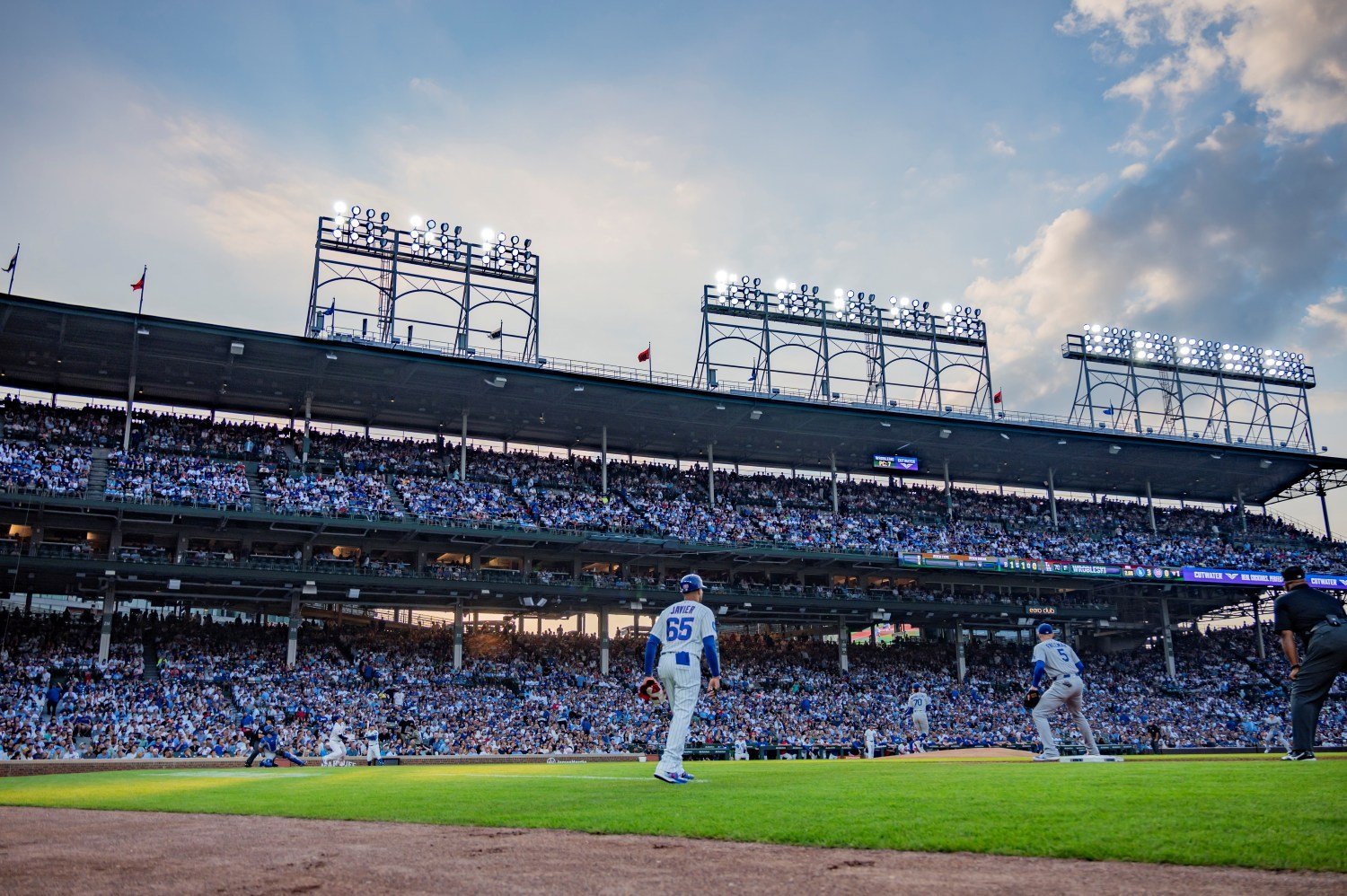 We have officially reached September, which means postseason baseball is just around the corner. Despite a bit of a cold stretch recently, the Cubs still have firm control of their own destiny heading into the final few weeks of the regular season. With a record of 78-61, they’re right in the thick of the National League Wild Card race, and they’ve put themselves in a pretty good position to make a run in October. But while Chicago is set up well right now, a lot can change over the course of an entire month. So, where does the National League playoff picture stand at this very moment? For starters, it feels like the three division leaders have a pretty strong hold on their respective demesnes. The Braves have a three-game lead in the NL East; the Brewers lead the Cubs by eight games in the NL Central; and the Dodgers have a 9.5-game advantage over the Padres in the NL West. As I said, a lot can happen over this last month of the regular season. But the Brewers and Dodgers have comfortable leads, while Atlanta is playing some great baseball. The Phillies might have something to say about it, but the odds are pretty good that those will be your three division winners when it’s all said and done. That means the Wild Card is where things get really interesting. The Cubs are currently a game behind Philadelphia for the No. 4 seed in the National League, which would set up a Wild Card matchup between the two teams if the playoffs started today. With both Chicago and Philadelphia sitting a handful of games ahead of the current No. 6 seed, the strong odds are that the two teams will square off, one way or another. On paper, that’s a pretty daunting matchup. The Cubs have actually had plenty of success against Philadelphia this season, going 6-1. But that was a struggling team with a since-fired manager, who hadn't yet gotten Zack Wheeler back. This is a team with a star-studded core that can give any opponent problems in October. The Phillies have bats like Kyle Schwarber and Bryce Harper in the lineup, while their rotation features Cristopher Sánchez, Wheeler and Jesús Luzardo. And they’re starting to heat up at the right time. The Phillies are currently riding a six-game winning streak, which has helped them leapfrog the Cubs in the standings. They have the talent and postseason experience to make things very difficult, especially if the series takes place at Citizens Bank Park. After Philadelphia, there are a few other teams fighting for the opportunity to play October baseball. The Padres currently hold the final Wild Card spot, while both the Diamondbacks and Marlins are within three games. That means there’s still plenty of time for the Wild Card picture to shift, with multiple teams still within striking distance of that final spot. The good news for Chicago is that it has had quite a bit of success against those teams this season. They went 5-1 against the Padres and 4-2 against the Diamondbacks, while they haven’t played the Marlins yet. That will change this weekend, when Chicago finally gets its first look at Miami. It would require a full-fledged Cubs collapse (and a strong finish) for any of those three teams to catch Chicago, so any matchup they might have against them would be at Wrigley Field. Even the Phillies will have to come to Chicago if the two teams finish with the same record, which is crucial. During the Cubs’ 2025 postseason run, they went a collective 4-4. Their four wins all came at home; they lost just once at Wrigley. In three games in Milwaukee, though, they went 0-3. Obviously, that doesn’t mean the Cubs can’t win away from Wrigley Field, but it does go to show just how important home-field advantage can be once the postseason begins. We’re about to enter the most meaningful baseball of the season, and the Cubs are no exception. Every series, every game, and eventually every inning will carry a little more weight as the calendar moves deeper into September. If I had to make a bet today on how things will end up, I’d say the Cubs face off against the Phillies in the Wild Card round, with Chicago getting the fourth seed and Philadelphia getting the fifth. I’ll also say the Padres sneak into that final Wild Card spot, leaving the Diamondbacks just on the outside looking in. But that prediction could look completely different a week from now. A strong week can dramatically improve Chicago’s position, while a bad week can just as quickly put the Cubs in a much more precarious spot. The standings will change constantly over these final few weeks, and with so many teams still fighting for the same handful of postseason spots, there’s little room for complacency. With September officially here, they can’t let that position slip away. View the full article
 -
 Boston Red Sox Affiliate Recap (September 1) Triple-A Worcester Red Sox Season Record: 67-61 Worcester’s outstanding offense and pitching staff helped blow out the Buffalo Bisons (Toronto Blue Jays) 9-1. Romy Gonzalez had a great day at the plate, although he grounded into a double play in the first; a run still came across the plate. Later on in the seventh, the first baseman blew the game open with a three-run blast, his third homer in the minors, making it a 6-1 game. Former Red Sox first-rounder Mikey Romero was outstanding for Worcester, collecting a four-hit day while getting on base five times. The infielder brought in two runs; both came in the third inning after he cracked a hard-hit two-run double into center field, bringing in Franklin Arias and Braiden Ward, who both had multi-hit games. It is easy to see why Anthony Seigler became a fan favorite in Boston very quickly; he showed immense passion, came up clutch in big moments, and filled in the hole at second base that the Red Sox needed most. The 27-year-old was demoted back to Worcester when Trevor Story got the call to Boston, but he wasted no time with the WooSox, hammering a bases-loaded ground-rule double in the ninth, bringing in two runs. After a rough three-game stretch, Gage Ziehl returned to the dominant form we are used to seeing. The righty tossed 6 ⅔ one-run innings with four strikeouts while also earning his second win in Worcester and eighth on the season. Noah Song and Sam McWilliams followed with 2 ⅓ combined shutout innings with four strikeouts to end it 9-1. Standout Performances: Gage Ziehl: 6 ⅔ IP, 4 H, 1 ER, 4 K Mikey Romero: 4-for-4, 2B, 2 R, 2 RBI, BB Romy Gonzalez: 2-for-5, HR, 2 R, 3 RBI Double-A Portland Sea Dogs Season Record: 64-62 A blunder from Portland’s pitching staff gave them a 6-4 defeat to the Chesapeake Baysox (Baltimore Orioles). Things looked bright for the Sea Dogs when Henry Godbout once again blasted a homer; this time it was a two-run bomb, making it a 2-0 game in the third. Then came the sixth inning when both Dalton Rodgers and Cooper Adams struggled badly, giving up five runs combined to lose the lead 5-2. Caden Rose’s RBI double in the seventh and Nelly Taylor’s sacrifice fly in the ninth put the game within reach, but the offense did not have anything else going. Rodgers was actually dominating through 5 ⅓ innings before Chesapeake’s run barrage, striking out seven batters with just one hit allowed. Adams came in and did not stop the bleeding the rest of the way, tossing the next 2 ⅔ innings with three earned runs on six hits, ending the game with a 6-4 final score. High-A Greenville Drive Season Record: 57-67 Greenville’s absurd offensive display led to a comeback 13-11 victory over the Bowling Green Hot Rods (Tampa Bay Rays). The Drive’s bats tallied just one walk but collected an outrageous 18 hits. Yophery Rodriguez and Antonio Anderson played a key part in this victory, both having three hits each. Yophery cracked an RBI double in the second inning and an insanely clutch three-run bomb in the ninth, giving Greenville a 12-10 lead. Anderson also hit a bomb, a two-run shot in the fifth, and an RBI single in the third. 2026 first-rounder Jake Schaffner blasted his first home run in the Red Sox organization; a solo bomb in the second inning was the first of two hits he had. Nazzan Zanetello made one of his two knocks count as well; a solo blast late in the ninth inning gave Greenville somewhat of a comfortable 13-10 lead. After Bowling Green responded with a one-out solo bomb in the bottom of the ninth, Aaron Nixon came into the game and finished it off with no damage done, earning his second save of the season. Standout Performances: Yophery Rodriguez: 3-for-4, HR, 2 2B, 4 R, 4 RBI, BB Antonio Anderson: 3-for-5, HR, R, 3 RBI Nazzan Zanetello: 2-for-5, HR, R, 2 RBI Jake Schaffner: 2-for-6, HR, R, 2 RBI Low-A Salem RidgeYaks Season Record: 53-73 The RidgeYaks' miraculous comeback ended with an 8-7 walk-off victory against the Hill City Howlers (Cleveland Guardians). Through four innings, Salem was facing a 4-0 deficit. They quickly responded in the fifth with a fielder's choice from Avinson Pinto that brought in Andrews Opata, then two RBI singles from Anderson Fermin and Martin Shelar made it a 4-3 game. Once again, Salem faced another deficit, now trailing 6-3 entering the eighth. In the middle of Starlyn Nunez stealing his 20th base of the year, Louis Andujar scored, then a throwing error from the catcher on a pickoff attempt led to Nunez scoring. With a runner on third and one out, Adonys Guzman came up big, cracking an RBI double to tie it up 6-6. Now in the 10th, a Howlers runner crossed the plate, putting them up 7-6. In the bottom half, with the ghost runner aboard for Salem, Opata delivered a clutch leadoff RBI double to bring in Nunez, tying the game 7-7. On the very next pitch, Guzman’s second hit of the game was a big one: a line drive into the outfield brought in Opata, walking it off 8-7 for the RidgeYaks. View the full article
 -
 Ronny Mauricio did not receive a September callup from the New York Mets. The club went with speedy outfielder Nick Morabito as the 14th position player instead. If Mauricio was looking to deliver a response Tuesday, he came in loud and clear. Mauricio clubbed a solo home run off the scoreboard in left-center field in the bottom of the first inning to put the Mets in front against Rochester. The blast off former Washington Nationals starter DJ Herz was the opening statement in a 7-4 Mets victory. The timing of the homer was interesting, and so was the fact it came from the right side, the switch-hitting Mauricio’s weaker side. It was his third home run in 66 plate appearances batting right-handed with Syracuse this season. It was his 17th homer overall. Kuhio Aloy led off the eighth with a walk and advanced to second on a wild pitch. Yovanny Rodriguez walked to put two on with none out. Julio Zayas struck out and Jeremy Rodriguez popped out, but then Jack Toomey walked to load the bases and De Oleo walked on a 3-2 pitch to force in Aloy. St. Lucie's run in the eighth made a winner of Zack Mack, the sixth of seven Mets pitchers, He gave up a hit and walk over 1 1/3 scoreless innings, Miguel Mejias struck out two in the ninth as he notched his sixth save. Agbayani made his Mets organizational debut and played seven innings at second base. The son of former New York outfielder Benny Agbayani had been out of action since mid-May with a shoulder injury. The Mets acquired him along with Amick from the Minnesota Twins in exchange for left-hander A.J. Minter on July 31. St. Lucie Batting Player AB R H RBI BB K Bruin Agbayani 4 1 1 0 0 3 Dylan Carey 1 0 0 0 0 0 Ryan Tayman 3 2 1 3 1 2 Boston Baro 4 0 0 0 0 1 Kuhio Aloy 2 1 0 0 2 2 Yovanny Rodriguez 2 1 1 0 2 0 Julio Zayas 4 0 0 0 0 3 Jeremy Rodriguez 4 0 0 0 0 1 Jack Toomey 3 1 1 1 1 1 Branny De Oleo 2 1 1 2 2 1 St. Lucie Pitching Player IP H R ER BB K HR Irving Cota 1 0 0 0 0 2 0 Roberto Pena 2 1/3 4 3 3 3 2 0 Tyler McLoughlin 2/3 0 0 0 2 2 0 Dillon Stiltner 2 0 0 0 1 3 0 Candido Cuevas 2/3 1 3 3 2 2 1 Zack Mack 1 1/3 1 0 0 1 2 0 Miguel Mejias 1 1 0 0 0 2 0 Top-20 Prospect Performance Jonah Tong: DNP Jack Wenninger: DNP Elian Peña: 1-for-3, 3B, BB, K Mitch Voit: 1-for-7, 2 RBI, 3 K Ryan Clifford: DNP Nick Morabito: DNP Jonathan Santucci: five innings, 5 H, 2 R, 2 ER, 1 BB, 6 K Carson Wiggins: DNP Jacob Reimer: 0-for-3, BB, K Aiden Robbins: 2-for-4, HR, 2 RBI, K Randy Guzman: DNP Wandy Asigen: DNP Chris Suero: 0-for-2, 2 BB Jefferson Rojas: 1-for-4, K Will Watson: DNP Shane Sdao: DNP Eli Serrano III: 0-for-3, BB Antonio Jimenez: 1-for-3, HR, RBI, BB Emilien Pitre: DNP Dylan Ross: MLB View the full article
 -
 Woo-Suk Go’s time with the Minnesota Twins is over, and the right-hander is heading back to familiar territory. After going unclaimed on waivers following his designation for assignment last Friday, Go elected free agency rather than accept an outright assignment to Triple-A St. Paul. According to Yoo Jee-ho of Yonhap News Agency, Go has agreed to return to the Korea Baseball Organization and sign with the LG Twins. “An official with the LG Twins of the Korea Baseball Organization (KBO) said Tuesday the 28-year-old pitcher is on his way back to Seoul and could sign his deal before the end of the day,” Yoo reported. It marks the end of a strange few months for Go, who arrived in Minnesota with some intriguing upside but never found his footing with the organization. Go spent the first seven seasons of his professional career with the KBO’s LG Twins. He emerged as one of the league’s better late-inning options, recording at least 30 saves three times. His best season came in 2022, when he converted 42 saves. That success earned Go an opportunity in Major League Baseball. The San Diego Padres signed him in January 2024, but his stay in the organization was short-lived. He was traded to the Miami Marlins as part of the package that brought Luis Arraez to San Diego. After being designated for assignment by Miami in May 2024, Go exercised his right to reject a minor-league assignment and became a free agent. He bounced around the American baseball landscape before eventually landing with Detroit. The Tigers gave him an opportunity in Triple-A Toledo, where Go looked like an interesting relief option. That performance ultimately caught Minnesota's attention. The Twins acquired Go from Detroit in a minor trade at the beginning of July. Across 27 2/3 innings with Toledo, he had posted a 2.60 ERA while striking out 29% of opposing hitters. Minnesota decided to give him his first opportunity in the majors. It did not go particularly well. Go appeared in four games for the Twins, allowing four earned runs on eight hits in four innings. Two of those hits left the ballpark. He struck out five and walked two, finishing his brief MLB stint with a 9.00 ERA. The Twins optioned Go to St. Paul in late July, but things quickly went sideways. In what would have been his Saints debut, Go was ejected after umpires determined he had an illegal substance in his glove. He initially received a 10-game suspension, which was reduced to eight games following an appeal. Unfortunately, his struggles continued after the suspension. Go posted a 12.54 ERA across eight appearances, allowing 13 earned runs and issuing 11 walks over just 9 1/3 innings. At one point, he walked 10 hitters across four innings over a three-game stretch. Overall, Go posted a 3.91 ERA across 50 2/3 innings between the Detroit and Minnesota systems. The Twins gave Go his first taste of the majors, but the organization ultimately decided it was time to move in another direction. Now, Go gets an opportunity to reset his career where it began. The LG Twins were his team for seven seasons before his MLB journey began. After stops with several organizations in the United States, Go is heading back to Seoul looking to rediscover the pitcher who once dominated the ninth inning in the KBO. For Minnesota, it was a short experiment that never quite worked. For Go, the return home could provide a chance to get his career back on track. View the full article
 -
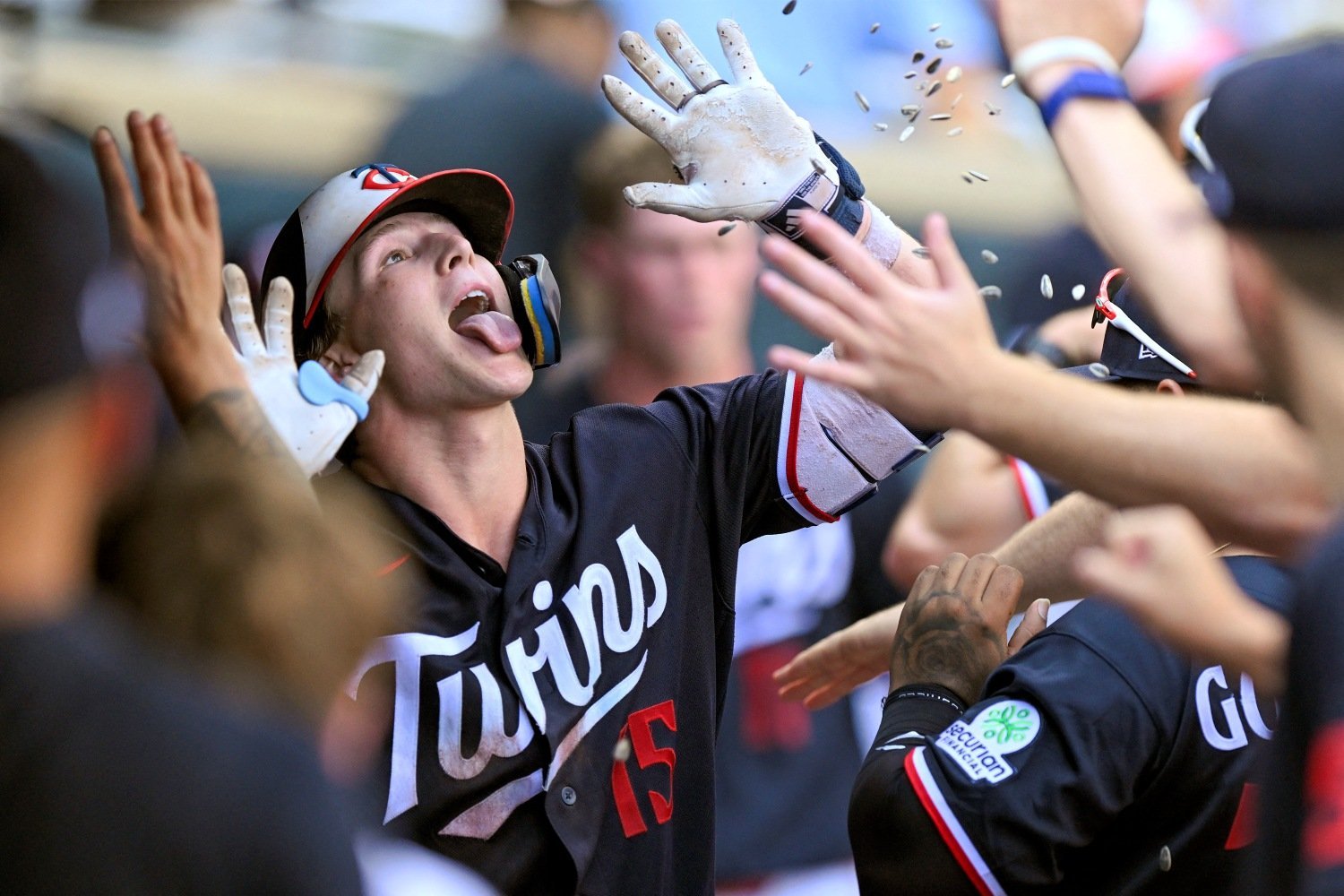 Given what they did at the trade deadline, August was an important one for the Twins to stay in the playoff race. Unfortunately, they went 10-17, and their playoff hopes have faded a bit. The month saw a pair of major-league debuts from top prospects, though, in Kaelen Culpepper and Walker Jenkins. Jenkins played four games in the month, so that wasn’t a big enough sample size to be considered for Twins Daily's hitter of the month nod, but maybe in September, he can claim the prize. Culpepper had a great first 20 games of his big-league career, wherein he had three home runs, three doubles and a slash line of .314/.372/.486. Another honorable mention goes to Josh Bell, who had a very solid .824 OPS with four home runs and 20 RBIs. While Culpepper and Bell were worthy, hwoever, this month’s standout performance for a hitter has to go to Luke Keaschall, who put up a marvelous .337/.416/.571 slash line. That's outright elite production. He had five home runs and eight doubles, to go along with three stolen bases. Keaschall appears to be getting more and more comfortable at the plate. He’s cemented himself, at least for now, in the leadoff role, regardless of which hand the opposing starter throws with on any given day. His defensive struggles have been widely discussed, as he has played mostly in center field and right field in recent weeks. With Walker Jenkins up and Byron Buxton still around, it's safe to assumed Keaschall will play mostly right the rest of the way. His future role, though, might in left. Regardless of defensive position, if Keaschall continues to hit like this, Derek Shelton will have to put him in the lineup. The hope is that he will be able to get more comfortable at a defensive position and be slotted into the leadoff spot more often. He may be destined for designated hitter duties in the future, but I would guess the Twins will give him a long leash to see if he can become a passable defender in a corner outfield spot. Keaschall continuing to hit like he did the past two months will be key to the Twins making a run at a playoff spot, if it does happen. Here’s hoping the rest of the lineup can be good enough around him to make that at least somewhat plausible. There's much to be excited about with Keaschall’s future, regardless of his defensive position, because he does so many things so well on offense. He will be a nuisance for many AL Central pitching staffs, as long as he continues to have at-bats like the ones he's had in recent months. View the full article
 -
 With the last full month of the minor-league season now behind us, let’s take a look at a few arms in the Chicago Cubs' farm system that are finishing the season strong and heading into the offseason with some confidence. Ranking Cubs' Best MiLB Pitchers In August Honorable Mention: Dawson Netz - RHP - Knoxville An undrafted free agent last season, Netz worked his way to AA in his debut season and has remained there this entire year. He had been solid all season long but hit a bit of a speed bump in July with a 4.82 ERA, albeit still solid peripheral numbers. He rebounded well in August with a 2.65 ERA in four starts. He had 19 strikeouts to just six walks in 17 innings and limited opponents to a .180 batting average. Honorable Mention: Pierce Coppola: LHP - South Bend Coppola has been in pitcher of the month articles all year until he hit a snag in July with a 4.80 ERA. It was an understandable slide, as it coincided with his promotion to High-A South Bend. His first start on July 10 at that level was less than stellar, but he has allowed more than one run one time since then, including a 2.18 ERA over his five August starts. The towering lefty had a strikeout rate of 22% and a walk rate of 8% while allowing just a .186 batting average against in August. Third Place: Brooks Caple - RHP - Knoxville Last month’s winner of this award, Caple followed up his July with a 2.96 ERA across 24.1 innings of work over five August starts. He picked up 22 strikeouts and walked nine while allowing a .227 batting average against. He just topped 100 innings pitched for the season in his last start, a first for Caple. It is really promising to not see him fade at all down the stretch. Runner-up: Jostin Florentino - RHP - South Bend After a dominant showing in Myrtle Beach as a 20-year-old, Jostin Florentino had some of the higher expectations of any Cubs prospect entering 2026. Unfortunately, the young righty has largely struggled to live up to those expectations; coming into the month, he had a 5.68 ERA, 26% strikeout rate, and a 14% walk rate. August was a different story entirely. In four starts, Florentino had a 2.95 ERA backed up by a 30% strikeout rate and a 7% walk rate over 18.1 innings of work. Even though the year hasn’t gone great overall, a strong finish is just what the doctor ordered. Winner: Kohl Franklin - RHP - Iowa Perhaps the most unlikely of winners of this award, Kohl Franklin is deserving nonetheless. Drafted out of high school, Franklin looked great in 2019, his first full pro season. A combination of injuries and ineffectiveness had made him a bit of an afterthought at this point. He was subpar in 2022 (6.88 ERA in South Bend) and 2023 (5.99 ERA in Knoxville) and had thrown a total of eight innings since then. He made his first start in Arizona in July before making three starts with South Bend. At the beginning of August, the 26-year-old was promoted to Iowa. He hadn’t pitched in two full years, and had pitched poorly in AA when he last pitched, and he got promoted past Double-A after just four rehab starts. Clearly, the Cubs saw something. Franklin posted a 2.70 ERA in 16.2 innings over four Iowa starts. Franklin had an 8% walk rate and a 25% strikeout rate and allowed a .611 OPS against. A great story of perseverance, here is hoping he can build on this momentum going into next season. View the full article
