


DiamondCentric
-
Posts
2,631 -
Joined
-
Last visited
Never
Content Type
Profiles
Forums
Events
News
Tutorials & Help
Major League Baseball Videos
Guides & Resources
Store
Downloads
Gallery
Everything posted by DiamondCentric
-

Twins Prospect Hot Sheet: Trio of Saints Making Call Up Bids
DiamondCentric posted an article in Twins Daily
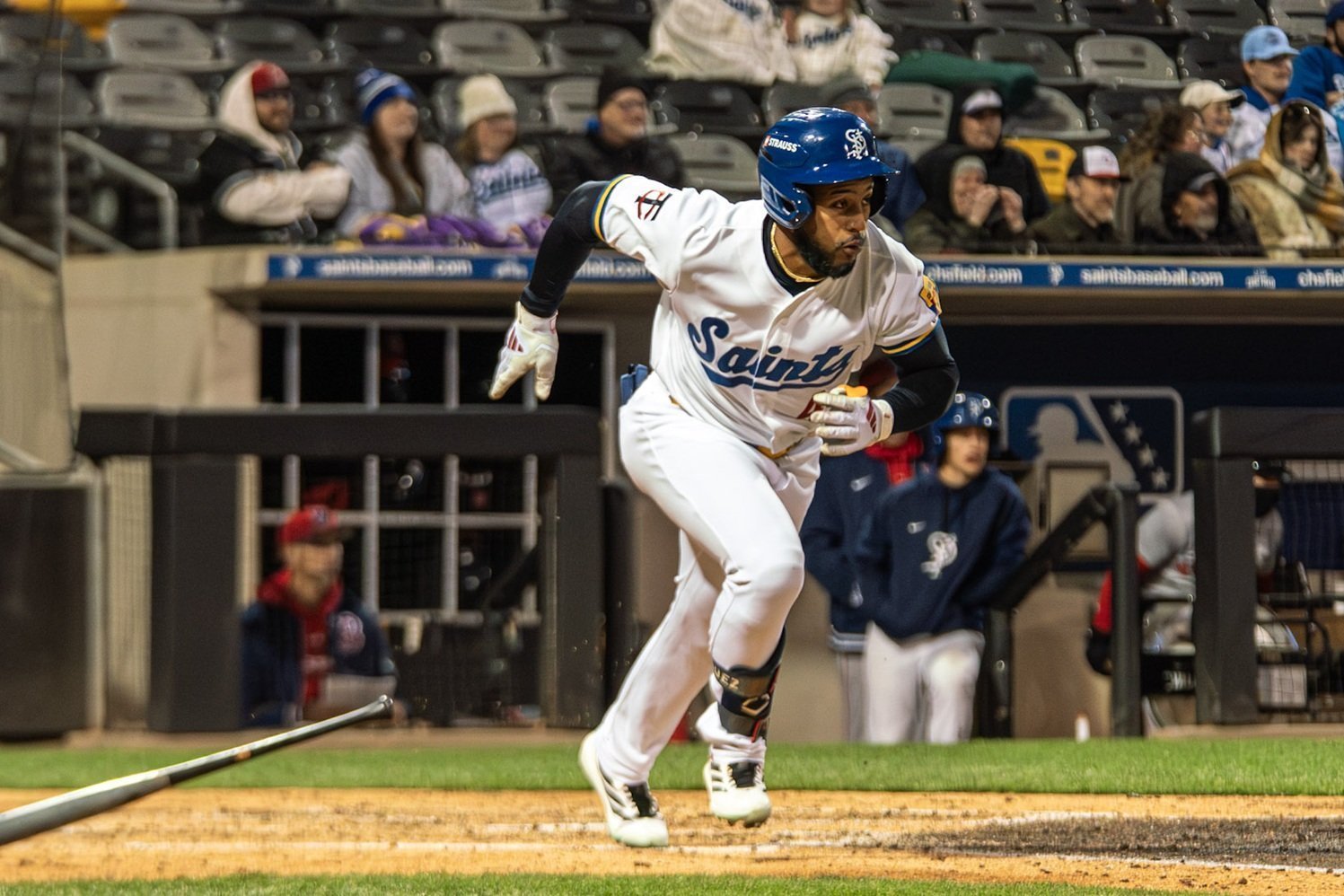 The minor-league season is quickly running out of runway. With the final games approaching, there isn't much time left for prospects and organizational depth pieces to make one last impression before the offseason arrives. For some players, September can provide an opportunity to earn a spot on the major-league roster. The expanded rosters of the past are gone, but the Twins still have a handful of decisions to make as they evaluate which players could help them down the stretch or potentially factor into next season's plans. This week's hot sheet features three St. Paul Saints who have made plenty of noise lately. Emmanuel Rodriguez is finally healthy and producing, Cody Morissette has transformed his offensive game since joining the organization, and Aaron Rozek continues to provide valuable pitching depth. Could one (or more) of them earn a September call-up? OF Emmanuel Rodriguez — St. Paul Saints How He Got Here: Ever since Rodriguez joined the Twins organization in July 2019 after signing for $2.5 million, the tools have been obvious. The bigger question has always been whether he could stay healthy long enough to show them consistently. That has been a difficult challenge. Rodriguez's career-high for games played in a season is just 99, set back in 2023. He dealt with a knee injury in 2022, an abdominal strain the following year, and a thumb injury in 2024. Last season brought another combination of thumb, hip and oblique injuries. Despite those setbacks, Rodriguez reached Triple-A at just 22 years old in 2025. He also performed well in the Dominican Winter League as he attempted to make up for some of the development time lost to injuries. Unfortunately, the injury bug returned this season. A torn ligament in his left thumb required surgery and kept him out for nearly three months. Hitting the Hot Button: Now that Rodriguez is finally back, he's wasting little time reminding everyone why he remains one of the more intriguing offensive players in the organization. He played six games for the Saints this week, going 7-for-25 (.280) with a double, triple, home run, four RBI and five walks. The highlight came Tuesday in Omaha, when Rodriguez hit for the cycle. More importantly, his production has been sustained since returning from the thumb injury. Over his last 21 games, Rodriguez has posted a .944 OPS while hitting five homers, three doubles and a triple. He's also swiped four bases. There's another important piece to this puzzle: Rodriguez is out of minor league options heading into next season. That means the Twins will eventually have to make a decision on him. If Rodriguez is healthy and producing, it makes plenty of sense for the organization to get a look at him in the majors before the season ends. INF Cody Morissette — St. Paul Saints How He Got Here: Morissette's path to St. Paul has been anything but straightforward. The former Boston College standout was selected by the Miami Marlins in the second round of the 2021 MLB Draft. He entered professional baseball viewed as a polished college hitter who could move quickly through the minor leagues. He eventually reached Triple-A, but consistent offensive production remained elusive. That culminated in a .660 OPS across the upper levels last season. Morissette began 2026 back in Miami's organization, but the Marlins released him in June. The Twins signed the New Hampshire native to a minor league contract on June 8. Since arriving in St. Paul, something has clicked. Hitting the Hot Button: Morissette has been on an absolute tear lately. He homered in four consecutive games this week, becoming just the second player in franchise history to accomplish the feat. The only other Saints player to homer in four straight games was Drew Maggi. That's impressive company, but Morissette isn't simply riding one hot stretch. Over his last 12 games, he's gone 15-for-48 (.313) with five home runs, two doubles and a 1.044 OPS. Since joining the Saints, Morissette has posted a 119 wRC+ across 60 games. That's a significant improvement from the offensive production that eventually led to his departure from the Marlins organization. The Twins weren't necessarily expecting to find an impact bat when they signed Morissette in June. But he's certainly giving the organization something to think about as the season winds down. SP Aaron Rozek — St. Paul Saints How He Got Here: Rozek took a much different route to professional baseball. He went undrafted out of Minnesota State University, Mankato and spent parts of two seasons pitching in independent leagues. Coming out of the pandemic, he signed with the Twins and quickly demonstrated that he could handle the organization's aggressive developmental approach. During his first season, Minnesota moved him from the rookie leagues all the way to Double-A. He finished that campaign with a 2.40 ERA and 74 strikeouts across 56 1/3 innings. Since 2023, Rozek has bounced between Double-A and Triple-A, filling whatever role the organization has needed. At times, he's provided starting depth. At other times, he's worked as a bulk reliever. Across six minor league seasons, Rozek owns a 4.27 ERA with 8.4 strikeouts and 2.8 walks per nine innings. Hitting the Hot Button: The Saints had been waiting a long time to see a starting pitcher put together a performance like this. Rozek finally delivered. For the first time in more than two years, a St. Paul starter completed six shutout innings. Rozek allowed just four hits while walking three and striking out three. The last Saints pitcher to throw at least six shutout innings was Louis Varland on August 3, 2024. Rozek has also been solid since moving up from Double-A. In 96 innings at Triple-A, he has posted a 3.84 ERA with a 19.1% strikeout rate and a 9.1% walk rate. He's probably not going to generate the same excitement as a top prospect, but that's not necessarily his role. The Twins need organizational pitching depth, and Rozek has repeatedly demonstrated an ability to provide it. Could Any of Them Get the Call? September is all about evaluation for a team that has already shifted its attention toward the future. Rodriguez might have the clearest path to a call-up. His combination of prospect pedigree, recent production and lack of minor league options makes him a particularly interesting candidate. Morissette is forcing his way into the conversation with his bat, while Rozek continues to prove that he can be trusted as depth on the pitching side. There are only so many games remaining to make an impression. These three Saints are certainly taking advantage of the opportunities they've been given. Will any of this trio make their MLB debuts in September? Leave a comment and start the discussion. View the full article
 -
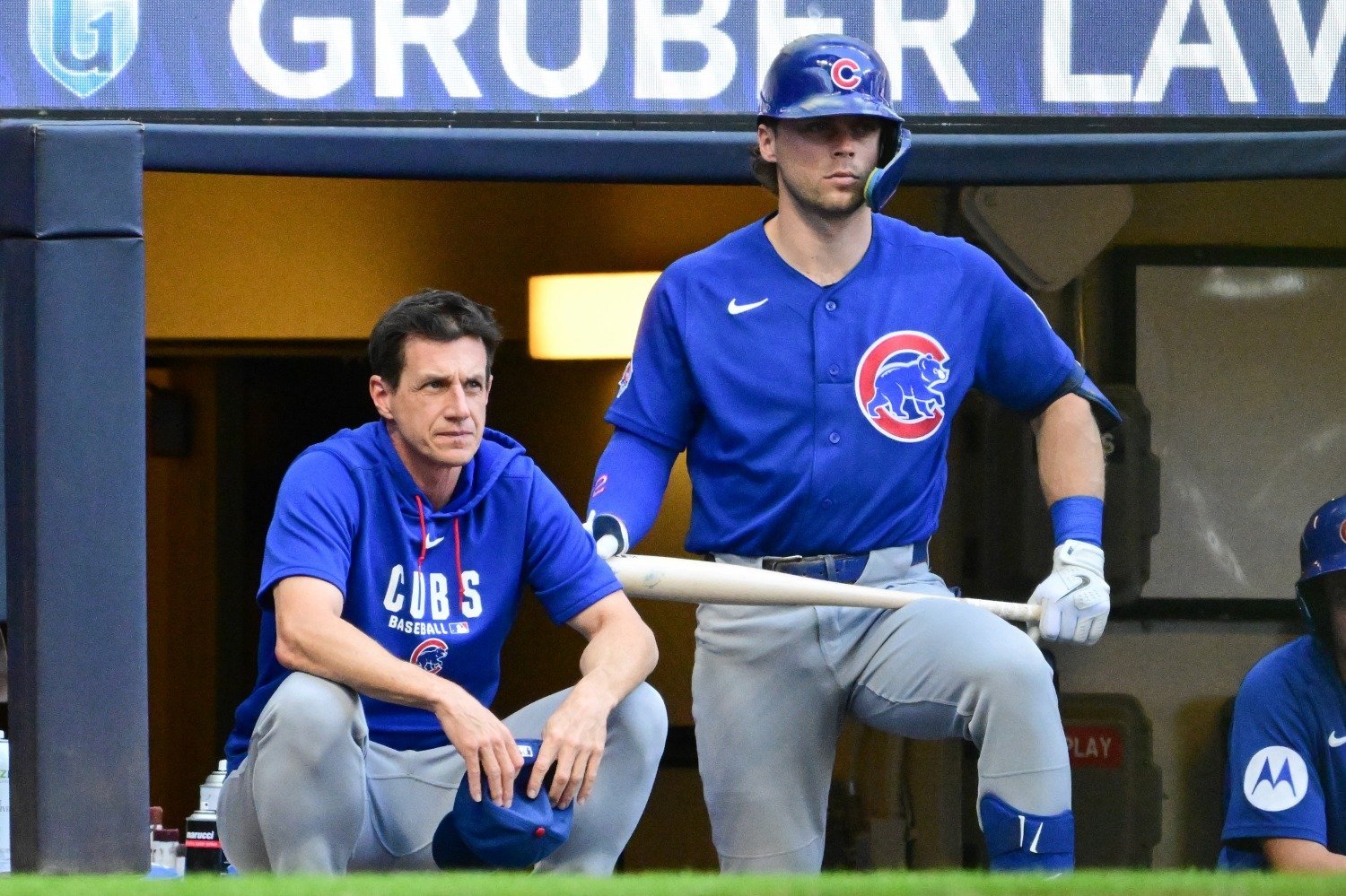 There's really no excuse for it. You can make one, but you're just going to tie yourself into knots and sound silly. Blame can be shifted to the offense, who didn't do enough to win the average game, but this wasn't an average game—and it was very much a playoff-like game, the likes of which the Cubs need to be practicing winning. Craig Counsell can offer rationalizations for his choice to let Matthew Boyd start the eighth inning Monday afternoon, but even he must not believe them. He simply failed at his job, at a pivotal moment. Boyd and the Cubs held a 2-1 lead in the middle of the eighth inning of their Labor Day tilt with the division-leading Brewers. It was a taut and exciting game, thanks to a boisterous holiday crowd and all the emotions tied up in every encounter between these neighboring teams since Counsell defected from Milwaukee to Chicago. The eighth, ninth and top spots in the Brewers lineup were due, and Boyd had thrown 87 pitches. Ryan Zeferjahn was ready in the Chicago bullpen. Counsell, however, has managed like he's terrified of his own instincts when facing the Brewers over the last two seasons, and he made another mistake born of that hesitation. Despite Boyd preparing to face Garrett Mitchell and Joey Ortiz for the third time and try to get an out in the eighth for the first time all year, Counsell left him in, eschewing (for the moment) Zeferjahn. That's not who Counsell is, as a manager. He's dealt with a shaky bullpen all season, and Zeferjahn is as suspect as anyone the team has relied on in high-leverage situations during that time, but he's also pitched well lately. He would have offered a vastly different look than Boyd to Mitchell and Ortiz (or, if it came to that, pinch-hitter Jake Bauers), who had already seen the tiring veteran southpaw twice. This is simple stuff. No version of Counsell that existed before he came to Chicago—and, really, no version of him who has ever managed against any team other than the Brewers—sends out his starter to pitch in that situation, but when facing his former team and his former mentor, Counsell hasn't been himself. It was a fatal error. Boyd knew he couldn't sneak a fastball past Mitchell, and didn't try, but after getting ahead 1-2, he couldn't land either his changeup or his slider anywhere near the zone. He issued a leadoff walk that conveyed the emptiness of the tank as much in the way it happened as in the fact of it. Counsell stuck with him, though, to face Ortiz. After touching 94 early in the outing and sitting 92-93 through the middle innings, he dipped to 90.4 on one fastball to the Brewers' No. 9 hitter—and even then, he wasn't able to hit the zone with it. Ortiz did the hurler a small favor by fouling off two 2-2 pitches that weren't strikes, but when Boyd then hung a curveball in the zone, the quick-twitch righty batter laced it into the corner for a double. Finally, Counsell made his move. It was too late, and far too little. Put in no position to succeed, Zeferjahn failed. He started Jackson Chourio with two fine sinkers to get ahead 0-2, but his sweeper wasn't competitive. When forced to come back over the plate with a fastball, he threw one just above the top of the zone, but it was another sinker—that's his new M.O., even if it's not conducive to missing bats (as he needed to do in that crucial situation)—and Chourio got on top of it with ease. The inning unraveled from there, with Jacob Webb unable to do any more to stop the bleeding than Zeferjahn had done. It's easy to dismiss Counsell's role in the meltdown, given that Zeferjahn was the clear choice to pitch in Boyd's stead to begin the inning and that he didn't get the job done, but context is everything. Had he entered with a clean inning and Mitchell been his man, there's a good chance Zeferjahn would have gotten that out. He might have then had to face Bauers—that pinch-hit opportunity was probably what scared Counsell out of going right to his reliever—but that matchup would have been preferable to asking Boyd to slog through a third showdown with Ortiz. The times-through-the-order penalty is Sabermetrics 101, and Counsell demonstrated a comprehensive understanding of it when he managed Milwaukee. The situation screamed for Zeferjahn to start the frame. Had he done so, even if he'd gotten to Chourio with one on and one out, he would have had far more options for getting him out than he had under the circumstances in which he actually entered: tying run on third, go-ahead run on second, no outs, no margin for error. All of that is to say nothing of the mismanagement of personalities and emotions. Zeferjahn needed the clear mind and the confidence of getting the ball with the bases empty, or at least with some space between his back and the wall. His manager denied him that. He also let down his de facto ace, by forgetting that the only thing separating a pitcher who's cruising from one who's bruised is time. Counsell is not, by and large, a bad manager. However, he's been ruthlessly beaten by Pat Murphy in every important game the two have played against one another over the last three seasons, and Monday ensured what was already obvious to everyone: the Brewers will cruise to a fourth straight NL Central title. Meanwhile, the Cubs fell back behind the Phillies in the scramble for the right to host the Wild Card Series. It was a huge loss, on a day when Boyd was masterful and Pete Crow-Armstrong was sensational, with two stolen bases and a home run in a game the team would lose 4-3. You can't pay top dollar for a manager, firing a skipper under contract for the express purpose of making the upgrade, and watch him flop this way. Together, Counsell and Hoyer continue to disappoint Cubs fans who believe the team's aspiration should be to return to the World Series. For that matter, they disappoint others, too—the ones who notice that the only one of the original 16 big-league teams not to enjoy a decade of dominance in their league or division since the integration of the game is the one who dominates the league's third-biggest market. Monday was a sad reminder that, while Crow-Armstrong has made this season a joyous one at many turns, ownership's satisfaction with padding their pockets and slouching toward October every year remains unshaken. Hoyer is in no danger of losing his job. Neither is Counsell. But neither has done enough to make the Second City's first team more than a second-class citizen in their own division. Hoyer continues to be outdone by Matt Arnold. Counsell continues to be outfoxed by Murphy. And Milwaukee continues to make Chicago look like, well, Milwaukee. David has felled Goliath so many times that the story has worn as smooth as the stones in his sling. View the full article
 -
With the San Diego Padres making the return of right-handed starter Nick Pivetta official, two players are paying the price. Right-hander Jhony Brito was optioned to Triple-A El Paso to make room on the 26-man roster for Pivetta, while Triple-A catcher Blake Hunt was designated for assignment to create a spot on the 40-man roster. Pivetta, the Padres' Opening Day starter, was officially activated from the 60-day injured list, where he had been since April with a right forearm flexor injury. Pivetta will start Monday's series opener against the Washington Nationals. Pivetta's return was a bit surprising considering just a month ago, he walked off the mound in his first rehab outing, thinking he had aggravated his injury. But it was only a temporary setback and he made two more rehab appearances and pitched a bullpen over thr week, with the Padres deciding Pivetta was ready to come back. Brito had been called up Tuesday with rookie catcher Ethan Salas when rosters expanded from 26 to 28. He appeared in two games last week, going 3⅔ innings, allowing one run. Hunt made his MLB debut for the Padres following injuries to Freddy Fermin and Luis Campusano in June, playing in two games and going 0-for-3. He is a Costa Mesa native who was drafted by the Padres after the second round in the Competitive Balance B round out of Mater Dei High School in Santa Ana. View the full article
-
Sunday Live: Cooking the Cubs, Routed by the Reds
DiamondCentric posted an article in Brewer Fanatic
 Jake McKibbin and Jason Wang talk about the most recent four-game series against the Cubs and what the postseason might look like for the Brewers. Apple Podcasts: https://podcasts.apple.com/us/podcast/the-brewer-fanatic-podcast/id1740648724 Spotify: https://open.spotify.com/show/5CY8mWsQayqjDXqw9OT2Td iHeartRadio: https://www.iheart.com/podcast/263-the-brewer-fanatic-podcast-166534588/ Pocket Casts: https://pca.st/ommzz627 Watch On YouTube: https://www.youtube.com/@brewerfanatic View the full article
 -
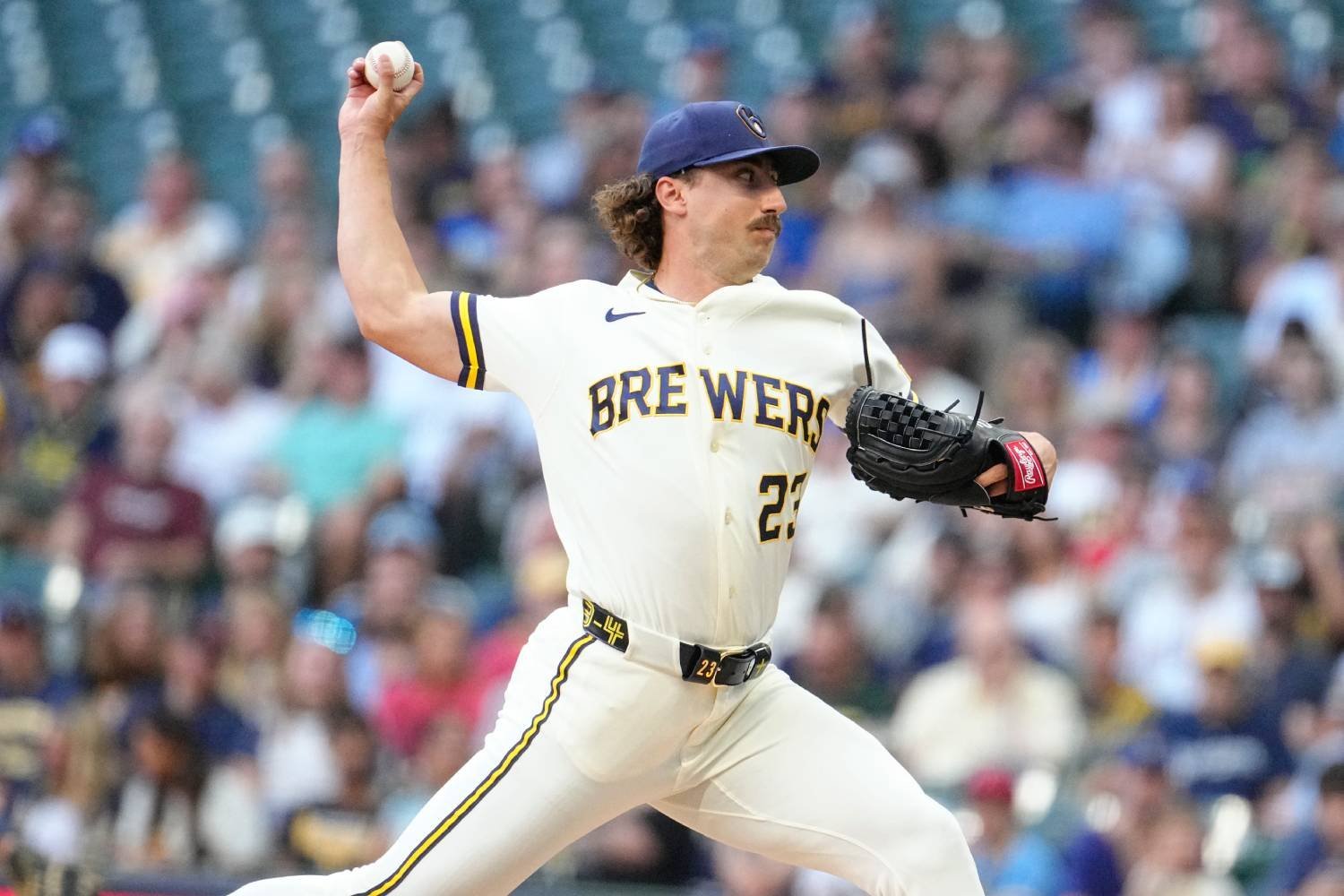 An injury to a valuable bullpen arm has paved the return of a young starter. The Milwaukee Brewers on Monday called up right-hander Brandon Sproat from Triple-A Nashville as they put right-handed reliever Grant Anderson on the 15-day injured list with inflammation in his right biceps. Anderson pitched 2⅔ scoreless innings in Sunday's 12-8 loss to the Cincinnati Reds, only giving up one hit, while walking two and striking out two. Anderson is one of the key relievers to the Crew's B bullpen, the relievers deployed in blowout wins and losses, able to cover multiple innings. He has a 4.32 FIP (3.36 ERA) with a 9.8% walk rate and 22.1% strikeout rate. Sproat returns after struggling in the starting rotation and being sent down to Nashville to sort things out. After a very rough first game with the Sounds, allowing six runs on eight hits over four innings on Aug. 4, Sproat followed that up with four of his five outings being scoreless. He pitched a combined 18 innings at Nashville, allowing eight runs on 12 hits with 10 walks and 27 strikeouts. Sproat could step into the rotation spot held by left-hander Kyle Harrison, who has had trouble commanding his fastball. Manager Pat Murphy said a shift to the bullpen was likely in Harrison's future as the Brewers try to shape up their pitching plan for the postseason. The Brewers entered Monday's opener of a three-game series against the Chicago Cubs with the best record in baseball at 88-56 and a seven-game lead over the second-place Cubs in the NL Central. View the full article
 -
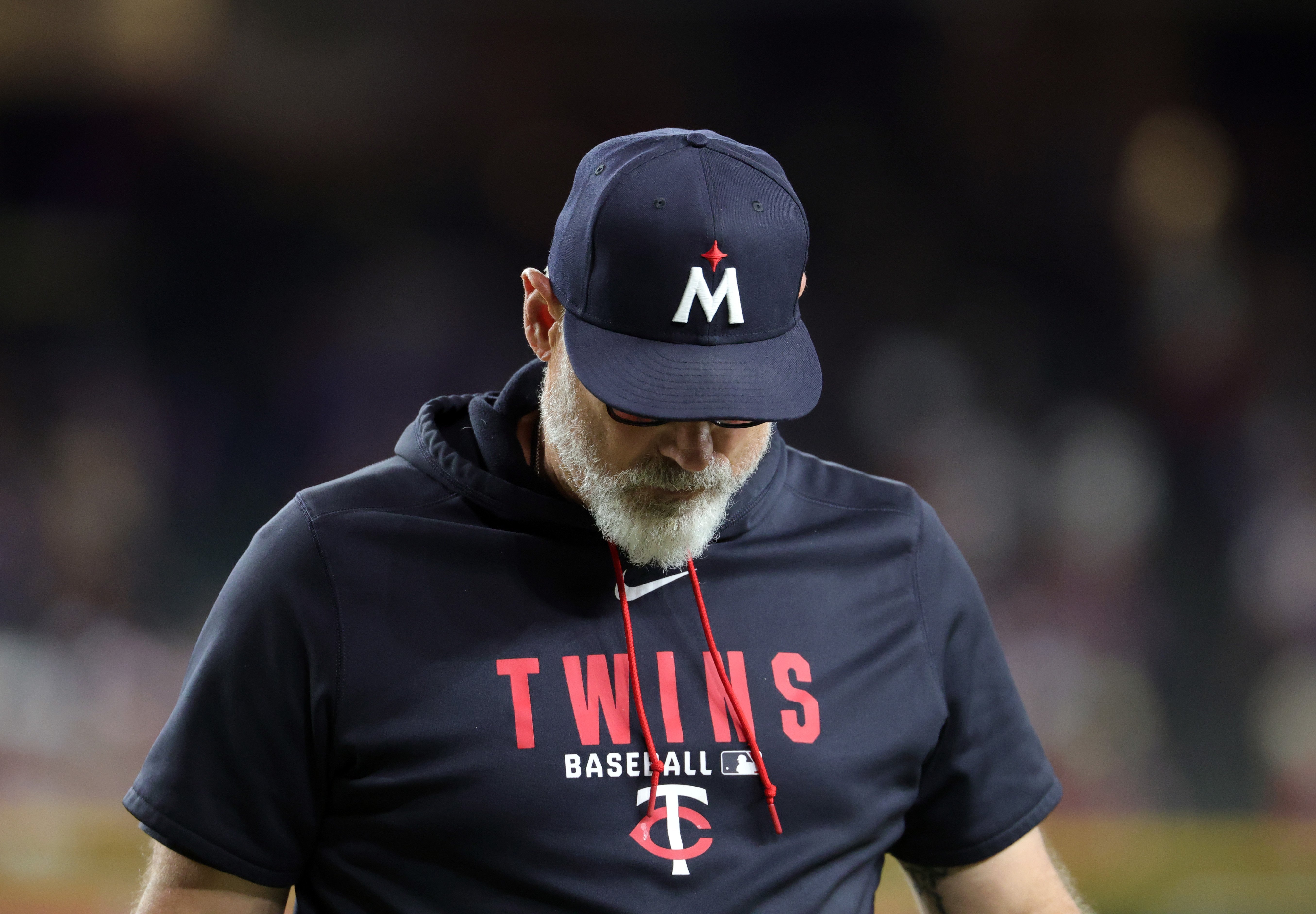 In a season like this, where contention felt so viably within reach, it's easy to look back and play the "what if" game. The Twins have essentially fallen out of the postseason race by going 20-26 since the All-Star break, but they've been on the fringe of the playoff mix all year, and as recently as August 20th their postseason odds were in the 40% range. You wonder how differently things might have gone with a few different variables in place — some in the team's control, some not. What if Pablo López didn't go down with a season-ending injury on the first day of spring training? What if high-octane arms like Mick Abel or David Festa were healthy enough to contribute at all? What if the Twins didn't trade Louis Varland at the deadline last year, and were anchoring their shaky bullpen with the best reliever in the league? What if they made any kind of serious investment in the roster last offseason, rather than waffling over ownership uncertainty? What if, what if. It does little good to lament over it now. What I will say is that, given the in-season circumstances and cards currently in their hand, the Twins are giving it their all. It's proving to not be enough. But I will say that I appreciate it, and it gives me a sense of optimism for what lies ahead. Look around and you can see the signs of a team, manager and front office that are trying their best to push all chips into the middle of the table. It started, of course, with the trade deadline, which was one of Minnesota's most aggressive in memory. They traded away a bundle of prospects, including one of their best young arms, for immediate pitching help. Has it paid off? Not really, the Twins are 23rd in relief pitching ERA since the deadline. But the effort matters. Then you turn your attention to roster moves and player usage decisions. A few things stick out to me: Impact prospects joining the fight. Some people might argue that it took too long for Kaelen Culpepper and especially Waker Jenkins to get the call. Well, Minnesota's best two MLB-ready prospects have arrived and they are playing every day — including Jenkins who is the youngest player to don a Twins uniform since a rookie Byron Buxton in 2015. Whatever concerns the front office harbored about starting service clocks or losing development time to a lockout were cast aside in the name of urgency. Speaking of Buxton, he has repeatedly pushed himself to play through a hip injury that is clearly rather serious. Even now, as he acknowledges that offseason surgery is in the cards, Buxton is attempting to get back on the field. Meanwhile, Joe Ryan is set to return to the mound today in Detroit, and while I wouldn't say he was necessarily rushed, it's clear he was making haste to come back, logging only one three-inning rehab outing. He should be able to get in four more starts, knowing each one counts. Ryan Jeffers, despite missing almost two months with a fractured hamate, leads all Twins in fWAR. He has been their best player and Derek Shelton is leaning on him hard here in the home stretch. Sunday's game marked Jeffers' seventh consecutive start behind the plate. Previously he had never started more than three in a row all year. All of these things point to a team going all-out to try and make hay with a clear opportunity in what was a wide-open American League. Unfortunately, it just hasn't been enough. Culpepper's been good but Jenkins has struggled initially, which is unsurprising for a 21-year-old getting his first taste of the majors. Buxton and Ryan, for all their efforts to overcome injuries, have nonetheless been absent and/or ineffective in the second half. And while Jeffers has delivered abundantly in his sudden full-time role, ripping four homers and driving in 11 over seven games, the Twins have remained stuck in neutral. The result has been the same as the last two years: a postseason pursuit that seemed plausible at midseason turning into a pipe dream by September following a second-half collapse. But what struck me as most frustrating about 2024 and 2025 is how the team seemed to simply give up. Trevor Richards was a laughable sole addition at the deadline two years ago for a team that appeared playoff-bound. Last year's decision to sell was understandable, but the historic firesale was a white flag of epic proportions. In both instances, the team was sending strong signals of apathy, which bled over into stagnant offseasons, and it left the fanbase feeling sour. I'm getting no signals of apathy this year. Will it translate to bolder team-building moves this offseason and a better outcome in 2027? Nothing is guaranteed, but I've seen enough to feel more confident in Twins leadership moving forward than I have in some time. View the full article
 -
Blue Jays Clutch Plays: Best Late-Inning Relievers in Baseball?
DiamondCentric posted an article in Jays Centre
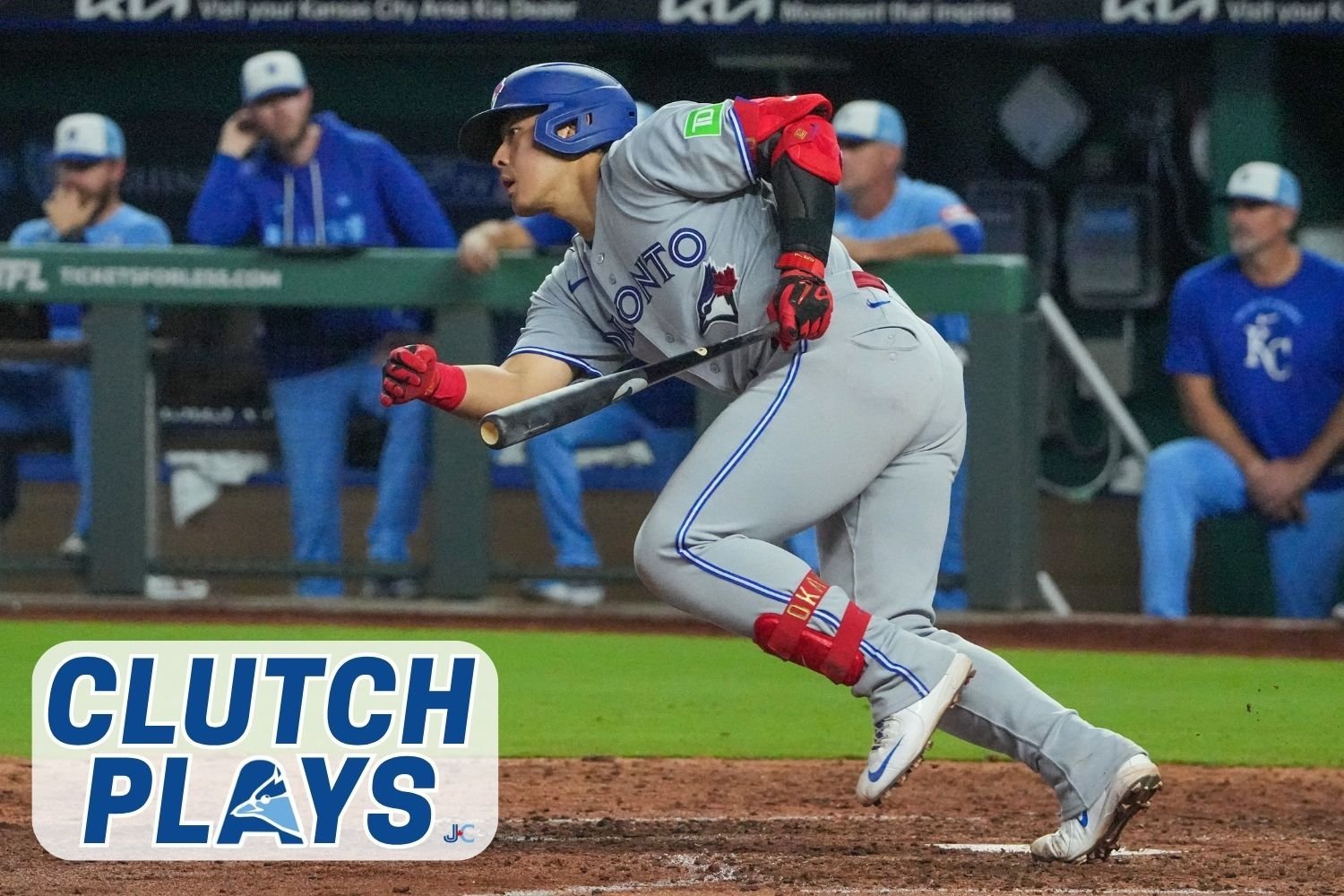 This past week ended with a dud for the Blue Jays, but they're once again improving their standing after consecutive series wins in Cleveland and Kansas City. For 24 hours, they were finally above .500 for the first time since April 3, and even after Sunday's loss, they're just a game back of a playoff spot. According to Baseball Reference, no team has improved their playoff odds more in the past 30 days. Pitching 3. Dylan Cease: Jo Adell GIDP, Bot 1, 9/2 (+8.6% WPA) The Guardians threatened immediately after the Jays took the early lead last Wednesday. With two strikes on Jo Adell, another punchout would've been a good outcome for Dylan Cease, who has had no trouble racking up the K's this season. Instead, he got an even better result by getting Adell to roll over a low fastball for the inning-ending double play. This ended up being one of the only trouble spots the Jays dealt with all night on their way to a resounding 11-0 victory. 2. Tyler Rogers: Michael Massey Groundout, Bot 8, 9/5 (+11.0% WPA) As has been the case so many times in 2026, Tyler Rogers was tasked with holding a tight lead in the eighth inning on Saturday. It was a bumpy ride, as the first two Royals reached. The tying run was just 90 feet away, and with the Jays four outs away from a crucial series win, Rogers got Michael Massey to harmlessly bounce out to first base. Vladimir Guerrero Jr. took it himself to get his team out of the inning. 1. Tyler Rogers: Vinnie Pasquantino GIDP, Bot 8, 9/5 (+27.5% WPA) The true pivotal moment in Saturday night's eighth inning happened one batter before Massey. After consecutive base hits by Nick Loftin and Salvador Perez, Rogers fell behind 1-0 to the powerful Vinnie Pasquantino. The lefty got too far on top of a sinker high in the zone and grounded it right back to Rogers, who started a 1-6-3 that changed the complexion of the inning. By WPA, this is now Rogers's most clutch play of the season and the sixth-most for Blue Jays pitchers. Hitting 3. George Springer: Angel Genao Throwing Error, Top 2, 9/2 (+14.3% WPA) This slow roller to short off the bat of George Springer should have ended things for the Jays in the top of the second, but Angel Genao airmailed Travis Bazzana at second base. Instead of Toronto failing to capitalize with the bases loaded, two runs scored as a result. This throwing error was no different from many of the ones that happen with two outs and runners on, in that the Guardians paid dearly soon after. Vladimir Guerrero Jr. followed this up by crushing a three-run homer down the left field line to break the game open early. 2. Nathan Lukes: 2-RBI Double, Top 5, 9/3 (+16.0% WPA) Guardians right-hander Tanner Bibee started the fifth inning on Thursday afternoon by issuing a leadoff walk to Ernie Clement, one of the least frequent walkers in MLB. That would come back to haunt him, as Nathan Lukes came up with the bases loaded three batters later and roped a middle-away sinker up the alley in right-center. This brought home the first two of four runs the Jays would score in the inning, and they never looked back from there, winning 6-3 and clinching a crucial tiebreaker over Cleveland. 1. Kazuma Okamoto: RBI Single, Top 7, 9/5 (+19.2% WPA) Kazuma Okamoto picked a wonderful time for his first four-hit game in the major leagues. With men on the corners and two away, veteran Craig Kimbrel tried to drop a get-me-over slider in for a strike, but it backed up on him, and Okamoto was ready. He scalded it up the middle into the spacious outfield at Kauffman Stadium, and Springer scored easily. Thanks to this hit and Rogers's escape artistry in the eighth, the Jays were able to win another series. View the full article
 -
New York Mets Minor League Hitters of the Month: August 2026
DiamondCentric posted an article in Grand Central Mets
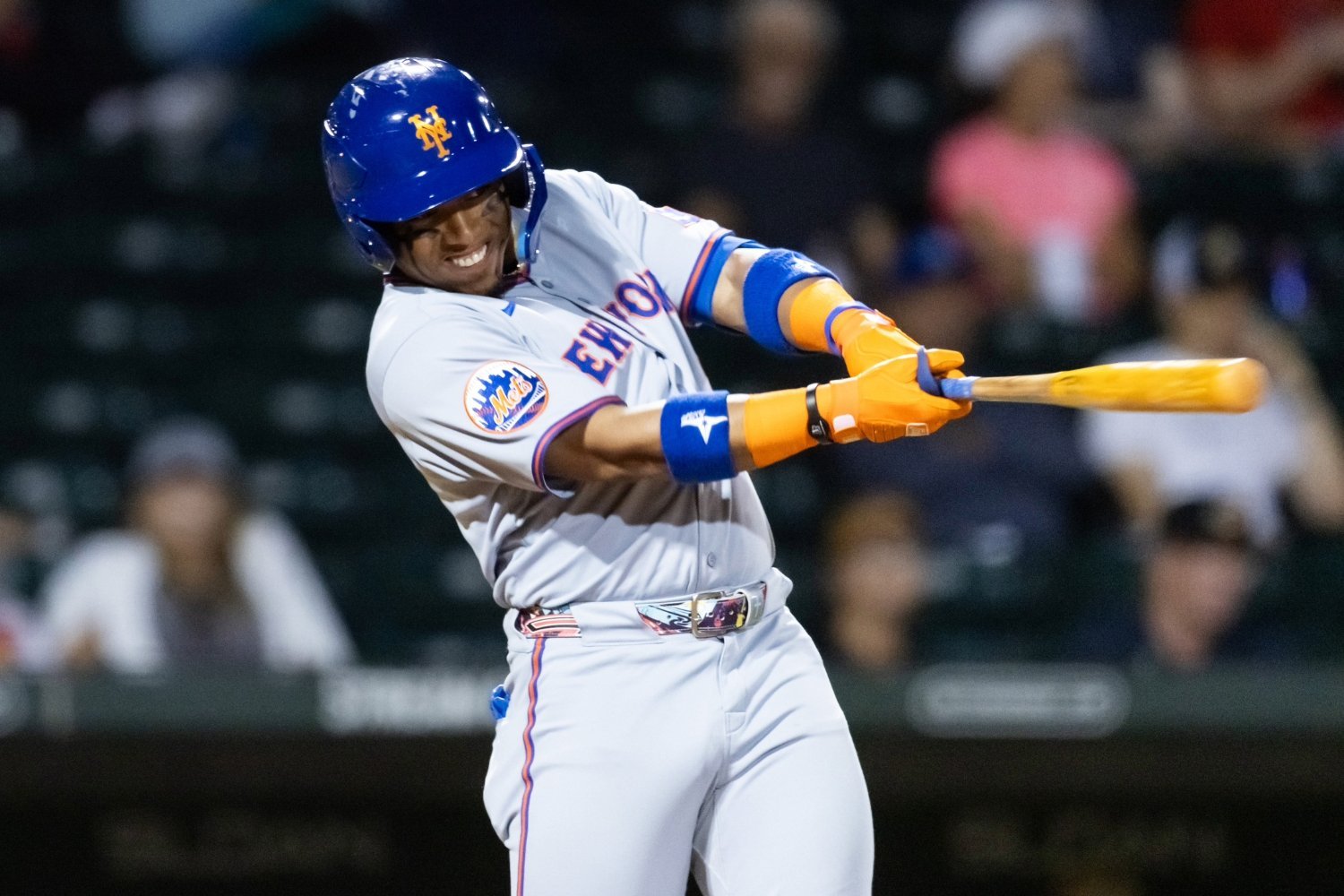 Throughout July and into August, the New York Mets' minor-league system received a major influx of talent, courtesy of the MLB Draft and trade deadline. This gave fans a bevy of new names to latch on to for the future. Well, one month later, the early returns are... pretty good! Players across every level of the organization mashed baseballs throughout August. Most of those players are in the upper echelon of the Mets' prospect rankings, which was nice to see. However, strong August numbers weren't exclusive to the highly-regarded club. Five honorable mentions and five ranked players gives you a strong group to study as we enter the true dog days of the big-league season. Monthly stats referenced are from milb.com at the player's listed level. Prospect Rankings are from Grand Central Mets. Ranking Mets' Best Minor League Hitters from August 5. Jose Ramos – OF, AAA (Syracuse) Ramos was our Hitter of the Month runner-up in May while at Double-A Binghamton. He finally reached AAA for New York in early August, then raked once he got there. G (AB) Slash Line (OPS) XBH (HR) R RBI 20 (65) .277/.382/.523 (.905) 8 (3) 13 8 The 25-year-old Ramos has more than 2,500 career MiLB at-bats. He has grinded his way through the minors for six years and is just one step away from The Show. Prospects with his MiLB journey are the kinds of guys you want to root for in your system. 4. Chris Suero – C, AA (Binghamton, No. 13 Prospect) Talk about Jekyll and Hyde. Suero, the Mets' top catching prospect, had an .868 OPS in June, then a .642 OPS in July. He rebounded in August, posting a nearly-identical-to-June slash line. In fact, his batting average and slugging percentage were the exact same in the two months. G (AB) Slash Line (OPS) XBH (HR) R RBI 23 (80) .250/.386/.500 (.886) 10 (5) 17 15 Suero didn't lead the Rumble Ponies in any single category during August, but that had more to do with the quality of hitting across the board in Binghamton last month than anything else. The speed he possesses (nine steals in August) gives him such a high ceiling. If he can put all the pieces together, he could be something special. 3. Aidan Smith - OF, High-A (Brooklyn) Smith landed in Brooklyn after the Tampa Bay Rays shipped him to New York in the Freddy Peralta trade. The 2023 fourth-round pick subsequently raised his July OPS more than 200 points with the Cyclones. G (AB) Slash Line (OPS) XBH (HR) R RBI 18 (69) .319/.429/.565 (.994) 7 (5) 17 10 Can a guy make a better first impression? I doubt it. Smith's .319 batting average and .429 OBP were team-highs among players with 10 games played for Brooklyn in August. The better he performs, the smarter the Mets will look for dealing Peralta, even after selling low on him. 2. Jefferson Rojas – SS, AA (Binghamton, No. 14 Prospect) The last time New York and Chicago's NL team made a major deadline deal, the Mets gave up Pete Crow-Armstrong for Javier Baez (apologies for the reminder). New York is hoping to recoup some of that value in Rojas, who the Cubs coughed up in exchange for Clay Holmes and Tyrone Taylor. G (AB) Slash Line (OPS) XBH (HR) R RBI 21 (86) .279/.326/.605 (.931) 13 (7) 18 25 Rojas paced the Rumble Ponies -- and tied for the Eastern League lead -- in RBIs for August. There's a reason some publications consider him the top MiLB player in New York's organization. He's someone fans hope they'll see in Queens next season. 1. Mitch Voit – SS, AA (Binghamton, No. 4 Prospect) The Mets' 2025 first-round pick went BONKERS in August. His 27 runs were tops among Rumble Ponies and five more than any other Eastern League player tallied last month. G (AB) Slash Line (OPS) XBH (HR) R RBI 19 (75) .400/.489/.600 (1.089) 11 (2) 27 15 Voit fell just short of qualifying for rate stats last month. Among players taking at least 75 at-bats, though, he ranked first in batting average and OBP while slotting fourth in slugging percentage. Even with Rojas as one of the three men in front of him in that category, he's the runaway MiLB Hitter of the Month for August. Honorable Mentions: D'Andre Smith (AAA/AA, Syracuse/Binghamton), Kevin Parada (AA, Binghamton), Corey Collins (AA, Binghamton), Yonatan Henriquez (High-A, Brooklyn), Elian Pena (No. 3 Prospect; Single-A St. Lucie) View the full article
 -
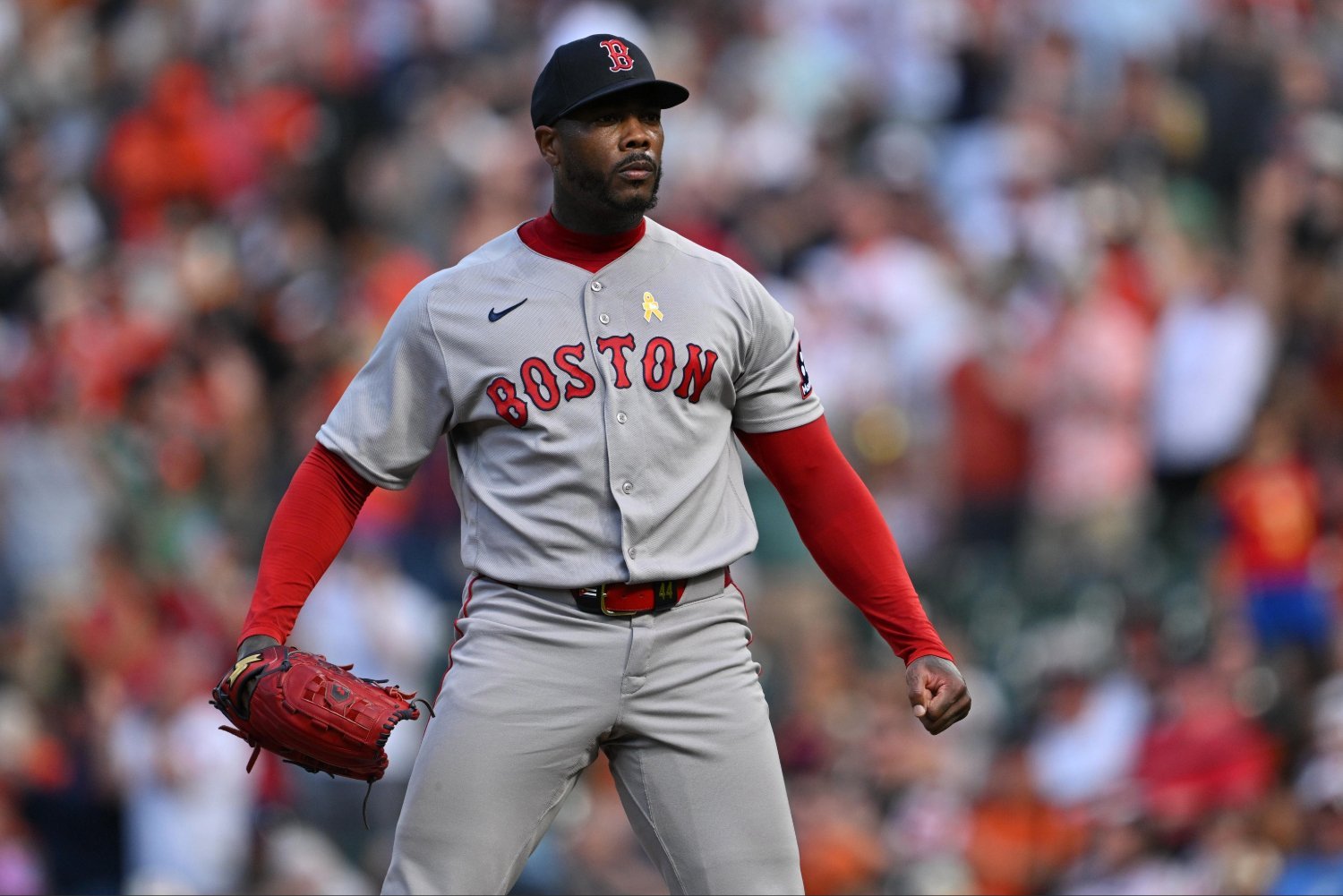 Boston Red Sox Weekly Snapshot Record Last Week: 5-2 Runs Scored Last Week: 33 Runs Surrendered Last Week: 31 Standings 3rd in AL East 6.5 GB First Place 2nd in AL Wild Card 3 GB First Place Transactions 08/31/26: Boston Red Sox recalled DH Mickey Gasper from Worcester Red Sox. 08/31/26: Boston Red Sox placed 1B Willson Contreras on the 10-day injured list. Left hamstring strain. 09/01/26: Boston Red Sox recalled LHP Eduardo Rivera from Worcester Red Sox. 09/01/26: Boston Red Sox selected the contract of RHP Jedixson Paez from Worcester Red Sox. 09/01/26: Boston Red Sox recalled RHP Wyatt Olds from Worcester Red Sox. 09/01/26: Boston Red Sox placed RHP Tyron Guerrero on the 15-day injured list. Right shoulder inflammation. 09/01/26: Boston Red Sox activated 2B Isiah Kiner-Falefa from the 60-day injured list. 09/01/26: Boston Red Sox designated 3B Brett Harris for assignment. 09/01/26: Boston Red Sox placed LHP Eduardo Rivera on the 60-day injured list. Lumbar strain. 09/01/26: Boston Red Sox activated RHP Jedixson Paez. 09/02/26: Boston Red Sox recalled LHP Raymond Burgos from Worcester Red Sox. 09/02/26: Boston Red Sox optioned RHP Jedixson Paez to Worcester Red Sox. 09/03/26: San Francisco Giants claimed 3B Brett Harris off waivers from Boston Red Sox. 09/06/26: Boston Red Sox recalled OF Nate Eaton from Worcester Red Sox. 09/06/26: Boston Red Sox placed CF Ceddanne Rafaela on the 10-day injured list retroactive to September 3, 2026. Right quadriceps strain. Scores Game 138: BOS 9, SEA 8 Game 139: BOS 6, SEA 9 Game 140: BOS 3, SEA 8 Game 141: BOS 6, BAL 5 Game 142: BOS 1, BAL 0 Game 143: BOS 5, BAL 0 Game 144: BOS 3, BAL 1 Series Breakdown/Highlights Mariners Series: Let’s be honest with each other for a second, this series sucked eggs. Game one was the only one worth watching, if only because Trevor Story came back to win the game with a walk-off hit. Payton Tolle looked good to start, but ran out of gas in the sixth inning. He ended up tossing 5.2 innings of four-run ball while striking out six and walking two. Tyron Guerrero, Erik Miller, Alec Gamboa, and the aforementioned Chapman closed out the game. Guerrero would allow three earned runs while Miller allowed his first earned run since June. The offense was carried by home runs from Jarren Duran and, obviously, Mickey Gasper. Game two saw rookie Jedixson Paez get lit up, but that was to be expected from someone who only made three starts with the WooSox before getting called up to make a spot start for the big-league club. He ended up throwing 3.2 innings while allowing eight earned runs, ten hits, three strikeouts, and two walks. With the game out of hand, Gamboa, Wyatt Olds, and Greg Weissert were tasked with keeping the M’s off the board while the Sox tried to mount a late-inning comeback. They did just that, but the offense came up short. If you had Gasper going deep in back-to-back games, you’d be sitting on a decent stack of money. If you added in a homer for Jahmai Jones, you’d be filthy rich. Rafaela contributed the only other RBIs on the night for the Sox in the loss. Game three saw Patrick Sandoval take the ball and only throw four innings. He allowed three earned runs, five hits, three walks, and two strikeouts. Brayan Bello and Raymond Burgos came out of the bullpen and Bello was his less-than-stellar self. He pitched three innings, allowed four earned runs, and didn’t strike out anyone. Burgos worked two clean innings, striking out two. On offense, Roman Anthony went deep for the home crowd. Eli White and Trevor Story contributed the only other RBIs on the afternoon. Orioles Series: For as bad as the series against the Mariners felt, the series against the Orioles felt that much better. In game one, Jake Bennett made another start that showed he could be trusted to be part of the starting group in the post season. He went six innings, allowed three earned runs, and struck out seven. Miller, Garrett Whitlock, and Chapman all came in in relief. Chapman made things a bit interesting by giving up two earned runs, but he held on to secure the save. On offense, a home run from Roman Anthony proved to be the most clutch hit of the night, giving the Sox a single run of breathing room when the game was finished. The spotlight belonged to Adley Rutschman though, who went deep twice in his return to Baltimore. Nick Sogard also connected with a long ball on the night. Game two was a different game altogether, thanks to Ranger Suarez. He tossed seven innings of shutout baseball. He only struck out three, but that’s your typical Suarez start when he’s on his game. Whitlock and Chapman came in to shut the door and give the Red Sox the one-run win. On offense, the lone run came from the one and only Mickey Gasper on a solo home run. Game three saw Sonny Gray return to dominance as the Red Sox took the series, and the season series, from the Orioles behind his seven innings of seven-strikeout ball. Jovani Moran, Weissert, and Olds all shut the door to help secure the win for Gray. On offense, Isiah Kiner-Falefa, Connor Wong, and White drove in all of the runs for the Sox proving, once again, that offense can come from anywhere on this roster. Finally, game four secured the series sweep for the Red Sox. Payton Tolle was magical over six innings, striking out 12 while only allowing one earned run. Miller and Moran were the bridge to Chapman, who closed out the sweep with his 400th career save. You could tell Chappy was feeling himself when he stepped onto the rubber at the start of the ninth and he came out throwing gas to make sure he put his name in the record books in Baltimore. Offensively, Eli White was the spark once again. He’s been filling in for an injured Rafaela in a big way and will be a crucial part of the offense as the team navigates the last three weeks of the season. Website Highlights Jovani Moran’s Second-Half slide is a Consequence of Red Sox’s Aggressive Bullpen Management by Yirsandy Rodriguez Red Sox Report Cards: Team Grades for August by Ryan Salvaggio Red Sox MLB Hitters of the Month, August 2026: The Mickey Gasper Revolution Has Begun by Alex Mayes Looking Ahead 09/07/26: Angels (Grayson Rodriguez) @ Red Sox (Brayan Bello): 1:35 PM EDT 09/08/26: Angels (Reid Detmers) @ Red Sox (Patrick Sandoval): 6:45 PM EDT 09/09/26: Angels (Ryan Johnson) @ Red Sox (Jake Bennett): 6:45 PM EDDT 09/10/26: Off Day 09/11/26: Royals @ Red Sox: 7:10 PM EDT 09/12/26: Royals @ Red Sox: 4:10 PM EDT 09/13/26: Royals @ Red Sox: 1:35 PM EDT View the full article
 -
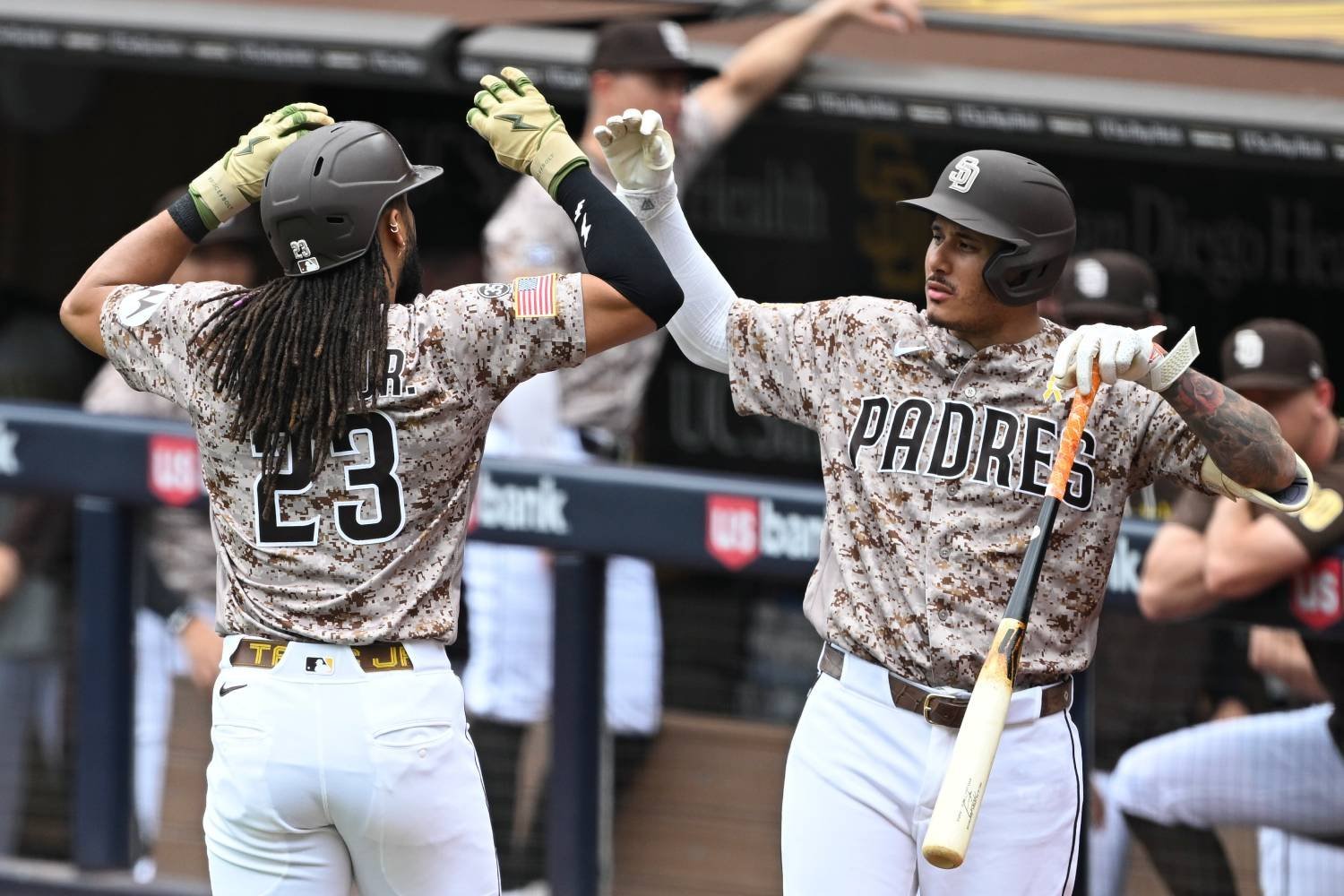 San Diego Padres Weekly Snapshot Record last week: 3-3 Runs scored last week: 19 Runs allowed last week: 21 (season run differential: plus-8) Scores Game 138 (Monday): Padres 5, Reds 0 Game 139 (Tuesday): Reds 4, Padres 3 Game 140 (Wednesday): Reds 7, Padres 3 Thursday: Off Game 141 (Friday): Padres 3, Yankees 2 Game 142 (Saturday): Yankees 5, Padres 1 Game 143 (Sunday): Padres 4, Yankees 3 Week in Review and Highlights Reds series Game 1: Coming off a tough series and even tougher ending to Sunday's game against the Tampa Bay Rays, a road trip to Cincinnati was the perfect tonic for the Padres. Manny Machado went 4-for-5 and right-handed starter Michael King turning in six shutout innings, the Friars had a smooth 5-0 victory over the Reds to open the three-game series. Combined with the Arizona Diamondbacks' loss, the Padres moved back into the No. 3 NL wild-card spot, a half-game up on the D-Backs, and remained five games behind the Philadelphia Phillies, who are now tied with the Chicago Cubs for the top two NL wild-card positions. For Machado, it was his first four-hit game of the season and 26th of his career. He doubled and was the foundation of an offense that produced 15 hits. Even with that number of hits, it was one big inning that the Padres relied on for this win. The Friars began the top of the fourth inning with six consecutive hits, five singles, to score four runs. Xander Bogaerts had the biggest hit of the inning with a two-run double. Ty France had three hits, while Jackson Merrill, Dustin Harris and Luis Campusano each had a pair. They added a run in the seventh as Fernando Tatis Jr. had a leadoff double and scored on France's two-out single. While the offense took care of business, so did King, although not quite in the fashion you think of when you hear he had six shutout innings. The Reds had multiple baserunners in each of the first three innings and a potential home run robbery in the third by Merrill in center field. King retired all six batters over the fourth and fifth before more trouble appeared in the sixth with another pair of runners. However, none of those runners scored. King would finish with four hits and three walks allowed as well as six strikeouts, notching his fifth straight quality start and career-high 15th this season. Game 2: The day began with excitement over the promotion of Padres Mission's No. 1 prospect, catcher Ethan Salas, but ended with a disappointing loss. While Salas wasn't available to start due to travel delays (he arrived in the third inning), the Padres misfired again with runners in scoring position, going 0-for-10, and surrendering two eighth-inning runs in a 4-3 loss to the Reds, their sixth setback in eight games. The defeat didn't hurt the Padres in the NL wild-card standings, remaining a half-game up on the D'backs and five games behind the Cubs, who fell into the No. 2 spot with a loss and a Phillies win. Tatis had his third two-homer game of the season, including one in the ninth, but there were too many missed opportunities in this one. Driving in runners in scoring position has been a bit of an issue recently (11-for-71 in last eight games). Some RISP performances are worse than others. This one was definitely worse, as the Friars had runners in scoring position with less than two outs in the second, third and fourth innings, resulting in an 0-for-6 showing. That included Jase Bowen's leadoff triple in the third, then the bases eventually being loaded on a one-out hit by pitch and walk before France hit into a double play. Samad Taylor got the Padres off to a good start with a first-inning triple, scoring on Machado's sacrifice fly to right. The Reds, though, got that one back off Padres right-handed starter Randy Vasquez in the bottom of the first. Tatis then lined one barely over the right-field fence in the top of the fifth for a 2-1 Padres lead. Again, the Reds tied it in the bottom half. After the Padres again failed to produce a run in the seventh after a two-out Merrill double and walk, left-hander Adrian Morejon came on to begin the eighth and issued a leadoff walk to Elly De La Cruz and a single to rookie Sal Stewart after a groundout left runners on second and third, back catcher Jose Trevino singled home De La Cruz and rookie Juan Brito hit a sac fly to put the Reds up 4-2. Tatis tightened things up with his 19th homer of the season, but it came with two outs in the ninth. Vasquez was just OK. He worked 4⅔ innings, allowing two runs on five hits and a walk, while the Padres didn't do as much damage as they could have against Reds left-hander Nick Lodolo, who lasted six innings. Game 3: The conclusion of a six-game road trip against a sub-.500 team did not go well for the Friars. The Padres couldn't take advantage of an inexperienced pitcher making his first start coming off the injured list and Padres right-handed starter Casey Mize gave up a pair of homers in a 7-3 loss to the Reds. The Padres finished a six-game trip against the best team in the AL and the worst team in the NL Central with a 1-5 record. With the D'backs winning, the Padres swapped spots with Arizona and are now a half-game behind Arizona for the third and final NL wild-card berth. But losing the final two games against the Reds, especially as Salas made his MLB debut, was disappointing. Salas looked good defensively and went 0-for-4 with two strikeouts while hitting from the No. 6 spot. His first plate appearance resulted in a 390-foot fly ball to center field to end the bottom of the first. Mize went just four innings, allowing four runs on five hits and a walk with four strikeouts. He struggled with his command on a muggy getaway day where the first pitch in Ohio was at 9:40 a.m. California time. Two little-known Reds, Juan Brito and Hector Rodriguez, homered as part of a four-run third inning that erased a 3-0 Padres lead. JJ Bleday added a seventh-inning homer to cap the day's scoring, tot that it was needed. The Padres didn't do anything after the second inning, again struggling with runners in scoring position, going 1-for-7. The Friars' first two runs came in the first inning on France's 20th homer of the season, after Tatis' leadoff single. Tatis would have the only hit with a runner in scoring position, bringing in Austin Hays, who had doubled leading off the second. But that was it against left-handed starter Brandon Williamson, who had been out since April with a shoulder injury, and a rough Reds bullpen. Yankees series Game 1: The Campusano game. Even before he came up to the plate in the bottom of the 10th with the tying run on second, it was a pretty good game for Campusano. After enduring a trying year in 2025, stuck in Triple-A, Campusano has been pretty good behind the plate and doing nice things with the bat. But in the series opener vs. the New York Yankees, he put both together. After throwing out a career-best three would-be base stealers, Campusano crushed a two-run walk-off homer with one out to give the Padres a 3-2 victory over the Yankees. The win moved the Friars ahead of the D'backs, who lost, for the No. 3 NL wild-card spot. It also was a good bounce back from the bad vibes left following a 1-5 road trip. In a game dominated by pitching, someone was eventually going to come up with the big hit. Campusano, who had two of the Padres' six hits, did that when he turned on a middle-in sinker on the first pitch he saw and sent it to the front of the second deck in left. Combined with the caught stealings, Campusano became just the second player in the 75 years of tracking that stat to throw out three and hit a walk-off in Sammy Taylor of the Chicago Cubs in 1961. Campusano had never thrown out two, much less three in a single game before. As much credit as Campusano deserves, Padres pitchers should get the same. Behind a nice outing from right-handed starter Walker Buehler, going five innings, allowing one run on three hits and two walks while striking out six, his most since fanning seven over 5⅓ on July 26 vs. the Miami Marlins. Left-hander Yuki Matsui, right-hander Bradgley Rodriguez and Morejon each went a scoreless inning before superstar closer Mason Miller zipped through the ninth in a tie game on just nine pitches, an alternate version of an immaculate inning due to only having one strikeout. But the Yankees, with the ghost runner on in the 10th, jumped on Miller as rookie Spencer Jones, the Encinitas native who went to La Costa Canyon High School, lined a first-pitch four-seamer into center for an RBI single to put the Yankees up 2-1. Miller and Campusano combined for a double play as Miller struck out Heliot Ramos and Campusano nailed Jones trying to steal third. In the bottom of the 10th, Dustin Harris started as the zombie runner. Bogaerts struck out, bringing up Campusano. Sure, there were missteps by the Friars along the way in this one, but the bottom line was they didn't hurt like they did the previous weekend against the Tampa Bay Rays. They also came out victorious in a game started by a tough left-hander, Max Fried, after dropping their previous two games, both against southpaws. Game 2: Robbie Ray's walk issues caught up to him in this start. The Padres' left-hander issued three straight during a four-run second inning and four free passes overall in just 2⅓ innings as the Friars dropped a 5-1 decision to the Yankees. The Padres and D-Backs again flopped positions, with Arizona regaining the No. 3 NL wild-card spot. Ray needed just eight pitches to zip through a perfect first inning before things went sideways in the second. There, he needed 42 pitches to get three outs. He finished his seven-out start by allowing five runs, five hits and four walks while striking out one. Ray famously walks more than he should. His season high is seven and he has walked five or more four times in 28 games this year. The bullpen limited further damage. That was thanks to the work of right-hander Griffin Canning, who has found a nice role after being bumped from the starting rotation. Canning went 2⅔ shutout innings, allowing just one hit. Left-hander Wandy Peralta, right-hander David Morgan and right-hander Jhony Brito combined to finish the final four innings without allowing a run. But the Padres couldn't do much against Yankees left-hander Carlos Rodon, who gave up a run on two hits over five innings, striking out seven and walking three. Machado provided the only offense, smacking his 25th homer of the season in the fourth inning. Outside of that, though, they managed just two other hits, with one coming from Hays as a pinch-hitter in the ninth. Salas made his Petco Park debut as a pinch-hitter for Freddy Fermin in the bottom of the sixth, striking out on three pitches against left-hander Brent Headrick, who came in to face the rookie. Salas stayed in at catcher before Hays hit for him in the ninth. Before the game, the Padres honored France for being the team's Heart and Hustle Award winner. Game 3: Boom! Boom! Boom! Just like that, the Padres had a 3-0 lead against one of the top pitchers in MLB. Tatis, Jake Cronenworth and Machado opened the bottom of the first inning with back-to-back-to-back home runs off right-hander Gerrit Cole that propelled the Friars to a 4-3 victory over the Yankees. With the D'backs also winning, the Padres, who won two of three vs. the Yankees, remained a half-game behind Arizona for the third and final NL wild-card spot entering the final three weeks. Tatis hit Cole's sixth pitch of the game, a knuckle curve, the opposite way to right for his 20th homer of the season. Four pitches later, Cronenworth sliced a four-seamer that bounced off the yellow-painted line on the Western Metal Supply Co. building for his first career opposite-field homer and his fifth this year. Machado added his 26th of the season five pitches later also on a four-seamer, his second in as many days. It was almost four in a row, but France flew out to the warning track in center. The Padres had quickly taken a 3-0 lead, perhaps inspired by the presence of new owners Jose E. Feliciano and Kwanza Jones, who made their first public game appearance at Petco Park. It was just the 12th time in MLB history and second in Friars lore that a team opened a game with three consecutive homers. That would be enough for King, the former Yankee and good buddies with Cole. King turned in his sixth straight quality start and 16th this season by going six shutout innings, allowing four hits and three walks with three strikeouts. Rodriguez kept the shutout going in the seventh, with Campusano adding to the lead with his second homer of the weekend and seventh of the season in the bottom of the seventh for a 4-0 lead. But Morejon had issues in the eighth. The left-hander allowed three runs (two earned) on three hits and a walk with one strikeout. His shakiness had Miller ready to come in before Campusano threw out his fourth baserunner of the series and getting a lineout to end the inning. Miller did come on for the ninth, striking out three of the four batters he faced for his 33rd save of the season. Marvelous Mason Miller Some of the amazing stats for the Padres' closer: Season stats: 5-2, 1.19 ERA, 57 games, 33 saves (35 chances), 60⅓ IP, 29 H, 11 R, 8 ER, 21 BB, 111 K, .141 opponent average. Pitched two innings for just the second time as a Padre in Friday's walk-off win. In Friday's outing, allowed a run for the third straight game, the first time as a Padre and first since May 10-24, 2025, with the A's. Before Sunday, had appeared in three straight losses after a streak of 13 outings in wins. Random Stats Xander Bogaerts scored the 1,000th run of his career in Monday's game. He is one of 14 active players to reach that mark. Manny Machado's solo homer Saturday gave him 11 straight seasons (excluding pandemic-shortened 2020) with 25 or more home runs, the longest active stretch in MLB. The only other time the Padres had three consecutive homers to begin a game was April 13, 1987, when Marvell Wynne, Tony Gwynn and John Kruk did the deed in the home opener against the San Francisco Giants. The last time the Padres hit three straight homes was Sept. 18, 2024, vs. the Houston Astros with Fernando Tatis Jr., Machado and Donovan Solano. Sunday marked the 59th sellout at Petco Park in 71 home games. Padres Transactions Tuesday: Selected the contract of C Ethan Salas from Triple-A El Paso Chihuahuas. Tuesday: Recalled RHP Jhony Brito from Triple-A El Paso Chihuahuas. Tuesday: Transferred LF Luis Rengifo (torn right ACL) from the 10-day injured list to the 60-day injured list. Website Highlights Padres promote No. 1 prospect Ethan Salas to make MLB debut — Steve Drumwright King has relentlessly proven he should be Padres' Game 1 starter in playoffs — Yirsandy Rodriguez NL playoff picture: Gauging Padres' best paths to October — N.B. Lindberg Padres' Buehler is still elite at handling high-pressure situations — Yirsandy Rodriguez Salas proves to be a rare developmental win for Padres — Steve Drumwright Looking Ahead Monday: Nationals at Padres (Nick Pivetta), 2:10 p.m. Tuesday: Nationals at Padres (Casey Mize), 6:40 p.m. Wednesday: Nationals at Padres (Walker Buehler), 1:10 p.m. Thursday: Off. Friday: Padres at Giants (Robbie Ray), 7:15 p.m. Saturday: Padres at Giants (Michael King), 1:05 p.m. Sunday: Padres at Giants (Randy Vasquez), 4:20 p.m. View the full article
 -
 Sam Kulasingam drove in eight runs, and Justin Johnson added five as Northwest Arkansas piled up 29 hits in a 24-4 rout, and Felix Arronde earned the win while Steven Zobac struck out four over two hitless innings. Jordan Woods struck out five in relief, and Jackson Cleveland closed out Quad Cities' 3-2 win, with Blake Mitchell driving in both runs. Carson Roccaforte and Jorge Alfaro homered for Omaha in a 12-5 loss. The Fireflies' season finale was canceled due to weather. Columbia finishes the 2026 regular season 64-65. Kansas City Royals Transactions No Roster Moves Roccaforte And Alfaro Homer In Omaha's 12-5 Loss Omaha fell behind early and could not close the gap in a 12-5 loss to St. Paul. The Storm Chasers finished with nine hits and were held to five runs after the Saints scored three times in the first inning. Omaha's best sustained threat came in the fourth. Drew Waters tripled with two outs, and Jacob Berry singled him home. Jorge Alfaro followed with a double that moved Berry to third, but Colton Becker struck out to end the inning. The Storm Chasers got their biggest inning in the eighth. Alejo Lopez opened with a single, and Roccaforte followed with a two-run home run, his fifth of the season. Waters drew a walk later in the inning, but Omaha did not score again until Alfaro led off the ninth with a solo home run, his first as a Storm Chaser. Waters finished 2-for-3 with a double, a triple, a walk, and two runs. Alfaro went 2-for-4 with a double, a home run, and two RBI. Roccaforte was 2-for-4 with two RBI, and Alejo Lopez added a hit and a run. Lucas Braun took the loss, allowing eight hits and seven runs, six earned, with three walks and one strikeout over two innings. Mason Black followed with four innings, giving up five hits and four runs with one walk and two strikeouts. Luke Little worked two innings and allowed three hits and one run with one strikeout. Ben Sears finished with one hitless inning. Omaha left four runners on base. The Storm Chasers went 1-for-4 with runners in scoring position and stranded four runners. They are now 62-73. Player AB R H RBI BB K Carson Roccaforte, CF 4 1 2 2 0 0 Abraham Toro, DH 4 0 1 0 0 1 Brett Squires, LF 4 0 0 0 0 1 Drew Waters, RF 3 2 2 0 1 0 Jacob Berry, 2B 4 0 1 1 0 0 Jorge Alfaro, 1B 4 1 2 2 0 0 Colton Becker, 3B 4 0 0 0 0 1 Omar Hernandez, C 4 0 0 0 0 1 Alejo Lopez, SS 4 1 1 0 0 0 Totals 35 5 9 5 1 4 Player IP H R ER BB K HR Lucas Braun 2 8 7 6 3 1 1 Mason Black 4 5 4 4 1 2 1 Luke Little 2 3 1 1 0 1 0 Ben Sears 1 0 0 0 0 0 0 Totals 9 16 12 11 4 4 2 Kulasingam Drives In Eight As Naturals Rout Arkansas 24-4 Northwest Arkansas collected 29 hits and scored in six innings in a 24-4 win over Arkansas. Kulasingam went 6-for-7 with two home runs and eight RBI, and the Naturals scored four times in the first inning before breaking the game open. The third inning produced seven runs. Connor Scott doubled, and Justin Johnson doubled him home. Hyungchan Um grounded out to move Johnson to third, and Angel Acosta brought him in with a sacrifice fly. Luke Pelzer singled and Javier Vaz walked ahead of a three-run home run by Kulasingam, his 11th. Spencer Nivens walked, Daniel Vazquez singled, and Scott singled to load the bases before Justin delivered a two-run single. Northwest Arkansas added eight more in the ninth. Johnson homered with one out, his 13th. Um doubled, Acosta singled, and Pelzer lifted a sacrifice fly. Vaz doubled, Kulasingam singled home two runs, Nivens singled, and Vazquez doubled in another. Scott capped the inning with a three-run home run, his 11th. Johnson finished 5-for-6 with a double, a home run, and five RBI. Pelzer went 4-for-6 with a double and four runs, and Scott was 3-for-7 with a double, a home run, and four RBI. Zobac opened with two clean innings and four strikeouts. Arronde earned the win, allowing eight hits and four runs over five innings with two walks and four strikeouts. Tyson Guerrero finished with two innings, one hit, no runs, and two strikeouts. Northwest Arkansas left 11 runners on base and went 13-for-20 with runners in scoring position. The Naturals are now 56-74. Player AB R H RBI BB K Luke Pelzer, CF 6 4 4 1 0 0 Javier Vaz, DH 5 4 2 1 2 0 Sam Kulasingam, RF 7 4 6 8 0 1 Spencer Nivens, LF 6 3 3 1 1 1 Daniel Vazquez, SS 4 3 2 1 2 1 Connor Scott, 1B 7 2 3 4 0 0 Justin Johnson, 2B 6 2 5 5 0 0 Hyungchan Um, C 7 1 3 1 0 1 Angel Acosta, 3B 5 1 1 1 0 1 Totals 53 24 29 23 5 5 Player IP H R ER BB K HR Steven Zobac 2 0 0 0 0 4 0 Felix Arronde 5 8 4 4 2 4 2 Tyson Guerrero 2 1 0 0 0 2 0 Totals 9 9 4 4 2 10 2 Mitchell's Late Single Lifts Quad Cities Past Peoria 3-2 Quad Cities broke a tie in the eighth inning and beat Peoria 3-2. The River Bandits finished with seven hits and five walks, and Mitchell drove in two runs. Quad Cities scored twice in the first inning without a hit driving in a run. Nolan Sailors singled, stole second, stole third, and scored on an error. Asbel Gonzalez walked, stole second, and moved to third, then came home on a sacrifice fly by Mitchell. Chris Brito singled before Jose Cerice flied into a double play to end the inning. Peoria answered with a run in the third and another in the fifth to tie the game. Quad Cities went back in front in the eighth. With two outs, Gonzalez lined a single to center, and Mitchell singled him home. Brito walked to put two runners on, but Cerice flied out to end the inning. Brito finished 2-for-3 with a walk. Gonzalez was 1-for-3 with a walk and two runs, and Mitchell went 1-for-3 with two RBI. Erick Torres and Ben North each had a hit and a walk. Blake Wolters allowed five hits and two runs over 4 2/3 innings with one walk, one strikeout, and two home runs. Woods earned the win, allowing one hit over 3 1/3 innings with no walks and five strikeouts. Cleveland recorded his first save with one inning and one hit. Quad Cities left six runners on base and went 1-for-5 with runners in scoring position. The River Bandits finish the regular season 70-57. The River Bandits begin the postseason on September 8th at Modern Woodsmen Park against the South Bend Cubs. Player AB R H RBI BB K Nolan Sailors, RF 4 1 1 0 0 2 Asbel Gonzalez, CF 3 2 1 0 1 0 Blake Mitchell, DH 3 0 1 2 0 1 Chris Brito, C 3 0 2 0 1 0 Jose Cerice, 1B 4 0 0 0 0 0 Austin Charles, SS 3 0 0 0 1 1 Erick Torres, LF 3 0 1 0 1 0 Ben North, 3B 3 0 1 0 1 0 Stone Russell, 2B 4 0 0 0 0 2 Totals 30 3 7 2 5 6 Player IP H R ER BB K HR Blake Wolters 4 2/3 5 2 2 1 1 2 Jordan Woods 3 1/3 1 0 0 0 5 0 Jackson Cleveland 1 1 0 0 0 0 0 Totals 9 7 2 2 1 6 2 Top-20 Prospect Performance Kendry Chourio: DNP David Shields: DNP Josh Hammond: DNP Blake Mitchell: 1-for-3, 2 RBI, 1 K Sean Gamble: DNP Ramon Ramirez: DNP Zion Rose: DNP Asbel Gonzalez: 1-for-3, BB, 2 R Carson Roccaforte: 2-for-4, HR, 2 RBI Taylor Rabe: DNP Yandel Ricardo: DNP Justin Lamkin: DNP Drew Beam: DNP Michael Lombardi: DNP Jack Slightom: DNP Felix Arronde: 5 IP, 8 H, 4 R, 4 ER, 2 BB, 4 K, W Angeibel Gomez: DNP Ben Kudrna: DNP Steven Zobac: 2 IP, 0 H, 0 R, 0 ER, 0 BB, 4 K Blake Wolters: 4 2/3 IP, 5 H, 2 R, 2 ER, 1 BB, 1 K View the full article
 -
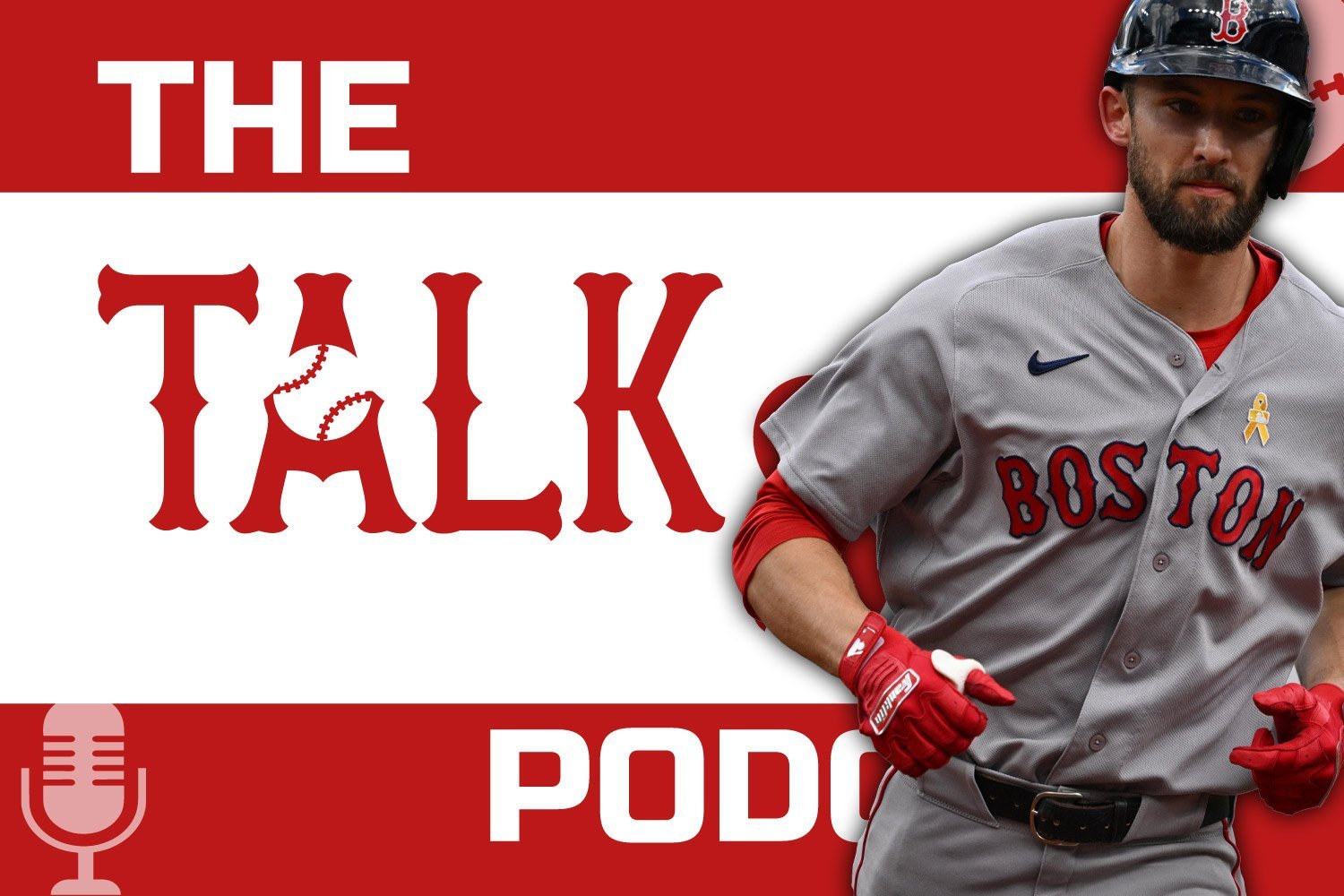 Alex and Maddie sit down and provide an update on the Red Sox’s pitching reinforcements. Garrett Crochet and Tanner Houck are making progress in their rehab stints and are expected to return soon. Johan Oviedo is also in the mix, though they’re unsure of how much he’ll contribute. They dive into Mickey Gasper’s insane run, fueled by his goatee. They give Eli White some much-needed praise. They defend Will Flemming, who’s been subject to scrutiny. Finally, they chuckle over the weird beef between Blaze Alexander and the team. Listen on Apple Podcasts: https://podcasts.apple.com/us/podcast/the-talk-sox-podcast/id1783204104 Listen on Spotify: https://open.spotify.com/show/3qPrPXEngu0CxgTmlf0ynm Listen on iHeartRadio: https://www.iheart.com/podcast/263-the-talk-sox-podcast-244591331/ Listen on Pocket Casts: https://pca.st/4tmd121v Watch on YouTube: https://www.youtube.com/@talksox View the full article
 -
 It seemed as if St. Lucie didn’t want to stop playing Sunday. Dylan Carey eventually said “Enough” and called both game and season. Carey launched a 422-foot, three-run home run off the scoreboard in left field in the bottom of the 12th inning to give the Mets an 11-10 victory over Jupiter in the completion of Saturday’s game. Carey’s drive made a winner of Brett Banks, St. Lucie’s 11th(!) pitcher of the day. Banks worked the 11th and 12th innings, and was on the hook for the loss after giving up a two-run homer in the top of the 12th. The contest was suspended because of rain with one out in the bottom of the first. Sunday’s regularly scheduled game was canceled on Saturday night. Elsewhere in the organization: Syracuse rallied to walk off Rochester 4-3. The winning run scored when the Red Wings’ pitcher threw away a sacrifice bunt the bottom of the ninth. MJ Melendez came around from second base on the error. Binghamton suffered a crippling blow to their division hopes, losing 7-6 to New Hampshire after entering the ninth inning with a 6-1 lead. Jefferson Rojas had four hits, including a home run, and three RBIs. Brooklyn ended its season on a 6-5 loss to Frederick. The Keys scored all their runs in the second inning. Aidan Smith was 3-for-5 with two RBIs and a stolen base. New York Mets Transactions New York Mets optioned LHP Jefry Yan to Syracuse Mets. New York Mets recalled RHP Tobias Myers from Syracuse Mets. Small Ball Works In A Big Way For Syracuse The Mets trailed for the first 7 1/2 innings, but RBI doubles by Kevin Parada and D’Andre Smith in the bottom of the eighth brought them even at 3-3. Melendez led off the ninth with a single and moved to second on a wild pitch. Jose Ramos walked, setting up the bunt with no one out. Amick got it down between the mound and home plate. The pitcher fielded the ball but slipped on the grass and made an off-balance throw. It sailed wide of first and down the right-field line. Melendez steamed home with the winning run. Gary Gill Hill got through five innings in his first Triple-A start. He allowed a run on six hits, walked one and struck out four. Gill took the place of Jonah Tong, who was called up to New York to start against the Marlins on Monday in Miami. Smith homered in the fourth for the Mets’ first run. Syracuse Batting Player AB R H RBI BB K D'Andre Smith 4 1 2 2 0 1 Émilien Pitre 3 0 0 0 0 1 Ronny Mauricio 3 0 0 0 0 0 MJ Melendez 4 1 2 0 0 1 Jose Ramos 3 0 0 0 1 2 Billy Amick 2 1 0 0 1 1 Ryan Clifford 2 0 0 0 1 0 Nick Lorusso 3 0 0 0 0 0 Kevin Parada 3 0 1 1 0 0 Vidal Bruján 0 1 0 0 0 0 Hayden Senger 0 0 0 0 0 0 Syracuse Pitching Player IP H R ER BB K HR Gary Gill Hill 5 6 2 1 1 4 0 Cameron Weston 2 0 0 0 0 5 0 Dylan Ross 1 1 1 1 2 2 1 Chayce McDermott 1 0 0 0 1 1 0 Rumble Ponies Punch Themselves In The Gut Binghamton was one strike away from a win when Gabriel Rodriguez allowed a bases-clearing double that put the Fisher Cats in front in the top of the ninth. Binghamton called on Carlos Guzman to begin the inning, but he allowed all six batters he faced to reach base. He left with the bases loaded and Binghamton ahead 6-4. Rodriguez retired the next two batters and had a 1-2 count on his third batter before giving up the fateful hit. To add to the misery, the Rumble Ponies got the potential winning run on base in the bottom of the ninth. Mitch Voit led off with a single and stole second. After Marco Vargas struck out, Rojas singled Voit to third, but Jacob Reimer rapped into a game-ending 6-4-3 double play. Gabe Davis, Bryce Conley and Brendan Girton got the game to Guzman by holding New Hampshire to a run and six hits over the first eight innings. The Rumble Ponies are 3 1/2 games out of first place in the Eastern League’s Northeast Division with six to play in the second half following the loss and a win by first-place Reading. They’ll begin their final series of the regular season Tuesday at Portland. Binghamton Batting Player AB R H RBI BB K Mitch Voit 5 0 1 0 0 1 Marco Vargas 4 2 1 1 1 2 Jefferson Rojas 5 2 4 3 0 1 Jacob Reimer 5 0 2 2 0 2 Chris Suero 3 0 0 0 1 1 Eli Serrano III 3 0 0 0 1 2 Corey Collins 4 1 1 0 0 1 JT Benson 4 1 1 0 0 2 Jamari Baylor 4 0 1 0 0 2 Binghamton Pitching Player IP H R ER BB K HR Gabe Davis 4 1/3 5 1 1 0 5 1 Bryce Conley 2 2/3 1 0 0 1 3 0 Brendan Girton 1 0 0 0 0 1 0 Carlos Guzman 0 5 6 6 1 0 0 Gabriel Rodriguez 1 1 0 0 0 1 0 Brooklyn's Comeback Falls Short The Cyclones started chipping away in the third, when Colin Houck singled, Elian Peña doubled him to third, and Aidan Smith singled home both runners. Two more came home in the fourth. After Yonatan Henriquez singled and was caught stealing, Ronald Hernandez walked, Houck doubled him to third, and Alejandro Urias singled to center to score both. In the fifth, Aidan Smith singled, stole second, and scored on a single by Trey Snyder to make it 6-5. Urias is an interesting case. The Mets signed the 24-year-old catcher as a minor league free agent on March 20 after his Mexican League club released him, but he played in just four games this season because of an injury. He joined Brooklyn on Wednesday and went 5-for-12 with a home run and six RBIs in three games. He's slated to play a fourth season in the Mexican winter league beginning in the fall. Luis R. Rodriguez followed starter Calvin Ziegler to the mound and promptly absorbed almost all of the punishment from Frederick in the second. He recorded one out and was charged with five runs on one hit and four walks.. Brooklyn Batting Player AB R H RBI BB K Elian Peña 5 1 1 0 0 1 Aidan Smith 5 1 3 2 0 1 Cole Mathis 3 0 0 0 1 0 Trey Snyder 4 0 1 1 0 1 Yonatan Henriquez 4 0 2 0 0 1 Ronald Hernandez 2 1 0 0 2 0 Colin Houck 2 2 2 0 1 0 Antonio Jimenez 3 0 0 0 0 1 Chase Meggers 1 0 0 0 0 1 Alejandro Urias 3 0 1 2 1 1 Brooklyn Pitching Player IP H R ER BB K HR Calvin Ziegler 1 0 0 0 0 1 0 Luis R. Rodriguez 1/3 1 5 5 4 0 0 Rafi Vazquez 1 2/3 4 1 1 0 4 0 Ernesto Mercedes 2 0 0 0 1 3 0 Juan Arnaud 2 1 0 0 2 1 0 Elwis Mijares 2/3 1 0 0 2 1 0 Parker Carlson 1 1/3 1 0 0 0 1 0 Carey's Blast Ends Two-Day Marathon The final game of the Mets' season officially took three hours and 58 minutes, but that was spread out over roughly 22 hours. Carey spent the final moments well. St. Lucie had a golden opportunity to win in nine innings but, like Binghamton, it imploded in the ninth. It gave up five runs to blow a 6-2 lead. It had to rally for a run in the bottom half to force extras. Ryan Tayman and Yovanny Rodriguez walked after the first two batters were retired. Vladi Gomez ran for Tayman at second and promptly stole third. Kuhio Aloy brought in Gomez with a single for a 7-7 tie. In fact, walks were a big part of St. Lucie's offense in this one. The Mets received 11 free passes to go with seven hits and a hit batsman. Aloy was the only Met with more than one hit; he went 2-for-5 with a walk, an RBI and three runs scored. Way back on Saturday evening, Jake Ogden homered in the first inning to tie the game 1-1. The tarp went on the field quickly after Ogden crossed home plate. When play resumed Sunday afternoon, Tayman homered in the restarted first to give St. Lucie a 2-0 lead. St. Lucie Hitting Player AB R H RBI BB K Bruin Agbayani 4 0 0 2 1 0 Jeremy Rodriguez 1 0 0 0 0 1 Jake Ogden 5 1 1 2 1 1 Boston Baro 0 0 0 0 0 0 Yunior Amparo 6 0 0 0 0 5 Ryan Tayman 3 1 1 1 2 1 Vladi Gomez 0 1 0 0 0 0 Julio Zayas 0 0 0 0 1 0 Yovanny Rodriguez 5 0 0 0 1 2 Kuhio Aloy 5 3 2 1 1 3 Reed Stallman 5 2 1 0 0 2 Branny De Oleo 0 0 0 0 0 0 Jack Toomey 4 2 1 1 2 1 Dylan Carey 4 1 1 3 2 2 St. Lucie Pitching Player IP H R ER BB K HR Alex Petrovic 1 1 1 1 0 2 0 Irving Cota 1 3 1 1 0 1 0 Luke McNeillie 1 0 0 0 2 3 0 Landon Koenig 1 1 0 0 0 1 0 Gavin Guidry 1 0 0 0 0 1 0 Zach Crotchfelt 1 0 0 0 0 2 0 Candido Cuevas 1 0 0 0 0 2 0 Jonathan Jimenez 1 1 0 0 0 2 0 Christian Rodriguez 2/3 2 5 5 3 0 1 Miguel Mejias 1 1/3 1 1 0 0 1 0 Brett Banks 2 2 2 1 0 3 1 Top-20 Prospect Performance Jonah Tong: DNP Jack Wenninger: DNP Elian Peña: 1-for-5, 2B, 1 K Mitch Voit: 1-for-5, 1 K Ryan Clifford: 0-for-2, BB Nick Morabito: DNP Jonathan Santucci: DNP Carson Wiggins: DNP Jacob Reimer: 2-for-5, 2B, 2 RBI, 2 K Aiden Robbins: DNP Randy Guzman: DNP Wandy Asigen: DNP Chris Suero: 0-for-3, BB, 1 K Jefferson Rojas: 4-for-5, 2B, HR, 3 RBI, 1 K Will Watson: DNP Shane Sdao: DNP Eli Serrano III: 0-for-3, BB, 2 K Antonio Jimenez: 0-for-3, 1 K Émilien Pitre: 0-for-3, 1 K Dylan Ross: 1 IP, 1 H, 1 R, 1 ER, 2 BB, 2 K, HR View the full article
 -
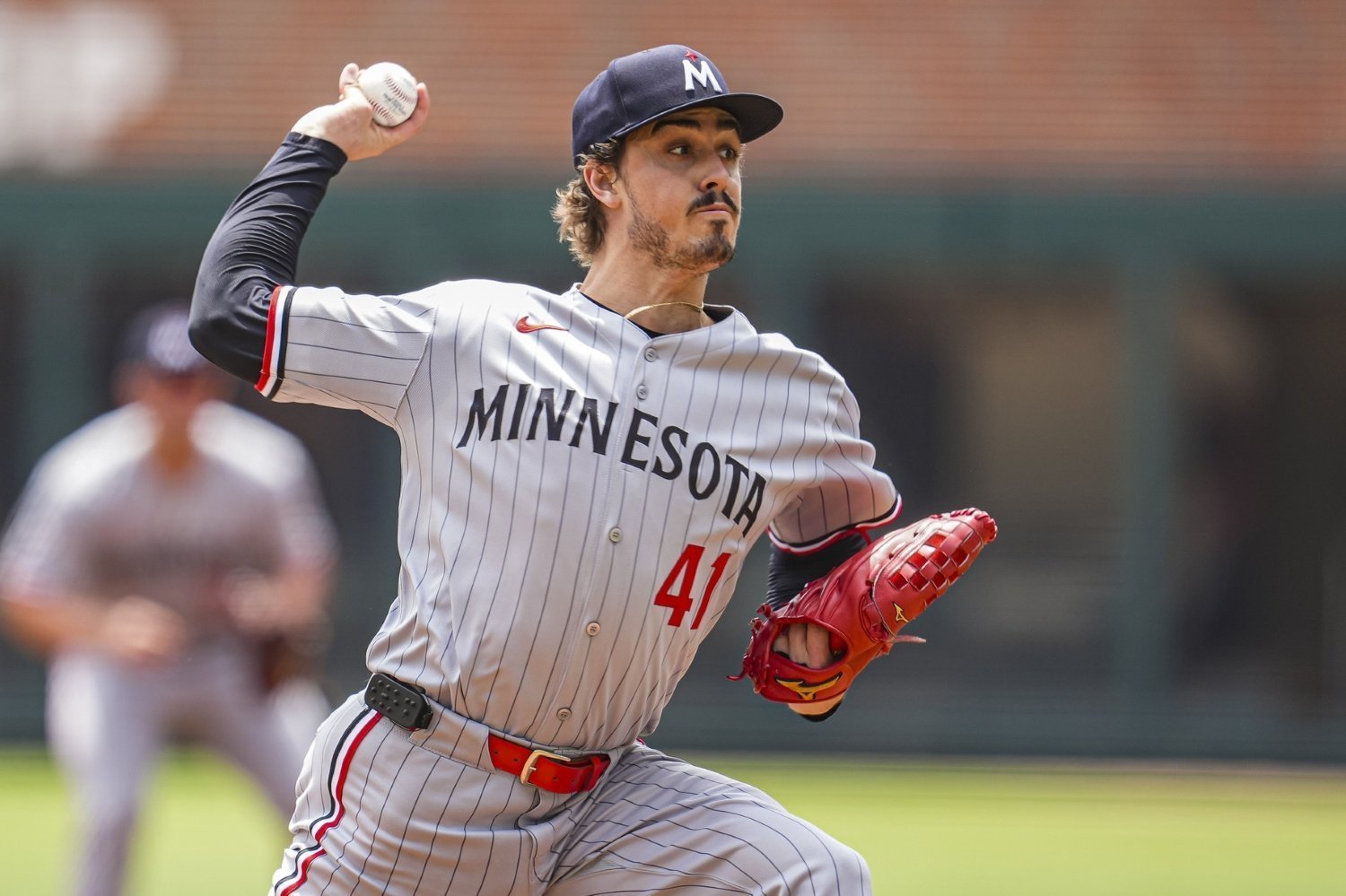 On Monday, the Twins returned Joe Ryan from his rehab assignment and reinstated him from the 15-day injured list, officially putting one of their most important starting pitchers back on the active roster. To make room, Minnesota optioned right-handed reliever Garrett Acton to Triple-A St. Paul. Ryan's return comes at a time when the Twins don't have much left to play for in the standings, but there is still plenty of value in getting their All-Star right-hander back on the mound before the season comes to an end. Ryan completed a three-inning rehab start for St. Paul on Tuesday night in Omaha. He threw 42 pitches, with 29 finding the strike zone. He also threw roughly 10 additional pitches in the bullpen after completing his scheduled work. That was enough for the Twins to feel comfortable moving forward. Ryan also threw a bullpen session over the weekend in Chicago, and the organization ultimately gave him the green light to return to the roster for the team's series against Detroit. The Twins have a TBD scheduled for Monday’s afternoon game in Detroit, so Ryan could take that spot in the rotation. The rehab outing certainly wasn't perfect, but it accomplished what Ryan and the Twins wanted. He got back on the mound, worked through multiple innings and came out of the outing feeling good. Ryan's fastball velocity sat around 91-92 mph in Omaha. That's noticeably below the 93.4 mph average he has carried this season. For a pitcher like Ryan, whose effectiveness comes from command, deception and the ability to locate his pitches rather than overpower hitters, a drop in velocity is worth monitoring. The conditions in Omaha were extremely hot, and Ryan acknowledged that he wasn't trying to reach back for the same velocity he would during a regular-season Major League start. The goal was to work through his pitches and make sure his body responded well to the outing. More importantly, Ryan came away encouraged by the quality of his pitches. That's the part the Twins should care about most. And the Twins could certainly use him. Getting him back gives the organization another opportunity to evaluate what its pitching staff can look like heading into 2027. It also provides Ryan with a chance to finish his season on a positive note after an interrupted campaign. Acton's departure is the corresponding roster move. He appeared in seven games for Minnesota this season, allowing seven earned runs across 11 innings. He struck out 14 batters but also issued six walks. His numbers in Triple-A tell a different story. Acton owns a 2.55 ERA with 23 strikeouts and just eight walks across 17 2/3 innings for St. Paul. He has shown enough there to remain a potential bullpen option for the Twins, particularly as the organization continues evaluating its pitching depth. For now, though, the attention shifts back to Ryan. And after watching the Twins navigate the final stretch of the season without one of their best starters, that return can't come soon enough. View the full article
 -
 Losing the finale is always dampens the mood, but Owen and Jesse look to stay positive as they break down the Jays' series victory in Kansas City. They talk everything from Brett Bateman, to Vladimir Guerrero Jr., to Louis Varland and the bullpen, and are eager to take a look at the ever tightening American League Wildcard Standings. Listen on Apple Podcasts: https://podcasts.apple.com/us/podcast/the-jays-centre-podcast/id1846108462 Listen on Spotify: https://open.spotify.com/show/3Bi7SzfpcqMo5xYWnbCeoL Listen on iHeartRadio: https://www.iheart.com/podcast/263-the-jays-centre-podcast-300304824/ Listen on Pocket Casts: https://pca.st/2qk9wqxd Watch on YouTube: https://www.youtube.com/@jayscentre View the full article
 -
 Chicago Cubs Minor League Report (September 7) Affiliate Overview Triple-A Iowa Cubs Series at Columbus Clippers (Cleveland Guardians): Clippers win, 5-1 Season Record: 57–78-1 Double-A Knoxville Smokies Series vs. Chattanooga Lookouts (Cincinnati Reds): Smokies win, 4-2 Season Record: 71–60 High-A South Bend Cubs Series vs. Cedar Rapids Kernels (Minnesota Twins): Cubs win, 5-1 Season Record: 77–51 Single-A Myrtle Beach Pelicans Series vs. Columbia Fireflies (Kansas City Royals): Pelicans win, 3-1 Season Record: 50–77 Triple-A: Iowa Cubs Season Record: 57–78-1 Series Opponent: Columbus Clippers (74-61) Series Standing: Lose, 5-1 Sept. 6: The Iowa Cubs dropped their third-straight game, falling in the series finale to the Columbus Clippers, 6-3, on Sunday at Huntington Park. The Clippers took a 1-0 lead in the first but the Cubs hit back with two in the second, thanks to a solo shot from Jordan Nwogu (1-for-3) and an RBI-double from Justin Dean (2-for-4). Columbus then took a 4-2 lead in the third after scoring three times and then added a run in the sixth to make it 5-2. Iowa cut the lead to two in the eighth on Nwogu’s sacrifice fly but the hosts got that run right back in the home half of the inning to make it 6-3. Justin Steele got the start on the mound for the I-Cubs, making his second rehab appearance. Steele allowed one run on two hits over two innings of work, struck out one batter and did not issue a walk. Double-A: Knoxville Smokies Season Record: 71–60 Series Opponent: Chattanooga Lookouts (58–74) Series Standing: Win, 4-2 Sept. 6: The Knoxville Smokies claimed a series win with their 6-5 victory over the Chattanooga Lookouts on Sunday at Covenant Health Park. Miguel Useche (1-for-4) crushed a two-run shot in the first and the Smokies would go on to make it 4-0 in the second on Alex Ramírez’ (2-for-5) two-run homer. The Lookouts broke the scoring run by plating one in the third but Knoxville again scored twice in the home half of the inning, thanks to a solo shot from Andy Garriola (2-for-4) his 22nd of the season, and an RBI-double from Alex Madera (2-for-4). Chattanooga would make it a 6-5 contest after scoring three times in the fifth and once more in the sixth but Yenrri Rojas would end the ballgame with three scoreless frames to seal the series win and earn the win, improving to 6-6 on the campaign. Rojas retired all nine batters that he faced, including one with a strikeout. Knoxville finishes the regular season with a 37-31 record at home. High-A: South Bend Cubs Season Record: 77–51 Series Opponent: Cedar Rapids Kernels (48–82) Series Standing: Win, 5-1 Sept. 6: The South Bend Cubs ended their regular season with a 10-5 defeat to the Cedar Rapids Kernels in the series finale between the two teams on Sunday at Four Winds Field. Jose Escobar (1-for-3) gave the Cubs an early 1-0 lead in the first but the Kernels responded with four in the third to take the lead. Angel Cepeda (2-for-5) got one of those runs back in the home half of the third on an RBI-double. South Bend would tie the contest in the fourth when Josiah Hartshorn (2-for-4) doubled home a pair. Cedar Rapids would score the next six runs of the ballgame, plating three in the sixth, one in the eighth and two more in the ninth to make it 10-4. Hartshorn recorded his second RBI-double of the game in the Cubs’ last trip to the dish to make it 10-5. Anhuar Garcia got the start on the mound for South Bend and took no decision. Garcia allowed four runs on eight hits over three innings of work, struck out three and walked none. Single-A: Myrtle Beach Pelicans Season Record: 50–77 Series Opponent: Columbia Fireflies (64–65) Series Standing: Win, 3-1 Sept. 6: The Myrtle Beach Pelicans were rained out for the second straight day, ending their 2026 season. View the full article
 -
 Let's see how the Red Sox's farm system did as some seasons came to a close. Triple-A Worcester Red Sox Series @ Buffalo Bisons (Toronto Blue Jays): 4-1 Season Record: 70-62 Worcester’s hot streak was snapped during the series finale on Sunday. The WooSox gave up seven runs in the seventh inning en route to a one-run loss. Before the seventh-inning disaster, Gage Ziehl turned in a quality start. Ziehl went five one-run innings, allowing three hits and issuing one walk. He struck out a pair as Worcester’s offense took a commanding lead. John Brebbia entered next and kept the Buffalo offense in check in his one-inning appearance. He struck out a pair and allowed one hit. The game got out of hand when Angel Bastardo jogged in from the bullpen. In just ⅓ of an inning, Bastardo let up five runs on four hits, issued a walk, and didn’t record a strikeout as Buffalo got back into the game. Tyler Samaniego entered next and he wasn’t much better than Bastardo. In just ⅔ of an inning, he let up two more runs on three hits and issued a walk as well. He earned the loss for his disastrous outing. Osvaldo Berrios came in next, but his efforts were in vain. He let up one hit and walked another, keeping the Bisons scoreless in the eighth but it was too little, too late as Worcester fell. The WooSox offense was hot through the first four frames of Sunday’s finale but cooled off quickly, failing to respond to Buffalo’s onslaught. Three players, Franklin Arias, Kristian Campbell, and Romy Gonzalez, all recorded three hits as Campbell and Gonzalez contributed two RBIs apiece. Gonzalez gave Worcester the lead early, scoring Arias on a line drive single in the first. Campbell tacked on another before the inning ended, driving in Anthony Seigler on a single. An inning later, Braiden Ward drove in Nathan Hickey as Worcester grabbed a two-run lead. A few batters later, Arias doubled on a hard line drive to the center field wall, advancing to third on a throwing error. Ward scored before Arias was driven home on a sac fly from Seigler. Worcester entered the fourth owning a four-run lead, and didn’t settle. Gonzalez drove home Ward on a single to third, advancing to third on a throwing error. Campbell drove in Gonzalez on a double to left, giving Worcester a large lead. However, it would be quickly relinquished and the offense failed to respond despite getting chances late. Double-A Portland Sea Dogs Series @ Chesapeake Baysox (Baltimore Orioles): 3-3 Season Record: 67-64 The Sea Dogs fought back from an early 0-2 series deficit, winning the finale to secure the series split. Tyler McDonough was the standout with his second great performance in two days. Caleb Bolden took the first two frames of a bullpen game from Portland. He allowed two runs on two hits and issued a walk. He struck out three before Max Carlson took over. Carlson was excellent over three frames, earning his sixth win of the season. He let up a solo homer, but kept the Baysox hitless otherwise. He struck out four before he exited following the fifth inning. Cooper Adams got the call next, but he couldn’t match Carlson’s performance. He allowed three runs on five hits over 1⅔ innings. Adams issued a pair of walks and struck out three before Tyler Davis was called upon to close the seventh inning. Davis went the distance, closing the game in dominant fashion. He let up one unearned run on one hit, striking out three and earning the save. After a three-hit, two-RBI game on Saturday, McDonough one-upped himself on Sunday. He drove in three on two hits as he helped Portland win the game. Other standouts from Sunday included Henry Godbout, who went 3-for-5, and Will Turner, who drove in two runs. Godbout drove in one run, smashing a homer to left center in the second inning and handing Portland an early lead. After the Baysox took a two-run lead, McDonough closed the gap in the fourth inning. His 12th homer of the year sailed over the wall in right field, driving in Turner and Caden Rose. An inning later, Johanfran Garcia crossed home on a balk. Later in the fifth, Turner crushed a two-run homer to right center, scoring Rosario. Max Ferguson stepped to the plate next and hit a homer of his own, going back-to-back with Turner and giving Portland a five-run lead. Holding a one-run lead in the ninth, Portland sealed the deal on a wild pitch as Godbout scored. High-A Greenville Drive Series @ Bowling Green Hot Rods (Tampa Bay Rays): 3-3 Season Record: 59-70 After winning by four runs on Saturday, Greenville came up just short on Sunday. A one-run loss closed the season for the Drive, who finished 11 games under .500. Leighton Finley started in the season finale, turning in a solid 4⅔ inning start. Finley kept the Hot Rods scoreless, limiting them to one hit and issuing three walks. He struck out seven in his final appearance of the year. Trennor O’Donnell took the final 3⅓ innings of the game. He dealt through the first two frames of his appearance, but struggled in the eighth. He let up four runs on four hits, striking out a pair as Bowling Green pulled ahead. The Drive had plenty of offensive opportunities, but failed to come through when it mattered the most. Owen Hull had two RBIs as he ended the season with a .337 batting average and a .967 OPS since joining the team in early August. Jake Schaffner, another early August addition, had two hits, ending the season with a .315 average and .797 OPS. Hull’s offensive contributions came in the third, when he hit a single to left field. Nazzan Zanetello and Skylar King scored as Greenville jumped out to a lead. In the eighth, Isaiah Jackson built on the lead, scoring Schaffner on a soft line drive single as Greenville took a 3-0 lead. However, it was short-lived as O’Donnell would relinquish it just a half inning later. Low-A Salem RidgeYaks Series vs. Hull City Howlers (Cleveland Guardians): 4-2 Season Record: 56-75 Despite accruing 12 hits and scoring seven times, Salem fell by three runs in its final contest of the season. Winners of two straight entering the game, Salem’s season ended on a negative note. Berny Ortiz took the final start of the season in rough fashion. He earned the loss for his three-inning appearance. He allowed three runs on four hits and issued four walks. His three strikeouts were solid, but not good enough to undo the other discrepancies. Williams Montero entered next, but struggled even more. He let up four runs on seven hits in just one inning. He failed to record a strikeout before Nicholas Judice took over, and he walked five but was solid otherwise. He allowed one run but kept the Howlers hitless, striking out two in 1⅓ frames. Alex Kranzler entered to finish the sixth and took the seventh as well. He struggled, but not as badly as Montero or Ortiz. He let up two runs on two hits, striking out three before Yander Bonaci took the final two innings of the season. Bonaci was outstanding, finishing one strikeout amid two perfect innings of relief. D’Angelo Ortiz, Colton Coates, and Andrews Opata all recorded two RBIs in the finale. Both Coates and Kleyver Salazar went 3-for-5, ending the season on a high. The Yaks wouldn’t strike until the third inning, down 3-0. Opata changed that with his 11th homer of the season, crushing a pitch to left field. Down 7-1 in the fourth, D. Ortiz brought the Yaks a little closer with a bases-loaded double. He drove in Salazar and Coates as Brito advanced to third. Brito would cross home on an Opata sac fly later in the inning. The Howlers’ runs just kept pouring on as Salem found itself down by six in the seventh inning. Salazar scored Wills Maginnis on a line drive single to cut into the lead before Coates did some more damage. Franklin Primera scored on Coates’ double, bringing the Yaks within four. In the ninth, Coates drove in Maginnis, attempting to kick-start a last-ditch effort for a comeback win. However, it couldn’t be done as Salem fell 10-7 in their season finale. View the full article
 -
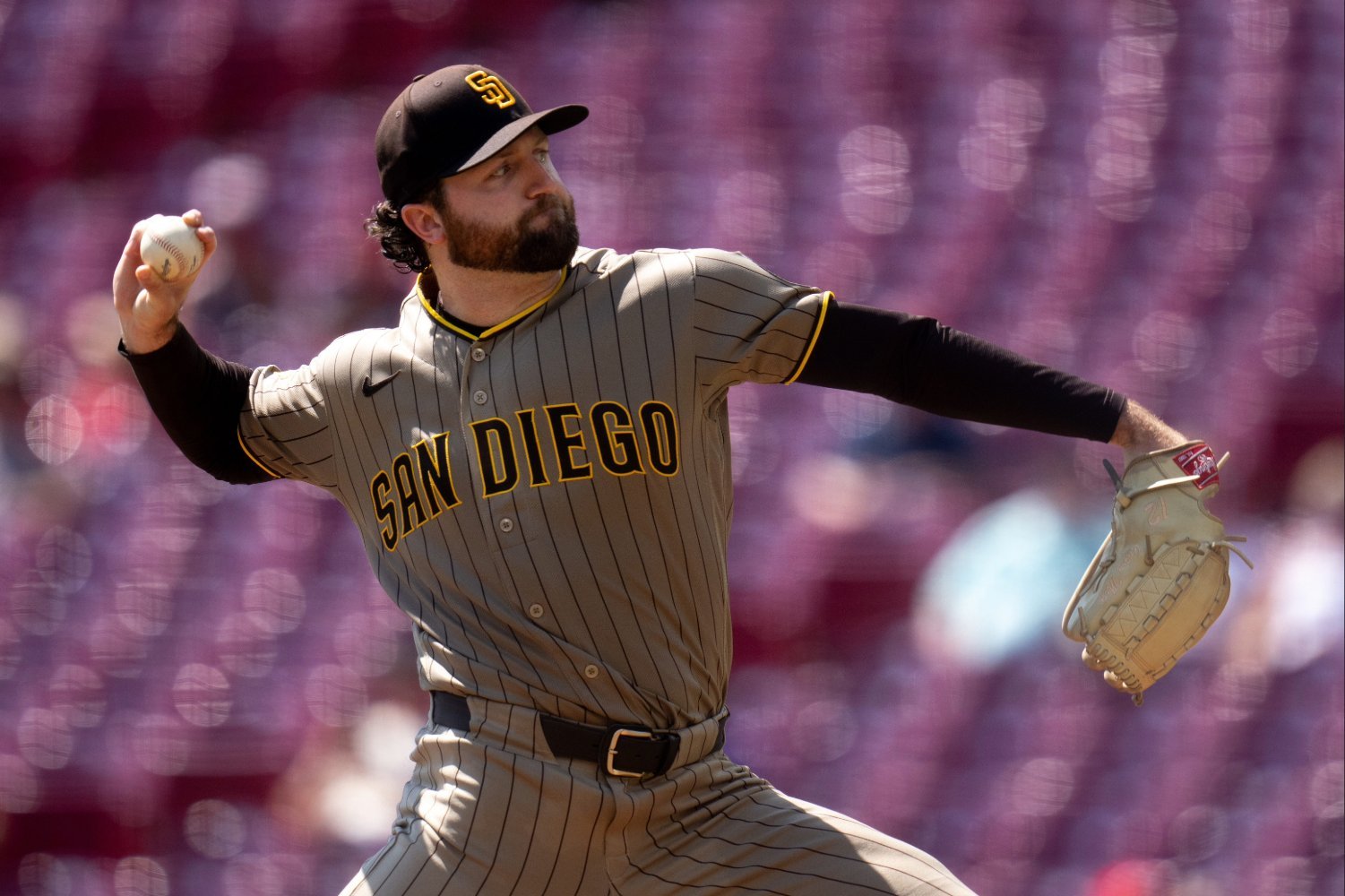 The rotation for the 2026 San Diego Padres always seemed destined serve as a weak point of the roster. Fragilely assembled out of a collection of minor-league and one-year deals, there wasn't a whole lot of certainty to be offered by the starting five despite the stability provided by the bullpen behind them. That largely came to fruition as the season progressed. In the first half, the Padres ranked 21st in innings from starting pitchers (848.2), 17th in ERA (4.25), and 19th in FIP (4.24). They also sat 19th in strikeout rate (21.5 percent) and 22nd in walk rate (9.5 percent), with a rare saving grace that they ranked merely in the middle in hard contact surrendered (38.2 percent). It's really that first number that stood as most concerning for much of the year. In March & April, they were 28th in the league in innings pitched by starters (268.0), before jumping to 16th in May (248.0) only to fall back to 22nd in June (228.2). That led to concerns about a taxed bullpen, especially as some injuries began to emerge out of the relief corps. Given all of that, A.J. Preller made it a point to confront the pitching issue directly at this year's trade deadline. He acquired Robbie Ray from the San Francisco Giants & Casey Mize from the Detroit Tigers, with the additional expectation that Joe Musgrove would return from his continued Tommy John recovery at some point in the second half. There was also a bump in performance from some of the regulars. While we've seen names like Griffin Canning, Matt Waldron, JP Sears, and Germán Márquez pitch their way out of a starting gig (if not the organization), other names began to stabilize the group. Michael King & Walker Buehler have each been remarkably steady over their last handful of starts while Randy Vásquez went on his own mini hot streak. Factor in the additions of Ray & Mize, and there was an expectation that the group would evolve from a severe shortcoming of this roster to something more resembling an actual strength. Now creeping deeper into September, we can pretty definitively say that hasn't happened. For their part, King, Buehler, and Vásquez have continued to stay the course. King has only failed to reach six innings of work in two of his last 11 starts, Buehler ended August with three outings of six frames and one of five, and Vásquez ended August with a 2.57 ERA across 28 innings, his best in any individual month. Ray has also been varying levels of fine. He has a 3.42 ERA through five starts with the Padres (though he's only averaging a shade over five innings per start). Where the Padres run into trouble with their previously conceived optimism is in Mize and in Musgrove, two arms that looked prime to provide as much upside as we'd seen from this group in 2026. Through six starts with the Padres, Mize has a 6.67 ERA. His debut was a 3.1-inning, nine-runs-allowed start before adding starts of an injury-shortened, four-earned-run variety and a four-inning, four-earned effort to close the month. In the two latter outings, he allowed a combined five home runs across 6.2 total innings. Musgrove, meanwhile, appeared to be nearing the end of his rehab work. In his final El Paso start in August, he threw five innings and allowed just one run. It was as good as he looked across a quartet of minor-league starts. However, recovery continues to be an issue following starts. He went 12 days between appearances for the Chihuahuas ahead of that last appearance, with no indication of when we may see him on the mound again. At this point, it's fairly clear that he's not an arm that can be relied upon for even one inning before season's end. And none of this even takes into account Nick Pivetta. After abruptly leaving a rehab start on August 4, he's appeared twice (including on August 30) for El Paso. Therein, he threw 4.1 innings and didn't allow a run. He's expected to be back tonight, though it's unfair to expect he'll immediately resume his position atop the rotation after such a long hiatus. So, while the Padres are still in better shape than they might have been in the first half of the season, rotation concerns still persist. They're merely taking on a new form with different names. While the starting pitching doesn't bear the entire responsibility for the team's recent slide out of a Wild Card position, any sort of positive news would be a welcome development for a team hoping to shift the vibe back in the correct direction as soon as possible. View the full article
 -
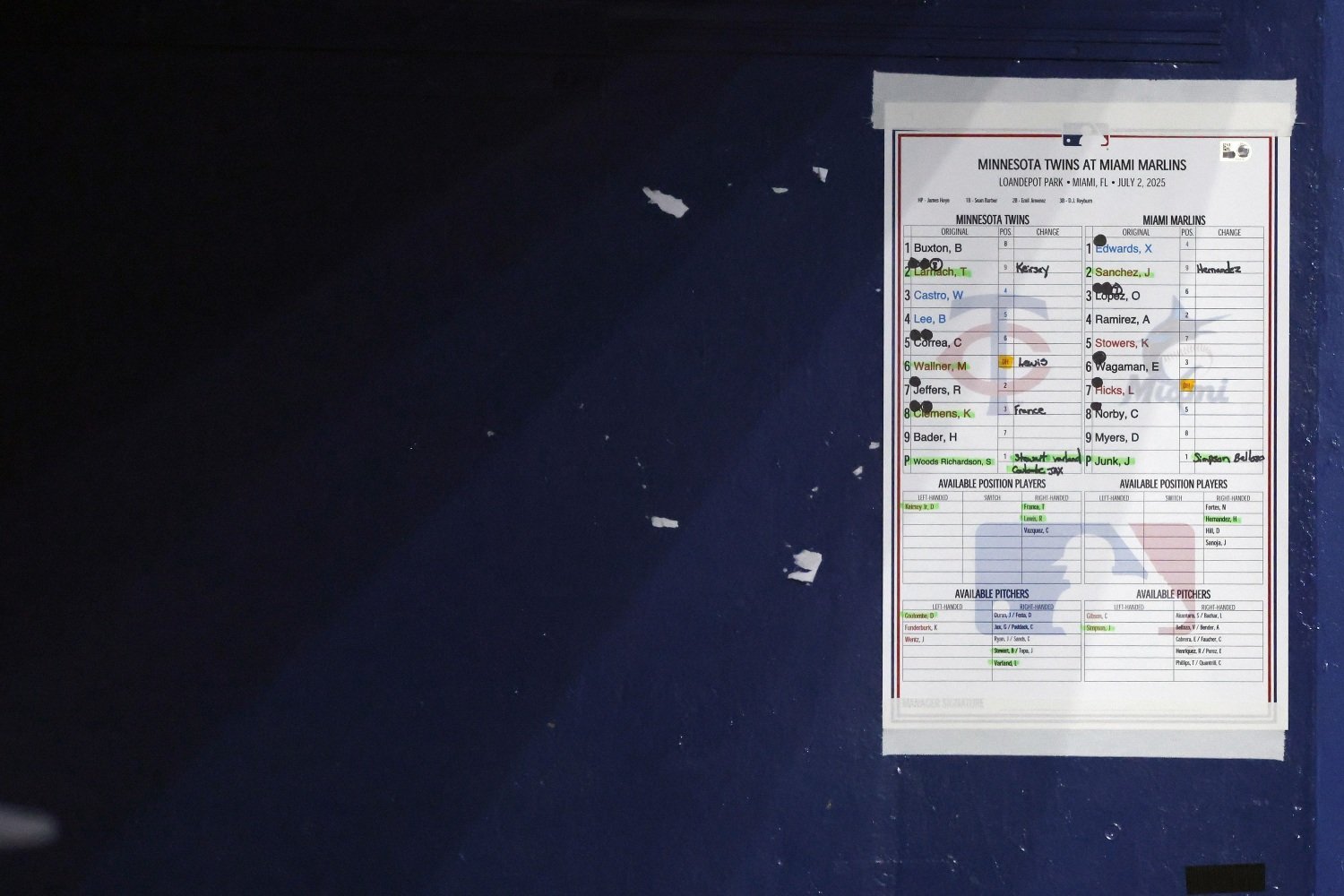 A Twins hitter, who has requested anonymity, was seen crying at his locker in the home clubhouse. Although there’s no crying in baseball, this was understandable. He’d been moved from the 8-hole the day prior up to the seventh spot. Nerds and people who have never played the game beyond their Strat-o-Matic are probably confused, but those of us who understand how baseball works know just what’s happened here. “H-h-he can’t keep doing this to us,” the player said of manager Derek Shelton between sobs. “W-w-we’re h-human beings, n-n-n-not robots! The Poindexters in the front office don’t understand that we’re creatures of habit.” You simply can’t move a ballplayer around in the batting order. They get confused. They can’t settle into a rhythm unless they know every day where they’ll hit. There’s a massive difference between hitting fourth, where you might have your first plate appearance in the first or second inning, or batting seventh, where it might also be in the third inning. “Write this up in the paper, media man,” an onlooking player started. “For the suits up in the front office, imagine if you were told on a day-to-day basis whether your day started at 8 or 8:15. Bet you couldn’t do any spreadsheets for the rest of the day with that uncertainty.” At this point, a third player joined in. “I used to play in Biloxi. They traded me. For three straight days, I kept showing up to the ballpark, because it was a habit. Manager kept writing me in the lineup out of habit, too. There’s something that would never happen in the big leagues, since none of the managers here ever played baseball. Only realized I was on the wrong team when I tried to get on the team bus and the pencil-neck travel coordinator told me I couldn’t get on.” He went on to tell me that the team’s GM was upset with him, but he’s clearly not a creature of habit like a real ballplayer is. Glorified pencil pusher. As professional baseball players, they’re expected to be adaptable. The only thing they can control is their effort and their attitude, and they need to be ready to contribute any time. “Put me in coach, I’m ready to play,” as John Fogerty said. But sometimes hitting fourth and sometimes hitting sixth? No one could possibly be expected to perform under those conditions. While I was standing there, some dweeb coach who probably came straight from Driveline told the player that he might hit fifth tomorrow. The player immediately called his therapist. “I mean, what’s next? I have to choose the jerseys for tonight’s game?” A nearby pitcher snickered. A former Twins manager, who also asked to remain nameless, was quoted saying, “No, they’re absolutely right. Second basemen hit second and catchers hit third, whether it’s Mauer or Redmond. Chrysler, these guys aren’t rocket surgeons.” View the full article
 -
 Brock Wilken homered in Nashville’s close victory. Mark Coley drove in five runs as Biloxi dominated. Daniel Dickinson led Wisconsin to a win in their season finale, while Wilson ended its first season with a loss. For the week, Nashville (5-1) and Biloxi (4-2) were series winners, Wisconsin battled to a 3-3 draw and Wilson (0-6) couldn’t muster a win. Transactions: RHP Carlos Carra activated from Low-A Wilson’s 7-day injured list Game Action: Nashville Pre-Game Media Notes Final: Nashville 4, Louisville (Reds) 2 Box Score Via a Sounds’ press release, game details and we encourage readers to review affiliate write-ups as part of their Link Report routine: Bullpen Spins Four Scoreless as Sounds Top Bats in Series Finale Nashville’s 7-8-9 batters OF Jacob Hurtubise, 2B Daniel Guilarte and OF Eduardo Garcia came through with three consecutive two-out hits in the bottom of the 6th inning to re-take the lead at 3-2, which was enough for the Sounds’ bullpen to close it out. 1B Brock Wilken (3-for-4, HR, RBI) had staked bulldog starting LHP Colton Gordon (5 IP, 2 R, 3 H, 3 BB, 2 Ks; 95 pitches) to an early advantage and Gordon tossed 4 2/3 scoreless innings before a bunt and two-run homer knotted the contest. C Andrick Nava continues to be a pleasant surprise, doubling and scoring in the 8th inning to add an insurance run: RHP Blake Holub (1 IP, 0 R, 2 Ks) touched 96.1 MPH as he worked around a walk to close out the victory: Sounds’ Extras: Hurtubise (2-for-4) and Garcia (2-for-4, SB) joined Wilken in having multi-hit games. 3B Jonathan Ornelas joined Guilarte in a 1-for-4 day with an RBI. RHPs Garrett Stallings (2 IP, 0 R, 2 H) and Cameron Wagoner (1 IP, 0 R, 1 H) were highly effective in middle relief, avoiding walks but also not registering strikeouts. Next week’s outlook: Nashville heads due east to North Carolina to battle Rays’ affiliate Durham for six games, commencing on Monday. Biloxi Pre-Game Media Notes Final: Biloxi 12, Birmingham (White Sox) 1 Box Score Via the Shuckers’ website, game details: Shuckers Strike for 12 Runs, Trounce Barons in Home Season Finale OF Mark Coley II (3-for-4, triple, 5 RBIs) was a pain in the neck for the opposing Barons, singling home two runs to open the scoring in the second inning, tripling home three runs to extend Biloxi’s advantage to 7-1 in the sixth inning, then adding another hit and scoring in the Shuckers’ five-run eighth inning. Starting RHP Josh Knoth (3 IP, 0 R, 1 H, 0 BB, 2 Ks) dominated over three short innings, allowing only one baserunner via infield hit, while Biloxi’s offense put eight runners on base over the first four innings to grab a 4-0 lead, highlighted by C Matt Wood’s solo blast: SS Jesus Made (3-for-5, double, 2 RBIs) joined Coley with a three-hit day, while Wood (1-for-2, HR, 3 walks, 2 RBIs) reached base four times in their resounding victory in front of 2,198 fans in their last regular season home contest of 2026: Shuckers’ Extras: RHP Jack Seppings retired the first four batters he faced while tossing two scoreless innings of relief, leading an effective four-man bullpen. RHPs Peyton Niksch (2 IP, 1 R, 0 Ks), Ryan Birchard (1 IP, 0 R, 2 Ks) and Stiven Cruz (1 IP, 0 R, 0 Ks) covered the final four innings. OF Damon Keith had sat out Saturday’s doubleheader and wasn’t in Sunday’s starting lineup, so it was a welcome sight when he entered to deliver a pinch-hit RBI single in the 8th inning. Next week’s outlook: Biloxi heads down to Florida to face Marlins’ affiliate Pensacola for six games, in a preview of their playoff series which will follow a week later. Wisconsin Pre-Game Media Notes Final: Wisconsin 8, Beloit (Marlins) 5 Box Score Via the Timber Rattlers’ website, game details: Wisconsin Closes Out 2026 With Win at Beloit – Rattlers finish season with 8-5 victory The Timber Rattlers and Sky Carp made things entertaining for 1,400 fans at Beloit in their final contest of the 2026 campaign, with Wisconsin grabbing leads in the 1st and 3rd innings, then holding on late. 2B Daniel Dickinson (3-for-5, HR, RBI, 3 SBs) got a re-set via his Friday mid-game ejection and Saturday absence (both Timber Rattlers’ defeats), putting his stamp on this game with key hits in the 1st, 4th (solo shot) and 7th innings, while also driving the Sky Carp defense mad on the basepaths. Combined with his Tuesday outing, starting RHP Ethan Dorchies (4 IP, 3 R, 2 H, 3 BB, 1 HBP, 3 Ks) threw 155 pitches this week, covering four innings this time out. RHP Joshua Quezada (2 IP, 0 R, 2 Ks) had struck out six of eight batters on Thursday, then impressed again in collecting Sunday’s win, though with a key outfield assist from Luiyin Alastre (video available in the linked game recap above). Three runs scored on three hits in the 7th inning seemed to put the game away at 8-3, but Beloit were able to bring the potential game-winning batter to the plate with the bases loaded down 8-5 an inning later, but RHP Tanner Perry was able to induce a pop-up to escape. The victory closed out another successful season for the Timber Rattlers, who ended with a record of 68-59. Timber Rattlers’ Extras: Outfielders Sawyer Strosnider (1-for-3, 2 walks, RBI, SB) and Tayden Hall (0-for-2, 3 walks) joined Dickinson in reaching base three times. Both teams had fun on the basepaths, as Wisconsin went 5-for-5 in stolen base attempts and the Sky Carp went 6-for-6. We shouldn’t discount the possibility of Dickinson and/or some other Wisconsin players (e.g. Knoth, Eric Bitonti) getting a promotion up to AA Biloxi – e.g. for their final regular season series this week or the Southern League playoffs which follow. Wilson Pre-Game Media Notes Final: Fredericksburg (Nationals) 7, Wilson 2 Box Score Via the Warbirds’ website, game details: Warbirds Drop Final Game of the Season – Polanco Ends the Year on a High Note The Wilson Warbirds ended their inaugural professional baseball season somewhat similar to how they started, losing a 12th consecutive contest to finish the year with a 64-66 record. The team had commenced the campaign with a 9-15 record but went 55-39 in the heart of the year in a successful first season. Starting RHP Carlos Carra (2 2/3 IP, 2 R, 2 H, 2 BB, 3 Ks) returned from a two-week injury absence to attempt to spark the team and he was unfortunate to have a second earned run charged against his line after exiting with two outs and only a runner on first base. Offensively, the team only managed to produce three harmless singles over the first six innings, so the Nationals’ three-run sixth inning which extended the deficit to 6-0 probably felt like a mountain to overcome. Thankfully, the team was able to push two runs across on an error in the 9th inning to make the score a bit more respectable. Warbirds’ Extras: 2B Moises Polanco (2-for-4) collected two of the team’s five hits, while 3B Frederi Montero doubled, with both players finishing the season on a strong note. RHP Hayden Robinson (3 IP, 5 R (3 ER), 7 H, 1 BB, 3 Ks) handled long relief, while RHP Andrew Gaines (1 IP, 0 R, 2 Ks) was the top performer out of the bullpen. RHP Carlos Espinal (1/3 IP, 0 R, 2 BB, 1 K) and LHP Joey Broughton (1 IP, 0 R, 2 BB, 2 Ks) also contributed. In addition to players who were recently promoted to High-A Wisconsin, the squad undoubtedly also missed the bats of OF Handelfry Encarnacion (last played August 28) and SS Trey Ebel (last played September 1). We hope that you enjoy the Minor League Link Report. On Monday, Nashville has the only minor league affiliate game, starting at 4:05 PM CST. The Brewers also host the Cubs at 1:10 CST. Organizational Scoreboard including starting pitcher info, game times, MiLB TV links, and box scores Current Milwaukee Brewers Organization Batting Stats and Depth Current Milwaukee Brewers Organization Pitching Stats and Depth View the full article
 -
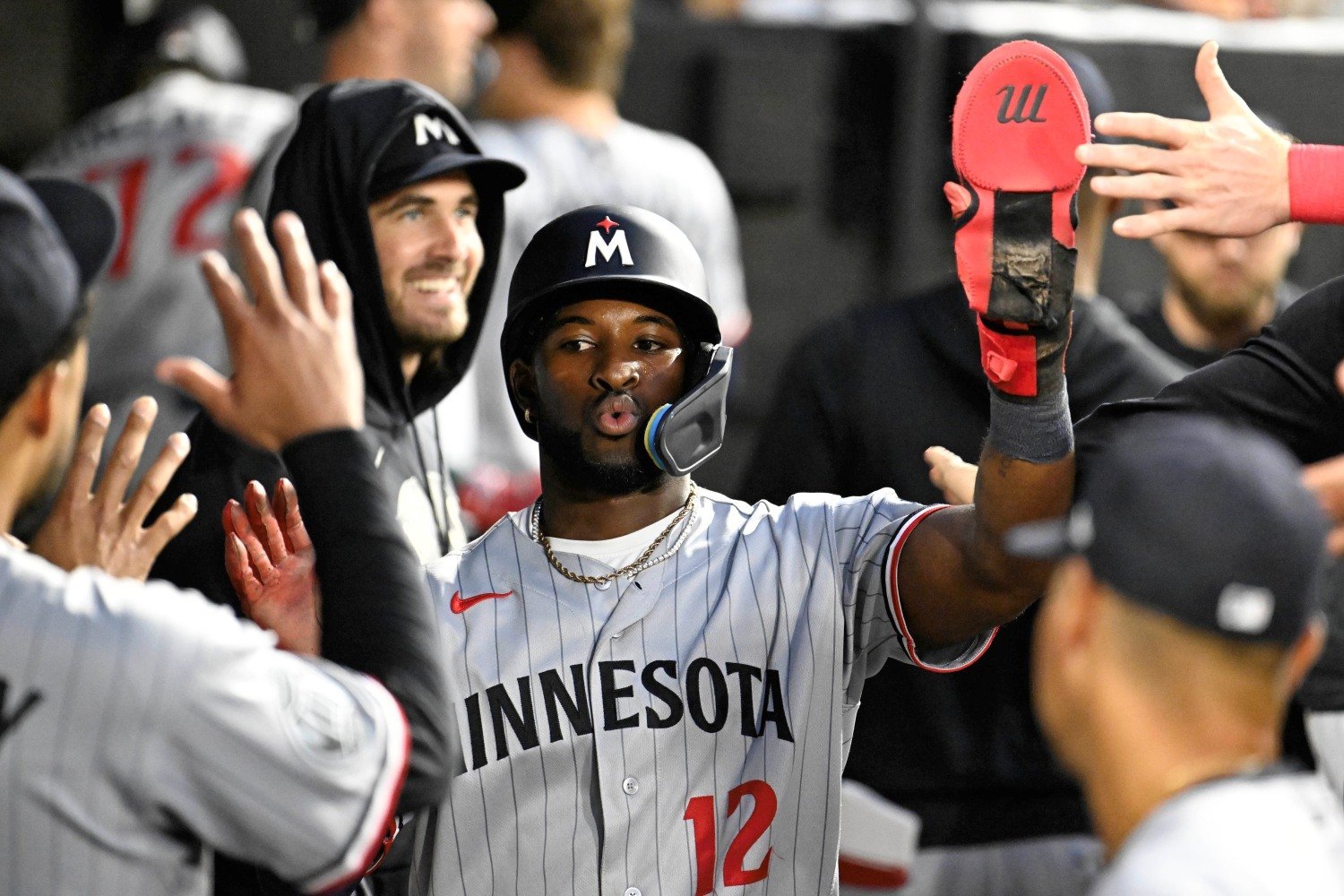 “The first month has gone by kind of quick,” quipped Kaelen Culpepper before Sunday night’s matchup against the Chicago White Sox. The 23-year-old isn’t wrong. On August 7, he walked into the visiting team’s clubhouse in Milwaukee, hours before first pitch. That feels like forever ago, right? I’m sure most of you reading this article remember where you were when he took Brewers starting pitcher Shane Drohan deep in his second major-league plate appearance. Time (as it's known to do) has flown by, however, and 100 plate appearances into his major-league career, Culpepper has become one of Minnesota’s most productive position players. “It was nice, man,” Culpepper said of hitting second in the Twins lineup Saturday, for the first time since his contract was selected early last month. “You know what I mean? I hit leadoff and second a lot in the minors. So being back in the two-hole, it’s kind of, you know, allowed me to reminisce a little bit. But I felt pretty comfortable—felt right at home again.” And right at home he was, going 2-for-5, including an RBI double in the top of the seventh inning that served as an insurance run for the club’s 6-4 comeback win over Chicago. Culpepper’s success extends far beyond Saturday night’s late-inning heroics. Over 100 plate appearances, the rookie has hit .297/.350/.451 with five doubles, three home runs, and a 133 wRC+. His underlying metrics support his strong start at the plate; he's shown great bat speed and some good contact skills. “I just want to be quick in general.” Culpepper said. “I want the main thing that I’m known for is my hands. I feel like word is getting out pretty nice, but yeah, it’s always been a thing for me.” Word is, in fact, getting out, particularly with his past two home runs coming off fastball variants in on his hands. He pulled this homer on a 93-MPH sinker from West Sacramento Athletics starting pitcher J.T. Ginn on August 26: 97491033-236cf8ff-6a8c6c61-csvm-diamondgcp-asset_1280x720_59_4000K.mp4 The bat speed remains unexpectedly eye-popping, averaging out at 73.7 MPH. That's the third-quickest swing on the active roster, sitting behind only Ryan Kreidler (74) and Royce Lewis (75.2). His quick hands have translated at shortstop, too, helping him net 0 Outs Above Average (OAA) over 203 innings played at the position. “I played some really good defense in the minors, and I want that to translate," he said. "I know there have been some hiccups up here, but like, I’m young in my career. So, every day I’m working to make those routine plays: make the hard plays look easy.” On the surface, a 0 OAA isn’t remarkable, but it's a meaningful improvement over what the club was getting from Brooks Lee (-6 OAA) and Tristan Gray (-7 OAA) in the season’s first half. He’s not the defensive shortstop Kreidler is (2 OAA), but there’s reason to believe he could quickly become a plus defender at the position if he can continue expanding his range while leaning on his plus arm. “[I’m] working with Ramon [Borrego] every day, man," said the rookie. "I mean, we’re always grinding, working on something new, working on things that I’ve been working on the last year-and-a-half or so.” Top prospect Marek Houston projects to be a better defensive shortstop than Culpepper. Yet, he isn’t expected to reach the parent club until mid- to late 2027 or early 2028, depending on his ability to hit Triple-A pitching. Culpepper will probably be Minnesota’s full-time starting shortstop next season, making his development at the position vital to the club’s success early next season. Until then, the top prospect wants to finish his 2026 campaign on the field. “I wanna stay healthy. You know what I mean? I want to stay on the field. Continue playing every day—producing well," Culpepper said. "I’m feeling healthy. I haven’t had any issues (with my hip) since I came off the IL, so I’m good, I’m clean. Just trying to grind it out.” View the full article
 -
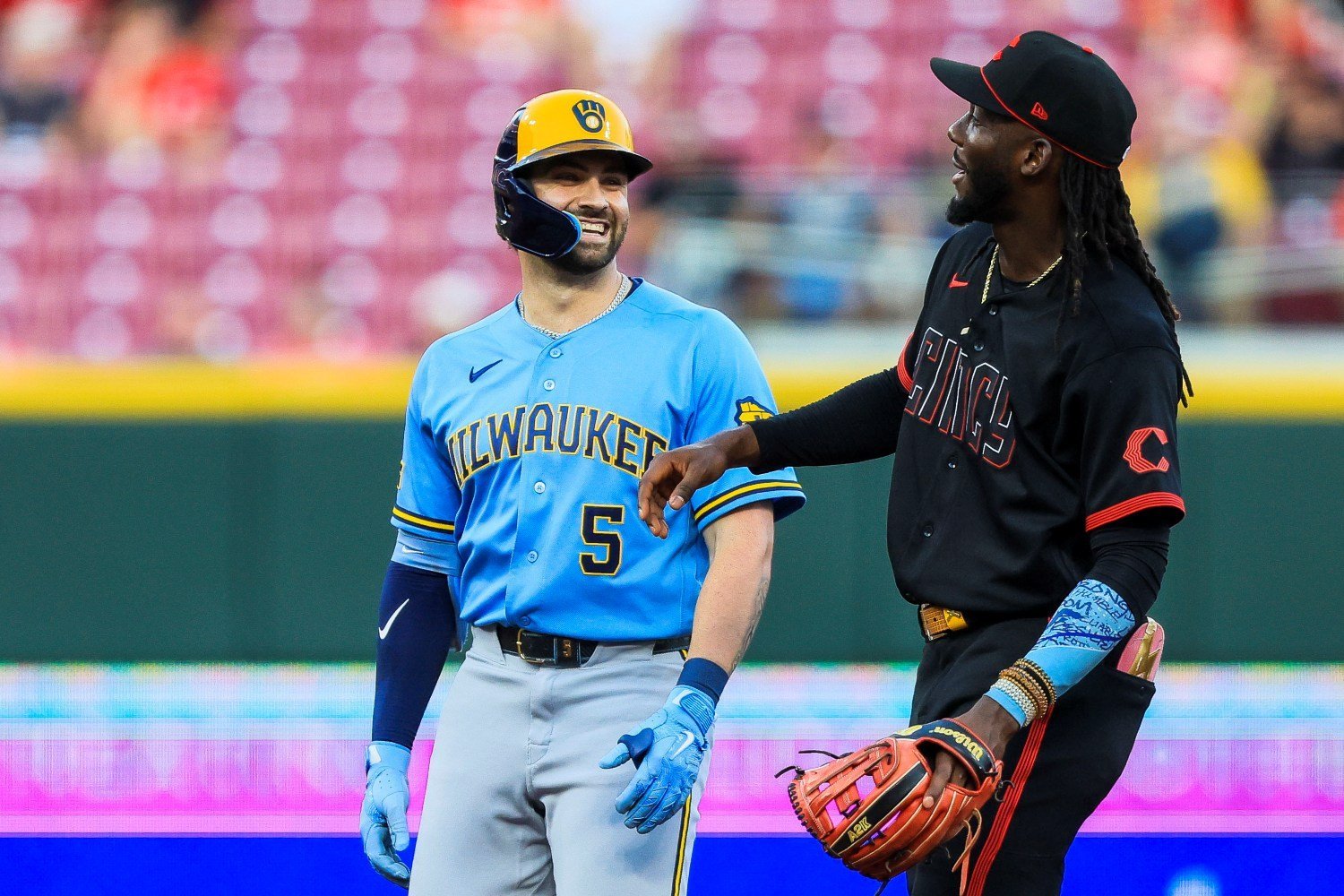 For the first time, this season has permitted the conversation around Garrett Mitchell to move beyond and away from his constant injury trouble. Mitchell has suffered two major shoulder injuries on slides into bases, and in between, he's also lost time to a broken finger and an oblique strain. He never seemed to get long enough between trips to the injured list for anyone to properly evaluate whether his extreme offensive profile could work in a full-time role. That made him a constant object of unwelcome debate: Is he good, or is he doomed to be a constant source of frustration? No longer. As of last week, Mitchell has amassed more plate appearances—the number is now 464—than he had over his first four partial big-league seasons, combined. For some, however, the jury is still out. The consensus among fans was that if Mitchell ever played this much in a single campaign, we'd see him veer either toward stardom or toward doom. Instead, his .770 OPS this year matches his career mark prior to this year (.766) almost perfectly. That's because (as we've talked about so many times before) Mitchell has an unusual amount of swing-and-miss in his game, for a good hitter—especially one who also lacks applicable power. Few players on the Brewers have less raw bat speed than Mitchell, but he's one of the least likely hitters in baseball to hit a ball in the air to the pull field. His batted-ball profile is as extreme (and discouraging) as Christian Yelich's. His contact rate is as near-calamitous as pre-2026 Jake Bauers's. Here's what his spray chart for this season looks like, according to Statcast: To isolate ground balls and liners for a minute, here's his infield slice chart. It looks an awful lot like you can neutralize Mitchell with a good second baseman: In reality, though, the athletic lefty batter keeps finding hits. He's only managed nine home runs, because he hits so many ground balls and so many of his fly balls the other way, but the sheer volume of hard contact keeps him afloat—despite a strikeout rate that continues to hover around 30%. As all players do, Mitchell has experienced streaks and slumps this year. Pat Murphy has shielded him from left-handed starting pitchers at times, when the roster has permitted it, and that platoon protection has also kept his workload relatively light for a healthy player with so much two-way value. That might be why he's enjoying the healthiest season of his career, but it seems fairer to guess that he's just getting some overdue good luck in the injury department. What role Mitchell will fill as the Brewers hurtle down the stretch and plunge into October is still unclear. Murphy has shown no compunction about playing the players he believes will best move the Brewers toward wins, and that might not be Mitchell at times come the postseason. The club's depth in the outfield has improved as the season has progressed, putting a squeeze on Mitchell. For now, though, he's a solidly above-average regular on the best team in baseball. Whatever his quirks and shortcomings, he's proved himself capable of being that caliber of player over a full season—something that seemed almost like a fantasy even at this time last year. This week was a subtle milestone, but it feels like an important one. Mitchell is no longer defined by his failure to stay on the field. He's been out there pretty much all summer, and he's been pretty good. View the full article
 -
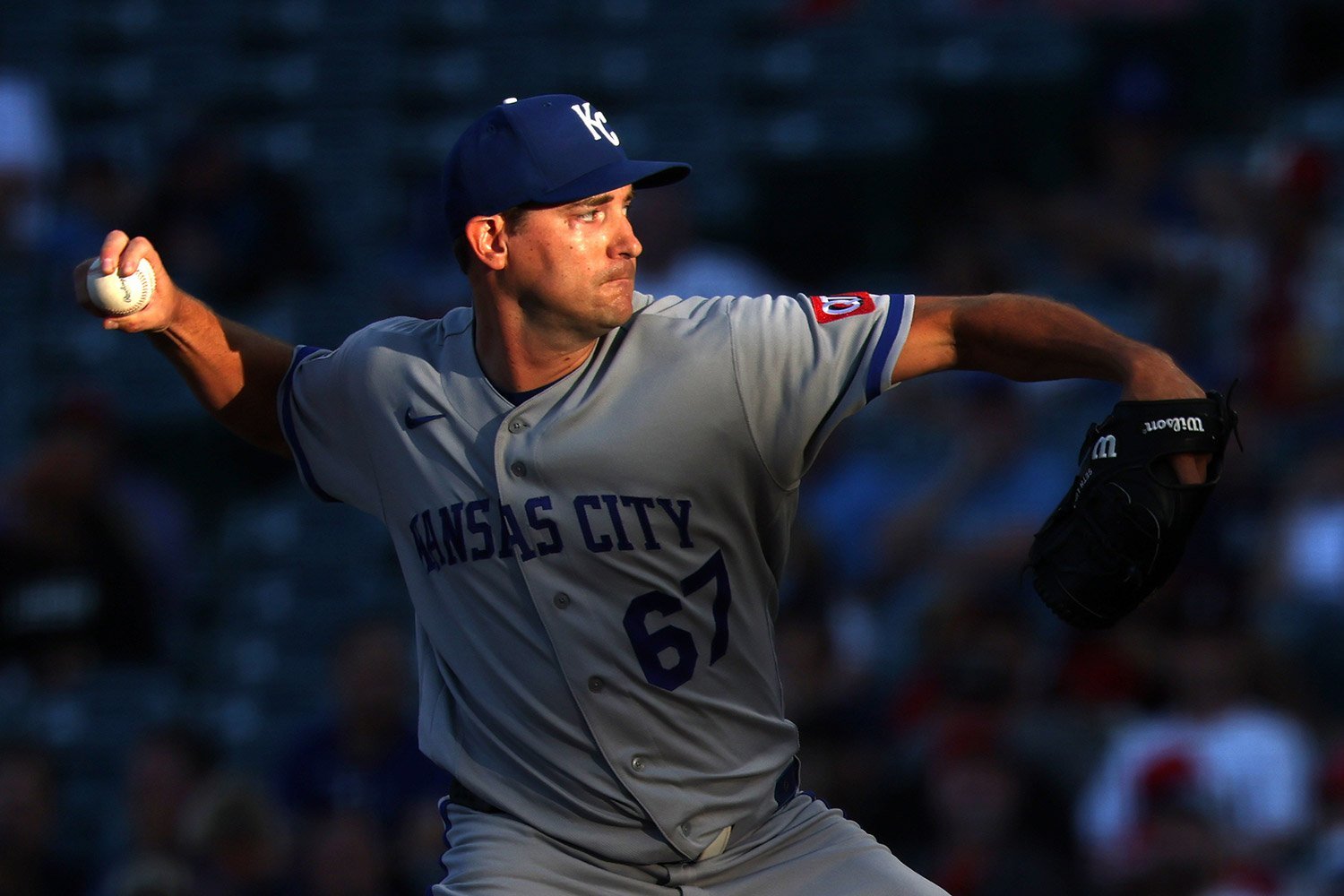 It's hard to find a worse decline than Seth Lugo’s since July: in 17 starts, he has the highest ERA (6.24) among qualified starters, the third-worst xFIP (4.78), and the second-lowest LOB% (61.1). That is only a summarized part of the problem. The worst part is that Lugo has become increasingly predictable. His strikeout rate has fallen to 6.3 K/9 — the second-worst mark in the ranking — and his pitches are generating the lowest chase rate from opposing hitters when he throws them outside the strike zone. The problem is not hidden in the repertoire of the 36-year-old veteran right-hander. Lugo’s fastball and breaking ball have fallen from the 96th percentile in 2024 to the 11th and 1st percentiles, respectively. Most of the metrics, such as Chase%, Whiff%, xBA and xSLG, have fallen to career-worst percentiles for Lugo and are also among the worst marks in the major leagues. The decline in impact has been terrible, but there is no bigger problem here than the way hitters are crushing Lugo’s four-seam fastball. In 86 plate appearances, they are hitting .416 with a .701 slugging percentage. The result becomes much more concerning when we see that this is not a complete decline. When comparing some of Lugo’s metrics with last season, when he limited hitters to a .238 BA and .495 SLG against his four-seam fastball, there are some surprising differences: he has a higher Whiff Rate (15.7% vs. 14.6%), he is generating a lower Perfect Contact rate (26% vs. 38%), and his average velocity remains at 91.7 mph. There is also no drastic change in his IVB (15.2”), although it is below his own level from previous years and 0.4 inches below average. In fact, the Horizontal Break (8.8”) is the major change in 2026: +1.4” from 2025 and +2.1” from 2024. If we had not seen the results of those 86 plate appearances, much of this analysis would lead us to think that Lugo’s four-seamer is not failing because it has lost everything that once made it work. In a way, part of the reality is the opposite. At 91.7 mph, Lugo has less velocity and less ride than he did in 2022–23, but he is now generating more horizontal movement. That said, what might have indicated some improvement has resulted in the exact opposite. We usually look for trends that help us understand what is happening in each pitcher-batter matchup and, in the case of pitchers, how they are trying to attack and how their weapons are being answered. Lugo’s case is largely the result of many fastballs that failed to put him in control of the at-bat. It has not been as deficient within the matchup as the final results make it appear. This chart allows us to answer most of our questions about his fastball. Literally, opponents are getting to it throughout the strike zone, which has led Lugo to reduce its usage by nearly 4.0% from June to now. The chart on the left shows all at-bats, while the middle one shows matchups against left-handed hitters and the next one against right-handed hitters. As you can see, left-handed hitters have been unstoppable in the strike zone, especially when they hit pitches from the middle of the zone and above. Right-handed hitters have been more limited, but they have produced good results when they connect with pitches high in the middle of the zone and outside the strike zone. From June to now, no qualified pitcher with at least 200 four-seam fastballs thrown has allowed more damage than Lugo. Name Pitches AVG OBP SLG OPS ISO BABIP wOBA wRC+ Seth Lugo 227 .429 .489 .833 1.323 .405 .516 .550 272 Jack Perkins 359 .329 .455 .772 1.227 .443 .327 .503 238 Carson Whisenhunt 215 .436 .556 .641 1.197 .205 .471 .504 232 Kyle Finnegan 276 .400 .463 .686 1.148 .286 .434 .486 225 Zack Littell 245 .321 .397 .786 1.183 .464 .278 .491 223 Luis Medina 208 .413 .517 .609 1.126 .196 .581 .482 222 Zac Gallen 212 .400 .433 .709 1.142 .309 .367 .481 216 Spencer Arrighetti 277 .346 .379 .769 1.149 .423 .324 .471 215 Merrill Kelly 431 .321 .433 .718 1.151 .397 .254 .475 212 Jeffrey Springs 509 .340 .446 .660 1.107 .321 .355 .465 212 There are results that seem absurd, such as the .516 BABIP, the remarkable 1.323 OPS allowed, and the 272 wRC+. His opponents’ in-zone contact rate against Lugo during that span is 95.5%, the highest he has allowed in any month or stretch of the first or second half of a season in his entire career. All of the trends you see there continue to rise. Lugo has allowed a .454 BA and an average exit velocity above 93 mph since July. We know this decline in performance is unprecedented, but the decline of his four-seam fastball began last season. Since then, Lugo has thrown 1,662 four-seam fastballs and has never been able to record two consecutive swings and misses against any opponent. Regardless of everything we have analyzed here, that says a lot about what Lugo himself must be feeling and where his confidence stands every time he has to throw a fastball. There is very little time left this season to change this story, so Lugo will have to think about how he is going to make his adjustments while the Royals also explore how much he can contribute to their rotation in the future. View the full article
 -
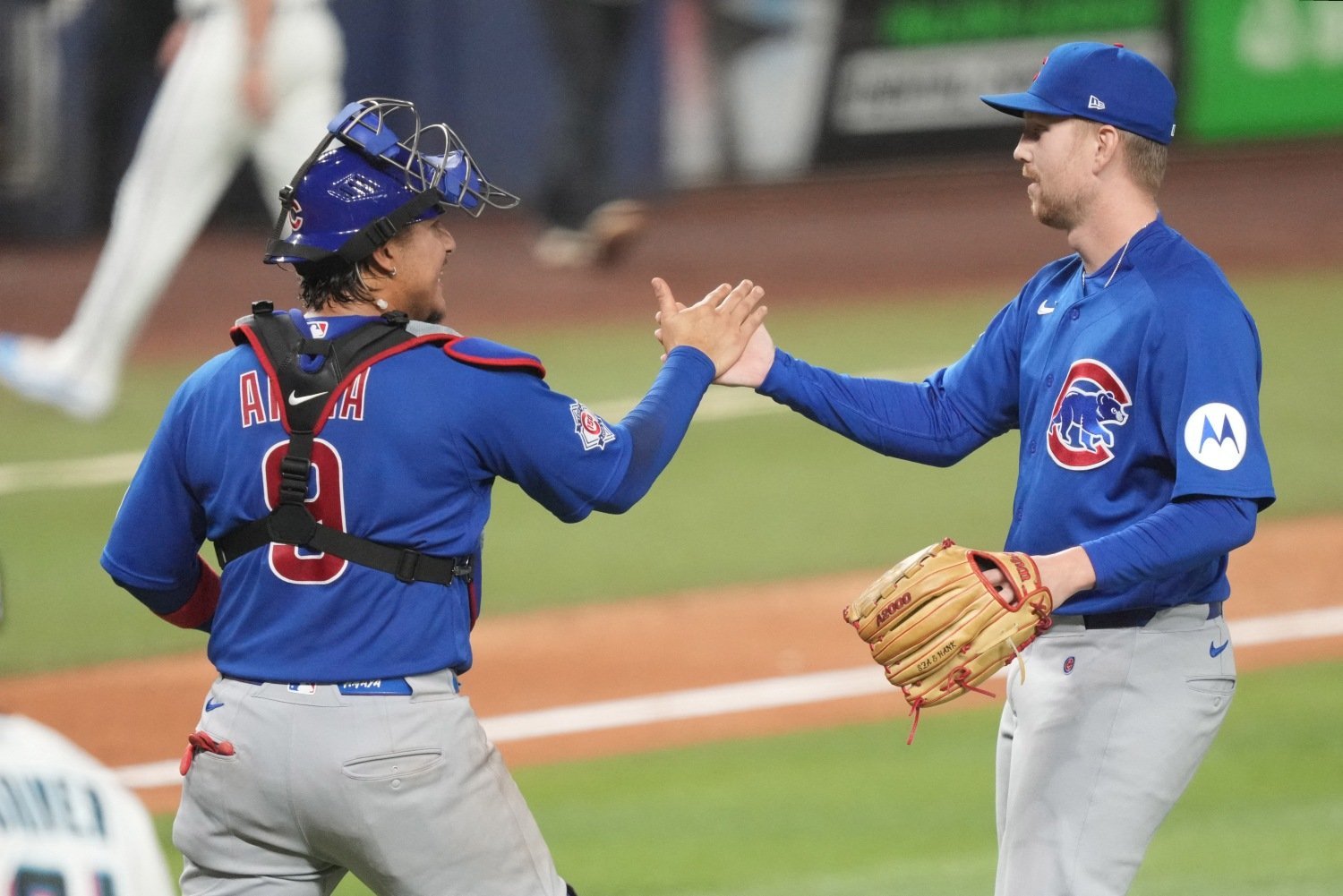 For about 15 years, there's been a player development revolution underway in the major leagues. Independent facilities have brought new ideas to bear on the game. New and ever-improving technology has given teams and players different ways to experiment with changes to movements or approaches, and better, faster feedback on what works. A more open-minded approach to skill acquisition and better communication on the part of teams have made for more success stories in unlikely places. Lots of players who would never have found their way from promise to production in the past have done so. In this new era, some of the arcs that carry a player from lost to found are familiar, coherent and satisfying. They've become the most common, because then tend to be simplest. This One Weird Trick Unlocked [Player Name] should, by now, be a recognizable pattern for you. Some players needed to catch the ball farther out front to produce the power that was always lurking in their swing. Some hurlers needed a new grip to get to the breaking ball that would make them a star; others just needed to start throwing the breaking ball they had a whole lot more often. When there's just one thing standing between a talented player and greatness, the story of them discovering what that one thing is and removing the obstacle is tidy and rewarding. For a lot of players, though, there's more than one thing in their way, and in those cases, the stories of their ascent are much messier. It sometimes looks like they've gotten to the end of their tale of metamorphosis, but then a major setback forces them to begin it anew. There are layers that lay atop one another unevenly; there are trend arrows pointing in opposite directions. Obviously, the stories where only one big thing needed to change have better odds of ending happily. The more things you need to change, the greater the chances that you never quite get where you're hoping to go. Ryan Zeferjahn is not a One Weird Trick guy. The Cubs had to know that, even when they acquired him in the midst of a stretch where he looked like he'd found his one weird trick. Zeferjahn has always had an electric arm and a good enough breaking ball to make a dominant back-end relief future possible, and a couple of months before he was dealt to Chicago, he moved over on the rubber a bit, which seemed to help him attack the zone more consistently with his two main pitches: the four-seamer and the sweeper. On the strength of that adjustment, Zeferjahn took off. Over his final 22 appearances in an Angels uniform, he threw 24 innings, struck out 43 of the 96 batters he faced and posted a 1.13 ERA. That was what prompted the Cubs to surrender Moisés Ballesteros and Mason McGwire—a fairly significant haul—to land Zeferjahn and his long-term team control on deadline day. There had been a real turn for the better, even if it was clear there was still work to do. In the first few weeks of his Cubs tenure, however, Zeferjahn struggled. As has often been the case during his career, he battled wildness, and sometimes (when he finally found the plate) the ball would straighten out on him and get hit hard. He'd given up 10 hits in those last 22 games with Anaheim; he allowed 13 in his first 11 with Chicago. His strikeout rate also cratered; he only fanned 10 of the 47 batters he faced through his rocky outing on September 1 against the Brewers. In a follow-up appearance later in the Brewers series and on Saturday against the Marlins, however, Zeferjahn returned to form—perhaps just momentarily, or perhaps more enduringly. He only fanned two of the nine batters he faced during those two assignments, but he got eight outs and allowed zero hits. He induced some ground balls. Both appearances came in high-leverage situations, so he not only pitched well, but did so under pressure. That's happening for two reasons, and the reasons are related. Together, they comprise the next step of his evolution into the caliber of reliever the Cubs now need him to be—the one he's capable of being, but has rarely been so far in his big-league career. He's not a One Weird Trick guy, because he's always dealt with more than one big deficiency. The first deficiency has always been control; he walks too many batters. The second has always been fastball shape. At first glance, Zeferjahn doesn't look like a guy who should have a fastball shape problem. He throws the kind of four-seamer the Cubs adore: a cut-ride offering. That means that it cuts more than a batter expects, based on its speed and release point and his arm angle, but also has more carry or ride than a batter expects. Teams use various models to estimate by how much a pitcher's movement on any given pitch deviates from what the hitter's eye anticipates, but to use one public-facing calculation via Alex Chamberlain's invaluable Pitch Leaderboard, Zeferjahn's four-seamer cuts a whopping 4.6 inches more than expected. It only has about 1.1 inches more carry than expected, though, which is where you can start to sense the problem. When Zeferjahn worked from the first-base side of the rubber, the angle he offered batters did make it hard for them to handle the heater with that slight but meaningful amount of unexpected rising action. Working from there, though, he struggled to throw strikes, not only with that fastball but (especially) with his sweeper—and not only to throw strikes, but to put the ball close enough to the plate to tempt batters to chase non-strikes. Once he moved to the middle of the rubber, Zeferjahn ran into a different problem: the fastball started running into the center of barrels. It doesn't hop over those barrels, and from the center of the rubber, it doesn't run off of them, either. Once he stops posing a challenge to a batter with the horizontal angle he creates, it quickly becomes clear how little deception he has on that heater. The Cubs' answer to that dual problem has been, itself, a dual affair. First, they've steadily lowered his arm angle, via better posture and extension. To see what I mean, compare these shots of him at release on two pitches at Wrigley Field—one as a visiting Angels player in early April, and one this week against the Brewers. If you're not a total pitching dork, the differences here are subtle—perhaps so much so that you can miss them altogether. Let's try it this way. I've added a horizontal line through the middle of Zeferjahn's torso; a straight line from the MLB logo on the back of his jersey's collar to the corresponding one on the back of his pants; and the best approximate curve I could create using each of his shoulders and his hand as nodes. As you can see: Zeferjahn is leaning slightly more to the left in the left-hand image. This is what pitching mechanics gurus call spine tilt. In general, less tilt is good; it means less wasted movement. On the right, his spine has moved more from extension to flexion (that forward lean; yes, it's confusing that flexion is the opposite of extension when talking about body movments but greater flexion means more extension when reading a Baseball Savant page; deal with it). He's over his front leg a bit more now. His arm angle is lower. Part of the difference comes from that slight decrease in spine tilt, such that his body is more upright and his shoulders more level. Not all of it comes from that, though. Zeferjahn has made a real change to the way his arm works. The result is a lower release point and (assuming no change in movement, which isn't a safe assumption, but we'll get to that in a minute) more deception. Throw a fastball with exactly the same vertical movement from the delivery on the right as from the delivery on the left, and the one on the right will be more likely to induce a weak fly ball or a whiff. You don't have to trust your eyes or my illustrations on this; the data shows it. Specifically, Zeferjahn's arm angle is significantly down in his three appearances this month. Throwing from a lower angle isn't a cure-all, though. If it were, everyone would do it, and even those pleasing One Weird Trick stories would wear smooth. For one thing, that adjustment almost always does produce a change in your movement profile; throwing from a lower angle means you're likely to introduce a bit more sidespin and a bit less backspin. More importantly, though, it can have big implications for your command. In Zeferjahn's case, the lower slot doesn't appear to gel well with his four-seamer in terms of execution, even though he hasn't lost carry since adjusting his slot. Thus, the player and team have also made another adjustment. Zeferjahn only threw 10 pitches against the Brewers Thursday, but four of them were sinkers, and only one was a four-seamer. Against the Marlins on Saturday, he threw 19 pitches, including 12 sinkers and just three four-seamers. Zeferjahn has always had a sinker, but suddenly, it's at the heart of his arsenal. It's just two appearances, but there's some evidence that he's unlocked his next suite of weird tricks: a different delivery and a different primary fastball. All short relievers see volatility in their performance, and it's unreasonable to expect Zeferjahn to be the exception. His profile only heaps extra volatility onto the mound of it most relievers bring. He didn't have a single epiphany. His story is far from over, and it's much more confusing and convoluted than those of guys who have that quasi-magical breakthrough. At the moment, the Cubs and their new power arm have happened upon something that works; that doesn't mean it will continue to work. Because they have control of Zeferjahn for the balance of the decade, Chicago can (in one sense) afford to ride the wave with him. This process is iterative for them, and for him. He made one change; it worked for a while. That change ceased to work, and the one he introduced to get back on track didn't immediately work, either. Now, a third change that complements the second seems to have him in the groove again. Unfortunately, it's not even hard to foresee the trouble he might run into with this new profile. His sinker runs about 15 inches to the arm side. His sweeper goes about 15 inches the other way. Even working from the middle of the rubber, it takes very good command to make such a wide east-west separation work when pitching to a plate only 17 inches wide. Will Zeferjahn's latest changes be the right ones to unlock some consistency for him? Maybe. If not, there's still ample hope. Zeferjahn could keep the sinker but go back to a tighter slider to complement it. He could slide back to the first-base side of the rubber, while keeping the new primary heater and the improved mechanics. The more powerful posture of his new mechanics has added a tick to his fastballs. If he can sustain that, he could even go back to the four-seamer and do better than we saw him do last month, because elite velocity provides a margin for error that isn't present even one tier below that register. There's time for experimentation and for exploration. Development continues well past a player's debut, these days. In another way, though, the Cubs can't afford a wobble or a series of trials fraught with errors. In a very real sense, they need results, and they need them now. Zeferjahn isn't just a long-term investment. He's the closest thing this club has to a playoff-caliber relief ace. When he pitches the way he's capable of pitching, the Cubs can win close games like Thursday's and Saturday's. When he pitches poorly (or doesn't even inspire enough confidence for Craig Counsell to turn to him), the Cubs' bullpen is insufficient to that task. The Cubs are racing the clock, but it's not purely about being as fast as possible. The team doesn't need to optimize Zeferjahn as soon as possible. They just need him to be on the high side of what seem to be (for now, at least) unavoidable oscillations in value at the moment when they need him most, which will come in about three and a half weeks. It's like timing a space shuttle launch or a flyby. The planets have to align. That's asking a lot, but it befits Zeferjahn's journey to this point. That journey hasn't been a straight line; it's always required getting some things lined up. The Cubs' postseason fortunes are just one more thing that has to be timed just right to make the most of Zeferjahn's talent. View the full article
 -
 During his MVP season of 2017, Giancarlo Stanton set Miami Marlins records with 59 home runs and 132 RBIs. Prior to that, however, only one player in franchise history had ever hit 40 home runs in a season. The first member of the Fish to do it hit the 40-homer mark on this day 30 years ago. In the Florida Marlins’ 2-1 loss to the Montreal Expos, Gary Sheffield’s solo blast provided all the team’s offense. Sheffield hadn’t yet had a chance to swing the bat as he came to the plate in the bottom of the eighth to face Ugueth Urbina, a future World Series champion with the Marlins, at Pro Player Stadium on Sept. 7, 1996. After walking in his first three plate appearances, Sheffield fell behind 0-2 in the count, but the third pitch would be one he wouldn’t miss. Sheffield’s blast to left cleared the wall, broke up the shutout and cut the lead in half. It also ended Urbina’s night. Mel Rojas would come in and collect the final four outs for Montreal despite surrendering a walk in each inning. Despite allowing just an earned run in five innings, Marc Valdes took the loss for Florida. Mark Leiter tossed 6.2 shutout innings for Montreal to earn the win. Mark Lansing had three hits and an RBI for the Expos. Kurt Abbott had two of the five hits for Florida. Joe Osulak finished with three outfield assists for the Marlins. Sheffield would finish the 1996 season with 42 home runs—a club record that would last for 21 years. He remains one of just two Marlins to hit 40 homers in a season. He got there on this day three decades ago. View the full article
