


DiamondCentric
-
Posts
2,631 -
Joined
-
Last visited
Never
Content Type
Profiles
Forums
Events
MLB News, Rumors & Analysis
DiamondCentric Tutorials & Help
Major League Baseball Videos
MLB Fan Guides & Resources
Store
Downloads
Gallery
Everything posted by DiamondCentric
-

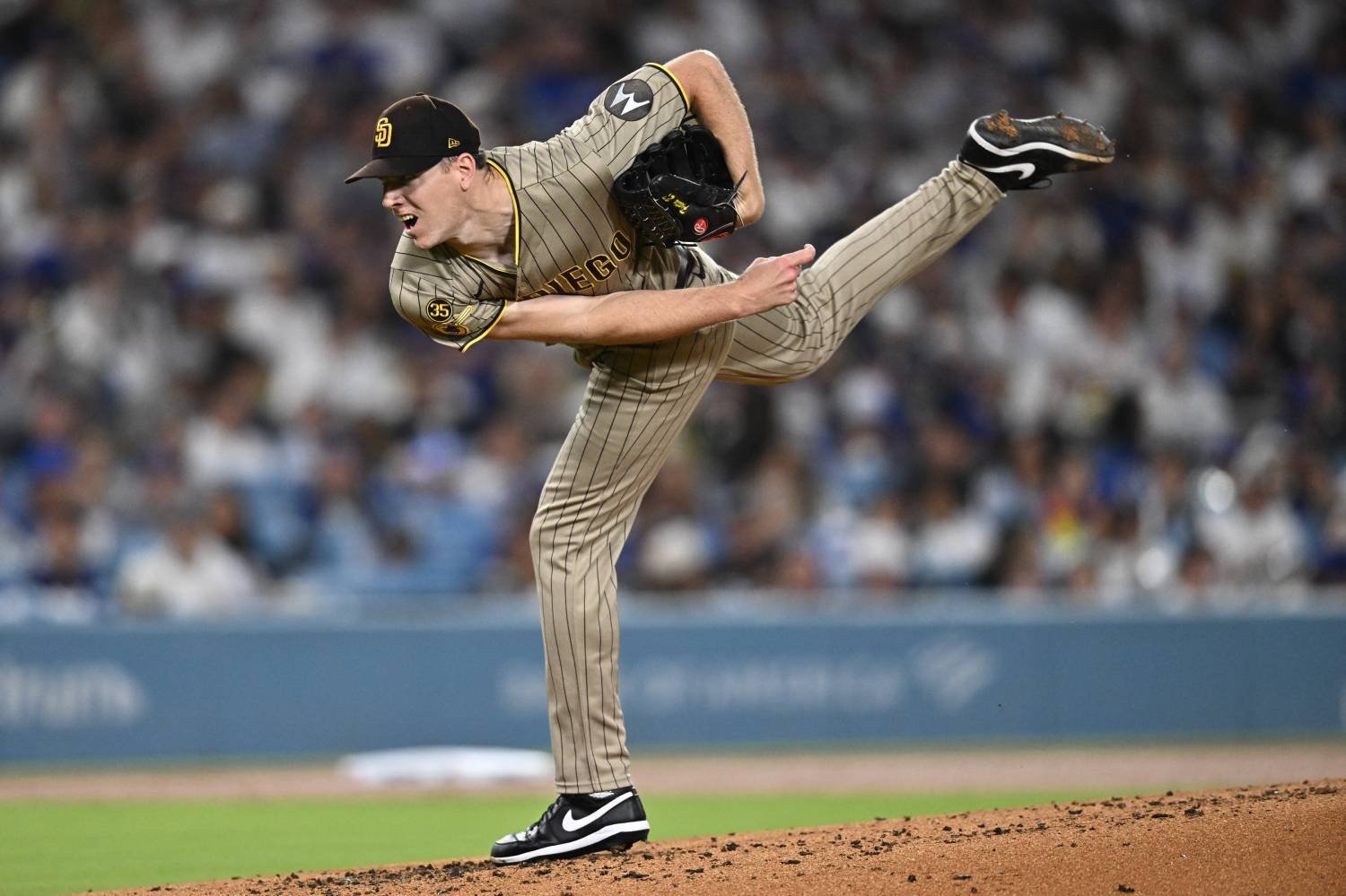 The 2026 season couldn’t have been any more of a disaster for Nick Pivetta. A right elbow injury disrupted what should have been a big season for the San Diego Padres’ right-handed starter. Instead, he made a total of eight starts and lost control of his immediate future, which likely would have meant a nice payday. That injury sidelined Pivetta for more than 130 consecutive days, which took a $14 million player option for 2027 and converted it to a club option. There were good moments for Pivetta, but missing out on a big contract this offseason puts a damper on 2026 from his perspective. That clause in his contract that flipped the option was due to a flexor tendon injury with the Boston Red Sox in 2024. His situation is one of the more nuanced decisions the Padres have to make in the next couple weeks. Nick Pivetta's 2026 Season At A Glance The 33-year-old was the Padres’ Opening Day starter, the first time he has had that honor in his 10-year career. He earned that through his performance in 2025, when he went 13-5 with a 3.49 FIP (2.87 ERA) in 31 starts, becoming the No. 1 pitcher on a staff that included Dylan Cease and Michael King. But his fourth start of 2026 is where things unraveled from a health perspective. He threw three pitches to begin the fourth inning of an April 12 start vs. the Colorado Rockies and was done until September. That he even came back in September had to feel miraculous after what transpired in his first rehab outing. Pitching in relief in the same game in which fellow right-handed starter Joe Musgrove also began a rehab assignment with the Low-A Lake Elsinore Storm, Pivetta walked off the mound after just 13 pitches. He felt something in his elbow. Fortunately, he threw a 30-pitch bullpen later in the day and, after a brief evaluation period, was essentially back on track. But that setback cost him the option decision for 2027. Pivetta returned, probably a little prematurely, to make four regular-season starts where he progressed to the point of becoming the Padres’ No. 2 starter behind King. He finished the season with a 2.21 FIP (2.86 ERA), a mark that looks even better when you consider he gave up six runs over three innings on Opening Day vs. the Detroit Tigers. His 5.7% walk rate was the best of his career even in a small sample size of 34⅔ innings, while his 30% strikeout rate was the third-best. He made two starts in the postseason and was solid in both. The biggest thing, though, is that he showed he was healthy heading into the offseason. Why the Padres Should Re-sign Nick Pivetta Stop me if you have heard this before: The Padres need to rebuild their starting rotation entering this offseason. Last year, the Friars lost Cease to free agency and right-hander Yu Darvish to internal brace surgery on his right elbow that cost him all of 2026. Musgrove’s status wasn’t truly known at this time last year, only that Opening Day was a possibility. As mentioned just above, Pivetta proved he was healthy at the end of the season with those six starts. His velocity was where it should have been. Yes, he could have been sharper with his pitches, but that would have come with more time instead of being rushed slightly to help the Padres make their postseason push. King is a virtual lock to exit stage left this season as he has an opt-out clause. That leaves right-hander Randy Vasquez and Musgrove as starting options entering the offseason. And Musgrove still needs to prove himself, as his arm didn’t recover as expected in his last rehab start, putting him in a relief role for two postseason appearances. Considering Pivetta’s body of work in 2025 and what he did when healthy in 2026, exercising his $14 million club option shouldn’t be a question for the Padres. That decision will need to be made within five days of the World Series ending. Why the Padres Should Not Re-sign Nick Pivetta Of course, only the Padres are in the position to know the true condition of Pivetta’s arm. They have all the medical reports, have talked with him and have already formed their opinion on him medically. That should outweigh anything the late-season results show. If there are questions about Pivetta being able to make 30 or so starts in 2027, the Padres have to give pause to spending $14 million on the right-hander. With a franchise-record fourth straight postseason trip expected in 2027, bringing Pivetta back can’t be a risky proposition. If president of baseball operations A.J. Preller rolls the dice and the right-hander goes down in the first two months of the season, the Padres could end up with a rotation situation like they dealt with in June and July of this year. The Bottom Line There are really three choices the Padres have with Pivetta and his club option. Exercising the option for a healthy Pivetta is the cleanest of those. Declining the option and pouring that $14 million into another starter or two is the smart route if his medicals don't pass the smell test. The third one is to rip up the current contract and renegotiate Pivetta’s deal. As a reminder, he signed a four-year, $55 million contract before the 2025 season. He took a reduced salary of $2.5 million in 2025, then got a more commensurate salary of $20.5 million this year. Considering the production of those two seasons, the salaries feel like they should have been reversed. After the $14 million option for 2027, there had been an $18 million player option for 2028, but that became void when he missed those 130 consecutive days. If Pivetta wants to stick around beyond 2027, the Padres could give him a two- or three-year deal laden with incentives based on starts or innings that could get him close to the payday he envisioned having this offseason. Thus, regardless of how it's accomplished, expect to see Pivetta in a Padres uniform in 2027. View the full article
-
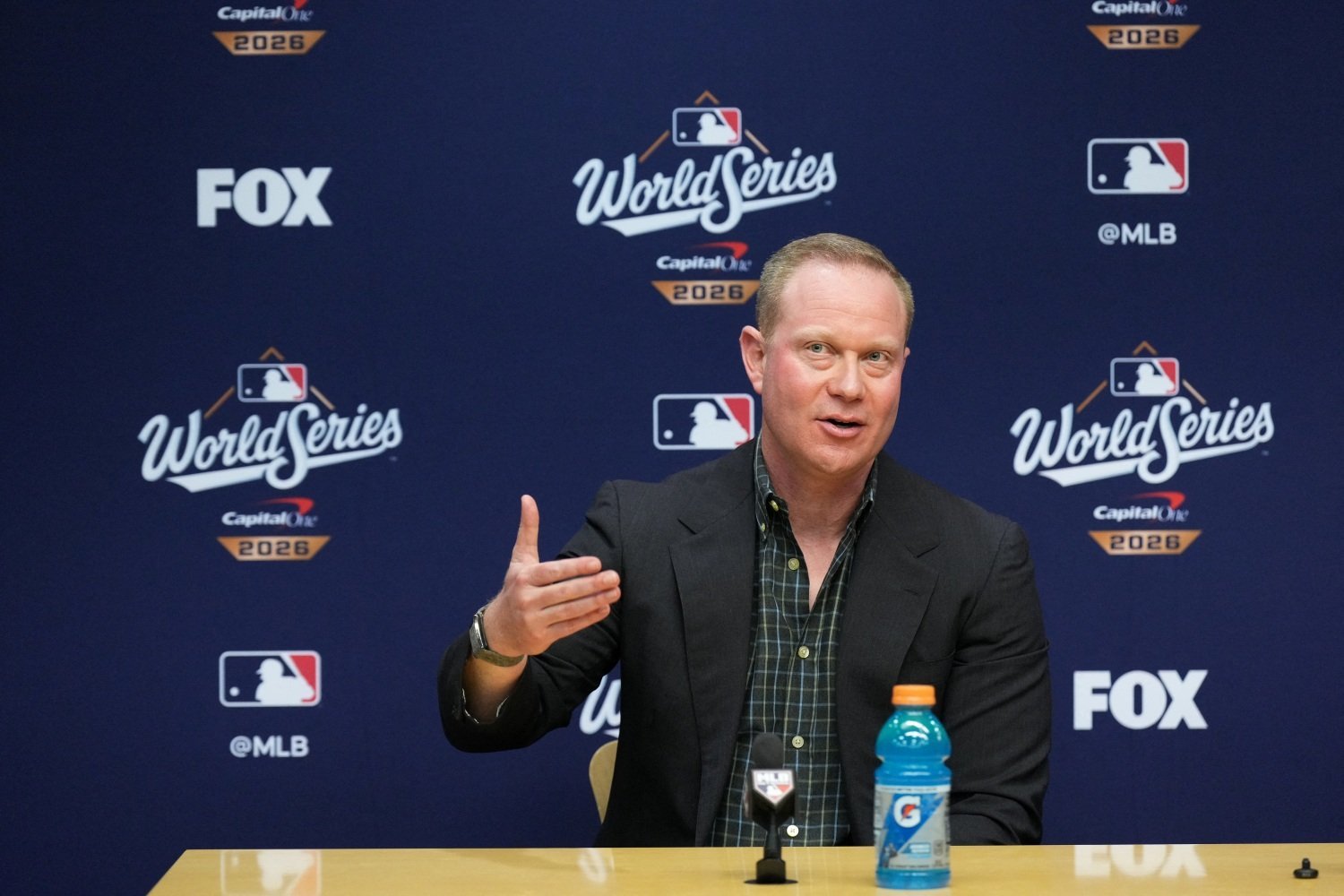 The Brewers are absolutely never stagnant. That's the greatest lesson the Cubs can learn from their chief rivals, as they attempt to recover from a decade-long stretch of domination by Milwaukee that culminated in a championship Wednesday. Jed Hoyer's greatest shortcoming as a team builder is an insufficient comfort with rapid change. His Milwaukee counterpart, Matt Arnold, never forgets to keep his roster moving. Every front office makes regrettable moves, whether because the process was faulty or simply because of bad luck. Not long after Isaac Collins finished fourth in National League Rookie of the Year voting last year, the Brewers shipped him and reliever Nick Mears to the Royals in exchange for lefty reliever Angel Zerpa. Though he was instrumental in Team Venezuela's win in the World Baseball Classic, Zerpa only made 12 appearances for the Brewers (lousy ones, too) before needing Tommy John surgery. There will be duds. Hoyer has always feared those duds; that fear has stopped him from making many moves. He would never have traded Collins when Arnold did, so he would have avoided a mistake—although, again, Arnold's process might have been right. However, Arnold also traded Caleb Durbin back in February. Durbin finished one rung above Collins in Rookie of the Year voting last year, but the Brewers sent him packing, even though they didn't have a clear plan to backfill third base. In exchange, they landed Kyle Harrison, Shane Drohan and David Hamilton. Harrison was the team's co-ace in the first half; Drohan was a vital fill-in for the rotation in the middle of the season; and Hamilton finished with nine hits (two of them home runs) and 0.042 Championship Win Probability Added in October. Hoyer also never would have made that trade. Those are just two examples. They're extreme cases, too, and not wholly fair to Hoyer. The Cubs have, to their credit, been more active lately, as they learn by watching the Brewers trounce them year after year. In 2025, Hoyer was conservative at the trade deadline. In 2026, he first agreed to a double-acquisition of Reid Detmers and Ryan Zeferjahn, then (when the initial deal fell apart) pivoted and added three other players in two other deals, in addition to grabbing Zeferjahn. He made the Michael Busch trade. He made the Kyle Tucker trade. He signed Alex Bregman. He's evolved over the course of his tenure as the top baseball decision-maker; he's better than he was. Still, though, the Cubs change slowly. They invest in veterans, but that means less investment in player development and less pressure on everyone to consistently excel at that essential task of every organization. Fewer resources are allocated to scouting. Fewer interesting possibilities even occur to them. Part of Hoyer's pivot toward greater aggressiveness has been locking up his own players on long-term deals. The Pete Crow-Armstrong deal is an all-timer—a huge win. The Nico Hoerner deal, however, looks lightly regrettable. Both deals locked a player into the team's long-term firmament and made it harder for them to rapidly change, which they need to do. The Brewers are far ahead of them, and there's every chance they'll get even further ahead. They're younger; they're deeper. The Cubs can't keep up by relying on Crow-Armstrong, Bregman, Hoerner and Dansby Swanson as much as they did this year. The good news, of course, is that change has come to Hoyer's doorstep. He doesn't have to search very far for impetus to do it. The whole starting rotation from the end of the season are now, officially, free agents. So are Ian Happ and Seiya Suzuki. So will be Carson Kelly. The Cubs have no choice but to change. The challenge, for an executive who has always preferred stability, is to replace his horde of outgoing players with ones who are as good or better, but also younger and more loosely held. More aggressive short-term deals might make sense. Unexpected trades (for instance, sending Matt Shaw and Pedro Ramírez to interested suitors in exchange for players like Zerpa, Harrison, Drohan and Hamilton) might make sense. One way or another, Hoyer has to engage in high-risk, high-variability roster-building. He might fall off that tightrope, but if he never gets onto it, the Cubs won't be crossing the ravine between them and the Brwwers, anyway. Comfort and ease are luxuries afforded only to big-market teams. The Brewers have gotten so good at living without them, though, that they've now denied those luxuries to the Cubs. Chicago has to get uncomfortable. They have to make changes that come with more acknowledged risk. If they don't, the next half-decade is going to look exactly like the last one, in Milwaukee and on the North Side of Chicago. View the full article
-
On Top of the Mountain: Brewers Savor Their Summit Moment
DiamondCentric posted an article in Brewer Fanatic
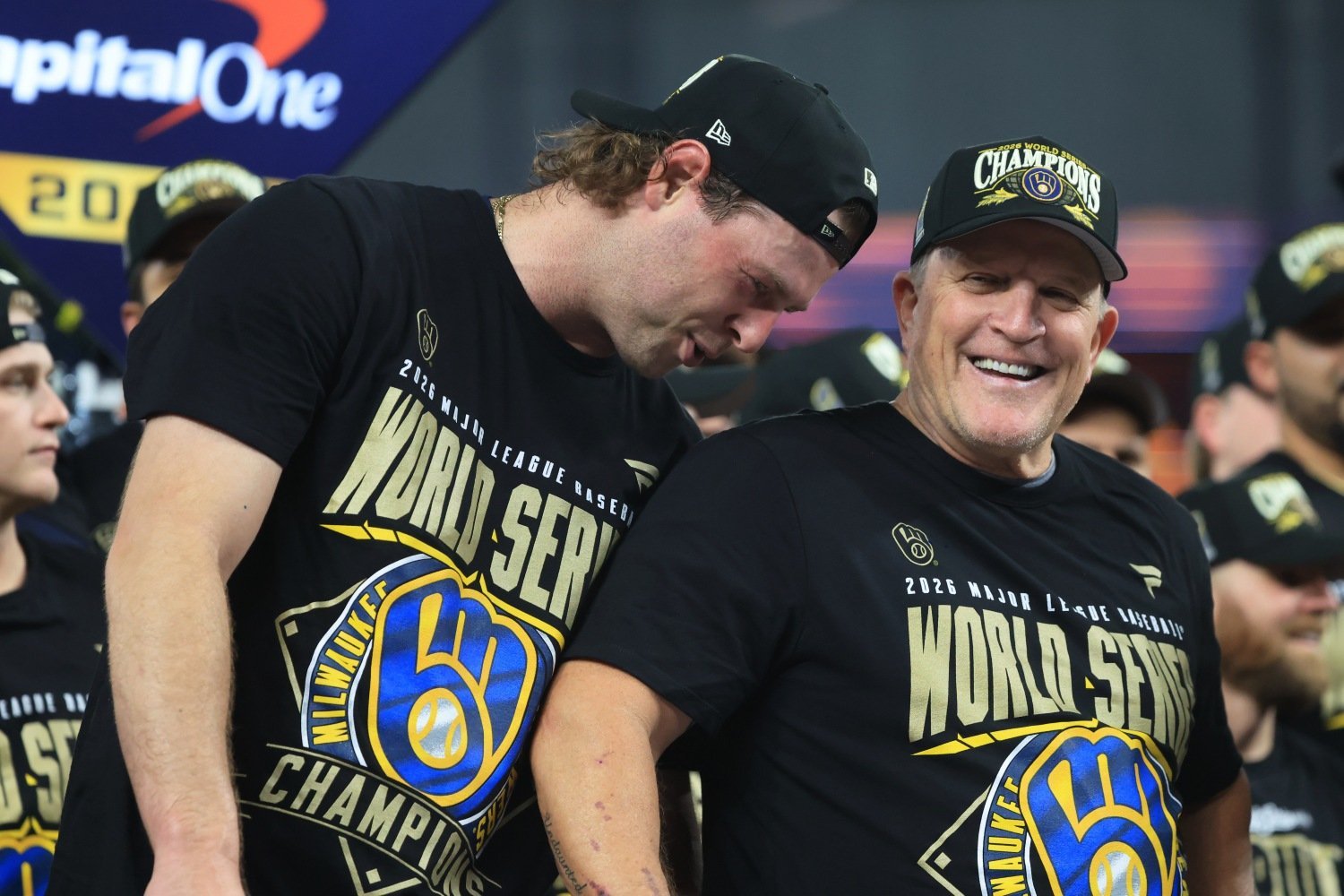 One of Pat Murphy's pet analogies is that winning a World Series is like climbing a mountain. It's a dangerous and tedious endeavor. One wrong step can be deadly, so the safest approach is to stay in the moment and take one deliberate step at a time. Murphy last made the comparison midway through the NLCS, when the Brewers were two games away from the Fall Classic. "You're climbing a mountain, and you're getting really close to the top, and when you are, usually that path narrows a little bit. It's not as wide," Murphy said. "I think, as you get closer, you've just got to keep your footing, keep your head down, make sure you keep your footing, and you can't look too far ahead. When you look up for the prize—'Oh, where's the top?'—you might step in a crack or a pothole. You've got to keep your head down and go forward." When Trevor Megill jammed Richie Palacios with a 99-MPH fastball and Brice Turang tossed it to first base, for once, a season of Milwaukee baseball didn't end in disappointment or despair. Nearly a decade of postseason demons were vanquished. Their eighth bite at the apple in the David Stearns-to-Matt Arnold era was filling. A fanbase so hungry for a title that a massive contingent traveled to St. Petersburg during the work week erupted—at Tropicana Field, at American Family Field, and throughout Wisconsin. For the first time in franchise history, the Brewers are World Series champions. They're on top of the mountain. How's the view? "The view is fantastic," Megill said. "Sensational," Logan Henderson said. "It's just the greatest feeling ever," Christian Yelich said. "I don't even know how to describe it. I wish everybody could experience what that feels like, to run on the field after the third out right there and finally see it." The longest-tenured Brewer except Brandon Woodruff, Yelich has been a constant through the golden age of Milwaukee baseball. That also means he's taken every October gut punch along the way. Chris Taylor snaring his sharp fly ball in Game 7 of the 2018 NLCS. Trent Grisham, filling in for an injured Yelich, misplaying Juan Soto's base hit in right field in the 2019 Wild Card Game meltdown. Freddie Freeman's go-ahead home run off Josh Hader in the 2021 NLDS. Pete Alonso's go-ahead blast in the 2024 Wild Card Series. Last year's sweep at the hands of the Dodgers, when Shohei Ohtani slammed the door with the greatest individual game of all time. It was all necessary. Each heartbreak molded the Brewers into what they are now: the best and most undaunted team in baseball, and one that refused to stop fighting no matter the circumstances. The team that posted baseball's best regular-season record for the second straight year. The team that went 11-2 in one of the best postseasons ever, coming from behind in seven of those wins. "The Alonso homer, I thank him when I see him," Murphy said. "Because it teaches you something. I told the group after that game, I said, 'Hey, I don't know why, but I promise you, this will help you.' And then after the Dodgers last year, I said the same thing." The veteran Brewers learned from those failures. The younger players learned from last year's NLCS dressing-down. They all came back with a sharper edge and a stronger drive to finish the job. After the sweep, Yelich told the room that someday they would be baseball's reigning champion. Murphy claims that he started telling the group this season that 2026 would be that year. "It's all worth it," Megill said. "It's only a failure if you don't learn from it. And this team be damned if we didn't come back this year after what we did last year and finish business." The Brewers kept climbing and never looked back. They led the division for 148 days and won it by 14 games. The wins kept stacking in October, and their usual playoff pitfalls couldn't trip them up. Most of their postseason wins were close, but when the dust settled, the Brewers had throttled all three teams blocking their path to a championship. "My college coach Mitch Thompson always said, 'You can't fall to the top of the mountain,'" Henderson said. "It's true. You start at the bottom, and you climb your way to the top. It's a lot of adversity, but it's very worth it." After a long and strenuous climb, the Brewers reached the top of the mountain. They're the reigning World Series champions. Now, the organization and fanbase can enjoy the scenery. "We fought like hell, and we handled business," Megill said. View the full article
-
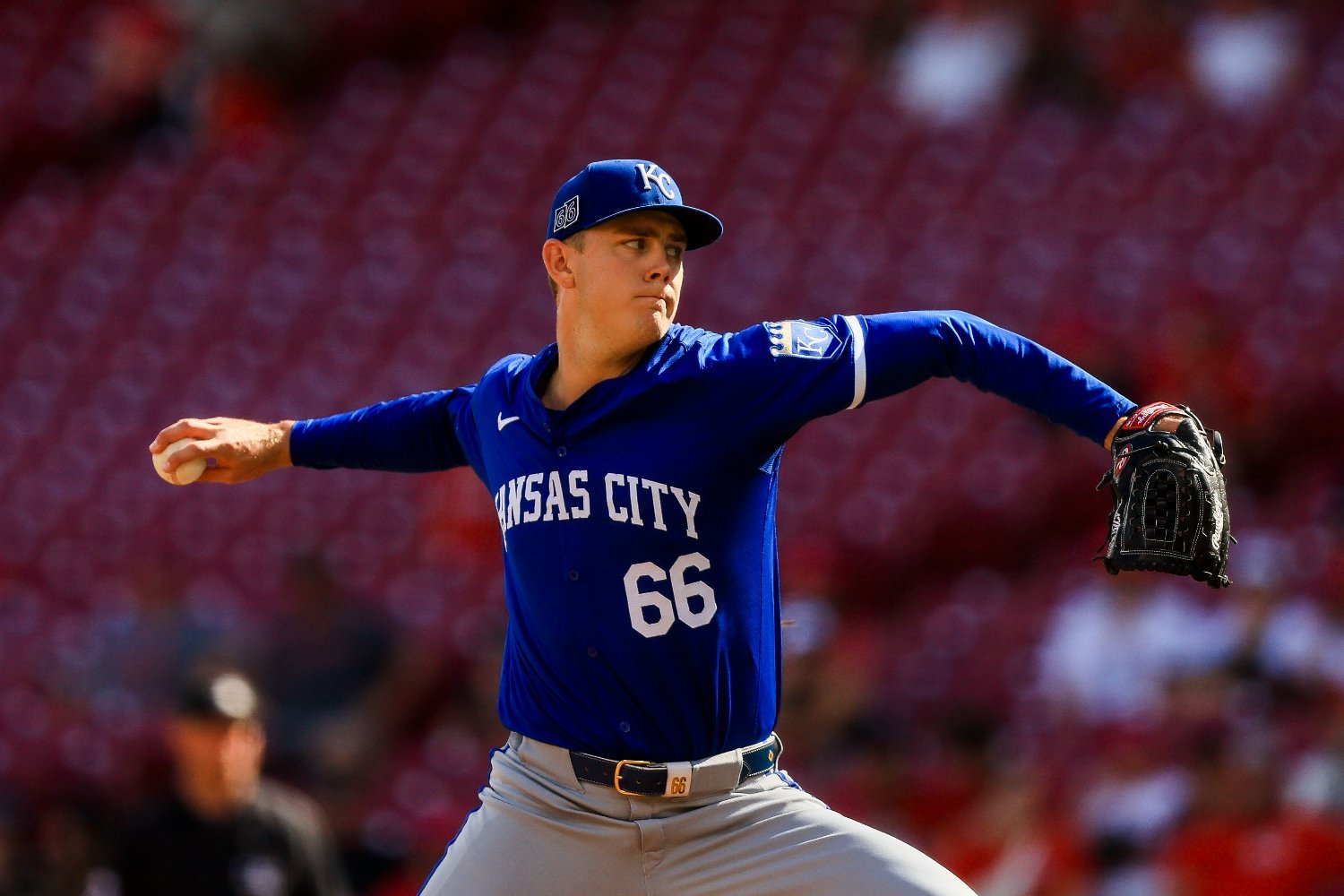 James McArthur – Right-Handed Relief Pitcher Age on 2027 Opening Day: 30 Service Time: 2.150 2024 Salary: $745,750 2025 Salary: $773,750 2026 Salary: $810,000 (First Year of Arbitration) 2027 MLB Trade Rumors Projection: $800,000 McArthur's Background The Phillies drafted McArthur in the 12th round out of Ole Miss in the 2018 MLB Draft. He gained notoriety as a tall pitcher (6'7) with a big arm who could, at the very least, find a spot in a Major League bullpen. With the Phillies, McArthur got on prospect experts' radars with a solid 2021 Double-A campaign. In 19 games (15 starts) and 74.1 IP, he posted a 4.48 ERA, 4.24 FIP, 1.30 WHIP, and 17.2% K-BB%. While he wasn't a big strikeout guy (24.4% in 2021), he limited walks (7.2% BB%) and induced ground balls (48.3% GB%). As a result, MLB Pipeline ranked him the Phillies' 20th-best prospect in 2022, ahead of Christopher Sanchez (ranked No. 22 at the time). Here's what Pipeline said about the former Ole Miss product in their 2022 scouting report: McArthur struggled in a repeat in Double-A Reading in 2022, posting a 5.05 ERA and 4.99 FIP in 13 starts and 57 IP. After making four more starts in 2023 with Triple-A Lehigh Valley, the Phillies traded McArthur to the Royals for outfield prospect Junior Marin and cash considerations. The Royals quickly moved McArthur to the bullpen, and he found success at both the Minor-League and major-league levels. In 23 appearances and 40.2 IP with the Storm Chasers in 2023, he posted a 3.98 ERA, 3.57 FIP, a 1.28 WHIP, and 19.9% K-BB%. His K% rose to 31.5% in Omaha, and he maintained a solid 48.4% GB%. As a result, the Royals promoted McArthur to the Majors, and despite a rough debut (he gave up seven runs on six hits and one walk in an inning of work against the Guardians), he ended up being the Royals' closer by the end of the 2023 campaign. In 23.1 IP, McArthur posted a 4.63 ERA. However, his FIP was 2.78, with a 0.94 WHIP, 25.6% K%, and 23.3% K-BB%. Furthermore, many of his Statcast percentiles were eye-popping for a rookie, as shown below via TJ Stats. After a stellar 2023 stint, the Royals put him in high-leverage early in 2024, and he started the year well. He posted a 2.63 ERA and 1.63 FIP through April 30th, which included seven saves and a 23.2% K-BB% over 13.2 IP. Unfortunately, he struggled with consistency for the remainder of the season. In 56.2 IP, he posted a 4.92 ERA, 4.17 FIP, and saved 18 games. He was particularly hurt by a high BABIP (.347), low strand rate (66.7% LOB%), and high HR/FB% (16.7%). On a positive note, he still generated a lot of groundballs (53.3% GB%), his FIP was lower than his ERA, and while his batted-ball percentiles weren't great, his strike-based ones were much more encouraging. McArthur's season ended after his September 16th outing when he hit the IL with a grade 1 right UCL sprain and missed the rest of the season (and the postseason). He then ended up getting right elbow olecranon surgery to repair a fractured elbow, which would sideline him for most, if not all, of the 2025 season. While the Royals didn't expect much, if any, time from McArthur in 2025, recovery complications ultimately cost him the 2026 season. During his recovery, doctors discovered that McArthur suffered an allergic reaction to the metal screws inserted during his elbow surgery. This required a second procedure to remove the hardware. As a result, he missed nearly all of last season to recover from the surgery and cleanup procedure. On a positive note, he returned at the end of 2026 for a rehab assignment in Triple-A Omaha. He made four appearances and pitched 3.2 innings with the Storm Chasers. The stats weren't good (7.36 ERA and 7.68 FIP), but he showed solid stuff, a groundball rate, and the ability to extend in his first appearance on the mound in nearly two years. The Royals called him up to the active roster for the final game of the year, but he didn't appear in the season finale. McArthur is expected to be fully healthy and ready for Spring Training. 2026 Stats 4 G, 3.2 IP, 7.36 ERA, 7.68 FIP, 1.36 WHIP, 0.0% K-BB% (Triple-A Omaha). Royals Relief Pitcher Depth 40-man roster: Steven Cruz, Jose Cuas, Connor Thomas, Carlos Duran, Beck Way, Nolan Hoffman, Spencer Bivens Arbitration Eligible: Nick Mears, Daniel Lynch IV, Lucas Erceg, Anthony Gose 2027 Club Option: Carlos Estévez Triple-A: Tyson Guerrero, Augusto Mendieta, Shane Panzini, Luke Little, Ben Sears, Chazz Martinez, Brandon Johnson, Oscar Rayo Why the Royals Should Offer Him Arbitration Because McArthur missed two full years at the Major League level, he will come cheap in arbitration. According to MLB Trade Rumors, his projected arbitration amount is $800,000, $10,000 less than a year ago. For context, Mears ($2.2 million), Alex Lange ($1.7 million), and Alec Marsh ($1.1 million) were expected to command higher amounts this offseason. McArthur is not only cheaper than those three, but he's also more likely to be healthier and/or more effective. While McArthur posted high ERAs in 2023 and 2024 with the Royals, his FIP numbers suggested he's a much better pitcher. The now-30-year-old righty probably isn't a fit for closing situations anymore, but his stuff, ability to generate CSW (31.9% career CSW%), and groundball-inducing style make him an ideal low- to medium-leverage arm who can eat the middle innings. Even in a small sample, McArthur showed decent stuff last year, with his curveball rated as a pretty plus pitch based on TJ Stuff+ and grade numbers. Obviously, McArthur's chase, zone, and whiff rates were all below average in 31 pitches of cup-of-coffee in Omaha. However, this rehab stint was more about process than results. The velocity was fine, the movement was better-than-expected, and he actually did a decent job of limiting hard contact based on xwOBACON (.297). Last year in Omaha, his curveball and slider posted TJ Stuff+ marks of 104 and 100, respectively. His breaking balls have a history of success at the Major League level. In 2024 with the Royals, he posted TJ Stuff+ marks of 110 and 101 on his curve and slider, respectively, and his chase and whiff rates were impressive on those pitches as well, as illustrated below. The Royals need cheap relievers with good stuff to add depth. They also need relievers with Minor League options. Thankfully, McArthur checks off both those boxes. Why the Royals Should Non-Tender Him McArthur has been hurt for two years, and guys who miss that much time can be unpredictable. Kansas City has already decided not to risk Marsh, who has also missed the past two seasons with various shoulder injuries. Considering the number of Royals pitchers on the 40-man roster already expected to miss significant time in 2027 (Cole Ragans, Luinder Avila, and Stephen Kolek), the Royals may feel that McArthur is too much of a risk to bring back, even if there's some upside there. Another issue with McArthur is that he seemed to hit a wall from May through the end of 2024. He went from a promising long-term closer (who can forget McArthur's 9th Infantry Raygun shirt) to a guy only pitchable in mop-up situations. At 30, the Royals may feel more comfortable giving a younger arm with more long-term upside a roster spot than McArthur. Prediction: The Royals Tender McArthur A Contract With Marsh and Lange already gone, McArthur will likely return to Kansas City for at least one more year. There are too many reasons to keep him: his $800,000 projected salary barely dents the payroll, he still has a Minor League option, and he's shown enough to succeed at the MLB level. Now, just because the Royals tender McArthur a deal doesn't mean he'll stay on the Royals roster all of 2027 or even stay on the 40-man roster after Spring Training. If McArthur struggles in Spring Training, he could be a roster casualty, especially if a non-roster invitee shows he could earn a roster spot. With 2027 being a crucial year for this organization, they need pitchers they can depend on, and I'm not sure the Royals feel 100 percent confident in McArthur just yet after his long layoff. Still, the former closer deserves a spot in Spring Training to show what he can do. He has the profile to be a key part of this Kansas City bullpen in 2027, and he could slide into higher-leverage situations if he stays healthy and productive early in the season. His breaking balls (curveball and slider) have always rated well, and there's no reason to think they won't still be effective in 2027. It's totally plausible to experience a similar turnaround to Taylor Clarke in 2025. Clarke was a much-maligned Royals reliever in 2023 who returned in 2025 and produced a productive campaign in Kansas City. A similar success story could be due for "The General" in the upcoming season. View the full article
-
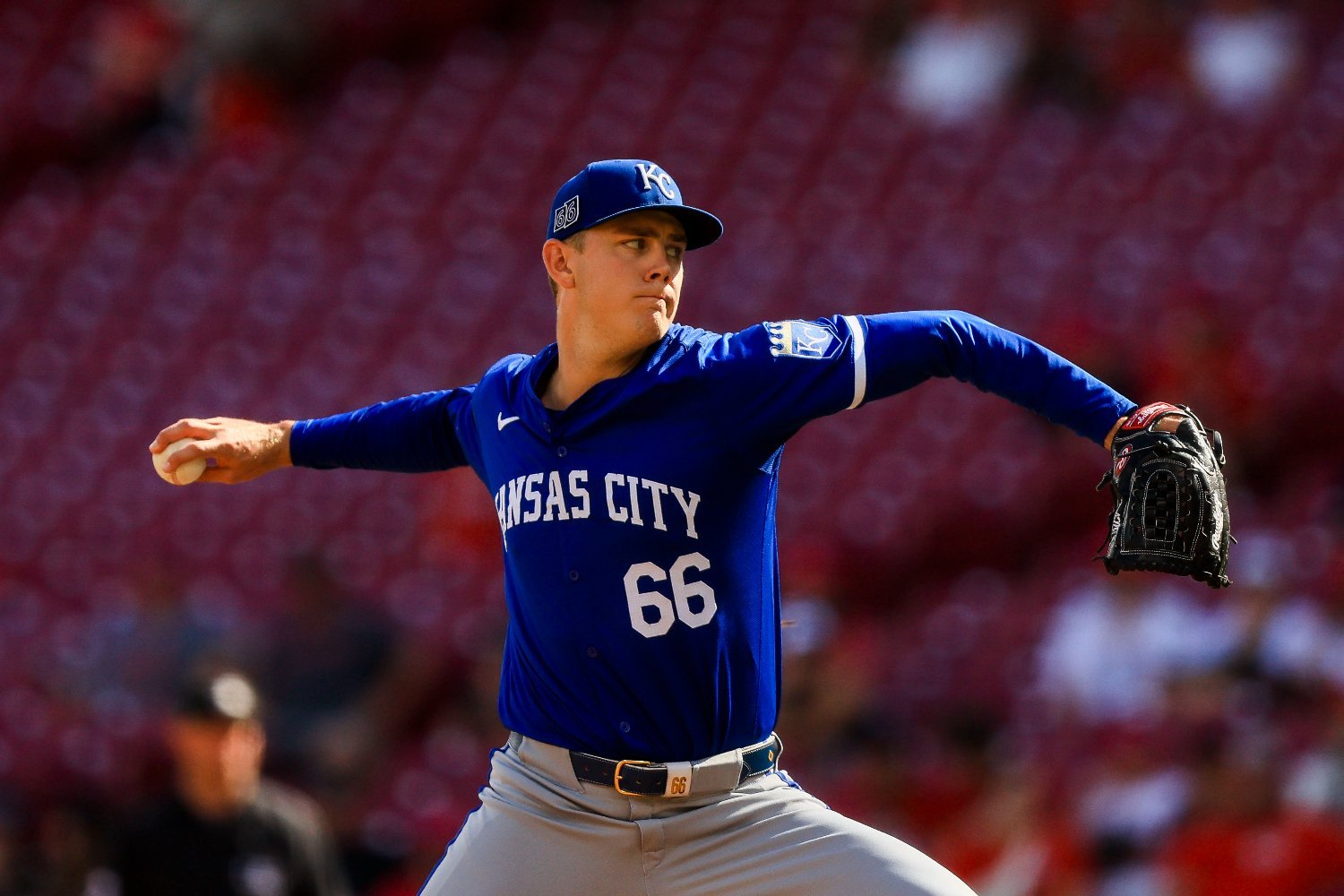 James McArthur – Right-Handed Relief Pitcher Age on 2027 Opening Day: 30 Service Time: 2.150 2024 Salary: $745,750 2025 Salary: $773,750 2026 Salary: $810,000 (First Year of Arbitration) 2027 MLB Trade Rumors Projection: $800,000 McArthur's Background The Phillies drafted McArthur in the 12th round out of Ole Miss in the 2018 MLB Draft. He gained notoriety as a tall pitcher (6'7) with a big arm who could, at the very least, find a spot in a Major League bullpen. With the Phillies, McArthur got on prospect experts' radars with a solid 2021 Double-A campaign. In 19 games (15 starts) and 74.1 IP, he posted a 4.48 ERA, 4.24 FIP, 1.30 WHIP, and 17.2% K-BB%. While he wasn't a big strikeout guy (24.4% in 2021), he limited walks (7.2% BB%) and induced ground balls (48.3% GB%). As a result, MLB Pipeline ranked him the Phillies' 20th-best prospect in 2022, ahead of Christopher Sanchez (ranked No. 22 at the time). Here's what Pipeline said about the former Ole Miss product in their 2022 scouting report: McArthur struggled in a repeat in Double-A Reading in 2022, posting a 5.05 ERA and 4.99 FIP in 13 starts and 57 IP. After making four more starts in 2023 with Triple-A Lehigh Valley, the Phillies traded McArthur to the Royals for outfield prospect Junior Marin and cash considerations. The Royals quickly moved McArthur to the bullpen, and he found success at both the Minor-League and major-league levels. In 23 appearances and 40.2 IP with the Storm Chasers in 2023, he posted a 3.98 ERA, 3.57 FIP, a 1.28 WHIP, and 19.9% K-BB%. His K% rose to 31.5% in Omaha, and he maintained a solid 48.4% GB%. As a result, the Royals promoted McArthur to the Majors, and despite a rough debut (he gave up seven runs on six hits and one walk in an inning of work against the Guardians), he ended up being the Royals' closer by the end of the 2023 campaign. In 23.1 IP, McArthur posted a 4.63 ERA. However, his FIP was 2.78, with a 0.94 WHIP, 25.6% K%, and 23.3% K-BB%. Furthermore, many of his Statcast percentiles were eye-popping for a rookie, as shown below via TJ Stats. After a stellar 2023 stint, the Royals put him in high-leverage early in 2024, and he started the year well. He posted a 2.63 ERA and 1.63 FIP through April 30th, which included seven saves and a 23.2% K-BB% over 13.2 IP. Unfortunately, he struggled with consistency for the remainder of the season. In 56.2 IP, he posted a 4.92 ERA, 4.17 FIP, and saved 18 games. He was particularly hurt by a high BABIP (.347), low strand rate (66.7% LOB%), and high HR/FB% (16.7%). On a positive note, he still generated a lot of groundballs (53.3% GB%), his FIP was lower than his ERA, and while his batted-ball percentiles weren't great, his strike-based ones were much more encouraging. McArthur's season ended after his September 16th outing when he hit the IL with a grade 1 right UCL sprain and missed the rest of the season (and the postseason). He then ended up getting right elbow olecranon surgery to repair a fractured elbow, which would sideline him for most, if not all, of the 2025 season. While the Royals didn't expect much, if any, time from McArthur in 2025, recovery complications ultimately cost him the 2026 season. During his recovery, doctors discovered that McArthur suffered an allergic reaction to the metal screws inserted during his elbow surgery. This required a second procedure to remove the hardware. As a result, he missed nearly all of last season to recover from the surgery and cleanup procedure. On a positive note, he returned at the end of 2026 for a rehab assignment in Triple-A Omaha. He made four appearances and pitched 3.2 innings with the Storm Chasers. The stats weren't good (7.36 ERA and 7.68 FIP), but he showed solid stuff, a groundball rate, and the ability to extend in his first appearance on the mound in nearly two years. The Royals called him up to the active roster for the final game of the year, but he didn't appear in the season finale. McArthur is expected to be fully healthy and ready for Spring Training. 2026 Stats 4 G, 3.2 IP, 7.36 ERA, 7.68 FIP, 1.36 WHIP, 0.0% K-BB% (Triple-A Omaha). Royals Relief Pitcher Depth 40-man roster: Steven Cruz, Jose Cuas, Connor Thomas, Carlos Duran, Beck Way, Nolan Hoffman, Spencer Bivens Arbitration Eligible: Nick Mears, Daniel Lynch IV, Lucas Erceg, Anthony Gose 2027 Club Option: Carlos Estévez Triple-A: Tyson Guerrero, Augusto Mendieta, Shane Panzini, Luke Little, Ben Sears, Chazz Martinez, Brandon Johnson, Oscar Rayo Why the Royals Should Offer Him Arbitration Because McArthur missed two full years at the Major League level, he will come cheap in arbitration. According to MLB Trade Rumors, his projected arbitration amount is $800,000, $10,000 less than a year ago. For context, Mears ($2.2 million), Alex Lange ($1.7 million), and Alec Marsh ($1.1 million) were expected to command higher amounts this offseason. McArthur is not only cheaper than those three, but he's also more likely to be healthier and/or more effective. While McArthur posted high ERAs in 2023 and 2024 with the Royals, his FIP numbers suggested he's a much better pitcher. The now-30-year-old righty probably isn't a fit for closing situations anymore, but his stuff, ability to generate CSW (31.9% career CSW%), and groundball-inducing style make him an ideal low- to medium-leverage arm who can eat the middle innings. Even in a small sample, McArthur showed decent stuff last year, with his curveball rated as a pretty plus pitch based on TJ Stuff+ and grade numbers. Obviously, McArthur's chase, zone, and whiff rates were all below average in 31 pitches of cup-of-coffee in Omaha. However, this rehab stint was more about process than results. The velocity was fine, the movement was better-than-expected, and he actually did a decent job of limiting hard contact based on xwOBACON (.297). Last year in Omaha, his curveball and slider posted TJ Stuff+ marks of 104 and 100, respectively. His breaking balls have a history of success at the Major League level. In 2024 with the Royals, he posted TJ Stuff+ marks of 110 and 101 on his curve and slider, respectively, and his chase and whiff rates were impressive on those pitches as well, as illustrated below. The Royals need cheap relievers with good stuff to add depth. They also need relievers with Minor League options. Thankfully, McArthur checks off both those boxes. Why the Royals Should Non-Tender Him McArthur has been hurt for two years, and guys who miss that much time can be unpredictable. Kansas City has already decided not to risk Marsh, who has also missed the past two seasons with various shoulder injuries. Considering the number of Royals pitchers on the 40-man roster already expected to miss significant time in 2027 (Cole Ragans, Luinder Avila, and Stephen Kolek), the Royals may feel that McArthur is too much of a risk to bring back, even if there's some upside there. Another issue with McArthur is that he seemed to hit a wall from May through the end of 2024. He went from a promising long-term closer (who can forget McArthur's 9th Infantry Raygun shirt) to a guy only pitchable in mop-up situations. At 30, the Royals may feel more comfortable giving a younger arm with more long-term upside a roster spot than McArthur. Prediction: The Royals Tender McArthur A Contract With Marsh and Lange already gone, McArthur will likely return to Kansas City for at least one more year. There are too many reasons to keep him: his $800,000 projected salary barely dents the payroll, he still has a Minor League option, and he's shown enough to succeed at the MLB level. Now, just because the Royals tender McArthur a deal doesn't mean he'll stay on the Royals roster all of 2027 or even stay on the 40-man roster after Spring Training. If McArthur struggles in Spring Training, he could be a roster casualty, especially if a non-roster invitee shows he could earn a roster spot. With 2027 being a crucial year for this organization, they need pitchers they can depend on, and I'm not sure the Royals feel 100 percent confident in McArthur just yet after his long layoff. Still, the former closer deserves a spot in Spring Training to show what he can do. He has the profile to be a key part of this Kansas City bullpen in 2027, and he could slide into higher-leverage situations if he stays healthy and productive early in the season. His breaking balls (curveball and slider) have always rated well, and there's no reason to think they won't still be effective in 2027. It's totally plausible to experience a similar turnaround to Taylor Clarke in 2025. Clarke was a much-maligned Royals reliever in 2023 who returned in 2025 and produced a productive campaign in Kansas City. A similar success story could be due for "The General" in the upcoming season. View the full article
-
Bailey Ober and Joe Ryan are Intertwined for the 2027 Twins
DiamondCentric posted an article in Twins Daily
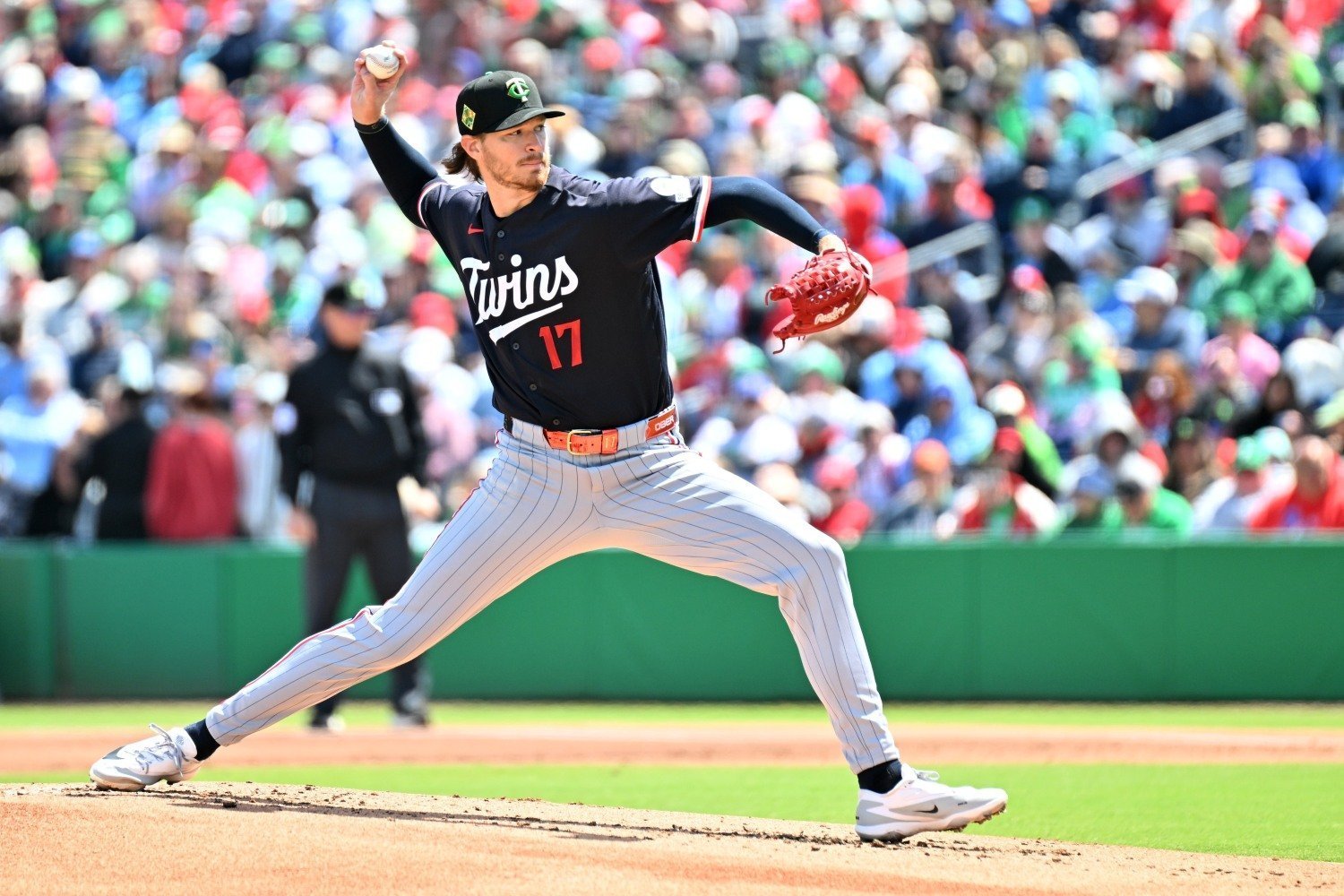 The Minnesota Twins have several important decisions to make this offseason, and their starting rotation will be near the top of the list. Joe Ryan and Bailey Ober are both approaching free agency after the 2027 season, making them potential trade candidates as the organization considers its long-term direction. Ryan is the more obvious trade candidate. He has established himself as a frontline starter, and contending teams have pursued him in the past. Ober's future is less certain after two consecutive disappointing seasons and a significant decline in velocity. Some fans will argue the Twins should move on from the right-hander before his performance declines further. However, these decisions are connected. If the Twins trade Ryan, they should be much more inclined to keep Ober. Minnesota cannot afford to remove multiple established starters from its rotation without creating additional questions about its pitching depth. Starting Pitching Depth Is Never Enough The Twins entered 2026 with plenty of starting pitching options. That depth quickly became a necessity rather than a luxury. Pablo López suffered a season-ending elbow injury during spring training, while David Festa experienced a shoulder setback that delayed his availability. Mick Abel also landed on the injured list with elbow inflammation early in the season. Those injuries tested Minnesota's rotation before the team could establish any consistency. The club eventually added arms and shuffled its options to get through the season. Even with a sizable group of starters, injuries and performance issues made the rotation a constant work in progress. Minnesota should remember those lessons when evaluating its 2027 roster. López is expected to return, and the organization has several younger options who could earn rotation spots. Taj Bradley, Zebby Matthews, Connor Prielipp and Abel give the Twins reasons to feel optimistic about their pitching future. Still, young pitchers come with uncertainty. Some will take important steps forward, while others might need additional development time or experience setbacks of their own. Counting on every potential starter to remain healthy and productive is not a realistic roster-building strategy. If the Twins trade Ryan, keeping Ober would provide another experienced option who knows how to navigate a major league rotation. Removing both veterans could leave Minnesota relying heavily on young pitchers and internal improvement. Bailey Ober's Declining Velocity Raises Questions Ober's recent performance has created legitimate questions about his future in Minnesota. After posting a 5.10 ERA in 2025, he finished the 2026 season with a 4.47 ERA across 131 innings. He posted a 17.1 K%, a concerning decline (down 26.9% in 2024) for a pitcher who previously demonstrated an ability to miss bats. The most significant concern is his fastball velocity. Ober averaged approximately 88 mph with his fastball in 2026, a substantial drop from the 91.7 mph he averaged in 2024. His command and ability to change speeds have helped him succeed throughout his career, but there is less room for mistakes when hitters can attack his fastball. Ober is projected to earn $6.9 million in arbitration for 2027. That is a considerable commitment for a pitcher coming off a season with diminished results, particularly for a team trying to allocate resources toward several roster needs. However, the situation is not quite as simple as looking at his ERA and velocity. FanGraphs' dollar valuation placed Ober's 2026 contribution at approximately $10.2 million. That suggests he still provided value beyond his salary, even if his performance fell short of expectations. The Twins must decide whether Ober can regain enough velocity and effectiveness to justify another season. They also need to consider what it would cost to replace his innings. Non-tendering or trading him might create an opening for a younger arm, but it would also remove an experienced starter from the depth chart. Joe Ryan Remains a Valuable Trade Chip Ryan has spent multiple seasons appearing in trade rumors, and the speculation is unlikely to disappear this winter. Contending teams pursued him before the 2025 trade deadline, with the Boston Red Sox among the clubs reportedly involved in discussions. Minnesota ultimately kept him, but his approaching free agency creates another opportunity to consider a deal. His 2026 campaign was a tale of two halves. Ryan made his second consecutive All-Star team after posting a 2.86 ERA with 128 strikeouts across 110 1/3 innings before the All-Star break. He looked like the kind of frontline starter who could attract a substantial return from a team pursuing a championship. The second half was far more difficult. Ryan struggled after the break, allowed six home runs in a July outing against Cleveland, and subsequently landed on the injured list with a left glute strain. He finished the season with a 3.79 ERA, 159 strikeouts and 144 2/3 innings across 27 starts. Those numbers still make Ryan an attractive trade candidate. He has demonstrated that he can perform at an All-Star level, and teams seeking reliable postseason rotation help will have reasons to inquire about his availability. Ryan is projected to earn $9.6 million for 2027, adding another layer to Minnesota's decision. The Twins could retain him for one more season and attempt to compete, or they could explore whether another organization would offer the kind of return that improves their long-term outlook. Trading Ryan would not automatically mean Minnesota is giving up on 2027. A strong return could address other roster weaknesses and provide players who contribute immediately. But the Twins would need to account for the innings and production they would be losing. The Twins Need to Consider Both Decisions Together The Twins should evaluate their starting rotation as a complete unit rather than treating each veteran's future as an independent decision. Ober might be the easier player to move on from based on his declining velocity and recent performance. Ryan, meanwhile, could generate a stronger trade return because of his higher ceiling and established track record. But the consequences of trading either pitcher change depending on what Minnesota does with the other. If the Twins trade Ryan, retaining Ober becomes much more appealing. Minnesota would already be losing an All-Star-caliber starter, and creating another opening would place additional pressure on its younger options. Ober's experience and potential to rebound could be particularly valuable in that situation. If Ryan remains in Minnesota, the Twins could have more flexibility to explore an Ober trade or non-tendering him. Even then, they should be careful not to underestimate the value of having several capable starting pitchers available. The Twins have an opportunity to reshape their roster this winter, but they should not confuse trading from a position of strength with weakening that strength too much. Ryan and Ober are intertwined because the outcome of one decision will influence the other. If Minnesota decides its best path forward involves trading Ryan, Ober might be exactly the kind of veteran starter the organization needs to keep. Do you believe Ryan and Ober are intertwined this winter? Leave a comment and start the discussion. View the full article
-
John Schneider's Future With the Blue Jays Isn't a Simple Question
DiamondCentric posted an article in Jays Centre
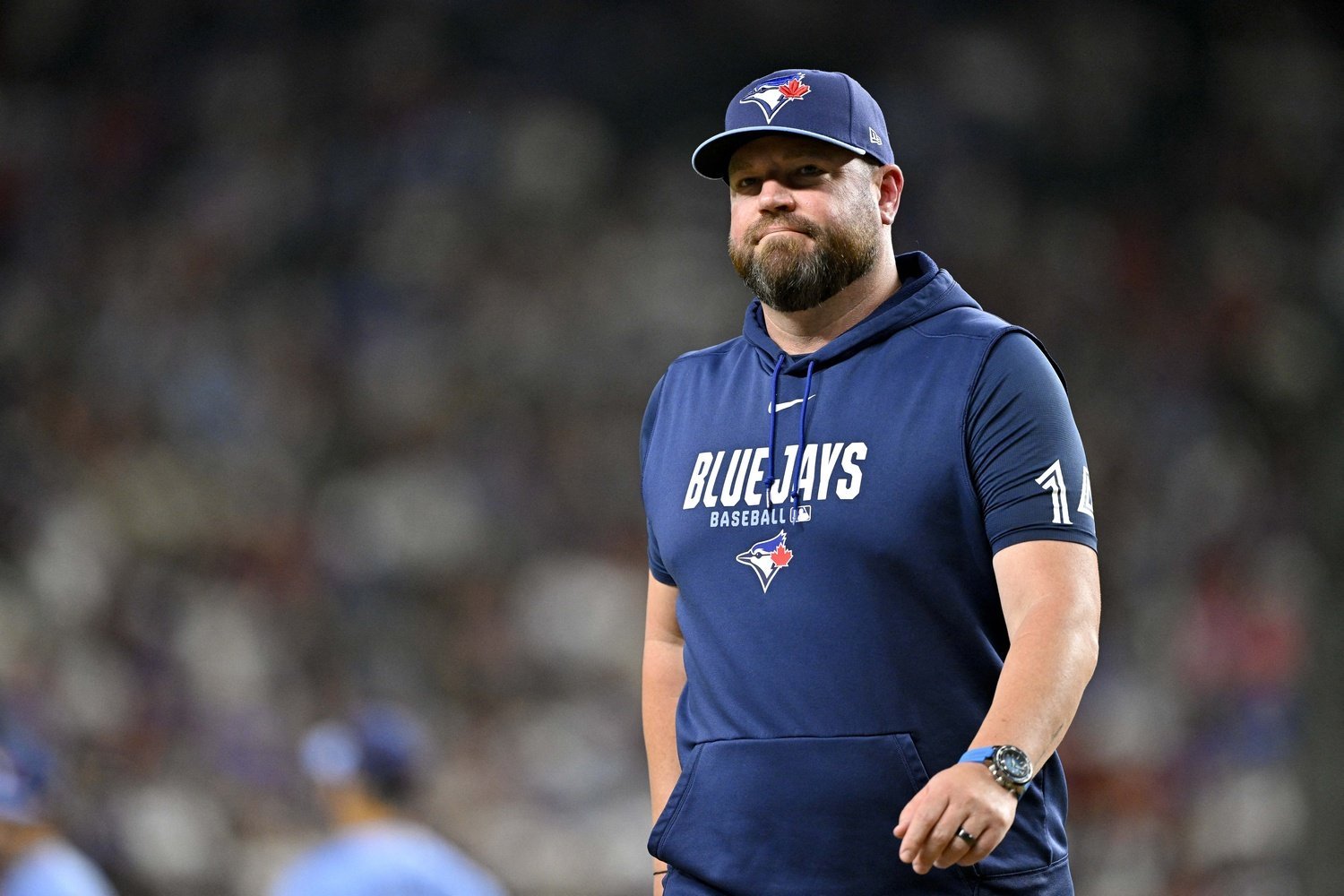 There’s a long list of teams that have managed to win championships by changing coaches. It seems that if a team wants a quick remedy for its shortcomings, changing the manager is often viewed as the solution. John Schneider has earned his spot as manager. He worked his way through the Blue Jays organization’s coaching ranks and along the way helped develop a positive culture in the clubhouse. When he finally secured the top job, he inherited a talented roster, managed through elevated expectations, absorbed criticism for postseason failures and strategic decisions, and guided the team to the brink of a championship in 2025. He was also the manager when the team finished a disappointing 74-88 in 2024 and 79-83 in 2026. Managers don’t play the games, but they do move the chess pieces and have a big role in putting their team in the best position to win games. Schneider has a 382-340 record as manager over the past five seasons. His .529 winning percentage places him comfortably among the top 10 active MLB managers. Among active managers, names like Dave Roberts (.621), Pat Murphy (.603), Aaron Boone (.584) and Kevin Cash (.540) sit above him on the career winning percentage list. Unless you are Roberts, MLB managers don’t tend to have exemplary playoff records. For instance, Murphy is 14-10, Cash is 22-21 and Boone is 27-30. Schneider is 10-12 in postseason games. In five seasons, Schneider has guided his team to the playoffs three times, including one World Series appearance and two quick exits. That is impressive, but the two misses during his tenure were substantial drops. Can the Jays afford to alternate between contention and disappointment over the next handful of seasons? The Jays have Schneider under contract through the 2028 season. He signed an extension that covered 2027 and '28 during the 2025-26 offseason. The move didn’t scream “this is our long-term manager.” Based on his record, the Jays might be expecting a bounceback next season. But have their past rebounds been the result of something Schneider did, or simply adjustments made by the front office and players? Schneider may not be among baseball's handful of elite tactical managers, but he has provided the organization with continuity during a competitive window. His ascent to Toronto was in lockstep with Vladimir Guerrero Jr. and Bo Bichette. He managed them in the minors and helped them successfully transition to the major leagues. With Bichette having departed and Guerrero coming off one of his worst seasons, maybe that chemistry needs to be reviewed. The anti-Schneider argument revolves around his inconsistent in-game tactical decisions, his uneven playoff record and, most importantly, his inability to squeeze additional wins from talented rosters. Managers are often judged by October because the margins are tighter. Every pitching change and pinch hitter receives heightened attention. Fairly or unfairly, Schneider has accumulated a reputation as a manager whose moves are dictated by process rather than feel. The most glaring example came in Game 2 of the 2023 American League Wild Card Series against the Twins when he removed José Berríos early. Over more than 700 games, Schneider has managed to lead competitive teams. Even this past season, with high expectations and a plethora of injuries, the team stayed in the playoff hunt into the last month of the season. There don't appear to be any fractures inside the clubhouse, often a sign that a manager still has the support of his players. Based on the pending labour stoppage and his existing contract, there doesn’t appear to be any urgency to evaluate Schneider’s future. The competitive window for the Jays will play into that equation moving forward. If the team can add offensive depth and receive healthier performances from key players, they may have a couple more years within the window. The Blue Jays improved from 74 wins in 2024 to 94 wins the following year, won the division and advanced to the World Series. That improvement wasn't solely because of Schneider’s actions, but his leadership did play a role. Almost every manager can maintain a positive environment when a team is winning. Far fewer can guide a team through a frustrating season and emerge stronger the following year. There have been 15 managers in the history of the franchise. Many did not last very long, so Schneider is already in a small group who have lasted more than three or four years at the helm. It is unlikely, based on the team’s up-and-down results, that he’ll be able to reach the franchise record of 894 managerial wins, held by Cito Gaston. In a data-driven world, he may not earn another contract extension if he can't follow this season with a winning campaign. Even a winning record might not save him. A World Series title is another matter. If he can lead another overachieving team, then he will have earned another opportunity to extend his tenure. He managed such a feat in 2025 when the Blue Jays' final record was six games over their expected pythagorean record. Somewhere in that data, Schneider’s bullpen management, late-game decisions, preparation and clubhouse leadership helped. Did the 2026 Blue Jays play better fundamental baseball? Absolutely not. The coaching staff said they preached the same “focus on fundamentals,” but the execution was simply not on display across the roster throughout the season. With that said, it is difficult to argue Schneider hurt the team’s chances when they produced above expectations over a full season. In an era when managers function increasingly as communicators and coordinators rather than tactical dictators, interpersonal skills are arguably more important than ever. Despite two rough seasons during his time in the role, Schneider deserves to manage out his contract. Most research into managerial impact suggests the difference between an average manager and a great manager is smaller than fans often believe. If next season fizzles like this past one, then a change will most likely be on the horizon. Organizations often overestimate the benefits of managerial turnover. Baseball history is filled with examples of clubs firing managers only to discover deeper roster weaknesses remained unchanged. Fans were calling for the heads of Ross Atkins and Mark Shapiro following the 2024 season. Winning shifts the focus away from the manager and front office; losing puts them in the crosshairs again. Last season’s results can be largely attributed to injuries and underperformance. A repeat next season would suggest change is needed. That change would start with Schneider and could potentially cascade to Atkins. Regardless, their jobs appear safe for now. View the full article
-
John Schneider's Future With the Blue Jays Isn't a Simple Question
DiamondCentric posted an article in Jays Centre
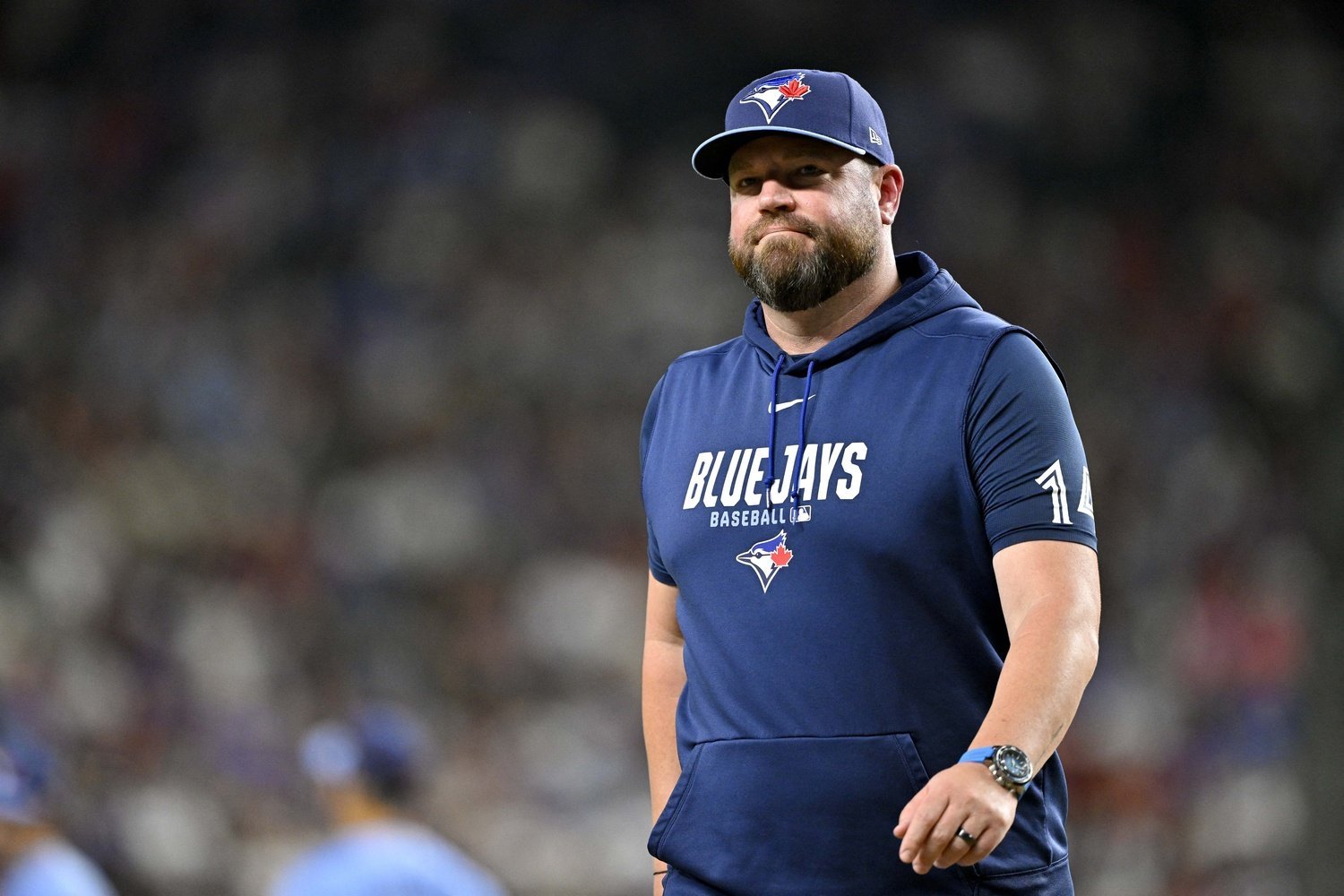 There’s a long list of teams that have managed to win championships by changing coaches. It seems that if a team wants a quick remedy for its shortcomings, changing the manager is often viewed as the solution. John Schneider has earned his spot as manager. He worked his way through the Blue Jays organization’s coaching ranks and along the way helped develop a positive culture in the clubhouse. When he finally secured the top job, he inherited a talented roster, managed through elevated expectations, absorbed criticism for postseason failures and strategic decisions, and guided the team to the brink of a championship in 2025. He was also the manager when the team finished a disappointing 74-88 in 2024 and 79-83 in 2026. Managers don’t play the games, but they do move the chess pieces and have a big role in putting their team in the best position to win games. Schneider has a 382-340 record as manager over the past five seasons. His .529 winning percentage places him comfortably among the top 10 active MLB managers. Among active managers, names like Dave Roberts (.621), Pat Murphy (.603), Aaron Boone (.584) and Kevin Cash (.540) sit above him on the career winning percentage list. Unless you are Roberts, MLB managers don’t tend to have exemplary playoff records. For instance, Murphy is 14-10, Cash is 22-21 and Boone is 27-30. Schneider is 10-12 in postseason games. In five seasons, Schneider has guided his team to the playoffs three times, including one World Series appearance and two quick exits. That is impressive, but the two misses during his tenure were substantial drops. Can the Jays afford to alternate between contention and disappointment over the next handful of seasons? The Jays have Schneider under contract through the 2028 season. He signed an extension that covered 2027 and '28 during the 2025-26 offseason. The move didn’t scream “this is our long-term manager.” Based on his record, the Jays might be expecting a bounceback next season. But have their past rebounds been the result of something Schneider did, or simply adjustments made by the front office and players? Schneider may not be among baseball's handful of elite tactical managers, but he has provided the organization with continuity during a competitive window. His ascent to Toronto was in lockstep with Vladimir Guerrero Jr. and Bo Bichette. He managed them in the minors and helped them successfully transition to the major leagues. With Bichette having departed and Guerrero coming off one of his worst seasons, maybe that chemistry needs to be reviewed. The anti-Schneider argument revolves around his inconsistent in-game tactical decisions, his uneven playoff record and, most importantly, his inability to squeeze additional wins from talented rosters. Managers are often judged by October because the margins are tighter. Every pitching change and pinch hitter receives heightened attention. Fairly or unfairly, Schneider has accumulated a reputation as a manager whose moves are dictated by process rather than feel. The most glaring example came in Game 2 of the 2023 American League Wild Card Series against the Twins when he removed José Berríos early. Over more than 700 games, Schneider has managed to lead competitive teams. Even this past season, with high expectations and a plethora of injuries, the team stayed in the playoff hunt into the last month of the season. There don't appear to be any fractures inside the clubhouse, often a sign that a manager still has the support of his players. Based on the pending labour stoppage and his existing contract, there doesn’t appear to be any urgency to evaluate Schneider’s future. The competitive window for the Jays will play into that equation moving forward. If the team can add offensive depth and receive healthier performances from key players, they may have a couple more years within the window. The Blue Jays improved from 74 wins in 2024 to 94 wins the following year, won the division and advanced to the World Series. That improvement wasn't solely because of Schneider’s actions, but his leadership did play a role. Almost every manager can maintain a positive environment when a team is winning. Far fewer can guide a team through a frustrating season and emerge stronger the following year. There have been 15 managers in the history of the franchise. Many did not last very long, so Schneider is already in a small group who have lasted more than three or four years at the helm. It is unlikely, based on the team’s up-and-down results, that he’ll be able to reach the franchise record of 894 managerial wins, held by Cito Gaston. In a data-driven world, he may not earn another contract extension if he can't follow this season with a winning campaign. Even a winning record might not save him. A World Series title is another matter. If he can lead another overachieving team, then he will have earned another opportunity to extend his tenure. He managed such a feat in 2025 when the Blue Jays' final record was six games over their expected pythagorean record. Somewhere in that data, Schneider’s bullpen management, late-game decisions, preparation and clubhouse leadership helped. Did the 2026 Blue Jays play better fundamental baseball? Absolutely not. The coaching staff said they preached the same “focus on fundamentals,” but the execution was simply not on display across the roster throughout the season. With that said, it is difficult to argue Schneider hurt the team’s chances when they produced above expectations over a full season. In an era when managers function increasingly as communicators and coordinators rather than tactical dictators, interpersonal skills are arguably more important than ever. Despite two rough seasons during his time in the role, Schneider deserves to manage out his contract. Most research into managerial impact suggests the difference between an average manager and a great manager is smaller than fans often believe. If next season fizzles like this past one, then a change will most likely be on the horizon. Organizations often overestimate the benefits of managerial turnover. Baseball history is filled with examples of clubs firing managers only to discover deeper roster weaknesses remained unchanged. Fans were calling for the heads of Ross Atkins and Mark Shapiro following the 2024 season. Winning shifts the focus away from the manager and front office; losing puts them in the crosshairs again. Last season’s results can be largely attributed to injuries and underperformance. A repeat next season would suggest change is needed. That change would start with Schneider and could potentially cascade to Atkins. Regardless, their jobs appear safe for now. View the full article
-
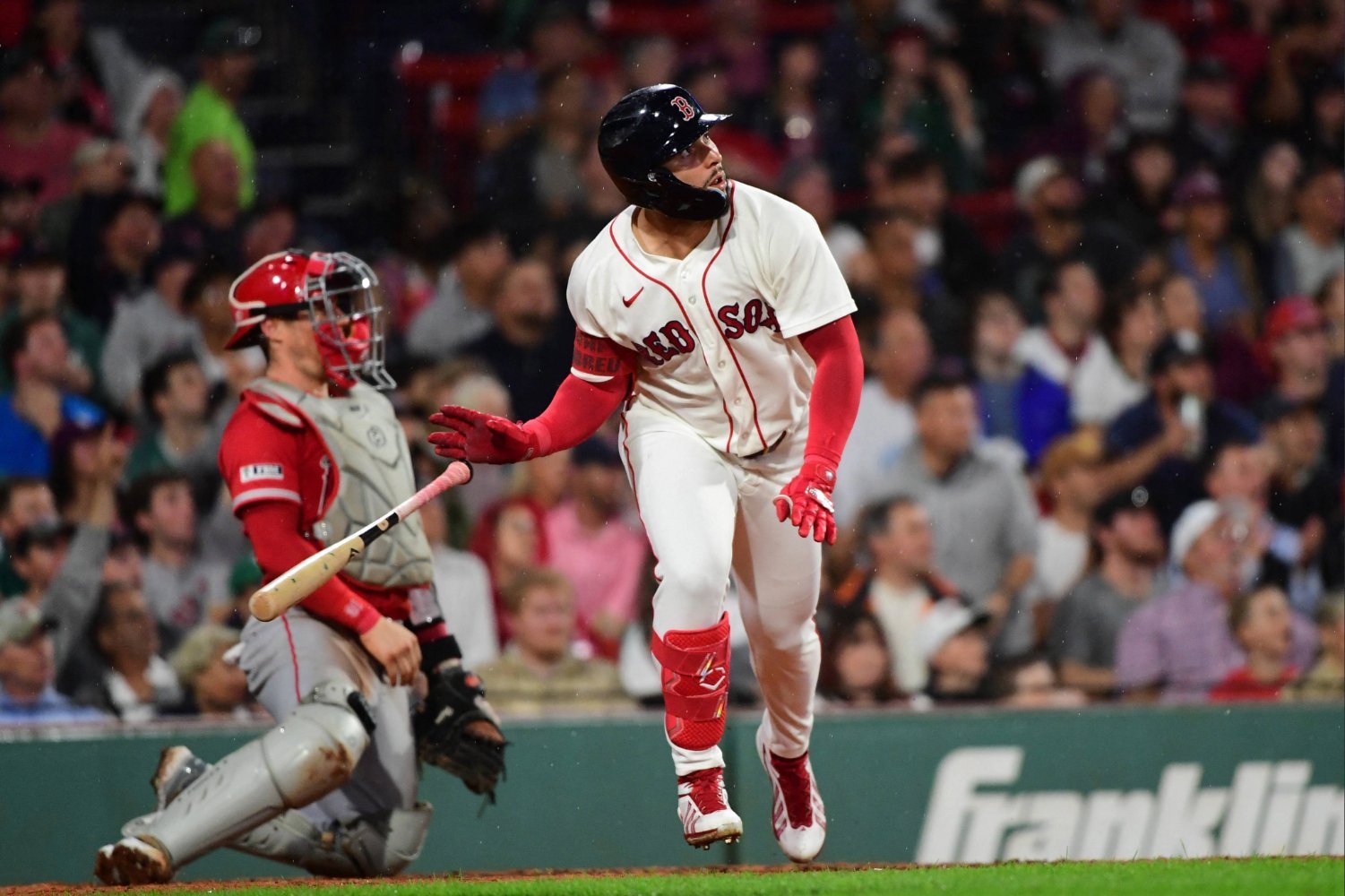 Most Boston Red Sox fans agreed that 2026 was the year that Wilyer Abreu needed to take the next step in his offensive game to prove that he should be considered a piece to build around. We already know just how outstanding of a defender he is in right field—he’s won back-to-back Gold Gloves and is nominated for a third—but offensively, Abreu had a complicated track record. While I'd stop short of saying that he completely broke out this year, as he suffered from cold streaks that broke up scorching hot runs throughout the season, Abreu did take an impressive step against left-handed pitching that has to be celebrated. Let’s dive into the numbers. On the season, Abreu slashed .248/.327/.446 with 24 home runs, 76 RBIs, a .335 wOBA, 20.7 K%, 10.4 BB%, 112 wRC+, and 3.3 fWAR. He set career highs in both home runs and RBIs and that should give the Red Sox’s front office confidence that he’s going to continue to improve as he goes through his arbitration years. Until this season, he operated in a platoon role in right field. He only really started against right-handed pitchers while he was on the bench as a late-game substitute whenever a southpaw was on the mound. Alex Cora, and later Chad Tracy, charged Abreu with taking a step forward against lefties this season as he was handed the keys to the full-time starting role in right field. He more than rewarded their confidence in him; against lefties, Abreu slashed .295/.375/.479 with six home runs, 27 RBI, a .373 wOBA, 16.6 K%, 10.6 BB%, and a 138 wRC+. While he didn’t hit a ton of homers, he was putting the ball in play frequently and getting on base at an impressive clip. His success against lefties got to the point that when opposing managers would make a move to the bullpen to bring in their trusted left-handed to face Abreu, both Lou Merloni and Dave O’Brien would start to chuckle because they knew Abreu’s splits weren’t what most people would assume this season. The flip side though, is that Abreu took a big step back against right-handed pitchers. His slash line looks decidedly worse for this split: .226/.305/.430 with 18 home runs, 49 RBI, a .317 wOBA, 22.6 K%, 10.3 BB%, and a 99 wRC+. That being said, Abreu found his power stroke against righties and that should continue to carry into 2027 and beyond. It’s plausible to suggest he spent the bulk of last offseason focusing on becoming a better hitter against left-handed pitching and that left him unprepared for righties. He'll have to discover that balance to really emerge as an offensive star, but he now has verifiable proof that he can mash against all pitchers, regardless of which side they throw from. At the end of the day, Abreu continues to dominate right field for the Red Sox. As long as he’s healthy, he’s going to be patrolling around the biggest home right field in baseball while adding Gold Gloves to his growing collection. If he can just marry his evolution against lefties with a resurgence against righties, Abreu could be in All-Star conversations as quickly as next season. Should that come to fruition, the Red Sox would be smart to lock him up with a contract extension sooner rather than later. View the full article
-
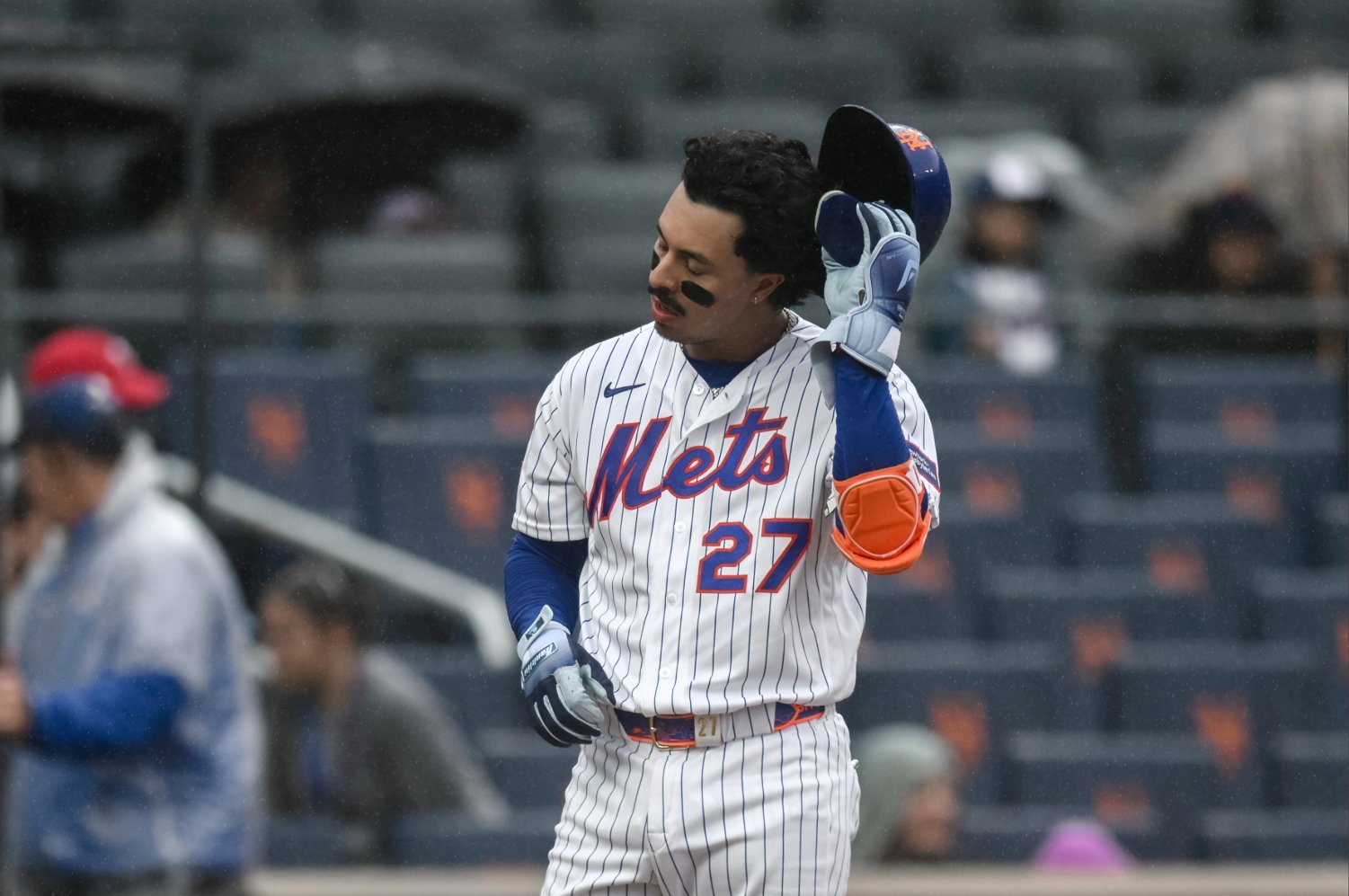 Mark Vientos was selected 59th overall by the New York Mets in the second round of the 2017 MLB June Amateur Draft. He slugged his way through the minor leagues and made his major-league debut in September of the 2022 season. After that point, Vientos moved between Syracuse and Queens in the 2023 season. However, in 2024, he exploded onto the national scene where he smashed 27 home runs in 111 regular season games before carrying the offense with an elite postseason slash line of .327/.362/.636 to cement himself as a core component of the Mets' postseason magic. Despite the strong 2024 postseason, Vientos wasn't able to build on that momentum; his numbers fell sharply over the 2025 and 2026 seasons. During the 2025 campaign, he played a career high 121 games, but his offensive numbers regressed. He hit .233/.289/.413 (.702 OPS) with 17 home runs and his overall offensive output dipped slightly below league average with an OPS+ of 97. A 2026 rebound did not happen due to poor quality of contact and limited playing time. Vientos struggled across the 87 games he appeared in this past season, scraping together a .212/.258/.394 (.652 OPS) slash line with 13 home runs in 274 at-bats. His plate discipline metrics also got worse, as he posted a 24.1% strikeout rate and a low 5.1% walk rate. Further complicating his profile was a steep defensive decline that left him without a stable position, dropping his total 2026 value to -1.1 fWAR. Now entering salary arbitration for the first time in his career, the Mets' front office faces a valuation dilemma: Can Vientos return to his elite 2024 level, or has his offensive floor fallen too low to justify a roster spot? Mark Vientos' Arbitration Case At A Glance 2026 Stats: 87 G, 295 PA, .212/.258/.394 (.652 OPS), 13 HR, 11 2B, 0 3B, 41 RBI, 5.1 BB%, 24.1 K% 2023 Salary: $720,000 2024 Salary: $740,000 2025 Salary: $788,750 2026 Salary: $813,750 Mets Depth at First Base, Third Base and DH Bo Bichette: 40-man roster Brett Baty: 40-man roster Christopher Morel: 40-man roster Ronny Mauricio: 40-man roster Jorge Polanco: 40-man roster Minor Leagues: Eric Wagaman, Christian Cairo The depth chart blocking Vientos is crowded and highly versatile, causing a significant barrier to his playing time. Everyday duties at third base belong to Bo Bichette (for now) and even when he needs a day, other utility guys like Brett Baty and Christopher Morel provide infield coverage. Vientos' lack of defensive flexibility and his -9 Outs Above Average (OAA) this past season have forced him off the field at times and into a designated hitter role. The DH spot is anything but wide open for the Mets; with offensive weapons like Juan Soto, the team frequently uses the DH spot to cycle bats through the lineup or give regular rest to catcher Francisco Alvarez. Another depth chart player who hurts Vientos' playing time is veteran infielder Jorge Polanco, who missed time in 2026 but remains on the 40-man roster for 2027. Ronny Mauricio also provides depth, which makes the infield options even more plentiful. Because of that, Vientos is no longer a foundational necessity. Instead, he has been pushed to the fringes of a deep position group which has turned his spot on the roster from a guarantee into a luxury depth question. Why the Mets Should Tender Mark Vientos A Contract Despite the 2026 regression, there is still a compelling financial case for the Mets front office to tender Mark Vientos a contract this winter. In his first year of arbitration eligibility, his projected salary is somewhere in the range of $1.4 to $1.8 million. Paying less than $2 million for a player who has proven right-handed power presents a budget-friendly gamble for a high-budget franchise like the Mets. The core argument for tendering him a contract centers around his raw offensive potential and his multi-positional versatility, as he can play either corner of the infield. Given the current state of the team and his lackluster glove, however, his everyday future is probably best suited for the designated hitter role. Right-handed bench bats that can hit for power and drive in runs with one swing of the bat are hard to acquire on the open market or via trade at a fair price. If the Mets were to tender him a contract this winter and Vientos goes through spring training showing shades of his dominant 2024 postseason, the Mets could secure a premium offensive weapon at a heavily discounted price. At worst, the team eats his marginal 2027 salary while opening up a 40-man roster spot by cutting him. Why the Mets Should Non-Tender Mark Vientos As cheap as a projected $1.4 million to $1.8 million arbitration salary might be, the Mets' front office operates on a roster-flexibility-first mentality. For a player who does not provide defensive or baserunning value, Vientos needs to hit at an elite level to justify a spot on a competitive roster, and he did the exact opposite of that in 2026. The underlying data exposes that he has become highly volatile and difficult to have in the lineup consistently. As mentioned earlier, his 24.1% strikeout rate and 5.1% walk rate show his struggles with plate discipline. When power hitters stop drawing walks and strike out almost a quarter of the time, their offensive floor starts to tumble. In search of more surefire infield upgrades this offseason, the front office could easily decide to non-tender Vientos to clear a roster spot. Prediction Despite the alarming regression in 2026, expect the Mets to tender Vientos a contract for the 2027 season, worth somewhere in the neighborhood of $1.5 million. His raw power remains too valuable to cut loose for the amount the Mets would pay. However, his roster spot is far from safe heading into next spring. He will enter spring training without a guaranteed role and will need to fight for a 26-man roster spot. If his plate discipline fails to rebound early in 2027, the Mets won't hesitate to make moves, but for now his cheap price tag gives him another chance in Queens. View the full article
-
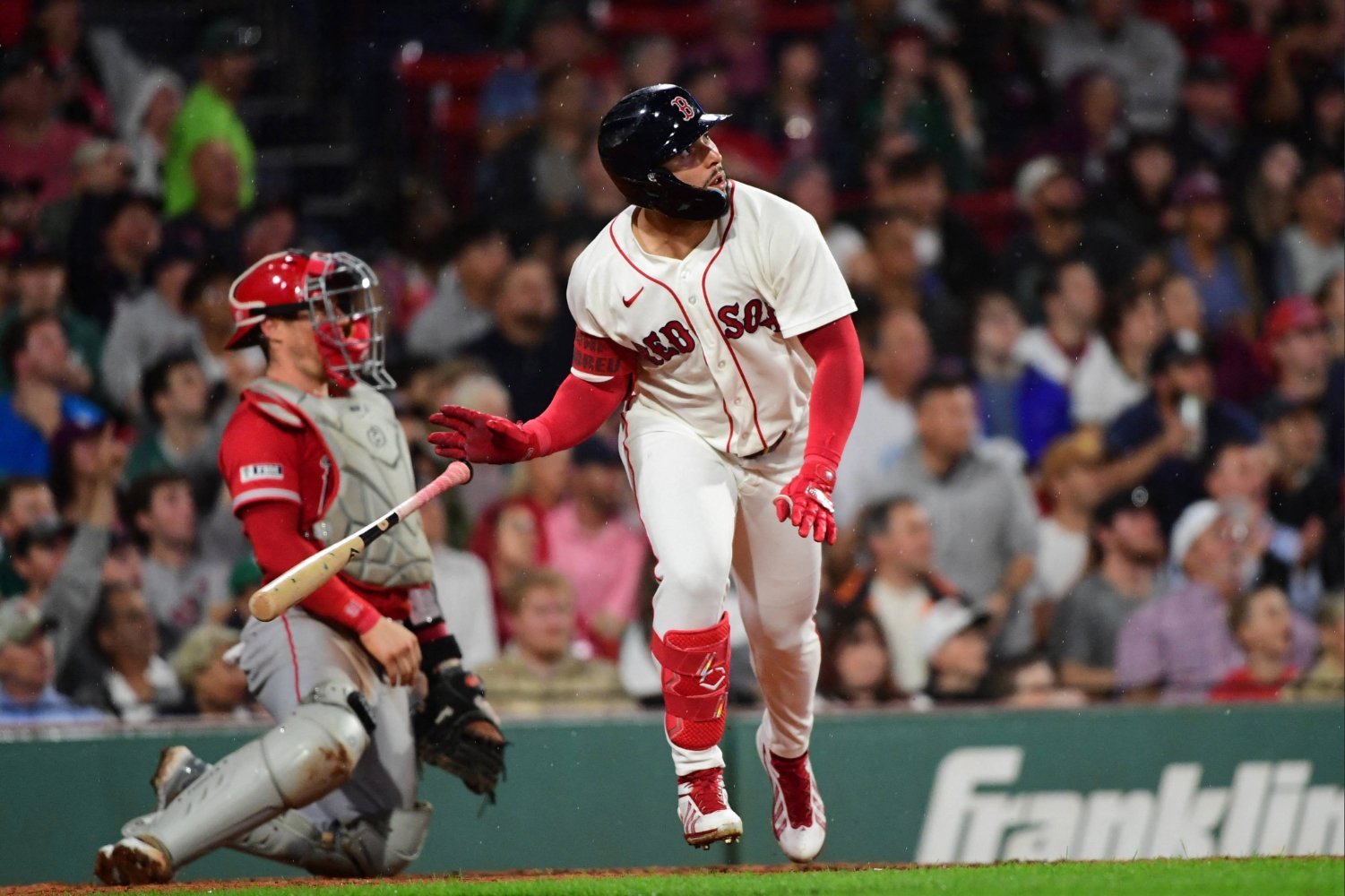 Most Boston Red Sox fans agreed that 2026 was the year that Wilyer Abreu needed to take the next step in his offensive game to prove that he should be considered a piece to build around. We already know just how outstanding of a defender he is in right field—he’s won back-to-back Gold Gloves and is nominated for a third—but offensively, Abreu had a complicated track record. While I'd stop short of saying that he completely broke out this year, as he suffered from cold streaks that broke up scorching hot runs throughout the season, Abreu did take an impressive step against left-handed pitching that has to be celebrated. Let’s dive into the numbers. On the season, Abreu slashed .248/.327/.446 with 24 home runs, 76 RBIs, a .335 wOBA, 20.7 K%, 10.4 BB%, 112 wRC+, and 3.3 fWAR. He set career highs in both home runs and RBIs and that should give the Red Sox’s front office confidence that he’s going to continue to improve as he goes through his arbitration years. Until this season, he operated in a platoon role in right field. He only really started against right-handed pitchers while he was on the bench as a late-game substitute whenever a southpaw was on the mound. Alex Cora, and later Chad Tracy, charged Abreu with taking a step forward against lefties this season as he was handed the keys to the full-time starting role in right field. He more than rewarded their confidence in him; against lefties, Abreu slashed .295/.375/.479 with six home runs, 27 RBI, a .373 wOBA, 16.6 K%, 10.6 BB%, and a 138 wRC+. While he didn’t hit a ton of homers, he was putting the ball in play frequently and getting on base at an impressive clip. His success against lefties got to the point that when opposing managers would make a move to the bullpen to bring in their trusted left-handed to face Abreu, both Lou Merloni and Dave O’Brien would start to chuckle because they knew Abreu’s splits weren’t what most people would assume this season. The flip side though, is that Abreu took a big step back against right-handed pitchers. His slash line looks decidedly worse for this split: .226/.305/.430 with 18 home runs, 49 RBI, a .317 wOBA, 22.6 K%, 10.3 BB%, and a 99 wRC+. That being said, Abreu found his power stroke against righties and that should continue to carry into 2027 and beyond. It’s plausible to suggest he spent the bulk of last offseason focusing on becoming a better hitter against left-handed pitching and that left him unprepared for righties. He'll have to discover that balance to really emerge as an offensive star, but he now has verifiable proof that he can mash against all pitchers, regardless of which side they throw from. At the end of the day, Abreu continues to dominate right field for the Red Sox. As long as he’s healthy, he’s going to be patrolling around the biggest home right field in baseball while adding Gold Gloves to his growing collection. If he can just marry his evolution against lefties with a resurgence against righties, Abreu could be in All-Star conversations as quickly as next season. Should that come to fruition, the Red Sox would be smart to lock him up with a contract extension sooner rather than later. View the full article
-
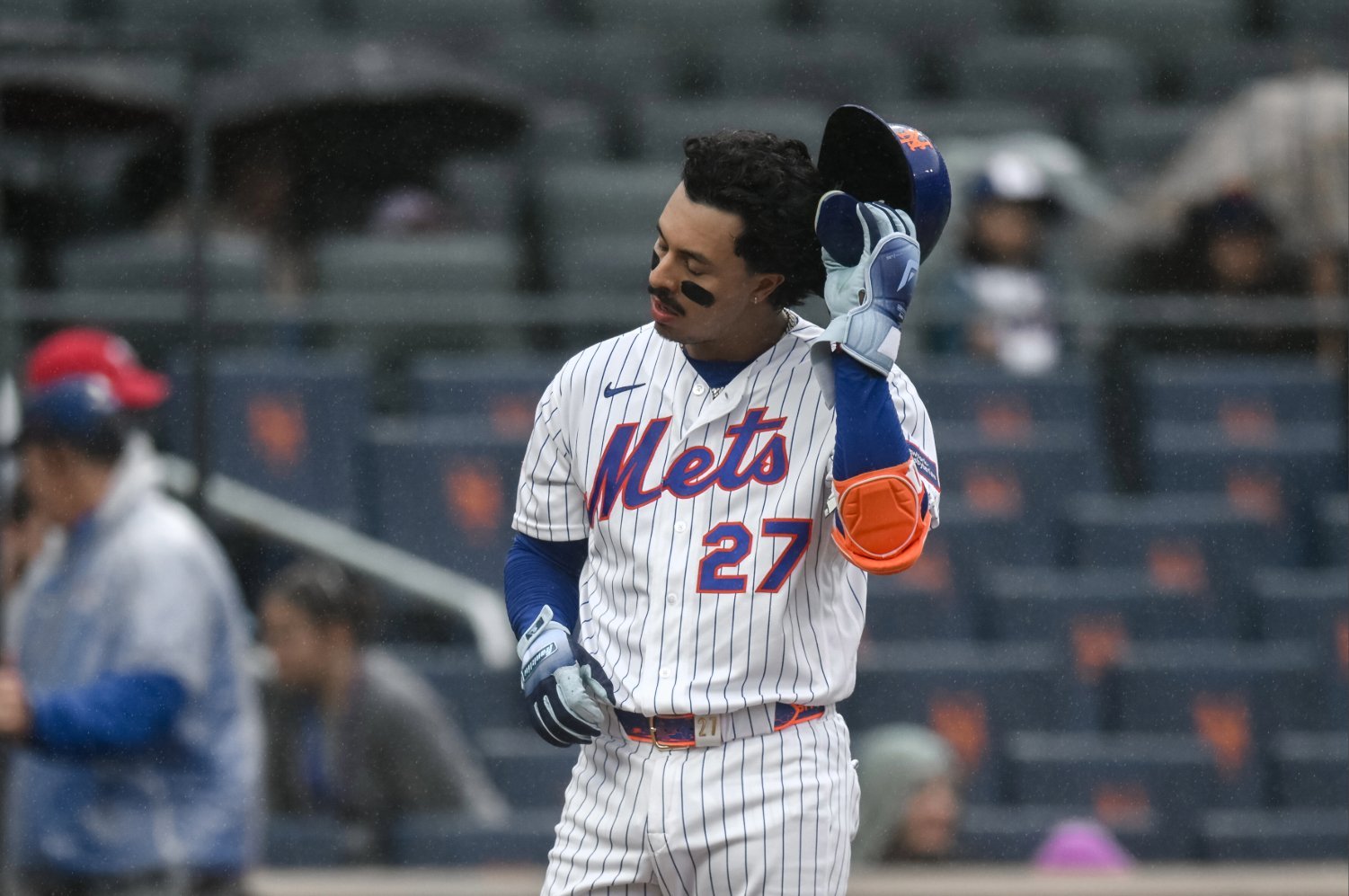 Mark Vientos was selected 59th overall by the New York Mets in the second round of the 2017 MLB June Amateur Draft. He slugged his way through the minor leagues and made his major-league debut in September of the 2022 season. After that point, Vientos moved between Syracuse and Queens in the 2023 season. However, in 2024, he exploded onto the national scene where he smashed 27 home runs in 111 regular season games before carrying the offense with an elite postseason slash line of .327/.362/.636 to cement himself as a core component of the Mets' postseason magic. Despite the strong 2024 postseason, Vientos wasn't able to build on that momentum; his numbers fell sharply over the 2025 and 2026 seasons. During the 2025 campaign, he played a career high 121 games, but his offensive numbers regressed. He hit .233/.289/.413 (.702 OPS) with 17 home runs and his overall offensive output dipped slightly below league average with an OPS+ of 97. A 2026 rebound did not happen due to poor quality of contact and limited playing time. Vientos struggled across the 87 games he appeared in this past season, scraping together a .212/.258/.394 (.652 OPS) slash line with 13 home runs in 274 at-bats. His plate discipline metrics also got worse, as he posted a 24.1% strikeout rate and a low 5.1% walk rate. Further complicating his profile was a steep defensive decline that left him without a stable position, dropping his total 2026 value to -1.1 fWAR. Now entering salary arbitration for the first time in his career, the Mets' front office faces a valuation dilemma: Can Vientos return to his elite 2024 level, or has his offensive floor fallen too low to justify a roster spot? Mark Vientos' Arbitration Case At A Glance 2026 Stats: 87 G, 295 PA, .212/.258/.394 (.652 OPS), 13 HR, 11 2B, 0 3B, 41 RBI, 5.1 BB%, 24.1 K% 2023 Salary: $720,000 2024 Salary: $740,000 2025 Salary: $788,750 2026 Salary: $813,750 Mets Depth at First Base, Third Base and DH Bo Bichette: 40-man roster Brett Baty: 40-man roster Christopher Morel: 40-man roster Ronny Mauricio: 40-man roster Jorge Polanco: 40-man roster Minor Leagues: Eric Wagaman, Christian Cairo The depth chart blocking Vientos is crowded and highly versatile, causing a significant barrier to his playing time. Everyday duties at third base belong to Bo Bichette (for now) and even when he needs a day, other utility guys like Brett Baty and Christopher Morel provide infield coverage. Vientos' lack of defensive flexibility and his -9 Outs Above Average (OAA) this past season have forced him off the field at times and into a designated hitter role. The DH spot is anything but wide open for the Mets; with offensive weapons like Juan Soto, the team frequently uses the DH spot to cycle bats through the lineup or give regular rest to catcher Francisco Alvarez. Another depth chart player who hurts Vientos' playing time is veteran infielder Jorge Polanco, who missed time in 2026 but remains on the 40-man roster for 2027. Ronny Mauricio also provides depth, which makes the infield options even more plentiful. Because of that, Vientos is no longer a foundational necessity. Instead, he has been pushed to the fringes of a deep position group which has turned his spot on the roster from a guarantee into a luxury depth question. Why the Mets Should Tender Mark Vientos A Contract Despite the 2026 regression, there is still a compelling financial case for the Mets front office to tender Mark Vientos a contract this winter. In his first year of arbitration eligibility, his projected salary is somewhere in the range of $1.4 to $1.8 million. Paying less than $2 million for a player who has proven right-handed power presents a budget-friendly gamble for a high-budget franchise like the Mets. The core argument for tendering him a contract centers around his raw offensive potential and his multi-positional versatility, as he can play either corner of the infield. Given the current state of the team and his lackluster glove, however, his everyday future is probably best suited for the designated hitter role. Right-handed bench bats that can hit for power and drive in runs with one swing of the bat are hard to acquire on the open market or via trade at a fair price. If the Mets were to tender him a contract this winter and Vientos goes through spring training showing shades of his dominant 2024 postseason, the Mets could secure a premium offensive weapon at a heavily discounted price. At worst, the team eats his marginal 2027 salary while opening up a 40-man roster spot by cutting him. Why the Mets Should Non-Tender Mark Vientos As cheap as a projected $1.4 million to $1.8 million arbitration salary might be, the Mets' front office operates on a roster-flexibility-first mentality. For a player who does not provide defensive or baserunning value, Vientos needs to hit at an elite level to justify a spot on a competitive roster, and he did the exact opposite of that in 2026. The underlying data exposes that he has become highly volatile and difficult to have in the lineup consistently. As mentioned earlier, his 24.1% strikeout rate and 5.1% walk rate show his struggles with plate discipline. When power hitters stop drawing walks and strike out almost a quarter of the time, their offensive floor starts to tumble. In search of more surefire infield upgrades this offseason, the front office could easily decide to non-tender Vientos to clear a roster spot. Prediction Despite the alarming regression in 2026, expect the Mets to tender Vientos a contract for the 2027 season, worth somewhere in the neighborhood of $1.5 million. His raw power remains too valuable to cut loose for the amount the Mets would pay. However, his roster spot is far from safe heading into next spring. He will enter spring training without a guaranteed role and will need to fight for a 26-man roster spot. If his plate discipline fails to rebound early in 2027, the Mets won't hesitate to make moves, but for now his cheap price tag gives him another chance in Queens. View the full article
-
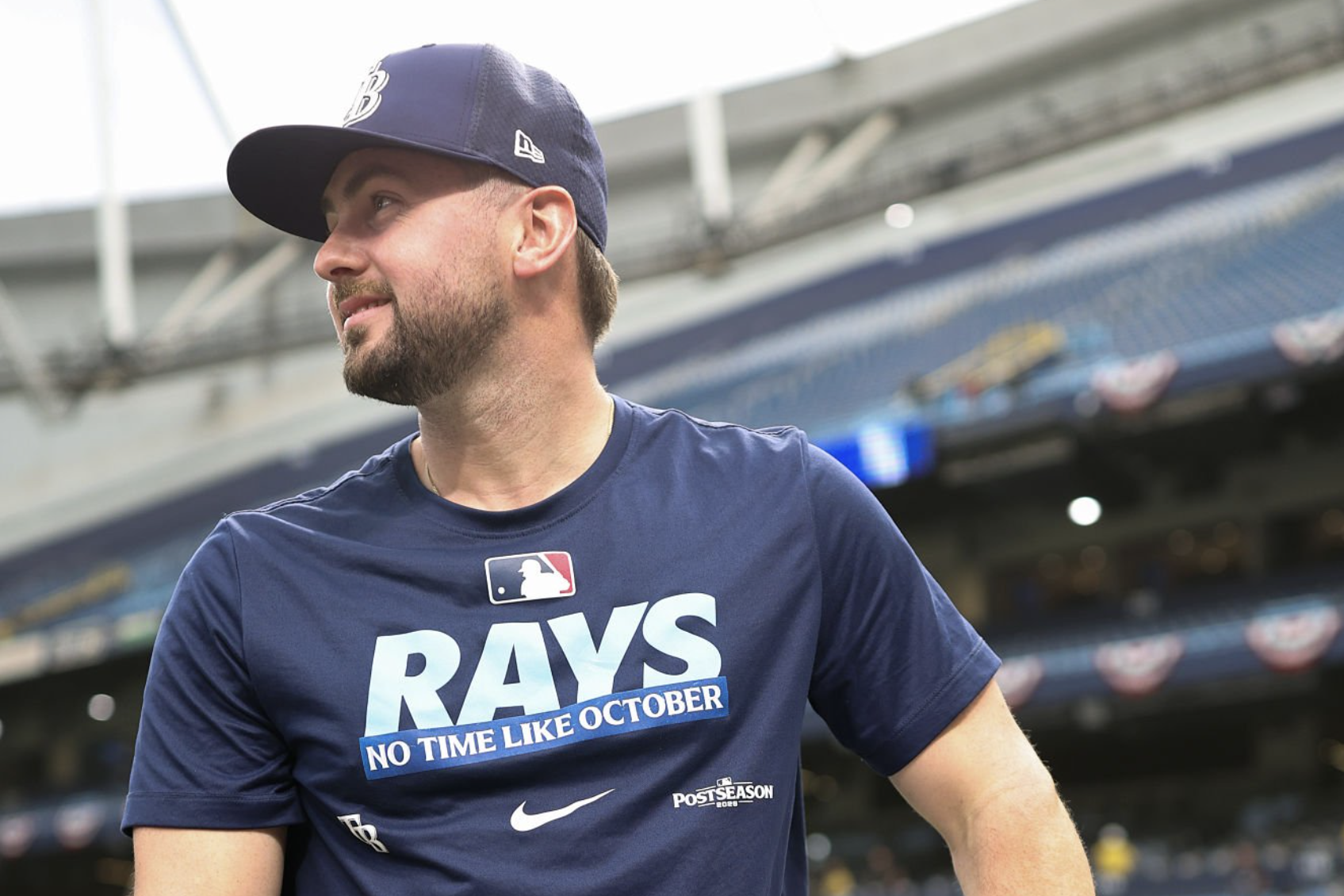 Over the last calendar year, the Miami Marlins not only traded from all of the position groups on their roster, but from nearly all levels of their farm system. Following the conclusion of the World Series, let's check in on how each of those players have done with their new organizations. In addition to covering every Marlins trade of 2026, I'm including a couple that were finalized in the final days of 2025. They've been put in chronological order below. Dane Myers Traded to Cincinnati Reds on December 27 Marlins received Ethan O'Donnell in return Myers received almost precisely the same amount of playing time with the Reds (334 plate appearances) as he did during his final Marlins season (333 PA). His results were much better, vaulting from 0.0 fWAR to 1.2 fWAR. The combination of an increased walk rate and better baserunning decisions accounted for a lot of his improvement. Also worth noting, the Reds used him exclusively in center field. The right-handed-hitting Myers was carefully platooned early on, but his role expanded during the second half of the year. He's a virtual lock to crack Cincinnati's 2027 Opening Day roster. Adriano Marrero Traded to Los Angeles Dodgers on December 30 Marlins received Esteury Ruiz in return Marrero was dealt by Miami less than a year after signing with the organization as an international free agent. His ability to spin the ball and induce ground balls stood out during his solid minor league debut season in the Dominican Summer League. As an 18-year-old, he moved up to the Arizona Complex League in 2026, though his workload in official MiLB games actually went down. The Cuban right-hander posted a 4.56 ERA and 5.37 FIP in 25 ⅔ innings pitched, which included one Low-A appearance at the end of the summer. Eric Wagaman Traded to Minnesota Twins on January 2 Marlins received Kade Bragg in return Less than a month after the regular season began, Wagaman was designated for assignment again. He spent most of 2026 with the New York Mets organization, constantly shuttling back and forth between Queens and Triple-A Syracuse. In 26 games with the Mets, Wagaman slashed .191/.269/.319 with two home runs and a 67 wRC+. Edward Cabrera Traded to Chicago Cubs on January 7 Marlins received Owen Caissie, Edgardo De Leon and Cristian Hernández in return Coming off a career year, Cabrera began his Cubs tenure with back-to-back scoreless starts. It was all downhill from there. The enigmatic right-hander made 13 more starts after that, allowing multiple runs in each of them. Cabrera landed on the injured list with hamstring and blister issues, limiting him to 7 ⅔ innings during the second half of the season. He posted a career-worst 5.96 ERA and his underlying numbers weren't much prettier (5.35 FIP and 5.40 xERA). The Cubs will probably tender him a contract for 2027, but for there to be any doubt about that speaks to how much his value has plummeted since the trade. Ryan Weathers Traded to New York Yankees on January 13 Marlins received Dylan Jasso, Brendan Jones, Dillon Lewis and Juan Matheus in return It was a career year for Weathers, who posted a 3.60 ERA in 137 ⅓ innings pitched. He made himself difficult for opposing hitters to predict by utilizing his full pitch mix. Weathers' changeup, slider, sweeper and four-seam fastball each accounted for at least 30 strikeouts. Weathers made 25 uninterrupted starts to begin the season before suffering a forearm flexor strain in late August. Even with the IL stint, he ranked third on the Yankees pitching staff in innings and strikeouts. He made two scoreless relief appearances in October. Jake Brooks Traded to Colorado Rockies on January 20 Marlins received Bradley Blalock in return Splitting his season between Double-A and Triple-A, Brooks was durable and efficient. He ranked second among all minor league pitchers with 158 ⅔ innings. He finished with a flourish, posting a 1.05 ERA and .169 batting average against in September. Brooks' fastball velocity only sits in the low 90s, but he gets about seven feet of extension during his delivery and commands his secondary pitches well. He'll get a taste of the majors next season barring injury. Victor Mesa Jr. Traded to Tampa Bay Rays on February 6 Marlins received Angel Brachi in return None of these ex-Marlins exceeded expectations by a larger margin post-trade than Mesa. His .498 slugging percentage led all American League rookies with a minimum of 200 plate appearances. VMJ was one of MLB's worst hitters during the postseason (.140/.229/.209 slash line in 14 games), but he still made a contribution to Tampa Bay's AL pennant run with excellent defense. Dub Gleed Traded to Toronto Blue Jays on March 29 Marlins received Leo Jiménez in return Gleed powered up in his second MiLB season. After homering only twice in 71 games as a Marlins farmhand, he amassed 19 bombs in 114 games in 2026. He ranked second among Blue Jays prospects with 121 hits and slashed .282/.363/.480. With a passable glove at third base, Gleed is on his way to having more major league usefulness than Jiménez did. Liam Hicks Traded to Tampa Bay Rays on August 3 Marlins received Jacob Kisting, Adrian Santana and Brayden Taylor in return Hicks was enjoying a breakout year prior to the trade and there was no slippage in his production upon joining the Rays. He slashed .288/.379/.440 with a 130 wRC+ in 41 regular season games after the deadline. Overall, he was one of only four qualified MLB hitters to have more walks than strikeouts. The Rays leaned heavily on Hicks behind the plate in October. He started all but two of their postseason games. Under the brightest of lights, Tampa Bay pitchers combined for a 2.91 ERA with him as their catcher. Braxton Garrett Traded to Chicago Cubs on August 3 Marlins received Jace Beck and Jonathon Long in return With nothing at stake for the Cubs in their regular season finale, Garrett pitched five innings in relief in picked up a win. That would turn out to be his only major league action with his new organization. He spent the rest of August and September as an unremarkable Triple-A starter. Lake Bachar Traded to Pittsburgh Pirates on August 3 Marlins received Brandan Bidois, Hyun Seung Lee and Brian Sanchez in return Bachar was throwing six different pitches with regularity at the time of the trade. The Pirates advised him to simplify his attack plan, phasing out his sinker and splitter. The results were largely positive as the right-hander posted a 2.57 ERA in 28 innings down the stretch. He recorded strikeouts in each of his 15 Pirates outings. The Marlins had dabbled with using Bachar as an opener, but the Pirates wholeheartedly embraced the concept. More than half of the right-hander's post-trade appearances came at the start of games. Aiden May and Connor Norby Traded to Colorado Rockies on August 3 Marlins received Victor Vodnik in return May was in High-A Beloit's starting rotation at the time of the trade. He remained at the same level and in the same role with the Spokane Indians. He made five post-trade starts, pitching to a 4.43 ERA and 4.22 FIP in 22 ⅓ innings. May's walk rate dropped a lot from year to year, but his overall command is still subpar and he is heavily reliant on breaking balls. A conversion to the bullpen seems inevitable long term. Reminiscent of 2024, when he was dealt by the Baltimore Orioles to the Marlins, Norby acclimated himself well to a rebuilding team. Even with home games at high altitude, there's no scoffing at a .302/.387/.457 slash line, which included a career-high 12-game hitting streak. The Rockies mainly deployed him at second base. Jacob Berry Traded to Kansas City Royals on August Marlins received cash considerations in return The Marlins practically gave away their 2022 first-round draft pick. Berry changed his plate approach upon joining the Royals org, swinging much more often and hitting more balls over the fence. The bottomline results were the same, though (104 wRC+ with Triple-A Jacksonville and 103 wRC+ with Triple-A Omaha). The Storm Chasers used Berry most often at right field, followed by third base and second base. After totaling 250 games against AAA competition, he's still waiting to be called up to the majors. View the full article
-
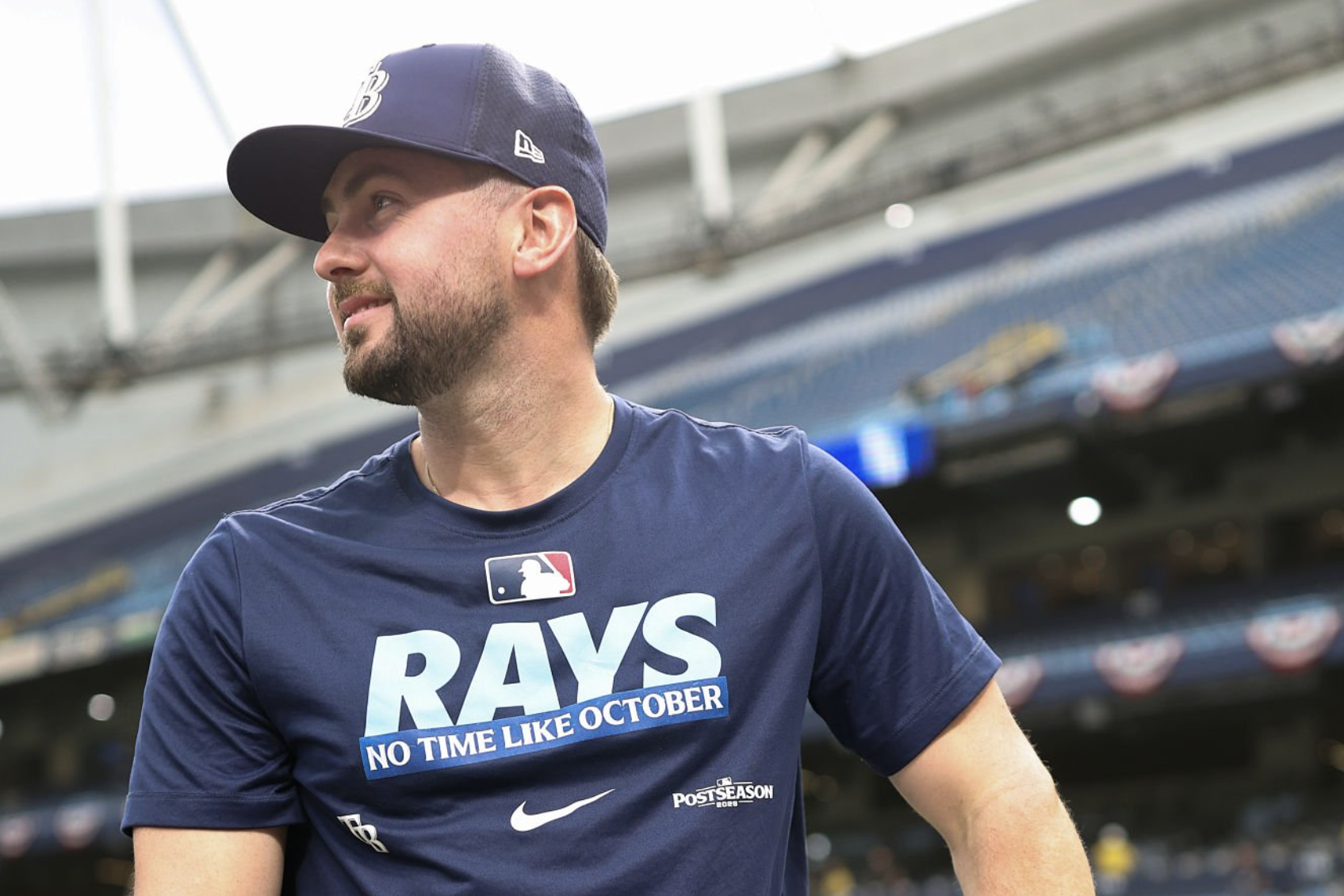 Over the last calendar year, the Miami Marlins not only traded from all of the position groups on their roster, but from nearly all levels of their farm system. Following the conclusion of the World Series, let's check in on how each of those players have done with their new organizations. In addition to covering every Marlins trade of 2026, I'm including a couple that were finalized in the final days of 2025. They've been put in chronological order below. Dane Myers Traded to Cincinnati Reds on December 27 Marlins received Ethan O'Donnell in return Myers received almost precisely the same amount of playing time with the Reds (334 plate appearances) as he did during his final Marlins season (333 PA). His results were much better, vaulting from 0.0 fWAR to 1.2 fWAR. The combination of an increased walk rate and better baserunning decisions accounted for a lot of his improvement. Also worth noting, the Reds used him exclusively in center field. The right-handed-hitting Myers was carefully platooned early on, but his role expanded during the second half of the year. He's a virtual lock to crack Cincinnati's 2027 Opening Day roster. Adriano Marrero Traded to Los Angeles Dodgers on December 30 Marlins received Esteury Ruiz in return Marrero was dealt by Miami less than a year after signing with the organization as an international free agent. His ability to spin the ball and induce ground balls stood out during his solid minor league debut season in the Dominican Summer League. As an 18-year-old, he moved up to the Arizona Complex League in 2026, though his workload in official MiLB games actually went down. The Cuban right-hander posted a 4.56 ERA and 5.37 FIP in 25 ⅔ innings pitched, which included one Low-A appearance at the end of the summer. Eric Wagaman Traded to Minnesota Twins on January 2 Marlins received Kade Bragg in return Less than a month after the regular season began, Wagaman was designated for assignment again. He spent most of 2026 with the New York Mets organization, constantly shuttling back and forth between Queens and Triple-A Syracuse. In 26 games with the Mets, Wagaman slashed .191/.269/.319 with two home runs and a 67 wRC+. Edward Cabrera Traded to Chicago Cubs on January 7 Marlins received Owen Caissie, Edgardo De Leon and Cristian Hernández in return Coming off a career year, Cabrera began his Cubs tenure with back-to-back scoreless starts. It was all downhill from there. The enigmatic right-hander made 13 more starts after that, allowing multiple runs in each of them. Cabrera landed on the injured list with hamstring and blister issues, limiting him to 7 ⅔ innings during the second half of the season. He posted a career-worst 5.96 ERA and his underlying numbers weren't much prettier (5.35 FIP and 5.40 xERA). The Cubs will probably tender him a contract for 2027, but for there to be any doubt about that speaks to how much his value has plummeted since the trade. Ryan Weathers Traded to New York Yankees on January 13 Marlins received Dylan Jasso, Brendan Jones, Dillon Lewis and Juan Matheus in return It was a career year for Weathers, who posted a 3.60 ERA in 137 ⅓ innings pitched. He made himself difficult for opposing hitters to predict by utilizing his full pitch mix. Weathers' changeup, slider, sweeper and four-seam fastball each accounted for at least 30 strikeouts. Weathers made 25 uninterrupted starts to begin the season before suffering a forearm flexor strain in late August. Even with the IL stint, he ranked third on the Yankees pitching staff in innings and strikeouts. He made two scoreless relief appearances in October. Jake Brooks Traded to Colorado Rockies on January 20 Marlins received Bradley Blalock in return Splitting his season between Double-A and Triple-A, Brooks was durable and efficient. He ranked second among all minor league pitchers with 158 ⅔ innings. He finished with a flourish, posting a 1.05 ERA and .169 batting average against in September. Brooks' fastball velocity only sits in the low 90s, but he gets about seven feet of extension during his delivery and commands his secondary pitches well. He'll get a taste of the majors next season barring injury. Victor Mesa Jr. Traded to Tampa Bay Rays on February 6 Marlins received Angel Brachi in return None of these ex-Marlins exceeded expectations by a larger margin post-trade than Mesa. His .498 slugging percentage led all American League rookies with a minimum of 200 plate appearances. VMJ was one of MLB's worst hitters during the postseason (.140/.229/.209 slash line in 14 games), but he still made a contribution to Tampa Bay's AL pennant run with excellent defense. Dub Gleed Traded to Toronto Blue Jays on March 29 Marlins received Leo Jiménez in return Gleed powered up in his second MiLB season. After homering only twice in 71 games as a Marlins farmhand, he amassed 19 bombs in 114 games in 2026. He ranked second among Blue Jays prospects with 121 hits and slashed .282/.363/.480. With a passable glove at third base, Gleed is on his way to having more major league usefulness than Jiménez did. Liam Hicks Traded to Tampa Bay Rays on August 3 Marlins received Jacob Kisting, Adrian Santana and Brayden Taylor in return Hicks was enjoying a breakout year prior to the trade and there was no slippage in his production upon joining the Rays. He slashed .288/.379/.440 with a 130 wRC+ in 41 regular season games after the deadline. Overall, he was one of only four qualified MLB hitters to have more walks than strikeouts. The Rays leaned heavily on Hicks behind the plate in October. He started all but two of their postseason games. Under the brightest of lights, Tampa Bay pitchers combined for a 2.91 ERA with him as their catcher. Braxton Garrett Traded to Chicago Cubs on August 3 Marlins received Jace Beck and Jonathon Long in return With nothing at stake for the Cubs in their regular season finale, Garrett pitched five innings in relief in picked up a win. That would turn out to be his only major league action with his new organization. He spent the rest of August and September as an unremarkable Triple-A starter. Lake Bachar Traded to Pittsburgh Pirates on August 3 Marlins received Brandan Bidois, Hyun Seung Lee and Brian Sanchez in return Bachar was throwing six different pitches with regularity at the time of the trade. The Pirates advised him to simplify his attack plan, phasing out his sinker and splitter. The results were largely positive as the right-hander posted a 2.57 ERA in 28 innings down the stretch. He recorded strikeouts in each of his 15 Pirates outings. The Marlins had dabbled with using Bachar as an opener, but the Pirates wholeheartedly embraced the concept. More than half of the right-hander's post-trade appearances came at the start of games. Aiden May and Connor Norby Traded to Colorado Rockies on August 3 Marlins received Victor Vodnik in return May was in High-A Beloit's starting rotation at the time of the trade. He remained at the same level and in the same role with the Spokane Indians. He made five post-trade starts, pitching to a 4.43 ERA and 4.22 FIP in 22 ⅓ innings. May's walk rate dropped a lot from year to year, but his overall command is still subpar and he is heavily reliant on breaking balls. A conversion to the bullpen seems inevitable long term. Reminiscent of 2024, when he was dealt by the Baltimore Orioles to the Marlins, Norby acclimated himself well to a rebuilding team. Even with home games at high altitude, there's no scoffing at a .302/.387/.457 slash line, which included a career-high 12-game hitting streak. The Rockies mainly deployed him at second base. Jacob Berry Traded to Kansas City Royals on August Marlins received cash considerations in return The Marlins practically gave away their 2022 first-round draft pick. Berry changed his plate approach upon joining the Royals org, swinging much more often and hitting more balls over the fence. The bottomline results were the same, though (104 wRC+ with Triple-A Jacksonville and 103 wRC+ with Triple-A Omaha). The Storm Chasers used Berry most often at right field, followed by third base and second base. After totaling 250 games against AAA competition, he's still waiting to be called up to the majors. View the full article
-
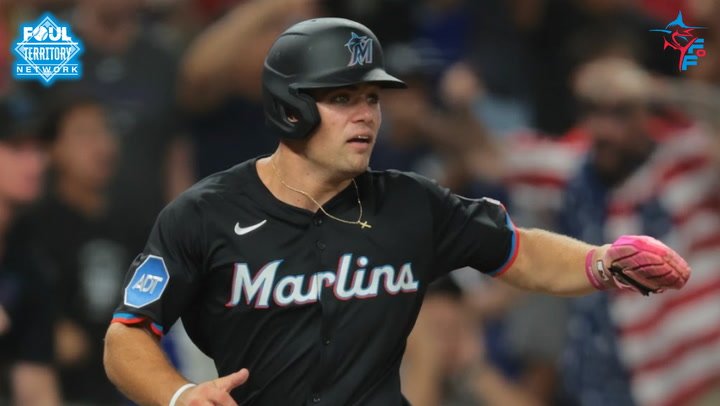 Marlins center fielder Jakob Marsee speaks exclusively to Fish On First about his recovery timeline after undergoing internal brace surgery earlier this month. View the full article
-
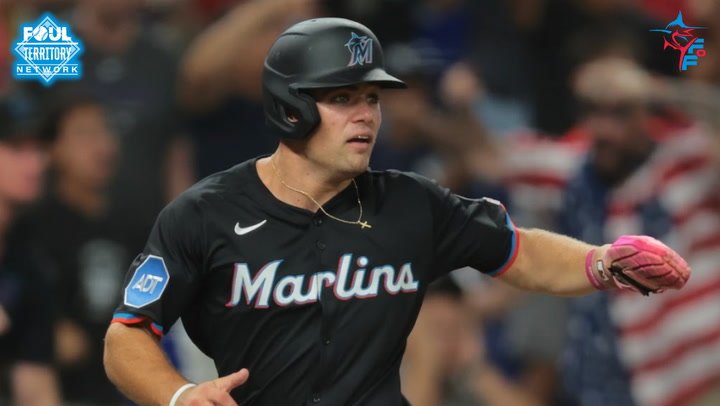 Marlins center fielder Jakob Marsee speaks exclusively to Fish On First about his recovery timeline after undergoing internal brace surgery earlier this month. View the full article
-
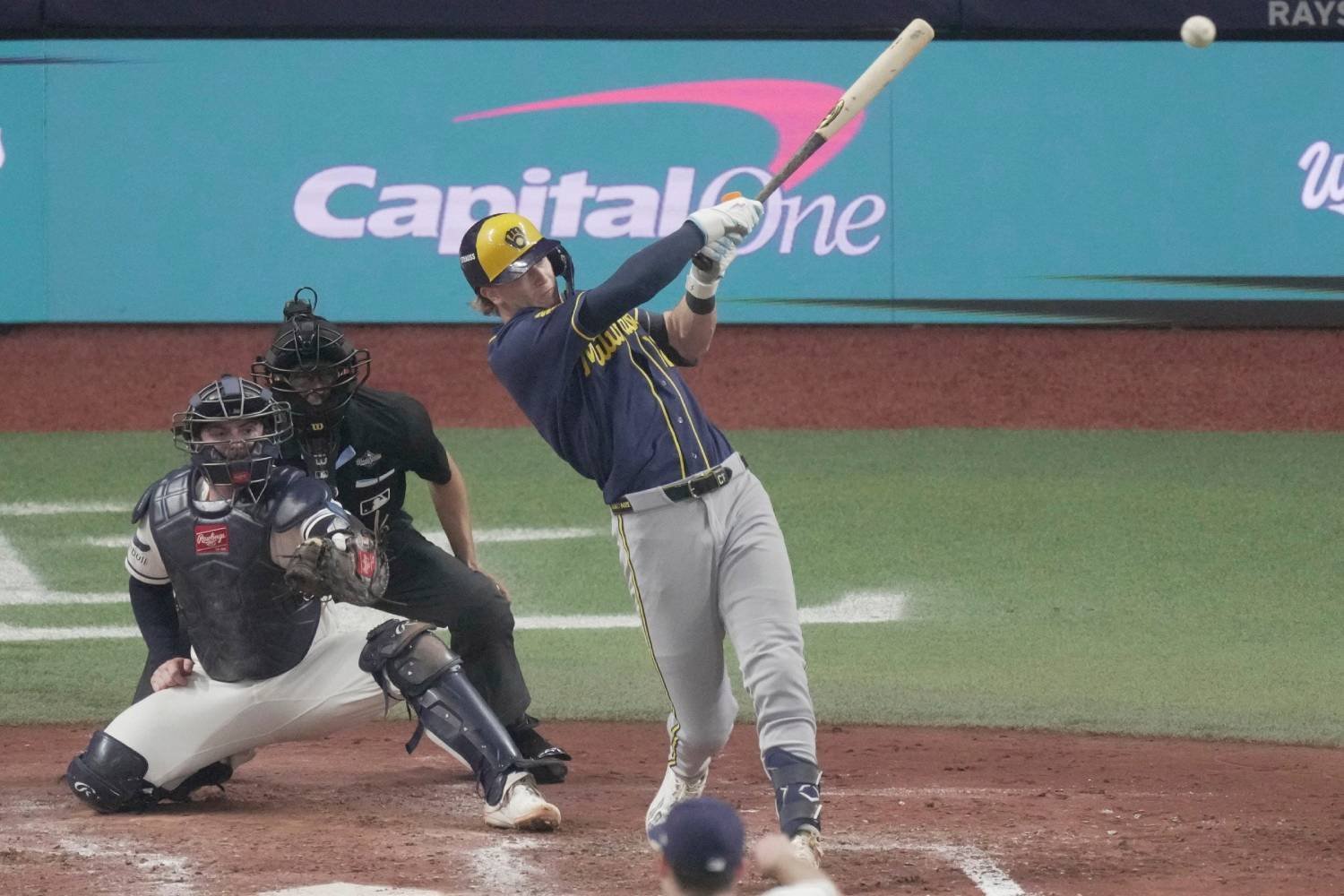 There is a lot of thought that goes into lineup construction. But to simplify, you want your top three spots to be your best three hitters. The middle trio should be run producers to knock in those first three. The bottom three? What is left in an order that makes sense. Over 162 games, Milwaukee Brewers manager Pat Murphy penciled in 146 combinations. Yeah, there is always tinkering, injury situations, days off for a regular, etc. Whether he was saving this setup for a special occasion or it just came to him while he doodled lineups on a napkin or a slip of paper in the morning, he came up with a really good nine for the World Series. And the names he put in the Nos. 7, 8 and 9 slots came up with many of the biggest hits in the 2026 World Series. Those names played a huge role in the Brewers winning the first World Series in the franchise’s 58 seasons with a 4-1 victory over the Tampa Bay Rays in Game 5 on Wednesday. After going with rookie shortstop Cooper Pratt at No. 7, right fielder Sal Frelick at No. 8 and third baseman David Hamilton at No. 9 for the first three games, he flipped Frelick with No. 6 hitter Garrett Mitchell in Game 4. It didn’t slow anything down. That trio did damage early in Game 4 to knock out Rays ace right-hander Drew Rasmussen. Pratt knocked in the first run, the third time in the World Series he has put the Brewers ahead. With Brice Turang having doubled and Frelick hit by a pitch with one out in the second, Pratt chiseled a first-pitch cutter into center to bring in Turang for his fifth straight World Series hit. Pratt made it a six-pack of consecutive hits when he got on top of an up-and-in 1-1 four-seamer and lined it to left with one out in the fifth. Mitchell singled Pratt to third and Hamilton pulled a grounder through a drawn-in infield and into right field to plate Pratt for a 2-0 advantage. They let the big boys contribute a bit as cleanup hitter William Contreras laced a double to right to bring in Christian Yelich, who was hit by a pitch. Turang looped a single to left, putting Contreras at third, then Pratt’s hit streak came to an end, but it was still a productive at-bat as he lofted a sacrifice fly into foul territory to right for a 4-0 cushion. Those were just the Game 5 contributions. Surprisingly, Frelick (Game 2), Hamilton (Game 4) and Pratt (Game 4) also accounted for all of the Brewers’ World Series homers. All were key blasts. Frelick’s tied the game 4-4 in the fifth inning of Game 2, with Pratt atoning for a first-inning error with a go-ahead single in the seventh. Hamilton’s long ball came after he made a fielding miscue, tying Game 4 in the fifth inning 2-2. Pratt hit what appeared to be a World Series-deciding homer in the top of the 12th of Game 4, putting the Crew up 3-2. During the regular season, Pratt had three homers, Frelick four and Hamilton four. In those bottom three spots, well, let’s make it four considering the flip-flop with Mitchell and Frelick, they combined for 20 hits in five games, with Pratt driving in a team-high seven runs and putting him in the conversation for World Series MVP. Those four played significant roles in each of the postseason chapters that wrote this championship story. Yes, there was more that went into the Crew crockpot that cooked up three wins over the San Diego Padres, four over the two-time defending World Series champion Los Angeles Dodgers, the greatest team money could buy, and four more over the Rays. Murphy, Aaron Ashby, Jacob Misiorowski, Jackson Chourio, William Contreras and more. But those at the bottom of the lineup are why Wisconsin is a beer-soaked state after realizing a dream that began with an expansion team called the Seattle Pilots in 1969, then moved to Milwaukee and becoming the Brewers in 1970. It was a long wait since 1982, the most iconic team in Brewers history until this 2026 club. That 1982 Brew Crew will always hold a special place in fans’ hearts and they are happy to take a step back to allow someone to take their place following a world championship. View the full article
-
The Right 'Who's: Milwaukee Brewers Win 2026 World Series
DiamondCentric posted an article in Brewer Fanatic
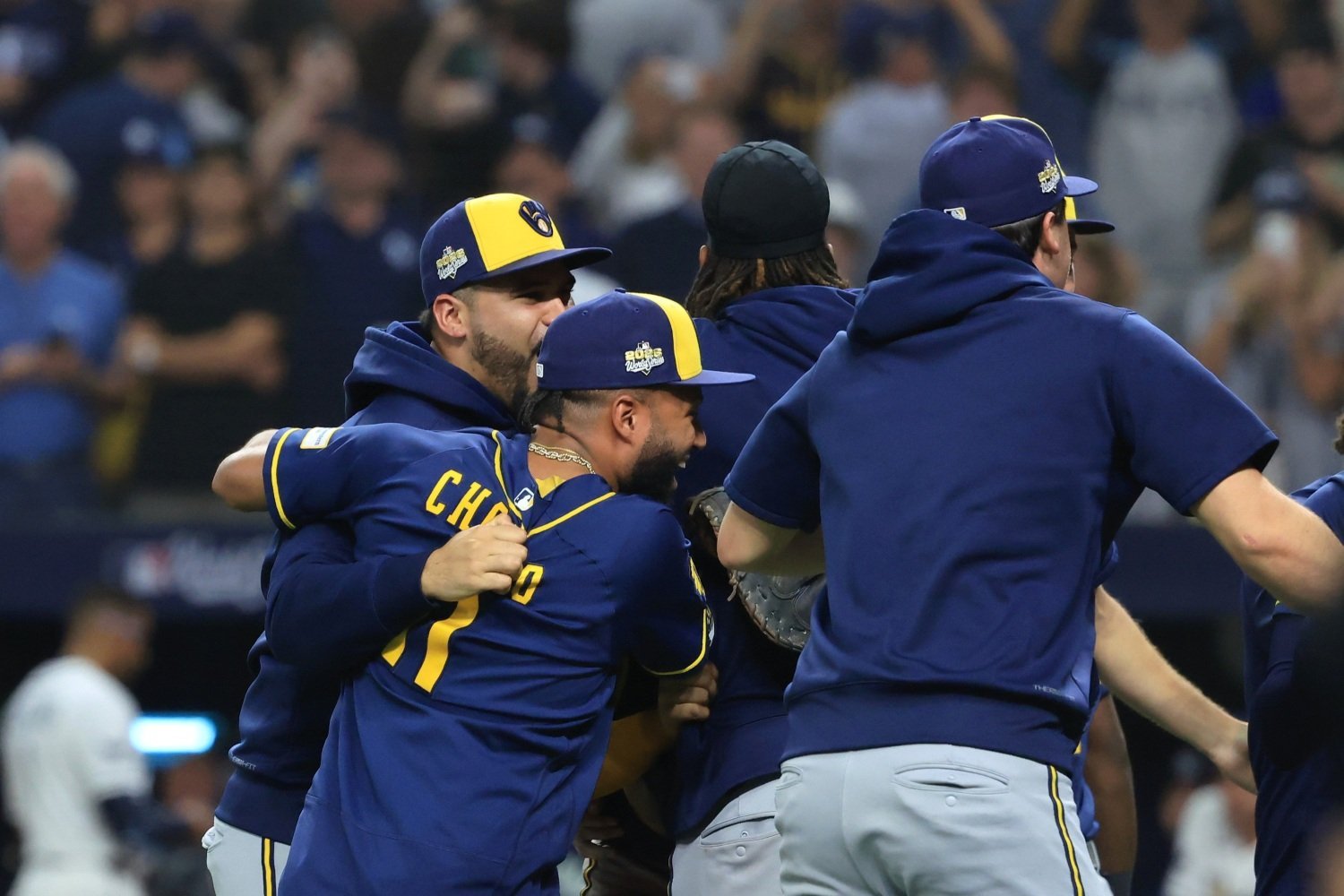 This one is for Bob Uecker, but you know that. More importantly, you know what that means, underneath the words—around them, and within them, and between them. If this one is for Bob Uecker, it's for every Brewers fan. If it's for Uecker, it's for every underdog. If it's for Uecker, it's for all of Wisconsin. Mark Attanasio once said he felt it his responsibility not to deliver the Brewers fan base a championship, but to give them "a summer of entertainment and passion and a chance for families to come together". No one was satisfied with that mission statement at the time, but the two goals have turned out not to be in conflict with one another. They've turned out to be complementary, and for the franchise emblemized by Uecker, that shouldn't be such a surprise. Uecker's legacy was made of summers of entertainment and passion—of cold beers and brats and slow-roasted jokes. He never lost sight of the goal, though, and not long after the world lost him, his team won what he always craved for them. The Milwaukee Brewers are World Series champions. Much more to come, right here and very soon. View the full article
-
Who Will Be the Highest Ranked Free Agent Signed By the Twins?
DiamondCentric posted an article in Twins Daily
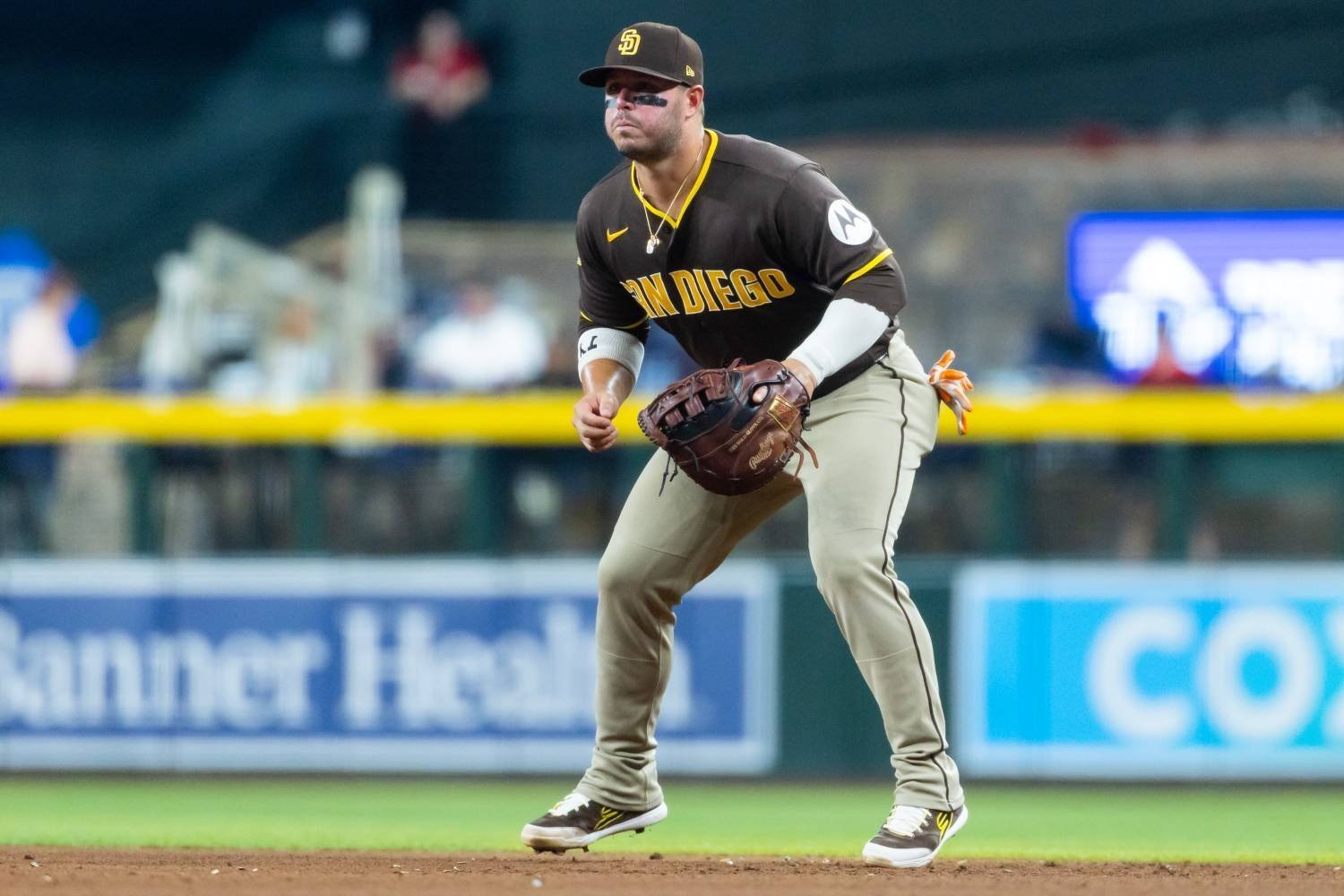 The Minnesota Twins have several needs to address as they prepare for the 2027 season. They need more production from their infield, additional power in the middle of the lineup, and significant improvements to a bullpen that has struggled to hold leads over the last three seasons. It would be exciting to see Minnesota make a serious run at Tarik Skubal to anchor the rotation or sign Randy Arozarena to provide another dynamic presence in the outfield. Skubal posted a 2.72 ERA with 186 strikeouts in 158 2/3 innings in 2026, while Arozarena hit .281/.381/.484 with 26 home runs and 26 stolen bases. Both would represent significant investments for a team coming off several seasons of payroll reductions. Even with owner Tom Pohlad pledging to invest meaningfully in the roster, though, it remains difficult to envision the Twins winning a bidding war for the most expensive free agents. Minnesota needs to improve several areas, rather than spend most of its available resources on one player. Diamond Centric's 2026-27 free agent rankings provide a useful starting point for identifying potential targets. Several players further down the list could make sense for Minnesota, especially if the club prioritizes shorter contracts and familiar faces. Here are some of the most intriguing possibilities. Infield Bats Brandon Lowe and Bo Bichette, Nos. 2 and 3 Ranked Free Agents Lowe and Bichette could both fill Minnesota’s need for an infield bat, but their expected contracts likely put them out of the Twins’ price range. Lowe hit 35 home runs in 2026, while Bichette brings a strong track record as a hitter and the potential to play multiple infield positions. Both are among the top three free agents in DiamondCentric’s rankings and should attract interest from teams willing to offer significant multiyear deals. Minnesota has too many roster holes to address to commit a substantial portion of its budget to either player, making more affordable alternatives a likelier path. 2B Luis Arraez, No. 9 Ranked Free Agent Arraez is a fascinating reunion candidate. The former Twin remains one of baseball's premier contact hitters, collecting 185 hits and batting .310 in 2026. He finished the season with a .765 OPS, demonstrating both his ability to reach base through contact and the limitations of a profile that relies less on power. His familiarity with Minnesota makes the connection easy to understand. Arraez could help the Twins improve their ability to put the ball in play and keep innings alive. He has also won three batting titles, giving him a résumé that few available hitters can match. The question is whether his overall offensive profile fits the team's biggest needs. Minnesota could use more home run power, and Arraez is a virtual zero in that department. His defensive limitations also require careful consideration when determining where he fits. Still, he could be a more attainable alternative to Lowe or Bichette if the Twins want to improve their lineup without chasing the most expensive hitter available. 2B Jazz Chisholm Jr., No. 17 Ranked Free Agent Chisholm offers something the Twins have often lacked: a combination of power, speed and athleticism. After recording a 30-home run, 30-stolen base season in 2025, he stole 41 bases in 2026 while hitting 19 homers. His .711 OPS was less impressive, but his speed and defensive range remain attractive. He also recorded 15 Outs Above Average, placing him among the game's stronger defenders at the keystone. Chisholm could give Minnesota a different kind of offensive weapon. He's also young enough to fit into the club's longer-term plans. His inconsistency at the plate and potential contract demands are concerns. The Twins would need to decide whether they're buying a player coming off a down year and ready to rebound, or one already heading into early decline. 1B Ty France, No. 23 Ranked Free Agent France might be a more realistic reunion candidate. He produced a strong 2026 season, hitting .295/.363/.502 with 21 home runs, 72 RBIs and an .865 OPS. Those numbers made it his most productive offensive season by OPS, giving him an appealing case for another opportunity in Minnesota. France does not fill the same positional need as Lowe, Bichette or Chisholm, but he could stabilize the corner infield and add another dependable hitter to the lineup. A return would depend on the cost and how the Twins envision using their other corner infielders. With several young players needing opportunities, Minnesota should be careful about paying for a veteran who does not represent a substantial upgrade over its internal options. Relievers Adrián Morejón and David Bednar, Nos. 8 and 15 Ranked Free Agents Morejón and Bednar could both stabilize Minnesota’s bullpen, but their expected contracts could put them out of the Twins’ price range. Morejón struck out 107 batters in 86 innings with a 2.83 ERA in 2026, making him an appealing left-handed option who could handle high-leverage situations. Bednar recorded 35 saves with a 2.47 ERA, giving him an established track record as a closer. Both ranked among the top 15 free agents, and their recent success could lead to significant offers. The Twins have been reluctant to commit multiple years to relievers, making it difficult to envision them winning a bidding war for either pitcher. RHP Raisel Iglesias, No. 24 Ranked Free Agent Iglesias could be a compelling alternative if the Twins decide they need a veteran capable of closing games. He recorded 34 saves with a 2.55 ERA in 2026, adding 64 strikeouts across 60 innings. The veteran will turn 37 during the 2027 season, which could make a shorter contract more appealing than the type of multiyear agreement a younger reliever might command. His experience and track record in high leverage situations would be valuable for a bullpen that needs more reliability. There would still be age-related risk, but Iglesias could offer a reasonable balance of established performance and contract flexibility. If the Twins want an experienced closer without making a long term investment, he deserves consideration. RHP Bryan Abreu, No. 32 Ranked Free Agent Abreu is another name worth monitoring because Minnesota already pursued him before the 2026 trade deadline. The Houston Astros reliever recorded a 3.73 ERA with 80 strikeouts in 62 2/3 innings during the 2026 regular season. He also collected nine saves. His strikeout ability gives him a chance to be a valuable high-leverage option, even if his 2026 ERA was not as impressive as those of some of the other pitchers on this list. Abreu would not necessarily be an inexpensive addition, but his lower ranking makes him a name to watch if Minnesota looks beyond the top tier of the relief market. The Twins could decide that adding one established reliever is preferable to signing several lower cost arms and hoping one emerges as a dependable late-inning option. Catchers C Ryan Jeffers, No. 11 Ranked Free Agent Jeffers might be the most complicated free agent on Minnesota's list because the team already knows what he can provide. He hit .270 with 14 home runs, 54 RBIs and an .872 OPS in 92 games during 2026. A fractured hamate bone limited his availability, but he was producing at a high level before the injury. Jeffers is the highest ranked catcher in DiamondCentric's rankings, and his offensive production should give him a strong case for a multiyear contract. The Twins must decide whether to make a qualifying offer, explore a longer agreement or prepare for life without him. Accepting a qualifying offer would give Jeffers another season in Minnesota, but it would come with a substantial one year salary. Declining it and pursuing a multiyear contract elsewhere could be the more attractive route for a catcher entering his prime. The Twins also have Victor Caratini under contract for 2027, with approximately $10 million remaining on his deal. That financial commitment complicates the decision, although it should not prevent the front office from retaining a player who has become one of its more productive hitters. If Jeffers accepts the qualifying offer, he would be the highest ranked free agent the Twins retain from this group. The more difficult scenario would be convincing him to sign a multiyear deal while managing the rest of the roster's needs. C Carson Kelly, No. 26 Ranked Free Agent Kelly could be an alternative if Jeffers departs. The veteran has experience as a starting catcher and offers a more established major league résumé than many of the younger options Minnesota could consider. Kelly provides a combination of defensive experience and offensive potential, although his production has fluctuated throughout his career. His 2026 season was worth 1.9 WAR, suggesting he can still provide value beyond simply filling a roster spot. Minnesota would have to weigh the cost of another veteran catcher against the money already committed to Caratini. A Kelly signing would make more sense if the Twins decide they need a clear replacement for Jeffers rather than a lower cost backup. C Tyler Stephenson, No. 35 Ranked Free Agent Stephenson is another potential option who could provide more offensive upside than a traditional defensive backup. He hit .241 with 15 home runs, 54 RBIs and a .727 OPS in 2026. Those numbers were not exceptional, but his history of contributing offensively makes him an interesting candidate. At 30 years old entering the 2027 season, Stephenson could still have several productive seasons ahead of him. However, his 2026 production would make it difficult to justify a major investment without confidence that he can return to a higher level. Minnesota could look at Stephenson if it decides to make a substantial change behind the plate. Otherwise, Caratini and Alex Jackson could enter the season sharing the catching duties while the organization evaluates its younger options. Who Is the Most Realistic Target? The Twins have several interesting choices, but their spending decisions will determine which players are realistic. Morejón and Jeffers are among the highest ranked names who directly address Minnesota's needs. Both could require commitments that the club has historically been reluctant to make. Arraez is an intriguing option because of his connection to Minnesota and his ability to produce hits, although the team needs more power. Iglesias and Abreu could help the bullpen, while France offers a familiar bat who could be less expensive than the top infield targets. My prediction is that Ty France, ranked No. 23, is the most realistic candidate to become Minnesota's highest-ranked new free agent signing. He provides a potential offensive upgrade without requiring the type of investment likely needed for Lowe or Bichette, and his familiarity with the organization makes a reunion easy to envision. If the Twins decide to spend more aggressively, Arraez at No. 9 becomes an intriguing alternative. And if Jeffers accepts a qualifying offer, he would immediately become the highest ranked player on this list to return to Minnesota. The key question is how much flexibility the front office actually has. The Twins need to add more than one player this winter, and the best signing might not be the biggest name available. Who will be the highest-ranked free agent signed by the Twins? Leave a comment and start the discussion. View the full article
-
 It was a tale of two seasons for Jakob Marsee in 2026. The Miami Marlins center fielder was awful at the plate through much of the first half, but finished up the year looking like a well-rounded rising star. Marsee joins AJ Ramos and Kevin Barral on the show to reflect on what lessons he learned about himself during the process, how he's feeling two-plus weeks removed from undergoing internal brace surgery on his elbow, what he's admires about the soon-to-be World Series champion Milwaukee Brewers and much more. This podcast is brought to you by Jet Ski Rentals of South Florida—offering Miami’s best jet ski and boat adventures. With six jet ski locations and over 120 boats, there’s something for every style and every budget. They’re reservation-based only. To inquire, call 305-990-2192, or check them out online at SFJetskiRentals.com. Make sure to use promo code FISHONFIRST to receive 10% off your next booking. You can find Fish Unfiltered and Fish On First LIVE on the Fish On First YouTube channel, Apple Podcasts, Spotify or wherever else you get your pods. In 155 games played during his age-25 season, Marsee slashed .231/.348/.359 with 11 home runs, 23 stolen bases and an 100 wRC+. His 2.4 fWAR led all Marlins outfielders. During the last couple weeks of the regular season, Marsee describes being in pain every time he threw the ball. The Marlins announced shortly after the season finale that he would be visiting Dr. Keith Meister for a consultation. Meister performed Marsee's operation on October 12. Speaking to Fish Unfiltered on Wednesday (16 days post-op), Marsee is still wearing a bulky brace, but "it's going a lot smoother than expected so far," he says. "I didn't realize how quick I'd get my range of motion back." His goal is to be ready to play by Opening Day, whenever that may be. View the full article
-
 It was a tale of two seasons for Jakob Marsee in 2026. The Miami Marlins center fielder was awful at the plate through much of the first half, but finished up the year looking like a well-rounded rising star. Marsee joins AJ Ramos and Kevin Barral on the show to reflect on what lessons he learned about himself during the process, how he's feeling two-plus weeks removed from undergoing internal brace surgery on his elbow, what he's admires about the soon-to-be World Series champion Milwaukee Brewers and much more. This podcast is brought to you by Jet Ski Rentals of South Florida—offering Miami’s best jet ski and boat adventures. With six jet ski locations and over 120 boats, there’s something for every style and every budget. They’re reservation-based only. To inquire, call 305-990-2192, or check them out online at SFJetskiRentals.com. Make sure to use promo code FISHONFIRST to receive 10% off your next booking. You can find Fish Unfiltered and Fish On First LIVE on the Fish On First YouTube channel, Apple Podcasts, Spotify or wherever else you get your pods. In 155 games played during his age-25 season, Marsee slashed .231/.348/.359 with 11 home runs, 23 stolen bases and an 100 wRC+. His 2.4 fWAR led all Marlins outfielders. During the last couple weeks of the regular season, Marsee describes being in pain every time he threw the ball. The Marlins announced shortly after the season finale that he would be visiting Dr. Keith Meister for a consultation. Meister performed Marsee's operation on October 12. Speaking to Fish Unfiltered on Wednesday (16 days post-op), Marsee is still wearing a bulky brace, but "it's going a lot smoother than expected so far," he says. "I didn't realize how quick I'd get my range of motion back." His goal is to be ready to play by Opening Day, whenever that may be. View the full article
-
Brewers-Rays World Series Game 5 Matchup By The Numbers
DiamondCentric posted an article in Brewer Fanatic
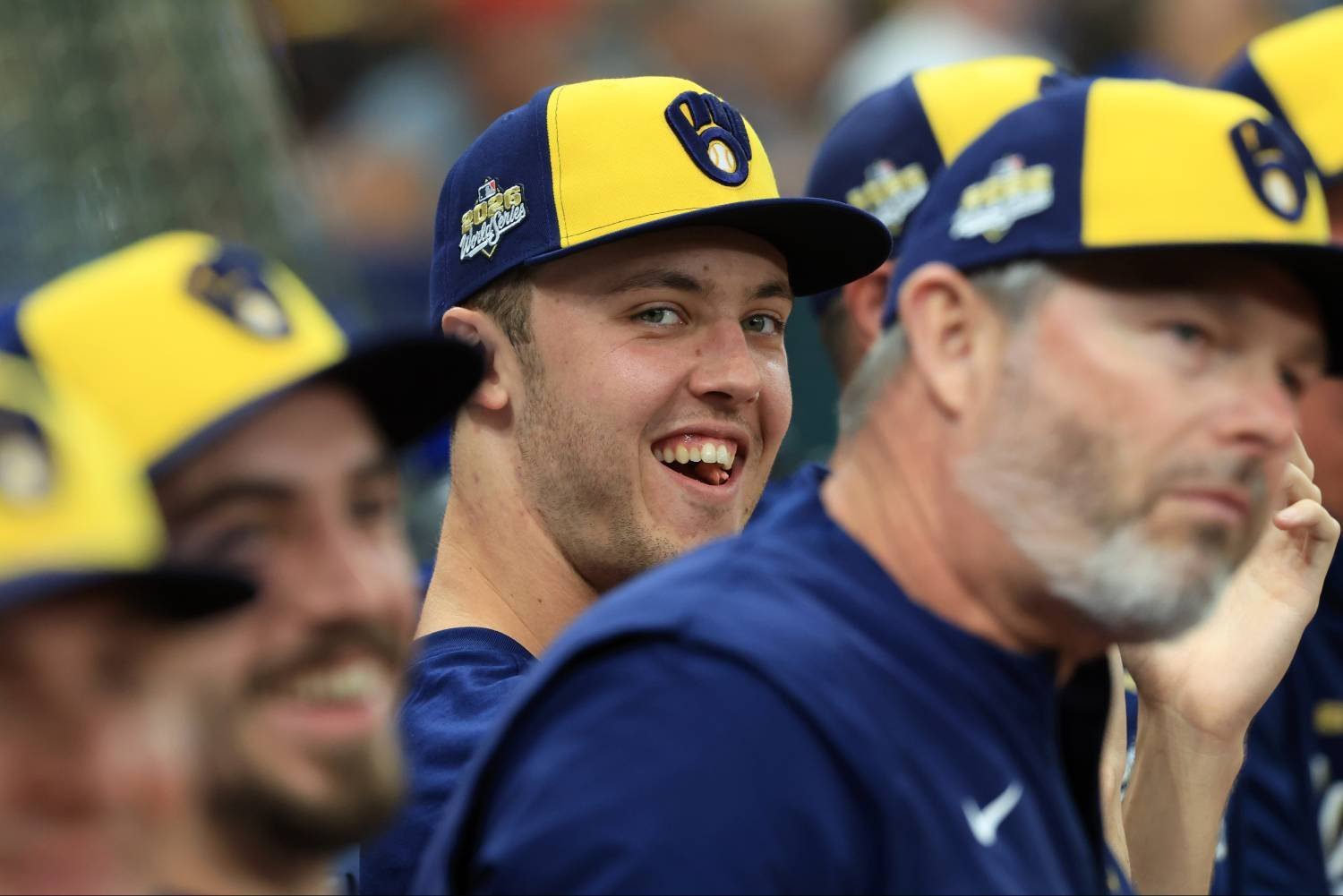 Following an eight-game winning streak, the Milwaukee Brewers lost for the first time since the NL Division Series and just the second time this postseason as they attempted to win the first World Series championship in franchise history. Now, the Brewers will look to bounce back from a 4-3 loss in 12 innings against the Tampa Bay Rays and have their best starting pitcher headed to the mound: ace right-hander Jacob Misiorowski. The Miz will make his first road start and fourth of this postseason in Game 5 of the World Series as the Brewers look to close out the Rays on Wednesday (7 p.m. CT, Fox). The Rays are just the 11th team (44 attempts) in any best-of-seven postseason series to force a Game 5 after being down 3-0 with none in the World Series getting to a Game 6. In Game 1 of the World Series, Misirowski, the leader in the clubhouse for this year's NL Cy Young Award, went five innings vs. the Rays, allowing a run on four hits and a walk with three strikeouts. Misiorowski has made his last two starts with extra rest (seven and 11 days), yet will be making this one on a typical four days of rest. His three strikeouts in Game 1 were the fewest this season. He generated just seven whiffs during his 78 pitches as he struggled with his location, particularly against right-handed batters. Velocity didn't seem to be an issue as Misiorowski's first pitch was a World Series-record 103.5 mph and his final pitch was 103 mph. As for the Brewers' bullpen, this is where the blowout in Game 3 comes back and pays dividends for the Crew. The only pitchers who would seemingly be unavailable are right-handers Dustin May and Antonio Senzatela. May threw 39 pitches in his start Tuesday and Senzatela has pitched in each of the last two games and tossed 44 pitches, losing steam in Game 4. Left-hander Aaron Ashby, who has an MLB postseason-record 19 scoreless innings this year, threw 31 pitches in Game 4 and can probably go an inning at most in Game 5. Otherwise, all of the other relievers are good to go for at least one inning. Rays first baseman Jonathan Aranda went 3-for-3 with a walk in Game 1, getting a line-drive single in his first at-bat and a walk in his second trip vs. Misiorowski. The only run scored on a weak grounder to first base by Liam Hicks. Jacob Misiorowski vs. Tampa Bay Rays: Current Batters Table Rk Player B PA AB H 2B 3B HR RBI BB SO BA OBP SLG OPS SH SF IBB HBP GIDP 1 Jonathan Aranda L 3 3 0 0 0 0 0 0 0 .000 .000 .000 .000 0 0 0 0 0 2 Junior Caminero R 3 3 0 0 0 0 0 0 2 .000 .000 .000 .000 0 0 0 0 0 3 Yandy Díaz R 3 3 1 0 0 1 2 0 1 .333 .333 1.333 1.667 0 0 0 0 0 4 Nick Fortes R 3 3 1 0 0 0 0 0 0 .333 .333 .333 .667 0 0 0 0 0 5 Cedric Mullins L 3 3 0 0 0 0 0 0 3 .000 .000 .000 .000 0 0 0 0 0 6 Chandler Simpson L 3 2 1 0 0 0 0 1 0 .500 .667 .500 1.167 0 0 0 0 0 7 Ben Williamson R 3 3 0 0 0 0 0 0 0 .000 .000 .000 .000 0 0 0 0 0 8 Liam Hicks L 2 2 1 0 0 0 1 0 0 .500 .500 .500 1.000 0 0 0 0 0 9 Jorge Mateo R 2 2 1 0 0 0 0 0 0 .500 .500 .500 1.000 0 0 0 0 0 10 Richie Palacios L 2 0 0 0 0 0 0 1 0 1.000 0 0 0 1 0 Provided by Stathead: Found with Stathead. See Full Results. Generated 10/28/2026. With Game 1 starter Nick Martinez pitching in relief in Game 4, the Rays are going with ace right-hander Drew Rasmussen in order to stave off elimination for a second day in a row. Rasmussen, who will be pitching on three days' rest, has had Tommy John surgery three times and manager Kevin Cash expressed caution when asked about Rasmussen's availability for Game 5. But the former Brewers prospect pronounced himself ready, although it is likely to be a shorter start. This will be his fewest days of rest this season. Of course, Rasmussen, an AL Cy Young Award candidate, had a rather abbreviated start in Game 2 of the World Series. Staked to a 4-0 lead before he threw a pitch, Rasmussen lasted just 3⅔ innings as the Brewers got to him for three runs on six hits and two walks with four strikeouts. William Contreras had a pair of hits against Rasmussen in Game 1, including driving in one in a two-run bottom of the first. The Rays' pitching situation is more dire than the Brewers after the bullpen had to cover 5⅓ innings in Game 3 and eight innings in Game 4. Martinez, typically a starter, and right-handed closer Bryan Baker each pitched two innings. Martinez, a former reliever, might be able to squeeze out another inning, while Baker didn't go two innings at all this year, maxing out at 1⅔ innings. He was efficient with 21 pitches (14 strikes), so perhaps can get a few batters out of him if he is available. You could even see Game 3 starter, former Brewer Freddy Peralta, for an inning as this would typically be his bullpen day. Regardless, Cash has his work cut out for him to piece together this pitching plan. The Brewers' offense has been performing fairly well, led by Jackson Chourio (10-for-20), Contreras (7-for-17) and rookie Cooper Pratt (6-for-16), who hit a go-ahead homer in the 12th inning of Game 4. Drew Rasmussen vs. Milwaukee Brewers: Current Batters Table Rk Player B PA AB H 2B 3B HR RBI BB SO BA OBP SLG OPS SH SF IBB HBP GIDP 1 Jake Bauers L 9 8 3 0 0 0 0 1 3 .375 .444 .375 .819 0 0 0 0 0 2 William Contreras R 6 5 2 0 0 1 1 1 0 .400 .500 1.000 1.500 0 0 0 0 0 3 Sal Frelick L 5 5 0 0 0 0 0 0 2 .000 .000 .000 .000 0 0 0 0 0 4 Brice Turang L 5 4 1 0 0 1 2 1 0 .250 .400 1.000 1.400 0 0 0 0 0 5 Joey Ortiz R 4 4 1 0 0 0 0 0 1 .250 .250 .250 .500 0 0 0 0 0 6 Gary Sánchez R 4 4 1 1 0 0 1 0 0 .250 .250 .500 .750 0 0 0 0 0 7 Christian Yelich L 4 4 1 0 0 1 1 0 2 .250 .250 1.000 1.250 0 0 0 0 0 8 Jackson Chourio R 3 3 0 0 0 0 0 0 0 .000 .000 .000 .000 0 0 0 0 0 9 David Hamilton L 2 2 0 0 0 0 0 0 1 .000 .000 .000 .000 0 0 0 0 0 10 Garrett Mitchell L 2 2 1 0 0 0 0 0 1 .500 .500 .500 1.000 0 0 0 0 0 11 Bo Naylor L 2 2 0 0 0 0 0 0 1 .000 .000 .000 .000 0 0 0 0 0 Provided by Stathead: Found with Stathead. See Full Results. Generated 10/28/2026. View the full article
-
Padres' Bullpen Is Facing A Left-Handed Crisis This Offseason
DiamondCentric posted an article in Padres Mission
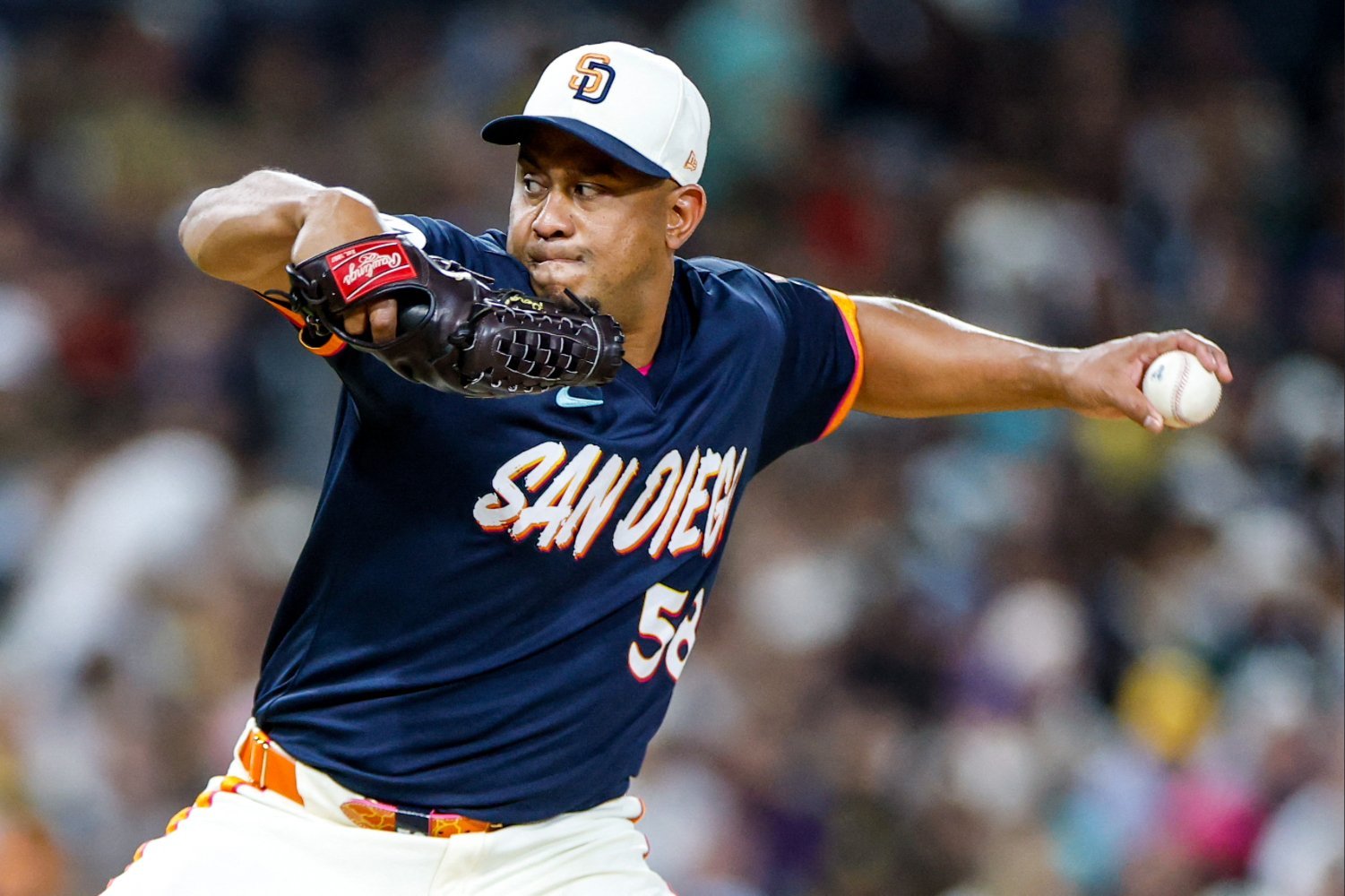 Regardless of what curveballs the impending labor negotiations throw at Major League Baseball's organizations this winter, the work for the San Diego Padres will look quite similar to what last offseason did: address the depth on offense and assemble a starting staff from virtually nothing. That's tough work on its own. Last winter, A.J. Preller was able to do accomplish most of that agenda without needing to look to his bullpen all that much. The group that worked in relief in 2026 was one that had been in place for a while; Even through various injuries, including those to Jason Adam & Jeremiah Estrada, the team was able to keep things in-house when it came to the relief corps. It stands to reason that, unfortunately, that will change in a rather significant way this winter. Adrian Morejon is a free agent. The team could sign him to a new (massive) contract to keep him in the seventh and eighth inning. They could part with another arm to create the necessary roster and budget space. But the most realistic scenario sees Morejon throwing baseballs for a new franchise for the first time in his career next season. That's not only a key arm—which almost understates it, as Morejon was perhaps the most important non-closer in baseball this season—potentially departing, but one of a left-handed variety. That's part of a potential theme here. Among Padres pitchers that were used consistently out of the bullpen, Wandy Peralta and Yuki Matsui represent the other left-handed names. Peralta's 72.1 innings trailed only Morejon among all Friars relievers while Matsui's 64 frames ranked fifth within the group. Kyle Hart and his 55.1 innings were right behind Matsui in sixth. That's half of the top-six relief arms in terms of volume from the 2026 Padres, and they all have one thing in common: they throw left-handed. Peralta carries a $4.13 million average annual value on a deal that runs through 2027, but he can opt out this winter. Matsui stands to make $6.5 million next season but also possesses the ability to opt out, along with a player option for 2028. Hart, meanwhile, has a club option at $2.5 million for 2027 and can reach free agency ahead of 2028. That's plenty of uncertainty for the team's left-handed relief contingent beyond the one who is actually set to reach free agency without caveats in Morejon. The most likely scenario involving the trio is that Hart has his option exercised. He was good enough in full-time relief last season to merit another look, at worst as a pure middle reliever. Peralta & Matsui will be more interesting; both turned in very solid seasons, including a career-best year from Matsui, but they are also the truest form of middle reliever unlikely to touch leverage. If they don't feel they can out-earn their current deals on the open market, then it's entirely possible that either or both would wind up back in San Diego for next season. Regardless of how that transpires, though, the Padres are going to need to find some leverage help that throws from the left side. The benefit of an elite arm like Morejon is that you not only have a matchup nightmare in the late innings, but one capable of handling either handedness. The Padres, even with the aforementioned trio that could remain intact, have no such arm to fill such a role as a high-leverage lefty. Obviously, this is an organization that has been able to develop late-inning talent. But between the imminent departure of Morejon and the lack of high-leverage experience from the remaining southpaws, Preller will have an item on his to-do list that he didn't need to address last offseason. The Padres were a top-10 team in ERA (3.84), FIP (4.08), and groundball rate (43.8 percent) against left-handed batters in 2026. If that's to continue, certain contingencies may need to be in place to account for not only the potential departure of Morejon, but also Peralta & Matsui. Perhaps the wisest choice is to simply pay Morejon and be done with it, budgetary constraints be damned. But that could limit the team's flexibility elsewhere, which would hurt their chances to improve the parts of the roster that need upgrades the most. View the full article
-
 New manager Chad Tracy continues to fill out his first coaching staff with the Boston Red Sox. Jason Bell, the quality control coach with the Houston Astros, has been hired by the Red Sox in an unannounced role, according to a report Wednesday by Chandler Rome of The Athletic. Bell has been with the Astros in a variety of positions over the last 10 years. He also was the first base coach for Israel in this year's World Baseball Classic. The 36-year-old Bell has been with the Astros' major-league staff the last three seasons as a quality control coach while adding field coordinator the last two years. Prior to that, he was in similar roles in the Astros' minor leagues, including the 2018 season with the short-season Hudson Valley Renegades in the New York-Penn League, falling in the league finals. View the full article
-
 I attended my first AFL game on October 27 at Peoria Stadium to watch the Saguaros versus the Javelinas. Here is what I noticed: General Notes Tickets are $14, and seating is general admission. Announced attendance was 271. I sat in the front row at the Saguaros on-deck circle. By my count, there were 13 scouts on the stands evaluating the game. The Saguaros bench got warned after razzing the umpire for a 3-2 strikeout call that was overturned to a BB. Three Royals played. Felix Arronde, Austin Charles, and Angeibel Gomez. Felix Arronde Started the game and pitched one inning. Lead-off walk, pitch clock violation, K swinging, walk, stole 2B, K swinging. Single misplayed by LF runner to 2B, run scored, single between 1B and 2B, run scored. Foul tip caught by catcher K. All three outs by strikeout were impressive. After the game, I asked the catcher Kehden Hettiger, a Philadelphia Phillies prospect, what he saw from Arronde. His thoughts: Arronde hid the ball well, but was a bit unlucky. Had good, deceptive stuff. Maybe a little nervous being his first appearance. Austin Charles Line out to short, one hopper to SS got down the line to avoid the double play, strikeout on check swing, bases loaded strikeout swinging. Very aggressive all game, lots of early count swings. Made every defensive play. Angeibel Gomez Worked a full count and stroked a single to left field for an RBI, stole second, and a wild pitch advanced him to third, then grounded out to shortstop. First pitch swinging, fly ball to left LF, lost in the sun, fell 15 feet to his left. It is a double in the books but should have been an easy out. Called strike 3. Didn't like the call but didn't challenge. Defensively Shallow pop between 2B, CF, and RF. Looked like 2B called it and Gomez backed off. Ball fell. Gomez had a ball to dead center, realized it was over his head, and played it off the wall in a textbook play. Gomez made a nice catch at the warning track. View the full article
