


DiamondCentric
-
Posts
2,631 -
Joined
-
Last visited
Never
Content Type
Profiles
Forums
Events
News
Tutorials & Help
Major League Baseball Videos
Guides & Resources
Store
Downloads
Gallery
Everything posted by DiamondCentric
-

Joe Ryan Is Back From the IL, and His Stuff Appears to Be Back, Too
DiamondCentric posted an article in Twins Daily
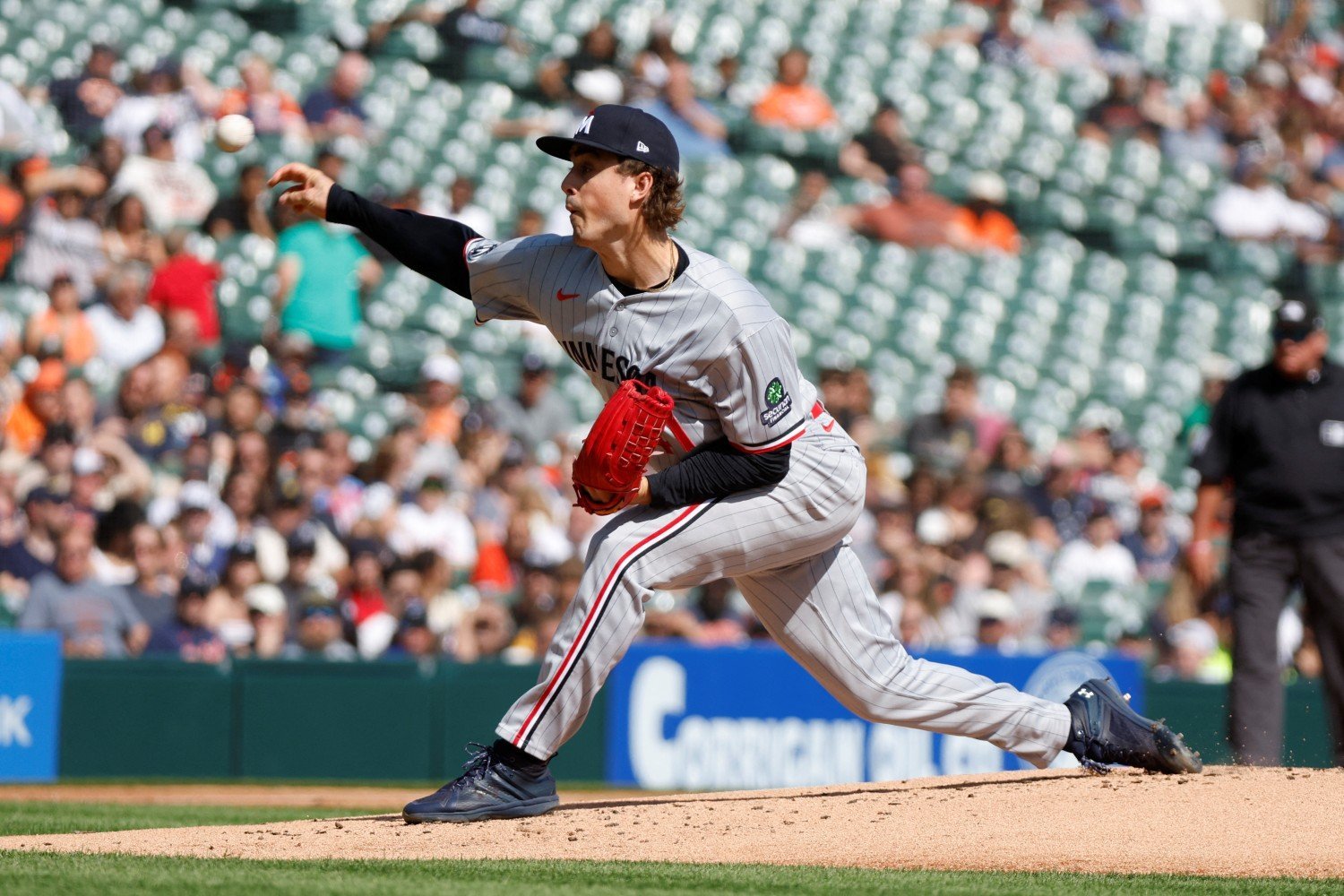 For most of the season, Joe Ryan has looked like a legitimate ace. Before the All-Star break, Ryan posted a sparkling 2.85 ERA in 110 1/3 innings. He racked up 128 strikeouts, compared to just 25 walks. He made the All-Star team, and was on the fringes of Cy Young consideration. Then the second half began, and something looked different. Ryan made three starts after the All-Star break (before hitting the injured list); none went particularly well. He surrendered six home runs against Cleveland. He was comfortably out-dueled by former Twin Randy Dobnak in two consecutive outings. But perhaps the biggest concern wasn't even the results themselves. It was what was happening underneath them. Ryan's four-seam fastball, the foundation of his success, appeared to lose some of its usual life. His induced vertical break fell, and hitters began squaring the pitch up with much more authority. His arm angle trended downward, and something didn't look quite right. A skipped start didn't fix what was initially reported as arm fatigue; he hit the shelf with a glute strain. That made Monday's return especially important. Ryan didn't need to throw seven shutout innings to make his first start back from the IL a success. In many ways, the more important question was whether the stuff looked like it did before his struggles began. Based on the underlying numbers, there was plenty to like. His final stat line wasn't perfect: four innings, three hits, three runs allowed, two earned runs, one walk and seven strikeouts. The headline numbers certainly don't scream 'dominant,' and the Twins ultimately needed more than a solid four innings, as they continue slipping in the standings. But Ryan's start may have been significantly more encouraging than the final line suggests. The first thing that immediately stood out was his fastball. After watching the induced vertical break on his four-seamer decline before his trip to the injured list, Ryan's IVB was back up to 14 inches in his return. That's the number around which he's hovered over the course of his career. For Ryan, specifically, that one or two inches can make a significant difference. He doesn't possess overwhelming velocity. His fastball works because of its unique combination of shape, extension and deception. When hitters are swinging underneath it—popping it up or missing it altogether—it becomes one of the most effective fastballs in baseball, despite sitting in the low- to mid-90s. Before the IL stint, hitters were no longer having that problem. But on Monday, the shape was back. It wasn't just the vertical movement. Ryan was also generating significantly more horizontal movement with his pitches. His four-seamer and sweeper (the two pitches he used most often in that start) each generated roughly two additional inches of horizontal break compared to their season-long averages. That's a particularly interesting development, because Ryan's entire arsenal appeared to benefit. The increased IVB wasn't limited to his fastball, as the rest of his pitches also saw their vertical movement improve. Ryan's velocity was also up in his return, another encouraging indication that the time away may have allowed his body to recover from the glute strain. Pitching is a full-body motion, and even an injury that has nothing to do with the arm can affect a pitcher's delivery, release point, and how his pitches move. There was never a guarantee that his glute strain had anything to do with the declining movement on his pitches, but the timing made it difficult to completely ignore the possibility. Now, following time away from the mound, the movement is back up, the velocity is up, and Ryan allowed almost no hard contact. In fact, he surrendered just one hard-hit ball all afternoon: a solo home run by Kevin McGonigle in the bottom of the first inning. Beyond that, Ryan was remarkably difficult to square up. He also generated 12 whiffs on just 66 pitches, which is an extremely impressive rate of swing-and-miss. The one particularly interesting wrinkle? None of those 12 whiffs came on the four-seam fastball. That doesn't necessarily mean the fastball wasn't effective. If anything, the fact that Ryan's movement was back while the rest of his arsenal generated the swings and misses may be a promising sign for his next few starts. His fastball can still serve as the foundation that makes everything else work, even when it isn't directly producing the whiffs. While he was pulled after just 66 pitches, it's important to remember that this was his first start back from the injured list, and the Twins weren't going to ask him to immediately return to a full workload. The bigger goal was getting him back on the mound, making sure his stuff looked healthy and allowing him to build back toward a normal workload. From that perspective, Monday was difficult to view as anything other than encouraging. One start doesn't erase the three rough outings before his trip to the IL, and at this point in the season, making sure he's at 100% for 2027 should be the priority. But this was an important first step. The version of Ryan that took the mound Monday looked considerably more like the pitcher the Twins watched dominate during the first half of the season. His fastball had regained its usual vertical break. His arsenal was generating more movement across the board. His velocity was up. And, outside of one first-inning home run, hitters struggled to make hard contact. Monday wasn't the end of Ryan's return journey. It was more like the beginning. It was, however, an encouraging start. View the full article
 -
Jackson Chourio's Defense Has Gone to Another Level Lately
DiamondCentric posted an article in Brewer Fanatic
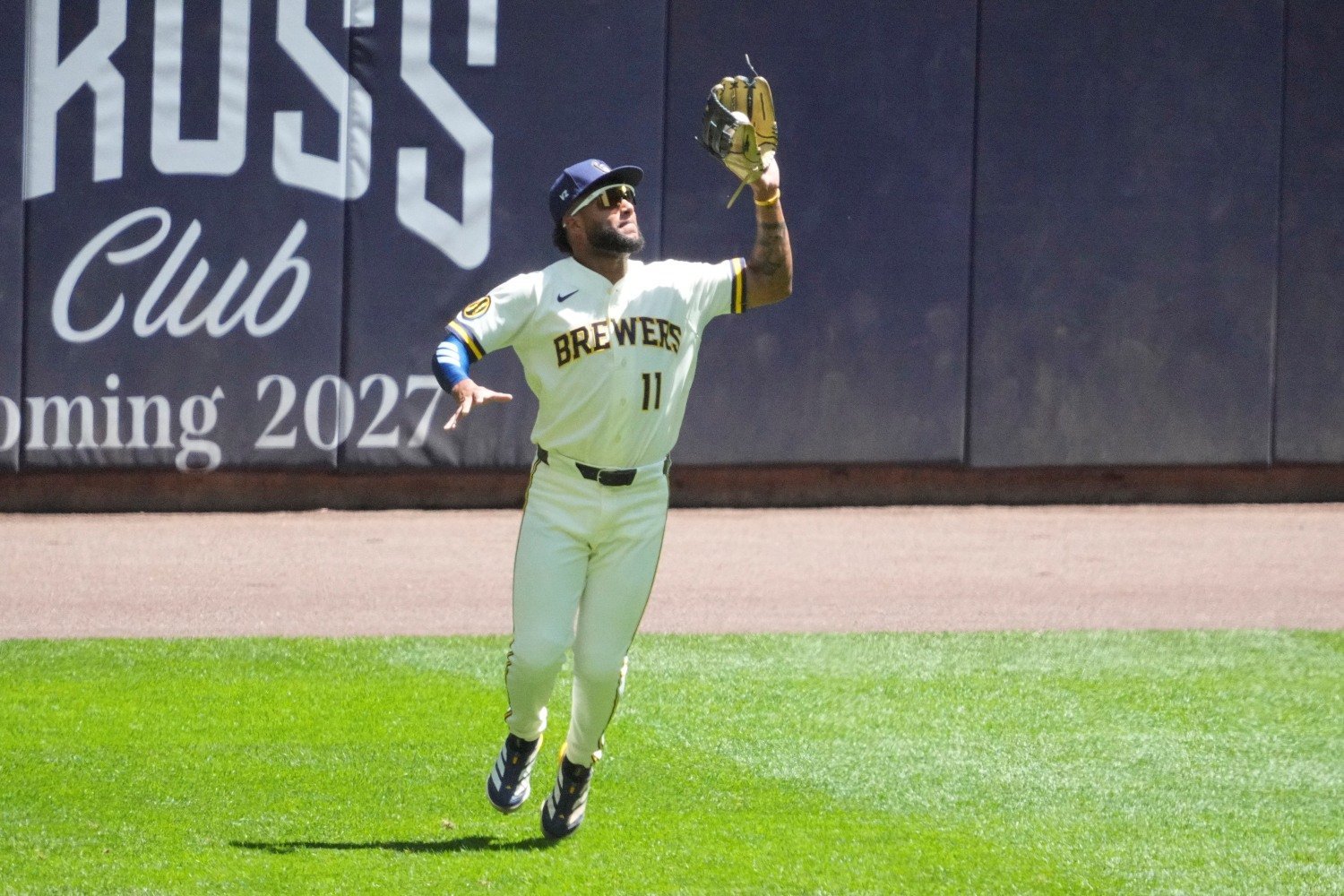 When a player comes up at 20 years old, you have to expect their development to continue over their first few years in the big leagues. Bringing a player through the minors that fast requires a team to overlook a few rough edges and accept some on-the-job learning; it's something clubs only do when they have a glaring need or a massive amount of faith in a prospect. In Jackson Chourio's case, the learning curve has never been hard to see. He struggled mightily at the plate for his first two months in the majors. Since then, he's largely been good, and there are nights—hell, there are fortnights—when he seems to take up the whole screen and impose his will on the game. However, there are also at-bats in which he's plainly not seeing the ball well, or when he's up there without a plan and makes dreadful swing decisions. He's run into some outs on the bases; he doesn't yet have the nous to match his elite speed. That shows up on defense, too. Often, it's defense that keeps a team from calling a guy up so young; the subtleties of fielding take time to master. Chourio is gifted enough that the Brewers elected to make a huge investment in him even before they called him up, which accelerated the process of promoting him to the bigs. It also meant they were willing to accept some uneven defense. They had to be, because they'd only converted Chourio from a shortstop to an outfielder two years earlier. As in the batter's box, so in the outfield: there would be learning to do. The good news, of course, is that raw tools play quite well in the outfield. Infielders have to learn the internal clock that governs each play, which changes as one rises through the professional ranks. They have to develop a strong rapport with other infielders, and the physical and mental skills that make building that rapport easy with new people. They have to master a wide variety of plays and the aspects thereof: a quick first step, changes in posture to read tricky hops, and accuracy on throws. That all sounds like stuff you can learn in high school or college; it isn't. The game transforms on you. It gets much, much harder as you progress. The ball is hit harder. Opponents are faster. They more often mishit the ball, but not as many of those mishits are slow, easy-to-read bouncers. The median grounder goes from being a two-hopper to a one-hopper, and from a one-hopper hit slightly downward to one that would be a clean line-drive single at lower levels of baseball. A version of this happens in the outfield, too, but there are fewers components involved in turning a batted ball into an out when it's hit in the air. Just go catch it. Speed can make up for a bad read (sometimes). A late adjustment can produce an out even if you overran the ball. Chourio got by on his speed and his adjustments for a while. He didn't excel in the outfield, but he didn't embarrass himself or cost the Brewers games, either. He looked good in right field (though a bit rougher in left) in 2024. In 2025, circumstances forced him to play more center field, but he handled that relatively well, too. You wouldn't confuse him with Pete Crow-Armstrong or Dwight Evans, but he was fine. That descriptor—'fine'—remained apt for the early part of this season, too. Chourio was sidelined early by the hand injury he suffered in early March, but once he returned, he played roughly average defense. He was average or so in May; he was a bit better in June; he was a bit worse in July. Lately, though, Chourio has turned a corner. He's not guessing and checking anymore. He's not outrunning his mistakes; he's not making as many of them in the first place. And that's opened up a new level for him. He can now make the plays that almost always elude the raw, run-it-down guys. Less than two months ago, Chourio played a lot of balls like this: a slightly late start, and then a slightly early give-up. He didn't have much confidence in his routes or reads—at least, not enough to take any chances on them. WnhxUkdfWGw0TUFRPT1fVlFsV1ZBVlhVZ0FBQ1FZTEJRQUhCd0FGQUZnRFdsRUFCRkFGQUZVRkJnY0dVbFFB.mp4 Lately, though, he's played much more like this: no rush to get the jump, but confidence about the route he chooses and the fearlessness and polish to keep running fast through the catchpoint. NnlNZWRfWGw0TUFRPT1fQUFKVkJWME1Cd0FBRFFFS1ZRQUhVRk5VQUFBQVZWSUFVVndNVVZZRkIxRmRCUVlD.mp4 Chourio has made more difficult catches in the last six weeks than in the entire season before that. According to Statcast, he was worth 4 Outs Above Average in August alone. September isn't even 10 days old, but he's already been worth 3 OAA this month. That newfound excellence became especially vivid at the end of Monday's win over the Cubs, when he maintained his speed and got to a ball that would have fallen in front of him before about a month ago. d2V3ckFfWGw0TUFRPT1fQjFKUUFGVUdCQVVBV1Z0UVVnQUhCRkJWQUZoWFVWVUFWMU5RQlFVREF3QUJDUUpT.mp4 Watch Chourio in isolation on plays like these, and you can see him brace himself the same way each time. He gets into a wide base just as the ball passes through the hitting zone, and leans into the same hip each time, no matter what. Sometimes, that produces a slightly late start, but it always produces a powerful one. It also forces him to hold an extra quarter-second, so he can read the angle and take off with greater confidence. That's why we're seeing him barrel through the point where he intercepts the flight of the ball—sometimes diving, sometimes sliding fast and smooth, sometimes getting to within a step of the wall before slowing down, but never pulling up shy or needing to make a big, late bend in his route to get there. This is the latest evidence that Chourio is going from hugely talented work in progress to bona fide superstar. He's gotten more consistent and more lethal at the plate. He can cover more pitches, as he demonstrated by swatting the game-winning single on a high fastball in the bottom of the eighth Monday. Now, he's also demonstrating that polish (and that capacity to dominate, by denying opponents a rally rather than generating one himself) in the field. Over the last few years, Milwaukee's defense has been elite. That's been slightly less true this year. If Chourio is now an elite left fielder, though, the team is one step closer to a complete, elite unit—and one that can finally make it through the gauntlet of October. View the full article
 -
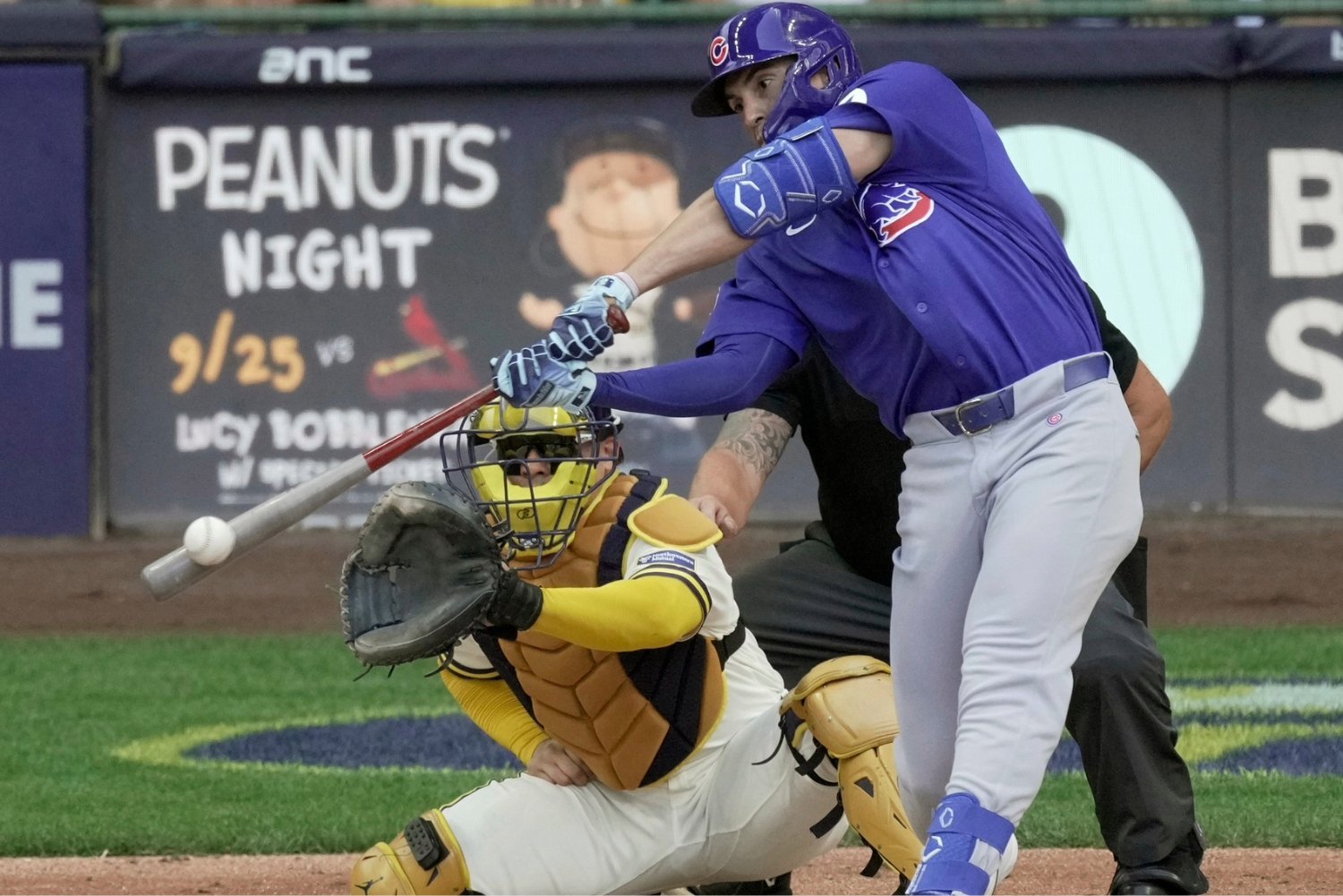 Hard as it is to believe, the 2026 MLB campaign is coming to an end. The Chicago Cubs currently sit with a record of 81-64, meaning they only have 17 games remaining on their regular-season schedule. But despite the fact that October is right around the corner, there are still some very notable games left that all Cubs fans need to tune into. Some will impact the standings, while others will give Chicago a chance to measure itself against potential playoff opponents. Either way, these contests will determine the North Siders' aptitude ahead of the postseason. Ranking Cubs' Most Important Games Down the Stretch #5: September 22nd vs. Miami Marlins The Marlins are quietly hanging around in the mix for the final National League Wild Card spot, and since we’re still a couple of weeks away from this matchup, that makes it far too early to know exactly where Miami will sit in the standings. But regardless, this is going to be a good test for the Cubs before the postseason begins. The Marlins have some legitimate talent on their roster, particularly in their starting rotation. Guys like Sandy Alcántara and Eury Pérez are capable of completely taking over a game, and while it’s too early to know who will be pitching for either side, the Cubs could very easily find themselves facing one of Miami’s top arms. This game is also the first of a series, and getting it started with a win would go a long way. Especially this late in the season, every series against a playoff-caliber opponent feels important. And with the postseason right around the corner, this one has a chance to feel like October baseball. #4: September 25th at Boston Red Sox Boston is all but guaranteed a Wild Card spot in the American League and will be the last team the Cubs play during the regular season. The Red Sox have also been arguably one of the hottest teams in baseball throughout the second half, making this a very interesting series for Chicago. It’s the same thing I just said about the Marlins game—this one is going to feel like postseason baseball, only with the atmosphere of an electric Boston crowd. The Cubs will be playing at Fenway Park in what should be a hostile environment, and winning games on the road against quality teams is something they’re going to have to be able to do if they want to make a deep playoff run. Obviously, the Cubs won’t face the Red Sox again unless they reach the World Series. But that almost makes this series even more interesting. The regular season will be coming to an end; both teams will already be thinking about October, and the Cubs will have one final opportunity to test themselves against another legitimate playoff team before the games REALLY start to matter. #3: Wednesday (Sept. 9) at Milwaukee Brewers Not only are these two playoff teams. Not only are they division rivals. This is going to be a postseason pitching matchup. Kevin Gausman will take the mound for Chicago against Logan Henderson for Milwaukee, creating a really fun duel between two very different types of pitchers. Henderson has been a breakout for the Brewers as a rookie, establishing himself as another important piece of Milwaukee’s pitching staff. Meanwhile, the Cubs traded for Gausman specifically for games like this. Chicago didn’t bring him in just to help them beat struggling teams in August and September. They acquired him because they believed he could take the ball in big games and pitch like a frontline starter. And while this isn’t technically a playoff game, it might as well feel like one. The Cubs, I’m sure, would also love to have this game after Monday’s loss. There’s still plenty of baseball left to play, but bouncing back against a division rival and a quality starting pitcher would be a good sign for a team looking to build momentum heading into October. #2: Tuesday (Sept. 😎 at Milwaukee Brewers It’s game two of three between the Cubs and Brewers in Milwaukee, and this matchup is going to be a massive test for Chicago. David Peterson will take the mound for the Cubs, facing off against the virtual lock for the National League Cy Young Award in Jacob Misiorowski. And not to mention—it’s against their division rival currently sitting atop the NL Central. The Cubs currently sit eight games behind Milwaukee and likely won’t overtake them before the end of the season. So, this game isn’t necessarily about catching the Brewers in the standings. Rather, games like this show you what a team is made of; if the Cubs want to make a deep run in October, they’re probably going to have to go through Misiorowski and the Brewers at some point. And if they do, there’s a very real chance they’ll see a matchup similar to this one. Misiorowski’s combination of dominance and a 103 MPH fastball presents a challenge unlike almost anyone else in baseball. Facing him now gives the Cubs another opportunity to see exactly what that looks like before the postseason. And more importantly, beating him would give this team a massive confidence boost. #1: September 16th vs. Atlanta Braves This game stands out for a couple of reasons. For one, the Braves are a playoff team. They currently have the lead in the NL East, but even if they don’t win the division, they’ll almost certainly find themselves in the Wild Card picture. And if they’re a Wild Card team, there’s a legitimate chance they could be facing the Cubs in the No. 4 versus No. 5 matchup. That alone makes this game important. But there’s another reason this matchup stands out. Despite the fact that neither starting pitcher has officially been announced yet, the rotation lines up for Chris Sale to start for Atlanta. And if it wasn’t for Misiorowski and his 103 MPH fastball, Sale would probably be the National League Cy Young frontrunner. Seeing high-level pitching before the playoffs is incredibly valuable, especially if the Cubs wind up seeing Sale again. He’s exactly the type of pitcher Chicago will have to beat if it wants to make a deep run, and getting an opportunity to face him at Wrigley Field before October would be a valuable experience. Just like the rest of the games I’ve mentioned, this one is going to feel like postseason baseball came early. View the full article
 -
 It was most certainly a tale of two seasons for the Low-A Lake Elsinore Storm. Now, those two collide with a California League championship at stake. The Storm begin the best-of-three Division Series in the California League playoffs Tuesday when they travel to play the Ontario Tower Buzzers in Game 1 at 6:35 p.m. Game 2 is Thursday at Lake Elsinore at 6:05 p.m., with a potential Game 3 on Friday at 6:45 p.m. The Storm won the first-half South Division title by going 39-27. The Tower Buzzers, a Los Angeles Dodgers affiliate, won the second half at 38-28 after going 33-33 and finishing third in the division in the first half. The Storm finished last in the four-team division in the second half at 27-38. Right-hander Jesus Castro (Padres Mission's No. 18 prospect) will start for the Storm in Game 1. In 22 games and 20 starts, the 19-year-old has a 4.18 ERA with 31 walks and 100 strikeouts in 90⅓ innings. While many of the names have changed for the Storm due to a slew of midseason promotions, one thing hasn't: Lake Elsinore likes to steal bases. The Storm have stolen 357 bases in 131 games, an average of 2.73 per game. They have also been caught 87 times. The 357 steals comes up a bit shy of the all-time minor-league and Cal League record of 372, set by the San Jose Bees in 1974. Outfielder Conner Westenberg leads the Storm with 45 in 94 games, squeaking past Ryan Wideman, Padres Mission's No. 2 prospect who had 43 in 65 games before being promoted to High-A Fort Wayne midseason. The Storm also feature a handful of this summer's draft picks. That group is led by second-round shortstop Elliot Lascelles and also includes fourth-round compensation-pick outfielder Alex Conover, fifth-round right-hander James Guyette, sixth-round infielder Nu'u Contrades, seventh-round infielder Joe Tiroly, eighth-round left-hander Sean Fitzpatrick, 10th-round catcher Augie Lopez, 11th-round first baseman-outfielder Chris McHugh and 12th-round left-hander Rob Evans. In the North Division, the first-half champ San Jose Giants square off with the Stockton Ports. The Giants actually won both halves, but the Ports were selected as the second-half representative by virtue of finishing second in the second half. View the full article
 -
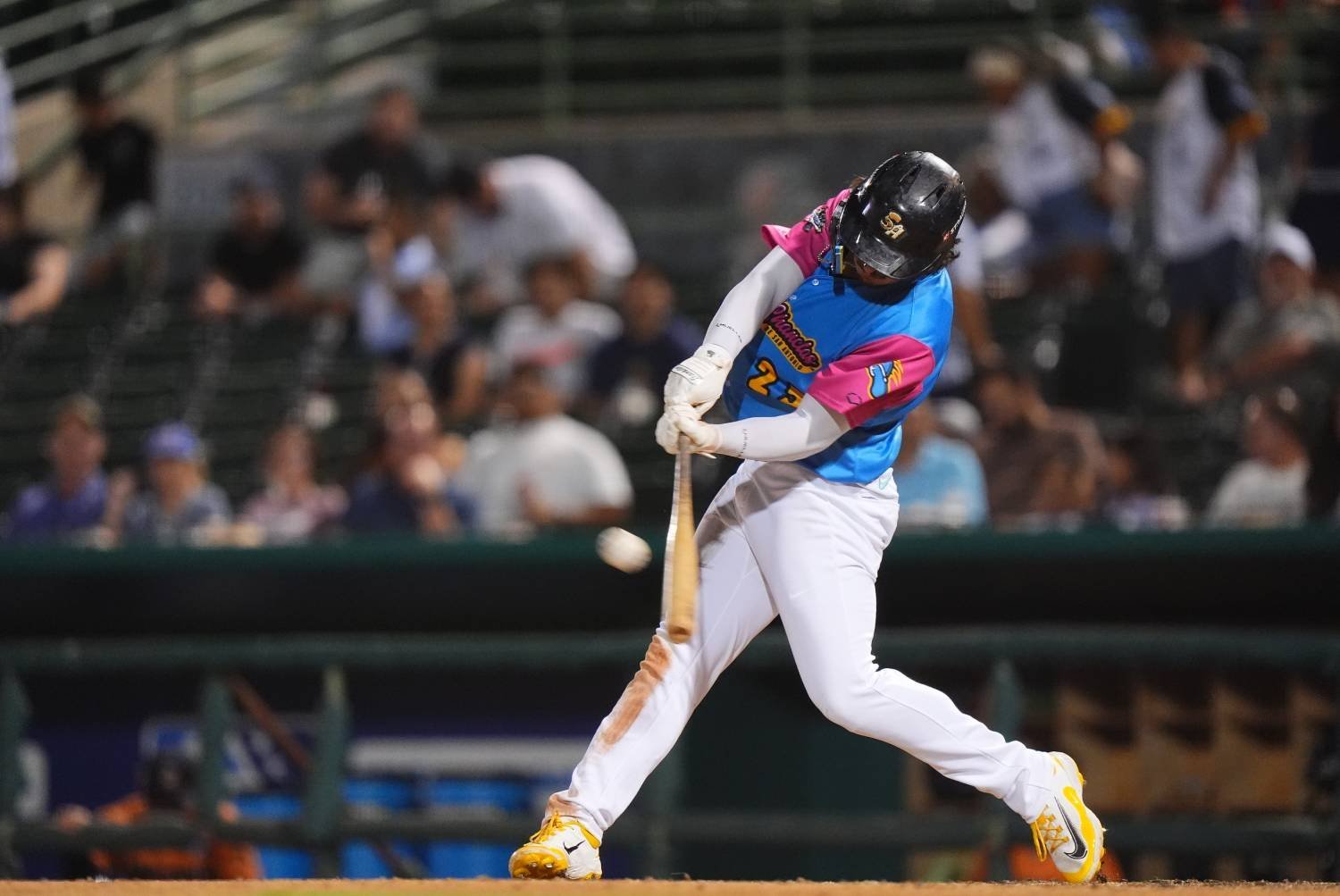 Let's check in on the San Diego Padres prospects who made a mark in the last week (check out Padres Mission's latest Top 20 rankings as well!). Note: This will be the last edition of the Hot Sheet as the regular seasons for High-A Fort Wayne and Low-A Lake Elsinore have concluded, although the Storm are in the playoffs this week. Double-A San Antonio is in its last week, while Triple-A El Paso has two more. Braedon Karpathios, RF, Double-A San Antonio Missions Season stats: 268/.353/.444, 120 games, 62 R, 22 2B, 3 3B, 17 HR, 73 RBI, 60 BB, 162 K, 6 SB, 6 CS Padres Mission's No. 9 prospect didn't slow down just because the calendar flipped from August to September. After being our Minor-League Hitter of the Month for August, Karpathios had his most productive week since signing as an undrafted free agent in 2022. The left-handed hitter drove in 13 runs for Double-A San Antonio, all coming in just three games, while putting together a .636/.667/1.045 (14-for-22) slash line over five games against the Midland RockHounds. His week got off to a tremendous start as he hit a grand slam Tuesday in his second at-bat of the game and would drive in another for a five-RBI game. It was his second slam of the year. The next day, Karpathios would produce his first career five-hit game while driving in four more runs, including homering in back-to-back games and for the third time in four games. After a 2-for-3 game with a walk Thursday (no RBIs), he came up with another four-RBI game Friday while going 3-for-5 with two doubles. Karpathios got Saturday off, then finished his week with another 2-for-3 day with a walk. He is certainly a player to watch for a possible backup outfield spot in 2027 as the one-time pitcher has a strong arm for either corner spot. Karpathios is eligible for the Rule 5 draft this offseason. Jorge Quintana, SS, Low-A Lake Elsinore Storm Season stats: .234/.328/.367, 103 games, 56 R, 18 2B, 3 3B, 9 HR, 52 RBI, 52 BB, 125 K, 29 SB, 6 CS The 19-year-old certainly isn't known for his bat as his batting average has hovered in the .230 range all season. Padres Mission's No. 7 prospect will bring a stellar glove, one reason why the Padres acquired him from the Milwaukee Brewers at the 2025 trade deadline in the Brandon Lockridge-Nestor Cortes deal. But Quintana, wrapping up his first year in full-season ball with Low-A Lake Elsinore finished the regular season showing a bit of his offensive upside. The switch-hitter homered in each of his final two regular season games, including a mammoth blast over the big wall in right field at The Diamond. In addition to the big-time power, Quintana hit in all four games he played in last week against the Inland Empire 66ers, compiling a .563/.611/1.000 slash line. He also had a double, two walks and five RBIs as well as three stolen bases. Quintana, however, does have a strikeout problem, going down on strikes 125 times in 381 plate appearances, a scary 31.8% rate. For comparison, Kyle Schwarber leads MLB with 200 strikeouts entering the week, a 32.4% rate. Lan-Hong Su, RHP, Low-A Lake Elsinore Storm Season stats: 0-5, 5.10 ERA, 17 games (16 starts), 47⅔ IP, 48 H, 28 R, 27 ER, 17 BB, 58 K, .268 opponent average In his final start of the regular season—and perhaps the season depending on his postseason usage for Low-A Lake Elsinore—the 19-year-old right-hander out of Taiwan continued his strong finish to his debut season. Su, a key international signing last year, struck out a season-high nine over 4⅔ innings allowing just one hit (a two-run homer) to his final batter. He didn't walk anyone, although he did hit a batter. Su was coming off his previous season best of seven strikeouts and has punched out 21 over his last three games covering 11⅔ innings. After making six appearances in the Arizona Complex League with a 4.06 ERA and 17 strikeouts in 15⅔ innings, the slender 6-foot-1, 150-pounder had some significant struggles when bumped up to the Storm. He allowed four runs in each of his first three starts over 7⅔ innings. After a small reset, he has turned things around in his last six starts. Over 15⅔ innings, he has allowed seven runs on 18 hits and five walks while fanning 26. That type of progress over a short period should bode well for Su, who was in the 89-94 mph range with his fastball before signing, then touched 97 in the Spring Breakout game in March. Considering his development stage, there would seem to be plenty of upside on the horizon for Su. Javier Chacon, LHP, High-A Fort Wayne TinCaps Season stats: 6-1, 3.76 ERA, 38 games (all relief), 3 holds, 1 save (2 chances), 67 IP, 51 H, 37 R, 28 ER, 47 BB, 82 K, .213 opponent average The 23-year-old left-hander has been a quiet yet steady performer this season. That was evident in his two relief appearances last week as he struck out eight over 5⅓ innings, while walking four and giving up just two hits while facing 22 batters. That included matching his season high of six punchouts over three innings Saturday vs. the 66ers. This has been a strong bounce-back season after missing almost all of 2025 due to injury. Chacon turned in a stellar first eight appearances for Low-A Lake Elsinore, with a 1.59 ERA and 24 strikeouts in 17 innings, earning him a quick promotion to High-A Fort Wayne. With the TinCaps, Chacon has continued to turn in valuable innings, posting a 4.50 ERA over 50 frames, walking 40 (15.7%) and striking out 58 (27.4%). He was signed as an international free agent in 2021 and putting up the numbers he did following last year's injury is a positive. Romeo Sanabria, 1B, Double-A San Antonio Missions Season stats: .273/.362/.404, 109 games, 52 R, 23 2B, 0 3B, 10 HR, 57 RBI, 55 BB, 102 K It has been a bit of a trying season for the left-handed-hitting first baseman. After a strong showing in spring training, Sanabria was sent back to Double-A San Antonio to begin 2026 when he might have thought he was going to Triple-A El Paso entering camp. San Antonio is a better environment for prospects as El Paso and many other Triple-A venues skew offensive performances. Last week, Sanabria had a .455/.500/.545 slash line in six games, with two doubles, three RBIs and two walks. That brought his Double-A line up to .290/.382/.427 with eight homers and 45 RBIs in 88 games. He did get a promotion to El Paso at midseason, but only produced a .200/.268/.307 slash line with two homers and 12 RBIs in 20 games before going back to the Missions in early August. Sanabria doesn't provide much in the way of power, topping out at 12 homers in 2025, but he does have the ability to make good contact. Perhaps this year will get him a ticket to El Paso to begin 2027. View the full article
 -
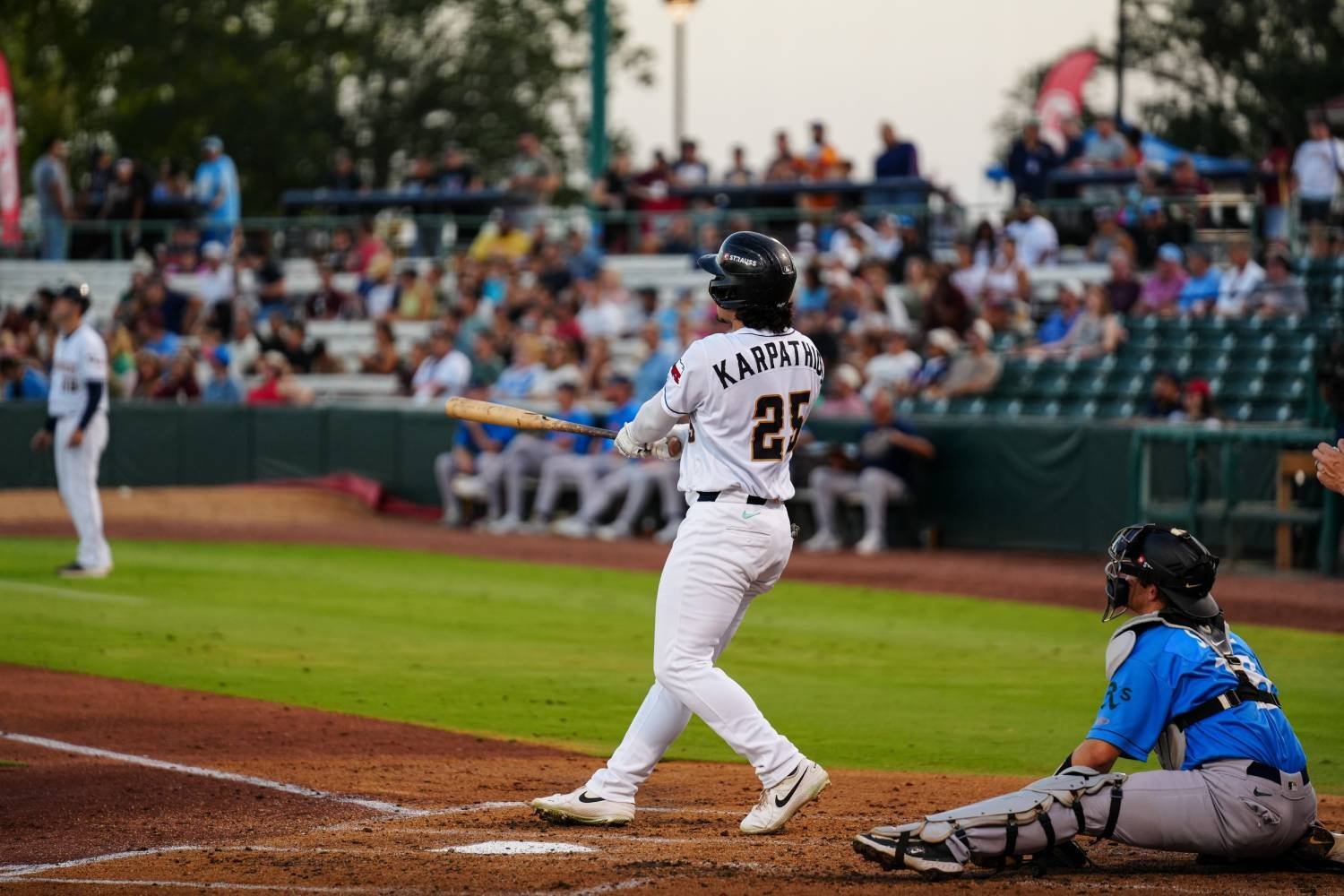 With the regular season winding down in the minors, there is still some roster juggling going on by the San Diego Padres' affiliates despite none of the teams affected playing in the postseason. The two biggest moves involve the Triple-A El Paso Chihuahuas, who are getting Padres designated hitter Miguel Andujar on a rehab assignment as well as right fielder Braedon Karpathios (Padres Mission's No. 9 prospect). Karpathios was promoted from the Double-A San Antonio Missions after driving in 13 runs last week. Other moves are left-handed starter Luis Gutierrez and catcher Anthony Vilar going up from San Antonio to El Paso, with third baseman Kerrington Cross, right-handed starter Carson Montgomery and right-handed reliever moving from the High-A Fort Wayne TinCaps to Double-A San Antonio. Andujar is making his way back from a fractured right wrist he sustained July 19. Double-A San Antonio is beginning its final week of the season on the road against the Amarillo Sod Poodles, while Triple-A El Paso has two weeks remaining, this week on the road vs. the Tacoma Rainiers and then finishing at home by facing the Oklahoma City Comets. High-A Fort Wayne completed its season Sunday, while the Low-A Lake Elsinore Storm begin the best-of-three California League semifinals Tuesday against the Ontario Tower Buzzers on the road. View the full article
 -
 Johnny King continues to miss bats wherever he goes. Despite some warts with strike throwing and too many walks, an improved changeup has led to continued success at Double-A at the end of 2026. View the full article
 -
Jackson Merrill Is Stuck In A Slump That Just Doesn't Add Up
DiamondCentric posted an article in Padres Mission
 Jackson Merrill is slumping at the worst possible time for the Padres' Wild Card push. But a closer look at how he's actually hitting the ball paints a much more encouraging picture. View the full article
 -
These 5 Games Are Key To Cubs' September Push
DiamondCentric posted an article in North Side Baseball
 October success isn't guaranteed just because you make the playoffs. Chicago's final stretch offers five opportunities to prove they can beat the teams and pitchers they may have to face again.View the full article
 -
Mets Week in Review: September Starts With A Surge
DiamondCentric posted an article in Grand Central Mets
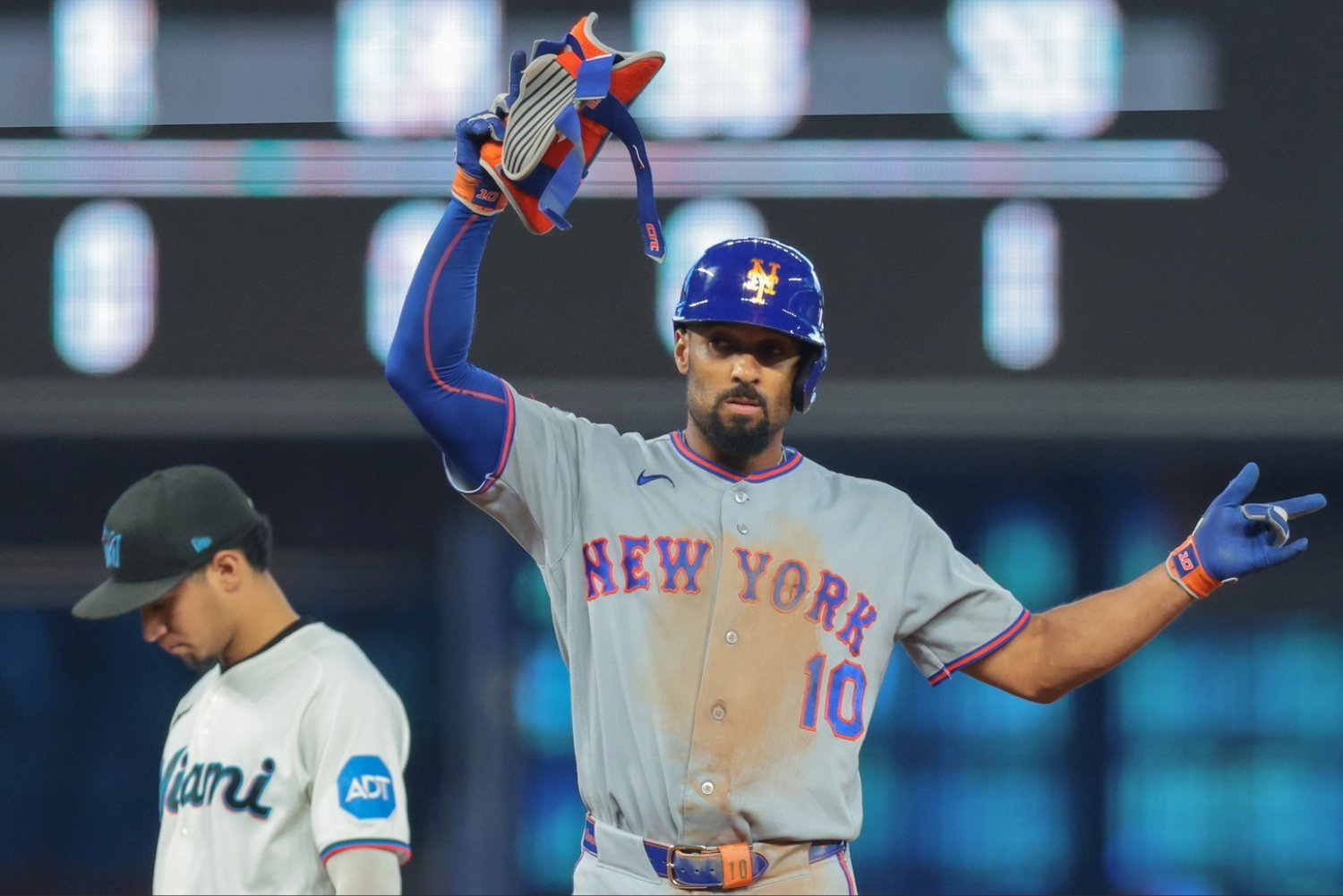 New York Mets Weekly Snapshot Record Last Week: 4-2 Runs Scored Last Week: 34 Runs Surrendered Last Week: 29 Standings 5th in NL East (65-78) 20.0 GB of 1st Place, 10.5 GB of a Wild Card Transactions September 1: Recalled OF Nick Morabito from Triple-A Syracuse. September 1: Recalled RHP Dylan Ross from Triple-A Syracuse. September 2: Activated RHP Justin Hagenman from the 60-day injured list. September 2: Optioned RHP Dylan Ross to Triple-A Syracuse. September 3: Claimed RHP Cameron Weston off waivers from the Baltimore Orioles. September 3: Optioned RHP Cameron Weston to Triple-A Syracuse. September 3: Designated C Shawn Ross for assignment. September 5: C Shawn Ross was claimed off waivers by the Toronto Blue Jays. September 6: Recalled RHP Tobias Myers from Triple-A Syracuse. September 6: Optioned LHP Jefry Yan to Triple-A Syracuse. citeturn0search9 Scores Game 138: NYM 3, TB 2 Game 139: TB 6, NYM 2 Game 140: NYM 10, TB 4 Game 141: NYM 10, SF 6 Game 142: SF 9, NYM 5 Game 143: NYM 4, SF 2 Series Breakdown/Highlights Rays Series: After losing consecutive series to the White Sox, Brewers, and Astros, the Mets headed to Tampa Bay, the best team the AL has to offer, for a difficult three-game set against the Rays. New York responded with one of its better series of the season, taking two of three and receiving contributions from several young players, and helped out their crosstown rivals with their effort. The Mets opened the series with a 3-2 win behind the best start of Robert Stock's major-league career. Stock tossed 5.1 scoreless innings, scattering five hits and striking out four. Mark Vientos made an immediate and big impact in his return from the IL, launching a solo home run before the Mets added two more runs against the Rays' bullpen. Tampa Bay scored twice in the eighth to make things interesting, but Kodai Senga worked a scoreless ninth for his fifth save, and New York held on. Tuesday's game featured a familiar face on the opposite mound, as former Met Freddy Peralta faced the Mets for the first time since being dealt to Tampa Bay at the trade deadline. Francisco Lindor greeted him with a leadoff home run, but Peralta settled down and retired the final 13 hitters he faced while allowing just one run over six innings. Sean Manaea struggled against the Rays' lineup, allowing five runs on 11 hits over 5.2 innings. Yandy Díaz homered and doubled, while Junior Caminero extended his hitting streak to 15 games as Tampa Bay evened the series with a 6-2 victory. The Mets responded with an offensive explosion in Wednesday's rubber match. New York scored three times in the first and another three in the third, highlighted by Brett Baty's bases-clearing double, to build a 6-0 advantage. Tampa Bay cut the lead to 6-4, but Nick Morabito provided the biggest moment of his young career in the seventh, driving in three runs with his first major league hit. Juan Soto added a solo homer in the eighth as New York finished with 14 hits in a 10-4 victory. The win secured the Mets' first series victory since taking two of three from San Diego in August. Giants Series: After Thursday's day off, the Mets returned to Citi Field for three games against another team looking toward the future. The series featured plenty of power, with the two teams combining for 23 home runs over the weekend, including eight from the Mets. Friday's opener quickly turned into a home run derby for New York. Mark Vientos launched a three-run homer in the first inning before Francisco Alvarez, Bo Bichette and Francisco Lindor all went deep as the Mets built a 9-2 lead. Alvarez added his second home run of the night in the eighth, giving the Mets five homers as a team. Nolan McLean continued his impressive rookie campaign, allowing two runs over six innings with seven strikeouts and working out of a bases-loaded, no-out jam in the fifth. Rafael Devers drove in five runs for San Francisco, but New York's early offensive outburst was too much to overcome in a 10-6 victory. The power went in the opposite direction Saturday. San Francisco blasted six home runs in a 9-5 victory, with Rafael Devers and Christian Koss each going deep twice. Zac Thornton surrendered four of them and allowed six runs on seven hits over five innings. A.J. Ewing provided New York's biggest offensive highlight with a two-run homer in the second inning, while Brett Baty drove in three runs. The Mets loaded the bases in the seventh with an opportunity to make things interesting but managed only one run, and the Giants pulled away late to even the series. For seven innings Sunday, it looked as though the Mets were headed for another series loss. Giants rookie Cesar Perdomo held New York scoreless over six innings, and San Francisco carried a 2-0 advantage into the bottom of the eighth. Brett Baty changed the game with a pinch-hit solo homer before A.J. Ewing singled and eventually advanced to third. After Juan Soto was intentionally walked, Bo Bichette delivered the decisive blow with a three-run homer, suddenly putting New York ahead 4-2. Kodai Senga worked a scoreless ninth for his sixth save, completing the comeback and giving the Mets their second consecutive series victory. Website Highlights New York Mets Minor League Hitters of the Month: August 2026 Marcus Semien's Total Offensive Collapse Is Owed To A Frustratingly Simple Explanation Bo Bichette’s Big Month Didn't Help the Mets Looking Ahead September 7: @ Miami Marlins — 1:10 p.m. September 8: @ Miami Marlins — 6:40 p.m. September 9: @ Miami Marlins — 6:40 p.m. September 10: OFF September 11: @ New York Yankees — 7:05 p.m. September 12: @ New York Yankees — 1:35 p.m. September 13: @ New York Yankees — 1:35 p.m. View the full article
 -
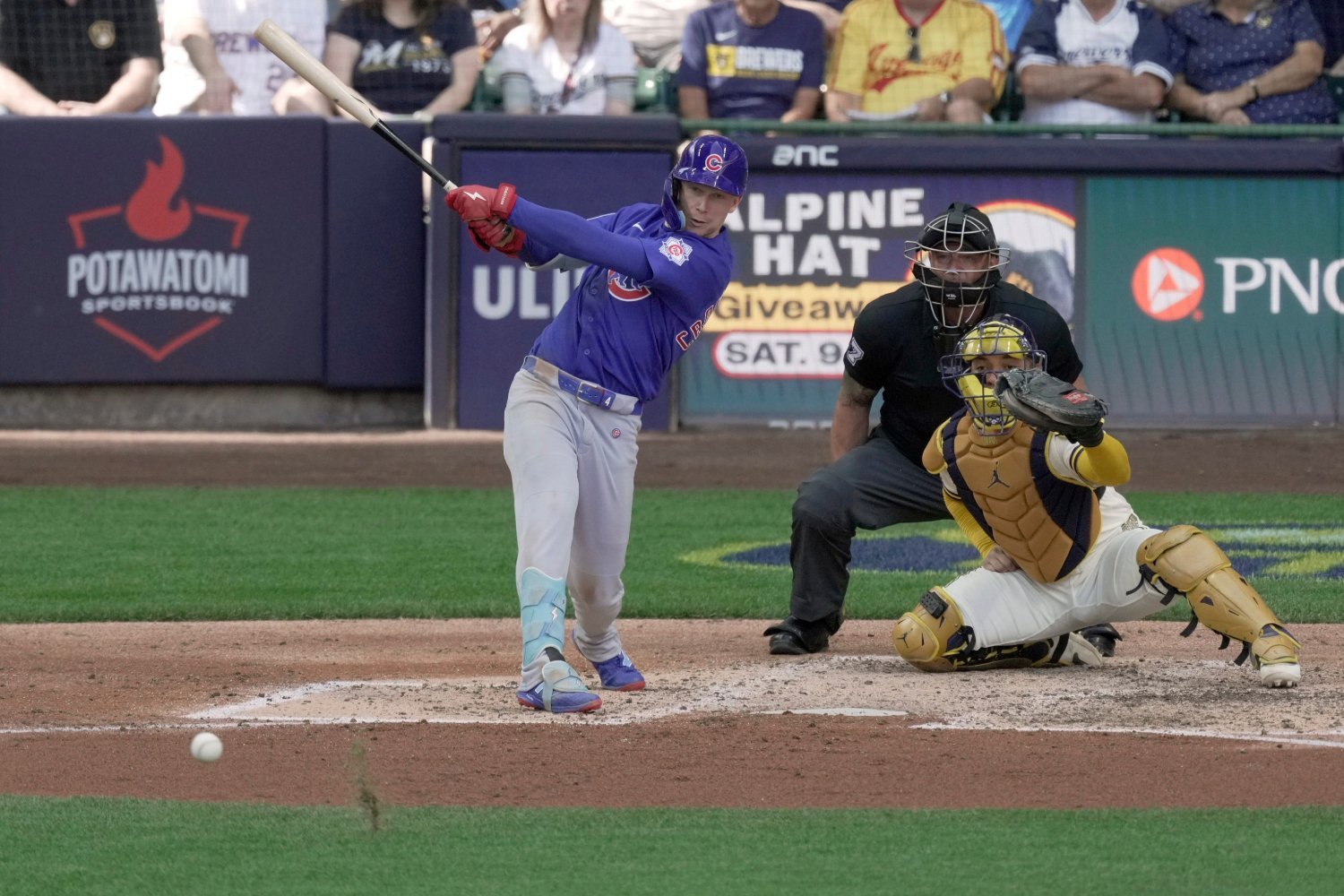 Playoff baseball is special, but anyone lucky enough to have walked through the gates of Wrigley Field knows it’s just a bit more special on the North Side of Chicago. Locked in a back-and-forth battle with the Phillies for the top Wild Card spot in the National League, September kicked off with the Cubs playing their most important baseball to date. Since taking the reins of the Milwaukee Brewers in the wake of Craig Counsell’s departure to Chicago, Pat Murphy has been quite greedy with his stranglehold on the National League Central division. But that didn’t stop the Cubbies from landing a couple of good jabs in the opening contest of their four-game set with Milwaukee. Backed by a record-setting day from his offense, staff ace Clay Holmes largely cruised through six frames of scoreless ball. The Cubs’ lineup produced offense early and often, including a three-home run day from Alex Bregman. In total, the Cubbies went on to bash a franchise-record nine long balls in a 17-3 drubbing of Milwaukee. Decidedly more modest offensive presence and a blow-up from Chicago’s bullpen allowed the Crew to get even in the second game of this series. Tied 3-3 in the sixth, suddenly beleaguered reliever Daniel Palencia surrendered a no-doubter two-run shot to Christian Yelich. The Crew would then tack on two more runs in both the seventh and eighth while the home team’s muscle at the plate all but vanished after getting out to a 3-0 lead, falling 9-4. While generational talents like Pete Crow-Armstrong roam the Chicago clubhouse, Milwaukee outfielder Jackson Chourio reminded the North Side faithful that his club can hang with anyone. Check the box score yourself to see his four-hit day, including a homer off of starter David Peterson. The Cubs’ starter labored from the jump, lasting only 3 2/3 innings and coughing up six earned runs with as many walks as strikeouts. The 9-5 loss put the Cubbies behind the eight ball, hoping to salvage a split the following day in the series’ finale. And fortunately, an outstanding performance from Kevin Gausman ensured that was the case in this critical “get right” game for the North Siders. The former Blue Jay dazzled, lasting seven innings and punching out nine Brewers. Likely National League MVP Crow-Armstrong provided the only offense his squad needed in this one, a two-run blast to the basket in straightaway center field. Even more heartening still, the bullpen earned a measure of redemption with Zeferjahn and Rolison both pitching crisp, scoreless innings for the Cubs. The North Siders prevailed in a 2-1 thriller. Leaving home with a better taste in their mouths, the Cubbies then took their talents to South Beach to square off with the feisty Miami Marlins. A refocused Shota Imanaga toed the rubber for Chicago in the first of this three-game weekend series. The lefty spun six innings of one-run ball, getting backed up by both a capable offense and a stunning, leaping catch in deep center field by Crow-Armstrong. The web gem was just the latest in a virtually endless stream of highlights for the 24-year-old. The Cubs took the opener 6-1. Michael Conforto helped guarantee that Javier Assad’s return to the big-league club was a memorable one, launching Chicago’s 200th home run of the season. The aforementioned Assad had visible rust to shake off in what was far from his best outing of the year. He walked five Marlins in 4 2/3 innings, giving up three earned runs in the process. As it did earlier in the week versus Milwaukee, the bullpen showed up when it was needed, helping the Cubbies hold one for a 6-5 victory. The series win was the first since mid-August, during the Cubs’ Crosstown tilt against the White Sox. In perhaps his most disappointing start since he joined the squad at the trade deadline, Clay Holmes and the Cubs fell in a deflating 10-3 loss to Miami in the finale. The North Side lineup cobbled together seven hits of no real consequence in a 0-7 day with runners in scoring position. The silver lining? The baseball world got to witness Pete Crow-Armstrong become the first Cub since Derek Lee in 2005 swat his 40th homer of the year. It’s hard to predict how far the Cubs could go in the postseason, but the proceedings will certainly be better with PCA as a participant. With the days of regular season baseball waning, it’s up to this capable squad on the North Side of Chicago to tap into a consistent brand of baseball. That they’re stymied by a lackluster, shaky bullpen at this point in the campaign is certainly alarming, though they have enough of everything else to make up for it. View the full article
 -
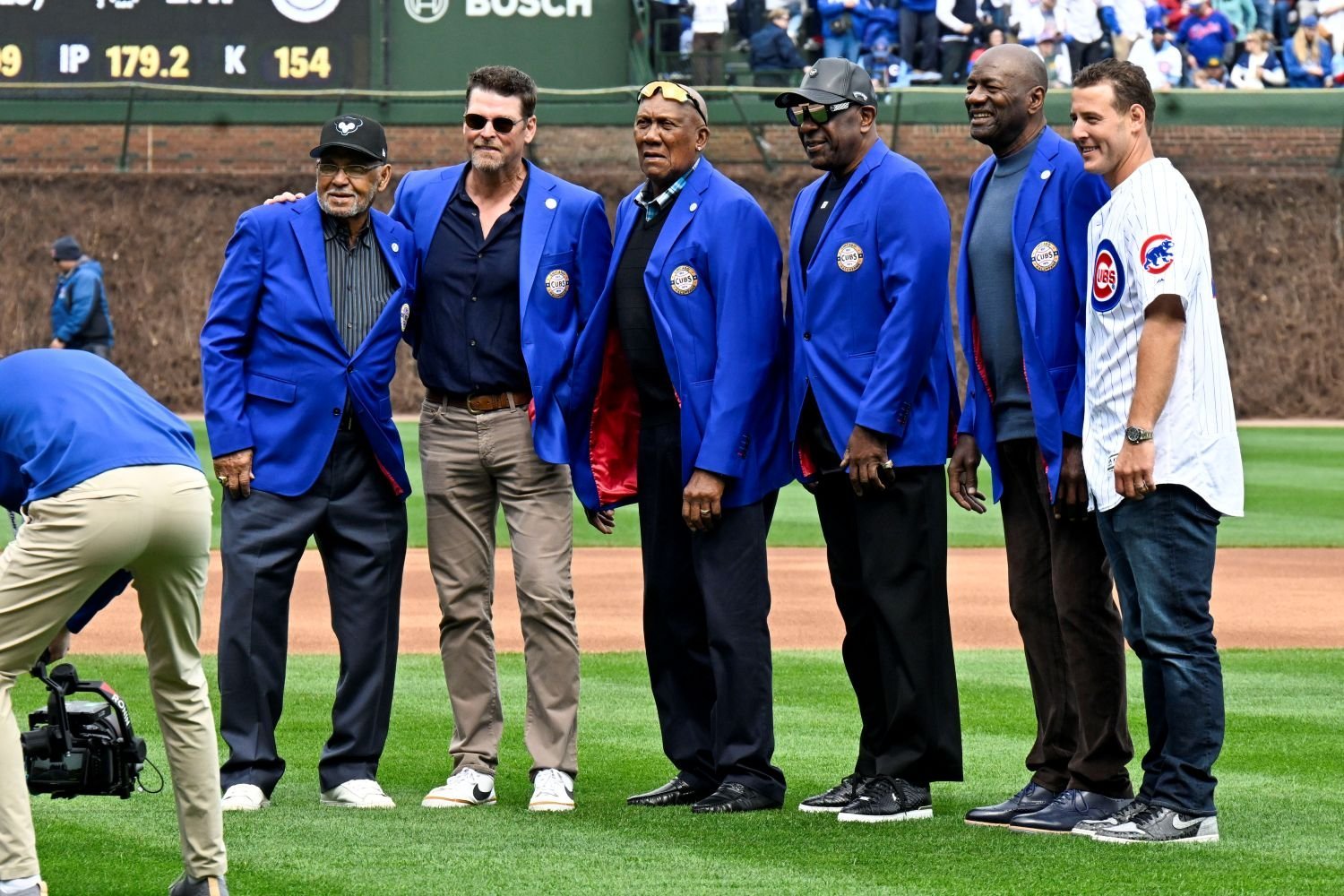 It has always been Ernie Banks, Ron Santo and Billy Williams. That's always the order in which fans rattled off the triad of franchise greats who made the Cubs what they are. Banks's media savvy and showmanship, as much as his back-to-back MVP seasons and 512 home runs, made him Mr. Cub. He had rhymes; he had good looks; he was eager to please. Santo had his own flair, with the high-leaping heel click celebration to close Cubs wins in the memorable summer of 1969. He rejected one trade to the White Sox, and always felt miserable about having accepted a second. He came back later to broadcast Cubs games for well over a decade. His ferocious love of the Cubs, his broadcasting style, his charitable work and his own battle with Type 1 diabetes made him feel as much like part of the family as like part of the team. The two of them, without trying to, took up practically all of the oxygen available for the intergenerational celebration of franchise legends. They were so lovable that it would have taken an extraordinary feat of open-heartedness for the fan base to fully include and concelebrate Williams. It never quite happened. That's not to suggest that Williams was ever forgotten. He got a statue outside Wrigley Field, just like Santo and Banks. His number was retired. He was as actually present as either of the others, spending over a decade as a coach in uniform before transitioning into multiple roles for the team in the front office and as an ambassador over the last quarter-century. If you were born in the second half of the 1980s, you saw Williams more than you saw either of the others. As a hitting coach and a base coach, he molded later generations of the team, right there before your eyes. In a way, that might have worked against him. Santo's work as the color commentator on Cubs radio felt like a glamor gig for him, even if he performed it unglamorously. Banks spent some time as a coach, but much less than Williams. He sold cars and endorsed lots of products. He felt hugely famous. If Williams was so great, why was he still in uniform 25 or 30 years after his fellow franchise greats ceased to be? The reason was simple, though, and it should probably have counted for more than it did, all along: Williams loves baseball. While a player, he set the National League record by playing in 1,117 consecutive games. That workmanlike approach—that willingness and ability to go out there and do his job on the endless parade of hot summer afternoons at Wrigley—made him feel a bit less like a superhero than the others, when perhaps it should have made him seem more so. The story of his life is a brilliance so subtle that it too often went not quite unnoticed, but underestimated. Case in point: Williams, whom Bob Gibson called the toughest hitter he faced over his own Hall of Fame career, spent over 50 years as the only Cubs lefty batter ever to hit 40 home runs in a season. He hit 42 in 1970, when he also hit .322, led the league in runs scored and finished second in MVP voting. But plenty of fans were unaware of that fun fact until this weekend, when Pete Crow-Armstrong became the second player in team history to accomplish the feat. Crow-Armstrong now has 41 homers, and will surely surpass Williams before the season's over. Until now, Williams has unequivocally been the greatest outfielder in Cubs history, despite Sammy Sosa's better peak production. Crow-Armstrong might knock him off that perch, too. In between his playing career and this usurpation by Crow-Armstrong, Williams has been overshadowed not only by Banks and Santo, but by another generation of stars—players he himself coached, like Ryne Sandberg and Sammy Sosa. Again, there was never risk he would be truly forgotten, but he might have been lost in the shuffle in a sad way, if not for one thing: he just keeps going. Santo died in late 2010. Banks followed in early 2015. Neither lived to see the Cubs win a championship; Williams did. Neither got to stand on the field and be saluted for their years and years of hard work to make that title happen; Williams did. Williams has seen Wrigley Field transformed. He's seen the identity of the team utterly changed. Sadly, Sandberg died too young, too. Sosa was estranged from the organization for 20 years. Fergie Jenkins and Andre Dawson are true greats of the game, but they never felt like they belonged wholly to the Cubs, the way Williams does—though Jenkins did coach in uniform for a while himself, and though Dawson will gladly tell you that his time with the Cubs was the best of his career. Rick Sutcliffe and Kerry Wood do feel like they're true-blue Cubs, despite having played elsewhere, but neither is that caliber of all-time great that makes that feeling of mutual dedication especially rewarding. Bit by bit, Williams has become the lion of this organization. He's now 88 years old, but he's lived to see the ascent of Crow-Armstrong, who will be the next player to join the team's pantheon and spearhead the fourth or fifth generation of stars since Williams matriculated to the majors in virtual lockstep with Santo at the end of the 1950s. He grew up with Willie McCovey and, alongside McCovey and others, accepted the mantle as Major League Baseball's second generation of Black stars. Unlike McCovey, Henry Aaron, Willie Mays, Gibson and so many others, he's still here. Here's hoping that Williams is enjoying watching Crow-Armstrong, who does things with all the swagger of Banks, Santo or Sosa and not much like Williams, but who represents the progress of an organization to which Williams has belonged (with only brief interruptions) for 70 years. Williams is a Hall of Famer. He batted .296 in his Cubs career and hit 392 home runs for them. There should be no risk of overlooking him, but as Crow-Armstrong takes his place in the firmament of Cubs superstars, it's a good time to celebrate the player next to whom his star seems to be rising closest. Even now, it would be remarkable if Crow-Armstrong ended up as beloved and as enmeshed with the team as Williams is. That's a testament to how much Williams has meant to this franchise, and for how long. View the full article
 -
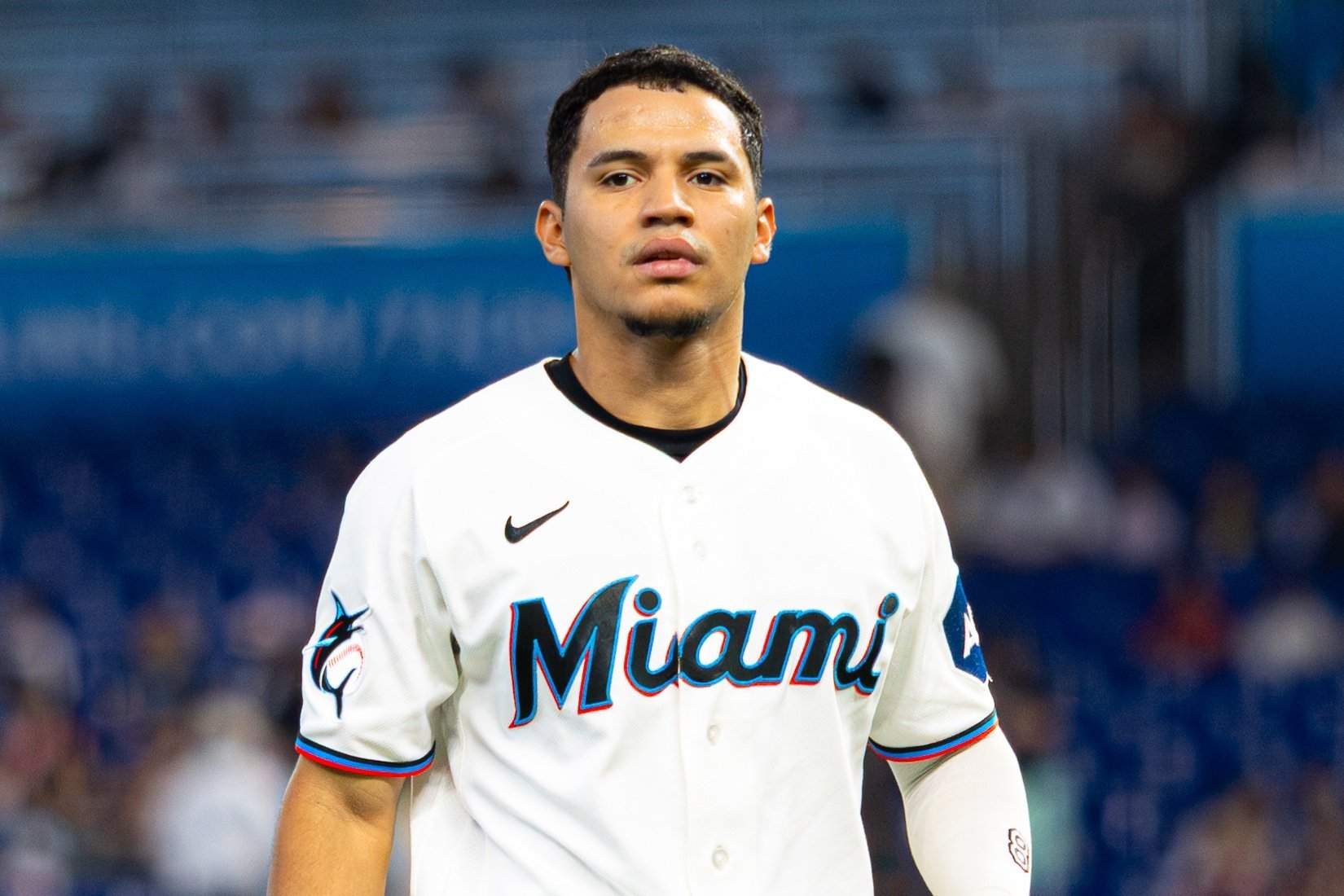 The last two seasons have seen a handful of intriguing young hitters exceed expectations for the Miami Marlins. The only one of them who's been a constant presence on their active roster throughout that period? Javier Sanoja. At the beginning of 2025, Sanoja was a prototypical, lightly used utility player. However, opportunities for an expanded role have presented themselves through a combination of trades, injuries and underachievement by his teammates, and he has capitalized on them. He is now a bonafide everyday player for the Marlins as they cling to life in the National League Wild Card race with less than three weeks remaining in the 2026 regular season. Sanoja endeared himself to the club and its fanbase with his remarkable versatility—he has already played every position during his brief MLB career with the exception of catcher and played them well enough to earn an NL Gold Glove last year. Recently, though, he has elevated his offensive production to such an extent, it's time to at least entertain the possibility of signing him to a long-term deal. The Marlins subtly gave him a vote of confidence around the midpoint of this season. Designating Christopher Morel for assignment on June 21 and optioning Connor Norby to Triple-A Jacksonville on June 25 turned Sanoja into an indispensable right-handed bat. That's despite him having barely provided replacement-level performance. Well, since June 25, Sanoja has been one of the best players in baseball. He is slashing .327/.366/.514 with a 141 wRC+ and just as many walks as strikeouts. During this half-season heater, he leads all Marlins with 2.1 fWAR and ranks tied for 18th among MLB position players. You're not gonna believe the names he is tied with: Yordan Alvarez, Randy Arozarena, Caleb Durbin, Jackson Merrill and Bobby Witt Jr. Alvarez, Merrill and Witt each received north of $100 million guaranteed on their respective contract extensions, while Arozarena is a candidate to crack nine figures in free agency this offseason. It should go without saying, Sanoja isn't in the same ballpark as them. Still, perhaps there is a room for he and the Marlins to reach a compromise. Due to his lack of size and physical projection, Sanoja received a modest $100k signing bonus from the Fish in 2019. He does not become eligible for arbitration for the first time until after next season. The idea of securing a lifetime of financial security now at 24 years old ought to be tempting. From the club's perspective, Sanoja is a malleable piece with a high floor. There are several ways for him to fit into their future plans, whether it be roaming around the diamond, filling their void at third base or supplanting Xavier Edwards at second base. Without an extension, he's on track to reach free agency after his age-27 season, when he should still be in his prime. The most appropriate starting point for a Sanoja contract negotiation is David Fletcher's 2021 extension with the Los Angeles Angels. Remarkably similar player profiles: elite contact ability and limited raw power from the right side with solid-to-great defense at various positions. Fletcher signed for five years and $26 million with two club options on the back end. He had roughly the same amount of MLB service time as Sanoja does, but was two-plus years older. Fletcher appeared to be a slightly better and safer player than Sanoja is currently. However, the age difference between them and the contract inflation we've seen around the league since 2021 should give Sanoja leverage to command a larger payout. Earlier this year, Luis Lara signed a pre-debut extension with the Milwaukee Brewers. The terms: seven years, $31 million with three club options. A rookie at age 21, Lara is more comparable to Sanoja age-wise. He's only experienced in the outfield, but has a more advanced plate approach. Like Sanoja, he was overlooked by evaluators deep into his minor league career, never cracking mainstream Top 100 MLB prospect lists. My framework for a Javier Sanoja extension would look something like this: Five years, $36 million with two club options $3M in 2027 $5M in 2028 $7M in 2029 $9M in 2030 $11M in 2031 $12M club option in 2032 ($1M buyout) $13M club option in 2033 ($1M buyout) There's risk for both sides. The Marlins easily get their money's worth if Sanoja is an average and durable regular in their lineup. If both options are exercised, they'll be obtaining three extra years of control over him. On the other hand, Sanoja might never replicate his 2026 results due to his aggressiveness and weak batted-ball quality. Just look at how Fletcher's career fell off—he still had nearly three full years left on his deal when the Angels exiled him to the minors. View the full article
 -
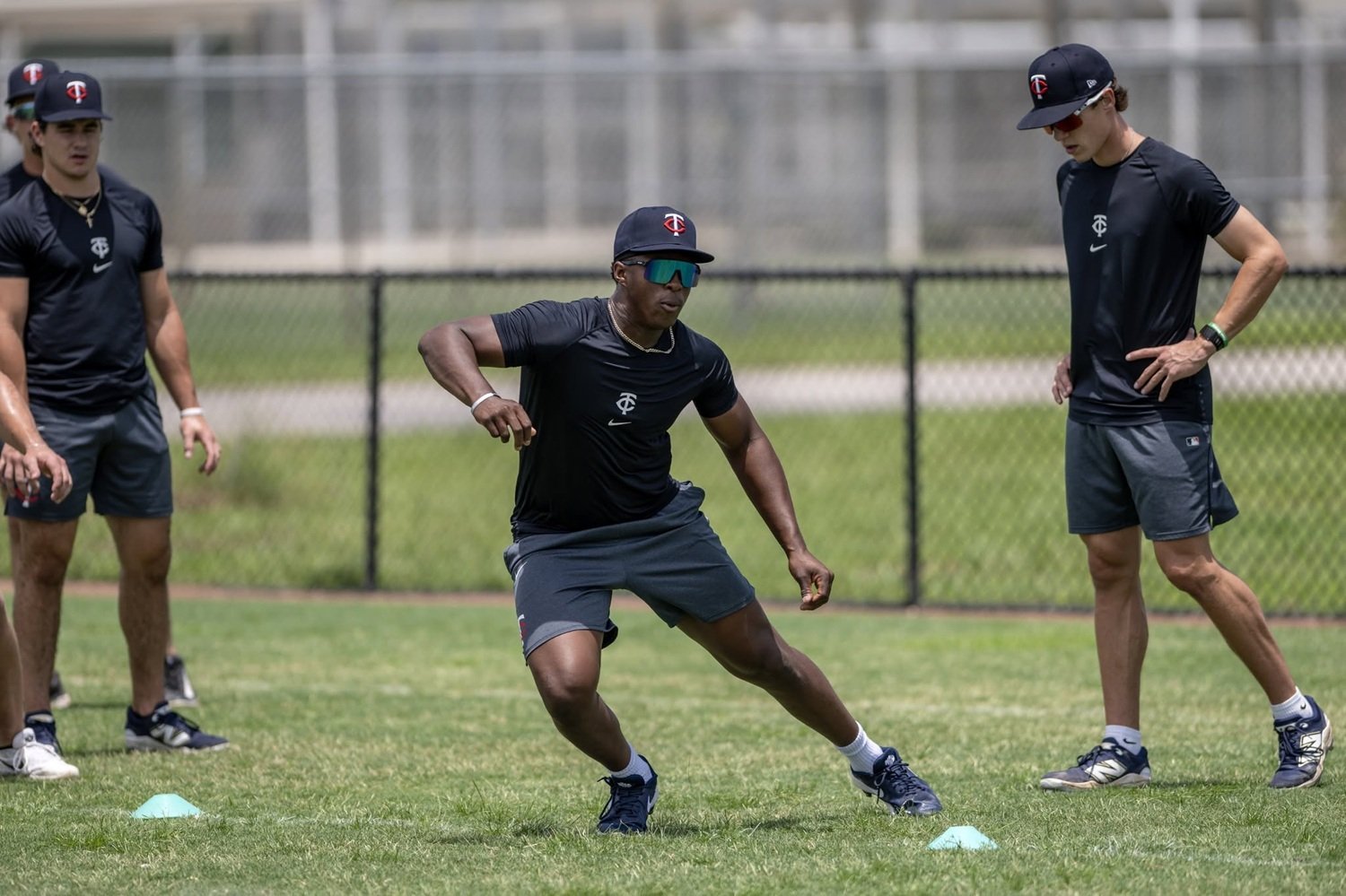 For a young baseball player, hearing his name called in the MLB Draft is the culmination of years of work. But for the Minnesota Twins, it's only the beginning. The modern draft calendar has changed the way organizations handle their newest players. Draft picks are arriving later than they did under previous schedules, yet they are also getting into games sooner. That leaves organizations with a shrinking window to introduce players to professional baseball before sending them onto the field. For the Twins, that means the traditional Draft Camp experience has become more condensed. So, what actually happens once a newly drafted player arrives in Fort Myers? On a recent episode of Inside Twins, Twins Director of Player Development Drew MacPhail provided some insight into how the organization handles that transition. While the process differs between position players and pitchers, the overarching goal is the same: make players comfortable, educate them on the organization's philosophies, and then let them play. Hitters The first priority isn't necessarily mechanics, swing changes or statistical development. It's making sure a player feels like he belongs. "I think the priority is when they get into the system and they arrive at the complex, making them feel comfortable," MacPhail said. "Letting them know they belong and we're excited to have them in the system." That's an important first step for players who have spent their entire lives playing amateur baseball. Suddenly, they are entering a professional organization with new coaches, new teammates, new terminology and an entirely different level of expectations. The Twins use the first portion of that process to introduce players to the organization. "It's really about educating them on some of our philosophies within player development whether their pitchers or position players," MacPhail explained. MacPhail discussed that the first week can feel a little like going back to school. "We always joke that that first week is going to feel a little bit more like school," he said. "I'm sure they are pretty over school and ready to play baseball full-time professionally, but honestly, that's kind of what it looks like. It's a lot of presentations and walking the guys through some of the resources we have available and at our disposal." That classroom portion doesn't last forever. Interestingly, the organization has found that many players don't require as much physical preparation as one might expect. "A lot of these guys are really prepared when they enter the system," MacPhail said. "They have been working out at facilities whether that is at their colleges or an agency, so we've actually been pleasantly surprised at how built up these players are when they arrive." That allows the Twins to get position players into games relatively quickly. And once they are there, the organization doesn't want to overwhelm them with instructions. "[What] we let them know is: 'We drafted you for a reason,'" MacPhail said. "So we want them to be confident in their abilities, kind of take some of the information we are giving them, apply it to their game, and ultimately performance is our North Star." The Twins aren't drafting players and immediately attempting to rebuild them from the ground up. They have already identified qualities they like, whether that's a hitter's bat speed, defensive ability, athleticism or offensive upside. Now, they want to see those traits play against professional competition. "We really are pretty hands off with the guys and let them go out and compete, play in games, especially the position players that go and play," MacPhail said. The games eventually become part of the evaluation process. "Then once we get a solid sample of performance, we let the games give us feedback," MacPhail said. "Then we bring that performance, those outcomes, to the player and work on a player plan kind of going into their first professional offseason." That process will be particularly interesting to follow with this year's draft class. Vahn Lackey and Carson Tinney are two of the hitters tied to the Twins' hopes for immediate production from the class. Rather than spending an extended period of time in instructional settings, the Twins want those players to get onto the field, compete and begin creating a professional track record. The organization can then use those results to determine what comes next. For hitters, that means the first professional games can serve as an important introduction to what the Twins believe they can become. Pitchers The approach is different for pitchers. The Twins' newest arms are already at the organization's Fort Myers complex, but fans shouldn't expect to see most of them taking the mound in official games this season. That's by design. "With our pitchers, we tend to be a little more conservative and just have them build up," MacPhail said. The physical demands of pitching make the transition from amateur baseball to professional baseball more complicated. Rather than rushing a pitcher into game action simply because the calendar allows it, the Twins can use the remainder of the year to establish a foundation. There are exceptions. "For the most part, we do have a couple guys that if they have been pitching in the MLB Dream League that we might get one or two innings at the end of the Low-A season," MacPhail said. But that isn't the expectation for most of the organization's higher-round selections. Instead, the Twins want those pitchers to build efficiently and enter next year prepared for their first full professional season. "For the most part, especially with those higher round draft picks, we tend to prioritize them building up efficiently, building up to lives, shutting down early in the offseason so we can then build them back up in October," MacPhail said. That process gives the organization an opportunity to establish a throwing program without immediately piling professional game innings onto a young arm. The goal is to get pitchers through their first professional offseason the right way. That includes "their first full professional offseason of lifting, throwing program, and ultimately entering early spring training camp," MacPhail said, before adding that the goal is to get them ready "for their first full professional season." The Twins are thinking about 2027 and beyond. That patience can be difficult for fans to see. A high draft pick arriving in Fort Myers creates natural excitement, and there is an understandable desire to watch that player compete immediately. But pitching development isn't always about getting a player into games as quickly as possible. Sometimes, the most important work is happening behind the scenes. The First Step in a Long Process The draft is often treated as the finish line for amateur players. For the Twins, it's the starting point. The organization has less time than ever before to get its newest players acclimated to professional baseball, but the process remains fairly straightforward. Make them comfortable. Educate them. Build them up. Let them compete. Then use the results to determine what comes next. For hitters, that can mean getting into games relatively quickly and allowing professional competition to provide the first real feedback. For pitchers, it often means taking a more measured approach and using the rest of the year to build a foundation for the following season. Ultimately, the Twins don't need their newest draft picks to prove everything immediately. They just need to give them the tools and environment to begin figuring out why the organization selected them in the first place. "We drafted you for a reason," MacPhail said. That's the message the Twins want their newest players to hear from the moment they walk through the doors. The development process can then begin. What stands out about how the Twins handle their recently drafted players? Leave a comment and start the discussion. View the full article
 -
Kyle Hart Is Just the Latest Successful Padres Bullpen Project
DiamondCentric posted an article in Padres Mission
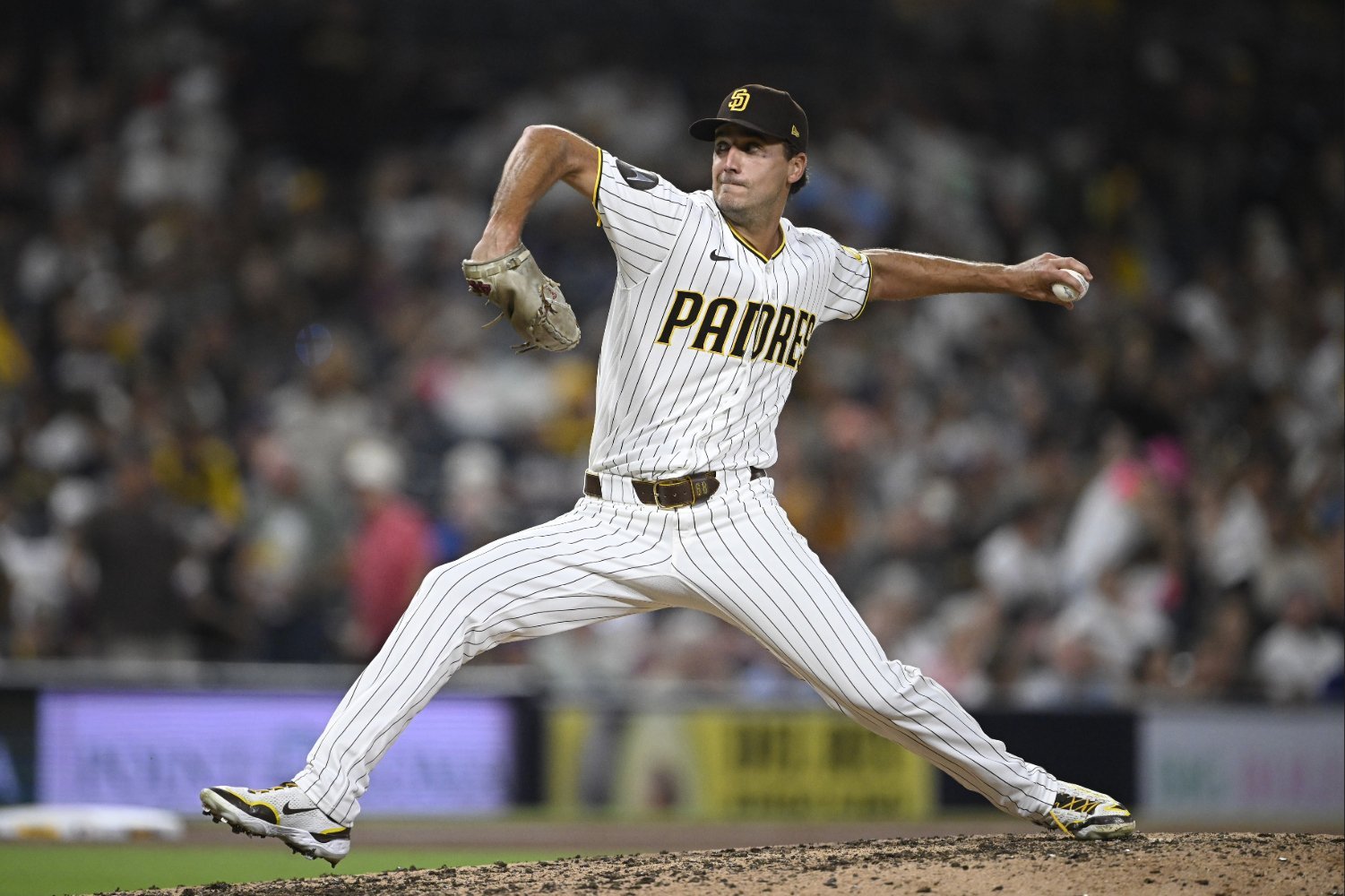 The depth of the San Diego Padres’ bullpen continues to make the team one of the toughest contenders to overcome in a playoff series, especially if it is a series of fewer than seven games. There's enough elite arms to handle high-leverage pressure and often cover for the lack of depth among the starting pitchers. Behind the main names, left-hander Kyle Hart has emerged as another arm to keep an eye on. The southpaw has not allowed a run in 26 of his 40 relief appearances this year, has a 3.15 xERA and a 50.6 GB% rate. His ability to generate ground balls frequently and limit left-handed hitters has been one of the most attractive trends in his profile. He currently ranks in the 95th percentile in HardHit%, the 90th in GB%, and his sinker ranks in the 89th percentile in run value. Hart has not allowed a home run since July 4, a streak that extends to 112 batters faced. He has held left-handed hitters to a .652 OPS and has not allowed a home run against right-handed hitters, who are producing just a .605 OPS. Since the All-Star break, Hart’s adjustments have become much more noticeable in the Padres’ bullpen, which has the second-best xERA (1.77) in the league. Name SV G IP K/9 HR/9 GB% vFA (pi) FIP WAR Bradgley Rodriguez 2 20 21 12.0 0.4 47.3% 98.3 1.62 0.7 Kyle Hart 0 14 17.2 10.7 0.0 56.5% 93.8 1.91 0.5 Randy Vásquez 0 4 13.1 6.1 0.0 54.3% 94.9 2.20 0.3 Mason Miller 7 17 17.2 16.3 1.0 43.3% 101.6 2.30 0.6 Adrian Morejon 1 20 24.2 11.7 0.4 47.4% 99.2 2.73 0.6 Yuki Matsui 0 18 21.1 10.6 0.4 40.5% 91.8 2.91 0.4 Wandy Peralta 0 16 18 5.5 1.5 43.1% 95.8 4.54 0.0 Griffin Canning 0 10 17.2 9.2 2.0 47.2% 94.9 5.02 -0.1 Hart has the second-best FIP in the group, mostly because his pitches continue to generate ground balls at a massive rate. In the middle of this process, one of his key adjustments was turning the sinker into the primary weapon in his arsenal. Since June, it has become the most-used pitch in his repertoire, replacing the sweeper. The results have been highly revealing, limiting the opposition to a .233 xSLG, the lowest among any left-handed reliever in the game. Player PA xSLG xwOBA K% Hard Hit% Hader, Josh LHP 55 .265 .190 34.5% 40.0% Hart, Kyle LHP 35 .223 .225 34.3% 20.0% Miller, Erik LHP 48 .225 .247 22.9% 13.8% Sommers, Drew LHP 42 .229 .250 21.4% 25.0% Peralta, Wandy LHP 46 .324 .261 8.7% 37.5% Mayza, Tim LHP 41 .346 .270 19.5% 48.4% Bernardino, Brennan LHP 50 .354 .281 10.0% 35.7% Ashby, Aaron LHP 66 .326 .284 16.7% 42.9% Dodd, Dylan LHP 51 .386 .295 23.5% 45.5% Garcia, Brandyn LHP 38 .389 .303 15.8% 41.4% Morejon, Adrian LHP 63 .366 .319 14.3% 27.7% Suter, Brent LHP 50 .378 .321 14.0% 23.7% Hill, Tim LHP 74 .453 .342 4.1% 40.9% Bruihl, Justin LHP 59 .353 .343 8.5% 35.6% Alvarado, José LHP 60 .413 .376 10.0% 33.3% Soto, Gregory LHP 40 .456 .393 2.5% 34.4% Ferrer, José A. LHP 72 .537 .404 9.7% 43.1% Young, Danny LHP 37 .548 .425 13.5% 68.0% Moll, Sam LHP 39 .574 .456 10.3% 63.0% Hart stands out in this group of qualified left-handed relievers with at least 35 plate appearances ending with a sinker since June. He is not only leading with the lowest xSLG, but also ranks second in all the other metrics, alongside dominant left-handers who have had a great year such as Josh Hader and Erik Miller. Now, the point we should still keep an eye on is how Hart is responding in high-pressure situations. Combining his appearances with the tying run at the plate, the tying run on base and the tying run on deck, his .418 xSLG allowed is fairly similar to his .411 mark for the entire season, but his walk rate has jumped from 8.7% to 10.9%. His strikeout rate has similarly fallen from 23.2% to 13.0%. This is a total of 12 plate appearances, which, while not a large sample and something that can change with a few more matchups, reflects what middle relievers often face: one- or two-batter situations and, in Hart’s case, some lefty-on-lefty matchups that can result in key moments of a game. For his part, he has been reserved for those small moments of walking a tightrope. In 55% of his 40 relief appearances, he has faced five or fewer batters and, interestingly, in 55% of those 22 games, he has never gone beyond three hitters. For the Padres, it is an absolute relief to know that behind Mason Miller, Adrian Morejón, Bradgley Rodríguez, Yuki Matsui and Wandy Peralta, they have Kyle Hart’s left arm. Though he may not be a high-leverage savant, the Friars already have enough of those. More importantly, he adds quality depth to a bullpen that is poised to be worked hard through the end of the regular season and into October. View the full article
 -
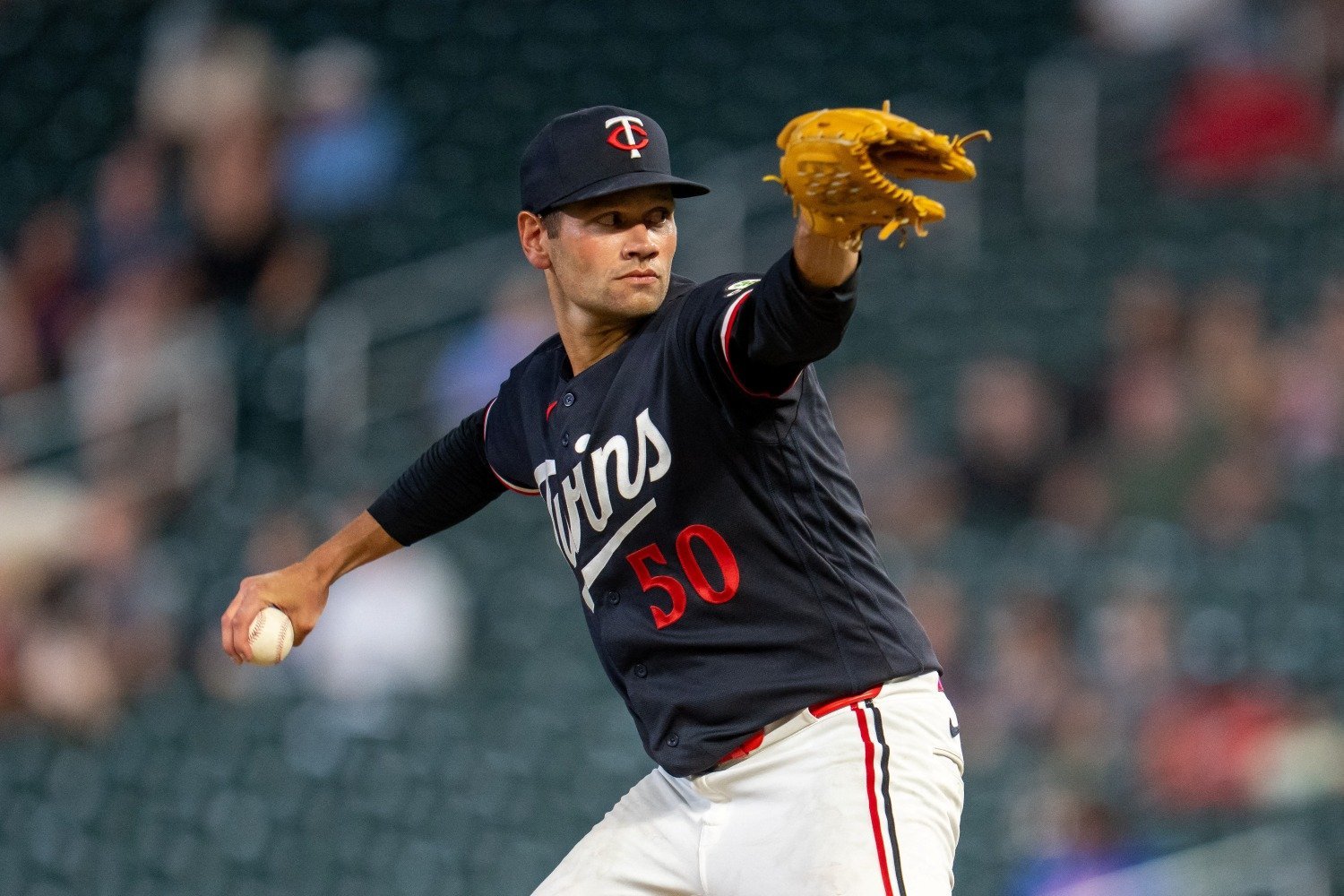 Acquired from the Miami Marlins for right-handed pitching prospect Logan Whitaker on April 2, Garrett Acton joined the Minnesota Twins' 40-man roster, hoping to pitch more than the one inning he threw for the Tampa Bay Rays in 2025. The 28-year-old accomplished that feat in his first appearance as a Twin, facing eight batters over two innings against the Detroit Tigers on April 9. Acton pitched 4 2/3 more innings that month, netting an impressive 2.70 ERA, 2.20 FIP, and a 32.1% strikeout rate—before being placed on the 15-day IL with a right shoulder strain on April 26. He was later transferred to the 60-day IL, before joining the Triple-A St. Paul Saints' roster on August 1. “The shoulder thing was a hiccup.” Acton said. “[But] I feel like it’s largely been a successful year … I’ve learned a lot from Pete [Maki] and Luis [Ramirez].” Before receiving insight from the Twins pitching coaches, however, Acton had already gotten good advice. He believes his time in Miami played a big role in his success this season. “I guess one of the things that was kind of an emphasis with Miami was expanding the arsenal, right?" he said. "In spring training, I was working on a sweeper, obviously, and a kick change. Coming over here, [Maki and Ramirez] were like, ‘You have two really good pitches in your fastball and slider. Let’s get a third pitch.’ And that ultimately ended up being my old changeup.” Before undergoing Tommy John surgery in 2023, Acton threw his four-seamer 69% of the time; his slider 23% of the time; and his changeup 9% of the time with the then-Oakland Athletics. In his one inning pitched for Tampa Bay last season, he threw only his four-seamer (81%) and change (19%). Yet, with Minnesota this season, he has almost exclusively become a fastball-slider pitcher, throwing his four-seamer 54% of the time and his slider 45%. He throws what Baseball Savant categorizes as a splitter 1% of the time; that's the “old changeup” Acton was referring to. “(We prioritized) tightening up the arsenal," the journeyman explained. "But the emphasis was still the same. Dominate the strike zone pre-[two-strike counts], be able to expand, and use my best pitch [once I get to two strikes].” After being recalled from Triple-A when major-league rosters expanded to 28 players on September 1, Acton initially pitched well. with four innings of one-run ball in his first two appearances. He fanned four and allowed just five baserunners in those outings. Things went sour on Sunday against the White Sox, but Acton felt he tapped into something real and valuable. “Ultimately, I’m trying to play the north-south game," he said. "I’m trying to get some killshots up [with my fastball]. I know that’s where I’m going to generate most of my swing-and-miss … But I also need to be able to work below with my slider and change.” The Sunday night shellacking got Acton a ticket back to St. Paul on Labor Day, as the Twins reinstated Joe Ryan from the injured list. He was optioned, but not cut loose from the organization. There's still a chance for him to have an impact next year. Some of the club’s eight-pitcher bullpen is already constructed for 2027. Given good health, Yoendrys Gómez, Jeff Hoffman, Andrew Morris, Kody Funderburk, and Tommy Nance are all but guaranteed their spots. A slew of mid-to-low-leverage candidates presently possess 40-man roster spots alongside Acton: Travis Adams, Jack Anderson, Marco Raya, and Eric Orze, with Cole Sands, Mike Paredes, and Anthony Banda set to return from the injured list before spring training. There's ample room for an affable late bloomer with plus stuff to carve out a role, though, and Acton is closer to doing so now than he was five months ago—even if much of the time between then and now was spent mired in frustrating stasis. View the full article
 -
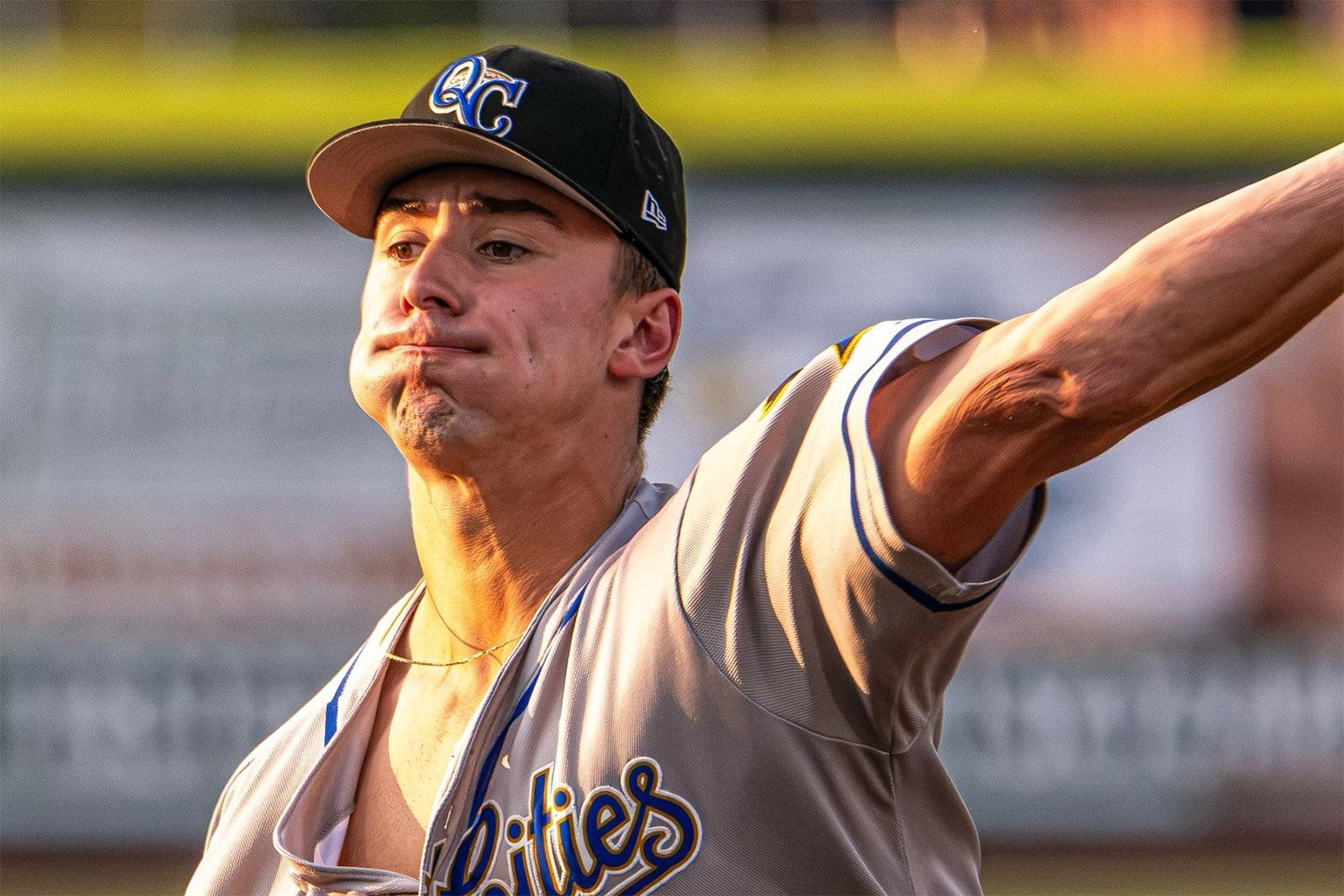 All eyes of the Kansas City Royals’ player development staff had to be on Peoria, Illinois, last Thursday night. It was there that David Shields, one of the club’s hottest prospects, had a chance to pitch High-A Quad Cities into a Midwest League playoff spot, and the loop’s West Division second-half championship to boot. And with Shields, arguably, if not in fact, the league’s best starter, on the mound, the River Bandits grabbing that pair of prizes seemed a cinch. After all, Shields’ 11th win of the season, a victory over Beloit just five days earlier, assured him of finishing the regular season with more wins than any other Midwest League hurler. It looked for a time Thursday that Shields had Peoria’s number. The talented left-hander retired 11 of the first 12 batters he faced — only José Suárez reached base, and that was on an error — and all seemed well with two outs in the fourth inning. But before that frame ended, Shields had suddenly given up a homer, two doubles, a balk and, most importantly, the lead, which the Bandits never got back. Fortunately, though, Quad Cities nailed down its title and playoff berth by beating the Chiefs the next night and will welcome South Bend to Modern Woodmen Park for Tuesday night’s playoff opener; the winner of their best-of-three match-up will move on to the Midwest League Championship Series. Shields will, of course, play a key postseason role — look for him to pitch the opener or second game against South Bend. Regardless of the outcome, though, he can count his 2026 season as a rousing success. David Shields Is A Hot Royals Prospect An understatement? Definitely, and it’s not just because so many established prospect rankings rate him so highly — we at Royals Keep, for example, consider him Kansas City’s second-best prospect. It’s what Shields does on the mound that makes him special. Besides his league-best 11 wins, Shields led qualified regular-season Midwest League starters with 139 strikeouts and a 1.08 WHIP, walked fewer batters (28) than any other qualified starter, and tied Wisconsin’s Ethan Dorchies for the most starts (25). He was one of only four league starters to pitch over 100 innings (116 2/3). There’s more. Per ProspectSavant, Shields’ stingy 6.0 BB% placed him in the 90th percentile and his 34.46 chase % in the 88th. He struck out 29.7% of the batters he faced, and ended the campaign with a 4.96 K/BB ratio and an 88th-percentile 23.7% K-BB%. Shields also fanned 10 opponents in two straight games in June. That Shields has pitched so well this season is no surprise — after working only in the Instructional League in 2024 after the Royals picked him in the second round of that season’s amateur draft, he pitched four times in the Arizona Complex League in 2025 before moving up to Single-A Columbia, where in 18 starts and 71-2/3 innings he posted a stellar 2.01 ERA, 1.02 WHIP, and went 3-1. What Does David Shields’ Future Look Like With The Royals? His numbers make it hard to believe Shields doesn’t turn 20 until this week, but the body of his minor league work to date makes it easy to believe Kauffman Stadium isn’t that far away. Expect him to start the 2027 season at Double-A Northwest Arkansas, where he’ll hopefully add some velocity to his low-to-mid 90’s fastball (he also counts a slider, curve, and changeup among his repertoire); continued success could land him at Triple-A Omaha late in the campaign, which means a 2028 major league debut isn’t out of the question. And who knows? Shields might get one of those coveted roster-expansion call-ups next year. View the full article
 -
Nico Hoerner Ends the Dog Days of Summer Needing A Walk
DiamondCentric posted an article in North Side Baseball
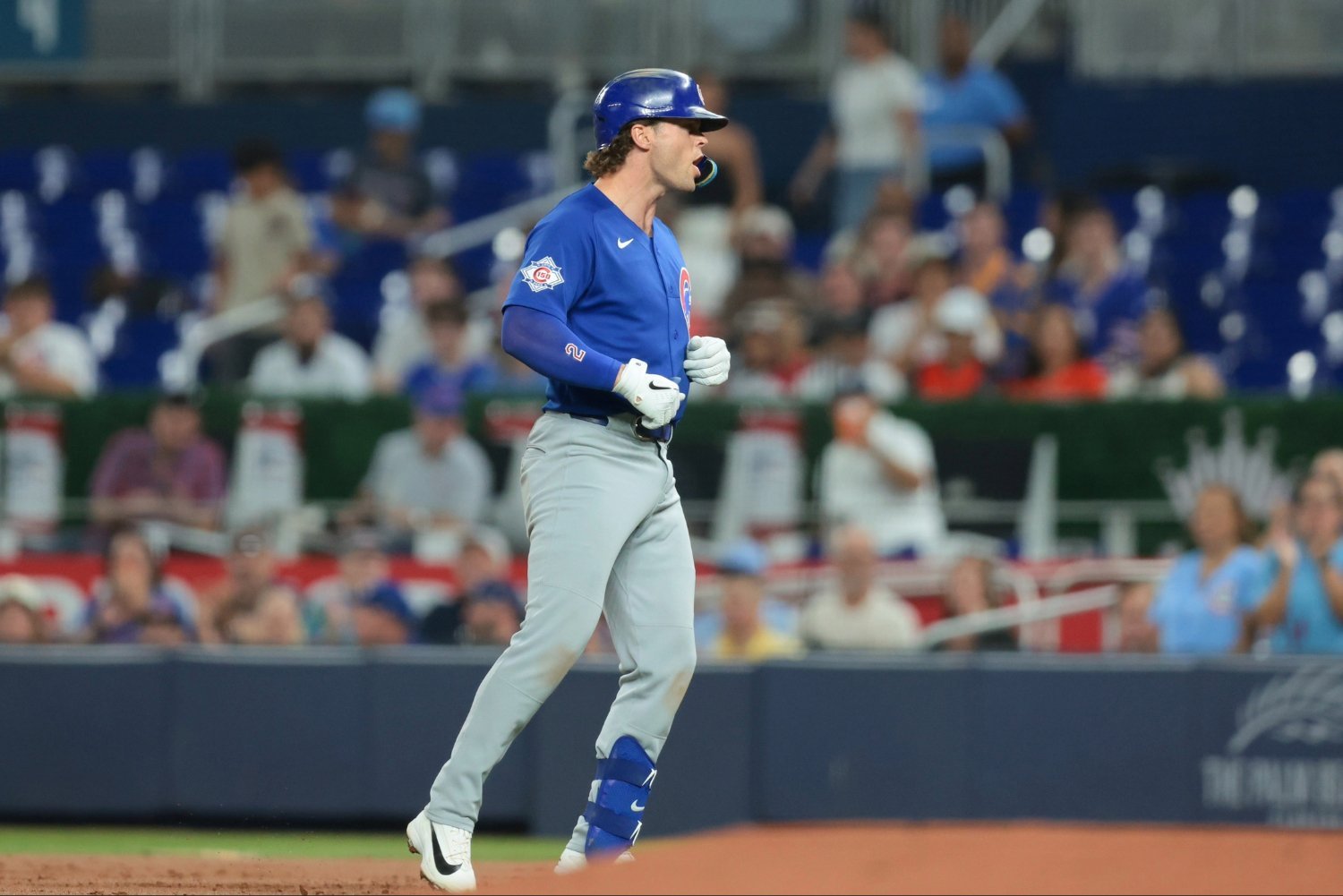 It's been a weird season for Chicago Cubs second baseman Nico Hoerner. He came out hot. So hot that early MVP discussion began to swirl as he ended April at a .291/.370/.449 line with a 130 wRC+ and seven stolen bases. In addition to an uptick in his modest power (.157 ISO for the month), he was walking more (8.9 percent) while keeping his strikeout rate characteristically low. Throw in some casually elite defense and you have, objectively, one of the best players the National League has to offer. Then, he hit a wall. In May, Hoerner's batted ball luck plummeted (.217 BABIP), and everything else came along with it. His wRC+ fell to less than half of the season's first month (59). He walked more than we're accustomed to seeing, at 11.1 percent, but virtually nothing else happened to maximize the value of an increase in patience. Those trends continued on into June, where his wRC+ sat at just 62 with the walk aspect also disappearing as Hoerner tried to hit his way out of his struggles. It's the "hit his way out of his struggles" component that we're most interested in, because Hoerner has largely recovered since bottoming out in May & June. He slashed .301/.320/.376 in July and .295/.325/.419 in August, with his work in the latter month getting him back over the above-average side of the wRC+ threshold (105). The production isn't in question, but the fact is that he's become increasingly aggressive as the season has worn on in an effort to stave off that early-to-mid-summer swoon: As the calendar flipped over to July, Hoerner (apparently) decided that the best way for him to get out of the struggle was to start swinging at as much as he could. His 55.4 percent swing rate in July ranked 21st in the league and was his highest mark in an individual month since September of 2024. While he's come back down a bit on the overall hacks, the underlying element of freely swinging at pitches both inside and outside the zone has not. Hoerner has remained absurdly aggressive at the plate, leading to walk rates of just 3.1 and 3.5 percent in July and August. Thus far in September (23 plate appearances), he hasn't recorded a single walk. In terms of raw count, we're looking at 185 second-half plate appearances and five walks on the stat sheet. It's not that Hoerner needs to walk to be successful. His walk rate generally lingers between six and seven percent, with his chase rate generally ranking among the bottom-third of qualified hitters. However, it's also proven to be an effective supplement within his game. In Hoerner's best month this season, he walked 8.9 percent of the time. In his best month last year, he was around six. He doesn't need to do it a lot, but the occasional bout of patience would allow him to use his baserunning prowess more frequently than relying purely on contact skills. At the same time, there's a bit of a paradox at play. In September of 2024, he walked 3.1 percent of the time but wRC+'d a gaudy 145. In 2023, his top month (April) featured a wRC+ of 121 but a walk rate of just 5.5 percent. So, again, we're not talking about a player that absolutely has to walk in order to be successful. The idea is simply that the occasional free pass can be an effective supplement for a player like Hoerner. The batted ball luck is going to go through stretches where it dries up; we saw that earlier this spring and summer. But a keen eye (in addition to his defense) allowed Hoerner to maintain value throughout a brutal stretch before that eye eventually led him back into the favor of the batted ball gods. It's a tool for the back pocket, and as the postseason creeps nearer, it may behoove Hoerner to flex that tool once or twice in a while, just to make sure it's still functional. View the full article
 -
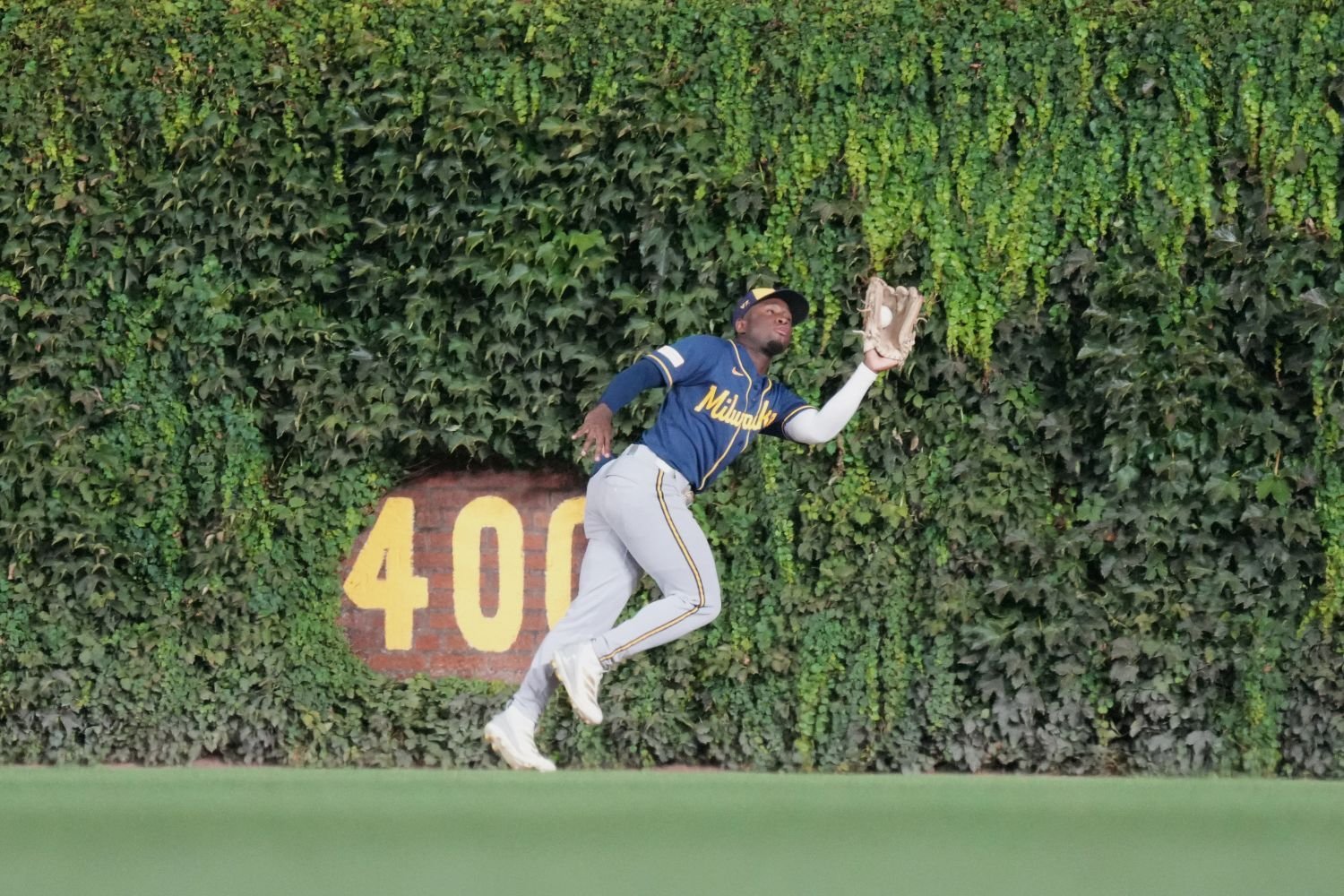 The Brewers’ young outfielders were right in the middle of their Labor Day comeback win over the Cubs, which inched Milwaukee closer to another NL Central title by securing the season series. Luis Lara scored their first run in the fifth inning. After Jackson Chourio delivered the go-ahead single as part of a three-run eighth, Lara added more flair in the ninth with a leaping catch at the wall, robbing Pedro Ramírez of extra bases against Trevor Megill. “In that situation, I’m just reacting,” Lara said through interpreter Daniel de Mondesert. “That’s the only thing going through my head, is reacting to the play and to the ball off the bat, and just finding any way I possibly can to make the play there.” It wasn’t lost on Pat Murphy that Lara made a pivotal play in the field minutes after a poor at-bat to end that eighth-inning rally. “That response type stuff is what it’s all about,” Murphy said. “Responding after things don’t go right, and as quickly as possible.” His closer appreciated the effort. “He goes balls to the wall,” Megill said. “That’s what we want from our outfielders and our defense, and that’s the standard. He goes out there and does that every single day on defense.” That’s a crude but accurate way to put it. In fewer than 50 big-league games, Lara has already assembled an impressive highlight reel. He entered Monday with 6 Defensive Runs Saved and 2 Outs Above Average in 339 outfield innings. Before that, Lara won a Gold Glove in 2025 in the minor leagues, where he developed a reputation for his daring patrol of the grass. “He makes that play at the wall look really, really easy,” said Christian Yelich, who formerly traversed right field at American Family Field. “And it’s not an easy play, especially in right field, because of how [the wall] slants in and goes back. It’s just a funky area over there, and he makes it look easy.” That wasn’t the case immediately after Lara’s promotion to the majors. After he played mostly center in the minor leagues, the Brewers have used him primarily in right field. While most modern big-league stadiums measure at least 325 feet between home plate and the foul poles in both outfield corners, many minor-league parks have smaller dimensions closer to 300 feet in the corners, with shorter warning tracks. Lara has maintained that he has always felt confident in his ability to play any outfield position, but he was clearly unfamiliar with that newfound space in right field. He seemed uncertain of how close he was to the wall, leading to some early hesitation on plays that should have been easier for him. The most notable moment came in his second big-league game in St. Louis. When Masyn Winn drove a deep but relatively routine fly ball to right, Lara kept checking on the wall. As soon as he hit the warning track, he believed he was running out of room, so he slowed down and leaped. Instead of hitting the padding as he expected, Lara fell forward into open space, flubbing the ball and turning what should have been an out into a double. MDRYV05fVjBZQUhRPT1fVTFjQUJsd0JVd0VBQVZZS0JBQUhCd0JmQUFNTldsWUFCRkFHQndjRUExSUdBVmRU.mp4 A couple of weeks later, Lara was tested with a bloop fly ball down the right-field line, with Brice Turang and Jake Bauers converging toward him as the play unfolded. It was Lara’s ball, but he hesitated to avoid a collision, and the ball dropped for a double. V0FXUVBfWGw0TUFRPT1fQkZjRkJsRlNBRlFBRHdRRkFBQUhCd0JUQUFNQ0JRY0FWd0ZXQXdZRkFRVUdVd3BS.mp4 Both misplays were understandable for a young outfielder acclimating to new and unfamiliar surroundings. Lara had played very little right field as a professional, but there was reason to believe that his instincts and ability would allow him to transition quickly. That’s precisely what happened. August brought more reckless catches, with Lara sacrificing his body to the wall without hesitation. His coming-out party was an extra-innings win against the Twins on August 9. With the game tied at 3-3 in the sixth inning, he robbed Brooks Lee of extra bases with a leap at the wall. NHlLZUJfWGw0TUFRPT1fQWdkVVVnVlNBbFlBWFZFRVZ3QUhCVklEQUZnTlYxUUFCUU1GQmdRRlVsRlVWQVlI.mp4 He made a far better play in the 10th, taking a perfect route on a Kody Clemens drive and slamming into the wall, preventing the go-ahead run on second base from scoring. NHlLZUJfWGw0TUFRPT1fVlZkUVhBQlhBMWNBV3dNQ1V3QUhWdzVXQUFNTldsWUFDMU1HVlFBQ0NWWUdVZ3BU.mp4 At that point, Lara had played just two big-league games in center field, and nearly all of his action came in right. Pat Murphy revealed that to be a deliberate decision after the game, saying he wanted to limit Lara to one position to ease his transition. “He’s very capable of [playing] center field, but I didn’t put him in center because I want him to just keep getting more and more comfortable in right field,” Murphy said. Lara has since gotten more action in center while Garrett Mitchell nursed a foot injury, and the highlight-reel plays have accumulated at both positions. Pair that defense with a passable 97 wRC+ and .337 on-base percentage, and the 21-year-old has already been an impact player in his rookie season. “In all areas on the field, I feel like I have confidence,” Lara said. “Defending, at the plate, running the bases—whatever it is, I have confidence in my ability, so [I'm] just really out there enjoying it.” View the full article
 -
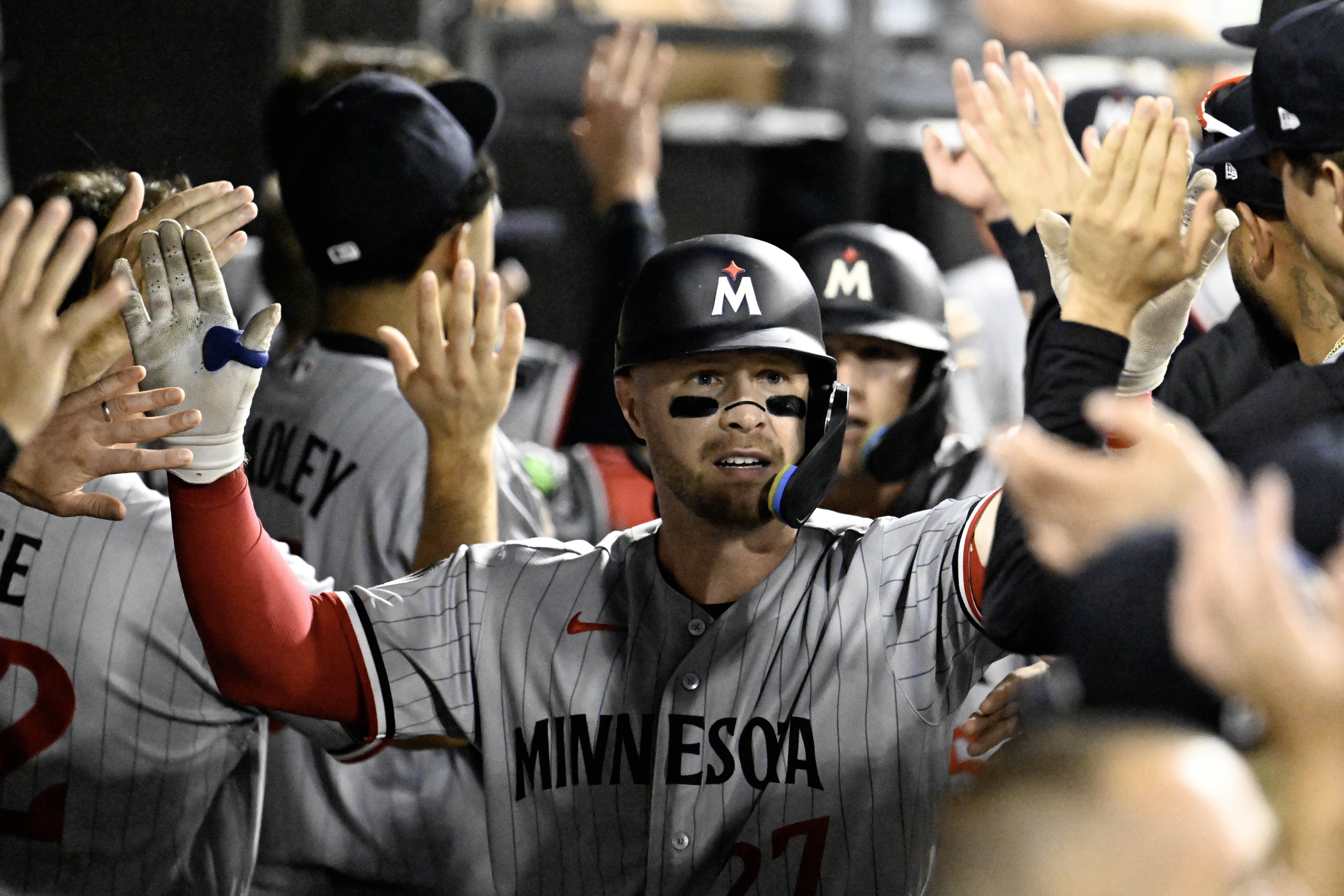 Ryan Jeffers came just a few feet short of another dramatic, game-changing home run in the ninth inning on Monday, driving a Kenley Jansen pitch 411 feet to center where it fell into Max Clark's glove at the warning track. Just a little deeper, or a little more toward the left pole, and Jeffers would've had a go-ahead two-run homer. Despite coming up just a little short on this one, it's been a sensational run for Jeffers of late. Monday marked his eighth consecutive start behind the plate — usage that is basically unprecedented for a Twins catcher in the modern era. He's been red-hot with four home runs and 11 RBIs over that stretch. In the waning weeks of a wayward season, he's firming up his case as Most Valuable Player for the 2026 Twins. It's pretty difficult to see an argument otherwise. Joe Ryan and Byron Buxton were front-runners for much of the season, but they rank last and second-to-last on the team in fWAR during a second half in which the team has fallen out of contention. That seems to all but dismantle their cases. From there the best candidates are Taj Bradley, Brooks Lee, Kody Clemens, Luke Keaschall ... I don't think any can hold a candle to what Jeffers has done, even accounting for the extensive time he missed due to injury. Despite being sidelined for nearly two full months by a fractured hamate, Jeffers leads all Twins position players in fWAR, and ranks third among MLB catchers. He has been a regular fixture in the second, third and fourth lineup spots, out-hitting the average player at his position by nearly 200 points of OPS. And now, he's on the doorstep of free agency. Which is great news for him but less so for the Twins. As one of the better catchers to hit the market in years, coming in off a career season and under 30, Jeffers is in line for a massive payday. That should hopefully remove any sense of drama and uncertainty from the biggest looming decision for the front office: to extend a qualifying offer or not. It's the only chance to recoup any value for Jeffers after holding him at the trade deadline. By offering Jeffers a one-year contract worth roughly $23 million, the Twins stand to get back what equates to a second-round draft pick. Probably less value than they'd have gotten for trading him, but real value nonetheless. The "downside" of extending a QO is the possibility that Jeffers accepts, but at this point it doesn't even feel like an overpay. Per FanGraphs he's been worth almost exactly that amount ($22.6M) this year in 80 games. Bringing back your reigning best player on a short-term deal at that rate should be viewed as a favorable outcome, so long as Tom Pohlad and the Twins are serious about their stated intentions to raise payroll and spend at a more credible level. I's most likely a moot point. I would say Jeffers accepting is extremely unlikely to happen. He has long desired the security of a long-term contract and now he'll be able pursue it on the open market with his stock riding high. Odds are he'll end up getting multiple years at an annual salary not far below $23 million, although the attachment of a QO (which requires the signing team to part with a compensatory pick) could temper his market somewhat. In the event that he lands elsewhere, the Twins will be glad to get back a relatively high draft pick that can infuse their system with talent. But it won't do much in the short term to offset such an enormous loss for a team with eyes on truly contending in 2027. The longest-tenured Twin aside from Buxton, Jeffers not only leads the team in fWAR this year but ranks second among Twins position players since 2023. He's been a crucial mainstay for this club, and he's going to leave a giant hole. Finding some way to fill it will be the biggest order of business this offseason after the QO decision, which takes place right away. (The deadline to offer is five days after the World Series, and the player has 10 days to decide from there.) In the expected event that Jeffers turns it down, then the front office should be prepared to invest that earmarked $23 million into upgrades elsewhere. And in the unexpected event that the mere possibility of being forced to commit this money leaves the Twins too gun-shy to actually extend the QO to Jeffers ... well, any and all trust or goodwill generated by Tom Pohlad's big talk will evaporate in an instant. View the full article
 -
How Does Nick Loftin Fit With This Royals Roster in 2027?
DiamondCentric posted an article in Royals Keep
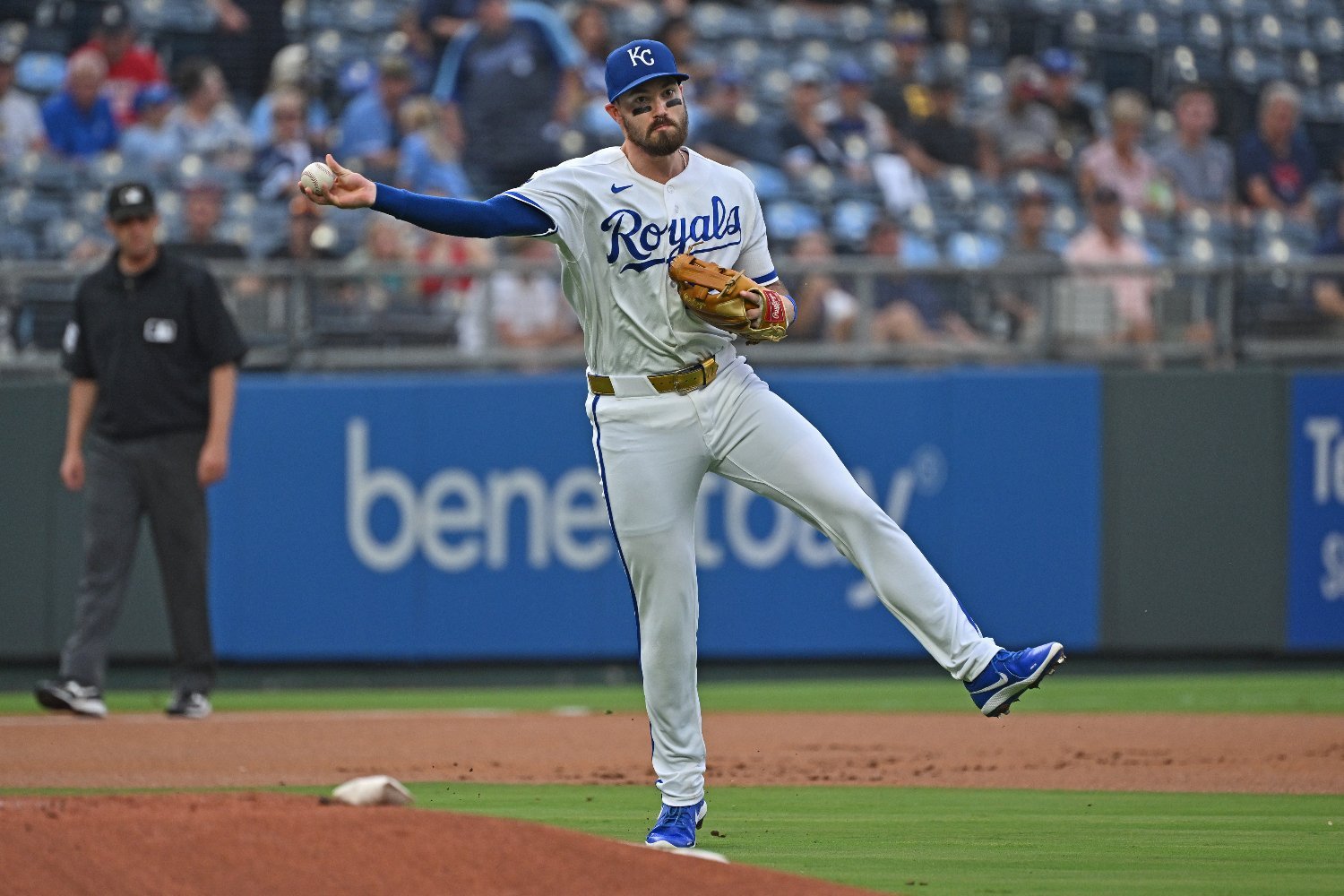 Nick Loftin has emerged as one of the key Royals' players during a rough 2026 season. After failing to accumulate more than 188 plate appearances in a season from 2022 to 2024, the 2020 compensation round pick (No. 30 overall) has set career highs in games played as well as plate appearances. In that extended sample, Loftin has made the most of his opportunity, with a 98 wRC+, .314 wOBA, and 1.3 fWAR in 105 games and 381 plate appearances with the Royals this season. In terms of his Statcast percentile profile, power remains an issue for Loftin. However, he is a disciplined hitter, and his ability to make contact and avoid chasing has helped the Royals get competitive at-bats at the bottom of the order this season. Loftin has mostly gotten this opportunity due to injuries to Opening Day third baseman Maikel Garcia. The 2025 All-Star and Gold Glove winner has been limited to 73 games and 309 plate appearances this year. In that sample, he produced a 97 wRC+, .313 wOBA, and 1.7 fWAR. While that's not bad, especially when considering the injuries, those numbers are down from the 121 wRC+, .347 wOBA, and 5.7 fWAR he produced a season ago. Additionally, Garcia has also regressed in Statcast percentiles from 2025, as shown in the comparison below via TJ Stats. Garcia is still not chasing or whiffing, and he's doing a better job of pulling the ball in the air this season. However, his hard-hit metrics and exit velocity rates are down, which has also led to a regression in his wOBA and xwOBA. While a healthy Garcia should see a bounce-back in 2027, his health and his decline this year have some Royals fans wondering if 2025 was a peak for him rather than a sign of things to come. Thus, should Loftin cut into Garcia's playing time in 2027? Or would Loftin be better served as a rotating utility player who can settle into multiple positions in the infield and outfield? Unfortunately, the defensive data paints a more complicated picture with Loftin's defensive ability and outlook for next season and beyond. Loftin Has Been Excellent at Third Base This Year One of the biggest surprises with Loftin has been his strong hot corner defense this season. Traditionally, Loftin has profiled well at 3B, but it didn't stand out. Here's a look at Loftin's defensive Outs Above Average (OAA) breakdown at different positions since 2024. 2024: 3B (+2 OAA), 2B (+2 OAA), 1B (-1 OAA). 2025: 3B (+2 OAA), 2B (+1 OAA), 1B (+1 OAA). 2026: 3B (+6 OAA), RF/SS/1B (0 OAA), LF (-1 OAA), 2B (-6 OAA). It's interesting to see that not only has Loftin significantly improved at third base this season, but he has seriously regressed in his defensive production at the keystone as well. His success-rate data shows a similar trend: Loftin has a better-than-expected success rate at 3B, SS, and RF, but a lower-than-expected rate at 2B, LF, and 1B this year. The box plot data also confirms this success rate and OAA trend, with most of Loftin's best defensive work coming on plays where he's going to third base foul line. An example of this improvement was today's key double play in the ninth inning, which kept the game tied with no outs and runners on the corners. Loftin made a diving play at third and somehow was able to double off Arizona's Ketel Marte at third in the process. It was a play not many at the hot corner could make. However, while Loftin has been good, Garcia has been just as good at third base defensively this year, even though Garcia has played fewer games than Loftin (32 fewer, to be exact). Garcia is only one out behind Loftin in terms of OAA this year, even though Loftin has been much healthier and has seen more time at third base than Garcia. Now, Garcia and Loftin do different things well at the hot corner. Garcia is a much better defender on plays coming in, while Loftin is much better on plays toward his right and the third-base foul line side. Loftin is also better on plays going to his left and back. Still, the Venezuelan infielder has better arm strength than Loftin, and that may give him an advantage over the Baylor product when both are fully healthy. Garcia's arm strength ranks in the 74th percentile, with an average throw of 88 MPH. Loftin, on the other hand, ranks in the 54th percentile with an average throwing speed of 85.2 MPH. The play on June 7th in Minneapolis against the Twins below also shows Garcia's arm advantage. Now, the bat may be what ultimately determines playing time at third base. Even though he was very good last year, Garcia has seen some regression with the bat. However, despite that regression, Loftin hasn't been much better in extended playing time this season. His wRC+ and wOBA are pretty much the same as Garcia's this year, and Loftin doesn't have the injury excuse to lean on like Garcia. If fully healthy, Garcia is not just a slightly better defensive option at third, but also likely would be a better offensive one than Loftin as well, especially if his power returns to 2025 levels next year. Loftin's Defense at Other Positions is Lackluster While Loftin has been a strong defender at third, the data is less kind to him at other positions. The main position Loftin has played beyond 3B this year is 2B, which makes sense on paper. Michael Massey is left-handed, and it would make sense for manager Matt Quatraro to sit Massey against lefties while starting Loftin at the keystone in Massey's place. However, Massey has actually been decent this year against lefties (.317 average and .853 OPS in 82 PA against LHP), and his defense is a MASSIVE upgrade over Loftin. Here's what 2B defense has been like for the Royals this year individually, as ranked by OAA. Not only has Massey been the Royals' best defender at second base by a wide margin (he's the only Royals player with a positive OAA at second), but he's been a significantly better option than Loftin. At second base this year, Massey has been 16 outs and 12 runs better than Loftin at second base. Now, that's hard to imagine, especially since Loftin profiles as a decent athlete. However, when it comes to instincts and ability, the Royals are not just better with Massey at second, but they actually hurt themselves defensively by a massive margin when they decide to slot Loftin in at second base. The Royals are a smart organization that pays attention to data like this. Thus, it's not a surprise that the Royals have leaned on Massey at second, even when they are facing lefties, and even when Massey isn't in the lineup. Quatraro has opted for other options at second, including Tyler Tolbert, who's fine, but not a player who has played major innings at second in his Major or Minor League career. The lack of ability to play second base hurts Loftin's overall value for next season. It not only limits his infield playing time, but also shows Loftin isn't very adaptable defensively. If Loftin can't handle second base as a natural infielder, it seems unlikely that he'll be able to handle time at positions in the outfield, where he's played sparingly this season. What's Loftin's Outlook for Next Year? The Royals are invested in Garcia for the long term. They signed him to a five-year extension last winter, and he's under team control until 2030. So while Loftin has been a nice surprise, he hasn't been good enough to supplant Garcia, especially given the financial commitment the team made to Garcia last year. Furthermore, Garcia, like Loftin, has shown that his defense worsens when he moves around the field. However, Kansas City still needs to find Loftin a role in 2027. He will still be in pre-arbitration next year, which means he will be cheap. Furthermore, he proved this year that he can be a key piece for this Royals team, boosting the lineup when he's locked in and seeing the ball well. His home run from the Marlins series shows that he has the hitting profile to succeed somewhat at Kauffman Stadium. The big issue with Loftin is where he should play defensively. He can't play third base every day, and the Royals shouldn't move Garcia to make room for Loftin. So he needs to find another position, even if it's not a regular role. It would benefit Loftin if he could become a better defensive outfielder in 2027. Mostly because I don't think Isaac Collins should be getting that much more playing time in 2027. Here's how the two players compare this year, before today's game, via Fangraphs: Collins (470 PA): .302 wOBA, .296 xwOBA, 89 wRC+, 0.4 fWAR. Loftin (376 PA): .318 wOBA, .297 xwOBA, 101 wRC+, 1.3 fWAR. Not only is Loftin hitting better than Collins, but he's also better at baserunning and fielding value than the former Brewer as well. Collins also strikes out more (22.1% to Loftin's 16.5%) and hits for less power (.117 ISO to Loftin's .148 ISO). Neither will hit arbitration until 2028, and both have Minor League options remaining (though Collins has all three while Loftin has just one). That said, the Royals may be better off targeting a left-handed left fielder this offseason and having him platoon with Loftin than keeping Collins around in 2027. The Royals don't have to trade or non-tender Collins, but just keep him in Triple-A and move him up if an injury befalls someone in the outfield. Nonetheless, Loftin has proven that he deserves to be a part of the Royals' Opening Day roster in 2027. He just needs to improve this offseason defensively to solidify his spot. View the full article
 -
Boston Red Sox Minor League Hitters of the Month: August 2026
DiamondCentric posted an article in Talk Sox
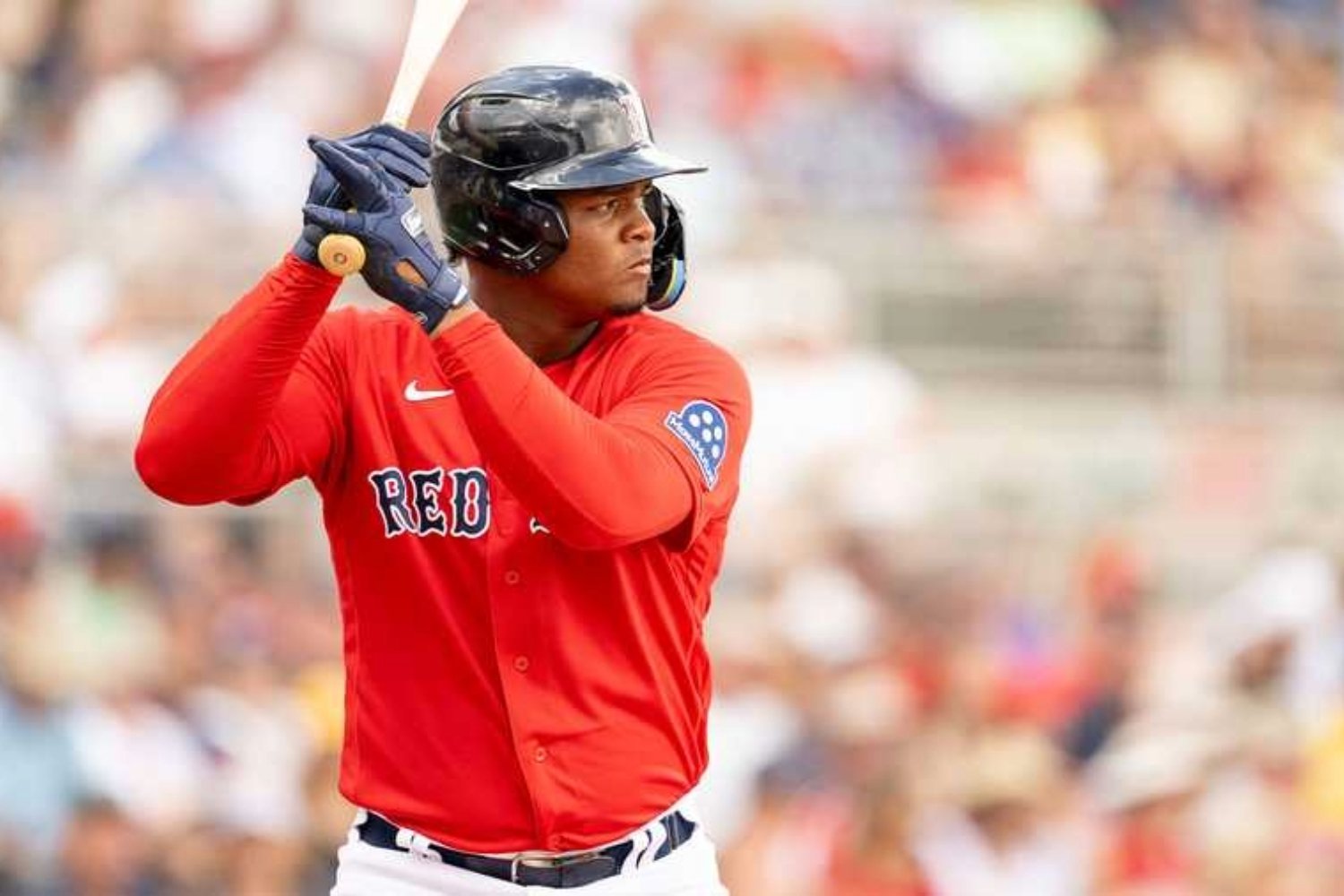 With the minor-league season reaching its conclusion in just a few weeks, players will be looking to finish their respective campaigns strong. August was a kind one for players within the Boston Red Sox organization as multiple hitters put up great numbers. Each of the four affiliate teams were also in playoff contention throughout the month, adding to the fun of watching their individual showcases. With that, we’ve managed to narrow the award this month down to the four best hitters in the Boston Red Sox minor-league system from last month despite several worthy candidates. Ranking Red Sox’s Best Minor-League Hitters in August Honorable Mention: Louis Andujar (Low-A Salem) It was a slow start for Andujar as he struggled in his first month in Salem, but since the calendar flipped to July, he has impressed with his bat. That continued into August, as the infielder showed that his hot summer is no fluke. Appearing in 17 games, Andujar slashed .305/.468/.525 with four doubles, three home runs and 9 RBIs. He also walked 12 times while striking out just 14 times. In the month, he also put together two hitting streaks—one of five games and the other three games long. During his first taste of affiliate ball, Andujar has been one of the best to adapting to the Red Sox's offensive philosophy under Craig Breslow. Through his first 62 games with Salem, the infielder has a pull-air rate of 21.6%, a stat to pay attention to should he be promoted to High-A Greenville in 2027. The right-handed hitter could become an exciting prospect with power for the Red Sox soon enough. #3: Owen Hull (High-A Greenville) There’s no denying that Hull has burst onto the scene in Greenville. Through his first 22 professional games, he’s hitting .326/.422/.533. In August alone, he hit .338/.447/.532 with nine doubles, two home runs, 15 RBIs and walked 15 times while striking out in 13 at-bats. The outfielder has shown an ability to put the ball in play constantly, striking out in just 15.4% of his plate appearances. The outfielder has also demonstrated an ability to be patient at the plate and not expand the strike zone as he waits for a pitch he likes. Already 22 years old, Hull has still managed to produce against older competition as he has hit .308/.421/.462 against some advanced pitching. In his short, professional career, Hull has immediately flashed the potential that made him a top-70 pick in this year's draft. #2: Franklin Primera (Low-A Salem) Primera has put together a fantastic first showing in affiliated ball despite being just 19 years old. Across 45 games with Salem, the catcher hit .331/.468/.500 with 10 doubles, a triple, five home runs and 24 RBIs. In August, he only got better, as he slashed .382/.535/.592 with five doubles, a triple, three home runs and 15 RBIs. More impressive, however, was his patience at the plate as he walked 16 times compared to eight strikeouts. The young catcher has garnered a lot of hype and interest from fans thanks in part to his early season breakout in the FCL. Once he reached Salem and his performance continued to be impressive for a player of his age, his prospect stock began to climb. Primera put on a show as the RidgeYaks made a playoff push, and despite the team falling out of contention, the catcher continued to carry the offense across the month and into the last few days of the season. #1: Justin Gonzales (High-A Greenville/Double-A Portland) After the month that Gonzales just put together, there shouldn't be any doubt that he's the top hitter in the Red Sox's minor-league system. Playing across two different levels in the month, the level of competition didn’t matter for the slugging outfielder. Appearing in 21 games between High-A Greenville and Double-A Portland, Gonzales hit a combined .337/.438/.558 along with five doubles, one triple, four home runs and 23 RBIs. When you look at what he did in just Portland, you really get an idea of just how good he was. In nine contests, he posted a robust .375/.457/.625 line with two doubles, one triple, two home runs and 10 RBIs. Despite being nearly five years younger than the average player in Double-A, Gonzales completely blitzed every pitcher he saw. There’s no denying that Gonzales is a very special player—August only highlighted that. The next steps in his development will involve getting him ready for Triple-A action sooner rather than later. View the full article
 -
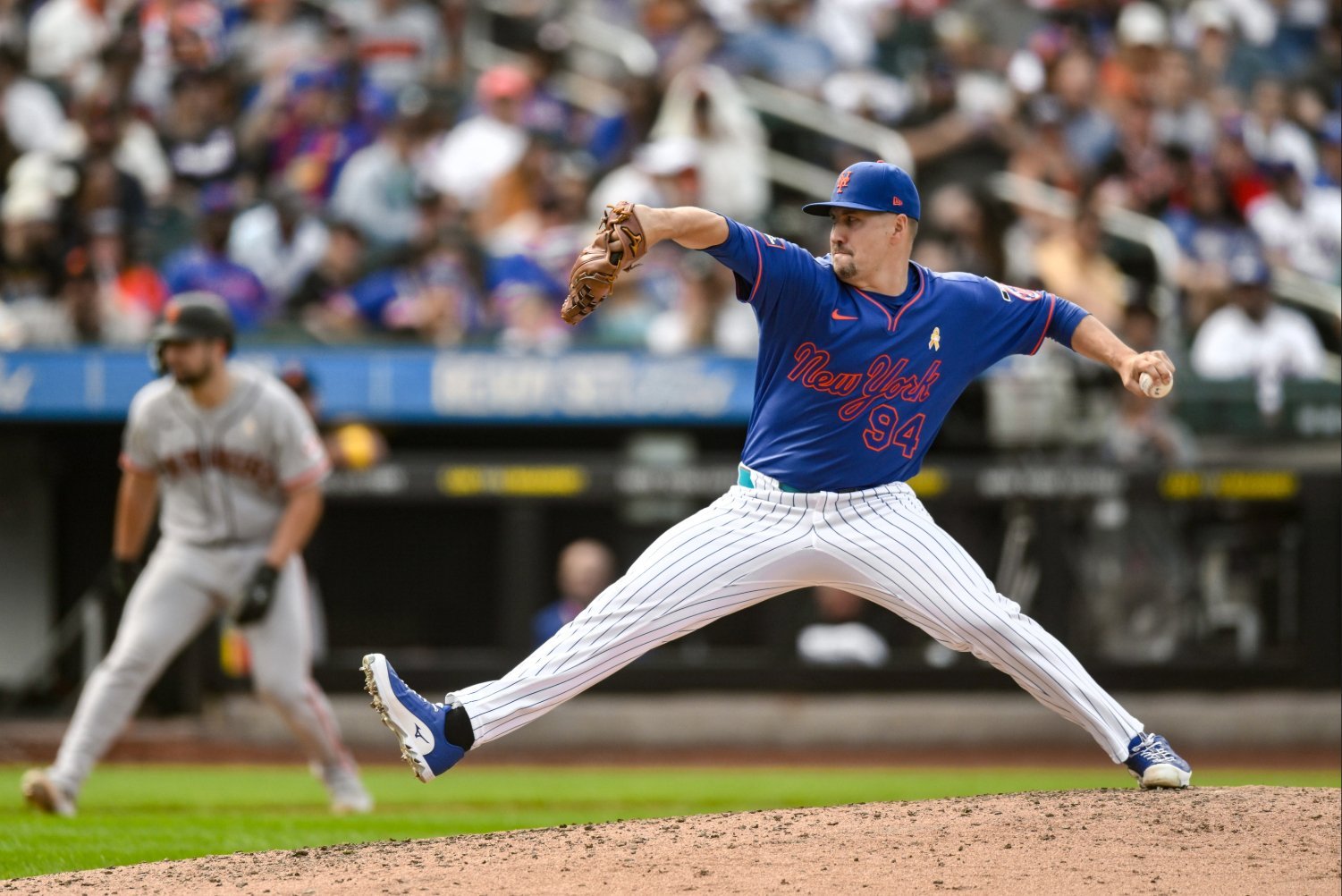 There is still not enough of a sample to ensure that 26-year-old rookie left-hander Nate Lavender can dominate at the rate he has thus far, especially in a context under greater pressure and workload. The New York Mets have used him in 13 games since his debut on August 4; on only one occasion he pitched without rest. The rest of the appearances are divided between five after one day of rest and five with two or three days. Lavender is pitching to a 0.00 ERA in 13 innings with 15 strikeouts and only five hits allowed. What stands out most is that a good part of those opportunities have been in important situations. In 11 of his 13 relief appearances, he has entered the game to defend the lead, on one occasion with the game tied and on another with a deficit of only one run. He is controlling the opposition with four pitches and an extension of 7.1 feet that appears in the 95th percentile of the league. His repertoire begins with a four-seam fastball that, despite averaging 92.3 mph, has generated a 30.8% whiff rate. The key that distinguishes it is that it possesses big-time induced vertical break (+2.4” iVB) that is gnarly for opposing hitters to handle at the top of the zone, achieving an effect as if the pitch were coming in with greater velocity. From that fastball, Lavender has the ability to generate a horizontal variation of 30 inches between his sweeper and his changeup, two different weapons that are becoming difficult to identify when coming out at almost the same velocity (79–81 MPH), but then end up breaking toward opposite sides of the plate. In the equation, the slider also appears, though Lavender does not usually use it in decision counts, but rather to move away from the middle of the zone when the hitter is ahead in the count. It has been the typical surprise pitch that breaks the swing’s timing, and so far his opponents have gone 0-for-6 in plate appearances that have ended with the offering. This is how Lavender’s impact, despite having a small sample of 13 innings, has begun to generate interest. He has already accumulated nine holds and has not allowed hits in nine relief appearances. And here is another interesting detail: in his first nine relief appearances, he inherited seven runners and none scored. That streak was broken last August 28 in the sixth inning against the Houston Astros at Citi Field, when Lavender allowed singles by Daulton Varsho and Yainer Díaz that pulverized the one-run lead the Mets had. We are probably on the same page at this point. We still need to see more from Lavender, but so far he has shown that he can handle this job and that is very good news for the Mets, who let veterans Brooks Raley and A.J. Minter go at the trade deadline. After Luke Weaver and Huascar Brazobán, Raley was the most dominant reliever and the one who faced the most high-leverage situations in the Mets’ bullpen. Now, Lavender is the new gem of the relief corps, leaving the opposition at .063/.063/.125 and a sterling –47 OPS+. Player Split sOPS+ ERA G GS BF WHIP SO/9 SO/BB BAbip Nate Lavender Late & Close -47 0.00 6 0 16 0.20 9.0 - .091 Luke Weaver Late & Close 25 2.10 31 0 116 0.87 9.3 2.8 .197 Daniel Duarte Late & Close 26 1.74 11 0 41 0.97 9.6 2.8 .231 Huascar Brazobán Late & Close 54 2.40 17 0 60 0.93 6.6 2.2 .190 Brooks Raley Late & Close 64 1.42 30 0 104 1.11 9.6 2.7 .270 Sean Manaea Late & Close 92 2.84 5 2 27 1.26 11.4 2.7 .357 Tobias Myers Late & Close 94 4.66 8 0 40 1.24 8.4 3.0 .296 Jefry Yan Late & Close 108 6.75 6 0 23 1.31 6.8 0.8 .091 Kodai Senga Late & Close 114 4.05 7 0 27 1.05 6.8 2.5 .176 Devin Williams Late & Close 122 4.26 31 0 118 1.70 12.4 2.2 .397 Austin Warren Late & Close 126 3.27 11 0 47 1.36 9.8 2.4 .286 Dedniel Núñez Late & Close 184 3.00 4 0 15 2.00 12.0 - .500 Nolan McLean Late & Close 210 10.80 6 6 18 2.40 21.6 8.0 .750 A.J. Minter Late & Close 217 9.00 7 0 22 2.00 9.0 - .400 Craig Kimbrel Late & Close 243 12.27 6 0 21 2.73 9.8 0.8 .364 Here is the bullpen ranking ordered by the best sOPS+ of the relievers who have faced at least 15 batters in Late & Close (i.e., high-leverage) situations. Minter was never at the level that was expected, but Kodai Senga, Devin Williams and Austin Warren have also been very vulnerable under pressure. On the other hand, Lavender has topped the entire list. The sample may seem small, but a single slip in the situation in which the Mets have used the rookie could have changed the fate of several of his dominant relief appearances. Now, we only have to observe how Lavender continues to develop in this final stretch of the season, after getting the opportunity he had been waiting for since he arrived in the Mets organization at age 21 in 2021. View the full article
 -
 Heck, earlier in the day, we were debating whether we'd have a formal Link Report for Monday's lone game. Thomas Pannone made the decision for us. Transactions: Milwaukee Brewers recalled RHP Brandon Sproat from Nashville Sounds. Nashville Sounds activated SS Freddy Zamora from the 7-day injured list. Nashville Pre-Game Media Notes Final: Nashville 3, Durham (Rays) 0 Box Score and Game Log Via the Sounds Cory Hilborne, Communications Manager - in this case, Cory's text is also copied below: Thomas Pannone Tosses Third Perfect Game in Sounds History - Fifth Individual 9-Inning Perfect Game in International League History Left-hander Thomas Pannone etched his name into baseball history on Monday night, tossing the fifth individual 9-inning perfect game in International League history. He became the first player in the minors to toss an individual 9-inning perfect game since Dominic Mazza on April 25, 2017. Pannone struck out eight Durham batters and completed the feat on just 94 pitches (61 strikes). He didn't toss more than 12 pitches in any inning. With the first 26 outs under his belt, Pannone worked a 3-0 count to Homer Bush Jr. in the bottom of the ninth inning. It was the first three-ball count since the second inning for Pannone. After landing a fastball on the outer half of the plate for strike one, Pannone got Bush Jr. to ground out to Eduardo Garcia at shortstop who fired the ball to Blake Burke at first base for the final out. It's the third perfect game in Nashville Sounds history as Pannone joins LHP Manny Parra and RHP John Wasdin. Parra completed his perfect game on June 25, 2007, at Round Rock while Wasdin tossed the first in team history on April 7, 2003, vs. Albuquerque. The fourth perfect game in Nashville's baseball history belongs to Tom Rogers for the Nashville Vols in 1916. Entering Monday's start, Pannone had worked a career-high 8.0 IP on July 19, 2018, vs. Durham when he was with Triple-A Buffalo. In 2022, Pannone carried a no-hitter into the seventh inning of his first career Major League start with Toronto on August 22 vs. Baltimore. He is the first International League pitcher to toss an individual 9-inning perfect game since Justin Germano for Columbus on July 26, 2011, at Syracuse. Bronson Arroyo did it for Pawtucket on August 10, 2003, and Tomo Ohka also recorded a perfect game for Pawtucket on June 1, 2000. The first 9-inning individual perfect game in International League history was tossed by Chet Carmichael for Buffalo on August 9, 1910. Pannone also worked four scoreless in his last start against the Louisville Bats last Tuesday night, giving him 13.0 IP without allowing a run over his last two starts. Garcia fielded the final out and chipped in at the plate with one of the four multi-hit performances for Nashville offensively as the Sounds had nine hits and one walk at the plate. Garcia put Nashville in front with an RBI single in third (video) and added a solo shot in the top of the eighth inning to bookend the scoring (video). Nashville and Durham will resume their six-game series on Wednesday night after an off day tomorrow. Before we focus further on Pannone, the Sounds' second run, from the 4th inning, so in between the Eduardo Garcia highlight clips, was this odd play, some of which we don't fully see. Ringing RBI double for catcher Ramon Rodriguez, a lumbering Jeferson Quero is thrown out at the plate, but the Durham catcher then tries to nab Rodriguez at third base, and the errant throw allows Rodriguez to score. Congratulations, of course, goes to Rodriguez for guiding Pannone and his maximum 91.2 MPH "fastball" in this one. The fact that this game was played Monday was a bit unique - Manager Rick Sweet is always a fantastic interview, and in Sunday's pre-game chat with Voice of the Sounds Jeff Hem, he provides some injury updates, but also ironically has fun with the fact that the Sounds' schedule was impacted on his birthday, and well, we love us some Rick Sweet. Enjoy the six minutes (Apple, Spotify). Pannone, his family and friends, and all of us fans, caught a break as to how this game will be archived for posterity: Back to Jeff Hem for a moment, we asked if his call will be made available, it seems we can look forward to eventually being able to hear at least the game-ending play for this road game at some point, and surely Jeff will grab Thomas for an interview this week (all Nashville pre-game interviews are released the following Monday). Everything we've seen and read about the Durham staff and crowd confirms how congratulatory and accommodating they were: Honestly, how many of us had any idea that a pitching rubber was this thick and massive? Guess what, Durham? You are scheduled to get an encore! Guess who is lined up to pitch the sixth game of this series on a full five days' rest on Sunday? Watch out, Johnny Vander Meer! Allow me to continue the "old school" theme with a bit of history: I had considered chatting with my fellow Link Reporter @Ro Mueller as to how if and how we were going to Link Report Monday's game. On Tuesday Biloxi has the only farm team game on the docket. Would we combine the two into a single report Wednesday AM? Well, Sir Thomas certainly made the decision for us. The Shuckers show TBD for Tuesday in Pensacola. Good luck topping Monday's effort, Mr. TBD. Here's our Minor League Forum thread from Monday. Before the fun from Durham, contributing poster @Tedaldtadaentertained us with statistical breakdowns galore from the system. Thanks for visiting, hope you started your work commute early enough today for the extra traffic as summer, sadly, in many ways, has come to pass. The scoreboard link below is for Tuesday. Organizational Scoreboard including starting pitcher info, game times, MiLB TV links, and box scores Current Milwaukee Brewers Organization Batting Stats and Depth Current Milwaukee Brewers Organization Pitching Stats and Depth View the full article
 -
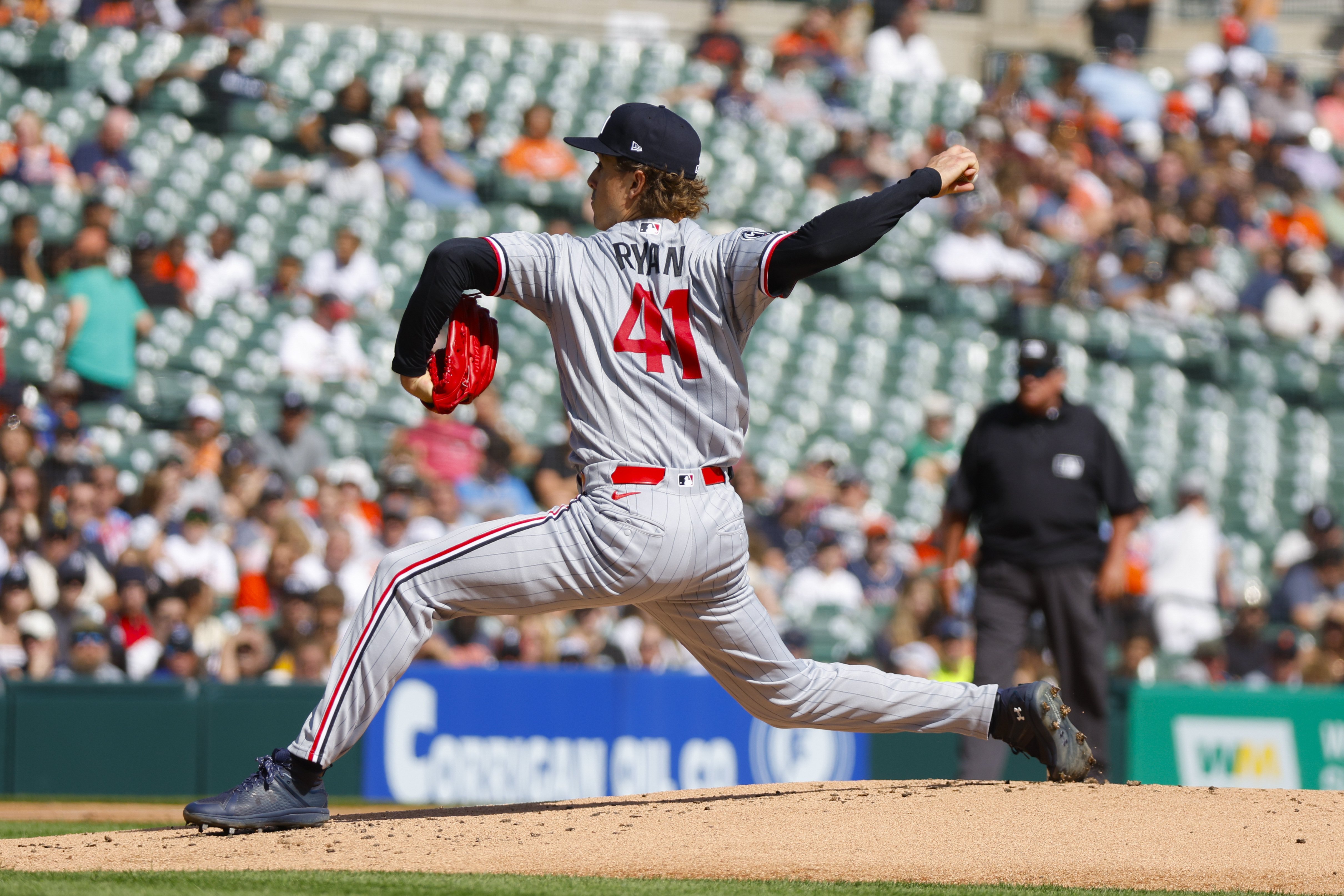 Box Score Starting Pitcher: Joe Ryan — 4 IP, 3 H, 2 ER, 1 BB, 7 K (66 Pitches, 46 Strikes, 69.7%) Home Runs: Trevor Larnach (12) Bottom 3 WPA: Josh Bell (-0.30), Royce Lewis (-0.17), Kaelen Culpepper (-0.17) Win Probability Chart (Via BaseballSavant): Joe Ryan's rehab process was seemingly accelerated compared to original plans. Sidelined since August 4th by a glute injury, he made one minor-league start last Tuesday, throwing just three innings, and then tossed a bullpen over the weekend, at which point he was pronounced good to go for Monday's series opener in Detroit. The stakes were high in this one for the Twins. With their playoff odds down to 3.2% according to FanGraphs, they've run out of runway to get going. To reassert themselves in the race, Minnesota needed to get on a winning streak and they needed it to start now, against a team they trounced twice at home one week ago. Ryan Jeffers, starting for an eighth consecutive game at catcher, gave the Twins an early lead with an RBI groundout in the top of the first, but Josh Bell grounded into a double play to strand a runner on third. In the bottom of the first, Ryan got off to an encouraging start on the mound, striking out leadoff man Colt Keith on three pitches, but gave up a game-tying home run to Kevin McGonigle in the next at-bat. Ryan ran into trouble in the second, loading the bases with one out. Detroit scored twice, on an HBP and then an errant force-out throw to the plate by Royce Lewis. But Ryan kept things from spiraling, retiring the next two batters to leave the bases loaded. He cruised through the next two frames before hitting a presumably pre-planned threshold and giving way to piggy-backer Connor Prielipp. Seemingly bumped into this long-relief role by Ryan's return, Prielipp handled the final four innings and pitched well outside of a two-run homer by Riley Greene, which unfortunately proved to be the difference. Trevor Larnach had drawn the Twins within one on a fourth-inning solo homer before Greene answered with his two-run shot in the fifth, putting the Tigers up 5-2. Minnesota would rally for a comeback bid in the sixth, with Walker Jenkins delivering a clutch two-run double to pull them within one. It was an awesome way for the rookie to snap an 0-for-16 slump. Luke Keaschall and Brooks Lee followed with back-to-back walks, but unfortunately Kody Clemens left the bases full, taking strike three right down the pipe from Troy Melton on a 1-2 count. He was looking for a breaking ball and consequently watched a fastball sail right over the plate. From there the Tigers bullpen took care of business, with four relievers combining to hold Minnesota scoreless in the final 3 ⅓ innings. The Twins generated a little hope against closer Kenley Jansen in the ninth when Clemens drew a leadoff walk and Jeffers followed by driving a pitch to deep center, but unfortunately his 411-foot fly was tracked down near the wall by Max Clark. It would've been a home run in more than half of MLB parks, according to StatCast. From there, Bell ended the ninth inning like he ended the first: a GIDP. He leads the team with 17 and no one else has more than 10. Their fourth loss in five games leaves the Twins at 68-76, with their postseason odds now down to 2.3%. The contention dream is all but dead. In a tough game like this, we can take solace in the big slump-busting hit from Jenkins, and the generally promising return to action for Ryan, whose average fastball velocity (94.0 MPH) was actually up slightly from his season norm (93.4 MPH). There was a little rust in play but he really only gave up one hard-hit ball in the outing. Tomorrow it'll be Dean Kremer facing off against right-hander Drew Anderson in a 5:40 PM CT start as the Twins look to even the series. Notes: Ryan's first three pitches of the day clocked at 94.2, 95.2 and 95.1 MPH. It was a bit of a statement after his relatively low velo in last week's Triple-A rehab start raised eyebrows. Lee stole his eighth base, which is actually a shockingly high total for such a slow player. Keaschall stole his 17th base, which is less surprising. The Twins lineup went 1-for-10 with RISP and stranded 10 on base in the one-run loss. Another game that reeks of missed opportunity. Postgame Interview: Bullpen Usage Chart: View the full article
