


DiamondCentric
-
Posts
2,631 -
Joined
-
Last visited
Never
Content Type
Profiles
Forums
Events
News
Tutorials & Help
Major League Baseball Videos
Guides & Resources
Store
Downloads
Gallery
Everything posted by DiamondCentric
-

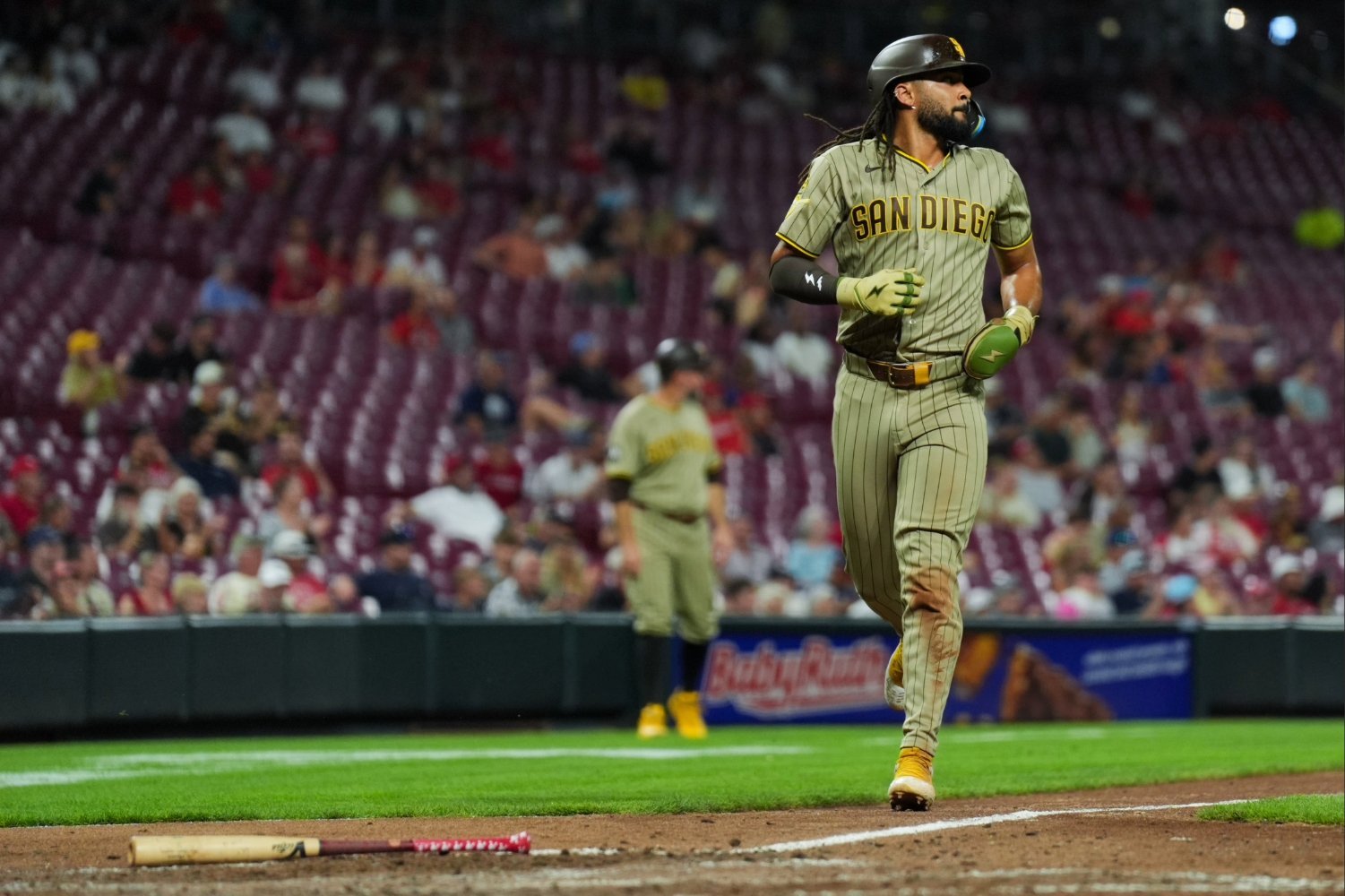 The San Diego Padres postseason chances have taken a bit of a tumble. On August 22, the Friars hit a season-high 68.9% playoff odds, according to FanGraphs’ model. Since then, they’ve gone 2-5, seen their odds drop to 47.3%, and fallen a half-game behind the Arizona Diamondbacks. All is not lost, but the Padres will have to sweat out the month of September if they want to play into October, and it could culminate in a dramatic final series. Unlike the American League, the National League playoff picture is pretty clear. The Brewers, Dodgers, and Braves will win their divisions, the Cubs and Phillies will claim the top two Wild Card spots, and the Padres and Diamondbacks will battle to the death for that final Wild Card spot. Nothing is set in stone, but the only other team with playoff odds greater than 2% are the Marlins at 4.2%. Starting with the basics, the Dodgers, despite only having the second-best record in the league, own the best divisional odds at 100% (They haven’t mathematically clinched, and the true odds are probably in the ballpark of 99.95%). Their ten-game divisional lead is the largest in baseball, and they have the easiest remaining schedule in the NL (.466), which should be enough for them to coast to a playoff spot. They have the same 82-55 record as the Braves, so a first-round bye is far from a guarantee, and that could end up being very relevant for the Padres and Diamondbacks. The Brewers own the best record in baseball (85-52), but haven’t quite locked up the division thanks to the Cubs' 77-60 record. While that nets out to an eight-game lead, the Brewers and Cubs play each other seven times from here on out. A lopsided series for the Cubs could put the division back in play, but anything close to a split probably locks in the Brewers as division champs. The Braves have the same record as the Dodgers, but their division odds are the lowest of the current National League leaders because the Phillies are 77-60. A five-game lead is great heading into the stretch run, but it’s far from insurmountable. The Braves really need to keep playing well if they want to win the division, and it’s a necessity to land a bye. The Cubs and Phillies at 77-60 have a 4.5-game lead for the top two Wild Card spots. While it’s possible one of them could fall out of it, the chance of both missing out is a rounding error. FanGraphs has their playoff odds at an identical 98.3%, which is a testament to their current lead and their overall team quality, which brings us to the true bout in the NL: Padres vs Diamondbacks. The Padres’ playoff odds sit at 47.3%, the Diamondbacks are at 49.1%, and they’re separated by a half-game. Back in the day, game 163 would be very much in play, but the expanded playoff format exchanged one of baseball’s greatest quirks for super-duper fun tiebreakers. The first tiebreaker is head-to-head record, which is where this will stop thanks to the Padres and Diamondbacks playing 13 times. However, the Padres and Diamondbacks have split their first ten games, which means their three-game set in San Diego to close the season could be for all the marbles. However, for games 160-162 to matter, they’ll have to be quite close in the standings, and that’s no given. The Diamondbacks have a slightly more difficult September than the Padres. They start with two games against the Phillies, and it is followed by three against the Astros, Royals, Rangers, Marlins, Yankees, and Rockies. Meanwhile, the Padres face the Reds, Yankees, Nationals, Giants, Rockies (in a four-game set), Marlins, and the Dodgers. A huge wild card for the Wild Card could be where the Dodgers are in the standings when they face the Padres in the penultimate series of the season. There’s a chance the Dodgers have nothing to play for as the first overall seed is out of reach, but a bye is wrapped up. On the flip side, the Dodgers might be in a dogfight for the first seed and/or a bye. Considering how weak their September schedule is, and how many reinforcements they’re expected to add, there’s a decent chance this series is there for the taking. Both the Padres and Diamondbacks have one more away game than home game, which could be a nice little boost for the Padres. While the Diamondbacks have a better road record than the Padres, the underlying metrics suggest the Padres are the far superior road team. Home D-Backs Padres Away D-Backs Padres wRC+ 104 98 wRC+ 89 100 FIP 4.30 4.05 FIP 4.48 4.26 Record 40-29 41-28 Record 33-36 31-37 Doing some quick math, we can see how the Diamondbacks and Padres would be expected to play based upon their home and road splits. By taking their home and road wRC+ and multiplying it by the league average 4.47 runs per game, we can see how many runs they’d be expected to score based on their underlying performance. Home D-Backs Padres Away D-Backs Padres Runs 4.65 4.38 Runs 3.98 4.47 FIP 4.30 4.05 FIP 4.48 4.26 Difference 0.35 0.33 Difference -0.50 0.21 The Diamondbacks' underlying metrics suggest they’re a true-talent .444 win percentage team on the road, which is far worse than their .478 mark. On the flip side, you’d expect the Padres to have a .525 road win percentage, which is far better than their current .456 figure. Obviously, these figures strip out a bunch of important context, but it does suggest that the Padres, despite a half-game deficit, should feel pretty good about their chances. They’ve been the better team, have the easier schedule, and get the final, potentially deciding, series at home. Baseball is impossible to predict, but a 14-11 kick to close the season should be enough, especially if they can take two of three against the Diamondbacks and claim the tiebreaker. View the full article
 -
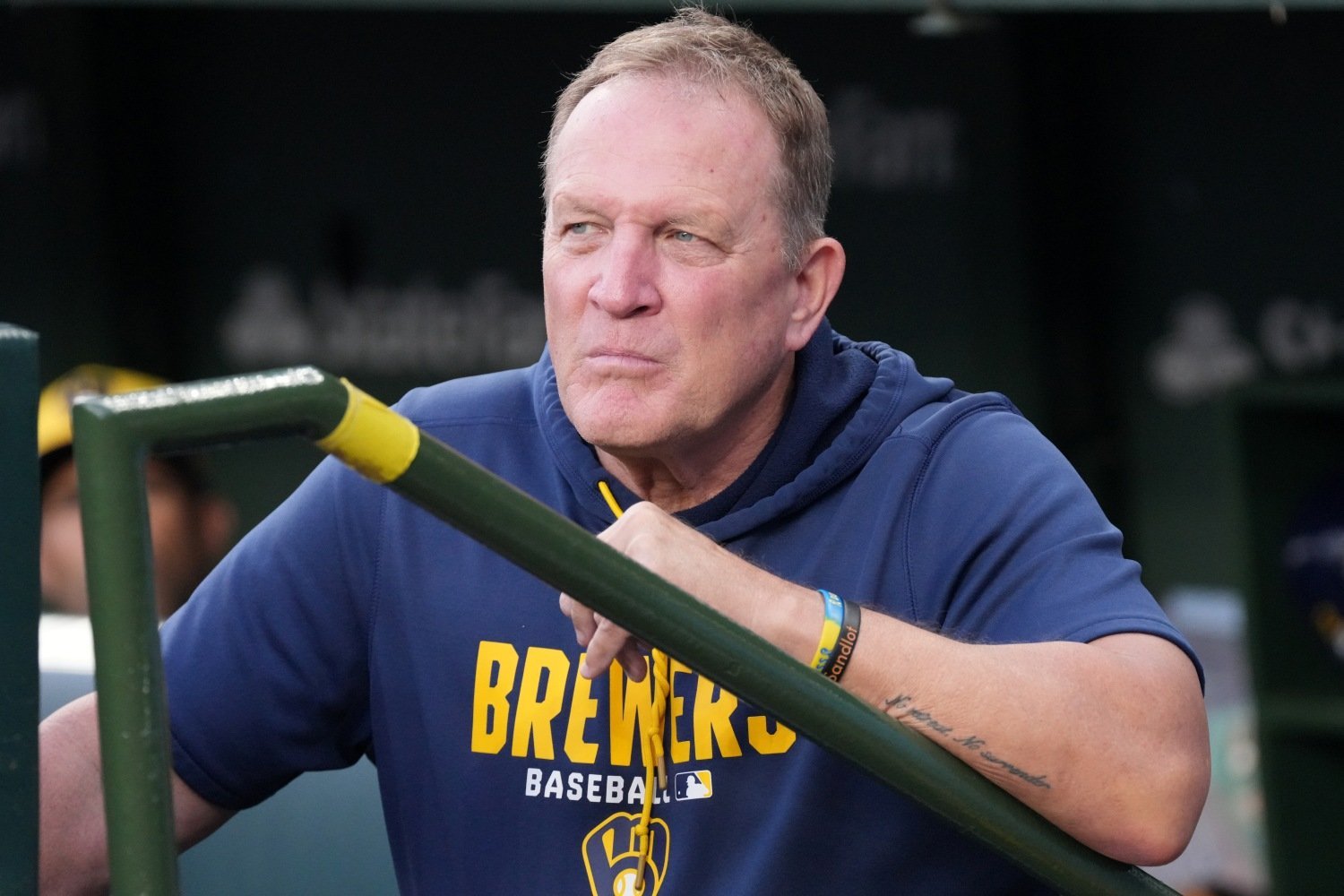 Jackson Chourio didn't get a great jump, and he paid for it. In the top of the fourth inning of Tuesday night's game in Chicago, Chourio tried to steal third base with one out, to position himself to score what would have been the first run of the game. Instead, though, he was thrown out by Cubs catcher Carson Kelly, sliding right into a deft tag by third baseman Alex Bregman. That was the injury. The insult, for Brewers manager Pat Murphy, came when he turned his head toward second base after Chourio was thwarted, and didn't see Brice Turang there. Turang, the trailing runner on the play, didn't follow Chourio, and remained at first base. That meant he wasn't even in scoring position, and there were two outs. A handful of pitches later, the inning was over. Murphy's agita can only have worsened in the bottom half of the frame. Robert Gasser issued a leadoff walk to Seiya Suzuki. Bregman hit a singularly weak bouncer to Gasser's left, but neither he nor Andrew Vaughn could get to the ball fast enough to make a play on it, putting two on with nobody out despite no healthy cuts being taken by Chicago. Tyrone Taylor cashed in the hosts' luck with a two-run double into the left-field corner. Things got even more frustrating, though, when Nico Hoerner hit a more conventional grounder toward first base. Vaughn ranged far to his right and made a fine play, but because he'd gone so far, the result was a play with slightly awkward timing as Gasser arrived to cover the bag. The hurler had trouble finding the base and arresting his momentum to wait for the ball, and the relatively long throw from Vaughn clanked off the lefty's glove. Hoerner reached on the error, and worse, Taylor came around to score. To his credit, Gasser bore down after that and escaped without further damage. Even as the fifth inning began, though, Murphy had justification for frustration. After two quick outs to start the top of the inning, Luis Lara hit a liner down the left-field line that (with two outs and nobody on base, and given Lara's speed) has to be a double. Taylor got over to the ball well and threw it as soon as possible back toward second base, but the peg was neither especially accurate nor especially strong. It didn't matter, though. Lara hadn't seen his opportunity; he held up at first base. Instead of being in scoring position, Lara was still two hits (or a stolen base and a hit, or an extra-base hit, but you get the point) from scoring the Crew's first run. Of course, that's when the Brewers demonstrated who they really are. Joey Ortiz and Cooper Pratt came up with the very back-to-back hits the team needed to get Lara home, after all. Chourio couldn't plunge home the knife thereafter, but in the sixth inning, the visitors did break through. Two ground balls that could have been outs turned into a single and a double to begin the inning. A fly ball down the right-field line wasn't caught. Suddenly, the Brewers had chased Matthew Boyd, tied the game, and had the go-ahead run in scoring position. Christian Yelich teed off on a Daniel Palencia slider, and just like that, the team had a lead they would only expand the rest of the way. This season, Murphy has held several players—Turang, Ortiz, Pratt, Gasser, David Hamilton, Brandon Sproat, Shane Drohan and more—accountable for lapses he considers unacceptable. He's been criticized for some of those choices, but the underlying reason for each of those actions traces back to something he expressed in spring training: this team has the highest potential of the three he's managed since taking the helm in 2024. They haven't consistently played to that potential. As Murphy has stressed at each turn, the shortfall is never in effort. A better word for what goes missing might be 'intensity,' or 'focus'. For many players on the roster, there's still a learning process taking place on a day-to-day basis—not only in how opponents will pitch them or which key mechanical adjustment will unlock their next level, but in how constant must be one's concentration within a game played at the highest level in the world. A half-second of hesitation, confusion or distraction can be fatal, and the only way to avoid those crucial failures is to remain on high alert from the first pitch to the last in every game. That's what makes the game so grueling; it's why the grind is so difficult to manage. Murphy has excelled at managing that grind, but he's been unable to stop the occasional crack from showing. What the skipper saw in February remains very much within this team. Turang, Chourio, Contreras, Jake Bauers and Garrett Mitchell have all looked like superstars at some points this season. Jacob Misiorowski and Kyle Harrison front perhaps the deepest and best pitching staff of Murphy's tenure. It's reflected in their record, too. If you don't watch any of the sausage get made, it's easy to wonder why Murphy seems a bit eager to come down on players who make certain kinds of mistakes. This is the best team in baseball, by run differential and by wins and losses. What's the big deal? As Murphy cracked (with a forgiving smile) to one reporter from a local TV station earlier this year when asked how great it must feel to be dominating the league: "Have you watched us play?" He doesn't mean that his squad has gotten lucky. They haven't. He just means that they can play considerably better than they actually have for big chunks of this season—and that they will absolutely need to do so, in order to avoid another October disappointment. View the full article
 -
Should The Cubs Trade Matt Shaw This Offseason?
DiamondCentric posted an article in North Side Baseball
 With how well Pedro Ramirez has played for the Chicago Cubs. Is Matt Shaw now worth being looked at as a trade piece for a Cubs team that needs to acquire more pitching this offseason due to the departures of Shota Imanaga, Jameson Taillon, and potentially Matthew Boyd. With limited space on the field for Matt Shaw to get reps for his development. This might be a chance for the Cubs to move him at his highest value. View the full article
 -
 Too many walks have put the Twins’ bullpen in difficult situations throughout the season. And with far too many leads slipping away, Minnesota has to figure out how to fix the problem heading into 2027.View the full article
 -
Twins Daily Minor League Pitcher of the Month: August 2026
DiamondCentric posted an article in Twins Daily
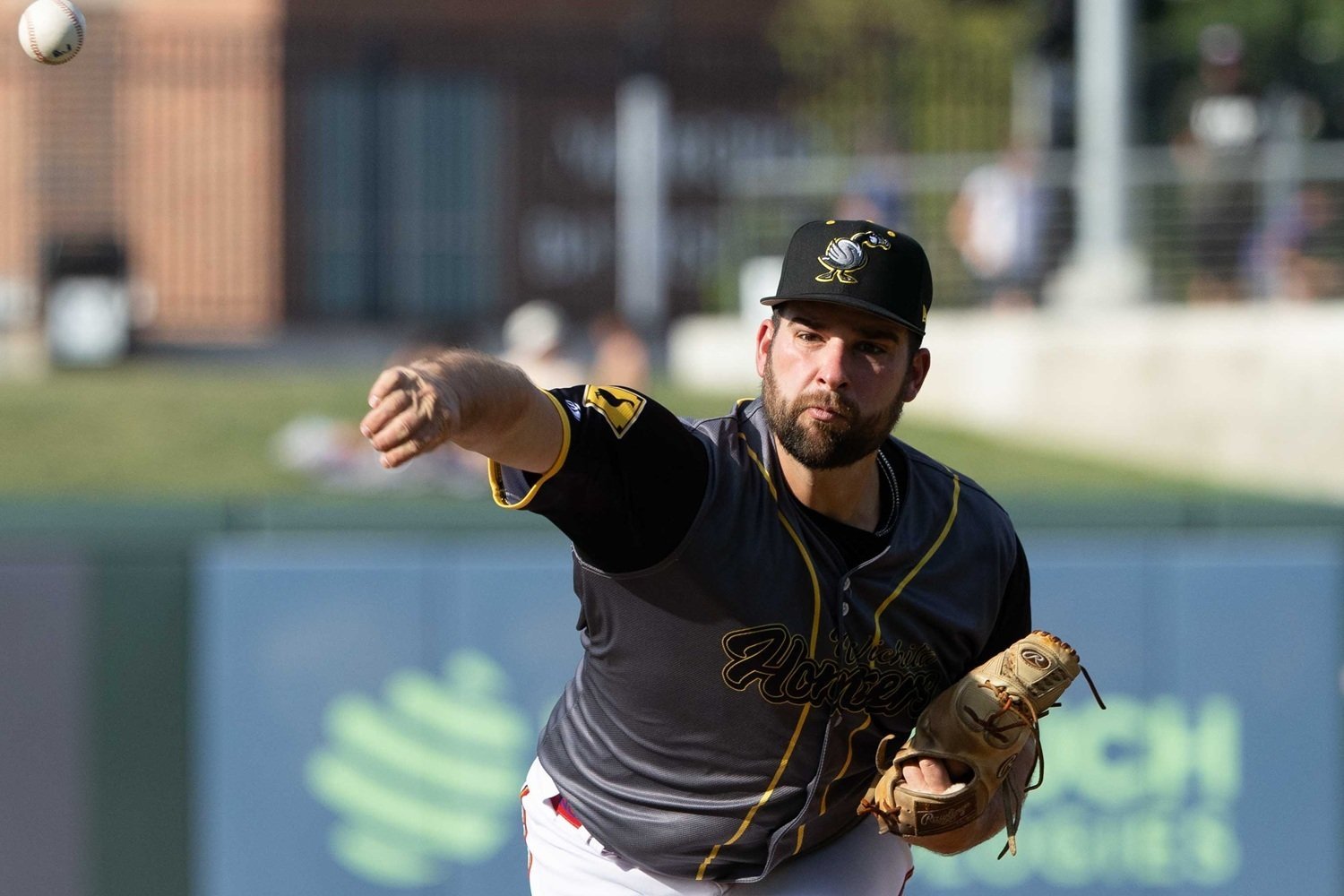 Welcome to the August edition of our minor-league pitcher of the month series. Things are a little different this year. As an acknowledgement of patterns in minor-league pitcher usage, we’ve collapsed the “reliever” into the “starter” article. Because teams are in a constant struggle to get players work, they often become “out-getters,” entering whenever the manager deems the situation acceptable, regardless of the typical roles accepted in our shared baseball understanding. This puts short-inning hurlers at a disadvantage for a list like this, but if one was especially efficient in a month, they’ll receive consideration. This author had to make some pretty serious cuts this month. The top five was straightforward enough, but there were a handful of guys who could have—and in other months, would have—made the honorable mention list. Because this article gets bloated enough already, they had to be nixed. With all that being said, let’s get to the list. Honorable Mentions: Matt Bowman, AAA St. Paul - 2.25 ERA, 16 IP, 4.14 FIP, 25.8 K% Bowman gobbled up an impressive volume of innings in relief, earning more than three outs in seven outings in August with solid efficiency. A poor appearance on the 13th limits him to the honorable mention list. Nick McAuliffe, A Fort Myers - 2.13 ERA, 12 ⅔ IP, 2.19 FIP, 40.7 K% McAuliffe put forth an extreme “effectively wild” month of relief for the Mighty Mussels, striking out the world, while walking eight and uncorking five wild pitches. Crazy stuff. The whiffs were enough to net him a placement here. It was the kind of fun you can only have in Class A—and probably wouldn't want to have at any other level, anyway. Kendry Rojas, AAA St. Paul - 0.75 ERA, 12 IP, 3.35 FIP, 26.7 K% Rojas was well on his way to placing on the list proper, before an oblique strain cut his August 21 start short and curtailed his season. The improved command was good to see; he walked just three batters in the month. Eric Hammond, A Fort Myers - 2.41 ERA, 18 ⅔ IP, 3.99 FIP, 23.7 K% Hammond went undrafted after pitching for USC and Georgia, and has found mild success as a swing man for the Mighty Mussels in 2026. The six walks and three hit-by-pitches tinge a month that wasn’t quite as sparkling as his ERA suggests, but it was still solid. Julian Merryweather, AAA St. Paul - 1.74 ERA, 10 ⅓ IP, 1.38 FIP, 41.5 K% This might be the fewest innings thrown by any hurler to be mentioned in one of these articles, but Merryweather’s efficiency was impossible to ignore. A 41.5% strikeout rate! If this were the majors, only Mason Miller would have a higher one. It’s good to be in any sentence that contains the phrase “only Mason Miller”. 5. Trent Baker, AAA St. Paul - 3.00 ERA, 18 IP, 4.29 FIP, 32.5 K% A former minor-league Rule 5 pick, Baker has established himself as a consistent presence on the CHS Field mound. He’s spent most of the year pitching wherever manager Brian Dinkelman needs him—whether it be at the end, in the middle, or at the beginning of games—but has been essentially a traditional starter since the end of July, albeit in outings that never go beyond 70 pitches or so. The strategy has worked. Since July 25, the righty has a 2.62 ERA while punching out a third of the batters he's faced. His mid-90s heat paired with his screwball changeup has proved to be an effective combination, keeping hitters off-balance as they only see the hurler once or twice a game. At 27 years old and in his sixth season of professional baseball, Baker has never brewed much prospect hype, but if he continues to pitch the way he did in August, the Texan could force his way onto a major-league roster. He kicks off the countdown in earnest. 4. Michael Ross, A+ Cedar Rapids - 2.33 ERA, 19 ⅓ IP, 3.37 FIP, 23.0 K% Dreadful though Michael Ross’s season had been entering August, he shook that misery off and pitched his finest ball of the season. The 24-year-old who went 13-0 with Samford in 2024 enjoyed a great year with the Mighty Mussels in 2025, holding a 3.18 ERA across 82 innings. Given that all highlights of him found on Twitter are from that season, you can probably guess how his 2026 with the Kernels has gone. The righty entered the month with a 7.85 ERA, an impossibly high number. That’ll happen when you have six outings with at least six earned runs. August snapped something into place, though. Ross pitched back-to-back shutout starts to start the month, totaling 8 ⅓ frames between the games. Though he allowed five runs in his next 11 innings, the month began strongly enough to carry his overall performance and land him a spot on our list. 3. Ty Langenberg, AA Wichita - 1.00 ERA, 27 IP, 3.48 FIP, 22.1 K% The prodigal son? Sort of. Depends on how you feel about Iowa. Anyway, it’s been a tough two seasons for Langenberg since his promising 2024 campaign. The righty saw his numbers turn for the worse in his second go-around with the Kernels in 2025, and his time spent in St. Paul this year was mostly as an observer, watching opposing batters dash around the bases as his ERA crept higher. That earned him a trip back to Wichita, where he has pitched much better. Three earned runs in 27 innings says it all. The 24-year-old dominated. He allowed just 10 hits the entire month, and no more than three in any one appearance. The peripherals weren’t as convinced by Langenberg’s play, meaning he has to settle for a third-place finish in this month’s honors. 2. Adrian Bohorquez, A+ Cedar Rapids/AA Wichita - 0.45 ERA, 20 IP, 3.75 FIP, 32.4 K% What a return to play for the 21-year-old! Bohorquez missed nearly two months of action, spent some time building up, and locked into an overwhelming groove, smothering hitters with such acumen that he earned a promotion to Double-A. And wouldn’t you know it, the promotion didn’t slow him down one bit. Bohorquez donned a Wind Surge jersey and immediately went to work: he punched out seven over five innings without an earned run (though with four unearned). That’s good stuff. Given how awesome his month was, this author isn’t absolutely convinced he doesn’t deserve the top spot. A well-earned silver medal should weigh and dangle with sparkling achievement, anyways. 1. Preston Johnson, AA Wichita - 1.44 ERA, 25 IP, 3.87 FIP, 35.6 K% The man of the hour is also a man who may need some introduction. Born in Jackson, Mississippi (hotter than a pepper sprout), Johnson spent two years at Mississippi State, four in the Orioles’ system, and 11 innings with the independent Mississippi Mud Monsters, before joining the Twins organization earlier this year. The results have been fabulous: a 3.94 ERA and 95 strikeouts across 77 ⅔ innings at Double-A. Langenberg is the only Wind Surge hurler with at least 70 innings and a better ERA. A tall Southern man with a dastardly curve, Johnson found some extra giddy-up on his heater, which now sits in the mid-90s. Perhaps the real secret to his success is quite simple: he’s the father of twins. Consistency was the driving force for the righty in August, as he never allowed more than two runs in an appearance and walked away scoreless on four occasions. Johnson’s monumental strikeout rate and impressive volume of innings gave him the edge over Bohorquez, whose month also waded in murky unearned-run waters, the nature of which makes his numbers harder to judge. So, Johnson will be the one to take home Twins Daily’s August Minor League Pitcher of the Month honors. Tell him to save some space on his digital mantel. View the full article
 -
Kansas City Royals Pitcher of the Month: August 2026
DiamondCentric posted an article in Royals Keep
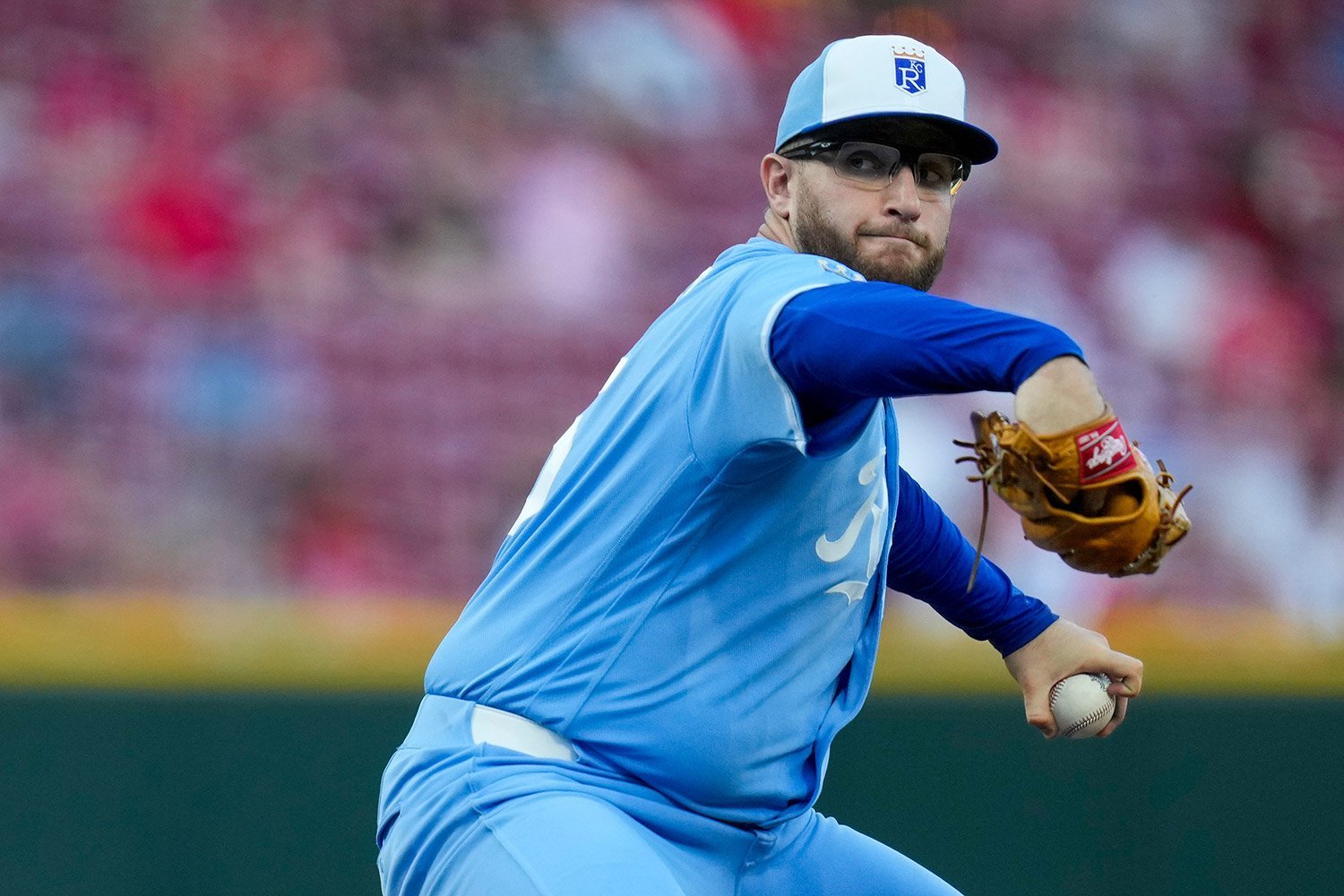 August was a month that the Royals saw improvement across the board. It was the first month of the season where the Royals had a winning record (16-11) and a positive run differential (+13). The month was filled with strong pitching performances, but no player stood out as much as Noah Cameron. Royals Pitcher Of The Month - Noah Cameron Noah Cameron finished the month with a 1.87 ERA over 33 ⅔ innings. He led all Royals starters in innings, ERA, FIP (2.93), and fWAR (1.0) during August. His ERA also ranks 13th among all pitchers in the majors for the month. Cameron’s month can be highlighted by his performance on August 8th when he pitched his first career complete game shutout while striking out eight batters and allowing only two baserunners. Cameron’s excellent pitching form began just after the All-Star break when he began calling his own pitches. Cameron shifted his pitch distribution from favoring his four-seam fastball to a more even distribution of pitches where his slider became more involved in the arsenal. Since his shift in approach, Cameron has seen a complete reversal in performance. His strikeout and walk percentages have improved; he is generating more whiffs and chases outside of the zone, and batters are getting softer contact and more ground balls. The continued improvement has given Cameron a much better outlook after a shaky start to his second season in the majors. A strong finish to the season could position him to be a key fixture in next season’s rotation. Honorable Mention: Nate Pearson Nate Pearson was traded to the Royals from the Astros on July 22 after being designated for assignment a few days prior. Since coming to Kansas City, he has been the Royals’ best reliever. In 15 appearances, Pearson has thrown 14 ⅔ innings with a 0.61 ERA and 0.3 fWAR, earning two saves in the process. He has been one of the few pitchers the Royals have been able to rely upon in key late-inning situations. Pearson still has some improvements that he can make. He struggles to make batters chase the ball and whiff. If he can continue his growth in Kansas City, he should be able to find a spot in the 2027 bullpen. View the full article
 -
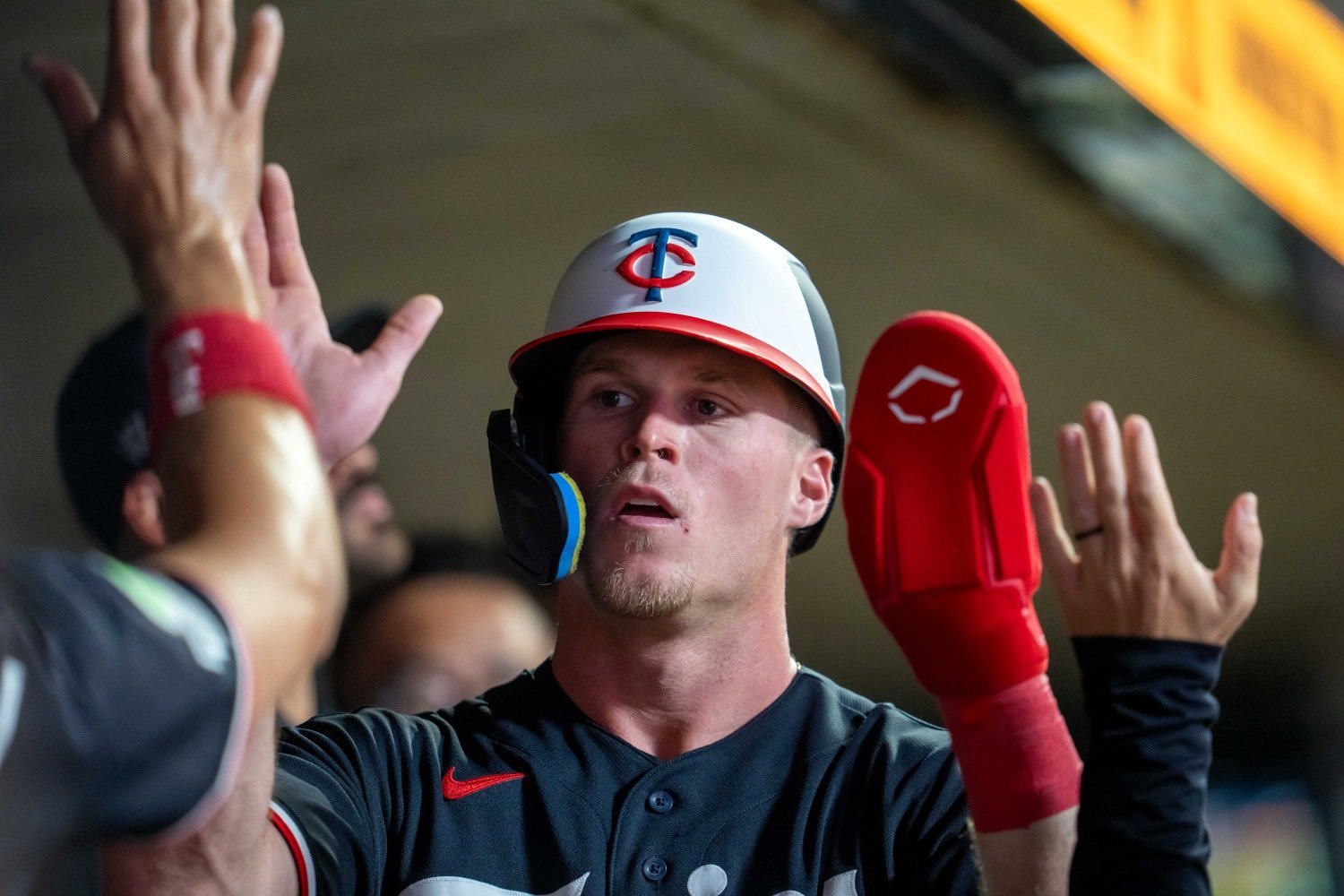 Walker Jenkins’s first handful of games in the big leagues have gone about as well as the Minnesota Twins could have hoped. The 21-year-old has shown the strong hit tool that made him one of baseball’s top prospects. He's looked comfortable at the plate, played solid defense, and even shown enough athleticism to steal his first base. There haven’t been many signs that the moment has been too big for him. That doesn’t mean Jenkins has answered every question. September will provide a larger sample size and more opportunities for opposing pitchers to adjust to him. The Twins will also get a better idea of where Jenkins fits into their long-term plans. There are still some questions surrounding the former first-round pick, and these five will be worth watching closely over the final month. Can Jenkins Stick in Center Field? There is already an argument to be made that Byron Buxton should eventually move to a corner outfield spot. That doesn’t mean Jenkins will push Buxton out of center field immediately. At his peak, Buxton was one of the best defensive center fielders in baseball. Jenkins won't match that version of Buxton. But Minnesota has to think about what its best defensive alignment looks like for 2027 and beyond. Jenkins has the athleticism to handle center field and has looked comfortable there early in his big-league career. If he proves that he can be an above-average defender at the position, the Twins will have an interesting decision to make. A healthy Buxton moving to a corner could extend his career, while allowing Jenkins to take over center field for the long term. September won't answer this question definitively, but every inning Jenkins plays in center will give the Twins more information. Can Jenkins Show His Power Potential? This might be the biggest offensive question surrounding Jenkins. He showed flashes of above-average power during his hot stretch at Triple-A before receiving his promotion. There were stretches wherein Jenkins looked capable of doing damage against upper-level pitching. Now, he has to show it against big-league pitching. Jenkins's ability to make consistent contact was never the primary concern. His hit tool has long been viewed as one of his greatest strengths. The question has been whether enough of that contact will turn into extra-base damage. His first month in the majors will provide a glimpse of that answer. If Jenkins can combine his ability to control the strike zone with more authoritative contact, his offensive ceiling becomes significantly higher. The Twins don't need him to become a 40-home run hitter, but adding consistent gap power and home-run production would make him a much more complete offensive player. Can Jenkins Pull the Ball More Regularly? There is something familiar about Jenkins's swing. For Twins fans who watched Joe Mauer throughout his career, there are times when Jenkins's left-handed swing looks remarkably similar. Both players have the ability to stay on the baseball and use the opposite field. That approach worked extremely well for Mauer. But Jenkins might need to pull the ball more often if he wants to tap into his power potential. At Triple-A this season, Jenkins pulled the ball 39.5% of the time. That's down from 47.6% in 2025. A player doesn't necessarily need to become pull-heavy, but Jenkins has enough strength to do more damage when he gets the ball out in front. That could be one of the easiest ways for him to unlock more power without dramatically changing his overall approach. The Twins don't want to take away the all-fields approach that makes Jenkins such a talented hitter. They just want to see more of those well-struck balls find the pull side. Can Jenkins Hit Fewer Ground Balls? The other side of the power equation is Jenkins's launch angle. His ground-ball rate at Triple-A was 45.1% this season, up from 41.3% last year. At the same time, his average launch angle dropped from 14.9 degrees in 2025 to 12.4 degrees this season. He's hit the ball on the ground very frequently since coming to the majors. That's important, because ground balls are rarely going to turn into extra-base hits. Jenkins doesn't need to sell out for launch angle, and there is always a danger in trying to artificially create more loft. His ability to make contact is a major part of what makes him special. Still, finding a better balance could unlock another part of his offensive game. If Jenkins can keep his line-drive approach while reducing some of the ground-ball contact, more of his hard-hit balls could turn into doubles and home runs. That's something to monitor throughout September. Can Jenkins End the Year Healthy? Perhaps the most important question doesn't have anything to do with statistics. Jenkins has been limited by injuries in every professional season. That's made his journey to the majors a little more complicated than it otherwise might have been. Now that he is finally here, the Twins would love nothing more than to see him finish the season healthy. September represents an opportunity for Jenkins to get his first extended taste of big-league baseball while also building toward the offseason. If he can stay on the field and finish strong, he'll enter spring training with a chance to claim a spot in Minnesota's Opening Day lineup. He could even enter 2027 as an early frontrunner for American League Rookie of the Year. That's a long way down the road, but Jenkins' talent makes the possibility worth considering. September is Just the Beginning It's important not to read too much into a small sample size at the end of a season. Jenkins reached the major leagues at 21 years old. He's going to have stretches where he looks like one of the best young hitters in baseball, and there will be other nights when veteran pitchers make him look like a rookie. Both are part of the process. The Twins aren't expecting Jenkins to answer every question during the final month of the season. They simply want to see how his tools translate against major-league competition and give him an opportunity to experience what life in the big leagues is like. Still, he will be under the microscope. Every at-bat, every ball hit in the field and every game he finishes healthy will provide another piece of information for Minnesota's front office. Jenkins has already shown why he was considered one of baseball's elite prospects. Now, September gives him a chance to show the Twins why he can be an important part of their next contender. How will Jenkins answer these questions in the season’s final month? Leave a comment and start the discussion. View the full article
 -
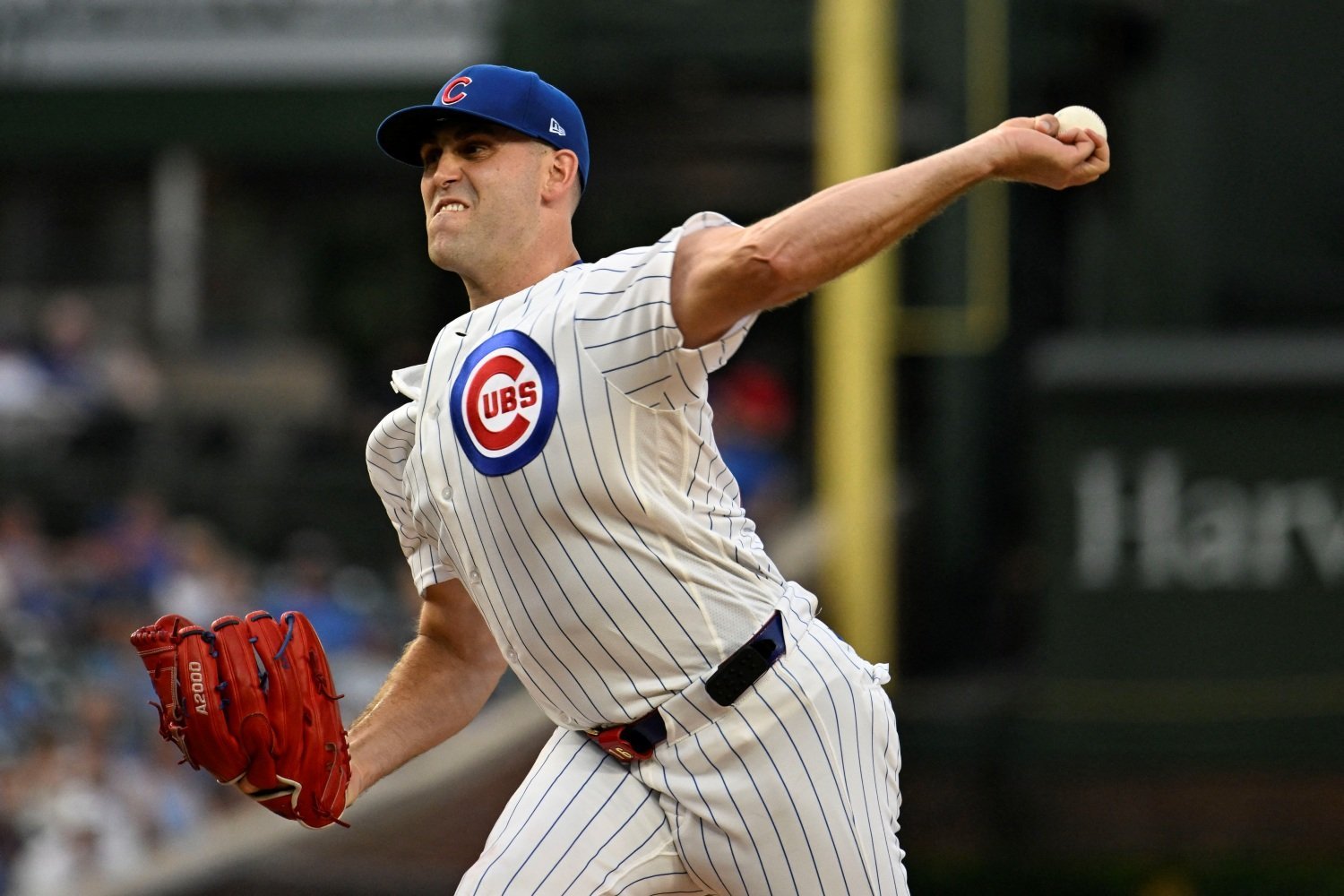 Cubs starter Clay Holmes shut the Brewers down in impressive fashion Monday night. For most of his outing Tuesday, Matthew Boyd followed suit. Both hurlers worked in and out of what little trouble they got into, thanks not only to good execution, but to the element of surprise. As we discussed yesterday, Holmes dominated with a cutter that could hardly have been a prominent part of the Brewers' scouting report. Boyd is a more settled, veteran hurler, but he still showed up Tuesday throwing a pitch he'd hardly previously used this year: his sinker. Entering Tuesday's start, Boyd had only thrown 12 sinkers all season. According to Statcast, he threw nine of them among his 97 pitches in this appearance. That might not be exactly right; it might be either higher or lower. Boyd's four-seamer registered an even lower induced vertical break (IVB) than his already-low seasonal average: 10 inches, rather than 12. He showed good command of his slider and curveball (though less so with his changeup), and tried to force Milwaukee batters to deal with a different set of angles and contrasting pitch shapes than they were likely to have prepared for. To get a sense of how different a set of looks he offered, here are the movement plots for his previous start against Arizona, and against the Brewers. For Boyd, that strategy was largely successful. He gave up just one run through his first five innings of work. The sixth began with a one-hop grounder toward the shortstop hole by Brice Turang, which Nico Hoerner was able to snare but on which he had no chance to get an out. The next pitch yielded a chopper by William Contreras that should have resulted in an out, but Matt Shaw failed to corral it and a could-be out turned into a double. After getting one more out, Boyd departed with a two-run lead, only to watch Daniel Palencia surrender that advantage. Boyd deserved a much better fate; throwing the Brewers a wrinkle was the right tactic. Palencia, however, is an example of that plan not working well at all. He's generally used his fastball two-thirds of the time or more over the last two seasons, but of the 12 pitches he threw during a disastrous outing Tuesday night, five were sliders. Ryan Zeferjahn took over in the seventh inning. He's used his fastball and sweeper in virtual parity this year, but on Tuesday night, 12 of his 17 pitches were sweepers. Every pitcher the Cubs have used during this series has, in some way, tried to be a different version of themselves than the Brewers were likely to expect. For relievers, it's harder to say with certainty how much of that change was planned, and how much was a response to what was working (or not). As I wrote recently, Palencia's recent struggles have much to do with his fastball losing its shape; that might be why he tried to lean on his slider. Either way, though, the Cubs clearly set out to confound the expectations of a Brewers team that shares much of their DNA in terms of coaching and analytical philosophy. For two of their starters, it's worked well. However, as Tuesday night unfolded, the Brewers demonstrated the limits of Chicago's strategic approach. View the full article
 -
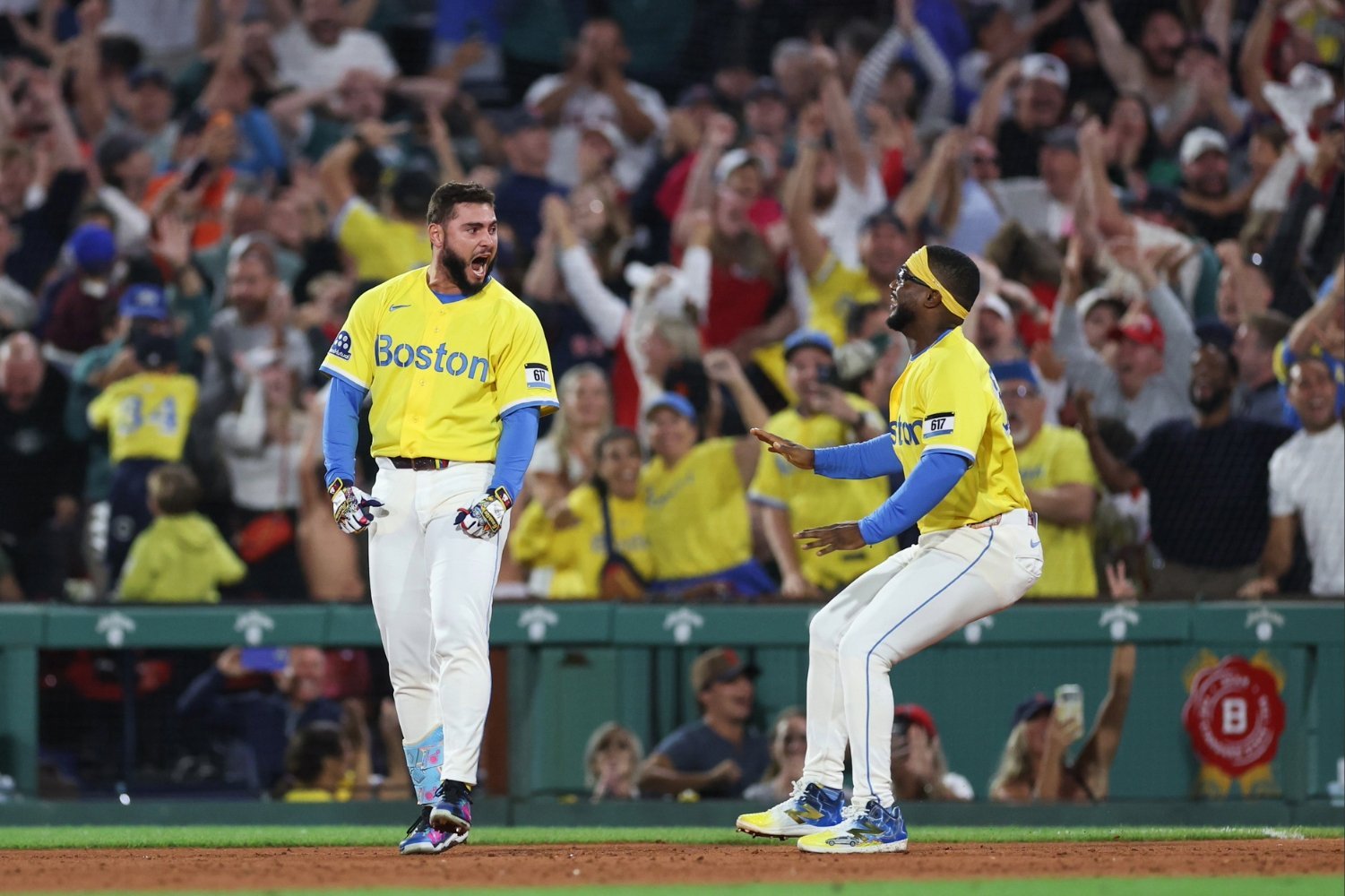 The month of August started with a bang and ended, mostly, with a whimper thanks to the New York Yankees. It wasn't all sunshine and rainbows, but the Boston Red Sox still continued their summer march toward their second consecutive Wild Card finish. There are a number of offensive players that deserve their flowers for the contributions they made last month, starting with someone who caught fire in a way we haven't seen in a long time. Ranking Red Sox's Best Hitters In August Honorable Mention: Mickey Gasper I know, I hear you. Gasper was arguably the hottest hitter on the team before he was optioned back to Worcester when Roman Anthony returned and then was promptly recalled a day later when Willson Contreras landed on the injured list. The reason he’s only getting honorable mention here is he only logged 42 plate appearances for August. During that time, though, he slashed .400/.571/1.100. That slugging percentage is not a mistake; look at it again and allow yourself to be awed. He clobbered six home runs, added 13 RBIs, and posted an insane 330 wRC+. Goatee Mickey is a menace and he should help propel the team into the playoffs throughout September. Now onto the qualified hitters. #3: Ceddanne Rafaela August Stats: .276/.298/.415, 4 HR, 16 RBIs, 2 SB, 91 wRC+, 0.6 fWAR Rafaela started out the month incredibly strong and that helped propel him to a top spot. The back end of August saw his strikeout percentage climb, up to 19.1%, and his walk rate bottomed out to 2.3%. That being said, he has been a constant threat at the plate and seems to have rediscovered his swing as we head into the final month of the season. He was a large contributor during the historic run in the middle of the summer, but some old habits have reared their ugly heads as of late. Those 16 RBIs helped keep pitchers honest when he’d step into the box and even though the big, clutch hits seem to have eluded him this season, he’s going to contribute to wins day in and day out. #2: Caleb Durbin August Stats: .277/.370/.356, 2 HR, 18 RBIs, 4 SB, 106 wRC+, 0.7 fWAR Durbin, like Rafaela above him, is carried to his final August stat line by a strong start to the month. Unfortunately, the end of the month saw him begin to revert back into the Durbin from the beginning of the season. At the dish, he worked an 11.7% walk rate and a 13.3% strikeout rate. His four home runs lead all qualified hitters on the team for the month of August, but he hasn’t connected with one in a bit. As the weather cools, expect Durbin’s altered plate approach to start to pay dividends again. If he can rediscover his song and dance with the Green Monster, the clutch hits will return. #1: Wilyer Abreu August Stats: .279/.384/.587, 7 HR, 17 RBIs, 2 SB, 163 wRC+, 1.4 fWAR Abreu carried this team through the second half of the month, no question about it. He’s been the most consistent offensive player for the last 30 days and was really the lone bright spot of the final series against the Yankees. He worked a 14.3% walk rate to go along with a 16.7% strikeout rate this past month, so he’s getting on base every way you possibly can. While this is an offensive ranking, we’d be remiss to not mention his Gold-Glove-caliber defense in right field. He’s the best right fielder in the game and his offensive production is finally catching up to that. Abreu has become a foundational part of this organization this season and should be a fixture in the middle of the lineup for years to come. View the full article
 -
Toronto Blue Jays Hitters of the Month - August 2026
DiamondCentric posted an article in Jays Centre
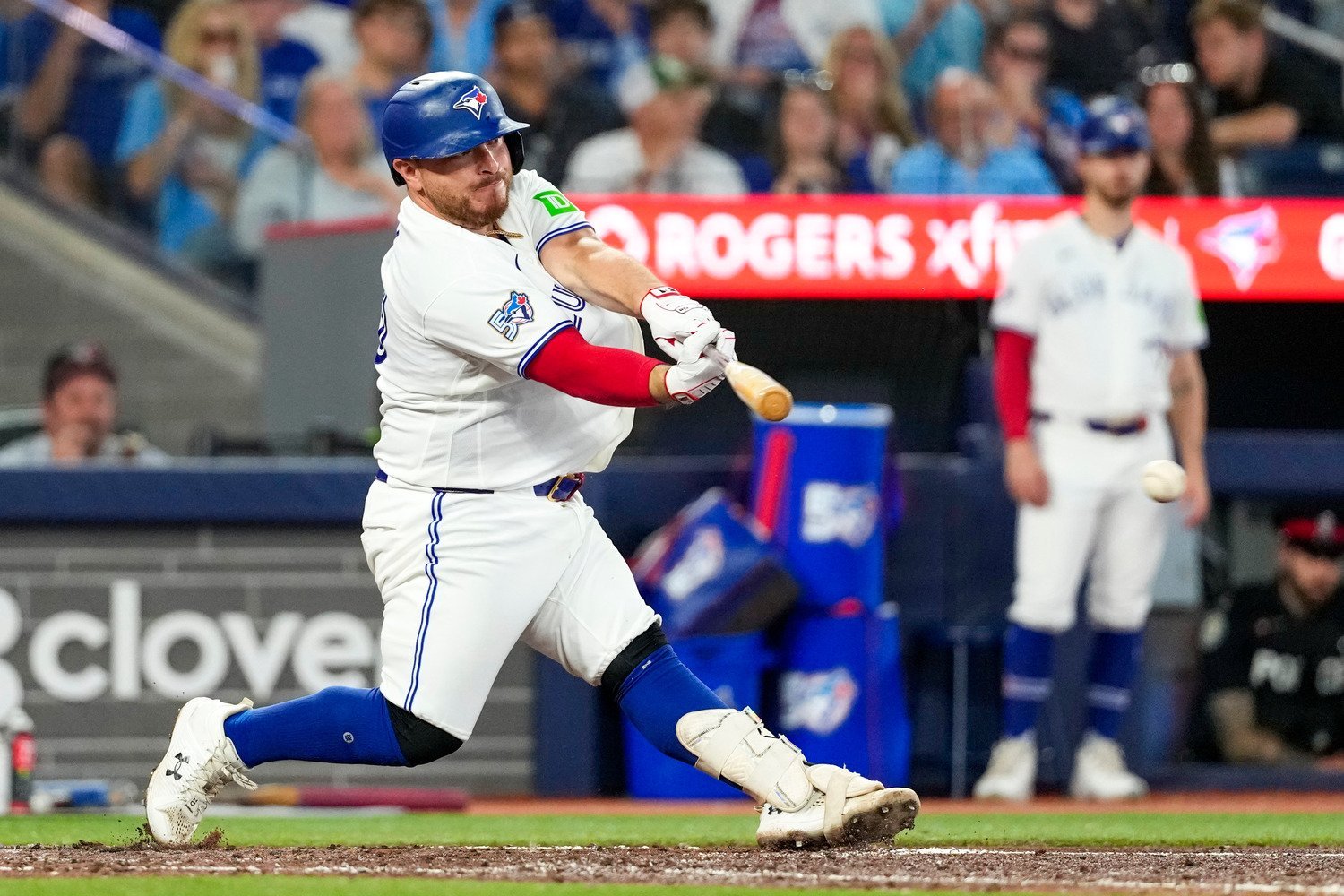 The Toronto Blue Jays turned their season around in August with a 17-11 record. They scored 115 runs, which is their second-highest monthly total this season, trailing only May (122). The resurgence brought them to within 1.5 games of the third Wild Card position, in a group of four teams behind the Cleveland Guardians vying for the spot. The Seattle Mariners and Detroit Tigers have fallen back slightly, but they are also still within striking distance, though it would likely take a miracle. The Blue Jays also saw an improvement in the speed department with 20 stolen bases in August. This is an area where the team has been lacking over the last few seasons. Three players contributed 70 percent of the stolen bases, but the 20 stolen bases were seven more than the team's second-highest monthly total (May and July, 13 each). In fact, this was the first time the Blue Jays had more than 20 steal attempts in a month since April 2025. The Blue Jays didn't just improve their aggression on the basepaths; they also saw a power boost. The number one hitter on this list had an explosive month at the plate, hitting more home runs than he hit over the previous months combined, and that wasn't the only category in which he put up huge numbers. Find out who tops the list and who else ranked among the Blue Jays' top hitters in August. Blue Jays Hitters of the Month - Honorable Mentions Brett Bateman August Stats: 88 PA, .333/.384/.410, 10 R, 0 HR, 7 RBI, .794 OPS, 127 wRC+ Brett Bateman came over in the trade that sent Kevin Gausman to the Chicago Cubs. It took only two games for him to earn his promotion, and he made his MLB debut on August 7. The Blue Jays have had a revolving door at leadoff in the batting order, with multiple players giving it a shot in an effort to find someone who can stick. Springer has held the spot in 62 games, but 15 other players have also led off. Recently, however, Bateman has shown the skills to be a prototypical everyday leadoff hitter, and it's brought a surge to the offense. The lefty batter is excelling at getting on base, drawing seven walks, and when he gets on, the threat of stealing or getting a head start on a hit-and-run draws the defense's attention. Plus, he's a threat to lay down a bunt. He can utilize his speed by putting down a drag or push bunt. The eight percent walk rate is actually well below any of Bateman's yearly figures over his four minor league seasons. This shows there's room for improvement, giving the Blue Jays hope for an optimal option at the top of the order. Kazuma Okamoto August Stats: 107 PA, .229/.299/.417, 15 R, 4 HR, 9 RBI, .716 OPS, 100 wRC+ This is the first time Kazuma Okamoto hasn't been in the top three of a Jays Centre hitters of the month article in 2026. August is also the first month since April in which Okamoto didn't lead the team in home runs. The top two players on the list shared the home run lead (5). The additional sources of power took a heavy load off Okamoto's shoulders; he has often been Toronto's lone power source. August's production was typical for Okamoto: power without contact. The Blue Jays will gladly accept it, though, since there are only two other players on the roster with double-digit homers (George Springer and Nathan Lukes). However, Okamoto's 28 home runs this season are more than their combined 24. No. 3: Andrés Giménez August Stats: 87 PA, .278/.333/.367, 8 R, 1 HR, 11 RBI, .700 OPS, 94 wRC+ The second and third spots on this list were a toss-up between Lukes and Andrés Giménez. The deciding factor came down to speed or power, and power won. However, Giménez's seven stolen bases were a team high in August. That is good for 37 percent of his season total. It's been a huge boost to the offense to have a nine-hole hitter who's aggressive on the basepaths. Like Bateman, Giménez gives defenses a lot to think about when on base. He's a threat to steal or be on the move in a hit-and-run with a great contact hitter, Bateman, at the plate to get him from first to third. Giménez is best known for his elite defense over his seven-year career, but he's shown flashes of being a hitter who can be a contributing factor this season. No. 2: Nathan Lukes August Stats: 98 PA, .225/.263/.393, 10 R, 5 HR, 14 RBI, .656 OPS, 81 wRC+ Since power has been a struggle for the Blue Jays, Lukes's output deserves to be second on the list. He has bounced all over the batting order, hitting everywhere except third or fourth this season. He's mainly a platoon bat, posting awful statistics against southpaws, with a 25 wRC+ on the season, compared to a 117 mark versus righties. His five August home runs were a massive surprise, doubling his season total. Because so many of his hits were home runs, his .214 batting average on balls was much lower than his second-worst monthly figure (July, .273), but his .169 ISO was a season high. This suggests Lukes replaced contact with power for a month. This output is unlikely to continue, but if the power diminishes, the Blue Jays will need his contact skills to return. No. 1 Alejandro Kirk August Stats: 102 PA, .341/.412/.534, 9 R, 5 HR, 20 RBI, .946 OPS, 160 wRC+ Alejandro Kirk did it all in August, delivering elite on-base production and power. His 20 RBIs were more than he had throughout the rest of the season combined (12). The Blue Jays catcher missed a majority of the first half of the season with a fractured thumb. He suffered the injury on April 3, when a Chicago White Sox hitter foul-tipped a ball off the edge of Kirk's glove. The seven-year veteran underwent surgery shortly after. On June 12, he returned to the Blue Jays, and it was understandable that he struggled as he adjusted after having a screw placed in his thumb. However, he's been on fire since the beginning of July, which includes a 12-game hit streak in August. That production has helped propel the Blue Jays' offense back into the Wild Card race, and it will need to continue if they're to grab the final spot. Their remaining strength of schedule plays in their favor, with the third-easiest SOS, which includes a series or two against three of the four teams fighting for the last Wild Card berth. View the full article
 -
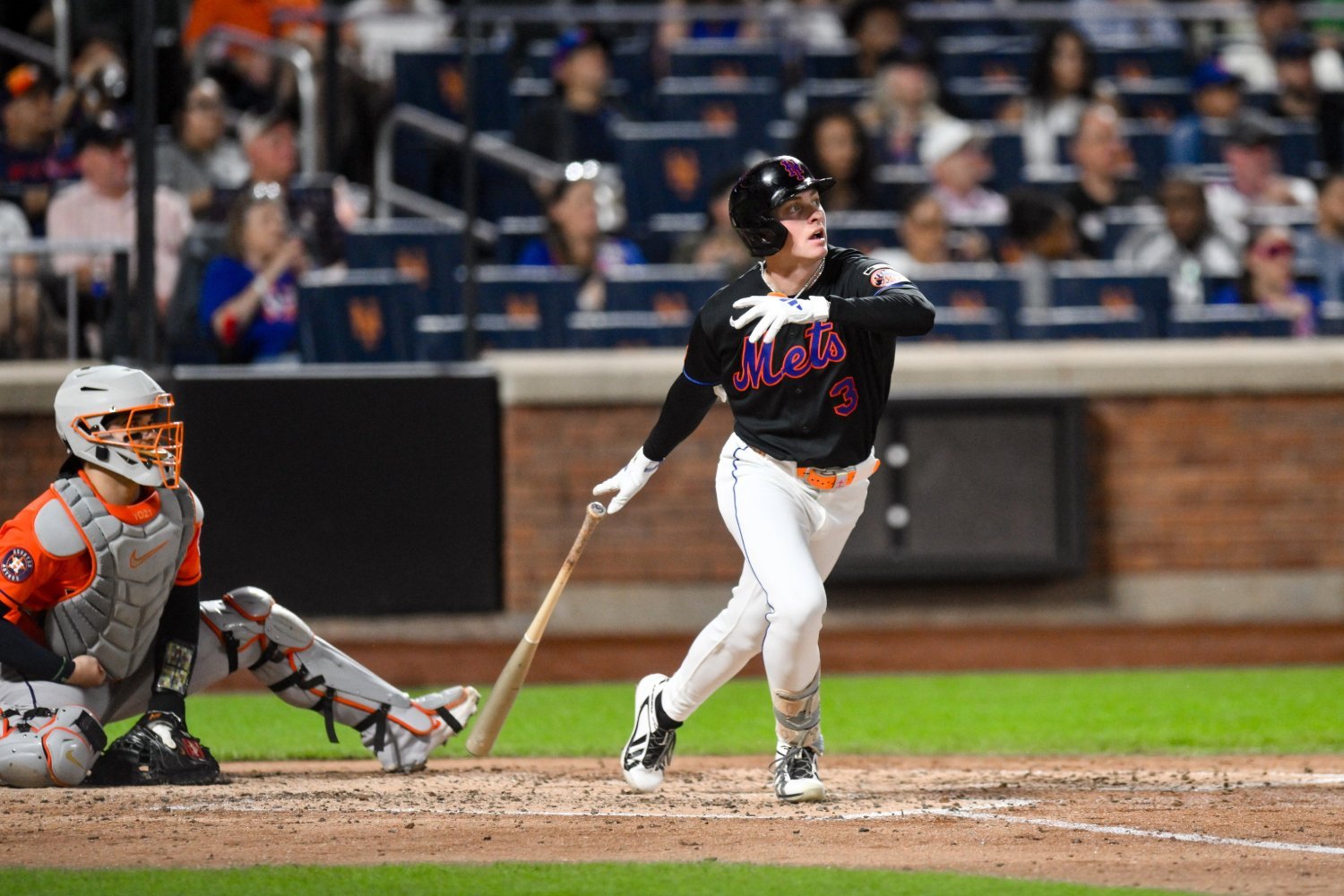 August marked the New York Mets' best month since their ultimately futile May. A 15-12 record was never going to get them back in the playoff mix, but it does portend a far brighter 2027. And when you consider that Juan Soto only graced the batters’ box nine times in August, the Mets’ performance looks a whole lot more promising. With apologies to Luis Torrens, who has been absolutely bonkers in August to the tune of six home runs, a .325 average, .386 on-base, and .775 slugging percentage—but 44 plate appearances isn’t enough to qualify for the monthly leaderboard, and that’s where I draw the line—these are the three Mets who have powered the offense. Ranking Mets' Best Hitters In August No. 3 Bo Bichette, 3B If every month had been like August for Bo Bichette, his and the Mets’ season could look very different. His 135 wRC+ ranks second among qualified Mets, and his triple-slash line of .290/.349/.500 is exactly the type of production fans envisioned when he signed his three-year, $126 million deal. While Bichette has outperformed his Statcast data, everything about his August looks like the hitter he showed to be in Toronto. He’s hitting the ball hard, racking up line drives, and has even seen his walk rate improve to 8.3%. Bichette is one of the few hitters who can hit four home runs in a month and still post a .500 slugging percentage. The only reason he doesn’t rank a spot higher is that he hasn’t been nearly as timely as he has been productive. Because this is the 2026 Mets, somehow, someway, Bichette produced a 135 wRC+ and a negative win probability added (-0.06 WPA) in the same month. I wouldn’t read too much into that, but when you hit is almost as important as how you hit, and in that department, Bichette came up just a bit short. No. 2 Luis Robert Jr., OF Like last month, a now-former Met makes the list. The Mets’ decision to place Luis Robert Jr. on waivers was purely financial. Due to their luxury tax situation, the $3 million owed to Robert over the remainder of the season would cost the Mets $6.3 million. On top of that, with a $2 million buyout or $20 million team option for next season, it’s not unsurprising the Mets looked to get off his deal now, and thankfully he delivered in August. Over 84 plate appearances, Robert produced a 128 wRC+ thanks to six home runs and a .520 slugging percentage. He still struck out a bit too much (26.2%) and walked a tad too infrequently (8.3%), but slugging cures a lot of sins. On top of that, Robert came up in leverage situations for the Mets. His 0.48 WPA was second on the Mets in August, as was his 0.19 Clutch rating. If it wasn’t for Robert’s strong showing in August, it’s very unlikely the Orioles would have claimed him off waivers. While I’d never suggest fans rooting for owners to save money, if the Mets take some of those savings and reinvest them in the 2027 team, then Robert’s final month will have been a nice little parting gift. No. 1 Carson Benge, OF Could it have been anyone else? Benge led qualified Mets in wRC+ (143) and WPA (+0.77), and that doesn’t even include his pair of ludicrous outfield assists in the same inning. Back to the hitting side of the equation. Benge was an absolute menace for opposing pitchers. He slashed .317/.367/.515 on the back of five home runs, three doubles, and a triple. Despite posting the lowest monthly average exit velocity of his young career, Benge prospered by lifting the ball more than ever. That type of strategy won’t continue to yield a .300 average, but it will lead to an increased power output. In what has been a down season for the Mets, Benge, following a rough April, has been a steady performer thanks to constant adjustments. In May, he turned his season around by peppering line drives. In July, he walked more than ever. And in August, he decided to lift the ball with increased frequency. If he ever puts it all together, watch out. View the full article
 -
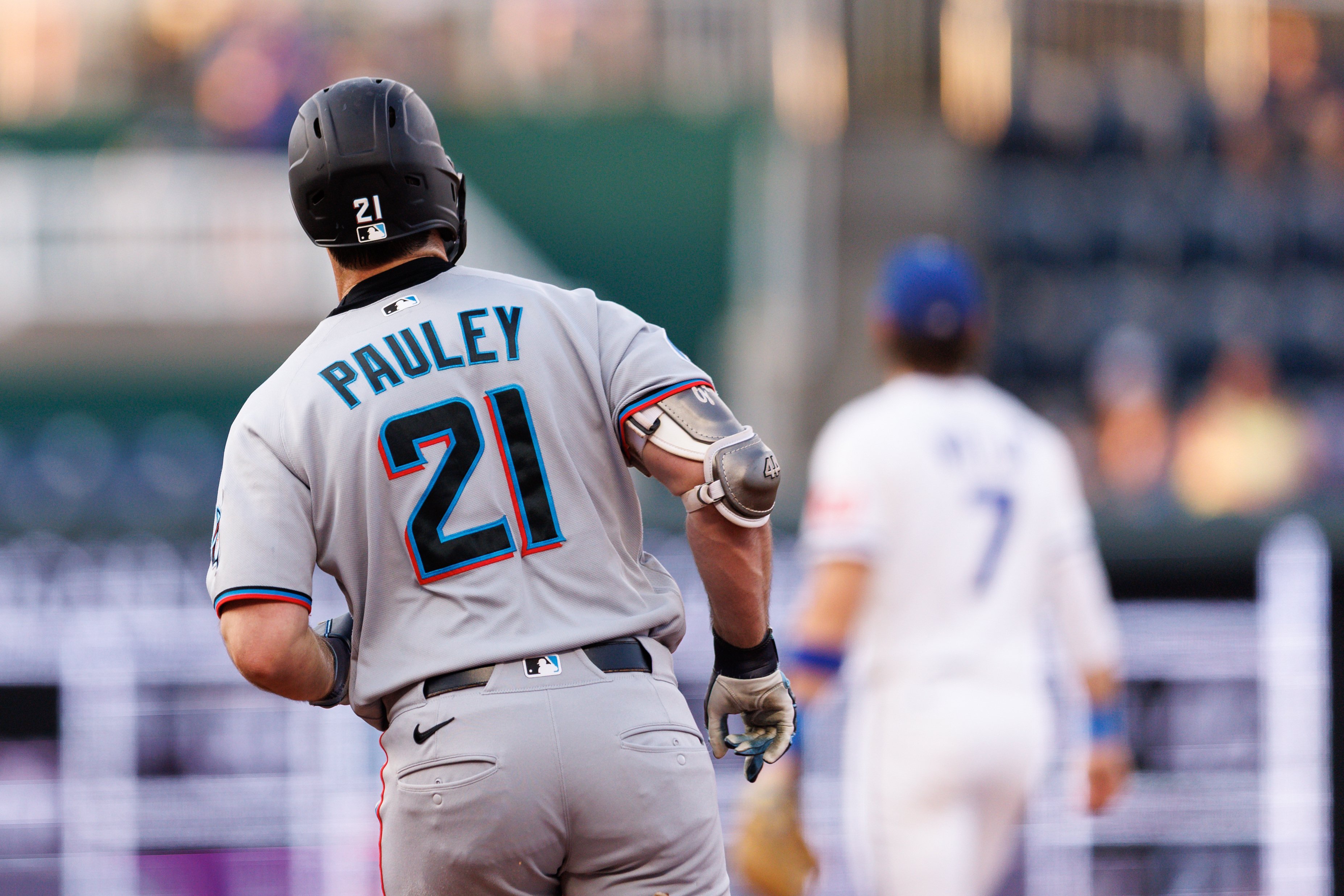 Welcome to September. Entering Tuesday night's contest in Kansas City at 69-69, the clock ticks louder as the days roll on for a Marlins team desperately trying to stay alive in the NL Wild Card race—even more so coming off a 1-3 wraparound set in the nations capitol. If the themes from their 6-3 series-opening victory are any omen for what's in store, Clayton McCullough's squad is in for quite the month. The nucleus of Miami's offense all night was Graham Pauley, back due to expanded rosters for his sixth different stint in the bigs in 2026. He will need to be put on waivers to be removed from the active roster again. Should they make a June-esque run in the coming weeks, contributions up and down the roster will be pivotal. Pauley wasted no time in his first at-bat back, clobbering a two-run shot to give Miami an early lead. Five innings later, he drove in two more with his second career big league triple, setting a new career high with four RBI on the night. If that wasn't enough, Pauley didn't even land in Kansas City until the wee hours of the morning due to a delay on his connecting flight from Chicago, as he detailed postgame with Marlins.TV's Kelly Saco. "I might just have to travel every single day if that's what it takes," Pauley joked. Despite being in Triple-A for less than two weeks, the 25-year-old's swing is visually different when last seen in Cincinnati. Pauley now features a lower, wider base with his hands higher and more parallel to the ground. Additionally, he noted how thinking of "swinging down" has helped him keep his bat through the zone to counter changeups and spinners of which he previously struggled against. "I've been working on swinging down. It's just something that's helped me stay through the zone longer...That allowed me to hit the offspeed pitch tonight." Additional run support came from Kyle Stowers and Javier Sanoja. Stowers deposited his 17th homer into the Royals bullpen in the fifth, while Sanoja followed Pauley's triple with an RBI single of his own in the seventh. Tyler Phillips was brilliant in his five innings of work, forfeiting a single hit while striking out four. That continues a month-long trend for the Marlins, whose starters have combined for an MLB-best 2.59 ERA since the beginning of August. Miami turns to Eury Pérez in Wednesday's encore, now sitting just three games back of a playoff spot after San Diego's loss late Tuesday night. First pitch from Kauffman Stadium is set for 7:40 ET. View the full article
 -
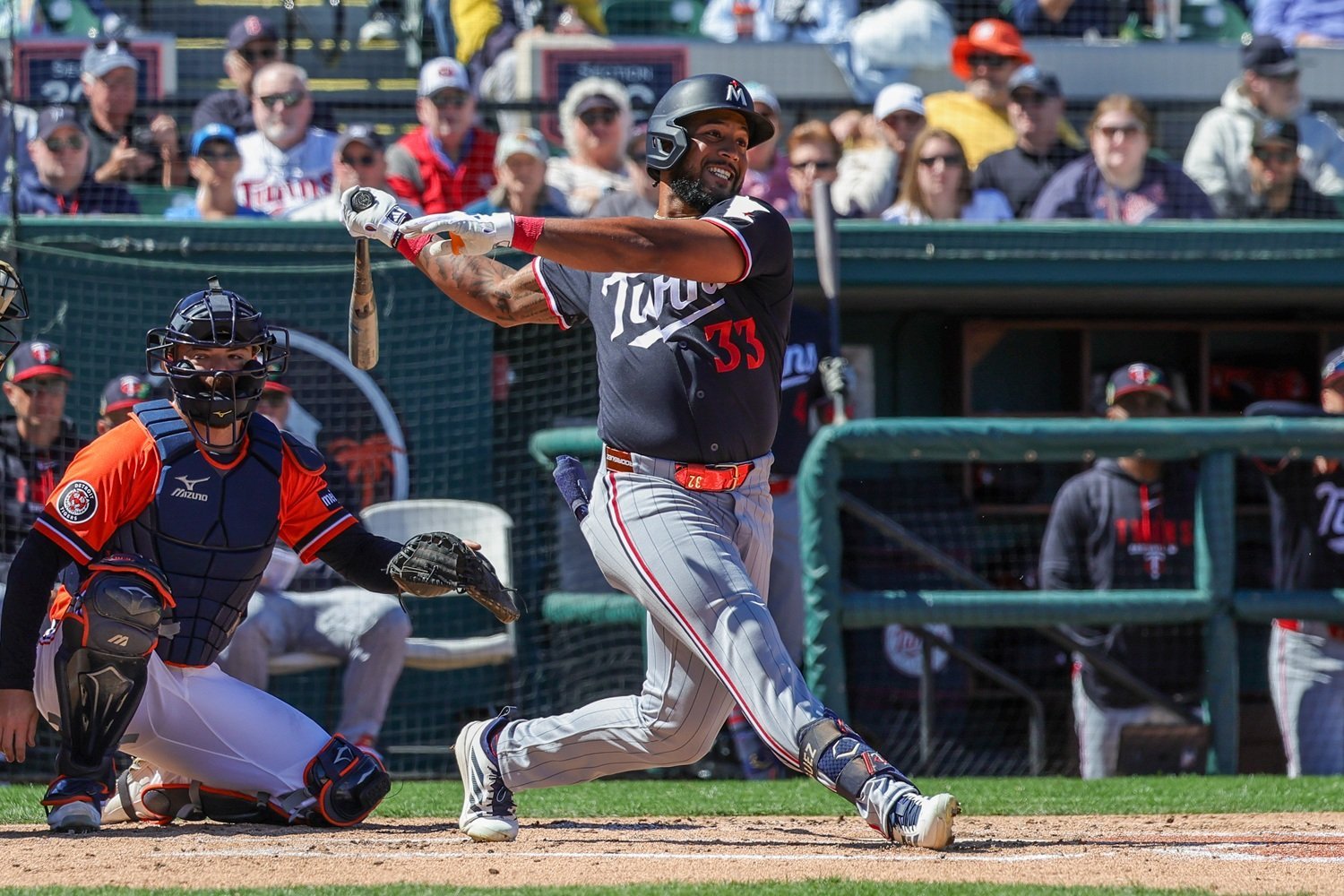 TRANSACTIONS Tuesday, September 1: With big-league rosters expanding to 28 players, the Twins called up RHP Garrett Acton and utilityman Ben Ross. To make room for Ross on the 40-man roster OF Kyler Fedko was DFAd. Joe Ryan went with the Saints to make a rehab start on Tuesday night. Matt Canterino was sent with the Cedar Rapids Kernels to South Bend to rehab. Catcher Poncho Ruiz was on a rehab assignment with the Mussels. Monday, August 31: Several moves were announced on Monday as well. RHP Woo-Suk Go cleared waivers and chose to become a free agent. RHP Luis Quinones came off the 60-Day Injured List Infielder Jake Rucker was promoted from Wichita to St. Paul. Infielder Danny De Andrade was promoted from Cedar Rapids to Wichita. Infielder Yilber Herrera was added to the Kernels roster from the FCL Twins. SAINTS SENTINEL St. Paul 11, Omaha 2 Box Score The Tuesday Saints game was filled with stories, but ultimately, the Saints remained in playoff contention in the International League. Joe Ryan was on the mound to start for the Saints, his first rehab appearance. The plan was for him to pitch three innings, and that’s what he did. He gave up just one base runner, it just happened to be a solo home run by one of the Royals top prospects (per Royals Keep), Carson Roccaforte. But Ryan had four strikeouts and no walks. He threw 42 pitches and 29 of them were strikes. Ryan’s starting opponent for Omaha was fellow All-Star Tony Gonsolin. The other big story in this game was Emmanuel Rodriguez. I think it’s fair to say that he would like to be called up to the big leagues too. He led off this game with an infield single. In the second inning, he hit a double to the opposite field gap. In the fourth inning, he had a strikeout. In the top of the sixth inning, Rodriguez hit an RBI triple. In the top of the seventh inning, Rodriguez hit a home run to center to complete the cycle! Rodriguez went 4-for-5 with his sixth Saints double, his first triple, and his 11th home run. He scored three runs and drove in two runs. Ironically, or coincidentally (one of those two), the previous Saints cycle came exactly four years ago. It was completed by Matt Wallner. In the top of the first, Aaron Sabato hit his 23rd home run of the season, a three-run blast to give his team the early lead. Adam Morissette hit his 13th home run with the Saints in the third inning. Tristan Gray was the only other Saints hitter with more than one hit. He was 2-for-4 with a walk. Danny Banuelos hit his fourth double. Matt Wallner and Hendry Mendez each walked twice. Mendez had a single too. Ryan Gallagher came in to pitch the middle inning. In four innings, he gave up one run on six hits and two walks. He had six strikeouts. Matt Bowman struck out two batters over two perfect innings to close the door. WIND SURGE WISDOM Wichita 2, Tulsa 3 Box Score The Wind Surge had a couple of solo home runs in the game, but the Drillers put a crooked number on the board, and that was the difference in this game. Wichita got on the board in the top of the first when Brandon Winokur knocked his 21st overall home run of the season. In the top of the fifth inning, Jaime Ferrer hit a solo home run, his 15th overall this season, to give the Surge a 2-1 lead. Adrian Bohorquez made the start for Wichita and went the first four innings. He gave up one run on one hit (a solo homer). He also walked three and had four strikeouts. Ty Langenberg worked the final four innings. He gave up two runs on three hits and two walks. He struck out three batters to take the loss. Khadim Diaw had two of the team’s four hits including his ninth Double-A double. Andrew Cossetti also hit a double. Winokur’s homer was his 11th with the Wind Surge while Ferrer hit his sixth with Wichita. KERNELS NUGGETS Cedar Rapids 4, South Bend 8 Box Score The Kernels offense scored runs in four different innings. South Bend only scored in three innings. The difference was that the Kernels scored one run in those four innings. The Cubs had three runs twice and also had a two-run inning. With two outs in the top of the first inning, Eduardo Tait hit his 22nd home run to give his team a 1-0 lead. In the top of the third inning, Yasser Mercedes led off with a double and moved to third on a ground out. Tait came through again with an RBI single to right and made it 2-0. Lefty Michael Carpenter started for the Kernels. He began with two scoreless innings. He actually got the first two batters of the third inning. However, he gave up three singles and a double and quickly the Cubs held a 3-2 lead, and Michael Ross was called in from the bullpen. In the top of the fourth inning, Ramiro Dominguez hit his third home run with the Kernels to tie the game at 3-3. Ross went 3 1/3 innings and was charged with the three runs in the fifth inning. He gave up three hits, walked none and had four strikeouts. With two outs in the top of the sixth inning, Yasser Mercedes drilled his 12th Kernels home run. Cody Peschl came in and gave up two runs on three hits in two innings. Both runs came on solo home runs. He struck out three batters. Tait went 2-for-5 with his 22nd home run. Maybe more noteworthy, he stole his first base of the season! Yasser Mercedes went 2-for-4 with a walk, his 22nd double, his 12th home run, and he stole his 37th and 38th bases. Andy Lugo hit his fifth home run. The Kernels scored their four runs on 10 hits and four walks. The team was just 1-for-12 with runners in scoring position and left 11 runners on base. Check out our sister site North Side Baseball, a Cubs site similar to Twins Daily. South Bend is their High-A affiliate. The top prospect in the Cubs organization is 1B/OF Josiah Hartshorn. In this game, he was 2-for-3 with a walk and his 18th home run with the Cubs. The 19-year-old was the Cubs sixth round pick in 2025. MIGHTY MATTERS Fort Myers 3, Clearwater 7 Box Score In his first pro start, Jui-Chieh Lin didn’t record an out. He was charged with five runs on four hits, two walks and a hit batter. On Tuesday, he made his second start. In the first inning, he struck out the first batter he faced. The next hitter reached on an error and then Lin walked two batters to load the bases with one out. However, he got an infield pop out and then a line out to right field. A scoreless first inning. His second inning started with a walk, and then he hit the next batter. Callan Fang came on and allowed the two inherited runners to score and three more runs scored. Fang got one more out in the third inning. Eric Hammond gave up two runs on two hits and two walks over 3 2/3 innings. He had six strikeouts. Aidan Russell made his first professional appearance and had two walks and two strikeouts over two scoreless, hitless innings. The Mighty Mussels got on the board with two runs in the top of the third inning. With one out, Merphy Hernandez lined a single off of the pitcher. He then stole second base, and then he stole third base too. Isaiah Lane came up and hit a long drive that hit high off the wall in left-center field, it got by the center fielder, and Lane raced all the way around the bases for an inside-the-park homer. It was his second pro home run. In the top of the sixth, Quentin Young scored on a Bryce Fowler single to make it 7-3. The Mussels had six hits and four walks. No one had a multi-hit game. Lane was 1-for-3 with a walk to go with his home run. Young went 1-for-2 with two walks. Hernandez stole his 47th and 48th bases. PLAYERS OF THE DAY Hitter(s) of the Day Emmanuel Rodriguez (St. Paul): 4-for-5, 2B(6), 3B(1), HR(11), 3 R, 2 RBI, K Pitcher(s) of the Day Ryan Gallagher (St. Paul): 4 IP, 6 H, 1 ER, 2 BB, 6 K, 64 pitches, 43 strikes. PROSPECT SUMMARY Check out the Prospect Tracker for much more on our Twins Top 20 prospects. See how they did today. #1 - OF Walker Jenkins (Minnesota) - 0-for-4, BB, 2 R (batted ninth, played CF) #2 - C Vahn Lackey (Cedar Rapids) - 0-for-4, BB, K (batted second, played catcher) #3 - IF Kaelen Culpepper (Minnesota) - 2-for-5, R, 3 RBI (batted eighth, played SS) #4 - SS Marek Houston (Wichita) - 0-for-4, K (batted first, played SS) #6 - OF Emmanuel Rodriguez (St. Paul) - 4-for-5, 2B(6), 3B(1), HR(11), 3 R, 2 RBI, K (batted first, played CF) #7 - OF Hendry Mendez (St. Paul) - 1-for-3, 2 BB, RBI, K (batted fifth, played DH) #8 - C Eduardo Tait (Cedar Rapids) - 2-for-5, HR(22), R, 2 RBI, SB(1), (batted third, played DH) #9 - 1B/OF Gabriel Gonzalez (Minnesota) - 0-for-1, R, K (PR, LF) #11 - C Carson Tinney (Fort Myers) - 1-for-3, HBP, 2 K (batted second, played catcher) #12 - 3B/CF Brandon Winokur (Wichita) - 1-for-4, HR(11), R, RBI, 2 K (batted third, played SS) #13 - C/OF Khadim Diaw (Wichita) - 2-for-4, 2B(9) (batted second, played catcher) #15 - RHP Ryan Gallagher (St. Paul) - 4 IP, 6 H, 1 ER, 2 BB, 6 K, 63 pitches, 44 strikes #18 - 3B/SS Quentin Young (Ft. Myers) - 1-for-2, 2 BB, R, K (batted sixth, DHd) #19 - OF Yasser Mercedes (Cedar Rapids) - 2-for-4, BB, 2B(22), HR(12), 2 R, RBI, K, 2 SB(38) (batted first, played CF) UPCOMING PROBABLES Wednesday, September 2 St. Paul @ Omaha (12:05 pm CT) - RHP Ricky Castro (3-3, 5.36 ERA) Wichita @ Tulsa (12:05 pm CT) - RHP Chris Vallimont (2-4, 4.68 ERA) Cedar Rapids @ South Bend (6:05 pm CT) - LHP Cesar Lares (1-6, 11.45 ERA) Ft. Myers @ Clearwater (5:30 pm CT) - RHP Cristian Hernandez (0-0, 3.86 ERA) CURRENT W-L Records Minnesota Twins: 67-72 St. Paul Saints: 75-57 Wichita Wind Surge: 51-74 (Final Game 9/13) Cedar Rapids Kernels: 47-78 (Final Game 9/6) Fort Myers Mighty Mussels: 67-56 (Final Game 9/6) FCL Twins: 33-26 (Season Complete) DSL Twins: 19-35 (Season Complete) Please feel free to ask questions about the teams, the rosters, and discuss today’s games, or anything else Twins minor-league related! View the full article
 -
 Beginning the final week of all four San Diego Padres full-season affiliates being in action, the system posted a 3-1 record. The Triple-A El Paso Chihuahuas suffered the only loss, falling to Reno 6-0, with the Double-A San Antonio Missions needing 11 innings to beat Lansing 6-4 and the Low-A Lake Elsinore Storm won 11-7 over Inland Empire. The TinCaps and Storm are playing their final series in the regular season, while the Missions have two weeks left in their season and the Chihuahuas three weeks. Padres Minor-League Transactions San Diego Padres selected the contract of C Ethan Salas from El Paso Chihuahuas. San Diego Padres recalled RHP Jhony Brito from El Paso Chihuahuas. 2B Victor Duarte assigned to El Paso Chihuahuas from ACL Padres. El Paso Chihuahuas activated RHP Ty Adcock from the 7-day injured list. San Antonio Missions placed RHP Clay Edmondson on the 7-day injured list. San Antonio Missions transferred C Oswaldo Linares to the Development List. RHP Bernard Jose assigned to San Antonio Missions from Fort Wayne TinCaps. Fort Wayne TinCaps placed 3B Bradley Frye on the 7-day injured list. RHP Florangel Vasquez assigned to Fort Wayne TinCaps from Lake Elsinore Storm. RHP Miguel Alvarez assigned to Fort Wayne TinCaps from Lake Elsinore Storm. RHP James Guyette assigned to Lake Elsinore Storm from ACL Padres. LHP Rob Evans assigned to Lake Elsinore Storm from ACL Padres. RHP Tyler Pitzer assigned to Lake Elsinore Storm from ACL Padres. Lake Elsinore Storm placed RHP Cameron Nohos on the 7-day injured list. Chihuahuas Can't Get Going Offensively, Blanked By Aces Despite a really good bullpen effort, the host Triple-A El Paso Chihuahuas couldn't overcome a rough first inning in a 6-0 loss to the Las Vegas Aces. Nick Pratto had three of the Chihuahuas' six hits. This was the sixth time the Chihuahuas have been shut out this year. Chihuahuas right-handed starter Evan Fitterer allowed four runs in the first inning and made it through three innings. Right-hander Jose Leclerc allowed one hit in two scoreless innings, then right-hander J.P. France allowed two unearned runs in the sixth inning, with right-handers Hans Crouse (two innings) and Ty Adcock (one inning) not allowing a run to finish it off. Player AB R H RBI BB K Bryce Johnson, RF 4 0 0 0 0 1 Mason McCoy, CF 3 0 1 0 1 1 Carlos Rodríguez, LF 4 0 0 0 0 1 Marcos Castañon, 2B 3 0 0 0 1 1 Nick Solak, DH 4 0 1 0 0 1 Gage Workman, SS 2 0 1 0 1 1 Nick Pratto, 1B 3 0 3 0 0 0 Blake Hunt, C 3 0 0 0 0 1 Clay Dungan, 3B 2 0 0 0 1 1 Totals 28 0 6 0 4 8 Player IP H R ER BB K HR Evan Fitterer (L) 3 4 4 4 1 3 0 José Leclerc 2 1 0 0 2 2 0 J.P. France 1 1 2 0 0 1 0 Hans Crouse 2 2 0 0 0 1 0 Ty Adcock 1 1 0 0 0 1 0 Totals 9 9 6 4 3 8 0 Braedon Karpathios' Early Slam Gives Missions Grand Victory Braedon Karpathios hit a grand slam and Albert Fabian also went deep as the host Double-A San Antonio Missions opened their final home series with a 7-1 triumph over the Midland RockHounds. Karpathios (Padres Mission's No. 9 prospect) had two hits and drove in five runs, Fabian also doubled as he went 3-for-4 with two RBIs and two runs scored, while Tirso Ornelas, Romeo Sanabria and Luis Verdugo each had two hits for the Missions. Verdugo, who also walked, also scored twice. Missions left-handed starter Jamie Hitt went three shutout innings, allowing three hits and three walks with four strikeouts. Right-hander Francisco Pena pitched a hitless fourth inning, while right-hander Bernard Jose allowed a run over two innings in his return to the Missions, left-hander Igor Gil had two scoreless innings and right-hander Josh Mallitz pitched a perfect ninth. Karpathios got the Missions off to a grand start in the second inning. Fabian had a leadoff double, Verdugo singled with one out and Brendan Durfee walked to load the bases. Karpathios then launched his slam on the first pitch he saw to right-center, his 16th homer of the season. The next inning, Karpathios singled home Verdugo, who had walked, for a 5-0 lead. In the fourth, Ornelas laced his 30th double of the season and trotted home on Fabian's 12th homer of the season, which banged off the right-field scoreboard for a 7-0 advantage. SA_0901.mp4 Player AB R H RBI BB K Braedon Karpathios, CF 5 1 2 5 0 1 Alex McCoy, RF 5 0 1 0 0 1 Tirso Ornelas, LF 5 1 2 0 0 1 Romeo Sanabria, DH 5 0 2 0 0 2 Ryan Jackson, 2B 5 0 1 0 0 1 Albert Fabian, 1B 4 2 3 2 0 0 Justin DeCriscio, SS 3 0 0 0 1 1 Luis Verdugo, 3B 3 2 2 0 1 1 Brendan Durfee, C 3 1 1 0 1 0 Totals 38 7 14 7 3 8 Player IP H R ER BB K HR Jamie Hitt 3 3 0 0 3 4 0 Francis Peña (W) 1 0 0 0 2 3 0 Bernard Jose 2 2 1 1 1 1 0 Igor Gil 2 1 0 0 1 1 0 Josh Mallitz 1 0 0 0 0 2 0 Totals 9 6 1 1 7 11 0 Robbie Lavey Delivers In 11th To Lift TinCaps Fourth-round draft pick Robbie Lavey hit a go-ahead two-run with two outs in the top of the 11th inning as the High-A Fort Wayne TinCaps pulled out a 6-4 victory over the host Lansing Lugnuts in the opener of their final series of the season. Kerrington Cross hit an early three-run homer, Rosman Verdugo went 3-for-4 with two walks and two runs scored, while Kasen Wells and Lamar King Jr. each had two hits for the TinCaps. Wells also had two steals, giving him 25 this year. TinCaps right-handed starter Carson Montgomery allowed a run in four inings with two walks and three strikeouts, finishing the season with a 4.70 ERA. After right-hander Isiah Lowe gave up a pair of runs in two-thirds of an inning, left-hander Javier Chacon went 2⅓ hitless innings. Right-hander Will Koger gave up a run in two innings and right-hander Will Varmette continued his good stretch with his fourth straight game not allowing an earned run with two hitless innings. Cross struck for his sixth homer with the TinCaps and 17th of the season, a three-run blast in the top of the first inning, his second homer in five games. Wells singled, went to second on a hit batter, then stole third and scored on a bad throw by the catcher in the second to make it 4-0. The Lugnuts got one back in the third and two in the fifth to make it 4-3, then tied it in the eighth. After a scoreless 10th, Conner Westenburg was the zombie runner and went to third on Wells' bunt single. However, Westenburg was out at home on an attempted double steal, with Wells safe at second. After a strikeout, an intentional walk to Verdugo put runners on first and second. Both would come home when Lavey, coming off a four-RBI game Sunday, crushed the first pitch he saw into the right-center gap, his fourth double in 14 pro games. FW_0901.mp4 Player AB R H RBI BB K Kasen Wells, CF 6 2 2 0 0 2 Ryan Gerety, LF 3 1 0 0 2 2 Rosman Verdugo, SS 4 2 3 0 2 0 Robbie Lavey, C 6 0 1 2 0 1 Kerrington Cross, 3B 5 1 1 3 1 4 Lamar King Jr., DH 5 0 2 0 0 0 Yoiber Ocopio, 1B 4 0 0 0 1 1 Dylan Grego, 2B 5 0 1 0 0 2 Conner Westenburg, RF 4 0 0 0 0 1 Totals 42 6 10 5 6 13 Player IP H R ER BB K HR Carson Montgomery 4 2 1 1 2 3 0 Isaiah Lowe 2/3 3 2 2 1 2 1 Javier Chacon (H) 2 1/3 0 0 0 2 2 0 Will Koger (BS) 2 2 1 1 0 2 1 Will Varmette (W) 2 0 0 0 1 1 0 Totals 11 7 4 4 6 10 2 2 Homers, Elliot Lascelles' 4 Hits Carry Storm To Win Second-round draft pick Elliot Lascelles had his first career four-hit game, while Qrey Lott and Ty Harvey each homered as the host Low-A Lake Elsinore Storm rode a six-run third inning to an 11-7 victory over the Inland Empire 66ers to open their final regular-season series. The Storm will play in the California League semifinals next week after winning the first-half title in the South Division. They will face the Ontario Tower Buzzers in the best-of-three series beginning Tuesday on the road. Lascelles (Padres Mission's No. 11 prospect), drove in two and scored twice and Lott went 3-for-4 with two RBIs and three runs scored, while fourth-round draft pick Alex Conover and Jorge Quintana (Padres Mission's No. 7 prospect) each went 2-for-4 with an RBI and a run scored. Right-hander Jesus Castro went five innings and gave up just one run on four hits and no walks, striking out three. Left-hander Andrew Wright, an undrafted free agent, allowed a run in two innings with three strikeouts before eighth-round draft pick Sean Fitzpatrick, in his second pro game, was tagged for five runs while getting just four outs. Right-hander Yoesmerli Beltre finished the final two-thirds of an inning, striking out two. Lott opened the scoring with a two-run homer to left in the third, his eight of the year, then Conover and Quintana had RBI singles and Jesmaylin Arias a two-run double for a 6-0 lead. Lascelles made it 7-0 with an RBI double in the fourth, then scored on Harvey's third homer of the year for a 9-0 cushion. Jose Verdugo plated a run in the sixth as he grounded into a double play and Lascelles capped the Storm scoring with a run-scoring single to center. LE1_0901.mp4 LE2_0901.mp4 Player AB R H RBI BB K Elliot Lascelles, DH 5 2 4 2 0 1 Jose Verdugo, 2B 4 0 1 0 0 0 Alex Conover, LF 4 1 2 1 0 1 Ty Harvey, C 4 1 1 2 0 2 Jorge Quintana, SS 4 1 2 1 0 0 Nu'u Contrades, 3B 3 1 0 0 1 0 Jesmaylin Arias, RF 4 0 1 2 0 2 Dawson Willis, 1B 3 1 0 0 0 1 Qrey Lott, CF 3 4 3 2 0 0 Totals 34 11 14 10 1 7 Player IP H R ER BB K HR Jesus A. Castro (W) 5 4 1 1 0 3 0 Andrew Wright 2 4 1 1 1 3 0 Sean Fitzpatrick 1 1/3 5 5 5 0 3 1 Yoesmerli Beltre 2/3 1 0 0 0 2 0 Totals 9 14 7 7 1 11 1 Padres Mission's Top 20 Prospect Performance Ethan Salas: DNP Ryan Wideman: On injured list Coleman Borthwick: In Arizona Kruz Schoolcraft: DNP Ty Harvey: 1-for-4, HR, 2 RBI, 2 K Kale Fountain: Injured, out for season Jorge Quintana: 2-for-4, RBI Alex McCoy: 1-for-5, K Braedon Karpathios: 2-for-5, HR, 5 RBI, K Lamar King Jr.: 2-for-5 Elliot Lascelles: 4-for-5, 2B, 2 RBI, K Tucker Musgrove: On injured list Jagger Haynes: DNP Jake Cunningham: DNP Truitt Madonna: DNP Eric Yost: DNP Winyer Chourio: DNP Jesus Castro: 5 IP, 4 H, 1 R, 1 ER, 0 BB, 3 K, W Michael Salina: DNP Rosman Verdugo: 3-for-4, 2B, 2 BB View the full article
 -
 The offense was quiet across the system on Tuesday, as only Biloxi managed to score more than four runs across the four games. However, Nashville made the most of their hits in a walk-off winner, and a 2026 draft pick came up clutch for Wisconsin. Back in Biloxi, the Shuckers' offense was back on the gas, with Andrew Fischer in the driver's seat once again. Rylan Mills starred for Wilson in their defeat. Transactions: Milwaukee Brewers recalled C Bo Naylor from Nashville Sounds. LHP Frank Cairone assigned to Wilson Warbirds from ACL Brewers. RHP Dariel Jaquez assigned to Wilson Warbirds from ACL Brewers. RHP Ma'Kale Holden assigned to Wilson Warbirds from ACL Brewers. From Monday: Nashville Sounds placed 1B Luke Adams on the 7-day injured list. Milwaukee Brewers signed free agent SS Jonathan Ornelas to a minor league contract, assigned to Nashville Sounds. 3B Juan Ortuno assigned to Wisconsin Timber Rattlers from Wilson Warbirds. RHP Miqueas Mercedes assigned to Wisconsin Timber Rattlers from Wilson Warbirds. Wisconsin Timber Rattlers released RHP Jose Nova. 2B Luis Lameda assigned to ACL Brewers from Wisconsin Timber Rattlers. Game Action: Nashville pre-game media notes Nashville 3, Louisville (Reds) 2 Box Score As always, you are encouraged to read the official round-up from the team’s site: Tyler Black Walks Off Bats in Series Opener - Black is the 6th different Sound to record a walk off this season Nashville didn’t muster much offense on Tuesday, but they made the most of their four hits on their way to a thrilling walk-off victory. The Sounds’ first 17 hitters of the game were retired in order before Eduardo Garcia drew a two out walk in the 6th inning. Garcia then stole second and came around to score on Brandon Lockridge’s single to give the Sounds a 1-0 lead. The Sounds pitching staff was not perfect, but the combination of Thomas Pannone (4IP 5K), Lyon Richardson (2IP 2K), Brett Wichrowski (.1IP) and Gerson Garabito managed to make the 1-0 lead hold up all the way until the 8th inning. Then a soft infield single and a long ball put Louisville in front for the first time at 2-1. The Sounds couldn’t rally in the 8th and it looked like they might be in for heartbreak. After Jared Koenig delivered a scoreless 9th, the Sounds came up clutch in their final at-bat to steal the victory. Brock Wilken led off with a single. Blake Burke drew a walk. After an Akil Baddoo strikeout, Jeferson Quero put the runners into scoring position on a ground out to set the stage for Tyler Black. Black ripped a 2-1 cutter into the gap, just out of the reach of the diving centerfielder to give Nashville the victory. Here’s the winner, courtesy of the Sounds’ X account: It was a nice moment for the 26-year-old Black, who sported a .311/.441/.473 slash line in August. Nashville improves to 72-60 on the season with the win. Wednesday’s starter is TBD. Biloxi 8, Birmingham (White Sox) 7 Box Score Fischer Blasts 43rd Home Run, Shuckers Clinch Winning Record at Home with Win - Brewers No. 5 prospect pulls into tie for 11th-most home runs in a minor league season Biloxi erased an early three-run deficit and outlasted Birmingham, 8-7, on Tuesday night. After falling behind 3-0 in the first inning, Biloxi answered immediately with Andrew Fischer's two-run homer, his 23rd of the season, and 43rd overall: Biloxi then took their first lead in the third on Mike Boeve's two-run double that just missed leaving the yard. The Shuckers collected 10 hits and drew nine walks in the victory, and Fischer paced the offense, going 3-for-4 with a home run, three RBIs and two runs scored. Boeve finished 3-for-5 with a double and three RBIs. Josh Adamczewski reached base four times and scored four runs, and Matthew Wood added a pair of hits, including the go-ahead RBI single in the eighth inning. On the hill for Biloxi, Josh Knoth made his AA debut and while the results were not there (5IP 4ER 3HR), Shuckers announcer Javik Blake reported that the stuff was looking good: Garrett Hodges earned the win with two scoreless innings of relief, retiring Birmingham over the final two frames to secure the 8-7 comeback victory. After a rough month of August, Biloxi starts September on the right note and improves to 60-63 on the season. Hopefully the Shuckers can find their groove again with the playoffs looming. Manuel Rodriguez (12-4 4.76 ERA) takes the mound for Biloxi on Wednesday Wisconsin pre-game media notes Wisconsin 4, Beloit (Marlins) 2 Box Score Strosnider’s Late Homer Beats Beloit - Wisconsin stops Sky Carp 4-2 Wisconsin kicked off their final series of the season with late inning victory over Beloit on Tuesday thanks to some stellar pitching and a pair of home runs. In the first inning, Juan Ortuno, who was promoted to Wisconsin just this week, homered on the first pitch he saw at the level for a two-run home run. Check out the blast courtesy of Wisconsin’s X account: The 19-year-old Ortuno had just four home runs in 103 games in Wilson prior to his promotion. Ethan Dorchies started on the mound for Wisconsin and pitched well enough to hold serve over the first five innings. Dorchies was tagged for a pair of solo home runs in the 2nd and 3rd innings, but managed to work around some traffic due in part to six strikeouts. Tanner Perry (W, 3-1) came on in relief for Dorchies and kept things knotted at 2-2 with two scoreless innings. Perry was key as the Rattlers’ offense (just four hits, two walks, and 10 strikeouts) was rather fangless much of the evening. That all changed with one swing of the bat from Sawyer Strosnider in the 8th inning as the 2026 2nd round draft belted a two-run home run to give Wisconsin the lead: Bjorn Johnson then came on to close out the game with two scoreless innings to earn his third save of the season. On the night, the Rattlers’ pitching staff combined for 10 strikeouts. Wisconsin is now 66-56 on the season. Miqueas Mercedes (2.81 ERA in 73.2IP with Wilson) will get his first start in High A for the Rattlers on Wednesday. Wilson pre-game media notes Fredericksburg (Nationals) 11, Wilson 3 Box Score Wilson’s final series of the season got off to a tough start, as the playoff-bound Fredericksburg affiliate clobbered the Warbirds early and often. Joey Broughton started on the hill for Wilson and was tagged for seven runs on nine hits in his three innings of work. Broughton also allowed three home runs on his way to his sixth defeat on the season, exiting the game trailing 7-1. Wenderlyn King and Ismael Yanez came on in relief and didn’t fare much better as both hurlers surrendered two runs in two innings of work. Offensively the only highlights for the Warbirds were the home runs from Rylan Mills in the second and fourth innings. Mills now has four home runs and seven RBI in his last five games. The rest of the Warbirds offense managed just two singles and two walks, while striking out 10 times on the evening. In the 9th inning, Frederi Montero drew a bases loaded walk to plate the final run for Wilson. Unfortunately, Jose Anderson and Filippo Di Turi each struck out to leave the bases loaded to end the game It was the seventh consecutive loss for Wilson, who fall to 64-61 on the season. RHP Ma'Kale Holden (1-2, 8.12 ERA in 37.2 IP in ACL play), the 20th round pick in 2025’s draft, will make his Carolina League debut on Wednesday. It’s an early 10AM CT start for Wilson on Wednesday. Organizational Scoreboard including starting pitcher info, game times, MiLB TV links, and box scores Current Milwaukee Brewers Organization Batting Stats and Depth Current Milwaukee Brewers Organization Pitching Stats and Depth View the full article
 -
 Columbia backed Shane Van Dam and Michael Braswell III with 13 runs at Myrtle Beach, and Quad Cities rode Jordan Woods' six strikeouts and Blake Mitchell's ninth-inning single past Peoria. Northwest Arkansas led 5-3 before Augusto Mendieta took a walk-off loss, and Omaha scored twice as Tony Gonsolin allowed five runs. Carson Roccaforte homered for Omaha, Felix Arronde worked five innings, Steven Zobac struck out three, and Kamden Edge finished the ninth for the save. Kansas City Royals Transactions Kansas City Royals selected the contract of LF Drew Waters from Omaha Storm Chasers. Kansas City Royals recalled RHP Easton McGee from Omaha Storm Chasers. Kansas City Royals recalled RHP Nolan Hoffman from Omaha Storm Chasers. Saints Break Through Early And Late In 11-2 Win Over Omaha The Omaha Storm Chasers lost 11-2 to St. Paul, and the visitors did most of their damage in two innings. Starter Gonsolin allowed three runs in the first before recording an out, when a fly ball to left field cleared the fence with two runners aboard. Gonsolin finished with 3 1/3 innings pitched, seven hits, five runs, five earned, two walks, and three strikeouts, taking the loss. Roccaforte answered in the second with a home run to right field, his third of the season, for Omaha's first run. He also drew a walk and scored once. The sixth inning decided it for the Saints. St. Paul scored five times against Ethan Bosacker and Luke Little, starting with a two-run double to left field, continuing with a run-scoring triple to center field, and closing with an RBI single. Bosacker was charged with three runs across 1 2/3 innings, and Little allowed two runs while recording two outs. Omaha's last run came in the seventh, when Alejo Lopez singled to right field to score Jacob Berry. Abraham Toro led the offense with two hits in four at-bats, and the Storm Chasers finished with seven hits, seven runners left on base, and two errors. Omaha also went just 1-for-5 with runners in scoring position. Lucas Erceg and Scott Alexander each worked a scoreless inning in relief, allowing no hits and striking out one apiece. Ben Sears gave up a solo home run over 1 1/3 innings. The loss dropped the Storm Chasers' record to 59-71. Player AB R H RBI BB K Gavin Cross 4 0 1 0 0 2 Alejo Lopez 4 0 1 1 0 2 Brett Squires 4 0 1 0 0 1 Abraham Toro 4 0 2 0 0 1 Carson Roccaforte 3 1 1 1 1 0 Luca Tresh 3 0 0 0 1 0 Jacob Berry 4 1 1 0 0 1 Brandon Drury 4 0 0 0 0 3 Colton Becker 4 0 0 0 0 2 Player IP H R ER BB K HR Tony Gonsolin 3 1/3 7 5 5 2 3 2 Ethan Bosacker 1 2/3 2 3 3 2 3 0 Luke Little 2/3 2 2 2 2 2 0 Ben Sears 1 1/3 1 1 1 0 1 1 Lucas Erceg 1 0 0 0 0 1 0 Scott Alexander 1 0 0 0 0 1 0 Naturals Lose 6-5 On Walk-Off Double In Arkansas The Northwest Arkansas Naturals carried a two-run lead into the ninth inning and lost 6-5 on a two-out double to left field. Zobac, the Royals' No. 19 prospect and fresh off the IL, opened the game with a scoreless inning, allowing no hits and no walks while striking out three. Arronde followed with the longest outing of the night, covering five innings on six hits, three runs, three earned, three walks, and two strikeouts. The Royals' No. 16 prospect also got some help from the Naturals infield defensively. Arkansas built its lead in the third, scoring three times on a run-scoring double to center field and a two-run single to right field. Northwest Arkansas answered with four runs in the fifth. Luke Pelzer singled to short to bring home Justin Johnson, Sam Kulasingam lined a two-run single to right field to tie the game, and Spencer Nivens lifted a sacrifice fly to right field that scored Javier Vaz for a 4-3 lead. Hyungchan Um added insurance in the eighth with a triple to right field that scored Connor Scott, his first three-bagger of the season. Tyson Guerrero held the lead through two scoreless innings, giving up no hits with two walks and three strikeouts. The ninth turned quickly. Mendieta allowed a run-scoring single to right field, then a two-run double to left field with two out ended it. Mendieta was charged with three runs on three hits over 2/3 of an inning. Kulasingam led the offense with two hits and two RBI in five at-bats. The Naturals collected eight hits, drew six walks, left nine runners on base, and went 3-for-6 with runners in scoring position. Northwest Arkansas is now 53-72 this season. Player AB R H RBI BB K Luke Pelzer 5 1 1 1 0 2 Javier Vaz 3 1 0 0 2 1 Sam Kulasingam 5 0 2 2 0 1 Spencer Nivens 2 0 1 1 2 1 Daniel Vazquez 5 0 1 0 0 0 Connor Scott 4 1 1 0 0 2 Justin Johnson 4 1 1 0 0 1 Alberto Rodriguez 2 1 0 0 1 0 Hyungchan Um 2 0 1 1 1 1 Player IP H R ER BB K HR Steven Zobac 1 0 0 0 0 3 0 Felix Arronde 5 6 3 3 3 2 0 Tyson Guerrero 2 0 0 0 2 3 0 Augusto Mendieta 2/3 3 3 3 1 1 0 Mitchell's Ninth-Inning Single Lifts Quad Cities Past Peoria The Quad Cities River Bandits scored twice in the top of the ninth inning and beat Peoria 5-4. Blake Wolters started and worked three innings, allowing three hits, three runs, three earned, one walk, and one home run while striking out three. The home run was a two-run drive to right-center field in the second inning. Quad Cities got on the board in the third. Zion Rose singled to right field, stole third base, and scored on a wild pitch. Peoria pushed the lead back to 3-1 with a run-scoring double to left field in the bottom half. The fourth was the turning point for the River Bandits. Austin Charles singled to center field, and Tyriq Kemp followed with a two-run home run to left-center field, his 12th of the season, to tie the game at 3-3. Unfortunately, Peoria regained the lead in the fifth on a run-scoring single to center field. Woods held the game within striking distance for Quad Cities. He worked four innings, the longest outing of the night for the River Bandits, allowing three hits and one run with two walks and six strikeouts. In the ninth, Nolan Sailors walked, and Rose drew a two-out walk before Mitchell lined a single to right field that scored Kemp and Rose for a 5-4 lead. Jackson Cleveland picked up the win with a scoreless inning in the 8th inning, and Edge worked the ninth for the save. Mitchell finished with three hits in four at-bats, two RBI, and a walk. Charles added two hits, including a double. The River Bandits went 2-for-8 with runners in scoring position and stranded seven. With the win, Quad Cities improved their record to 68-54. Player AB R H RBI BB K Asbel Gonzalez 5 0 1 0 0 2 Zion Rose 3 2 1 0 1 0 Blake Mitchell 4 0 3 2 1 1 Ramon Ramirez 4 0 0 0 0 2 Derlin Figueroa 3 0 0 0 0 1 Stone Russell 0 0 0 0 1 0 Jose Cerice 4 0 0 0 0 0 Austin Charles 4 1 2 0 0 1 Nolan Sailors 1 0 0 0 3 1 Tyriq Kemp 4 2 1 2 0 0 Player IP H R ER BB K HR Blake Wolters 3 3 3 3 1 3 1 Jordan Woods 4 3 1 1 2 6 0 Jackson Cleveland 1 0 0 0 0 1 0 Kamden Edge 1 0 0 0 1 1 0 Fireflies Score In Six Innings To Beat Myrtle Beach 13-6 The Columbia Fireflies collected 13 hits and 13 runs in a 13-6 win at Myrtle Beach, scoring in six of their nine innings. Van Dam started and worked four innings, allowing six hits, three runs, three earned, one walk, and five strikeouts. Braswell III took the win with two innings of one-run relief on three hits, no walks, and two strikeouts. Columbia took the lead for good in the third. Daniel Lopez tripled to right field to score Jhonayker Ugarte, Henry Ramos singled to left field to bring home Lopez, and Camden Johnson added a run-scoring ground ball single to third base for a 3-1 edge. The fourth was the biggest inning for the Fireflies on Tuesday. JC Vanek walked with the bases loaded to force in Ricson Gonzalez, Ugarte scored on a wild pitch during the next at-bat, and Johnson walked with the bases loaded to score Lopez. That made it 6-1. Connor Rasmussen broke it open in the sixth with a three-run home run to right field, his fourth of the season, scoring Vanek and Johnson for a 10-3 lead. Rasmussen finished with two hits, three runs, and three RBI. Vanek went three-for-five with a double and two RBI, and Ugarte reached base four times with two hits, two walks, three runs, and two RBI. Dalton Hill and Adrian Belen each allowed one run in relief. Myrtle Beach answered with a solo home run in the eighth and a run-scoring single in the ninth, but Columbia had already added two runs in the eighth on Ugarte's single to center field. The Fireflies went 7-for-19 with runners in scoring position and left 10 runners on base in the victory. They are now 64-62 this season. Player AB R H RBI BB K Henry Ramos 5 1 1 1 1 1 JC Vanek 5 1 3 2 1 0 Roni Cabrera 5 0 0 0 1 3 Camden Johnson 4 1 1 2 2 2 Jhosmmel Zue 6 1 1 0 0 4 Connor Rasmussen 4 3 2 3 1 1 Ricson Gonzalez 3 1 1 0 2 0 Jhonayker Ugarte 3 3 2 2 1 1 Daniel Lopez 5 2 2 2 0 0 Player IP H R ER BB K HR Shane Van Dam 4 6 3 3 1 5 0 Michael Braswell III 2 3 1 1 0 2 0 Dalton Hill 2 1 1 1 0 2 1 Adrian Belen 1 2 1 1 0 1 0 Top 20 Prospect Performance Kendry Chourio: DNP David Shields: DNP Josh Hammond: DNP Blake Mitchell: 3-for-4, 2 RBI, BB, K Sean Gamble: DNP Ramon Ramirez: 0-for-4, 2 K Zion Rose: 1-for-3, 2 R, BB Asbel Gonzalez: 1-for-5, 2 K Carson Roccaforte: 1-for-3, HR, R, RBI, BB Taylor Rabe: DNP Yandel Ricardo: DNP Justin Lamkin: DNP Drew Beam: DNP Michael Lombardi: DNP Jack Slightom: DNP Felix Arronde: 5 IP, 6 H, 3 R, 3 ER, 3 BB, 2 K Angeibel Gomez: DNP Ben Kudrna: DNP Steven Zobac: 1 IP, 0 H, 0 R, 0 ER, 0 BB, 3 K Blake Wolters: 3 IP, 3 H, 3 R, 3 ER, 1 BB, 3 K, HR View the full article
 -
Twins 15, Tigers 2: Is 10 Technically a Crooked Number?
DiamondCentric posted an article in Twins Daily
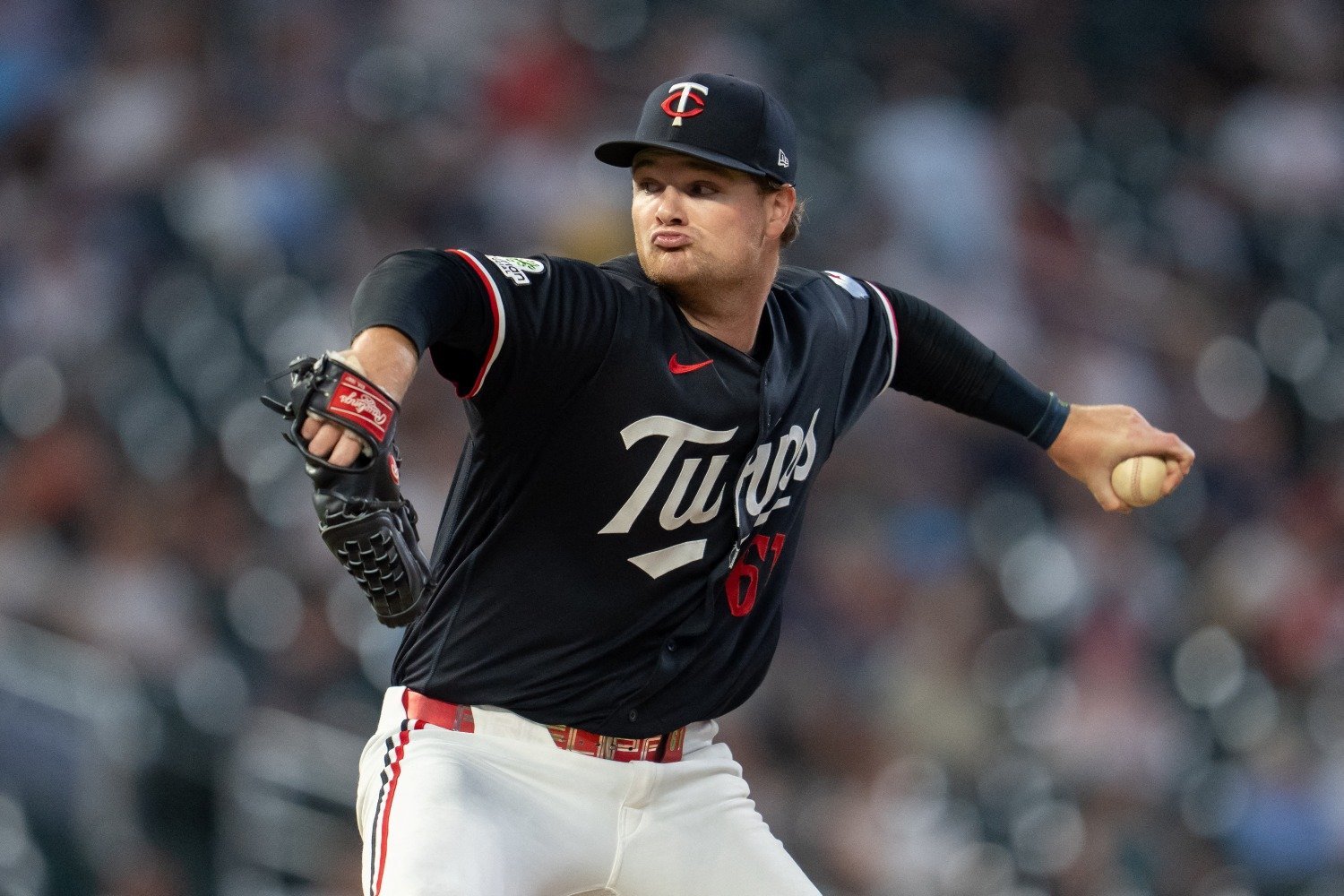 Box Score SP: Andrew Morris - 1 IP, 2 H, 1 R, 0 BB, 0 K (29 pitches, 19 strikes (66% strikes)) Home Runs: Kody Clemens, Royce Lewis, Ryan Jeffers Top 3 WPA: Connor Prielipp (0.28), Royce Lewis (0.18), Walker Jenkins (0.12) Win Probability Chart The Twins entered Tuesday night's matchup against the Tigers looking to secure a series victory, after demolishing Detroit in Monday's opener. They did exactly that—and somehow, they were even more dominant the second time around. Minnesota fell behind 1-0 in the first inning, but Kody Clemens immediately tied the game with a solo homer. The offense stayed quiet for a few innings, but once the Twins finally broke through in the fifth, the floodgates opened. Minnesota scored 14 runs between Tigers tallies and put together a massive 10-run sixth inning en route to a 15-2 victory. A Belated Beatdown of Troy Melton The Twins didn't have much success against Troy Melton early, despite the fact that they had hit four home runs against him when they faced him back in June. Outside of Clemens's first-inning homer, Minnesota struggled to create any offense through the first four innings. After Clemens tied the game with a 108-mph solo shot to right, Ryan Jeffers followed with a triple. Unfortunately, the Twins couldn't bring him home. Melton then retired 10 consecutive hitters as Minnesota's offense went quiet. That changed in the fifth. Trevor Larnach led off the inning with a walk. Royce Lewis smoked a first-pitch fastball (exit velocity: 108 MPH) to left for a double. With runners on second and third and nobody out, the Twins had their first real opportunity to break the game open. They took advantage of it. Kaelen Culpepper grounded out, but Walker Jenkins hit a fateful ground ball to short. Larnach broke for home and got caught in a rundown, but Dillon Dingler's throw sailed past third base. Both Larnach and Lewis scored on the error, giving the Twins a 3-1 lead. Luke Keaschall then added an RBI double to make it 4-1, and Minnesota had finally figured out a way to get to Melton. It was only the beginning of what turned into another massive offensive night. After Forcing a Crack, Twins Rush Through the Breach in 6th The Twins entered the sixth inning with a 4-1 lead, but it didn't take long for that advantage to become something much more comfortable. Josh Bell singled and Larnach was hit by a pitch, bringing Lewis to the plate with two runners aboard. The Tigers threw him a first-pitch slider over the heart of the plate, and Lewis didn't miss it. He sent it 427 feet to dead center field for his 14th homer of the season, turning a three-run lead into a 7-1 laugher. It was a great swing from a hitter who badly needed one. But the Twins weren't done. Culpepper followed with a double, Jenkins worked a walk, and Keaschall added another RBI hit. Brooks Lee then lifted a sacrifice fly to make it 9-1, before Clemens walked to bring Jeffers back to the plate. The veteran catcher put the game completely out of reach, jumping on a slider over the middle of the plate and smoking it off the left-field foul pole for a three-run homer. Suddenly, the Twins had scored eight runs in the inning and were leading 12-1. And they still weren't done. Bell and Larnach reached again, Lewis added an infield single and Culpepper ripped a 107-MPH single through the left side to drive in two more runs. By the time the inning was over, the Twins had scored 10 runs and taken a ridiculous 14-1 lead. For the second consecutive night, Detroit simply had no answer for Minnesota's offense. CONNOR PRIELIPP DID HIS JOB The Twins went with an opener Tuesday night, using Andrew Morris before turning the game over to Prielipp in the second inning. Morris allowed two singles and a sacrifice fly in the first, giving Detroit an early 1-0 lead. But after Prielipp entered, he settled things down quickly. The left-hander ran into some traffic in the second inning when Spencer Torkelson led off with a ground-rule double and Max Clark was hit by a pitch. But Prielipp responded by getting Javier Báez to ground into a double play and inducing a John Peck groundout. That would be the biggest threat Detroit had against him. Prielipp worked through five innings, allowing just three hits and one walk while striking out five. He wasn't perfect (he also committed a fielding error in the fifth), but he consistently made the pitches he needed to make and kept the Tigers from adding to their early lead. Considering the Twins were coming off a rough week and needed a strong performance from their pitching staff, Prielipp did exactly what Minnesota needed him to do. Once the offense finally broke the game open, the Twins were able to turn things over to their bullpen and coast to the finish line. Even Ben Ross got his first taste of the major leagues, entering at third base and stepping to the plate for his first major-league at-bat. Ross struck out, but the moment was still an important one for the September call-up. Minnesota also gave Garrett Acton his first appearance after being called up when rosters expanded, while Travis Adams worked a clean seventh inning. The Tigers managed one more run in the eighth, but by then, the outcome had been decided for a long time. The Twins have now won three consecutive games and have (for now) flipped the script after a frustrating stretch last week. They still have work to do if they're going to turn their late-season playoff hopes into something real, but this is exactly what Minnesota needed. Don't let them get hot. What’s Next? The Twins will look to sweep the Tigers at Target Field tomorrow night. Dean Kremer will take the mound for Minnesotal he’ll face off against right-hander Drew Anderson. First pitch is set for 6:40 PM. Postgame Interviews Coming soon! Bullpen Availability Chart View the full article
 -
 Blue Jays Affiliate Overview (August 29-30) Triple-A Buffalo Bisons Series vs Rochester Red Wings (Washington Nationals): 2-4 Season Record: 64-67 Double-A New Hampshire Fisher Cats Series vs Hartford Yard Goats (Colorado Rockies): 2-4 Season Record: 56-68 High-A Vancouver Canadians Series vs Spokane (Colorado Rockies): 4-2 Season Record: 61-65 Single-A Dunedin Blue Jays Series vs Palm Beach Cardinals (St. Louis Cardinals): 4-2 Season Record: 60-62 FCL Blue Jays: Season Complete DSL Blue Jays Blue: Season Complete DSL Blue Jays Red: Season Complete Triple-A Buffalo Bisons Season Record: 64-67 Series vs Rochester Red Wings (Washington Nationals) August 29: Saturday saw Buffalo ride some hot hitting bats to an early lead against the Rochester Red Wings. Josh Smith and Lenyn Sosa opened the game with singles, Sean Keys showed he can bunt and laid one down to move them over, then Davis Schneider made it pointless by blasting a three-run home run to left field. Buffalo racked up three more singles in the first inning, with the last by William Simoneit bringing home Nick Goodwin to give the Bisons a 4-0 lead. Maxwell Romero Jr. got Rochester on the board in the bottom of the third inning when he launched a moonshot at 40° for a solo home run. In the seventh, Ismael Munguia singled on a line drive to center and drove in Schneider for the fifth Buffalo run of the game. In the ninth, Buffalo got another insurance run, with Schneider scoring his third time of the game, this one on a Yohendrick Piñango double. The six runs were more than enough, as Buffalo got good pitching performances from everyone that went to the mound. Austin Marozas pitched 3.1, surrendering just one run, while Ricky Tiedemann made another appearance out of the bullpen, throwing 1.2 scoreless innings and striking out two. Buffalo won this one with ease after a strong first inning, 6-1. August 30: Grant Rogers got roughed up on Sunday against Rochester. Instead of Rogers’ normal near-quality start with giving up a lot of hits and not getting many strikeouts, the Red Wings tagged him early in this one. Rochester was able to get to Rogers with two home runs and a number of hits across the 3.2 innings he pitched. Despite the pitching falling on their swords, Buffalo's bats stepped up and fought to make a comeback. In the first two innings of the game, the Bisons got a solo home run from Sean Keys and an RBI single by CJ Stubbs that scored Lenyn Sosa. In the fourth, following Rochester's big innings against Rogers, Peyton Williams hit his third home run of the season for Buffalo, a solo blast to right-center. Rochester added home runs in the bottom of the fourth and fifth, extending their lead at that point to 8-3. The Bisons had a huge inning in the sixth. Sosa had an RBI double that scored Davis Schneider, Nick Goodwin plated two on a double to center, and Keys plated one on a double of his own. Buffalo trimmed the lead down to one, but then Rochester answered back with another solo home run in the bottom of the sixth. In the last three frames of the game, Buffalo only got a couple of walks, never threatening to score. They fell to Rochester 9-7. Double-A New Hampshire Season Record: 56-68 Series vs Hartford Yard Goats (Colorado Rockies) August 29: Nolan Perry was the starting pitcher on Saturday for the game between New Hampshire and Hartford. Perry was excellent, getting strikeouts, racking up seven of them, but he still had some command issues. He walked two batters and gave up four hits and two runs in four innings. The runs came on a Jimmy Obertop single in the second inning, following a walk, single, and stolen base. Eric Snow had an RBI groundout in the third for New Hampshire, and Edward Duran tied the game with a home run in the fourth inning. In the fifth and sixth innings, Hartford added two runs, with the big hit being a Jack O'Dowd home run. Gage Stanifer took over in the seventh inning and struck out six batters over two frames. He did allow a run in the seventh on a weak groundball single to right field. Cutter Coffey brought New Hampshire closer in the eighth inning with a two-run double. Hartford added an RBI single in the ninth to add to their lead. New Hampshire lost this one 6-4. New Hampshire struck out 20 batters in the game, a franchise record for the Fisher Cats. August 30: In the Sunday finale between Hartford and New Hampshire, the Fisher Cats got a quality start from Austin Cates, who started the game. He went six innings, allowed three hits, surrendered two walks, gave up two runs, and struck out four. The two runs came in the third inning on a Jared Thomas home run. In the seventh inning, an error allowed Hartford to stretch the lead to three runs. In the bottom of the inning, Carter Cunningham launched a home run to right field. Hartford would then add three runs on a balk, sacrifice fly, and a bases-loaded walk. Cutter Coffey tripled home a run in the ninth inning, but it wasn't enough. New Hampshire lost this game 6-2, continuing a woeful August. High-A Vancouver Season Record: 61-65 Series vs Spokane (Colorado Rockies) August 29: Landen Maroudis was cruising through the first two innings, getting the first six batters he faced out, but faced a ton of trouble in the third inning, giving up three straight singles and a walk, but luckily Ryan Sprock caught a runner stealing second, which kept the score tied zero to zero. Maroudis got the second out of the inning with the bases loaded with a big strikeout but walked in the next batter, allowing the floodgates to come loose. Tanner Thach hit a two-RBI single, then Robert Calaz had another RBI single to make it a four-run inning for Spokane. Colby Holcombe had to replace Maroudis to end the inning, but more runs came in the fourth, as Holcombe gave up a leadoff homer, then another walk hurt the Canadians, which ended up coming around to score on a single. Down 6-0, the Canadians fought back a little, with Jake Casey hitting a two-run shot in the sixth, and Dameury Pena had his first homer as a Canadian to reduce the lead to three, but that was too little too late. August 30: The home regular season finale kicked off with the team singing the national anthem, which proved to have been of benefit. Silvano Hechavarria ended the season strong in a rough season overall as he gave up only two earned runs in his last 10.2 innings pitched. A throwing error made it so that the Canadians were down three to nothing in the fourth, but Ryan Sprock hit a solo shot in the fourth to break the shutout. Maddox Latta had one himself in the fifth inning to make it a one-run lead, and Rake Casey did it again with a two-run double to come from behind, which ended up being the winning runs, to take sole first place in the second half of the Northwest League standings. This brings their magic number to just three to clinch a playoff spot with six games remaining. Single-A Dunedin Season Record: 60-62 Series vs Palm Beach Cardinals (St. Louis Cardinals) August 29: Postponed August 30, Game 1: Josh Winckowski started this game as an opener, as the righty is still working his way back from an injury. He pitched 1.2 scoreless innings. The Jays got out to an early lead, Raimundo De Los Santos walking with the bases loaded, then Jake Cook hitting a clutch single that scored two runners thanks to a throwing error by the shortstop. Denis Samudio replaced Winckowski in the second and pitched 3.1 innings with six Ks, but faced some traffic in the sixth inning, allowing three earned runs to make it a tie game. Cook had his second RBI of the game in the bottom of the sixth, however, which ended up being the winning run as Landon Waters got the win with two scoreless innings. August 30, Game 2: Jack Nedrow was the starter again and went into the fifth inning, with four strikeouts on the night. The Jays ran away with this one early, as they tacked on seven runs against Cardinals starter Jefferson Moran, capped off by an Aldo Gaxiola grand slam. Jake Bennett had his fifth homer of the season with an inside-the-parker to make it eight to nothing. Nedrow gave up a few hits in the fifth inning to allow the Cardinals to score three runs, but good pitching from the bullpen kept it a dominant win to sweep the doubleheader, 8-3. FCL Blue Jays Season Record: 38-20 Season Completed DSL Blue Jays Blue Season Record: 20-35 Season Completed DSL Blue Jays Red Season Record: 33-18 Playoffs: 2-1 Season Completed View the full article
 -
Does Pete Crow-Armstrong Have The MVP Locked Up?
DiamondCentric posted an article in North Side Baseball
 Pete Crow-Armstrong continues to ascend in the MVP race against Shohei Ohtani. Does PCA have it locked up? What should the playoff pitching rotation look like? Listen on Apple Podcasts: https://podcasts.apple.com/us/podcast/the-north-side-baseball-podcast/id1798599313 Listen on Spotify: https://open.spotify.com/show/75wMGhBwlrDDYPt3kaF453 Listen on iHeartRadio: https://www.iheart.com/podcast/263-the-north-side-baseball-po-268998437/ Listen on Pocket Casts: https://pca.st/eey7h6ih Watch on YouTube: https://www.youtube.com/@northsidebaseball View the full article
 -
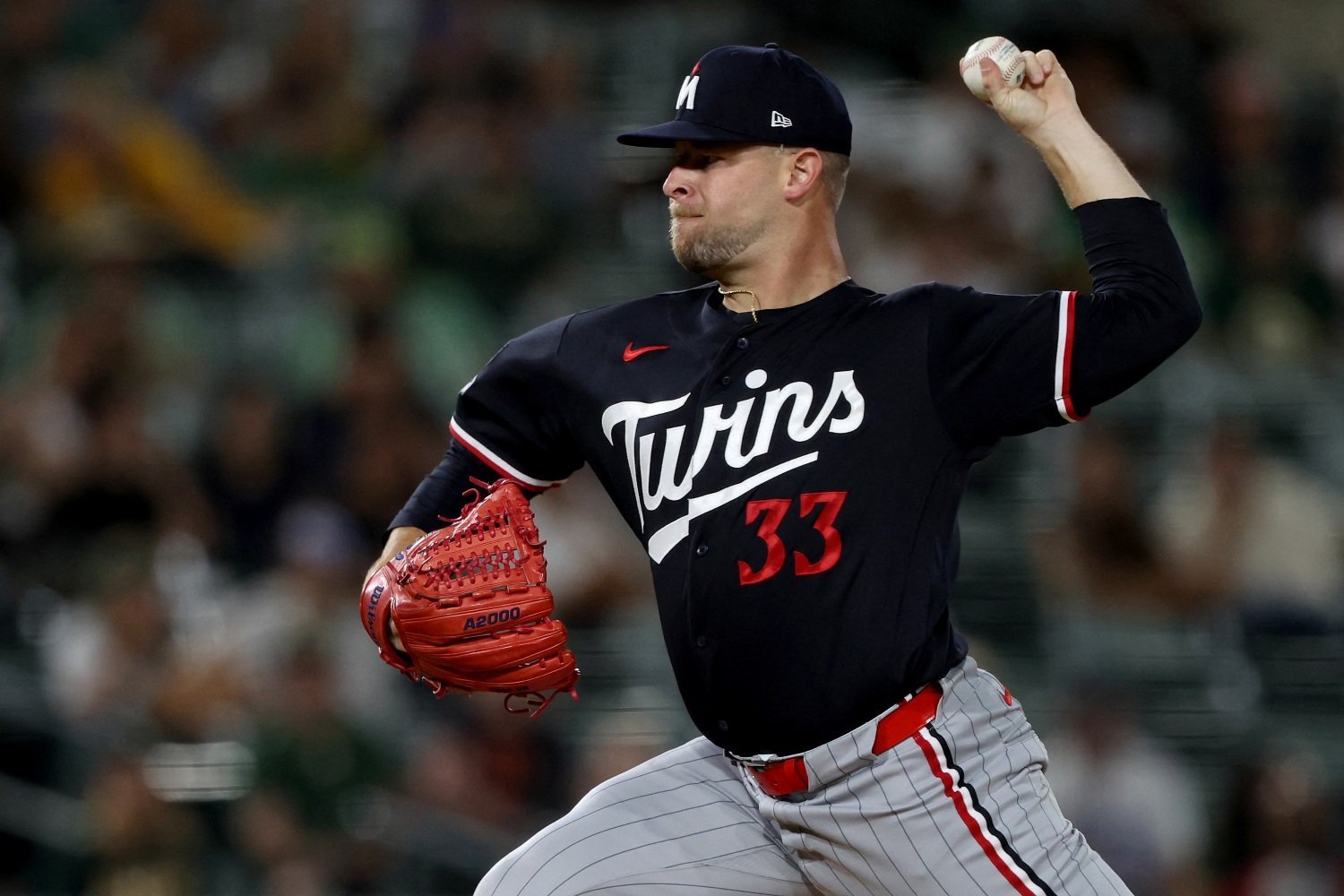 The Twins’ pitching staff looks a lot different now than it did a month ago. Minnesota made four additions to its pitching staff around the trade deadline, giving the team a new-look unit as it attempted to make one final push toward the postseason. Unfortunately, those additions weren’t enough to turn the Twins’ season around. The Twins went just 10-17 in August, and after playing aggressive baseball early in the month, their playoff hopes have continued to dwindle. That certainly wasn’t all on the pitching staff, though. In fact, despite the team’s struggles, there were several awfully strong individual performances throughout August. So with that, here are your Twins Pitchers of the Month for August. #4: Taylor Rogers August Stats: 10 G, 10 IP, 3.60 ERA, 1.40 WHIP, 8 K, 6 BB, 4.88 FIP Taylor Rogers doesn’t strike out as many hitters as he used to, and he certainly isn’t throwing as hard as he once did. But in what was ultimately a down month for the Twins’ pitching staff as a whole, he was still a quality option late in games. Rogers’s August got off to a sour start, but he finished the month in much better shape. Six of his final seven appearances resulted in zero runs, giving Minnesota a reliable left-handed option as the bullpen continued to search for consistency. If the Twins still have any shot at making a run toward the postseason over the final month of the season, they’ll need Rogers to continue pitching at a high level. The margin for error is basically gone, meaning every quality inning from the bullpen is going to matter. #3: Zebby Matthews August Stats: 5 G, 31 IP, 2.90 ERA, 1.13 WHIP, 24 K, 6 BB, 3.47 FIP For the second straight month, there is just one starting pitcher on this list. Taj Bradley earned that distinction in July, and this month, it belongs to Zebby Matthews. Like Rogers, Matthews actually started August in a tough spot. He allowed seven earned runs across 10 innings over his first two starts of the month, continuing what had been a somewhat inconsistent season for the talented right-hander. But he completely flipped things around from there. Matthews allowed just three earned runs over his final three starts of August, which collectively spanned 21 innings. That stretch included his sensational 8 1/3-inning performance against the White Sox on Sunday, when he came within two outs of a complete-game shutout while helping the Twins snap a four-game losing streak. The six walks over 31 innings stand out as well. Matthews always could make hitters uncomfortable when he’s attacking the strike zone, and it’s crazy what can happen when he limits the free passes while also keeping the ball in the yard. It was a very strong month for the talented right-hander, and if the Twins can get more performances like his final three starts in September, their rotation suddenly looks a whole lot more capable. #2: Tommy Nance August Stats: 10 G, 10 1/3 IP, 1.74 ERA, 1.35 WHIP, 14 K, 2 BB, 0.96 FIP Tommy Nance was the Twins’ first addition at the trade deadline, and he has been sensational since arriving in Minnesota. In August, Nance was even better than his former—and now current again—teammate in Jeff Hoffman. His strikeout rate jumped significantly from where it was in July, and he struck out seven batters for every walk he allowed during the month. You really can’t ask for much more from a seventh-inning reliever. Nance came to Minnesota without the same level of attention as some of the Twins’ other deadline additions, but his performance has made him one of the more important additions to the bullpen. His ability to miss bats while limiting walks gives the Twins something they desperately need from the middle innings. And unlike some of the other relievers on this roster, Nance is around beyond this season. If the Twins can continue getting production anywhere close to what Nance gave them during the month, he could end up being an outstanding deadline addition for Minnesota. #1: A.J. Minter August Stats: 13 G, 11 2/3 IP, 0.77 ERA, 0.86 WHIP, 9 K, 4 BB, 3.68 FIP Minter’s August numbers feel fitting for exactly the kind of pitcher he is. He isn’t going to rack up the most gaudy strikeout numbers, and he isn’t necessarily going to be the flashiest reliever in the bullpen. But he is simply a quality, reliable reliever. When you allow just one run across 11 2/3 innings, it honestly doesn’t matter how you get there. Minter consistently gave the Twins a trustworthy option out of the bullpen throughout August, and he finished the month as the most effective pitcher on Minnesota’s staff. He's also on an expiring contract and could very well be entering his final—and second—month with the Twins. But just like Rogers, if Minnesota wants to have any chance at making a late push toward the postseason, it needs Minter to continue being a shutdown option late in games. The Twins might have made things considerably harder on themselves when it comes to the playoff picture, but August still featured some very strong individual pitching performances. Joe Ryan figures to be healthy again soon, the bullpen has several new faces, and there is still plenty of baseball left to be played. The Twins may be running out of time—but as September begins, you never know what can happen. View the full article
 -
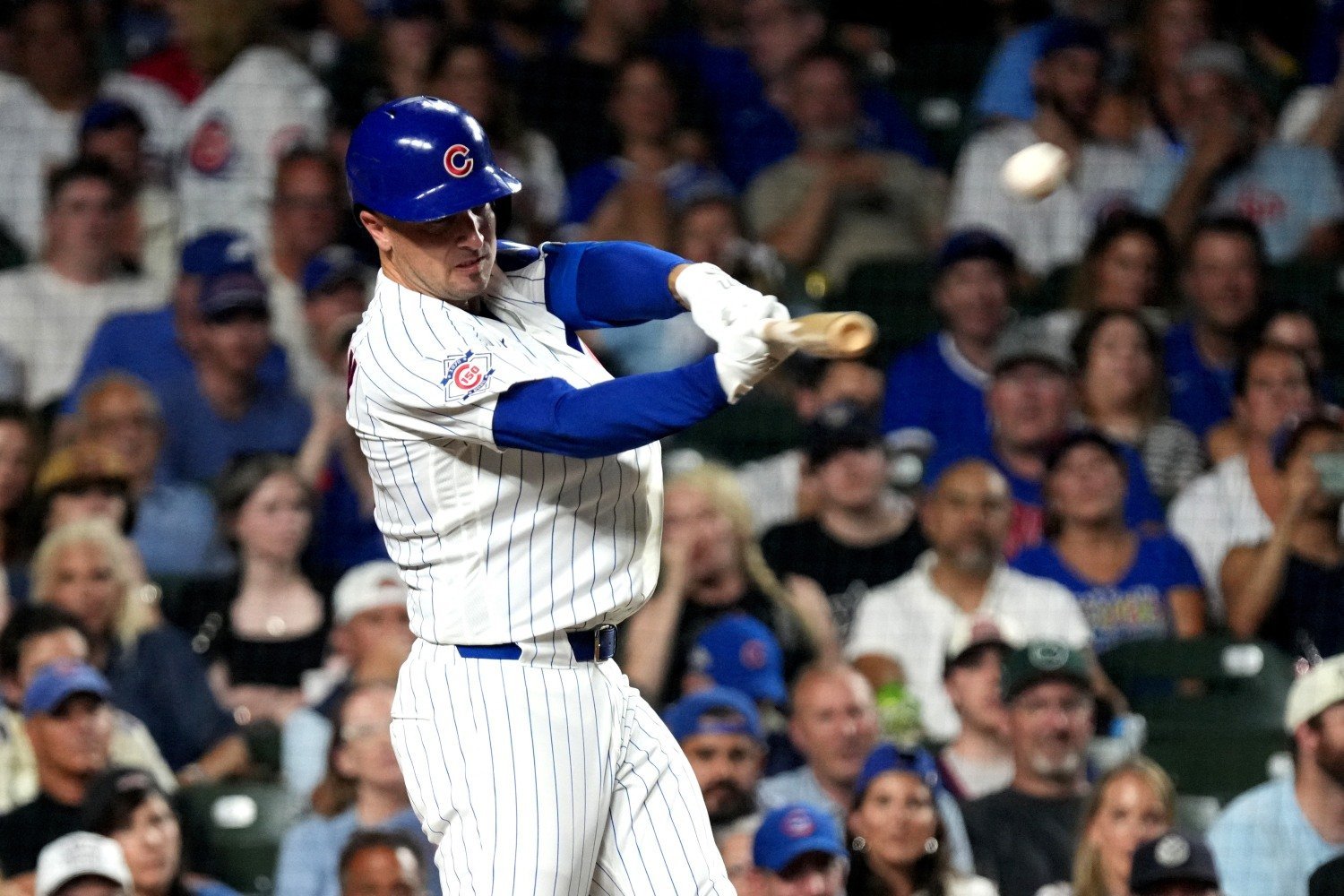 When the Cubs signed Alex Bregman this winter, they talked at length about the influence he would have. No player is more famous among fellow players for their savvy, generosity with advice and insight, or dedication to the game than is Bregman, and the combination of intelligence and leadership Bregman brings to the table was nearly as important to Chicago as the combination of on-base skills and power that jump out when one studies his stat page. For most of the first half, though, that influence was a bit too great a share of his value, for a simple reason: he wasn't hitting. Over the first 40% of the season (66 games), Bregman hit .243/.327/.342. In 297 plate appearances, he only hit five home runs. His bat speed was down. That on-base percentage is tolerable, and stood as a reminder of what a polished and smart hitter Bregman is, but it was fair to wonder whether he would never be the same. One of the risks of signing an aging player who never had elite bat speed or explosiveness is that they might be enduringly diminished; it seemed like Bregman might be just that kind of unfortunate case. There was an off day in early June, during which the Cubs traveled from Chicago to Denver to begin a road trip to face the Rockies and Giants. Using feedback he cultivated from the team's analytics and hitting departments, Bregman made an adjustment at that point, and his season began to turn. From June 10 through the All-Star break, he batted a much more healthy .234/.358/.402. Those still aren't the numbers a team envisions when they shell out $175 million over five years to bring a player in, but again, Bregman was also delivering value off the field—and he might have soaked some up, too. What happened, specifically, is that beginning in mid-June, Bregman has let the ball travel deeper into the hitting zone. Meanwhile, he's also moved slightly deeper in the batter's box. The combination of those two adjustments means that he's addressing the ball about three inches closer to the catcher than he was three months ago. That sounds like a very small change, but when you're making that extra bit of space, you're also making a bit of extra time. Here's what that looks like in the stance-and-stride visualizaions generated by Statcast. Through that day off in June, Bregman set up and moved thusly in the box. Since then, his average stance and stride starts deeper, and from a more closed setup. As you can also see, his average contact point has slid back to the front edge of home plate. That's an essential change for Bregman, for multiple reasons. It's paid off in a massive way, too, especially since the All-Star break. In 189 trips to the plate since the break, Bregman is batting .296/.365/.615; he's gone from suspect back to superstar. But why are those few inches of extra space (and the time they represent) so important? Firstly, it's because even as he's rediscovered his power, Bregman hasn't rediscovered his bat speed. Indeed, it's still trending downward. Bregman has never been a guy who got his power primarily from bat speed, of course. Hitters realize power via four vectors: Swing decisions - getting a pitch they can drive Bat speed - swinging fast enough to produce a high exit velocity Hit tool - the better you are at finding the center of the barrel with your swing, the less raw bat speed you need to hit it hard Directionality - being able to pull the ball without rolling over it (and, in general, being able to hit the ball well in the air to the pull field) matters a great deal. For Bregman, the other three elements have always been more important than bat speed. Still, when you lose a bit of that raw power, you have to make up for it somehow—not least because, when that bat speed goes, it can compromise the solidity and directionality of contact. For that matter, it can also ruin your swing decisions, because one solution to that degradation is to start your swing a bit earlier and sacrifice some of the time you have to recognize pitches and attack them. By sliding as far back in the box as possible, Bregman is giving himself as much time as he can to deliver the barrel to the ball. He's not actually swinging with a deeper contact point in mind, but that's the result, because of his more closed stance. That change of orientation means his bat has to travel very slightly farther to get to the same spot, so the result is a deeper contact point, without a difference in the orientation of his barrel to the flight of the ball when contact comes. The ball getting deeper before he hits it means Bregman can attack with a bit more confidence, knowing his best contact to the pull field won't go foul. Indeed, 20.5% of his swings through June 8 produced pulled foul balls. Since June 9, that number is down to 15.9%. Meanwhile, his attack direction on fair balls has swung toward the pull field. Changes to the way his lower half works have also helped all that happen, but Bregman first tapped into his power again by getting back to pulling and lifting the ball and making solid contact—and all of that began by closing his stance and moving very slightly deeper in the batter's box. After Bregman followed Pete Crow-Armstrong's five-homer weekend with a three-homer night of his own Monday, MLB Network posted an intriguing tweet comparing the two players' swings. They're right about the similarities there, and some of those similarities are new. Crow-Armstrong and Bregman have worked terrifically together this season, going all the way back to spring training. Crow-Armstrong owes some of the credit for his sudden corner-turn toward superstardom via better swing decisions to Bregman. In turn, Bregman might owe some of the credit for his mid-season change of fortunes to watching and learning from his younger teammate. They don't get to power in the same way at all. Crow-Armstrong has leveled up twice in the last two seasons, by drastically upgrading his bat speed and by improving his swing decisions, but his feel for the sweet spot of the barrel is still merely average. Bregman's is superb, but the bat speed is far from special—making him the opposite of a Crow-Armstrong-style slugger, even though their actual swings have begun to mirror one another. He still gets his value from swing decisions, solidity of contact, and that sense of how to pull and lift the ball. He's just used his own advice to a young teammate and the model of that teammate's success as a template for his own adjustments, to thwart the ravages of age and sustain success at an improbable stage of his career. View the full article
 -
JoJo Romero Activated, Bo Naylor Called Up By Brewers
DiamondCentric posted an article in Brewer Fanatic
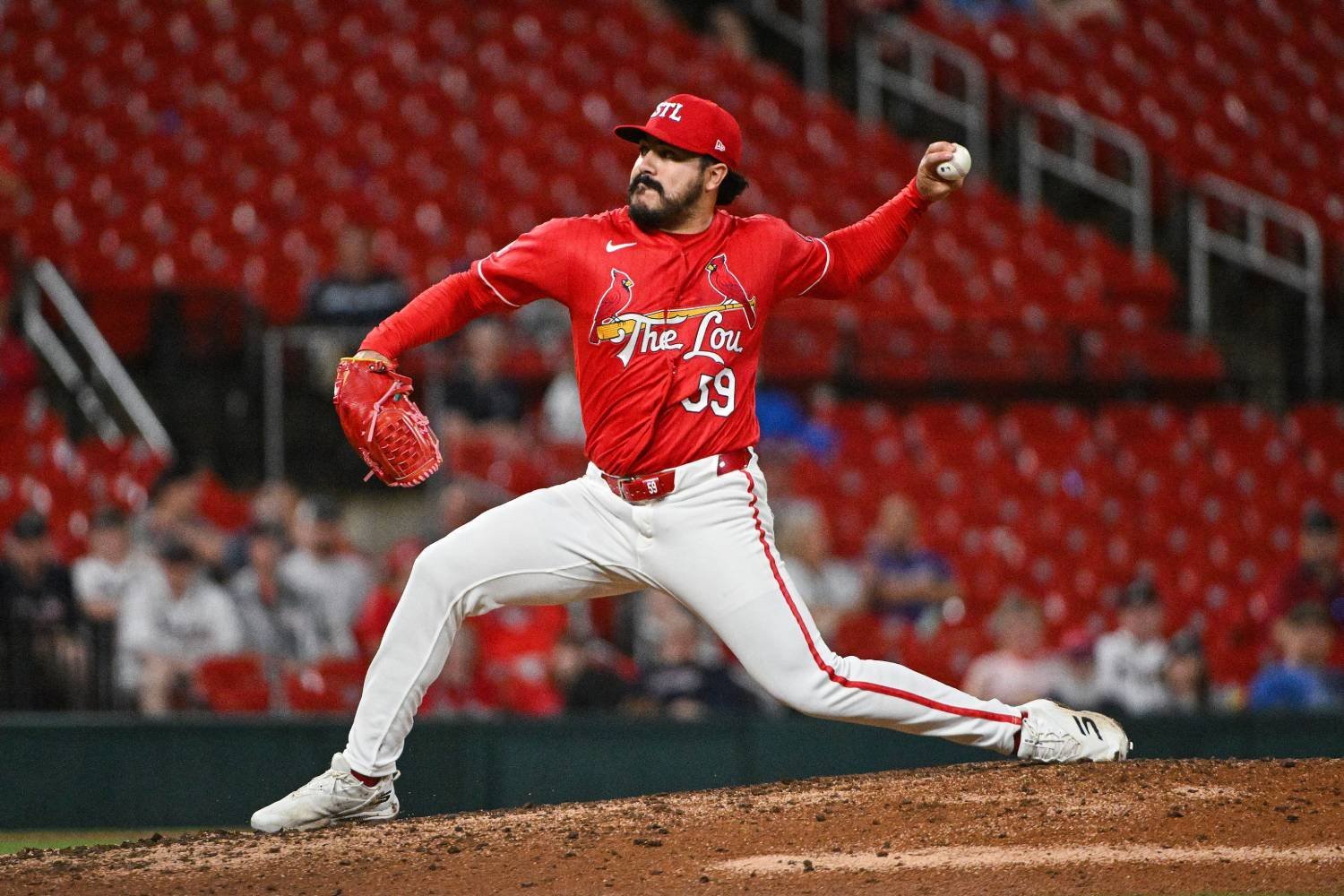 The long wait for JoJo Romero to make his Milwaukee Brewers debut is over. The left-handed reliever, acquired at the Aug. 3 trade deadline, was activated from the 15-day injured list by the Brewers, who also called up catcher Bo Naylor from Triple-A Nashville as rosters expanded from 26 to 28 Tuesday. Romero, picked up along with right-handed starter Dustin May from the NL Central rival St. Louis Cardinals at the trade deadline, has been sidelined since mid-July following an appendectomy. He had two recent rehab appearances and then threw a bullpen to show his readiness before being activated. Romero fortifies the back end of the bullpen and provides another late-inning left-handed option other than Aaron Ashby. In 44 games and 43 innings this season, Romero has a 3.99 FIP (3.35 ERA) with an 8.6% walk rate and 23.1% strikeout rate this year. Naylor was also acquired at the trade deadline from the Cleveland Guardians along with right-handed reliever Codi Heuer for center fielder Blake Perkins and right-handed reliever Blake Perkins. Heuer was quickly cut loose by the Brewers without making an appearance. Naylor has been at Triple-A Nashville and now comes up to allow manager Pat Murphy more flexibility with how he deploys starting catcher William Contreras and backup Gary Sanchez while having a safety net in Naylor. Unlike his brother, Seattle Mariners first baseman Josh Naylor, Bo Naylor doesn't do much offensively. He was slashing .143/.200/.238 with two homers and seven RBIs in 28 games with the Guardians before being sent to Triple-A. He made his MLB debut with the Guardians in 2022 and has a career slash line of .199/.279/.372. Naylor was added as the 27th player for the Little League Classic but did not play. View the full article
 -
 Owen and Jesse are starting to believe. In their most crucial series of the year-to-date, the Blue Jays come out and crush the Mariners in all aspects of the game, from elite starting pitching from Max Scherzer and Dylan Cease to Offensive outbursts from Alejandro Kirk, Kazuma Okamoto, George Springer and Brett Bateman. Listen on Apple Podcasts: https://podcasts.apple.com/us/podcast/the-jays-centre-podcast/id1846108462 Listen on Spotify: https://open.spotify.com/show/3Bi7SzfpcqMo5xYWnbCeoL Listen on iHeartRadio: https://www.iheart.com/podcast/263-the-jays-centre-podcast-300304824/ Listen on Pocket Casts: https://pca.st/2qk9wqxd Watch on YouTube: https://www.youtube.com/@jayscentre View the full article
 -
Padres Prospect Hot Sheet: Joe Tiroly Goes On Power Binge
DiamondCentric posted an article in Padres Mission
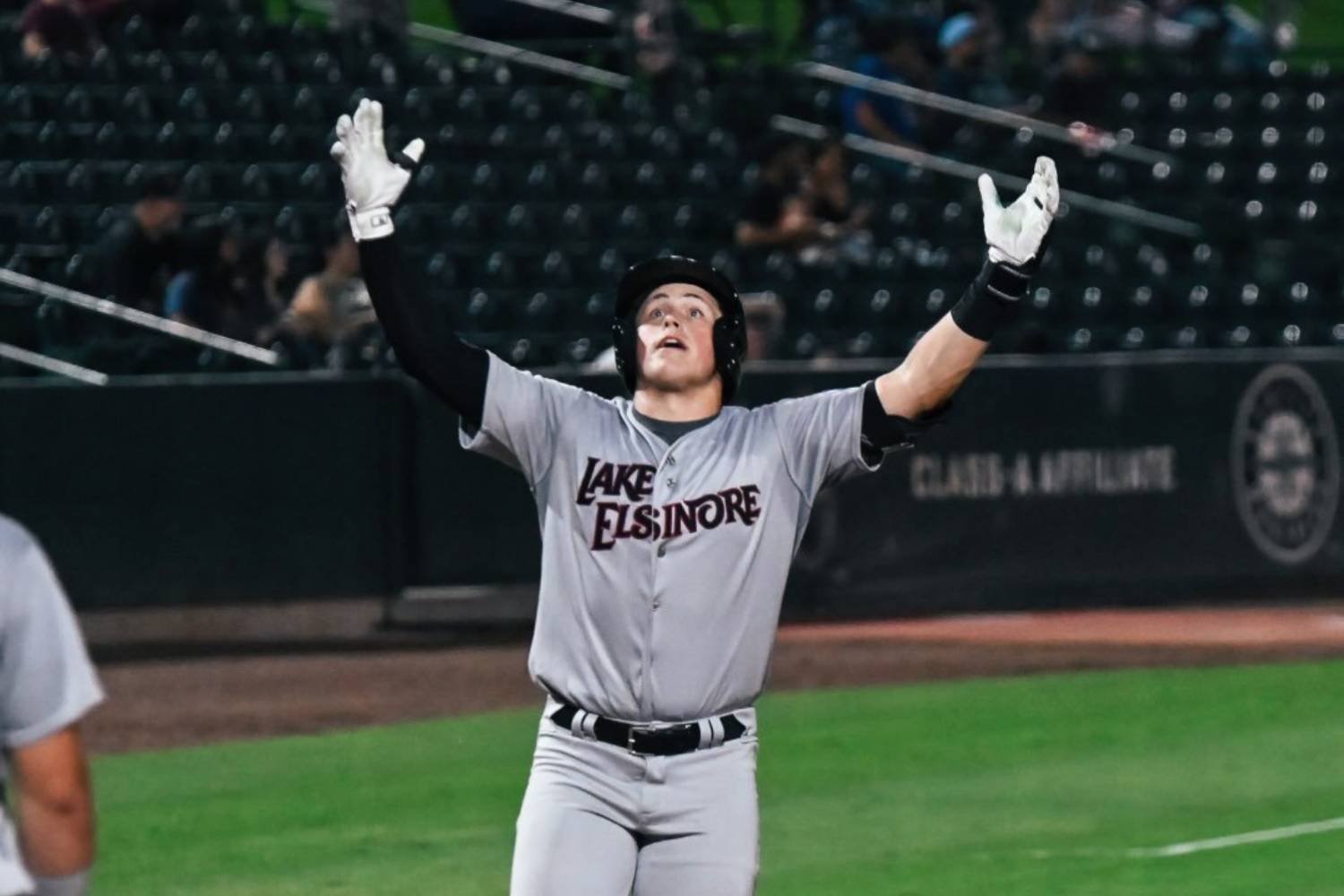 Let's check in on the San Diego Padres prospects who made a mark in the last week (check out Padres Mission's latest Top 20 rankings as well!). Joe Tiroly, 2B-3B, Low-A Lake Elsinore Storm Season stats: .308/.357/.673, 13 games, 7 R, 1 2B, 0 3B, 6 HR, 3 BB, 12 K, 0 SB, 1 CS The Padres' seventh-round draft pick this year made a splash by homering in his first pro game about three weeks ago. He definitely one-upped himself with what he did this past weekend. The 21-year-old infielder, drafted out of Virginia, hit four homers in his last three games and has five in his last six games, giving him six in 13 pro games. It was part of a nice week for Tiroly, whose display of power helped him put up a .353/.353/1.059 (6-for-17) slash line with six RBIs in four games against the Rancho Cucamonga Quakes. Four of his six hits last week went out of the ballpark. Tiroly hit 16 homers and had 66 RBIs, both team highs, this spring at Virginia. He played two seasons at Rider, where he hit 18 homers and was Metro Atlantic Athletic Conference Player of the Year in 2025. In addition to three games at designated hitter for the Storm, Tiroly has split his 10 games in the field evenly between second and third base. His range has been questioned at second, while having enough of an arm to play third. Carlos Rodriguez, OF, Triple-A El Paso Chihuahuas Season stats: .313/.373/.430, 108 games, 55 R, 17 2B, 7 3B, 6 HR, 69 RBI, 44 BB, 48 K, 18 SB, 5 CS One of the most consistent hitters in the Padres' system this year, the 25-year-old outfielder had another terrific week, producing a .478/.520/.609 slash line with a double, a triple and three RBIs. Rodriguez had back-to-back three-hit games after having back-to-back two-hit games in the series against the Oklahoma City Comets. Rodriguez ranks fifth in the Pacific Coast League. He doesn't bring much power to the plate, with just six homers this year, but he is a left-handed bat, which is always coveted. Those six long balls are the second-most of his eight minor-league seasons, two shy of his 2025 total. His big week boosted his August slash line to .341/.358/.516. Lamar King Jr., C, High-A Fort Wayne TinCaps Season stats: .232/.328/.328, 89 games, 33 R, 14 2B, 2 3B, 4 HR, 38 RBI, 36 BB, 88 K, 16 SB, 4 CS In one game, you could see the offensive potential the Padres see in the 22-year-old. That game came Sunday when Padres Mission's No. 10 prospect had two doubles and a triple with four RBIs in a 9-3 win over the Dayton Dragons. Sunday capped a week in which he had a slash line of .375/.412/.688 (6-for-16) with a third double mixed in to go along with six RBIs. The 2022 fourth-round draft choice hasn't had the offensive season he has had the last three seasons. He had a .271/.379/.421 slash line in 2024 in the Arizona Complex League and Low-A Lake Elsinore and .274/.353/.384 in 2025 at Lake Elsinore and Fort Wayne. He has spent the entire season with the TinCaps, playing in 89 games. Adler Cecil, LHP, Low-A Lake Elsinore Storm Season stats: 2-3, 4.12, 18 games (11 starts), 59 IP, 38 H, 36 R, 27 ER, 36 BB, 102 K, .182 opponent average Sure, the Padres' system isn't very deep in legit prospects. But the 6-foot-4 21-year-old wants to make sure you know who he is. The left-handed starter has been a strikeout machine in a limited number of innings. In his latest start, he fanned eight in a 6-1 loss to Rancho Cucamonga on Friday. He did that in 3⅔ innings. It was his fourth start this month in which he didn't go more than four innings and struck out at least six each time. His strikeout numbers are amazing. In 18 games and 59 innings, he has struck out 102, which is tied for third-most in the Padres' system. The only two higher totals are Winyer Chourio's 116 and Jagger Haynes' 110, and they have pitched 87⅔ and 123⅔ innings, respectively. Not a bad comeback after Tommy John surgery sidelined Cecil throughout all of 2025. Will Varmette, RHP, High-A Fort Wayne TinCaps Season stats: 3-2, 7.14 ERA, 40 games (all relief), 4 saves (6 chances), 51⅔ IP, 61 H, 44 R, 41 ER, 33 BB, 55 K, .292 opponent average The 23-year-old right-handed reliever might be finally figuring some things out as he nears the end of his third full season and fourth overall since signing as an undrafted free agent in 2023. In two appearances last week against Dayton, Varmette struck out eight over 4⅓ innings while allowing just two hits and two walks. That continued a strong August in which he had a 2.61 ERA over eight appearances and 10⅓ innings. He has allowed three earned runs in his last 10 outings after giving up a seven-spot July 23 against Lake County. This has been his first season sticking at one level. Even in a partial 2023 debut season, he was at three levels, including one game at Fort Wayne, yet he has a 7.14 ERA. The last two seasons have been split between Fort Wayne and Low-A Lake Elsinore. View the full article
 -
Toronto Blue Jays Minor League Hitters of the Month - August 2026
DiamondCentric posted an article in Jays Centre
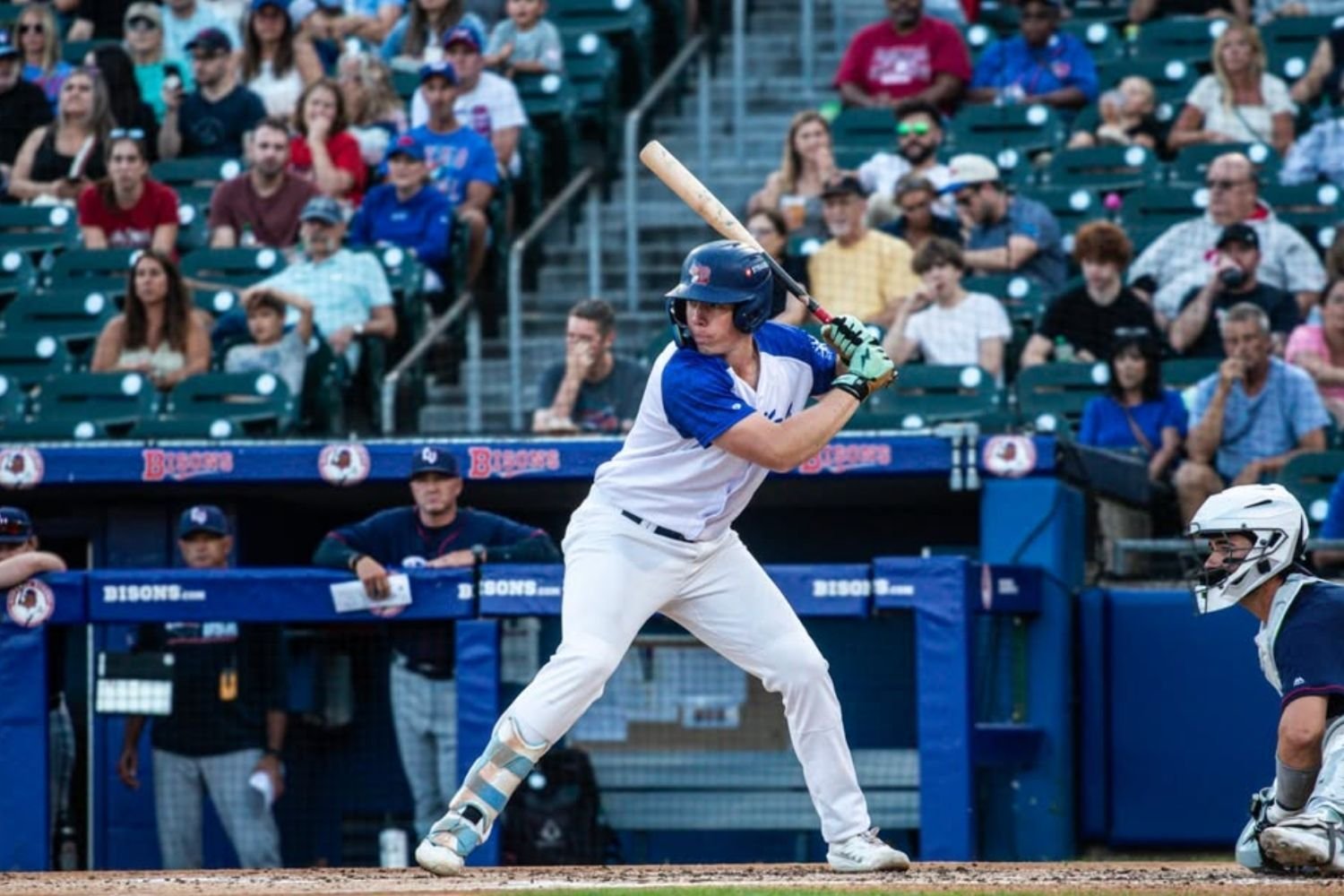 August always brings changes to the minor league system, as the aftermath of the trade deadline begins to take shape, while the most recent draftees begin to get their footing. The Jays farm system really hit this past month, with 30 hitters (min. 30 PA) being at least 20% better than league average, and nearly 20 being at least 40% better than the league average. As such, it was quite difficult to nail down the best hitters, and if I were more lenient in my honourable mentions section, it could be over 10 players long. Here were the best hitters in the system in the month of August. Blue Jays Minor League Hitters of the Month - Honourable Mentions Elaineiker Coronado - DSL Blue Jays Red 8 G, 34 PA, 11 H, 2 2B, 1 3B, 1 HR, .440/.588/.720, 214 wRC+, 23.5 BB%, 8.8 K% The sample was very small, but this undersized and underrated prospect helped the DSL Blue Jays Red clinch a playoff berth, showing off his advanced hit tool in another dominant season from the teenager. Dunedin Power Bats These four hitters absolutely demolished the Florida State League in the month of August, as these power bats combined for 23 homers, showing a sign that the Jays may be targeting power-hitting prospects more often recently. Owen Carapellotti 13 G, 52 PA, 12 H, 1 2B, 6 HR, 159 wRC+, 13.5 BB%, 26.9 K% Carapellotti was a catcher acquired from the A’s for Hayden Juenger and has adjusted nicely to the Jays system, including a stretch in which he homered six times in seven games. Jake Bennett 17 G, 61 PA, 14 H, 2 2B, 1 3B, 5 HR, 1 SB, 146 wRC+, 6.6 BB%, 36.1 K% Jake Bennett was a senior sign out of Dallas Baptist, and the Jays signed him for just $1,000 in the eighth round of the 2026 draft. He started off his pro career with a bang, as his first pro homer was a grand slam. Giaconino Lasaracina 13 G, 53 PA, 14 H, 3 2B, 5 HR, .311/.415/.711, 180 wRC+, 15.5 BB%, 20.8K% Giaconino Lasaracina is an Italian-Venezuelan, and he was promoted along with Giacomo Taschin to create an all-Italian battery for Dunedin. The 6-foot-3 catcher had the hardest-hit tracked homer for Dunedin with a 112.4-mph, 457-foot bomb in August. Aldo Gaxiola 19 G, 78 PA, 23 H, 4 2B, 7 HR, .338/.410/.706, 178 wRC+, 6.4 BB%, 25.6 K% Mexican corner infielder Aldo Gaxiola had a middling first half of the season; he displayed some pop but without much to show for it. However, Gaxiola finished August with a bang, as he homered five times in his last seven games, including a grand slam to cap off the month. No. 3 Jake Casey High-A Vancouver Canadians 24 G, 112 PA, 27 H, 9 2B, 1 3B, 8 HR, 4 SB, .281/.366/.646, 152 wRC+, 10.7 BB%, 28.6 K% Jake ‘Rake’ Casey, son of Sean Casey, started the 2026 season on the IL after a ripping hot start to his pro career. He was good after returning on rehab assignment in Dunedin and was solid in July, but he really picked it up in August, as he was an extra-base hit machine, with a combined 19 of them in August alone. The contact rates are quite poor, but the outfielder makes up for it with his raw power. He’s been a revelation for a 15th-rounder signed for just $150,000. No. 2 JoJo Parker Single-A Dunedin Blue Jays/High-A Vancouver Canadians 21 G, 94 PA, 29 H, 6 2B, 1 3B, 2 HR, .358/447/.531, 161 wRC+, 12.8 BB%, 18.1 K% After Arjun Nimmala was traded at the deadline, JoJo Parker became the de facto best hitting prospect in the Jays minor league system. He lived up to the occasion, earning a promotion from Dunedin to Vancouver, where he hasn’t been outmatched. The power has yet to show up since he was promoted, with only three doubles and a triple to his name in Vancouver, but he’s been an on-base machine. He’s been walking over 13% of the time, and he’s had four multi-hit performances in his past five games. He’s been crucial in the Canadians’ second-half playoff push. No. 1 Sean Keys Triple-A Buffalo Bisons 25 G, 118 PA, 34 H, 6 2B, 7 HR, .358/.470/.684, 198 wRC+, 13.6 BB%, 19.5K% Sean Keys struggled in his short stint with the big league club, only getting six hits and a homer while striking out over 35% of the time. Returning to the minors after such a tough stretch didn’t make him disheartened, as the slugger from Bucknell picked up where he left off, adding seven more homers to bring his season total up to 29. He even got some defensive run in left field. as the Jays must be considering him to be one of their main options for a September call-up. He’s become a little more selective in August, swinging 5% less often, leading to less chase and fewer whiffs, upping his zone contact from 82.4% to 86.5%. Hopefully Keys can continue his hot hitting with the big league club in September. View the full article
