


DiamondCentric
-
Posts
2,631 -
Joined
-
Last visited
Never
Content Type
Profiles
Forums
Events
News
Tutorials & Help
Major League Baseball Videos
Guides & Resources
Store
Downloads
Gallery
Everything posted by DiamondCentric
-

 Jonah Tong isn't going anywhere at the MLB trade deadline, except maybe back to New York. With the big-league Mets having officially begun their pitching sell-off, the time is growing closer for Tong (No. 1 in Grand Central Mets' latest prospect Top 20) to get another shot in the Show. If he does receive the call in the next few days, he'll be coming in with confidence, based off his outing Thursday night. Tong allowed two hits, walked two and struck out seven over five scoreless innings as he led Triple-A Syracuse to a 2-0 win and a doubleheader split with Rochester. His fastball topped out at 97.9 mph, per MLB Pipeline. He was efficient, with 56 strikes in 89 pitches (63 percent). That's significant for a pitcher who struggles to throw strikes: his Triple-A walk rate this year is a too-high 13.3 percent, although the 27.8 percent strikeout rate mitigates it some. It came after Jacob Reimer (No. 6) homered with one out for a 1-0 lead. Colin Houck tripled to open the second and scored on Chase Meggers' single for a 5-0 lead. Brooklyn tacked on a run in the fifth and two more in the sixth. Obispo was sharp but just failed to qualify for the win. He was taken out after 4 2/3 innings of one-hit, one-walk ball. He was charged with a run after Gregori Louis walked in an inherited runner with two outs. Brooklyn finished with 14 hits, eight of them for extra bases (five doubles, a triple, and two homers). Andy Ibáñez, who, like Tauchman, is on extended injury rehab, had two hits, drove in a run and scored a run. Player AB R H RBI BB K Trey Snyder 5 0 1 0 0 4 Jacob Reimer 4 1 1 1 1 1 Andy Ibáñez 4 1 2 1 0 0 Randy Guzman 4 1 1 0 1 2 Yonatan Henriquez 4 1 2 1 1 0 Daiverson Gutierrez 4 2 2 3 0 0 JT Benson 4 0 1 1 0 0 Colin Houck 4 1 1 0 0 1 Chase Meggers 4 1 3 1 0 1 Player IP H R ER BB K HR Emilio Obispo 4 2/3 1 1 1 1 8 0 Gregori Louis 1 0 0 0 5 2 0 Rafi Vazquez 1 1/3 1 0 0 0 3 0 Tanner Witt 2 1 0 0 2 2 0 St. Lucie Lead Short-Lived Vs. Dunedin St. Lucie built a 2-0 lead in the third inning. Consecutive singles by Kooper Schulte, Elian Peña (No. 4), and Aiden Robbins plated the first run, and a throwing error on Robbins' hit brought in the second. Dunedin answered with four in the bottom half of the inning against starter Joel Lara. A double, a walk, and a bunt single loaded the bases with none out, and then a two-run single tied the game. The go-ahead run came home on a wild pitch, and a fourth run scored on a Lara throwing error. Peña doubled home Vladi Gomez to make it 5-3 in the seventh. Dunedin got that run back in the bottom half. Player AB R H RBI BB K Elian Peña 4 1 2 1 0 1 Aiden Robbins 4 0 1 1 0 0 John Smith III 4 0 0 0 0 0 Julio Zayas 4 0 0 0 0 1 Ryan Tayman 3 0 1 0 1 0 Wyatt Vincent 4 0 1 0 0 2 Simon Juan 4 0 1 0 0 2 Vladi Gomez 4 1 1 0 0 0 Kooper Schulte 4 1 1 0 0 2 Player IP H R ER BB K HR Joel Lara 4 4 4 3 3 6 0 Tyler McLoughlin 1/3 2 1 1 1 0 0 Miguel Mejias 1 2/3 0 0 0 0 1 0 Jean Brito 2 3 1 1 0 1 0 Top-20 Prospect Performance Jonah Tong: 5 IP, 2 H, 0 R, 0 ER, 2 BB, 7 K (Game 2) Jack Wenninger: 3 2/3 IP, 7 H, 6 R, 6 ER, 4 BB, 5 K (Game 1) Ryan Clifford: 0-for-4, 2 K (Game 1) Elian Peña: 2-for-4, 2B, RBI, R, K Nick Morabito: 0-for-4, 3 K (Game 1); 1-for-4 (Game 2) Jacob Reimer: 1-for-4, HR, RBI, BB, K Mitch Voit: 0-for-3, 2 BB, 2 R, 2 K Jonathan Santucci: DNP Zac Thornton: MLB Chris Suero: 0-for-4, BB, K Will Watson: DNP Wandy Asigen: 2-for-3, HR, RBI, 2 R, BB, K Eli Serrano III: DNP Randy Guzman: 1-for-4, BB, R, 2 K Dylan Ross: 2/3 IP, 0 H, 0 R, 0 ER, 0 BB, 0 K (Game 1) Ryan Lambert: DNP Antonio Jimenez: DNP R.J. Gordon: DNP Jonathan Pintaro: DNP Marco Vargas: DNP View the full article
 -
 Chicago Cubs Transactions No Roster Moves Iowa Cubs Held Scoreless In 11-0 Loss To Scranton/Wilkes-Barre The Iowa Cubs were shut out at home, dropping an 11-0 decision to the Scranton/Wilkes-Barre RailRiders. Iowa managed six hits, drew three walks, struck out nine times, and left six runners on base. Jordan Wicks worked five innings and gave up six hits, five runs, two of them earned, with two walks and one strikeout. The third inning turned the game. A fielder's choice brought home the first run after a throwing error by Owen Miller, a second fielder's choice plated another after a fielding error by Ben Cowles, a single to left made it 3-0, and a groundout to first capped a four-run inning. Wicks also gave up a solo home run in the fourth. Vince Reilly followed with two innings, three hits, one run, one walk, and two strikeouts, with the run crossing on a wild pitch. Collin Snider allowed no hits over an inning but walked two. Luis Peralta recorded two outs and was charged with four hits, five runs, one walk, and one strikeout, surrendering a three-run homer and a solo shot in a five-run ninth. Ethan Hearn retired the only batter he faced. Greg Jones led Iowa with two hits in three at-bats. Jonathon Long, Owen Miller, Kevin Alcántara, and Owen Ayers each had one hit, and Ayers added a walk. Brett Bateman and Hayden Cantrelle also walked. Iowa's best look came in the fifth, when Ayers walked and moved to third on a Jones single, but a strikeout and a groundout ended the inning. Player AB R H RBI BB K Brett Bateman 3 0 0 0 1 1 Jonathon Long 4 0 1 0 0 0 BJ Murray 4 0 0 0 0 0 Owen Miller 4 0 1 0 0 0 Kevin Alcántara 4 0 1 0 0 2 Owen Ayers 3 0 1 0 1 2 Ben Cowles 3 0 0 0 0 1 Greg Jones 3 0 2 0 0 1 Hayden Cantrelle 2 0 0 0 1 2 Totals 30 0 6 0 3 9 Player IP H R ER BB K HR Jordan Wicks 5 6 5 2 2 1 1 Vince Reilly 2 3 1 1 1 2 0 Collin Snider 1 0 0 0 2 0 0 Luis Peralta 2/3 4 5 5 1 1 2 Ethan Hearn 1/3 0 0 0 0 0 0 Totals 9 13 11 8 6 4 3 Brody McCullough Strikes Out Five In Knoxville's 5-1 Loss The Knoxville Smokies lost 5-1 at home to the Pensacola Blue Wahoos, finishing with six hits, five walks, 14 strikeouts, and nine runners left on base. Brody McCullough gave Knoxville five innings, allowing two hits, one run, one walk, and five strikeouts. The only damage against him was a solo home run in the fourth. Luke Little followed with an inning, two hits, two runs, one of them earned, one walk, and one strikeout. Pensacola's sixth began with a fielding error by Jefferson Rojas that let a run score, and a double to left brought in another for a 3-0 lead. Erian Rodriguez worked two innings and gave up two hits and one run without a walk, striking out one, with the run scoring on a groundout. Grayson Moore closed with an inning, one hit, one run, no walks, and two strikeouts, giving up a solo home run. Knoxville got on the board in the eighth. Jefferson Rojas doubled with two outs, then scored on a passed ball during Andy Garriola's at-bat. Garriola singled, Miguel Useche followed with a single, and Carter Trice walked to load the bases, but a strikeout ended the inning. Rojas finished 2-for-4 with a double, a run scored, and two strikeouts. Useche went 2-for-3 with a walk. Alex Ramírez had one hit and one walk out of the leadoff spot, and Trice drew two walks. The Smokies struck out 14 times, with Edgar Alvarez, Colin Hynek, and Karson Simas combining for eight of them. Player AB R H RBI BB K Alex Ramírez 4 0 1 0 1 0 Jefferson Rojas 4 1 2 0 0 2 Andy Garriola 4 0 1 0 0 2 Miguel Useche 3 0 2 0 1 0 Carter Trice 2 0 0 0 2 0 Edgar Alvarez 4 0 0 0 0 3 Colin Hynek 4 0 0 0 0 3 Karson Simas 4 0 0 0 0 2 Alex Madera 3 0 0 0 1 2 Totals 32 1 6 0 5 14 Player IP H R ER BB K HR Brody McCullough 5 2 1 1 1 5 1 Luke Little 1 2 2 1 1 1 0 Erian Rodriguez 2 2 1 1 0 1 0 Grayson Moore 1 1 1 1 0 2 1 Totals 9 7 5 4 2 9 2 Five Home Runs Push South Bend Past Lake County 11-8 The South Bend Cubs hit five home runs and collected 17 hits in an 11-8 win at Lake County. South Bend also drew five walks and left 10 runners on base. Nazier Mulé struck out eight over 3 1/3 innings, allowing four hits, three runs, and one walk. Brayden Spears picked up the win with three innings, three hits, three runs, two walks, and five strikeouts, giving up two home runs. Yoendris Gonzalez worked 1 2/3 innings with two hits, two runs, one walk, and three strikeouts. Ethan Bell struck out three in a hitless, walkless inning for his seventh save. South Bend pitchers struck out 19. Kade Snell and Logan Poteet each homered twice. Snell went 2-for-5 with three RBI and two runs scored. Poteet finished 2-for-4 with two RBI, two runs scored, and a walk. Matt Halbach added a home run and went 2-for-5 with two RBI. The sixth inning broke the game open. With South Bend ahead 5-4, Josiah Hartshorn tripled to center to score Michael Hallquist and Kane Kepley, and Halbach singled to center to bring Hartshorn home for an 8-4 lead. Hartshorn doubled to right in the seventh to score Kepley and Ty Southisene, and Poteet homered again in the eighth. Hartshorn finished 2-for-5 with a triple, a double, four RBI, and a walk. Southisene went 3-for-6. Kepley had one hit and three walks out of the leadoff spot, and he scored twice. Jose Escobar and Geuri Lubo each had two hits. Player AB R H RBI BB K Kane Kepley 3 2 1 0 3 0 Ty Southisene 6 1 3 0 0 2 Josiah Hartshorn 5 1 2 4 1 0 Jose Escobar 4 1 2 0 0 0 Matt Halbach 5 1 2 2 0 1 Kade Snell 5 2 2 3 0 0 Logan Poteet 4 2 2 2 1 1 Geuri Lubo 5 0 2 0 0 2 Michael Hallquist 5 1 1 0 0 3 Totals 42 11 17 11 5 9 Player IP H R ER BB K HR Nazier Mulé 3 1/3 4 3 3 1 8 0 Brayden Spears 3 3 3 3 2 5 2 Yoendris Gonzalez 1 2/3 2 2 2 1 3 0 Ethan Bell 1 0 0 0 0 3 0 Totals 9 9 8 8 4 19 2 Late Charleston Surge Ends Myrtle Beach Comeback In 9-6 Loss The Myrtle Beach Pelicans led through six innings before losing 9-6 at home to the Charleston RiverDogs. Myrtle Beach had nine hits, five walks, 10 strikeouts, two errors, and seven runners left on base. Braylon Myers gave up no runs across five innings, scattering five hits without a walk and striking out eight. David Bracho followed with two innings and was charged with three hits, five runs, two walks, and four strikeouts, taking the loss and a blown save. Charleston's seventh produced five runs, opening with a single that scored a run, a force out with a throwing error by Fernando Cruz that scored another, and a three-run home run to left. Jordan Henriquez worked two innings and allowed four hits, four runs, and one walk with one strikeout, giving up a grand slam that made it 9-3. Jose Silva homered to left center in the second for the game's first run. In the fifth, Corey Nunez walked, Jan Luis Reyes doubled to left, and Ethan Conrad doubled to right to score both for a 3-0 lead. Myrtle Beach answered in the eighth. Silva and Derik Alcantara walked, Nunez singled to left to score Silva, and Reyes tripled to right to bring in Alcantara and Nunez, cutting the deficit to 9-6. Silva finished 2-for-2 with a home run, two walks, one RBI, and two runs scored. Reyes went 2-for-4 with a double, a triple, and two RBI. Nunez had two hits and a walk with one RBI, and Conrad drove in two. Player AB R H RBI BB K Alexey Lumpuy 5 0 1 0 0 2 Alexis Hernandez 4 0 1 0 1 2 Ethan Conrad 5 0 1 2 0 0 Eli Lovich 5 0 0 0 0 2 Jose Silva 2 2 2 1 2 0 Derik Alcantara 3 1 0 0 1 1 Fernando Cruz 3 0 0 0 0 2 Ivan Cespedes 1 0 0 0 0 1 Corey Nunez 3 2 2 1 1 0 Jan Luis Reyes 4 1 2 2 0 0 Totals 35 6 9 6 5 10 Player IP H R ER BB K HR Braylon Myers 5 5 0 0 0 8 0 David Bracho 2 3 5 5 2 4 1 Jordan Henriquez 2 4 4 4 1 1 1 Totals 9 12 9 9 3 13 2 Top-20 Prospect Performance Jefferson Rojas: 2-for-4, 2B, 2 K Pedro Ramirez: DNP Jaxon Wiggins: DNP Josiah Hartshorn: 2-for-5, 3B, 2B, 4 RBI, BB Kevin Alcántara: 1-for-4, 2 K Ethan Conrad: 1-for-5, 2B, 2 RBI Kane Kepley: 1-for-3, 3 BB Owen Ayers: 1-for-3, BB, 2 K Jonathon Long: 1-for-4 Kaleb Wing: DNP James Triantos: DNP Brooks Caple: DNP Mason McGwire: DNP Ty Southisene: 3-for-6, 2 K Will Sanders: DNP Juan Cabada: DNP Eli Lovich: 0-for-5, 2 K Ariel Armas: DNP Jostin Florentino: DNP Grant Kipp: DNP View the full article
 -
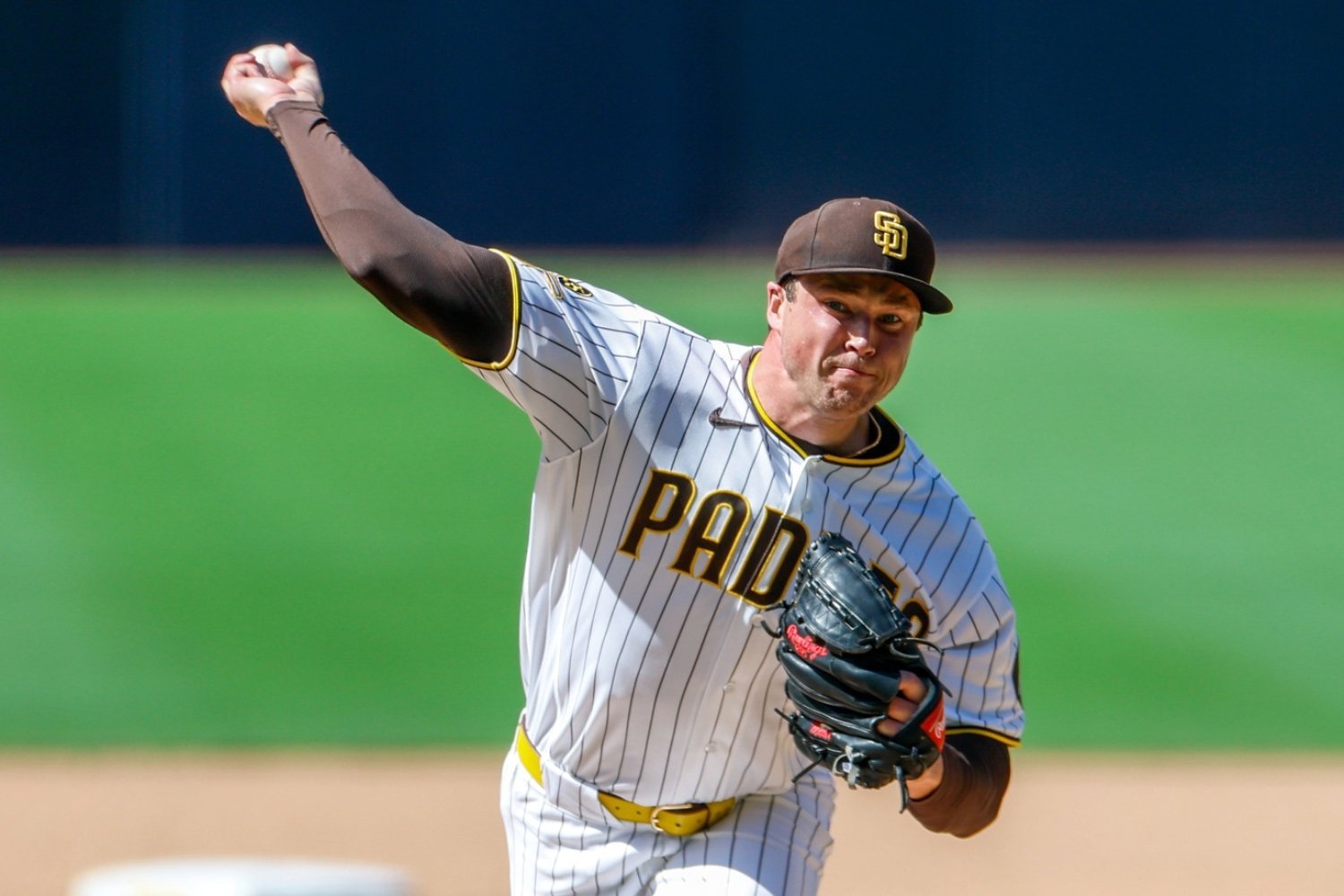 Heading into the final weekend before the MLB trade deadline, we still don't know whether the San Diego Padres plan to buy or sell. They're just outside of wild card spot in the National League, but the handful of teams within their range makes even that relatively narrow gap a difficult one to traverse. Mason Miller's role within either route only makes those waters all the more murky. We don't know whether or not A.J. Preller is seriously entertaining the idea of moving his all-world closer, even if he does take the seller's path. San Diego's precarious positioning within the broader National League context makes a general narrative around it easier to justify from the outside, though, with Miller's value at present only adding to a potential rationale. There has not been a better relief pitcher in baseball in 2026 than the Padres' closer. He sits atop the relief pitcher leaderboard in fWAR (2.9), FIP (0.44), and strikeout rate (49.4 percent) while also ranking in the top three in ERA (0.79) His slider represents perhaps the best individual pitch in the sport, helping him to a 98th percentile standing in chase rate (38 percent) while also residing in the 100th in whiff rate (48%). As few certainties as this Padres roster has possessed this season, Miller has been perhaps the most certain thing in the game. Even with their questionable standing in the NL playoff picture, trading Mason Miller is in no way something that the Padres have to do. Despite the fact that he sits atop DiamondCentric's list of the top trade candidates, he remains under team control through 2029. Even if the Friars were not to make an appearance in this year's postseason, it stands to reason that they could find their way back well within the timeframe in which he's a part of the organization. Perhaps even with an eye on moving him into a starting role before his team control runs out, as we heard throughout the offseason. Whether they should move Miller prior to August 3, however, represents a different query altogether. When the Padres acquired Miller last season, they were forced to surrender one of the sport's top prospects in Leo De Vries, along with Braden Nett, Henry Baez, and Eduarnial Núñez. That trade accounts for three of the Athletics' top 13 prospects, according to MLB Pipeline. The Padres, at present, were ranked 30th by that outlet back in March while currently residing in the same position per FanGraphs' farm system rankings. No matter what source one was to utilize, this team currently sports a prospect pipeline that sits at or near the bottom of the league. A trade of Miller would go a ways toward improving that standing. As much of a bump as the A's were able to get in trading Miller, it's possible that the Padres could exceed their own previous package given his 2026 dominance and remaining team control. And that's important considering some of the team's shortcomings and aging components of their roster. There is very little at the upper levels of the minors to help their woes on the starting pitching front or to aid in supplementing their veteran position players that are either underperforming or nearing the painful end of their contracts. If the Padres are content to call it good on 2026, then trading Miller helps them turn their attention to a more medium and long-term arc while giving them a foundation of prospects that could serve as a springboard to either. What's particularly fascinating about a potential trade of Miller, though, is that the team doesn't have to be a seller in order to justify it. This is a team capable of developing high-leverage arms. Names like Robert Suárez, Jason Adam, Adrian Morejon, and Jeremiah Estrada are among those who have raised their profile in the last couple of seasons in serving as late-inning relief. There's a realistic pathway to trading Miller while still remaining in contention. Such a scenario would likely see at least one major-league caliber starting pitcher coming back with a name like Adam or Morejon (assuming neither is also traded) sliding into ninth inning work in Miller's stead. Such a move theoretically would allow San Diego to remain relevant in the National League while also addressing their largest shortcoming this season. Considering either pathway, there is a very real justification for trading Mason Miller. If the Padres are selling, Miller helps them to ignite a farm system revamp in the most impactful way. If they're leaning the other direction, Miller can help them address their current roster in a way that almost no other individual player could. It would be a tough piece of business for A.J. Preller to sell to the fanbase considering Miller's profile and his performance, but there is at least reason to believe it's the best path forward. View the full article
 -
 Blake Wolters turned in a quality start, and Quad Cities beat Dayton 8-4 for the system's only win of the night. Erick Torres and Jose Cerice each collected two hits. Ryan Ramsey allowed four runs in Omaha's 4-1 loss, though Scott Barlow followed with 2 2/3 hitless innings. Drew Beam surrendered nine runs in Northwest Arkansas' 9-3 defeat. Moises Amezquita worked 2 2/3 scoreless innings for Columbia, which fell 15-3, while Ivan Sosa doubled twice. Kansas City Royals Transactions No Roster Moves Storm Chasers Held To Three Hits In 4-1 Loss To St. Paul The Omaha Storm Chasers were held to three hits Thursday night at Werner Park, falling 4-1 to St. Paul. Ramsey took the loss, allowing four runs on four hits over 5 1/3 innings with two walks and six strikeouts. Almost all of the damage arrived before he had settled in. A three-run homer to left field in the top of the first put St. Paul ahead 3-0, and a wild pitch in the third made it 4-0. Ramsey did not allow another run after that, and the Storm Chasers bullpen kept the deficit where it was. The veteran Barlow followed with 2 2/3 hitless innings, walking one and striking out two. Dan Altavilla worked a hitless ninth. Omaha pitching combined for eight strikeouts. The only Omaha run came in the fifth inning. Drew Waters opened the inning with a single to left, Luca Tresh singled him to second, and Alejo Lopez walked to load the bases. Gavin Cross then lifted a sacrifice fly to center that scored Waters and moved Tresh to third, but a strikeout stranded two runners and ended the threat. Cross' six-game home run streak came to an end on Thursday. Waters finished 1-for-3 with a walk and the club's only run. Abraham Toro and Tresh had the other two hits. The Storm Chasers struck out 13 times and left five runners on base. Omaha Storm Chasers AB R H RBI BB K Gavin Cross RF 3 0 0 1 0 3 Jack Pineda SS 4 0 0 0 0 2 Brett Squires 1B 4 0 0 0 0 3 Abraham Toro DH 4 0 1 0 0 1 Matthew Lugo LF 3 0 0 0 1 1 Drew Waters CF 3 1 1 0 1 2 Brandon Drury 3B 3 0 0 0 0 1 Luca Tresh C 3 0 1 0 0 0 Alejo Lopez 2B 2 0 0 0 1 0 Pitchers IP H R ER BB K HR Ryan Ramsey (L) 5 1/3 4 4 4 2 6 1 Scott Barlow 2 2/3 0 0 0 1 2 0 Dan Altavilla 1 0 0 0 0 0 0 Six-Run Third Sinks Naturals In 9-3 Loss At Tulsa A six-run third inning sank Northwest Arkansas on Thursday night at ONEOK Field, where the Naturals dropped a 9-3 decision to Tulsa. Beam, the Royals' No. 13 prospect, took the loss after allowing nine runs on 10 hits over 2 2/3 innings. The former Tennessee product did not walk a batter and struck out four, but he gave up two home runs in the third, turning a 3-0 game into a 9-0 game. Beam was pulled with two outs in the inning, his ERA inflating to 7.13. Four relievers held the line the rest of the way, combining for 5 1/3 scoreless innings on four hits with eight strikeouts. Oscar Rayo allowed one hit over two innings. Tyson Guerrero struck out three across 1 1/3 innings, and Anthony Simonelli fanned four over 1 2/3 innings. Dennis Colleran Jr. recorded the final out of the seventh. Jorge Alfaro put Northwest Arkansas on the board with a leadoff homer, his 11th, in the fifth. The Naturals added a run in the seventh when Omar Hernandez singled, Alfaro walked, and Justin Johnson lined a single to center to bring Hernandez home. Sam Kulasingam and Spencer Nivens opened the eighth with back-to-back singles, and Daniel Vazquez grounded out to third to score Kulasingam. Johnson finished 2-for-4 with an RBI. Alfaro reached base twice with the homer and a walk. Carson Roccaforte, the Royals' No. 9 prospect, drew two walks. Northwest Arkansas managed six hits and left eight runners on base. Northwest Arkansas Naturals AB R H RBI BB K Carson Roccaforte CF 3 0 0 0 2 2 Colton Becker 3B 4 0 0 0 0 3 Sam Kulasingam RF 3 1 1 0 1 0 Spencer Nivens LF 4 0 1 0 0 2 Daniel Vazquez SS 3 0 0 1 1 1 Omar Hernandez C 4 1 1 0 0 0 Jorge Alfaro 1B 3 1 1 1 1 1 Canyon Brown DH 4 0 0 0 0 2 Justin Johnson 2B 4 0 2 1 0 0 Pitchers IP H R ER BB K HR Drew Beam (L) 2 2/3 10 9 9 0 4 2 Oscar Rayo 2 1 0 0 1 1 0 Tyson Guerrero 1 1/3 1 0 0 0 3 0 Anthony Simonelli 1 2/3 2 0 0 3 4 0 Dennis Colleran Jr. 0 1/3 0 0 0 0 0 0 Wolters and Torres Lead River Bandits Past Dayton, 8-4 Wolters, the Royals' No. 20 prospect, turned in a Quality Start, and Quad Cities scored in four separate innings, beating Dayton 8-4 on Thursday night at Modern Woodmen Park. Wolters earned the win, working six innings and allowing three runs on five hits with two walks and five strikeouts. He carried a 4-0 lead into the fifth before a three-run homer trimmed it to 4-3, then came back out and worked a scoreless sixth to finish his night. Rob Hensey followed with two innings, allowing one run on two hits with three walks and four strikeouts, and Yimi Presinal closed it out with a scoreless ninth. The River Bandits went to work immediately. Asbel Gonzalez singled with one out in the first, Jose Cerice singled him home, and after a Derlin Figueroa walk, Erick Torres singled to left to make it 2-0. Figueroa doubled the lead in the third with his 20th homer, a two-run shot to right-center that also scored Blake Mitchell. The sixth broke the game open. Cerice walked and stole second, Torres tripled him in, Hyungchan Um, recently called up from Low-A Columbia, doubled home Torres, and Tyriq Kemp singled home Um for a 7-3 lead. Mitchell walked to open the seventh and scored on a Figueroa sacrifice fly. Torres finished 2-for-3 with a triple, a walk, and two RBI. Cerice went 2-for-3 with two runs scored and a walk. Figueroa drove in three. Mitchell walked twice and scored twice. Quad Cities River Bandits AB R H RBI BB K Tyriq Kemp SS 5 0 1 1 0 3 Asbel Gonzalez CF 4 1 1 0 0 1 Blake Mitchell DH 2 2 0 0 2 1 Jose Cerice 3B 3 2 2 1 1 1 Derlin Figueroa LF 2 1 1 3 1 1 Erick Torres RF 3 1 2 2 1 0 Hyungchan Um C 4 1 1 1 0 2 Trevor Werner 1B 3 0 0 0 1 2 Pedro Roque 2B 3 0 0 0 1 1 Pitchers IP H R ER BB K HR Blake Wolters (W) 6 5 3 3 2 5 1 Rob Hensey 2 2 1 1 3 4 0 Yimi Presinal 1 1 0 0 0 1 0 Fireflies Buried Early In 15-3 Loss At Augusta Columbia never recovered from a five-run first inning and lost 15-3 at Augusta on Thursday night. Jose Gutierrez took the loss, allowing eight runs on five hits over 3 1/3 innings with four walks, three strikeouts, and two home runs. Augusta sent eight men to the plate in the first, capped by a grand slam, and added a two-run homer in the second and a run in the fourth before Gutierrez was lifted. Amezquita was the exception out of the bullpen, working 2 2/3 scoreless innings on two hits with no walks and four strikeouts. The rest of the relief corps could not find the plate. Jhon Reyes, Brandon Herbold, and Gabriel Silva combined to walk nine over two innings as Augusta scored three in the seventh and four in the eighth, with five of those runs walked or hit in. Ivan Sosa carried what offense there was, going 2-for-4 with two doubles and two RBI. He doubled in the fifth and came around to score on an error, then doubled home Roni Cabrera and Connor Rasmussen in the ninth for the final margin. Josh Hammond, the Royals' No. 3 prospect, reached three times on a single and two walks. No. 11 prospect Yandel Ricardo, Jhosmmel Zue, JC Vanek, and Angel Ramirez each added a hit. Columbia finished with seven hits and left eight runners on base. Columbia Fireflies AB R H RBI BB K Henry Ramos LF 5 0 0 0 0 2 Josh Hammond DH 3 0 1 0 2 0 Yandel Ricardo SS 3 0 1 0 0 0 Josi Novas 3B 1 0 0 0 0 1 Jhosmmel Zue C 3 0 1 0 1 1 JC Vanek 1B 3 0 1 0 0 0 Roni Cabrera RF 4 1 0 0 0 1 Connor Rasmussen 2B 2 1 0 0 2 0 Angel Ramirez CF 4 0 1 0 0 1 Ivan Sosa SS 4 1 2 2 0 0 Pitchers IP H R ER BB K HR Jose Gutierrez (L) 3 1/3 5 8 8 4 3 2 Moises Amezquita 2 2/3 2 0 0 0 4 0 Jhon Reyes 0 2/3 2 3 3 3 0 0 Brandon Herbold 0 2/3 0 4 4 4 1 0 Gabriel Silva 0 2/3 1 0 0 2 0 0 Top-20 Prospect Performance Kendry Chourio: DNP David Shields: DNP Josh Hammond: 1-for-3, 2 BB Blake Mitchell: 0-for-2, 2 BB, SB, 2 R, K Sean Gamble: DNP Ramon Ramirez: DNP Zion Rose: DNP Asbel Gonzalez: 1-for-4, R, SB, K Carson Roccaforte: 0-for-3, 2 BB, SB, 2 K Taylor Rabe: DNP Yandel Ricardo: 1-for-3, SB Justin Lamkin: DNP Drew Beam: 2 2/3 IP, 10 H, 9 R, 9 ER, 0 BB, 4 K, 2 HR (L) Michael Lombardi: DNP Jack Slightom: DNP Felix Arronde: DNP Angeibel Gomez: 1-for-2, 2 R, BB Ben Kudrna: DNP Steven Zobac: DNP Blake Wolters: 6 IP, 5 H, 3 R, 3 ER, 2 BB, 5 K, 1 HR (W) View the full article
 -
Why Scott Barlow Isn't Emerging As A Potential Bullpen Solution
DiamondCentric posted an article in Royals Keep
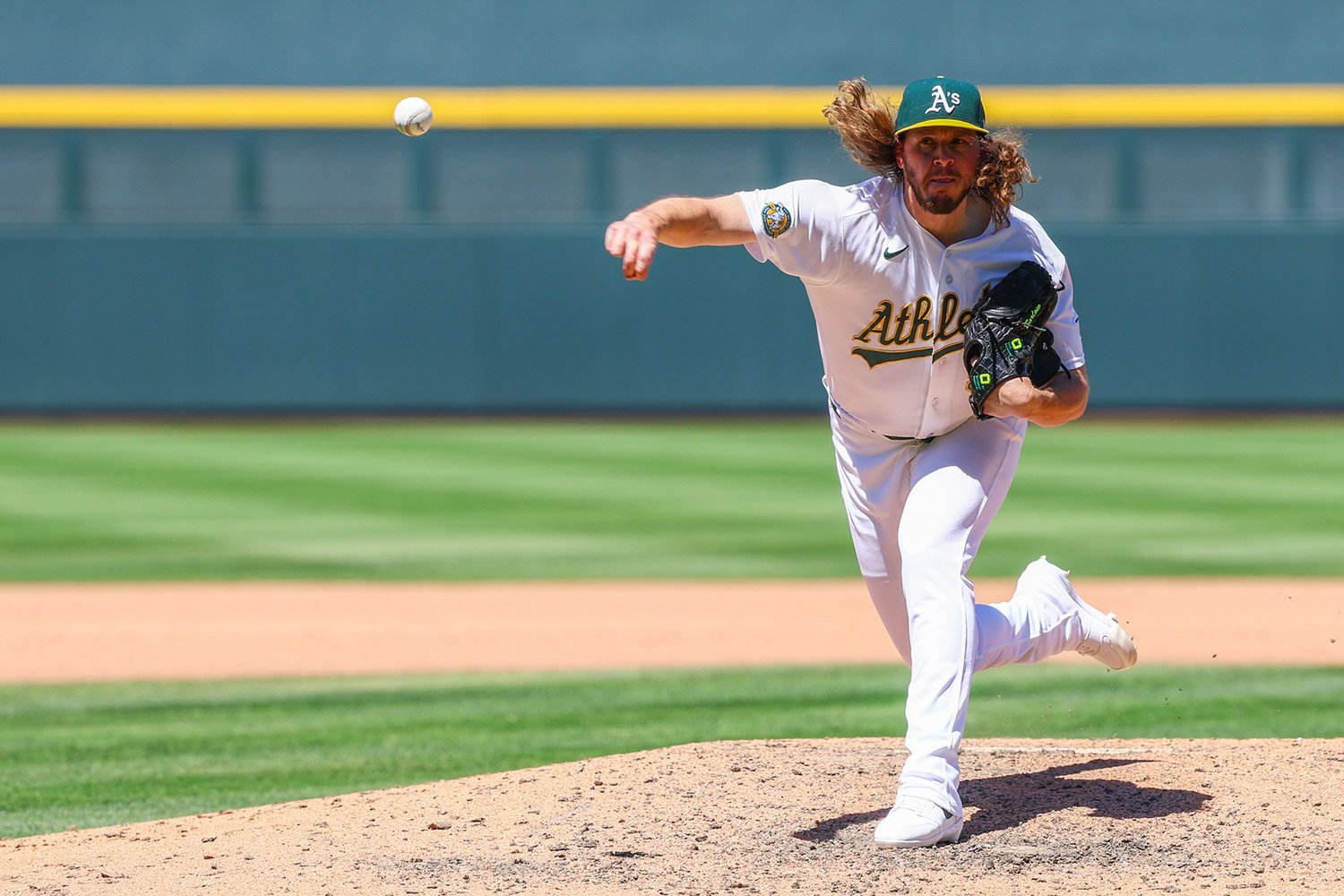 To say the Royals are burdened by one of the worst bullpens in the majors grossly understates the obvious. The club’s troubled relief corps too often fails the eye test, and its numbers tell a dreadful tale — through Tuesday, when closer Alex Lange’s blown save at Detroit became the Royals’ 20th of the season, KC’s 7.19 ninth-inning ERA was the worst in the majors, and the pen’s 5.25 overall ERA was the big leagues' second-worst. No bullpen’s WHIP was as poor as the Royals’ 1.55. Help is desperately needed, and has been since closer Carlos Estévez went on the Injured List before the campaign was even a week old. General manager J.J. Picollo has signed hopeful solutions to minor league deals, and Tuesday brought up Easton McGee, who he recently obtained from Milwaukee. And then there’s Scott Barlow, who for two full seasons excelled as the Royals’ closer, saving 16 games with a 2.24 ERA in 2021 and then 24 with a 2.18 ERA the very next year. Kansas City gave him a minor league contract after the Athletics released him in late June. Unfortunately, Barlow doesn’t seem to be the, or even an, answer. Scott Barlow Has Been Underwhelming Since Returning To The Royals Despite its bad bullpen situation, Kansas City chose not to add nine-season major league veteran Barlow to the big league bullpen as soon as he rejoined the organization. Instead, and after posting an ugly 6.48 ERA in 33.1 innings spread across 36 appearances for the A’s, the club assigned him to Triple-A Omaha. His July 3 debut with the Storm Chasers, a team he’d last pitched for in 2019, didn’t go well. After tossing a scoreless sixth inning against Indianapolis, he allowed the Indians to double their lead by giving up two solo homers before leaving with two outs in the seventh (the Chasers lost 6-0). Barlow rebounded with a scoreless inning against Louisville four days later, but in three games and three innings since then (through Tuesday) has been touched for three runs, five hits (including another homer), walked three, and struck out two. Barlow entered Wednesday’s action with a 7.24 ERA and 2.12 WHIP. Opponents were batting .292 against him, and his K% and BB% were both 17.2 (5 apiece). The sample size is small, but the results are still discouraging. Whether there’s still hope for Barlow, who in 237 games since leaving the Royals via a trade deadline deal with San Diego in 2023 is 11-8 with a 4.45 ERA and five saves in eight tries, remains to be seen. But so far, and considering his disappointing performances in the majors and minors this season, his prospects of making it back to Kauffman Stadium before the campaign ends don’t seem bright. And don’t look for the Royals to bring him back in 2027. View the full article
 -
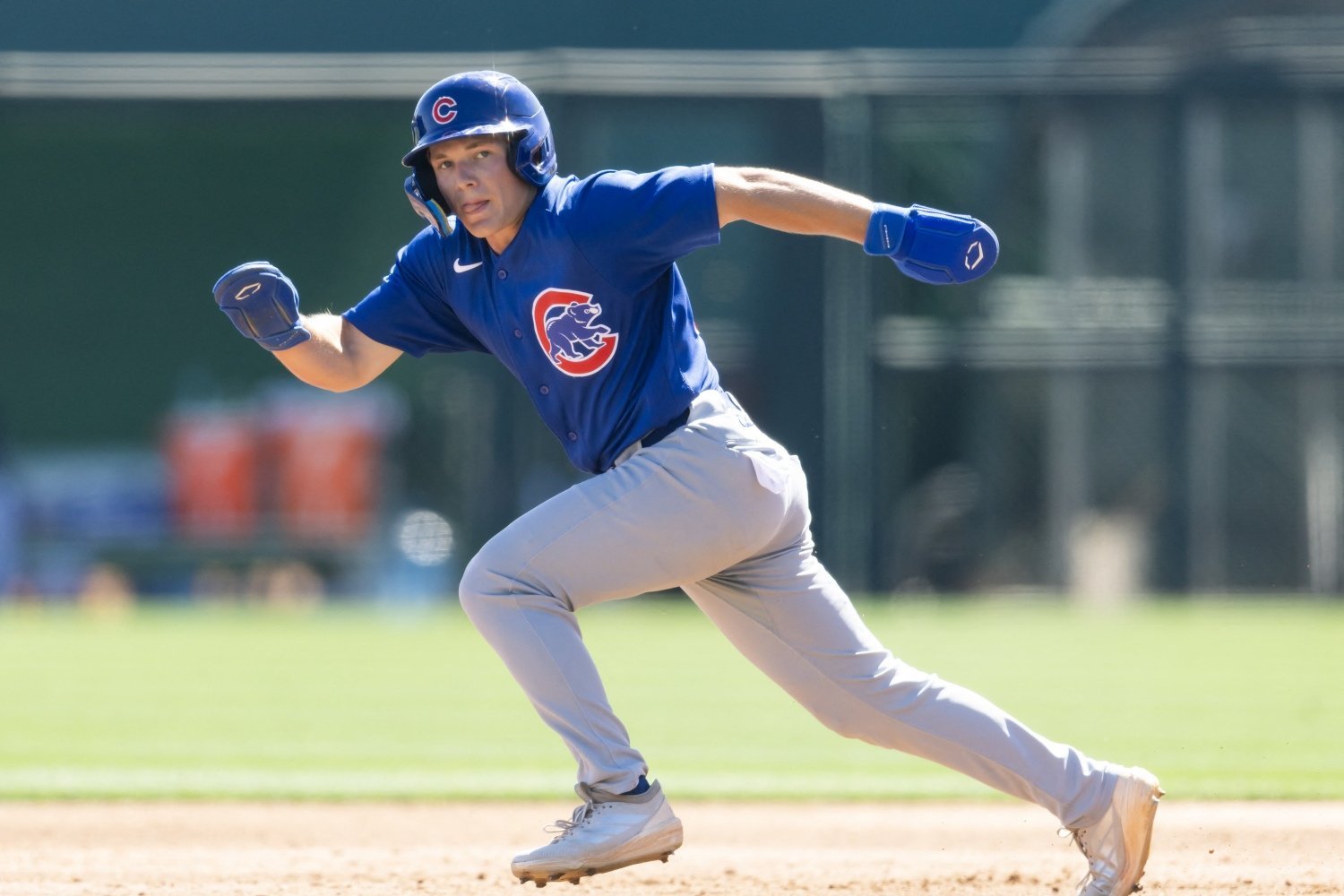 With three more games before Monday's MLB trade deadline, the Chicago Cubs are 62-47. Only four teams have a better record, so as you can probably imagine, they are expected to enter the deadline as buyers. Chicago is in dire need of pitching, and even though their farm system is not in the best shape, they are willing to get creative to inject some talent on their roster. The Cubs will inevitably lose some prospects when the deadline passes, but they should do whatever it takes to hold on to these four fast-rising young players in their system: Josiah Hartshorn, OF It’s hard to imagine a contending team landing one of the top pitchers in the market without surrendering their top prospect. Hartshorn, a switch-hitter picked in the sixth round of last year’s draft but given second-round money to lure him out of a college commitment, is quickly rising up the ranks in the organization and has already reached High-A. There, he is hitting a robust .283/.382/.535 with 11 home runs and five stolen bases in 51 games. Hartshorn is not a blue-chip, can’t-miss prospect, but he is a very solid one, and the Cubs’ outfield picture looks uncertain after 2026, with Seiya Suzuki and Ian Happ set to hit the market. If they can keep Hartshorn in the organization past the deadline, it should be considered a win. He is 19, has a pretty good idea of the strike zone, has power, and could be up by late 2027 or early 2028. Time will tell if he will be a corner outfielder or a first baseman, but the guy can hit. Owen Ayers, C The Cubs are rumored to be dangling Carson Kelly before the trade deadline. They know that multiple contenders would pay a high price for a quality backstop and are open to different scenarios, such as flipping Kelly for pitching or for prospects who could give them more ammo to acquire some arms. In any case, it could open a path for Owen Ayers to get the call to MLB. He is a fast riser this year, playing in High-A, Double-A, and Triple-A so far in 2026. He is yet to fail at any level of pro ball. The 25-year-old is slashing a strong .364/.447/.515 in 10 Triple-A games and has 23 home runs and a 172 OPS+ across the three levels this year. The Cubs shouldn’t give away a young, controllable catcher easily. That's why they're listening on Kelly. Kane Kepley, OF Kepley, a 22-year-old lefty-hitting outfielder, has three potential plus tools: hitting, speed, and defense. The 2025 second-rounder is already acing High-A with a 129 wRC+, 48 steals, and more walks (89) than strikeouts (62). The talented Kepley is more than just speed, though: besides the 48 thefts, he has 18 doubles, seven triples, and six homers. He's scored a whopping 101 runs in 89 games. Is it possible that the Cubs have Pete Crow-Armstrong Lite developing in their minor-league system? It’s a hefty, even unfair comparison, but in any case, he looks like a keeper. Brooks Caple, SP The Cubs are looking for pitchers, and while Caple is not quite big-league ready, he has a chance to be in a few months. Selected in the ninth round of the 2024 MLB Draft, he didn’t make his pro debut until 2025, but he's already succeeding in Double-A. The right-hander has a 3.56 ERA at that level this year in 55 2/3 innings, striking out 55 batters. His fastball sits in the low-to-mid-90s but can hit 98 mph when it’s on, and also throws a cutter, a curveball, a slider, and a changeup. He could be a mid-rotation starter by the time he is fully developed, which could be late 2026. He is more likely to be a finished product next year, though. This is a list of players we might hope the Cubs won't move. It's also a list of the guys teams will ask about most often. So be it. One way or another, the team will have to gamble a bit. They'll either gamble by moving one of these guys, or they'll risk undercooking their deadline and not realizing the potential of this team. If creative ideas give them any way to get good talent without surrendering these four players, let's hope they can pull them off. View the full article
 -
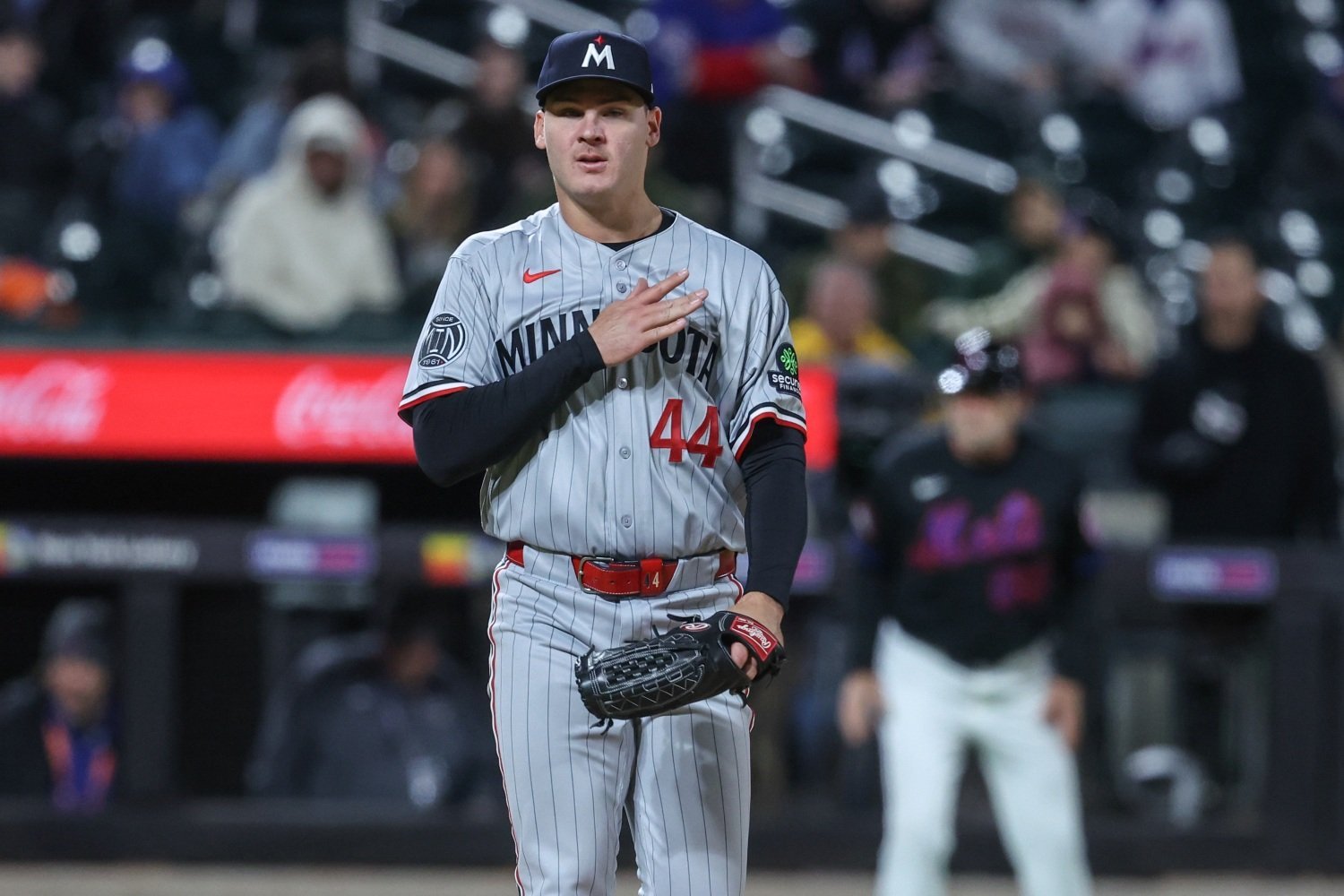 Unfortunately for the Minnesota Twins, the hits just keep coming. General manager Jeremy Zoll met with reporters recently to provide myriad injury updates, but between that media session and the writing of this article, the team suffered another blow, as Byron Buxton was removed from Tuesday night's game and placed on the IL with continued hip discomfort. Below is information regarding the injuries of Buxton, David Festa, and Cole Sands. Byron Buxton Buxton was placed on the injured list Wednesday afternoon after receiving an injection in his troublesome right hip. The Twins continue to label the injury as hip impingement, a diagnosis I wrote in detail about for my newsletter. Long story short: impingement generally takes weeks of targeted rehab to calm down. The injection Buxton received from Dr. Larson was likely a cortisone derivative, such as methylprednisolone (say that five times fast... or even once), which aims to reduce inflammation and pain, but notably, it does not "cure" any of the causative factors. It can take up to two weeks for the medication to reach full efficacy, and activity is also significantly reduced in the days following the injection to give it the best chance to work. In short, don't be surprised if Buxton's IL stay extends beyond the minimum 10 days—perhaps significantly so. The fact of the matter is that impingement (whether true or pseudo-) is not generally a condition from which one can fully recover in season. Most athletes can recover well without the need for surgical intervention—which, depending on the surgeon and protocol, can shelve athletes for 4-6 months—but doing so takes time. Moving forward, the Twins and Buxton will probably continue to take a day-by-day approach. David Festa This update, while perhaps unsurprising, stings. According to Zoll, David Festa underwent surgery on Wednesday with Twins doctor Chris Camp to address shoulder impingement and continued neurogenic thoracic outlet syndrome symptoms. While specific details of the surgery weren't reported (other than to say that the shoulder issue would be done arthroscopically and that Festa was having his pectoralis minor muscle "released"; read: detached from the bone), it's likely that his shoulder surgery involved shaving excess bone from the scapula (shoulder blade) to free up room for the rotator cuff. The pectoralis release is to reduce compression of the brachial plexus, a bundle of nerves that sends and receives signals. Hopefully, that double-procedure will restore full function of the arm. The Twins did not provide an expected recovery timeline, because there really isn't one, and that, frankly, sucks. The recovery and rehabilitation process will be slow and deliberate, and both the Twins and Festa will do everything in their respective powers to get him back to the majors. In many respects, though, this type of surgery is a last-ditch effort. He can't be counted on even for 2027; he'll be a wild card in camp next spring. Think Matt Canterino. (In the interest of full disclosure: Dr. Camp is an orthopedic surgeon at the Mayo Clinic, and I work as a part-time physical therapist at the Mayo Clinic. I do not treat Twins' athletes and would not write about Twins' injuries if I did.) Cole Sands Cole Sands pitched one major-league inning between IL stints, and his season is now officially done. Sands has dealt with elbow soreness all season stemming from a forearm flexor strain. He was scheduled to meet with Dr. Camp on Wednesday to discuss the results of a CT scan and determine an appropriate next step, per Zoll. After having that meeting, the parties agreed on a path forward: surgery to remove loose bodies from his elbow. Sands told reporters Thursday morning that he hopes to have a normal offseason, after having the surgery and rehabbing over the ensuing two months. The flexors are a group of muscles on the front of the forearm, which flex the fingers and wrist. These muscles share a common tendon that attaches to the inner elbow, near the ulnar collateral ligament. As such, the muscles–specifically the flexor carpi ulnaris and the flexor digitorum superficialis–protect the UCL from the significant force required to throw a baseball at a high velocity. Sands and the team each noted that his UCL is intact, based on a series of images taken throughout the spring and summer. His flexors showed some inflammation and a strain, but that's settled down encouragingly; the surgery will focus on removing bone chips and give him time to further rest the arm to ensure full recovery for the muscle and protect the ligament heading into next spring. View the full article
 -
What Do The Brewers Actually Need At The Trade Deadline?
DiamondCentric posted an article in Brewer Fanatic
 With the trade deadline days away, Jack and Spencer take a final look at the Brewers' needs after a tough series in San Francisco. Apple Podcasts: https://podcasts.apple.com/us/podcast/the-brewer-fanatic-podcast/id1740648724 Spotify: https://open.spotify.com/show/5CY8mWsQayqjDXqw9OT2Td iHeartRadio: https://www.iheart.com/podcast/263-the-brewer-fanatic-podcast-166534588/ Pocket Casts: https://pca.st/ommzz627 Watch On YouTube: https://www.youtube.com/@brewerfanatic View the full article
 -
Ryan Dempster: Nine Seasons and a One-of-a-Kind Cubs Career
DiamondCentric posted an article in North Side Baseball
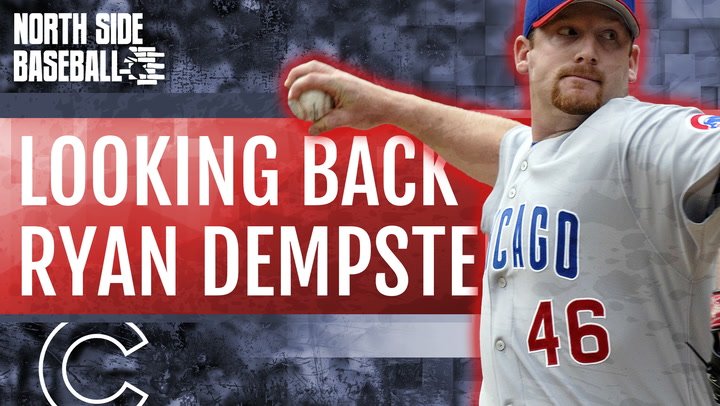 Ryan Dempster played nine of his 16 big-league seasons with the Chicago Cubs. In Dempster's first few seasons, he served as the Cubs' closer before moving to the rotation, and ranks as the only Cubs pitcher in history to have more than 50 saves & 50 wins. After retirement, he remains heavily involved with the Cubs organization. View the full article
 -
Your Dad Falls for Jeff Pa22an Twitter Account Again
DiamondCentric posted an article in Twins Daily
 As Twins Territory waits to see how the team approaches potential bullpen and rotation upgrades before Monday’s trade deadline, your dad once again was fooled by a fake MLB insider social media account. In a series of texts from Thursday afternoon, your dad made it clear he’d once again been tricked by a Twitter account pretending to be ESPN baseball analyst Jeff Passan. “tHAT [sic] ESPN goof with the big ears said Twins got Otani [sic],” read the first text. As you were busy at work, you didn’t respond immediately. Ten minutes later, a second text came in saying, “He said it was for Bukton [sic] straight up, you hearing this?” A brief check of social media and ESPN confirmed that no such deal was in the works, but a quick search of Twitter showed that an account called @jeffpa22an with 37 followers had posted the fake trade rumor on Thursday morning. You texted that this was a fake social media account, and further explained the move made no sense on account of Ohtani’s salary, Buxton’s injury, and a host of other reasons. “Are you sure? I saw it on my phone, and that passant [sic] is pretty reliable,” read your dad’s response. As you sighed loud enough for your co-worker Ashley to look over her cubicle wall to make sure you were OK, you repeated that it was a fake Jeff Passan account, similar to the fake Adam Schefter account that fooled your dad into thinking the Vikings were playing their home games in the Fargodome this year because of structural flaws at US Bank Stadium. “OK,” read your dad’s response. “I guess the cheap Pohlands [sic] wouldn’t of made that deal anyways. LOL.” You set your phone down, went back to work, and remembered that time your mom gave the phone scammer her social security and checking account routing numbers. Image license here. View the full article
 -
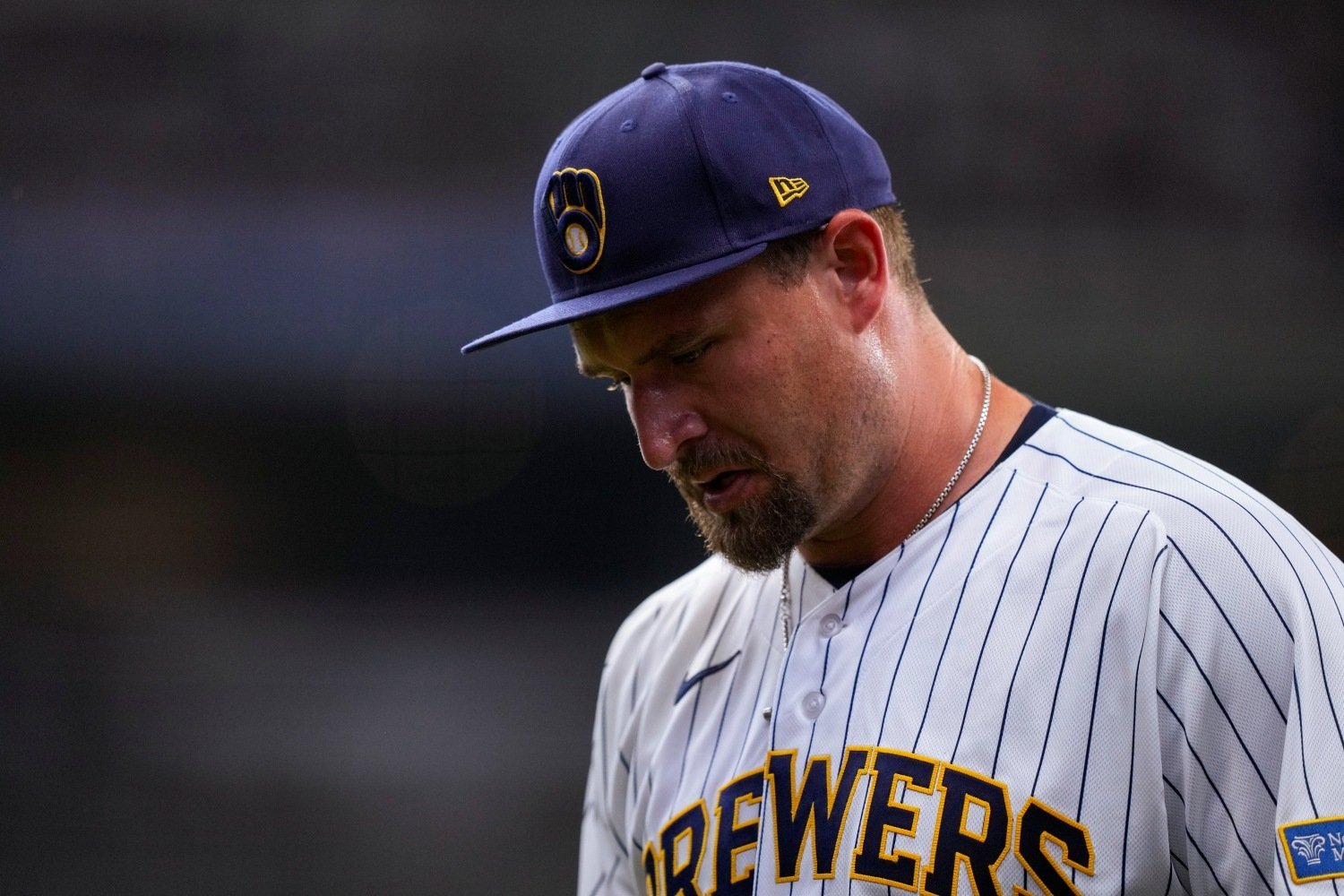 With baseball’s August 3 trade deadline days away, pitching remains the Brewers’ greatest need. They're a great team in an enviable position, but in order to maintain their lead in the NL Central and make a push for the top postseason seed, they need to gather some reinforcements. It would be surprising if Milwaukee did not acquire a mid-rotation starter, a reliever, or both. If the club adds a couple of arms, it will have to send a couple out. Joel Kuhnel currently lives on the roster bubble. The 31-year-old right-hander owns a career 5.58 ERA and 4.73 FIP in 117 appearances, most of them in low-leverage situations. As a Brewer, he’s pitched to a 6.52 ERA and 9.32 FIP. He’s out of minor-league options, so if there’s no room for him, they must remove him from the 40-man roster and expose him to waivers. Whether by design, coincidence, or a combination of both, Kuhnel’s ramp-up to return from the injured list is lining up with the trade deadline. The Brewers haven’t revealed his next steps after a live batting practice session in Appleton on Thursday, but as a one-inning reliever, he should only need one rehab appearance before he’s ready to return next week. Their trade deadline activity will probably determine whether there’s a spot for Kuhnel. Even with DL Hall on the mend, the Brewers could use another reliever capable of pitching multiple innings in close games to ease the strain on Aaron Ashby and Chad Patrick. A short-range lefty to take what was formerly Jared Koenig’s role would also help. Adding a starter could push someone currently in the rotation mix into long relief. Should those deals not come together, there are worse fallback options than adding Kuhnel back to the bullpen. Despite his grisly performance before his injury, there are reasons why he seemed to be Pat Murphy’s preferred choice when a ‘B’ reliever had to pitch in a pivotal situation. When the Brewers acquired him from the Athletics in June, it was actually the second time they brought him in; they also signed him to a minor-league deal during the 2024 season. Kuhnel’s sinker has helped him post a 50.4% ground-ball rate and hold right-handed hitters to a .614 OPS this season. His velocity has jumped a couple of ticks since coming over, making his stuff above average for the first time in his career. {C}%3C!%2D%2Dtd%20%7Bborder%3A%201px%20solid%20%23cccccc%3B%7Dbr%20%7Bmso-data-placement%3Asame-cell%3B%7D%2D%2D%3E--> Team Sinker MPH Sinker Stuff+ Cutter MPH Cutter Stuff+ Curveball MPH Curveball Stuff+ Total Stuff+ ATH 94.5 97 89.9 94 80.3 103 94 MIL 96.5 100 91.5 105 83.9 122 103 The problem has been controlling those gains. As a Brewer, he’s walked 12.2% of hitters and plunked two batters. That’s a flip from the kind of pitcher he has typically been. He posted an excellent 5.6% walk rate for the Athletics and has walked only 6.4% of opponents for his career. Leading up to his injury, Kuhnel was pitching frequently in key situations when the Brewers were short-handed in the bullpen, and that workload seemed to be taking its toll. That’s not a full excuse; taking the ball regularly is part of the job for a big-league reliever. Still, he could fare much better in the right role. The Brewers can do better than Kuhnel to round out their relief corps, and if they make additions before Monday evening, he’ll be among the first on the chopping block. There’s no harm in keeping him around as an insurance option, though. His stuff is good enough to be a serviceable middle reliever, if he's given the chance. View the full article
 -
The Invisible Problem Behind Luinder Avila’s Collapse
DiamondCentric posted an article in Royals Keep
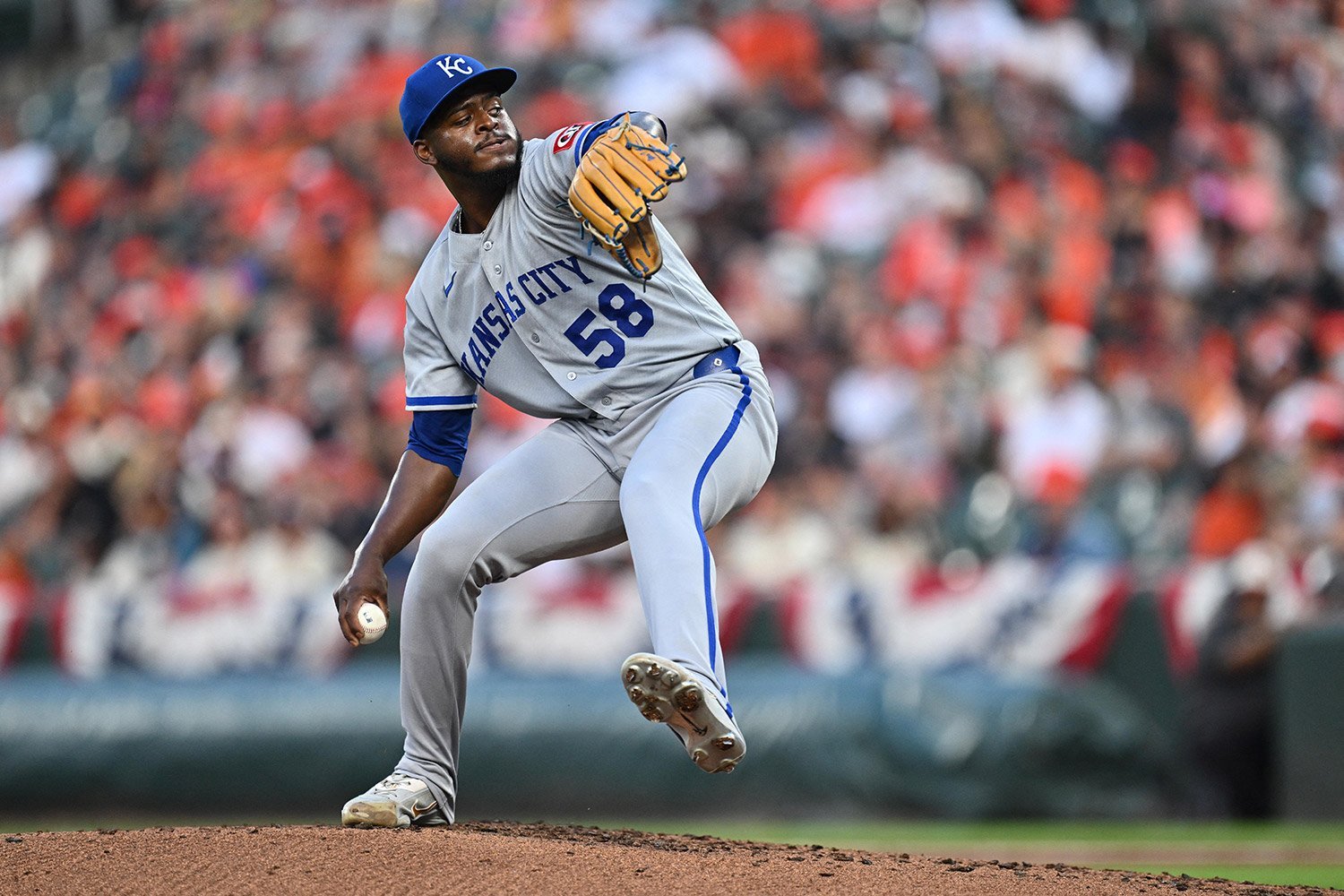 Luinder Avila still looks like a pitcher who should be difficult to hit. His four-seam fastball remains around 96 mph, his sinker still carries the life that made his arsenal so dangerous, and opposing hitters are still struggling to generate quality contact against him. And yet, the results have changed dramatically. The reason is not that Ávila lost his stuff. His problem is that his stuff stopped controlling the at-bat the way it once did. The Royals right-hander has lost something far less obvious than velocity or movement: the ability to dictate what hitters do. His pitches remain effective individually, but they no longer function as a sequence that forces opponents to defend multiple possibilities from the first pitch. That distinction explains why a pitcher with nearly the same physical tools has become a much more vulnerable version of himself. Metric 2025 2026 Location+ 100 91 Chase% Percentile 75 19 Whiff% Percentile 85 40 BB% Percentile 62 6 The velocity never disappeared. His four-seam fastball is still sitting around 96 mph, and his sinker has actually shown slightly higher velocity than it did during his major league debut. His Stuff+ barely moved, declining from 104 to 100, a difference too small to explain the gap between the dominant pitcher of 2025 and the inconsistent version of 2026. The contact profile tells the same story. Ávila remains in the 77th percentile in Hard-Hit% and the 74th percentile in Barrel%, showing that hitters still are not consistently squaring him up. His pitches continue to limit the type of contact that usually changes games. The problem appears before contact ever happens. It begins with whether Ávila is controlling the count. In the five starts where he threw a first-pitch strike to at least 60% of hitters, the Royals are 5-0, and Ávila owns a 3.12 ERA. In the five starts where he failed to reach that mark, his ERA jumps to 8.68. That split reveals the foundation of the issue. When Ávila gets ahead early, his arsenal works the way it was designed to work. Hitters cannot eliminate pitches from their preparation because every option remains in play. The fastball creates hesitation. The sinker changes the eye level. The breaking ball becomes a weapon that arrives after the hitter has already been forced to defend too much. But when Ávila falls behind, the entire structure changes. Plate appearances become longer, hitters become more patient, and instead of forcing decisions, Ávila is forced to react to them. The first sign appears in his Chase%. In 2025, he ranked in the 75th percentile. Hitters chased pitches outside the strike zone because his sequencing created enough pressure to make them uncomfortable. In 2026, that number has collapsed to the 19th percentile. Opponents are no longer chasing. They are controlling the at-bat. That change naturally impacts his ability to miss bats. Ávila’s Whiff% has fallen from the 85th percentile to the 40th. With fewer swings and misses, he is reaching deeper counts and needing more precise execution to finish hitters. That has created the next problem: walks. His BB% has dropped from the 62nd percentile to the 6th percentile, suggesting that he is spending more time trying to recover advantages he previously created from the beginning of the plate appearance. No pitch better illustrates that transformation than his curveball. In 2025, the pitch was a true finishing weapon. It generated a 54.2% strikeout rate, a 20.8% SwStr%, and limited hitters to a .111 average. It was not simply a good pitch. It was the pitch that became devastating because everything before it had already forced hitters to protect against too many possibilities. In 2026, the curveball has almost disappeared from his attack plan. Its usage has dropped from 32.7% to 15.2%, and the results have changed completely. Hitters are producing a .550 xSLG against the pitch, the highest mark allowed by Ávila among all of his offerings. The same deterioration appears in the wOBA allowed against the curveball. 2025 2026 The sample size in 2026 is now more than double what Ávila produced during his debut season, making it harder to dismiss this as a temporary adjustment. But the decline is not simply a product of more exposure. The curveball itself has changed. It has lost five inches of horizontal break toward the glove side and 3.1 inches of vertical drop, turning it into a more recognizable pitch for hitters. But even that does not fully explain the regression; a slightly worse breaking ball can still be effective when it is thrown from an advantageous position. The problem is that Ávila is now reaching that pitch in counts where hitters already have control of the confrontation. That difference changes the way his 2026 season should be evaluated. For much of the year, Ávila’s regression has looked like the story of a pitcher who lost his weapons. The data suggests something different. The velocity remains. The ability to limit hard contact remains. The foundation of the arsenal that fueled his breakout is still there. What disappeared was the advantage that made every pitch influence the next decision. That matters because the diagnosis is different. A pitcher who loses velocity or movement usually needs to rebuild his repertoire. A pitcher who keeps his tools but loses control of the at-bat is dealing with a problem of execution, sequencing, and pitch usage. Ávila’s decline did not begin when his pitches stopped being good. It began when those pitches stopped forcing hitters to play under his conditions. View the full article
 -
Casey Mize Could Be Cubs' Perfect Trade Deadline Addition
DiamondCentric posted an article in North Side Baseball
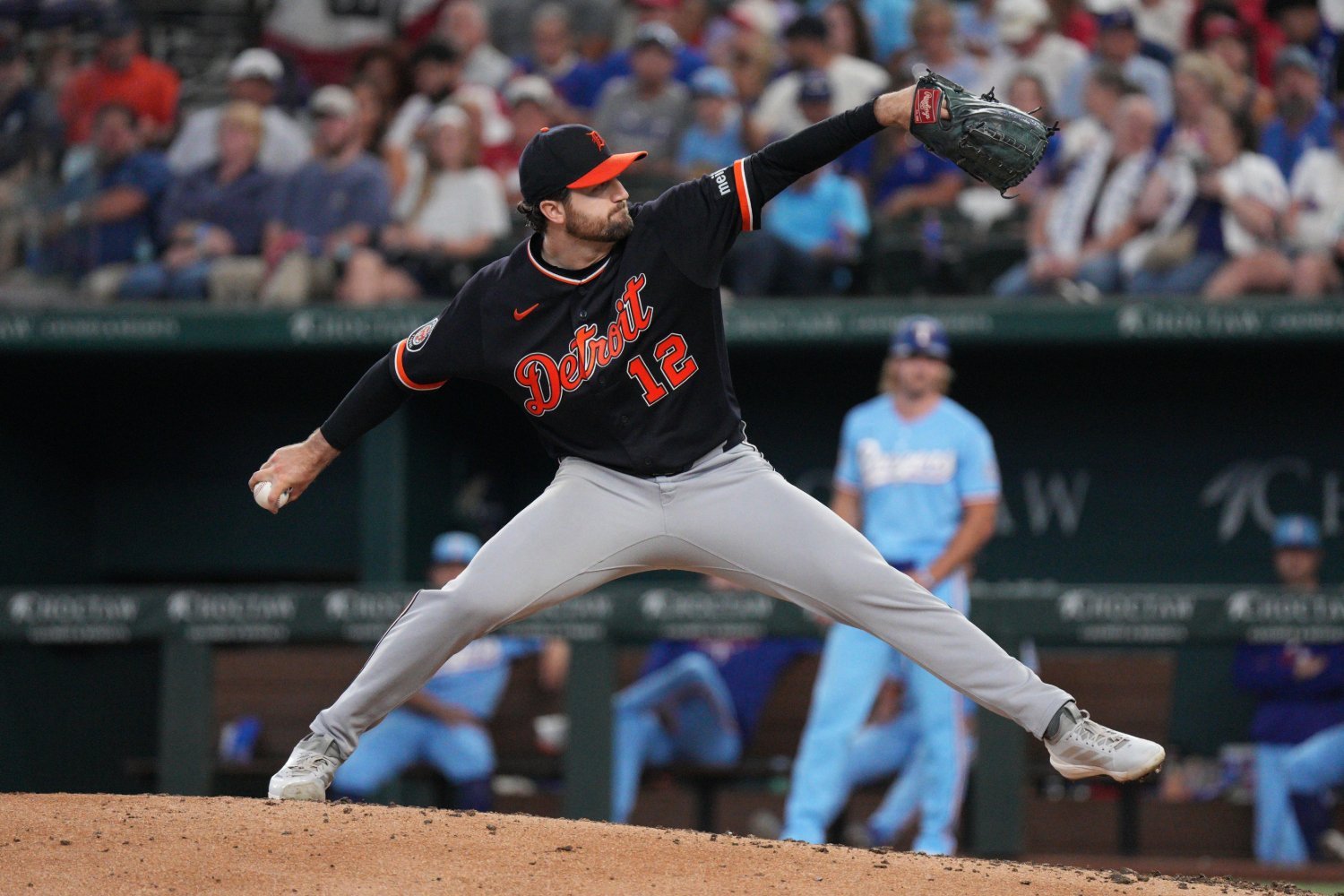 If the MLB playoffs started today, the Chicago Cubs would hold the No. 4 seed in the National League. That's a pretty good place to be, and yet, they have spent much of the season proving they're a legitimate postseason contender. They've built a roster capable of making some noise in October, to be sure, but that's also exactly why they can't afford to stand pat. As we've known for quite some time now, this is a team that could desperately use some pitching help. The injuries have piled up all season long, particularly in the bullpen, but the starting rotation hasn't exactly been spared either. Chicago has managed to stay afloat despite the constant turnover, but expecting that to continue through October is asking a lot. Beyond the obvious, blockbuster types, one name that makes a lot of sense is Detroit Tigers right-hander Casey Mize. Mize, the first overall pick in the 2018 MLB Draft, has spent his entire professional career with the Tigers. He's had an up-and-down road to this point between injuries and inconsistency, but he's putting together arguably the best season of his career. Over 86 2/3 innings this season, he's posted a 2.70 ERA and a sparkling 0.99 WHIP while striking out 85 hitters compared to just 19 walks. And with Detroit currently sitting seven games below .500, this may be the perfect time for both sides to move on. He’s done an impressive job limiting hard contact all season long, with his hard-hit rate, barrel rate and average exit velocity all ranking better than league average. Mize attacks hitters with a five-pitch mix that allows him to keep both lefties and righties off balance, giving him multiple ways to navigate a lineup. He may not profile as a true ace, but he absolutely looks like the type of reliable middle-of-the-rotation starter every playoff team wants heading into October. He’s set to hit free agency after the season, making him an ideal rental candidate. If the Tigers don't believe they'll be able to retain him, it would make plenty of sense to see what kind of return they can get before the trade deadline. That's where the Cubs could come in. Not only do they need another starter, but they specifically need a quality right-handed one. Chicago's three best right-handed starters — Cade Horton, Ben Brown and Edward Cabrera — are all currently on the injured list. That's left the Cubs without a dependable right-handed presence toward the front half of the rotation, making that an obvious area to address before the deadline. Mize checks just about every box. Perhaps just as importantly, his status as a rental should keep the acquisition cost somewhat reasonable; really all an acquiring team has to do is surpass whatever value the Tigers would get from a declined qualifying offer. So, what could a trade actually look like? From Detroit's perspective, their offensive core is in a really good place. Between guys like Kevin McGonigle, Riley Greene and the recently promoted Max Clark, they have plenty of young position-player talent to build around for years to come. The bigger question lies on the pitching side. If Detroit is truly willing to listen to offers for both Casey Mize and Tarik Skubal, it's fair to assume they'll be looking to replenish their pitching pipeline. The organization simply doesn't have a ton of high-end pitching prospects waiting in the wings. Chicago almost certainly wouldn't want to move its top pitching prospect, Jaxon Wiggins, in a deal for a short-term rental. But someone like Brooks Caple is a much more realistic conversation. Caple has quietly put together a strong season at Double-A Knoxville, posting a 3.55 ERA across 55 2/3 innings. Since being drafted in 2024, his arsenal has taken a noticeable step forward, and one thing that's remained consistent throughout his development is his ability to throw strikes. He may never develop into a frontline starter, but there's a lot to like about his chances of becoming a dependable back-of-the-rotation arm at the major-league level. For a rebuilding team looking to add controllable pitching, that's exactly the type of prospect worth targeting. Another interesting name is Kaleb Wing. Wing is still just 19 years old, so there's a lot more projection involved than with Caple. He isn't nearly as polished, but the upside is intriguing. If Detroit's scouting department is especially high on Wing's long-term potential, it's not hard to envision him headlining a package alongside another lower-level prospect. Regardless of which prospect ultimately headlines a deal, the framework makes sense for both organizations. The Cubs get a proven major-league starter without sacrificing one of the very best pieces in their farm system. The Tigers acquire controllable pitching talent in exchange for a player who may only have a couple of months left with the organization anyway. It's the kind of trade deadline deal that benefits both sides. View the full article
 -
How Does A.J. Minter Slot into Minnesota’s Late-Inning Bullpen Mix?
DiamondCentric posted an article in Twins Daily
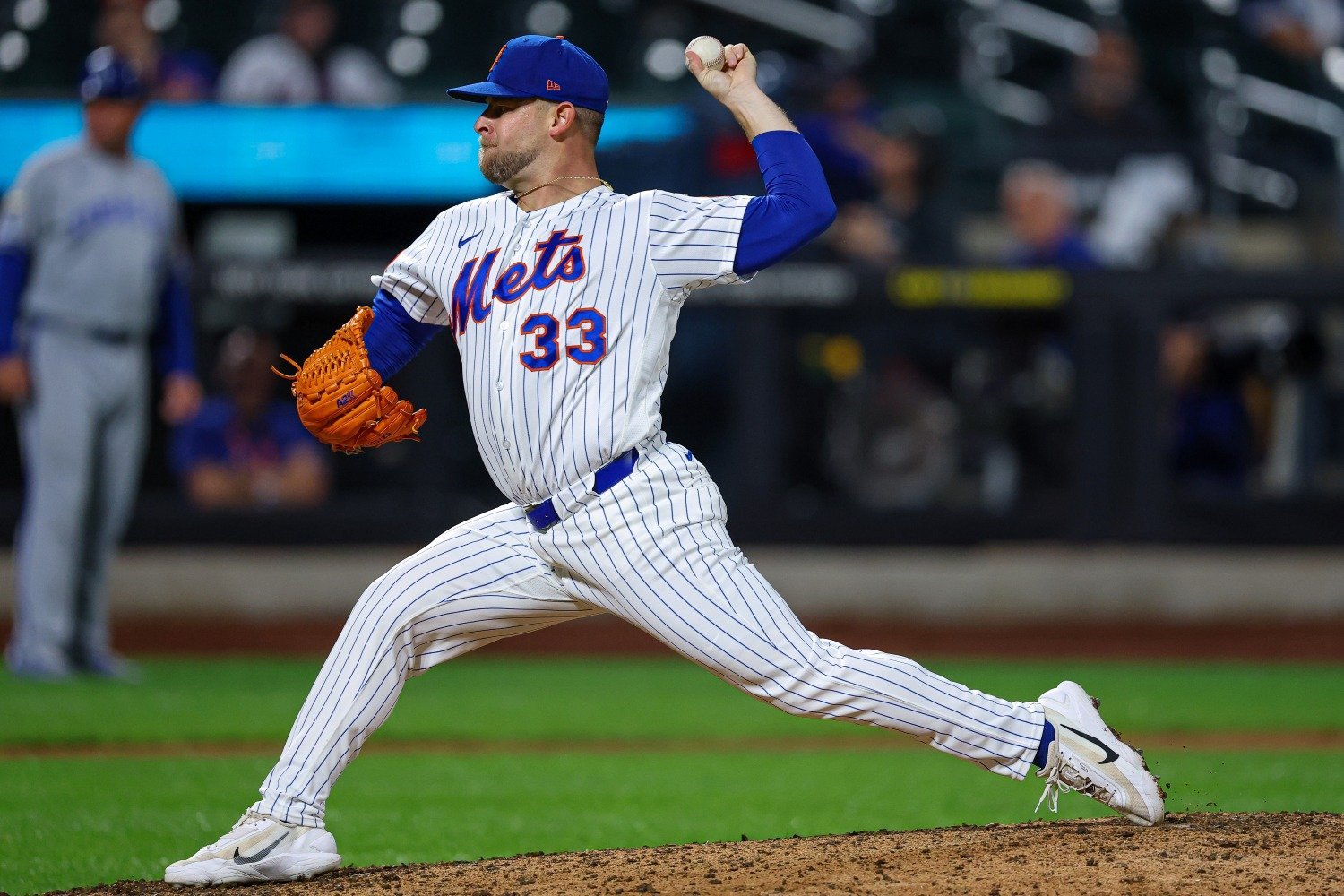 While other teams drag their feet toward the August 3 MLB trade deadline, the Twins got the festivities started early and pounced on a trade for Mets reliever A.J. Minter Thursday night. Minter is on an expiring deal, and is due approximately $3.5 million for the rest of the season. Everyone and their mothers are aware that the Twins need relief pitching if they want to make a push for the postseason, even if their ragtag bullpen has been holding it together in the month of July. In fact, Minter joins a unit that's just hitting its stride. Their collective FIP was 4.19 in relief in March and April; 4.42 in May; and 5.61 in June, but it's 3.65 in July, and their bullpen ERA for the month is even lower. Minter clearly fits into the Twins’ late-inning mix alongside Andrew Morris and Yoendrys Gómez, two right-handed pitchers who have been trusted with the eighth and ninth innings in most recent games. The Twins have not had a trusted lefty reliever to turn to since losing Anthony Banda for the season to a lat strain; this addresses the easiest and most urgent need in their pen. Other left-handed short relievers who have seen action for the Twins include Taylor Rogers and Kody Funderburk, who have had some bright spots this season but have been marred by inconsistency. Rogers has an ERA of 5.03, and Funderburk has skated by with a 3.52 ERA despite walking 15% of the batters he’s faced. Rogers has struggled to find his command at times, as well. Minter, on the other hand, has been excellent at limiting walks this year, only walking two batters in 23 innings. Limiting walks to this degree is probably unsustainable, but in his career, he’s issued walks at about half the frequency as Funderburk has this season. Multiple injury issues have limited Minter to 67 2/3 innings since the beginning of 2024. However, he’s got a combined 2.37 ERA (about 80% better than the average pitcher) during that span. It's 2.35 this year and 3.18 for his career. Given the state of the Twins bullpen, he easily slots in as the top lefty and somewhere in the top three pitchers overall. Presumably, Derek Shelton will now feel empowered to play matchups with Morris, Gómez and Minter at the back ends of games, pending further additions to the group. The Twins have had the 8th worst ERA in baseball from their lefty relievers at 4.21, and that figure includes Kendry Rojas’s 2.76 ERA in 16 1/3 innings as a long reliever. They desperately needed to improve their lefty relief corps, particularly in light of Banda being lost. Minter's raw stuff has been eroded by injury and age (he's 32), and he doesn’t throw as hard as he used to. In his prime, he averaged about 97 MPH on his four-seamer, but it’s been slipping since 2022. In 2026, it’s averaging about 93 MPH, and his four-seamer has been hit hard, so that’s something to keep an eye on. Minter throws almost exclusively fastballs, throwing a cutter over half the time and his four-seamer about a third of the time. Combine those two with a seldom-thrown sinker, and fastballs make up about 90% of his arsenal. At this stage in his career, his cutter is his dominant pitch to both lefties and righties, though slightly more frequently against lefties. There’s about five miles per hour of separation from his four-seamer, and it can play a bit more like a slider. He’s also got a changeup that he’ll use against righties as a chase pitch, throwing it about 15% of the time to them. In contrast with the tall, lanky, east-west movers that are Rogers and Funderburk, Minter is a sturdy but shortish athlete who throws from a three-quarters slot and can work north and south. His four-seamer has lost a bit of carry this season; the Twins might work with him to restore it. Still, he can stretch the zone vertically better than either of his new lefty colleagues—assuming both of them remain part of the cohort. Minter's roster spot will have to come at someone's expense; it might be Funderburk or Rogers. From a thousand-foot view, Minter is something of an ideal pitcher for the Twins to invest in for the stretch run. He's not one of the 10 top relievers on the market this deadline, which is reflected in the modest cost to acquire him early, but he has both playoff and late-inning experience aplenty, and he fills the gap left by Banda with more left-handed talent than the Twins have had from their bullpen this season. He slots in just fine throwing the seventh, eighth, or ninth inning, depending on the situation. And he allows the Twins to focus on adding more in the coming days, without worrying about checking the lefty reliever box off of their list. It ain’t the sexiest, and there are injury and age questions, but it’s a quality addition for a team trying to sneak into the playoffs without selling the farm. View the full article
 -
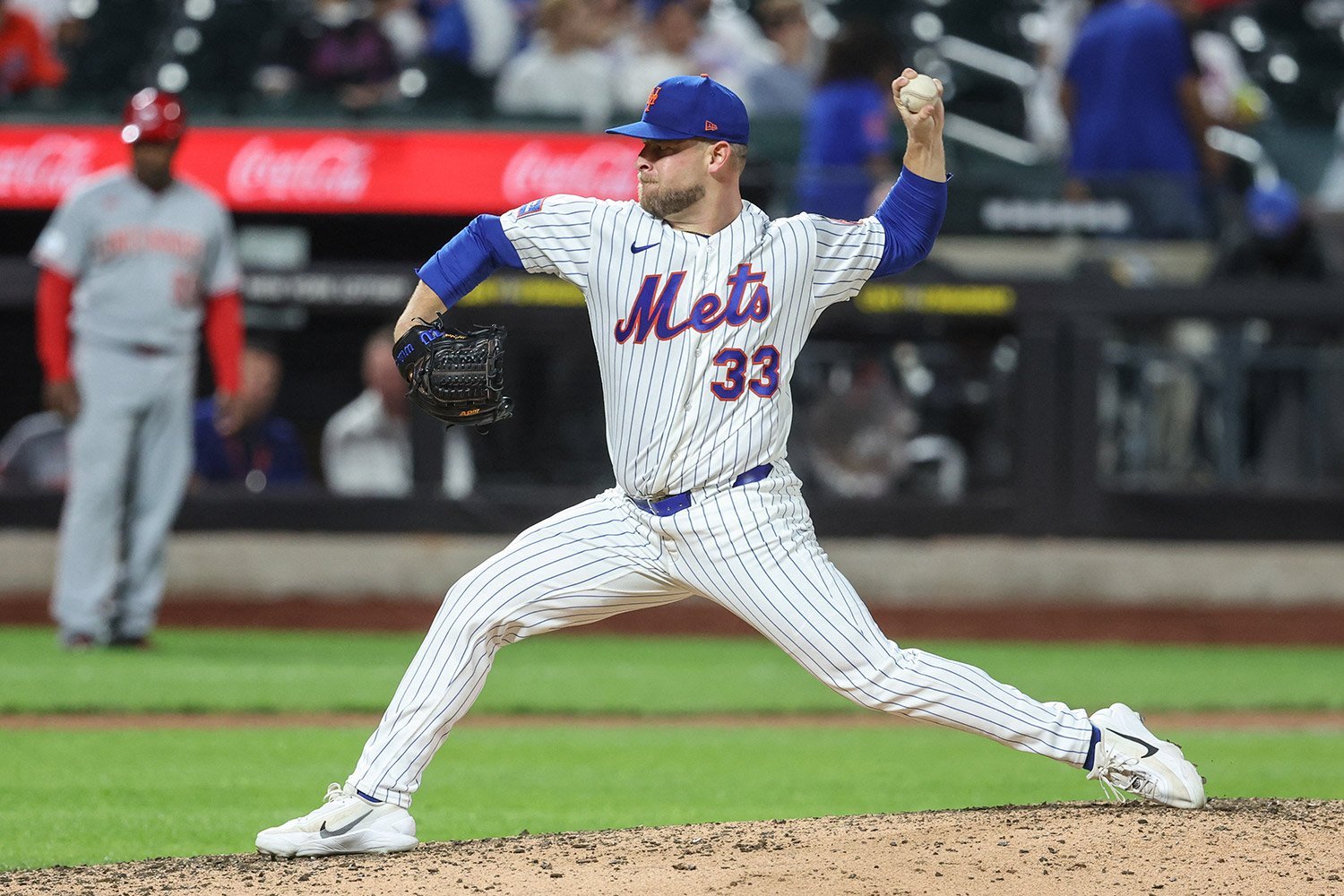 On Thursday night, it was reported by ESPN’s Jeff Passan that the New York Mets were sending lefty reliever A.J. Minter to the Minnesota Twins in exchange for a pair of minor leaguers: Billy Amick and Bruin Agbayani. It marks the first trade from the Mets, who are expected to move a lot of players by the August 3 deadline. Amick has been a borderline Top-20 prospect at Twins Daily throughout the last two years. The team's second-round pick in 2024, he was hitting .217/.338/.482 with 14 doubles, 23 homers and 72 RBIs at Double-A Wichita. Agbayani, son of former big leaguer (and, specifically, New York Met) Benny Agbayani, was the Twins' sixth-round pick in the 2025 draft. The 19-year-old was limited to just 10 games this season and hit .268/.412/.342 with two doubles. He had nine walks to just three strikeouts. Unfortunately, his season began late due to injury, and after those 10 games, he went back on the IL and has not played since. What are your thoughts on the trade? Another lefty reliever, low-30s, with good stuff and an injury history the last few years for two intriguing prospects outside of the Twins' Top 20 prospects. View the full article
 -
 Undrafted out of North Georgia, Andrews Opata has made a name for himself since signing with the Boston Red Sox, thanks to his elite speed. Just one day after setting the single-season stolen base record for Single-A Salem, Opata sits down with Talk Sox's Nick John to discuss his journey to professional baseball, along with his love of soccer and a competitive spirit towards pickleball with his teammates. View the full article
 -
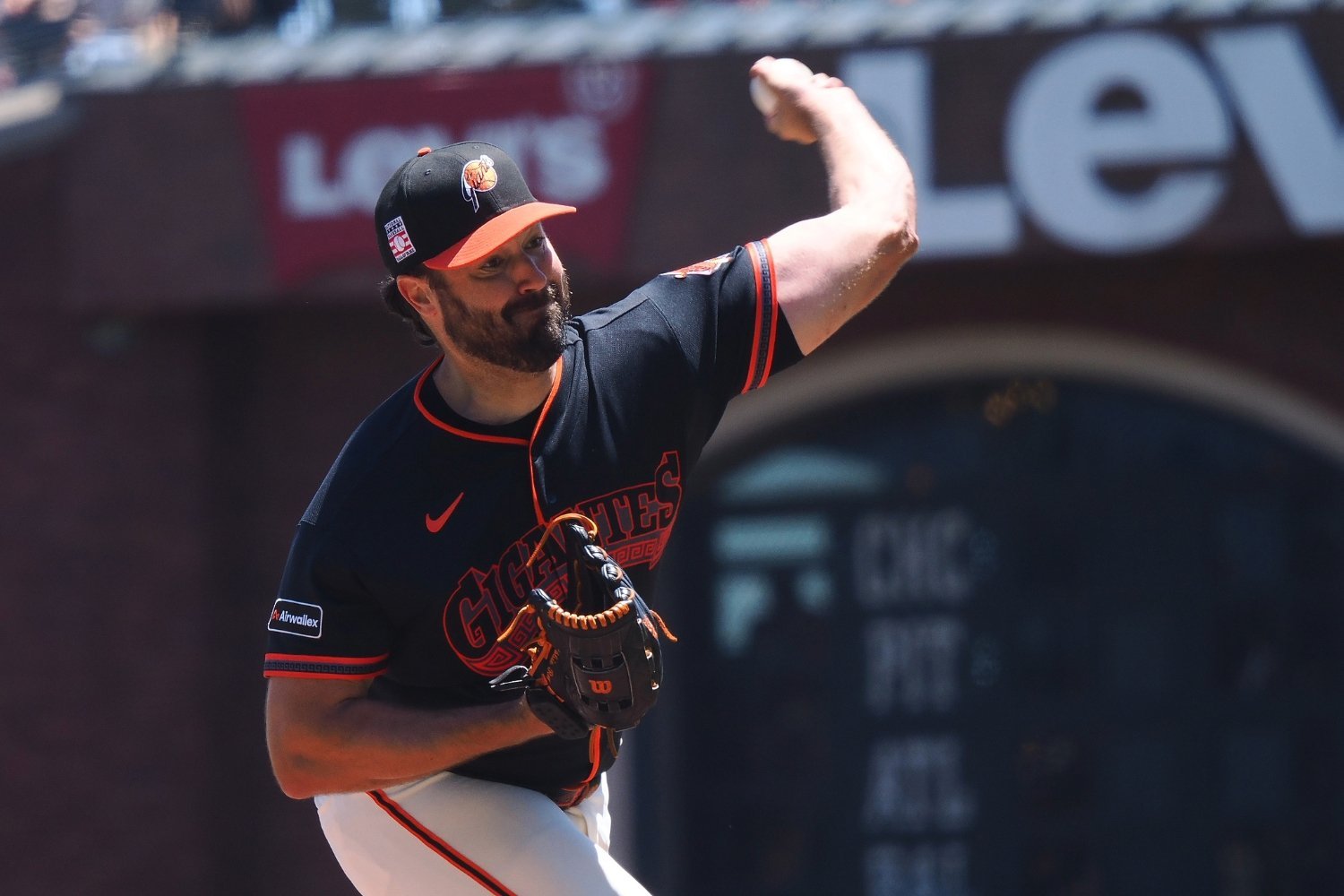 Heading into the final weekend before the MLB trade deadline, the Boston Red Sox have every reason to continue tinkering with their roster. Despite having one of the best rotations in the major leagues, the Red Sox would be wise to build upon their strength, especially with the unknown return of ace Garrett Crochet and the possibility of their young starters regressing due to the workload of pitching career high innings. Add to that the loss of Connelly Early (who was traded to Washington), and it's clear that the team will need innings coverage down the stretch. To remedy that, it would be wise for the team to double down on their strength and acquire a veteran starter who can alleviate some of the responsibility from the young starters. Likewise, due to the uncertainty pertaining to the upcoming CBA negotiations between the owners and MLBPA, it might be in the Red Sox's best interest to pursue just rental arms. Today we’ll look at three veteran rentals the team could look to acquire to help their rotation in their pursuit of the playoffs. Robbie Ray, LHP, San Francisco While the rotation is already filled with left-handed starters, Ray would be an addition that pushes the quality of the pitching staff to another level. Through 21 games, 20 of them starts, Ray has been the ace for San Francisco as he’s gone 9-6 with a 3.16 ERA in 116 2/3 innings. His strikeouts have dropped this year (20.6% K-rate), but he’s managed to work around it. While he’s no longer the pitcher who was a Cy Young, Ray would slot in nicely at the back end of the rotation and provide quality innings. The Red Sox would be on the hook for around $9.5 million for the remainder of the season. There is a command concern, as he’s walking opponents at an 11.4% rate and relying on a lot of contact. Despite that, his off-speed and breaking pitches have performed well. The Red Sox like good spin on pitches and good velocity on fastballs. Ray’s fastball sits at 93.2 mph, lower in velocity than most of the Red Sox rotation, but opponents are hitting just .235 against it and have struck out 41 times. His underlying metrics are a bit concerning and point towards a possible regression despite how well he’s been pitching, but with Boston’s fantastic defense, some concerns could be mitigated. On top of that, as a potential back-of-the-rotation arm, all you’re looking for out of Ray is to provide five or six innings of competitive ball every time he goes out there. Casey Mize, RHP, Detroit Compared to Ray, Mize might be the best available option for Boston. That’s not to mention he checks off a lot of boxes for what Breslow looks for in a pitcher. Standing at 6-foot-3, he creates 6.8 feet of extension. His fastball doesn’t reach quite as high of a velocity as other starters, as it averages just 93.5 mph, but he can get players out with it. Opponents are hitting just .202 against the fastball and the only pitch opponents are hitting above .250 is against his sinker (.256). Along with his fastball, Mize’s slider and splitter have been near untouchable, as batters are hitting .198 and .213 respectively against them. Naturally, he's a reliable strikeout pitcher, shown by a 24.9% strikeout rate. He’s also been able to generate whiffs when needed, sitting on a 27.8% rate on the season. What may be most impressive is his ability to limit walks, having allowed just 19 on the season, good for a 5.6% rate. Along with his outstanding control, Mize has been able to limit hard contact against him, allowing it just 36% of the time while batters have only been able to barrel up his pitches at a 6.4% rate. The one major concern for Mize is his durability. Since making his debut in 2020, he’s only pitched 28 or more games twice: in 2021 and last season. Innings-wise, his career high is 150 1/3, which he set during the 2021 season and in 16 starts this year he’s pitched just 86 2/3 innings. On the flip side, that means the right-hander is a ways off from his career high and could provide the team with plenty of innings down the stretch. Brady Singer, RHP, Cincinnati While Singer wouldn’t be the first choice to be acquired from the Reds’ rotation, he is the most likely to be moved should the team sell; Cincinnati is currently 16 games back of the NL Central and six games back of the third NL Wild Card but would need to leapfrog six teams to get into a playoff position. Singer, who will be a free agent after the season, could be moved in the right deal while opening a rotation spot for one of the Reds' young pitchers in Triple-A. Singer has been a middle-of-the-road pitcher this season, making 21 starts with a 4.35 ERA in 107 2/3 innings. He doesn’t really do anything outstanding and relies heavily on his defense, as shown by a 19.4% strikeout rate. If there is one thing that Singer has done well this season, it's limit walks, allowing just 32 of them (good for a 7% rate). Singer would come with some risks: his fastball averages just 91.3 mph and while seldom used, is being hit at a .400 clip this season. His arsenal is typically a three-pitch mix of his sinker, slider and sweeper, with a cutter and four-seam fastball mixed in sometimes. Only one of those offerings (the slider) has been an above-average pitch this season. Despite the concerns, Singer is a workhorse by today’s standards. He’s pitched at least 153 innings each season since 2022 and has made 29+ starts in three consecutive years. As far as rotation stabilizers go, it's hard to beat that kind of consistency. View the full article
 -
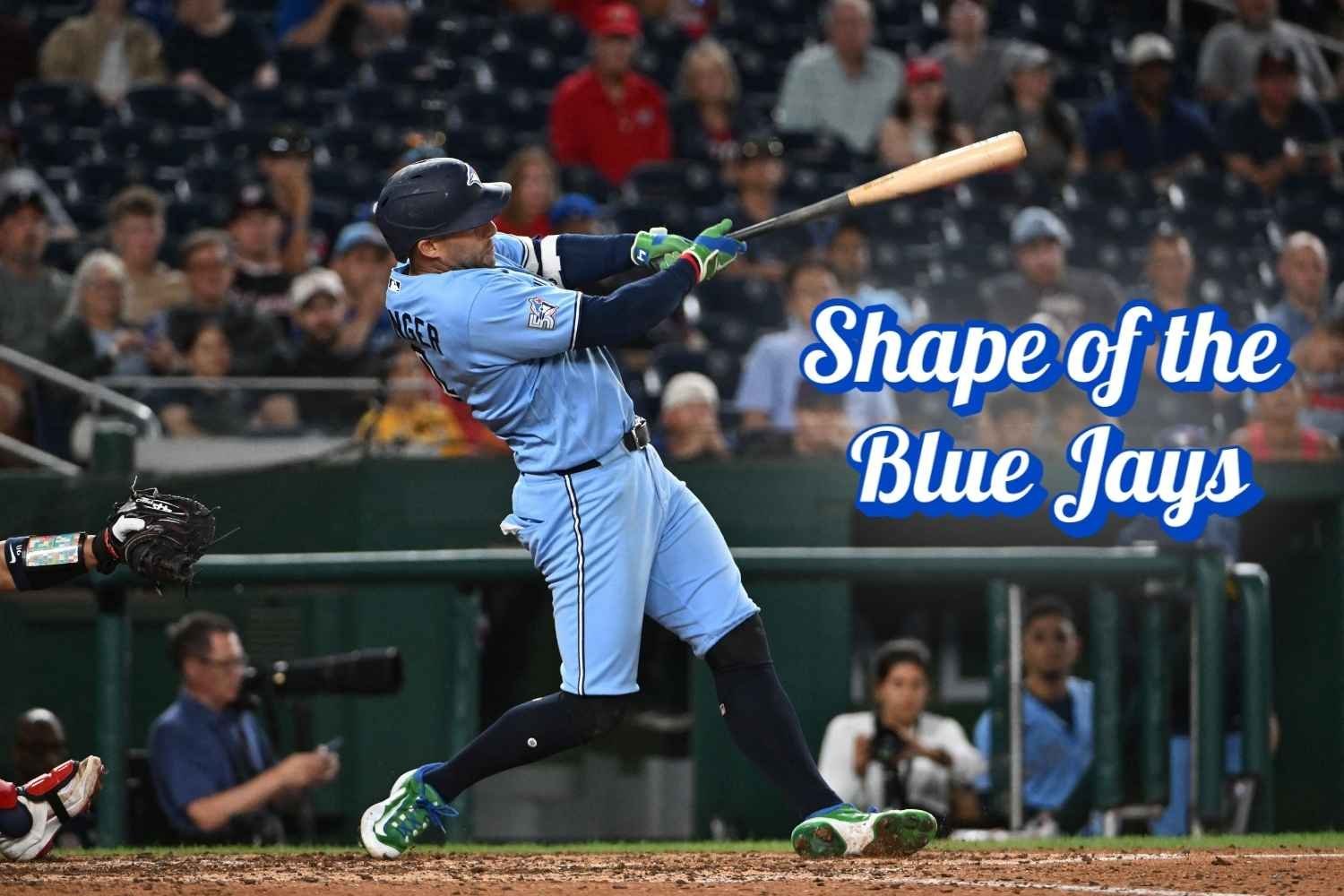 Welcome to Shape of the Blue Jays, my column where I dig into Statcast numbers to analyze recent pitch shape and swing shape trends for Toronto Blue Jays players and discuss how they have impacted their performance. Click here to read the last edition. All stats entering July 30, 2026. Shane Bieber At this juncture, we don't yet know if the Blue Jays plan to trade Shane Bieber. If they hadn't ruled it out before Tuesday, then his outing at Nationals Park was not a convincing audition. The veteran right-hander walked six Washington hitters in a first inning that he failed to get out of, setting a couple of dubious records in the process. Drawing hasty conclusions about a starter soon after his return from a long-term injury is bad practice, so no one outing should move the needle too much. Unfortunately, though, his season numbers were not in an ideal spot beforehand, so you can imagine how they look now. Bieber, a command-over-stuff guy, has seen a near-10% drop in zone rate from last year. Only 40.8% of his pitches this year have been in the strike zone, dead last among all MLB starters with at least 30 IP. That's an unfathomable number for a pitcher with his skillset and tenure, and the results show what happens when that part of his game isn't working. Curiously, despite positive results, Bieber's changeup quality has plummeted (101 Stuff+ to 84 according to FanGraphs, 70-grade stuff to 54 according to PitchingBot). Its velocity and movement are at normal levels, but it has gained spin while his four-seamer has lost spin, and the two pitches' break axes are closer to one another, so there's less separating them. Modern playoff pitching strategy has shown that just because a guy isn't starting in October doesn't mean he can't be useful, but this version of Bieber will have to show more to warrant a spot on a postseason roster. George Springer It seems like George Springer has moved past whatever effects were still lingering from his foot injury. He's slashing .288/.354/.525 (.879 OPS) with four home runs in July, easily his best month of the season. His slow start was caused by a few things: more chase, less damage (which, as this year's Blue Jays have shown us time and again, are often related), and specifically, some of the same problems that plagued him in 2024, namely too many groundballs to the pull side caused by slight errors in timing. For the most part, the reason for the turnaround has been simple. He's swinging harder! His bat speed has gone up this month against all pitches, but it's increased the most against fastballs, which he has always loved to hit. Coming out of the All-Star break, I tabled a mock trade that sent Springer to the Padres for a return similar to what the Jays got for Justin Turner in 2024. I'm now confident that if he were dealt, Ross Atkins and company would be able to aim higher. There isn't always much you can learn about a soon-to-be-37-year-old DH over the span of a couple weeks in July that you didn't know already, but bat speed has a ton of predictive signal, and Springer still has it. According to the projection models at FanGraphs, Springer should post a wRC+ between 114 and 130 the rest of this season. A lot of contenders need right-handed bats, and there aren't many out there, so he should get a good return if dealt . . . but that's a big if, because Springer now has 10-and-5 rights (10 years of service time, five consecutive seasons with the same team), which allows him to veto any trade to any club. Kevin Gausman Kevin Gausman's outing on Sunday showed us some familiar sights. He gave up three runs across six innings, striking out six and walking one, providing his team with the chance to win and eating innings in the process. By the time he was pulled, the Jays had yet to score or draw a walk, mustering just six hits, five of them singles. It's only fitting that he was hung out to dry one more time by an offense that will carry most of the blame if he is dealt. He took less money to come to Toronto as a free agent five years ago, a decision he feels is the best he ever made. If this is the end of his tenure here, he deserved better. Baseball doesn't always work that way. Compared to last year, Gausman has lost a smidge of velocity on his four-seamer and a couple inches of run on his splitter. He's had more blowups than we're used to seeing, and his ERA is up nearly a full run, from 3.59 to 4.51. The more you look, though, the more there is to be encouraged by. Kevin Gausman Key Indicators, 2025-26 (Statcast, Fangraphs) Year K% BB% Barrel% Stuff+ xERA xFIP 2025 24.4% 6.5% 8.5% 102 3.74 3.77 2026 23.9% 6.8% 7.9% 98 3.95 3.82 If he was good enough to be a No. 1 starter on a team that secured the top seed in the AL in 2025, he's surely good enough to be a No. 3 starter on any playoff team in 2026. Not as much has changed under the hood for Gausman as you might think, and if it weren't for the crazy market for bats right now, I'd confidently say that he would fetch a bigger return than anyone on this roster if he were traded tomorrow. Gausman admitted in the piece I linked to above that winning a championship this year won't mean as much to him as last year would've, but seeing him accomplish that would still be something I think everyone in this fanbase could get behind. View the full article
 -
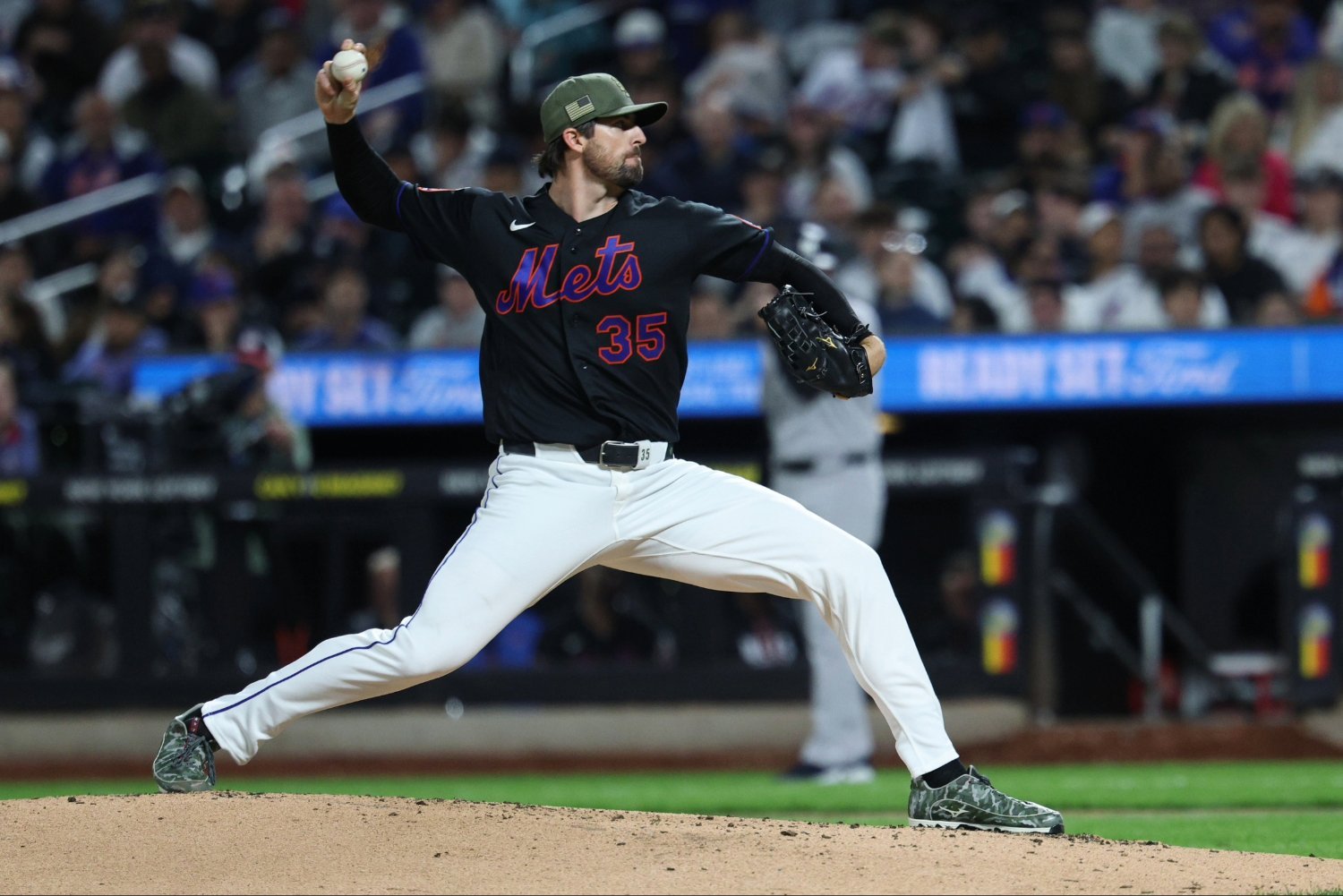 Out of all the players that the New York Mets will likely trade before this year's deadline, Clay Holmes will draw some of the most interest from teams looking to add before the final push to the postseason. He’s in the second season of a three-year, $38 million contract that he signed entering the 2025 season -- although part of the deal included a $12 million player option for the 2027 campaign. Holmes had a good start to the 2026 season, pitching to a 2.39 ERA and 1.10 WHIP across his first nine starts before being interrupted due to a freak injury. On May 15 in a start against the New York Yankees, Spencer Jones destroyed a 111.1 mph line drive that deflected off the right leg of Holmes; it wound up fracturing his fibula, which landed him on the 60-day injured list. He recently began a rehab assignment on July 18, where Holmes has since made two minor league starts -- one in Triple-A and the most recent one in Single-A. According to Robert Murray of FanSided, scouts from the White Sox, Rays, Dodgers, Rangers, Diamondbacks, and Phillies were all in attendance to watch Holmes’ most recent rehab start on July 28 with the St. Lucie Mets. In a report from The Athletic, two executives believed Holmes looked major-league ready. With all that being said, there is certainly a hot market for the veteran right-hander despite his injury, and it wouldn’t be shocking if a deal comes together within the next week. In other words, has Holmes made his last appearance within the Mets organization? Assessing Clay Holmes' Trade Value Ahead of Deadline Holmes made his major-league debut with the Pittsburgh Pirates during the 2018 and was pretty much solely a relief pitcher until converting to a starter when joining the Mets for the 2025 season. Over a span of seven seasons from 2018-2024 between the Pirates and Yankees, only four of his 311 games came as a starting pitcher. During his time as a reliever, he primarily worked with a three-pitch mix consisting of a sinker, slider, and sweeper. After converting to a full-time starter, he added a changeup, cutter, and curveball while eliminating his slider. He still relies heavily on the sinker/sweeper combo but had to add some other offerings to better fit a starting role. Considering the amount of groundballs Holmes is able to generate (55.3%), a team with good infield defense might be the best fit in order to maximize his noticeable strength. His raw stuff isn’t bad, but batters will tend to put the ball in play. This is a result of Holmes’ not getting much swing and miss on his offerings (21.9%) which has led to a below-average 20.9% strikeout rate. Put another way, this season, opponents are making contact with 80.5% of all pitches while making contact with 90.8% of offerings in the zone -- both marks are higher than average. The weird thing about Holmes’ profile is that he limits barrels to an excellent 5.3% clip, but still manages to get hit pretty hard. His 44% hard-hit rate places him in the 13th percentile and opponents average exit velocity of 89.8 mph also puts him below average in the 28th percentile. The good thing in his case is that those hard-bit balls have only resulted in three home runs across 52.2 innings this season, good enough for an exceptional 0.5 HR/9 ratio. Even though his stuff isn’t going to overpower opponents and create lots of swing and miss, Holmes still has found ways to be effective and that’s why teams will be bidding for him over the next few days. Per Baseball Savant, all of his fastball, breaking, and off-speed run values rank at least in the 70th percentile or better. Is he outperforming his 2.39 ERA? Yes, and his 3.70 xFIP proves that, but teams will still definitely take the chance to bring in a seasoned veteran for the final few months and maybe even the postseason to bolster their rotation. His freak injury has derailed any chance of the Mets receiving a haul, but a high-upside prospect or a couple of low-level fliers should be the minimum ask from David Stearns and the front office. View the full article
 -
 The San Diego Padres' four full-season affiliates went 0-4 Thursday, with the Triple-A El Paso Chihuahuas collapsed late in a 16-10 loss to Albuquerque, the Double-A San Antonio Missions falling 6-4, the High-A Fort Wayne TinCaps getting crushed 11-1 and the Low-A Lake Elsinore Storm came up short vs. Stockton 5-3. Padres Minor-League Transactions None. 2 More Hits For Ethan Salas, But Chihuahuas Blown Out Late Ethan Salas had a pair of doubles in his second Triple-A game, Dustin Harris homered and Carlos Rodriguez went 4-for-5 with two RBIs, but the host El Paso Chihuahuas were outscored 10-2 over the last three innings in a 16-10 loss to the Albuquerque Isotopes. Salas, Padres Mission's No. 1 prospect who was promoted from Double-A San Antonio after Tuesday's game, also walked and struck out in five trips to the plate and is 5-for-8 with three doubles, a triple, two walks and four RBIs in his two games. Salas started at catcher after serving as the designated hitter in his debut and again hit fifth. Salas also had a throwing error on a steal attempt and a passed ball. Mason McCoy had a pair of hits, an RBI and scored three times for the Chihuahuas, who built an 8-5 lead after four innings. Harris started the bottom of the first with a leadoff homer with his second Chihuahuas homer and eighth of the season. Marcos Castanon had a run-scoring single and Will Wagner an RBI double to stake the Chihuahuas to a 3-0 lead. After the Isotopes got one in the top of the second, Bryce Johnson and McCoy had RBI doubles and Rodriguez singled home another to make it 6-1. The Isotopes pulled with 6-5 in the third, then the Chihuahuas got another Rodriguez RBI single and a Castanon double-play grounder made it 8-5. The Chihuahuas still led 9-7 on Salas' RBI double that scored Rodriguez. Salas also had an RBI double in the bottom of the ninth, but that came after the Isotopes overtook the Missions with five in the eighth and four in the ninth. EP1_0730.mp4 EP2_0730.mp4 Player AB R H RBI BB K Dustin Harris 5 2 2 1 0 0 Mason McCoy 4 3 2 1 1 0 Carlos Rodríguez 5 2 4 2 0 0 Marcos Castañon 5 1 1 1 0 0 Ethan Salas 4 0 2 2 1 1 Will Wagner 5 0 1 1 0 1 Blake Hunt 3 0 0 0 2 1 Romeo Sanabria 5 1 1 0 0 0 Bryce Johnson 4 1 1 1 0 1 Player IP H R ER BB K HR Jagger Haynes 2 2/3 3 5 5 4 3 0 Daison Acosta 2 1/3 0 1 0 1 4 0 Ty Adcock 2 1 1 1 0 0 0 Johan Moreno 2/3 3 5 5 3 0 1 Michael Flynn 1/3 1 0 0 1 0 0 Andrew Moore 1 3 4 4 1 2 0 Missions Unable To Complete Task, Fall To Sod Poodles Right-handed starter Ian Koenig had a rough go of it for the fourth time in five games, giving up six runs over six innings as the Double-A San Antonio Missions were beaten by the host Amarillo Sod Poodles 6-4, their third loss in a row. Kai Murphy hit a solo homer, his third of the season, and Ryan Jackson went 2-for-4, including a triple, with an RBI and run scored. With the exception of six shutout innings July 18 vs. Corpus Christi, Koenig has given up at least four runs in four of five games in which he has a combined 16 innings. Against the Sod Poodles, five of the six runs he surrendered were earned, coming on 10 hits with no walks and four strikeouts. Right-hander Tucker Musgrove, Padres Mission's No. 9 prospect, struck out three of the four batters he faced, walking the other. Musgrove has struck out 17 in his last eight innings. Left-hander Harry Gustin struck out two in a perfect eighth inning. SA_0730.mp4 Player AB R H RBI BB K Carson Tucker 4 0 0 0 1 3 Tirso Ornelas 4 1 1 0 0 0 Jake Cunningham 3 1 1 0 1 1 Braedon Karpathios 3 0 0 1 0 2 Ryan Jackson 4 1 2 1 0 1 Luis Verdugo 4 0 0 0 0 2 Wyatt Hoffman 4 0 0 0 0 4 Kai Murphy 2 1 1 1 2 0 Chris Sargent 3 0 1 1 0 0 Player IP H R ER BB K HR Ian Koenig 6 10 6 5 0 4 3 Tucker Musgrove 1 0 0 0 1 3 0 Harry Gustin 1 0 0 0 0 2 0 Sloppy Game Snaps TinCaps' Winning Streak At 5 The High-A Fort Wayne TinCaps generated minimal offense, committed four errors and saw the host Great Lakes Loons score eight late runs en route to an 11-1 victory. Kerrington Cross had two of the TinCaps' six hits, but they were shut out until the ninth, when Kasen Wells singled home Lamar King Jr., Padres Mission's No. 11 prospect. TinCaps right-handed starter Carson Montgomery walked five and gave up three hits, allowing three runs while striking out one in three innings. After two scoreless innings from left-hander Javier Chacon, right-hander Clark Candiotti gave up three runs (two earned) in 1⅓ innings and right-hander Luis German five runs (two earned) in 1⅔. The four pitchers combined for 10 walks. FW_0730.mp4 Player AB R H RBI BB K Justin DeCriscio 5 0 1 0 0 2 Ryan Wideman 3 0 1 0 1 1 Alex McCoy 4 0 0 0 0 2 Jack Costello 3 0 0 0 1 0 Kerrington Cross 4 0 2 0 0 1 Lamar King Jr. 2 1 0 0 1 1 Zach Evans 4 0 0 0 0 3 Oswaldo Linares 4 0 1 0 0 2 Kasen Wells 4 0 1 1 0 1 Player IP H R ER BB K HR Carson Montgomery 3 3 3 3 5 1 0 Javier Chacon 2 0 0 0 1 0 0 Clark Candiotti 1 1/3 2 3 2 1 1 0 Luis Germán 1 2/3 3 5 2 3 2 0 Lan-Hong Su Shows More Progress, But Storm Win Streak Ends At 4 Right-handed starter Lan-Hong Su turned in another decent outing and Truitt Madonna hit a two-run homer, but the Low-A Lake Elsinore Storm fell to the host Stockton Ports 5-3, snapping their four-game winning streak. Madonna and Yimy Tovar each had two of the Storm's seven hits. Lake Elsinore was held to one run until the ninth inning, where Madonna hit his third homer of the season. Su went a season-high 3⅔ innings, allowing just a run on two hits and a walk with three punchouts. The run came on a homer, the only run Su has allowed over seven innings in his last three starts after getting tagged for 12 runs in 7⅔ innings in his first three Low-A starts after a promotion from the Arizona Complex League. Left-hander Zack Qin surrendered three runs in 1⅓ innings on three hits, including a homer, and a walk with no strikeouts. LE_0730.mp4 Player AB R H RBI BB K Conner Westenburg 4 0 0 0 0 1 Jose Verdugo 4 0 0 0 0 3 Yoiber Ocopio 4 0 1 0 0 2 Jorge Quintana 4 1 1 0 0 0 Truitt Madonna 4 1 2 2 0 0 George Bilecki 4 0 0 0 0 2 Yimy Tovar 3 1 2 0 0 0 Dylan Grego 2 0 1 0 1 0 Qrey Lott 2 0 0 1 0 2 Player IP H R ER BB K HR Lan-Hong Su 3 2/3 2 1 1 1 3 1 Zack Qin 1 1/3 3 3 3 1 0 1 Isaiah Lowe 2 2 1 1 1 2 1 Jordan Valenzuela 1 0 0 0 0 1 0 Padres Mission's Top 20 Prospect Performance Ethan Salas: 2-for-4, 2 2B, 2 RBI, BB, K Kash Mayfield: DNP Miguel Mendez: DNP Ryan Wideman: 1-for-3, BB, K Kruz Schoolcraft: DNP Jorge Quintana: 1-for-4, 2B, R Ty Harvey: DNP Kale Fountain: Injured, out for season Tucker Musgrove: 1 IP, 0 H, 0 R, 0 ER, 1 BB, 3 K Coleman Borthwick: In Arizona Lamar King Jr.: 0-for-2, R, BB, K Braedon Karpathios: 0-for-3, RBI, 2 K Jagger Haynes: 2⅔ IP, 3 H, 5 R, 5 ER, 4 BB, 3 K Alex McCoy: 0-for-4, 2 K Truitt Madonna: 2-for-4, HR, 2 RBI, R Jesus Castro: DNP Garrett Hawkins: DNP Elliot Lascelles: In Arizona Winyer Chourio: DNP Rosman Verdugo: DNP View the full article
 -
 Kyle Harrison returned to the mound in Appleton, where Braylon Payne hit a milestone. Biloxi's Mark Coley II called game in the 10th after Jaron DeBerry's fine outing, as Josiah Ragsdale had another multi-homer game. Both DSL squads pounded out victories, headlined by a multi-homer grand slam performance from Diego Frontado. Transactions: Biloxi Shuckers activated RHP Ryan Birchard from the 7-day injured list. Game Action: Nashville pre-game media notes Charlotte (White Sox) 6, Nashville 4 Box Score Via the Sounds, game details, and we encourage readers to always review affiliate write-ups as part of their Link Report routine: Sounds Fall to Knights on Thursday Night Despite a spirited comeback effort after falling behind early, Nashville dropped a tight 6-4 decision to Charlotte in the third game of their series. Charlotte opened the scoring with three runs in the top of the first inning, with old friend Eric Haase hitting a bases-clearing double. However, the Sounds answered right back in the bottom half. Jeferson Quero chopped an RBI single to score Brock Wilken, and Darrien Miller followed with an RBI double to quickly cut the deficit to one. Check out Miller’s double here, courtesy of the Sounds X account: Colton Gordon made his third start with Nashville since coming over in a trade from Houston. Gordon worked five innings with three earned runs and five strikeouts. After the early damage, Gordon set down 12 of the next 14, allowing just a bunt single and a batter to reach by error. Wilken stayed locked in at the plate, roping an RBI double in the second inning to tie the game, before driving in Eduardo Garcia on a fourth-inning fielder's choice to briefly give Nashville a 4-3 lead. Here’s the double: The advantage slipped away in the top of the sixth once Gordon was pulled. Haase struck his second major blow of the night, launching a go-ahead two-run home run off Lyon Richardson to put the Knights back on top, 5-4. Nashville put immediate pressure on the Charlotte bullpen in the bottom half of the frame after Luis Matos doubled and advanced to third on a wild pitch, but the Sounds were unable to cash in with the equalizer after Tyler Black and Luke Adams were set down in order. Charlotte extended its cushion to 6-4 with a solo home run in the top of the ninth off position player Ethan Murray, but the Sounds refused to go quietly in their final turn at bat. Down to their final out in the bottom of the ninth, Freddy Zamora and Miller drew back-to-back walks to bring the winning run to the plate. However, the late comeback threat was thwarted when Murray grounded into a game-ending force out at second base to seal the defeat. RHP Coleman Crow (5-1, 4.22 ERA) will take the mound on Friday for the Sounds, who fell to 13-17 (56-49 overall) in the second half with the loss. Biloxi pre-game media notes Biloxi 9, Montgomery (Rays) 8, F/10 Box Score As always, you are encouraged to read the official round-up from the team’s site: Coley Plays Hero in Shuckers Wild Walk-Off Win Biloxi’s wild back-and-forth series with Montgomery continued to be an emotional roller coaster on Thursday, with the Shuckers blowing an early 4-0 lead and then stealing the game on a walk-off homer. Jaron DeBerry started for the Shuckers and was once again excellent, working 5.2IP with just one run and five strikeouts. Shuckers announcer Javik Blake had this note on DeBerry joining some rare company with 100 strikeout seasons at Biloxi: DeBerry was squeezed a bit by a tight zone all night, as a few back door breaking balls seemed to catch the corner, only to be called balls by the home plate umpire. Multiple times in full counts DeBerry marched off the mound thinking he had strike three, including the last batter he faced on the night. DeBerry issued four free passes in total. Josiah Ragsdale continued his torrid stretch of play, homering in his fourth consecutive game, first with this leadoff homer courtesy of the Shuckers X account: Then Ragsdale added another blast later to give him 10 homers in the month of July, joining teammate Blake Burke with double digit homers this month: David Garcia was the meat in between the Ragsdale homer sandwich: However, the Shuckers bullpen could not hold the lead, allowing runs in each of the last four innings. Stiven Cruz had a particularly rough go. Despite the Shuckers providing Cruz with a two-run lead in the bottom of the 8th with a Jesus Made double and Andrew Fischer sac fly, Cruz could not close the door. Cruz first blew the save on back-to-back jacks in the 9th, then was touched up for three more runs in the 10th. It looked like the Shuckers might be in for a painful loss trailing 8-5, but they showed their resilience in the bottom of the 10th. With Burke starting the inning on second, Josh Adamczewski singled him home and brought the tying run to the plate. Marco Dinges, who had been 1-for-21 to start his time at AA, then singled to put runners at the corners for Mark Coley II. Coley II then crushed the first pitch he saw into the night sky into left to give Biloxi the dramatic walk-off victory: The Shuckers remain first in the second half standings with an 18-12 record (53-42 overall). RHP Braylon Owens (1-1, 6.05 ERA) is scheduled to take the mound on Friday. Wisconsin pre-game media notes Wisconsin 10, Lansing (A’s) 0 Box Score Wisconsin Blasts Six Homers to Beat Lansing - Harrison pitches 5-2/3 scoreless innings on rehab assignment from Milwaukee Wisconsin pummeled Lansing into submission on Thursday night behind Kyle Harrison’s excellent return to action and six home runs from the Rattlers’ offense. Harrison worked 5.2IP scoreless with one hit, three walks and five strikeouts. Harrison looked sharp, needing just 68 pitches (44 strikes) to get through his outing. From there, the bullpen retired nine of the final 10 batters, limiting Lansing to just one hit on the night. The Rattlers’ YouTube page has all the highlights for you here: Braylon Payne went yard two more times, giving him 20 on the season, and reaching the 20-20 milestone in just 66 games. We’ve seen Payne hit plenty of homers in bunches this season, with another hot stretch could he join Fischer and (presumably) Burke in the 30-homer club yet this season? He may have an outside chance at it, especially if Payne stays stuck in High A. Eric Bitonti and Tayden Hall each homered and doubled on the night Luiyin Alastre hit his first homer of the season and added a steal. Daniel Dickinson hit his fifth home run of July and now sports a .315/.479/.616 slash line in the month. You can also check out the postgame podcast with comments from Harrison, who indicates this will be his only rehab start, here: Wisconsin is now 17-15 (51-43 overall) in the second half and 3.5 games back of first. RHP Jayden Dubanewicz (2-3, 5.24 ERA) toes the slab in game four of the series on Friday. Wilson pre-game media notes Fredericksburg (Nationals) 7, Wilson 3, F/10 Box Score Warbirds Rally Falls Short in Extras - Nationals Pull Away Late It was a hard-fought battle at Wilson Ballpark on Thursday night, but the Warbirds ultimately dropped a tough 7-3 decision to Fredericksburg in 10 innings. The Warbirds struck first in what started as a tense pitching duel, breaking the scoreless tie in the bottom of the 5th when Frederi Montero slapped an RBI single to bring home Rylan Mills. Andrew Healy started for Wilson and tossed 4.2 sparkling innings, allowing just one hit and two walks while matching a career-best with six strikeouts. After the Nationals responded to take a 2-1 lead in the top of the 6th, Wilson immediately punched back. Brady Ebel sparked the rally with a clutch triple and was quickly brought home by a Juan Ortuno sacrifice fly to knot the game at 2-2. The real drama came in the bottom of the 9th. Trailing 3-2 and down to their final outs, Alexander Frias ripped a massive triple to right field. Brailyn Antunez followed up with a clutch, game-tying RBI single to keep the Warbirds alive and force extra innings. Unfortunately, the magic ran out in the 10th. The Nationals' bats exploded for four runs off reliever Enderson Mercado. Despite putting runners on in the bottom of the 10th, the Warbirds grounded into a game-ending double play, closing the book on a disappointing 7-3 finish. Despite the loss dropping the Warbirds to a 15-16 second half record (51-46 overall), Wilson is just 2.5 games out of first place. RHP Jarrette Bonet (6-5, 4.99 ERA) will look to right the ship on Friday when he takes the mound for Wilson. DSL Brewers Gold 10, DSL Rojos (Reds) 5 Box Score The DSL Brewers Gold put together a dominant offensive performance to secure a decisive 10-5 victory over the DSL Rojos. The Brewers' lineup was relentless from the early innings, racking up 11 hits and jumping out to a commanding lead that they never surrendered. The Gold squad and now won four consecutive games and eight of their last 10. The Brewers' bats caught fire in the top of the second inning with some clutch two-out hitting. Francisco De Marchena broke the ice with an RBI single to left field, scoring Matthew Moses, and Jefer Lista immediately followed suit with an RBI single of his own to make it 2-0. The Brewers seized control in the top of the third when Moses crushed a three-run homer to left field, bringing home Moises Salazar and Josue Rodriguez to extend the lead to 5-0. On the mound, Paul Hoff (5IP 4H 2R 0ER 1BB 6K) set the tone, earning the win to improve his pristine record to 5-0 with a stellar 2.08 ERA, keeping the Rojos off balance just enough to let the offense go to work. Any hopes of a Rojos’ comeback were dashed late in the game when the Brewers added some crucial insurance runs. In the top of the seventh, Osiris Ramirez launched a two-run bomb to left field, scoring Ricki Moneys and stretching the lead to 9-3. Santiago Garcia later added a double to close the Brewers’ scoring for the day. Garcia paced the Brewers with three hits on the day and now has 17 hits and 10 walks in 15 games in July. The win moves the Brewers Gold to a strong 25-16 record on the season and first place standing in the DSL Central Division. DSL Brewers Blue 11, DSL CLE Goryl 5 Box Score The DSL Brewers Blue bats exploded on Thursday as they cruised to a dominant 11-5 victory over DSL CLE Goryl. The Brewers' offense relied on a spectacular display of power hitting to put the game out of reach early and secure the win. The star of the game was Diego Frontado, who put on a multi-home run clinic. After scoring the game's first run on a Leanders Matos sacrifice fly in the first inning, Frontado flexed his muscle in the bottom of the third with a two-run homer to left field to make it 3-0 Brewers. Frontado then delivered the knockout punch in the fifth inning, crushing a grand slam to center field to give the Brewers a 10-3 lead. Frontado has been on fire of late and now has a an 11-game hit streak and seven-game RBI streak. Frontado had plenty of help from a lineup that banged out eight hits and drew eight walks. Sebastian Franeites capped off a five-run third inning with a three-run blast to right field, while Matos added a solo shot of his own to cap off another five-run surge in the fifth. Matos is now third in DSL play with 44 RBI and Frontado sits 11th with 37 RBI. Both players are sporting 1.000+ OPS on the season. On the mound, Steven Duran worked around six walks and three hits in five innings to earn the win. The 18-year-old righthander was victimized by a two-out fielding error that opened the floodgates for a three-run (all unearned) rally. The Brewers Blue are now 23-19 on the season. All four full season squads are back in action on Friday night. In DSL play, the Gold and Blue squads will face off in a Friday matinee. Organizational Scoreboard including starting pitcher info, game times, MiLB TV links, and box scores Current Milwaukee Brewers Organization Batting Stats and Depth Current Milwaukee Brewers Organization Pitching Stats and Depth View the full article
 -
Twins Acquire Lefty Reliever A.J. Minter from Mets for 2 Prospects
DiamondCentric posted an article in Twins Daily
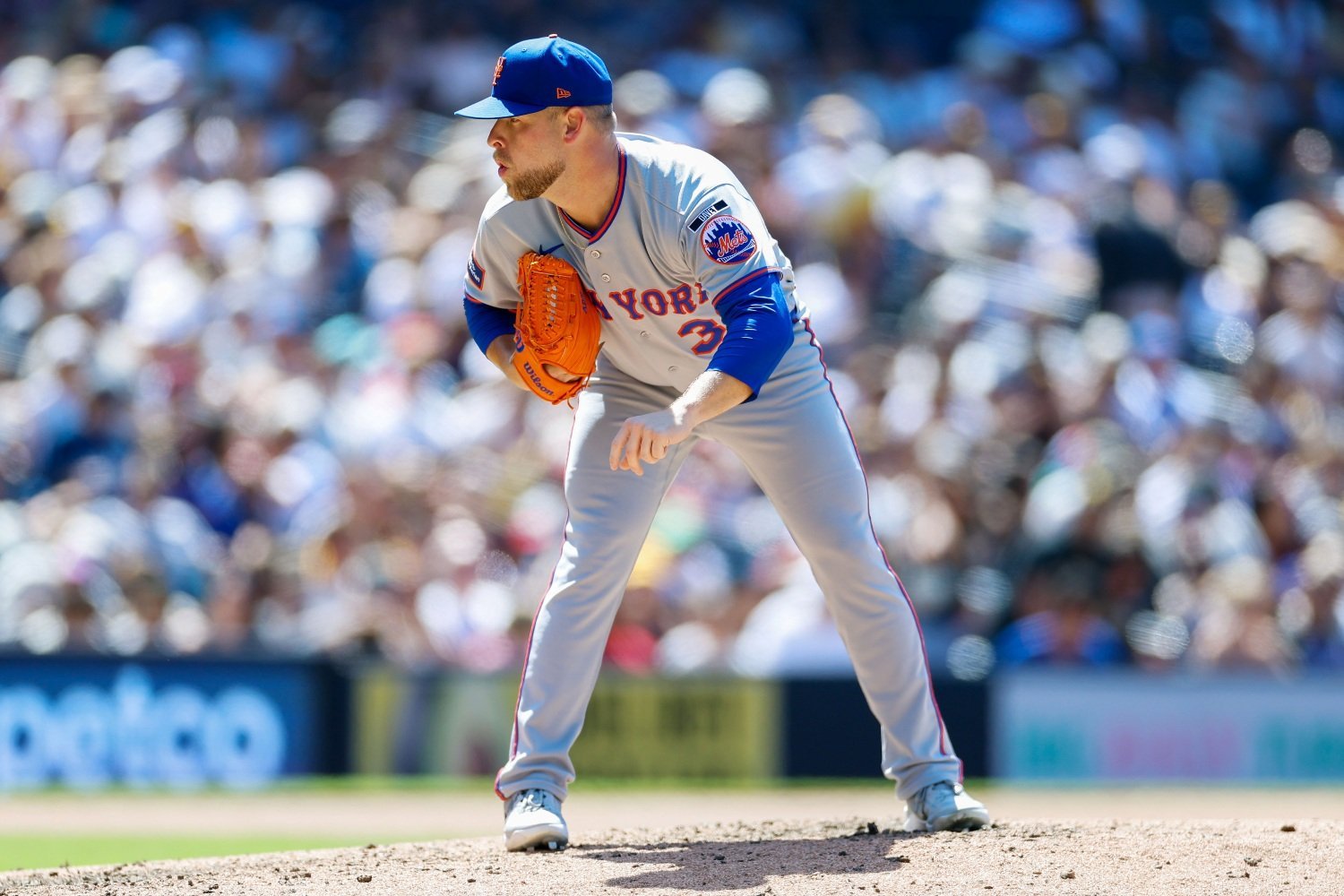 The Twins have declared themselves a Buyer days before the August 3rd Trade Deadline. Following an unlikely series win over the Royals at Target Field, the Twins have started buying. Late Thursday night, Jeff Passan tweeted that the Twins have acquired left-handed reliever A.J. Minter from the New York Mets. Minter has pitched to a 2.35 ERA and 1.00 WHIP in 23 innings over 20 appearances for the Mets this year. He signed a two-year, $22 million contract before the 2025 season with the Mets. His 2025 season came to an end early in May when he needed to have surgery on a torn left lat muscle. In 2024, he had surgery on his left hip hip labrum. Minter returned to the mound for the Mets at the end of May. In return, the Twins will send corner infield prospect Billy Amick and middle infield prospect Bruin Agbayani. Amick has been a borderline Top 20 prospect at Twins Daily throughout the last two years. The teams' second-round pick in 2024, Amick was hitting .217/.338/.482 (.820) with 14 doubles, 23 homers and 72 RBI at Double-A Wichita. Agbayani, son of former big leaguer Benny Agbayani, was the Twins sixth round pick in the 2025 draft. The 19-year-old was limited to just 10 games this season and hit .268/.412/.342 (.753) with two doubles. He had nine walks to just three strikeouts. Unfortunately, his season began late due to injury and after those 10 games, he went back on the IL and has not played since. What are your thoughts on the trade? Another lefty reliever, low-30s, with good stuff and an injury history the last few years for two intriguing prospects outside of the Twins Top 20 prospects. View the full article
 -
 TRANSACTIONS Late-Night Twins Trade In case you went to bed early on Thursday night, you missed the Twins first trade deadline deal. I mean, unless you consider the Tommy Nance trade three weeks ago close enough to the deadline. Jeff Passan was the first to announce that the Twins have acquired left-handed reliever A.J. Minter from the New York Mets. Soon after, we learned that Wichita infielder Billy Amick and Fort Myers infielder Bruin Agbayani head to the Mets in return. For much more discussion on the trade, click here. 2026 Draft Picks The Twins placed six of their 2026 draft picks on the Fort Myers Mighty Mussels. Five of them made their professional debut on Thursday. Top pick Vahn Lackey (Georgia Tech) will be hitting third and playing behind the plate. Second-round pick Carson Tinney (will be DHing and batting fourth. 11th round pick Aidan Teel (Mississippi State) is batting fifth and playing in right field. 12th rounder Colby Turner (Michigan) is batting sixth and playing at the hot corner. Isaiah Lane (Hope International, was transferring to Arizona State), 13th round, will be playing shortstop and batting seventh. In addition, 14th round pick Charlie Scholvin (Toledo) was also assigned to the Mussels and will make his professional debut when he gets into a game. With six new hitters being added to the Mussels roster, obviously something had to give. Catcher Luis Hernandez and outfielders Byron Chourio and Jayson Bass were promoted from Fort Myers to Cedar Rapids. Outfielder Ricardo Paez and catcher Victor Leal were assigned to the FCL Twins from the Mussels. Infielders Henry Kusiak and Rayne Doncon were released by the Twins. They were both at Cedar Rapids. Infielder Jorel Ortega was activated from Wichita’s Development list. Meanwhile UT Jay Thomason was placed on the temporary inactive list by the Surge. After a week-long return to Wichita, Tanner Schobel is back with the Saints. Ufdah! More NDFAs from the MLBDL Following the draft, the Twins quickly signed four non-drafted free agents, all pitches. However, they continue to add talent to the organization. On Wednesday, they signed RHP Finnegan Wall who was playing for the Aberdeen IronBirds in the MLB Draft League. The 23-year-old (turns 24 in about two weeks) pitched at UC-Irvine from 2022-2026. He missed the 2024 season due to Tommy John surgery. His parents went to college in southern California and eventually went to acting school. In fact, have you ever seen the movie Gold Dust? Wall’s father, David, was an actor and director in that movie. His mom had a role in the movie as well. Finnegin also had a role in that feature film. They also signed right-handed pitcher Kurt Barr from the Williamsport Crosscutters Barr’s first start at Michigan in February of 2023 against Finnegan Wall’s UC-Irvine squad. He pitched for Michigan from 2023-2026. In 2026, the senior was named third-team All-Big 10. He is said to have a deceptive delivery, and has a 12-6 curveball that can be very good. He was a teammate of Twins 12th round pick in this year’s draft, Colby Turner. On Thursday, the Twins signed catcher Jimmy Keenan from the Mahoning Valley Scrappers of the MLB Draft League. In nine games, he was hitting .222/.405/.667 (1.072) with a double, a triple, and three home runs. Keenan went to St. John’s in 2023 and 2024. He then transferred to Wake Forest for the last two seasons. In 2025, he hit .246/.405/.509 (.914) with five doubles, two triples, and seven home runs in 44 games. In 38 games in 2026, he hit .217/.396/.406 (.801) with five doubles and five home runs. SAINTS SENTINEL St. Paul 4, Omaha 1 Box Score The Saints jumped up to an early lead with a three-run top of the first inning and then held on thanks to a terrific start followed by strong bullpen work. The Saints got started right away in the top of the first inning in Omaha. Kaelen Culpepper led off with a single. Kyler Fedko walked. After Walker Jenkins struck out, Aaron Sabato launched a towering home run on a 2-1 fastball. It was Sabato’s 19th home run of the season and he now has 59 RBI. He later added his 25th double in this game. There’s no doubt that he has earned an opportunity in the big leagues. It’s hard to imagine that happening with the Twins, but he’s putting up numbers that one would think the other 29 organizations are noticing too. Ryan Gallagher’s Triple-A time has been mixed with a few solid outings and several really rough games. This was a strong start. The right-hander went 5 2/3 innings and gave up one run on three hits. He walked three and had six strikeouts. From there, Eduardo Salazar, John Klein, and Julian Merryweather took over. Combined they faced 10 batters and got all 10 batters out, seven on strikeouts. The Saints scored their four runs on four hits and three walks. As noted, Sabato had a double and a homer in four at-bats. WIND SURGE WISDOM Wichita 1, Springfield 6 Box Score Like the Saints, Wichita got on the board first. The Surge scored a single run in the top of the first inning. Unfortunately, that was it for their offense, and the Cardinals affiliate put two crooked numbers on the board. Marek Houston continued his hot hitting streak. He led off the game with his eighth Double-A double. With two outs, Houston was still on second. Andrew Cossetti picked up his teammates by dropping a single into the outfield which allowed Houston to score the first run. Last time out, Chris Vallimont threw the first five innings of a combined no-hitter. He was solid on Thursday night too. He went five innings. In the fourth inning, he gave up a one-out, two-run homer to Deniel Ortiz. Vallimont went five innings and gave up those two runs on three hits. He had five strikeouts without any walks. Darren Bowen worked in the no-hit game as well, but this was a rough one for the talented reliever. He was charged with four runs on three hits and three walks, and he recorded just two outs. Jaylin Nowlin came in and got the final out of the sixth inning without allowing the two inherited runners to score. Nowlin struck out two in 1 1/3 innings. Kyle Bischoff gave up one hit in a scoreless eighth inning. The Wind Surge had two hits in the first inning. They had just three more hits in the next eight innings at the plate. However, they had chances to do more because Cardinals pitchers issued seven walks and hit four Surge batters. However, they went just 2-for-13 with runners in scoring position and left 11 runners on base. Houston was 1-for-4 with a double and his eighth double. He also stole his 15th base. Jaime Ferrer hit his ninth double, the only other extra base hit. Khadim Diaw had a single, a walk, and was hit by a batter. Brandon Winokur walked twice and was hit by a pitch. Kala'i Rosario was hit by a pitch and walked. Along with his RBI single in the first, Cossetti stole his third base of the season. KERNELS CHRONICLES Cedar Rapids 4, Peoria 5 Box Score Like the Saints and the Wind Surge, the Kernels took the game’s first lead in the first inning. They got a terrific start. They added a run. The Cardinals High-A affiliate scored in just one inning. Unfortunately, they scored five runs in that inning to take the lead and held on to beat the Kernels. Jacob McCombs led off the bottom of the first inning with his sixth home run of the season. Yasser Mercedes followed with a double. He scored on an Eduardo Tait single to make it 2-0. Danny De Andrade came up next and doubled to left to drive in Tait and make it 3-0. It’s been a tough season for Adrian Bohorquez, but he was fantastic on Thursday. He went four scoreless innings and didn’t give up any hits. He walked one, hit one, and had six strikeouts. Cole Perschl came on and tossed two scoreless innings. He gave up one hit, walked two and had two strikeouts. With one out in the top of the sixth inning, Dameury Pena and Miguel Briceno walked. Andy Lugo followed with a single to left to drive in Pena and make it 4-0. Christian Becerra came in for the seventh inning. He gave up five runs (4 earned) on two hits (both homers) and two walks. Yehizon Sanchez struck out three batters over two scoreless innings . The Kernels scored their four runs on just five hits and five walks McCombs walked twice to go with his sixth home run of the season. Miguel Briceno had two walks in the game. Mercedes’ double was his 15th with the Kernels, and De Andrade’s double was his 13th. MIGHTY MATTERS Fort Myers 3, Palm Beach 9 Box Score The Mussels didn’t score first, like the other Twins affiliates. And, they gave up runs in six of nine innings to the Cardinals’ Low-A affiliate. The Mussels were unable to get much going with their bats, but it was a fun game to watch if you’re into prospects. The Mussels lineup included five players that were drafted earlier this month including their top two picks, Vahn Lackey and Carson Tinney. In addition, Emmanuel Rodriguez continued his rehab from more wrist issues. Eric Hammond started and gave up two runs (1 earned) on four hits and a walk in 3 2/3 innings. He had seven strikeouts. Adam Falinski came on and gave up one run on one hit and two walks. Nick McAuliffe was charged with two runs (1 earned) on four walks over two innings. Michael Hilker gave up four runs on six hits in 1 2/3 innings. He had two strikeouts. Billy Oldham came in and got the final out. The Mussels scored their three runs on four hits and four walks. They also were hit by a pitch three times, back-to-back-to-back. Emmanuel Rodriguez batted second and played center field. He went 0-for-3 with three strikeouts. He played seven innings on defense before being replaced by Jhomnardo Reyes. In three rehab games with the Mussels, he is 2-for-11 with eight strikeouts. Vahn Lackey, the Twins top pick in the 2026 draft, made his professional debut. He batted third and was the team’s catcher. He walked in his first plate appearance. He soon followed with his first pro stolen base. He grounded out his next time up. He then walked again. His final time at the plate, he was hit in the left shoulder by a pitch. So, in his pro debut, Lackey went 0-for-1 with two walks, was hit by a pitch, and stole a base. Behind the plate, he had an error on a pick-off attempt at first base. He also had a passed ball. There is talk that he will quickly move up to Cedar Rapids, but I’d like to see him stay in Fort Myers, at least through the weekend. The last time he played a competitive game was June 1st when #2-ranked Georgia Tech was eliminated by the eventual College World Series champion Oklahoma. Let him get 3-10 games under his belt, playing with draft classmates, developing relationships with the Mussels players, coaches, trainers and other staff in Fort Myers. He’ll move up fast, but there is no push in terms of where he needs to be by season’s end. Whether he ends the 2026 season in Cedar Rapids or Wichita will likely have no impact on their decision for where he will start the 2027 season. Mussels, Kernels, and Wind Surge Schedules (BOLD where I would have him assigned) 7/31 - 8/2 - Fort Myers (home), Cedar Rapids (home), @ Springfield 8/4 - 8/9 - @ Bradenton, @ South Bend, @ NW Arkansas 8/11 - 8/16 - Clearwater (home), Wisconsin (home), Corpus Christi (home) 8/18 - 8/23 - @ Palm Beach, @ Beloit, @ Frisco 8/25 - 8/30 - Bradenton (home), Lake County (home), Arkansas (home) 9/1 - 9/6 - @ Clearwater, @ South Bend, @ Tulsa 9/8 - 9/13 - Mussels and Kernels seasons complete, Frisco (home) 9/15 - 9/20 - Mussels, Kernels and Wind Surge seasons complete. Saints play in Columbus. Could he get one extra week of games in? They could do a similar schedule with second-round pick Carson Tinney who also made his professional debut on Thursday night. He struck out in his first at-bat before walking in his next two plate appearances. He was hit by a pitch in his final plate appearance. Like Lackey, Tinney was 0-for-1 with two walks and was hit by a pitch. He batted fourth and was the DH. Batting fifth for the Mussels in this game was Aidan Teel. The Twins 11th round pick from Mississippi State debuted. He struck out in his first at-bat. He then reached on an infield single that could have easily been called an error. Teel, whose older brother Kyle Teel is a catcher with the White Sox, went 1-for-3, and he was the third Mussels batter to be hit by a pitch in a row in the eighth inning. Colby Turner, the team’s 12th round pick from Michigan went 1-for-4. After a strikeout, he dropped a single into center for an RBI. He batted sixth and played third base. Finally, Isaiah Lane went 1-for-4 in his debut. He played second base and batted seventh. He had the lone extra base hit, a double down the left field line. He made several plays with his glove. Lane went to NAIA Hope International and had committed to going to Arizona State via the transfer portal before signing with the Twins. Infielder Charlie Scholvin is the other 2026 draft pick who was added to the Mussels roster on Thursday. The 14th round pick from Toledo will certainly be in the lineup on Friday. The team was 1-for-9 with runners in scoring position and left six on base. Murphy Hernandez hit a single and stole his 28th base for Fort Myers. COMPLEX CHRONICLES DSL Twins 5, DSL Rangers 4 Box Score The Twins fell behind 1-0 in the top of the first inning. Neither team scored until the bottom of the fifth when the Twins got on the scoreboard. With one out, Fabian Ulloa tripled and scored on a Luis Duarte single to make it 1-1, That’s where the score remained until the eighth inning. The Rangers scored three in the top of the inning. But the Twins responded with three of their own in the bottom of the inning. Alam Soriano made the start and tossed the first three. He gave up one run on three hits. He walked two and had four strikeouts. Yosangel Braffit was impressive. He struck out seven batters over four scoreless innings. He gave up three hits and walked none. Herkyn Taveras gave up three runs on five hits in 1 2/3 innings. Jeremy Jimenez got the final four outs The Twins scored their five runs on nine hits and five walks. Fabian Ulloa led the way. He went 2-for-3 with a walk, his sixth double and his first triple. He is now hitting .338. Jefferson Abreu was the only other multi-hit player. He was 2-for-4. He had the only other extra base hit, his fourth double. Abel Sosa and Enmanuel Merlo each had a single and a walk. Jendy Martinez walked twice. PLAYERS OF THE DAY Hitter(s) of the Day Aaron Sabato (St. Paul): 2-for-4, 2B(25), HR(19), R, 3 RBI(59) Fabian Ulloa (DSL Twins): 2-for-3, BB, 2B(6), 3B(1), R, RBI, K Pitcher(s) of the Day Ryan Gallagher (St. Paul): 5 2/3 IP, 3 H, 1 R, 3 BB, 6 K, 94 pitches, 56 strikes (59.6%) Adrian Bohorquez (Cedar Rapids): 4 IP, 0 H, 0 R, 1 BB, 6 K, 63 pitches, 41 strikes (65.1%) Yosangel Braffit (DSL Twins): 4 IP, 3 H, 0 R, 0 BB, 7 K, PROSPECT SUMMARY Check out the Prospect Tracker for much more on our Twins Top 20 prospects after seeing how they did today. Notice that the prospect rankings have been updated to include the Twins 2026 Draft picks. #1 - OF Walker Jenkins (St. Paul) - 1-for-4, R, K (batted third, played LF) #2 - C Vahn Lackey (Fort Myers) - 0-for-1, 2 BB, HBP, R, SB(1) (pro debut, batted third, catcher) #3 - IF Kaelen Culpepper (St. Paul) - 1-for-4, R, 3 K (batted first, played SS) #4 - OF Emmanuel Rodriguez (St. Paul) - Rehab(FM): 0-for-3, 3 K (batted second, played CF) #5 - SS Marek Houston (Wichita) - 1-for-4, BB, 2B(8), R, K, SB(15) (batted first, played SS) #7 - C Eduardo Tait (Cedar Rapids) - 1-for-4, R, RBI (batted second, played catcher) #10 - OF Hendry Mendez (St. Paul) - 0-for-2, BB, HBP (Batted sixth, played LF) . #11 - OF Gabriel Gonzalez (St. Paul) - 0-for-4 (batted fifth, played RF) #13 - C Carson Tinney (Fort Myers) - 0-for-1, 2 BB, HBP, R, K (pro debut, batted fourth, DHd) #14 - C/OF Khadim Diaw (Wichita) - 1-for-3, BB, HBP (batted second, DHd) #15 - 3B/CF Brandon Winokur (Wichita) - 0-for-1, 2 BB, HBP, K (batted fifth, played 3B) #18 - RHP Ryan Gallagher (St. Paul) - 5 2/3 IP, 3 H, 1 ER, 3 BB, 6 K, 94 pitches, 56 strikes (59.6%) UPCOMING PROBABLES Friday, July 31 St. Paul @ Omaha (7:05 pm CT) - LHP Aaron Rozek (2-1, 2.92 ERA) Wichita @ Springfield (7:05 pm CT) - RHP Sam Armstrong (5-8, 4.92 ERA) Peoria @ Cedar Rapids (6:35 pm CT) - LHP Dasan Hill (1-8, 6.21 ERA) Palm Beach @ Ft. Myers (6:05 pm CT) - RHP Matt Barr (0-0, 16.88 ERA) FCL Twins - Season Complete. DSL Twins @ DSL Rockies (10:00 am CT) - TBD CURRENT W-L Records Minnesota Twins: 55-55 St. Paul Saints: 60-44 Wichita Wind Surge: 37-60 Cedar Rapids Kernels: 38-59 Fort Myers Mighty Mussels: 52-45 FCL Twins: 33-26 DSL Twins: 11-29 Please feel free to ask questions about the teams, the rosters, and discuss today’s games, or anything else Twins minor-league related! View the full article
 -
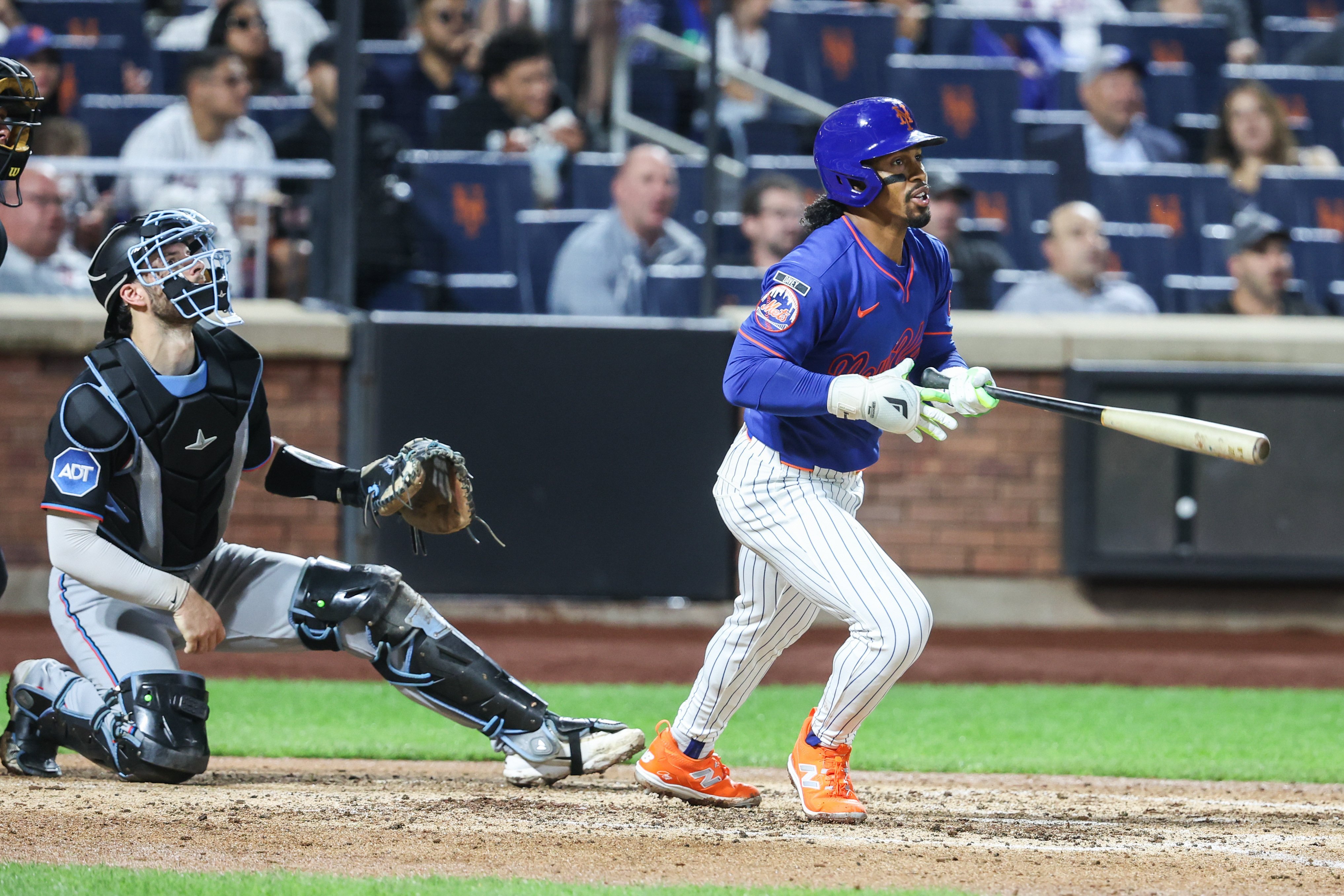 Each ensuing game for the Miami Marlins from here on out has compounded importance, ever more so true as the club opens up their final series against the New York Mets in advance of Monday's trade deadline. Fresh off the heels of a franchise record 12-game losing streak, Miami responded by sweeping the Phillies at home, entering the Big Apple one game over .500 at 55-54. On the other end of the spectrum, the New York Mets, a team which entered 2026 with a payroll estimated north of $360M and playoff aspirations after the previous season's collapse. The club traded for Luis Robert Jr. and Marcus Semien, signed Bo Bichette to pair with Francisco Lindor in the infield, and shored up the bullpen with the addition of Luke Weaver. However, the disaster that was the second half of 2025 for the Metropolitans returned tenfold, as New York entered play Thursday 46-63 and last in the National League East. Unfortunately, the game went as forecasted at the outset of the 2026 season and the Mets found themselves on the right side of victory, besting Miami 4-2. Repeating what they did in Tuesday's 1-0 victory over Philadelphia, the Marlins were aided early by a solo home run off the bat of Kyle Stowers . After sporting an OPS near .900 in June, Stowers has continued to see his season trend in the right direction, boasting an .812 mark in July. His 15 home runs trail only Heriberto Hernández 's 16. On the mound, it was more of what has been the case with Eury Pérez of late, as the flame-throwing 23-year-old held New York hitless into the fifth inning. Entering the bottom of the sixth on just 69 pitches, Pérez ran into trouble following a leadoff walk to Francisco Alvarez, as Francisco Lindor promptly singled him home. Then, 24 pitches into the sixth, Pérez surrendered a slow-moving chopper off the bat of the aforementioned Robert Jr. that caromed off the glove of third baseman Graham Pauley to put the Mets out front 2-1. In his six innings of work, Pérez allowed merely a trio of hits, striking out six. In seven starts since returning from injury, Pérez owns a sterling 1.71 ERA. As great as Pérez was, so too was Nolan McLean in his 6 1/3 innings of two-run ball. The only mistakes made by McLean would end in the longball. Looking to respond following the coughing up of the lead, Jakob Marsee —the touted outfielder that has struggled mightily in 2026—came through with his sixth home run of the season. Miami then called upon the man who had arguably been the club's most reliable reliever this season, Michael Petersen. In his first game since taking a comebacker off his forearm on Monday, Miami would see the 2-2 tie go by the wayside, with three consecutive hits courtesy of Bichette, Carson Benge, and Robert plating a pair of runs. Now 55-55, the Marlins currently find themselves 2.5 games out of the final Wild Card spot in the National League. Looking Ahead Miami will continue to steer the ship towards the postseason in the sequel Friday night. Janson Junk (4-6, 4.89 ERA) will square off against two-time All-Star Freddy Peralta (5-9, 4.99 ERA). The reigning NL wins leader, Peralta owns a 4.47 ERA across 13 appearances (10 starts) against the Fish. First pitch from Citi Field is slated for 7:10 pm EST. View the full article
 -
 Blue Jays Affiliate Overview (July 28-29) Triple-A Buffalo Bisons Series vs Lehigh Valley Iron Pigs (Philadelphia Phillies): 1-0 Season Record: 50-53 Double-A New Hampshire Fisher Cats Series vs Hartford Yard Goats (Colorado Rockies): 0-1 Season Record: 46-49 High-A Vancouver Canadians Series vs Spokane (Colorado Rockies): 2-0 Season Record: 45-54 Single-A Dunedin Blue Jays Series vs St. Lucie Mets (New York Mets): 1-1 Season Record: 45-51 FCL Blue Jays Week Record: Season Record: 38-20 DSL Blue Jays Blue Week Record: 0-1 Season Record: 17-24 DSL Blue Jays Red Week Record: 1-0 Season Record: 23-17 Triple-A Buffalo Bisons Season Record: 50-53 Series vs Lehigh Valley Iron Pigs (Philadelphia Phillies) July 28: Postponed July 29: Buffalo traveled to Coca-Cola Park to open up a new series against Lehigh Valley. Tuesday's opener was postponed due to rain and would force Jesús Sánchez's rehab appearance back a day. While he finally started his rehab assignment on Wednesday and went 2-for-3, the spotlight was on Willie MacIver instead. In fact, MacIver was the one who made sure he had the spotlight, sending out a solo shot in the top of the second inning at 105.1 mph, giving Buffalo the early lead. MacIver wasn't done though. He squared another ball up in the fourth inning, 105.1 mph again. This time, it went further, 404 feet to left to be exact. The blast extended Buffalo's lead by one and gave them a little breathing room. Well, what's the saying? “Third time's the charm,” is that it? It must be for MacIver, as he crushed another ball, this one 102.6 mph and 414 feet, for a two-run home run in the fifth. A Sean Keys bases-loaded walk in the seventh would give Buffalo a 5-0 lead, and they would need every bit of the cushion to stay on top. After a four-inning scoreless and hitless effort on the mound from Lazaro Estrada, Pat Gallagher, Javen Coleman, and Tanner Andrews would combine to give up four runs, as Buffalo escaped with the victory 5-4. Double-A New Hampshire Season Record: 46-49 Series vs Hartford Yard Goats (Colorado Rockies) July 28: New Hampshire started a series against the Hartford Yard Goats on Tuesday. Hartford owned the first inning, which has been a huge problem recently for the Fisher Cats. The Yard Goats scored three runs on two RBI singles. In the second inning, Jorge Burgos brought the game closer with a two-run double and was followed in the fifth inning by an RBI double from Arjun Nimmala. From there, the Yard Goats took over. GJ Hill added an RBI double of his own in the sixth inning. The next inning saw Hartford add three more runs, this time from a wild pitch, an RBI groundout, and an RBI single by Aidan Longwell. New Hampshire couldn't string together enough hits the rest of the way, as they fell in this one 8-3. July 29: Postponed High-A Vancouver Season Record: 45-54 Series vs Spokane (Colorado Rockies) July 28: A lot of changes happened within the organization, as newly drafted players began to make their way onto rosters, resulting in former top prospects getting released and new faces getting moved up. A new face for the Canadians is the oft-injured Jean Joseph, who immediately made an impact with a solo homer in the second to put the Canadians up one. Peyton Williams added one of his own in the fourth inning, and in the fifth inning Alexis Hernandez added one more run with a sac fly. Johnny King was once again excellent, going five scoreless innings, walking only two batters and allowing only two hits. Jack Eshleman replaced him in the sixth, and despite Eshleman allowing a run, the Canadians remained in the lead. The Canadians then had a big seventh inning, where they scored four runs on bases-loaded walks, and an RBI groundout from Maddox Latta scored another to cap off a big five-run inning and put the game out of reach. Reece Wissinger closed it out with two scoreless innings with three Ks for a big 8-1 win. July 29: Sixth-round pick Gable Mitchell (who ended up with his first hit and run) and 10th-rounder Bryce Chance both made their professional debuts with the Canadians in this game, and the Canadians were able to get out early in this game with an Alexis Hernandez double in the first. Troy Guthrie had a decent game, striking out five batters in five innings, but allowed the game to be tied up in the fourth on a sac fly (which also was a double play at the same time). Peyton Williams and Edward Duran took the lead right back with a pair of RBI doubles to give Vancouver a two-run cushion, but Guthrie faced traffic again in the fifth, allowing those runs to come right back. Hernandez and Williams both drove in a run in the fifth to give them a two-run lead again, and Holden Wilkerson shut the door with four no-hit innings to earn the save. Single-A Dunedin Season Record: 45-51 Series vs St. Lucie Mets (New York Mets) July 28: Blake Purnell got lit up by the St. Lucie Mets as he squared off against the rehabbing Clay Holmes. Holmes went four scoreless but allowed a couple of hits to some new draftees making their professional debuts, as third-round pick Ryan Cooney and seventh-rounder Dean West both notched their first hits on a solid MLB pitcher. Purnell allowed eight runs on the night, although he went five innings, and three of the runs were unearned thanks to a missed catch from JoJo Parker. Reese Bassinger had a successful debut as well, striking out two batters in his one inning in relief, but the Mets kept it pouring on Landon Waters and Mason Davenport, as they fell to the Mets 14-6. July 29: Brandon Barriera made his return to Dunedin, and some new faces made their Dunedin debuts in the lineup. Things did not go great for Barriera in his return, as he gave up four hits, two walks and five runs in just 1.1 innings pitched. JoJo Parker had himself a night with two homers that gave the D-Jays the lead. Juan Sanchez had a big double in the fourth to put the Jays up three, but Brady Heidel and Noah Palmese squandered the lead, as the Mets took the lead right back in the fifth. Parker and Sanchez could not be denied, as the two top prospects both had clutch RBI singles to take the lead back from the Mets for good. The bullpen then locked it in as well, as Ricky Tiedemann had another scoreless inning in rehab, and Dax Dathe and Isaac Williams both had scoreless outings in their Dunedin debuts. The Jays won this one 14-8. FCL Blue Jays Season Record: 38-20 Season Completed DSL Blue Jays Blue Season Record: 17-24 July 28: BJB faced off against the pesky DSL White Sox on Tuesday, and it was mostly a pitchers' duel. BJB only managed to get four hits in the game, two from Isay Veras and one each from Juarlin Soto and Fabian Gonzalez. The only scoring for BJB came when Gonzalez hit a ball to center, driving home Veras and Frelian Flores. The best pitcher for BJB was Johan Figuera, who threw two hitless and scoreless innings, while striking out four. BJB lost the game though, 3-2. DSL Blue Jays Red Season Record: 23-17 July 28: BJR didn't muster many hits on Tuesday, just five, but they were on the basepaths a ton with 13 walks. While on the bases, they used their speed and stole seven bases, two by Alex Linares and three by Darwin Nuñez. BJR took the early lead in the first inning. Gabriel Porras had an RBI single, followed by Aneudi Severino's RBI single. They also scored in the inning on a double play ball and a wild pitch. BJR would add another run in the ninth inning, bringing their lead to 5-1, where it would stay after a clean ninth. BJR won 5-1. Transactions 07/29/26 Toronto Blue Jays optioned RHP CJ Van Eyk to Buffalo Bisons. 07/29/26 Toronto Blue Jays recalled RHP Chad Dallas from Buffalo Bisons. 07/29/26 Dunedin Blue Jays activated LHP Brandon Barriera from the 7-day injured list. 07/29/26 Dunedin Blue Jays activated RHP Brayden Heidel from the 7-day injured list. 07/29/26 FCL Blue Jays activated LHP Santiago Garcia. 07/29/26 FCL Blue Jays activated LHP Cole Carlon. 07/29/26 FCL Blue Jays activated OF Ian Taylor. 07/29/26 FCL Blue Jays activated RHP Mathis Nayral. 07/29/26 FCL Blue Jays activated RHP Isaiah Magdaleno. 07/29/26 FCL Blue Jays activated OF Joey Urban. 07/29/26 FCL Blue Jays activated RHP Connor Kelley. 07/29/26 FCL Blue Jays activated RHP Carson Cormier. 07/29/26 FCL Blue Jays activated RHP Oliver de la Torre. 07/29/26 FCL Blue Jays activated LF Rhylan Thomas. 07/29/26 FCL Blue Jays activated OF Eddie Rosado Jr. 07/29/26 FCL Blue Jays activated RHP Devon King. 07/29/26 FCL Blue Jays activated C Will Brick. 07/29/26 Vancouver Canadians activated RHP Daniel Guerra from the 7-day injured list. 07/28/26 Buffalo Bisons placed 2B Jay Harry on the 7-day injured list. 07/28/26 Buffalo Bisons sent RHP Jorge Alcala on a rehab assignment to Dunedin Blue Jays. 07/28/26 Buffalo Bisons placed SS Josh Kasevich on the temporarily inactive list. 07/28/26 Toronto Blue Jays sent RF Jesús Sánchez on a rehab assignment to Buffalo Bisons. 07/28/26 RHP Caleb Freeman assigned to Buffalo Bisons from New Hampshire Fisher Cats. 07/28/26 RHP Beau Philip assigned to Buffalo Bisons from New Hampshire Fisher Cats. 07/28/26 SS Nick Goodwin assigned to Buffalo Bisons from New Hampshire Fisher Cats. 07/28/26 2B Frelian Flores assigned to DSL Blue Jays Blue from DSL Blue Jays Red. 07/28/26 OF Deret Gonzalez assigned to DSL Blue Jays Red from DSL Blue Jays Blue. 07/28/26 2B Frelian Flores assigned to DSL Blue Jays Blue from DSL Blue Jays Red. 07/28/26 OF Deret Gonzalez assigned to DSL Blue Jays Red from DSL Blue Jays Blue. 07/28/26 Dunedin Blue Jays released RHP Luis Victorino. 07/28/26 Dunedin Blue Jays activated RHP Dax Dathe. 07/28/26 Dunedin Blue Jays activated C Charlie Saum from the 7-day injured list. 07/28/26 Dunedin Blue Jays released RHP Lluveres Severino. 07/28/26 Dunedin Blue Jays released C Brock Tibbitts. 07/28/26 Dunedin Blue Jays released LHP Luis Fonseca. 07/28/26 RHP Reese Bassinger assigned to Dunedin Blue Jays. 07/28/26 Dunedin Blue Jays released C Will Cresswell. 07/28/26 Dunedin Blue Jays released RHP Diego Dominguez. 07/28/26 RHP Gavin Seebold assigned to Dunedin Blue Jays from FCL Blue Jays. 07/28/26 C Jake Bennett assigned to Dunedin Blue Jays from FCL Blue Jays. 07/28/26 LHP Connor O'Halloran assigned to Vancouver Canadians from Dunedin Blue Jays. 07/28/26 OF Dean West assigned to Dunedin Blue Jays from FCL Blue Jays. 07/28/26 3B Ryan Franden assigned to Dunedin Blue Jays from FCL Blue Jays. 07/28/26 RHP Landon Waters assigned to Dunedin Blue Jays from FCL Blue Jays. 07/28/26 SS Raimundo De Los Santos assigned to Vancouver Canadians from Dunedin Blue Jays. 07/28/26 RHP Nolan Higgins assigned to Dunedin Blue Jays from FCL Blue Jays. 07/28/26 SS Ryan Cooney assigned to Dunedin Blue Jays from FCL Blue Jays. View the full article
