


DiamondCentric
-
Posts
2,631 -
Joined
-
Last visited
Never
Content Type
Profiles
Forums
Events
News
Tutorials & Help
Major League Baseball Videos
Guides & Resources
Store
Downloads
Gallery
Everything posted by DiamondCentric
-

 Biloxi's Bombers may have garnered Friday night's spotlight, but there was plenty to note at every level of the farm system. We think Randy Wolf was wearing a Shuckers uniform at Am-Fam. Transactions: INF David Hamilton returned to Milwaukee from MLB Rehab with Nashville Sounds Nashville Sounds activated RHP Brett Wichrowski from the 7-day injured list. RHP Peyton Niksch assigned to Biloxi Shuckers from Wisconsin Timber Rattlers. Wisconsin Timber Rattlers activated LHP Bjorn Johnson from the 7-day injured list. OF Brailyn Antunez assigned to Wilson Warbirds from ACL Brewers. RHP Cesar Espinal assigned to Wilson Warbirds from ACL Brewers. C Luis Corobo transferred from ACL Brewers' 7-day injured list to 60-day injured list ACL Brewers transferred RHP Sean Episcope from the 7-day injured list to the 60-day injured list. RHP Ryan Oshinskie placed on ACL Brewers' full season injured list There is just a bit of commentary and backstory surrounding most of these moves included within our ongoing minor league transaction thread beginning here. It doesn't seem quite right to kick off game action with a seemingly rather non-descript Nashville game given the other action Friday night, but we have our top-to-bottom format, and hey, we're sticking with it! Final: Sugar Land (Astros) 6, Nashville 2 Box Score and Game Log Via the Sounds, game details, and we encourage readers to always review affiliate write-ups as part of their Link Report routine: Nashville Falls to Space Cowboys for Third Straight Night - Luke Adams records his third straight 2-hit game this week versus Sugar Land Miscellaneous notes beyond the detailed game summary, which included a nice write-up on Tyson Hardins's season-to-date, although the word "efficient" was used, and 83 pitches over four innings isn't quite that. We've seen indications that Jeferson Quero isn't far from moving back behind the plate for the first time in many weeks but count us in the "we'll believe it when" camp for now. In his first rehab game, Brandon Lockridge was tagged out by Space Cowboy first baseman Shay Whitcomb in one of the more athletic plays we've seen this season, also forced Lockridge to test his leg on the improvised crow hop at the bag. Lockridge would exit the game (planned, 99% sure), he had been in right field. An outfield juggle then placed Eric Brown, Jr. in center field, and wouldn't you know, here's Whitcomb again and Brown's late jump cost him (this was also our lone look at returning RHP Brett Wichrowski): Whitcomb wasn't perfect, the Sounds and Lockridge benefitted by a misplay to score the game's first run.. Hardin was hardly (hey, word play!) smacked around. A 78.8 MPH RBI single tied the game at 1-1, while this RBI ground ball to left didn't appear to be 99.9 MPH, but that's what was registered. Back to Wichrowski, his first batter reached on an error by Jacob Hurtubise in right, but things went sideways from there - walk, HBP, sac fly, soft line RBI single to center, ground out, then the Brown, Jr. dive/double, another walk, K to end the inning. Wichrowski also retired the first two men he faced in the 6th before exiting. In the top of the 7th, Brock Wilken was hit by a pitch to open the inning and was immediately pinch run for by Freddy Zamora. This wasn't pretty, folks, and man, what must be running through Brock Wilken's head this morning. Deep into an at-bat, Wilken was hit by a 2-2 slider directly into the ear flap protecting his left ear. The pitch can be seen by MiLB archive subscribers at the 03:10:30 hour/minute mark here. Wilken dropped to the ground immediately but rose to his feet on his own after the trainer's visit and walked off under his own power. Scary stuff and too reminiscent of other Wilken at-bats. Catch up with the latest Biloxi pre-game audio interview archives - 20-year-old control artist RHP Manuel Rodriguez is the most recent Biloxi Pre-Game Media Notes Final: Biloxi 10, Chattanooga (Reds) 7 Box Score and Game Log Shuckers, Burke Rewrite Record Books in Historic Win - Shuckers set franchise record with seven home runs, Burke ties single-game record with three If you were on social media at all Friday night, you couldn't help but notice the bombardment going on in Chattanooga by the Shuckers, heck I believe Randy Wolf even homered there. Oh wait, mixed dual screen. In total, the Shuckers hit 2,676 feet (0.509 miles) worth of home runs across their seven blasts, tied for the second-most in a game in Southern League history. This is when you realize there is just way too much statistical information being collected in the universe. Between Javik Blake's 'X' feed and that of the Shuckers' team feed, plenty of excitement abounded. But let's not lose sight of how competitive this game was and that Biloxi trailed 6-5 heading to the top of the 8th. The Chattanooga site includes eight highlights from their perspective should you wish to see some of the offerings of the Biloxi staff on this night. Those arms struck out 14 Lookouts but also walked seven on the night. Starter Jaron DeBerry allowed seven baserunners and three runs in his four innings of work. Blake Burke was hit by a pitch but stayed in the game in the 9th - bummer, as the four-HR watch was on. Andrew Fischer had a sac fly, Marco Dinges walked and stole a base in his 2nd game at the AA level, Dylan O'Rae stole his 45th base in 53 tries. There's something for everyone in the box and log. Perhaps the most important takeaway of the night - what did all the visiting scouts think of what they saw? They weren't there to check out Reds' farmhands. Somehow Josh Adamczewski went 0-for-5, that's OK, don't touch Josh, MLB. Is veteran Chattanooga voice Larry Ward endearing or just exasperating? Mee him in an interview from this past fall here. Wisconsin Pre-Game Media Notes (download link) Final: South Bend (Cubs) 9, Wisconsin 8, eleven innings Box Score and Game Log Via the Timber Rattlers, game details: Heartbreak in South Bend - Guilarte drives in five for Wisconsin in eleven-inning loss to Cubs I'm going to pull out a Jerry Augustine-ism from his WTMJ postgame appearances - "I'll tell you what". Love Jerry, but it'd be a fun drinking game to pour one each time you hear that. Well, I'll tell you what, but this game had as much drama, if not more, than the Biloxi contest. Chris Mehring is the man. Thanks for all the detail in that incredible game summary, because it captures the oddities within almost every batted ball, fielding play, and pitch. A must-read, to be sure. When Chris someday reflects on an amazing career, he may be most proud that he survived three full seasons of reliever Yerlin Rodriguez and lived to tell the tales. He's likely a fine young man, blessed with a rifle right arm, won't turn 25 years old until March, but may find greener pastures in his post Brewers career, scheduled for this fall. Nice work by 2025 2nd round LHP JD Thompson, back from Maryvale rehab along with 21-year-old reliever Jose Meneses, no earned runs combined over 5.1 innings. The T-Rats smacked four doubles, had smart at bats (sac bunt, sac fly), and drew 12 walks. Daniel Dickinson was on base four times, Braylon Payne received three free passes (two walks, one HBP), how'd they lose again? Oh, there were contributing reasons. Tyler Rodriguez caught stealing twice, once at home. Three errors, including two by Dickinson, that's 18 errors in 77 games split between second and short (second base on this night). Team RISP: 2-for-15. Team LOB: 13. Four hours and 11 minutes of drama, madness, and in the end, a discouraging defeat. Game three missed by Eric Bitonti. Wilson Pre-Game Media Notes Final: Charleston (Rays) 6, Wilson 4 Box Score and Game Log Late Wilson Rally Falls Short The Brewers thought enough of catcher Kevin Garcia to have him begin 2026 in Wilson, even if the native of Venezuela didn't turn 19 years old until July 20th, five days ago. This was home run #6 in 128 at-bats. Oh, and Garcia has thrown out 22 of 78 attempting basestealers, an excellent (especially for A-Ball) 28.2%. Yes, there are big holes in his offensive game, but much to work with. Ninth-inning rally just fell short, but here's Brady Ebel's third hit of the night. Also from the 9th, Alexander Frias smoked this ball, and the shortstop was charged with an error on the play. Can't be walking nine, Warbirds staff. On a brighter Wilson note, Voice of the Warbirds Chris Edwards has chronicled the 2026 walk-off history for the club, and their celebratory total leads all of minor league baseball! Final: DSL Brewers Gold 8, DSL Cubs Red 5, seven innings as scheduled Box Score and Game Log A bit of Cubs retribution for the Wisconsin loss. DBG, as we affectionately refer the Gold squad (OK, we really don't, but there you go), led 7-2 after three innings and held on. Shortstop Ricki Moneys was hit by a pitch and walked three times (good, now more walks than K's on the season), stole his 20th base in 24 tries (also good), and was picked off first base once (oh well), OBP is up to .430 (!), He was on base once for each member of ABBA: 18-year-old Venezuelan first baseman Matthew Moses clubbed his 5th home run, the two Gold pitchers were not spectacular but were fine, and the team moves to 21-15. Final: DSL Red Sox Red 18, DSL Brewers Blue 3 Box Score and Game Log It wasn't Mercedes' morning on Friday as the box score indicates, his four wild pitches were part of the ten wild pitches in this game (seven by the Crew). Prized infield prospect Diego Frontado singled three times. Other stuff happened. Nashville plays twice on Saturday, so we get a seven-game schedule even though Maryvale is done for the season. With the exception of the DSL, all the action is under the early evening lights. Have a great day! Organizational Scoreboard including starting pitcher info, game times, MiLB TV links, and box scores Current Milwaukee Brewers Organization Batting Stats and Depth Current Milwaukee Brewers Organization Pitching Stats and Depth View the full article
 -
 Robbie Ray is a 34-year-old veteran lefty who is putting up a remarkable season in 2026. In this video, we'll break down his contract, play style, strengths, weaknesses, and what the Cubs should have to give the Giants in order to land him. Enjoy! View the full article
 -
The Twins Could Walk Away as Big Winners at the Trade Deadline
DiamondCentric posted an article in Twins Daily
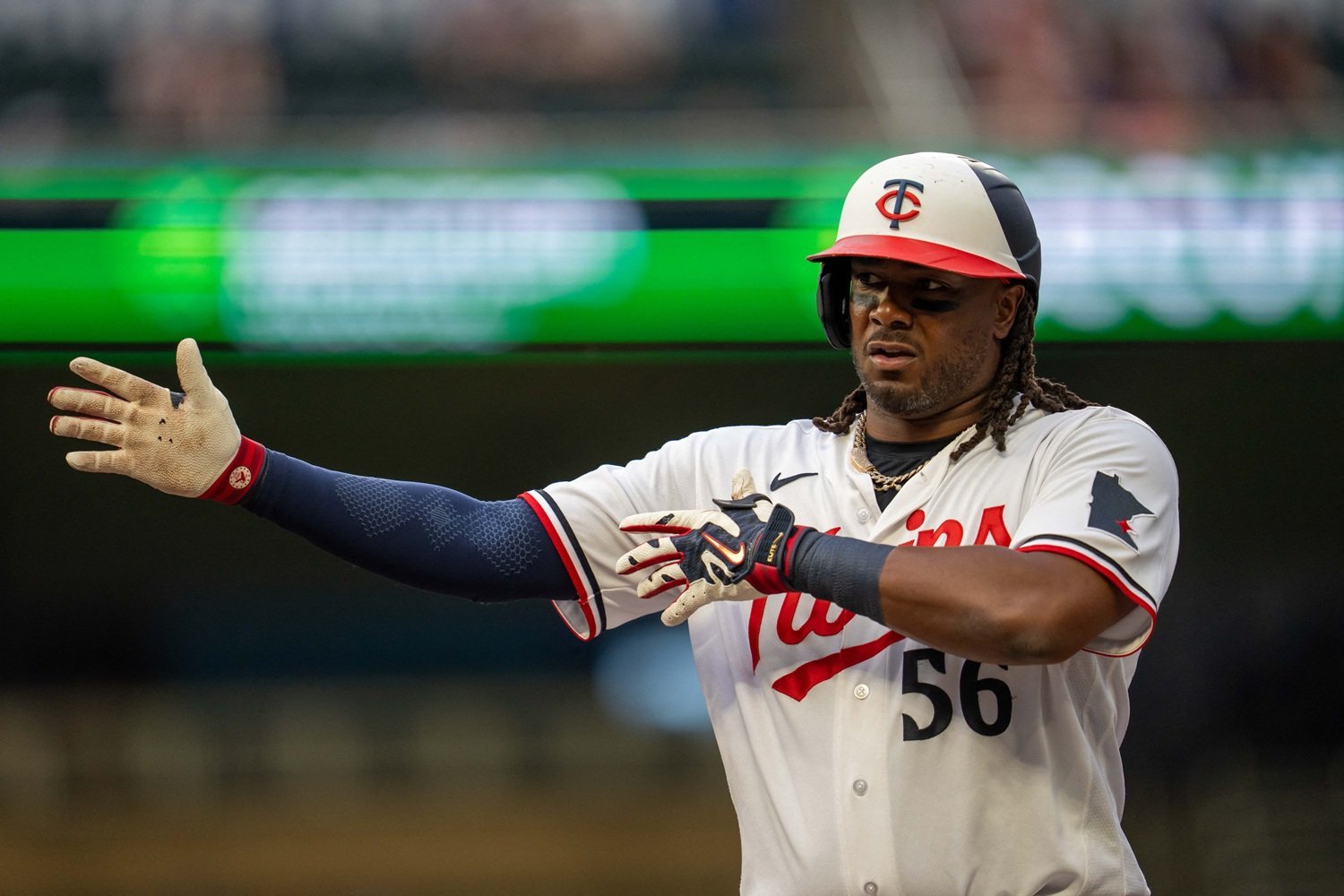 As the Twins have stumbled out of the All-Star break, it grows increasingly likely that they will be sellers at the upcoming trade deadline. After last year's fire sale that shook up the roster, the Twins once again have several names that could be on the way out over the next week and a half. It isn't the position anyone in the organization hoped to be in; selling would be another sign that 2026 hasn't gone according to plan. However, there are long-term benefits that come with moving veterans and arbitration-eligible players. One of those benefits is how much money the Twins could potentially save from this year's payroll. Ryan Jeffers, Joe Ryan and Trevor Larnach are all names generating plenty of attention on the trade market. Each would bring back a player (or multiple) that could fit into the Twins’ long-term plans, but there's another layer to the discussion that shouldn't be overlooked. The offense would almost certainly take a step back in the short term without Jeffers and Larnach in the lineup. Ryan, meanwhile, has been the anchor of the rotation, and all three have spent their entire major league careers with the Twins. They drafted Larnach in the first round of the 2018 MLB Draft and used their second-rounder on Jeffers. Ryan was acquired from the Rays in July of 2021 as the headliner in the Nelson Cruz trade and has developed into one of the American League’s best pitchers. Moving on from three guys who have been around for that long is a tough thing to do as an organization. But not only would the hypothetical returns for those players help shape the organization's future; they would also clear millions of dollars from the payroll. All three are playing on one-year contracts. Ryan and Larnach each have a year of team control left in 2027, and Jeffers will hit the open market this winter. Despite the season being roughly two-thirds complete, there's little reason to continue paying those salaries if the organization no longer views this year's club as a legitimate contender. If those players don't fit into the long-term plans, there is value in moving them now rather than waiting. Looking at their contracts, Jeffers is making the most of the three at $6.7 million this season. Assuming roughly two-thirds of that salary has already been paid by the deadline, the Twins would save approximately $2.23 million by trading him. Ryan and Larnach would add even more savings. Between those two players, the Twins would clear roughly another $3.5 million from this year's payroll. Now you're talking about just under $6 million saved immediately, and that's before even considering how much will be avoided by not having to pay their next contract. The savings don't stop there, either. Veterans Josh Bell and Taylor Rogers are both playing on one-year deals and could very well be on the move if contenders come calling. Bell signed a one-year, $7 million contract. After accounting for his $250,000 signing bonus, he'll earn $6.75 million throughout the season. Rogers is making $2 million this year. Combined, that's just under $9 million in salary. With approximately one-third of the season remaining, moving both players would save the Twins nearly another $3 million from this year's payroll. And what if someone like Bailey Ober got moved? Like Ryan and Larnach, he has one more year of arbitration eligibility and could draw interest from a team looking to strengthen the back end of its rotation. Trading Ober would save approximately $1.73 million this season, and as much as I’m sure we’ll all miss his electric 88 MPH fastball, it’s tough to imagine he fits in the Twins’ future rotation plans. Put all of those moves together, and the Twins could (potentially) save around $10.5 million from this year's payroll by moving players who don't appear to fit into the organization's long-term plans. And that's before mentioning what might be the biggest benefit of all: adding another wave of young talent through trade returns. That's what this is really about. The Twins aren't simply trying to cut costs; they're trying to position themselves for the future. If the front office believes this core isn't capable of competing for a championship in 2026, maximizing the value of those assets becomes the logical next step. Looking ahead to 2027, there are even bigger financial questions looming. Nobody knows exactly what that season will look like—or whether there will even be a season—with a new Collective Bargaining Agreement set to become one of baseball's biggest storylines over the next year. The biggest component of that has centered around implementing a salary cap and a salary floor. In the league's initial proposal, the salary floor would be set at $171.2 million. The Twins are currently one of 12 teams below that figure, and they're going to need far more than $10.5 million in savings to navigate whatever comes next. Minnesota's current payroll sits at roughly $106 million, leaving a massive gap between where it is today and where a potential salary floor could eventually be established. That's why, regardless of whether the Twins believed they were contenders this season, significant roster decisions were likely coming at some point anyway. Shipping out key pieces at the trade deadline is never enjoyable. That's especially true for Twins fans, who just watched last summer's fire sale reshape much of the roster. But baseball is a business as much as it's a game. If moving players who no longer fit the organization's long-term timeline allows the Twins to save money, acquire future talent and better position themselves for whatever comes next, it's a difficult decision that may ultimately make the most sense. And once again, that's the situation the Twins find themselves in. View the full article
 -
Should the Royals Trade Isaac Collins at the Deadline?
DiamondCentric posted an article in Royals Keep
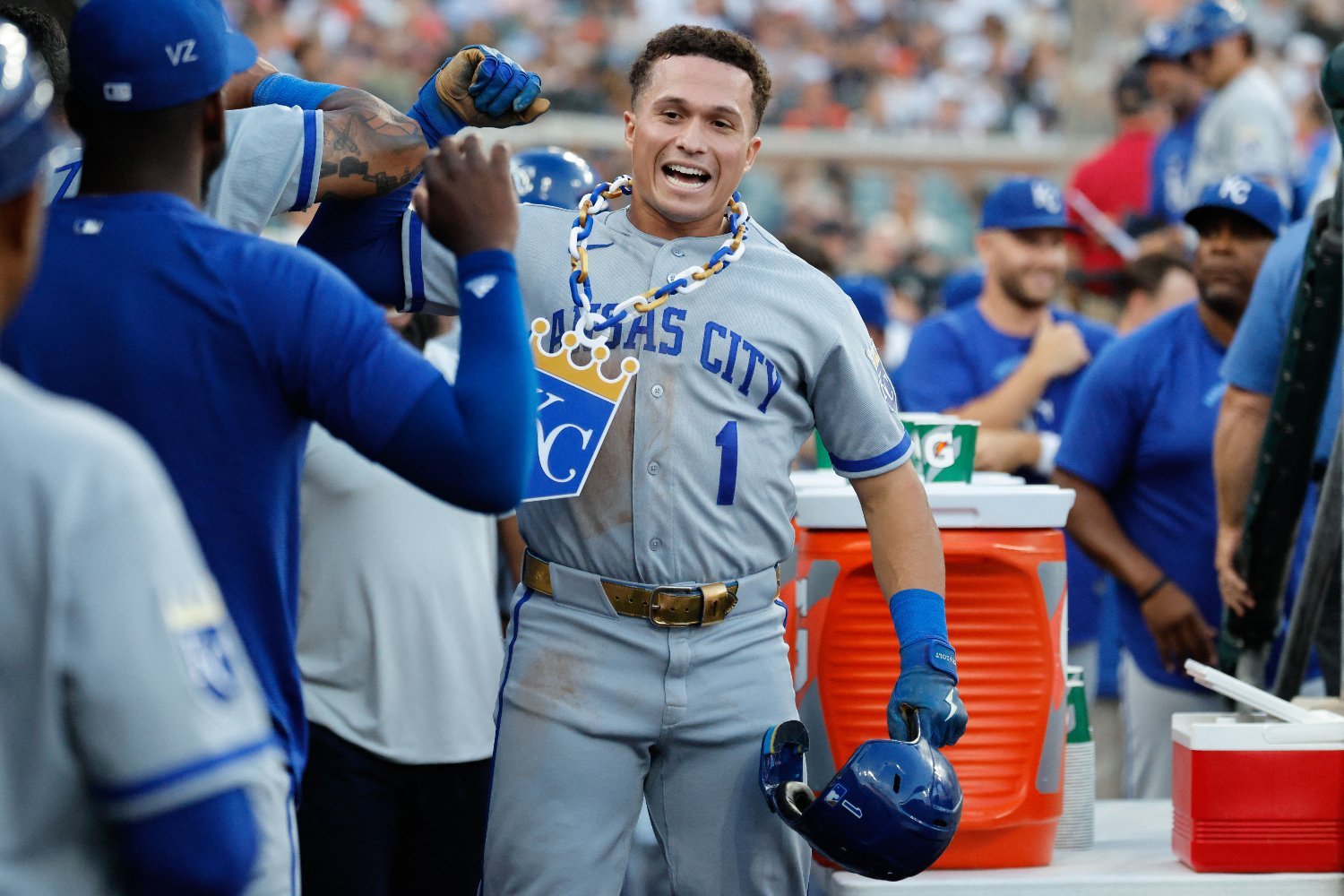 One of the Royals' most productive hitters lately has been Isaac Collins, who was acquired this offseason in the Angel Zerpa trade with Milwaukee (along with reliever Nick Mears). For the season, Collins is hitting .246 with a .324 wOBA and 104 wRC+ in 343 plate appearances with the Royals. After a slow start, the 29-year-old outfielder has posted wRC+ marks of 98 in June and 162 in July after marks of 85 in March/April and 91 in May. While he hasn't been a huge source of power, he's shown a strong ability to generate walks and limit strikeouts, as evidenced by his 0.51 BB/K ratio for the year. The former Creighton product has been primarily locked in since Memorial Day, as Joel Penfield of KC Sports Network noted on Twitter. The nice thing about Collins is that the Royals have him under control for a good while after this season. He isn't arbitration eligible until 2028, and he doesn't become a free agent until 2031. Thus, Collins could be a foundational piece that the Royals can depend on going forward, even if Kansas City decides to upgrade their outfield even further this offseason via trade or free agency. That said, the Royals are 43-62. Bobby Witt Jr. just went on the IL due to a lower-back injury, and Maikel Garcia is still out for an indeterminate amount of time. Thus, the Royals really aren't playing for anything beyond pride and player development, and at nearly 30 years old, one has to wonder if Collins truly is a long-term piece for Kansas City. Lane Thomas and Starling Marte seem to be for-sure trade chips for Kansas City at the Trade Deadline. It makes sense since they are both on one-year deals and likely won't be part of the Royals' plans in 2027 or beyond. That said, what about Collins, who could perhaps get a better trade package than Thomas or Marte due to his long-term flexibility? Let's break down his trade candidacy, some possible fits, and whether the Royals should trade Collins by the August 3rd Deadline. Collins Doesn't Chase, But Has Questionable Batted-Ball Metrics (And Baserunning and Defense) The issue with Collins is that he has some obvious strengths as a hitter, but some glaring concerns that limit his ceiling. Those are evident in his Statcast percentiles summary via TJ Stats. On a positive note? Collins ranks well in O-Swing% (96th percentile), BB% (76th percentile), Z-Contact% (66th percentile), bat speed (66th percentile), and whiff% (62nd percentile). However, his barrel rate ranks in the 29th percentile, and his LA Sweet-Spot% and average EV rank in the 23rd percentile. Thus, it's not a surprise that his wOBA (35th percentile) outpaces his xwOBA (29th percentile), which is a sign that regression could be coming for Collins, especially after a strong July. It would be one thing if Collins were a patient hitter. His walk and whiff rates seem to suggest that. That said, he's actually quite free-swinging. That's illustrated in his 39.9% Swing%, which ranks in the bottom fifth percentile. That makes Collins prone to more strikeouts, and thus, a stunting of his ultimate ceiling. Hence, while Collins has been more-than-serviceable this year, Kansas City may be tempted to add a free-agent outfielder this offseason. Baltimore's Taylor Ward is not hitting for a ton of power this year, but he's dealt with lingering injuries, and if healthy, he could be a 20+ HR candidate. The Royals have been tied to Ward in the past when he was a member of the Angels. So Picollo may be aggressive and go after him now that he's a free agent. Another option could be Seiya Suzuki, who's having another banner year (17 home runs; .827 OPS), but will be a free agent, and the Cubs may not want to give him a long-term deal. The Royals have Jac Caglianone in right field and Kyle Isbel in center field. Those players seem less expendable than Collins, especially with Cags (1.4 fWAR) and Isbel (0.4 fWAR) combining for nearly two fWAR this year. The former Brewers outfielder only has a 0.5 fWAR, despite an above-average wRC+. The primary reason for that is his lackluster defense and baserunning. According to Fangraphs, Collins has been -2.4 BsR (baserunning runs) below average and has been caught five times on stolen base attempts in 11 tries. On the defensive end, he has a -3 OAA and FRV. His defense has been better after a sluggish start, but he's still been below-average overall. Isbel, on the other hand, has been a solid defensive player and baserunner in his Royals career. Cags' range has been questionable, but his arm strength makes him an intriguing right fielder who can limit runs on the basepaths. Collins doesn't share any of those qualities, and while his bat is good, it's not enough to merit playing time over a Ward or Suzuki in 2027. What Teams Could Be Fits for Collins? An interesting fit for Collins could be the Boston Red Sox, who seem to value former Brewers. They acquired Caleb Durbin this offseason, and he's overcome a slow start, producing a 90 wRC+ and 1.5 fWAR. Thus, Boston may want Collins, who can play both corners and draw walks. The Red Sox may be tempted to trade Jarren Duran to the Royals, a player that the Royals have coveted in the past. Duran has a 58 wRC+, has a -0.1 fWAR, and has seemed to rub the Boston media the wrong way, as evidenced by his latest incident with Tyler Milliken, who covers the Red Sox for the Section 10 podcast. data:image/gif;base64,R0lGODlhAQABAPABAP///wAAACH5BAEKAAAALAAAAAABAAEAAAICRAEAOw== Duran could get a fresh start, and he doesn't become a free agent until 2029. Thus, Boston and Kansas City would be trading similar assets. For the Red Sox, they get a more versatile outfielder in Collins who doesn't carry the same number of headaches as Duran. As for the Royals, they get a player with some All-Star upside who may play better in a smaller market and with less "social media noise". The results haven't been good for Duran this year. However, the bat speed, exit velocity, and barrel rates illustrate that he could see a bounce-back, especially if he can take advantage of Kauffman's new hitting dimensions. Another option could be the Phillies, who have struggled to get productive outfield play beyond All-Star Brandon Marsh. Beyond Marsh (115 wRC+), only former White Sox outfielder Derek Hill has a wRC+ over 100 (106). That said, he has only 62 plate appearances, and his K% is 43.5%. Safe to say, he's going to fall back to earth soon, so they need to have another outfielder in the mix if they want to make a run in the postseason. Collins could fit in right field for the Phillies, and the Royals could maybe get a package that could include one of the Phillies' top-five prospects. That includes Andrew Painter, Aidan Miller, Aroon Escobar, and Gage Wood. Painter, the Phillies' No. 1 prospect, has struggled in his brief MLB tenure (7.06 ERA in 65 IP), but the stuff is solid, and he could thrive with less pressure in Kansas City. Even though the Royals would lose Collins, they would get an arm with top-of-the-rotation upside. That would make trading Michael Wacha or Seth Lugo a lot easier at the Trade Deadline or in the offseason. While that seems like a steep price to pay from the Phillies' perspective, Phillies president Dave Dombrowski has proven, not just in Philly, but in Boston and Detroit as well, to be willing to trade prospects for proven veterans at the Deadline. What Will the Royals Do? The Royals probably believe that they have a chance to rebound and be competitive again in 2027. Thus, I think they are looking at preserving a core at the Deadline that can help get them back to 2024 and 2025 levels, when they won 86 and 82 games, respectively. That's why I see the Royals trading Wacha or Lugo, but not both. The Royals can't go into 2027 with Luinder Avila as their Opening Day starter and expect to make the postseason. However, while Collins has been decent and has years of team control, I think Picollo should deal Collins if they get the opportunity, with Boston and Philadelphia as the primary targets. With the Red Sox, the Royals could get a proven MLB vet with team control that has All-Star upside and could be due for a bounce-back in new surroundings. It would be a similar situation to Mike Yastrzemski last year, but in this case, the Royals would have Duran for two more seasons (unlike Yaz, who became a free agent after 2025). With the Phillies, Kansas City could get a flawed but talented pitcher who makes more sense on a developing Royals team than a Phillies team that is flush with veteran starting pitching. Painter could be Cole Ragans 2.0, but with a better health track record. Wood could also be a nice piece if the Phillies aren't willing to part with Painter, especially with Wood pitching well in Double-A Reading. The Royals keeping Collins would be fine, especially since he's done enough to prove that he can be counted on in the lineup for not just 2027, but perhaps 2028 and beyond. That said, Kansas City needs to look at trade scenarios for all their players, and if they get good value on Collins, they need to pounce quickly. The last thing they want is to hold onto a player like Collins too long, and he not only has tanked his trade value, but they're just designating him for assignment and releasing him in 2028 or 2029. View the full article
 -
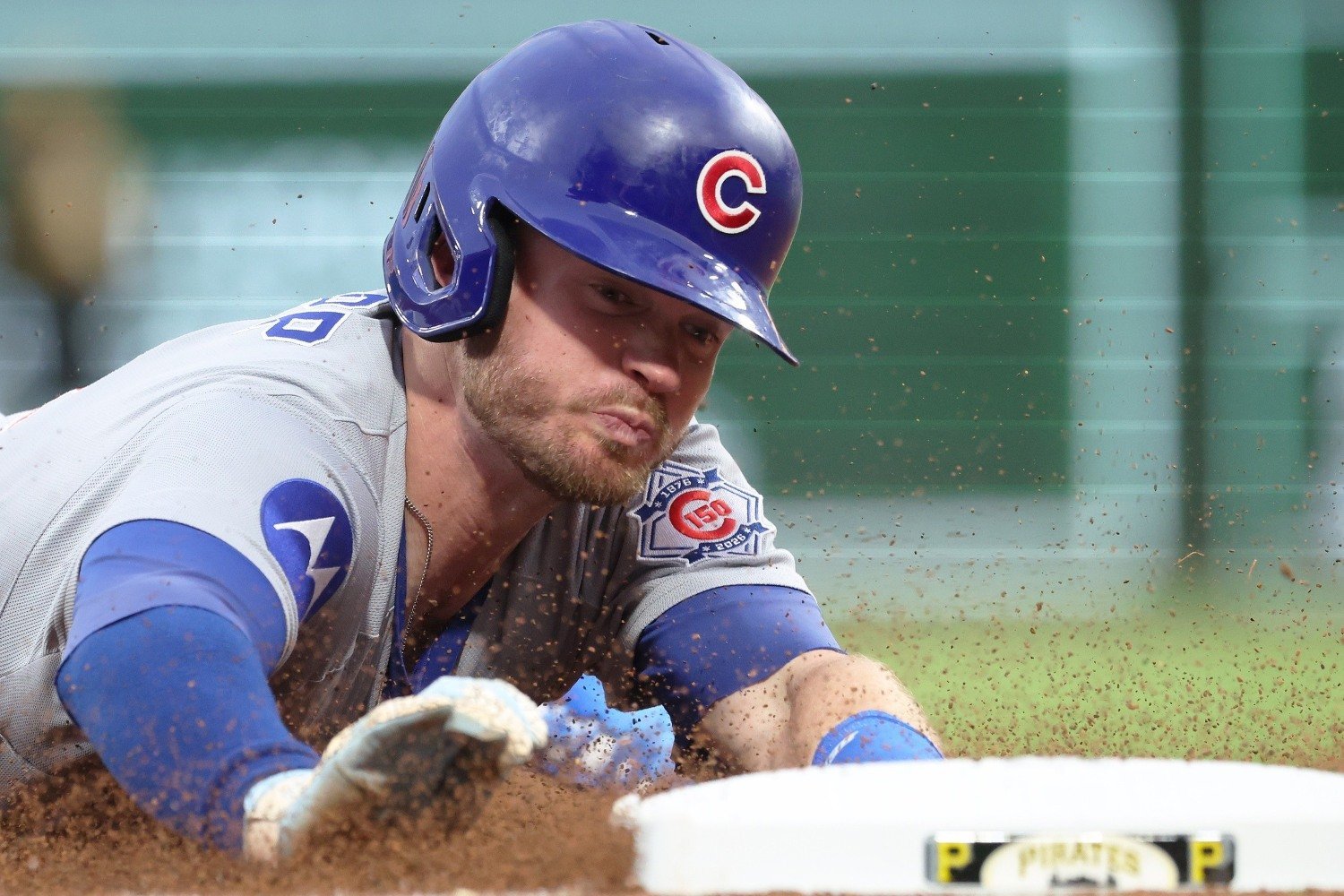 I'm a ruminator, and one of my unfortunate habits is the rewatch. When I find a great piece of media, I prefer to marinate in it—to revisit and reexamine it—than to venture forth and try to find the next thing with something to say. Eventually, I do find new things, but I spend a lot of time going back to things I've seen and read and heard before, whether it be by actually consuming them again or by considering them in the context of some other experience or product. In season 4 of The Wire, the show's most unabashed villain takes the stage. Marlo Stanfield isn't soulless; that's just a front he uses to project and accumulate power. But the process of proving himself hard, cold and ruthless has transformed him in ways he can't perceive. Marlo is a fool. He believes he's building a kingdom—making himself ruler of all he surveys. In reality, he's renting that world, the same way a drunk rents a bottle of whiskey. Just like the drunk is destroyed by that which he clamors to obtain and arrogantly believes he controls, Marlo is hollowed out by his consumption of power. But just like the drunk, he's dangerous and destructive to others, too, for every second he breathes and refuses to reform. One episode opens with Marlo at a convenience store, where he buys a bottle of water—and, at the same time, brazenly steals something from the counter while the cashier is distracted by the transaction, in full view of the security guard near the door. It's a cheap display of immaturity and greed—the kind of thing a fool mistakes for power. It's an assertion of power over the guard, which is made plain to us when the guard follows Marlo outside. He confronts Stanfield, telling him he understands the power imbalance at play but challenging the budding kingpin to show more respect for his community and for working people. "You want it to be one way," says the dead-eyed Marlo. He repeats it several times, flustering and (eventually) spooking the guard. Finally, he lets the other shoe drop, just before walking away. "But it's the other way." In the scene itself, that means what it appears to mean. The guard, by putting on that uniform each day and trying to enforce a bare-minimum kind of order and justice at the store, is offering a mission statement for life. He wants a world where the rules apply to everyone; he wants even the drug lords of the projects to see a few lines they won't cross unless it's absolutely necessary. Marlo's reply is, essentially: no. The scene is also a metamessage to the audience of the show, which sometimes lamented the extremes to which creator David Simon pushed the characters and the awful fates met by just about anyone who tried to make a positive difference. By that point in the show's life, Simon had heard those criticisms; they did not deter him. In fact, he himself characterized the show as "angry" more than once. His background was in journalism. He wanted to press reality (as he saw and understood it) up against the TV screen and make the world reckon with it. To the viewers, this scene said, "You want a world where morality matters. You want to believe that the powerful harbor a secret wish to consort with the powerless, and conform to their hopeful view of the world. You, who watch this from (in many cases, if not most) seats of privilege and comfort and whiteness, want to believe you've helped create and now occupy a governable, essentially fair world. You don't." All of this ran through my head in the top of the seventh inning Friday night. In a 1-1 game, Ian Happ swung at an 0-2 pitch diving toward his back foot, and he hit a nothing ball—a tapper toward first base. The Pirates' Ryan O'Hearn came to collect the ball and flipped casually to Wilber Dotel for the out—or was it one? Happ, to the surprise of the Pirates, had absolutely busted it out of the box and all the way up the first-base line. The play was shockingly close. In fact, the Cubs asked for a replay review. And in fact, Happ had been safe. He beat out an infield single, on a ball that had no business being one. It took the failures of two Pirates defenders to turn that sure out into a hit, but by hustling unreservedly at the end of what should have been a third straight empty, frustrating plate appearance, Happ created a chance for a game-winning rally. On a 2-2 count, Nico Hoerner then hit a flare to center field. Happ got a perfect read, knowing not only that the ball would fall in but that it would die (it was off the end of Hoerner's bat) and take time for center fielder Jake Mangum to field and fire in. He made it to third base on the play, putting him in position to score the go-ahead run. The combined exit velocities of Happ's and Hoerner's hits (121.8 MPH) was lower than those of two individual batted balls in the career of Pirates outfielder Oneil Cruz, who has twice hit it harder than 122 MPH. But because of Happ's hustle and his smarts, he had a great chance to tick the telling tally in a crucial game. He didn't, though. Pedro Ramírez struck out looking, and Carson Kelly grounded into a fielder's choice. The rally died. You want it to be one way, in baseball and in life. You want effort and preparation and instinct and solemn, high purpose to be rewarded. But it's the other way. Baseball, like the world, is not a democracy or even a meritocracy but an oligarchy. Talent tells. Hustlers and scrappers can hustle for scraps once the big dogs eat. Of course, the Cubs were the big dogs in this fight, really. They pushed the game all the way to a 10th inning, and then they won it. Happ made a dazzling defensive play, because although he's not a superstar, he's immensely talented in his own right. In the bottom of that same seventh inning, the Pirates took their turn putting runners on the corners with one out, and they managed to hit the fly ball the Cubs needed from Ramírez. It was a medium-depth fly to left field, shallow enough to give Happ a chance to throw out the runner in terms of sheer distance, but it wasn't hit as lazily as one might have liked. Happ had less time to get behind it and start his movement toward home plate than he'd have liked; he had to generate all the power for a strong throw in a short span and (because a crow hop was a luxury he could ill afford) a small space. Doing that is difficult, and being accurate while doing it is almost impossible. Happ doesn't have an elite outfield arm in terms of sheer arm strength. But in this way, he's elite. He got off the throw, and fast. It was strong, and it was true, and the play wasn't even terribly close. Happ was the Manfred Man in the top of the 10th inning, too. He came around to score the go-ahead run on a hard single to center by Dansby Swanson, and though his nimbly-adjusted slide to the inside of home plate first left him coming in too fast and his front foot bouncing over the plate, his tucked leg still reached its destination before the tag from an awkwardly lunging Henry Davis. It was another great bit of baseball from Happ, and although the play was breathtakingly close to heartbreaking, it turned out all right. That's not meant to imply that Happ's refusal to jog it out in the seventh or his perspicacity on the bases in that inning somehow earned him a smile from karma in the 10th. The Cubs won the game because of Happ's talent in left field, and because they've patched together an adequate string of pitching performances lately in front of an elite defense, and because Pete Crow-Armstrong is an incandescent superstar. Crow-Armstrong homered in the sixth to give the Cubs their only run in regulation, and when pitcher Yohan Ramírez fell behind 2-0 on him in the 10th, the Pirates intentionally walked Crow-Armstrong to load the bases with two outs. First base wasn't even open; they already trailed; and Ramírez has poor control. Seiya Suzuki exploited the moment by waiting out Ramírez and accepting an RBI walk, pushing across the insurance run that would prove to be the margin of victory. Crow-Armstrong's maturation into a patient hitter who won't get himself out earned him that free pass. In the past, the Pirates could and would have kept pitching to him in that spot, expecting him to expand his zone. He's a truly great player right now. Suzuki is a fearsome and disciplined hitter, too. There is another reading of Marlo's encounter with that security guard that's worth pondering, though. Maybe it's one only watching the series from a place of privilege and comfort would ever produce, but here goes: Marlo is, in a sense, wrong. The guard is, in a sense, right. Don't get me wrong: the world is as ruthless and as avaricious as Marlo Stanfield is. But real goodness is also unkillable. Marlo has that guard killed, and Simon would probably prefer that we take a sobering, dour lesson from that: the powerful will respond to your demands for dignity only by pulverizing you. Certainly, whether a person lives or dies is the ultimate equivalent to pointing toward the outfield and saying, "Scoreboard." What matters most, to most people, is who lives and who dies. What matters most, to most baseball fans, is which team wins each game. Why did Stanfield really have that guy killed, though? To make an example of him, sure, a little. To announce his dominance over everything and everyone. But deeper, down on a level Marlo couldn't even reach or understand, he did it because the guard had revealed the truth to him. Whether we try does matter, and so does whether we persist when our first attempts fail. Morality does matter. The world will not reward your good thoughts, words or deeds, in an extrinsic way; the world will come closer to punishing you for them. But it's your duty to think good thoughts, say good words, and do good deeds, anyway. Sometimes, you'll have enough power and enough opportunity and enough luck to be celebrated for that goodness. Sometimes, you won't. But life isn't counted out in dollars or in influence. Those are outputs. The real measure of our time is our inputs. Happ struck out both times he saw Jared Jones Friday night. In his third at-bat, against Dotel, he swung at a bad pitch, took a good pitch, then swung at another bad one. He happened to just touch that third offering, though, and when the least window opened for him to turn a bad day for the better, he seized on it like he understands the difference between a thing done well and a thing done ill. He was fully present. To him, the right things mattered, and doing things right was his way of expressing what mattered. As most Cubs fans know, Happ is from Pittsburgh. Many forget (or never knew) that, 11 years ago, he lost his father to brain cancer, just a few months after he was drafted by the Cubs. The emotions tying him to Pittsburgh aren't simple; they must be equal parts joyous and painful. When he takes the field in his hometown, his surface-level stoicism burns off a bit, and you can see the same attention to detail and insistence on consistency that was handed down to him by Keith Happ, an agronomist for the United States Golf Association. He was a .306/.387/.528 career hitter at PNC Park before Friday. On a night when his bat wasn't doing the job, he found no fewer than three other ways to will the Cubs to a win. Not all of those efforts directly contributed to the win, in a tangible way, but that's not the same as saying they didn't all matter. They did. You can't win 'em all. Nor can you run 'em all out. Nobody is on their game and on fire with intelligent intensity all the time. Games played the way Happ played Friday night deserve special recognition, though. It's easy to give that recognition, because he ended up making a big and obvious contribution to an important victory. Even if the Cubs had lost, though, that seventh-inning sequence would have been valuable. Not all rewards are extrinsic. You can win every day, if not every game—one way, or the other. View the full article
 -
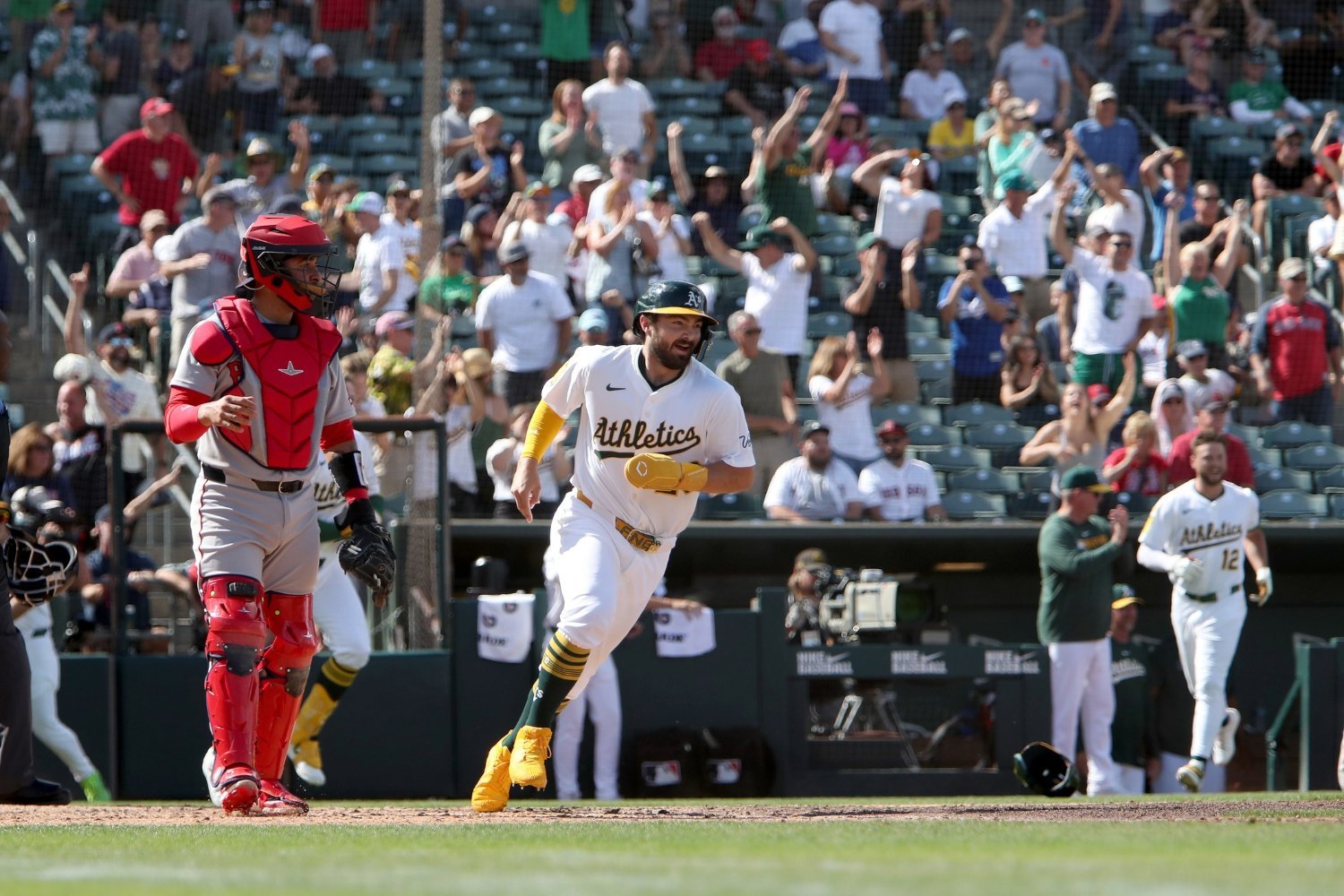 Earlier this week, I profiled why Minnesota Twins backstop Ryan Jeffers is a prime trade target for the Boston Red Sox. He checks a lot of the boxes that the team needs behind the plate and on offense, but there are questions about the cost to acquire him and if the Twins would even be willing to part with him. He’s also an unrestricted free agent after next season, so Craig Breslow would have to heavily weigh the cost versus the possibility of extending Jeffers before he has a chance to reach free agency. Since that article was written though, the trade market for catchers has become arguably the hottest stove in MLB. ESPN’s Jeff Passan has listed three additional catchers as matches for the Red Sox. While Jeffers was at the top of my trade target list, I’d likely bump him down to number two or three on my tier rankings now that Shea Langeliers, Adley Rutschman, and Hunter Goodman’s names have surfaced. Instead of profiling each player with their own piece, I wanted to give a one-stop-shop location for the three names that are going to fly up fan’s trade boards in the next week and a half. #3: Hunter Goodman, Colorado Rockies We talked quite a bit about Goodman on the most recent episode of the Talk Sox Podcast and for good reason: he’s currently projected to perform better this season than he did during his breakout in 2025. He’s currently slashing .257/.326/.565 with a .375 wOBA, 124 wRC+, and a 2.4 fWAR. To go along with that, he’s already matched his 2025 home run total of 31 in just 94 games into this season. Typically, you have to take any hitter on the Rockies with a grain of salt, but not Goodman. In fact, his road splits are better than his home numbers. On the road, he’s slashing .282/.345/.619 with 18 home runs, a 32 K%, and an 8 BB%. At home, he’s slashing .231/.306/.509 with 13 home runs, a 32.6 K%, and an 8.8 BB%. Much like nearly every hitter connected to the Red Sox while Craig Breslow has been at the helm, Goodman has a staggering 30.6 Pull-Air% that would likely drive his home run totals to the moon if he were taking aim at the Green Monster for the remainder of this season. He’s also not an unrestricted free agent until 2030. With that much control, it’s understandable that Colorado is waiting to be blown away by an offer for Goodman. That’s the biggest knock against him right now; it’s going to take multiple top-10 prospects plus some MLB-caliber talent to pry the catcher out of the Mile High City. Along with that, there are a couple areas of his game that should give teams, but especially the Red Sox, pause for concern. As noted in his splits above, his strikeout percentage is out of this world, and not in a good way. Currently, Goodman is in the 5th overall percentile for K% at 32.3%. His BB% is slightly better, 8.4%, putting him in the 43rd percentile. The sky-high strikeout percentage also explains the bottom-of-the-barrel chase percentage at 40.4% and the even worse whiff percentage at 35..4%. On the defensive side of the baseball, he’s bottom of the league as well. He currently is in the 58th percentile in blocks above average at +1, the 45th percentile in caught stealing above average at zero, the 27th percentile in framing at -2, and the 58th percentile in pop time at 1.94 seconds. It’s a massive step backwards on the defensive side of the baseball compared to Carlos Narváez, but the pop in his bat is tantalizing. If the hitting program believes they can tinker with him enough to fix his swing-and-miss issues, then it may be worth ponying up the prospect capital to land Goodman at the deadline since he’s under control for so long. #2: Adley Rutschman, Baltimore Orioles I like Rutschman a lot and typically hate seeing him at the plate in a series against the O’s. There are two big reasons I have him ranked number two here, though: He plays for a division rival, so a trade is going to be incredibly difficult to pull off, and he has an injury history that gives me a bit of pause for concern. He landed on the IL just before the most recent series against the Orioles with left wrist inflammation. That’s his third IL stint this year; he was placed on the IL in April with left ankle inflammation and again in June with a concussion. Due to the time spent on the injured list, his 2026 numbers aren’t spectacular. He’s slashing .251/.331/.433 with a .333 wOBA, 114 wRC+, and a 2.3 fWAR. That being said, he has all of the intangibles that the Red Sox are looking for if they decide to upgrade at the catching position. First, his Baseball Savant page gives us a look under the hood to a lot of the information that Craig Breslow is also likely looking at. He grades out in the 82nd percentile in xBA at .270, and his squared-up percentage is the 90th percentile at 32.3%. While all of that is impressive, Rutschman’s whiff, strikeout, and walk percentages are the offensive stats that Breslow is probably drooling over. His whiff percentage is sitting at 15.8%, good for the 92nd percentile, the strikeout percentage is in the 86th percentile at 14.1%, and his walk rate is 69th percentile at 10.6%. To go along with that, his Pull-Air percentage is at 19.3%, good for the top ten percent of hitters in the league. We all know Breslow loves to sign right-handed (or switch, in Rutschman’s case) hitters who can pull the ball in the air on a regular basis. Defensively, Rutschman goes stride for stride with Carlos Narvaez behind the dish. Rutschman is ranked in the 80th percentile in blocks above average, the 99th percentile in caught stealing above average, and the 97th percentile in framing. The lone knock defensively against him is his pop time comes in at 1.95 seconds, good for the 45th percentile. Rutschman is arguably the most all-around catcher potentially available on the trade market, but making a deal of this caliber within the division is going to be incredibly tough, and will likely command a massive overpay for the Orioles to even listen to an offer. Rutschman is a free agent in 2027, so he has an extra year of control over someone like Jeffers, but the price here may be too exorbitant to even consider. #1: Shea Langeliers, Athletics Langeliers is ranked number one because the Red Sox and A’s match up very well on a trade and his offensive profile is made to mash at Fenway Park. He’s battled injuries in his career, but not to the level of Rutschman above. With a capable backup in either Narvaez or Connor Wong, he can see some extended time at DH to help save his legs and hopefully prevent lower body injuries. He’s currently slashing .260/.330/.496 with a .355 wOBA, 125 wRC+, and a 2.7 fWAR. He’s slugged 23 home runs and has 51 RBIs. He also fits the ‘bat speed’ mold that Breslow and company have an affinity for, coming in at the 87th percentile with a 75.3 MPH average swing. His Pull-Air rate is at 21.7% but has been as high as 29.7% in his young career. He’s not a free agent until 2029 as well, so you can bet his price tag will be hefty as well. Like Goodman above though, Langeliers has some holes in his swing. He’s ranked in the 42nd percentile in BB% with an 8.3%, the 40th percentile in K% with a 23%, 36th percentile in chase% with a 31.9%, and the 30th percentile in whiff% with a 28.2%. You could almost copy the same statements that I wrote about Goodman here when it comes to these numbers. He’s going to strike out a lot, and he’s hardly going to walk, but the power is so tantalizing. Like Rutschman and Goodman, the odds of a mid-season trade for a star catcher like Langeliers are incredibly low. But if the front office is going to push their chips into the middle to acquire a bat at a position of need that can put the Red Sox on par with the American League's best, the A's backstop is the one to get. View the full article
 -
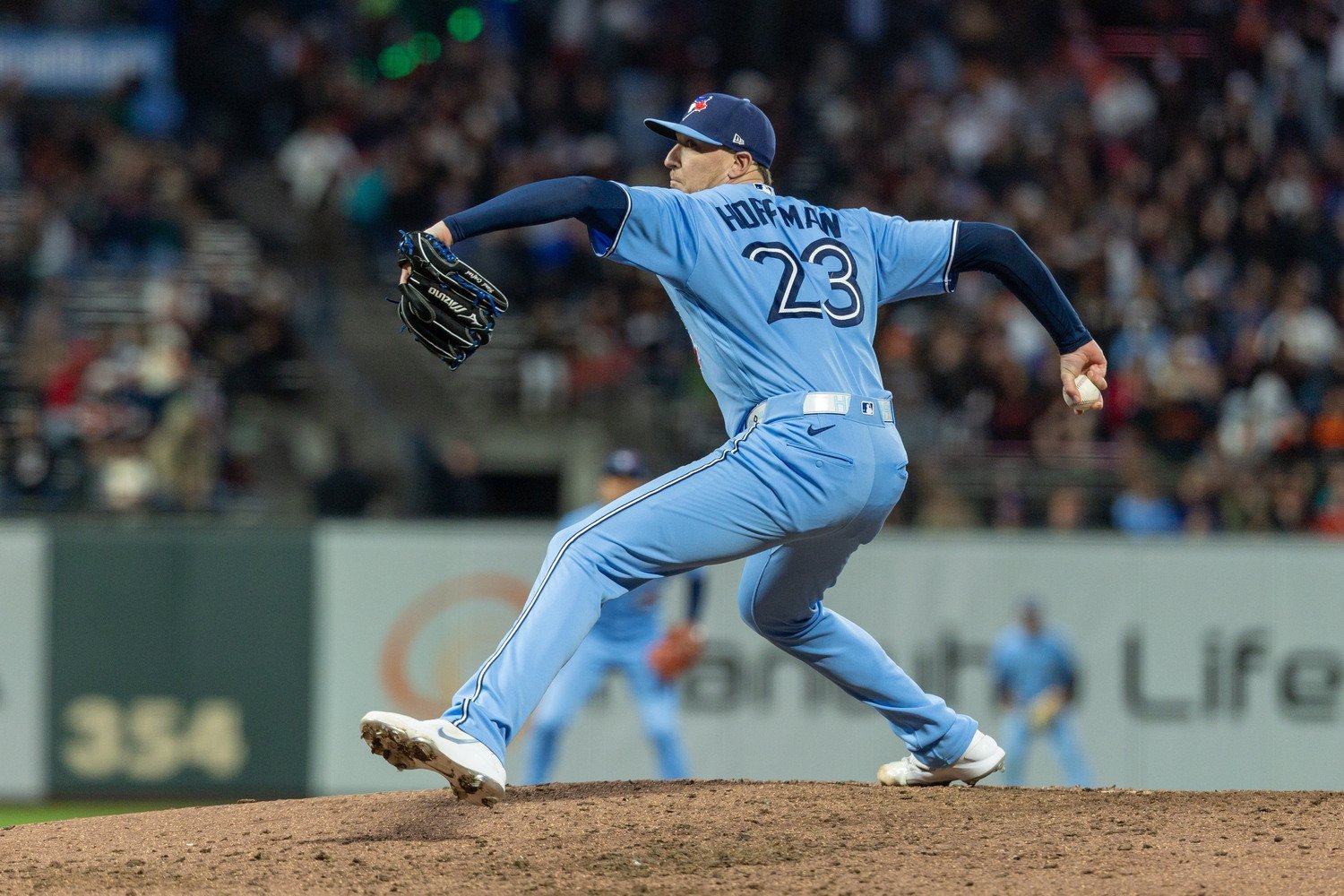 W.C. Fields was an American actor, comedian, and writer. Among many things, he was famous for suggesting that his gravestone would read "Here Lies / W. C. Fields / I Would Rather Be Living in Philadelphia." With the MLB trade deadline approaching, could Kevin Gausman and Jeff Hoffman soon be living in Philadelphia? After the games of July 23, the Toronto Blue Jays have a 47-56 win-loss record and are six games out of a Wild Card spot. Currently, according to FanGraphs, Toronto has less than a 10 percent probability of making the 2026 postseason. One can presume that the Blue Jays will be sellers before the August 3 trade deadline. Philadelphia is in second place in the National League East division, four and a half games behind the Atlanta Braves. With 59 games remaining, the Phillies could catch the Braves and capture the division title. In terms of securing a playoff spot, FanGraphs lists Philadelphia’s chances at 84.3%. The Phillies are likely to be trade deadline buyers, and both Gausman and Hoffman may be of interest to Philadelphia. Concerning starting pitchers, the Phillies have a 10.9 fWAR, MLB’s fourth-highest. However, 10.2 of that fWAR total is attributed to three starters: Cristopher Sánchez (4.2), Jesús Luzardo (3.4) and Zack Wheeler (3.0). Aaron Nola, who is in the third year of a seven-year, $172 million contract, has generated a 0.6 fWAR. Currently, Philadelphia’s fifth starter is 28-year-old Alan Rangel, who has recorded a 0.1 fWAR in 23 innings, together with a 5.40 ERA, 4.12 xERA and a 4.91 FIP. Andrew Painter, Philadelphia’s highly-touted prospect, made his MLB debut this season. After he posted a 7.36 ERA, 5.59 xERA, and 5.87 FIP in 55 innings, the Phillies optioned Painter to the minors in mid-June. The Gausman-Philly fit is obvious, and given Philadelphia is not on Gausman’s no-trade list, doable. Although Gausman has struggled in his last six starts (6.14 xERA, 5.09 FIP and 35 Game Score), and his 2026 4.51 ERA, 4.01 xERA and 3.68 FIP exceed his Blue Jay numbers before this season, Gausman (2.2 fWAR) would be a solid addition for the Phillies. By comparison, Nola’s season-to-date numbers are worse: 5.82 ERA, 4.30 xERA and 5.06 FIP. In his last six starts, Nola recorded a 4.24 xERA, 6.04 FIP and 42 Game Score. Based upon 2026 numbers, Gausman would slide into the No. 4 starter slot, thereby moving Nola to No. 5 and Rangel out of the rotation. By adding Gausman, Philadelphia would strengthen its rotation, thereby improving its chances of overtaking Atlanta for the division title. Also, given that teams typically use four starters in the postseason, with the top three handling the bulk of the starts, the Gausman addition gives Philadelphia a valuable choice (Gausman or Nola) for the fourth spot in a postseason starting rotation. Concerning Hoffman, Philadelphia, like any contender, will add to its bullpen. Also, during the most recent offseason, the Phillies signed Brad Keller to a two-year, $22 million contract. However, on July 16, Philadelphia placed Keller on the 15-day injured list with a torn UCL. Surgery remains an option, and Keller is likely finished for the balance of the 2026 campaign. Hence, an opening for a Hoffman acquisition. No doubt some will question why Philadelphia would be interested in Hoffman. Hoffman is no longer Toronto’s closer, and he has had more than a few less-than-ideal outings. However, his overall numbers are particularly good. Regarding xERA, whiff rate, strikeout rate and hard-hit rate, his percentile rankings are 75th, 98th, 97th and 88th, respectively. Keller has corresponding percentile rankings of 75th, 29th, 57th and 89th, respectively. Furthermore, in terms of roles, 75% of Keller’s relief appearances occurred in the seventh and eighth innings, whereas 56% of Hoffman’s outings occurred during the same innings. Hoffman also has 14 ninth-inning appearances, eight more than Keller. In the seventh and eighth innings, Keller has a .263 xwOBA, a tad higher than Hoffman’s .255 (MLB Average xwOBA is 0.317). Notably, Hoffman found his reliever niche in Philadelphia as recently as 2024 and is therefore familiar with the team and city. Lastly, he is under contract for 2027, which makes him especially attractive to Philadelphia if Keller undergoes Tommy John surgery and misses most, if not all, of the 2027 season. He is an ideal candidate to be Keller’s replacement. There are two additional matters to address. First, both Toronto’s and Philadelphia’s payrolls for Competitive Balance Tax purposes exceed the highest threshold ($304 million). Cot’s Baseball Contracts projects Toronto’s 2026 CBT payroll to be $321.3 million and Philadelphia’s to be $317.0 million. Toronto, as a second-time payor, pays a 90% tax on any dollar that exceeds $304 million, whereas Philadelphia, as a third-time CBT payor, pays 110%. Assuming an August 3 Gausman-Hoffman trade to Philadelphia, and ignoring the players acquired by Toronto, Toronto would save $19.2 million: salary ($10.5 million) and CBT ($8.7 million). Philadelphia, because of its higher CBT rate, would incur an additional $21.2 million cash outlay: salary ($10.5 million) and CBT ($10.7 million). In Philadelphia’s case, the Gausman-Hoffman 2026 cash hit may or may not be an issue. On one hand, Philadelphia’s Dave Dombrowski is not reluctant to spend money on player payroll. On the other hand, $21.2 million is $21.2 million. The other matter worthy of note would be Toronto’s return for Gausman and Hoffman. Jays Centre’s Matthew Creally suggested an A-minus prospect and a deep sleeper, or two mid-range prospects, for Gausman alone. What could a Philadelphia package look like if Toronto sent both Gausman and Hoffman? A good place to start is Baseball Trade Values (“BTV”). For a description of how BTV values minor league prospects, refer to this outline and to this post concerning valuing major leaguers. A benefit of using BTV for analyzing trade packages is its third-party objectivity. So, what are the trade values of Gausman and Hoffman? Per BTV, Gausman has a trade value of $3.8 million, and Hoffman’s value is minus $6.8 million. In theory, a Gausman-Hoffman package is worth negative $3 million. However, in my opinion, their value is much higher for three reasons. First, Philadelphia is a motivated buyer, and second, relievers tend to have more value at the trade deadline than earlier in the season. The third and last reason for a higher value for the Gausman-Hoffman package is that Toronto is probably looking for a reset amid a disappointing 2026 campaign. Accordingly, they would like to retain Hoffman, who is under contract for next season. Hoffman may have disappointed as a closer, but he is a valuable reliever out of the bullpen and would be for the 2027 Blue Jays. Hence, Philadelphia would need to “overpay” for Hoffman in particular for Toronto to consider including Hoffman in a trade. What Philadelphia prospects would be fair value for Gausman and Hoffman? Well, probably at least a top-five prospect. In their November 10, 2025 report (subscription required), Jarrett Seidler and the Baseball Prospectus staff began the evaluation of the team's No. 6 prospect (Dante Nori) with the sentence, "And here’s exactly where the system goes off a cliff." Likewise, The Athletic’s Keith Law opined in his January 26, 2026, ranking of all farm systems (subscription required) that “the Phillies have three top-50 prospects, all three of whom could be stars (but only one of whom is really on that path right now), and another on the top 100, but there’s a big dropoff after that.” Since the Baseball Prospectus and Law’s articles were published, Aidan Miller (Law’s #1 Phillies prospect) suffered a back injury and has yet to play this season. Therefore, Toronto should insist upon either Gage Wood ($17.3 million BTV sticker price) or Justin Crawford ($18.5 million BTV price). According to Baseball America’s July 20, 2026, report and MLB Pipeline’s prospect rankings, Wood is Philadelphia’s No. 1 prospect. Crawford, son of former MLB player Carl Crawford, made his MLB debut this season and is on Philadelphia’s 26-man roster. He has posted a 78 wRC+ in 298 plate appearances with little power (.087 ISO). If Philadelphia balks at trading Crawford to Toronto because he is currently on the MLB roster, Toronto could send Daulton Varsho, who has a $3.4 million BTV price, along for the ride to Philadelphia! The Last Word If the Toronto Blue Jays become sellers at the trade deadline, they should trade their impending free agents, such as Gausman, and also consider trades including players under contract in 2027 (for example, Hoffman). The Philadelphia Phillies are widely known to be on the hunt for a starter and a set-up bullpen arm. Historically, teams have sent several mid-level prospects in exchange for either a Gausman-like or a Hoffman-like player. However, because it would be a Gausman-Hoffman package, and given Philadelphia’s top-heavy but not deep prospect pool, Toronto should require a top-five Philadelphia prospect/young player in exchange for Gausman and Hoffman. "Philadelphia, wonderful town, spent a week there one night." -W.C. Fields View the full article
 -
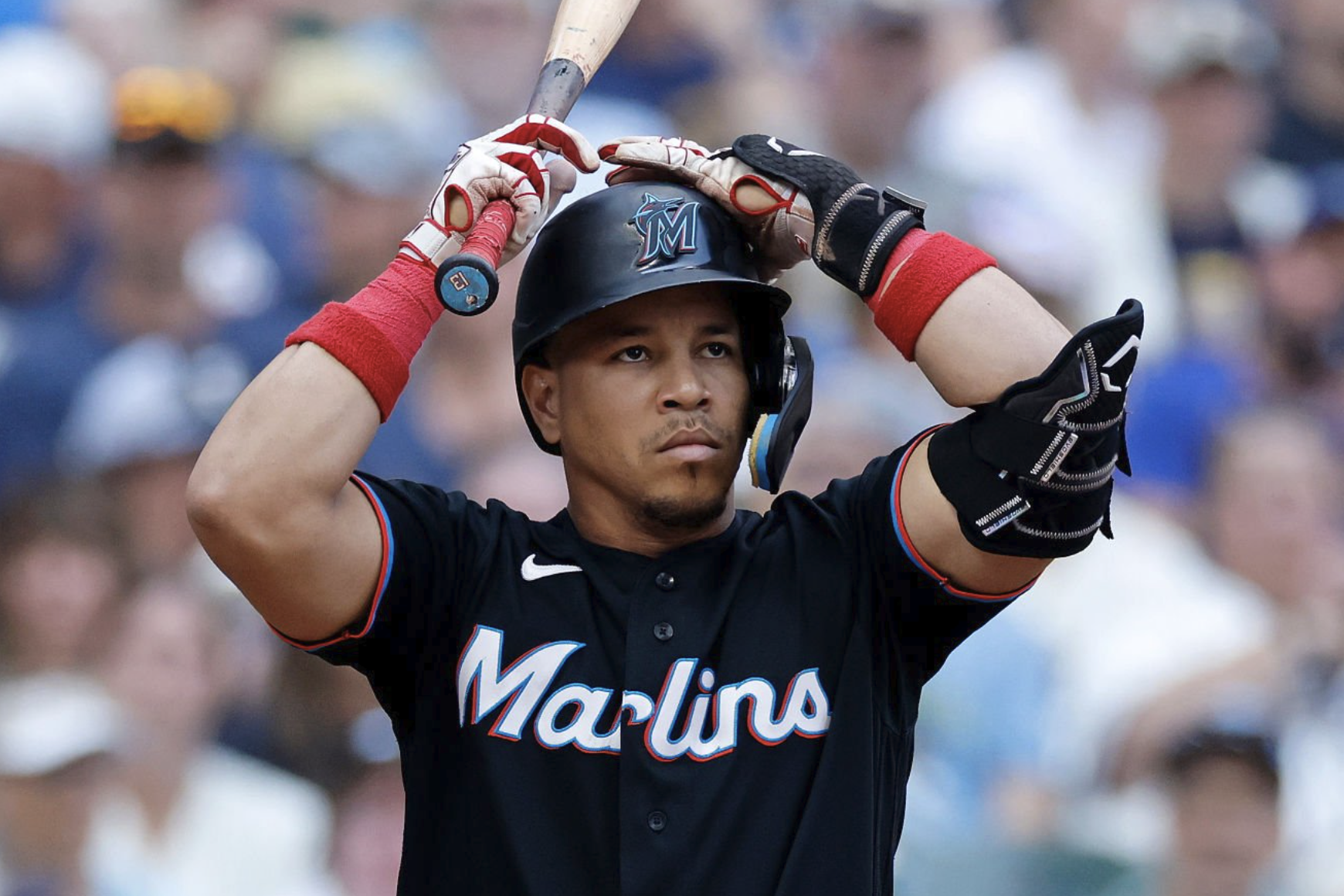 You cannot ascribe a baseball team's success or failure to any individual player. Take Heriberto Hernández, for example. The Miami Marlins outfielder is playing the best ball of his major league career right now and his reps have gone up accordingly. Over the last 10 games in particular, Hernández has played every single inning while slashing .325/.357/.600. The Marlins have lost all 10 of those games. This agonizing streak has complicated the Marlins' trade deadline approach. The team has malfunctioned in so many areas simultaneously that it's difficult to foresee them behaving as traditional buyers—there aren't enough quality players on the market to address everything. During these turbulent times, president of baseball operations Peter Bendix may lean into his mantra of simply extracting good value whenever it's available. In that case, Bendix ought to be listening carefully on Hernández. Less than two years ago, the Marlins signed Hernández as a minor league free agent. Less than three months ago, Hernández was demoted to Triple-A Jacksonville due to awful offensive performance. This is a very volatile asset. The upcoming deadline appears to be Miami's opportunity to sell high on the 26-year-old. Bert's hot streak far predates the losing streak—it goes all the way back to when he was recalled from Jacksonville on May 7. He owns a 148 wRC+ since then, which leads the Marlins and ranks 18th across MLB among players with at least 150 plate appearances. Even that understates Hernández's appeal, because most of the 17 names ahead of him are completely untouchable (Yordan Alvarez, Pete Crow-Armstrong, Junior Caminero, Juan Soto, Shohei Ohtani, Nick Kurtz, etc.). For teams seeking an immediate boost to their run production against left-handed pitching, Hernández ought to be near the top of their wish list. View the full article
 -
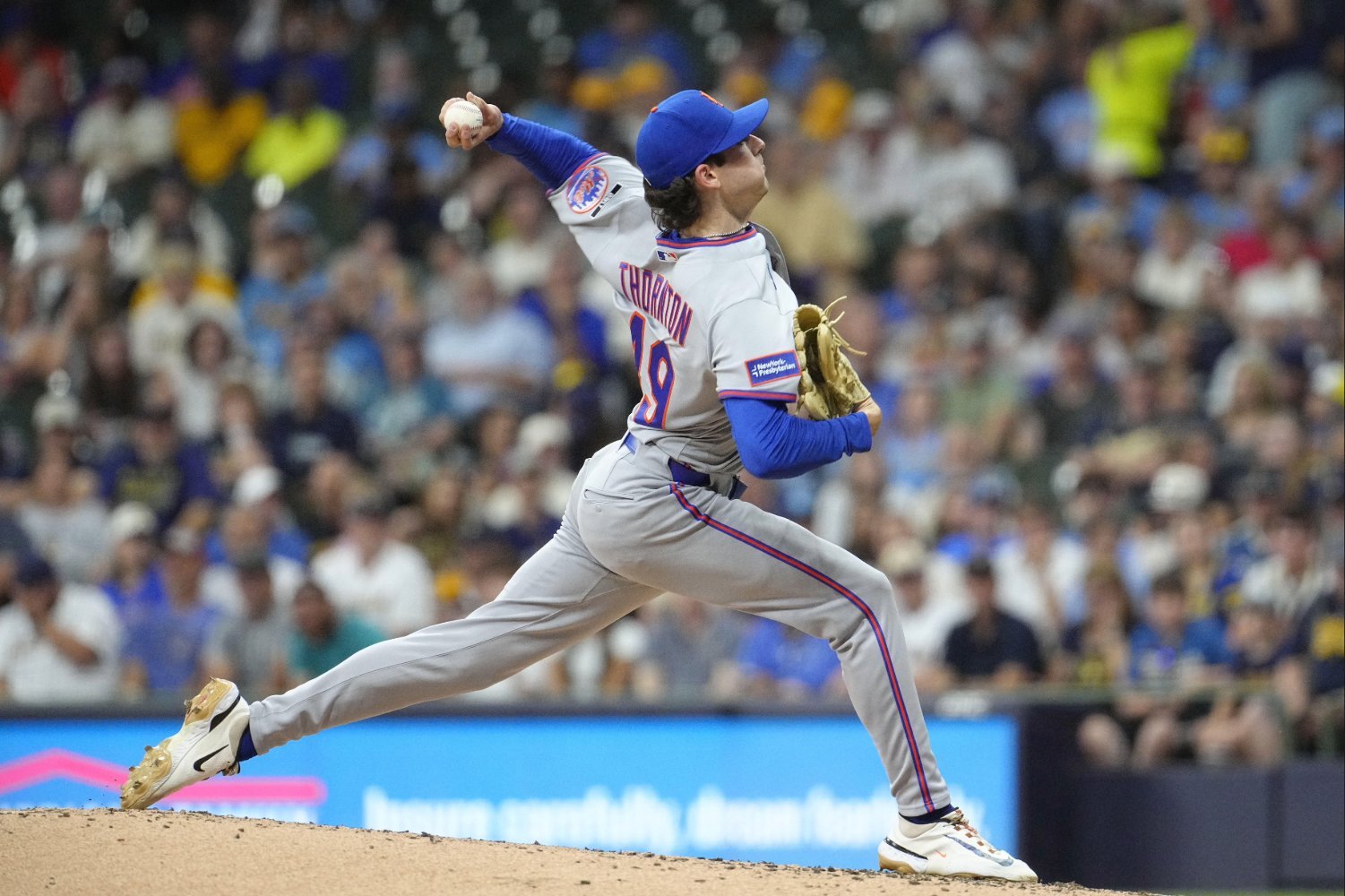 The New York Mets will be one of the most active teams ahead of the trade deadline, just not in the exact way they envisioned before the start of the season. They are expected to be among the few sellers in baseball, looking to offload most of their veterans before August 3. They are expected to keep a short list of players off limits, though. Juan Soto, A.J. Ewing, Carson Benge, Nolan McLean, Francisco Alvarez, and Juan Soto are some of them. Is it time to add rookie left-hander Zac Thornton to that exclusive list? After tossing six shutout innings against the Milwaukee Brewers earlier this week, the southpaw now boasts a 1.93 ERA in four starts at the MLB level this season. Is he the newest Mets’ pitching star? Understanding What the Mets Have In Rookie Zac Thornton Thornton, a fifth-round pick out of Grand Canyon University in Phoenix back in 2023, averages 92 mph with his four-seam fastball. He also boasts a mediocre 19.5 percent strikeout rate in the extremely small sample of 23 1/3 innings. To make matters worse, Thornton had as many whiffs, six, as he allowed hard-hit balls in that start against the Brewers. Overall, his 21.3 percent whiff rate would rank him in the bottom quarter of the league if he qualified. The point, if you haven’t caught it by now, is clear: Thornton is no ace. He doesn’t have McLean’s ceiling, in case you were asking. That, however, doesn’t mean he can’t be a quality piece in a major-league rotation, which takes us to our point: Thornton is well worth keeping around. We are talking about a 24-year-old left-hander with six full seasons of cheap team control who has shown an ability to throw strikes in his first four MLB outings. He is walking just 2.31 batters per nine frames in the limited sample, so even though he is just striking out 6.56 hitters per nine, he has proven effective at keeping traffic off the basepaths. Before being called up to the majors, he had a 4.30 ERA and a 5.46 FIP in 37 2/3 Triple-A innings. He was a completely different pitcher, with 4.30 walks per nine and 9.08 strikeouts per nine. What could have happened is that the Triple-A coaching staff might have given him different indications than the Mets’ staff did once he was called up. Or, you know, he is still trying to find his identity. In any case, we have seen enough to be intrigued. Thornton uses six pitches: a cutter (41.4 percent), a four-seamer (27.4 percent), a sweeper (14.6 percent), a sinker (11.8 percent), a changeup (3.1 percent), and a curveball (1.6 percent). The sweeper has earned him a solid 34.8 percent whiff rate so far. The cutter is the foundation of his repertoire. He generally targets the low-and-in corner against righties, which would be the low-and-away part of the zone for lefties, and generally does a good job locating the pitch: Thornton is a pitcher who needs to show excellent command to thrive. That has mostly been the case so far in his first four starts, but MLB hitters will make him pay when he doesn’t because he doesn’t really have overpowering stuff. It’s what caps his ceiling. Here’s what MLB Pipeline has to say about him: “His fastball velocity only sits 89-92 mph (occasionally popping 95), but with some deception and ride on the heater, he can still put it past bats at the top rail. His 83-86 mph slider remains his best pitch. It’s a two-plane breaker that he can spot exceptionally well to the gloveside, and he isn’t afraid of bringing it in on righties. His upper-80s cutter gives him another chase-heavy pitch. His 82-84 mph changeup and slow mid-70s curveball occasionally get folded in but find the zone much less often than his other offerings.” The slider they are referring to is basically what Baseball Savant calls his sweeper. It helps that he can use it against both righties and lefties and that he has excellent command of it. All things considered, Thornton’s deep repertoire, solid control, and craftiness on the mound, not to mention a ‘bulldog mentality’ as described by MLB Pipeline, give him a chance to be a solid back-end starter for the Mets. As long as fans don’t expect him to be an ace, he can be a valuable piece of the next competitive team this organization fields. View the full article
 -
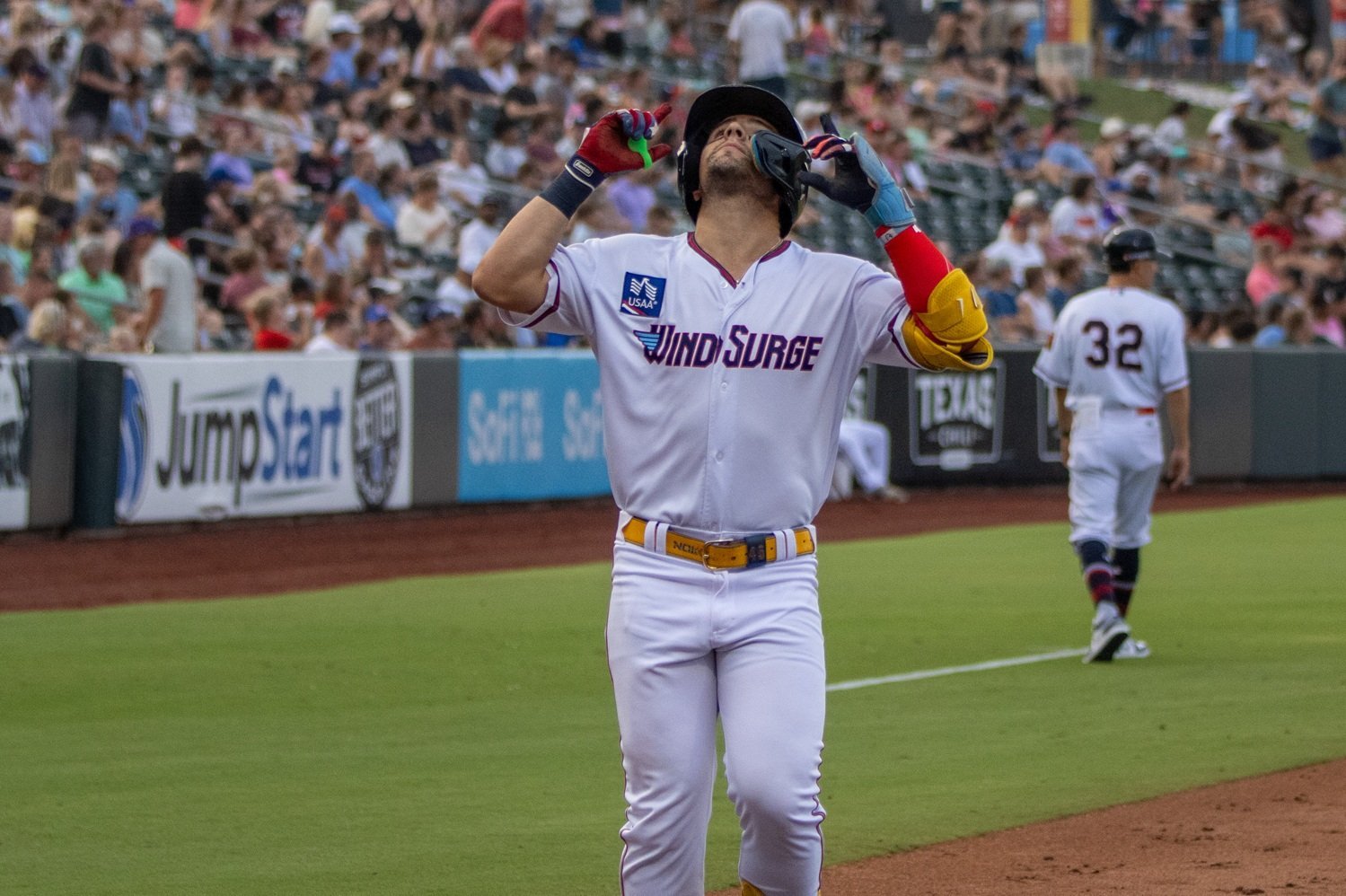 TRANSACTIONS Shortstop Kaelen Culpepper was activated from the Injured List on Friday. To make room on the Saints roster, infielder Orlando Arcia was released. Catcher Ricardo Pena was promoted from Fort Myers to Cedar Rapids. Several members of the FCL Twins were added to the Fort Myers roster on Friday. OF Jhomnardo Reyes was one of them. He hit third in the Mussels lineup on Friday night. Catcher Victor Leal and RHP Matt Barr also were assigned to Fort Myers. Vahn Lackey on Vahn Lackey The Twins top pick in this month’s MLB draft, Vahn Lackey, was at Target Field on Friday. He met players, coaches, and the manager. He got to see Target Field from most every angle. He even got to talk to the media. Here are a couple of those appearances to help you get to know him. He spent the top of the third inning with the Twins TV crew (Cory Provus, Glen Perkins, and Pablo Lopez). Earlier in the day, he was on WCCO Radio with Jason DeRusha for a terrific segment. Listen here. SAINTS SENTINEL St. Paul 5, Columbus 6 Box Score The Saints and Clippers went back and forth. Through six innings, the Clippers led 3-2. They added a run in the seventh, eighth, and ninth innings to increase the lead to 6-2. The Saints attempted to come back but their rally in the bottom of the ninth fell just short. The bottom of the first started with two strikeouts. Kaelen Culpepper returned to the Saints lineup and singled in his first at-bat. Aaron Sabato singled to center and Culpepper advanced to third. I’m sure the Clippers were surprised when Sabato stole second, maybe surprised enough that Culpepper came home on a double steal. In the bottom of the fourth, Sabato showed his power to go with his speed. He launched his 18th home run of the season which tied the game at 2-2. Ryan Gallagher made the start. He worked the first five innings. He gave up three runs on five hits and two walks. He also struck out five batters. Marco Raya pitched a perfect sixth inning with a strikeout. Recently-demoted Woo-Suk Go from the bullpen to start the seventh inning, but he didn’t get that opportunity. He ran in from the bullpen. An umpire checked Go’s glove and found something, maybe a sticky substance. After nearly five minutes of conversation that included manager Brian Dinkelman, the umpires, Go and his translator. Eventually, he was ejected before throwing a pitch. C.J. Culpepper came in and gave up two runs on three hits in 1 2/3 innings. Taylor Rashi gave up one run on two hits and a walk in 1 1/3 innings. Down 6-2, Cody Morissette led off the inning with his seventh double. Noah Cardenas followed and drilled his ninth home run to make it 6-4. Kyler Fedko singled and went to third base on Gabriel Gonzalez’s double. Following a pitching change, Kaelen Culpepper grounded out to shortstop, but Fedko scored the team’s fifth run. Unfortunately, back-to-back strikeouts ended the game with the Saints behind by one run. Fedko went 3-for-5. Sabato was 2-for-4 with a walk, his 18th homer, and his fourth stolen base. Morissette was 2-for-3 with a walk and his seventh Saints double. Gonzalez’s double was his 17th of the year. Culpepper went 1-for-5 in his return to the Saints lineup. He stole his 16th base. WIND SURGE WISDOM Wichita 6, Midland 5 (10 innings) Box Score This was a fun back-and-forth game, and fortunately the Wind Surge came up with some clutch hits in the latter innings and extra innings. Midland jumped up to a 3-0 lead before the Wind Surge even got to take an at-bat. Wichita picked away from the lead. In the bottom of the third inning, Jaime Ferrer crushed a homer way over beyond the fence in center field, his fourth Double-A dinger. Down 4-1 in the bottom of the fifth, Kyle DeBarge led off with a walk. With one out, Ferrer doubled him to third. Marek Houston drove in DeBarge with a sacrifice fly to make it 4-2. That is where the score remained until the bottom of the eighth. Let’s take a step back and talk pitching for a minute. Preston Johnson started and gave up four runs on five hits and four walks. He struck out three batters. Jacob Webb gave up two hits and a walk in a scoreless fifth inning. Hunter Gregory struck out four batters in two scoreless innings. He gave up one hit and one walk. Paulshawn Pasqualotto pitched a scoreless eighth inning. Back to the bottom of the eighth. The first two batters struck out. Tanner Schobel singled to shortstop. Andrew Cossetti walked. Garret Spain ran for Cossetti. Billy Amick then walked to load the bases. Following a pitching change, Caden Kendle came up clutch and drove in two runs to tie the game at 4-4. Pasqualotto went back out for the top of the ninth. He gave up a run on a walk and two hits. Midland had a 5-4 lead with runners on second and third and just one out. However, Pasqualotto struck out the next two batters to keep the deficit at just one run. With one out in the bottom of the ninth inning, Marek Houston hit his third Surge homer to tie the game at 5-5. Kyle Bischoff came on for the top of the 10th inning. The inning started with the Manfred Man on second base. Bischoff walked the next two batters. However, he got a strikeout, followed by a fly out to very shallow center field and another strikeout to escape the inning unscathed. Garrett Spain started at second in the bottom of the 10th. Billy Amick singled down the third base line. That brought Caden Kendle to the plate, likely the batter that the team wanted at that moment. He responded with a single that drove in Spain with the game-winning run. The 24-year-old Kendle has now played in a dozen games for Wichita. With a 3-for-5 game on Friday night, he is now 23-for-43, hitting .535/.585/.721 (1.306) with five doubles and a homer. Kendle is the Twins fifth round draft pick in 2024 out of UC-Irvine. He had started the season with 32 games in Cedar Rapids. He hit .288/.406/.510 (.916) with eight doubles and five homers. Marek Houston also had some big moments, twice tying the game. He was 2-for-4 with his third homer. Jaime Ferrer was 2-for-4 with his eighth double and fourth homer. Khadim Diaw went 2-for-5 with his fourth Double-A double. KERNELS CHRONICLES Cedar Rapids 7, Dayton 9 Box Score The game went back and forth, but after scoring six runs between the fourth and fifth innings, the Kernels held a 7-5 lead. However, Dayton scored the final four runs Adrian Bohorquez started and gave up four runs on five hits and three walks. He also didn’t record a strikeout and had two errors on pickoff throws. Michael Ross came on and gave up two runs on seven hits over the next 2 2/3 innings. Yehizon Sanchez tossed 1 2/3 scoreless innings despite giving up a hit and a walk. He also left two runners stranded. Jesse Bergin gave up two runs on three hits in the eighth inning to take the loss. Dameury Pena went 2-for-2 with a walk, his third double, and three RBI. Danny De Andrade went 2-for-5 with his ninth home run of the season. Quinn McDaniel had the only other extra base hit, his fourth Kernels triple. Jose Salas was 1-for-3 and was hit by a pitch twice. MIGHTY MATTERS Fort Myers 9, St. Lucie 3 Box Score Hard to believe, but through four innings, this one was a 1-0 game. The Mussels bats showed up in the fifth inning and put up three consecutive crooked numbers. The Mussels took that 1-0 lead in the top of the second inning when catcher Irvin Nunez drilled a 400-foot home run. As impressive, the Mussels' starting pitching has been really good this series. Reed Moring and Merit Jones were good in the team’s doubleheader on Thursday. Jason Reitz started on Friday. He fought some control issues, but the end results were pretty strong. He tossed four scoreless, hitless innings. He walked four and struck out one batter. Billy Oldham came on in relief. He was charged with two runs on four hits and a walk. He struck out three. Nick McAuliffe recorded the next four outs before Michael McKenna gave up one run on two hits over the final 1 2/3 innings. In the top of the fifth inning, Luis Fragoza came to the plate with the bases loaded and two outs. He cleared the bases on a double down the left field line to make it 4-0. In the top of the sixth, Quentin Young led off with a single. Nunez followed with a double to drive him in with a double. Two batters later, Harry Genth made it 7-2 with his second Mussels homer of the season. Jhomnardo Reyes led off the top of the seventh with a single. He moved to second on a ground out and then third on a wild pitch. JP Smith walked, and Reyes scored on a passed ball. After a pitching change, Young walked. Smith scored after a pickoff throw went into the outfield. Irvin Nunez hit his fifth double and fourth home run in the game. Byron Chourio went 2-for-5. Merphy Hernandez hit his first double. Fragoza hit his 15th double and drove in three runs. Jhomnardo Reyes went 1-for-3 with a walk in his Mussels' debut. COMPLEX CHRONICLES DSL Twins 2, DSL Tigers 3 Box Score The Twins got terrific pitching performances from their opener and bulk pitcher on Friday. They just didn’t get much offense, and a late, late rally gave the Tigers the walk-off win. Camilo Made worked the first inning. He faced three batters and struck out two of them. Yolcar Garcia came in to start the second inning and tossed four scoreless innings. He gave up three hits, walked one, and he struck out three batters. There was an empty scoreboard until the top of the third when, with one out, Misael Rodriguez singled and stole second. Daiyer Barboza singles, but Rodriguez was thrown out at home. Fortunately, Jhon Gonzalez followed with his fourth triple of the season to drive in the Twins first run. An inning later, Anibal Beltre started things with a one-out single. Fabian Ulloa moved him to third with another single. Beltre scored on a sacrifice fly by Luis Duarte. The Twins led 2-0 through five innings. Jeremy Jimenez came in and gave up a run in the bottom of the sixth. Then, with just one out recorded in the bottom of the seventh, he gave up two runs and the Twins lost in walk-off fashion. Anibal Beltre went 2-for-3 with his fifth double. Uloa was also 2-for-3. Gonzalez’s triple was his fourth of the year. PLAYERS OF THE DAY Hitter(s) of the Day Caden Kendle (Wichita): 3-for-5, 3 RBI, K, SB(5). Kyler Fedko (St. Paul): 3-for-5, R, K Marek Houston (Wichita): 2-for-4, R, 2 RBI, K, SF, HR(3) Irvin Nunez (Fort Myers): 2-for-4, 2 R, 2 RBI, K Pitcher(s) of the Day Jason Reitz (Fort Myers): 4 IP, 0 H, 0 R, 4 BB, 1 K, 69 pitches, 36 strikes (52.2%) PROSPECT SUMMARY Check out the Prospect Tracker for much more on our Twins Top 20 prospects after seeing how they did today. Notice that the prospect rankings have been updated to include the 2026 draft picks. In addition, keep up with the Twins draft pick signings at our Twins 2026 Draft Board. As you’ll be able to see, all 21 players have signed. They have also signed four undrafted pitchers. #1 - OF Walker Jenkins (St. Paul) - Did Not Play. #2 - C Vahn Lackey (Signed) - #3 - IF Kaelen Culpepper (St. Paul) - 1-for-5, R, RBI, 2K, SB(16) (batted third, DHd) #4 - OF Emmanuel Rodriguez (St. Paul) - Injured List (thumb) #5 - SS Marek Houston (Wichita) - 2-for-4, HR(3), R, 2 RBI, K (batted first, played SS) #6 - RHP Riley Quick (Wichita) - Did Not Pitch #7 - C Eduardo Tait (Cedar Rapids) - 0-for-4, BB, R, K (batted second, played catcher) #8 - LHP Kendry Rojas (Minnesota) - Did Not Pitch. #9 - LHP Dasan Hill (Cedar Rapids) - Did Not Pitch. #10 - OF Hendry Mendez (St. Paul) - Did Not Play. #11 - OF Gabriel Gonzalez (St. Paul) - 1-for-4, BB, 2B(17), 2 K #12 - RHP Charlee Soto (Cedar Rapids) - Didn’t pitch #13 - C Carson Tinney (Signed) - #14 - C/OF Khadim Diaw (Wichita) - 2-for-5, 2 K #15 - 3B/CF Brandon Winokur (Wichita) - Did Not Play. #16 - RHP Brett Renfrow (Signed 2026 Pick) - #17 - 3B/SS Quentin Young (Ft. Myers) - 1-for-4, BB, R, 2 K (batted sixth, played SS) #18 - RHP Ryan Gallagher (St. Paul) - 5 IP, 5 H, 3 ER, 2 BB, 5 K, 76 pitches, 52 strikes (68.4%) #19 - RHP James Ellwanger (Ft. Myers) - 60 Day Injured List (right elbow sprain) #20 - RHP Ethan Wachsmann (Signed 2026 draft) - UPCOMING PROBABLES Saturday, July 25 Columbus @ St. Paul (6:37 pm CT) - RHP Trent Baker (3-3, 6.53 ERA) Midland @ Wichita (6:05 pm CT) - TBD Cedar Rapids @ Dayton (6:05 pm CT) - LHP Dasan Hill (1-7, 6.18 ERA) Ft. Myers @ St. Lucie (5:10 pm CT) - RHP Ramiro Villanueva (0-4, 4.81 ERA) FCL Twins - Season Complete. DSL Rangers @ DSL Twins (10:00 am CT) - TBD CURRENT W-L Records Minnesota Twins: 51-54 St. Paul Saints: 56-43 Wichita Wind Surge: 35-57 Cedar Rapids Kernels: 37-55 Fort Myers Mighty Mussels: 50-42 FCL Twins: 33-26 DSL Twins: 10-26 Please feel free to ask questions about the teams, the rosters, and discuss today’s games, or anything else Twins minor-league related! View the full article
 -
 Friday saw the San Diego Padres' four full-season affiliates go 2-2. The Triple-A El Paso Chihuahuas were bashed by Las Vegas 15-9, the Double-A San Antonio Missions were blanked for a second game in a row by Frisco 10-0, the High-A Fort Wayne TinCaps soared to a win over Lake County 8-3 and the Low-A Lake Elsinore Storm dropped Visalia 5-1. Padres Minor-League Transactions C Colton Vincent assigned to San Antonio Missions from Lake Elsinore Storm. Jagger Haynes Pounded In Triple-A Debut As Chihuahuas Clubbed Left-handed starter Jagger Haynes learned quickly about life in Triple-A environments as he gave up the first five of a seven-run third inning as the El Paso Chihuahuas were throttled by the host Las Vegas Aviators 15-9. Padres right-handed reliever Jeremiah Estrada made his third rehab appearance and second for the Chihuahuas, pitching a perfect seventh inning, striking out two. He threw 11 pitches, 10 for strikes. Estrada is coming back from right knee inflammation that has sidelined him since June 5. Haynes, Padres Mission's No. 13 prospect who was making his Triple-A debut after being promoted from Double-A San Antonio, only got one out in the third inning as he surrendered four hits and four walks while striking out four. In fact, the first three Chihuahuas pitchers gave up five runs each, with right-handers Daison Acosta and Logan Gillaspie doing the deed in one inning and 2⅔ innings, respectively. The Chihuahuas tried to keep pace offensively. Leadoff hitter Bryce Johnson had a pair of doubles among his three hits, driving in two and scoring once. Nick Solak, Marcos Castanon, Mason McCoy, Blake Hunt and Dustin Harris each had two hits as the Chihuahuas outhit the Aviators 17-15. McCoy also drove in a pair and scored twice, while stealing a base and Hunt had a triple. Las Vegas led 11-2 after four innings and 15-3 after six before the Chihuahuas made a late push to make things look a little more respectable. EP_0724.mp4 Player AB R H RBI BB K Bryce Johnson 5 1 3 2 1 0 Carlos Rodríguez 5 1 1 0 1 1 Nick Solak 6 1 2 1 0 1 Marcos Castañon 5 1 2 0 0 1 Will Wagner 4 0 1 1 1 0 Mason McCoy 4 2 2 2 0 1 Nick Pratto 4 1 1 0 1 0 Blake Hunt 4 2 2 1 0 0 Dustin Harris 4 0 2 1 0 0 Romeo Sanabria 1 0 1 1 0 0 Totals 42 9 17 9 4 4 Player IP H R ER BB K HR Jagger Haynes 2 1/3 4 5 5 4 4 0 Daison Acosta 1 4 5 5 2 2 2 Logan Gillaspie 2 2/3 6 5 5 0 4 2 Jeremiah Estrada 1 0 0 0 0 2 0 Justin Yeager 1 1 0 0 0 2 0 Totals 8 15 15 15 6 14 4 Missions Misfire, Get Blanked Again By RoughRiders Right-handed starter Ian Koenig had a rough start and the offense had just five hits as the host Double-A San Antonio Missions were blanked for the second game in a row, 10-0 by the Frisco RoughRiders. The Missions haven't scored in 20 innings. Koenig surrendered six runs (five earned) on seven hits and no walks with four strikeouts over five innings. Right-hander Bernard Jose gave up a run in two innings and right-hander Clay Edmondson three runs in two-thirds of an inning, the fifth time in six outings he has allowed a run. Catcher Chris Sargent pitched the final 1⅓ innings and didn't allow a hit. The RoughRiders scored five times in the fifth to take control. Ryan Jackson had a double leading off the second inning among the Missions' five hits. The Missions did put up a threat in the bottom of the ninth as, with two outs, Albert Fabian and Kai Murphy singled, forcing a pitching change. Wyatt Hoffman struck out to end the game. Player AB R H RBI BB K Carson Tucker 3 0 1 0 1 0 Ethan Salas 3 0 1 0 0 2 Colton Vincent 1 0 0 0 0 0 Jake Cunningham 4 0 0 0 0 2 Braedon Karpathios 4 0 0 0 0 0 Ryan Jackson 4 0 1 0 0 1 Albert Fabian 3 0 1 0 1 0 Kai Murphy 4 0 1 0 0 2 Wyatt Hoffman 4 0 0 0 0 3 Kai Roberts 2 0 0 0 1 1 Totals 32 0 5 0 3 11 Player IP H R ER BB K HR Ian Koenig 5 7 6 5 0 4 0 Bernard Jose 2 3 1 1 1 0 0 Clay Edmondson 2/3 2 3 3 3 0 0 Chris Sargent 1 1/3 0 0 0 1 0 0 Totals 9 12 10 9 5 4 0 Ryan Wideman Provides Spark, Steals 53rd In TinCaps' Triumph Ryan Wideman had three hits, three RBIs and two stolen bases to pull into a tie for the minor-league lead and Rosman Verdugo drove in the go-ahead run as the host High-A Fort Wayne TinCaps dropped the Lake County Captains 8-3. Wideman, Padres Mission's No. 4 prospect, stole his ninth and 10 bases since joining the TinCaps, giving him 53 for the season, matching Peyton Graham of the Double-A Erie SeaWolves and moving past Asbel Gonzalez of the High-A Quad Cities River Bandits, who has 52. Justin DeCriscio had two hits (including a double), two RBIs and two runs scored and Luke Cantwell was on base in all four plate appearances with two hits and two walks, driving in one and scoring another. Carlos Rodriguez also scored twice without the benefit of a hit, walking once and reaching on an error. TinCaps left-handed starter Kash Mayfield, Padres Mission's No. 2 prospect, lasted 2⅔ innings, allowing three runs on five hits and two walks, striking out three. But those would be the only runs the TinCaps would allow as left-hander Javier Chacon punched out six and yielded two hits over three innings, left-hander Braian Salazar, in his Midwest League-leading 33rd appearance, fanned four in and allowed just one hit in two innings and right-hander Jose Leclerc pitched a scoreless ninth in his minor-league rehab assignment. Cantwell had an RBI single in the second inning to tie it, then the Captains scored a pair in the top of the third. The TinCaps would tie it in the bottom of the fifth on Wideman's two-run single, then Verdugo put Fort Wayne ahead to stay with an RBI single in the sixth. After Jack Costello made it 5-3 with a run-scoring single in the seventh, the TinCaps put this one out of reach with three runs in the eighth on DeCriscio's two-run double and Wideman's RBI single. FW_0724.mp4 Player AB R H RBI BB K Justin DeCriscio 5 2 2 2 0 0 Ryan Wideman 5 1 3 3 0 1 Alex McCoy 5 0 1 0 0 1 Jack Costello 4 0 1 1 0 0 Carlos Rodriguez 3 2 0 0 1 0 Rosman Verdugo 3 1 1 1 1 1 Luke Cantwell 2 1 2 1 2 0 Zach Evans 4 0 0 0 0 1 Kasen Wells 4 1 0 0 0 0 Totals 35 8 10 8 4 4 Player IP H R ER BB K HR Kash Mayfield 2 2/3 5 3 3 2 3 0 Javier Chacon 3 1/3 2 0 0 0 6 0 Braian Salazar 2 1 0 0 0 4 0 José Leclerc 1 0 0 0 0 1 0 Totals 9 8 3 3 2 14 0 Kruz Schoolcraft, 4-Run Fifth Provide Spark For Storm Left-handed starter Kruz Schoolcraft turned in a solid start despite a bout of wildness and Jose Verdugo went 3-for-4 with a pair of RBIs as the host Low-A Lake Elsinore Storm toppled the Visalia Rawhide 5-1. Schoolcraft, Padres Mission's No. 5 prospect, walked five, but allowed just one run on four hits while striking out four. Right-hander Jordan Valenzuela struck out three in 2⅔ innings, allowing just one hit and walking one. Right-hander Yoesmerli Beltre went the final two innings, striking out three and yielding just a hit. Bradley Frye had a pair of hits and scored twice and Yoiber Ocopio also had two hits with an RBI and a run scored. The score was 1-1, with the Storm getting a third-inning sacrifice fly from Yimy Tovar, when they broke things open in the fifth. Frye had a leadoff single, Jorge Quintana had a double and Ocopio had his go-ahead RBI single. Following a pitching change, Tovar walked and a wild pitch plated Quintana to put the Storm up 3-1. Verdugo then singled home a pair of runs to make it 5-1. LE_0724.mp4 Player AB R H RBI BB K Conner Westenburg 5 0 1 0 0 1 Bradley Frye 5 2 2 0 0 0 Jorge Quintana 2 1 1 0 2 1 Yoiber Ocopio 4 1 2 1 0 0 Yimy Tovar 2 1 1 1 1 0 Jose Verdugo 4 0 3 2 0 0 George Bilecki 4 0 0 0 0 2 Qrey Lott 3 0 0 0 0 0 Dylan Grego 3 0 0 0 1 0 Totals 32 5 10 4 4 4 Player IP H R ER BB K HR Kruz Schoolcraft 4 1/3 4 1 1 5 4 0 Jordan Valenzuela 2 2/3 1 0 0 1 3 0 Yoesmerli Beltre 2 1 0 0 0 3 0 Totals 9 6 1 1 6 10 0 Padres Mission's Top 20 Prospect Performance Ethan Salas: 1-for-3, 2 K Kash Mayfield: 2⅔ IP, 5 H, 3 R, 3 ER, 2 BB, 3 K Miguel Mendez: DNP Ryan Wideman: 3-for-5, 3 RBI, K Kruz Schoolcraft: 4⅓ IP, 4 H, 1 R, 1 ER, 5 BB, 4 K Jorge Quintana: 1-for-2, 2B, 2 BB, K Ty Harvey: On injured list (rehab assignment) Kale Fountain: Injured, out for season Tucker Musgrove: DNP Coleman Borthwick: Not assigned team Lamar King Jr.: DNP Braedon Karpathios: 0-for-4 Jagger Haynes: 2⅓ IP, 4 H, 5 R, 5 ER, 4 BB, 4 K Alex McCoy: 1-for-5, K Truitt Madonna: DNP Jesus Castro: DNP Garrett Hawkins: DNP Elliot Lascelles: Not assigned team Winyer Chourio: DNP Rosman Verdugo: 1-for-3, RBI, BB, K View the full article
 -
Athletics 2, Twins 0: Twins Offense Can't Connect in Ugly Loss
DiamondCentric posted an article in Twins Daily
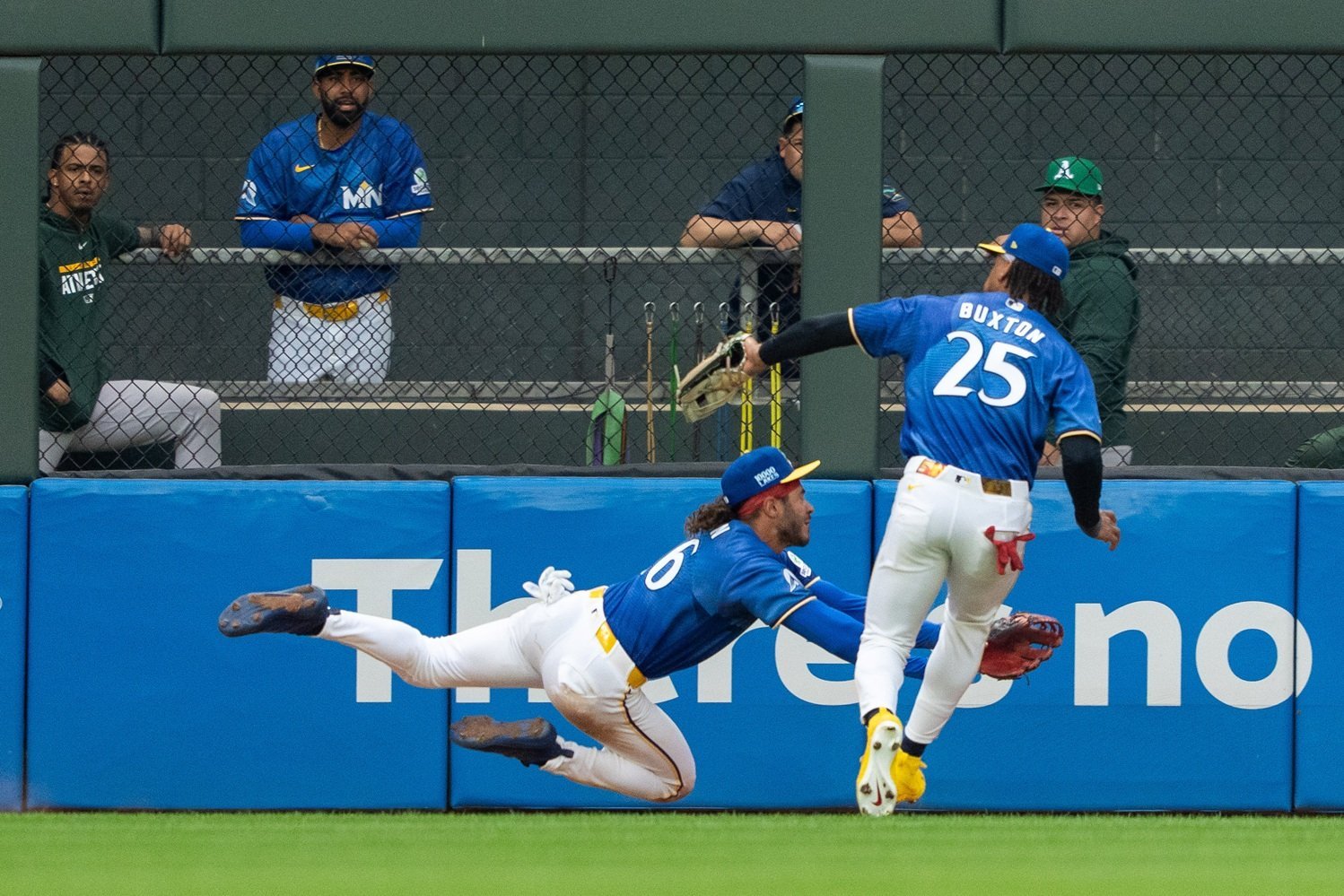 Box Score SP: Zebby Matthews 6.0 IP, 3 H, 2 ER, 3 BB, 1 K (92 pitches, 52 strikes (57%)) Home Runs: N/A Bottom 3 WPA: Brooks Lee (-0.44), Victor Caratini (-0.15), Ryan Kreidler (-0.09) Win Probability Chart (via FanGraphs) The Twins rode into town with some pep in their step having pull out a series split in Cleveland, with the atrocious Athletics waiting for them at Target Field. Zebby Matthews might have been coming off of two of his worst starts of the season, but opposing him was Jacob Lopez who was coming off of even worse starts. In fact, Lopez hadn't won since May, and the Athletics rode a 10-game losing streak into the All-Star Break and have lost three of their last four. The Twins stacked an all-righty lineup against the crafty Lopez, while the A's assembled a lineup of all the uninjured humans on their roster. On paper, this game looked like a win for the desperate Twins. On the field, the loss slowly and wildly unfolded for the home team. Trading No-No's Through Four Matthews was on point to start the game, facing the minimum with only a walk to ruin his perfect vibes. Unfortunately, Lopez was erratically on point as well. Austin Martin walked twice in the first three innings, and the Twins had runners in scoring position early and often, but Lopez was so wild that the Twins couldn't lock in for solid contact and went hitless as well through four innings. A's Strike Limestone, Score First Zebby's cruise control went offline at the start of the fifth inning when he walked Donovan Walton on four pitches. Tommy White went first-pitch hunting and sent a fly ball deep into right, but as Luke Keaschall could make a leaping attempt at the wall the ball caught the limestone overhang and bounced back into play. Luckily, Byron Buxton was ready to back up his teammate, and he kept the runners at second and third. Another walk loaded the bases, and Lawrence Butler made Matthews pay for his wildness with a sac fly to make it 1-0. The Twins got a double from Martin to put yet another runner in scoring position with one out in the bottom of the fifth, but Buxton and Ryan Jeffers both flew out to end yet another threat. Meanwhile, the Athletics smelled an opportunity to win a game for once, and they kept the pressure on Matthews in the sixth with seeing eye singles by Henry Bolte and Tyler Soderstrom to make it 2-0. City Connects Can't Connect The Twins got into the A's league-worst bullpen in the bottom of hte sixth, and Geoff Hartlieb didn't disappoint. He walked Josh Bell and Royce Lewis to start the inning, but then struck out the hobbled Victor Caratini on three pitches. The runners advanced on a wild pitch, but Keaschall never got a strike to swing at and Hartlieb walked the bases loaded. Jose Saurez got the call to end the threat, and Brooks Lee obliged by reaching for an 0-1 changeup for the elusive but effective 5-3 double play. The Twins offense grounded out in order in the seventh, and immediately erased their second hit of the game in the eighth with yet another double play grounder by Bell. The bottom of the ninth? Caratini again looked lost in striking out, but Keaschall took one for the team to put the tying run up to the plate in Lee. Lee continued a rough night at the plate, this time ending the threat 1-4-3. No Moral Victories in Trade Deadline Week Matthews pitched his way through a dismal 56% strike average towards a quality start. Martin dazzled in the field and at the plate, but saw the heart of the Twins lineup go 1-10 behind him. The A's found ways to get runners home from second, while the league-leading Twins went 0-8. That's how a team in search of the .500 mark continues to stay a few games under it. What’s Next? The Twins look to avenge this loss on Saturday night on Kirby Puckett jersey giveaway day. With a guaranteed 10,000 fans in the stadium, hopefully they aren't faced with another sad performance from an offense that has averaged "not enough runs to make the playoffs" since the All-Star Break. The Twins and A's have yet to announce their starters for the latest "must-win" game of Minnesota's season. First pitch is scheduled for 7:10pm CDT. Postgame Interviews Coming Soon! Bullpen Usage Spreadsheet MON TUE WED THU FRI TOT Funderburk 16 0 22 0 12 50 Paredes 0 49 0 0 0 49 Nance 36 0 0 13 0 49 Rojas 0 47 0 0 0 47 Morris 0 0 28 16 0 44 Adams 0 0 27 0 14 41 Rogers 0 28 0 13 0 41 Jackson 11 0 0 0 17 28 Anderson 0 8 0 18 0 26 Gómez 0 0 0 22 0 14 View the full article
 -
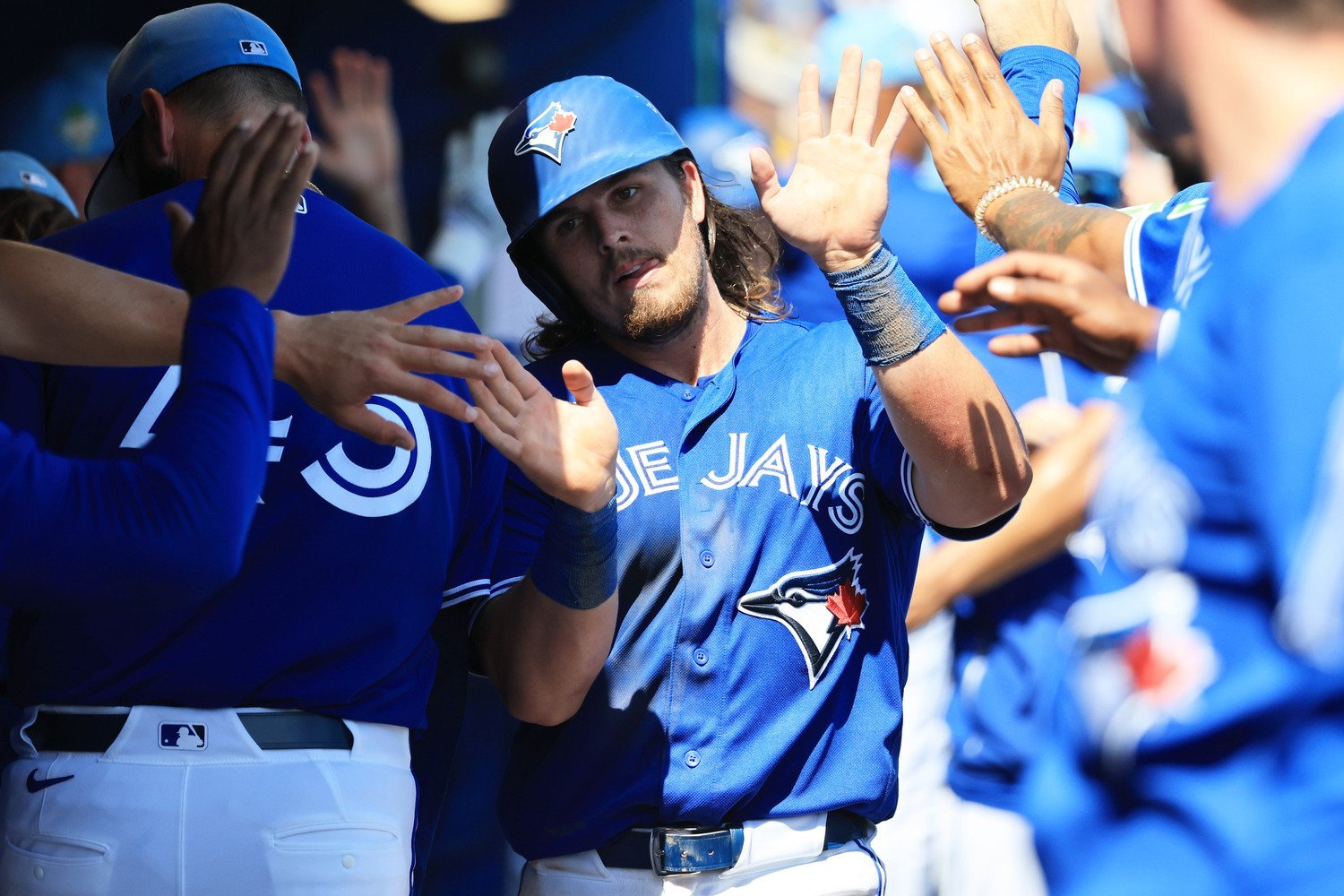 Well, we no longer have to wonder what the roster will look like "when Addison Barger returns." This afternoon, the Blue Jays revealed that Barger needs surgery on his throwing elbow. It's not yet clear if he'll need Tommy John or the less invasive internal brace procedure, but either way, Barger won't play again in 2026. At this point, I can't imagine many Blue Jays were counting on much from Barger this season anyway. Expectations were high for the young slugger entering the year, following his breakout campaign in 2025. He finished his first full season with 21 home runs, a 107 wRC+, and 2.2 FanGraphs WAR – and it seemed like he was just scratching the surface of his potential. Unfortunately, Barger never got the chance to show what he could do in full-season number two. He first hit the injured list barely a week into the season. Running to first base, he landed on the bag awkwardly and exited with what was initially labelled "bilateral ankle discomfort." A couple of days later, the Blue Jays formally placed him on the 10-day IL with a left ankle sprain. Barger was back after a month, but his triumphant return was short-lived. In his first game back, he made a spectacular throw – 101.2 mph! – to complete a double play at the plate... unknowingly ending his season in the process. John Schneider told reporters today (including MLB.com's Keegan Matheson) that Barger had been playing through some degree of elbow discomfort for “a couple of years." Still, it's hard not to think that throw was the straw that broke the camel's back. Over the past couple of months, we've gotten the occasional update about Barger stopping or starting good old "baseball activities," but it never seemed like he was making much progress. Eventually, the Jays Centre team stopped writing articles about what would happen when he rejoined the lineup. Now, at least, we can enjoy the modicum of relief that comes with the removal of uncertainty. It's José Berríos déjà vu all over again. Barger's 2026 numbers look dreadful, but it's not worth focusing on that. A 28-plate appearance sample is too small to draw any conclusions from. This was a lost season for the 26-year-old, but it wasn't a step back. That's a small but meaningful distinction. Addison Barger's Lost Season G PA H BB SO wRC+ 9 28 1 5 7 0 Of course, the pressure will be on for Barger not to take a step back when he eventually returns. In a best-case scenario, he'll be back to full health in more than enough time for a normal spring training. Even if that's the case, he'll have to reacclimate to the majors after a long time away. In a worst-case scenario (i.e., Tommy John surgery), he'll have to do that reacclimating in the middle of a season. Another concern is what this will do to Barger's gift from the baseball gods: his throwing arm. It might take a lot longer than six to nine months for him to regain complete arm strength. And what if he feels the need to dial it back permanently to protect himself from future injury? If that's what he needs to do, it's what he needs to do. That said, it's a little sad to think we may have seen his last 100-mph outfield assist. Addison Barger was one of my favourite players to watch in 2025. I'm sad we won't get to see him in 2026, but at least it's good to have some clarity. He'll go under the knife on Monday, and soon after, we'll learn what kind of surgery he needed. For now, I have my fingers crossed that it's not Tommy John. The sooner Barger is back hitting tanks and throwing missiles, the better. View the full article
 -
Five Minor-League Royals Who Could Lose Their Jobs Post-Draft
DiamondCentric posted an article in Royals Keep
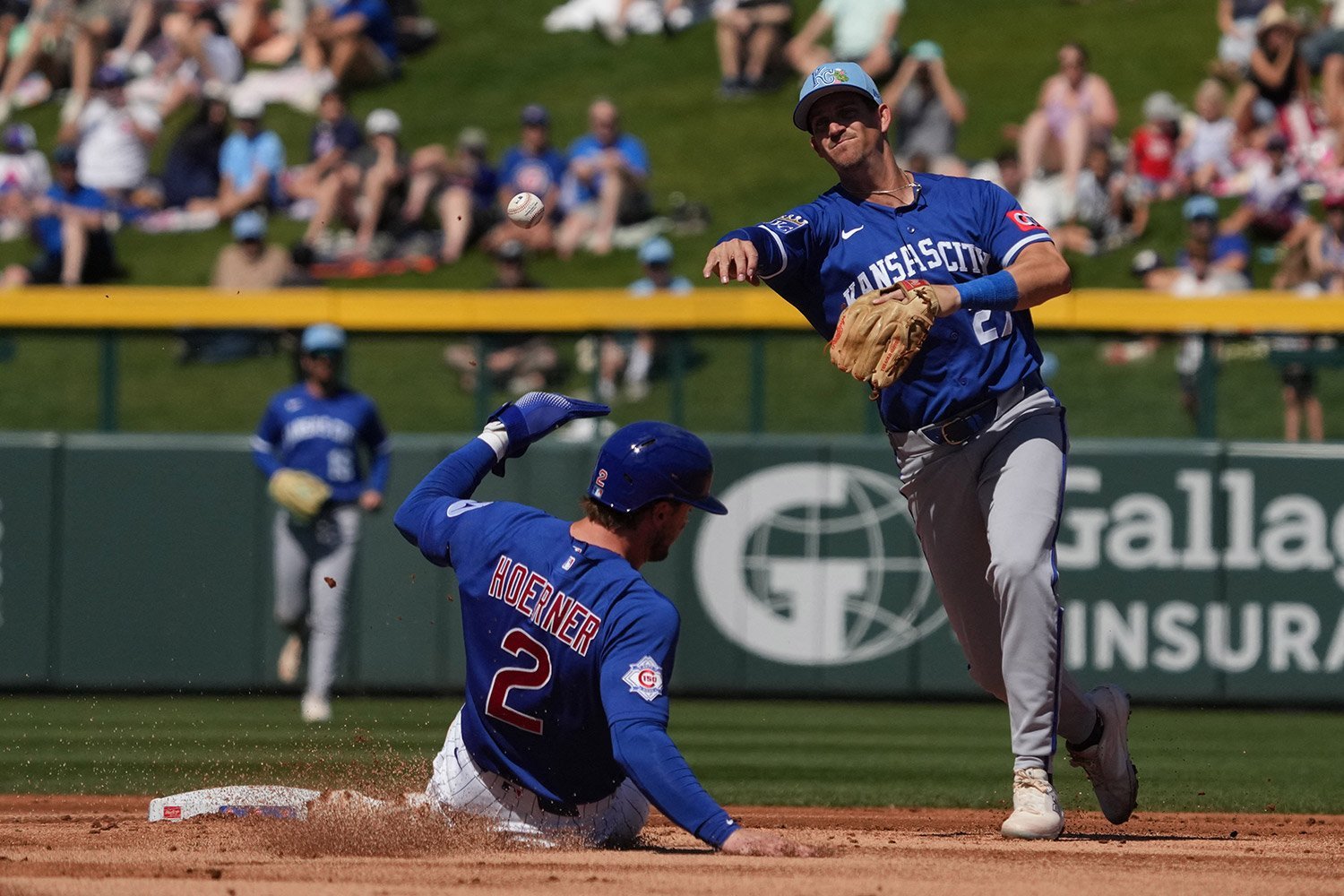 The 2026 Major League Baseball Draft concluded July 12 with the Royals making 21 selections. The most notable is the 6th overall selection, Zion Rose from Louisville. Zion Rose was recently at Kauffman Stadium signing his major league contract. Soon, Rose will make the trip to Arizona to begin his ascent to the major league club. Rose is well on his way, and the front office should be thrilled to see their hard work come to fruition. But it isn’t all sunshine and rainbows for everyone in the Royals organization. As one door opens, another closes. Major League Baseball limits organizations to 165 domestic minor league players under contract. This limit excludes players participating in the Dominican Summer League (DSL) and players on the team’s 40-man roster. Rose is in, but now someone must go. The top minor league affiliate is virtually devoid of young talent. The Royals have signed 11 veterans to help round out the roster at Omaha. I believe a number of the players jettisoned to make room for the draft picks will be of the veteran variety, allowing the team more time to evaluate its young talent. That younger talent will make their debuts at the Complex League, Low-A affiliate Columbia, SC, and maybe (Rose perhaps?) at High-A Quad Cities in Davenport, IA. It is only logical that some players will be promoted to provide room for the draft pieces while squeezing out those players at the top of the minor league food chain. Let’s see who could be on the proverbial chopping block. Kevin Newman: 3B, age 32 Year AB R H HR RBI SB AVG OBP OPS 2026 MiLB Stats 187 18 42 0 10 1 .225 .298 .587 The light-hitting utility infielder has been behind Nick Loftin, Tyler Tolbert, and recently 40-man roster additions of Josh Rojas and Andrew Velazquez. Dan Altavilla: RHP, age 33 Year W L ERA G GS SV IP SO WHIP 2026 MiLB Stats 3 4 6.35 34 0 0 39.2 32 1.87 Altavilla is in his second stint with Kansas City. He appeared in 5 contests in 2024, completing 3.2 IP while giving up 5 hits, 3 walks, and 6 earned runs for an ERA of 14.73. Familiarity brought Altavilla back to KC, and now it’s time to make way for younger prospects. Anthony Gose: LHP, age 35 Year W L ERA G GS SV IP SO WHIP 2026 MiLB Stats 1 3 5.56 28 0 0 34.0 42 1.62 The former Detroit Tigers outfielder is a great story, converting to a left-handed relief pitcher. Gose has already been passed up by Jose Cuas and Easton McGee for a spot on the 40-man roster. At 35 years old, it’s time for the Royals to move on to other options. Connor Kaiser: SS, age 29 Year AB R H HR RBI SB AVG OBP OPS 2026 MiLB Stats 76 12 9 0 4 1 .118 .236 .368 Kaiser has been injured and has not played much in 2026. The Overland Park, KS native was signed off waivers from the Arizona Diamondbacks as organizational depth in November 2025. Jorge Alfaro: C, age 33 Year AB R H HR RBI SB AVG OBP OPS 2026 MiLB Stats 130 21 28 10 34 0 .215 .286 .778 The Double-A Northwest Arkansas catcher still shows some power, but there are a couple of High-A catchers knocking on the door that could be promoted soon. Alfaro is easily the oldest player on the Naturals roster. No one celebrates a player’s tenure coming to an end. Everyone works tirelessly to be the best player they can be. Eventually, the bell tolls for every man. The new crop of 2026 draft picks is about to get their chance to shine as the sun sets on several current members of the Royals' minor leagues. View the full article
 -
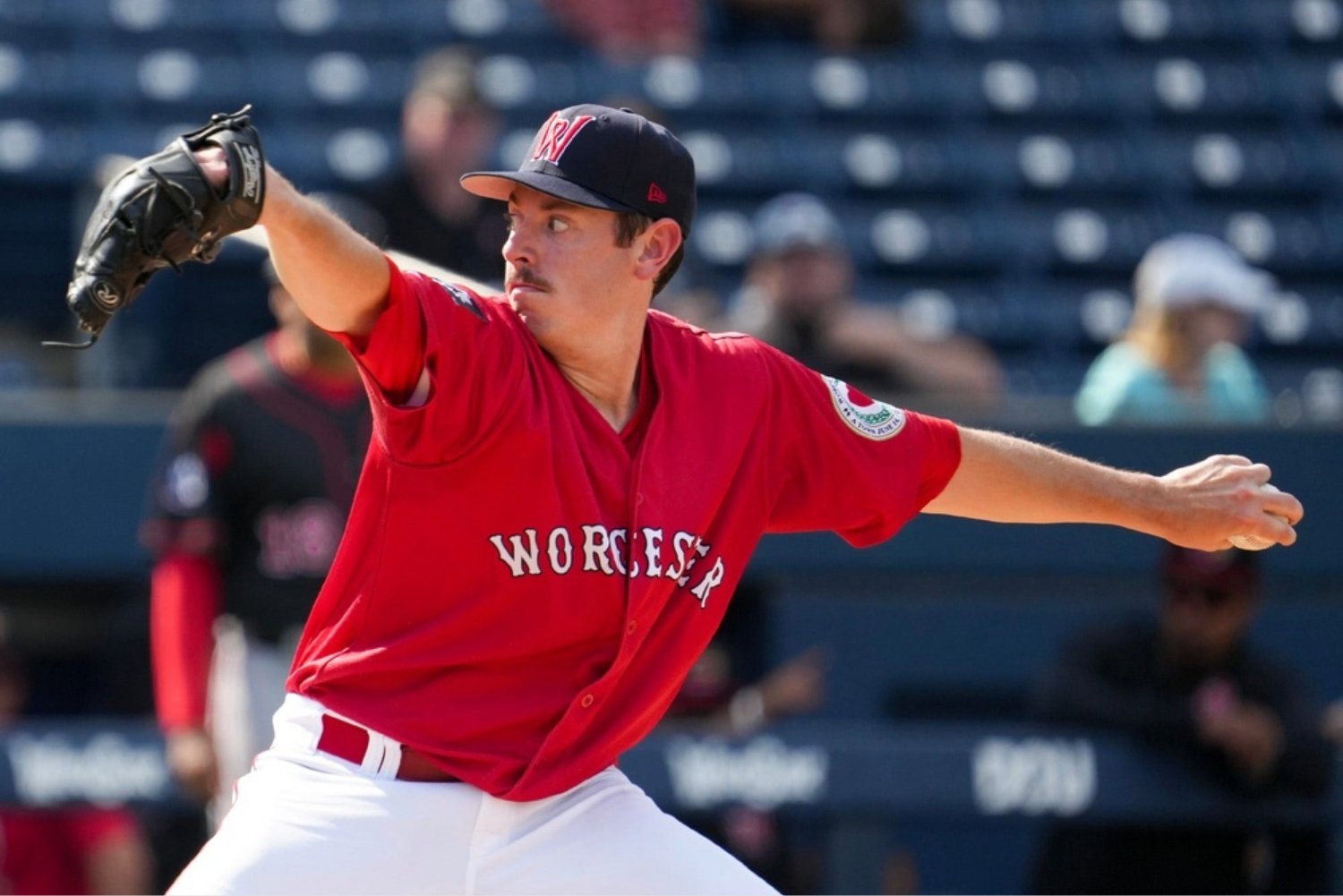 Worcester, MA — For Hayden Mullins, it's been a long road to the majors Despite dealing with multiple injuries earlier in his baseball life, the left-handed pitcher managed to get drafted and work his way through the minor leagues, and is now on the cusp of the big leagues after making his Triple-A debut July 8 for Worcester. Getting picked by Boston was one of the best surprises of his young career. “It was awesome. I’m sitting there in an elbow brace, three days out of surgery. So I’m sitting there hoping a team takes a chance and I’m grateful it was the Red Sox,” Mullins explained when asked about his draft experience. Since that fateful day, Mullins has flashed the potential to rack up strikeouts thanks in part to his fastball-slider combination. The fastball, despite topping out around 95 mph, manages to jump on hitters and shows life to it that makes it appear faster. When paired with his slider, he has two pitches that he can generate whiffs with. In 257 innings in the Red Sox organization, he managed to strike out 341 batters. After a few months filled with ups and downs, Mullins finally got the call to be promoted to Worcester. Pitching in the first game of a doubleheader, he debuted in Triple-A with three innings, allowing one earned run on four hits and four walks. The lone run came on a home run in the first inning. He also struck out three batters while generating eight whiffs on his slider. “Just essentially lean on those two pitches [fastball and slider], initially. He’s got good stuff. I think it’s a matter of if it gets in the zone early, he’s going to be able to use those as more strikeout pitches vs, let’s get in the zone with those pitches. This past outing it was an initiative to get in the zone and let it play and sure enough it [the slider] induced a lot of whiffs,” Worcester pitching coach Dan DeLucia said about the outing. Prior to his promotion, Mullins had his worst start of the season, tossing just one inning where he surrendered five runs. Before that, the month of June had been just as rough, allowing 13 runs in 14 innings. During that span, he surrendered 18 hits and 11 walks. “I worked with Mullins in 2023 coming back from his Tommy John rehab, but I think right now he’s working on rebuilding his confidence. He had an excellent month of May and over the month of June things ticked down a little bit from a stuff standpoint. His zone rates decreased a little, so first time here we were making more of a push to get in the zone,” DeLucia explained. “The biggest thing is to regain that confidence. His stuff is going to play no matter where it is, he gives himself the best chance if he’s able to get in the zone early and often. That’s the initiative. It’s not always easy to throw in the strike zone but fine ways to rebuild the confidence by getting back in the zone.” For Mullins, the nerves of a new level clearly got to him, as he landed his pitches in the strike zone just 35% of the time. Despite that, he was still able to generate batters to chase on 26% of his pitches out of the strike zone. “I would have liked to see more strikes,” acting Worcester manager Iggy Suarez admitted. “But I would think first start in Triple-A and probably a little bit of the jitters and excited to be up here. Was a little bit around the zone but I think he settled in a little bit and was better in the zone. We expected him to give us some innings and he did that. Would we have wanted more? Of course. But I think he handled himself well, things could have unraveled very quickly and very badly after the first inning. But he was able to calm himself down and kind of let him know you could pitch up here.” Suarez admitted that while he would have loved to get five or six innings out of Mullins during the first game of the double header, especially with their pitching already thin entering the day, it just wasn’t a realistic expectation. Not with a pitcher making his Triple-A debut with a new catcher, new league and new strike zone compared to his time in Double-A. But the final two innings impressed him. Despite the confidence in Mullins and his performance, the left-hander was optioned back to Portland on July 12 as Worcester needed more pitching for their series finale with Rochester. “He can hang a little bit up here. Just kind of let that energy and confidence flow through. I think he handled himself pretty good." View the full article
 -
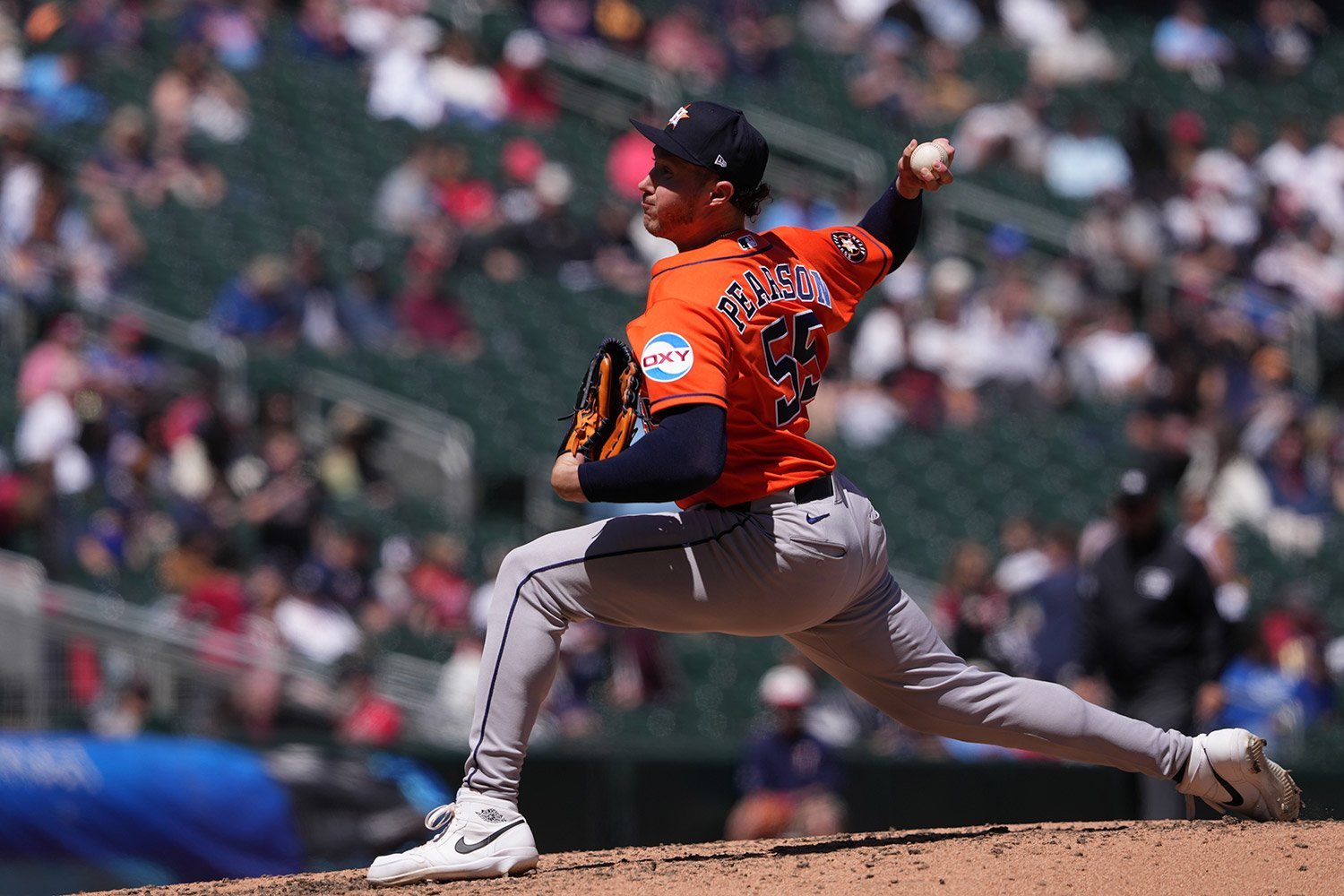 The Royals have activated Nate Pearson to the major league roster. He was acquired in a trade with the Houston Astros on July 22. The Royals sent RHP Max Martin to Houston to acquire Pearson. Pearson has been decent for Houston, throwing 20 innings with a 3.60 ERA and 4.10 FIP. To make room for Pearson on the major league roster, the Royals have optioned RHP Eli Morgan to Triple-A Omaha. Morgan has bounced back and forth between Triple-A and the Royals roster this year. He's appeared in 16 games and thrown 19 1/3 innings, recording 16 strikeouts with nine walks. In that time, he has a 5.12 ERA and 6.52 FIP. View the full article
 -
Padres Sign All But One Of Their 21 Draft Choices
DiamondCentric posted an article in Padres Mission
 The San Diego Padres have nearly completed signing all 21 of their selections from the recent MLB Draft. As expected, there is still one player who remains unsigned and is likely to remain that way. The Padres' bonus pool is $9,479,000 and with these reported figures by Baesball America, Padres Mission's Draft tracker has the team at $346,394 over, which falls within the allowable 5%. Teams pay a 75% on that overage. According to Baseball America, the Padres cemented deals with 20 draft picks. Here is the class in its entirety with signing bonuses: 1. Coleman Borthwick, RHP, $3,800,000 2. Elliot Lascelles, SS, $2,800,394 3. Ryan Lynch, RHP, $1,000,000 4. Robbie Lavey, C, $600,000 4C. Alex Conover, OF, $500,000 5. James Guyette, RHP, $400,000 6. Nu'u Contrades, SS, $300,000 7. Joe Tiroly, 2B, $225,000 8. Sean Fitzpatrick, LHP, $10,000 9. Benjamin Stubbs, LHP, $25,000 10. Augie Lopez, C, $10,000 11. Chris McHugh, 1B, $170,000 12, Robert Evans, LHP, $155,000 13. Michael Smith, OF, $150,000 14. Ty Brachbill, RHP, $170,000 15. Ryan Kucherak, SS, $150,000 16. Albert Roblez, RHP, $155,000 17. Denton Lord, RHP, unsigned 18. Mark Quatrani, C, Notre Dame, $250,000 19. Chris Downs, LHP, $155,000 20. Ezekial Zion, OF, $150,000 Draft choices in Rounds 11 through 20 can receive up to a $150,000 bonus without counting against the bonus pool. Anything over $150,000, such as the $100,000 extra given to Quatrani, the 18th-round pick, goes toward the bonus pool. Lord is the only player yet to be signed and with less than $100,000 emaining in that 5% threshold, will remain that way. No team in this current system has ever gone above 5%, which involves losing a first-round draft choice. Projected as the No. 54 draft prospect by Baseball America and No. 80 by MLB Pipeline, Lord has a commitment to Mississippi State. He took to Instagram following the fifth round of the draft to say that he did not wish to be drafted and would honor his college commitment. But Lord is also the teammate of Borthwick, the Padres' first-round selection, at South Walton High School in Santa Rosa Beach, Fla., giving the Padres a decent shot to sign the right-handed starter. The Padres are holding an orientation for the draft picks this weekend at their facility in Peoria, Ariz. View the full article
 -
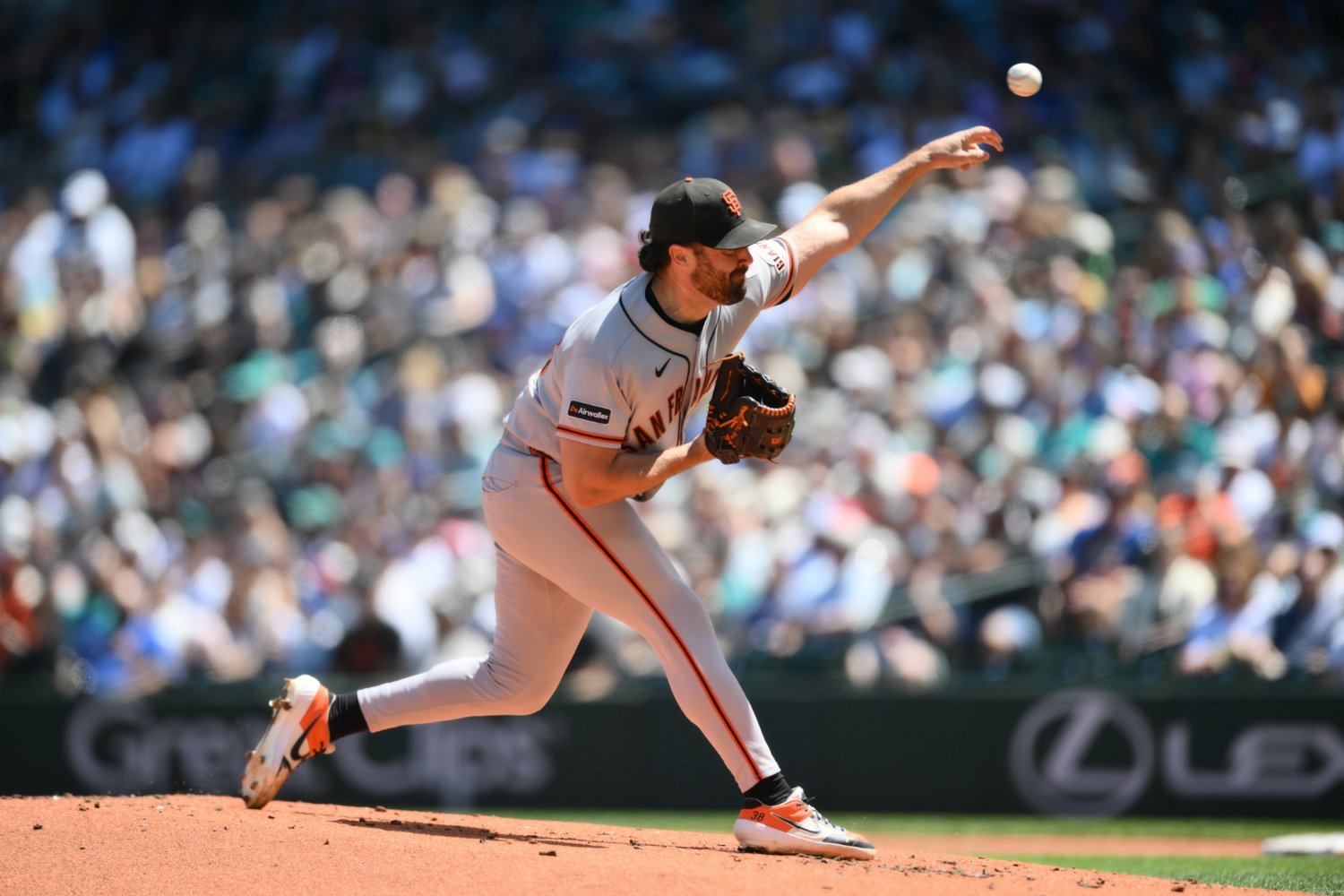 It’s no secret that the Chicago Cubs’ rotation has been dismantled with injuries from the word "go" this year. For a team that’s still well above .500, and would be in the postseason if the proceedings got underway today, let’s break down why Robbie Ray is the starter most worth pursuing at the trade deadline. Robbie Ray Trade Target Scouting Report Ray is a 34-year-old veteran pitcher for the San Francisco Giants. He's 8-6 so far this season, and he currently holds a 3.33 earned run average through 20 appearances (19 starts). The southpaw has been around the block, tossing just north of 1,500 innings with 1,830 punchouts, and even in his age-34 season, he’s found a way to be productive on the West Coast for a moribund team. Contract One of the reasons Ray would be such a great fit for the Cubs is his contract situation. He’s on the books for $25 million this year, but the veteran starter will be a free agent after the conclusion of the World Series. With a lot of the Cubs’ rotation on the injured list, Ray could file in and the Cubs wouldn’t be tied to him beyond the 2026 season. With the Giants being obvious sellers who are well below .500, the Cubs could be a suitor and may only have to offload a prospect or two to get Ray. Pitch Mix Ray is like a lot of veteran pitchers in that he has a varied arsenal. He leads with a fastball that he utilizes 35 percent of the time, and it rides in at 93.3 miles per hour. His primary option plays well, allowing just a .234 batting average with 16 extra-base hits over 171 plate appearances. His slider (26 percent), changeup (17 percent), sinker (12 percent) and curveball (10 percent) round out a five-pitch repertoire. Three of his five options have a batting average against below the .250 mark. Strengths Ray is a finesse pitcher, sporting a below-average whiff rate, chase rate and strikeout percentage. How does he thrive? He works off of soft contact. The crafty lefty is holding opposing hitters to just a 38.4 percent hard-hit rate, good enough for the 52nd percentile. This directly contributes to a .239 expected batting average. which would play incredibly well in front of the Cubs' sterling defense. Ray’s off-speed offerings are a main contributor, as his off-speed run value is in the 93rd percentile, and his knuckle curve has proved to be the most lethal in his tool box, allowing three hits and just one extra-base hit over 34 plate appearances that have ended with the pitch. Weaknesses Ray has a few metrics working against him, one of them including extension. The Giants’ starter already has a fastball that clocks in at a below average velocity. Add a 6.2 foot extension (25th percentile) on top of that, and his pitches don’t appear to get up on hitters very quickly. Ray also gives up plenty of lofted contact, as he’s generating a ground ball just 36.5 percent of the time (20th percentile). It’s something he’s dealt with a lot in his career, but the 19.1 degree average launch angle paints a fine line; he can generate fly ball outs with lower exit velocities, but if somebody sqaaures up a ball, he can get hit around a lot worse than a pitcher with better raw stuff. Trade Compensation Rental pitchers are are always in high demand, and that'll be doubly true this year as contending teams look to compete for a title without clogging up their payrolls ahead of the impending lockout. A top-100 prospect isn't a completely unreasonable price, though someone just outside of that range (Kane Kepley, Pedro Ramirez, etc.) would likely be enough to get a deal done. View the full article
 -
Fourth-Round Draft Choice Robbie Lavey Signs With Padres
DiamondCentric posted an article in Padres Mission
 With just days until the deadline to sign draft picks, the San Diego Padres secured the services of another one of their 21 selections. Fourth-rounder Robbie Lavey, a catcher out of George Washington, received a signing bonus of $600,000 from the Padres, MLB Pipeline's Jonathan Mayo reported Friday. That is slightly below the slot value of $620,300 for the 124th overall pick. To see how the Padres are doing with their bonus pool, check out our Draft Tracker. Lavey makes it the top four draft picks to have signed. They have six of their top seven picks, now just missing fourth-round compensation selection Alex Conover, an outfielder from Oklahoma State. Lavey is a versatile catcher with a decent hit tool and decent arm, better all-around than terrific in any single aspect. The deadline to sign draft choices is Monday at 2 p.m. PT. View the full article
 -
David Hamilton Comes Off Injured List For Brewers
DiamondCentric posted an article in Brewer Fanatic
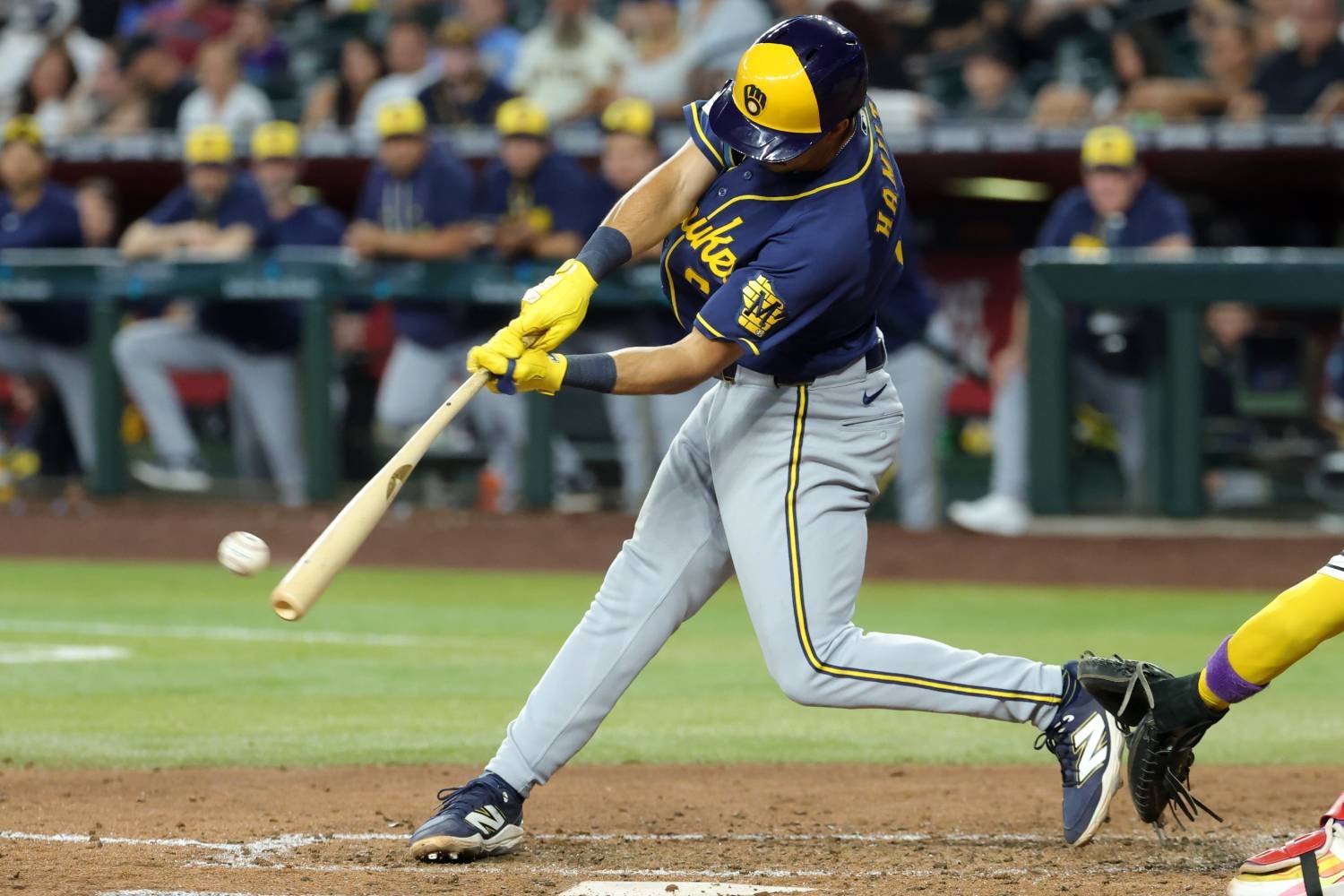 The Milwaukee Brewers' stolen base leader is back in the fold. Just what role he plays now is a question. Infielder David Hamilton was activated off the 10-day injured list Friday by the Brewers, with infielder Braden Shewmake designated for assignment. Hamilton went on the IL July 7 with a strained left hamstring after having to quickly stop and scurry back to second base in the game the day before. He played in two rehab games before being activated for the Brewers' series against the Colorado Rockies. Hamilton has been an offensive spark plug, putting up a slash line of .240/.317/.333 with three home runs, 15 RBIs and a team-high 18 stolen bases, while also being a good defender while seeing most of his time at third base. But that situation has changed with Joey Ortiz being more productive offensively at third base and rookie Cooper Pratt the full-time shortstop. Hamilton, in addition to backing up both of those positions, could give Brice Turang an occasional break at second base. Shewmake was acquired by the Brewers on July 12 after being DFA'd by the Houston Astros as he was seen as an upgrade over Greg Jones, who was DFA'd to make room for Shewmake. Shewmake appeared in just four games, going 2-for-7, with both hits coming in Saturday's 8-6 win over the Miami Marlins. His big moment was a double that started a four-run sixth-inning rally in which he also scored, then also singled and scored in a two-run seventh. He also had a sacrifice fly in the game. View the full article
 -
Four Popular Brewers Trade Deadline Targets, According To Fans
DiamondCentric posted an article in Brewer Fanatic
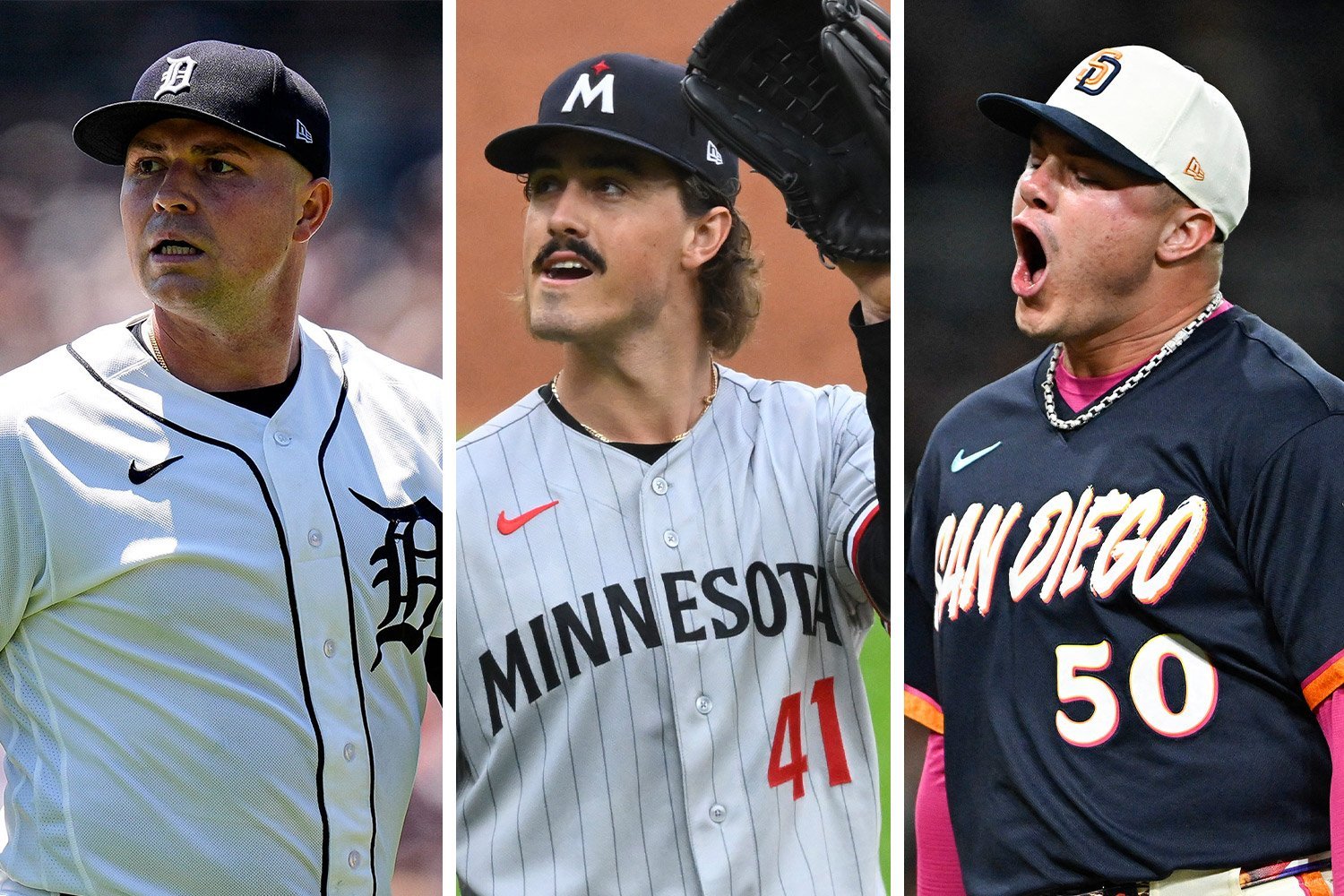 We recently asked our (smart, cultured, good-looking) forum community about which trade targets they'd like the Brewers to pursue at the deadline. After many users chimed in with their opinions, here are the players who received the most mentions. The top of the list isn't a surprise, but some of the expected names were not mentioned frequently by Brewer Fanatic users. Tarik Skubal, LHP, Detroit Tigers - 11 Mentions To say pitchers this dominant rarely become available at the deadline would be an understatement served two ways. First, pitchers this dominant essentially never become available at the deadline, because second, pitchers hardly ever reach this level of sustained dominance at all anymore. Skubal is defending two straight American League Cy Young Awards, and while the bone chips in his elbow that forced him to have a fancy new surgery will probably prevent him from winning a third in a row, he’s still one of the top five pitchers in the sport at the moment. A massive lefty, he overpowers hitters with two different fastballs (four-seamer and sinker) that flirt with 100 miles per hour and two elite secondary offerings, in his slider and changeup. He even mixes in the occasional curveball to keep you honest and make sure you’re late when the heater comes back around. The stuff is augmented by elite control; he’s stingier about free passes than any other starter in the league. In short, he’s an old-fashioned ace, and no player can match the impact he could have for someone come October. That ‘someone’ probably won’t be the Tigers, though. They can’t get more than two steps forward without taking two steps back this year, even since Skubal’s return, and it would take incredible fortitude (bordering on insanity) for Scott Harris to hold onto Skubal amid a lost season and risk having him leave via free agency, for nothing but small-time draft pick compensation. Joe Ryan, RHP, Minnesota Twins - 9 Mentions There’s no actual evidence that starting pitching becomes more important in the postseason than it is for the rest of the year, but that doesn’t stop teams from pining for starters who clear a certain bar for reliability and bat-missing capability. When he’s right, Ryan is that kind of starter. He’s tracking toward what would be his second straight All-Star appearance, and despite a minor elbow scare in early May, he’s taken the ball every turn through the rotation. He doesn’t throw as hard as many of the game’s elite starters, but he has two fastball shapes, multiple breaking balls, and sometimes a splitter that can devastate lefties. He’s always racked up great strikeout rates with his wide arsenal’s disparate movement, and he’s so good at inducing chases that he rarely walks people. So far this year, he’s also toned down what was his bugaboo in the past: giving up too many homers. It hasn’t been enough to truly keep the rebuilding-on-the-go Twins afloat, though, and everyone involved knows the team would prefer to maximize the value they get from him by trading him this summer, rather than waiting until the winter (when teams will cough up much less) or next summer (by which point they’ll have had to pay him another several million dollars). Ryan’s career has followed an unfortunate pattern whereby he often peters out a bit in the second half, but if he holds up well through the All-Star break, he’ll be one of the hottest names on the rumor mill on the other side of it. Adrian Morejon, LHP, San Diego Padres - 8 Mentions Morejón is a classic rental; a one-year, $3.9 million deal in his final arbitration year, free agency looming this winter, and the under-the-hood numbers say he's better than his surface line. His 3.33 ERA comes with a 2.55 xERA, a 27.6 K% against a 5.9 BB%, and a career-best 34.6% whiff rate. The contact quality is elite: a 2.1% barrel rate, .249 xwOBA, and a 62.1% ground-ball rate, with his sinker now averaging 99.4 mph — up nearly two ticks from last year. Cheap, left-handed, and expiring, he's an obvious deadline chip. Clay Holmes, RHP, New York Mets - 5 Mentions Contractually, Holmes is a de facto rental: the three-year, $38 million deal he signed in December 2024 carries an opt-out after this season and a $12 million player option for 2027, and he's likely to exercise the opt-out since he can beat one year and $12 million on the open market. He holds a career 3.53 ERA across 555.2 innings with a 22.4 K% and a 9.9 BB%, plus a career .297 xwOBA that sits nearly on top of his .289 actual wOBA. Holmes has historically been a worm-killer: a 62.1% career ground-ball rate, a 5.0% barrel rate, and a 48.2% topped-contact rate, all built on a sinker he's thrown at least half the time nearly everywhere he's pitched. He's currently on a rehab assignment from the fractured fibula he suffered in May, so any acquiring team is betting on the track record, as he won't have enough time on an MLB mound to reassert himself. Who do you want to see the Brewers acquire by the August 3rd trade deadline? Drop a comment and let us know! View the full article
 -
Are The Padres Buyers Or Sellers At The Trade Deadline?
DiamondCentric posted an article in Padres Mission
 As the trade deadline approaches, Randy Holt and Steve Drumwright recap the Padres' bad trips to Kansas City and Atlanta, while looking ahead to a crucial three games in Miami against the Marlins, one of the teams the Friars are chasing in the NL wild-card battle. Randy and Steve also chat about Fernando Tatis Jr.'s hot streak, including three homers in five games, and discuss whether the Padres should be buyers or sellers at this point. They also go over the draft picks that have signed and wrap things up with nuggets about Gavin Sheets and Craig Stammen. Listen on Apple Podcasts: https://podcasts.apple.com/us/podcast/padres-mission-podcast/id1896922834 Listen on Spotify: https://open.spotify.com/show/033xclmydmbLmEp0exYuYz Listen on iHeartRadio: https://www.iheart.com/podcast/1333-padres-mission-podcast-336930560 Watch on YouTube: https://www.youtube.com/@padresmission View the full article
 -
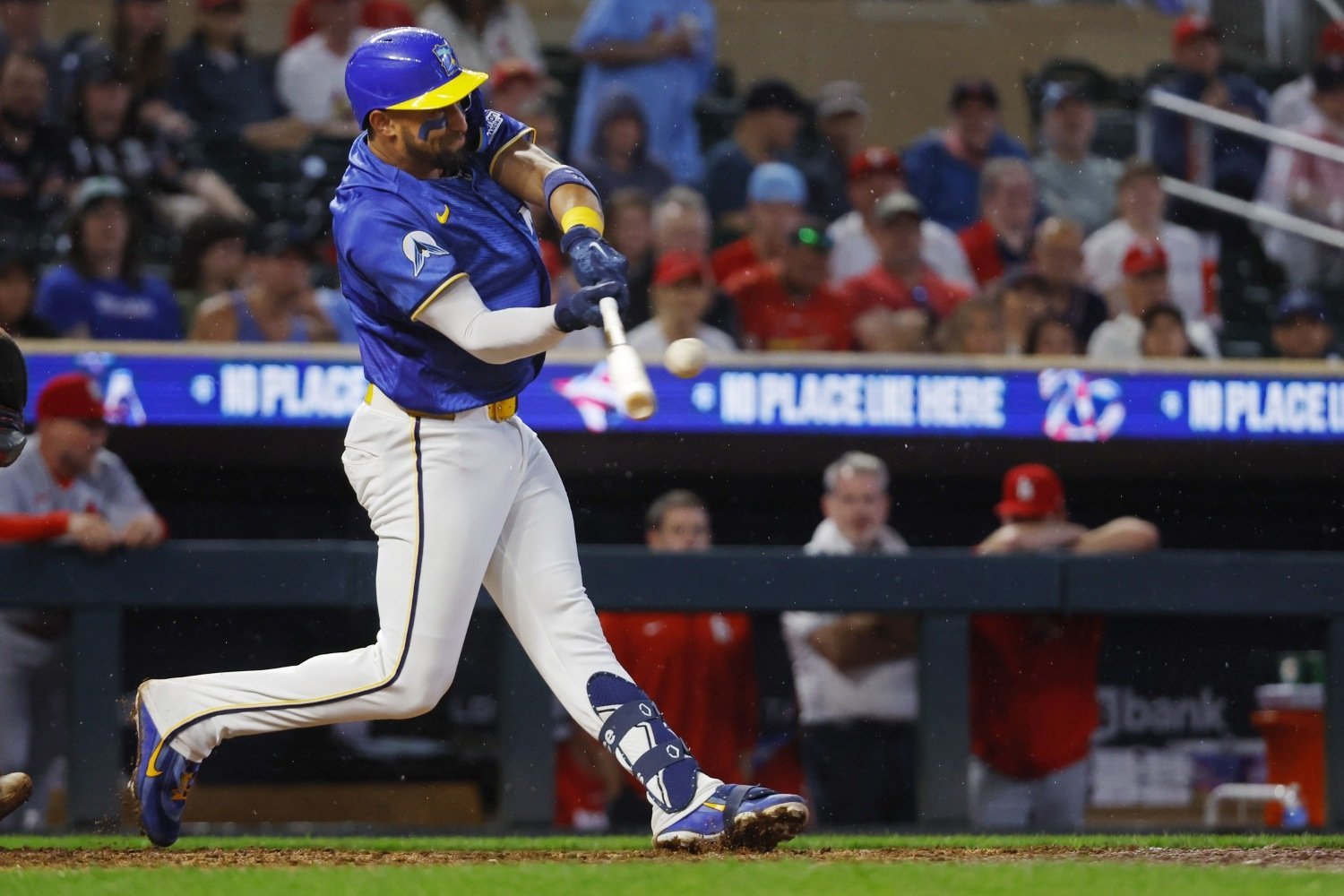 The Twins are going to be one of the fascinating teams to monitor leading up to the 2026 MLB trade deadline on August 3. Regardless of how competitive the organization believes they are, the way this roster is currently constructed, it feels inevitable that some moves have to happen. Multiple factors are going into that. An abundance of talent in the minor leagues and a shortage of fans and revenue have created a unique situation. They have more young players pushing for opportunities than they have everyday spots available, and at some point, difficult decisions have to be made. That's why players like Trevor Larnach and Joe Ryan have been mentioned so frequently in trade rumors. Despite the Twins still having a chance to control him for one more season, moving Larnach now would clear some money off the books while also opening up major-league at-bats for the Twins' next wave of outfield talent. Then you've got Ryan Jeffers. He’s set to hit free agency this winter, and it feels very unlikely that he'll be back in Minnesota beyond this season. If that's the case, you're probably better off moving him now, rather than watching him leave for nothing in a few months. Those are the names everyone has talked about. But every trade deadline, there are always a handful of players who get moved that nobody saw coming. I think the Twins have one of those candidates this year. It's Royce Lewis. For a while, it looked like the Twins had found their next franchise superstar. Former No. 1 overall picks don't come around often, and when Lewis finally reached the majors, he looked every bit like the guy everyone envisioned. The talent was obvious, and when he got hot, he could completely take over games. He just wasn't able to stay healthy for a long while—and then, once he finally was, somethign seemed to be missing. It feels like every time Lewis has started to build momentum, another injury has sent him back to square one. Those repeated setbacks haven't just limited his availability; they've also taken a toll on his production. As a result, his numbers have cratered. This season, Lewis is hitting just .213 with a .294 on-base percentage and a .676 OPS. It's the third straight season in which he's posted a batting average below .240 and an on-base percentage below .300. It's also the second consecutive year he's carried an OPS below .700. At some point, you have to acknowledge reality. Sometimes, players and organizations need a fresh start. That might be exactly what both Royce Lewis and the Twins need. It isn't just about the offensive struggles, either. Moving Lewis would also clear up what is becoming an increasingly crowded infield picture. Lewis is no longer the young, up-and-coming prospect he once was. He's 27 years old now, and frankly, where does he fit long-term? He's already had to move off both shortstop and third base, eventually settling into a primary role at first base. That transition alone says a lot about how the organization currently views him defensively. Meanwhile, the Twins have more infield talent on the way. Kaelen Culpepper should be making his major-league debut sometime over the next couple of months. Marek Houston probably isn't far behind and could realistically arrive sometime next season. Brooks Lee and Luke Keaschall are also still parts of that jam. Either way, the Twins are looking at an infield that's going to be awfully crowded over the next couple of years. If everyone develops the way Minnesota hopes (which, to be fair, they probably won’t), there won't be enough everyday opportunities for everyone. Moving Lewis could solve part of that puzzle. It might also allow the Twins to stick with someone like Kody Clemens. Clemens has shown he can play a strong first base while providing better production, and both players still have two years of arbitration eligibility. If the price tag is going to be higher for Lewis, why not keep the more productive player while clearing up another roster spot in the process? It’s harsh to say that about Lewis, and I take no pride in doing so. But that’s the cruel business of baseball. It doesn’t care about your feelings, as nice as that would be. So what could the Twins realistically get for Royce Lewis? By himself, not a whole lot. This is a 27-year-old hitter whose primary position is now first base, coming off multiple injury-plagued seasons while struggling offensively. That's not exactly the type of profile teams are lining up to acquire. At the same time, though, every front office has seen what Lewis looks like when he's feeling himself. He's shown flashes of being the type of player who can carry an offense for (literally) weeks at a time. His ceiling isn’t what it once was, but when he’s on, you don’t want to pitch to him. For a contending team looking for upside, Lewis could absolutely be worth taking a chance on, especially as part of a larger deal. If the Twins packaged him with someone like Jeffers or Larnach, not only would they clear additional money from future payrolls, but they could also increase the overall return in a hypothetical trade. Lewis isn't bringing back a quality prospect on his own. But as an additional piece in a larger package, he could make a deal more appealing for another organization. It would certainly qualify as one of the more surprising moves of the trade deadline—not because he’s a season-saving addition for a team, but because of the context. Again, this is a player who was once viewed as the future of the franchise. He delivered one of the most memorable moments in recent Twins history, with his Game 1 homer off Kevin Gausman in the first inning of the 2023 AL Wild Card (the second one was cool, too, but the first one is cooler). He had the makings of a star. But baseball changes quickly. Injuries happen–to some more than others. And eventually, there comes a point where both sides might benefit from turning the page. If the Twins decide that's the route they want to take, moving Lewis before the trade deadline would be surprising, but in my opinion, not crazy. View the full article
 -
 South Bend rode Josiah Hartshorn's home run and Ethan Flanagan's five strong innings to a 4-2 win over Wisconsin, with Ethan Bell closing it out. Iowa fell 4-2 in a rain-shortened game as Jaxon Wiggins struggled early, though reliever Antoine Kelly struck out three. Brody McCullough was dominant for Knoxville, but Andy Garriola's three-run homer and Ethan Hearn's solo shot were not enough as the Smokies dropped a 5-4 walk-off. Myrtle Beach was postponed. Cubs Transactions No Roster Moves Rain Shortens Iowa's Loss In Gwinnett The Iowa Cubs fell 4-2 to the Gwinnett Stripers in a game shortened to five innings by rain. Iowa scored single runs in the first and fifth innings, and Brett Bateman was the engine at the top of the order, going 2 for 2 with a double, a stolen base, and both of Iowa's runs scored. Behind him, the offense managed only one more hit, a run-scoring single from BJ Murray, who also stole a base. Outside of Bateman and Murray, the Iowa hitters were held without a hit, and the visitors could not sustain any pressure after the opening inning. Starter Jaxon Wiggins struggled through a short outing, charged with three runs on five hits and three walks over two and two-thirds innings, striking out two, and he took the loss. The damage came in the second inning, when Gwinnett pushed across all three of its early runs against him. Collin Snider entered to record the final out of the third inning, and Antoine Kelly followed with two steady innings of relief, allowing two hits and a single run while striking out three. Trailing 4-2 after the bottom of the fifth, Iowa never got the chance to answer, as the rain ended the game early. Bateman's pair of hits and Murray's run-scoring single accounted for the entirety of the Iowa offense against Gwinnett's pitching. Iowa Cubs, Hitting Player AB R H RBI BB K Brett Bateman 3 2 2 0 0 0 Jonathon Long 2 0 0 0 1 1 BJ Murray 2 0 1 1 0 0 Owen Miller 2 0 0 0 0 1 Owen Ayers 2 0 0 0 0 2 Ben Cowles 2 0 0 0 0 1 Greg Jones 2 0 0 0 0 0 Casey Opitz 2 0 0 0 0 1 Hayden Cantrelle 2 0 0 0 0 0 Iowa Cubs, Pitching Player IP H R ER BB K HR Jaxon Wiggins 2 2/3 5 3 3 3 2 0 Collin Snider 1/3 0 0 0 0 0 0 Antoine Kelly 2 2 1 1 1 3 0 McCullough Shines But Smokies Fall In Walk-Off The Knoxville Smokies collected a dozen hits and got a brilliant start from Brody McCullough, but they could not push enough of those baserunners across and fell 5-4 to the Rocket City Trash Pandas on a walk-off in the bottom of the ninth. Knoxville managed just four runs on twelve hits, stranding runners all night. Andy Garriola carried the offense, going 2 for 4 with a three-run home run, a walk, and three runs batted in. Ethan Hearn added a solo home run as part of a 1-for-4 night. Jefferson Rojas and Miguel Useche each doubled and finished with two hits, Alex Madera chipped in a pair of hits and a stolen base, and Karson Simas reached twice and swiped a bag. The Smokies scored once in the fourth and three more times in the seventh, but they could not find the tying run late. McCullough was outstanding on the mound, working four and two-thirds innings of hitless ball with three strikeouts while allowing just one run. The bullpen could not hold it, however, as Frankie Scalzo Jr. surrendered three runs on four hits in the sixth to hand Rocket City the lead. Koen Moreno and Marino Santy combined for scoreless relief to keep Knoxville within striking distance, but Tyler Santana was tagged with the loss after the Trash Pandas pushed across the winning run with one out in the ninth. The Smokies' comeback bid came up one run short in a 5-4 defeat. Knoxville Smokies, Hitting Player AB R H RBI BB K Alex Ramirez 4 1 1 0 1 2 Jefferson Rojas 5 1 2 0 0 0 Andy Garriola 4 1 2 3 1 0 Edgar Alvarez 4 0 1 0 1 3 Miguel Useche 5 0 2 0 0 2 Ethan Hearn 4 1 1 1 1 2 Karson Simas 4 0 1 0 1 2 Alex Madera 4 0 2 0 0 0 Drew Bowser 4 0 0 0 0 2 Knoxville Smokies, Pitching Player IP H R ER BB K HR Brody McCullough 4 2/3 0 1 1 3 3 0 Frankie Scalzo Jr. 1 4 3 3 0 0 0 Koen Moreno 1 1/3 0 0 0 3 2 0 Marino Santy 1 0 0 0 0 0 0 Tyler Santana 1/3 3 1 1 0 0 0 Hartshorn's Homer Lifts South Bend Past Wisconsin The South Bend Cubs earned a 4-2 win over the Wisconsin Timber Rattlers, powered by a big night from Josiah Hartshorn. Hartshorn was the centerpiece of the offense, going 2 for 3 with a home run, a double, a walk, two runs batted in, and three runs scored from the second spot in the order. Jose Escobar chipped in a triple and an RBI as part of a 2-for-4 afternoon, and Angel Cepeda also collected two hits. Kade Snell doubled, walked, drove in a run, and stole a base. Leadoff man Kane Kepley reached base twice on a pair of walks, scored a run, and swiped a bag. South Bend finished with seven hits and stayed patient throughout, drawing walks to keep innings alive. Flanagan was in control on the mound, working five innings and allowing just one run on three hits and one walk while striking out four to earn the win, his lone blemish a solo home run. The bullpen finished the job in relief, as Ben Johnson tossed two scoreless innings, Luis Rujano gave up a run over an inning and a third, and Ethan Bell retired the final two batters for the save. With the win, South Bend backed a productive night at the plate with steady pitching, holding Wisconsin to two runs and closing out a 4-2 victory. South Bend Cubs, Hitting Player AB R H RBI BB K Kane Kepley 3 1 0 0 2 0 Josiah Hartshorn 3 3 2 2 1 0 Jose Escobar 4 0 2 1 0 0 Angel Cepeda 4 0 2 0 0 0 Kade Snell 3 0 1 1 1 1 Matt Halbach 4 0 0 0 0 0 Logan Poteet 4 0 0 0 0 2 Michael Hallquist 2 0 0 0 1 1 Michael Carico 3 0 0 0 1 1 South Bend Cubs, Pitching Player IP H R ER BB K HR Ethan Flanagan 5 3 1 1 1 4 1 Ben Johnson 2 1 0 0 1 1 0 Luis Rujano 1 1/3 1 1 1 0 0 0 Ethan Bell 2/3 0 0 0 0 0 0 Single-A: Myrtle Beach Postponed Top-20 Prospect Performance Jefferson Rojas (Double-A Knoxville): 2 for 5, 2B, R Pedro Ramirez: Did not play Jaxon Wiggins (Triple-A Iowa): Loss, 2 2/3 IP, 5 H, 3 R, 3 ER, 3 BB, 2 K Josiah Hartshorn (High-A South Bend): 2 for 3, HR, 2B, 3 R, 2 RBI, BB Kevin Alcantara: Did not play Ethan Conrad: Did not play Kane Kepley (High-A South Bend): 0 for 3, R, 2 BB, SB Owen Ayers (Triple-A Iowa): 0 for 2, 2 K Jonathon Long (Triple-A Iowa): 0 for 2, BB, K Kaleb Wing: Did not play James Triantos: Did not play Brooks Caple: Did not play Mason McGwire: Did not play Ty Southisene: Did not play Will Sanders: Did not play Juan Cabada: Did not play Eli Lovich: Did not play Ariel Armas: Did not play Jostin Florentino: Did not play Grant Kipp: Did not play View the full article
 -
 Boston Red Sox Affiliate Recap Triple-A Worcester Red Sox Season Record: 48-46 The WooSox scored double-digit runs for the second straight game, blowing out the Jumbo Shrimp (Miami Marlins) 15-1. As a team, Worcester racked up 18 hits; six of their nine batters collected multi-hit days at the plate, four of them were three-hit games, while also drawing seven walks. The scoring came sporadically throughout the nine frames; there were just two innings where the Sox did not score. Andrew Knizner gave the Jumbo Shrimp a tough time in his six plate appearances, starting out his day with a two-run line drive RBI double in the first inning, 2-0. The designated hitter brought in his third RBI of the game after an infield single, then earned his sixth RBI of the game after blasting a three-run bomb in the eighth inning to make it a laughable 15-1 lead. Allan Castro had a great day as well, going 2-for-5 and cracking a three-run homer of his own in the seventh inning. Nate Eaton recorded a three-hit game, bringing in two runs and coming around to score twice, including a stolen base. Nick Sogard and Braiden Ward scored as well while delivering three-hit games. Raymond Burgos had one of his best starts of the season with 5 ⅔ innings of one-run ball while striking out five batters. The bullpen was lights out from there on; Tyler Samaniego, Seth Martinez, and catcher Nathan Hickey combined for 3 ⅓ shutout innings. Standout Performances: Andrew Knizner: 3-for-3, HR, 2B, 2 R, 6 RBI, 3 BB Allan Castro: 2-for-5, HR, 2B, 2 R, 3 RBI Nate Eaton: 3-for-5, 2 R, 2 RBI, SB Double-A Portland Sea Dogs Season Record: 50-42 The Sea Dogs snuck away with a close 3-2 victory against the Rumble Ponies (New York Mets), winning four of their last five games. Taking a day off from shortstop, the Red Sox #1 prospect Franklin Arias started as a designated hitter and crushed a solo homer in the third inning to put Portland on top 1-0. That was Arias' 19th bomb of the season, more homers than his three seasons as a professional combined. After the game, the long-awaited promotion to Triple-A Worcester finally came for the 20-year-old Venezuelan phenom. Portland’s pitching staff locked down Binghamton almost the entire game, while the Sea Dogs tacked on a couple more runs; an RBI groundout from Will Turner in the fifth and a Raudelis Martinez sacrifice fly in the ninth made it a 3-0 game. With two outs in the bottom of the ninth, Cooper Adams threw a mistake pitch as the Rumble Ponies pinch hitter put a good swing on the ball, hammering a two-run homer to make it a 3-2 ballgame. However, Adams locked back in and struck out the next batter to end it. John Holobetz was incredible in his five-inning shutout start, giving up just three hits and punching out 10 batters to earn the win. Reidis Sena was outstanding as well, striking out six through 2 ⅔ shutout innings. Standout Performances: John Holobetz: 5 IP, 3 H, 0 ER, 10 K Reidis Sena: 2 ⅔ IP, 1 H, 0 ER, 1 BB, 6 K Franklin Arias: 1-for-4, HR, R, RBI, BB High-A Greenville Drive Season Record: 37-52 The game was postponed due to rain. Makeup on July 24. Low-A Salem RidgeYaks Season Record: 40-52 The RidgeYaks almost blew it in the ninth but just slipped by, taking an 8-7 victory over the Augusta GreenJackets (Atlanta Braves). Catcher Kleyver Salazar has been on an incredible stretch during his six-game hitting streak. Not only did he extend it with a 3-for-3 day (two-run homer, RBI single), he’s hit three bombs and three hits in his last four games. Through the hitting streak, he has turned in a .565 batting average, three homers, four doubles, and 11 RBIs. Salem trailed 1-0 in the third before answering with two of their own (Franklin Primera RBI double, Salazar RBI single). Augusta retook the lead 3-2 on a homer in the fifth, but that just set up Salem's best inning: they hung three in the bottom half, led by D'Angelo Ortiz's go-ahead two-run single, to lead 5-3. Salazar then blew it open with a two-run homer in the sixth for a 7-3 cushion. Augusta didn't quit; a two-run seventh trimmed it 7-5 before Salem’s second baseman Justin Barry restored a three-run margin with an RBI double, 8-5. The GreenJackets made it interesting in the ninth when they got two runs back on a two-run triple to make it 8-7, but Wuilliams Rodriguez slammed the door, ending the game on a strikeout with the tying run on third base to earn his fourth save of the season. Standout Performances: Kleyver Salazar: 3-for-3, HR, 2B, 2 R, 3 RBI, 2 BB Franklin Primera: 2-for-4, 2B, 3 R, RBI View the full article
