


DiamondCentric
-
Posts
2,631 -
Joined
-
Last visited
Never
Content Type
Profiles
Forums
Events
News
Tutorials & Help
Major League Baseball Videos
Guides & Resources
Store
Downloads
Gallery
Everything posted by DiamondCentric
-

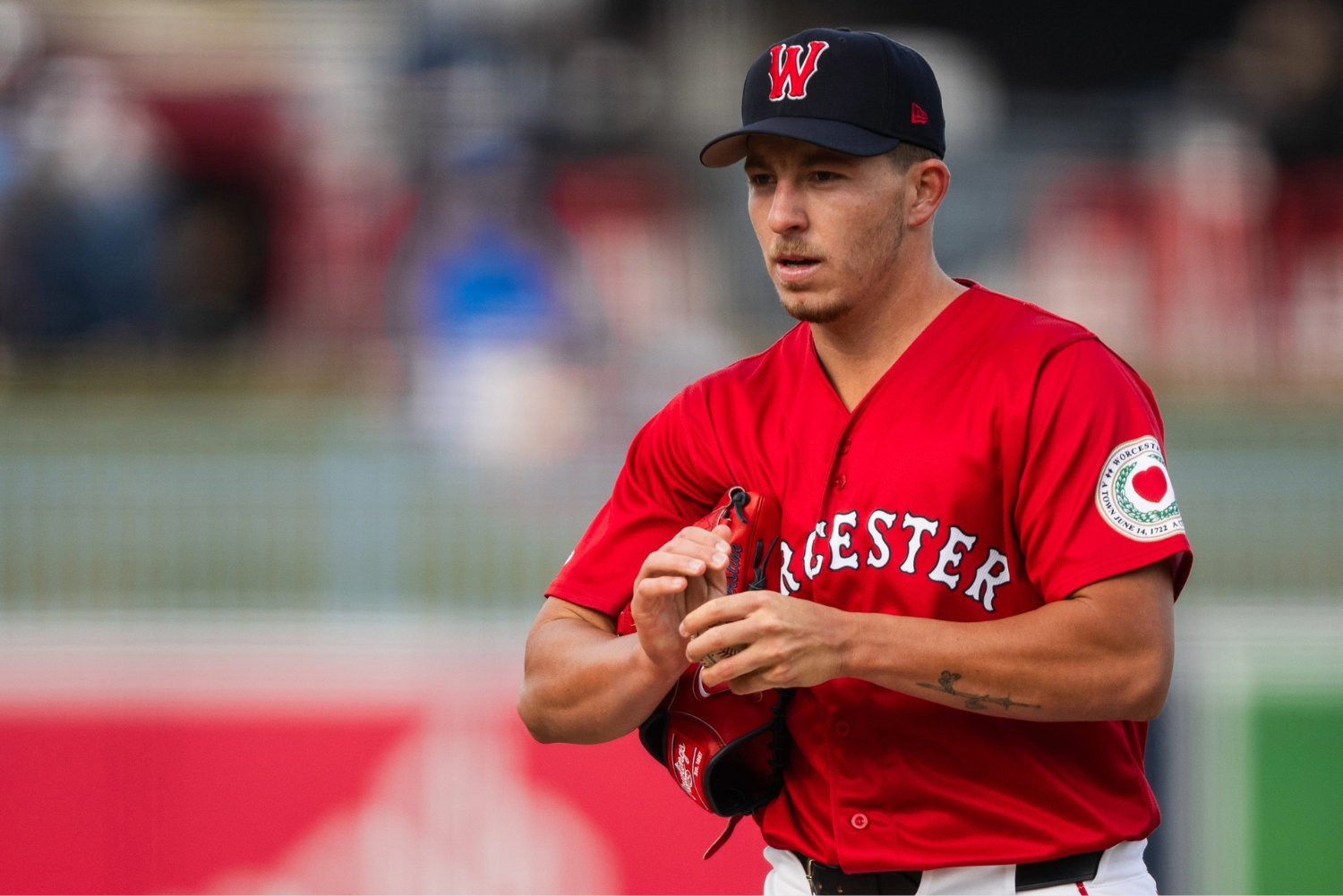 Worcester, MA — “It was awesome. Obviously, kind of a dream growing up to pitch in the big leagues, so to do that and pitch for the Boston Red Sox is an awesome experience.” Tyler Uberstine made his major-league debut back on April 5, pitching at Fenway Park. However, it’s been a long journey to make it back. One that involves disappointment and setbacks. Always being told he was not good enough, Uberstine was forced to prove himself time and time again. Entering college, the right-hander failed to make any team as a freshman. After working as hard as he could at USC, he was still cut during his sophomore year. And so, he began to look elsewhere, eventually landing at Northwestern. The rest is history. Drafted in the 19th round in 2021, Uberstine immediately got to work, making five appearances in the FCL where he tossed 7 2/3 innings and allowed just one earned run. The 2022 season was a big one, as he opened the year in Salem before looking rather dominant in High-A. Going 5-5 with a 3.83 ERA in 91 2/3 innings across 21 games, Uberstine showed to those who doubted him before that he could pitch in professional baseball. Unfortunately, injury struck Uberstine in 2023, as the right-hander would miss the entire season. It would get worse, as on June 14 of that year, he went under the knife and had Tommy John surgery. He would go on to miss most of the 2024 season, but showcased promise, striking out six batters in 4 2/3 innings before going to the Arizona Fall League to make up for lost time. It wasn’t until 2025 that Uberstine truly broke out and made a name for himself in the organization. Fully back from injury, Uberstine opened the season with Double-A Portland where he would provide quality innings for the rotation while pitching competitively each time he stepped on the mound. Making six appearances, he tossed 29 2/3 innings while striking out 35 batters and allowing just 12 earned runs. But much like every minor-league season, injuries at the major-league level forced a shuffling of players. In need of pitching, Uberstine was promoted to Worcester on what was supposed to be a temporary basis and ended up pitching so well he remained there for the remainder of the season. He would go on to appear in 19 games, tossing 91 huge innings with a 3.56 ERA for the team while striking out 102 batters. To honor his pitching performance, Uberstine was named the Co-Pitcher of the Year, all while creating discussion surrounding his future with the organization. The right-hander would be Rule 5 eligible in the coming offseason and there was debate surrounding whether the Red Sox would protect him or not. The team had quite a few young pitchers, but Uberstine performed well at Triple-A and it would be a waste to not see what they had. And so, in November, the organization added him to the 40-man roster. After being cut and told he wasn’t good enough for most of his career, Uberstine had proven them all wrong. Thus, we get to his debut, when he tossed 2 2/3 innings of relief on April 5 for the Red Sox. While he would be the losing pitcher of record, the outing was one full of success for the right-hander. Not only did he make his debut, but he also got his first career strikeout. Upon being optioned back to Worcester, Uberstine’s season got sidetracked again due to injury. After pitching on April 9 and April 14, Uberstine wound up missing over a month due to right shoulder soreness. He began his rehab process with the Greenville Drive at the end of May and has since pitched twice for the WooSox out of the bullpen, a role he’s content with. “The other night was a good two-inning stint. Before that was four innings. Just doing all different types of rolls out of the 'pen, whether it’s bulk, short, long, I’m good. As long as I feel healthy and feel good, I’m good,” Uberstine explained about his usage. For a player who has surpassed many expectations set by others, the right-hander is willing to do whatever it takes to get back up to Boston. “It was good to see him back out there,” acting manager Iggy Suarez stated. Suarez has been with Uberstine in each minor-league season he's pitched in since 2022, having been the manager of the Greenville Drive until the end of the 2024 season. Last year, he was a coach in Worcester when Uberstine came up. “To be able to go out and get two innings and then be able to go out there. He’s very aware of how he’s feeling. “When guys come back on the mound for me, I’m always looking at any little move. Does he usually do that? Does he move this way, move that way? I’m like, alright, make sure cause I’m pumped for guys to be out there but I want them to feel 100 percent. And he felt good. [Uberstine] being on the 40-man, he wants to be in a position where he wants to get back to the big leagues and you don’t want to stop that." For Uberstine, that path back to the majors has resumed. Given everything he's shown us thus far, it should surprise no one to see him get another chance in Boston this year. View the full article
 -
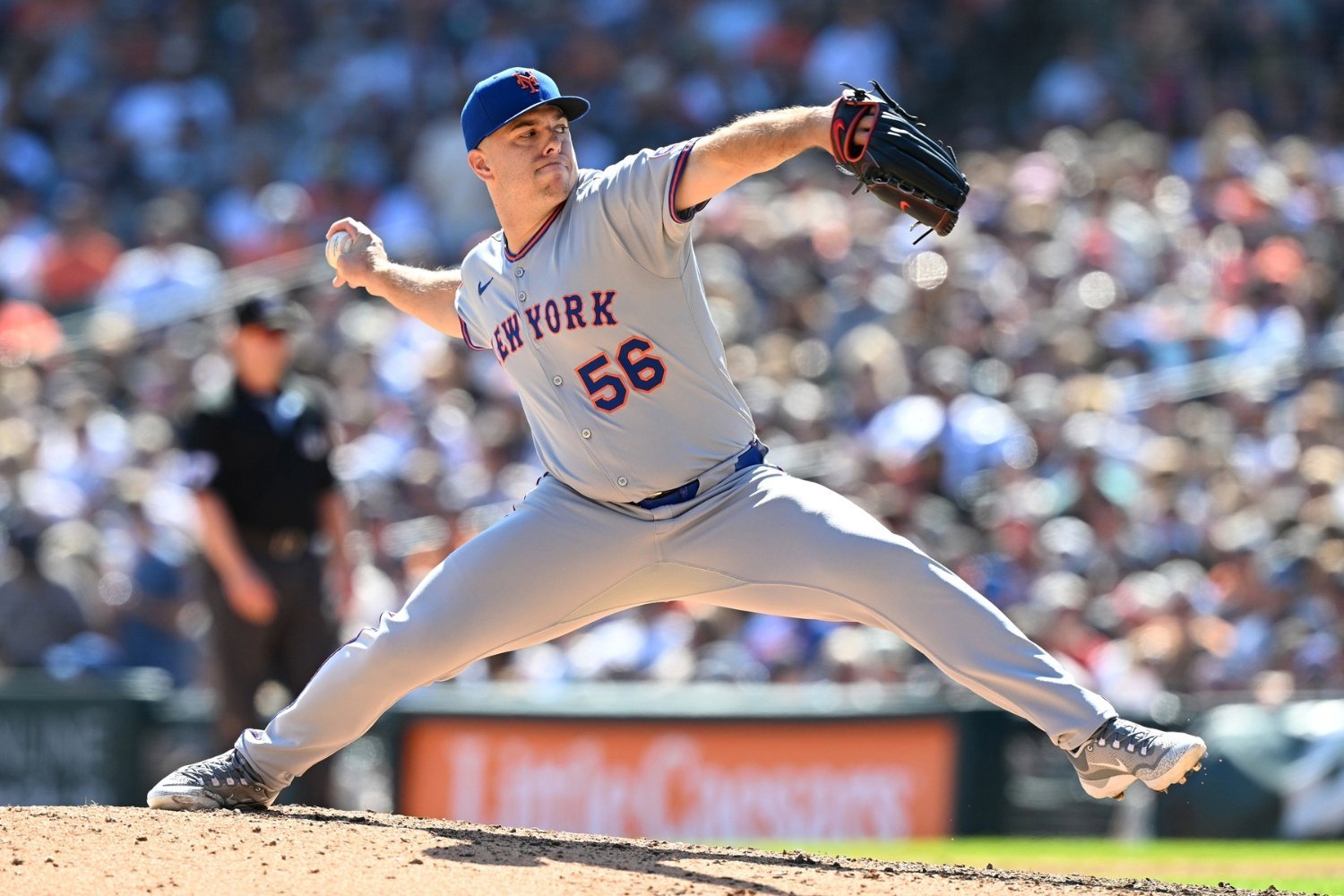 The New York Mets were clearly in a win-now position around the trade deadline last season, and David Stearns’ trade acquisitions were indicative of that. However, one year later, we can comfortably say his plan didn't work out. In the midst of another failed season by this organization, it feels right to look back at what went wrong last season, particularly the 2025 deadline from hell. The Mets needing starting pitching and not acquiring any was the beginning of the end for this team, and the four acquisitions they did make almost certainly made the team a lot worse. To start off the deadline, Stearns acquired Gregory Soto from the Baltimore Orioles in exchange for pitching prospects Wellington Aracena and Cameron Foster. Soto was brought over to pitch against lefties; a simple enough task, right? Wrong. Soto’s ERA in September was a 7.94, not nearly good enough for the Mets, who were trying to make a playoff push. Soto was usually used as a set-up man for the team, and yet, in the eighth inning he managed a 4.94 ERA with a 1.48 WHIP. Since then, Soto signed in the offseason with the Pittsburgh Pirates. Soto currently manages a 3.30 xERA and 1.11 WHIP in 35 IP. Neither one of Aracena or Foster has cracked the Orioles' top 30 prospects yet, with the latter pitching six games this season in the majors (9.00 ERA). Next, Stearns traded three major-league-caliber players in Drew Gilbert, Jose Butto and Blade Tidwell to the San Francisco Giants for Tyler Rogers. In 27 innings pitched for the Mets, Rogers turned out all right. He pitched to a 2.30 ERA and was a useful arm in the bullpen. His strikeout rate did plummet from 20.2% with the Giants to 9.0% with the Mets, though. None of the outgoing players have fully broken out at the major-league level but they have been mostly solid. Tidwell is currently in Triple-A but did sport 3.00 ERA in the big leagues with a 136 ERA+. Butto was only able to pitch three games before heading to the 60-day IL. To begin the season, Drew Gilbert was an electric factory for the team but has since calmed down. Stearns intended to re-sign Rogers but he chose the Blue Jays this offseason, with whom he currently owns a 1.82 ERA. The Mets' biggest deadline splash was a trade for star closer Ryan Helsley, parting with top-10 prospect Jesus Baez, along with pitching prospects Nate Dohm and Frank Elissalt. When people talk about the 2025 deadline, the failure of Ryan Helsley will be the first thought in mind. In 22 games with the Mets, he mustered up a 7.20 ERA with 58 ERA+ and a 5.19 FIP. For most of his tenure in Queens, Helsley struggled with finding the strike zone and tipping pitches. His 100 mph fastball ended up being one of the worst in baseball, producing -15 Fastball Run Value. Jesus Baez is currently destroying Double-A pitching to the tune of a .353 average. Dohm is the Cardinals' No. 30 prospect but currently sports an 8.21 ERA in High-A. Elissalt is currently on the 60-day IL. Helsley signed with the Orioles at the beginning of the offseason on a two-year deal and, to the Mets' dismay, he has become a respectable closer again. Stearns’ final acquisition was trading for Orioles outfielder Cedric Mullins, parting with prospects Anthony Nunez, Raimon Gomez, and Chandler Marsh. The Mets needed a true center fielder last season, as Jeff McNeil and Tyrone Taylor saw the lion share of at-bats there and neither hit well. However, Mullins struggled during his stint in New York, slashing just .182/.284/.281 in 42 appearances. Nunez has struggled recently but was dominant to start the year. Gomez sports a 27.00 ERA in eight games in A+ ball. Marsh owns a 4.40 ERA in High-A. Mullins, like the rest of these players, decided not to re-sign with the Mets and instead joined forces with the Tampa Bay Rays. He has not been great either this year, posting a career-low 74 wRC+. To put it plainly, the Mets missed the playoffs last year in part due to their atrocious deadline performance. A majority of the prospects are not panning out, none of the acquired players are still on the team, and the Mets are still struggling. Some might call this a lose-lose-lose situation. View the full article
 -
 The top four affiliates for the San Diego Padres opened new series Tuesday with the Triple-A El Paso Chihuahuas falling to Sacramento 10-5, the Double-A San Antonio Missions rolling past Amarillo 6-2, the High-A Fort Wayne TinCaps getting blasted by Great Lakes 12-2 and the Low-A Lake Elsinore Storm dumping Stockton 10-3. Padres Transactions San Diego Padres sent C Luis Campusano on a rehab assignment to El Paso Chihuahuas. San Diego Padres signed free-agent 3B Luis Rengifo to a minor-league contract and assigned him to Triple-A El Pason Chihuahuas. RHP Garrett Hawkins assigned to San Antonio Missions from El Paso Chihuahuas. El Paso Chihuahuas transferred 2B Victor Duarte to the Development List. San Antonio Missions activated C Ethan Salas from the 7-day injured list. San Antonio Missions transferred C Brendan Durfee to the Development List. San Antonio Missions placed LHP Omar Cruz on the 7-day injured list. Luis Campusano Goes Deep In First Rehab Game; Marquez Struggles Padres catcher Luis Campusano homered in his first rehab game, but Padres right-hander German Marquez was roughed up while getting just two outs as the host Triple-A San Antonio Missions were rolled by the Sacramento River Cats 10-5. Campusano, who started at catcher and batted second, went 2-for-2 in three plate appearances with a first-inning single, a third-inning walk and a fifth-inning two-run homer. He played six innings on defense before being subbed out. Marquez, who was scheduled to make two starts last week but only appeared in one game in relief, came out of the bullpen again, but it didn't go well. Marquez came on to begin the sixth inning and got two groundouts around a double, then issued a walk, gave up a two-run double and then a run-scoring single before being removed. He threw 22 pitches, including 14 strikes, to the six batters he faced. Bryce Johnson had three hits and Clay Dungan had two and scored twice for the Chihuahuas. Chihuahuas right-handed starter Sean Boyle went five innings and gave up six runs on nine hits with no walks and four strikeouts. He did give up a pair of homers. Sacramento scored once in the top of the first, four in the third and one more in the fifth for a 6-0 lead before the Chihuahuas trimmed the deficit to 6-3 in the bottom of the fifth on Clay Dungan's RBI single and Campusano's two-run blast to left. But the River Cats got all three of those back in the top of the sixth against Marquez. Player AB R H RBI BB K Mason McCoy 5 0 0 0 0 2 Luis Campusano 2 1 2 2 1 0 Anthony Vilar 2 0 1 2 0 1 Pablo Reyes 5 0 0 0 0 1 Nick Solak 4 0 0 0 0 1 Carlos Rodríguez 4 0 1 0 0 0 Marcos Castañon 3 0 0 0 1 0 Bryce Johnson 4 1 3 0 0 1 Romeo Sanabria 3 1 0 0 1 1 Clay Dungan 4 2 2 1 0 1 Totals 36 5 9 5 3 8 Player IP H R ER BB K HR Sean Boyle 5 9 6 6 0 4 2 Germán Márquez 2/3 3 3 3 1 0 0 Misael Tamarez 1 2/3 2 1 1 3 1 0 Justin Yeager 1 2/3 0 0 0 0 0 0 Jagger Haynes, Jake Cunningham, Albert Fabian Spark Missions Left-hander Jagger Haynes turned in a nice 6⅔-inning start, while Jake Cunningham and Albert Fabian homered during the fourth inning as the host Double-A San Antonio Missions dispatched the Amarillo Sod Poodles 6-2. Fabian went 3-for-4 with four RBIs, while Cunningham was 2-for-3 with three runs scored as the Missions made the most of their seven hits. Ethan Salas, Padres Mission's No. 1 prospect, went 0-for-3 with a walk and a strikeout from the leadoff spot after being activated from the seven-day injured list with a mild oblique strain. Haynes, Padres Mission's No. 10 prospect, gave up a pair of runs on four hits and four walks while striking out four. It marked back-to-back starts of 6⅔ innings, his season high, and the third of the year. The two runs scored in the seventh as Haynes ran out of gas. Right-hander Francis Pena got out of that jam and pitched a scoreless eighth, while right-hander Josh Mallitz finished up with two strikeouts in a perfect ninth. Cunningham and Braedon Karpathios, Padres Mission's No. 9 prospect, reached on an error and a single to open the second inning, then came home on Fabian's double to make it 2-0. Cunningham then hit the first pitch of the bottom of the fourth for his second Double-A homer and 17th of the season, with Fabian matching his solo blast two outs later for his sixth of the year, making it 4-0. Cunningham and Fabian did more work in the sixth, as both doubled to boost the advantage to 5-0. The Sod Poodles made it 5-2 in the top of the seventh against Haynes, with the Missions adding a final run in the bottom of the eighth as Cunningham was hit by a pitch, stole second with one out, went to third on a groundout and scored on a wild pitch with Fabian at the plate. SA1_0630.mp4 SA2_0630.mp4 Player AB R H RBI BB K Ethan Salas 3 0 0 0 1 1 Carson Tucker 4 0 0 0 0 1 Tirso Ornelas 4 0 0 0 0 0 Jake Cunningham 3 4 2 1 0 0 Braedon Karpathios 4 1 1 0 0 1 Ryan Jackson 2 0 0 0 1 0 Albert Fabian 4 1 3 4 0 0 Francisco Acuna 3 0 1 0 0 1 Luis Verdugo 3 0 0 0 0 0 Totals 30 6 7 5 2 4 Player IP H R ER BB K HR Jagger Haynes 6 2/3 4 2 2 4 4 0 Francis Peña 1 1/3 1 0 0 1 0 0 Josh Mallitz 1 0 0 0 0 2 0 TinCaps Can't Keep Up With Loons The host High-A Fort Wayne TinCaps had a mere five hits while surrendering three homers and committing five errors as part of a 13-hit attack that gave the Great Lakes Loons a 12-2 victory. Jack Costello and Ryan Wideman, Padres Mission's No. 4 prospect, each had doubles for the TinCaps. Right-handed starter Matthew Watson made it through just 2⅔ innings, allowing just one hit, but walking four and striking out four while giving up a pair of runs (one earned). After the Loons scored twice in the top of the first, the TinCaps scored their runs in the second and third innings. Rosman Verdugo had a one-out single and scored on Costello's two-out double in the second. Wideman led off the bottom of the third with a double and scored one out later on a sacrifice fly by Lamar King Jr., Padres Mission's No. 11 prospect. Great Lakes then went on to score one in the fourth, one in the fifth, two in the sixth, five in the seventh and another in the eighth. FW_0630.mp4 Player AB R H RBI BB K Ryan Wideman 4 1 1 0 0 3 Justin DeCriscio 4 0 0 0 0 2 Lamar King Jr. 3 0 1 1 0 2 Alex McCoy 4 0 0 0 0 3 Kerrington Cross 4 0 1 0 0 0 Rosman Verdugo 3 1 1 0 0 0 Carlos Rodriguez 3 0 0 0 0 2 Jack Costello 3 0 1 1 0 0 Zach Evans 2 0 0 0 1 0 Totals 30 2 5 2 1 12 Player IP H R ER BB K HR Matthew Watson 2 2/3 1 2 1 4 4 0 Nick Falter 2 1/3 3 2 1 1 1 1 C.J. Widger 1 2 2 2 1 1 1 Braian Salazar 1/3 5 5 5 0 0 1 Will Varmette 1 2/3 2 1 1 0 3 0 Will Koger 1 0 0 0 1 0 0 Strong Offense Backs Jesus Castro's Start In Storm Victory Right-handed starter Jesus Castro allowed three hits over five innings and four players drove in a pair of runs as the host Low-A Lake Elsinore Storm cruised to a 10-2 victory over the Stockton Ports. George Bilecki, Jose Verdugo and Dawson Willis—the top three hitters in the Storm lineup—each went 2-for-5 with two RBIs with Willis scoring twice, while Yoiber Ocopio also drove in a pair. Bradley Frye went 3-for-4 with an RBI as the Storm pounded out 15 hits. Castro, Padres Mission's No. 15 prospect, got back on track after a couple of subpar outings to pick up his first Low-A victory. He went five innings for the third time in five June starts, giving up two runs on three hits and a walk with three strikeouts. Right-hander Carson Swilling gave up a run in two innings, while right-hander Jeferson Villabona went two scoreless, each allowing one hit. The Storm trailed 2-1 entering the bottom of the fifth, when they put up a four-spot. Verdugo had an RBI single to tie the game and Willis singled home a pair to put the Storm up 4-2, then scored on Frye's single. The made it 8-1 in the sixth as Conner Westenburg had an RBI single, then stole his 30th base of the season and scored on a two-run single by Bilecki. Ocopio drove in a run with a single in the seventh and Verdugo added the final one in the eighth, following Bilecki's triple with an RBI groundout. LE_0630.mp4 Player AB R H RBI BB K George Bilecki 5 1 2 2 0 1 Jose Verdugo 5 1 2 2 0 0 Dawson Willis 5 2 2 2 0 2 Bradley Frye 4 1 3 1 0 0 Yoiber Ocopio 4 0 1 2 0 0 Jorge Quintana 4 0 0 0 0 1 Qrey Lott 3 1 1 0 0 0 Truitt Madonna 2 2 1 0 2 0 Conner Westenburg 4 2 3 1 0 0 Totals 36 10 15 10 2 4 Player IP H R ER BB K HR Jesus A. Castro 5 3 2 2 1 3 0 Carson Swilling 2 1 1 1 1 1 0 Jeferson Villabona 2 1 0 0 0 1 0 Padres Mission's Top 20 Prospect Performance Ethan Salas: 0-for-3, K Kash Mayfield: DNP Miguel Mendez: DNP Ryan Wideman: 1-for-4, 2B, 3 K Kruz Schoolcraft: DNP Jorge Quintana: 0-for-4, K Ty Harvey: On injured list Kale Fountain: Injured, out for season Braedon Karpathios: 1-for-4, K Jagger Haynes: 6⅔ IP, 4 H, 2 R, 2 ER, 4 BB, 4 K, W Lamar King Jr.: 1-for-3, 2 K Tucker Musgrove: DNP Truitt Madonna: 1-for-2, 2B Alex McCoy: 0-for-4, 3 K Jesus Castro: 5 IP, 3 H, 2 R, 2 ER, 1 BB, 3 K, W Rosman Verdugo: 1-for-3 Garrett Hawkins: DNP Eric Yost: DNP Michael Salina: DNP Winyer Chourio: DNP View the full article
 -
 Transactions: Milwaukee Brewers selected the contract of RHP Garrett Stallings from Nashville Sounds. Milwaukee Brewers optioned LHP Robert Gasser to ACL Brewers. Nashville Sounds activated RHP Kaleb Bowman from the Development List. OF Josiah Ragsdale assigned to Biloxi Shuckers from Wisconsin Timber Rattlers. Biloxi Shuckers placed RHP Tanner Gillis on the 7-Day Injured List Biloxi Shuckers placed RHP Ryan Birchard on the 7-Day Injured List Biloxi Shuckers released CF Dasan Brown. C David García assigned to Biloxi Shuckers from Wisconsin Timber Rattlers. C Yannic Walther assigned to Wisconsin Timber Rattlers from Wilson Warbirds. SS Tyler Rodriguez assigned to Wisconsin Timber Rattlers from Wilson Warbirds. Wisconsin Timber Rattlers transferred RHP Bryan Rivera from the 7-day injured list to the 60-day injured list. C Eric Martinez assigned to Wilson Warbirds from ACL Brewers. DSL Brewers Gold activated LHP Daniel Garcia from the 7-day injured list. DSL Brewers Gold transferred LHP Santiago Martinez from the 7-day injured list to the 60-day injured list. Game Action: Nashville 8, Jacksonville (Marlins) 4 Box Score As always, you are encouraged to read the official round-up from the team’s site: Nashville Erases Early Deficit to Take Series Opener over Jumbo Shrimp Nashville showcased their resilience on Tuesday night, erasing an early four-run deficit to defeat Jacksonville 8-4. Things looked grim in the opening frame when Jacksonville tagged Sounds’ starter Thomas Pannone for four quick runs. However, Pannone dug deep and found his rhythm, tossing four consecutive scoreless innings after the rocky first. His ability to stop the bleeding kept Nashville in the game. Nashville's bats chipped away at the lead with single runs in the second and third innings, highlighted by a solo blast from Jeferson Quero, seen here courtesy of the Sounds’ X account: The Sounds then broke things open in the later frames. First steady Eddys Leonard knocked in a run on an RBI single in the 6th. Then Jett Williams followed up with a looping single to tie the game. Leonard has been one of the unsung heroes for the Sounds this year, while being either first or second on the club in hits, doubles, home runs, and OPS. In the 7th, Brock Wilken broke the tie with a clutch three-run home run: Wilken, who saw his playing time diminished in June, finished the night with three hits and was a triple shy of the cycle. For the month of June, Wilken sported a respectable .233/.361/.517 slash line in 72 plate appearances. Luis Lara had two hits including a triple. Williams knocked in two runs on the night before getting ejected (presumably for his frustration on the out call on his game-tying single). While Wilken and the Sounds’ offense provided the fireworks, the comeback would not have been possible without the stellar work from Lyon Richardson. Richardson earned the win in relief by slamming the door on Jacksonville with a line of 3.2 IP, 1H, 0R, 2BB and 2K. Richardson now has a 1.38 ERA in 13IP with Nashville. Nashville is now 47-35 on the season and 4-3 in the second half. Biloxi pre-game media notes Chattanooga (Reds) 6, Biloxi 5 (suspended in the bottom of the 5th, to be completed on Wednesday) Box Score (Thus Far) Mother Nature is the only force more powerful than Andrew Fischer and the Biloxi offense… at least for now. Fischer smoked two two-run home runs in his first two at-bats before the rain came. You can check out the blasts here, courtesy of the Shuckers X account: Jesus Made singled in front of both Fischer dingers and scored twice before play was halted. Not to be overshadowed, the newest Shucker, Josiah Ragsdale, also homered in his second at-bat at the level: Josh Adamczewski was 0-for-2, and will look to extend his AA hit streak to 11 games tomorrow. He did come up with this fine throw from left field though: They’ll try to play two (or one and a half) tomorrow. RHP Manuel Rodriguez (7-2, 4.66 ERA) was originally slated to start Wednesday’s game for Biloxi. Wisconsin pre-game media notes Wisconsin 5, Peoria (Cardinals) 4 Box Score Wisconsin Holds on for Win at Peoria Wisconsin showed their mettle on Tuesday in their 5-4 victory over Peoria. The game swung back-and-forth in the early innings, and then Wisconsin held on for the one-run victory over the final five scoreless innings. Wisconsin struck first and built a 3-0 advantage, highlighted by Tayden Hall's two-run homer in the top of the third. Check out Hall’s shot courtesy of the Rattlers’ X account: Hall paced the Rattlers with three hits on the night. However, Peoria immediately responded with a massive four-run rally in the bottom half of the frame to erase the deficit and take the lead. Refusing to be rattled, the Wisconsin offense answered the very next inning when center fielder Braylon Payne launched his 16th home run of the year, a crucial two-run shot that put the Timber Rattlers back on top for good: Could Payne soon be the next Rattler to earn a promotion? He’s carrying a .983 OPS with the conclusion of Tuesday’s game. The Rattlers managed 11 hits, including multi-hit games from Eric Bitonti, Luis Castillo, and Tyler Rodriguez in his High A ball debut. However, the team could have put the game away had they had more success with RISP, finishing 1-for-12 on the night. On the mound, starting pitcher Josh Knoth rebounded from the rocky third inning to finish five solid frames, striking out four and earning his second win of the season. The 20-year-old Knoth finished June with a 20:5 K:BB ratio in 21.2IP. The bullpen then completely shut the door on any Peoria comeback hopes. Jason Woodward and Quinton Low were spectacular in relief, combining to throw four scoreless innings while striking out five to preserve the one-run advantage, with Low recording the final five outs to notch his first save of the year. The win moves Wisconsin to an impressive 43-29 on the season and 8-1 in the second half. RHP Ethan Dorchies (2-5, 5.84) will look to build on his strong month of June when he takes the hill as we flip the page to July. Dorchies carried a 3.18 ERA in 20IP in the month of June and was dominant (7IP 5H 1ER 1BB 3K) his last time out. Wilson pre-game media notes Wilson 3, Kannapolis (White Sox) 2, F/11 Box Score Wilson Outlasts Kannapolis in 11-Inning Marathon Wilson secured a dramatic 3-2 walk-off victory in 11 innings against Kannapolis on Tuesday night at Wilson Ballpark. After falling behind 2-0 early in the game, the Warbirds' offense finally scraped together a pair of runs in the bottom of the 6th. The Warbirds plated two runs on RBI groundouts from Juan Ortuno and Alexander Frias, with just one hit (a leadoff single from Handelfry Encarnacion) in the inning. The score remained knotted at two apiece thanks in large part to a dominant relief effort from the Warbirds staff. After starter Hayden Robinson gave up two runs over his five innings of work, reliever Miqueas Mercedes took over and completely silenced the Kannapolis’ bats. Mercedes tossed four scoreless innings, allowing just three hits and striking out four to keep the Warbirds in the game. Joshua Quezada then took the mound for extra innings and was perfect, pitching two hitless, scoreless frames in the 10th and 11th with three strikeouts to earn his third win of the season. That set the scene for Jadyn Fielder to be the hero in the bottom of the 11th. With a runner starting on second, Kevin Garcia singled to put runners on the corners. Fielder came through with a single and the Warbirds had another walk-off victory. Fielder, who earlier had a double, accounted for half of Wilson’s four hits on the night. With the win, Wilson moves to 5-5 in the second half and 41-35 on the season. RHP Tyler Renz (2-3, 4.60 ERA) is slated to take the mound on Wednesday for Wilson. ACL Padres 8, ACL Brewers 4 Box Score It was a tough night in the Arizona Complex League for the Brewers’ side. The Padres capitalized on the nine free passes and a couple of costly Brewers fielding errors to build a lead they wouldn't relinquish. Starter Dariel Jaquez flashed some swing-and-miss stuff with three strikeouts but ultimately took the loss after issuing six walks in just three innings of work. Joan Pena surrendered six runs (though only three were earned) over four innings, plagued by four wild pitches. Despite the messy play on the mound and in the field, the Brewers' offense showed some life in the late innings. Trailing 5-1 heading into the bottom of the sixth, the Brewers’ bats finally woke up. Engel Paulino delivered the biggest blow of the frame, ripping a clutch two-run double, that cut the deficit to a tantalizingly close 5-4. Kenny Fenelon also drove in a run with a double of his own in the inning. Unfortunately, the momentum was short-lived. The Padres immediately answered back with a three-run seventh inning to put the game out of reach and seal the 8-4 final. First baseman Roderick Flores was a bright spot at the plate, finishing 2-for-3 with two runs scored, an RBI, and a stolen base. The ACL Brewers are now 23-21 on the season. DSL Tampa Bay 8, DSL Brewers Blue 3 Box Score The DSL Brewers Blue dropped an 8-3 decision to DSL Tampa Bay in a game defined by severe control issues from the Brewers' pitching staff. Starter Luis Aguayo struggled right out of the gate, surrendering five earned runs on five hits in just 1.1 innings to take the loss. The bullpen couldn't seem to find the strike zone either, as the Brewers' staff combined to issue a staggering 11 walks, four hit batters, and five wild pitches constantly giving Tampa Bay free baserunners and putting themselves in high-stress situations. Despite the constant traffic on the basepaths, the Brewers were actually quite fortunate the final score wasn't far more lopsided. With the 15 free passes and nine hits allowed, Tampa Bay had runners on base all afternoon but failed to capitalize on the vast majority of their opportunities, going a dismal 1-for-17 with runners in scoring position. Reliever Wilmer Duarte helped stem the bleeding and kept the game from getting completely out of hand, eating up five innings and allowing just one run, though he danced around danger by walking four and hitting three batters of his own. Offensively, the Brewers Blue simply couldn't generate enough consistent offense to dig themselves out of the early hole. They managed eight hits on the day, highlighted by second baseman Leanders Matos, who went 2-for-4, with two runs driven in, and provided a late spark with a solo home run in the bottom of the eighth inning. The 16-year-old is putting himself on the prospect radar with a 1.029 OPS in his first 20 games. Right fielder Frandy Lafond added a pair of singles to up his average to .372 on the season. Shortstop Jose Rodriguez was on base three times (single, two walks) and the 17-year-old has a .844 OPS through his first 22 games of DSL play. However, much like their opponents, the Brewers struggled to deliver the clutch hit when it mattered most, finishing the game just 1-for-10 with runners in scoring position and leaving seven men on base. Just one early morning DSL game tomorrow. Then we'll have our normal affiliate games in the evening, and the completion of Biloxi's game as well. How many home runs will Andrew Fischer hit tomorrow? Organizational Scoreboard including starting pitcher info, game times, MiLB TV links, and box scores Current Milwaukee Brewers Organization Batting Stats and Depth Current Milwaukee Brewers Organization Pitching Stats and Depth View the full article
 -
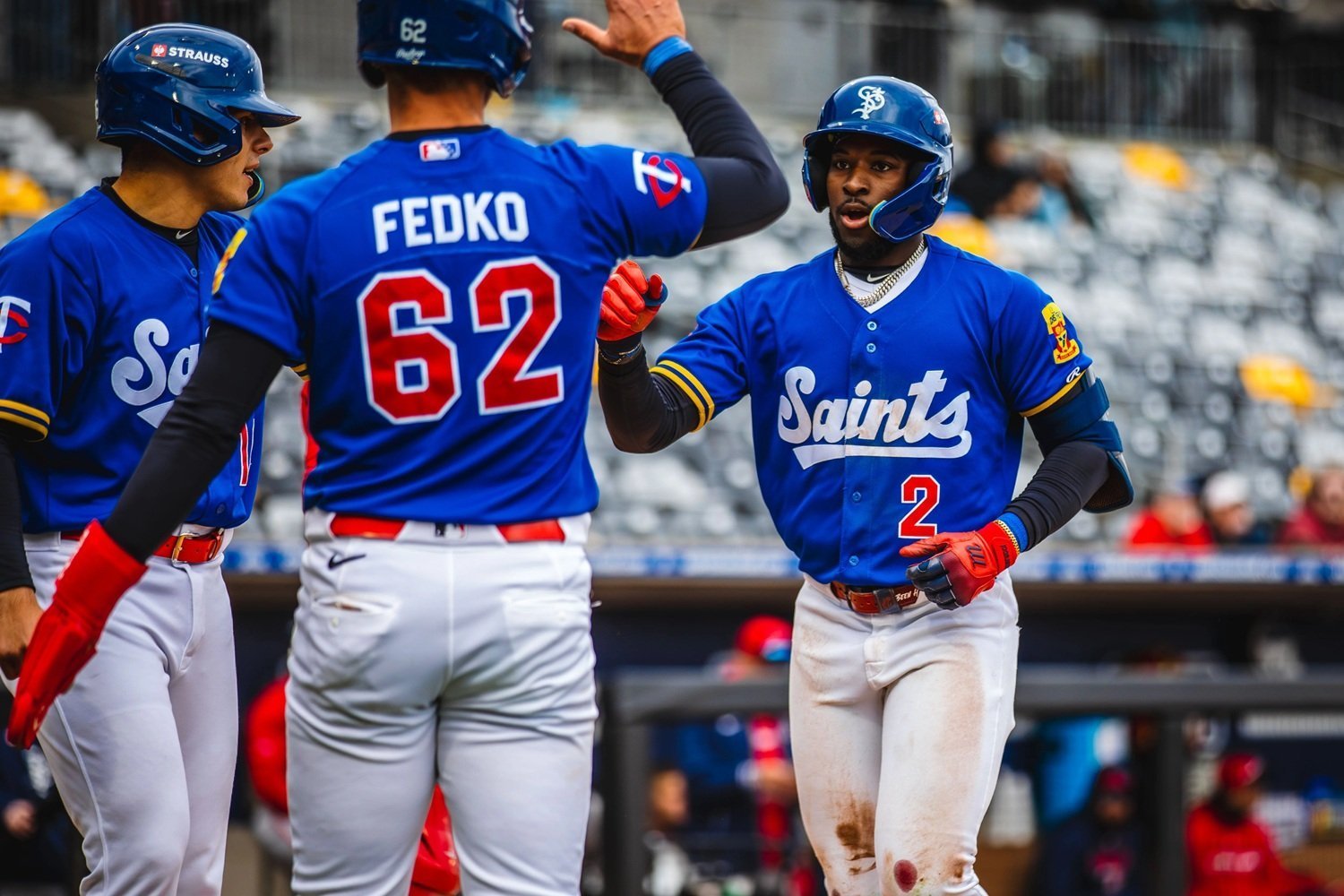 TRANSACTIONS RHP Eduardo Salazar was activated from the 7-day injured list. The Minnesota Twins organization signed RHP Jesus Moreno and assigned him to the DSL Twins roster. SAINTS SENTINEL Buffalo 6, St. Paul 12 Box Score The St. Paul Saints scored seven runs in the first inning of this one, the third time this season they have done so, putting this one out of reach for Buffalo before most fans had even finished their first beverage. Alan Roden led off the bottom of the first with his eighth homer. Kaelen Culpepper and Walker Jenkins followed with singles. Matt Wallner was hit by a pitch. Orlando Arcia and Gabriel Gonzalez delivered RBI singles. Then Cody Morissette clubbed a grand slam for the exclamation point. While that start was exciting, what was not was the second at-bat of the frame for Culpepper. He took a mid-90’s fastball off his hand and although he ended up going to first base, he did not take to the field in the top of the second. Ben Ross came on as his replacement. Left-hander Aaron Rozek made the start at CHS Field, and finished the first four innings. He gave up three earned runs on four hits and two walks, while punching out seven. Noah Cardenas added a solo home run in the third, and Wallner hit a two-run shot in the fourth to make it 11-3. Ross and Jenkins had each doubled in front of Wallner’s blast. Jenkins led off the bottom of the sixth with a triple, putting him a home run shy of the cycle, and scored on another RBI single from Arcia for their final tally. Relievers Raul Brito (1 IP, 3 H, 2 ER, BB, K), Grant Hartwig (1 2/3 IP), Jake Higginbotham (1 1/3 IP, 3 H, ER, K) and Taylor Rashi (1 IP, H, 2 K) combined to keep the Bisons at bay over the final five innings. Jenkins finished 3-for-5 with three runs scored, his eighth double, and second triple of the season, driving in one. Roden, Ross, Wallner, Arcia, and Cardenas all collected two hits as the Saints racked up 17 as a team. They went 6-for-11 with runners in scoring positing, left just six men on base, and struck out only four times on the night. WIND SURGE WISDOM Tulsa 11, Wichita 8 (10 innings) Box Score The last place Wichita Wind Surge welcomed the Texas League leading Tulsa Drillers to Equity Bank Park Tuesday night, and had them on the ropes heading into the ninth inning. Wichita got on the scoreboard first in the bottom of the first after Jay Thomason led off with a single, and Khadim Diaw drew a walk in front of clean-up hitter Billy Amick. He drove them both in with a double and 2-0 lead after one. Spencer Bengard took the starting duties and completed three innings. He was charged with two earned runs on three hits and two walks, while striking out four. Amick put the Wind Surge back in front in the third with another RBI double to bring in Garrett Spain, who had singled to lead off the frame. Jaime Ferrer added an RBI single that made it 4-2. The Drillers answered back in the fourth off Wind Surge reliever Darren Bowen. He gave up three runs (two earned) on four hits and a walk in his lone inning, striking out one. No pitcher came out unscathed for the home team, as Zach Vennaro (1 IP, H, ER, 2 BB, 3 K), Paulshawn Pasqualotto (2 IP, 2 H, ER, 3 K), and Jacob Webb (2 IP, 2 H, ER, 2 BB, 3 K) each gave up one run through the ninth. But the Wind Surge had answered in the bottom of the seventh to give them the lead before that. Amick reached on an error to start the inning. Kyle DeBarge drove him in with a single. Ferrer’s double tied the game at seven, then a sacrifice fly from Jose Salas put them in front. Webb delivered a scoreless eighth inning and got two outs in the top of the ninth before an RBI single tied the game. The Wind Surge got shut down in the bottom half to send it to extra innings. Sam Ryan took on those extra duties and had trouble keeping the ball in the strike zone. After a pop-out he walked the next two hitters to load the bases, before a wild pitch gave the drillers the lead. Another intentional walk, an RBI single, and a sacrifice fly gave them a three-run cushion before the home team could escape. They went down one-two-three in the bottom of the tenth to come out on the losing end after being one out away from victory. On offense Thomason (2-for-5, R, BB, K, SB), Spain (2-for-5, 2 R, HR, RBI, K), Amick (2-for-4, 2 R, 2 2B, 3 RBI, BB), and Ferrer (2-for-5, R, 2B, 2 RBI) each collected two hits. KERNELS NUGGETS Cedar Rapids 3, Quad Cities 8 Box Score Brandon Winokur stepped into the batter's box at 6:34 PM CDT for Tuesday night’s first pitch, and seconds later it left the ballpark for a 1-0 lead. Dasan Hill took to the bump for the Kernels, and despite keeping the River Bandits off the scoreboard, labored through just 1 2/3 innings on 54 total pitches, with 32 going for strikes (59%). He did rack up five strikeouts via some extended at-bats and allowed one hit, but two consecutive walks to load the bases ended his outing in the middle of the second after a visit to the mound from trainers. Yehizon Sanchez got the final out of the second and completed two more. He was charged with one earned run on four hits and a walk in 2 1/3 innings, striking out three. Cedar Rapids took back the lead in the top of the fifth. Yasser Mercedes led off with a walk, and Henry Kusiak then launched his second home run with the Kernels for a 3-1 lead. Nick Trabacchi delivered a one-two-three fifth inning but wasn’t as lucky in the sixth. A pair of two-run homers put the River Bandits in front 5-3 and they wouldn’t look back. Trabacchi was charged with four earned runs on three hits and a walk in his two innings to take the loss. He struck out one. Adam Falinski (1 2/3 IP, 2 H, 3 ER, 2 BB, 2 K) and Brian Zeldin (1/3 IP H, K) finished off the final two innings. Winokur (2-for-4, R, HR, RBI) and Danny De Andrade (2-for-4, 2 K) each had two hits in the loss. As a team the Kernels went 0-for-5 with runners in scoring position and left just five men on base. MUSSEL MATTERS Fort Myers 5, Clearwater 4 Box Score The Mighty Mussels traveled north on I-75 to face the Threshers this week, the low-A affiliate of the Philadelphia Phillies. Righty Kolten Smith made the start and finished the first four innings. Outside of the second inning where Clearwater racked up three hits and three runs, he scattered just two other hits in his other three scoreless innings. He was charged with three earned runs on five hits while striking out three. Fort Myers started chipping away at that lead in the top of the third, and after the fifth they had it tied up. Merphy Hernandez led off the third with a single, stole second for his 24th swipe of the season, and scored after an errant pickoff throw toward second base. In the top of the fourth Luis Fragoza crushed his ninth home run of the season at 105 MPH. In the fifth, Irvin Nunez led off with a single, moved up both bases on wild pitches, then scored on an error that would have ended the inning. Reliever Callan Fang took over for Smith to start the fifth and was excellent over the next three innings, allowing just two hits and striking out three. In the top of the eighth Quentin Young delivered a one-out single in front of Nunez, who hit his second home run of the year to give them their first lead of the game. The Threshers answered with one run of their own in the bottom half, but that would be it as Eric Hammond buckled down and finished off the game for his first save. The run was unearned, and over his two innings he allowed one hit, walked two, and struck out one to end the game. Nunez led the way on offense with two hits in four at-bats, including the homer. He also scored two runs. Ryan Sprock (0-for-3, 2 BB, K) and Ramiro Dominguez (1-for-3, 2 BB) each drew a pair of walks from the top of the lineup. COMPLEX CHRONICLES FCL Pirates 1, FCL Twins 2 (7 innings) Box Score The Pirate’s leadoff man, Darell Morel, hit his third home run of the season to start the top of the first inning and give his squad a one-run lead. The Twins answered with a run of their own in the bottom half as Yovanny Duran drew a leadoff walk, stole his 19th base of the season, and scored on a single from Jhomnardo Reyes. The fact the Twins went on to win this one from there was quite miraculous, as that would be their only hit of the game. They added the winning run in the bottom of the fifth thanks to a walk, hit-batter, and a wild-pitch that allowed Darwin Almanzar to scamper home. The Twins pitching staff allowed only four hits of their own, striking out 10 compared to just one walk. Billy Oldham started and although he gave up the homer, struck out the next three hitters. Jake Hunter gave up one hit and one walk in his two innings, striking out two. Cristian Hernandez got the bulk work and finished off the game, allowing just two hits and striking out five over the final four innings. DOMINICAN DAILY DSL Twins 3, DSL Rockies 13 (7 innings) Box Score The Rockies scored in six of seven innings, bludgeoning Twins pitchers on their way to a blowout. Right-hander Yosangel Braffit made the start and delivered a scoreless first inning. He went on to finish the second but was charged with seven earned runs on four hits and five walks in his two innings. He struck out three. Herkyn Taveras (2 IP, H, ER, 3 BB, K), Jeremy Jimenez (1 IP, 3 H, 4 ER, 2 BB, K), and Aldwin Morillo (1 IP, ER, 4 BB) combined to allow the final six runs over their five-relief innings. The Twins lineup was outhit 8-6 in the game, with Daiyer Barboza (2-for-3, 2 R, HR, RBI, BB, SB) and Misael Rodriguez (2-for-3) collecting two-thirds of those knocks. Jhon Gonzalez and Fabian Ulloa added singles, while Luis Duarte drew two walks in three at-bats and scored a run. TWINS DAILY MINOR LEAGUE PLAYERS OF THE DAY Pitcher of the Day – Cristian Hernandez, FCL Twins (W, 4 IP, 2 H, 5 K) Hitter of the Day – Walker Jenkins, St. Paul Saints (3-for-5, 3 R, 2B, 3B, RBI) PROSPECT SUMMARY Check out the Prospect Tracker for much more on our Twins Top 20 prospects after seeing how they did today. #1 - OF Walker Jenkins (St. Paul): 3-for-5, 3 R, 2B, 3B, RBI #2 - IF Kaelen Culpepper (St. Paul): 1-for-1, R, HBP (left game) #4 - C Eduardo Tait (Cedar Rapids): 0-for-4, 2 K #8 - OF Hendry Mendez (St. Paul): 1-for-5, K #9 - LHP Dasan Hill (Cedar Rapids): 1 2/3 IP, H, 2 BB, 5 K #10 - OF Gabriel Gonzalez (St. Paul): 1-for-4, R, RBI #12 - 3B/CF Brandon Winokur (Cedar Rapids): 2-for-4, R, HR (10), RBI #13 - C/OF Khadim Diaw (Wichita): 0-for-3, R, BB, 2 K #14 - 3B/SS Quentin Young (Fort Myers): 1-for-3, R, BB, 2 K #18 - OF Yasser Mercedes (Cedar Rapids): 1-for-3, BB, K, SB (17) #19 - 1B/3B Billy Amick (Wichita): 2-for-4, 2 R, 2 2B, 3 RBI, BB #20 - 2B/OF Kyle DeBarge (Wichita): 1-for-5, R, RBI, 2 K WEDNESDAY’S PROBABLE STARTERS Buffalo @ St. Paul (7:07 PM CDT) - RHP Ty Langenberg (3-2, 3.63 ERA) Tulsa @ Wichita (7:05 PM CDT) - RHP Chris Vallimont (0-1, 2.70 ERA) Cedar Rapids @ Quad Cities (6:30 PM CDT) - RHP Riley Quick (0-2, 4.86 ERA) Fort Myers @ Clearwater (5:30 PM CDT) - RHP Ramiro Villanueva (0-2, 4.38 ERA) Please feel free to ask questions and discuss Tuesday’s games! View the full article
 -
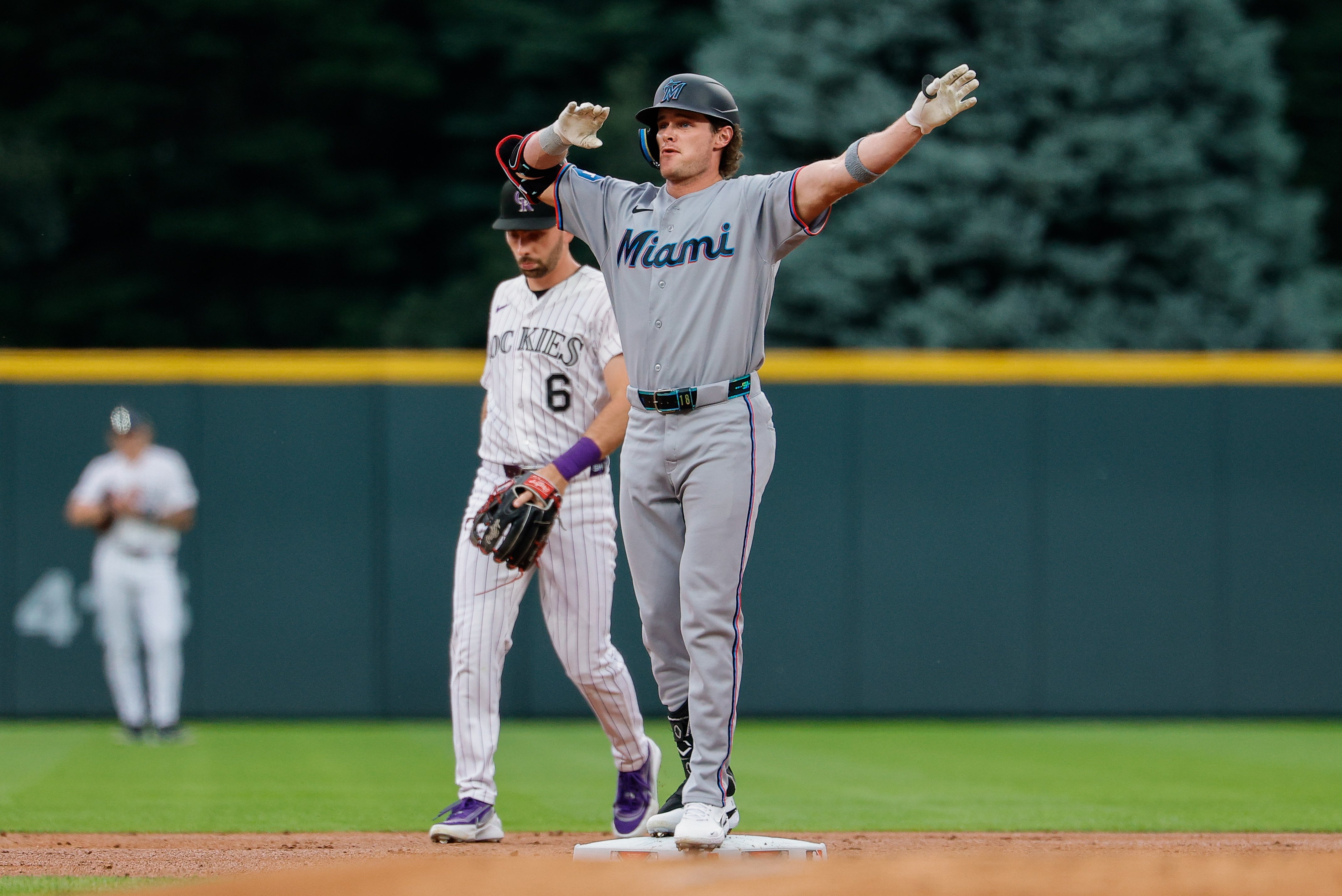 The best month in Miami Marlins franchise history is over, but at least it ended in style. The Marlins offense set new season highs in runs scored and hits in their 14-3 win over the Colorado Rockies. It was their 20th win in the month of June. "Winning 20 games in a month is a hard thing to do," Marlins manager Clayton McCullough said. "Great way to finish out the month. We certainly have a lot of work ahead of us, but to continue to play well in a lot of facets is what's led to this. Offensively tonight how good we were, and being able to score early and tack on and hit with runners in scoring position. Really good finish this month, and we will turn the page and have to start a new one tomorrow." This marked the club's highest winning percentage (.769) and the best run differential (+53) in a single month. One of the many reasons for the Marlins' month-long success was their offense. Going into Tuesday, the Marlins had a 110 wRC+, which is 10th in baseball and ninth in OPS (.773). Even on a night where shortstop Otto Lopez was out of the Marlins lineup, they put up 14 runs on 21 hits. It is the first time this season that the Marlins have scored 10-plus runs in back-to-back games, most recently done in 2023 against the Atlanta Braves when they scored 11 runs in the first game and 16 in the second. It's the 20th time in franchise history that the Marlins have 20 or more hits in a single game. It's also the first 20-hit game since 2022 which happened to be against the Rockies in Coors Field. Griffin Conine led the way with a four-hit night, driving in the first run of the ballgame on an RBI double. He knocked in an RBI single in the top of the sixth inning, making it 7-1. Conine finished the game with a four-hit performance, the first of his career. Conine is now slashing .286/.364/.531/.783 with three home runs, 10 RBI and a 146 wRC+ this season. Xavier Edwards also had a four-hit night, the first for him this season and sixth of his career. He finished June on a nine-game hit streak. Joe Mack made it 10-1 in the top of the seventh. Mack's home run, which went 450 feet into the second deck in right field. Mack, who got off to a slow start to begin his MLB career, is now slashing .294/.360/.544/.904 with five home runs and 15 RBI in June. Owen Caissie became the second Marlin to reach double-digit homers, hitting his 10th of the season in the top of the eighth inning. A three-run shot went 453 feet is the longest home run hit by a Marlin this season, surpassing Mack, who held that record for about 45 minutes. After a June where Caissie had an .865 OPS, he is slashing .239/.299/.444/.743 overall with 10 home runs, 46 RBI and a 100 wRC+. In his return from the injured list, Liam Hicks had a multi-hit performance, extending his hit streak to 11 games. Graham Pauley was optioned to Triple-A Jacksonville to reinstate Hicks off the IL. In his second start off the injured list, Marlins starting pitcher Eury Pérez went 5 1/3 innings, allowing one run on two hits (one home run), walked four and struck out eight. The home run he allowed was to Mickey Moniak in the bottom of the first inning. All eight of Pérez's strikeouts were swinging. His sweeper, which he threw 26% of the time, generated seven total whiffs and used it to strike out three. His fastball topped out at 99.9 mph and averaged 97.7 mph. He struck four out with that pitch. "Had a great fastball, and some of the pitches are just not going to react like they do here, but he spun some good breaking balls and I thought he filled up the zone really very well," McCullough said. "He ran out of gas a little bit there at the end, but as far as the second time getting back up and being able to get the pitch count into a good place in the up, I think he's in a really great spot." With the win, the Marlins improve to 46-40 on the season and remain virtually tied with the St. Louis Cardinals for the third National League Wild Card spot. Max Meyer will put his perfect 9-0 record on the line Wednesday night as the Fish look for their fourth straight series win. View the full article
 -
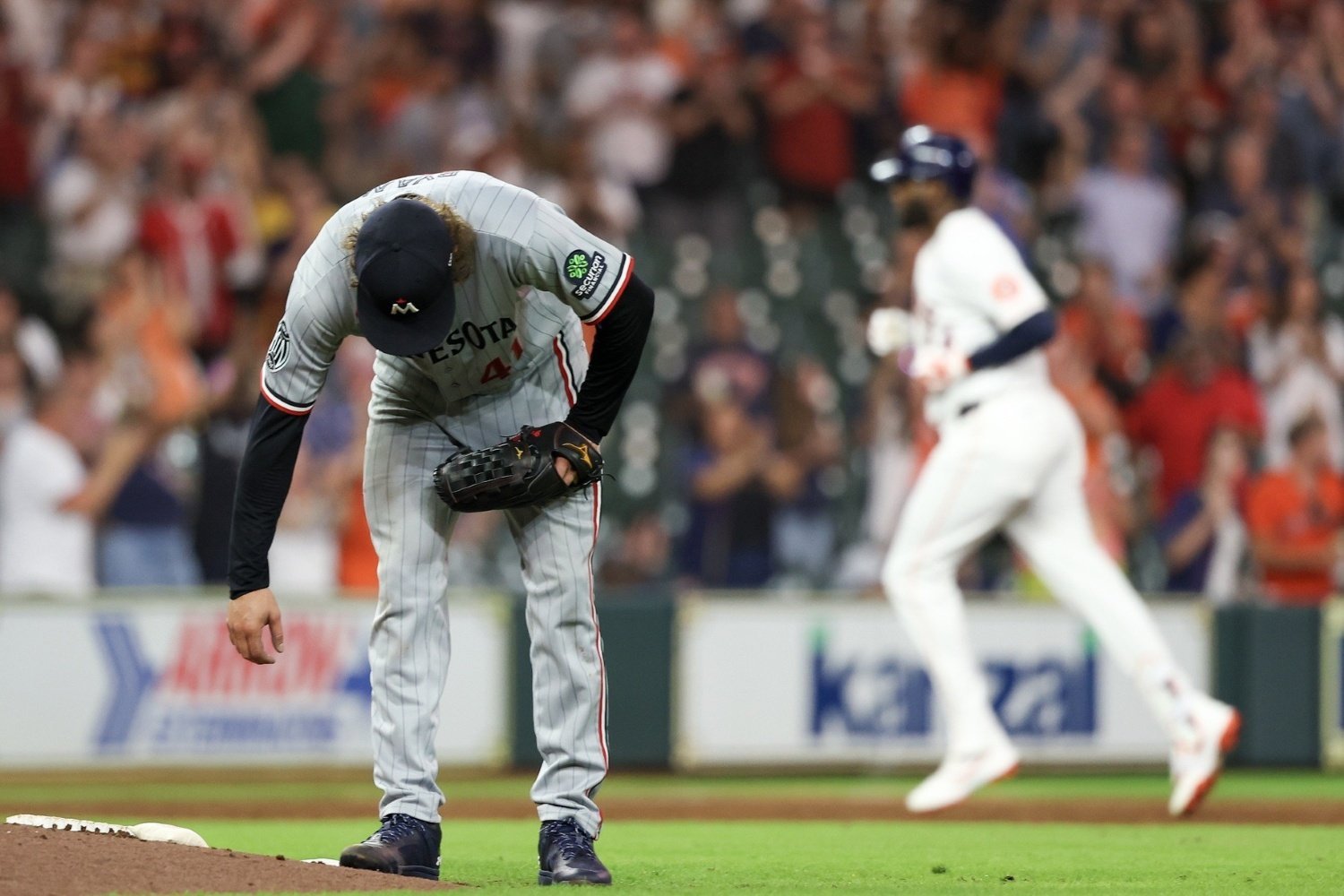 Box Score SP: Joe Ryan - 4 IP, 6 H, 6 R, 6 ER, 3 BB, 5 K (91 pitches, 57 strikes (62.6% strikes)) Home Runs: None Bottom 3 WPA (via Fangraphs): Joe Ryan (-0.49), Tristan Gray (-0.06), Brooks Lee/Austin Martin (-0.05) Win Probability Chart (via FanGraphs) After a series win against the lowly Colorado Rockies, the Twins won the first game of the series against the Astros in a tight 5-4 win. The Twins took the field looking to climb closer to .500 and stay in the midst of the playoff picture, just over halfway through the season. They sent ace Joe Ryan to the mound; the Astros countered with offseason trade acquisition Mike Burrows. The Twins showed a good approach against Burrows in the first inning, loading the bases with a single and two walks prior to Victor Caratini being hit by a pitch to take a 1-0 lead. Ryan Kriedler, playing center field for an ailing Byron Buxton, added to the lead with a single to left field. The Astros made a little bit of noise right away in their own right, getting two runners on base in the bottom of the first before Ryan was able to get out of the inning without giving up any runs. Astros third baseman Raynel Delgado led off the bottom of the third with a double, and it looked like the Astros might score after a groundout moved him to third base with one out. Ryan had different plans, striking out Yordan Alvarez and then inducing a groundout off the bat of Isaac Paredes. The Astros broke through in the bottom of the fourth, however, in decisive fashion. After an RBI single off the bat of Yainer Díaz cut the Twins' lead to 3-1. Ryan struck out Nick Allen, but then walked the next two hitters, making it 3-2. Demoralizingly (and, as it turned out, fatally), Ryan appeared to be out of the inning on a called third strike to Jose Altuve, but Altuve challenged the call. It flipped from a vital strikeout to an RBI walk and brought Alvarez to the plate with the sacks still packed. Then, Yordan Alvarez did what Yordan Alvarez does. The Twins answered with two two-out hits of their own in the top of the fifth, as a single by Kody Clemens and a double by Josh Bell trimmed the deficit to two runs. The bullpens for both teams were lights-out, not giving up any runs—which meant that the Twins never got any closer. For the Twins, Eric Orze and Marco Raya threw two scoreless innings apiece, while a contingent of four relievers for the Astros threw innings six through nine, finishing off with Josh Hader completing his eighth save of the season. What’s Next? The Twins will play a rubber match against the Astros on Wednesday evening, sending Taj Bradley (6-3, 3.98) to the mound, while the Astros will counter with Tatsuya Imai (5-3, 5.36 ERA). Bradley is coming off of two solid starts against the Diamondbacks and Rockies and will look to continue a solid overall year to this point. In his most recent start against Colorado, he threw seven innings, giving up two runs and striking out seven in a Twins win. After tomorrow’s game, the Twins will spend an off day in New York prior to a three-game set against the Yankees. FRI SAT SUN MON TUE P Raya 0 40 0 0 25 65 Banda 11 0 14 0 0 25 Morris 6 0 12 0 0 18 Funderburk 20 25 0 0 0 45 Orze 14 0 0 0 23 37 Gómez 0 0 4 7 0 11 Rogers 0 9 0 0 0 9 Adams 0 0 0 35 0 35 View the full article
 -
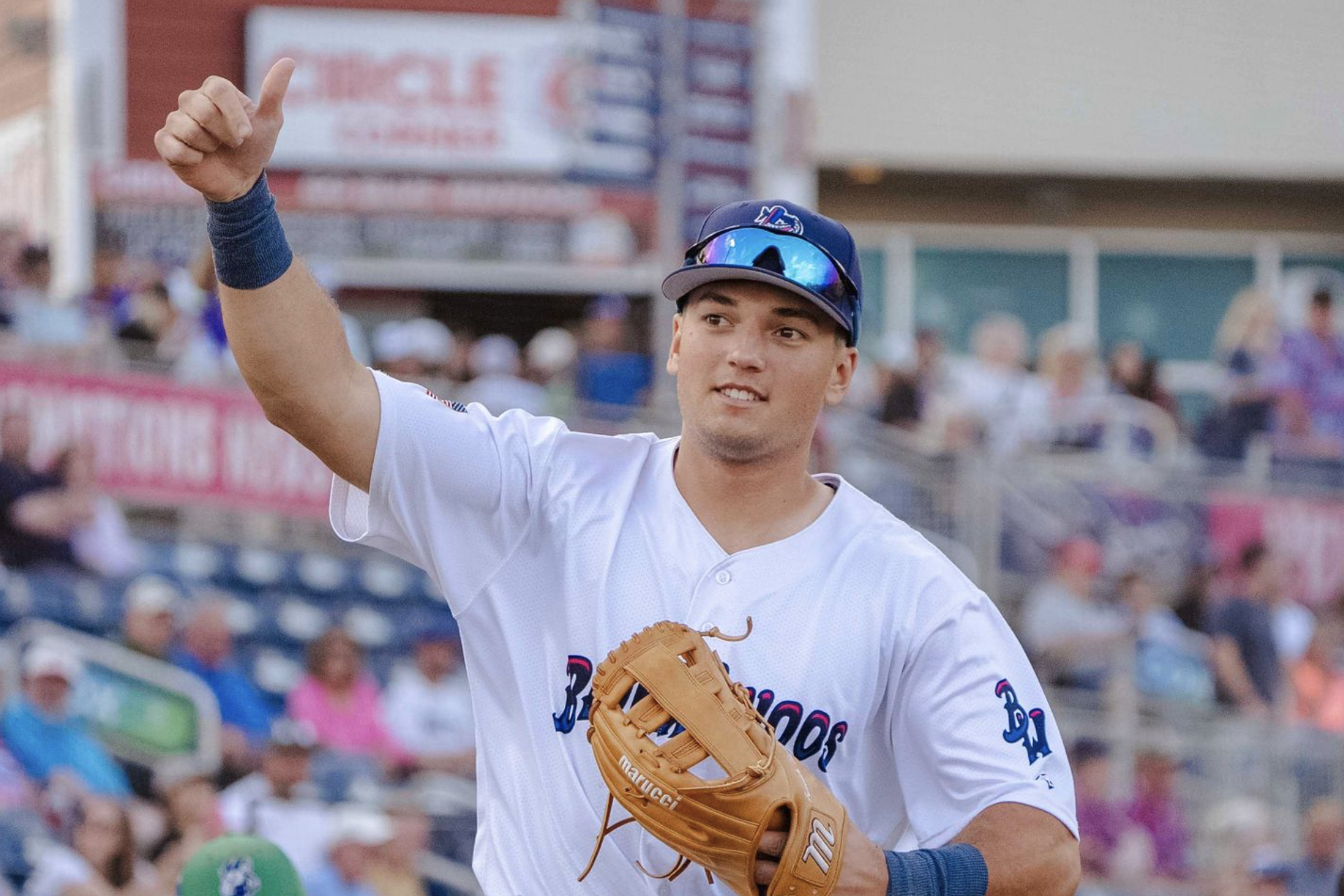 For the 2026 season, Fish On First will provide weekly reports on the Miami Marlins farm system, covering all levels. In case you missed it, our FOF Top 30 list has been updated to reflect takeaways from the first three months of minor league ball. This report covers the games played from June 23-29. Triple-A Jacksonville A lot of the action for Jacksonville has been on the pitching side. Brandon White, who was ranked No. 20 on the recently updated Fish On First Top 30, has had mixed results at the Triple-A level, posting a 6.07 ERA, 4.77 FIP, 11.53 K/9 and 1.82 BB/9. Although the surface numbers don't look great, White slider generates a 31.3% whiff rate. White is known for his phenomenal command, posting a career-low walk rate this season. One of the biggest developments for White is his uptick in fastball velocity, averaging 95.3 mph at the Triple-A level compared to 91.3 mph two years earlier with Low-A Jupiter. Between his last two starts, White has allowed one (unearned) run on three hits and struck out 18 hitters and only surrendered one walk. Karson Milbrandt continues to succeed at the Triple-A level, but with the caveat that he is struggling with throwing strikes. He has walked three or more hitters in all four of his Jumbo Shrimp starts, most recently walking six against Memphis. Overall, Milbrandt has a 2.33 ERA, 4.23 FIP, 8.84 K/9 and 7.91 BB/9 in 19 ⅓ innings with Jacksonville. He is ranked sixth on the Fish On First Top 30. Milbrandt's sweeper continues to be a strong weapon in his already expanded arsenal. He is generating 37.1% whiff rate with that pitch. In his most recent start, his final strikeout came on the sweeper. It has been his best pitch in terms of stuff plus. Milbrandt's selection to the Futures Game should be made official by the end of the week. Since the Marlins optioned reliever William Kempner, he has yet allow a run in five innings of work, striking out five, but also walking five. Kempner is eligible to be recalled beginning on Wednesday. Double-A Pensacola The Wahoos put their never-say-die attitude on full display this past week against the Lookouts, erasing early deficits multiple times to stork back and take four out of six games in the series. They erased a seven-run lead on Friday and a six-run lead on Saturday en route to improving to 40-35 on the season. Runs were plentiful for Pensacola who heads into this week having plated 12 runs in three straight games. They are also five games above .500 for the first time this year. Over the course of the past few weeks, Cam Cannarella has been arguably the best hitter in Minor League Baseball. His breakout campaign continued at an astounding pace this series in which he went 7-for-24 with three more home runs, bringing his season total to eight including five already in 22 games at Double-A. Cannarella continues to answer for questions surrounding his ability to hit for power in the most impressive ways. Not only has he put out the aforementioned eight homers, the way in which he has put most of them over the wall has stood out even more: Cannarella is frequenting the opposite field at a 42% rate. The power just adds another layer to already great skill set that includes plus-plus defense, good speed, and a budding 60-grade hit tool. This is about as well that an early-round Marlins’ draft pick has produced at the upper minors in recent memory. A debut next season is becoming more of a certainty by the day, especially as Jakob Marsee continues to struggle at the big league level. Fenwick Trimble this past week turned an upward trajectory into the best series he’s had so far this season, earning himself Southern League Player of the Week honors. In the series, Trimble went 10-for-25 with a hit in every game. His best performance was a 4-for-6 effort in which he recorded 12 total bases and drove in a career high five runs. Trimble showed tenacity through a tough start to the season and adjusted back to Double-A pitching very advantageously, one of the tougher tasks to accomplish in a young player’s career. His .281/.395/.500 June stands out both from a physical and mental standpoint. Even as the quality of stuff he’s faced has taken a jump, Trimble has stayed patient, worked counts and shown the ability to spray the ball to all fields. He had been a hit-over-power guy historically, but like Cannarella, the Marlins have helped him to tap into some more muscle. His 11 homers this season already top his 2025 total and his 17 doubles are two away from last year’s figure. What he lacks in raw strength Trimble makes up for with quick hands and a short swing which is what has spurred his power surge. Defensively, Trimble can hold down all three outfield spots. Because of an average throwing arm and the Wahoos’ outfield depth he’s played more in the corners this year, but he will continue to be an easy player to get into everyday lineups. The epitome of a safe player with four of five tools, Trimble continues to rise up prospect rankings. He has a high floor and if the power persists, it will continue to rise. A Triple-A call-up could be in the cards in pretty short order. Trimble is proving he was a nice find by the Marlins in the fourth round of the 2024 draft. High-A Beloit The Sky Carp were the beneficiaries of some solid pitching performances in their series against the Peoria Chiefs, allowing them to split a six game set despite scoring less than four runs a game on average. They exacted revenge against Peoria who swept them on the road earlier this month. The stuff profile has always been there for Carson Laws, the Marlins’ 14th-rounder from this past year. The issue for Laws lately has been getting his command to persist, which is what led to him allowing 17 runs through his previous three outings which lasted just a combined 10 ⅓ innings. On Wednesday against Peoria, though, Laws showed what he is capable of when his stuff is working at its best: the 6’1”, 186-pounder tossed the first quality start of his career while striking out a career high nine Chiefs. The only blemish on his line was a single walk. It had been a fairly rough start to Laws’ transition from bullpen work to starting. Even after this spectacular outing, his ERA on the season is still over seven. Laws rewarded the Marlins’ confidence in trusting in his ability to be stretched out with this fantastic building-block outing. With just average size, Laws isn’t the Marlins’ archetype arm but he has the ability to ramp up velocity and he flashes high spin rates with deceptive movement over all three pitches, giving him the capacity to fool hitters. For Laws, who spent the offseason in an effort to hit 99 mph, harnessing command and control in order to continue to last multiple innings consistently will be what to watch for as his season progresses. Given his background, there is extreme reliever risk here limiting his ceiling, but you can see the vision the Marlins are trying to build towards. Because of his stuff, Laws has the makings of a potential high-leverage bullpen option. Speaking of high-leverage relievers, the Marlins definitely have one in Justin Storm. The 24-year-old continued to dominate High-A hitters this week, as he got into three games and only allowed two hits in a combined four innings. On Sunday, he recorded his fourth save in five opportunities. His ERA has not been higher than 3.00 since May 13. Storm is everything the Marlins love in an arm: size, stuff and nasty strikes. At 6’7”, 232, he’s one of the tallest pitchers in all of minor league baseball. Planing downhill from his extremely high lefty arm slot and from an extremely shortened distance to the plate, he’s very difficult to pick up. Storm features a nasty fastball/slider combo that was touted as one of the best in the country when he was drafted in 2023. When he has full control of his extremely long levers, Storm is deadly. He does need to show that control a bit more consistently as he’s shown a penchant for missing very far out of the zone on occasion, leading to a low O-swing and middle-of-the-road walk rate especially as he gets an opportunity against more advanced hitters, but if he can solve for that, Storm has a considerable ceiling as a high-leverage arm. At 24, he’s very old for High-A. The challenge to Double-A needs to come soon for him. Low-A Jupiter Things were looking bleak for Echedry Vargas just a couple months ago. Playing down a level from where he was in 2025, the 21-year-old was mostly being deployed at first base while not providing any of the power typically expected from that position. Two weeks away from game action in early May has helped him recalibrate. Vargas homered again in Jupiter's last series, raising his slugging percentage to .492—that would rank fourth in the Florida State League if he had enough playing time to qualify. Meanwhile, he's receiving more of an opportunity to demonstrate his defensive versatility, including a start at shortstop on Wednesday. In his first series with the Hammerheads, Luis León went 4-for-15 with a grand slam. He got defensive reps at second base, left field and right field. The Marlins have spent nearly half a decade attempting to develop right-hander Walin Castillo as a starter, but their patience may be running out soon. He surrendered a career-high 10 earned runs in his last outing. An ERA that stood at 1.37 in mid-May has nearly quadrupled since then to 5.12. FCL Marlins FOF's No. 15 prospect, Andrew Salas, had an excellent week. He he went 5-for-10 (.500) with another multi-home run game, his second of the year. Salas is still just 18 years old until next March, and the potential has been on display on numerous occasions this season. We have already seen Luis Arana, Luis Cova, and Edgardo De Leon earn promotions after dominating the FCL to begin the season. Breyias Dean should be next. On the year, Dean is hitting .326 with four home runs, 26 RBIs, and has walked 18 times compared to just 25 strikeouts. As mentioned last week, with the MLB Draft approaching, the opportunity for promotions is opening up as organizations need roster spots for incoming draft picks. Dean is at the top of the list when it comes to players who have earned a promotion. Juan Alva is right there with Dean statistically A career .325 hitter, Alva is batting .329 this season with three home runs, 16 RBIs, 12 stolen bases, and an impressive 23 walks compared to just 14 strikeouts. This past week he went 4-for-11 (.364), with all four of his hits coming across two multi-hit performances. DSL Marlins & DSL Miami David Shirley was with the DSL Marlins until this week before being transferred to DSL Miami. Prior to the move, he was hitting .333 in 36 at-bats, and the change of scenery did nothing to slow him down. Shirley went 6-for-15 (.400) this week with multiple multi-hit games, three RBIs, and two stolen bases. He has continued to put together quality at-bats and has been one of the hotter hitters in the organization over the past couple of weeks. José Rosal made just one appearance this week, tossing two innings while allowing two hits, walking three, and striking out three. On the season, he owns a 0.87 ERA (1 ER) across 10⅓innings. The biggest concern has been his command, as he has issued 12 walks compared to just eight strikeouts, contributing to a 1.84 WHIP. Despite that, Rosal has consistently found ways to escape trouble and limit damage, which has allowed him to keep runs off the board. After a rough first three outings to start the season, Keyner Cedeño has been nearly unhittable over his last four appearances. Across his last 10 ⅓ innings, he has struck out a whopping 22 hitters while issuing just three walks. This week alone, he threw 6 ⅔ innings and struck out 13 batters. The stuff has always been there, and it looks like Cedeño has figured something out over the last couple of weeks. Stiveen Rojas got off to a slow start this season but has picked things up lately. On Monday afternoon, he struck out eight over 4 ⅓ innings. Overall this week, he recorded 10 strikeouts across 6⅓ innings while allowing just one run. The biggest issue continues to be the walks, as he has now issued 18 walks while striking out 18 hitters. Opponents are batting just .167 against him, but his 1.59 WHIP shows how much the free passes have hurt him. There is no other way to put it—Daniel Pire has been the best-performing player from the Marlins' 2025 international free agent class. This week he went 5-for-11 (.455), highlighted by a game in which he collected three doubles and drove in three runs. On the season, he is hitting .333 in 60 at-bats and has walked more times (9) than he has struck out (7). His approach at the plate has been one of the most impressive in the DSL. Bayant Melo is now in his fourth season in the DSL, and this has been his best year by far. Across 15 ⅓ innings, he has recorded 16 strikeouts. The walks are still an issue, but the results are finally beginning to match the quality of his stuff. This week he tossed three scoreless innings, striking out three while walking two and hitting a batter. His season ERA now sits at 2.35. At 21 years old, this is a make-or-break season. Yerison Mendez has had one of the stranger statistical seasons in the organization. He owns a 2.03 ERA across 13⅓ innings but has a 1.58 WHIP. He has walked nine batters while striking out just six. This week, he threw four scoreless innings, allowing four hits, walking three, and striking out none. So far the results have been on Mendez's side, but it has been a very unusual season to this point. This week's schedule Triple-A Jacksonville at Nashville Double-A Pensacola at Rocket City High-A Beloit vs. South Bend Low-A Jupiter vs. Dunedin FCL Marlins, DSL Marlins and DSL Miami vs. various opponents View the full article
 -
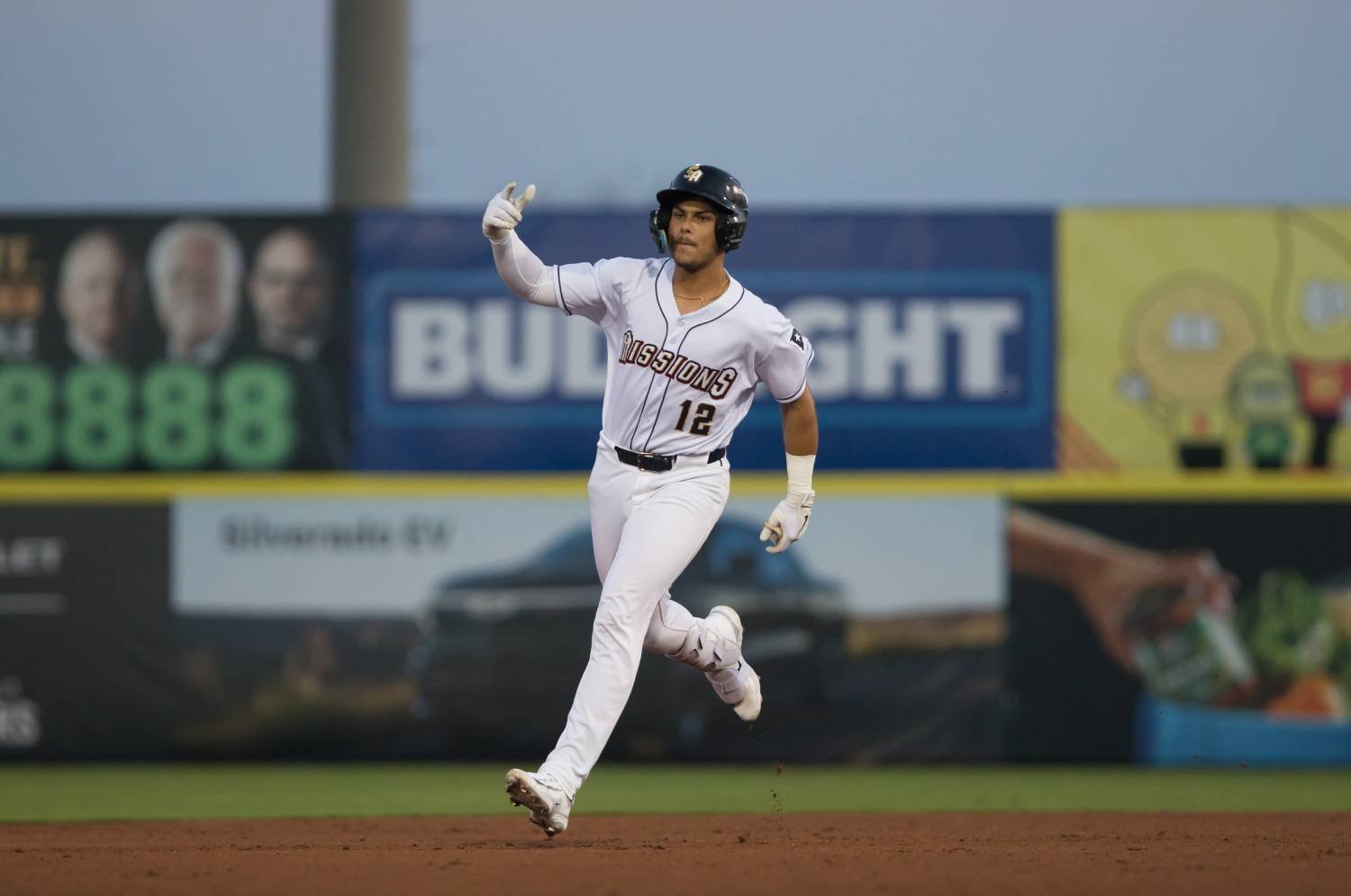 The time Ethan Salas spent on the injured list was indeed short. Salas, Padres Mission's No. 1 prospect, was activated from the seven-day injured list Tuesday by the Double-A San Antonio Missions. Salas was in the lineup at catcher and batting leadoff in the Missions' batting order. The 20-year-old top prospect for the San Diego Padres had been sidelined since sustaining a mild oblique injury during a June 17 doubleheader. He was placed on the IL the next day. Salas is having a really nice bounce-back season after missing all but 10 games last season due to a stress reaction in his lower back. The left-handed hitter is slashing .282/.352/.432 with seven homers and 33 RBIs in 56 games as well as 13 steals. View the full article
 -
Francisco Lindor 2026: Can He Return To MVP Form?
DiamondCentric posted an article in Grand Central Mets
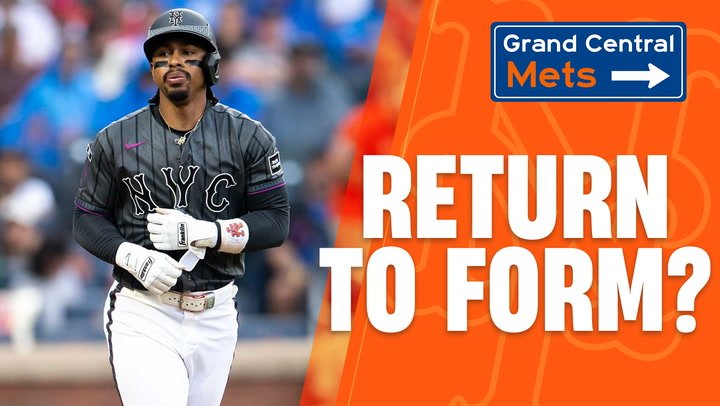 Francisco Lindor has returned from the injured list after missing nearly two months of action. Unfortunately, the same week he returned, Carlos Mendoza was fired. Lindor has had a slow start to the season and is looking to regain his old form. View the full article
 -
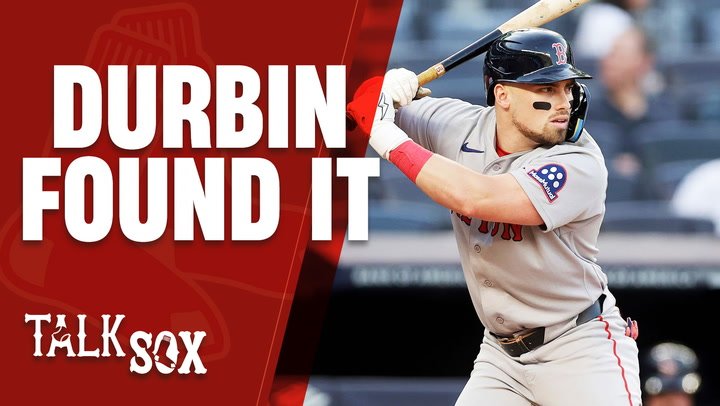 Caleb Durbin was acquired by the Boston Red Sox in February 2026 in a trade with the Milwaukee Brewers. After placing third in the 2025 Rookie of the Year voting, the Red Sox might finally be getting the guy they traded for over the winter. Since the beginning of May, Durbin has made adjustments to his approach at the plate and rounded back into form. View the full article
 -
Walker Jenkins Is Healthy & Now the Twins Have an Outfield Crisis
DiamondCentric posted an article in Twins Daily
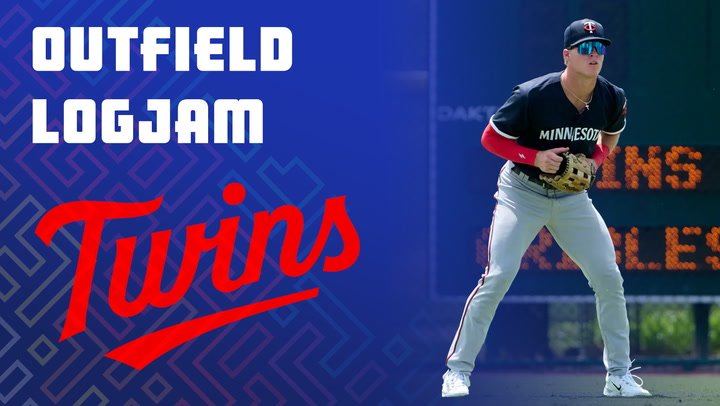 Walker Jenkins finally returned from the IL on June 23 and hit a 108 MPH triple right off the bat. The Twins had him ease back into his playing time last week and will likely do the same leading into the All-Star break. But with Jenkins healthy and Kala'i Rosario promoted to Triple-A, the outfield depth has become more crowded than ever for the Twins. View the full article
 -
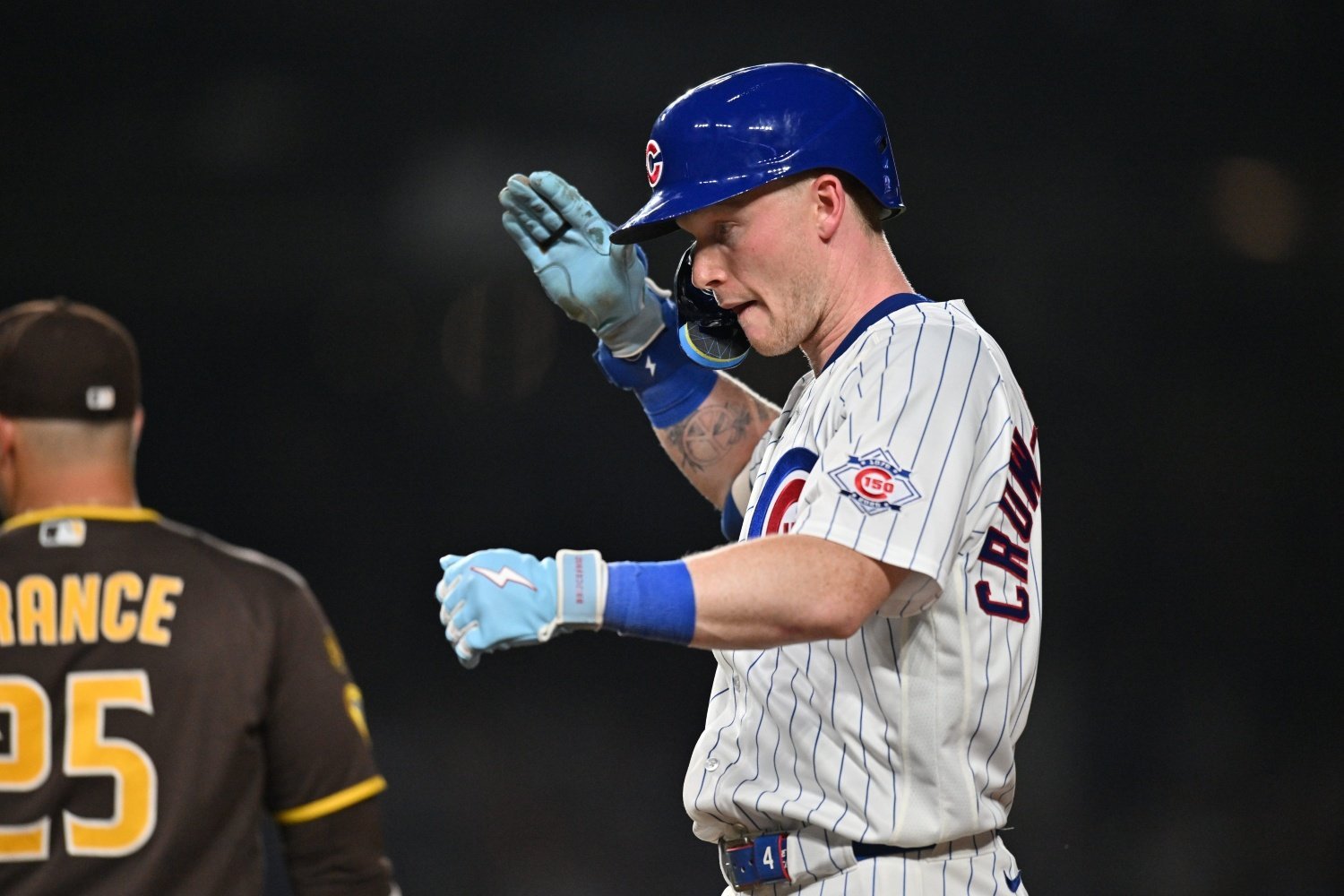 The 2026 MLB All-Star Game is right around the corner. In a couple of weeks, some of the league’s brightest stars will be showing the world the best of their talent at Citizens Bank Park in Philadelphia. The Chicago Cubs have had a rollercoaster of a season so far, with a 47-38 record that places them second in the NL Central, 5.5 games behind the Milwaukee Brewers. One would think that they are about to place multiple players in the upcoming Midsummer Classic, but that’s not the case. Cubs players haven’t been getting a ton of love in the voting process. Pete Crow-Armstrong, one of the best outfielders in the National League and MLB as a whole and the only shoo-in to play in the All-Star Game for Chicago, didn’t even make it to Phase 2. PCA Has to Go to the ASG The Cubs have enjoyed several good seasons from the members of their lineup, but not quite elite—with the exception of Crow-Armstrong. The center fielder leads baseball with 4.9 fWAR before Tuesday’s games and has homered 17 times, while adding 20 stolen bases. His 144 wRC+ is sixth among National League position players. There's no way Crow-Armstrong will be left out of the party. He's one of the most well-rounded and charismatic stars in the game, and though he won't be voted in as a starter, he'll certainly be selected for the team. Again, the Cubs have multiple position players worthy of a mention: Seiya Suzuki has a 122 wRC+, Ian Happ has 17 home runs, and Michael Busch is surging with a 117 wRC+. All of them fall short of All-Star status this year, though. Ben Brown Deserves a Mention The Cubs have had some horrible luck with injuries to their pitching staff, and that unit won't produce an All-Star this year. However, though he won’t be healthy in time for the game, one could make a very solid case for Ben Brown. Among pitchers with at least 60 innings this year, Brown is fourth in the majors with his 1.85 ERA. His 2.50 FIP is tied for fifth. Brown has been a revelation, but is looking at several weeks on the shelf, if not the balance of the season. His manager, Craig Counsell, explained last week that Brown is dealing with a stress reaction in his neck and will have limited activity for the next month. His 2024 campaign was ruined by a similar ailment, so the entire fanbase is praying to get him back in one piece at some point in the second half. The fact that he’s currently out with an injury and that he has pitched just 68 frames doesn’t take anything away from the fact that he has put together a very solid case to be considered an All-Star. It’s too bad we won’t see him in Philadelphia. Crow-Armstrong will almost certainly be making that flight alone, but hopefully, he can be the figurehead of a team that keeps scrapping as it vies for a playoff berth in the second half. View the full article
 -
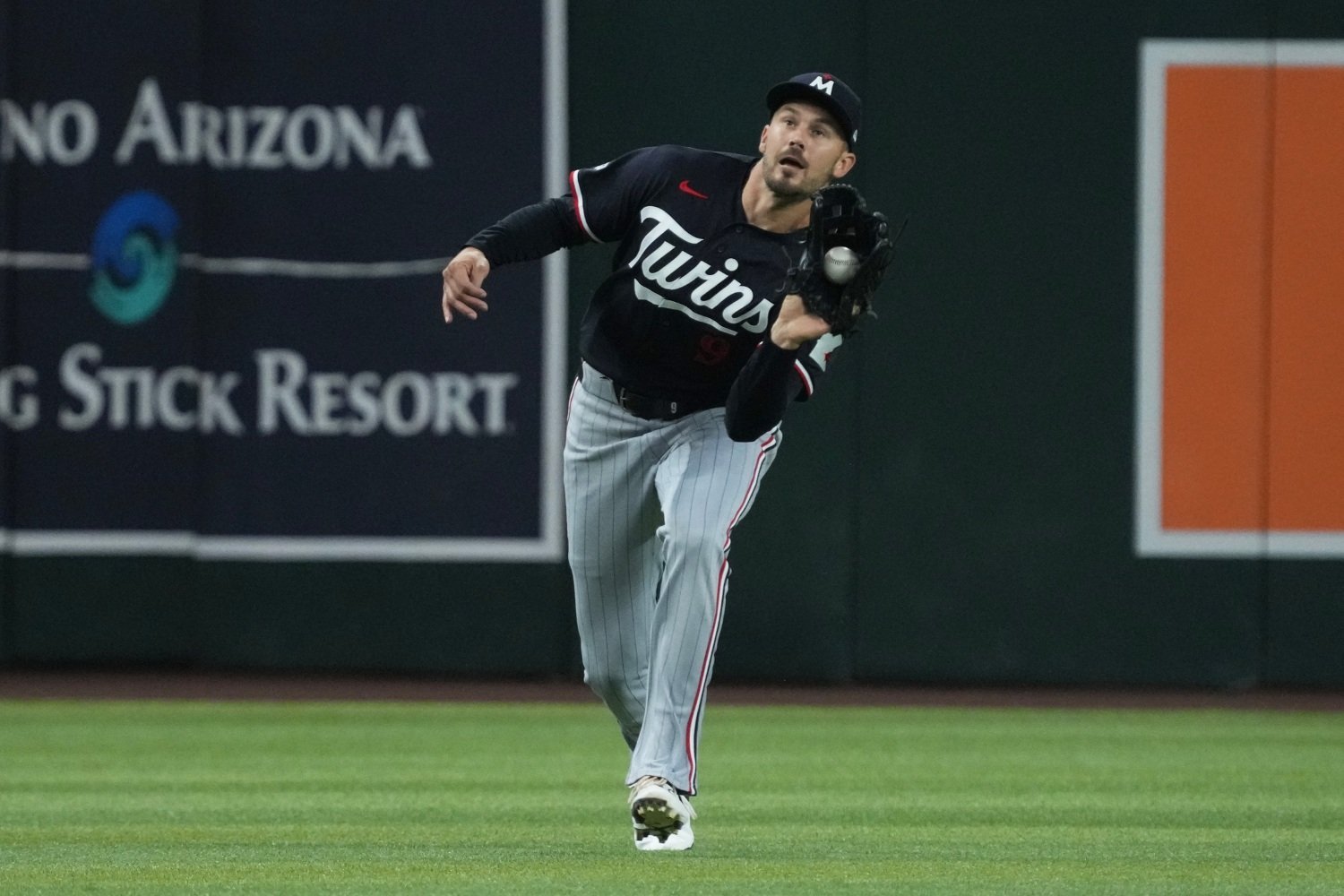 Eighty-six games into the 2026 MLB regular season, Trevor Larnach has started 58 games in left field for the Minnesota Twins, accounting for roughly 68% of starts at the position. At first glance, this development comes as a moderate surprise. Entering the season, Larnach wasn’t expected to occupy a full-time role at either corner outfield spot, evidenced by him splitting time in left with platoon partner Austin Martin and Matt Wallner being the full-time right fielder early this spring. Yet, given Wallner’s demotion to Triple-A, Martin’s subsequent move to right field (and eventual demotion back to a bench bat), and the organization’s younger, inexperienced corner outfield options (Alan Roden, Gabriel Gonzalez, Emmanuel Rodriguez, Walker Jenkins, and Hendry Mendez) not yet receiving extended opportunities in the majors, Larnach has become the club’s full-time left fielder. Circumstance isn’t the only reason for Larnach’s unexpected full-time role. Hitting .288/.381/.437 (good for a 131 wRC+), the 29-year-old has become a meritorious mainstay, often hitting in the upper third of the club’s lineup. He's become an irreplaceable part of Minnesota’s ability to succeed this season offensively. That being the case, he's received extended opportunities in the field. Unlike his sustained success at the plate, however, Larnach hasn’t improved defensively, despite how hard those in the Twins.TV broadcast booth try to persuade you otherwise. Over 139 attempts in left field, Larnach has -4 Outs Above Average (OAA), tying him for the second-lowest rating at the position alongside Isaac Collins and Yohendrick Piñango. Larnach’s downfall, in particular, is that he struggles getting to balls hit both to his left and right. He’s serviceable on balls hit in front of and behind him. However, the quality of a corner outfielder comes in their ability to chase down balls in the gaps and corners. Larnach struggles at both. Let’s take a look at some examples. QndSUDlfWGw0TUFRPT1fVkZOWkFWUUZWZ0FBQ1FBQ1hnQUhDRkJVQUFOV1VWa0FDbFpVQ1FjQVZRUlRBUUFI.mp4 What do you think the catch probability was of this ball? Close your eyes and think about it for a second before continuing to read this piece. Okay—are you ready? Have you regrouped? Okay, it was 99%. Larnach had 4.1 seconds to travel the 48 feet necessary to catch that ball. Instead, he stood flat-footed for multiple seconds as the bloop off Max Muncy’s bat traveled through the air before landing for a single. That’s not what a plus fielder does, Cory Provus! Let’s take a look at a more challenging ball put into play. eUx3M2VfWGw0TUFRPT1fVlFoWkJnRU5Wd0FBQ1Z0VFZRQUhWUUVIQUZrRVZWVUFCUUFHQUFJRlUxSlRWQXNB.mp4 Let’s play the same game. Close your ey—It had a 95% catch probability. Larnach had 5.4 seconds to travel the 68 feet necessary to catch the ball hit off rookie icon Kevin McGonigle’s bat. Instead, he took a poor route and misplayed, allowing McGonigle to cruise into second with a double. That's not what an improved left fielder does, Justin Morneau! Finally, let’s take a look at a play that appears incredible, but should have been much less dramatic. WU9WbERfWGw0TUFRPT1fVWdOVFZWUlFWUUVBQUFFQkF3QUhDQVplQUZrQ0FWTUFWbFFFQXdSV0JRTUhCZ05R.mp4 The ball hit by Sam Antonacci had a 55% catch probability, with Larnach trekking 82 feet in 4.9 seconds to make the catch. Again, this was a nice play by the long-time Twin, and he deserves credit for making the tough catch. That being said, more instinctive and faster left fielders would have gotten under that ball, removing the theatrics entirely. Larnach is slightly faster this season, improving from a 26.1 ft/sec sprint speed in 2025 to 26.9 ft/sec. It is also true that his arm value and strength have improved mightily in 2026. Still, he’s clunky, often getting poor jumps and failing to reach balls hit to his left and right that average left fielders catch with ease. Again, Larnach has been a nice surprise at the plate for the Twins this season, but we need to stay measured. He isn’t a good defensive left fielder. In fact, he’s one of the worst in the league. That's not ragging on a player trying to forge a lasting role and reach paydirt in free agency; it's just the reality we have to reckon with. View the full article
 -
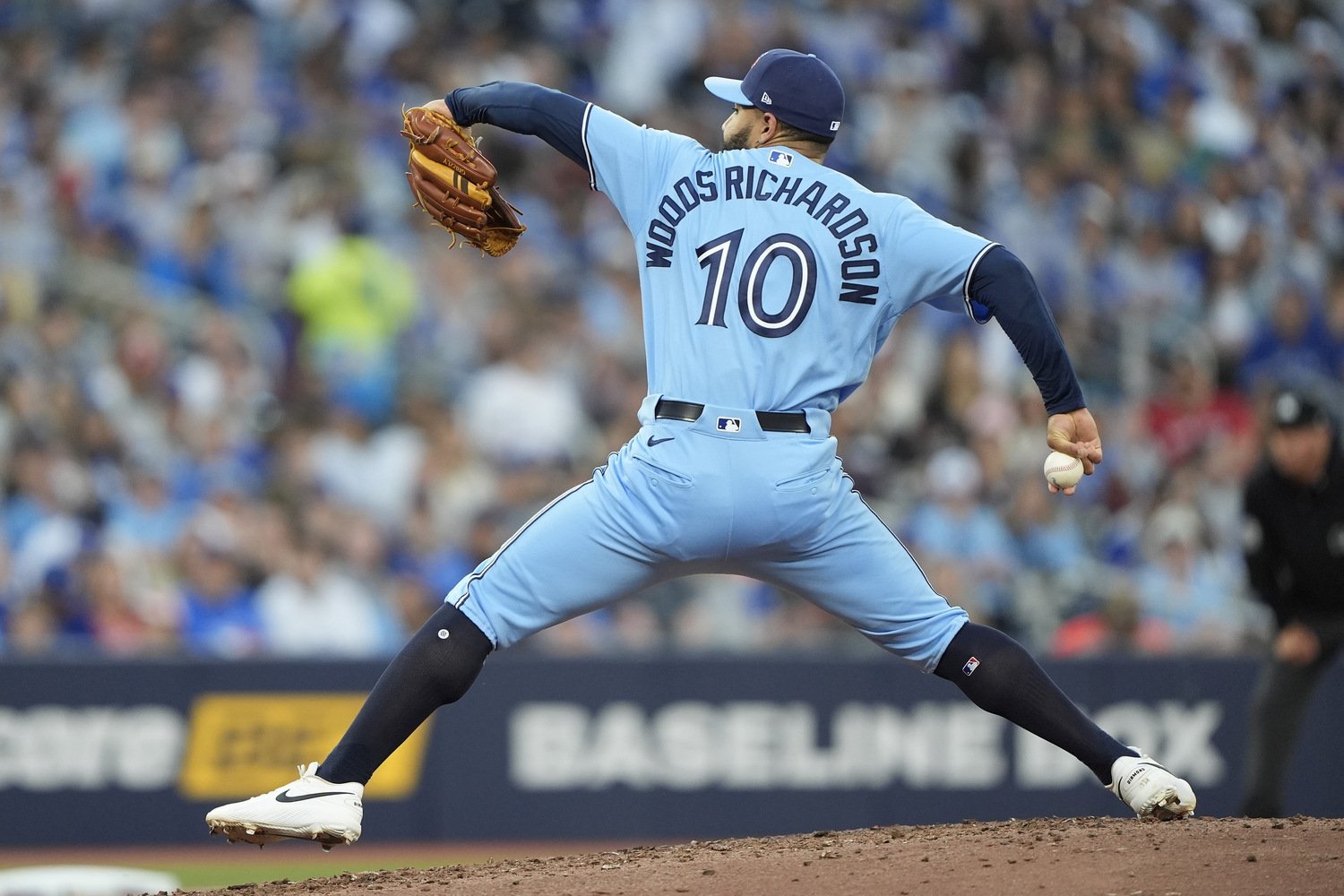 Last week, the Blue Jays designated Simeon Woods Richardson for assignment. Often, that means goodbye. However, the right-hander cleared waivers, which means none of the league's other 29 teams were willing to take on his salary and add him to their active roster. So, the Blue Jays were able to send him outright to Triple-A Buffalo. While some players can reject an outright assignment, electing free agency instead, Woods Richardson does not have that option; that's because he has less than three years of MLB service time and has never previously been outrighted in his career. All of this is good news for Toronto. Thirty different players have thrown a pitch for the Blue Jays in 2026. (Only the Cubs, with 31, have used more pitchers this year.) Even if you don't count position players pitching, the Jays have used more pitchers than there are spots on the active roster, and the season is barely past its halfway point. Pitching depth is critical, and the Blue Jays know that well. So do all of us watching. Now, the next time the team needs a multi-inning arm – and there will be a next time – they'll have one at the ready. Woods Richardson is no longer taking up a spot on the 40-man roster, but the Jays can add him back to the 40-man whenever they please. That's a luxury. Of course, there's a reason Woods Richardson cleared waivers in the first place. He owns a 6.40 ERA this season, with equally distressing ERA estimators (FIP, xERA, SIERA, etc.). While he didn't allow a run in the 10 innings he threw for Toronto, the righty looked just as ineffectual as he had earlier this year in Minnesota, struggling to throw strikes or generate weak contact. In 57.2 innings between the Blue Jays and the Twins, Woods Richardson has 31 strikeouts to 32 walks. His 11.7% strikeout rate is the lowest among the 153 MLB pitchers with at least 50 IP, and he's the only arm in that group with more walks than strikeouts. That would be a huge problem even if he wasn't giving up so much hard contact in the air. Yet, a much more effective pitcher might still be hiding underneath it all. From 2024-25, Woods Richardson was a solid, back-of-the-rotation starter, pitching to a 4.11 ERA and 3.93 xERA in 245 innings. His strikeout-to-walk ratio was a perfectly respectable 2.38 (224 K, 94 BB). Opponents still hit him hard, but fewer walks and more strikeouts allowed him to hold things together. Woods Richardson won't turn 26 until September. His days as a top-100 prospect might be long behind him, but his days as a capable major league starter are not. It's hardly far-fetched to wonder if he's a few small adjustments away from looking like his 2024-25 self again. That's another reason the Blue Jays are lucky that Woods Richardson passed through waivers. They can use him as depth if they want to. He can be the next man up in case of injury. But they can also keep him in Buffalo as a longer-term project. In the minors, he can try to throw more strikes without worrying about the negative consequences of lobbing one down the middle. He can refine his new splitter without counting how many times it ends up in the seats. The Blue Jays can wait to select his contract until, hopefully, something clicks. As I said before, there's a reason Woods Richardson is still a Blue Jay. Every other team had a chance to claim him, and every other team said "no thanks." He's not Dylan Cease. He's not Trey Yesavage. With the right adjustments, however, perhaps he's better than Patrick Corbin. And if not, at least he's nice to have as extra depth. View the full article
 -
Kansas City Royals right-handed starter Stephen Kolek, who was already on the paternity list as he was expecting the birth of his first child, was moved to the family medical emergency leave list Tuesday. No further details on Kolek's personal situation were made available. He was also placed on the family medical emergency leave list June 4 and returned June 9. Kolek went on the paternity list Friday, which allows three days of leave from the team. View the full article
-
Brewers Give Robert Gasser A Break With Minors Assignment
DiamondCentric posted an article in Brewer Fanatic
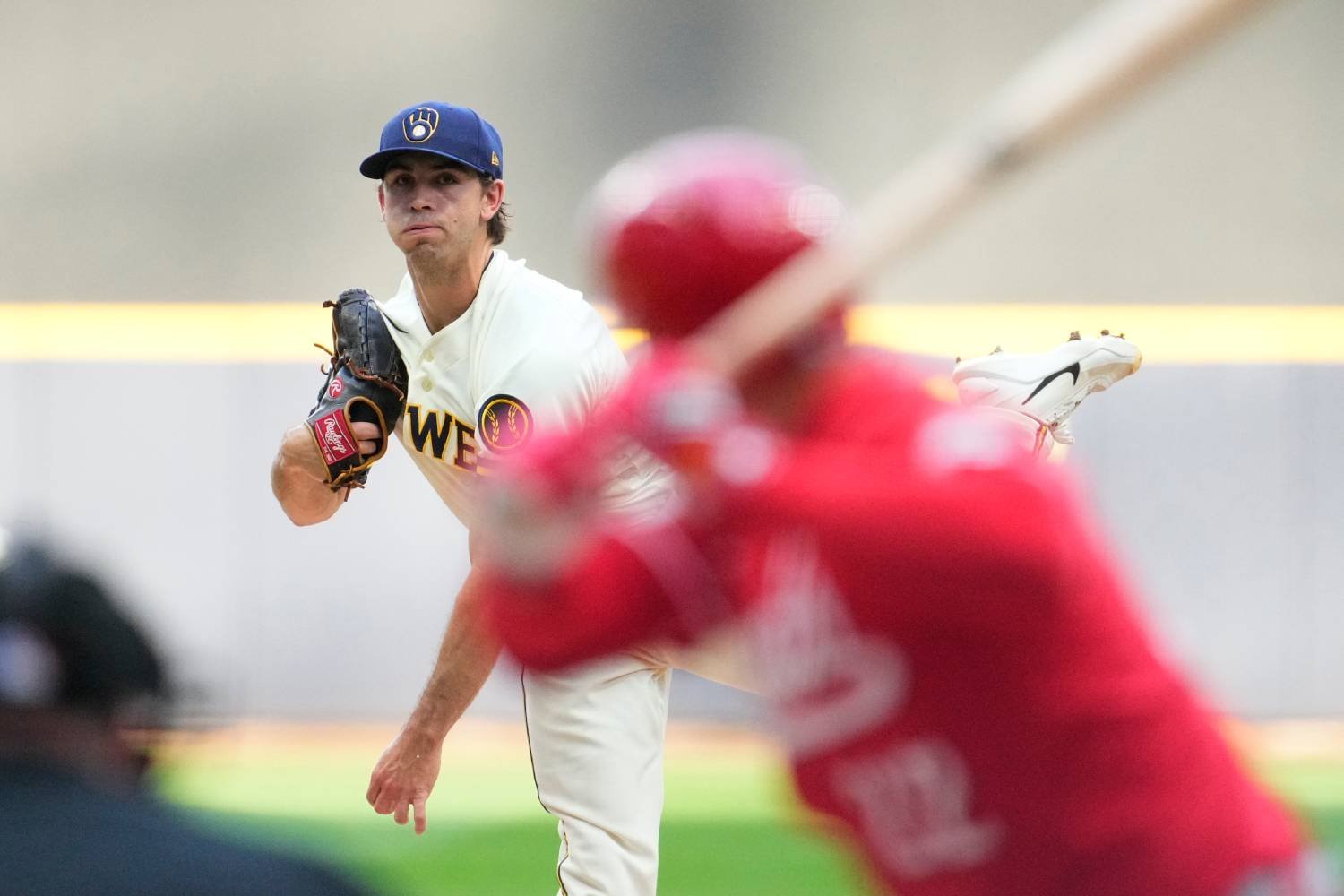 With 17 games in 17 days, you knew there would be moves to keep the Milwaukee Brewers' bullpen fresh. This one, though, has more of an odd feel to it. The Brewers on Tuesday optioned left-handed starter Robert Gasser to the rookie-level Arizona Complex League and selected the contract of right-handed starter Garrett Stallings from Triple-A Nashville. The Brewers had an opening on their 40-man roster to accommodate Stallings' promotion for his MLB debut. Gasser had a solid outing in Monday's series opening against the Cincinnati Reds, going 5⅔ and giving up three runs on seven hits with one walk and five strikeouts. The move to the ACL generally indicates a team giving a player a break to get some planned rest. Gasser is in his first full MLB season following Tommy John surgery at the beginning of the 2024 season. Combined with his minor-league time, Gasser threw just 43⅔ regular-season innings. He currently is at 62⅔ innings this year between Nashville and the Brewers just past the midpoint of the season. In seven MLB starts this year, Gasser has a 4.98 FIP (4.54ERA) with an 8.4% walk rate and 23.4% strikeout rate. Stallings is a 28-year-old who was drafted in 2019 in the fifth round by the Los Angeles Angels. He was acquired from the Baltimore Orioles in May 2024 in a minor trade and has been at Nashville since. This year in 12 starts and four relief appearances, Stallings has a 3.45 ERA in 62⅔ innings, walking 22 and striking out 59. He will provide another length option for the Brewers, possibly even making a spot start. View the full article
 -
Updates on every Marlins 2025 MLB Draft pick, one year later
DiamondCentric posted an article in Fish On First
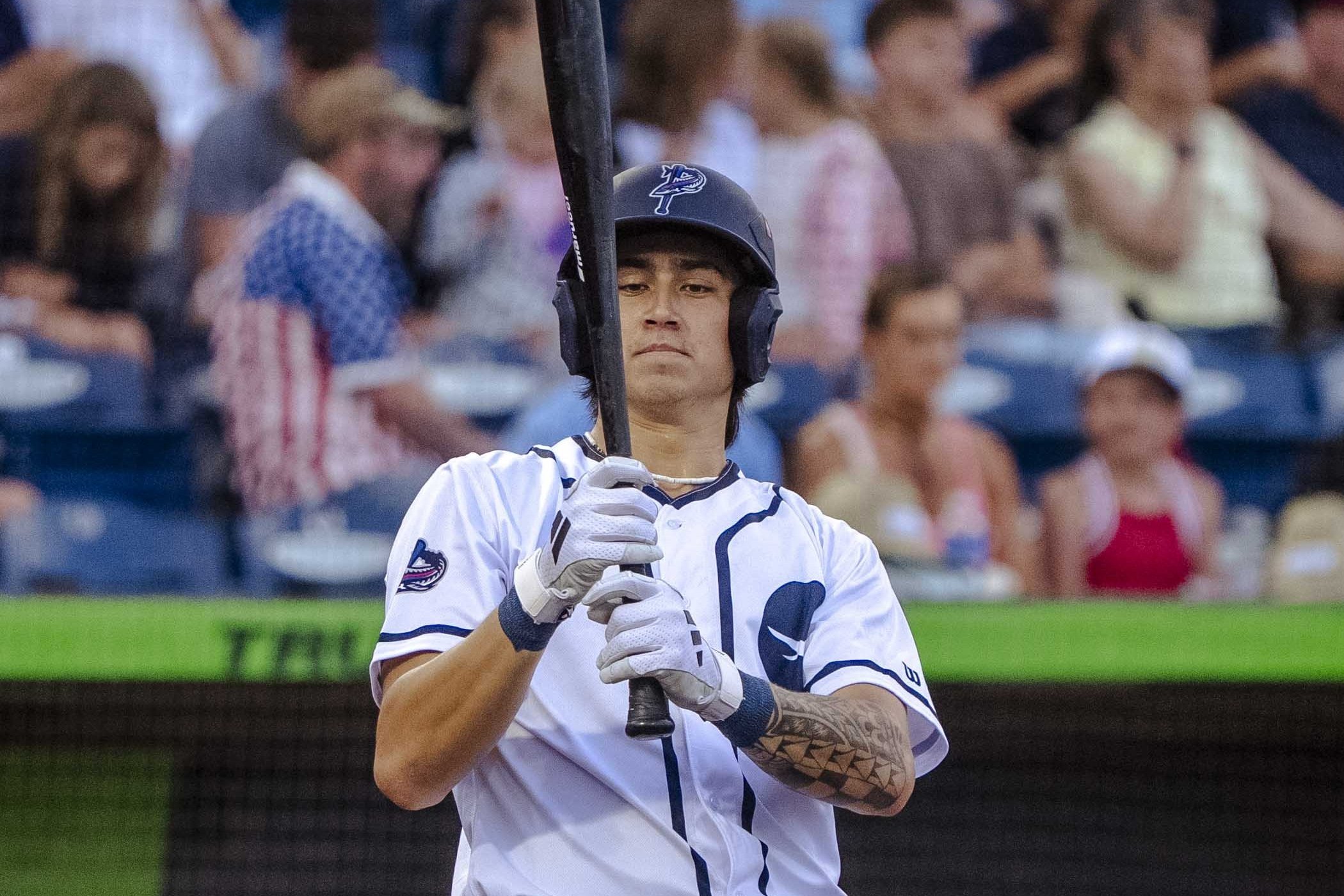 A complete evaluation of the MLB Draft requires extreme patience. Take the 2026 Miami Marlins, for example. Their best pitcher this season (Max Meyer) and best defensive player (Joe Mack) were selected way back in 2020 and 2021, respectively. It took all those years for Meyer to make the leap from replacement-level player to probable All-Star and for Mack just to debut in the majors. It'd be foolish to pass any judgement on the Marlins' 2025 class now, but with the 2026 draft on the horizon, this is the appropriate time for a quick progress report. Here are notes on each of the organization's 21 selections as they approach one full year as professional baseball players. INF Aiva Arquette (Round 1) Current level: Double-A FOF Top 30 rank: fourth One of these years, the Marlins will land a college hitter in the draft who moves rapidly through their farm system. It has been a long drought, and unfortunately, Arquette won't be that guy despite receiving the largest signing bonus in franchise history. The tall infielder mashed at Oregon State with a 153 wRC+ in 2025 (100 represents league average). In pro ball, he's merely at a 98 wRC+ through 68 games at the High-A and Double-A levels. The batted ball quality is good and his MiLB strikeout rate is a manageable 21.9%. However, his walk rate has nosedived year-to-year from 14.5% to 6.5%. The Marlins are using Arquette at shortstop the vast majority of the time and he looks comfortable there despite his unconventional physical build. He has also made five appearances at second base and three at third base. Arquette's 2026 season debut was delayed by injury and now he's potentially facing another long absence (last played on June 26). Don't expect a call-up to Miami until 2027. OF Cam Cannarella (Competitive Balance Round A) Current level: Double-A FOF Top 30 rank: fifth Negotiations between Cannarella and the Marlins got awkward following the draft. It took until the final day of signing eligibility for the deal to be finalized, as his camp was dissatisfied with how far he fell (43rd overall pick). Less than 11 months removed from making his organizational debut, Cannarella has almost entirely closed the gap between himself and Arquette. He's been dominant at the plate—the outfielder's 142 wRC+ since 2025 leads all Marlins minor leaguers with a minimum of 200 plate appearances. Double-A competition has not slowed him down one bit. Although the 185-pounder has limited raw power, he's showing just enough pop to hit balls over the fence to left field. Cannarella is likely to reach the big leagues before any other member of his draft class. The spicier question is how long until he challenges Jakob Marsee for the starting center field job. OF Brandon Compton (Round 2) Current level: Double-A FOF Top 30 rank: 19th Compton is a stereotypical "three true outcomes" hitter. This season in particular, 63.3% of his plate appearances have resulted in home runs, walks or strikeouts. He's gone yard nine times in the last month alone. Unlike the previous two players discussed, Compton has no chance of occupying a premium defensive position, so he needs to be a consistent run producer. It'd be a fun wrinkle of his MiLB base-stealing translated to the highest level (25 SB in 87 G), but don't count on that. As first reported by Fish On First's own Alex Carver, Compton has just received a promotion to Double-A. Rest of the class OF Max Williams (Round 3)—The former Florida State center fielder slashed .269/.359/.284 with Jupiter in 19 contests following the draft. Unfortunately, he hasn't stepped on the field in 2026 due to injury. INF Drew Faurot (Round 4)—Another Seminole, Faurot was outstanding at the plate in his first summer with the Hammerheads (144 wRC+ in 2025). Alas, fitting with the overarching theme of this draft class, health issues are preventing him from building upon that. Faurot played three High-A games before suffering an injury, resurfaced for seven games in late May/early June, then disappeared again. RHP Jadon Williamson (Round 11)—Williamson has gotten rocked during the transition from Lewis-Clark State College to pro ball with a 21.77 ERA in 10 games out of the Jupiter bullpen. C Wilson Weber (Round 12)—Arquette's Oregon State teammate signed as a 23-year-old and was sent straight to High-A. He hasn't produced on either side of the ball, producing an overall slash line of .191/.298/.236, throwing out only 13 of 108 would-be base-stealers and struggling to block pitches in the dirt. RHP Chase Renner (Round 13)—Renner possesses a nasty curveball with late, two-plane break. Most of his 19 MiLB outings have gone smoothly, but there is a massive gap between his career 4.44 ERA and 7.10 FIP. RHP Carson Laws (Round 14)—Laws has had the heaviest workload of any pitcher in this draft class (61.2 IP). As of this writing, he is coming off a spectacular game at High-A (6.0 IP, 0 H, 0 R, 1 BB, 9 K) and received the Midwest League Pitcher of the Week award. Overall, though, he has been far too homer-prone in the minors. UTIL Josh Hogue (Round 15)—Hogue is slashing .250/.345/.339 through 39 Low-A games for a 94 wRC+. Defensively, he's splitting time between first base and the corner outfield spots. In an organization that prides itself on aggressive baserunning, it's bizarre that Hogue hasn't even attempted a steal in the minors yet. LHP RJ Shunck (Round 16)—Shunck has been limited to nine appearances (two starts) since the draft, posting a 3.21 ERA in those 14 innings. Of note, he has held opponents to a .111 batting average. He's been sidelined since April 14 due to injury. RHP Xavier Cardenas (Round 17)—Similar story here. We've seen only 10 ⅔ innings from Cardenas, who showed promising stuff in Jupiter, only to land on the IL after two High-A outings. LHP Hayden Cuthbertson (Round 18)—The Canadian lefty was selected out of Miami University (OH) despite poor results during his draft year. It's been more of the same in the minors with a 8.38 ERA in 19 ⅓ innings pitched. RHP Peyton Fosher (Round 19)—Fosher has dabbled in several different roles with Beloit, excluding high-leverage relief. He has decent MiLB production thus far with a 4.40 ERA and 27.3 K%. RHP Cannon Pickell (Round 20)—Terrific name. Lousy control. Pickell has issued 44 walks and 14 wild pitches through his first 31 professional innings. View the full article
 -
 Blue Jays Affiliate Overview (June 27 - June 30) Triple-A Buffalo Bisons Series vs Iowa Cubs (Chicago White Sox): 4-2 Season Record: 39-42 Double-A New Hampshire Fisher Cats Series vs Somerset Patriots (New York Yankees): 4-2 Season Record: 38-35 High-A Vancouver Canadians Series vs Hillsboro Hops (Arizona Diamondbacks): 2-3 Season Record: 31-44 Single-A Dunedin Blue Jays Series vs Tampa Tarpons (New York Yankees): 1-5 Season Record: 33-41 FCL Blue Jays Week Record: 3-2 Season Record: 29-13 DSL Blue Jays Blue Week Record: 3-2 Season Record: 9-12 DSL Blue Jays Red Week Record: 3-1 Season Record: 8-12 Triple-A Buffalo Bisons Season Record: 39-42 Series vs Iowa Cubs (Chicago Cubs) June 27: After hitting .325 in 48 games for Double-A New Hampshire, Jay Harry was promoted to Triple-A Buffalo and stepped up his game even more. He has gone on a tear in 13 games since he debuted for Buffalo, and Saturday was probably his best game. He joined William Simoneit and Josh Rivera to lead the Bisons' offense against Iowa. Harry set the tone at the top of Buffalo's lineup, going 4-5, scoring two runs, and knocking in two. One of his four hits was a solo home run in the first inning; it was his third in the series against Iowa this week. Je'Von Ward added a solo shot of his own in the top of the second inning. Harry would add on another run in the inning before it was over, singling home Simoneit. With an early lead, Grant Rogers pitched relatively well, throwing five innings and only giving up three runs. Despite the early scoring, the Buffalo bats went silent, as the game stayed tied until the 11th inning. In the eleventh, Simoneit doubled home two runs, then Rivera blasted a three-run home run to break the game open in extra innings. Buffalo stayed even in the one, long enough for the bats to wake back up in extras, as they won 9-3. June 28: Sunday, Buffalo's offense was again led by Jay Harry, but this time he was joined by Josh Kasevich. Harry added two more hits to his total for the week and three RBI. The Bisons would again jump out to an early lead, getting a run on Willie MacIver's RBI groundout in the first inning. C.J. Stubbs would add a run later in the inning from an RBI single to right field. In the second, Kasevich extended the Bisons' lead with a timely two-run blast to left field. In the next inning, Carlos Mendoza hit a ball to right field for a sacrifice fly, followed by a bases-clearing double by Harry to break the game open for Buffalo and give them an 8-0 lead. From there, Buffalo's pitchers would slowly leak runs to Iowa. Richard Gallardo and Devereaux Harrison combined to give up five runs. Brendon Little, Brendan Cellucci, and Chase would come through for Buffalo, though. They threw 3.1 innings and didn't give up a run, securing the win for the Bisons 8-5. Double-A New Hampshire Season Record: 35-34 Series vs Somerset Patriots (New York Yankees) Game 1: In the first game of the doubleheader on Saturday between Somerset and New Hampshire, it was the Fisher Cats who struck first. In the bottom of the first, Jorge Burgos yanked a changeup down the line for an RBI single, which was followed up by an Eddie Micheletti Jr. RBI groundout. In the second, Somerset answered with an RBI double and then three runs in the third on an RBI double and a two-run single. An inning later, New Hampshire tied the game with a Cade Doughty RBI triple and a Victor Arias RBI double, both just missed by the centerfielder. Dub Gleed added an RBI double in the fifth, and Somerset responded with an RBI single to tie it back up in the sixth. In the bottom of the seventh, Hedbert Perez launched an opposite field double to left center with one out, Carter Cunningham sprinted around the bases and scored easily for the walk-off New Hampshire win. The Fisher Cats won this one 6-5. Game 2: The second game of the doubleheader was not as good for New Hampshire. Danny Thompson Jr. was the bright spot for the Fisher Cats. He went five innings, only gave up three hits, allowed one run, surrendered one walk, and struck out five batters. Victor Arias had given New Hampshire the one-run lead in the third inning with his seventh home run of the year. In the seventh, Somerset got two RBI doubles and an RBI single to go up four runs. Unfortunately, the Arias home run was the only hit New Hampshire got in the game, as they lost this one 5-1. June 28: Sunday started badly for New Hampshire against Somerset. Jace Avina hit an RBI double, and Coby Morales hit a two-run home run. In the second, the Fisher Cats answered with two runs when Cutter Coffey hit an RBI single, and a second run scored on a throwing error. In the sixth inning, Jackson Hornung doubled in two runs, and then Coffey launched a solo home run in the eighth inning. New Hampshire would hold on to win this one, 5-3. Javen Coleman picked up his third save at Double-A. High-A Vancouver Season Record: 31-44 Series vs Hillsboro Hops (Arizona Diamondbacks) June 27: Landen Maroudis had another tough night, and unfortunately for him and the team, it is coming more often than it is not. He’s now raised his ERA to 7.52, allowing three runs in two innings. Gilberto Batista replaced him, and although he went six innings and saved the bullpen’s arms, he allowed four runs, putting the Canadians down 7-0 early. Edward Duran’s first homer of the season got the Canadians on the board in the fourth inning, and in the sixth inning, with the bases loaded, Jacob Sharp hit a three-run double to bring it within three. The Canadians once again loaded the bases, but Maddox Latta struck out with the bases loaded, and Peyton Williams just grounded out to second to waste a big scoring opportunity. The Canadians only had one more baserunner after the sixth inning as they lost seven to four to the Hops. June 28: It was the Canadians’ turn to score seven straight runs without an answer, as they scored two runs in the first inning without looking back. Quebecois Mathieu Vallee had his best game since returning from the 60-day Injured list with a three-hit night, including a three-run double in the seventh inning to break the game open. Manuel Beltre hit a double to score Vallee, making it seven to nothing for the Canadians. The pitching was also excellent from the Canadians, as Jack Nedrow had his best outing after getting promoted to Vancouver, allowing 0 runs in four innings of work. Trace Baker and Jonathan Todd pitched three scoreless innings, and although Carson Myers allowed a solo homer, a throwing error from Latta allowed another run in, Myers struck out three as the Canadians won seven to two. Single-A Dunedin Season Record: 33-41 Series vs Tampa Tarpons (New York Yankees) June 27: It was a tough showing for the Dunedin Blue Jays as the pitching, defense, and offense all struggled. Troy Guthrie had his worst showing of his professional career, he allowed three runs in the first inning, then in the second inning, hit a batter, gave up a single, and then a double for four earned runs. Unfortunately for Guthrie, after striking out Brandon Mayea, he allowed a hard hit ball that could not be fielded by Juan Sanchez, which was recorded as one of the three errors that Sanchez had on the night, allowing two unearned runs to score. A throwing error in the fifth allowed another runner to score for the Tarpons, resulting in the seventh run given up by Guthrie. The pen was the lone bright spot for the Jays, as Luis Vectorino and Lluveres Severino pitched four scoreless innings despite shaky command. The offense only had two hits as they sputtered in an 8-0 loss. June 28: Carson Messina couldn’t get out of the first inning due to pitch count, and he walked three batters and allowed a run in the first inning. Bradley Wilson came in and was great in relief, going four and a third innings and striking out five batters to keep the Jays in the game, only allowing a single run. The Jays were able to get a run in from an Ismael Munguia sac fly in the fourth inning, and the game stayed two to one until the seventh inning, where Angel Obanda gave up a homer to make it a two-run lead. Obanda allowed an unearned run in the eighth after an error from JoJo Parker, but Parker made up for that error in the bottom of the same inning with his fifth homer in nine games to tie it up. Franly Urena allowed the ghost runner to score in the tenth, and Josh Tiedemann (Not to be confused with Ricky Tiedemann) got the save for the Tarpons for a close loss in extras. FCL Blue Jays Season Record: 29-13 June 27: Saturday saw the FCL Blue Jays take on the FCL Yankees. The Blue Jays got on the board first with a Pascual Archila home run in the fourth inning and then an RBI single from Max Viera in the sixth. Wilberson De Pena doubled in two runs for the Yankees in the fifth inning. It was all even in the bottom of the seventh, when a fielding error by the catcher Juan Rosas allowed the winning run to score. The Blue Jays lost this one in a walk-off loss, 3-2. June 29: In a rematch between the FCL Blue Jays and the FCL Yankees, the game was reminiscent of the Saturday game. The Blue Jays just two runs on the day, a sacrifice fly from a rehabbing Arjun Nimmala (who went 0-2, with a walk and the RBI) and an RBI groundout in the ninth inning by Reynel Campos. Wilberson De Pena led the way for the Yankees again, hitting a two-run home run in the seventh, as the Blue Jays lost this one 5-2. Max Viera went 2-4 on the day and increased his batting average to .412. DSL Blue Jays Blue Season Record: 9-12 June 27: It took a full team effort for BJB to come away with the win against the San Francisco Giants Orange team. On the mound, it was Sahir De La Cruz, who went 4.2 innings; he struck out just one but only gave up three runs. He would do enough to keep BJB in the game and allow the bats to finally start producing runs. Going into the bottom of the fifth inning, BJB had just two runs up on the scoreboard. One run came in the first inning, when a wild pitch allowed Sebastian Casanova to score from third. The second run was the result of Michael Mesa's double to right field in the fourth inning, Juan Caricote scampered home for the second run of the game. It was in the bottom of the fifth that a near level was unlocked for BJB. They would put up six runs in the inning on four hits and two walks. The first two runs of the inning were the result of Luis Felipe's first home run of the season, a two-run blast to left. After a wild pitch scored Cristopher Polanco, Mesa hit a ball to third that resulted in an error and another run coming home. Fabian Gonzalez then ripped a double to left, scoring Mesa and Isay Veras. BJB cruised to a 8-4 win. June 29: BJB had to make a comeback towards the end of Monday's game to scrap together back-to-back wins. This game featured a trio of standouts, the same as Saturday's game. Luis Felipe singled in Darwin Nunez in the fifth inning, while Juan Caricote and Michael Mesa each had RBI doubles in the sixth. BJB would add an insurance run in the sixth on a Sebastian Casanova's shot to third base, which resulted in an error, and Polanco came in to score. Roberto Castellanos had a good game on the mound to help give BJB the win. He pitched five innings, walked three, surrendered three hits and one run, while striking out three. BJB won the game 4-2. DSL Blue Jays Red Season Record: 8-12 June 27: Against the San Francisco Giants Black team on Saturday, BJR had just six hits in the game, but did manage to walk a crazy 13 times. BJR scored eight early runs in the game, a mix of wild pitches, groundouts, fielder’s choices, passed balls, and even a run scored on a double play. The only RBI base hit was Ayberson Ortega's single in the second inning that scored two. In fact, Ortega's RBI base knock was the only one in the game for BJR. BJR's bullpen faltered, allowing the Giants to tie the game, thanks in part to a few errors of their own. The game went into extra innings, and BJR finally broke through in the ninth. Just like with the first few innings of the game, BJR would score three runs in the ninth, but not on a single RBI base knock. They scored one run on an error by the Giants pitcher, another on Elian Reyes’ sacrifice fly, and then a third on a bases-loaded walk by Alex Linares. BJR would hold on in the ninth and win the game 11-8, while having just one RBI base hit in the game. View the full article
 -
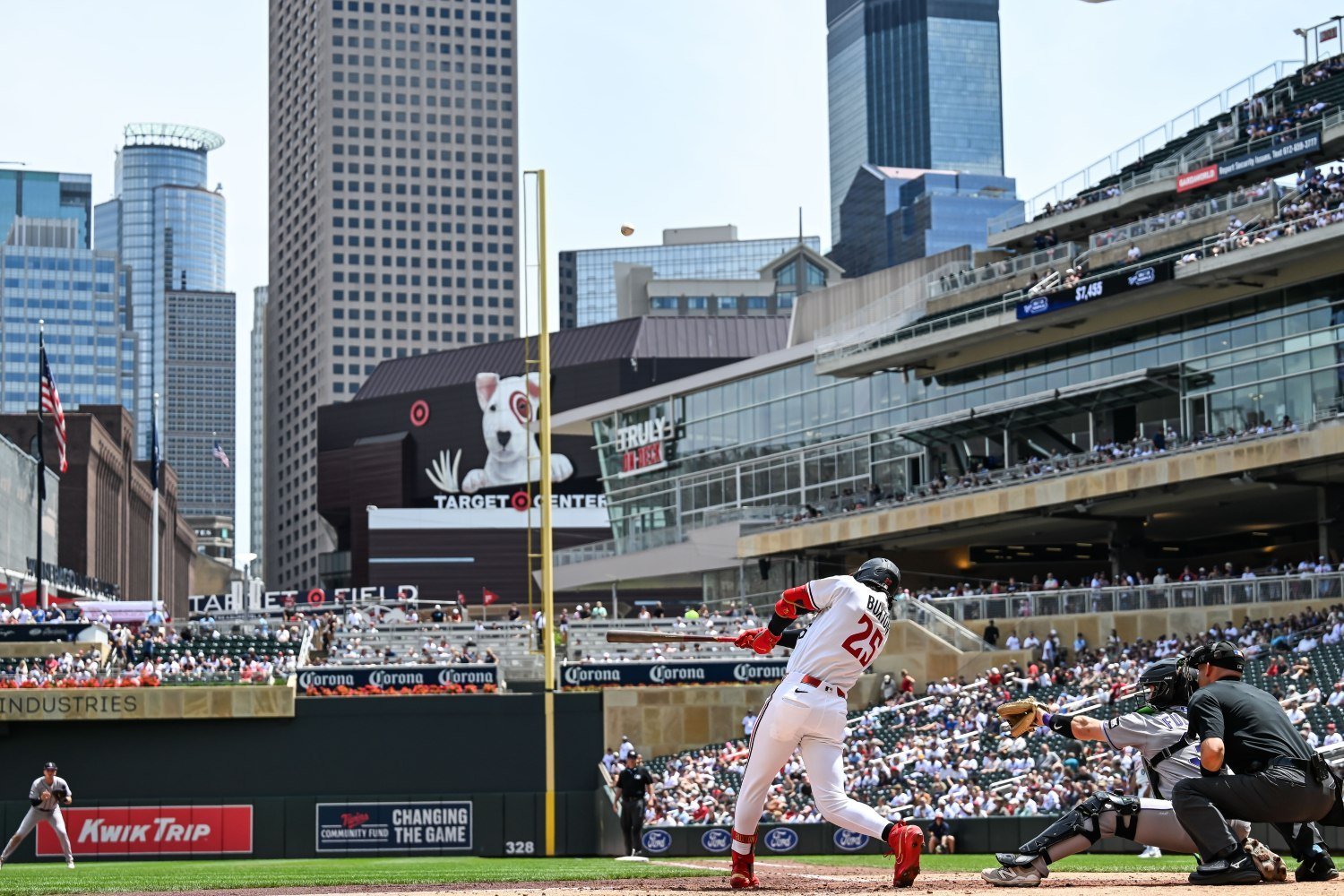 We're 86 games into the season, meaning the 2026 regular season is officially over halfway through. The Twins currently have a record of 41-45, in what has been a fairly eventful year. It hasn't necessarily all been good, but we've had a little bit of everything. There have been breakout performances, disappointing seasons, injuries, blown leads, and enough frustration to make this first half feel a lot longer than 86 games. With that in mind, here are my five biggest takeaways from the first half of the 2026 season. The first is that Byron Buxton is a legitimate superstar. I think a lot of Twins fans have known just how good Buxton is whenever he's healthy, but it finally feels like the rest of the league is catching on, too. He's currently hitting .276 with 25 home runs and seven stolen bases. Those 25 homers are tied for second-most in baseball, while his .581 slugging percentage ranks third in the league. He's also doing it with some of the highest-quality contact in the sport. His barrel rate has climbed all the way to 19% of his batted balls, which tells you he's consistently making loud, optimal contact. We've always known the talent has been there. The only thing that's ever really held him back has been staying on the field—and occasionally, the inconsistency that has to result from not being able to play every day. Health permitting, this has a chance to be the best season of Buxton's career. He's been worth every bit of the praise he's received, and without him, this Twins team would find itself in an even tougher spot than it already is. Takeaway number two is that the bullpen is exactly what we thought it was going to be. After last summer's fire sale at the trade deadline, when the Twins traded away several of their key relievers, there were a lot of questions surrounding what this bullpen would look like entering 2026. Unfortunately, those concerns have proven to be justified. The Twins currently rank dead last in bullpen ERA (5.50) and 29th in WHIP (1.57), and that unit has been responsible for several late-game collapses throughout the first half. Yoendrys Gómez has been a really nice addition since arriving in early May, but outside of him, there really haven't been many reliable options. It's hard not to be frustrated watching this group struggle because honestly, this was one of the more predictable problems the Twins were going to have entering the season. The front office chose to move a large chunk of its bullpen depth last July, and rebuilding an entire relief corps in one offseason was always going to be difficult. The greatest source of frustration, perhaps, is that they don't seem to have tried very hard. The third takeaway is that the Twins' starting rotation is still very much a work in progress. Outside of Joe Ryan, there just hasn't been much consistency. Taj Bradley has looked phenomenal at times, but then he'll turn around and give up three home runs in his next start. The same can be said for Zebby Matthews. Connor Prielipp has really struggled over the last month and a half, but had exactly the kind of start you'd have hoped for on Sunday. Bailey Ober's enigmatic velocity loss is unlikely to be cured by the weeks he's spent on the injured list with elbow inflammation, but he might at least bring the team some stability when he returns next month. Mick Abel and Kendry Rojas have both shown flashes of why the Twins are excited about them, but both have also battled injuries and inconsistency; Abel might miss the rest of the year after arthroscopic elbow surgery. When you look at the rotation as a whole, it feels like a group full of middle-to-back-end starters, with only one true frontline arm in Ryan. To be fair, it's also a very young rotation, so growing pains were always going to happen. Still, how this group performs during the second half is going to be one of the biggest storylines to watch over the rest of the season. Takeaway number four—and this one may be hard for some fans to accept—is that the hitters the Twins were hoping would take the next step really haven't done so. Luke Keaschall has been playing much better lately, but he's still hitting just .245. Royce Lewis is sitting down at .214. Matt Wallner is back in Triple-A. Ryan Jeffers had a really nice offensive season before getting hurt, Brooks Lee has continued to swing the bat well, and obviously, Buxton has been everything you could ask for. But outside of those guys, the lineup hasn't consistently gotten enough production from some of its younger core hitters. The Twins' offense, as a whole, actually hasn't been bad. There have been plenty of games where they've put together quality at-bats and have a bunch of runs to show for it. But there's also another level this lineup could reach if players like Keaschall and Lewis began performing closer to what the organization envisioned. Especially with Jeffers currently sidelined, the offense could really use another impact bat stepping up over the second half. And finally, takeaway number five is that defense simply has not been one of the Twins' strengths. Lee is currently tied with Jakob Marsee of the Marlins for the lowest Defensive Runs Saved total in baseball at -10. Tristan Gray isn't far behind at -8, and several other regular starters also find themselves sitting in the negatives. As a team, the Twins rank inside the bottom five in Major League Baseball in Defensive Efficiency. Defense really hurt this club throughout the first half. There have been far too many extended innings, too many extra outs, and too many blown leads that can be traced back to spotty defensive play. When you combine inconsistent defense with inconsistent pitching, it's really not that surprising the Twins find themselves sitting several games below .500. There's still plenty of baseball left to play, and there's certainly enough talent on this roster to make things interesting if they put together a strong second half. But through 86 games, it's been a pretty frustrating season overall. It certainly hasn't been all bad. Buxton has looked like an MVP-caliber player, and there are still reasons to be optimistic moving forward. At the same time, though, the bullpen has struggled exactly as expected, the rotation remains a question mark outside of Joe Ryan, several key hitters haven't taken the leap many hoped they would, and the defense has consistently hurt this team. Those are my five biggest takeaways from the first half of the 2026 season for the Minnesota Twins. View the full article
 -
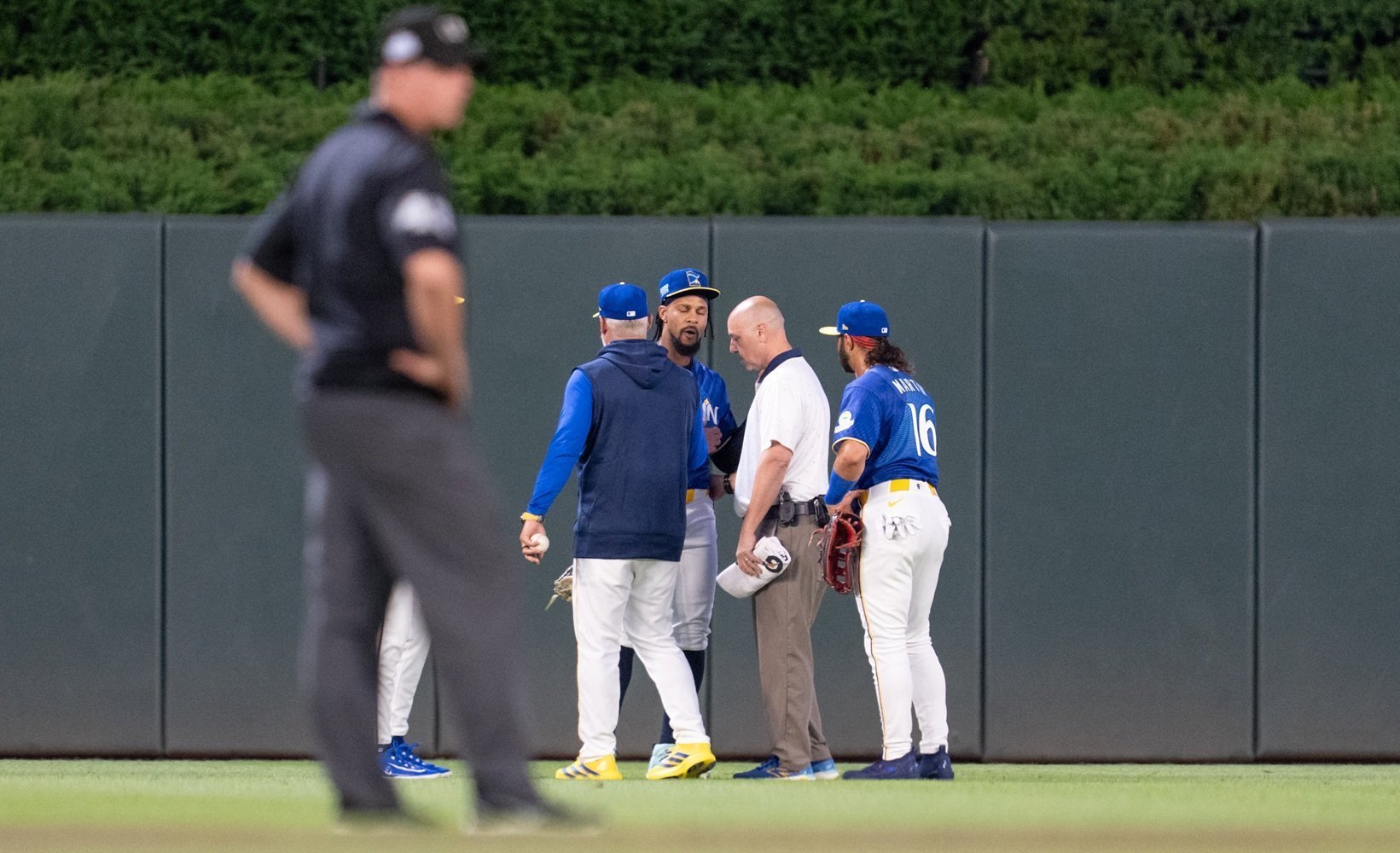 Monday's pregame news immediately raised concern when Byron Buxton was scratched from the lineup before the series opener against the Houston Astros. Fortunately for the Twins, the initial diagnosis could have been much worse. An MRI revealed that Buxton is dealing with a right hip impingement and is considered day-to-day. Manager Derek Shelton said the club has no plans to place him on the Injured List, offering encouraging news after another injury scare involving the franchise centerpiece. The issue became more apparent during Sunday's victory over Colorado when Buxton served as the designated hitter. Although he finished 0-for-4 with a strikeout, the bigger concern was how uncomfortable he looked at the plate. "He's dealing with a little hip thing that's going on," Shelton said. "We had some imaging done, we're waiting to get back on it. Yesterday after watching him in the box, it didn't look right to me, so we had a conversation. Just giving him a day." Shelton remained optimistic after receiving the imaging results. "I think right now we're at a day-to-day place. Really never want to get any farther than that. I think over the course of the last week we've seen how well he's moved. We've seen him on the bases. Just yesterday it just didn't look as comfortable." For Twins fans, hearing "day-to-day" attached to Buxton is about as positive an outcome as they could have hoped for. After years of seeing injuries derail outstanding stretches of play, 2026 has looked different. Buxton has stayed on the field for the overwhelming majority of the season despite a few minor scares. He missed a short period in May because of hip discomfort and later spent time at designated hitter after jamming his shoulder, but he has avoided an Injured List stint altogether. That availability has coincided with one of the best offensive seasons of his career. Buxton enters July slashing .268/.325/.573 with 25 home runs, tied for the American League lead. His 43 RBIs don't fully capture his impact, as he's once again become the top of the lineup force Minnesota envisioned years ago. That production has made him one of the favorites to start in the American League outfield at next month's All-Star Game. Even without him, Minnesota found a way to pick up an important victory. The Twins opened their series in Houston with a 5-4 win as Royce Lewis, Josh Bell, and Victor Caratini each homered. The victory improved Minnesota to 41-45, leaving the club 4.5 games behind in the American League Central while sitting just two games out of the final Wild Card spot. Those standings reinforce why avoiding an extended absence from Buxton matters so much. Minnesota has spent much of the first half hovering around .500, unable to string together the sustained winning streak necessary to climb into playoff position. With the All-Star break approaching, every game carries additional significance. Now the focus shifts toward getting him back into the lineup. The Twins continue their series against Houston on Tuesday night before wrapping things up Wednesday. Then comes a trip to the Bronx for a weekend showdown with the Yankees, a venue that has historically been one of Minnesota's toughest road assignments. If the Twins hope to build momentum heading into the All-Star break, having Buxton back in center field would be the biggest boost they could ask for. Monday's diagnosis doesn't guarantee he'll avoid further issues, but for a team whose season has already featured plenty of uncertainty, "day-to-day" qualifies as very good news. View the full article
 -
 Alex and Maddie sit down and discuss the Red Sox’s surprising sweep of the Yankees. They contemplate whether or not it was a mirage. They consider Connelly Early and Jake Bennett as potential trade chips and discuss which teams could target Jarren Duran and Sonny Gray. Finally, they recap Duran’s latest fan altercation. Link to donate to Venezuelan Earthquake Disaster Relief Efforts: https://www.redsoxfoundation.org/donate/ Listen on Apple Podcasts: https://podcasts.apple.com/us/podcast/the-talk-sox-podcast/id1783204104 Listen on Spotify: https://open.spotify.com/show/3qPrPXEngu0CxgTmlf0ynm Listen on iHeartRadio: https://www.iheart.com/podcast/263-the-talk-sox-podcast-244591331/ Listen on Pocket Casts: https://pca.st/4tmd121v Watch on YouTube: https://www.youtube.com/@talksox View the full article
 -
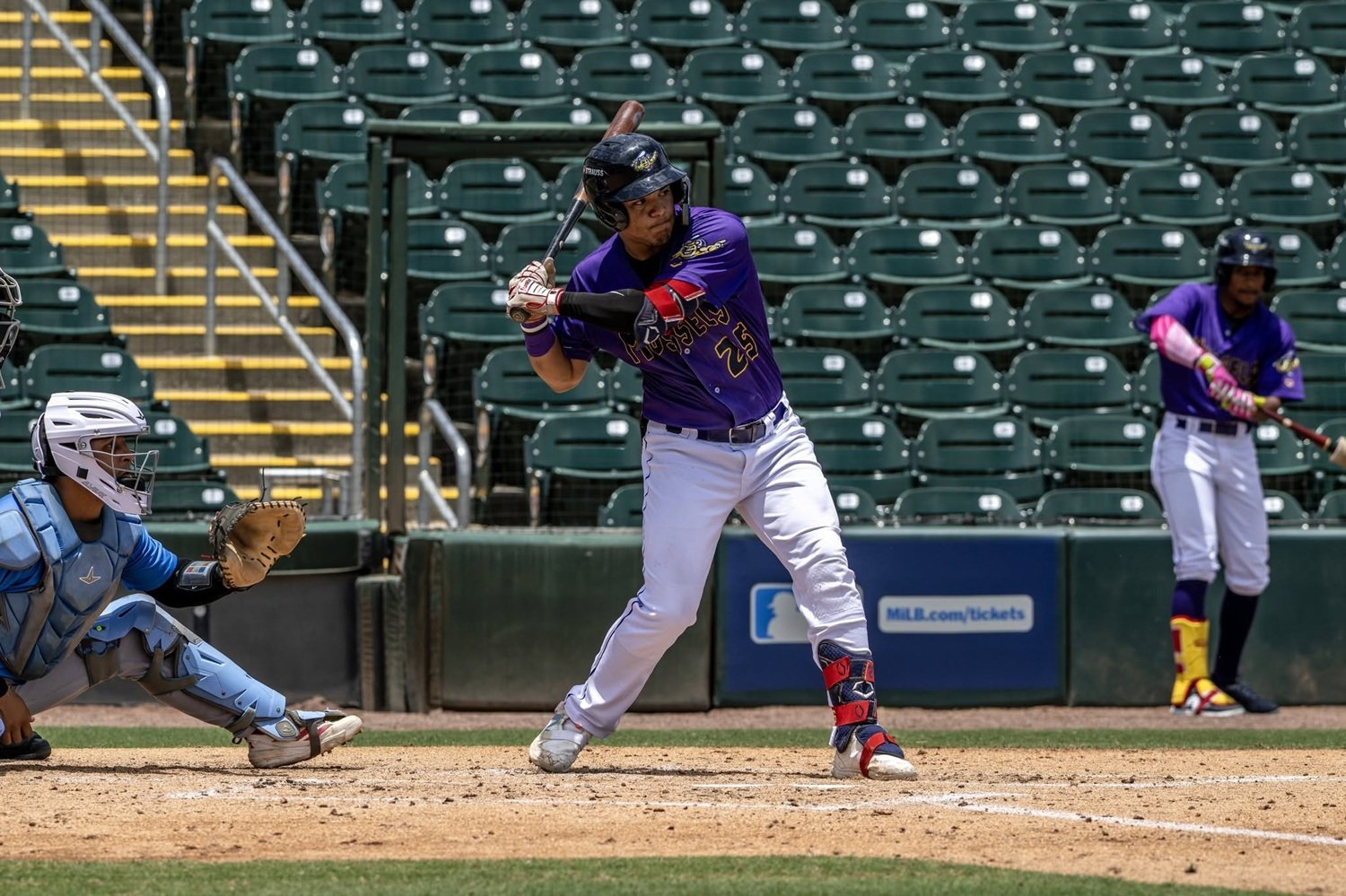 As the calendar turns from June to July, organizations have a much better understanding of where their seasons are headed. While the standings begin to take shape at the major-league level, the middle of the summer is also when farm systems can quietly separate themselves. Every organization relies on its top prospects, but sustained success often comes from the lesser-known players who take meaningful steps forward and create valuable organizational depth. None of the players featured on this week's Hot Sheet are among the Twins' most recognizable prospects, but that doesn't diminish the importance of their recent performances. Championship-caliber organizations need contributors at every level of the system, and under-the-radar players who continue to develop can quickly force their way into future conversations. This week's Hot Sheet highlights three prospects who are strengthening the Twins' organizational depth with impressive performances. C/3B Ryan Sprock – Fort Myers Mighty Mussels How He Got Here: Sprock entered professional baseball with one of the more unusual résumés in the Twins' 2025 draft class. Selected in the eighth round out of Elon University, he excelled as both a hitter and a relief pitcher during his college career, giving Minnesota multiple developmental paths to consider. The Twins quickly settled on maximizing his offensive upside, selecting him as a position player and allowing him to devote his full attention to hitting and playing third base and catcher. The decision made sense considering the production he showed during his final collegiate season. Sprock slashed .321/.411/.593 with 14 home runs while also throwing 17 innings out of the bullpen, striking out 19 batters. Focusing on one craft has allowed him to accelerate his offensive development during his first full professional season. Hitting the Hot Button: Although his impressive 18-game hitting streak ended Friday, Sprock still authored one of the best stretches in Fort Myers history. The streak ranks third in franchise history, trailing only Christian Encarnacion-Strand's 20-game streak in 2021 and Mike Gonzalez's 19-game run in 2014. "This is the best stretch I have had," Sprock said after Friday's win. "This was a good little up-stretch, but baseball is a rollercoaster, and you have to try and stay levelheaded." Even with the streak coming to an end, June has completely transformed his season. His slash line has climbed from .262/.393/.338 to .317/.444/.442, fueled by 29 hits and 17 walks since the calendar turned from May. Sprock credits consistency behind the scenes as much as anything happening between the lines. "A lot of it comes down to a really good routine pregame and trusting it," Sprock said, praising hitting coach Carlos Lara. "It's a process and the results showed." OF Luis Fragoza – Fort Myers Mighty Mussels How He Got Here: Fragoza has taken the scenic route through the lower levels of the Twins' system. Signed out of Valencia, Venezuela, during the 2024 international signing period, the outfielder made an encouraging professional debut in the Dominican Summer League, posting a .784 OPS while showcasing intriguing speed with 21 stolen bases. His first taste of baseball in the United States proved more challenging. Fragoza appeared in 49 games for the Florida Complex League Twins last season and managed just a .646 OPS. Rather than rushing him, Minnesota returned the 19-year-old to the FCL to begin 2026, giving him another opportunity to adjust before earning a promotion. Hitting the Hot Button: That patience is paying off. Fragoza opened the year with the FCL Twins, posting an .830 OPS over 10 games while collecting four extra-base hits among his eight total knocks. His performance earned him a late-May promotion to Low-A Fort Myers, where his production has continued to soar. Since joining the Mighty Mussels, Fragoza has emerged as one of the club's most productive hitters. This week he batted .467 (7-for-15) with two doubles, a home run, five RBI, three walks and a 1.356 OPS over four games. In 28 games with Fort Myers, Fragoza owns a .944 OPS with six home runs, 10 doubles and a perfect 7-for-7 mark on stolen base attempts. Like Sprock, he's benefited from working with hitting coach Carlos Lara, and his offensive growth has quickly turned him into one of the more intriguing breakout performers in the lower levels of the organization. RHP Frederick Hiciano – FCL Twins How He Got Here: The Twins believed they landed one of the premier arms in the 2026 international signing class when they signed Frederick Hiciano out of Moca, Dominican Republic. Baseball America described him as "one of the top pitchers in their 2026 IFA class," underscoring the organization's excitement about his long-term potential. Instead of beginning his career in the Dominican Summer League, Minnesota challenged Hiciano immediately by assigning him to the Florida Complex League. At just 18 years old, he's roughly three years younger than the average player at the level, making every successful outing even more encouraging. Hitting the Hot Button: Hiciano continues to justify the aggressive assignment. His latest start came Thursday against the FCL Braves, when he surrendered just one run on two hits across four innings without issuing a walk while striking out six. Through his first four professional starts, Hiciano has thrown 11 1/3 innings, allowing only two earned runs on five hits while recording 15 strikeouts against five walks. The raw stuff that made him one of the Twins' top international pitching targets is already flashing in game action, and the organization has to be encouraged by how well he's handling older competition early in his career. Prospect development rarely follows a straight line, especially in the lower levels of the minor leagues. But summer often serves as the point where legitimate breakouts begin to separate from small-sample success. Sprock is proving his offensive profile is more advanced than many expected after the draft. Fragoza has turned a difficult stateside introduction into a breakout campaign, and Hiciano is showing why the Twins invested heavily in his future. None are knocking on the door to Target Field just yet, but each is giving the organization another reason to be optimistic about what lies ahead. What stands out about this trio? Can any of them build off their recent hot streak? Leave a comment and start the discussion. View the full article
 -
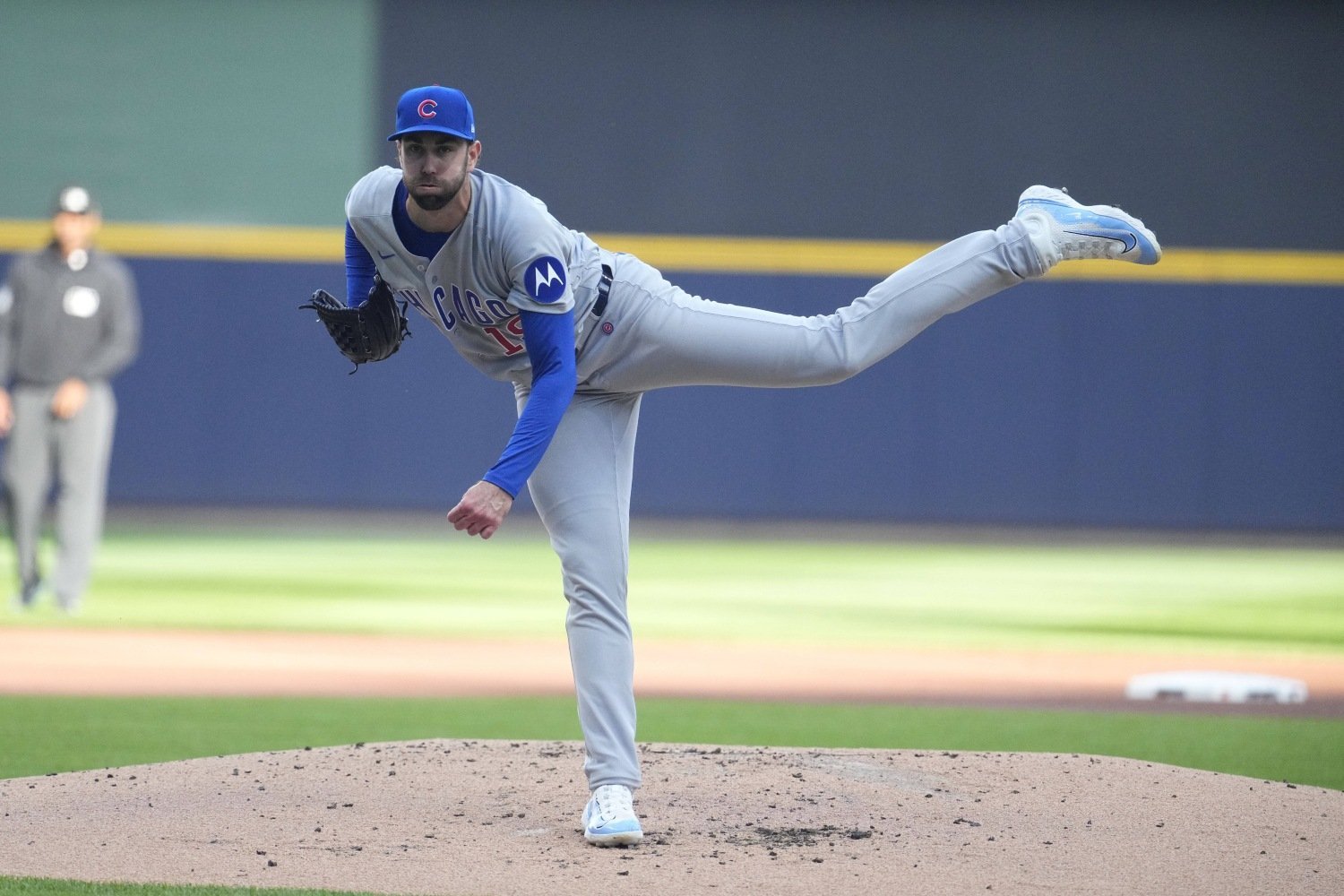 The Chicago Cubs needed to shore up their rotation, and managed to do so last week with the acquisition of David Peterson. He wasn’t cheap—it cost them Cole Mathis, a former second-round pick—but with Ben Brown, Edward Cabrera, and Jameson Taillon dealing with different injuries and Cade Horton and Justin Steele already out for the year, they required warm bodies. Peterson is a 30-year-old pending free agent, which means he's no more a long-term solution than are Taillon, Matthew Boyd or Shota Imanaga. The Cubs, however, were willing to give the left-hander a chance, so let’s see what he brings to the table. Peterson struggled on a really disappointing Mets team this year, with a 6.09 ERA in 68 innings. There’s some untapped potential here, though, as he demonstrated in a sturdy first start as a Cub over the weekend. He now has a 5.86 ERA but a 3.91 FIP on the season. What’s the main takeaway from that ERA-FIP gap? Well, Peterson could be in line for a much-improved ERA in Chicago, in front of a really competent defense that fields talented defensive players such as Nico Hoerner, Alex Bregman, Dansby Swanson, Pete Crow-Armstrong, and Ian Happ on a daily basis. For a few months, the Cubs can enjoy a perfectly average left-hander with potential to be a solid mid-rotation starter, as it happened in 2022 (3.83 ERA) and 2024 (2.90 ERA). Even last year, he racked up 3.1 fWAR, so he might be better than average. What Peterson is not is consistent. Let’s look at his ERA finishes each year since he became a major leaguer in 2020: 2020: 3.44 2021: 5.54 2022: 3.83 2023: 5.03 2024: 2.90 2025: 4.22 We would be lying if we told you which version of Peterson you will get in Chicago, but if we had to guess, we would say somewhere around his current FIP. That’s not bad at all, considering all the injuries the Cubs have had to deal with. Peterson can throw five pitches, but is mainly a sinker-slider guy. He goes to the former 28.5% of the time, and to the latter 24.6% of the time. A four-seamer (22.9% usage), a curveball (12.8%), and a changeup (11.2%) round out his repertoire. If you take a look at the lefty’s Statcast profile, he doesn’t really stand out at anything other than his excellent 52.9% ground ball rate (89th percentile) and the impressive extension he generates, whcih comes from being a gargantuan human being. Having such an extreme groundball pitcher in front of one of the best infield defenses in the league is certainly a good idea for the Cubs. It’s also worth noting that two of his breaking pitches have a solid whiff rate: the curveball, at 35.6%, and the slider, at 32.9%. He had a bad sinker (.396 wOBA) and four-seamer (.426 wOBA) season so far with the Mets, so it will be fascinating to see what kind of adjustments the Cubs help him implement, if any. The .352 BABIP opponents achieved against him during his time with the Mets this year, however, says he might just need better support, rather than better stuff. The overall package might not be overly enticing for Cubs fans, but Peterson has the potential to be a solid mid-rotation arm, and the Cubs can certainly put him in a position to succeed. It's too early to call it a success after one start, but the vision that led them to acquire him is easy to share. View the full article
 -
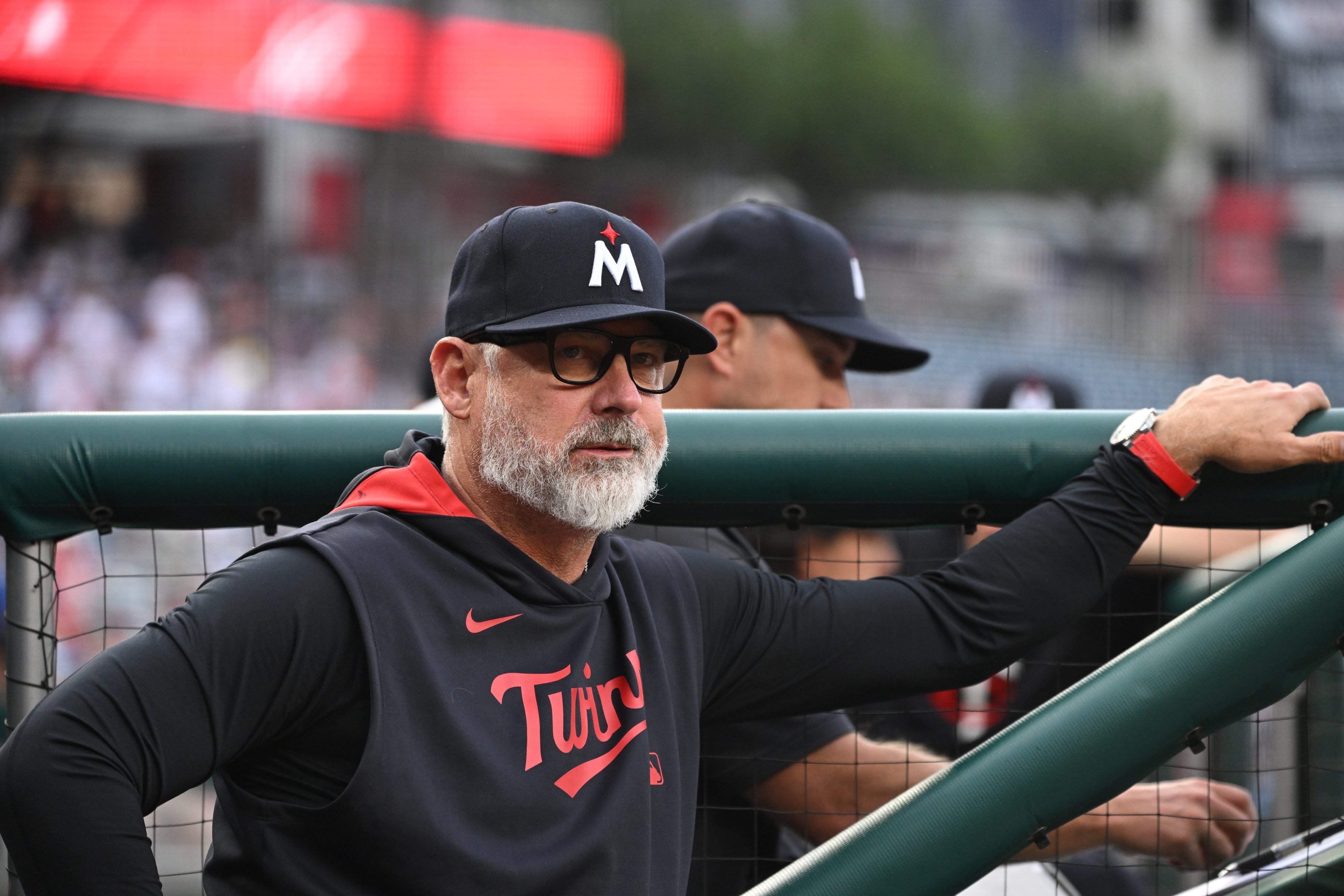 For most teams, the trade deadline isn't decided by one game or even one series. It's determined by months of evidence. For the Twins, though, the next few weeks may come down to one simple question: can they finally get back to .500? While there are always exceptions, finishing at or above .500 is essentially the minimum requirement for a legitimate postseason push. Minnesota reached the 86-game mark with a 41-45 record for the second consecutive season. The circumstances are remarkably similar. This year, the Twins sit only 2.0 games out of the final American League Wild Card spot, with roughly a 25% chance to reach the postseason. At the same point last season, they were 4.0 games back, with playoff odds hovering around 21%. The opportunity remains there, but opportunities don't last forever. If Minnesota can't climb back to even, the front office may have little choice but to become sellers for the second straight summer. Minnesota's Fast Start Minnesota opened the season by going 11-7 (.611), and it felt like the organization had turned a corner—if only a gentle one. New manager Derek Shelton had the club playing fundamentally sound baseball, while Joe Ryan and Taj Bradley initially formed one of the more impressive one-two punches in the American League. The Twins swept the Tigers in four games, an impressive statement against the preseason favorites in the AL Central. They also won series against Toronto and Boston, two clubs expected to be firmly in the playoff race. Even with some offensive inconsistencies, quality pitching and timely hitting gave Minnesota plenty of reasons for optimism. The First Flop Then, everything unraveled. Over their next 21 games, the Twins went just 5-16 (.238), immediately erasing the momentum they had built in April. The offense disappeared for long stretches, and a bullpen that looked like a strength suddenly had more leaks than the boat in those old Flex Tape commercials. Minnesota suffered embarrassing losses to a Mets club trapped in a historic losing streak and were blown out in Toronto and Washington. By the end of the skid, the Twins had fallen to 17-23 and sat in fifth place in an AL Central that wasn't exactly running away from anyone. Resurgence, Part I Just when the season looked ready to spiral away, Shelton's squad answered. They ripped off an 11-5 (.688) stretch over their next 16 games. They completed their first sweep at Fenway Park since 1994, won a series in Cleveland—a place that has consistently haunted the franchise—and took a series from Houston. Different players stepped into unexpected roles throughout the roster. The lineup found timely production, the rotation stabilized, and the bullpen rediscovered some reliability. For a couple of weeks, Minnesota looked more like the balanced team that had exceeded expectations in the season's first weeks. Minnesota's Second Flop Unfortunately, the consistency never arrived. The next 13 games produced another collapse as the Twins stumbled to a 3-10 (.231) record. They dropped three of four to the White Sox in Chicago before Shelton returned to Pittsburgh only to watch his former club complete a sweep. Kansas City followed by taking three of four games at Target Field. The White Sox have proven themselves to be much better than expected this season, but the losses to Pittsburgh and Kansas City were far more damaging. Good teams don't have to win every series against comparable opponents, but they usually avoid getting dominated by them. That has been one of Minnesota's biggest problems all season. Every productive stretch seems to be followed by another prolonged collapse. Resurgence, Part II Once again, the Twins responded. Minnesota went 8-3 (.727) over its next 11 games, beginning with a home series victory over St. Louis. They followed by sweeping Texas on the road before taking two of three from Arizona to finish an impressive road trip. For a brief moment, it looked like the club had finally discovered the consistency it had spent nearly three months searching for. Now What? Reality arrived quickly. Fresh off their successful road trip, Minnesota ran into the Dodgers, baseball's measuring stick. The Twins were swept in three games by the two-time defending champions before salvaging the homestand by taking two of three from Colorado. Even that series wasn't entirely convincing after the bullpen nearly turned the opener into a disaster. Now comes another measuring-stick trip. The Twins head to Houston (where they took the first game Monday night), before traveling to New York to face two teams that have regularly been among the American League's best in recent seasons. The Astros entered the series only two games below .500 despite sitting third in the AL West, while the Yankees remain locked in a battle with Tampa Bay atop the AL East. A 3-3 trip would be respectable, considering the competition. It also wouldn't accomplish much. Respectable baseball isn't enough anymore. The Twins don't simply need to survive difficult stretches; they need to erase the damage created by months of inconsistency. Every time they put together an impressive winning streak, they've answered it with a losing streak that lasts nearly as long. That's how a team with obvious talent finds itself five games below .500 halfway through the season. The American League has left the door open. No Wild Card team has separated itself, and the AL Central hasn't produced multiple dominant clubs. Minnesota has been given opportunities to climb back into contention time and time again. The problem is that the Twins haven't shown they can sustain success long enough to take advantage. That's why the next few weeks may determine the direction of the franchise. If Minnesota can finally reach .500 before the trade deadline, the front office has the justification to make a modest addition or two and see where the season goes. This roster doesn't need a blockbuster acquisition, but a high-leverage bullpen arm could be worthwhile if meaningful baseball remains realistic. If they remain several games under .500, however, the calculus changes dramatically. For nearly three months, the Twins have answered every encouraging stretch with an equally frustrating collapse. At some point, those highs and lows stop canceling each other out and start defining who a team really is. The standings suggest Minnesota still has time to change that narrative. Whether they actually can is the question that will define not only the rest of the season, but perhaps the organization's entire approach to the trade deadline. Can Minnesota get back to .500? Leave a comment and start the discussion. View the full article
