


DiamondCentric
-
Posts
2,631 -
Joined
-
Last visited
Never
Content Type
Profiles
Forums
Events
MLB News, Rumors & Analysis
DiamondCentric Tutorials & Help
Major League Baseball Videos
MLB Fan Guides & Resources
Store
Downloads
Gallery
Everything posted by DiamondCentric
-
 With the clock ticking on the signing window for international free agents, the San Diego Padres are busy picking up late signees. The Padres have signed six young internationals in recent days. Four of those were reported by Francys Romero, who has the pulse of the international scene, while two are listed on the Padres' minor-league transactions. Most of the signings coincided with an under-18 tournament currently being held in the Dominican Republic, where Romero reports that new owners Jose E. Feliciano and Kwanza Jones met with A.J. Preller, president of baseball operations, and Chris Kemp, vice president of amateur and international scouting. The four players at the Dominican tournament are 18-year-old Venezuelan right-hander Moises Alcade, 17-year-old Panamanian left-hander Yeremy De Leon, 17-year-old Venezuelan left-hander Raymer Moreno and 17-year-old Cuban infielder Omar Guerra. The other two 20-year-old Venezuelan outfielder Lenyert Rios and 17-year-old right-hander Alexis Medina. Romero reported bonuses of $20,000 for Alcade, $30,000 for De Leon, $50,000 for Moreno and $25,000 for Guerra. Alcade is the ace of the Venezuela team with a 91-93 mph fastball and a projected plus slider. Moreno currently sits 86-90 mph with his fastball, which is projected to develop into the mid-90s. Guerra is a contact-oriented hitter who can play anywhere on the infield. These six join 20-year-old Japanese right-hander Tatsuya Nogami, who signed a couple weeks ago. Combined, the Padres have signed more than 50 internationals, the most of any MLB team. The current international signing period ends Dec. 15, with a dead period and next year's signings able to begin Jan. 15. However, that could all change in the collective-bargaining agreement as a potential international draft could be installed. View the full article
-

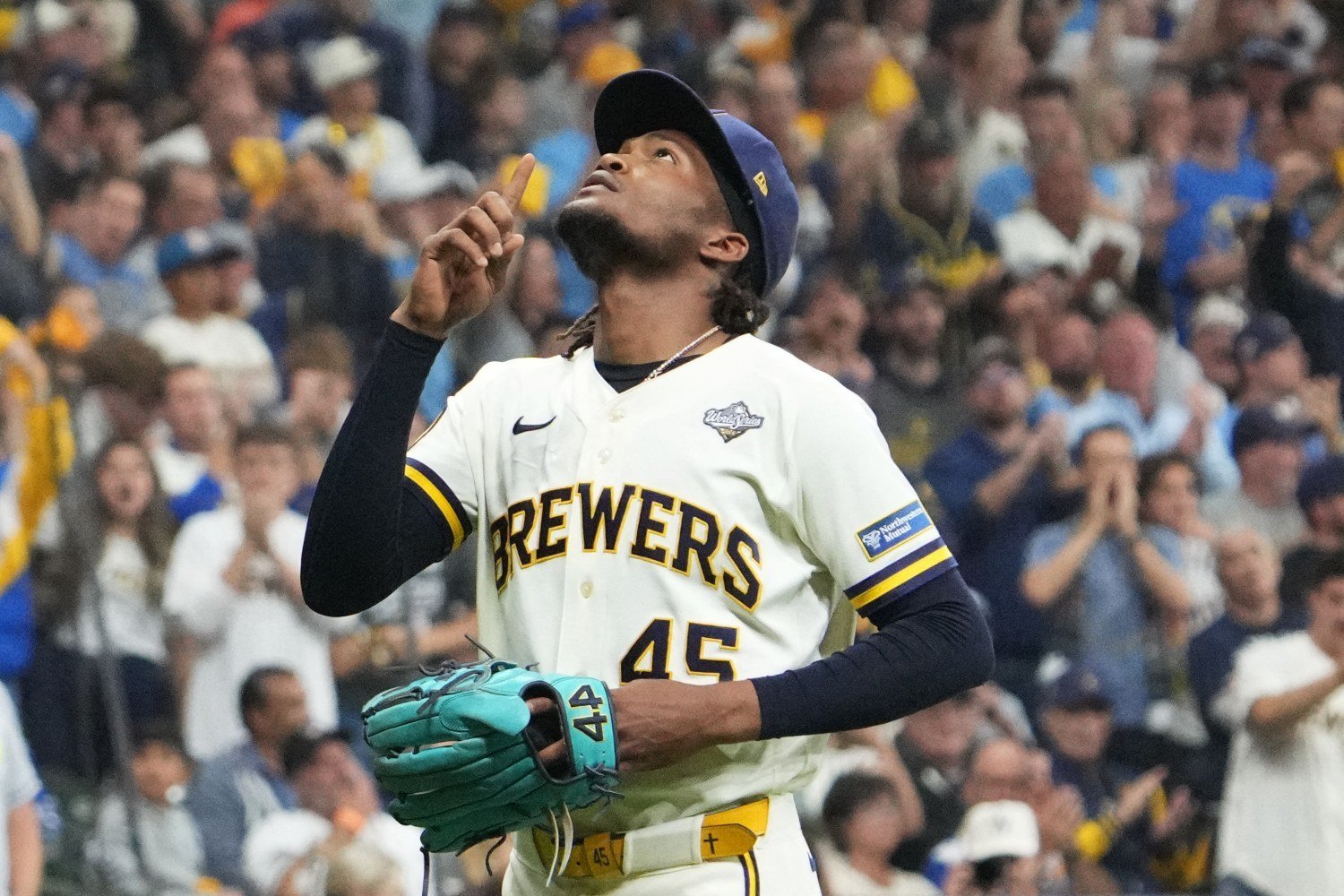 The countdown is on. It's 27 outs from here to the parade, if the Brewers can just play it right. The Rays' offense looks dead, which is partially because they're susceptible to stretches in which that happens, but much more because the Brewers' pitching staff has been superb. Pat Murphy spent so much of this season managing tricky questions of health, performance and availability on his pitching staff, but here at the end of it all, his job has gotten alarmingly easy. In a blowout Game 3 win, he didn't have to use Aaron Ashby, Abner Uribe or Trevor Megill. He can't give the ball to either of his ace starters in Game 4, but he has plenty of paths to the 27th out, anyway. The Three-Headed Monster is Rested and Ready The Brewers' sweep of the Dodgers in the NLCS gave them a full week off before the World Series. Between that and their breezy victory in Game 3, they enter Game 4 with Ashby, Uribe and Megill fresh as can be. In the last 14 days, none of the three has thrown even 100 competitive pitches: Ashby: 87 Uribe: 67 Megill: 38 For so long, Ashby and Uribe were two of the hardest-worked pitchers in baseball. Counting regular-season and postseason work, Ashby has gotten more outs as a reliever than anyone else in the league since May 24, 2025, when he made his season debut. Ashby's 19 1/3 innings in the playoffs over the last two years leads the league, and Uribe's 15 innings is second. However, the ease with which the Brewers won each of their first two series has all but canceled out Murphy's heavy usage of them. Ashby's eight appearances and 53 batters faced over the last month are each less than he had in any month of the regular season, save for July, in which he pitched more games but exactly matched the batters faced. Uribe has pitched nine times, but faced only 40 batters. When healthy, he pitched more throughout the regular season. Megill's six appearances and 26 batters faced in October are well below his usual monthly workload. There's still a limit on how much Murphy will use these three Tuesday night, because he won't want to burn any of them out entirely for a potential Game 5. The cap on the number of outs they might record isn't nine, though. It's isn't 12. It might not even be 15. There's every chance that those three hurlers will take the back half of the game, leaving relatively light work for the mélange of arms who slot into the early frames. The Three-Headed Monster's Little Mutant Brother After Robert Gasser gave the Brewers an unexpectedly smooth six innings Monday night, Murphy got two innings from Antonio Senzatela and one from Brandon Woodruff. That allows us to virtually cross those two off for Game 4, unless the game stretches into extra innings. Instead, it sure seems like Murphy will just pivot to four more hurlers who have already proved their mettle this month. Shane Drohan Dustin May faced the top of the Rays order when he pitched in Game 2. He could start Game 4, but it makes more sense to throw another lefty at the confused, platoon-happy Rays and see what it does to their lineup plans. Drohan has the tools to limit damage against Yandy Díaz, and unless Kevin Cash wises up and moves Junior Caminero back to third in the order, the Brewers could get Drohan in and out without his having to face the dangerous third baseman. Though Drohan has a starter's mix and a starter's background, he should be used as a pure opener in this one. If the Rays stack the top of the lineup with righties and push their lefty bats deeper into the order, so be it. The second arm out of the chute can be... JoJo Romero If Cash tries to stash guys like Victor Mesa Jr. and Richie Palacios in the middle of his lineup to prevent Murphy from going to May after Drohan, it's easy to thwart the strategy: just go to Romero. The burly southpaw has seen his stuff play up in October as much as anyone; he's been worthy of Murphy's trust as a mid-game option. However, Cash might instead go with Ben Williamson, Ryan Vilade and Johnny DeLuca in a short sequence, and if he does so, May can come in right after Drohan, Dustin May If possible, I would keep May away from the top of the order. It seems likely that if he gets exposed to it again, that group will include Jonathan Aranda and Liam Hicks, as well as Díaz and Caminero. That's a gauntlet for May, especially with the righties in that set having already seen him recently. He can better buy the team outs against the lower half of the order, but if the Rays go with a right-leaning top half of the card in response to Drohan and Romero follows Drohan into the game, it becomes much more viable to call upon May for the second turn. In some order, it should almost certainly be Drohan, Romero and May over the first 15 batters of the game or so. At that point, it's time for the bridge from the opening group to the closing one. DL Hall Quietly a part of the 'A' bullpen, really, Hall still works in a roving, medium-leverage role. That might well change next year, but for now, all the Brewers will ask of him is to either defend a lead or tie or keep the game close through the middle innings. The goal is to hand a lead to the three-headed monster. Hall is the link between the group that will set the table and the one the Brewers hope will feast on Rays batters at the end of the game. Just Keep Trading All four of the hurlers named above came to the Brewers in notable but different trades. Hall was a centerpiece of the Corbin Burnes trade with Baltimore. Drohan was involved in what amounted to a challenge trade with the Red Sox for Caleb Durbin, which the Brewers have certainly won, in a sense: all three of the players they acquired in that deal made major contributions to this almost-championship team. Romero and May were a package acquired at the trade deadline. If they're the essential pieces who push the Brewers to the very verge of a title, it will be a fitting way to wind things down. They're already emblematic of the team's highly successful, deft approach to adding talent via trades. That takes fearlessness and resilience; not every deal can be a winner. But if you're as smart as the Brewers are, it will eventually pay off. It might be about to pay off in the biggest possible way. View the full article
-
 Jack and Spencer discuss the Brewers' dominant Game 3 win, Christian Yelich's baserunning leading to the big 5th inning, the plan against Freddy Peralta, Robert Gasser meeting the moment, and Brandon Woodruff's return to the mound. Apple Podcasts: https://podcasts.apple.com/us/podcast/the-brewer-fanatic-podcast/id1740648724 Spotify: https://open.spotify.com/show/5CY8mWsQayqjDXqw9OT2Td iHeartRadio: https://www.iheart.com/podcast/263-the-brewer-fanatic-podcast-166534588/ Pocket Casts: https://pca.st/ommzz627 Watch On YouTube: https://www.youtube.com/@brewerfanatic View the full article
-
The Twins’ Biggest Organizational Weakness Might Be Scouting
DiamondCentric posted an article in Twins Daily
 The Milwaukee Brewers and Tampa Bay Rays are already on the verge of wrapping up the World Series, and much of the conversation surrounding their success has focused on analytics. Both organizations have earned reputations for using data to find undervalued players, improve performance, and build competitive rosters without spending like baseball's wealthiest teams. There's plenty Minnesota can learn from that approach. However, focusing exclusively on analytics misses a significant part of the equation. The Brewers and Rays have invested heavily in scouting, too, combining modern technology with experienced evaluators who identify talent across baseball. That distinction is important for the Twins. The organization already has ground to make up in analytics staffing, and its scouting department is even further behind the rest of the league. If the Twins want to build a sustainable contender, improving their roster construction process requires more than adding another analyst or finding an extra bargain in free agency. It also requires investing in the people who identify the players worth pursuing in the first place. The Twins Are Below Average in Analytics As discussed previously, Minnesota employs 27 people in its analytics department, ranking 17th among MLB teams. That total falls below the league average of 28.5 employees. The Brewers employ 46 analytics staff members, second-most in baseball behind the Philadelphia Phillies, at 51. The Rays have 39 employees in their department, while the Cleveland Guardians have 30. Those numbers helped bring attention to the analytics resources available to the teams competing deep into October. Analytics departments involve much more than statistical analysis. Research and development personnel, systems engineers, department leadership, embedded analysts, and quantitative sports scientists all contribute to an organization's ability to turn information into actionable decisions. More employees do not automatically translate into more wins. The quality of the staff, communication between departments, and willingness to implement recommendations are all important. Still, Minnesota should examine whether its current staffing level gives its baseball operations department enough capacity to compete with organizations that invest more heavily in those resources. The analytics gap is worth addressing, particularly for an organization that needs to maximize its spending. Better information can help Minnesota identify undervalued players, evaluate potential trades, refine player development, and make smarter decisions about its major league roster. However, the latest discussion about the Brewers and Rays provides another important lesson. These organizations are not successful because they have chosen analytics over traditional scouting. They have combined both approaches. Minnesota Has Baseball's Smallest Scouting Staff The Twins have the smallest scouting department in Major League Baseball, with just 39 total scouts across professional, amateur, and international scouting. The league average is 68 scouts. Minnesota is therefore 29 employees below the average, a significant gap for an organization that needs to identify inexpensive talent and develop its next wave of major league contributors. The five largest scouting departments belong to the Yankees with 109 scouts, the Dodgers with 91, the Phillies with 89, the Diamondbacks with 85, and the Rays with 84. The Royals employ 81 scouts, giving them a much larger scouting operation than their division rivals in Minnesota. The Guardians have 53 scouts, while the White Sox have 45. Comparable data was not available for Detroit. The Twins are not merely below average in this category. They are operating with the smallest scouting staff in the sport. That matters because scouting responsibilities stretch across several areas. Amateur scouts evaluate players ahead of the MLB Draft, international scouts help identify talent in markets around the world, and professional scouts evaluate players who could become trade targets or free agent acquisitions. Each group can help an organization identify opportunities that other teams overlook. A smaller department does not mean Minnesota cannot find talented players. It does, however, raise questions about the organization's ability to maintain coverage across the professional, amateur, and international landscapes. The World Series matchup offers an especially useful comparison. The Rays entered the season with 84 scouts, while the Brewers had 78. Both organizations have maintained substantial scouting operations alongside their analytics departments. Baseball America recently highlighted how both teams continue to value experienced scouts and broad coverage, including professional scouting, as part of their roster building approach. Their success is not the product of a secret formula that can be replicated by hiring a few data analysts. It comes from bringing together people with different skills who can identify talent, evaluate opportunities, and help the organization make better decisions. Minnesota needs to consider whether 39 scouts provide enough coverage to accomplish those goals. A team trying to find value in trades and free agency should want as many reliable evaluations as possible, particularly when it cannot afford to make repeated mistakes on expensive acquisitions. The Twins do not necessarily need to reach 84 or 78 scouts immediately. But being nearly 30 employees below the league average is a substantial gap that deserves attention. A Salary Cap and Floor Won't Level the Playing Field The discussion comes at an important time for baseball. MLB owners have proposed a salary cap and floor as part of the next collective bargaining agreement, arguing that restricting the highest payrolls while establishing minimum spending requirements would improve competitive balance. The league's initial proposal set a $245.3 million cap and a $171.2 million floor. A salary cap and floor could change how teams allocate their major league payrolls. A floor would require teams spending below the threshold to increase their spending, while a cap would limit how much the highest spending clubs could spend on player payroll. Neither measure, however, would make every organization equally capable of identifying and developing talent. A salary cap does not automatically create better scouting departments, more effective player development systems, stronger coaching staffs, or better front office decision makers. A salary floor does not guarantee that a team will spend its money wisely. Teams can meet payroll requirements and still struggle to identify players who fit their needs. The Brewers and Rays are reminders that roster construction involves more than the amount spent on major league salaries. Both clubs have built extensive scouting operations and analytics departments that work together to find talent and maximize the value of their players. A cap would not necessarily stop Minnesota from investing more heavily in those departments. Those resources serve a different purpose than major league player salaries, even though both require ownership to commit money to baseball operations. That should matter to the Twins. If the organization spends less than its competitors in certain areas of baseball operations, limiting another team's player payroll does not automatically eliminate the resulting disadvantage. The issue is not simply how much money a club spends. It is how effectively that club uses its resources. Minnesota can benefit from a more restrictive payroll environment, but that cannot replace the need to improve its own infrastructure. If the Twins continue to operate with the smallest scouting staff in baseball, a salary cap will not suddenly make their scouts more productive or give them the same coverage as an organization with twice as many evaluators. There is also a broader concern for smaller market teams. The Brewers and Rays have demonstrated that a team can compete without matching the biggest payrolls, but their approach requires consistent work across scouting, analytics, player development, and roster construction. Those investments help create a pipeline of talent that can sustain a competitive roster even when individual players leave through free agency or trades. A salary cap may restrict spending disparities on the field. It cannot equalize every organizational advantage that contributes to winning. The Twins Need to Invest in Their Infrastructure The Twins have several areas to address heading into 2027. The major league roster needs talent, and the organization must determine how much it can spend after several seasons of payroll reductions. However, Minnesota also needs to examine the infrastructure responsible for finding and developing that talent. The Twins’ analytics staff is below the league average, and their scouting department is the smallest in baseball. Rather than hiring more people without a plan, Minnesota should identify its biggest coverage gaps and prioritize additions that improve decision-making. Professional scouting deserves particular attention. More experienced evaluators could help the Twins identify potential trade targets, waiver claims, and free agents who fit the roster. Amateur and international scouting are equally important, giving the organization more opportunities to discover talent before players reach the major leagues. The Brewers and Rays demonstrate that success requires more than analytics. Their extensive scouting operations work alongside analytics, player development, and smart roster construction to create sustainable advantages. A salary cap and floor will not erase every organizational disadvantage, just as expanding the analytics department alone will not solve Minnesota’s problems. The Twins need to invest in the people who evaluate talent as well as those who analyze it. With baseball’s smallest scouting staff, that is an obvious place to start. Do the Twins need to invest more in their scouting staff? Leave a comment and start the discussion. View the full article
-
Depth Check: The Blue Jays' Middle Infielders for 2027
DiamondCentric posted an article in Jays Centre
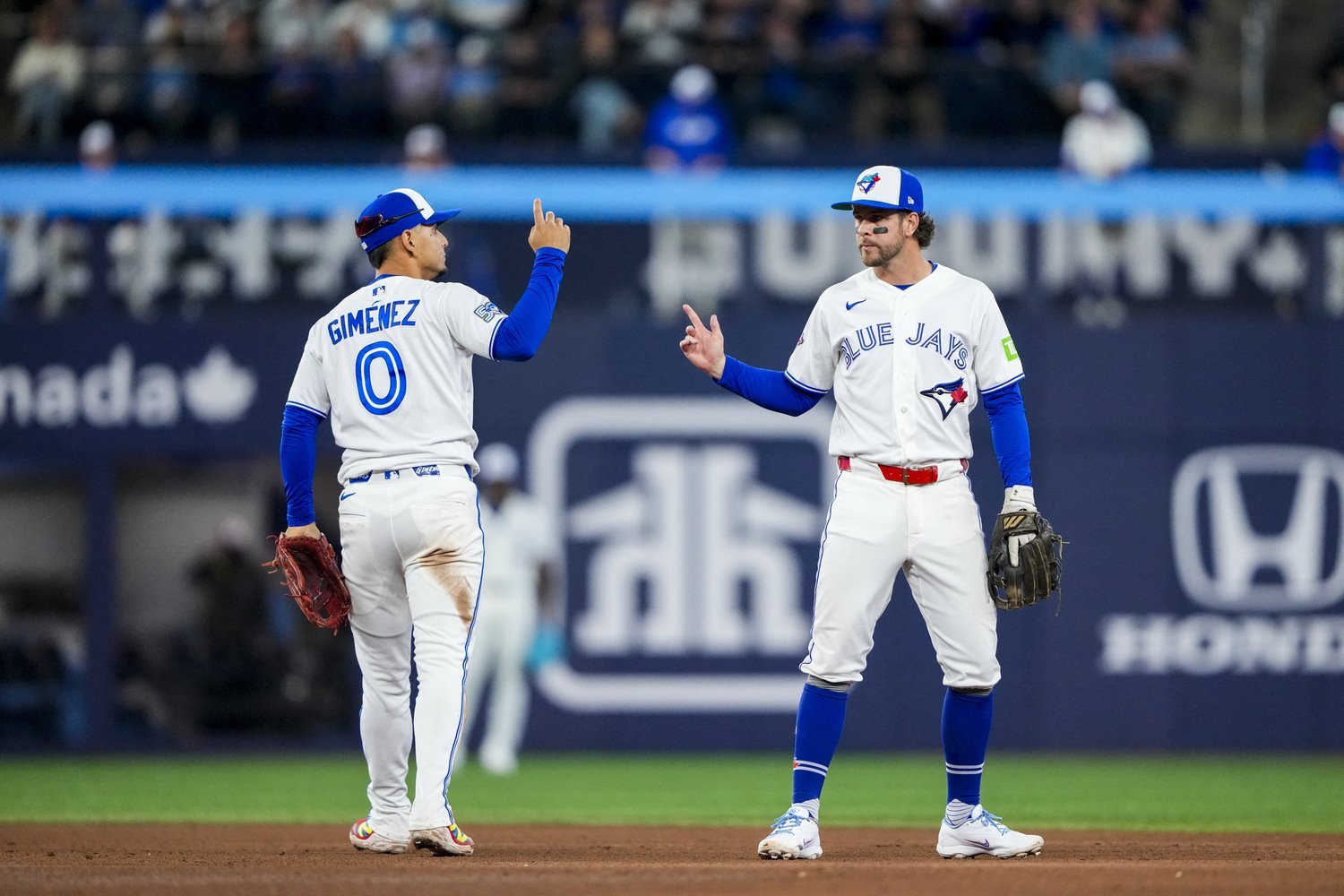 Every successful Blue Jays playoff team has featured a strong double-play combination. Bo Bichette, Andrés Giménez, and Ernie Clement were key contributors to the 2025 World Series run, and Troy Tulowitzki and the Ryan Goins-Devon Travis tandem helped the Blue Jays in their mid-2010s playoff push, providing a strong mix in the field and at the plate. Over the past five seasons, the Jays have accumulated 30.8 fWAR from their middle infielders, good for 12th in baseball; last season, it was 4.7, right in the middle at 15th in the league, a fine spot to be in, but one where the Blue Jays could improve. It seems like that’s a route the Blue Jays may already be exploring. According to Mitch Bannon, the Blue Jays discussed a move for a middle infielder at this past trade deadline; combined with Ross Atkins' post-season comments about Clement having to “earn" an everyday role in 2027, the possibility remains high that the Blue Jays look to add to their middle infield group going into next season. For now, let's look at the players who could fill out the infield and assess where the team stands heading into the offseason. Check out prior entries in our Depth Check series here: Catcher Infielders Outfield The Starters Ernie Clement 2026 Stats: .259/.285/.364, 9 HR, 80 wRC+, 0.6 fWAR Ernie Clement’s 2026 season was a tale of two halves. In the first half, it looked like he was riding off the momentum from an exceptional postseason. He hit .296, hit eight of his nine home runs, and tied for the AL lead in doubles, earning him the starting second baseman spot at the All-Star Game. Whether it was injuries, fatigue, or overexposure, Ernie struggled in the second half. Pitchers threw him a career-low 46.9% of pitches in the zone, and he kept swinging, resulting in a .203 average and a dreadful 36 wRC+ during that stretch. The defense also took a noticeable step back, dropping from +10 in Baseball Savant's defensive run value in 2025 to -3 last season. As things stand, he’s currently the favorite to be out there as the starting second baseman when camp begins, but with Atkins’ comments about Clement having to earn his role, and the possibility that the Jays use the second base position to upgrade their roster, there is a chance Ernie slides back to a utility infield role, where he’s had success in the past. Andrés Giménez 2026 Stats: .244/.291/.350, 9 HR, 81 wRC+, 2.8 fWAR Giménez took over as the everyday shortstop at the start of 2026, and he was as good as ever defensively. He led the team in fielding run value and trailed only Masyn Winn and Bobby Witt Jr. among major league shortstops. On top of that, he led the Jays with 20 stolen bases, ranked second in RBIs, and had a knack for coming up in the clutch. Offensively, there is plenty of room for improvement. His MVP-caliber 2022 season in Cleveland is in the rearview mirror now, and down the stretch, when the team struggled offensively, John Schneider started platooning Giménez to add thump to the lineup. As the team looks to add more offense, one option is another shortstop who can take at-bats against righties. With elite defense and the ability to run the bases, Andrés Giménez can help the team win from the bottom of the order, whether he’s hitting well or not. Major League Options Josh Smith 2026 Stats (with TOR & TEX): .203/.290/.321, 6 HR, 75 wRC+, 0.1 fWAR Smith provided the Blue Jays with a much-needed offensive boost after arriving at the trade deadline, hitting five home runs and posting 0.4 fWAR in just 35 games. Smith has mostly been used as a super utility player, particularly against righties, and he’ll likely do the same in 2027 unless the team makes a major move. The Blue Jays have an arbitration decision to make on Smith, with MLB Trade Rumors projecting a $3.7 million salary. The Blue Jays will either have to settle on a contract or non-tender Smith and look elsewhere for middle-infield options. As things stand now, he’s still in the picture for the middle infield, and while he didn’t see any time at shortstop with the Jays in 2026, he did log over 400 innings at that position with the Rangers the year prior. Despite his defense not being a standout tool at short, he could stand in there in a pinch if needed. Davis Schneider 2026 Stats: .145/.310/.315, 5 HR, 84 wRC+, -0.2 fWAR Schneider's 2026 season was quite a disappointment. He was set to platoon against left-handed pitching, and it was a struggle. He spent the year up and down between the Blue Jays and Buffalo. While his big league time was a struggle, he hit well in the minors (.910 OPS and a .450 OBP), suggesting he still has the tools to be productive. Like Smith, Schneider is set to hit arbitration and is projected to earn around $1.3 million. The Blue Jays need to decide whether that price is worth the roster spot. Schneider still has a minor league option available, which will factor into that decision as well, but unlike Smith, Schneider will only see time at second base or in the outfield. That means his bat needs to improve significantly for him to remain a useful contributor going forward. Charles McAdoo 2026 Stats: .258/.302/.392, 3 HR, 93 wRC+, 0.4 fWAR McAdoo went from a prospect who spent time back in the development complex in 2025 to one who took a massive step forward in 2026, making his way to the big league roster. McAdoo held his own, playing first, second, and third, and spending some time in left field as well. While Davis Schneider struggled to hit, McAdoo had his moments and has made a strong case for inclusion in the Blue Jays' middle-infield/super utility group. Like the two before him, he’s unlikely to see any time at shortstop, but he adds speed that Smith and Schneider don’t. Pair that with the fact that he's still in his pre-arbitration years, and he offers the Blue Jays a more cost-effective option if they go that route. With another strong season, McAdoo could quickly pass the other two on the depth chart and become a key part of the Blue Jays bench as soon as this upcoming season. On the Farm Adrian Pinto 2026 Stats (A, AA): .240/.359/.388, 3 HR, 104 wRC+ Down on the farm, the Blue Jays have some intriguing infield options. First on the list is Adrian Pinto. The Blue Jays acquired Pinto, along with Raimel Tapia, for Randal Grichuk before the 2022 season. Originally touted as a speed-first prospect, the stolen-base total has fallen off from 41 in the DSL with the Rockies to just six total in the past three seasons in the Blue Jays minor league system. Injuries have likely played a part, but the bat has still played at every stop. The 5-foot-6 infielder has good contact skills and still has the chance to develop some power down the line. 2027 will be a big year for Pinto, who needs to stay healthy to get as many reps as possible, but if all goes well, he can raise his prospect standing and put himself in the mix for big league time. Josh Kasevich 2026 Stats (AAA): .282/.364/.363, 4 HR, 101 wRC+ Kasevich was the talk of Blue Jays spring training, where he looked like the next prospect to contribute to the big league roster, but the 2026 season didn't go that way. The 25-year-old stayed healthy this season, appearing in 130 games for the Bisons, but the power numbers weren't there. He hit just four home runs and posted a 0.9% barrel rate. His hit tool carries him, and he can get the bat on anything (88.9% contact rate), which the Blue Jays love, and his primary shortstop role gives him a leg up on some of the other options on this list. But the numbers have dipped, and his prospect shine has dipped with them. 2027 will be a big year for him; if his contact skill stays strong and his power picks up, he could get time on the big league roster this upcoming season. Josh Rivera 2026 Stats (A, AA, AAA): .215/.282/.376, 12 HR, 73 wRC+ If the Blue Jays want the best defensive option up the middle, Rivera is an intriguing candidate among those close to the big leagues who fit that mould. Playing primarily at shortstop, the 26-year-old reached Triple-A Buffalo by season's end and is one step away from the big leagues. The hit tool may not be a strength – a sub-.300 OBP and a batting average in the low .200s aren't ideal – so he likely won’t be a major league regular until that improves. Still, he has enough power to hit a home run now and again. He did take former Blue Jay Tim Mayza deep in spring training, and every big league bench can find room for a player who plays good defense and can hit a home run. Several names are ahead of him on the depth chart, but Rivera shouldn’t be forgotten. JoJo Parker 2026 Stats (A, A+): .270/.399/.460, 13 HR, 128 wRC+ The Blue Jays' first-round pick in 2025 hit the ground running in his first professional season: 13 home runs, 28 stolen bases, and an OBP just shy of .400. In fact, Parker's performance may have helped sway the Blue Jays to move on from top shortstop prospect Arjun Nimmala at the past trade deadline. The 20-year-old infielder will have a lot of eyes on him come spring training, and he has the highest ceiling of any middle-infield prospect discussed here. Still, even if he has a monster spring training, it seems unlikely that he’ll make the team out of camp and is likely more of a 2028 option. However, players with his unique mix of power, speed, defense, and hit tool don’t come around often. If the Blue Jays are in contention and struggling at middle infield, Parker gets a non-zero chance at a look, and while he’s furthest from the big leagues right now, the upside is certainly worth watching. Overall, the Blue Jays have plenty of options at middle infield, but there are more question marks than clear answers. Clement needs to show he can rebound from a dreadful second half; Pinto, Rivera, and Kasevich all have talent but are far from perfect; and even Parker isn't guaranteed to be an impact player right away. The group is solid, and the team can succeed without offseason acquisitions, but adding another piece or two would help, and it's something the team should consider this winter. More Rule 5-Eligible Middle Infielders Pinto, Kasevich, and Rivera will be eligible for the Rule 5 draft this offseason. More Rule 5-eligible middle infielders in the Blue Jays organization include: Jay Harry Cutter Coffey Tucker Toman Nick Goodwin View the full article
-
Depth Check: The Blue Jays' Middle Infielders for 2027
DiamondCentric posted an article in Jays Centre
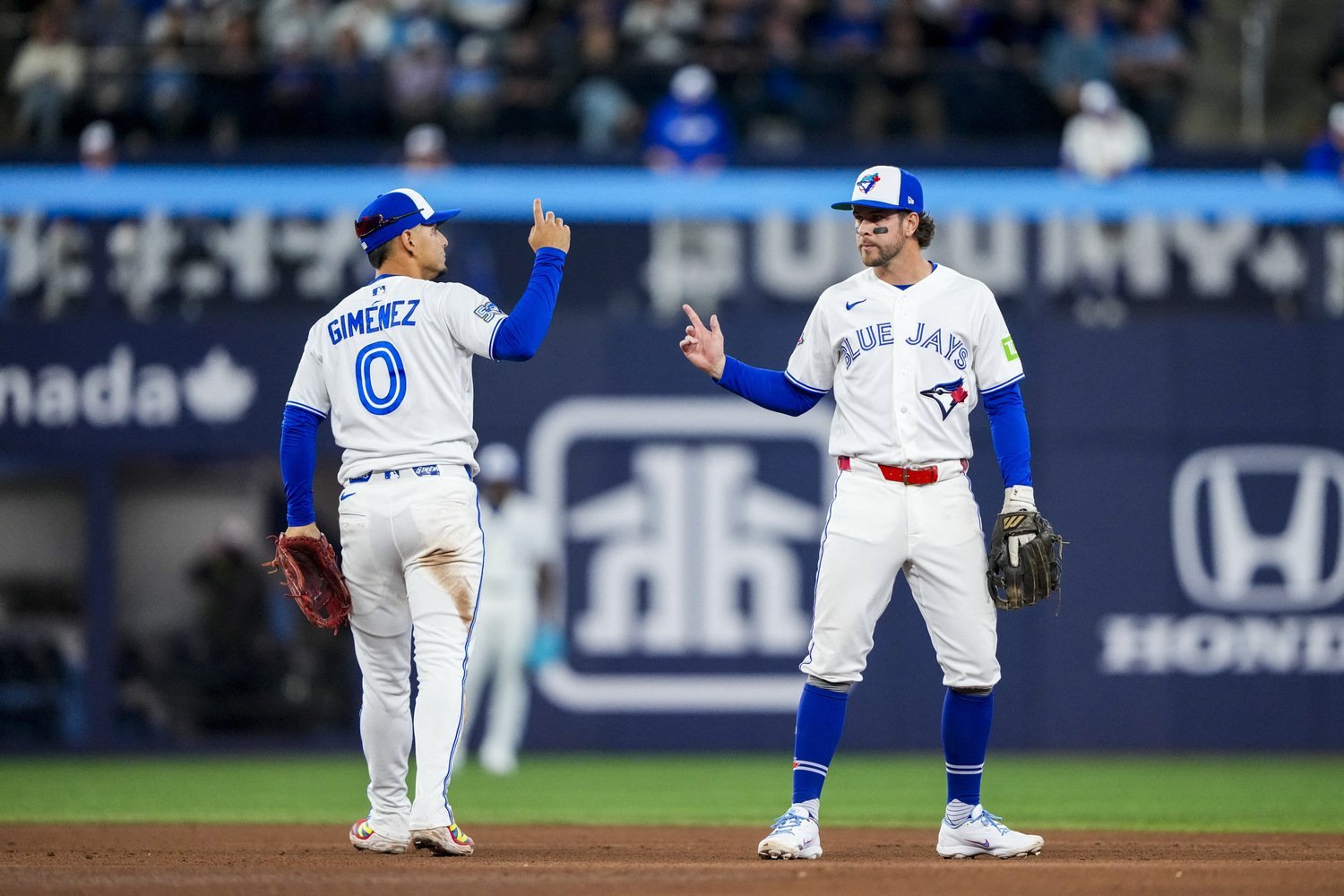 Every successful Blue Jays playoff team has featured a strong double-play combination. Bo Bichette, Andrés Giménez, and Ernie Clement were key contributors to the 2025 World Series run, and Troy Tulowitzki and the Ryan Goins-Devon Travis tandem helped the Blue Jays in their mid-2010s playoff push, providing a strong mix in the field and at the plate. Over the past five seasons, the Jays have accumulated 30.8 fWAR from their middle infielders, good for 12th in baseball; last season, it was 4.7, right in the middle at 15th in the league, a fine spot to be in, but one where the Blue Jays could improve. It seems like that’s a route the Blue Jays may already be exploring. According to Mitch Bannon, the Blue Jays discussed a move for a middle infielder at this past trade deadline; combined with Ross Atkins' post-season comments about Clement having to “earn" an everyday role in 2027, the possibility remains high that the Blue Jays look to add to their middle infield group going into next season. For now, let's look at the players who could fill out the infield and assess where the team stands heading into the offseason. Check out prior entries in our Depth Check series here: Catcher Infielders Outfield The Starters Ernie Clement 2026 Stats: .259/.285/.364, 9 HR, 80 wRC+, 0.6 fWAR Ernie Clement’s 2026 season was a tale of two halves. In the first half, it looked like he was riding off the momentum from an exceptional postseason. He hit .296, hit eight of his nine home runs, and tied for the AL lead in doubles, earning him the starting second baseman spot at the All-Star Game. Whether it was injuries, fatigue, or overexposure, Ernie struggled in the second half. Pitchers threw him a career-low 46.9% of pitches in the zone, and he kept swinging, resulting in a .203 average and a dreadful 36 wRC+ during that stretch. The defense also took a noticeable step back, dropping from +10 in Baseball Savant's defensive run value in 2025 to -3 last season. As things stand, he’s currently the favorite to be out there as the starting second baseman when camp begins, but with Atkins’ comments about Clement having to earn his role, and the possibility that the Jays use the second base position to upgrade their roster, there is a chance Ernie slides back to a utility infield role, where he’s had success in the past. Andrés Giménez 2026 Stats: .244/.291/.350, 9 HR, 81 wRC+, 2.8 fWAR Giménez took over as the everyday shortstop at the start of 2026, and he was as good as ever defensively. He led the team in fielding run value and trailed only Masyn Winn and Bobby Witt Jr. among major league shortstops. On top of that, he led the Jays with 20 stolen bases, ranked second in RBIs, and had a knack for coming up in the clutch. Offensively, there is plenty of room for improvement. His MVP-caliber 2022 season in Cleveland is in the rearview mirror now, and down the stretch, when the team struggled offensively, John Schneider started platooning Giménez to add thump to the lineup. As the team looks to add more offense, one option is another shortstop who can take at-bats against righties. With elite defense and the ability to run the bases, Andrés Giménez can help the team win from the bottom of the order, whether he’s hitting well or not. Major League Options Josh Smith 2026 Stats (with TOR & TEX): .203/.290/.321, 6 HR, 75 wRC+, 0.1 fWAR Smith provided the Blue Jays with a much-needed offensive boost after arriving at the trade deadline, hitting five home runs and posting 0.4 fWAR in just 35 games. Smith has mostly been used as a super utility player, particularly against righties, and he’ll likely do the same in 2027 unless the team makes a major move. The Blue Jays have an arbitration decision to make on Smith, with MLB Trade Rumors projecting a $3.7 million salary. The Blue Jays will either have to settle on a contract or non-tender Smith and look elsewhere for middle-infield options. As things stand now, he’s still in the picture for the middle infield, and while he didn’t see any time at shortstop with the Jays in 2026, he did log over 400 innings at that position with the Rangers the year prior. Despite his defense not being a standout tool at short, he could stand in there in a pinch if needed. Davis Schneider 2026 Stats: .145/.310/.315, 5 HR, 84 wRC+, -0.2 fWAR Schneider's 2026 season was quite a disappointment. He was set to platoon against left-handed pitching, and it was a struggle. He spent the year up and down between the Blue Jays and Buffalo. While his big league time was a struggle, he hit well in the minors (.910 OPS and a .450 OBP), suggesting he still has the tools to be productive. Like Smith, Schneider is set to hit arbitration and is projected to earn around $1.3 million. The Blue Jays need to decide whether that price is worth the roster spot. Schneider still has a minor league option available, which will factor into that decision as well, but unlike Smith, Schneider will only see time at second base or in the outfield. That means his bat needs to improve significantly for him to remain a useful contributor going forward. Charles McAdoo 2026 Stats: .258/.302/.392, 3 HR, 93 wRC+, 0.4 fWAR McAdoo went from a prospect who spent time back in the development complex in 2025 to one who took a massive step forward in 2026, making his way to the big league roster. McAdoo held his own, playing first, second, and third, and spending some time in left field as well. While Davis Schneider struggled to hit, McAdoo had his moments and has made a strong case for inclusion in the Blue Jays' middle-infield/super utility group. Like the two before him, he’s unlikely to see any time at shortstop, but he adds speed that Smith and Schneider don’t. Pair that with the fact that he's still in his pre-arbitration years, and he offers the Blue Jays a more cost-effective option if they go that route. With another strong season, McAdoo could quickly pass the other two on the depth chart and become a key part of the Blue Jays bench as soon as this upcoming season. On the Farm Adrian Pinto 2026 Stats (A, AA): .240/.359/.388, 3 HR, 104 wRC+ Down on the farm, the Blue Jays have some intriguing infield options. First on the list is Adrian Pinto. The Blue Jays acquired Pinto, along with Raimel Tapia, for Randal Grichuk before the 2022 season. Originally touted as a speed-first prospect, the stolen-base total has fallen off from 41 in the DSL with the Rockies to just six total in the past three seasons in the Blue Jays minor league system. Injuries have likely played a part, but the bat has still played at every stop. The 5-foot-6 infielder has good contact skills and still has the chance to develop some power down the line. 2027 will be a big year for Pinto, who needs to stay healthy to get as many reps as possible, but if all goes well, he can raise his prospect standing and put himself in the mix for big league time. Josh Kasevich 2026 Stats (AAA): .282/.364/.363, 4 HR, 101 wRC+ Kasevich was the talk of Blue Jays spring training, where he looked like the next prospect to contribute to the big league roster, but the 2026 season didn't go that way. The 25-year-old stayed healthy this season, appearing in 130 games for the Bisons, but the power numbers weren't there. He hit just four home runs and posted a 0.9% barrel rate. His hit tool carries him, and he can get the bat on anything (88.9% contact rate), which the Blue Jays love, and his primary shortstop role gives him a leg up on some of the other options on this list. But the numbers have dipped, and his prospect shine has dipped with them. 2027 will be a big year for him; if his contact skill stays strong and his power picks up, he could get time on the big league roster this upcoming season. Josh Rivera 2026 Stats (A, AA, AAA): .215/.282/.376, 12 HR, 73 wRC+ If the Blue Jays want the best defensive option up the middle, Rivera is an intriguing candidate among those close to the big leagues who fit that mould. Playing primarily at shortstop, the 26-year-old reached Triple-A Buffalo by season's end and is one step away from the big leagues. The hit tool may not be a strength – a sub-.300 OBP and a batting average in the low .200s aren't ideal – so he likely won’t be a major league regular until that improves. Still, he has enough power to hit a home run now and again. He did take former Blue Jay Tim Mayza deep in spring training, and every big league bench can find room for a player who plays good defense and can hit a home run. Several names are ahead of him on the depth chart, but Rivera shouldn’t be forgotten. JoJo Parker 2026 Stats (A, A+): .270/.399/.460, 13 HR, 128 wRC+ The Blue Jays' first-round pick in 2025 hit the ground running in his first professional season: 13 home runs, 28 stolen bases, and an OBP just shy of .400. In fact, Parker's performance may have helped sway the Blue Jays to move on from top shortstop prospect Arjun Nimmala at the past trade deadline. The 20-year-old infielder will have a lot of eyes on him come spring training, and he has the highest ceiling of any middle-infield prospect discussed here. Still, even if he has a monster spring training, it seems unlikely that he’ll make the team out of camp and is likely more of a 2028 option. However, players with his unique mix of power, speed, defense, and hit tool don’t come around often. If the Blue Jays are in contention and struggling at middle infield, Parker gets a non-zero chance at a look, and while he’s furthest from the big leagues right now, the upside is certainly worth watching. Overall, the Blue Jays have plenty of options at middle infield, but there are more question marks than clear answers. Clement needs to show he can rebound from a dreadful second half; Pinto, Rivera, and Kasevich all have talent but are far from perfect; and even Parker isn't guaranteed to be an impact player right away. The group is solid, and the team can succeed without offseason acquisitions, but adding another piece or two would help, and it's something the team should consider this winter. More Rule 5-Eligible Middle Infielders Pinto, Kasevich, and Rivera will be eligible for the Rule 5 draft this offseason. More Rule 5-eligible middle infielders in the Blue Jays organization include: Jay Harry Cutter Coffey Tucker Toman Nick Goodwin View the full article
-
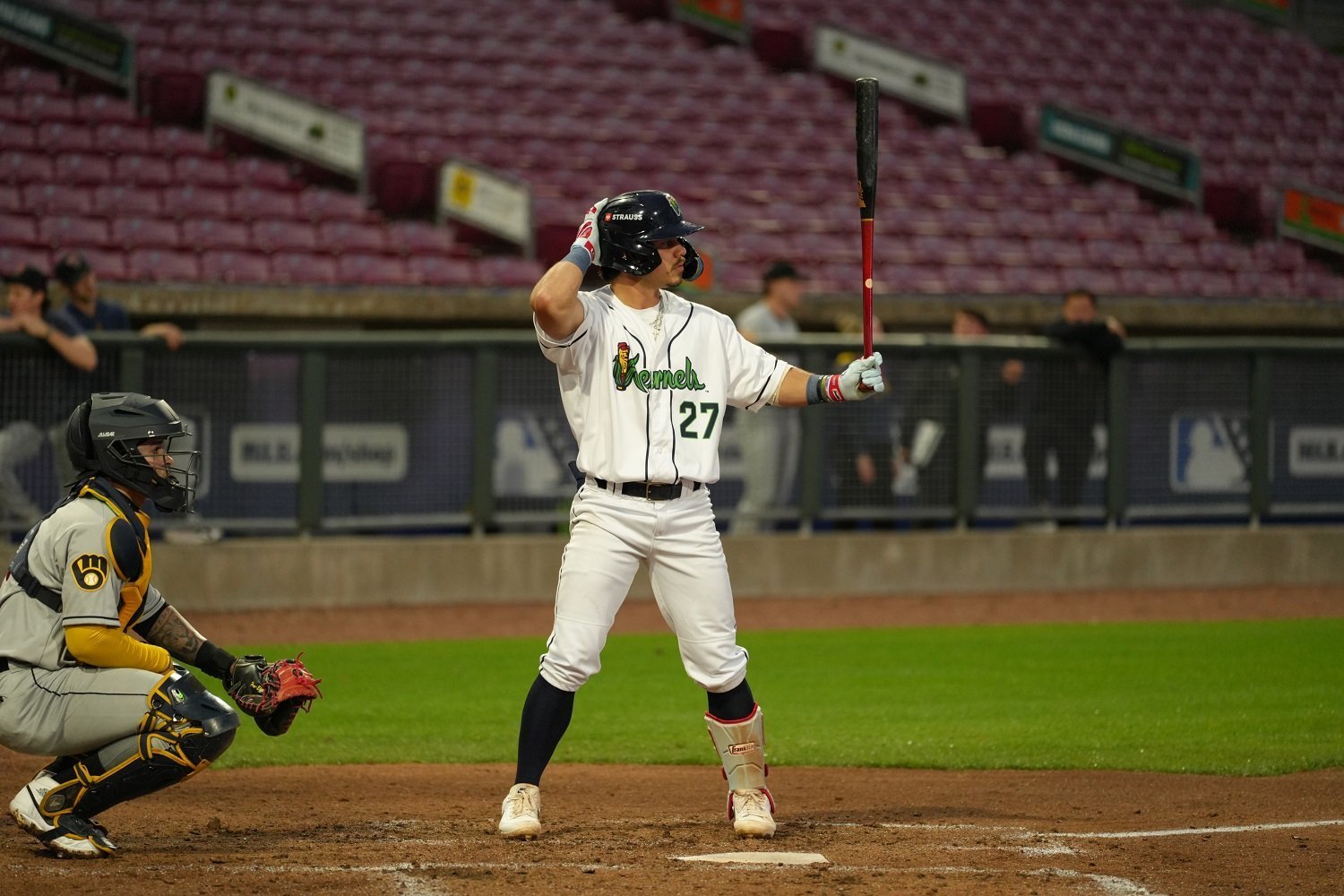 Game Results: Tuesday, 10/20 | Salt River 10, Peoria 11 Wednesday, 10/21 | Salt River 7, Scottsdale 5 (7 innings) Thursday, 10/22 | Scottsdale 15, Salt River 8 Saturday, 10/24 | Surprise 5, Salt River 3 The Salt River Rafter won just one of their four games during the week, but remained within a game of first place in the standings after week three. They split a home-and-home series with the Scottsdale Scorpions, and fell in close games with the Peoria Javelinas and Surprise Saguaros in their other contests. Week 3’s top performers per MLB.com again did not feature any of the Twins prospects, but it did include three of their teammates, including one who is on an impressive power binge. One of the Twins hitters does lead the league in runs scored, while also ranking highly in batting average, on-base percentage, and OPS. OF Yasser Mercedes Week (3 games): 4-for-11, 1 R, 2 RBI, 0 BB, 0 K, 1 SB (3) Overall (through 10/25): .325/.400/.525 (.925 OPS) Mercedes batted in the heart of the Rafters order in all three of his games on the week, including number three in the lineup on Wednesday against Scottsdale. He played right field in two games, and left field in the other. He had a hit in all three games, and drove in one run in two of them. He finished 2-for-3 with a run scored, RBI, and outfield assist in their win against the Scorpions. In the top of the first he reached base on a two-out single then stole second base. In the top of the fifth he added another single and he would later score on a double to make it 3-1. He tacked on a sacrifice fly in the top of the sixth that made it 7-1 Rafters at the time. IF Kyle DeBarge Week (3 games): 4-for-10, 5 R, HR (2), 1 RBI, 3 BB, 4 K, SB (5) Overall (through 10/25): .366/.509/.610 (1.119 OPS) DeBarge finished week two with an OPS above 1.000, but managed to increase it even further after week three. He played in three games including two in center field, and one at third base. He batted third in the lineup twice, and second in the other. Like Mercedes, he had at least one hit in each of his games. In Tuesday’s game against the Javelinas he finished 2-for-4 with a pair of runs scored. In the top of the seventh his second home run of the AFL season tied the game at nine. In Thursday’s loss against the Scorpions he scored three runs by reaching base in four of five trips to the batters box, going 1-for-2 with three walks. He closed his week with a 1-for-4 effort on Saturday, also stealing his fifth base. LHP Cesar Lares Week (1 appearance): 1 1/3 IP, 6 H, 5 ER, 3 BB, 1 K Overall (through 10/25): 0-0, 13.50 ERA, 10 BB, 6 K, 3.00 WHIP, .345 BAA (6 2/3 IP) Lares lone appearance on the week came in Thursday’s tilt with the Scottsdale Scorpions to begin the top of the sixth inning. The Scorpions were already in front 5-2, but by the time his outing was over they would double their run total. Lares allowed one run in the sixth, and four in the seventh before he was lifted by the manager. He needed 58 pitches (34 for strikes) to record four outs. LHP Ross Dunn Week (1 start): 2 1/3 IP, 5 H, 8 ER, 3 BB, 2 K Overall (through 10/25): 0-1, 20.25 ERA, 7 BB, 7 K, 3.30 WHIP, .455 BAA (6 2/3 IP) Dunn made the start for the Rafters on Tuesday against Peoria and battled into the third inning. A leadoff triple in the first led to a run scored, while a leadoff walk in the second was followed by a home run that tied the game at three. In the third things went fully off the rails as three singles, a walk, and hit-by-pitch resulted in a call to the bullpen. That led into a three-run homer to make it 9-3 Javelinas at the time, with two of those runs counting against Dunn’s stat line. 28 of his 46 pitches went for strikes (61%). LHP Cleiber Maldonado Week (1 appearance): Save (1), 1 IP, 1 BB, 1 K Overall (through 10/25): 0-0, 2.70 ERA, 2 BB, 6 K, 1.50 WHIP, .231 BAA (3 1/3 IP) Maldonado closed out the Rafters lone win on the week, taking over in the seventh inning on Wednesday against Scottsdale. He struck out the first batter of the inning on a 96.3 MPH fastball on the outside corner, before walking the next batter to bring the tying run into the batters box. But he induced a game-ending double-play ball to pick up his first save of the AFL season. LHP Jake Murray Week (1 appearance): 1/3 IP, 1 H, 1 K Overall (through 10/25): 1-0, 0.00 ERA, 2 BB, 2 K, 1.29 WHIP, .143 BAA (2 1/3 IP) Murray took the Brian Zeldin mantle for the week, recording just one out in his lone appearance, which came in Tuesday’s battle with Peoria. With two outs and two runners on base in the bottom of the seventh with the game tied at nine, he was brought on to face a fellow lefty. Unfortunately he gave up a RBI double that put the Javelinas in front, but did strike out the next batter to end the inning. RHP Brian Zeldin Week (1 appearance): 1 IP, 4 H, 4 R (1 ER) Overall (through 10/25): 1-0, 3.86 ERA, 1.71 WHIP, .333 BAA, 0 BB, 2 K (2 1/3 IP) Zeldin made his first appearance recording more than one out in Wednesday’s win over the Scorpions. He was tasked with the sixth inning while the Rafters were leading 7-1. He got the first batter on a flyout, but then allowed three consecutive singles to load the bases. Then an error allowed the first two runs of the inning to score, and then an RBI groundout and RBI single cut the Rafters lead to two before he got the final out of the inning. OF Jacob McCombs Week (did not play): McCombs has yet to see the field for the Salt River Rafters this season, but the hope is that he will be able to take the field soon with his fellow prospects! C Enrique Jimenez Week (1 game): 0-for-2, 1 R, 2 BB, 1 K Overall (through 10/25): .000/.333/.000 (.333 OPS) Jimenez served as the DH on Thursday against the Scorpions, and batted ninth in the lineup. He didn’t pick up his first hit in AFL play but did draw a pair of walks. The second of those came in the bottom of the eighth inning with the Rafters attempting to mount a comeback. After DeBarge drew a walk two-batters behind him the bases were loaded, and all three runners scored on a bases-clearing triple that made it 12-8 Scorpions. Please feel free to ask questions and discuss the Twins prospects playing in the AFL this week! View the full article
-
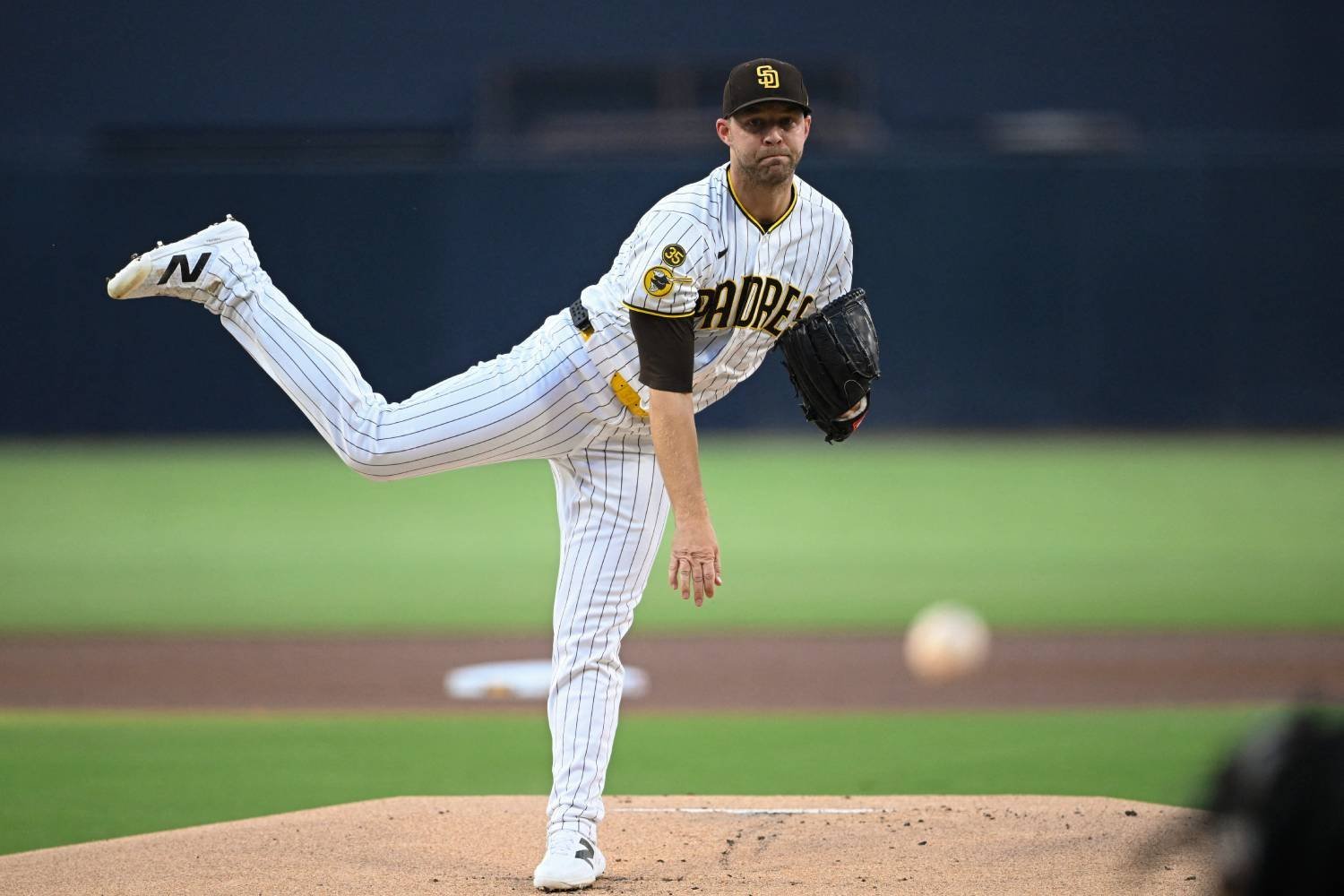 Is there a direct correlation to the San Diego Padres making three consecutive trips to the postseason (a franchise record) to the trade of a certain enigmatic right fielder? Maybe. One thing that you can certainly say is that right-handed starter Michael King has been a big part of however you view the Padres’ success in this recent stretch. Since being one of five players the Padres acquired in the Juan Soto deal on Dec. 7, 2023, King has been a vital member of the rotation, with all but one of his 78 regular-season games coming as a starter. For the Yankees, King made just 19 starts in 114 appearances. Now, the Padres appear on the verge of losing that stabilizing force. That's not their fault—this is how baseball works. He isn’t the only member of the team with an uncertain future, after all. King is likely to opt out of his contract, a three-year, $75 million deal that would pay him $28 million in 2027 and $30 million in 2028. He received a qualifying offer last offseason, meaning he can't be given one again. Michael King's 2026 Season At A Glance First, let’s address those 2025 injuries, the most significant of which was a long thoracic nerve injury in his right shoulder, sidelining him from late May to early August. Before he could make his second start back, he went on the injured list again with inflammation in his left knee. He came back a month later to make four starts. As for his 2026 campaign, let’s separate the regular season from the postseason first. King was supposed to be the Padres’ No. 3 starter entering spring training. Joe Musgrove’s spring training setback from Tommy John surgery moved King up a rung on the ladder. just behind Nick Pivetta. Then Pivetta went down with an injury in his fourth regular-season start. Suddenly, King was the No. 1. After a little bumpiness in the first half, King turned it up a notch in the second half. While not dominant, he was very good. King put up a 2.93 ERA over his final 13 starts, including a stretch of eight straight quality starts. That put his final regular-season numbers at a 4.13 FIP (3.21 ERA) with a 9.2% walk rate and 21% strikeout rate, the latter two of which were career worsts over a full season. However, he did log 185 innings and made all 32 starts he was scheduled for. Then came what he did in the postseason. In Game 1 of the NL Wild Card Series vs. the Chicago Cubs, King had a no-hitter for 6⅓ innings, ultimately striking out eight over seven innings in an 8-0 victory. Then against the Milwaukee Brewers in Game 1 of the NL Division Series, he turned in five standout innings, striking out six and allowing a run in what would be a 4-3 loss. With the bullpen short its two biggest arms in Game 3, King came out of the bullpen to pick up a two-inning save on minimal rest. It was just about everything you could have asked for out of a No. 1 pitcher. Why the Padres Should Re-sign Michael King As it stands at the moment, you can definitely count Musgrove and Randy Vasquez in the starting rotation, relying on Musgrove to figure out why his arm didn’t bounce back in a starting role at the end of the season. Pivetta is likely coming back, too, if the Padres feel he can hold up for a full season in 2027. But with questions about the health of Musgrove and Pivetta, the Padres need an ace who they can count on. With his questions from 2025 behind him, King is that guy. There is no other reason that would outweigh what he would mean to the starting rotation. Why the Padres Should Not Re-sign Michael King King is going to be the second- or third-most coveted starting pitching on the free-agent market this offseason. After the obvious choice of Tarik Skubal, King is in the next group of starters that includes Freddy Peralta and Taylor Rogers. Older starters Sonny Gray and Kevin Gausman would be part of the next tier. That also means there will be plenty of suitors for the 31-year-old King. That will drive up his price. Of course, how that all plays out with the lockout looming is another thing. Will there be a rush for some of the top free agents to find a new home? Will owners across MLB be willing to fork out big-time contracts before crying poor in negotiations? The Padres would have to be comfortable signing King to a term of at least five years (and perhaps a six- or seven-year deal) at around $25 million to $28 million per year. Already with long-term commitments to Manny Machado and Xander Bogaerts through 2033 and Fernando Tatis Jr. and Jackson Merrill through 2034, another singular big-money deal could be too much for the budget that owners Jose E. Feliciano and Kwanza Jones give to president of baseball operations A.J. Preller. Perhaps that money is better spent on two (or more) players over a shorter term. The Bottom Line Without knowing about how Feliciano and Jones will approach their first offseason as owners, It feels like King will opt-out of his contract and hit free agency. If he does hit the market, the chances are slim that he returns. Could Preller, given that authority by ownership, pull out a surprise for the second straight year and lock up King? That would open up a whole new playbook for the Padres entering this offseason, especially if a new deal for the right-hander doesn't prevent the front office from making other high-octane pursuits. View the full article
-
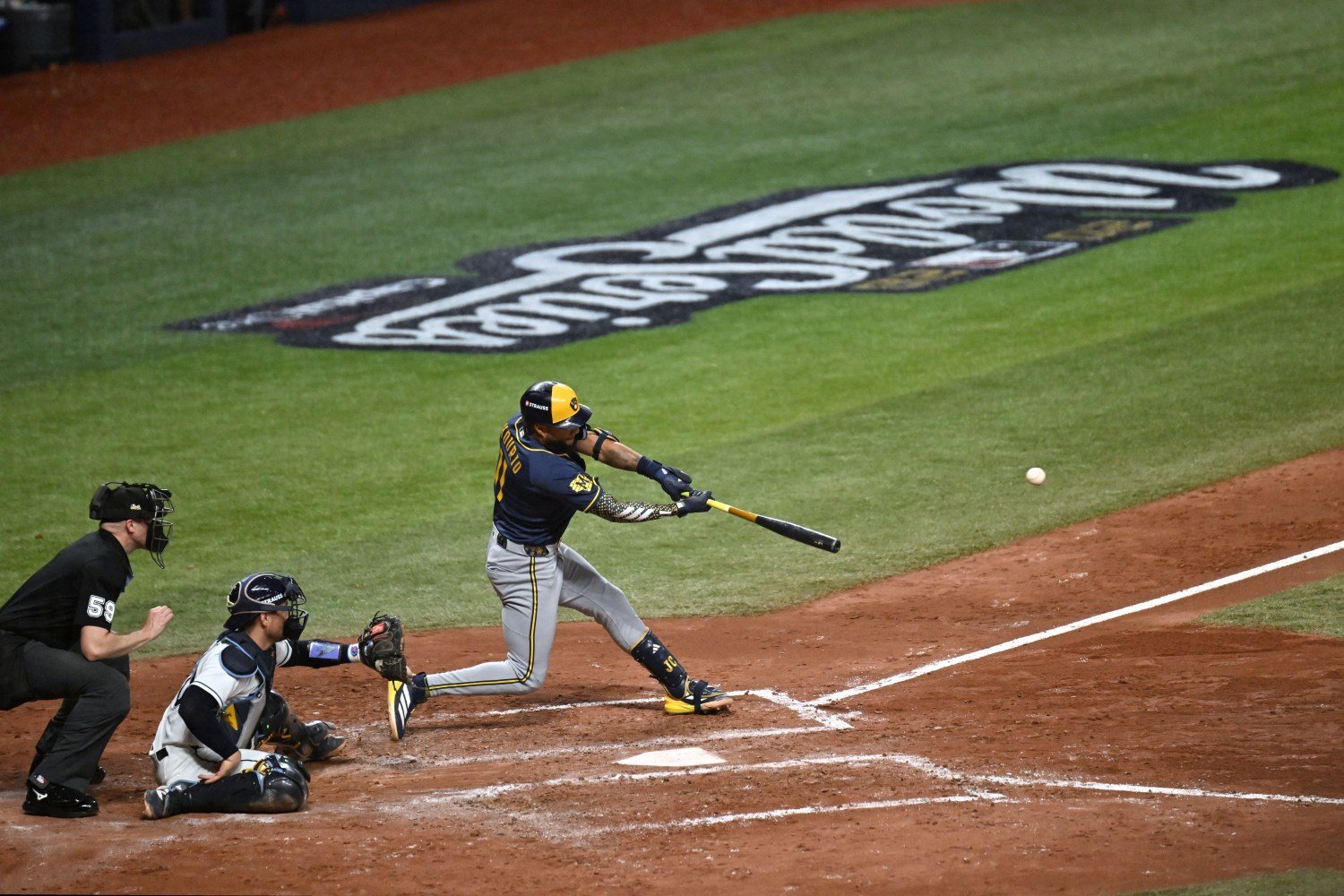 For most of baseball history, there was an important and well-understood distinction between being a good hitter and being a slugger, and another between hitting for average and being a slap hitter. Good hitters often hit mostly singles. The difference between guys like that and the less-valuable punch-and-judy hitters was that the former could punish a mistake or alter their approach to produce more power in a crucial situation. Sluggers understood that their job was to trade contact (and, therefore, batting average) for power. Only the very best players in the league were expected to be a home-run threat almost every time up and contribute an above-average batting average. The evolution of the game has done a bit to diminish the real differences between those player types, and more than a bit to diminish our appreciation of them. We know, now, that guys who only hit singles aren't very useful, but often, we ignore or downplay the fact that people have always known that. We ask more players to trade contact for power, because we better understand how important power is, but we don't fully appreciate the guys who still strike the delicate balance. The most underrated style of hitter, these days, is the one who both hits for average and delivers average-plus power. They're the guys who get vaguely praised, but insufficiently. Fans of their teams often cry out for more power or more walks from them, because those skills are understood to be more durable and more predictive than hitting line drives. On Monday night, Major League Baseball gave out its most prestigious award, named for Roberto Clemente. The award (won, this year, by Francisco Lindor) is for humanitarianism and community service, but it's also an opportunity to celebrate one of the greatest players ever. Clemente was an inner-circle Hall of Famer, and that his namesake prize is now given out at the Fall Classic each year is fitting, because he was one of the best World Series hitters ever. People who watched him play talk about him with a gleam in their eye reserved, otherwise, for Willie Mays and Henry Aaron. He was one of the dozen best players ever. However, he belonged to a class of player that has since become underrated. Not long after Lindor stood on the turf at Tropicana Field and accepted his trophy, Jackson Chourio took the field and reminded everyone that he's that kind of player, too. Chourio entered play in Game 3 with 25 career postseason hits. That tied him with 15 others for 351st on the all-time leaderboard. In the first plate appearance of the game, he got on top of a high fastball from Freddy Peralta in a 2-2 count and slashed a line drive to center. It was a hit all the way, and moved him into a tie with 16 others for 335th all-time. The Brewers threatened in that first frame, but couldn't push Chourio home. When Chourio came up again in the third, the score remained 0-0, and there was one out and nobody on base. Peralta had gone with fastballs (and a stray changeup) in the first against Chourio, and he tried to steal a strike with a first-pitch curveball. Chourio wasn't having it. He was out in front, just a little, but he didn't roll over it. The resulting one-hopper was by even the exquisite Taylor Walls before he could really get moving. No-doubt single. That moved Chourio into a tie with 20 others for 315th in career playoff hits. This time, the dam cracked, and two runs poured through. Chourio was the first to touch the plate for Milwaukee, as he has been three other times this October. Peralta did a fine job of stopping the bleeding, though, so the game was still in the balance when Chourio came up again in the top of the fifth. Again, there was one out and nobody on. Peralta got his former teammate to swing through a first-pitch fastball, but his effort to tempt him into chasing a sweeper off the outside corner failed. On 1-1, he tried a right-on-right changeup, which has become much more a part of his arsenal since he joined the Rays. It's hardly ever the right pitch against Chourio, though, and it didn't work this time, either. If anything, Chourio hit a more vicious liner than in the first, for an equally sure hit. That drew Chourio into a tie with seven others for 308th on the playoff hits leaderboard, at 28. As you already know, after that, the dam gave way. Chourio stole second base, and eventually scored on Brice Turang's game-breaking single. The Brewers kept whaling away on the Rays until Chourio's spot came up again, with the score already 9-0. Peralta was long gone. Cole Sulser worked a 2-2 count, but his own would-be chase sweeper made the opposite of the mistake Peralta's had: it stayed just barely within reach, on the outside corner. Chourio leaned right into it, landing the final blow in a decisive barrage. Chourio's hits started each of Milwaukee's scoring rallies and wrapped up one of them. He was perpetual danger and perpetual pressure. He didn't need to force multiple bad pitches or wait out a hurler to do damage; he took bases by force. He didn't hit a home run or work a 12-pitch at-bat, but he dominated the Rays. With that double in the fifth, Chourio moved into a tie with 14 others for 293rd in playoff hits. It helps, of course, that he's come up in the age of the expanded postseason, and that the Brewers are always there. (Then again, he helps ensure they will be.) Still, this isn't about merely having lots of chances. He's a .312 October hitter. The only players with more hits than Chourio in fewer career postseason plate appearances are: Home Run Baker Bullet Rogan Lou Brock Ketel Marte Ernie Clement He's only 22 years old; this is just the beginning for him. Yet, he already ranks with some of the game's greats. Brock stands out on the list above. His showings in the 1964, 1967 and 1968 World Series were the stuff of legend, and although Brock had extraordinary raw power, it was the way he shot line drives all over the park that captivated fans and fueled the Cardinals' two championships. He blended that power with great speed and aggressiveness on the bases, and with great defense in the outfield. That's exactly what Chourio has done, especially this fall. By modern standards, Chourio isn't yet demonstrating elite power. He did hit 25 home runs this year, despite having the front end of his season lopped off by a hand injury, but he's never slugged .500 in a season, and his .471 career slugging average ranks just 32nd in the league since the start of 2024. His .193 isolated power (ISO) ranks 63rd. Just as it's easy to get numb to the power that has become the baseline throughout the league, though, it's easy to forget how hard it is to hit for average. Chourio batted .291 in 2026, and stands at .278 for his career. That sounds somewhat pedestrian, for a would-be star, but his adjusted average (AVG+) of 113 is the same as (for instance) Cecil Cooper had in his 20s, during which time he batted .296. Rising global strikeout rates are just one factor. Defenses are positioned more astutely than ever, too. It's extremely hard to hit for average in 2026. Chourio finds ways. It's also too easy to overlook the value of singles (and even doubles) in the modern game. If a hitter comes by them in a fashion as indefensible as Chourio's, singles wear down opponents, as surely as walks do. The traffic on the bases, the ability to advance runners multiple bases or force errors, and the threat of a steal once he reaches base all make life difficult for the defense and pitching staff. So does Chourio's ability to hit the ball over the fence, of course, but hitting singles and doubles the way he does is a harder skill to neutralize than hitting homers the way most hitters do. He therefore keeps the line moving and runs a strong on-base percentage, in addition to doing bigger things—like driving home the winning runs in NLDS Game 2 or sparking both rallies in World Series Game 3. The Brewers are very likely to win the World Series for the first time in the next day or two. Chourio will probably be right at the center of it all again. He's an excellent symbol of what makes this team great, too: young, and not going anywhere; versatile and intelligent, as well as explosive and passionate; and easy to underappreciate. His impact on the Brewers was not as immediate or as unsubtle as Ronald Acuña Jr.'s or Elly De La Cruz's were when those players first came to the majors. Modern stats favor those guys over Chourio, too. No matter. Chourio is better, and that has been proven this fall. It will remain true for years to come, just as the Brewers will remain—if not always champions—perpetual contenders for the crown. Perpetual pressure; perpetual danger. That's the Brewers in a nutshell, and the nutshell's name is Jackson Chourio. View the full article
-
Did The Royals Enter 2026 With Enough Starting Pitching Depth?
DiamondCentric posted an article in Royals Keep
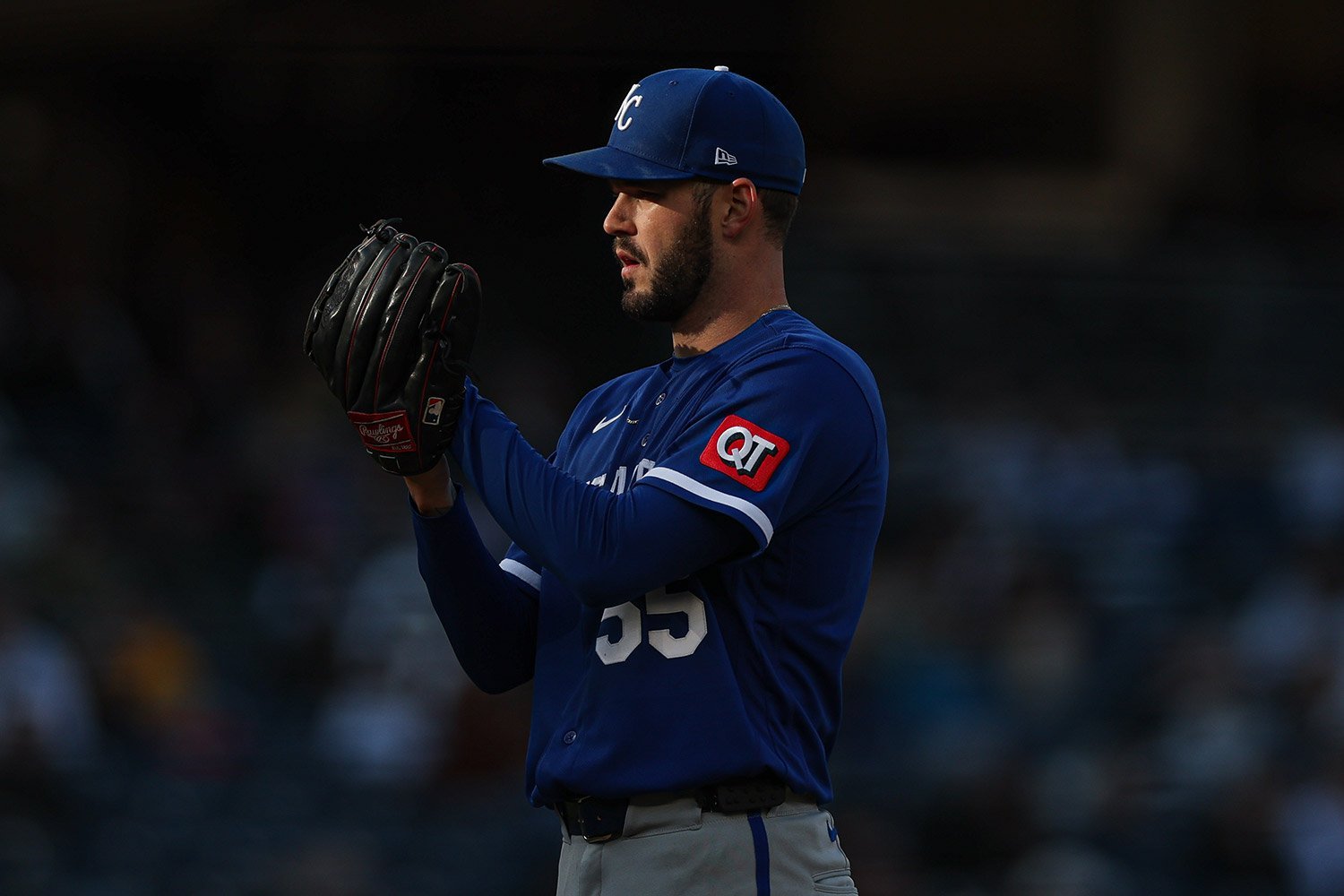 Before going too far, most readers may have already made up their mind that, given the Kansas City Royals' final record of 69-93, the answer is a definitive NO. At the end-of-season press conference, Picollo stated, “We came into this season.. I was as confident as I have ever been in starting pitching depth. We had nine guys we felt like we could start. At the end of the year, we had two guys that weren’t in the nine that were now starting. I’m never going to take starting pitching for granted.” Let’s take a look at that depth. By my count, the Royals used twelve different starting pitchers not counting openers: Cole Ragans: 8 starts, 15-day IL May 8, UCL repair surgery July 1, expected return date mid-July 2027 Kris Bubic: 9 starts; 15-day IL May 19, 2026; Traded to the LA Dodgers August 3, 2026 Michael Wacha: 32 starts, 200.2 IP, All-Star Seth Lugo: 32 starts, 172.1 IP Noah Cameron: 31 games, 171.1 IP Ryan Bergert: minor league 7-day IL April 10, Tommy John surgery April 29, expected return date June 2027 Stephen Kolek: 10 starts, 15-day IL July 19, Tommy John surgery August 5, expected return date Spring Training 2028 Ben Kudrna: minor league 7-day IL April 7, olecranon stress fracture surgery April 29, expected return date spring training 2027 Luinder Avila: 12 starts, 15-day IL August 2, Tommy John surgery August 5, expected return date spring training 2028 Mitch Spence: 1 start, 21.21 ERA Randy Dobnak: 13 starts, 74.1 IP Daniel Lynch IV: 10 starts, 40 IP, 6.52 ERA as a starter Before Ragans went on the IL May 8, the Royals had already lost their 8th option, Ben Kudrna, for the season, and two days later lost their 6th option, Ryan Bergert, to Tommy John surgery, also for the season. By the time Kris Bubic went on the IL 11 days later, the Royals had lost their #1 in Ragans, #2 in Bubic, #6 in Bergert, and #8 in Kudrna for all of 2026. They just didn’t know it yet. Bailey Falter made three spot starts of 2, 2, and 2.1 IP each after Cole Ragans went on the 15-day IL May 8 (retroactive to May 7). He was DFA’d May 27, 2026 after posting a 12.46 ERA over 21.2 IP. Steven Kolek and Luinder Avila were summoned in early May, and unfortunately, by August 2nd both pitchers were on the shelf, and both had Tommy John surgery on August 5, 2026. Mitch Spence was summoned for a spot start on June 15, 2026, and was batted around for 6 runs in 4 IP. After an even worse relief outing on June 26, 2026, when Spence gave up 10 runs in 1.1 IP, he was promptly demoted back to Omaha, never to return to the Royals. Thank goodness the Seattle Mariners were incredibly deep with starting pitching and Randy Dobnak had an upward mobility clause in his contract. On June 17, 2026, the Royals acquired Dobnak for cash considerations. No one could have imagined Dobnak would be a steadying force in the Royals rotation, but he was. He started 13 games, pitched 15, and posted an outstanding 3.51 ERA over 74.1 IP. Dobnak would be worth 1.3 Baseball Reference WAR (bWAR), third highest on the pitching staff behind only Wacha (4.3 bWAR) and Cameron (2.0 bWAR). Dobnak clearly was not in the original nine starting pitchers Picollo envisioned at the outset of the season. The second pitcher, who was also not in the original nine, was Daniel Lynch IV. As a reward for his great season in the bullpen and his vocalized desire to return to the starting rotation, the Royals honored his request. The results were not fantastic, with a 6.52 ERA over 10 starts and 40 IP, but Lynch did take the ball every fifth day. I know the results are not what Lynch or the Royals hoped for, but he has to be elated the team gave him the opportunity he desired. Picollo had nine starters he thought could get through the season with. He was able to pull off a trade and turn a bullpen piece into a last-ditch starting rotation. There were other names at Omaha that were insurance pieces that never returned to form in Aaron Sanchez and Vince Velazquez. It looks like there were enough options. They just didn’t pan out. Famously, John Gruden and Ron Jaworski visited the Indianapolis Colts ahead of a Monday Night Football matchup and noticed the backup quarterback wasn’t getting any reps. Peyton Manning was the quarterback at that time. When Gruden asked long-time Indianapolis offensive coordinator Tom Moore why that was, Moore famously answered, “Fellas, if 18 goes down we’re f*****. And we don’t practice f*****.” In a season when four of your top nine options were done for 2026 by mid-May, I think Tom Moore summed up where the Royals stood regarding starting pitching. View the full article
-
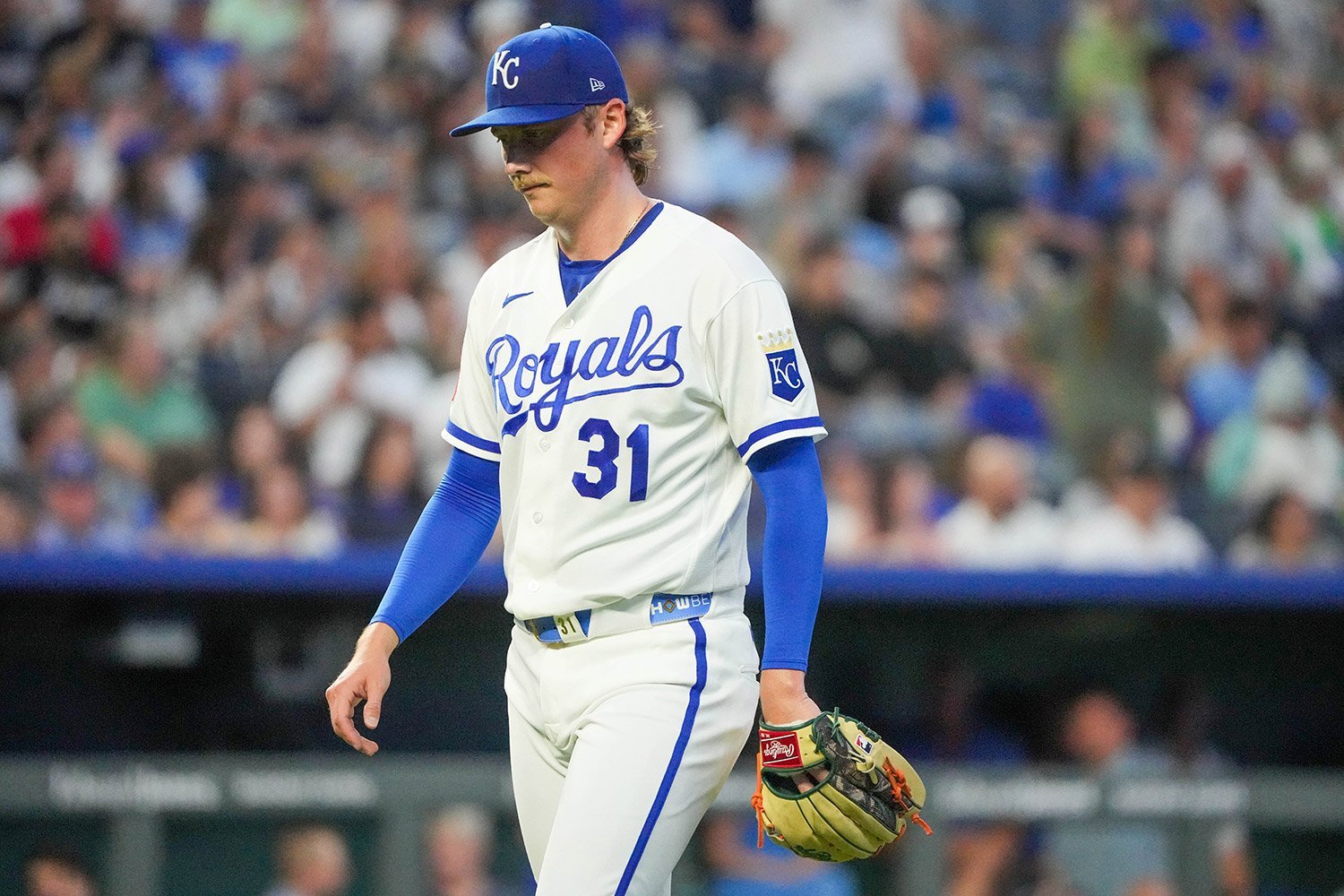 Nick Mears – Right-Handed Relief Pitcher Age on 2027 Opening Day: 30 Service Time: 4.022 2024 Salary: $740,000 2025 Salary: $963,000 (First Year of Arbitration) 2026 Salary: $1,900,000 2027 MLB Trade Rumors Projection: $2,200,000 Nick Mears Background Nick Mears is a pretty cool story. He went from being an undrafted junior college pitcher to making his major league debut with the Pittsburgh Pirates less than two years later. He spent five years in Pittsburgh's organization before being claimed off waivers by the Texas Rangers. That stay didn't last long, as Texas designated him for assignment only four days later. The Colorado Rockies then picked him up, and he spent the 2023 season and part of 2024 with them before being traded to Milwaukee at the 2024 trade deadline. After struggling immediately following his arrival in Milwaukee, Mears put together a strong 2025 campaign. He posted a 3.49 ERA across 56 2/3 innings with the Brewers, showing he could be a valuable piece of a major league bullpen. The Royals acquired him and Isaac Collins from Milwaukee in December in exchange for reliever Angel Zerpa. Unfortunately, Kansas City didn't get to see much of what Mears could offer, as he threw just 19 1/3 innings before landing on the injured list with a shoulder impingement. That turned out to be more serious than initially expected. Mears was diagnosed with thoracic outlet syndrome, a condition in which nerves or blood vessels near the neck and upper chest become compressed. He underwent surgery in late August, which will likely leave him unavailable to start the 2027 season. That makes his arbitration case a little more complicated, especially with MLB Trade Rumors projecting him to earn $2.2 million next season. 2026 Stats 21 G, 19 1/3 IP, 5.12 ERA, 1.50 WHIP, 18.1% K%, 13.3% BB%, 4.60 FIP Royals Relief Pitcher Depth 40-man roster: Steven Cruz, Jose Cuas, Connor Thomas, Connor Seabold, Carlos Duran, Beck Way, Nolan Hoffman, Spencer Nivens, Easton McGee Arbitration Eligible: Nick Mears, Alex Lange, Daniel Lynch IV, James McArthur, Lucas Erceg, Anthony Gose 2027 Club Option: Carlos Estévez Triple-A: Tyler Guerrero, Augusto Mendieta, Shane Panzini, Luke Little, Ben Sears, Chazz Martinez, Brandon Johnson, Oscar Rayo Why the Royals Should Offer Him Arbitration The last time we saw Mears stay healthy for a full season, he was pretty darn good. His 3.49 ERA across 56 2/3 innings with Milwaukee in 2025 was impressive, and his underlying numbers suggest that performance wasn't a fluke. Mears posted a 5.9% walk rate in 2025 and finished in the 93rd percentile for chase rate. Those are encouraging numbers for a reliever, as his ability to limit free passes and get hitters to chase pitches outside the strike zone gives him a solid foundation to build on. Even in 2024, when his surface-level numbers suggested he struggled, his underlying metrics were outstanding. There's reason to believe Mears can be a quality major league reliever when he's healthy, and the Royals could certainly use more arms with that kind of potential. His stuff is also interesting. Mears has a steep 55-degree arm angle that helps him generate plenty of vertical movement on his pitches. His four-seam fastball, slider, and curveball all produced at least three more inches of vertical movement than the league average this season. That makes his 2026 velocity drop particularly noteworthy. Both his four-seam fastball and slider were at career-low velocities, suggesting something wasn't right before he was eventually shut down. If Mears can recover from surgery and regain his previous velocity, there's a chance he could return to being an effective bullpen option. His 2026 numbers don't necessarily tell the whole story, and the Royals could be getting a useful reliever if he's able to get back to full strength. Kansas City could also have plenty of bullpen openings to fill this offseason. Mears has already shown he can be successful in the majors, and retaining him would give the Royals another potential option without having to find a replacement on the open market. Why the Royals Should Non-Tender Him Unfortunately, there are some pretty significant reasons the Royals might decide to move on from Mears this offseason, and most of them stem from his health. Thoracic outlet syndrome is a scary diagnosis for a pitcher. Returning to form after surgery isn't guaranteed, and plenty of pitchers who have undergone the procedure have struggled to regain their previous effectiveness. Even if/when Mears eventually returns to the mound, there's no guarantee he'll look like the pitcher we saw in Milwaukee. His velocity was already down this year, and the Royals will have to hope that his recovery doesn't create any additional issues. There's also the fact that he doesn't have an especially lengthy track record of success. His 2025 season was strong, and his underlying numbers have shown promise, but that was really the only full season in which he's established himself as a quality major-league reliever. That's not much to fall back on when you're trying to determine whether a $2.2 million investment makes sense. There are likely to be cheaper options available in free agency who come with fewer health concerns and a more established track record. The timing of his injury makes this decision even more complicated. Mears is also scheduled to become a free agent after the 2027 season. That means Kansas City would be taking on significant risk for a reliever who might not be available for the full year and could leave after the season. With so many other bullpen needs to address, I'm not sure that's a risk the Royals should be willing to take. Prediction: The Royals Non-Tender Mears Honestly, I hope I'm wrong about this one. Mears is a cool story, and he's the kind of player you want to see succeed in the major leagues. Going from an undrafted junior college pitcher to becoming a quality major league reliever is no small feat, and his 2025 season showed what he's capable of when everything is working. I also understand why the Royals might want to keep him around. This bullpen could have plenty of openings heading into 2027, and finding multiple reliable relievers is a tall order. If Mears can return to his previous form, he could be a valuable addition to a group that needs all the help it can get. But the severity of his injury and his limited track record make this a difficult decision. At a projected $2.2 million salary, there's a real possibility Kansas City could find better value elsewhere, particularly if Mears won't be ready for Opening Day. The Royals need to add multiple relievers this offseason, and there should be cheaper options available who can provide middle-inning depth from the start of the season. Rather than spending that money on an injured pitcher with plenty of uncertainty surrounding his recovery, Kansas City could use those resources to address another bullpen need. As I said, I hope I'm wrong. Mears has already overcome plenty to get to this point in his career, and I'd love to see him get another opportunity to prove himself in Kansas City. Unfortunately, I think the risk outweighs the potential reward. The Royals will have other options available this offseason, and I expect them to decide that $2.2 million is too much to pay for that uncertainty and non-tender Mears. View the full article
-
 What Alex Bregman can do on the field—the statistical contribution he can make when it's his turn to bat and when the ball is hit his way—is plenty valuable. By the end of the 2026 season, that was obvious. Bregman was one of the best hitters in baseball from mid-July onward, and he won the Fielding Bible Award at third base for his supernal defense. Multiple teams were willing to give him a fat five-year deal last offseason, and most of that money is for the way he hits and fields. However, Bregman also has enormous value as a facilitator, a leader, and an organization changer. That's what made the Cubs willing to outbid the Red Sox and others for his services; it was the extra cushion they needed to feel safe spashing so much money on a player who would turn 32 just days after playing his first regular-season game for them. In those areas, he was arguably an even greater success in 2026 than on the stat sheet. The partnership of Bregman and Pete Crow-Armstrong, offensively, was about more than the fact that they hit back-to-back at the top of the lineup 24 times. They made improvements that followed the same patterns. They communicated about what they were seeing from each opposing pitcher. Bregman thrived down the stretch, but his input also helped Crow-Armstrong break the game, even while the veteran was still mired in a long early funk. Defensively, his partnership would be with shortstop Dansby Swanson. Bregman replaced Swanson as the highest-paid player on the team and as the team's resident emblem of intention to win and dedication to whatever that takes. Swanson was the first overall pick in 2015; Bregman was the second. Swanson won the 2021 World Series with the team from near Atlanta. Bregman won the World Baseball Classic and the Series in 2017, then another Series in 2022. Swanson's championship came at Bregman's expense, too, as his club beat Houston in that Fall Classic. The two players' history was interwoven, and they would need to prove they could achieve as much together as they had (seemingly) working at odds, to top one another. It couldn't have worked out more beautifully, or in a fashion more quintessentially Bregman. Here's the gist: In 2025, Swanson's defensive numbers dipped. That wasn't surprising. He was 31 years old, which is already getting a bit old for a shortstop in the majors today. He doesn't have an elite arm (or even, in truth, an average one), and though he learned long ago to get rid of the ball exceptionally quickly when needed, that can't make up for everything. He suffered, in particular, on exactly the balls you would expect an aging non-premium athlete to suffer on: ones hit to his right, where he had to range into the hole and make the toughest plays asked of shortstops. According to Baseball Savant, Swanson dropped from 16 and 12 runs saved in 2023 and 2024, respectively, to just 2 in 2025. The biggest difference came on balls that forced him to move toward third base: 2023: 8 Outs Above Average 2024: 2 2025: -1 The Cubs didn't do what many teams might have done in such a situation, though. First of all, they didn't even briefly consider moving Swanson to second base and trading Nico Hoerner. That would have been a viable option; Hoerner was an impending free agent until he signed a six-year extension last spring. The Cubs believed Swanson could still be a great defensive shortstop, though, and that Hoerner's defensive work as his double-play partner was too valuable to lose. Even with the same personnel in place, though, they could have more aggressively shaded their infield alignments, putting Swanson a step or two closer to the hole when there was a chance he would be called upon to make a play there. Instead, they used fairly traditional setups. The 2025 Cubs were 17th in shading their infield, doing so 53% of the time against left-handed batters and 6% of the time against righties. That led to a lot of plays that looked like this. ZzY4TWVfV0ZRVkV3dEdEUT09X0JsY0NBbDBNVVZjQUNsc0NBd0FIQlE1UkFGZ01XZ1FBQ2xNRlZBSUhDUUpRVlFzQw==.mp4 Seeing the ball zip past Swanson like that makes him seem slow, but that's unfair. Alec Bohm hit that grounder at 104 miles per hour. To make the play, Swanson needed to be a step farther in the direction he had to go. Failing that, not even a younger, more explosive player would get there. But the even more telling plays, perhaps, were those that looked more like this. TDZXS09fWGw0TUFRPT1fQTFSV1hWMVhYd0lBQ0ZvQVZBQUhCRkpXQUFBTUFGUUFVVlZVQndBRlVnUURWRmRR.mp4 This ball isn't hit so hard, and Swanson has the quick feet to run it down. However, because he started at a neutral position, he had to run an extra step or two before snaring the bounce. That meant throwing off-balance, on the run, which robbed him of the ability to be accurate and powerful. This is where being 31 and a bit less strong-armed than most shortstops caught up to him, but much of the reason was his starting position. Early in 2026, the same thing was happening too often. Swanson would flag down a ball that seemed ticketed for left field, but because he did so at the very edge of his range, he still couldn't record an out. R0JyUVlfWGw0TUFRPT1fQVFCWFZGTlFWVkVBQVFZTEJ3QUhCZzhIQUZnRkFGWUFWMTBBQTFWVUJ3TlJVMVpS.mp4 Over time, though, a (literal) shift took place. Bregman, who played with one of the game's most aggressive shifting teams in Houston before the league outlawed the true shift, advocated for a bit more proactive shading with his new club. They didn't become an extreme team, but they did become one of the league leaders in that area. In 2026, the Cubs shaded their infield 67% of the time against lefties and 14% of the time against righties, moving them into the top seven in shading, overall. Swanson started making plays that he couldn't make the previous year. YVlkam5fV0ZRVkV3dEdEUT09X0JRa0ZVVkZXVmxRQUQxRUdBd0FIVlZkVEFBQUNVMVFBVXdFRENBRURWQXRUVWdkUw==.mp4 There were balls, like the one above, that would have been clean singles to left field in 2025 but became great plays in 2026. There were also plenty that might have become infield hits in 2025, but which ended up looking routine this year. YkJMUUJfVjBZQUhRPT1fQlFWU0JWWUFWd0FBRGx0VVZBQUhBdzlTQUZnQVZRQUFBMVlHQ0ZFTUJsZFZDUVJX.mp4 Swanson's numbers rebounded, especially on those balls that took him toward third base: he got back to 8 OAA on them. The way OAA tabulates value, that actually took a bite out of Bregman. He rated worse (-6 OAA) on balls to his left than he ever has before. But Bregman didn't care. By playing closer to the line against right-handed batters, he was better able to set himself for long throws when he made a play along the foul line, and he got better coming in on slowly hit balls. He was the best he's ever been at third, precisely because he ceded a bit of range to his superb partner on the left side of the infield. Communication between those two players is more important than many who watch the game from home might realize. They don't call each other off in quite the same way outfielders do, but there has to be an understanding between the shortstop and the third baseman: when to take a ball and when to let it go; whether your partner will break to cover a base, and how to back them up if they go for the ball instead; where your teammate should throw the ball, if fielding it took him in a direction that makes it hard for him to see the whole diamond. Bregman and Swanson worked gloriously together in their first year as a tandem, which helped the Cubs reach the postseason and provided hope for the short-term aging profile of each. That doesn't mean it won't get harder. As each moves into his mid-30s, they'll have to continue communicating, adapting and adjusting. Working together is important, but it can't entirely make up for the fact that each individual is getting a bit older, a bit slower and a bit less able to react in the blink of an eye. Next year, the Cubs' infield defense will probably be worse. That's the nature of investing so much in players who would ordinarily move off their positions, and slotting them into a roster that doesn't permit them to do so. What we saw in the first year of Bregman and Swanson, though, is that they're likely to weather those degradations better than most, because of their savvy and their shared commitment to doing whatever it takes to win. View the full article
-
Bryan Abreu Could Be the Bullpen Upgrade the Twins Need (Again)
DiamondCentric posted an article in Twins Daily
 The Twins entered the 2026 season with a glaring bullpen weakness. After trading away much of their relief corps at the 2025 trade deadline, the front office spent the offseason talking about contention—without making the investments needed to build a reliable group of relievers. Anthony Banda and Taylor Rogers were the most notable additions, leaving Minnesota with plenty of questions heading into Opening Day. Those concerns quickly became reality. Twins relievers combined for a 5.19 ERA in the first half, ranking 29th in MLB. Minnesota opened the season relying on a collection of inexpensive arms with limited track records, including Eric Orze, Cody Laweryson, Justin Topa, and Zak Kent. The group struggled to provide consistent innings, and the bullpen repeatedly turned winnable games into losses. The front office eventually addressed the problem by acquiring Jeff Hoffman, A.J. Minter, and Tommy Nance at the trade deadline. Hoffman and Nance are under team control for 2026, but Minter is a free agent. Yoendrys Gómez and Andrew Morris also emerged as useful options, giving the Twins a more dependable collection of arms down the stretch. However, the improvement was more about escaping the bottom of the league than building an elite bullpen. Of the names above, only Hoffman has relief ace upside, and he underwent (relatively minor) elbow surgery earlier this month. If Minnesota wants to return to postseason contention in 2027, it needs to take a more aggressive approach to its bullpen construction. Bryan Abreu, who nearly joined the Twins during the 2026 season, should be among the team's top free-agent targets. Bryan Abreu Offers an Established Track Record Abreu has developed into one of MLB's most effective setup relievers over the past five seasons. The right-hander has posted a 2.56 ERA, held opponents to a .198 batting average, and recorded 476 strikeouts across 344 innings in that span. Those numbers demonstrate his ability to miss bats and handle important situations against opposing lineups. Abreu features a high-90s fastball that can overpower hitters, paired with a wipeout slider that gives him a reliable secondary offering. When both pitches are working, he has the stuff to dominate even the best hitters in the game. He has a 2.49 ERA in 23 career playoff appearances, and he pitched high-leverage innings for the 2022 Astros as they charged to a World Series victory. Control has been the biggest obstacle throughout Abreu's career. He experienced a disastrous April this season, posting a 12.54 ERA while issuing 15 walks. However, he bounced back after May 1, recording a 2.19 ERA, a .181 opponents' batting average, and 64 strikeouts in 53 innings. That turnaround reinforced what teams have seen from Abreu over several seasons. Entering his age-30 season, Abreu would offer Minnesota a proven reliever who can immediately strengthen the back end of its bullpen, with relatively little risk of collapse. The Twins Already Tried to Acquire Him Abreu is more than a theoretical fit for Minnesota. The Twins reportedly had an agreement in place to send outfielder Trevor Larnach to Houston in exchange for the right-handed reliever ahead of this year's MLB trade deadline, before Astros owner Jim Crane vetoed the deal. The failed transaction provides a strong indication that Minnesota's front office recognizes Abreu's value. Rather than surrendering a prospect for another rental, the Twins were willing to discuss moving an established major-league hitter to bring in a reliever who could help their pitching staff immediately. Houston ultimately pivoted to a different outfield solution, acquiring Daulton Varsho from the Toronto Blue Jays. Meanwhile, the Twins pursued other bullpen options and eventually added Hoffman, who provided another established right-handed arm. Both Abreu and Hoffman had rebounded from difficult Aprils, but their contractual situations created an important distinction. Abreu was approaching free agency, while Hoffman is under contract through 2027. The Twins had internal replacements for Larnach, even if moving him would have reduced their outfield depth. His strong offensive season could increase his trade value this winter, creating another reason for Minnesota to explore a deal if the right opportunity emerges. That history makes Abreu an especially logical name to revisit. The Twins already identified him as a player worth pursuing, and free agency would give them another opportunity to bring him to Minnesota without negotiating a prospect-for-player trade with Houston. What Would It Take to Sign Abreu? The biggest question is whether Minnesota's front office will commit the money necessary to land a reliever of Abreu's caliber. Elite bullpen arms can be expensive, particularly when they have a lengthy record of success and the ability to generate strikeouts at a high rate. Abreu's age, velocity, and track record should attract interest from multiple contenders. The price, in other words, will be high. There's risk attached to spending big money on any relief pitcher. Abreu's control issues have contributed to his occasional rough stretches, and even dominant relievers can experience significant year-to-year volatility. Minnesota would need to evaluate that risk profile very differently when considering offering him a multi-year deal worth (in all likelihood) over $25 million than they did when preparing to trade for him as a short-term boost. Still, the potential reward is substantial. Abreu could handle high-leverage situations and give the Twins another reliable option against the heart of an opposing lineup. His strikeout ability would also help limit the damage caused by traffic on the bases, a critical skill for a team that cannot afford to let late leads slip away—and one that doesn't play very good defense, on the whole. Adding Abreu would not solve every problem in Minnesota's bullpen. The Twins would still need dependable middle relief, sufficient depth to cover injuries, and a clear plan for the ninth inning. However, signing one established arm would give the rest of the relief corps a more defined role. Minnesota Needs to Follow Through This Time The Twins had a chance to acquire Abreu at the trade deadline, but circumstances outside their control prevented the deal from happening. That should not end their pursuit. Minnesota's bullpen was a significant weakness in 2026, and relying on a collection of inexpensive, unproven relievers is not a sustainable way to build a contender. The additions of Hoffman, Minter, and Nance helped stabilize the group, but the Twins need more high-octane talent if they expect to compete with the American League's best teams. If Minnesota is serious about improving its bullpen for 2027, Abreu should be near the top of its list. This time, they need to turn their interest in an elite bullpen arm into a lasting investment. Should the Twins target Abreu in free agency? Leave a comment and start the discussion. View the full article
-
 It was just 154 balls put in play in 225 plate appearances, which does not seem sufficient to be certain about his contact ability, but for Boston Red Sox slugger Mickey Gasper, it meant the first big opportunity earned since he debuted in the major leagues back in 2024. The journey for Gasper has been a challenge in this short time. After debuting with the Red Sox in August 2024, Gasper went 0-for-18, with eight strikeouts in 13. Boston had selected him from the Yankees in the minor-league phase of the 2023 Rule 5 Draft, but then on December 24, 2024, the team sent him to Minnesota in exchange for left-handed reliever Jovani Moran, who was recovering from Tommy John surgery. With the Twins, Gasper played 45 games in 2025 and recorded a .158/.257/.232 batting line, with a .488 OPS in 110 plate appearances. He also dealt with plantar fasciitis in both feet, an injury that limited his availability to get more opportunities. On January 14, 2026, Minnesota designated him for assignment after claiming utility player Vidal Brujan and, six days later, the Washington Nationals claimed him off waivers. When it seemed that Gasper would find a new opportunity to try to stabilize his career at 30 years old, the Nationals also designated him for assignment on January 29. In that situation, Boston took advantage of a second opportunity and claimed him off waivers on February 4. He started the 2026 season at Triple-A Worcester, where he destroyed pitching by producing a 1.016 OPS, nine home runs and 42 RBIs in 54 games. He was named the team’s Most Valuable Player and finished among the organization’s top minor leaguers in batting average, on-base percentage, slugging and OPS. His first call-up to Boston came on May 7. Gasper found opportunities on the Red Sox roster and established personal MLB records with 67 games, 10 home runs and a .251/.357/.466 batting line, good for an .823 OPS. But his production skyrocketed when he was called up again on August 16. From then until an injury prematurely ended his season, he recorded a 1.082 OPS, a .667 slugging percentage and 10 home runs, figures that placed him among the most productive hitters in MLB during that stretch (with a minimum of 50 plate appearances). The streak in August was my favorite turning point of the year, when Gasper hit .400, with a 1.671 OPS in 30 at-bats. That mark was the fifth-highest for a calendar month in MLB since 1898, with a minimum of 30 plate appearances. Seven of his 10 home runs with Boston came to put the Red Sox ahead or tie the game: three gave them the lead and four tied the game. On September 22, he hit a pinch-hit solo home run to tie the game in the eighth inning against Cleveland, his first home run in that role. In addition, his final four home runs of the season came on the first pitch. Despite his short playing time, all those achievements marked his season in a special way, but I think what defined the season was not his power jump with 11 home runs—ten of them came in the second half of the season, and ten with the bases empty—but Gasper’s ability to crush fastballs. That was the main adjustment he made, overcoming the pitch that had limited his progress as a hitter. Before 2026, Gasper hit just .177 (11-for-62) against MLB fastballs, with only one home run. His contact ability was not the problem, since Gasper recorded a low 11.8 K%, but his xBA was only .203 and .195 in 2024 and 2025, respectively. In 2026, that story took a complete turn. Gasper saw 229 four-seam fastballs and responded by producing a .380 average, .800 slugging and a hard-hit rate of 55.3. He limited his strikeouts even more, reducing his rate to 4.6 K% and whiffs to just 6.8%. If we reduce the filter to qualified hitters with at least 50 plate appearances that ended with four-seam fastballs in 2026, the results will probably surprise you. Yes, as you can see, Gasper tops the list! Look, we know that 4.9 RV/100 was built practically with his offensive performance in the month of August, but seeing him lead with that small sample was one of the most interesting signs that continues to make us think about how valuable Gasper could be. By going a little deeper into his contact ability against four-seam fastballs and his ability to reduce his swing-and-miss rate, another interesting note appears: Gasper was the hitter with the highest xSLG (.538) among a small group of just seven hitters who finished with less than a 12% whiff rate. Who were the others? Ketel Marte (.533 xSLG, 10 whiffs%), Otto Lopez (.519, 10.1%) and Kevin McGonigle (.511, 9.9%), all terrific infielders with All-Star credentials. Gasper finished the year on the injured list with a right biceps strain, retroactive to September 26, which prevented him from participating in the final game of the season. Looking ahead, his breakout was one of the best surprises of the 2026 season, even though his defense will be the most complicated point in being able to find playing time. Still, he stays healthy and demonstrates that his progress at the plate wasn't a mere fluke, he'll find his way into Chad Tracy's lineup on a regular basis. View the full article
-
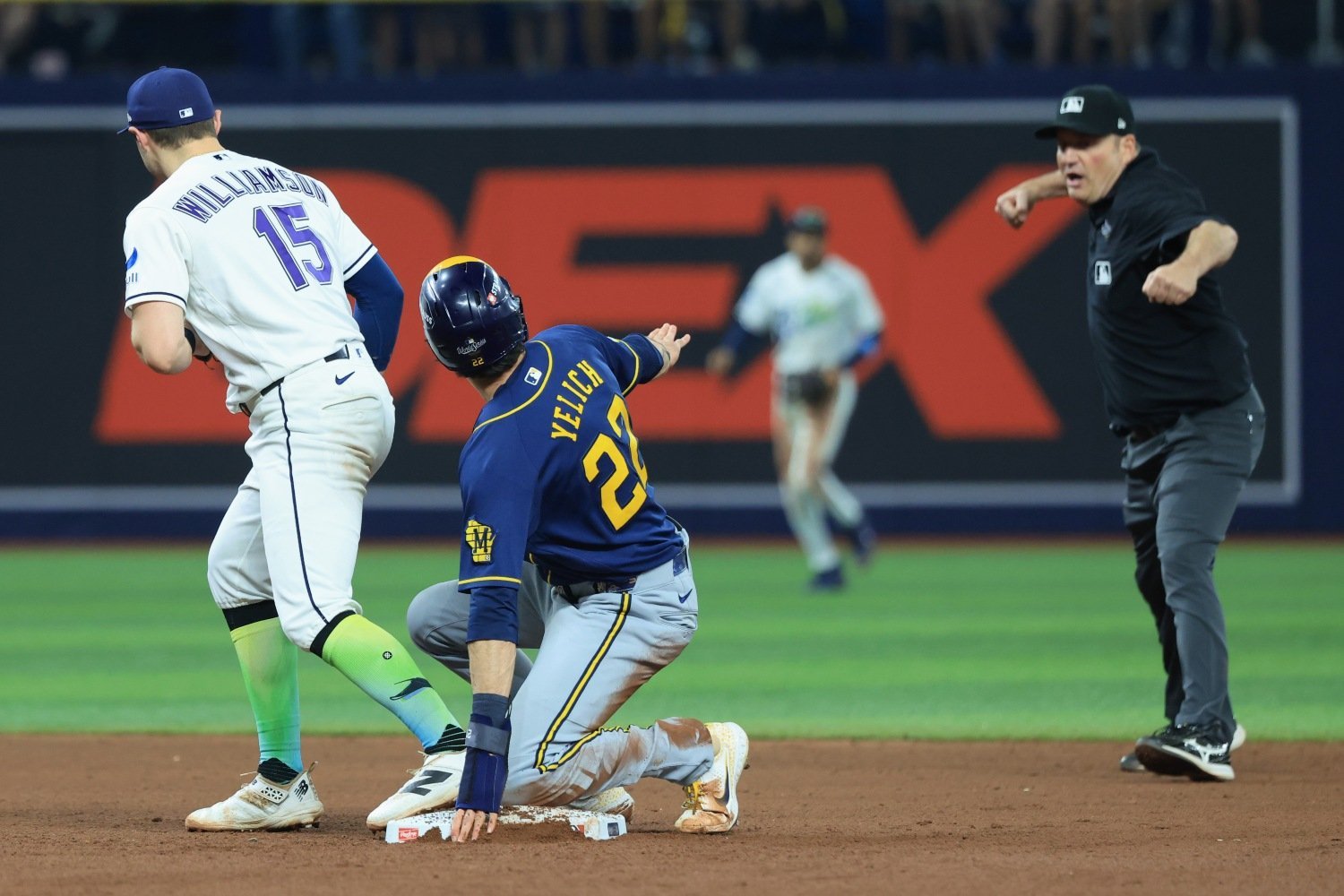 To some extent, the Brewers' approach to winning a World Series relies on luck. When two good teams meet in a short October series, the best or most talented roster doesn't always win. A hard-hit ball can bounce the wrong way, while a broken-bat bloop falls in no-man's land. A star player can go cold for a few games as a lesser-known one gets hot. Non-reviewable calls can swing games and even series. With that in mind, the Brewers optimize their teams for the regular season above all else. The idea is that if a team makes the playoffs every year, the stars will eventually align for a World Series championship. That means the Brewers don't load up on big names or build the flashiest roster. Instead, they focus on depth and sustainability, even if it means trading away key players on expiring contracts for controllable talent instead of re-signing them. They don't tie themselves to a competitive window that will eventually expire. Even if the Brewers are never the favorite on paper, they still have a chance to win it all every year. That's the correct strategy, but it's dangerous if taken too far. Attributing all postseason results to chance prevents clubs from identifying and addressing real shortcomings. While no formula guarantees October success, doing certain things well positions teams to win. Teams that hit more home runs rely less on balls in play finding holes for hits. Athletic teams that play great defense don't need balls hit right at fielders to record outs. Before the NLDS, Brewers president of baseball operations and general manager Matt Arnold acknowledged that the front office believes in playoff randomness, but also believes teams can mitigate it by building the right roster and doing the right things on the field. "I do think there's a good amount of randomness," Arnold said. "But also, there's an old quote, 'Luck is a residue of design.' So I feel like we're spending a lot of minutes trying to create our own luck and create our own processes to make sure that we're putting ourselves in a position to have success. So I certainly think you can control some of it, but also, it's baseball, and anything can happen." The Brewers caught a few breaks to reach the World Series; Ty France's redirected flyout off American Family Field's roof in the NLDS will forever be controversial in San Diego. But for the most part, they blazed their way here with excellent offense and excellent pitching. Over and over, they wore down great pitchers with long plate appearances, then punished the resulting mistakes over the heart of the plate. "I think if you try to swing a lot against aces, you're in trouble," assistant hitting coach Daniel Vogelbach said. "They got really good stuff, so you just really have to zone them in." It was a different story on Monday night, against Freddy Peralta in Game 3 of the World Series. The Brewers waited out their former ace—the most recent big name they traded away before free agency to maintain their open-ended window—drawing three walks and chasing just 26% of pitches outside the strike zone. But unlike other starters, Peralta didn't cave. Every time the Brewers backed him into a corner, he threw high-quality strikes. Peralta threw some pitches over the heart of the plate, but he never left any right down the middle. Without damage pitches, the Brewers hit only four hard-hit balls (exit velocity of at least 95 MPH) out of 15 batted balls against Peralta. Trying to barrel fastballs around the edges of the zone almost always hurts more than it helps. They needed to think small. "Barreling balls is great, but staying inside and staying through balls will get you hits," Vogelbach said. "If you start cheating to the fastball, trying to barrel it, you're going to be in trouble." They also needed some good sequencing. They got it in the third inning from Christian Yelich and William Contreras, who got jammed on inside fastballs but looped them to the opposite field for run-scoring singles. Yelich stayed inside the ball enough to hit it on a line, but it left his bat at just 71.3 mph. "He beat me with it a little bit," Yelich said. "I just kind of got lucky." Yelich again made his own luck half an hour later on the bases, setting up a fifth-inning breakthrough. With two outs and runners on first and second, William Contreras hit a hard ground ball that took third baseman Junior Caminero back and to his left. The awkward positioning forced him to spin and redirect his body to make a throw. Caminero had plenty of time to make a play at first. Contreras is a slow runner out of the right-handed batter's box, and he wasn't even halfway down the line when Caminero reached a throwing position. Instead, he took the shorter throw to second, where Yelich was initially called out but ruled safe upon review. "Once I kind of saw him go in the hole and spin, I had a feeling that maybe that was going to be coming that way, but I didn't really know where it was going to be," Yelich said. It was a mistake by Caminero, but Yelich made it costly by getting a head start off first base. Ryan Vilade wasn't holding him on with two runners on base and was playing farther off the base for the right-handed Contreras. Reading the positioning, Yelich took an extra step off first and got a great secondary lead. "You're kind of walking that thin line and trying to make sure that you can extend as far as you can without getting back-picked after the pitch," Yelich said. "You're kind of lengthening your primary [lead] there in case that happens, where there's a ball in the hole or some sort of play happens where you could potentially beat the throw to second base." "We work on those things in spring," Sal Frelick said. "[Yelich is] the guy that's running the meeting saying, 'This is important.' It's his 14th season. He's been an All-Star, Silver Slugger, MVP, and nobody cares about baserunning more than him." That extra step turned an inning-ending groundout into a bases-loading single. "The first baseman, with the right-handed hitter, played way off," Pat Murphy said. "Yeli took advantage of that, got as far out as he could, safe at second. That's a game changer right there. That gives you another pitch, and that's sometimes all you need." The floodgates opened from there. The overturn chased Peralta from the game, as Kevin Cash went to Cam Booser for a string of lefties in the second half of the order. Unlike Peralta, Booser made several mistakes. The Brewers no longer needed to create their own luck. Brice Turang and Garrett Mitchell smashed hard ground-ball singles. Cooper Pratt and Frelick smoked doubles down the left-field line. After another pitching change, David Hamilton and Jackson Chourio drove in two more runs against Cole Sulser. Just like that, the Brewers led 10-0. They became the first team in World Series history to score eight runs with two outs in a single inning. From there, they cruised to their most comfortable postseason victory. Now the Brewers are one win away from their first World Series championship. Their vision is about to come to fruition. Their approach will finally be rewarded. "We're going to treat it like a Game 7," Frelick said. "We obviously know that one more win can get us a nice trophy, but it's really just win every pitch, every inning, every at-bat, and that's what got us here." View the full article
-
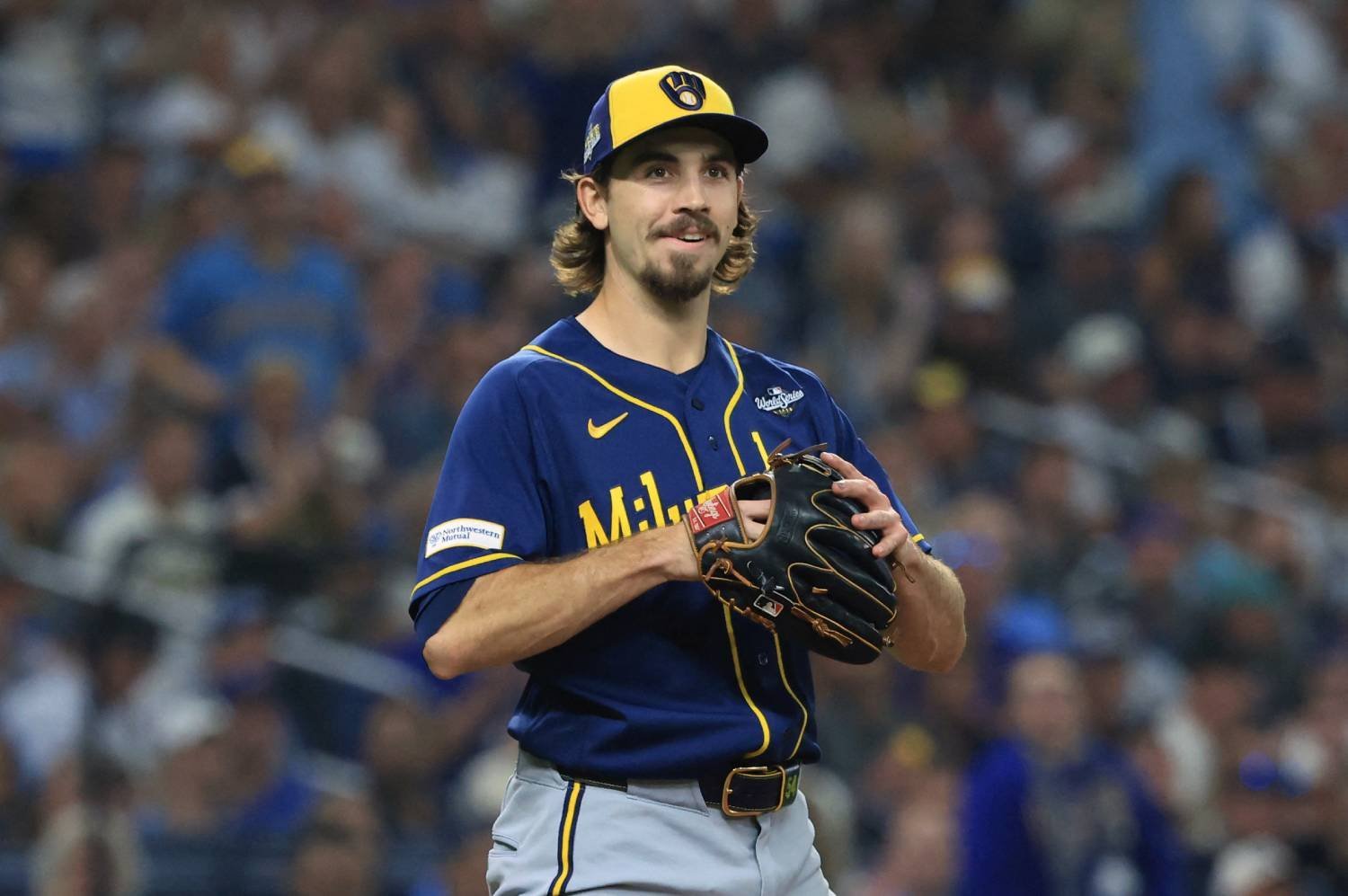 If things go as expected and the Milwaukee Brewers go on to win their first World Series championship in their 58-year history, what Robert Gasser did Monday will get overlooked. It won’t be hard to see why. While the left-hander, still technically a rookie, did what he did, the Brewers erupted for an eight-run fifth inning en route to a 10-1 victory over the Tampa Bay Rays in Game 3 of the 2026 World Series that gave Milwaukee a 3-0 lead in the best-of-seven series. Jackson Chourio and William Contreras led the offensive attack and will be in consideration for World Series MVP if the Brewers can get that final win. Brandon Woodruff returned to the mound for the first time since July 4. But a good deal of the credit for getting through Game 3 and putting the Brewers one win away from that elusive World Series title belongs to Gasser. The 27-year-old the Brewers acquired in the 2022 Josh Hader trade pitched the game of his life on the biggest stage. He faced 18 batters. He got 18 outs. No, he wasn’t perfect. But damn near close to it. Gasser gave up a leadoff single to Yandy Diaz in the bottom of the first, but none after that in his six innings of work. Diaz got erased on a groundout by Chandler Simpson, who then was out caught stealing when he slid past the bag and second baseman Brice Turang kept the tag on him. A weird way to get three outs while facing three batters, but it all counts. The only other batter to reach came when Victor Mesa Jr. led off the sixth by drawing an eight-pitch walk. The next hitter, Nick Fortes, hit into a double play. He was perfect in the four innings between those two runners, 12 up, 12 down. That Fortes grounder produced the first out by a Brewer starter in the sixth inning this postseason. Robert Gasser, who started the season at Triple-A. Robert Gasser, who was optioned to Triple-A in May after just two starts in which he allowed seven runs in 8⅓. Not Jacob Misiorowski nor Logan Henderson, who started Games 1 and 2 of all three of the Brewers’ postseason series this year. Those two have had the advantage of starting all three of their games in the comforts of American Family Field. Gasser? He stepped into the teeth of the hungry fandom at Petco Park for what was a crucial Game 4 of the NL Division Series. The Padres had won Game 3 by a 4-3 score, to this point the only loss on the Brewers’ ledger. A Padres win in Game 4 would have put the Brewers, MLB’s best team with a 103-win regular season, on the hot seat for a do-or-die Game 5 back in Milwaukee. Gasser allowed just one run in that game, a Fernando Tatis Jr. homer, while going four innings. The Brewers would win 3-1 to snap an MLB postseason-record 11-game road losing streak in a Gasser start. Gasser’s next assignment was just as daunting. It was Game 3 of the NL Championship Series and he faced the two-time defending World Series champion Los Angeles Dodgers. But he was just a little bit better than he was against the Padres, going five shutout innings of a 6-2 win. He allowed three hits in each of those games. Then came the World Series against the AL’s best team during the regular season. Gasser raised his game one more level. One hit over six innings. Eight outs via grounders. Three strikeouts, just like his other two postseason starts. He was the first starting pitcher to face the minimum over six innings in the World Series since Curt Schilling of the Arizona Diamondbacks in Game 7 in 2001. He was the first left-hander to do that since the legendary Sandy Koufax in 1965, who was perfect into the seventh inning of Game 5. Robert Gasser, who missed most of the 2024 and 2025 seasons due to Tommy John surgery. He has endured through those travails and the payoff came Monday. Sure, the pressure was off when the Brewers exploded in the top of the fifth inning for eight two-out runs, but he was focused and executed in the first four innings of a tight World Series game, then kept it up in his final two innings. Ten, 20 years from now, maybe there will be more appreciation for Gasser's Game 3. The rout will put what Gasser did on the back burner, but what Bobby Gas did in Game 3 provided the fuel for the Brewers to do something that they haven’t done since joining MLB as the Seattle Pilots in 1969. He will have his own corner of Brewers lore. With one more win, they will be world champions. View the full article
-
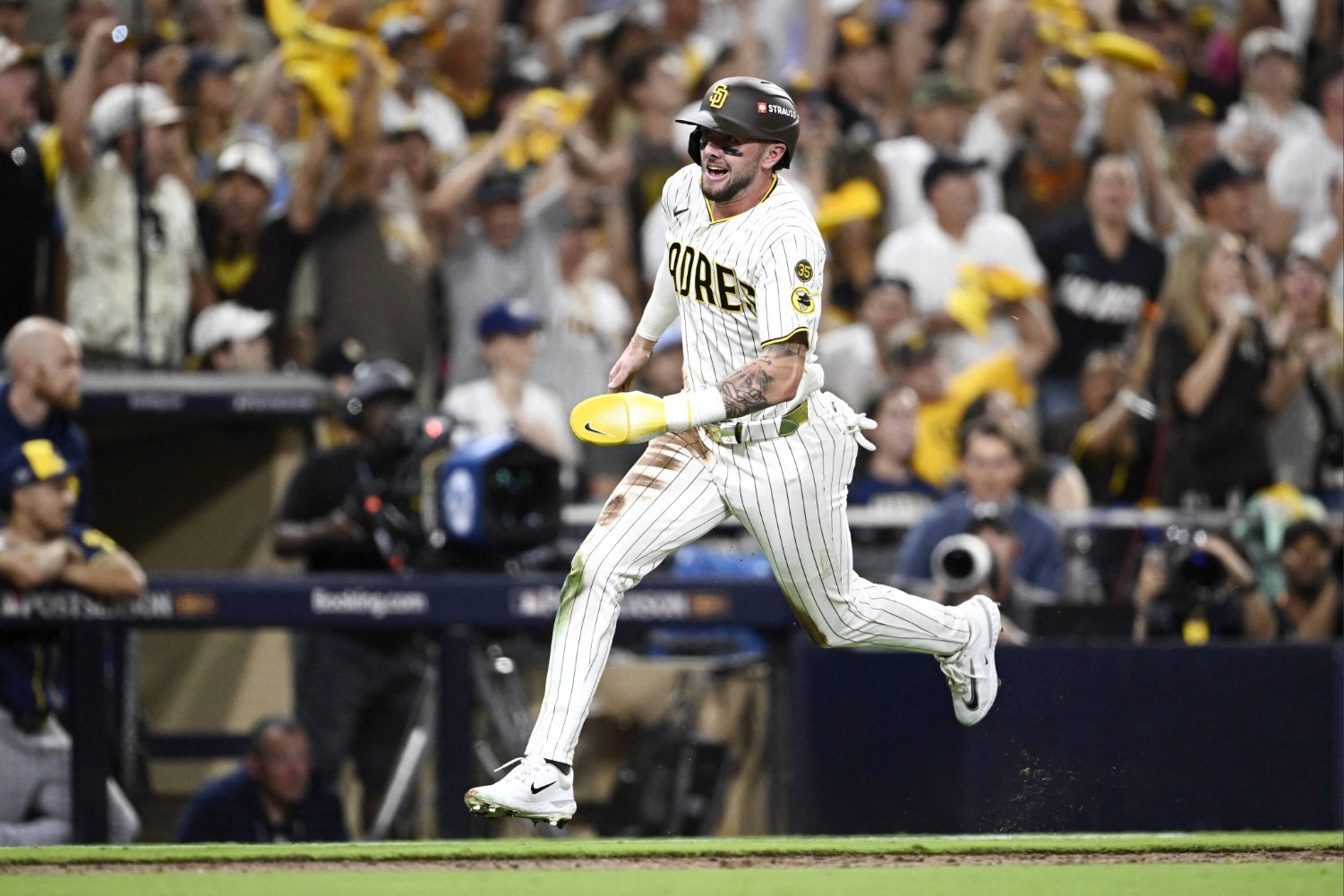 Jackson Merrill’s 2026 season is a complicated one to discuss. He recorded his first 25-25 season, combining terrific value on the basepaths with a powerful second half at the plate—not to mention his incredible defense in center field—to contribute 4.2 fWAR to the San Diego Padres' cause. Yet actually getting to that number wasn't easy. Merrill became the fourth player in Padres franchise history to record a season with 25 or more home runs and 25 or more stolen bases, joining Fernando Tatis Jr. (4 times: 2021, 2023, 2025 and 2026), Wil Myers (2016) and Reggie Sanders (1999). He and Tatis are the only MLB teammates who reached those figures this season. Everything carries much more value when we appreciate his youth. Merrill has the second-highest number of home runs (66) by a Padres player aged 23 or younger in franchise history, behind only his teammate Tatis (81). He also ranks second in hits among players aged 23 or younger in Padres history, with 434, behind Roberto Alomar (497). So, the 30-30 threshold is not that far away for Merrill. I think he missed the opportunity to reach it when he went through an inconsistent start at the plate between March and June, with a poor .213/.271/.343 slash line and just a 72 wRC+ in 343 plate appearances. That stretch accounted for 51.6% of his 664 plate appearances for the entire year. Without a doubt, it made a difference, but it also demonstrated Merrill’s ability to focus and make decisive adjustments that changed his season. The breakout began after July 19, when Merrill started punishing pitches that were not fastballs, posting a .293/.321/.547 slash line in 81 plate appearances that finished with off-speed or breaking balls. Compared with the previous stretch, which covered 101 plate appearances, his xSLG increased from .371 to .570, his BABIP went from .235 to .315, and his barrel rate more than doubled, from 8.2% to 16.9%. In the chart on the right, you can see how Merrill’s swing generated more hard contact, with greater production in several locations outside the strike zone against pitches that were not fastballs. Likewise, according to Statcast, Merrill ranks in the 90th percentile among position players, including the 99th percentile in arm value (6), the 94th percentile in fielding run value (12), and the 91st percentile in both outs above average (6) and arm strength (92.0 mph). He's simply superlative defender in center field, and he's got the baserunning chops to match. His mark of 6 Baserunning Runs was the best of his career and leads San Diego Padres players over the last two seasons. Merrill’s ability to steal bases was the complement that placed him among the league’s best baserunners. Along with the development of his power, that progress makes him a strong candidate to reach a 30-30 season in the future. But even without another jump in his power numbers, his floor in all three main facets of the game (hitting, fielding, and running) is as high as anyone not named Fernando Tatis Jr. View the full article
-
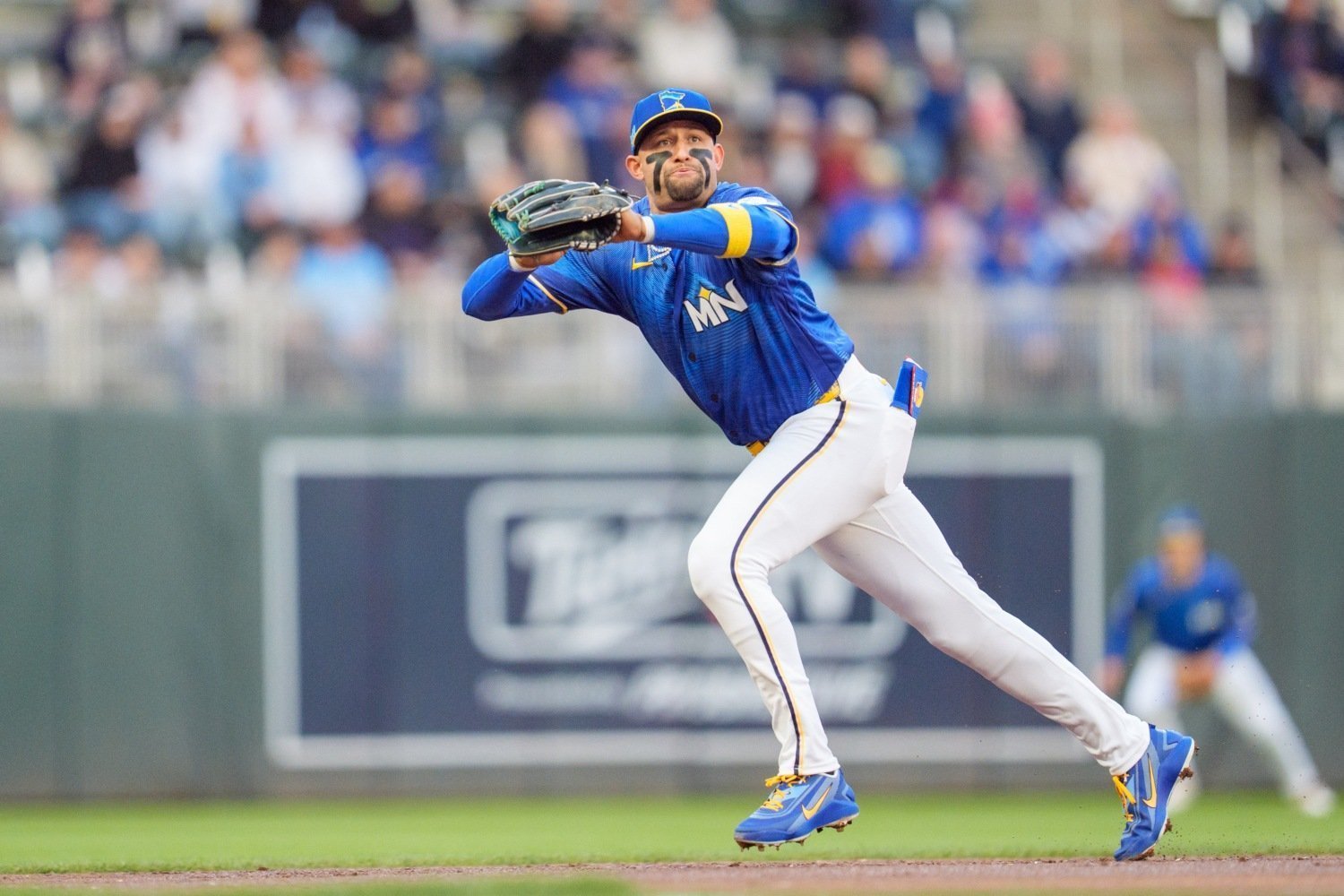 The Twins enter the offseason with plenty of questions and an opportunity to change the narrative surrounding the franchise. After several seasons of declining payroll and disappointing results, chairman Tom Pohlad has promised to invest meaningfully in the 2027 roster. He hasn't provided a specific payroll target, but he has acknowledged that a payroll near $100 million is not enough to consistently compete for postseason success. That commitment is only the beginning. Jeremy Zoll will oversee his first full offseason leading baseball operations, following Derek Falvey's departure in January. He must determine which veterans belong in the team's future plans, where additional spending will have the biggest impact, and how aggressively to pursue outside talent. There are reasons for optimism. Walker Jenkins, Emmanuel Rodriguez , and Kaelen Culpepper give Minnesota an exciting group of young players to build around. However, a promising collection of prospects does not automatically translate to a playoff contender. The Twins need established major-league talent to complement that group. The bullpen is an obvious area of concern, after they finished 26th in MLB with a 4.74 ERA. Ryan Jeffers is also a prominent pending free agent, and the roster still has several questions that cannot be answered by prospect development alone. With those challenges in mind, here are three bold predictions for the Twins' offseason. Bold Prediction 1: The Twins Will Give a Reliever a Multi-Year Contract For years, the Twins have preferred to build their bullpen through internal development, inexpensive additions, and shorter-term commitments, rather than making substantial investments in established relievers. That approach has occasionally worked, but it also leaves the team vulnerable when several bullpen arms struggle simultaneously. Minnesota cannot afford to repeat that strategy this winter. The Twins lost too many games early in the 2026 season when a reliable late-inning reliever could have helped protect a lead. A bullpen doesn't need to be filled with expensive veterans to be successful, but it does need dependable options who can handle high-leverage situations. Even after the front office added pitching help at the trade deadline, the bullpen needs more reliable arms if Minnesota hopes to contend in 2027. Tom Pohlad's payroll pledge creates an opportunity for Zoll to change the organization's approach. Rather than limiting the search to pitchers looking for an opportunity to rebuild their value on one-year contracts, the Twins should pursue a proven reliever who can become a fixture in the late innings. A two-year or three-year contract would represent a meaningful change in philosophy. It would also give the coaching staff another pitcher it could trust in close games instead of relying on favorable matchups and hoping an unproven arm emerges. The Twins don't necessarily need to pursue the most expensive closer on the market. They do need to identify a reliever whose stuff, command, and track record justify a multi-year investment. With payroll expected to rise, this is precisely the type of addition that would demonstrate the organization is serious about competing. Bold Prediction 2: Royce Lewis Will Be Traded Trading Lewis would be a difficult decision for a franchise that once viewed him as a centerpiece of its future. The former first overall pick has delivered some memorable moments in a Twins uniform, and his offensive ceiling remains appealing. However, the organization may be reaching a point where moving him makes more sense than continuing to search for the right role. Lewis endured another frustrating season in 2026. He finished with a .227/.287/.380 batting line, 15 home runs, 57 RBI, and 16 stolen bases in 463 at-bats. His .667 OPS was well below the level Minnesota needs from a player who has previously been viewed as a potential middle-of-the-order presence. The season also included a demotion to Triple-A in May. Lewis was struggling badly enough that the Twins sent him to St. Paul to work through his issues. He returned in June after producing an impressive .340/.417/.868 line with the Saints, but the overall results in the majors never developed into the consistent production the organization wanted. His role has also become less straightforward. The Twins have moved him around the diamond as they have attempted to find the best way to keep his bat in the lineup. With Brooks Lee establishing himself at third base, Culpepper arriving at shortstop, and other infield options like Kody Clemens, Minnesota has more competition for playing time. There are still reasons another team could be interested. Lewis is only 27, has demonstrated significant offensive upside, and remains under team control for multiple seasons. A change of scenery could appeal to a club that believes it can help him rediscover the production he has shown during his best stretches. For Minnesota, the question is whether Lewis remains the best use of a roster spot and potential trade value. The Twins could retain him and hope for a rebound, but doing so might mean carrying another season of uncertainty at a time when the organization needs more reliable production. Bold Prediction 3: The Twins Will Trade Multiple Top-30 Prospects The Twins have spent years assembling one of baseball's more interesting farm systems. Jenkins, Rodríguez, and Culpepper headline a group that gives the organization legitimate hope for the future. There are also other prospects who could eventually become valuable contributors in Minnesota. But a strong farm system is most useful when the front office knows when to turn its potential into major league production. If the Twins are serious about returning to the playoffs, they cannot rely exclusively on free agency to address every weakness. Even with an increased payroll, the best available free agents might not fit Minnesota's needs, and competition for proven talent could push prices beyond what the organization is comfortable paying. That is where Zoll should consider the trade market. Minnesota has the prospect depth to pursue established players who can make an immediate impact. A veteran starting pitcher, an established middle-of-the-order bat, or another proven player at a position of need could help the Twins become more competitive while their young core develops. The key is identifying the right targets. Trading prospects merely to acquire recognizable names would accomplish very little. Zoll needs to focus on players who offer dependable production, fit the roster, and can contribute throughout a meaningful portion of the team's competitive window. That could require packaging multiple prospects from the organization's top 30. One prospect might not be enough to acquire the type of established player Minnesota wants, but a package of two or three players could make a deal more appealing to a rebuilding club. This prediction does not mean the Twins should make Jenkins or Culpepper available without considerable thought. Those players could become foundational pieces for the next successful Minnesota team. Instead, the organization should recognize that prospects outside its very top tier can still have considerable trade value. The timing matters, too. The Twins have an opportunity to surround their emerging young talent with established players rather than waiting for every prospect to reach the majors before addressing the team's weaknesses. That strategy would give Minnesota a better chance to capitalize on the development of its young core. Pohlad's payroll commitment should give Zoll more flexibility, but financial investment and prospect trades should complement each other. The Twins can spend money on the right free agents while using their farm system to pursue players who might not be available through free agency. Bold Predictions or Wishful Thinking? The Twins have reached an important point in their roster construction. The young talent is arriving, the owner has promised additional financial support, and Zoll has an opportunity to reshape the roster during his first full offseason leading baseball operations. That does not mean every decision will be easy. Committing multiple years to a reliever carries risk. Trading Lewis could mean watching a talented player flourish elsewhere. Dealing prospects could cost Minnesota a future contributor who eventually becomes a major league regular. However, playing it safe carries risks of its own. A talented young core can only take the Twins so far if the supporting roster remains inconsistent. Minnesota needs dependable bullpen arms, clearer answers in its position-player group, and established talent that can help turn potential into wins. These three predictions would represent a more aggressive approach than Twins fans have grown accustomed to seeing in recent offseasons. More importantly, they would show that the organization is willing to make uncomfortable decisions in pursuit of a better team. Pohlad has said the Twins intend to invest meaningfully in 2027. The challenge now is turning that promise into a roster capable of delivering results. Zoll's decisions this winter will go a long way toward determining whether Minnesota takes a genuine step forward or simply enters another season hoping its young players can carry the load. Do you agree with these predictions? What predictions do you have about the Twins this winter? Leave a comment and start the discussion. View the full article
-
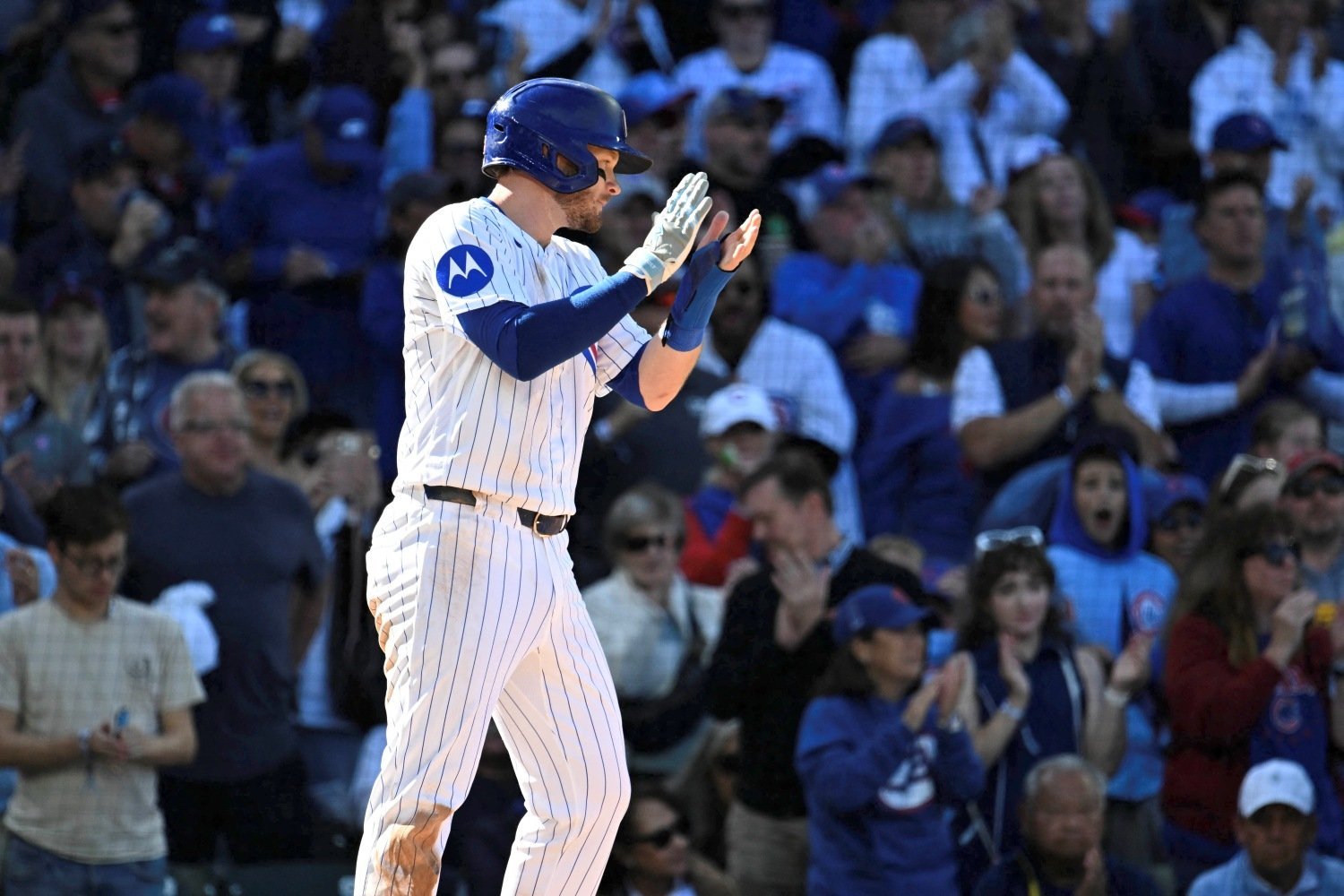 On May 13, 2017, Ian Happ (the ninth overall pick in the 2015 MLB Draft) homered in his debut with the Cubs, the only team he has ever known. There are only eight players who made their debut before Happ and are still with the same team. That list is almost entirely future Hall of Famers or multi-time All Stars: Aaron Judge, Byron Buxton, José Ramírez, Jose Altuve, Mike Trout, Salvador Perez, Aaron Nola, and (somehow) Kyle Freeland. Happ could have become a free agent after the 2023 season, but before that, he signed a three-year deal. After taking on a Ben Zobrist-esque utility role for the first few seasons of his career, he settled into left field in 2022 and won four consecutive Gold Gloves. Now, however, his future with the team is uncertain agaio, and while there is no apparent heir to left field, there are some concerns that make the sentimental move (bringing him back) far from a clear-cut decision. On the other side of Pete Crow-Armstrong, there's another big decision to make. Seiya Suzuki is also an impending free agent. The Cubs signed Suzuki ahead of the 2022 season. The slugger has accumulated 15.7 fWAR and launched 113 home runs over his five years with the club. Although his offensive game can be summarized by scorching hot streaks mixed with ice-cold slumps, he's been one of the best overall hitters they’ve had in the middle of their lineup and a defining face of this competitive era. Now, the Cubs are in a predicament. After the World Series, the uncertainty of next season will be on full display. Free agency will begin, albeit under a dark cloud of coming labor strife. That might make it easier for teams to retain certain players, especially if those players haven’t been with another organization before. Before we get into the case for and against reuniting with Happ and Suzuki, it's important to note that the Cubs don't have a confidence-inspiring outfield prospect knocking on the door of the majors. Their top prospect, Josiah Hartshorn, is 19; 2025 first-round pick Ethan Conrad dealt with injuries and hit .245 in A-ball; and Kane Kepley struggled after his promotion to Double-A. Formerly highly touted, Kevin Alcantara had a good-not-great third season at Triple-A Iowa and saw his stock plummet. The answer probably isn’t in their organization, unless you view Matt Shaw as an everyday outfielder, so the Cubs will need to make some moves to fill their outfield. The Case For Ian Happ Speaking of Shaw, wouldn’t he make a great platoon partner for Happ in left field? He only played a handful of innings in left this season, but he still spent most of his time in the outfield, after the Alex Bregman signing left him without a clear position. His .841 OPS against southpaws pairs nicely with Happ’s .816 OPS versus righties, which tied for the second-highest mark of his career. For this to happen, the Cubs would need to give Happ an offer he feels good about, but more importantly, Happ would need to understand that he is coming back as a platoon player, and he would need to earn his way back into the lineup against left-handed starters. At this point in his career, the 32-year-old might be thrilled to take a two-year deal to stay with the only club he has ever known, but how smart is it for the Cubs? Happ had the second-highest WAR of any left fielder entering free agency, behind only Randy Arozarena. Also 32, Arozarena will enter the winter as the top bat in this free agency class. The thought of the more powerful Arozarena in the outfield seems nice, but would the Cubs meet an asking price that could surpass $100 million—especially when they can probably entice Happ with a smaller one? As I mentioned earlier, they have the platoon partner in Shaw, so maybe they shouldn’t overthink this. Even if Arozarena is their dream target, if they signed him, they would have four players locked up on big deals through their mid-30s. Happ should be available without the long-term commitment. The Case Against Ian Happ It’s hard to make the case against reunion due to the lack of appealing alternatives, but Happ is still a player who's striking out in over a third of his at-bats against lefties and approaching his mid-30s. After his 3.7-fWAR season in 2024, he's declined steadily. His 2.6 fWAR this season was the lowest he's posted since 2021. With the Cubs’ pitching needs being priority No. 1, they might not want to spend (at least) $15 million per season on a platoon bat. With so much swing and miss in their lineup already, and the infield starters firmly entrenched, it could make more sense to go out and get someone like Steven Kwan, whom the Guardians are in a position to flip. That potential move (if it's even possible) comes with its own downsides, but Happ's seem awfully intimidating. The Case For Seiya Suzuki Looking at this player comparison chart, is it really clear that Arozarena is the top outfield bat on the market? There's a case that it's actually Suzuki. Given Arozarena’s questionable defense, Suzuki is arguably the better player, even though Arozarena has the slightly better offensive numbers and can steal bases (77 since 2024). Swapping Suzuki with Arozarena could be a lateral move, for even more money. There's not a clear way to improve in right field, should they move on from Suzuki, whose 3.8 fWAR in 2026 was the second-highest in baseball among right fielders. The main reason to keep him, then, is that letting him walk would almost guarantee the Cubs have a worse outfield going into 2027. Again, Shaw is the wild card. Jed Hoyer might think the former first-round pick deserves a starting role again, and it does make sense to think his bat will improve if he can have a consistent position. He was solid in right, where he played the bulk of his games in 2026, but expecting an offensive output on par with Suzuki's would be foolish. Suzuki's .955 OPS against lefties was the highest on the team among qualified players, and he spent the bulk of his time hitting in the cleanup spot. As good as Shaw is against lefties, he doesn't have the pop to be a middle-of-the-order hitter. It's also not clear whether he can stay healthy under the demands of regular duty, particularly as an undersized outfielder. The Case Against Seiya Suzuki The Cubs will have Dansby Swanson and Alex Bregman through age 36, and a Suzuki contract would give them another guy under contract through the same age. If the Cubs were a true World Series contender going into 2027, it would be worth it to bring Suzuki back for whatever contract he wants and deal with the back-end years when the time comes. But this was a team that was quickly dismissed from the 2026 postseason. They're set to lose four starting pitchers for next season, and the bullpen is still a glaring weakness. This Cubs' roster is not a Seiya Suzuki away from being championship-caliber. The Brewers, who were practically in another league from Chicago this year, are unlikely to come back to the pack. They're younger than the Cubs; their farm system is better; and they'll have more resources for next year after the windfall of what looks likely to be a World Series championship. So, what should the Cubs do? They're going to miss whoever they don’t bring back, considering the lack of high-end free agents and no top prospect looming in the upper minors. The qualifying offer will be worth over $23 million, which might make the team pause before extending one to Happ, and Suzuki will turn his down in a blink. It feels unlikely that the Cubs would then spend enough to retain Suzuki; they'll need to direct most of their spending this winter to pitchers. That could make re-signing Happ the best solution. Something along the lines of two years and $36 million would still leave the Cubs the wiggle room they need elsewhere. Shaw can platoon with him, or they can consider bringing back Tyrone Taylor, who had an .890 OPS after joining the Cubs. This would mean that Seiya Suzuki has played his last game as a Cub. As sad as that is, the contract is still a major win for the Cubs. He became one of the best NPB signings of all time, and helped the team that used to give regular playing time to guys like Rafael Ortega and Patrick Wisdom turn back into a playoff contender. On the way out, he'll earn the Cubs a draft pick in 2027, too. Then, the team will have to figure out what to do about the rest of its outfield picture. View the full article
-
 Week 3 of Arizona Fall League Action is in the books! The Mesa Solar Sox are 6-9 through the first 15 games, leaving them as one of just two teams currently under .500. You can find recaps of both Week 1 and Week 2 here. Every Chicago Cubs prospect got into at least one of the five games this week, so let's review how they did. Dominick Reid Stats: 4 IP, 1 hit, 0 runs, 5 strikeouts, 1 walk Dominick Reid was dominant in his start this week, facing the minimum through four innings. He walked the first batter of the game and then picked him off at first two batters later; he also gave up a one-out single in the third and then got the next batter to ground into a weak double play. Reid showed off his six-pitch arsenal while being efficient at just 14 pitches per inning. He sat at 90-93 mph with his fastball mix and got strikeouts with his cutter, curveball (two of them), sinker, and four-seam. The only barrel he gave up was the single. This was all against a Surprise team that features top prospects close to the big leagues in Sebastian Walcott and Aidan Miller in the middle of the lineup, who went a combined 0-3 with 3 strikeouts against Reid. Anhuar Garcia Stats: 3 IP, 5 hits, 4 runs, 1 strikeout, 0 walks Garcia had one appearance this week and lasted three innings. His first two innings were solid; he gave up a single to the first man he faced but erased him with a double play on his way to retiring the side in order in his first two innings. The third inning went infield single, home run, single, and 112-mph home run on a combined seven pitches. Garcia then got the last three hitters out to finish his day. He threw just 34 pitches to the 13 batters he faced; he was pounding the zone. Both home runs were on fastballs up in the zone on the first pitch of the at-bat, and those were probably the only two pitches of this outing that Garcia wants back. Luis Rujano Stats: 1 IP, 0 runs, 1 strikeout In Rujano’s only appearance this week, he came into the game in the ninth inning with the bases loaded, no outs, and two runs already scored. He got a strikeout and a first-pitch double play to end the inning. The sinker was 94-96 and he threw strikes, coming away with a really strong showing. Jhon Cabral Stats: 2 IP, 0 hits, 0 runs, 5 walks, 5 strikeouts Cabral finished the first game of the week for Mesa in fine fashion. He came in with one out and no one on in the bottom of the ninth and got a pair of strikeouts to end it, the second one on a three-pitch at-bat where he did not throw a fastball, only sliders and cutters. The fastball was still hovering around 97-100 mph, but it was good to see him utilize his breaking stuff. His second appearance came much earlier in the game, as he entered in the fourth with two outs and no one on. He walked the first two hitters he faced, throwing only fastballs. Two of those fastballs were wild pitches and, combined with a stolen base, allowed a run to score. He struck out the third hitter on his first slider of the day and was done for the day after 15 pitches. In his next appearance, he was in the game with one on and no one out in the third. He got a ground out and a strikeout and then walked three straight hitters to allow a run before getting a strikeout to end the frame. Cabral again was looking to use his breaking pitches, getting one strikeout on a curveball and the other on a slider. Yoendris Gonzalez Stats: 1 IP, 3 hits, 2 runs, 1 walk, 1 strikeout Gonzalez came into the second game this week to start the sixth inning and promptly walked the leadoff man. He went 3-0 on the next hitter before coming back to get the strikeout. He gave up a one-out bloop single and then a 108.3-mph single and a 104.1-mph single before getting pulled. He also allowed each of the three base runners to steal second. It was a rough showing for Gonzalez after a week where he didn’t pitch at all. Kade Snell Stats: 13 ABs, 3 hits, 4 walks, 5 RBIs Snell’s week was a bit of a mixed bag. He hit four balls over 97 mph this week, three of which were not on the ground(!). He put the ball in the air more than he did in the first couple weeks and he did not strike out a single time this week. He also largely made weak contact outside of those four swings and grounded into a pair of double plays. Still, this week represented some solid progress. Juan Cabada Stats: 6 ABs, 1 hit, 1 run, 1 walk, 2 strikeouts Cabada only got into two games this week, but he continues to show signs of maturation. His first game started with a walk after going down 1-2 and included a pair of strikeouts looking on borderline pitches. More importantly, he hit a 109-mph ground-rule double. His second game was nothing to write home about; he had three groundouts including a 95.9-mph double play and he reached on an error. He has been doing a much better job of not chasing breaking and offspeed stuff. Harrison Feinberg Stats: 5 ABs, 1 hit Much to my dismay, Feinberg only played in one game this week. He did hit a ball 108 mph for a two-out, RBI single, but he also had three strikeouts, one of which looked to be a hit-and-run. Miguel Useche Stats: 15 ABs, 2 runs, 3 hits, 1 RBI, 2 walks, 3 strikeouts Useche got more at bats than any other Cubs prospect this week, after not even starting the season playing for Mesa. The Solar Sox are thin at 1B and Useche also got a start behind the plate this week, although he allowed seven stolen bases and caught just one runner. Overall this week, Useche was…fine? The walk and strikeout rates are solid, he hit a handful of balls hard (seven over 97 mph), had some good at-bats, and even stole a pair of bases. The defense was rough, as it seems clear he is not a catcher as he has allowed 12 stolen bases and made a pair of errors in just 16 innings behind the dish in the AFL. He played in all five games this week though, starting four of them split between 1B/C/DH. Something else to monitor: Useche pinch hit for Ryland Zaborowski in the first game this week and the latter did not play the rest of the week, indicating a possible injury. Zaborowski leads Mesa in innings at 1B, so any injury will open up a bit of playing time going forward for Useche. View the full article
-
 The stuff is filthy, but Aaron Ashby's raw movement isn't the reason why he flummoxes hitters. It's always been about the fact that that movement comes from, well, that movement—the funky delivery from which each pitch explodes like a starship coming through a wormhole. Walk through the Brewers clubhouse, and Ashby looks perhaps less like an elite athlete than anyone else in the room. He doesn't have rippling biceps, or even broad shoulders. He's not as tall or as thick-thighed as most pitchers (and nearly all power pitchers) are. You know those specs he wears on the mound? He doesn't even wear glasses off the field. To turn into Super-Man, he puts on the Clark Kent glasses. He has just one thing going for him—his superpower—and he's learned to make the absolute most of it: almost nobody can move quite like him. In many athletic endeavors, there are basically two key things that set the constraints for a person, and they work against one another, so it's all about finding a balance. One is strength. Without at least a modicum of strength, you'll fall short in most things. You have to be strong to run fast. You have to be strong to jump high. You have to be strong to throw hard. Building muscle mass and training yourself to turn that strength into explosiveness is vital for any aspiring elite athlete. The other thing, though, is mobility—or flexibility, if that's what you prefer to call it. Almost any athletic endeavor—including the ones I just ticked off, and certainly including more complex ones, like pitching—also requires that one maintain excellent range of motion. Flexibility and strength can get in one another's way, though. Bigger muscles make it harder to move fluidly. To a point, you gladly pay that price, because strength is essential. On the other hand, you can emphasize flexibility and assiduously avoid bulking up, in order to optimize range of motion. That often means more speed, but it means less strength. Ashby is stronger now than when he came into the league. He's added functional strength to reduce the risk of injuries like the major shoulder trouble that sidelined him for a year and threatened to end his career before it really began. That shows up in his delivery, too, in ways that can look small but actually turn out to be big. For instance, look at his lower half in these snapshots of his delivery—from 2021, on the left, and from this season, on the right. With greater core and leg strength, Ashby is staying on line toward the plate better than he used to. Notice the way his back leg is driving more, rather than his foot turning all the way over and his leg leaking out to the left as he comes through. His posture is a bit more upright, too; he's not listing to the right as much. All of that comes from being stronger. Strength isn't the foundation of his brilliance, though. It's just a brace. As you can also see above, mobility is king. Ashby's contortions on the mound are the key to his dominance and to understanding it. His flexibility, which is achieved precisely by not having massive muscles and by keeping a modicum of stringy svelteness about him, is what sets Ashby apart. Here's how. This is a "typical" high-slot left-handed reliever—Yuki Matsui, of the Padres, whom the Brewers saw in the NLDS. He's releasing the ball from his standard arm angle (around 54°), which is nearly identical to Ashby's own season-long average. When you think of an over-the-top hurler, this is what you tend to envision. Good, sturdy posture and a high angle allow the pitcher's hand to stay behind the baseball perfectly, giving them great carry on four-seam fastballs. When they want to throw a breaking ball, this delivery also makes it relatively easy to supinate and impart spin. I've added a red line to show the approximate angle between the midpoint between the shoulder blades and Matsui's hand, and a yellow one to show the angle of his spine. Compare the above to Ashby, shown here pitching against the Cardinals in July. This is a whole different thing. It's enough to make you wonder whether the nominal arm angle listed for Ashby is even a fair representation of the way he pitches. After all this time, is he really a high-slot hurler? The answer is still 'yes', in some important ways, but as the red line shows, it's not so in terms of sheer shoulder abduction. Matsui truly comes over the top. Ashby comes around his body, as much as over it. As the yellow line here shows, he just tilts his spine so much that doing so looks like throwing over the top. From that actual arm angle, pronating is a more natural movement. That allows Ashby to generate heavy action on his sinker, but explains why he doesn't get much carry on his four-seamer (and, thus, why he's never thrown one very much). It's an extremely deceptive way to pitch, but it's only possible because Ashby is exceptionally flexible. Watch that video of him pitching to Lars Nootbaar, instead of just scoping a still, and you can see it. b0d3WkRfWGw0TUFRPT1fQmxJRkJRRldCRmNBV2xZRkJRQUhCMWRYQUFBSFVGTUFWbEFCVmdvR0JnWlNVUW9G.mp4 Because Ashby is a reliever, he always works out of the stretch, so he doesn't have quite as many herks, jerks or oscillations as famously wacky pitchers like Luis Tiant or Johnny Cueto. He's also developed a fast-paced delivery that helps him create more velocity. All of that makes it easy to miss just how idiosyncratic and bendy the motion is. You and I have already seen through that, though. We've seen how long the ball is behind his head, and how late he bends so much to the right as he whips the ball around and cuts it loose. All that deception is why Ashby's stuff looks grosser (and has a greater effect) on batters than pitches with similar raw traits. It was true all year, and all last year, too. It's been especially true this fall, though, for a simple reason: he's gone even more extreme. Compare that screenshot from midseason to this one, from the NLDS. The difference isn't huge—not like between Matsui and Ashby, to be sure—but it's there. He's creating even more tilt, moving faster but bending more. As a result, in practical terms, his arm slot is higher. Postseason adrenaline is unlocking a new level of extreme mobility for him. You can see this in the data, as well as the pictures. Ashby's (nominal) arm angle is up this month: As a result, he's getting more carry on his sinker, and he's gotten some swings underneath it, even though it's still very much a two-seamer and not a Matsui-style rise-ball. Just as importantly, his changeup has found some extra arm-side run, thanks (again) the minute mechanical change. That gives it more separation from his sinker. Ashby has said many times that his changeup is his favorite pitch, but for much of his career, it hasn't been a prominent part of his arsenal. Even throughout this year, it wasn't a major factor. That's changed this month. Ashby's changeup, with its own kick of added October spice, is humming in at 93 miles per hour. It's coming at hitters with six inches of vertical separation from his sinker and two inches of horizontal separation, in addition to 5-6 MPH of velocity differential. That pitch has allowed him to dominate right-handed batters as well as lefties, facilitating his huge workload. The delivery Ashby has fully unlocked this month is one of the most impressive athletic movements anywhere in the sport. It's a testament to his incredible balance between strength and flexibility. It's a matter of talent, because the ability to move the way he does requires the baseball gods to bless you with lots of that. It's also a matter of conditioning and intelligent self-design, though. Ashby doesn't look like one of the best athletes in the sport, but he is. The proof has been all over your screen all month. View the full article
-
Depth Check: The Blue Jays' Corner Infielders for 2027
DiamondCentric posted an article in Jays Centre
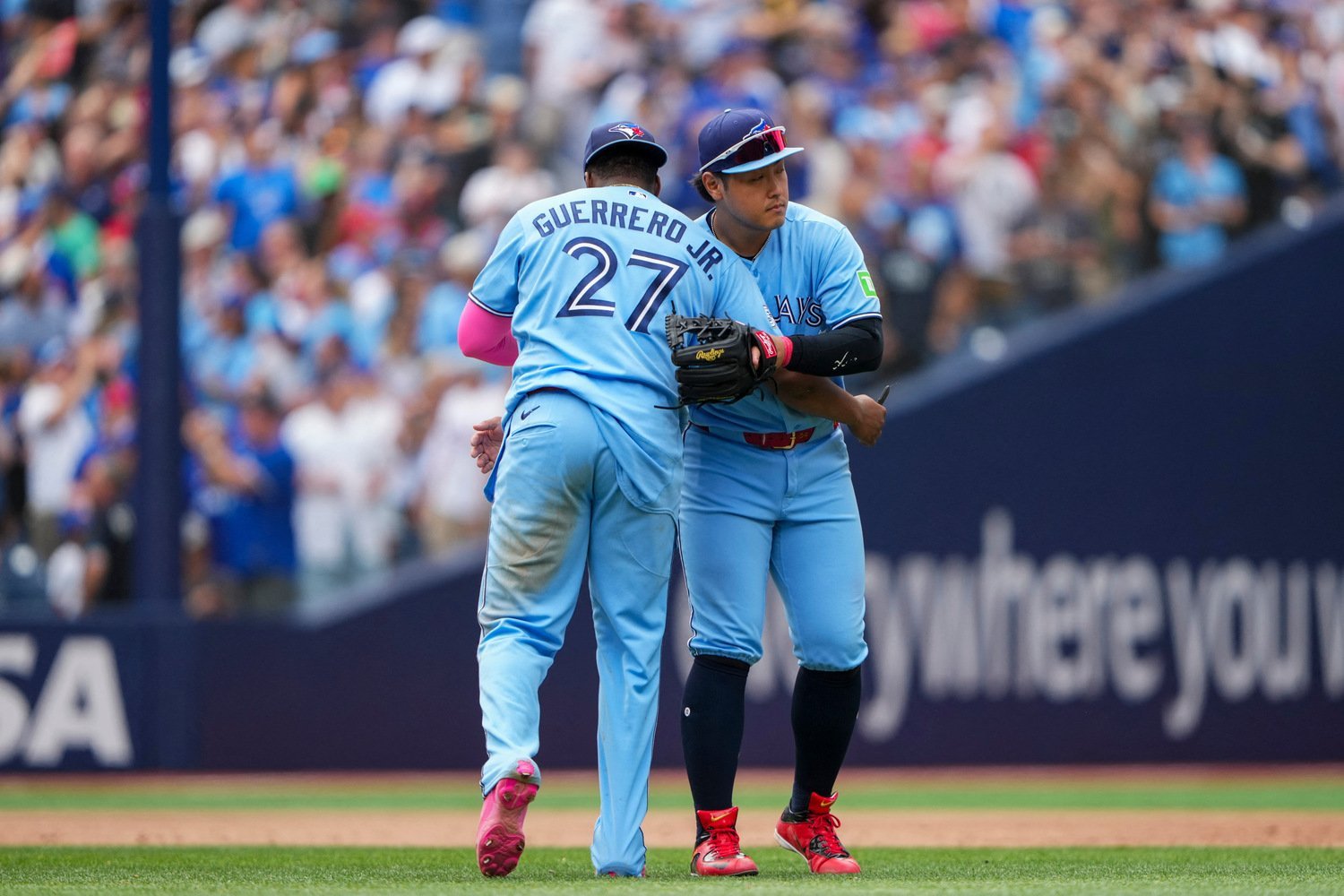 The Toronto Blue Jays struggled with injuries this past season. However, they had steady starters at the infield corners, with Vladimir Guerrero Jr. playing in 144 games and Kazuma Okamoto in 156, though their performances differed greatly. Okamoto led all Blue Jays position players in fWAR this season with a 3.0 rating, driven by a strong bat but hampered by mediocre defense. Guerrero posted the second-worst fWAR (1.1) of his eight-year career, excluding the 2020 shortened season. He leaned heavily on his strong defense but produced the worst offensive output of his career. Check out prior entries in our Depth Check series here: Catcher Outfield The Starters Guerrero will return next season as the nearly everyday first baseman, while occasionally filling in at designated hitter. He’s been a consistent lineup fixture over the last six seasons, playing in at least 140 games each year. In the first five of those campaigns, he hit at least 23 home runs. However, Vladdy hit only nine this season over 609 plate appearances. That’s the same number of homers as he hit in 2020, with 366 fewer PA. Guerrero’s 48 homers in 2021 were an anomaly, because he’s not a prototypical power hitter. He’s a line-drive hitter who can use his strength to drive an occasional liner out of the ballpark. The Blue Jays' first baseman’s fly ball percentage has declined in each of the past four seasons, from 21.7 percent in 2023 to 19.3 percent last year (per Baseball Savant), the second-lowest rate of his career. Even Vladdy’s pull-air percentage was extremely low, sitting at 12.4 percent. It was lower than his straight and oppo flyball rates, both at 19.5 percent. This statistic isn’t a good sign for a player who has a $500 million contract or for a team desperate for power. Although Guerrero was disappointing at the plate, he was highly successful on defense. Over nearly 1,000 defensive opportunities, he posted a .992 fielding percentage with only eight errors. He also posted 6 outs above average. It was the first time in his career he finished with a positive rating in this metric, ranking fourth among 43 eligible first basemen. At third base, Okamoto was the Blue Jays' primary power source in 2026. His 33 long balls accounted for more than 20 percent of the team's 152 home runs, leaving them last in MLB. George Springer (15), Alejandro Kirk (10), and Nathan Lukes (10) were the only other Blue Jays with double-digit home runs. Okamoto, the former Nippon Professional Baseball player, had a successful MLB debut, but he posted a high strikeout rate (28.8 percent). This may have been because it was his first time facing MLB pitchers, something fellow rookie from the NPB, Munetaka Murakami also struggled with. However, the Chicago White Sox slugger was far worse in terms of swing-and-miss, posting a 35.4 percent strikeout rate. Although Okamoto hit well, he was not so successful with his glove at third base. He had 89 putouts but posted a .935 fielding percentage with 20 errors. The Blue Jays third baseman posted a -2 OAA, ranking 29th among 43 eligible third basemen. However, he was much better at first base, sporting a .990 fielding percentage over 100 opportunities with only one error. Both will return next season as mainstays at their positions, but they have clear offseason focuses. The Bench Vladdy and Okamoto stayed healthy and logged innings for most of the season, so backups had few opportunities to appear at corner infield positions. Okamoto, Sean Keys, and Charles McAdoo all made appearances at both positions. Keys and McAdoo will return as positional depth, but it's unlikely that both will make the Opening Day roster. Josh Smith and Ernie Clement saw a few games at third base. Both players are eligible for raises in arbitration this offseason. Clement could be a surprising non-tender candidate, as he’ll be 31 when next season begins, and he became a liability offensively and defensively in the second half of 2026. Smith will still be 29 for the majority of next season, but the Blue Jays could non-tender him to open a 40-man roster spot for one of their promising, Rule 5-eligible prospects. Smith was a disappointment after coming over from the Texas Rangers in the trade that sent Adam Macko away and brought in prospect Josh Stephan. Smith slashed .184/.276/.408 in 89 plate appearances. So, aside from his experience and ability to play multiple positions, he doesn’t offer anything a prospect can’t. Addison Barger will be back healthy next season and can handle third base if needed, making the decision to non-tender Smith and/or Clement easier. Barger hit 21 home runs and slashed .245/.301/.454 over 502 PA in 2025. However, he was abysmal in his brief season this year, slashing .045/.214/.091 with zero homers, but he only had 28 PA. Multiple injuries derailed Barger's season. He was placed on the 10-day injury list on April 5 with an ankle sprain. He returned to the Blue Jays on May 9 but suffered an elbow injury in the game after a 101 mph throw from right field. Barger returned to the injured list and underwent surgery on July 27. Luckily, he avoided a full Tommy John surgery and was able to receive an internal brace procedure. This greatly reduces his recovery time, and he is on track to be ready for spring training. 40-Man Depth Currently, no other players on the 40-man roster can play corner infield. Luis Urías is about to become a free agent, but he could be a cheap veteran to re-sign for depth. The Blue Jays love utility players, and Urías fits the bill, playing every infield position except first base. However, the team has prospects who deserve a roster spot. Shawn Ross is listed as a catcher and corner infielder. He will be a valuable depth piece if Alejandro Kirk or Brandon Valenzuela suffer an injury. Ross could also give Guerrero or Okamoto a day off when needed. Rule 5 Eligible Depth Jay Harry hasn’t played the hot corner since 2024, so he isn’t listed as a third baseman. However, he has the skills to play anywhere on the field. He started his minor league career hot through 2021-2023, but he drastically stepped back the next two seasons, combining to hit .206. He broke out this season, though, slashing .298/.394/.495 across three different minor league levels. Harry’s ability to make contact and play multiple positions makes him a strong Rule 5 draft pick, unless the Blue Jays protect him by adding him to the 40-man roster. Josh Kasevich is a contact hitter who slashed .282/.364/.363 with Triple-A Buffalo this season. He offers minimal power, hitting no more than seven home runs in any season. Kasevich's positives are his strong glove and ability to play any infield position, which he did with Buffalo. However, that isn’t enough for a team to select him and keep him on its 26-man roster all season. Tucker Toman, Nick Goodwin, Cutter Coffey, Peyton Williams, and Josh Rivera are also eligible for the Rule 5 draft. However, according to Jays Centre's rankings, none are ranked among the top 20 Blue Jays prospects. This makes them unlikely to be selected by another team. More Minor League Depth Dub Gleed and $250,000 in international bonus pool money came over in the trade that sent Leo Jiménez to the Miami Marlins after the Blue Jays designated Jiménez for assignment. Gleed fits the profile of a contact hitter, like most utility players in the Blue Jays organization. He’s projected to make his MLB debut next season, but likely after Harry and Kasevich, unless Gleed has a hot start to the season with Buffalo. Juan Sanchez is the team's number four prospect, and Ryan Sprock is just outside the top 20 of Jays Centre's rankings. They can both play third base, but neither has reached Double A. They also aren't expected to make their MLB debuts until 2028 at the earliest. View the full article
-
Depth Check: The Blue Jays' Corner Infielders for 2027
DiamondCentric posted an article in Jays Centre
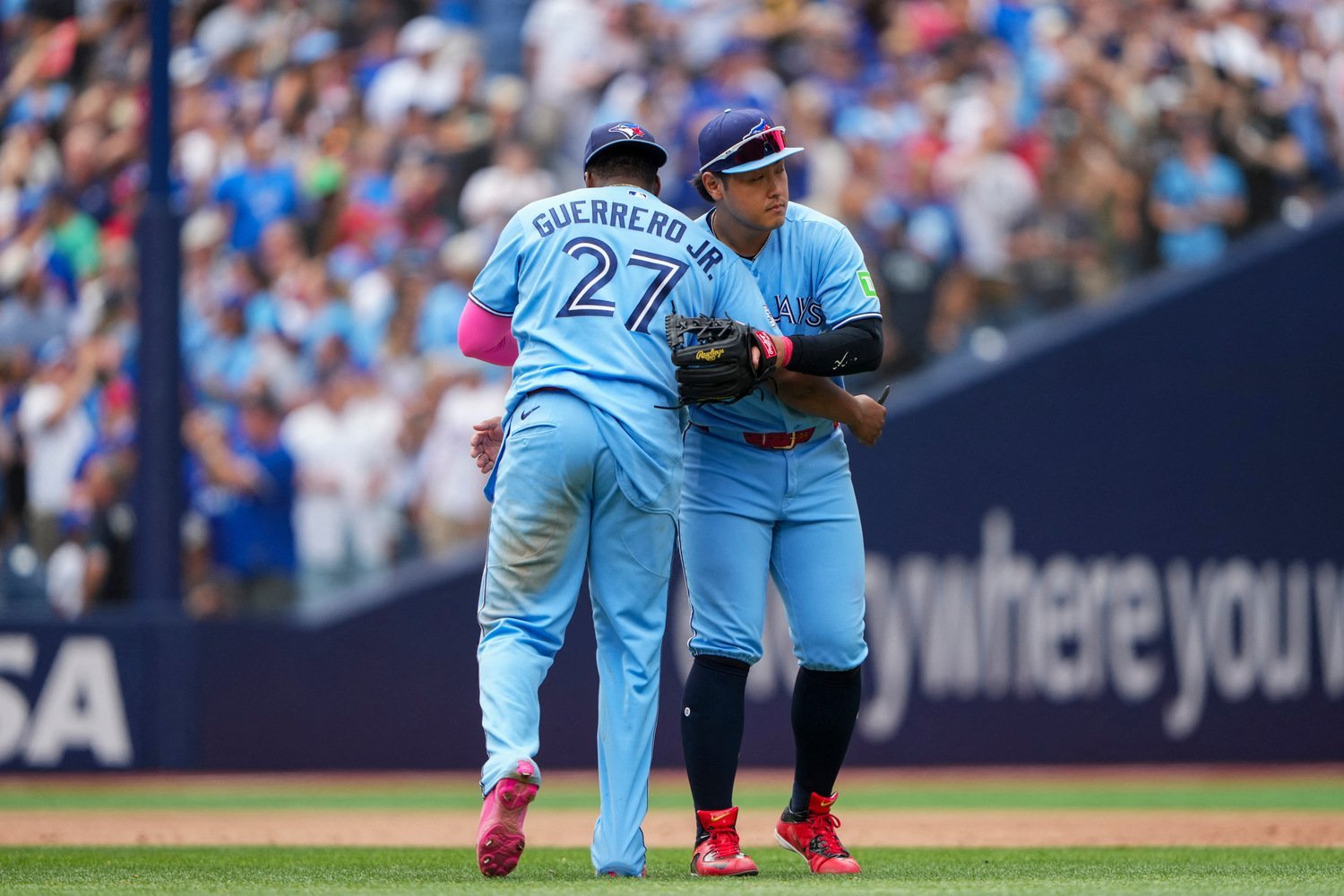 The Toronto Blue Jays struggled with injuries this past season. However, they had steady starters at the infield corners, with Vladimir Guerrero Jr. playing in 144 games and Kazuma Okamoto in 156, though their performances differed greatly. Okamoto led all Blue Jays position players in fWAR this season with a 3.0 rating, driven by a strong bat but hampered by mediocre defense. Guerrero posted the second-worst fWAR (1.1) of his eight-year career, excluding the 2020 shortened season. He leaned heavily on his strong defense but produced the worst offensive output of his career. Check out prior entries in our Depth Check series here: Catcher Outfield The Starters Guerrero will return next season as the nearly everyday first baseman, while occasionally filling in at designated hitter. He’s been a consistent lineup fixture over the last six seasons, playing in at least 140 games each year. In the first five of those campaigns, he hit at least 23 home runs. However, Vladdy hit only nine this season over 609 plate appearances. That’s the same number of homers as he hit in 2020, with 366 fewer PA. Guerrero’s 48 homers in 2021 were an anomaly, because he’s not a prototypical power hitter. He’s a line-drive hitter who can use his strength to drive an occasional liner out of the ballpark. The Blue Jays' first baseman’s fly ball percentage has declined in each of the past four seasons, from 21.7 percent in 2023 to 19.3 percent last year (per Baseball Savant), the second-lowest rate of his career. Even Vladdy’s pull-air percentage was extremely low, sitting at 12.4 percent. It was lower than his straight and oppo flyball rates, both at 19.5 percent. This statistic isn’t a good sign for a player who has a $500 million contract or for a team desperate for power. Although Guerrero was disappointing at the plate, he was highly successful on defense. Over more than 1,000 defensive opportunities, he posted a .992 fielding percentage with only eight errors. He also posted 6 outs above average. It was the first time in his career he finished with a positive rating in this metric, ranking fourth among 43 eligible first basemen. At third base, Okamoto was the Blue Jays' primary power source in 2026. His 33 long balls accounted for more than 20 percent of the team's 152 home runs, leaving them last in MLB. George Springer (15), Alejandro Kirk (10), and Nathan Lukes (10) were the only other Blue Jays with double-digit home runs. Okamoto, the former Nippon Professional Baseball player, had a successful MLB debut, but he posted a high strikeout rate (28.8 percent). This may have been because it was his first time facing MLB pitchers, something fellow rookie from the NPB, Munetaka Murakami also struggled with. However, the Chicago White Sox slugger was far worse in terms of swing-and-miss, posting a 35.4 percent strikeout rate. Although Okamoto hit well, he was not so successful with his glove at third base. He had 89 putouts but posted a .935 fielding percentage with 20 errors. The Blue Jays third baseman posted a -2 OAA, ranking 29th among 43 eligible third basemen. However, he was much better at first base, sporting a .990 fielding percentage over 101 opportunities with only one error. Both will return next season as mainstays at their positions, but they have clear offseason focuses. The Bench Vladdy and Okamoto stayed healthy and logged innings for most of the season, so backups had few opportunities to appear at corner infield positions. Okamoto, Sean Keys, and Charles McAdoo all made appearances at both positions. Keys and McAdoo will return as positional depth, but it's unlikely that both will make the Opening Day roster. Josh Smith and Ernie Clement saw a few games at third base. Both players are eligible for raises in arbitration this offseason. Clement could be a surprising non-tender candidate, as he’ll be 31 when next season begins, and he became a liability offensively and defensively in the second half of 2026. Smith will still be 29 for the majority of next season, but the Blue Jays could non-tender him to open a 40-man roster spot for one of their promising, Rule 5-eligible prospects. Smith was a disappointment after coming over from the Texas Rangers in the trade that sent Adam Macko away and brought in prospect Josh Stephan. Smith slashed .184/.276/.408 in 89 plate appearances. So, aside from his experience and ability to play multiple positions, he doesn’t offer anything a prospect can’t. Addison Barger will be back healthy next season and can handle third base if needed, making the decision to non-tender Smith and/or Clement easier. Barger hit 21 home runs and slashed .245/.301/.454 over 502 PA in 2025. However, he was abysmal in his brief season this year, slashing .045/.214/.091 with zero homers, but he only had 28 PA. Multiple injuries derailed Barger's season. He was placed on the 10-day injury list on April 5 with an ankle sprain. He returned to the Blue Jays on May 9 but suffered an elbow injury in the game after a 101 mph throw from right field. Barger returned to the injured list and underwent surgery on July 27. Luckily, he avoided a full Tommy John surgery and was able to receive an internal brace procedure. This greatly reduces his recovery time, and he is on track to be ready for spring training. 40-Man Depth Currently, no other players on the 40-man roster can play corner infield. Luis Urías is about to become a free agent, but he could be a cheap veteran to re-sign for depth. The Blue Jays love utility players, and Urías fits the bill, playing every infield position except first base. However, the team has prospects who deserve a roster spot. Shawn Ross is listed as a catcher and corner infielder. He will be a valuable depth piece if Alejandro Kirk or Brandon Valenzuela suffer an injury. Ross could also give Guerrero or Okamoto a day off when needed. Rule 5 Eligible Depth Jay Harry hasn’t played the hot corner since 2024, so he isn’t listed as a third baseman. However, he has the skills to play anywhere on the field. He started his minor league career hot through 2021-2023, but he drastically stepped back the next two seasons, combining to hit .206. He broke out this season, though, slashing .298/.394/.495 across three different minor league levels. Harry’s ability to make contact and play multiple positions makes him a strong Rule 5 draft pick, unless the Blue Jays protect him by adding him to the 40-man roster. Josh Kasevich is a contact hitter who slashed .282/.364/.363 with Triple-A Buffalo this season. He offers minimal power, hitting no more than seven home runs in any season. Kasevich's positives are his strong glove and ability to play any infield position, which he did with Buffalo. However, that isn’t enough for a team to select him and keep him on its 26-man roster all season. Tucker Toman, Nick Goodwin, Cutter Coffey, Peyton Williams, and Josh Rivera are also eligible for the Rule 5 draft. However, according to Jays Centre's rankings, none are ranked among the top 20 Blue Jays prospects. This makes them unlikely to be selected by another team. More Minor League Depth Dub Gleed and $250,000 in international bonus pool money came over in the trade that sent Leo Jiménez to the Miami Marlins after the Blue Jays designated Jiménez for assignment. Gleed fits the profile of a contact hitter, like most utility players in the Blue Jays organization. He’s projected to make his MLB debut next season, but likely after Harry and Kasevich, unless Gleed has a hot start to the season with Buffalo. Juan Sanchez is the team's number four prospect, and Ryan Sprock is just outside the top 20 of Jays Centre's rankings. They can both play third base, but neither has reached Double A. They also aren't expected to make their MLB debuts until 2028 at the earliest. View the full article
-
Mets Promote Mariano Duncan To Major-League Staff
DiamondCentric posted an article in Grand Central Mets
 As the New York Mets slightly revamp their coaching staff, they are elevating one of their minor-league staffers to the majors. Mariano Duncan, the bench coach at Double-A Binghamton, has been promoted to the MLB staff, Joel Sherman of the New York Post reported Monday. While Sherman didn't mention a specific title, Duncan is expected to have a wide-ranging role with the Mets' position players. Duncan, 63, played for 12 years in the majors, mostly as an infielder, and won a World Series with the 1990 Cincinnati Reds and 1996 New York Yankees, while also making the Fall Classic with the 1993 Philadelphia Phillies. Duncan was an All-Star with the Phillies in 1994. In addition to being with Binghamton in 2026, he was also with the Rumble Ponies in 2022 and with the Brooklyn Cyclones in 2021, the Mets' High-A Affiliate. Duncan has served in a variety of coaching roles since 2003 at all levels, from the Gulf Coast League up to Triple-A. The Mets recently said three coaches would not be returning to the major-league staff, which is the first under Andy Green, who took over as interim manager during the season and was given the full-time job at the end of the year. View the full article
-
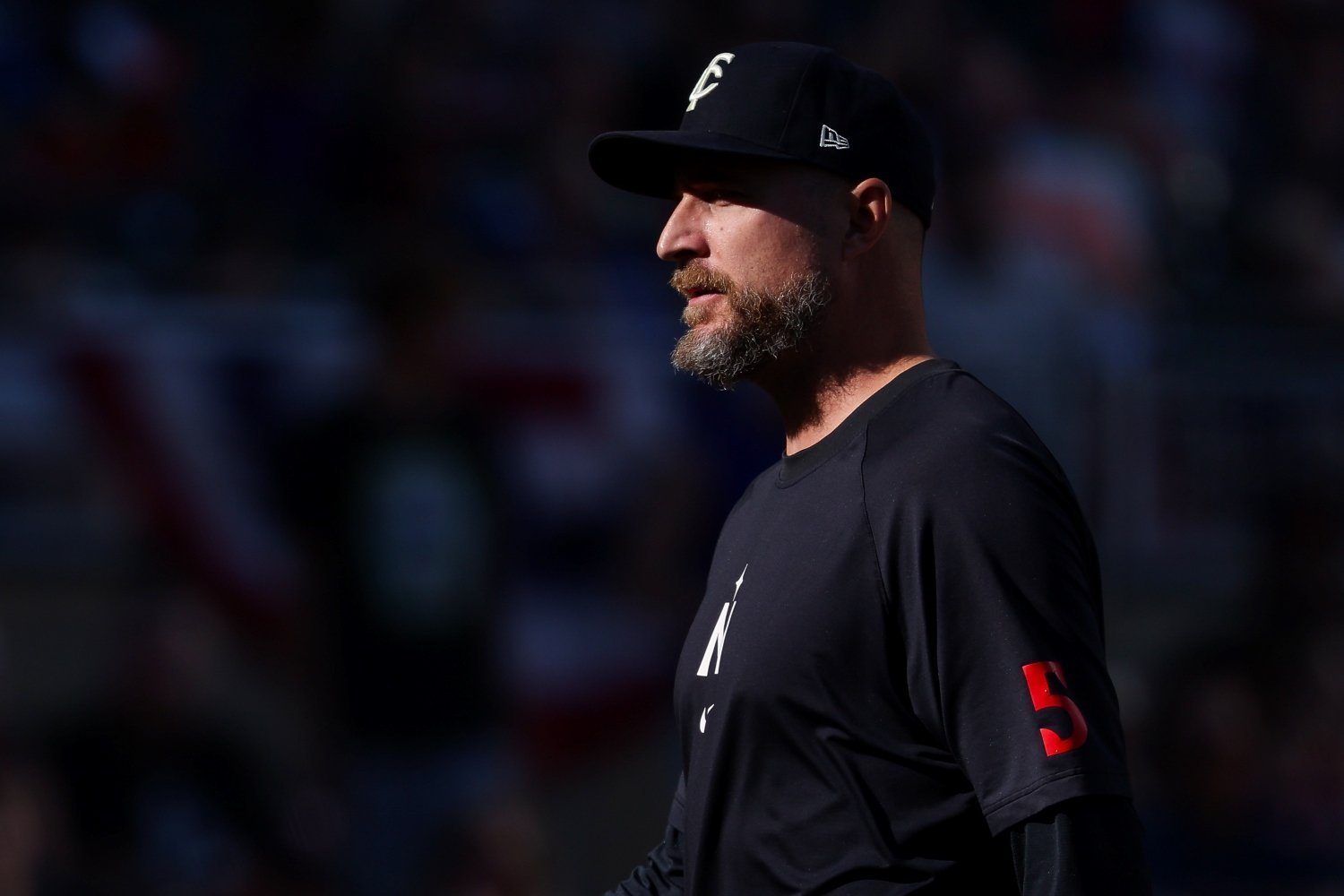 Rocco Baldelli will not be the next manager of the Seattle Mariners. The former Minnesota Twins skipper has withdrawn from consideration for the position, leaving another managerial opening without one of its reported candidates. According to The Athletic’s Ken Rosenthal, Baldelli removed himself from Seattle’s search because of “family considerations.” The decision comes one year after the Twins dismissed him following a disappointing 2025 campaign and raises questions about when he might return to a major league dugout. For Twins fans, the news provides another reminder of a manager whose tenure included both considerable success and a frustrating conclusion. Baldelli is currently working as a special assistant to Los Angeles Dodgers president of baseball operations Andrew Friedman. He spent the 2026 season in that front office after managing Minnesota for seven seasons. Looking Back at Baldelli’s Twins Tenure The Twins hired Baldelli before the 2019 season, and he immediately helped transform the team into a contender. Minnesota won 101 games in his first season, setting a franchise record for victories and earning Baldelli American League Manager of the Year honors. That season established a pattern of regular-season success. Baldelli guided the Twins to three American League Central titles and three postseason appearances during his time in Minnesota. The club finished with a 527-505 regular-season record under his leadership. His tenure also included a long-awaited postseason breakthrough. Minnesota swept the Toronto Blue Jays in the 2023 American League Wild Card Series, earning its first playoff series victory since 2002. However, the Twins could not sustain that momentum. A September collapse in 2024 cost the team another postseason opportunity, and the club finished 70-92 in 2025. The final season became especially difficult after Minnesota dismantled much of its roster at the trade deadline. The organization traded numerous established players as it shifted its focus, leaving Baldelli to manage a depleted team through the end of the campaign. The Twins dismissed him after the season, ending a seven-year run that featured division titles, postseason disappointment and significant organizational changes. Is Baldelli Done Managing? Baldelli's decision to withdraw from Seattle's search does not necessarily mean he has abandoned the idea of managing again. After Minnesota dismissed him, he expressed interest in returning to a dugout while also acknowledging the importance of spending time with his family. Taking a front-office position with the Dodgers allowed him to remain connected to baseball without immediately jumping into another demanding managerial job. His experience with Minnesota, including his emphasis on analytics, defense and communication, could still appeal to organizations seeking a new direction. Seattle had emerged as a potential landing spot. The Mariners are looking for a replacement for Dan Wilson after finishing the 2026 season with a 76-86 record. Former Houston Astros manager Joe Espada and Chicago Cubs director of player development Jason Kanzler have also been reported as candidates. Baldelli's withdrawal removes a recognizable name from Seattle's search, but it leaves his own baseball future open. Whether he pursues another managerial opportunity this offseason or remains with the Dodgers, his next move will be worth watching in Minnesota. For the Twins, Baldelli's departure marked the end of an era. His latest decision offers no immediate change for the organization, but it keeps the former manager's name in the conversation as teams across baseball look for leadership ahead of 2027. View the full article
