


DiamondCentric
-
Posts
2,631 -
Joined
-
Last visited
Never
Content Type
Profiles
Forums
Events
News
Tutorials & Help
Major League Baseball Videos
Guides & Resources
Store
Downloads
Gallery
Everything posted by DiamondCentric
-

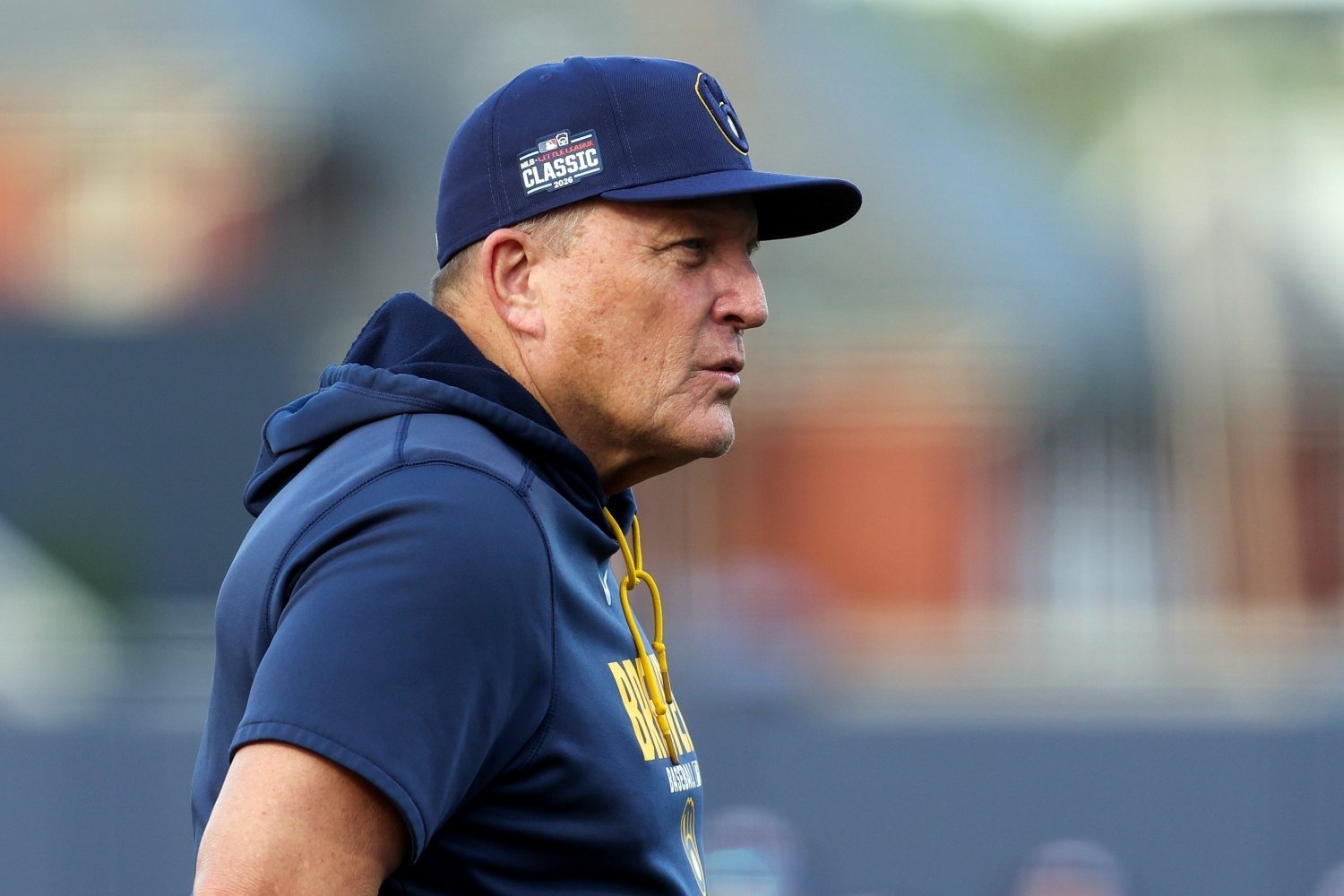 The grind is going to affect you. There is no road from Game 1 to Game 162—let alone from Pitchers & Catchers to Parade Day—that avoids all the tolls and all the traffic jams that turn the dream job into a bit of a nightmare. There are going to be times when you’re hideously tired. There are going to be times when you’re either sidelined by an injury and fighting the mental battle of staying engaged with the game and your teammates, or playing through a nagging something and fighting the physical battle against the best competition on earth without being at your best. There are going to be times when off-field distraction or on-field frustration makes it impossible (or nearly so) to maintain the equanimity and the intensity that are required to succeed in this game. At certain points in the season, you can see the league feel the grind almost in unison. They get grumpier; they get sloppier. Arguments with umpires and tensions between teams rise. I notice this most in early June (when the campaign has been going for a while but real clarity about how it’ll go remains stubbornly out of reach) and around this time of year, just after the trade deadline. Checkpoints and milestones make the grind bearable; being just on the other side of one and knowing it’s a long way to the next one makes for tough sledding. Players might tell you they don’t pay much attention to trade rumors or care much what the front office does at the deadline, but they do pay attention, and they do care. Once the deadline passes, whether things went the way a given player wanted or not, they know that there’s no further transformation coming. Nothing is harder than living with yourself after you got what you wanted but didn’t feel the magical uplift you’d hoped for. We’re seeing some teams and players wear thin and start to strain over the last two weeks, as all of these effects have swirled together and the games and the miles traveled and the reps have piled up. Let’s do a little thought exercise together. If you were running a baseball ops department, and you acknowledged all of the above, how would you go about ameliorating it—not avoiding the impacts, but mitigating them, and maybe turning some of them from negatives into positives? I propose that if you start by trying to answer that question when you start to see the impacts, you’re already too late. The grind is going to affect you. Knowing that, what if you made a plan that addressed that eventuality and worked against it, in advance? This isn’t a problem unique to sports, so it’s not an area in which we have to wait and see what teams come up with. Without cleaving too closely to what could quickly become a fraught comparison, let’s look to another vocation in which big mental and physical hurdles are unavoidable and expected, and where lots of work has been done to move toward holistic handling of those issues: soldiers. The history of our world’s understanding of war trauma is too long and complicated to rehash here. Suffice it to say that an honest and non-judgmental approach to mitigating the damage war trauma can do is a relatively new thing under the sun. Since roughly the Vietnam War era, though, we’ve made steady and significant—you can never say ‘sufficient’ with something like this—progress, as a society. Greater empathy greets people who deal with post-traumatic stress; a wider array of treatment and growth opportunities await them. Over the last 20 years or so, there’s also been more work aimed not at reacting to war trauma, but at preparing oneself for it and handling it as it happens. “By 2008, soldiers received so-called Battlemind training before being deployed,” author Tom Roston wrote in his book The Writer’s Crusade: Kurt Vonnegut and the Many Lives of Slaughterhouse-Five. “Previously, the army only ran postdeployment health briefings.” Roston’s book is all about the Vonnegut book named in its title, but any book about that book is also about the Western understanding of war trauma and the sea change therein, especially since the publication of Vonnegut’s opus. It therefore spends a long time talking about “fully integrative” approaches to handling trauma, including attacking that trauma before, during and after soldiers’ deployment. The Battlemind training to which Roston referred there is no longer the state of the art, but it’s one tool in a box of them used by various branches of the military and non-governmental support organizations. It’s probably better rendered as BATTLEMIND, though, because it’s actually an acronym. BATTLEMIND stands for: Buddies: Connecting with fellow soldiers, rather than withdrawing Accountability Targeted Aggression, as opposed to inappropriate aggression Tactical Awareness, as opposed to hypervigilance Lethally Armed, responsible wielding of weaponry – Emotional Control, as opposed to anger or detachment Mission Operational Security, rather than secretiveness Individual Responsibility, rather than guilt Nondefensive driving, but not aggressive driving Discipline, not conflict These seminars and workshops were intended to prepare soldiers to balance the responsibilities of non-combat deployment, combat, and civilian life, by highlighting key areas in which generalizing from one of those contexts to the others could be dangerous. Some of the items in that list make little sense to someone who has never been anywhere near a combat zone. For instance, why is driving worthy of its own entry? Ask anyone with experience in such a place, though, and it becomes clear. You really do have to drive differently—not defensively, not predictably, but also not hyperaggressively—in many places where soldiers must go. It’s not one of the differences every young person preparing for a first deployment anticipates, and by making them aware of it in advance (as well as checking in on that item while they were in the field and in postdeployment debriefs), the program’s creators hoped to make soldiers more effective both in combat-zone settings and at home, afterward. It’s time for a crucial caveat: Plainly, being a ballplayer is not like being a soldier—not really. There is no meaningfully increased risk of death; nothing inherently and inescapably traumatic; and no more moral quandary in participating than in doing anything else for a living, really. Plenty of people will balk, with good reason, at any parallels drawn between one profession and the other. I don’t mean to imply that this model (again, at least partially abandoned by the army itself) is perfect for its own uses—let alone that it should be adapted to ballplayers and treated as a cure-all. However, I think an end-to-end plan to fight the grind could make more effective ballplayers, and perhaps turn the average ballplayer into a slightly more effective and upstanding person, to boot. Let’s begin by making a couple of tweaks to the acronym, by swapping out the items that matter to the military but not to baseball. While a ball in the hand of a talented pitcher or a bat in the hands of any big, strong adult can be deadly weapons, let’s take out the ‘L’, for Lethally Armed. Players don’t need specific training for the storage and contextualized use of their equipment. As you’d guess, we’ll also cut out the ‘N’, because line drives are neither defensive nor aggressive. In their place, though, we’ll add an ‘R’ after the ‘E’, for Rest and Recovery. Players already get lots of information and resources for dealing with injuries and maintaining their energy, but that should be incorporated into this kind of training, and it should be proactive, rather than reactive. We’ll also replace the ‘N’, this time with the phrase “Nasty on diamond, not away from it”. The resulting acronym works nicely; it’s BATTERMIND now. (Sorry, pitchers.) But what should this training look like? What form should it take; when should it begin; and how often should it take place? It would be ironic if training designed to moderate the effects of the grind actually added to them, by overloading players, so we’d better think this all the way through, even if it’s just a thought exercise. Here’s everything I’ve got. Sessions To do this right, you have to start by getting everyone together to introduce it. You hold a full-team meeting and seminar on what this training will be, early in spring training. Walking through each of the principles in a quick overview fashion, you give concrete examples and ask staff who had long playing careers to give brief statements on how their experience dovetails with a given principle. Be honest, right away, about how hard the long season is, but emphasize that this training is an opportunity to reduce the strain of it. For most of the season, though, the work is done in smaller groups. The staff in charge of leading it schedules sessions so that they’re seeing every player on a biweekly basis, but not all of them at the same time. That creates opportunities for styles of learning and teaching beyond simple lecture. Some sessions become roundtable discussions; others are prescribed and structured exercises. At the end of the year. Points of Emphasis Let’s walk back through the items of the acronym, with a baseball-specific lens fitted to them: Buddies: Soldiers become as much family to one another as friends, because of the bonding that takes place under the combination of such danger and constant proximity. Sport is one of the few areas of civilian life where a similar camaraderie develops between colleagues; these guys are together a lot and they have ample reason to think of things in terms of ‘us’ and ‘them’. However, the grind of the season (just like the grind of deployment) can make for a sense of loneliness that must be combatted. Players whose families are in another country or who can’t stay with them in the team’s home city during the season are especially prone to that, and smart phones have had the same isolating effects in clubhouses as in society as a whole. This element of the training should focus on encouraging genuine connection between teammates. A voluntary roommates program for road trips would be an interesting idea. Get-to-know-you things that ensure everyone on the team knows their teammates’ family and living situation and can check in with those who are at risk of being siloed are crucial. Accountability: This happens to be in the news right now, as the sports pundits babble over whether it was proper for Pat Murphy to remove Cooper Pratt from a game after he failed to put a bunt down in one at-bat and didn’t run hard out of the box on a shallow fly ball in the next. Because that form of accountability is visible and somewhat embarrassing for the player, it’s become a hot-button issue, but the truth beneath that debate is that taking a player out of one game is a very small punishment. As long as the team is supportive of any player it thus disciplines afterward, it’s not damaging, and it affirms the constancy of the team’s commitment to intensity and execution. That’s why the players on the team were so supportive of Murphy’s handling of the Pratt situation. Accountability means communicating in advance on what basis a player might suffer various consequences for actions, but more importantly, it’s about making all involved understand that they’re accountable to one another; it builds upon the interconnectedness that should be fostered by the Buddies piece. Targeted Aggression: This is where the benefits of this kind of training begin to spread off the field and into the player’s real life, but it certainly still has value on the field. Do you remember the Bronx Zoo Yankees? The 1980s Cocaine Mets? The Late Carlos Zambrano Cubs? Those clubs all found some success that was fueled by the intensity and outright aggression of key figures, but they were also riven by those players’ irresponsible behavior both on and off the field. Being aggressive is important in baseball, and the tenacity that fuels that aggressiveness has to burn even between games; it’s usually not a switch that can be flipped on and off. However, a good training module on this subject should help players develop a dimmer instead of a simple switch. That reduces instances of inappropriate on-field outbursts or lapses in concentration that lead to losses. More importantly, though, it also reduces the likelihood of brawls between teammates in the clubhouse, shouting matches between manager and player, or—this, most important of all, to the person and the world if not to the team—violent or aggressive behavior toward loved ones or strangers when not at the ballpark. Tactical Awareness: This one maps only imperfectly onto baseball. A soldier has to learn to be extremely aware of their environment, and that can transform into damaging hypervigilance once they’re back home and the danger becomes perceived, rather than real. It’s not the same in baseball. Players have to pay acute attention on the field, but not in a way that becomes counterproductive away from it. One key to this, however, would be helping players discern important information from noise, both on and off the field. Being aware of opponents talking or sending signals while filtering out crowd noise is important; ditto for hearing valid criticism when it comes in public but tuning out knuckleheads and people in your DMs shouting about their parlays. Emotional Control: The balance between equanimity and intensity is always difficult to strike in baseball, be it within a game or over a month. It’s important to care about every outcome, but not to care so much that it destabilizes you in either the long or the short term. Giving players a wider variety of tools, from mindfulness meditation to testimonials and counseling by former players, could be a big help. Rest and Recovery: Every player thinks they know a ton about how to preserve their energy, recover from workouts and be ready for the game each day. Every player has more to learn in this area. BATTERMIND training on this principle should focus on scheduling rest and off days farther in advance than players are comfortable with, to emphasize to them that it’s a long season and a long-term plan is needed. Mission Operational Security: Teaching soldiers the distinction between preserving “opsec” and being overly secretive with loved ones is a vital part of preparing them for a return to civilian life. It’s easy to understand that loose lips sink ships; it’s harder to know which things have to be kept to oneself and which are safe to share. This problem has a clearer set of parallels to life as a ballplayer than you might think. Many players become unpopular with or distrustful of the media because they worry that they’ll say too much; that makes open clubhouse times a daily dose of discomfort and antipathy for them. Some also struggle to talk about their work with their families, the way we all need to do sometimes. There should be lots of training on how to say more to the media and to worry about that less, and on how to leave work at work even in this all-consuming career, so conversations can be freer at home. Individual Responsibility: This overlaps with accountability, but it’s not the same thing. For soldiers, this is about learning not to be crushed by guilt, whether as a survivor of something that killed a friend or because of a real failure that put someone in danger. Baseball’s stakes are lower, but the risks take the same shape. Players often kick themselves for letting the team down after a loss; that’s ok. However, it’s important to take a balanced mental approach to such moments, and to remember that no one player’s performance will determine the fate of a team’s season. This is one place where this training might actually incorporate public-facing baseball stats in a productive way; there’s no greater cure for the solipsistic guilt of a morose player than to teach them about Win Probability Added and the concepts of value over replacement. Once you have a firm handle on those precepts, it’s impossible to ignore how diffuse the responsibility for wins and losses in this sport really is. Nasty on Diamond, not Away From It: This is similar to the question of targeted aggression, but it’s more about mindset than behavior. High-level competitiveness is a prerequisite for success in the majors. It’s often self-defeating once you step outside the clubhouse, though. Teaching players to cultivate their competitiveness—that is, to grow it, but to do so in a confined space and keep it from taking over their whole personality or world—has to be a part of this kind of training. Discipline: Like most military operations, ball clubs are hierarchical organizations. Players have to learn the importance of the chain of command and of when and how it’s appropriate to push for changes thereto. Often, it simply isn’t, and the challenge to the player is to accept something unpleasant in one isolated situation so as not to disrupt the cohesion of the team and its structure. Discussion about a change a player feels is necessary might need to wait longer than they’d like, and be done in a smaller setting than they initially prefer. What soldiers face and what ballplayers face are not similar at all. In a sense, though, the paradoxes BATTLEMIND was most designed to address exist for all of us; they're like the day-to-day experiences of civilian workers, in macrocosm instead of microcosm. We all have to live in two worlds, or more. We all have to deal with stressors and compartmentalize traumas, although soldiers face greater and ghastlier versions of that challenge than most of us do. This program is an admirable effort to name and address the places where we feel torn between the two selves we need to be and the two constituencies we need to serve, and to make room for appropriate handling of stress and its scarier cousins. Not all workplaces, unfortunately, feel the same responsibility or have the same capacity to engender real cohesion and to follow up assiduously to ensure the ongoing mental health of their employees as does the military—and even the military too often lets down those to whom it bears this responsibility, often because it has too little capacity. Baseball teams, however, are multi-billion-dollar organizations, with every incentive to do long-range work with their employees and almost endless capacity. This is how a team might comprehensively plan to keep players more focused, more prepared and less weary by late August, beginning in early February. It needs to be a program implemented with the goal of supporting the whole person, understanding that some of the best benefits might accrue to the player and their family, rather than to the club. One reason the military has moved away from BATTLEMIND is that it was designed to make more effective soldiers in theater, rather than primarily to produce healthier citizens at home; it didn’t meet that standard. However, it might actually have done more for those who went through it after they did get home, so if a team is willing to stipulate that a happier and healthier player is more likely to play well in future seasons and to stick around, they should be willing to invest in the program even if it first benefits the person when they’re not at the park. View the full article
 -
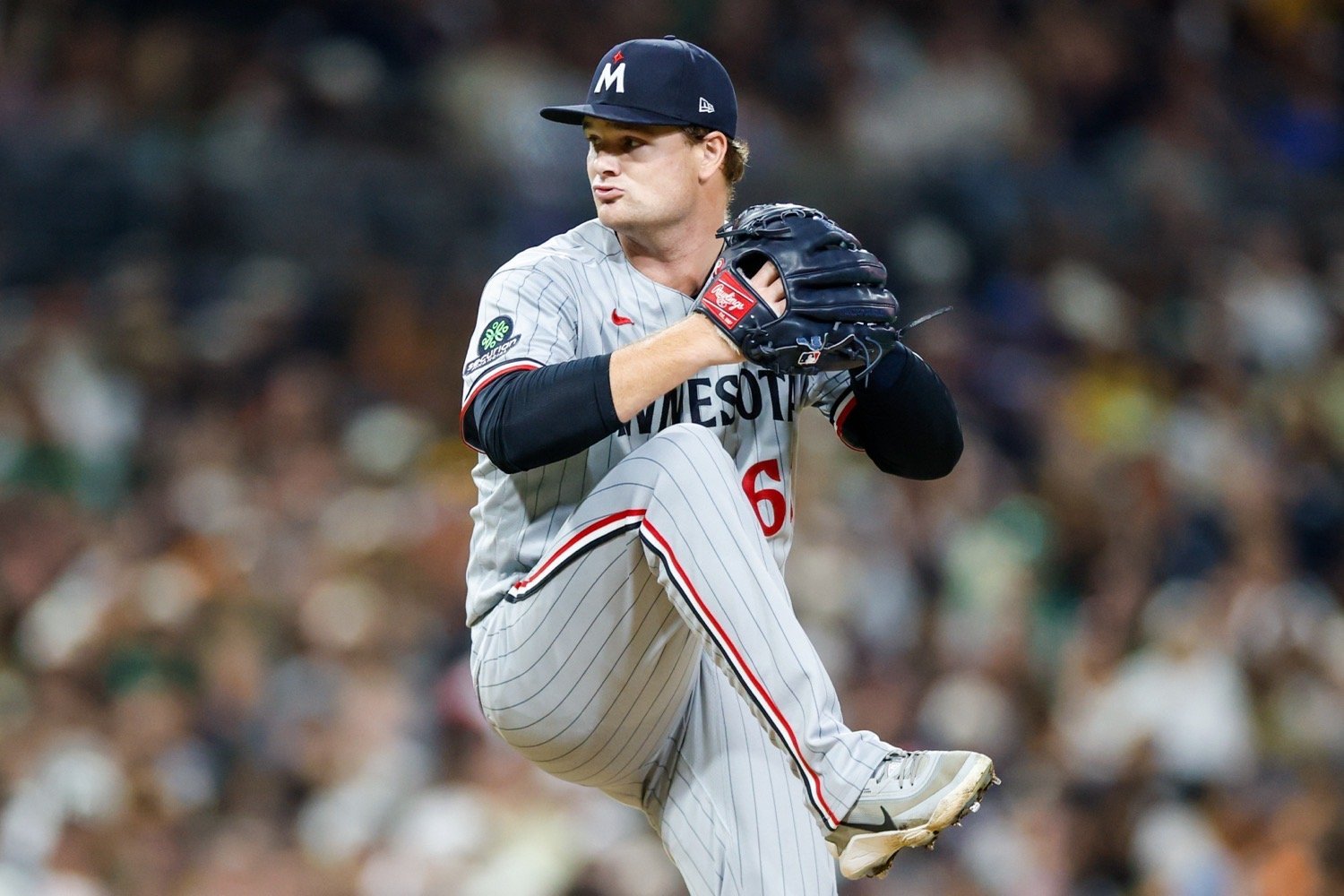 Connor Prielipp's season has been a roller coaster, and it might be reaching the top of the final hill. He got roughed up again in his last outing, and with Joe Ryan potentially nearing a return, it's fair to start wondering whether Prielipp's spot in the Minnesota Twins rotation is safe down the stretch. To be clear, this isn't a total surprise. We knew going in that a season like this was possible for a young arm still finding his footing at the big-league level. Prielipp has flashed real promise in a number of his starts, but he's also been knocked around more than the Twins would like, and there's more behind that than simple growing pains. Remember why the Twins were able to land him in the 2nd round of the 2022 MLB draft in the first place. Prielipp dealt with arm issues at Alabama, serious enough that a lot of evaluators thought of him as a future high-leverage reliever rather than a starter (if he was able to stay healthy at all). That path is still very much on the table; however, the Twins developed him as a starter, where he has shown promise. Early this season, there was a real question of whether he'd still be in the big-league rotation by the time September rolled around. While he’s shown that he could stick in the rotation, the bumps in the road have been real too. Unfortunately, we’re at the point where the innings conversation becomes impossible to ignore. Prielipp has thrown 99 innings with the Twins this year, already more than he's thrown in any professional season since joining the organization (and that's not even counting his innings with the St. Paul Saints). That workload alone had people speculating around the trade deadline about whether the Twins might shut him down or shift him to the bullpen to manage his innings. That combined with his roller coaster performance might force the Twins’ hand. Across 19 starts, Prielipp owns a 5.55 ERA, which looks rough on the surface. But dig a little deeper and there's reason for some optimism. His FIP sits at 3.98, suggesting the results haven't matched the underlying performance. He's also carrying a strikeout minus walk rate of 15.6%, which is a solid number for a starting pitcher but could be proved upon by limiting walks. The problem is his most recent stretch, aside from a 7.76 ERA (4.73 FIP), his primary pitch offering hasn't been getting smacked. Though his secondaries still look good (or at least okay), it's his fastball and that has suddenly lost its shine where hitters are batting .364 against the pitch. And when you connect that to the innings totals, it wouldn't be shocking if his arm is simply running out of gas as the season reaches its final month. So what happens next? Joe Ryan's return is reportedly on the horizon, and that changes the math for everyone in the rotation. The last time a starter had to make room for a returning arm, it was Zebby Matthews who got optioned to Triple-A St. Paul.. It'll be worth watching whether the Twins take a similar approach with Prielipp, sending him down to St. Paul for a reset and a chance to fine-tune his fastball and changeup before the season wraps up. That's not a demotion in the way it might sound. It could be exactly what he needs. There's also the bigger picture to consider if the Twins make a real push toward October. If we're talking about a playoff rotation, Ryan and Taj Bradley look like the top two options right now, with Dean Kramer as the likely third. That would put Prielipp in a bullpen role if he's part of an October roster at all. None of this means Prielipp is a bust or that his future in a Twins uniform is in doubt. Quite the opposite. A pitcher with a 4.11 FIP and a strong strikeout-to-walk rate has real things to like, even if the ERA doesn't show it yet. The bigger question is how the Twins manage him the rest of the way. Do they give him a reset in St. Paul, similar to what they did with Royce Lewis earlier this year? I lean toward thinking a reset makes the most sense. Prielipp has already blown past his previous career high in innings, his fastball and changeup have clearly taken a hit lately, and there's no reason to push a talented young arm further into the danger zone in a season that may not have much playoff value attached to it anyway. Better to protect the asset now than risk a bigger issue down the road. How do you think the Twins should handle Connor Prielipp over the next month? Should they option him down, shift him to the bullpen, or just ride it out? Join the conversation in the comments! View the full article
 -
 Coleman Picard turned in a quality start as Columbia edged Charleston 3-2, and Drew Beam won as Northwest Arkansas beat Frisco 5-3 behind Sam Kulasingam's two-run home run. Carson Roccaforte went 3-for-3 with a home run, though Omaha lost 4-3 in 10 innings. Kendry Chourio struck out four for Quad Cities, and Ben North homered to tie the game, but the River Bandits fell 7-6. Andy Basora closed out Columbia for his eighth save. Kansas City Royals Transactions No Roster Moves Cross And Roccaforte Homer, But Omaha Falls In Extras At Iowa Gavin Cross homered leading off the game, and Roccaforte tied it later with a solo shot, but Omaha dropped a 4-3 decision in 10 innings at Iowa. The Royals' No. 9 prospect finished 3-for-3 with a home run, a walk, and an RBI. Cross went 2-for-6 with a home run, an RBI, and three strikeouts. Peyton Wilson had a hit, a walk, and a hit by pitch. Omaha collected nine hits and drew six walks, but the Storm Chasers struck out 12 times and left 14 runners on base. Hunter Patteson worked four innings, allowing five hits and two runs while walking five and striking out three. Ben Sears followed with two innings, one hit, and one walk. Luke Little added an inning with a strikeout. Matt Moore retired all six hitters he faced and struck out three. Scott Alexander recorded one out, gave up a hit and a walk, and was charged with two runs, one of them earned. Omaha scored first. Cross opened the game with a home run to left-center. After Cross' 15th homer of the year, Wilson singled, Abraham Toro walked, and Roccaforte singled to load the bases, but the Storm Chasers did not add to the lead. Roccaforte's home run to right-center in the seventh made it 2-2. It was his second home run this year with the Storm Chasers. Drew Waters singled behind him, but two strikeouts ended the Omaha threat. In the 10th, zombie runner Waters scored when Omar Hernandez reached on a throwing error, putting Omaha ahead 3-2. Iowa answered with two runs in the bottom half off veteran reliever Scott Alexander, with the winning run scoring with one out. The Storm Chasers went 1-for-14 with runners in scoring position. The loss dropped their record to 58-69. Player AB R H RBI BB K Gavin Cross, RF 6 1 2 1 0 3 Peyton Wilson, 2B 3 0 1 0 1 0 Brett Squires, 1B 5 0 0 0 0 1 Abraham Toro, 3B 4 0 1 0 1 2 Carson Roccaforte, CF 3 1 3 1 1 0 Drew Waters, LF 4 1 1 0 1 2 Colton Becker, SS 5 0 0 0 0 2 Brandon Drury, DH 3 0 0 0 2 2 Omar Hernandez, C 4 0 1 0 0 0 Totals 37 3 9 2 6 12 Player IP H R ER BB K HR Hunter Patteson 4 5 2 2 5 3 1 Ben Sears 2 1 0 0 1 1 0 Luke Little 1 0 0 0 0 1 0 Matt Moore 2 0 0 0 0 3 0 Scott Alexander 1/3 1 2 1 1 0 0 Totals 9 1/3 7 4 3 7 8 1 Kulasingam's Two-Run Homer Lifts Northwest Arkansas Past Frisco Kulasingam's two-run home run put Northwest Arkansas ahead for good in a 5-3 win over Frisco. Kulasingam went 1-for-3 with the home run, two RBI, a walk, and two strikeouts. Javi Vaz was 2-for-4 with a double and a run scored. Jorge Alfaro added two hits, including a double, and an RBI. Alberto Rodriguez also had two hits and scored a run. Luke Pelzer went 1-for-3 with an RBI double, a walk, and a run scored. The Naturals collected 10 hits, drew five walks, and left seven runners on base. Beam, the Royals' No. 13 prospect, took the win after five innings, giving up six hits and three runs with four walks and three strikeouts. Augusto Mendieta followed with three innings, three hits, no runs, two walks, and four strikeouts. Zachary Cawyer worked one inning for his fifth save. Northwest Arkansas scored twice in the first. Pelzer walked, stole second, and stole third before scoring during Spencer Nivens' at-bat. Nivens was hit by a pitch, Daniel Vazquez walked, and Alfaro singled to left to make it 2-1. The third inning provided the difference. Vaz doubled to right, and Kulasingam followed with a home run to right-center for a 4-2 lead. Alfaro doubled later in the inning, but the Naturals did not add to the total. Rodriguez and Angel Acosta opened the fourth with singles, and Pelzer doubled to center to score Rodriguez for a 5-2 lead. Frisco scored once more, and Mendieta and Cawyer combined for four scoreless innings to close it out. The Naturals went 3-for-10 with runners in scoring position. Their record is now 52-70 this season. Player AB R H RBI BB K Luke Pelzer, CF 3 1 1 1 1 1 Javi Vaz, DH 4 1 2 0 0 2 Sam Kulasingam, 3B 3 1 1 2 1 2 Spencer Nivens, LF 2 1 0 0 1 0 Daniel Vazquez, SS 3 0 0 0 1 0 Jorge Alfaro, 1B 4 0 2 1 0 1 Canyon Brown, C 3 0 1 0 1 1 Alberto Rodriguez, RF 4 1 2 0 0 1 Angel Acosta, 2B 4 0 1 0 0 1 Totals 30 5 10 4 5 9 Player IP H R ER BB K HR Drew Beam 5 6 3 3 4 3 1 Augusto Mendieta 3 3 0 0 2 4 0 Zachary Cawyer 1 0 0 0 0 0 0 Totals 9 9 3 3 6 7 1 North's Tying Homer Wasted As Quad Cities Falls To Beloit Quad Cities twice came back from a deficit, then lost 7-6 to Beloit on a ninth-inning home run. The undrafted North went 2-for-4 with a two-run home run and two RBI. Jose Cerice had a hit and two RBI. Nolan Sailors finished 1-for-2 with an RBI, two walks, and a stolen base. Derlin Figueroa had a double and a run scored, and Stone Russell added a double. The River Bandits managed seven hits, drew seven walks, struck out nine times, and left eight runners on base. Chourio, the Royals' top prospect, started and gave up three runs on three hits in three innings, walking none and striking out four. Rob Hensey followed with three innings, six hits, three runs, four walks, and three strikeouts. Kamden Edge worked two hitless innings with four strikeouts. Yimi Presinal took the loss, allowing a home run in his inning of work. Beloit scored three times in the first. Quad Cities answered with two in the bottom half. Asbel Gonzalez and Zion Rose walked, and Cerice lined a single to right that scored both. Blake Mitchell, the Royals' No. 4 prospect, singled and came home on an Erick Torres groundout in the third to tie it 3-3. Beloit pushed across three more over the next two innings, and Sailors singled home Figueroa to cut the deficit to 6-4. The eighth inning brought Quad Cities even. Sailors walked, and North drove a line drive to left-center for a two-run home run and a 6-6 tie. Russell doubled behind him, but a strikeout ended the inning. Beloit homered in the ninth to lead 7-6, and the River Bandits got a walk in their last turn at bat but did not score. The River Bandits went 2-for-16 with runners in scoring position. The loss dropped their record to 65-54. Player AB R H RBI BB K Asbel Gonzalez, CF 3 1 0 0 2 2 Zion Rose, LF 3 1 0 0 2 2 Blake Mitchell, C 4 1 1 0 1 2 Jose Cerice, 3B 4 0 1 2 0 0 Derlin Figueroa, 1B 5 1 1 0 0 1 Erick Torres, RF 4 0 0 1 0 0 Nolan Sailors, DH 2 1 1 1 2 1 Ben North, SS 4 1 2 2 0 1 Stone Russell, 2B 3 0 1 0 0 0 Totals 32 6 7 6 7 9 Player IP H R ER BB K HR Kendry Chourio 3 3 3 3 0 4 1 Rob Hensey 3 6 3 3 4 3 0 Kamden Edge 2 0 0 0 0 4 0 Yimi Presinal 1 1 1 1 0 1 1 Totals 9 10 7 7 4 12 2 Picard's Quality Start Carries Columbia Past Charleston Picard gave Columbia six innings, and the Fireflies came back to beat Charleston 3-2. Picard allowed four hits and two runs with one walk and two strikeouts, a quality start that earned him the win. Dalton Hill followed with an inning and a walk. Michael Braswell III worked an inning and issued a walk. Basora finished with one inning, one hit, and one strikeout for his eighth save. The three relievers combined for three scoreless innings. Henry Ramos led off and went 1-for-4 with an RBI. JC Vanek had a hit, a walk, and an RBI. Jhosmmel Zue had a hit, a run scored, and an RBI. Roni Cabrera had a hit, a walk, and a run scored. Columbia managed five hits, drew four walks, struck out 11 times, and left six runners on base. Charleston scored twice in the first. Columbia answered in the third. Zue singled to center, and after two outs, Ramos singled to center to score Zue. Vanek followed with a single to center that scored Ramos and tied it 2-2. The sixth inning decided it. Cabrera and Connor Rasmussen drew walks, and Zue lifted a sacrifice fly to right that scored Cabrera for a 3-2 lead. Columbia did not get a runner past first base over the final two innings, but the bullpen protected the margin. Hill, Braswell, and Basora allowed one hit and two walks the rest of the way, and Basora retired the last batter of the game on a ground ball. The Fireflies went 2-for-8 with runners in scoring position. The win boosted Columbia's record to 62-61. Player AB R H RBI BB K Henry Ramos, CF 4 1 1 1 0 2 JC Vanek, 1B 3 0 1 1 1 2 Camden Johnson, SS 4 0 0 0 0 1 Sean Gamble, DH 4 0 0 0 0 1 Roni Cabrera, LF 3 1 1 0 1 1 Connor Rasmussen, 2B 2 0 0 0 2 0 Jhosmmel Zue, C 2 1 1 1 0 1 Jhonayker Ugarte, 3B 3 0 0 0 0 2 Daniel Lopez, RF 3 0 1 0 0 1 Totals 28 3 5 3 4 11 Player IP H R ER BB K HR Coleman Picard 6 4 2 2 1 2 0 Dalton Hill 1 0 0 0 1 0 0 Michael Braswell III 1 0 0 0 1 0 0 Andy Basora 1 1 0 0 0 1 0 Totals 9 5 2 2 3 3 0 Top-20 Prospect Performance Kendry Chourio: 3 IP, 3 H, 3 R, 3 ER, 0 BB, 4 K David Shields: DNP Josh Hammond: DNP Blake Mitchell: 1-for-4, BB, 2 K Sean Gamble: 0-for-4, K Ramon Ramirez: DNP Zion Rose: 0-for-3, 2 BB, 2 K Asbel Gonzalez: 0-for-3, 2 BB, 2 K Carson Roccaforte: 3-for-3, HR, RBI, BB Taylor Rabe: DNP Yandel Ricardo: DNP Justin Lamkin: DNP Drew Beam: 5 IP, 6 H, 3 R, 3 ER, 4 BB, 3 K Michael Lombardi: DNP Jack Slightom: DNP Felix Arronde: DNP Angeibel Gomez: DNP Ben Kudrna: DNP Steven Zobac: DNP Blake Wolters: DNP View the full article
 -
 Brandon Lockridge shined in the farm's lone win. Dylan O'Rae is a theft merchant. Plenty of great visuals to take away from Appleton (but not the final score). Wilson was swept by a combined 20-6 tally. Transactions: Nashville Sounds transferred RHP Will Childers from the 7-day injured list to the 60-day injured list. (As of this post time, we are unaware of the nature of Childers' injury.) Although it has not landed officially on the MiLB transaction page, we learned of this - Also, not quite official yet, but LHP Wande Torres, who has had a fine season for the Timber Rattlers, particularly in the second half, is on his way to Biloxi. Nashville Pre-Game Media Notes Final: Nashville 8, Jacksonville (Marlins) 5 Box Score and Game Log Via the Sounds, game details, and we encourage readers to always review affiliate write-ups as part of their Link Report routine: Lockridge Posts Career Day with Five RBI to Solidify Sounds Win - Lockridge is the fifth different Sound to record 5+ RBI this season It was a rare Friday morning start in Jacksonville, which allowed us plenty of time to review the Lockridge highlights below and savor the details which are packed into the linked report above. Here are additional clips: 104.7 MPH off the bat for this Brock Wilken RBI single off old friend Bradley Blalock 102.6 MPH for this Bo Naylor ground ball RBI double, Lockridge showing off the wheels 366 feet on this Wilken oppo taco RHP Brandon Sproat only allowed one hit in four innings (it went a long way), three walks, seven K's, 3 R (2 ER). This was only the 4th home run RH reliever Blake Holub has surrendered this season in 48.2 innings. RHP Joel Kuhnel's rehab assignment (right shoulder impingement) began way back on August 2nd, and to ensure depth, the Brewers are milking every drop of the 30-day maximum stay. With no remaining options, Kuhnel will need to be activated (and likely DFA'd) within the next few days, barring other injury news on the big-league staff. Blake Burke singled twice in the cleanup spot as the DH but struck out in his other three at-bats (28 K's in 70 AAA plate appearances, 40% K rate). Is something else going on with Jeferson Quero? He last was behind the plate on Saturday and has only played in one game since, as the designated hitter on Thursday. Bo Naylor's presence has something to do with that. Catch up with the latest Biloxi pre-game audio interview archives In addition to those linked above, remember that historic June pattern of rain delays and postponements? This is an interesting chat - and naturally, Friday's game was delayed 22 minutes at the start. Biloxi Pre-Game Media Notes Final: Knoxville (Cubs) 3, Biloxi 1 Box Score and Game Log O’Rae Sets Single-Season Stolen Bases Record in Shuckers Setback to Smokies - Biloxi Edged by Knoxville to Even Series at Two Each Jesús Made's 20th error of the season (this one throwing), with one out in the 9th, proved very costly as a 1-1 game turned into a deficit shortly after. Both runs charged to LHP Jesus Broca were unearned as Broca couldn't pick up his young teammate, giving up this two-out, two-run single. Like Brandon Sproat in Nashville Friday, Shuckers starter (and birthday boy, #24) Jaron DeBerry only gave up one hit. And like Sproat's knock allowed, it went a long way. DeBerry was fortunate no one was on base, as he walked five batters over 4.2 innings, having the fortune of LHP Anthony Flores stranding the two runners on base when he exited. RHP Edwin Jimenez pitched very well to get things to the fateful 9th. Darrien Miller raked over 23 games during his Nashville stay, but finds himself batting 9th in this Shuckers lineup, again thanks primarily to the Bo Naylor trade (and Ramon Rodriguez' return to health). Here's the lone Shuckers run on the night: With two outs in the 5th, you have to send O'Rae here on this Josh Adamczewski single, but the play at the plate wasn't all that close: Despite that base hit, it's been a rough August for Adamczewski compared to all the other months of 2026, as his splits page will show. Luis Pena was drilled by a 92 MPH pitch into his left elbow near the protective guard in the 4th. He initially remained in the game and would steal second base, all the while continuing to grab at his elbow. He was stranded and would not return to the field at third base in the 5th. MiLB.TV subscribers can watch the entire sequence at the 02:31:00 hour/minute mark here. Wisconsin Pre-Game Media Notes (download link) Final: South Bend (Cubs) 10, Wisconsin 7 Box Score and Game Log Via the Timber Rattlers, game details: Late Cubs Comeback Beats Rattlers - Six-run ninth inning hands South Bend a 10-7 win Plenty of individual highlights within that linked report, which is a must read, then just settle in for a great movie with a catastrophic ending - as punctuated by Voice of the Rattlers "Aw, nuts" call - From my fellow Link Reporter "Ro" (Daniel): Wisconsin led 7-4 with 2 outs and nobody on in the 9th inning. Jose Nova had gotten a ground out and strike out to nearly allow 5,656 Rattlers’ fans to go home to their loved ones. From that point, he went single, single, wild pitch, intentional walk (asking for trouble), run-scoring walk (see the trouble). 7-5 game, bases loaded, still 2 outs. Did we pull him? Nope. Let’s continue: run-scoring walk. 7-6 game. Pull him now? No. Onward we go: 2-run single, 2-run single, walk. Tough one. I’m sure the ‘pen was spent, with Yerlin the only remaining arm, so I’m not criticizing the manager. And Nova managed all of that within 35 pitches, so it’s not like there was an injury risk. Just really tough for him, the fans, the players and coaches, I’m sure. Timber Rattlers lose 10-7. *** RHP Jose Nova's age 24 season has been an abject disaster - the year-long figures confirm it, and his career-long numbers don't dazzle at all. We've seen Nova display really poor body language again and again, understandable as you visit his game log. The organization's commitment to Nova has been commendable from a person-perspective. From a pure baseball standpoint, others have deserved the opportunities he's received. Can't wait for Abner Uribe to hear about the Wisconsin Brats uniform from his Brewers teammates, but for me, the JoJo Romero Super Mario resemblance with the suspenders is even stronger: We can't link to each and every jersey auction among all the affiliates, but will make the effort to promote this one: If you wish to experience the full Joey Chestnut visit, up-front interview, then the competition, it's all here. Wilson Pre-Game Media Notes Final, Game One: Hickory (Rangers) 9, Wilson 5, seven innings as scheduled Box Score and Game Log Final, Game One: Hickory (Rangers) 11, Wilson 1, seven innings as scheduled Box Score and Game Log Warbirds Swept in Doubleheader - Hickory Clinches Division Title Game One long ball video clips, via Frederi Montero and Rylan Mills: Here's Juan Ortuno's 6th inning RBI double. The lone game two highlight, via Carsten Sabathia Should you wish to check out some of the unfortunate pitches of the evening, the Hickory highlight page has a dozen clips. Only four Wilson pitchers saw action, and five of the 20 runs allowed were unearned, but we'll leave it to your box score perusals to provide you the details. Evening action throughout the system on Saturday night. Enjoy your day! Organizational Scoreboard including starting pitcher info, game times, MiLB TV links, and box scores Current Milwaukee Brewers Organization Batting Stats and Depth Current Milwaukee Brewers Organization Pitching Stats and Depth View the full article
 -
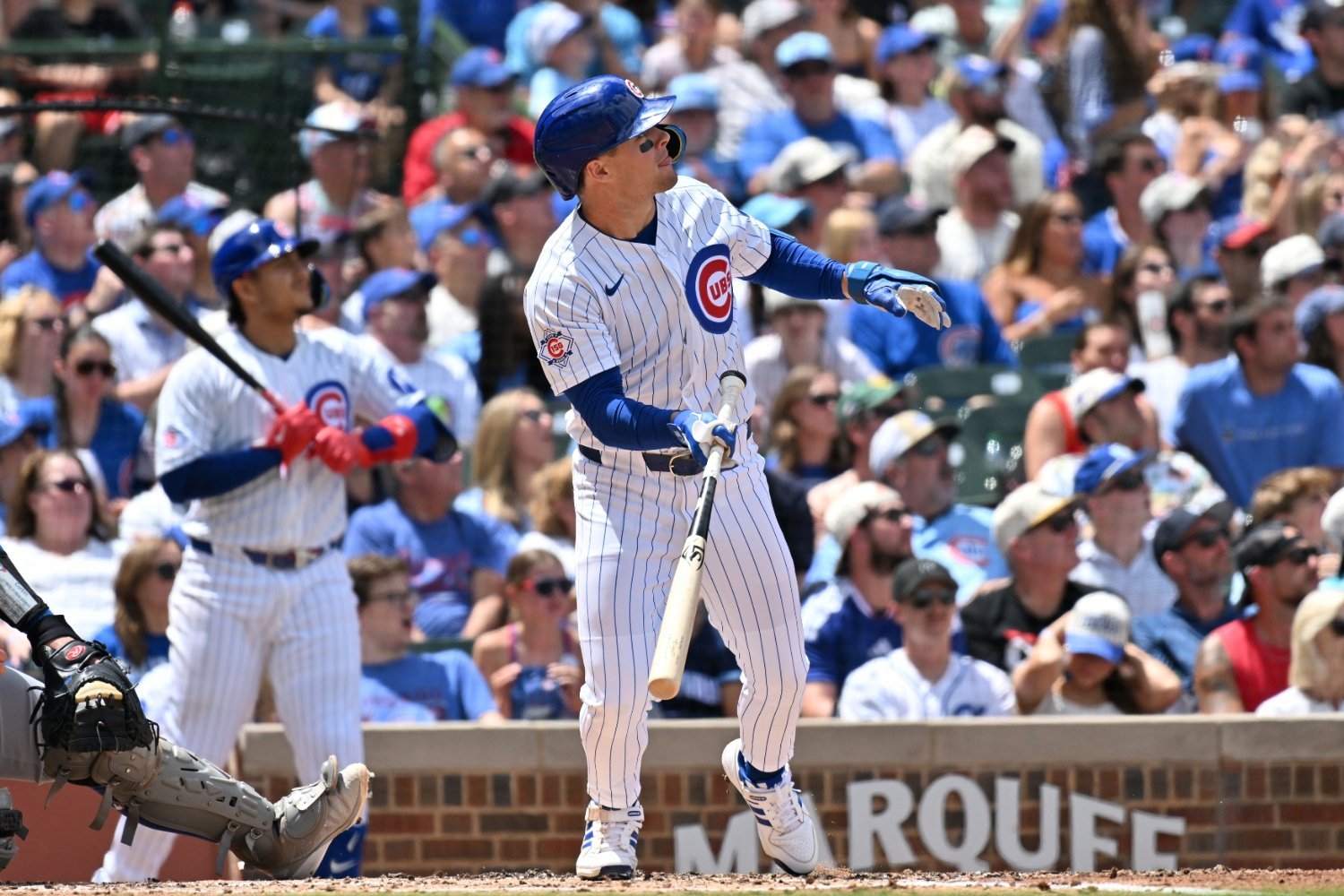 Matt Shaw was reinstated on Friday from the injured list, and his return bears watching. Craig Counsell has alluded to both Michael Busch and Ian Happ's struggles vs. left-handed pitching; Shaw has an .845 OPS from that side of the plate. Furthermore, Seiya Suzuki's price tag this offseason looks larger than the Chicago Cubs might feel comfortable paying on either side of the upcoming lockout, and of course Happ is an impending free agent as well. In other words, Shaw needs to have a good September to solidify himself in the Cubs' plans for next season and beyond. He has only hit .217 against right-handed pitching this year, which needs to improve for him to be a viable full-time starter, and defensively his value and position are still to be determined. He played a solid third base in 2025, but Alex Bregman isn't leaving. Neither is Nico Hoerner, for that matter. So, where could Shaw land? A Ben Zobrist type utility role is possible if they bring the entire band back. Shaw can play multiple positions, allowing the starters a day off or chance to DH. Shaw also could man the designated hitter spot for a spell, at least against southpaws. There's already a path to 300-plus plate appearances right there, but he and the Cubs would want a steady position. What could that role be? One option would be a platoon partner for Michael Busch. Busch has been disappointing this year, and Counsell alluded to a new plan for backup first base. Shaw would be a better option than Justin Turner last year, for instance. One thing to look for with Shaw is if he plays some first base down the stretch; if he does, it might be fair to say the team is preparing him for a stronger focus on the infield, which could open the fourth outfielder job for someone like Kevin Alcántara. If Shaw instead continues to play capably in the outfield corners upon his return, perhaps the Cubs would feel more comfortable moving on from one or both of Happ and Suzuki. The 24-year-old is a cheap, controlled option, allowing funds to be allocated to the pitching staff which currently has few dependable members under contract next season. Though the playoff picture is most important, Matt Shaw's performance in September will be quite important for the Cubs' future plans. Depending on what he's asked to handle (and how well he performs in those duties), the winter plans could hinge on what he shows during the stretch run. View the full article
 -
Travis Adams Is Struggling, And The Twins Have Better Options
DiamondCentric posted an article in Twins Daily
 Travis Adams’ struggles have put his spot in the Twins’ bullpen in serious jeopardy, especially with Jack Anderson, Garrett Acton, and Kendry Rojas waiting in the wings. With September call-ups approaching, Minnesota may have no reason to keep waiting for Adams to figure things out. View the full article
 -
Crummy Red Sox Luck Aside, Adley Rutschman Won't Stay Down For Long
DiamondCentric posted an article in Talk Sox
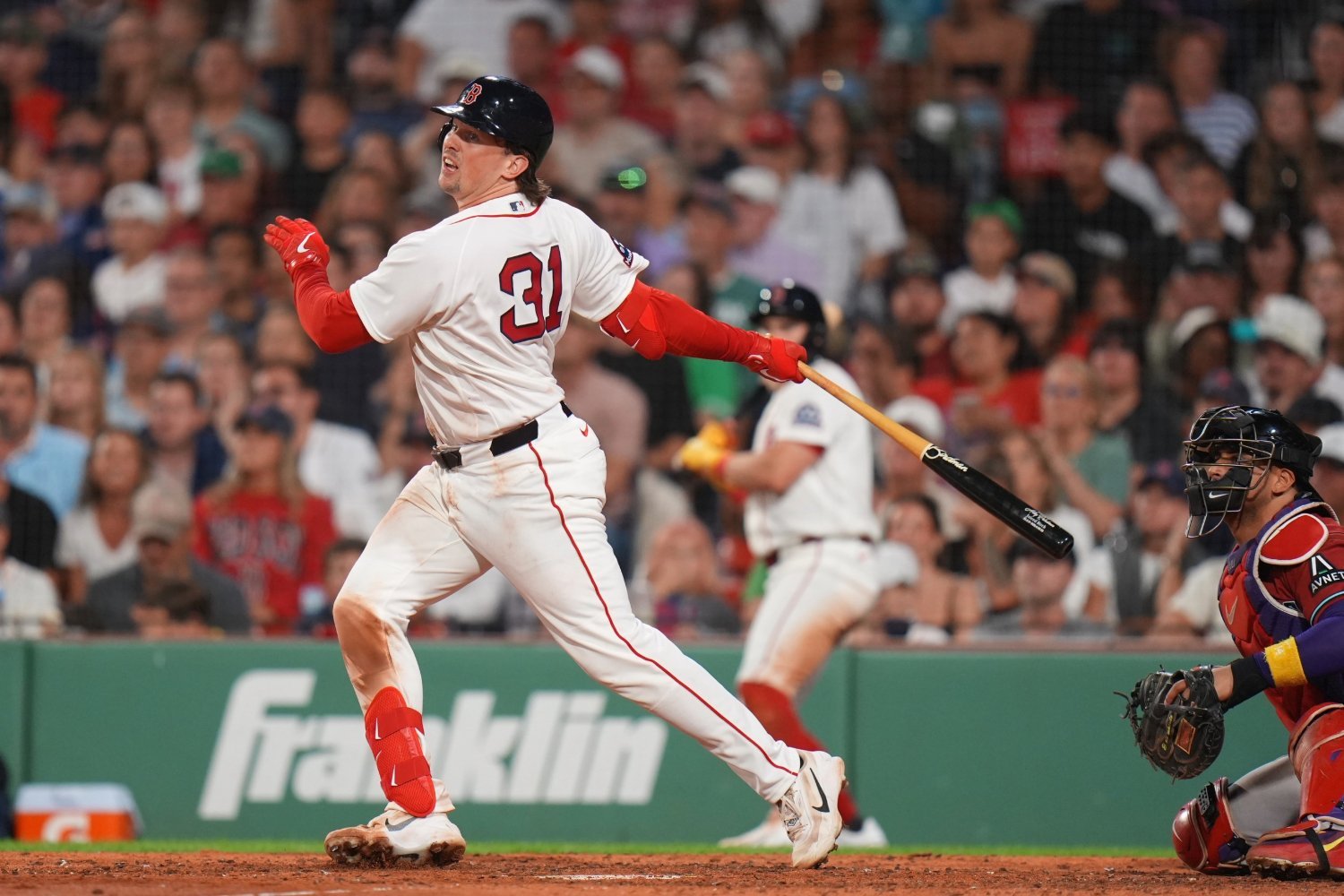 When the Boston Red Sox traded for Adley Rutschman, excitement was high throughout the fanbase as the team decided to go all-in and acquire a genuine All-Star in hopes of increasing their championship odds. There were some concerns, however; namely, Rutschman was on the injured list at the time with left wrist inflammation. It was his third time on the injured list this year after previous stints with left ankle inflammation and a concussion. Add to it that his OPS was just .671 from the beginning of May until he went on the injured list in July, and you had a recipe with a decent chance of turning out something inedible. Now with the Red Sox, Rutschman’s offense has yet to come back around as he’s hitting .146/.255/.244 since being traded. That's an OPS below .500 and and a 43 wRC+. He’s gotten just six hits, with four of them being singles while one was a double and the other was a home run. He’s also struck out 12 times. When you trade three of your top five prospects along with another who was in the top 20, not to mention starting catcher Carlos Narváez (even if his struggles have continued with Baltimore), you would hope for better production. Instead the team has gotten a backstop who has turned in the lowest exit velocities of his career (84.5 mph on average), has the lowest hard-hit rate of his career (34.5%) and has struck out at a career-high rate (25.5%) since being acquired. And yet, I'm here to tell you that it’s too early to worry. There are several factors leading to these issues that can be fixed, and there are others showing that he’ll be just fine. The biggest issue was that Rutschman was rushed back to Boston. When acquired at the deadline, he had last played in a professional game on July 18 before being placed on the injured list two days later with wrist inflammation. Upon joining the Red Sox organization, the team wasn’t sure when he would be ready for a rehab appearance but knew he was close. On August 8, five days after being acquired, he was sent on a rehab stint with the Worcester Red Sox where he would play two games. Overall, Rutschman got seven plate appearances across those two games, going just 1-for-5 with a double, two RBIs, two walks and a strikeout. Feeling he was ready, the team brought him up. It made sense; he was their big trade deadline acquisition, and they wanted him in Boston as soon as possible to help them win games. But they had already seen what happened when they rushed Romy González back to the majors when they needed his offensive help. The results are rarely positive when that happens. Rutschman was very much the same case. In his first game, the catcher would go 1-for-3 before going hitless in his next 14 at-bats, including eight strikeouts. His timing was off and it was clear he needed more time to be back to his usual self. After that 0-for-14 stretch, the catcher has begun to look like the player Boston traded for. Going 5-for-14 over his next four games, Rutschman improved in all areas offensively as he only struck out once. Putting the ball in play more, his exit velocities have increased. Since the August 17 game against Arizona, Rutschman has 11 batted balls that have an exit velocity registered 90 mph or faster; of those, eight would be considered a hard-hit ball (95 mph or faster). In that span, he had 21 batted balls that were put in play, giving him a hard-hit rate of 38.1%. That's still down from his season average of 41.1%, but it shows improvement. Unfortunately, they haven’t all landed in for hits as his batting average for balls in play is a very unlucky .179. Prior to the trade, it was .265. For context, the average BABIP in major league baseball hovers between .290 and .300. Per Fangraphs, a BABIP of .230 is considered atypical for a hitter. For his career prior to the 2026 season, Rutschman’s BABIP sat at .280. With such a low BABIP with Boston, it’s only a matter of time before there’s a positive regression back to the mean. It isn’t what the Red Sox or their fans wanted immediately, but Rutschman is slowly getting back to the hitter everyone envisioned. The most important thing right now is patience. Yes, in a playoff race, patience is not something everyone has. But, given time, people will come to quickly forget the slow start to his tenure in Boston. View the full article
 -
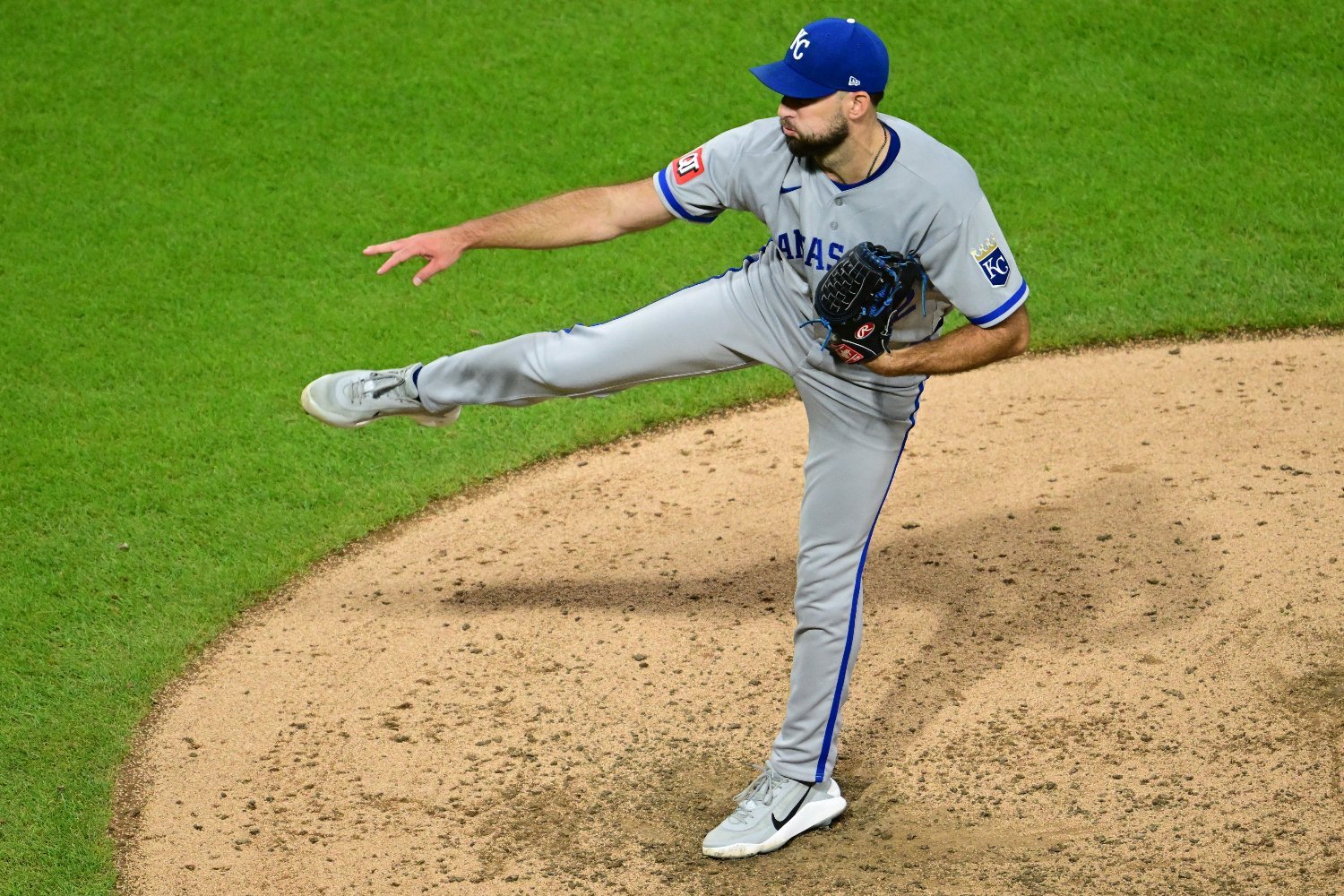 The Royals took two of three from the Blue Jays in Toronto this week. Although their nine-game winning streak ended, a 10-2 Sunday win in the series finale helped Kansas City win its 12th game in its last 14 contests. Joel Penfield of KC Sports Network and I discussed that series and the Royals' winning ways in August on Thursday evening's Royals Postgame Show. Jac Caglianone's BIG Night | Royals News, Analysis, Highlights + MORE!" width="200"> data:image/gif;base64,R0lGODlhAQABAPABAP///wAAACH5BAEKAAAALAAAAAABAAEAAAICRAEAOw== While winning the Blue Jays series was nice, the Royals need to take, if not sweep, the weekend series against the Guardians to have any legitimate hope of making the playoffs. Thankfully, Kansas City set the tone on Friday by winning 3-0 in the opening game of the series in Cleveland. In fact, when it came to setting the tone on Friday, starting pitcher Michael Wacha was the one who led the charge for Kansas City. In a masterful, eight-inning outing, the 35-year-old veteran allowed no runs, four hits, no walks, and struck out 10. His 10 strikeouts were the most for Wacha in a single game this season and his most since May 20th against the Boston Red Sox, when he struck out eight in six innings of work. The Royals All-Star outdueled the Guardians' Tanner Bibee, who allowed one run on seven hits and two walks and struck out five in six innings of work. The outing improved Wacha's ERA to 3.32 and WHIP to 1.10 this season in 170.2 IP. Wacha not only produced incredible results at Progressive Field against the Guardians on Friday, but he also posted some of his best metrics this season, especially with his four-seamer and changeup, his two primary pitches. When looking at his TJ Stuff+ summary from Friday, Wacha produced TJ Stuff+ marks over 100 on his two most-thrown pitches. That helped him generate strong metrics in his chase%, whiff%, and xwOBACON. Overall, Wacha sported a 52.4% zone rate, 34.7% chase%, 30.2% whiff%, and .341 xwOBACON against the Guardians. Those are all above-average marks. On his four-seamer, he not only posted a 101 TJ Stuff+ on the pitch, but also a 36.8% chase%, 20% whiff%, and .165 xwOBACON. For context, that TJ Stuff+ mark was seven points better than his season TJ Stuff+ mark of 94. Here's a look at Wacha's overall TJ Stuff+ summary this season. In addition to a bump in four-seamer TJ Stuff+ on Friday, Wacha also saw an increase in TJ Stuff+ on the changeup (102 to 99), cutter (97 to 93), the curveball (97 to 94), the sinker (91 to 88), and slider (106 to 101). So, with Wacha's stuff playing up in Cleveland, results improved, too. That improved stuff profile showed up on film in all 10 of his strikeouts, as seen in the video below. At 61-75, the Royals' playoff chances remain long. They are still 10.5 games behind in the AL Central, and their playoff odds remain stable at 0.1%. That said, the Royals are going to finish the season fighting, and it seems like the veteran Wacha is going to be one of the main players to lead that charge as Kansas City enters the final month of the regular season. Is Wacha's Fastball Improving? The fastball was the most eye-popping pitch from Wacha on Friday. While the whiff rate was modest compared to his other offerings (just 20%), he commanded the pitch effectively against the Guardians. Wacha threw the offering 39 times, good for a usage rate of 37.9%. He averaged 94.7 MPH on the four-seamer, a 1.7 MPH increase from his season-long mark, as well as a 2.2 MPH difference from his most recent outing against the Tigers at Kauffman Stadium on August 22nd. In fact, here's a look at his TJ Stuff+ summary from that outing against Detroit. Wacha's four-seamers in this most recent outing were a night-and-day difference from his August 22nd start. He not only threw far fewer pitches (21.9%) against Detroit, but he also had a much worse TJ Stuff+ (89), zone rate (47.%), and chase rate (27.3%). Surprisingly, his whiff rate and xwOBACON were better against the Tigers. Nonetheless, despite those mixed results, the velocity and TJ Stuff+ difference stick out. While Wacha flooded the zone enough to be successful against the Tigers (53.1% zone rate), the stuff and velocity metrics hinted that he may have been feeling some fatigue after a long season. However, the boost in four-seamer TJ Stuff+ and velocity on Friday showed that Wacha is NOT fatigued and could be leaned on as the Royals make a push in this stretch run of the 2026 season. Interestingly enough, Wacha has shown spikes in four-seam velocity at times earlier this season. You can see that in his pitch velocity chart by game this season below via Savant. Wacha has seen positive spikes in velocity in July and early August, when the four-seamer surpassed 94 MPH. However, after such outings, he saw declines to under 93 MPH in his next starts. Thus, it will be interesting to see if Wacha can maintain that 94+ MPH velocity on his four-seamer in his next couple of starts, or if it can at least stay in the 93 MPH range. If that happens, Wacha may be able to keep improving outcomes on the four-seamer, which has been good at generating chase and CSW but has had mixed results at limiting xwOBA and producing whiffs. When looking at his four-seamer heatmap data against lefties and righties this year, Wacha at least has shown a propensity to command it effectively in the zone (up and near the edge of the zone). Added velocity with that command will only make the four-seamer a more effective pitch, especially when it comes to results on whiff% and xwOBACON. On Friday, the former Texas A&M product really lived up to expectations on the edges of the strike zone against Cleveland. That strategy worked, especially with the increase in velocity on the pitch. Wacha produced plenty of called strikes and whiffs on the four-seamer, and when Guardians hitters did make contact, it resulted in outs, not base hits. The four-seamer has been a widely thrown pitch for Wacha this year, but it hasn't been an elite pitch by any means. That said, when he's able to get good stuff on the pitch and demonstrate strong command with it, he's found success on the mound, especially against AL Central teams. How Wacha's four-seam velocity and stuff fare in his next couple of outings could determine the Royals' slim playoff hopes, as well as whether or not Wacha will hit the 200 IP mark this season. If he does, it would be the first time in his career he hits that milestone. Can Wacha Be the Ace They Need (For This Year and Next)? After the All-Star Break, Wacha has been even better than his 1st half self, which earned him a spot in the All-Star Game in the first place. In seven outings and 43.1 IP after the All-Star Break, he has a 2.70 ERA and 0.95 WHIP. That is better than the 3.77 ERA and 1.19 WHIP produced in 19 outings and 119.1 IP. However, looking at his Statcast percentiles from the first and second halves via TJ Stats, Wacha has regressed after the All-Star Break. That is especially true in many batted-ball categories, including hard-hit rate and groundball rate. It simply seems like hitters are more locked in against Wacha after the All-Star Break. His GB%, SwStr%, barrel%, and Z-Contact% are all significantly down from his first-half marks. Thus, the veteran righty may be succeeding a bit due to batted-ball luck, rather than solely on his pitching skills. His .202 BABIP in the second-half illustrates that some lucky batted-ball results could be in play for Wacha. And yet, Wacha is doing what a veteran "ace" needs to do: he's carrying the Royals to victory. He's carried them in their past two games, despite not getting much run support. The former Aggie has gotten just six runs of support in the past two games against Detroit and Cleveland, respectively. And yet, that lack of Royals run production hasn't deterred him on the mound, as evidenced by the wins. Even though Wacha isn't the prototypical ace, he's doing "ace-like" things for a Royals team that is in dire need of such a pitcher with that profile, both this year and next. Cole Ragans is out until midway next year as he recovers from elbow surgery. Kris Bubic is no longer in the Royals organization. Noah Cameron has been a stud, especially recently, which makes fans wonder if he could be the Opening Day Starter over Wacha in 2027. However, he'll be starting just his third MLB season next year. Despite an improved pitching arsenal since moving to calling his own pitches, his four-seamer is arguably worse than Wacha's, based on TJ Stuff+ data. Cameron is a great story and someone who will remain a key part of this Royals rotation long-term. He's proven that he can be a "pitcher" and not just a "thrower" this season. That said, for the Royals to get anywhere, whether in September or in 2027, they need a healthy, effective Wacha. Since 2022, he's been one of the most dependable pitchers in baseball, and often doesn't get much recognition for his consistency or impressive results on the mound. Granted, Wacha may or may not be the Opening Day starter next year, as so much depends on what the Royals do this offseason. (Will they sign a free agent ace?) That said, he's got to be an essential and effective part of the rotation that manager Matt Quatraro and pitching coach Brian Sweeney can lean on over a full season. Outings like Friday, especially with the impressive stuff and velocity, are a sign that Wacha is living up to, if not surpassing, those heightened expectations in Kansas City. View the full article
 -
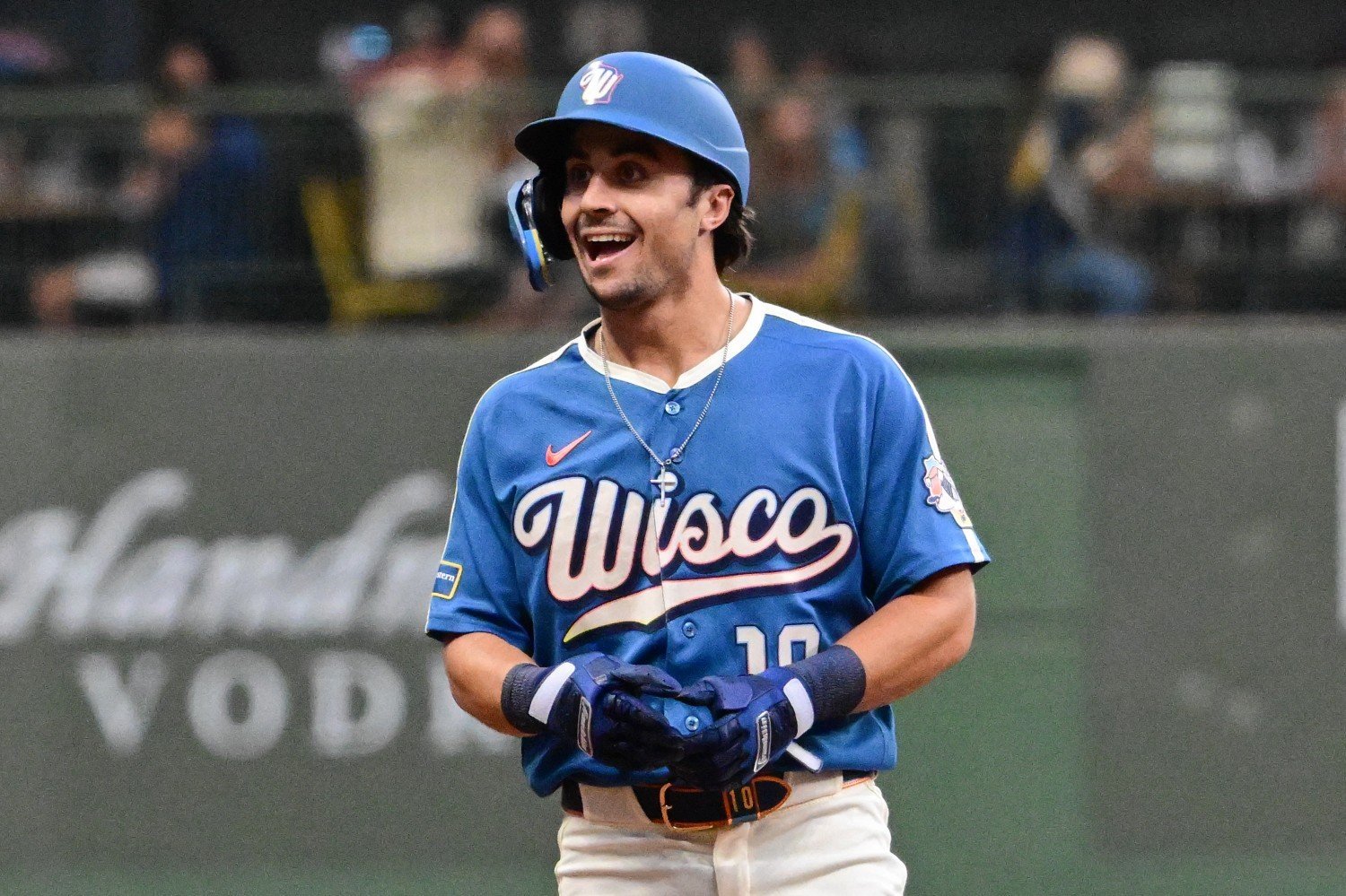 Pitcher-batter matchups are often framed as a handedness thing. Generally speaking, a same-sided matchup is more favorable for the pitcher, while an opposite-handed matchup favors the hitter. Left-handed hitters are better against right-handed pitchers, and right-handed hitters are better against left-handed pitchers. The left-on-left matchup is particularly tough for hitters, partially because lefties see fewer southpaws than righties do fellow righties. In reality, it's more complex than that. Matchups are really about the angle at which the hitter sees the pitch. Handedness usually determines much of that angle. Most pitchers throw from a three-quarters arm slot or lower, and they run, cut, or sweep their pitches. Those right-handed pitchers release the ball closer to a right-handed hitter, making it tougher to pick up out of the hand. Add some late run barreling in on them or late break sweeping away, and it gets even more uncomfortable. A lefty, meanwhile, gets a clearer window to see that pitcher's release. That's not always the case, though. For over-the-top pitchers with riding four-seamers, 12-6 curveballs, and straight changeups, the horizontal angles of their pitches don't change much from one side to the other. These pitchers can sometimes be platoon neutral or even have reverse splits. Different swing paths also line up better or worse against different pitch shapes. Simplifying things to handedness makes sense because it usually tells most of the story, but it doesn't explain everything. For those reasons, Pat Murphy and the Brewers don't automatically default to the most obvious matchup when they write lineups or make pitching changes. Murphy believes in and abides by reverse splits when they can be explained by a pitcher's arsenal or a hitter's swing. He starts Andrew Vaughn and Joey Ortiz against righties who throw mostly four-seamers, but not against those who throw sinkers and sliders. On Friday night, the Brewers faced Texas Rangers southpaw Cody Bradford, who owns reverse splits throughout his big-league career. Righties entered the night with a .707 OPS against him, while lefties had a .731 OPS. That's not a statistical fluke. Bradford throws from a higher arm slot, and more than 85% of his pitches this year have been a straight fastball with occasional slight cut and a changeup. Here's what a right-handed hitter sees from Bradford, visualized with Statcast's 3D ball tracking. The fastball and changeup are nearly inseparable by the time he must decide whether to swing. Flip those same pitches to a lefty point of view, and that separation becomes much easier to see. That was part of the calculus when Murphy rolled out his usual lineup of left-handed hitters against Bradford. Christian Yelich, Jake Bauers, Garrett Mitchell, Sal Frelick, and David Hamilton all started. "The way we look at it, it's not any lefty versus any lefty, but there are times when that guy's kind of a reverse-split guy, there's times when we leave our lefties in there," he said. There was even more to it than the hitting matchups. Murphy and the Brewers also felt their left-handed hitters were better positioned to bunt for hits against Bradford. As a lefty, he falls off toward third base as he delivers the ball, making a drag bunt down the first-base line difficult to defend. Lefty hitters can also take an early step toward first while dropping down that bunt, getting them down the line faster and forcing Bradford to make an even quicker play. "Sometimes it's easier to bunt left-on-left with that guy falling off the other way," Murphy said. It worked right from the get-go. Brice Turang led off the bottom of the first by bunting toward first, stepping into the bunt and springing out of the box as he made contact. After Bradford redirected his momentum and spun around, he misfired the ball down the line, allowing Turang to advance to second. Turang advanced to third on Jackson Chourio's flyout, then scored on William Contreras's groundout. Yelich then one-hopped an RBI double off the wall in left-center to score Bauers, who reached base on a walk. Hamilton added insurance in the sixth, lining a left-on-left fastball up the middle to score Mitchell. After Bradford left the game, Murphy stuck with his lefties against lefty reliever Adam Macko in the eighth, and they continued to take advantage. Frelick and Hamilton bunted for back-to-back singles to lead off the eighth. Both later scored to make it a 6-1 game, allowing another day of rest for Trevor Megill after a rare multi-inning appearance in New York. "We executed that three or four times perfectly," Murphy said. "So, yeah, sometimes you leave lefties in." Murphy and the Brewers didn't play conventional matchups, and it created most of their offense on Friday night. It was the latest example of winning on the margins both on the field and in the dugout, which has made Milwaukee the most successful regular-season team in baseball for the second year in a row. View the full article
 -
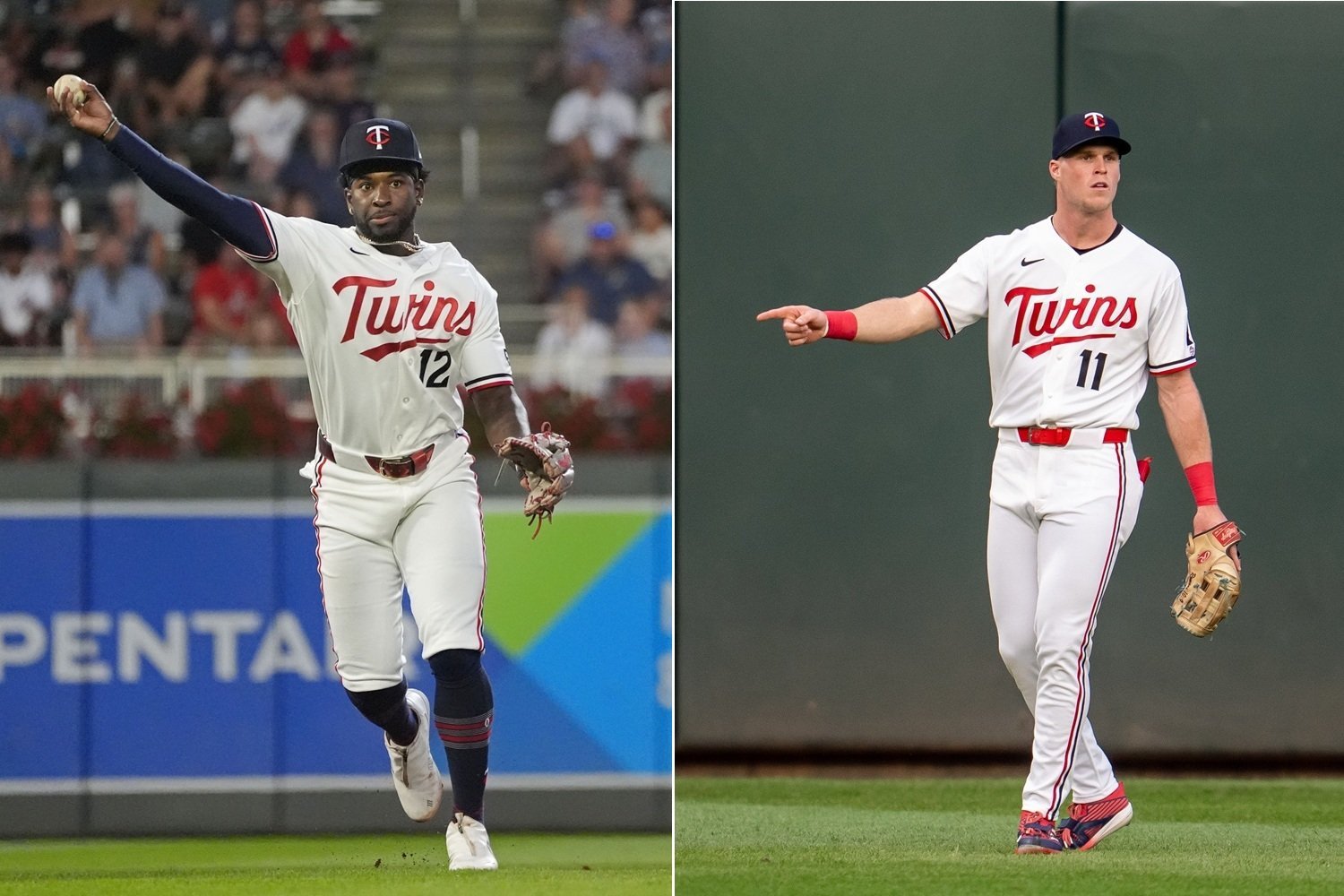 We’re officially a month away from the 2026 MLB regular season coming to an end. For the Twins, the year as a whole hasn’t been exactly what they hoped for. There have been some highs, but ultimately, Minnesota is currently seven games below .500 and tied for seventh in the American League Wild Card race. Still, regardless of how they got here, the general consensus around the Twins this season was that this would be the result. And for what it’s worth, it’s still not over. Minnesota kicks off a big stretch of divisional games tonight, and they could turn their season around quickly with a strong stretch. More importantly, though, they’ll get to do so with a big piece of their long-term core now on the roster. Walker Jenkins was just called up yesterday and made his major league debut last night with a right-hander on the mound. While the Twins might not be contenders this season, they’ve reached an exciting point in the organization’s timeline. The future is now. With Jenkins and fellow top prospect, shortstop Kaelen Culpepper, now in the majors and September callups right around the corner, this will be the first time we’re seeing some of the top young talents in the organization in the majors together. Jenkins and Culpepper entered the season as the top two prospects in Minnesota’s system, and now both are getting an opportunity to show what they can do at the highest level. Culpepper is already off to a blistering start, hitting .333 with a .907 OPS, and considering how Jenkins was swinging the bat in St. Paul recently, there’s reason to believe he could get off to a similar start himself. Obviously, nobody should expect either player to immediately become a superstar just because they’ve reached the majors. There will be adjustments, slumps and plenty of growing pains along the way, especially for Jenkins as he gets his first taste of big league pitching. But the important part is that both players are here, and the Twins are finally getting a look at what their future could look like. Additionally, we’ve already been able to see a lot of Connor Prielipp this year. Prielipp entered the season as the Twins’ top pitching prospect, and we’ve seen flashes of why throughout his time in the majors. His 5.55 ERA doesn’t exactly jump off the page, but his FIP and expected ERA would suggest that number should be closer to the high-3.00s or low-4.00s range. He’s also striking out more than a batter per inning, and health permitting, he should have an opportunity to become a major piece of the Twins’ rotation going forward. The organization has desperately needed young pitching to emerge, and Prielipp has shown enough to suggest he could eventually become one of the answers. Despite some recent struggles, Andrew Morris has been a really good story this year, too. Morris has turned into an anchor of the Twins’ bullpen, and because he’s only 24 years old, there’s still a lot of room left for him to grow. Every young pitcher is going to go through stretches where things don’t go their way, and I’m confident Morris will snap out of this rut and get back to being one of the best late-inning options Minnesota has. Culpepper, Prielipp and Morris have all made pretty notable impacts for the Twins this year, and hopefully, Jenkins is next in line. With September right around the corner, the Twins should also have an opportunity to bring up some other young, talented players and give them a chance to show what they can do. Beginning September 1, the Twins will have two additional roster spots, which means there will be opportunities for more names to make their way to Target Field. Someone like Emmanuel Rodriguez could be heading there in the very near future. Rodriguez is already on the 40-man roster and will be out of minor league options in 2027, and while he hasn’t been swinging the bat quite like Jenkins recently, he has been swinging a hot bat. If the Twins aren’t going to be playing meaningful postseason baseball in October, now would be a great opportunity to let Rodriguez get his feet wet and see how he handles the major leagues. Gabriel Gonzalez is another name worth watching. Gonzalez has already been up with the Twins this year, although he appeared in just one game before being sent back down. He could get another opportunity between now and the end of the season, especially if Minnesota wants to continue getting its younger players some major league experience. There’s also Kendry Rojas, who is currently dealing with an oblique injury. Rojas hasn’t made a huge impact in the majors so far, but he has flashed enough to show why the Twins are excited about his future. Once he’s healthy, there’s a chance he could return to the majors and get another opportunity to establish himself. It might not be where the Twins wanted to be at this point in the year, but this is an extremely important stretch of baseball for the organization. For the first time, Minnesota has a chance to see a large portion of its long-term core on a major league roster at the same time. Jenkins and Culpepper are finally here, Prielipp and Morris have already gotten their feet wet, and there are several other young players who could join them before the season is over. The individual performances over one month won’t tell us everything. Young players are going to have good games and bad games, and it would be unfair to make sweeping conclusions based on a few weeks of major league action. But it will still give the Twins a much better idea of where these players are in their development and what they could eventually become. After years of waiting on these prospects to climb through the organization, they’re finally getting their opportunity. One way or another, the future is now. View the full article
 -
Twins Have Built Baseball’s Best Catching Prospect Pipeline
DiamondCentric posted an article in Twins Daily
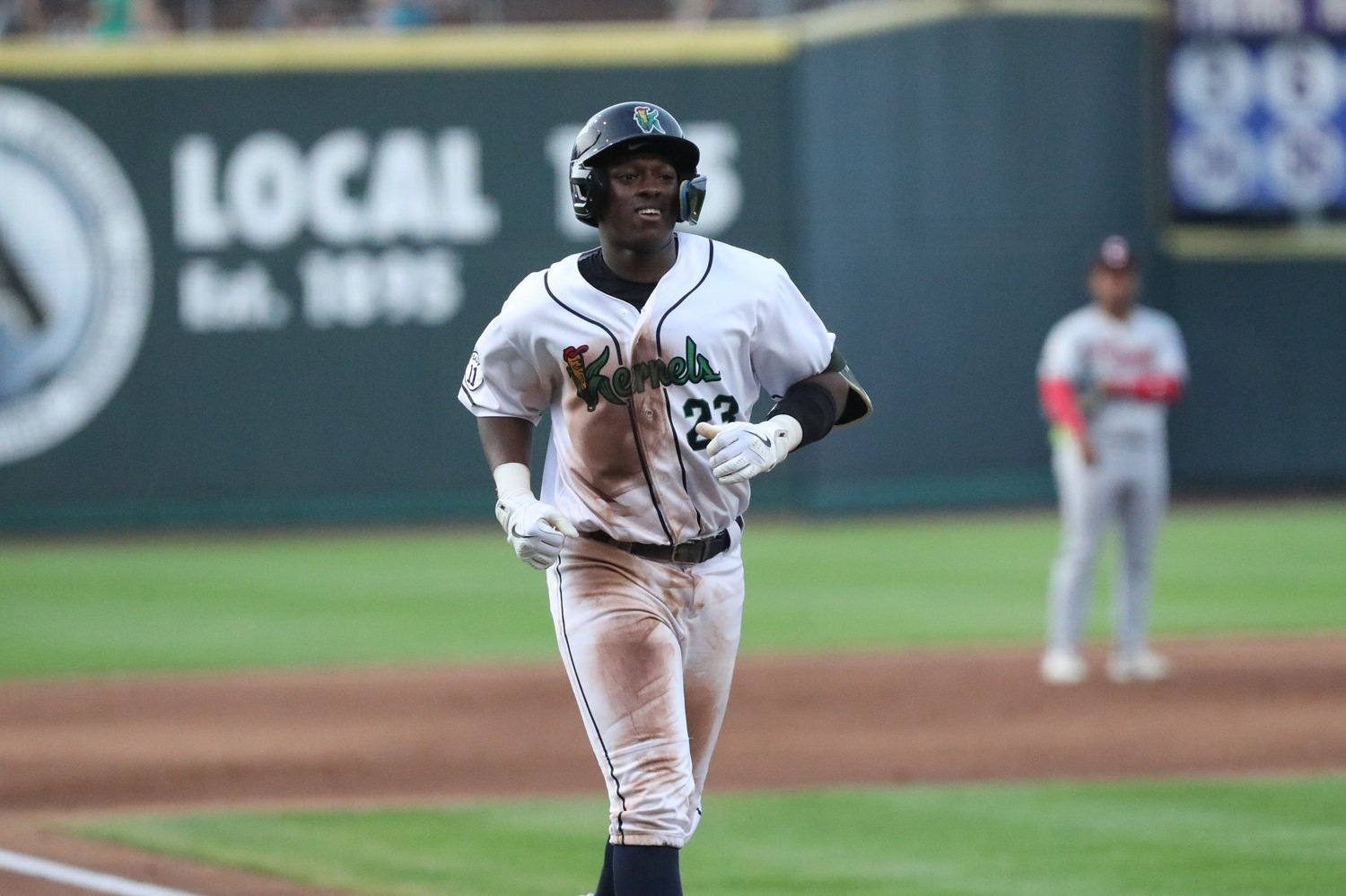 The Minnesota Twins have spent plenty of time searching for answers at catcher over the years. Now, the organization appears to have collected intriguing options throughout the farm system. MLB Pipeline recently ranked the Twins as the top organization in baseball when it comes to catching prospects, a reflection of just how much talent Minnesota has accumulated behind the plate. The Twins have four legitimate prospects who give the organization reason to believe it can find a long-term answer at catcher. That group became even more impressive during the 2026 MLB Draft. Minnesota selected Georgia Tech catcher Vahn Lackey with the third overall pick before returning to the position in the second round to select Texas catcher Carson Tinney. Suddenly, the Twins had added two more high-upside catchers to a pipeline that already featured Eduardo Tait and Khadim Diaw. It is a remarkable collection of talent at one position. Lackey is the headliner. The third overall pick is about as well-rounded as any catching prospect in the minor leagues. MLB Pipeline has given him above-average-to-plus grades for his hit, power, arm and fielding tools, making him the type of player who doesn't have an obvious weakness. That combination helped Lackey jump immediately onto national prospect lists following the draft. Twins Daily currently ranks him as the organization's No. 2 prospect, behind only Walker Jenkins. Lackey has already moved quickly through his first professional season and was recently promoted to High-A Cedar Rapids. There is still plenty of development ahead, but the early returns have only strengthened the belief that Lackey could eventually become Minnesota's catcher of the future. And he isn't the only option. Tinney brings a different offensive profile to the organization. He is more slugging-forward than Lackey and currently ranks No. 11 on the Twins Daily prospect list, giving Minnesota another potentially impactful bat at a premium position. Then there is Tait. At just 19 years old, Tait remains the youngest member of this group and arguably the most difficult player to evaluate. He fell out of some national top-100 rankings this season because of concerns surrounding his contact ability and below-average defensive work behind the plate. That doesn't mean his prospect status has disappeared. Tait still possesses legitimate power potential, and the upside that made him one of the more intriguing pieces of Minnesota's 2025 trade deadline haul remains. At his age, there is plenty of time for the Twins to work through the questions surrounding his offensive approach and defensive development. Diaw provides yet another interesting option. The 22-year-old is hitting .302/.420/.439 across 95 games between High-A and Double-A this season. His athleticism also gives Minnesota some flexibility, as he has received opportunities in center field. Twins Daily currently ranks Diaw No. 13 in the organization. That depth matters. Lackey is expected to be the player who eventually takes over as Minnesota's long-term catcher. The Twins didn't use the third overall pick on him expecting him to become anything less than a cornerstone player. But prospects don't always follow the script. That is what makes this group so valuable. If Lackey develops into the catcher Minnesota believes he can become, the organization will have found its answer at a position that has been difficult to solve consistently. If he doesn't, the Twins aren't starting from scratch. Tinney, Tait and Diaw provide three more possibilities, each with a different set of strengths and developmental timelines. For an organization recently recognized by MLB Pipeline as having baseball's best catching prospect system, that is the biggest takeaway. Minnesota doesn't have to find one catcher. It has multiple chances to get it right. View the full article
 -
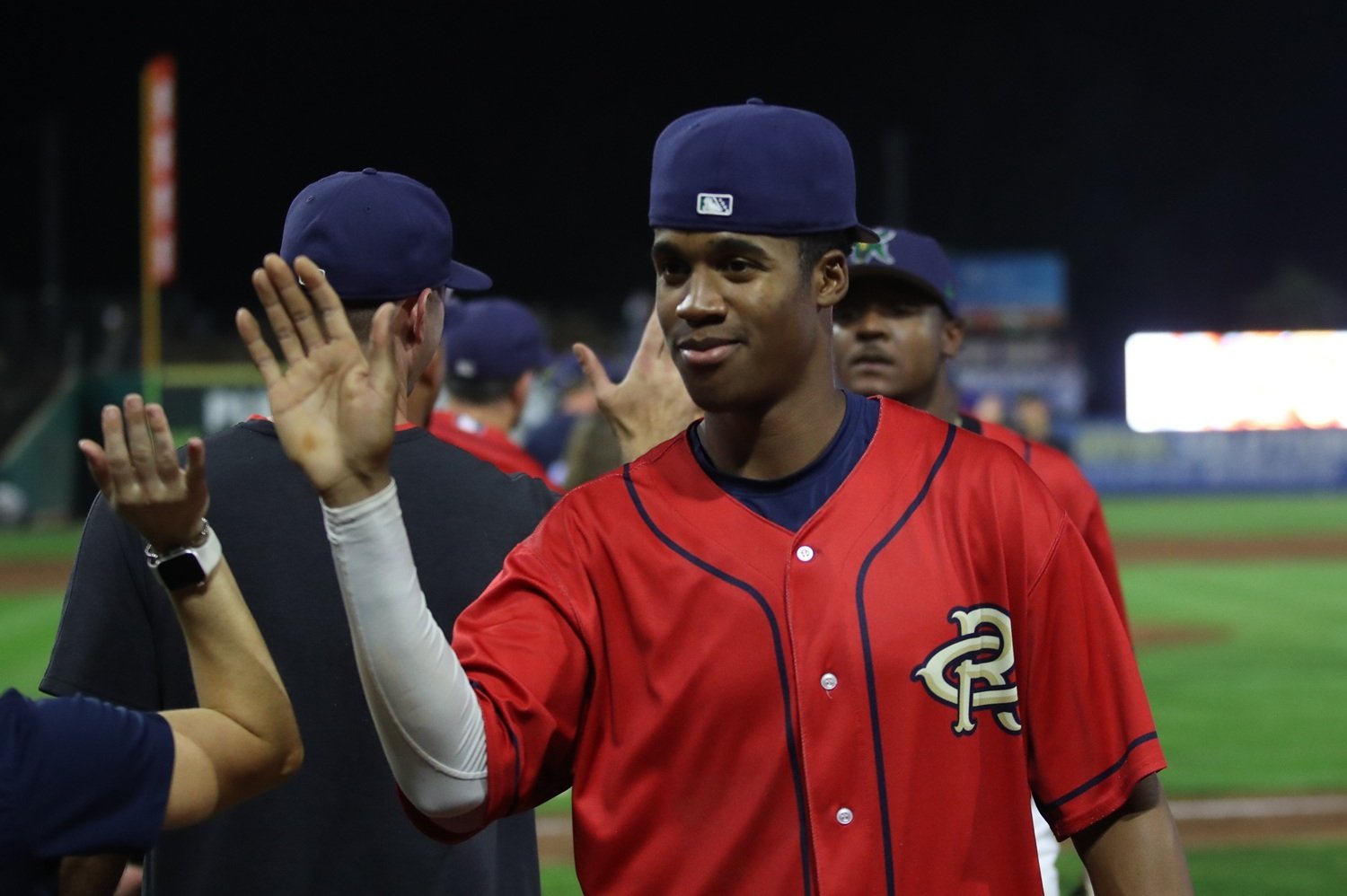 TRANSACTIONS I’m not sure if you have heard yet, but the Minnesota Twins called up OF Walker Jenkins to the big leagues (officially on Friday). To make room on the 26-man roster OF Alan Roden was optioned to St. Paul. To make room on the 40-man roster, RHP Woo-Suk Go was Designated for Assignment. RHP Paulshawn Pasqualotto was promoted to St. Paul for the second time this season. RHP Finnegan Wall moved from the FCL Twins roster to the Cedar Rapids Kernels. The Kernels placed RHP Brian Zeldin on the 7-Day Injured List. SAINTS SENTINEL St. Paul 1, Toledo 4 Box Score To say this wasn’t a great game for the Saint is probably an understatement. Well, the pitching wasn’t actually too bad. German Marquez provided the Saints with innings in this game. He gave up four runs, but he gave the team six innings. He gave up eight hits, walked four and had four strikeouts. C.J. Culpepper struck out two batters over two scoreless innings. Julian Merryweather gave up two hits but no runs in a scoreless ninth frame. He had one strikeout. The Saints went scoreless through the game’s first eight innings. They did score a run in the bottom of the ninth when Tanner Schobel drove in Kala’i Rosario with a fielder’s choice grounder. The Saints scored their one run on five hits and four walks. They were 0-for-12 with runners in scoring position and left nine on base. That’s understandable when a team strikes out 19 times. All 10 Saints batters that played in the game struck out at least once. Four Saints batters struck out three times. Kala’i Rosario went 2-for-4 with his second double. He also stole his second base. Tristan Gray had the only other extra base hit, his third Saints double. Emmanuel Rodriguez was 0-for-2 but walked twice. WIND SURGE WISDOM Wichita 3, Arkansas 5 Box Score Chris Vallimont made the start for the Surge. The veteran gave up one run on three hits and a walk over four innings. He struck out four batters. Sam Armstrong went the next four innings. He gave up four runs (3 earned) on seven hits. He struck out six batters and walked none. Darren Bowen walked two and had a strikeout in a scoreless ninth inning. The issue was that, like the Saints, the Wind Surge scored in just one of nine innings. Down 4-0 going to the bottom of the seventh inning, Wichita scored three runs after the 7th Inning Stretch. Jaime Ferrer led off the seventh by being hit by a pitch. Graham Brown followed with his third Double-A home run which cut the deficit in half. With two outs, Jake Rucker walked. Brandon Winokur singled him to third. Rucker scored on a Garrett Spain single to make it 4-3. That’s as close as they got. Wichita had three runs on six hits and four walks. Caden Kendle went 2-for-2 with a walk. Brown’s home run was his third Double-A homer. Spain and Andrew Cossetti each had a single and a walk. They were just 1-for-7 with runners in scoring position and left eight runners on base. KERNELS NUGGETS Cedar Rapids 8, Lake County 3 Box Score The Kernels fell behind early in this game. Justin Mitrovich started and gave up one hit, walked three and hit one batter. He recorded just two outs, one on a strikeout, but he was already at 39 pitches, so he came out with the bases loaded. Finnegan Wall came in with the bases loaded and walked the first batter he faced before getting the first inning’s final out. All three runs were charged to Mitrovich. Wall went 2 1/3 innings and gave up no runs of his own. He gave up three hits and walked a second batter. Not a bad first professional appearance, especially with what he came into. Down 3-0 after one inning, the Kernels bullpen was really good the final eight innings. Yehizon Sanchez and Brent Francisco each tossed two scoreless innings. Sanchez gave up one hit, hit one batter, and walked one. He struck out two batters. Francisco gave up four hits and had four strikeouts. Cole Peschl and Michael Hilker each tossed a scoreless innings. Peschl had one strikeout and Hilker had two strikeouts. The Kernels got on the scoreboard in the second inning. With two outs, Ramiro Dominguez walked. He advanced a base on a Byron Chourio single. Irvin Nunez reached on an error to load the bases. Jacob McCombs then reached on another fielding error which allowed two runs to score. In the bottom of the third inning, JP Smith knocked his sixth home run since joining the Kernels earlier in the month. He had 15 home runs with Fort Myers. The solo homer tied the score at 3-3. The middle innings were quiet, but the Kernels took their first lead in the bottom of the seventh inning. Chourio started the inning with a single to left. He stole second and went to third base on a throwing error. Chourio scored on a sacrifice fly off the bat of McCombs. The Kernels broke things open in the bottom of the eighth inning, doubling their scoring output from the previous seven innings. Eduardo Tait led off with a single. He went to third on a Smith single and a throwing error. With one out, Jayson Bass singled in Tait to make it 5-3. With two outs, Chourio stepped to the plate and launched a three-run homer to make it 8-3. Batting eighth, Chourio went 3-for-4 with his third home run, three runs scored and three runs driven in. He also stole his sixth base. McCombs went 2-for-3 with his fifth triple. Smith was 2-for-3 with a walk and his sixth Kernels homer. MIGHTY MATTERS Fort Myers, Bradenton (Cancelled) Box Score The Mussels game on Friday night (and the postgame fireworks) was cancelled when rains made Hammond Stadium unplayable. With the season winding down, the game was cancelled rather than postponed as it won’t make a difference for the playoffs. Saturday and Sunday are the final two home games for the Mussels 2026 season. PLAYERS OF THE DAY Hitter(s) of the Day Byron Chourio (Cedar Rapids): 3-for-4, HR(3), 3 R, 3 RBI, SB(6) Pitcher(s) of the Day Finnegan Wall (Cedar Rapids): 2 1/3 IP, 3 H, 0 R, 2 BB, 1 K PROSPECT SUMMARY Check out the Prospect Tracker for much more on our Twins Top 20 prospects CURRENT W-L Records Minnesota Twins: 64-71 St. Paul Saints: 73-56 Wichita Wind Surge: 51-71 (Final Game 9/13) Cedar Rapids Kernels: 46-76 (Final Game 9/6) Fort Myers Mighty Mussels: 67-55 (Final Game 9/6) FCL Twins: 33-26 (Season Complete) DSL Twins: 19-35 (Season Complete) Please feel free to ask questions about the teams, the rosters, and discuss today’s games, or anything else Twins minor-league related! View the full article
 -
 The four full-season affiliates of the San Diego Padres went 1-3 Friday, while their Dominican Summer League team will play for a championship. The Triple-A El Paso Chihuahuas rallied but lost to Oklahoma City 5-4 in 10 innings, while the Double-A San Antonio Missions fell to Springfield 10-6, the High-A Fort Wayne TinCaps prevailed over Dayton 9-6 and the Low-A Lake Elsinore Storm dropped a 6-1 decision to Rancho Cucamonga. In the DSL championship series, Padres Gold won Game 2 6-4 to force a decisive Game 3. Padres Minor-League Transactions RHP Brent Honeywell assigned to El Paso Chihuahuas from ACL Padres. Lake Elsinore Storm placed LHP Ryan Reed on the 7-day injured list. Chihuahuas' Ninth-Inning Blasts Can't Avoid Loss In 10th Despite back-to-back solo homers by Mason McCoy and Rodolfo Duran in the top of the ninth inning for the lead, the Triple-A El Paso Chihuahuas fell to the host Oklahoma City Comets 5-4 in 10 innings. Rehabbing Padres left fielder Samad Taylor went 0-for-4 with a walk and three strikeouts. He has a .259/.375/.407 slash line in eight rehab games and is a top candidate to return to the Padres when rosters expand Tuesday. Carlos Rodriguez went 3-for-5, while McCoy, Marcos Castanon and Bryce Johnson each had two hits for the Chihuahuas. Chihuahuas right-handed starter Ian Koenig turned in five solid innings in his Triple-A debut, allowing two runs on four hits and a walk, striking out four. Right-hander Daison Acosta struck out four in two hitless innings. The Chihuahuas were down 2-1 entering the ninth inning when McCoy lined the tying homer, his 10th of the season, out to left, then Duran followed with a no-doubter to left on a 1-2 pitch for a 3-2 lead. The Comets put together a rally in the bottom of the ninth to tie it and send the game to extra innings. The Chihuahuas scored once in the top of the 10th as Rodriguez singled home zombie runner Sung-Mun Song. Despite a Nick Solak walk, the Chihuahuas could push across another run. The Comets walked it off when Hyesong Kim singled home the tying run and Ryan Fitzgerald plated the winning run. EP1_0828.mp4 EP2_0828.mp4 Player AB R H RBI BB K Sung-Mun Song, SS 5 1 0 0 0 1 Samad Taylor, LF 4 0 0 0 1 3 Carlos Rodríguez, RF 5 0 3 1 0 0 Nick Solak, 1B 4 1 1 0 1 1 Nick Pratto, 1B 0 0 0 0 0 0 Marcos Castañon, 2B 5 0 2 0 0 2 Mason McCoy, 3B 5 1 2 2 0 2 Rodolfo Durán, DH 3 1 1 1 1 1 Blake Hunt, C 4 0 0 0 0 3 Bryce Johnson, CF 3 0 2 0 1 0 Totals 38 4 11 4 4 13 Player IP H R ER BB K HR Ian Koenig 5 4 2 2 1 4 0 Daison Acosta 2 0 0 0 1 4 0 Ethan Routzahn 2/3 0 0 0 1 1 0 J.P. France 1/3 1 0 0 0 0 0 Hunter Stratton 1 1/3 5 3 1 1 2 0 Totals 9 1/3 10 5 3 4 11 0 Missions Dig Early Hole, Can't Escape Against Cardinals Giving up seven runs in the first two innings was too much for the Double-A San Antonio Missions to overcome in a 10-6 loss to the host Springfield Cardinals. The Cardinals have won 10 straight. Kai Roberts and Oswaldo Linares each had two hits and two RBIs, while Jack Costello hit a solo homer as part of a two-hit night for the Missions. Missions right-handed starter Abraham Parra didn't make it out of the first inning in his Double-A debut, only getting two outs while allowing five runs on five hits and two walks. Right-hander Sadrac Franco came on and gave up two runs in 2⅓ innings. The Missions were down 8-0 before they scored four in the fifth inning. SA_0828.mp4 Player AB R H RBI BB K Braedon Karpathios, RF 5 0 1 0 0 2 Alex McCoy, LF 3 0 0 0 2 2 Ryan Jackson, DH 4 0 0 0 0 2 Jack Costello, 1B 4 2 2 1 0 0 Luis Verdugo, 3B 3 1 1 1 1 1 Justin DeCriscio, SS 3 1 1 0 1 0 Wyatt Hoffman, 2B 3 1 0 0 1 2 Oswaldo Linares, C 4 1 2 2 0 0 Kai Roberts, CF 4 0 2 2 0 1 Totals 33 6 9 6 5 10 Player IP H R ER BB K HR Abraham Parra 2/3 5 5 5 2 0 0 Sadrac Franco 2 1/3 2 2 2 2 3 1 Francis Peña 2 1 1 1 0 4 1 Harry Gustin 2 1 0 0 1 4 0 Igor Gil 1 2 2 2 2 3 0 Totals 8 11 10 10 7 14 2 Yimy Tovar's Big Single Helps TinCaps Rally Past Dragons Yimy Tovar capped a four-run seventh inning with a two-run double and Ryan Gerety went 3-for-3 in his first professional start as the host High-A Fort Wayne TinCaps upended the Dayton Dragons 9-6, snapping a seven-game losing streak. Robbie Lavey, the Padres' fourth-round draft pick this year, and Yoiber Ocopio had a pair of hits, with Lavey also driving in two. Leadoff hitter Kasen Wells was on base three times with two walks and a double, scoring three runs. Lamar King Jr., Padres Mission's No. 10 prospect, and Kerrington Cross each scored twice. Gerety, an undrafted free agent out of Northeastern, made his pro debut Thursday as a pinch-runner and defensive replacement in left field, so these were his first plate appearances. In addition to three hits, including a double, Gerety also walked, reaching base in all four plate appearances. His first hit was an RBI single. TinCaps right-handed starter Bryan Balzer went three innings, giving up three runs (two earned) on five hits with two walks and four strikeouts. He yielded two homers. Right-hander Will Varmette struck out three and allowed just one hit in two scoreless innings, while right-hander Sean Barnett gave up three runs in an inning. Right-hander Brandon Langley struck out three in two perfect innings and right-hander Jeferson Villabona had a 1-2-3 ninth inning for his first High-A save and first of the season in 29 appearances across three levels. The TinCaps trailed 3-2 when they scored twice in the bottom of the fifth on a Dylan Grego RBI double and a Lavey run-scoring single. The Dragons regained the lead with three in the top of the sixth, but the TinCaps rallied in the seventh. Wells reached on an error and, following two outs and a pitching change, Cross had an RBI double and King reached on a throwing error by the third baseman that plated Cross to tie the game 6-6. Ocopio followed with his first High-A double, Gerety walked to load the bases and Tovar hit a two-run go-ahead single for an 8-6 lead. Lavey added a run-scoring single that brought in Wells in the eighth. FW_0828.mp4 Player AB R H RBI BB K Kasen Wells, CF 3 3 1 0 2 1 Dylan Grego, 2B 4 1 1 1 0 1 Robbie Lavey, C 5 0 2 2 0 1 Kerrington Cross, 3B 4 2 1 1 1 0 Lamar King Jr., DH 5 2 1 0 0 1 Yoiber Ocopio, 1B 4 1 2 1 0 1 Ryan Gerety, LF 3 0 3 1 1 0 Yimy Tovar, SS 4 0 1 2 0 2 Conner Westenburg, RF 4 0 0 0 0 1 Totals 36 9 12 8 4 8 Player IP H R ER BB K HR Bryan Balzer 3 5 3 2 2 4 2 Will Varmette 2 1 0 0 1 3 0 Sean Barnett 1 2 3 3 1 0 1 Brandon Langley 2 0 0 0 0 3 0 Jeferson Villabona 1 0 0 0 0 2 0 Totals 9 8 6 5 4 12 3 Storm Offense Silenced In Setback To Quakes; Adler Cecil Fans 8 The Low-A Lake Elsinore Storm had just four hits, two in the first inning, and gave up four early runs en route to a 6-1 loss to the host Rancho Cucamonga Quakes. Jose Verdugo had two of the Storm's four hits and scored the lone run on fourth-round draft pick Alex Conover's first-inning single. Verdugo stole his 34th base and Conover his eighth. Storm left-handed starter Kruz Schoolcraft, Padres Mission's No. 4 prospect who only got one out in his start last week, made it through three innings, allowing four runs on six hits and a walk while striking out four. After right-hander Florangel Vasquez gave up two runs in 1⅓ innings, right-hander Adler Cecil struck out eight over the final 3⅔ shutout innings, allowing just one hit while walking three. Cecil has struck out 32 in 17⅔ innings with the Storm and 102 in 59 innings when you include his time in the Arizona Complex League. Player AB R H RBI BB K Elliot Lascelles, DH 4 0 0 0 0 0 Jose Verdugo, 2B 4 1 2 0 0 0 Alex Conover, LF 4 0 1 1 0 1 Jorge Quintana, SS 3 0 0 0 1 1 Nu'u Contrades, 3B 4 0 0 0 0 1 Jesmaylin Arias, RF 3 0 0 0 0 0 Truitt Madonna, C 3 0 0 0 0 0 Augie Lopez, 1B 2 0 0 0 0 0 Dawson Willis, 1B 1 0 0 0 0 1 Qrey Lott, CF 3 0 1 0 0 1 Totals 31 1 4 1 1 5 Player IP H R ER BB K HR Kruz Schoolcraft 3 6 4 4 1 4 1 Florangel Vasquez 1 1/3 2 2 2 2 2 1 Adler Cecil 3 2/3 1 0 0 3 8 0 Totals 8 9 6 6 6 14 2 Padres Mission's Top 20 Prospect Performance Ethan Salas: DNP Ryan Wideman: On injured list Coleman Borthwick: In Arizona Kruz Schoolcraft: 3 IP, 6 H, 4 R, 4 ER, 1 BB, 4 K Ty Harvey: DNP Kale Fountain: Injured, out for season Jorge Quintana: 0-for-3, BB, K Alex McCoy: 0-for-3, 2 BB, 2 K Braedon Karpathios: 1-for-5, 2 K Lamar King Jr.: 1-for-5, 2 R, K Elliot Lascelles: 0-for-4 Tucker Musgrove: On injured list Jagger Haynes: DNP Jake Cunningham: DNP Truitt Madonna: 0-for-3 Eric Yost: DNP Winyer Chourio: DNP Jesus Castro: DNP Michael Salina: DNP Rosman Verdugo: DNP View the full article
 -
Twins 4, White Sox 7: Walker Jenkins' Can't Do It All In Debut
DiamondCentric posted an article in Twins Daily
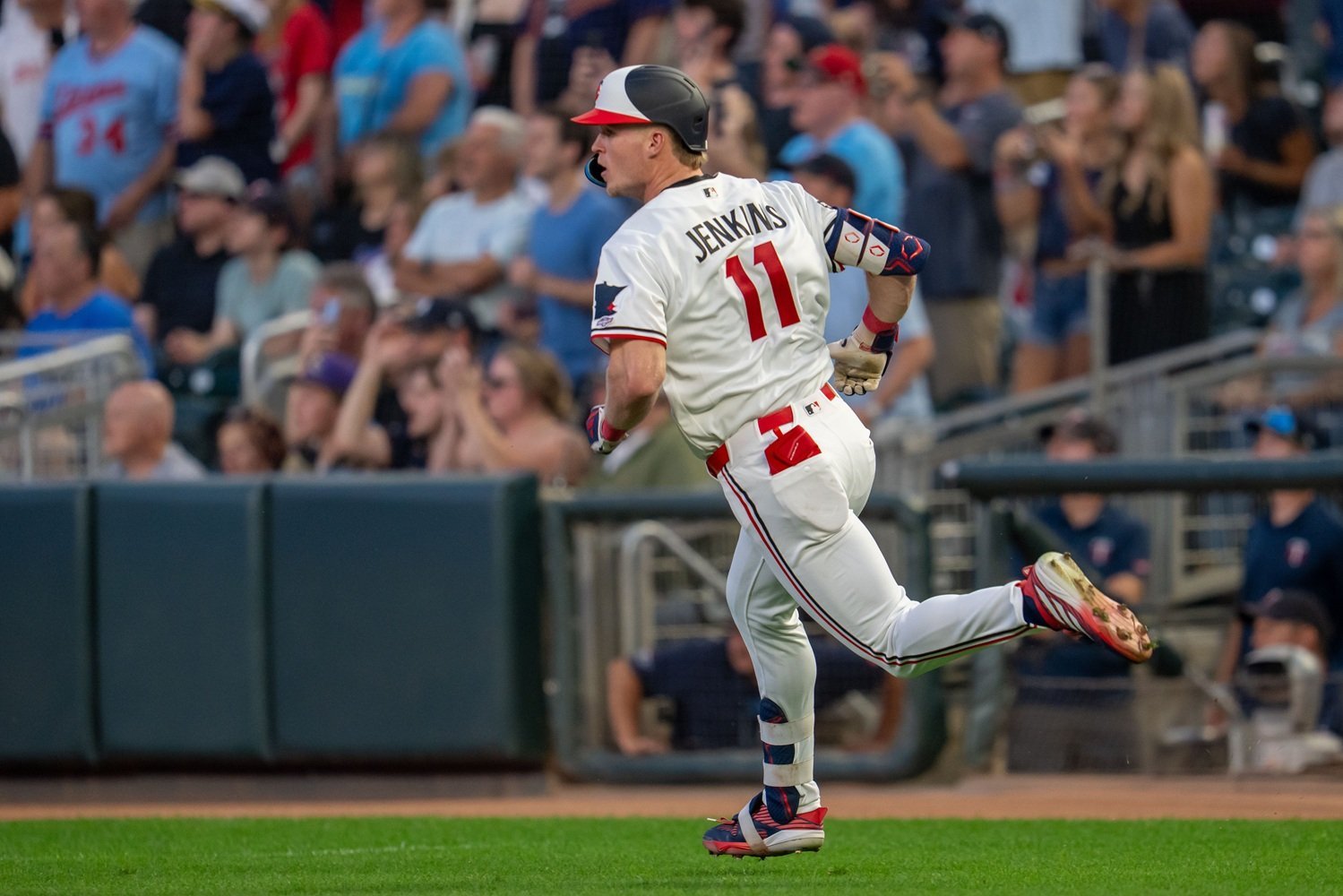 Box Score Dean Kremer: 4+ IP, 7 H, 5 ER, 3 BB, 3 K Home Runs: Brooks Lee (22), Kody Clemens (22) Top 3 WPA: Dean Kremer (-.420), Ryan Jeffers (-.200), Luke Keaschall (-.140) Win Probability Chart (via FanGraphs) Arduous and consternation-filled it may have been, Walker Jenkins’ journey has finally reached the majors. The former first round pick has taken a heroic mythos, fueled by a Bondsian August and a general contempt for the stale play featured by the major league team in recent weeks. Surely, a change was in order. A burst of energy. A youthful resurgence. A mold-breaking decision. And so, Jenkins took the 20-minute sojourn to Target Field and now looks to see if he can help right Minnesota’s sinking ship. First innings portend much, with initial impressions and tone-setting and such. Dean Kremer coaxed two outs. A simple hanging cutter lashed into center gave Chicago a knock. An errant pitch advanced the runner to second. Andrew Benintendi singled barely beyond Kaelen Culpepper’s diving grasp? Unsurprising given his dominance in Target Field. Another single and a three-run homer? Well, we’ve reached disaster territory on the 21st pitch of the game. Fortunately, the Twins were in a responding mood, immediately attacking Luis Castillo with vigor and excitement. Luke Keaschall singled and Brooks Lee smacked one of his trademark “just barely” homers to halve the deficit. Two batters later, Kody Clemens swatted a solo homer for his first longball since the 16th, complete with a fanciful, accidentally well-coordinated bat flip. That concluded the first’s action—a tame thing to say about a frame that oversaw seven total runs—yet the Twins weren’t done with pummeling Castillo. Trevor Larnach served a double into right field and two flyouts and a Keaschall HBP placed men on the corners with two outs. Lee pushed forth his third RBI of the game with a single poked beyond the shortstop’s lunging grasp. Equaled matters soon untied. Dean Kremer could not rest. White Sox hitters advanced with an appetite for hits. In the third, pairs; two doubles scored a go-ahead run. In the fourth, a sampler platter that ended with Tristan Peters on third, eventually dashing home on a passed ball. Walker Jenkins earning his first major league hit marked a lone bright spot in this period. Indeed, his knock placed two on with no one out, but none scored. Then Castillo gave way to Hagen Smith, who found trouble in the sixth, but exited in favor of Grant Taylor, who elicited an unusual 3-2 double play, as Larnach skidded helplessly short of home plate. Another run in the eighth buried the Twins even further—and they suddenly entered the ninth with six consecutive empty frames in their rearview mirror. And little changed in the final inning. Singles by Kaelen Culpepper and Keaschall placed two on, and Minnesota left them where they were, with Lee lining out and Jeffers grounding out to end the game with a soft whimper. Notes: Post-Game Interview: What’s Next? The Twins and White Sox play again Saturday, as Erick Fedde is set to start opposite Bailey Ober. Prose will turn purple with how each hurler simply “knows how to pitch.” First pitch is at 1:10 PM. Bullpen Usage Spreadsheet MON TUE WED THUR FRI TOT Rogers 0 0 0 0 38 38 Funderburk 0 0 18 0 18 36 Adams 0 0 0 0 26 26 Minter 0 23 0 0 0 23 Gomez 20 0 0 0 0 20 Morris 1 0 16 0 0 17 Nance 16 0 0 0 0 16 Hoffman 0 0 6 0 0 6 View the full article
 -
Twins Select Walker Jenkins, Option Alan Roden, & DFA Woo-Suk Go
DiamondCentric posted an article in Twins Daily
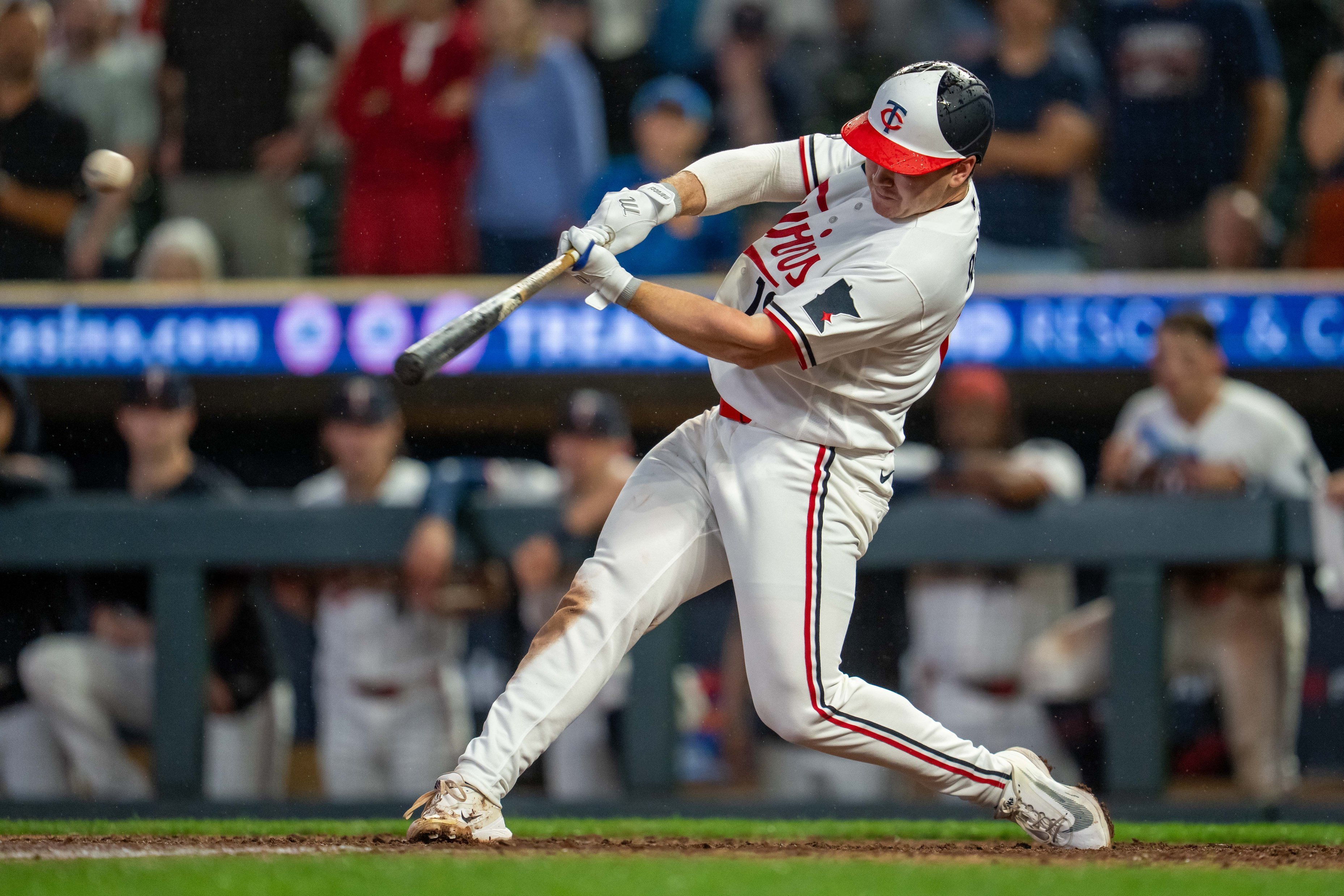 The Minnesota Twins made it official Friday, selecting the contract of outfielder Walker Jenkins and bringing one of the organization’s most anticipated prospects to the major leagues. The move was reported Thursday, but Minnesota officially announced the promotion Friday. To make room for Jenkins on the active roster, the Twins optioned outfielder Alan Roden to Triple-A St. Paul. Minnesota also needed to clear a spot on its 40-man roster, designating right-handed pitcher Woo-Suk Go for assignment. For the Twins, the move marks the arrival of a player who has been viewed as a cornerstone of the organization since he was selected fifth overall in the 2023 MLB Draft. Jenkins has continued to establish himself as one of baseball’s top prospects throughout his professional career. Across multiple minor-league levels, he has compiled a .303/.404/.490 batting line. His plate discipline has been particularly impressive. Jenkins has posted a 13.4% walk rate while striking out just 15.9% of the time. His 144 wRC+ shows just how productive he has been offensively, as he has performed 44% better than league average. The 21-year-old also brings plenty of ability beyond the batter’s box. Jenkins has good speed and a strong throwing arm and is considered a capable defender at all three outfield positions. That versatility could give the Twins multiple options for how they use him during the final weeks of the season. Jenkins’ promotion comes as Minnesota attempts to remain in the American League playoff race. The Twins have struggled to find consistency throughout the season, but the arrival of one of their best young players gives the club another option as it navigates the final month. There will naturally be an adjustment period for Jenkins as he faces major-league pitching for the first time. However, his minor-league track record gives the Twins plenty of reason to believe he can contribute immediately. For Roden, the move provides an opportunity to get regular playing time in St. Paul. The Twins acquired Roden as part of last year's trade involving Louis Varland, and he has remained part of the organization's plans despite struggling to establish himself offensively in Minnesota. He has received limited playing time in recent weeks, making just 10 starts in August. Roden is hitting .254/.333/.313 this season, producing a .647 OPS and an 84 OPS+. Sending him to Triple-A should allow Roden to get consistent at-bats and continue developing rather than spending extended periods on the major-league bench. The Twins' 40-man roster move ends Go’s brief run with the organization, at least for now. Minnesota took a chance on the 28-year-old right-hander earlier this season after he opted out of his contract with the Detroit Tigers organization. Go joined the Twins hoping to provide another option for a bullpen that has undergone significant changes throughout the season. Go appeared in four games for Minnesota in July, allowing four runs. He posted a 3.91 ERA between Triple-A Toledo and St. Paul this season, although his numbers were much different between the two stops. Go struggled significantly in Toledo, posting a 12.54 ERA, before pitching better after joining the Saints. His time in St. Paul also included a 10-game suspension after he was found to have an illegal substance on his glove. Now, Go will head to the waiver wire following Minnesota’s decision to designate him for assignment. Those roster moves, however, are secondary to the biggest news of the day for the Twins. After more than three years of development, Jenkins has officially reached the major leagues. The former fifth overall pick is at Target Field, giving the organization an opportunity to see one of its most important young players against major-league competition. The next chapter of Jenkins’ career begins now. View the full article
 -
The Twins' Next 15 Games Will Make or Break Their Season
DiamondCentric posted an article in Twins Daily
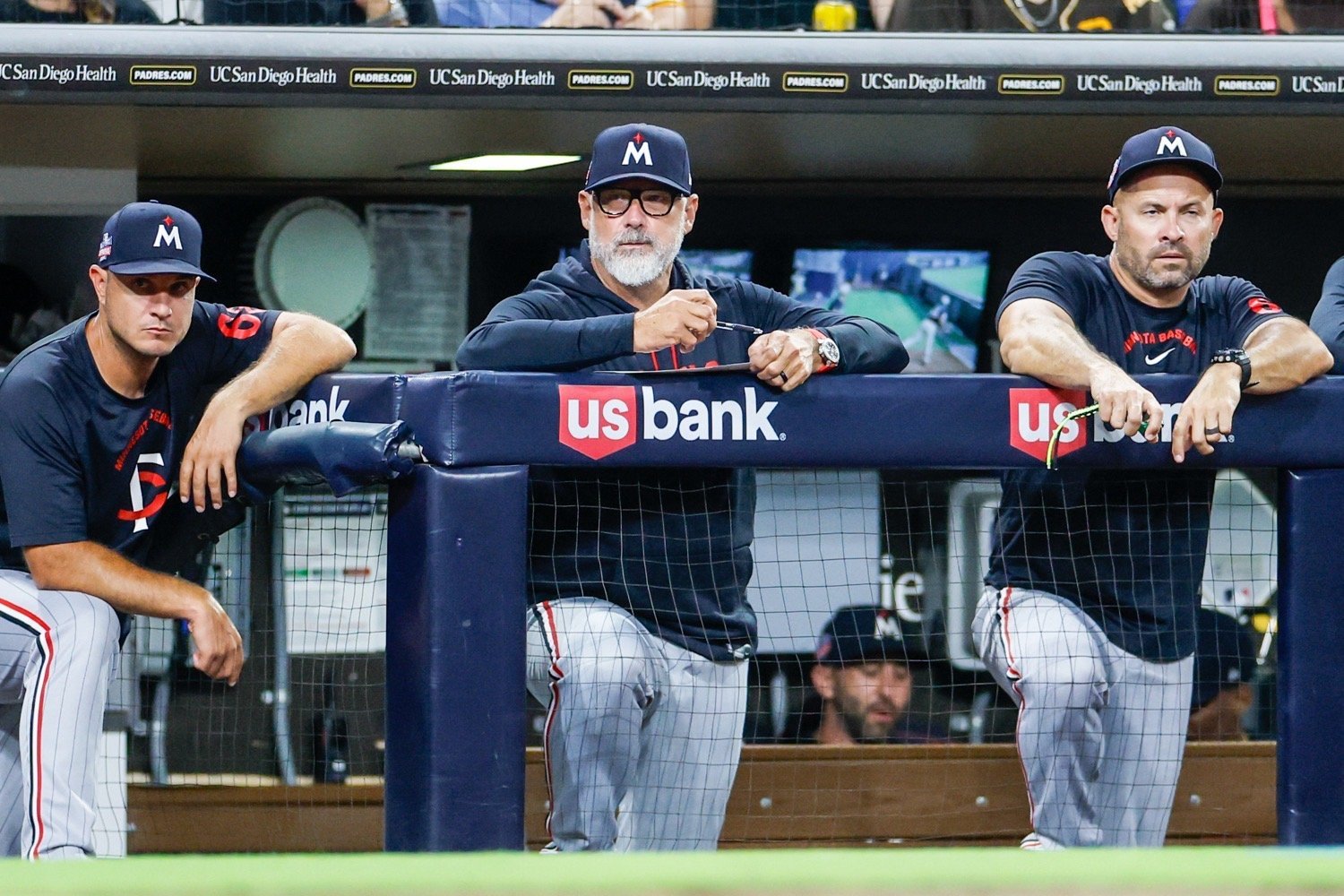 After getting run over by the San Diego Padres and the Athletics, it's fair to wonder if the Minnesota Twins' playoff hopes are already dead. On the other hand, the next 15 games give this team one real shot to turn the ship around, and how they play over that stretch will decide the rest of their season. As it stands, the Twins sit 6.5 games out of the division and four games back of the third wild card spot. FanGraphs Playoff Odds gives them less than a 5% chance of winning the division and roughly a 10% chance of making the playoffs overall. Not great numbers, but not impossible ones either, especially with the schedule ahead. Each of the next 15 games comes against divisional opponents: six against the Chicago White Sox, six against the Detroit Tigers, and three against the Cleveland Guardians. Beyond that, the Twins close the season with a three-game set against the Texas Rangers, and depending on how the next month shakes out, that series could turn into a de facto play-in for the third wild card spot. Without getting ahead of ourselves, let's break down what the Twins are working with over these next 15 games. Chicago White Sox The Twins open this stretch on the road against the division-leading White Sox, and Chicago's calling card all season has been its offense. Since August 1st, the White Sox have the third-best wRC+ in all of baseball. The problem is the pitching hasn't kept pace, and that's why a team with this much thump is still playing .500 ball since August 1st. Their rotation has been shaky all year, and while they added Luis Castillo at the trade deadline to try to stabilize things, his 5.89 ERA (5.37 FIP) with the White Sox leaves more to be desired. The bullpen has been a bit more reliable, posting a 3.83 ERA over the same timeframe. Looking at their schedule beyond the Twins series, the White Sox also have games against the Houston Astros and the Detroit Tigers, along with softer matchups against the Kansas City Royals, Colorado Rockies, St. Louis Cardinals, and Pittsburgh Pirates. Not only are they in the driver's seat, but their relatively soft schedule makes the chances of a four week collapse almost zilch. These six games against the Twins represent a real chance for Chicago to put them away for good. Detroit Tigers The Tigers sit just a game and a half behind the Twins, so on paper they look like part of this race too. Detroit sold off hard at the deadline, moving their top two frontline starters, yet those moves haven't slowed them down much, as they are just three games below .500 in August. The offense hasn't been effective, the bullpen has been unreliable all year, and I keep waiting for the other shoe to drop on this club. If the Twins are serious about making a push, going something like 5-1 against Detroit is close to what they need. Unlike the White Sox, the Tigers’ schedule isn't favorable, with three games against the Los Angeles Dodgers, four against the Cleveland Guardians, and six against the Twins over the next two weeks. By the time this stretch wraps up, I'd expect Detroit's season to be effectively over right alongside (or ahead of) the Twins' fading hopes, if they can't take advantage. Cleveland Guardians Cleveland is one of the teams the Twins need to jump, whether it's in the division race or the wild card chase. They only get three cracks at them the rest of the way, making every one of those games matter. This isn't your typical Guardians team, though. They can hit, especially after trade deadline acquisitions Jo Adell and Nathaniel Lowe being inserted into their lineup. Prior to the deadline they were one of the least productive units in baseball, yet in the month of August they've been top 5 in all of baseball. On the mound, they have solid starters and relievers who have posted a 3.78 ERA (4.34 FIP) as a group. Yet, they find themselves just one game above .500 despite a favorable August schedule. The bad news for Minnesota is that Cleveland's remaining schedule is soft. Outside of the three games against the Twins, the Guardians get six against the Royals, three against the Tigers, three against the Orioles, and three against the Athletics. That's an easy runway, and it means the Twins can't count on Cleveland stumbling elsewhere. They have to make their dent in that head-to-head series. The margin for error is basically gone. Realistically, the Twins need to win at least two of every three games across this stretch just to stay afloat. If they can go 10-5 or better against these three divisional opponents, that still won't hand them the driver's seat, but it keeps the season alive heading into the final weeks. The Twins don't control their own destiny, but they still control how hard they fight for the next two weeks. View the full article
 -
Hoby Milner's Tenure With Cubs Comes To Abrupt End
DiamondCentric posted an article in North Side Baseball
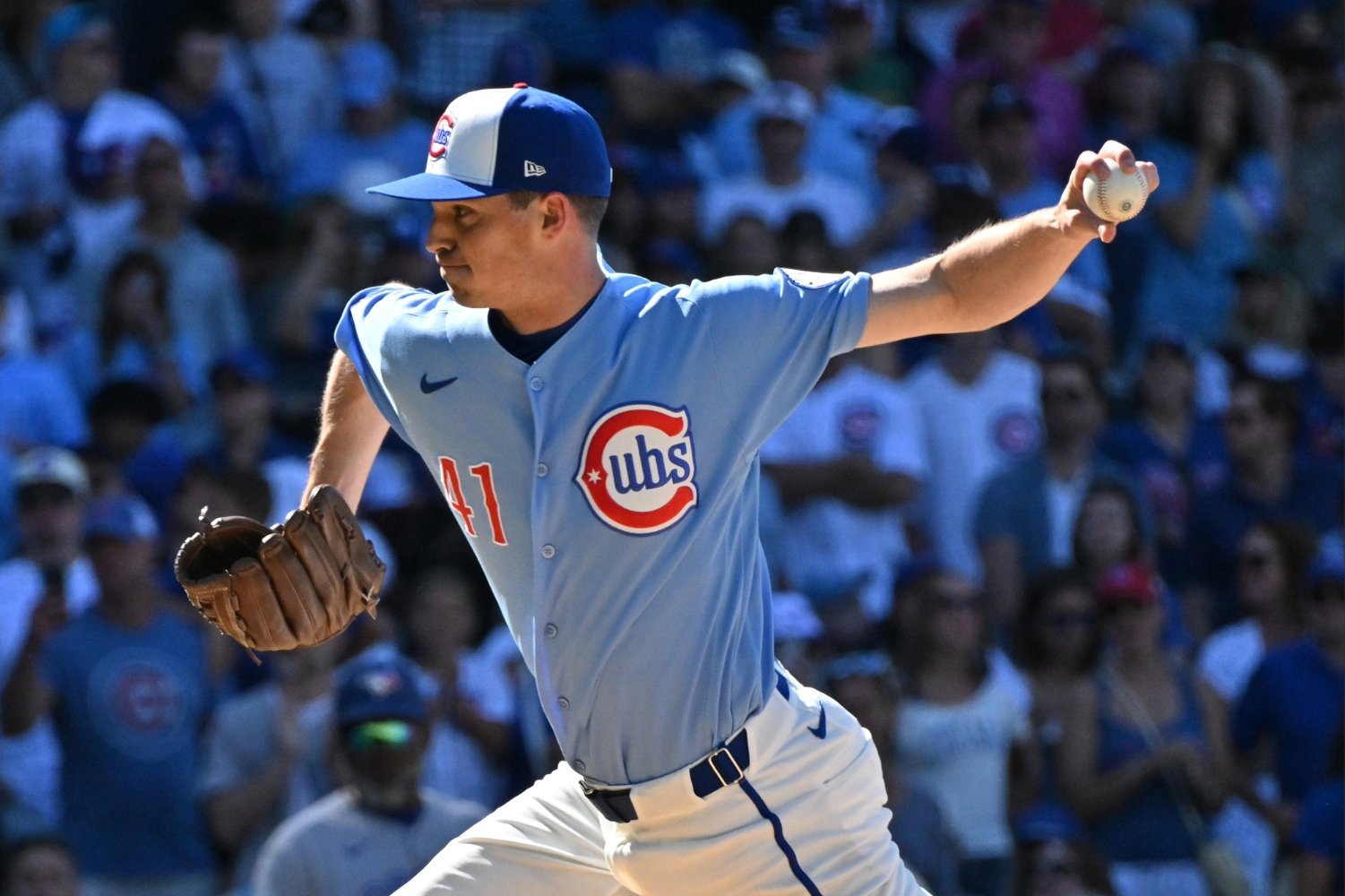 On Friday afternoon, it was announced that the Chicago Cubs are designating veteran relief pitcher Hoby Milner for assignment. Milner hadn't appeared in a game for the Cubs since June 25 following an appendectomy. He'd been working his way back from that in recent weeks, but his 30-day rehabilitation window was set to expire having started that process at the end of July. Milner was a key left-handed arm for Craig Counsell—with whom he shared a history in Milwaukee—earlier in the year. He threw 15 innings in March & April as the bullpen battled through their early injury woes, pitching to a 2.40 ERA across various forms of leverage. He followed that up with exactly 10.1 innings in each of the two subsequent months, but had taken a step back in June prior to the need for his procedure. Up until that June 25 date, he'd pitched to a 6.10 ERA as opposing hitters torched him for a .417 wOBA. It's important to note, though, that much of that damage came in one specific outing wherein he allowed six runs in just one-third of an inning. In large part, he'd been exactly what the Cubs expected: meager at gathering whiffs, but otherwise producing strong numbers thanks to his ability to prevent free passes and avoid hard contact. In total, he pitched 35.2 innings across 38 appearances with a 3.53 ERA to his name. The Cubs are cutting bait with Milner just before rosters expand. Without a lot of option-ability throughout the rest of the relief corps, the front office decided that their current setup is more worthwhile than one that results in a departure from a different arm that has seen more recent action. That leaves breakout arm Ryan Rolison alongside Caleb Thielbar as the team's two left-handed arms in relief, with a pitcher featuring more flexibility likely on the way early next week. The Cubs will place Milner on waivers as a part of the DFA process. Given that we're past the trade deadline and close to the August 31 postseason eligibility threshold, it's entirely possible that another team snags him off waivers and gives the Cubs a bit of relief on his modest $3.75 million salary through the end of 2026. View the full article
 -
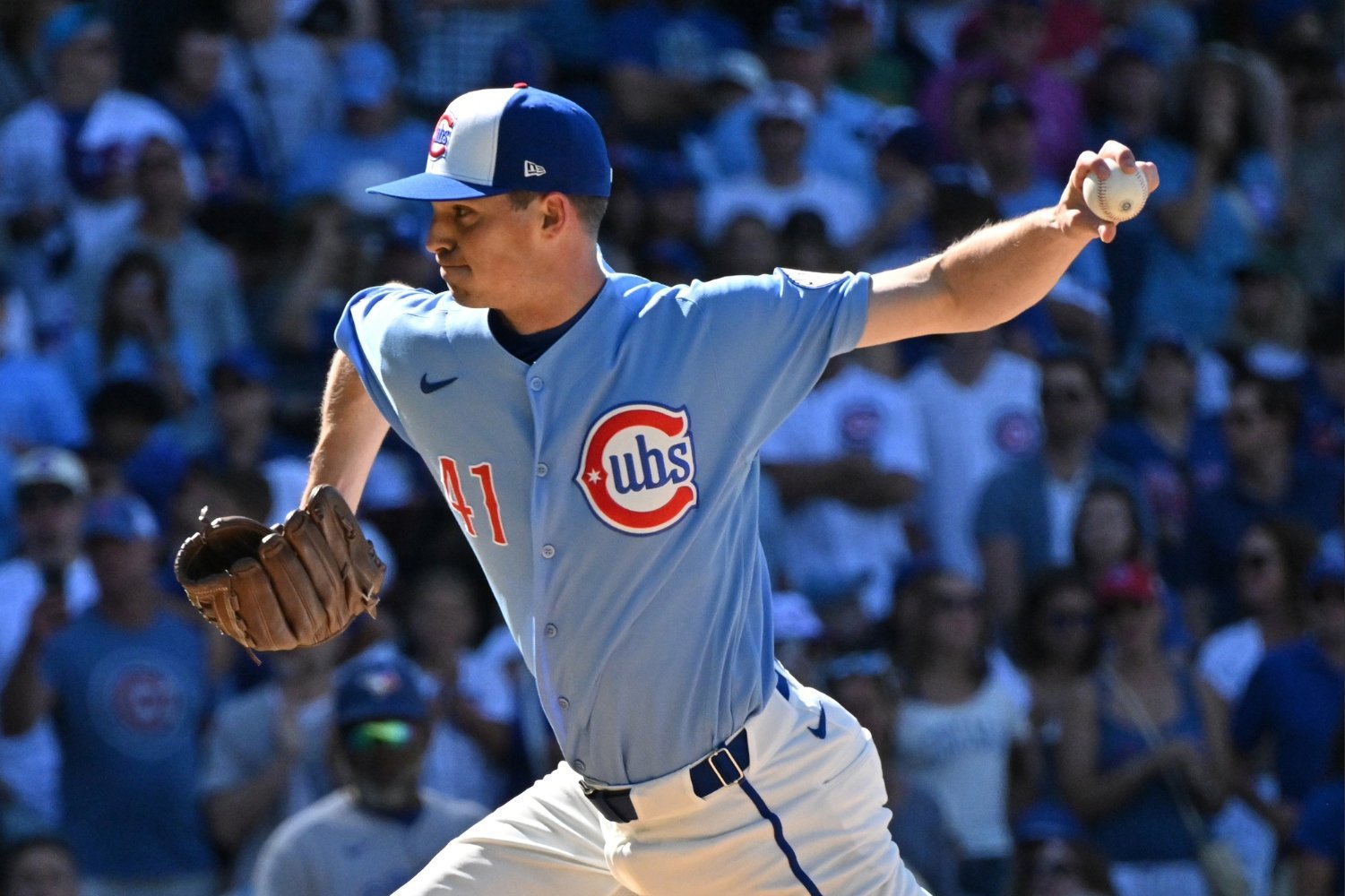 Update: A correction has been issued. Milner has been placed on waivers, but was not DFA'd. If he goes unclaimed, he will remain with the Cubs. If he is claimed, that team would assume the remainder of his contract in full. Original article as follows. On Friday afternoon, it was announced that the Chicago Cubs are designating veteran relief pitcher Hoby Milner for assignment. Milner hadn't appeared in a game for the Cubs since June 25 following an appendectomy. He'd been working his way back from that in recent weeks, but his 30-day rehabilitation window was set to expire having started that process at the end of July. Milner was a key left-handed arm for Craig Counsell—with whom he shared a history in Milwaukee—earlier in the year. He threw 15 innings in March & April as the bullpen battled through their early injury woes, pitching to a 2.40 ERA across various forms of leverage. He followed that up with exactly 10.1 innings in each of the two subsequent months, but had taken a step back in June prior to the need for his procedure. Up until that June 25 date, he'd pitched to a 6.10 ERA as opposing hitters torched him for a .417 wOBA. It's important to note, though, that much of that damage came in one specific outing wherein he allowed six runs in just one-third of an inning. In large part, he'd been exactly what the Cubs expected: meager at gathering whiffs, but otherwise producing strong numbers thanks to his ability to prevent free passes and avoid hard contact. In total, he pitched 35.2 innings across 38 appearances with a 3.53 ERA to his name. The Cubs are cutting bait with Milner just before rosters expand. Without a lot of option-ability throughout the rest of the relief corps, the front office decided that their current setup is more worthwhile than one that results in a departure from a different arm that has seen more recent action. That leaves breakout arm Ryan Rolison alongside Caleb Thielbar as the team's two left-handed arms in relief, with a pitcher featuring more flexibility likely on the way early next week. The Cubs will place Milner on waivers as a part of the DFA process. Given that we're past the trade deadline and close to the August 31 postseason eligibility threshold, it's entirely possible that another team snags him off waivers and gives the Cubs a bit of relief on his modest $3.75 million salary through the end of 2026. View the full article
 -
 The question was put to David Stearns at his post-trade deadline press conference: Why wasn’t Luis Robert Jr. included in the New York Mets’ summer sell-off? The team’s president of baseball operations replied, “I think with Luis, it’s the possibility of what he can do for us in the second half, the understanding that there is a club option and the excitement of still having him here for the next two months of the season.” Mets Twitter read that answer as code for “Nobody wanted him, so we’ll keep him for now.” The peanut gallery might have been right, to a degree. But it wasn’t because, as many loudly claimed, Robert was washed at 29. It was because he was guaranteed more than $8 million at the time -- $6 million-plus in salary, plus a $2 million buyout of his $20 million club option for 2027) -- and Stearns had said he wouldn’t add cash in trades. Plus, Robert was coming off a back injury that kept him sidelined for three months. There was also an alternate explanation, and lots of fans might think it dumb, but it’s worth reviewing here: What if Stearns kept Robert because he truly believes the player has a lot left and wants to see if he should re-sign him in the offseason as the club reloads for 2027? Why in the world, the fans ask, would Stearns think that? “Robert is hitting .230 and can’t stay healthy” is the reflexive, reductive argument. Well, here are four reasons Stearns might -- and maybe should -- be looking to keep the relationship going. 1. He Hits The Ball Hard Nights like Tuesday, when Robert hit four balls solidly against the Milwaukee Brewers -- and one of them left the yard -- are why Stearns might buy into him. His exit velocities were, in order, 93.5, 97, 101.8 (the home runs) and 96.5 mph. But Ewing’s bat is losing steam late in the season, something that could be expected from a 21-year-old prospect who moved rapidly through the upper levels of the minors. He entered Friday batting .165/.240/.209 in August with no home runs or RBIs. Green said Thursday that Ewing was hitting in bad luck (.231 BABIP), but luck doesn’t explain those numbers away. Ewing does have seven stolen bases for the month, giving him 21 for the year. (Robert stole 33 last season but has swiped just two this year amid the injury issues.) And despite the slump, Ewing has a 90 wRC+ as a rookie. It’s almost impossible to see him included in a blockbuster trade this offseason, and a demotion to Triple-A, assuming the lockout ends next year, is implausible. Ewing and fellow rookie Carson Benge give the Mets two young, athletic, fearless and inexpensive outfielders. The third member of the outfield trio does not share those attributes. Yep, it’s time to talk about Juan Soto and how he would affect Robert. Forget that Soto will be 28 next year; his legs have gotten heavier after nine years and 1,115 MLB career appearances in the outfield. The breakdowns have begun. A calf injury is going to cost him almost half of this season. Yes, he hurt himself while running the bases. No, that doesn’t matter. If he’s getting slower and perhaps growing more cautious, then he will become a huge liability in the field. Robert can still be an asset out there, assuming he’d accept a position change. He would prevent more runs, and we all know how much emphasis Stearns puts on that part of the game after what he did last offseason. But if the everyday outfield remains Soto-Ewing-Benge because the Mets don’t want to make Soto an everyday DH yet, then keeping Robert becomes difficult. He has been a regular center fielder whenever he has been healthy. Would he accept a fourth-outfielder role and a pay cut, either on a one-year deal or by converting the option into a two-year contract? Would the Mets even want an expensive fourth outfielder for a second year in a row (cough, Tyrone Taylor)? Serviceable free agents will be available for less. The club could also give Nick Morabito a shot in the spring. But just to break some brains, what happens if Soto does move to DH in the offseason? That would open a spot for Robert -- again, assuming he’d be OK with moving to left full time -- but it would complicate matters elsewhere. Jorge Polanco, another $20 million man, would shift from DH back to full-time infielder after a lost season that ended this month with ankle surgery. (No, let’s not think about moving Soto to first.) The Mets could then enter a long, cold winter with this starting nine: 1B: Polanco 2B: Marcus Semien SS: Francisco Lindor 3B: Bo Bichette (assuming he stays) LF: Robert CF: Ewing RF: Benge C: Luis Torrens/Francisco Alvarez DH: Soto Debate whether running it back is good or bad, but that group could be the beginning point. And if Soto is the DH and Polanco is the first baseman, then that affects the bench. Who survives among Jared Young, Mark Vientos, Brett Baty and Ronny Mauricio? Eric Wagaman, Christopher Morel and Cristian Pache are roster filler. No matter how all everything fits together, the takeaway of all this is: Robert will be a 2027 piece if the layout of the chessboard allows Stearns to play it. View the full article
 -
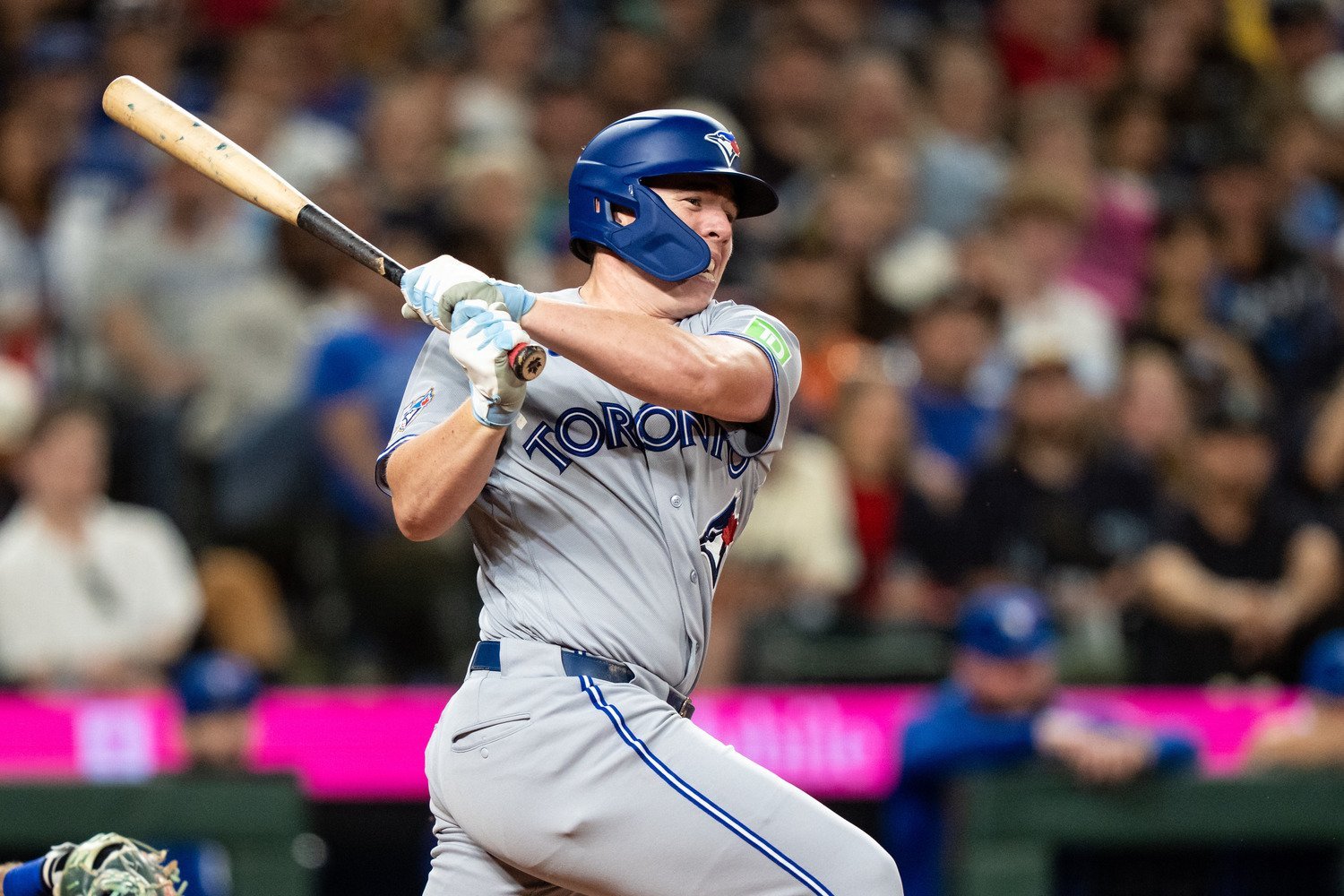 In September, major league rosters expand from 26 to 28. This is often when teams call up prospects to see what they can do at the top level. Due to injuries and poor performances, the Blue Jays have already had 13 prospects make their MLB debuts. They only trail the Chicago White Sox in the number of debuts they've seen this season. Brett Bateman, Kazuma Okamoto, Brandon Valenzuela, Charles McAdoo, Chad Dallas, and Spencer Miles are currently on the Blue Jays roster. Who could be the prospects to join these players in September? Stats updated prior to games on August 27. Hitting Prospects Sean Keys Sean Keys made his MLB debut on July 27. It was an unimpressive first impression; he slashed .167/.189/.278 with a home run, five runs, and five RBIs in 37 plate appearances. He struggled with chasing pitches at a 32.5 percent rate, which was unexpected given his 19.3 percent strikeout rate with Triple-A Buffalo this season. Keys has also shown power in the minors, hitting 27 home runs over 421 plate appearances. With the lack of power on the Blue Jays, they hoped Keys would help. He posted an outstanding 60.9 hard-hit rate, but only a 4.3 barrel percentage in his brief MLB cameo. He didn’t show he was ready yet, so he was sent back down after less than a month with the big league club. He also wasn’t getting regular playing time, since Vladimir Guerrero Jr. and Okamoto blocked him at the corner infield positions. However, being sent down has been good for the rookie. In 21 August games, he is hitting .370/.475/.679 with six home runs, 19 runs, and 22 RBIs. He’s proven that he deserves another shot at the big leagues this season. He’s still blocked at the corner infield positions, but he’s going to start playing left field with Buffalo. The Blue Jays like their versatile players, and Keys can be another weapon at several positions if he can succeed in the outfield. Jay Harry Jay Harry looked like a promising prospect in 2023, his first minor league season, with a .902 OPS. However, he struggled mightily over the next two seasons, posting a .679 and .572 OPS, respectively. He’s had a revelation this season and is flying up the minor league ladder. He posted a .934 OPS with Double-A New Hampshire, earning a promotion to Triple-A Buffalo on June 12, where he has kept the hitting going, with an .880 OPS over 161 plate appearances. The left-handed hitter doesn’t offer much power, with 13 home runs over 348 plate appearances between Single, Double, and Triple A this season. However, he’s getting on base with a .369 batting average on balls in play. The prospect has also reduced his 23.5 percent strikeout rate from Double A to 16.1 percent in Triple A. In addition, Harry should be more appealing for the major league team, having played every position except first base and catcher over his three minor league seasons. We all know how much Toronto loves utility players. Harry deserves a shot in the big leagues in September and has the advantage of playing multiple positions. The switch-hitting Brandon Valenzuela is the team's only bat off the bench who can hit left-handed, which would make both Keys and Harry smart additions to give John Schneider another lefty bat that’s not his backup catcher. Pitching Prospects The revolving door the Blue Jays have had on their pitching staff this season leaves open the possibility that we may see quite a few different pitchers called up through September. There are 10 pitchers currently on their major league injured list; seven of them are starters. The number of starters unavailable has forced the Blue Jays to use a bullpen game for a rotation spot through a majority of the season. Those additional innings are why there have been so many call-ups, even if it's just for one game. Ricky Tiedemann It’s been a rough road for Ricky Tiedemann. He underwent Tommy John surgery in July 2024, forcing him to miss the following season. This season, he was briefly shut down in February with elbow discomfort and in early July due to neck discomfort. He finally made his long-awaited MLB debut on August 15, though it was brief. Tiedemann threw 1 2/3 innings, allowing one earned run on two hits and two strikeouts. He was sent down the next day, which may have just been a cautionary move to keep the injury-prone lefty’s workload down. Since returning to Buffalo, Tiedemann has thrown 3 1/3 scoreless innings, allowing two hits and striking out four, though he's walked two batters and hit one. His sweeper is his best out pitch. In a small sample of 27 pitches with the Blue Jays, he threw the sweeper 59.3 percent of the time, and it had a 33.3 percent put-away rate. Tiedemann may eventually be a starter, but that will come after stretching out during the offseason. He’s likely a lock to be called up at some point in September, even if it’s just for another cup of coffee. Tanner Andrews Tanner Andrews spent eight seasons in the minors (the 2020 minor league season was canceled). After a long waiting period, he finally received the special call on May 25. He pitched back-to-back days, totaling three innings and allowing one hit, but he walked two while only striking out one. Although he had a decent outing, he was designated for assignment on June 4. He cleared waivers and returned to Triple-A Buffalo, where he has a 2.05 ERA and a 1.47 WHIP over 44 innings. However, he’s been better at striking batters out over his minor league career than the 9.1 percent rate he displayed during his cup of coffee with the Blue Jays. The righty had a 20 percent strikeout rate or higher in each of his minor league seasons, except his first season, in which he barely missed (19.7 percent). Walking batters is a major issue for Andrews. He has a 15.3 percent rate at the Triple-A level this season, and it's been an issue over his minor league career. This is possibly the reason we haven't seen him back with the Blue Jays yet. The righty has been better in August, throwing 7 1/3 innings, allowing three earned runs off of six hits, walking four, and striking out seven. He's been used in high-leverage situations as well, earning two saves. Andrews is a 30-year-old minor leaguer, so his time to contribute is running out. To give him another shot, he’d need to be added back to the 40-man roster. Daniel Guerra Daniel Guerra is a long-shot prospect to make his MLB debut this season. It’s his fifth minor league season, but he’s flown up the ladder this season, making a stop at all four affiliate levels. He is one of the hottest pitching prospects in the Blue Jays’ farm system. He made 14 starts and three relief appearances between Single, High, and Double A before getting the promotion to Triple-A Buffalo on August 26. Even though the sample was small, Guerra was dominant in four Double-A innings, striking out nine of the 16 batters he faced. The righty’s first Triple-A appearance wasn’t smooth, but it was a solid outing. He threw one inning, allowing a solo home run while walking one and striking out one. The homer was the only hit Guerra allowed. The phenomenal pitching and strikeout potential he possesses would be enough to deserve a call-up, but he’s had limited innings at the higher minor league levels. However, his move to the bullpen after moving to Double-A was meant to help him reach the big leagues quicker. The Blue Jays will be watching his next outing or two very closely. It’s not out of the question for Guerra to receive his phone call. View the full article
 -
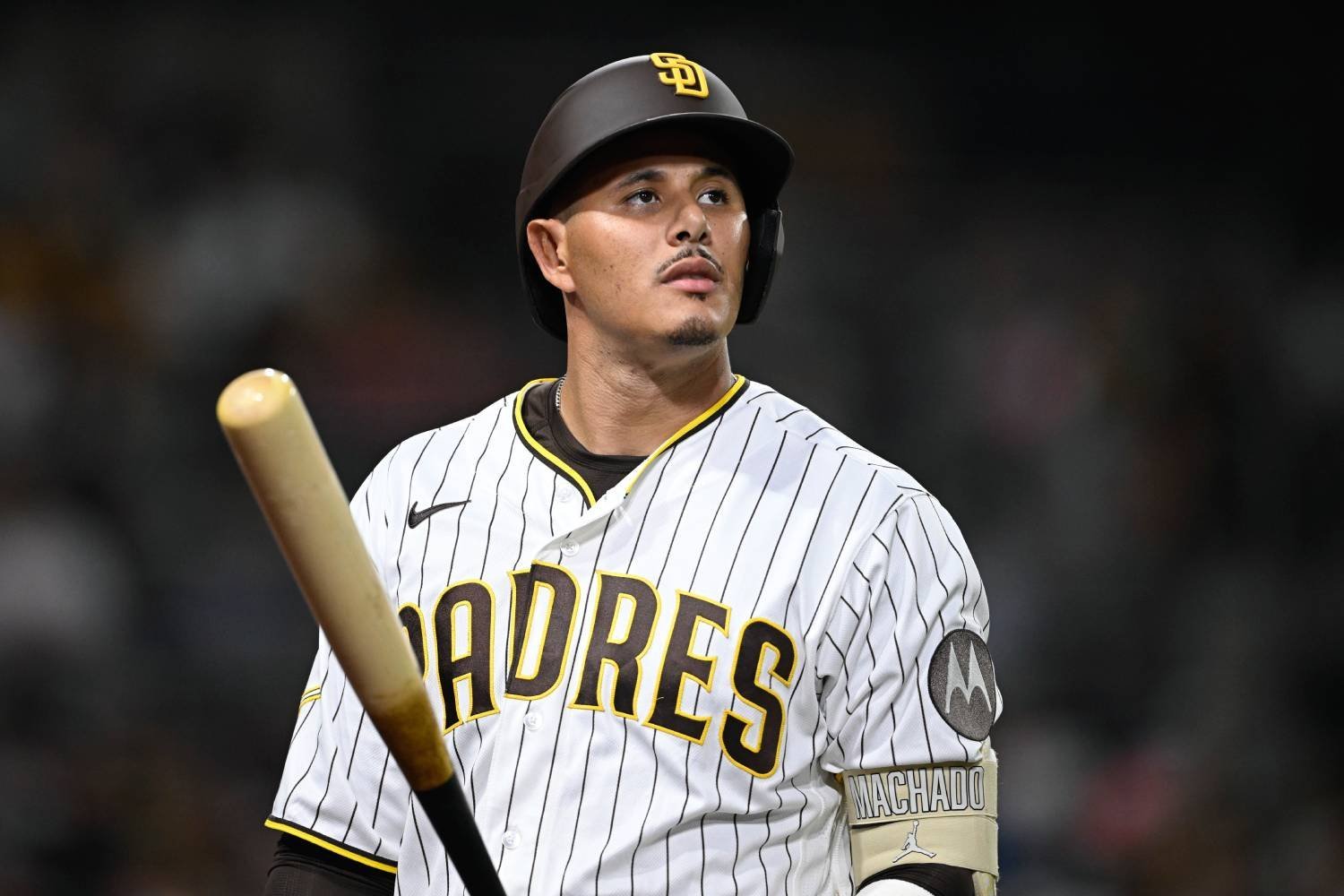 Plans are great because, generally, they give you an outline of your intentions and how you will carry them out. They don’t always work, with varying degrees of success, but they certainly help when multiple people are involved. For the San Diego Padres, the plan for superstar third baseman Manny Machado, stated in spring training by manager Craig Stammen, was to rest him more through days off and being the designated hitter in order to have him fresher for the stretch drive. Well, that plan never really took shape and the Padres will be left to deal with those consequences. Entering this weekend’s series against the Tampa Bay Rays, there were only three times Stammen, the Padres' first-year manager, has not penciled Machado’s name into the starting lineup. Two of those came in April, the other came in July. Between April 28 and July 8, the last two days Machado sat, he played in 61 straight games. His streak before this weekend was 42. There are certainly at least two things at play here. Machado, who turned 34 in July, has been in a season-long slump, which has likely made him want to stay in the lineup to hit his way out of it. The other was the Padres’ poor play beginning in late May and lasting until they righted the ship two months later. Both are completely reasonable, especially considering Machado’s status as the Friars’ unofficial captain as a Hall of Fame-caliber veteran in his 15th season. But the Padres entered the series vs. the Rays with 28 games remaining. While there have been plenty of important games as the Friars have gone from three games below .500 to currently holding the No. 3 NL Wild Card, keeping Machado's production up by keeping him fresh would have been a nice accomplishment. Production, however, is what the Padres have been missing from Machado. He is going to finish 2026 with the worst slash line of his career, yet he still leads the team in home runs (24) and RBIs (72). His slash line entering the weekend was .214/.301/.402, a far cry from his career mark before this season of .279/.338/.486. Machado has battled various minor injuries this season, the latest being a bruise on his right index figure that flared up in Monday’s game against the Pittsburgh Pirates. His reaction was almost like he had sustained a serious injury, but he remained in the game. Not exactly surprising stuff. While you can’t exactly give Machado the iron man label, you do have to remember that he came up as a can’t-miss shortstop in the Baltimore Orioles’ system following the Cal Ripken Jr. era, moving to third base because the O’s had J.J. Hardy at shortstop. Still, the desire to be in the lineup is admirable. Machado has played in more games than any other MLB player since the start of the 2015 season and is one of only two to appear in more than 1,700 games in that span. Prying him from the starting lineup is tough to do. But as Stammen continues to establish his management presence as opposed to his prior relationship with Machado as a teammate, he is going to have to force his third baseman to take more time off. In May, for instance, Machado put up a .127/.202/.324 slash line. A day or two off may have been beneficial. But there hasn’t been a terrific backup at third base, which also complicates the matter. Miguel Andujar is really more of a left fielder or designated hitter and has been out since July 20, while Sung-Mun Song is good defensively, but was just optioned because he hasn’t been able to put together consistent at-bats to get his offense going. The metrics show what Machado isn’t doing when compared to 2025, when he had a .275/.335/.460 slash line with 27 homers and 95 RBIs, as well as 14 steals (he has three this year). Machado’s numbers are down notably from 2025 in several categories: exit velocity from 92.9 mph (93 percentile) to 90.5 mph (73rd), barrel rate from 12.9% (80th) to 9.7% (72nd), hard-hit percentage 51.5% (92nd) to 44.7% (72nd) and bat speed 74.5 mph (84th) to 74.8% (80th). How has that manifested besides the career-worst slash line? One major way is Machado is tied for second in MLB in grounding into double plays with 19 (tied with Kansas City’s Salvador Perez and behind Tampa Bay’s Junior Caminero’s 23). Machado had 16 last year and an MLB-worst 25 in 2024. His strikeout rate has also climbed to a career-worst 21.6% after sitting at 19.3% the previous two seasons. Alas, Machado’s reputation is built on two things: Posting every day and producing. “Yeah, he’s good at portraying the tough man,” Stammen said this spring. “That’s who he is. It’s a badge of honor for him. But we’ve also got to get the best out of him for a full season, not just in April and May.” Said Machado: “I’ll rest when I’m in the ground.” View the full article
 -
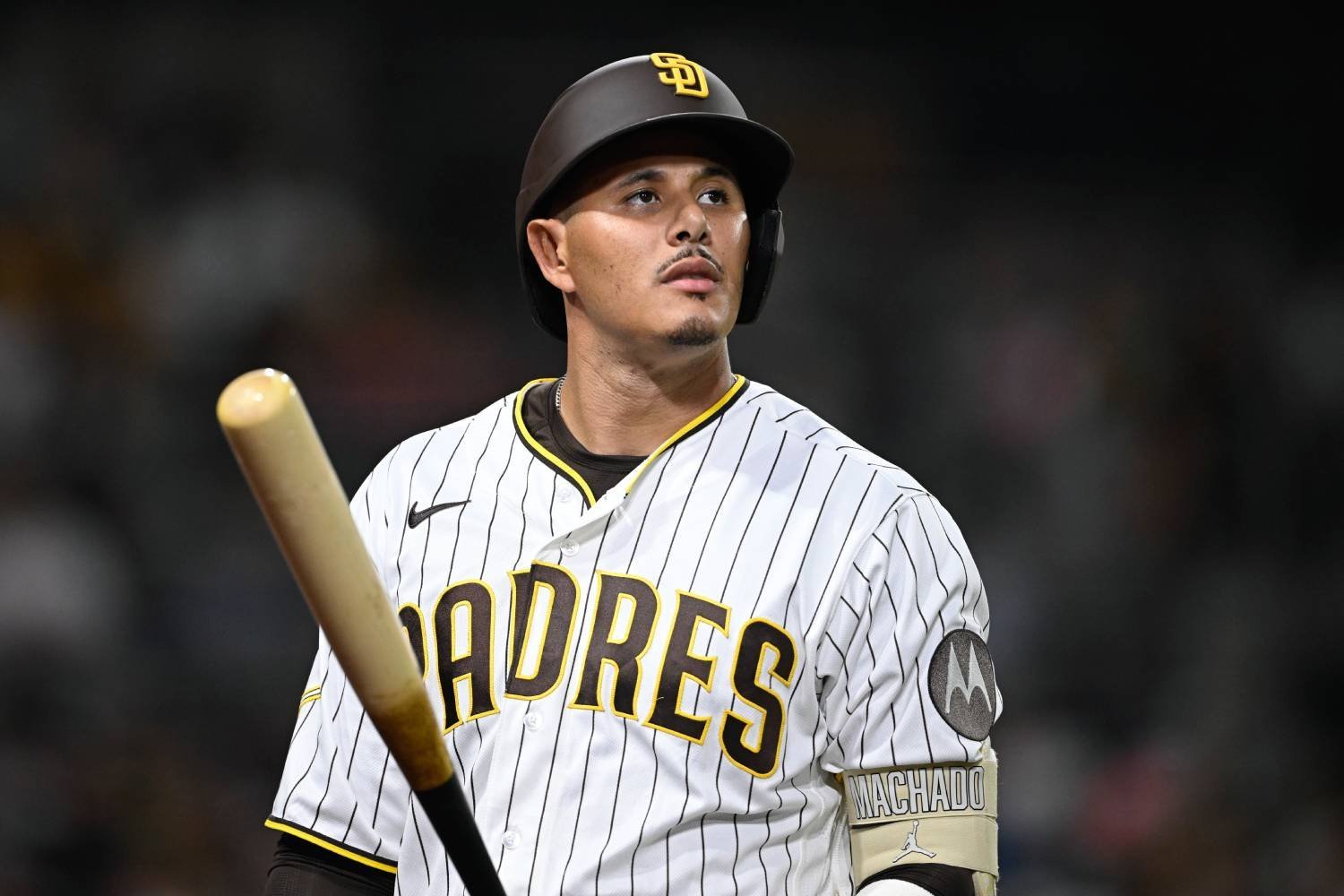 Plans are great because, generally, they give you an outline of your intentions and how you will carry them out. They don’t always work, with varying degrees of success, but they certainly help when multiple people are involved. For the San Diego Padres, the plan for superstar third baseman Manny Machado, stated in spring training by manager Craig Stammen, was to rest him more through days off and being the designated hitter in order to have him fresher for the stretch drive. Well, that plan never really took shape and the Padres will be left to deal with those consequences. Entering this weekend’s series against the Tampa Bay Rays, there were only three times Stammen, the Padres' first-year manager, has not penciled Machado’s name into the starting lineup. Two of those came in April, the other came in July. Between April 28 and July 8, the last two days Machado sat, he played in 61 straight games. His streak before this weekend was 42. There are certainly at least two things at play here. Machado, who turned 34 in July, has been in a season-long slump, which has likely made him want to stay in the lineup to hit his way out of it. The other was the Padres’ poor play beginning in late May and lasting until they righted the ship two months later. Both are completely reasonable, especially considering Machado’s status as the Friars’ unofficial captain as a Hall of Fame-caliber veteran in his 15th season. But the Padres entered the series vs. the Rays with 28 games remaining. While there have been plenty of important games as the Friars have gone from three games below .500 to currently holding the No. 3 NL Wild Card, keeping Machado's production up by keeping him fresh would have been a nice accomplishment. Production, however, is what the Padres have been missing from Machado. He is going to finish 2026 with the worst slash line of his career, yet he still leads the team in home runs (24) and RBIs (72). His slash line entering the weekend was .214/.301/.402, a far cry from his career mark before this season of .279/.338/.486. Machado has battled various minor injuries this season, the latest being a bruise on his right index figure that flared up in Monday’s game against the Pittsburgh Pirates. His reaction was almost like he had sustained a serious injury, but he remained in the game. Not exactly surprising stuff. While you can’t exactly give Machado the iron man label, you do have to remember that he came up as a can’t-miss shortstop in the Baltimore Orioles’ system following the Cal Ripken Jr. era, moving to third base because the O’s had J.J. Hardy at shortstop. Still, the desire to be in the lineup is admirable. Machado has played in more games than any other MLB player since the start of the 2015 season and is one of only two to appear in more than 1,700 games in that span. Prying him from the starting lineup is tough to do. But as Stammen continues to establish his management presence as opposed to his prior relationship with Machado as a teammate, he is going to have to force his third baseman to take more time off. In May, for instance, Machado put up a .127/.202/.324 slash line. A day or two off may have been beneficial. But there hasn’t been a terrific backup at third base, which also complicates the matter. Miguel Andujar is really more of a left fielder or designated hitter and has been out since July 20, while Sung-Mun Song is good defensively, but was just optioned because he hasn’t been able to put together consistent at-bats to get his offense going. The metrics show what Machado isn’t doing when compared to 2025, when he had a .275/.335/.460 slash line with 27 homers and 95 RBIs, as well as 14 steals (he has three this year). Machado’s numbers are down notably from 2025 in several categories: exit velocity from 92.9 mph (93 percentile) to 90.5 mph (73rd), barrel rate from 12.9% (80th) to 9.7% (72nd), hard-hit percentage 51.5% (92nd) to 44.7% (72nd) and bat speed 74.5 mph (84th) to 74.8% (80th). How has that manifested besides the career-worst slash line? One major way is Machado is tied for second in MLB in grounding into double plays with 19 (tied with Kansas City’s Salvador Perez and behind Tampa Bay’s Junior Caminero’s 23). Machado had 16 last year and an MLB-worst 25 in 2024. His strikeout rate has also climbed to a career-worst 21.6% after sitting at 19.3% the previous two seasons. Alas, Machado’s reputation is built on two things: Posting every day and producing. “Yeah, he’s good at portraying the tough man,” Stammen said this spring. “That’s who he is. It’s a badge of honor for him. But we’ve also got to get the best out of him for a full season, not just in April and May.” Said Machado: “I’ll rest when I’m in the ground.” View the full article
 -
Should Miami Marlins have bought a Eugenio Suarez lottery ticket?
DiamondCentric posted an article in Fish On First
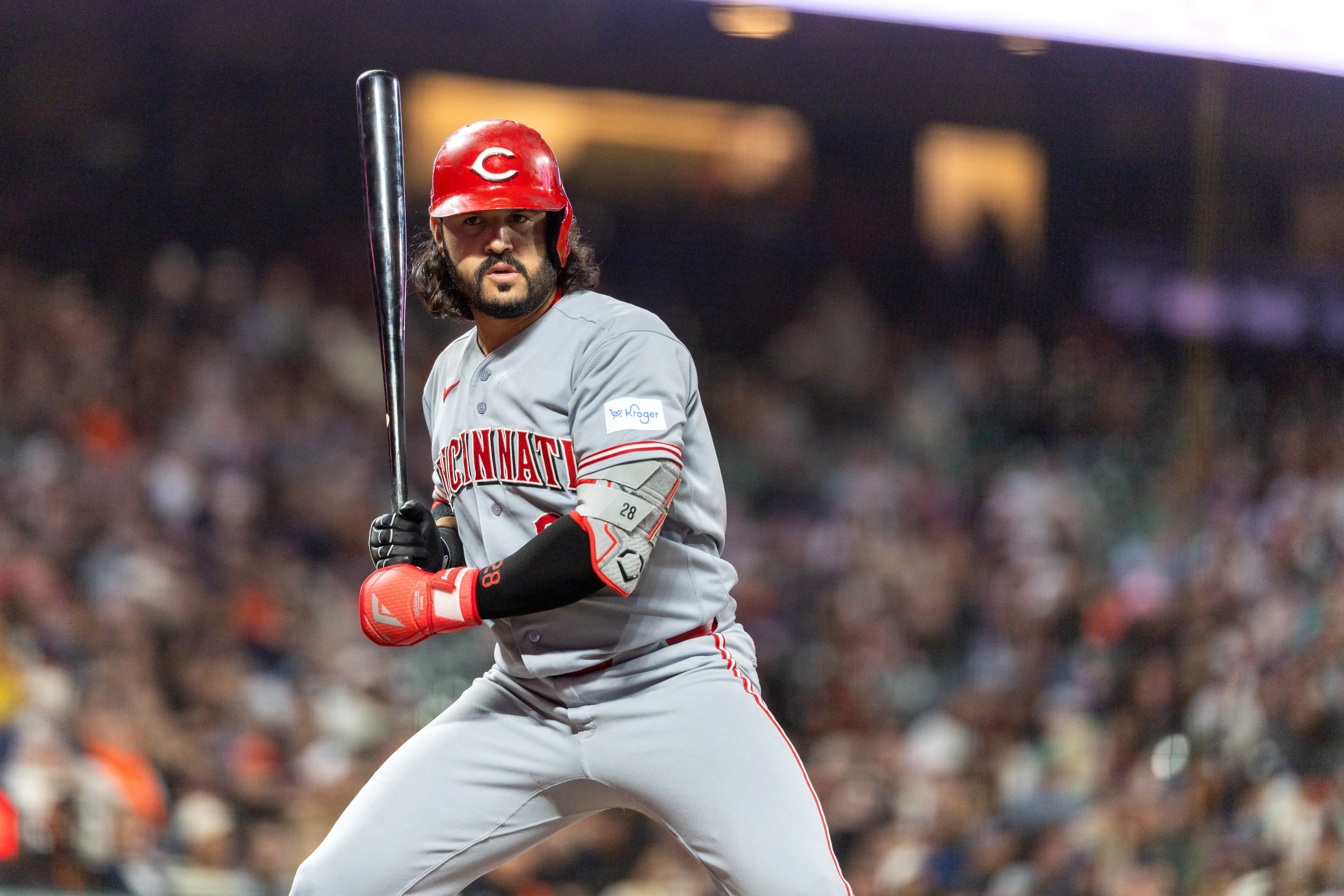 Most of us would be happy with a lottery ticket that netted roughly $2.5 million. The Miami Marlins recently had to decide whether or not to spend roughly $2.5 million on said ticket when the Cincinnati Reds placed Eugenio Suarez on waivers this week. The veteran slugger who ranked fifth in Major League Baseball with 49 home runs last season was being salary-dumped. He has been a massive disappointment overall in 2026, but has come on strong in August, clubbing 5 HR to go along with a .237/.362/.500 slash line. For context, Marlins third basemen have combined for only 6 HR all year. With Suarez once again looking a lot like the kind of right-handed power threat that the Marlins infield has sorely missed, should they have brought him aboard? Even in a down year, Suarez's 19 homers would have trailed only Heriberto Hernandez on the Marlins roster. If he's able to be as good as he's been so far this month the rest of the way, that could be a massive power boost. Think Leo Jimenez's offensive profile, except the complete opposite. For what it's worth, August and September have historically been the best months of Suarez's career. Very convenient. On the other hand, besides Jimenez, Javier Sanoja is another Marlins player whose playing time would have potentially gone down as a result. He's had a better 2026 season than Suarez by far, and has also been better in August in every way besides homers and RBIs. That .892 OPS in August won't last forever, but it could certainly last another month, and won't cost much more than a league-minimum salary, either. That's not even counting the defensive drop off, which is considerable. If Sanoja moved around the diamond to continue starting regularly with Suarez, than Agustin Ramirez would be sacrificing at-bats. That would have hindered the development of a long-term asset for an unlikely short-term reward. Over half the league is technically "contending" right now, yet Suarez went unclaimed and remained in Cincy. If that many teams decided Suarez wasn't helpful, including many teams with money to burn, then perhaps passing was the right call. Ultimately, this would have been a lottery ticket move for the Marlins, pure and simple. Suarez has produced -0.4 fWAR this season. That baseline suggests he was more likely than not to provide negative value down the stretch. However, lottery tickets can be fun now and then, and the Marlins might just have missed a trick here. The thing about lottery tickets, after all, is that they sometimes pay off, plus this one could have paid off for the Marlins in more ways than just the box score. Adding somebody with Suarez's résumé would have sent a strong message to Marlins fans that the team is making one last push to make this season matter. It could have sold tickets just as attention is starting to wander. Maybe Suarez would have been a fit, maybe he wouldn't have. He was far and away the most interesting name known to be put on waivers so far, and the Marlins passed. The window to make outside acquisitions who will have postseason eligibility closes on Monday. Will another enticing name shake loose before then, and is there any lottery ticket the Marlins would consider buying? View the full article
 -
Jays Start "Easy" Part of Schedule By Losing Two of Three
DiamondCentric posted an article in Jays Centre
 Jays struggle against the Royals in front of a packed Rogers Centre. Vladdy's nightmare season continues, Spencer Arrighetti, Simeon Woods Richardson, and Michael Lorenzen get shelled in the finale, and the baseball continues to be just not quite good enough. Owen and Jesse are with you to break down a crushingly disappointing series. Listen on Apple Podcasts: https://podcasts.apple.com/us/podcast/the-jays-centre-podcast/id1846108462 Listen on Spotify: https://open.spotify.com/show/3Bi7SzfpcqMo5xYWnbCeoL Listen on iHeartRadio: https://www.iheart.com/podcast/263-the-jays-centre-podcast-300304824/ Listen on Pocket Casts: https://pca.st/2qk9wqxd Watch on YouTube: https://www.youtube.com/@jayscentre View the full article
 -
 You can listen by downloading us from: iTunes, Spotify, YouTube, iHeartRadio, Stitcher, GleemanAndTheGeek.com, or by clicking this link, or by watching/listening below. https://youtu.be/VAuvO-62QSg Timestamps 0:00 Walker Jenkins is coming up! It's an Emergency! 2:17 Twins playoff odds fall from 40% to 10% after a 1-5 West Coast trip 5:33 Byron Buxton and Miguel Sanó in 2015 — which debut does Jenkins resemble? 8:49 Kaelen Culpepper set the bar for what a great three weeks looks like 10:17 Resiliency, or an inability to build on anything? 12:37 White Sox and Tigers at home: now or never in the AL Central 14:11 The call-up is about Byron Buxton's hip, not Jenkins' bat 15:57 The Triple-A prospect wave that injuries wiped out 22:44 Ticket sales, attendance and a packed press box for the debut 25:30 Luke Keaschall in center field has been rough 29:14 Jenkins' defense and the young Max Kepler defensive scouting report 34:18 Debunking the 40-man roster and lockout excuse for keeping Jenkins down 35:48 365 days at Triple-A: Jenkins has more experience than you think 38:39 The best Twins prospect since Buxton, and how few holes are in his game 50:46 Why Walker Jenkins' swing looks like Joe Mauer's 1:00:42 Target Field is a tough park for left-handed power 1:05:27 What's a good baseline for Jenkins? 1:06:59 Buxton, Mauer, Rivas, Guzmán, Ortiz: the five Twins to play at 21 years old 1:15:24 When does playing hurt stops being selfless? 1:19:00 The roster math: Buxton, Alex Jackson or Alan Roden — pick two 1:25:39 Joe Ryan is nearing a rehab assignment 1:27:14 Emmanuel Rodriguez is healthy, hot, and out of options 1:32:34 Von Lackey promoted to High-A after passing the lemon test 1:39:43 Aaron on the Dane Moore show — and the Jonathan Kuminga timing View the full article
