


DiamondCentric
-
Posts
2,631 -
Joined
-
Last visited
Never
Content Type
Profiles
Forums
Events
News
Tutorials & Help
Major League Baseball Videos
Guides & Resources
Store
Downloads
Gallery
Everything posted by DiamondCentric
-

BREAKING: Twins to Call Up Top Prospect Walker Jenkins
DiamondCentric posted an article in Twins Daily
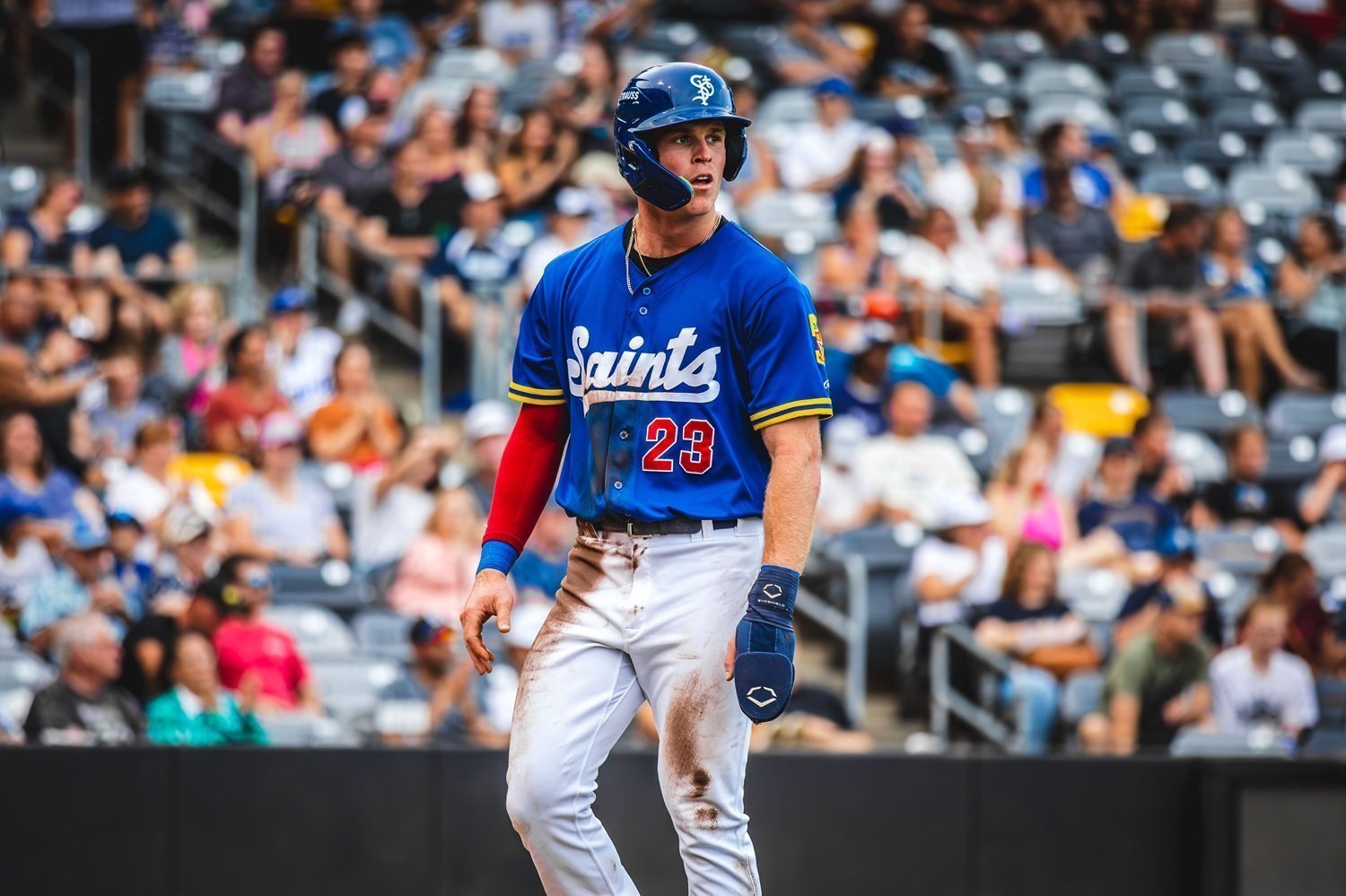 The Twins are calling up top prospect Walker Jenkins, sources have confirmed to Twins Daily. The No. 1 prospect in the organization and (arguably) one of the top 10 prospects in baseball will join the team at Target Field on Friday, with the Twins' postseason hopes on life support entering a crucial series against the division-leading Chicago White Sox. Jonathan Mayo of MLB.com broke the news first. Jenkins, 21, joins the team despite navigating recurring injuries in his minor-league career. In 69 games in 2026 for Triple-A St. Paul, Jenkins managed a .308/.407/.532 line, with 32 extra-base hits, a 13.3% walk rate, and a stellar 15.4% strikeout rate. The promotion is likely to come as a corresponding move to Byron Buxton hitting the IL, after Buxton left Tuesday’s game in West Sacramento with an as-yet-unspecified hip injury. After the Twins declined to add Jenkins amid a torrid offensive performance in August, injury has finally forced a debut for one of the game's top prospects. Jenkins was the fifth overall selection in a loaded 2023 draft class. The Twins were the biggest beneficiary of the inaugural MLB Draft Lottery the previous December, vaulting into the top five selections of what was considered a five-player draft. Jenkins was selected after Paul Skenes, Dylan Crews, Wyatt Langford, and recent MLB debutant Max Clark. Jenkins's promotion will spark particular excitement, as it comes on the heels of the recent promotion of fellow top-100 prospect Kaelen Culpepper, who was called up on August 7 and has settled in as the Twins’ regular shortstop. The timing of his promotion is significant, too. Jenkins can no longer amass 45 days of service time before the end of the season (that deadline passed more than a week ago), and thanks to waiting an extra handful of days, the team can also promote him now without worrying about whether he’ll reach 130 at-bats. Even if he plays every day, he won’t do so, so he’ll retain rookie eligibility heading into 2027 and could net Minnesota a Prospect Promotion Incentive (PPI) draft pick if he wins the Rookie of the Year Award or finishes in the top three in MVP voting before becoming arbitration-eligible. Jenkins has a well-rounded skill set highlighted by elite bat-to-ball skills and excellent swing decisions, giving him a strong on-base floor to accompany above-average speed and defense in center field. Despite some prospect fatigue setting in during his journey up the minor-league ladder, Jenkins has retained strong positioning on national lists, being featured as the No. 4 overall prospect on FanGraphs and No. 10 phenom at Baseball America after midseason updates. Jenkins joins a crowded outfield picture, with the Twins retaining several other left-handed options on the 40-man roster. In the immediate future, though, he’ll be the most anticipated Twins prospect to debut since Buxton. He also comes up to a team that desperately needs a spark. Whether he's able to deliver that or not, this marks the full arrival of a new era of Twins baseball. View the full article
 -
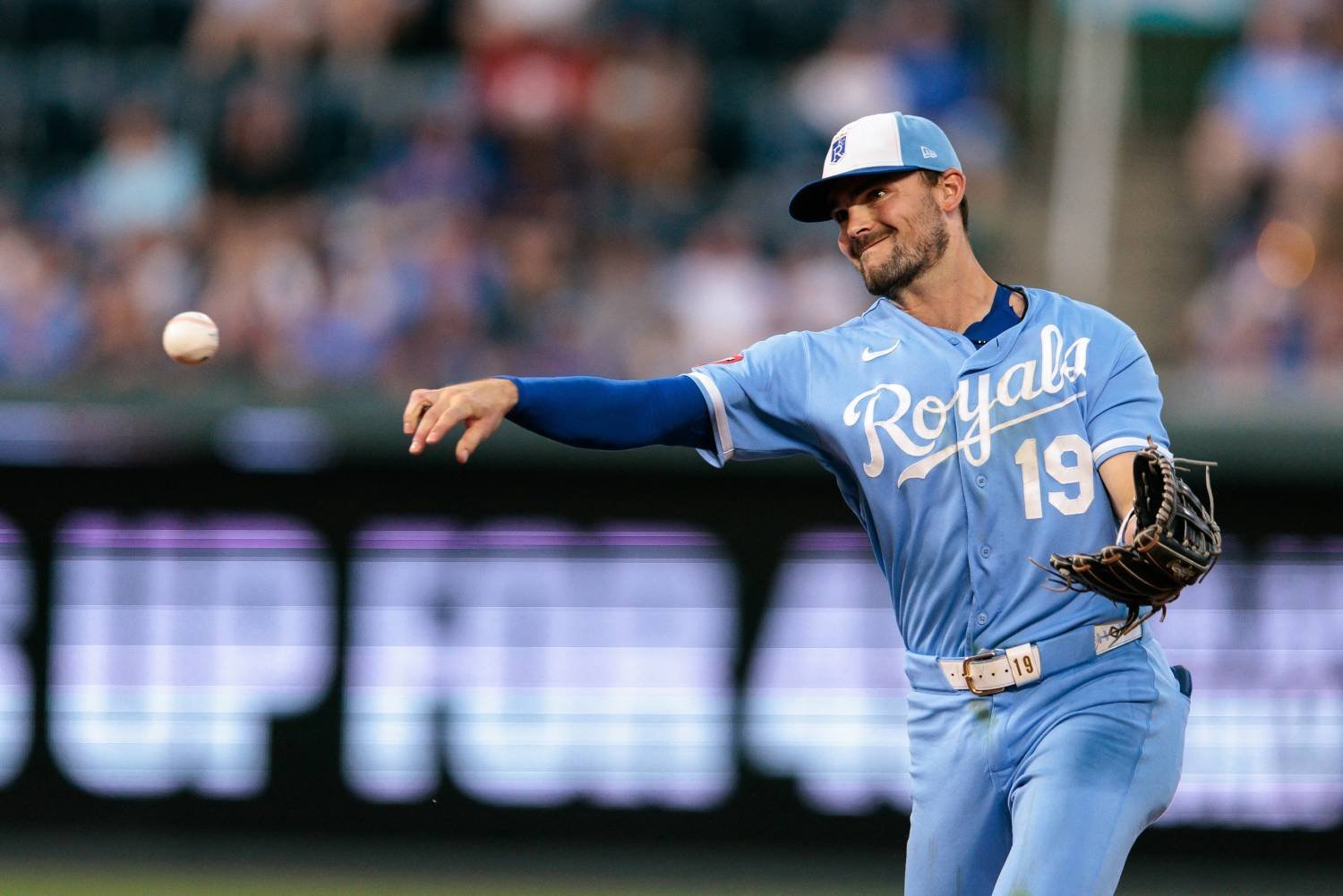 As the Kansas City Royals try to hang around in the AL wild-card race, injuries can hit a little bit harder. Second baseman Michael Massey was placed on the seven-day concussion list Thursday by the Kansas City Royals. The Royals also optioned right-handed reliever Mason Black to Triple-A Omaha, while selecting the contract of left-handed reliever Anthony Gose and recalled infielder Josh Rojas, both coming up from Triple-A. Also, the Royals pulled right-hander Beck Way from his rehab assignment. Massey was injured in Tuesday's 5-3 victory over the Toronto Blue Jays. He fielded a grounder from Nathan Lukes as he ranged to his right and made an off-balance throw for the out at first base for the second out in the fifth inning. But he hit his head as he crashed to the ground. He was removed from the game. Massey is a key part of the Royals' offense, putting up a .276/.310/.444 slash line with 11 homers and 44 RBIs. Massey also started the season on the injured list with a strained left calf. Rojas is up for the third time this season. In his previous stints, he had a .224/.253/.303 slash line with one homer and nine RBIs in 30 games. Black pitched two perfect innings in Wednesday's 3-0 loss to the Jays. His demotion is all about getting a fresh arm in the bullpen and Gose, who hasn't pitched in the majors since 2024, got the call. Gose intended to start the season in the Mexican League, but then signed a minor-league deal with the Royals on April 28. In 39 games and 46 innings for Omaha, he has a 4.89 ERA with 29 walks and 58 strikeouts. He last appeared in the majors with the Cleveland Guardians in 2024, pitching in just three games. View the full article
 -
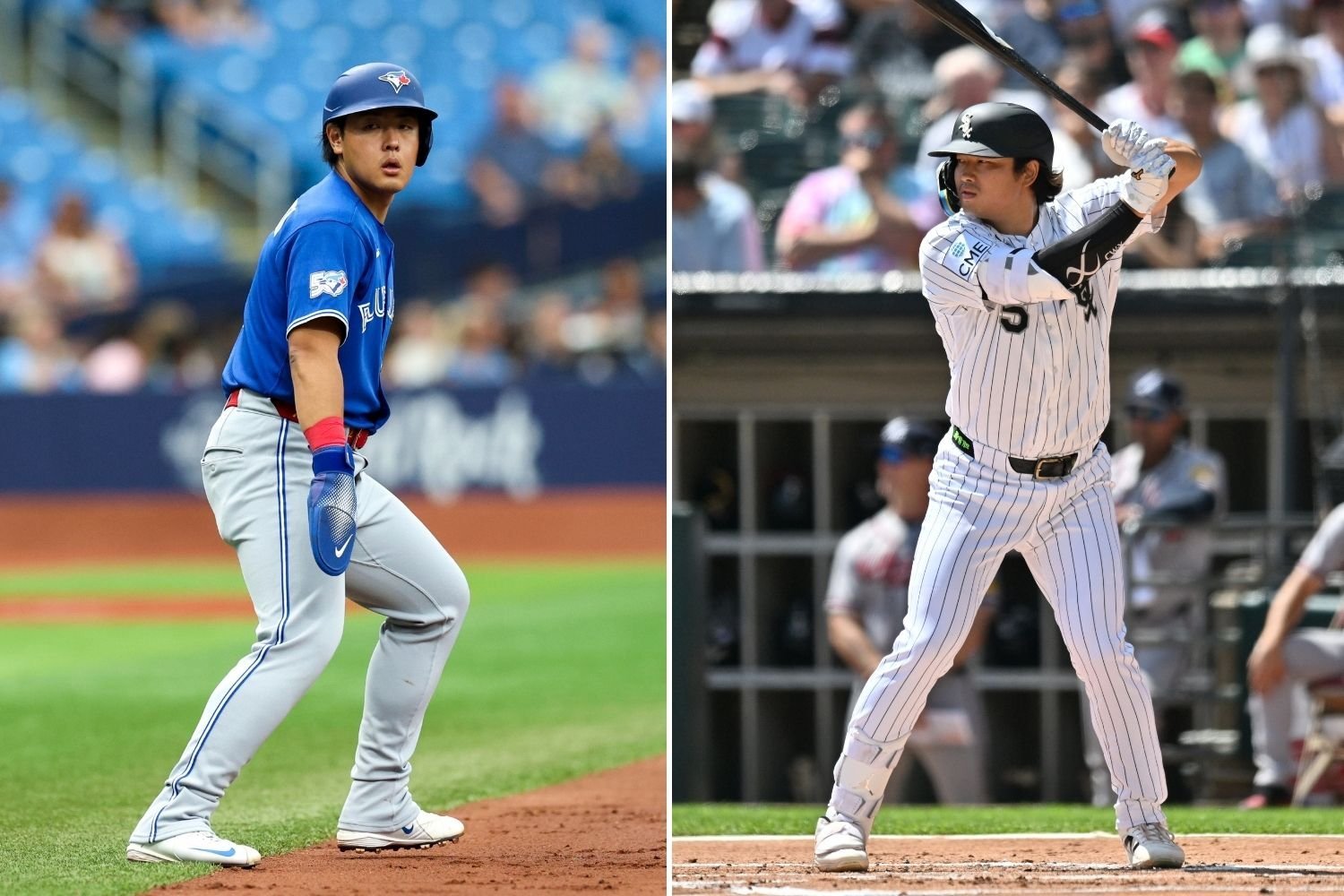 When Kazuma Okamoto and Munetaka Murakami arrived from Nippon Professional Baseball (NPB) ahead of the 2026 season, they represented two very different bets. Both have met expectations, but their overall value to their respective ballclubs after the first year of their contracts is an interesting debate. Okamoto was viewed as the safer acquisition. The long-time Yomiuri Giants star had built a reputation as one of Japan's most consistent middle-of-the-order hitters. He offered power, defensive versatility, and a track record of durability. Toronto signed him to a four-year, $60 million contract. Murakami, the former Triple Crown winner and owner of NPB's single-season home run record (for Japanese-born players), carried more upside but with risk. Scouts loved the power but questioned whether his swing-and-miss tendencies would become a major issue against elite MLB velocity. Chicago signed him to a two-year, $34 million contract with the expectation that he could become the centerpiece of its rebuild. As the 2026 season has unfolded, the comparison has become an interesting storyline. Neither was ever expected to eclipse Shohei Ohtani, but they were expected to transition well. Both players are MLB rookies despite years of professional experience in Japan. Both have shown legitimate power. Both entered the year among the American League Rookie of the Year contenders. Yet the gap between their performances has become increasingly clear. Looking strictly at value, production, and future outlook, Murakami has emerged as the superior deal based on his impact combined with his role in Chicago’s turnaround. Murakami's offensive production has bettered Okamoto's. Through late August, he owns an .859 OPS with 29 home runs and a 2.2 WAR according to Baseball Reference. His batting average of .219 does not look especially impressive on its own, but his contributions are all about production. Murakami's combination of power and on-base ability has produced elite run creation numbers. FanGraphs showed him carrying a 158 wRC+ through his first 57 games before injury interruptions, meaning he created runs 58 percent better than the league average hitter. That number has dropped since his return, but it remains an impressive 138. Okamoto's numbers have been far more modest. He enters the final stretch of the season batting .228 with 26 home runs and 74 RBI. His OPS sits at .736, and his WAR is approximately 1.6 according to Baseball Reference. FanGraphs places him at a 106 wRC+, only slightly above league average. A 106 wRC+ hitter is considered a useful major leaguer. A 138 wRC+ hitter is approaching, if not a legitimate superstar. Okamoto debuted at age 29 and turned 30 in June. In sports, athletes don’t tend to age all that well. A player producing top-level offense at age 26, like Murakami, is entering what should be his peak seasons. A player producing league average offense at age 30 is much more likely at his ceiling and may already be approaching the back side of his prime. Before signing these players, both organizations undoubtedly asked themselves: How much future value can this player provide relative to salary? Murakami might be capable of outperforming his contract if he maintains even most of his current offensive level. Chicago is paying him an average annual salary of $17 million. Okamoto's annual value is $15 million. The Jays signed a player who had a solid track record in Japan. During his NPB career, Okamoto ranked among Japan's most productive sluggers, finishing near the top of the league in home runs, RBI, doubles, and overall offensive value over multiple seasons. Scouts expected solid defense and 25 to 30 home run power. And Okamoto has delivered that. Already, he has set a Blue Jays franchise record for most home runs in a season. Eric Hinske set the previous mark of 24 in 2002. Okamoto has also bettered Ohtani’s rookie record for Japanese-born players of 22. Statcast metrics show strong raw power from Okamoto, highlighted by a 90.4 mph average exit velocity, a 12.6 percent barrel rate, and a maximum exit velocity of 112.6 mph. Murakami’s average exit velocity is 94 mph with a barrel rate of 19.7 percent and a hard-hit percentage of 58.2. Okamoto's strikeout rate has exceeded 30 percent, while his expected batting average has remained well below league average. Statcast data shows a whiff rate among the lowest percentiles in the sport. Murakami has strikeout issues as well. His strikeout rate is 33.8%. In fact, swing and miss was the single biggest question surrounding him before he left Japan. Several evaluators wondered if elite MLB fastballs would expose weaknesses in his approach. But the key difference between the two players is that Murakami's power has been able to overcome those strikeouts. His offensive ceiling has always been much higher. In 2022, Murakami hit 56 home runs, won the NPB Triple Crown, and established himself as one of the biggest offensive talents Japan has produced in decades. Despite missing time due to injury, Murakami has been among the most productive rookie hitters in baseball. He was selected as an All-Star and invited to the Home Run Derby. From that standpoint, Chicago appears to have extracted greater value. Murakami has definitely played a role in the White Sox's 2026 success. The Jays signed Okamoto to fill a power-hitting role in the lineup. He needed to produce at a reasonable level to force opponents to pitch to Vladimir Guerrero Jr. and others. He has produced but not consistently enough to scare opposition pitching. Murakami has simply generated more value. FanGraphs projected Okamoto for approximately 2.5 WAR over a full season entering 2026. His actual performance has landed closer to the solid regular range than the star range. Murakami was projected to be around a 120 wRC+ hitter before the season. Instead, when healthy, he has dramatically exceeded that pace. According to some preseason analysis, Okamoto was actually projected to outperform Murakami. That just hasn’t happened. By May, MLB.com's first Rookie of the Year poll placed Murakami among the clear leaders in the American League race. He later earned Rookie of the Month honours and established himself as one of the faces of the rookie class. Recent odds still place Murakami behind Detroit's Kevin McGonigle, but the two are close. Okamoto remains in the discussion, but unless he single-handedly propels the Jays into the postseason, his first season in the majors will go down as a success but not a groundbreaking one. For years, MLB organizations have tried to project which Japanese players would thrive in the bigs. Some players arrive and produce immediately. Others struggle for a variety of reasons, from culture shock or the demanding travel schedule to going up against the best of the best. Heading into the season, Okamoto was considered the safer bet because of his consistency. Murakami was considered the riskier player because of his strikeout tendencies. The risk has paid off for the White Sox. The safer path hasn’t hurt the Jays, but it hasn’t been a difference-maker either. Both signings can be considered successes because neither player has flopped. Each has delivered meaningful production as a rookie and demonstrated yet again that elite Japanese hitters can transition successfully to MLB. In a league where winning is really all that matters, the White Sox took a gamble that has turned them into a contender in one season. The Jays, on the other hand, aren’t a sinking ship, but their safe bet has only been able to keep them afloat. View the full article
 -
 As Tommy Hutton enters the final month of an extraordinary career in baseball, he joins Isaac Azout and Alex Krutchik on Fish Unfiltered for a trip down memory lane. Hutton discusses the best Marlins players he's covered, what he'll miss most about broadcasting (and what he won't miss at all), last Sunday's "Thank You Tommy Day" festivities at loanDepot park, his favorites on-air rants and so much more. You can find Fish Unfiltered and Fish On First LIVE on the Fish On First YouTube channel, Apple Podcasts, Spotify or wherever else you get your pods. On the call for the majority of Marlins home games in 2026, this has been Hutton’s 28th season as television analyst for the Marlins, concluding a broadcasting career that spanned more than 40 years. His first Marlins TV partner was Joe Angel and his longest-lasting partnership was with Rich Waltz. Most recently, he's been paired with Kyle Sielaff. Prior to that, Hutton enjoyed parts of 12 MLB seasons as a player. "I'll still watch because I've grown up in the game of baseball," the 80-year-old says. "I'll miss the camaraderie of talking to our camera guys and the guys upstairs and broadcasters. That's probably the main thing." View the full article
 -
What are your Marlins vs. Nationals series predictions?
DiamondCentric posted an article in Fish On First
 Once again in 2026, I will be monitoring Miami Marlins predictions from our valued SuperSubs, Fish On First staffers and livestream guests. Individual article pages like this one will be created prior to every Marlins series and featured prominently on the FOF site. Consistent participation is key if you want to win this annual contest. Submissions only take a few seconds. Scoring system A "perfect" series is worth three points: Earn one point for predicting which team will win the upcoming series Earn one point for predicting the precise number of victories for each team Earn one point for predicting the “Series MVP” who accumulated the highest win probability added (WPA) during the series as calculated by FanGraphs (could pick a player from either team) FOF SuperSub David Fernandez is currently atop the 2026 season leaderboard, which will be updated between every Marlins series. If you are a SuperSub, leave a comment with your Prediction Time picks on this page, or join the Marlins Discord Server and submit there. We'll feature them on the upcoming Fish On First LIVE episode and track your points throughout the season! Any picks submitted prior to the first pitch of the series opener will be counted. If you are not a SuperSub, please consider signing up here to support the FOF staff. Series preview notes Probable starting pitchers: RHP Eury Pérez (MIA) vs. LHP Jackson Kent (WSH) on Friday RHP Sandy Alcantara (MIA) vs. RHP Cade Cavalli (WSH) on Saturday TBA (MIA) vs. LHP Andrew Alvarez (WSH) on Sunday TBA (MIA) vs. TBA (WSH) on Monday The Marlins rank 14th in MLB with a 100 wRC+ and 11th in MLB with a 4.00 FIP. They are 5-5 in their last 10 games and have a 26-39 record on the road this season. The following Marlins players are on the injured list: Anthony Bender (15-day IL), Pete Fairbanks (15-day IL), Ronny Henriquez (60-day IL), William Kempner (60-day IL), Adam Mazur (60-day IL), Andrew Nardi (60-day IL), Robby Snelling (60-day IL) and Kyle Stowers (10-day IL). The Nationals rank third in MLB with a 106 wRC+ and 28th in MLB with a 4.76 FIP. They are 3-7 in their last 10 games and have a 29-38 record at home this season. The following Nationals players are on the injured list: Connelly Early (60-day IL), Josiah Gray (60-day IL), DJ Herz (60-day IL), Richard Lovelady (60-day IL), Drew Millas (10-day IL), Mitchell Parker (60-day IL), PJ Poulin (60-day IL), Ken Waldichuk (60-day IL) and James Wood (10-day IL). View the full article
 -
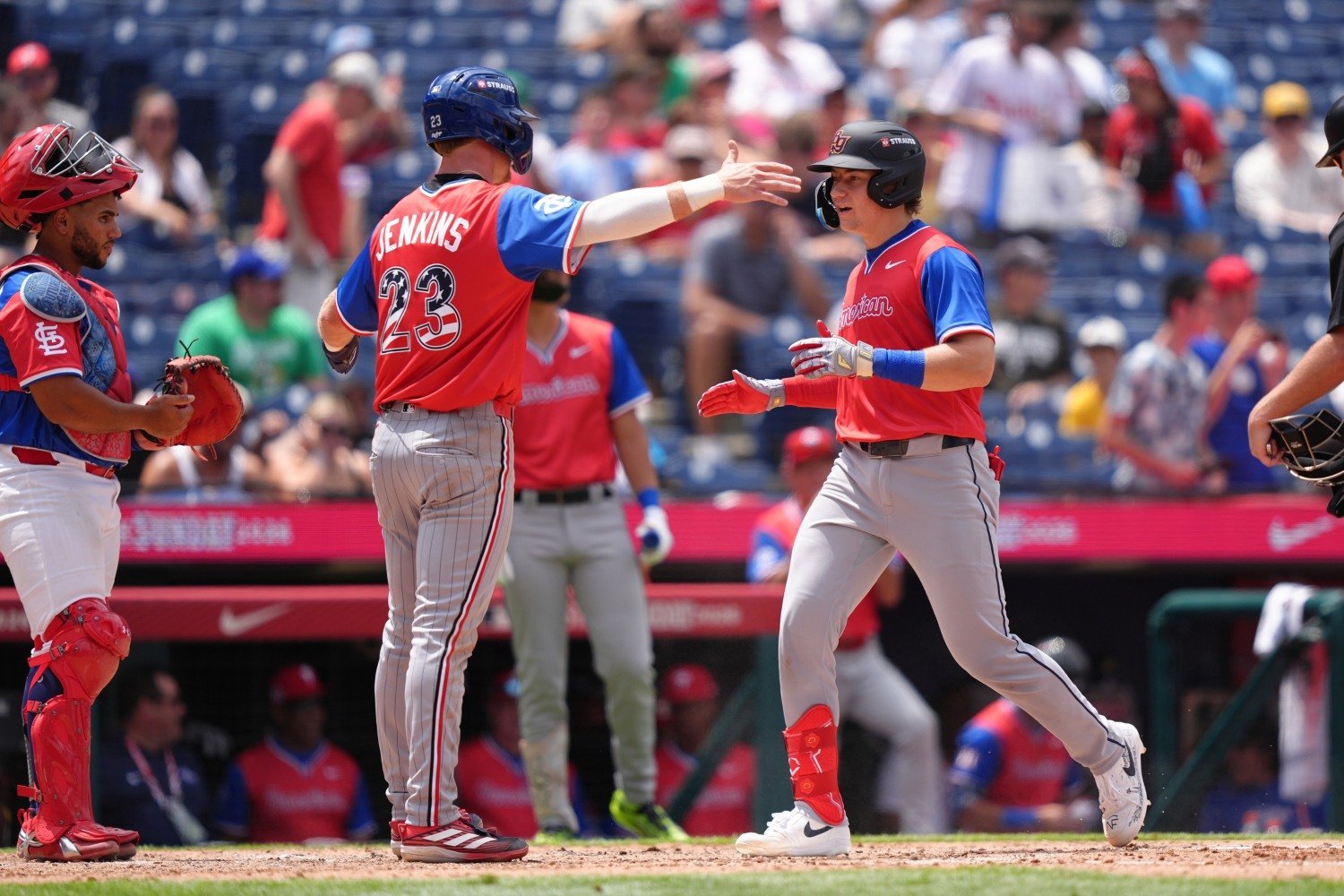 Not long ago, I made the case for appreciating Luke Keaschall as a bit of a throwback: a player who can really, really hit, and who is therefore worth making room for at all times—even though he's going to hurt you no matter where you put him in the field. However, that piece was about Keaschall, the defensive nomad, and especially Keaschall, the right fielder who might well become a left fielder next season. The time Keaschall spent in center field, while Byron Buxton was on the injured list, was on another level of awful—an untenable one, akin to his work at second base before the team moved him into the grass earlier in the season. Keaschall's bat is worth forcing into the lineup, but you have to do it by hiding him in a corner outfield spot, or at designated hitter. He can't be your center fielder. The Twins know that, too. Once Buxton returned from the IL earlier this month, they shunted Keaschall back to right. They kept playing Buxton in center whenever he was fit enough to be in the lineup, despite his own obvious limitations, because they knew they didn't have another viable center fielder on the active roster. All the while, momentum built toward a Walker Jenkins promotion, which would give the team a much more solid defensive option in center on non-Buxton days down the stretch. (For that matter, so would promoting Emmanuel Rodriguez.) If the team had been playing at home this week, Jenkins might have been called up already. Instead, though, the team has been on a six-game, eight-day road trip to San Diego and West Sacramento. They clearly preferred to survive this trip with their existing outfield options, including Buxton, Keaschall, Trevor Larnach, Alan Roden, and utility men Kody Clemens and Ryan Kreidler. It sounds silly, but even in the midst of a pennant race, teams try not to turn the roster inside-out during trips that involve difficult or lengthy travel. It's not about costs, of course. It's a little bit about logistics. Most of all, though, it's about the rhythm of the season and the tenor of a clubhouse. Big changes work best when they happen on off days, and they work best when they don't change the layout of a clubhouse in which a team is already only spending a few days. That Minnesota was playing the Athletics in quasi-minor-league surroundings made that an especially important consideration this week. Thus, when Buxton pulled up lame Tuesday night, it had to hit the top people in the Twins front office like a sock full of nickels. The timing was terrible. It was clear, even as Buxton limped off the field, that he would be unavailable Wednesday. That left the team with an unwelcome dilemma: make a quick move and get Jenkins (or Rodriguez) to West Sacramento in under 24 hours, only to leave town another few hours later; or ride it out for one more game without the only center fielder they really trust. As you already know, they chose the latter. Keaschall started in center Wednesday night. It was a copout, in a way. The team was just kicking the can down the road. That's understandable, under the circumstances, and they could easily have gotten away with it. Unfortunately, the universe was in a bad mood, and it decided to punish their choice harshly. In fairness, though, Keaschall made them an appealing target for that kind of karmic thwack to the forehead. The rubber game of a series the Twins could not afford to lose was decided in the bottom of the sixth inning. There was already danger afoot, some of it caused by Keaschall. The A;s had collected three hits in the frame, including one fly ball that landed well in front of Keaschall partially because Keaschall had been playing exceptionally deep. They'd pulled to within one run; it was 4-3 Twins. There were two outs and two on, and Andrew Morris just needed to find one more out to escape the jam. Alika Williams hit a long fly ball to center. You already know what happened. MnI5T05fWGw0TUFRPT1fQWdjSEJWVUhBZ1lBQ1ZJR0FnQUhBRkFFQUZsUkFBUUFCbGNDVlFVRkFRcFFCd0VG.mp4 Keaschall didn't take a good initial angle, and he didn't adjust quite enough. He still (basically) got there, though—and then failed to catch it, anyway. Statcast will be a bit more generous to him once it accounts for the fact that he was going back on the ball and was close to the wall, but its initial assessment is that the ball had an 85% catch probability, based on the hang time and where Keaschall began the play. Even if you call it a 50/50 proposition, the fact is that Keaschall didn't catch it. Two runs scored, and the A's had the lead they would hold onto for the rest of the game. If that ball is caught, the Twins have a 70% chance of winning the game, based on win expectancy matrices from Tom Tango. Once he didn't, the A's had a 73.8% chance. That's a difference of 43.2% in win probability for the Twins, and if we call the play a coin-flip for an average center fielder, we can say that when the ball left Williams's bat, the game itself was a near coin-flip. Keaschall's failure to make the play had a -0.216 WPA, though official WPA only assigns value to hitters and pitchers and ignores defense. Having Keaschall in center cost the Twins that game. In the wake of that loss, the team woke up Thursday with just a 7.1% chance to make the postseason, according to Baseball Prospectus's PECOTA-fueled projected standings. That figure was 31.5% just a week ago. Losing five of six on the road trip torpedoed the team's chances, and a major reason for one of those losses was a very avoidable failure based on the team being too patient—not quite desperate enough, to put it one way. This isn't the only game Keaschall has cost the team with his glove this year. In addition to some atrocious plays at second and in right, he also failed to catch a ball that has to be caught in the bottom of the eighth inning against the Brewers earlier this month. It fell in front of him for a single, and that hit later turned into the game-winning run for the Brewers. NnlNZWRfWGw0TUFRPT1fVjFkUVUxMEdWZ1FBQUZCUVhnQUhCRlJRQUZnQVdsVUFCbEFBVkZKVEJGZFZCQUlG.mp4 Playing Keaschall in center as much as they have is a case of the team being too willing to roll the dice and play the long game. That's part of the responsibility the front office faces, in a year when they're hardly a juggernaut. They have to think about the long-term future. This is not a year in which to go all-in. But another of their responsibilities is to recognize places where they can give this year's team the best possible chance to convert on their opportunity to reach the postseason, without hurting their future prospects. This was one of those chances. They should already have called up Jenkins, who could be taking playing time from their lousy left-hitting corner outfielders and covering for them defensively in center. They should certainly have called him up when Buxton got hurt Tuesday night. They didn't, and if they miss the playoffs by one game, we can also say they missed it by one play—a ball that should have been caught, and would have been, had the right player been placed there to catch it. View the full article
 -
 Blue Jays Affiliate Overview (August 25-26) Triple-A Buffalo Bisons Series vs Rochester Red Wings (Washington Nationals): 1-1 Season Record: 63-64 Double-A New Hampshire Fisher Cats Series vs Hartford Yard Goats (Colorado Rockies): 1-1 Season Record: 55-65 High-A Vancouver Canadians Series vs Spokane (Colorado Rockies): 1-1 Season Record: 58-64 Single-A Dunedin Blue Jays Series vs Palm Beach Cardinals (St. Louis Cardinals): 1-1 Season Record: 57-61 FCL Blue Jays: Season Complete DSL Blue Jays Blue: Season Complete DSL Blue Jays Red: Season Complete Triple-A Buffalo Bisons Season Record: 63-64 Series vs Rochester Red Wings (Washington Nationals) August 25: Tuesday opened a new series for Buffalo against the Rochester Red Wings. With it came a Grant Rogers special. Rogers had his routine quality start on tap for the Bisons; he went six innings, gave up four hits, just two runs, and struck out four. It was his usual contact-oriented game. He didn't strike out many batters and walked none. The ball was put into play plenty, and Buffalo was up to the task, not committing any errors in the game. While Rogers had the Red Wings bats locked down, Buffalo jumped out to a quick lead in the first inning. Rudy Martin Jr. opened the game with a leadoff walk, followed by a single from Jay Harry, then Sean Keys smacked a ball to second base for an RBI groundout. Yohendrick Piñango then singled home Harry, giving Buffalo a 2-0 lead after the top of the first inning. With the game tied at two in the sixth, Buffalo loaded the bases with three straight walks, followed by Lenyn Sosa ripping a single to center, scoring Keys. Two more runs would score on a Rochester error, as well as a third run on a double play. Buffalo left the frame with a 6-2 lead and wouldn't relinquish it the rest of the game. Buffalo got a team effort to take the win, 6-2. August 26: On Wednesday, Buffalo had Josh Stephan on the mound looking for a bounce-back performance. Buffalo jumped on a rehabbing DJ Herz for Rochester, getting an RBI single by Sean Keys in the top of the first. Stephan then had a perfect bottom of the first, striking out two batters en route to a clean inning. The second inning for Stephan was the exact opposite of perfect; lead-off hitter Cayden Wallace homered to left, Leandro Pineda went back-to-back with Wallace, and then Liover Peguero would hit the third blast of the inning a few batters later. Two solo home runs and a two-run blast put Buffalo in a 4-1 hole. Josh Kasevich had an RBI single in the fifth, and Jay Harry added an RBI on a sacrifice fly in the eighth, bringing the deficit down to 5-3. Ricky Tiedemann threw 1.1 innings out of the bullpen for Buffalo, striking out two and keeping all of the balls in play on the infield. Daniel Guerra made his Triple-A Buffalo debut, pitching one inning out of the bullpen following Tiedemann. Guerra struck out the first batter he faced, walked a batter (who was erased on a caught stealing), gave up a solo home run, and got a flyout to right field to wrap up his outing. His fastball topped out at 99.5 mph, which you can round up to 100 mph – it looks better. Buffalo just couldn't climb out of the early hole they got put in, losing this game 6-3. Double-A New Hampshire Season Record: 55-65 Series vs Hartford Yard Goats (Colorado Rockies) August 25: Tuesday kicked off a series between New Hampshire and Hartford. Austin Cates was on the mound and had a successful start. He pitched five innings, allowing two earned runs, surrendered one walk, and struck out seven. Alexis Hernandez kicked off the scoring for the Fisher Cats in the fourth inning, as he crushed a two-run double to the left-center gap. Hernandez raised his average at Double-A New Hampshire to .368 in the game with three hits, half the hits New Hampshire had overall. Hartford would score six straight runs as the relief pitching for New Hampshire couldn't hold the game close. With the offense struggling, New Hampshire lost this one 8-2. August 26: In the Wednesday game between Hartford and New Hampshire, the Fisher Cats fared much better offensively. Dub Gleed continued his hot hitting by driving in a run with an RBI single in the first inning. In the second inning, Roynier Hernandez and Cole Messina added RBI singles for Hartford for them to take the lead. In the bottom of the inning, Carter Cunningham hit an RBI double, and Victor Arias grounded out, scoring a second run. After a two-run single by Hartford in the third inning, Cunningham answered again, this time with a solo shot to tie the game. Mathieu Vallee doubled home a run for New Hampshire in the eighth inning for them to take the lead for good. Gage Stanifer pitched the seventh and eighth innings for the Fisher Cats again and made quick work of Hartford, shutting them out over his outing. He threw the two innings, struck out four batters, and only allowed one hit and one walk. New Hampshire won this one 5-4. High-A Vancouver Season Record: 58-63 Series vs Spokane (Colorado Rockies) August 25: Silvano Hechavarria had a season to forget, as he never really found his footing after starting the season on the injured list. This was a start to be proud of, as he went six innings and had his first scoreless start since June. He struck out five batters, only allowing one walk and three hits. On the offensive end, JoJo Parker supplied most of the offense, as he had three hits, driving in two of the six runs scored by Vancouver. Dariel Ramon also had two RBIs, and the Canadians were leading 6-0, until Bradley Wilson lost the shutout in the ninth. However, he pitched three solid innings and earned his first save as a Canadian in a dominating 6-1 game. August 26: JoJo Parker once again scored in the first inning, this time on a wild pitch, but in the second inning, Robert Calaz hit a homer off of Vancouver's starter Connor O'Halloran. The Mississaugan gave up six hits but only allowed that single run in 3.2 innings. He was replaced in the fourth by Reece Fields, who gave up three runs in the fifth inning to make it a three-run lead for Spokane. The Canadians scored their second run on a wild pitch in the eighth, then Gable Mitchell had the Canadians' only RBI of the night on a groundout, but they were just not able to get a consistent offense going as they fell 5-3. Single-A Dunedin Season Record: 57-61 Series vs Palm Beach Cardinals (St. Louis Cardinals) August 25: Josh Winckowski returned to Dunedin after being involved in the Steven Matz trade, getting sent to Boston, then getting injured and signing with the Jays on a minor league contract. He returned to Dunedin for the first time since 2019, when the Dunedin Blue Jays were the Jays’ High-A minor league affiliate. He gave up a homer on the very first pitch of the game, but struck out a batter going 1.2 innings. Owen Carapellotti had his sixth homer in seven games to tie it up in the fourth, and Aldo Gaxiola went back-to-back, hitting a homer in three straight games to take the lead for good. Jack Nedrow replaced Winckowski in the second inning and tossed 5.1 innings of no-run ball, striking out six batters. The Jays added a five-run sixth inning to prevent a comeback, as Gaxiola had his second RBI with a single this time, and Raimundo De Los Santos cleared the bases with a double to make it 7-1. Landon Waters pitched two no-hit innings to finish the game off. August 26: Karson Ligon has struggled since returning from the injured list, as the righty from Mississippi State has given up 11 earned runs in just 6.2 innings, including three earned runs this outing. Aldo Gaxiola homered in his fourth straight game with a 107.4 mph liner to center field, but Edrwin Veras gave that run back on an RBI single from Gabe Camacho. Sann Omosako made his debut for Dunedin, as the Brazilian righty had one of his best outings of the season, going four innings, striking out seven batters, and allowing only one unearned run due to a Raimundo De Los Santos fielding error. Isaac Williams added more good pitching from the 'pen, as he went six up, six down with four strikeouts. The offense was able to generate a couple of runs, as Dean West scored on a wild pitch, and in the bottom of the sixth, Giaconino Lasaracina had his eighth homer as a D-Jay to bring it within two runs, but the comeback didn’t fully bear fruit, as the Jays lost 5-3. FCL Blue Jays Season Record: 38-20 Season Completed DSL Blue Jays Blue Season Record: 20-35 Season Completed DSL Blue Jays Red Season Record: 33-18 Playoffs (2-1) Season Completed Transactions 08/26/26 Buffalo Bisons sent LF RJ Schreck on a rehab assignment to Dunedin Blue Jays. 08/25/26 Toronto Blue Jays sent LHP Joe Mantiply on a rehab assignment to Buffalo Bisons. 08/25/26 RHP Daniel Guerra assigned to Buffalo Bisons from New Hampshire Fisher Cats. 08/25/26 Toronto Blue Jays recalled RHP Chad Dallas from Buffalo Bisons. 08/25/26 Buffalo Bisons sent RHP Josh Winckowski on a rehab assignment to Dunedin Blue Jays. 08/25/26 Dunedin Blue Jays activated OF Enmanuel Bonilla from the temporarily inactive list. 08/25/26 RHP Sann Omosako assigned to Dunedin Blue Jays from FCL Blue Jays. 08/25/26 RHP Victor Espiritu assigned to Dunedin Blue Jays from FCL Blue Jays. 08/25/26 RHP Daniel Guerra assigned to Buffalo Bisons from New Hampshire Fisher Cats. View the full article
 -
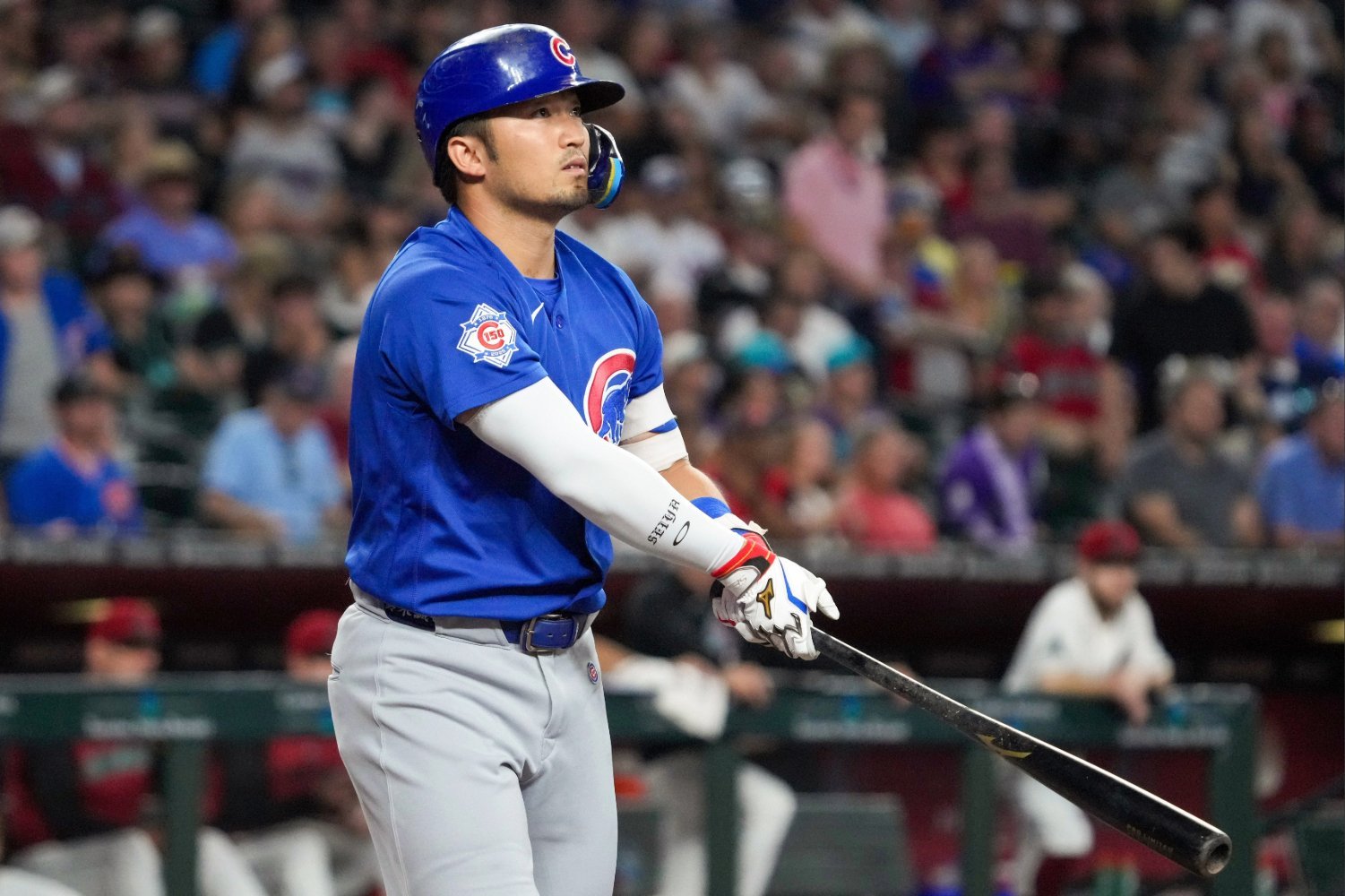 When you've got a team with hitters performing at either end of the offensive spectrum at a given point in the year, it becomes easy to ignore the steady ones. In the case of the Chicago Cubs, the bulk of 2026 has been spent marveling at the work of Pete Crow-Armstrong & the second half of Alex Bregman, or worrying about the sustained early summer slump from Nico Hoerner or woeful stretches from Ian Happ. Which means that Seiya Suzuki has been left somewhere else, lost in the shuffle. Suzuki is in the midst of yet another above-average offensive season for the Cubs. While 2025 saw him eclipse the 30-homer mark for the first time against a modest step back in batted ball luck (reflected in a .245 average), this year has represented a bit of the inverse. His isolated power has fallen from a career-high .233 last year to a still-quality .209, while he's bumped his average way up to .270, with a .364 on-base percentage that is nearly 40 points higher than it was last season. It'd be hard to characterize one season as better than the other. Either way, you're getting a good run of production that just happens to manifest in slightly different ways. If there's one thing that sets the 2026 iteration of Suzuki apart from 2025 and the two seasons prior, though, it's that he's been just a touch more aggressive. Suzuki's 22.4 percent chase rate is roughly two percent higher than each of the last two seasons. That may not seem like a tremendous difference from prior rates, especially while he's made the same amount of overall contact on just about the same rate of swings. However, it's just enough of a difference for a hitter that was previously labeled as too patient to throw some things off. Each of his barrel and hard-hit rates have slipped, but he's still managed to remain productive given almost no mechanical change (save a slight closing of his front foot in his stance). The trade-off has come in the form of losing some of his run value in the heart of the zone (which has dropped from +10 to +3) while accruing gains in the shadow of the zone; his run value on the edges has been a combined -38 in the last two years, while sitting at -15 this year (his best since 2023). This is all a somewhat complicated way of noting the continued quality Seiya Suzuki displays, despite some drops in a handful of underlying factors. Nevertheless, he's turned in a .270/.364/.478 line with a 134 wRC+ that represents exactly the type of year we'd expect from him, even if everything in those trends was completely aboveboard. In fact, let's look at where Suzuki stands throughout his time with the Cubs. There are 286 hitters with enough playing time to qualify for the leaderboard since 2023. Suzuki's 130 wRC+ over that time ranks 21st. He's 44th in average (.270), 35th in OBP (.352), and 37th in ISO (.211). In short, he's been one of the best hitters the league has had to offer since he entered it. Even in the midst of some defensive woes across his first three seasons, Suzuki has still managed to accumulate 13.0 fWAR (good for 37th). With that element of his game back on track (five Outs Above Average this year), his 3.7 fWAR in 2026 specifically has him at 26th this year. The value of a player with that level of consistency can't really be overstated. Sure, there are stretches where he's disappeared or that overly patient approach becomes a detriment to his game. But the long and short of it is that there are very few players as steady in what they provide as Suzuki. Which brings us to a very important consideration. Suzuki and Ian Happ are both free agents at the end of 2026. It'd be difficult to see the Cubs retain both of them (though a world does exist where that is the case). Happ is enduring his worst offensive season since 2021, slashing .220/.327/.426 with a strikeout rate a touch over 30 percent. While he's on pace to exceed his previous career high in home runs, his inability to create regular contact (despite a patient approach), below average baserunning, and overstated defensive competence against less-favorable metrics all work against him. Suzuki, meanwhile, has turned in that remarkable steadiness and has ascended defensively. If you could only re-sign one on a new deal, it'd be tough to turn on the broader consistency that Suzuki offers, even in the eyes of Happ's longevity with the organization. Whether or not that comes to pass is a matter for another day. In the meantime, there's a certain marveling that should be happening over the steadiness that Seiya Suzuki possesses. It doesn't always manifest on a daily basis, but the fact that he can be relied upon to drop virtually the same line year-over-year is a rare quality worthy of celebration, even if he's always flying a bit under the radar. View the full article
 -
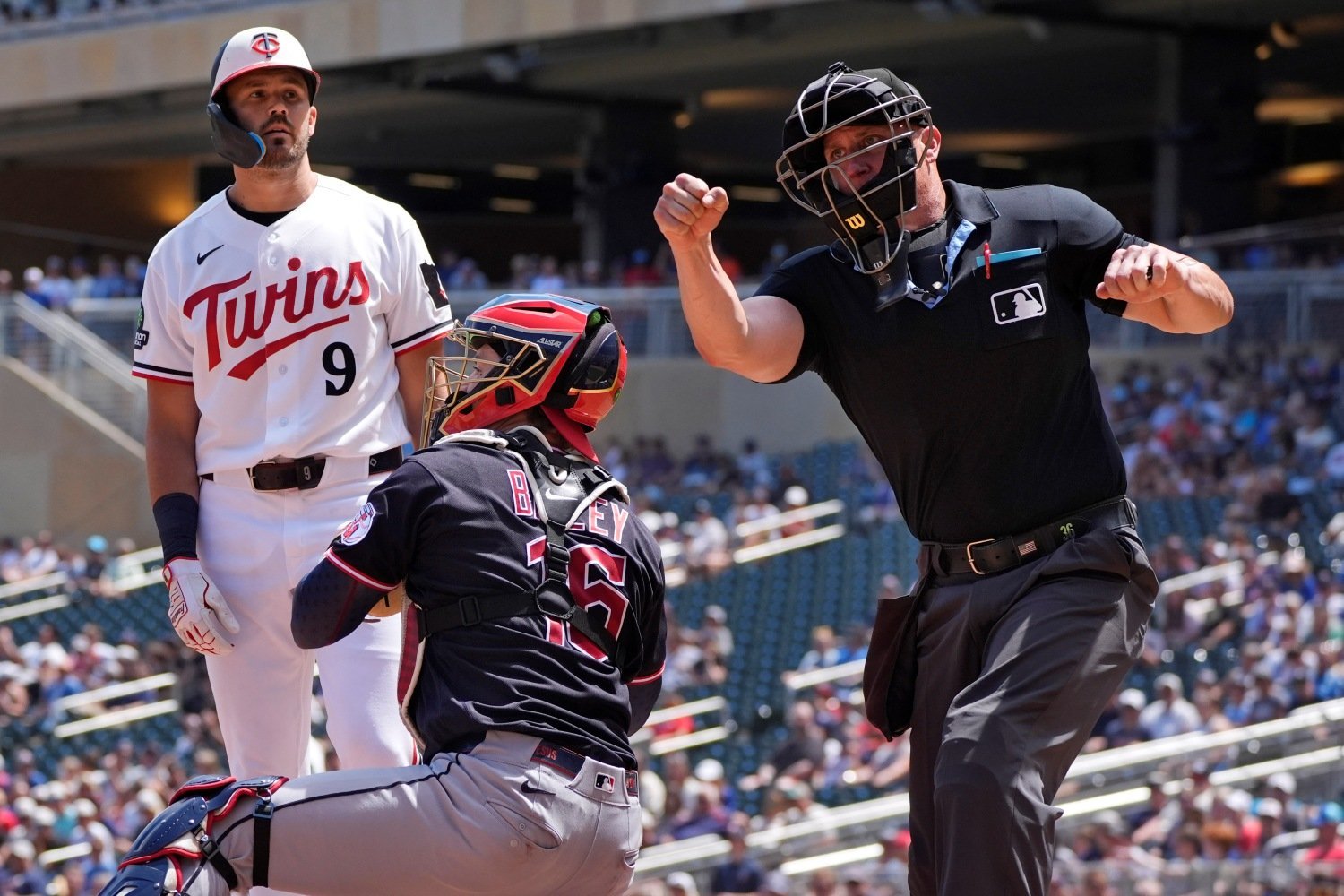 It seemed extremely likely that Trevor Larnach would be non-tendered last November, after another underwhelming season in which the Twins further added to their logjam of left-handed-hitting outfielders. Instead, he’s remained with the team and made their decision pay off—until recently, that is. We're starting to see some signs that the end of Larnach's Twins tenure may not be far off. Larnach was drafted as a bat-first slugger with defensive limitations. The slugging piece has never come to fruition, as evidenced by his career slugging percentage just a touch over .400. The lack of offensive development for a bat-first player made the club's decision to tender Larnach last winter eyebrow-raising. Still, he rewarded the team’s decision with an .812 OPS through July. We’ve seen flashes of strong production from him before, but 2026 has been the most sustained stretch of his career. As good as he’s been all season, though, it seems Larnach’s woeful August has the Twins pivoting in a hurry. He’s posted a .148/.207/.259 slash line in the month, and his playing time is drying up in favor of players like Alan Roden as the team falls further out of contention. The Twins aren’t out of it yet, but their willingness to scale back Larnach’s playing time may show their trust (or lack thereof) in his strong season thus far, and how they feel about him long-term. Larnach is arbitration-eligible for the last time this winter, and he will be due for a sizable raise from the $4.475 million he’s making this season. Many questioned whether the Twins would tender him last offseason because of his inconsistency and wealth of other left-handed-hitting outfielders. The salary increase, as well as a poor finish to the season, could result in a non-tender—not to mention the Twins having more young options for the corner outfield than ever. Roden has already begun eating into Larnach’s playing time. At the very least, Roden is a vastly superior defender in the corner outfield. His lack of offensive production so far can be partially explained by his lack of consistent playing time. Still, there’s a realistic world where he’s as productive as Larnach, if given the opportunity. Roden will be 27 years old in 2027, and if the Twins see enough from him down the stretch, that alone may be enough to find a better way to allocate Larnach’s projected salary. Walker Jenkins needs no introduction to Twins fans. He’s center field-capable if Byron Buxton isn’t healthy, but the Twins will find playing time for him one way or another in 2027. Jenkins is the Twins’ top prospect and one of the best in all of baseball, and if they can’t find him playing time with Larnach on the roster, it’s safe to say Larnach will be the one to go. Another underrated factor in Larnach’s future with the Twins is Emmanuel Rodriguez being back in the Saints’ lineup. A former top prospect derailed by injuries seemingly every season, Rodriguez is out of options next season, meaning he will have to make the Opening Day roster to stay with the organization. He’s not without question marks, but Rodriguez’s skillset is too tantalizing not to give him a prolonged chance to translate it to the big-league level. With all of these left-handed outfield options, it’s hard to make the math work for 2027 when it comes to getting all of them playing time with Larnach in the picture. None of these three names are proven commodities, but it could be argued that Larnach isn’t, either. The most interesting storyline for the rest of 2026 is whether Larnach earns any playing time back at all. If Roden performs or Jenkins comes up, he may lose his near-everyday role for good. If the team falls out of contention and plans to non-tender him, they have no reason to give him playing time. There may even be a world where they want to see Emmanuel Rodriguez down the stretch, at the expense of Larnach. They have plenty of options. It’s easy to see that Larnach has fallen out of favor with the Twins after just under a month of struggles. It once again feels like Larnach’s time with the Twins may be nearing the end. Will that feeling be proven correct this time? View the full article
 -
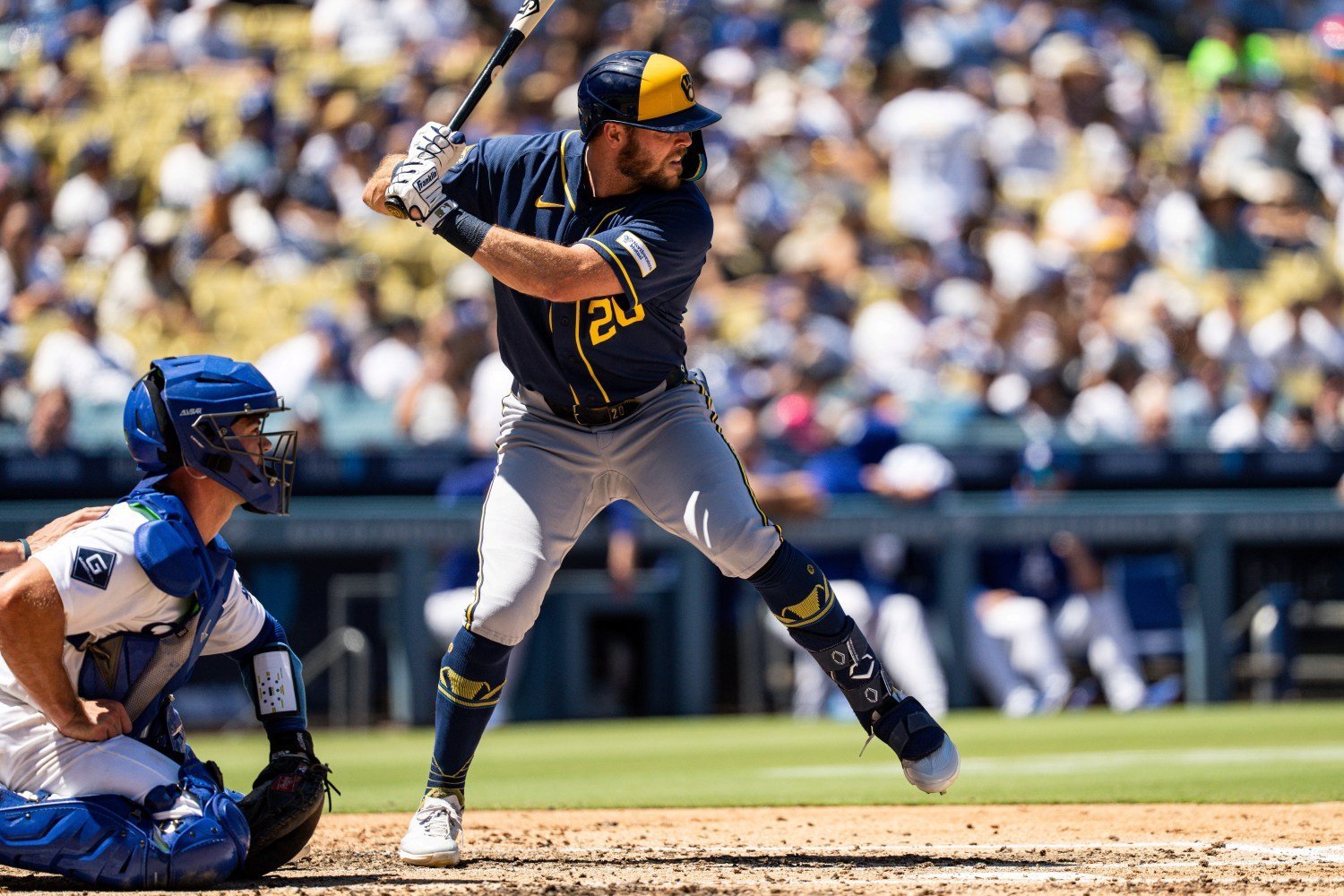 The turn of the calendar to September is the last such flip in the major-league regular season. September contains the last chances at pushing to the playoffs for many teams (looking at you, American League Wild Card race), but for everyone, the rosters expanding allows teams to add two new players to their roster for the stretch run. The Brewers, sitting 6.5 games ahead of the Cubs for first place in the N.L. Central, have a few options they could add to the big-league club once September hits. Here’s a quick look at a couple of them. Pitchers Coleman Crow Crow debuted with the Brewers earlier this season, appearing in 5 games to the tune of a 5.30 ERA (4.53 FIP) in 18 2/3 innings. He's appeared in 15 games for Nashville this season (starting 14 of them), earning an ERA of 3.13 with 79 strikeouts in 77 2/3 innings. Crow could provide some length for the Brewers, whether out of the bullpen or by giving the frontline starters an extra day of rest here and there. Colton Gordon Acquired in a trade with the Astros in July, Gordon has struggled in big-league action the past two seasons in Houston, pitching to a career 5.95 ERA (5.86 FIP) through 95 1/3 innings. After joining the Sounds, he's made 7 starts, pitching to a 4.82 ERA in 37 1/3 frames. Gordon is similar to Crow in what his role would be if called up, but he would give the Brewers another left-handed option, Jared Koenig Koenig is the most veteran Brewer on this list, pitching in each of the last three seasons for Milwaukee. He was very solid in 2025, earning a 2.86 ERA (3.35 FIP) in 66 innings. This season, his results have been worse due to a UCL injury in his left arm, pitching to a 9.00 ERA (6.37 FIP) in just 7 innings. While it doesn’t seem likely he would be called up, the Brewers could pick and choose their spots to utilize Koenig in September in hopes of getting him back on track. Other pitching options include Brandon Sproat, Garrett Stallings, and JoJo Romero. Acquired from the Cardinals at the deadline along with Dustin May, Romero has been sidelined since before the trade due to an emergency appendectomy. He began a rehab assignment with the Timber Rattlers on Tuesday, so a return could be imminent, especially when the rosters expand. Hitters Bo Naylor Naylor was acquired by the Brewers on August 1 from the Guardians, in a trade that sent Blake Perkins and Craig Yoho to Cleveland. Since then, Naylor has slashed .289/.365/.511 for Nashville in just 53 plate appearances. Naylor would be an interesting bench option, but realistically, he wouldn’t fit into the lineup often due to the solid play of both William Contreras and Gary Sánchez this season. Brandon Lockridge Lockridge was optioned to Nashville August 19, as the corresponding move for Cooper Pratt coming off the injured list. He’s appeared in 38 games this season, slashing .273/.345/.313 in 111 plate appearances. He wouldn’t provide a ton of power off the bench, with only 4 extra-base hits this year. However, he’s a good baserunner and a solid defender, making him a quality candidate for a bench outfield role in September. Akil Baddoo Baddoo signed a deal with the Brewers in December and has been in Nashville the whole year. He missed time earlier in the year with a left quad strain and has only appeared in 45 games, slashing .234/.337/.461 with 9 homers in 183 plate appearances. He’s another outfield option for Milwaukee, though he's probably behind Lockridge in the pecking order. Other potential options worth noting: prospects Jeferson Quero, Luke Adams and Blake Burke, though with the depth of the current Brewers lineup it would most likely be a veteran position player called up who doesn’t need every day at-bats. With September right around the corner, the Brewers have several intriguing options to add depth for the final month of the regular season. While there are arguments for each player, I’d like to see Lockridge and Romero. Lockridge is a solid contact bat with good speed and defense, while Romero could be a late-inning option in September—though he could be added to the roster before it expands. September should be a time for the Brewers to keep the roster fresh while preparing for the postseason, and all these guys could find a way to contribute to wins down the stretch. What are your thoughts? Who would you like to see when the rosters expand? View the full article
 -
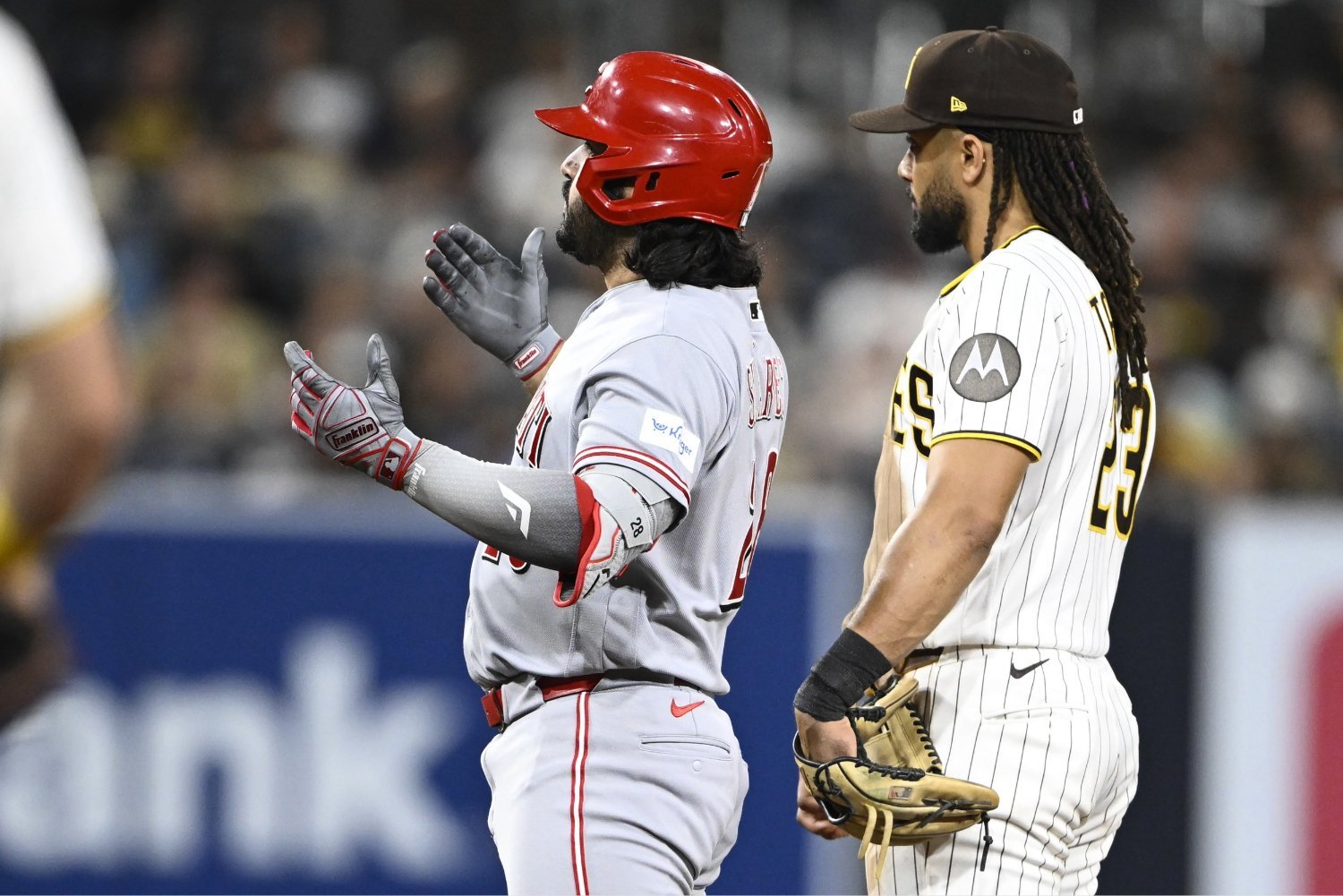 On Tuesday, the Cincinnati Reds placed each of third baseman/designated hitter Eugenio Suárez and outfielder TJ Friedl on waivers. This opens up the possibility of a contender fortifying their bench for the stretch run. Should the San Diego Padres be that contender? In general, neither of Suárez or Friedl offer much appeal if we were to look at their 2026 output. Suárez has followed up his 49 home runs last season with only 19 this year, has a 91 wRC+, and is striking out at a 34.9 percent clip that is abnormal even by his standards. Friedl, meanwhile, was ousted as the Reds' starting center fielder earlier this year and has been absolutely miserable at the plate, slashing .158/.242/.234, with a brutal 33 wRC+ and a 23.3 percent strikeout rate that is seven percentage points above his career average. Neither player features much in the way of selling points. But the Padres are also in the process of sorting their bench. At present, the reserve group is especially outfield heavy following the option of Sung Mun Song to Triple-A El paso. That's left Luis Rengifo, Gavin Sheets, Jase Bowen, Austin Hays, and newly-selected Dustin Harris working their way through left field, designated hitter, and as bats off the bench. Samad Taylor is on a rehab assignment while Miguel Andujar has begun a throwing progression, indicating further movement is on the horizon. Whether that movement could be prompted sooner as the result of a claim of either Suárez or Friedl is a question worth asking for at least a moment. Suárez, for all his warts in the contact and strikeout elements of his game, is a legitimate power threat. He's eclipsed 30 home runs three times since 2021. His 10.6 percent barrel rate sits in the 69th percentile, three points above the big-league average. If there's a case to be made, it's here. Despite underwhelming numbers on the season as a whole, Suárez has walked more than usual (10.0 percent) and has been solid in August. As we reach the end of the month, he's contributed five homers and a 134 wRC+ to his full-season output. He's not going to offer much in the way of defensive acumen—even less so because his below average glove has only been seen at third base this year, a position which is quite occupied in San Diego—but as a right-handed option off the bench or as a designated hitter, it's not as if his addition would hurt. With the claiming team being on the hook for nearly $3 million, though, the positional limitation he'd add to the roster would be a difficult one to justify. As for Friedl, it's hard to find a reason for the Padres to put in a claim. He has a history of quality production at the plate as recently as 2025, but he's been quite miserable in every offensive respect this year (even if his defense in the outfield has remained above average). Outfield depth is not at all an area of need for San Diego, meaning that this isn't even one they'd remotely consider. While we're loathe to underestimate A.J. Preller's aggression in upgrading the roster whenever possible, this doesn't appear to be a time where he'll be too active in doing so. View the full article
 -
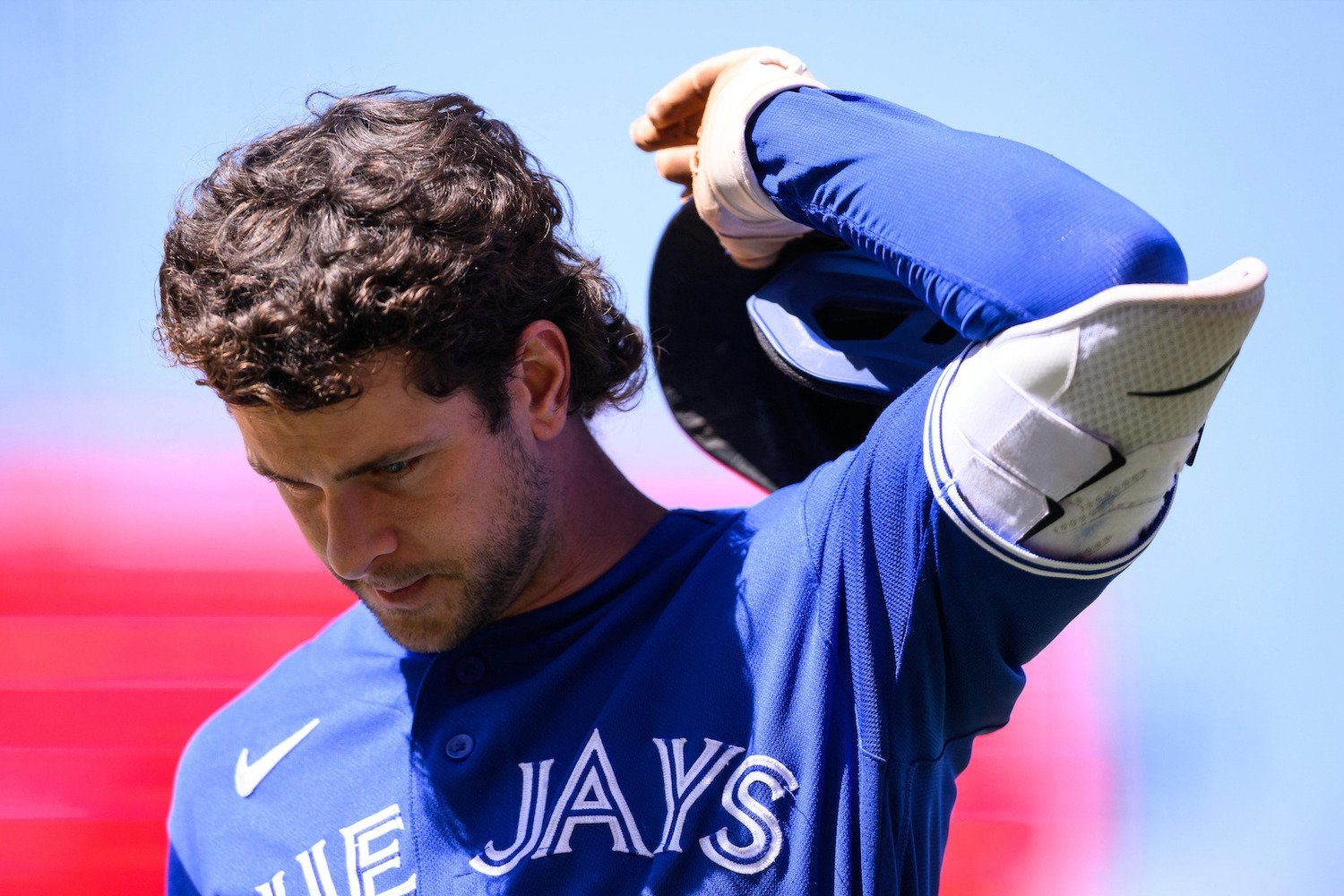 With fewer than 30 games remaining against mostly sub-.500 opponents and a postseason berth still within reach, the Toronto Blue Jays have arrived at the defining stretch of their 2026 season. The good news is that their fate still remains in their own hands. The bad news is that they have left far too many wins on the table over the course of a frustrating and inconsistent season. Much of the conversation this season has centered on the lack of production from Toronto's highest-paid stars. Vladimir Guerrero Jr., George Springer, and several other key offensive contributors have all endured stretches where expected production simply failed to materialize. While that criticism is fair, those struggles have led to the team’s inability to grab opportunities when they’ve been there. Inconsistency has meant the team has often failed to execute in the biggest moments. Those big moments have led to tight losses that ultimately have them sitting on the outside looking in. Whether or not the 2026 Blue Jays have enough resiliency and fight left in them is debatable. Last year’s version of the team refused to back down. They were 27-20 in one-run games. Overall, they outscored opponents 798-721 on their way to a 94-win season. They finished August with a record of 15-12 and September with a record of 15-10. This year, the Jays are 14-10 so far in August. Their only months with winning records have been March (4-1), May (15-14) and August. They have been outscored by opponents 581-527. The Blue Jays have lost 21 one-run games this season, including five extra-inning losses. Any one of those games could have started a streak, ended one or changed the trajectory of their season. April 1 vs. Colorado — 2–1 (10 innings) April 3 at Chicago White Sox — 5–4 (10 innings) April 15 at Milwaukee — 2–1 April 16 at Milwaukee — 2–1 May 3 at Minnesota — 4–3 May 5 at Tampa Bay — 4–3 May 12 vs. Tampa Bay — 7–6 May 15 at Detroit — 3–2 May 18 at New York Yankees — 7–6 May 19 at New York Yankees — 5–4 May 30 at Baltimore — 6–5 June 2 at Atlanta — 4–3 June 25 vs. Texas — 6–5 June 26 vs. Texas — 5–4 June 28 vs. Texas — 3–2 July 11 at San Diego — 8–7 July 12 at San Diego — 5–4 August 6 at Chicago Cubs — 3–2 (11 innings) August 9 at Philadelphia — 7–6 (12 innings) August 16 vs. New York Yankees — 4–3 (10 innings) August 19 at Tampa Bay — 7–6 Fans often point to what happens at the end of a game or end of a season when they consider outcomes. Even last year’s World Series is full of “what ifs,” but most point to Jeff Hoffman hanging that slider or Isiah Kiner-Falefa’s secondary lead. The reality is that the Jays had opportunities to take Game 6, let alone moments in Game 7, to pad a lead or hold off the Dodgers. Zoom out to the 2026 season, and there have been so many missed opportunities. Stretches of poor pitching, errors, poor baserunning and an inability to consistently score runs that have left the Jays on the wrong side of the ledger. If the team had come back in even a handful of their 21 one-run losses, they’d be in a comfortable playoff position, maybe even battling for the division. According to Champs or Chumps, the Blue Jays have also blown 25 leads this season, a figure that places them near the middle of the league. Of those games, three were blown in the ninth inning. Meanwhile, Washington has blown 41 leads, including six in the ninth inning, while San Francisco has suffered through 35 blown leads, 11 of which came in the final frame. By comparison, postseason contenders Boston and Tampa Bay have been significantly better at protecting advantages. The Red Sox have blown just 20 leads all year and only one in the ninth inning. Tampa Bay has blown 23 leads and none in the ninth. Good teams can’t always avoid close games, but they find ways to win them. Who is to blame for the Jays' mishaps and inability to win close games? Most of the blame lies with an offense that just hasn’t scored enough runs all season. A bit of the blame can be directed to the bullpen, but they have been overworked. As the season winds down, it doesn’t appear that John Schneider will be changing his approach when it comes to bullpen usage. The leverage arms have been phenomenal, but can they keep putting up zeros? And even if they can, will the bats be able to cobble together enough runs to win games? All season, the Jays have underperformed offensively. Pitching has kept them in games… even ones they didn’t deserve to be in. The losses in Milwaukee on April 15 and 16 were nearly identical one-run defeats. The back-to-back setbacks against the Yankees in May were opportunities to make a statement within the division. The June series against Texas featured three separate one-run losses. That series alone would have represented a decisive swing in playoff positioning. The Jays have done just enough to make August and maybe September mean something, but now they need to win. Win blowouts and win the close ones. Otherwise, the season will be lost. If the Jays ultimately reach the postseason, this season will be remembered as a testament to resilience. A team that started at the top, fell to the bottom, then fought its way back. Often this season, the Jays have been close. Sometimes agonizingly so. Good teams don’t make excuses. They respond to adversity with their actions. They battle. They keep pushing. The baseball season is long and gruelling. August and September baseball gets a little more exciting and nail-biting, but often a season comes down to what a team did early to put them in a position to make the games meaningful at the end. View the full article
 -
An Overview of the Cubs' Remaining 2026 Schedule
DiamondCentric posted an article in North Side Baseball
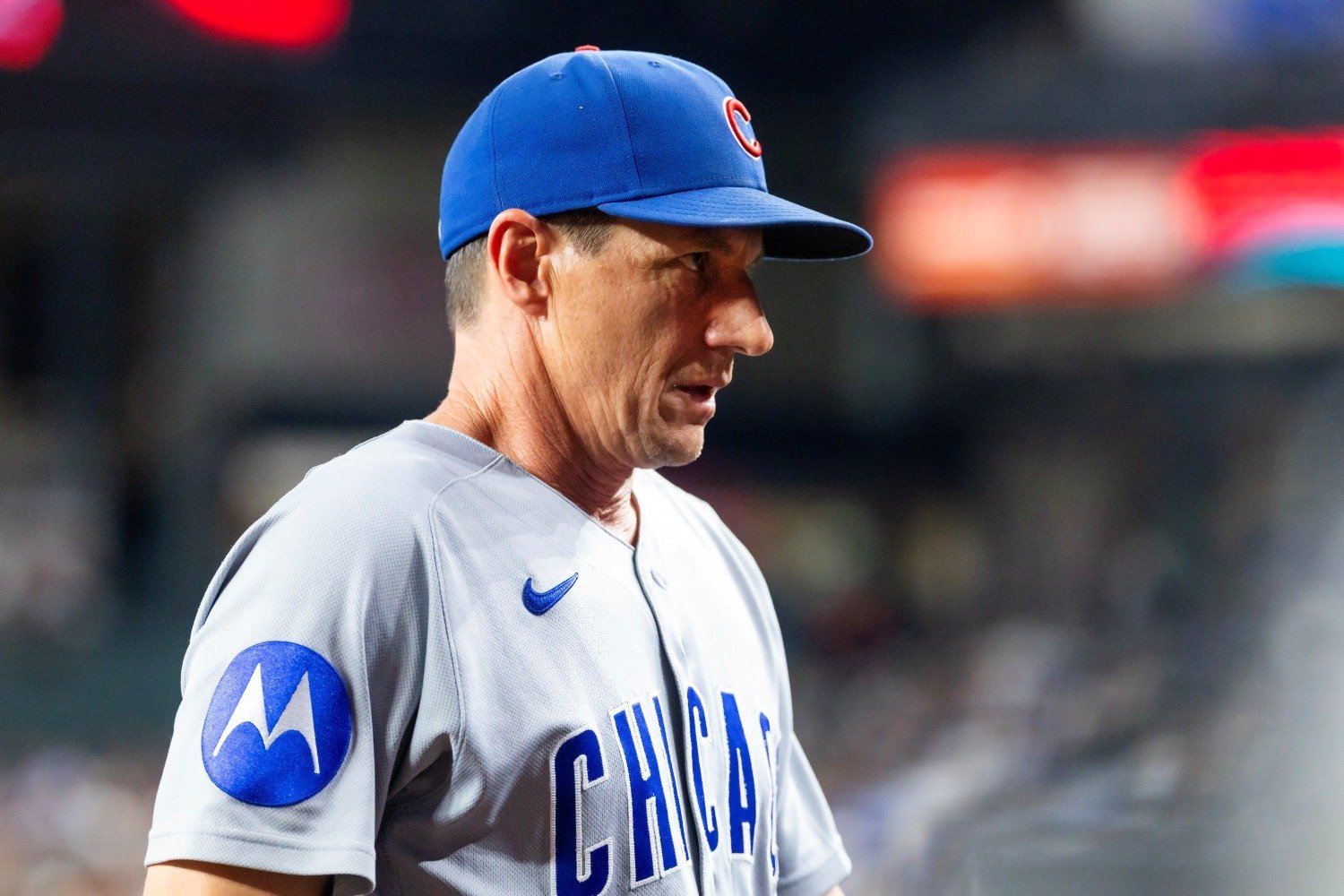 The Cubs come home Friday to face two division rivals, the Reds and Brewers, which will wrap up August and begin the final month of the 2026 regular season. The Cubs have had a tight grip on the top NL Wild Card spot for the entirety of the second half, and will have no problem cruising to a playoff berth for the second consecutive season. Holding onto that first Wild Card spot is the key, though, and that part won't be easy—the Phillies have pulled within four games of Chicago. The injured list will remain a key storyline for September, as it has been for the entirety of the season. Last week, Dansby Swanson went down with an oblique injury that will cost him at least a month and could end his season. The good news is that Matt Shaw is playing in rehab games and should be back very soon. On the pitching side, more injury returns loom, though Ben Brown's became less likely this week after the stress reaction in his neck flared up again. This is a survive-and-advance situation, with an eye toward being as healthy and ready to thrive as possible come October. Remaining Cubs Schedule at a Glance Games Remaining: 28 Home / Road: 16/12 Games vs .500 teams: 19 Remaining Strength of Schedule: 2nd-toughest in MLB What to Watch Postseason Pitching Staff As mentioned earlier, the pitching staff is going to look a lot different over the next couple of weeks. Before the trade deadline, the potential playoff rotation looked quite bleak, but with the additions of Kevin Gausman and Clay Holmes, the Cubs can form a competent group of four starters for the postseason. The locks will be Gausman, Holmes, and Matthew Boyd. After that, there are a few options. Shota Imanaga is having a strong season, but we all remember how the postseason went for him last year. He may have the chance to start, but with Edward Cabrera or David Peterson ready to go early on in case he struggles. Cabrera, who should be returning from his blister-related IL stint soon, could earn a postseason start in a five-game series if he can string together two or three quality starts in September. (The "if" in that sentence, though, is doing chest presses with a Corvette.) The most interesting option here is Brown, who looked like an All-Star before going down with a neck injury that has sidelined him since June. His 1.4 fWAR as a starter leads the Cubs, but there's zero chance he returns in that role. Even a return to the bullpen is much less likely now; we'll have to see what the next medical update on him is. As for the bullpen, we can rule out Hunter Harvey or Phil Maton coming back. Though the team is better off without Maton, Harvey would have been a wild card of sorts, as he has only thrown four innings this season but has generally been effective throughout his career. The three names to watch are Hoby Milner, Shelby Miller, and Justin Steele. Milner and Miller have each begun their rehab assignments, with Steele set to begin his over the next week or so. Milner could push Caleb Thielbar off the roster, if he looks good enough and is at full strength by the end of his rehab clock. Both Miller and Steele would be making their first appearances of the 2026 season, but would be eligible for the postseason since they are already in the organization. Any contributions from these two would be gravy, but if they are healthy and effective, the Cubs may have just found another two high-leverage bullpen arms. Can the Cubs Still Win the NL Central? In a word: no. While the Cubs travel home from Arizona Thursday, the Brewers will play one more game against the Mets, which will decide whether the Cubs are 6 or 7 games behind Milwaukee heading into the weekend. Chicago got closer to the Crew for a while last month, but never really threatened to take over, and their recent sag has them closer to falling out of the postseason altogether than to catching Pat Murphy's club. By September 10, the Cubs and Brewers will have played another seven times, which at least keeps the door open a crack for the challengers. They'd need to win at least five of the seven to pull back within striking distance, though, and that's the same number they'd need to win to gain the tiebreaker advantage. That feels unlikely, and even if it comes to fruition, there will be more hurdles to clear. Strength of Schedule and the Phillies’ Resurgence As mentioned earlier, the Phillies are gaining significant ground on the Cubs for the top Wild Card spot. Chicago is only two games ahead, and one more game ahead of the Padres. These two teams don't play each other again, and the Phillies have a slightly easier (but still tough) remaining schedule. The Cubs’ most difficult foes are the aforementioned Brewers, plus three at home versus Atlanta and three on the road against Boston. The Phillies are lucky in that they still have nine combined games against the Angels, Mets, and Nationals, but they still have 16 against divisional leaders in Milwaukee, Atlanta, Houston and Tampa Bay. The key for the Cubs is to take advantage of the Reds and Marlins, whom they play another six times each. They will also have an advantage when Pittsburgh comes to town in a few weeks. The Cubs are a stronger team, by fundamentals. The Phillies have had some surprise contributions from their unsung heroes like Edmundo Sosa and Bryan De la Cruz, but Trea Turner, J.T. Realmuto, and Alec Bohm have not been at the top of their games. Although the Cubs have a tough schedule, their offense (plus the reinforcements to the pitching staff and more games at home than on the road) should still make the top Wild Card spot theirs to lose. It's just not going to be as easy as the team might have hoped it would be, as recently as a few weeks ago. View the full article
 -
 Boston Red Sox Affiliate Recap Triple-A Worcester Red Sox Season Record: 64-59 Worcester’s offense could not amount to anything, suffering a 7-1 defeat to the Scranton/Wilkes-Barre RailRiders (New York Yankees). The WooSox tallied just five hits, none of which were extra-base hits. Batting one-two-three in the lineup, Isiah Kiner-Falefa, Roman Anthony, and Trevor Story went a combined 0-for-10 with two walks, both coming from Kiner-Falefa, who also brought in Worcester’s only run in the fifth thanks to a fielding error. Gage Ziehl continues to scuffle over his last three starts, this time giving up six runs on nine hits through only three innings. Noah Song settled things down, shutting out the RailRiders the next three innings. Tyler Samaniego and Devin Sweet followed up with a pair of shutout frames as well, but Worcester’s offense had nothing going. Double-A Portland Sea Dogs Season Record: 61-60 The Sea Dogs battled in extra innings, coming out on top with a wild 13-inning victory over the Richmond Flying Squirrels (San Francisco Giants). Believe it or not, this game was tied 0-0 through nine innings, forcing the game into extras. Hayden Mullins’ 5 ⅔ dominant frames, followed by 3 ⅓ combined shutout innings from Max Carlson and Reidis Sena, gave Portland life. Now in the 10th with the ghost runner on second base, Caden Rose’s grounder up the middle brought in Ronald Rosario to finally put a run on the board, 1-0. Richmond answered back with a run of their own in the bottom half; a sacrifice fly tied it 1-1. The punches kept coming from each side; Henry Godbout gave Portland a 2-1 lead in the 12th, then a throwing error from Rosario led to a 2-2 tie game. The Sea Dogs did not stop fighting. In the 13th, Max Ferguson cracked a leadoff RBI double, then Yoeilin Cespedes came up right after and crushed a two-run bomb, giving Portland a three-run cushion. In a 5-2 game entering the bottom of the 13th, second baseman Ahbram Liendo came in to pitch for the Sea Dogs, his third appearance as a pitcher. The 22-year-old gave up two runs, but in the end, he came out with the first save of his career in a 5-4 victory. Standout Performances: Hayden Mullins: 5 ⅔ IP, 4 H, 0 ER, 1 BB, 5 K Max Carlson: 2 ⅓ IP, 1 H, 0 ER, 1 BB, 4 K Yoeilin Cespedes: 1-for-5, HR, R, 2 RBI High-A Greenville Drive Season Record: 53-66 The Drive’s nonexistent offense and an error resulted in a 5-1 defeat against the Rome Emperors (Atlanta Braves). Greenville's bats did not do much, driving in just one run on four hits and three walks, while getting punched out 15 times. Owen Hull, Maximus Martin, Nazzan Zanetello, and Stanley Tucker each had a hit, with Martin bringing in Luke Heyman on a double, the only run they recorded. Despite taking the loss, Jason Gilman was a bright spot for Greenville. The southpaw punched out 10 Emperors through 5 ⅓ innings while allowing two runs, both of which were not earned (Antonio Anderson error). Matt McShane had a solid appearance out of the bullpen, striking out all three batters he faced in the ninth. Standout Performance: Jason Gilman: 5 ⅓ IP, 2 R, 0 ER, 1 BB, 10 K Low-A Salem RidgeYaks Season Record: 52-69 Game 1 of Doubleheader For the first game of a seven-inning doubleheader, the RidgeYaks suffered a blowout defeat to the Fayetteville Woodpeckers (Houston Astros) 11-4. The Woodpeckers strung together 11 runs in the first three innings to put this game away fast, but there are a couple of players who deserve to be highlighted. Louis Andujar’s 3-for-3 night was a bright spot for Salem. The 18-year-old infielder blasted a solo homer in the first inning, then proceeded to hit two singles in his other at-bats. 2026 ninth-round pick Martin Shelar, whose record-setting $1,500,000 deal caught the attention of Sox fans, clobbered his first professional homer, a two-run blast in the third inning. After the blowup start from Christian Fouch, Caden Vire and Wuilliams Rodriguez threw 3 ⅓ shutout innings and combined for six strikeouts to finish off the game. Standout Performance: Louis Andujar: 3-for-3, HR, R, RBI Game 2 of Doubleheader Despite the bats not showing up, an error led to a tough 2-1 defeat to the Woodpeckers. Franklin Primera registered two of Salem's three hits altogether. The only run for the Yaks came in the ninth, a little too late; a bases-loaded walk from Starlyn Nunez brought in a run with two outs, but his team could not capitalize on a potential walk-off. Ethan Walker took a loss but still gave up just three hits with seven strikeouts through four innings. Nicholas Judice followed up with 2 ⅔ no-hit innings, then Nicolas De La Cruz recorded the final out of the seventh inning. View the full article
 -
 Chicago Cubs Transactions No Roster Moves Iowa Cubs Send Nine To The Plate In A Six-Run Fifth, Beat Omaha 7-3 Four innings passed without a run before Iowa sent nine batters to the plate in the fifth. Austin Wynns was hit by a pitch to start it, Jordan Nwogu doubled him home, and James Triantos followed with a single. Matt Shaw singled to right to bring Nwogu around and make it 2-0. Owen Ayers and BJ Murray struck out, but Chas McCormick drew a walk to load the bases, and Justin Dean lifted a soft fly into right that was misplayed. Triantos, Shaw, and McCormick all scored, Dean came all the way around behind them, and Iowa led 6-0. Omaha answered with a three-run home run in the sixth. Iowa got the run back in the seventh, when Ayers doubled and McCormick singled him in for the 7-3 final. Kohl Franklin set the tone, working 4 2/3 scoreless innings on two hits, one walk, and seven strikeouts. Luis Peralta allowed a hit over 1/3 of an inning and picked up the win. Shelby Miller was charged with two runs over 2/3 of an inning, walking two and striking out two. Connor Noland closed it with 3 1/3 innings, two hits, one run, two walks, one strikeout, and a home run allowed, and he earned the save. Triantos and Nwogu each had two hits, and Nwogu doubled. Dean drove in two runs. McCormick singled and walked three times. Iowa Cubs Hitting Player AB R H RBI BB K James Triantos 5 1 2 0 0 0 Matt Shaw 4 1 1 1 0 1 Owen Ayers 4 1 1 0 0 1 BJ Murray 4 0 0 0 0 2 Chas McCormick 1 1 1 1 3 0 Justin Dean 4 1 1 2 0 1 Jackson Cluff 4 0 0 0 0 2 Austin Wynns 3 1 0 0 0 1 Jordan Nwogu 4 1 2 1 0 1 Iowa Cubs Pitching Player IP H R ER BB K HR Kohl Franklin 4 2/3 2 0 0 1 7 0 Luis Peralta (W, 1-3) 1/3 1 0 0 0 0 0 Shelby Miller 2/3 0 2 2 2 2 0 Connor Noland (S, 1) 3 1/3 2 1 1 2 1 1 Knoxville Smokies Tie It In The Fourth, Fall 4-3 At Biloxi Knoxville drew even in the fourth and could not hold the ground it had taken. Alex Ramírez opened the inning with a pop out before Ariel Armas and Edgar Alvarez singled back to back. Carter Trice grounded out to third and Armas scored to cut the deficit to 3-2. Alex Madera then lined a single to center to bring Alvarez home and tie the game 3-3. The Smokies had put the first run on the board in the opening inning. Miguel Useche singled, moved up on a catcher's interference call, and came around on a force out that Biloxi threw away. Biloxi answered with three runs in the bottom half and retook the lead for good in the fifth after a walk and a fielding error by Karson Simas. Knoxville put a runner on with a hit in each of the next three innings and did not score again. Brody McCullough took the loss, going five innings and giving up seven hits and four runs, all earned, with one walk, five strikeouts, and one home run allowed. Tyler Schlaffer followed with two hitless innings, no walks, and one strikeout. Jacob Wallace worked one inning, allowed a hit, and struck out one. Useche led the offense with three hits. Alvarez added two, including a double. Armas, Ramírez, Madera, and Simas each had one. Trice and Madera drove in the runs. Knoxville drew no walks and struck out seven times. Knoxville Smokies Hitting Player AB R H RBI BB K Kane Kepley 4 0 0 0 0 1 Miguel Useche 4 1 3 0 0 0 Andy Garriola 3 0 0 0 0 1 Alex Ramírez 4 0 1 0 0 0 Ariel Armas 4 1 1 0 0 1 Edgar Alvarez 4 1 2 0 0 0 Carter Trice 4 0 0 1 0 1 Alex Madera 4 0 1 1 0 2 Karson Simas 4 0 1 0 0 1 Knoxville Smokies Pitching Player IP H R ER BB K HR Brody McCullough (L, 1-4) five 7 4 4 1 5 1 Tyler Schlaffer two 0 0 0 0 1 0 Jacob Wallace one 1 0 0 0 1 0 South Bend Cubs Score Seven Early, Bury Wisconsin 13-6 South Bend scored seven times across the second and third innings and never gave the lead back. Logan Poteet and Alexey Lumpuy opened the second with walks, Matt Halbach singled to load the bases, and Poteet came home on a double play ball off the bat of Leonel Espinoza. Reginald Preciado singled in Lumpuy, and Josiah Hartshorn doubled to center for a 3-0 lead. The third was longer. Angel Cepeda singled, Kade Snell doubled, and Poteet singled in Cepeda. Lumpuy singled home Snell, and after a fielder's choice at the plate and a pop out, Preciado lined a two-run single to center to make it 7-0. Cepeda homered in the fourth and again in the ninth, the second a three-run shot that turned a 10-6 game into a 13-6 final. Lumpuy tripled in a run in the fourth, and Hartshorn singled home a run in the ninth. Brayden Spears started and gave South Bend three innings on two hits and two runs, with two walks and five strikeouts. Braylon Myers picked up the win over 4 1/3 innings, surrendering three hits and four runs, including two home runs, with two walks and five strikeouts. Adam Stone closed it out with 1 2/3 innings, two hits, no runs, no walks, and one strikeout. Hartshorn finished 4-for-6 with a double and two runs batted in. Cepeda went 4-for-5 with four runs batted in and three runs scored. Poteet, Snell, Lumpuy, and Preciado each had two hits, and South Bend totaled 17 as a team. South Bend Cubs Hitting Player AB R H RBI BB K Josiah Hartshorn 6 0 4 2 0 1 Jose Escobar 6 1 0 0 0 1 Angel Cepeda 5 3 4 4 1 0 Kade Snell 6 1 2 0 0 1 Logan Poteet 4 2 2 1 2 2 Alexey Lumpuy 4 2 2 2 1 1 Matt Halbach 5 1 1 0 0 1 Leonel Espinoza 4 1 0 0 1 0 Reginald Preciado 3 2 2 3 1 1 South Bend Cubs Pitching Player IP H R ER BB K HR Brayden Spears three 2 2 2 2 5 0 Braylon Myers (W, 1-2) 4 1/3 3 4 4 2 5 2 Adam Stone 1 2/3 2 0 0 0 1 0 One Hit For Myrtle Beach Pelicans In A 6-1 Loss At Augusta Myrtle Beach collected one hit all night, and it left the yard. Darlyn De Leon homered to right center in the third for a 1-0 lead, and that was the entirety of the Pelicans offense. The team finished with one hit and three walks against 11 strikeouts. Augusta tied it in the bottom of the third on a home run, then put the game away with four runs in the fourth. The rally came on a bases-loaded walk, a groundout to second, and a fielding error by Alexis Hernandez. Augusta tacked on a run in the seventh on a two-out double. Hayden Frank took the loss over 3 1/3 innings, allowing four hits and four runs with three walks, three strikeouts, and one home run. Luis A. Reyes followed with 1 2/3 innings, walking five and striking out two while allowing one run and no hits. Jhon Cabral struck out five over 1 2/3 innings, giving up one hit, one run, and two walks. Sam Mettert finished with 1 1/3 innings, no hits, no runs, one walk, and one strikeout. De Leon accounted for the only hit and the only run batted in. Juan Cabada, Alexis Hernandez, and Eli Lovich each drew a walk. Cabada, Hernandez, Jhoander Irigoyen, Corey Nunez, Lovich, Derniche Valdez, Ivan Cespedes, and Derik Alcantara went hitless. Myrtle Beach used its bullpen for the final 4 2/3 innings and gave up two runs over that stretch. Myrtle Beach Pelicans Hitting Player AB R H RBI BB K Juan Cabada 3 0 0 0 1 2 Alexis Hernandez 3 0 0 0 1 2 Jhoander Irigoyen 3 0 0 0 0 1 Corey Nunez 3 0 0 0 0 2 Eli Lovich 2 0 0 0 1 1 Derniche Valdez 3 0 0 0 0 1 Darlyn De Leon 3 1 1 1 0 0 Ivan Cespedes 3 0 0 0 0 1 Derik Alcantara 3 0 0 0 0 1 Myrtle Beach Pelicans Pitching Player IP H R ER BB K HR Hayden Frank (L, 3-9) 3 1/3 4 4 4 3 3 1 Luis A. Reyes 1 2/3 0 1 0 5 2 0 Jhon Cabral 1 2/3 1 1 1 2 5 0 Sam Mettert 1 1/3 0 0 0 1 1 0 Top 20 Prospect Performance Josiah Hartshorn: 4-for-6, 2B, 2 RBI, K Cade Townsend: DNP Jaxon Wiggins: DNP Owen Ayers: 1-for-4, 2B, R, K Kane Kepley: 0-for-4, K Ethan Conrad: DNP Caden Sorrell: DNP Kaleb Wing: DNP Myles Bailey: DNP Brooks Caple: DNP James Triantos: 2-for-5, R Will Sanders: DNP Juan Cabada: 0-for-3, BB, 2 K Jostin Florentino: DNP Derniche Valdez: 0-for-3, K Grant Kipp: DNP Jose Escobar: 0-for-6, R, K Ariel Armas: 1-for-4, R, K Fernando Cruz: DNP Brandon Birdsell: DNP View the full article
 -
 Competitiveness is as much of a tool as hitting or throwing or running. Mark Vientos will need to compete hard once he returns to the major leagues in the coming days. New York interim manager Andy Green made that clear Wednesday. He told reporters, including MLB.com's Bill Ladson, that Vientos will need to take full advantage of his opportunities in the final month, and even then, his playing time will depend on how other players perform. Vientos had just as clear an answer as he made another rehab start for Triple-A Syracuse. He homered, singled and drove in two runs in an 11-1 victory at Lehigh Valley. His path to at-bats for the big club has several roadblocks. Jared Young has been hitting as the primary first baseman, multiple players are being used at DH, and both third base and right field are taken. Vientos must come out swinging when he returns. He showed Wednesday he has the fight in him. Elsewhere in the organization: Binghamton fell 6-2 at Reading. Noah Hall took the loss, allowing all six runs (three earned) over six innings. He allowed two home runs in a four-run third inning that began with a Mitch Voit throwing error. Brooklyn rallied from a four-run deficit and beat Lehigh Valley 11-5 in 10 innings. The Cyclones scored two runs each in the seventh and eighth to force extra innings, and then scored seven in the 10th. St. Lucie’s game at Daytona was postponed because of rain. The game will be made up Thursday as part of a doubleheader beginning at 4:30 p.m. ET. New York Mets Transactions No Roster Moves Vientos Gets The Message In Syracuse His initial response to Green was direct. He opened the scoring with an RBI single in the first and then put the Mets up 6-1 in the fifth with a 409-foot solo shot to straightaway center field. Those were the first two hits of his rehab assignment, in his fourth game. He's 2-for-12 overall. Syracuse hit four homers in all. Billy Amick hit two, a solo shot in the fifth and a two-run job in the eighth. Shawn Ross hit a two-run homer in the fourth. Tobias Myers struck out six over 2 1/3 innings to earn the win. He was the second pitcher in a Mets bullpen game. Syracuse Batting Player AB R H RBI BB K Nick Morabito 5 0 0 0 0 1 Émilien Pitre 5 2 2 0 0 1 Mark Vientos 4 2 2 2 0 0 D'Andre Smith 0 1 0 0 1 0 Ronny Mauricio 5 0 2 1 0 2 MJ Melendez 5 1 2 1 0 1 Billy Amick 5 2 3 3 0 0 Jose Ramos 4 2 2 0 0 1 Shawn Ross 3 1 2 3 1 0 Zack Short 4 0 0 0 0 0 Syracuse Pitching Player IP H R ER BB K HR Kevin Herget 2 2 0 0 0 2 0 Tobias Myers 2 1/3 1 1 1 0 6 1 Joe Jacques 1 2/3 0 0 0 0 3 0 Chris Devenski 2 2 0 0 0 1 0 Dylan Ross 1 0 0 0 0 0 0 Binghamton Bats Fail To Support Hall The Rumble Ponies were held to four hits, two of them solo home runs. Eli Serrano III went deep in the second for his fifth homer of the year, and John Bay hit his second with Binghamton in the seventh. Hall gave his team length and, officially, quality with three earned over six. He walked none and struck out six in 90 pitches, The three home runs he allowed was one problem. Another was not picking up Voit after the error in the third. In fact, Hall unraveled after the misplay, He hit the next batter and served up a three-run homer to the batter after that. The rapid-fire sequence put him in a 4-1 hole. A solo homer later in the frame made it 5-1. He gave up another solo homer in the fourth, widening the gap 6-1. Binghamton Batting Player AB R H RBI BB K Mitch Voit 4 0 1 0 0 0 Marco Vargas 4 0 0 0 0 2 Jacob Reimer 4 0 1 0 0 1 Chris Suero 3 0 0 0 0 1 Eli Serrano III 4 1 1 1 0 1 John Bay 4 1 1 1 0 0 Corey Collins 3 0 0 0 0 2 JT Benson 3 0 0 0 0 1 Jamari Baylor 3 0 0 0 0 1 Binghamton Pitching Player IP H R ER BB K HR Noah Hall 6 7 6 3 0 6 3 Bryce Conley 1 2 0 0 0 1 0 Brendan Girton 1 0 0 0 1 1 0 Brooklyn Shows Fight In Late Innings The Cyclones gave themselves a puncher's chance with their two in the seventh. Snyder led off with a single and then stole second (down four, but it worked). Yonatan Henriquez walked and Snyder moved up to third on a passed ball on Ball 4. Henriquez then stole second (also down four, but it, too, worked). Spikerman drove in Snyder with a sacrifice fly, with Henriquez moving to third. Another passed ball brought home Henriquez. Suddenly, the lead had been cut in half. The bout resumed in the eighth. Sammy Stafura led off with a double and Elian Peña followed with a singled to put runners at the corners. With Aidan Smith at bat, a balk brought in Stafura to make the score 4-3. Smith later flied out, with Peña moving up to third. After Ronald Hernandez walked, Snyder brought home Peña with his tying sac fly. Brooklyn got the knockout in the 10th. Chase Meggers began the inning as the zombie runner, Stafura struck out, but Peña and Smith walked to load the bases. Hernandez walked to force in Meggers with the go-ahead run. Peña scored on a wild pitch to make it 6-4.. Snyder and Spikerman followed with their two-run singles. Colin Houck finished the scoring with a single to drive in Spikerman. Snyder and Spikerman finished with three RBIs apiece. Brooklyn starter Emilio Obispo allowed four runs (all earned) and five hits over five innings, He walked two and struck out five. Brooklyn Batting Player AB R H RBI BB K Sammy Stafura 5 1 1 0 1 2 Elian Peña 5 2 1 0 1 2 Aidan Smith 4 1 1 0 1 2 Ronald Hernandez 3 1 0 1 2 1 Trey Snyder 4 2 2 3 0 1 Yonatan Henriquez 4 2 1 0 1 1 John Spikerman 4 1 1 3 0 1 Colin Houck 5 0 2 1 0 0 Chase Meggers 4 1 1 0 1 1 Brooklyn Pitching Player IP H R ER BB K HR Emilio Obispo 5 5 4 4 2 5 1 Rafi Vazquez 1 1 0 0 0 1 0 Parker Carlson 1 1 0 0 0 1 0 Joe Scarborough 1 1 0 0 3 1 0 Juan Arnaud 2 2 1 0 3 2 0 Top-20 Prospect Performance Jonah Tong: DNP Jack Wenninger: DNP Elian Peña: 1-for-5, BB, 2 K Mitch Voit: 1-for-4 Ryan Clifford: DNP Nick Morabito: 0-for-5, K Jonathan Santucci: DNP Carson Wiggins: DNP Jacob Reimer: 1-for-4, K Aiden Robbins: DNP Randy Guzman: DNP Wandy Asigen: DNP Chris Suero: 0-for-3, K Jefferson Rojas: DNP Will Watson: DNP Shane Sdao: DNP Eli Serrano III: 1-for-4, HR, RBI, K Antonio Jimenez: DNP Émilien Pitre: 2-for-5, 2B, 3B, K Dylan Ross: 1 IP, 0 H, 0 R, 0 ER, 0 BB, 0 K View the full article
 -
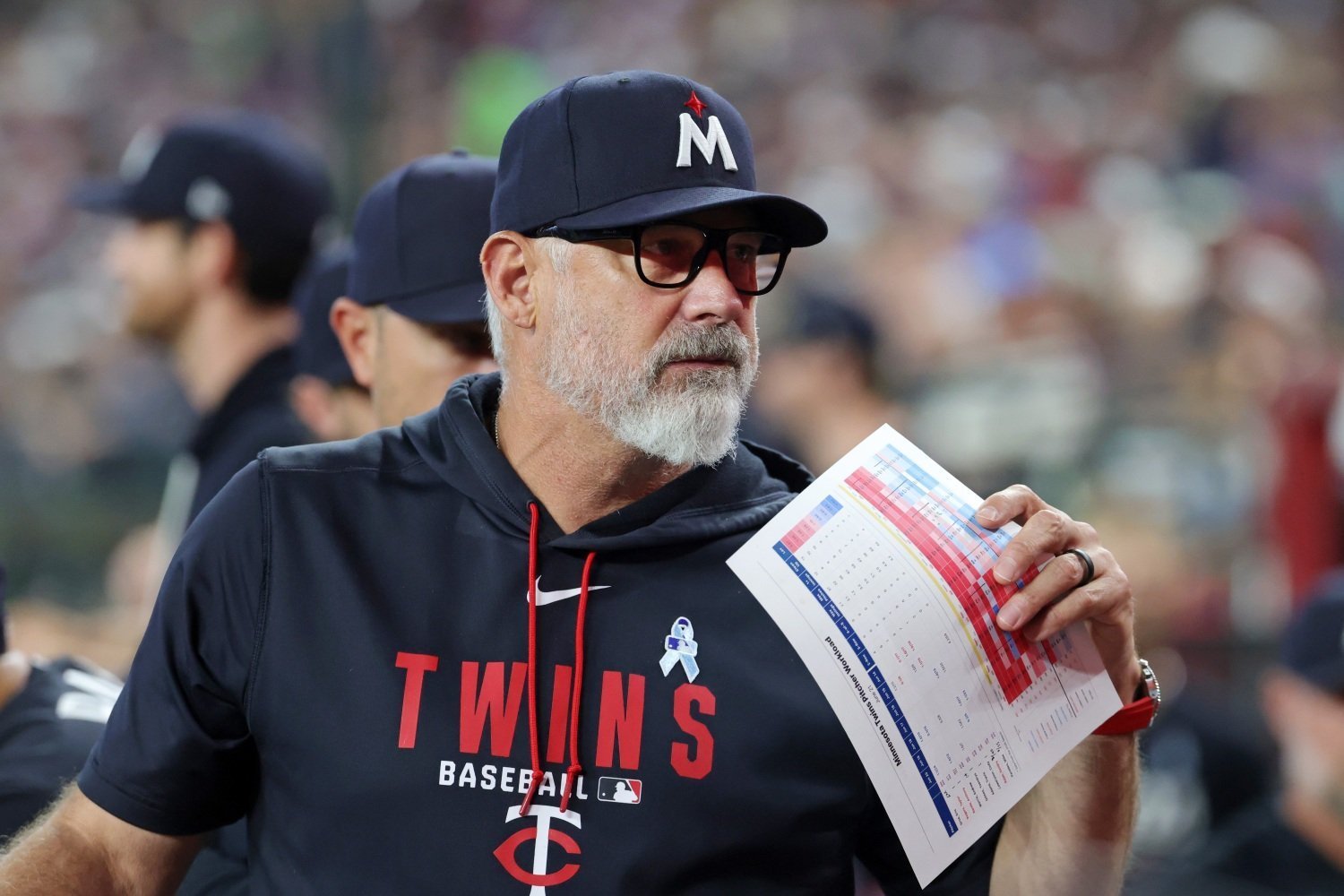 For most of the 2026 season, the Minnesota Twins have been difficult to categorize. They aren't rebuilding in the traditional sense, but they also haven't played like a team expected to seriously contend for the American League pennant. Instead, they have bounced between those descriptions, showing flashes of a team capable of making noise while also reminding everyone why expectations were modest entering the season. Have they overachieved? In some areas, absolutely. Have they simply performed about where they were expected to? That's probably the most accurate description of their overall record. And have certain players and areas of the roster underachieved? Without question. With the final month approaching, it's worth taking a step back and looking at the big picture. The Twins Have Overachieved in Some Important Areas The easiest way to argue that the Twins have overachieved is to remember where this team started. Pablo López was supposed to anchor the rotation. Instead, he suffered an injury during spring training, forcing Minnesota to adjust its plans before the season even began. Losing a pitcher of López's caliber could have sent the rotation into a tailspin. Taj Bradley deserves credit for helping stabilize things. There were plenty of questions about what the Twins would get from him, but Bradley has looked better than many anticipated. He hasn't needed to replace López, but his performance has helped a rotation that entered the year with plenty of uncertainty. There have been pleasant surprises on the position-player side, too. Kody Clemens and Brooks Lee have both reached the 20-home-run mark, providing considerably more power than many expected. The offense as a whole deserves credit. For much of the first half, Minnesota sat near the top of the American League in runs scored, thanks in large part to its success with runners in scoring position. That was certainly not expected entering the season. Then there was the bullpen. For much of the first half, Minnesota's relief corps was one of the team's biggest weaknesses. Yet the Twins continued finding ways to stay competitive while trying to patch together innings late in games. The front office eventually addressed that weakness rather than accepting it as an organizational limitation. Minnesota has dealt with injuries, inconsistent pitching, bullpen issues and offensive slumps. They haven't always responded perfectly, but they have continued finding ways to remain relevant. Here's where the preseason projections become important. The Twins are on pace to finish with a win total in the mid-to-high 70s, roughly where many projection systems expected them to land. That provides important context for evaluating the season. The reason some people believe Minnesota has overachieved isn't necessarily because the team has dramatically exceeded its preseason projections. It's because expectations changed after the 2025 trade deadline. The Twins' fire sale last summer fundamentally altered the perception of the organization. Minnesota moved established major-league talent and appeared to be positioning itself for a longer rebuild. It was easy to look at the 2026 roster and assume the team would struggle significantly. Instead, the Twins have spent most of the season hanging around the American League playoff picture. That's the part that feels like an overachievement. The actual win total? Probably not. Minnesota has taken a roundabout path to get there. There have been stretches when the Twins looked like one of the better teams in the league and others when they looked like exactly what preseason projections predicted: a flawed team with significant holes and an uncertain future. That's probably the most honest description of this season. The Twins have achieved what they were projected to accomplish, but they've done it in a way that has been more interesting than expected. A 78-win team buried in the standings feels very different from a 78-win team fighting for a playoff spot in September. The latter gives the organization something to build upon. Where the 2026 Twins Have Underachieved There are also legitimate reasons to believe the Twins could have been better. Matt Wallner and Royce Lewis are the most obvious examples. Both entered the season as important pieces of Minnesota's offensive core, but both scuffled badly enough to be sent to Triple-A. Lewis has returned to the majors and played well, which changes the outlook considerably. Still, his struggles and time in the minors are significant when evaluating the season. The same is true of Wallner. The Twins needed production from both players and expected them to become reliable middle-of-the-order contributors. Instead, Minnesota had to find production elsewhere while they worked through their struggles. The rotation has also fallen short of expectations. López's injury changed the equation, and he was joined on the injured list by Mick Abel, David Festa and even Joe Ryan. Minnesota has spent the year searching for consistency behind its healthier arms. There have been good individual performances, but the group hasn't always provided the dependable innings a playoff team needs. The bullpen is another obvious example. The fact that Minnesota eventually improved that unit doesn't erase how much of a problem it was for much of the season. Too many games were put in jeopardy because the Twins couldn't consistently turn a lead over to reliable relief pitching. There has also been an uneven development curve among some of the younger players. Lee has provided inconsistent offensive production, while Luke Keaschall has struggled defensively. That's part of the deal with inexperienced players, but those growing pains become more noticeable when a team is competing for a playoff spot. It's one thing to watch a young player struggle on a 65-win team. It's another when those struggles could be the difference between playing in October and watching the postseason from home. Ultimately, the Twins' 2026 season doesn't fit neatly into one category. They have overachieved relative to the expectations created by last year's trade deadline. They have achieved relative to many of their preseason projections. And they have underachieved in several areas where individual players were expected to take significant steps forward. All three things can be true. The most important development is that Minnesota has given itself a reason to care about September. That wasn't necessarily guaranteed when the calendar flipped to 2026. The Twins now have a better idea of which young players are ready to be part of the next competitive roster, which veterans can help them get there and which weaknesses still need to be addressed. Maybe that's the biggest accomplishment of all. The Twins haven't been perfect. They haven't been dominant. They haven't even been consistently good. But they have been competitive. And after where this organization stood a year ago, that's a pretty important place to start. Have the Twins overachieved, underachieved, or landed somewhere in the middle? Leave a comment and start the discussion. View the full article
 -
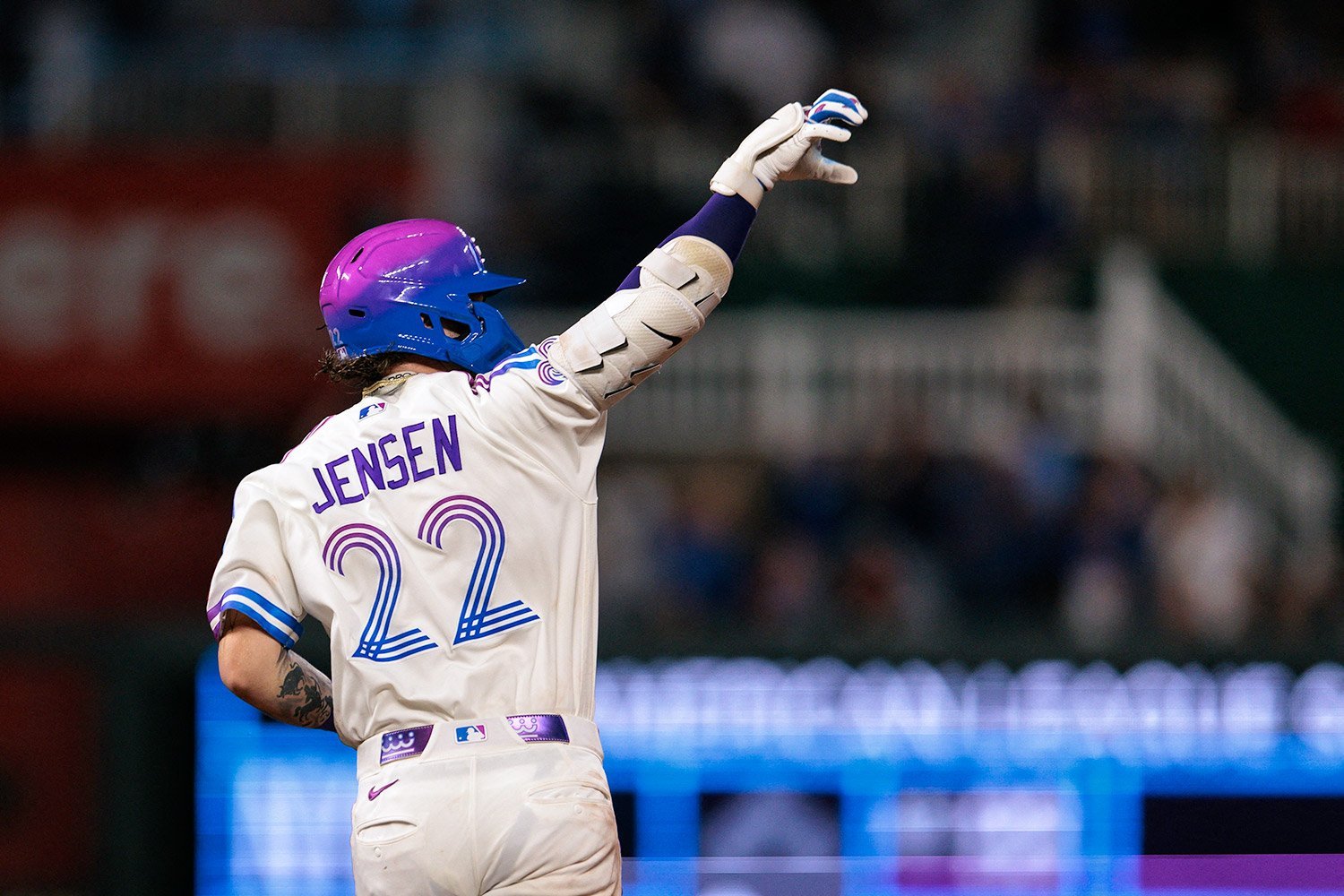 After an explosive start to his second year with the Kansas City Royals, Carter Jensen’s power has been considerably limited over the last two months of the season. Jensen has just one home run in his last 56 plate appearances, and his OPS has plummeted to .508 over that span. After posting a 108 wRC+ and 1.6 fWAR from March/April through June, he has fallen to a 69 wRC+ and 0.1 fWAR since July. Contrary to what happens to hitters when they get trapped in a slump, plate discipline has not been the reason for the collapse. Period BABIP AVG SLG wRC+ GB% FB% LD% HR/FB O-Swing% Z-Swing% Z-Contact% FastSw% Z-Contact% MAR/APR - JUN .306 .251 .446 108 33.3% 48.7% 17.9% 12.6% 25.0% 63.2% 84.5% 38.8% 84.5% JUL - AUG .220 .162 .325 69 33.3% 56.3% 10.4% 9.3% 24.9% 68.5% 84.4% 32.6% 84.4% As you can see, Jensen is not chasing more pitches outside the zone, and he remains the same hitter prone to lifting the ball. He is taking more swings against pitches in the strike zone, and he has increased his contact. The problems come after he makes contact. His HR/FB% rate has fallen by 3.3%, and that loss of impact in his swing has been the most concerning because of what it has meant for the Royals. But he has also lost the rhythm in the production of the rest of his contact. The version of Jensen we saw during the first three months of the season really did not show that he can survive without his power. In fact, during this slump that has affected him since the beginning of July, Jensen has had a 2.0% increase in his BB-K% rate, while his .293 wOBA has dropped to .282. Nothing about his plate discipline is causing the problem here. That said, let’s go back for a moment to September 2025. Jensen was called up to make his debut and posted an exciting .300/.391/.550 offensive line, with three home runs, 13 RBIs and a 159 OPS+ in his first 69 plate appearances. Two of his three home runs came against fastballs. In April, Jensen began hammering the fastball at a phenomenal rate: he averaged a .603 xSLG in 52 plate appearances and hit six home runs on his 30 balls in play. In other words, taking September 2025 and April 2026, he had hit eight home runs in his first 49 balls in play against Major League fastballs. That was something that quickly placed his ability at a higher level for a second-year player. Between March/April and June, 12 of Jensen’s 15 home runs came against fastballs, so the opposition was beginning to have a more serious task ahead. Since July, they have managed to stop him. Carter Jensen vs. Fastballs Period Pitches PA HR HR% xBA xSLG xwOBA BABIP Whiff% Hard Hit% Barrel/BBE% Mar/Apr - Jun 1,212 304 12 3.9% .221 .373 .293 .306 28.9% 43.3% 8.8% Jul - Aug 784 178 5 2.8% .169 .348 .282 .220 30.4% 43.8% 13.5% Jensen’s swing is still hitting the ball hard. His Barrel/BBE rate has improved by 4.7%, his Hard Hit% has not fallen, and there are no major differences in his whiff rate. The inconsistencies in his swing against fastballs begin to appear in his low production when he puts the ball in play. Even the difference in HR% does not seem notable, but the collapse in BABIP has been devastating. Let’s look at the differences against each type of fastball: Period Pitch Type PA HR K% Hard Hit% xSLG BABIP MAR/APR - JUN Sinker 41 2 17.1% 56.7% .489 .536 JUL - AUG Sinker 24 0 29.2% 46.2% .243 .231 Period Pitch Type PA HR K% Hard Hit% xSLG BABIP MAR/APR - JUN Four Seamer 90 4 31.1% 40.8% .352 .267 JUL - AUG Four Seamer 59 3 40.7% 39.1% .324 .150 Period Pitch Type PA HR K% Hard Hit% xSLG BABIP MAR/APR - JUN Cutter 19 3 31.6% 66.7% .701 .444 JUL - AUG Cutter 9 1 33.3% 66.7% .637 .200 As expected, the major drops in BABIP have affected Jensen’s xSLG, and his high strikeout rates add to this. He has not hit another home run against the sinker since he hit the first pitch of the game on June 30 for a 421-ft home run against Rays right-hander Griffin Jax. There is one detail we cannot forget: Jensen had just turned 23 on July 3. This has been his first season as a starter. He has played 123 games and has accumulated 488 plate appearances. This is the first time in his career that he is dealing with the pressure of having to make immediate adjustments. There is no doubt he has the talent to prevail, and he has earned the opportunity with the Royals. He has already shown that his swing can impact high velocity. The opposition has found a way to counter his explosiveness at the plate, and now the challenge for Jensen is to make his contact ability and power resurface. View the full article
 -
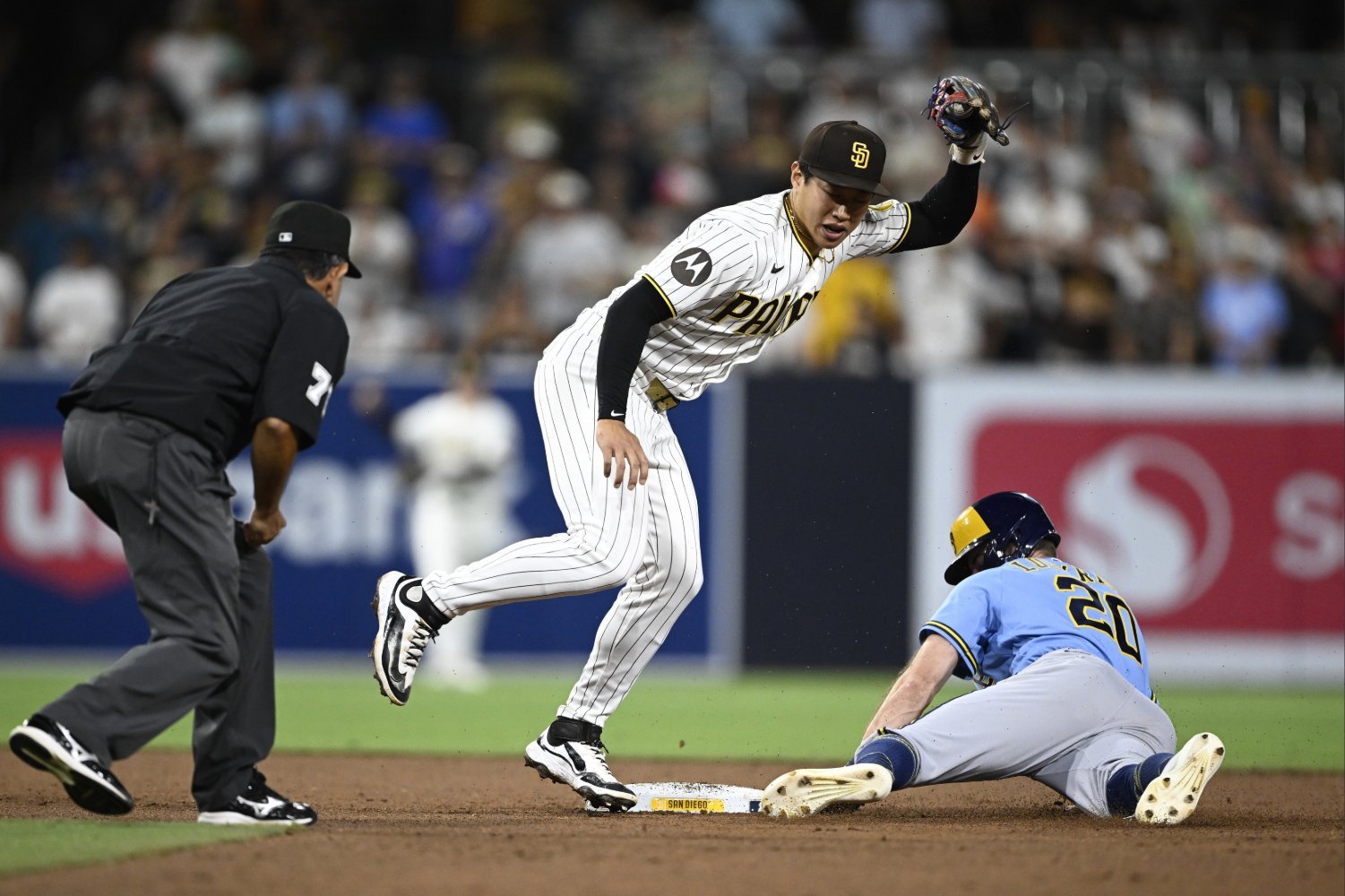 Earlier this week, the San Diego Padres optioned Sung-Mun Song to Triple-A El Paso. On the surface, it's not a particularly impactful move; Song had struggled to a wRC+ of just 70 across his first 130-ish plate appearances in Major League Baseball. However, the shift it presents to the dynamics of the roster does indicate some questions about where the team's reserve group stands at this point. Aside from Fernando Tatis Jr.'s stint at the keystone during Jake Cronenworth's absence earlier this year, Song had logged the second-most innings at second base this year (28 games). His 16 games at shortstop were also indicative of him serving as the primary backup to Xander Bogaerts at the six. He also saw action a dozen times at third base. In short, Song represented the primary infield backup on this roster. With the former KBO MVP now in El Paso, the active roster features the following names on their infield: Bogaerts, Cronenworth, Manny Machado, Ty France, and Gavin Sheets. That's a starter for each position and a backup first baseman (Sheets) that hasn't appeared in a game there since July 24 (and hasn't started one since July 8). Which means that the rest of the current bench is comprised almost entirely of outfielders. Of course, such a label is a bit misleading. Technically, each of Luis Rengifo and the newly-added Dustin Harris can touch the infield dirt in a way that wouldn't be unusual. However, that's not the way either has been deployed of late. Rengifo moved to third base in a game against the New York Mets on August 19 and had started there on the 16 Since arriving in San Diego, though, he's only been used on the infield a small handful of times (and most of those were as a late-inning replacement following a pinch-hit appearance). That trend comes despite getting regular work at third base when he was with Milwaukee earlier this year. Harris, meanwhile, has a history of corner infield play during his time in the minor leagues but has only appeared on the grass while at the top level. So, while the Padres technically do have flexibility there on paper, it appears that they're not particularly inclined to throw either in an infield spot. Which means that those two, along with Austin Hays and Jase Bowen, are part of a bench comprised almost exclusively of outfielders (along with backup catcher Luis Campusano). It certainly doesn't lend itself to much flexibility. Sure, there's the possibility that Rengifo could begin to get more infield work. Tatis could always jump back to second base on an as-needed basis, with Cronenworth flipping over to short in a scenario where Xander Bogaerts needed a day off. Miguel Andujar has started a swinging progression and could join as a corner infield option, even as one with certain defensive shortcomings. Gage Workman was acquired from Detroit at the deadline and could represent a flexible option as a recall, albeit one with an astronomical strikeout rate. Still, none of this is ideal. The general goal with the bench in its current state is to get supplementary offense as needed, but it could really hamper the team from a defensive standpoint. It also means that the team is going to rely heavily on the health of their regulars in the stretch run. That's hardly a given considering that each of Cronenworth & Bogaerts have had various injury issues over the last couple of seasons, and keeping Machado fresh late in the year has proven to be an annual struggle. Whether or not this actually manifests as a problem for the Padres isn't something we'll actually know until we see it. On paper, their starters across the infield would be expected to log about as much time as any starter on any roster anyway. More than anything, the shift here in sending Song to El Paso results in a loss of flexibility. There are pathways to getting it back with the current group, but none of them are defensively ideal or feature a decent volume of recent positional experience. Ultimately, though, it's difficult to be too concerned about it yet. The highest upside bats are still on the roster from a bench standpoint, and that's where they're most crucial for the Padres. Should any of the infield regulars run into trouble of any sort, however, it'll be interesting to see how the team pivots with no one on the bench equipped to take over on a full-time basis. View the full article
 -
 This website is getting a little long in the tooth. The basic design dates back to 2021, when our only site was Twins Daily. Since that redesign, we've added nine (!!!!) sites and crammed in more new features than we can count. It's time for a ground-up rethink of everything about this website, and we need your help to do it right. A lot has changed over the past half-decade, especially for independent publishers like us: social media has throttled our reach to near-zero, Google is replacing search results with AI summaries, and economic uncertainties continue to loom over us all. As a result, we're focusing inward and doubling down on community. We offer more interactivity than ever before; we want to offer the best comments, forums, and user blogs you'll find anywhere. Features like the You're The GM! offseason tool will gain more prominence, and new features are coming that expand upon that idea. At the center of everything we do is you, the user. We only know how we use the website; your experience could differ in very important ways. That's why it's important to let us know how you use the site and how we can do things better. We can't improve without input, and yours is vital to the next generation of DiamondCentric sites. As always, thank you for being such an important part of our community! Create your own user feedback survey View the full article
 -
 Connor Prielipp has been roughed up in back-to-back outings. With Joe Ryan's return looming, could his role change for the rest of the season? View the full article
 -
Should Randy Dobnak Be Part of the Royals' Plans in 2027?
DiamondCentric posted an article in Royals Keep
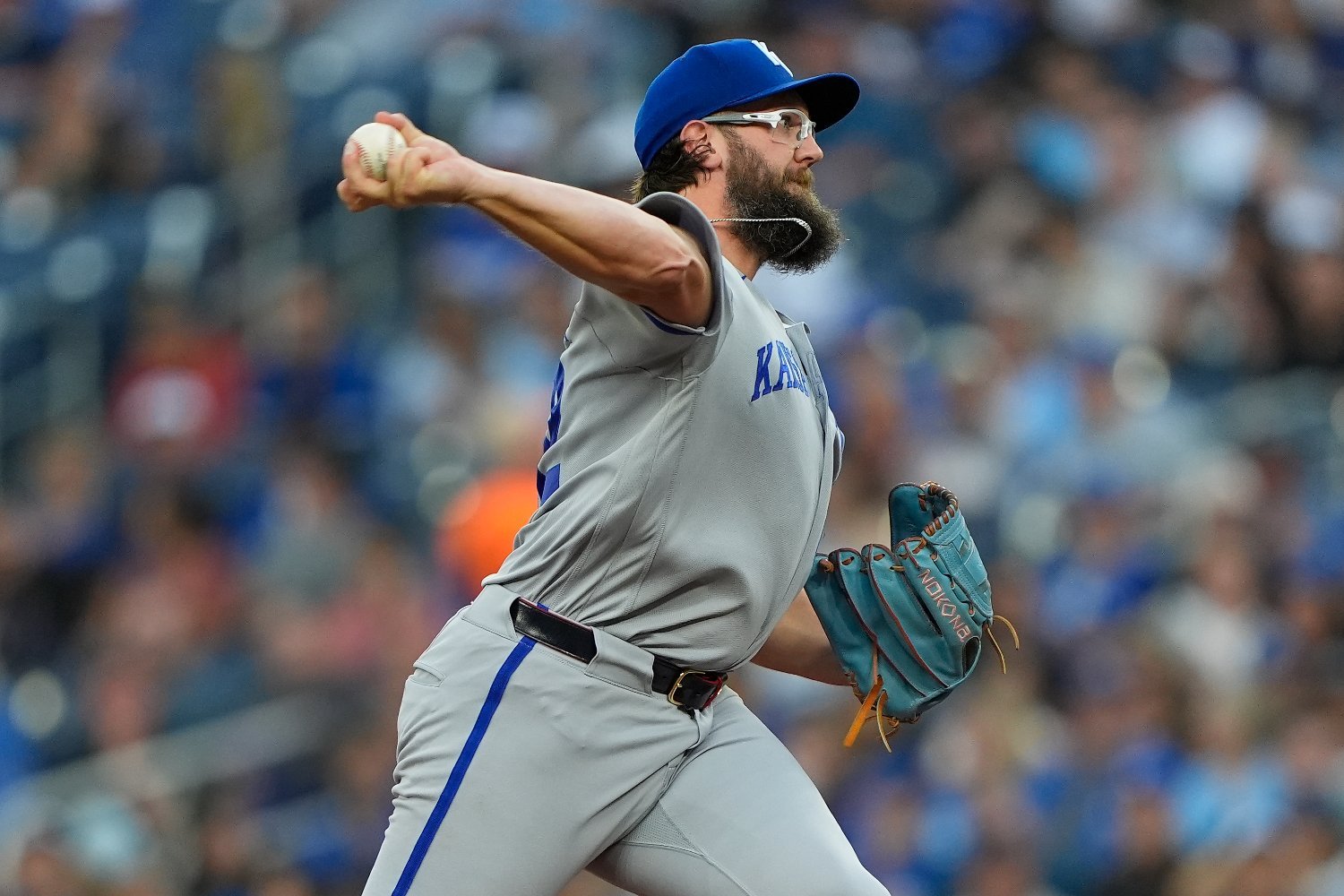 The Kansas City Royals' nine-game winning streak finally came to an end on Wednesday night, as they lost to the Blue Jays 3-0. The Royals had their chances in this one, but they left eight runners on base and went 1-for-5 with runners in scoring position. That's not going to result in a victory, even if the Blue Jays were just as frustrating with ducks on the pond in this one (1-for-5 with runners in scoring position). Even though Kansas City lost, fans couldn't blame the pitching in this one. The lone runs from the Blue Jays came on a three-run home run by Nathan Lukes in the bottom of the fourth inning. Other than that mistake changeup, Randy Dobnak was solid once again on the mound for the Royals. In a losing effort, Dobnak produced another quality start. He allowed three runs on six hits and one walk while striking out five in six innings of work. It was a pretty typical start for Dobnak in Toronto: he didn't possess great stuff or generate a ton of whiffs, but he kept the Blue Jays off balance and generated a lot of weak contact. Dobnak allowed only a .342 xwOBACON in this one, which rates slightly above average. That helped him succeed despite lackluster TJ Stuff+ (93), zone% (47.8%), chase% (25%), and whiff% (12.5%) numbers. Over his 92 pitches, the 31-year-old righty leaned heavily on his sinker (45.7% usage). Dobnak flooded the strike zone with the fastball offering, as evidenced by a 59.5% zone rate. While he gave up a few hits with the pitch, for the most part, he generated a lot of outs with it, even though he threw it clearly in the strike zone a majority of the time, as illustrated by his sinker zone chart from Wednesday. After the outing, Dobnak sits with a 1.92 ERA, 1.37 WHIP, 3.76 FIP, and 5.9% K-BB% in 10 outings (eight starts) and 51.2 IP. Despite major injuries to so many key starting pitchers on the 40-man roster, Dobnak has stepped up and kept the Royals' rotation competitive. One could argue that he's been the Royals' best pitcher since the All-Star Break, which is a testament to him and a black eye on the rest of the Royals' starting pitching staff. The former Minnesota Twin will be entering his second season of arbitration next season, and his future seems unclear, even in the midst of all the Royals' pitching injuries. Does Kansas City keep him on the 40-man roster and give him a shot to keep his rotation spot in 2027? Or do the Royals non-tender him and replace him with a free-agent starting pitcher this offseason? Let's look at the case for keeping Dobnak, the case for non-tendering him, and what the Royals should do with their surprising pitching stud next season. The Case to Keep Dobnak Dobnak doesn't strike many guys out, but he's become a savant as a pitcher, much in the mold of a Michael Wacha or Seth Lugo. In fact, he's shown that he can be just as good, if not better, than those two veterans over the past month with the Royals. In August, Dobnak has been the third-best Royals starting pitcher in terms of fWAR (0.4), and his 3.09 FIP ranks third as well, as seen in the table below via Fangraphs. The 31-year-old righty has definitely benefited from a high LOB%, which explains why his xERA of 4.92 is so much higher than his actual 2.29 ERA. That said, he's struck out more batters than Noah Cameron (6.83 K/9), Lugo (6.75 K/9), and Wacha (5.55 K/9) this month, and his 54% GB% also leads the five-pitcher sample from above. When looking at his Statcast percentile, Dobank ranks below average in many categories, which dampens his overall profile. However, he's been effective in three important categories: O-Swing% (chase), barrel%, and GB% (groundball percentage). The Statcast profile may underwhelm those who haven't been paying attention to Dobnak or the Royals in general this season. However, Dobnak arguably has a better Statcast profile than veteran Lugo, who lags behind Dobnak this year in barrel%, O-Swing%, and GB%. Lugo has a lot going for him. His pitch mix is much more impressive than Dobnak, as Lugo sports four pitches with TJ Stuff+ marks of 100 or better. Dobnak has only one, his changeup, which has a 100 TJ Stuff+. Furthermore, Lugo has a better zone rate and limits free passes better than Dobnak, which matters for a starting pitcher. Lastly, the 36-year-old righty has been much more durable this year, as evidenced by his 150.1 IP in 27 outings. Then again, Dobnak isn't making $21.5 million this year and next like Lugo. Instead, the former undrafted free agent is making the league minimum of $780,000, finishing a one-year deal he signed with the Mariners last offseason, according to Spotrac. When Dobnak has been mixing it up well, he's been able to freeze and lock up many hitters. That was the case recently with the Athletics' Henry Bolte, whom Dobnak struck out on a sweeper back in the Royals' win over the Athletics on August 20th at Kauffman Stadium. ZzZ3cVlfWGw0TUFRPT1fVWdKUlVsSU1BbEFBVzFFS1ZBQUhDVk5lQUZoVFVRVUFWbEJYQ1FFR1ZWVlNWQUJl.mp4 The stuff isn't elite, but Dobnak is crafty, durable, and works fast on the mound. The Royals need a pitcher like that in 2027, and he gives the Royals a lot more guarantees for time on the mound than other options like Ryan Bergert, Ben Kudrna, and even Cole Ragans, who are all coming off injuries from this past season. Even with some expected regression in 2027, Dobnak could be able to produce enough on the mound to be a worthwhile No. 5 pitcher for the Royals who could produce an ERA in the low fours or high threes and generate an fWAR of 1.5 to 2.0 in a full season. For an end-of-the-rotation arm, that's not just serviceable but an asset of value, especially considering all the injuries that have affected pitching staffs this season. The Case Against Dobnak While the Statcast percentiles aren't great, his TJ Stuff+ summary from this year may be even worse. Dobnak is not just posting a subpar 93 TJ Stuff+, but he's also sporting a 43.1% zone rate and 20.4% whiff rate, both below-average marks in those respective categories. While he is generating a decent amount of chase and strong xwOBACON numbers, the rubber is going to meet the road for Dobnak regression-wise sooner rather than later. The Royals could give Dobnak a guaranteed spot in the rotation and a bump in his paycheck. That said, he could also tank over a full season and regress back to the pitcher who posted a 7.64 ERA and 5.59 ERA in 2023 and 2024 with the Twins. Against the Angels on August 15th, Dobnak made some mistakes that resulted in extra-base hits, with this double from former Royal Adam Frazier being a prime example. WU9WYjNfWGw0TUFRPT1fQkZCUVVWd05WZ01BV3dCVVhnQUhCVlVFQUZsWFV3VUFBMVlHQVFGVUJRQlVDUVVG.mp4 The sinker in that at-bat isn't in a terrible location. However, it's a bad command of an 0-2 count pitch, and the veteran Frazier makes Dobnak and the Royals pay with a double. A silver lining is that Moisés Ballesteros was on first, and because of his slow speed, he couldn't score on the double (most hitters would). Thus, at-bats like that, along with lackluster stuff metrics, should give Royals fans pause. The Royals also have some intriguing arms ready for 2027. That includes Tony Gonsolin and John Means, both of whom are on their way back from the IL soon. Gonsolin threw a rehab outing in Omaha on Wednesday, and Means had one in Quad Cities. Gonsolin was solid in his first outing with the Royals organization. He allowed no runs, no hits, and only one walk in three innings of work. The former Dodgers pitcher also struck out three batters to boot. While the fastball stuff wasn't impressive, the rest of his repertoire proiled nicely, as seen below via his TJ Stuff+ summary. Gonsolin's fastball was alarming, but it's also an effect of not pitching for almost a year. As for Means, he had a quick outing, allowing only one hit and no runs or walks in an inning of work. The Royals clearly have more upside with Gonsolin and Means than Dobnak, who just has never been the same kind of caliber of pitcher as those two. Kansas City has always been a bad team at holding onto guys, especially pitchers, too long and not moving on sooner rather than later. Dobnak may be a prime dilemma for Royals President of Baseball Operations JJ Picollo, who knows he has to win in 2027 to reinvigorate the fanbase. Dobnak is too old to be part of the future. Also, for a team that's going to finish with a losing record in 2026, it's important for the Royals to invest in assets with a ceiling rather than ones who may simply be flashes in the pan. Could Dobank be another example of the latter? Unfortunately, based on his TJ Stuff+ metrics and other results, it feels likely, which could result in an ugly 2027 for Dobank in Kansas City. Final Thoughts The returns of Gonsolin and Means could be huge boosts to this pitching staff, and perhaps Ben Kudrna, Ryan Bergert, and Cole Ragans will be healthy to return at some point in 2027. That said, none of those guys listed above are guaranteed contributors, especially with all of those pitchers having robust injury histories over their careers. I am not sure if you go into 2027 with Dobnak guaranteed a spot in the Royals' rotation. However, does he deserve to keep his roster spot and challenge for a rotation spot in Spring Training? Absolutely. Dobnak has done enough this season to earn that consideration on both ends. Even with the returning pitchers coming off the IL in 2027, the Royals will need to boost their rotation in some way. It wouldn't be surprising to see them pick up a couple of starting pitchers, much like they did in 2024 with Wacha and Lugo, whom they signed in free agency. Like Wacha and Lugo, I expect the Royals to pursue pitchers like Tyler Mahle, Jeffrey Springs, or Michael Soroka rather than big-money ones like Zac Gallen, Michael King, or Tarik Skubal. The Royals will want pitching depth in 2027, and that likely means Dobnak stays around, even with the addition of new arms to the pitching staff (and the return of a few others). Maybe Dobnak's role is different next year. Maybe he's a spot starter or a long reliever for Kansas City next season, which is much different from the regular starting pitcher role he's been given this season. Still, Dobnak could thrive in that kind of role, which is why I believe he's in Surprise, Arizona next Spring. Fewer innings for Dobnak will conserve his mojo on the mound and make it harder for hitters to scout and hit against, especially with his extensive six-pitch mix. Furthermore, with two minor league options, if Dobnak doesn't work out next Spring Training, they can option him and get him some work in Omaha to prepare for a sudden call-up in Kansas City to replace a hurt pitcher. View the full article
 -
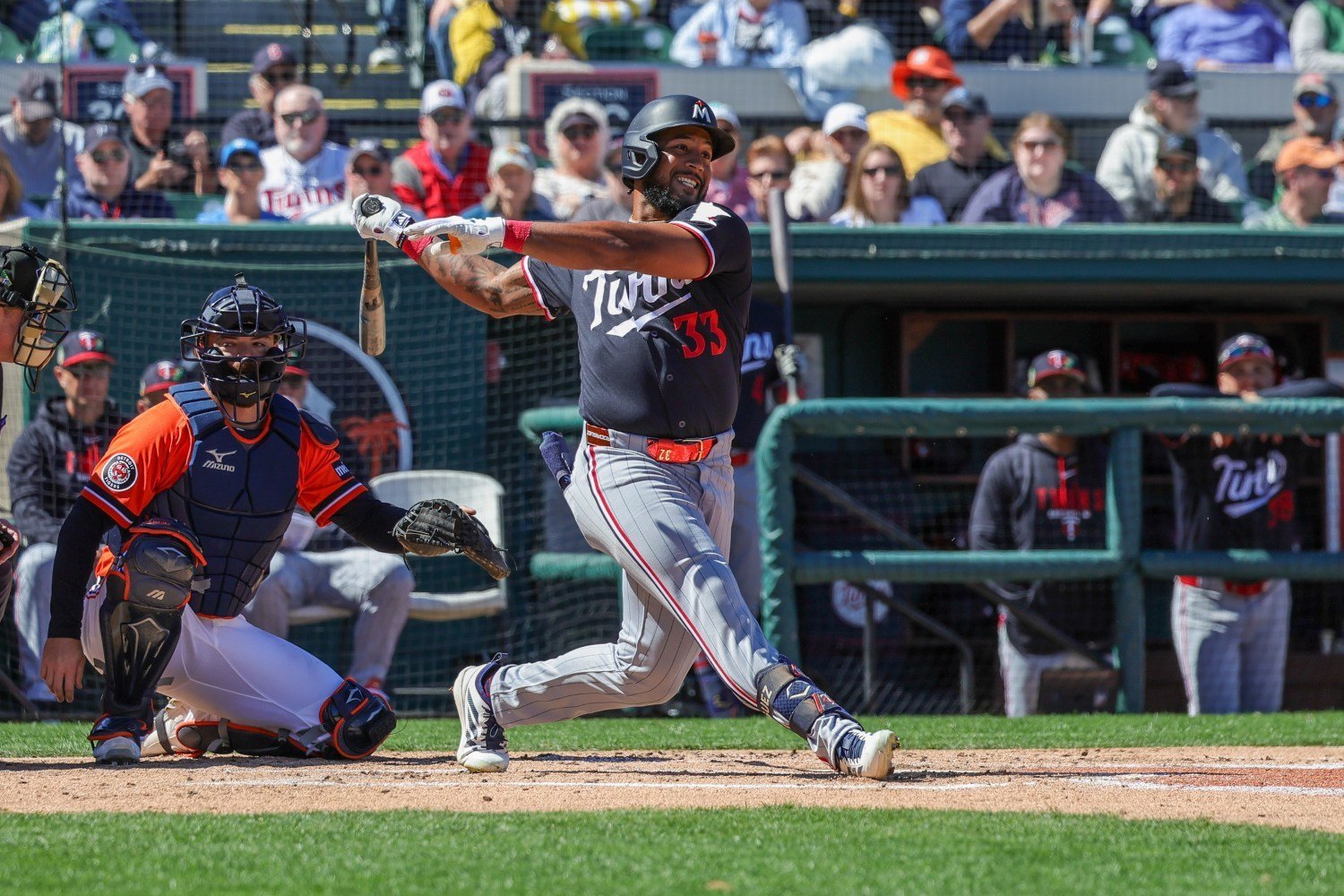 It’s been a long time coming for Twins outfield prospect Emmanuel Rodriguez. He's been in the system since 2021 and has been a top-100 prospect across baseball since 2023. Had it not been for a litany of injuries throughout his professional career, there’s a good chance we would have already seen him make his major-league debut. Instead, he has appeared in just 339 games over his six years in the Twins organization, and because of that, there’s some prospect fatigue surrounding his name. But he’s currently healthy; he’s swinging an extremely hot bat; and, in my opinion, now is as good a time as any to give him his major-league promotion. Rodriguez got off to a slightly slow start after returning to the St. Paul Saints’ lineup, which was understandable, considering how much time he had missed. That slow start, however, has burned off like August dew, because he's looking like the hitter the Twins have been waiting to see for years. Of his last four games, Rodriguez has homered in three. He's drawn five walks compared to just four strikeouts during that stretch, while adding a stolen base for good measure. That recent production has pushed his season OPS in St. Paul to .910. As far as his individual performance is concerned, it certainly appears as though he’s ready for the next level. What makes that recent stretch particularly noteworthy is that Rodriguez has showcased everything that makes him such a high-profile prospect. His ability to work counts, draw walks and make an impact on the bases gives the Twins a more complete offensive profile than just another hitter who can run into a few home runs. If he can carry that approach into the majors, there’s a chance his bat could immediately give the Twins another dimension. There are a couple of other reasons why I think Rodriguez should be called up in the very near future. One of the biggest is his roster situation. Rodriguez is already on the Twins’ 40-man roster and will be out of minor-league options next spring. That means this isn’t a situation like that of Walker Jenkins, where the Twins can keep him in the minors to get playing time while things get sorted out. If the Twins plan on keeping him around beyond this season, he’s going to have to be a major leaguer. Given that reality, they might as well get him some major-league at-bats before the year comes to an end. Let him get his feet wet, give him a taste of what major-league pitching looks like, and allow him to spend the offseason adjusting to that level. That way, he isn’t being thrown directly into the fire when Opening Day 2027 rolls around. There’s also the roster construction side of this equation, especially with September call-ups right around the corner. Rodriguez could very easily be one of the two players the Twins add to their roster, and because he’s already on the 40-man, there wouldn’t be any additional roster maneuvering required to make it happen. That's assuming that Rodriguez isn't called up to replace Byron Buxton, who seems likely to land on the injured list Friday. The Twins may have already given themselves a little extra flexibility in the outfield, too. When Austin Martin was placed on the injured list, the Twins recalled Alex Jackson instead of replacing him with another outfielder. By doing so, they left themselves room to add another outfielder when rosters expand on September 1. Regardless of whether Martin is activated soon (he probably will be), his recent performance before the injury wasn’t exactly impressive. He shouldn't stand in Rodriguez's way. If I’m the Twins, calling up Rodriguez is a no-brainer. I know a lot of people want to see Walker Jenkins, but if Rodriguez is going to be part of the Twins’ plans beyond this season (a big "if", I grant you), getting his feet wet in the majors this year feels like a must. The Twins have spent years waiting to see what Rodriguez can do when he’s healthy, and right now, they are finally getting that opportunity. More importantly, Rodriguez is showing exactly why he has been so highly regarded for so long. He’s healthy, he’s producing, and he has plenty of experience in the minor leagues. At some point, there’s nothing left to prove in St. Paul, and with how Rodriguez is currently swinging the bat, the Twins might not just be calling up a long-awaited prospect. They could be adding an immediate difference-maker to their lineup. View the full article
 -
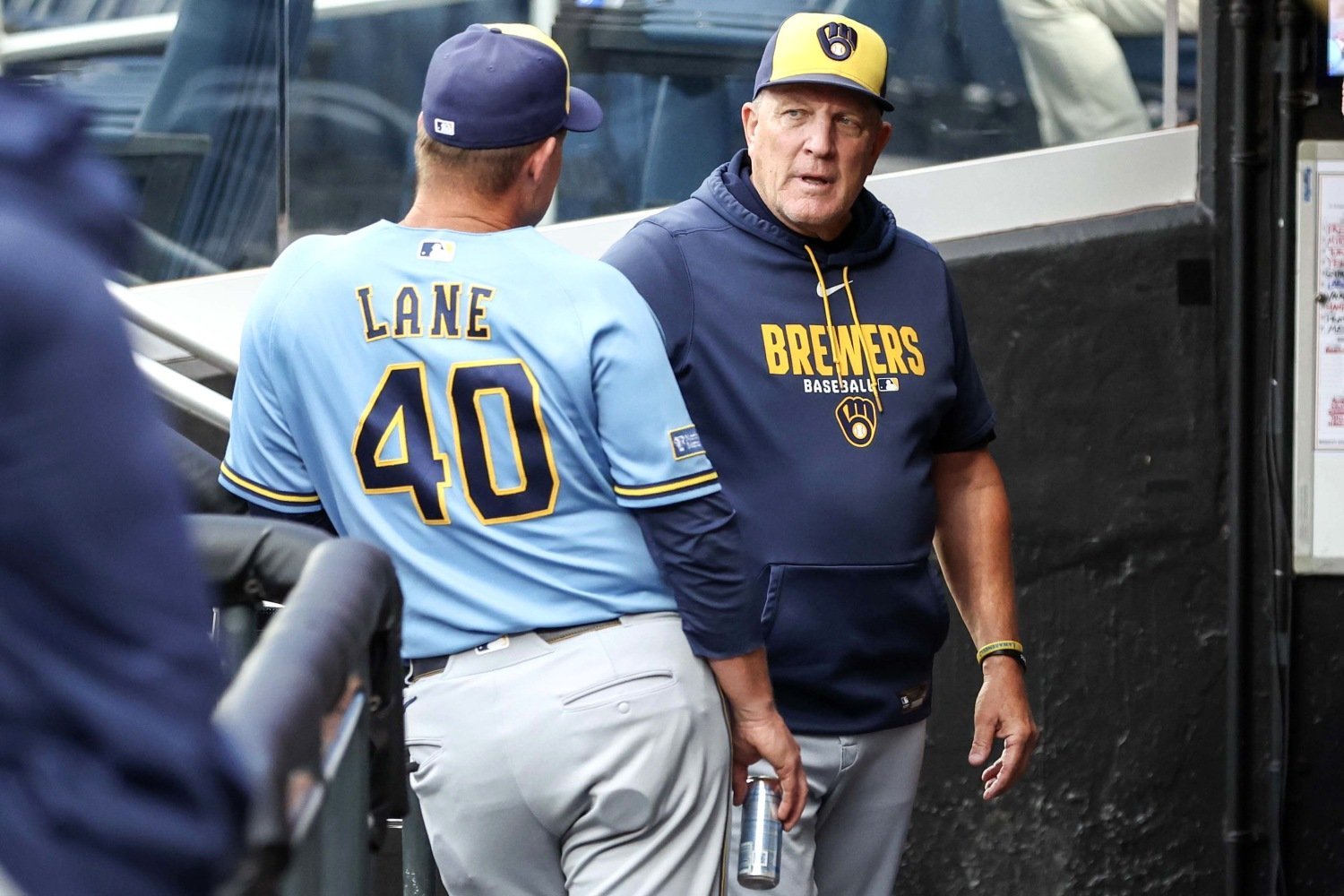 Cooper Pratt's benching was the central story of the Brewers' series-opening loss in New York on Tuesday night, but Robert Gasser received similar treatment in his last start. Last Thursday against the Mariners, Murphy pulled Gasser mid-count in the fourth inning after he fell behind 2-0 to Randy Arozarena. Staked to a 6-0 lead after the first, Gasser sprayed the ball around in an inefficient outing, walking four and hitting one. That doesn't fly with Murphy. He had seen enough. It was the latest frustration in an odd season for Gasser. His 4.59 ERA, 4.45 FIP, and 4.11 SIERA are all below average. Gasser's command has mostly been poor since he underwent Tommy John surgery. Even in some of his better outings of limiting runs and missing barrels, many of his pitches have been near the middle of the plate or non-competitive misses. He's hit eight batters, but his walk rate is a solid 7%. Even after finishing a stretch of 17 games in 17 days, the Brewers are using six starters to maximize rest for their young pitchers, but two straight weeks with an off day forced them to get creative to avoid too many days between starts. Last Tuesday, they used Shane Drohan for two innings of relief behind Kyle Harrison, then started Drohan on Sunday to keep Harrison on six days between starts. This week, it was Gasser skipping a start to keep the rotation on a reasonable schedule, so he was likely to come out of the bullpen on Wednesday night as a bridge appearance. Instead, he essentially made a full start, after a comebacker struck Dustin May and ended his outing after one pitch. Thrust into emergency long relief, Gasser delivered one of his best outings of the season, both in terms of process and results. He threw a first-pitch strike to 17 of 24 hitters and tossed 57% of his pitches in the strike zone. Gasser limited the Mets to just two hard-hit balls and generated whiffs on 26% of swings. He covered 5 ⅓ innings while allowing just one run, saving the bullpen and helping to turn a potential disaster into a smooth 8-1 win. Pratt, meanwhile, returned to the starting lineup after Murphy benched him for a perceived lack of hustle and other small mistakes. In reality, Pratt took a second to get out of the box after getting jammed high and inside. Once he found the ball, he ran to first. His bloop near the right-field line was in the air for a while, but he was never reaching second base against Carson Benge's elite throwing arm. Murphy later admitted, after watching a replay, that Pratt ran harder than he thought in the moment. Say what you want about the lesson Murphy was trying to teach and how he taught it. Regardless, Pratt said all of the right things to the media, and like Gasser, he bounced back on Wednesday. He legged out infield singles for both of his hits. At times, it feels like Murphy has unnecessarily fallen back on his college coaching experience to impose amateur-level discipline on grown professionals (though the 22-year-old Pratt is still college-aged). Most managers don't do this, for good reason. It can be embarrassing and patronizing, making players feel disrespected and damaging their trust in the manager. If not handled correctly, benching at the big-league level can create more issues than it solves. It's hard to say whether Murphy's benchings work. Maybe Gasser and Pratt would have performed well even without being reprimanded. But the bottom line is that they haven't created new problems. Furthermore, compared to his in-game strategy and questionable workload management, it's much harder to criticize Murphy's feel for managing people and intangibles. It's arguably his greatest strength as a leader. With limited bullpen depth on the 40-man roster and innings concerns in the rotation, the Brewers need quality innings from Gasser. They also need Pratt to be fundamentally sound. As a team, they must play to a high standard. Murphy has his method of enforcing that standard, and he's shown several times that he won't back down from it. Regardless of how they got there, Wednesday night was what he and the team wanted and needed. View the full article
 -
Can Shelby Miller be a Different Kind of September Call-Up?
DiamondCentric posted an article in North Side Baseball
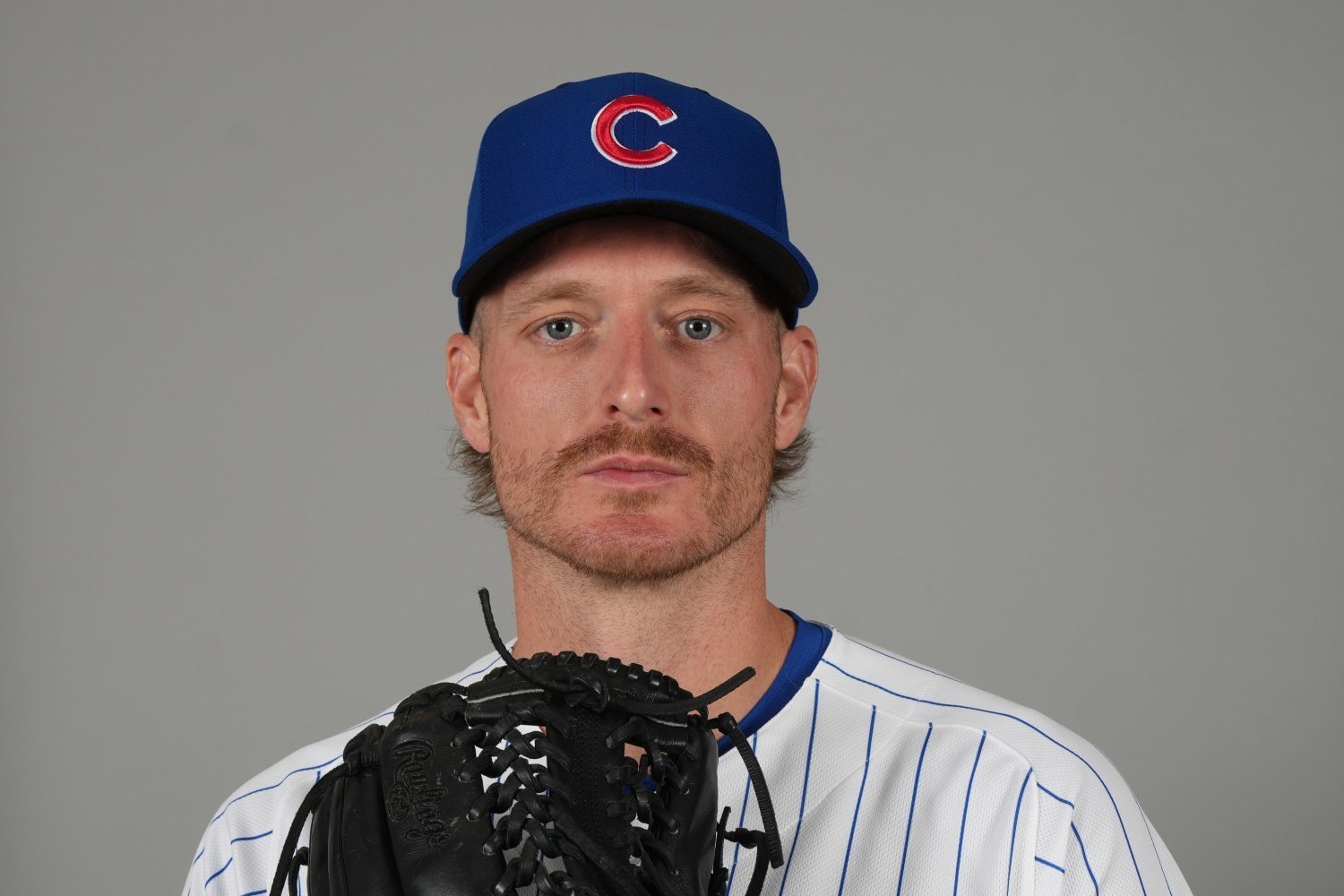 This week at North Side Baseball, we've covered a few players who we think could be on the precipice of being a September call-up as rosters set to expand next week. Teams will be permitted to bring up two more players on their 40-man roster for the final month of the season. We looked specifically at pitcher Jaxon Wiggins and catcher Owen Ayers. Both of these players are the "typical" kind of player we see teams add with expanded rosters: prospects with a specific skillset that could help a team down the stretch, but who have yet to establish themselves. Shelby Miller, who has accrued over 920 innings in the majors to date, certainly breaks this mold, but he could be due for the same type of treatment as his much younger counterparts. Miller, a 35-year-old converted starting pitcher, has had his share of ups and downs over a long career. He was a first-round pick by the St. Louis Cardinals in 2009, and after being part of some very good Cardinals teams, he was traded to Atlanta for a strapping outfielder named Jason Heyward. He posted a promising 3.7-fWAR season in 2015 as a 24-year-old with the Braves. This excellent start to his career caused the Arizona Diamondbacks to become enamored with him, going as far as to trade their recently drafted top prospect, Dansby Swanson, to Atlanta to acquire him as a lead in their new-look rotation. After his strong start, however, the right-handed pitcher really struggled to find his place in the league, having a terrible 2016 in the desert and then eventually bouncing from organization to organization. He even made three appearances for the Cubs in 2021. (If you don't remember it, don't worry. It was just for two innings total and they were highly forgettable.) Things started to look up for the journeyman at last in 2023. While Miller had what seemed like a successful 42 innings with the Dodgers (posting an ERA of 1.70), however, the underlying data suggests that this may have been smoke-and-mirrors. Another down year in 2024 while pitching out of the Tigers' bullpen put his career on ice. Miller, once again, looked like he would struggle to find his place. Then, just last year, a return engagement with the Diamondbacks revived Miller's career—and the under-the-hood numbers looked a lot better this time. He was traded to Milwaukee at the deadline, and for the Brewers, he was considered a pretty big get. In a cruel twist of fate, Miller suffered a major injury just when he seemed to be reestablishing himself. He went down with elbow trouble in early September and underwent Tommy John surgery in October. Without much of a market, the Chicago Cubs scooped him up on a two-year contract late in the offseason, hoping that they could use him in 2027. Little did they know the reliever had other ideas. He's zoomed through his recovery, and might pitch in the majors less than 12 months after having been on Dr. Keith Meister's table. The Case for Cubs Calling Up Shelby Miller First and foremost, we have to forget what we remember about Shelby Miller. The "old" Shelby Miller was a starting pitcher that relied heavily on a diet of four-seam fastballs, sinkers and cutters. He would also mix in a curveball (pretty regularly) and a changeup (sparingly). He got more groundballs than flyballs. He gave up a decent amount of contact. That guy is gone; long, long gone. This is also not the same version of Miller whom the Dodgers and the Tigers had in their bullpens during the 2023 and 2024 season. During those years, Miller's average fastball velocity sat at 93.6 MPH. He had scrapped most of the noise around the fastball, ditching the sinker, cutter, curveball and changeup almost entirely. Instead, while he still relied on the four-seamer nearly 60% of the time, he mixed in a splitter around 20% of the time and a sweeper the rest of the time. The foundation was set for a reinvention, but his fastball velocity was keeping him back. Something had to change for him to really become a weapon. Last season, he rediscovered the lost electricity in his arm. His fastball sat a full two ticks higher than it had the prior two years, and sometimes touched 97 MPH. The results were fantastic: elite chase, whiff and strikeout rates, a 2.74 ERA and a 3.67 xFIP. He specifically became a deadly weapon against left-handed batters, striking out 32.4% of lefties last season. That was a whole new guy. That was, at least, until Miller went down with the injury that keeps pitchers up at night: a torn UCL, requiring Tommy John surgery. These operations can keep pitchers out quite some time. Just look at starting pitcher Justin Steele, who's still working back from an internal elbow brace surgery, the "younger brother" of TJ. Corbin Burnes underwent Tommy John last spring and looks like he won't pitch in 2026, either. Miller, however, has had a near-miraculous recovery and started throwing in Mesa back in July. Since then, he's rocketed from "throwing to hitters on the side" of the Complex backfields to "promoted to Triple-A Iowa" in just a matter of weeks. Best of all, the velocity hasn't gone anywhere. He's averaging 95.5 MPH so far at Triple-A. It very much looks like the player who emerged last summer survived his unhappy fall and winter. In just under six innings so far at Iowa, Miller has struck out 10 hitters and walked only one. He's running the kind of chase, whiff, zone, and stuff ratings you would hope for from a veteran big-leaguer just visiting the minors. His stuff grades out well, too. Everything here points to a healthy and viable reliever for a team who has been searching up and down for as much pitching as they can get. The Case Against Cubs Calling Up Shelby Miller The biggest case against calling up Miller is that it's just hard to know how much you can count on him. The timeline for his recovery is miraculous. With that said, he's yet to go on back-to-back days. instead, the Cubs have cautiously given him at least a few days off in between every inning he's thrown. That's not a luxury the team would have if they tried to carry him for, say, a postseason series. If Miller was the only reliever on the team after rosters expand that may need to be micromanaged in terms of his usage, you could probably find a way around that, especially with the added number of arms at your disposal. The problem, of course, is that the Miller's usage issues aren't in a vacuum. They have a handful of pitchers who may also be on some innings limitations. Justin Steele, Ben Brown, Edward Cabrera and Hoby Milner are all possible reinforcements who might return from injuries of their own, and the Cubs will have to be cognizant of how they use them all. Adding another arm into that mix could prove difficult and may make it impossible to keep a keen on every single inning. Another reason the Cubs may not call up Miller: they don't have to. Because Miller is on the 60-day IL and coming back from elbow reconstruction surgery, he gets to play by different rehab rules. Normally, a pitcher is allowed a 30-day rehab window. For Miller, that begun at the start of August. But because of the specific nature of Miller's ailment, the Cubs are granted a 60-day window. It means that the team doesn't have to make that decision this year, like they would if he was coming back from a hamstring pull. The Cubs can, in essence, "have their cake and eat it, too" by keeping Miller in Iowa for the remainder of the season while still keeping pitchers like Aaron Civale (who's been quite good in long relief) or Caleb Thielbar for as long as they can. It's a decision that they can kick down the road to 2027, and they may be forced to do just that, simply in the name of maintaining as much depth as possible. Should the Cubs Call Up Shelby Miller? The goal of the Chicago Cubs at this point is very clear: to win the last game in the postseason. This is not a team who is in for half-measures; trades like Jefferson Rojas for two players on expiring contracts (Clay Holmes and Tyrone Taylor) make that very clear. The best way for the team to achieve that goal is to ensure that their 26 best players see as much game action as possible. I believe a 100% healthy Miller is among those 26 best players. Miller fills a pretty obvious space in a bullpen. He's a right handed pitcher with reverse splits (due to his high splitter usage). He adds a lot of strikeouts, chase and whiff to a bullpen; all things that are quite useful. He'd allow the Cubs to move on from a struggling left-handed pitcher like Caleb Thielbar without feeling like they'd be short in the bullpen against left-handed hitters. Miller could essentially fill the role that Jacob Webb was filling early in the year and has since been vacated as he's risen to the team's defacto closer. But the sticking point that the Cubs' will have to wrestle with is a tricky one: how close to being 100% is Miller right now? And if he isn't 100%, at what percent is the cross-over point? The velocity suggests that his arm is feeling quite good, but his usage suggests some reservations in how often he can go. And to be fair to everyone involved; no one thought Miller would be pitching in Iowa in August, so being cautious with his usage feels entirely warranted. I think Miller will throw innings for the Chicago Cubs in 2026, because I don't believe the Cubs would have been as aggressive with him if they didn't think it was possible. Whether or not they call him up the moment rosters expand is another question, but it's likely that someone on the pitching staff will need an IL stint between now and October. This is a new, reinvented Shelby Miller, who has busted his hump to come back from TJS this year. He's had the tenacity to stick in a league that rarely wanted him, and the drive to not allow a serious elbow injury to keep him down. If you're putting together 26 men to win that last game of the playoffs, it's that kind of stubbornness you want to see in a reliever when you call upon them in tight situations. View the full article
