


DiamondCentric
-
Posts
2,631 -
Joined
-
Last visited
Never
Content Type
Profiles
Forums
Events
News
Tutorials & Help
Major League Baseball Videos
Guides & Resources
Store
Downloads
Gallery
Everything posted by DiamondCentric
-

Fernando Tatis Jr. Shouldn't Be Overlooked In NL MVP Discussion
DiamondCentric posted an article in Padres Mission
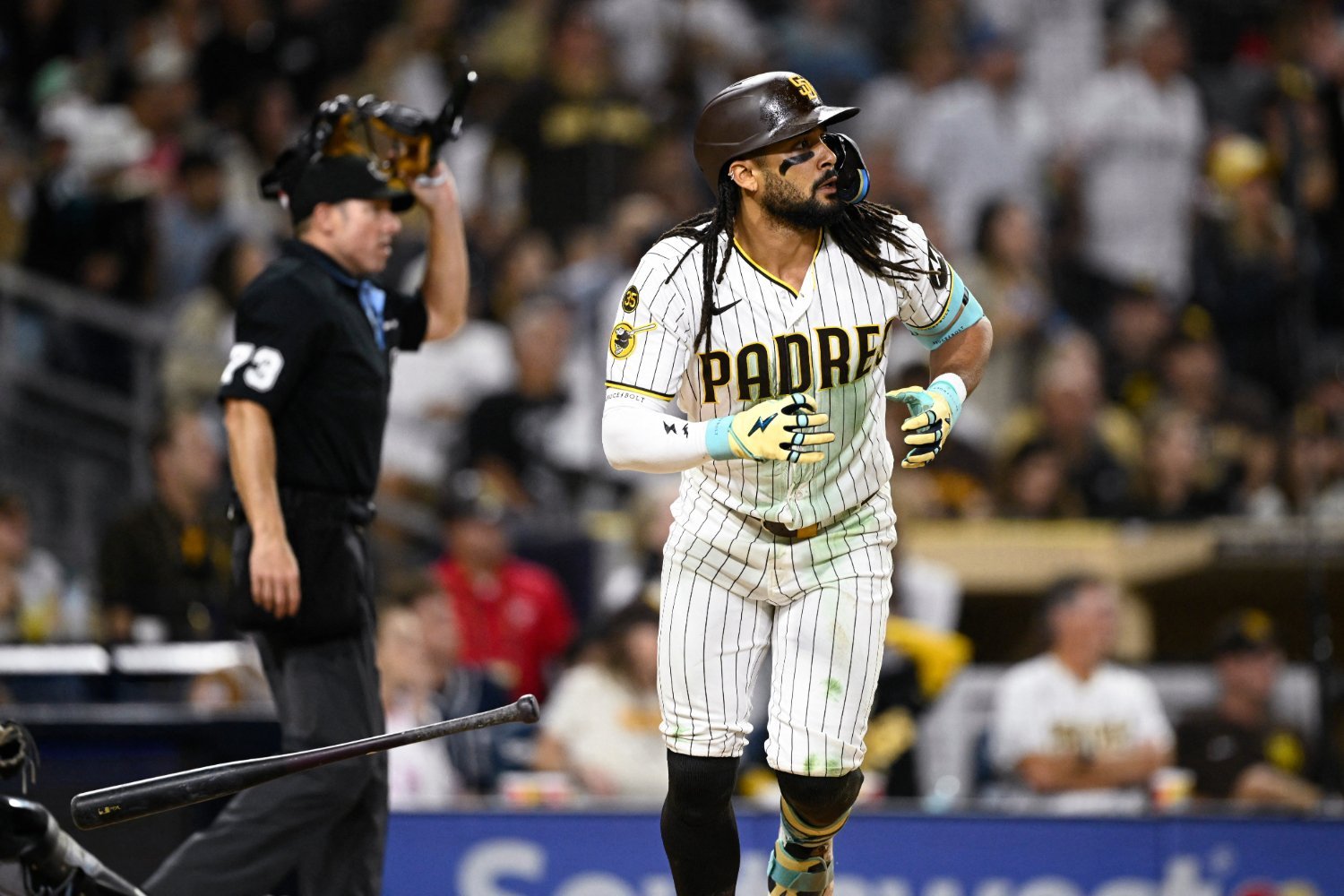 Three months ago, having a conversation about 2026 accolades for San Diego Padres right fielder Fernando Tatis Jr. would've seemed pretty wild. Through the end of May, he ranked just 55th in fWAR among National League position players (0.6) while mired in one of the worst sustained power outages of his career (.051 ISO). Yet here in the middle of September, the conversation has taken on an entirely new form. Since June 1, only one player (more on that player in a moment) has accrued more fWAR than Tatis' 4.4. His .296 batting average since that point ranks 10th, his .364 on-base percentage sits 13th, and his .249 ISO checks in at eighth. Only six players have hit more than the 23 homers Tatis has slugged since that date on the calendar. His 149 wRC+ is fourth. It's a stretch that completely changed the complexion of his entire season. On the whole, Tatis' slash sits at .285/.355/.464. He has 24 home runs, 36 stolen bases, and a 128 wRC+, to say nothing of his usual above-average marks on defense. And then you get into a percentile distribution like this: In just about every way, Tatis is blowing away whatever expectations he set in those first few months. Not only has he shaken off his struggles early in the year—a qualifier used to specifically note his lack of power production—he's reestablished himself as one of the top-tier players in the National League. That should be worth something when it comes to awards season. Of course, in any conversation about the NL's Most Valuable Player award, it's important to acknowledge certain realities. The award is Pete Crow-Armstrong's to lose at this point. His 10.1 fWAR is well above second-place Elly De La Cruz's 5.8 and he is still striving for a 40-homer, 40-steal campaign. He's been the class of the league in 2026. Which is why it's so impressive that Tatis is even in the conversation at this point. His torrid pace since the start of June has his full-season output at a place where he's sixth in the National League in fWAR, 13th in wRC+, and in the top 15-20 in a number of other categories. His 36 swipes also trail only Crow-Armstrong among his NL counterparts. So, while it's incredibly unlikely we'll see Tatis grab any first-place votes for the MVP award, his name should appear across a number of different ballots. Considering where things started for him (and stayed for two months), even that feels like an outcome worth celebrating. View the full article
 -
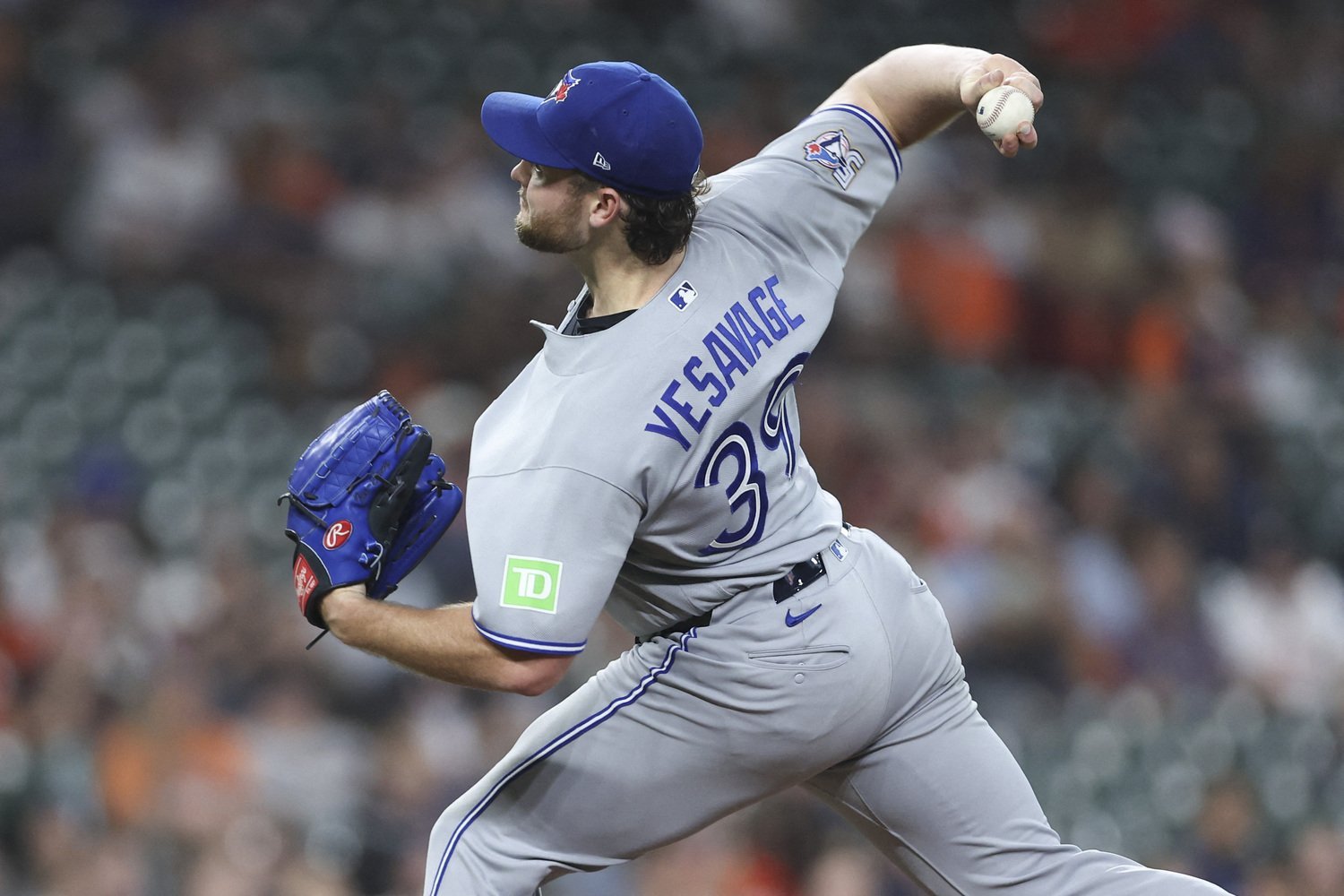 The Blue Jays may have sealed their fate with back-to-back series losses to the Tigers and Rangers. At this time last week, FanGraphs pegged Toronto's postseason odds at 36.1%. The Jays had played .600 ball since the trade deadline. Somehow, this team was making us believe again. Today, those odds are decimated (in the most literal sense of the word), down to just 3.6%. It would take a miracle for the Blue Jays to make the playoffs now. Toronto is three games back of the White Sox for the final Wild Card spot. Unfortunately, the South Siders won the season series against the Jays, which means they hold the tiebreaker. The Blue Jays could win all six of their remaining games, and the White Sox would only have to go 3-3 to finish ahead of Toronto. Now, the White Sox could still push ahead of the Guardians to win the AL Central... but that wouldn't make any difference for the Blue Jays. While Toronto holds the tiebreaker over Cleveland, the Guardians are currently four games ahead of the Jays. So, the Blue Jays could win all six of their remaining games, and the Guardians would only have to go 3-3 to finish ahead of Toronto. Sound familiar? Even if the Guardians and White Sox both struggle this week, the Blue Jays would also have to hold off whichever Texas team doesn't win the AL West. (Side note: Someone has to win the West, so it's very possible that one of the Rangers or Astros finishes with a worse record than the Blue Jays and still makes the playoffs. That will make me mad.) All of this to say, this is either going to be the most exciting week of Blue Jays baseball you've ever watched, or – and this scenario is much more realistic – we're about to be let down. A whole lot of things have to go right, and most of those things are out of the Jays' control. One thing that is in Toronto's control is tonight's game in Baltimore, and the Blue Jays' chances got a little bit better with the news that Trey Yesavage will start the game. Yesavage hasn't pitched since August 4. He hit the injured list with knee inflammation and ultimately needed surgery to repair his meniscus. Thankfully, modern medicine is a miracle, and somehow, he's ready to pitch less than six weeks after his procedure. According to Sportsnet's Arden Zwelling, we can expect about 45-50 pitches from the righty. It will most likely be the final start of his rookie season. Yesavage has faced his fair share of ups and downs, but all things considered, he has lived up to the promise he showed last fall. So, if nothing else, at least we can all look forward to watching Yesavage pitch one more time in 2026. Game starts at 6:35 pm ET. View the full article
 -
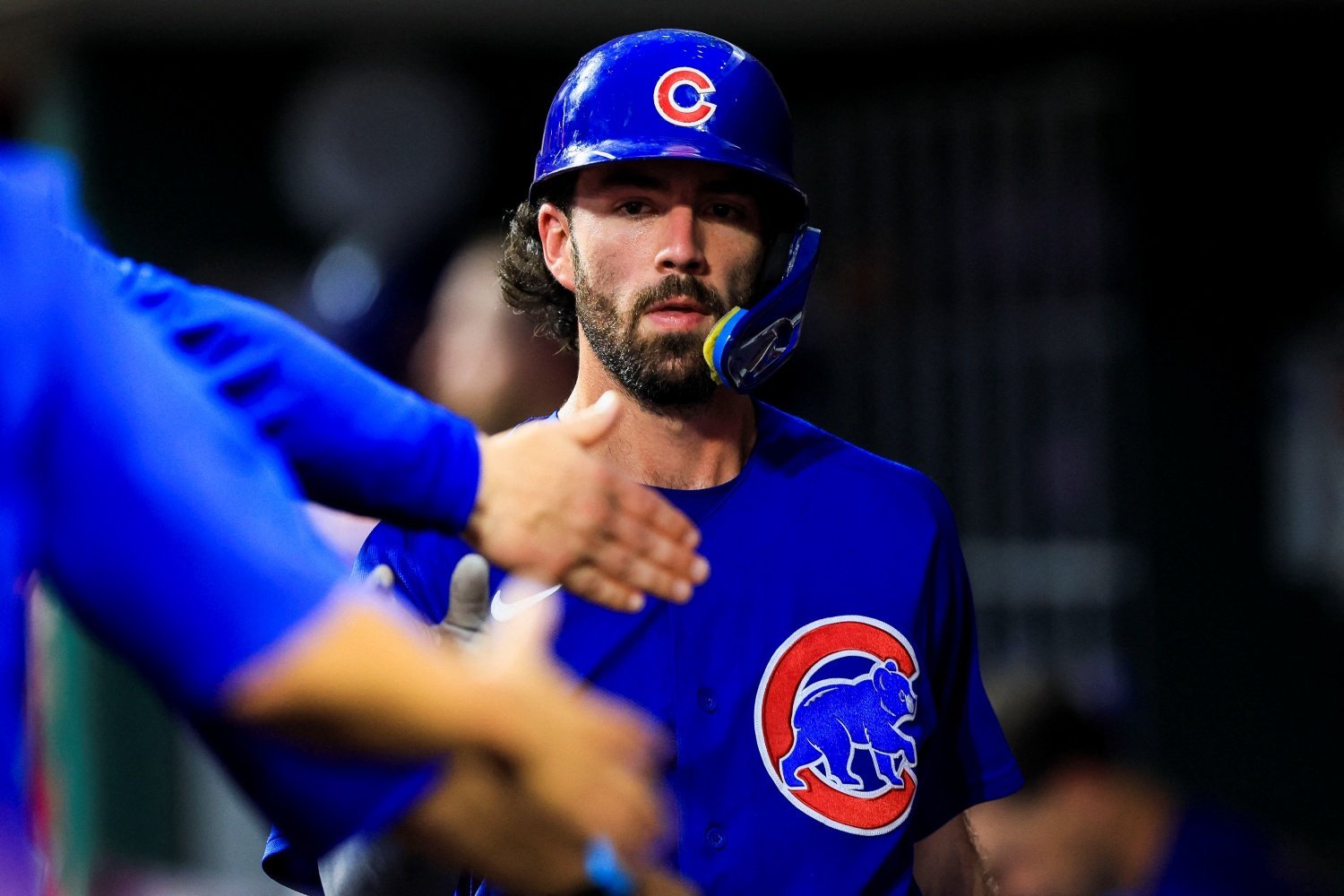 The Cubs' magic number is 1. They haven't quite earned the right to spray champagne, but they moved much closer this week, with back-to-back series wins over the Atlanta club at Wrigley Field and the Cincinnatis at Great American Ballpark. We've spoken often in this space about how Chicago seems to rise to the level of elite competition. Facing Ronald Acuña Jr. and the Braves in the first of a three-game set at Wrigley Field, that sentiment held up. The capable and increasingly steady David Peterson toed the rubber for the home team, spinning six sparkling, relatively quiet innings. Peterson was fabulous, but as is the case most nights, the club's MVP center fielder Pete Crow-Armstrong stole the show. The 10,000 earliest-arriving of the roughly 38,000 fans in attendance clutched their Seiya Suzuki bobbleheads, looking on in wonder as Crow-Armstrong tied Billy Williams for the franchise's single-season home run record for a left-handed batter. The North Siders sealed the opener, 7-3. One night removed from a historic celebration of Crow-Armstrong's excellence, the squad's erratic pitching staff dealt a sobering reality check. Starter Kevin Gausman's shaky 5 2/3 innings gave way to a clean third of an inning for Daniel Palencia. From there, however, Jacob Webb and Edward Cabrera's first relief appearance doomed the home team. The Cubs don't get away with many off nights from their offense, which plated just three runs and stranded seven baserunners in a 6-3 loss. After that frustration, the squad's 8-4, series-winning victory in the final game of the tilt felt cathartic, as well as being deeply needed in the standings. Locked into a groove lately, Shota Imanaga collected his 11th win of the year—a six-inning, eight-strikeout gem. With third baseman Alex Bregman coming just a base hit away from the cycle, it was Crow-Armstrong seizing headlines once again, as he crushed his 43rd and 44th home runs of the year with the lights of Wrigley shining brightly. Basking in the glow of their off-day escapades at the legendary Churchill Downs, the North Siders arrived in Cincinnati to do battle with Terry Francona's charges. The Cubs were slow out of the starting gate (if you will) in the first of a three-game weekend series. Clay Holmes was touched up in his 5 1/3-inning appearance, in which he issued five walks and yielded six earned runs. A silver lining from the visitors came in the form of a two-run knock from Suzuki, as well as a solo shot from Ian Happ, his 24th of the year. More like gold than silver, Dansby Swanson also returned to the lineup—but the cloud was the headline, as the Reds won 6-4. For as long as anyone who supports this squad can remember, we've been looking for even the slightest glimmer of hope from the much-maligned bullpen. On Saturday night, it came, in the form of a reinvigorated Daniel Palencia. Following a brief but clean outing earlier in the week, Palencia came on in relief of starter Matthew Boyd and delivered two innings of six-up, six-down ball. This wasn't a white-knuckle, high-leverage situation, as the Cubs are likely to find in the postseason, but when combined with spotless turns from Aaron Civale and Ryan Zeferjahn, it was as strong a case as ever that this team could make some noise in October. Swanson homered, announcing his return in full, and Chicago won 5-2. Concern for Alex Bregman took up all the air in the room after Chicago's 9-1 series clincher over the Reds. Crow-Armstrong scooped up his 45th homer and 38th stolen base of the season, landing him just two shy of going 40/40. Despite coughing up a solo homer to JJ Bleday, Peterson largely cruised through his six innings. A victory over the Yankees by the Diamondbacks prevented this day from being a more celebratory one, but it was heartening how the North Siders took care of business. The bubbly will be on ice in the clubhouse Tuesday. The North Siders welcome Miami to the Friendly Confines for the last home series of 2026, before hitting the road to take on the Red Sox for the last three contests of the season. Just how good this team really is a(nd how far a potential playoff run will last) is still undetermined, but it will be fun to find out. View the full article
 -
Royals' Away Struggles This Season Tied Directly to Their Offense
DiamondCentric posted an article in Royals Keep
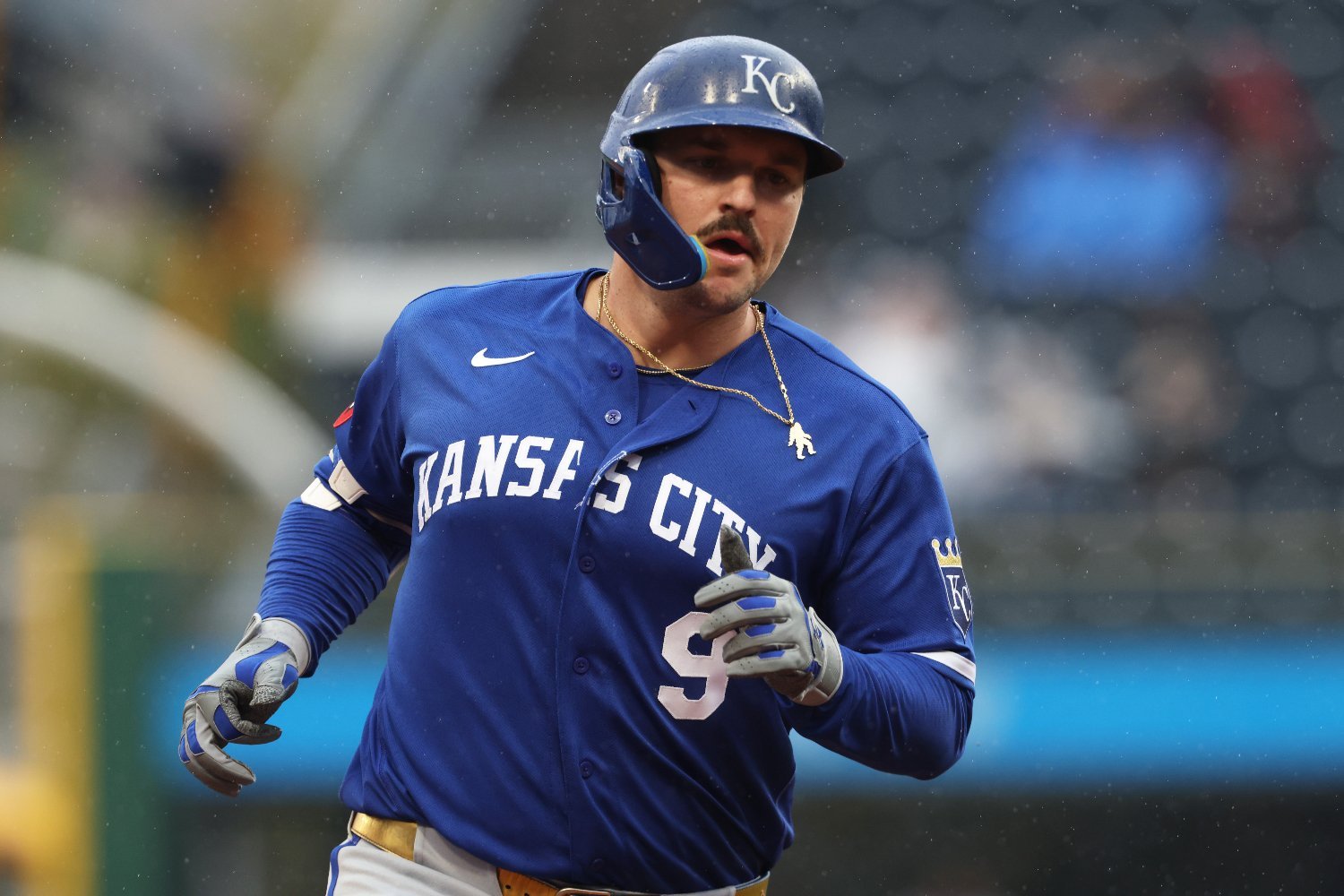 The Kansas City Royals were swept by the Pittsburgh Pirates at PNC Park in Pittsburgh this weekend. Sunday's loss not only finished a 2-7 road trip but also dropped their record to 5-13 in September and 67-89 overall this season. This road trip was the Royals' final of the 2026 campaign, and the results away from Kauffman Stadium have not been pretty this year. On the road, Kansas City is 28-53. They scored 293 runs and gave up 399, for a run differential of -106. This doesn't feel surprising for a team on pace to go 70-92, according to Fangraphs. Conversely, the Royals have been a different team at the K this season. At home, the Royals are 39-36. They have scored 363 runs and allowed 359, for a +4 run differential. Scoring 70 more runs and allowing 40 fewer runs at home shows the Royals have the potential to be a good team this year. Unfortunately, they just couldn't carry that home performance to the road, and their overall record suffered as a result. So what has been the problem for the Royals on the road? Let's break down the pitching and hitting splits this year and what fans can take away from Kansas City's disappointing 2026 season. The Pitching Has Been Consistent on Both Ends In terms of FIP, the Royals pitching staff ranks 25th in baseball with a 4.65 mark. That said, the home-and-away FIP split isn't much different. At Kauffman, Kansas City ranks 25th in pitcher FIP with a 4.59 mark. Away from the K? They rank 27th with a 4.72 mark. Yes, there's a 0.13 FIP difference on the road. However, the gap isn't huge, as they still rank near the bottom of the league in FIP both at home and away. Here's how Royals pitchers fare individually in terms of home and away FIP splits. On the road, only a few hitters have performed better than at Kauffman Stadium this year. Those hitters include Nick Loftin (19-point difference), Vinnie Pasquantino (20-point difference), Tyler Tolbert (70-point difference), and Josh Rojas (96-point difference). The other 12 Royals hitters have been better at Kauffman than on the road. Now, that isn't completely surprising. This year alone, Kauffman Stadium has a 106 park factor, according to Baseball Savant. Only Sutter Health Park (113) and Coors Field (109) are more hitter-friendly. So it makes sense that Royals hitters would perform better in Kansas City than in other opposing ballparks. However, the gaps are most concerning, especially for key players. Maikel Garcia is the regular with the most notable gap, as he has a 58 wRC+ on the road compared to a 123 wRC+ at the K. Salvador Perez has a 55-point gap, with just a 47 wRC+ on the road. Bobby Witt Jr. has been an MVP at home with a 142 wRC+ at Kauffman. On the road? He's been more pedestrian with a 97 wRC+. Other notable gaps: Carter Jensen (30), Michael Massey (27), and Kyle Isbel (26). Isbel hasn't been much of a serviceable hitter at home (72 wRC+), but he's been borderline atrocious on the road. His 46 wRC+ on the road is better than only Jonathan India, who's been out for most of the year. What Can We Take Away From These Hitting Splits? Interestingly, the data isn't all that clear on Royals hitter splits over a longer sample. From 2023-2025, the Royals were just as bad on the road as this year. They had an 88 wRC+, which ranked 27th in baseball, ahead of just the Pirates (84), White Sox (83), and Rockies (72). However, at home, they weren't as strong from 2023-2025. Their 98 wRC+ over that three-year span was clearly better, but it ranked 20th. Still, these splits show that the Royals hitters are at least somewhat responding to the new hitting coach staff this year. The Royals have an 11-point difference in home wRC+ from their 2023-2025 mark, illustrating that new assistant hitting coaches Connor Dawson and Marcus Thames are having some impact. It would be nice to see the road hitting splits better, but it's not like the Royals aren't hitting AT ALL. They're just not doing it away from their comfortable home confines. They're making progress. The key will be how they progress further as a hitting group in 2027. The Royals have bigger issues to fix this offseason if they want to return to respectability. The bullpen needs an overhaul. The rotation needs a couple of fixes, maybe an ace to solidify the staff. However, the offense needs a few tweaks, especially on the road. The talent is there, but another hitter or two is needed to really help the Royals' offense become a Top-10 unit in 2027, which it has the capability of being if healthy. And they don't need to be dramatically better on the road either. The Royals made the postseason in 2024 with a lineup that posted a 92 wRC+ on the road, ranking 21st. Their home wRC+ ranked 13th at 104. If Royals President of Baseball Operations JJ Picollo is looking for a free-agent hitter or to acquire one via trade, a hitter with a proven track record on the road would be a good start. View the full article
 -
Twins Prospect Hot Sheet: Kendry Rojas Preps for Bullpen Role
DiamondCentric posted an article in Twins Daily
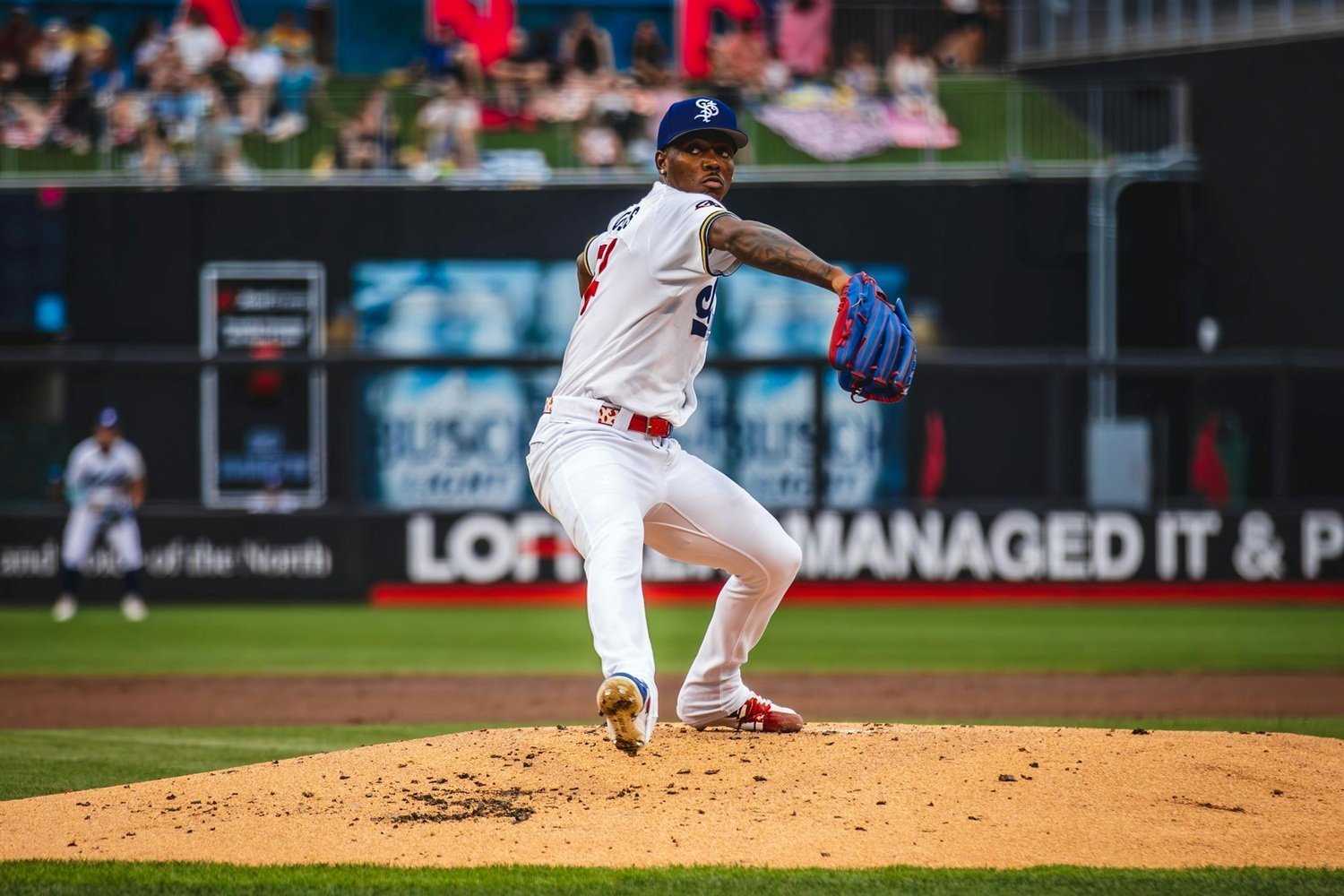 The minor-league regular season is over, which means there are only a few more opportunities for prospects to make an impression before heading into the offseason. For some players, these final games are about building momentum. For others, they offer one last chance to show the organization where they might fit into the long-term plan. This week's Hot Sheet features a prospect making an interesting transition on the mound, a power hitter making his case for a 40-man roster spot, and a versatile infielder looking to finish his season on a positive note. OF Kala'i Rosario, St. Paul Saints How He Got Here: Rosario entered the 2020 MLB Draft as the top prospect in Hawaii, but the shortened five-round format forced him to wait until the fifth round before the Twins selected him. Rosario has provided plenty of reasons for optimism throughout his professional career. He won Midwest League MVP honors and later tied for the Arizona Fall League (AFL) lead in home runs in 2023, raising expectations heading into the following season. An elbow injury cost him roughly two months in 2024 and slowed his momentum. Rosario made up for some of that lost development time with another trip to the AFL. Last season, he spent the entire year at Double-A and continued to showcase his offensive potential, posting an .844 OPS and 131 wRC+ over 130 games. Hitting the Hot Button: Rosario appeared in five games for the Saints this week, going 5-for-21 with a double, two home runs, four RBIs, one walk and three runs scored. He posted an .844 OPS during that stretch. The bigger picture is even more encouraging. Since being promoted to Triple-A near the beginning of August, Rosario has posted a .604 slugging percentage and .923 OPS while hitting 10 home runs in 30 games. That recent production comes at an important time for Rosario. The Twins must add him to their 40-man roster this offseason to protect him from the Rule 5 Draft. A strong finish in St. Paul gives the organization another reason to make room for him. LHP Kendry Rojas, St. Paul Saints How He Got Here: Rojas steadily moved through the Toronto Blue Jays system after signing in 2021. Minnesota acquired him in last season's trade for Louis Varland, believing he had the upside to eventually become a starting pitcher. The transition was not especially smooth. Rojas struggled during his first exposure to Triple-A, but he was just 22 years old while facing some of the best hitters of his professional career. Minnesota returned Rojas to Triple-A for the 2026 season, and he found more success while also getting an opportunity to help the Twins in a multi-inning role. Hitting the Hot Button: Rojas made 12 appearances for Minnesota earlier this season, including four starts. Now, the organization appears to be assessing how his stuff might play in shorter outings. He started two games for the Saints this week, but neither appearance lasted particularly long. Rojas combined for four scoreless innings while allowing one hit and two walks and striking out four. The shorter outings were part of his build back from an oblique injury. There's a chance Minnesota gives him another look at the big-league level before the season ends—one that seemed to rise when, on Sunday, the team brought Bailey Ober in to close out a win over the Angels, signaling that all the traditional strictures on usage will be dispensed with for the final fistful of games. Even with the bullpen work, though, the Twins still view Rojas as a potential starter for the long term. Rojas can continue developing as a starter while gaining valuable experience attacking hitters in shorter, higher-leverage appearances. 2B/SS Kyle DeBarge, Wichita Wind Surge How He Got Here: Minnesota selected DeBarge with the 33rd overall pick in the 2024 MLB Draft out of the University of Louisiana at Lafayette. DeBarge experienced the highs and lows that come with a full season at Double-A. The 2024 first-round pick still put together an intriguing statistical line, hitting 12 home runs, scoring 73 runs and stealing 41 bases while playing four different positions. Overall, he hit .221 with a .325 on-base percentage and .677 OPS. The batting average does not immediately jump off the page, but DeBarge's versatility remains one of his biggest selling points. He spent most of his time at second base while also seeing action at shortstop and other positions, giving the organization another athletic and flexible option. Hitting the Hot Button: DeBarge finished his Double-A season by extending his on-base streak to nine games. He also recorded his 27th multi-hit game of the season. The overall offensive numbers remain a work in progress. DeBarge finished the season with a 76 wRC+, which was 30 points lower than his mark at High-A last season. Still, the Twins are not giving up on the former first-round selection. DeBarge is one of the more recognizable prospects Minnesota is sending to the Arizona Fall League, giving him another opportunity to work on different parts of his game. The Fall League could be particularly important for DeBarge. His defensive versatility and speed give him valuable tools, but the organization needs to see more consistent offensive production as he moves closer to the upper levels of the system. The minor-league season is over, but the Twins still have plenty to evaluate. Rosario is making a strong argument for a spot on the 40-man roster, while Rojas is showing that his future could include more than one role on the pitching staff. DeBarge represents a different kind of evaluation. His versatility and athleticism remain intriguing, but the offensive numbers need to improve as he moves toward the upper levels of the organization. The Arizona Fall League will provide one more opportunity for several of these prospects to make an impression. By the time spring training arrives, the Twins should have a much clearer picture of which players are ready to take the next step and which ones still need more development. What stands out about this trio and their recent performance? Leave a comment and star the discussion. View the full article
 -
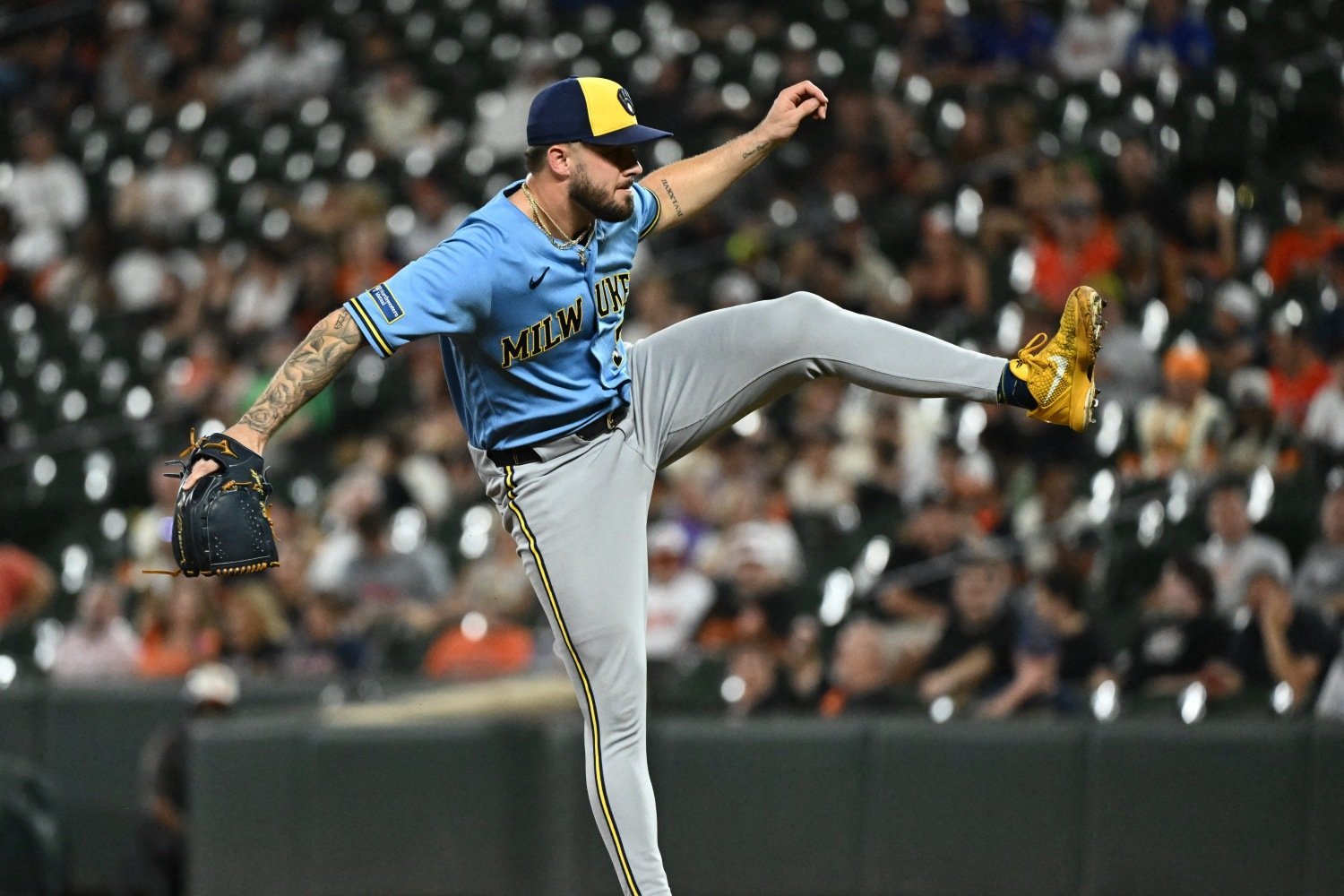 Sunday night was the third straight appearance that felt like a trial for Kyle Harrison. The Brewers were hoping to see the lively movement back on his fastball, and to see hitters struggling to identify the slurve early. They wanted to see him challenge batters and win. Instead, he needed a bailout. He's been all but eliminated as a potential starter in the postseason rotation. His previous outing damaged his candidacy for a long-relief bridge role. This one set back his hopes of claiming even a short-relief, matchup-style gig on the playoff roster. That's a sad denouement for a 2026 season that looked (for a bit) like the next great Brewers breakout. Like most people and machines who seem to defy gravity, he eventually paid a price for it, and though he didn't stay long on the injured list or receive an especially worrisome verbal diagnosis on his elbow, it's clear that something is wrong. He might very well avoid the surgeon's table, but he looks increasingly likely to be shelved for October, to rest up and prepare for next year with a bit of extra rest. The only consolation to be taken from this outing is that it was hardly a surprising letdown; it's been underway for quite a while. Not so for Chad Patrick, whose erraticism is beginning to make you tilt your head to the side until you find a crick in your neck, the better to disguise a hand to the throat to wipe away a nervous sweat. He's always been effectively wild, but lately, the emphasis is sliding from the first word toward the latter—slowly, insidiously, but surely. On Sunday night, he got two outs, but he also issued two walks and hit a batter—and he was lucky it wasn't worse. Harrison was bailed out by a teammate; Patrick received grace from the opponents instead. An overeager swing in a bases-loaded plate appearance released the pressure valve for him, but it couldn't erase his shakiness. This is at least the third time in the last month and change that Patrick has taken the mound and been unable to locate the plate, throwing nearly (and, in one case, more than) half his pitches to non-competitive locations. In his last 15 appearances, he has an impressive 2.04 ERA, but that number is a lie. Of the 78 batters he's faced in those outings, he's walked 12 and hit three, and he's uncorked four wild pitches. In only one of those games (August 25 against the Mets, when his mistakes clustered in the strike zone, rather than outside them) has Patrick materially hurt the Brewers' chances to win, but the process doesn't back up the results. For the season as a whole, some disturbing trends are developing around Patrick's combination of stuff and command. He's never been a guy whom most of the stuff models like, and those metrics can underrate him, but this is still worth noting. The following is a heatmap for overall grade from PitchingBot, based on location, for Patrick's whole season. Every pitcher's chart of this type looks vaguely like this. Pitches near the edges of the zone are the most valuable a pitcher can throw. Pitches far from the zone are huge negatives. Those right down the middle are more of a mixed bag, and much depends on your sheer stuff or your deception. Patrick's doesn't look exactly like everyone else's, though. Because his raw stuff doesn't grade overwhelmingly well, he needs to stay out of the middle of the plate more than most hurlers; he hasn't done that successfully this season. He also scatters his pitches more than most pitchers do. Specifically, Patrick serves up a Dangerous Miss (defined on FanGraphs's PitchingBot Visualizer tool as a pitch with below-average command and overall grades that is in the zone) on 6.2% of his pitches, which is above the average of 5.0%. That's not his most worrisome number, though. The average pitcher throws a Waste Miss pitch (one with below-average command and overall scores, outside the strike zone) 36.5% of the time, which is far above the league standard of 30.7%. His Squandered pitch rate (pitches in the top third of his offerings for stuff grade, but in unhelpful locations) is 12.0%, clear of the league's 10.9% mark. These are just numbers, but they tell a story. Patrick has always been more prone than most to the especially wild pitch, and the Brewers can't thrust him into high-leverage postseason situations if he can't mitigate that tendency. For now, they need to deemphasize him within their October pitching plan, just as they're already doing with Harrison. The problem with that dual decision is obvious, though: they need someone to get those outs. The playoff pen can't consist entirely (or even mostly) of Aaron Ashby, Trevor Megill and Abner Uribe. Rightfully, Pat Murphy is loath to hand the game over to the likes of Antonio Senzatela and JoJo Romero when the score is close and the stakes are high. Keeping his starters in for seven innings apiece isn't viable, though. For those reasons (and plenty of his own), DL Hall has emerged as the No. 4 hurler out of the Milwaukee bullpen. Since he came off the injured list at the beginning of August, he's posted a 2.03 ERA that is much more honest. Of the 100 batters he's faced, he's walked just nine, and he's struck out 29. Hall was one of the elite swing disrupters in the game even before hitting the shelf. Since coming off, though, he's been great in a more conventional way. Whether it was a mechanical adjustment (his arm angle is a bit lower) or simple healing, the velocity that went missing for Hall over a year ago is back. Hall always talked about the possibility of finding the heat again. It took so long that even he was beginning to plot out a life without the ability to sit 96 and touch 99, but lo, he's suddenly able to do it again: A new focus on throwing his two main breaking balls (the slider and curve) with power has given them a velocity bump equal to or exceeding the one he's found on the fastballs. That's produced more whiffs and allowed him to attack with those pitches more, leaning on his changeup much less. Hall's PitchingBot Visualizer tells the story of the difference between him and Patrick. Better at finding the edges and staying competitive with his misses, Hall has: a 3.9% Dangerous Miss rate a 34.0% Waste Miss rate a 10.3% Squandered rate As the surface-level numbers suggest, this is a pitcher turning the corner. Because of his background and recent usage, he's also capable of roaming between roles. He should be able to fill the spaces the team has long hoped Patrick might, and the ones into which they tried unsuccessfully to squeeze Harrison over the last fortnight. He can't be the full-fledged starter Harrison is, but there's some real reason for hope that Robert Gasser can now be the team's No. 3 playoff starter. Hall just needs to slot in alongside Ashby and round out the high-leverage suite for Murphy heading into the postseason. In a perfect world, Patrick, Harrison and more would be fully operational with one week left in the season, and there would be less pressure on Hall. This is no perfect world, but the Brewers' depth and their deftness in player instruction and development are paying timely dividends. What Patrick and Harrison can't give the team, at the moment, Hall can. That ought to be enough—assuming, of course, that everything else that has to fall into place to produce a pennant-winning run does so. View the full article
 -
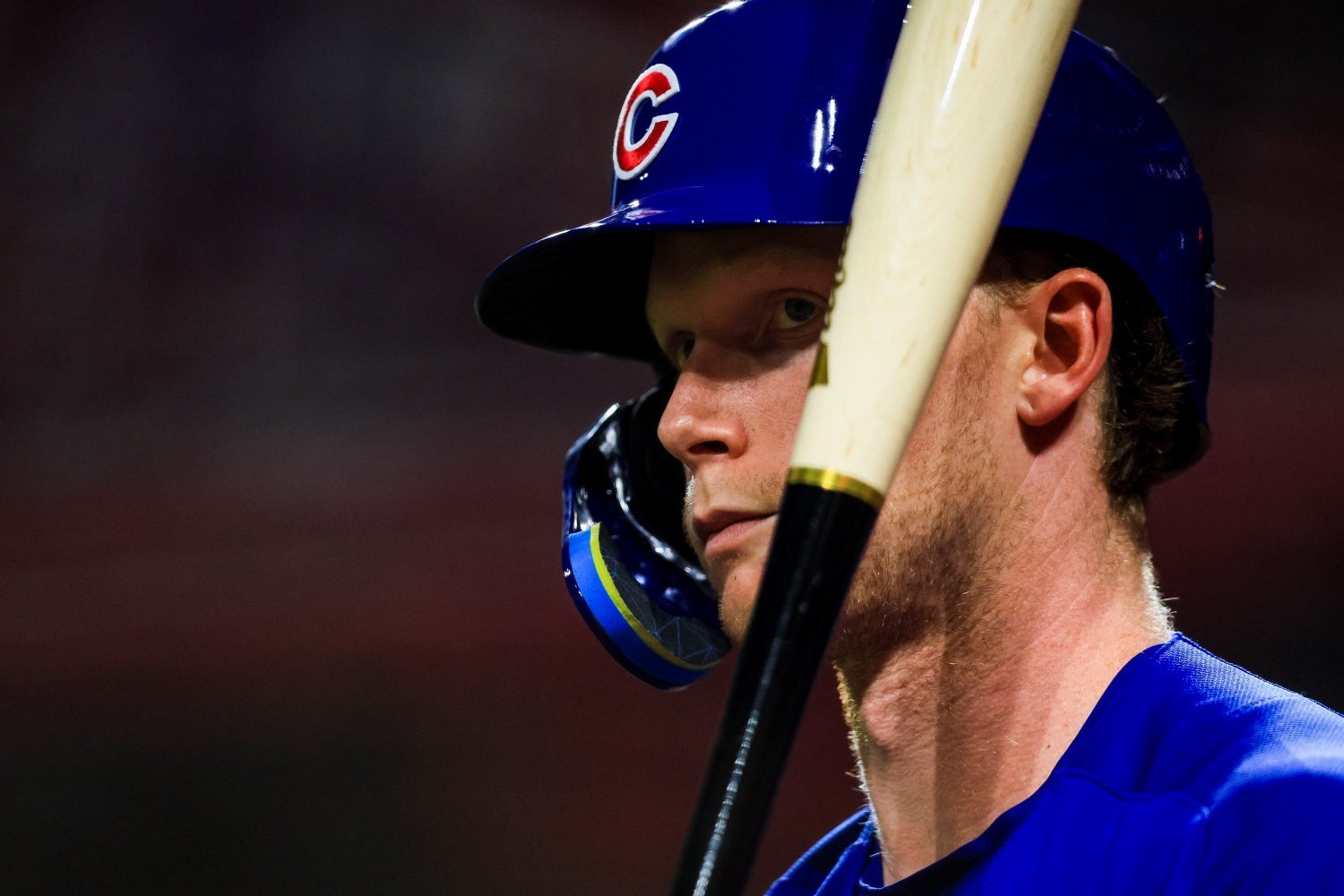 It's been an exhilarating season for Pete Crow-Armstrong, in almost every possible way. He started the season by playing center field about as well as it's ever been played, and by making plays with his legs on offenses, even as he struggled at the plate overall. He seemed to be playing with swagger and intensity that exceeded even what he showed in 2025, despite those poor early results. It's not a coincidence that he did so after agreeing, just before Opening Day, to a six-year deal that will keep him in Chicago for the rest of his 20s. Since mid-May, of course, Crow-Armstrong has gone to a new level. We've chronicled the physical and technical changes that have facilitated that change; they're fascinating in their own right. But one thing that's made him especially fun to watch—and which has also been a huge reason for his next-level breakout—is more mental than mechanical. With all that intensity and clarity of purpose, Crow-Armstrong beats himself up when he's going badly, and he sometimes fights so hard to get right that he goes even more wrong. However, when he starts to feel good, he can get molten-lava hot in a hurry. Here's one small, incomplete way to capture that. In the five plate appearances after each of his first 44 home runs this season (he hit his 45th Sunday in Cincinnati), Crow-Armstrong batted .283/.373/.623. That's better than the .277/.369/.571 line he carried into play Sunday for the entire season, even though each of those samples necessarily removes one of his 44 most valuable plate appearances from the mix. Even if you start on May 22, when he hit his sixth homer and began the torrid streak he's been on ever since, his line in the five trips after each homer (.296/.385/.663) is almost identical to his line in that span overall (.300/.397/.664). If you just stop at the end of each game—take, in other words, the plate appearances that came after a homer in any given game, but not any that stretched into ensuing days—Crow-Armstrong is batting .351/.430/.824 after dingers this year. Once he gets you once, he's much more likely to get you again. Maybe that'll be another homer; maybe it will just be another hit or walk. But any home run is a sign that Crow-Armstrong is clicking, and he gains momentum from it, rather than being satisfied or getting overeager the next time up. He's not alone in this regard. In fact, Alex Bregman is an even more eye-popping case study. In the 130 trips to the plate following his 26 homers this season, Bregman is batting .299/.369/.709. If you focus only on the times he comes up in the same game, he breaks the scale: .395/.435/1.070. His OPS is over 1.500 for the rest of any game in which he hits a dinger. Even taking his season line only since he got hot just before the All-Star break (.293/.372/.612) as a comparator, Bregman has been unbelievably good for the rest of the day after he goes yard. Compare those two to Seiya Suzuki, the team's (slightly) steadier slugger. In the five-plate appearance windows after each of his first 24 homers (he hit No. 25 Sunday against the Reds), Suzuki batted .308/.400/.490. That's an impressive line, better than Suzuki's .267/.366/.467 line, but it's not the same heat that Bregman and Crow-Armstrong have carried over after each of their bombs. For the balance of the game, after each homer, he's much more patient, but nowhere near as dangerous: .282/.404/.333. This is far from a robust way to tell how much a hitter is tending to get hot or to feed off their most recent success. For one thing, homers aren't the only sign of hitting well. Still, that Crow-Armstrong and Bregman have been so unstoppable in the short periods after each time they go deep—even going deep again, often, within that window or within the same game—is impressive and unusual. Crow-Armstrong's seven multi-homer games and Bregman's four are only partial proof that they get an extra gleam in their eye once they ambush a pitcher once; these data suggest it even more strongly. It's not clear which of these tendencies is better for the team. Each of Suzuki, Crow-Armstrong and Bregman has taken a turn carrying the club this year, as you can see in this rolling 16-game chart of their wRC+. Suzuki's streakiness runs a little more in fortnights and months, rather than days and weeks. It's still streakiness, though, and almost every player is streaky, if you break down their data just right. Nonetheless, it's worth knowing (and noting) that Crow-Armstrong and Bregman have been this dangerous once they get ahold of a ball. It's one expression of what every fan has felt all year: these guys feed not only off each other, but off their own success. That makes them dangerous, for the balance of the waning regular season and on into October. View the full article
 -
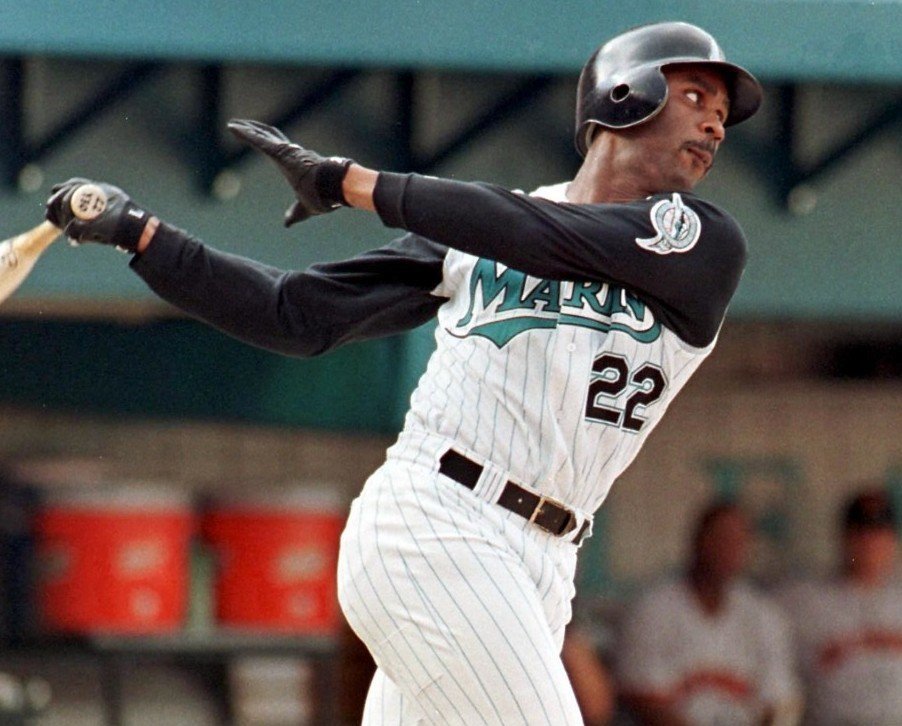 A rangy centerfielder with speed, power and the ability to hit for average, Devon White enjoyed a stellar 17-year Major League Baseball career in which he won seven Gold Gloves and was a three-time All-Star. White finished with more than 1,900 career hits, 208 career home runs and 364 stolen bases. Of those home runs, two were walk-off blasts, including one that came on this day 30 years ago. Shut out for eight innings, Jeff Conine and White changed things with two swings of the bat. Their back-to-back home runs lifted the Florida Marlins to a thrilling 2-1 walk-off win over the Houston Astros. For the first eight innings at Joe Robbie Stadium on Sept. 21, 1996, the Marlins had managed no runs and just five hits. Starting pitcher Doug Drabek had given Houston seven shutout innings of four-hit baseball before Billy Wagner worked a scoreless eighth. With the Astros leading 1-0, Wagner was left in to pitch the ninth, which proved to be a costly mistake. Conine was 0-for-3 to that point, but after getting ahead in the count 2-1, was able to take a Wagner fastball that was left up to right field and just over the wall for the game-tying opposite-field home run. Hitting from the right side, the switch-hitting White took a breaking ball from Wagner three pitches later and deposited it over “teal tower” in left field for his first walk-off home run in more than a decade. The teams combined for just 12 hits. White and Houston’s Jeff Bagwell each finished with two. Derek Bell singled home Craig Biggio for the Astros’ lone run in the fourth inning. On the mound, Al Leiter gave the Marlins a quality start, yielding just a run on three hits and one walk in seven innings while striking out five. Lefty Félix Heredia recorded the final five outs to pick up his first career win. At 34 years old, the 1996 season would be statistically one of the best of White’s career. For the year, he hit .274 with 17 home runs, 84 RBIs, 37 doubles, six triples and 22 stolen bases. His final home run from that season was a walk-off blast that came on this day three decades ago. View the full article
 -
Red Sox Week in Review: At Least We're Playoff Bound, Right?
DiamondCentric posted an article in Talk Sox
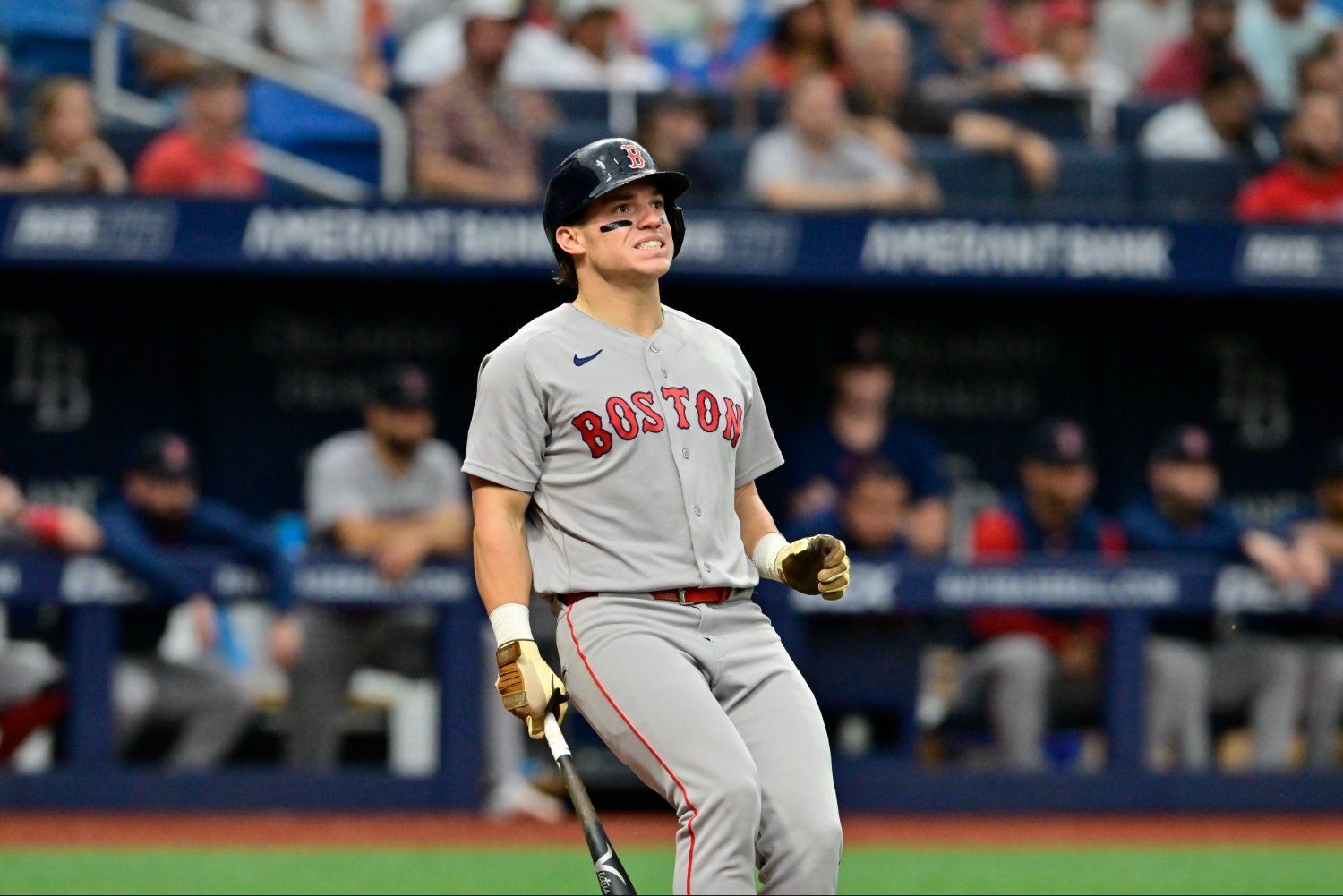 Boston Red Sox Weekly Snapshot Record Last Week: 2-4 Runs Scored Last Week: 15 Runs Surrendered Last Week: 23 Standings 3rd in AL East 2nd in AL Wild Card Transactions 09/15/26: Boston Red Sox sent RHP Tanner Houck on a rehab assignment to Worcester Red Sox. 09/17/26: Boston Red Sox sent RHP Johan Oviedo on a rehab assignment to Worcester Red Sox. 09/20/26: Boston Red Sox optioned RHP Wyatt Olds to Worcester Red Sox. 09/20/26: Boston Red Sox activated RHP Tyron Guerrero from the 15-day injured list. Scores Game 147: BOS 2, TEX 4 Game 148: BOS 3, TEX 7 Game 150: BOS 4, TEX 3 Game 151: BOS 4, TB 2 Game 152: BOS 1, TB 2 Game 153: BOS 1, TB 5 Series Breakdown/Highlights Rangers Series: It’s safe to say that the Red Sox may end up limping into the postseason with the way they’ve played baseball over the last week. In game one in Texas, we saw Patrick Sandoval once again be unable to provide any real shot at staying in the contest from the first inning. He only tossed 2.2 innings while allowing four hits and four earned runs while walking two and striking out five. Due to his short start, Chad Tracy relied on Brayan Bello, Alec Gamboa, Wyatt Olds, and Jovani Moran to all spend precious bullets in an effort to keep the game from getting further out of hand, which they were successful at. Offensively, Nick Sogard hit a two-run home run for the only spark of the night. Game two was pretty much more of the same unfortunately. Willson Contreras launched a two-run home run but, once again, that was the only offense the team could muster. Jake Bennett was looking to rebound from his last outing and mostly accomplished that feat. He tossed 4.2 innings of three-run baseball while striking out seven. Greg Weissert, Erik Miller, and Raymond Burgos came on in relief. Miller specifically, continued to struggle by allowing three earned runs. Game three was a turnaround for the Red Sox, finally stopping the skid for a bit. Most notably on offense, Roman Anthony continued to heat up at the plate and that’s something the team is going to need in the worst way as we enter the last week of the season. Trevor Story contributed the winning home run on the day. Defensively, Sonny Gray looked a lot more like his usual self again. He threw 6.1 innings of three-run baseball while striking out six on the day. Olds, Gamboa, and Garrett Whitlock all worked in relief to put the game away. Rays Series: Game one was Anthony’s true late-season breakout, going two-for-five with one home run and three RBIs. Jahmai Jones added another home run for good measure to give the Red Sox a late-inning lead. Ranger Suarez hit a career high in walks with five, but also struck out five over 5.2 innings. Olds, Weissert, and Miller all worked in relief with Miller still looking shaky. The pendulum swung back the other way for game two, though. Brayan Bello pitched a great game as the starter, going eight strong innings while only allowing one run and striking out 11. Whitlock is technically charged with the loss in this game, but if you watched it you know that baserunning mistakes by Caleb Durbin and Connor Wong’s inability to play passable defense behind the plate really lost the game for the Sox. Offensively, Anthony had the lone RBI for the Sox on the night. Finally, in game three, we had Sandoval take the rubber again and promptly forget that the Red Sox were in the midst of a playoff push. Tracy left him out there to wear it though, having the southpaw toss seven innings while giving up five earned runs and striking out five. Recently activated Tyron Guerrero came in in relief to get some work in before the conclusion of the season. Offensively, Story provided a late inning home run to keep the Sox from being shut out. The good news? The Red Sox officially clinched their spot in the playoffs on Sunday once the Astros lost to the Braves, removing some pressure ahead of the final week of the regular season. Website Highlights Red Sox’s Offense is Collapsing in Clutch Situations at the Worst Possible Time by Yirsandy Rodriguez Red Sox Playoff Scenarios: Two Vastly Different Paths to the World Series by Alex Mayes Roman Anthony is Agonizingly Close to Breaking Out of His Slump by Billy Heyen Jarren Duran Can be Fixed, but the Red Sox Are Running Out of Time by N.B. Lindberg Looking Ahead 09/21/26: Off Day 09/22/26: Guardians (Parker Messick) @ Red Sox (Payton Tolle): 6:45 PM EDT 09/23/26: Guardians (Foster Griffin) @ Red Sox (Sonny Gray): 7:10 PM EDT 09/24/26: Guardians (TBD) @ Red Sox (Ranger Suarez): 6:45 PM EDT 09/25/26: Cubs @ Red Sox: 7:10 PM EDT 09/26/26: Cubs @ Red Sox: 7:15 PM EDT 09/27/26: Cubs @ Red Sox: 3:05 PM EDT View the full article
 -
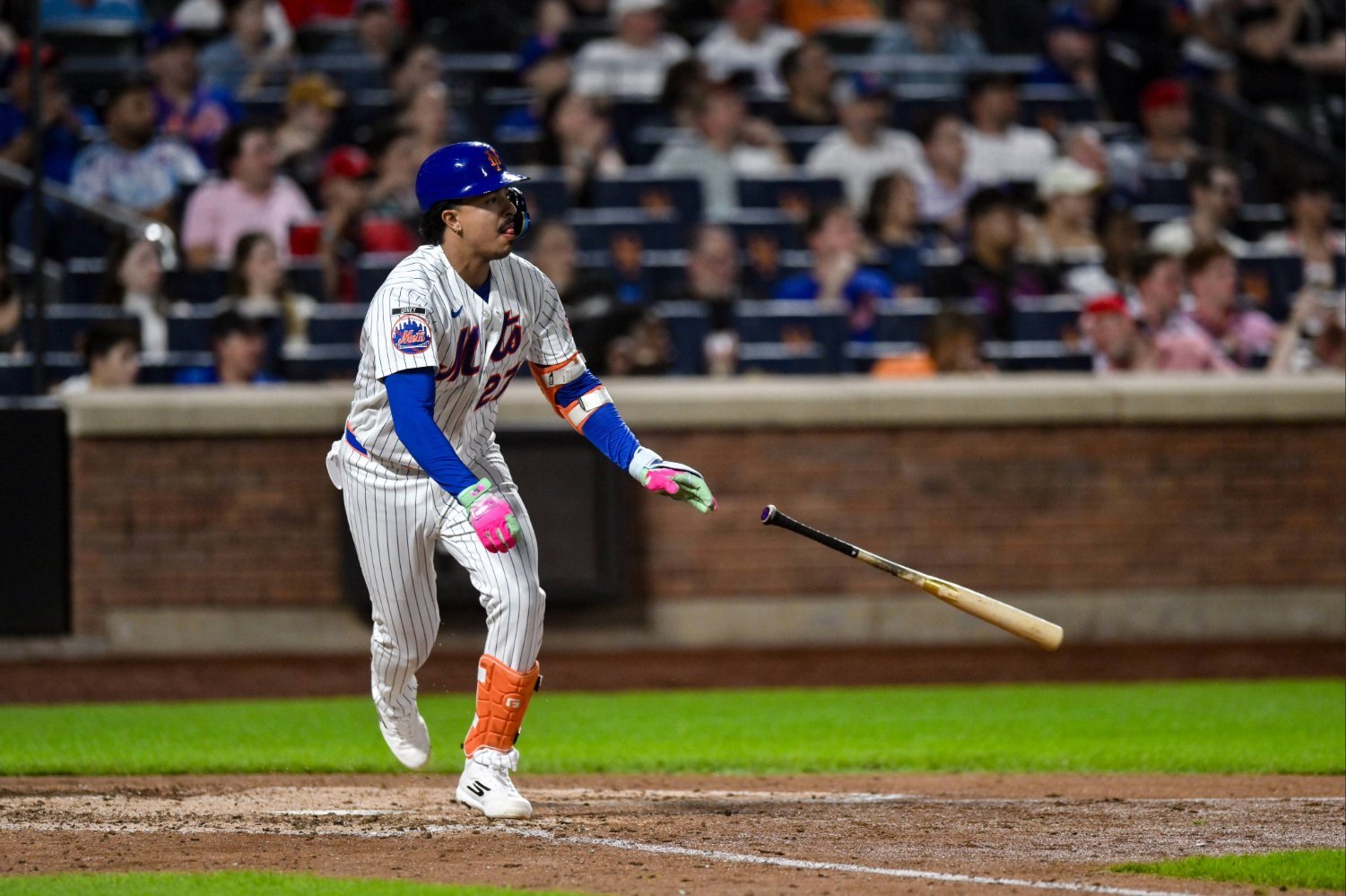 If we judged Mark Vientos’ season by simply looking at his .218/.267/.405 line that comes with 13 home runs, 39 RBIs, a 84 wRC+ and –0.1 fWAR, it would be easy to reach the conclusion that it has been a mediocre year at best. And, yes, Vientos has never come close to being the hitter who impressed when he hit 27 home runs in the 2024 season, and then played the postseason like a veteran accustomed to being under the October lights. Since then, his offense has fallen below expectations. It is true that he has had to battle injuries, but in his playing time he has been a negative player for the team in any way you analyze his contribution. I love FanGraphs for this type of breakdown, and there you can see Vientos with -1.3 BsR, -6.7 Off and -11.8 Def. In other words, he's been a below-average player in every aspect of the game in 2026. He has not been able to take advantage of the opportunity to move to first base, and the metrics show that he has been a disaster. Among 86 qualified first basemen, Vientos is second with the worst Fielding Run Value (-7), being surpassed only by Bryce Harper (-10). That is the reason why the Mets have been one of the teams with the most first basemen used, and all of them have put on a better defensive performance than Vientos. Jared Young (+1), Brett Baty (-2) and even catcher Luis Torrens (+0) average a higher Fielding Run Value. In the only defensive aspect in which Vientos has excelled is in the new First Base Receiving metric, where he ranks 15th with +1 Receiving OAA. Either way, the point here is that Vientos is not producing anything the Mets need out of a franchise cornerstone at the cold corner. If we look toward 2027, there is only one way for his offensive profile to fit into the lineup. It is the only skill Vientos has not yet lost, and it is his ability to hit against left-handed pitchers. At the same time, that has been one of the Mets’ main problems, as their right-handed hitters have registered the second-lowest BABIP (.268) against left-handed pitchers in the entire league, the third-worst on-base percentage (.301), and the ninth-worst wRC+ (96). Name wRC+ G PA HR RBI BB% K% ISO BABIP wOBA Mark Vientos 140 57 111 8 21 6.3% 20.7% .284 .278 .375 Bo Bichette 111 90 177 6 23 8.5% 16.9% .181 .286 .333 Luis Torrens 104 47 81 4 14 7.4% 19.8% .205 .245 .323 Marcus Semien 88 75 138 3 11 10.9% 21.0% .108 .278 .298 Francisco Lindor 87 59 130 5 13 11.5% 14.6% .174 .198 .297 Francisco Alvarez 70 60 108 3 7 12.0% 34.3% .106 .278 .271 Here are all the Mets’ qualified right-handed hitters with at least 80 plate appearances against left-handed pitchers this season. Vientos leads in the main production metrics, and his wRC+ and ISO are among the top 20 in the entire league. This is not a new story for the Mets, as Vientos has always been consistent against southpaws (even if he's rarely ever been so against right-handers). Handedness BB/K ISO wOBA wRC+ Season Handedness BB/K ISO wOBA wRC+ vs R 0.13 .000 .129 -21 2022 vs L 1.00 .222 .357 135 vs R 0.20 .172 .278 75 2023 vs L 0.07 .131 .250 56 vs R 0.27 .251 .347 125 2024 vs L 0.19 .246 .375 144 vs R 0.27 .169 .299 92 2025 vs L 0.23 .203 .315 104 vs R 0.19 .123 .236 47 2026 vs L 0.30 .284 .375 140 vs R 0.24 .184 .297 90 Total vs L 0.21 .221 .336 116 In 2024, his breakout season, it was the only one in which Vientos managed to find the balance when he recorded a 125 wRC+ with 20 of his 27 home runs against right-handed pitchers. During the following campaigns, you can see how his performance has hinged almost entirely on his ability to crush left-handed pitching. The main potential of the Mets’ lineup is in their left-handed and switch-hitting batters, led by Juan Soto, Francisco Lindor, Carson Benge, A.J. Ewing, and Jorge Polanco (plus Jared Young and Brett Baty). In that plan for 2027, Vientos fits as a high-profile right-handed platoon hitter. That may not be quite the role we all envisioned when he was a top-tier prospect rising through the farm system, but it appears to be his best bet to salvaging his tenure with the Mets. View the full article
 -
Would an 81-81 Season Be a Success for the Blue Jays?
DiamondCentric posted an article in Jays Centre
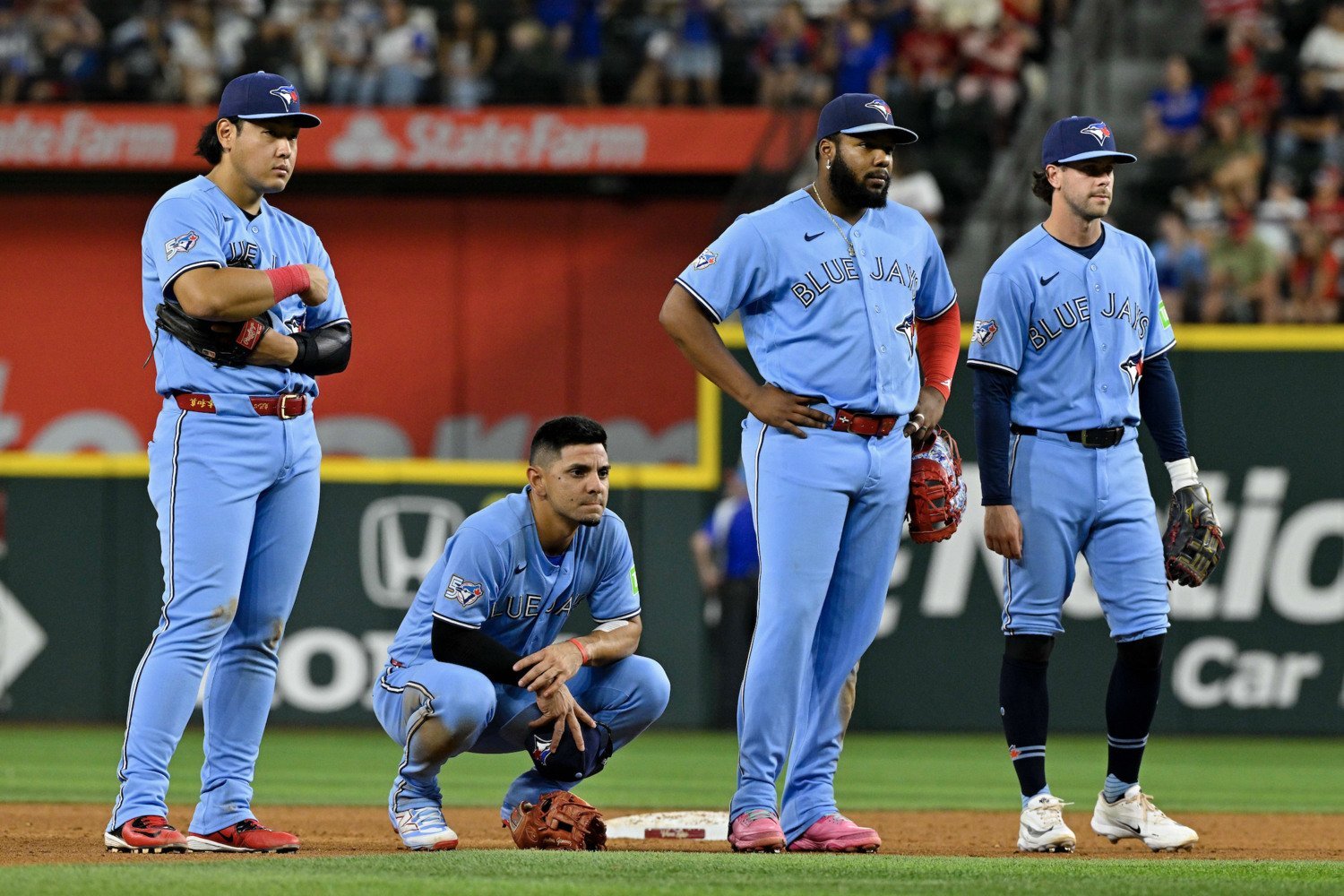 There are really two answers to the question of whether a .500 season would constitute success for the Toronto Blue Jays. The first is simple. No. This was not supposed to be an 81-win baseball team. At the same time, there are so many reasons that it could have been much worse. Toronto entered 2026 as the defending American League champion after winning 94 games in 2025 and coming so close to a World Series title. Some players left or weren’t re-signed, while the team spent some money for the likes of Dylan Cease, Tyler Rogers and Kazuma Okamoto. Judged against that standard, finishing 81-81 would be a disappointment. Based on what actually happened to the Jays this season, including injuries and underperformance, getting back to .500 in a sense would be a success. Toronto enters September 21 at 77-79, meaning it will need to go 4-2 over its final six games simply to reach 81-81. The Jays sit fourth in the AL East, 18.5 games behind Tampa Bay, and their playoff odds have nearly disappeared. The front office built a roster that they expected would return the Jays to the postseason. FanGraphs' ZiPS preview noted that the organization had committed $336 million in guaranteed money to new players during the winter, nearly $100 million more than the rest of the AL East's free agent spending combined at that point. At this stage of Toronto's competitive cycle, it felt like success needed to involve postseason baseball. Instead, the Blue Jays enter September 21 with a 77-79 record, 629 runs scored and 671 allowed, producing a minus-42 run differential. Based on these results, the analysis suggests the team should be an even worse 73-83. At the 150-game mark, the Jays had only 147 home runs, placing the team 26th among MLB clubs, while its .698 OPS wasn't close to contender-level power. Baseball Savant had Toronto at an 87.5 mph average exit velocity, compared with an MLB average of 88.8. Only 34.1 percent of batted balls by Jays hitters qualified as hard-hit, compared with 38.6 percent league-wide. Meanwhile, their 5.9 percent barrel rate trailed the MLB rate by nearly two percent. Content was part of the secret sauce of last year’s team. The team continues to make contact. Its team whiff rate was only 22.4 percent, better than MLB's 25.0 percent rate. Their actual team wOBA was .306, but their expected wOBA was even lower at .297. Their actual .385 slugging percentage exceeded their .366 expected slugging percentage. At the centre of these challenging numbers is Vladimir Guerrero Jr. Entering the weekend, Guerrero was hitting approximately .261/.334/.359, with nine home runs and a 96 wRC+. FanGraphs had him at just 1.1 WAR. ZiPS had projected Guerrero for 32 home runs, 102 RBI, a 145 wRC+ and roughly 4.5 WAR in 2026. There is at least evidence that Guerrero has hit better than the traditional results suggest. Baseball Savant gives him a .284 expected batting average, .407 expected slugging percentage and .336 xwOBA. His 44.4 percent hard-hit rate and 90.5 mph average exit velocity remain better than Toronto's team averages. Injuries have wreaked havoc on the 2026 season. Anthony Santander’s injury-plagued Jays tenure continued in 2026. José Berríos underwent Tommy John surgery in May after elbow problems and has missed the season. Bowden Francis also underwent Tommy John surgery and was lost for 2026. Cody Ponce's year ended nearly before it started with an ACL injury. Mid-season addition Jameson Taillon has been lost because of elbow inflammation. Shane Bieber has been sidelined by teres major inflammation. Trey Yesavage required arthroscopic knee surgery and will be limited in his return. And this weekend's news that Cease had undergone an MRI on his shoulder is yet another concerning piece of news. Yimi García underwent thoracic outlet surgery earlier this season, after attempting a return, and is done for the season. Addison Barger required elbow surgery. Luis Urías has dealt with a quadriceps strain. That isn’t even the full list. The coaching staff and front office have been juggling and adjusting throughout the season. Perhaps the biggest reason this team has remained anywhere near .500 is that portions of the pitching staff have been excellent. Despite some blips of late, Cease has had a monster of a season. Through 29 starts, Cease has thrown 169 innings with a 2.40 ERA, a 2.55 FIP and a staggering 34.9 percent strikeout rate. FanGraphs credits him with 5.5 WAR. Louis Varland has been a shutdown closer, posting a 1.30 ERA and 1.81 FIP over 76 innings, worth approximately 3.0 fWAR. His 31.7 percent strikeout rate against a 7.3 percent walk rate was probably better than expected. The Tampa Bay Rays are 95-60, with the New York Yankees at 89-66 and Boston Red Sox at 84-72. Toronto, at 77-79, sits fourth. As the defending American League Champs, this season has been a painful fall. Even if the team can sweep their remaining games, this season has come up short of expectations. Measured against the injuries, underperformance and adversity the club endured, fighting back to .500 might be one of the few positive storylines. The Jays' outlook for whenever MLB returns remains brighter than their 2026 record suggests. Much will depend on the health of the pitching staff and whether key offensive contributors rebound to expected levels. The organization still has a strong core under their control and a front office willing to invest. If several injured players return healthy, Guerrero rediscovers his form and its younger core progresses, the 202? Jays should contend. View the full article
 -
 Andrew Fischer’s blast gave Biloxi the lead, but the Shuckers lost it late in their best-of-three championship. Coleman Crow and Jonathan Ornelas (grand slam) led Nashville to a win in their season finale. Transactions: RHP Joshua Quezada assigned to AA Biloxi from AAA Nashville RHP Patricio Aquino released by AA Biloxi Signed out of the Dominican Republic in 2021, the now 23-year-old Aquino worked his way through four minor levels to reach AA ball in 2026. He had started for four seasons before shifting to the High-A Wisconsin bullpen in 2025. Unfortunately, he only played in six 6 games this season before going on the injured list in late April. We hope that Patricio returns to full health and wish him success in his future endeavors. Game Action: Biloxi Pre-Game Media Notes Final: Rocket City (Angels) 5, Biloxi 4 Box Score Via the Shuckers’ website, game details and we encourage readers to review affiliate write-ups as part of their Link Report routine: Shuckers Fall to Trash Pandas in Game One of SLCS - Shuckers Fall to Trash Pandas in Game One of SLCS Biloxi and Rocket City played classic back-and-forth playoff baseball, with the Trash Pandas coming back late to claim Game One of their best-of-three Southern League Championship series in front of 2,332 Shuckers’ fans. Biloxi’s starting 21-year-old RHP Josh Knoth (6 IP, 2 R, 5 H, 3 BB, 6 Ks) faced off against South Milwaukee High School graduate Nate Snead (4 IP, 1 R, 4 Ks), with both conceding a homer but getting the job done before their bullpens struggled. OF Josh Adamczewski’s answer: 1B Andrew Fischer’s two-out, three-run blast in the bottom of the 5th inning and Knoth’s escape from a two-on, one-out situation in the 6th inning (K swinging, ground out) had Biloxi in front 4-2 with seemingly all the momentum. Another angle: The Shuckers put two aboard (C Matt Wood walk, 3B Eric Bitonti single) with one out in the bottom of the sixth inning, but the Rocket City ‘pen avoided damage, then took advantage of some Biloxi mistakes to knot the contest half an inning later. RHP Manuel Rodriguez allowed a leadoff double to the opposite field on an 0-2 pitch, then SS Jesus Made’s throwing error put runners at second and third with nobody out. A wild pitch and a one-out single tied the contest at 4-4 in the top of the 7th inning. Leadoff singles by outfielders Braylon Payne and Damon Keith in the 7th and 8th innings unfortunately failed to produce a run, then Angels’ #1 prospect Arjun Nimmala doubled off of RHP Ryan Birchard (1 IP, 1 R, 3 H, 0 BB, 1 K) and scored on a close play at the plate (Keith’s throw from right field was just a bit offline) to ultimately win the contest. Biloxi went 3-up, 3-down in the final frame. Shuckers’ Extras: Leadoff hitting 2B Dylan O’Rae (3-for-5, 2 SBs) and Payne (1-for-3, 2 walks, SB) both reached base three times and combined on three stolen bases. Wood (1-for-3, double, walk) came aboard twice to continue his hot playoff run (.500 AVG, 1.615 OPS in three games). Each of Rodriguez (1/3 IP, 2 R (1 ER), 0 Ks), RHP Garrett Hodges (2/3 IP, 0 R, 1 K) and RHP Travis Smith (1 IP, 0 R, 1 K) faced only three batters, with Smith delivering a 3-up, 3-down 8th inning. Seven Biloxi hitters registered at least one base knock, though they were outhit 10-9 for the game. Made and Boeve combined to go 0-for-8 but never struck out. Credit Rocket City with playing error-free baseball (vs. 2 for the Shuckers). Next week’s outlook: Biloxi’s task is now to win both contests in Alabama, with RHP Bishop Letson scheduled to start Tuesday’s affair (an elimination game for the Shuckers) and LHP JD Thompson hoping for a chance to start what would be a championship-deciding Wednesday battle. Nashville Pre-Game Media Notes Final: Nashville 5, Memphis (Cardinals) 3 Box Score Via the Sounds’ website, game details: Sounds Wrap Up 2026 Season with 5-3 Win Over Memphis - Jonathan Ornelas Hits His Third Career Grand Slam After back-to-back bullpen games (and losses), the Nashville Sounds found a starting pitcher in RHP Coleman Crow (5 2/3 IP, 1 R, 5 H, 1 BB, 6 Ks) and victory lane, with a big boost via 3B Jonathan Ornelas’ tie-breaking, 102mph grand slam in the bottom of the 5th inning. That Nashville 5th inning looked like Brewers’ baseball, as Nashville put four consecutive men on base without hitting a ball out of the infield (walk, infield single, bunt-error, infield single) to tie the game 1-1 before Ornelas’ blast on a 1-2 pitch. Crow’s short Tuesday start (4 IP, 56 pitches, 42 strikes) allowed him a long leash on Sunday (95 pitches, 62 strikes), as the 25-year-old demonstrated his readiness for a potential MLB playoff call-up (however unlikely). RHPs Lyon Richardson (1 1/3 IP, 0 R, 1 K) and Brandon Sproat (1 IP, 0 R, 2 Ks) each turned in scoreless relief efforts, though RHP Garrett Stallings (1 IP, 2 R, 3 H, 0 BB, 2 Ks) struggled three days after delivering three shutout innings of relief for the Brewers. To Stallings’ credit, he buckled down with the game 5-3, a runner on second base and one out in the 8th inning, inducing a weak fly out and garnering a K swinging. Sounds’ Extras: Ornelas had a strong finish to the season, going 2-for-4 with the grand slam in this game. He was 7-for-12 with 2 homers over his final three contests. OF Jacob Hurtubise (2-for-4) joined him with a multi-hit game. The clubs combined to strike out 25 times, helping the game conclude in 2 hours, 31 minutes in front of 7,642 fans at First Horizon Park in Nashville. The victory ends Nashville’s 2026 campaign with an impressive record of 80-69, placing them 6th in the 20-team International League. For the sake of transparency, this was actually a bullpen game for the opposing Redbirds, who are heading to the playoffs after winning the league’s first half title. We hope that you enjoy the Minor League Link Report. Monday is a day off all around, before the Milwaukee Brewers play at the Phillies on Tuesday at 5:40pm CST. Game Two for the Shuckers and Trash Pandas is set for 6:35pm CST on Tuesday. Tuesday's scoreboard is linked below. Organizational Scoreboard including starting pitcher info, game times, MiLB TV links, and box scores Current Milwaukee Brewers Organization Batting Stats and Depth Current Milwaukee Brewers Organization Pitching Stats and Depth View the full article
 -
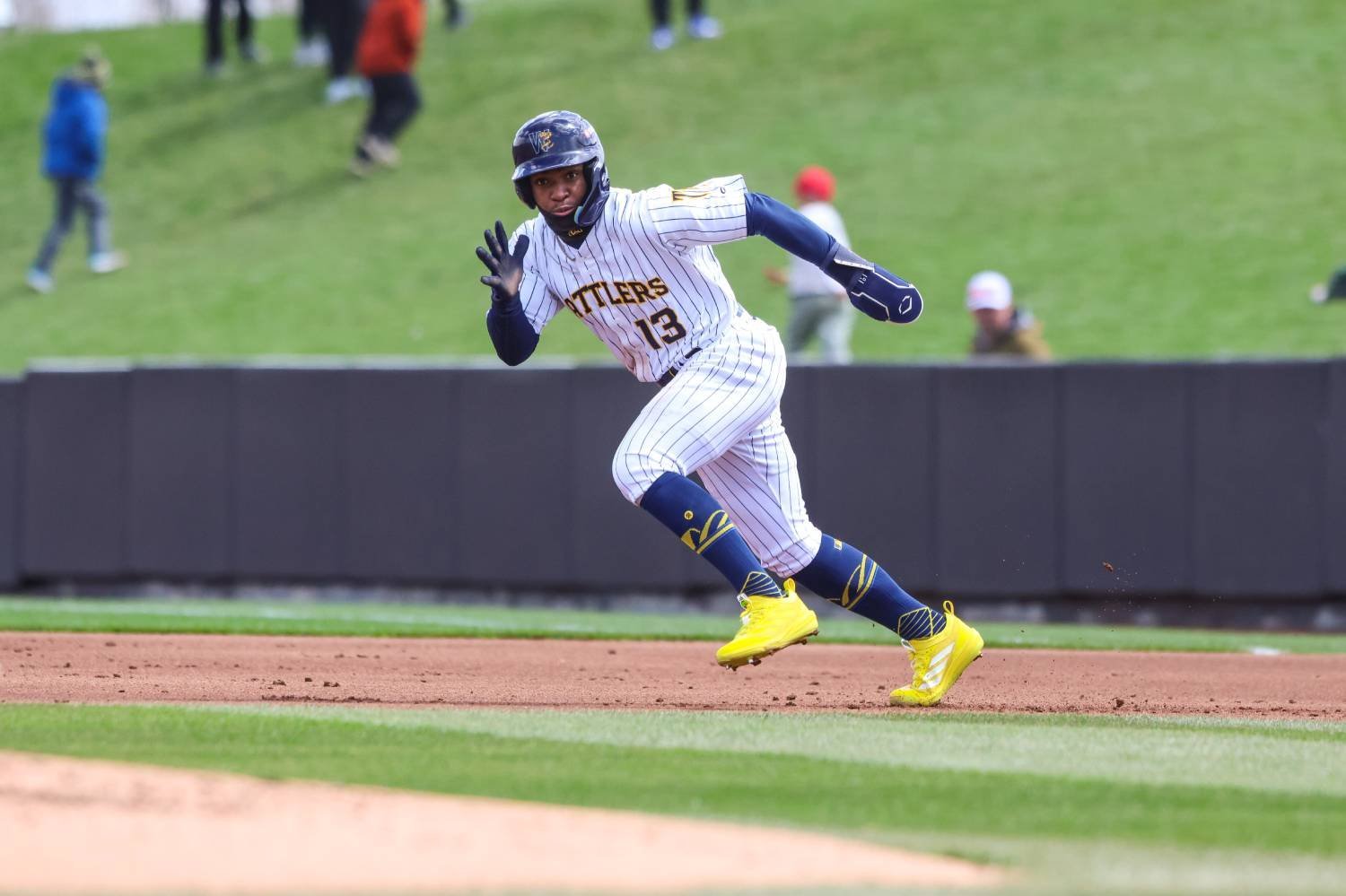 It was a conundrum of a 2026 season for the High-A Wisconsin Timber Rattlers. The Timber Rattlers finished second in the first half of the Midwest League’s West Division at 34-48, but had a minus-31 run differential. In the second half, the T-Rats had a better record at 38-31 and a much better run differential at plus-74, but finished fourth in the division. Overall, they had the third-best record in the West and fifth-best in the Midwest League, but that didn’t yield a playoff spot. Wisconsin had the third-highest batting average, second-best OPS, scored the third-most runs, tied for third in stolen bases. Pitching was another story. The Timber Rattlers were 10th in the 12-team league in ERA, struck out the second-fewest and had the ninth-worst opponent batting average. There was plenty of talent at Wisconsin. Shortstop Luis Pena (Brewer Fanatic’s No. 2 prospect), left fielder Josh Adamczewski (No. 3 prospect), outfielder Braylon Payne (No. 4), corner infielder Andrew Fischer (No. 5 prospect), catcher Marco Dinges (No. 11 prospect) all started the season with the Rattlers, while shortstop and 2025 second-round pick Brady Ebel (No. 7 prospect), 2026 second-round outfielder Sawyer Strosnider (No. 15 prospect) joined the roster late in the season, well after the others were promoted to Double-A Biloxi. That core made for some excitement. Most notably, of course, was Fischer, who smashed the first 20 of his 48 regular-season homers, which led all of the minors, in 54 games with the Timber Rattlers. He is the first Brewers prospect to lead the minors in homers since Bill Foley had 34 in 1978 with Class A Burlington. Fischer had a 1.118 OPS with the T-Rats. Left-handed starter Wande Torres also made a nice step this season. The 21-year-old, signed back in 2022 as an international free agent and sidelined all of 2023 with a back injury, finished with 131 strikeouts (after two relief appearances at Biloxi), which ranks third in the Brewers’ system, and logged 122⅓ innings, also third. Right-handed starter Ethan Dorchies, a 10th-round pick in 2024, also made his mark with 101 strikeouts in 113 innings. Pena had a couple of scary incidents. The 19-year-old, who played in the Futures Game, was sidelined a month after becoming dehydrated and passing out in the dugout of a game in late April. He then missed two weeks in June due to a hamstring injury. He had a slash line of .298/.384/.420 with two homers, 23 RBIs and 27 steals in 51 games before being promoted to Biloxi in mid-August. Stat Leaders League: Midwest League West Division First half: 34-28, second place, 5 GB, minus-31 run differential Second half: 38-31, fourth place, 6½ GB, plus-74 run differential Hitting leaders (20 games minimum) Average: Josh Adamczewski .331, Josiah Ragsdale .327, Andrew Fischer .298 Slugging percentage: Fischer .675, Adamczewski .572, Braylon Payne .561 OPS: Fischer 1.118, Adamczewski 1.036, Ragsdale .975 Runs: Eric Bitonti 93, Daniel Dickinson 83, Payne 71 HRs: Bitonti 25, Payne 23, Luis Castillo 20, Fischer 20 RBIs: Castillo 90, Bitonti 88, Dickinson 66 Pitching leaders (10 games minimum) ERA: Michael Fowler 2.41, Jose Meneses 2.89, Garrett Hodges 3.38 Strikeouts: Wande Torres 126, Ethan Dorchies 101, Braylon Owen 79 WHIP: Meneses 1.13, Fowler 1.21, Owens 1.27 Opponent average: Meneses .129, Fowler .184, Hodges .189 Wins: Torres 9, Chandler Welch 7, Travis Smith 6 Saves: Fowler 6, Yerlin Rodriguez 4, Daniel Corniel 3, Bjorn Johnson 3 View the full article
 -
2026 Brewers Affiliate Season Recap: Low-A Wilson Warbirds
DiamondCentric posted an article in Brewer Fanatic
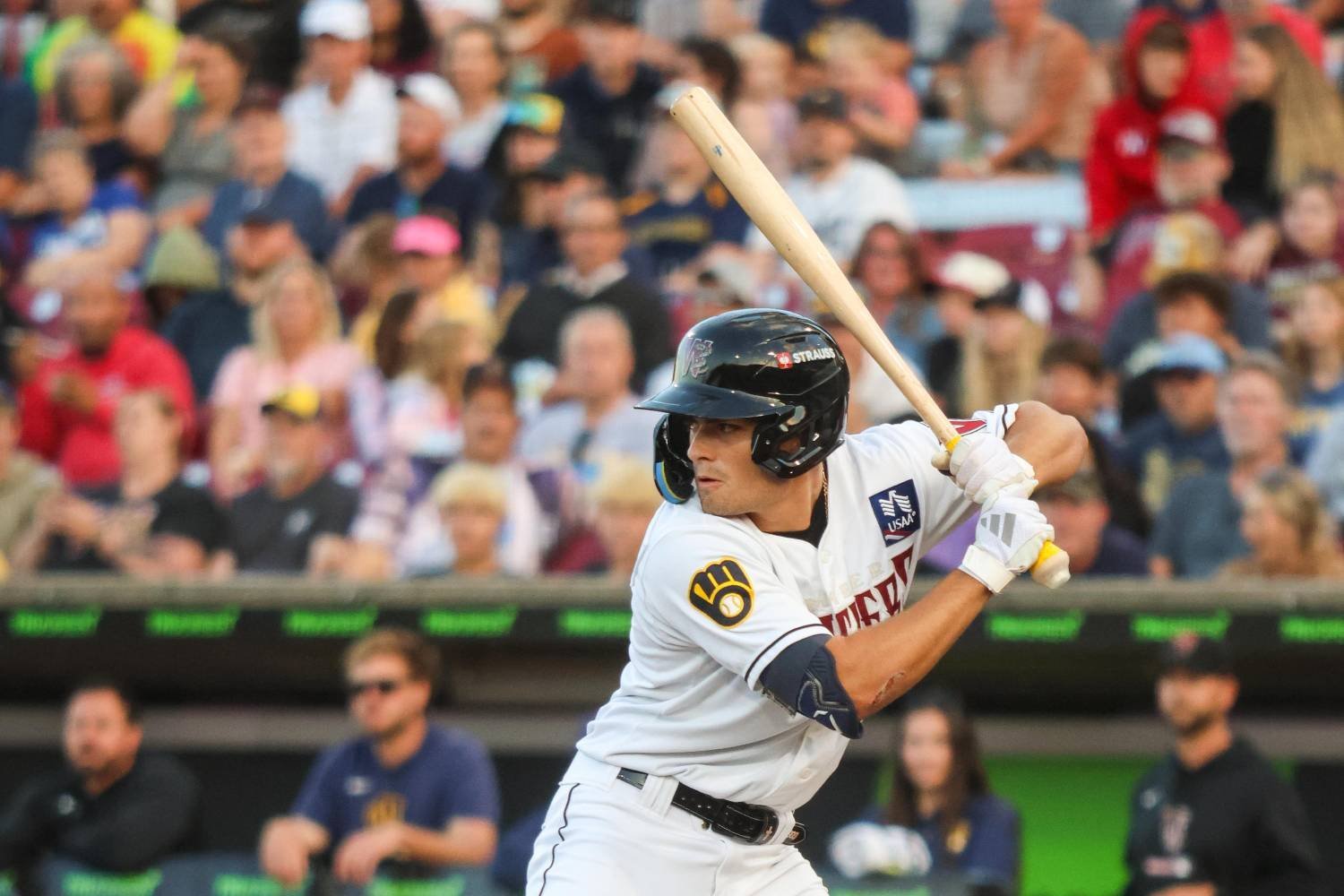 In its first season of existence, the Wilson Warbirds’ record reflected their final rankings in the Carolina League stat leaders. The Warbirds, the Milwaukee Brewers’ affiliate who were previously the Carolina Mudcats, finished second in the North Division’s first half and fourth in the second half. They had one of the league’s best offenses, putting up the second-most runs and the fourth-most homers. But the pitching was another story. Despite some nice individual performances, the Warbirds were 10th in the 12-team league in ERA (5.39) and 11th in opponent batting average (.255). With a lot of the key prospects in the Brewer Fanatic Top 20 at higher levels to begin the season, the Warbirds still had plenty of contributions throughout the season. That started with shortstop Brady Ebel, the Brewers’ first-round compensation pick (32nd overall) in 2025. The 19-year-old put together a .261/.417/.420 slash line with 10 homers, 68 RBIs and a team-high 39 stolen bases in 105 games before getting moved up to the High-A Wisconsin Timber Rattlers. Trey Ebel, Brady’s younger brother, was the Brewers’ first-round draft choice this year (25th overall) and made his pro debut with the Warbirds, playing in 13 games with a slash line of .190/.424/.286 with a homer and five RBIs. Jose Anderson, a 19-year-old center fielder who was signed as an international free agent in 2024, emerged as a power threat with a team-high 23 homers despite a .173/.272/.389 slash line in 103 games that included 70 RBIs. He had hit 19 homers in 140 games over the previous two seasons. Another outfielder, 18-year-old Brailyn Antunez, had a terrific season, including 34 games with the Warbirds, where he put up a .339/.450/.573 slash line, hitting seven homers, driving in 33 runs and stealing 10 bases. On the pitching side, right-hander Jarrette Bonet, an undrafted free agent signed in 2025, led the team with 100 strikeouts and 109⅓ innings while posting a 4.86 ERA. None of the five pitchers who made double-digit starts for the Warbirds had a strikeout total that was greater than their innings pitched. One reliever who had a nice stint with the Warbirds was left-hander Jose Meneses, who had a 1.88 ERA and 50 strikeouts in 38⅓ innings over 23 games before earning a trip up to the Timber Rattlers. One good story to note would be the appearance of left-handed starter Frank Cairone in a Warbirds uniform. Cairone, the 19-year-old who was the Brewers’ second-round draft pick in 2025, was involved in a serious car accident in mid-January and made a tremendous recovery to appear in an Arizona Complex League game July 2. After four games there, he made it into one game with the Warbirds. Stats don’t matter in this story. It was the comeback for someone who had thought his pro baseball career might be over before it began that was important. Stat Leaders League: Carolina League North Division First half: 36-30, second place, 10 GB, plus-15 run differential Second half: 28-36, fourth place, 11 GB, minus-71 run differential Hitting leaders (20 games minimum) Average: Brailyn Antunez .339, Carsten Sabathia .288, Luis Lameda .270 Slugging percentage: Antunez .573, Rylan Mills .483, Sabathia .466 OPS: Antunez 1.023, Sabathia .847, Mills .839 Runs: Handelfry Encarnacion 75, Brady Ebel 74, Juan Ortuno 71 HRs: Jose Anderson 23, Mills 14, Encarnacion 12 RBIs: Encarnacion 71, Anderson 70, B.Ebel 68 Pitching leaders (10 games minimum) ERA: Jose Meneses 1.88, Anfernny Reyes 2.05, Peyton Niksch 2.70 Strikeouts: Jarrette Bonet 100, Carlos Carra 93, Tyler Renz 87 WHIP: Garrett Hodges 0.89, Reyes 0.91, Menses 0.99 Opponent average: Reyes .080, Hodges .117, Reyes .181 Wins: Bonet 8, Thomas Conrad 5, Meneses 5, Enderson Mercado 5, Joshua Quezada 5 Saves: Meneses 6, Quezada 5, Joey Broughton 2, Niksch 2, Eric Prado 2, Hayden Robinson 2 View the full article
 -
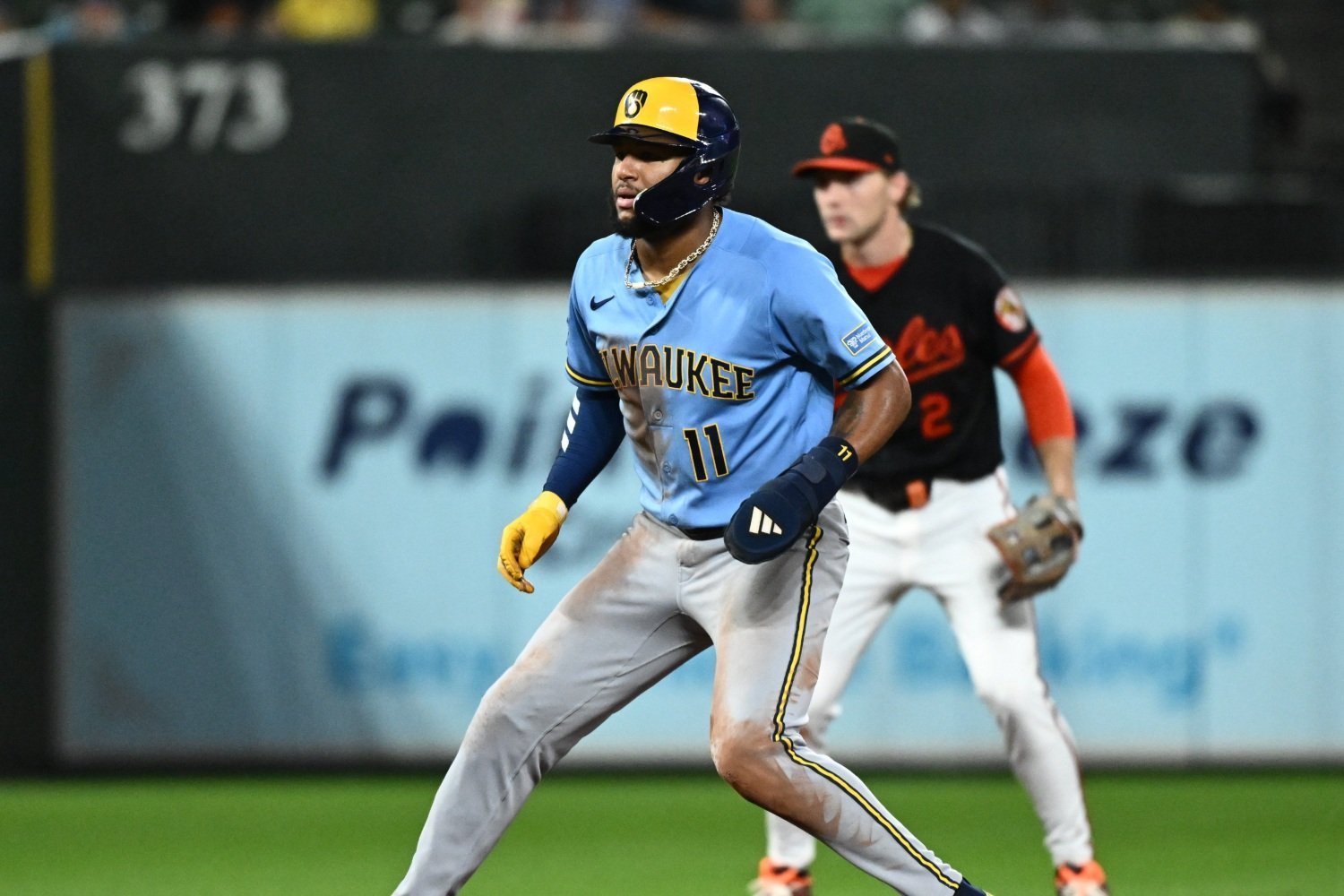 Weekly Snapshot: Record Last Week: 5-1 (Overall: 98-58) Runs Scored Last Week: 24 Runs Surrendered Last Week: 17 Standing: 1st in NL Central Game 151 (9/15) | MIL 5, PIT 1 Game 152 (9/16) | MIL 5, PIT 4 Game 153 (9/17) | PIT 7, MIL 4 Game 154 (9/18) | MIL 6, BAL 5 Game 155 (9/19) | MIL 1, BAL 0 Game 156 (9/20) | MIL 3, BAL 0 Game 151 | Brewers 5, Pirates 1 MIL Starter: Jacob Misiorowski (5.0 IP, 5 H, BB, 0 ER, 7 K) Top Performers: Joey Ortiz (3 H, 2B, 2 RBI) Brice Turang (4 BB) Aaron Ashby (2.0 IP, H, BB, 0 ER, 2 K) Jacob Misiorowski and the Brewers opened their week by taking game one in Pittsburgh, behind Misiorowski’s five innings of scoreless work. Meanwhile, the offense was driven by Joey Ortiz’s continued hot streak, as the Brewers third baseman drove in a pair and recorded a three-hit day. Jacob Misiorowski’s scoreless outing Game 152 | Brewers 5, Pirates 4 MIL Starter: Logan Henderson (5.0 IP, 6 H, BB, 3 ER, 8 K) Top Performers: Cooper Pratt (2 H, RBI) Christian Yelich (H, 2 RBI) Jake Bauers (H, 2B, 2 BB) The Brewers captured the series behind Logan Henderson on Wednesday, besting Jared Jones and the Pirates bullpen—despite a slight slip-up from JoJo Romero after Henderson’s exit. Christian Yelich’s 2-run single (+23.6 WP%) Game 153 | Pirates 7, Brewers 4 MIL Starter: Kyle Harrison (1.2 IP, 4 H, 2 BB, 4 ER, 2 K) Top Performers: Bo Naylor (H, HR, 2 RBI) The Pirates salvaged the final game of the series, as Kyle Harrison’s dreadful stretch continued, and the Brewers offense was unable to dig out of the early deficit. The Crew fell 7-4, dropping the season series in the process. Bo Naylor’s first Brewers home run (+8.5 WP%) Game 154 | Brewers 6, Orioles 5 MIL Starter: Dustin May (2.1 IP, 6 H, BB, 3 ER, 4 K) Top Performers: Shane Drohan (1.2 IP, 0 H, 0 ER, BB, 2 K) DL Hall (2.0 IP, H, BB, 0 ER, 2 K) Jackson Chourio (2 H, BB, HR, 3 RBI) Dustin May mirrored Harrison’s struggles as the team meandered from Pittsburgh to Baltimore. However, the Brewers were able to pick up a struggling starter this time around. This included not only a strong offensive day from Jackson Chourio, but strong relief outings from Shane Drohan and DL Hall—as well as Chad Patrick closing out the game in the 10th. William Contreras’ go-ahead double (+35.2 WP%) Game 155 | Brewers 1, Orioles 0 MIL Starter: Robert Gasser (7.0 IP, 3 H, 3 BB, 0 ER, 2 K) Top Performers: Joey Ortiz (H, 3B) Aaron Ashby (1.0 IP, 0 H, 0 BB, K, SV) Robert Gasser was having none of the trend of short starts. In a Saturday game in which Pat Murphy was eager to let it ride, Gasser turned in the best start of his career in a pitchers' duel against the O’s Trevor Rogers. In fact, it was a defensive miscue in the 2nd inning that doomed the home team, as it turned into a Joey Ortiz triple. Ortiz trotted home on a Gary Sánchez groundout for the game’s sole run. Gasser fuels Brewers with 7 strong Game 156 | Brewers 3, Orioles 0 MIL Starter: Jacob Misiorowski (3.0 IP, H, 0 BB, 0 ER, 4 K) Top Performers: Cooper Pratt (2 H, BB, 2 RBI, 2 SB) JoJo Romero (1.2 IP, H, 0 BB, 0 ER, K) DL Hall (1.2 IP, 0 H, 0 BB, 0 ER, 2 K) The Brewers completed the sweep on Sunday, marking a franchise-record 98 wins, and they did it behind Jacob Misiorowski. With the bat, Cooper Pratt drove in a pair (and stole a pair of bags), while Jackson Chourio polished off his third consecutive 20/20 season by swiping a bag of his own. Wild Bill goes deep (+10.6 WP%) Transactions: 09/19/26 - Sent LHP Rob Zastryzny outright to Nashville Sounds. 09/18/26 - Optioned RHP Garrett Stallings to Nashville Sounds. 09/18/26 - Recalled LHP Colton Gordon from Nashville Sounds. 09/17/26 - Designated LHP Rob Zastryzny for assignment. 09/16/26 - Sent RHP Grant Anderson on a rehab assignment to Nashville Sounds. Looking Ahead: Tuesday, 9/22 - Brewers @ Phillies - 5:40 PM CDT Wednesday, 9/23 - Brewers @ Phillies - 5:40 PM CDT Thursday, 9/24 - Brewers @ Phillies - 5:05 PM CDT Friday, 9/25 - Cardinals @ Brewers - 6:40 PM CDT Saturday, 9/26 - Cardinals @ Brewers - 6:10 PM CDT Sunday, 9/27 - Cardinals @ Brewers - 2:10 PM CDT View the full article
 -
 Omaha was the Royals' only affiliate in action, as the Triple-A regular season concluded on Sunday. The Storm Chasers made it count in a 14-3 win over Iowa. Peyton Wilson homered twice and drove in two runs, Jacob Berry hit a three-run homer, and Carson Roccaforte finished 3-for-5 with a double and two RBI. Lucas Braun struck out eight over five innings while allowing two runs, and Connor Seabold and Carlos Duran combined for two shutout innings behind him. Kansas City Royals Transactions Kansas City Royals placed RHP Craig Kimbrel on the bereavement list. Kansas City Royals recalled RHP Spencer Bivens from Omaha Storm Chasers. Two Home Runs From Wilson Carry Omaha To A 14-3 Win Omaha scored in seven of its eight innings and beat the Iowa Cubs 14-3. The Storm Chasers collected 13 hits, drew eight walks, hit three home runs, and left seven runners on base. The Storm Chasers broke the game open in the fifth. After a groundout opened the inning, Gavin Cross doubled, and Roccaforte singled him over to third. Berry then hit a three-run homer to right-center field. Berry hit .251 with a .766 OPS between Jacksonville and Omaha this season. Wilson then homered over the right field wall immediately after Berry's bomb. Colton Becker added a two-out single, and the four runs pushed Omaha ahead 9-2. Three more Storm Chasers runs came in the seventh. Colton Becker walked and Javier Vaz singled, and after a groundout, Matthew Lugo doubled them both home. Cross followed with a single that scored Lugo for a 13-2 lead. Braun struck out eight over five innings, walked one, and allowed two runs on four hits, both on a two-run homer. James McArthur allowed no hits and walked one. Seabold struck out three and gave up a hit and a walk. Matt Moore allowed two hits and a run. Duran walked two and struck out one without giving up a hit. Roccaforte, our No. 9 prospect at Royals Keep, went 3-for-5 with a double and two RBI. He finished his campaign in Omaha with a .284 average and .862 OPS. Wilson finished 2-for-3 with the two homers (one from each side of the plate), two walks, two RBI, and three runs scored. He finished the year with a .279 average and .789 OPS. Cross went 2-for-4 with a double, two RBI, and Vaz went 2-for-4 with a walk and an RBI out of the leadoff spot. Cross finished the year with a .247 average and .740 OPS. The Storm Chasers closed out the 2026 season with a 65-81 record and finished 8th in the International League West Division. Player AB R H RBI BB K Javier Vaz, DH 4 2 2 1 1 0 Brett Squires, 1B 3 2 1 1 2 0 Matthew Lugo, LF 5 1 1 2 0 0 Gavin Cross, RF 5 1 2 2 0 2 Carson Roccaforte, CF 5 1 3 2 0 1 Jacob Berry, 3B 4 1 1 3 1 2 Peyton Wilson, 2B 3 3 2 2 2 1 Omar Hernandez, C 4 1 0 0 1 1 Colton Becker, SS 4 2 1 0 1 1 Totals 37 14 13 13 8 8 Player IP H R ER BB K HR Lucas Braun (W, 9-5) 5 4 2 2 1 8 1 James McArthur 1 0 0 0 1 0 0 Connor Seabold 1 1 0 0 1 3 0 Matt Moore 1 2 1 1 0 0 0 Carlos Duran 1 0 0 0 2 1 0 Totals 9 7 3 3 5 12 1 Top-20 Prospect Performance Kendry Chourio: DNP David Shields: DNP Josh Hammond: DNP Blake Mitchell: DNP Sean Gamble: DNP Ramon Ramirez: DNP Zion Rose: DNP Asbel Gonzalez: DNP Carson Roccaforte: 3-for-5, 2B, K Taylor Rabe: DNP Yandel Ricardo: DNP Justin Lamkin: DNP Drew Beam: DNP Michael Lombardi: DNP Jack Slightom: DNP Felix Arronde: DNP Angeibel Gomez: DNP Ben Kudrna: DNP Steven Zobac: DNP Blake Wolters: DNP View the full article
 -
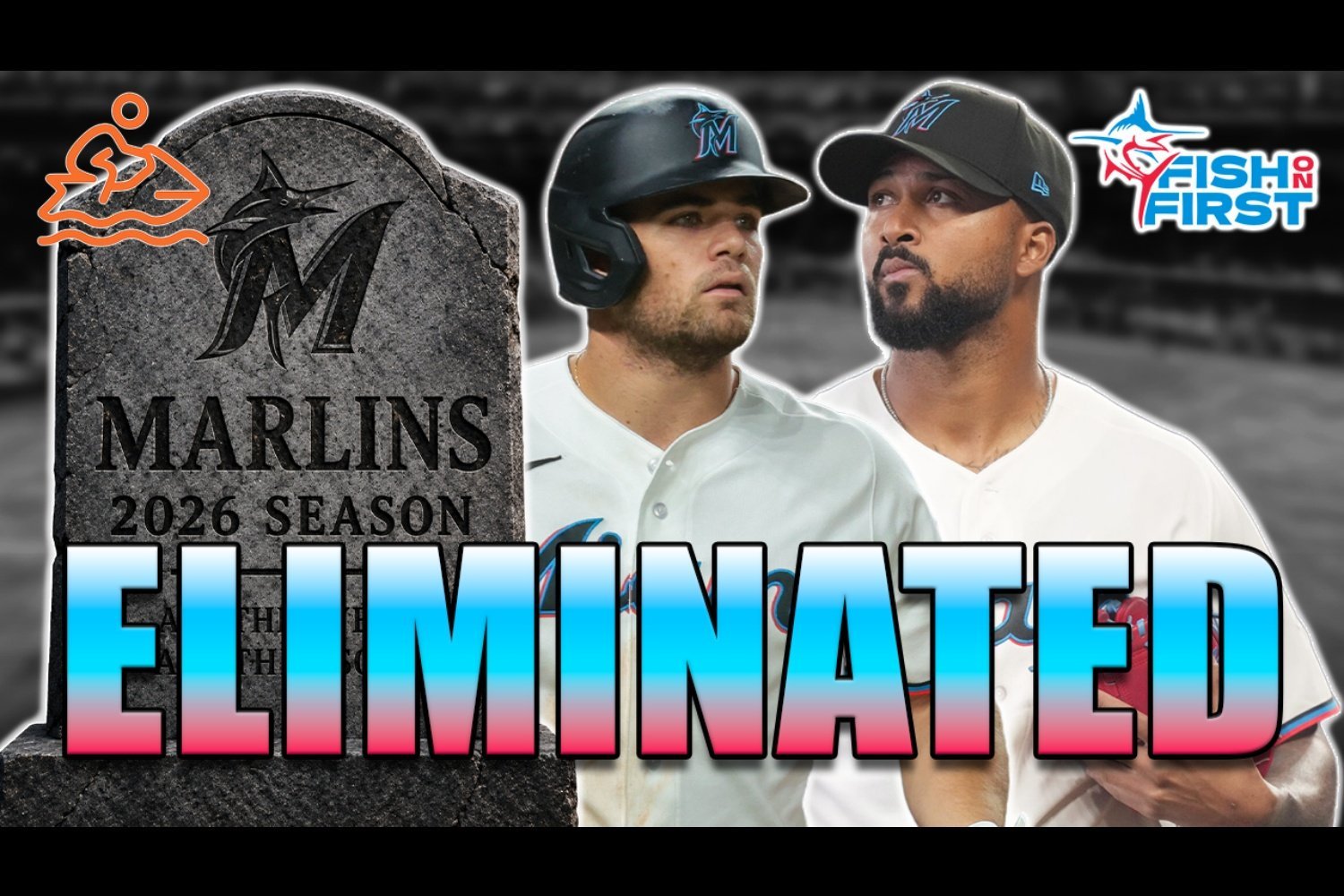 Fish On First staffers react to the latest Miami Marlins series and prepare you for what lies ahead. Sunday's show was hosted by Ely Sussman and featured panelist Kevin Barral. The following topics were covered: Padres complete their season series sweep of Miami High bar to qualify for the playoffs in the National League Joe Mack tied for MLB lead in caught stealings Otto Lopez needs miracle to win NL batting title Which Marlins have the most to gain/lose during final week of the season Previewing and predicting the next series against the Chicago Cubs You can find Fish Unfiltered and Fish On First LIVE on the Fish On First YouTube channel, Apple Podcasts, Spotify or wherever else you get your pods. Our next FOF LIVE episode will be on Thursday at approximately 6:30 p.m. ET following the Marlins-Cubs series finale. View the full article
 -
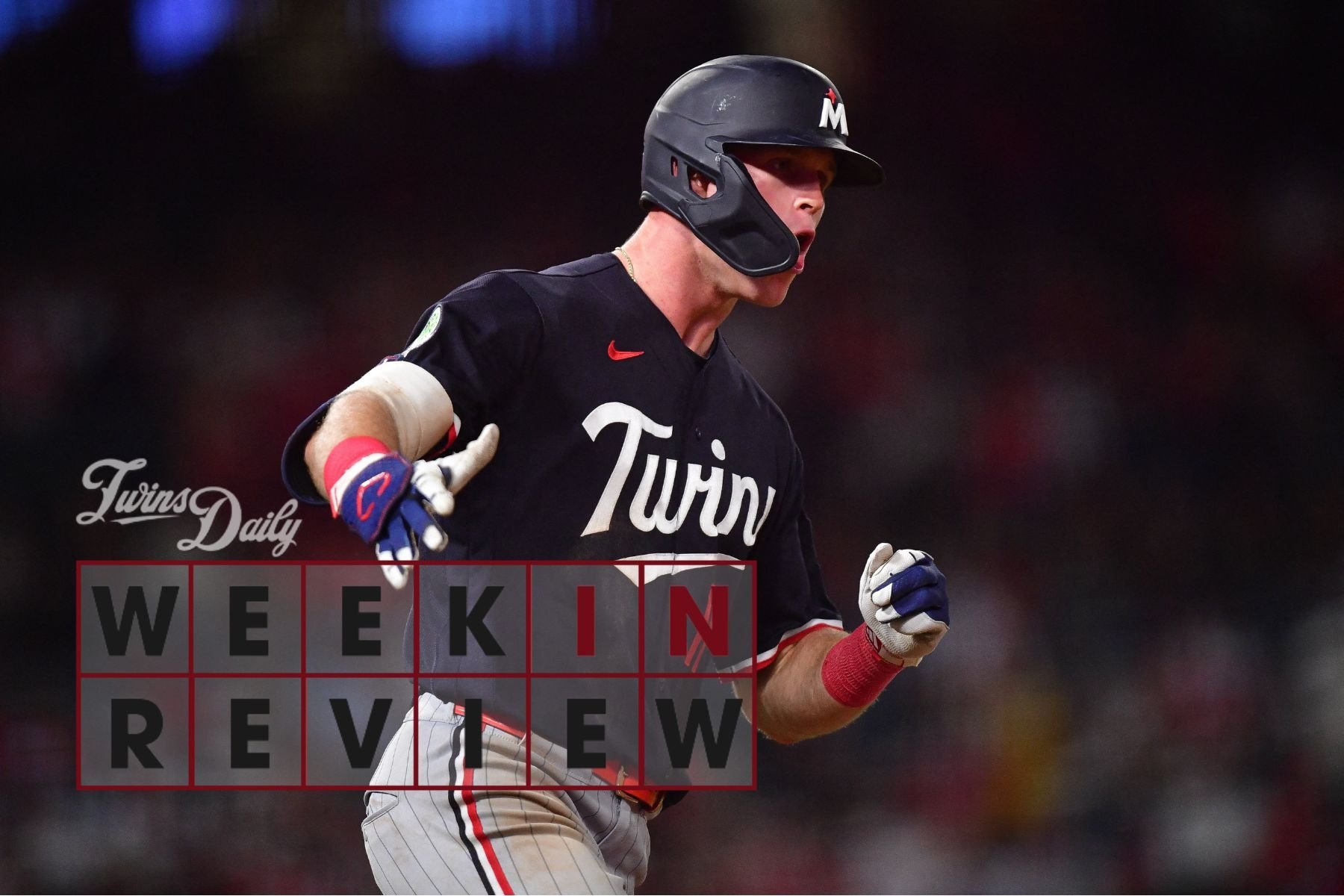 The Weekly Nutshell: We've reached a point in the season where the game outcomes don't really matter. In fact, given the draft order implications, you can very well argue that losing is now more valuable than winning for the Twins. From that perspective, this was a fairly successful week: they dropped four of seven games, leaving themselves with the eighth-worst record in the majors. At present, the Twins are basically a coin flip for a ticket to the 2027 draft lottery. More than wins and losses, what we're really focusing on in these remaining games is positive signs from young players and future building blocks. On that front, there was much to like, with an emphatic awakening from Walker Jenkins stealing the show. Let's dig in. Weekly Snapshot: Mon, 9/14 through Sun, 9/20 *** Record Last Week: 3-4 (Overall: 73-83) Run Differential Last Week: -2 (Overall: -64) Standing: 4th Place in AL Central (8.0 GB); 6.5 games out of WC Latest Game Results Game 150 | NYY 8, MIN 3: Bullpen Collapses in Disastrous 6-Run Eighth Inning Morris, Minter: 0.1 IP, 6 ER, 6 H, 1 BB, 1 K Game 151 | NYY 8, MIN 1: Yankees Once Again Pull Away in Middle Innings Rogers: 1.2 IP, 4 R (0 ER), 3 H, 1 BB, 1 K Game 152 | MIN 5, NYY 4 (13): Gómez Blows First Save, Twins Outlast Yanks in Extras Matthews: 6 IP, 0 R, 2 H, 2 BB, 8 K Game 153 | LAA 5, MIN 4 (10): Twins Fall in 10 Despite Clutch Homer from Jenkins Jenkins: 3-4, HR, 2 RBI Game 154 | MIN 3, LAA 0: Prielipp Delivers a Gem, Jenkins Has Another 3-Hit Game Prielipp: 7 IP, 0 R, 2 H, 2 BB, 8 K Game 155 | LAA 6, MIN 5 (11): Another Winnable Game Slips Away in Extra Innings Ryan: 5 IP, 2 ER, 7 H, 1 BB, 5 K Game 156 | MIN 8, LAA 0: Twins Earn Split in Lopsided Shutout Win Behind Kremer Roden: 3-5, HR, 4 RBI NEWS & NOTES Kaelen Culpepper exited Tuesday's game against the Yankees after he tweaked his hamstring while trying to beat out a double play in the sixth. He went on the injured list the following day with a strain, but it's considered minor enough that Culpepper hopes to return as soon as he's eligible, which would enable him to play the final two games of the season. Ben Ross was recalled to take over Culpepper's spot on the roster and made his first MLB start at shortstop on Wednesday, going 1-for-2 with his first big-league hit, a double. He picked up his first RBI on Sunday and scored his first run on an electric baserunning play. On Friday Trevor Larnach was placed on the injured list with a left wrist sprain, ending his season. Alan Roden returned from Triple-A in a corresponding move. It was a solid season overall for Larnach, who slashed .269/.352/.436 to set a new career high in OPS by nearly 50 points, but his future fit in a crowded outfield mix is murky at best. Byron Buxton has undergone arthroscopic hip surgery, which involved "a labral repair with decompression and a cam resection procedure." He's got a considerable rehab journey ahead of him but it sounds like the Twins are hopeful he'll be ready for the start of the regular season, if not day one of spring training. The possibility of a lockout-driven late start to 2027 could work in Buxton's favor in terms of minimizing missed time. HIGHLIGHTS Friday night's win over the Angels was exactly the type you tune in for at the tail end of a lost season. It was more or less a meaningless game competitively for both teams, but performances from emerging young members of Minnesota's hopeful future core helped build enthusiasm for what comes next. Connor Prielipp started for the Twins and pitched the finest game of his career, firing seven shutout innings with eight strikeouts and only two hits allowed. Prielipp pounded the zone with quality stuff and looked every bit like a front-end starter. He's finishing his rookie year strong, with a 2.11 ERA and 19-to-3 K/BB ratio across 21 ⅓ innings in September. In the same game, Jenkins notched three hits including his third home run. One night earlier, he'd broken out of his career-opening slump very loudly with another three-hit game. He homered in that one as well, his first in the majors off a real pitcher, and it came at a huge moment: With the Twins down to their final out in the ninth, Jenkins tied the score with his two-run blast off a 101-MPH fastball from Angels reliever Ben Joyce. One of the most game-changing swings of the season. Jenkins also had two hits on Saturday and added another one as leadoff man Sunday, rounding out a monster series in Anaheim that erased any sense of concern generated by his slow strart. By the end of weekend, Jenkins had his slash line up to a very respectable .210/.300/.387, showing just how quickly things can shift when the samples are this small. The start of Jenkins' Twins career is following a familiar script — he has a history of starting slow at new levels before he inevitably finds his footing. The good news is that once he turns the corner, he doesn't look back, and if that pattern holds in the big leagues it will bode very well for him and the team next year. Count Luke Keaschall as another critical long-term cornerstone closing out his campaign on a high note. He went 9-for-24 (.375) with three walks and two steals, also setting a franchise record with his 22nd HBP. He has become embedded as Minnesota's everyday right fielder, starting 31 of their last 34 games there — including every game in September up until Sunday's day off. I'm envisioning Keaschall and Jenkins as the lineup's 1-2 combo of the future, and it wouldn't surprise me if that arrangement is in place as soon as Opening Day in 2027. A few other strong performances worth noting from the penultimate week of the season, all carrying pertinence to the team's future outlook: Brooks Lee went 10-for-26 (.385) with a double and two RBIs. He also drew two walks, matching his total from the past 34 games. Lee has established his baseline as an average hitter, which has value, but if he's to rise above that it's going to come down to plate discipline. He's got to lay off unfavorable pitches and reduce low-quality contact. That's why I'm really paying attention to his swing decisions here in these final plate appearances. Ryan Kreidler homered twice in his 15 at-bats, pushing his season total to eight. Combine that power production with his defensive skill and versatility, and you've got yourself a very useful roster piece. With both Kreidler and Austin Martin out of options next spring, and suited for somewhat redundant roles, it'll be interesting to see how the Twins proceed. I'm also curious to see how the Twins move forward with Roden. He drew a rare start on Sunday and made the most of it, tallying three hits and driving in four. He's also struggling to make a dent in the outfield mix even with Buxton and Larnach down. As I recall, the Twins hinted when they acquired Roden that they might try working him in at first base, where he played some in college. I wonder if they revisit that idea next spring. It's easily his clearest path to semi-regular playing time. Zebby Matthews had the best month of his career in August, going 5-0 with a 2.90 ERA, and then got lit up in his first two starts of September (0-2, 11.05 ERA). He got right back on track in his latest turn on Wednesday, helping the Twins avoid a sweep by holding the Yankees scoreless over six frames. Matthews is enigmatic in his variance from start to start, but ultimately he has pitched to the level of a solid back-end starter. Still feels like there is a lot more upside to be tapped in a relief role. Taj Bradley completed seven innings the next night, allowing three runs on five hits with one walk and nine strikeouts. His 172 innings pitched not only lead the staff by a wide margin, but are the most logged by any Twins starter in the past two years. A very impressive feat for a guy who did miss time with an IL stint. Bradley's next strikeout will be his 200th — a figure no Twins pitcher has reached since Pablo López in 2023. Before that, José Berríos was the last to do it in 2018. Jeff Hoffman is looking like a massive addition to the 2027 bullpen picture. He's been outrageously dominant for the Twins here in September. After posting four more hitless appearances in the past week, he's up to to 8 ⅓ shutout innings this month with 15 strikeouts, three walks and one hit allowed. Overall he's got a 2.12 ERA as a Twin after coming over from Toronto with a 3.94 mark. LOWLIGHTS While Jenkins showed us how quickly a fledgling rookie's fortunes can change for the better, Emmanuel Rodriguez illustrated the opposite. In his first handful of games, he showcased why the Twins are so high on his potential, generating tons of hard contact including a two-run triple against the Yankees on Monday. But in the Angels series, we saw Rodriguez's biggest red flag — the swing and miss — on full display. He went 1-for-14 with seven strikeouts in the series, and now has a 12-to-1 K/BB ratio through 34 MLB plate appearances. His overaggressiveness and tendency to chase belie a minor-league track record where Rodriguez's patience often bordered on passivity. It wouldn't surprise me if this is intentional. If the Twins are encouraging him to go out there and take hacks I'm all for it, but going forward we'll need to see him recapture some of that trademark discipline. There's just too much whiff in his game to survive a lack of selectiveness. While we're on the subject of undisciplined at-bats, Royce Lewis is the banner example. He went 5-for-27 (.185) with nine strikeouts and zero walks, and now has a 20-to-3 ratio here in September. Minnesota's offense has been lagging down the stretch and Lewis is a big reason for it, with a .182 average and one home run in his past 30 games. It sure feels like he's punching his ticket out of town with this finish; the Twins simply have to find more production at first base next year. Another factor hurting the Twins in their latest September collapse: their two best relievers for the bulk of the season have been ravaged by regression to the mean. Andrew Morris took the loss in Monday's series opener against the Yankees, coughing up three runs while recording just one out. It was his sixth time being charged with a loss in 20 appearances since the start of August — during this span he has a 7.71 ERA, four blown saves, and the second-lowest WPA among MLB relievers (negative-1.84). Also near the bottom of that WPA list is Yoendrys Gómez, whose charmed run as Twins closer has come to a crashing halt. He was charged with his first blown save in 23 attempts on Wednesday, and his second came the following night in a loss to the Angels. Saturday brought another costly clunker: Gómez allowed two runs to cut a three-run lead down to one, setting up an eventual comeback win for Los Angeles. Gómez gave up multiple runs in three of his four appearances last week, and now has a 13.50 ERA and 10-to-10 K/BB ratio in his past eight, lifting his ERA as a Twin by nearly two full runs (from 1.85 to 3.83). There have been some redeeming aspects to this ugly stretch — still missing bats, keeping the ball in the park — but the lack of command is becoming a very serious issue. I certainly wouldn't say he's playing his way out of the team's plans next year but he might be pitching his way out of a high-leverage role. We're coming to see why Gómez has passed through five organizations in the past two years. TRENDING STORYLINE The last week of the season is upon us. The Twins will be officially eliminated from postseason contention within the coming days, so thus our attention turns to one vital question: how do they avoid the same fate next year? The players to watch closely will be those who can catalyze the turnaround. Will Jenkins build upon this breakout series and finish strong? Can Rodriguez shake off his strikeout woes and take some momentum into the offseason? Will Culpepper make it back for the final weekend at Target Field? We'll also see one last turn through a rotation that enters the offseason with some uncertainty looming. Matthews, Bradley and Prielipp are scheduled to start consecutive games in the middle of the week, and are the main sources of optimism for this unit going forward: all controlled for multiple years and coming off healthy, largely effective second halves. Each of the three hurlers set a new career high for workload. We'll see if Prielipp makes that last scheduled start on Friday or if the Twins opt to shut him down and call it good at 120 innings pitched. The veterans surrounding these three are where the uncertainty comes in. Bailey Ober was scheduled to start the series opener in San Francisco before entering Sunday's game in relief of Dean Kremer, with whom he combined for a shutout. Those two represent key decision points for 2027 rotation planning. They each provided some value as reasonably priced back-end starters, and it seems likely that one will be back next year but probably not both. Which one would you hold, if either? Joe Ryan was shaping up as an offseason trade candidate before another injury-fueled second-half fade torpedoed his stock. He's looked merely okay in three starts since coming off the IL, and the Twins have lost six straight games with him on the mound. Ryan will enter his walk year with much to prove. LOOKING AHEAD The final week on the schedule opens with a three-game series in San Francisco against one of the seven teams in baseball boasting a worse record than the Twins. Neither club will be too invested in the outcome. That figures to change in the last series, at least on one side. The Rangers are neck-and-neck with Houston atop the AL West and will be playing with urgency in a postseason race almost regardless what happens in the next few days. MONDAY, SEPTEMBER 21: TWINS @ GIANTS — TBD v. RHP Landen Roupp TUESDAY, SEPTEMBER 22: TWINS @ GIANTS — RHP Zebby Matthews v. RHP Blade Tidwell WEDNESDAY, SEPTEMBER 23: TWINS @ GIANTS — RHP Taj Bradley v. RHP Anthony Molina FRIDAY, SEPTEMBER 25: RANGERS @ TWINS — RHP Cal Quantrill v. LHP Connor Prielipp SATURDAY, SEPTEMBER 26: RANGERS @ TWINS — RHP Jacob deGrom v. RHP Joe Ryan SUNDAY, SEPTEMBER 27: RANGERS @ TWINS — LHP MacKenzie Gore v. RHP Dean Kremer View the full article
 -
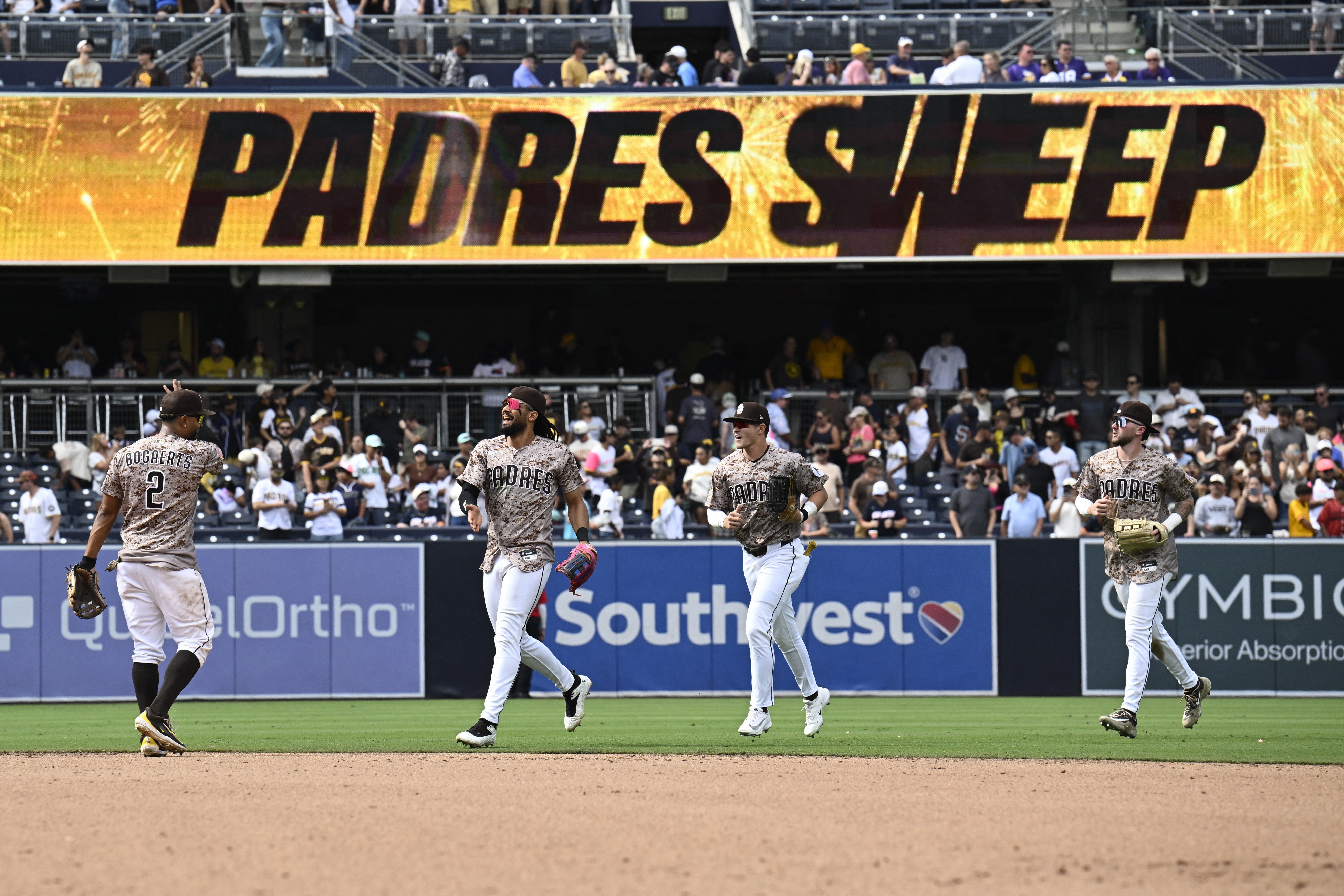 With the Marlins officially eliminated from postseason contention, the focus shifts from competing in 2026 to finishing strong and laying the groundwork for a superior 2027 campaign. This weekend was not too encouraging from that standpoint. The Marlins fell to the San Diego Padres, 7-3, to wrap up a three-game sweep. Overall, Miami ends the season having gone 0-6 against the Padres, marking just the eighth time in franchise history they failed to collect a win in a season series of six-plus games. Making his first start since earning his first career save on Wednesday, Sandy Alcantara surrendered four runs over six innings of work, raising his season ERA to 3.91. Miami have now lost each of Alcantara's last eight starts, a stretch in which Alcantara has a 5.21 ERA. The Padres wasted little time in getting to Alcantara thanks a second inning, two-runner homer off the bat of Jake Cronenworth. Of the 209 MLB hitters who entered Sunday with at least 375 plate appearances this season, Cronenworth's 72 adjusted OPS+ ranked as the seventh-worst. At just 325 feet, Cronenworth's home run is tied for the third-shortest in Petco Park history. Cronenworth's role as the Marlins villain was far from over though, as he would follow up his home run with an RBI double in the fourth. His coup de grace, however, came in the eighth when he launched his second two-run homer of the day. Miami's comeback attempt came in the top of the seventh when Walker Buehler, working into the seventh inning for the first time this season - surrendered a three-run home run to Javier Sanoja. The long ball gave Sanoja the first double digit home run season in his career. Winners of nine of ten, the Padres 87-69 record sees them tied with the Marlins' next opponent, the Chicago Cubs, for the top NL Wild Card spot. The Marlins will have to win out to finish above .500 and go at least 4-2 to surpass last season's record. Of Note In what will be a light schedule in Major League Baseball on Monday, the Marlins will fly to Chicago, where they will open up a three-game series Tuesday against the Cubs. Janson Junk (6-9, 4.50 ERA) will get the ball for Miami in the series opener. First pitch from Wrigley Field is set for 7:40 EST. View the full article
 -
Twins 8, Angels 0: How Games Against the Angels Are Supposed to Go
DiamondCentric posted an article in Twins Daily
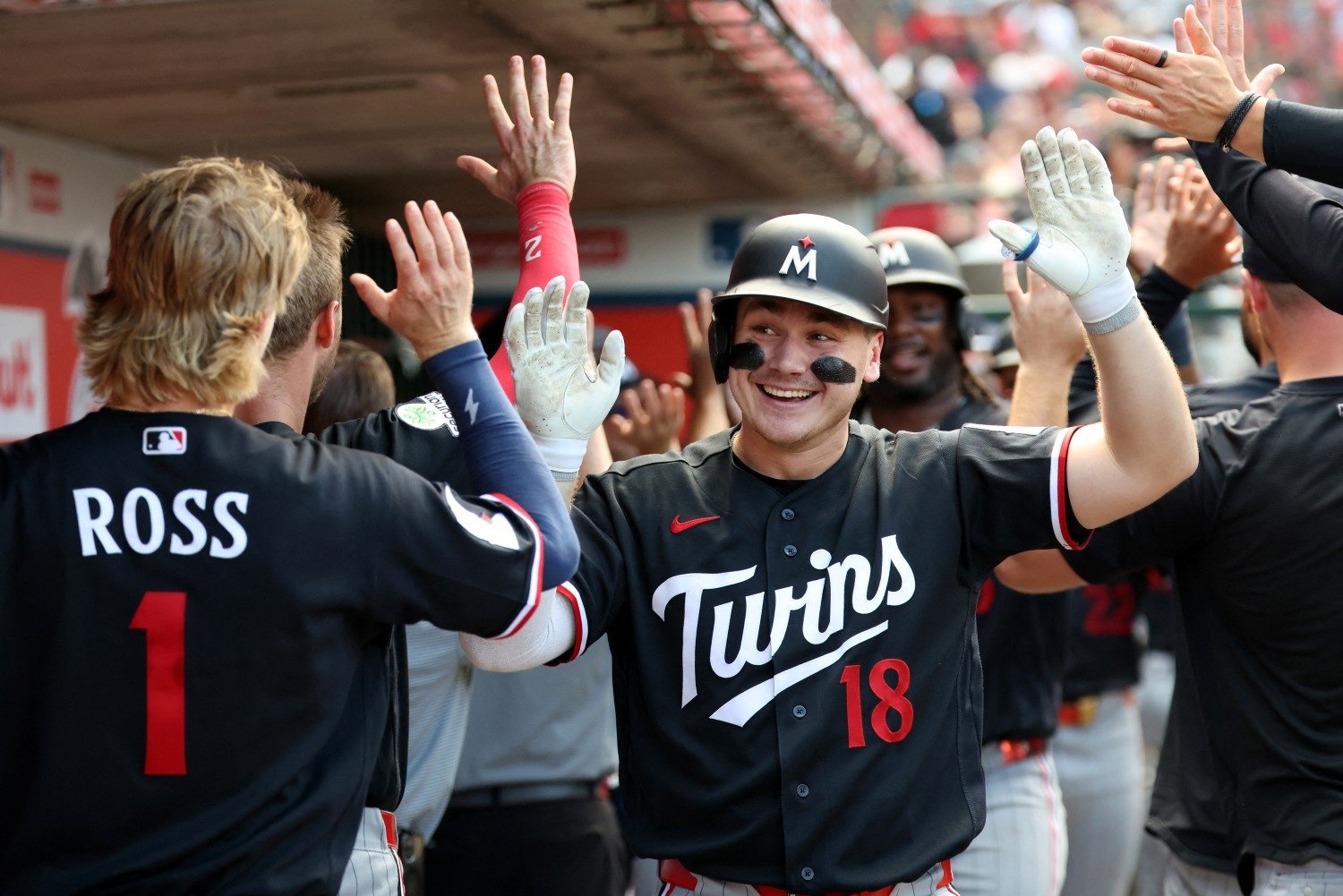 Box Score: Starting Pitcher: Dean Kremer: 6 IP, 1 H, 0 ER, 3 BB, 8 K (96 Pitches, 60 Strikes, 62.5%) Home Runs: Alan Roden (1) Top 3 WPA: Kremer (0.28), Josh Bell (0.18), Roden (0.13) Win Probability Chart (Via BaseballSavant): The Twins are in full "let's see what we have for next year" mode. Sunday found them finishing up a series against a team that is always planning for next year (though rarely making decisions that support that vision): the L.A. Angels. That meant Walker Jenkins hitting leadoff, the return of Alan Roden, and Ben Ross playing shortstop. Dean Kremer took the mound for the Twins, opposing Ryan Johnson—who, like many Angels pitchers, has had an encouraging second half. The Twins had a hard time squaring up Johnson, who has a funky, quick delivery with lots of side-to-side movement. There was a lot of weak contact on the ground until the third inning, when with one out, Jenkins legged out an infield single and Brooks Lee followed with a hard single to right. Josh Bell looped in a single to score Jenkins, and Roden delivered yet another single to score Lee. That made it 2-0 Twins. Kremer wasn't at his sharpest early, with his velocity down a bit and looking a little off in terms of command. But he bore down when he had to, getting the light-hitting Angels to chase and taking advantage of the fact they burned all their challenges by the second inning. They didn't collect their first hit until the fourth, when Vaughn Grissom singled, but he was quickly erased on a double-play grounder from catcher Moisés Ballesteros. Lee and Bell peppered Johnson with a couple more singles in the fifth, resulting in another RBI for Bell and chasing Johnson from the game. Kremer found his rhythm as the outing progressed, still staying out of the middle of the zone but throwing a few more strikes. He managed eight strikeouts through six innings, with a lot of whiffs on his four-seamer, despite touching 94 MPH just once. The top of the sixth was very on brand for the Angels. With two outs, Emmanuel Rodríguez doubled off Jose Siri's glove. It was a play that would have been lauded as really nice had Siri made the catch, but in reality, he had plenty of time and barely had to jump. Regardless, Rodríguez deserved the break; he has really struggled lately. Ross singled him home, then tried to steal second. For some reason, Ross decided not to slide, which turned from a poor to a perfect choice when the ball scooted into center field. He coasted into third, then realized the Angels were picking up the ball with little urgency, turned on the jets, and scored. The valiant visitors would add on in the seventh. Lee and Bell produced their third hits of the game, both singles. Roden then pulverized a first-pitch slider from lefty Sammy Peralta for a three-run homer. It's notable that Roden looked overmatched against Peralta in the fifth, eventually grounding out weakly, which shows a good ability to adjust on the fly. Bailey Ober was brought out for the seventh, with the Twins juggling their starting rotation for the last week of the year. He hit 91 MPH and carved up the Angels lineup for the final three innings, allowing only a single (that was really a misplay by Ross at shortstop). Stuff I'm Tracking: I'm going to miss the old version of the Angels, who were always all-in on the current season but made terrible baseball ops decisions, had a terrible culture, and apparently didn't even utilize pitch-tracking data until they revamped their pitching department this August. You just knew trading with them was playing chess while (former owner) Arte Moreno insisted his club play checkers. I still wouldn't have traded Kaelen Culpepper (plus more, reportedly) for Zach Neto, though. Royce Lewis looks cooked. No idea what the plan is for him next year. He did loop in a meaningless single in the seventh after striking out swinging his first three at-bats. Roden quietly has a .278/.349/.375 slash despite inconsistent playing time, this being his first game since August 26. You do root for a guy like him who hasn't done anything wrong; he's just been a victim of poor roster construction with all the left-handed outfielders on this team who need at-bats. Rodríguez is in the meat grinder, constantly behind in counts, and when he swings early, it's in play and an easy out. He did break an 0-17 with the double off Siri's glove in center. Is there a better pitcher in the league with a big lead than Ober? When he doesn't have to be perfect (and when he doesn't have to pace himself toward six innings), he looks great. What’s Next: The Twins head to San Francisco to take on the floundering Giants. Ober was the scheduled starter, but with him pitching in relief, it may be Zebby Matthews taking the turn. Whoever it is will face Landen Roupp (9-14, 4.01 ERA), a solid but unspectacular righty who will be making his 30th start of the year. The Giants have been beset by injuries, and Luis Arraez is still second on the team in bWAR even though he was traded at the deadline. Crazy how a team that thought of itself as a contender is this bereft of talent, despite Rafael Devers quietly having his best overall year. (He's out for the rest of the year with a core muscle injury, leaving the Giants' own core rather damaged.) Postgame Interviews: Coming Soon Bullpen Usage Chart: WED THU FRI SAT SUN TOT Gomez 24 18 0 24 0 66 Minter 22 14 0 8 0 44 Adams 34 0 10 0 0 44 Hoffman 16 5 0 19 0 40 Nance 14 0 23 0 0 37 Morris 0 13 0 15 0 28 Rogers 0 0 0 26 0 26 Funderburk 4 1 0 2 0 7 View the full article
 -
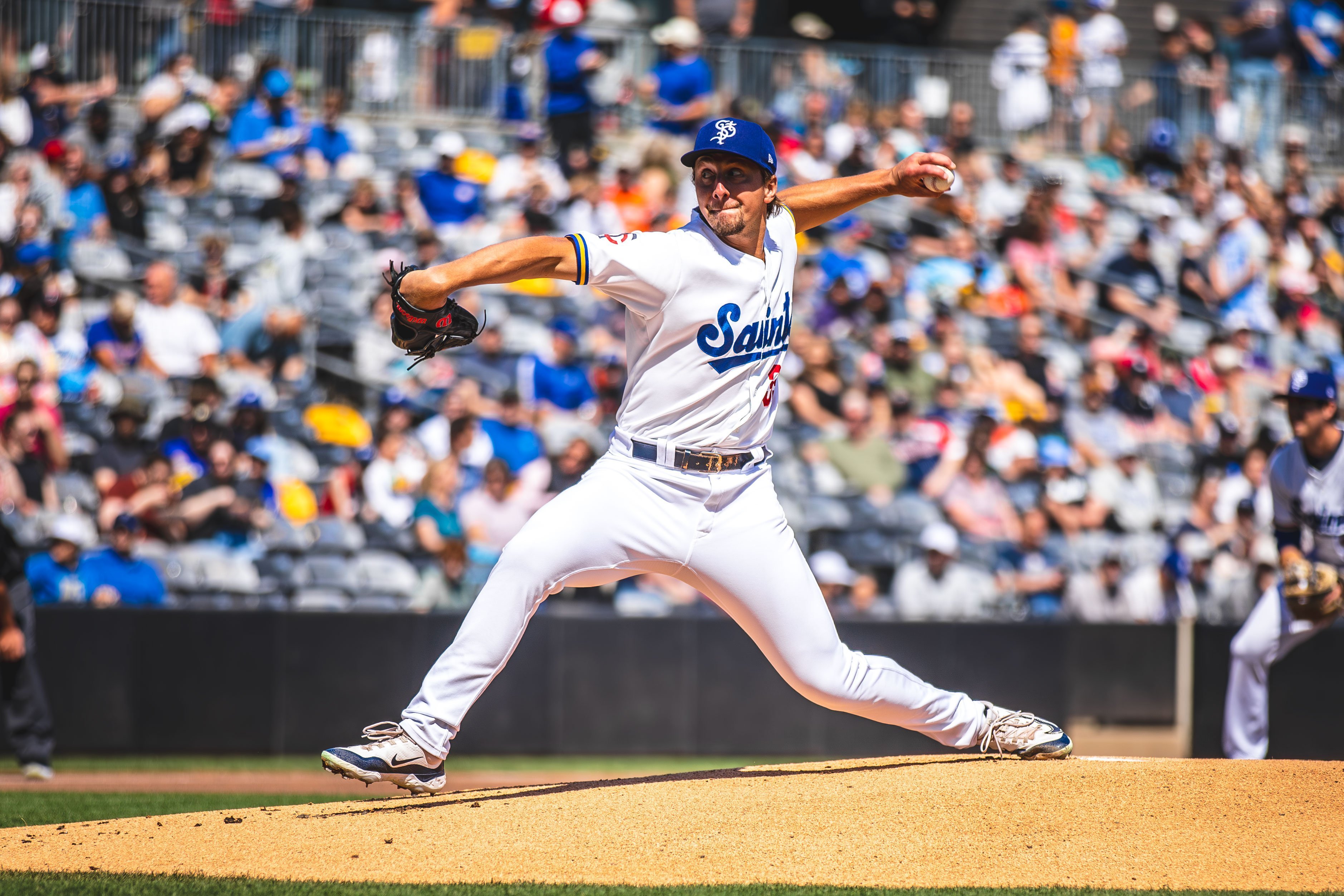 TRANSACTIONS No moves were made on Sunday. AWARDS On Saturday, we began to hand out Twins Daily's minor-league awards this weekend. Here are the awards handed out so far and what's coming. Saturday: DSL Twins Hitters Sunday: DSL Twins Pitchers Monday: FCL Twins Hitters Tuesday: FCL Twins Pitchers Wednesday: Twins Minor League Hitter of the Year Thursday: Twins Minor League Pitcher of the Year Friday: Twins Minor League All Star Team Saints Sentinel St. Paul 3, Columbus 5 Box Score Aaron Rozek: 5 IP, 7 H, 3 ER, 0 BB, 4 K HR: Tanner Schobel (7) Multi-hit games: Kala’i Rosario (2-for-4, R), Tanner Schobel (2-for-4, HR, 2B, 2 R, RBI), Jake Rucker (2-for-3, RBI, BB) The Saints lost to close out their season on Sunday. Given that the squad had already been eliminated from postseason contention, Sunday’s matters were lithe and lighthearted, more akin to the final day of school before Summer break. Kala’i Rosario started in center for just the third time this season. Aaron Sabato didn’t play. Noah Cardenas lumbered to his third stolen base of the season. Jake Rucker probably tried to pitch. All in good fun for a team celebrating an enormously successful year. St. Paul’s 82-67 record is the second-best in their franchise’s history, and the 251 homers hit by the team were the second-most by any affiliated minor league club, only behind the 2019 El Paso Chihuahuas mark of 258 (who also enjoyed the help of the most juiced ball in American baseball history). The best Saints team for winning percentage goes to the independent 2015 iteration, who won 74 games while losing just 26, good for an unthinkable .740 mark. That team hit for a .810 OPS and pitched to a 3.14 ERA, collectively. Lefty Pedro Hernández was the only player on the team with MLB experience (and if you recall his 14 games pitched for the 2013 Twins, then you’re the biggest sicko reading this post). That team won their division but lost to the Sioux City Explorers in the Semifinals, who themselves went 75-25 that year. Tanner Schobel smacked the final blast of the season, a screaming liner that fended off gravity just enough to clank off Columbus’ left field net. Though five innings of work have seen prettier outcomes, Aaron Rozek’s day on the mound set a new single-season career-high in frames with 124 2/3, eking past his 2024 mark of 122. The lefty also set a career-high with 104 strikeouts. Not bad for a hurler concluding his sixth season in the Twins system. One of these days he’ll assimilate into being the St. Paul pitching coach. We're certain that the Twins are quite thankful that the Mets released him at the end of spring training after taking him with a minor-league Rule 5 pick last December. St. Paul’s other two runs came in the fourth off a Tristan Gray sacrifice fly, and a Jake Rucker single. Wind Surge Wisdom The Wind Surge season has ended. Come back in 2027 to read more about them. Kernels Nuggets The Kernels season has ended. Come back in 2027 to read more about them. Mussel Matters The Mighty Mussels season has ended. Come back in 2027 to read more about them. TWINS DAILY PLAYERS OF THE DAY Twins Daily Minor League Pitcher of the Day – Garrett Acton? Sure Twins Daily Minor League Hitter of the Day – Tanner Schobel PROSPECT SUMMARY Here’s a look at how the Twins Daily Top 20 Twins Prospects performed: #7 – Hendry Mendez (St. Paul) - 0-4, BB #9 – Gabriel Gonzalez (St. Paul) - 0-4, BB MONDAY’S PROBABLE STARTERS All play in the Twins’ minor league system has concluded. Thank you all for another great year. View the full article
 -
 Padres Minor-League Transactions None. Ian Koenig Finishes Strong As Chihuahuas Drop Finale Another season of San Diego Padres minor-league baseball has come to a close. This one concluded with the host Triple-A Chihuahuas dropping a 2-1 decision to the Oklahoma City Comets. The Chihuahuas went 2-4 in the series and finished with a 60-90 record, including 25-50 and last place in the second half of the Texas League's East Division. Chihuahuas right-hander Ian Koenig, in his second start of the week, finished strong, allowing just one run on four hits and a walk with two strikeouts. He posted a 2.33 ERA in five Chihuahuas starts after a 5.40 ERA in 21 for the Double-A San Antonio Missions. That resulted in a 4.19 ERA for the season. Koenig finished with 120 strikeouts, two behind right-hander Winyer Chourio for the system lead. Right-hander Sean Boyle followed Koenig and went the final four innings, allowing a run on four hits and a walk while punching out five. He did give up the go-ahead RBI triple to Alek Thomas with one out in the top of the eighth inning. It was a line drive to center that Carlos Rodriguez made a diving effort for but came up short and rolled to the wall. The Chihuahuas had only four hits in their finale, singles by Rodriguez, Gage Workman, Marcos Castanon and Anthony Vilar. The only Chihuahuas run came in the second. Trailing 1-0, Castanon singled to right and went to second on a groundout. Vilar then hit a liner to right-center that easily scored Castanon from second. EP1_0920.mp4 Player AB R H RBI BB K Nick Pratto, 1B 4 0 0 0 0 1 Gage Workman, RF 4 0 1 0 0 2 Carlos Rodríguez, LF 3 0 1 0 1 0 Nick Solak, DH 4 0 0 0 0 0 Marcos Castañon, 3B 4 1 1 0 0 0 Braedon Karpathios, CF 4 0 0 0 0 1 Anthony Vilar, C 2 0 1 1 1 1 Rosman Verdugo, SS 1 0 0 0 2 0 Oswaldo Linares, 2B 3 0 0 0 0 0 Player IP H R ER BB K HR Ian Koenig 5 4 1 1 1 2 0 Sean Boyle (L, 10-9) 4 4 1 1 1 5 0 Padres Mission's Top 20 Prospect Performance Ethan Salas, C: TBD Ryan Wideman, CF: Season complete Coleman Borthwick, RHP: Season complete Kruz Schoolcraft, LHP: Season complete Ty Harvey, C: Season complete Kale Fountain, OF: Season complete Jorge Quintana, SS: Season complete Alex McCoy, LF: Season complete Braedon Karpathios, RF: 0-for-4, K Lamar King Jr., C: Season complete Elliot Lascelles, SS: Season complete Tucker Musgrove, RHP: Season complete Jagger Haynes, LHP: DNP Jake Cunningham, OF: Season complete Truitt Madonna, C: Season complete Eric Yost, RHP: Season complete Winyer Chourio, RHP: Season complete Jesus Castro, RHP: Season complete Michael Salina, RHP: Season complete Rosman Verdugo, SS: 0-for-1, 2 BB View the full article
 -
 For a pitcher, problems are not always just in the execution of his pitches. San Diego Padres right-hander Randy Vásquez embodies that truth. He seems like he can exhibit a more dominant version of himself at times, and then you get periods of collapse like he had at the end of May. After beating the Seattle Mariners with six scoreless innings and just four hits allowed in a 2-0 victory on May 15, he could not secure at least six innings again in his next 12 appearances, four of them as a reliever. The Padres decided to remove him from the starting rotation and Vásquez entered one of the worst stretches of his career. In his 11 outings from May 20 through July 25, he went 1-5, 7.20 ERA, 6.72 FIP with 10 home runs allowed and a 1.12 K/BB rate. When we analyze his repertoire, his curveball was the most vulnerable pitch. Between April and July, batters hit .309 xBA with .440 xSLG. The story repeated itself, as in 2025 Vásquez allowed a .497 xSLG and .486 in 2024 when he threw his curveball. By gaining almost 3 mph of velocity in 2026, from 81.2 to 84.0 mph, his curve lost vertical drop, going from 48.1 to 41.8 inches. That evolution did not favor Vásquez, who depended too much on his most vulnerable pitch. Then, the Padres fixed it. In the most recent stretch, since July 30, Vásquez has made 10 outings. He returned to the starting rotation and is 4-0, 2.76 ERA, 3.40 FIP and has accumulated a hold. He has allowed only two home runs against 162 opponents and his K/BB rose to 2.5, surpassing his career average (1.88). The key was in the utilization of his repertoire. He began throwing fewer curveballs and more sinkers in pressure counts. Against left-handed hitters, with the batter ahead in the count, he eliminated the curveball and increased his attack with the sinker from 4% to 36%. When the at-bat reaches the finish in two strikes, he still uses the curveball against left-handed hitters, but dropped from 33% to 8%, and has placed more of his trust in the sinker, from 5% to 28%. Now comes the most interesting part of that new strategy: the batters, who had hit .385 in the first stretch between May 20 and July 25, saw their average against the sinker fall from .385 to .200 and their slugging from .539 to .255. Vásquez was throwing the sinker in fewer favorable counts, but even though the samples were small, there are considerable differences in terms of dominance. In the graph on the left, which corresponds to the first period we have analyzed here, Vásquez was hit through the middle vertical part of the zone, but in the second period his sinker has done more damage against the opposition. He is still in danger when he stays high in the strike zone, but in the middle and on the outside corner it has been lethal against left-handed hitters, achieving the effect that the curveball had not been able to. Another one of the adjustments within Vásquez’s mix is in his use of the cutter, which he is now using more frequently to open the count against right-handed hitters, going from 30% to 45%. It took away prominence from the fastball and the cutter has also improved in the decisions of the at-bats. In the first stretch, the cutter allowed a .405 average and .905 slugging, but Vásquez has limited hitters since, leaving them at marks of just .130 and .217, respectively. He has also turned it into a more effective weapon for generating swings and misses, improving almost twice as much in whiffs%, from 13.0% to 24.6%. Pitch Type 05/20/2026 to 07/25/2026 07/30/2026 to 09/15/2026 BAA SLG Whiff/Swing GB/BIP BAA SLG Whiff/Swing GB/BIP Four-seam .289 .444 18.4 20.5 .158 .290 17.2 30.3 Sinker .385 .539 9.3 43.5 .200 .255 6.9 51.0 Change .333 .444 7.7 33.3 .211 .316 26.7 75.0 Slider .444 .889 13.3 14.3 .500 1.000 0.0 33.3 Curve .378 .600 13.8 50.0 .083 .083 17.4 70.0 Cutter .405 .905 13.0 23.8 .130 .217 24.6 44.4 Here is Randy Vásquez’s recent improvement, summarized in two key changes: fewer hard-hit balls and home runs allowed. He has limited contact and the adjustment in his pitch mix is giving him the possibility of generating more swings and misses. He is also increasing his ground-ball rate with all his pitches, another turning point in his favor as he continues to recover his ability to strike hitters out. All these adjustments by Vásquez have come at a key moment of the season, while the Padres continue to wait for the consistency and durability of Casey Mize and Robbie Ray, who have not found their best form after joining the team at the trade deadline. If this continues, we could see Vásquez handle some extremely important innings in October, either as a starter or reliever. View the full article
 -
Should Yoendrys Gómez Remain the Twins’ Closer in 2027?
DiamondCentric posted an article in Twins Daily
 Twins’ reliever Yoendrys Gómez has been one of the biggest positive storylines across the team's 2026 season. After being acquired from Tampa Bay for mere cash considerations back on May 6, Gómez quickly established himself as one of the most reliable arms in the Twins’ bullpen. In fact, you could make an argument that he’s been the team’s best reliever since arriving in Minnesota. Across 47 innings as a Twin, Gómez owns a 3.83 ERA and a 3.54 FIP. That kind of production quickly turned him into the Twins’ closer, and he has been extremely reliable in that role. He has gone 21-for-23 on save opportunities since arriving in Minnesota. If you looked at just that stat, you might be a little confused by the question I’m about to propose: Should Yoendrys Gómez remain the Twins’ closer in 2027? Despite his impressive reliability in the ninth inning this year, there are some reasons to be skeptical about whether this level of success is sustainable. The underlying data would indicate that there has been A LOT of luck involved in Gómez’s results this season. His expected ERA sits at 5.74, which is significantly higher than the 3.83 ERA he has posted since joining the Twins. Now, some of that inflated expected ERA comes from his struggles with the Rays earlier this season. But the majority of his season has come in Minnesota, so it’s not like the Twins can simply chalk all of those underlying numbers up to his time in Tampa Bay. One of the biggest reasons for that inflated expected ERA is the quality of contact he has allowed. His hard-hit rate of 44.9% ranks in just the fifth percentile among MLB pitchers. That’s concerning for any pitcher, but it’s especially alarming for someone like Gómez. His ground-ball rate ranks in the first percentile among major league pitchers. Hard contact on the ground is one thing. Hard-hit fly balls and line drives are a completely different story. That’s not exactly the profile you want from your closer. There’s also the command piece of the equation. Gómez has walked 29 batters over those 47 innings with the Twins, which comes out to a 13.5% walk rate. Yes, relievers generally have higher walk rates than starting pitchers, and there are plenty of successful bullpen arms who can survive with less-than-perfect command. But 13.5% is still an extremely high number. Put all of that together, and there are some pretty obvious red flags beneath Gómez’s impressive results. That brings us to the big question the Twins will have to ask themselves this offseason: Does any of that actually matter if he’s getting the job done? As mentioned, Gómez has blown just two saves since arriving in Minnesota. However, both have come in his two most recent outings on Wednesday and Saturday. Outside of that, he has been incredibly effective in the role. So, does it really make sense for the Twins to move off of him? In my opinion, Gómez should start the 2027 season as the Twins’ primary closer. But that leash better be TIGHT, and I'd prefer to see more of a closer-by-committee situation. There's enough in Gómez’s profile to believe that he can be a quality reliever moving forward. He generates a good amount of whiffs, and his Stuff+ rating sits at 113, with 100 being league average. That’s the kind of pitch profile you want from a closer. The problem is that good stuff can only get you so far if you aren’t consistently locating it and are allowing too much hard contact. If the loud contact and command issues start catching up to Gómez next season, the Twins are going to have to be willing to make a change. Luckily for them, they already have another potential option. The Twins acquired Jeff Hoffman from Toronto at the trade deadline, and he has plenty of experience pitching in the ninth inning himself. Hoffman is also going to be paid like a closer next season, which makes it even more important for the Twins to give themselves some flexibility with how they handle the back end of the bullpen. He's had some struggles of his own in a lot of the same areas Gómez has, but there have also been several stretches of utter dominance over the course of his major league career. And going into next year, Hoffman may have some extra buzz with Gómez's late-season struggles. Baseball is a funny sport sometimes. This is a guy who has gone 21-for-23 in save opportunities this year, and here I am talking about his job security heading into next season. But that’s what makes Gómez such an interesting case. The results, for the most part, have been outstanding, and (in my opinion) he has earned the opportunity to enter 2027 in a high-leverage role because of it. At the same time, there are enough warning signs beneath the surface to make it clear that the Twins can’t afford to ignore what the underlying data is telling them. Eventually, the deeper numbers are probably going to catch up to Gómez. And this week might have been the tip of the iceberg. View the full article
 -
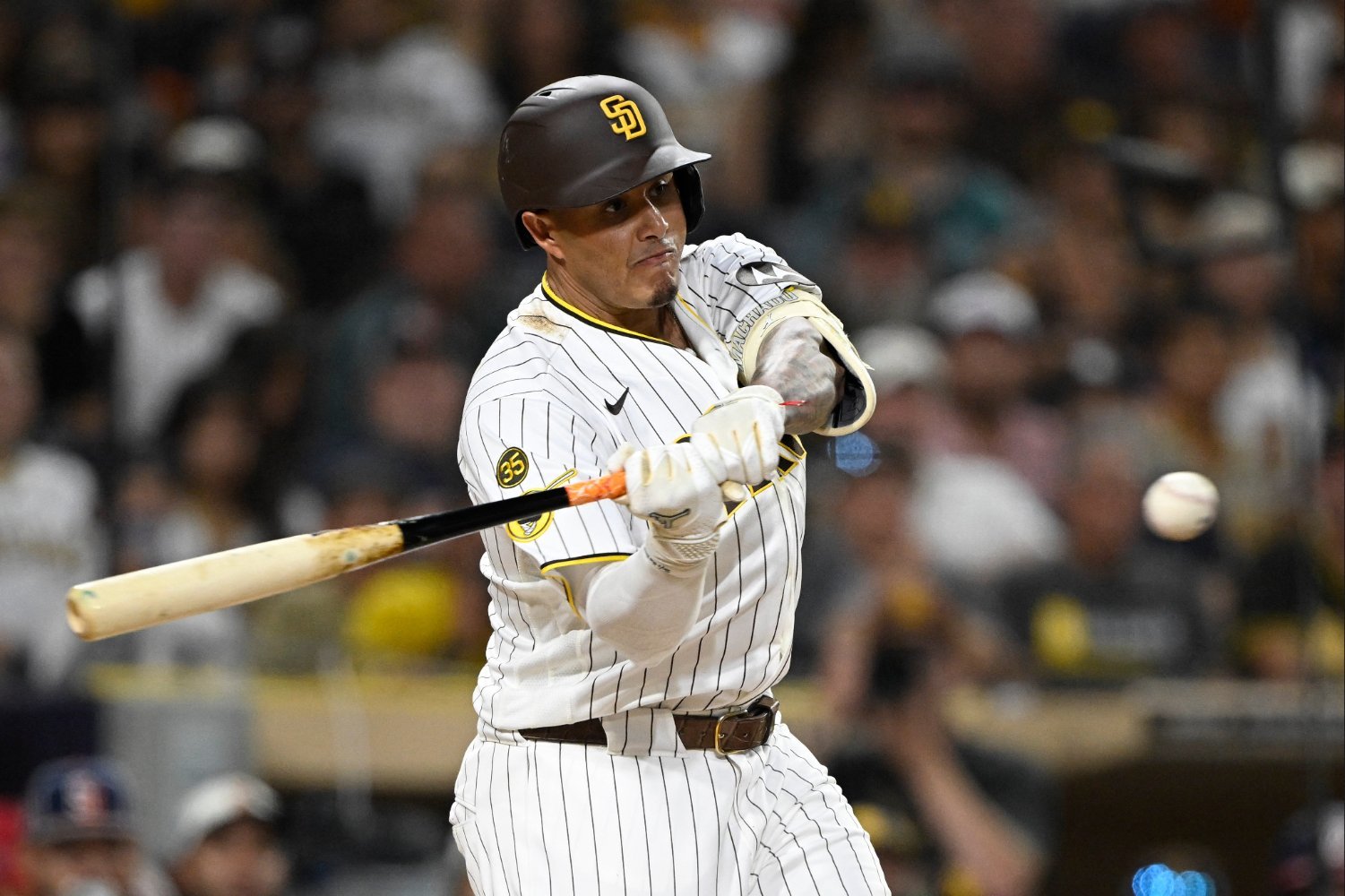 As the San Diego Padres struggled to get their offense going early in the year, attention turned toward their three core bats: Fernando Tatis Jr., Jackson Merrill, and Manny Machado. In the months that followed, Tatis has reemerged as a superstar while Merrill has largely figured out his end of the offensive bargain as well. That just leaves one outlier among the marquee trio: Machado. Throughout the season, the veteran's power numbers have been almost exactly what they've been over the last handful of seasons. As of this writing, he's at 28 home runs after posting totals of 30, 29, and 27 in the three preceding years, respectively. His isolated power figure sits at .190 after .204, .197, and .185 over that same three-year stretch. Yet, this particular season in 2026 is one wherein Machado has struggled to barely scratch above average in matters of wRC+. He sits at a perfectly average 100 despite that power output and features the same number in OPS+. Which means that, regardless of your tool of choice, the 34-year-old has been roughly average despite serving as one of the team's three-most important hitters in a year in which they're chasing down a Wild Card spot in the National League. It'd be easy to say that Machado has simply run into some bad luck. After all, he's walking more than ever (11.6 percent) and has a bat speed figure (74.7 MPH) that ranks in the 80th percentile (comfortably above the 72.7 MPH average). Perhaps we could just pin his .219/.308/.409 line on a .233 batting average on balls in play and hope that the chips fall in his favor again in 2027. Except that wouldn't tell the whole story. Despite the impressive power, decent approach, and sustained bat speed, Machado's quality of contact has waned. His barrel rate (10.0 percent) is roughly three points below his 2025 clip, while his 44.3 percent rate of hard contact is more than seven points below the number he posted last year. Worse yet for Machado, his .248 expected batting average isn't a far cry higher than where he's actually landing on the stat sheet this year. So, while there's certainly been an element of luck actively working against him, it's not so severe that we can chalk it up to only that. A quick glimpse at his approach and swing trends indicate that he's not experiencing the same level of success against pitch types other than fastballs: The overall hard-hit rate is down across the board, but Machado's work against off-speed and breaking pitches (in matters of hard contact) has plummeted. He's actually swinging at fewer of each type and chasing roughly the same as he has in the last few seasons. It's possible that there's something mechanical at play that's dragging down his ability to create quality contact against those pitch types, but it's not as if the same trend has played out against fastballs—it's just not as severe. In any case, that's a separate conversation. Our question here is whether we can deem Manny Machado's 2026 season to be a success on the merits of his power alone. If there's a saving grace here, it's that Machado's ISO doesn't dissipate in situations that would be deemed clutch. His ISO with the bases empty is .187 and rises to .206 with runners on and .192 with runners in scoring position. The power has played regardless of the situation. At the same time, when you're looking at a number of trends that are actively working downward—for a player who already possessed questions about his confrontation with the aging curve—it would be really difficult to justify calling this campaign anything but a disappointing one. That the power has been there is a nice reprieve, but given how much the Padres have battled injury and downtrodden performance from elsewhere on their roster, they needed all three of their marquee names to serve the offense in an all-around capacity. The fact that Machado hasn't done that would make it rather misguided to call it anything but a down year. View the full article
