


DiamondCentric
-
Posts
2,631 -
Joined
-
Last visited
Never
Content Type
Profiles
Forums
Events
News
Tutorials & Help
Major League Baseball Videos
Guides & Resources
Store
Downloads
Gallery
Everything posted by DiamondCentric
-

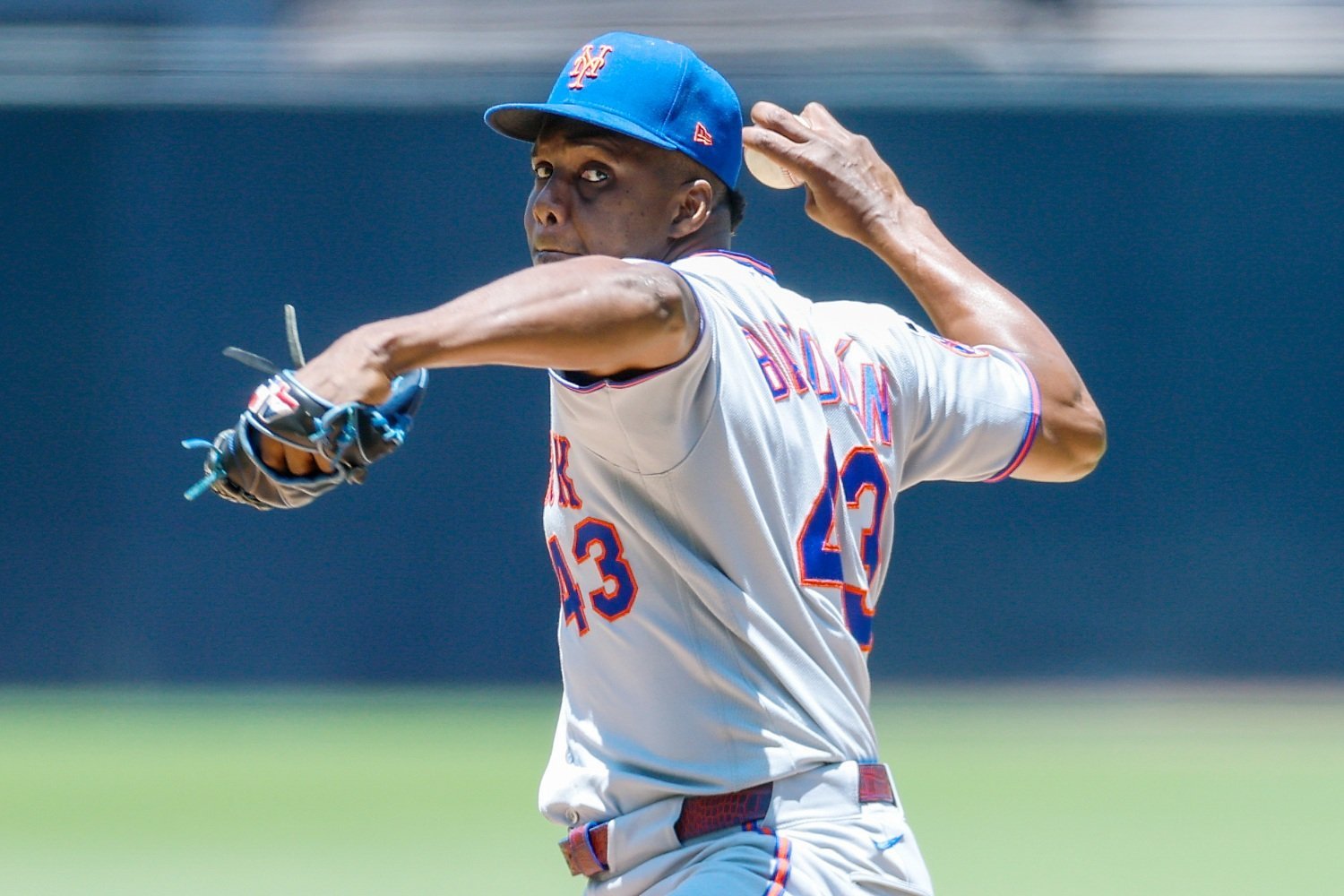 With just under a week until the trade deadline, the Minnesota Twins still don't know exactly what they'll be. They currently sit one game below .500 and will host the Kansas City Royals in a three-game series beginning Tuesday night. The Royals are bringing up the rear in the AL Central at 45-62, giving Minnesota a golden opportunity to build some momentum before the deadline. If the Twins take two of three from Kansas City, they're back to .500. A sweep would put them over the mark. A strong showing over the next several days should convince the front office to become legitimate buyers—not in the sense that they're going out and trading for Tarik Skubal, but adding pieces around the margins that can make a real impact over the final two months of the regular season. If that's the route Minnesota ends up taking, the bullpen has to be the first priority. With that in mind, here are four lesser-known, under-the-radar relievers the Twins could target before the trade deadline. Huascar Brazobán, New York Mets The Mets have been a disaster this season, but at 36 years old, Brazobán has quietly put together an impressive campaign. Across 50 2/3 innings, he's sporting a 2.66 ERA while striking out 47 hitters against 22 walks. Brazobán leans heavily on a sinker-changeup combination, which has helped him produce a ground-ball rate that ranks in the 93rd percentile across Major League Baseball. He's also been one of the league's best when it comes to limiting loud contact. His hard-hit rate, barrel rate and average exit velocity all rank in the 99th percentile, making him one of the toughest relievers in baseball to square up. That's exactly the type of profile the Twins should be targeting. They don't necessarily need an overpowering arm; they need reliable innings from someone who can consistently keep the ball on the ground and avoid damaging contact. Brazobán checks those boxes, and because of his age, he likely wouldn't cost all that much in a trade. JoJo Romero, St. Louis Cardinals The Twins currently have three left-handed relievers, in Kendry Rojas, Kody Funderburk and Taylor Rogers. But with Rojas serving as a swing man and Funderburk and Rogers impossible to count on, another southpaw could make a huge difference for them. Romero owns a 3.35 ERA across 43 innings this season. That number sat at an impressive 2.07 last year, and for the most part, his overall performance has regressed in 2026. There's been more hard contact allowed and fewer swings and misses than we've seen in previous seasons. Even so, there's plenty to like. His sinker, sweeper and changeup all feature excellent movement profiles, and one area where he's actually improved this year has been limiting walks. That's an encouraging sign for a pitcher who already has quality stuff. He's also on the final year of his contract before reaching free agency, meaning St. Louis probably won't be asking for a premium return if they decide to move him. If the Twins are simply looking to add another dependable left-handed option without paying a steep price, Romero makes plenty of sense. Brennan Bernardino, Colorado Rockies Bernardino is another intriguing possibility. He's in his age-34 season, but putting together the best year of his career. Over 42 2/3 innings, he's posted a 2.74 ERA with 33 strikeouts compared to just 14 walks. Nothing about Bernardino's arsenal immediately jumps off the page. His sinker averages around 90 mph, and his pitch shapes aren't particularly flashy. But getting outs is more important than looking impressive doing it. Bernardino is a classic pitch-to-contact reliever, and the contact he allows is exactly what teams are looking for. His barrel rate ranks in the 89th percentile, while both his hard-hit rate and average exit velocity sit in the 96th percentile. He attacks the strike zone, limits quality contact, and has managed to keep his ERA below 3.00 despite pitching half of his games at Coors Field. That's no small accomplishment. Bernardino is someone I'm liking quite a bit as a realistic trade target. Brent Suter, Los Angeles Angels Apparently, I have a type when it comes to bullpen targets. Suter is 36 years old and will turn 37 in August. Like the other names on this list, he doesn't light up radar guns, averaging around 89 MPH on his sinker, and his pitch shapes aren't eye-popping. His 4.42 ERA isn't particularly appealing, but a 3.62 FIP suggests he's been the victim of some bad luck (and some bad Angels defense) this season. He's posted outstanding walk numbers over the past three years, and while strikeouts have never been a huge part of his game, he's another pitcher who specializes in weak contact. His hard-hit rate and average exit velocity both rank in at least the 89th percentile among major-league pitchers. He also generates ground balls at a healthy clip, and thanks to an average of 7.4 feet of extension, that slow sinker plays much harder than the radar gun suggests. Suter is on a cheap, expiring contract and brings a long track record of success. He's another veteran who could slide into Minnesota's bullpen and provide meaningful innings during the stretch run. None of these names would generate the biggest headlines if the Twins acquired them, but that doesn't mean they wouldn't make a difference. If Minnesota decides they’re buying at the deadline, the bullpen absolutely has to be the first area addressed. Adding one or even two reliable veteran relievers like Brazobán, Romero, Bernardino or Suter could go a long way toward stabilizing a relief corps that's been the team's biggest question mark all season. View the full article
 -
Jason Delay's Defensive Prowess Is A Genuine Game-Changer In Worcester
DiamondCentric posted an article in Talk Sox
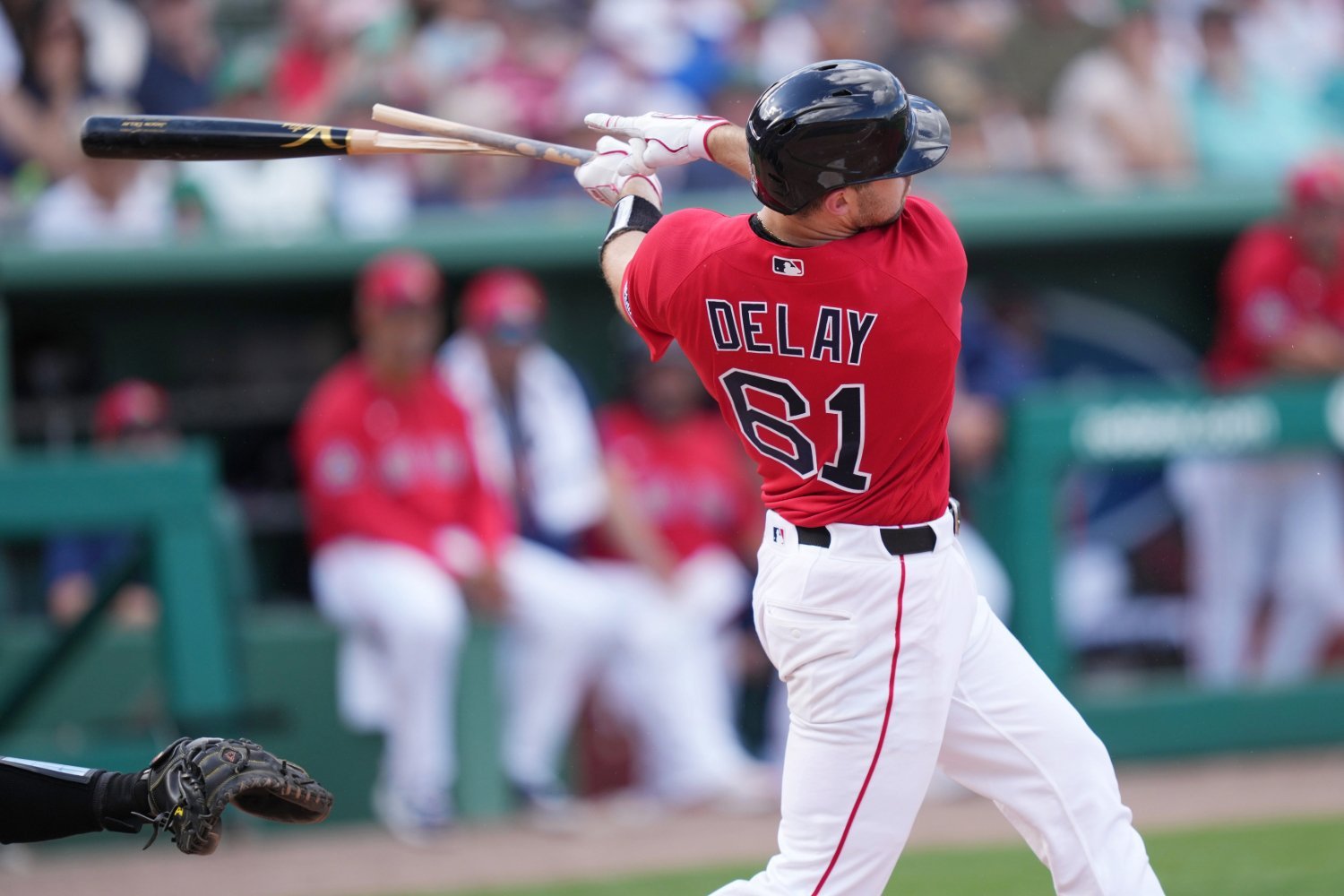 Jason Delay takes immense pride in his defensive capabilities. Since being taken by the Pittsburgh Pirates in the 2017 MLB Draft, Delay has put a focus on his glove, using his years of experience along with an incredible work ethic to make himself the best catcher he can be. Currently serving as one of four catchers on the Worcester Red Sox, Delay has appeared in 58 games while hitting just .227/.328/.343 (78 wRC+) with 13 doubles, two triples, two home runs and 28 RBIs. That production is pretty much in line with what he's done in the majors throughout his career (69 wRC+), though no one has ever mistaken him for a true slugger. It all comes down to his work behind the plate, not at it. Through the first half, the 31-year-old catcher tied for fifth in all of Triple-A in framing runs, sitting at a value of 3.48. For those unaware, framing runs is a metric that measures a catcher’s ability to turn borderline pitches into strikes, with 0.125 runs being added for each gained strike or lost. If Delay’s 3.48 was to be compared to catchers in the majors during that window, he would be sitting just outside of the top 10. On top of that, he has been one of the top catchers in the minors when it comes to his success with the ABS system. An understanding of the strike zone along with years of experience helping him. Though, for Delay, sometimes winning an ABS challenge isn’t always a sign of great catching. “To be honest, being good at challenges isn’t something I take a lot of pride in. Just because if I’m challenging pitches that are in the strike zone, that means I’m not getting them called [as] strikes. I would prefer to be good at receiving, good at framing. It’s been a strength of mine for years and it’s something I take pride in,” the veteran backstop explained. It's obvious why he's prideful of his abilities. In 2022, when he appeared in 57 games with the Pirates, his framing value was at +4, only for the value to increase in 2023 where in 70 games he sat at +7. Delay admits that entering each game he studies the umpire behind the plate to prepare for his own game calling and to be ready on the receiving end of the pitches being thrown to him. In his first 41 games behind the plate, he managed to steal 52 called strikes for his pitchers, the 11th-most in Triple-A. On the flip side, he lost only 36 called strikes, many that would be overturned through an ABS challenge. “I do my own homework on the umpires, where their cold zones are within the [strike] zone, so I know going into any game,” Delay told a media scrum in Worcester. “I am looking at the iPad pretty much between each inning to see, like, that pitch I thought was close, did it clip? Was it out of the zone? Doing that for years now, that’s probably how I started to win the zone. And if it’s a close pitch, I’ll kind of look into the dugout and they have a lot of feedback too.” “Delay’s a smart guy. Just smart in general, he’s a Vanderbilt guy, but the baseball IQ is there,” acting Worcester manager Iggy Suarez said. “That’s something he tracks on his own. When he challenges, if he’s going to miss it’s going to be pretty close and if he does miss, it’s a spot where we’re trying to grab a strike, stop an inning or take a chance. He’s coming in and asking, peeking in the dugout to see what the pitch was. And you can tell if he misses one, he’s kind of like ‘that could have helped us out.' I can only imagine how the pitchers feel knowing that [when] this guy rips a challenge, it’s going to probably be a strike.” For Delay and fellow catcher Matt Thaiss, it isn’t just their on-field contributions that have paid dividends for the organization. Being a veteran catcher that spent multiple years in the bigs, Delay offers a viewpoint for the younger pitchers in Worcester hoping to make it to The Show themselves. The experience is comforting for the pitchers, knowing that they’re throwing to a catcher who has experienced the top level of competition. Delay provides an edge for the pitchers not just when it comes to calling a game, but also the preparation he does before the game. “Just the way he prepares and how he goes about it, there’s no panic. Young catchers start panicking and call aggressively. Guys that have experience like Delay, whether he’s struggling at the plate or not, he’s gonna be dealing behind the plate. So, to have that experience at the big-league level will be good for guys,” Suarez explained. And Delay has been good, helping both young pitchers and veterans alike each time he gets behind the plate. That experience and his defense could be beneficial to a playoff team come September, something that Delay might be thinking in the back of his head even if he won’t say it. As part of his contract he signed prior to spring training, he has one remaining opt-out clause remaining. The first was June 30, though he chose not to exercise it. The next comes on August 15, at a time where more teams may be inquiring about his defensive skills. It would be easier to find a path to the majors as a defensive third catcher for the month of September, a role that could be alluring to the veteran backstop after spending nearly two years in the minor leagues. If the Red Sox want to keep someone like that in the organization, they may have to reward his defensive prowess with a trip to Boston. View the full article
 -
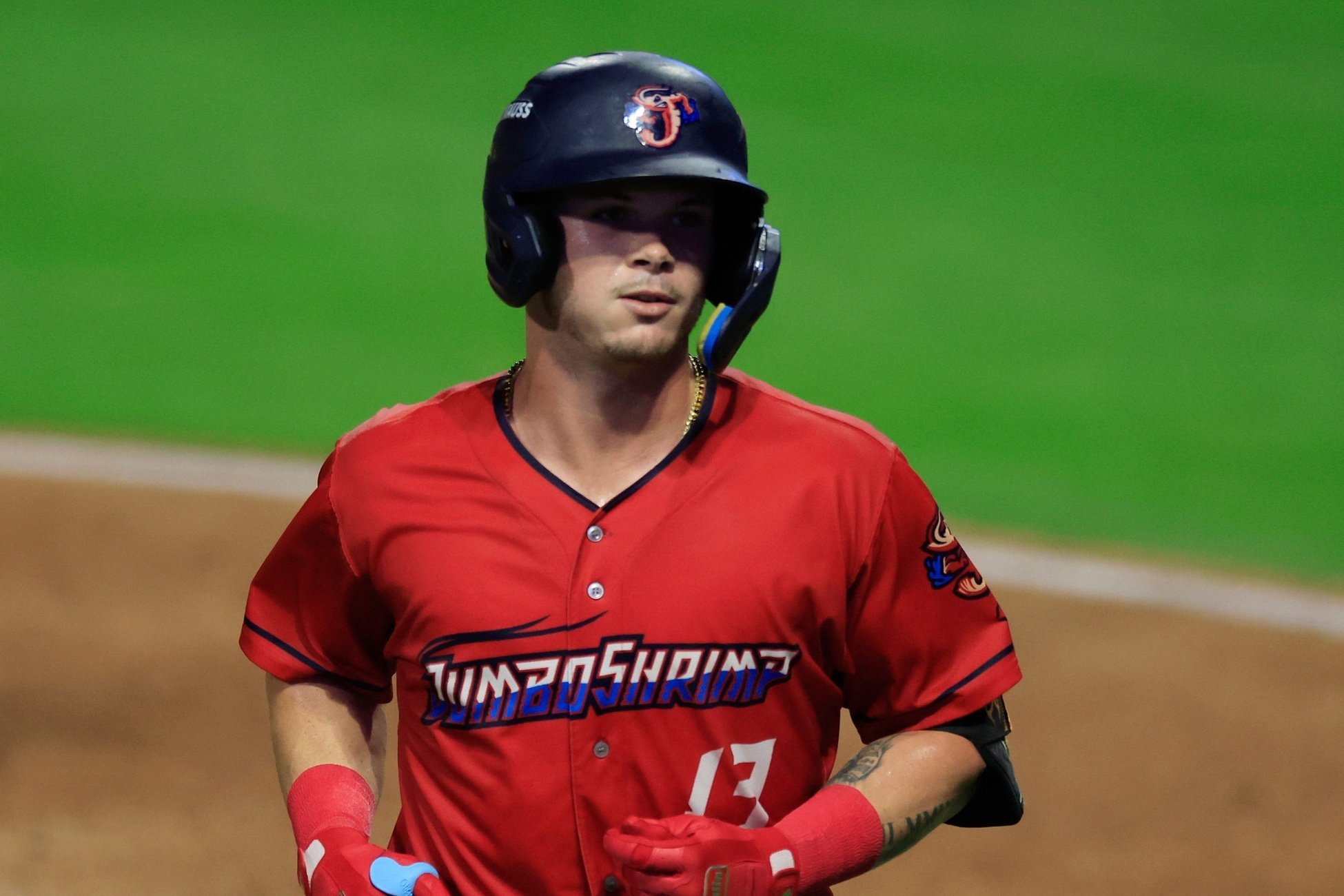 For the 2026 season, Fish On First will provide weekly reports on the Miami Marlins farm system, covering all levels. The busiest stretch of the minor league calendar is behind us now that the Florida Complex League season has ended. However, we are on the verge of seeing new draftees take the field and it is increasingly likely that the Marlins will add more prospects from outside the organization in trade deadline deals. This report covers the games played from July 21-27. Triple-A Jacksonville The Marlins recently set a franchise record for most consecutive losses at 12. Amazingly, at the exact same time, the Jumbo Shrimp lost 12 straight games themselves, most recently being swept in Worcester. Since arriving to the Triple-A level, outfielder Cam Cannarella continues to hit, slashing .290/.405/.516/.922 with one home run, two RBI and a 146 wRC+. Cannarella, who started the 2026 season in High-A Beloit, played 19 games at that level before a promotion to Double-A, then after a 34-game stint (posting a 1.060 OPS), he received the promotion to Jacksonville. The most impressive part of his game so far has been the power, hitting 13 home runs this season; last year in 83 total games between college and the minors, he hit only five. The majority of them have been to the opposite field. Cannarella should be playing Major League Baseball come 2027, and it shouldn't take very long into next season for that to happen. One name to keep an eye out for in terms of potentially receiving an opportunity in the second half of this season is Kemp Alderman. He is slashing .289/.366/.498/.864 with 14 home runs, 41 RBI and a 127 wRC+. The main concern with Alderman continues to be the high strikeout rate, now at 30.8%. That is seven percent higher than 2025, where it was down to 23.1% across Double-A and Triple-A. Mainly an outfielder, Alderman has played a lot of first base in 2026, where he can help the team if they end up parting with Liam Hicks at the trade deadline. Former first-round pick Jacob Berry has been placed on the development list. Berry has played in 72 games this season, posting a 103 wRC+. He has homered only twice in 50 games since the beginning of May. Struggling since reaching Triple-A is Karson Milbrandt. In eight games (seven starts), he has posted a 6.39 ERA, 5.40 FIP, 7.55 K/9 and 7.84 BB/9. After such a strong performance in Double-A, where he was striking out opposing hitters left and right, the jump to a new level has certainly hurt him. Braxton Garrett may be seeing his final week of action as a member of the Marlins organization. Per Craig Mish, the Marlins are "getting a ton of calls and interest on him." In 15 appearances (14 starts), Garrett has a 2.32 ERA, 3.87 FIP, 9.77 K/9 and 3.42 BB/9. The downside is that in his most recent start, he allowed seven runs on eight hits in 2 ⅔ innings pitched against Worcester. A good reference point for a potential Garrett trade can be what the Pittsburgh Pirates got in return for José Urquidy, who like Garrett, was in Triple-A as depth. Double-A Pensacola The Wahoos continued to slug their way to success against the Columbus Clingstones this past week en route to winning five of six games. They hit six home runs, bringing their season total to 127, tops in the Southern League. Pensacola also received quality production from their pitching staff as they held the opposition to just nine total runs. All around, this was one of their best series of the season so far. The rocket emoji was created in this man’s likeness. Brandon Compton’s incredible power surge continued as he pumped out another three home runs against Columbus. In his first 20 games with Pensacola, the 22-year-old has hit 11 home runs. Since the start of June, Compton has hit 21 homers. That is not only the most in Minor League Baseball, it is the most in all of professional baseball. Compton is the first Marlins draft pick to hit 20 homers in their first full season in the organization since Peyton Burdick in 2021. This is exactly what the Marlins hoped they were getting when they drafted Compton shortly after he set MLB Draft Combine records for exit velocities. Always his calling card since his collegiate days at Arizona State, it isn’t surprising that Compton is clearing fences, but it is staggering the pace at which he is doing it and under the circumstances in which he is doing it. Famously, the jump to the Double-A level is the hardest for a young player to make, much less one participating in their first full pro season. Compton has handled it with ease, not skipping a beat. If anything, he’s been even better in Pensacola where he is slashing .342/.407/.822 over the 20-game sample. Another recent change for Compton has been the switch to a different bat handle, an axe-handle grip, which is evidently working to his advantage. As is common for this style of hitter, Compton will need to find a way to make his K rates more manageable as he fully matures. Thus far in his MiLB career, he strikes out 36% of the time. His selectivity will be a primary focus as he rounds out the season with the Wahoos. Defensively, Compton owns a strong arm even after undergoing Tommy John before his freshman year of college. His ability to stick in the outfield will be reliant on his ability to improve as a route runner. Overall, this 6’1”, 225-pounder is reminiscent of the aforementioned former top prospect Burdick and current Marlins outfielder Griffin Conine. The Marlins would be very pleased with Compton winding up on the positive side of that equation. He will likely finish the year at Double-A before a probable spring training invite in 2027 (CBA permitting). There’s no sugar-coating it: it’s been a rough year overall for Nigel Belgrave, part of the Marlins’ 2023 draft class. Coming off a spectacular 2025 campaign in which he dominated Double-A competition and even had a cup of coffee at the Triple-A level, the 24-year-old righty has seen his ERA balloon up to an uncharacteristic 5.24 through 28 appearances. The hope is, though, that he has started to have been cured of what ailed him. July has been much kinder to Belgrave. Including two appearances in this series against the Clingstones, he has allowed just three runs in 12 innings. Belgrave’s most recent appearance really stood out—tossing a career high 3 ⅓ innings, he struck out five and didn’t allow a baserunner. Belgrave’s struggles this season were certainly surprising from an arm which consistently held down an ERA under 3 for two straight seasons and who was among candidates to make his MLB debut at some point this season. Through 44.2 IP, he’s already allowed a career-high in hits (48) and is eight walks shy of his career high in that department. The possible culprit for Belgrave’s struggles is some tinkering he did with pitch shapes that have limited his command and the movement he had over his fastball a slider which forced him to be in the zone more. Previously a two-pitch guy, Belgrave now has four usable pitches (both varieties of fastball, cutter, sweeper and mix-in change), so there is room for optimism. Hopefully back to his roots, Belgrave will look to build on his recent strong performance and get back on track as a possible late inning relief option that can also go multiple innings if needed as early as next season. High-A Beloit The Sky Carp returned home after a road series and a half on the road and despite losing the run differential battle to Cedar Rapids, were able to take five of six games to get back to within one game of .500 on the season. Solid starting pitching was present for Beloit during half of the series: three Carp starters threw five or more innings while allowing just one run or less. Offensively, the Sky Carp did enough in this series and look to improve in that regard in pretty short order. The Marlins are expected to assign their 2026 draft class to affiliates shortly, a few of which may head straight to Beloit. Most picks will go to Jupiter. In corresponding roster moves, prospects that have been performing well for the Hammerheads (Andrés Valor and Max Williams, among others) may receive promotions to High-A. Quietly, Aiden May has consistently improved as the season has gone on. Now it seems as though he may be ready to start really garnering attention and boosting his stock as a prospect. Participating in his first full MiLB season after appearing in just nine games in 2025 due to arthroscopic surgery, May parlayed some early season growing pains into a great June in which he held down a 1.93 ERA. Building up to pitching deeper into games more often, he has lasted into the the 6th inning in four of his last five starts, including this week in which the righty tossed a career-high 6 ⅔ innings. He allowed just four hits and one walk while striking out four. The biggest catalyst for May as he’s navigated the season has been the improvement of his command and ability to limit damage. When too far in the zone as he was frequently earlier this season, May struggled particularly later in counts putting hitters away and keeping the ball out of play. Finding more corners and having a better frame of mind for his still-evolving pitch mix, May has solved for that gap while keeping his walk rate under control. He is now only allowing hits at a .239 clip and his BABIP against has normalized to .293. A zone-pounding righty with a deep arsenal, May is honing his craft advantageously. Because there is little room for error in his game and because he doesn’t have wipeout or blow-it-by-you stuff, there’s reliever risk to him, but with the ability to work multiple innings and put up zeroes, he has a high floor as a future bullpen option. If everything works out for him, he will be a back-end rotational option. May could be a candidate to get the call to Double-A before this season is over. There, we will learn a bit more about how close he can get to his ceiling. After a great first month at the High-A level, the league adjusted a bit to Emilio Barreras. Although opponents still were unable to get him to whiff much, Barreras went just 7-for-33 to start July. In this series against Quad Cities, though, the 22-year-old infielder was able to adjust back to his new competition level advantageously. Appearing in five games, Barreras went 5-for-15 with an RBI and two walks. He boosted his yearly batting average back up to .280 and his overall OPS rose to .733. With Beloit, Barreras is slashing .246/.340/.358. Any new level is going to present challenges to players who are going through their development. Handling the mental side of the game is an integral part of the growth process for young athletes. Barreras is beginning to show he can handle the ups and downs of failure and success that baseball throws at players in a positive manner. While his exit velocities don’t jump off the screen nor has his ability to record extra bases, his penchant for getting on base has even admits his start-of-July dip in production. Back on the positive side of the bounces against the River Bandies, he’s a pesky at-bat who shows great plate discipline and knowledge of the strike zone. The one thing that has fallen off for Barreras as he’s matriculated to Beloit is his ability to use the entire field. He is going to his opposite field just 23.5% of the time. Without much power, regaining the ability to cover the entire plate will be paramount for Barreras as he continues to develop. The ability for the mostly-singles bat to become more of a base-stealing threat would also be a major plus. Expect Barreras to remain with Beloit for the remainder of the season. Low-A Jupiter After a dreadful start to the season, Andrés Valor is finally a league-average hitter player per wRC+ at exactly 100. He is slashing .217/.345/.384/.729 with 10 home runs, 36 RBI and 44 stolen bases (by far the most in the Marlins org). Still only 20 years old, there is still time to bounce back and begin looking like the prospect that he did before. Max Williams has been torching the Low-A level since returning from shoulder surgery. In 12 games, he is slashing .390/.519/.585/1.105 with one home run, six RBI and a 198 wRC+. It is still early in Williams' career and these numbers should be taken with a grain of salt, but they're still impressive nonetheless. He is currently being used only as a designated hitter while his shoulder returns to full strength. Left-hander Dameivi Tineo threw five hitless innings in his start on Saturday. He became just the fourth Marlins minor league pitcher this season to reach the 100-strikeout mark. Right-hander Eiver Mosquera has been suspended 80 games for violating Minor League Baseball’s drug program after testing positive for the performance-enhancing substance boldenone. FCL Marlins The FCL Marlins had their share of ups and downs this season, finishing last in the Florida Complex League East with a 20-32 record and a run differential of -94. While the record wasn't pretty, the offense wasn't necessarily the problem. The club hit .260 as a team, fifth-best among the 15 FCL teams, while also ranking fifth in slugging percentage, sixth in OPS, and finishing in the top third of the league with 42 home runs. The biggest issue all season long was the pitching staff. The FCL Marlins finished last in the league with a 7.57 ERA, while the next closest club posted a 7.01 ERA. Despite allowing just a .244 batting average against—the fifth-lowest mark in the league—they surrendered a league-high 337 walks while finishing in the middle of the pack with 438 strikeouts. The stuff was there all season, but the command simply wasn't. The command issues showed up in just about every category. The Marlins led the FCL with 115 wild pitches and tied for the league lead with 39 balks. What's surprising is they also finished second in the league in GO/AO, meaning they were one of the more ground-ball-heavy staffs in the league. Even with that, they turned just 10 double plays all season, the fewest in the FCL. The next-lowest team turned 20. Offensively, the Marlins showed flashes throughout the year but lacked consistent extra-base production. They finished 12th in doubles with 68 and second-to-last in triples with just nine. The FCL season is only 52 games, so the sample size is small, but when looking back at the year, many of these numbers line up with what was visible on the field. DSL Marlins & DSL Miami José Camacho has quietly put together a solid season for DSL Miami. In July, he is hitting .258 (16-for-62) with two home runs, including one on Monday afternoon. Camacho has struck out just 18.5% of the time this season, but his .270 BABIP suggests he has been on the wrong side of some poor luck. He has also hit too many balls on the ground, posting a 1.21 GO/AO ratio, but with two home runs over the last few days, maybe some of that luck is finally starting to turn. José Rosal put together a statement outing on Monday after struggling over the last few weeks. In three innings, he struck out eight while walking three. The walks continue to be the biggest issue, but when Rosal is around the strike zone, his stuff can be nearly unhittable. Opponents hit just .184 against him in June before that number climbed to .304 in July. Monday's outing was another reminder of what Rosal is capable of when he throws strikes consistently. Carlos Martinez has been back from a two-week absence for about three weeks now. While the numbers don't necessarily jump off the page, he continues to show some of the best bat-to-ball skills in the organization. In just 38 at-bats, he has struck out only three times, good for an 8% strikeout rate, while walking at an incredible 37% clip. Despite having more than 50 fewer at-bats than he did last season, he has already surpassed his walk total from 2025. Martinez has primarily caught this season but has also logged six innings in right field, showing some defensive versatility. The DSL Marlins currently sit at 21-18 with a plus-52 run differential, largely because of what has arguably become the best top three in the entire DSL. Johan Machado, Raunny Figueredo, and Santiago Solarte have fueled the offense all season long. Even more impressive is that Figueredo and Solarte are in their first professional seasons, while Machado is in just his second. Since Solarte moved to third base after struggling defensively at shortstop, Machado has become the club's primary shortstop. Johan Machado Machado has been the DSL Marlins' leadoff hitter in 33 of the team's 36 games this season, and he has done exactly what you want from a leadoff hitter. On the year, he is hitting .302 with a .400 OBP while stealing 25 bases. He has also shown much more power this season, with all five of his career home runs coming this year. He has been even better in July, batting .358 (24-for-67) with three home runs, 20 RBIs, and 10 stolen bases. During this hot stretch, he has struck out at a lower rate than his season average (19% vs. 23%). Pitchers don't get much of a break after Machado reaches base. Raunny Figueredo, who turned just 17 three months ago, has exceeded expectations. Since June 18, he is hitting .306 with four home runs and 22 RBIs. During this stretch, he has also struck out less frequently than he has throughout the season. In July, he owns matching 15% walk and strikeout rates, an impressive combination for someone his age. Defensively, he has spent most of the season in right field, recording two assists in 230 innings. Considering he turned 17 only three months ago, what Figueredo has done this season has been impressive. The Marlins have had their share of disappointing high-profile international signings over the years, so seeing Santiago Solarte produce right away is something the organization has been waiting on for quite some time. Since moving from shortstop to third base, everything has seemed to click. In July, Solarte is hitting .364 (20-for-55) with four home runs, 17 RBIs, more walks than strikeouts, and 17 stolen bases. On the season, he is batting .315 with six home runs, 31 RBIs, and 33 stolen bases, ranking fourth in the DSL. He also owns an outstanding .441 OBP and a .973 OPS. The move off shortstop has allowed Solarte to settle in, and the offensive production has followed. For a player making his professional debut, he couldn't have asked for a much better start to his career. This week's schedule Triple-A Jacksonville vs. Memphis Double-A Pensacola at Knoxville High-A Beloit at West Michigan Low-A Jupiter vs. Clearwater DSL Marlins and DSL Miami against various opponents View the full article
 -
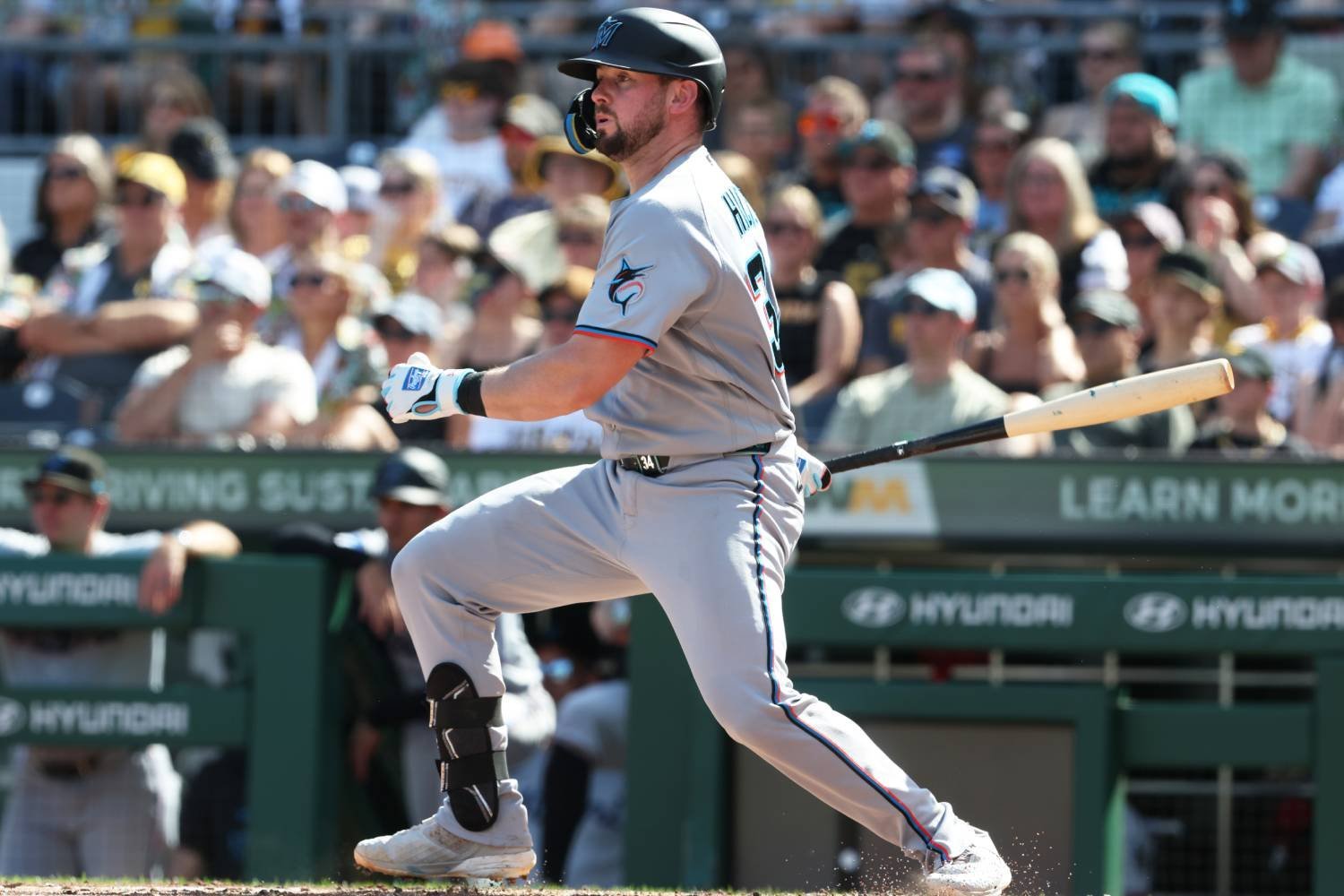 As the Boston Red Sox continue their search for an upgrade at catcher, a few more paths could be open. One is the Miami Marlins and the other is the St. Louis Cardinals. According to MLB.com's Mark Feinsand, the emergence of rookie catcher Joe Mack has prompted the Marlins to be open to trading Liam Hicks, who has seen more action at designated hitter than catcher in July while also spending a little time at first base this season. Hicks, who is under club control through 2030, is slashing .279/.358/.438 with 14 homers and 60 RBIs in 95 games for the Marlins, who Monday ended their franchise-record 12-game losing streak that switched their role from buyer to seller with Monday's trade deadline coming up. In addition to being 9½ games out of the NL East lead, the Marlins went from possessing the No. 3 wild-card spot to now being two games out, but having to surpass five teams to get back into that same position. Hicks has started 31 games behind the plate, 18 at first base and 35 at DH. If Hicks isn't who the Red Sox are looking for, they could head back to the Cardinals, who shipped right-handed starter Sonny Gray and first baseman Willson Contreras to Boston in separate deals with its former front-office boss Chaim Bloom. The Cardinals have the top catching prospect in baseball, per MLB Pipeline, in Rainiel Rodriguez, a 19-year-old who is at Double-A. But ahead of him yet on the Cardinals' depth chart are Pedro Pages and Ivan Herrera. Pages would be more attractive from a defensive standpoint as Herrera does a poor job of controlling the running game. But Pages' problem is offense. He has a .207/.248/.327 slash line with four homers and 11 RBIs in 60 games, while Herrera's slash line is .244/.365/.380 with 12 homers and 44 RBIs in 105 games. Herrera has made 40 of his 105 starts at catcher, with the rest as a designated hitter. View the full article
 -
Brewers Reaching Out To Slumping Tigers About Tarik Skubal
DiamondCentric posted an article in Brewer Fanatic
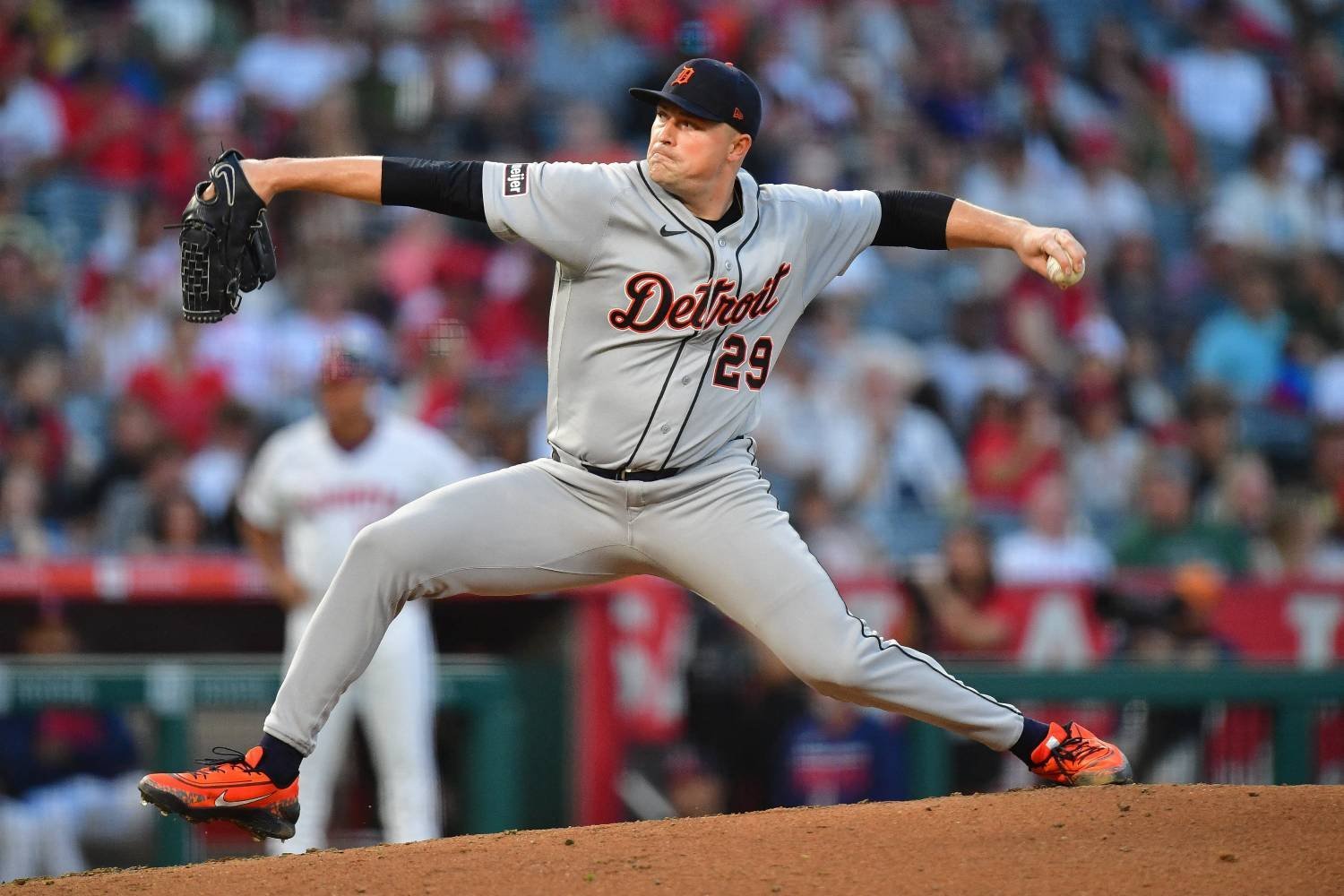 With the Detroit Tigers now having lost three in a row and having to leapfrog five teams in the AL wild-card standings, suitors are starting to contact the team about adding two-time reigning AL Cy Young Award winner Tarik Skubal. One of five teams mentioned by The Athletic's Ken Rosenthal on Tuesday, a day after the Tigers' 8-5 loss to the Baltimore Orioles, is the Milwaukee Brewers. As expected, it would take a huge haul for the prize of this year's trade deadline. On top of being a two-time Cy Young, the left-hander has regained that form after having some bumpy starts (from a Skubal perspective) following a nano-needle procedure to remove a single bone chip from his left elbow. In his last start, Skubal struck out 12 over 7⅓ innings in a 2-1 win over the Kansas City Royals on Friday. Skubal is scheduled to make his final start before Monday's trade deadline Wednesday. Rosenthal notes that front offices kept their distance as the Tigers hovered on the line of contending, but following Monday's loss five teams had plans to touch base again and possibly ramp up negotiations for Skubal. Joining the Brewers in that pursuit are the Los Angeles Dodgers, Tampa Bay Rays, New York Yankees and Atlanta. The Brewers have the No. 1 farm system in all of baseball, according to several outlets, so there is no shortage of prospects to pull from. Rosenthal says that Scott Harris, the Tigers' president of baseball operations, would likely ask to have access to every player in any suitor's system. For the Brewers, that would include Double-A shortstop Jesus Made, the No. 1 prospect in all of baseball by most outlets and obviously the No. 1 by Brewer Fanatic, as well as High-A shortstop Luis Pena, Brewer Fanatic's No. 2 prospect. The Tigers would no doubt be in search of a young pitcher as well, which could put right-hander Logan Henderson in play. A move for Skubal by the Brewers would harken back to the 2008 blockbuster for left-hander CC Sabathia, who put together a storybook run en route to getting the Brewers to the postseason for the first time since 1982 and then cashed in with a huge free-agent contract. Like Sabathia was, Skubal will be a free agent following the season. He is making $32 million this year. View the full article
 -
Cole Sands Heads Back to Injured List as Twins Recall Jack Anderson
DiamondCentric posted an article in Twins Daily
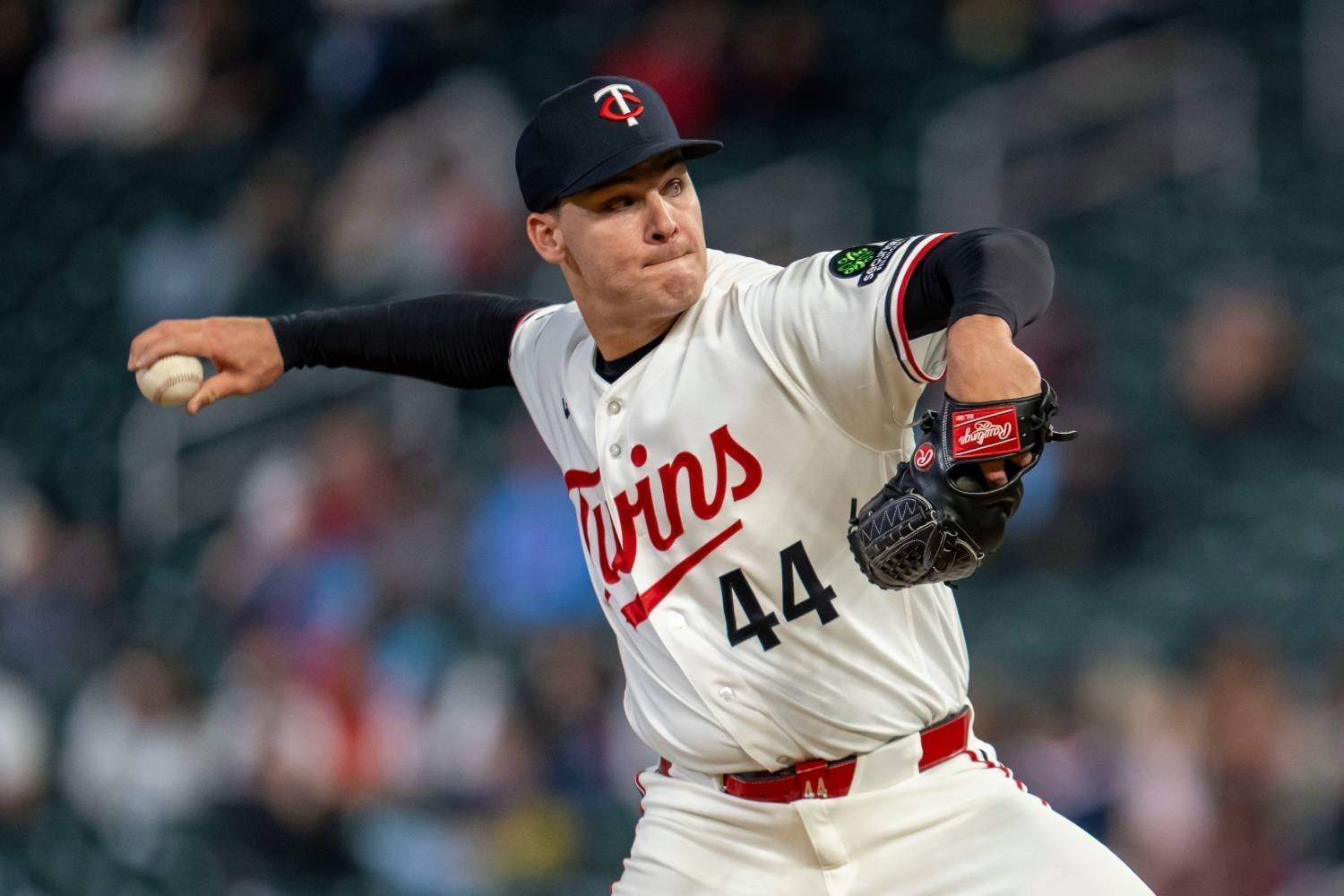 The Minnesota Twins finally welcomed Cole Sands back from the injured list over the weekend, hoping the right-hander could stabilize a bullpen that has searched for reliable late-inning options all season. Instead, his return lasted just one appearance. Before Tuesday's game, the Twins placed Sands back on the 15-day injured list with a right elbow strain and recalled right-hander Jack Anderson from Triple-A St. Paul to take his place on the active roster. The move comes just days after Sands completed a lengthy rehabilitation process that had already been interrupted once by another setback. Another Setback for Sands Sands had been sidelined since early May with a right forearm strain. Minnesota originally believed the injury would keep him out for only a short period, and he was cleared to begin a rehab assignment in early June. Those plans quickly unraveled. Inflammation returned during the rehab process, forcing the Twins to shut him down and restart his recovery from scratch. After weeks of waiting, Sands finally made it back to the major league bullpen this weekend. His return could not have gone much worse. Sands recorded just one out while allowing five earned runs, finishing with a -0.14 Win Probability Added (WPA). While the Twins had built enough of a lead to survive against the Athletics, it was evident that something wasn't right. Now, the club has its answer. Instead of building momentum after months of rehab, Sands is back on the injured list with an elbow strain, creating even more uncertainty around his future. Anderson Gets Another Opportunity To replace Sands, the Twins recalled Jack Anderson, who has quietly impressed in his first taste of the majors with Minnesota. After being claimed off waivers from the Boston Red Sox, Anderson has appeared in three games for the Twins. Across 3 1/3 scoreless innings, he has allowed just one hit while striking out four and walking one. His previous major league experience came with Boston earlier this season, where he logged eight innings over three appearances. Anderson allowed three earned runs on eight hits while recording six strikeouts and only two walks. Although the sample size remains small, it was enough for Minnesota to see something worth developing. His numbers at Triple-A Worcester were less dominant. Anderson posted a 4.57 ERA while striking out 20.0% of opposing hitters and walking 8.1% before the Twins claimed him. A Tough Blow for Minnesota's Bullpen Few relievers seemed more likely to impact Minnesota's postseason push than Sands. After establishing himself as one of the Twins' most dependable bullpen arms over the past two seasons, the expectation was that he would eventually return to reclaim a meaningful role in the late innings. Instead, injuries have limited him to just 13 appearances, and his long-awaited return ended almost as quickly as it began. Now, with an elbow strain sending him back to the injured list, the outlook becomes much more concerning. Depending on the severity of the injury, Sands may have already thrown his final pitch of the 2026 season. View the full article
 -
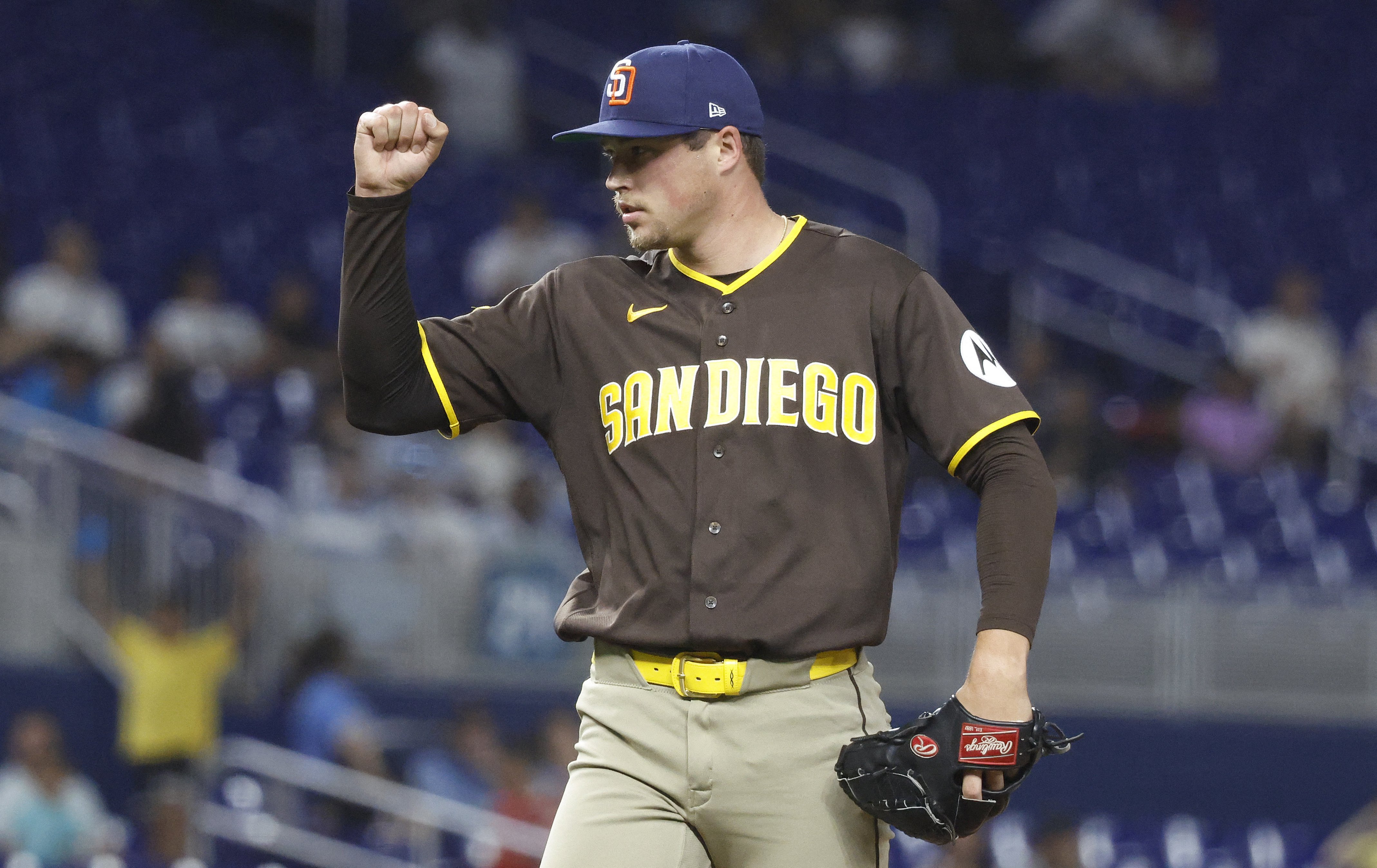 The San Diego Padres are not motivated to move closer Mason Miller at this season's trade deadline. Still, it could be an option the Padres explore. Currently, the Padres are sitting at .500 with a depleted farm system. Trading a player like Miller could net a big return that could help the major league team and the minor leagues for years to come. ESPN's Jeff Passan reported Tuesday on his podcast "Sources Tell Jeff Passan" that while he does not expect Miller to get traded at this deadline, the Padres are signaling to other teams that if you want to come near Miller, there is nobody in the opposing organization that is off-limits. Other reports (from Joel Sherman) indicated that the Padres have had scouts at all levels of the Yankees' minor leagues over the weekend, specifically asking about Dax Kilby, whom the Padres had interest in drafting in 2025. If Miller were not available, Sherman and his colleague Jon Heyman speculated that Adrian Morejon could be another option for the teams that are in on Miller. Morejon has been very good this season and could slot into another team's bullpen as a setup man and could still net the starter that the Padres need on the market before the August 3rd trade deadline. View the full article
 -
 Alex and Maddie sit down and welcome Curtis Mead to the Red Sox while discussing their differing opinions on the trade as a whole and Connelly Early's ceiling with his new team. The Talk Sox forums provided some thought-provoking questions that let them dive into why Marcelo Mayer likely won't be back with the big-league club this season, and they power-rank their favorite stadium traditions. They dissect Breslow quotes post-trade, remarking he’s finally starting to sound like a human. Finally, they list more players to target at the deadline. Listen on Apple Podcasts: https://podcasts.apple.com/us/podcast/the-talk-sox-podcast/id1783204104 Listen on Spotify: https://open.spotify.com/show/3qPrPXEngu0CxgTmlf0ynm Listen on iHeartRadio: https://www.iheart.com/podcast/263-the-talk-sox-podcast-244591331/ Listen on Pocket Casts: https://pca.st/4tmd121v Watch on YouTube: https://www.youtube.com/@talksox View the full article
 -
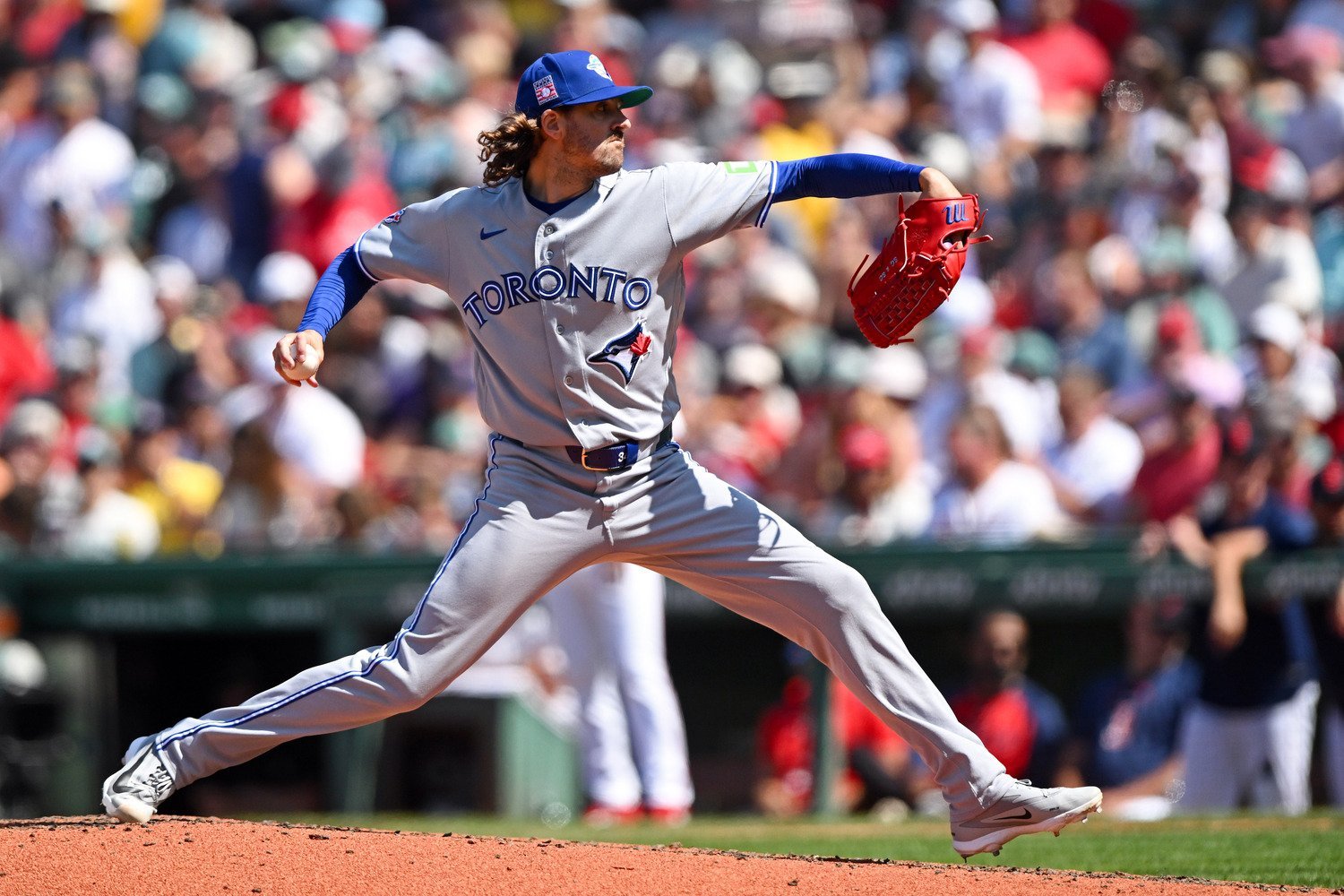 It's getting harder and harder for me to deny that the Blue Jays are going to do some selling over the next six days. They're 49-58 on the season and 4-7 since the All-Star break. The PECOTA projection system has long been a believer in this Blue Jays team, but that belief is starting to wane; their postseason odds have fallen to 1-in-10. If the Blue Jays do sell, they'll probably only shop their rentals. And of their impending free agents, the most valuable trade chip is Kevin Gausman. Gausman is No. 10 on DiamondCentric's ranking of this year's top trade candidates. He's sixth among pitchers and second among rental starters, behind only Tarik Skubal. Gausman offers a rare combination of dominance and durability, and if the Blue Jays are willing to pay down some of his salary, the 35-year-old should be a fit for just about every contending team that needs a starting pitcher. With that said, here are a few teams that should definitely be giving the Blue Jays a call. Why the Phillies Would Want To Trade for Kevin Gausman The Phillies are in a precarious position. They're seven games above .500, but their run differential is -12. If they're serious about competing – and they should be, considering their expensive, aging core – they need to make at least one big swing at the trade deadline. Ideally, they would improve their offense, but the trade market has a lot more supply on the pitching side. That's not a problem for the Phillies. They have one of the best rotations in the majors, but that's only because of their top three starters: Cristopher Sánchez, Zack Wheeler, and Jesús Luzardo. They don't have a fourth starter they can trust in the playoffs, and they don't have a fifth starter at all. I wrote about the Phillies' deadline needs for Just Baseball, and the staff there came up with this mock trade to bring Gausman to Philly. Phillies get Kevin Gausman Blue Jays get Ramon Marquez (BA Phillies No. 4) and Carson DeMartini (BA Phillies No. 15) Why the Dodgers Would Want To Trade for Kevin Gausman Like the Phillies, the Dodgers don't need another ace. They already have Yoshinobu Yamamoto leading their rotation, and they're hoping to have Blake Snell, Tyler Glasnow, and Shohei Ohtani back pitching before too long. In a best-case scenario for the Dodgers, 2026 All-Star Justin Wrobleski wouldn't even have a spot in their postseason rotation. That said, the Dodgers aren't a team that counts on the best-case scenario. They know how rarely that works out. That's why they're the back-to-back reigning World Series champions. Eric Lauer, a pitcher Toronto discarded, has been starting for L.A. over the past two months. Admittedly, he's been a lot better for the Dodgers than he was for the Blue Jays earlier this year, but still, the Dodgers don't want to wind up in a situation where they're counting on Lauer to make a start in a playoff game. They're almost certain to add a starter at the trade deadline. Considering all of the question marks in the rotation right now, they might jump at the chance to pick up one of the most reliable starting pitchers in the game. Our own Matthew Creally recently proposed a mock trade that would send Gausman to the Dodgers. Here's what that looked like: Dodgers get Kevin Gausman Blue Jays get Charles Davalan (BA Dodgers No. 7) and Dylan Tate Why the Cubs Would Want To Trade for Kevin Gausman Paul Niemiec of North Side Baseball recently ranked Chicago's trade deadline priorities, and a top-of-the-rotation starter was No. 1 with a bullet. To be honest, the Cubs should probably aim even higher than Gausman, given the state of their rotation. Skubal could help the North Siders more than maybe any other team. However, I'm not convinced Jed Hoyer will shell out for the two-time Cy Young winner. Even if he were willing to, there's no guarantee the Cubs would win that bidding war. Gausman would be a nice consolation prize for a team that should be more desperate for starting pitching than any other contender. Our friends at Just Baseball also came up with a Gausman mock trade between the Blue Jays and Cubs. Take a look: Cubs get Kevin Gausman Blue Jays get Brooks Caple (BA Cubs No. 19) and Juan Cabada (BA Cubs No. 14) Why the Diamondbacks Would Want To Trade for Kevin Gausman In the last section, I said the Cubs should be more desperate for starting pitching than any other contender. The reason I said that is because I think the Cubs could be serious World Series contenders with a better top of the rotation. However, I don't think the Cubs are the contender with the worst rotation. That title belongs to the Diamondbacks. The D-backs are 55-52, tied for the second Wild Card spot, and I'm not sure they have a single starter I'd feel great about giving the ball to in a postseason game. Eduardo Rodriguez was their All-Star, but his sub-3.00 ERA is completely unsustainable. Only four qualified pitchers have a higher xERA, and one of them is his teammate Merrill Kelly. Zac Gallen and Michael Soroka could return from the IL down the stretch, but Gallen has looked even worse than he did last year, and Soroka hasn't thrown more than 100 innings in a season since 2019. If the Diamondbacks can make the playoffs, having Gausman available to start in the Wild Card series would significantly increase their chances of advancing. Dan Szymborski of FanGraphs mocked Gausman to the Diamondbacks earlier today. Here is his trade proposal: Diamondbacks get Kevin Gausman Blue Jays get Druw Jones (BA Diamondbacks No. 17) and Mitch Bratt (BA Diamondbacks No. 12) Any thoughts on these mock trade proposals? Any other teams you think I should have considered? Leave a comment and let me know! View the full article
 -
 Blue Jays Affiliate Overview (July 25-27) Triple-A Buffalo Bisons Series vs Rochester Red Wings (Washington Nationals): 3-3 Season Record: 49-53 Double-A New Hampshire Fisher Cats Series vs Somerset Patriots (New York Yankees): 1-5 Season Record: 46-48 High-A Vancouver Canadians Series vs Hillsboro Hops (Arizona Diamondbacks): 2-4 Season Record: 42-54 Single-A Dunedin Blue Jays Series vs Bradenton Marauders (Pittsburgh Pirates): 3-3 Season Record: 44-50 FCL Blue Jays Week Record: 2-0 Season Record: 38-20 DSL Blue Jays Blue Week Record: 1-2 Season Record: 16-22 DSL Blue Jays Red Week Record: 3-0 Season Record: 20-17 Triple-A Buffalo Bisons Season Record: 49-53 Series vs Rochester Red Wings (Washington Nationals) July 25: On Saturday, Chad Dallas took to the mound, and he continued his excellent season with another good outing. Facing off against the Rochester Red Wings, Dallas was nearly perfect for three innings. Rochester didn't record a hit or run across Dallas’ three scoreless frames. The only baserunners that reached were two batters who walked, one in the first and one in the third. Dallas also struck out four in the game, all in a row between the second and third innings. In the bottom of the fourth inning, Buffalo broke through on the scoreboard first, getting a big two-run home run to center from Je'Von Ward. The home run was his third in his last four games and would be his last with the Toronto Blue Jays organization. Ward was officially released from the team on Sunday. Following Ward's home run, the game stalled out in the runs department, that is until Brady House cut the Buffalo lead in half with a sacrifice fly in the sixth. In the bottom of the seventh, Charles McAdoo got the run back for Buffalo, tripling home Ismael Munguia. The Bisons turned to Javen Coleman for the ninth, and he rewarded them with the save and a 3-1 win. July 26: In the finale of the series on Sunday, Buffalo sent Simeon Woods Richardson to try and get Buffalo on a roll in the win column. Woods Richardson had a little different result than Buffalo would have wanted. He made it through four innings, but coughed up three runs. Buffalo would have the lead when Woods Richardson departed the game, thanks to a Sean Keys RBI single in the third, and a timely three-run blast from CJ Stubbs in the fourth. Sam Gardner came in for Woods Richardson to start the fifth and promptly got into trouble. He would give up an RBI single and an RBI groundout before getting out of the inning. Buffalo struggled the rest of the way, only getting one hit, a single from Charles McAdoo. They did have a really good scoring chance in the bottom of the eighth, getting three straight walks to load the bases with just one out. Unfortunately for the Bisons, Riley Adams and Rudy Martin Jr. each struck out to end the inning and the threat. Buffalo would fall to Rochester 5-4. Double-A New Hampshire Season Record: 46-48 Series vs Somerset Patriots (New York Yankees) July 25: New Hampshire was again taking on Somerset on Saturday, and again things went south, and quickly. DJ Gladney started things off in unusual fashion, with a two-run home run in the top of the first inning. New Hampshire would inch closer with Nick Goodwin's RBI double in the second inning, but things would spiral out of hand after that. In the third inning, Somerset piled on three more runs on three RBI singles. New Hampshire starting pitcher Danny Thompson Jr. gave up five runs on the day over four innings, but only two of them were earned runs. In the fifth inning, a sacrifice fly and a Thomas Frick home run put Somerset way out in front. New Hampshire managed three more runs in the game via a groundout, bases-loaded walk, and an RBI double from Arjun Nimmala. New Hampshire fell in this one 9-4. July 26: The week finale between New Hampshire and Somerset was again a repeat of the blowout losses on the rough week for the Fisher Cats. Somerset would score the first three runs and the last nine runs. Miguel Palma hit two home runs for Somerset and Kevin Verde crushed a grand slam. On offense, New Hampshire didn't put up much of a resistance to Somerset starting pitcher Ben Hess. He went five innings, struck out seven, and only allowed two unearned runs. Cade Doughty and Nick Goodwin ended up supplying those runs with a sacrifice fly for both of them. New Hampshire would lose badly again, this time 12-2. High-A Vancouver Season Record: 42-54 Series vs Hillsboro Hops (Arizona Diamondbacks) July 25: Everyone on the team contributed in this win against the Hops, as every hitter got a hit and the pitchers threw a combined shutout. Landen Maroudis had his second straight start going five innings or more, as he threw a career-best six innings, striking out four batters and allowing zero runs, lowering his season ERA to 6.23. The game was tied until the third inning, when Jake Casey got the runs rolling in with an RBI single to center. Alexis Hernandez returned from rehab assignment and drove in two more runs with an RBI double, returning where he left off offensively. Eric Snow also had two RBIs this game, with an RBI single in the third and one in the seventh. Ryan Sprock had a good game as well, stealing a base that led to a throwing error to score in the fourth, and got on base three times with a hit and two walks. The Canadians won this one 7-0. July 26: The Canadians did not have a good time with this one, as they faltered both offensively and on the pitching end. Silvano Hechavarria was the starter and immediately put the Canadians in a hole, allowing three runs in the first inning. Alexis Hernandez had one of five hits for the Canadians, with a solo homer in the second to put the Jays on the board, but Hechavarria allowed two more runs in the second inning. Carson Myers replaced him, and they were able to get out of the inning. Myers was solid in relief, striking out three batters, but allowed a solo shot in the fourth inning. Gilberto Batista was performing much better recently, but unfortunately did not have a good day, as he gave up two homers in the fifth inning, making it 9-1. The Canadians added a run in the sixth inning, but Jonathan Todd allowed another run in the ninth, making it a 10-2 loss. Single-A Dunedin Season Record: 44-50 Series vs Bradenton Marauders (Pittsburgh Pirates) July 25: It was a disappointing one for the D-Jays, as they looked like they were in command of this game for the majority of it. Juan Sanchez hit a ringing double for the first two runs of the game to score Jake Cook and the rehabbing Jesús Sánchez. Giacomo Taschin’s command wasn’t all there, as he walked four batters, which led to a run scoring on a sac fly in the first, but he kept it a 2-1 ball game. Yimi García pitched a scoreless outing in his rehab appearance, but unfortunately it seems like he’s still dealing with some neck issues. Colby Holcombe came into the fourth but had a disastrous appearance. He gave up a solo shot to Spencer Horwitz, an RBI single after that, then walked in a run with the bases loaded before he was put out of his misery with a bases-clearing double, making it 7-2 for the Marauders. Noah Palmese was able to get out of the inning, and the Jays made a comeback in the top of the seventh in a doubleheader game, with Cook and Blaine Bullard both hitting RBI singles, and a passed ball allowed the speedy Cook to score another run, but it was just too late, as they fell 7-5. July 26, Game 1 (Continuation of yesterday’s game): Carson Messina struggled with his command in this one, allowing three walks and a run in just under three innings pitched. Jake Cook was able to tie it up in the third with an RBI single, as the speedy outfielder had begun to find his footing. Luis Fonseca replaced Messina and struck out two batters without allowing a run. TJ Brock continued that strong relief pitching as he struck out the side in just 13 pitches, before the game was delayed due to rain. Ricky Tiedemann pitched in a rehab game and looked sharp, striking out two batters of his own, allowing just one hit, and topping out at 97.7 mph. Unfortunately for the Jays, the stretch of great pitching ended, as Franly Urena replaced Tiedemann and immediately gave up a double. A sac bunt moved the runner to third, and an RBI single won the game for the Marauders. July 26, Game 2: This was a tight game, and Denis Samudio was excellent once again, showing really strong stuff since getting traded to the Blue Jays. He struck out eight batters over four innings of work, allowing two runs in the third on a sac fly and a solo homer. Raimundo De Los Santos had a homer of his own in the top of that inning, and Aldo Gaxiola added to the homer list with his tenth of the season. Jesús Sánchez took the lead in the seventh with a sac fly, but Richard Ramirez hit a clutch double against Bradley Wilson in the bottom of the inning, sending it to extras. Enmanuel Bonilla had the third homer of the game for the Jays to put them up two in the ninth inning, but Ramirez struck again with a homer of his own to tie it up, then Antonio Pimentel walked it off against Josbel Garcia with a two-run homer. FCL Blue Jays Season Record: 38-20 July 25: The FCL Blue Jays took on the FCL Rays on Saturday in the playoffs of the Florida Coast League. In the second inning, the Blue Jays jumped on the scoreboard first, as Max Viera and David Guzman hit RBI singles to bring home Andres Arias and Viera. Blue Jays starting pitcher Angel Rivero was great on the day. He only allowed four hits, gave up two walks, but didn't surrender a run. He also struck out four batters on the day. Edrwin Veras came in to pitch for him in the fifth inning, and things went sideways. He allowed an RBI single, a bases-loaded walk, and a wild pitch to give the lead over to the Rays. In the seventh inning, Taitn Gray launched a home run to put the Rays up two. That is where things would stand. The Blue Jays managed to walk eight times in the game, but could only get three singles. The Blue Jays lost 4-2, ending their season and playoff run. DSL Blue Jays Blue Season Record: 16-22 July 25: Against one of the two Yankees DSL teams, Sebastian Casanova led BJB to a statement win in a game that the bats came to play. Casanova ended the day going 4-for-4 at the plate, also scoring two runs, knocking in two on a double in the second inning, stealing two bases, and walking twice. The walks actually stacked up in the game, with BJB drawing nine walks and also getting 13 hits. Five players had two walks and four ended with two or more hits. Cristopher Polanco joined Fabian Gonzalez as the only batters to not record a hit. Polanco did walk twice and score three times, though. Other notable plays were Michael Mesa's RBI single in the first, Juan Caricote's RBI single in the second, and Randy Soto's RBI double in the third inning that went to right field. The rest of the runs in the game were scored on wild pitches, groundouts, and sacrifice flies. BJB won big 12-6. July 27: After Sebastian Casanova's best performance of the season, his next game was drastically cut short. Casanova was hit by a pitch in the top of the first inning and promptly left the game, taken down for a pinch-runner. His replacement was Eiker Lothar, and he did his best to step up for Casanova. He ended the game going 2-for-3 and scoring three runs. Juan Caricote started the scoring for BJB with an RBI double in the top of the first, driving in Lothar. A fielding error by the White Sox DSL team and a bases-loaded walk by Ruben Sanchez would bring in two more in the inning. BJ would add two more in the second, one on a wild pitch and then Michael Mesa doubled home Lothar. Despite leading 7-2, the White Sox jumped all over the BJB bullpen. They were led by Sebastian Romero. Romero ended the game going 2-for-2 and hit his ninth home run of the season. He also added an RBI on a single. Despite the poor pitching, BJB still had a lead going into the final frame, that was, until they gave up a single, followed by four walks, bringing in the tying run and the walk-off winner. BJB fell 8-7. DSL Blue Jays Red Season Record: 20-17 July 25: On Saturday, Carlos Olivo, Fayon Dumorne, and Jose Melo combined to throw a shutout, in what amounted to a dominant pitching day for BJR. BJR only gave up four total hits and walked just three batters in the game. For the DSL, it was brilliance. As for the bats, Jose Gori doubled home Ayberson Ortega in the second inning, a line drive to center. Alex Linares would bring home Gori on a ground out later in the inning. In the fourth, Ortega reached on an infield single that scored Aneudi Severino. Ortega would get another RBI on a double play ball to the shortstop in the sixth. BJB cruised to a 4-0 win. July 27: It was Darwin Nuñez and Luis Nunez that powered the offense on Monday. Luis Nunez started the scoring with a three-RBI triple in the fourth inning that cleared the bases and broke the game open for BJR. In the fifth, BJR scored five more runs, highlighted by Elaineiker Coronado's RBI single to center, Darwin Nuñez's two-RBI double to left field, and another RBI for Luis Nunez on a groundout. The pitching was again really good, with only one run being allowed to cross home plate. Franiel Severino pitched four innings, only surrendering the one run on a bases-loaded walk. BJR moonwalked to a 9-1 win. View the full article
 -
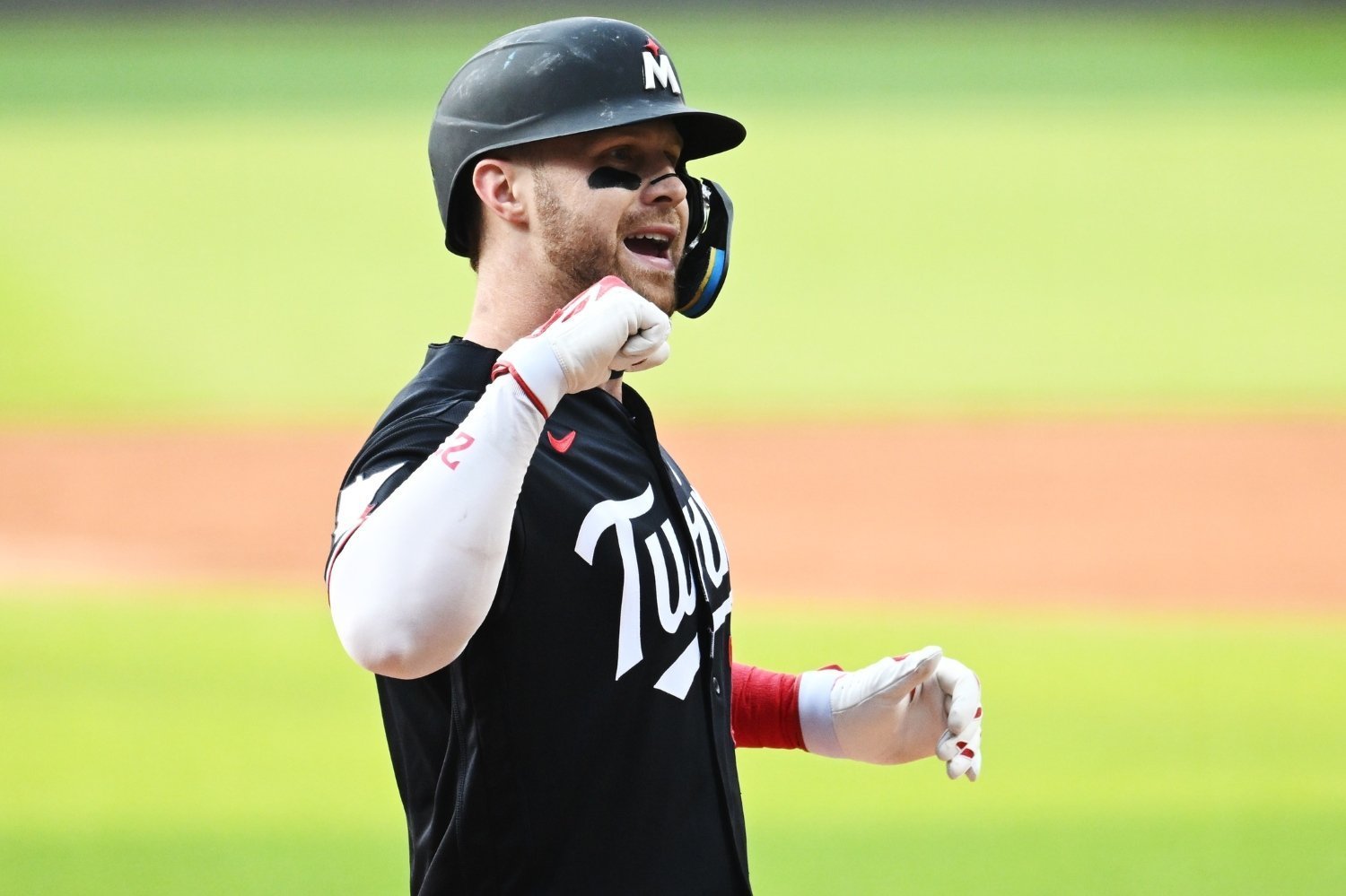 The MLB trade deadline isn't just about what the Minnesota Twins need. It's also about what everyone else is looking for. Every contender enters deadline week with holes to fill, and those needs determine which Twins players could become the hottest commodities on the market. While Minnesota continues to insist it plans to buy rather than sell, front offices have to be prepared for every scenario. Even if the Twins only make a minor move or two, knowing which clubs are desperate for help can reveal where conversations are most likely to happen. From Ryan Jeffers drawing interest behind the plate to Trevor Larnach fitting an offense-starved lineup, here's how the biggest needs around the league could impact Minnesota. Yankees Need Catching Jeffers' name is going to be connected to the Yankees until the trade deadline comes and goes. New York's urgency only increased (or, at least, their options list only grew shorter) after Athletics All-Star catcher Shea Langeliers suffered a torn meniscus in his right knee that will sideline him for the remainder of the 2026 season. That removes one of the biggest catching options from the market and could make Jeffers even more valuable. Few catchers have produced offensively as consistently as Jeffers over the last three seasons. His combination of power, on-base ability, and affordable salary makes him one of the more attractive rental options available. The decision for Minnesota comes down to value. It seems unlikely the Twins will re-sign Jeffers this winter. They have to determine whether the return at the deadline outweighs the risk of watching him leave in free agency without receiving anything in return. A shortage of impact catchers only strengthens the Twins' negotiating position. Phillies Need a Center Fielder Trade speculation surrounding Byron Buxton has been a constant topic in Philadelphia and across national media. The reality hasn't changed. Buxton owns a full no-trade clause, has repeatedly expressed his desire to remain with the Twins, and his family has established roots in the Twin Cities. As long as those factors remain true, a blockbuster deal appears unlikely. Still, every player has a breaking point. If Minnesota were to pivot into a larger selloff by moving multiple core veterans, Buxton could eventually decide his best chance to compete for a World Series lies elsewhere. Philadelphia has long been viewed as one of the most logical fits because of its need in center field. The Twins have successfully completed significant trades with the Phillies before, including deals involving Jhoan Duran and Harrison Bader. The challenge is whether Philadelphia still has enough prospect capital to satisfy Minnesota after several aggressive trade deadlines in recent years. Their farm system isn't nearly as deep as it once was, making a deal more difficult than it might have been a year ago. (Well, maybe that's the second-biggest challenge. The biggest is still Buxton's desire to stay right where he is, which is unlikely to change this summer.) Mariners Need Offense Seattle continues searching for answers at the plate. The Mariners recently fired one of their hitting coaches in an effort to spark one of baseball's least productive offenses, and they remain locked in a crowded AL West race where every run matters. That creates an interesting opportunity for Minnesota. Larnach could be an intriguing fit for Seattle's lineup. The left-handed slugger would provide another middle-of-the-order bat while giving the Twins flexibility to create a roster spot for top prospect Walker Jenkins if they believe he's ready for the majors. If Minnesota wants Jenkins to continue developing in Triple-A, Alan Roden could instead see an expanded role. Either way, dealing from a position of offensive depth only makes sense if the Twins receive players who can strengthen the current roster. Minnesota isn't looking to take a step backward, so any conversation with Seattle would likely focus on pieces that help the Twins win immediately. Rays Need Catching The Yankees may not be Jeffers's only suitor. Tampa Bay also has a need behind the plate, giving Minnesota an opportunity to create a bidding war if it ever decides to move its starting catcher. That decision still feels unlikely unless another club overwhelms the Twins with an offer. Jeffers remains an important part of Minnesota's lineup, and replacing his production wouldn't be easy. Recent history shows baseball operations isn't afraid to pursue creative player-for-player swaps. Last season's Griffin Jax-for-Taj Bradley deal proved that teams can exchange established major leaguers when both sides address immediate needs. The Rays have the organizational depth to build a package that helps Minnesota now while also adding long-term value. Whether they're willing to meet the Twins' asking price is another question entirely. Trade deadlines are driven by supply and demand, and contender needs often dictate which players become the most valuable. The Yankees' search for catching could inflate Jeffers's market. Philadelphia's need in center field ensures Buxton rumors won't disappear, even if they should. Seattle's desperate hunt for offense makes Larnach a logical name to watch, while Tampa Bay could emerge as another serious Jeffers suitor if it wants to upgrade behind the plate. Even if the Twins remain buyers, understanding where other contenders are searching for help provides a roadmap for how the market could develop. Minnesota may ultimately decide to keep its core together, but the needs of the rest of baseball will still play a major role in shaping what happens before the deadline clock hits zero. Will the Twins trade with any of these contenders? Can Minnesota walk a line between buyer and seller? Leave a comment and start the discussion. View the full article
 -
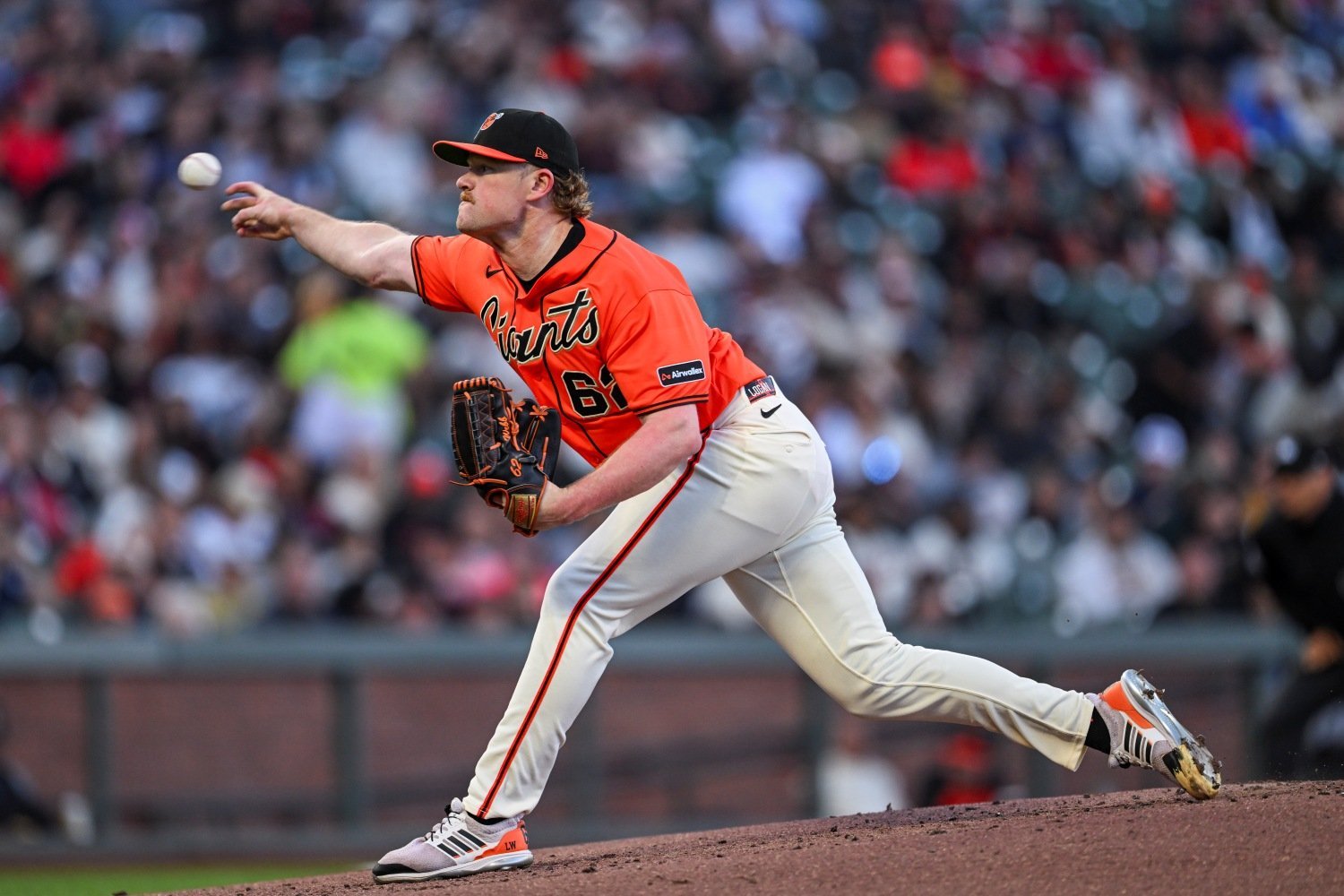 It's easy to identify the superstar most likely to be traded before the MLB trade deadline next Monday. It's two-time defending AL Cy Young Award winner Tarik Skubal, of the flailing Tigers. Skubal isn't a great fit for the Milwaukee Brewers, though. He's still due more than $10 million for the balance of this season, and this November, he becomes eligible for free agency. If he's traded, the acquiring team won't even be able to extend him a qualifying offer and collect draft-pick compensation when he heads for the open market. That's not a very Brewers-y target, especially since the Tigers are likely to demand high-level prospects in exchange for the short-term rental of their mega-ace. The odds of the Crew giving up the massive haul the Padres will want for Mason Miller aren't much higher. Pairing Jacob Misiorowski and Miller on the same staff sounds like a dream, and Miller is under team control beyond this season, but his gaudy stats and saves totals will make him expensive. It's also risky to give up multiple young players to land a hurler with so much obvious injury risk attached to them—and not the kind of 'risky' that fits the decision-making framework of a team like Milwaukee. Nationals infielder CJ Abrams is having a career year, hurtling toward what could be 40 home runs and 30 steals at age 25. He's under team control for two more seasons, too. So what's the catch? Well, just that, actually. Abrams is a poor defender, unsuited to shortstop for a team as defense-minded as the Brewers, and his best alternative position would be second, where the team already has a down-ballot MVP candidate in Brice Turang. Under no pressure to move Abrams, the Nationals will hold onto him unless they get multiple top prospects; the Brewers are unlikely to pony up that way for a player who doesn't fit their roster well. Who, then, is the best player the Brewers might actually be willing and able to acquire in the next six days? Most teams are constrained by either their ability to spend or the depth of their farm system. There's certainly some limit on what Mark Attanasio will approve, financially, but the Brewers have some flexibility there. More importantly (since prospects are currency in July), they have the best farm system in baseball, and a young enough big-league roster to trade from that depth fearlessly if they get the right chance. There might be players who are functionally unavailable right now, except to the Brewers. Here are a few of them. James Wood This is the dream scenario, though it also seems to demand a bit of temerity from Matt Arnold that seemed to belong more to his former boss, David Stearns. Wood, 23, still has a whopping four years of team control left after 2026, and the Nationals seem to be ahead of schedule in their rebuild. They absolutely won't trade Wood, whom they acquired as the co-headliner of the Juan Soto deal in 2021 (alongside Abrams)—unless they get an even richer package for him than for Soto. That would mean Jesus Made and more. This deal would be akin to the Brewers trading for Christian Yelich in January 2018. It would be a major shakeup, and it would be risky, even with Cooper Pratt in place as a shortstop who can make losing Made hurt a bit less. It would also add a .272/.398/.556 hitter to their lineup. It might just make them favorites to win the World Series. Logan Webb The big concerns about a rotation spearheaded by Jacob Misiorowski and Kyle Harrison aren't about performance; they're about availability. With Logan Webb, availability is never in doubt. He's topped 200 innings in each of the last three seasons, a virtual miracle in the modern game. He's smack in the middle of a five-year, $90-million deal that looks very team-friendly, and even as they ponder a major roster overhaul, the Giants have said he's not available. Again, though, the Brewers have the farm system to make a player like Webb available, given the Giants' circumstances and Milwaukee's organizational depth. Again, add Webb to the rotation, and you're instant favorites for the pennant. Like Wood, he would be a boost not only immediately, but into the future. Hunter Goodman A recent report in The Athletic indicated that reservations about Goodman's defense have dinged his trade value enough to make a deal unlikely. That should only be music to the Brewers' ears. With one of the league's best catching instruction infrastructures, they would have a chance to mend the biggest weakness in a profile that has already netted Goodman two 30-homer seasons and two All-Star appearances. His huge raw power would augment the lineup for the rest of this season, and the team could then consider trading William Contreras this winter without feeling as uneasy about turning things over to one of their top catching prospects. Goodman is under team control through 2029. Gunnar Henderson In all likelihood, Arnold will blanch at the asking prices if he even checks in on Wood, Webb or Goodman. A slightly better plan might be to buy low on a player with superstar upside, experiencing a brutal season. Gunnar Henderson is only batting .221/.292/.401 this season, and although he's only 25 years old, he'll be a free agent in the fall of 2028. However, not for nothing was he a member of Team USA at the World Baseball Classic. He's demonstrated a virtually MVP-level ceiling as a two-way contributor at shortstop, and if coming to Milwaukee meant moving to third base, he'd be great there, defensively. 'Buying low,' here, would still mean giving up a lot; the Brewers would have to believe they can rapidly cure what has ailed him at the plate all year. It's an intriguing potential gambit, though. The Guys You Still Can't Get It's worth mentioning the names of two other players on a cellar-dwelling team, who make at least some sense as trade candidates. Unfortunately, because that team is the Cincinnati Reds, a trade to Milwaukee is still almost unimaginable—and the Brewers might be as scared to deal Made or other top prospects to Cincinnati as the Reds would be to send stars to their regional hegemon. Elly De La Cruz is piecing together outright superstardom, one thing at a time. This year, he's walking more than ever and lifting the ball a bit more consistently. Formerly hapless from the right side, he's become a truer switch-hitter and has hammered lefty pitchers. His defense has gotten more consistent. He still has three more years of team control left. The Reds would surely prefer to extend him, but it's clear that he's already pricing himself out of town. There's almost no chance he's dealt this week, though, and surely, the Reds will refuse outright to ship him anywhere else in their division. It's a slightly different story where Hunter Greene is concerned, but the ending is the same. The Reds have control of him through 2029, too, but it's expensive control: they signed him to a nine-figure deal in 2023. He missed almost the whole first half with arm trouble, and his numbers look shaky since his return. The stuff is still overpowering, though, so while they might be open to dealing Greene—they've moved on to Chase Burns as their de facto ace, signing him to a deal not unlike Greene's—the Reds will retain him if they don't get a huge haul. Neither the Brewers nor the Reds will want to heap their plates with the risks associated with swapping a bunch of young Milwaukee talent under cost and club control for Greene. A relatively straightforward deadline is the smart bet. The Brewers don't have big needs, or big motivation to deplete their elite depth. They do have an unusual opportunity, though. There are a handful of guys throughout the league whom they can acquire, whereas virtually no one else can. That has to stay in the back of the mind, for Arnold and for Brewers fans, over the next six days. View the full article
 -
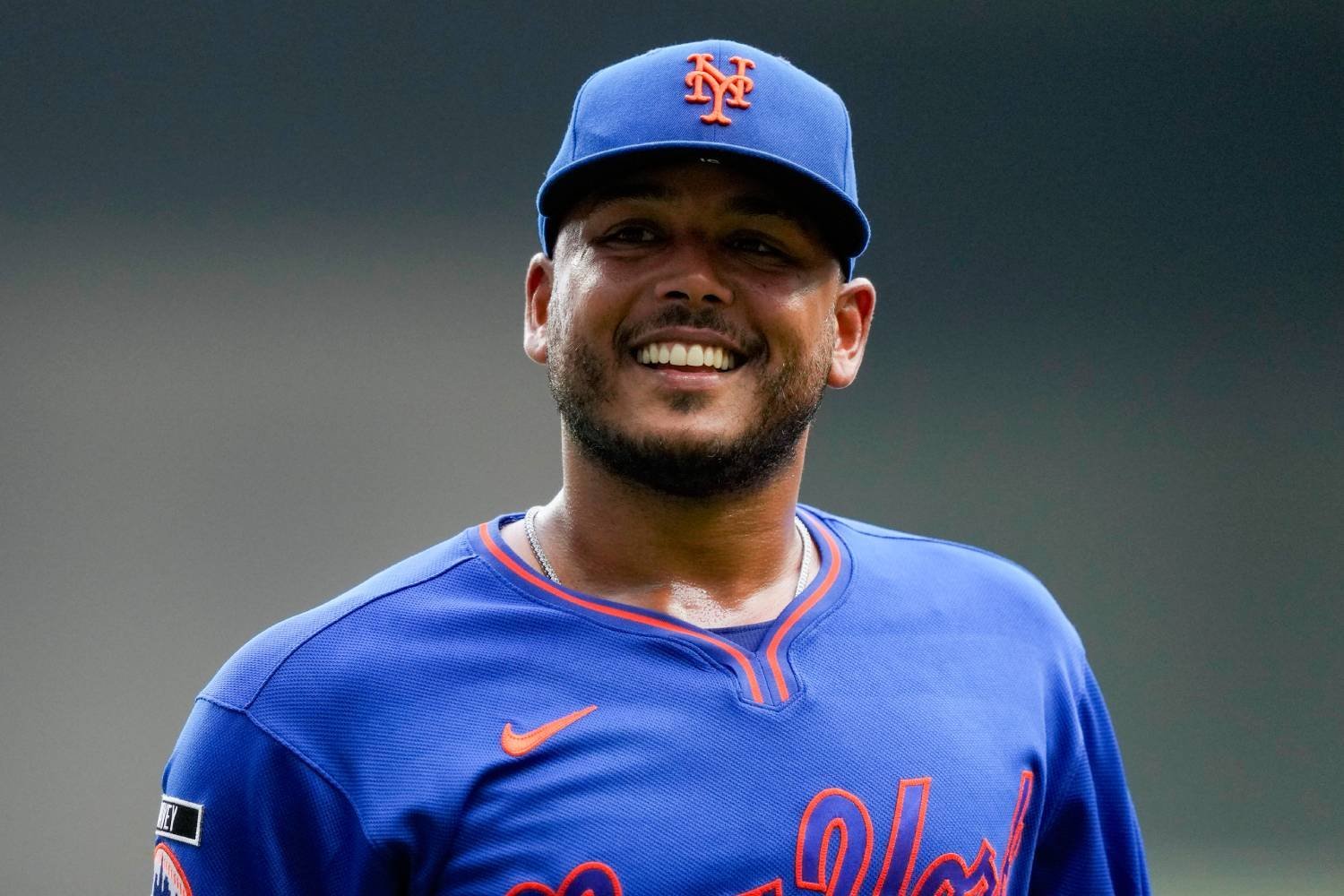 Could the Milwaukee Brewers reunite with former ace Freddy Peralta? In the latest edition of his podcast "Sources Tell Jeff Passan," ESPN's MLB insider sorts through a bunch of names as Monday's trade deadline approaches and, when talking about Peralta, Passan brings up a potential return to the Brewers for the right-hander, who Milwaukee shipped to New York in the offseason for two key prospects in infielder-center fielder Jett Williams and right-handed starter Brandon Sproat. The Mets were expected to be a contender in the NL East with the addition of Peralta, but enter play Tuesday at 45-62, the second-worst record in the NL and fourth-worst in MLB. The Brewers, meanwhile, sit atop the NL Central at 66-40 and trail the Los Angeles Dodgers for the best record in MLB by one game. Peralta's 4.47 FIP is the worst of his career and his 4.99 ERA is second-worst behind the 5.29 he put up in 2019, his first full season in the majors. Last year, Peralta had a 3.64 FIP and career-best 2.70 ERA, finishing fifth in NL Cy Young Award voting. "He's been terrible and it hurts playing in front of a Mets defense that (has been bad)," Passan said. While also mentioning and then dismissing the Chicago Cubs as a potential destination in a discussion with co-host Richard Staff, Passan broached the reunion possibility, which would mean David Stearns, the former Brewers president of baseball operations who now runs the Mets' front office, would ship Peralta back to not only the pitcher's former team, but the executive's ex-franchise as well. "One thing I did hear this week, Richard, is that the Mets have been talking with the Brewers about Freddy Peralta," Passan said. "I don't know if that's going to happen, but it's the kind of deal where you see what they would get back from Milwaukee, considering what they gave up, is that a trade that David Stearns politically—already just getting fileted every time he's mentioned in New York—is that something he can pull off? Could he actually deal him back to Milwaukee?" Staff, a Mets fan, retorted that the conspiracy theories would flood the radio talk shows with the much lesser return for Peralta than what the Mets gave up. View the full article
 -
Brewers Contemplating Bringing Freddy Peralta Back From Mets
DiamondCentric posted an article in Brewer Fanatic
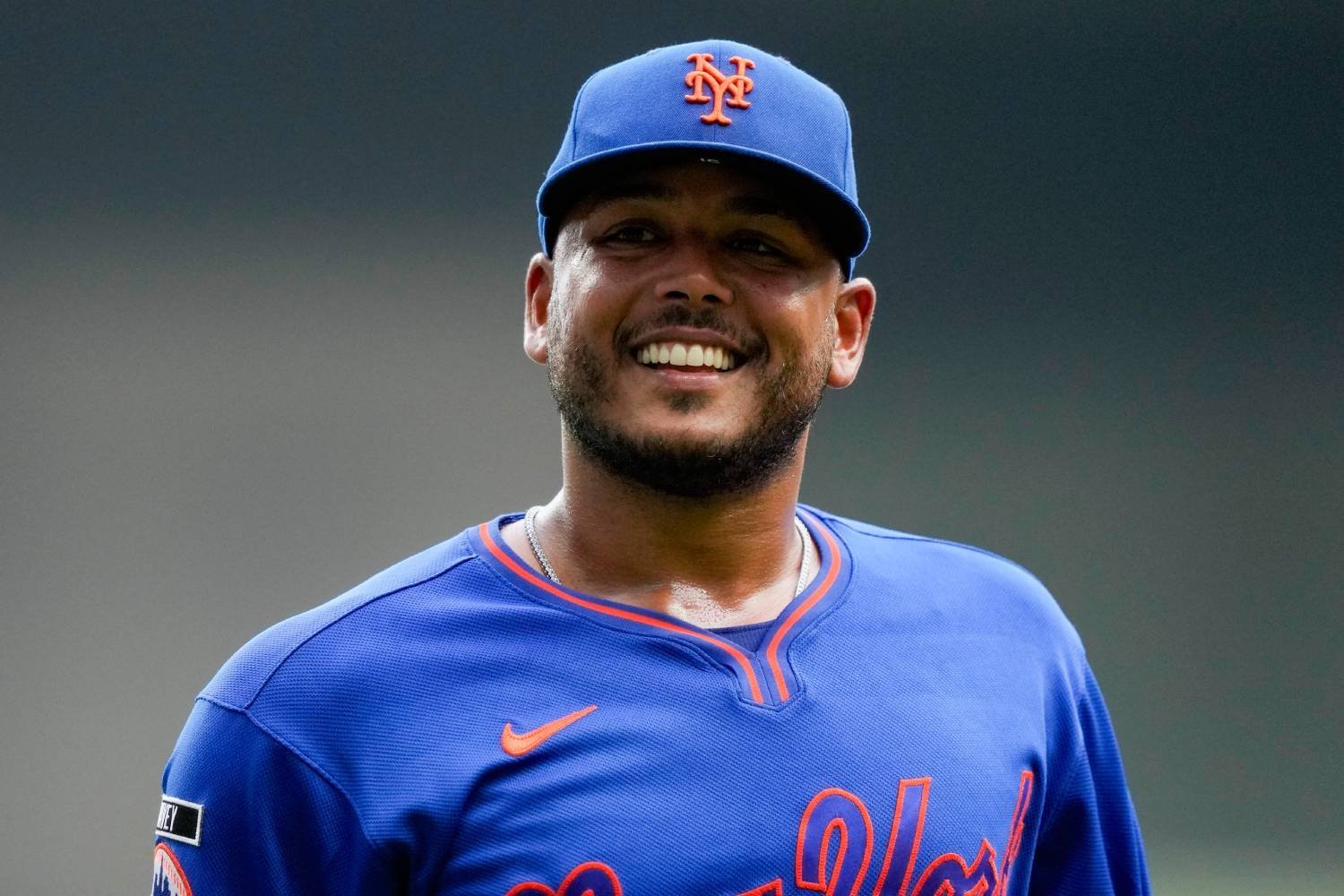 Could the Milwaukee Brewers reunite with former ace Freddy Peralta? In the latest edition of his podcast "Sources Tell Jeff Passan," ESPN's MLB insider sorts through a bunch of names as Monday's trade deadline approaches and, when talking about Peralta, Passan brings up a potential return to the Brewers for the right-hander, who Milwaukee shipped to New York in the offseason for two key prospects in infielder-center fielder Jett Williams and right-handed starter Brandon Sproat. The Mets were expected to be a contender in the NL East with the addition of Peralta, but enter play Tuesday at 45-62, the second-worst record in the NL and fourth-worst in MLB. The Brewers, meanwhile, sit atop the NL Central at 66-40 and trail the Los Angeles Dodgers for the best record in MLB by one game. Peralta's 4.47 FIP is the worst of his career and his 4.99 ERA is second-worst behind the 5.29 he put up in 2019, his first full season in the majors. Last year, Peralta had a 3.64 FIP and career-best 2.70 ERA, finishing fifth in NL Cy Young Award voting. "He's been terrible and it hurts playing in front of a Mets defense that (has been bad)," Passan said. While also mentioning and then dismissing the Chicago Cubs as a potential destination in a discussion with co-host Richard Staff, Passan broached the reunion possibility, which would mean David Stearns, the former Brewers president of baseball operations who now runs the Mets' front office, would ship Peralta back to not only the pitcher's former team, but the executive's ex-franchise as well. "One thing I did hear this week, Richard, is that the Mets have been talking with the Brewers about Freddy Peralta," Passan said. "I don't know if that's going to happen, but it's the kind of deal where you see what they would get back from Milwaukee, considering what they gave up, is that a trade that David Stearns politically—already just getting fileted every time he's mentioned in New York—is that something he can pull off? Could he actually deal him back to Milwaukee?" Staff, a Mets fan, retorted that the conspiracy theories would flood the radio talk shows with the much lesser return for Peralta than what the Mets gave up. View the full article
 -
Are 30% Playoff Odds Enough for Twins to Buy at MLB Trade Deadline?
DiamondCentric posted an article in Twins Daily
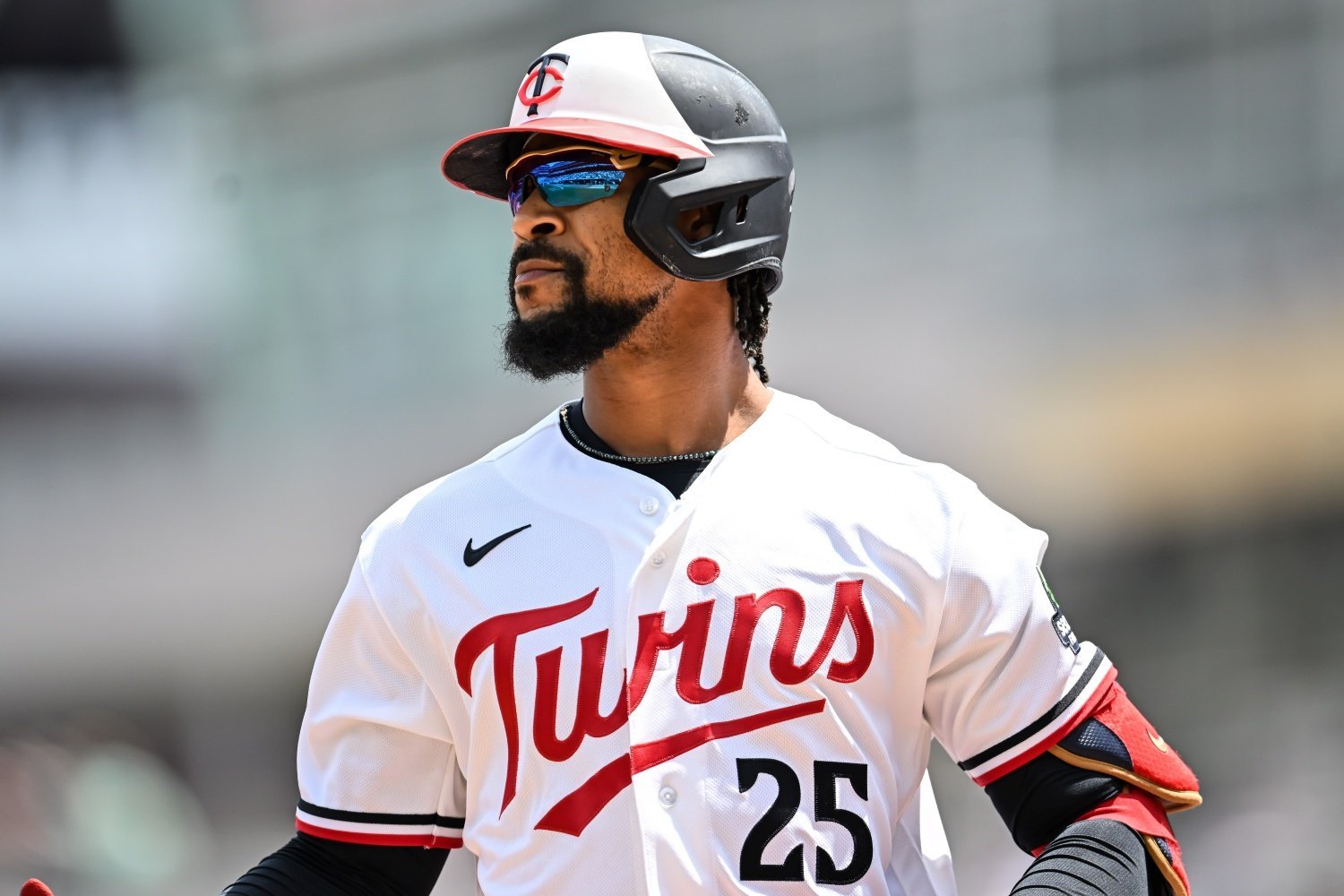 The countdown to the trade deadline is officially on. With just six days remaining until the August 3 deadline, the Minnesota Twins are rapidly approaching the moment where they have to choose a direction. Are they buyers? Are they sellers? Or do they try to thread the needle somewhere in between? There is always a third path available. The Twins could trade from areas of depth to address areas of weakness, without fully committing to either side. They could move one of their left-handed hitters to acquire bullpen help or make another baseball trade that reallocates resources, rather than signaling a clear buy or sell. Those types of deals happen every deadline. But at its core, this deadline still comes down to one simple question: do the Twins believe enough in this team to invest in it? That is a much tougher question. After taking a series from the Athletics over the weekend, the Twins now sit at 53-54, with a 32.9% chance of reaching the postseason, according to FanGraphs. They trail the first-place White Sox by 3.0 games in the American League Central, while sitting just one game behind the final Wild Card spot. The challenge is that they aren't chasing just one team. Four other clubs are also within 3.5 games of that final playoff berth, making one of the tightest postseason races in baseball even more crowded. There are only six games remaining before the deadline. Unless the Twins catch fire and go 5-1 or collapse with a 1-5 stretch, they're likely heading into August 3 with playoff odds hovering right around 30%. That leaves the front office with one difficult decision: is a 30% chance at October baseball worth investing in? Looking strictly at the math, the answer probably isn't yes. After all, flipping those odds around tells an even bigger story. If the Twins have roughly a 30% chance of making the playoffs, they also have about a 70% chance of missing them. Asking the organization to trade away future assets for bullpen help or another rental player in hopes of beating those odds feels difficult to justify. But baseball decisions aren't made in a vacuum. It's impossible to separate this deadline from everything this organization and its fans have experienced over the past three years. The 2023 season represented the highest point of Twins baseball for an entire generation. Minnesota finally snapped its 18-game postseason losing streak, won its first playoff series in 21 years and looked like it was just scratching the surface on what's possible. Since then, almost everything that could go wrong has done so. The Twins slashed payroll; collapsed down the stretch in 2024 after carrying roughly a 95% chance of making the playoffs in September; conducted a trade-deadline fire sale; and the Pohlad family took the club off the market after months of uncertainty. Now, they're trying to avoid missing the postseason for a third consecutive year. It's been an exhausting stretch for a fanbase that finally believed brighter days were ahead. That's what makes this year's deadline so fascinating. Nobody expected much from the 2026 Twins entering the season, but here they are, entering the final week before the deadline with meaningful baseball still left to play. The numbers may say selling is the safest long-term decision, but is it the right decision for the franchise? Certainly not. Target Field is in the midst of its lowest-attended season ever, and another sell-off would almost guarantee another two months of meaningless baseball. Fans would spend August and September watching unfamiliar faces play in uncompetitive games, instead of watching a club trying to chase down a playoff spot. Buying, on the other hand, would send a completely different message. It would tell the clubhouse that the front office believes this team has earned the chance to compete. It would tell fans that ownership is finally willing to invest in a team that has exceeded expectations instead of immediately looking toward the future and instill hope into a team and fanbase that desperately needs it Maybe the Twins buy and still miss the playoffs. Maybe another contender catches fire the way Boston did with its 15-game winning streak and boxes Minnesota out of a Wild Card spot. That's entirely possible, and it may ultimately be the most likely outcome. But even then, the Twins would have spent the final two months of the season playing meaningful baseball. Fans would have had a reason to come to the ballpark. The front office would have shown belief in a clubhouse that has fought its way into contention, despite modest expectations. Tom Pohlad would have put his money where his mouth is by investing in a team that gave him every reason to do so. And the team could always get lucky in this winter's MLB Draft Lottery, too. These playoff odds create one of the toughest decisions a front office can face. They're too high to justify an obvious sell-off, but too low to comfortably sacrifice future assets. It's the definition of baseball's gray area. Should they trust the math? Or should they recognize where this franchise and its fanbase are today and decide that, after everything that's happened over the last three years, hope is worth betting on? What do you think the Twins should do at the trade deadline? Should they buy, sell, or try to walk the line somewhere in the middle? Leave a comment below and start the conversation! View the full article
 -
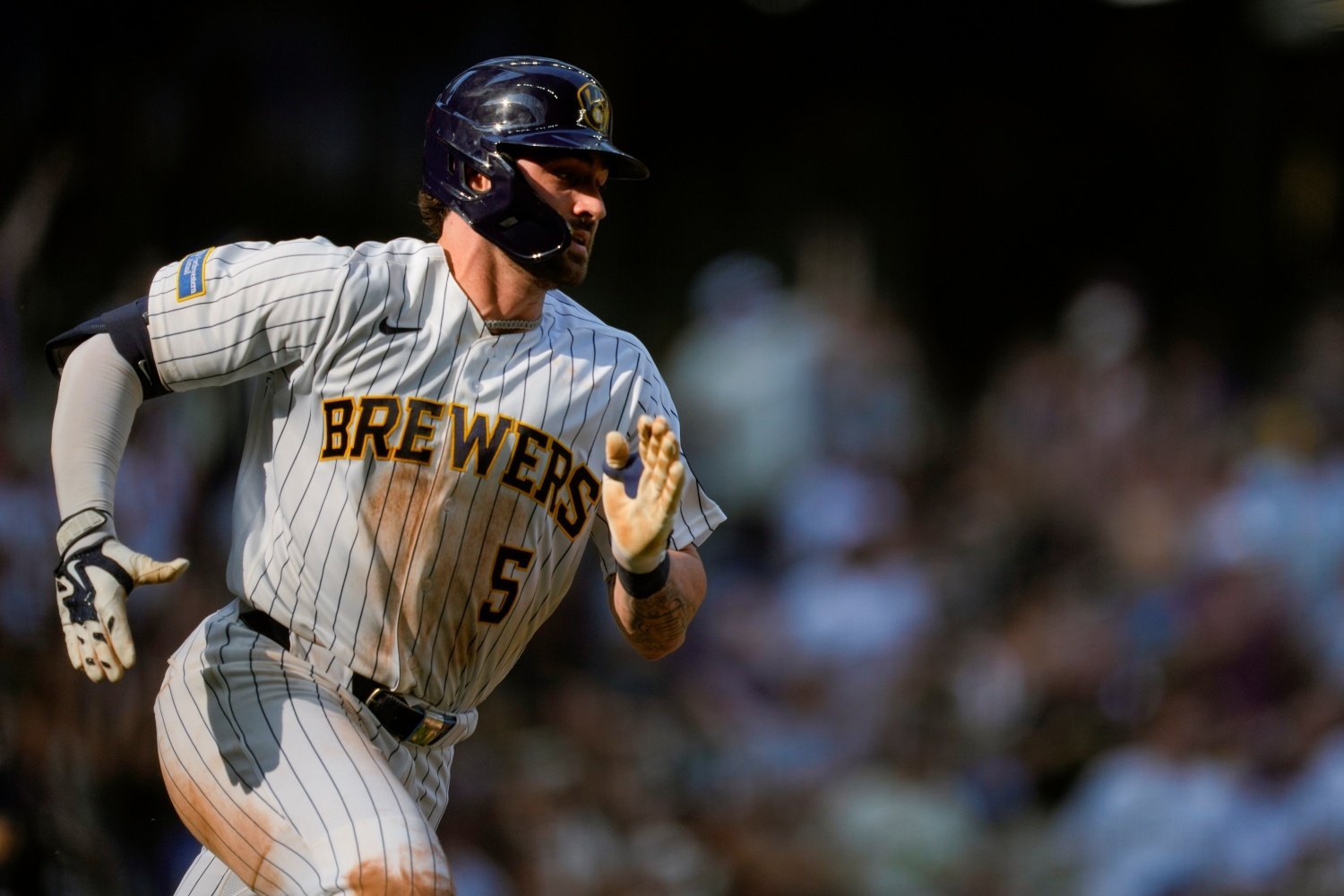 It's best to pretend the 2020 season didn't happen. Effectively, it didn't. It shouldn't have. But the 2020 MLB Draft did happen, and it matters for the Brewers. There were only five picks in that draft, which meant the team didn’t have a lot of room for error. But this draft has worked out quite well for Milwaukee. We’ll go through each of the picks. Best Pick: OF Garrett Mitchell It’s not hard to make this call. Mitchell’s been dynamic when he’s on the field. In 2026, he’s become a mainstay of the Brewers offense. It’s what the Brewers were hoping for as a first-round pick. The big problem with Mitchell is keeping him on the field. He missed large chunks of the 2023, 2024, and 2025 seasons due to injury. He’s remained healthy so far this season. With a lot of outfield prospects forcing their way up (Josiah Ragsdale, Josh Adamczewski and Braylon Payne, among others), the day his legacy is cemented by a trade return may be sooner, rather than later. Between now and then, though, there's a lot more value to deliver on the field. Honorable Mention: OF Joey Wiemer Wiemer stepped up when Mitchell was lost for the season in 2023 and held down center field as Gorman Thomas Lite (with the help of Blake Perkins and Sal Frelick), providing right-handed pop, defense, and a lot of strikeouts as the Brewers fought their way to a division championship. The Brewers dealt him the following season for Frankie Montas, who solidified the back end of the rotation in 2024. For a fourth-round pick in a chaotic draft, that was a good outcome. One That Got Away: UT Zavier Warren Warren was picked as a catcher, but instead turned into a versatile option with a fair bit of pop from both sides of the plate. Despite the versatility, switch-hitting, and a bat with some power, the Brewers left him unprotected in the minor-league phase of the 2025-2026 offseason’s Rule 5 draft, and Cincinnati selected him. Warren, in some ways, was a victim of the organization’s overall success. For prospects, making the majors with Milwaukee means reaching a higher standard than most organizations set. No doubt Warren was a solid prospect, but with Milwaukee’s depth, a lot of solid prospects end up on the margins. To Be Determined, But A Long Shot: SS Freddy Zamora In some years, Freddy Zamora would not be a horrible shortstop or bench asset; think along the lines of Andruw Monasterio, Bill Spiers, or Craig Counsell. His problem is the same one fellow 2020 draftee Zavier Warren ran into: Milwaukee’s minor-league talent level has exploded in recent years. Despite putting up solid numbers and making it to Triple-A Nashville, the second-round pick from the 2020 draft is nowhere close to being in the top five shortstop prospects for the organization (Cooper Pratt, Jesus Made, Luis Pena, Brady Ebel, and CJ Hughes probably have those spots), and it’s fair to question if he’s even in the top 10, with the presence of Jett Williams, Ricki Moneys, Diego Frontado, Trey Ebel, and Jose Rodriguez. Even though Williams has only seen spot duty at short in 2026 and the other four are either in the DSL or a 2026 draft pick, Zamora’s lost in the crowd. The best thing for him (and for the Brewers) could be a trade that nets him an opportunity and maybe gives the Brewers a small boost. Lucky Trade: SS Hayden Cantrelle Cantrelle, the team’s fifth-round pick, was moved for catcher Alex Jackson in April 2022 after free-agent signing Pedro Severino was lost for half the season due to a PED suspension. Prior to that, Cantrelle flashed some speed and OBP skills with a lot of strikeouts on the side before the Brewers dealt him, looking like a two-true outcome player with speed. It was lucky for Cantrelle, who would have been buried in the Milwaukee system behind the glut of shortstops. It was also lucky for Milwaukee, as they got Jackson, who provided catching depth and was later flipped for Evan McKendry when the Brewers needed pitching depth. Cantrelle’s bounced between Double-A and Triple-A for the Marlins, Giants, and Cubs since then. He won't make much of an impact in the majors; the Brewers squeezed value from him while they could. How would you grade the Brewers’ 2020 draft? Let us know in the comments below! View the full article
 -
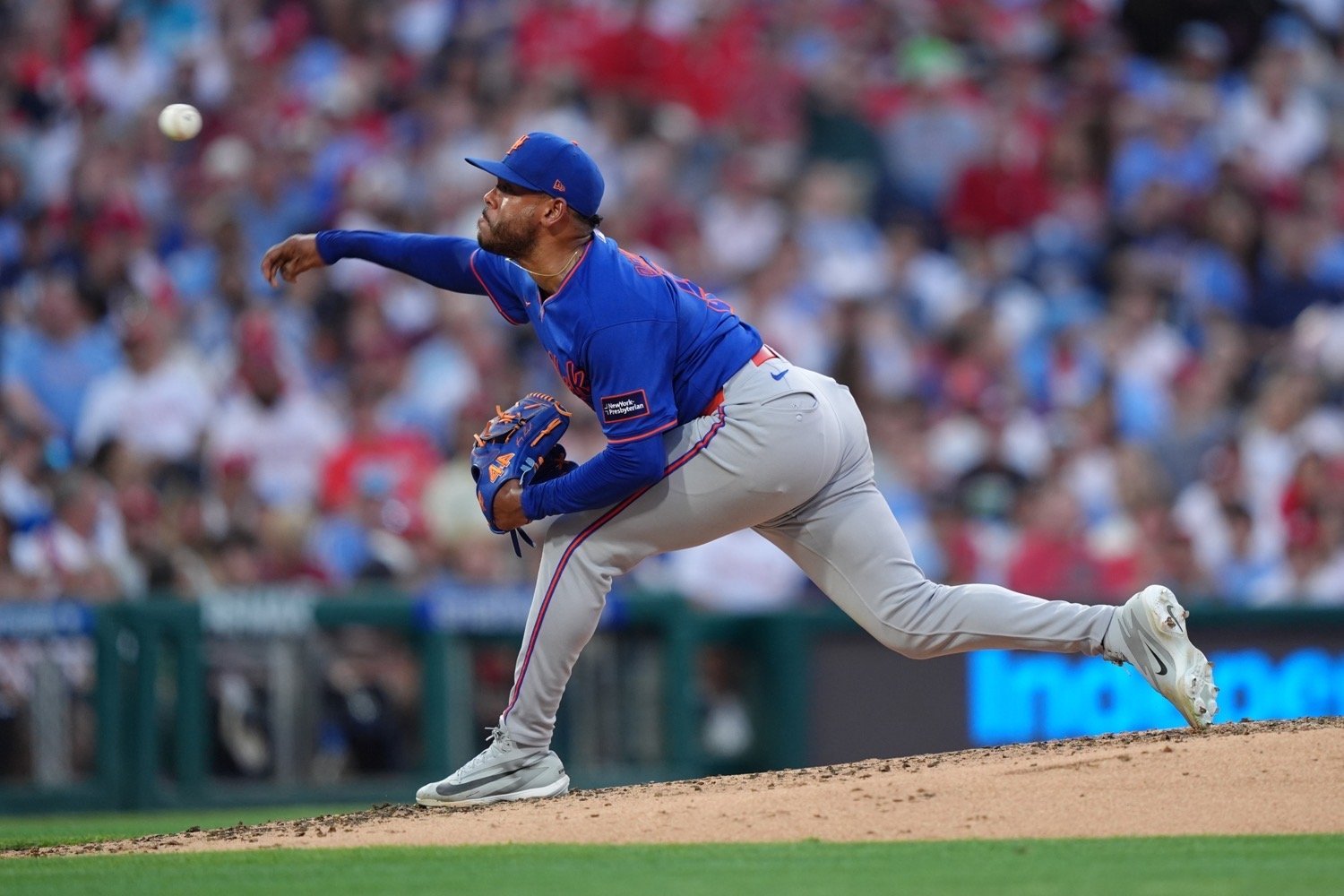 The New York Mets are approaching the trade deadline as clear sellers, with their focus centered on moving impending free agents rather than filling holes on the major league roster. Their most appealing trade asset is a front-line starting pitcher, although a disappointing second half could dampen the return. Outside of those rentals, New York’s trade inventory is relatively thin, relying more on struggling veterans and prospects whose stock has slipped than on premium young talent. Robert Murray of FanSided is reporting that the Tampa Bay Rays have "shown interest" in New York Mets starter Freddy Peralta. The Rays bring plenty of trade capital to the table, headlined by one of the deepest farm systems in baseball and a payroll situation clean enough to take on money if needed. Their willingness to move even really productive players, evidenced by trading a top offensive second baseman away just months ago, shows they won’t hesitate to deal from a position of organizational depth rather than need. That combination of prospect capital and financial flexibility puts them in position to be aggressive with sellers looking to move MLB-ready talent before the deadline. Peralta, 30, is set to be a free agent at season's end. Despite looking like an ace with the Milwaukee Brewers, he has struggled with the Mets this year, posting a 4.99 ERA (4.47 FIP) with a career-low 12.7% strikeout-minus-walk (K-BB) rate. The Rays feel like a dangerous organization to trade with given their penchant for identifying and developing talent. Do you think the Mets should partner with them on a deal? Join the conversation in the comments! View the full article
 -
Mets Week in Review: A Tough Week Against Tough Competition
DiamondCentric posted an article in Grand Central Mets
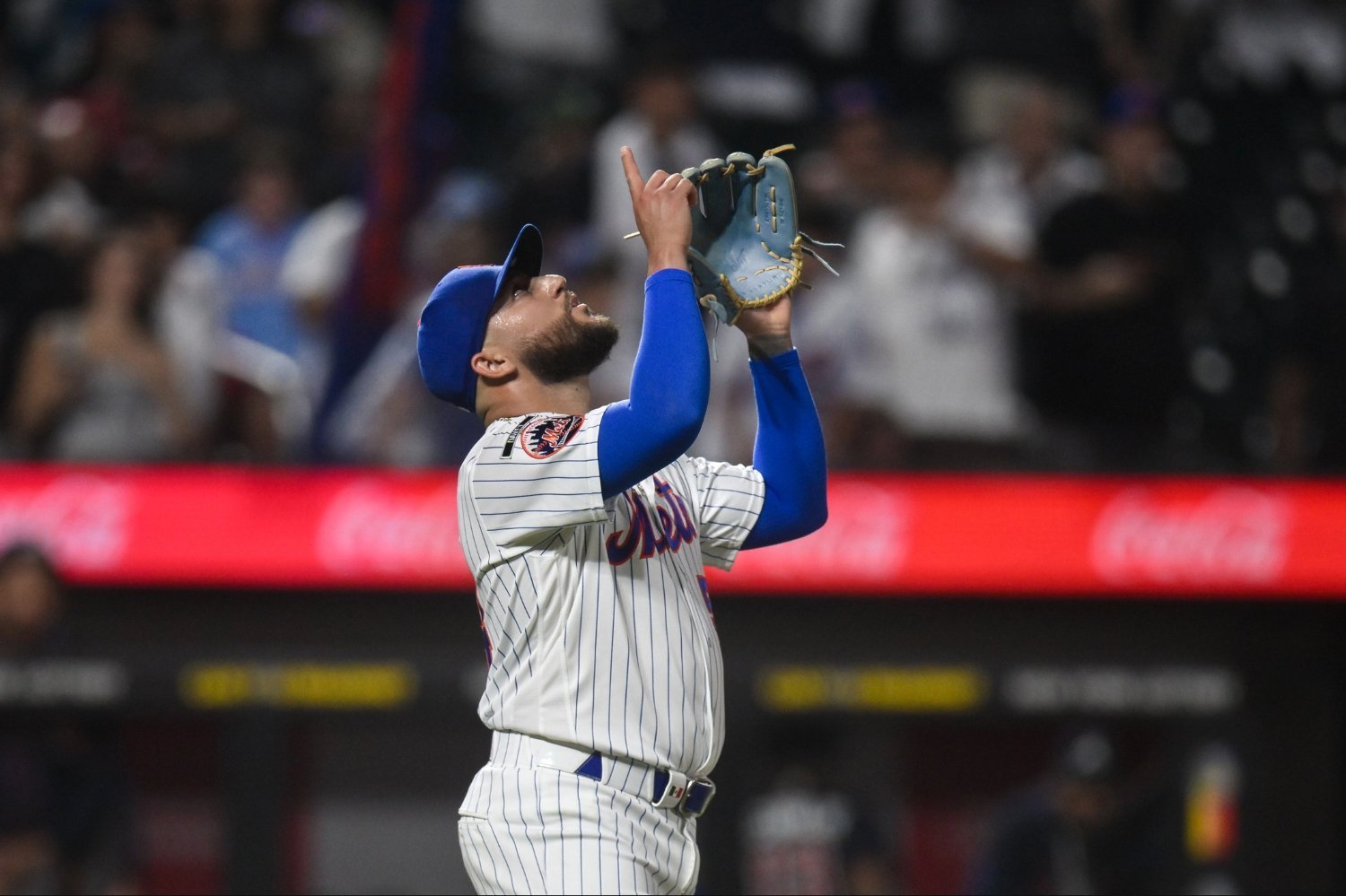 New York Mets Weekly Snapshot Record Last Week: 2-4 Runs Scored Last Week: 22 Runs Surrendered Last Week: 29 Standings 5th in NL East (44-62) 18.5 GB of 1st Place, 11 GB of a Wild Card Transactions 7/19 New York Mets sent RHP Dedniel Núñez on a rehab assignment to Syracuse Mets. 7/19 New York Mets sent SS Zack Short outright to Syracuse Mets. 7/20 New York Mets activated CF Luis Robert Jr. from the 60-day injured list. 7/20 New York Mets optioned 1B Eric Wagaman to Syracuse Mets. 7/20 New York Mets sent SS Zack Short outright to Syracuse Mets. 7/21 New York Mets recalled RHP Daniel Duarte from Syracuse Mets. 7/21 New York Mets optioned RHP Xzavion Curry to Syracuse Mets. 7/23 New York Mets sent RHP Clay Holmes on a rehab assignment to Syracuse Mets. 7/25 New York Mets placed LF Juan Soto on the 10-day injured list. Left calf strain. 7/25 New York Mets recalled 1B Eric Wagaman from Syracuse Mets. Scores Game 101: Brewers 8, Mets 3 Game 102: Mets 4, Brewers 0 Game 103: Brewers 9, Mets 3 Game 104: Dodgers 4, Mets 2 Game 105: Dodgers 5, Mets 2 Game 106: Mets 8, Dodgers 3 Series Breakdown/Highlights Brewers Series: Coming off a series win against the Phillies, the Mets took on one of the top teams in the NL. The Mets opened their road trip with a tough loss as the Brewers broke the game open with a five-run sixth inning. Freddy Peralta struggled against his former team, allowing seven earned runs in 5.1 innings, while Milwaukee capitalized on nearly every scoring opportunity. Francisco Lindor and Jorge Polanco each drove in a run, and the Mets managed just three runs despite putting traffic on the bases throughout the night. The loss spoiled Peralta's return to Milwaukee and snapped New York's momentum from its series win over Philadelphia. The Mets bounced back behind another outstanding outing from rookie Zac Thornton, who earned his first career victory with six scoreless innings. Jared Young got New York on the board with a solo homer, while Carson Benge delivered a two-run double in the fifth to provide breathing room. Luis Robert Jr. added a towering 451-foot home run in the eighth—his first hit since returning from a lengthy injury absence—as the bullpen completed a four-hit shutout. The Mets were unable to secure the series victory as Milwaukee rallied late with a four-run ninth inning to put the final game away. Christian Scott kept New York in the contest through six innings, but the Brewers' offense eventually broke through against the bullpen. The Mets collected eight hits and scored twice in the ninth to make the final score more respectable, but Milwaukee's late offensive explosion prevented New York from leaving Wisconsin with a series win. Dodgers Series: The Mets came home for their first home series post-All-Star-Break to take on the vaunted Dodgers. The Dodgers spoiled the Mets' return home despite another strong pitching performance from Sean Manaea. Luis Robert Jr. gave New York an early lead with a solo homer, but Los Angeles answered with sacrifice flies from Miguel Rojas and Shohei Ohtani before Kyle Tucker's two-run homer in the eighth created separation. Francisco Alvarez homered in the bottom of the eighth to cut the deficit to two, but Tanner Scott closed the door. The Mets also lost Juan Soto to left calf soreness during the game, adding another concern beyond the loss. The Mets' offense struggled once again in the next game against one of baseball's deepest pitching staffs, managing just two runs while the Dodgers took control with timely hitting. Los Angeles continued to capitalize on scoring opportunities late in the game, while New York failed to string together enough offense despite several chances with runners aboard. The defeat guaranteed another series loss against the National League West leaders. The Mets salvaged the finale in convincing fashion, erupting for eight runs behind timely power hitting. Tyrone Taylor's three-run homer highlighted a big offensive afternoon, while the Mets' lineup consistently pressured Dodgers pitching throughout the game. New York avoided the sweep by collecting one of its most complete offensive performances of the second half, finishing the week on a positive note with an 8-3 victory. Website Highlights Gauging A.J. Minter, Brooks Raley's Trade Values Ahead of Mets' Deadline Fire Sale Zac Thornton's Impressive Opening Act Raises Questions About His Standing In Loaded Mets Rookie Class Your 2026 Mets Are Statistically the Least-Clutch Team of the 21st Century Looking Ahead July 27th: v. ATL (W 14-3) July 28th: v. ATL July 29th: v. ATL July 30th: v. MAI July 31st: v. MAI Aug 1st: v. MAI Aug 2nd: v. MAI View the full article
 -
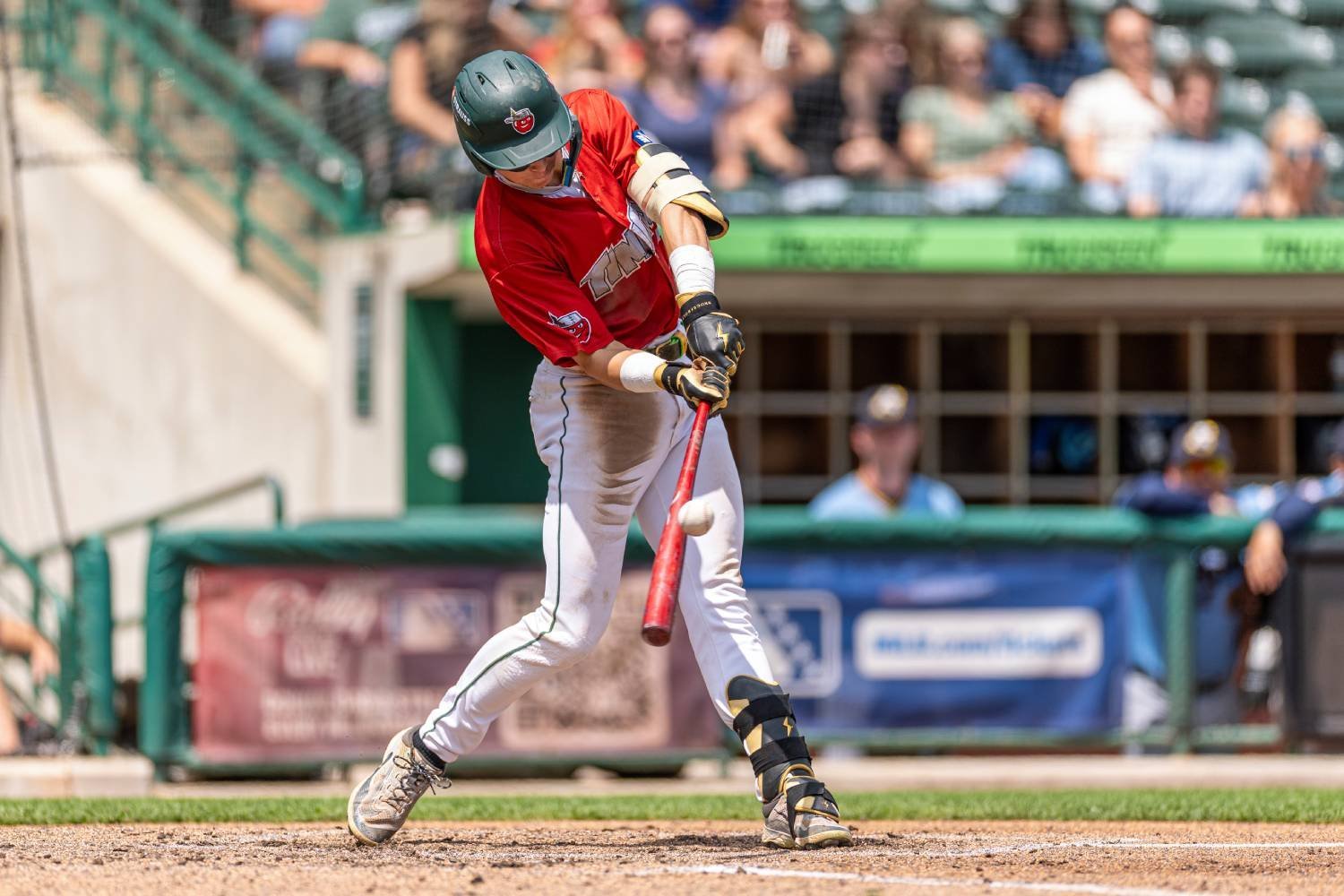 Let's check in on the San Diego Padres prospects who made a mark in the last week (check out Padres Mission's latest Top 20 rankings as well!). Prospect performances are important at this time of year, as teams seek major-league talent to make a run at the postseason. In other words, the names on this list might not be with the Padres a week from today: Ryan Wideman, CF, High-A Fort Wayne TinCaps Season stats: .316/.381/.459, 88 games, 68 R, 22 2B, 6 3B, 6 HR, 56 RBI, 31 BB, 85 K, 57 SB, 17 CS Since being promoted to High-A Fort Wayne from Low-A Lake Elsinore, Padres Mission's No. 4 prospect had been kind of quiet for the TinCaps. Sure, there were some big hits and offensive contributions, but not like what the 22-year-old did in the first three months with the Storm, when he slashed .314/.389/.504 with 43 steals in 65 games. In his first 18 games at the higher level, he put together a .244/.302/.269 with seven steals in 18 games. Last week against the Lake County Captains, he seemed to find his footing and erupted for a .591/.565/.591 line in five games, going 13-for-22 with seven steals and five RBIs. His slow start with the TinCaps cost him the minor-league lead in stolen bases, but his weekend surge, capped by a three-steal game Sunday, has him back on top of all levels in that category with 57, three clear of the next player. The time to adjust to improved competition is likely just part of Wideman's process. He had a .229/.330/.271 slash line in 26 games for the Storm last year after being drafted in the third round out of Western Kentucky. The tools are there and Wideman getting hot at this time bodes well for the TinCaps, as well as the Padres. Josh Mallitz, RHP, Double-A, San Antonio Missions Season stats: 3-0, 4.50 ERA, 25 games (all relief), 5 holds, 4 saves (5 chances), 40 IP, 30 H, 21 R, 20 ER, 15 BB, 42 K, .207 opponent average While he might not have the same hype as some of his teammates, the 24-year-old has proven to be one of the more valuable arms coming out of the Missions' bullpen. Last week was no exception for the undrafted free agent who was signed in 2024 out of Mississippi. In two appearances against the Frisco RoughRiders, Mallitz pitched five shutout innings, allowing just one hit with no walks and five strikeouts. He earned his fourth save of the season and fifth of his career in Saturday's 4-3 win in which he went three innings (matching his season high), allowing a hit and striking out three. In his other game last week, he pitched two perfect innings. Those two outings came after a minor rough patch for Mallitz. He allowed six runs over 4⅔ innings on six hits and a walk with three strikeouts over three games. But before that, he hadn't allowed a run in 12 of 13 appearances. Including that three-game blip, Mallitz has put together a 2.42 ERA in 15 games over June and July with six walks and 32 strikeouts. Mallitz pitched in the World Baseball Classic for Israel, picking up a win against Nicaragua, surely picking up tips from the various MLB players on the roster and setting himself up for a good first full season at Double-A. He made a four-game cameo last year, not allowing a run in 4⅓ innings after a 4.09 ERA in 23 games at Lake Elsinore. Eric Yost, RHP, Double-A, San Antonio Missions Season stats: 5-2, 3.60 ERA, 17 games (12 starts) 2 holds, 1 save (1 chance), 70 IP, 51 H, 28 R, 28 ER, 45 BB, 68 K, .207 opponent average A 17th-round draft choice in 2023 out of Northeastern, the right-handed starter continues to excel for the Missions. In his start Sunday against Frisco, the 23-year-old matched his season best with six innings, not allowing a run and giving up just three hits, walking two and striking out five. It was his second start of the week, following a four-inning outing Tuesday in which he gave up a pair of runs on four hits with a walk and fanning five. One of Yost's best numbers is his opponent batting average of .191 at the Double-A level. Yes, his season number is at .207, but that includes a spot start for the Triple-A El Paso Chihuahuas where he gave up five runs in 3⅓ innings on July 4 vs. Sacramento. Yost has been at San Antonio for just about a year, getting promoted from Fort Wayne following the exodus of talent at last year's trade deadline. Ty Harvey, C, Low-A Lake Elsinore Storm Season stats: .349/.457/.512, 28 games, 16 R, 8 2B, 0 3B, 2 HR, 16 RBI, 18 BB, 25 K, 6 SB, 1 CS Welcome back, Ty. The 19-year-old catcher officially came off the 60-day injured list this weekend after he had his catching hand broken by an opposing hitter that resulted in a catcher's interference on May 23. Padres Mission's No. 7 prospect also missed a few weeks in April into May due to a hamstring injury, so his first full pro season has not gone as planned for last year's fifth-round draft choice out of Inspiration Academy in Bradenton, Fla. The good news is that when Harvey has been healthy, he has been as advertised (if not better). While he went 0-for-6 in his return to the Storm, he dominated a rehab assignment in the Arizona Complex League. Harvey went 8-for-15, including 6-for-9 in three games last week with a homer, a double and six RBIs. His presence in the Storm lineup will certainly be a plus for a team that won the first-half title in the California League's South Division but is just 11-19 in the second half. The Padres gave him a $1.5 million bonus to lure him away from Florida State. At 6-foot-1, 215 pounds, Harvey has the size and tools to become a tremendous two-way catcher, but will need to quickly make up for lost time. Javier Chacon, RHP, High-A Fort Wayne TinCaps Season stats: 6-1, 3.81 ERA, 29 games (all relief), 1 hold, 1 save (2 chances), 52 IP, 40 H, 28 R, 22 ER, 32 BB, 66 K, .214 opponent average The smallish (5-foot-11) left-handed reliever is still finding his way with the TinCaps after beginning the season at Low-A Lake Elsinore. After striking out 24 in 17 innings over eight appearances for the Storm, he was bumped up to Fort Wayne in early May and might finally be hitting his stride. In two appearances last week against Lake County, the 23-year-old out of Cuba didn't allow a run in 5⅓ innings, including six strikeouts over 3⅓ innings Friday. That was his third straight outing in which Chacon didn't allow a run and fourth in five games, helping to bring his season ERA down to 4.89. After some struggles in 2025, Chacon has elevated his strikeout rate in 2026 to 29.5%, including 27.1% at Fort Wayne. His walk rate sits at 14.3% (16.1% at Fort Wayne), which needs work, but this recent stretch has shown nice improvement. View the full article
 -
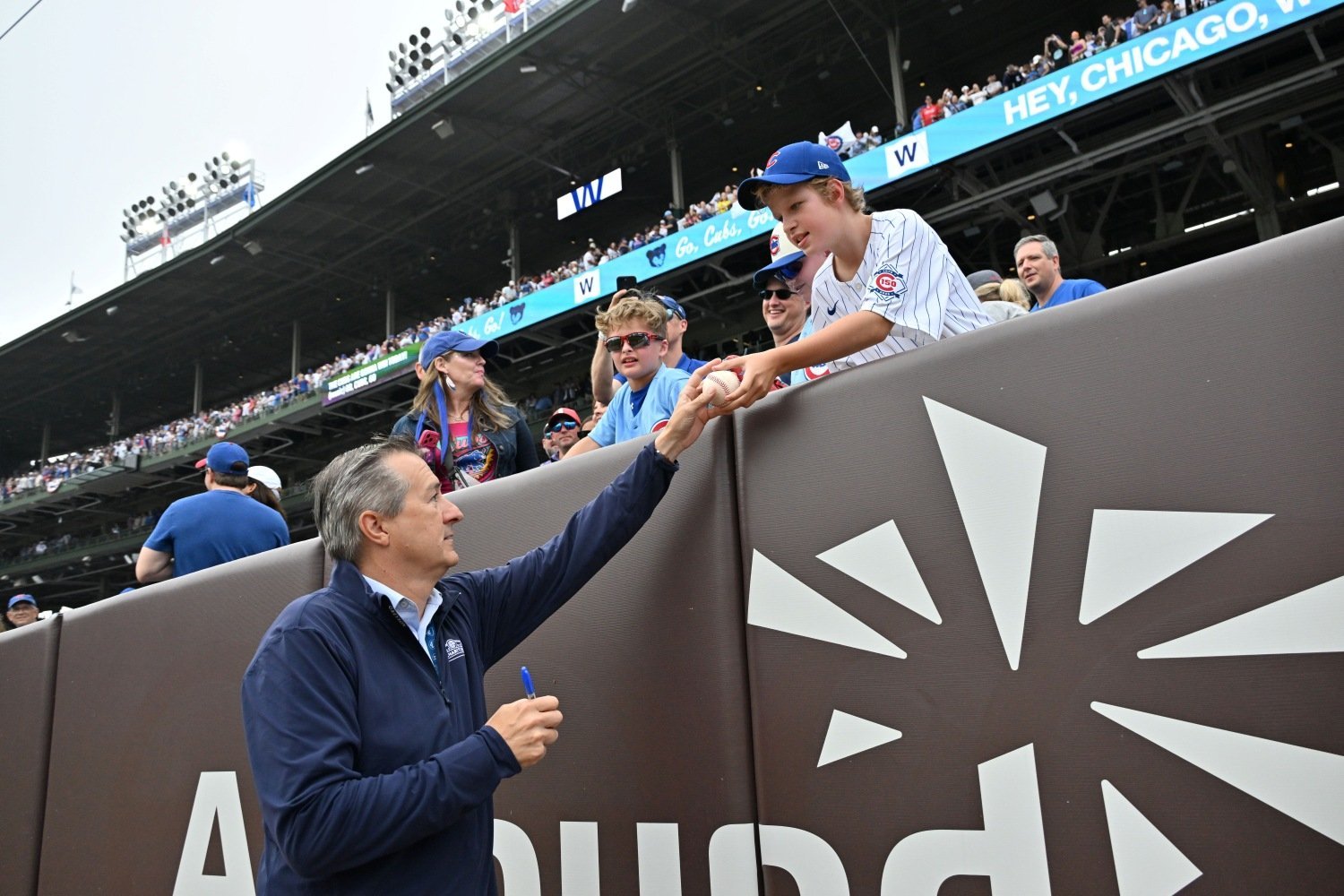 Before this season, Jed Hoyer and the rest of the front office secured permission from the Cubs' ownership group to spend beyond the first threshold of the competitive-balance tax, in order to sign Alex Bregman. Now, after injuries to the pitching staff threatened to derail their season, ownership has doubled down, according a team source. The Cubs can "spend whatever they want" as they hunt for upgrades to the roster over the next six days, according to a source briefed on the team's plans and discussions between ownership and baseball operations leaders. If Hoyer and Carter Hawkins eventually decide to make a move that would result in a major payroll increase, they would still circle back to Tom Ricketts and others to inform them of the plan, but the team has made room in its budget to bolster a roster that badly needs reinforcement. Right now, the Cubs sit halfway between the first and second thresholds of the competitive-balance tax ladder, according to Cot's Contracts, which projects their CBT payroll number to be around $254 million. The first threshold is $244 million; the second is at $264 million. The only increase in penalties for surpassing the second threshold, though, is a slightly larger surcharge on expenditures beyond that $264 million number. Other penalties (like receiving worse draft picks in return for departing free agents and repeater penalties if the team is over the threshold again in 2027) are unaffected by whether or not they exceed any secondary thresholds. Though long-range planning conversations do occasionally happen between Hoyer and ownership figures including Tom Ricketts and team president Crane Kenney, the same source indicated that no firm answer has been established as to whether the team will be allowed to exceed the tax threshold again in 2027. Any deal that brings in a player with a locked-in salary for that year will have to fit "into the broader plan," according to another source, but the Cubs have ample room to maneuver as they look toward the winter. Seiya Suzuki, Ian Happ, Shota Imanaga, Jameson Taillon and Matthew Boyd all have eight-figure salaries that come off the books this fall. The team will have to replace a lot of talent via free agency and trades, because their farm system isn't ready to backfill such heavy losses, but the team views this week as an opportunity to get a head start on that very work. By trading for a player (or two) under team control beyond this year, they hope to check one or more boxes off their offseason shopping list, gaining cost certainty and a planning advantage heading into a winter that will be disrupted by a lockout. This marks a minor departure from this winter, when the club was very focused on 2026 and some could-be trade partners felt they were assigning little value to 2027 and 2028 in their negotiations. It's possible that the extensions to which they signed Nico Hoerner and Pete Crow-Armstrong this spring shifted the team's thinking, and that Crow-Armstrong's emergence as a superstar capable of carrying a team into October has altered their ambitions for the medium-term future. Having this freedom to spend gives the team some flexibility in the days ahead. In deals for starters like Seth Lugo, Michael Wacha, Sandy Alcantara or Robbie Ray, one way the team could reduce the prospect cost would be to absorb the whole of those players' remaining salaries. Knowing they can spend more than $10 million for the balance of the year if needed also makes it much easier to bring in multiple players. Relievers Antonio Senzatela ($12 million) and Luke Weaver ($9.5 million) have substantial salaries this year and would still be owed a few million apiece when acquired; having spending room means such players still fit into a plan even after prioritizing a starter. Again, players (like Lugo, Wacha and Weaver) with 2027 obligations are slightly more complicated cases, but because so much money is coming off the Cubs' books, the team should be able to take on at least one such deal without flinching. All will depend on their evaluations of those players and their ability to help the team, of course, but it's good to know that money won't stand in the way of a valuable short-term upgrade. View the full article
 -
 Every summer, the release of updated prospect rankings becomes one of the first opportunities to evaluate how the newest draft class stacks up against baseball's best young talent. Each national outlet has its own philosophy, leading to plenty of debate about player ceilings, risk, and long-term projections. There isn't one correct way to rank prospects, which is exactly what makes comparing these lists so interesting. The Athletic's Keith Law has long taken a different approach than many evaluators, emphasizing future value over consensus rankings. His updated top prospects list following the 2026 MLB Draft reflects that philosophy, and it includes an especially optimistic evaluation of Minnesota's newest first-round pick. Where Does Vahn Lackey Rank? Law ranks Vahn Lackey as the No. 20 prospect in all of baseball, making him the highest-rated player from the 2026 MLB Draft on his list. That ranking is six spots higher than Baseball America's post-draft evaluation, which placed Lackey 26th overall. It also puts the Twins' third overall selection ahead of both players drafted before him. First overall pick Roch Cholowsky checks in at No. 21, while second overall pick Grady Emerson lands at No. 34. It's another reminder that opinions on this draft class remain fluid. While most evaluators viewed the top three selections as being in the same tier entering the draft, Law believes Lackey deserves a slight edge. The upside Law describes is exactly why Minnesota was comfortable making Lackey the third overall pick. Catchers who project to provide impact offense while remaining behind the plate are among the rarest commodities in baseball. If Lackey reaches that ceiling, the Twins could have one of the game's most valuable young players. Where Do Other Twins Top Prospects Rank? Walker Jenkins has held the title of Minnesota's top prospect since the Twins selected him with the fifth overall pick in the 2023 MLB Draft. Law still gives him the edge, ranking Jenkins as baseball's No. 19 overall prospect, just one spot ahead of Lackey. The narrow gap is notable. Shortly after the draft, I made the case that Lackey had a legitimate argument to become the Twins' No. 1 prospect immediately. While Law stops just short of making that move, his rankings suggest the two are essentially viewed as equals entering the next stage of their development. Jenkins slipped eight spots compared to Law's preseason rankings, with injuries playing the biggest role in that decline rather than any concerns about his long-term talent. When healthy, Jenkins still possesses the all-around tools that have made him one of baseball's elite prospects since draft day. Minnesota also placed two more players on Law's list. Emmanuel Rodriguez came in at No. 31, while Kaelen Culpepper ranked No. 53 overall. Those placements become even more impressive when considering the size of Law's rankings. Unlike many national outlets that publish a Top 100, Law limits his list to just 70 prospects. Having four players inside that group speaks to the overall strength of Minnesota's farm system, especially after adding another premium talent at the top. Prospect rankings will continue to change as players gain professional experience, battle injuries, and adjust to higher levels of competition. Still, Law's evaluation reinforces what the Twins believed when they turned in Lackey's name on draft night. Not only did Minnesota land one of the most talented players available, but they may have selected the player with the highest long-term upside in the entire draft. Whether Lackey eventually overtakes Jenkins as the organization's top prospect remains to be seen, but the conversation is already underway, and that's exactly where the Twins hoped it would be just weeks after the draft. View the full article
 -
No. 1 Padres Prospect Ethan Salas 'Not Considered Untouchable'
DiamondCentric posted an article in Padres Mission
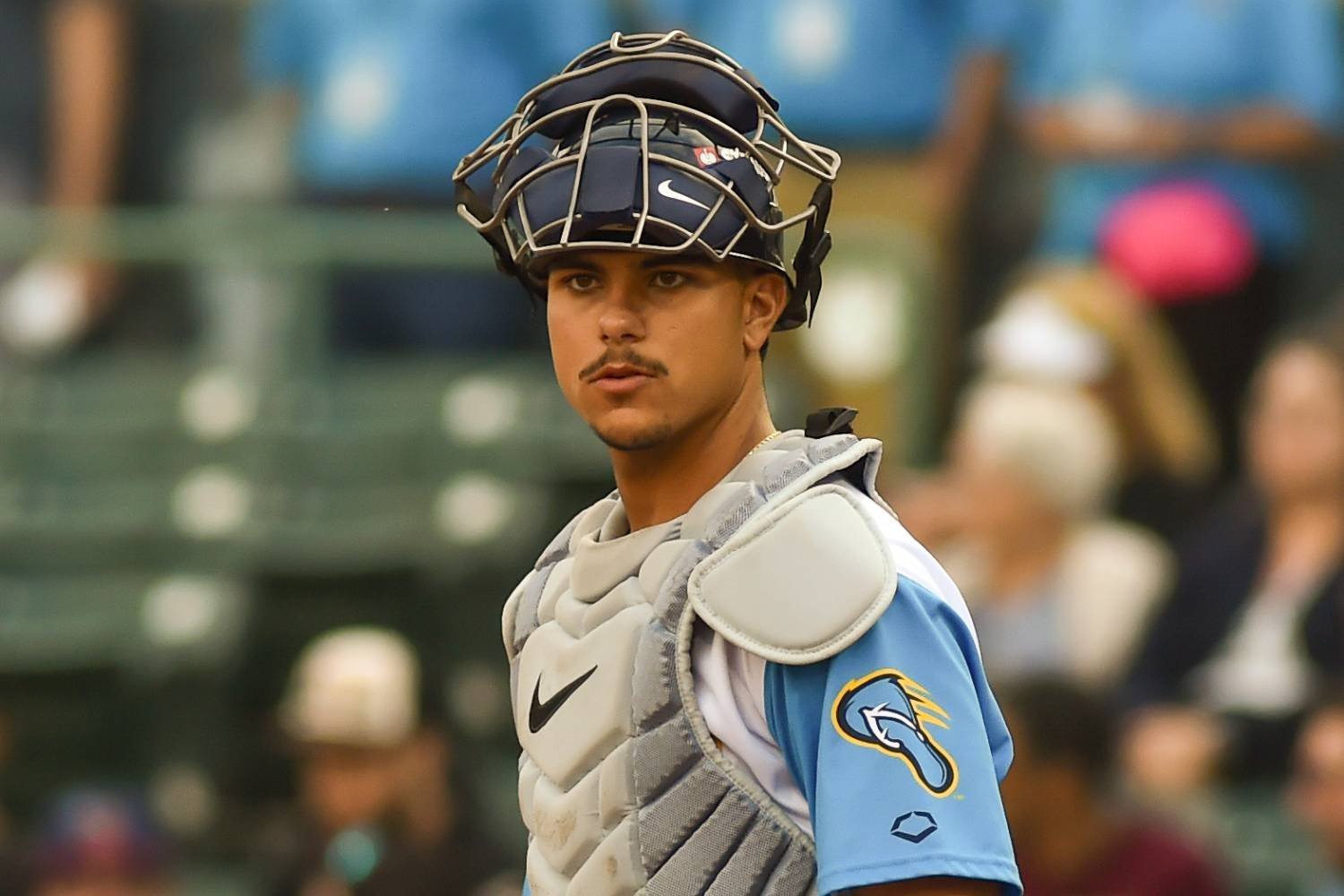 Could the San Diego Padres move their No. 1 prospect at the trade deadline for the second year in a row? According to Kevin Acee of the San Diego Union-Tribune, shipping out catcher Ethan Salas, Padres Mission's No. 1 prospect who is considered a top-50 prospect in all of baseball, is on the table for president of baseball operations A.J. Preller as the Padres have climbed back into contender status. We should be clear, though. The following line from Acee's article appeared as the third-to-last paragraph and no more insight was involved: "That could require moving top prospect Ethan Salas, who is not considered untouchable," Acee wrote. That was a follow-up to Acee describing how Preller and the Padres are approaching this year's trade deadline—in the same fashion they have the last two years, not trying to take on money while adding talent to the major-league roster. Salas has regained a lot of the prospect status he lost by missing all but 10 games last year due to a stress reaction in his lower back. Salas enters the week with a .285/.359/.418 slash line, hitting seven homers and driving in 37 while stealing 14 bases in 71 games. He was selected to his second Futures Game in three years. Salas is the only true blue-chip player in the Padres' system, which is at the bottom of every major ranking, a year after the Padres traded away No. 1 prospect Leo De Vries in the blockbuster deadline deal to get Mason Miller and JP Sears. Another blockbuster would have to be on the table to deal Salas. View the full article
 -
 Evaluationally, managers are a bit of a black box. So many of a manager’s important habits and interactions are hidden from the public, which leaves onlookers in a tough spot. What methods do we have to determine whether a manager is good or bad, other than simply seeing if the team wins or loses? We sometimes get glimpses, or little bits of helpful information, to assist us in our never-ending quest to figure out if we should love or hate the guy running our favorite team. Unfortunately, most of what we do hear skews positive, but it’s nonetheless helpful in painting a picture of the manager’s profile. One of the predominant traits we hear about with Derek Shelton is his communication style. Shelton has said, for the entirety of his stint as the Twins’ manager, that communication is important to him. There have been similar reports as the season has gone on that the players appreciate his communication. Specifically, Shelton has been lauded for being upfront and proactive in his communication. On a recent episode of Gleeman and the Geek with guest Bobby Nightengale of the Star Tribune, it was noted that Shelton does his best to communicate with players as soon as he knows something that they ought also to know—even if a decision had not been made yet. It was also noted that this tendency was something of a change from Shelton’s predecessor, Rocco Baldelli, who managed the club from 2019 to 2025. Examples of this habit named on the podcast included personnel decisions like communicating with third catcher Alex Jackson that he would not be waived upon Ryan Jeffers’s return and on-field decisions like communicating ahead of moving Brooks Lee to third base. This habit would seemingly carry over into decisions like moving a player up or down in the lineup or optioning a player to Triple-A. It’s somewhat obvious why that tendency toward transparency would be preferred by players, but there’s been extensive research into just these topics in the social sciences, as well. I want to break down Shelton’s communication in light of two topics: role ambiguity and organizational justice. Role Ambiguity This topic is the most straightforward in its relationship to managerial communication. People don’t like it when they don’t know what’s asked of them. Traditionally, role ambiguity has been understood as uncertainty related to four topics: scope of one’s role; behavior necessary to fulfill one’s role; how one will be evaluated; and the consequences of meeting or failing to meet those expectations (Kahn et al., 1964). In baseball, this could look like some combination of a player not knowing how often they’ll play (or at which position); not knowing how to play that position well or improve; whether they’ll be evaluated on process or result; or what will happen if they go 0-for-20. Active, direct communication alleviates this. As examples, you might think of the aforementioned Lee moving off of shortstop, Royce Lewis bouncing between first, second, and third base upon his return from Triple-A, Luke Keaschall moving to right field for the first time in his career, Andrew Morris transitioning from starter to long reliever to setup man, or Kendry Rojas spot starting. Shelton’s willingness to communicate through these changing expectations surely benefitted his players. Lewis began playing first base for the first time in his life down in St. Paul, and he’s rarely played third base—the spot he had played nearly every day (when healthy) from 2023 to the beginning of this season. That’s a big change by itself, but he’s also played some second base, a position that he’s been wary of playing in past seasons, especially when things were changing on the fly. Now? We’ve heard no peep from Lewis. He’s filled in serviceably at both positions that he’s largely unaccustomed to, even though he’s bouncing around daily. We can never say for certain, but it’s easy to believe that Shelton’s willingness to communicate about where Lewis will play each day would be beneficial. The Role Episode Model (Katz & Kahn, 1978) suggests that role ambiguity manifests as a series of failed communications. The role giver and the role filler are not on the same page, and both get frustrated as failed communication stacks on failed communication. There’s evidence that communicating expectations affects athletes, specifically, which is important to this conversation, because a lot of this type of research is conducted in non-sports scenarios (Beauchamp (not Brock) et al., 2002). Organizational Justice Justice is a different topic, but it carries over to this conversation. Justice can be understood as the level of fairness that an employee (in this case, a baseball player) perceives within their workplace (or baseball club, here). It’s subjective, because everyone’s perception of what is “fair” is going to differ. Technically, there’s probably a way to calculate “fair” objectively, but that’s beyond most of us. What’s important is whether the people in question think that they’re getting a good shake (Colquitt, 2001). When we think of “fair,” we often think some form of the question “are we getting what we deserve?” We’d call that distributive justice. Distributive justice has to do with how resources are allocated within an organization. Am I getting paid what I’m worth? Do I have the tools necessary to do my job well? In baseball, that’s going to extend into questions a player might ask like “Am I getting enough playing time?” or “Am I being given a chance to prove myself?” Undoubtedly, players are constantly asking themselves those questions. But communication doesn’t really bleed into that discussion, outside of things like receiving adequate attention from the coaching staff (a resource). Instead, a second form of justice, procedural justice, is more prominent here. Instead of whether a player is getting what he deserves, procedural justice has more to do with whether decision-making is fair. To some extent, these are two sides of the same coin (fair decision-making is related to the outcomes of those decisions), but it’s interesting how they interact with each other. One pattern that sticks out when considering these two types of justice together is that sometimes the actual outcomes are less powerful than how those outcomes were decided upon. For instance, a player who loses playing time but understands why the decision was made might be more satisfied than a player who receives more playing time but doesn’t think that they earned it through fair processes (maybe they think a coach is obviously playing favorites). Similarly, informational justice is especially concerned with the topic of this article, communication. A bad outcome, like being moved off of shortstop or being optioned to the minor leagues, isn’t going to make a player happy. But any negative reaction or feeling can be mitigated by a little communication—explaining to the player why the decision was made, what the player can do in their new role, or how they might be able to reverse the decision (e.g., improving in some facet of their game). Whether we’re talking about procedural or informational justice, the message (no pun intended) is clear: communication helps. Even if a player is getting bad news, that communication can serve as a buffer and can help a player work through whatever negative news is on the way (and even if it’s positive news, they’d rather not be left in the dark!). People who see fairness in their organization are going to feel more supported by their organization (or team), and that will lead to a whole host of benefits, such as performance, commitment to the organization, positive emotions, and reduced stress (Kurtessis et al., 2017). As I said, a lot of this is kind of obvious. But it’s important to understand that these positive habits practiced by Shelton aren’t some rule of thumb. They exemplify positive behaviors that have been validated by decades of social science data. And I think that’s pretty cool. Beauchamp, M. R., Bray, S. R., Eys, M. A., & Carron, A. V. (2002). Role ambiguity, role efficacy, and role performance: Multidimensional and mediational relationships within interdependent sport teams. Group Dynamics: Theory, Research, and Practice, 6(3), 229–242. doi:10.1037/1089-2699.6.3.229 Colquitt, J. A., Conlon, D. E., Wesson, M. J., Porter, C. O. L. H., & Ng, K. Y. (2001). Justice at the millennium: A meta-analytic review of 25 years of organizational justice research. Journal of Applied Psychology, 86(3), 425–445. Kahn, R. L., Wolfe, D. M., Quinn, R. P., Snoek, J. D., & Rosenthal, R. A. (1964). Organizational stress: Studies in role conflict and ambiguity. John Wiley. Katz, D., & Kahn, R. L. (1978). The social psychology of organizations. New York: Wiley. Kurtessis, J. N., Eisenberger, R., Ford, M. T., Buffardi, L. C., Stewart, K. A., & Adis, C. S. (2017). Perceived organizational support: A meta-analytic evaluation of organizational support theory. Journal of Management, 43(6), 1854-1884. View the full article
 -
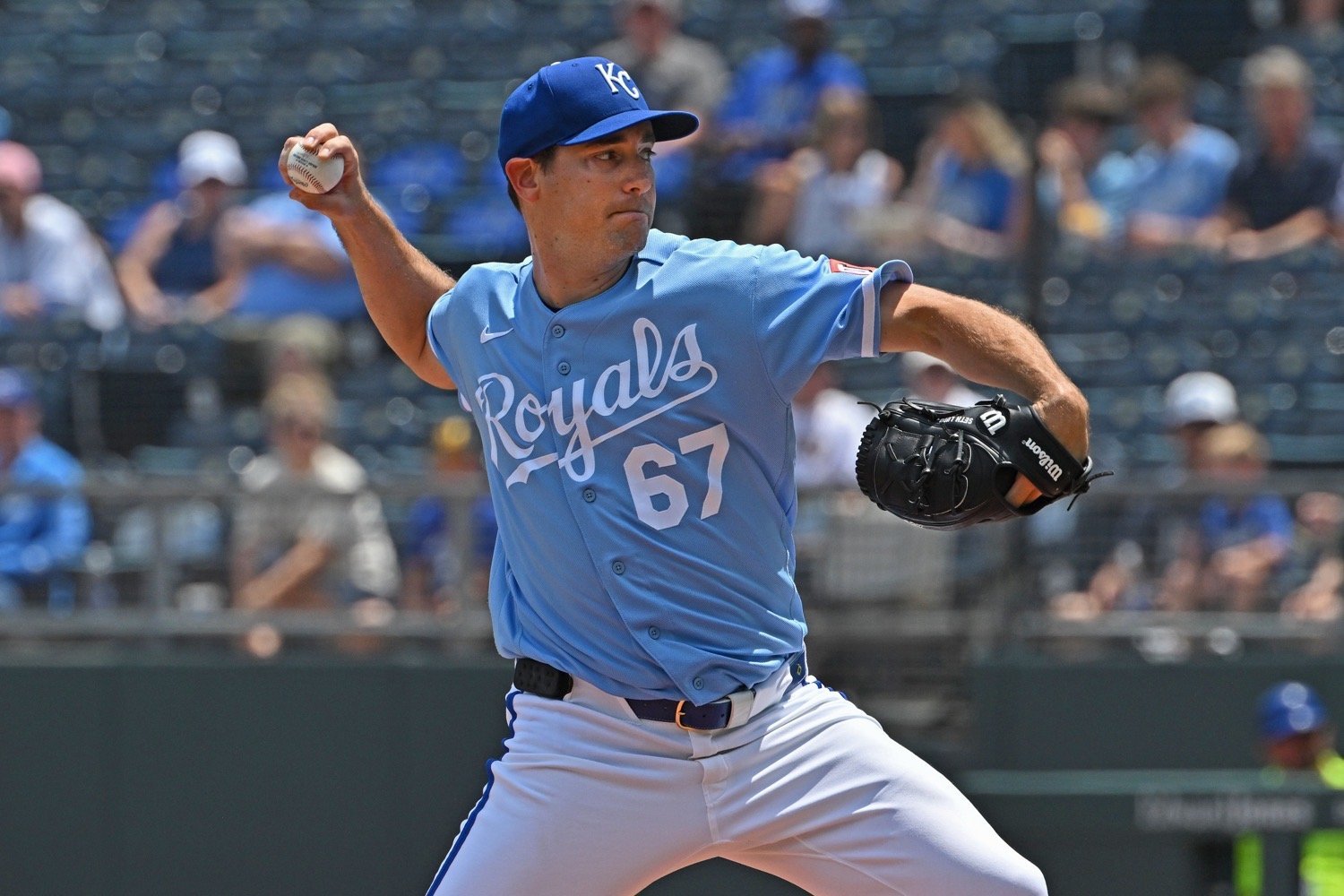 The Kansas City Royals enter the deadline buried in the standings after a season derailed by injuries across the roster, most notably a rotation and bullpen gutted by elbow and shoulder issues. With little realistic path back into the playoff race, their focus shifts to selling off veterans rather than addressing any roster need for 2026. Whatever they do move is unlikely to be a full teardown, since it may not be an especially active deadline for a club still built around a young core. Mark Feinsand of MLB.com is reporting that he expects the primary areas the team is expected to address via trade are “pitching depth and more hitting…” He adds that he “gets the feeling they aren't planning on moving any controllable players such as Seth Lugo or Michael Wacha.” Lastly, Feinsand shares that the Royals “want to contend next year”, so any move would likely be for a piece that is close or ready to compete at the big league level. Do you think the Royals should be open to moving their veteran starters? Join the conversation in the comments! View the full article
 -
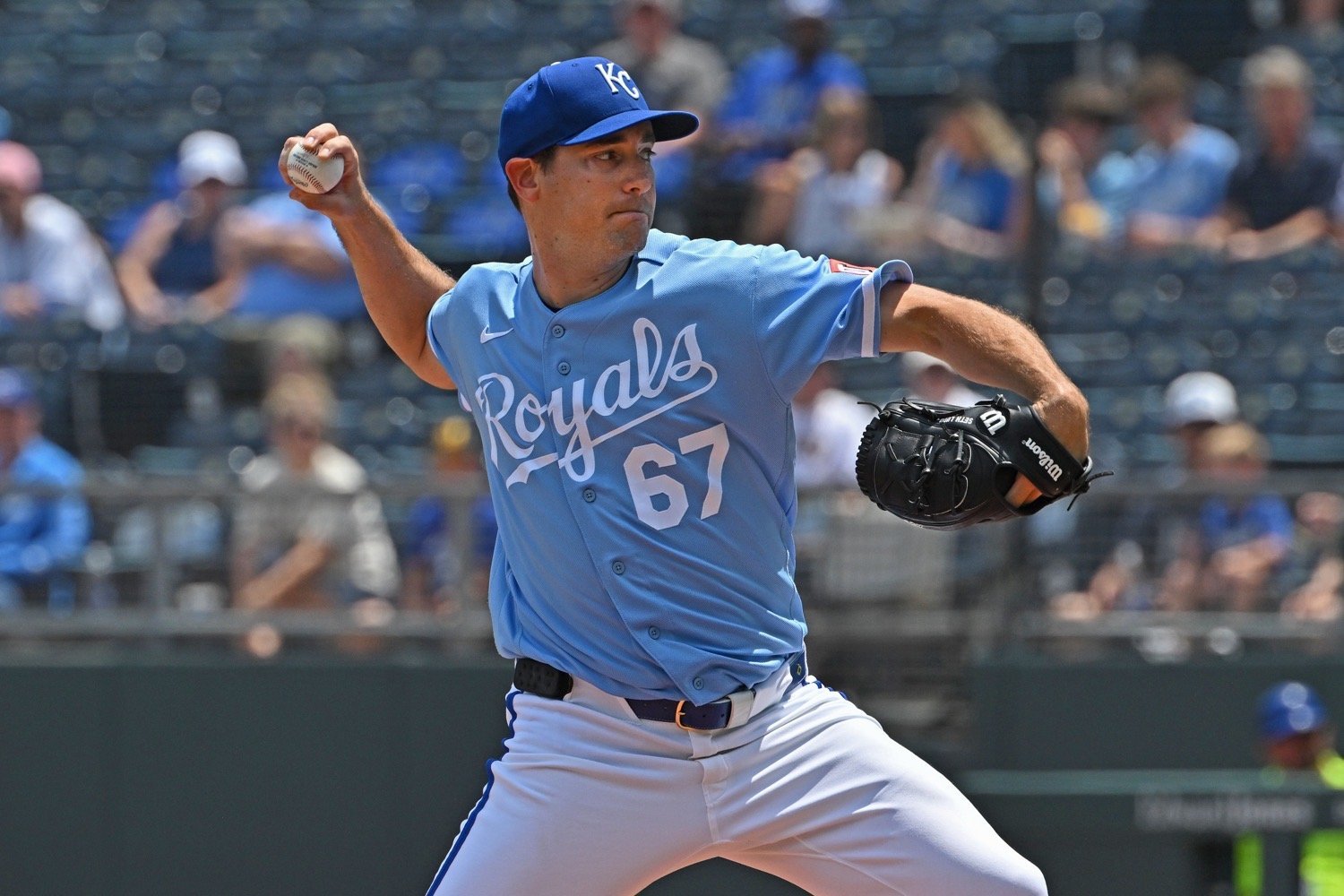 The Kansas City Royals enter the deadline buried in the standings after a season derailed by injuries across the roster, most notably a rotation and bullpen gutted by elbow and shoulder issues. With little realistic path back into the playoff race, their focus shifts to selling off veterans rather than addressing any roster need for 2026. Whatever they do move is unlikely to be a full teardown, since it may not be an especially active deadline for a club still built around a young core. Mark Feinsand of MLB.com is reporting that he expects the primary areas the team is expected to address via trade are “pitching depth and more hitting…” He adds that he “gets the feeling they aren't planning on moving any controllable players such as Seth Lugo or Michael Wacha.” Lastly, Feinsand shares that the Royals “want to contend next year”, so any move would likely be for a piece that is close or ready to compete at the big league level. Do you think the Royals should be open to moving their veteran starters? Join the conversation in the comments! View the full article
