


DiamondCentric
-
Posts
2,631 -
Joined
-
Last visited
Never
Content Type
Profiles
Forums
Events
MLB News, Rumors & Analysis
DiamondCentric Tutorials & Help
Major League Baseball Videos
MLB Fan Guides & Resources
Store
Downloads
Gallery
Everything posted by DiamondCentric
-

Our 2027 "You’re The GM!" payroll tool has released
DiamondCentric posted an article in Fish On First
 Every offseason, we offer our You’re The GM! tool to build your ideal Miami Marlins roster. This year, we’ve updated and streamlined the tool a bit to improve the experience. The idea behind this feature is to give fans a chance to play the role of General Manager (or CBO or PoBO…you get the idea) for the team they know inside and out. It’s meant to give fans the opportunity to discuss—and, let’s be honest, argue—how they would approach the long, dark MLB offseason. This tool is intended to be informal and fun, so we’ve left it as open as possible. There is a payroll “budget” that loosely resembles the Marlins 2026 payroll, but there is no penalty for going over that number. It’s a guideline, nothing more. Second, you can submit as many blueprints as you like throughout the offseason. As the offseason landscape changes, users often return multiple times over the winter and create new blueprints. Before we get into the breakdown of the tool, you can save your blueprint and come back to it at any time. The only restriction is that you must register an account on the site to create a blueprint (so we can save a draft for you and also post the blueprint for others to discuss). Create an account on DiamondCentric.net, then return here, log in using those credentials, and get to creating your 2027 blueprint! Let’s get into the tool itself. It has four quadrants that work best if addressed in a counter-clockwise order (this tool works much better on a desktop due to its complexity, but it will work on mobile devices if need be). Top Left: The 26-Man Roster We have created a rough guideline for the Marlins 26-man roster. The roster is flexible; you can add or remove players as you see fit. We’ve also included either guaranteed salaries or, in the case of arbitration and contract options, the recommendations of MLB Trade Rumors. This section is where you build your roster and make changes based on the following two sections. As you make changes to players and salaries, the total payroll number (right side of the screen) will change, allowing you to track your budget on the fly. The bottom field in both columns is for any dead money you assume during the course of your offseason. Acquiring dead money should be uncommon, but we want to give users the option to take on dead salary if it suits their purposes. Bottom Left: Arbitration & Trade Decisions Here, you will find a selection of arbitration options and internal options (usually from the 40-man roster or minor leagues) to assist in building your offseason roster. On the right-hand side of this column, you will see Trade Candidates, a list of the 40 players most likely to be traded this offseason, again per MLB Trade Rumors. To help you get up to speed with these candidates, we offer a direct link to the MLBTR write-up on trade candidates. Bottom Right: Free Agents Here, you will find the top 75 free agents according to our rankings on DiamondCentric. These are sorted by position to facilitate quickly finding your desired free agent and include the recommended salary for that player. Because this is a blueprint for a single year, we only include their projected salary for the coming season, not the number of years, deferrals, or anything else. Top Right: Dead Money, Your Total Payroll, & Commentary The only unalterable field on the page is Dead Money; it is players to whom the team has committed money but has no reasonable way to get out of the contract. Below that, you will see the recommended budget, your current total, and the percentage you are over or under that budget. Again, keep in mind the budget is only a guideline, and you can go above it as much as you like. But defend your choices, coward! The following field is Title, which gives other users an idea of what to expect with your blueprint (e.g., Be Unreasonable, Sign Tarik Skubal!). When your blueprint posts for other users, it will read “Your Username’s 2027 Payroll Blueprint: Be Unreasonable, Sign Tarik Skubal!”. The following field is Your Comments & Explanation, a long-form field meant to type out the rationale behind your decisions. Here is the place to fully explain your trades (including which players are leaving the Marlins to bring in new players), why you targeted specific free agents, and any promotions from the minors you advocate or any options you declined to extend to a specific player. This is often multiple paragraphs; you can write up as much detail as you desire. That’s it, you’re done! At this point, you can either publish your blueprint to the forums or save it for later if you feel it’s incomplete. Thank you for joining us at Fish On First. I hope you enjoy playing the role of general manager, at least for a moment! Start Your Payroll Blueprint Now View the full article
-
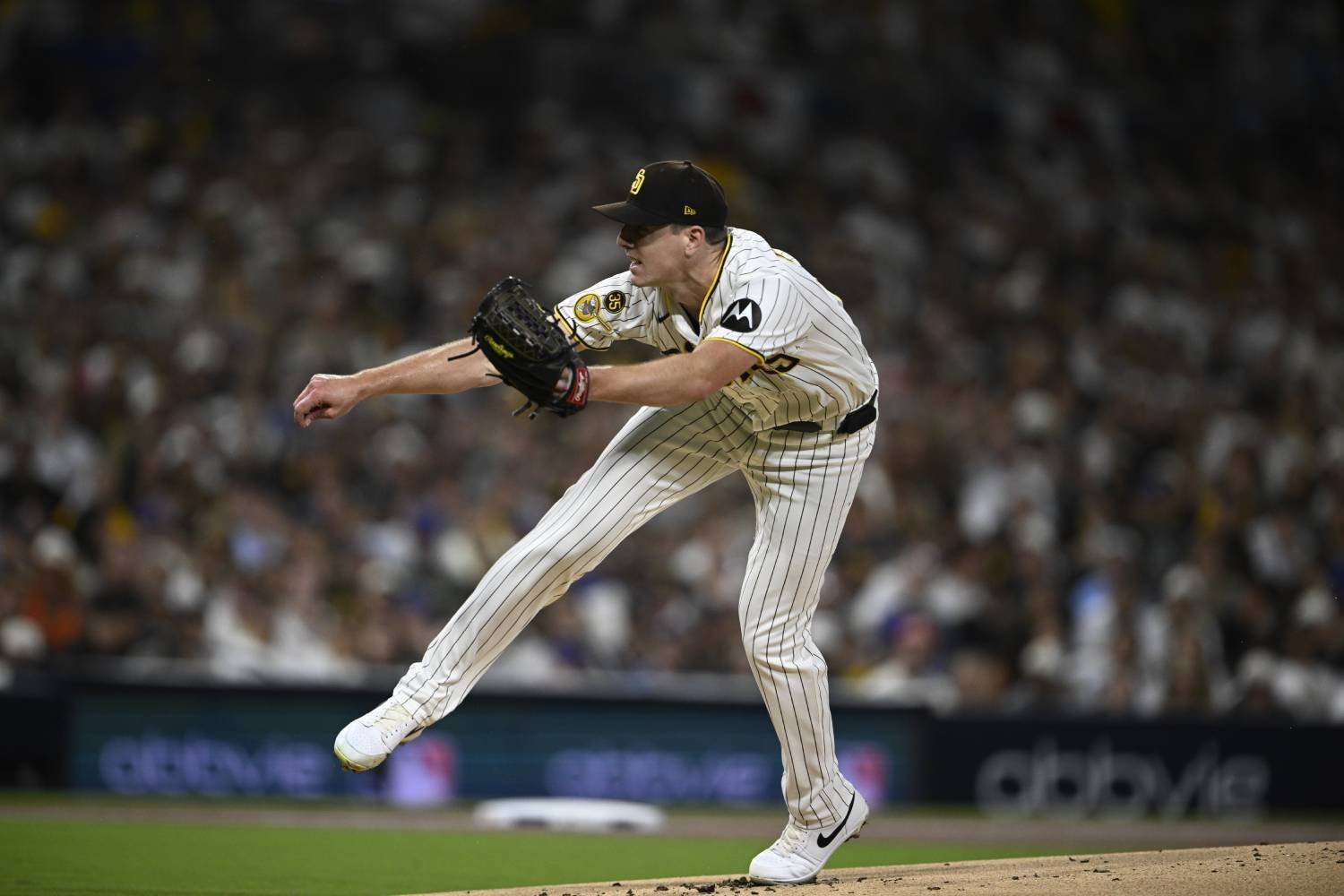 The San Diego Padres will be entering the offseason with just one pitcher who made more than six starts in 2026. That became the scenario after the Padres declined their $14 million club option on right-hander Nick Pivetta's contract Saturday, according to a report by Kevin Acee of the San Diego Union-Tribune. The Padres faced a 2 p.m. PT Monday deadline to pick up the option. Also, left-handed reliever Wandy Peralta, as expected, opted into his $4.45 million for 2027, the final year of his contract, per MLB Network insider Jon Heyman. It is still a possibility that the Padres and Pivetta are able to come to a new deal, but the pitcher will officially hit the open market following Monday's deadline. Pivetta was the Padres' Opening Day starter this year, his first time getting that assignment in his career, but then was removed from his fourth start with a right elbow injury. He didn't return until mid-September, which shifted the $14 million for 2027 from a player option to a club option due to a clause in his contract about spending 130 consecutive days on the injured list. The 33-year-old made four starts to finish the regular season, then two more in the postseason. There was also an $18 million player option for 2028 that was in play. The Padres may have had concerns about Pivetta's right elbow. Now, right-hander Randy Vasquez is the top returning member of the rotation with 23 starts this year, with left-hander JP Sears, a nontender candidate, second with six. That leaves president of baseball operations A.J. Preller with plenty of work to do regarding the rotation. Another starter, right-hander Joe Musgrove, made a single postseason appearance after having Tommy John surgery two years ago and experiencing setbacks during the season that pushed back his return to action. View the full article
-
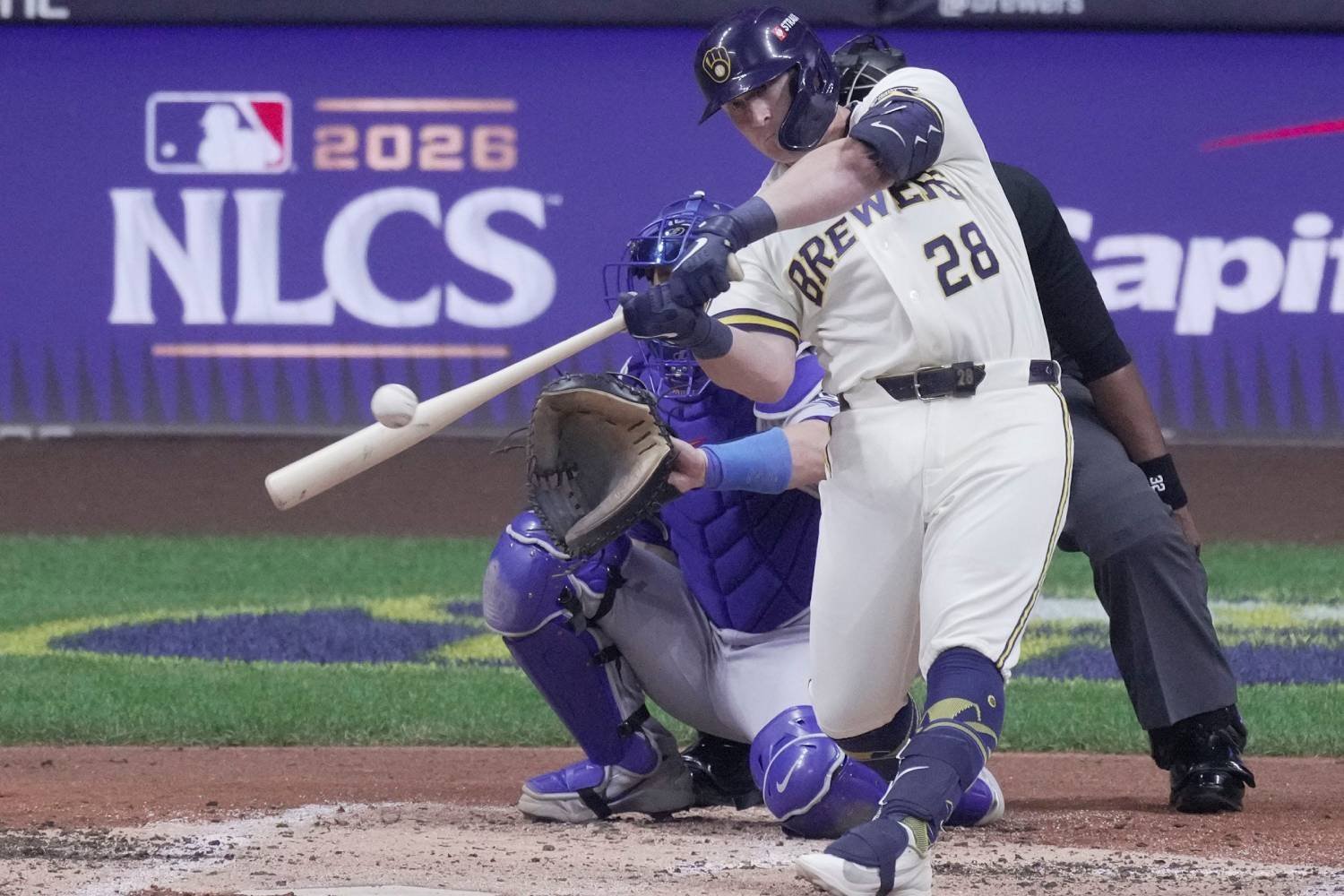 Unlike many teams coming off a World Series championship, the Milwaukee Brewers are in a pretty good position heading into the offseason. And that is even considering they are losing a few key free agents. This team is built for sustainability, as evidenced by four straight NL Central titles, and that has now paid off in a World Series title. That includes having one of the top farm systems in baseball, which helps keep talent coming and allows the Crew to trade away star players before their contracts are up. Here is a look at where the Brewers’ roster stands going into the offseason, where they are strong and where they need to focus on strengthening. Catcher Who’s here: William Contreras, Bo Naylor, Jeferson Quero Position status: Strong Wild Bill has logged three straight seasons of 1,000 innings behind the plate, quite an accomplishment in itself, but then has been solid to good offensively during that stretch. Contreras posted a .270/.341/.417 slash line with 18 homers and a career-best 94 RBIs, while being one of the top defensive catchers in MLB and guiding a young starting staff to the best record in baseball, not to mention what he did in the postseason. Barring a stunning trade of Contreras, who is entering his final season of club control, the only question at this position is who will be his backup. Naylor was acquired at the trade deadline from the Cleveland Guardians, but provides little offensively. Due to injury, Quero mainly was the designated hitter at Triple-A following his brief call-up and doesn’t feel ready defensively. Could that lead to Gary Sanchez coming back on a cheap deal? First Base Who’s here: Andrew Vaughn Position status: Questionable. There is a very real chance that neither Vaughn nor Jake Bauers is back. Bauers, of course, is a free agent in line for a nice contract, two years after the Brewers cut him and he nearly retired. Vaughn is projected to earn $8.5 million in his final year of arbitration. Considering Vaughn’s lack of power this season (six homers), that might be too steep a price for the Crew to keep him, although he did have a .306/.390/.444 slash line. Vaughn started just twice in the postseason, then came in late as a pinch-hitter on a handful of other occasions. The Brewers could bring Vaughn back on a cheaper contract if they can’t work something out with Bauers. No, power-hitting prospect Andrew Fischer is not ready to jump to MLB yet, so a stopgap would be needed if neither Vaughn nor Bauers returns. Second Base Who’s here: Brice Turang Position status: Strong. The left-handed hitter continued to elevate his offensive game, driving in 100 runs for the first time in his four-year career, while also smashing 21 homers, also a career best after hitting 18 a year ago to go along with 81 RBIs. He was again a tremendous defender, up for a second Gold Glove. He also stole 19 bases and had a 7.3 bWAR. Rarely needs a day off, with his 151 games this year the fewest of his last three seasons. Third Base Who’s here: Joey Ortiz, David Hamilton, Jesus Made Position status: Questionable. There is no question that Ortiz and Hamilton can handle the hot corner defensively. It is on offense where the questions arise. Ortiz became a much better offensive contributor once he was moved off of shortstop and finished the season with a very league-average .270/.328/.402 slash line. Hamilton, meanwhile, was at .245/.314/.336 for his slash line but stole 30 bases. One thing to consider here: Made, the top prospect in all of baseball, could be on the Opening Day roster. While that wouldn’t necessarily change the position's level at the start of the season, Made would bring huge offensive upside. But the Brewers might also want Made to get his feet wet at Triple-A before bringing him up. Shortstop Who’s here: Cooper Pratt, Jett Williams Position status: Strong. Pratt was always a defense-first shortstop from the time he was drafted in the sixth round in 2023. That was borne out by his slash line of .257/.354/.380 in three-plus minor-league seasons. But he was a nice surprise with the bat during his rookie season, putting up a .281/.350/.368 mark with three homers, 34 RBIs and 19 stolen bases in 74 regular-season games. He added to that with his postseason performance, posting a 1.139 OPS over the Brewers' championship run. Ortiz, Hamilton and Made can also move over to short when needed. Another option is Williams, the better of the two prospects (Brandon Sproat) that the Brewers acquired from the New York Mets for Freddy Peralta. He slashed just .233/.340/.384 at Triple-A Nashville in 81 games, which got him another stint in the Arizona Fall League. Williams is also in play at third base and the outfield. Left Field Who’s here: Jackson Chourio, Akil Baddoo Position status: Strong. Chourio displayed superstar potential during the postseason after posting a 20-homer, 20-stolen base season in each of his three MLB seasons. He had his best offensive season (.291/.351/.487, 25 HRs, 75 RBIs, 129 OPS+) while missing the first month of the season with a wrist injury. He will turn 23 in March, so the ceiling on his production still hasn’t been seen. Combine that with Chourio not committing an error this season and up for a Gold Glove and the total package is there. I wouldn’t expect Baddoo to be on the roster much longer. Center Field Who’s here: Garrett Mitchell, Brandon Lockridge Position status: Very good. Mitchell stayed healthy this season for the first time since he was taken in the first round of the 2020 draft. While at times disruptive, he showed there is still more to develop in his game. He had a .262/.354/.416 slash line with 11 homers and 65 RBIs in 145 games, more than he played in his previous four MLB seasons. He should be a 20-20 performer like Chourio. That can come with better plate discipline. He struck out 31.5% of the time this year, way above the MLB average of 22.4%. He also didn’t run as much during the regular season, perhaps part of the plan to keep him healthy. Lockridge had a lost season due to the gruesome gash in his knee while making a catch. He is a fine backup who can play any of the three spots and brings a speed component. Williams can also play center. Right Field Who’s here: Sal Frelick, Luis Lara Position status: Very good. This position could be considered strong if Frelick and Lara had produced more offensively. Frelick was hampered by shoulder and knee injuries, with the shoulder needing offseason surgery. He struggled to a .230/.295/.319 slash line in 111 games. Lara found himself offensively at Triple-A Nashville this year and earned a long-term contract and MLB promotion. That part has yet to surface at the MLB level (.246/.311/.325 in 61 games), but his defense was highlight-worthy. Lara can also play center, as can Frelick, adding to the versatility of this outfield. Designated Hitter Who’s here: Christian Yelich, Tyler Black Position status: OK. That is not a slight on Yelich the person or the newly christened captain, but on the hitter he has become (derogatory). No, we aren’t expecting the NL MVP numbers of 2018 or runner-up of 2019, but Yelich put up the worst offensive season of his career with a .235/.315/.378 with 12 homers and 59 RBIs. He had a 91 OPS+ and 0.1 bWAR. Not good for a position where your only job is to hit the ball. Considering Yelich’s production in the last few years, you have to chalk it up as a blip on the radar and hope he comes back strong in 2027. He can still make a token outfield appearance, but is better served as the daily DH. Black will continue to have a hard time finding a spot on this roster. Starting Rotation Who’s here: Jacob Misiorowski, Logan Henderson, Robert Gasser, Kyle Harrison, Shane Drohan, Quinn Priester, Brandon Sproat, Coleman Crow, Colton Joseph Position status: Strong How can you say anything but strong after what this group did in 2026—and mostly as rookies? Injuries and potential trades will sort out how this group lines up in 2027, with Priester being added to the mix after missing all of this year due to right thoracic outlet syndrome. Misiorowski blossoming into the ace and probable NL Cy Young Award winner is one of the developments that put the Brewers over the top this season. The all-around leaps he made were surprising, given how he finished 2025. The biggest project for next season will be figuring out what made Sproat struggle so much. Harrison seemed to get straight in a relief role at the end of the regular season, but wasn’t used in the postseason at all. If you ask the Brandon Woodruff question, the guess here is that he will retire and join the Brewers in some sort of coaching role. Of course, a concern will be the innings that these arms logged following the World Series run. There could be some early-season caution. Bullpen Who’s here: Trevor Megill, Abner Uribe, Aaron Ashby, DL Hall, Chad Patrick, Jared Koenig, Garrett Stallings, Bryse Wilson, Angel Zerpa, Brian Fitzpatrick Position status: Strong. This group will be bolstered by an arm or two from whoever does make the rotation. There could be some movement here, too, as Megill is entering his final year of club control and will be coveted by other teams. Ashby had an otherworldly postseason, which will also make him popular on the trade market as some teams could commit to him as a starter. Patrick and Koenig will need to bounce back. Zerpa, following Tommy John surgery in May, might not pitch at all in 2027, late season at best. There will also be a free agent or two brought in. As with the starters, the postseason innings could affect performance in 2027. The Bottom Line Not many world champions return as intact as what the Brewers could potentially bring back in 2027. Plus, with a couple of key prospects in Made and Williams waiting in the wings, there are internal upgrades waiting. The biggest question will be at first base, where the Brewers might be able to attract a free-agent bat for a season as Fischer gets more seasoning in the minors. There will be surprise moves as not everyone will or wants to come back, pursuing greener pastures (cha-ching!) elsewhere. Trades could also be a big factor in this abbreviated offseason. View the full article
-
Padres Offseason Primer: State of the Roster At Every Position
DiamondCentric posted an article in Padres Mission
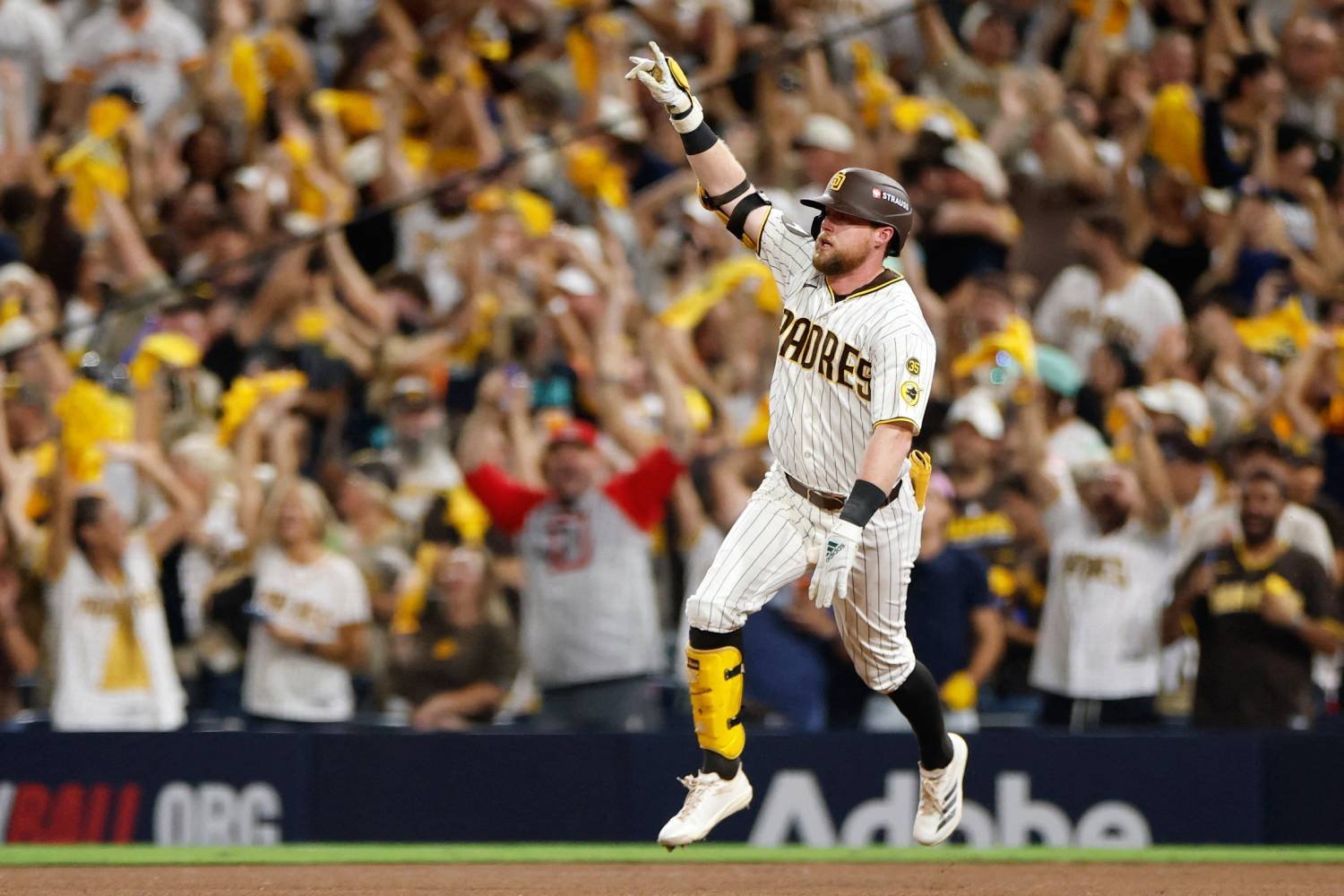 Within five days of the end of the World Series, all decisions regarding contract options—player, club or mutual—must be decided. Players who are set to become free agents have up until the end of that five-day period to exclusively negotiate with the team that they were with at the end of the regular season. After that, the free-for-all begins. If you are looking for a clue as to what might happen in the few weeks before the owners lock out the players beginning Dec. 1 at 11:59 p.m. ET, there was more activity in November 2022, before the last lockout, than in the typical first month of the MLB offseason. A handful of notable free agents signed. But with owners taking a more hardline stance as they feebly pursue a salary cap that players are staunchly against, will that be the case this time around? San Diego Padres president of baseball operations A.J. Preller said that, with the general managers meeting set for about a week after the World Series ends, there will be more known about how quickly things will transpire. You might see a few more trades and mid-level free agents signing. With that said, let’s take a spin around the roster to see what holes the Padres have to plug and where they might have some depth to deal from. (Salary arbitration projections via MLB Trade Rumors.) Catcher Who’s here: Ethan Salas, Luis Campusano, Freddy Fermin, Rodolfo Duran Position status: Strong. Salas, still technically the Padres’ top prospect until he hits 45 days of service time or 130 at-bats in the majors, is a lock to be the Opening Day starting catcher regardless of Preller’s statement in the season-ending press conference about nothing guaranteed to the 20-year-old. That leaves Campusano and Fermin vying for one roster spot. [No, the Padres aren’t going to carry three catchers into the 2027 regular season under the current roster rules heading into the lockout]. Duran is minor-league depth and is likely to be at Triple-A in 2027. Both backups are up for salary arbitration at nominal salaries ($1.7 million for Campusano, $2.6 million for Fermin). Preller and manager Craig Stammen will have to come to a consensus on who to keep. Either one works, but with Campusano being a 2017 second-round draft pick and making huge strides defensively this year, he is likely to be the choice to stick with Fermin traded away. Depending on talks with other teams, Fermin could back up Salas if Campusano brings a more attractive return via trade. Those are talks Preller is likely already having with other front offices. First Base Who’s here: Gavin Sheets Position status: So-so. Sheets is set to return, but at a projected $6.5 million in salary arbitration. The big decision here is whether Ty France re-signs, which would make this a position of strength based off his tremendous 2026, when he slashed .295/.363/.502 and hit a career-high 21 homers to go along with 72 RBIs and Gold Glove-nominated defense. It seems like a foregone conclusion that France returns, but that will also likely put Sheets on the trade block after he put up a .212/.313/.397 slash line with still-solid totals of 17 homers and 48 RBIs. Coming back at a reduced price would be a strong possibility, although his time in left field should be limited if not negated. Second Base Who’s here: Jake Cronenworth, Sung-Mun Song Position status: Solid. Cronenworth is making just under $12.9 million annually through 2030 and is coming off a subpar season that was impacted by his early season concussion that took time to come to the forefront. Still, Cronenworth had a .225/.308/.321 line with seven homers and 41 RBIs, career-low numbers across the board for a full season. The Padres should be able to bank on a bounce back in 2027 from the two-time All-Star. Song had a trying season, his first in the U.S. An oblique injury saw him start the season on the injured list, then sent to Triple-A, which at the time might have been the best move for him just to get his feet wet after coming over from South Korea and missing action in spring training. Even so, Song never found his footing offensively, as he had a slash line of .191/.291/.244 in 78 games (154 plate appearances) for a 52 OPS+ (100 is MLB average). He did steal 13 bases. An improvement is definitely expected next season, but he will be a backup at second, third and shortstop until he proves otherwise. If the Padres want to make an improvement at this position, Cronenworth will be on the move. The question is: Who will take him? Third Base Who’s here: Manny Machado, Gage Workman Position status: Excellent. Machado’s power numbers were just fine (30 homers) but his slash line was not (.217/.303/.407). With his track record, you have to consider that a blip on the radar and expect that he will probably come back with a vengeance in 2027. Song can fill in when Machado sits out next year. Workman, acquired along with Casey Mize from the Detroit Tigers, is organizational depth. He hasn’t proven he can hit in the big leagues yet. Shortstop Who’s here: Xander Bogaerts, Mason McCoy Position status: Solid. Bogaerts had his worst offensive season since his first full season in MLB (2014) with a .231/.332/.344 slash line to go along with 13 homers, 57 RBIs and 22 stolen bases (90 OPS+) as the Padres’ highest-paid player in 2026 at $25.45 million (by about $400,000 over Machado). While his first season in San Diego was good (.285/.350/.440, 19 HRs, 58 RBIs), his last three have not been, which has Padres fans wanting to ditch his contract, which runs through 2033 all at that same $25.45 million per year. He did play in 153 games, which included a series off for paternity leave, so he is reliable. His fielding is rather average. McCoy only got a call-up from Triple-A El Paso when France went on paternity leave, but he didn’t play. Left Field Who’s here: Dustin Harris, Samad Taylor, Jase Bowen Position status: Tenuous. Can the Padres bank on the same type of production from Harris and Taylor that they received in 2026? Probably not. This is the biggest need on the position-player side. How that is filled will depend on Preller’s work on the trade and free-agent markets. Center Field Who’s here: Jackson Merrill, Jase Bowen Position status: Excellent. After a slow first half, Merrill was quietly one of the best players in MLB in the second half. His post-All-Star break slash line of .304/.339/.569 with 16 homers and 49 RBIs (fourth-most in MLB) was electric. Remember, Merrill was 23 all season, his third in MLB, but it felt like he was finally finding his potential and consistency as the season wore on. He finished with a .254/.303/.440 slash line with 26 homers, two above his previous career high, and 87 RBIs, three shy of his best. Bowen, while excellent defensively, was unable to hit and is likely headed back to Triple-A if he isn’t traded or designated for assignment. Right Field Who’s here: Fernando Tatis Jr. Position status: Excellent. Everyone will talk about the fact that Tatis didn’t hit a homer until the end of May, but he still matched his totals from two of the previous three seasons (25) while putting up an excellent slash line of .289/.358/.470. He is elite defensively and showed off his versatility by being good at second base, a position he played in 53 games. There could be a temptation to put him back on the infield, where Tatis hasn’t played regularly since 2021 due to a shoulder injury. That means trading Cronenworth, which should be on the table anyway. But in that scenario, the Padres will need to make sure to bring in someone who can play good defense and be a notable contributor offensively, whether at second or right. Designated Hitter Who’s here: Will Wagner Position status: Panic button. Well, maybe not panic, but more so a position where anyone can fit. If France and Sheets return, Sheets would be an option here. Wagner had a nice stretch in his brief call-up, but he isn’t someone to rely on and is at best a fringe roster player. This will be a position that doesn’t necessarily need to be filled, but could be a spot where a defensively challenged bat would fit if that option presents itself. Austin Hays could be a guy the Padres bring back for an outfield backup-DH role. Starting Rotation Who’s here: Joe Musgrove, Randy Vasquez, Jhony Brito Position status: Panic button. This is a legit panic button with the red lights flashing. With no top prospects ready to make the move up for at least a couple more years, Preller has to work his magic via trades and free agency. His biggest decision will be whether to bring back Nick Pivetta on a $14 million club option. At this moment, it has to be a no-brainer to do it unless there is cause for concern regarding Pivetta’s elbow. Musgrove is a question mark entering the offseason with questions about his arm’s ability to bounce back from starts. It was good enough for a relief role in the postseason, but doing it every five days for 32 starts is in doubt. Musgrove hadn’t pitched in two years following Tommy John surgery, so his workload might be managed early on regardless. That leaves at least two open spots. Will Michael King come back? If he does, the Padres will have to pay him like the ace he showed he was in the second half of the season. If not, you need to find a top-of-the-rotation pitcher. Brito is at best a No. 5 starter and probably best served as depth at Triple-A. Walker Buehler could come back to fill out the back of the rotation. Perhaps Griffin Canning, too, as a swingman able to make spot starts. He looked capable in his bullpen role, but may get the opportunity to start elsewhere. Bullpen Who’s here: Mason Miller, Bradgley Rodriguez, Yuki Matsui, David Morgan, Kyle Hart, Jeremiah Estrada, Garrett Hawkins, Bryan Hoeing, JP Sears, Hunter Stratton Position status: Pretty good. If the Padres took just this group into 2027, it would be acceptable because of Miller and Rodriguez. That would put Matsui into a leverage role, which seems fine based on how he finished the season, while counting on Morgan and Estrada for key innings, with Hoeing on the comeback from flexor tendon surgery. Stratton is a borderline candidate for Opening Day. But the Padres need to bolster this group with another back-end option. Adrian Morejon returning is the obvious move, but he will be expensive one way or the other, more so if the Padres don’t lock him up before hitting the open market. Jason Adam is the other key free agent from the 2026 group, but he will probably get a nice payday as well. It could be an either/or situation with Morejon and Adam. If Morejon doesn’t return, a left-hander needs to be added. The Bottom Line The bones are there for another contending team, but Preller has work to do to put some meat on those bones. The rotation is the biggest question mark. After that? Assuming France returns at first, the offense could use another bat, whether that comes in left field or somewhere else (second base?). The Padres’ offense, while hitting its stride late over the last two months, had holes that led to forgettable months in May and June. With how important the bullpen was these last two years, that level needs to be maintained in some fashion. There figure to be at least five holes on the 26-man roster as of now if you consider France and Pivetta as shoo-ins for 2027. View the full article
-
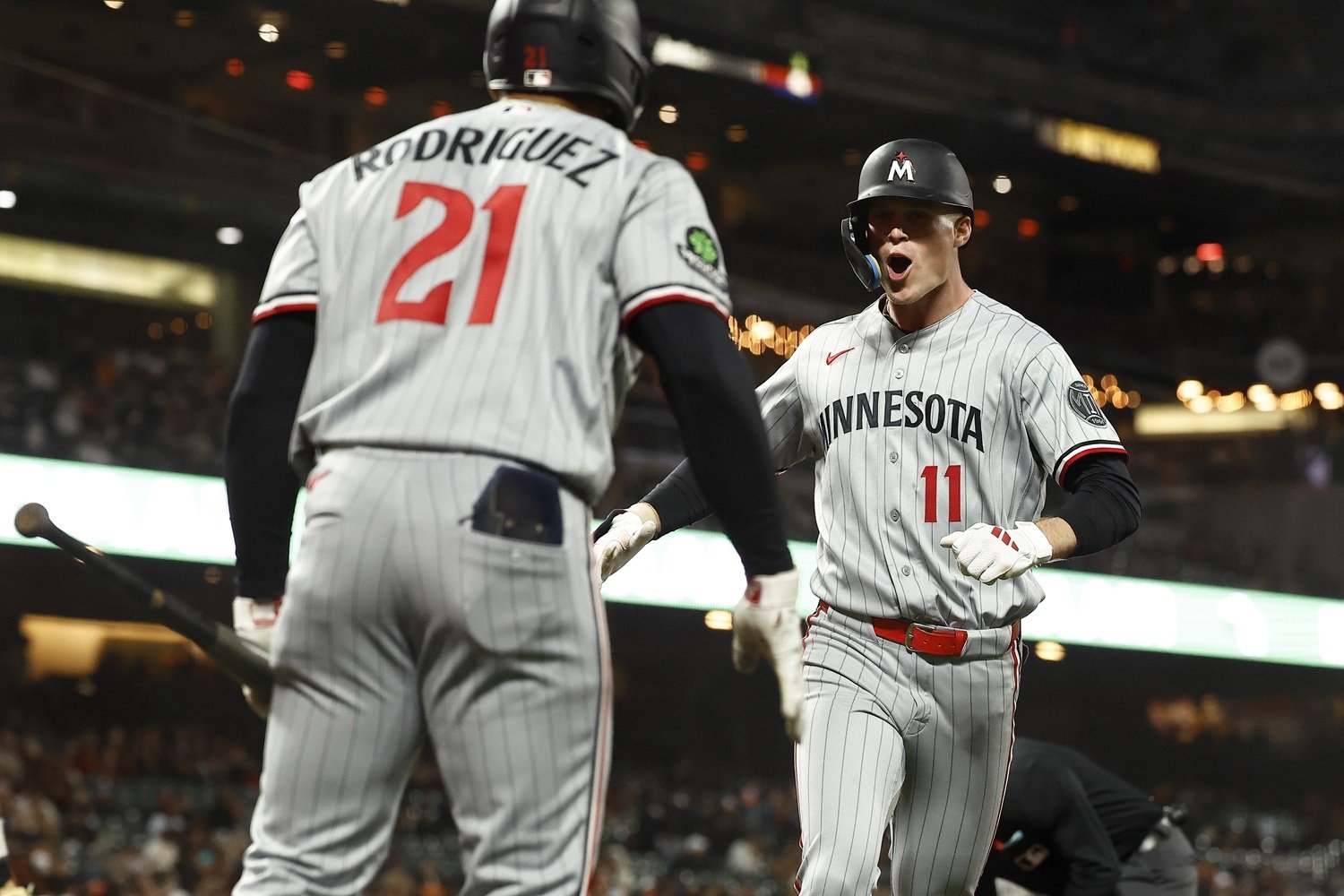 The Twins turned to a trio of top prospects down the stretch this season as their playoff odds dwindled. These three had varying degrees of success, but teams looking to compete often don’t like to lean on too many rookies from day one. Can the Twins trust these three to slot right into the core of the MLB roster? Kaelen Culpepper The first in the wave of Twins call-ups in 2026, Kaelen Culpepper filled a much-needed role as the everyday shortstop and logged just under 130 plate appearances by season's end. He slashed a respectable .274/.328/.393 and flashed his raw power on several occasions, though it wasn’t consistent. Culpepper also finished with a positive Outs Above Average defensively and was inarguably a huge step up from Brooks Lee in the middle infield. Culpepper should be a lock for the opening day roster. He showed that he could hold his own at the plate while also being passable defensively. The lineup also needs as many impact right-handed hitters as it can get. His well-rounded skill set should make him a valuable contributor, even if he has some struggles adjusting during his sophomore season. It’s also helpful that the Twins don’t need to stash him in Triple-A as depth, as fellow top prospect Marek Houston should also be pushing for his debut in 2027. Walker Jenkins The Twins have to ask themselves two questions regarding Walker Jenkins headed into 2027: “Do we trust him in center field?” and “Did everything click at the plate at the end of the season?” Byron Buxton will need regular time off or days in the DH spot in 2027, and the Twins can’t afford to piece together center field again when he’s out of the lineup. Jenkins could struggle at the plate and still be a better option than much of what the Twins got from center field without Buxton in 2026, as long as his defense is trustworthy. Jenkins struggled mightily against major league pitchers when he was first promoted, and then posted a 1.015 OPS in his last 40 plate appearances. It’s a small, unprojectable sample, but if this white-hot stretch was truly Jenkins turning a corner, there’s no reason not to find everyday at-bats for one of the top prospects in all of baseball. He has nothing left to prove in Triple-A, and has the potential to be one of the best hitters in the Twins’ lineup. If Jenkins doesn’t make the opening day roster, the Twins must have made a significant addition to the outfield mix. Emmanuel Rodriguez It’s a shame Emmanuel Rodriguez wasn’t healthy earlier in the season, as he may have been called up months before he actually debuted. He struggled in 48 plate appearances, striking out in a third of his at-bats and hitting below the Mendoza line. He flashed some of the raw ability that once made him a top prospect before injuries derailed his ascent through the minor leagues. He also had great process and got quite unlucky according to some of his underlying metrics. Rodriguez posted a minuscule .270 wOBA, but his xwOBA of .354 would have been among elite company if he qualified. Byron Buxton posted a .343 xwOBA in 2026, for example. His expected slugging, barrel rate, hard-hit percentage, and bat speed were all at the 90th percentile or better. The swing-and-miss will always be an issue in his game, but it looks like bad luck kept Rodriguez from bursting onto the scene. Unlike the other two options, the Twins don’t have much choice but to carry Emmanuel Rodriguez on the opening day roster. He is out of options, meaning their failure to do so would expose him to waivers, where another team would happily snatch him up for nothing. Hopefully the Twins believe in ERod’s underlying numbers, because if he’s with the team in 2027, he will have to be on the opening day roster. It seems possible that, by breaking down each of these three rookies individually, they will not only make the Opening Day roster but also have a near-everyday role from day one. It’s an unorthodox approach for competing teams, but one the Twins could certainly justify given what we’ve seen in their debuts. Should all three of these rookies be trusted right away on opening day? Do Culpepper or Jenkins need more seasoning in the minor leagues? Let us know below! View the full article
-
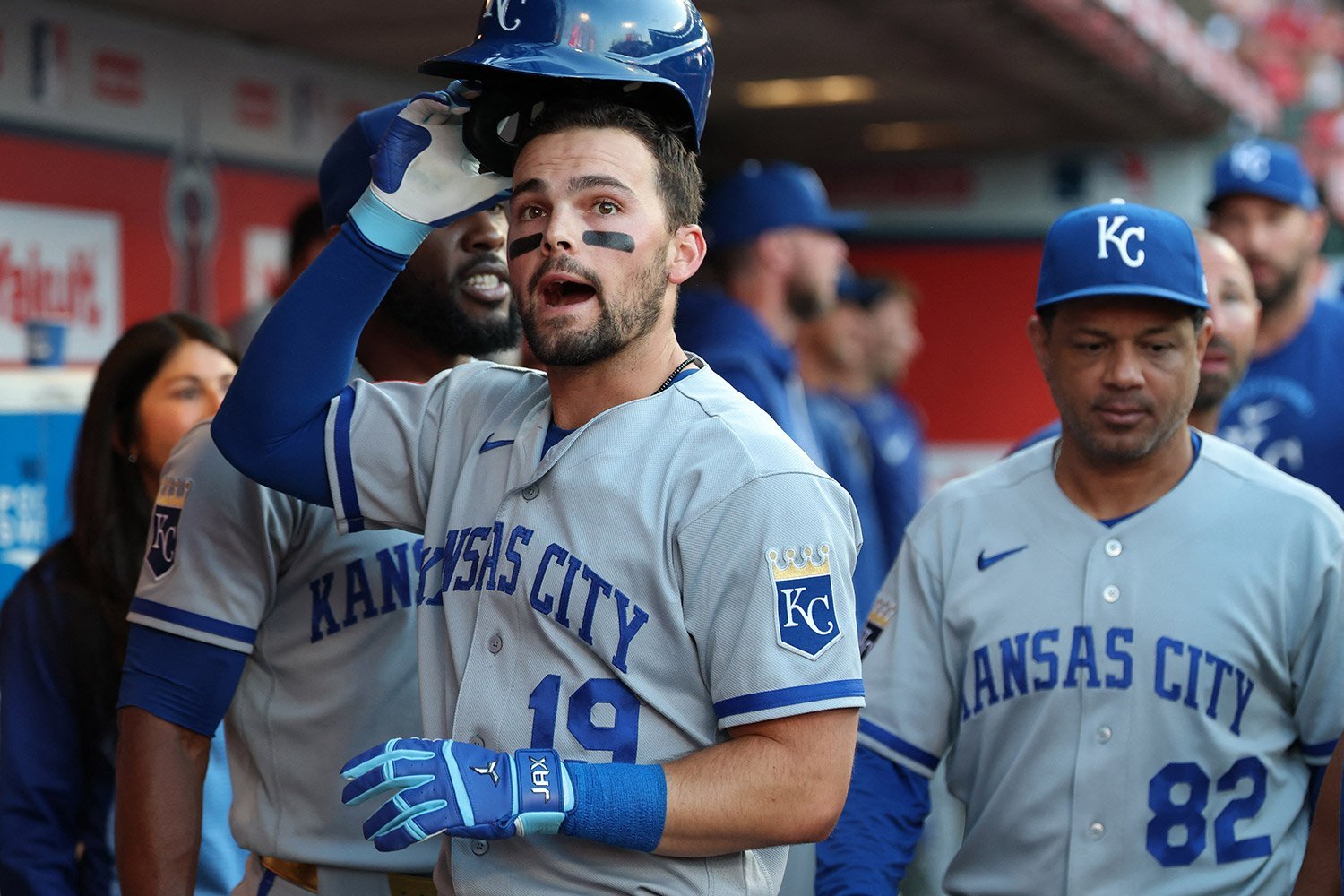 If there is something we have appreciated about Michael Massey since he arrived in the major leagues in 2022, it has been his defense, especially because he has worked tirelessly to improve, and that perseverance has placed him among the best second basemen today. It was not so easy, as Massey debuted in 2022 without owning the position. He played 402 innings at second base and barely 8 at third, but finished with a negative Fielding Run Value of -2, often struggling with his range. Things changed considerably in his second year, during which he gained the confidence to become the starter at the position. He appeared in 906 innings and improved to +3 FRV, beginning a streak of four consecutive campaigns in which his defense has been in the range between +2 and +3 FRV per year. In 2026, Massey made the big leap by improving his FRV to +7 and ranked second among American League second basemen with +11 outs above average (OAA), behind Jazz Chisholm Jr. (15). His .993 fielding percentage at second base since 2023 is the second-best in the major leagues, behind Philadelphia’s Bryson Stott (.994). He played 1,017 innings throughout the season, 994 as a second baseman, the highest total of his career at the position since 2023, although he had two periods on the injured list. He missed the first nine games of the season due to a left calf strain and was subsequently on the seven-day concussion injured list from August 26 to September 2. For the Kansas City Royals, the value of his defense has even greater impact because of what it means for the team: the combination of Bobby Witt Jr. and Massey has become the key to the infield, strengthening run prevention and giving pitchers more to work with. In the 2026 season, Witt Jr. and Massey combined for +24 FRV, the third-highest mark by a shortstop and second baseman duo in all of the Major Leagues. Then, part of his offensive performance rounded out one of the best seasons for Massey, who recorded personal bests in fWAR (2.3), batting average (.274), runs scored (49), hits (131), doubles (25), and games played (131). However, in that fWAR mark, defense was the biggest contributor, as Massey was not a good baserunner, contributed little power, and continues to produce low on-base percentages because he does not walk enough. Contact has never been the problem. Massey still appears in the 80th percentile in Whiff% and the 78th percentile in K%, but finished in the 4th percentile in Chase%, and his struggles to get on base did not allow him to go beyond a 100 wRC+. I think this trend can explain Massey’s problem: his continued aggressiveness in the batter’s box. In 2026, his swing rate remained at around 53%, while the league's Meatball rate increased to 7.9%. How did Massey respond? Yes, he did so by being more aggressive against the first pitch, raising his swing percentage from 22.0% to 27.9%. He recorded a .308/.302/.538 slash line against the first pitch in 56 plate appearances, but ended up with 226 at-bats to start with an 0-1 count, and in that situation his OPS fell to .609. Another point made here was that, in three-ball counts, Massey did not improve his plate discipline. So I dug deeper to look for all left-handed hitters in three-ball counts over the last two seasons, and it turns out that Massey has the sixth-lowest BB% rate (34.1) of the entire group with at least 130 plate appearances, when the league average is 43.3%. # Season Name Tm PA BB% K% BB/K AVG OBP SLG OPS ISO BABIP wRC wRAA wOBA wRC+ 1 Total Michael Harris II ATL 196 31.6% 17.9% 1.77 .248 .485 .398 .883 .150 .313 37 14.0 .402 159 2 Total Rowdy Tellez 4 Tms 147 33.3% 20.4% 1.63 .265 .510 .561 1.071 .296 .300 35 17.9 .462 202 3 Total Addison Barger TOR 165 33.3% 23.6% 1.41 .168 .448 .383 .831 .215 .203 28 8.6 .377 146 4 Total Luis Rengifo 3 Tms 192 33.9% 18.2% 1.86 .230 .495 .317 .812 .087 .295 35 12.5 .394 157 5 Total Andrés Giménez 2 Tms 200 34.0% 18.0% 1.89 .250 .530 .379 .909 .129 .326 41 17.9 .424 179 6 Total Michael Massey KCR 132 34.1% 15.9% 2.14 .226 .485 .405 .890 .179 .242 25 9.8 .405 163 7 Total Jonah Heim 3 Tms 158 34.2% 13.9% 2.45 .165 .456 .204 .660 .039 .210 23 4.2 .346 124 8 Total Kody Clemens 2 Tms 212 34.4% 20.3% 1.70 .248 .514 .504 1.018 .255 .294 48 23.1 .449 193 9 Total Luis Arraez 4 Tms 266 34.6% 3.4% 10.22 .292 .538 .423 .960 .131 .288 57 25.5 .432 182 10 Total Kerry Carpenter DET 167 34.7% 21.6% 1.61 .274 .536 .585 1.121 .311 .317 42 22.8 .480 219 That said, one might ask what kind of change Massey could make to his offensive production if he manages to be more patient and learn to walk. His results did not look bad across the board. After starting by hitting just .234 (26-for-111) through the end of May, Massey recorded a .288 average (90-for-312) from June through the end of the season. During that period, he ranked among regular second basemen in batting average (third), slugging percentage (fifth, .433), OPS (seventh, .754) and on-base percentage (10th, .321). He was also consistent in two other important aspects that elevated his game, producing a .289/.314/.444 slash line with two outs—he drove in 24 of his 50 runs—and averaged a solid .295 against left-handed pitchers, tied for seventh-highest among left-handed hitters against lefties in MLB (minimum of 75 at-bats). View the full article
-
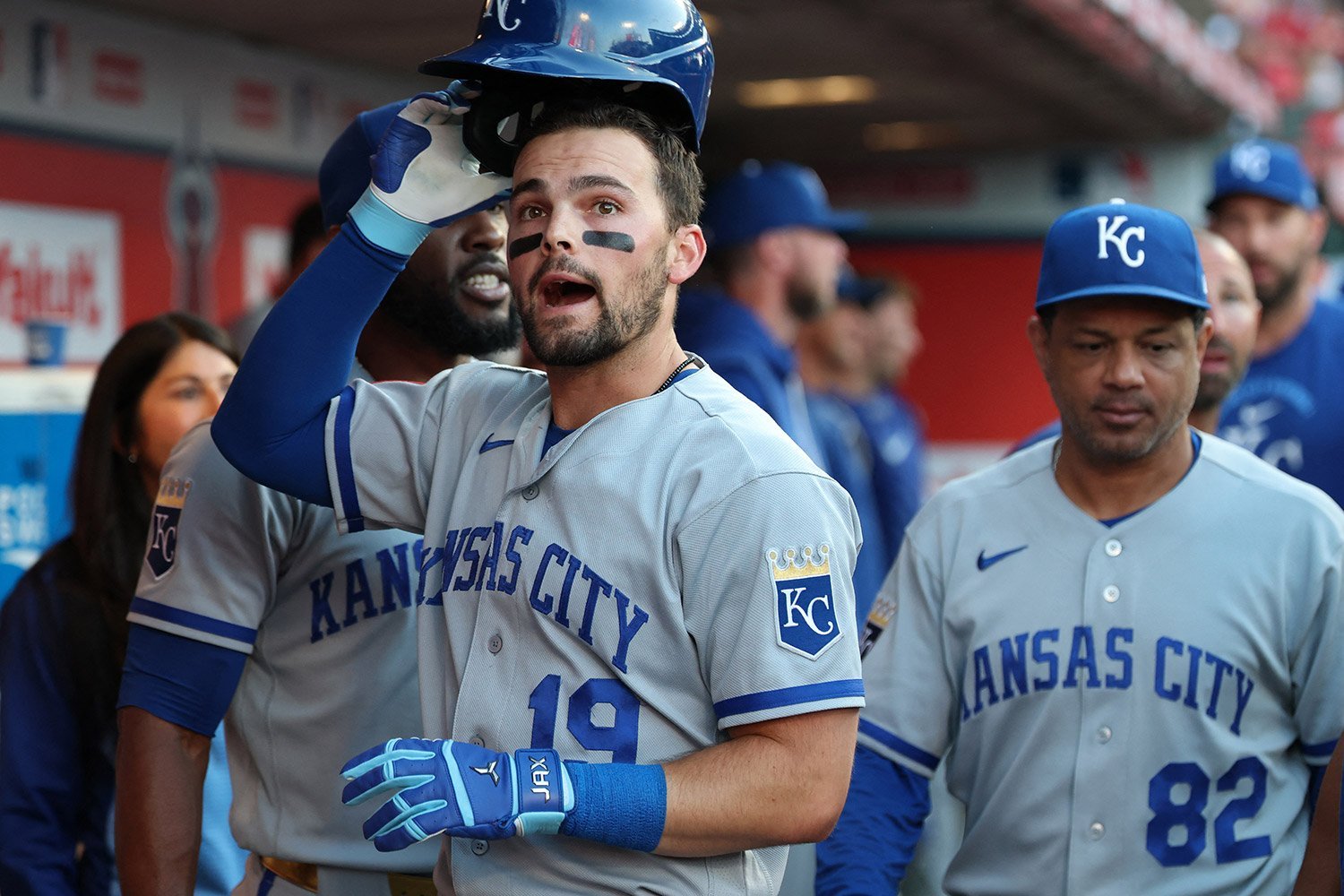 If there is something we have appreciated about Michael Massey since he arrived in the major leagues in 2022, it has been his defense, especially because he has worked tirelessly to improve, and that perseverance has placed him among the best second basemen today. It was not so easy, as Massey debuted in 2022 without owning the position. He played 402 innings at second base and barely 8 at third, but finished with a negative Fielding Run Value of -2, often struggling with his range. Things changed considerably in his second year, during which he gained the confidence to become the starter at the position. He appeared in 906 innings and improved to +3 FRV, beginning a streak of four consecutive campaigns in which his defense has been in the range between +2 and +3 FRV per year. In 2026, Massey made the big leap by improving his FRV to +7 and ranked second among American League second basemen with +11 outs above average (OAA), behind Jazz Chisholm Jr. (15). His .993 fielding percentage at second base since 2023 is the second-best in the major leagues, behind Philadelphia’s Bryson Stott (.994). He played 1,017 innings throughout the season, 994 as a second baseman, the highest total of his career at the position since 2023, although he had two periods on the injured list. He missed the first nine games of the season due to a left calf strain and was subsequently on the seven-day concussion injured list from August 26 to September 2. For the Kansas City Royals, the value of his defense has even greater impact because of what it means for the team: the combination of Bobby Witt Jr. and Massey has become the key to the infield, strengthening run prevention and giving pitchers more to work with. In the 2026 season, Witt Jr. and Massey combined for +24 FRV, the third-highest mark by a shortstop and second baseman duo in all of the Major Leagues. Then, part of his offensive performance rounded out one of the best seasons for Massey, who recorded personal bests in fWAR (2.3), batting average (.274), runs scored (49), hits (131), doubles (25), and games played (131). However, in that fWAR mark, defense was the biggest contributor, as Massey was not a good baserunner, contributed little power, and continues to produce low on-base percentages because he does not walk enough. Contact has never been the problem. Massey still appears in the 80th percentile in Whiff% and the 78th percentile in K%, but finished in the 4th percentile in Chase%, and his struggles to get on base did not allow him to go beyond a 100 wRC+. I think this trend can explain Massey’s problem: his continued aggressiveness in the batter’s box. In 2026, his swing rate remained at around 53%, while the league's Meatball rate increased to 7.9%. How did Massey respond? Yes, he did so by being more aggressive against the first pitch, raising his swing percentage from 22.0% to 27.9%. He recorded a .308/.302/.538 slash line against the first pitch in 56 plate appearances, but ended up with 226 at-bats to start with an 0-1 count, and in that situation his OPS fell to .609. Another point made here was that, in three-ball counts, Massey did not improve his plate discipline. So I dug deeper to look for all left-handed hitters in three-ball counts over the last two seasons, and it turns out that Massey has the sixth-lowest BB% rate (34.1) of the entire group with at least 130 plate appearances, when the league average is 43.3%. # Season Name Tm PA BB% K% BB/K AVG OBP SLG OPS ISO BABIP wRC wRAA wOBA wRC+ 1 Total Michael Harris II ATL 196 31.6% 17.9% 1.77 .248 .485 .398 .883 .150 .313 37 14.0 .402 159 2 Total Rowdy Tellez 4 Tms 147 33.3% 20.4% 1.63 .265 .510 .561 1.071 .296 .300 35 17.9 .462 202 3 Total Addison Barger TOR 165 33.3% 23.6% 1.41 .168 .448 .383 .831 .215 .203 28 8.6 .377 146 4 Total Luis Rengifo 3 Tms 192 33.9% 18.2% 1.86 .230 .495 .317 .812 .087 .295 35 12.5 .394 157 5 Total Andrés Giménez 2 Tms 200 34.0% 18.0% 1.89 .250 .530 .379 .909 .129 .326 41 17.9 .424 179 6 Total Michael Massey KCR 132 34.1% 15.9% 2.14 .226 .485 .405 .890 .179 .242 25 9.8 .405 163 7 Total Jonah Heim 3 Tms 158 34.2% 13.9% 2.45 .165 .456 .204 .660 .039 .210 23 4.2 .346 124 8 Total Kody Clemens 2 Tms 212 34.4% 20.3% 1.70 .248 .514 .504 1.018 .255 .294 48 23.1 .449 193 9 Total Luis Arraez 4 Tms 266 34.6% 3.4% 10.22 .292 .538 .423 .960 .131 .288 57 25.5 .432 182 10 Total Kerry Carpenter DET 167 34.7% 21.6% 1.61 .274 .536 .585 1.121 .311 .317 42 22.8 .480 219 That said, one might ask what kind of change Massey could make to his offensive production if he manages to be more patient and learn to walk. His results did not look bad across the board. After starting by hitting just .234 (26-for-111) through the end of May, Massey recorded a .288 average (90-for-312) from June through the end of the season. During that period, he ranked among regular second basemen in batting average (third), slugging percentage (fifth, .433), OPS (seventh, .754) and on-base percentage (10th, .321). He was also consistent in two other important aspects that elevated his game, producing a .289/.314/.444 slash line with two outs—he drove in 24 of his 50 runs—and averaged a solid .295 against left-handed pitchers, tied for seventh-highest among left-handed hitters against lefties in MLB (minimum of 75 at-bats). View the full article
-
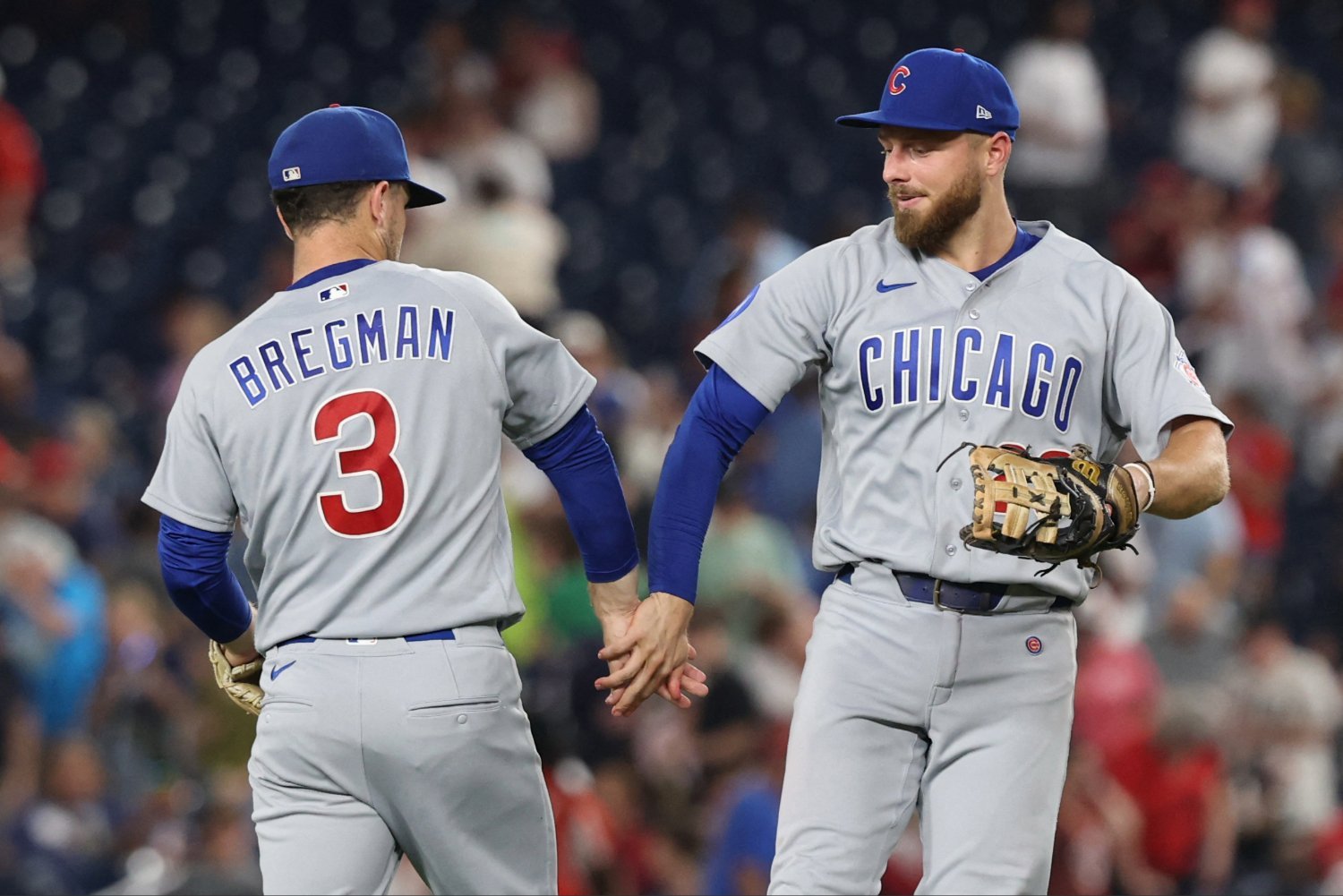 The Chicago Cubs are entering the offseason needing to fill their roster in many spots. The organization stands to lose a bevy of free agents, including Seiya Suzuki, Ian Happ, Shota Imanaga, Matthew Boyd and plenty of others. The one thing most of the players have in common, though, is that they either toe the rubber on a consistent basis or spend all of their time in the outfield. The one positional group that will likely be almost identical in 2027 is the infield, thanks both to the long-term contracts held by the group and the strong performances from the usual stalwarts. Catcher Of all the infield positions for the Cubs, catcher contains the most unknowns. Carson Kelly and Miguel Amaya spent a majority of the time last season behind the plate, but Kelly is set to be a free agent, and Amaya still hasn't proven himself to be worthy of the the full-time starting gig. That leaves a bit of a question mark at the position, but the Cubs may have the answer in the form of Owen Ayers. Ayers, the organization's No. 2 prospect, had a monster season in the minors, slashing .289/.403/.526, good for an OPS of .929, with 25 home runs, 29 doubles and 82 RBIs. Ayers also has a cannon for an arm, as he caught 41 runners stealing. It was one of the most impressive seasons in recent Cubs' prospect history and has fans excited for what's to come in 2027. He will surely be on the Opening Day roster if Kelly were to head elsewhere in free agency and would likely platoon with Amaya before eventually taking over as the everyday catcher. First Base Barring a massive offseason trade, it will be Michael Busch getting a majority of the playing time at first base in 2027. Busch exploded onto the scene in 2025 with 34 home runs and 90 RBIs, but took a bit of a step back in 2026; the homers dipped from 34 to 20, and the RBIs dipped from 90 to 77. That drop-off was slightly concerning, as Busch was given much more leeway against left-handed pitching, getting 76 more at-bats than he had in 2025. Busch also succeeded against lefties in 2026, slashing .243/.348/.422, much better than the .207/.274/.368 slash line against them in 2025. Along with the increased production, Busch also had to be in the lineup against lefties because the Cubs didn't have another option. Right-handed hitter Tyler Austin was a free agent addition but a knee injury caused him to miss the entire season. The story at first base in 2027 will be finding a suitable backup option to allow a few off days for Busch. Whether that be Matt Shaw, Pedro Ramirez or someone else, figuring out the backup first baseman that can spell the starter when he's going through a funk will be important. Second Base If it was up to Nico Hoerner, he'd never take a day off. Hoerner has appeared in 150-plus games in each of the previous three seasons, including a career high 159 in 2026. With that, though, came the worst full season of his stellar career. He set career lows in nearly every offensive category, something that was extremely prevalent in the first half of the season. Hoerner did heat up following the All-Star break and looked to be back to his normal self. Even with the decrease in offensive production, his defense makes him way too valuable to not be in the lineup. Hoerner's all-around excellence has made him such a likable player and fans always know that unless of an injury, No. 2 will be in the lineup and playing second base. On the rare instance that he needs an off day, it will likely be the aforementioned Shaw or Ramirez that slides over to fill this spot. Hearing those two names as backups will be a common theme, as their versatility allows for it. Shortstop Much like is the case with Hoerner, Dansby Swanson would spend 162 games at shortstop if it was up to him. However, his lack of production is starting to weigh down his profile. Swanson had the worst season of his career in 2026, slashing just .213/.297/.397 with 19 home runs and 69 RBIs. It was a staggering showing that was even aided by his eight-day stretch in June in which he hit eight home runs and drove in 23 runs. Without that stretch, Swanson would've been regarded as one of the worst hitters in the entire league. It still did little to salvage his reputation as a star failing to live up this salary of more than $25 million per year. If the struggles continue into next season, Chicago will really have to start considering moving on from Swanson or using him in some sort of platoon role. If that is the case, Hoerner would likely be the person to slide over from second to short and replace Swanson. If not Hoerner, it would likely be a left-handed hitting free agent addition that could give him a breather against tougher righties. Third Base After a rough first two months, Alex Bregman proved why Chicago gave him such a large chunk of change in the offseason. Bregman got through his early season funk and managed to slash .265/.355/.464 with 28 home runs, 93 RBIs, and 5.5 fWAR, his highest in a season since 2019. Bregman was also shaky defensively early in the season, but he turned that around as well. He finished the season with +9 Outs Above Average, which ranked second in MLB among all third basemen. Bregman most importantly, though, stayed healthy and played in 155 games, more than he has in any campaign since 2023. If a health concern were to arise for Bregman in 2027, it will once again be the aforementioned Ramirez or Shaw that would serve as the backup at the position depending on the pitching matchup. View the full article
-
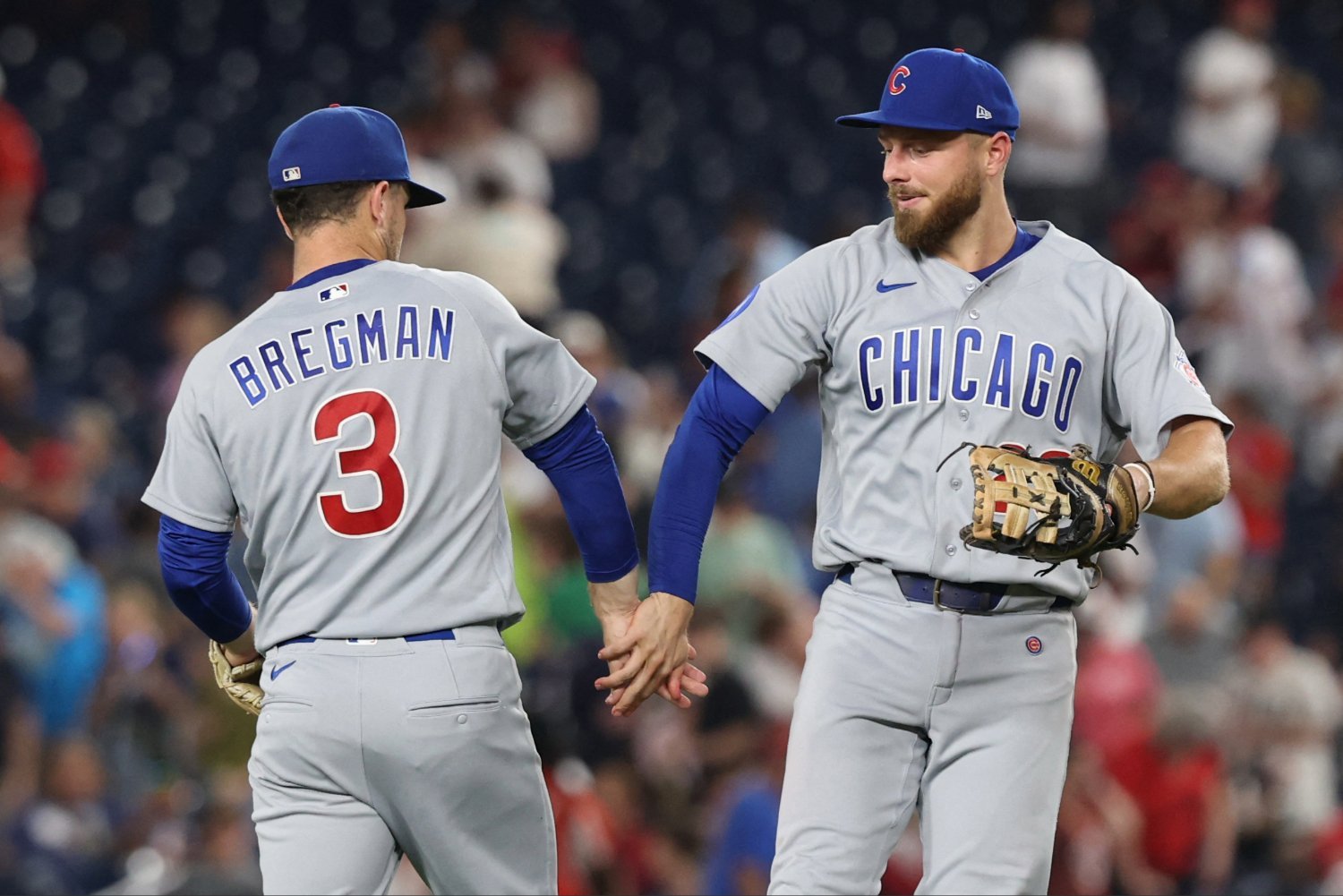 The Chicago Cubs are entering the offseason needing to fill their roster in many spots. The organization stands to lose a bevy of free agents, including Seiya Suzuki, Ian Happ, Shota Imanaga, Matthew Boyd and plenty of others. The one thing most of the players have in common, though, is that they either toe the rubber on a consistent basis or spend all of their time in the outfield. The one positional group that will likely be almost identical in 2027 is the infield, thanks both to the long-term contracts held by the group and the strong performances from the usual stalwarts. Catcher Of all the infield positions for the Cubs, catcher contains the most unknowns. Carson Kelly and Miguel Amaya spent a majority of the time last season behind the plate, but Kelly is set to be a free agent, and Amaya still hasn't proven himself to be worthy of the the full-time starting gig. That leaves a bit of a question mark at the position, but the Cubs may have the answer in the form of Owen Ayers. Ayers, the organization's No. 2 prospect, had a monster season in the minors, slashing .289/.403/.526, good for an OPS of .929, with 25 home runs, 29 doubles and 82 RBIs. Ayers also has a cannon for an arm, as he caught 41 runners stealing. It was one of the most impressive seasons in recent Cubs' prospect history and has fans excited for what's to come in 2027. He will surely be on the Opening Day roster if Kelly were to head elsewhere in free agency and would likely platoon with Amaya before eventually taking over as the everyday catcher. First Base Barring a massive offseason trade, it will be Michael Busch getting a majority of the playing time at first base in 2027. Busch exploded onto the scene in 2025 with 34 home runs and 90 RBIs, but took a bit of a step back in 2026; the homers dipped from 34 to 20, and the RBIs dipped from 90 to 77. That drop-off was slightly concerning, as Busch was given much more leeway against left-handed pitching, getting 76 more at-bats than he had in 2025. Busch also succeeded against lefties in 2026, slashing .243/.348/.422, much better than the .207/.274/.368 slash line against them in 2025. Along with the increased production, Busch also had to be in the lineup against lefties because the Cubs didn't have another option. Right-handed hitter Tyler Austin was a free agent addition but a knee injury caused him to miss the entire season. The story at first base in 2027 will be finding a suitable backup option to allow a few off days for Busch. Whether that be Matt Shaw, Pedro Ramirez or someone else, figuring out the backup first baseman that can spell the starter when he's going through a funk will be important. Second Base If it was up to Nico Hoerner, he'd never take a day off. Hoerner has appeared in 150-plus games in each of the previous three seasons, including a career high 159 in 2026. With that, though, came the worst full season of his stellar career. He set career lows in nearly every offensive category, something that was extremely prevalent in the first half of the season. Hoerner did heat up following the All-Star break and looked to be back to his normal self. Even with the decrease in offensive production, his defense makes him way too valuable to not be in the lineup. Hoerner's all-around excellence has made him such a likable player and fans always know that unless of an injury, No. 2 will be in the lineup and playing second base. On the rare instance that he needs an off day, it will likely be the aforementioned Shaw or Ramirez that slides over to fill this spot. Hearing those two names as backups will be a common theme, as their versatility allows for it. Shortstop Much like is the case with Hoerner, Dansby Swanson would spend 162 games at shortstop if it was up to him. However, his lack of production is starting to weigh down his profile. Swanson had the worst season of his career in 2026, slashing just .213/.297/.397 with 19 home runs and 69 RBIs. It was a staggering showing that was even aided by his eight-day stretch in June in which he hit eight home runs and drove in 23 runs. Without that stretch, Swanson would've been regarded as one of the worst hitters in the entire league. It still did little to salvage his reputation as a star failing to live up this salary of more than $25 million per year. If the struggles continue into next season, Chicago will really have to start considering moving on from Swanson or using him in some sort of platoon role. If that is the case, Hoerner would likely be the person to slide over from second to short and replace Swanson. If not Hoerner, it would likely be a left-handed hitting free agent addition that could give him a breather against tougher righties. Third Base After a rough first two months, Alex Bregman proved why Chicago gave him such a large chunk of change in the offseason. Bregman got through his early season funk and managed to slash .265/.355/.464 with 28 home runs, 93 RBIs, and 5.5 fWAR, his highest in a season since 2019. Bregman was also shaky defensively early in the season, but he turned that around as well. He finished the season with +9 Outs Above Average, which ranked second in MLB among all third basemen. Bregman most importantly, though, stayed healthy and played in 155 games, more than he has in any campaign since 2023. If a health concern were to arise for Bregman in 2027, it will once again be the aforementioned Ramirez or Shaw that would serve as the backup at the position depending on the pitching matchup. View the full article
-
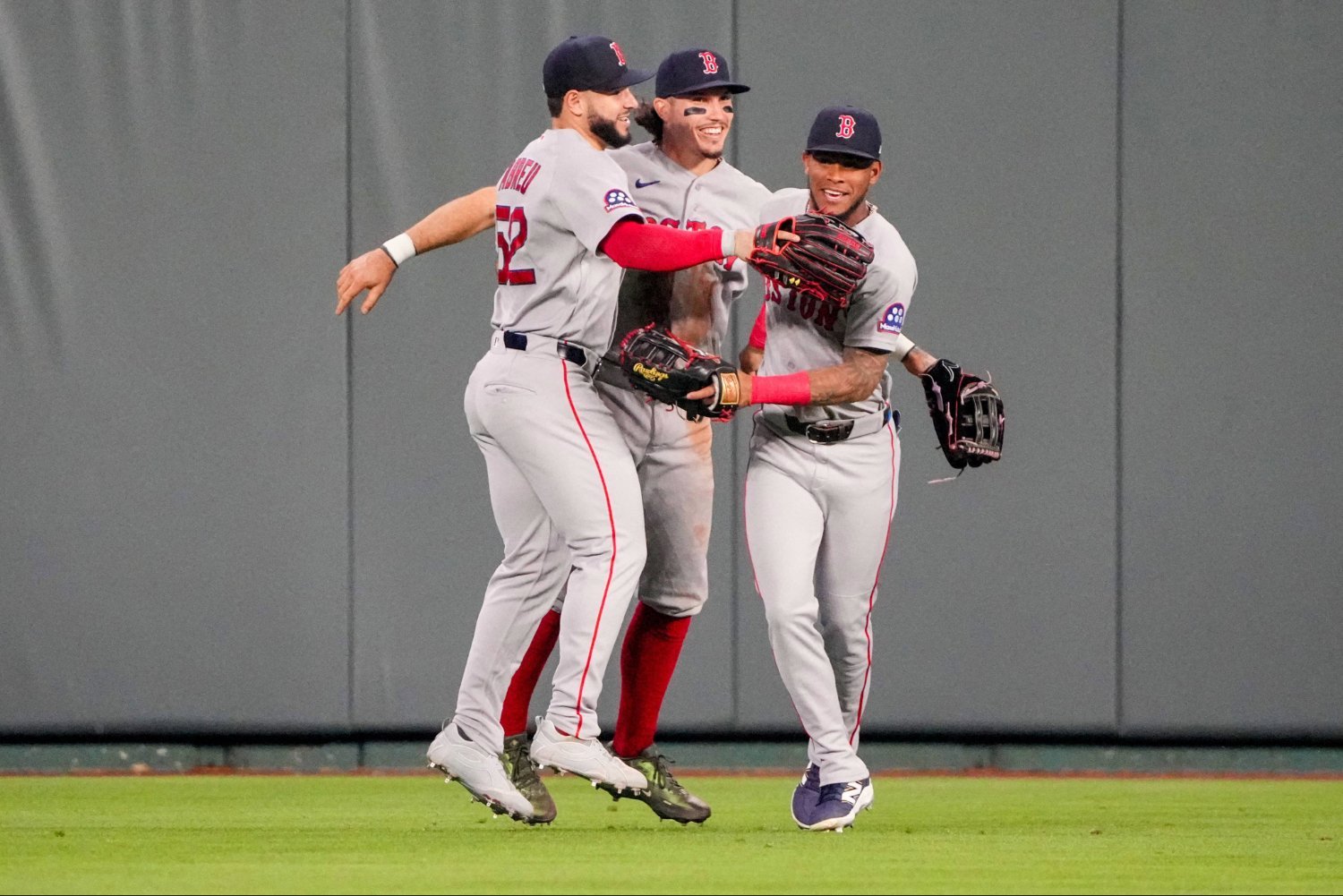 In a season defined by dizzying highs and frustrating lows, the Boston Red Sox found some of their most consistent bright spots in the outfield, but not because of the players they expected to lead the way. After a historic second-half turnaround and a playoff appearance, the Red Sox have a promising young outfield that could serve as a foundation as they look to build their case as a true contender in the American League. Red Sox Outfield Recap 2026: High Hopes, Harsh Reality Much of the optimism surrounding the outfield entering 2026 stemmed from Roman Anthony’s impressive rookie season. Anthony hit .292/.396/.463 with a .859 OPS in 2025, seemingly taking the reins of the team. But he struggled in his sophomore season, hitting .229/.354/.321 with just one home run before a torn CMC ligament in his right hand forced him to miss majority of the campaign. While it would be easy to panic and blame his regression on his injury, his underlying metrics painted a more encouraging picture. His 47.4% hard-hit rate, 21.6% chase rate and 92.3 mph average exit velocity suggests his offensive foundation hasn't been completely tainted. He flashed his rookie form during his stint back from injury, batting .262/.361/.476 with four homers and 10 RBIs before reaggravating it in the Wild Card Series. Despite those encouraging signs, there's still a part of his game he needs to work on. Before his injury, Anthony was heavily scrutinized for his defense, particularly for several costly throwing errors. While his offensive potential makes him a key part of Boston’s future, lingering injury concerns and defensive miscues make him far from a finished product. And with Anthony sidelined for much of the season, the Red Sox were forced to rely on former All-Star Jarren Duran, whose future with the team was already clouded by trade speculation. Once touted as a possible face of the franchise, Duran entered 2026 with his place in the team’s long-term plans uncertain. Despite an All-Star campaign in 2024 and a productive 2025 season, his future became blurred by the emergence of Anthony. Suddenly, Boston had a younger prospect whose offensive upside made the veteran outfielder an attractive trade candidate. But the team ultimately retained him, and Anthony’s absence forced the team to rely on him again. And then, Duran experienced a steep offensive decline, hitting .207/.266/.361, numbers reminiscent of his early year struggles. His 34% chase rate and 27.1% strikeout rate suggested that his plate discipline was deteriorating, while his 88.5 mph average exit and 41.7% hard-hit rate indicated that his quality of contact was diminishing. These factors also limited Duran’s true X-factor: his speed. His ability to steal bases, turn simple ground balls into difficult plays and put pressure on outfielders have long made him a constant threat that opposing defense had to account for. But with his speed limited by his offensive struggles, Duran’s fWAR fell from 4.0 to 0.5. With trade speculation already resurfacing, the team has a difficult decision to make: His offensive regression has diminished his trade value, but holding him and hoping he rebounds before the next trade deadline will be difficult with younger contributors making their case for playing time. The Dynamic Defensive Duo: Wilyer Abreu and Ceddanne Rafaela In a season marked by injuries, slumps and regression, Boston found a lifeline with the breakout season of Ceddanne Rafaela, who earned his first All-Star selection while hitting .283/.319/.442. But despite him being pivotal to their mid-season turnaround, questions remain about whether his production is sustainable. Rafaela went hitless in seven postseason at-bats, extending his career playoff struggles to 0-for-17. His underlying numbers also raised concerns, as his batting averages against fastballs (.284), breaking balls (.289) and off-speed pitches (.270) all exceeded their expected marks of .253, .251, and .224. While his overall run value increased from minus-6 to plus-6, much of that improvement came against pitches outside the zone, where his run value climbed from plus-2 to plus-9. Meanwhile, his run value against pitches in the heart of the strike zone decreased from plus-2 last season to minus-1. This, combined with his chase-contact rate improving from 57.1% to 61.6%, suggests some of his success may have come from luck and will be difficult to replicate. His talent is undeniable, but the team will need to focus on improving his plate discipline to really unlock that next gear in his game. Meanwhile, Wilyer Abreu remained a steady contributor with an elite glove in right field. He hit .248/.327/.446 with a .773 OPS, leading the American League with 38 doubles and the team with 81 runs scored. Additionally, he led Boston with 5.9 bWAR, fueled largely by his defense and improved durability. He led the league with 28 defensive runs saved, practically making him a lock for his third straight Gold Glove in right field. Abreu also proved he could remain healthy for a full season, appearing in a career-high 157 games after injuries limited his availability during his first two seasons. Under team control through 2030 and eligible for salary arbitration, Abreu presents a compelling case for a long-term extension. View the full article
-
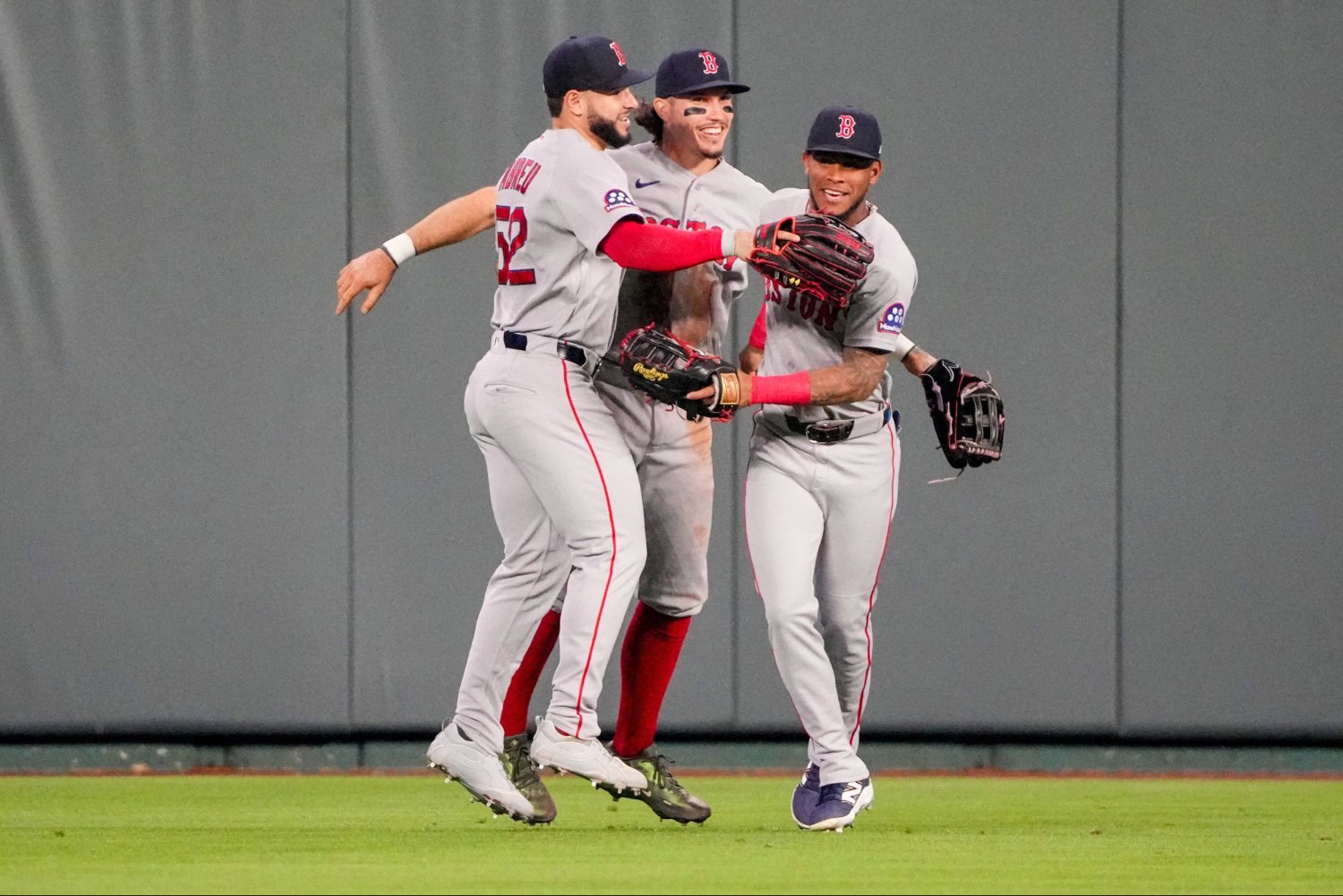 In a season defined by dizzying highs and frustrating lows, the Boston Red Sox found some of their most consistent bright spots in the outfield, but not because of the players they expected to lead the way. After a historic second-half turnaround and a playoff appearance, the Red Sox have a promising young outfield that could serve as a foundation as they look to build their case as a true contender in the American League. Red Sox Outfield Recap 2026: High Hopes, Harsh Reality Much of the optimism surrounding the outfield entering 2026 stemmed from Roman Anthony’s impressive rookie season. Anthony hit .292/.396/.463 with a .859 OPS in 2025, seemingly taking the reins of the team. But he struggled in his sophomore season, hitting .229/.354/.321 with just one home run before a torn CMC ligament in his right hand forced him to miss majority of the campaign. While it would be easy to panic and blame his regression on his injury, his underlying metrics painted a more encouraging picture. His 47.4% hard-hit rate, 21.6% chase rate and 92.3 mph average exit velocity suggests his offensive foundation hasn't been completely tainted. He flashed his rookie form during his stint back from injury, batting .262/.361/.476 with four homers and 10 RBIs before reaggravating it in the Wild Card Series. Despite those encouraging signs, there's still a part of his game he needs to work on. Before his injury, Anthony was heavily scrutinized for his defense, particularly for several costly throwing errors. While his offensive potential makes him a key part of Boston’s future, lingering injury concerns and defensive miscues make him far from a finished product. And with Anthony sidelined for much of the season, the Red Sox were forced to rely on former All-Star Jarren Duran, whose future with the team was already clouded by trade speculation. Once touted as a possible face of the franchise, Duran entered 2026 with his place in the team’s long-term plans uncertain. Despite an All-Star campaign in 2024 and a productive 2025 season, his future became blurred by the emergence of Anthony. Suddenly, Boston had a younger prospect whose offensive upside made the veteran outfielder an attractive trade candidate. But the team ultimately retained him, and Anthony’s absence forced the team to rely on him again. And then, Duran experienced a steep offensive decline, hitting .207/.266/.361, numbers reminiscent of his early year struggles. His 34% chase rate and 27.1% strikeout rate suggested that his plate discipline was deteriorating, while his 88.5 mph average exit and 41.7% hard-hit rate indicated that his quality of contact was diminishing. These factors also limited Duran’s true X-factor: his speed. His ability to steal bases, turn simple ground balls into difficult plays and put pressure on outfielders have long made him a constant threat that opposing defense had to account for. But with his speed limited by his offensive struggles, Duran’s fWAR fell from 4.0 to 0.5. With trade speculation already resurfacing, the team has a difficult decision to make: His offensive regression has diminished his trade value, but holding him and hoping he rebounds before the next trade deadline will be difficult with younger contributors making their case for playing time. The Dynamic Defensive Duo: Wilyer Abreu and Ceddanne Rafaela In a season marked by injuries, slumps and regression, Boston found a lifeline with the breakout season of Ceddanne Rafaela, who earned his first All-Star selection while hitting .283/.319/.442. But despite him being pivotal to their mid-season turnaround, questions remain about whether his production is sustainable. Rafaela went hitless in seven postseason at-bats, extending his career playoff struggles to 0-for-17. His underlying numbers also raised concerns, as his batting averages against fastballs (.284), breaking balls (.289) and off-speed pitches (.270) all exceeded their expected marks of .253, .251, and .224. While his overall run value increased from minus-6 to plus-6, much of that improvement came against pitches outside the zone, where his run value climbed from plus-2 to plus-9. Meanwhile, his run value against pitches in the heart of the strike zone decreased from plus-2 last season to minus-1. This, combined with his chase-contact rate improving from 57.1% to 61.6%, suggests some of his success may have come from luck and will be difficult to replicate. His talent is undeniable, but the team will need to focus on improving his plate discipline to really unlock that next gear in his game. Meanwhile, Wilyer Abreu remained a steady contributor with an elite glove in right field. He hit .248/.327/.446 with a .773 OPS, leading the American League with 38 doubles and the team with 81 runs scored. Additionally, he led Boston with 5.9 bWAR, fueled largely by his defense and improved durability. He led the league with 28 defensive runs saved, practically making him a lock for his third straight Gold Glove in right field. Abreu also proved he could remain healthy for a full season, appearing in a career-high 157 games after injuries limited his availability during his first two seasons. Under team control through 2030 and eligible for salary arbitration, Abreu presents a compelling case for a long-term extension. View the full article
-
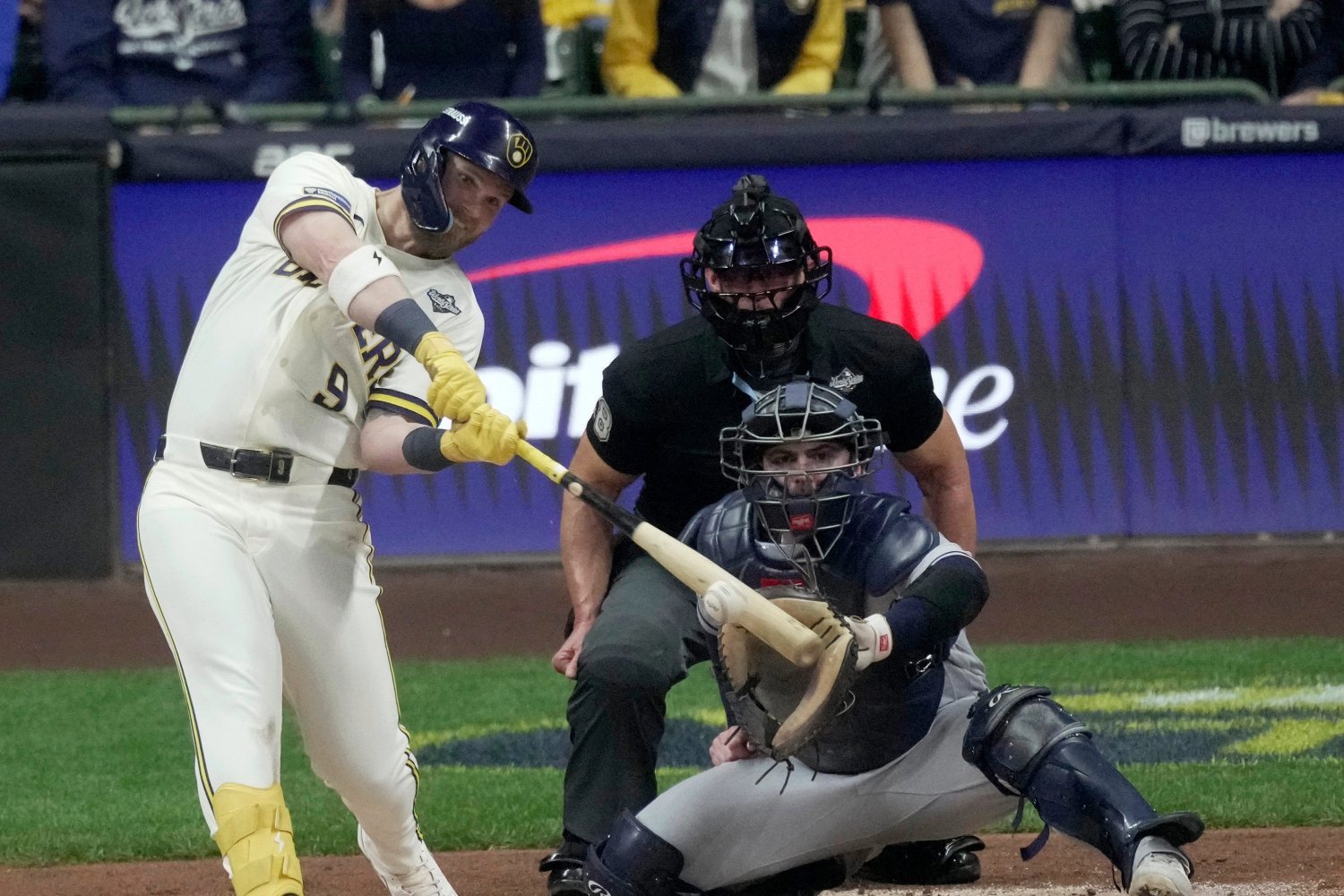 He is not the typical first baseman from whom you can expect a lot of power, but Jake Bauers’ resurgence with the Milwaukee Brewers this year has proven his ability to be a full-time starter in the big leagues. Bauers, 30, finished the regular season with career highs in home runs (26), RBI (86), runs scored (93), walk rate (16.3%), isolated power (.218), BABIP (.320), xwOBA (.371), and an offensive line of .266/.389/.484, with a 143 wRC+ and 3.6 fWAR. Bauers' elite plate discipline led him to finish among the hitters with the lowest chase rate (21.7%) and the fifth-highest walk rate in the entire league. These strengths, along with his major baserunning improvements success, make one of the most interesting free agents for teams like the New York Mets, who desperately need to solve their problems at first base. After letting Pete Alonso go, one of the most questionable decisions of the Steven Cohen era, the Mets bet on Jorge Polanco to replace him at first base. The experiment lasted only two games and 20 defensive innings before injuries took him off the field. From there, the team looked for alternatives that failed to make up for Alonso’s offensive loss. At the end of the season, the Mets used eight different players at the position, and none of them was able to record 300 or more plate appearances. Jared Young was the one who offered the most stable performance, with a .270/.325/.431 line and a 110 wRC+ in 292 plate appearances as a first baseman over 81 games. He played 642 innings, and his defense, although it was not brilliant, was above average, with +1 Fielding Run Value. The other solution New York often found was Mark Vientos, who had a disastrous season both offensively and defensively. When he played as a first baseman, he recorded a disappointing 66 wRC+ in 237 plate appearances. His production was much better against left-handed pitchers (119 wRC+), but against right-handers, he saw his slugging percentage fall from .513 to .208 and recorded only a 48 wRC+. His defensive metrics were the worst on the entire team (-8 FRV). Brett Baty (77 wRC+ and -2 FRV) was another frequent cold corner option, and his results were also terrible when he played as a first baseman in 23 games. Since 2025, among all first basemen with at least 400 plate appearances, Bauers is the only one with a positive cumulative BsR (1.2), FanGraphs’ all-encompassing baserunning statistic. He also has the second-best wRC+ (146), behind the Athletics’ Nick Kurtz (151), and the second-highest on-base percentage (.395), only behind TJ Rumfield (.401). Those two offensive aspects help define his consistency, which would bring a whole new dimension to the Mets' infield. The Mets, of course, will have more options besides Bauers, such as Ty France and Paul Goldschmidt, two players with experience who could also be available on the market. However, I don’t think the San Diego Padres will let France go after his breakout campaign. Maybe Goldschmidt will be available as another option that we should not rule out. Now, if the Mets had to choose between Bauers, Goldschmidt, and other possible alternatives like Josh Bell, Nathaniel Lowe, Ryan Mountcastle, or Rowdy Tellez, Bauers would still be the most intriguing free agent. A lot of that is because it's impossible to avoid the impact he's made in the postseason, which has represented the most demanding test for Bauers. Beyond winning the NLCS MVP award, several of his at-bats have marked these playoffs: from his unforgettable 11-pitch battle, which ended with a two-run home run against left-hander Blake Snell in the seventh inning of Game 3 of the NLCS against the Los Angeles Dodgers, to the single against Drew Rasmussen in the first inning of Game 2 of the World Series, with which he contributed to an early rally after the Rays opened with a 4-0 lead on the scoreboard. Of course, Bauers will not replace Alonso; there's few players on earth capable of doing that. But as a postseason-tested veteran with a well-rounded game, he'd go a long way toward helping the Mets rebuild their lineup. View the full article
-
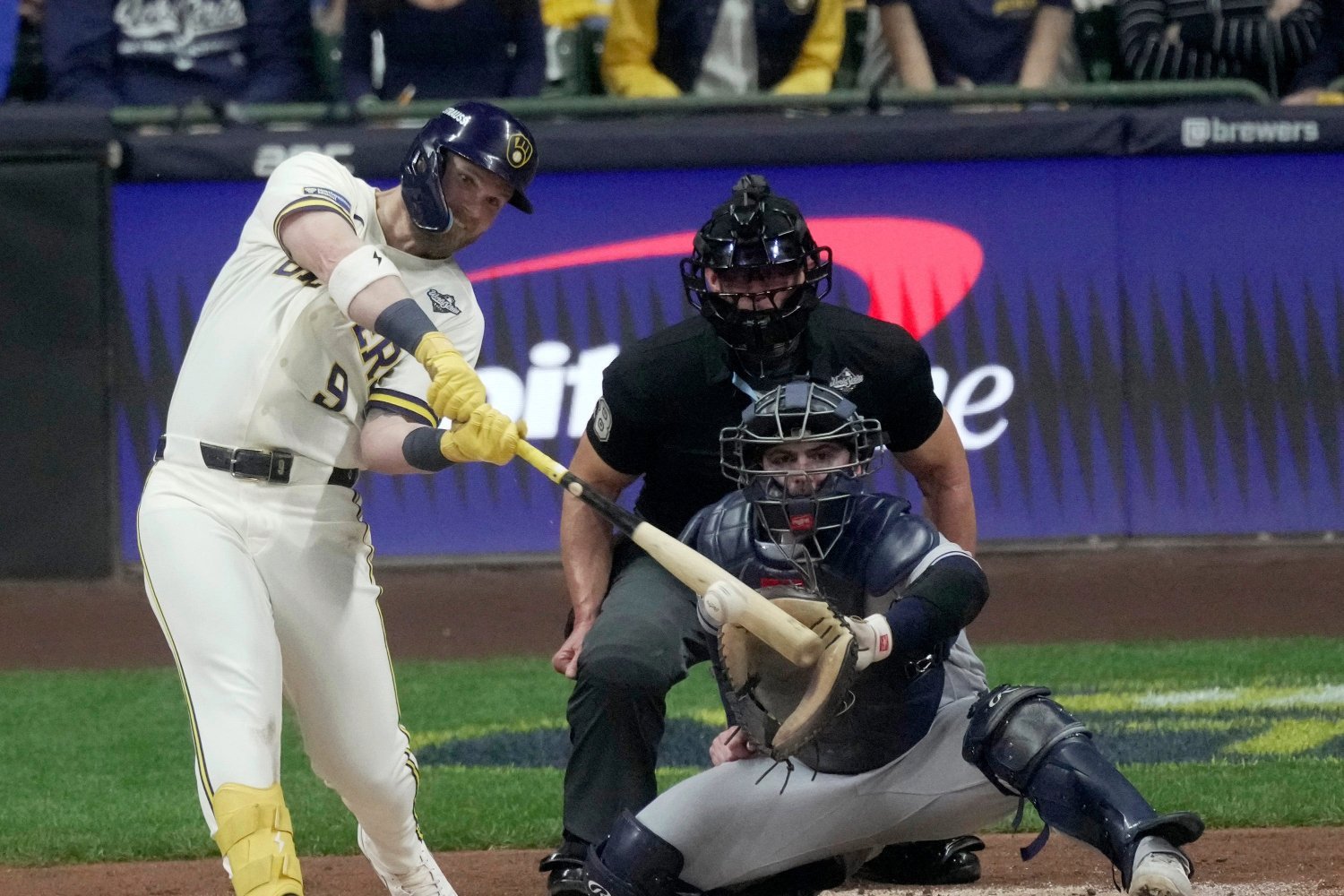 He is not the typical first baseman from whom you can expect a lot of power, but Jake Bauers’ resurgence with the Milwaukee Brewers this year has proven his ability to be a full-time starter in the big leagues. Bauers, 30, finished the regular season with career highs in home runs (26), RBI (86), runs scored (93), walk rate (16.3%), isolated power (.218), BABIP (.320), xwOBA (.371), and an offensive line of .266/.389/.484, with a 143 wRC+ and 3.6 fWAR. Bauers' elite plate discipline led him to finish among the hitters with the lowest chase rate (21.7%) and the fifth-highest walk rate in the entire league. These strengths, along with his major baserunning improvements success, make one of the most interesting free agents for teams like the New York Mets, who desperately need to solve their problems at first base. After letting Pete Alonso go, one of the most questionable decisions of the Steven Cohen era, the Mets bet on Jorge Polanco to replace him at first base. The experiment lasted only two games and 20 defensive innings before injuries took him off the field. From there, the team looked for alternatives that failed to make up for Alonso’s offensive loss. At the end of the season, the Mets used eight different players at the position, and none of them was able to record 300 or more plate appearances. Jared Young was the one who offered the most stable performance, with a .270/.325/.431 line and a 110 wRC+ in 292 plate appearances as a first baseman over 81 games. He played 642 innings, and his defense, although it was not brilliant, was above average, with +1 Fielding Run Value. The other solution New York often found was Mark Vientos, who had a disastrous season both offensively and defensively. When he played as a first baseman, he recorded a disappointing 66 wRC+ in 237 plate appearances. His production was much better against left-handed pitchers (119 wRC+), but against right-handers, he saw his slugging percentage fall from .513 to .208 and recorded only a 48 wRC+. His defensive metrics were the worst on the entire team (-8 FRV). Brett Baty (77 wRC+ and -2 FRV) was another frequent cold corner option, and his results were also terrible when he played as a first baseman in 23 games. Since 2025, among all first basemen with at least 400 plate appearances, Bauers is the only one with a positive cumulative BsR (1.2), FanGraphs’ all-encompassing baserunning statistic. He also has the second-best wRC+ (146), behind the Athletics’ Nick Kurtz (151), and the second-highest on-base percentage (.395), only behind TJ Rumfield (.401). Those two offensive aspects help define his consistency, which would bring a whole new dimension to the Mets' infield. The Mets, of course, will have more options besides Bauers, such as Ty France and Paul Goldschmidt, two players with experience who could also be available on the market. However, I don’t think the San Diego Padres will let France go after his breakout campaign. Maybe Goldschmidt will be available as another option that we should not rule out. Now, if the Mets had to choose between Bauers, Goldschmidt, and other possible alternatives like Josh Bell, Nathaniel Lowe, Ryan Mountcastle, or Rowdy Tellez, Bauers would still be the most intriguing free agent. A lot of that is because it's impossible to avoid the impact he's made in the postseason, which has represented the most demanding test for Bauers. Beyond winning the NLCS MVP award, several of his at-bats have marked these playoffs: from his unforgettable 11-pitch battle, which ended with a two-run home run against left-hander Blake Snell in the seventh inning of Game 3 of the NLCS against the Los Angeles Dodgers, to the single against Drew Rasmussen in the first inning of Game 2 of the World Series, with which he contributed to an early rally after the Rays opened with a 4-0 lead on the scoreboard. Of course, Bauers will not replace Alonso; there's few players on earth capable of doing that. But as a postseason-tested veteran with a well-rounded game, he'd go a long way toward helping the Mets rebuild their lineup. View the full article
-
MLB’s 2026-27 Offseason Calendar and How It Impacts the Twins
DiamondCentric posted an article in Twins Daily
 The Minnesota Twins enter the offseason with plenty of questions to answer. The front office must make decisions about its pending free agents, evaluate arbitration-eligible players, manage its 40-man roster, and determine how much to invest in improving the major league team. Unfortunately, this offseason comes with an additional complication. Major League Baseball’s current collective bargaining agreement expires on December 1, and a lockout appears increasingly likely if the league and the MLB Players Association cannot reach a new agreement. That could bring transactions involving major league players to a standstill and put several traditional offseason events in jeopardy. Here is a look at the major dates on MLB’s 2026-27 offseason calendar and what each one means for Minnesota. October 29: Free Agency Opens and Trades Resume Eligible players with at least six years of major league service time who are not under contract for 2027 become free agents. Those players can negotiate exclusively with their former teams for the next five days, but they cannot sign with another club until that window closes. Trades involving players on 40-man rosters also resume. Twins Impact: Ryan Jeffers, A.J. Minter, and Taylor Rogers are among Minnesota’s pending free agents. The Twins have an exclusive opportunity to negotiate with both players before the rest of the league can enter the picture. Josh Bell’s status is slightly different because his contract includes a $10 million mutual option for 2027. Either side can decline that option, making him a free agent, with the final decision due November 2. Minnesota will need to determine whether Bell fits into its plans at first base and designated hitter. With trades reopening, the Twins can also begin exploring the market for players who might help address their roster needs or bring back useful assets. November 1: Gold Glove Award Winners Announced MLB will announce its Gold Glove winners, recognizing the best defensive players at each position. Twins Impact: Brooks Lee is a finalist for the American League Gold Glove at third base. His defensive performance at the hot corner gives him a legitimate case, although he faces strong competition from Boston’s Caleb Durbin. Lee spent time at shortstop earlier in 2026 before settling into a more consistent role at third base. His nomination is an encouraging development as Minnesota continues to evaluate its young infield. November 2: Free Agents Can Sign, Options Are Due, and Qualifying Offers Must Be Issued At 4 p.m. Central, free agents become eligible to sign with any team. Clubs must also resolve most player options and opt-outs, decide whether to extend qualifying offers to eligible free agents, and reinstate players from the 60-day injured list to bring their 40-man rosters into compliance. Twins Impact: Minnesota has two mutual options worth watching. Joe Ryan has a $13 million option for 2027, while Bell has a $10 million option. Both are candidates to have their options declined. Ryan's situation differs from Bell's. If Ryan's option is declined, he remains under team control through salary arbitration. His projected arbitration salary is below $10 million, making that route more financially attractive for Minnesota. Bell, meanwhile, would become a free agent if either side declines his option. The Twins must also decide whether to extend Jeffers a qualifying offer. The offer is worth $23.15 million for one year, and it would give Minnesota an opportunity to receive draft compensation if Jeffers declines and signs elsewhere. Given his value as a catcher and his place among the better hitters at the position, this decision deserves attention. Several players must also be returned to the 40-man roster or designated for assignment after spending time on the 60-day injured list. That group includes Mick Abel, David Festa, Pablo Lopez, Mike Paredes, and Cole Sands. The Twins will need to make room for these players while managing the rest of their roster. Minnesota already announced that Anthony Banda, Tristan Gray and Aaron Sabato each cleared waivers and were outrighted to the minor leagues. They will each elect free agency or be released. November 10-12: General Managers Meetings in Las Vegas General managers from around the league gather to discuss roster construction, potential trades, and other baseball operations matters. The meetings often establish the groundwork for deals that happen later in the offseason. Twins Impact: These meetings could be more important than usual. With a potential lockout looming and the traditional Winter Meetings in doubt, front offices may feel pressure to complete transactions earlier than normal. Minnesota could use this window to explore trades, pursue free-agent targets, and establish its plans for the roster before negotiations involving major league players potentially become unavailable. November 17: Qualifying Offer Decisions, Rule 5 Protection, and Silver Slugger Awards Several important events converge on November 17. Players who receive qualifying offers must decide whether to accept or decline by 3 p.m. Central. Those who accept receive a one-year, $23.15 million contract. Players who decline remain free agents, with draft compensation potentially attached to their departures. The Rule 5 protection deadline also arrives. Teams must add eligible prospects to their 40-man rosters to protect them from selection in the major league portion of the Rule 5 Draft. MLB will also announce its Silver Slugger Award winners. Twins Impact: If Minnesota extends a qualifying offer to Jeffers, he must decide whether to accept it or pursue a longer-term contract elsewhere. Given his position and offensive production, declining the offer could be an attractive option if he believes he can secure a multiyear deal. The Twins could receive draft pick compensation if he signs with another organization. On the Rule 5 front, Yasser Mercedes is an interesting name to monitor, although he remains a long way from the major leagues. Pitcher C.J. Culpepper is another prospect worth watching as the Twins evaluate which players deserve protection. There is still uncertainty surrounding the Rule 5 Draft itself. During the last lockout, MLB canceled the major league portion of the event. With another work stoppage possible, teams might approach their roster-protection decisions differently this year. Jeffers is also a candidate for the American League Silver Slugger Award at catcher. Kody Clemens and Luke Keaschall are additional Minnesota players worth watching as award consideration develops. November 20: Non-Tender Deadline Teams must decide by 7 p.m. Central whether to offer contracts to their arbitration-eligible and pre-arbitration players on the 40-man roster. Players who do not receive contract offers become free agents immediately, without going through waivers. Clubs do not have to finalize every salary by this deadline. However, teams often negotiate agreements with players on the bubble to avoid losing them for nothing. Twins Impact: Minnesota has 9 arbitration-eligible players: Dean Kremer, Bailey Ober, Joe Ryan, Trevor Larnach, Royce Lewis, Cole Sands, Tommy Nance, Kody Clemens, and Taj Bradley. Ober, Larnach, and Lewis are among the players whose situations warrant attention. Ober's projected salary and recent performance will factor into his future. Larnach and Lewis also present questions about how their expected production fits into Minnesota's roster plans. The Twins must weigh projected salaries against what each player could contribute in 2027. With several young players still developing and a roster that needs improvement, these decisions could influence both the team's payroll and its available roster spots. December 1: Collective Bargaining Agreement Expires The current collective bargaining agreement expires at 10:59 p.m. Central. Unless MLB and the MLBPA reach a new agreement, owners are expected to initiate a lockout. During a lockout, teams cannot conduct normal major league roster transactions or communicate about baseball-related matters with players on 40-man rosters. Trades, free-agent signings, and other major league roster moves would stop until a new agreement is ratified. Twins Impact: This is the most important date on the calendar. Minnesota's front office may have less time than usual to address its needs, particularly if a lockout lasts several months. The Twins could face a difficult situation if they enter December with major roster questions unresolved. Free-agent negotiations and trade discussions involving major league players would be frozen, leaving the team unable to make the normal adjustments that typically occur throughout the winter. A lockout would also create uncertainty about spring training and the regular season. MLB and the players' union remain divided on major labor issues, including the league's proposed salary cap, making a timely agreement far from certain. December 7-9: Winter Meetings in San Diego Twins Impact: The Winter Meetings are traditionally among the busiest days of the offseason, bringing together executives, agents, and players to facilitate trades and free-agent signings. However, a lockout would likely prevent the major league portion of the event from proceeding as planned. Minnesota cannot count on the Winter Meetings as its primary opportunity to make moves. If the event is canceled, as it was during the previous lockout, the front office will need to do more of its work before December 1 or wait until a new agreement is reached. December 8: Amateur Draft Lottery The draft lottery determines the order for the first selections in the 2027 MLB Draft. Twins Impact: The lottery is scheduled to take place during the Winter Meetings, but a lockout could delay it. Minnesota's position will matter as the organization continues building its farm system, particularly with an emphasis on adding high-upside talent. Minnesota enters the draft with the tenth best odds to get the number one pick. December 9: Rule 5 Draft The major league portion of the Rule 5 Draft is scheduled for December 9, traditionally concluding the Winter Meetings. Twins Impact: The draft's status depends on how the labor situation unfolds. MLB could postpone or cancel the major league portion, as it did during the previous lockout. There is also the possibility of moving the event forward to avoid that outcome. The minor league portion of the Rule 5 Draft is not affected in the same way and is scheduled to proceed. However, the major league portion is the one that could provide Minnesota with an opportunity to add a player who might fit its roster. January 8: Arbitration Salary Figures Teams and arbitration-eligible players are scheduled to exchange salary figures for the 2027 season. Twins Impact: This deadline could be pushed back if the lockout continues. Minnesota will need to resolve the salaries of its arbitration-eligible players, including the names mentioned above, as part of its roster planning. January 15: International Amateur Signing Period Opens The international signing period begins, allowing clubs to officially sign eligible amateur players from outside the United States, Canada, and other locations covered by the draft. Twins Impact: This date is expected to remain in place even if a lockout is ongoing. International amateur signings are minor league transactions, so they continued during the previous lockout. Minnesota can continue investing in its international pipeline, even if its major league roster is temporarily frozen. Early February: Arbitration Hearings Salary arbitration hearings are traditionally held in early February for players and teams that cannot agree on contracts. Twins Impact: A lockout would prevent hearings from taking place on the normal schedule. The filing exchange and hearing dates could move once a new collective bargaining agreement is ratified, potentially pushing some cases closer to the regular season. February 19: Spring Training Games Scheduled to Begin Spring training games are scheduled to begin on February 19. Twins Impact: Minnesota normally would be preparing pitchers and position players for the 2027 season by this point. A prolonged lockout could disrupt that timetable, leaving the club uncertain about when players can report, work with coaches, and begin preparing for the season. March 24-25: Opening Night and Opening Day The schedule calls for a standalone Opening Night game on March 24, followed by Opening Day for the other 28 teams on March 25. Twins Impact: Minnesota is scheduled to open the regular season against the Kansas City Royals on March 25. That date remains tentative if the labor dispute continues into the spring. A delayed agreement could affect player preparation, the start of spring training, and the regular-season schedule. Fans should keep in mind that the dates currently on the calendar may not hold if the lockout extends into 2027. March 26: Triple-A Opening Day Triple-A teams are scheduled to begin their seasons on March 26. The minor league season is expected to proceed even if the major league lockout continues, although players on 40-man rosters would not be eligible to participate in affiliated games during the work stoppage. Twins Impact: Minnesota's minor league system could continue playing, but the restrictions would complicate development for prospects already on the 40-man roster. Players who are not on 40-man rosters could continue with their normal minor league activities, while others would face uncertainty about where and when they could play. The Twins Need to Prepare for an Unusual Offseason The next several weeks could shape Minnesota's roster for the entire 2027 season. Decisions about Jeffers, Bell, Ryan, the arbitration class, and the 40-man roster will come quickly, leaving the front office with plenty to accomplish before December 1. The possibility of a lockout adds pressure to the process. Instead of relying on the traditional Winter Meetings and a full offseason of negotiations, the Twins may need to address their biggest priorities earlier than usual. Minnesota still has time to make meaningful improvements, but its ability to do so could depend on how efficiently it handles the first month of the offseason. With a new labor agreement far from guaranteed, the calendar is more than a list of dates. It is a reminder that the most important decisions may need to happen before winter officially begins. What stands out about MLB’s calendar this winter? Leave a comment and start the discussion. View the full article
-
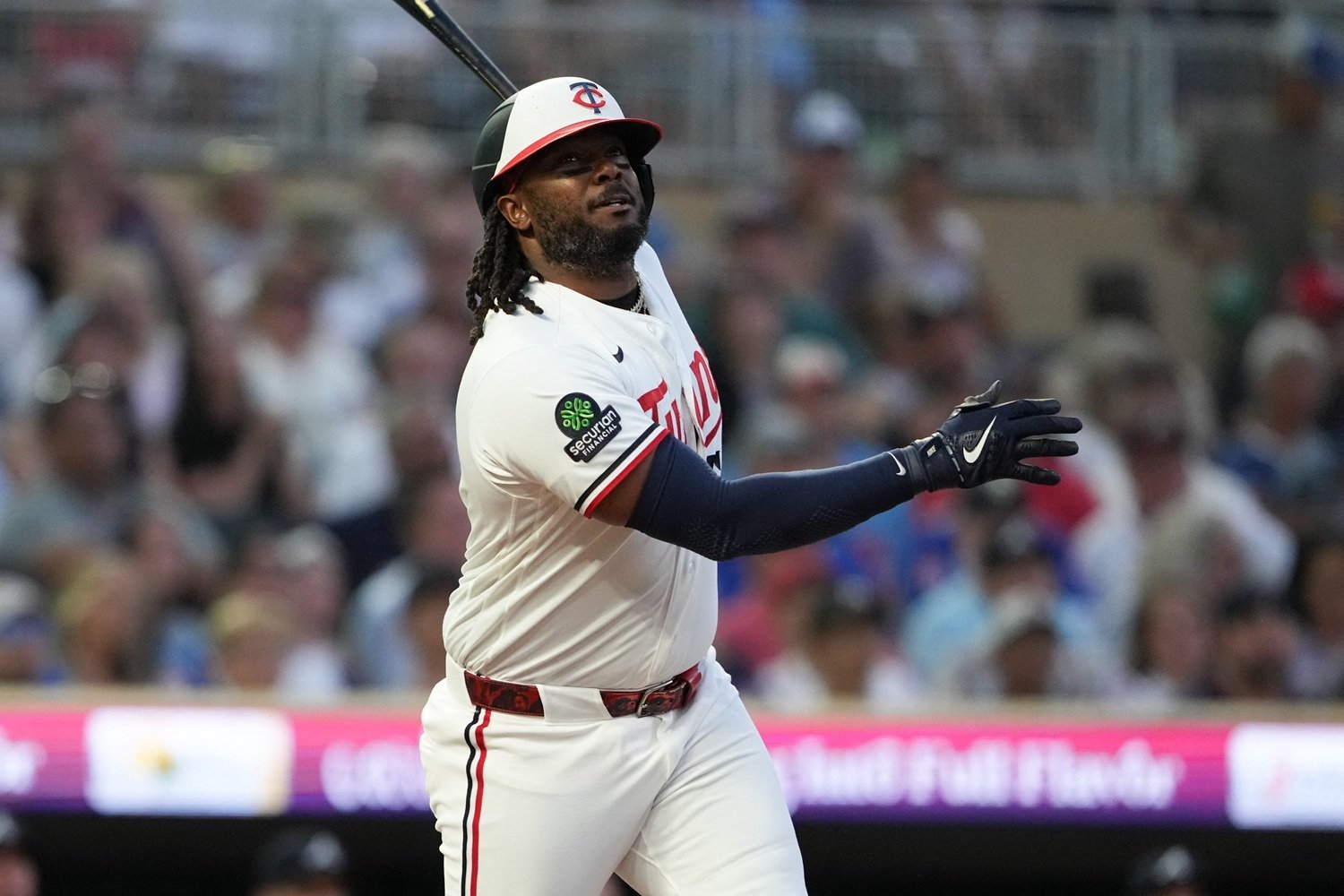 The Minnesota Twins made a pair of expected decisions as the offseason officially gets underway. According to The Athletic’s Dan Hayes, the club declined its side of mutual options for starting pitcher Joe Ryan and first baseman Josh Bell, allowing both players to enter the next phase of their respective contract situations. While neither decision comes as a major surprise, the two players have very different paths forward. Ryan remains under team control for another season, while Bell is free to explore opportunities with other organizations. Joe Ryan Remains Under Team Control Minnesota declined its portion of a $13 million mutual option with Ryan. However, this doesn't mean the right-hander is headed to free agency just yet. He remains arbitration-eligible for one more season before becoming a free agent following the 2027 campaign. MLB Trade Rumors projects Ryan to earn $9.6 million through arbitration. That would represent a significant salary increase, but it would still give Minnesota a relatively affordable opportunity to retain one of its most important starting pitchers. Ryan has established himself as a reliable rotation presence since making his major league debut in 2021. His combination of strike-throwing ability, swing-and-miss stuff, and willingness to attack hitters has made him an important part of Minnesota's pitching staff. He also brings considerable value because of his ability to miss bats. Ryan's fastball and splitter combination has helped him become one of the more recognizable pitchers in the organization's rotation. His consistency has made him a valuable trade asset, and his name has surfaced in discussions about Minnesota potentially reshaping its roster. Ryan experienced some ups and downs during the 2026 season. He was particularly effective during the first half, posting a 3.17 ERA and 1.01 WHIP. However, his performance dipped after the All-Star break, when he recorded a 4.99 ERA and 1.22 WHIP. That second-half performance adds another layer to Minnesota's decision-making process. The Twins have to determine whether Ryan fits into their plans for 2027 or whether his remaining year of team control makes this an appropriate time to explore his trade value. Either way, declining the mutual option doesn't close the door on Ryan returning to Minnesota. The arbitration process gives the organization another opportunity to keep him in the rotation without committing to a long-term contract. Josh Bell Heads to Free Agency Minnesota also declined its option on the $10 million mutual option with Bell, making the veteran first baseman a free agent. Bell signed a one-year contract last offseason that guaranteed him $7 million. The mutual option gave both sides the opportunity to continue the relationship in 2027, but neither had much incentive to exercise it. Bell walks away with his $5.5 million salary, a $250,000 signing bonus, and a $1.25 million buyout. There wasn't anything particularly earth-shattering about his 2026 performance. Across 154 games, Bell hit .255 with a .738 OPS. He endured another slow start before finishing with a 106 OPS+, putting him slightly above league-average offensive production. Bell launched 21 home runs, just one shy of his 2025 total. He has remained a fairly consistent offensive contributor since 2023, making him a potentially attractive option for teams seeking an experienced first baseman or designated hitter. Now 34, Bell posted 0.7 fWAR in 2026. FanGraphs valued that production at approximately $5.6 million, making another short-term contract a reasonable possibility. Two Different Offseason Paths The Twins' decisions create flexibility without necessarily signaling the end of their relationship with Ryan. He remains an important piece of the 2027 rotation, although his trade value could make him an intriguing offseason conversation. Bell's departure is more straightforward. Minnesota can look elsewhere for first-base production while Bell searches for another opportunity. Neither mutual option was particularly appealing for the organization, making these decisions relatively easy ways to begin the offseason. View the full article
-
Royals In The Arizona Fall League: Zion Rose & Josh Hansell
DiamondCentric posted an article in Royals Keep
 In three games in a row, I saw Angeibel Gomez get to the field early. In the game he played, he warmed up immediately. On his days off, he mostly stayed in the dugout. I asked Zion Rose if Gomez was shy or a little reserved. Rose responded no, but he is still learning English. It reminded me that Gomez, while excelling on the field in the AFL at an age five years younger than the average player, is still just 17 years old and in the US for the first time. I had an opportunity to tell him in Spanish I was from Kansas City, here to watch him play, and I think that went a long way. Just a reminder that the players are human beings and have many factors that could affect their demeanor and on-field play. Zion Rose 1st plate appearance: Single up the middle. On the second pitch, he stole second base easily. Rose tagged up on a fly ball to right-center and was safe with a close play at third. Rose scored on a balk. 2nd plate appearance: He struck out swinging. 3rd plate appearance: He grounded out to third. 4th plate appearance: Rose was using binoculars to see who was warming up in the Scorpions bullpen. He challenged a called strike. The call was overturned on a successful challenge. Rose grounded out to shortstop. Defensively, Rose had a high fly ball back to the wall go just over his glove off the wall. 5th plate appearance: Rose hit a sacrifice fly to right field. 6th plate appearance: On a 3-0 count, Rose took strike 1. He walked on the 5th pitch. Bases loaded, so no chance to steal. Josh Hansell Hansel came on to pitch the 9th inning. He threw four straight balls to walk the leadoff hitter. The second batter struck out looking. The third batter hit into a double play. Game over. After the game, I spoke with Phillies catcher Kehden Hettiger. When asked about Hansell, he said Hansell has an electric arm. They worked on pregame plans for how to attack the hitters. When I asked if there was anything else I should know, Hettiger reiterated electric arm with a huge smile. With Halloween just two days away, I asked the players their favorite Halloween candy: Zion Rose: Snickers Brooks Bryan: Reeces Austin Charles: Reeces Josh Hansell: Reeces View the full article
-
Royals In The Arizona Fall League: Zion Rose & Josh Hansell
DiamondCentric posted an article in Royals Keep
 In three games in a row, I saw Angeibel Gomez get to the field early. In the game he played, he warmed up immediately. On his days off, he mostly stayed in the dugout. I asked Zion Rose if Gomez was shy or a little reserved. Rose responded no, but he is still learning English. It reminded me that Gomez, while excelling on the field in the AFL at an age five years younger than the average player, is still just 17 years old and in the US for the first time. I had an opportunity to tell him in Spanish I was from Kansas City, here to watch him play, and I think that went a long way. Just a reminder that the players are human beings and have many factors that could affect their demeanor and on-field play. Zion Rose 1st plate appearance: Single up the middle. On the second pitch, he stole second base easily. Rose tagged up on a fly ball to right-center and was safe with a close play at third. Rose scored on a balk. 2nd plate appearance: He struck out swinging. 3rd plate appearance: He grounded out to third. 4th plate appearance: Rose was using binoculars to see who was warming up in the Scorpions bullpen. He challenged a called strike. The call was overturned on a successful challenge. Rose grounded out to shortstop. Defensively, Rose had a high fly ball back to the wall go just over his glove off the wall. 5th plate appearance: Rose hit a sacrifice fly to right field. 6th plate appearance: On a 3-0 count, Rose took strike 1. He walked on the 5th pitch. Bases loaded, so no chance to steal. Josh Hansell Hansel came on to pitch the 9th inning. He threw four straight balls to walk the leadoff hitter. The second batter struck out looking. The third batter hit into a double play. Game over. After the game, I spoke with Phillies catcher Kehden Hettiger. When asked about Hansell, he said Hansell has an electric arm. They worked on pregame plans for how to attack the hitters. When I asked if there was anything else I should know, Hettiger reiterated electric arm with a huge smile. With Halloween just two days away, I asked the players their favorite Halloween candy: Zion Rose: Snickers Brooks Bryan: Reeces Austin Charles: Reeces Josh Hansell: Reeces View the full article
-
 We're nearing five years since the last time the Miami Marlins faced the prospect of an upcoming MLB lockout. Bruce Sherman remains the owner. The Marlins' aspirations are essentially the same—have a winning record and make the playoffs. It's also anyone's guess when Miami will next play a baseball game. Other than that? Everything has changed. No more Derek Jeter. No more Kim Ng. Miami's roster is in a far better place. Perhaps more importantly, this CBA deadline brings a higher likelihood of real change to the game's financial landscape. Then again, Miami's entire approach to team building has changed dramatically since then. In short, it may well be a fool's errand to try to draw any concrete lessons for this Marlins offseason from that of 2021-22. However, Sherman is still the man cutting the checks, and his memory of how things went last time around will undoubtedly play a part. Same goes for that of other senior officials, with new president of baseball operations Peter Bendix foremost among them (he was general manager of the Tampa Bay Rays last time around). So let's start with Sherman and the headliners of that offseason, namely the best and worst decisions of his ownership era. Right before the start of the last MLB lockout, the Marlins announced two eleventh-hour moves. One of those was an extension for Sandy Alcantara, which he is about to enter the last year of now that Miami has exercised their club option. Unfortunately, the other was the signing of free agent Avisaíl García to four-year, $53 million deal that the team just finished paying off. Obviously, the outcomes of those two decisions couldn't have been more different. Before breaking down the potential lessons, I'd be remiss not to note that both of them did equally check one box the Marlins could try to check again this November: Spending. Even heading into the last CBA, the pressure was on Miami to spend more. That will arguably be even more true heading into 2027. Therefore, a big expenditure of some kind on the Marlins part shouldn't come as a surprise. But what will that look like? On the Sandy side, could Sherman be well disposed to greenlighting another club friendly extension? Either that, or doubling down on his prior investment with another Alcantara extension? Sandy has proven a sound investment, and for the first time in years, the Marlins have multiple young players with proven resumes worth a long-term commitment. Yet on the García side, it also feels safe to assume that the Marlins won't be rushing into any big free-agent deals. Other than Jorge Soler later that same offseason, no FA has received a multi-year commitment from Miami since then. The Miami Herald's Barry Jackson reported last week that the team would not sign any "marquee 30-plus free-agents to enormous deals." In short, I'd bet heavily on an extension or two, but wouldn't count on a true free-agent splurge. Trades could be a different story, though. The Marlins acquired Jacob Stallings and Joey Wendle in the month leading up to the last CBA deadline. The Wendle move could be particularly worth dwelling on, as it was one of six trades that Bendix's Tampa Bay Rays made during that span. One of those, by the way, brought in a young prospect named Junior Caminero. In my opinion, it all points to a busy month for the Marlins. View the full article
-
Padres Lose Bullpen Coach Ben Fritz To Diamondbacks
DiamondCentric posted an article in Padres Mission
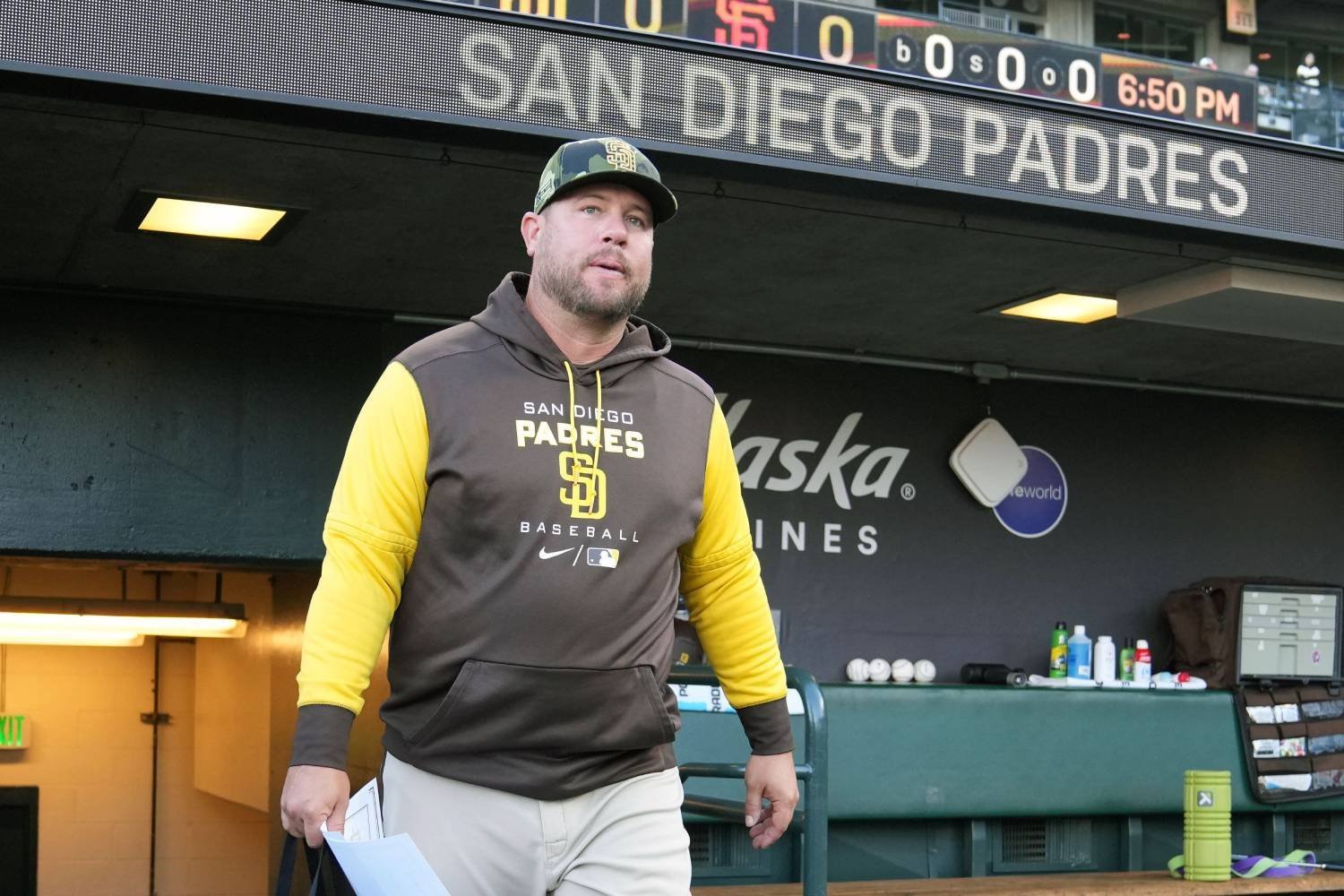 One of the members of the San Diego Padres' coaching staff is getting a promotion—from another NL West team. Longtime Padres bullpen coach Ben Fritz is being hired as the Arizona Diamondbacks' pitching coach, according to a report Friday by Dennis Lin of The Athletic. Fritz replaces Brian Kaplan, whose contract expired after the season and was not retained. Fritz, a right-hander who was a first-round draft choice by the Oakland A's out of Fresno State in 2002, has been the Padres' bullpen coach for the past seven seasons and a coach in the Friars' system since 2015. Lin also reported that Fritz was up for the Colorado Rockies' pitching coach vacancy. Working with pitching coach Ruben Niebla, Fritz's bullpen has posted the seventh-best ERA since 2020 and third-highest fWAR. View the full article
-
8 Big-Name Trade Candidates Who Would Fit on the Blue Jays
DiamondCentric posted an article in Jays Centre
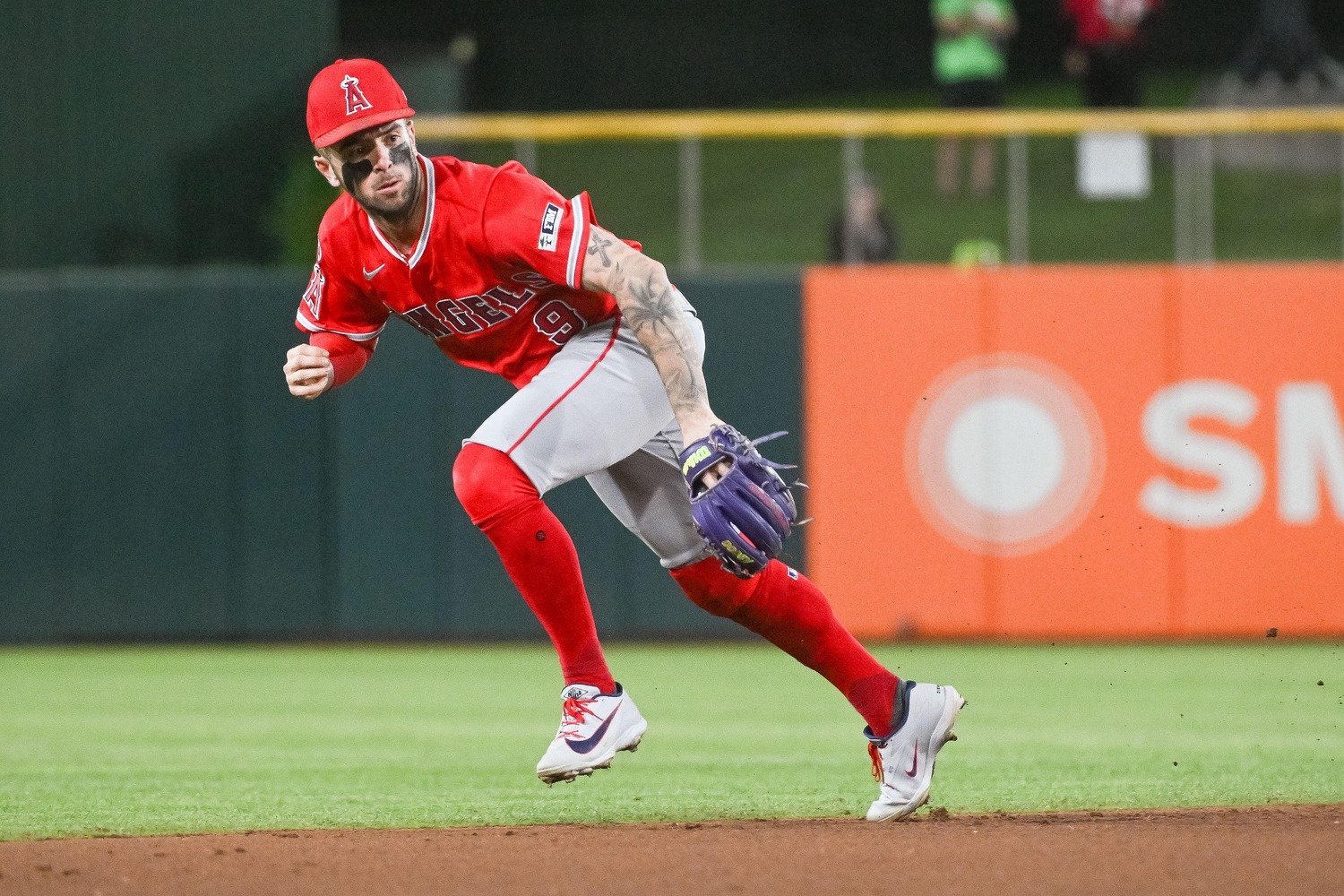 This offseason will not be typical. With a lockout looming, teams may hesitate to make big-money free-agent deals. So teams could choose to pursue top players from Japan's Nippon Professional Baseball league, low-dollar free-agent acquisitions, or trades early on. Even if teams want to make big moves, this year’s offensive free agent class is weak. Seiya Suzuki and Randy Arozarena lead the class, with Ian Happ, Brandon Lowe, Jake Bauers, and Luis Arraez as consolation pieces. These hitters don’t spark much excitement for teams looking to drastically improve their offensive production, like the Toronto Blue Jays. This past season, Toronto finished last in home runs and runs and 25th in on-base percentage among MLB teams, which they can't repeat. However, before they start looking at free agents or trades, they need to make a few in-house decisions. Can Anthony Santander and/or Addison Barger stay healthy and bounce back from poor performances? Are the Blue Jays content with another season with Andrés Giménez and Ernie Clement handling the middle infield? Some players are due for arbitration raises, so would it be better to non-tender them? Once those decisions are made, several players are already being rumored as trade candidates. Let’s see how they’d fit onto the Blue Jays roster. Infield Trade Candidates CJ Abrams, SS/2B - Washington Nationals CJ Abrams is an ideal target for Toronto and arguably the top bat likely available for trade this offseason. He’d bring power to a lineup that desperately needs it, after hitting 33 home runs in 2026. He also slashed .261/.336/.497 with 93 runs and 106 RBIs. The Blue Jays would get a boost on the basepaths, too, after finishing 27th in stolen bases this season. Abrams swiped 30 or more bases in each of the last four seasons, including 47 in 2023. The middle infielder has a few flaws, though. His strikeout rate was the highest of his five-year career (24.7 percent) in 2026. This rate was nearly five percentage points higher than last season. It was also higher than the Blue Jays' strikeout rate this season (19 percent), which was the second-lowest rate among MLB teams. Abrams also struggled with his glove at shortstop. He posted a .961 fielding percentage over 511 chances this season and a -17 outs above average. The OAA tied him for last place among shortstops, a drastic difference from Giménez’s 19 OAA and second-place rank. However, Abrams was much better in a slim number of games at second base, posting a 1.000 fielding percentage over 38 chances. He wants to play shortstop, but the Nationals may look into moving him to the outfield, which could make him available for trade. The Blue Jays would gladly accept the weaker-defense trade-off for more power and speed. Abrams could play shortstop, and the Jays could move Giménez to second and non-tender Clement. Clement’s bat and defense were liabilities in the second half of the season, so replacing him with Abrams is a positive switch. The downside is that the Nationals’ middle infielder has two years of team control remaining and is projected to earn $10.2 million in arbitration next season (per MLB Trade Rumors). So, they’ll be asking for a high price for their talented 26-year-old. My prediction this offseason is that the Blue Jays will acquire their big bat via trade, using a top pitching prospect, such as Nolan Perry and Ricky Tiedemann, as their best trade chip. This trade could fully validate my prediction depending on what Toronto gives up. Zach Neto, SS - Los Angeles Angels Zach Neto is close to Abrams in overall production, but he has worse contact rates and strikes out more. This season, Neto slashed .239/.330/.436, with 27 runs, 102 runs, 77 RBIs, and 24 stolen bases, but he also had a 30.5% strikeout rate. The strikeout rate was nearly six percentage points higher than Abrams's. However, Neto is slightly better defensively, though it’s not great. He posted a .968 fielding percentage over 557 chances this season and had a -8 OAA, ranking sixth-last among shortstops. Neto is projected to make slightly less than Abrams in arbitration at $9.8 million, but he has three more years of team control. That means that the Angels’ shortstop will cost more prospects to acquire. That may not be a price the Blue Jays want to pay, but the offensive boost would be significant. Jeremy Peña, SS - Houston Astros Jeremy Peña is entering his final arbitration year before he’s expected to sign a long-term contract worth around $200 million. That makes it the perfect time for the Astros to maximize their return on the shortstop, who is projected to earn upwards of $13 million this season. Offensively in 2026, he tied his career high in home runs (22) despite missing 51 games due to multiple injuries. However, defensively, he took a step backwards, posting a .966 fielding percentage, his second-lowest rate over his five-year career, with 13 errors on 387 chances. Peña would likely cost a top prospect due to being an All-Star-caliber player, but the package wouldn't be as hefty as it would be to acquire Abrams or Neto. Peña could be a viable one-year rental, giving Toronto another season to develop their No. 2 prospect, JoJo Parker (according to Jays Centre’s rankings). Francisco Lindor, SS - New York Mets This one will hurt the wallet. Francisco Lindor is due to make roughly $32 million each season through 2031. $5 million of his salary is deferred each year and will be paid out over the 10 years after his contract ends. How much money the Blue Jays take on will determine the prospect package they send to the Mets, although it'll cost top prospects either way. Toronto also needs to decide whether Lindor’s down season in 2026 was a fluke or his age is catching up. He had his worst offensive season since 2021 and his worst defensive output in 11 seasons. The struggles could also stem from a calf injury he suffered in April that forced him to miss two months. It was only the second time in his career that he failed to play at least 125 games in a season, excluding the shortened 2020 season. If healthy, Lindor is one of the league's best shortstops. The Mets have Jefferson Rojas, their No. 1 prospect, in Triple-A Syracuse, waiting for a call-up, which could give the team a reason to let Lindor go for the right price. He’d be a massive boost to the Blue Jays lineup, but it would come at a high cost, both financially and by stripping the farm system of top prospects. Outfield Trade Candidates Jarren Duran, OF - Boston Red Sox The Red Sox have an outfield depth issue, but it’s a good thing. They have too many bodies for four positions, with Jarren Duran, Wilyer Abreu, Roman Anthony, Ceddanne Rafaela, and Masataka Yoshida competing to fill the outfield and the designated hitter role. Whoever is the odd man out is wasting millions of dollars on the bench. Duran is the ideal trade candidate for Boston, turning 30 and with two seasons of team control remaining. He’s set to make around $11 million this season. However, the Red Sox outfielder is coming off the worst offensive output of his six-year career. His 20 home runs were one short of his career high, but his .207/.266/.361 slash line was among his worst. The Blue Jays would need to take a similar approach to what they would use with Lindor. They need to decide whether Duran’s down season was a fluke or a sign of what’s to come. With uncertainty about whether Santander and Barger can stay healthy or return to their productive form, Duran could be a nice addition for the Blue Jays. He'd likely come at a discount compared to other trade candidates on this list, given his regression in 2026. Despite his down season, his 20 home runs, 66 runs, and 69 RBIs would have been good enough to finish in the top three among Blue Jays hitters this past season. So his output and MLB experience would help, especially if Brett Bateman can’t repeat his rookie form. Steven Kwan, OF - Cleveland Guardians Trading for Steven Kwan offers nearly the same benefits as adding Duran, except for the lack of a power boost. Kwan brings an excellent contact bat at the top of the lineup and a superb outfield glove. He’s never finished below 3.0 fWAR over his five-year career, making him a valuable addition. Kwan enters his final arbitration year, with an estimated $11.3 million salary. For this reason, he will be a popular name on the rumor mill unless the Guardians sign him to a multi-year extension. Kwan doesn’t necessarily offer more production than Bateman or Nathan Lukes could produce, but if either of them struggles, or Santander and Barger aren’t themselves, Kwan would be a reliable bat-and-glove option. This makes Kwan a valuable one-year rental. Pitcher Trade Candidates Logan Gilbert, SP - Seattle Mariners Wow, what a starting rotation the Blue Jays would have with Logan Gilbert, adding to a group that includes Dylan Cease, José Soriano, Trey Yesavage, and Cody Ponce. The team would instantly become a strong contender for the AL East and the World Series. Gilbert will be discussed as a trade candidate because he’s projected to make $15.4 million in his final arbitration year, and the Mariners have Bryan Woo, Bryce Miller, George Kirby, and Emerson Hancock returning to the rotation. Plus, highly-touted prospects Kade Anderson and Ryan Sloan are waiting to step up. Anderson did make seven starts this season that were a roller coaster in 2026, but he looked promising. They also have Cooper Criswell (who only threw 40 2/3 innings this past season due to a shoulder injury) healthy and ready for next season. Realistically, the Blue Jays don’t need to spend what it’ll take to add Gilbert. They already have four high-quality starters, so they don’t need a fifth of Gilbert’s caliber, but it is fun to dream about. If Perry or Tiedemann survive the offseason without being traded, one of them could be ready to fill the role. The Jays also have Spencer Arrighetti, who is arbitration-eligible, and other rookies who have shown promise. José Berríos and Bowden Francis are also expected to recover from Tommy John surgeries, but their returns won't come until mid-to-late next season. Reid Detmers, SP - Los Angeles Angels I predicted Reid Detmers would be a target for the Blue Jays at this season’s trade deadline, but he didn't get dealt. He will once again be a popular name on the rumor mill. He’s predicted to make $7.5 million in his third arbitration year next season. He also has one more arbitration year before he becomes a free agent after the 2028 campaign. Detmers is coming off a stellar season returning to the starting rotation. He posted a 3.35 ERA with 211 strikeouts over 185 innings. With his outstanding season and two years of team control, the lefty will come at a hefty cost. This would be another situation where the Blue Jays would need to deal top prospects. View the full article
-
8 Big-Name Trade Candidates Who Would Fit on the Blue Jays
DiamondCentric posted an article in Jays Centre
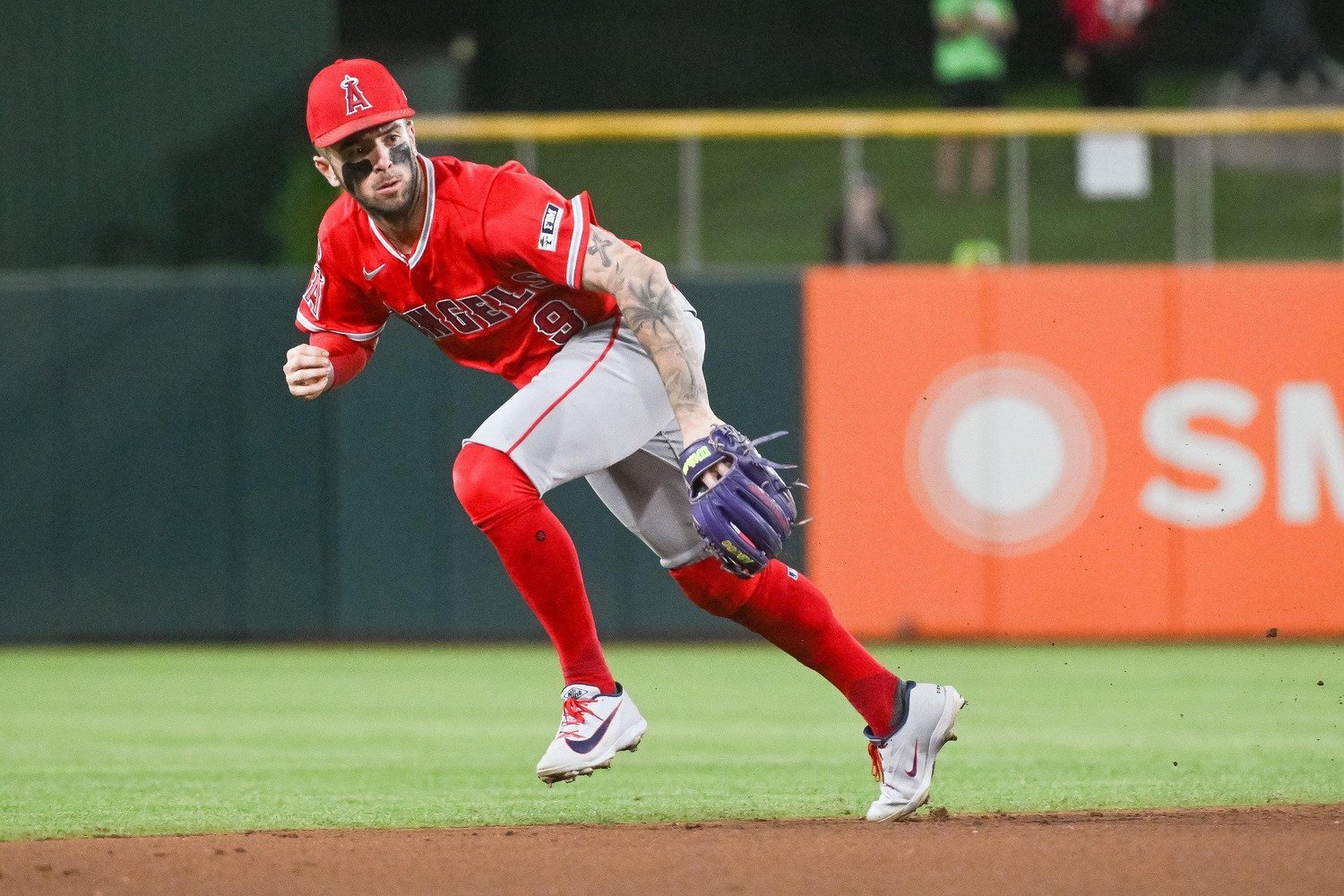 This offseason will not be typical. With a lockout looming, teams may hesitate to make big-money free-agent deals. So teams could choose to pursue top players from Japan's Nippon Professional Baseball league, low-dollar free-agent acquisitions, or trades early on. Even if teams want to make big moves, this year’s offensive free agent class is weak. Seiya Suzuki and Randy Arozarena lead the class, with Ian Happ, Brandon Lowe, Jake Bauers, and Luis Arraez as consolation pieces. These hitters don’t spark much excitement for teams looking to drastically improve their offensive production, like the Toronto Blue Jays. This past season, Toronto finished last in home runs and runs and 25th in on-base percentage among MLB teams, which they can't repeat. However, before they start looking at free agents or trades, they need to make a few in-house decisions. Can Anthony Santander and/or Addison Barger stay healthy and bounce back from poor performances? Are the Blue Jays content with another season with Andrés Giménez and Ernie Clement handling the middle infield? Some players are due for arbitration raises, so would it be better to non-tender them? Once those decisions are made, several players are already being rumored as trade candidates. Let’s see how they’d fit onto the Blue Jays roster. Infield Trade Candidates CJ Abrams, SS/2B - Washington Nationals CJ Abrams is an ideal target for Toronto and arguably the top bat likely available for trade this offseason. He’d bring power to a lineup that desperately needs it, after hitting 33 home runs in 2026. He also slashed .261/.336/.497 with 93 runs and 106 RBIs. The Blue Jays would get a boost on the basepaths, too, after finishing 27th in stolen bases this season. Abrams swiped 30 or more bases in each of the last four seasons, including 47 in 2023. The middle infielder has a few flaws, though. His strikeout rate was the highest of his five-year career (24.7 percent) in 2026. This rate was nearly five percentage points higher than last season. It was also higher than the Blue Jays' strikeout rate this season (19 percent), which was the second-lowest rate among MLB teams. Abrams also struggled with his glove at shortstop. He posted a .961 fielding percentage over 511 chances this season and a -17 outs above average. The OAA tied him for last place among shortstops, a drastic difference from Giménez’s 19 OAA and second-place rank. However, Abrams was much better in a slim number of games at second base, posting a 1.000 fielding percentage over 38 chances. He wants to play shortstop, but the Nationals may look into moving him to the outfield, which could make him available for trade. The Blue Jays would gladly accept the weaker-defense trade-off for more power and speed. Abrams could play shortstop, and the Jays could move Giménez to second and non-tender Clement. Clement’s bat and defense were liabilities in the second half of the season, so replacing him with Abrams is a positive switch. The downside is that the Nationals’ middle infielder has two years of team control remaining and is projected to earn $10.2 million in arbitration next season (per MLB Trade Rumors). So, they’ll be asking for a high price for their talented 26-year-old. My prediction this offseason is that the Blue Jays will acquire their big bat via trade, using a top pitching prospect, such as Nolan Perry and Ricky Tiedemann, as their best trade chip. This trade could fully validate my prediction depending on what Toronto gives up. Zach Neto, SS - Los Angeles Angels Zach Neto is close to Abrams in overall production, but he has worse contact rates and strikes out more. This season, Neto slashed .239/.330/.436, with 27 runs, 102 runs, 77 RBIs, and 24 stolen bases, but he also had a 30.5% strikeout rate. The strikeout rate was nearly six percentage points higher than Abrams's. However, Neto is slightly better defensively, though it’s not great. He posted a .968 fielding percentage over 557 chances this season and had a -8 OAA, ranking sixth-last among shortstops. Neto is projected to make slightly less than Abrams in arbitration at $9.8 million, but he has three more years of team control. That means that the Angels’ shortstop will cost more prospects to acquire. That may not be a price the Blue Jays want to pay, but the offensive boost would be significant. Jeremy Peña, SS - Houston Astros Jeremy Peña is entering his final arbitration year before he’s expected to sign a long-term contract worth around $200 million. That makes it the perfect time for the Astros to maximize their return on the shortstop, who is projected to earn upwards of $13 million this season. Offensively in 2026, he tied his career high in home runs (22) despite missing 51 games due to multiple injuries. However, defensively, he took a step backwards, posting a .966 fielding percentage, his second-lowest rate over his five-year career, with 13 errors on 387 chances. Peña would likely cost a top prospect due to being an All-Star-caliber player, but the package wouldn't be as hefty as it would be to acquire Abrams or Neto. Peña could be a viable one-year rental, giving Toronto another season to develop their No. 2 prospect, JoJo Parker (according to Jays Centre’s rankings). Francisco Lindor, SS - New York Mets This one will hurt the wallet. Francisco Lindor is due to make roughly $32 million each season through 2031. $5 million of his salary is deferred each year and will be paid out over the 10 years after his contract ends. How much money the Blue Jays take on will determine the prospect package they send to the Mets, although it'll cost top prospects either way. Toronto also needs to decide whether Lindor’s down season in 2026 was a fluke or his age is catching up. He had his worst offensive season since 2021 and his worst defensive output in 11 seasons. The struggles could also stem from a calf injury he suffered in April that forced him to miss two months. It was only the second time in his career that he failed to play at least 125 games in a season, excluding the shortened 2020 season. If healthy, Lindor is one of the league's best shortstops. The Mets have Jefferson Rojas, their No. 1 prospect, in Triple-A Syracuse, waiting for a call-up, which could give the team a reason to let Lindor go for the right price. He’d be a massive boost to the Blue Jays lineup, but it would come at a high cost, both financially and by stripping the farm system of top prospects. Outfield Trade Candidates Jarren Duran, OF - Boston Red Sox The Red Sox have an outfield depth issue, but it’s a good thing. They have too many bodies for four positions, with Jarren Duran, Wilyer Abreu, Roman Anthony, Ceddanne Rafaela, and Masataka Yoshida competing to fill the outfield and the designated hitter role. Whoever is the odd man out is wasting millions of dollars on the bench. Duran is the ideal trade candidate for Boston, turning 30 and with two seasons of team control remaining. He’s set to make around $11 million this season. However, the Red Sox outfielder is coming off the worst offensive output of his six-year career. His 20 home runs were one short of his career high, but his .207/.266/.361 slash line was among his worst. The Blue Jays would need to take a similar approach to what they would use with Lindor. They need to decide whether Duran’s down season was a fluke or a sign of what’s to come. With uncertainty about whether Santander and Barger can stay healthy or return to their productive form, Duran could be a nice addition for the Blue Jays. He'd likely come at a discount compared to other trade candidates on this list, given his regression in 2026. Despite his down season, his 20 home runs, 66 runs, and 69 RBIs would have been good enough to finish in the top three among Blue Jays hitters this past season. So his output and MLB experience would help, especially if Brett Bateman can’t repeat his rookie form. Steven Kwan, OF - Cleveland Guardians Trading for Steven Kwan offers nearly the same benefits as adding Duran, except for the lack of a power boost. Kwan brings an excellent contact bat at the top of the lineup and a superb outfield glove. He’s never finished below 3.0 fWAR over his five-year career, making him a valuable addition. Kwan enters his final arbitration year, with an estimated $11.3 million salary. For this reason, he will be a popular name on the rumor mill unless the Guardians sign him to a multi-year extension. Kwan doesn’t necessarily offer more production than Bateman or Nathan Lukes could produce, but if either of them struggles, or Santander and Barger aren’t themselves, Kwan would be a reliable bat-and-glove option. This makes Kwan a valuable one-year rental. Pitcher Trade Candidates Logan Gilbert, SP - Seattle Mariners Wow, what a starting rotation the Blue Jays would have with Logan Gilbert, adding to a group that includes Dylan Cease, José Soriano, Trey Yesavage, and Cody Ponce. The team would instantly become a strong contender for the AL East and the World Series. Gilbert will be discussed as a trade candidate because he’s projected to make $15.4 million in his final arbitration year, and the Mariners have Bryan Woo, Bryce Miller, George Kirby, and Emerson Hancock returning to the rotation. Plus, highly-touted prospects Kade Anderson and Ryan Sloan are waiting to step up. Anderson did make seven starts this season that were a roller coaster in 2026, but he looked promising. They also have Cooper Criswell (who only threw 40 2/3 innings this past season due to a shoulder injury) healthy and ready for next season. Realistically, the Blue Jays don’t need to spend what it’ll take to add Gilbert. They already have four high-quality starters, so they don’t need a fifth of Gilbert’s caliber, but it is fun to dream about. If Perry or Tiedemann survive the offseason without being traded, one of them could be ready to fill the role. The Jays also have Spencer Arrighetti, who is arbitration-eligible, and other rookies who have shown promise. José Berríos and Bowden Francis are also expected to recover from Tommy John surgeries, but their returns won't come until mid-to-late next season. Reid Detmers, SP - Los Angeles Angels I predicted Reid Detmers would be a target for the Blue Jays at this season’s trade deadline, but he didn't get dealt. He will once again be a popular name on the rumor mill. He’s predicted to make $7.5 million in his third arbitration year next season. He also has one more arbitration year before he becomes a free agent after the 2028 campaign. Detmers is coming off a stellar season returning to the starting rotation. He posted a 3.35 ERA with 211 strikeouts over 185 innings. With his outstanding season and two years of team control, the lefty will come at a hefty cost. This would be another situation where the Blue Jays would need to deal top prospects. View the full article
-
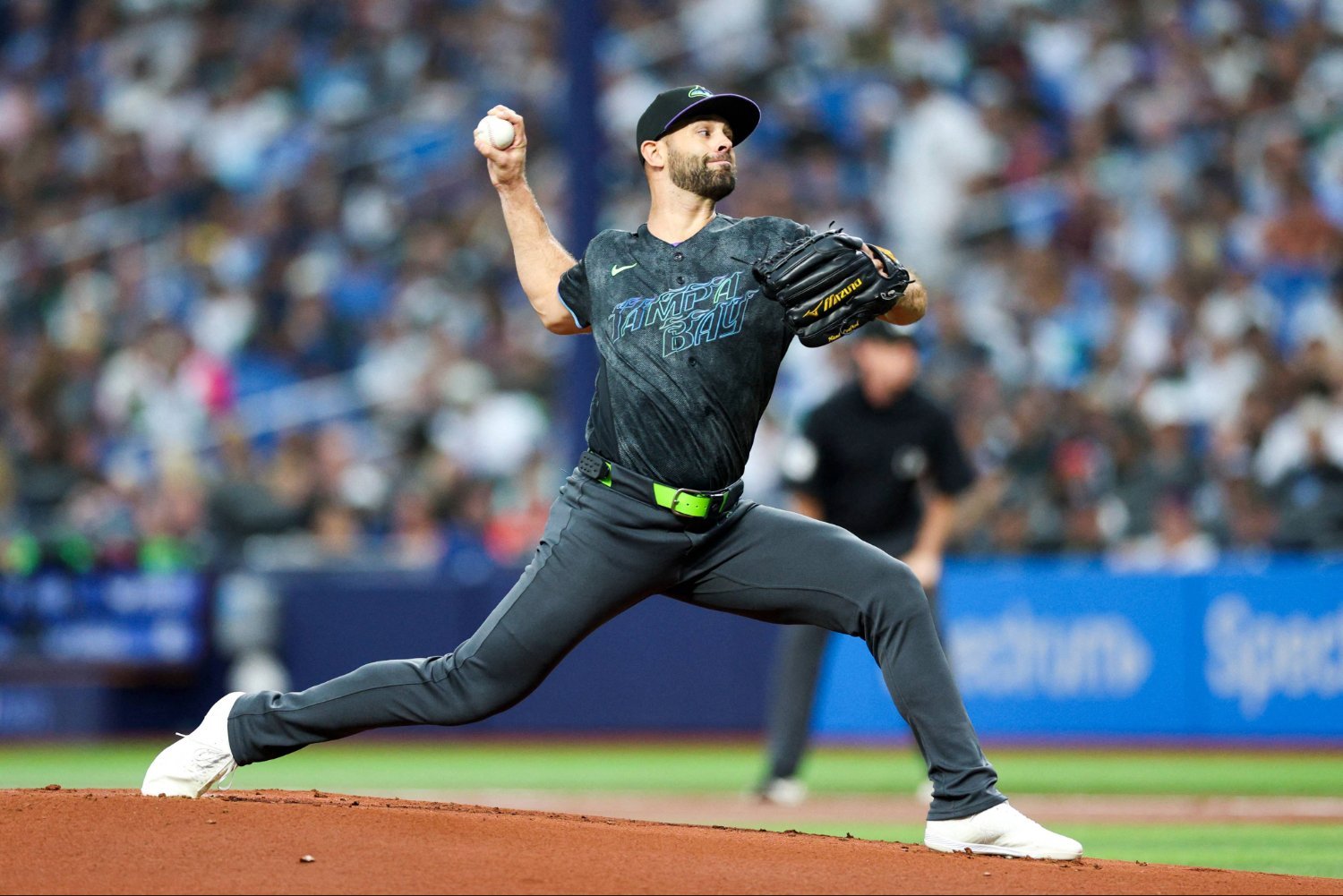 The San Diego Padres should be pleased with how their 2026 season finished. After spending a good chunk of the year on the outside looking in at the playoff picture, the Friars turned things around after the All-Star break and wound up hosting a Wild Card Series. They thoroughly pummeled the Cubs in that two-game set, earning themselves a matchup with the Brewers. Unfortunately, Milwaukee proved to be a much tougher challenge, but San Diego still showed it could compete with the best team in baseball. With a few additions this winter, the Padres could be even better in 2027. And if they want to take that next step, one of their biggest priorities should be improving the starting rotation. Padres' Offseason Rotation Plan: Top Free Agents Actually Worth Targeting Michael King has expressed interest in returning, but that’s far from a guarantee. Robbie Ray, Casey Mize and Walker Buehler are all free agents, while Nick Pivetta has a $14 million club option that could help provide some stability. Point being, there’s a lot of uncertainty surrounding this group. If San Diego wants to make another deep postseason run, adding some reliable arms will be crucial. With that in mind, here are four free agent starting pitchers the Padres could target this winter. LHP Tarik Skubal Skubal will be the top name available this winter, and obviously, all 30 teams would love to have this guy. He’s won back-to-back Cy Young Awards and has established himself as arguably the best pitcher in baseball. He’ll have no shortage of suitors, hence why the bidding could get pretty ridiculous. Still, there’s reason to believe San Diego could have some mutual interest here. He grew up in California, roughly 400 miles from San Diego, and while the Padres weren’t closely linked to him at the trade deadline, that could change this winter. There’s been plenty of national buzz surrounding the possibility of the Padres going hard after Skubal in free agency, and it’s not difficult to see why. If there’s any way to show you mean business, it’s by stealing one of the best pitchers in the sport away from the Dodgers. The Friars have spent recent years trying to keep pace with their division rival; landing Skubal would be an enormous statement. Of course, signing him would require a massive financial commitment, and there’s no guarantee the Padres would be willing (or able) to meet his asking price. But if they’re serious about building a rotation capable of competing with the best teams in baseball, Skubal would be an incredible place to start. LHP Trevor Rogers Rogers is an interesting case because we’ve seen just how good he can be when everything comes together. He was absolutely dominant in 2025, posting a sub-2.00 ERA, although he managed just 109 2/3 innings that season. This year, he threw 169 2/3 innings, marking the first time in his career he’d cleared even 133 frames. That workload was encouraging, especially given his injury history, but his results weren’t quite as impressive. Rogers finished with a 4.03 ERA, though his FIP and expected ERA both landed in the mid-3.00s. There are still plenty of reasons to like what he brings to the table. His chase rate and walk rate were both in the 92nd percentile, and he did a good job limiting hard contact. Rogers isn't going to rack up a ton of strikeouts or whiffs, but he keeps hitters off balance and consistently generates awkward swings. He probably doesn't profile as a true ace, which should keep his price fairly comfortably below what someone like Skubal will command. His previous injury concerns could also lower that price, although his ability to handle a larger workload in 2026 should help his case. Ultimately, Rogers feels like a quality middle-of-the-rotation arm who would bring badly needed upside to San Diego. He might not be the splashiest addition, but the Padres need more than just one quality starter to round out their rotation. RHP Tyler Mahle Mahle has bounced around quite a bit, playing for five teams over the last five seasons. However, his performance with Atlanta during the second half of 2026 turned some heads. He finished with a 1.99 ERA across 54 1/3 innings, then followed that up with a couple of really strong postseason starts. That kind of finish is certainly going to help his case in free agency. Still, I wouldn't necessarily expect those numbers to translate into ace-level production moving forward. The underlying data paints more of a picture of a quality No. 3 or 4 starter than a top-of-the-rotation arm. Mahle doesn't generate many whiffs or chases, and his average exit velocity allowed ranked in just the 23rd percentile. Those aren't exactly the kinds of numbers you'd expect from a pitcher who just dominated down the stretch. But there's more to pitching than missing bats. He pounds the strike zone, keeps the ball on the ground, and does a good job of sequencing his pitches. Those traits give him a foundation to succeed, even if he isn't blowing hitters away. Given his spotty track record, I wouldn't expect Mahle to demand top dollar. If San Diego can get him at a reasonable price, he profiles similarly to Rogers: a strong mid-rotation arm with the upside to turn into something more. RHP Nick Martinez How about a reunion? Martinez has quietly been a really solid pitcher over the last handful of seasons, finishing with an ERA in the low-to-mid 3.00s in four of the last five years. He also reached 180 innings with Tampa Bay this season, his first campaign as a full-time starter. That's an encouraging combination of production and durability, especially for a Padres team that could use some dependable innings. Martinez is very much a pitch-to-contact guy. His whiff and strikeout rates were both in the fourth percentile or worse, so don't expect him to overpower opposing hitters. However, he ranked in the 100th percentile in walk rate, allowing free passes at just a 3.6% clip. And with a six-pitch mix, Martinez has plenty of ways to keep hitters off balance. He didn't keep the ball on the ground particularly often, but his hard-hit rate, barrel rate, and average exit velocity allowed were all very strong. There's certainly a lot to like about that profile, even if he doesn't have the traditional stuff you'd want from a front-line starter. Martinez isn't flashy, and his underlying numbers suggest he might not be quite as good as his 3.10 ERA from the 2026 regular season would indicate. But he's a versatile arm with ample experience as both a starter and reliever, making him a synergistic fit with literally any pitching staff. View the full article
-
 The World Series is over, so the offseason is now fully underway. Randy Holt and Steve Drumwright take a spin around the diamond to gauge the state of each position and where the biggest needs are. If you know anything, A.J. Preller has one big spot to focus on as free agency is set to begin. Listen on Apple Podcasts: https://podcasts.apple.com/us/podcast/padres-mission-podcast/id1896922834 Listen on Spotify: https://open.spotify.com/show/033xclmydmbLmEp0exYuYz Listen on iHeartRadio: https://www.iheart.com/podcast/1333-padres-mission-podcast-336930560 Watch on YouTube: https://www.youtube.com/@padresmission View the full article
-
 The Boston Red Sox have a lot of roster decisions to make now that the World Series has ended. All roster members who are on the 60-day injured list must be added to the 40-man roster for the postseason. As currently constructed, they will need to clear two additional roster spots to make room for the seven players they currently have on the 60-day IL. Within the first 12 hours of free agency opening, Isiah Kiner-Falefa and Patrick Sandoval both became free agents, and the team traded utility outfielder Nate Eaton (to the Athletics) and fan favorite Tsung-Che Cheng (to the Tigers). While that helps unclog the roster a bit, there are still some decisions to be made. The Red Sox have a number of candidates they can designate for assignment before November 2. There are a handful of players that the team can DFA in short order without making waves. Left-hander Raymond Burgos is, in my estimation, the most likely option here. He was a late season call-up who stepped up when the team needed pitching depth, pitching both ends of a doubleheader and eating innings when the bullpen couldn’t afford to be burned. While pitching depth is something that every team needs, there are options beyond Burgos that make more sense in the long run for the organization. He technically has two minor-league options left, but he’s going to have to be DFA’d and then pass through waivers for the team to keep him in the system. His resilience will likely work in his favor as he looks to land a short-term deal somewhere else. He would be welcomed back to the organization on a minor-league deal, but don’t be surprised if he lands somewhere else for 2027. Outfielder Jahmai Jones was a midseason addition that proved to be a force against left-handed pitching. He platooned in left field with Jarren Duran for most of his tenure in Boston, but with Roman Anthony presumably healthy heading into 2027, Jones is going to be a piece that can be let go without dipping into very much depth. He would be a great piece to have off the bench, but when there are so many names that have to be added back to the 40-man roster that he might be a victim of some roster math. There's also names to consider like Kutter Crawford, who has missed almost two full seasons, or Zack Kelly, who seems like a prime change-of-scenery candidate after spending more time on the road traveling between Worcester and Boston than he has on the field. If not them, you're most likely going to see a few more trades to clear roster spots. There’s a handful of guys who don’t seem like they are long for the Red Sox. Depending on how you slice it, that list is headlined by either Masataka Yoshida, Jarren Duran, and even Trevor Story. There are reports that Duran and Yoshida are squarely in the mix to be moved this offseason given their respective contract statuses and past success. Neither player will command a huge return, but finding buyers for either could be easier this offseason since the free-agent market is the weakest it has been in years. What makes a Story trade far less likely is that he achieved 10-and-5 rights at the conclusion of the 2026 season, so he essentially holds a full no-trade clause. It’s possible he could be moved, but it would have to be a situation where he feels that he could thrive and those are likely to be few and far between at this point in his injury-plagued career. Should the Red Sox look to move Duran, Yoshida, or Story in a trad, then they’d need to put their foot on the gas to get something done. As they proved with their trades of Eaton and Cheng, it’s possible to make deals immediately after the conclusion of the season, but to move on from a major piece of the roster is a more involved process. It’s possible a deal could be made, but Craig Breslow isn’t known for being the quickest negotiator in the league. To be able to clear the final few 40-man roster spots, some tough decisions are going to have to be made over the next handful of days. Expect Breslow to explore every avenue available to him, but the roster crunch is only going to get worse when the team has to decide which prospects to protect and when they start signing big-league free agents. View the full article
-
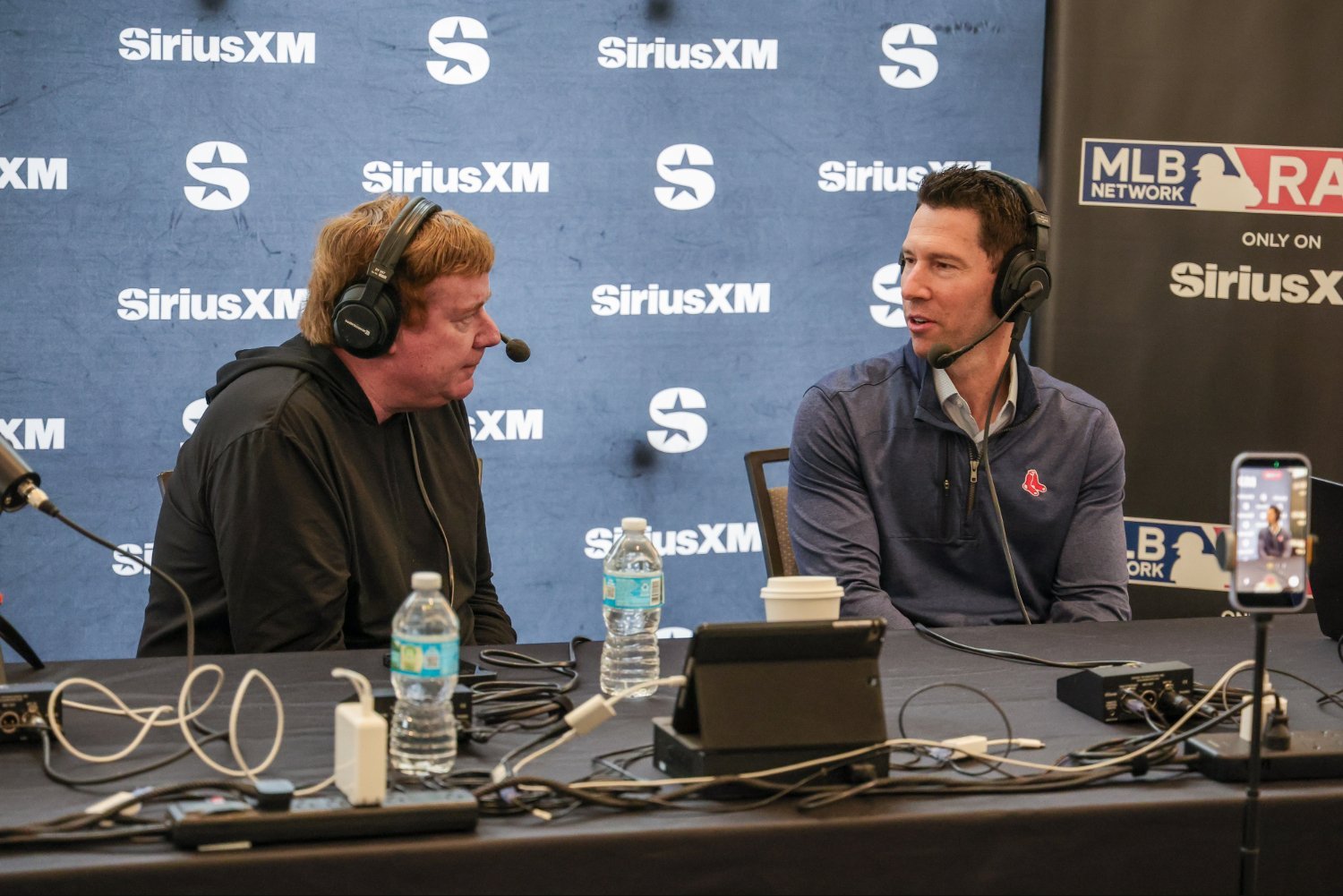 The Boston Red Sox have a lot of roster decisions to make now that the World Series has ended. All roster members who are on the 60-day injured list must be added to the 40-man roster for the postseason. As currently constructed, they will need to clear two additional roster spots to make room for the seven players they currently have on the 60-day IL. Within the first 12 hours of free agency opening, Isiah Kiner-Falefa and Patrick Sandoval both became free agents, and the team traded utility outfielder Nate Eaton (to the Athletics) and fan favorite Tsung-Che Cheng (to the Tigers). While that helps unclog the roster a bit, there are still some decisions to be made. The Red Sox have a number of candidates they can designate for assignment before November 2. There are a handful of players that the team can DFA in short order without making waves. Left-hander Raymond Burgos is, in my estimation, the most likely option here. He was a late season call-up who stepped up when the team needed pitching depth, pitching both ends of a doubleheader and eating innings when the bullpen couldn’t afford to be burned. While pitching depth is something that every team needs, there are options beyond Burgos that make more sense in the long run for the organization. He technically has two minor-league options left, but he’s going to have to be DFA’d and then pass through waivers for the team to keep him in the system. His resilience will likely work in his favor as he looks to land a short-term deal somewhere else. He would be welcomed back to the organization on a minor-league deal, but don’t be surprised if he lands somewhere else for 2027. Outfielder Jahmai Jones was a midseason addition that proved to be a force against left-handed pitching. He platooned in left field with Jarren Duran for most of his tenure in Boston, but with Roman Anthony presumably healthy heading into 2027, Jones is going to be a piece that can be let go without dipping into very much depth. He would be a great piece to have off the bench, but when there are so many names that have to be added back to the 40-man roster that he might be a victim of some roster math. There's also names to consider like Kutter Crawford, who has missed almost two full seasons, or Zack Kelly, who seems like a prime change-of-scenery candidate after spending more time on the road traveling between Worcester and Boston than he has on the field. If not them, you're most likely going to see a few more trades to clear roster spots. There’s a handful of guys who don’t seem like they are long for the Red Sox. Depending on how you slice it, that list is headlined by either Masataka Yoshida, Jarren Duran, and even Trevor Story. There are reports that Duran and Yoshida are squarely in the mix to be moved this offseason given their respective contract statuses and past success. Neither player will command a huge return, but finding buyers for either could be easier this offseason since the free-agent market is the weakest it has been in years. What makes a Story trade far less likely is that he achieved 10-and-5 rights at the conclusion of the 2026 season, so he essentially holds a full no-trade clause. It’s possible he could be moved, but it would have to be a situation where he feels that he could thrive and those are likely to be few and far between at this point in his injury-plagued career. Should the Red Sox look to move Duran, Yoshida, or Story in a trad, then they’d need to put their foot on the gas to get something done. As they proved with their trades of Eaton and Cheng, it’s possible to make deals immediately after the conclusion of the season, but to move on from a major piece of the roster is a more involved process. It’s possible a deal could be made, but Craig Breslow isn’t known for being the quickest negotiator in the league. To be able to clear the final few 40-man roster spots, some tough decisions are going to have to be made over the next handful of days. Expect Breslow to explore every avenue available to him, but the roster crunch is only going to get worse when the team has to decide which prospects to protect and when they start signing big-league free agents. View the full article
