


DiamondCentric
-
Posts
2,631 -
Joined
-
Last visited
Never
Content Type
Profiles
Forums
Events
News
Tutorials & Help
Major League Baseball Videos
Guides & Resources
Store
Downloads
Gallery
Everything posted by DiamondCentric
-

Exclusive Interview: Red Sox 2026 Draft Pick Alex Kranzler
DiamondCentric posted an article in Talk Sox
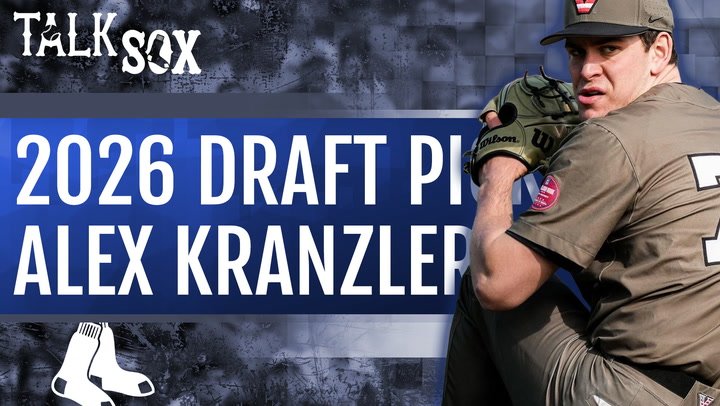 Drafted in the 17th round of the 2026 Draft out of Vanderbilt, Alex Kranzler is another exciting pitcher entering Craig Breslow's pitching lab. Sitting down with Talk Sox's Nick John, Kranzler discusses his time at Vanderbilt and pitching in the MLB Draft League for the Trenton Thunder, along with the preparations happening at Fort Myers to get not just himself but his fellow draft class members ready for professional baseball. View the full article
 -
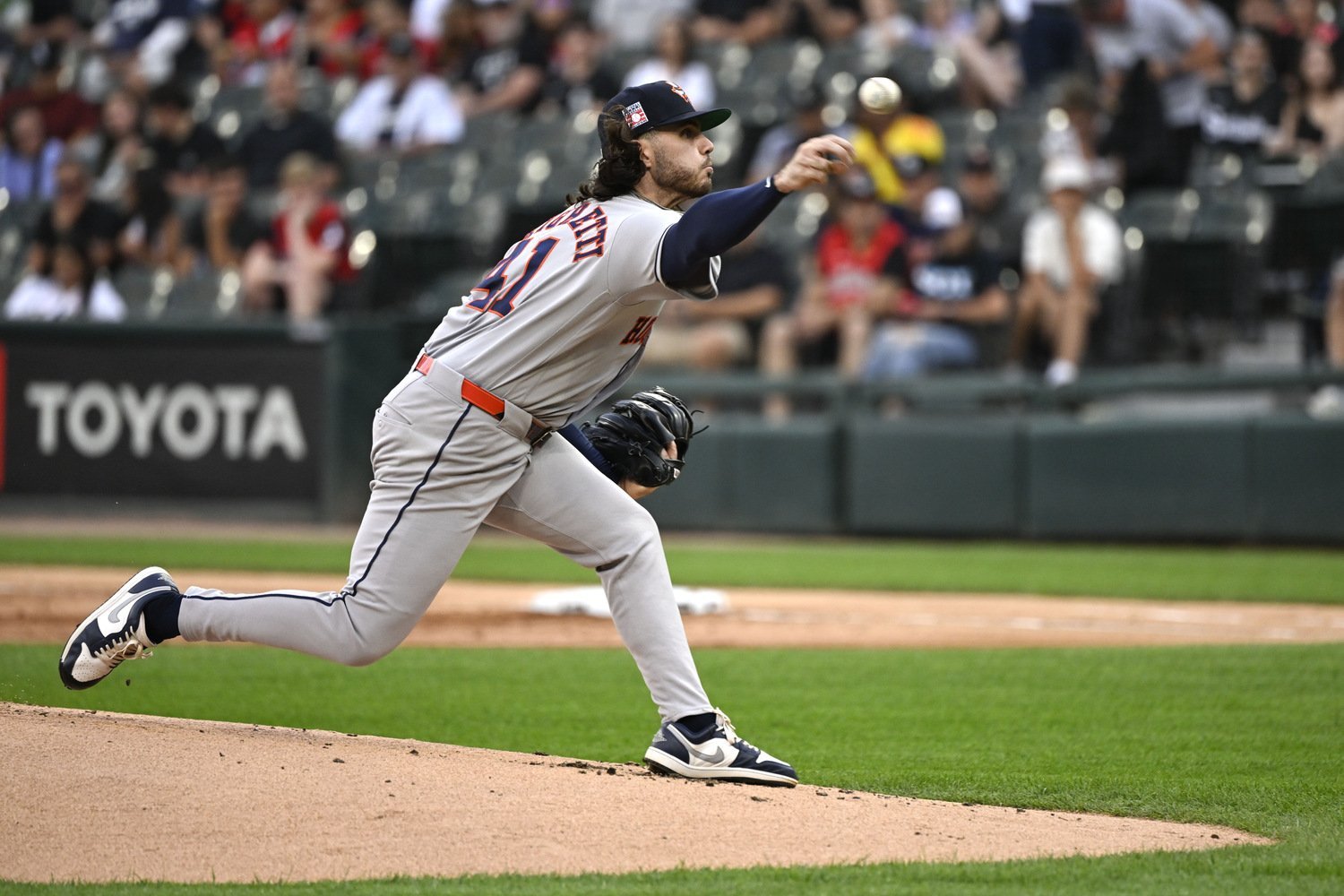 The Toronto Blue Jays acquired Spencer Arrighetti in the trade that sent Daulton Varsho to the Houston Astros. Arrighetti brings three years of MLB experience to add depth to the starting rotation. However, he has only started 52 games in that span due to multiple injuries. Last season, he missed nearly three months due to two different injured list stints: a fractured thumb and elbow inflammation. This season, he went on the IL on July 25 with a foot nerve injury, Morton's neuroma. It's an injury that causes nerve pain, which is concerning since it's in Arrighetti's push-off foot. The righty has made two rehab starts in August, throwing six combined innings and allowing two earned runs on three hits. He also struck out four but walked three batters. In his last start, he rolled through three innings before giving up a two-run home run in the fourth inning. Yet, Arrighetti showed a concerning sign: His fastball averaged just 90.5 mph. This is down from his major league average of 92.4 mph earlier this season. Hopefully, the drop is just him not getting his usual push off his right foot because of the immense pain he was experiencing, and not something more concerning. Shi Davidi of Sportsnet reported that Arrighetti would throw a side session yesterday (August 19), and then a decision would be made about where the righty's next appearance will take place. He also reported that Arrighetti changed the type of cleat he used, which had a new insole that reduced the pain. Depending on how the side session went, it's a possibility that Arrighetti's next start is with the Blue Jays. He'll need to prove he's pain-free and that the velocity decline was just a side effect of the pain he experienced. He last pitched August 16, so he could return as early as this weekend, possibly tomorrow, Friday, August 21, against the New York Yankees. (Sportnet's Arden Zwelling suggested that's likely the plan.) That is the next projected bullpen game, but it would only be on four days' rest for Arrighetti, so they may stick with a bullpen game and pitch him on the 22nd instead. That would push everyone else back a day as well. The Blue Jays have tried to go the route of using a six-man rotation to keep their starters healthy for the final stretch and a possible postseason run. However, the injuries to Trey Yesavage and Jameson Taillon derailed that strategy. So, Arrighetti would add depth to an injury-plagued starting rotation. However, he only threw 50 pitches in his last outing. That means the righty will be on a pitch count in his next start too, as he's still trying to ramp up to a full workload. It'll be nice to have an arm with Arrighetti's MLB experience while the team is fighting for the last Wild Card spot, and their schedule is perfectly aligned. Starting next week, all 10 of their remaining series are against teams under .500, and six of those are against teams the Blue Jays are battling for the final postseason berth. View the full article
 -
 Sal Frelick hits second rehab home run. Sawyer Strosnider won’t have to buy his first professional home run ball. Biloxi loses lucky 13th in a row. Transactions: Milwaukee Brewers optioned LF Brandon Lockridge to Nashville Sounds Norfolk (Baltimore) 7, Nashville 5 Box Score & Game Log Sal Frelick led the game off, yanking a slider down the rightfield line and sneaking out for a 323-foot homerun. The rehabbing Frelick finished 2-5 with the second home run of his rehab stint. That would be the last time the Sounds had the lead, starter Thomas Pannone gave up seven runs, four earned, in 2.1 innings and the road team couldn’t make up the deficit. Blake Holub pitched a clean eighth inning, striking out two. Ethan Murray hit a two-run home run in the sixth inning. Jeferson Quero went 2-3 with a walk, and Bo Naylor went 1-3 with two walks while serving as DH. Once again, we must provide a direct copy and paste to the Sounds' detailed recap: Sal Frelick Continues Rehab with Multi-Hit Night in Sounds Loss Four Unanswered Runs Come Up Short in Norfolk NORFOLK, VA – The Sounds dropped their second straight to the Norfolk Tides on Wednesday night at Harbor Park with a 7-5 loss. After Nashville scored first, the Tides scored seven straight runs to build their lead. The Sounds comeback bid fell short with four unanswered runs, but none after the sixth inning. Rehabber Sal Frelick got the scoring started with a leadoff home run three pitches into the game and his second home run of his rehab assignment. He added his second hit and RBI of the night in the fifth to finish the night 2-for-4 and recorded his first multi-hit game in eight games played with Nashville working his way back from a shoulder injury he suffered in mid-July. Left-hander Thomas Pannone got the start on the mound for Nashville and made quick work of the Tides in the first before running into trouble in the second. Three hits led to three runs and a Tides' advantage after the second. Things unraveled for Nashville in the bottom of the third inning with four errors in the frame as the Tides advantage grew to 7-1 on just two hits as Pannone exited the game after just 2.1 IP with seven runs (4 ER) charged on five hits, two walks, and four strikeouts for the southpaw. Lyon Richardson took over in relief and helped strand two on base. Richardson did not yield a hit over 2.2 scoreless innings out of the bullpen. The Sounds began to chip away in the top of the fifth after Brock Wilken and Eric Brown Jr. recorded singles to give Frelick the RBI chance in the inning to cut the deficit to 7-2. Three hits, including a RBI double for Akil Baddoo and a two-out, two-run home run off the bat of Ethan Murray followed in the sixth as Nashville put themselves within striking distance heading to the later innings. Following Murray's home run, Nashville drew two walks in the top of the seventh but left both stranded. A leadoff walk in the top of the eighth was erased on a double play as the Sounds sent just three batters to the plate in the inning. Bo Naylor collected the 11th and final hit of the night for Nashville with a two-out single off former Columbus teammate Codi Heuer, who was dealt to Milwaukee along with Naylor before eventually getting moved to Baltimore just two days later. Heuer collected his seventh Triple-A save of the season, allowing just the one hit over two scoreless innings for Norfolk. Kaleb Bowman (2.0 IP, H, K) and Blake Holub (1.0 IP, 2 K) covered the final three innings on the mound for Nashville out of the bullpen. The trio of Nashville relievers combined to allow just the one hit over the final 5.2 IP without a run. The series continues on Thursday morning with first pitch scheduled for 11:05 am CT as the Sounds and Tides will play some afternoon baseball in game three of the series. RHP Coleman Crow (7-1, 3.39 ERA) will look to get the Sounds back on track. POSTGAME NOTES: BETTER CALL SAL: Sal Frelick continued his rehab assignment with his first multi-hit game in eight games played with the Sounds, and first overall since July 9 on the road in St. Louis with the Brewers. Frelick has a hit in six-of-eight games played during his rehab assignment with now two home runs, two doubles, five RBI, and six runs scored after hitting a leadoff home run Wednesday night. It's the first leadoff home run the Sounds have hit since June 20 in Memphis when Akil Baddoo started the game off with a trip around the bases. It was the fifth career leadoff home run for Frelick and first in Triple-A. He owns three career leadoff home runs in the big leagues with his most recent coming on July 2, 2025, against the Mets on the road. Frelick's only other career leadoff homer in the minors came on August 13, 2021, with Low-A Carolina. OUT IN A MURRAY: Ethan Murray hit his first home run since June 18 on the road in Memphis with a two-run home run in the top of the sixth inning on Wednesday night against the Tides. Murray has five career Triple-A home runs in 112 games played with the Sounds and all four this season have come away from First Horizon Park. Murray now has home runs in Memphis, Louisville, Charlotte, and Norfolk. He has a hit in nine of his last 12 games played and has recorded multi-RBI performances in three of his last five after finishing Wednesday night 1-for-4 with the 2 RBI and a run scored. GIVE IT A BLAKE: Blake Holub turned in another scoreless relief appearance out of the Nashville bullpen Wednesday night against the Tides. The right-hander hasn't allowed an earned run in any of his last five appearances (5.0 IP) and has just one earned run allowed in each of his last 12 appearances. Over his last 31 appearances since the start of May Holub has surrendered just four earned runs across 31.1 IP and carries a 1.08 ERA. Over the same span, he has struck out 43 batters with just nine walks allowed but is 3-3 and taken the loss in two of his last three appearances. He leads the team in appearances this season with 42 despite missing nearly three weeks on the injured list from June 4-23. He set a single-season career-high with 48 appearances during the 2023 season between High-A West Michigan and Double-A Erie in the Tigers system. He worked in 45 games during 2024 between Nashville and Biloxi in his first season in the Brewers farm system. Biloxi pre-game media notes Rocket City (Angels) 5, Biloxi 4 Box Score & Game Log Payne, Pena Pick Up First Double-A RBIs, Shuckers Walked Off by Trash Pandas - Biloxi Loses Unlucky 13th Straight Game in Rocket City The Shuckers lost their thirteenth straight game on Wednesday! Maybe it will be lucky 13? Braylon Payne and Luis Pena both had their first Double-A RBIs and both continue to have a hit in every game they’ve played at the level. Jesus Made went 1-4, while Dylan O’Rae had two hits and a walk. Wisconsin pre-game media notes Wisconsin 5, Lake County (Guardians) 3 Box Score & Game Log New Guys Propel Rattlers Past Lake County NOTE: Be sure to catch the individual clips within the game summary in addition to the full package below. Sawyer Strosnider hit his first professional home run and his dad caught it! Strosnider also had a double and a stolen base in the game and is now hitting .333 in his first seven games with Wisconsin. The T-Rats had 12 hits in the game, and Strosnider was joined by Daniel Dickenson, Tayden Hall, and Blayberg Diaz with two each. Dickenson added two stolen bases, taking his season total to 48. Eric Bitonti hit his 20th home run of the season and could potentially be the second player this season to break the T-Rats single season record if he can hit four more. Bray Ebel was 1-5 with an RBI and strong defensive work at shortstop. Josh Knoth had a solid if somewhat wild outing, pitching five innings with four strikeouts, while allowing 1 ER, on 3 hits and 4 walks. Postgame Podcast with Manager Nick Stanley, Sawyer Strosnider, & Eric Bitonti Wilson pre-game media notes Salem (Red Sox) 8, Wilson 0 Box Score & Game Log Warbirds Blanked in Second Straight Loss - Antunez Records Only Hit A bleak game for the Warbirds. Brailyn Antunez singled in the first inning and that would be the only hit of the game for Wilson. First round pick Trey Ebel committed his second error with Wilson at SS. Nashville begins our Thursday at 11:05 AM Central. You will notice on the linked schedule below that DSL Brewers Gold begins pool play with a record of 0-0, yet the notation is "Game Two". For Gold, this is indeed Game One. Be aware that the statistics from DSL pool play games will not be included in the regular season stats for the players, and box scores will reflect that. Organizational Scoreboard including starting pitcher info, game times, MiLB TV links, and box scores Current Milwaukee Brewers Organization Batting Stats and Depth Current Milwaukee Brewers Organization Pitching Stats and Depth View the full article
 -
 Wednesday saw the four full-season affiliates of the San Diego Padres go 2-2 with the Triple-A El Paso Chihuahuas thrashed by Round Rock 14-2, the Double-A San Antonio Missions prevailing over Northwest Arkansas 3-2, the High-A Fort Wayne TinCaps hanging on to beat Great Lakes 6-5 and the Low-A Lake Elsinore Storm getting drubbed 11-1. Padres Minor-League Transactions Lake Elsinore Storm activated RHP Michael Salina from the 7-day injured list. Game-Opening HRs Thrown Away As Chihuahuas Pounded Rehabbing Padres left fielder Samad Taylor and Bryce Johnson each homered to lead off the bottom of the first inning, but the host Triple-A El Paso Chihuahuas didn't score again and gave four three-run innings in a 14-2 loss to the Round Rock Express. Johnson, the leadoff hitter, went deep on the first pitch he saw, his first homer in 41 Triple-A games going out to left-center. Taylor, in his second game on a rehab assignment, drilled a 1-1 pitch out to right-center for his eighth homer for the Chihuahuas. Taylor was the designated hitter after playing nine innings in left Tuesday. Marcos Castanon and Will Wagner each had two hits for the Chihuahuas, who had seven for the game. Chihuahuas right-handed starter Sean Boyle surrendered six runs on eight hits, including two homers, and two walks with four strikeouts. Right-handers Logan Gillaspie and Jose Leclerc, just promoted to Triple-A as he comes back from shoulder surgery last year, gave up three runs each, with right-hander J.P. France a pair of runs. EP_0819.mp4 EP2_0819.mp4 Player AB R H RBI BB K Bryce Johnson 4 1 1 1 0 0 Samad Taylor 4 1 1 1 0 1 Carlos Rodríguez 4 0 1 0 0 0 Marcos Castañon 4 0 2 0 0 0 Gage Workman 4 0 0 0 0 2 Mason McCoy 4 0 0 0 0 2 Will Wagner 3 0 2 0 0 0 Rodolfo Durán 4 0 0 0 0 1 Blake Hunt 2 0 0 0 1 1 Totals 33 2 7 2 1 7 Player IP H R ER BB K HR Sean Boyle 4 2/3 8 6 6 2 4 2 Logan Gillaspie 2 1/3 4 3 3 0 2 1 José Leclerc 1 5 3 3 0 1 0 J.P. France 1 3 2 2 1 0 0 Totals 9 20 14 14 3 7 3 Eric Yost's Big Relief Outing, Albert Fabian's 3 Hits Lift Missions Albert Fabian went 3-for-5, including driving in the go-ahead run in the sixth inning, and right-hander Eric Yost threw 6⅓ scoreless innings of relief as the host Double-A San Antonio Missions came away with a 3-2 victory over the Northwest Arkansas Travelers. Fabian doubled and scored a run, while Romeo Sanabria went 2-for-3 with a walk and an RBI. Missions left-handed starter Luis Gutierrez gave up two runs on four hits and a walk with three punchouts over 2⅔ innings. Yost, Padres Mission's No. 16 prospect who has five six-inning starts, finished with a season-high 6⅓ innings. He allowed four hits and struck out six. Trailing 1-0, Anthony Vilar squeezed home Justin DeCriscio, who was in his second Double-A game after a promotion before the series. The Travelers regained the lead in the top of the third, then Sanabria singled home Fabian with one out in the fifth to tie the game. Kai Roberts drew a one-out walk and stole second, his 35th, in the sixth. Fabian lined a 1-2 pitch to left and Robert scampered home to put the Missions up 3-2. SA1_0819.mp4 Player AB R H RBI BB K Albert Fabian 5 1 3 1 0 0 Alex McCoy 4 0 1 0 1 1 Tirso Ornelas 4 0 0 0 0 3 Romeo Sanabria 3 0 2 1 1 0 Luis Verdugo 4 0 0 0 0 1 Justin DeCriscio 3 1 1 0 1 0 Wyatt Hoffman 2 0 1 0 2 1 Anthony Vilar 3 0 0 1 0 1 Kai Roberts 3 1 0 0 1 2 Totals 31 3 8 3 6 9 Player IP H R ER BB K HR Luis Gutierrez 2 2/3 4 2 2 1 3 0 Eric Yost 6 1/3 4 0 0 0 6 0 Totals 9 8 2 2 1 9 0 Kerrington Cross' 4-Hit Day Lifts TinCaps To Victory After trading five-run innings, the host High-A Fort Wayne TinCaps came out on top as Kerrington Cross capped a 4-for-4 day with a go-ahead RBI single in the bottom of the seventh for a 6-5 victory over the Great Lakes Loons. It was the third straight win for the TinCaps following an eight-game losing streak. Cross, who also scored a run and stole a base, had his first career four-hit game, while Conner Westenburg had two hits (including a triple), two RBIs and a run scored. TinCaps right-handed starter Winyer Chourio pitched three shutout innings, allowing three hits and three walks with three strikeouts. Right-hander Carlos Medina gave up all five runs in the first of his three innings, while right-hander Jeferson Villabona earned his first High-A victory with three shutout innings himself. Cross started the five-run second with a single, then stole second and went to third on an errant pickoff attempt by the pitch. Lamar King Jr., Padres Mission's No. 10 prospect, walked and stole second, his 16th theft of the year, before Yoiber Ocopio singled home Cross. Yimy Tovar, just promoted from Low-A Lake Elsinore the day before and playing in his first game, grounded an RBI single to left that brought in King. After a sacrifice bunt by Dylan Grego, Westenberg tripled in Ocopio and Tovar, then scored on Kasen Wells' groundout to complete the five-run outburst. In the seventh, Bradley Frye had a leadoff walk and went to third on fourth-round draft pick Robbie Lavey's single to right. Cross then laced an 0-2 pitch to right field, easily scoring Frye with the decisive run. All the runs were driven in by players who started the season at Lake Elsinore. FW_0819.mp4 Player AB R H RBI BB K Kasen Wells 4 0 1 1 0 1 Bradley Frye 3 1 0 0 1 0 Robbie Lavey 4 0 1 0 0 2 Kerrington Cross 4 1 4 1 0 0 Lamar King Jr. 2 1 0 0 1 1 Yoiber Ocopio 3 1 1 1 0 0 Yimy Tovar 4 1 1 1 0 0 Dylan Grego 3 0 0 0 0 2 Conner Westenburg 4 1 2 2 0 0 Totals 31 6 10 6 2 6 Player IP H R ER BB K HR Winyer Chourio 3 3 0 0 3 3 0 Carlos Medina 3 3 5 5 2 0 1 Jeferson Villabona 3 2 0 0 0 0 0 Totals 9 8 5 5 5 3 1 Storm Held To 2 Hits, Get Thumped By Giants The host Low-A Lake Elsinore Storm managed just two hits while giving up a couple of big innings early en route to an 11-1 loss to the San Jose Giants. Second-round draft pick Elliot Lascelles, Padres Mission's No. 11 prospect who went 3-for-4 in his pro debut Tuesday, had one of the two Storm hits. Jesmaylin Arias broke up the Giants' perfect game with a two-out double that deflected off the pitcher. Lascelles had the other hit, a double leading off the seventh. He has a double and a triple among his first four pro hits. Storm right-handed starter Cameron Nohos was tagged for eight runs on nine hits, including three homers, and two walks while striking out six in 3⅓ innings. Right-hander Michael Salina, Padres Mission's No. 19 prospect who was activated off the seven-day injured list before the game after having his elbow checked out following his Aug. 6 appearance, allowed two runs in one inning on two hits and a walk with a strikeout. Salina, the Padres' 2025 fourth-round draft choice, had Tommy John surgery last year and has had a start-and-stop recovery. Player AB R H RBI BB K Dawson Willis 3 0 0 0 1 3 Elliot Lascelles 3 0 1 0 1 1 Nu'u Contrades 4 0 0 0 0 1 Jorge Quintana 4 0 0 0 0 2 Jose Verdugo 3 0 0 0 0 1 Jake Bold 0 0 0 0 1 0 Jesmaylin Arias 3 1 1 0 1 1 Truitt Madonna 3 0 0 0 1 2 Augie Lopez 3 0 0 0 0 2 Qrey Lott 3 0 0 0 0 1 Totals 29 1 2 0 5 14 Player IP H R ER BB K HR Cameron Nohos 3 1/3 9 8 8 2 6 3 Florangel Vasquez 2 2/3 3 1 1 0 0 0 Michael Salina 1 2 2 2 1 1 0 Ryan Reed 2 1 0 0 2 3 0 Totals 9 15 11 11 5 10 3 Padres Mission's Top 20 Prospect Performance Ethan Salas, C: DNP Ryan Wideman, CF: DNP Coleman Borthwick, RHP: In Arizona Kruz Schoolcraft, LHP: DNP Ty Harvey, C: DNP Kale Fountain, OF: Injured, out for season Jorge Quintana, SS: 0-for-4, 2 K Alex McCoy, LF: 1-for-4, BB, K Braedon Karpathios, RF: DNP Lamar King Jr., C: 0-for-2, BB, R, K Elliot Lascelles, SS: 1-for-3, 2B, BB, K Tucker Musgrove, RHP: DNP Jagger Haynes, LHP: DNP Jake Cunningham, OF: DNP Truitt Madonna, C: 0-for-3, BB, 2 K Eric Yost, RHP: 6⅓ IP, 4 H, 0 R, 0 BB, 6 K Winyer Chourio, RHP: 3 IP, 3 H, 0 R, 3 BB, 3 K Jesus Castro, RHP: DNP Michael Salina, RHP: 1 IP, 2 H, 2 R, 1 BB, 1 K Rosman Verdugo, SS: DNP View the full article
 -
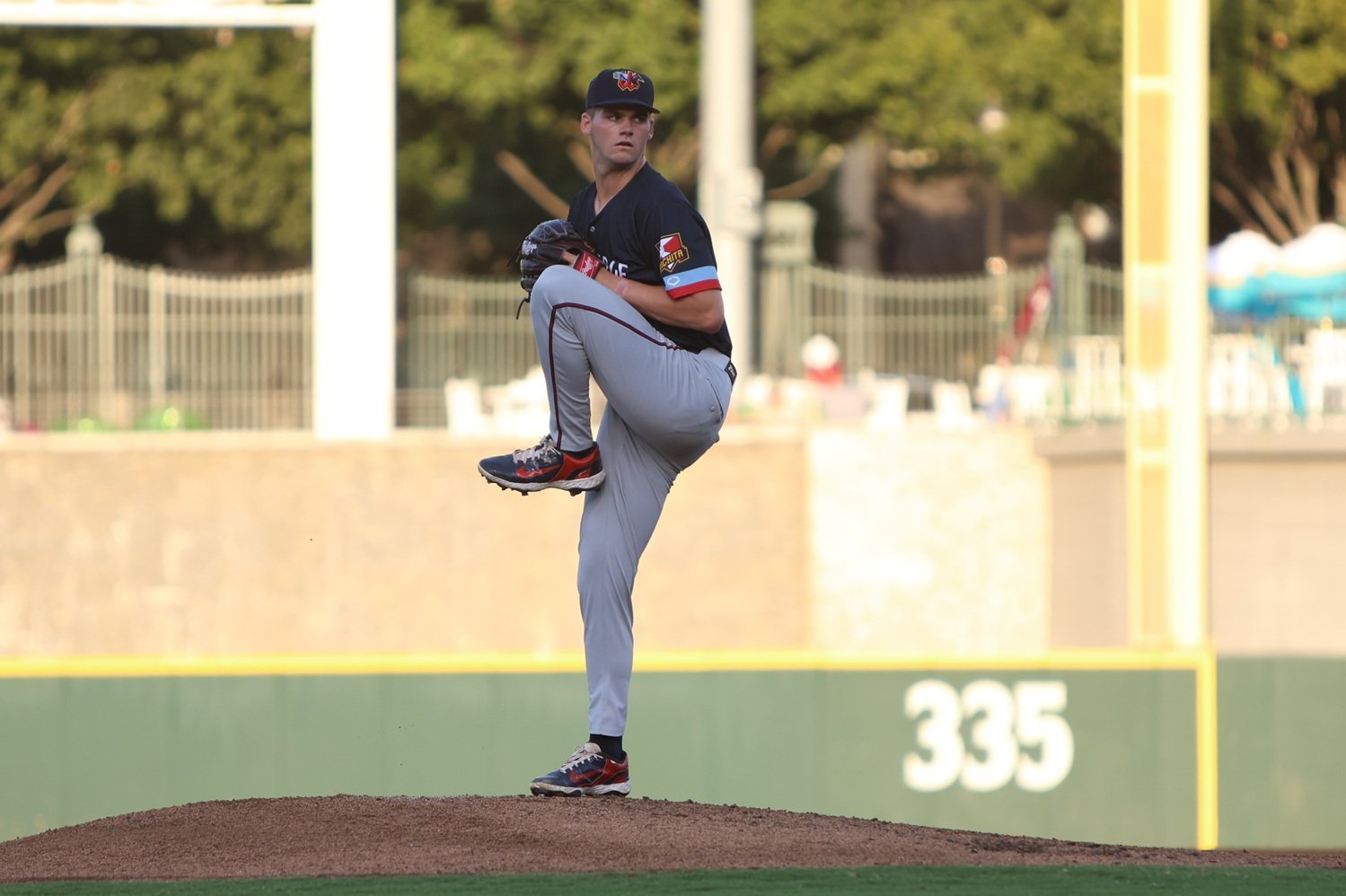 TRANSACTIONS No moves were made on Wednesday. Saints Sentinel The Saints echoed traffic on Wednesday, with a start-stop nature that eventually resulted in the game being suspended in the bottom of the third. Unlike Traffic, they were not Feelin’ Alright. Play will resume on August 20th. Wind Surge Wisdom Wichita 9, Frisco 8 Box Score Riley Quick: 4 ⅓ IP, 2 H, 1 ER, 2 BB, 8 K HR: Garrett Spain (22) Multi-hit games: Marek Houston (2-for-5, 2B, R), Kyle DeBarge (2-for-5, R, 3 RBI), Jay Thomason (2-for-2, R, RBI, 3 BB) “Now we’ve got that damned Cowboy,” exclaimed Senator Mark Hanna when President William McKinley’s death thrust the youthful Theodore Roosevelt into the highest office in the land. Though his ascent to power was under shocking a macabre haze, the nation’s 26th President would go down as one of its finest, embodying the spirit and vigor of the nascent west with a unique character that continues to reverberate throughout the ages. The Rough Riders were, of course, a volunteer cavalry in the Spanish-American war, led by former Assistant Secretary of the Navy, Theodore Roosevelt, who resigned his office to fight in Cuba (and he may not even be the most famous Roosevelt to hold the position). Their charge up San Juan Hill remains a defining and iconic story; with the heroic Roosevelt charging head-first into battle, as if death were a mere minor obstacle to be trampled and overcome, much like other challenges in the New York native’s life. So, why does Frisco carry his namesake? Other than the fact that his men consisted of many Texans, the connection between the parent Rangers and the Rough Riders as bandolier-strapped enforcers of justice seems to be the key. And also the fact that the affable, outgoing President remains an easily identifiable figure in American culture doesn’t seem to hurt (look, considering some of the stuff minor league teams pull, the logic here isn’t as strained as you may think). The Wind Surge won in a thriller on Wednesday. Meager his introduction to AA may have been, Riley Quick revealed why he’s such a well-regarded prospect. The righty punched out eight across 4 ⅓ innings, driving boring sinkers into right-handed hitters while corkscrewing batters off all handedness with dastardly breaking balls. The strikeout total was his highest since whiffing nine on June 11th. Marek Houston started matters with a single of Ben Anderson, twin brother of Ian—not the Jethro Tull guy—and advanced to third on a stray pickoff attempt. A Brandon Winokur walk put men on the corners; a Caden Kendle double plated one; a Kyle DeBarge single added two more. Winokur knocked in Houston the second for a fourth run. The RoughRiders marked Quick with his lone blemish when he unleashed a run-scoring wild pitch in the third, a score soon matched by the Wind Surge in the fifth off a DeBarge groundout. Sitting at 5-1, Frisco pounced on the incoming Sam Armstrong for a four-run flurry, sending the right-hander in a tizzy as Quick’s hard work was quickly rendered obsolete. The wonderfully powerful Garrett Spain kicked off a seventh-inning response, shooting an opposite field blast sailing into an empty and sad-looking Peak Porch. Two more came around to score in the frame off a Graham Brown single. Unfortunately, Frisco responded. Despite the 100+ degree temperatures, no one was content with packing it in and going home. They matched the Wind Surge volley with one swing: a three-run blast that could have defeated the morals of a lesser-inclined squad. Once more, Wichita went to work. Spain walked. An error allowed him to reach third. Hoping to end things for good, Jay Thomason grounded a sharp bounding ball through the middle, easily ushering in Spain to give the team a lead they wouldn’t relinquish. Mitch Mueller slammed the door in the ninth. Superstar prospect Sebastian Walcott DH’d for the RoughRiders on Wednesday. The 9th-overall youngster on MLB.com’s top 100 list went 0-5 with a pair of strikeouts. Kernels Nuggets Cedar Rapids 1, Beloit 5 Box Score Reed Moring: 3 ⅓ IP, 6 H, 0 ER, 4 BB, 3 K HR: Irvin Nunez (1) Multi-hit games: None The Kernels were solidly beat on Wednesday. No one knows quite how Reed Moring did it. Six hits and four walks across 10 outs should have resulted in at least one run, if not a bushel of scores. Yet, the magician out of Santa Cruz navigated and tamed the flames, somehow escaping with the squeaky clean line of a perfectly efficient hurler. Ross Dunn wasn’t so lucky; the fires from before singed him for three earned runs, ballooning his ERA as the burning metaphor reached its logical conclusion. Irvin Nunez socked a solo homer for the Kernels’ lone run of the day. Byron Chourio enjoyed a relatively tepid, yet still successful day at the plate for the Kernels, doubling and walking to push his A+ slash line to .318/.423/.682 in 11 games. The same goes for JP Smith II, whose hit-and-a-walk outing moved his Cedar Rapids line to .333/.464/.644 in 14 games. You may recognize the name Starlyn Caba. The shortstop was the centerpiece of the trade that sent Jesús Luzardo to Philadelphia before the 2025 season. He collected two hits and walked twice in five plate appearances. Mussel Matters Fort Myers 4, Palm Beach 8 Box Score Matt Barr: 2 IP, 4 H, 4 ER, 2 BB, 3 K HR: Colby Turner (1) Multi-hit games: Colby Turner (3-for-5, HR, 2 R, RBI) The Mighty Mussels were bested on Wednesday. Don’t blame Colby Turner, mighty in stroke and singular in vision was he. The 12th-rounder out of Michigan waited through a rain delay—sitting, pondering how he may look to start the game as the leadoff hitter—and pounced on the first pitch he saw, lasering the offering 107.5 MPH out to left field. The ball may have left a vapor trail as it sliced through the air. The run portended two disastrous early frames, in which Matt Barr surrendered four runs in the second, and Melvin Rodriguez saw three more touch home in the third. Though the Cardinals would only score once more, the damage had been done. Fort Myers tacked on a run in the sixth off a Vahn Lackey RBI groundout and pushed two more across in the eighth thanks to a moon-scraping triple by Aidan Teel. Quentin Young accomplished a dubious feat on Wednesday, collecting his 29th, and 30th errors of the season. Billed a raw prospect, the youngster may need an entire McCormick factory’s worth of seasoning on defense. Palm Beach centerfielder Alexander Frias ranks as the fourth-best prospect in the Cardinals system. He went 1-5 with two strikeouts. TWINS DAILY PLAYERS OF THE DAY Twins Daily Minor League Pitcher of the Day – Riley Quick Twins Daily Minor League Hitter of the Day – Colby Turner PROSPECT SUMMARY Here’s a look at how the Twins Daily Top 20 Twins Prospects performed: #2 – Vahn Lackey (Fort Myers) - 1-3, R, RBI, 2 BB #3 – Kaelen Culpepper (Twins) - 3-4, R #4 – Marek Houston (Wichita) - 2-5, 2B, R #5 – Riley Quick (Wichita) - 4 ⅓ IP, 2 H, 1 ER, 2 BB, 8 K #8 – Eduardo Tait (Cedar Rapids) - 0-4, K #11 – Carson Tinney (Fort Myers) - 0-4, 2 K #12 – Brandon Winokur (Wichita) - 1-4, R, RBI, BB, 2 K #18 – Quentin Young (Fort Myers) - 0-3, BB, 2 K #19 – Yasser Mercedes (Cedar Rapids) - 0-5, 4 K THURSDAY’S PROBABLE STARTERS St. Paul @ Columbus (11:05 AM) - RHP Trent Baker Wichita @ Frisco (7:05 PM) - RHP Preston Johnson Cedar Rapids @ Beloit (6:05 PM) - RHP Adrian Bohorquez Fort Myers @ Palm Beach (5:30 PM) - RHP Cristian Hernandez View the full article
 -
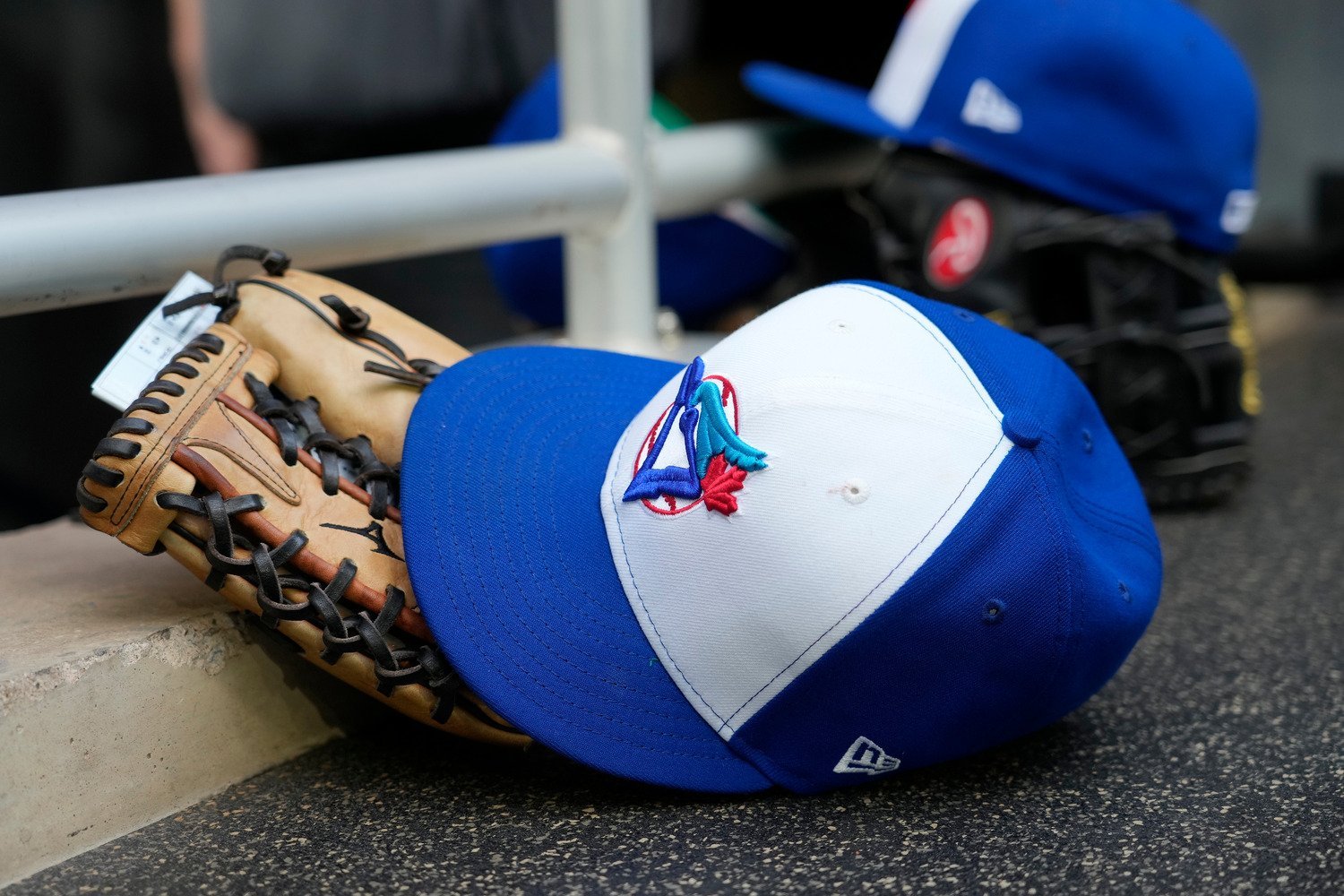 The Blue Jays swapped out an experienced righty for a rookie southpaw earlier today. Matt Waldron has been designated for assignment after a couple of weeks with the Jays. The 29-year-old made four appearances, pitching 4.1 innings and giving up five runs. Taking his place will be Brendan Cellucci, who is looking to make his MLB debut. Cellucci, 28, signed a minor league contract with Toronto over the offseason. He spent the first several years of his professional career in the Red Sox's system. The lefty owns a 3.68 ERA and 4.24 xERA in 44 innings for Triple-A Buffalo this season. View the full article
 -
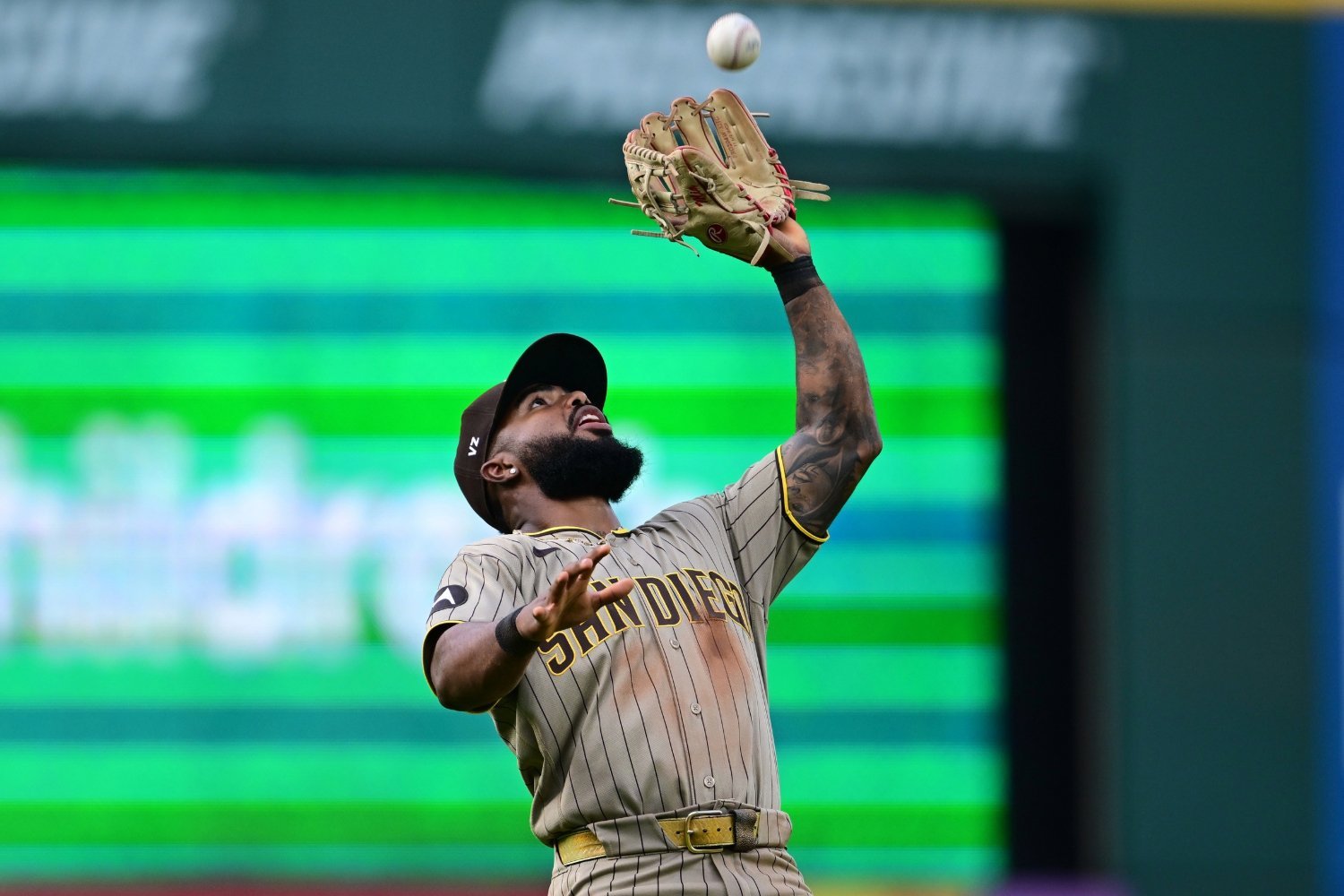 It’s no secret that the San Diego Padres have been on an absolute heater in the second half of the season, and Luis Rengifo has contributed to that success in every way he’s been able to. The Friars have played to a 20-11 (.645) record thus far since the All-Star break ,and a 22-12 (.647) record since Rengifo debuted with the team back on July 10. Rengifo tested out the waters of free agency for the first time over the winter after spending his first seven major-league seasons with the Los Angeles Angels. It took a while, but the Milwaukee Brewers finally inked him to a contract on February 16 as spring training was just getting underway. He didn’t crack the Opening Day lineup for the Brewers, but he did split time with David Hamilton, who put up a great showing during the exhibition window. Rengifo's tenure in Milwaukee did not go as planned, as he only lasted 57 games before being designated for assignment on June 16. He was not good offensively across 209 plate appearances, posting a .205 batting average and .534 OPS along with nine doubles and 19 runs driven in. He saw a majority of his playing time at third base while also logging a few games at each second base and first base. His defense performance didn’t help him out at all as he posted a .958 fielding percentage at third base to go along with five errors. Luis Rengifo’s Incredible Season Turnaround with the Padres Due to Rengifo’s lackluster performance in Milwaukee, he was not claimed off of waivers by another club and the Brewers were unable to find a trade partner for him. As a result, he was released on June 23 but he found a new home just a week later on June 29 when he signed a minor-league contract with the Padres. Over 116 plate appearances, he’s raised his entire slash line hitting for a .313 average, getting on base at a 40.9% clip, and slugging for a .455 mark -- equivalent to a .863 OPS. Rengifo’s plate discipline has also been solid, walking at a 12.1% rate while only striking out 16.4% of the time. His power has clearly been more evident, as he’s already mashed four home runs with the Padres along with two doubles. Rengifo is doing this while enduring a major position change for the first time in his career. For a good chunk of his time with the Angels, Rengifo served as primarily a second baseman while also seeing frequent action at third base. He did see brief time in the outfield in Anaheim, but that was on an infrequent basis. Left field had been a position of need for the Padres after Ramon Laureano hit the 60-day injured list on June 5. Even when Laureano was healthy, he wasn’t making ends meet, posting just a .203/.286/.374 slash line to go along with seven home runs and 21 runs driven in. Gavin Sheets also saw some time in left field but he serves best as a designated hitter given his limitations in the outfield. When Rengifo showed up to San Diego, he immediately took to the position. While his defense in left hasn’t been amazing, it’s been serviceable thus far. Over 127 defensive innings in left field, he's submitted nearly league-average metrics, including -1 marks in Defensive Runs Saved and Outs Above Average. That'll play, especially when he's working alongside sterling defenders in Jackson Merrill and Fernando Tatis Jr. So long as his offense doesn't disintegrate, the Friars will be thrilled to keep playing him on an everyday basis. View the full article
 -
Kane Kepley Might Quietly Be Turning Into A Star
DiamondCentric posted an article in North Side Baseball
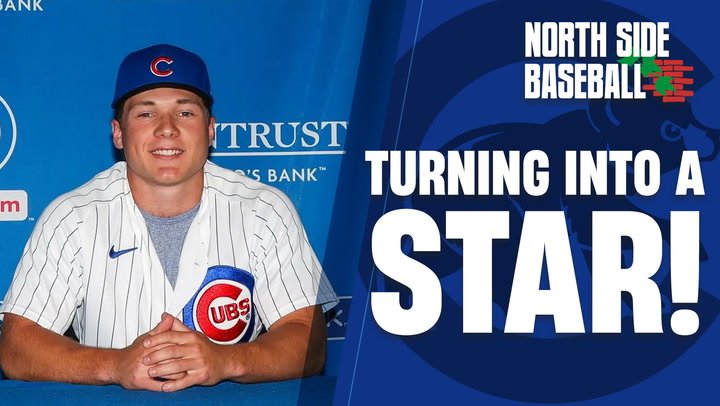 Kane Kepley doesn’t have the loudest prospect profile in the Cubs’ system, but there’s a lot to like about his game. Could his combination of patience, speed, and defense make him a future star? View the full article
 -
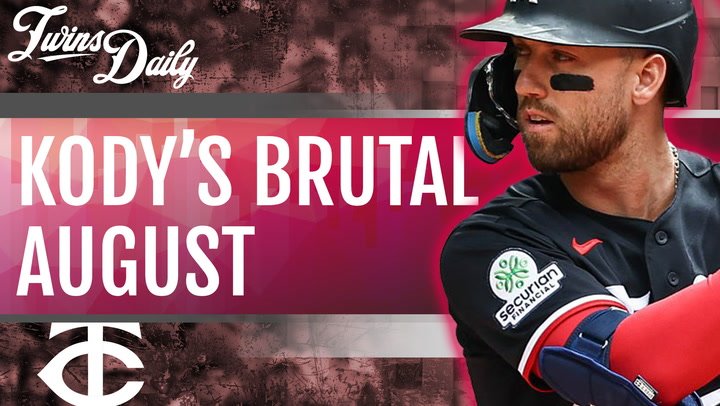 Kody Clemens has already enjoyed a career year in 2026, but his bat has completely disappeared in August. Here’s what’s behind the sudden slump, and what needs to change. View the full article
 -
Is Andrew Vaughn Too Short to Be a Viable First Baseman?
DiamondCentric posted an article in Brewer Fanatic
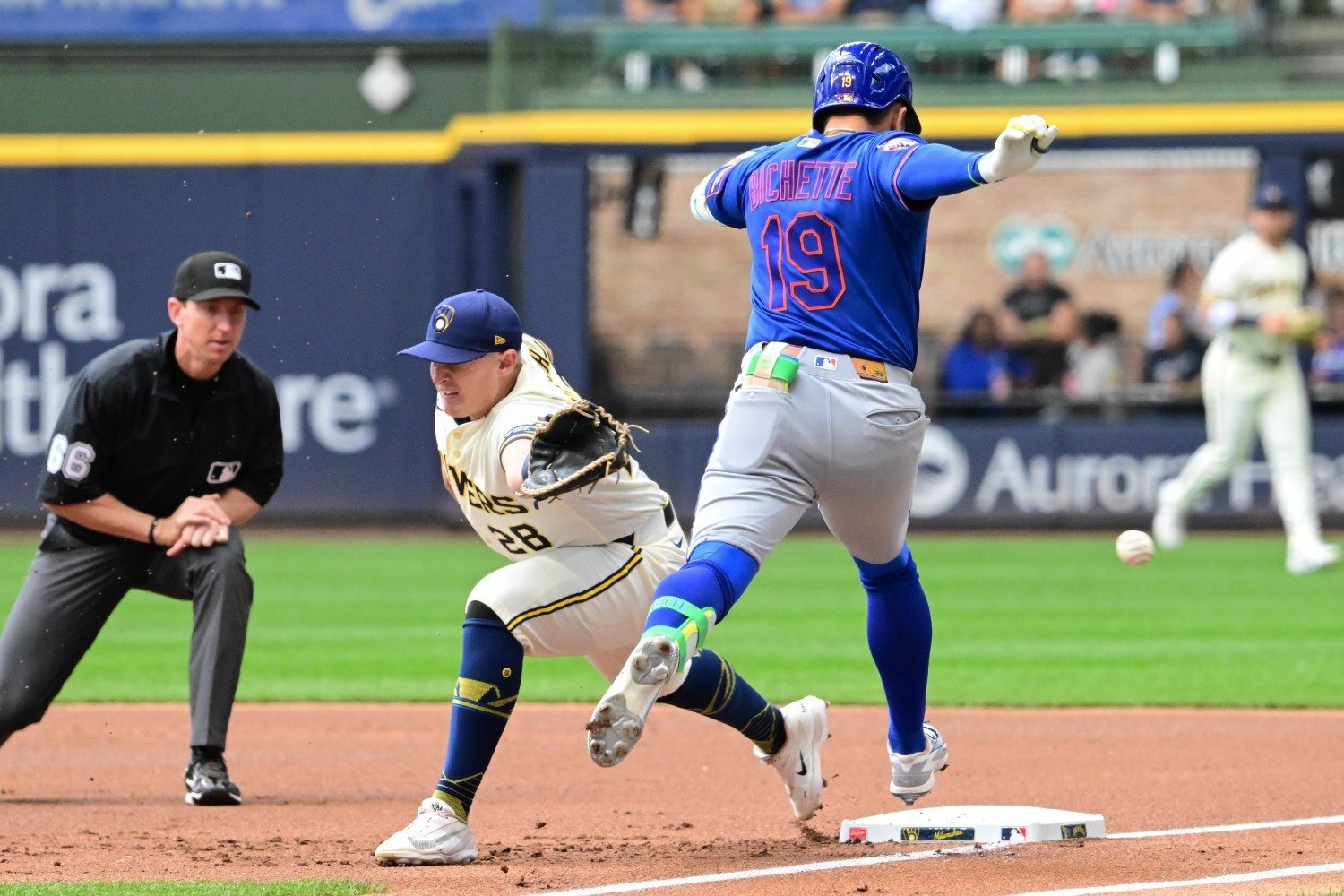 It's not easy to be a 5-foot-10 big-league first baseman. Anywhere on a baseball diamond, there are ways to make up for a lack of size or speed in certain ways, but the dimensions of the field and the timing of the game remain constant, and that creates real constraints for players based on their physical gifts and skills. Andrew Vaughn has spent time at third base for the Brewers recently and played a couple of games at second base for the White Sox earlier in his career. He's had slightly longer tours in each outfield corner. Because he's thickly built, slow and has a relatively weak arm, though, he's mostly been a first baseman, and he'll never fit neatly anywhere else. Unfortunately, the latest Statcast data on receiving throws at first base reveal why he's not a good fit at first, either. Of the 42 first basemen who have had 100 or more chances receiving throws this season, Vaughn ranks fourth-worst in Outs Above Average based on that skill, with -3. The three players who have racked up more negative value have all had more than double his number of opportunities. Pound for pound, he might be the worst receiver of infield throws in the game. Let's dig into the how and why of that. Baseball Savant breaks down Receiving OAA based on the type of play the first baseman in question is trying to make, as well as reporting a total. Included categories are: On Target: Throws that pass within a 2.5-foot of first base while also between 1 and 7 feet high Bounce: Throws that bounce at least 15 feet from the base en route to the first baseman Scoops: Throws that bounce between 5 and 15 feet from the base Low: Throws that arrive less than 1 foot above the ground High: Throws that arrive more than 7 feet above the ground Wide: Throws that arrive more than 2.5 feet wide of the base There's some slight overlap in these categories, because some scoops and bounces also go into the low or wide bin, but you get the idea. Breaking it down this way lets us study which players struggle with which types of throws. For Vaughn, unfortunately, the most glaring problems don't come on the balls farthest off the mark. There are some problems in that area, and we'll get to them in a bit, but the worst news is that only Phillies first baseman (now right fielder) Bryce Harper is the only player with a worse OAA on On Target throws this year. Vaughn has cost the Brewers 2.6 expected outs on plays that didn't feature an errant or challenging throw at all. Here's an example. SzRYMWVfWGw0TUFRPT1fQVFJQ0JsMVZWbE1BRDFzQVZnQUhWRkpSQUFNSFVsQUFWbEFCQVFGVVVsY0hVUU1B.mp4 Again, height is a negotiable constraint on the way a player handles first base, but it's not a fully escapable one. On this play, the speed of Eli White and the length of the throw Joey Ortiz had to make made it vital that Vaughn intercept the ball as soon as possible. He didn't get there soon enough. The sheer length of his stretch is limited by his height and the length of his arms and legs, but there's another factor, too. Watch his anchor foot, on the side of the base, and the way his body is oriented as a result. A taller (and/or left-handed) first baseman could have received this throw differently, as well as being able to stretch farther. Knowing the limitations of his stretch, when taking such a long throw from that across-the-diamond angle, Vaughn has to cheat toward the center of the bag so he can adjust and slide back to play throws just like this one. Other first basemen could have come more to the front corner of the bag and cut the throw off a foot sooner in flight; that would have made the difference here. Statcast estimates an expected out rate of almost 78% on that play, so Vaughn is docked by the metric for not being better positioned and better able to reach for the ball. Here's an even more straightforward case of a good throw going to waste because of Vaughn's positioning on the base. Yes, it would help if he were taller, but he also has to get to the front part of the base here. If he does, he's a crucial few inches closer to the incoming throw and makes the catch in time. OTdWNWxfWGw0TUFRPT1fQlZOVFVnVlNBRllBQ2dOVVZnQUhWVk1FQUFOVEFWSUFBbDFSQkZJQVVGVlhWUXRW.mp4 Even when he gets to the right part of the base and stretches almost heroically, though, sometimes the dimensions are just against him. Here, Luis Rengifo makes as strong a throw as he can under the circumstances, but Vaughn's height leaves too much time and space. Fernando Tatis Jr. outruns the throw and catch. QndSNmRfWGw0TUFRPT1fVlZkVkIxeFZVQW9BRFFBREJ3QUhVRkJVQUFBTlYxRUFBbGNEQ1FFSFVGWmRCbEZS.mp4 Often, in baseball, there's something you could have done better, even if making a given play would have been viciously difficult and no one would think of giving you an error. With Vaughn, we can sometimes see cases in which he simply couldn't do anything more—but someone else, with just a bit more leg length and wingspan to work with, could have converted the out. Here's another such case. TDY1cWJfWGw0TUFRPT1fQUFoVkIxZFhYMUFBQ2dZRlZ3QUhCVk5YQUZrSFZGUUFBRnhXVmdNR1VGZFdVbGRV.mp4 Though initially called an out, this one was overturned on review. That's how close plays like these often are, and why it matters more in this replay-review era than it might have 20 years ago. Watch the play a couple of times, and you can even imagine how one of the game's taller first basemen and better receivers would have made the play: a different angle, a longer reach, a quicker catch and an out that held up to slow-motion scrutiny. It's when his infielders are accurate that Vaughn's shortcomings (no pun intended) are most glaring, but of course, he's also ill-equipped to rescue a player who makes a high throw. MTZOYlZfWGw0TUFRPT1fVUZRQ1VnSU5CVkVBVzFGVFh3QUhCQVlFQUFBQ1dnQUFDbFVBQmdaV0JsWUFCQXBU.mp4 That goes down as a throwing error, and well it should. If Vaughn is the height of Freddie Freeman or Matt Olson, though, it's an out—a nervous-making one, but an out. Unfortunately, we also have to talk about how clumsy Vaughn often looks around the base. For a player whose professional experience has come mostly at the cold corner, he plays like it's a new spot for him sometimes. He's slow to reach the base, which is why he's sometimes not set up as well as he should be on it when preparing to catch the ball. It also leads him to get turned around and lose his balance on balls that would be much more catchable if he were bigger, but should be playable even at his size. MnI0QVFfWGw0TUFRPT1fVUFVRFZRZFJVZ0lBWEZKUkFBQUhCZ1VGQUZoVEJWZ0FVQUFFVlFzSENWZGNCd0JT.mp4 That slow decision-making even shows up on balls to his side of the diamond, and contributes to him reaching the base late and being improperly positioned for throws from Brice Turang when the second baseman has to range far toward first to make plays. Again, you can see how a bigger guy could still reach out and make up for his mistake, but the mistake is mostly that he was in such a bad position to begin with. TUFYRzFfWGw0TUFRPT1fVUZSVFVGVUdVQVlBV2dGV1Z3QUhVbFFDQUZrR1VWQUFBQWRUQ1ZVTVZWWURBVmNG.mp4 As you'd guess, Vaughn rates worse than average both on high throws and on wide ones. He's a plus scooper of throws in the dirt and navigator of long bounces, though. He takes proper advantage of his proximity to the ground when one of his teammates puts a throw there. That's not enough to balance out the lack of physical range (in three dimensions) on all other types of throws, but it's nice consolation. Alas, that's exactly where Jake Bauers struggles. The Brewers' bigger, more athletic, left-handed first baseman would rate as above-average, but for a few poor plays on which he's crouched awkwardly and unnecessarily when trying to pick low throws, with disastrous results. cU9sTmtfV0ZRVkV3dEdEUT09X0JRRlhBUVpRVXdRQVdWc0tYd0FIVnc4RUFGaFhXd0FBQndBQVZGSUFCRkVHVmxaZg==.mp4 The net effect of the Brewers' first base receiving has been to give up a few extra infield singles and foist a few unearned throwing errors on the rest of the infield defense this year. It's been ugly. Maybe you noticed this, in the clips above, but the negative impacts of those plays have also disproportionately fallen on the team's two best pitchers. Jacob Misiorowski and Kyle Harrison are two of the top three pitchers in the league this season in terms of OAA lost due to first base receiving, a strange quirk that underscores how good those two have been—but which also makes clear the urgency of fixing this issue (to whatever extent that's possible) come October. Bauers can operate much better mechanically on low throws and bouncers. Vaughn, however, is a trickier case. He might always be prone to leaking outs based on his size and the limitations of his range around the bag. It's one of the rare immutable realities of baseball, a sport that generally makes room for all body sizes and types. As the Brewers consider how to distribute their playing time at first base down the stretch and which (if either) of Bauers and Vaughn to keep this winter, this might be a tiebreaking consideration worthy of note. View the full article
 -
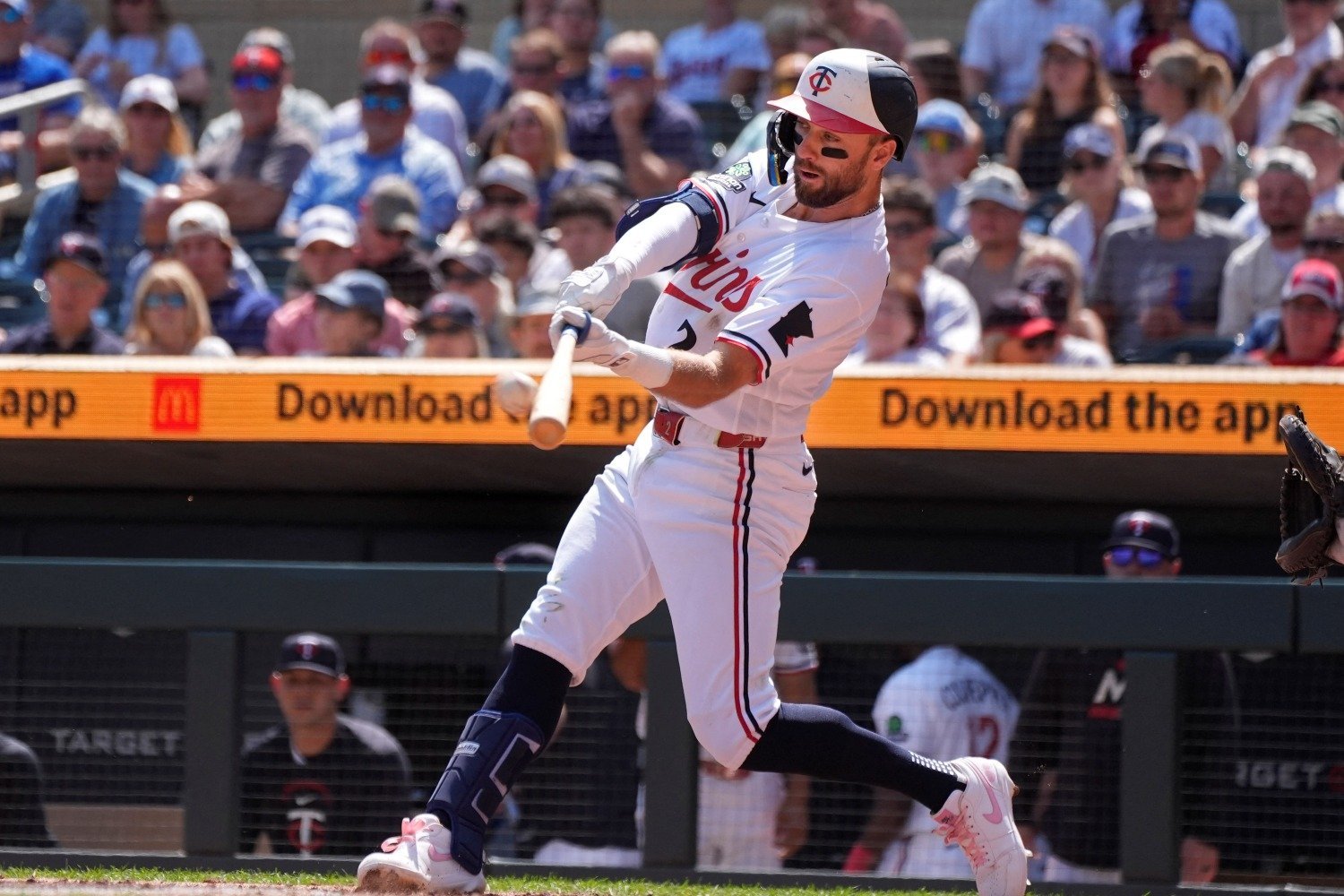 Box Score SP: Taj Bradley 5 IP, 2 H, 1 ER, 3 BB, 7 K (88 pitches, 56 strikes (66% strikes) Home Runs: -0- Top 3 WPA: Taj Bradley (0.14); Byron Buxton (0.11); Kaelen Culpepper (0.08) Win Probability Chart (via FanGraphs) After what threatened to be a season-derailing weekend against the Phillies, the Twins roared back with huge wins in the first two games of the final set of their homestand. They sent de facto ace Taj Bradley to the mound on getaway day, hunting a deliciously unexpected sweep. Bradley responded with ruthless efficiency over his first two innings of work. On the broadcast, Cory Provus mentioned that Bradley threw 16 pitches in the first two innings, the fewest to get the first six outs in any start of his career, After he'd needed three times that many offerings to get through two frames against the Phillies at the Field of Dreams, that was an especially welcome surprise. The offense got a runner on against Atlanta's AJ Smith-Shawver, with a walk to Victor Caratini, followed by a single from Kaelen Culpepper. Luke Keaschall squared to bunt, but rather than drag it up the third-base line or dribble it for an easy sacrifice, he popped it over Smith-Shawver's head and neatly into the undefendable area behind the pitcher's mound. The unique single loaded the bases for Byron Buxton. Returning to the lineup after a day off Tuesday, Buxton hit a ground ball toward the hole at shortstop, on which Atlanta again failed to find an out. Caratini came home with the first run of the game, though the Twins were stymied after that. Royce Lewis gave the lineup a chance to get more runs at the bottom of the fourth with a one-out, line-drive single, a stolen base and an advancement on an error to end up on third. Alas, he was left after a strikeout and grounder ended the inning. Bradley continued to push through the game, but it unraveled in the fifth. He got two quick outs, but then issued a pair of walks, as his command seemed to desert him. With Taylor Rogers warming up in the bullpen, Bradley’s follies bit him. Ronald Acuña Jr, singled to left field, with the ball falling in front of Trevor Larnach and Austin Riley racing home to tie the score at 1-1. The bottom of the fifth was a repeat of the third, in a way, as Culpepper and Keaschall both got on base with one out. This time, Smith-Shawver walked Buxton, loading the bases, and Josh Bell took a walk, ending Smith-Shawver’s day and bringing home Culpepper to put the Twins back in front 2-1. Dylan Dodd replaced Smith-Shawver, and immediately, Kody Clemens doubled home two more runs, with a clobbered fly ball off the wall in right-center field. Kody Funderburk came out to replace Bradley in the sixth, making his fourth appearance of the week. (He also warmed up at length on Monday night, when he didn't pitch.) Funderburk has been one of the most reliable Twins relievers as of late, making him one of the most used. That caught up to him Wednesday, though, and he left having recorded just one out and given up two runs. Tommy Nance replaced Funderburk, but balked home the tying run before extricating the team from the jam. Atlanta reliever Victor Mederos kept Minnesota fairly quiet in the sixth, but Nanace and A.J. Minter responded by hanging a goose egg in the top of the seventh. After the stretch, Josh Bell hit a one-out rocket up the middle and turned what looked like a single into an utterly stunning hustle double. His smarts and intensity immediately paid off, too. Dylan Lee came out to face Clemens, but the left-on-left matchup didn't tilt Atlanta's way. Clemens dunked an RBI single down the right-field line, untying the game and giving the Twins a surge of momentum. The Braves walked Ryan Jeffers, but Brooks Lee made them pay for their tactic with another RBI single, providing some insurance. Jeff Hoffman worked in and out of trouble in the top of the eighth. With one out and after a nine-pitch at-bat with a runner in scoring position, Mauricio Dubón was rules to have gone around on a check-swing—by the home-plate umpire. Dubón was furious that Carlos Torres hadn't appealed for help at first base, rather than ringing him up, and argued vociferously. Atlanta manager Walt Weiss was ejected for his own argument. When the dust cleared, though, Hoffman finished the frame with another strikeout to defuse the tension. Yoendrys Gómez came out for the ninth inning, working a third day in a row, but it proved no sweat. On to San Diego! By the time the Twins play again, they could very well be officially in playoff position. What’s Next? The Twins get a day off to travel to San Diego, where they'll take on the Padres Friday night. Connor Prielipp (3-6; 3.46 ERA) will start the series against a pitcher TBD. The game starts at 8:40 pm CST. Postgame Interviews Bullpen Availability Chart View the full article
 -
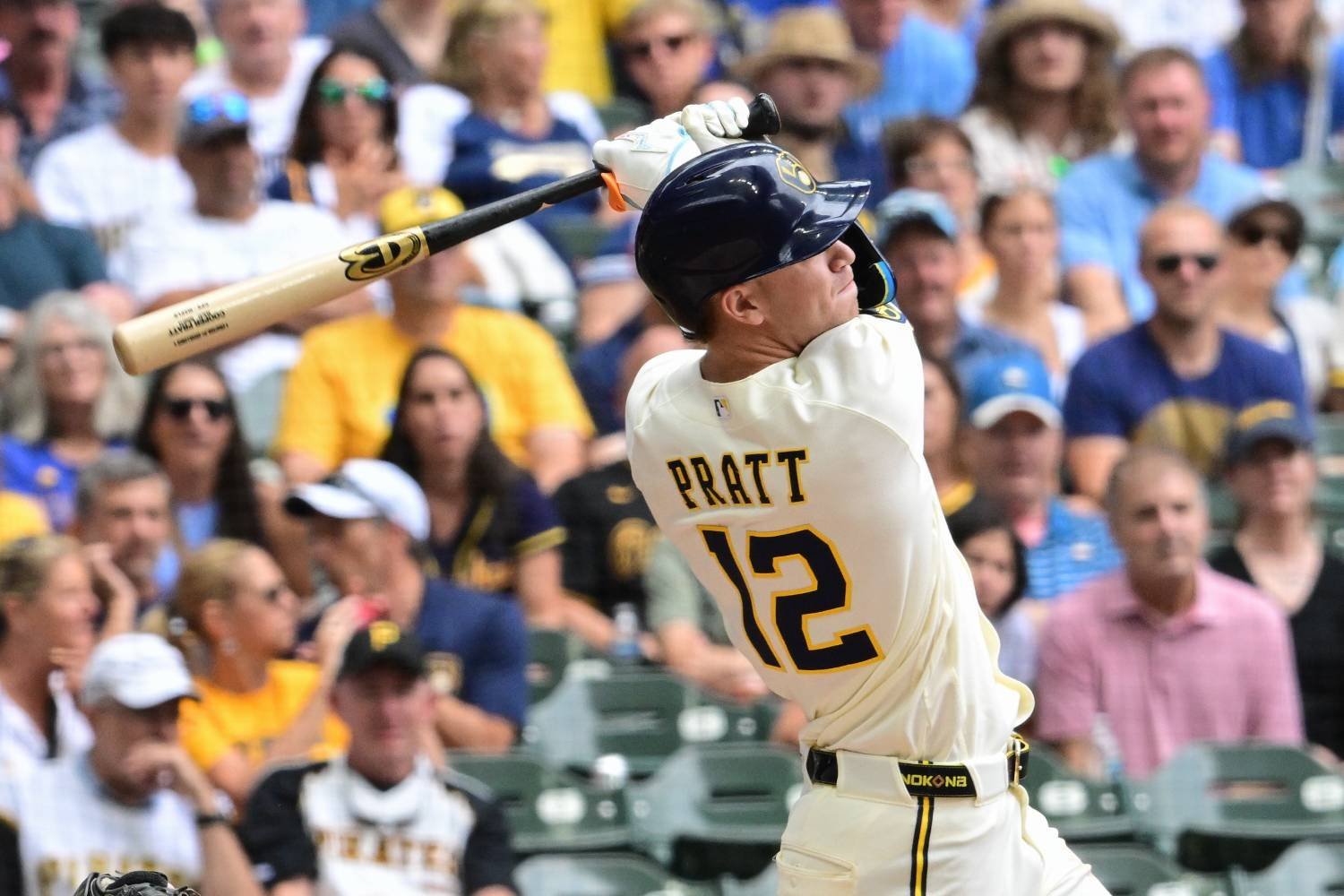 It only took one minor-league rehab assignment for the Milwaukee Brewers to determine that Cooper Pratt was ready to return. The Brewers activated the rookie shortstop from the 10-day injured list Wednesday and he was expected back in the lineup for tonight's game against the Seattle Mariners. Pratt has been out since Aug. 9 with a strained right hamstring. Outfielder Brandon Lockridge was optioned to Triple-A Nashville to make room on the 26-man roster. Also, infielder-outfielder Jihwan Bae cleared waivers and was outrighted to Nashville. Bae has the choice to accept the assignment or become a free agent. The 22-year-old Pratt made his only rehab appearance Tuesday for the High-A Wisconsin Timber Rattlers, going 1-for-2 with an RBI on a sacrifice fly and a run scored. He played seven innings on defense, batting second. He has been a nice contributor offensively in his first 44 MLB games since his debut in June, putting together a .272/.352/.368 slash line with two homers, 17 RBIs and 10 steals. His return allows Joey Ortiz and David Hamilton to resume their platoon at third base and not having to shift second baseman Brice Turang over to his natural position of shortstop, a spot he has played sparingly in the majors. Lockridge returned Aug. 1 from a gruesome knee laceration he sustained while sliding into a concrete wall attempting to catch a foul ball May 8. He has played in 10 games since, going 2-for-14. He will get regular playing time at Triple-A and a top candidate to be called up when rosters expand Sept. 1. For the season, Lockridge is slashing .273/.345/.313 with no homers, 12 RBIs and six stolen bases. View the full article
 -
The Field of Dreams Game Exposed MLB’s Biggest Broadcasting Problem
DiamondCentric posted an article in Twins Daily
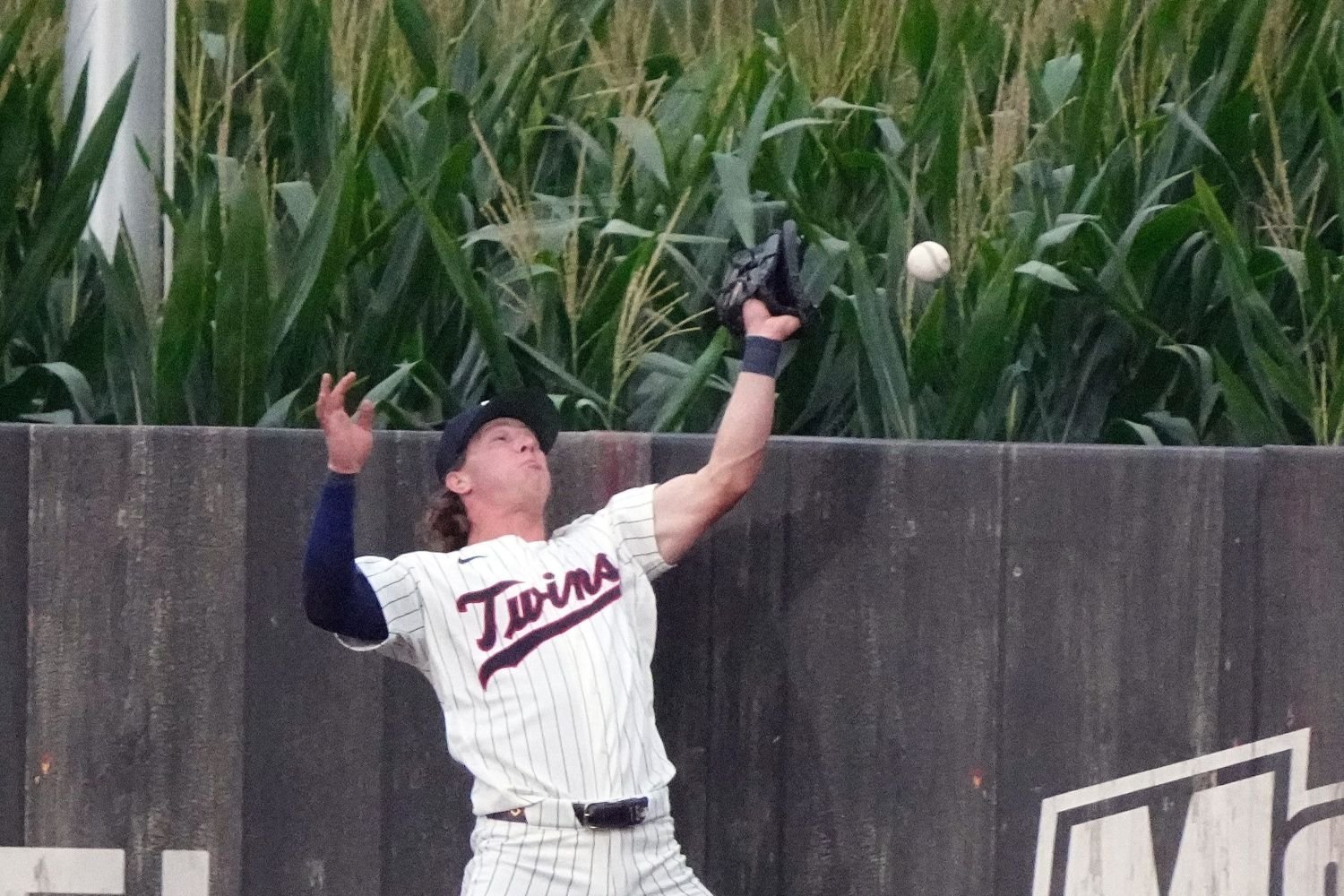 There's something special about Major League Baseball returning to the Field of Dreams site in Dyersville, Iowa. The setting is unique, the backdrop is recognizable, and the league has repeatedly shown that these games can become major events. The latest installment, however, didn't quite reach the audience MLB had hoped for. The Phillies defeated the Twins 7-1 last Thursday, behind two home runs from Kyle Schwarber. The game averaged 1.66 million viewers on Netflix, according to Nielsen. That number isn't necessarily a disaster, but it represents a noticeable drop from some of MLB's previous special-event broadcasts. It also raises a larger question for the league: How does baseball continue to make these games feel like must-see events, when fans have to search for them and even wonder where to watch them? This year's audience fell well short of the 2.5 million who watched the 2024 matchup between the San Francisco Giants and St. Louis Cardinals at Rickwood Field in Birmingham, Alabama. That game aired on Fox. Last year's Speedway Classic between the Atlanta Braves and Cincinnati Reds averaged roughly 1.6 million viewers on Fox. That game was heavily impacted by rain, eventually stretching from Saturday night into Sunday. The Field of Dreams Game also has a much stronger history. More than 3.1 million viewers watched the 2022 game in Dyersville, the last time MLB played there before this year's return. The inaugural Field of Dreams Game in 2021 was an even bigger television success, attracting approximately 5.9 million viewers and becoming the most-watched regular-season baseball game on any network since 2005. Those numbers create a difficult comparison for MLB. The Field of Dreams concept clearly has the ability to attract casual viewers. The challenge is getting those people to actually find the game. It would be easy to blame Netflix, because of the way they've produced baseball events and marketed it and/or because the platform is less accessible than network TV. That probably isn't fair. Netflix produced another polished broadcast and has quickly demonstrated that it can make live sports feel like major entertainment events. They probably did too much to distract from the action, but the product itself also didn't live up to the hype. A 7-1 Phillies victory over the Twins isn't exactly the ideal recipe for keeping casual viewers glued to their televisions. This was Netflix's third major MLB broadcast of 202,6 after carrying Opening Night and the Home Run Derby. Netflix reported an estimated average of 3 million U.S. viewers for Opening Night, according to Nielsen. The company's MLB experiment has produced mixed results, though. The Home Run Derby reportedly drew the event's lowest audience in more than two decades. That doesn't mean Netflix can't become an important part of MLB's future. It does mean the league still has work to do when it comes to building an audience on streaming platforms. That itself might be the biggest issue facing baseball's television product. For years, a fan could have a pretty good idea of where to find a nationally-televised baseball game. Turn on ESPN, Fox, TBS or MLB Network, and there was a reasonable chance you'd find what you were looking for. That isn't always the case anymore. Want to watch a particular MLB game? It might be on Netflix. Another could be on Apple TV+. Another might be on Peacock. A national game could be on ESPN, Fox or TBS. Regional broadcasts remain split among different networks and streaming services. None of those platforms are inherently bad places to watch baseball. In fact, many of them provide excellent viewing experiences. The problem is discoverability. Fans shouldn't have to remember which streaming service has which game every night. Casual fans certainly aren't going to spend several minutes searching through apps to figure out where a special-event game is being broadcast. MLB wants these games to become cultural events. That becomes much more difficult when the first question for a potential viewer is, "Where can I watch it?" The league's media landscape is changing quickly, and MLB is clearly willing to experiment. Last November, MLB formally announced new media-rights agreements involving Netflix, NBC and ESPN. That means streaming will play an increasingly important role in how fans consume baseball. It's not going away. The question is whether MLB can make the transition without losing the casual viewers who might otherwise stumble upon a game while flipping through the channels. Netflix has until at least 2028 to continue developing its MLB audience, but the Field of Dreams Game won't be part of that equation next year. NBC Sports will broadcast the 2027 Field of Dreams Game between the Boston Red Sox and Kansas City Royals. That game has plenty going for it, including two historic franchises and another opportunity to showcase one of baseball's most recognizable concepts. Recently, NBC Sports has restored some of its previously fading glory. There's every reason to expect next year's game to be better-produced and better-presented than this year's, and fans will be able to find the game on over-the-air TV. That will provide a great test case for the staying power of this particular spectacle. Are fans now bored of the Field of Dreams? Or did Netflix just fail to deliver? And how important is it that viewers simply be able to view the game, rather than that their interest in that game be built up over weeks of anticipation? View the full article
 -
 Chicago Cubs Minor League Report Affiliate Overview Triple-A Iowa Cubs Series at Toledo MudHens (Detroit Tigers): Mud Hens lead, 1-0 Season Record: 48–70-1 Double-A Knoxville Smokies Series at Pensacola Blue Wahoos (Miami Marlins): Game suspended Season Record: 63–51 High-A South Bend Cubs Series vs. West Michigan Whitecaps (Detroit Tigers): Cubs lead, 1-0 Season Record: 66–45 Single-A Myrtle Beach Pelicans Series vs. Fayetteville Woodpeckers (Houston Astros): Woodpeckers lead, 1-0 Season Record: 45–67 Triple-A: Iowa Cubs Season Record: 48–70-1 Series Opponent: Toledo Mud Hens (57-63) Series Standing: Trail, 1-0 Aug. 18: The Iowa Cubs dropped Tuesday night’s series opener at the Toledo Mud Hens, 9-2, at Fifth Third Field. Chas McCormick (2-for-2) gave the Cubs a 1-0 lead in the first on an RBI-single but the Mud Hens quickly made it 5-1 by scoring three in the second and two in the third. Toledo plated another run in the seventh to make it 6-1 before McCormick launched a solo shot in the eighth, his 11th of the season, to make it 6-2. The hosts added three more in the home half of the eighth to make it 9-2. Braxton Garrett, making his second start since being acquired by the Cubs, wears handed the loss, falling to 4-5 on the season. Garrett allowed five runs on six hits over four innings of work, walked one and struck out five. Tyler Santana tossed two shutout frames in relief, giving up one hit and punching out one. Double-A: Knoxville Smokies Season Record: 63–51 Series Opponent: Pensacola Blue Wahoos (65–49) Series Standing: Game suspended Aug. 18: The Knoxville Smokies had their series opener on Tuesday night at the Pensacola Blue Wahoos suspended due to rain in top of the second inning, with the Smokies leading 9-0. Knoxville scored all their runs in the first, with Alex Ramírez (1-for-1) opening the scoring with a two-run single. Edgar Alvarez (1-for-1) followed with a two-run single of his own two batters later to make it 4-0. Alex Madera (0-for-1) picked up an RBI on a groundout, which was then followed by a Drew Bowser (1-for-1) RBI-single to make it 6-0. Andy Garriola (2-for-2) put the exclamation point on the opening frame with a three-run shot to make it 9-0, his 21st home run of the season. This contest will resume today at 4:05 p.m. CT, with today’s regularly scheduled contest to follow. High-A: South Bend Cubs Season Record: 66–45 Series Opponent: West Michigan Whitecaps (53–60) Series Standing: Lead, 1-0 Aug. 18: The South Bend Cubs opened their series vs. the West Michigan Whitecaps with a 5-1 victory on Tuesday night at Four Winds Field. The Whitecaps took a 1-0 lead in the first but the Cubs were able to answer back in the second on a Kade Snell (2-for-4) solo shot, his eighth of the season. South Bend starter Jostin Florentino, who would not factor into the pitching decision, shut down West Michigan’s offense, spinning five innings of one-run ball, allowing just one hit while striking out seven and issuing just one walk. The Cubs broke the 1-1 deadlock in the sixth when Josiah Hartshorn (2-for-4) crushed a two-run shot to make it 3-1. South Bend added some insurance in the eighth when Hartshorn singled home a run and Matt Halbach (1-for-3) picked up a sacrifice fly to make it 5-1. Brayden Spears would pick up the win in relief for the Cubs, improving to 8-3 on the season, after tossing two scoreless innings, whiffing four batters. The South Bend bullpen combined for four shutout innings and did not allow a hit, whiffed nine batters and walked two. Single-A: Myrtle Beach Pelicans Season Record: 45–67 Series Opponent: Fayetteville Woodpeckers (59–53) Series Standing: Trail, 1-0 Aug. 18: The Myrtle Beach Pelicans dropped their series opener to the Fayetteville Woodpeckers, 10-7, on Tuesday night at Pelicans Ballpark. The Woodpeckers jumped out to a 3-0 lead in the second but the Pelicans rallied for four in the fourth to take the lead. Eli Lovich (1-for-4) picked up an RBI-single and Jan Luis Reyes (0-for-3) drew a walk with the bases loaded. Juan Cabada (2-for-5) then gave Myrtle Beach the lead with a two-run single to make it 4-3. Fayetteville hit back with four runs in the sixth to go back in front 7-4 but the Pelicans grabbed two runs back in the bottom of the inning to make it a one-run game. Ivan Cespedes (1-for-2) drove in a run with a single and Cabada picked up his third RBI of the night on a groundout. The Woodpeckers added one in the eighth and two more in the ninth to make it 10-6. Myrtle Beach was able to claw one back in their last trip to the plate to make it 10-7, thanks to a wild pitch, but were unable to rally further. View the full article
 -
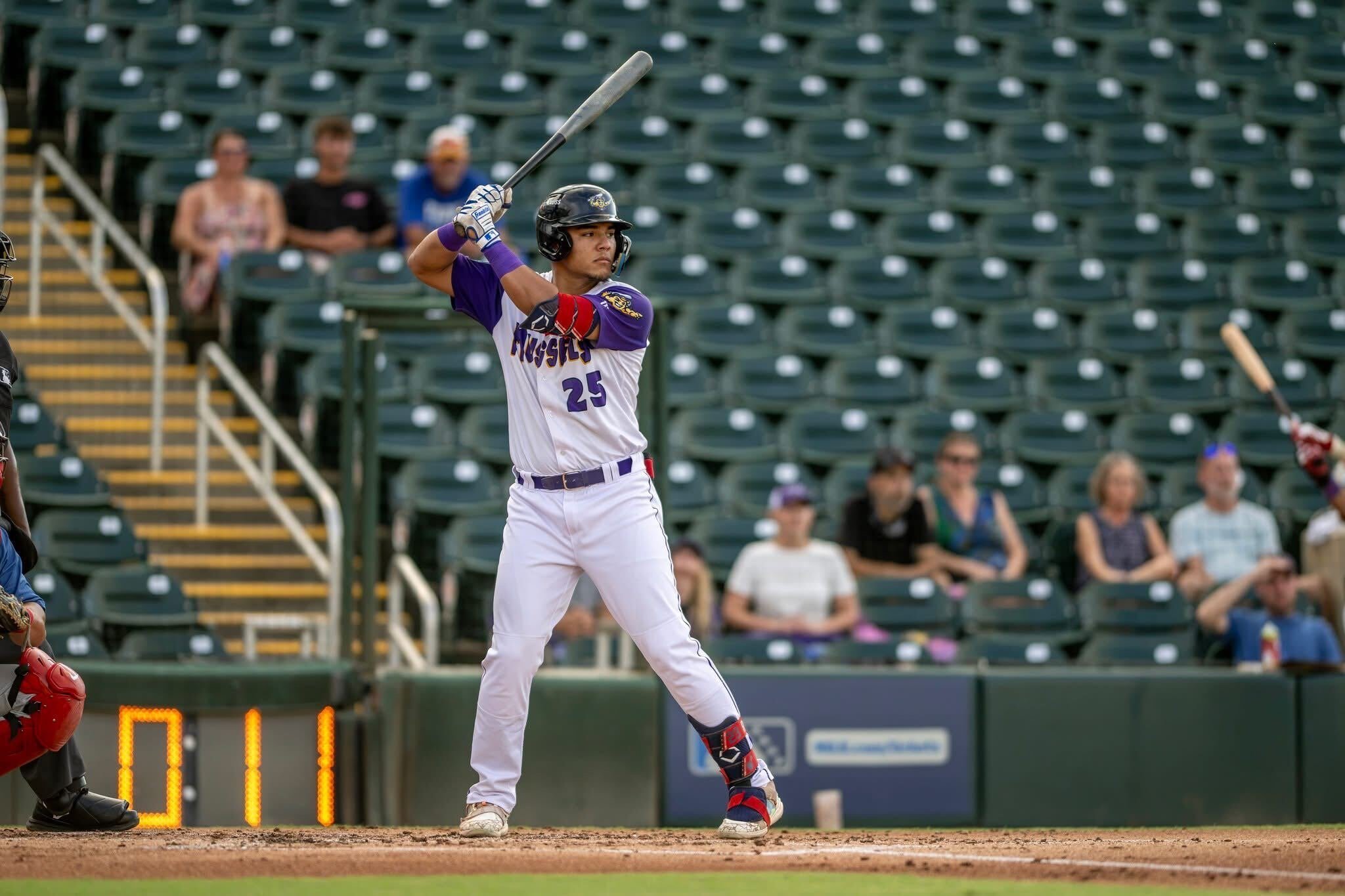 From a pure production standpoint, Luis Fragoza isn't just having a good year for a 19-year-old. He's having one of the best seasons of any teenage prospect in all of baseball. Drop the age qualifier entirely, and he's still producing like a top 25 prospect at any level, in any organization. That's not hyperbole. Fragoza signed with the Minnesota Twins in 2024 as an international free agent out of Venezuela for just $77,500. He's a physical, strong right-handed hitter who has bounced around the diamond, playing everywhere except second base, catcher, and pitcher. In his three years in pro ball, he's already shown the kind of power that makes evaluators pay attention, even if most of them haven't started paying attention yet. His path so far has been a bit uneven, which is normal for a player this young. He debuted in the Dominican Summer League at 17 and posted a respectable .784 OPS. In 2025, he struggled to find consistency in his first stint in the Florida Complex League (FCL), finishing with a .646 OPS. This season, though? Different story After a return trip to the FCL, Fragoza quickly forced a promotion to full-season Single-A Fort Myers, where he turned into the most dangerous hitter on the Mighty Mussels roster. Right now, most public prospect rankings barely acknowledge him. FanGraphs mentioned him only as a footnote in their most recent team list. MLB Pipeline has him as the 27th-ranked prospect in a system, and he’s yet to get a vote amongst Twins Daily contributors. Given what he's done this season, that feels like it's about to change. The bat is Fragoza's carrying tool, and he's a power-over-hit type of hitter. That's both the exciting part and the cautionary part of his profile. He has a free-swinging approach that leads to plenty of strikeouts, and that approach is going to get tested as he climbs the ladder and starts seeing better pitching. His strikeout rate sits around 27 percent right now, which isn't ideal, though his walk rate of about 8 percent is respectable enough to suggest he's not completely undisciplined at the plate. What makes evaluators willing to live with the swing-and-miss is the raw power. Fragoza has shown a real ability to lift the ball, especially to his pull side, and the exit velocity numbers back it up. His max exit velocity this season sits at 110 mph, and he's in the 90th percentile leaguewide in that category. He's also an average runner who can steal a base when the opportunity is there, tallying 15 steals this year. Defensively, he's been all over the field, though MLB Pipeline projects him as an outfielder long-term. Now let's get to the fun part, because this season's production has genuinely been special. Among teenagers with at least 250 plate appearances across all of affiliated baseball, Fragoza has the third-highest wRC+ in the sport, sitting at 154. If you look at teenage qualified hitters (which he is not), he'd rank 10th overall. If you drop both qualifiers and look at production regardless, he'd be a top 25 hitter in all of affiliated baseball. For a guy two years younger than the average hitter at his level, that's about as impressive as it gets. With the Mussels, Fragoza hit .322/.398/.607 (1.005 OPS) with 14 home runs and 15 stolen bases. Performing this well while being this young is a real signal, even if the underlying strikeout numbers suggest there's swing and miss to clean up. Fragoza saved his best for right before his promotion, too. He was named Florida State League Player of the Week after posting a video game-like line that included three home runs, nine stolen bases, and seven total extra-base hits. Shortly after, the Twins promoted him to High-A Cedar Rapids, where he'll look to carry that momentum into a tougher level of competition. Finding a diamond in the rough is one of the more enjoyable parts of following a farm system, and Fragoza checks a lot of the boxes that make a prospect fun to track. However, there's no guarantee he turns into that guy. The free-swinging approach is a real swing limiter, and his defensive future still needs to sort itself out given how much he's bounced around the diamond. Still, a 19-year-old already performing at this level, already forcing multiple promotions, and already doing damage against older competition is exactly the kind of development you want to see from an unheralded prospect. Fragoza might not have much name recognition yet, but that's usually how these stories start. What do you think about Fragoza's breakout? Join the conversation in the comments! View the full article
 -
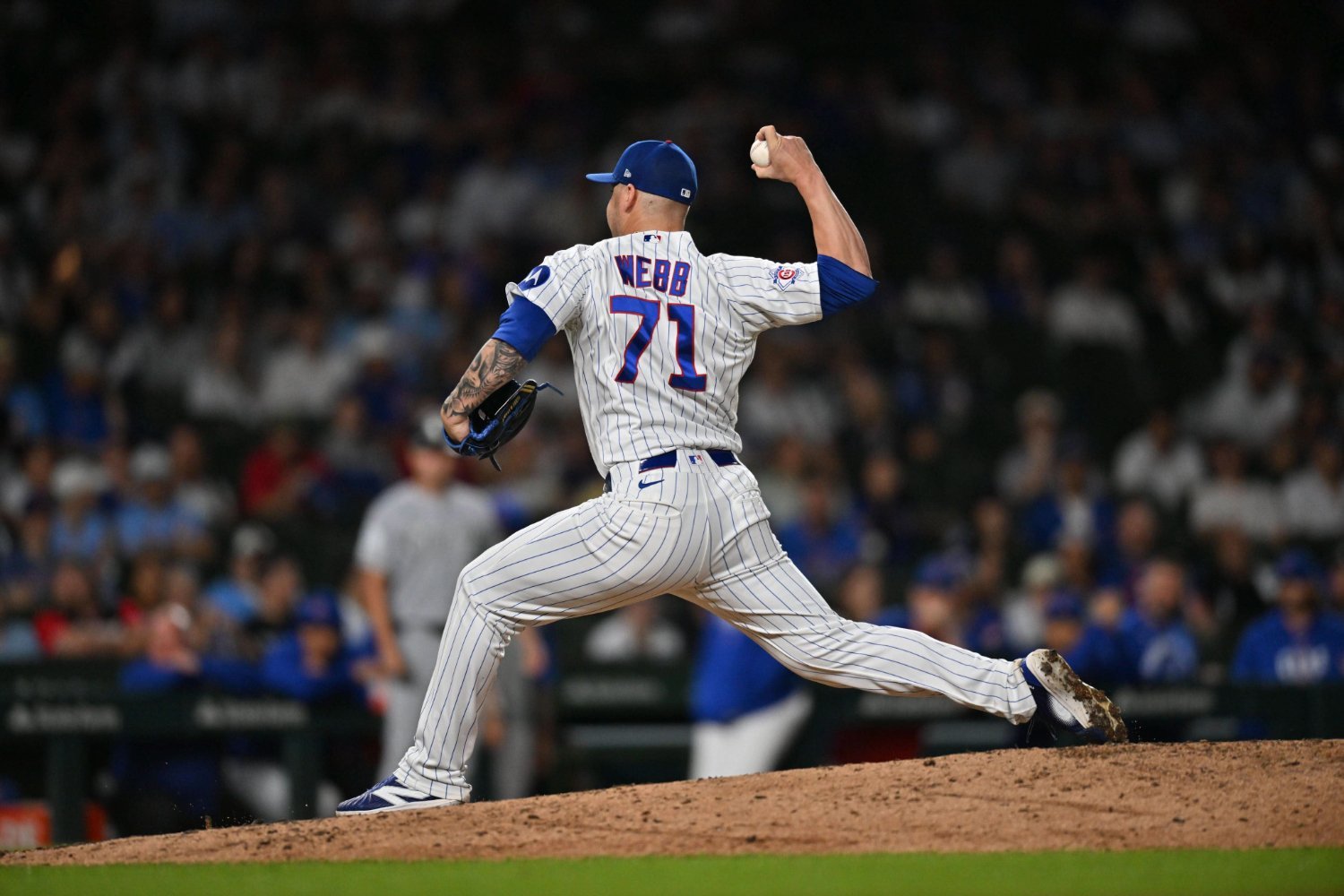 The Chicago Cubs are primed for another deep postseason run in 2026. They’re checking off plenty of boxes; among them are a superstar (Pete Crow-Armstrong), improved rotation (adding Clay Holmes, Kevin Gausman), an experienced manager in Craig Counsell, and a shutdown reliever. Yes, Jacob Webb has become a revelation out of the bullpen this season, emerging as the team's best high-leverage arm. Let's break down what makes him so remarkable. Jacob Webb’s Updated Cubs Scouting Report Webb is a 33-year-old right-handed reliever. The Atlanta Braves originally signed the veteran hurler in 2014, selecting him in the 18th round of the MLB Draft. The orthodox pitcher is a 6-foot-2, 210 pound pitcher who now has seven seasons under his belt. Webb is 22-16 with a 2.86 earned run average, striking out 307 hitters over 308 innings with a 1.20 WHIP. The Tabor College alum has played for the Braves, Baltimore Orioles, Los Angeles Angels, Texas Rangers and now the Cubs, and this is arguably his best season to date. Providing Stability In 2026 Just like any team, the Cubs have been blasted with injuries. Key arms like Daniel Palencia, Hoby Milner, Phil Maton, and just about everyone in the starting rotation have gone down at different points of the 2026 campaign. That created an insatiable demand for pitchers capable of handling pressure moments. Well, Webb has done what he can to quench that thirst. Over 55 appearances this season (five short of a career-high 60 set in 2024), he has tallied a 5-2 record and 2.29 ERA with 63 strikeouts over 55 innings of work. He's also locked down nine saves this season after entering the year with seven over his whole career. Having that level of stability has been key, and his production has spoken for itself. Elite Swing-And-Miss Stuff Webb has a remarkable swing-and-miss profile. The 33-year-old has a 33.9 percent whiff rate (95th percentile), showcasing an elite ability to miss barrels with a variety of pitches. As a result, his 27.6 percent strikeout rate (83rd percentile) and 35.4 percent chase rate (90th percentile) are both well above the league average, too. Webb is a unique case study, as he generates these metrics with below-average fastball velocity (94.2 miles per hour, 45th percentile). His 33-degree arm angle allows the ball to move horizontally (arm-side), gliding through and out of the zone to fill out his swing-and-miss profile. Varied Arsenal Another reason Webb has had so much success this year is that despite being a reliever, he operates with a five-pitch arsenal. He uses the four-seam fastball more than any other option (44 percent of the time), with the veteran right-handed pitcher overcoming a .274 expected batting average to allow just five extra-base hits across exactly 100 plate appearances. This is further shown in his ability to meander around quality contact, allowing a 6.3 percent barrel percentage (69th percentile) that’s far better than the league average. He uses his changeup nearly just as much, going with his secondary option 38 percent of the time. The pitch holds a similar shape to his fastball, yet it leaves his hand at a significant nine miles per hour slower (85.6 mph) . The slider (.188 BAA) and curveball (.167 BAA) are his two best pitches, What’s Webb’s Role? With Palencia on the 60-day IL and unlikely to be thrust into high-leverage action right away, there’s a great chance that Webb will be the closer entering the 2026 postseason. His combination of experience, poise, swing-and-miss breaking ball options, and overall production this year surely makes him qualified for those situations. View the full article
 -
![More information about "After Tommy John Surgery, Cole Tolbert's Competitive Spirit Burns Bright [Exclusive]"](//d317trerw33y7b.cloudfront.net/monthly_2026_08/rssImage-c2ce20ae8fad2fe57ef49c1f71666f47.png.69dbe8d3605d01dc059c4cb806f68e1d.png) “Our color broadcaster, Braden Schneck, pointed out it out to me before my first start this year. It was 610 days in between my starts. I don’t think I’ve went that long of a stretch in my life without playing baseball. It feels really good to be in a uniform, be in the clubhouse, just to be back at the field every day.” Selected in the 18th round of the 2024 Draft, it’s been a long road back for Cole Tolbert. A right-hander taken out of the University of Mississippi, Tolbert has missed most of the past two seasons with injury. Thankfully, unlike most pitchers drafted by the Red Sox in the last few years, Tolbert managed to get into a few affiliate games after being picked, making five appearances for the then Salem Red Sox. In his first taste of professional baseball, he wound up tossing 11 1/3 innings, allowing seven runs on 11 hits and six walks while also striking out 14 batters. Then, his career would end up hitting a standstill, as Tolbert would need Tommy John surgery in March of 2025. The injury and subsequent recovery process prevented him from pitching in a game until May 9, 2026. Because of that, Tolbert treasures his professional debut. “When I showed, the Red Sox knew I had been throwing over the summer. Coming in they knew that I was built up and ready to go. I feel like it gave me a good insight of getting to spend that last five or six weeks in Salem,” Tolbert explained about his post-draft process. The right-hander admitted that for him, the pros were completely different from college. Whereas he once had class in the morning and then practice in the afternoon, with pro ball he would be arriving at the field around noon and staying there until almost midnight. The attention to detail was another major difference for him, no longer dealing with homework or studying and instead just showing up to the field, putting his uniform on and going to work. There’s more care for the body and recovery than when he pitched in college. He attributes a lot of his success in 2026 from that time learning about the flow of professional baseball. “If I didn’t get to go play in ’24, I would have been a pro ball player for 18 months and never set foot on a field.” The right-hander didn’t find his competitive spirit dwindling despite the injury keeping him from the mound. Rather, he found other ways to keep the mindset needed as a pitcher while also tuning it up to a new level. He attributes that to Nick Murray, the rehab pitching coach in Fort Myers, for creating such a competitive environment for the rehabbing pitchers. Tolbert wasn’t alone in his rehab process, joined by Matt Duffy, a member of the 2023 draft class. “I had surgery the same day as Matt Duffy, so we threw with each other near about every day. Right down to your simple catch play, we tried to compete." The duo would attempt to see how many times they could hit each other in the chest while warming up before moving the competition into other areas of their rehab. Of course, even while creating their own competitions, Tolbert admitted that there was nothing that could recreate standing on the pitcher’s mound in a game. The stretch of time from when he underwent surgery until he could officially start throwing again was the roughest part for the right-hander. During that window, he reminisced of how it would be six days of just lifting, running and not being able to touch or even look at a baseball. To Tolbert, that stretch of rehab felt like “an eternity” as he worked his way back onto the field. He did admit that once he got a ball back into his hand and was able to start throwing again, things began to speed up for him. In 2026, Tolbert has returned to the mound where he’s made 13 appearances and given Salem 39 innings either as a starting pitcher or in a piggyback role. He struck out 43 batters in that span while allowing just 14 earned runs, good for a 3.23 ERA. Even more impressive is the fact opponents are hitting just .199 against him on the season and slugging just .287. He attributes the success to attacking his strengths. “Getting in the zone early. Hitting’s one of the hardest things to do in professional sports so why not make it harder by starting 0-1, 0-2, 1-2 to guys? In college, coach Bianco [Mike Bianco] at Ole Miss showed a stat to us. I won’t be perfect on this [number], but batters who start 0-1 hits in the low-.100s and batters who start 1-0 hits in the mid-.300s. The first pitch strike is a major role in pitching. Attack the zone early,” Tolbert explained. And yet, regardless of the success he's having, the best part of 2026 for Tolbert has been his ability to get back out there and play the sport he’s always loved. “I’m a baseball lover. The day I stop playing baseball, I’ll never stop watching it. I’m a fan of the game in itself. Just being back at the ballpark, again I spent 610 days away from the game. When you love it as much as I do, that can be really tough. Just being back, every day to day at the ballpark has been the highlight of mine.” View the full article
“Our color broadcaster, Braden Schneck, pointed out it out to me before my first start this year. It was 610 days in between my starts. I don’t think I’ve went that long of a stretch in my life without playing baseball. It feels really good to be in a uniform, be in the clubhouse, just to be back at the field every day.” Selected in the 18th round of the 2024 Draft, it’s been a long road back for Cole Tolbert. A right-hander taken out of the University of Mississippi, Tolbert has missed most of the past two seasons with injury. Thankfully, unlike most pitchers drafted by the Red Sox in the last few years, Tolbert managed to get into a few affiliate games after being picked, making five appearances for the then Salem Red Sox. In his first taste of professional baseball, he wound up tossing 11 1/3 innings, allowing seven runs on 11 hits and six walks while also striking out 14 batters. Then, his career would end up hitting a standstill, as Tolbert would need Tommy John surgery in March of 2025. The injury and subsequent recovery process prevented him from pitching in a game until May 9, 2026. Because of that, Tolbert treasures his professional debut. “When I showed, the Red Sox knew I had been throwing over the summer. Coming in they knew that I was built up and ready to go. I feel like it gave me a good insight of getting to spend that last five or six weeks in Salem,” Tolbert explained about his post-draft process. The right-hander admitted that for him, the pros were completely different from college. Whereas he once had class in the morning and then practice in the afternoon, with pro ball he would be arriving at the field around noon and staying there until almost midnight. The attention to detail was another major difference for him, no longer dealing with homework or studying and instead just showing up to the field, putting his uniform on and going to work. There’s more care for the body and recovery than when he pitched in college. He attributes a lot of his success in 2026 from that time learning about the flow of professional baseball. “If I didn’t get to go play in ’24, I would have been a pro ball player for 18 months and never set foot on a field.” The right-hander didn’t find his competitive spirit dwindling despite the injury keeping him from the mound. Rather, he found other ways to keep the mindset needed as a pitcher while also tuning it up to a new level. He attributes that to Nick Murray, the rehab pitching coach in Fort Myers, for creating such a competitive environment for the rehabbing pitchers. Tolbert wasn’t alone in his rehab process, joined by Matt Duffy, a member of the 2023 draft class. “I had surgery the same day as Matt Duffy, so we threw with each other near about every day. Right down to your simple catch play, we tried to compete." The duo would attempt to see how many times they could hit each other in the chest while warming up before moving the competition into other areas of their rehab. Of course, even while creating their own competitions, Tolbert admitted that there was nothing that could recreate standing on the pitcher’s mound in a game. The stretch of time from when he underwent surgery until he could officially start throwing again was the roughest part for the right-hander. During that window, he reminisced of how it would be six days of just lifting, running and not being able to touch or even look at a baseball. To Tolbert, that stretch of rehab felt like “an eternity” as he worked his way back onto the field. He did admit that once he got a ball back into his hand and was able to start throwing again, things began to speed up for him. In 2026, Tolbert has returned to the mound where he’s made 13 appearances and given Salem 39 innings either as a starting pitcher or in a piggyback role. He struck out 43 batters in that span while allowing just 14 earned runs, good for a 3.23 ERA. Even more impressive is the fact opponents are hitting just .199 against him on the season and slugging just .287. He attributes the success to attacking his strengths. “Getting in the zone early. Hitting’s one of the hardest things to do in professional sports so why not make it harder by starting 0-1, 0-2, 1-2 to guys? In college, coach Bianco [Mike Bianco] at Ole Miss showed a stat to us. I won’t be perfect on this [number], but batters who start 0-1 hits in the low-.100s and batters who start 1-0 hits in the mid-.300s. The first pitch strike is a major role in pitching. Attack the zone early,” Tolbert explained. And yet, regardless of the success he's having, the best part of 2026 for Tolbert has been his ability to get back out there and play the sport he’s always loved. “I’m a baseball lover. The day I stop playing baseball, I’ll never stop watching it. I’m a fan of the game in itself. Just being back at the ballpark, again I spent 610 days away from the game. When you love it as much as I do, that can be really tough. Just being back, every day to day at the ballpark has been the highlight of mine.” View the full article -
Kody Clemens’s Career Year Has Hit a Major Roadblock
DiamondCentric posted an article in Twins Daily
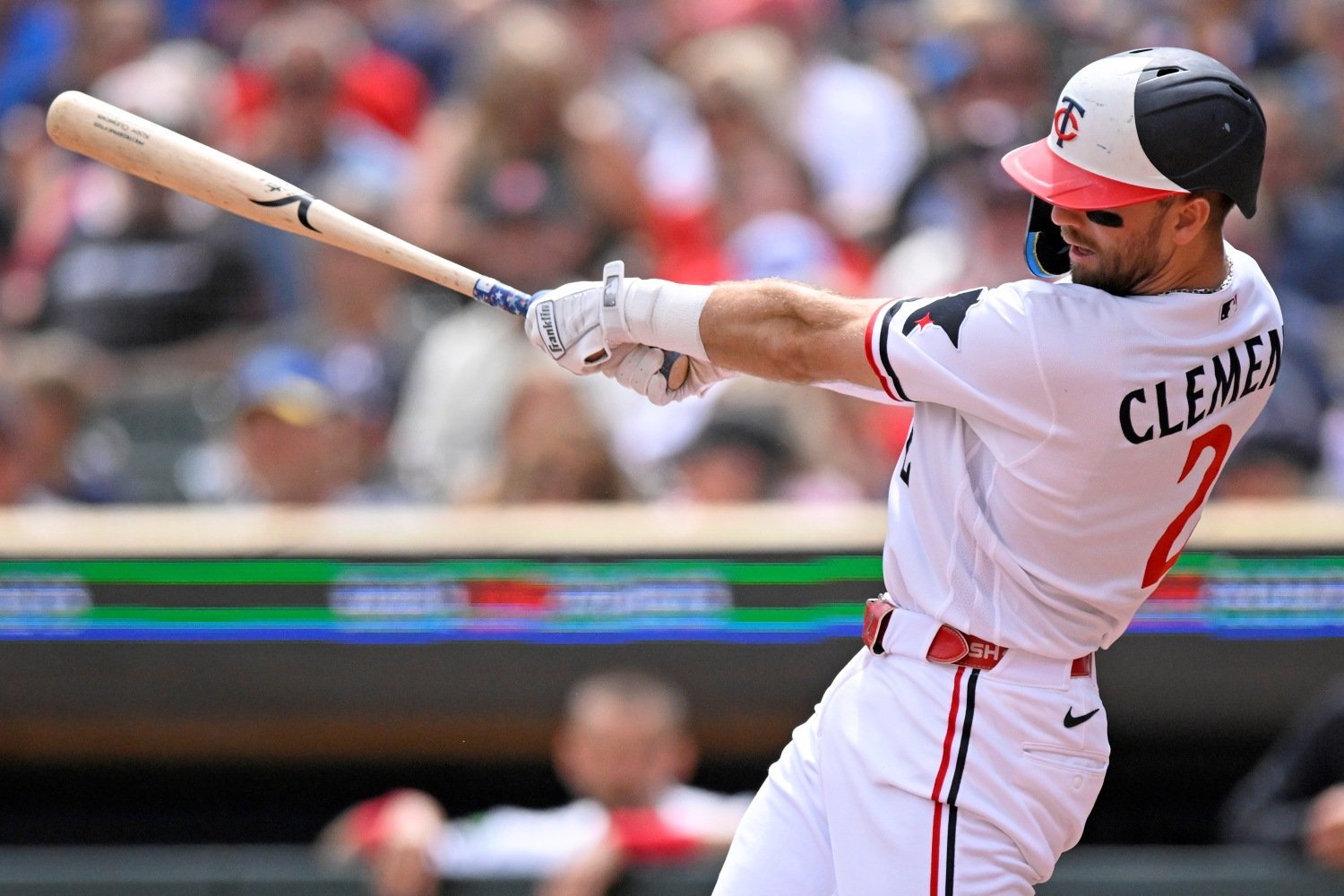 The 2026 campaign has been a career year for Kody Clemens, coming right on the heels of what looked like a career year in 2025. After being acquired from the Phillies last spring for cash considerations, Clemens has turned himself into a staple of the Twins’ lineup. He’s provided Minnesota with defensive versatility, while his bat has taken a significant step forward. In 445 plate appearances, Clemens is hitting .233 with a .291 on-base percentage. Those numbers certainly aren’t going to jump off the page, but his impressive power output has his OPS sitting north of .750. He’s already set career highs in doubles (20), triples (5), and home runs (21), giving the Twins some short-sequence offense on a team that often seems to be cobbling together runs too slowly. However, his bat has gone cold of late—and not cold like “a little chilly”. It's more like a Minnesotan winter. Since the start of August, Clemens is hitting just .185/.254/.296. After posting an impressive 115 wRC+ during the first half of the season, he's hitting .208/.257/.406 since the All-Star break. When he's not hitting in good luck, things can get very ugly; his aggressive approach rapidly makes him an out machine. It’s worth noting that Clemens has already shown that he can bounce back from a slump this season. He had a pretty rough first month of the year: .197/.296/.366 through the end of April, when the Twins had that strangely lefty-heavy stretch early in their schedule. He eventually found his rhythm, started making better contact, and became one of the more productive hitters in Minnesota’s lineup. So what’s actually going on with Clemens, and dare we hope for another recovery? For starters, a lot of his success this season has come from his ability to hit line drives. During the first half of the year, Clemens posted a 17.5% line-drive rate. Line drives are the most productive type of batted ball, and the more often a hitter produces them, the more opportunities he gives himself to do damage. That 17.5% clip isn’t an absurdly high number, but so far in August, Clemens’ line-drive rate has dropped to 8.6%. Instead, Clemens has been putting the ball on the ground quite a bit more, and he’s also not pulling the ball nearly as much as he was earlier in the season. For a lot of hitters, that might not necessarily be a bad thing. In Clemens’s case, though, it is. Of his 21 home runs this season, 19 have come to his pull side. Among his 46 extra-base hits, 36 have been hit to right field. Clemens has found a lot of his success by leaning into his pull-side power. When he’s able to get the ball into the air and turn on it, he can do some serious damage. That part of his game simply hasn’t been there in August, and the result has been considerably worse contact. Clemens’s 90.1 MPH average exit velocity this month isn’t bad on its own. There are plenty of hitters who would be more than happy with that number. But it’s well below where his season-long numbers sit, and it’s more than a mile per hour slower than the exit velocity he produced during his first slump back in April. His hard-hit rate is also 6.7 percentage points lower than his season-long mark, while he’s producing barrels at roughly half of his normal rate. Call it a blip, but don't call it a fluke. His batted-ball data and quality-of-contact numbers are lining up almost perfectly, and they’re telling the same story. Clemens isn’t hitting the baseball with nearly as much authority as he was earlier in the season. That doesn’t necessarily mean there’s some major issue that needs to be addressed. Slumps happen, especially over a small sample size like 59 plate appearances. Considering that Clemens has already demonstrated that he can make adjustments and work his way out of a slump this year, there’s reason to believe he can do it again. The Twins also don’t have much reason to take him out of the lineup. Clemens’s defensive ability and versatility provide Derek Shelton with plenty of flexibility, and his power gives Minnesota a legitimate threat in the middle of the lineup. Even with his recent struggles, the prior three months are a perfect example of just how valuable his bat can be when he’s right. Shelton has also made it clear in word and deed that he trusts Clemens more than Trevor Larnach against left-handed pitchers. But there’s no denying that his bat has run completely cold over the last few weeks. Clemens needs to start hitting the ball in the air more often, and perhaps more importantly, he needs to get back to pulling the baseball with authority. When he’s doing those things, he’s a dangerous hitter. In a way, though, those are results, just like hits are. The process—the input—that needs to change lies a layer deeper. He's at his best when achieving a fairly steep attack angle, which indicates that he's getting out and beating the ball to its spot with his barrel. Early in the season, he wasn't doing so. When he got hot, he was. Lately, he's back to catching the ball deeper and working uphill less at contact. That needs to change, and since nobody suddenly finds renewed bat speed during the peak of August's grind, it probably means starting a hair earlier in his swing. Teams have spotted the best way to attack Clemens. Since the start of July, over 60% of the pitches he's seen have been fastballs; he does most of his damage on mistake breaking and offspeed offerings. By speeding him up, pitchers are forcing him to hit deeper in his hitting zone and to flatten out his swing, which has robbed him of his ability to lift and pull for power. The best version of Clemens is the one who can foul off the fastball or lay off it when above the zone, and who obliterates secondary pitches. By giving him a steadier diet of heaters, pitchers have challenged Clemens to show he can be that guy even when timing himself to barrel the fastball. If the Twins are going to make a legitimate push for the playoffs, they’re going to need that version of Kody Clemens to show up again. He'll have to prepare in a way that allows him to anticipate more and attack the ball again, getting around and through it so he can hit it with more authority. That's much easier said than done, but it needs to be done if Clemens is to help the club down the stretch. View the full article
 -
Is This Cubs Defense Historic, or Merely Good?
DiamondCentric posted an article in North Side Baseball
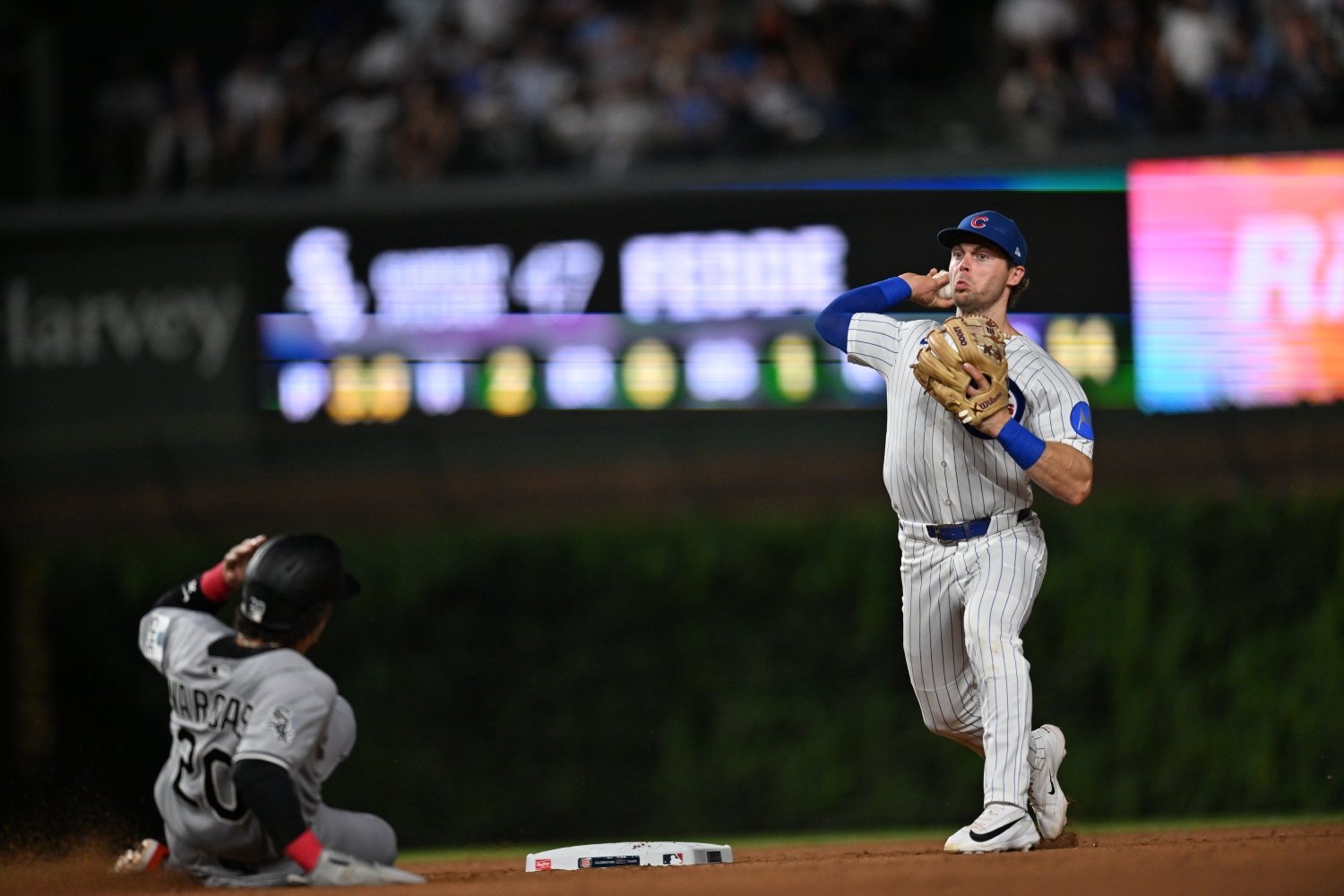 Each game, the Cubs provide more evidence that they are a special defensive unit. One question has been on my mind for the past few weeks; just how special are they? Defense has always been the trickiest part of baseball to quantify, especially across historical eras, but there are a few different metrics out there that can put what the 2026 Cubs are doing on defense in context. As a unit, the Cubs are on pace for 83 defensive runs saved (DRS), per Sports Info Solutions. Only 20 teams have reached that number over a full season since 2003, as far back as that stat goes. Historical defense, as we noted, is difficult to put in context and is changing regularly, so another way to look at the Cubs' defensive dominance is compared to their 2026 peers. The second-best team this season is the Atlanta Braves, on pace for 62 DRS. That gap of 21 runs between the two best teams has been topped once since 2013, by the 2022 Yankees (41!!). Since 2016, Statcast has provided more in-depth defensive data. Outs Above Average (OAA), from Baseball Savant, encompasses that information. The 2026 Cubs are currently at 60 OAA as a team, on pace for 77 for the full season. The highest single-season OAA a team has recorded was the 2017 Minnesota Twins, at 66. In fact, the 2026 Cubs already have the second-highest OAA ever, and they still have 35 games to play. To add the same historical context to OAA as we did to DRS, the Cardinals and the Diamondbacks are tied with 31 OAA right now, on pace for around 40 for this season. The difference between them and the Cubs, a whopping 37 runs, is shocking. Only 12 teams in the Statcast era have even put up 37 OAA in a single season; the 2025 Cubs finished with 36 OAA. The 2017 Minnesota Twins finished 34 OAA above the second place team that year; they are the only other team to finish the season more than 20 OAA above the competition. Since 2018, Statcast has also given us Fielding Run Value (FRV). The highest team FRV ever recorded was the 2018 Diamondbacks, at 64 FRV. The 2026 Cubs are already at 62 and on pace to easily be #1 here as well. One of the other reasons the Cubs are outliers here is that 61 of the 62 runs saved come from the Cubs' infielders and outfielders, and only 1 from their catchers. The top 20 FRV teams are all buoyed by high catching runs; the Cubs have done it without elite framing. Digging deeper, the IF/OF FRV of 61 is made up of 49 from their range and 11 from their arms. While the 11 runs from their arms ranked just outside the top 5, there is no doubt they will be there by the end of the season, potentially pushing the 2021 Red Sox (17 FRV) for the top spot. As for their range, they already stand alone, clear of the pack. Only the 2021 Cardinals (41 FRV) have put up a full season range FRV over 40, let alone 49. The FRV gap between this year’s Cubs and the second-place Blue Jays (26 runs) is also significant, as teams are normally much closer together. Only the 2018 Diamondbacks finished more than 10 runs clear of the competition, and in 5 of the 7 years of FRV, the difference between first and second was 6 runs or fewer. By any defensive measurements you like, the 2026 Cubs are putting up historic numbers. With contributions from every position, the defense on display every night is worth the price of admission. We can't satisfactorily compare them to the great defensive teams from much earlier eras, like the best of Earl Weaver's Orioles, but it's fair to say that over the last quarter-century, no team has been demonstrably better than the 2026 Cubs at turning balls in play into outs. View the full article
 -
Nobody Wants to Face the Padres' Bullpen in October
DiamondCentric posted an article in Padres Mission
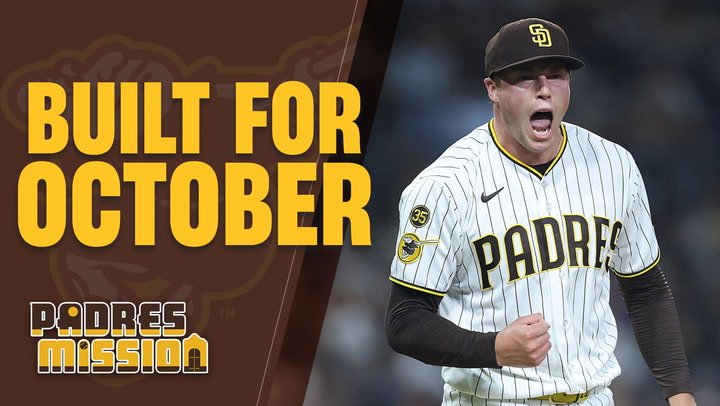 With Mason Miller, Adrián Morejón, Jeremiah Estrada and Jason Adam leading the way, the Padres have the kind of bullpen that could make them a nightmare in October. View the full article
 -
 The organization made more minor-league promotions this week. Among them were two trade deadline arrivals being bumped up to Triple-A Syracuse. Both played to type in their respective debuts for the Mets on Tuesday. Émilien Pitre had two hits and scored a run, and he put the ball in play all four times up. Billy Amick doubled in a tack-on run in the eighth, but before that, he had struck out three times. They were among the many contributors to a 5-1 victory over Worcester. The Mets got five hitless innings from Xzavion Curry and a third-inning home run from Ronny Mauricio to establish an early advantage. Mauricio doubled in a run in the fifth to put Syracuse ahead 4-0. Elsewhere in the organization: Binghamton rallied for two runs in the bottom of the ninth to defeat Altoona 4-3. Jefferson Rojas tied the game with a double, and Chris Suero won it with a sacrifice fly. Brooklyn got two home runs from John Spikerman and 5 2/3 strong innings from starter Nicolas Carreno in 9-1 rout of Asheville. Spikerman’s second homer broke the game open in the seventh. St. Lucie fell 10-1 to Lakeland. Justin Hagenman allowed a run and struck out three over 2 1/3 innings in a rehab start. Ryan Tayman drove in the Mets’ run with a sac fly in the fourth. DSL Mets Blue dropped a 6-2 decision to the DSL NYY Bombers. Jesus Minaya had two hits and an RBI, and Eduardo Pina threw three perfect innings. DSL Mets Orange fell 9-1 to DSL Colorado. Michalle Mercedes drove in the Mets’ run with a sac fly in the fifth. New York Mets Transactions New York Mets activated RHP Austin Warren from the 15-day injured list. New York Mets sent RHP Justin Hagenman on a rehab assignment to St. Lucie Mets. New York Mets optioned RHP Chayce McDermott to Syracuse Mets. Curry Spotless In Win For Syracuse Curry has been on the New York-Syracuse shuttle for about a month, pitching in long relief for the big club and then being sent back to the minors. Tuesday, he started for Syracuse and was stellar. The only runner he allowed came on a fielding error by third baseman Nick Lorusso in the fifth. He struck out four and threw 34 of his 53 pitches for strikes. Tobias Myers, who has been dropped off at Syracuse after struggling in Queens, followed Curry and allowed a run and two hits over three innings. He also fanned four. Syracuse grabbed a 3-0 lead in the third. Jose Ramos singled, and Pitre doubled to put runners on second and third. After Nick Morabito struck out, a balk scored Ramos. Mauricio then hit a two-run home run, his 15th of the season. Rojas also singled in the eighth. Mitch Voit ignited Binghamton's rally in the ninth when he was hit by a pitch with one out, Marco Vargas singled, and then Rojas doubled to left, scoring Voit and advancing Vargas to third. Altoona intentionally walked Jacob Reimer to set up a force at every base. Chris Suero foiled the strategy with a fly to left that brought home Vargas with the winning run. Gary Gill Hill turned in a quality start. He allowed two runs and four hits over six innings, walking one and striking out eight. Player AB R H RBI BB K Mitch Voit 4 1 1 0 0 1 Marco Vargas 5 2 3 0 0 1 Jefferson Rojas 5 1 3 3 0 1 Jacob Reimer 4 0 0 0 1 0 Chris Suero 3 0 1 1 1 0 John Bay 4 0 0 0 0 0 Corey Collins 2 0 0 0 2 1 D'Andre Smith 4 0 0 0 0 2 Kevin Parada 4 0 2 0 0 2 Player IP H R ER BB K HR Gary Gill Hill 6 4 2 2 1 8 1 Felipe De La Cruz 1 3 1 1 0 2 0 Carlos Guzman 1 0 0 0 2 1 0 Bryce Jenkins 1 1 0 0 0 0 0 Spikerman Powers Up For Cyclones Spikerman launched his first two home runs for Brooklyn in the win. He went deep in the second inning to give Brooklyn a 1-0 lead, and then clubbed a three-run shot in the seventh to extend the lead to 6-1. The blast was part of a four-run inning that broke open a 2-1 game. Carreno turned in his third consecutive outstanding start and his fourth in the last five outings. He struck out seven, walked one and scattered five hits as he again worked into the sixth inning. The run he allowed was unearned. it is the only run he has given up in 17 1/3 innings this month. Yonatan Henriquez hit a solo homer in the ninth for the final margin. Trey Snyder drove in two runs, while Aidan Smith had two hits and scored three runs. Player AB R H RBI BB K Sammy Stafura 6 0 0 0 0 3 Elian Peña 4 0 0 0 2 3 Aidan Smith 3 3 2 0 3 0 Ronald Hernandez 3 2 0 0 3 1 Trey Snyder 4 0 2 2 1 2 Yonatan Henriquez 4 1 1 1 1 1 John Spikerman 5 2 2 4 0 0 Daiverson Gutierrez 4 1 1 1 1 2 Antonio Jimenez 5 0 2 0 0 1 Player IP H R ER BB K HR Nicolas Carreno 5 2/3 5 1 0 1 7 0 Rafi Vazquez 1 1/3 0 0 0 1 1 0 Gregori Louis 1 1 0 0 0 2 0 Hunter Hodges 1 0 0 0 1 2 0 Hagenman Takes First Step In Rehab With St. Lucie Start Hagenman got his first game action of the season after missing 4 1/2 months with a rib fracture he suffered during spring training. He threw 43 pitches, 25 for strikes, The run came on a single in the second. The fact he threw that many pitches in his debut is a sign the major-league club intends to use him as a starter or long reliever if he makes it back to New York. He last pitched for the Mets on Sept. 9 of last year. St. Lucie's run came with the Mets already down 3-0, and it scored without the benefit of a hit. Aiden Robbins walked, moved to second on a balk, advanced to third on a groundout by Eli Serrano III, and scored on Tayman's sacrifice fly. St. Lucie was held to five hits in the game. Jeremy Rodriguez had two of them. Player AB R H RBI BB K Vladi Gomez 4 0 0 0 1 1 Aiden Robbins 2 1 0 0 2 1 Eli Serrano III 3 0 0 0 1 0 Ryan Tayman 2 0 1 1 1 0 Julio Zayas 3 0 0 0 1 2 Jeremy Rodriguez 3 0 2 0 1 0 Jack Toomey 3 0 1 0 1 1 Reed Stallman 4 0 1 0 0 2 Jake Ogden 4 0 0 0 0 0 Player IP H R ER BB K HR Justin Hagenman 2 1/3 3 1 1 1 3 0 Owen Woodward 1 2/3 4 2 1 1 2 0 Jose Lopez 2 1/3 3 6 6 4 1 0 Tyler McLoughlin 1 2/3 2 1 1 1 2 0 Caden Wooster 1 2 0 0 1 0 0 Top-20 Prospect Performance Jonah Tong: DNP Jack Wenninger: DNP Ryan Clifford: DNP Elian Peña: 0-for-4, 2 BB, 3 K Nick Morabito: 0-for-4, 2 K Jacob Reimer: 0-for-4, BB Mitch Voit: 1-for-4, K Jonathan Santucci: DNP Zac Thornton: MLB Chris Suero: 1-for-3, RBI, BB Will Watson: DNP Wandy Asigen: DNP Eli Serrano III: 0-for-3, BB Randy Guzman: DNP Dylan Ross: DNP Ryan Lambert: DNP Antonio Jimenez: 2-for-5, 2B, K R.J. Gordon: DNP Jonathan Pintaro: MLB Marco Vargas: 3-for-5, K View the full article
 -
 Boston Red Sox Affiliate Recap Triple-A Worcester Red Sox Season Record: 62-54 Worcester’s offense fell asleep as they took a 5-1 loss to the Syracuse Mets (New York Mets). The WooSox bats put up a measly two hits in the entire game. Worcester was getting no-hit through six innings until Romy Gonzalez broke it up with a two-out single; afterward, Allan Castro’s double brought him in to make it a 4-1 game. After a stellar three-inning start in his Worcester debut, Jedixson Paez got a bit unlucky even with five strikeouts, putting two runners aboard on an infield single and a double on a ball that was well over the strike zone. The 22-year-old gave up a three-run homer on a dotted changeup in the corner of the zone, putting Syracuse up 3-0. Patrick Halligan and John Brebbia finished the rest of the game for the WooSox, giving their team somewhat of a chance to come back, but the offense had nothing going. Both righties combined for four innings, six strikeouts, and two earned runs. Double-A Portland Sea Dogs Season Record: 59-55 In front of a packed Portland crowd, the Sea Dogs came out on top with a 7-5 victory over the Reading Fightin Phils (Philadelphia Phillies). With the additions of newly promoted Justin Gonzales and a rehabbing Roman Anthony, this is most likely the most stacked Portland Sea Dogs lineup we have seen in a while. Portland scored seven runs on 11 hits and five walks. Leading off for Portland, Gonzales did not disappoint, lining a single up the middle to center field for a base hit in his first Double-A at-bat. Anthony followed up with a walk in a 3-2 count to put two runners aboard with no outs. Next up was Jack Winnay, who singled home Gonzales to make it a 1-0 game in the first inning. As he continues to figure out Double-A since his promotion, Henry Godbout crushed his first Sea Dogs homer in the fourth to extend their lead to 2-0. After dropping a single into left field in the third, Anthony did not stop there, blasting a towering two-run shot over the right field stands, pushing the lead to 4-0 in the fifth. The inning continued, however; Winnay drew a walk, and Brooks Brannon brought him in with a double, his 25th of the season, giving Portland a comfortable 5-0 lead. The Sea Dogs pitching staff got into some trouble in the sixth; a solo shot and a two-run homer made it an interesting 5-3 game all of a sudden. When Anthony walked once again, he was subbed out for Ahbram Liendo to pinch-run. Winnay collected his second knock of the game to put two runners aboard, Brannon earned his second hit of the game as well, this time an RBI single to bring in Liendo, while Ronald Rosario’s RBI groundout made it 7-3. The Fightin Phils fought back in the ninth, making it a two-run game, but Portland’s pitching staff held on, taking a 7-5 victory. On the pitching side, Dalton Rogers dealt with some traffic but was still outstanding, striking out eight batters with two runs given up through 5 ⅓ innings while also earning the win. Tyler Davis held his own through 2 ⅔ innings of relief, giving up just one run on two hits with two strikeouts. Erik Rivera struggled in the ninth; command issues hurt him badly, but he still came out of the wreckage with a victory. Standout Performances: Roman Anthony: 2-for-2, HR, R, 2 RBI, 2 BB Jack Winnay: 2-for-3, 2 R, RBI, BB Brooks Brannon: 2-for-4, 2B, 2 RBI High-A Greenville Drive Season Record: 50-62 Greenville outhit the Winston-Salem Dash (Chicago White Sox), yet they took a 7-4 defeat at home. The Drive had 10 hits and four walks as a team, seemingly having no problems getting runners aboard, but they could not string together many runs, scoring four runs while going just 2-for-14 with runners in scoring position. Batting first and second in the lineup, Jake Schaffner had a multi-hit day with a stolen base, with his former college teammate Owen Hull smacking his fifth double through 11 games. Facing a 7-0 deficit in the seventh, Ronny Hernandez crushed a two-run homer, while Yophery Rodriguez’s RBI double and Antonio Anderson’s RBI groundout in the eighth inning made it a 7-4 game, but Greenville came up short. It was not a great day for Greenville’s pitching staff. Marcus Phillips gave up three runs (one unearned) through two innings, then came out of the game with a trainer. Out of the four pitchers the Drive sent out, Adam Bates had the lone scoreless appearance, tossing two scoreless innings with two strikeouts. Low-A Salem RidgeYaks Season Record: 50-63 It was a bloodbath down in Salem, with the RidgeYaks blowing out the Wilson Warbirds (Milwaukee Brewers) 21-4. The entire lineup was raking for the RidgeYaks; other than the late substitutions due to the blowout, everyone had multiple hits. The squad produced 23 hits and eight walks with just five strikeouts. Franklin Primera continued to show that he cannot be stopped, recording three hits that included a solo homer, a two-run double, and a base-clearing double to cap off his seven-RBI night. Starlyn Nunez added three hits of his own, a two-run single, a two-run homer, and an RBI groundout, putting his RBI total to five. Louis Andujar, Andrews Opata, and Adonys Guzman all put together three-hit games as well. Guzman, however, was the only Salem batter to get on base six times, three walks and three singles. Kleyver Salazar had a great day at the plate, providing a two-run blast and a sacrifice fly. Cole Tolbert was not great in his three-inning start, but with how good the offense was, it did not matter either way. Nicolas De La Cruz earned the win with two innings of work, allowing one run. Yermain Ruiz was outstanding out of the bullpen, shoving through three perfect innings with five strikeouts while Wuilliams Rodriguez tossed a perfect inning as well to end the game. Standout Performances: Franklin Primera: 3-for-6, HR, 2 2B, 4 R, 7 RBI Starlyn Nunez: 3-for-5, HR, 2 R, 5 RBI Adonys Guzman: 3-for-3, 3 R, 2 RBI, 3 BB Kleyver Salazar: 2-for-3, HR, 2 R, 3 RBI View the full article
 -
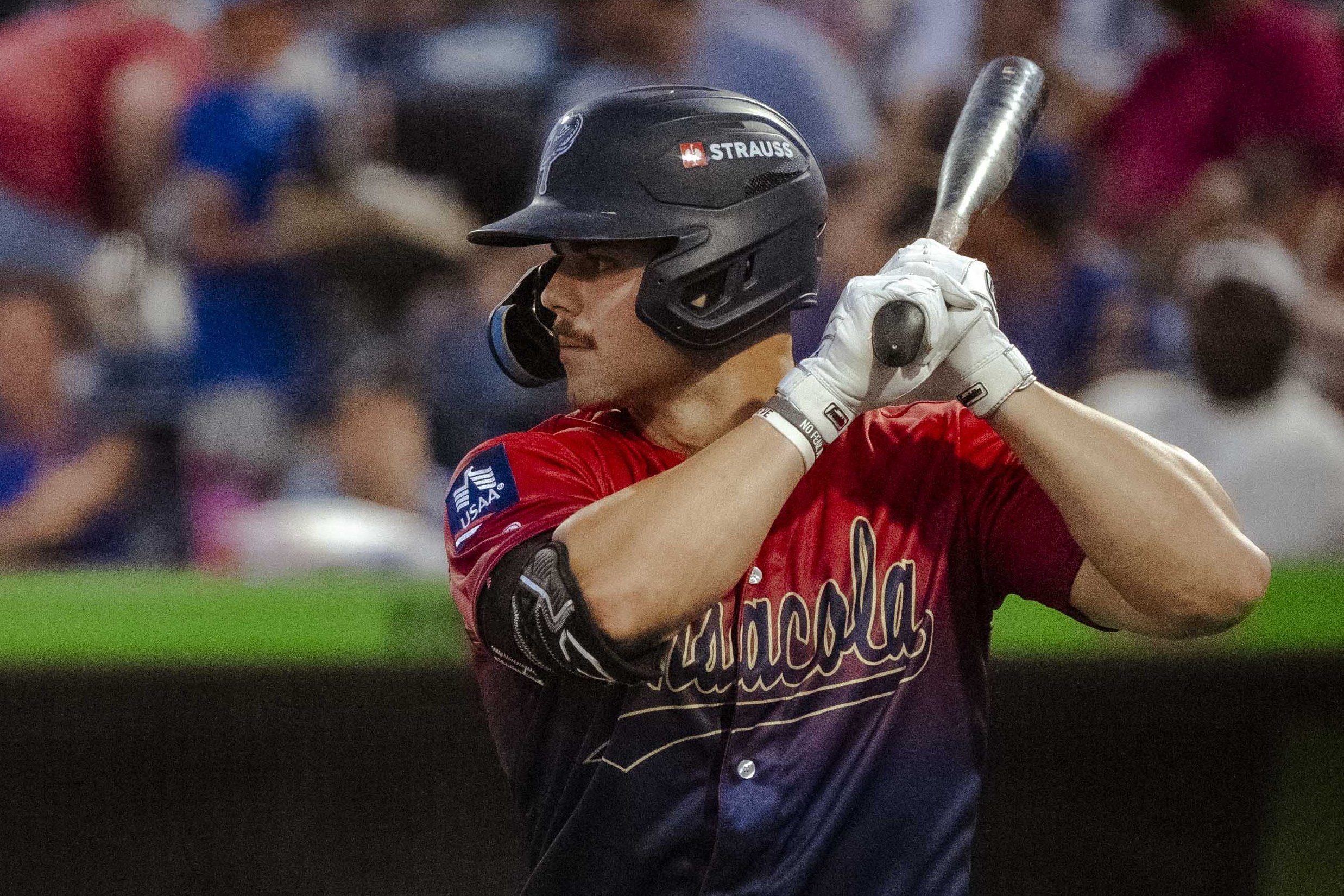 For the 2026 season, Fish On First will provide weekly reports on the Miami Marlins farm system, covering all levels. This is the first check-in since the Dominican Summer League season concluded, leaving only full-season affiliates participating in official games moving forward. This report covers the games played from August 11-18. Triple-A Jacksonville The Jumbo Shrimp posted a 2-4 week against the Syracuse Mets. Karson Milbrandt started the Saturday game, where in five innings of work, he allowed three runs on five hits, two walks and struck out seven. That was actually among his "best" starts since being promoted to the Jumbo Shrimp. The right-hander now owns a 7.65 ERA, 6.86 FIP, 8.50 K/9 and 7.65 BB/9 in 42 ⅓ innings pitched. After a dominant start at the Double-A level, Milbrandt is experience failure and hopefully learning from it. Jack Ralston recently had his contract selected, but has been optioned to Triple-A Jacksonville, yet to make his Marlins debut. The month of August has been the worst of his 2026 season up to this point, posting a 6.23 ERA in four appearances. Overall, he has a 1.70 ERA, 3.86 FIP, 11.26 K/9 and 4.32 BB/9 in 58 ⅓ innings pitched. In his first appearance for the Jumbo Shrimp, waiver claim Wikelman González surrendered two runs on no hits, but walked three. He tossed just one inning. It took until Tuesday, in his 10th game with the Shrimp, for trade deadline acquisition Brayden Taylor to record a hit. He was one of three players acquired from the Tampa Bay Rays in the Liam Hicks trade. His slash line with his new organization is .040/.368/.120/.488. As shown below courtesy of TJStats, Taylor is being way too patient, swinging at barely one-third of all pitches. His contact ability is there, but the quality of that contact is not good enough right now. It was a nice week for Kemp Alderman, who continues to make his case as a potential September call-up. Against Syracuse, he had two home runs, his 16th and 17th respectively. He is now slashing .265/.345/.471/.816 with 17 home runs, 51 RBI and a 113 wRC+. Along with Alderman is Deyvison De Los Santos, notching three home runs during the week and another on Tuesday. Unlike Alderman, De Los Santos is on the team's 40-man roster, sporting an 1.167 OPS in the month of August. He is slashing .279/.342/.489/.831 with 18 home runs and 63 RBI. Since joining the Jumbo Shrimp, Jonathon Long is slashing .321/.513/.393/.906 with three RBI. In the series against Syracuse, Long had four hits and drove in one run. He continues to split time between left field and first base with the Marlins organization. In seven games at the Triple-A level, Brendan Jones is slashing .267/.421/.400/.821 with one RBI and four stolen bases. Jones, one of four players acquired in the Ryan Weathers trade, Jones could factor into the Marlins' outfield plans next season. Double-A Pensacola The Wahoos kept their winning ways rolling in grand fashion in their series against the Biloxi Shuckers, sweeping them in a six-game set. It was the first six-game sweep since 2023 for Pensacola, which has now won 16 of their last 19 games. The bats were out in abundance for the Wahoos as they won the run differential battle, 58-24. They have their sights set firmly on the playoffs as they now lead the Southern League South by 3.5 games during the second half of the season. Brandon Compton just continues to do Brandon Compton things, being not-so-arguably the best hitter in Minor League Baseball. Over the course of the six-game series, Compton went 9-for-28 with two home runs. He upped his wRC+ to 159, which is 12th in all of MiLB. There really are only two caveats to consider regarding Compton's success: he’s done virtually all of his damage against righties and he is defensively inflexible, limited to only corner outfield in a system chock full of lefty-hitting outfielders. Regarding the latter, Fish On First has recently learned that during the series against Biloxi, Compton began doing infield work including taking grounders and rehearsing plays at first base, which has been a position of weakness for the Marlins in the majors. The plan is for Compton to start receiving in-game reps at first base as early as this coming week. Now up to 29 home runs on the season with the ability to spray the ball to all fields via great strength and quick hands, Compton is proving this isn’t just a hot stretch—it is something he is capable of on a regular basis. In an organization that has recently become known for developing lefty bats and getting the most out of them, Compton is in an advantageous situation. If things work out well at first base, he could make that his primary home next season in Miami, with Kyle Stowers reacquainting himself with the outfield. Not to be lost in all of the offensive production from the Wahoos was another solid start from Joey Volini. Rebounding from a short outing his last time out, the Marlins’ 2025 sixth-rounder worked a career-high seven innings on six hits and three earned runs, two of which came on homers. He struck out five and walked one. Volini pitched to batters in the eighth inning, making him the first Pensacola starter to reach that mark in a game since Luis Palacios in 2023. After a slow introduction to pro ball, Volini is now clearly stretched out. In previous outings, he was able to limit walks but lapses in command caused him to run into trouble on the scoreboard. In this start, Volini looked spectacular, limiting damage by finding his spots consistently. He induced eight groundouts, mainly with his changeup. Still young to starting having only been made a featured arm his final year of college at FSU, Volini is still honing his craft and feeling things out, but he has started to show good strike zone knowledge and the ability to mix well with four pitches. Because none of his pitches truly stand out as plus offerings just yet, Volini's future is still pretty volatile, but if he can continue to make positive strides as he’s being challenged pretty quickly, he could reach the ceiling of a back-end starter. This week’s past start was a good look at that potential ceiling against the most advanced competition he’s faced in his career. At the very least, Volini has an MLB future as a bulk reliever. High-A Beloit Powered by a four-run 10th inning in their first game and a season-best 16-run performance in their penultimate game, the Carp took four of six from the Peoria Chiefs for their first series win since late July. Their outburst on Sunday was powered by seven home runs, the most Beloit has hit in a single game during their affiliation with the Marlins. With the win, the Sky Carp climbed to 29-19 in the second half and are in a deadlock for their division lead with Quad Cities, whom they will match up against in two weeks. It’s been an up-and-down season for Starlyn Caba. A fantastic first half in which he slashed .265/.404/.442 has given way to a disappointing second half. Since June, Caba is hitting just .202/.373/.326. In this series against Peoria, though, Caba showed signs of breaking the cycle. In five games, he went 4-for-16 including a three-hit performance in the final game which included a homer and four RBI. During his dry spell at the plate, Caba’s patience and ability to work his way on via a walk have sustained. His 19% walk rate ranks in the 95th percentile league-wide. However, his K rate has also leapt from 21% to 27%. Caba is forcing pitchers to come into the zone and is seeing tons of strikes, proven by the fact that has a whiff rate in the 77th percentile as well as a O-swing percentage in the 83rd percentile. The issue is Caba is just simply not swinging the bat. With a swing percentage of just 38.7%, Caba’s passivity has reached new heights. Opposing pitchers are exposing this trait by locating well, allowing them to work ahead early and finish ABs well, leading to his heightened K rate which is in the 35th percentile. What worked in the first half for Caba in terms of his approach will need to be slightly altered in order for him to get back on track. Teaching a young, light-hitting infielder to alter his approach and adjust back to a higher level of competition can be a tall task, but if the Marlins can persuade Caba to become a bit more aggressive particularly in longer counts when its strength versus strength, these are gaps that can be filled. Hopefully for the slick-fielding shortstop, the start of that turnaround has already begun. Julio Mendez is not a name you’ll see on top prospects lists, but he has been a consistently solid and reliable left-handed pitcher since arriving in the Marlins organization in 2022. After holding down a 3.83 ERA with a 95/43 K/BB in 91.2 IP at Low-A last season and restarting there to begin this season, Mendez matriculated up to High-A this past month. He’s had to adjust a bit to his new level of competition was recently able to do so advantageously. His latest outing this past week was a five inning shutout performance in which he walked four and struck out five. A 5’11”, 180-pound southpaw, Mendez isn’t an imposing physical specimen nor will he wow with velo, but he is a true strike-thrower who has garnered an enhanced ability to collect whiffs inside the zone. At 49.5%, Mendez’s zone percentage ranks in the 80gj percentile in the Midwest League. He also has a CSW% of 30.7, which ranks him in the 76th percentile league-wide. Mendez lives by a fastball that sits 93 mph and tops at 95. From there, Mendez owns a wide arsenal. His best secondary is a slider with outstanding spin rates in the 2600s, giving it wipeout action. Mendez also throws two different changeups, a traditional variety and a faster cutter, giving him the ability to inside-out hitters. Mendez just keeps producing. With a strong pitcher’s IQ, this under-the-radar arm is a potential MLB contributor someday. Low-A Jupiter FOF prospect of the week Echedry Vargas has been putting on a special power display at the Low-A level. In the week against the St. Lucie Mets, where the Hammerheads went 5-1, Vargas had nine hits, 10 RBI and hit five home runs. Vargas became the first Hammerheads player to have a 20-homer season since Marcell Ozuna back in 2012. He also leads the Florida State League in home runs (21). Vargas is now slashing .310/.365/.580/.945 with 72 RBI and a 141 wRC+. Along with Vargas, Andrés Valor has nothing left to prove in Jupiter. After a rough start to the season, he is slashing .220/.341/.395/.737 with 13 home runs, 44 RBI, 51 stolen bases and posting a 99 wRC+. Marlins first-round draft pick Jacob Lombard is now slashing .244/.396/.463/.859 with three home runs, 12 RBI, six stolen bases and a 130 wRC+. He has also committed five errors in that small sample. Yohanfer Santana made his Low-A debut as a reliever, topping out at 100.4 mph and averaging 99.4 mph. The 6'7" right-hander tossed one inning, allowing one hit and striking out two. Santana spent most of the 2026 season at the complex level. He posted an 8.49 ERA, 6.12 FIP, 15.78 K/9 and 9.40 BB/9 in 16 appearances (12 starts). DSL Marlins & DSL Miami The Dominican Summer League regular season concluded on Tuesday. DSL Marlins and DSL Miami had final records of 32-23 and 12-43, respectively. Gregori Arias had a tough year at the plate, homered in two of his last three games. He has also drove in five runs over those three games. In August, Arias hit .286 with a .429 OBP and a .643 SLG. On the year, Arias finished at .189 with four home runs, 15 RBI’s and 13 stolen bases. Ronny Muñoz hit his fourth home run of the year on Saturday. August was the best month of the year for Muñoz. The strikeout rate is a serious issue moving forward, ending at 36% over the summer, but the power is certainly there. Santiago Solarte placed 19th among DSL qualifiers in batting average (.339) and seventh in SLG (.598). According to Ely Sussman, he became the first player in modern minor league history to have a 10 HR/40 SB season in rookie ball. Left-hander Keyner Cedeño, even in a slugfest, remains untouchable. On Saturday, in a 14-13 win over DSL Rangers Blue, Cedeño pitched the final 2 ⅔ innings and struck out four, notching his fifth win of the year in the process. From June 15 onward, he went 33 consecutive innings without giving up an earned run. This week's schedule Triple-A Jacksonville at Memphis Double-A Pensacola vs. Knoxville High-A Beloit vs. Cedar Rapids Low-A Jupiter at Bradenton View the full article
 -
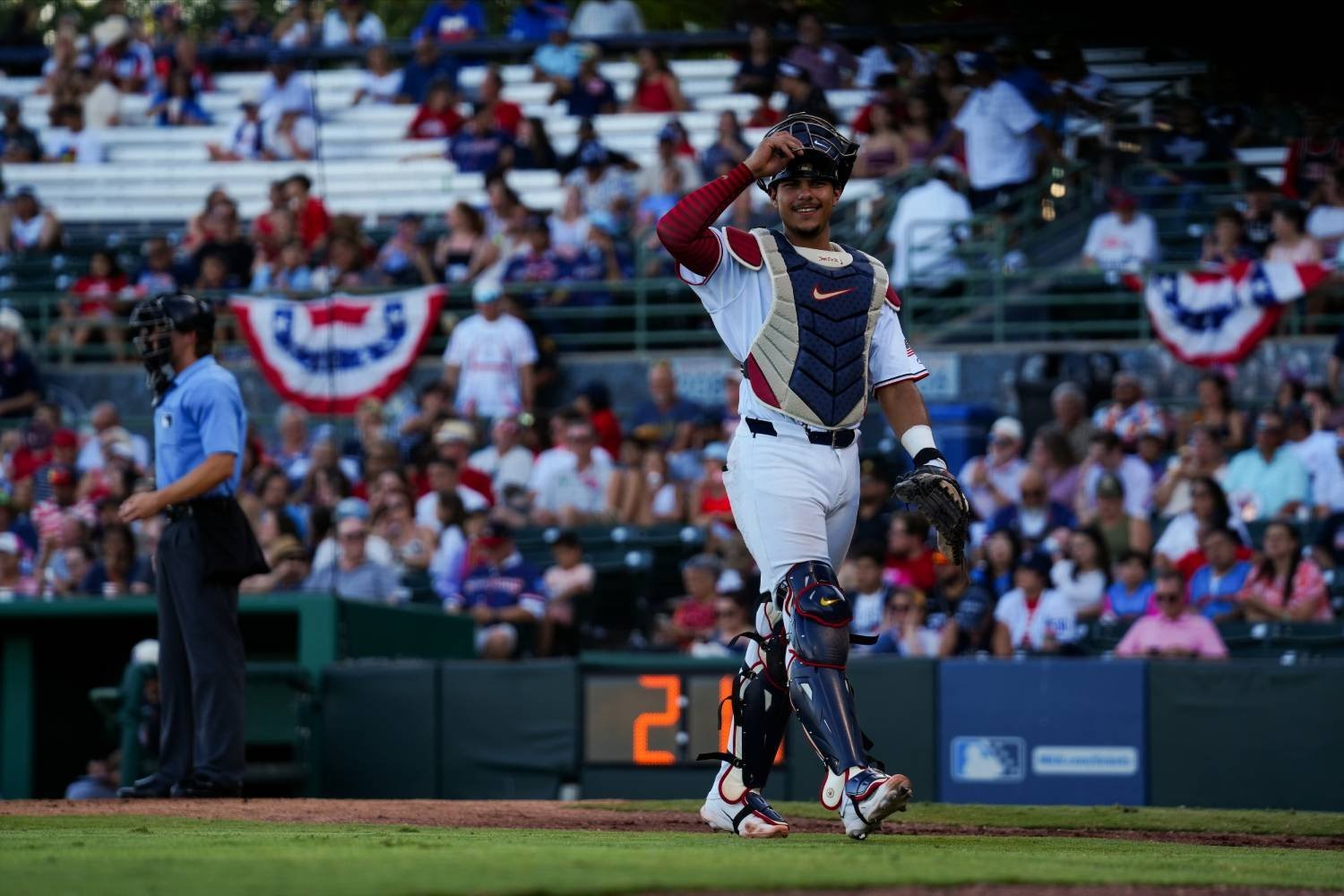 There has been a lot of chatter over the last week about the possibility of Ethan Salas being called up by the San Diego Padres to make his MLB debut this season as the team makes a push for the postseason and then hopefully a lengthy run toward a third World Series appearance. But there was a recent article in The Athletic that wasn't particularly clear on how that could happen, which has caused a little extra buzz from Friars fans. As it stands right now, the tandem of Luis Campusano and Freddy Fermin are playing well, but both are also right-handed bats, whereas Salas, Padres Mission's No. 1 prospect, is a left-handed hitter and has been lighting it up in the three weeks since being promoted to the Triple-A El Paso Chihuahuas. The Padres realistically have four choices to make regarding the 20-year-old catcher. Let's take a look at those possibilities: Call Ethan Salas Up Before Sept. 1 This is the cleanest path for Salas making an impact down the stretch and into the postseason. He would be added to the 40-man roster before rosters expand in September, so no special permission would be needed. The Padres were recently carrying three catchers until infielder Gage Workman, acquired from the Detroit Tigers at the trade deadline along with right-handed starter Casey Mize, was added to the major-league roster. Workman has since been replaced by outfielder Austin Hays. Salas could be added to the 26-man roster in place of outfielder Jase Bowen, whose role has lessened with Hays' presence, and to the 40-man by transferring right-hander Lucas Giolito to the 60-day injured list in a paperwork move (he has been out almost 60 days already). This would be the same process for any player claimed off waivers or signed and added to the roster before the end of August, like Hays. Call Ethan Salas Up Before The End Of The Regular Season No longer can you call up a slew of prospects when the calendar flips to September. That is now limited to two players, no more than one being a pitcher. So Salas can come up without knocking anyone off the MLB roster and with the same move with Giolito. With the call-up coming in September, the Commissioner's Office would need to sign off on Salas being on the postseason roster, but that is a rubber-stamp process since he was in the organization before Sept. 1. One big example of this is right-handed reliever Francisco Rodriguez, who made his MLB debut for the Anaheim Angels on Sept. 18, 2002, and appeared in five regular-season games, then being a key member of the bullpen as the team won the World Series that year (before being called Los Angeles). This would also allow Salas to complete the regular season with the Chihuahuas, which runs through Sept. 20, a week before the MLB regular season concludes. If the Padres don't need him before then, this could be their best option. Call Ethan Salas Up Before The Postseason Begins There are two instances of this happening in recent years that come to mind. Just last year, Cleveland Guardians center fielder Chase DeLauter made his MLB debut by starting Games 2 and 3 of the AL Wild Card Series. The other came in 2015, when Kansas City Royals shortstop Adalberto Mondesi made his MLB debut in the World Series, pinch-hitting in the fifth inning of Game 3 (it would be his only appearance of the series). Both were added to the MLB roster and 40-man roster before those series began. While Salas will not have faced MLB pitching before, this path could also be good, as he will have had regular at-bats at Triple-A, then a week off before being put on the postseason roster (likely being on the taxi squad the final week and around the team). Don't Call Ethan Salas Up Until 2027 I know, this is the least fun option. But this could also be beneficial for Salas. While any postseason experience would be tremendous to get his career off the ground, the downside would have to do with the owners promising to lock out the players on Dec. 1. If added to the Padres' roster, Salas would be just like any other MLB player and not able to use the Padres' facilities during the lockout or have any contact with the team. But if Salas is not added to the major-league roster this season, he would be just like the rest of the minor-league players. The minor-league collective bargaining agreement doesn't expire until next year, so for all players not on 40-man rosters, this will be like any other offseason. They'll then report to spring training as usual (albeit strange with no MLB players around). Salas should have a normal offseason after coming off a stress reaction in his lower back wiped out most all of his 2025 and would be able to ramp up for a 2027 season in which he most likely would be the Opening Day catcher, whenever that day actually comes. View the full article
 -
Local Man Already Accuses Vahn Lackey of Being Overrated
DiamondCentric posted an article in Twins Daily
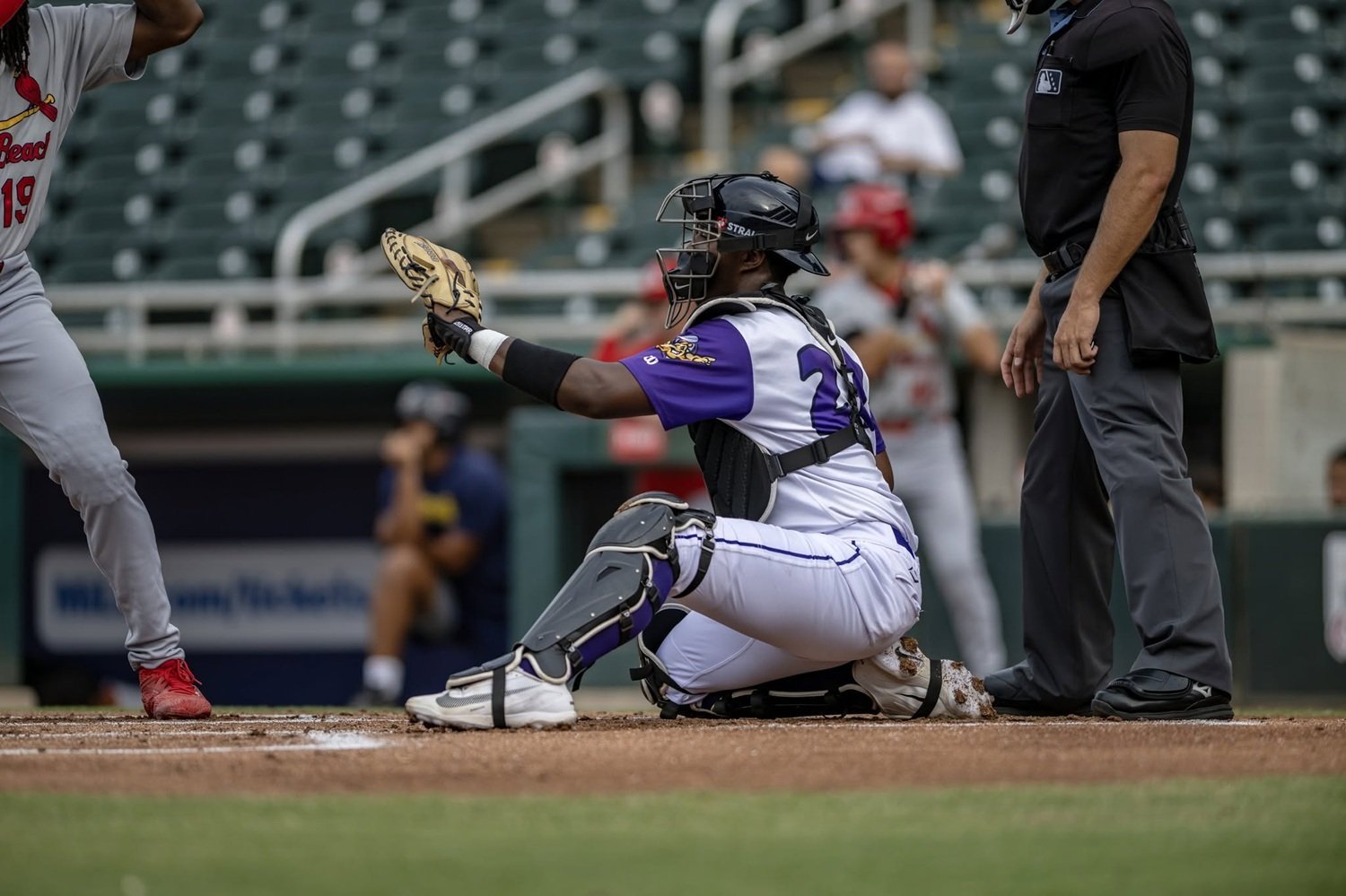 The Minnesota Twins selected Vahn Lackey with the third overall pick in the 2026 MLB Draft, handing the organization one of the most talented college hitters in recent memory. Scouts praised his advanced approach, athleticism, and all-around offensive upside. Unfortunately, none of that mattered to 43-year-old Brainerd resident Randy Swenson, who has apparently seen enough. "I've been patient," Swenson said while refreshing Lackey's game log for the ninth time before breakfast. "But the guy was supposed to be the next Joe Mauer, and now he can't even hit home runs against teenagers in the Florida State League. I don't know what else there is to say." When reminded that Lackey is, in fact, only a few games into his professional career after signing only a few weeks ago, Swenson remained unconvinced. "Excuses," he replied. "Joe Mauer would've hit three home runs by now. Probably four. Honestly, I expected him to force a promotion to Double-A by the end of the month." Swenson admitted he has not actually watched a single plate appearance. Instead, he has formed his opinion almost entirely by checking the box score every morning and comparing Lackey's home run total to players who have several hundred more professional games under their belts. "If I'm looking at a first-round pick and there's not at least one ball in the parking lot by now, something's wrong," Swenson explained. "You don't draft a guy third overall to go out there and... develop." His frustration stems from what he describes as "false advertising." "They kept saying he has an advanced hit tool," Swenson said. "That's great. Where are the moonshots? I was promised Joe Mauer, except with more power. Right now, I'm seeing a guy who's getting on base instead of hitting 500-foot home runs every night." The reaction has not surprised those closest to him. "Oh, this is pretty standard," said his wife, Melissa. "He declared Byron Buxton a bust after his first Spring Training because he struck out twice. Two years later, he was telling everyone he'd believed in Buxton all along." His uncle, Dennis, remembers similar behavior stretching back decades. "When Joe Ryan gave up a homer in his first Grapefruit League outing, Randy wanted to trade him for 'literally any veteran,'" Dennis recalled. "Then Joe became an All-Star, and Randy started wearing his jersey like none of that happened." Even Swenson's 16-year-old daughter, Emma, has grown accustomed to the cycle. "Dad once called a prospect untouchable after a three-hit game," she said. "The next week the same player went 1-for-16, and suddenly he wanted him DFA'd. I don't think he fully understands how the whole thing works." Despite Lackey owning just a handful of professional games on his résumé, Swenson believes enough evidence has accumulated. "I'm just saying," he insisted. "The third overall pick should be batting at least .450 by now. If you're still 'adjusting to pro ball' after a week, are you really a generational talent?" Scouts continue to praise Lackey's plate discipline, swing decisions, and ability to make consistent hard contact. Twins officials have repeatedly emphasized that player development is measured over years—not days. Swenson disagrees. "Prospects are like avocados," he explained confidently. "If they're not perfect immediately, you've waited too long." As of Thursday afternoon, Swenson had moved on to criticizing the Twins' newest international signing for "only" posting a .417 on-base percentage in his first week of professional baseball. Family members expect he'll eventually come around on Lackey—roughly two weeks after the catcher reaches the majors and starts hitting. Until then, Minnesota's newest top prospect can take comfort in one thing: if Randy Swenson already thinks you're overrated, history suggests you're probably on the right track. View the full article
![More information about "After Tommy John Surgery, Cole Tolbert's Competitive Spirit Burns Bright [Exclusive]"](http://d317trerw33y7b.cloudfront.net/monthly_2026_08/rssImage-c2ce20ae8fad2fe57ef49c1f71666f47.png.69dbe8d3605d01dc059c4cb806f68e1d.png)
