


DiamondCentric
-
Posts
2,631 -
Joined
-
Last visited
Never
Content Type
Profiles
Forums
Events
MLB News, Rumors & Analysis
DiamondCentric Tutorials & Help
Major League Baseball Videos
MLB Fan Guides & Resources
Store
Downloads
Gallery
Everything posted by DiamondCentric
-

Marlins outright Brian Navarreto, 4 others to minor leagues
DiamondCentric posted an article in Fish On First
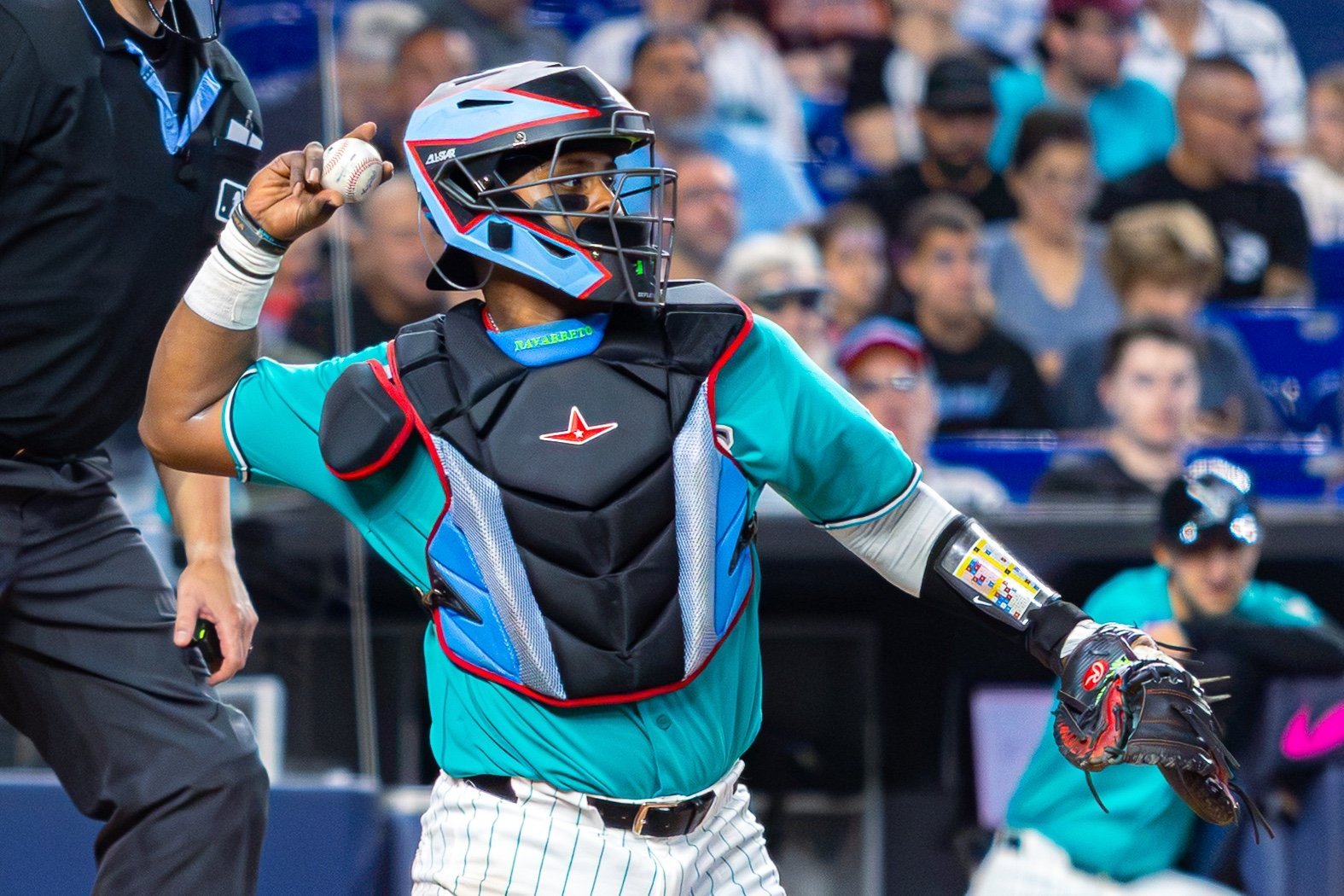 Following the World Series, the Miami Marlins had to trim from their 40-man roster, with 38 players occupying spots and five others waiting to be reinstated from the 60-day injured list. Catchers Logan Driscoll and Brian Navarreto and right-handers Zach Brzykcy, Wikelman Gonzalez and Tyler Zuber were the odd men out. All five of them cleared waivers and were outrighted to Triple-A Jacksonville. Re-signed by the Marlins to minor league deals last offseason, Navarreto and Zuber spent the majority of 2026 on the club's active roster. However, Navarreto was utterly useless with a bat in his hands (19 wRC+ in 32 games), while Zuber underwent elbow surgery earlier this month that is expected to sideline him for the majority of next season. As of Friday, there are two open spots on Miami's 40-man. View the full article
-
Marlins outright Brian Navarreto, 4 others to minor leagues
DiamondCentric posted an article in Fish On First
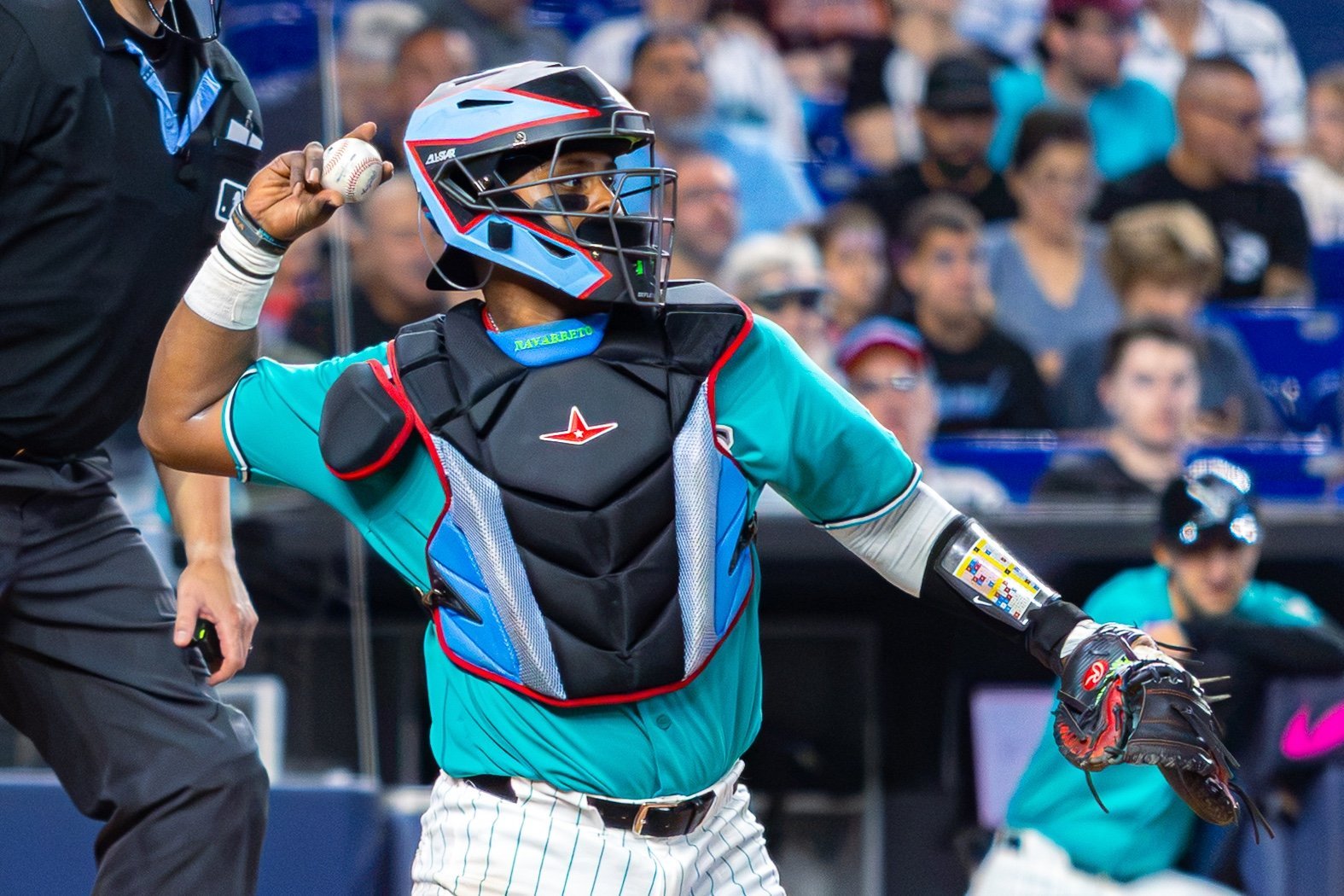 Following the World Series, the Miami Marlins had to trim from their 40-man roster, with 38 players occupying spots and five others waiting to be reinstated from the 60-day injured list. Catchers Logan Driscoll and Brian Navarreto and right-handers Zach Brzykcy, Wikelman González and Tyler Zuber were the odd men out. All five of them cleared waivers and were outrighted to Triple-A Jacksonville. Re-signed by the Marlins to minor league deals last offseason, Navarreto and Zuber spent the majority of 2026 on the club's active roster. However, Navarreto was utterly useless with a bat in his hands (19 wRC+ in 32 games), while Zuber underwent elbow surgery earlier this month that is expected to sideline him for the majority of next season. They can both elect free agency once again, but Driscoll, Brzykcy and González will remain under the Marlins' control. After the rest of the 60-day IL guys are reinstated, there will be two open spots on Miami's 40-man. View the full article
-
You Can Only Pick One: Gausman, Scherzer, or Bieber?
DiamondCentric posted an article in Jays Centre
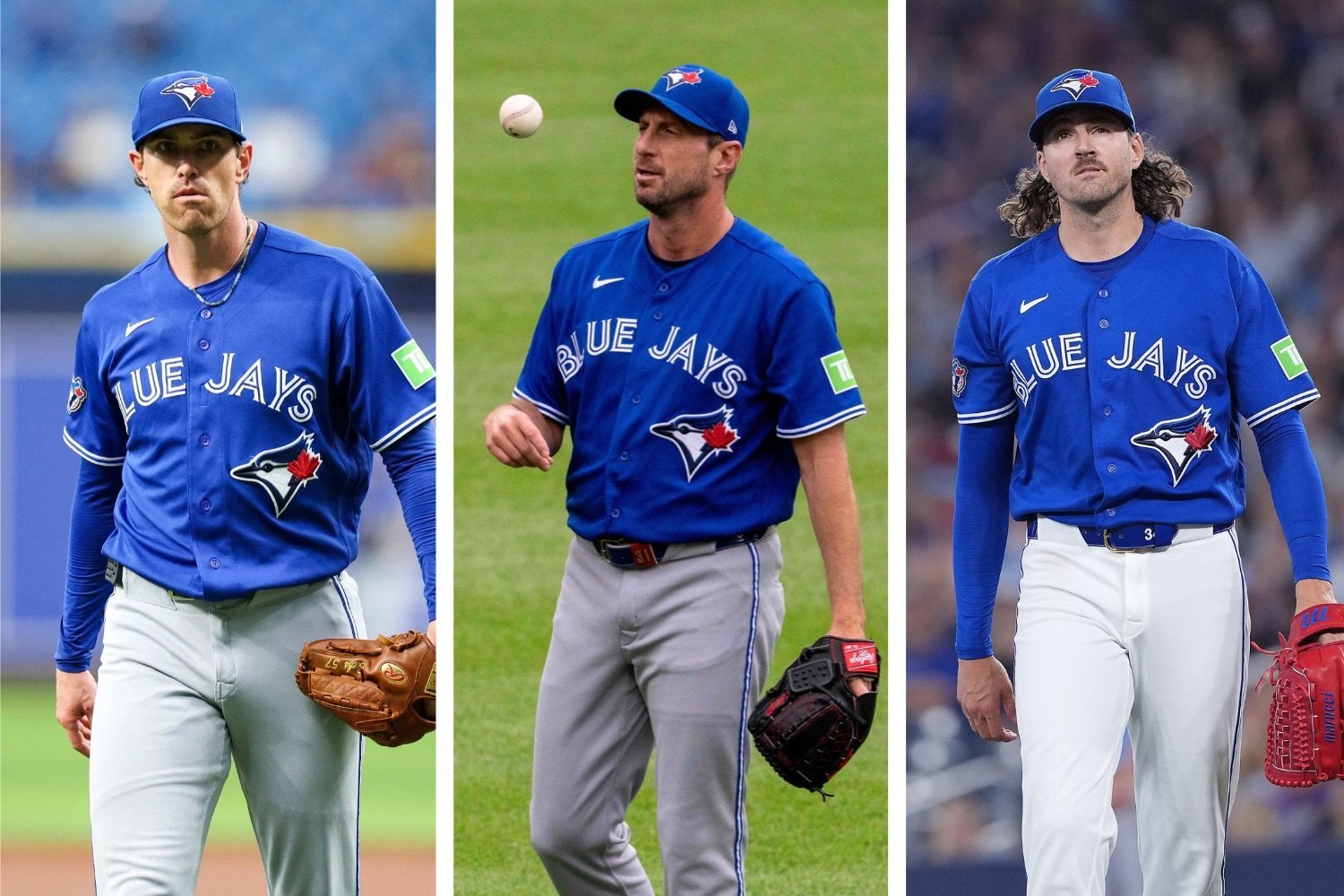 Earlier this week, Mike LeSage wrote about all the familiar faces on DiamondCentric's list of the top free agents. It got me thinking about three of them in particular: All-Star starters Kevin Gausman, Shane Bieber, and Max Scherzer. The Blue Jays' priority this winter will be upgrading an offense that finished last in MLB in runs and home runs. However, Ross Atkins will also look to lengthen a starting rotation that weathered more than a dozen IL stints in 2026. With Scherzer, Bieber, Patrick Corbin, and Jameson Taillon soon to hit free agency, the Jays will be short on proven big league arms. Dylan Cease, José Soriano, and Trey Yesavage make a strong top three. Hopefully, Cody Ponce will be healthy and ready to slot in as the No. 4 next March, but even he is a question mark. And after Ponce, the question marks only get bigger. Spencer Arrighetti. Ricky Tiedeman. Bowden Francis. Jake Bloss. Chad Dallas. That's a lot of depth, but it's still not enough, especially since José Berríos will be out recovering from his Tommy John surgery until mid-season. So, there's a high likelihood the Jays will add at least one experienced MLB starter this winter. It could be someone we've never seen in Blue Jays blue before. It could be an old friend like Chris Bassitt or Robbie Ray. But just for fun, let's say it's going to be someone who pitched for Toronto in 2025 and '26. If that's the case, should it be Gausman, Bieber, or Scherzer? I think you could make a compelling case for all three. The Case for Kevin Gausman If I were betting on one of these pitchers to have the best season in 2027, Gausman would be the easy choice. I wouldn't be shocked if Bieber turned in a sharper performance, but the odds are stacked against him, considering he hasn't pitched a full season since 2022. Gausman is Mr. Reliable. He made at least 31 starts in all five years of his $110 million contract, and he hasn't been on the injured list since 2019. By ERA, 2026 was his worst season since that injury-plagued 2019 campaign. However, his peripheral numbers were as strong as ever. In short, Gausman is easily the most valuable of these three pitchers. Indeed, of anyone available on the free agent market, I think he might be the best bet to give a team 30-plus above-average starts. The question is whether that's the kind of player the Blue Jays want to spend their money on. Gausman will be seeking an annual salary near $20 million and at least a two-year commitment. That's significantly more than Scherzer or Bieber will command. Now, I'm not saying the Jays can't afford to re-sign Gausman. Of course they can. But even Rogers' money isn't infinite, and Ross Atkins might prefer to direct more of his resources toward the offense. So, whether or not Gausman makes sense depends on how confident the Jays are in their internal starting pitching options. After the season we just lived through, I would happily welcome Gausman back in 2027. But if you have more confidence than I do in guys like Ponce, Arrighetti, Tiedemann, and Berríos, I can understand why you might see Gausman as superfluous. The Case for Max Scherzer Scherzer battled through numerous injuries to give the Blue Jays 35 starts across his age-40 and 41 campaigns. He was far more valuable to the team than his 9-14 record, 5.46 ERA, and 0.7 fWAR would have you believe. Not only was he beloved within the clubhouse, but he quickly connected with the fans, who were thrilled to watch a legendary pitcher polish his Hall of Fame resume in Toronto. Scherzer has not yet confirmed that he'll try to play in 2027, but if he does, he can continue compiling counting stats. Most notably, he has a good shot at moving up a few more spots on the all-time strikeouts list. At this point in his career, Scherzer's ceiling is much lower than Gausman's or Bieber's. In terms of on-field production, he really only offers depth. However, for the reasons I laid out above, he's worth more than just his numbers. The Jays can find the kind of production they might be hoping to get from Gausman or Bieber somewhere else, but there aren't any other free agents quite like Scherzer. Furthermore, Scherzer and the Blue Jays could do something similar to what they did last winter, when they stayed in touch throughout the offseason but didn't officially sign a contract until the Jays knew they needed extra depth. Such an arrangement would benefit Scherzer, who might not be capable of pitching a full season at 42, and the Blue Jays, who wouldn't have to make space for him on the roster right away. Signing Scherzer probably only makes sense if the Jays also sign another free agent pitcher, or they're far more confident than we realize in the arms they have at home. Still, there's no such thing as too much pitching depth, and I really want to see Scherzer pass Verlander in career strikeouts. The Case for Shane Bieber In some ways, Bieber is the compromise candidate between Gausman and Scherzer. From 2019-22, Bieber pitched to a 2.91 ERA and 16.0 fWAR in 93 games. He made two All-Star teams and earned Cy Young votes in three of those four seasons, highlighted by a unanimous victory in 2020. At his best, he can lead a rotation just as capably as Gausman. Unfortunately, injuries have thrown his career off course. Unlike Gausman, he isn't in a position to seek a multi-year deal or a $20 million salary. Last offseason, he picked up his $16 million player option instead of collecting a $4 million buyout. In other words, he agreed to stay with Toronto in 2026 for a net payment of $12 million. Now, he's coming off another injury-shortened season, and one in which his performance was much worse. I'm not sure he could even command eight figures. So, with Bieber, you get a player with top-of-the-rotation upside, but his contract could look closer to Scherzer's than Gausman's. That means Bieber is the best target of the three if Ross Atkins doesn't want to spend Gausman-level money on a starting pitcher and he isn't convinced Scherzer has enough left in the tank. Personally, I'm least interested in bringing Bieber back. I wish him the best wherever he signs, but the Jays already have enough promising question marks. What they need now is the kind of insurance that the injury-prone Bieber just can't offer. View the full article
-
One Red Sox Prospect From Each Affiliate Who Will Break Out In 2027
DiamondCentric posted an article in Talk Sox
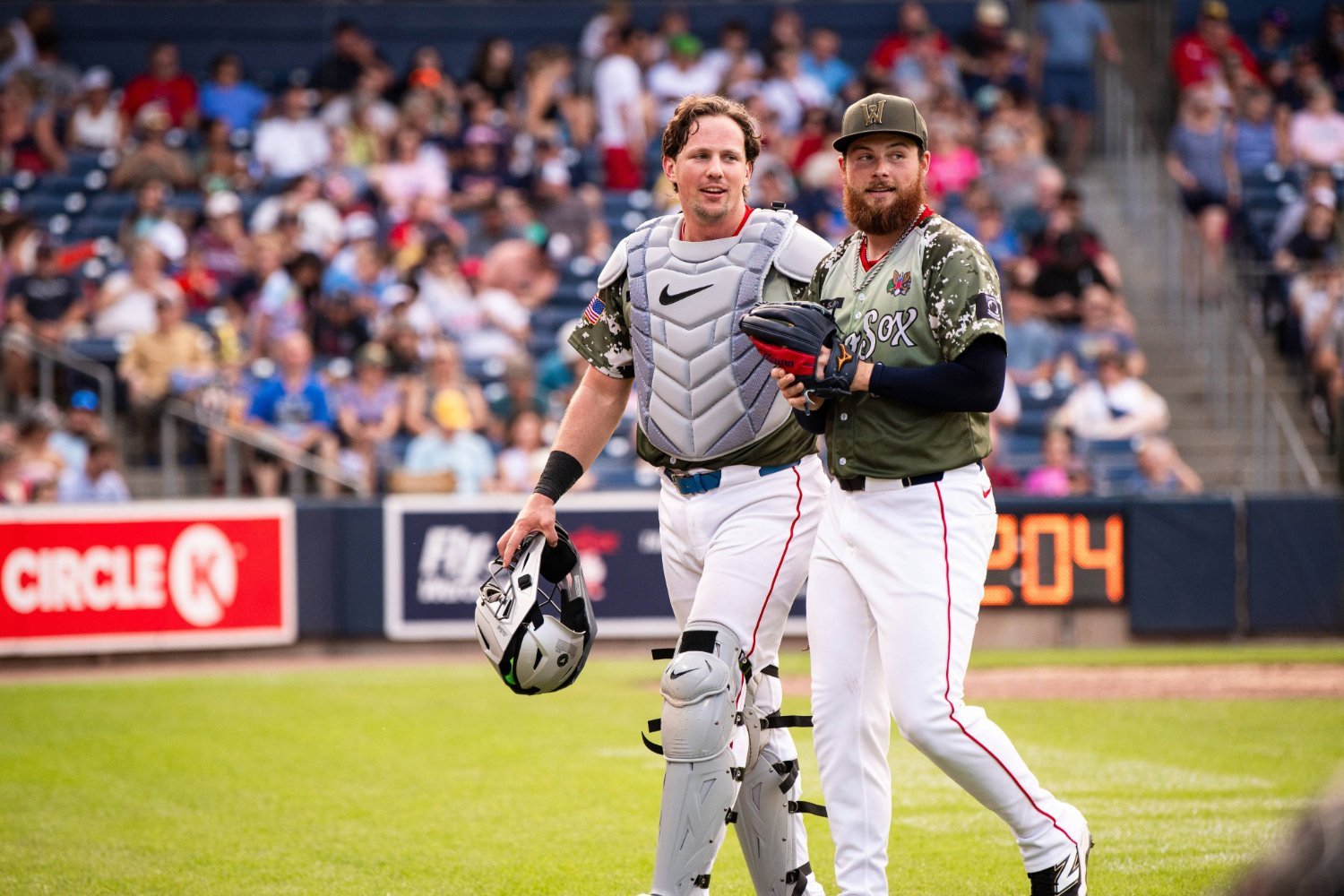 Even after the trades of Anthony Eyanson, Kyson Witherspoon, Enddy Azocar, and Harold Rivas, the Boston Red Sox's farm system has some high-end prospects. Franklin Arias, Justin Gonzales, and Franklin Primera are the organization's best, but there are some more under-the-radar candidates that could be primed for a breakout season in 2027. So, let's pick one player from each level of the system who should skyrocket up prospect rankings next year. Triple-A Worcester Red Sox: Gage Ziehl Garrett Whitlock, Caleb Durbin, and Greg Weissert. At one point in their careers, all three of these players were in the New York Yankees' system. Now, all three have turned into big-time contributors for the Red Sox. The next former Yankee to find success with the Red Sox could very well be Gage Ziehl. Ziehl was drafted by New York in 2024 before being moved to the Chicago White Sox for Austin Slater a year later. The following offseason, the Red Sox acquired him in the Jordan Hicks deal. Ziehl started the 2026 season in Portland, earning a promotion to Worcester with a month left in the season. His 4.33 ERA in 17 starts with the Sea Dogs is nothing to write home about, but his underlying metrics tell a slightly different story. In his Double-A stint, his xFIP was 3.56, compared to a FIP of 4.17. His stats with Worcester are similar. His 4.02 xFIP over eight starts is 49 points lower than the actual results, suggesting that Ziehl is due for some positive regression in the near future. He has a regular five-pitch arsenal, relying on his cutter and sweeper the most. He does a good job pounding the zone, but his velocity will need work if he wants to reach a higher ceiling. His fastball sat at just 91-94 mph and while he can generate whiffs, he's certainly not elite in that regard. Luckily for him, he’s in the right place. With recent success stories like Payton Tolle, Connelly Early, and Jake Bennett, the Red Sox pitching team has a track record of success with young pitchers. Ziehl is still only 23 years old, and with another year of development in the organization, he can emerge as valuable pitching depth. Double-A Portland Sea Dogs: Jack Winnay When you think of the Red Sox Double-A prospects, Jack Winnay doesn’t immediately jump out. But he should. The 2025 13th-round draftee out of Wake Forest struggled in High-A to start his first full professional season, but found his stride and made a successful jump up to Double-A later in the season. He has above-average raw power, exemplified by his 35 home runs in his final two seasons at Wake Forest, but he struggled to display it during his first season with Low-A Salem. But in 2026, he added 3-4 mph to his exit velocities and started to showcase his pop. Winnay hit just .197 through the month of April, but he shook off the rough start. He earned a call-up to Portland by mid-June after compiling 11 home runs and a .891 OPS through 56 games. In addition, his plate discipline is excellent. He makes good swing decisions and isn’t afraid to take. He drew 53 walks in 188 at-bats in High-A. Comparatively, he struck out 51 times in the same stretch. The jump to Double-A was well-deserved, and Winnay hardly missed a beat. In 45 games, he hit .268 with a .804 OPS. His walk rate suffered slightly, but that’s to be expected with better pitching. He hit five fewer home runs than he did in High-A but also struck out less. With a full season facing better pitching and more time to fully unlock his raw power, Winnay projects as one of the Red Sox's most underrated hitting prospects heading into the offseason. High-A Greenville Drive: Antonio Anderson The Red Sox's third-round draft pick in 2023, Anderson was written off after two disastrous seasons to start his professional career. But Anderson didn’t write back. He hit .186 in 108 games in his first full season with Low-A Salem, compiling a measly .581 OPS from both sides of the plate. His 2025 campaign marked some improvements, as he hit .345 in 22 games with Salem before earning a call-up to Greenville. Then he came back down to earth, hitting .212 with the Drive. His OPS tumbled accordingly, from .924 to .569. But heading into 2026, Anderson made some adjustments. He simplified his swing, and the results were resounding. “Just having more of a simple swing, not doing too much with my hands and lower half—straight back, straight to the ball,” Anderson told MLB.com. He set career highs across the stat sheet, hitting nine homers, driving in 46 runs, and tallying 131 bases. Additionally, he led the Red Sox organization in opposite-field rate going the other way 35% of the time. His .826 OPS and .273 average were career highs, and he finally began to showcase the skills that made him a coveted draft prospect. His career-best season has translated into a torrid start in the Arizona Fall League as well. In 13 games, Anderson is hitting .333 and has drawn 12 walks. He also has htree two home runs, including a 115.2-mph grand slam. While Anderson’s 2026 campaign could be considered a breakout, he’s got more in the tank and will be a fun player to watch in 2027. Low-A Salem RidgeYaks: Kleyver Salazar Kleyver Salazar isn’t as well known as Salem’s other catcher, Franklin Primera, but he is one of the most intriguing players at the Low-A level in his own right. Signed out of Venezuela in 2023, Salazar’s first season with Salem wasn’t outstanding; in fact, it wasn’t even good. Four home runs and a .215 batting average are discouraging, and a 20.3% strikeout rate alongside a .603 OPS are just cherries on top. The expectations for Salazar’s second season were low, but he went above and beyond. He improved across the board, tripling his home run total with 12 and hitting .293. His OPS jumped to .882, and he cut his K% to 16.5% while drawing 60 walks. His underlying metrics further support the improvements; his BABIP jumped from .269 to .328, and his isolated power metric improved from .061 to .186. His defense is also rock-solid. He has a strong arm and displays good movement behind the dish. While Primera is one of the Red Sox’s most-hyped prospects and will get preferential treatment behind the plate, Salazar shouldn’t slip through the cracks. If he can keep his momentum into 2027, or even improve on it, a call-up to High-A Greenville isn’t too far away. View the full article
-
You Can Only Pick One: Gausman, Scherzer, or Bieber?
DiamondCentric posted an article in Jays Centre
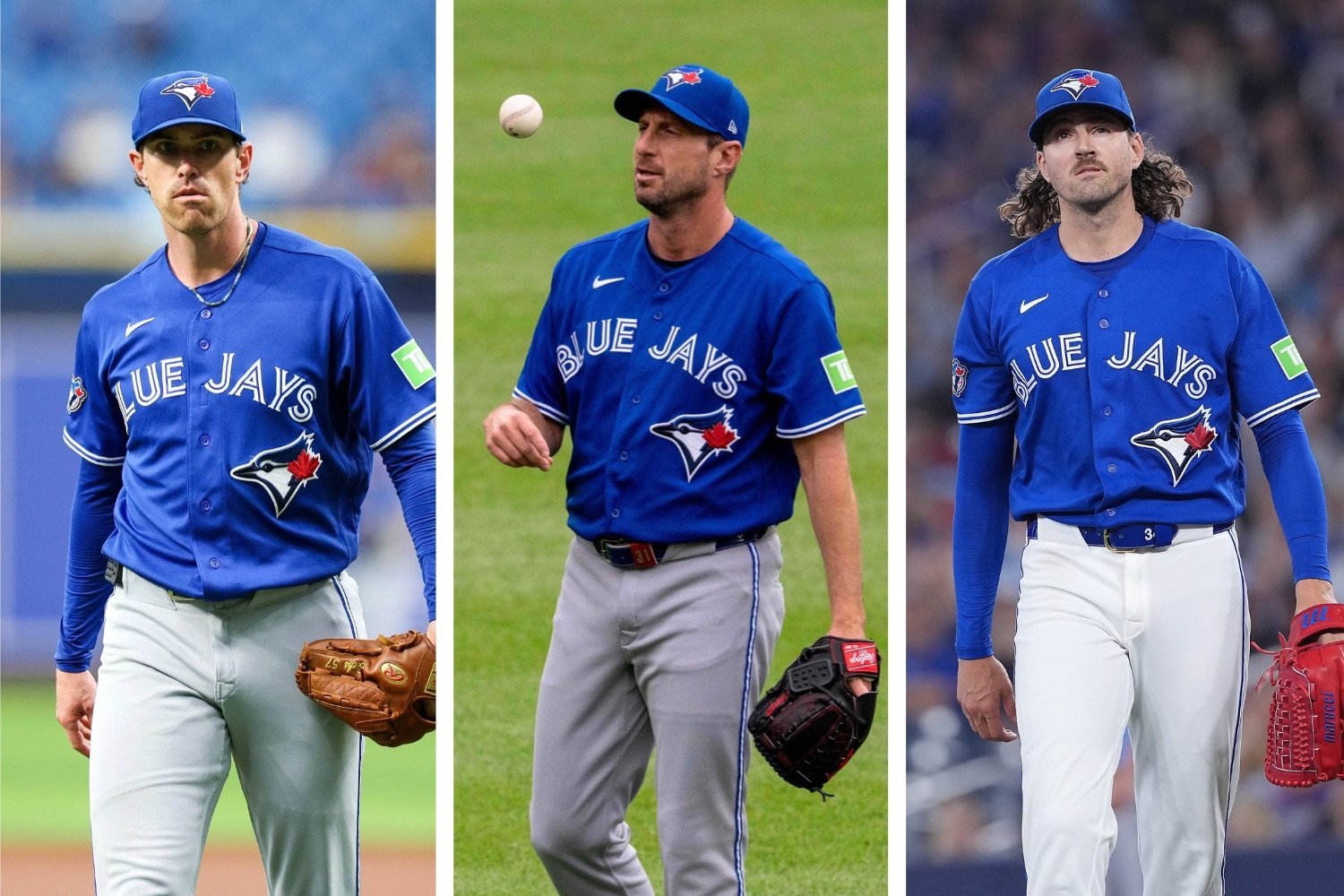 Earlier this week, Mike LeSage wrote about all the familiar faces on DiamondCentric's list of the top free agents. It got me thinking about three of them in particular: All-Star starters Kevin Gausman, Shane Bieber, and Max Scherzer. The Blue Jays' priority this winter will be upgrading an offense that finished last in MLB in runs and home runs. However, Ross Atkins will also look to lengthen a starting rotation that weathered more than a dozen IL stints in 2026. With Scherzer, Bieber, Patrick Corbin, and Jameson Taillon soon to hit free agency, the Jays will be short on proven big league arms. Dylan Cease, José Soriano, and Trey Yesavage make a strong top three. Hopefully, Cody Ponce will be healthy and ready to slot in as the No. 4 next March, but even he is a question mark. And after Ponce, the question marks only get bigger. Spencer Arrighetti. Ricky Tiedeman. Bowden Francis. Jake Bloss. Chad Dallas. That's a lot of depth, but it's still not enough, especially since José Berríos will be out recovering from his Tommy John surgery until mid-season. So, there's a high likelihood the Jays will add at least one experienced MLB starter this winter. It could be someone we've never seen in Blue Jays blue before. It could be an old friend like Chris Bassitt or Robbie Ray. But just for fun, let's say it's going to be someone who pitched for Toronto in 2025 and '26. If that's the case, should it be Gausman, Bieber, or Scherzer? I think you could make a compelling case for all three. The Case for Kevin Gausman If I were betting on one of these pitchers to have the best season in 2027, Gausman would be the easy choice. I wouldn't be shocked if Bieber turned in a sharper performance, but the odds are stacked against him, considering he hasn't pitched a full season since 2022. Gausman is Mr. Reliable. He made at least 31 starts in all five years of his $110 million contract, and he hasn't been on the injured list since 2019. By ERA, 2026 was his worst season since that injury-plagued 2019 campaign. However, his peripheral numbers were as strong as ever. In short, Gausman is easily the most valuable of these three pitchers. Indeed, of anyone available on the free agent market, I think he might be the best bet to give a team 30-plus above-average starts. The question is whether that's the kind of player the Blue Jays want to spend their money on. Gausman will be seeking an annual salary near $20 million and at least a two-year commitment. That's significantly more than Scherzer or Bieber will command. Now, I'm not saying the Jays can't afford to re-sign Gausman. Of course they can. But even Rogers' money isn't infinite, and Ross Atkins might prefer to direct more of his resources toward the offense. So, whether or not Gausman makes sense depends on how confident the Jays are in their internal starting pitching options. After the season we just lived through, I would happily welcome Gausman back in 2027. But if you have more confidence than I do in guys like Ponce, Arrighetti, Tiedemann, and Berríos, I can understand why you might see Gausman as superfluous. The Case for Max Scherzer Scherzer battled through numerous injuries to give the Blue Jays 35 starts across his age-40 and 41 campaigns. He was far more valuable to the team than his 9-14 record, 5.46 ERA, and 0.7 fWAR would have you believe. Not only was he beloved within the clubhouse, but he quickly connected with the fans, who were thrilled to watch a legendary pitcher polish his Hall of Fame resume in Toronto. Scherzer has not yet confirmed that he'll try to play in 2027, but if he does, he can continue compiling counting stats. Most notably, he has a good shot at moving up a few more spots on the all-time strikeouts list. At this point in his career, Scherzer's ceiling is much lower than Gausman's or Bieber's. In terms of on-field production, he really only offers depth. However, for the reasons I laid out above, he's worth more than just his numbers. The Jays can find the kind of production they might be hoping to get from Gausman or Bieber somewhere else, but there aren't any other free agents quite like Scherzer. Furthermore, Scherzer and the Blue Jays could do something similar to what they did last winter, when they stayed in touch throughout the offseason but didn't officially sign a contract until the Jays knew they needed extra depth. Such an arrangement would benefit Scherzer, who might not be capable of pitching a full season at 42, and the Blue Jays, who wouldn't have to make space for him on the roster right away. Signing Scherzer probably only makes sense if the Jays also sign another free agent pitcher, or they're far more confident than we realize in the arms they have at home. Still, there's no such thing as too much pitching depth, and I really want to see Scherzer pass Verlander in career strikeouts. The Case for Shane Bieber In some ways, Bieber is the compromise candidate between Gausman and Scherzer. From 2019-22, Bieber pitched to a 2.91 ERA and 16.0 fWAR in 93 games. He made two All-Star teams and earned Cy Young votes in three of those four seasons, highlighted by a unanimous victory in 2020. At his best, he can lead a rotation just as capably as Gausman. Unfortunately, injuries have thrown his career off course. Unlike Gausman, he isn't in a position to seek a multi-year deal or a $20 million salary. Last offseason, he picked up his $16 million player option instead of collecting a $4 million buyout. In other words, he agreed to stay with Toronto in 2026 for a net payment of $12 million. Now, he's coming off another injury-shortened season, and one in which his performance was much worse. I'm not sure he could even command eight figures. So, with Bieber, you get a player with top-of-the-rotation upside, but his contract could look closer to Scherzer's than Gausman's. That means Bieber is the best target of the three if Ross Atkins doesn't want to spend Gausman-level money on a starting pitcher and he isn't convinced Scherzer has enough left in the tank. Personally, I'm least interested in bringing Bieber back. I wish him the best wherever he signs, but the Jays already have enough promising question marks. What they need now is the kind of insurance that the injury-prone Bieber just can't offer. View the full article
-
One Red Sox Prospect From Each Affiliate Who Will Break Out In 2027
DiamondCentric posted an article in Talk Sox
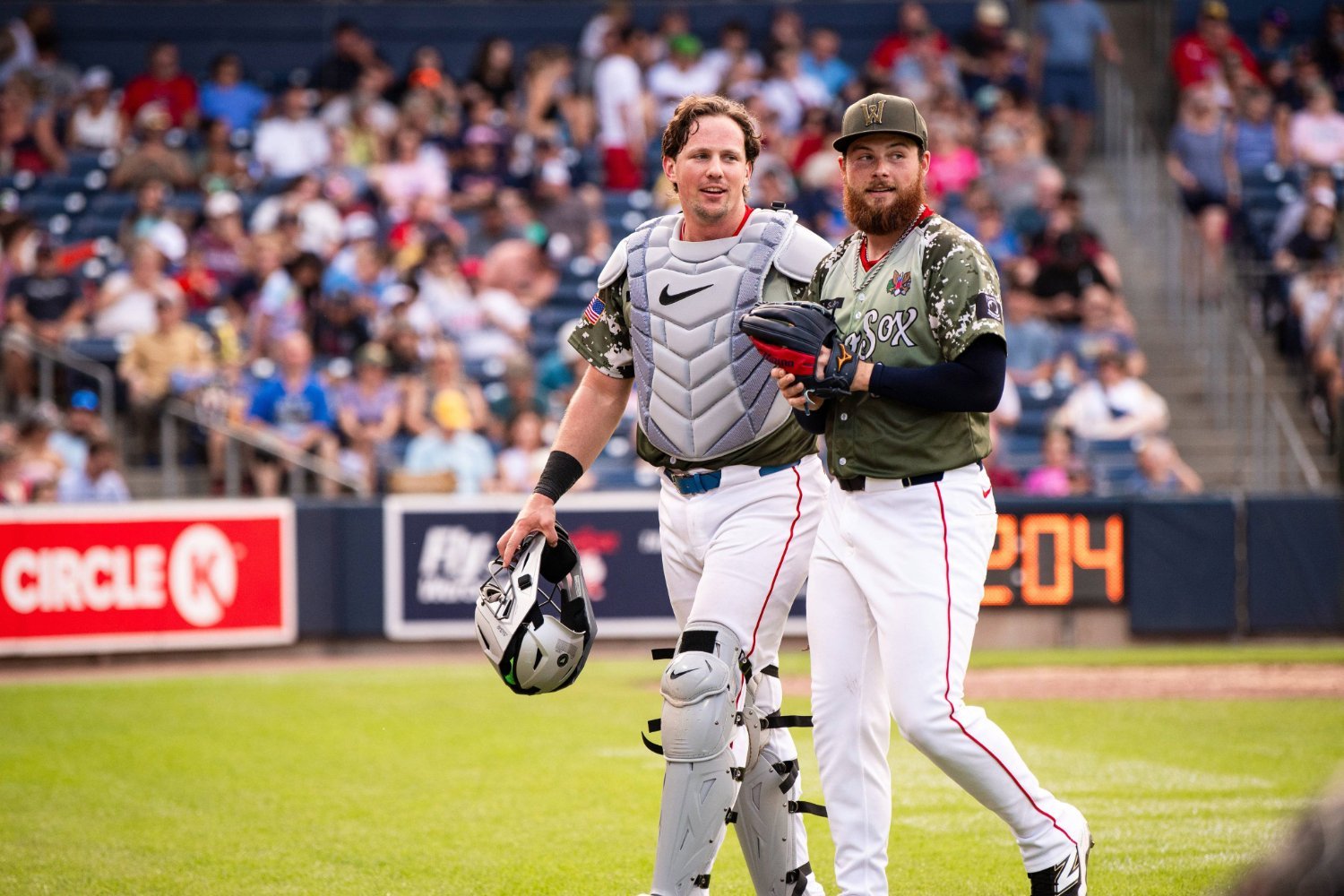 Even after the trades of Anthony Eyanson, Kyson Witherspoon, Enddy Azocar, and Harold Rivas, the Boston Red Sox's farm system has some high-end prospects. Franklin Arias, Justin Gonzales, and Franklin Primera are the organization's best, but there are some more under-the-radar candidates that could be primed for a breakout season in 2027. So, let's pick one player from each level of the system who should skyrocket up prospect rankings next year. Triple-A Worcester Red Sox: Gage Ziehl Garrett Whitlock, Caleb Durbin, and Greg Weissert. At one point in their careers, all three of these players were in the New York Yankees' system. Now, all three have turned into big-time contributors for the Red Sox. The next former Yankee to find success with the Red Sox could very well be Gage Ziehl. Ziehl was drafted by New York in 2024 before being moved to the Chicago White Sox for Austin Slater a year later. The following offseason, the Red Sox acquired him in the Jordan Hicks deal. Ziehl started the 2026 season in Portland, earning a promotion to Worcester with a month left in the season. His 4.33 ERA in 17 starts with the Sea Dogs is nothing to write home about, but his underlying metrics tell a slightly different story. In his Double-A stint, his xFIP was 3.56, compared to a FIP of 4.17. His stats with Worcester are similar. His 4.02 xFIP over eight starts is 49 points lower than the actual results, suggesting that Ziehl is due for some positive regression in the near future. He has a regular five-pitch arsenal, relying on his cutter and sweeper the most. He does a good job pounding the zone, but his velocity will need work if he wants to reach a higher ceiling. His fastball sat at just 91-94 mph and while he can generate whiffs, he's certainly not elite in that regard. Luckily for him, he’s in the right place. With recent success stories like Payton Tolle, Connelly Early, and Jake Bennett, the Red Sox pitching team has a track record of success with young pitchers. Ziehl is still only 23 years old, and with another year of development in the organization, he can emerge as valuable pitching depth. Double-A Portland Sea Dogs: Jack Winnay When you think of the Red Sox Double-A prospects, Jack Winnay doesn’t immediately jump out. But he should. The 2025 13th-round draftee out of Wake Forest struggled in High-A to start his first full professional season, but found his stride and made a successful jump up to Double-A later in the season. He has above-average raw power, exemplified by his 35 home runs in his final two seasons at Wake Forest, but he struggled to display it during his first season with Low-A Salem. But in 2026, he added 3-4 mph to his exit velocities and started to showcase his pop. Winnay hit just .197 through the month of April, but he shook off the rough start. He earned a call-up to Portland by mid-June after compiling 11 home runs and a .891 OPS through 56 games. In addition, his plate discipline is excellent. He makes good swing decisions and isn’t afraid to take. He drew 53 walks in 188 at-bats in High-A. Comparatively, he struck out 51 times in the same stretch. The jump to Double-A was well-deserved, and Winnay hardly missed a beat. In 45 games, he hit .268 with a .804 OPS. His walk rate suffered slightly, but that’s to be expected with better pitching. He hit five fewer home runs than he did in High-A but also struck out less. With a full season facing better pitching and more time to fully unlock his raw power, Winnay projects as one of the Red Sox's most underrated hitting prospects heading into the offseason. High-A Greenville Drive: Antonio Anderson The Red Sox's third-round draft pick in 2023, Anderson was written off after two disastrous seasons to start his professional career. But Anderson didn’t write back. He hit .186 in 108 games in his first full season with Low-A Salem, compiling a measly .581 OPS from both sides of the plate. His 2025 campaign marked some improvements, as he hit .345 in 22 games with Salem before earning a call-up to Greenville. Then he came back down to earth, hitting .212 with the Drive. His OPS tumbled accordingly, from .924 to .569. But heading into 2026, Anderson made some adjustments. He simplified his swing, and the results were resounding. “Just having more of a simple swing, not doing too much with my hands and lower half—straight back, straight to the ball,” Anderson told MLB.com. He set career highs across the stat sheet, hitting nine homers, driving in 46 runs, and tallying 131 bases. Additionally, he led the Red Sox organization in opposite-field rate going the other way 35% of the time. His .826 OPS and .273 average were career highs, and he finally began to showcase the skills that made him a coveted draft prospect. His career-best season has translated into a torrid start in the Arizona Fall League as well. In 13 games, Anderson is hitting .333 and has drawn 12 walks. He also has two home runs, including a 115.2-mph grand slam. While Anderson’s 2026 campaign could be considered a breakout, he’s got more in the tank and will be a fun player to watch in 2027. Low-A Salem RidgeYaks: Kleyver Salazar Kleyver Salazar isn’t as well known as Salem’s other catcher, Franklin Primera, but he is one of the most intriguing players at the Low-A level in his own right. Signed out of Venezuela in 2023, Salazar’s first season with Salem wasn’t outstanding; in fact, it wasn’t even good. Four home runs and a .215 batting average are discouraging, and a 20.3% strikeout rate alongside a .603 OPS are just cherries on top. The expectations for Salazar’s second season were low, but he went above and beyond. He improved across the board, tripling his home run total with 12 and hitting .293. His OPS jumped to .882, and he cut his K% to 16.5% while drawing 60 walks. His underlying metrics further support the improvements; his BABIP jumped from .269 to .328, and his isolated power metric improved from .061 to .186. His defense is also rock-solid. He has a strong arm and displays good movement behind the dish. While Primera is one of the Red Sox’s most-hyped prospects and will get preferential treatment behind the plate, Salazar shouldn’t slip through the cracks. If he can keep his momentum into 2027, or even improve on it, a call-up to High-A Greenville isn’t too far away. View the full article
-
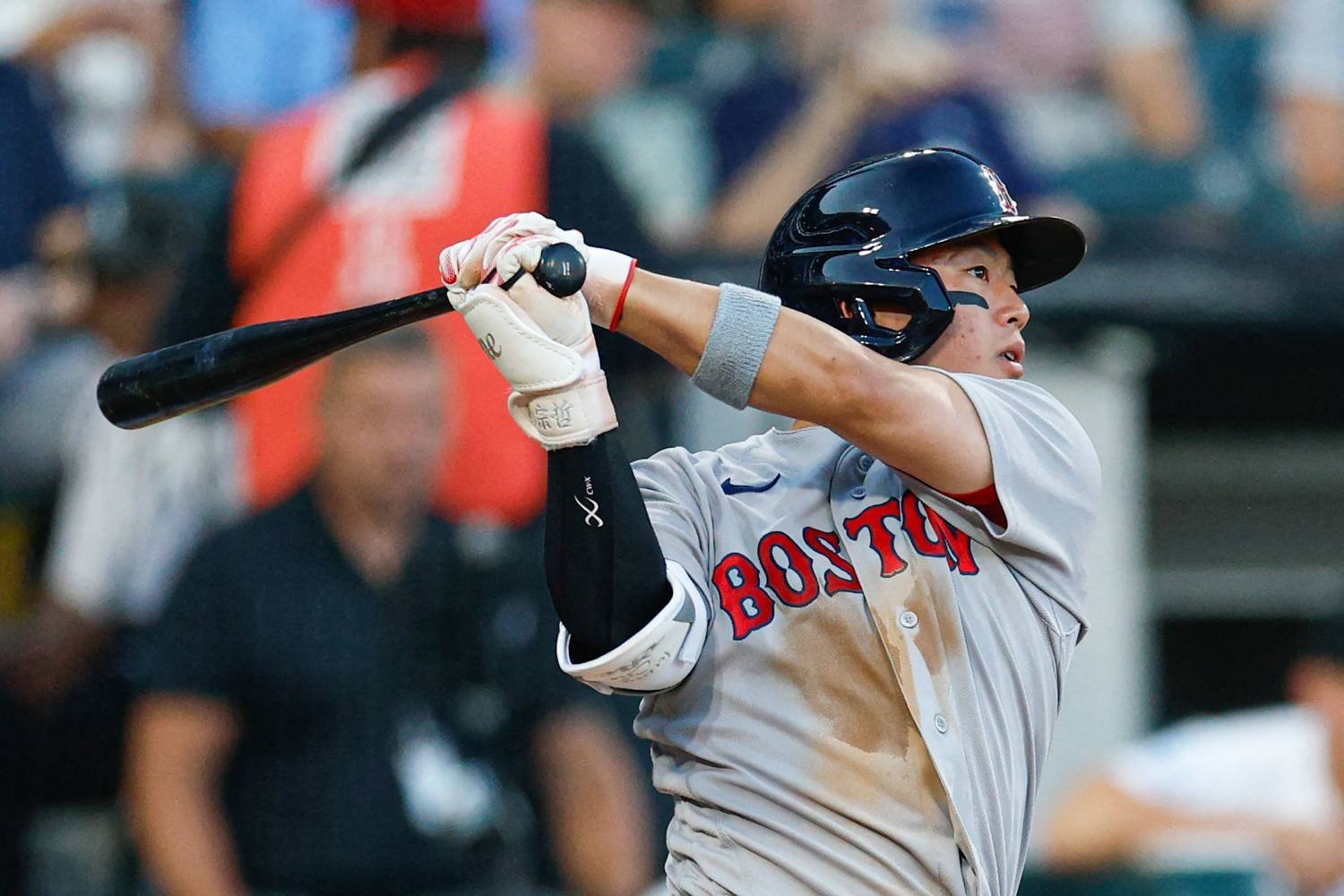 The scramble to create space on the 40-man roster spots continues for the Boston Red Sox. In their second trade of the day Thursday, the Red Sox sent infielder Tsung-Che Cheng to the Detroit Tigers for cash. The 40-man roster crunch comes with the end of the season and needing enough spots for players who were on the 60-day injured list. The 60-day IL does not count against the 40-man roster. The Red Sox, even with subtracting players who became free agents Thursday with the end of the World Series, needed to clear four spots on the 40-man. To begin the day, the Red Sox traded outfielder Nate Eaton to the A's for minor-league right-hander Jareth Rayo. Cheng appeared in just 14 games for the Red Sox this year after being claimed off waivers from the Washington Nationals. Cheng was claimed off waivers by four teams after being designated for assignment by the Pittsburgh Pirates at the end of last season. He went 10-for-39 (.256/.318/.282) in his one call-up. In 94 games at Triple-A Worcester, he slashed .241/.345/.390 with eight homers, 30 RBIs and 10 stolen bases. View the full article
-
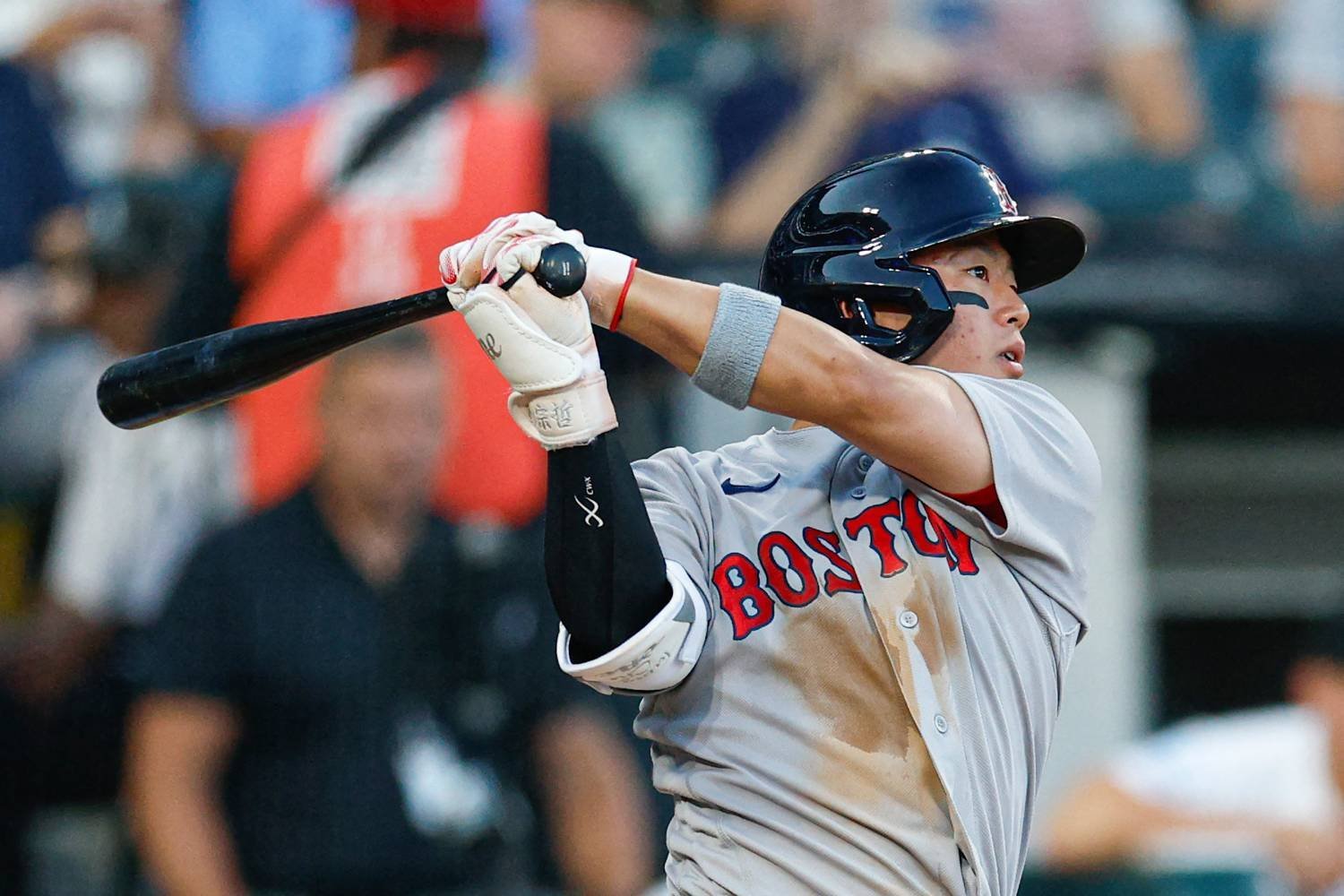 The scramble to create space on the 40-man roster spots continues for the Boston Red Sox. In their second trade of the day Thursday, the Red Sox sent infielder Tsung-Che Cheng to the Detroit Tigers for cash. The 40-man roster crunch comes with the end of the season and needing enough spots for players who were on the 60-day injured list. The 60-day IL does not count against the 40-man roster. The Red Sox, even with subtracting players who became free agents Thursday with the end of the World Series, needed to clear four spots on the 40-man. To begin the day, the Red Sox traded outfielder Nate Eaton to the A's for minor-league right-hander Jareth Rayo. Cheng appeared in just 14 games for the Red Sox this year after being claimed off waivers from the Washington Nationals. Cheng was claimed off waivers by four teams after being designated for assignment by the Pittsburgh Pirates at the end of last season. He went 10-for-39 (.256/.318/.282) in his one call-up. In 94 games at Triple-A Worcester, he slashed .241/.345/.390 with eight homers, 30 RBIs and 10 stolen bases. View the full article
-
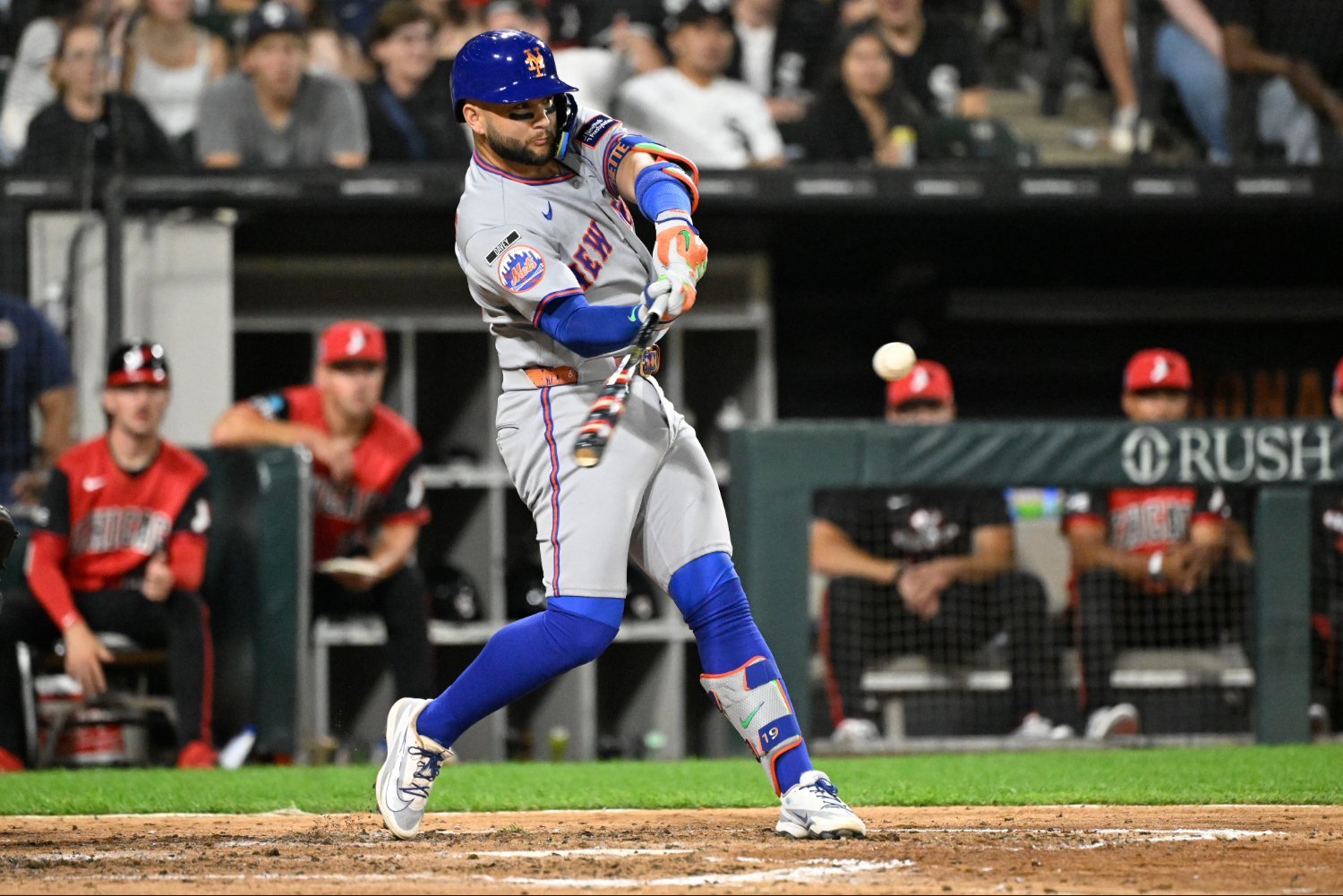 The defense, which was without a doubt the most concerning point for the New York Mets after signing Bo Bichette for $126 million, ended up not causing a huge headache. His adaptation to playing third base was one of the biggest uncertainties from the moment Bichette arrived at spring training, and not only because he had never played even a single inning at third base throughout his career. The big problem was that Bichette had just finished the worst defensive season of his career, recording -10 Fielding Run Value in the 1,139 innings he played at shortstop for the Toronto Blue Jays in 2025. Much of the inconsistency was in his range, so the fact that he was facing a new position required an intense process for Bichette, who at the beginning did not seem comfortable at all. The final results, though, were truly encouraging, as he finished with +1 Out Above Average, only the second positive mark of his career, and the first since 2024 when he was involved in 244 plays as a shortstop. As a third baseman, his problems completing plays to his right became less frequent, but his range remained limited when he tried to field balls hit to his left. In the time he played at shortstop, about 391 innings during Francisco Lindor’s absence due to injury, Bichette recorded -2 OAA, which ended up influencing his overall -2 FRV result in 2026. So, while he kept his head above water with the glove, what did fall short of expectations was his offense, the main thing that made Bichette a sought-after free agent. For the first time in a qualified season throughout his career, his bat’s contribution fell below average after finishing with a 96 wRC+, a noticeable drop-off from 2025 when he posted a 134 mark. However, it is worth noting that much of Bichette’s problem finding his rhythm at the plate came because of an extremely slow start during the first two months of the season, when his wRC+ sat at just 64. The underlying metrics were far more positive during that early slump, and in June, he improved to a 140 wRC+ and produced a .321/.342/.541 line, with five home runs, seven doubles, one triple, and 18 RBIs, and finished tied for fourth in the league in hits. The streak continued, and he recorded at least one hit in 22 of 26 games from June 11 to July 8, hitting .336/.365/.533 (36-for-107), with five home runs during that period. From there, the expected statistics that offered hope began to turn in his favor. Bichette had hit just .213 (52-for-244) in his first 61 games of the campaign, but then he heated up, and for the rest of the way his swing produced as it usually does, providing plenty of contact. He hit .289 (114-for-394) in his last 99 games of the season—from June 3 onward—and during that period, he tied for seventh in the majors in hits. Another key point in his season was his timely hitting, leading the lineup with 59 RBIs when he had runners in scoring position. So, in a way, Bichette delivered the big bat the Mets needed and stayed healthy, to the point of setting a personal record with 160 games played. It was not an ideal debut season, but there's plenty for him to build on next year now that he's officially opted into his contract for 2027. View the full article
-
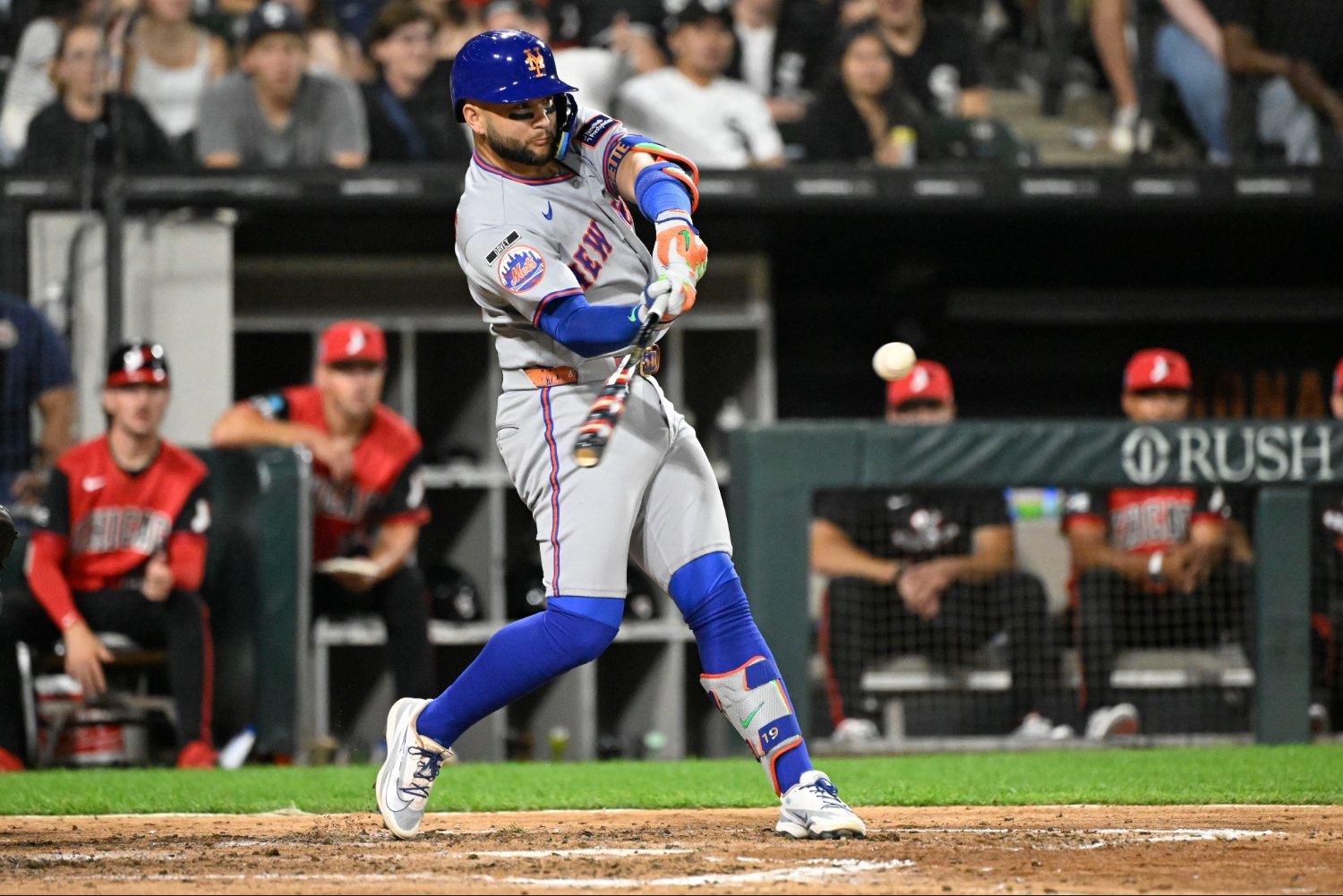 The defense, which was without a doubt the most concerning point for the New York Mets after signing Bo Bichette for $126 million, ended up not causing a huge headache. His adaptation to playing third base was one of the biggest uncertainties from the moment Bichette arrived at spring training, and not only because he had never played even a single inning at third base throughout his career. The big problem was that Bichette had just finished the worst defensive season of his career, recording -10 Fielding Run Value in the 1,139 innings he played at shortstop for the Toronto Blue Jays in 2025. Much of the inconsistency was in his range, so the fact that he was facing a new position required an intense process for Bichette, who at the beginning did not seem comfortable at all. The final results, though, were truly encouraging, as he finished with +1 Out Above Average, only the second positive mark of his career, and the first since 2024 when he was involved in 244 plays as a shortstop. As a third baseman, his problems completing plays to his right became less frequent, but his range remained limited when he tried to field balls hit to his left. In the time he played at shortstop, about 391 innings during Francisco Lindor’s absence due to injury, Bichette recorded -2 OAA, which ended up influencing his overall -2 FRV result in 2026. So, while he kept his head above water with the glove, what did fall short of expectations was his offense, the main thing that made Bichette a sought-after free agent. For the first time in a qualified season throughout his career, his bat’s contribution fell below average after finishing with a 96 wRC+, a noticeable drop-off from 2025 when he posted a 134 mark. However, it is worth noting that much of Bichette’s problem finding his rhythm at the plate came because of an extremely slow start during the first two months of the season, when his wRC+ sat at just 64. The underlying metrics were far more positive during that early slump, and in June, he improved to a 140 wRC+ and produced a .321/.342/.541 line, with five home runs, seven doubles, one triple, and 18 RBIs, and finished tied for fourth in the league in hits. The streak continued, and he recorded at least one hit in 22 of 26 games from June 11 to July 8, hitting .336/.365/.533 (36-for-107), with five home runs during that period. From there, the expected statistics that offered hope began to turn in his favor. Bichette had hit just .213 (52-for-244) in his first 61 games of the campaign, but then he heated up, and for the rest of the way his swing produced as it usually does, providing plenty of contact. He hit .289 (114-for-394) in his last 99 games of the season—from June 3 onward—and during that period, he tied for seventh in the majors in hits. Another key point in his season was his timely hitting, leading the lineup with 59 RBIs when he had runners in scoring position. So, in a way, Bichette delivered the big bat the Mets needed and stayed healthy, to the point of setting a personal record with 160 games played. It was not an ideal debut season, but there's plenty for him to build on next year now that he's officially opted into his contract for 2027. View the full article
-
Bo Bichette Opts In To $42 Million Mets Contract For 2027
DiamondCentric posted an article in Grand Central Mets
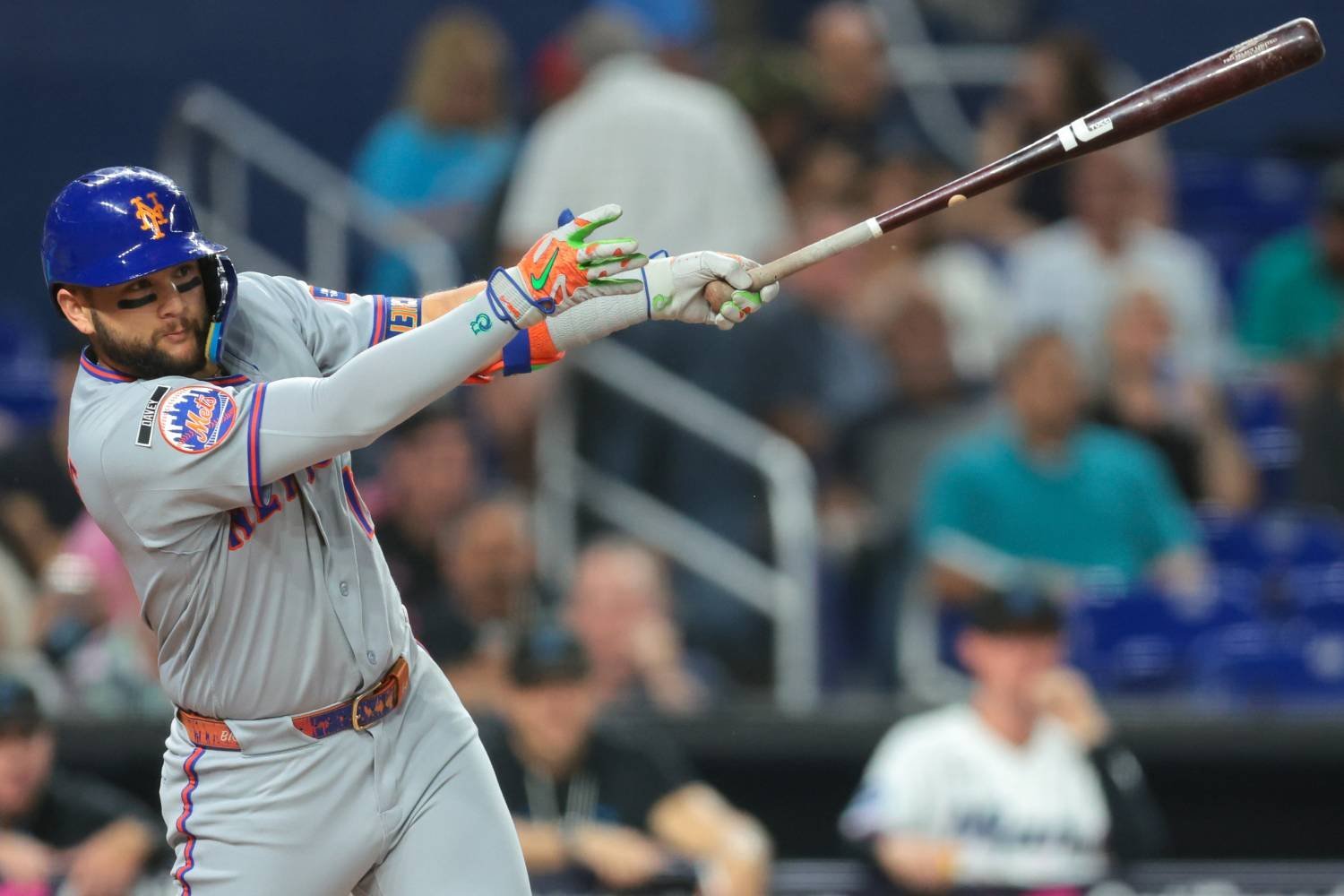 One big question has already been answered for the New York Mets. Bo Bichette will be back in 2027. The third baseman exercised his player option worth $42 million for next year, according to a report Thursday by Will Sammon of The Athletic. Bichette signed a three-year, $126 million contract with the Mets last offseason with opt-outs after the first and second season. Bichette's Mets career started horribly, with his slash line sitting at .213/.271/.299 on June 2 with five homers and 28 RBIs. But he would go 4-for-4 the next day and finish the season with a respectable .260/.312/.390 mark with 18 homers and 78 RBIs. His return gives stability for president of baseball operations David Stearns to rebuild the Mets' lineup following a disappointing 74-88 season, last in the NL East. View the full article
-
Bo Bichette Opts In To $42 Million Mets Contract For 2027
DiamondCentric posted an article in Grand Central Mets
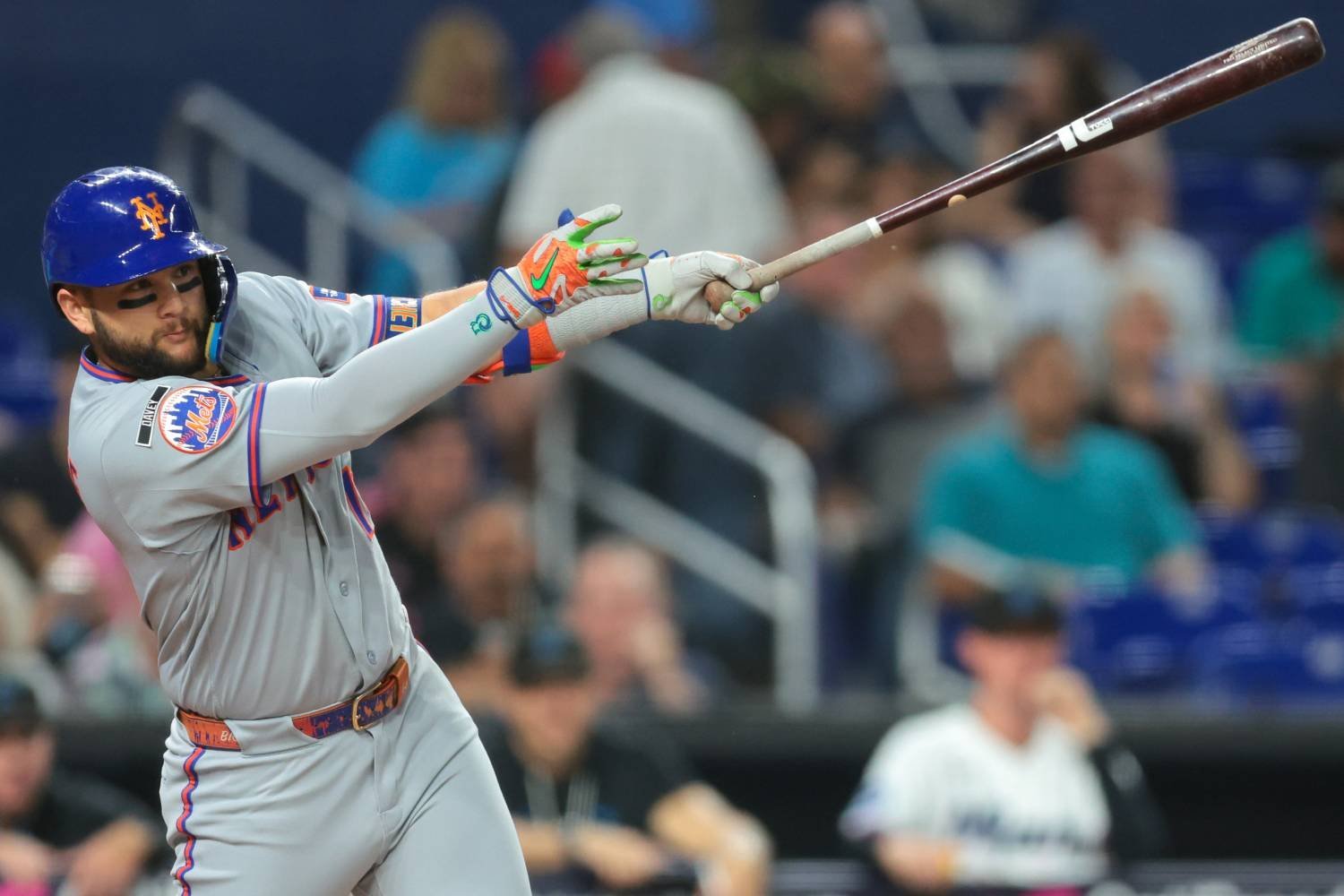 One big question has already been answered for the New York Mets. Bo Bichette will be back in 2027. The third baseman exercised his player option worth $42 million for next year, according to a report Thursday by Will Sammon of The Athletic. Bichette signed a three-year, $126 million contract with the Mets last offseason with opt-outs after the first and second season. Bichette's Mets career started horribly, with his slash line sitting at .213/.271/.299 on June 2 with five homers and 28 RBIs. But he would go 4-for-4 the next day and finish the season with a respectable .260/.312/.390 mark with 18 homers and 78 RBIs. His return gives stability for president of baseball operations David Stearns to rebuild the Mets' lineup following a disappointing 74-88 season, last in the NL East. View the full article
-
Former Twins Senior Advisor Deron Johnson Hired by Mets
DiamondCentric posted an article in Twins Daily
 Deron Johnson did not stay unemployed for very long. The former Minnesota Twins scouting director is joining the New York Mets as a special assignment scout, according to The Athletic’s Will Sammon. The move brings Johnson back together with Derek Falvey, who joined the Mets in September as a senior advisor to baseball operations. Johnson recently parted ways with the Twins after the organization eliminated his senior advisor position. His departure ended a 32 year run with Minnesota, where he worked in nearly every area of the scouting department and helped oversee several amateur drafts. Now, Johnson will have an opportunity to continue his scouting career with another organization looking to improve its baseball operations department. A Long History in Minnesota Johnson originally joined the Twins in January 1994 as an area scout covering Northern California. He worked his way through the organization, eventually becoming the club’s West Coast supervisor before receiving a promotion to scouting director in September 2007. He held that position through the 2016 season, overseeing nine amateur drafts. During that stretch, Minnesota selected several first round picks who generated significant attention within the organization. The Twins selected Aaron Hicks with the 14th overall pick in 2008, Johnson’s first draft as scouting director. Four years later, Minnesota made Byron Buxton the second overall selection in the 2012 draft. Other notable first round picks during Johnson’s tenure included Kohl Stewart, Nick Gordon and Tyler Jay. The results varied among those selections, but Johnson played a significant role in evaluating and acquiring amateur talent during an important period in the franchise’s history. Scouting directors must balance immediate needs with long term organizational planning, and their decisions can influence a team’s roster for years. Following the 2016 season, the Twins moved Johnson into a senior advisor role. Although he was no longer leading the amateur scouting department, he continued evaluating players and contributing to professional, international and minor league scouting efforts. That experience should provide a useful foundation for his next position in New York. The Mets have not publicly outlined the specific responsibilities Johnson will handle as a special assignment scout, but his decades of experience give the organization another veteran evaluator. Reunited With Falvey Johnson’s hiring also creates a familiar connection within the Mets organization. Falvey served as Minnesota’s top baseball operations executive for nearly a decade before the two sides mutually agreed to part ways in January 2026. The Mets hired Falvey on September 24, naming him senior advisor to baseball operations. He reports directly to president of baseball operations David Stearns, adding another experienced voice to the organization’s decision making process. Falvey and Johnson worked together in Minnesota for years, giving the Mets an opportunity to bring in someone familiar with the former Twins executive’s approach to building a baseball organization. For Minnesota, Johnson’s departure represents another change as the club continues reshaping its baseball operations department. His position was eliminated as the organization looked toward the 2027 season, ending a tenure that began more than three decades ago. Johnson’s time in Minnesota included multiple front office roles, nine drafts as scouting director and years of additional work behind the scenes. His next chapter will take him to New York, where he will continue evaluating talent alongside a familiar face from his long career with the Twins. View the full article
-
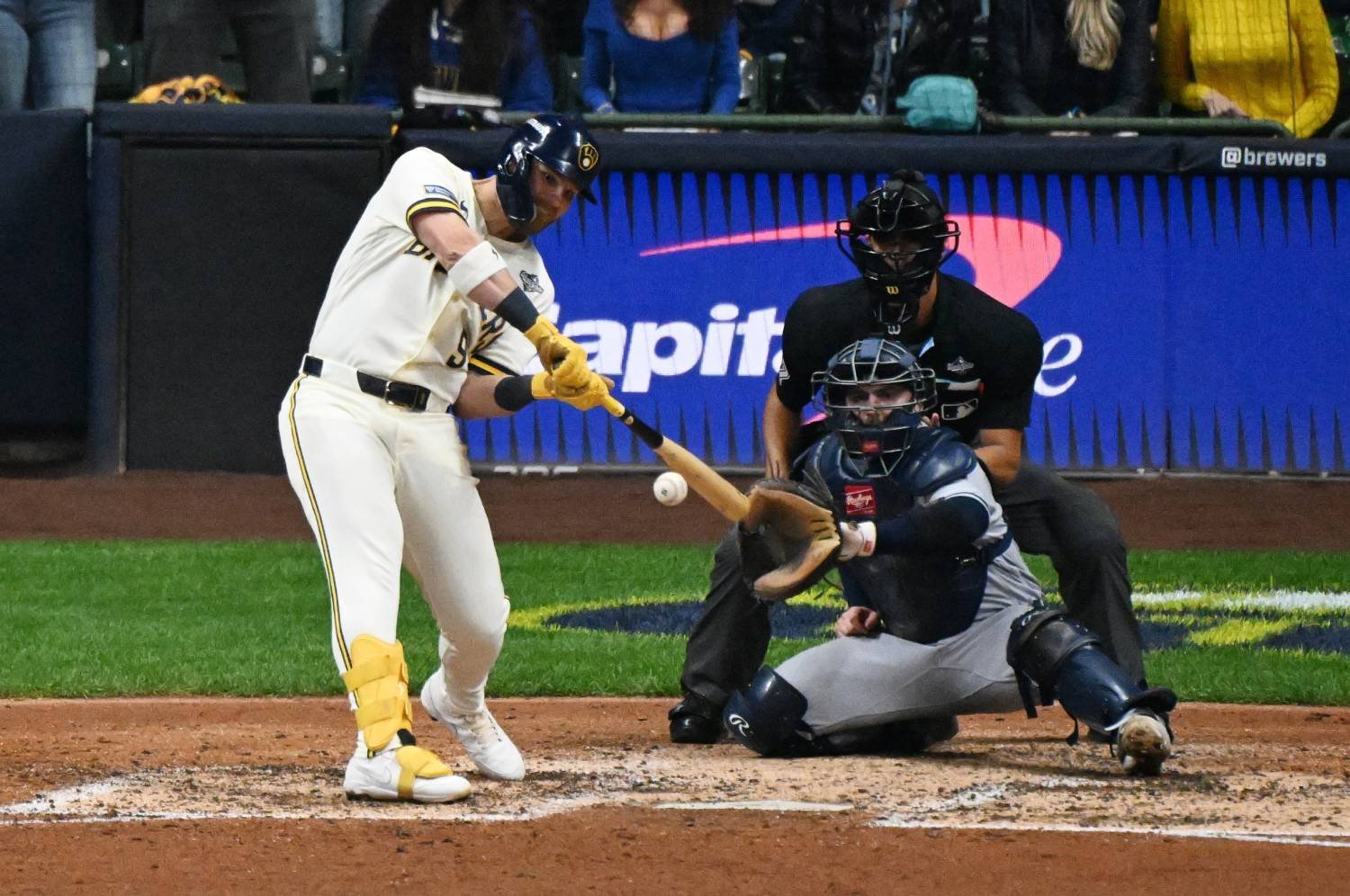 The World Series is over. The Milwaukee Brewers are world champions for the first time in their 58-year history. Now the cycle of MLB life quickly turns to roster decisions. President of baseball operations Matt Arnold and his crew have been working hard behind the scenes to map out a game plan for how this offseason, with a looming lockout, will transpire. There will be decisions made by fan favorites to leave and by the club to go in a different direction from some who were on the World Series roster. This is meant to be a primer on where everyone on the 40-man roster sits contractually for the 2027 season. All options—player, club, or mutual—must be exercised within five days of the end of the World Series. Mutual options are almost universally declined. Players eligible for a qualifying offer must receive one with that same five-day period, then have another seven days to decide whether to accept, which puts the player under contract for the 2027 season. This year's qualifying offer is reportedly $23.15 million, although that could change when formally announced by MLB. Players who are eligible for arbitration must be tendered a contract by the end of November. This is different from exchanging figures for a hearing, but it guarantees a player will be under contract. Those who are non-tendered become free agents. Players who are pre-arbitration or on minor-league contracts also must be tendered a contract by this same deadline. Minor-league contracts are generally one-year deals. All arbitration projections are courtesy of MLB Trade Rumors. Pre-arbitration players basically make a version of the MLB minimum salary, which was $780,000 for 2026 (slight raises for second and third years). The minimum is expected to be $1 million in the new collective-bargaining agreement. Super 2 players become eligible for arbitration a year early and have four years of arb. This article is a reference list to know the contract status of every play on the 40-man roster. If you do some rudimentary math, you'll see that there are more than 40 players listed (there are 42). Players on the 60-day injured list do not count toward the 40-man. All players come off the injured list after the World Series as a matter or procedure, regardless of their health status. Any player, whether eligible for arbitration or a free agent, can re-sign with the Padres at any time. Negotiations with other teams can't begin until five days after the World Series ends. Unless otherwise noted, any free agent can be given a qualifying offer. Contract info courtesy of Cot's and Spotrac. Pitchers (24) Grant Anderson: First year eligible for arbitration. Projection: $1 million. Aaron Ashby: Due $7.7 million as final year of five-year, $20.5 million contract that has club options for 2028 ($9 million) and 2029 ($13 million). Coleman Crow: Pre-arbitration. Shane Drohan: Pre-arbitration. Brian Fitzpatrick. On 60-day IL (Tommy John surgery on left elbow). Pre-arbitration. Robert Gasser: Pre-arbitration, outside Super 2 candidate. Colton Gordon: Pre-arbitration. DL Hall: First year eligible for arbitration. Projection: $1 million. Kyle Harrison: Pre-arbitration. Logan Henderson: Pre-arbitration. Jared Koenig: First year eligible for arbitration. Projection: $800,000. Dustin May: Mutual option for $20 million in 2027 with a $500,000 buyout. Trevor Megill: Final year eligible for arbitration. Projection: $8 million. Jacob Misiorowski: Pre-arbitration. Chad Patrick: Pre-arbitration. Quinn Priester: On 60-day IL (right thoracic outlet syndrome). JoJo Romero: First year eligible for arbitration. Projection: $1.3 million. Antonio Senzatela: Club option for $14 million for 2027 with no buyout. Brandon Sproat: Pre-arbitration. Garrett Stallings: Pre-arbitration. Abner Uribe: Pre-arbitration. Bryse Wilson: Final year eligible for arbitration. Projection: $1.1 million. Brandon Woodruff: Free agent. Not eligible for qualifying offer. Angel Zerpa: On 60-day IL (Tommy John surgery on left elbow). Second year eligible for arbitration. Projection: $1.3 million Catchers (4) William Contreras: Club option for $14.5 million. If declined, final year eligible for arbitration. Projection: $14.6 million. Bo Naylor: First year eligible for arbitration. Projection: $1.5 million. Jeferson Quero: Pre-arbitration. Gary Sanchez: Mutual option for $1.75 million for 2027 with a $250,000 buyout. Infielders (6) Jake Bauers: Free agent. David Hamilton: First year eligible for arbitration. Projection: $1.6 million. Joey Ortiz: First year eligible for arbitration. Projection: $2.4 million. Cooper Pratt: Due $3.875 million as part of eight-year, $50.75 million contract through 2033. Brice Turang: Second year eligible for arbitration as Super 2. Projection: $9.5 million. Andrew Vaughn: Final year eligible for arbitration. Projection: $8.5 million. Outfielders (6) Akil Baddoo: Second year eligible for arbitration. Projection: $1.3 million. Jackson Chourio: Due $8.25 million as part of eight-year, $82 million contract through 2031. Sal Frelick: First year eligible for arbitration. Projection: $2.4 million. Luis Lara: Due $2,285,714 as part of seven-year, $31 million contract through 2032. Brandon Lockridge: Pre-arbitration. Garrett Mitchell: Second year eligible for arbitration. Projection: $2.7 million. Designated Hitter (2) Tyler Black: Pre-arbitration. Christian Yelich: Due $26 million as part of nine-year, $215 million contract through 2028. View the full article
-
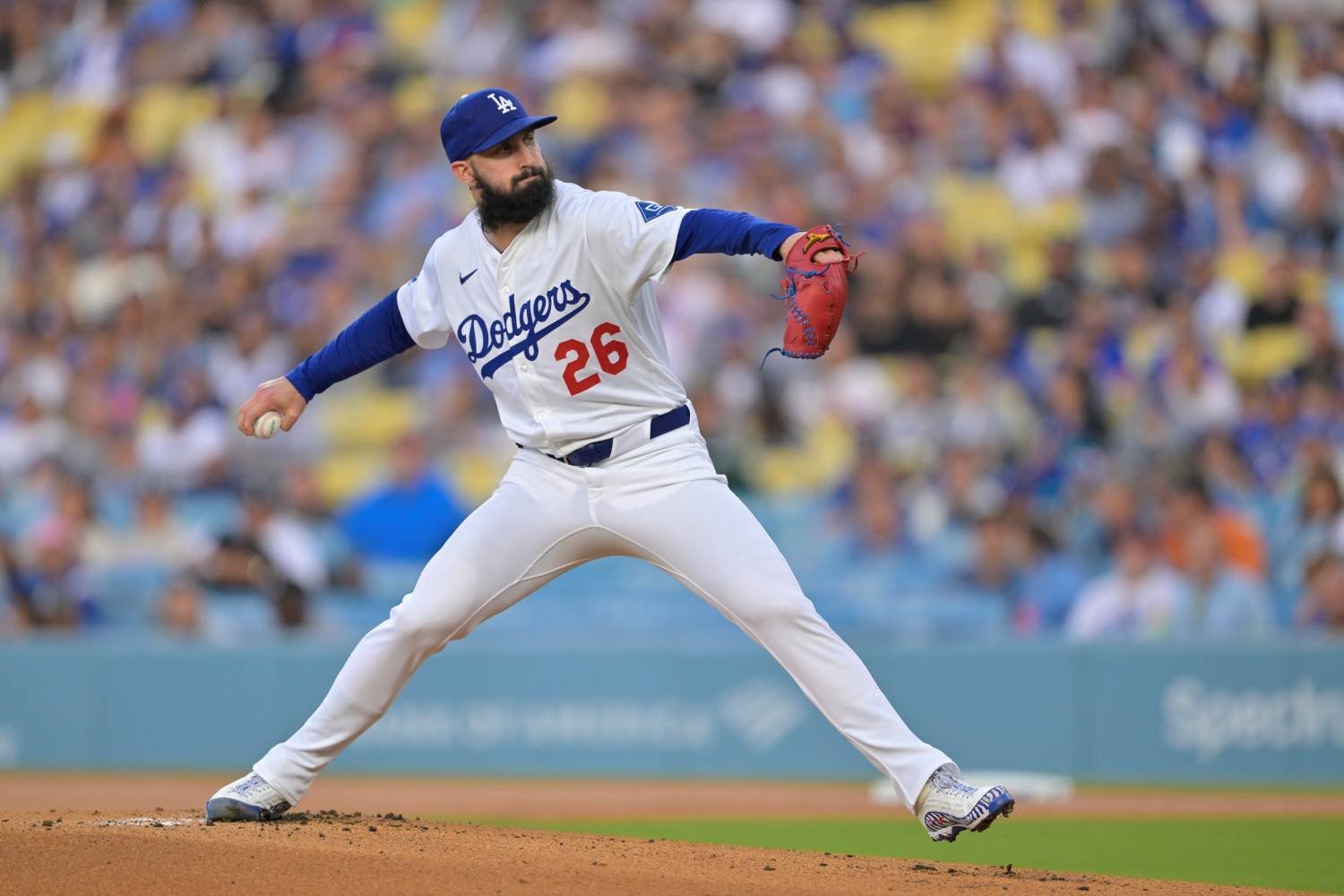 The Kansas City Royals kicked off their offseason by making two pretty obvious moves. Right-handed starter Tony Gonsolin will be back in 2027 after the Royals exercised their option on his $2.5 million contract, while right-handed reliever Carlos Estevez had his option declined. Estevez was due $13 million in 2027 with a $2 million buyout. Gonsolin came back from having internal brace surgery on his right elbow to make one start the final weekend of the season. The $2.5 million option was a very affordable price to bring back the 32-year-old starter. He will have a pretty normal offseason after undergoing Tommy John surgery in 2023, missing the rest of that season and all of 2024. When healthy, the longtime former Los Angeles Dodger has a 4.19 FIP (3.43 ERA) for his career with a 9% walk rate and 23.3% strikeout rate. His workload is likely to be ramped up considering his last full workload was during the 2023 season and is coming off two major elbow surgeries. Estevez, who had 42 saves for the Royals in 2025 and turns 34 in December, only got one out in 2026 due to a variety of injuries. He was hit by a comebacker in that lone appearance that resulted in a bruised left foot. During his rehab process, he sustained a right rotator cuff injury that required surgery in September, putting his return for 2027 up in the air. View the full article
-
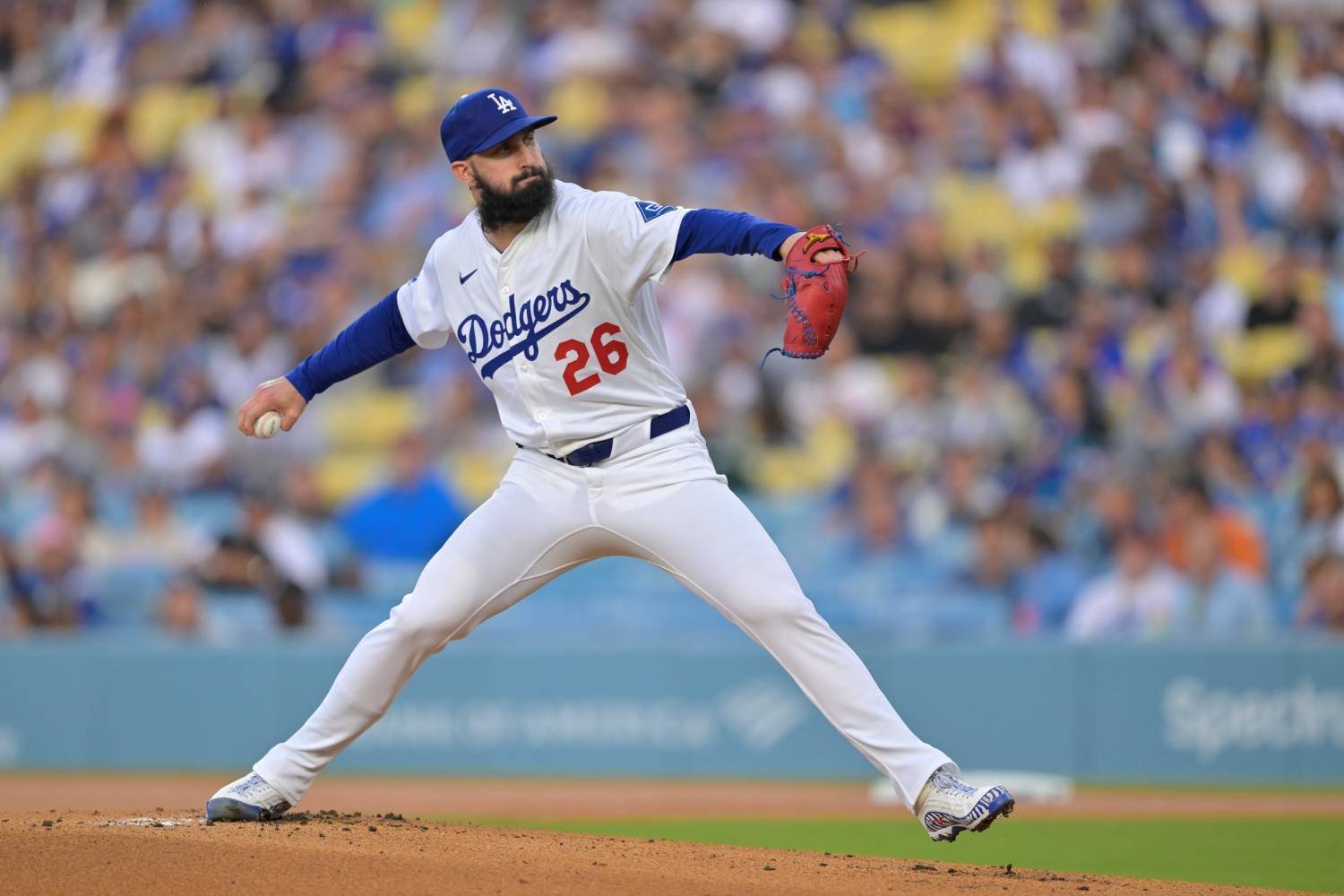 The Kansas City Royals kicked off their offseason by making two pretty obvious moves. Right-handed starter Tony Gonsolin will be back in 2027 after the Royals exercised their option on his $2.5 million contract, while right-handed reliever Carlos Estevez had his option declined. Estevez was due $13 million in 2027 with a $2 million buyout. Gonsolin came back from having internal brace surgery on his right elbow to make one start the final weekend of the season. The $2.5 million option was a very affordable price to bring back the 32-year-old starter. He will have a pretty normal offseason after undergoing Tommy John surgery in 2023, missing the rest of that season and all of 2024. When healthy, the longtime former Los Angeles Dodger has a 4.19 FIP (3.43 ERA) for his career with a 9% walk rate and 23.3% strikeout rate. His workload is likely to be ramped up considering his last full workload was during the 2023 season and is coming off two major elbow surgeries. Estevez, who had 42 saves for the Royals in 2025 and turns 34 in December, only got one out in 2026 due to a variety of injuries. He was hit by a comebacker in that lone appearance that resulted in a bruised left foot. During his rehab process, he sustained a right rotator cuff injury that required surgery in September, putting his return for 2027 up in the air. View the full article
-
Michael King Officially Opts Out Of Padres Contract
DiamondCentric posted an article in Padres Mission
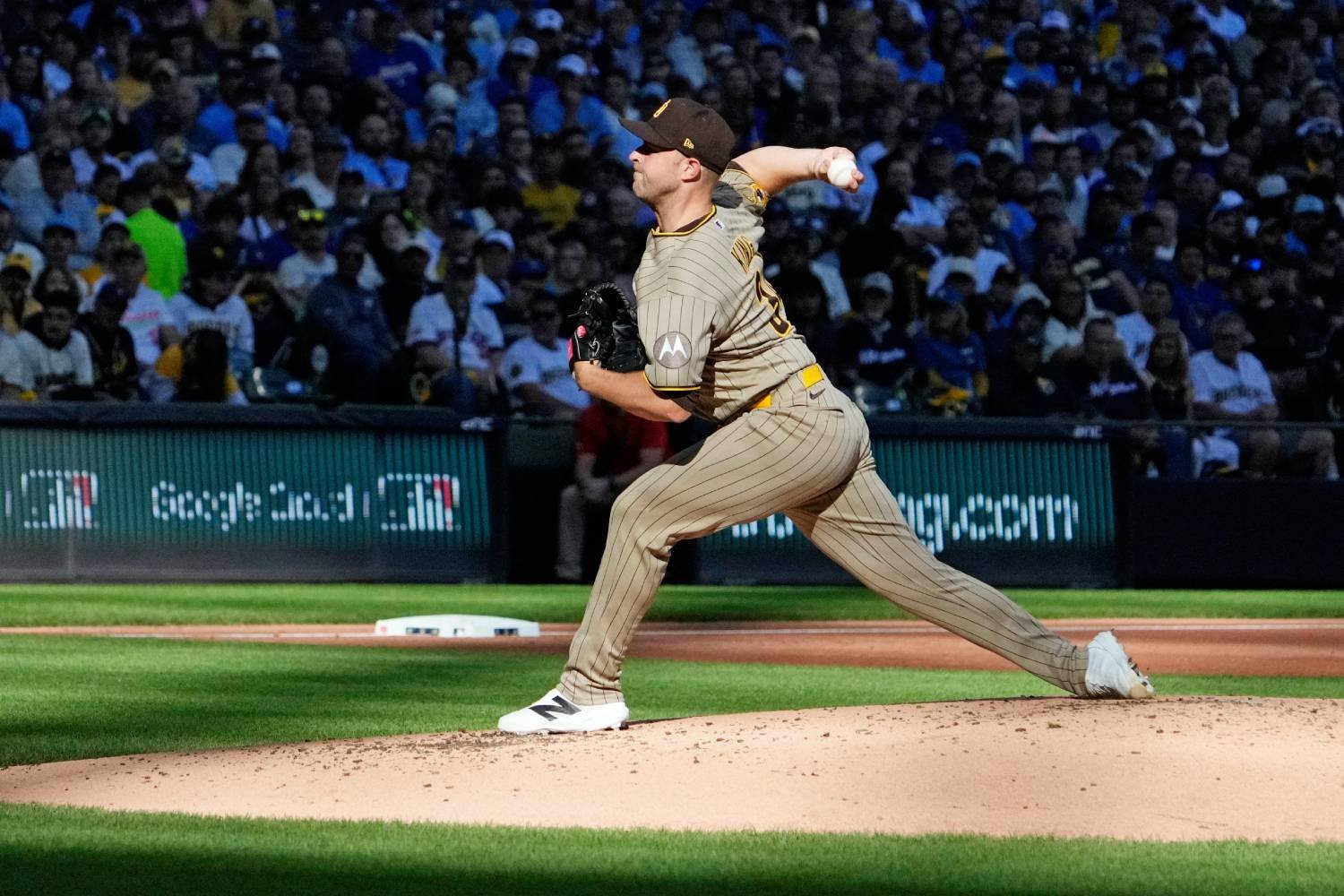 On the first day following the World Series, as decisions can start to be officially made on 2027 contract situations, the San Diego Padres find themselves without an ace. As expected, right-handed starter Michael King opted out of the final two years of his three-year, $75 million contract Thursday and is now a free agent. The Padres still have an exclusive negotiating window until Monday to get a new contract done with King, but with the quick announcement of King opting out of the final two years and $58 million, he has probably pitched his last game for the Padres. King, who said he would like to return to the Padres, will be one of the top three starting pitchers and a key free agent overall this offseason. Our rankings at DiamondCentric have him as the No. 7 free agent. King received a qualifying offer last offseason, so is not eligible to receive that again. He re-signed with the Padres after injuries dampened his free-agent value last year, but rebounded with a completely healthy 2026 and developed into the Padres' No. 1 pitcher, especially in the postseason. He made all 32 starts in the regular season and posted a 3.21 ERA over a career-high 185 innings. The Padres' biggest option decision will have to do with their $14 million club option on right-hander Nick Pivetta. That decision has to be made no later than Monday. View the full article
-
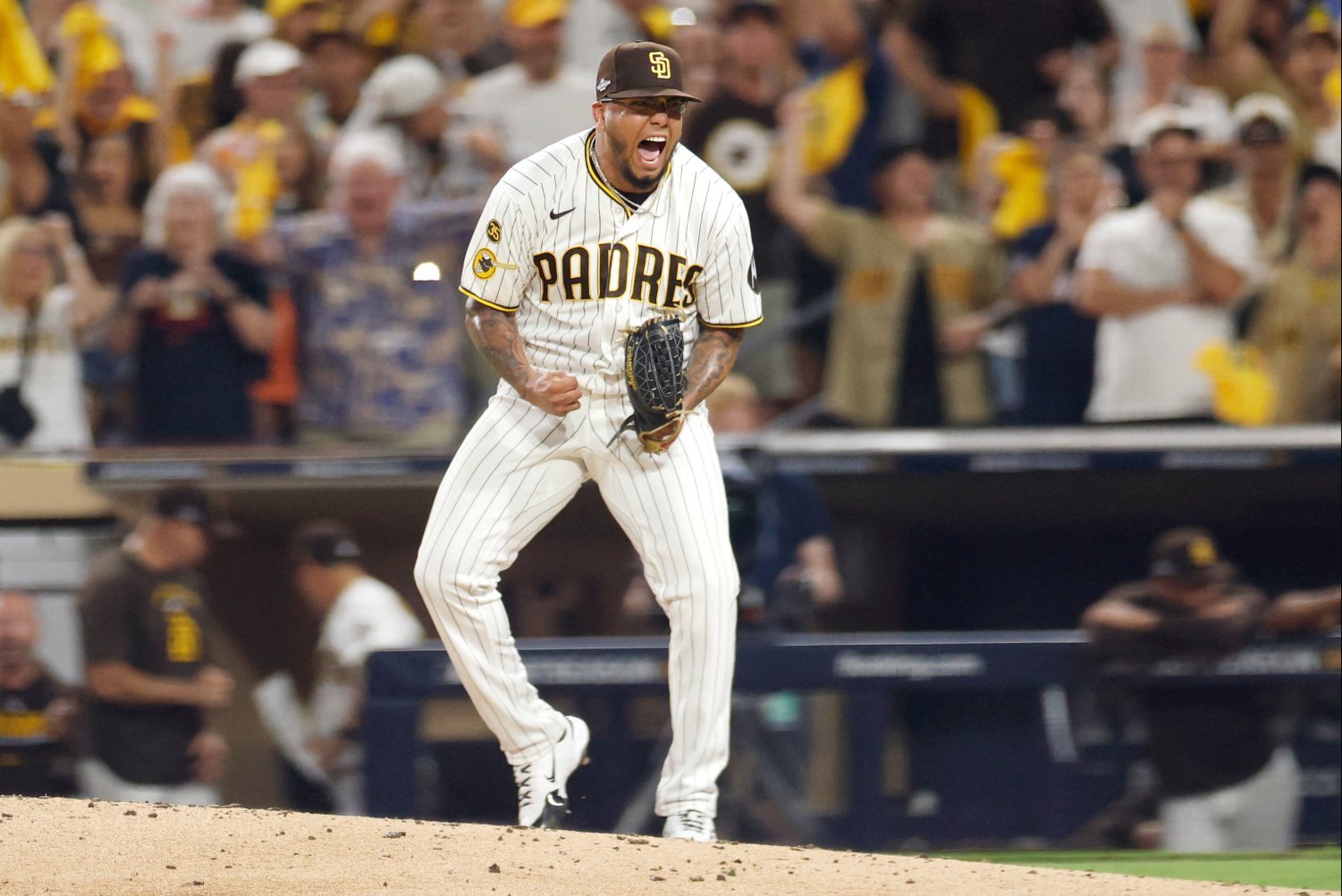 When the year began, Bradgley Rodriguez was ranked as the No. 6 prospect in the San Diego Padres’ minor league system by ESPN and MLB Pipeline, No. 9 by Baseball America, and No. 12 by The Athletic. After receiving his first invitation to major-league spring training and making the first seven appearances of his MLB career in 2025, he managed to make the Opening Day roster for the first time in 2026. That is how the great breakout story the Venezuelan right-hander began, as he ended up becoming one of the Friars’ top relievers on the postseason stage. The prescription glasses he wears and his aggressive windup, which ends with a lion-like leap, often remind me of Francisco Rodriguez, who was a closer for 16 seasons and saved 437 games. For that reason, many fans have also nicknamed Bradgley “Mini K-Rod." He has won over fans with his talent and consistency, armed with a lethal weapon that became one of the most difficult pitches to hit in 2026. Yes, that main weapon in his four-pitch arsenal is his devastating changeup. He threw it 42.5% of the time and left hitters with just a .132 batting average and a .145 expected batting average (xBA), along with a 39.9% whiff rate. Over the entire season, he allowed just one home run, hit by Drew Gilbert, the San Francisco Giants’ center fielder, on September 12 at Oracle Park. Right-handed hitters finished the regular season with six hits in 33 at-bats, no home runs and 12 strikeouts. Bradgley recorded 69 of his 81 strikeouts by combining his changeup (46) and four-seam fastball (23), while the sinker has given him problems since last year. His other weapon to complete the mix is the slider, which generated a 30.3% whiff rate, the second-best among his four pitch types. Bradgley ranked in the 99th percentile across the league in xERA (2.37), the 91st in barrel rate (4.5%), the 95th in xBA (.190), the 96th in hard-hit rate (30.0%) and the 93rd in fastball velocity (98.0 mph). Among all MLB pitchers who threw at least 500 changeups between 2025 and 2026, he led in expected batting average against (xBA), at .139, ahead of Walbert Urena (.157), Paul Skenes (.162) and Jason Adam (.171). As you can see in these Baseball Savant metrics, Bradgley’s changeup ranked among the best in the entire league, with a Run Value of +13, behind only Urena and Cristopher Sanchez. His 68 appearances led all major-league rookies and was the second-highest total in San Diego’s bullpen, behind only Adrian Morejon. His 17 holds ranked third among the team’s relievers, behind Morejon (28) and Jason Adam (18). He recorded seven holds in his final 12 appearances, from August 30 to September 26. Appearance after appearance, he worked his way into one of the most talented and dominant bullpens in the entire league. Bradgley did not allow earned runs in 54 of his 68 appearances this season and in 60 of his 75 career appearances. Want another fun factoid? On September 1 against the Cincinnati Reds, he pitched in the 65th game of his career, with a 1.93 ERA (15 earned runs in 70.0 innings). It was the lowest ERA through the first 65 games of a pitcher’s career in Padres history and the lowest by any pitcher since Erik Sabrowski’s 1.44 ERA, recorded from September 4, 2024, to May 19, 2026. At 22 years and 289 days old, he also recorded the lowest ERA through the first 65 games of a pitcher’s career before turning 23 since Huston Street’s 1.65 mark when he was 22 years and 55 days old. He also joined Ernesto Frieri as one of only two pitchers in franchise history with an ERA below 1.95 through their first 60 career appearances. What's more, he also joined his idol and former Venezuelan reliever Francisco Rodriguez as one of only two relievers aged 22 or younger to record a 1.95 ERA, a 1.05 WHIP and at least 9.8 K/9 over 60.0 innings during their first full season. Perhaps the most important stat of all is that the Padres went 42-26 in the games in which he pitched this season. He's a true high-leverage reliever in every sense of the word, and he should only get better with more experience in the big leagues. View the full article
-
Roster News: 3 Twins Clear Waivers, Will Become Free Agents
DiamondCentric posted an article in Twins Daily
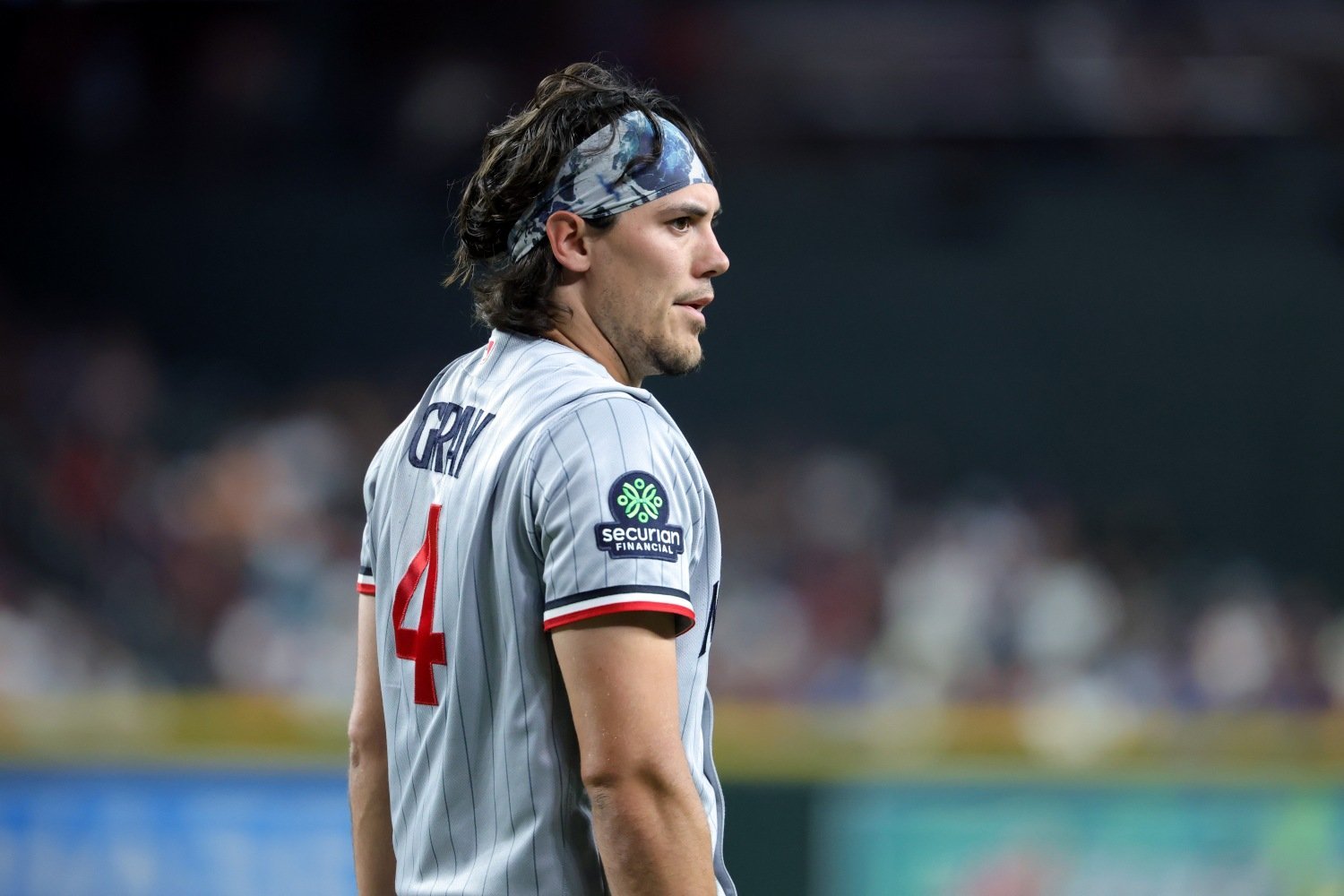 Anthony Banda, Tristan Gray and Aaron Sabato each cleared waivers and were outrighted to the minor leagues Thursday, the Twins announced. They will each elect free agency or be released, as the MLB offseason begins. It's a slightly sad ending to the tenures of each player, but not unexpected in any of the three cases. Banda, 33, had a 4.46 ERA in 39 appearances for the Twins, after the team acquired him from the Los Angeles Dodgers in February. An emergency patch for a neglected bullpen, Banda initially struggled to get his feet under him in Minnesota, but by mid-season, he'd become an important part of the team's relief corps. Alas, he suffered a lat injury and underwent season-ending surgery in early July, and his prognosis for a return to the mound is muddy enough that the Twins felt it best to move on. He had been on the 60-day injured list at the end of the year and would have had to be added back to the 40-man roster in order to be retained. He had one more year of arbitration eligibility remaining, but given the likelihood that he'll miss at least the early stages of the 2027 season, giving him a spot on the crowded reserve list over the winter was not worth the team's prospective investment. Out of necessity and desperation, the Twins turned to Gray for a fistful of starts at shortstop this season. He never rewarded their faith, though. His bat speed went to waste due to poor swing decisions, and although he came to the team with a sterling defensive reputation, his glovework at short was little better than that of Brooks Lee. The lefty batter is 30 years old, and though he has (theoretically) five years of club control remaining and would not have been arbitration-eligible this winter, he's out of options and can't be sent to the minors without being outrighted. That made him too inflexible a piece for a team that hopes to aim higher on the bench in 2027, particularly after the matriculation of Kaelen Culpepper. Being optionable wasn't a problem for Sabato, who was just added to the 40-man roster upon his September promotion to the major leagues. However, the former first-round pick long ago ceased to be viewed as a legitimate prospect, and giving him a cup of big-league coffee was a courtesy, not a commitment. He failed to record a hit in his six plate appearances and was the easiest cut to see coming on the team's roster, as they declutter and prepare for an active offseason. The team will have to do more roster-clearing in coming days and weeks, but this early pruning adds some clarity to their upcoming search for bullpen help and their still-fluid infield picture. View the full article
-
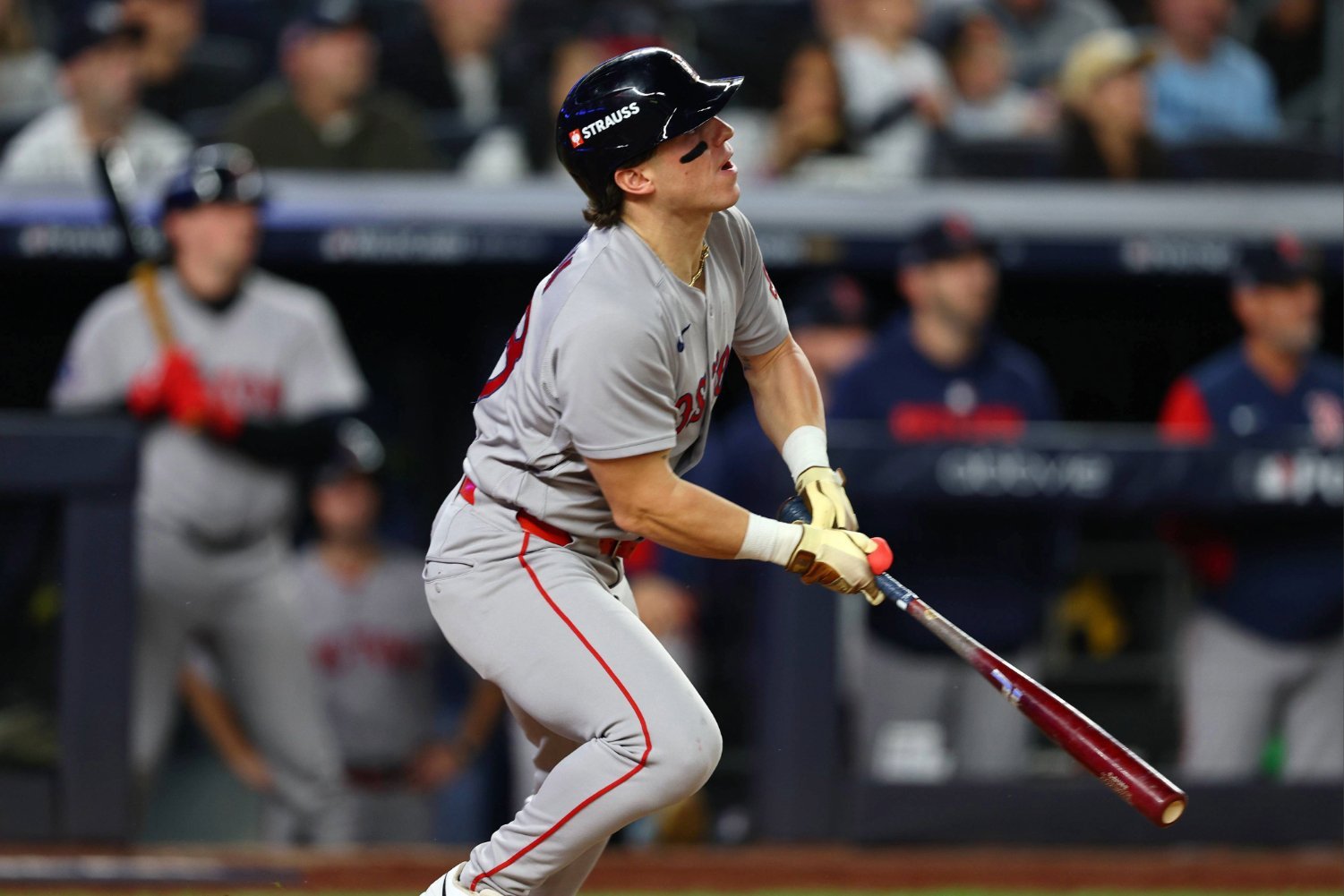 Just one day after the World Series concluded, Craig Breslow and the Boston Red Sox got back to work as they completed a trade with the Athletics as first reported by Bob Nightengale of USA Today. The trade is also the first by new A's president of baseball operations Taylor Smith since being hired from the Red Sox. The familiarity between Breslow and Smith likely played a key factor in a trade coming together so quickly. Being shipped out is speedy outfielder Nate Eaton as the Red Sox make the first of what is expected to be multiple moves to free up 40-man roster spots. Eaton, who signed as a minor-league free agent prior to 2025, appeared in 65 games across the past two seasons and hit .244/.329/.336 while mainly playing against left-handed pitchers and being utilized for his speed. In return, the Red Sox will receive 18-year-old Jareth Rayo, a right-handed pitcher who played in the Dominican Summer League in 2026 according to Francys Romero. Rayo made 11 appearances last year and tossed 36 innings, striking out 36 batters. The move frees up a 40-man roster spot. The club will now need to clear up at least three more by the end of Monday before free agency officially begins. View the full article
-
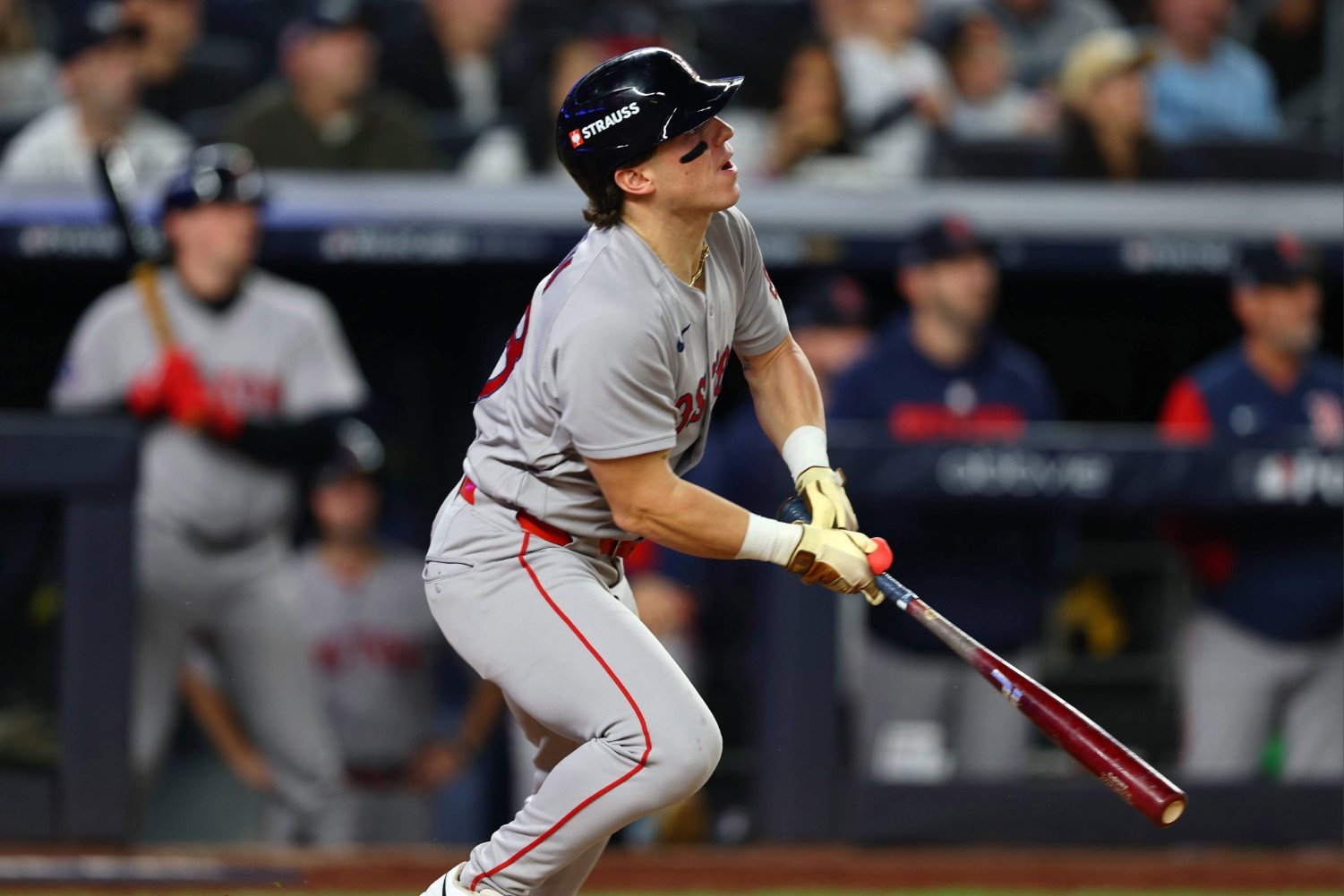 Just one day after the World Series concluded, Craig Breslow and the Boston Red Sox got back to work as they completed a trade with the Athletics as first reported by Bob Nightengale of USA Today. The trade is also the first by new A's president of baseball operations Taylor Smith since being hired from the Red Sox. The familiarity between Breslow and Smith likely played a key factor in a trade coming together so quickly. Being shipped out is speedy outfielder Nate Eaton as the Red Sox make the first of what is expected to be multiple moves to free up 40-man roster spots. Eaton, who signed as a minor-league free agent prior to 2025, appeared in 65 games across the past two seasons and hit .244/.329/.336 while mainly playing against left-handed pitchers and being utilized for his speed. In return, the Red Sox will receive 18-year-old Jareth Rayo, a right-handed pitcher who played in the Dominican Summer League in 2026 according to Francys Romero. Rayo made 11 appearances last year and tossed 36 innings, striking out 36 batters. The move frees up a 40-man roster spot. The club will now need to clear up at least three more by the end of Monday before free agency officially begins. View the full article
-
 Here are game notes from the Saguaros versus the Solar Sox on October 28. Zion Rose In his first plate appearance, Rose drew a walk, stole second base against a left-handed pitcher, and stole third base cleanly. In his second at-bat, Rose advanced the count to 3-1 and laced a solid line-drive single up the middle. There was a runner on second, so no opportunity to steal. In his third plate appearance, Rose hit a long fly ball down the left-field line, and the left fielder made a nice play to catch it in the corner. In his fourth plate appearance, Rose hit a hard grounder to second base and was thrown out at first for the third out. In his fifth plate appearance, Rose worked a walk on 5 pitches. There is a runner on second base, so no chance to steal. Rose scored from second on a single to center. In his final plate appearance, he struck out swinging. Brooks Bryan Bryan popped out to left field in his first at-bat. In his second at-bat, Bryan popped up to the catcher. In his third at-bat, Bryan swung at the first pitch and drilled a single to right field. Defensively, Bryan made a nice play on a ground ball to get the lead runner at second base. In his fourth at-bat, Bryan hit a rocket to right-center for a two-run home run, traveling 416 feet with a 101.4 mph exit velocity. In his final at-bat, Bryan struck out swinging. Justin Lamkin Lamkin opened the first inning by cleanly fielding a first-pitch bunt back to the mound, and he worked a clean, quick inning. In the second inning, Lamkin issued a one-out walk. He challenged a called ball, and the call was confirmed. He then struck out the next batter swinging. In the third inning, Lamkin gave up his first hit, a slow roller past the mound that deflected off his outstretched foot and trickled away for a base hit. He recorded the first out of the inning on a swinging strikeout and the second on a called strikeout. In the fourth inning, Lamkin gave up a leadoff home run. He struck out the next batter swinging, allowed a line-drive single to center field, and then ended the inning with another swinging strikeout. Lamkin worked quickly and was never threatened. His fastball sat around 93 mph throughout the outing, and the home run was his only blemish. Hiro Wyatt Wyatt walked the leadoff batter in the fifth inning. He then got a groundout to first base and a flyout to left field before issuing another walk. The next hitter sent a ground ball up the middle that bounced over the shortstop’s glove, and a run scored. Wyatt ended the inning with a strikeout. In the sixth inning, Wyatt got a flyout to right field and a flyout to center field, gave up a ground-ball single between first and second base, and then got another flyout to center to end the inning. In the seventh inning, Wyatt got the leadoff batter to fly out to left field, then struck out the next batter swinging to end his outing. View the full article
-
 Here are game notes from the Saguaros versus the Solar Sox on October 28. Zion Rose In his first plate appearance, Rose drew a walk, stole second base against a left-handed pitcher, and stole third base cleanly. In his second at-bat, Rose advanced the count to 3-1 and laced a solid line-drive single up the middle. There was a runner on second, so no opportunity to steal. In his third plate appearance, Rose hit a long fly ball down the left-field line, and the left fielder made a nice play to catch it in the corner. In his fourth plate appearance, Rose hit a hard grounder to second base and was thrown out at first for the third out. In his fifth plate appearance, Rose worked a walk on 5 pitches. There is a runner on second base, so no chance to steal. Rose scored from second on a single to center. In his final plate appearance, he struck out swinging. Brooks Bryan Bryan popped out to left field in his first at-bat. In his second at-bat, Bryan popped up to the catcher. In his third at-bat, Bryan swung at the first pitch and drilled a single to right field. Defensively, Bryan made a nice play on a ground ball to get the lead runner at second base. In his fourth at-bat, Bryan hit a rocket to right-center for a two-run home run, traveling 416 feet with a 101.4 mph exit velocity. In his final at-bat, Bryan struck out swinging. Justin Lamkin Lamkin opened the first inning by cleanly fielding a first-pitch bunt back to the mound, and he worked a clean, quick inning. In the second inning, Lamkin issued a one-out walk. He challenged a called ball, and the call was confirmed. He then struck out the next batter swinging. In the third inning, Lamkin gave up his first hit, a slow roller past the mound that deflected off his outstretched foot and trickled away for a base hit. He recorded the first out of the inning on a swinging strikeout and the second on a called strikeout. In the fourth inning, Lamkin gave up a leadoff home run. He struck out the next batter swinging, allowed a line-drive single to center field, and then ended the inning with another swinging strikeout. Lamkin worked quickly and was never threatened. His fastball sat around 93 mph throughout the outing, and the home run was his only blemish. Hiro Wyatt Wyatt walked the leadoff batter in the fifth inning. He then got a groundout to first base and a flyout to left field before issuing another walk. The next hitter sent a ground ball up the middle that bounced over the shortstop’s glove, and a run scored. Wyatt ended the inning with a strikeout. In the sixth inning, Wyatt got a flyout to right field and a flyout to center field, gave up a ground-ball single between first and second base, and then got another flyout to center to end the inning. In the seventh inning, Wyatt got the leadoff batter to fly out to left field, then struck out the next batter swinging to end his outing. View the full article
-
2026 Has Been an Especially Great Year for This Brewers Trio
DiamondCentric posted an article in Brewer Fanatic
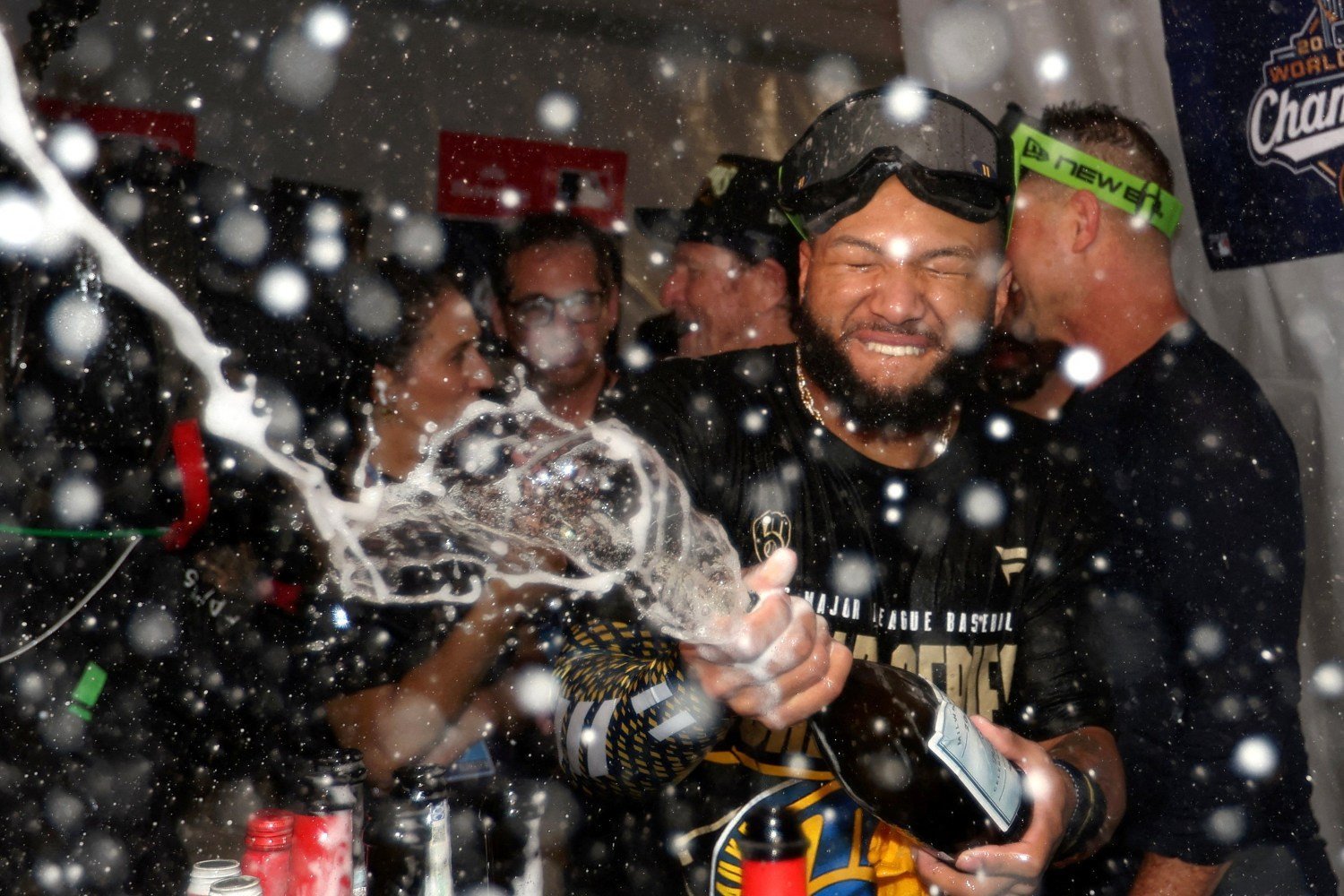 Any year wherein you win the World Series is a pretty darn good year. Any year wherein you set a franchise record for total wins in the regular season, before marching through the postseason largely unopposed, then winning the first World Series in franchise history is going to be hard to beat. It’ll be even harder to surpass the success of the year for Antonio Senzatela, Jackson Chourio, and William Contreras, who already hoisted a championship trophy earlier this year after winning the World Baseball Classic for Venezuela in March. Senzatela didn’t play great for Venezuela, pitching a single inning all tournament and giving up a three-run home run to Fernando Tatis Jr. in pool play. Nonetheless, 2026 ended up giving his career a much-needed shot in the arm. For the first time in his big-league career, he spent the entire season coming out of the bullpen, and heading into the trade deadline, he had an impressive 3.61 ERA and 3.37 FIP for the Rockies, prompting Colorado to strike a deal with Milwaukee. His brief regular-season tenure on the Brewers was mildly disappointing. He returned to old habits, walking too many hitters and giving up too much hard contact. Despite these subpar results, he stuck with the team throughout the postseason, pitching 4 ⅓ scoreless innings, 2 ⅔ of which were in the World Series. By the numbers, 2026 was a career year for Jackson Chourio. He struggled to get going during the WBC, posting an OPS of just .478 over 15 plate appearances, because in an exhibition game before the real contests began, he suffered a left hand fracture that sidelined him until May. Luckily, it didn’t take long to get back into gear, and even with the missed time, it became his best season yet. The 22-year-old set new career highs in home runs (25), stolen bases (23), OPS+ (129), and rWAR (4.9). He also led the team’s qualified players in batting average (.291) and slugging (.487). The only position player on the team to have more rWAR was Brice Turang (7.3). When it came to the playoffs, Chourio struggled to get off the ground initially, posting a .638 OPS in the Division Series and a .474 OPS in the Championship Series. Those struggles only existed in the box scores, though. He hit a key home run in Game 1 of the NLDS, cracked the walkoff single in Game 2, and hit into a lot of tough-luck outs on hard-hit balls. In the World Series, he broke through that wall and became one of the best to ever do it. Although he didn’t draw a walk in 24 plate appearances, his .458 batting average and .542 slugging percentage made him one of the most productive hitters in the lineup, making history along the way. His 10 hits tied Babe Ruth’s record from 1928 for the most hits in the first four games of the World Series. He is also the only player in baseball history to have ten hits and three stolen bases over this stretch. He eventually collected an 11th hit, tying the total Henry Aaron managed in the 1957 World Series. Finally, we have William Contreras. Wild Bill recorded just one run and three walks in his 16 WBC plate appearances, failing to collect a hit. His .188 OPS was the lowest of anyone on the team. This cold stretch at the plate didn’t fully go away during the regular season. His 108 OPS+ and 2.9 rWAR were both the lowest of any year he has spent on the Brewers. It was ultimately more of a Pat Murphy idiosyncrasy, but he was even benched for not hustling at the end of September. In the playoffs, Contreras was the best hitter on the team, slashing .373/.448/.588 over 58 plate appearances and hitting three home runs, one of which was a 406-foot shot to give the Brewers the lead in Game 1 of the Division Series. Defensively, he has been outstanding in all aspects this October. His blocking ability has saved runs on more than a few occasions and has also given pitchers with considerable movement in their arsenals (like Trevor Megill and Aaron Ashby) confidence to trust their stuff without worry of a passed ball. It’s even more impressive given the fact that he was one of the worst at blocking during the regular season, posting -7 Blocking Runs Above Average and landing in the eighth percentile. When it came to ABS, it was difficult to get an incorrect call past him. Of the 32 times he tapped his helmet in October, 21 were successfully overturned, and many pushed opposing hitters into 0-2 counts. He had three strikeouts gained through challenges and his total runs above average was 0.8 in the postseason. One defensive area in which he excelled all year was limiting the run game, a characteristic which he continued to exemplify in the playoffs. He caught six runners, a figure made even more impressive by the fact that the Padres and Rays were both tied for second in total stolen bases this year (164). His contributions on both sides of the ball earned him well-deserved World Series MVP honors. He became the first NL catcher to receive the award since Darrell Porter got it in 1982 after, coincidentally, helping the Cardinals beat the Brewers. In addition to his work on the field, it’s an accolade that makes sense considering the intangible leadership qualities he has brought to the team. A few weeks ago, Pat Murphy likened his chaotic energy to a pit bull: There are a lot of mixed opinions about the World Baseball Classic and whether its early timing negatively affects players’ abilities to prepare for the season. Examples are often cherry-picked, and the typical ebb and flow of success in the big leagues is overly attributed to participation in the tournament. Though far from scientific proof, one could argue that these three finding this much success across eight months of competition is a counterexample to erode some of the concerns around the sport’s premier international tournament. While we're here, let's also acknowledge Angel Zerpa. The lefty was much better than any of his Brewers teammates during the WBC, firing 5 1/3 scoreless innings and striking out eight. He didn't get to be part of the team's subsequent playoff run, because he had to undergo Tommy John surgery early in the season, but Zerpa, too, will get to call himself a champion twice over. Players are often asked whether they’d prefer to win the World Series or the World Baseball Classic. For Senzatela, Chourio, Zerpa and Contreras, the response is simple: ¿por qué no los dos? View the full article
-
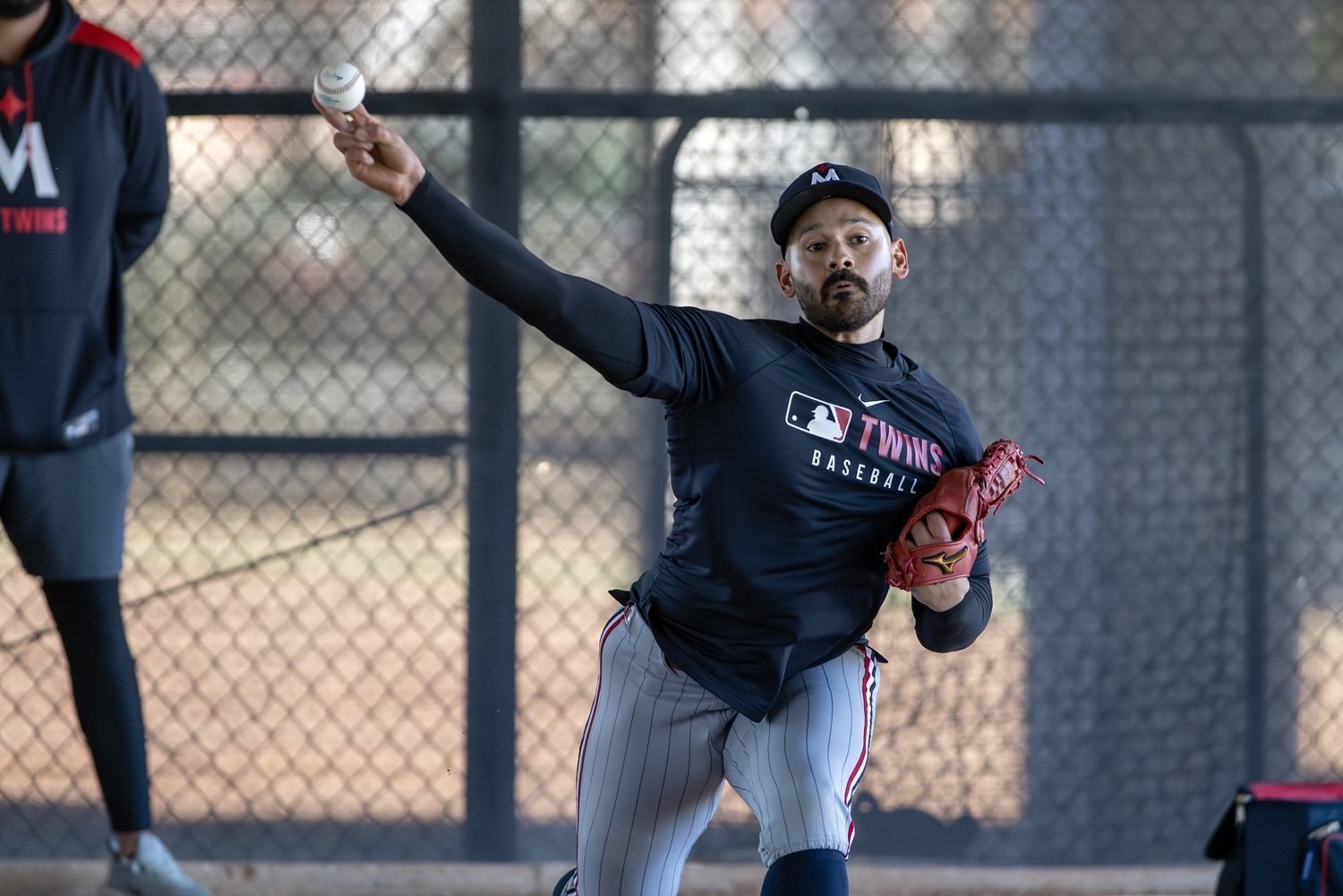 The Minnesota Twins have reason to feel optimistic about Pablo López's chances of returning to the rotation early in 2027. After missing the 2026 season following elbow surgery, the veteran right-hander is working toward a potential return near the beginning of next season. That possibility gives Minnesota another option as it evaluates its starting rotation this offseason. However, there is a difference between having a pitcher working toward a return and knowing when he will be ready to compete in the major leagues. According to Bobby Nightengale of the Star Tribune, López hopes to receive medical clearance around the beginning of March. “He underwent the second Tommy John surgery of his career on Feb. 25, and he’s on a 12-month recovery timeline, so he’s hopeful he will be fully cleared around the beginning of March.” While that would represent meaningful progress, the timing leaves little room for delays before the regular season begins. The Twins should welcome the news while keeping their offseason plans flexible. A Narrow Window for López to Return Minnesota is scheduled to open the 2027 regular season on Thursday, March 25, against the Kansas City Royals. If López receives medical clearance in early March, he would have a relatively short period to build up his workload and prepare for regular-season competition. Medical clearance would be an important milestone, but it would not necessarily mean López could immediately handle a full starter's workload. He would still need to progress through his throwing program, demonstrate that his stuff is intact, and show that he can recover adequately between outings. There's also uncertainty surrounding the next collective bargaining agreement between MLB owners and the players' union. The coming work stoppage will disrupt the offseason and could push back the start of the regular season. Another consideration is how pitchers perform after returning from Tommy John surgery. Making it back to the major leagues is one milestone, but regaining pre-injury form can take considerably longer. A recent study examining modern pitching metrics found that only 3.9% of pitchers returned to their full pre-surgery performance level in their first season after surgery. That figure increased to 11.8% by the second season and 28.1% by the third. The researchers defined full performance using five measures: expected fielding independent pitching, FanGraphs wins above replacement, overall velocity, fastball velocity, and spin rate. These findings suggest that even pitchers who make it back on the expected timeline may need additional time to regain their previous effectiveness. Those numbers do not determine López's individual outcome, and they should not be treated as a prediction of how he will pitch in 2027. His medical history, rehabilitation progress, and response to a starter's workload will ultimately provide more useful information about his readiness. Still, his second surgery gives Minnesota additional reason to approach his return cautiously. Those circumstances make it difficult to establish a firm return date this far in advance. López's progress should remain an important factor in Minnesota's planning, but the organization needs to prepare for the possibility that his recovery takes longer than anticipated or that he needs additional time to regain his effectiveness. The Rotation's Contract Situation Adds Another Layer López's recovery timeline is particularly important because of the Twins' broader rotation picture. Joe Ryan, Dean Kremer, and Bailey Ober are also approaching the final year of their current team control, with all four pitchers potentially reaching free agency after the 2027 season. That creates several decisions for Minnesota's front office as it considers contract extensions, possible trades, and opportunities for younger pitchers. The organization has legitimate reasons to explore its options. Trading a starter could help address other roster weaknesses, while an extension could provide stability beyond next season. However, the upcoming contract deadlines should not dictate how Minnesota evaluates its available pitching. A projected rotation spot is not the same as a dependable source of innings. If the Twins trade an established starter before López demonstrates that he is ready to return, they could create an unnecessary problem. His progress might be encouraging, but the organization still needs enough reliable arms to navigate the early portion of the season. Minnesota should avoid allowing its contract calendar to outweigh the importance of maintaining adequate rotation depth. Young Pitchers Need Opportunities, Not Guaranteed Jobs López's potential return also affects the development plans for Minnesota's younger pitchers. Connor Prielipp, Zebby Matthews, Mick Abel and other internal candidates could factor into the rotation competition heading into 2027. The Twins should give those pitchers opportunities to compete for meaningful roles. That does not mean they need to clear every veteran out of the way before spring training. Competition can help determine which pitchers are prepared to contribute, while additional depth provides protection against injuries and inconsistent performance. A veteran returning from major surgery makes that depth even more valuable. If López progresses as hoped, Minnesota could have greater flexibility to move a starter or adjust its pitching plans later in the offseason. If his recovery requires additional time, the club would still have established options available while its younger pitchers continue developing. That flexibility is preferable to creating a rotation vacancy and hoping every part of the recovery process unfolds according to schedule. Minnesota Should Keep Its Options Open The Twins should continue listening to trade offers involving their starting pitchers. No player should be completely off the table if a deal meaningfully improves the overall roster, particularly for a team with needs to address across multiple positions. However, trading an established starter simply because López appears on a projected depth chart would be a risky approach. The potential benefits of a deal must outweigh the additional uncertainty it creates for the pitching staff. An early return from López could significantly improve Minnesota's rotation outlook. It could reduce the need to acquire another starter, ease the burden on younger arms, and give the front office more freedom to explore trades. For now, those benefits remain possibilities rather than guarantees. López's latest update gives the Twins a reason to be encouraged as they enter a pivotal offseason. The next step is allowing his rehabilitation to progress while building a rotation capable of handling multiple outcomes. Minnesota does not need to abandon its trade plans or promise every young pitcher a job. It simply needs to make sure that any move involving an established starter leaves the organization with enough dependable innings to compete. The Twins can be optimistic about López's return without counting on it before he is ready. How will López’s return timeline impact Minnesota’s roster planning? Leave a comment and start the discussion. View the full article
