


DiamondCentric
-
Posts
2,631 -
Joined
-
Last visited
Never
Content Type
Profiles
Forums
Events
News
Tutorials & Help
Major League Baseball Videos
Guides & Resources
Store
Downloads
Gallery
Everything posted by DiamondCentric
-

Can Shelby Miller be a Different Kind of September Call-Up?
DiamondCentric posted an article in North Side Baseball
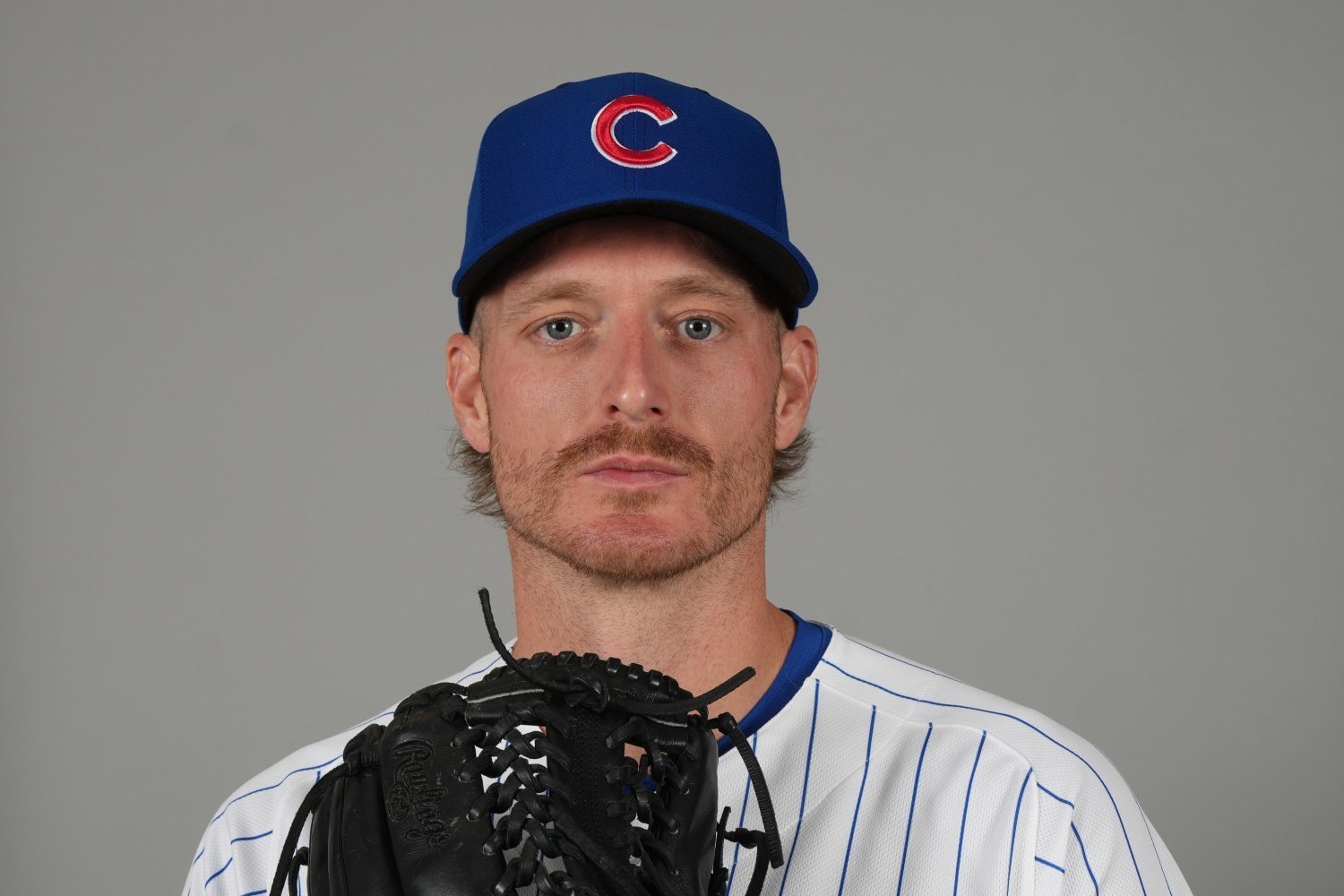 This week at North Side Baseball, we've covered a few players who we think could be on the precipice of being a September call-up as rosters set to expand next week. Teams will be permitted to bring up two more players on their 40-man roster for the final month of the season. We looked specifically at pitcher Jaxon Wiggins and catcher Owen Ayers. Both of these players are the "typical" kind of player we see teams add with expanded rosters: prospects with a specific skillset that could help a team down the stretch, but who have yet to establish themselves. Shelby Miller, who has accrued over 920 innings in the majors to date, certainly breaks this mold, but he could be due for the same type of treatment as his much younger counterparts. Miller, a 35-year-old converted starting pitcher, has had his share of ups and downs over a long career. He was a first-round pick by the St. Louis Cardinals in 2009, and after being part of some very good Cardinals teams, he was traded to Atlanta for a strapping outfielder named Jason Heyward. He posted a promising 3.7-fWAR season in 2015 as a 24-year-old with the Braves. This excellent start to his career caused the Arizona Diamondbacks to become enamored with him, going as far as to trade their recently drafted top prospect, Dansby Swanson, to Atlanta to acquire him as a lead in their new-look rotation. After his strong start, however, the right-handed pitcher really struggled to find his place in the league, having a terrible 2016 in the desert and then eventually bouncing from organization to organization. He even made three appearances for the Cubs in 2021. (If you don't remember it, don't worry. It was just for two innings total and they were highly forgettable.) Things started to look up for the journeyman at last in 2023. While Miller had what seemed like a successful 42 innings with the Dodgers (posting an ERA of 1.70), however, the underlying data suggests that this may have been smoke-and-mirrors. Another down year in 2024 while pitching out of the Tigers' bullpen put his career on ice. Miller, once again, looked like he would struggle to find his place. Then, just last year, a return engagement with the Diamondbacks revived Miller's career—and the under-the-hood numbers looked a lot better this time. He was traded to Milwaukee at the deadline, and for the Brewers, he was considered a pretty big get. In a cruel twist of fate, Miller suffered a major injury just when he seemed to be reestablishing himself. He went down with elbow trouble in early September and underwent Tommy John surgery in October. Without much of a market, the Chicago Cubs scooped him up on a two-year contract late in the offseason, hoping that they could use him in 2027. Little did they know the reliever had other ideas. He's zoomed through his recovery, and might pitch in the majors less than 12 months after having been on Dr. Keith Meister's table. The Case for Cubs Calling Up Shelby Miller First and foremost, we have to forget what we remember about Shelby Miller. The "old" Shelby Miller was a starting pitcher that relied heavily on a diet of four-seam fastballs, sinkers and cutters. He would also mix in a curveball (pretty regularly) and a changeup (sparingly). He got more groundballs than flyballs. He gave up a decent amount of contact. That guy is gone; long, long gone. This is also not the same version of Miller whom the Dodgers and the Tigers had in their bullpens during the 2023 and 2024 season. During those years, Miller's average fastball velocity sat at 93.6 MPH. He had scrapped most of the noise around the fastball, ditching the sinker, cutter, curveball and changeup almost entirely. Instead, while he still relied on the four-seamer nearly 60% of the time, he mixed in a splitter around 20% of the time and a sweeper the rest of the time. The foundation was set for a reinvention, but his fastball velocity was keeping him back. Something had to change for him to really become a weapon. Last season, he rediscovered the lost electricity in his arm. His fastball sat a full two ticks higher than it had the prior two years, and sometimes touched 97 MPH. The results were fantastic: elite chase, whiff and strikeout rates, a 2.74 ERA and a 3.67 xFIP. He specifically became a deadly weapon against left-handed batters, striking out 32.4% of lefties last season. That was a whole new guy. That was, at least, until Miller went down with the injury that keeps pitchers up at night: a torn UCL, requiring Tommy John surgery. These operations can keep pitchers out quite some time. Just look at starting pitcher Justin Steele, who's still working back from an internal elbow brace surgery, the "younger brother" of TJ. Corbin Burnes underwent Tommy John last spring and looks like he won't pitch in 2026, either. Miller, however, has had a near-miraculous recovery and started throwing in Mesa back in July. Since then, he's rocketed from "throwing to hitters on the side" of the Complex backfields to "promoted to Triple-A Iowa" in just a matter of weeks. Best of all, the velocity hasn't gone anywhere. He's averaging 95.5 MPH so far at Triple-A. It very much looks like the player who emerged last summer survived his unhappy fall and winter. In just under six innings so far at Iowa, Miller has struck out 10 hitters and walked only one. He's running the kind of chase, whiff, zone, and stuff ratings you would hope for from a veteran big-leaguer just visiting the minors. His stuff grades out well, too. Everything here points to a healthy and viable reliever for a team who has been searching up and down for as much pitching as they can get. The Case Against Cubs Calling Up Shelby Miller The biggest case against calling up Miller is that it's just hard to know how much you can count on him. The timeline for his recovery is miraculous. With that said, he's yet to go on back-to-back days. instead, the Cubs have cautiously given him at least a few days off in between every inning he's thrown. That's not a luxury the team would have if they tried to carry him for, say, a postseason series. If Miller was the only reliever on the team after rosters expand that may need to be micromanaged in terms of his usage, you could probably find a way around that, especially with the added number of arms at your disposal. The problem, of course, is that the Miller's usage issues aren't in a vacuum. They have a handful of pitchers who may also be on some innings limitations. Justin Steele, Ben Brown, Edward Cabrera and Hoby Milner are all possible reinforcements who might return from injuries of their own, and the Cubs will have to be cognizant of how they use them all. Adding another arm into that mix could prove difficult and may make it impossible to keep a keen on every single inning. Another reason the Cubs may not call up Miller: they don't have to. Because Miller is on the 60-day IL and coming back from elbow reconstruction surgery, he gets to play by different rehab rules. Normally, a pitcher is allowed a 30-day rehab window. For Miller, that begun at the start of August. But because of the specific nature of Miller's ailment, the Cubs are granted a 60-day window. It means that the team doesn't have to make that decision this year, like they would if he was coming back from a hamstring pull. The Cubs can, in essence, "have their cake and eat it, too" by keeping Miller in Iowa for the remainder of the season while still keeping pitchers like Aaron Civale (who's been quite good in long relief) or Caleb Thielbar for as long as they can. It's a decision that they can kick down the road to 2027, and they may be forced to do just that, simply in the name of maintaining as much depth as possible. Should the Cubs Call Up Shelby Miller? The goal of the Chicago Cubs at this point is very clear: to win the last game in the postseason. This is not a team who is in for half-measures; trades like Jefferson Rojas for two players on expiring contracts (Clay Holmes and Tyrone Taylor) make that very clear. The best way for the team to achieve that goal is to ensure that their 26 best players see as much game action as possible. I believe a 100% healthy Miller is among those 26 best players. Miller fills a pretty obvious space in a bullpen. He's a right handed pitcher with reverse splits (due to his high splitter usage). He adds a lot of strikeouts, chase and whiff to a bullpen; all things that are quite useful. He'd allow the Cubs to move on from a struggling left-handed pitcher like Caleb Thielbar without feeling like they'd be short in the bullpen against left-handed hitters. Miller could essentially fill the role that Jacob Webb was filling early in the year and has since been vacated as he's risen to the team's defacto closer. But the sticking point that the Cubs' will have to wrestle with is a tricky one: how close to being 100% is Miller right now? And if he isn't 100%, at what percent is the cross-over point? The velocity suggests that his arm is feeling quite good, but his usage suggests some reservations in how often he can go. And to be fair to everyone involved; no one thought Miller would be pitching in Iowa in August, so being cautious with his usage feels entirely warranted. I think Miller will throw innings for the Chicago Cubs in 2026, because I don't believe the Cubs would have been as aggressive with him if they didn't think it was possible. Whether or not they call him up the moment rosters expand is another question, but it's likely that someone on the pitching staff will need an IL stint between now and October. This is a new, reinvented Shelby Miller, who has busted his hump to come back from TJS this year. He's had the tenacity to stick in a league that rarely wanted him, and the drive to not allow a serious elbow injury to keep him down. If you're putting together 26 men to win that last game of the playoffs, it's that kind of stubbornness you want to see in a reliever when you call upon them in tight situations. View the full article
 -
 This website is getting a little long in the tooth. The basic design dates back to 2021, when our only site was Twins Daily. Since that redesign, we've added nine (!!!!) sites and crammed in more new features than we can count. It's time for a ground-up rethink of everything about this website, and we need your help to do it right. A lot has changed over the past half-decade, especially for independent publishers like us: social media has throttled our reach to near-zero, Google is replacing search results with AI summaries, and economic uncertainties continue to loom over us all. As a result, we're focusing inward and doubling down on community. We offer more interactivity than ever before; we want to offer the best comments, forums, and user blogs you'll find anywhere. Features like the You're The GM! offseason tool will gain more prominence, and new features are coming that expand upon that idea. At the center of everything we do is you, the user. We only know how we use the website; your experience could differ in very important ways. That's why it's important to let us know how you use the site and how we can do things better. We can't improve without input, and yours is vital to the next generation of DiamondCentric sites. As always, thank you for being such an important part of our community! Create your own user feedback survey View the full article
 -
Help Us Build The Next Royals Keep - Let Us Know Your Thoughts
DiamondCentric posted an article in Royals Keep
 This website is getting a little long in the tooth. The basic design dates back to 2021, when our only site was Twins Daily. Since that redesign, we've added nine (!!!!) sites and crammed in more new features than we can count. It's time for a ground-up rethink of everything about this website, and we need your help to do it right. A lot has changed over the past half-decade, especially for independent publishers like us: social media has throttled our reach to near-zero, Google is replacing search results with AI summaries, and economic uncertainties continue to loom over us all. As a result, we're focusing inward and doubling down on community. We offer more interactivity than ever before; we want to offer the best comments, forums, and user blogs you'll find anywhere. Features like the You're The GM! offseason tool will gain more prominence, and new features are coming that expand upon that idea. At the center of everything we do is you, the user. We only know how we use the website; your experience could differ in very important ways. That's why it's important to let us know how you use the site and how we can do things better. We can't improve without input, and yours is vital to the next generation of DiamondCentric sites. As always, thank you for being such an important part of our community! Create your own user feedback survey View the full article
 -
Help Us Build The Next Twins Daily - Let Us Know Your Thoughts
DiamondCentric posted an article in Twins Daily
 This website is getting a little long in the tooth. The basic design dates back to 2021, when our only site was Twins Daily. Since that redesign, we've added nine (!!!!) sites and crammed in more new features than we can count. It's time for a ground-up rethink of everything about this website, and we need your help to do it right. A lot has changed over the past half-decade, especially for independent publishers like us: social media has throttled our reach to near-zero, Google is replacing search results with AI summaries, and economic uncertainties continue to loom over us all. As a result, we're focusing inward and doubling down on community. We offer more interactivity than ever before; we want to offer the best comments, forums, and user blogs you'll find anywhere. Features like the You're The GM! offseason tool will gain more prominence, and new features are coming that expand upon that idea. At the center of everything we do is you, the user. We only know how we use the website; your experience could differ in very important ways. That's why it's important to let us know how you use the site and how we can do things better. We can't improve without input, and yours is vital to the next generation of DiamondCentric sites. As always, thank you for being such an important part of our community! Create your own user feedback survey View the full article
 -
 This website is getting a little long in the tooth. The basic design dates back to 2021, when our only site was Twins Daily. Since that redesign, we've added nine (!!!!) sites and crammed in more new features than we can count. It's time for a ground-up rethink of everything about this website, and we need your help to do it right. A lot has changed over the past half-decade, especially for independent publishers like us: social media has throttled our reach to near-zero, Google is replacing search results with AI summaries, and economic uncertainties continue to loom over us all. As a result, we're focusing inward and doubling down on community. We offer more interactivity than ever before; we want to offer the best comments, forums, and user blogs you'll find anywhere. Features like the You're The GM! offseason tool will gain more prominence, and new features are coming that expand upon that idea. At the center of everything we do is you, the user. We only know how we use the website; your experience could differ in very important ways. That's why it's important to let us know how you use the site and how we can do things better. We can't improve without input, and yours is vital to the next generation of DiamondCentric sites. As always, thank you for being such an important part of our community! Create your own user feedback survey View the full article
 -
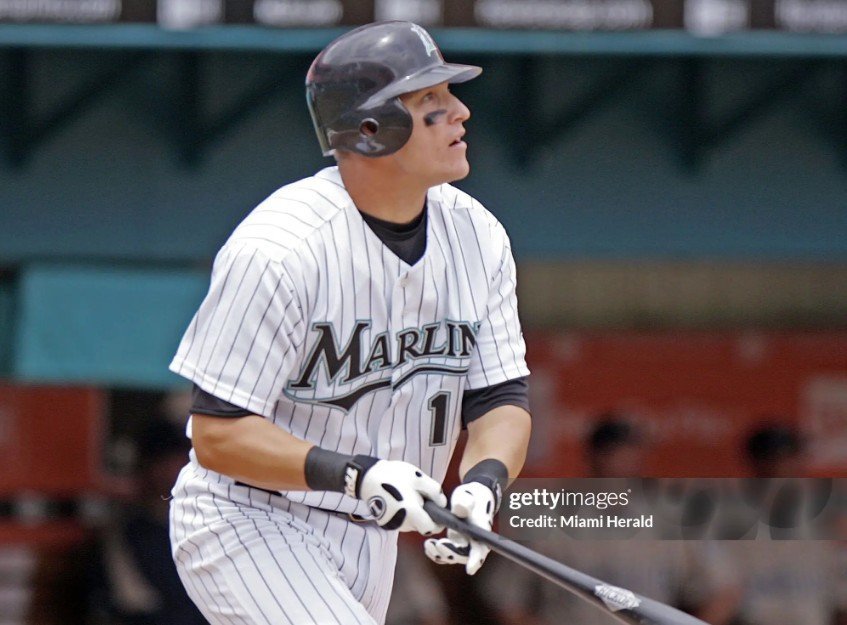 Throughout the 34-year history of the Florida/Miami Marlins, the 2006 team had some of the lowest expectations entering the season. The club, however, was fun to watch. After a dismal start, the Florida Marlins put together stellar months of June and August. One of the highlights of August was a thrilling comeback win that culminated in a walk-off pinch-hit double by Mike Jacobs in a 4-3 victory over the Milwaukee Brewers—on this day 20 years ago. Through 6 1/2 innings at Dolphins Stadium on Aug. 27, 2006, Florida, riding a six-game winning streak, had managed just two hits off Milwaukee starter Chris Capuano. It took just two swings in the bottom of the seventh for the Marlins to double their hit total, tie the game and end Capuano’s afternoon. Trailing 2-0, thanks to a two-run single by Milwaukee’s Bill Hall in the fifth, Miguel Cabrera and Josh Willingham led off the bottom of the inning with back-to-back home runs. Just like that, it was tied, but it didn’t stay that way for too much longer. José Capellán was able to prevent any further damage in the seventh, but after Sergio Mitre worked a 1-2-3 eighth for Florida, Hanley Ramírez lined Danny Kolb’s second pitch down the right-field line for a lead-off triple in the bottom of the eighth. Two pitches later, Dan Uggla singled Ramírez home to give the Marlins their first lead of the game, 3-2. Closer Joe Borowski, however, was unable to lock down the win in the ninth. David Bell’s solo home run to lead off the inning knotted the score. Borowski was able to work around two walks later in the inning to keep the score tied at 3 apiece. Extra innings seemed inevitable as Alfredo Amézaga and Miguel Olivo each grounded out against Brian Shouse to open the bottom of the ninth, but Jeremy Hermida was able to draw a seven-pitch walk. That set the stage for Jacobs. In as a pinch-hitter, Jacobs saw just three pitches on the day. The last of those was lined into the left-field corner. Hermida came all the way around from first, sliding home for the winning run. After taking the first two games of the four-game series, the thrilling victory clinched the set for Florida and ran its winning streak to seven. Both teams finished with eight hits. Bell and Willingham each had three for their respective teams. With a 78-84 final record, the 2006 Marlins exceeded all expectations. Against Milwaukee that season, the Marlins were a perfect 7-0. The only win over the Brewers that ended in a walk-off came on this day two decades ago. View the full article
 -
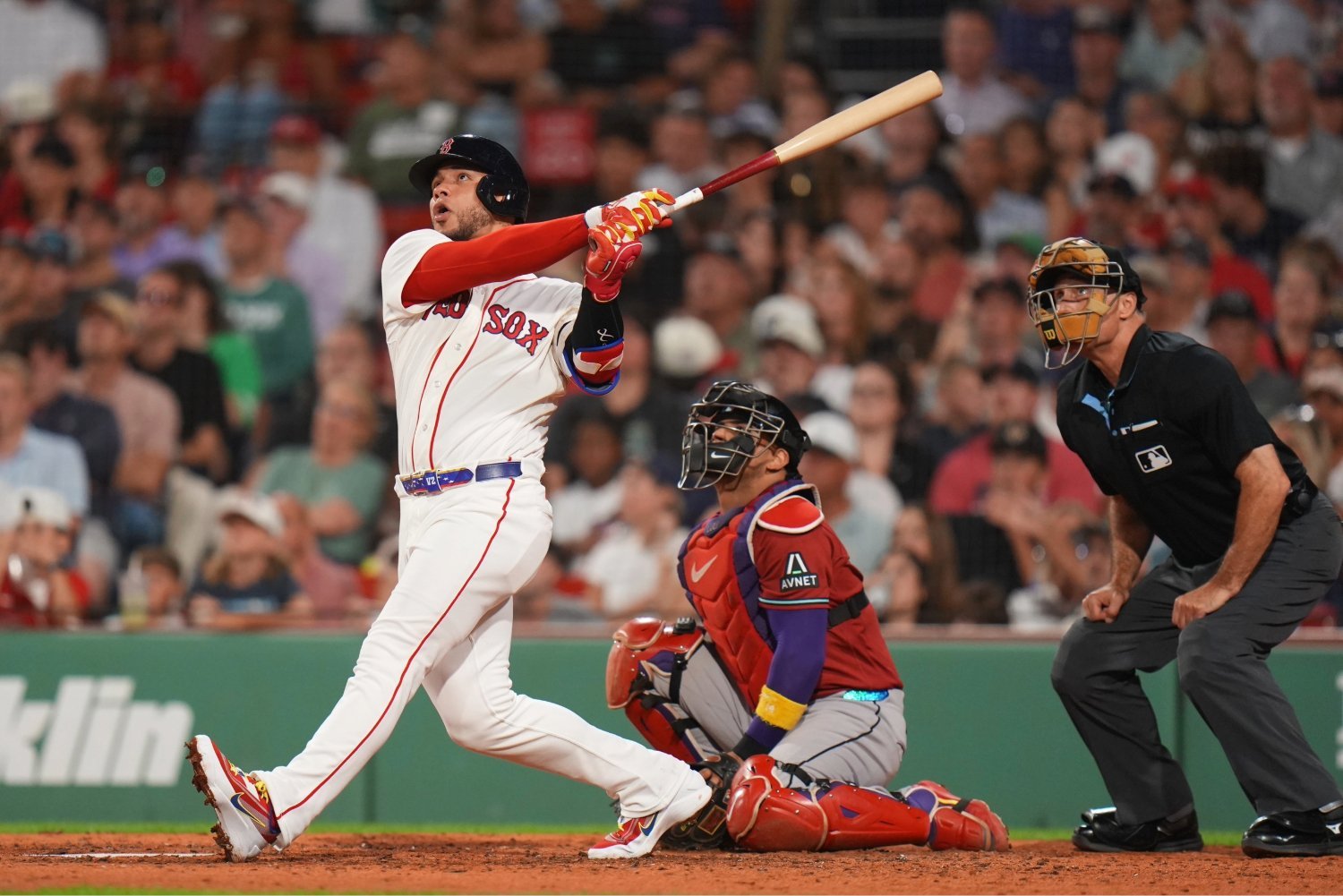 The trade that brought Willson Contreras to Boston was met with praise for finally addressing the black hole that has plagued the Red Sox since, really, the 2018 season. Here at Talk Sox, we’ve written multiple articles predicting how impactful he was going to be and then highlighting how incredible his season has been. Yet, it's still safe to say that very few people expected his season to be one that would put him squarely in the history books for the organization. To say that Contreras has been an offensive force this season is likely understating what he’s done at the plate. He’s slashing .280/.390/.528 with a .397 wOBA, 155 wRC+, and a 4.0 fWAR. To go along with, that he’s also slugged a career high 26 homers on the season and contributed 78 RBIs, which is only two off of his career high. He’s arguably the most feared bat in the lineup and for good reason, seeing as he leads the team in most offensive categories. He’s third on the team in batting average, behind Ceddanne Rafaela’s .289 and Nick Sogard’s .283, second in OBP with a .390 behind Sogard’s .395, and first in slugging percentage, wOBA, wRC+, and fWAR. When he’s on the field with a bat in his hand it, seems like he’s going to produce more often than not. There’s still some swing and miss in his game and he’s a bit too emotional with the ABS challenges from time to time, but he’s the offensive force driving this team. On the defensive side of the ball, Contreras has settled first base in a way we haven’t seen in years. He’s sure-handed, makes diving plays, and just instills a sense of confidence in both his teammates and fans alike. That confidence means that Chad Tracy doesn’t have to worry about any play that goes down the right field line—Contreras is going to make a great attempt at it. He’s likely not going to be in the Gold Glove conversation at first, as there are a handful of American League first basemen ahead of him in defensive runs saved, but his offense means that his defense isn’t make or break. That’s something the Red Sox haven’t had at the cold corner in quite some time. Maybe most notably though, and what some fans may overlook due to Contreras’ fiery attitude, is his leadership with his teammates. We obviously know that he likes to fire up the boys by doing a bit of barking at opposing pitchers or yelling at the dugout as he passes by it during a home run trot, but what slips through the cracks is how obviously other teammates have gravitated towards him this season. Just look at what his former manager, Oli Marmol, had to say after the All-Star was dealt this winter. What's stood out to me the most this season though happened very recently. Ceddanne Rafaela was going through a rut the plate and hit a weak fly ball to the outfield to end the inning in game two against the Pirates earlier this month. The NESN cameras cut to Rafaela and Contreras walking back onto the field together, and you could easily see the former was still upset. Then, the vet put his arm around his younger teammate's shoulders, and you could almost see the tension and anger melt off his face. He settled down for the rest of the game and has returned to his hot hitting ways as of late. You can’t credit Contreras with the turnaround completely, but that moment speaks volumes to just how much of an impact a veteran presence has on this young club. They look to him for guidance and leadership, and his passion for the game is nothing short of contagious. Willson Contreras has been better than advertised with the Boston Red Sox. Breslow needs to be commended for pushing the right buttons with his offseason trades, but the Contreras one may be his shining moment when all is said and done. View the full article
 -
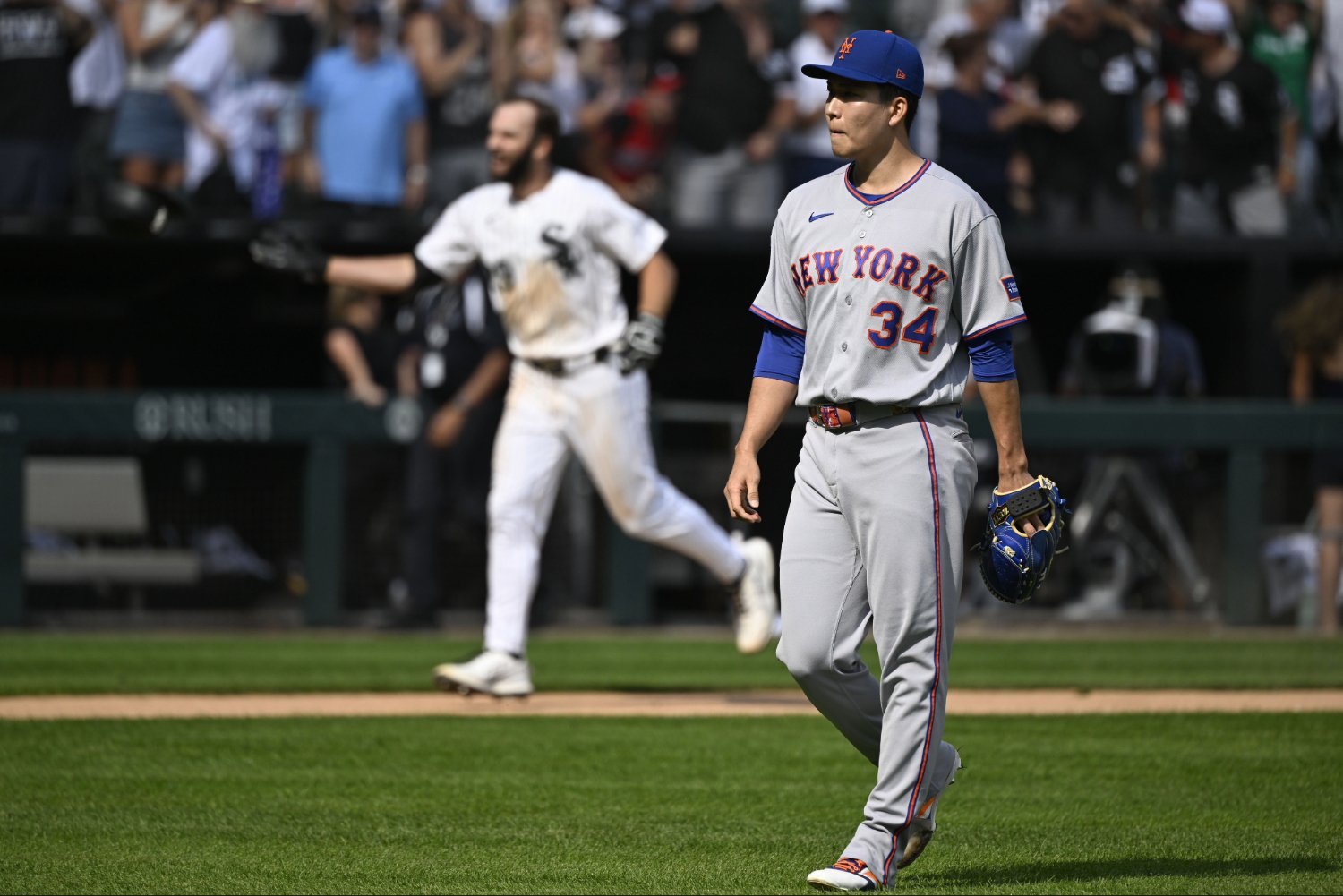 Despite surrendering a walk-off home run to Tristan Peters, Kodai Senga’s transition to a single-inning reliever has been far more fruitful than this season’s work out of the rotation. Since making the switch on August 4, Senga has featured eight times, thrown 7.1 innings, and posted a 2.45 ERA. It’s a small sample, but it stands in stark contrast to the 8.66 ERA he managed over his prior 44.2 innings of work. Now, with Devin Williams on the injured list due to a shoulder strain, Senga is the New York Mets' de facto closer, and his relative success has piqued fans' interest. Could Senga be the Mets’ answer at closer in 2027? Perhaps he’s this generation’s Koji Uehara? Or is this stellar run a small sample blip? Oh, and as for Devin Williams, cue the Simple Minds. The biggest obstacle to Senga closing in 2027 is himself. It wasn’t that long ago that he was a legitimate starting pitcher. In 2023, his rookie season, he ghost-forked his way to a 2.98 ERA over 166.1 innings, finishing second in Rookie of the Year voting and seventh in the NL Cy Young. His follow-up campaign was derailed by injury, but in 2025, he posted a 3.02 ERA over 113.1 innings. At that point, over 285 innings, Senga owned a career 3.00 ERA as a starter. All of this is to say, if he gets right in the bullpen, it makes all the sense in the world to see if he can start again, and if he doesn’t get right in the bullpen, it makes no sense to hand him the closer role. Then there’s the question of whether he has gotten right. Obviously, a 2.45 ERA is far better than 8.66, but that doesn’t mean he’s suddenly fixed. First and foremost, Senga’s biggest problem this season has been a sky-high walk rate. Prior to Aug. 4, his 15.2% walk rate was the highest among any pitcher with over 40 innings pitched, and since moving to a single-inning reliever role, he has cut it to 12.9%. That’s a significant improvement, but it’s still an abysmal walk rate. The highest qualified walk rate among starting pitchers is 11.7%, and that 12.9% mark would still be the 20th-worst among all qualified relievers. On top of that, his underlying strike-zone data doesn’t suggest much, if any, improvement. Two of the best predictors for walk rate are first-pitch strike percentage and in-zone percentage. So, it might surprise you to learn that Senga’s first-pitch strike rate and zone rate have both been worse since the trade deadline. Pre August 4th Post August 4th BB% 15.20% 12.90% F-Strike% 55.2% 51.6% Zone% 47.9% 46.9% O-Swing% 25.9% 25.0% Z-Swing% 66.2% 60.0% Swing% 45.2% 41.4% O-Conact% 43.8% 41.2% Z-Contact% 85.6% 88.9% Contact% 73.1% 73.6% SwStrk% 12.2% 10.9% Based on the strike-zone data, it appears that Senga’s control has gotten even worse, but that’s not completely fair to him. While he isn’t pounding the zone at an increased frequency, he is throwing the ball in better places. Contrary to what your Little League coach might have said, throwing the ball right down the middle is bad advice, and before Aug. 4, that’s where 11.6% of Senga’s pitches went. It was by far his most frequented zone, and it’s part of why he allowed 2.42 home runs per nine innings. However, since moving into a single-inning role, he has cut that figure to 3.7%, and his most frequented zone has been the center-bottom of the strike zone at 14.3%. Despite not throwing more strikes, he is throwing better strikes, which has helped him limit damage on contact, rack up more strikeouts, and limit walks. But that still doesn’t mean he should be the Mets closer in 2027. Senga has legitimately pitched better since his role shift, but we’re talking about 7.1 innings with a moderate improvement in command. On top of that, while his 2.45 ERA is excellent, all of the ERA estimators think he is riding his luck. His xERA is 3.33, his FIP is 4.45, and his xFIP is 3.91. Those are all far better than what he managed earlier in the season, but they’re not anywhere near closer level. Among qualified relievers, a 3.33 xERA would rank 51st, a 4.45 FIP would rank 130th, and a 3.91 xFIP would tie for 65th. There’s also the little issue, if you want to call it that, of Devin Williams. This might be grating for some to hear, but Williams is still an excellent reliever, despite two seasons of rotten luck. From 2020 to 2024, he was arguably the best reliever in baseball. He racked up the second-most fWAR (7.6), had the second-best ERA (1.70), and the third-best FIP (2.24). He struck guys out, limited damage on contact, and while he issued a few more walks than you’d like, clearly it was worth it. Then he was traded to the Yankees, and everything and nothing changed. In his lone season in the Bronx, Williams posted a career-high 4.79 ERA, despite a 3.05 xERA, 2.68 FIP, and 2.95 xFIP, and it wasn’t hard to spot the culprit. After sporting a left-on-base percentage (LOB%) of 82.8% from 2020 to 2024, Williams saw it plummet to 55.2%. That is the 30th-lowest LOB% among all relievers since 1945. His luck went beyond bad, and it’s why the Mets offered him a three-year, $51 million deal in the offseason. Unfortunately, 2026 has also been another snake-bitten year for Williams, but in a different way. His 4.66 ERA looks bad, and it is, but his 3.29 xERA, 3.09 FIP, and 3.60 xFIP all suggest he is still a strong reliever. The problem is that this season his BABIP is an astronomical .388. While some pitchers earn their elevated BABIP, Williams does not. This season, among pitchers who have thrown 40 innings or more, the linear correlation between hard-hit balls (balls hit harder than 95 MPH) and hits allowed is 0.975. Basically, if you know how many hard-hit balls a pitcher has given up, you know how many hits they should have given up. And since the league average hard-hit ball to hit rate is 0.815, you’d assume that Williams, who has allowed 31 hard-hit balls, would have allowed 25 hits, not the 43 he has actually allowed. While it is true that Williams has not been as good since leaving Milwaukee, he has also had awful, nearly incomprehensible misfortune. And his series of unfortunate batted-ball events has only compounded the issue. Pitchers, almost universally, pitch better with the bases empty. Given a pseudo-normal season, he’ll look largely like the pitcher the Mets thought they were signing. Kodai Senga’s mini-resurgence is a nice little story and offers more hope of him contributing meaningfully to the 2027 squad, but it would be patently insane to suggest he deserves the inside track on the closer job. Even while pitching better, he hasn’t pitched that well. On top of that, Devin Williams is undoubtedly better than his results. Heading into next year, the Mets will hope that Senga can regain a starting spot, and Williams will stop being cursed. If Senga actually ends up the closer in 2027, then that’s a worst-case scenario for everyone. View the full article
 -
Help Us Build The Next Fish On First - Let Us Know Your Thoughts
DiamondCentric posted an article in Fish On First
 This website is getting a little long in the tooth. The basic design dates back to 2021, when our only site was Twins Daily. Since that redesign, we've added nine (!!!!) sites and crammed in more new features than we can count. It's time for a ground-up rethink of everything about this website, and we need your help to do it right. A lot has changed over the past half-decade, especially for independent publishers like us: social media has throttled our reach to near-zero, Google is replacing search results with AI summaries, and economic uncertainties continue to loom over us all. As a result, we're focusing inward and doubling down on community. We offer more interactivity than ever before; we want to offer the best comments, forums, and user blogs you'll find anywhere. Features like the You're The GM! offseason tool will gain more prominence, and new features are coming that expand upon that idea. At the center of everything we do is you, the user. We only know how we use the website; your experience could differ in very important ways. That's why it's important to let us know how you use the site and how we can do things better. We can't improve without input, and yours is vital to the next generation of DiamondCentric sites. As always, thank you for being such an important part of our community! Create your own user feedback survey View the full article
 -
Help Us Build The Next Talk Sox - Let Us Know Your Thoughts
DiamondCentric posted an article in Talk Sox
 This website is getting a little long in the tooth. The basic design dates back to 2021, when our only site was Twins Daily. Since that redesign, we've added nine (!!!!) sites and crammed in more new features than we can count. It's time for a ground-up rethink of everything about this website, and we need your help to do it right. A lot has changed over the past half-decade, especially for independent publishers like us: social media has throttled our reach to near-zero, Google is replacing search results with AI summaries, and economic uncertainties continue to loom over us all. As a result, we're focusing inward and doubling down on community. We offer more interactivity than ever before; we want to offer the best comments, forums, and user blogs you'll find anywhere. Features like the You're The GM! offseason tool will gain more prominence, and new features are coming that expand upon that idea. At the center of everything we do is you, the user. We only know how we use the website; your experience could differ in very important ways. That's why it's important to let us know how you use the site and how we can do things better. We can't improve without input, and yours is vital to the next generation of DiamondCentric sites. As always, thank you for being such an important part of our community! Create your own user feedback survey View the full article
 -
Help Us Build The Next Jays Centre - Let Us Know Your Thoughts
DiamondCentric posted an article in Jays Centre
 This website is getting a little long in the tooth. The basic design dates back to 2021, when our only site was Twins Daily. Since that redesign, we've added nine (!!!!) sites and crammed in more new features than we can count. It's time for a ground-up rethink of everything about this website, and we need your help to do it right. A lot has changed over the past half-decade, especially for independent publishers like us: social media has throttled our reach to near-zero, Google is replacing search results with AI summaries, and economic uncertainties continue to loom over us all. As a result, we're focusing inward and doubling down on community. We offer more interactivity than ever before; we want to offer the best comments, forums, and user blogs you'll find anywhere. Features like the You're The GM! offseason tool will gain more prominence, and new features are coming that expand upon that idea. At the center of everything we do is you, the user. We only know how we use the website; your experience could differ in very important ways. That's why it's important to let us know how you use the site and how we can do things better. We can't improve without input, and yours is vital to the next generation of DiamondCentric sites. As always, thank you for being such an important part of our community! Create your own user feedback survey View the full article
 -
 This website is getting a little long in the tooth. The basic design dates back to 2021, when our only site was Twins Daily. Since that redesign, we've added nine (!!!!) sites and crammed in more new features than we can count. It's time for a ground-up rethink of everything about this website, and we need your help to do it right. A lot has changed over the past half-decade, especially for independent publishers like us: social media has throttled our reach to near-zero, Google is replacing search results with AI summaries, and economic uncertainties continue to loom over us all. As a result, we're focusing inward and doubling down on community. We offer more interactivity than ever before; we want to offer the best comments, forums, and user blogs you'll find anywhere. Features like the You're The GM! offseason tool will gain more prominence, and new features are coming that expand upon that idea. At the center of everything we do is you, the user. We only know how we use the website; your experience could differ in very important ways. That's why it's important to let us know how you use the site and how we can do things better. We can't improve without input, and yours is vital to the next generation of DiamondCentric sites. As always, thank you for being such an important part of our community! Create your own user feedback survey View the full article
 -
 Wednesday saw the San Diego Padres' four full-season affiliates go 1-4 with the Triple-A El Paso Chihuahuas splitting a doubleheader with Oklahoma City, winning 5-4 in eight innings and losing 6-0, the Double-A San Antonio Missions getting crushed by Springfield 14-4, the High-A Fort Wayne TinCaps falling 2-1 to Dayton and the Low-A Lake Elsinore Storm were scorched by the Rancho Cucamonga Quakes 14-1. Padres Minor-League Transactions San Diego Padres placed RHP Jeremiah Estrada on the 15-day injured list retroactive to August 25, 2026. Right shoulder impingement. San Diego Padres recalled RHP David Morgan from El Paso Chihuahuas. Samad Taylor Comes Through Late As Chihuahuas Settle For Split Rehabbing Padres left fielder Samad Taylor went 2-for-4 with two RBIs, including a go-ahead double in the top of the eighth inning as the Triple-A El Paso Chihuahuas won the first game of a doubleheader against the host Oklahoma City Comets 5-4. The second game did not need an extra inning as the Comets blanked the Chihuahuas 6-0. The doubleheader was the makeup of a July 11 rainout. The Chihuahuas trailed the opener 2-0 entering the top of the sixth, when Taylor, Carlos Rodriguez and Ethan Salas, Padres Mission's No. 1 prospect, each had run-scoring singles, with Salas' coming with two outs. The Comets tied it in the bottom of the sixth. Taylor opened the eighth with a double off the wall in right-center to bring in zombie runner Bryce Johnson. Salas also stole a base and has reached base in 19 of 21 games at Triple-A with hits in 15 of those. Taylor didn't play in the nightcap and has a .304/.407/.478 slash line in seven rehab games. Chihuahuas right-handed starter Jhony Brito gave up two runs in five innings, while right-hander Ethan Routzahn pitched the final two hitless innings, allowing an unearned run in the bottom of the eighth. The Chihuahuas were held to six hits in the second game, with Rodriguez getting two. He was 4-for-7 in the two games. Right-handed starter Evan Fitterer allowed four runs (one earned) in 2⅓ innings, while right-hander Logan Gillaspie surrendered two runs in 2⅔ innings. Right-hander Jose Leclerc pitched a scoreless sixth. Padres right-hander Joe Musgrove is scheduled to make what should be his final rehab start Thursday. First pitch is 4:35 p.m. PT. EP1_0826.mp4 EP2_0826.mp4 FIRST GAME Player AB R H RBI BB K Samad Taylor, CF 4 2 2 2 0 2 Gage Workman, 2B 3 0 1 0 0 0 Carlos Rodríguez, LF 4 1 2 1 0 1 Marcos Castañon, DH 4 0 0 0 0 1 Ethan Salas, C 3 0 1 1 0 0 Mason McCoy, SS 3 0 0 0 0 1 Nick Pratto, 1B 2 0 0 0 0 1 Clay Dungan, 3B 3 0 0 0 0 3 Bryce Johnson, RF 2 2 0 0 1 1 Totals 28 5 6 4 1 10 Player IP H R ER BB K HR Jhony Brito 5 7 2 2 0 2 0 Hunter Stratton 1 1 1 1 1 0 0 Ethan Routzahn 2 0 1 0 0 0 0 SECOND GAME Player AB R H RBI BB K Will Wagner, 3B 3 0 1 0 0 0 Carlos Rodríguez, RF 3 0 2 0 0 0 Nick Solak, LF 3 0 0 0 0 1 Gage Workman, SS 3 0 1 0 0 2 Marcos Castañon, 2B 3 0 1 0 0 0 Mason McCoy, CF 2 0 1 0 0 0 Nick Pratto, 1B 2 0 0 0 1 1 Blake Hunt, C 3 0 0 0 0 1 Rodolfo Durán, DH 2 0 0 0 0 1 Totals 24 0 6 0 1 6 Player IP H R ER BB K HR Evan Fitterer 2 1/3 3 4 1 2 2 0 Logan Gillaspie 2 2/3 5 2 2 0 2 1 José Leclerc 1 0 0 0 1 0 0 Missions Can't Handle Cardinals' Power Tirso Ornelas homered and Alex McCoy had two hits and an RBI, but the Double-A San Antonio Missions were hammered by the host Springfield Cardinals 14-4. The Cardinals hit four homers. Missions left-handed starter Luis Gutierrez only made it through 1⅔ innings, giving up two runs on 52 pitches. The Missions were down 6-1 after four innings, with the Cardinals adding three in the six, three in the seventh and two in the eighth. McCoy, Padres Mission's No. 8 prospect, had an RBI single in the fifth to pull the Missions within 6-2, while Ornelas hit a solo homer in the eighth, his 14th of the season. SA_0826.mp4 Player AB R H RBI BB K Albert Fabian, LF 3 0 1 0 0 1 Alex McCoy, RF 4 0 2 1 0 0 Tirso Ornelas, DH 4 1 1 1 0 0 Romeo Sanabria, 1B 4 1 1 0 0 0 Ryan Jackson, 2B 4 0 1 0 0 1 Justin DeCriscio, SS 3 0 1 0 1 0 Luis Verdugo, 3B 2 1 0 0 1 1 Oswaldo Linares, PH 1 0 0 0 0 0 Brendan Durfee, C 3 0 0 1 0 1 Kai Roberts, CF 3 1 0 0 1 2 Totals 31 4 7 3 3 6 Player IP H R ER BB K HR Luis Gutierrez 1 2/3 4 2 2 2 2 0 Igor Gil 1 1/3 0 0 0 1 1 0 Jamie Hitt 2 1/3 5 6 6 3 1 2 Clay Edmondson 1 2/3 2 4 4 2 0 2 Wyatt Hoffman 1 2 2 2 2 1 0 Carson Montgomery Fans 6, But TinCaps Edged By Dragons Right-handed starter Carson Montgomery struck out six over four innings, but only got one run of support as the host High-A Fort Wayne TinCaps fell to the Dayton Dragons 2-1. Yoiber Ocopio and Conner Westenburg each had two hits as the TinCaps outhit the Dragons 9-5. Westenburg accounted for the TinCaps' lone run in the third inning when he tripled to the gap in left-center and scored when the shortstop's relay throw skipped past the third baseman. Westenburg has four extra-base hits, including two triples, in 15 games since being promoted from Low-A Lake Elsinore. Montgomery allowed single runs in the second and third innings, giving up three hits and two walks to go along with the six strikeouts. Right-handers Isaiah Lowe (two innings), Bernard Jose (two innings) and Jefferson Villabona (one inning) combined to allow two hits and no runs while each striking out a pair. FW_0826.mp4 Player AB R H RBI BB K Kasen Wells, LF 3 0 1 0 1 1 Bradley Frye, SS 4 0 1 0 0 1 Robbie Lavey, C 4 0 0 0 0 1 Kerrington Cross, 3B 3 0 0 0 1 1 Carlos Rodriguez, DH 4 0 0 0 0 4 Yoiber Ocopio, 1B 4 0 2 0 0 1 Yimy Tovar, 2B 4 0 1 0 0 2 Dylan Grego, RF 4 0 1 0 0 2 Conner Westenburg, CF 4 1 2 0 0 1 Totals 34 1 8 0 2 14 Player IP H R ER BB K HR Carson Montgomery 4 3 2 2 2 6 1 Isaiah Lowe 2 1 0 0 0 2 0 Bernard Jose 2 1 0 0 1 2 0 Jeferson Villabona 1 0 0 0 0 2 0 Early Homers Knock Out Storm The Low-A Lake Elsinore Storm were held to just two hits as the host Rancho Cucamonga Quakes cruised to a 14-1 victory. Ty Harvey had a one-out single in the second inning and 10th-round draft pick Augie Lopez hit his first pro homer, a solo shot in the eighth. Storm right-handed starter Cameron Nohos had his second rough start in a row, giving up three homers while allowing eight runs (seven earned) on eight hits and no walks with a strikeout in 1⅓ innings. LE_0826.mp4 Player AB R H RBI BB K Elliot Lascelles, SS 4 0 0 0 0 0 Alex Conover, LF 3 0 0 0 0 1 Joe Tiroly, 3B 4 0 0 0 0 1 Chris McHugh, RF 4 0 0 0 0 2 Nu'u Contrades, 2B 4 0 0 0 0 2 Ty Harvey, DH 4 0 1 0 0 0 Augie Lopez, 1B 3 1 1 1 0 0 Truitt Madonna, C 2 0 0 0 1 1 Dawson Willis, CF 1 0 0 0 1 0 Totals 29 1 2 1 2 7 Player IP H R ER BB K HR Cameron Nohos 1 1/3 8 8 7 0 1 3 Yoesmerli Beltre 1 2/3 2 0 0 0 2 0 Michael Salina 2 3 1 1 0 1 0 Ryan Reed 1 4 4 4 2 1 0 Miguel Alvarez 2 3 1 1 1 2 0 Padres Mission's Top 20 Prospect Performance Ethan Salas, C: 1-for-3, RBI (Game 1), DNP (Game 2) Ryan Wideman, CF: DNP Coleman Borthwick, RHP: In Arizona Kruz Schoolcraft, LHP: DNP Ty Harvey, C: 1-for-4 Kale Fountain, OF: Injured, out for season Jorge Quintana, SS: DNP Alex McCoy, LF: 2-for-4, RBI Braedon Karpathios, RF: DNP Lamar King Jr., C: DNP Elliot Lascelles, SS: 0-for-4 Tucker Musgrove, RHP: On injured list Jagger Haynes, LHP: DNP Jake Cunningham, OF: DNP Truitt Madonna, C: 0-for-2, BB Eric Yost, RHP: DNP Winyer Chourio, RHP: DNP Jesus Castro, RHP: DNP Michael Salina, RHP: two innings, 3 H, 1 R, 1 ER, 0 BB, 1 K Rosman Verdugo, SS: DNP View the full article
 -
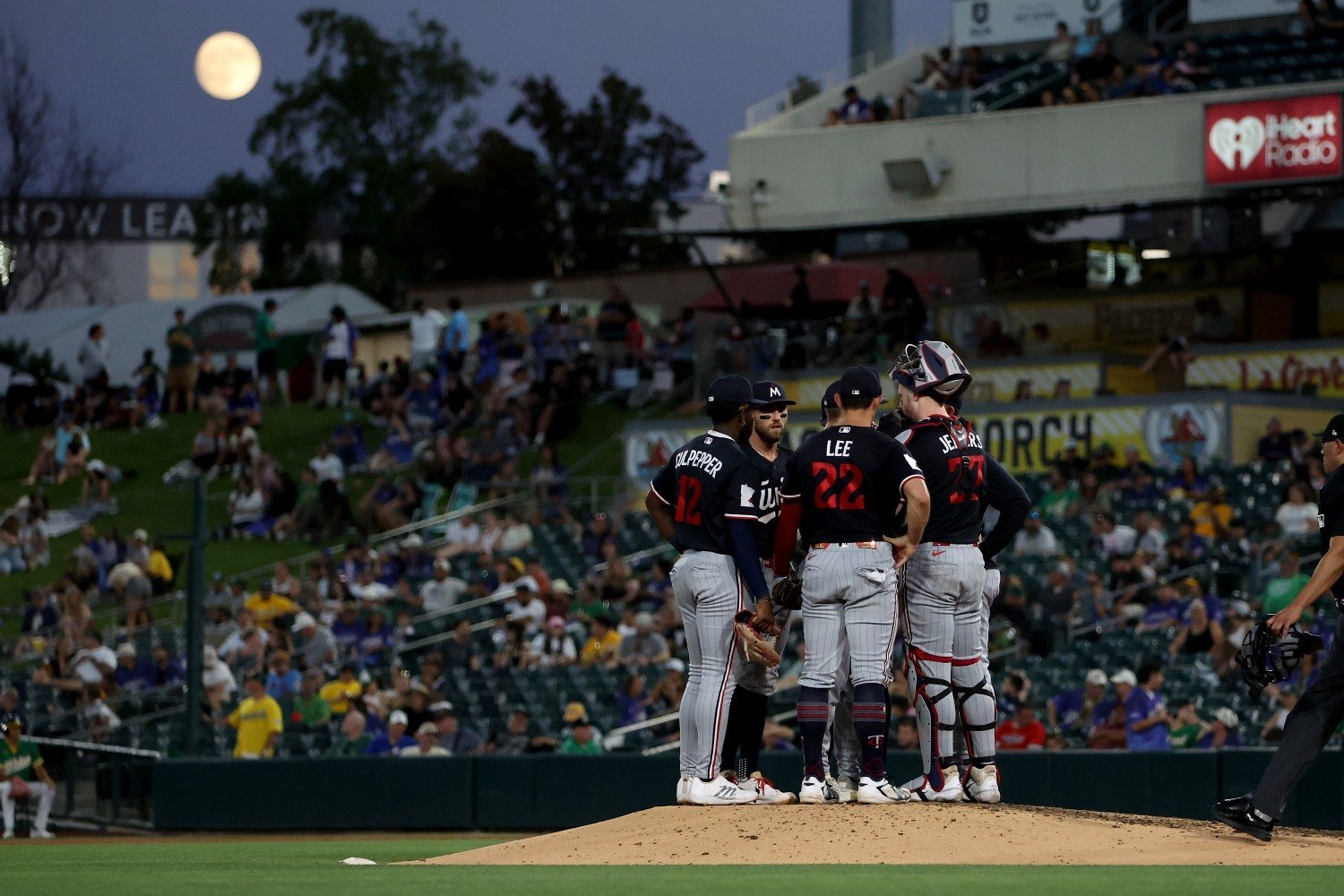 Box Score SP: Connor Prielipp - 5 1/3 IP, 6 H, 3 R, 1 BB, 5 K (78 pitches, 52 strikes (67% strikes)) Home Runs: Brooks Lee, Trevor Larnach, Kaelen Culpepper Bottom 3 WPA: Andrew Morris (-0.50), Luke Keaschall (-0.15), Kody Funderburk (-0.05) Win Probability Chart The Twins entered Wednesday night's series finale against the A's looking to secure a series victory after taking Monday night's opener. For most of the night, Minnesota looked in position to do exactly that, jumping out to an early 3-0 lead behind a trio of solo home runs and a strong performance from Connor Prielipp on the mound. Unfortunately, things unraveled in the sixth inning. The A's scored four runs to turn a two-run deficit into a 6-4 lead, then added another run in the seventh to put the game out of reach. The Twins had one final chance to make things interesting in the ninth, but they couldn't deliver the big hit they needed. Instead, Minnesota dropped a frustrating 7-4 decision and lost the series to the A's. Kaelen Culpepper Stays Red-Hot, and His Power is Burgeoning After struggling to generate much offense in Tuesday night's loss, the Twins wasted no time getting the bats going Wednesday. Brooks Lee opened the scoring in the first inning with a solo homer, jumping on a fastball at the top of the zone and sending it 105 MPH off the bat for his 21st homer of the season. Minnesota added two more runs in the second, and both also came on solo shots. Trevor Larnach absolutely crushed a 3-1 sinker from J.T. Ginn, sending a 110-MPH line drive over the wall in right field for his 11th homer of the season. Kaelen Culpepper then followed with a homer of his own, launching a two-strike sinker 428 feet to left field to make it 3-0. Culpepper has been swinging a hot bat throughout this series, and indeed, he's been exactly what the team must have hoped he would be since they called him up early this month. The offense wouldn't do much after that early outburst, though. Minnesota managed just one hit over the next three innings before finally putting together another rally in the sixth. Josh Bell, Ryan Jeffers and Kody Clemens opened the inning with three consecutive singles to load the bases with one out. Royce Lewis then lifted a sacrifice fly to bring home Bell and extend the lead to 4-2. That would be the final run the Twins scored. A Much-Needed Strong Start for Connor Prielipp While the Twins' offense came out hot, Prielipp did his part to keep the A's lineup quiet early. The left-hander needed just eight pitches to get through the first inning, then worked around a pair of singles in the second without allowing a run. He settled in from there, retiring the side in order in the third. The A's finally got to him in the fourth, when an unfortunate bounce turned what looked like a potential double play into a two-run inning. Prielipp walked Lawrence Butler to start the frame, before Tommy White hit a hard ground ball that took a crazy hop in front of Clemens at second. It was a hard one-hopper, and when that one hop is unreliable, the play becomes almost impossible. Clemens couldn't keep it on the infield, and instead of an out (or two), the result was runners at the corners with one out. Michael Stefanic followed with an RBI double into the left-field corner, and the A's got another run on a groundout by Brian Serven; the Twins played their infield back and traded the run for an out. Prielipp stopped the bleeding there and got through the fifth unscathed, though. He came back out for the sixth and retired Butler to start the inning, but a single from Jonah Heim ended his night. Unfortunately, the bullpen couldn't preserve that lead. The Same Sad Story: Andrew Morris Can't Miss Bats, Luke Keaschall Can't Catch Balls Andrew Morris entered to replace Prielipp and immediately allowed a fly-ball single to center by White, putting the tying run on base. Pinch-hitter Jeff McNeil then doubled down the left-field line, bringing White home and cutting the Twins' lead to one. Morris got a huge second out when Carlos Cortes swung through a sinker that would've been ball four, but the A's weren't finished. Alika Williams pounced on Morris's first pitch and hit a long fly ball to left-center field. Luke Keaschall neither read it well off the bat nor accelerated especially smoothly once he got moving. He came up just short, on a ball that absolutely has to be caught. Both runners scored, and suddenly, the A's had a 5-4 lead. Darell Hernaiz followed with another two-out RBI single to make it 6-4. Just like that, the Twins had gone from being in complete control to trailing by two. The bullpen collapse continued in the seventh. Kody Funderburk was brought in with one out to face Lawrence Butler, creating a left-on-left matchup. In a 1-2 count, though, Funderburk left a sweeper up and over the plate. Butler hammered it to left-center for a solo homer, extending the A's lead to 7-4. It was another frustrating sequence for a Twins team that has had far too many leads disappear late in games this season. Minnesota had one final opportunity to make things interesting in the ninth against Elvis Alvarado, who had recorded a save against the Twins the previous night. Lewis led off with a swinging bunt that was handled by Heim for an out—a frustrating result, considering he was ahead 2-0 in the count. Larnach followed with a single up the middle, and Culpepper then won an eight-pitch battle to draw a walk and bring the tying run to the plate. Alan Roden nearly delivered, but his fly ball to the warning track in center wasn't deep enough to score either runner. Both Larnach and Culpepper tagged and moved into scoring position, giving Keaschall a chance to extend the game. Instead, he couldn't hold up on a slider out of the zone, ending the game. Now, Minnesota will have to regroup after dropping two straight to the A's. And once again, the biggest question coming out of the game will be how the Twins can stop these late-inning collapses. What’s Next? The Twins are off tomorrow before returning home to kick off a 14-game stretch against divisional opponents. That stretch will start this weekend against the White Sox. Dean Kremer is lined up to throw for Minnesota, and he’ll face off against fellow trade deadline acquisition Luis Castillo. First pitch is set for 7:10 PM Friday. Postgame Interviews Coming soon! Bullpen Availability Chart View the full article
 -
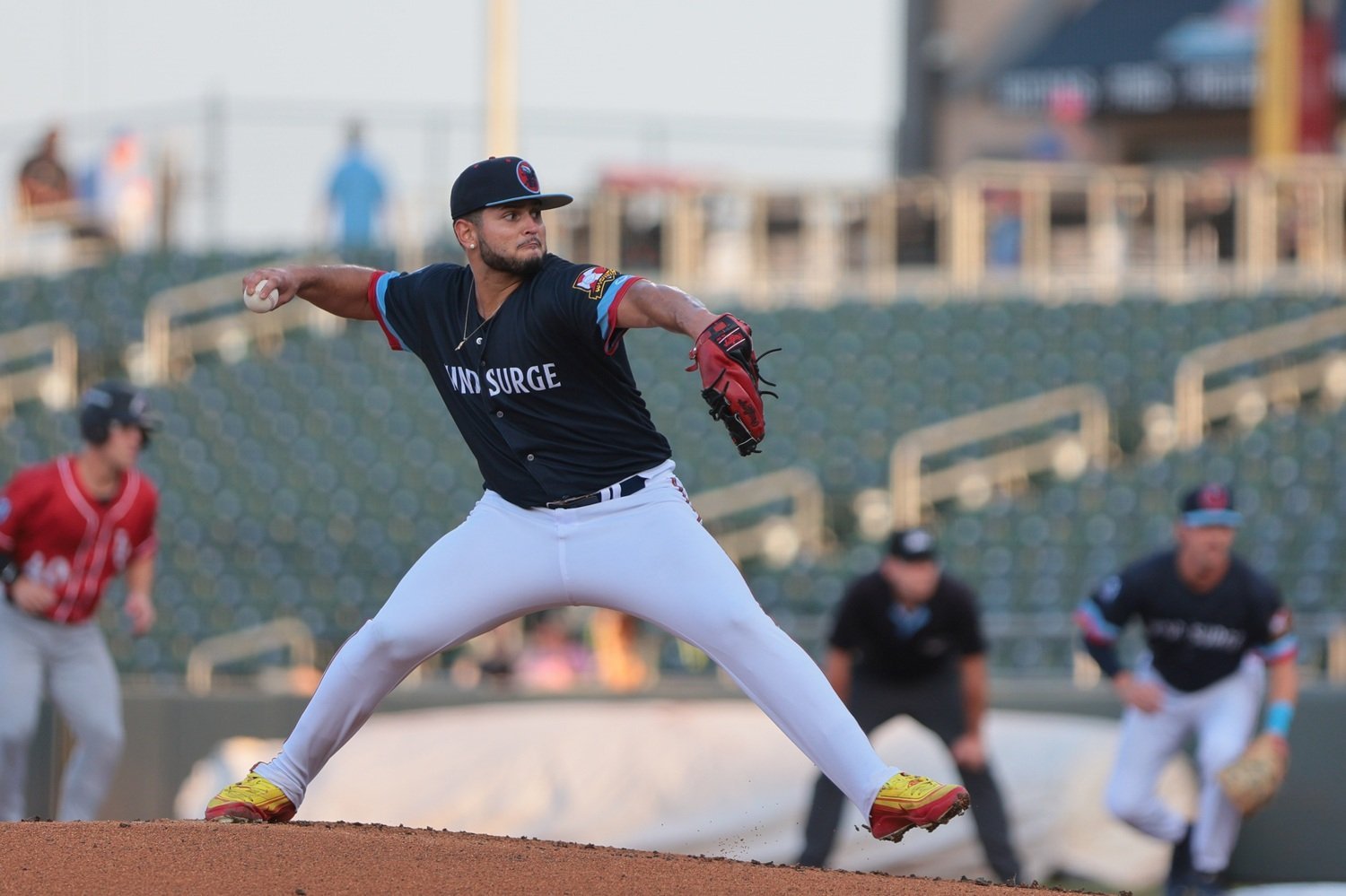 TRANSACTIONS RHP Luis Quiñones sent to A Fort Myers on MiLB Rehab Saints Sentinel St. Paul 2, Toledo 4 Box Score Aaron Rozek: 4 IP, 6 H, 3 ER, 1 BB, 4 K HR: Walker Jenkins (12) Multi-hit games: Walker Jenkins (2-for-4, HR, R, RBI), Gabriel Gonzalez (3-for-4, RBI) The Saints couldn’t find enough offense on Wednesday. Don’t blame Walker Jenkins. For anything, really. The 21-year-old remained a hitting leviathan, a one-man force in the batter’s box capable of blending power and contact in artistic harmony. He blasted an opposite field homer off a lefty, singled, and stole his 17th base of the season. He’s slashing .411/.488/.795 in August. A fourth inning Gabriel Gonzalez single drove in the other run for the Saints. Gonzalez ended with three singles, his third three-hit game of the month. C.J. Culpepper, Matt Bowman, Garrett Acton, and Woo-Suk Go combined for five innings of relief with one earned run. They struck out eight. Toledo second baseman Max Anderson is the 11th overall prospect in the Tigers’ system. He collected two hits, including a homer, and walked. Wind Surge Wisdom Wichita 3, Arkansas 4 Box Score Adrian Bohorquez: 5 IP, 5 H, 0 ER, 1 BB, 7 K HR: Brandon Winokur (8) Multi-hit games: Khadim Diaw (2-for-4, RBI), Caden Kendle (2-for-3, R, RBI) The Wind Surge flirted with a comeback on Wednesday. It was an impressive first impression for Adrian Bohorquez. The righty donned a AA jersey for the first time Wednesday and pitched with the wit and acumen of a hurler years his senior, punching out seven while allowing no earned runs. He threw 79 pitches. The only trouble he encountered was in the fifth, when a ball Marek Houston will tell you he should have, ate up the shortstop, causing his throw to first to be a hair late. In return, the Travelers swarmed for four runs, none of them earned. A run-scoring wild pitch got the Wind Surge on the board in the sixth, and Brandon Winokur lasered a homer in the eighth to cut the deficit. Khadim Diaw lifted a sacrifice fly in the ninth, yet Winokur popped out into foul territory to end the game. The tying run was on third. Caden Kendle is slashing .382/.453/.676 in 36 games with the Wind Surge. The 24-year-old 2024 5th-rounder out of UC-Irvine has eight home runs in August, the same amount he totaled in 97 games with the Kernels in 2025. Like how the Yardbirds collected legendary guitar players, the Travelers have been a gathering space for incredible prospect talent in 2026. Kade Anderson is in the majors, yet they still enjoy two top 100 prospects in Felnin Celesten and Jonny Farmelo (plus overall top 10-er Ryan Sloan though he didn’t pitch Wednesday). Celesten went 1-4, while Farmelo went 1-for-3 with a walk. Kernels Nuggets Cedar Rapids 7, Lake County 8 Box Score Reed Moring: 3 2/3 IP, 5 H, 6 ER, 4 BB, 3 K HR: Vahn Lackey (2), Danny De Andrade (13) Multi-hit games: Vahn Lackey (2-for-4, HR, 2 R, 2 RBI, BB), Danny De Andrade (2-for-4, HR, 2 R, RBI, BB), Irvin Nunez (2-for-4, R, RBI) The Kernels nearly mounted an improbable comeback on Wednesday. Vahn Lackey homered in the first. Then the trouble started. Reed Moring navigated two nondescript frames before surrendering a run in the third. After netting two outs to start the fourth, he—and Lake County, for that matter—could not have imagined the carnage that was soon to greet him. A double, a single, a walk, a double, and another double knocked Moring from the game, yet his ERA was still not safe; the incoming Ivran Romero allowed a two-run homer to fully actualize the brutal rally. And the Captains scored once more the following frame. Down 8-1, the grimness of the situation was overwhelming. The game, in practice, was over. In reality? Cedar Rapids proved to be more a nuisance than one could have expected. Three arrived in the seventh thanks to solo homers by Danny De Andrade and Jose Salas; Lackey later drove in Irvin Nunez with a single. The Kernels returned to score two in the eighth, leveraging a hit by pitch and two walks with a run-scoring groundout and an RBI knock by Nunez. The fight continued. The vigor never waned. Cedar Rapids loaded the bases in the ninth and pushed across a run on a Yasser Mercedes walk. Primed with an opportunity to at least tie, if not win the game, the Kernels… fell short. The sweltering rally squashed. De Andrade struck out, Jayson Bass flew out, and Salas’ liner found an outfield glove to wrap things up. The splendidly named Juneiker Caceres ranks as the 82nd-best prospect in MLB. The Cleveland youngster went 1-for-5 with a strikeout. Mussel Matters Game One: Fort Myers 3, Bradenton 10 (7 Innings) Box Score Jui-Chieh Lin: 0 IP, 2 H, 5 ER, 4 BB, 1 HBP, 0 K HR: None Multi-hit games: Colby Turner (2-for-4, RBI), Ramiro Dominguez (2-for-3, RBI) The Mighty Mussels were thoroughly bested on Wednesday. Jui-Chieh Lin? A mysterious character, indeed. The Twins signed the Taiwan product some six weeks ago, and earmarked Wednesday as his debut in the system. The righty had 22 innings of stateside ball this year with the Aberdeen Ironbirds (Maryland, not Cobain’s hometown) yet has otherwise only pitched in his home nation. BR Bullpen claims he went undrafted thrice there. Lin experienced one of the worst debuts a pitcher could suffer. He plunked the leadoff batter with his inaugural pitch—and it only got worse from there. Two singles—one aided by a throwing error from Lin—and four consecutive uncompetitive walks ended his day out-less. Eight of his 28 pitches went for strikes. If he wants some comfort, he can know that Yennier Cano debuted for the FCL Twins in 2019 with a four-walk no-out stinker before eventually becoming an every day MLB reliever. There’s only up from here. The start smothered this game in the cradle for the Mighty Mussels, as a small three-run fifth inning scramble was the only lipstick they could apply to this swine. Colby Turner and Ramiro Dominguez both earned RBI singles; the third run scored via a wild pitch. Bradenton third baseman Tre Phelps ranks as the 23rd-best prospect in the Pirates system, and he went 1-for-4 in four at-bats. Game Two: Fort Myers 1, Bradenton 0 (7 Innings) Box Score Luis Quiñones: 1 IP, 0 H, 0 ER, 1 BB, 2 K HR: None Multi-hit games: None The Mighty Mussels breezed to a shutout win in game two. Melvin Rodriguez allowed a double in the second, starting, and ending the hitting evening for the Marauders. They collected four walks and only twice reached second base. Rodriguez was the bulk arm, collecting 3 2/3 innings while whiffing seven. Sandwiched around him was Luis Quiñones—the starter who threw a lone shutout inning—and Brian Strange, and who totaled 2 1/3 innings to end the game. A fifth inning wild pitch scored Quentin Young for the only run of the game. No member of Pittsburgh’s top 30 prospects played in the game. TWINS DAILY PLAYERS OF THE DAY Twins Daily Minor League Pitcher of the Day – Adrian Bohorquez Twins Daily Minor League Hitter of the Day – Vahn Lackey PROSPECT SUMMARY Here’s a look at how the Twins Daily Top 20 Twins Prospects performed: #1 – Walker Jenkins (St. Paul) - 2-4, HR, R, RBI, K #2 – Vahn Lackey (Cedar Rapids) - 2-4, HR, 2 R, 2 RBI, BB #3 – Kaelen Culpepper (Twins) - 1-3, HR, R, RBI, BB #4 – Marek Houston (Wichita) - 1-5, K #6 – Emmanuel Rodriguez (St. Paul) - 1-3, R, BB #8 – Eduardo Tait (Cedar Rapids) - 0-3, 2 BB #9 – Gabriel Gonzalez (St. Paul) - 3-4, RBI #11 – Carson Tinney (Fort Myers) - 0-2, R, 2 BB #12 – Brandon Winokur (Wichita) - 1-5, HR, R, RBI #13 – Khadim Diaw (Wichita) - 2-4, RBI #18 – Quentin Young (Fort Myers) - 1-2, K #19 – Yasser Mercedes (Cedar Rapids) - 0-4, RBI, BB, K THURSDAY’S PROBABLE STARTERS Toledo @ St. Paul (7:07 PM) - RHP Ricky Castro Arkansas @ Wichita (6:35 PM) - RHP Ty Langenberg Lake County @ Cedar Rapids (6:35 PM) - RHP Merit Jones Bradenton @ Fort Myers (6:05 PM) - TBD View the full article
 -
Despite being short on pitching, Marlins pull off the shutout
DiamondCentric posted an article in Fish On First
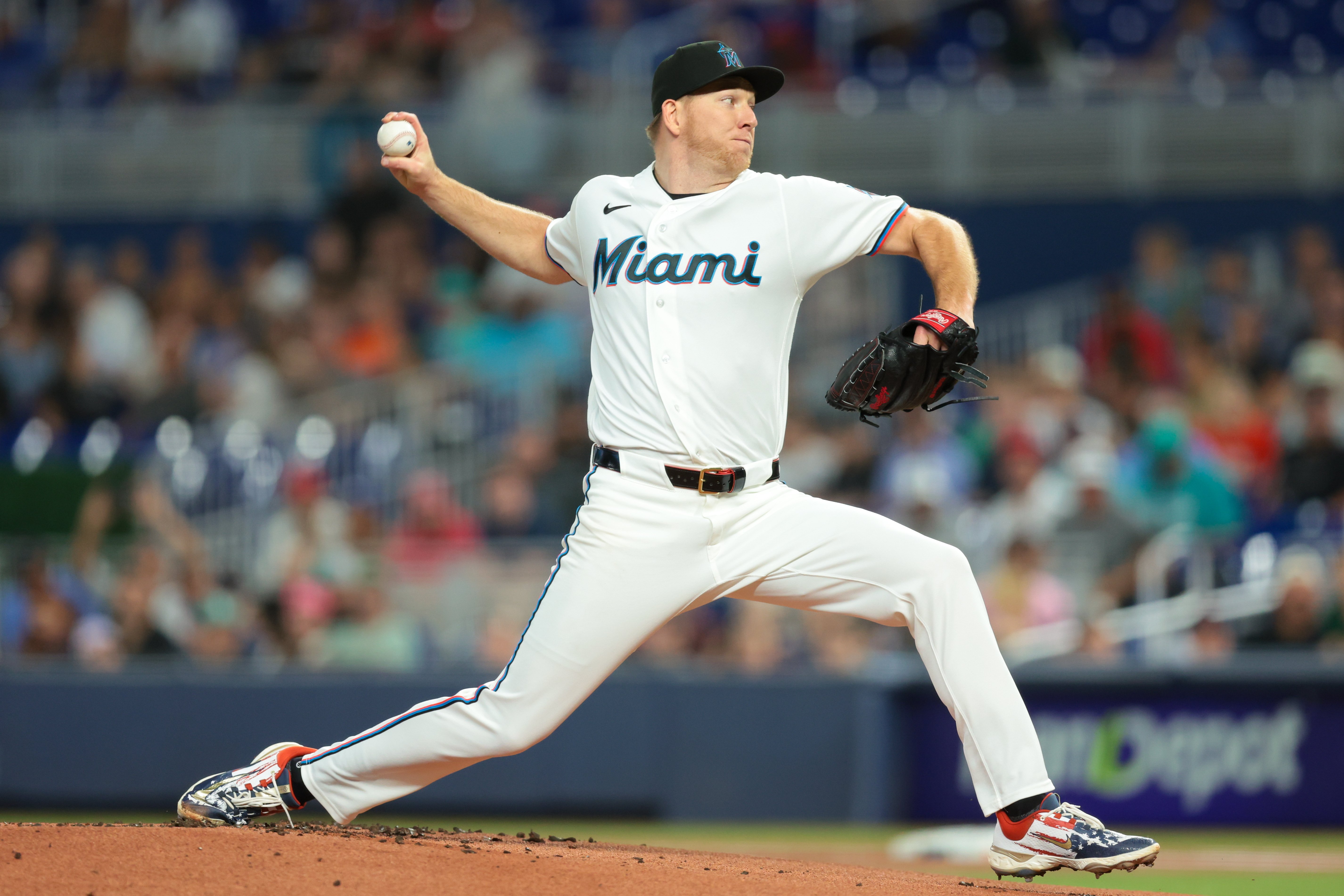 MIAMI, FL - On a night where five of the Marlins eight relievers were out after being heavily used the previous night, the Marlins needed the most out of the available guys: starter Ryan Gusto (5.2 IP), Victor Vodnik (1.1), Janson Junk (1.0 IP) and Dax Fulton (1.0 IP) to close it out. The lone trade that the Miami Marlins swung on deadline day in 2025 was sending Jesus Sanchez to the Houston Astros in exchange for three players, one of those being pitcher Ryan Gusto. Just over a year after the trade, he describes himself as a "different pitcher than the one I was traded for originally." "I think that development isn't linear and it's a good time to look back on that and acknowledge that," Gusto said postgame. "The coaching staff believed in me the whole way and kept working with me on the things that we needed to work on, and I'm really happy with the trend that we've been seeing." On Wednesday night against the Boston Red Sox, Gusto threw 5 2/3 shutout innings, allowing four hits, three walks and struck out two. He lowered his ERA to 1.85 in the month of August and on the season, he now has a 3.98 ERA. His 77.8% ground ball rate on the night was the highest of his season. During this August stretch, he's only had one outing where he's allowed more than three runs, which came in a win against the Philadelphia Phillies. One of the biggest year-to-year improvements for Gusto has been his fastball velocity. His fastball previously averaged 94.1 mph, and on Wednesday, he averaged 95.3 mph and topped out at 97.4 mph. He threw 12 pitches of 95 mph or more in his start. "Ryan deserves a lot of credit," Marlins manager Clayton McCullough said. "The velocity being where it's at so consistently certainly helped, but he's put a lot of work in the weight room as well. He comes over last year and is acclimating to new organization, we're asking a lot of him, and it's taken Ryan some time to really buy in, but I think Ryan has seen how a lot of these adjustments and the hard work he's putting in is paying off. Ryan has taken some real steps professionally, personally, that I think now we're seeing the fruits of." After Gusto was unable to complete the sixth inning, McCullough deployed Victor Vodnik out of the bullpen. He struck out Anthony Seigler to complete the sixth and in the seventh inning, he induced three straight groundouts. After a shaky first two outings with the organization, he has settled in, not allowing an earned run in six straight appearances. While Vodnik was pitching, Janson Junk started to warmup in the Marlins bullpen. Expected to throw his pitch design on Wednesday, the Marlins asked him the night before how he felt about pitching an inning out of the bullpen knowing how many relievers wouldn't be able to pitch. After going through a pregame routine, Junk felt good enough to pitch. For Junk, this marked the first time since June 14th of last season that he entered a game as a relief pitcher. In his lone inning of work, Wilyer Abreu flew out, Caleb Durbin grounded out and Mickey Gasper lined out to end the inning. "The biggest thing for me was just the routine," Junk said. "It's been a while since I came out of the pen, so just figuring out what my role was for the day. Luckily enough, they were very clear on what that was, so that eased some of the nerves. They told me the little pocket that I was going to be in and from there, it was understood what it was when I was getting warmed up in the bullpen." With the Marlins leading 2-0, Dax Fulton, who was recalled from Triple-A Jacksonville one day before the game, was warming up to pitch in the ninth inning for what would be his first career save. For the Marlins, they tacked on two runs in the ninth inning, so Fulton entered the game with a 4-0 lead. After allowing a lead-off base hit, Fulton struck one out and induced two groundouts to end the game. The Marlins 4-0 win marked the 13th shutout win of the 2026 season, which is also the most since 2014, when they had 16 shutouts. With the win, the Marlins are now 68-66, which puts them four games out of the third National League Wild Card spot. The Marlins will spend an off day in Washington before kicking off a four-game wrap around series with Eury Pérez taking the mound in the first game. View the full article
 -
Ben Brown Could Be The Cubs' October Wild Card
DiamondCentric posted an article in North Side Baseball
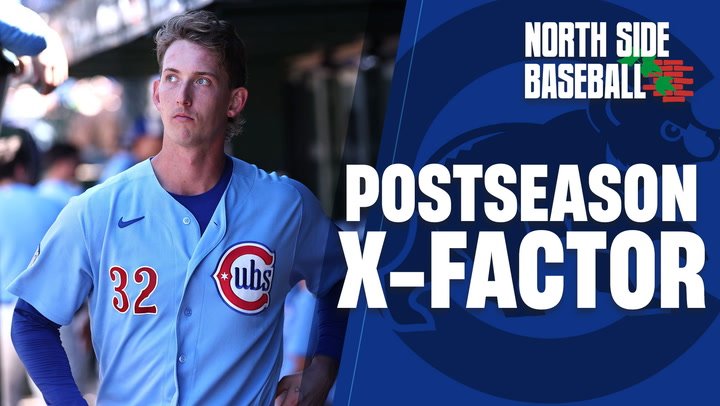 Ben Brown’s season came to a halt with a neck injury, but his return is finally on the horizon. His ability to thrive in multiple roles could make him a fascinating weapon for Craig Counsell in October. View the full article
 -
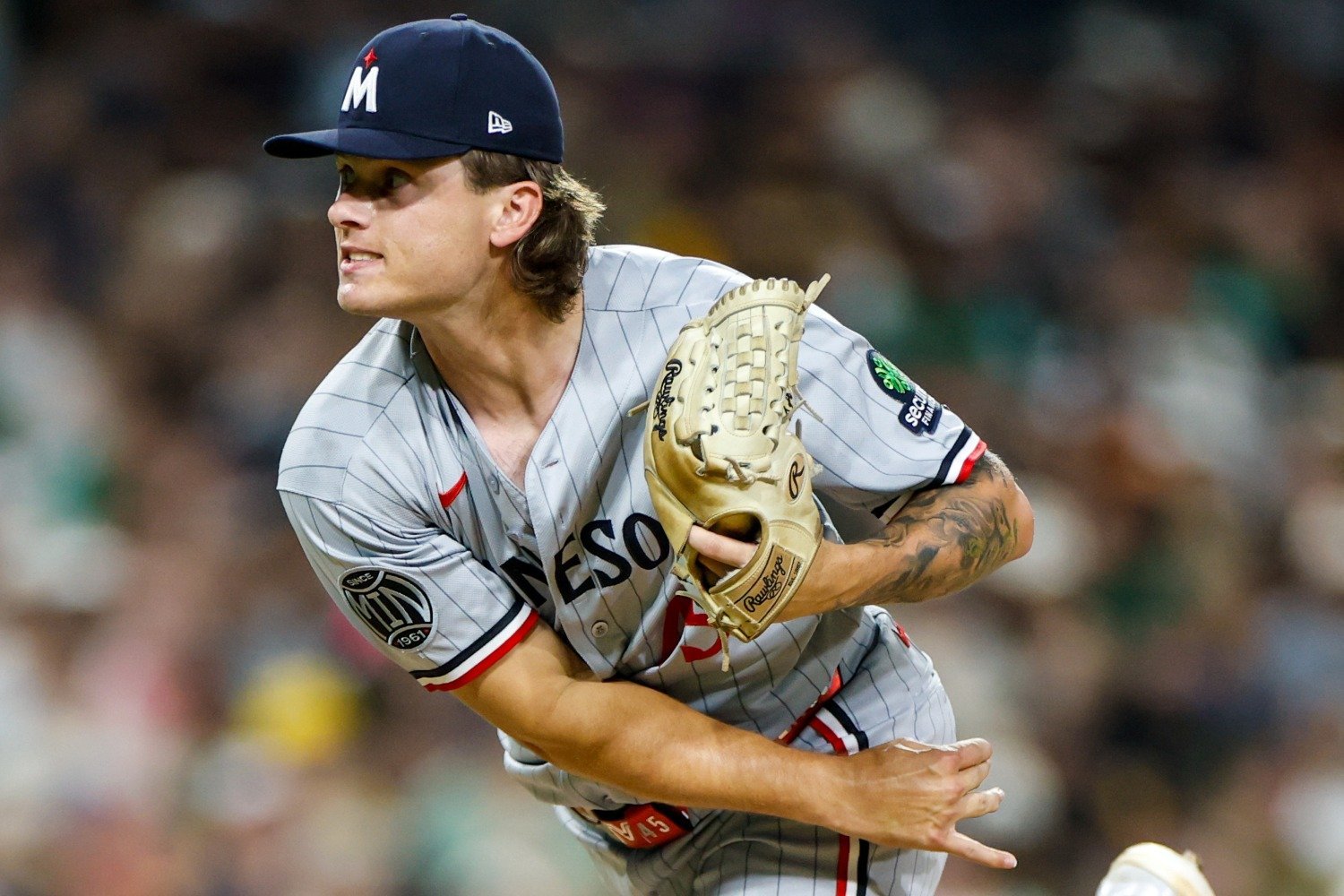 It’s no secret that pitching wins games in the postseason. The Twins got two sharp performances from Pablo López and Sonny Gray during the 2023 Wild Card Series, helping them secure their first playoff series victory in more than two decades. While what a team gets from its starting rotation obviously matters, the late-game pitching can be just as important once October rolls around, and clearly, the Twins realize that, too. Minnesota added a trio of relievers at the trade deadline, bringing in a pair of former Blue Jays in Tommy Nance and Jeff Hoffman, as well as A.J. Minter from the Mets. Outside of a rough performance in San Diego this past weekend, the bullpen has been pretty sharp since those additions were made, but that can’t be said for everyone individually. Right-hander Travis Adams, in particular, has really struggled. Since making his major-league debut last season, Adams owns a 6.54 ERA across 75 2/3 innings, with 79 strikeouts and 37 walks. Those numbers paint a pretty clear picture of a pitcher who simply hasn’t been able to find consistent success at the major league level, and at this point, it’s starting to feel like do-or-die for Adams. Across his last 10 appearances, which have totaled 11 1/3 innings, Adams has allowed 10 earned runs. He’s also given up 15 hits and six walks while recording 12 strikeouts, making it difficult for the Twins to justify continuing to give him opportunities simply in the hopes that something eventually clicks. That’s especially true given where Minnesota is in the season. The Twins are still within striking distance of the American League Wild Card race, meaning every game carries significantly more weight than it did earlier in the year. If Minnesota is going to make a legitimate run at October baseball, they need to know which pitchers they can trust when games get tight, and right now, Adams hasn’t given them much reason to believe that he’s one of those pitchers. They’ve largely used him in lower-pressure spots, which makes sense considering his struggles. But even in those situations, the results haven’t been there. That creates a difficult situation for Minnesota, because there’s only so much patience a team can afford to have at this point in the season. It also just so happens that September callups are right around the corner. The Twins will soon have another opportunity to add an arm to their pitching staff, and there’s more than one name who could potentially emerge as an option down the stretch. There are already a pair of right-handed options at Triple-A in Jack Anderson and Garrett Acton, who have shown flashes of success with the Twins this season, albeit in relatively small samples. Acton brings a fastball-slider combination that can generate plenty of whiffs and keep hitters off balance, while Anderson uses his fastball to set up the rest of his pitch mix. Neither has established himself as a major-league staple yet, but both were significantly more effective during their brief stints with Minnesota than Adams has been recently. That’s the part that makes Adams’s situation particularly interesting. The Twins don’t need to find some mystery pitcher who doesn’t exist, as they already have options in the organization who have shown they can get major league hitters out. They just have to decide when it’s time to give one of them another opportunity. That doesn’t mean the Twins need to completely give up on Adams. He has shown enough at times to suggest there is a major-league pitcher in there somewhere, and his strikeout numbers indicate that his stuff isn’t completely inadequate at this level. His slider misses bats against righties; his changeup misses bats against lefties. But at some point, results matter more than a promising stuff profile, especially for a team that is trying to make a postseason push. Adams cannot continue struggling this badly at this point in the season and expect to maintain his spot on a team trying to fight its way into the postseason. The Twins have spent much of the year trying to piece together a reliable pitching staff, and they’ve now added reinforcements to make the bullpen deeper for the stretch run. That leaves less room for pitchers who aren’t getting outs. The margin for error is shrinking by the day, and Adams is running out of opportunities to prove he belongs in the Twins’ plans for October. With September around the corner and multiple potential replacements waiting in the wings, Minnesota has every reason to keep its options open. If Adams can turn things around, great. The Twins would certainly rather have another reliable arm than have to find one elsewhere, but if these struggles continue, it’s becoming increasingly difficult to see how Adams remains in the majors for much longer. At this point, his leash is only getting shorter. View the full article
 -
 Chicago Cubs Minor League Report Affiliate Overview Triple-A Iowa Cubs Series vs. Omaha Storm Chasers (Kansas City Royals): Storm Chasers lead, 1-0 Season Record: 52–72-1 Double-A Knoxville Smokies Series at Biloxi Shuckers (Milwaukee Brewers): Smokies lead, 1-0 Season Record: 65–55 High-A South Bend Cubs Series at Wisconsin Timber Rattlers (Milwaukee Brewers): Timber Rattlers lead, 1-0 Season Record: 69–48 Single-A Myrtle Beach Pelicans Series at Augusta GreenJackets (Atlanta Braves): Pelicans lead, 1-0 Season Record: 46–72 Triple-A: Iowa Cubs Season Record: 52–72-1 Series Opponent: Omaha Storm Chasers (58-66) Series Standing: Trail, 1-0 Aug. 25: The Iowa Cubs dropped their series opener to the Omaha Storm Chasers, 9-6, on Tuesday night at Principal Park. BJ Murray (3-for-5) got the Cubs on the board in the first with an RBI-triple but the Storm Chasers would eventually make it a 3-1 game after evening the score in the second and going ahead with two in the third. Omaha then made it an 8-1 game by scoring once in the seventh and four more in the eighth. In the home half of the eighth, Murray doubled home a pair of runs to make it 8-3 but the Storm Chasers would get one of those runs back in the ninth to push their lead back to six. Iowa would score three times in its final trip to the plate, on a run-scoring single from Murray and a two-run single from Chas McCormick (1-for-3), but could not rally any further. Javier Assad got the start on the mound for the I-Cubs and took the loss, falling to 0-3 on the season. Assad allowed three runs on five hits over 3 2/3 innings of work, walked two and struck out two. Hoby Milner made his 10th appearance on his rehab assignment with the Cubs and worked a perfect sixth inning. Double-A: Knoxville Smokies Season Record: 65–55 Series Opponent: Biloxi Shuckers (56–61) Series Standing: Lead, 1-0 Aug. 25: The Knoxville Smokies opened their series at the Biloxi Shuckers with a 9-4 victory on Tuesday night at Keesler Federal Park. Carter Trice (2-for-4) gave the Smokies a 1-0 lead in the first with an RBI-single and Andy Garriola (3-for-6) doubled the lead with an RBI-single in the second. The Shuckers pulled one back in the second but Knoxville made it 4-1 with a pair of runs in the third, scoring one on an error and another on a sacrifice fly from Alex Madera (3-for-3). Biloxi would eventually make it a 4-4 game after scoring one run in the third, fourth and fifth innings. The Smokies re-took the lead with a three-spot in the sixth thanks to a run scoring on a passed ball, an RBI-single from Miguel Useche (3-for-6) and a sacrifice fly from Ariel Armas (1-for-5). Kane Kepley (1-for-3) put the game away with a two-run homer in the ninth, his third at Double-A, to make it 9-4. Kevin Valdez got the start on the mound for Knoxville and took no decision. Valdez allowed three runs on five hits over four innings of work, walked three and struck out one. Tyler Ras tossed two scoreless frames in relief, retiring all six batters he faced, including two via strikeout. The Smokies offense amassed 14 hits on the night, with three batters turning in three-hit performances. High-A: South Bend Cubs Season Record: 69–48 Series Opponent: Wisconsin Timber Rattlers (63–53) Series Standing: Trail, 1-0 Aug. 25: The South Bend Cubs opened their series at the Wisconsin Timber Rattlers with a 4-3 defeat on Tuesday night at Neuroscience Group Field. The Timber Rattlers took a 2-0 lead in their first trip to the plate but the Cubs were able to answer back with two in the third thanks to a solo shot from Alexey Lumpuy (2-for-4) and a sacrifice fly from Angel Cepeda (0-for-3). Wisconsin would make it 4-2 after scoring one run in each of the fifth and seventh innings. Josiah Hartshorn (1-for-4) blasted a solo home run in the ninth to cut the lead to one but the late South Bend rally would be halted. Jostin Florentino got the start on the mound for the Cubs and was handed the loss, dropping his record to 1-4 on the season. Florentino allowed three runs on five hits over 4 1/3 innings of work, walked one and struck out six. Edwardo Melendez turned in 1 2/3 shutout innings out of the bullpen and allowed one hit to go along with two walks and two strikeouts. Hartshorn’s solo shot was his 16th at High-A and his 21st across all levels. The Cubs’ No. 1 prospect (North Side Baseball) also reached the 100 RBI mark on the season, reaching that total in 111 games (39 with Myrtle Beach, 72 South Bend). Single-A: Myrtle Beach Pelicans Season Record: 46–72 Series Opponent: Augusta GreenJackets (64–56) Series Standing: Lead, 1-0 Aug. 25: The Myrtle Beach Pelicans snapped their six-game losing skid with a 5-4 series-opening victory at the Augusta GreenJackets on Tuesday night at SRP Park. The Green Jackets scored a run in the first before the Pelicans evened the contest with a run in the third thanks to a solo blast from Darlyn De Leon (3-for-4), his second of the season. Myrtle Beach then took a 3-1 lead in the fourth through RBI-singles from Corey Nunez (1-for-2) and De Leon. Augusta would eventually make it a 3-3 contest after pushing runs across in the fifth and sixth innings. Juan Luis Reyes (1-for-4) came up with the biggest swing in the ballgame when he singled home a pair of runs in the top of the ninth to give the Pelicans the lead. The Green Jackets would score once in their final trip to the plate but Jordan Henriquez was able to end the rally and earn the win to improve to 3-4 on the season. Henriquez tossed 3 1/3 innings of one-run ball to end the game, allowed four hits and struck out four. Jubrayker Salaya got the start on the mound for Myrtle Beach and took no decision. Salaya turned in four innings of one-run ball, gave up two hits, walked three and whiffed four. View the full article
 -
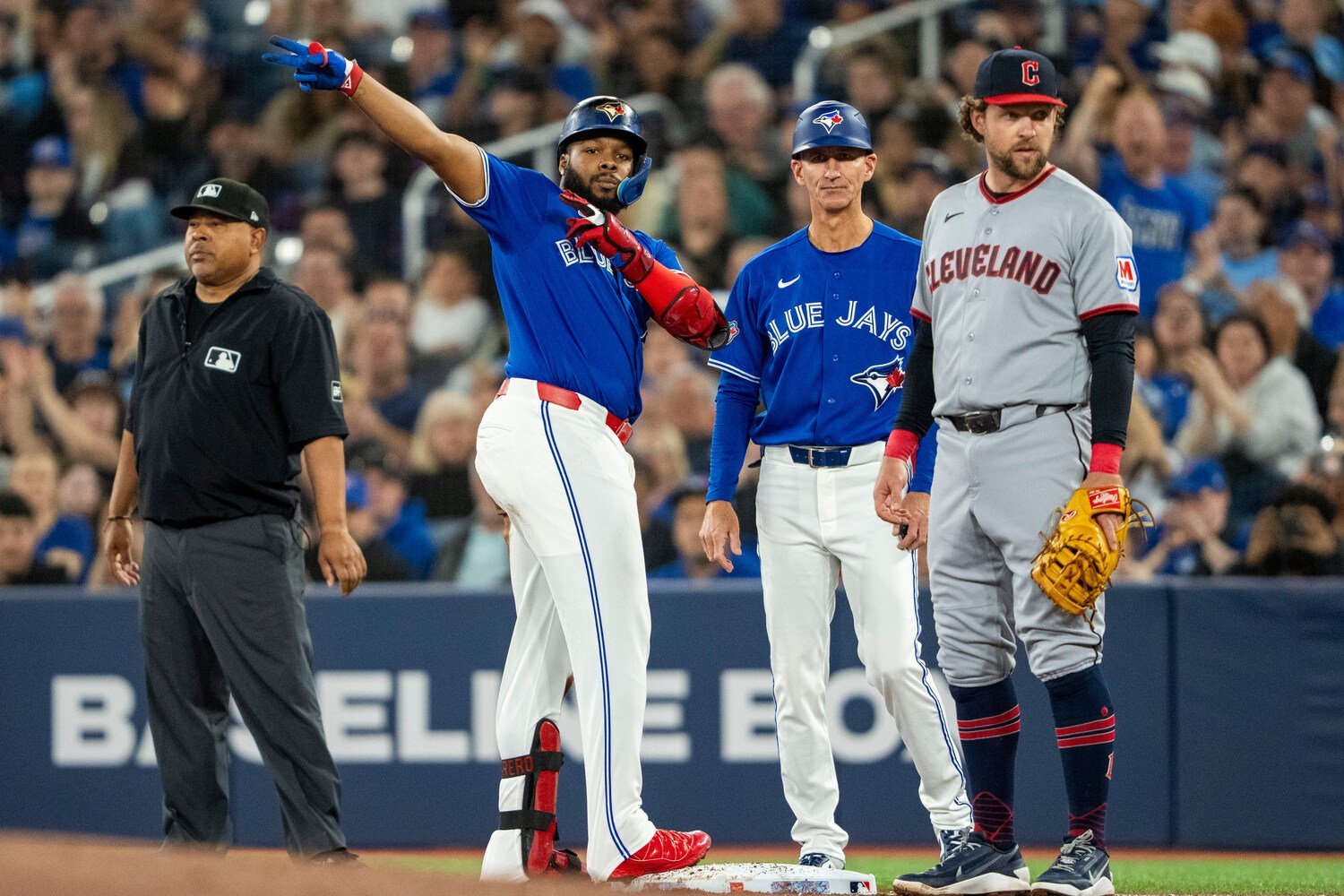 With a month left in the season, the American League Wild Card is a jumbled race to secure the third and final spot. The New York Yankees and Boston Red Sox sit comfortably in the top two spots, with at least a 6.5-game lead over the third spot. However, a losing skid could change their comfort level. The Cleveland Guardians sit in third, with six teams nipping at their heels within five games. The Toronto Blue Jays are three games back, but they have the advantage of playing most of these teams over the next month. With so many teams vying for one spot, there’s a good chance a tiebreaker will come into effect. Here are the tiebreaker scenarios, which can also be found on MLB.com. Tiebreaker Scenarios If Two Teams Are Tied Head-to-head record determines who advances. Intradivision record determines who advances. If both teams are tied in the head-to-head matchup, their records against their divisional opponents decide who moves on. This gives some teams an advantage over the Blue Jays, who are 23-23 in the AL East, as the Central and West are weaker than the East. With a 64-69 record, the Jays would still have a chance at a division title if they weren’t in the East. Record against AL teams determines who advances. Record against AL teams after the All-Star break determines who advances. Outcome of last game versus an AL team before the All-Star break determines who advances. If both teams won or lost the last game against an AL opponent, then the tiebreaker moves to the previous game. Repeat until a winner is determined. If Three Teams Are Tied If all three teams have identical records against one another, tiebreakers are determined in this order. Highest winning percentage among three tied clubs in intradivision games. Highest winning percentage among three tied clubs in intraleague games. Highest winning percentage in the second half of intraleague games. Highest winning percentage in the second half against AL teams plus the last intraleague game of the first half of the season. The “plus one” games can’t be against teams in the tiebreaker. This step backtracks until a winner is determined. If the three teams don’t have identical records against one another, these steps determine the tiebreaker. If one team has a better record against each of the other two, it advances. If no team has a better record against each of the other two: a. The teams will be ranked by their overall winning percentage against the other two teams combined. The team with the highest overall winning percentage in that group qualifies. b. If two of the teams have identical winning percentages against the other two, then they would follow the two-team tiebreak rules to break their tie to determine the qualifier. c. If all three teams have identical winning percentages against the other two, then the tiebreak rules above for three clubs having identical records against one another should be followed. If Four Teams Are Tied If one team has a better record against each of the other three, it advances. Highest winning percentage in games among the tied teams.* Highest winning percentage in intradivision games.* Highest winning percentage in intraleague games.* Highest winning percentage in the second half of AL games.* Highest winning percentage in the second half plus the last first-half AL game. The “plus one” games can’t be against teams in the tiebreaker. This step backtracks until a winner is determined. * If two teams have identical winning percentages, then the two-team tiebreak rules shall apply to determine which team qualifies. If three teams have identical winning percentages, then the three-team tiebreak rules shall apply to determine which team(s) qualify. How the Blue Jays Can Avoid Tiebreakers Here’s how many games in each upcoming series against teams fighting for the third Wild Card spot the Blue Jays need to win to avoid a tiebreaker. Seattle Mariners - August 28-30 The Blue Jays will need to sweep the Mariners if they want to win the season series. The Mariners won two of three games when Toronto struggled offensively in the middle of the season. The Blue Jays were outscored 14-2 and shut out in two games. Seattle also holds the advantage against intradivisional teams with a 20-13 record in the AL West. This means if the Blue Jays don’t get a sweep, they would be eliminated if they end the season tied with Seattle. Looking at the projected pitching matchups, Toronto has the edge. The matchups are: Game 1: Dylan Cease vs. Emerson Hancock Game 2: José Soriano vs. Kade Anderson Game 3: Max Scherzer vs. Bryce Miller Game three is the coin flip, but the Blue Jays will be favored in the first two matchups. If they win the first two, I prefer Mad Max in a very important game for both teams, but the questionable part is which version of him we see. Cleveland Guardians - September 1-3 The Blue Jays have won two of three games against the Guardians. However, Cleveland has a slight lead in intradivisional record (19-17). To win the head-to-head, the Blue Jays need to win two of the three games. Since this series follows the Mariners series, the projected pitching matchups aren’t as ideal for Toronto right now. Game 1: Bullpen game/Jameson Taillon vs. Gavin Williams Game 2: Spencer Arrighetti vs. Joey Cantillo Game 3: Cease vs. Tanner Bibee With Cease pitching game three, the pressure on fans eases slightly, but facing Gavin Williams in game one will be a tough task. He’s second in strikeouts among AL pitchers (204), five behind Cease. Although, the Blue Jays are a tough team to strike out. Baltimore Orioles - September 11-13 and 21-23 As AL East rivals, the Blue Jays will face the Orioles more than any of their other Wild Card opponents. Toronto holds a 4-3 record against Baltimore this season, so they need to win three games over the two series. They also have the better record in the AL East, as the Orioles are 15-20. Baltimore still has a three-game series against both the Red Sox and Yankees. That divisional record is unlikely to improve by much with strong opponents waiting. Detroit Tigers - September 14-16 The Blue Jays have won two of three games against the Tigers this season. The Blue Jays also hold the intradivisional edge, as the Tigers are 13-25 in the AL Central. Detroit is skidding with only two wins in its last 10 games. The pitching staff is not as impressive after Tarik Skubal and Casey Mize were traded away. This gives Toronto an advantage, as the Jays need to win two of three games to clinch the season series. Texas Rangers - September 18-20 The Blue Jays enter this series having already lost the head-to-head matchup. They were swept in a four-game series at the end of June. However, the Rangers' remaining schedule is much tougher than Toronto’s, with series against four teams with winning records: the Milwaukee Brewers, Tampa Bay Rays, Boston Red Sox, and Arizona Diamondbacks. The Blue Jays currently trail the Rangers by two games, so they’d need to gain some ground, but the remaining strength of schedules is in their favor. Houston Astros and Minnesota Twins The Blue Jays won’t play the Astros or Twins anymore this season. Toronto tied the Astros in their head-to-head matchup and leads the intradivisional matchup by one game. However, the Astros have a two-game series against the Mariners and a highly favorable four-game series against the Athletics coming up. These will be their last two series of the season, giving the Blue Jays an idea of how many games the Astros will need to lose if both teams are close in the standings. The Twins have won the season series 4-3 and have a 19-18 record against AL Central teams. They have two series against both the White Sox and Tigers remaining, so there’s an opportunity for their intradivisional record to worsen and for the Blue Jays to advance if the season record is tied. View the full article
 -
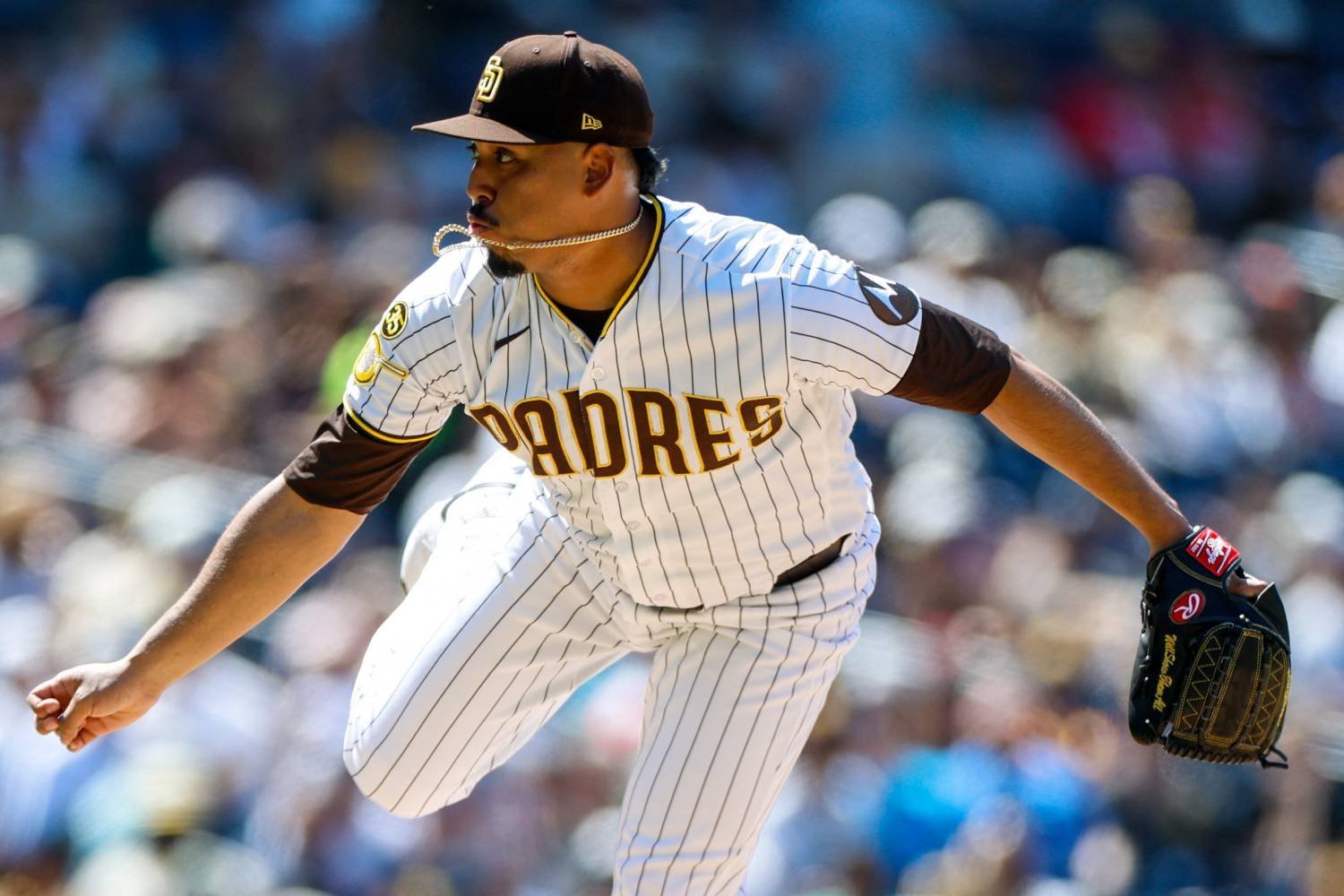 The San Diego Padres' vaunted bullpen has taken a hit. Right-handed reliever Jeremiah Estrada was placed on the 15- day injured list by the Padres on Wednesday due to a right shoulder impingement. Right-handed reliever David Morgan was called up from the Triple-A El Paso Chihuahuas. Estrada last pitched in Monday's 3-2 loss in 12 innings to the Pittsburgh Pirates. He handled the 12th inning and gave up the go-ahead run on a leadoff single. For the season, Estrada has a 3.02 FIP (3.48 ERA) with a 12.7% walk rate and 30.2% strikeout rate over 31 innings and 33 games. This is Estrada's third trip to the IL this year. In April, he had right elbow tendinitis that kept him out three weeks, then Estrada missed nearly two months (June 5-July 29) due to right knee inflammation. Morgan is back with the Padres for the third time this season. He was optioned to Triple-A on April 30 following early struggles, then came back up June 5, replacing Estrada at that time, too. But he then landed on the 15-day IL on June 29 with inflammation in his left knee. Once healthy, he came off the IL and optioned to El Paso. He has a 4.08 FIP (4.50 ERA) and a walk rate of 12.4% and a strikeout rate of 24.8%. View the full article
 -
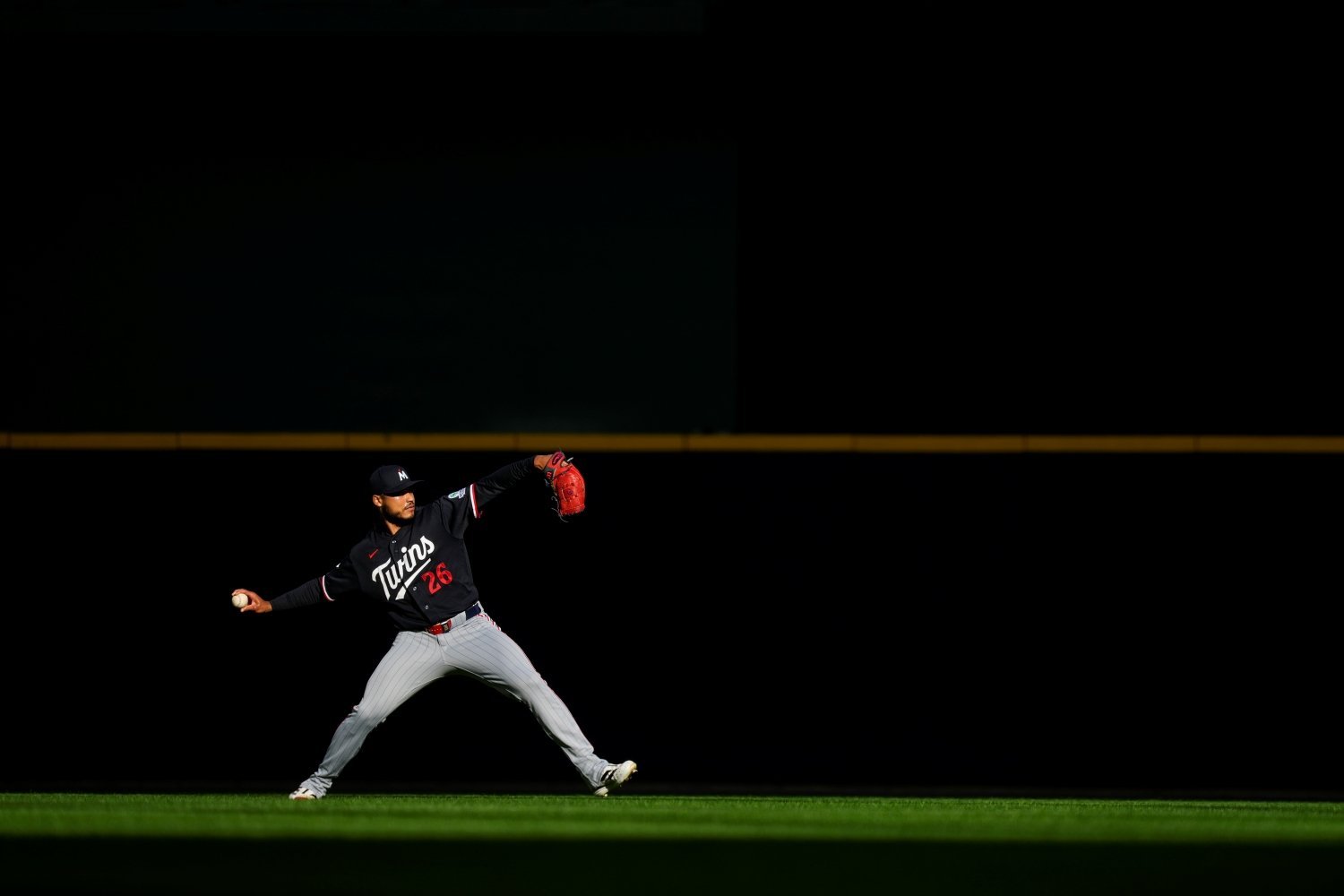 Johan Santana. Bert Blyleven. Brad Radke. Jim Kaat. The Minnesota Twins have had legendary pitchers throughout their history. From dominant strikeout artists to workhorse starters, the franchise has produced plenty of memorable performances on the mound. Yet, somehow, there were still a few boxes left unchecked. Taj Bradley checked one of them Tuesday night. In the Twins' 4-2 loss to the Athletics, Bradley became the first pitcher in franchise history to throw an immaculate inning. It was an odd distinction to achieve in a losing effort, but it was also a moment that deserves to be noted, in the context of what has been a breakout season for Bradley. An immaculate inning requires a pitcher to strike out three consecutive hitters on nine pitches, with every pitch resulting in a strike. Bradley did exactly that in the bottom of the fifth inning. And he did it in style. Facing the bottom of Oakland's lineup, Bradley opened the inning against Carlos Cortes. After getting ahead 0-2 on a pair of fastballs, he dropped a 92.3-MPH splitter below the zone. Cortes chased, giving Bradley his seventh strikeout of the night. Brian Serven was next. Bradley quickly got ahead 0-2 with two swinging strikes on a cutter and a 98-MPH fastball. Ahead in the count, Bradley got Serven to chase a curveball in the dirt. Six pitches into the inning, Bradley had two strikeouts and was one plate appearance away from making Twins history. Henry Bolte stepped into the box. That's when catcher Victor Caratini recognized what was happening. There was no reason to get cute. “On the last pitch, that's why I called a fastball, because I was like, '[Forget] it, best pitch,'” Caratini said. “He threw, like, 100 [MPH] and the batter was frozen. That's pretty nice.” Pretty nice might be underselling it. Bradley painted a 99.8-MPH four-seam fastball at the very bottom of the strike zone. Bolte didn't swing. The umpire called strike three. Nine pitches. Nine strikes. Three strikeouts. Immaculate. For a franchise that has existed in Minnesota since 1961, it's remarkable that nobody had done it before—at least, as far as we know. Santana never did it. Radke never did it. Blyleven, Kaat, Frank Viola and many others pitched parts or all of their careers before official pitch-by-pitch data, which stretches back only to 1988. Just to take one obvious example, Viola struck out the first six batters he faced in his first start of 1987. The official play-by-play data does not include pitch-by-pitch breakdowns. One of those innings might well have been immaculate. An inning thrown by Dean Chance or Luis Tiant, somewhere in the dim annals of the club, might have been immaculate, but unremarked-upon. This wasn't a well-tracked phenomenon until much too late for anyone to be rule out immaculate frames for years before the late 1980s. Still, officially, no other hurler in Twins history accomplished the feat. Bradley did. And considering how rare an immaculate inning is, it's fitting that the sequence showcased one of the biggest strengths of Bradley's game: his ability to overpower hitters with a varied arsenal. An Immaculate Inning, but a Very Maculate Night The immaculate inning wasn't the only impressive part of Bradley's performance. He finished with 11 strikeouts, matching his career high. Entering Tuesday, the 25-year-old had already established himself as one of Minnesota's most dependable starters. For the season, he has a 3.97 ERA, 169 strikeouts in 147 1/3 innings and 3.3 WAR, leading the Twins' rotation in that category. His overall line against Oakland wasn't nearly as clean as the fifth inning. That's what made the loss so frustrating. Bradley was dominant for most of the evening, but two brief stretches ultimately decided the game. In the second inning, he surrendered a two-out double followed by a home run. Then, in the sixth, another two-out rally produced two more runs. The Twins have been playing baseball in Minnesota for more than six decades. Generations of pitchers have taken the mound wearing a Twins uniform. Some became franchise icons. Others put together seasons worthy of the Hall of Fame. None can say definitively that they mowed down the opposition without even a blip of resistance in an inning, though, except Bradley. Now, he can turn his attention to producing more scoreless innings—less impressive each time they're accomplished, but far more important when strung and clumped together. What stood out about Bradley’s immaculate inning? Leave a comment and start the discussion. View the full article
 -
Yu Darish Throws Bullpen, Still Unsure About Padres Return
DiamondCentric posted an article in Padres Mission
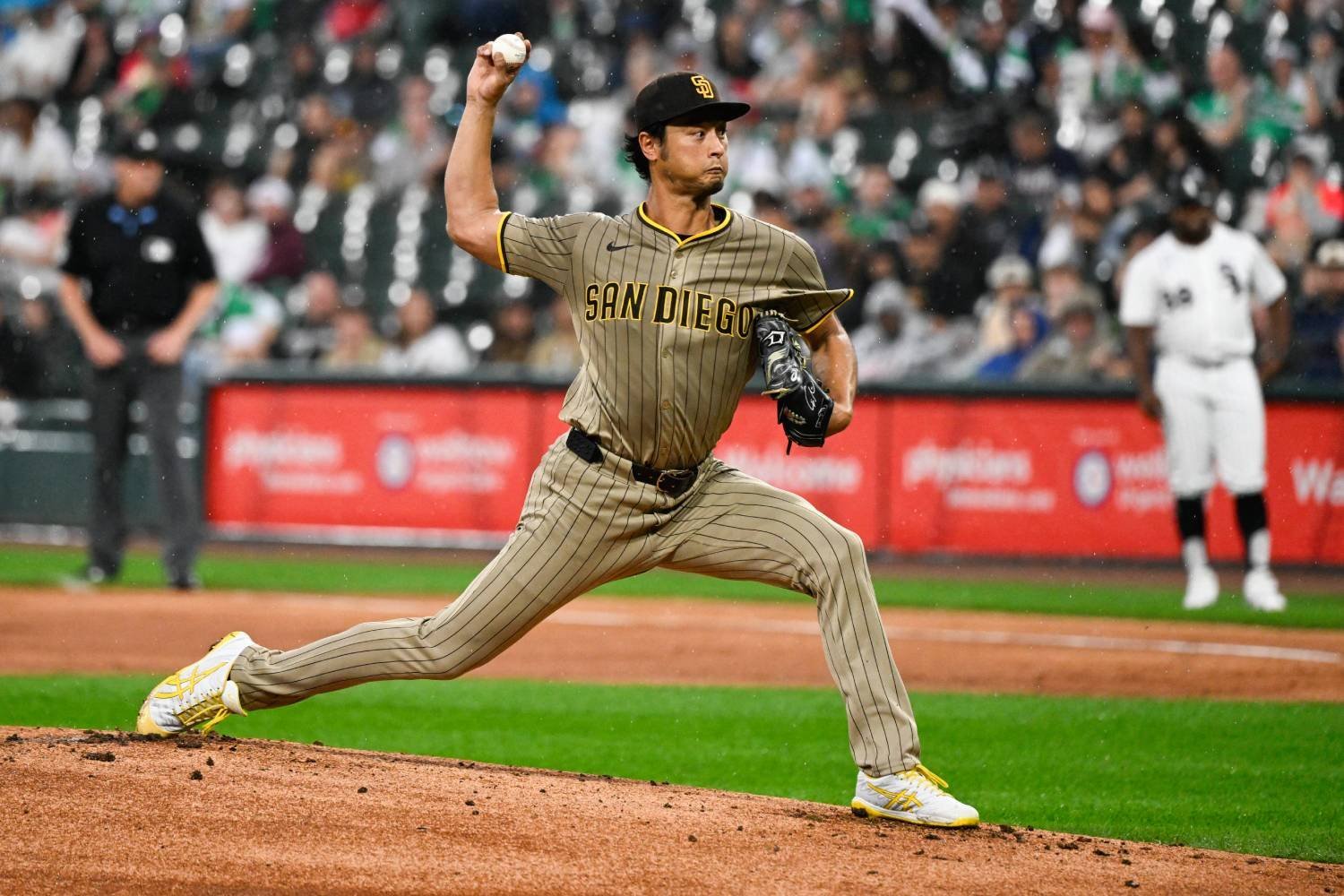 While there is a lot to determine about his future, Yu Darvish is giving himself a chance to make a decision about returning to the San Diego Padres. Darvish threw a second bullpen session before Wednesday's Padres-Pittsburgh Pirates game at Petco Park, according to AJ Cassavell of MLB.com. Darvish, who turned 40 on Aug. 16, had internal brace surgery on his right elbow in October. He is currently on the Padres' restricted list (an agreed-upon move), which means he is not receiving his $16 million salary for 2026. Darvish is under contract for $15 million for each of the 2027 and 2028 seasons. Regardless of the business side of things, the popular Padres pitcher being back on a mound even in a light bullpen session is a positive step in his recovery from elbow surgery. Darvish indicated to MLB.com that he doesn't know if he intends to be part of the Padres in 2027, but this does allow him the opportunity to keep that a possibility. Darvish made 15 starts in 2025 with a 4.82 FIP (5.38 ERA). View the full article
 -
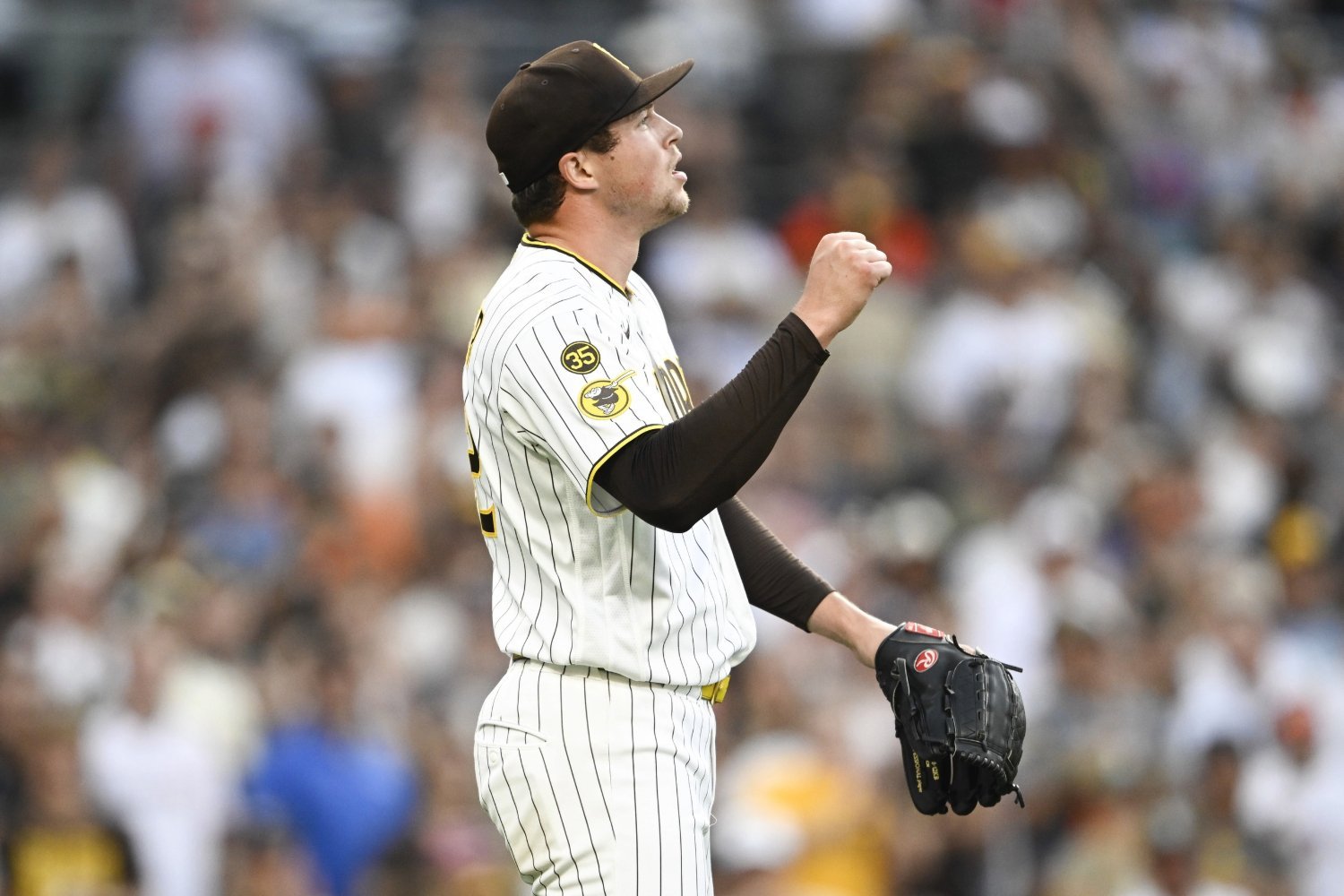 With September approaching and Mason Miller having logged 56⅓ innings, less than 10 frames of his career high (65) including the playoffs, there are several questions facing the San Diego Padres. Should they manage Miller’s workload a little more carefully? Or is it worth taking the necessary risks to win games? Miller is second in the National League with 32 saves, a 0.896 ERA, a 0.87 FIP and 3.2 fWAR. His imposing fastball is averaging 101.4 mph, and he has an absurd strikeout rate of 16.31 batters per nine innings. Miller is also the reliever with the most games finished (47) in the National League, another indication of his heavy workload. If the Padres’ plan is to give him rest whenever possible, lightening his workload could keep the right-hander much more prepared to face October. However, it is inevitable to think about the risk the bullpen would face when he is unavailable. At a postgame press conference earlier this month after Bradgley Rodriguez handled a save opportunity, manager Craig Stammen said that “there is absolutely nothing wrong with Mason. This was simply a matter of rest.” He also praised Rodriguez’s ability: “He’s going to get some opportunities here when Mason can’t pitch. We also have other guys in the bullpen: Adrián [Morejon], Jeremiah [Estrada], Jason [Adam] and all of them are capable of pitching the ninth inning." The Padres’ bullpen depth has been decisive throughout the season. They have the second-most innings pitched (565) in the National League and lead all of MLB with 7.5 fWAR. Miller and Morejón (2.3) have been the main pillars, combining for 5.5, followed by Rodriguez with 1.3. If we add Wandy Peralta to the equation, this is the result of the heavy workload each of them has carried: -Miller: 56 ⅓ innings (65 in 2024); six games below last season’s career high. -Morejón: 72 innings (73 2/3 last year); 14 fewer games than last year. -Peralta: 64 innings (71 ⅔ last year); 16 fewer games. -Rodriguez: 58 innings (45 ⅓ between the minor leagues and the Padres); 14 more games. That summary leads us to think about a bigger problem, since this is not just about Miller’s workload. Morejón, Peralta and Rodriguez have also accumulated a large number of innings and appearances, so they are also very likely to receive some rest. From there, the big question is how much risk the Padres will take when Miller is unavailable. And not all the answers are in the bullpen. The pitching analysis should begin with the starters. Throughout the season, the team has leaned on the bullpen because of the inconsistency of its rotation. The Padres still have the third-worst average innings per start, at 4⅓ per game. At the same time, they have the third-highest percentage of starters (41%) who do not reach 80 pitches. In other words, literally, the bullpen has carried the bulk of the outs every day. My colleagues @Steve Drumwright and @Randy Holt have insisted on the Padres Mission podcast about the need for the Padres’ starters to be able to deliver deep outings. Since Aug. 3, when Casey Mize and Robbie Ray arrived following the trade deadline, San Diego starters have covered 110 innings over 21 games, good for about 5.2 per start. Although Mize and Ray have had their lumps with the Friars, there is already a slight improvement in the rotation’s durability. We also shouldn’t rule out the offense becoming a turning point; since the deadline, the Padres are fifth in team wRC+ (110). That said, I see no reason to think that Miller’s rest, along with that of some of the other top relievers, is going to cause chaos. Between the seventh and ninth innings, the Padres have allowed the lowest slugging percentage (.334) in the entire league, tied with the Milwaukee Brewers’ pitchers. The bullpen’s only vulnerable point has come when relievers face the opposing lineup for a second time, allowing a .319/.391/.566 offensive line, with the fourth-highest OPS+ (145) in the entire league. So, even with Miller receiving more rest and likely taking turns with Morejón and Rodriguez to close out games, the most concerning point I see here remains the starting pitching. If they can go deeper and the offense continues to produce in clutch situations, the Padres will remain a strong contender heading into October. View the full article
 -
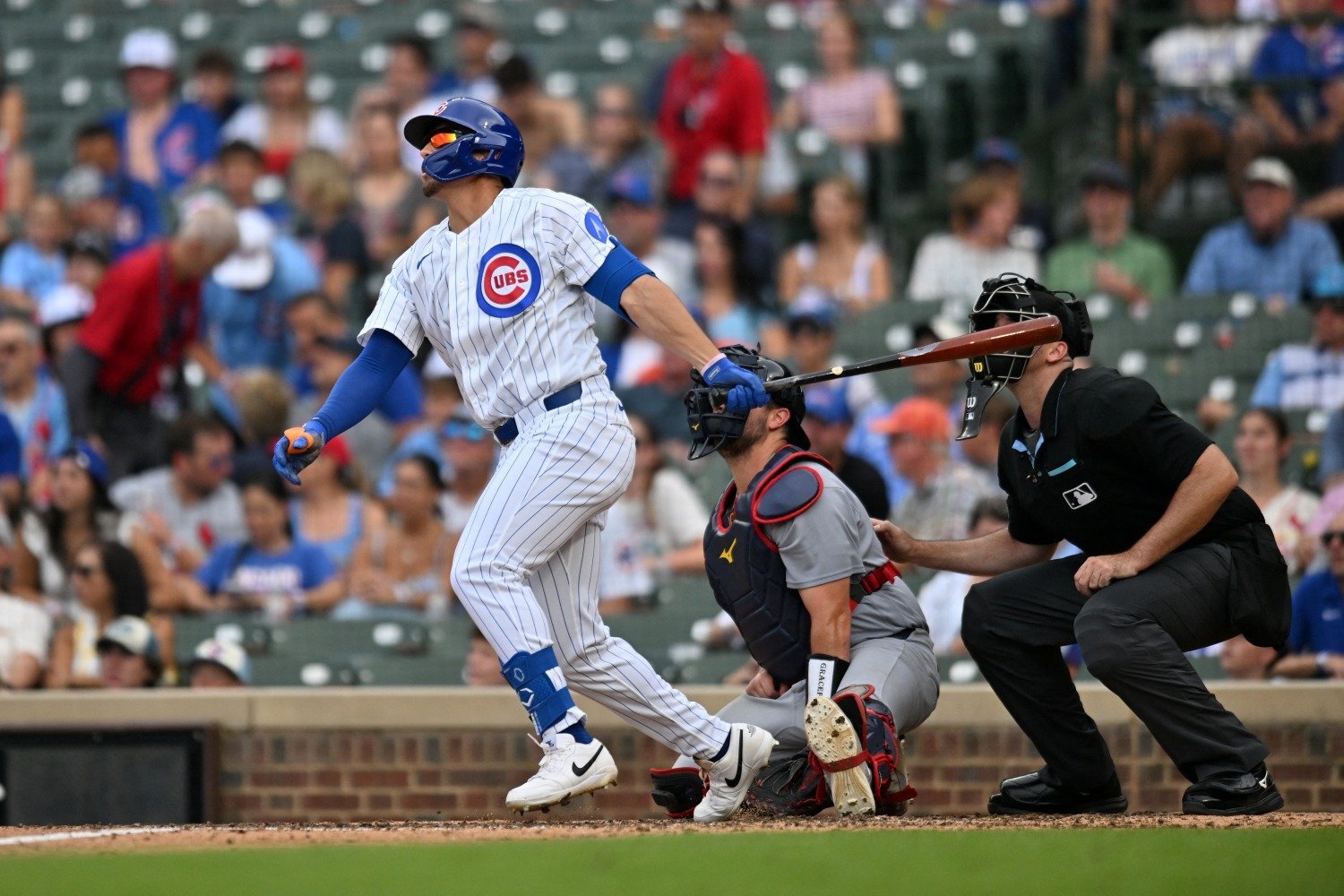 The 2026 trade deadline for the Chicago Cubs was headlined by the additions they made to their pitching staff. The front office added a trio of starters (Kevin Gausman, Clay Holmes and Braxton Garrett) just before the deadline, while David Peterson joined the rotation earlier this summer. They also added reliever Ryan Zeferjahn, but one other addition flew somewhat under the radar amid all the pitching reinforcements: outfielder Tyrone Taylor. Taylor came over from the New York Mets alongside Holmes, in the deal that sent shortstop prospect Jefferson Rojas to Queens. At the time, it was difficult to envision Taylor getting much playing time in Chicago. The Cubs already had a crowded outfield, and he seemed destined to serve primarily as a short-side platoon bat against left-handed pitching and a fourth outfielder off the bench. That has been more or less the case since his arrival. But there’s one important wrinkle: Taylor has been really good—maybe good enough to force the issue a bit. It’s obviously still a tiny sample, but Taylor has made the most of his opportunities. Through 28 at-bats with the Cubs, he’s slashing .321/.412/.393. He hasn’t hit a home run yet, but he’s consistently getting on base and putting the ball in play. That’s exactly what the Cubs were hoping to get when they acquired him. Taylor gives Counsell another right-handed option who can handle left-handed pitching, and that creates a pretty interesting question for Chicago’s outfield. There are currently six outfielders on the major-league roster: Pete Crow-Armstrong, Seiya Suzuki, Ian Happ, Taylor, Kevin Alcántara and Michael Conforto. That’s already a lot of bodies for three positions, but it becomes an even bigger problem when Matt Shaw makes his return. Shaw has been out since late June with a sprained left hand, but he’s currently on a rehab assignment with Triple-A Iowa. He’s gone 4-10 at the plate over three games, and his return is clearly getting closer. Like Taylor, Shaw gives the Cubs a right-handed bat who can provide some value against left-handed pitching. And because he made the transition to right field this past offseason, there’s a pretty clear path for him to remain part of the outfield mix when he returns. Of course, the Cubs almost have too many options at this point. Six outfielders is already overkill for a three-man starting group, let alone seven. So something is going to have to give. Just to get it out of the way, that probably means Alcántara is once again the odd man out. The Cubs have already optioned Alcántara to Triple-A multiple times this season, so there is precedent for him being the casualty of a crowded position-player group. More importantly, his major-league production simply hasn’t stacked up with what Shaw can provide. Alcántara is also one of several right-handed bats already occupying the roster, which makes it even more difficult to justify keeping him around if the Cubs need to clear a spot. Taylor’s situation is different. The Cubs just acquired him, he fills a specific need, and he’s already shown that he can produce in the role they envisioned for him. It would be pretty surprising to see Chicago move on from him after acquiring him specifically to give the lineup another right-handed option. Conforto should remain a strong-side platoon option against right-handed pitching, too. But because his defensive profile is different from the rest of Chicago’s outfielders, he can also take on more of the DH workload, which helps alleviate some of the roster crunch. That leaves Shaw and Taylor as the really interesting pieces. Because of Shaw’s limited exposure to left and center field, it seems pretty likely that right field remains his primary home. Suzuki, of course, will continue to receive the bulk of the work there, but against left-handed pitching, either player could slide into the DH spot, depending on how Counsell wants to construct the lineup. There’s also the possibility of Shaw getting some work at third base. With the Cubs dealing with limited infield depth, his versatility could be just as valuable on the dirt as it is in the outfield. Taylor, meanwhile, has primarily worked in left field this season, which happens to fit pretty nicely into the Cubs’ current configuration. Happ’s struggles against left-handed pitching have created an opportunity for him to take some of those at-bats, while Crow-Armstrong has center field locked down. The Cubs didn’t acquire him because they needed another everyday outfielder. They acquired him because they needed another weapon, particularly against left-handed pitching, and he’s already shown that he can be useful in that role. The Cubs now have (almost) too many outfield options, which is a great problem to have with the postseason approaching. Still, it’s a problem they’re going to have to solve. When Shaw returns, Chicago will have to figure out how to distribute playing time among a group that includes several legitimate options. Alcántara appears to be the most likely odd man out, while Taylor has done enough in limited opportunities to make his role considerably more interesting than it looked when he arrived. The Cubs may have a roster configuration headache coming their way, but when the most meaningful stretch of the season arrives, having too many capable outfielders is exactly the kind of problem every contender would love to have. View the full article
