


DiamondCentric
-
Posts
2,631 -
Joined
-
Last visited
Never
Content Type
Profiles
Forums
Events
News
Tutorials & Help
Major League Baseball Videos
Guides & Resources
Store
Downloads
Gallery
Everything posted by DiamondCentric
-

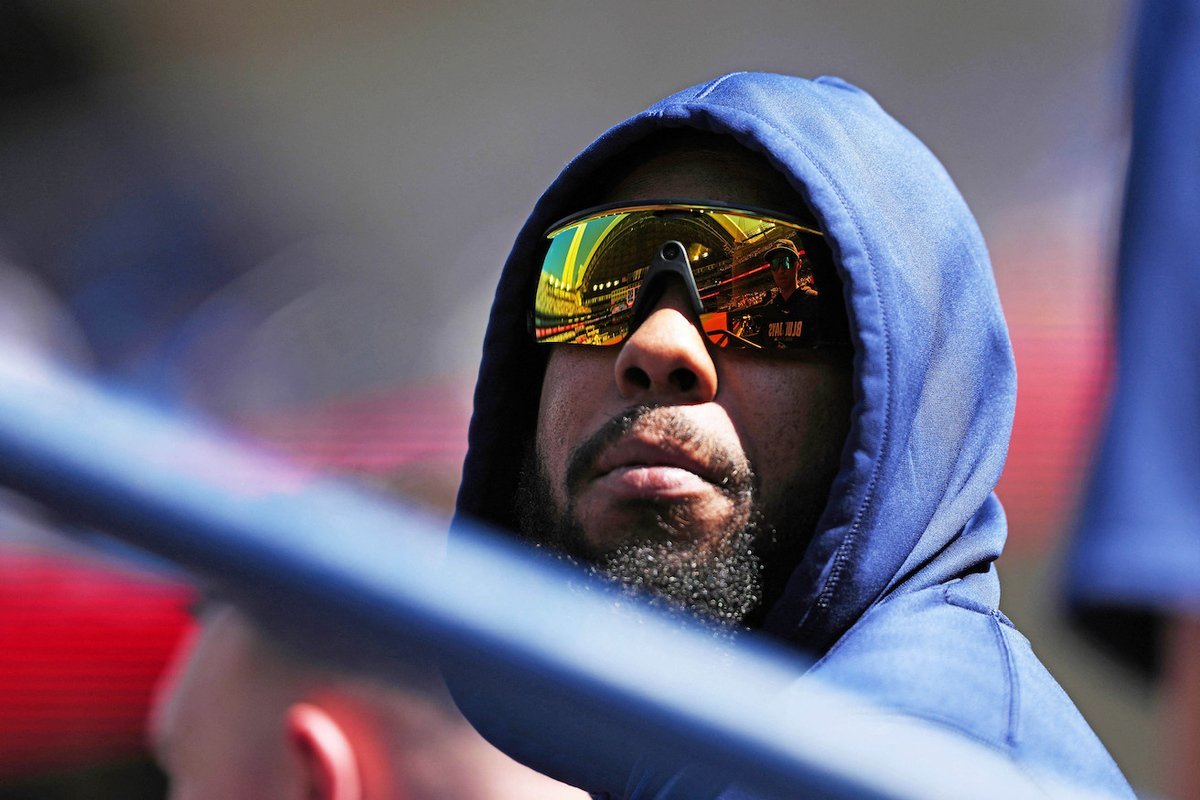 Trade deadline acquisition Spencer Arrighetti came off the injured list and made his Blue Jays debut on Friday. Unfortunately, the right-hander took the loss, as he gave up three runs in 3.1 innings against the Yankees. He walked two and allowed a tough-luck home run to Spencer Jones; according to Statcast, it wouldn't have left the yard in almost any other stadium. It's clear the Blue Jays like Arrighetti's stuff. Manager John Schneider said as much after yesterday's game, and MLB.com's Keegan Matheson reports that the Jays "want Arrighetti to take the No. 5 job and run with it." If he can do that, it would make a huge difference for a rotation that has been plagued by injuries (not to mention a bullpen that has been heavily overworked) all year. On the position player side of things, center fielder Brett Bateman (acquired in the Kevin Gausman trade) appears to have avoided an IL stint of his own. The rookie exited early on Wednesday with a right hamstring issue. He sat out Thursday, but he returned to Toronto's lineup on Friday and played the best game of his young career. Bateman went 3-for-5 with a double, a triple, and a run scored. Here's a quick rundown of some more injured Blue Jays who could return to help the team down the stretch. Vladimir Guerrero Jr. Vladimir Guerrero Jr. is eligible to return from the seven-day concussion IL today. All signs suggest he's feeling well enough to do so. The first baseman played a rehab game on Friday for Single-A Dunedin. He reached base in all three of his plate appearances, hitting a double and drawing two walks. It's always best to err on the safe side when it comes to concussions, but the Jays will certainly be glad to have their superstar back after a minimum stint on the IL. He's been having a disappointing season, but no one on this roster can make as big of a difference as Vladdy when he's at his best. Andrés Giménez Andrés Giménez left early on Thursday. He appeared to injure his right hamstring while running to first base. While he did not play on Friday, the Blue Jays seem optimistic about his condition. John Schneider told reporters that Giménez would not need an MRI (at least for now), which suggests an IL stint is unlikely. Hopefully, the shortstop's condition continues to improve. He doesn't contribute much with the bat, but he leads the team in stolen bases, outs above average, and – because of his baserunning and defense – FanGraphs WAR. Josh Smith The same day the Blue Jays reinstated Arrighetti from the IL, they placed another trade deadline acquisition on the shelf. Utility player Josh Smith injured his left hamstring on Wednesday. He'll be out until at least August 30. John Schneider told Sportsnet's Hazel Mae that Smith "didn't feel great" and would need an MRI, although he didn't seem especially concerned about a serious issue. In place of Smith, the Blue Jays recalled Davis Schneider for another stint in Toronto. Despite his sharp eye at the plate, Schneider has struggled to make any kind of impact in the majors this year. Trey Yesavage Trey Yesavage had surgery to repair a tear in his left meniscus earlier this month, but remarkably, the Blue Jays believe he might be able to pitch again in 2026. He reportedly started playing catch this week, so he still has a ways to go in his rehab efforts. Yet, it appears he's moving in the right direction. The rookie might not make much of an impact for the rest of the regular season, but if Toronto can sneak into the playoffs, he could be this team's secret weapon for a second year in a row. Jameson Taillon Jameson Taillon only made two appearances for Toronto before the curse of the 2026 Blue Jays rotation caught up to him. The veteran landed on the IL with right forearm tendinitis on August 11. The Blue Jays haven't given us a ton of information about the severity of Taillon's injury or his timeline to return. However, according to Sportnet's Arden Zwelling, Taillon "felt good" after throwing a bullpen session this week. He will throw another one tomorrow or Monday. If all goes well, a rehab assignment is hopefully the next step. Joe Mantiply Joe Mantiply was a pleasant surprise for the Blue Jays in April and May, pitching to a 2.04 ERA in 17.2 innings, striking out 16 and walking only four. Then a knee injury forced him to the IL. After three months, Mantiply returned to a mound this week, making a rehab appearance for Dunedin. He threw a scoreless inning, striking out one. According to Zwelling, the southpaw is feeling good. He might only need a couple more rehab outings (likely with Buffalo) before he's back in the Blue Jays' bullpen. View the full article
 -
 Syracuse nearly lost Friday night after holding visiting Worcester hitless for the first 7 1/3 innings. It blew a three-run lead after the no-no was broken up. After the Red Sox tied the game in the top of the ninth, MJ Melendez rescued the Mets in the bottom half with a walk-off RBI double, giving them a 4-3 win. Syracuse was in control of this game as Jack Wenninger (five innings) and Ofreidy Gomez (two) kept Worcester without a hit through seven. But Matt Turner gave up a one-out, two-run double in the eighth after issuing a pair of walks, and Ben Simon surrendered a run in the ninth to blow the save. The Mets have taken three of the first four games in this series. Elsewhere in the organization: Binghamton got big nights from JT Benson and Jefferson Rojas in an 8-5 victory over Altoona. Benson drove in four runs, while Rojas homered and drove in three. Mark Vientos made a rehab start at DH. Brooklyn pounded out 20 hits as it out-slugged Asheville 16-12. Yonatan Henriquez homered twice and drove in five runs. Seven different Cyclones batters had at least two hits. St. Lucie lost 6-3 to Lakeland. Jeremy Rodriguez and Aiden Robbins homered, and Jonathan Jimenez was effective in three-plus innings of relief. New York Mets Transactions No Roster Moves. Syracuse Walks It Off After ‘Pen Meltdown The Mets’ offense went to work in the bottom of the ninth after Simon’s blown save. With one out, Ronny Mauricio singled and Amick was hit by a pitch. With Melendez at the plate, Mauricio was picked off second by the catcher and thrown out attempting to steal third. Amick advanced to second on the play. Melendez then hit an opposite-field liner to the wall in left field to win the game. Asheville made things interesting with three runs in the bottom half. Smith reached base five times, with three hits and two walks. Snyder finished with three RBIs. Meggers and Paulino each had three hits. John Smith III doubled twice in a 3-for-5 effort. Brooklyn starter Will Watson lasted just 2 1/3 innings. He allowed three runs on three hits. Rafi Vazquez was awarded the win despite allowing two runs and four hits in two innings of relief. Player AB R H RBI BB K Elian Peña 6 1 1 0 0 5 Aidan Smith 4 2 3 1 2 1 Trey Snyder 6 1 2 3 0 1 John Smith III 5 3 3 1 0 0 Yonatan Henriquez 5 4 3 5 1 1 Antonio Jimenez 5 0 0 0 1 3 Daiverson Gutierrez 6 1 2 2 0 0 Chase Meggers 5 2 3 1 0 0 Eddinson Paulino 5 2 3 2 0 1 Player IP H R ER BB K HR Will Watson 2 1/3 3 3 3 0 4 1 Conner Ware 2 2/3 3 2 2 6 3 0 Rafi Vazquez 2 4 2 2 1 2 0 Hunter Hodges 2 4 5 5 1 4 1 St. Lucie Falls To Lakeland Again The Mets have dropped the first four games of this six-game set. They fell behind early Friday as Lakeland scored three runs in the top of the second. The Flying Tigers extended their lead to 4-0 in the fifth before St. Lucie got a run back in the bottom half on a sacrifice fly by Jake Ogden. Rodriguez’s solo homer in the seventh and Robbins’ solo homer in the eighth closed the gap to 4-3. Lakeland added a pair of insurance runs in the top of the ninth. St. Lucie outhit Lakeland 11-9 in the game. Dylan Carey had three of the hits, while Bohan Adderley and Julio Zayas each had two. The Mets used seven pitchers in a bullpen game. Jimenez was the only one to pitch multiple innings. He came on in the sixth and left after facing one batter in the ninth. That batter came around to score with Miguel Mejias pitching. Player AB R H RBI BB K Jeremy Rodriguez 4 0 1 0 0 2 Aiden Robbins 4 1 1 1 0 2 Eli Serrano III 4 0 1 0 0 1 Kuhio Aloy 4 0 0 0 0 1 Yovanny Rodriguez 4 1 1 1 0 3 Dylan Carey 4 0 3 0 0 0 Julio Zayas 3 1 2 0 1 0 Bohan Adderley 4 0 2 0 0 0 Jake Ogden 3 0 0 1 0 1 Player IP H R ER BB K HR Camden Lohman 1 1 0 0 1 0 0 Nate Isler 1 4 3 3 1 1 1 Zach Crotchfelt 1 0 0 0 0 1 0 Brett Banks 1 1 0 0 0 2 0 Candido Cuevas 1 1 1 1 2 1 0 Jonathan Jimenez 3 2 1 1 2 4 0 Miguel Mejias 1 0 1 0 1 2 0 Top-20 Prospect Performance Jonah Tong: DNP Jack Wenninger: 5 IP, 0 H, 0 R, 0 ER, 2 BB, 6 K Elian Peña: 1-for-6, 5 K Mitch Voit: DNP Ryan Clifford: DNP Nick Morabito: 1-for-5, RBI, K Jonathan Santucci: DNP Carson Wiggins: DNP Jacob Reimer: DNP Aiden Robbins: 1-for-4, HR, RBI, 2 K Randy Guzman: DNP Wandy Asigen: DNP Chris Suero: 0-for-3, BB, 2 K Jefferson Rojas: 2-for-5, HR, 3 RBI, K Will Watson: 2 1/3 IP, 3 H, 3 R, 3 ER, 0 BB, 4 K Shane Sdao: DNP Eli Serrano III: 1-for-4, 2B, K Antonio Jimenez: 0-for-5, BB, 3 K Émilien Pitre: 1-for-4, BB Dylan Ross: DNP View the full article
 -
The Real Reason Behind Trevor Larnach’s August Slump
DiamondCentric posted an article in Twins Daily
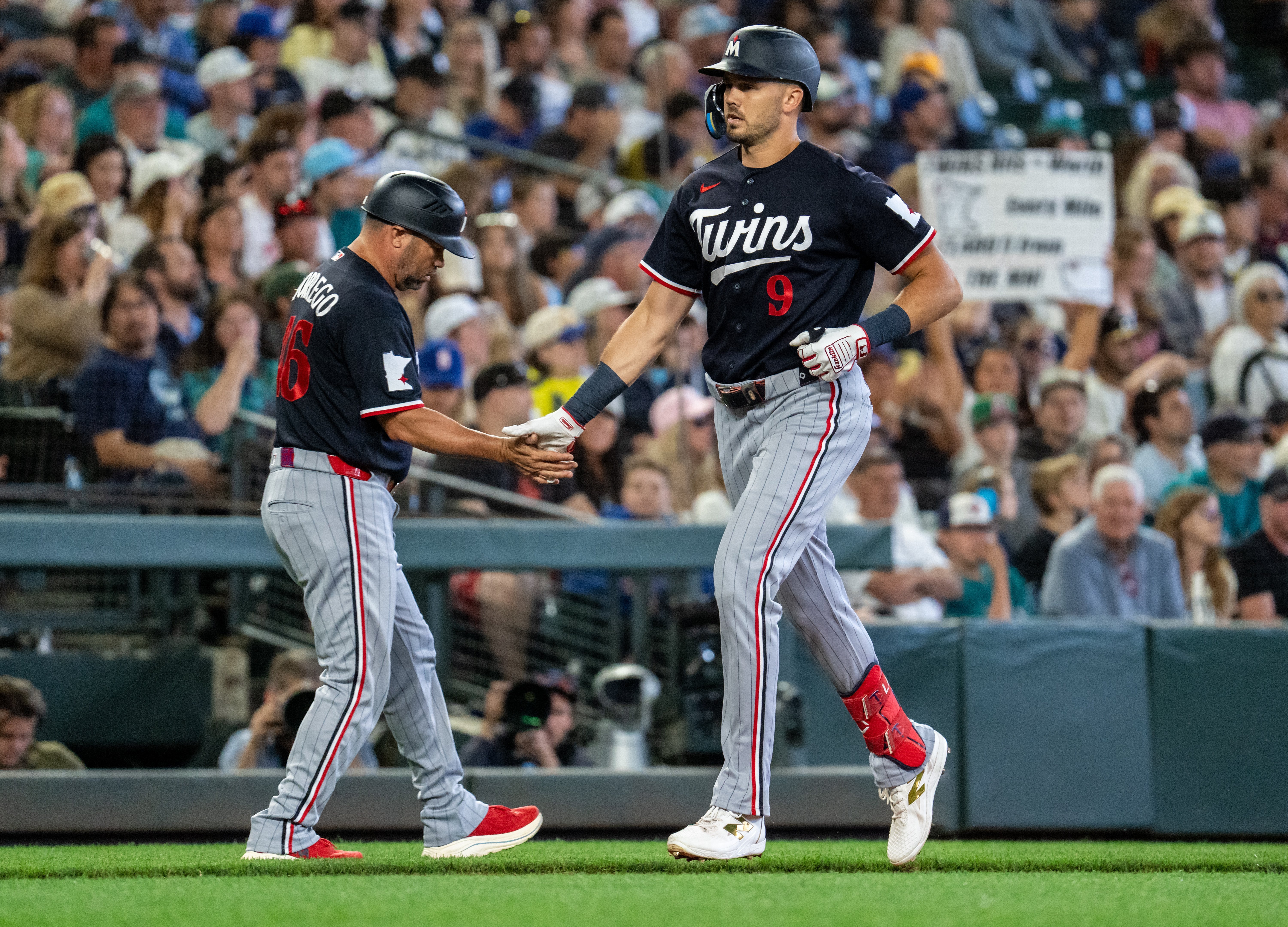 Trevor Larnach has been one of the most impactful bats in the Twins’ lineup this season. Through 380 plate appearances, Larnach is currently sporting career-high marks in batting average (.266), on-base percentage (.351) and OPS (.769). And while he had largely been a glorified strong-sided platoon bat for much of his career, he has taken his performance to another level in 2026. Through the first half, Larnach looked like a legitimate middle-of-the-order contributor rather than simply a player who needed to be shielded from certain matchups. Then came the trade deadline. A lot of people, myself included, believed Larnach would be traded to make room for the next wave of outfield talent within the Twins’ system. With players like Walker Jenkins, Emmanuel Rodriguez and Hendry Mendez looming, it made sense to wonder whether Larnach’s time in Minnesota was coming to an end. And for a minute, it looked like it was. The Twins and Astros reportedly had a deal lined up that would have sent Larnach to Houston in exchange for reliever Bryan Abreu. But Astros owner Jim Crane ultimately vetoed the trade because of his unwillingness to subtract talent from Houston’s major league roster during a playoff push. Just like that, Larnach was staying in Minnesota. And from that moment on — whether it was because of almost being traded or simply a coincidence — he hasn’t been the same player. Across 53 plate appearances in August, Larnach is hitting just .163. He’s striking out at a higher frequency, getting on base less often and, after serving as the Twins’ leadoff hitter against right-handed pitching for most of the summer, he’s now hitting in the bottom half of the lineup. On the surface, it looks like a player who has completely lost his way. But there’s a pretty important caveat to Larnach’s recent struggles: He might just be one of the unluckiest hitters in baseball right now. Larnach’s quality of contact in August has actually been some of the best contact he’s made all season. His average exit velocity is 89.3 MPH, comfortably above his season-long mark of 87.7 MPH. His 51.4% hard-hit rate is exceptionally high, especially for a player who is hitting .163. His overall offensive approach hasn’t drastically changed. The same types of batted balls that have helped Larnach find success throughout the season simply haven’t been finding holes in August. His BABIP sits at just .171 during the month, an extremely low mark for someone making contact at the quality Larnach has been. That doesn’t mean every part of his slump can be dismissed as bad luck. Strikeouts and an inability to get on base are still legitimate concerns, and eventually, poor results can point toward an underlying issue. But when a hitter is making harder contact than usual without seeing the results follow, it’s difficult to completely panic. Still, there is one notable change with Larnach that goes beyond his batted-ball profile. The pitch he has struggled with the most this season is the split-finger. He has whiffed on half of the swings he’s taken against splitters, and offspeed pitches in general have given him trouble in 2026. But the splitter, in particular, has been a problem. It would seem as though opposing pitchers have caught onto that, too. In August, Larnach is seeing splitters at more than double the rate he saw them during the rest of the season. Splitters have accounted for 13.3% of the pitches he has seen this month. From May through July, when Larnach was arguably at his best, that number was right around 4.5%. Even if Larnach’s contact quality remains strong, opposing pitchers have clearly identified a potential weakness in his profile. If a hitter has struggled to make contact against a particular pitch, there’s little reason for pitchers not to continue testing him with it. And that creates a different challenge for Larnach than simply waiting for his BABIP to normalize. If pitchers are going to throw him more splitters and offspeed pitches, Larnach has to prove he can adjust. That could mean laying off pitches below the zone, doing a better job of recognizing the splitter out of the pitcher’s hand or simply finding a way to make more consistent contact against it. Whatever the adjustment looks like, it will be an important one for a hitter who had seemingly figured things out for most of the season. Because despite the last few weeks, the foundation that made Larnach so successful remains intact. He’s still hitting the ball hard, his approach hasn’t fallen apart, and his season-long numbers remain far better than anything he has produced over a full season to this point in his career. That’s why it’s probably too early to look at his August numbers and assume Larnach has suddenly reverted to the player he was earlier in his career. There’s certainly some bad luck involved. But opposing pitchers also introduce a new wrinkle, and Larnach will have to show he can counter it. For a Twins team fighting for a postseason spot, getting Larnach back to his normal self could be a major development. The player who emerged as one of Minnesota’s most reliable offensive pieces earlier this season is still in there. Now, he just needs to prove he can adjust. View the full article
 -
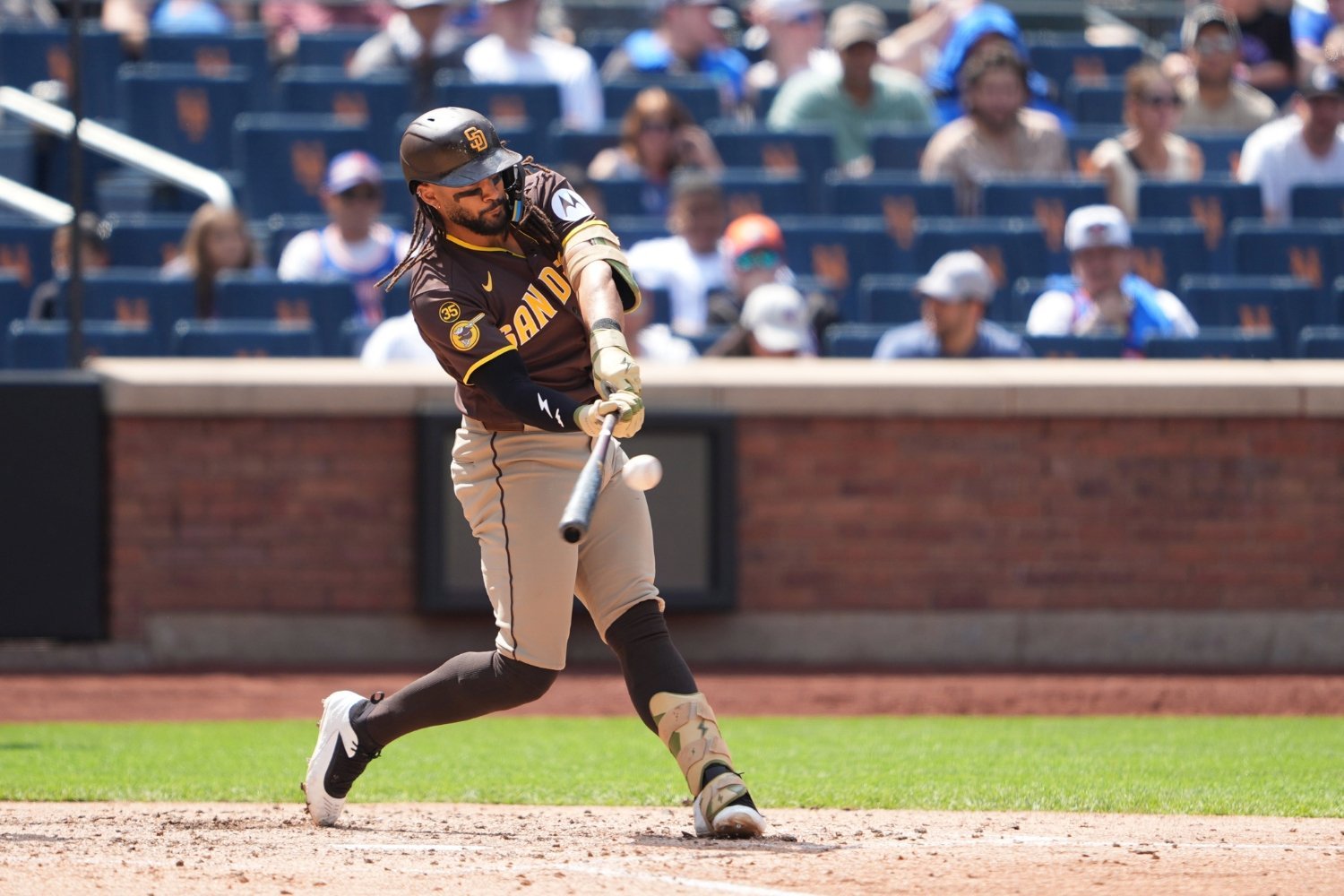 Between the end of the 2025 season and into 2026, Fernando Tatis Jr. went 56 games without hitting a home run. That's nearly 240 times that he stepped to the plate and came away without maximizing the output his skill set indicates should have been there all along. And as the San Diego Padres struggled to find consistent offense, there were legitimate concerns over what his performance could look like extrapolated over a full 162-game slate. Fortunately, Tatis was doing a lot of other things really well. Through the end of May, wRC+ still had him as a below-average hitter (89), but his .266 batting average and .340 on-base percentage, along with a 9.8 percent walk rate. still read as entirely reasonable figures. Without the power element, though, there was an absence of impact from one of the lineup's most essential bats. Compound it with the broader struggles from each of Jackson Merrill & Manny Machado, and the Padres had a real problem on their hands. Then we hit the start of June. It's not just that Tatis' home run power began to manifest more frequently that month—after his first homer on May 30, he was able to add four more in June—it's that the power, in a general sense, began to appear at a much higher rate than we'd seen in some time. In addition to the four homers, he added nine doubles, which exceeded his total of six from the two previous months combined. He did it again in July, when he added three more home runs and seven more doubles (as well as his second triple of the year). When you combine the power, whether in the gap sense or the over-the-outfield-wall sense, with everything else that was going well at the plate, you get the most fully-formed iteration of Fernando Tatis Jr. that we've come to expect. It's left him with a percentile distribution that looks like this in the middle of August: Despite a couple of underlying things that you'd, in an ideal world, like to see improved, that's a setup that has the look of an elite hitter. A ton of hard contact and expected stats indicative of a player feeling good at the plate. What is perhaps most notable about his rise in production since the start of June, however, is how it's left him looking up against his peers across Major League Baseball. Since June 1, Tatis Jr ranks eighth in fWAR among position players at 2.8. His average and on-base percentage each rank in the top 30 of a group that features more than 160 names, while his isolated power (.233) ranks 27th. While that may not be an overly impressive figure in a vacuum, it's still miles ahead from where we saw him earlier in the year. Sitting above the actual production, though, is the fact that only four players carry a hard-hit rate higher than Tatis Jr's 53.7 percent clip in the two-and-a-half-month span. Factor in the increase in flyball contact he's experienced this summer, and you have a player much more capable of providing impact than the mechanically flawed edition we saw earlier in the year. That Fernando Tatis Jr. has ascended not only in terms of his own production, but within the context of his positional counterparts throughout the league, is a welcome sight on its own. A player with that level of upside is one you simply want to see perform at a high level. For the Padres, though, it's been a crucial development. His progression since that early season slog has correlated almost directly with the team's collective run production; since the start of June, the Padres are 15th in runs scored and rank in the top 10 in virtually every other offensive category. Not that he's doing on its own, but it speaks to Tatis' overall impact that the two are aligned as closely as they are. So long as he keeps performing like a superstar, the Padres are as well-positioned as they've been all year to make a legitimate wild-card push in the National League. View the full article
 -
 The Twins Off-Daily crew gather for their first-ever lunchtime live stream. They talk about the Twins' sweep of the Atlanta Braves, what comes next for the club, and expectations going forward. Could uber-prospect Walker Jenkins be their next move? Former first-round pick, could be something there. Listen using Apple Podcasts: https://podcasts.apple.com/us/podcast/the-twins-off-daily-podcast/id1741266056 Listen using Spotify: https://open.spotify.com/show/4tb78XlurcPTYYSsARdbD7 Listen using iHeartRadio: https://www.iheart.com/podcast/263-the-twins-off-daily-podcas-167548600/ Listen using Pocket Casts: https://pca.st/nvclbt0w Watch on YouTube: https://www.youtube.com/@twinsdaily View the full article
 -
 Biloxi's glorified winning streak ended abruptly at one. Wisconsin also surrendered runs early and often. Wilson was up 7-0 after two innings but thankfully held on. DSL pool play will come down to at best a tiebreaker situation. Transactions: Nashville Sounds activated 2B/OF Jihwan Bae (Bae accepted the outright assignment by Milwaukee) Nashville Sounds activated 3B Luke Adams from the 7-day injured list. Nashville Sounds placed RF Luis Matos on the 7-day injured list. Nashville Sounds placed SS Freddy Zamora on the 7-day injured list (retroactive to 8/20). Nashville Sounds placed RHP Will Childers on the 7-day injured list (retroactive to 8/20). Postponed, Nashville at Norfolk (Orioles) Doubleheader Saturday beginning at 3:35 pm CT Catch up with the latest Biloxi pre-game audio interview archives Biloxi Pre-Game Media Notes Final: Rocket City (Angels) 10, Biloxi 8 Box Score and Game Log Shuckers Comeback Effort Cut Short in 10-8 Loss to Trash Pandas - Biloxi Ties Season-High with Eight-Run Inning in Rocket City The box score isn't always fair. RHP Bishop Letson only worked 3.1 innings and was charged with all the runs in Rocket City's four-run 2nd and four-run 3rd. RHP Jack Seppings, while not netting a single strikeout, did follow Letson with 3.2 innings of one-run ball. Guess who was charged with the loss? Letson was taken off the hook by the eight-run Shuckers 4th inning you read about in the summary. One name you didn't read in the summary? Bishop Letson. Let's not accentuate the positive to the extreme that we overlook concerning performances among those considered top prospects, please. Letson is just 21 years old for another month. A key contributor on our Minor League Forum, @sveumrules, pointed out last evening how the Brewers are consistently extremely young with arms, especially at the lower levels. If 2026 is an indicator, it hasn't been a particularly fruitful strategy. Then again, the Logan Henderson's of the world don't grow on trees. Somebody else tried to keep Letson anonymous - the person responsible for the scorebug on the Trash Pandas broadcast. Robinson? Sure, we can (and will) spotlight the videos from an eight-run Biloxi rally. But for many fans and analysts, the other eight "zeroes" in the linescore may outweigh the one big inning. Seven of the Shuckers' eight hits came in that 4th inning. So, consider that as you watch below. Am I salty this AM? Perhaps, as chronicling losing 14 of 15 and capping a "winning streak" at one will do that. You'll find the four Biloxi clips from that solely impressive 4th inning, including Dylan O'Rae's 4th career home run, via the Biloxi 'X' feed here. Oh, and that "Robinson" dude was the Rocket City starter, Letson mystery solved. Wisconsin Pre-Game Media Notes (download link) Final: Lake County (Guardians) 8, Wisconsin 4 Box Score and Game Log The game summary makes it pretty clear that this was a very uneven effort by the T-Rats. Lots of key strikeouts at the plate, poor RISP results, and the lone Wisconsin multi-run inning was set up by multiple walks from the opposition (taking a base deserves some credit, of course). Likely the time of year where innings limits are an issue, so we see LHP Wande Torres enter to begin the 4th, and he struck out seven in his four innings of work while only allowing two runs, both unearned. Daniel Dickinson posted a 1.095 OPS in 23 July games. So far in August (19 games), he's at 1.107. RHP Daniel Corniel had been impressive in three prior appearances this month. If not lightning, not fireworks, then what the heck was this? Wilson Pre-Game Media Notes Final: Wilson 7, Salem (Red Sox) 5 Box Score and Game Log Warbirds Score Early, Hold on Late to Beat Salem - Encarnacion Tallies Three Hits and Three RBI in Victory Directly from the game summary: Diustin Mayorquin (W, 7-2) covered the final 4.1 innings out of the bullpen, allowing just one run and scattering three hits to notch the victory. Still just 18 years old (until 10/28), the Nicaraguan native now sports a 1.01 WHIP in 27.2 A-Ball innings after toiling for 34.2 innings in Maryvale earlier in the season. Mayorquin has certainly justified the faith the Brewers placed in him as a very young promotional move. Several contests this week (including at the big-league level) with early-game multi-run innings. That Jose Anderson double was the lone clip grabbed by the Warbirds for display on 'X', but we also have this which opened the scoring and temporarily broke the time and space continuum (stay until the end): Encarnacion with a more traditional highlight here. RHP Tyler Renz needed 81 pitches to get through 4.2 frames, and Mayorquin stranded a runner for him. Regarding the Jose Anderson double seen above, guess we had grown tired of detailing his now season-long K rate of 40.8%, as my fellow Link Reporter "Ro" noted entering Friday's action: RF Jose Anderson’s slump continues (7-for-last-70 with 42 Ks). Most players would be thrilled with 22 HR and 68 RBI. Anderson's quite the statistical conversation piece. Carsten Sabathia has come to the plate 33 times (only two walks, only five K's), so his early OPS is buoyed by a .480 BABIP, but it's been fun to follow so far. Final: DSL Brewers Gold 14, DSL Royals Ventura 8 Box Score and Game Log We spent a good portion of the late morning / early afternoon discussing this game and the pool play implications (see our daily "as it happens" thread). My favorite part of this video (from Thursday's game) is the interaction between pitcher and catcher as Josue Rodriguez rounded the bases, still trying to interpret the back-and-forth: 19-year-old Germany native RHP Paul Hoff (worth reviewing his regular season stats) shined in this one. Mad respect for Hoff, performing in such a new and different environment (2nd season). We can learn a lot by going back to listen to Jonathan Timm's recent very good interview with Hoff's Timber Rattlers countryman Yannic Walther, to get a sense of what Hoff must be going through to begin his pro journey. So yes, 16 walks drawn by Gold batters helped the cause (Royals pitchers also threw five wild pitches). Your box score review will reveal all nine in the starting lineup reached at least twice, often more (Rodriguez five times as the DH, LF Carlos Done four times). We can do without the three errors committed (two Royals runs were unearned). Big matchup against the 2-0 DSL Mariners on Saturday, and then we wait to see if tiebreakers allow for Gold to advance. Is it fair that Seattle only fields one DSL team (that's rare). Not really, but Milwaukee's front office consolidated top talent to Gold a few days before pool play, so it evens out. It's a six-game slate Saturday as Nashville plays two in Norfolk. Enjoy your summer Saturday, we're quickly running out of them! Organizational Scoreboard including starting pitcher info, game times, MiLB TV links, and box scores Current Milwaukee Brewers Organization Batting Stats and Depth Current Milwaukee Brewers Organization Pitching Stats and Depth View the full article
 -
Weighting Cubs' Historically Good Defense By Position
DiamondCentric posted an article in North Side Baseball
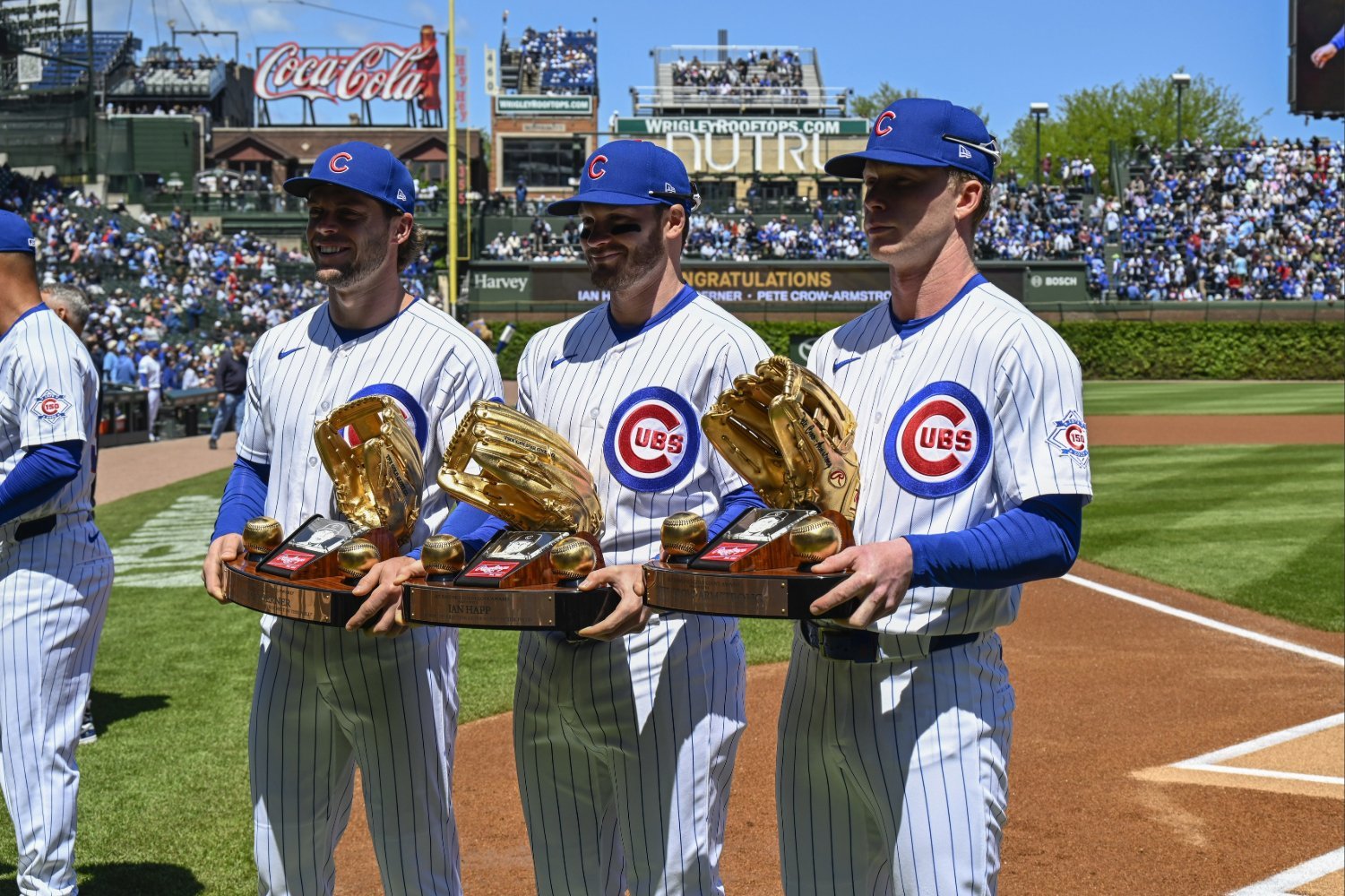 Earlier this week, our @Jeremy Tecktiel examined the Chicago Cubs' defensive performance in 2026. Therein, he was able to illustrate the idea that this year's group has not only been the best team in Major League Baseball on that side of the ball, but has turned into something legitimately historic. And that status comes regardless of your defensive metric of choice. In the case of the that broad perspective, their collective work with the gloves has them on pace to turn in some absolutely wild numbers as they relate to each of Defensive Runs Saved, Outs Above Average, and Fielding Run Value. Whether you're interested in run prevention or the recording of outs, they're your team. It's not just that they're posting such impressive metrics in a vacuum, but ones that far exceed any team that could be considered in league with them from a defensive standpoint. Jeremy's piece examined the team in the cumulative sense. Let's take it a step further and see just where those gaps between the Cubs and their big-league counterparts are present. How Cubs Stack Up At Each Defensive Position In 2026 The most obvious area of gap-creating play comes in the form of Pete Crow-Armstrong. It's not enough that he's had a complete breakout at the plate; he's been far-and-away the best defender the sport has to offer this year as an outfielder. By OAA, his mark of 23 ranks second (behind Bobby Witt Jr.) but is also nine outs clear of the next-closest outfielder (Ceddanne Rafaela, at 14). That same gap exists within FRV, where the top two outfielders carry over the same numbers. DRS doesn't love Crow-Armstrong's work quite as much (14), but he still sits as one of the top defensive performers regardless of position. None of that is surprising. Crow-Armstrong's jump is well-ahead of the second-ranked outfielder (Wyatt Langford), and he's recorded more five-star catches (defined as a catch with under a 25 percent probability) than any other defender you'll find. That such a gap would exist here before anywhere else is a relatively easy pattern to discern. The next area that helps to create the Cubs' team-wide advantage isn't quite as obvious. It's the work of Alex Bregman at third base. In the case of both OAA (7) and FRV (6), it's Bregman's name that lives atop the leaderboard. The only third baseman higher on the DRS side is Matt Chapman, whose 16 runs saved narrowly edges that of Bregman's 14. If we're looking at defense as the business of recording outs, though, it's Bregman leading the pack, with his work at the hot corner helping to the Cubs to push their gap wider. If we pivot back into more obvious notes, the middle infield of Nico Hoerner and Dansby Swanson has done their part, but more in conjunction with one another than on their own. Hoerner ranks fourth in OAA among second basemen (9), seventh in FRV (8), and 8th in DRS (3). Swanson, meanwhile, is third in OAA (16), fourth in FRV (11), and sixth in DRS (6) among those plying their trade at the six spot. They're both very good within the context of their own position, but it's what they do as a duo that makes the Cubs so darn good up the middle. As far as OAA goes, those two are both in the top 13 among infielders. Only the St. Louis Cardinals have each of their two middle infielders (JJ Wetherholt & Masyn Winn) up that high on the leaderboard (we're not considering Milwaukee, as Joey Ortiz has roughly half the innings of work at shortstop that either Winn or Swanson do). That same trend is present on the FRV side, where each of Hoerner & Swanson are in the top 12. Again, it's only St. Louis doing something similar in that matter. When you factor in the other positions at which the Cubs are having success—Ian Happ is above average in left field by both FRV & DRS, Michael Busch is above by both of those and OAA at first base, Seiya Suzuki has been near-elite according to all three, and both of the team's catchers are lingering around an average threshold—it's clear that the whole roster is contributing to this contemporary excellence. But it's the the work of Pete Crow-Armstrong, Alex Bregman, and the tandem of Nico Hoerner & Dansby Swanson that has helped to create a legitimate and insurmountable gap between the Cubs and their competition. View the full article
 -
Michael Busch Is The Cubs' X-Factor This October
DiamondCentric posted an article in North Side Baseball
 The X factor for the Cubs this postseason is Michael Busch. After a tremendous 2025 — including a big October — he's taken a step back in 2026. But if he can find his 2025 form when it matters most and help carry the Cubs to a championship, every regular-season struggle gets forgotten in a hurry. View the full article
 -
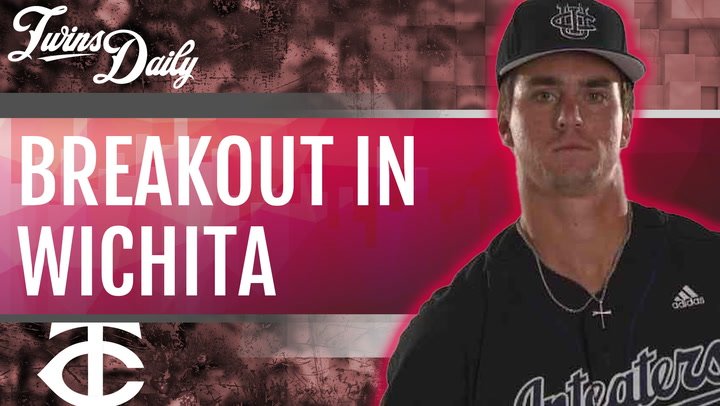 Caden Kendle has flown under the radar in 2026 on the way to a huge breakout, balancing strong bat-to-ball skills with burgeoning power for Double-A Wichita. Who is Kendle? What has changed in 2026, and where should he sit on Twins prospect lists? View the full article
 -
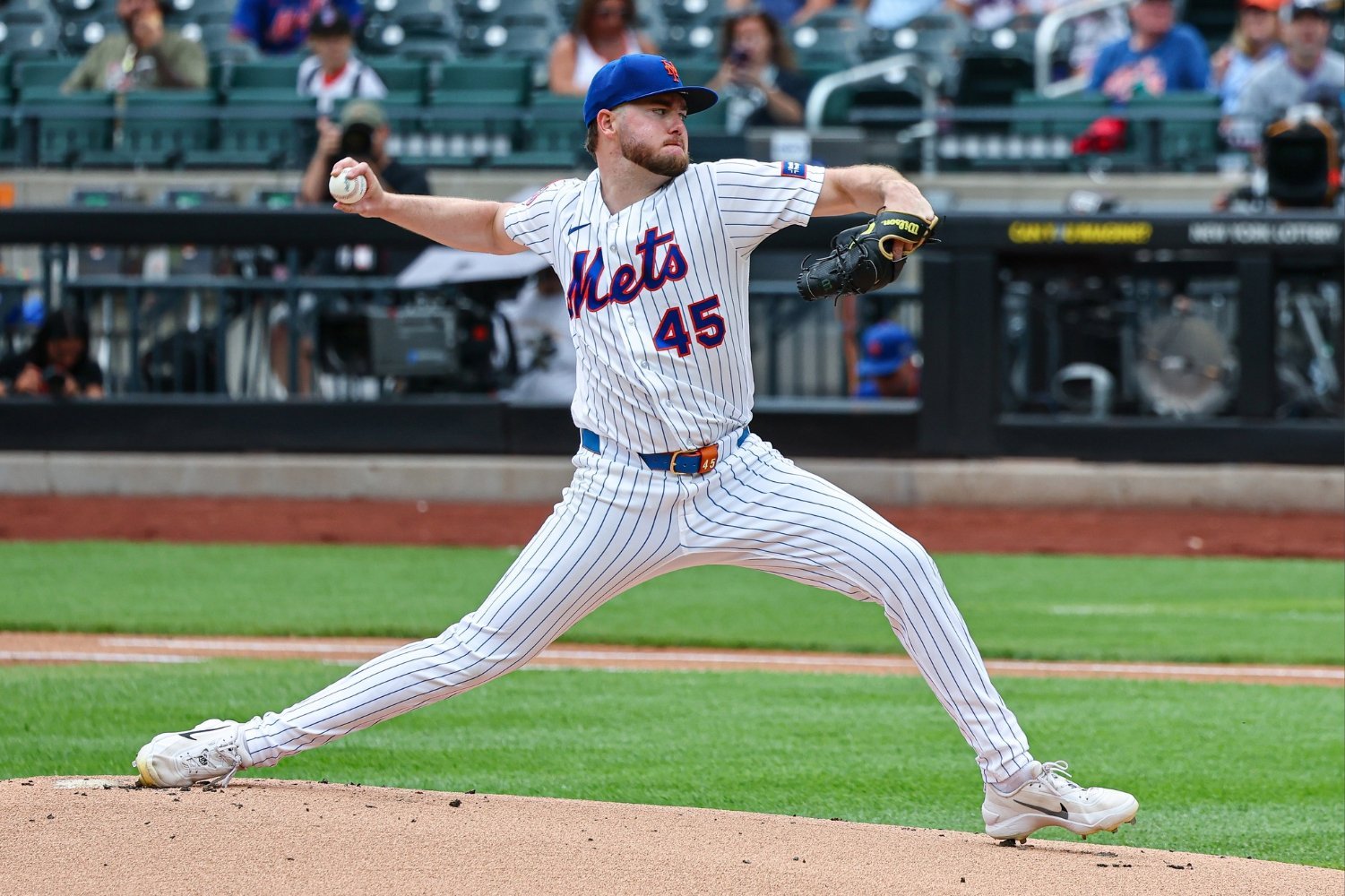 Christian Scott throws right-handed, unleashes his curveball and splitter a combined 9% of the time, and leans heavily on the tried-and-true fastball-slider combination. Based on those details, it shouldn’t be too surprising to learn that out of the 340 batters he has faced this season, 214 (63%) of them have been left-handed. You can’t fault opposing managers for stacking the lineup card with left-handed sticks against a righty without a traditional platoon neutralizer, but they’re making a grave mistake. Pretty much any way you cut it, Christian Scott is a righty without a changeup or curveball who dominates lefties. He owns a 29% K%, 8.4% BB%, 3.36 FIP, and 3.34 xFIP against those very hitters. While those aren’t the best figures in the league, they stand in stark contrast to when he has the platoon advantage. Versus righties, he has a 28.6% K%, 11.9% BB%, 3.12 FIP, and 4.24 xFIP. Considering the sample is small enough that home run rate has yet to stabilize, his xFIP, which assumes a league-average home run to flyball rate, is probably a better indicator of his true pitching talent. On top of getting more strikeouts and issuing fewer walks when facing lefties, even his batted-ball data is more favorable. His infield flyball rate of 13.7% is elite, while his 6.9% mark against righties is rather pedestrian, and he gets more ground balls against left-handers (34.9% vs. 30.4%). So, how is Scott doing this? It’s not luck; no, he’s cutting down lefties all because of a cutter buried in on the hands. Traditionally, the changeup and curveball are the go-to platoon-neutralizing offerings, but the cutter is another option that can be equally as devastating. When Scott debuted back in 2024, he brought the very standard three-pitch mix of fastball, slider, and an oft-used splitter. Unsurprisingly, he did fine with the platoon advantage and was downright bad without it. If he was going to get back to the bigs and stay in the rotation, he needed some way to get opposite-handed batters out. So, he did what any pitcher who struggles to pronate should do: He added a cutter, and it has completely changed his profile. Scott’s cutter isn’t superlative in terms of velocity or movement, but it pairs exceptionally with his four-seam fastball and slider in a way that gives lefties nightmares. His four-seamer is typically located at the top of the zone, with a general bias towards the right-handed batter's box. Meanwhile, his cutter is almost always up and in on lefties. Hopefully, you can already see the dilemma. Out of the hand, left-handed batters don’t know if they’re facing a fastball up and away, or a cutter that will bear in on their hands. Making matters even better, or worse if you’re a lefty facing Scott, is that the threat of his cutter causes his slider to play up as well. His sweeper/slider is an interesting pitch; it drops far less than the average comparable offering, but that makes it tunnel even better with his cutter. Functionally, Scott’s slider is his cutter’s changeup. This band of pitches all at different velocities and movement profiles causes each pitch to play well above its raw stuff. Just look at this four-pitch strikeout of Matt Olson, owner of a 142 wRC+ against righties. Pitch one (cutter inside, swinging strike) Pitch two (low sweeper, fouled off) Pitch three (fastball up and away out of the zone) Pitch four (sweeper down and in, swinging strikeout) Scott’s evolution into a lefty killer is only a half-wonderful development for the Mets. Most righties with a fastball-sweeper combination struggle to get lefties out, while dominating righties, but the opposite is true for Scott. Somehow, someway, the same characteristics that make him a nightmare against left-handers haven’t translated against righties, and it won’t be long until managers get wise and start stacking them into the lineup. However, it doesn’t take a lot of imagination to conjure up a world where Scott adds another pitch or element to his repertoire to start baffling righties as well. In fact, his biggest issue might be eminently solvable. When facing same-sided batters, he has a 55.6% first-pitch strike rate, which lags far behind his 62.6% mark against lefties. Getting strike one is a big deal, especially for Scott. When up 0-1, the handedness of the hitter largely melts away. Against lefties in 0-1 counts, he has a 35.4% K%, 6.2% BB%, and 1.56 FIP, and when facing righties, he has a 37.7% K%, 8.2% BB%, and 1.68 FIP. However, when he falls behind 1-0, the script flips. Against lefties, he has a 26.1% K%, 13.6% BB%, and 4.38 xFIP, compared to a 23.6% K%, 18.2% BB%, and 5.53 xFIP versus righties. Simply getting ahead of righties with more frequency would do Scott a world of good. He has better contact figures in and out of the zone against righties, but he cannot get them to chase as often, which leads to more walks and fewer strikeouts. Just like against lefties, Scott’s best pitch by run value has been his cutter, but he only throws it 11% of the time to right handers, compared to 22% against lefties. It might be crazy, but maybe he needs to start cutting up righties, just like the lefties. View the full article
 -
Jarren Duran Might Be Turning the Corner At the Plate In August
DiamondCentric posted an article in Talk Sox
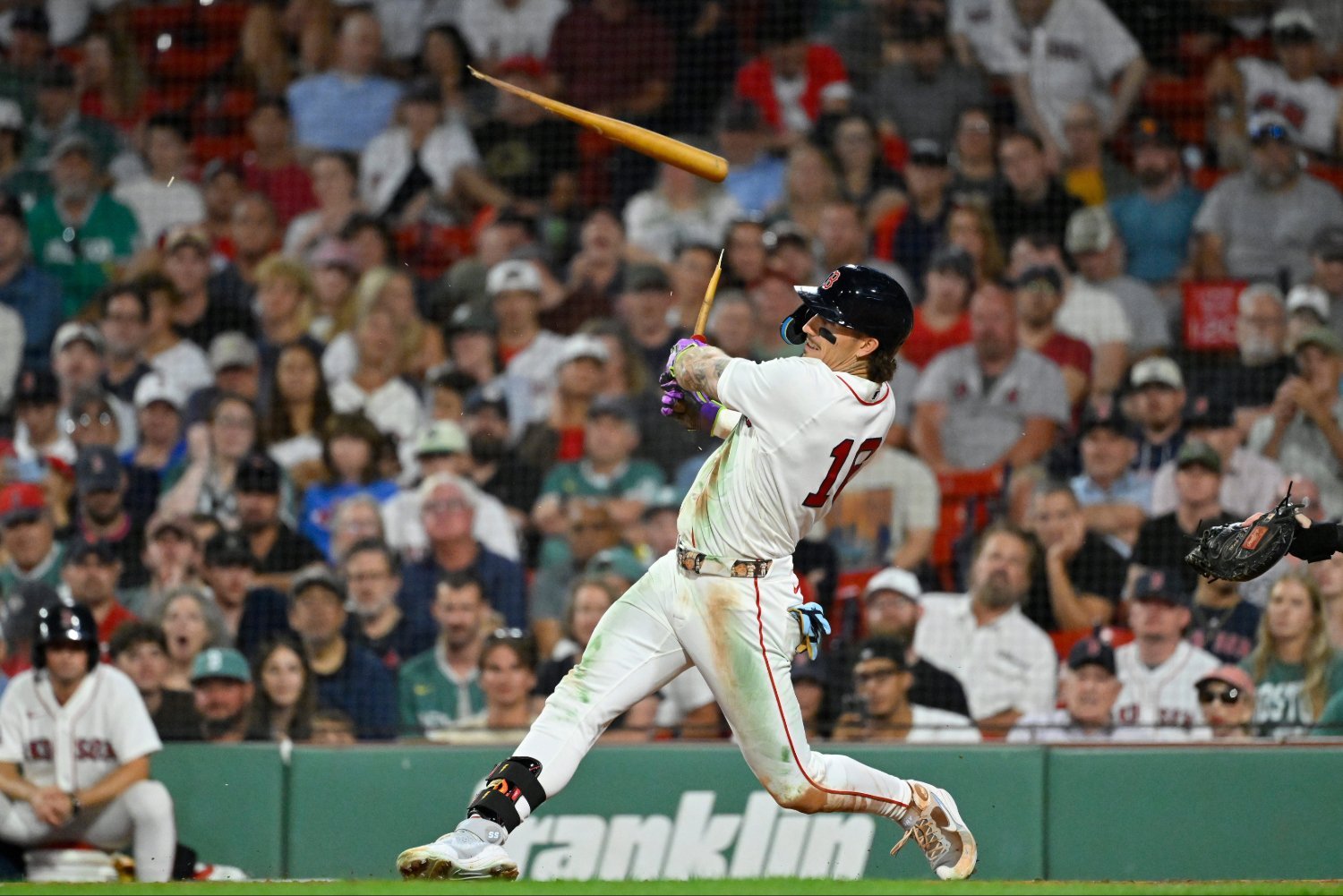 The month of August has been kind to Boston Red Sox players up and down the roster. The offense seems to be clicking again, even as the starting rotation and bullpen have taken a bit of a step backward. There’s one player that has really turned his stock around this month, and it may surprise you that I’m the one talking about it. That’s right, we’re here to give some flowers to Jarren Duran. I’m not here to tell you he’s rediscovered his 2024 self as we’re approaching the playoffs, but he’s looking mostly passable at the plate over the last three weeks and that needs to be celebrated. Thus far in August, Duran is slashing .250/.304/.484 with a .335 wOBA, 111 wRC+, and 0.4 fWAR. To go along with that, he’s hit four home runs, driven in six runs, scored 12 times, and swiped three bags. What’s arguably most impressive, though, is his hard-hit rate for the month has jumped up to 53.2%, second only to the 54.5% posted by Willson Contreras. Comparing those two is really just comparing apples to oranges, but if Duran is finally rediscovering how to be an effective offensive player... well, the remainder of the season, and hopefully the postseason, will seem like a much less daunting gauntlet for the Red Sox. Multiple members of the Red Sox’s commentating team are fond of telling watchers and listeners of the games that Duran has the ability to ‘spark’ the offense and that it’s been missing for much of the season. There’s likely some truth to that, as Duran is at his best as a leadoff hitter with a knack for getting on base and then being a major threat to steal bags at any point. Of course, us viewers know that his biggest struggle this year has been doing just that. He was an ineffective leadoff hitter and he has only swiped 18 bags on the season so far. The power is sort of there with him (he has 17 home runs), but it’s been pretty inconsistent and is being carried heavily by the nine home runs he hit during his one hot month in May. Many had hoped that would be the catalyst to turning his slow start around but until now, he’s been arguably the easiest out in the lineup on a nightly basis. It’s unclear if this sudden turnaround is here to stay or not. Duran is still in the 19th percentile for chase rate at 35.2%, the sixth percentile for whiff rate at 34%, the 13th percentile in strikeout rate at 28.4%, and the 20th percentile in walk rate at 6.7%. He’s struggling to get on base and striking out far more than he’s walking, but August seems to have pushed him in the right direction so far. He has come through with some clutch hits and driven in runs when the guys in front of him got on base as he’s been moved further down in the lineup. If—and that’s a big if—Jarren Duran can sustain this new level of offensive productivity, then he may yet prove useful to the Red Sox's ultimate ambitions. View the full article
 -
 Brandon Compton has been one of the biggest risers on the Fish On First Top 30 prospects list during the 2026 season. Particularly over the last three months, he's been on a heater unlike anything we've seen in our careers covering the Miami Marlins farm system. Compton speaks with Ely Sussman and Alex Carver about how his baseball career changed coming off elbow surgery, developing with help from Marlins coaches and the competitive environment at Driveline Baseball, why he wasn't hitting for power early in the season and the adjustments he's made since then. You can find Fish Unfiltered and Fish On First LIVE on the Fish On First YouTube channel, Apple Podcasts, Spotify or wherever else you get your pods. Compton already leads Double-A Pensacola with 18 home runs this season, even though he was promoted there less than two months ago! View the full article
 -
 Hunter Owen struck out eight over 6 1/3 scoreless innings in Northwest Arkansas' 8-1 win, and Kamden Edge threw two hitless innings as Quad Cities beat Dayton 10-3 behind Stone Russell's four RBI and Blake Mitchell's home run. Brett Squires' three-run homer sent Omaha past Rochester 4-3 after Ryan Ramsey's six strikeouts. Gabriel Silva homered twice, including the go-ahead two-run shot, and Andy Basora threw three scoreless innings in Columbia's 5-4 comeback win over Augusta. Kansas City Royals Transactions Kansas City Royals placed 3B Maikel Garcia on the 10-day injured list. Left hamstring strain. Kansas City Royals sent RHP Beck Way on a rehab assignment to Omaha Storm Chasers. Kansas City Royals recalled RHP Jose Cuas from Omaha Storm Chasers. Kansas City Royals optioned RHP Carlos Duran to Omaha Storm Chasers. Kansas City Royals recalled LF Matthew Lugo from Omaha Storm Chasers. Brett Squires' Three-Run Homer Turns The Eighth In Omaha's 4-3 Win Omaha trailed for seven innings, then scored four times over two innings to beat Rochester 4-3. Ramsey worked five innings and gave up seven hits and two runs, walking two and striking out six. Rochester scored in the first on a run-scoring single that a fielding error in left field extended, and added a solo home run in the third. Ben Sears, Way, and Lucas Erceg each followed with a scoreless inning, and Erceg took the win. Anthony Gose finished for his first save, allowing one hit, a solo home run, with two walks and two strikeouts. The Storm Chasers had nothing going until the seventh, when Jacob Berry hit his seventh home run of the season to right field to make it 2-1. A big eighth inning by the Storm Chasers offense decided this one. Alejo Lopez led off with a line-drive single to left, Carson Roccaforte moved him to second with a sacrifice bunt, and Abraham Toro was hit by a pitch. Squires then drove his 21st home run to right-center, a three-run shot that put Omaha in front 4-2. Peyton Wilson and Berry both struck out to end the inning. Lopez finished 2-for-4, and Squires drove in three of Omaha's four runs. The Storm Chasers collected only five hits and two walks, left five men on base, went 1-for-4 with runners in scoring position, and got both of their extra-base hits on home runs. Omaha is now 57-64 this season. Player AB R H RBI BB K Alejo Lopez 4 1 2 0 0 0 Carson Roccaforte 3 0 0 0 0 1 Abraham Toro 2 1 0 0 0 1 Brett Squires 4 1 1 3 0 1 Peyton Wilson 4 0 1 0 0 1 Jacob Berry 3 1 1 1 0 1 Brandon Drury 3 0 0 0 0 1 Drew Waters 2 0 0 0 1 0 Elih Marrero 2 0 0 0 1 0 Player IP H R ER BB K HR Ryan Ramsey 5 7 2 2 2 6 1 Ben Sears 1 1 0 0 0 2 0 Beck Way 1 0 0 0 0 1 0 Lucas Erceg 1 0 0 0 1 0 0 Anthony Gose 1 1 1 1 2 2 1 Owen And A Four-Run Fourth Carry Northwest Arkansas Past San Antonio Northwest Arkansas scored in three separate innings, held San Antonio without a run until the last of the ninth, and won 8-1. Owen turned in a quality start, going 6 1/3 innings without allowing a run on three hits, walking two and striking out eight. Anthony Simonelli followed with 1 2/3 innings, allowing no hits and one walk with a strikeout. Augusto Mendieta finished and gave up two hits and a run with two strikeouts. The Naturals were in front before their starter recorded an out in the first inning. Luke Pelzer opened with a line-drive single, Javi Vaz walked, and Sam Kulasingam and Spencer Nivens hit back-to-back sacrifice flies to center for a 2-0 lead. The fourth broke it open. Nivens tripled to left, Connor Scott singled home the run, Canyon Brown doubled in Scott, Angel Acosta singled in Brown, and Pelzer singled in Acosta for a 6-0 margin, with four runs crossing in the inning. Northwest Arkansas added two more in the ninth. Kulasingam tripled, Daniel Vazquez singled him in, and Brown singled in Vazquez. Brown finished 3-for-5 with a double and two RBI, Acosta went 2-for-5, Pelzer went 2-for-4 with a walk, and Kulasingam went 2-for-4 with a triple. The Naturals piled up 13 hits and four walks, went 5-for-13 with runners in scoring position, and left 10 men on base. Northwest Arkansas is now 48-68 this season. Player AB R H RBI BB K Luke Pelzer 4 1 2 1 1 0 Javi Vaz 3 1 0 0 2 1 Sam Kulasingam 4 1 2 1 0 1 Spencer Nivens 3 1 1 1 1 1 Daniel Vazquez 5 1 1 1 0 2 Connor Scott 5 1 1 1 0 4 Canyon Brown 5 1 3 2 0 1 Alberto Rodriguez 3 0 1 0 0 1 Angel Acosta 5 1 2 1 0 0 Player IP H R ER BB K HR Hunter Owen 6 1/3 3 0 0 2 8 0 Anthony Simonelli 1 2/3 0 0 0 1 1 0 Augusto Mendieta 1 2 1 1 0 2 0 Russell Drives In Four As Quad Cities Rolls Past Dayton Quad Cities put up 14 hits, hit three home runs, and beat Dayton 10-3. Emmanuel Reyes started and gave up three hits and three runs over four innings, walking three and striking out five, with two of the hits leaving the yard. Edge answered with two hitless innings, one walk, and two strikeouts to earn the win. Ethan McElvain went 1 2/3 innings without a hit, though he walked three and struck out two. Yimi Presinal finished with 1 1/3 hitless innings, one walk, and four strikeouts. The River Bandits struck first in the second. Derlin Figueroa walked, Jose Cerice was hit by a pitch, and Ben North doubled home Figueroa. Russell then singled in two more for a 3-0 lead. Erick Torres pulled his third home run of the season in the fourth, and the seventh put the game away. North singled, Russell hit his first home run to left-center for two runs, Asbel Gonzalez singled, Mitchell walked, Chris Brito singled, and Cerice singled in two more to make it 7-3, a four-run inning. Mitchell added a two-run home run in the ninth, his 21st of the year, after a Zion Rose single. Russell finished 3-for-4 with four RBI, North went 2-for-3 with a double and a walk, Gonzalez went 2-for-4 with a double, Rose went 2-for-4 with a walk, and Brito went 2-for-5 with a double. Quad Cities left six men on base, went 4-for-10 with runners in scoring position, and played errorless defense. The River Bandits improved to 61-52 after the win on Friday. Player AB R H RBI BB K Asbel Gonzalez 4 1 2 0 0 0 Zion Rose 4 1 2 0 1 0 Blake Mitchell 4 2 1 2 1 2 Chris Brito 5 0 2 0 0 1 Derlin Figueroa 4 1 0 0 1 2 Jose Cerice 3 1 1 2 0 1 Erick Torres 5 1 1 1 0 0 Ben North 3 2 2 1 1 0 Stone Russell 4 1 3 4 0 1 Player IP H R ER BB K HR Emmanuel Reyes 4 3 3 3 3 5 2 Kamden Edge 2 0 0 0 1 2 0 Ethan McElvain 1 2/3 0 0 0 3 2 0 Yimi Presinal 1 1/3 0 0 0 1 4 0 Silva's Two Home Runs Push Columbia Past Augusta Silva had two hits and a walk and homered twice, and the second one turned a one-run deficit into a 5-4 Columbia win over Augusta. Coleman Picard started and worked five innings, giving up three hits and one run on a solo home run, with three walks and four strikeouts. Dalton Hill followed and was charged with three runs, two earned, on one hit and two walks with a strikeout, and he came away with the win. Basora closed out three scoreless innings on two hits and a walk with four strikeouts for his sixth save. The Fireflies answered a third-inning home run with two of their own runs in the bottom half. Silva hit his second home run of the season to left-center to tie it, Daniel Lopez singled, and Lopez later stole home on a double steal that ended with Josh Hammond caught stealing third. Columbia added one in the fourth on Roni Cabrera's double and Connor Rasmussen's run-scoring single, which a throwing error extended. Augusta scored three in the sixth on a run-scoring single and a force out on which a throwing error let two more runs score, taking a 4-3 lead. Columbia answered right away. Jhonayker Ugarte singled, and Silva drove his third home run of the year to left field for the lead. Silva finished 2-for-2 with a walk and three RBI, Cabrera went 1-for-3 with a double and a walk, and Hammond drew two walks. Columbia had eight hits, five walks, went 1-for-6 with runners in scoring position, and left five men on base. With the win, the Fireflies improved to over .500, their record now 59-58 this season. Player AB R H RBI BB K Yandel Ricardo 4 0 0 0 0 1 Josh Hammond 2 0 0 0 2 0 Sean Gamble 4 0 1 0 0 2 Roni Cabrera 3 1 1 0 1 2 Connor Rasmussen 4 0 1 0 0 1 Jhosmmel Zue 3 0 1 0 1 0 Jhonayker Ugarte 3 1 1 0 0 2 Gabriel Silva 2 2 2 3 1 0 Daniel Lopez 3 1 1 0 0 0 Player IP H R ER BB K HR Coleman Picard 5 3 1 1 3 4 1 Dalton Hill 1 1 3 2 2 1 0 Andy Basora 3 2 0 0 1 4 0 Top-20 Prospect Performance Kendry Chourio: DNP David Shields: DNP Josh Hammond: 0-for-2, 2 BB, SB Blake Mitchell: 1-for-4, HR, 2 RBI, BB, 2 K Sean Gamble: 1-for-4, 2 K Ramon Ramirez: DNP Zion Rose: 2-for-4, BB Asbel Gonzalez: 2-for-4, 2B, 2 SB Carson Roccaforte: 0-for-3, K Taylor Rabe: DNP Yandel Ricardo: 0-for-4, K Justin Lamkin: DNP Drew Beam: DNP Michael Lombardi: DNP Jack Slightom: DNP Felix Arronde: DNP Angeibel Gomez: 1-for-4, 2 R, RBI, BB, K Ben Kudrna: DNP Steven Zobac: DNP Blake Wolters: DNP View the full article
 -
Josh Bell Is Derek Falvey’s Parting Gift to the Twins
DiamondCentric posted an article in Twins Daily
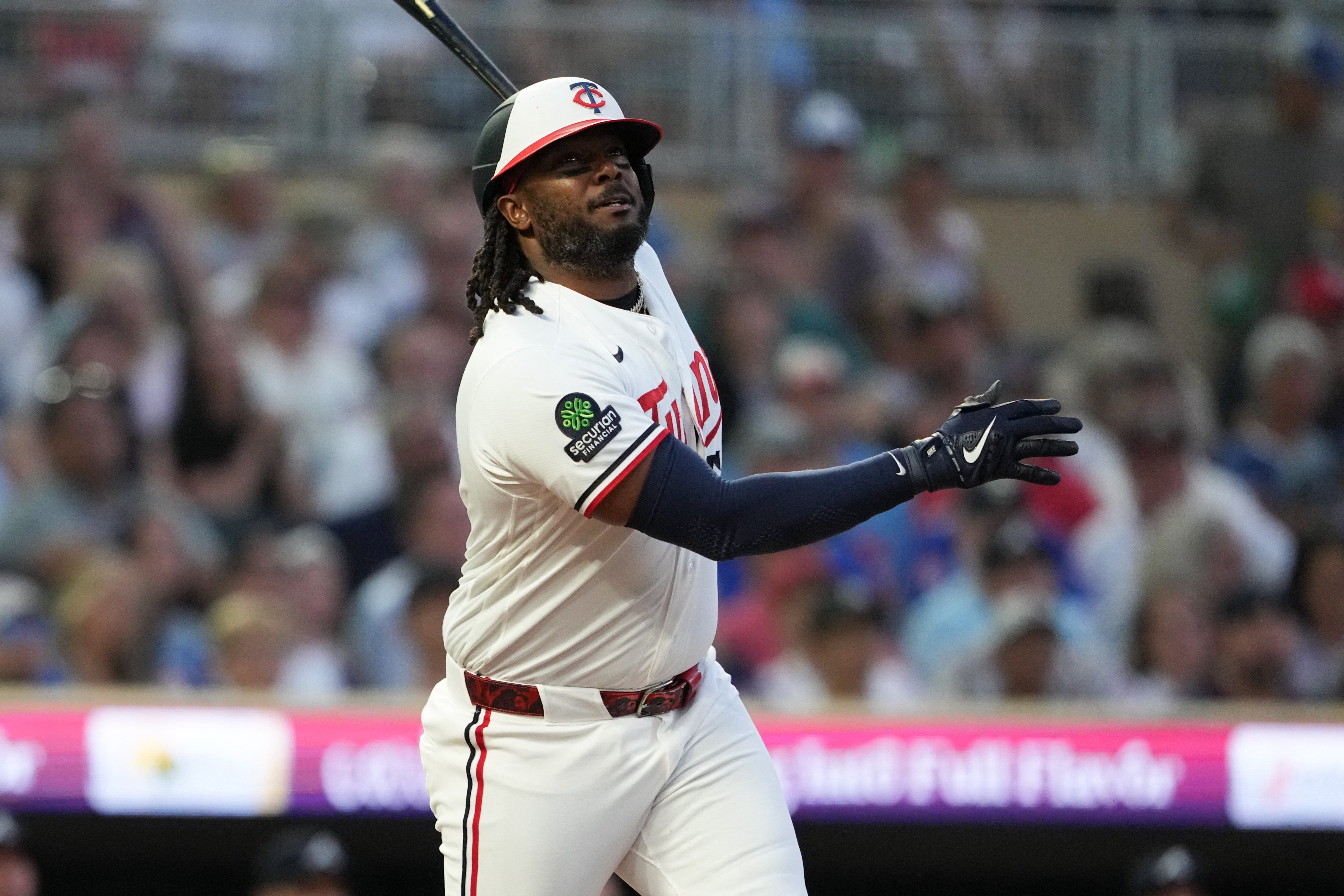 When Derek Falvey and the Twins mutually parted ways at the end of January, it marked the end of a nine-year run for the executive who had helped reshape the organization. Before leaving, Falvey made three free-agent signings for the Twins during the offseason: Taylor Rogers, Victor Caratini, and Josh Bell. Rogers has struggled for much of the season, albeit usually in low-leverage spots, while Caratini has had his moments. Bell, however, has turned into something much more valuable. The designated hitter has been one of the Twins' most important offensive players, and his signing is looking more and more like Falvey's parting gift to the organization. Bell's overall numbers tell a big part of the story. He currently owns a 110 OPS+, putting him on pace for his best offensive season since 2022, when he split the season between the Washington Nationals and San Diego Padres. He leads the Twins with 499 plate appearances, 26 doubles and 77 RBI, providing a level of consistency in the middle of the lineup that the team has desperately needed. But Bell's impact goes beyond his overall numbers. He has been particularly outstanding when the Twins have needed him most, hitting .349 with a 1.039 OPS with runners in scoring position. In a season in which the Twins have struggled to consistently produce offense, Bell has repeatedly come through in the biggest moments. That wasn't necessarily what anyone expected when the season began. Bell got off to a brutal start, something that has become somewhat of a calling card throughout his career. Through May 31st, he was hitting just .219 with a .619 OPS, five home runs and 32 RBI through 57 games. At the time, it was fair to wonder whether the Twins had signed a veteran whose best days were behind him. Instead, Bell has completely turned his season around. Since June 1st, Bell has posted a .869 OPS with 12 home runs and 45 RBI over 66 games (entering play Friday). His best stretch has come at exactly the time the Twins have needed it most. In 16 games during August, Bell is hitting .361 with a 1.041 OPS. That performance has been massive for the Twins because the offense around him has struggled badly this month. Minnesota ranks in the bottom third of Major League Baseball in runs scored in August, making Bell's production even more important. Without him in the middle of the lineup, it is difficult to imagine how an already-struggling offense would have survived this stretch. That is particularly important considering where the Twins are in the standings. With Minnesota fighting to keep its playoff hopes alive, there isn't much room for an extended offensive slump. Games are becoming increasingly important, and when the Twins have needed a big hit with runners on base, Bell has consistently been the guy delivering it, like he did on Tuesday with a first run blast to the third deck with a runner on second base to give the Twins a big first-inning lead. Falvey signed Bell in December to a one-year, $7 million contract. For an executive who typically preferred to wait until late in the offseason, and sometimes even into spring training, before making significant free-agent additions, the timing of the deal was notable. It was clear that Bell was someone Falvey wanted from the beginning of the offseason, and he didn't wait around to see if the market would bring the price down. And for a while, that decision looked questionable. Bell's slow start made it seem as though the Twins had committed $7 million to a veteran whose best offensive years were behind him. But the Twins stuck with him, and Bell has rewarded that patience by becoming one of the most productive and important players on the roster. According to FanGraphs, Bell has already provided roughly $6 million in value to the Twins this season. That alone makes the contract look like a strong investment, but it doesn't fully capture what Bell has meant to this team. The timing of his production matters. His best baseball has come while the Twins have desperately needed offense, and his ability to drive in runs has been particularly valuable. Add in the veteran leadership he has provided in the clubhouse, and the signing has turned into a slam dunk. That makes Bell an interesting final chapter for Falvey, whose best previous most was arguably the signing of another veteran DH with stellar clubhouse vibes in Nelson Cruz. Falvey's tenure with the Twins ended before he could see the full results of the moves he made during his final offseason. Rogers hasn't provided the results the Twins hoped for, and Caratini has been a mixed bag. Bell, however, has become a legitimate success story. The player Falvey targeted from the very beginning of the offseason has turned into one of the reasons the Twins are still hanging around the playoff race in August. It may not have been the most exciting signing when it happened. It certainly didn't look like one when Bell struggled through the first two months of the season. But with the season entering its most important stretch, Josh Bell has made that $7 million investment look awfully smart. In the end, perhaps the best way to remember Falvey's final offseason with the Twins is through the player he went out and got before he left. Josh Bell was one of Derek Falvey's final moves as a member of the Twins. Now, he is one of the biggest reasons Minnesota still has a chance to make something out of this season. What do you think? How would you grade Josh Bell's signing now, and has he become the best free-agent addition of Derek Falvey's final offseason with the Twins? Leave a comment below and start the conversation! View the full article
 -
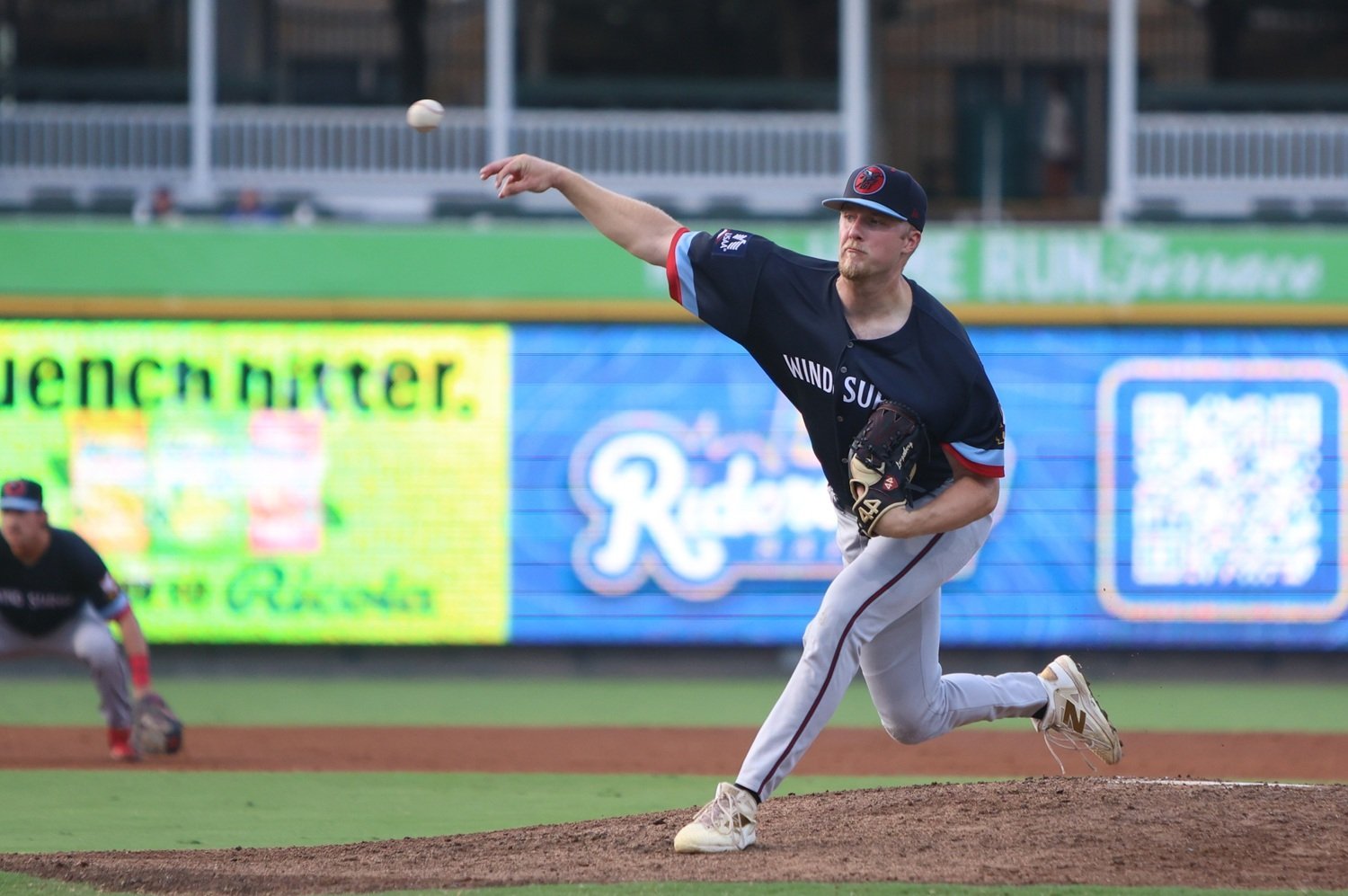 TRANSACTIONS William Fleming signed as a minor-league free agent days after the start of the minor-league season in early April. He went straight to Wichita and contributed to the Wind Surge bullpen. On Friday, he was released by the Twins. SAINTS SENTINEL St. Paul 1, Columbus 5 Box Score After the Saints swept the Clippers on Thursday, Columbus was able to claim the Friday game. The biggest story in this game, however, was that lefty Kendry Rojas left the game during the first plate appearance of the second inning. I went back to the game and watched it. I followed up with a three-part tweet. (Important: I am not a doctor, a trainer, a physical therapist, so take my thoughts with a bunch of grains of salt. I'm sure we will learn more tomorrow.) Part 1: “I just watched the Kendry Rojas injury tonight for St. Paul. Looked good the first three pitches of the 2nd inning. Then he got the sign, took a deep breath and grimaced, but he threw the pitch. Then another pitch. Then after another pitch, he dropped his glove, (more)” Part 2: “and eventually came off the field. At no point did it look like anything was wrong with his left arm which would be good. I couldn't see anything with his right arm. To me, it looked like his right-side oblique might be the issue. (more)" Part 3: “Depending on severity, an oblique injury (or hip?) could cost 4-6 weeks which would essentially end his season but still better than anything arm-related, probably. Honestly, I'm hoping it's nothing, something he just hadn't felt/experienced before. Hopefully!” So, Rojas completed a scoreless first inning and left the game during the first plate appearances of the second inning. Aaron Rozek was forced to get ready quickly. But he kept the game scoreless in the second and third innings. Overall, he gave up four runs on four hits and three walks in 3 2/3 innings. He struck out four batters. C.J. Culpepper came on and gave up one run on a solar home run in 1 1/3 innings. Matt Bowman and Alejandro Hidalgo each worked a scoreless inning. After hitting nine home runs on Thursday, the Saints managed just one run on five hits and two walks on Friday night. Tristan Gray was the offense. He went 2-for-4, and his solo home run provided the only run for the team. It was his third straight day with a home run. Matt Wallner went 1-for-2 with two walks. WIND SURGE WISDOM Wichita 4, Frisco 1 Box Score Through seven innings, this ballgame was completely scoreless. Ty Langenberg started and tossed five shutout innings. He gave up one hit, walked three, and he had four strikeouts. Paulshawn Pasqualotto tossed two scoreless innings and gave up just one hit. He struck out three batters. Then came the top of the eighth inning. Jake Rucker, Brandon Winokur, and Garrett Spain walked consecutively to lead the bases. Andrew Cossetti followed by taking a strike. On the second pitch, he got a crushable pitch, and guess what? He crushed it over the wall in left center field, beyond the berm, over the walkway and out of the stadium. Grand Slam. Surge lead 4-0! Spencer Bengard pitched a scoreless eighth inning. Kyle Bischoff got the ninth inning and gave up a run on two hits and a walk. The Surge scored their four runs on four hits and seven walks. Cossetti’s home run was his 16th of the season. Kyle DeBarge hit his 21st double and walked. Garrett Spain had a single and a walk. Jay Thomason had a single and was hit by a pitch which put his Double-A OPS at .805. Jake Rucker walked twice. Sure, the team was just 1-for-10 with runners in scoring position, but the “1” was pretty important. KERNELS NUGGETS Cedar Rapids 4, Beloit 5 Box Score The game was delayed by almost two hours, but when things got started, the Kernels jumped out to an early lead. Byron Chourio led off the first inning with a walk and went to second on a wild pitch. He scored on a JP Smith single to make it 1-0. With one out, Jayson Bass came up and drilled his third home run since joining the Kernels to make it 3-0. In the top of the second inning, Irvin Nunez led off with a walk. With one out, Chourio singled. Smith walked to load the bases. Nunez scored on a sacrifice fly by Yasser Mercedes to make it 4-0. Justin Mitriovich started and began the game by putting three zeroes on the board. He had six strikeouts through three perfect innings. However, he gave up four runs (3 earned) on four hits and a walk and only got two outs in the bottom of the fourth inning. Yehizon Sanchez got the final out of the fourth inning. He worked two more innings and gave up one run on two hits and a walk. Christian Becerra walked one and had one strikeout over two hitless, scoreless innings. Unfortunately, after scoring four runs in the first two innings, the Kernels went scoreless the remainder of the game. The Kernels scored their four runs on five hits and seven walks. They went 1-for-9 with runners in scoring position and left nine on base. No one had a multi-hit game. Bass hit his third home run, and Danny De Andrade hit his 16th double and walked. Chourio and Smith each had a walk and a single. MIGHTY MATTERS Fort Myers 6, Palm Beach 7 Box Score This was a good ol’ back-and-forth game. There were four lead changes and the game was tied four times. Unfortunately, it was the Cardinals who took the last lead with a two-run eighth inning. Matthew Dalquist gave up four runs (3 earned) on seven hits in 3 2/3 innings. He struck out four batters without walking any. Matthew Becker walked two over 1 1/3 scoreless innings. Brent Francisco worked 2 1/3 innings and gave up two runs on two hits and two walks. Adam Falinski got the final two outs, but not before an inherited runner and a run of his own to take the loss. The Mussels got on the scoreboard in the second inning. Isaiah Lane and Jimmy Keenan walked. Quentin Young singled to center to drive in Lane. With one out in the top of the third, Vahn Lackey launched his first professional home run. Two pitches later, second-round pick Carson Tinney hit his fifth professional home to tie the game at 3-3. Aidan Teel reached on an error and scored on a Ramiro Dominguez double to give them the 4-3 lead. In the top of the fifth inning, Tinney walked and went to third on a Teel double. He scored on a wild pitch. In the seventh frame, Tinney led off with a double and later scored on a Dominguez sacrifice fly. That gave the Mussels a 6-5 lead. But again, Palm Beach scored two runs in the bottom of the eighth and shut down the Mussels in the ninth. Tinney led the offense. He went 2-for-3 with a walk, his first double and his fifth home run. Lane was 1-for-2 with two walks. Dominguez’s double was his 25th of the year. Teel’s double was his fifth as a pro. And Quentin Young went 1-for-3 with a walk and two strikeouts. PLAYERS OF THE DAY Hitter(s) of the Day Carson Tinney (Fort Myers): 2-for-3, BB, 2B(1), HR(5), 3 R, RBI. Pitcher(s) of the Day Ty Langenberg (Wichita): 5 IP, 1 H, 0 R, 3 BB, 4 K PROSPECT SUMMARY Check out the Prospect Tracker for much more on our Twins Top 20 prospects. See how they did today. #1 - OF Walker Jenkins (St. Paul) - 1-for-4, K, SB(14) (batted first, played CF). #2 - C Vahn Lackey (Fort Myers) - 1-for-5, HR(1), R, RBI, K (batted second, played catcher) #3 - IF Kaelen Culpepper (Minnesota) - 0-for-3, 2 K (batted ninth, played SS) #4 - SS Marek Houston (Wichita) - 0-for-5, K (batted first, played SS) #7 - OF Hendry Mendez (St. Paul) - 0-for-4, K (batted fourth, played DH) #9 - 1B/OF Gabriel Gonzalez (St. Paul) - 0-for-4 (batted second, played 1B) #11 - C Carson Tinney (Fort Myers) - 2-for-3, BB, 2B(1), HR(5), 3 R, RBI (batted third, played 1B) #12 - 3B/CF Brandon Winokur (Wichita) - 0-for-4, BB, R, K (batted third, played CF) #18 - 3B/SS Quentin Young (Ft. Myers) - 1-for-3, BB, RBI, 2 K (batted eighth, played SS) #19 - OF Yasser Mercedes (Cedar Rapids) - 0-for-3, BB, RBI, 2 K (batted third, played CF) UPCOMING PROBABLES Saturday, August 22 St. Paul @ Columbus (6:05 pm CT) - RHP German Marquez (0-0, 2.25 ERA) Wichita @ Frisco (7:05 pm CT) - RHP Chris Vallimont (2-3, 4.89 ERA) Cedar Rapids @ Beloit (6:35 pm CT) - LHP Cesar Lares (0-6, 13.18 ERA) Ft. Myers @ Palm Beach (5:00 pm CT) - RHP Callan Fang (3-3, 4.33 ERA) CURRENT W-L Records Minnesota Twins: 63-66 St. Paul Saints: 71-52 Wichita Wind Surge: 49-67 Cedar Rapids Kernels: 44-72 Fort Myers Mighty Mussels: 63-53 FCL Twins: 33-26 (Season Complete) DSL Twins: 19-35 (Season Complete) Please feel free to ask questions about the teams, the rosters, and discuss today’s games, or anything else Twins minor-league related! View the full article
 -
Padres Minor League Report: Tough Night At All Levels
DiamondCentric posted an article in Padres Mission
 The San Diego Padres' four full-season affiliates went 0-4 Friday as the Triple-A El Paso Chihuahuas were drubbed by Round Rock 15-7, the Double-A San Antonio Missions were stopped by Northwest Arkansas 8-1, the High-A Fort Wayne TinCaps lost to Great Lakes 13-8 in 10 innings and the Low-A Lake Elsinore Storm got crushed by San Jose 21-2. Padres Minor-League Transactions El Paso Chihuahuas activated RHP Evan Fitterer from the 7-day injured list. Chihuahuas Get Roughed Up By Express It was a rough night on the mound for the host Triple-A El Paso Chihuahuas, who were down 8-0 in the fourth inning en route to a 15-7 loss to the Round Rock Express. Rehabbing Padres left fielder Samad Taylor went 2-for-5 with a stolen base and two strikeouts while playing all nine innings in center field. He is 3-for-12 with a homer in three rehab games. Blake Hunt came off the bench and hit his 12th Triple-A homer, while starting catcher Ethan Salas, Padres Mission's No. 1 prospect, went 2-for-3 and has reached base in 16 of the 17 Triple-A games he has played. Leadoff hitter Dustin Harris went 3-for-4 with two RBIs and two runs scored, while Marcos Castanon had two hits and an RBI and Mason McCoy two hits, a walk and a run scored. Chihuahuas right-handed starter Evan Fitterer came off the seven-day injured list and went two innings, allowing two runs on three hits, including a homer, and a walk with two strikeouts. Right-hander Andrew Thurman came on and gave up six runs on eight walks and four hits over 1⅓ innings, then right-hander Ethan Routzahn surrendered four runs over 2⅔ innings. The only Chihuahuas pitcher not to allow a run was right-hander J.P. France, who allowed two hits over two innings, with right-hander Jose Leclerc pitching the ninth and allowing three runs. EP_0821.mp4 Player AB R H RBI BB K Dustin Harris 5 2 3 2 0 1 Samad Taylor 5 0 2 0 0 2 Carlos Rodríguez 5 1 1 1 0 1 Nick Solak 4 1 1 1 0 1 Ethan Salas 3 0 2 0 0 0 Blake Hunt 2 1 1 2 0 0 Marcos Castañon 5 0 2 1 0 1 Will Wagner 5 0 1 0 0 2 Rodolfo Durán 3 1 0 0 1 0 Mason McCoy 3 1 2 0 1 0 Player IP H R ER BB K HR Evan Fitterer 2 3 2 2 1 2 1 Andrew Thurman 1 1/3 4 6 6 8 1 0 Ethan Routzahn 2 2/3 3 4 4 2 1 1 J.P. France 2 2 0 0 1 2 0 José Leclerc 1 3 3 3 1 0 2 Missions Can't Handle Early Push By Naturals Right-handed starter Victor Lizarraga's return to Triple-A San Antonio was a rude one, giving up five runs, as the host Missions were dropped by the Northwest Arkansas Naturals 8-1. Jack Costello had two of the five hits for the Missions and stole a base, while Ryan Jackson was on base twice via walks and also had a steal. Lizarraga, who went down to the Arizona Complex League following a July 8 start for the Missions, had one start at Low-A Lake Elsinore last week (three runs in three innings) before rejoining San Antonio. He allowed those five runs over 3⅓ innings. The Naturals scored two in the first and four in the fourth. The Missions were kept off the board until the ninth, when Tirso Ornelas had a leadoff double and scored on Costello's two-out single to left. SA_0821.mp4 Player AB R H RBI BB K Braedon Karpathios 4 0 0 0 0 2 Alex McCoy 4 0 1 0 0 2 Tirso Ornelas 4 1 1 0 0 0 Albert Fabian 4 0 1 0 0 2 Ryan Jackson 2 0 0 0 2 1 Jack Costello 4 0 2 1 0 0 Luis Verdugo 4 0 0 0 0 1 Anthony Vilar 2 0 0 0 1 1 Kai Roberts 3 0 0 0 0 2 Player IP H R ER BB K HR Victor Lizarraga 3 1/3 5 5 5 1 2 0 Harry Gustin 1 2/3 2 1 1 2 4 0 Francis Peña 2 1 0 0 0 0 0 Clay Edmondson 1 1 0 0 1 3 0 Johan Moreno 2/3 2 2 2 0 2 0 Wyatt Hoffman 1/3 2 0 0 0 0 0 TinCaps, Once Down 5-0, Tie It In Ninth, But Surrender 5 In 10th Bradley Frye hit a three-run homer and Rosman Verdugo added a solo shot, but the host High-A Fort Wayne TinCaps gave up a five-run top of the 10th inning that was too much to overcome in a 13-8 loss to the Great Lakes Loons. Fourth-round draft Robbie Lavey had a big moment, driving in the tying run with two outs in the bottom of the ninth with his first professional double. Frye had two hits and scored twice, Verdugo two hits (including a double), two RBIs and a run scored, Kasen Wells two hits and an RBI and Dylan Grego went 2-for-3 with an RBI and a run scored. Lavey also drew two walks to reach base three times, stole a base and scored once. TinCaps right-handed starter Matthew Watson allowed five hits in 3⅔ innings, including four walks. Right-handers Will Varmette (2⅓ innings) and Bernard Jose (two innings) turned in strong relief outings as neither allowed a hit or a run. Right-hander Sean Barnett nearly had the save despite walking a pair, but a two-out throwing error by Frye after a tremendous diving stop to his left allowed the tying and go-ahead runs to score. Right-hander Isaiah Lowe allowed five runs (four earned) in the top of the 10th on three hits and two walks. The TinCaps were down 5-0 after the top of the fourth, but erased that deficit in the bottom half. Lavey had a leadoff walk, Luke Cantwell a one-out free pass then Frye launched his second High-A homer and fifth of the season to make it 5-3. Yimy Tovar, Grego and Wells had consecutive singles to pull the TinCaps within 5-4. Following a pitching change, Ryan Wideman hit a grounder that resulted in Wells being forced out at second, then Verdugo doubled home Wideman, who was thrown out at the plate. Verdugo hit his 14th homer of the season in the bottom of the seventh to put the TinCaps up 7-6. FW_0821.mp4 Player AB R H RBI BB K Kasen Wells 5 1 2 1 0 0 Ryan Wideman 5 0 0 0 0 1 Rosman Verdugo 5 1 2 2 0 1 Robbie Lavey 3 1 1 1 2 2 Kerrington Cross 5 0 0 0 0 4 Luke Cantwell 3 1 0 0 2 0 Bradley Frye 5 2 2 3 0 0 Yimy Tovar 5 1 1 0 0 1 Dylan Grego 3 1 2 1 0 1 Player IP H R ER BB K HR Matthew Watson 3 2/3 4 5 5 4 4 0 Javier Chacon 0 0 0 0 3 0 0 Will Varmette 2 1/3 0 1 0 0 3 0 Bernard Jose 2 0 0 0 0 2 0 Sean Barnett 1 0 2 0 2 2 0 Isaiah Lowe 1 3 5 4 2 0 0 Storm Get Obliterated By Giants Left-handed starter Kruz Schoolcraft couldn't make it out of the first inning, setting the tone for the host Low-A Lake Elsinore Storm's 21-2 loss to the San Jose Giants. The Giants put up three four-run innings and an eight-run inning. Schoolcraft, Padres Mission's No. 4 prospect, only got one out while allowing four runs on three hits and three walks with no strikeouts. It was the second time this season Schoolcraft, the Padres' 2025 first-round draft choice, failed to make it out of the first inning. He also only got one out in his second start of the season April 10. The Storm were held without a hit until Jose Verdugo singled with two outs in the fifth and they didn't score until pushing across two runs in the eighth inning to make it a 13-2 game. The Giants then poured it on with an eight-run ninth inning. Jorge Quintana, Padres Mission's No. 7 prospect, had two of the Storm's four hits. LE_0821.mp4 Player AB R H RBI BB K Qrey Lott 4 1 0 0 0 2 Nu'u Contrades 4 1 1 0 0 1 Chris McHugh 2 0 0 1 1 0 Ty Harvey 1 0 0 0 3 1 Jorge Quintana 4 0 2 1 0 0 Joe Tiroly 4 0 0 0 0 2 Truitt Madonna 4 0 0 0 0 2 Jose Verdugo 4 0 1 0 0 0 Dawson Willis 2 0 0 0 2 2 Player IP H R ER BB K HR Kruz Schoolcraft 1/3 3 4 4 3 0 0 Rordy Mejia 3 2/3 8 5 5 0 2 3 Adler Cecil 3 2 4 1 3 6 0 Brandon Langley 1 0 0 0 1 1 0 Jake Bold 2/3 2 7 7 5 0 1 Augie Lopez 1/3 3 1 1 0 0 1 Padres Mission's Top 20 Prospect Performance Ethan Salas: 2-for-3 Ryan Wideman: 0-for-5, 1 K Coleman Borthwick: In Arizona Kruz Schoolcraft: ⅓ IP, 3 H, 4 R, 4 ER, 3 BB, 0 K Ty Harvey: 0-for-1, 3 BB, 1 K Kale Fountain: Injured, out for season Jorge Quintana: 2-for-4, RBI Alex McCoy: 1-for-4, 2 K Braedon Karpathios: 0-for-4, 2 K Lamar King Jr.: DNP Elliot Lascelles: DNP Tucker Musgrove: DNP Jagger Haynes: DNP Jake Cunningham: DNP Truitt Madonna: 0-for-4, 2 K Eric Yost: DNP Winyer Chourio: DNP Jesus Castro: DNP Michael Salina: DNP Rosman Verdugo: 2-for-5, 2B, HR, 2 RBI, 1 K View the full article
 -
Padres 6, Twins 2: Stuck in the Middle-Innings With You
DiamondCentric posted an article in Twins Daily
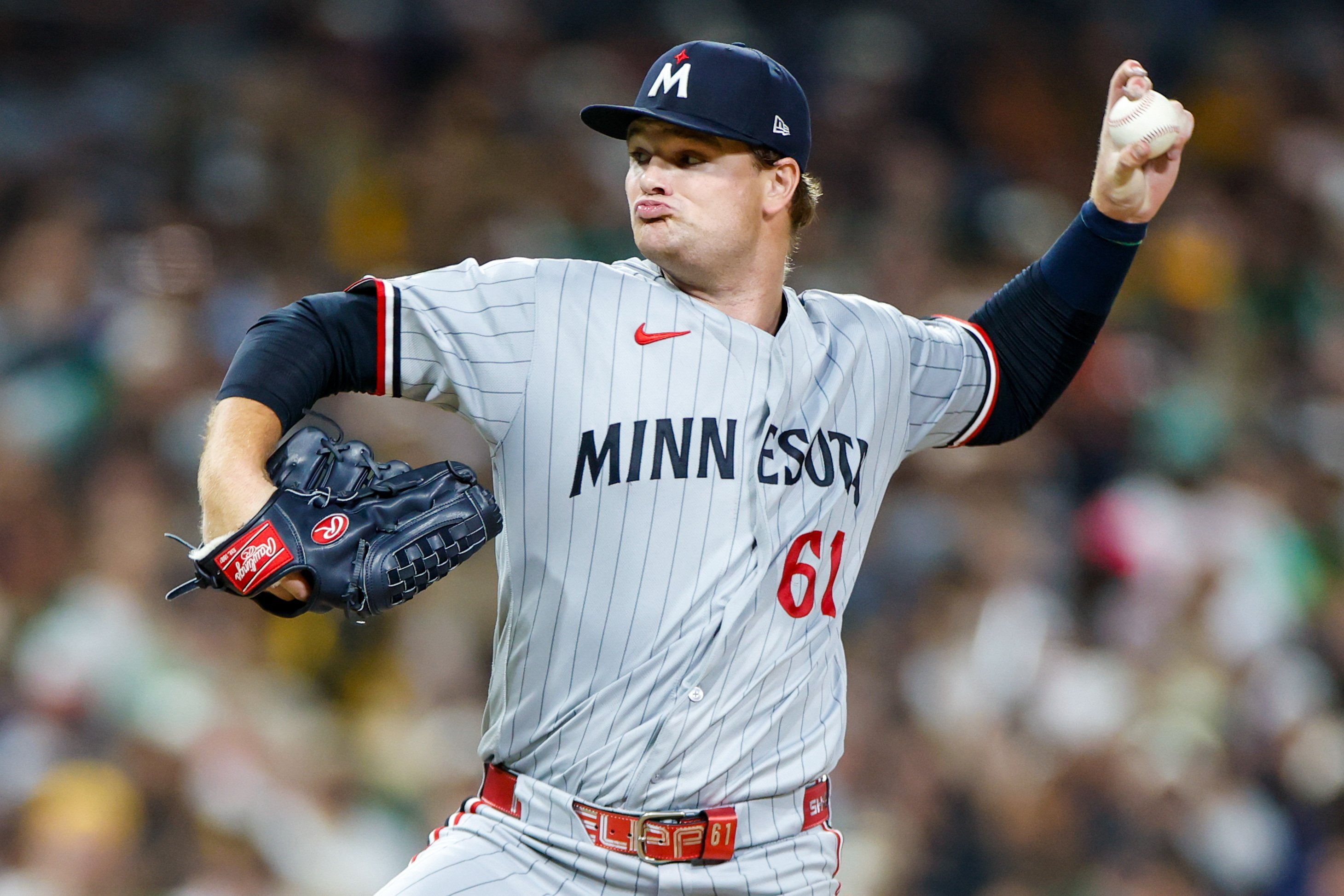 Box Score Connor Prielipp: 6 IP, 8 H, 6 ER, 2 BB, 7 K Home Runs: None Bottom 3 WPA: Connor Prielipp (-.400), Ryan Jeffers (-.090), Byron Buxton/Trevor Larnach (-.070) Win Probability Chart (via FanGraphs) The thick of a playoff race—there’s nothing like it. When the marathon nature of the sport—the long-term philosophy that cauterizes losses and tamps wins to mild celebration—suddenly gives way to a more phrenetic, imminent reality. Each pitch matters. Every mistake, a drop in the standings. The slow season plod arches and groans day by day as the wheat is separated from the chaff in the only way baseball knows how: by testing the mettle and endurance of the men who play. A saunter into San Diego continues the Twins’ NL gauntlet and kick starts a curt West Coast trip. And what a poor time to fly into the fine city: the Padres offense that was once glacial and impotent has turned scintillating after the All-Star break. They’ve hit for a 116 wRC+ since play resumed, the second-best mark in the league. That suddenly overwhelming hitting acumen struck early on Friday, as Ty France caught a Connor Prielipp fastball and launched the offering 421 feet out to left field to score two. The Twins offense laid dormant for three frames, putting balls in play with authority against Randy Vásquez with nothing to show except a low pitch count for the Padres starter. Those three perfect innings gave way to a finally fruitful fourth, fantastically forthcoming and fulfilling after the previous futility. Luke Keaschall smacked a single. Josh Bell took a pitch that clipped his pants. Then, with two outs, Kody Clemens cracked a two-run game-tying triple to right. The even game felt like a righting ship. The young Prielipp appeared settled after his initial gaffe, relying on a heavier dose of his slippery breaking offerings as he racked up strikeouts and double plays. Perhaps the Twins could build more. Perhaps they could continue the retaliation. And perhaps they could blow up in fifth. San Diego might still be smacking singles. An infield hit and a walk put the lefty in trouble; a Fernando Tatis Jr. smoking worm burner into right field started to ring bells and set off air raid sirens. What continued was a flurry: Luis Rengifo and Manny Machado turned Minnesota’s infielders into flailing acrobats and a France sacrifice fly capped the melee at four runs. At 6-2, the concept of rallying seemed dead in the water. And it was. The Twins fell in the sixth, seventh, eighth, and ninth innings in order. The fifth too. In fact, Clemens' triple three paragraphs ago was the final hit of the game for the team. Vásquez, while hittable, settled in; Bradgley Rodriguez cruised; Mason Miller struck out the side to end the game. Post-Game Interview: What’s Next? The Twins and Padres lop an hour off the start time wait on Saturday, starting with a more merciful 7:40 PM first pitch. Dean Kremer will take on Casey Mize in the battle of trade deadline acquisitions. Bullpen Usage Spreadsheet MON TUE WED THUR FRI TOT Gomez 19 16 13 0 0 48 Hoffman 20 0 20 0 0 40 Adams 18 0 0 0 17 35 Rogers 11 0 0 0 11 22 Funderburk 0 4 17 0 0 21 Minter 0 6 10 0 0 16 Nance 0 0 16 0 0 16 Morris 0 13 0 0 0 13 View the full article
 -
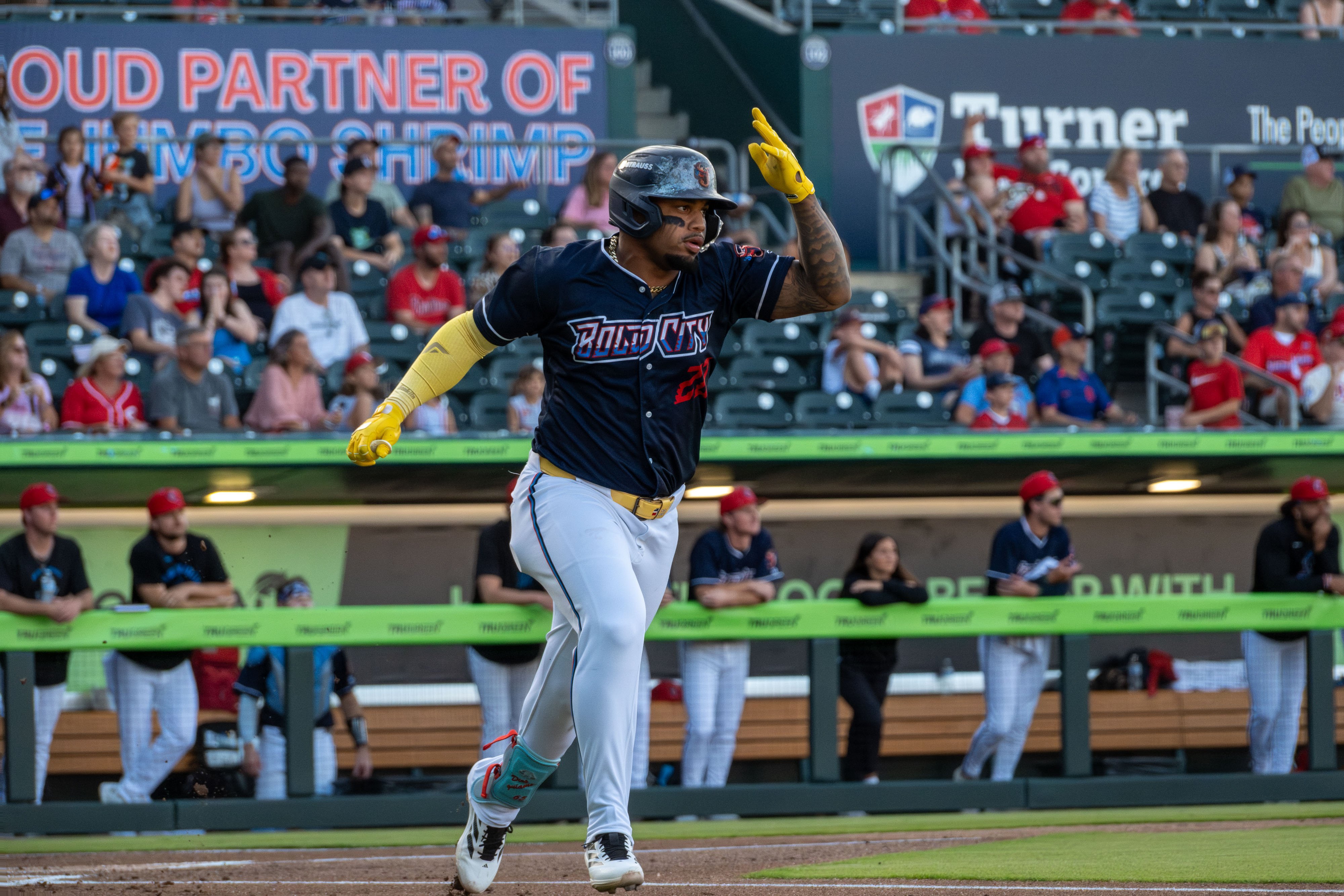 In advance of Saturday’s contest against the Washington Nationals, the Miami Marlins will recall Deyvison De Los Santos from Triple-A Jacksonville, Fish On First has learned. The team has yet to make the roster move official. De Los Santos has had two brief stints with the Marlins this season, from March 28-29 and April 10-18. In three games at the big league level, he went 2-for-7 with three strikeouts. De Los Santos has spent most of the season with Triple-A Jacksonville, where he is slashing .281/.345/.486/.831 with 18 home runs, 65 RBI, 17 stolen bases and a 117 wRC+ in 97 games. These are his best numbers since his breakout 2024 campaign, when he hit 40 home runs, including 12 with the Marlins organization. On top of that, De Los Santos is having a dominant month of August, posting an OPS of 1.079 with six home runs and 13 RBI. This marks his best month of the Minor League season. The biggest adjustment for De Los Santos has been his strikeout rate. In 2024, it stood at 24.7%, and it is now at 19.7%, the lowest of his career. On top of just striking out less, the Dominican Republic native is pulling the ball less and using the entire field a bit more, especially the opposite way. In 2025 at AAA, De Los Santos posted a 47.2% pull rate, which he has lowered to 42.0% this season. The major league average for opposite field rate is 24.1%; De Los Santos is currently at 33.1%, a 4.1% increase from 2025. All of these changes are positive ones that have clearly made De Los Santos a better overall hitter, but the power that he once had has taken a step back. In 2024, he hit 40 home runs, and has yet to surpass 20. It will be interesting as to how the Marlins could use De Los Santos once he is called up. In 2026, he has reverse splits, posting an .847 OPS against right-handed pitching, but also a .766 OPS against left-handed pitching. In all likelihood, De Los Santos will see more action against left-handed pitching, but if the reverse splits stand, he could see more opportunity. The Marlins currently are carrying four catchers on their roster. With Joe Mack looking fully healthy following a recent battle with right shoulder soreness, it's likely that one of his backups will get sent down to make room for De Los Santos. View the full article
 -
Javier Sanoja shifts momentum in Marlins' walk-off win
DiamondCentric posted an article in Fish On First
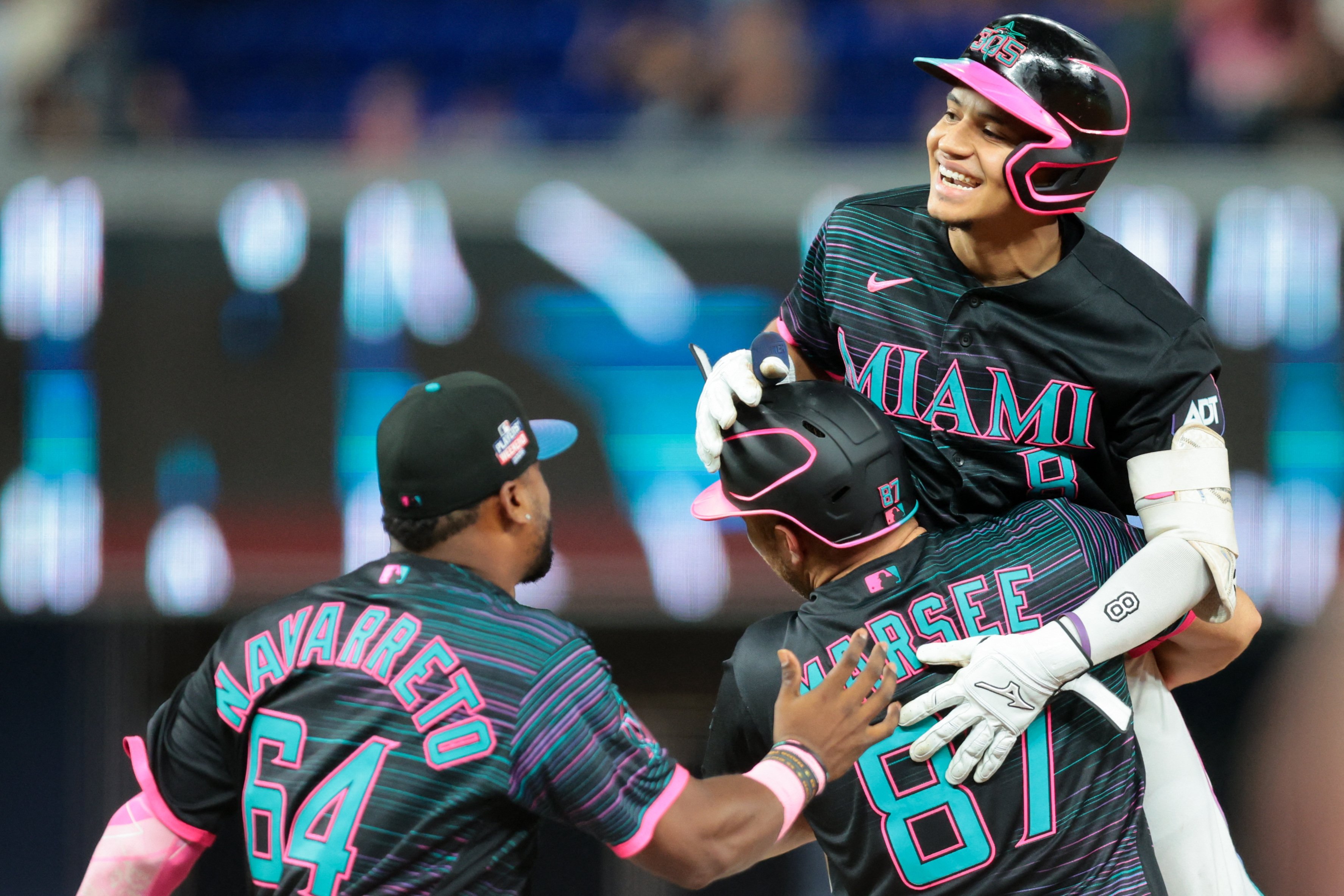 MIAMI, FL - Through the first seven innings of Friday's game against the Washington Nationals, the Miami Marlins had one single hit. Fortunately, their opponent has had a habit of blowing leads this season, and the Nationals did that yet again. The Marlins tied and took the lead in the bottom of the eighth inning. After their own closer, Pete Fairbanks, blew a save himself, hot-hitting Javier Sanoja delivered the walk-off blow as the Fish took down the Nats by a final score of 3-2. Sanoja was not even in the starting lineup. In the bottom of the sixth, Marlins manager Clayton McCullough had him pinch-hit for Owen Caissie. Although Sanoja struck out in that first at-bat, with a runner on third in the eighth, he knocked in the game-tying RBI single and scored the go-ahead run on an Otto Lopez RBI double. "It's tough to come off the bench when the pitcher is already hot and already having everything working and going through his plan," Sanoja said postgame through an interpreter. "But at the end of the day, we are here for a reason, so I need to accept my role and give it my best, take good at-bats and that's what I tried to do in that situation." Fairbanks, who had not allowed a run in his last eight appearances, blew his fourth save opportunity of the season. He walked Jacob Young, who then stole second and Daylen Lile drove him in on an RBI double, tying the game. In the bottom of the ninth, Agustín Ramírez worked his second walk of the game and Esteury Ruiz used his speed to his advantage and got on base via a bunt single, advancing to second on a throwing error. Ramírez went from first to third. Jakob Marsee was intentionally walked so that Nationals reliever Clayton Beeter could match up with Sanoja. On the sixth pitch of the at-bat, Sanoja was able to get a base hit up the middle through the drawn-in infield, allowing Ramírez to score. Sanoja is now having the best month of his career, slashing .362/.393/.603/.996 with three home runs and 15 RBI. Friday marked his sixth multi-hit performance of the season. Sanoja is not showing any respect to Jayden Daniels by riding a five-game hitting streak. "The at-bat quality that he's showing is certainly an improvement," McCullough said. "That's an area where as good as he is, continuing to refine his approach is a big part of him continuing to take steps as a player. He's just so valuable with what he can do, and he gets the ball to all fields. Just seen him time and time again when things are the hottest, he just has a real ability to stay in that moment and come through." Starting the game for the Marlins was Ryan Gusto. In four innings of work, he shut out the Nationals, allowing five hits, one walk and striking out two. He has a 2.41 ERA in the month of August. On the season, he has a 4.37 ERA, 4.01 FIP, 7.96 K/9 and 2.34 BB/9 in 17 appearances (12 starts). One slight improvement has been his average fastball velocity. In his limited sample size last season, Gusto was just averaging 94.1 mph. It is now at 94.4 mph in 2026, and on Friday, he was averaging 95.3 mph and topped out at 98.1 mph. "A lot of work in the weight room with the strength coaches," Gusto said regarding the uptick in velocity. "We've had like literal meetings about the best ways for me and my body to go about training and the things we can do, like locking in those exercises on certain days in between starts and getting that routine down to a science almost. Mechanically speaking on the pitching side, just making sure that I'm moving efficiently, everything feels good and just going with it." With the win, the Marlins are now 65-64 on the season, four games out of the third National League Wild Card Spot. Their head-to-head success against Washington has been critical to keeping them in the race. They've won six of their seven matchups so far. Eury Pérez takes the mound opposite of Jake Irvin on Saturday at 4:10 pm. View the full article
 -
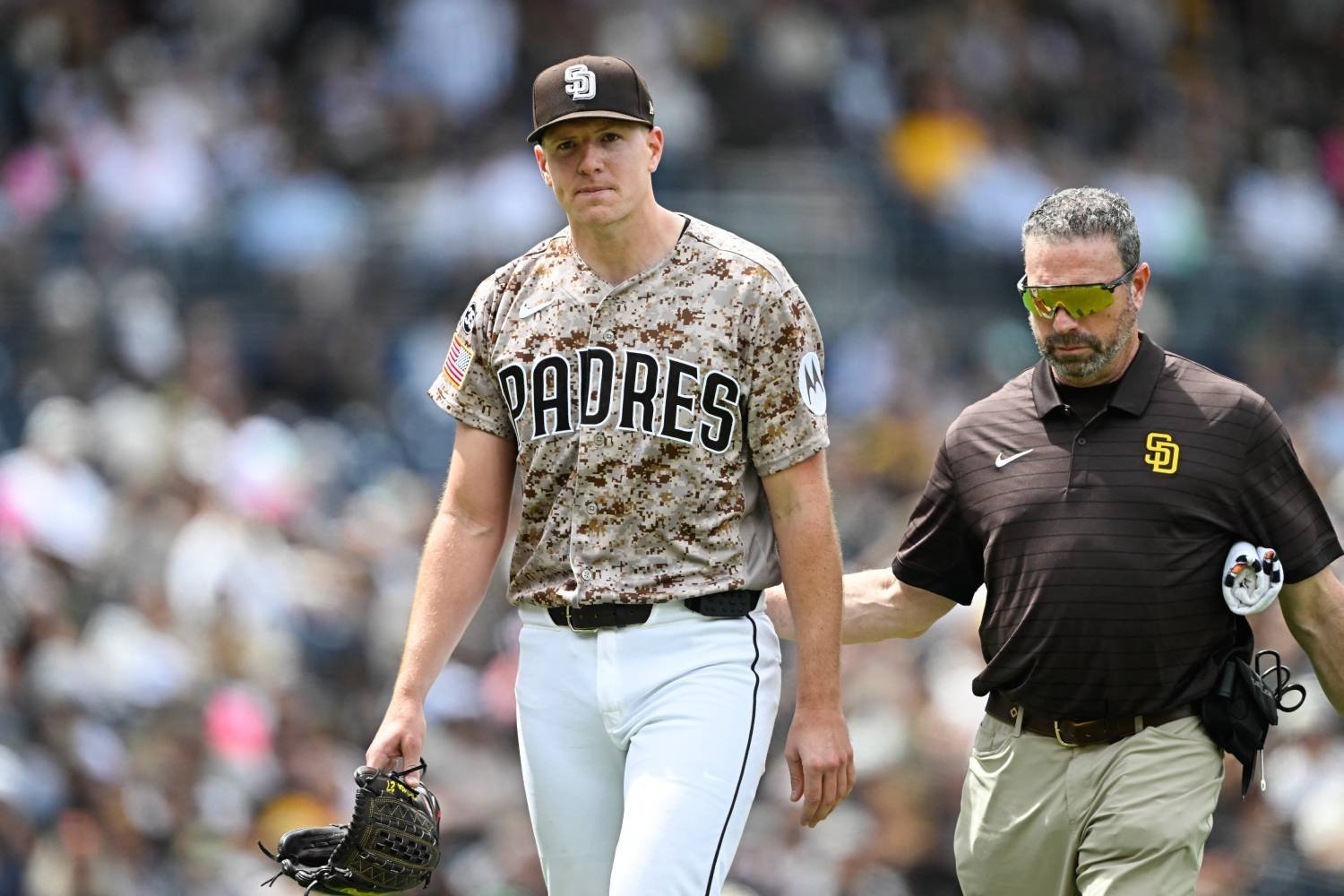 It is no secret that the San Diego Padres are a bit fortunate to be in the position they are. They entered their weekend series against the Minnesota Twins in the No. 3 position in the NL wild-card chase after many had left the Friars for dead following an eight-game losing streak before the All-Star break. A combination of starting rotation woes and poor offense were to blame for much of that malaise, issues that have been fixed one way or the other to have the Padres contending once again. Of course, injuries have also played a noteworthy role in where the Padres are and fans can dream about where the Friars would be if right-handers Joe Musgrove and Nick Pivetta had not been relegated to a combined four starts so far this season, all by Pivetta. According to a recent article on FanGraphs, the Padres have lost a potential 7.7 fWAR through injuries this year, the 13th-most in MLB ("potential" being a key word there). That is a rather middle-of-the-pack number, which also feels right when you consider which players the Padres have had go on the injured list this season and for how long. Aside from Pivetta (2.3 projected fWAR) and Musgrove (2.0), left fielder Ramon Laureano’s likely season-ending shoulder surgery from early June and second baseman Jake Cronenworth’s seven-week absence due to a concussion are the other most significant ailments. Laureano and Cronenworth had a 2.5 projected fWAR. Another right-handed starter, Lucas Giolito (0.9 fWAR), has missed a significant chunk of time, while right-handed reliever Jason Adam (0.4) has been sidelined since July 2. Three other position players are worth mentioning as well. Catcher Freddy Fermin (1.9) was sidelined twice by injuries, fellow backstop Luis Campusano (0.9) was out for nearly a month, while left fielder Miguel Andujar (0.2) remains out since July 20. (Note that right-handed reliever Bryan Hoeing was not included on the preseason projection as he was ruled out for the season during spring training.) The FanGraphs article noted that the fWAR used to determine the fWAR lost was rerun for this exercise, so the numbers listed here doesn’t necessarily match up, but does give you an idea of their perceived preseason importance. Of the teams that have lost more fWAR than the Friars, yes, the two-time defending World Series champion Los Angeles Dodgers are there at 10.1, tied with the Houston Astros for fifth-most. The Boston Red Sox have lost the most potential fWAR at 12.8, while the St. Louis Cardinals have lost the least at 1.9. For the remainder of the season, the Padres are projected to lose 1.9 fWAR. A good piece of this would be Pivetta, followed by Laureano, Andujar and Adam. That total is tied for 15th with the Milwaukee Brewers. The Dodgers, conversely, are projected to lose 1.6 fWAR. Musgrove is likely to be back next week, while Pivetta could soon start a new rehab assignment. Musgrove took four rehab assignments (across 17 days) to get to a good spot and return. Adam, the primary right-handed setup man, remains about a month away from coming back, which could make his availability for the postseason, at least the first series, a bit murky. Andujar is the other key injured player and he just started swinging a bat again. View the full article
 -
Cubs Activate Daniel Palencia From Injured List
DiamondCentric posted an article in North Side Baseball
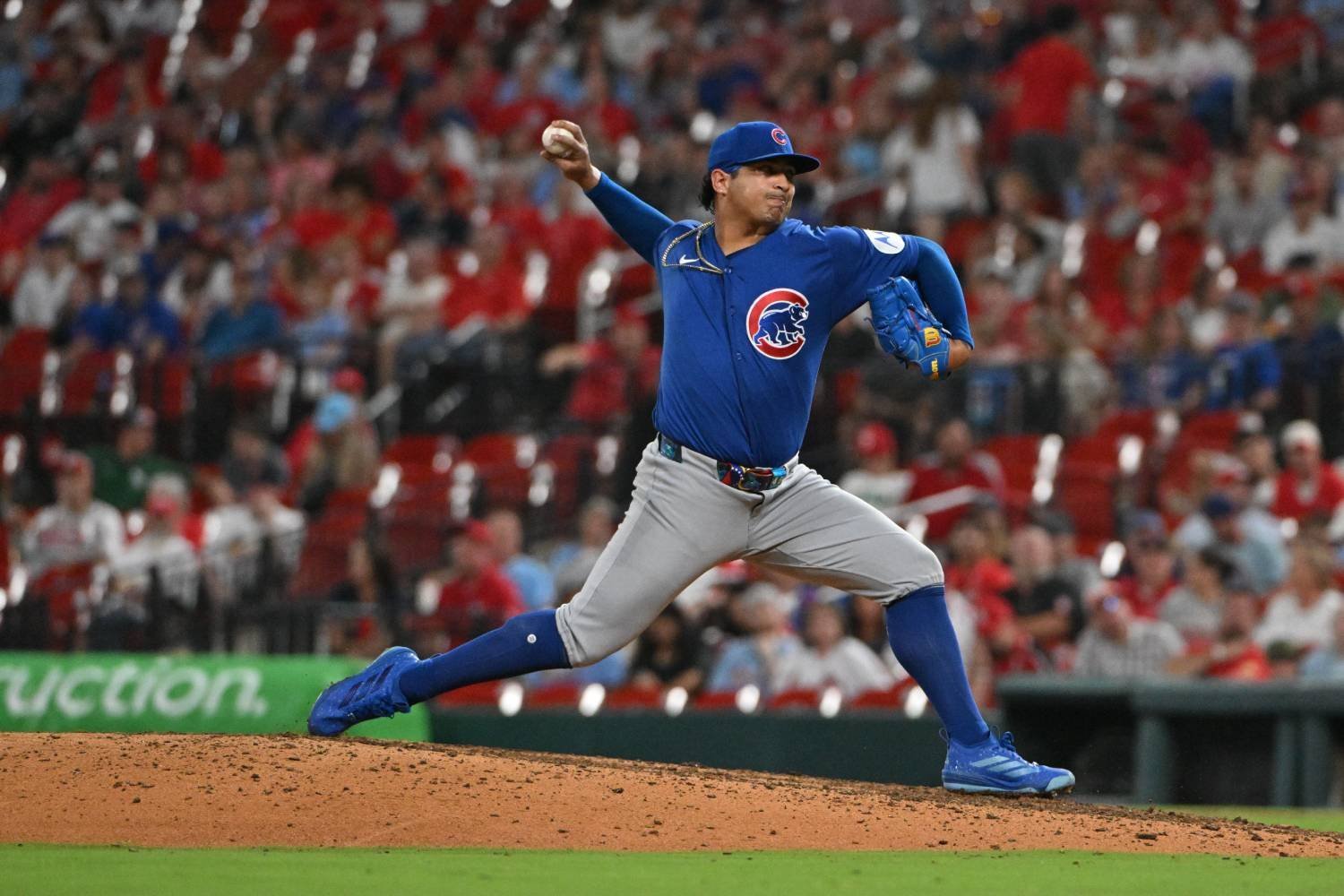 The Chicago Cubs are getting their Opening Day closer back at just the right time. Right-handed reliever Daniel Palencia was activated from the 60-injured list by the Cubs on Friday. Infielder Gabriel Arias, who was claimed off waivers from the New York Mets, also officially joined the 26-man roster. To make room for both, infielder Owen Miller was designated for assignment and right-hander Javier Assad was optioned back to Triple-A Iowa. The Cubs entered play Friday five games behind the NL Central-leading Milwaukee Brewers, who have the best record in MLB, and lead the NL wild-card standings. Palencia made his last appearance June 15 and has been out with a mild flexor strain in his right elbow. He has been in 19 games, with a 3.45 FIP (2.70 ERA) over 16⅔ innings. His walk rate is 8.5% and his strikeout rate is 26.8%. Palencia has converted all three of his save chances. The Cubs rank 22nd in MLB with 29 saves. Arias is with his third MLB team this season, having been with the Cleveland Guardians in addition to the Mets before joining the Cubs. He has a .235/.273/.371 slash line with five homers and 11 RBIs in 44 games. Miller was just called up a few days ago but only appeared in one game defensively. Assad is being optioned for the fourth time this year. He has been a vital piece when in the majors, appearing in 22 games, including 10 starts. In 83⅓ innings, he has a 4.97 FIP (3.46 ERA) with a 6.3% walk rate and 16.6% strikeout rate. View the full article
 -
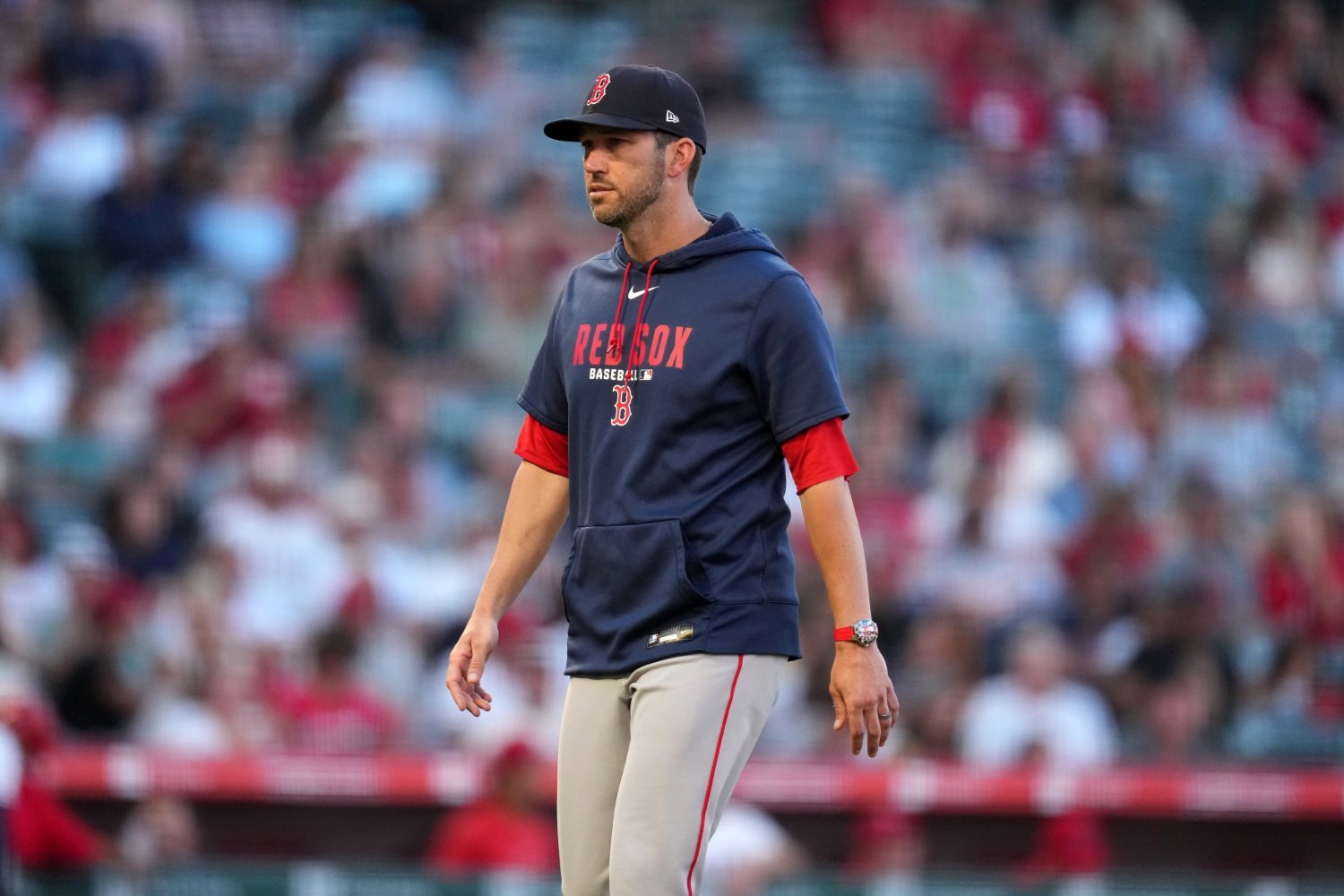 Chad Tracy provided quite a few injury reports during media availability before the first game of the Giants series. Per The Boston Herald’s Mac Cerullo, Roman Anthony, Trevor Story, and Isiah Kiner-Falefa are all continuing their rehab assignments through the weekend. There was some belief that Story could return as early as Friday, August 21, but the Red Sox seem to be taking a slower approach with the big league trio’s rehab assignments to guarantee they are ready to go once they get to Boston. Along with that, Cerullo also noted that RHP Garrett Whitlock is set to begin throwing at 120 feet before the Giants series. Whitlock believes he is on track to return to the team as soon as he is eligible to come off of the injured list, barring no setbacks. Also of note: LHP Garrett Crochet is throwing out to 90 feet as he progresses in his recovery from lat and shoulder injuries earlier this season. Crochet has already said that if he returns this season, he will only be able to go two innings, but progress is progress as the Red Sox continue to be in possession of the second AL Wild Card spot. Finally, RHP Tanner Houck is set to throw a live bullpen session on Monday in Fort Myers. Houck has been quietly progressing in his rehab program from Tommy John surgery last summer and the team is hoping for him to join the pitching program at some point before the end of the regular season. View the full article
 -
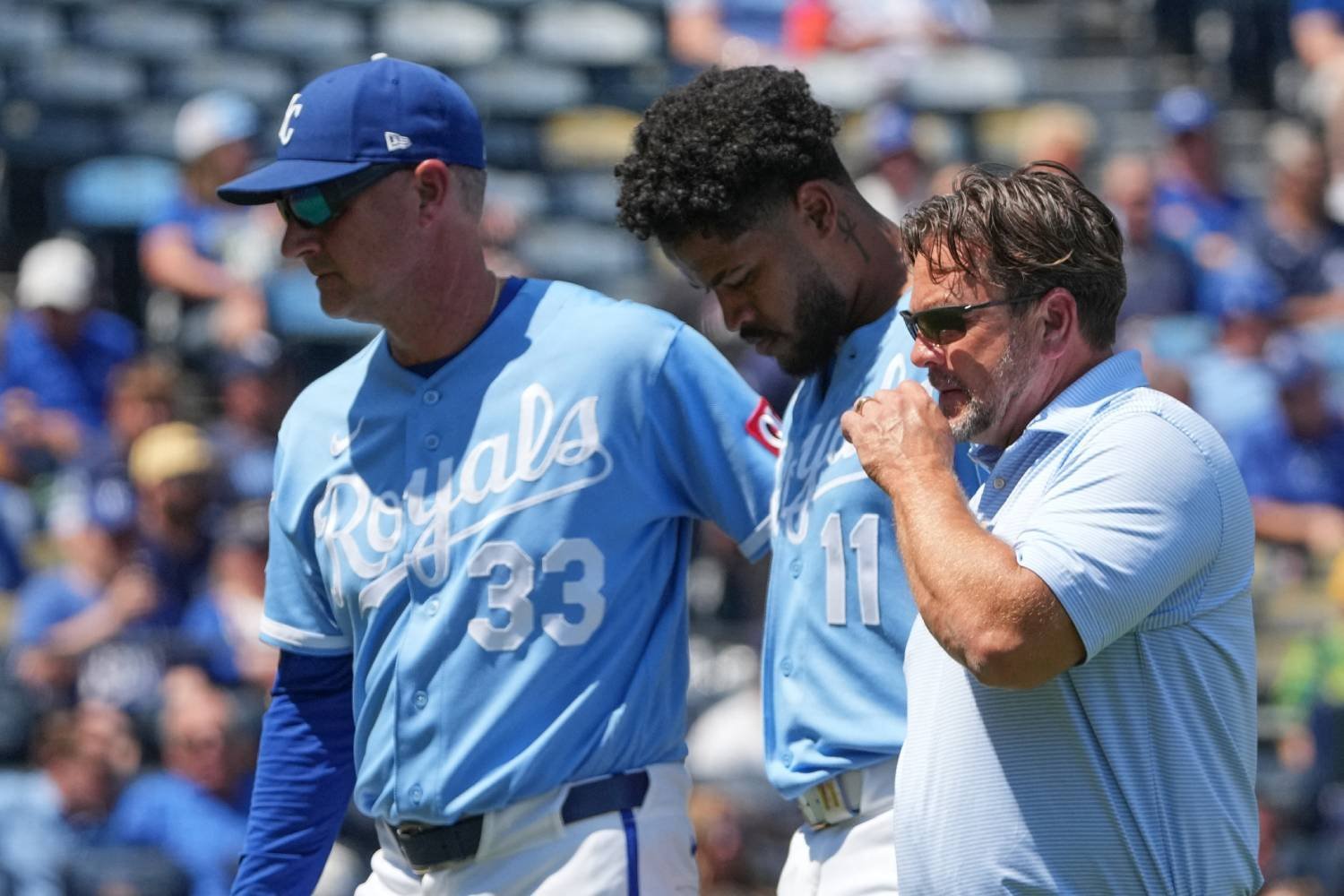 The return of Maikel Garcia to the Kansas City Royals lasted just three games plus one at-bat. The third baseman was placed on the 10-day injured list Friday by the Royals due to a strained left hamstring. Right-handed reliever Carlos Duran was optioned to Triple-A Omaha, while taking their spots on the 26-man roster are outfielder Matthew Lugo and right-handed reliever Jose Cuas, who were called up from Omaha. Garcia was injured during the first inning Thursday after taking a big turn around third base following a misplay on a grounder to short. Nic Loftin took over at third base as Garcia exited the game. Garcia had just returned to the Royals' lineup Monday following a muscle strain in his left hand from the last week in June. Garcia is slashing .269/.324/.385 in 73 games, hitting three homers and driving in 32. The 25-year-old Lugo will be making his Royals debut. He has only appeared in the majors for 31 games last season with the Los Angeles Angels, posting a .232/.243/.464 with four homers and nine RBIs. The Royals claimed Lugo off waivers from the Angels on June 2. Between the Angels and Royals in the minors this season, he has a .265/.350/.473 slash line with 14 homers and 65 RBIs, along with 14 steals, in 100 games. Cuas has a 1.64 ERA in 10 games and 11 innings, with four walks and 13 strikeouts. Duran has appeared in two games with the Royals this year, allowing two runs in 1⅓ innings. View the full article
 -
 You can listen by downloading us from: iTunes, Spotify, YouTube, iHeartRadio, Stitcher, GleemanAndTheGeek.com, or by clicking this link, or by watching/listening below. 0:44 Swept by the Phillies, then a sweep of the Braves 2:32 Where things stand: 63-65 with 34 games left 3:32 Twins hold the final AL wild card spot — 40% playoff odds 4:20 Fourth-easiest remaining schedule in baseball 5:04 The seven-team wild card logjam 5:56 Tiebreakers: the Twins have them over almost everyone 8:14 AL Central odds and the six games left vs. the White Sox 12:16 Why the AL playoff field is wide open 15:52 What this season still has to accomplish 21:14 Last August's fire sale and the joylessness of a lost season 25:43 The rotation is the problem: worst ERA in the AL since the break 29:46 This rotation could really use Joe Ryan 35:06 Kendry Rojas as rotation depth at Triple-A 36:16 Derek Shelton's quicker hook 40:53 The bullpen is now the strength of the team 43:34 Reading the Opening Day bullpen out loud, one disaster at a time 52:17 Luke Keaschall is back to his rookie form 58:00 Royce Lewis and the shortage of right-handed bats 1:00:29 Why not Walker Jenkins? 1:01:39 The Alex Jackson move: DFA'd, cleared waivers, recalled two hours later 1:06:57 Byron Buxton isn't 100%, and Jenkins is a real center fielder 1:09:47 John pushes back: where do the at-bats come from? 1:16:52 Kaelen Culpepper's first 10 games 1:22:00 Attendance is down 83,000 1:27:23 What Tom Pohlad should take from the Padres sale 1:36:32 The 2023 payroll cut and kneecapped a five-year plan 1:42:07 Coming up: Padres, A's, then 15 straight vs. the AL Central View the full article
 -
How the Twins Stack Up in the AL’s Tiebreaker Tangle
DiamondCentric posted an article in Twins Daily
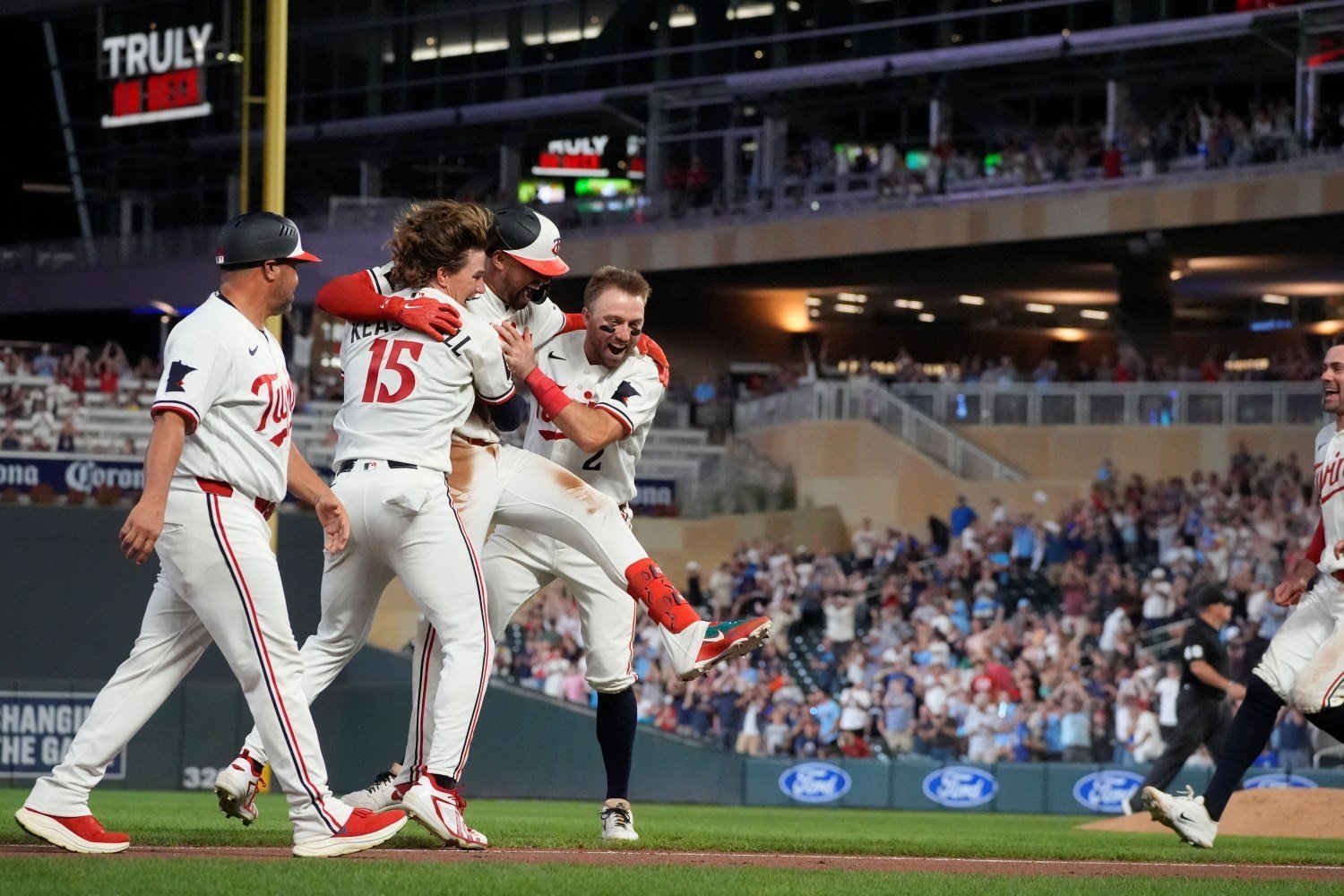 The American League playoff picture is getting increasingly difficult to figure out. That isn't necessarily a bad thing, especially for Twins fans. With the regular season entering its final stretch, several teams remain firmly in the postseason conversation, but very few have separated themselves enough to make the final weeks feel predictable. There is even a realistic possibility that at least one team with a losing record could qualify for the playoffs. Depending on how the final weeks unfold, the AL West champion could potentially finish below .500. It is a strange year. But baseball has never required a team to have a pretty record once October arrives. The standings reset when the postseason begins, and a team that sneaks into the playoffs can suddenly become the team nobody wants to face. That is why the Minnesota Twins still have reason to pay close attention to the American League playoff picture. Minnesota has put itself in the conversation, and the next several weeks could come down to more than simply who finishes with the most wins. Head-to-head records and other tiebreakers could become extremely important. Remember Game 163? There was a time when baseball fans could circle the calendar for a potential Game 163. Before the current playoff format, a tie at the end of the regular season could produce a winner-take-all tiebreaker game. Twins fans have some particularly memorable history with that setup. In 2009, the Twins and Detroit Tigers met at the Metrodome for Game 163 to determine the AL Central champion. Minnesota won 6-5 in an unforgettable 12-inning game that remains one of the most memorable contests in franchise history. A year earlier, the Twins were on the other side of the equation. Minnesota faced the Chicago White Sox in a 2008 tiebreaker for the AL Central, but Jim Thome's home run gave Chicago a 1-0 victory. Those games are gone now. Under the expanded playoff format, baseball has eliminated the traditional Game 163. If two teams finish with identical records, the winner is determined by a series of predetermined tiebreakers. And if the AL playoff race remains this crowded, Twins fans might want to know exactly how those rules work. How MLB Breaks a Playoff Tie The league essentially works its way through five levels of tiebreakers. 1. Head-to-head record: This is the first and most straightforward method when two teams are tied. The team that performed better against the other club gets the advantage. For a tie involving multiple teams, MLB looks at the teams' combined winning percentages against the other clubs involved in the tie. If that doesn't settle everything, the process continues by resolving the remaining teams through the applicable head-to-head records. The important point is that games played against one another can carry significant weight late in the season. 2. Intradivision record: If the head-to-head results don't settle the matter, the league moves to a team's record against opponents within its own division. This can become particularly important in a multi-team tiebreaker or when comparing Wild Card teams from different divisions. 3. Intraleague record: Next comes the team's overall record against the rest of the American League. That means every AL game matters, even if it isn't against a direct Wild Card competitor. 4. Record over the final half of intraleague games: If the previous three methods still haven't separated the teams, MLB goes deeper into the schedule. The league examines winning percentage over the second half of a team's intraleague schedule. 5. Continue working backward through intraleague games: Still tied? The league keeps moving backward, adding one game at a time to the sample until a difference emerges. So, no, there isn't going to be a Game 163. There could, however, be a lot of scoreboard watching. How the Twins Stack Up This is where things get particularly interesting for Minnesota. The Twins have already played a large portion of their schedule against several of the teams competing for postseason positioning. And in many cases, they have done quite well. Here is how Minnesota has fared against some of the key AL contenders: Houston Astros: Twins lead the season series 4-2, with no games remaining. Texas Rangers: Twins lead 3-0, with three games remaining on the final weekend of the regular season at Target Field Toronto Blue Jays: Twins lead 4-3, with no games remaining. Cleveland Guardians: Twins lead 6-4, with three games remaining at Target Field from September 11-13. Detroit Tigers: Twins lead 5-2, with six games remaining — three in Detroit and three at Target Field. Baltimore Orioles: Series is tied 3-3, with no games remaining. Seattle Mariners: Seattle leads 4-2, with no games remaining. That is a pretty favorable collection of results. The Mariners are the obvious exception, while the Orioles series ended evenly. Against several of the other teams Minnesota could potentially be battling for a postseason spot, however, the Twins have already established an advantage. And there are still opportunities to improve those numbers. The three remaining games against Texas could be particularly important. So could the six games against Detroit and the three against Cleveland. Those games aren't simply chances to add wins to the standings. They could also provide Minnesota with another layer of protection if the final records end up being identical. The Twins Have One of the Better Intraleague Records There is another reason for Minnesota to feel relatively comfortable about its position in a crowded AL race. Among the Wild Card contenders listed above, the Twins are the only team with a winning record both within their division and against the American League as a whole. Minnesota is .514 within the AL Central and .547 against the entire American League. That .547 intraleague mark is particularly notable because it is the best among the group. That doesn't guarantee anything. The Twins could win their intraleague tiebreaker and still miss the postseason because another team finishes with more victories. But in a race where several teams could finish within a game or two of one another, having a strong record against the rest of the league could become extremely valuable. And Minnesota has already taken care of business against several potential postseason opponents. Everything Is Still on the Table That is probably the best way to describe the American League playoff picture. Everything is still on the table. A team with a losing record could potentially reach October. A division winner could potentially finish below .500. Several Wild Card contenders are separated by relatively little, and the final standings could come down to tiebreakers rather than a dramatic Game 163. For the Twins, the good news is that they have already built some advantages. Now they simply need to keep winning. That part is considerably easier to understand than the tiebreaker rules. Minnesota doesn't need to worry about who wins the head-to-head tiebreaker if it finishes several games ahead of everybody else. It doesn't need to worry about intraleague records if it simply accumulates more victories than the teams chasing it. But if the AL race stays this chaotic, those details could matter. And unlike the old days, there won't be another game at the end of the season to settle everything on the field. The Twins may have to settle it in the standings. And if they can keep themselves in the race long enough, those early-season wins against the teams around them could end up being every bit as important as the ones they collect in September. What sticks out about the tie breaker scenarios? How do you feel about the Twins' position? Leave a comment and start the discussion. View the full article
